

Victorslavic
220 投稿

Victorslavic
報告
ユーザーをブロック
luck is when preparedness meets opportunity
34 フォロー
10 フォロワー
39 いいね
投稿
すべて
引用
PINNED
·
--
記事
翻訳参照
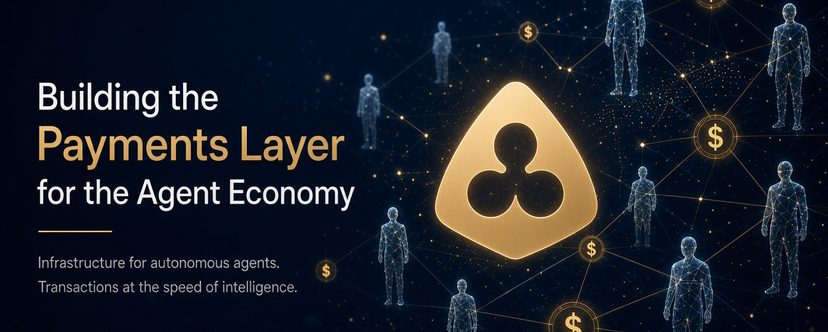
Why Autonomous Agents Need Their Own Financial RailsWhy Autonomous Agents Need Their Own Financial Rails
And Why Kite Is Building Them
The next phase of the internet will not be dominated by humans clicking buttons. It will be dominated by autonomous agents software entities that research, negotiate, execute, and settle on our behalf.
Most of Web3 was built for humans. Wallets require private keys we hold. Transactions require our explicit approval. Governance assumes a human is watching. That architecture breaks the moment agents become the primary economic actors.
This is the gap Kite is designed to close.
The Core Problem: Agents Are Economically Homeless
Current blockchains treat agents as second-class citizens. An AI agent that wants to:
* Pay for real-time data feeds
* Book compute or API access
* Execute a trade when a condition is met
* Settle with another agent
…still has to route everything through a human-controlled wallet or a rigid smart contract that cannot adapt.
The result is either constant human intervention (defeating the purpose of autonomy) or dangerous over-permissioning (giving an agent unrestricted control of funds). Neither scales.
Kite approaches this from first principles with three tightly integrated layers:
1. Kite Chain — an EVM-compatible Layer-1 optimized for agent workloads: high throughput, sub-second finality, native stablecoin settlement, and dedicated payment lanes that prevent congestion from human traffic.
2. Kite Agent Passport — a hierarchical identity and programmable wallet system. Users define the rules (budget, allowed counterparties, time limits, spending thresholds). The agent receives a scoped session identity that can only act within those cryptographic boundaries.
3. Proof of Attributed Intelligence (PoAI) — a mechanism that tracks and rewards actual contributions across data, models, and agent actions, creating an incentive layer for the agent economy itself.
This is not “AI + blockchain” marketing. It is infrastructure specifically engineered for machine-speed commerce.
Technical Use Case: Agent-to-Agent Settlement with Bounded Authority
Consider a concrete flow that is already being demonstrated:
A user’s travel agent (running on Claude or similar) needs to book lodging in Japan. It discovers local merchant agents on a platform like ZUKKU. The user’s Kite Agent Passport has been pre-authorized with:
* A total trip budget
* An auto-approve threshold (e.g., under $200)
* Allowed merchant categories
The agent negotiates price and availability with the inn’s agent via email or structured messaging. When terms are acceptable, payment settles agent-to-agent in stablecoins through Kite’s rails without the human needing to approve every micro-transaction, yet without ever giving the agent unbounded control of funds.
The same pattern applies to:
* Paying for inference or data on a per-request basis
* Automated DeFi position management (e.g., health-factor-triggered repayment)
* Cross-service agent workflows where multiple specialized agents coordinate and settle among themselves
The key technical innovation is the separation of root authority (the human), agent identity, and ephemeral session keys. This hierarchical model is what makes programmable governance actually enforceable at machine speed.
Trader Perspective: What Changes When Agents Can Transact Reliably
As someone who has spent years in markets, the practical implications are significant.
Today, even sophisticated trading systems still hit friction at the payment and permission layer. Want an agent to:
* Dynamically pay for premium order-flow or alternative data?
* Automatically rebalance or hedge when volatility spikes?
* Coordinate with other agents for liquidity or arbitrage opportunities?
You either babysit the wallet or accept material operational risk.
Kite’s model allows a trader (or a trading firm) to spin up specialized agents with precise mandates and hard spending ceilings. Capital remains under cryptographic control while the agents operate continuously. This is closer to how institutional systems already think about risk limits and desk-level authority but enforced on-chain and interoperable across services.
In an agent-native market structure, the edge may increasingly come from the quality of the agents you deploy and the reliability of the rails they settle on, not just from proprietary signals.
Future Vision: The Agent Economy as Native Infrastructure
If agents become the primary users of the internet, then the financial layer must become agent-native rather than human-adapted.
That means:
* Identity that agents can prove without exposing human keys
* Payments that settle in milliseconds at sub-cent cost
* Governance that is compositional and enforceable across services
* Attribution so that value created by data providers, model builders, and agent operators can be measured and rewarded
Kite is positioning itself as the settlement and trust layer for that future analogous to how Ethereum became the programmable settlement layer for DeFi, but purpose-built for a world where the majority of economic activity is machine-initiated.
The partnerships and standards work (x402, integrations with existing commerce platforms, membership in agent-focused foundations) suggest they understand this is not a single-chain game. Interoperability and open standards will matter as much as raw performance.
Why This Is Necessary Value-Add to Web3
Web3 has spent years solving human coordination problems: trustless ownership, programmable money, decentralized governance. Those remain important. But they are incomplete for the next wave.
Without agent-native identity, payments, and bounded authority, the AI agent narrative risks becoming another cycle of demos and vaporware. Agents will remain toys or tightly supervised tools rather than independent economic actors.
Kite’s contribution is not another general-purpose L1 or another AI token. It is specialized financial infrastructure for a new class of economic participant. That specialization is what makes it additive rather than competitive with existing chains.
The projects that matter in the long run are usually the ones that remove a fundamental constraint. Right now, the constraint is that autonomous software cannot reliably hold, spend, and be held accountable for value. Solving that is not optional if the agent economy is going to be real.
The question is no longer whether agents will transact. It is whether the rails they use will be purpose-built or jury-rigged. Kite is making a clear bet on the former.
What do you think is the bigger bottleneck for agentic commerce right now identity, payments, or the lack of shared standards?
#KiteBBW $KITE @GoKiteAI
Why Autonomous Agents Need Their Own Financial Rails
Why Autonomous Agents Need Their Own Financial Rails
And Why Kite Is Building Them
The next phase of the internet will not be dominated by humans clicking buttons. It will be dominated by autonomous agents software entities that research, negotiate, execute, and settle on our behalf.
Most of Web3 was built for humans. Wallets require private keys we hold. Transactions require our explicit approval. Governance assumes a human is watching. That architecture breaks the moment agents become the primary economic actors.
This is the gap Kite is designed to close.
The Core Problem: Agents Are Economically Homeless
Current blockchains treat agents as second-class citizens. An AI agent that wants to:
* Pay for real-time data feeds
* Book compute or API access
* Execute a trade when a condition is met
* Settle with another agent
…still has to route everything through a human-controlled wallet or a rigid smart contract that cannot adapt.
The result is either constant human intervention (defeating the purpose of autonomy) or dangerous over-permissioning (giving an agent unrestricted control of funds). Neither scales.
Kite approaches this from first principles with three tightly integrated layers:
1. Kite Chain — an EVM-compatible Layer-1 optimized for agent workloads: high throughput, sub-second finality, native stablecoin settlement, and dedicated payment lanes that prevent congestion from human traffic.
2. Kite Agent Passport — a hierarchical identity and programmable wallet system. Users define the rules (budget, allowed counterparties, time limits, spending thresholds). The agent receives a scoped session identity that can only act within those cryptographic boundaries.
3. Proof of Attributed Intelligence (PoAI) — a mechanism that tracks and rewards actual contributions across data, models, and agent actions, creating an incentive layer for the agent economy itself.
This is not “AI + blockchain” marketing. It is infrastructure specifically engineered for machine-speed commerce.
Technical Use Case: Agent-to-Agent Settlement with Bounded Authority
Consider a concrete flow that is already being demonstrated:
A user’s travel agent (running on Claude or similar) needs to book lodging in Japan. It discovers local merchant agents on a platform like ZUKKU. The user’s Kite Agent Passport has been pre-authorized with:
* A total trip budget
* An auto-approve threshold (e.g., under $200)
* Allowed merchant categories
The agent negotiates price and availability with the inn’s agent via email or structured messaging. When terms are acceptable, payment settles agent-to-agent in stablecoins through Kite’s rails without the human needing to approve every micro-transaction, yet without ever giving the agent unbounded control of funds.
The same pattern applies to:
* Paying for inference or data on a per-request basis
* Automated DeFi position management (e.g., health-factor-triggered repayment)
* Cross-service agent workflows where multiple specialized agents coordinate and settle among themselves
The key technical innovation is the separation of root authority (the human), agent identity, and ephemeral session keys. This hierarchical model is what makes programmable governance actually enforceable at machine speed.
Trader Perspective: What Changes When Agents Can Transact Reliably
As someone who has spent years in markets, the practical implications are significant.
Today, even sophisticated trading systems still hit friction at the payment and permission layer. Want an agent to:
* Dynamically pay for premium order-flow or alternative data?
* Automatically rebalance or hedge when volatility spikes?
* Coordinate with other agents for liquidity or arbitrage opportunities?
You either babysit the wallet or accept material operational risk.
Kite’s model allows a trader (or a trading firm) to spin up specialized agents with precise mandates and hard spending ceilings. Capital remains under cryptographic control while the agents operate continuously. This is closer to how institutional systems already think about risk limits and desk-level authority but enforced on-chain and interoperable across services.
In an agent-native market structure, the edge may increasingly come from the quality of the agents you deploy and the reliability of the rails they settle on, not just from proprietary signals.
Future Vision: The Agent Economy as Native Infrastructure
If agents become the primary users of the internet, then the financial layer must become agent-native rather than human-adapted.
That means:
* Identity that agents can prove without exposing human keys
* Payments that settle in milliseconds at sub-cent cost
* Governance that is compositional and enforceable across services
* Attribution so that value created by data providers, model builders, and agent operators can be measured and rewarded
Kite is positioning itself as the settlement and trust layer for that future analogous to how Ethereum became the programmable settlement layer for DeFi, but purpose-built for a world where the majority of economic activity is machine-initiated.
The partnerships and standards work (x402, integrations with existing commerce platforms, membership in agent-focused foundations) suggest they understand this is not a single-chain game. Interoperability and open standards will matter as much as raw performance.
Why This Is Necessary Value-Add to Web3
Web3 has spent years solving human coordination problems: trustless ownership, programmable money, decentralized governance. Those remain important. But they are incomplete for the next wave.
Without agent-native identity, payments, and bounded authority, the AI agent narrative risks becoming another cycle of demos and vaporware. Agents will remain toys or tightly supervised tools rather than independent economic actors.
Kite’s contribution is not another general-purpose L1 or another AI token. It is specialized financial infrastructure for a new class of economic participant. That specialization is what makes it additive rather than competitive with existing chains.
The projects that matter in the long run are usually the ones that remove a fundamental constraint. Right now, the constraint is that autonomous software cannot reliably hold, spend, and be held accountable for value. Solving that is not optional if the agent economy is going to be real.
The question is no longer whether agents will transact. It is whether the rails they use will be purpose-built or jury-rigged. Kite is making a clear bet on the former.
What do you think is the bigger bottleneck for agentic commerce right now identity, payments, or the lack of shared standards?
#KiteBBW $KITE @KITE AI 中文
1
89
·
--
翻訳参照
Congratulations on your win
If u are feeling generous
binance uid
37520600
Very grateful 💚💚🫶🏽
Congratulations on your win
If u are feeling generous
binance uid
37520600
Very grateful 💚💚🫶🏽
If u are feeling generous
binance uid
37520600
Very grateful 💚💚🫶🏽
·
--
翻訳参照
Congratulations on your win
If u are feeling generous
binance uid
37520600
Very grateful 💚💚🫶🏽
Congratulations on your win
If u are feeling generous
binance uid
37520600
Very grateful 💚💚🫶🏽
If u are feeling generous
binance uid
37520600
Very grateful 💚💚🫶🏽

DavidY2026
·
--
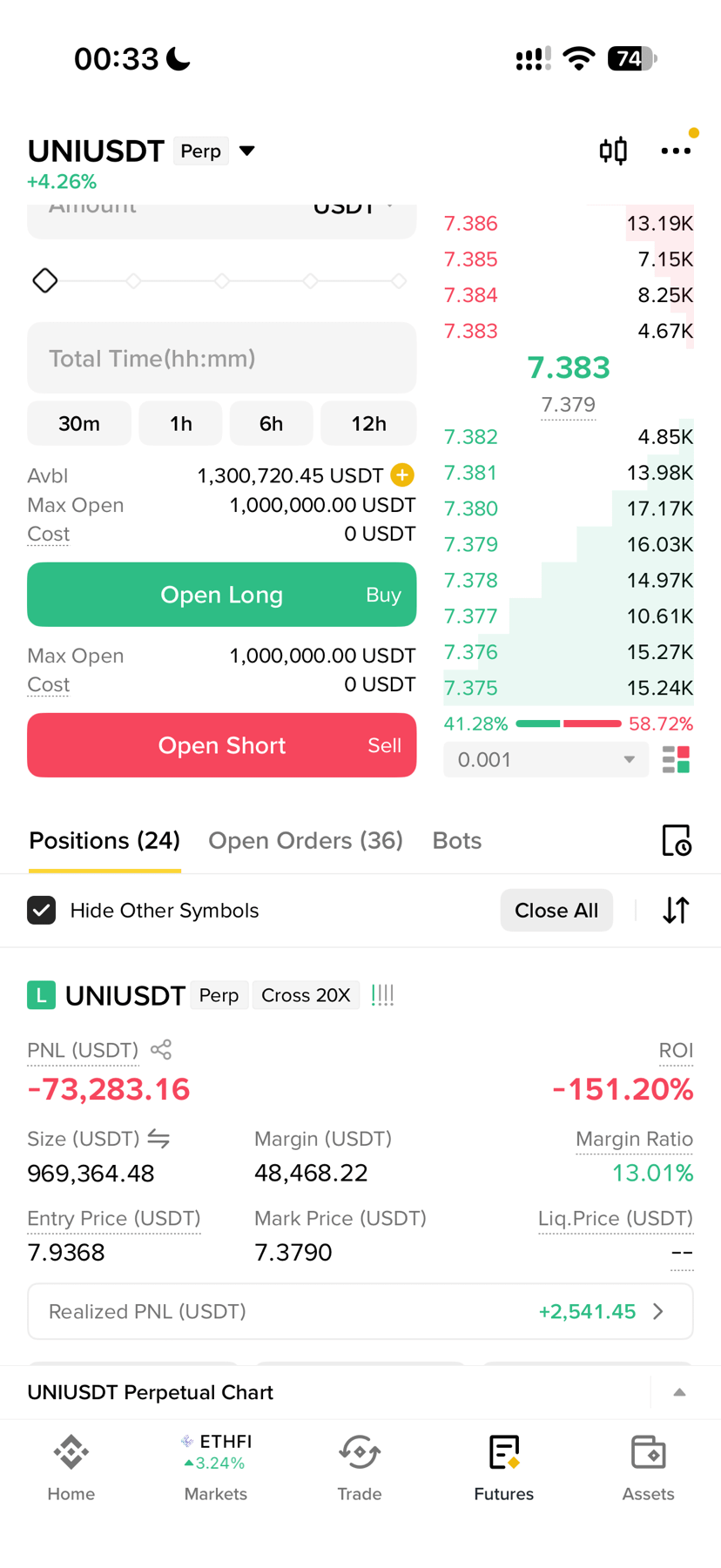
個人的には、$UNI はまだ過小評価されていると感じています。最近、Uniswapチームがさまざまな施策を打ち、勢いよく前進しているのを見てきました。Hyperliquidがデリバティブと将来のRWA金融を支えるオンチェーンインフラだとすれば、Uniは将来最大のオンチェーン現物取引所になるでしょう。だから、私は今も強気です。もちろん、これは投資助言ではありません。
·
--
翻訳参照
U might get dis appointed wait for gold signal instead for 1% of ur profit
U might get dis appointed wait for gold signal instead for 1% of ur profit
DavidY2026
·
--
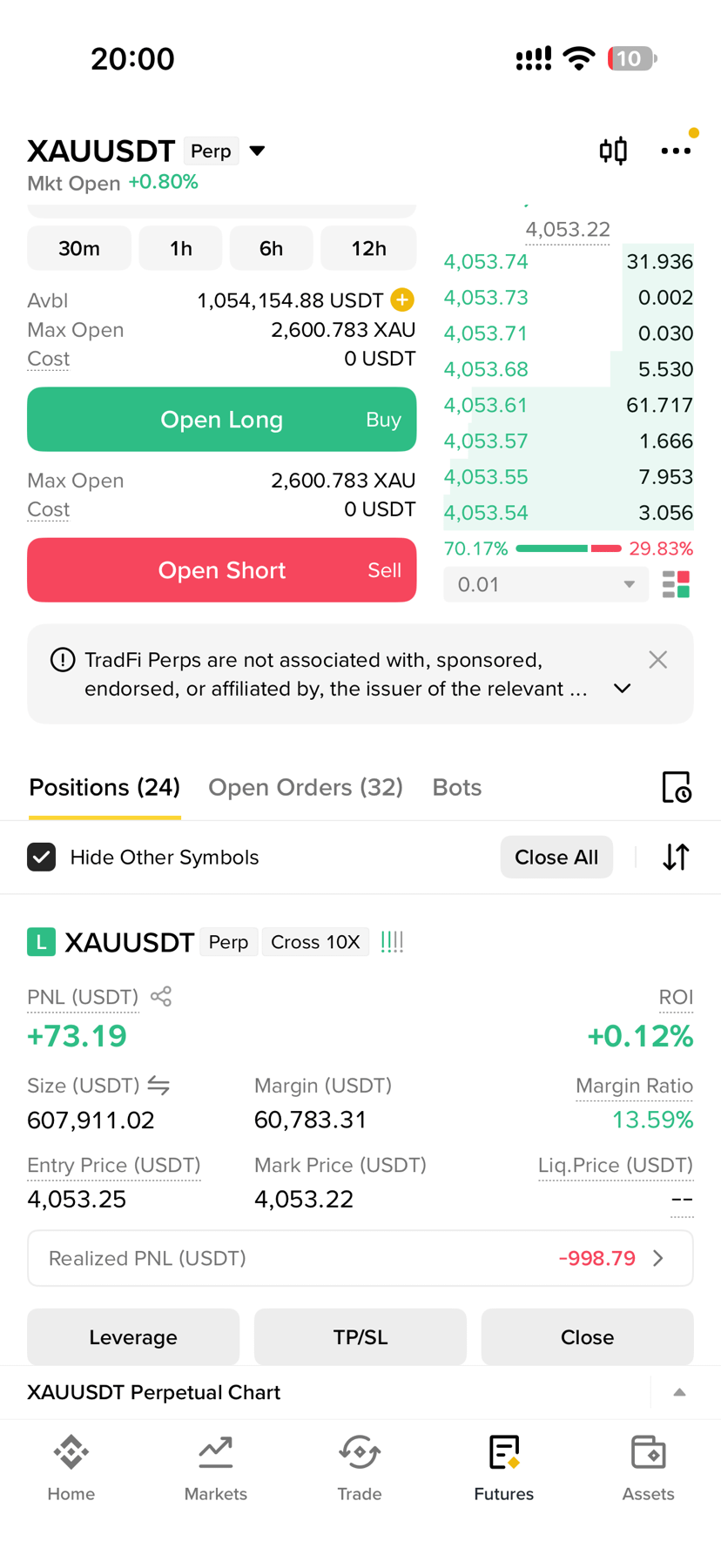
ブリッシュ1 XAU = 1 XAU。常に
60万のロングポジションを開設
60万のロングポジションを開設
·
--
翻訳参照
Congratulations on ur futture win
If u are feeling generous
binance uid
37520600
Very grateful 💚💚🫶🏽
100 usd to support my trading
I will provide weekly proof my activities
Congratulations on ur futture win
If u are feeling generous
binance uid
37520600
Very grateful 💚💚🫶🏽
100 usd to support my trading
I will provide weekly proof my activities
If u are feeling generous
binance uid
37520600
Very grateful 💚💚🫶🏽
100 usd to support my trading
I will provide weekly proof my activities

赚了亿点点
·
--
お前は大口が仕切ってる草コインだろ、ここで何をメジャーぶってるんだ!絶対に負けを認めない!$ZEC
·
--
翻訳参照
Congratulations on ur win
If u are feeling generous
binance uid
37520600
Very grateful 💚💚🫶🏽
100 usd to support my trading
I will provide weekly proof my activities
Congratulations on ur win
If u are feeling generous
binance uid
37520600
Very grateful 💚💚🫶🏽
100 usd to support my trading
I will provide weekly proof my activities
If u are feeling generous
binance uid
37520600
Very grateful 💚💚🫶🏽
100 usd to support my trading
I will provide weekly proof my activities
Bran Brandon
·
--
やれやれ、またしばらく案件がない日々に耐えなきゃ。仕事がないと退屈だし、あればあったで緊張する。
·
--
翻訳参照
If u are feeling generous
binance uid
37520600
Very grateful 💚💚🫶🏽
1 bnb to support my trading
I will provide weekly proof my activities
If u are feeling generous
binance uid
37520600
Very grateful 💚💚🫶🏽
1 bnb to support my trading
I will provide weekly proof my activities
binance uid
37520600
Very grateful 💚💚🫶🏽
1 bnb to support my trading
I will provide weekly proof my activities


幸运鹅
·
--
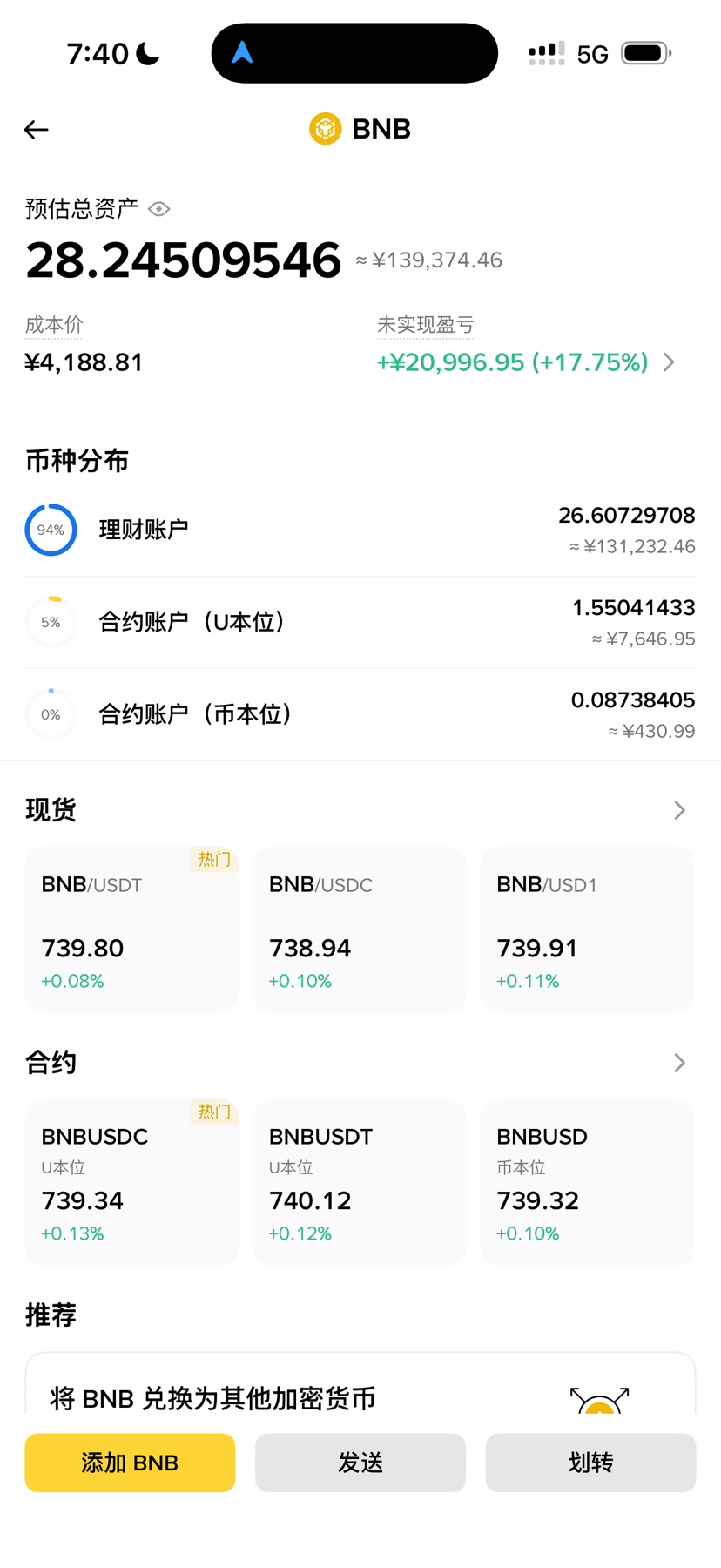
この28BNBは取引所からほぼ無料でもらったものです。平均すると1日に数個くらい……何に使えばいいのかも分かりません。以前は保有しているだけでエアドロップがありましたが、今はもう何もないみたいです。

·
--
翻訳参照
Congratulations on ur future wins
If u are feeling generous
binance uid
37520600
Very grateful 💚💚🫶🏽
100 usd to support my trading
I will provide weekly proof my activities
Congratulations on ur future wins
If u are feeling generous
binance uid
37520600
Very grateful 💚💚🫶🏽
100 usd to support my trading
I will provide weekly proof my activities
If u are feeling generous
binance uid
37520600
Very grateful 💚💚🫶🏽
100 usd to support my trading
I will provide weekly proof my activities
赚了亿点点
·
--
やっぱり、私が投稿するたびに上がる。私の投稿に合わせて買いで入れば必ず儲かる!$ZEC
·
--
翻訳参照
Congratulations on your win
If u are feeling generous
binance uid
37520600
Very grateful 💚💚🫶🏽
100 usd to support my trading
I will provide weekly proof my activities
Congratulations on your win
If u are feeling generous
binance uid
37520600
Very grateful 💚💚🫶🏽
100 usd to support my trading
I will provide weekly proof my activities
If u are feeling generous
binance uid
37520600
Very grateful 💚💚🫶🏽
100 usd to support my trading
I will provide weekly proof my activities
DavidY2026
·
--
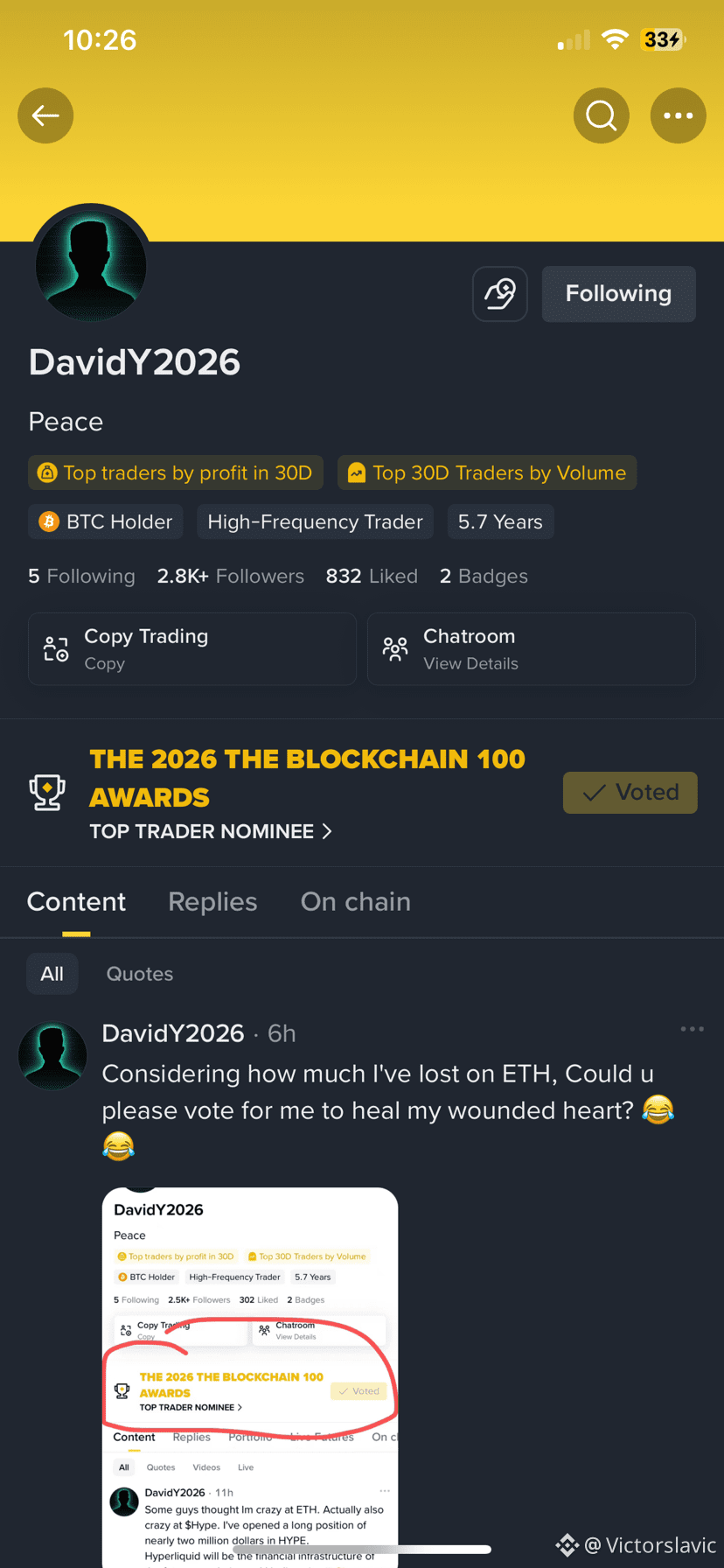
ETHでこんなに損したんだから、傷ついた心を癒すために私に投票してくれない?😂😂
·
--
翻訳参照
Congratulations on your win
If u are feeling generous
binance uid
37520600
Very grateful 💚💚🫶🏽
100 usd to aid my trading journey
Congratulations on your win
If u are feeling generous
binance uid
37520600
Very grateful 💚💚🫶🏽
100 usd to aid my trading journey
If u are feeling generous
binance uid
37520600
Very grateful 💚💚🫶🏽
100 usd to aid my trading journey

Luke Alpha
·
--
BTCとETHに長期投資するつもりなら、苦しい時期を乗り越えなければなりません。昼と夜が交互に訪れるのに慣れるように、市場の浮き沈みを受け入れることを学びましょう。
順境にあっても浮かれず、逆境にあっても動揺しない。成功にも失敗にも一喜一憂せず、できる限りのことをして物事に取り組み、まだ続けられるなら歩み続けましょう。
今、BTCとETHについて恐れる必要はありません。むしろポジションをさらに積み増し、現物を安値で買い続けるべきです。
順境にあっても浮かれず、逆境にあっても動揺しない。成功にも失敗にも一喜一憂せず、できる限りのことをして物事に取り組み、まだ続けられるなら歩み続けましょう。
今、BTCとETHについて恐れる必要はありません。むしろポジションをさらに積み増し、現物を安値で買い続けるべきです。
·
--
翻訳参照
Congratulations on your win
If u are feeling generous
binance uid
37520600
Very grateful 💚💚🫶🏽
100 usd to aid my trading journey
Congratulations on your win
If u are feeling generous
binance uid
37520600
Very grateful 💚💚🫶🏽
100 usd to aid my trading journey
If u are feeling generous
binance uid
37520600
Very grateful 💚💚🫶🏽
100 usd to aid my trading journey

青山宗
·
--
なんてことだ、何年もかけて貯めたお金がなくなった
·
--
翻訳参照
Congratulations on your win
If u are feeling generous
binance uid
37520600
Very grateful 💚💚🫶🏽
Congratulations on your win
If u are feeling generous
binance uid
37520600
Very grateful 💚💚🫶🏽
If u are feeling generous
binance uid
37520600
Very grateful 💚💚🫶🏽
Bran Brandon
·
--
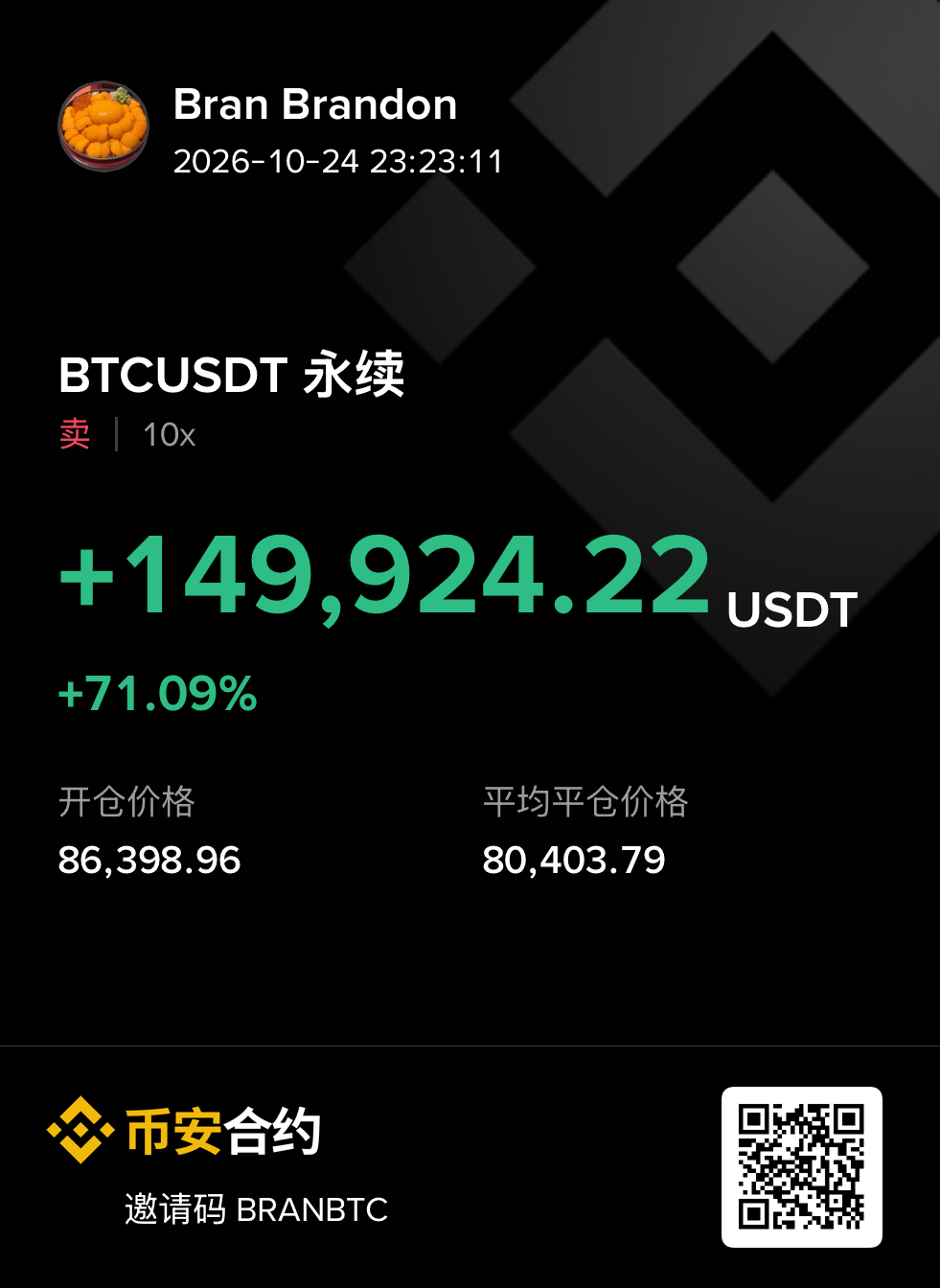
前回はWLDを売り切った途端に急騰した。今回は今日BTCを全部決済したので、もう下がらないでほしい。$WLD $BTC
·
--
翻訳参照
Congratulations on your win
If u are feeling generous
binance uid
37520600
Very grateful 💚💚🫶🏽
Congratulations on your win
If u are feeling generous
binance uid
37520600
Very grateful 💚💚🫶🏽
If u are feeling generous
binance uid
37520600
Very grateful 💚💚🫶🏽

Jia Crypto
·
--
ブリッシュVOTE ME 😭
5年間で1万ドルを失いました😭
人によっては、画面上のただの数字にすぎません。
でも私にとっては、夢であり、眠れない夜であり、終わりのないチャートの監視であり、いつかすべての犠牲が報われるという希望でした。
今では多くのことを学び、分析も正確になりました。$IRYS
5年間で1万ドルを失いました😭
人によっては、画面上のただの数字にすぎません。
でも私にとっては、夢であり、眠れない夜であり、終わりのないチャートの監視であり、いつかすべての犠牲が報われるという希望でした。
今では多くのことを学び、分析も正確になりました。$IRYS
·
--
翻訳参照
Zec by december
binance uid
37520600
#AllOnBinance 💛
Zec by december
binance uid
37520600
#AllOnBinance 💛
binance uid
37520600
#AllOnBinance 💛
赚了亿点点
·
--
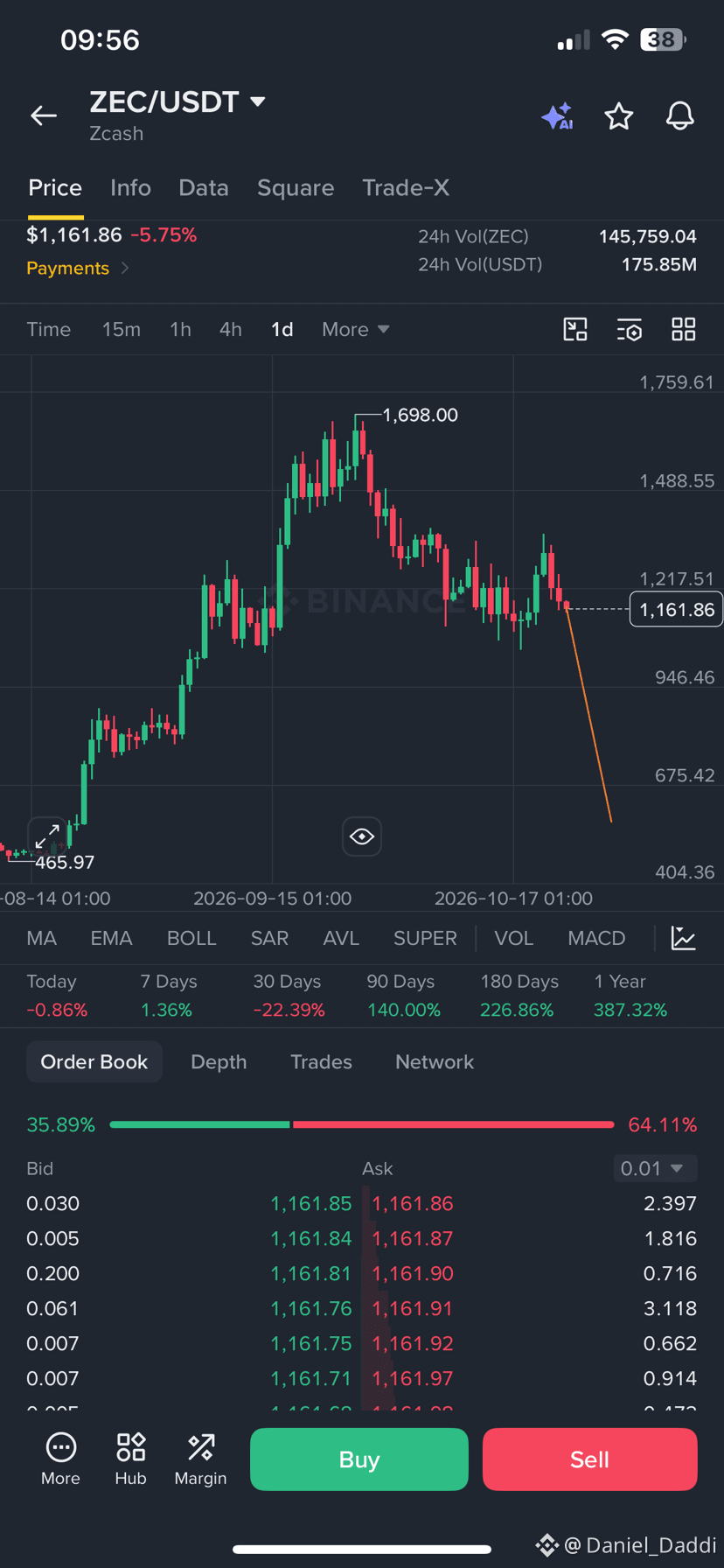
1050での一部売却がなぜ約定しなかったのか?売却価格を下げたせいで、腹が立って何日も壁に向かって反省していた。何日も広場に投稿していなかったけど、今回は自分のものをすべて取り戻す。$ZEC
44
·
--
翻訳参照
Eth by december
binance uid
37520600
#AllOnBinance 💛
Eth by december
binance uid
37520600
#AllOnBinance 💛
binance uid
37520600
#AllOnBinance 💛
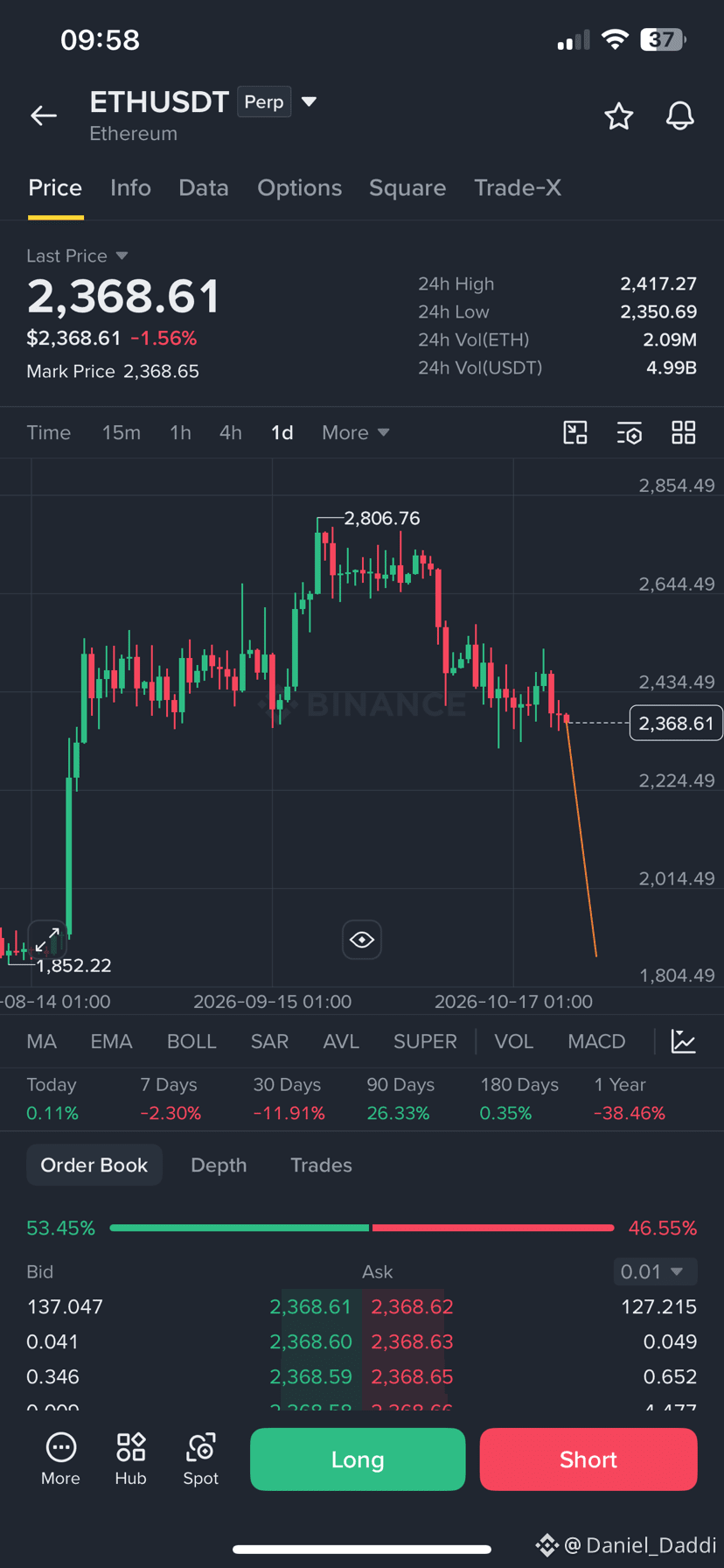
幸运鹅
·
--
最近の業者ってこんなに露骨なの?私はただUを買いに来ただけなのに!!あれこれ自慢してきて、小さな取引所でいくら勝ったとか、エントリーがどれだけ正確だったとか。みんなもこんな経験ある?
49
·
--
翻訳参照
Please support her guys
Please support her guys
Jia Crypto
·
--
ブリッシュVOTE ME 😭
5年間で1万ドルを失いました😭
人によっては、画面上のただの数字にすぎません。
でも私にとっては、夢であり、眠れない夜であり、終わりのないチャートの監視であり、いつかすべての犠牲が報われるという希望でした。
今では多くのことを学び、分析も正確になりました。$IRYS
5年間で1万ドルを失いました😭
人によっては、画面上のただの数字にすぎません。
でも私にとっては、夢であり、眠れない夜であり、終わりのないチャートの監視であり、いつかすべての犠牲が報われるという希望でした。
今では多くのことを学び、分析も正確になりました。$IRYS
·
--
翻訳参照
Beautiful
Beautiful

Crypto PM
·
--
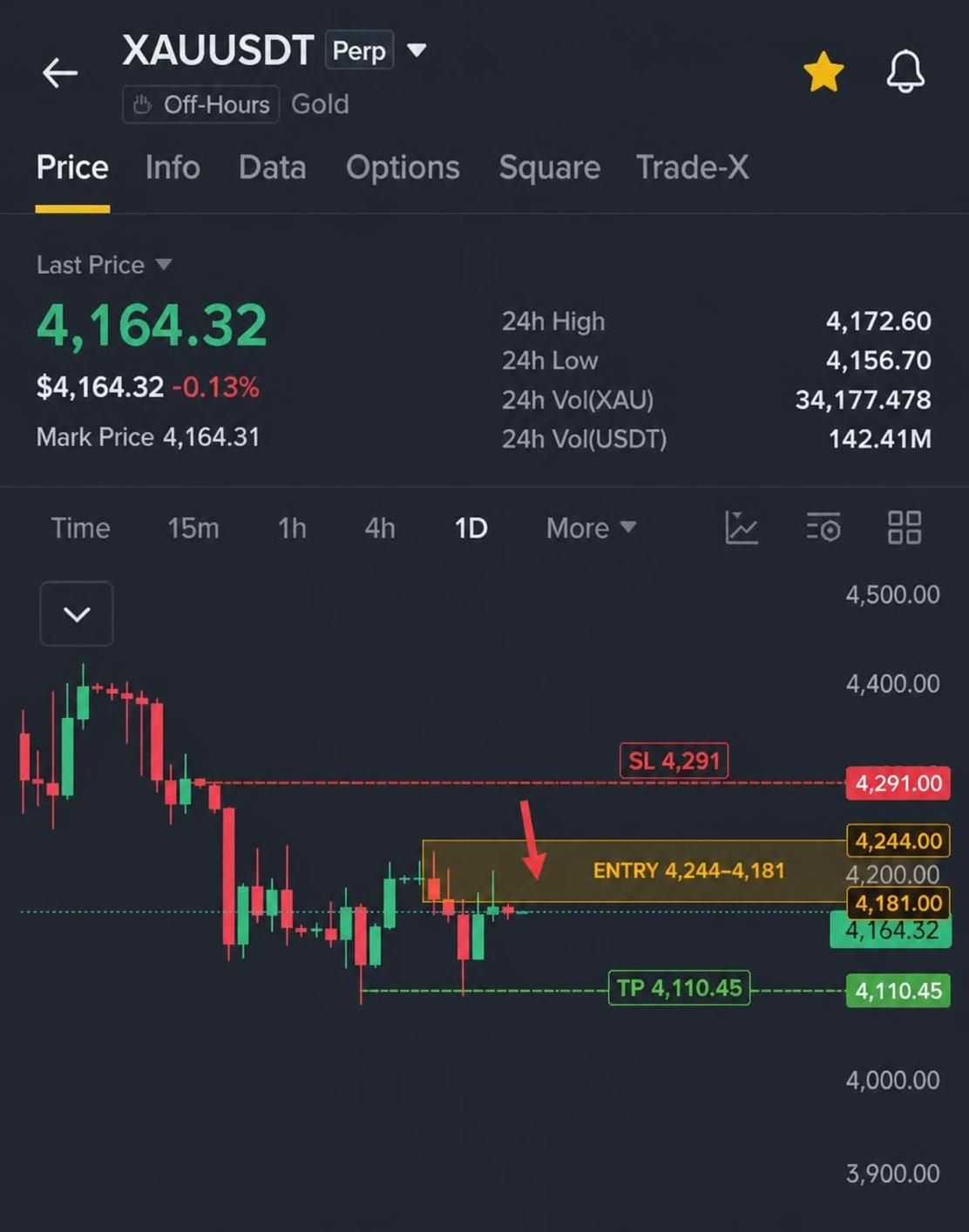
弱気相場取引シグナル:$XAU
アクション:売り/ショート
レバレッジ:11倍
エントリー範囲:4,244~4,181
利確目標:4,110.45
損切り:4,291
有効期限:2026年10月23日
#XAU #GOLD
アクション:売り/ショート
レバレッジ:11倍
エントリー範囲:4,244~4,181
利確目標:4,110.45
損切り:4,291
有効期限:2026年10月23日
#XAU #GOLD
2
·
--
翻訳参照
I live with Friedreich ataxia, a progressive hereditary neurological condition that has steadily reduced my mobility, balance, coordination, and energy levels. Over time this made it increasingly difficult to keep regular jobs, as I could no longer reliably manage commuting, standing for long periods, or tasks that require stable fine motor control. I eventually lost previous employment opportunities because of these physical limitations.
The same challenges forced me to withdraw from my studies at the 300 level at FUT Minna when my mobility and overall health declined to the point where continuing was no longer practical. Since then I have focused on building trading skills that I can practice independently from home. With the knowledge and experience I have developed, I am seeking 200usdt as starting capital to put those skills to work and begin generating income in a way that fits my physical situation. I am committed to using any support responsibly.
binance uid
37520600
#AllOnBinance 💛
1
·
--
翻訳参照
Who is gonna take a risk on me and invest 200usdt in my trading journey
binance uid
37520600
Who is gonna take a risk on me and invest 200usdt in my trading journey
binance uid
37520600
binance uid
37520600

Killian Killua
·
--
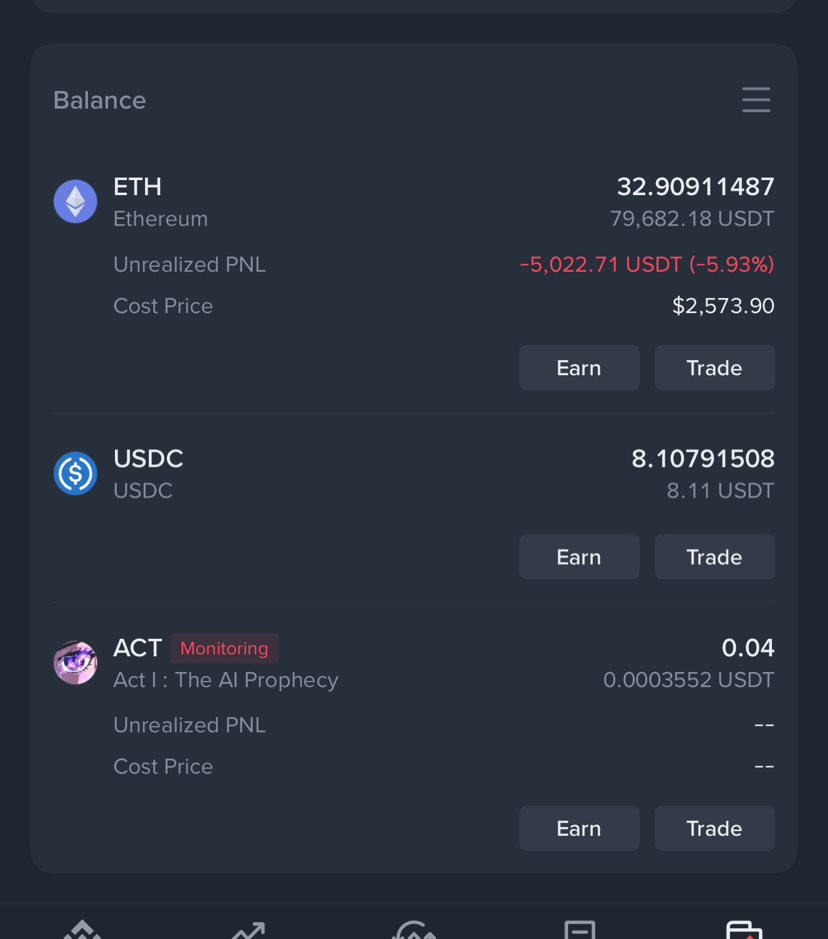
$ETH 悲しい!

·
--
翻訳参照
Who is gonna take a risk on me and invest 200usdt in my trading journey
binance uid
37520600
Who is gonna take a risk on me and invest 200usdt in my trading journey
binance uid
37520600
binance uid
37520600
2
ログインして、さらにコンテンツを読む
厳選トピックで世界の暗号資産トレーダーの仲間入り
⚡️ 暗号資産に関する最新かつ有益な情報が見つかります。
💬 世界最大の暗号資産取引所から信頼されています。
👍 認証を受けたクリエイターから、有益なインサイトを得られます。
メール / 電話番号