


NVD Insights
 厳選トピック確認済
Crypto analyst with 7 years in the crypto space and 4 years of hands on experience with Binance.
取引を発注

XRPホルダー
高頻度トレーダー
4.8年
809 フォロー
31.4K+ フォロワー
34.3K+ いいね
投稿
ポートフォリオ
すべて
引用
ライブ


K大宝
·
--
明確な目標があり、使命があり、ビジョンがある!
生態系のバランスを守る!
自由の理念を広める!
#HawkAmry
生態系のバランスを守る!
自由の理念を広める!
#HawkAmry


兰汐kyL
·
--
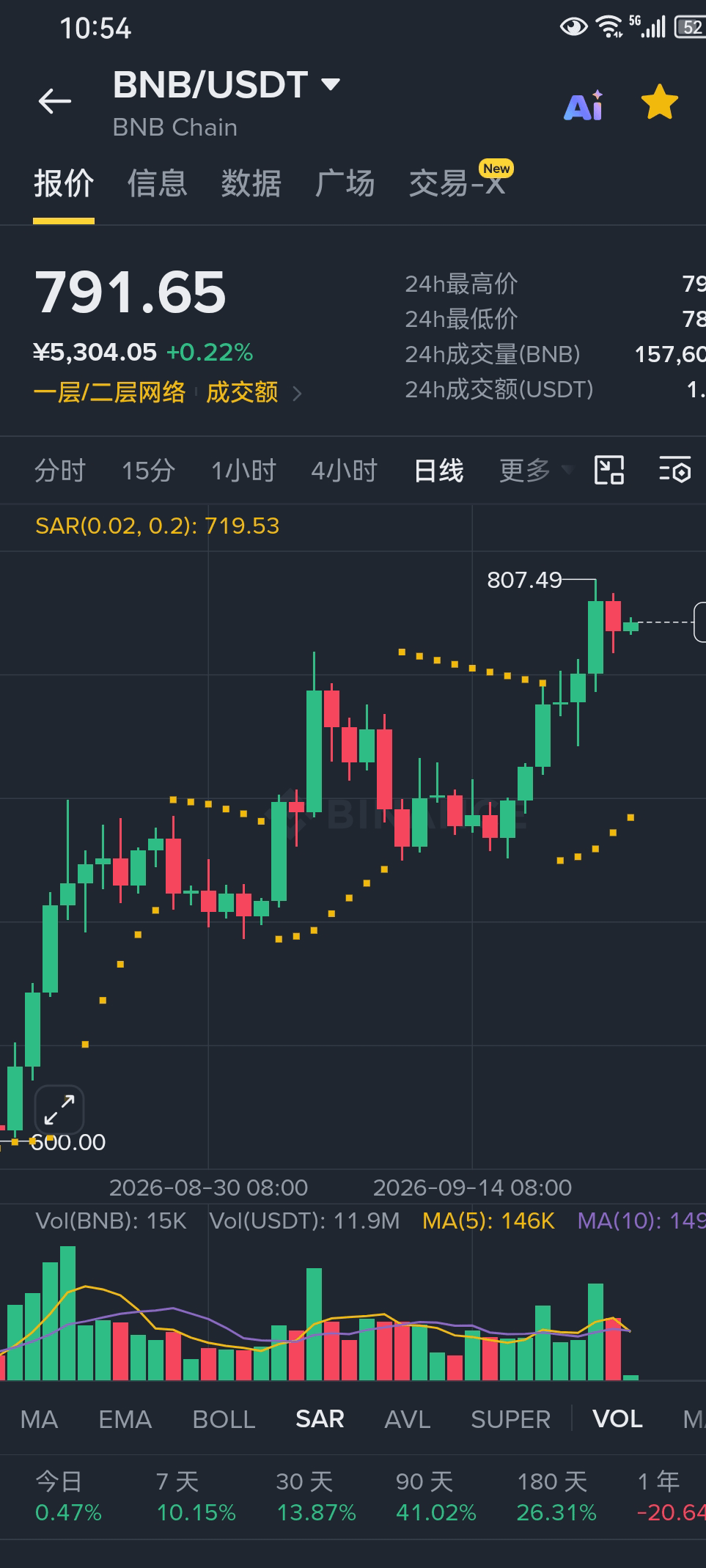
BNBはこの相場の流れの中で、1000ドルの大台まで上がれるのか。$BNB の皆さんはどう思いますか?コメント欄で話しましょう。
龙大-观盘揽金
·
--
🚨 BNBはこっそり強さを増していますが、本当に注目すべきは上がった金額そのものではないかもしれません。
それは——市場が $BNB のエコシステム価値を再評価し始めていることです。
最近の分かりやすい変化は次の通りです:
🟡 BNBのトレンドが継続的に強化
🔥 BNB Chainのオンチェーン活発度が回復
🌐 DeFi、RWAなどのアプリがさらに拡大
👥 ユーザー、資金、開発者が再び集まりつつある
つまり今の問題は、
「BNBはまだ上がるのか?」ではありません。
問題は、
これは単なる価格上昇なのか、それともエコシステムの再評価なのか?
もし感情(ムード)による上げだけなら、熱は冷めていくでしょう。
しかしオンチェーンの活発度、資金、アプリの成長が続くなら、$BNB のこのトレンドは想像以上に注目に値する可能性があります。
これから私は次の3つのシグナルだけに注目します:
オンチェーン活発度 → 資金流入 → エコシステム成長。
👇 あなたはどう見ていますか?
短期の相場 🔴 / エコシステムの再評価 🟢?
#BTC #ETH #BNB
それは——市場が $BNB のエコシステム価値を再評価し始めていることです。
最近の分かりやすい変化は次の通りです:
🟡 BNBのトレンドが継続的に強化
🔥 BNB Chainのオンチェーン活発度が回復
🌐 DeFi、RWAなどのアプリがさらに拡大
👥 ユーザー、資金、開発者が再び集まりつつある
つまり今の問題は、
「BNBはまだ上がるのか?」ではありません。
問題は、
これは単なる価格上昇なのか、それともエコシステムの再評価なのか?
もし感情(ムード)による上げだけなら、熱は冷めていくでしょう。
しかしオンチェーンの活発度、資金、アプリの成長が続くなら、$BNB のこのトレンドは想像以上に注目に値する可能性があります。
これから私は次の3つのシグナルだけに注目します:
オンチェーン活発度 → 資金流入 → エコシステム成長。
👇 あなたはどう見ていますか?
短期の相場 🔴 / エコシステムの再評価 🟢?
#BTC #ETH #BNB
龙大-观盘揽金
·
--
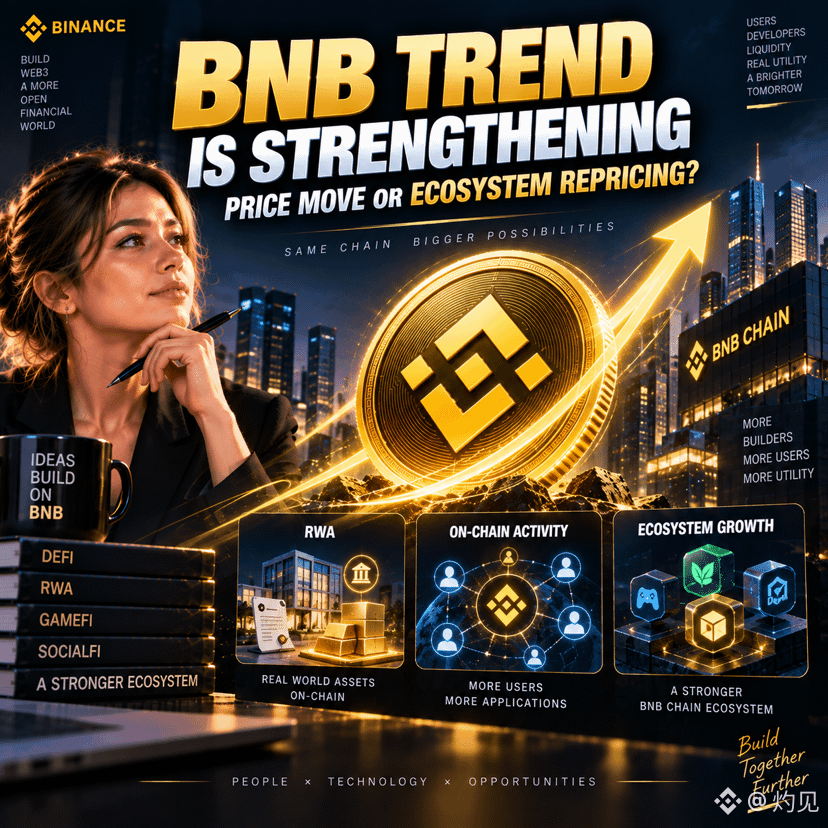
🚨 BNBはこっそり強さを増していますが、本当に注目すべきは上がった金額そのものではないかもしれません。
それは——市場が $BNB のエコシステム価値を再評価し始めていることです。
最近の分かりやすい変化は次の通りです:
🟡 BNBのトレンドが継続的に強化
🔥 BNB Chainのオンチェーン活発度が回復
🌐 DeFi、RWAなどのアプリがさらに拡大
👥 ユーザー、資金、開発者が再び集まりつつある
つまり今の問題は、
「BNBはまだ上がるのか?」ではありません。
問題は、
これは単なる価格上昇なのか、それともエコシステムの再評価なのか?
もし感情(ムード)による上げだけなら、熱は冷めていくでしょう。
しかしオンチェーンの活発度、資金、アプリの成長が続くなら、$BNB のこのトレンドは想像以上に注目に値する可能性があります。
これから私は次の3つのシグナルだけに注目します:
オンチェーン活発度 → 資金流入 → エコシステム成長。
👇 あなたはどう見ていますか?
短期の相場 🔴 / エコシステムの再評価 🟢?
#BTC #ETH #BNB
それは——市場が $BNB のエコシステム価値を再評価し始めていることです。
最近の分かりやすい変化は次の通りです:
🟡 BNBのトレンドが継続的に強化
🔥 BNB Chainのオンチェーン活発度が回復
🌐 DeFi、RWAなどのアプリがさらに拡大
👥 ユーザー、資金、開発者が再び集まりつつある
つまり今の問題は、
「BNBはまだ上がるのか?」ではありません。
問題は、
これは単なる価格上昇なのか、それともエコシステムの再評価なのか?
もし感情(ムード)による上げだけなら、熱は冷めていくでしょう。
しかしオンチェーンの活発度、資金、アプリの成長が続くなら、$BNB のこのトレンドは想像以上に注目に値する可能性があります。
これから私は次の3つのシグナルだけに注目します:
オンチェーン活発度 → 資金流入 → エコシステム成長。
👇 あなたはどう見ていますか?
短期の相場 🔴 / エコシステムの再評価 🟢?
#BTC #ETH #BNB

生蚝哥Oyster
·
--
暗号ニュースレポート:2026年9月22日、ビットコインは一時約87,300ドルまで上昇し、8か月ぶりの高値を更新した。その後、85,000~86,500ドルのレンジまで下落し、週次では約10%~13%上昇した。米国の現物ビットコインETFは1日で約10億ドルの純流入となり、さらにショートの清算(踏み上げ)が8億ドル超に達したことも重なって、世界の暗号資産の時価総額は再び3兆ドルを上回った。Strategyも約950枚のBTCを追加保有している。
今回の反発は主にETF資金の回流と、ショートの強制決済によって押し上げられている。短期のセンチメントは明確に改善しているが、ビットコインは依然として過去最高値から30%以上低いままで、ファンダメンタルズに根本的な変化はない。規制の不確実性やマクロの金利環境は依然として潜在的なリスクだ。個人的には、このような急騰は新たなブル相場の到来を示す確証というより、段階的な修復局面と捉える傾向がある。本当に持続可能な上昇には、継続的な現物の買いフローと、より明確な政策の実装を確認する必要がある。短期の値動きは引き続き大きくなる見込みのため、慎重な姿勢をおすすめする。
今回の反発は主にETF資金の回流と、ショートの強制決済によって押し上げられている。短期のセンチメントは明確に改善しているが、ビットコインは依然として過去最高値から30%以上低いままで、ファンダメンタルズに根本的な変化はない。規制の不確実性やマクロの金利環境は依然として潜在的なリスクだ。個人的には、このような急騰は新たなブル相場の到来を示す確証というより、段階的な修復局面と捉える傾向がある。本当に持続可能な上昇には、継続的な現物の買いフローと、より明確な政策の実装を確認する必要がある。短期の値動きは引き続き大きくなる見込みのため、慎重な姿勢をおすすめする。

引用されたコンテンツは削除されました

Hawk自由哥
·
--
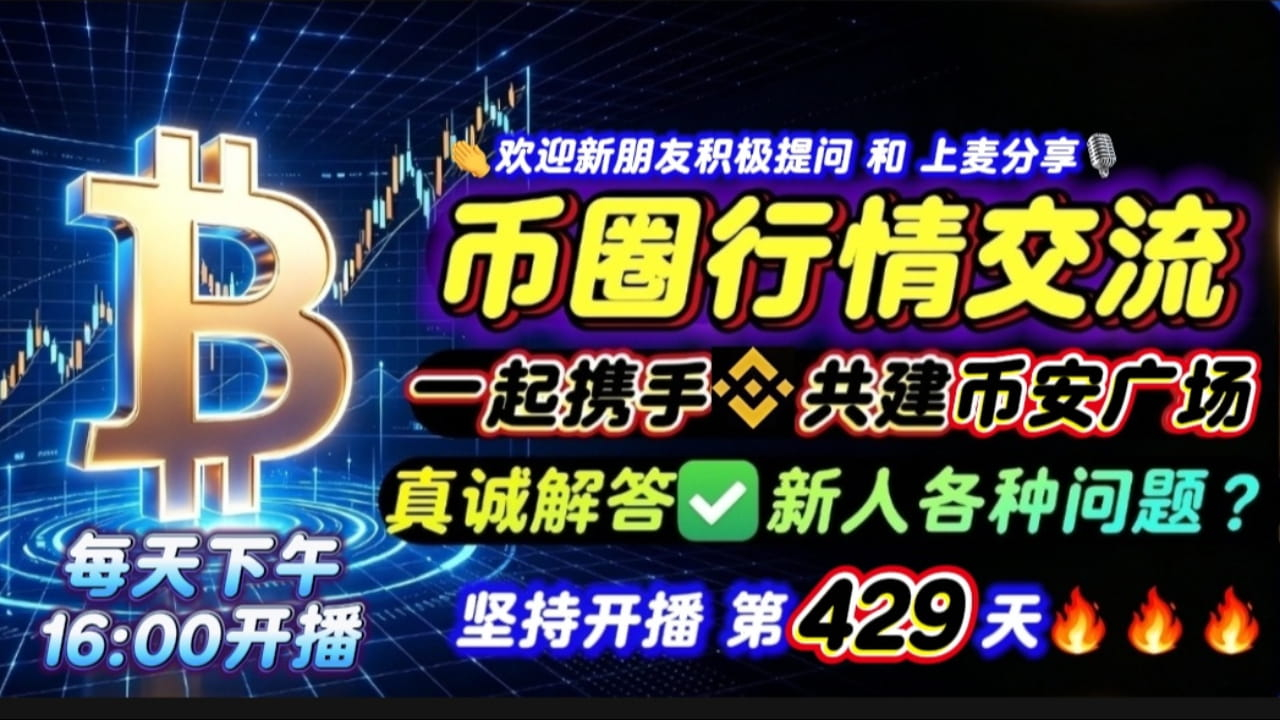
[リプレイ] 🎙️ 暗号資産相場の交流;初心者の質問に回答✅共にバイナンス・スクエア🦅の自由理念を広めよう!生態系のバランスを守ろう!
03 時間 14 分 32 秒 · リスナー数:9.6k人

BLOCK Rayne
·
--
🎁🎁赤い封筒を受け取るために今日中に返信してください 🎁🎁$SOL
🌹THSを共有して広めるのを手伝ってくれてありがとうございます🌹
🌹THSを共有して広めるのを手伝ってくれてありがとうございます🌹

·
--
🎙️ 暗号資産市場の情報交換;初心者の質問に回答✅ Binance Squareを共に築こう🦅自由の理念を広め、エコシステムのバランスを守ろう!
終了
03 時間 14 分 32 秒
9.1k
61

白鲨观点_VN
·
--
ある晩、ミンさんは私に1枚の写真を送ってくれた。それは古びた紙で、そこにはこう書かれていた。「価格がこの水準まで下がったら、どれほど楽観的でも必ず売らなければならない。」
私は聞いた。「それをどれくらい前から持っているんですか?」
「5年だよ。」
5年後、まさに本人がそのルールを使うことになる。今、彼は大きな利益を抱えていた。市場は揺れ始めたが、彼はそれでも「長期的には、まだ信じている」と言った。
私が聞く。「じゃあ、なぜ5年前にそのルールを書いたの?」
彼は黙って、それから笑った。「その時は、市場の中にまだお金がなかった。ポジションもなかったから、彼はとても理性的だったんだ。」
その通りだ。まだ取引に入っていない段階では、誰でも原則を立てやすい。しかし本当にお金が目の前に置かれると、欲望や恐れが、私たちの決断を変えてしまうことが多い。
結局、ミンさんはそのルールどおりに売った。数日後、市場は大きく下落した。
彼はただこう言った。「価格が上がるか下がるかは分からない。分かっているのは、自分で決めた原則を守らなければならないということだけだ。」
トレードでは、ときには市場を予測する能力ではなく、感情が出てくる前に書かれた原則こそがあなたを守ってくれる。
#45NgayTuDoTaiChinh $BTC
#baisha
私は聞いた。「それをどれくらい前から持っているんですか?」
「5年だよ。」
5年後、まさに本人がそのルールを使うことになる。今、彼は大きな利益を抱えていた。市場は揺れ始めたが、彼はそれでも「長期的には、まだ信じている」と言った。
私が聞く。「じゃあ、なぜ5年前にそのルールを書いたの?」
彼は黙って、それから笑った。「その時は、市場の中にまだお金がなかった。ポジションもなかったから、彼はとても理性的だったんだ。」
その通りだ。まだ取引に入っていない段階では、誰でも原則を立てやすい。しかし本当にお金が目の前に置かれると、欲望や恐れが、私たちの決断を変えてしまうことが多い。
結局、ミンさんはそのルールどおりに売った。数日後、市場は大きく下落した。
彼はただこう言った。「価格が上がるか下がるかは分からない。分かっているのは、自分で決めた原則を守らなければならないということだけだ。」
トレードでは、ときには市場を予測する能力ではなく、感情が出てくる前に書かれた原則こそがあなたを守ってくれる。
#45NgayTuDoTaiChinh $BTC
#baisha


⁰MR RAJ⁰
·
--
🐱 科学者たちが新しい野生のネコ種を発見 — そして生きているのが確認されているのは1匹だけです。
$CELR $ONE $BR
#BOJRaisesRatesTo31YearHigh #HKCompletesFirstHKDStablecoinUseCase #BTCBreaks80K #SOLJumpsAbout10% #BitcoinMarketCapTopsTesla
$CELR $ONE $BR
#BOJRaisesRatesTo31YearHigh #HKCompletesFirstHKDStablecoinUseCase #BTCBreaks80K #SOLJumpsAbout10% #BitcoinMarketCapTopsTesla

引用されたコンテンツは削除されました

Seemi Emaan
·
--
完璧である必要はありません。美しさはそこにあります。🌿
進みが遅く感じても、歩みを止めないで。
何も変わらないように見えても、辛抱強くいて。
つらい章もあるけれど、それは物語の全てではありません。
自分を信じて、道のりを信じて、前に進み続けてください。✨
進みが遅く感じても、歩みを止めないで。
何も変わらないように見えても、辛抱強くいて。
つらい章もあるけれど、それは物語の全てではありません。
自分を信じて、道のりを信じて、前に進み続けてください。✨


ashi T_加密 143
·
--
🧧❤️ パラパラ… パラパラ! ❤️🧧
赤い封筒が来た! 🎁✨
参加して、楽しく運試ししよう! 🍀
💖 いいね ❤️ | フォロー ➕ | シェア 🔄
あなたのいいね&フォローはとても嬉しい! 🥰
🧧✨ みんなに幸運を! ✨
#Binance #RedPacket #crypto143family
赤い封筒が来た! 🎁✨
参加して、楽しく運試ししよう! 🍀
💖 いいね ❤️ | フォロー ➕ | シェア 🔄
あなたのいいね&フォローはとても嬉しい! 🥰
🧧✨ みんなに幸運を! ✨
#Binance #RedPacket #crypto143family


Z O N E P R I M E
·
--
ブリッシュ🎁 ZONE PRIME BTC サプライズドロップ!🎁
✨ レッドパケットは満タンで、すぐに開ける準備ができています!✨
👇 参加するための簡単な手順👇
❤️ ZONE PRIMEをフォロー
🔁 いいね&シェア
💬 「BTC」とコメント
🔔 今後のサプライズドロップのために、つながっていてアクティブでいてください!
#BTC #Crypto #ZONEPRIME #RedPacket #Binance $BTC
✨ レッドパケットは満タンで、すぐに開ける準備ができています!✨
👇 参加するための簡単な手順👇
❤️ ZONE PRIMEをフォロー
🔁 いいね&シェア
💬 「BTC」とコメント
🔔 今後のサプライズドロップのために、つながっていてアクティブでいてください!
#BTC #Crypto #ZONEPRIME #RedPacket #Binance $BTC

NVD Insights
·
--
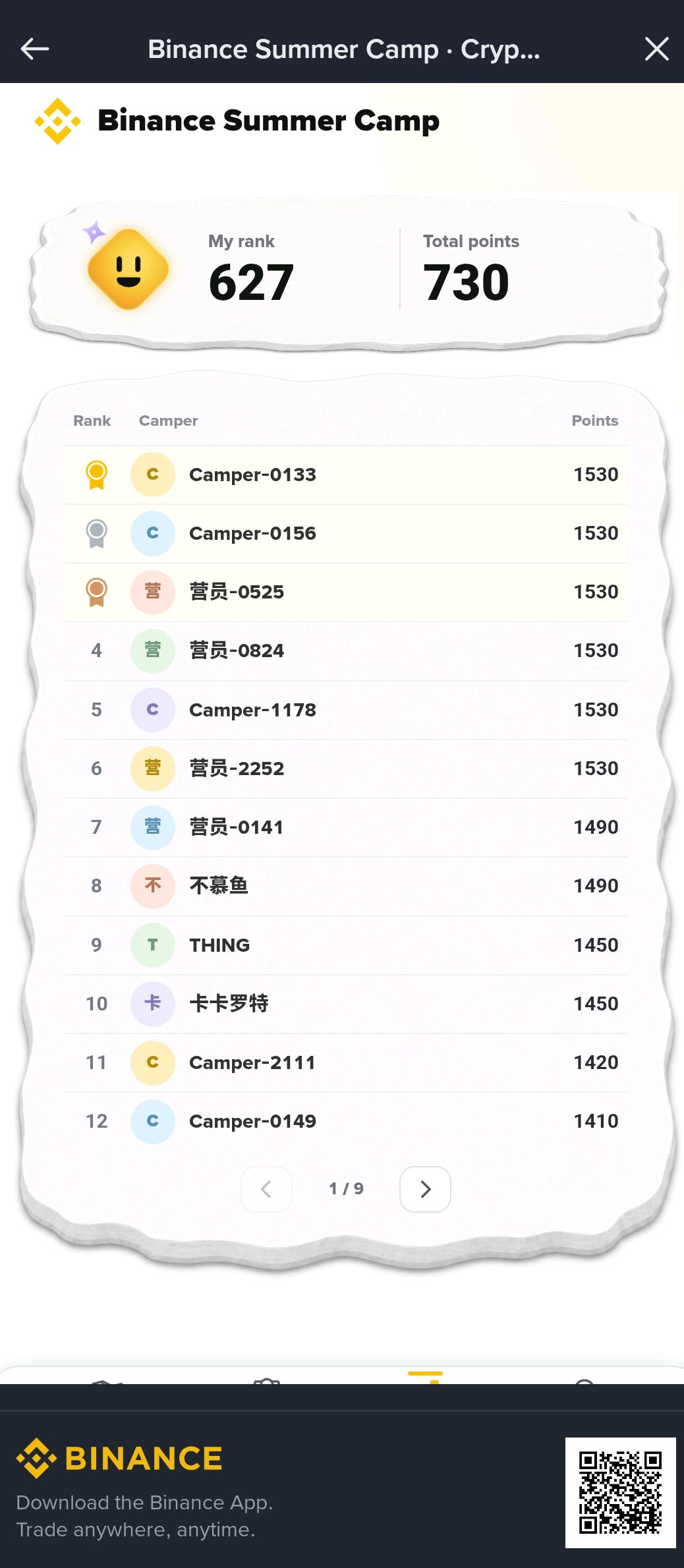
4日目完了!🏕️
今日は、TradFiがより広い金融システムとどのように結びついているのか、そして従来の市場が暗号資産とどう違うのかを学びました。
Binance Summer Campからの、もう一つ役立つ学びです。
#BinanceSummerCamp
今日は、TradFiがより広い金融システムとどのように結びついているのか、そして従来の市場が暗号資産とどう違うのかを学びました。
Binance Summer Campからの、もう一つ役立つ学びです。
#BinanceSummerCamp

KIM_加密 143
·
--
ブリッシュ売買の苦しみ🥲
私:買い 🟢
BTC:📉📉📉
私:「わかった、売る。」
BTC:📈📈📈
私:「誰がこの市場をコントロールしてるの?!」😭#Crypto143Faimly #kim_crypto143 #BuffettStepsDownAsBerkshireChairman #VietnamPlansFirstCryptoLicensesIn2026
$ETH
$BNB
$BTC
私:買い 🟢
BTC:📉📉📉
私:「わかった、売る。」
BTC:📈📈📈
私:「誰がこの市場をコントロールしてるの?!」😭#Crypto143Faimly #kim_crypto143 #BuffettStepsDownAsBerkshireChairman #VietnamPlansFirstCryptoLicensesIn2026
$ETH
$BNB
$BTC



MAYA_
·
--
$BTC 85k は近日公開 🚀
ログインして、さらにコンテンツを読む