

Palpatine
5.7k 投稿

Palpatine
報告
ユーザーをブロック
Strategy, vision, and market analysis from the dark side of crypto. Where others see chaos, I see pattern.
取引を発注
高頻度トレーダー
4.7年
606 フォロー
638 フォロワー
4.7K+ いいね
投稿
ポートフォリオ
すべて
引用
動画
·
--
翻訳参照
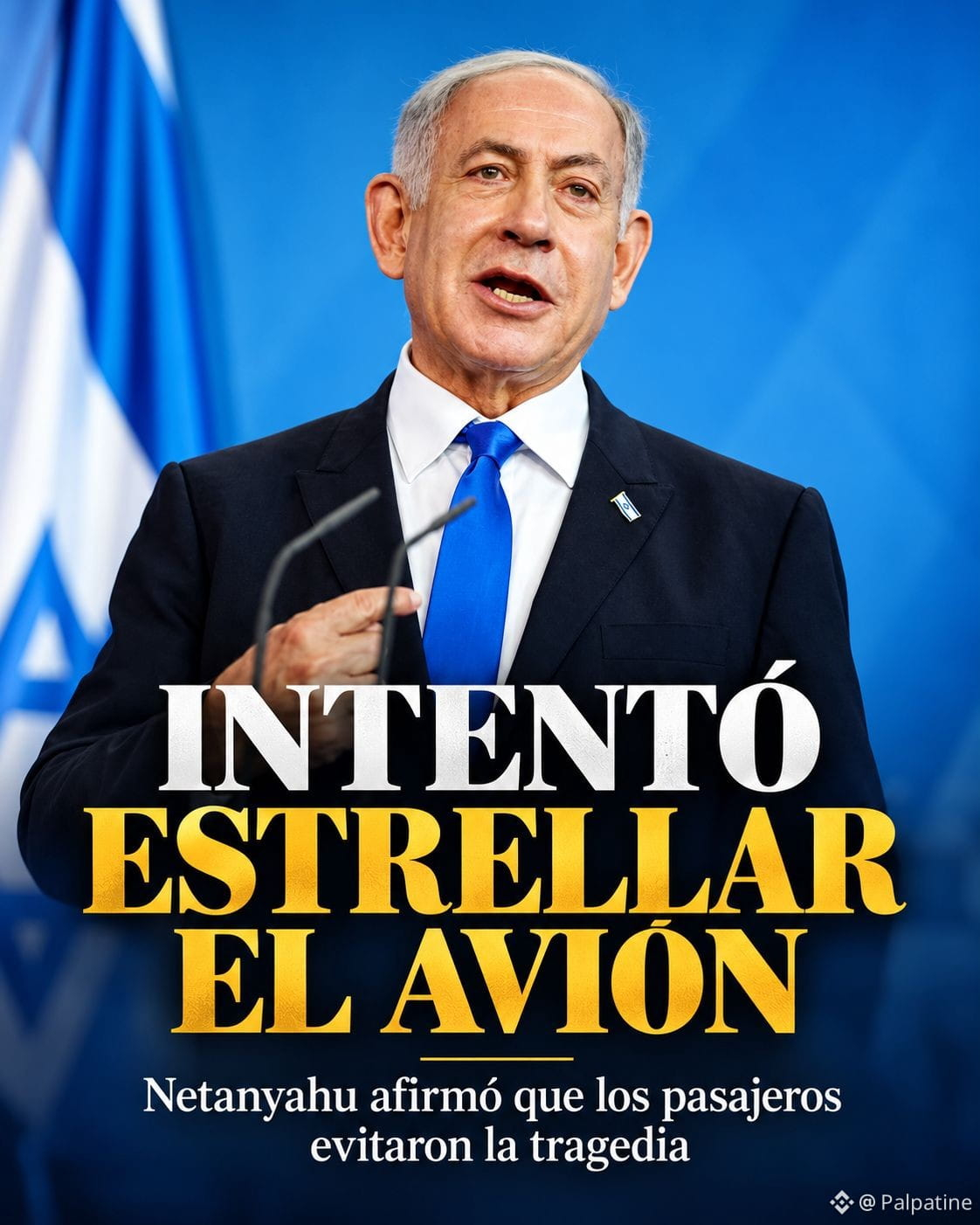
NETANYAHU: UN PILOTO INTENTÓ ESTRELLAR EL AVIÓN… Y LOS PASAJEROS LO DETUVIERON ✈️⚠️
Parece el argumento de una película, pero ocurrió en el vuelo FZ1073 de Flydubai, que viajaba de Dubái a Tel Aviv.
Según el gobierno israelí, uno de los pilotos habría apuñalado al otro e intentado hacer caer el Boeing 737, provocando un descenso extremadamente brusco.
Entonces pasó lo inesperado.
Pasajeros y miembros de la tripulación lograron ingresar a la cabina, reducir al sospechoso y recuperar el control del avión.
La aeronave terminó aterrizando de emergencia en Tabuk, Arabia Saudita, y los más de 170 pasajeros pudieron salir con vida. El sospechoso quedó detenido.
Hay una precisión importante: Flydubai confirmó un grave incidente entre los pilotos, pero pidió no especular sobre el motivo mientras continúa la investigación. La afirmación de que pretendía estrellar el avión proviene de Netanyahu y autoridades israelíes.
Una situación que pudo terminar en tragedia cambió en cuestión de minutos por la reacción de quienes estaban a bordo.
¿Vos hubieras intentado entrar a esa cabina?
{future}(SOONUSDT)
{spot}(QNTUSDT)
{spot}(ZBTUSDT)
NETANYAHU: UN PILOTO INTENTÓ ESTRELLAR EL AVIÓN… Y LOS PASAJEROS LO DETUVIERON ✈️⚠️
Parece el argumento de una película, pero ocurrió en el vuelo FZ1073 de Flydubai, que viajaba de Dubái a Tel Aviv.
Según el gobierno israelí, uno de los pilotos habría apuñalado al otro e intentado hacer caer el Boeing 737, provocando un descenso extremadamente brusco.
Entonces pasó lo inesperado.
Pasajeros y miembros de la tripulación lograron ingresar a la cabina, reducir al sospechoso y recuperar el control del avión.
La aeronave terminó aterrizando de emergencia en Tabuk, Arabia Saudita, y los más de 170 pasajeros pudieron salir con vida. El sospechoso quedó detenido.
Hay una precisión importante: Flydubai confirmó un grave incidente entre los pilotos, pero pidió no especular sobre el motivo mientras continúa la investigación. La afirmación de que pretendía estrellar el avión proviene de Netanyahu y autoridades israelíes.
Una situación que pudo terminar en tragedia cambió en cuestión de minutos por la reacción de quienes estaban a bordo.
¿Vos hubieras intentado entrar a esa cabina?
Parece el argumento de una película, pero ocurrió en el vuelo FZ1073 de Flydubai, que viajaba de Dubái a Tel Aviv.
Según el gobierno israelí, uno de los pilotos habría apuñalado al otro e intentado hacer caer el Boeing 737, provocando un descenso extremadamente brusco.
Entonces pasó lo inesperado.
Pasajeros y miembros de la tripulación lograron ingresar a la cabina, reducir al sospechoso y recuperar el control del avión.
La aeronave terminó aterrizando de emergencia en Tabuk, Arabia Saudita, y los más de 170 pasajeros pudieron salir con vida. El sospechoso quedó detenido.
Hay una precisión importante: Flydubai confirmó un grave incidente entre los pilotos, pero pidió no especular sobre el motivo mientras continúa la investigación. La afirmación de que pretendía estrellar el avión proviene de Netanyahu y autoridades israelíes.
Una situación que pudo terminar en tragedia cambió en cuestión de minutos por la reacción de quienes estaban a bordo.
¿Vos hubieras intentado entrar a esa cabina?
525
·
--
ブリッシュ
翻訳参照
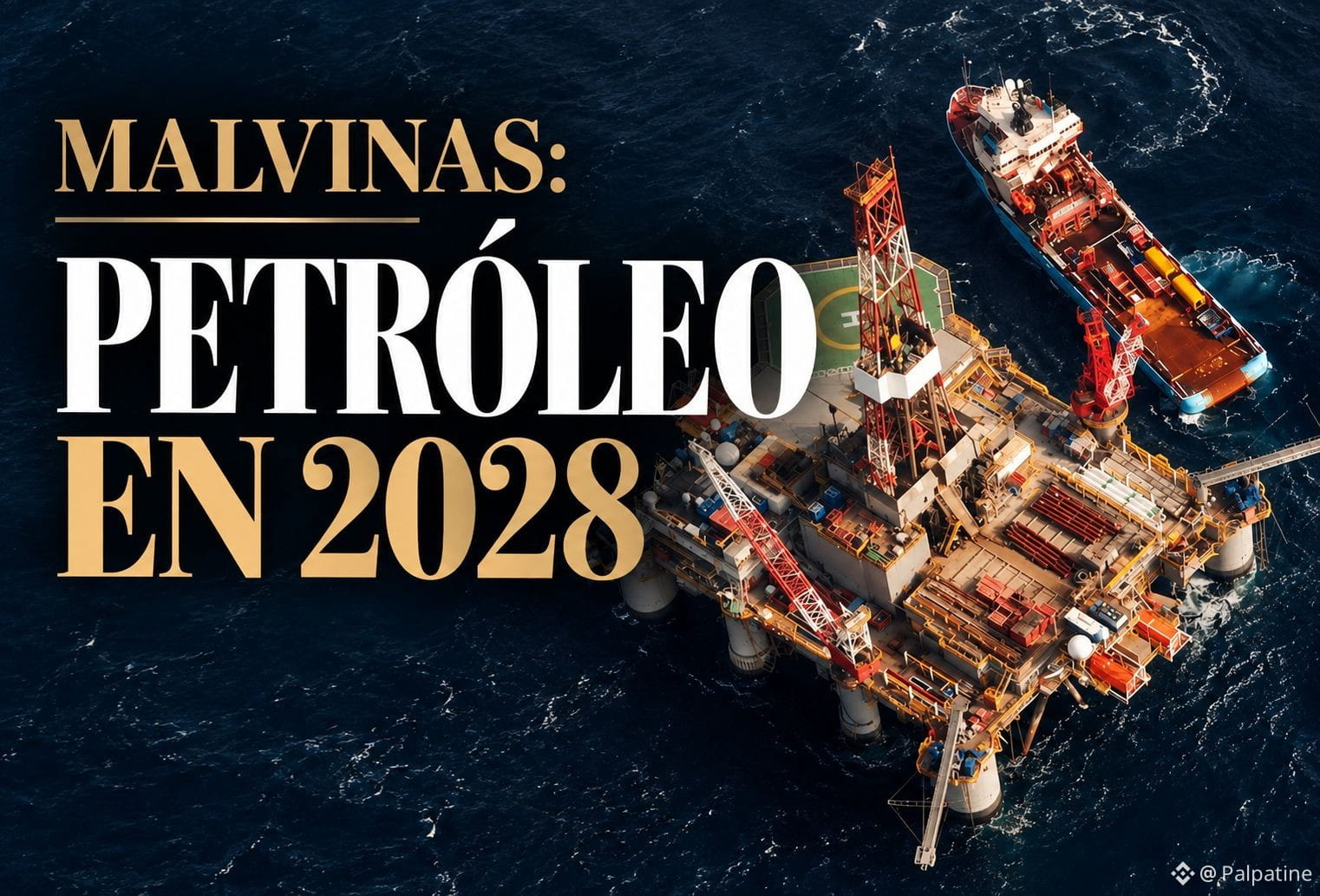
⚠️MALVINAS: ROCKHOPPER RATIFICA PETRÓLEO PARA 2028 PESE A LAS MEDIDAS ARGENTINAS
La pulseada por Sea Lion acaba de subir otro escalón.
Rockhopper confirmó que mantiene como objetivo producir el primer petróleo en el primer trimestre de 2028 y afirmó contar con respaldo continuo del Reino Unido ɢʙ y de las autoridades isleñas. Su socio Navitas posee el 65% del proyecto; Rockhopper, el 35%.
La compañía además acaba de reforzar su financiación y sostiene que la perforación de desarrollo comenzará a principios de 2027. El proyecto contempla una primera fase ya aprobada y nuevas etapas posteriores de expansión.
Del otro lado, Argentina ᴀʀ instruyó formalmente iniciar un procedimiento de arbitraje bajo la Convención de Naciones Unidas sobre el Derecho del Mar para intentar impedir la explotación de hidrocarburos en la Cuenca Malvinas Norte.
Así queda planteado el choque:
Rockhopper: petróleo en 2028.
Argentina: arbitraje y sanciones para frenarlo.
Ya no es solamente una discusión diplomática.
Es soberanía + energía + miles de millones de dólares en recursos del Atlántico Sur.
¿Quién tiene hoy más capacidad real para alterar el cronograma de Sea Lion?
#argentinapotencia #OilQuality
{spot}(BTCUSDT)
{spot}(ZECUSDT)
{spot}(SOLUSDT)
⚠️MALVINAS: ROCKHOPPER RATIFICA PETRÓLEO PARA 2028 PESE A LAS MEDIDAS ARGENTINAS
La pulseada por Sea Lion acaba de subir otro escalón.
Rockhopper confirmó que mantiene como objetivo producir el primer petróleo en el primer trimestre de 2028 y afirmó contar con respaldo continuo del Reino Unido ɢʙ y de las autoridades isleñas. Su socio Navitas posee el 65% del proyecto; Rockhopper, el 35%.
La compañía además acaba de reforzar su financiación y sostiene que la perforación de desarrollo comenzará a principios de 2027. El proyecto contempla una primera fase ya aprobada y nuevas etapas posteriores de expansión.
Del otro lado, Argentina ᴀʀ instruyó formalmente iniciar un procedimiento de arbitraje bajo la Convención de Naciones Unidas sobre el Derecho del Mar para intentar impedir la explotación de hidrocarburos en la Cuenca Malvinas Norte.
Así queda planteado el choque:
Rockhopper: petróleo en 2028.
Argentina: arbitraje y sanciones para frenarlo.
Ya no es solamente una discusión diplomática.
Es soberanía + energía + miles de millones de dólares en recursos del Atlántico Sur.
¿Quién tiene hoy más capacidad real para alterar el cronograma de Sea Lion?
#argentinapotencia #OilQuality
La pulseada por Sea Lion acaba de subir otro escalón.
Rockhopper confirmó que mantiene como objetivo producir el primer petróleo en el primer trimestre de 2028 y afirmó contar con respaldo continuo del Reino Unido ɢʙ y de las autoridades isleñas. Su socio Navitas posee el 65% del proyecto; Rockhopper, el 35%.
La compañía además acaba de reforzar su financiación y sostiene que la perforación de desarrollo comenzará a principios de 2027. El proyecto contempla una primera fase ya aprobada y nuevas etapas posteriores de expansión.
Del otro lado, Argentina ᴀʀ instruyó formalmente iniciar un procedimiento de arbitraje bajo la Convención de Naciones Unidas sobre el Derecho del Mar para intentar impedir la explotación de hidrocarburos en la Cuenca Malvinas Norte.
Así queda planteado el choque:
Rockhopper: petróleo en 2028.
Argentina: arbitraje y sanciones para frenarlo.
Ya no es solamente una discusión diplomática.
Es soberanía + energía + miles de millones de dólares en recursos del Atlántico Sur.
¿Quién tiene hoy más capacidad real para alterar el cronograma de Sea Lion?
#argentinapotencia #OilQuality
148
·
--
ブリッシュ
LA MIKE ROSS ARGENTINA: DURÓ AÑOS COMO DOCENTE… HASTA QUE QUISO SER ABOGADA
スーツの幻の一幕みたいだが、舞台はサンタフェだった。
約6年もの間、ある女性が偽の学位を使って、さまざまな学校で教員として働いていた。ポストを得て、給与を受け取り、長年にわたって計画を維持した。貼り付け
問題が表面化したのは、彼女がさらに上を目指したときだ。
2018年、彼女は自分がUBAの弁護士でもあることを裏付ける書類を提出した。
そこで、すべてが崩れ始めた。
法務省は証明書に不備を見つけた。奇妙な書式、該当しない署名、書類間の相違などだ。その後、法学部が、彼女が同校の卒業生名簿に載っていないことを確認した。この照合が、これまで彼女が使っていた偽の教員資格も同時に暴く結果につながった。貼り付け
弁護側はかなり「マイク・ロス」らしい一手に出た:
実際に働いていたのだから、給与は実際に行った業務に対応しているはずだ、と主張した。
しかし裁判官は納得しなかった。偽の学位がなければそのポストに就くことはできなかった、としたのだ。貼り付け
結論は明確だった:
執行猶予付きで禁錮2年3か月
+ 公職に就くことのための無期限の特別資格停止。貼り付け
皮肉は完璧だ:
偽の教員として何年も生き延びた。
だが、偽の弁護士になろうとしたところで見つかった。
『スーツ』から現実へ。
そして今回は、ハーヴェイ・スペクターは救いに来なかった。
{spot}(BTCUSDT)
{spot}(ZECUSDT)
{spot}(XRPUSDT)
LA MIKE ROSS ARGENTINA: DURÓ AÑOS COMO DOCENTE… HASTA QUE QUISO SER ABOGADA
スーツの幻の一幕みたいだが、舞台はサンタフェだった。
約6年もの間、ある女性が偽の学位を使って、さまざまな学校で教員として働いていた。ポストを得て、給与を受け取り、長年にわたって計画を維持した。貼り付け
問題が表面化したのは、彼女がさらに上を目指したときだ。
2018年、彼女は自分がUBAの弁護士でもあることを裏付ける書類を提出した。
そこで、すべてが崩れ始めた。
法務省は証明書に不備を見つけた。奇妙な書式、該当しない署名、書類間の相違などだ。その後、法学部が、彼女が同校の卒業生名簿に載っていないことを確認した。この照合が、これまで彼女が使っていた偽の教員資格も同時に暴く結果につながった。貼り付け
弁護側はかなり「マイク・ロス」らしい一手に出た:
実際に働いていたのだから、給与は実際に行った業務に対応しているはずだ、と主張した。
しかし裁判官は納得しなかった。偽の学位がなければそのポストに就くことはできなかった、としたのだ。貼り付け
結論は明確だった:
執行猶予付きで禁錮2年3か月
+ 公職に就くことのための無期限の特別資格停止。貼り付け
皮肉は完璧だ:
偽の教員として何年も生き延びた。
だが、偽の弁護士になろうとしたところで見つかった。
『スーツ』から現実へ。
そして今回は、ハーヴェイ・スペクターは救いに来なかった。
スーツの幻の一幕みたいだが、舞台はサンタフェだった。
約6年もの間、ある女性が偽の学位を使って、さまざまな学校で教員として働いていた。ポストを得て、給与を受け取り、長年にわたって計画を維持した。貼り付け
問題が表面化したのは、彼女がさらに上を目指したときだ。
2018年、彼女は自分がUBAの弁護士でもあることを裏付ける書類を提出した。
そこで、すべてが崩れ始めた。
法務省は証明書に不備を見つけた。奇妙な書式、該当しない署名、書類間の相違などだ。その後、法学部が、彼女が同校の卒業生名簿に載っていないことを確認した。この照合が、これまで彼女が使っていた偽の教員資格も同時に暴く結果につながった。貼り付け
弁護側はかなり「マイク・ロス」らしい一手に出た:
実際に働いていたのだから、給与は実際に行った業務に対応しているはずだ、と主張した。
しかし裁判官は納得しなかった。偽の学位がなければそのポストに就くことはできなかった、としたのだ。貼り付け
結論は明確だった:
執行猶予付きで禁錮2年3か月
+ 公職に就くことのための無期限の特別資格停止。貼り付け
皮肉は完璧だ:
偽の教員として何年も生き延びた。
だが、偽の弁護士になろうとしたところで見つかった。
『スーツ』から現実へ。
そして今回は、ハーヴェイ・スペクターは救いに来なかった。

536
·
--
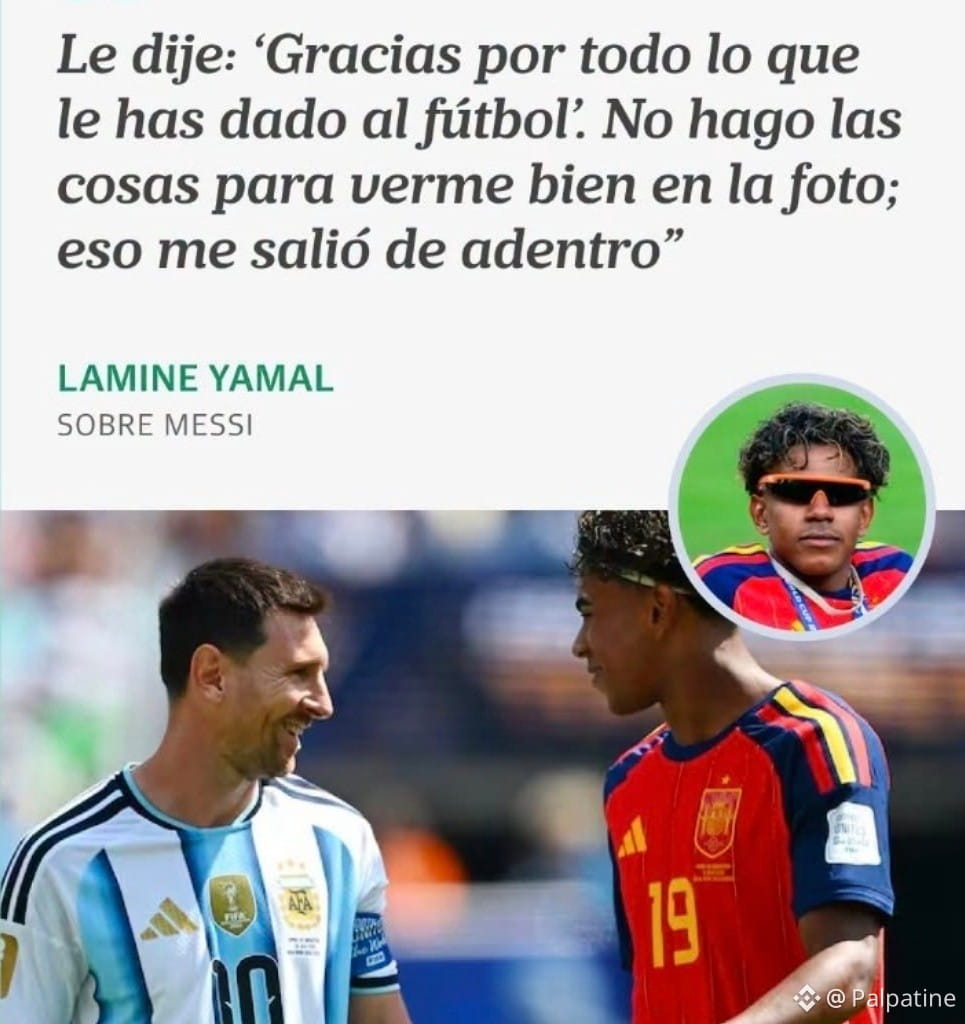
「“メッシになりたくなかった”…そして、ワールドカップ決勝で感謝することになった」
ラミン・ヤマルは、避けられない比較から逃れようと何年も奮闘してきた。
子どもの頃、彼はさらに、メッシが写っているあの有名な写真を拡散しないでほしいと頼んだ。自分のキャリアが「新しいメッシ」として始まってほしくなかったからだ。まずは自分のアイデンティティを作りたかった。
それから何年か後、サッカーはふたりをワールドカップ決勝で真正面から向かい合わせた。
試合が終わると、ヤマルはメッシを抱きしめ、こう言った。
「サッカーに与えてきたすべてに、ありがとう。」
そして、さらに強いことを付け加えた。
「写真で格好よく見せるためにやっているんじゃない。そうなってしまったのは、内側から湧いてきたんだ。」
この場面には、ほとんど完璧なものがある。
メッシの影の下で生きることを望まなかった少年は、サッカーの頂点からメッシに別れを告げる側になった。
真似をする者としてではない。
指名された後継者としてでもない。
ラミン・ヤマルとして。
そして、クリプトの世界では誰もが「次の」大物の名前を執拗に探し回っている——いまはQNT、BNB、PEPEにスポットライトが当たっているけれど——この物語は、かなりシンプルな考えを残してくれる。
レジェンドは、コピーしては置き換えられない。自分のものを築くんだ。
$QNT $BNB $PEPE
私たちは、サッカーの次の偉大な時代の始まりを見ているのだろうか?
「“メッシになりたくなかった”…そして、ワールドカップ決勝で感謝することになった」
ラミン・ヤマルは、避けられない比較から逃れようと何年も奮闘してきた。
子どもの頃、彼はさらに、メッシが写っているあの有名な写真を拡散しないでほしいと頼んだ。自分のキャリアが「新しいメッシ」として始まってほしくなかったからだ。まずは自分のアイデンティティを作りたかった。
それから何年か後、サッカーはふたりをワールドカップ決勝で真正面から向かい合わせた。
試合が終わると、ヤマルはメッシを抱きしめ、こう言った。
「サッカーに与えてきたすべてに、ありがとう。」
そして、さらに強いことを付け加えた。
「写真で格好よく見せるためにやっているんじゃない。そうなってしまったのは、内側から湧いてきたんだ。」
この場面には、ほとんど完璧なものがある。
メッシの影の下で生きることを望まなかった少年は、サッカーの頂点からメッシに別れを告げる側になった。
真似をする者としてではない。
指名された後継者としてでもない。
ラミン・ヤマルとして。
そして、クリプトの世界では誰もが「次の」大物の名前を執拗に探し回っている——いまはQNT、BNB、PEPEにスポットライトが当たっているけれど——この物語は、かなりシンプルな考えを残してくれる。
レジェンドは、コピーしては置き換えられない。自分のものを築くんだ。
$QNT $BNB $PEPE
私たちは、サッカーの次の偉大な時代の始まりを見ているのだろうか?
ラミン・ヤマルは、避けられない比較から逃れようと何年も奮闘してきた。
子どもの頃、彼はさらに、メッシが写っているあの有名な写真を拡散しないでほしいと頼んだ。自分のキャリアが「新しいメッシ」として始まってほしくなかったからだ。まずは自分のアイデンティティを作りたかった。
それから何年か後、サッカーはふたりをワールドカップ決勝で真正面から向かい合わせた。
試合が終わると、ヤマルはメッシを抱きしめ、こう言った。
「サッカーに与えてきたすべてに、ありがとう。」
そして、さらに強いことを付け加えた。
「写真で格好よく見せるためにやっているんじゃない。そうなってしまったのは、内側から湧いてきたんだ。」
この場面には、ほとんど完璧なものがある。
メッシの影の下で生きることを望まなかった少年は、サッカーの頂点からメッシに別れを告げる側になった。
真似をする者としてではない。
指名された後継者としてでもない。
ラミン・ヤマルとして。
そして、クリプトの世界では誰もが「次の」大物の名前を執拗に探し回っている——いまはQNT、BNB、PEPEにスポットライトが当たっているけれど——この物語は、かなりシンプルな考えを残してくれる。
レジェンドは、コピーしては置き換えられない。自分のものを築くんだ。
$QNT $BNB $PEPE
私たちは、サッカーの次の偉大な時代の始まりを見ているのだろうか?
2
2.9k
·
--
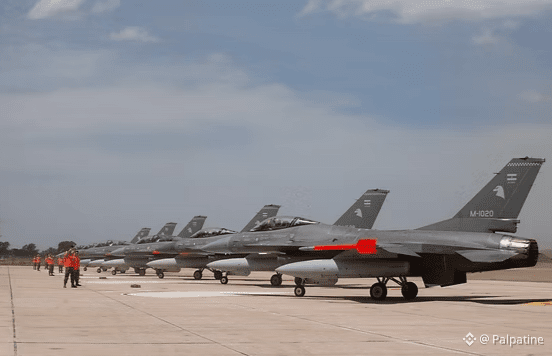
⚠️MALVINAS:アルゼンチン、英国機のチリへの飛行を告発し、さらに別の前線を切り開く
フォークランド紛争に新たな章が加わった。
アルゼンチン政府 ᴀʀ は、フォークランド諸島とチリのプンタ・アレナス間で、英国の登録を持つ航空機を用いた THALES UK LIMITED の作戦を検知したと報告した。さらに、アルゼンチン当局の許可なしで実施されたとしている。大統領府は、制裁手続きの開始、刑事告発、外交的な働きかけを命じた。
しかし、それだけではない。
同じ声明の中でアルゼンチンは、英国 ɢʙ に対し、石油プロジェクト「Sea Lion」に関連する活動を2週間以内に停止するよう求めた。ロンドンが回答しない場合、政府は国際仲裁を進め、国連海洋法裁判所に対する措置の申請に踏み切る可能性があると発表した。
数週間のうちに、私たちは石油と制裁から、飛行、刑事告発、そして国際的な法廷へと話題が移っていった。
もはや問題は「フォークランドが再び国際的な駒の中心に戻ったのか」ではない。問題は、この外交上の争いがどこまでエスカレートできるのかだ。
#argentinapotencia #OilQuality
{spot}(BTCUSDT)
{spot}(BNBUSDT)
{spot}(ETHUSDT)
⚠️MALVINAS:アルゼンチン、英国機のチリへの飛行を告発し、さらに別の前線を切り開く
フォークランド紛争に新たな章が加わった。
アルゼンチン政府 ᴀʀ は、フォークランド諸島とチリのプンタ・アレナス間で、英国の登録を持つ航空機を用いた THALES UK LIMITED の作戦を検知したと報告した。さらに、アルゼンチン当局の許可なしで実施されたとしている。大統領府は、制裁手続きの開始、刑事告発、外交的な働きかけを命じた。
しかし、それだけではない。
同じ声明の中でアルゼンチンは、英国 ɢʙ に対し、石油プロジェクト「Sea Lion」に関連する活動を2週間以内に停止するよう求めた。ロンドンが回答しない場合、政府は国際仲裁を進め、国連海洋法裁判所に対する措置の申請に踏み切る可能性があると発表した。
数週間のうちに、私たちは石油と制裁から、飛行、刑事告発、そして国際的な法廷へと話題が移っていった。
もはや問題は「フォークランドが再び国際的な駒の中心に戻ったのか」ではない。問題は、この外交上の争いがどこまでエスカレートできるのかだ。
#argentinapotencia #OilQuality
フォークランド紛争に新たな章が加わった。
アルゼンチン政府 ᴀʀ は、フォークランド諸島とチリのプンタ・アレナス間で、英国の登録を持つ航空機を用いた THALES UK LIMITED の作戦を検知したと報告した。さらに、アルゼンチン当局の許可なしで実施されたとしている。大統領府は、制裁手続きの開始、刑事告発、外交的な働きかけを命じた。
しかし、それだけではない。
同じ声明の中でアルゼンチンは、英国 ɢʙ に対し、石油プロジェクト「Sea Lion」に関連する活動を2週間以内に停止するよう求めた。ロンドンが回答しない場合、政府は国際仲裁を進め、国連海洋法裁判所に対する措置の申請に踏み切る可能性があると発表した。
数週間のうちに、私たちは石油と制裁から、飛行、刑事告発、そして国際的な法廷へと話題が移っていった。
もはや問題は「フォークランドが再び国際的な駒の中心に戻ったのか」ではない。問題は、この外交上の争いがどこまでエスカレートできるのかだ。
#argentinapotencia #OilQuality
407
·
--
翻訳参照
LULA PROHÍBE LAS BETS. MILEI ELIGE REGULARLAS: DOS CAMINOS OPUESTOS 🇧🇷🇦🇷
Brasil acaba de dar un giro enorme.
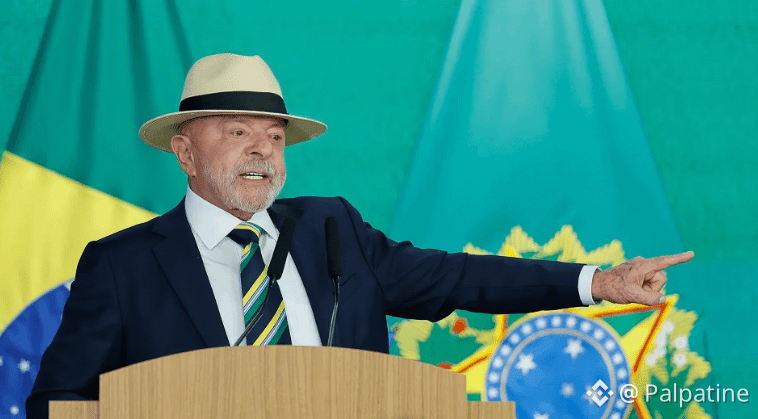
Lula firmó una Medida Provisoria que prohíbe en todo Brasil las apuestas de cuota fija, incluyendo apuestas deportivas y juegos online. La prohibición alcanza oferta, intermediación y publicidad, incluso a operadores extranjeros que atiendan usuarios brasileños. La medida tiene fuerza inmediata mientras continúa su trámite institucional.
Del otro lado de la frontera, el enfoque del gobierno de Milei es diferente.
Argentina no tiene una prohibición nacional de las apuestas online. El Gobierno presentó este año un proyecto para regular el mercado, limitar publicidad y reforzar la protección de menores; además, la normativa nacional exige advertencias como “+18” y “EL JUGAR COMPULSIVAMENTE ES PERJUDICIAL PARA LA SALUD”. La regulación operativa sigue en gran medida en manos de provincias y CABA.
Dos países vecinos.
Mismo problema.
Dos estrategias completamente distintas: prohibición vs. regulación.
Y mientras los gobiernos discuten cuánto riesgo debería permitirse, el mercado cripto hoy está haciendo exactamente lo contrario: buscando volatilidad.
En Binance, QNT, HBAR y MARSCOIN aparecen entre las monedas con mayores subidas del día.
La ironía es interesante:
Brasil intenta sacar una forma de especulación del mercado mientras miles de traders buscan riesgo voluntariamente las 24 horas en mercados abiertos.
No son actividades equivalentes —trading y apuestas tienen estructuras distintas—, pero plantean la misma pregunta regulatoria:
¿Hasta dónde debería protegerte el Estado de una decisión financiera que vos querés tomar?
$QNT $HBAR $MARSCOIN
¿Prohibir como Brasil ʙʀ o regular como Argentina ᴀʀ?
LULA PROHÍBE LAS BETS. MILEI ELIGE REGULARLAS: DOS CAMINOS OPUESTOS 🇧🇷🇦🇷
Brasil acaba de dar un giro enorme.
Lula firmó una Medida Provisoria que prohíbe en todo Brasil las apuestas de cuota fija, incluyendo apuestas deportivas y juegos online. La prohibición alcanza oferta, intermediación y publicidad, incluso a operadores extranjeros que atiendan usuarios brasileños. La medida tiene fuerza inmediata mientras continúa su trámite institucional.
Del otro lado de la frontera, el enfoque del gobierno de Milei es diferente.
Argentina no tiene una prohibición nacional de las apuestas online. El Gobierno presentó este año un proyecto para regular el mercado, limitar publicidad y reforzar la protección de menores; además, la normativa nacional exige advertencias como “+18” y “EL JUGAR COMPULSIVAMENTE ES PERJUDICIAL PARA LA SALUD”. La regulación operativa sigue en gran medida en manos de provincias y CABA.
Dos países vecinos.
Mismo problema.
Dos estrategias completamente distintas: prohibición vs. regulación.
Y mientras los gobiernos discuten cuánto riesgo debería permitirse, el mercado cripto hoy está haciendo exactamente lo contrario: buscando volatilidad.
En Binance, QNT, HBAR y MARSCOIN aparecen entre las monedas con mayores subidas del día.
La ironía es interesante:
Brasil intenta sacar una forma de especulación del mercado mientras miles de traders buscan riesgo voluntariamente las 24 horas en mercados abiertos.
No son actividades equivalentes —trading y apuestas tienen estructuras distintas—, pero plantean la misma pregunta regulatoria:
¿Hasta dónde debería protegerte el Estado de una decisión financiera que vos querés tomar?
$QNT $HBAR $MARSCOIN
¿Prohibir como Brasil ʙʀ o regular como Argentina ᴀʀ?
Brasil acaba de dar un giro enorme.
Lula firmó una Medida Provisoria que prohíbe en todo Brasil las apuestas de cuota fija, incluyendo apuestas deportivas y juegos online. La prohibición alcanza oferta, intermediación y publicidad, incluso a operadores extranjeros que atiendan usuarios brasileños. La medida tiene fuerza inmediata mientras continúa su trámite institucional.
Del otro lado de la frontera, el enfoque del gobierno de Milei es diferente.
Argentina no tiene una prohibición nacional de las apuestas online. El Gobierno presentó este año un proyecto para regular el mercado, limitar publicidad y reforzar la protección de menores; además, la normativa nacional exige advertencias como “+18” y “EL JUGAR COMPULSIVAMENTE ES PERJUDICIAL PARA LA SALUD”. La regulación operativa sigue en gran medida en manos de provincias y CABA.
Dos países vecinos.
Mismo problema.
Dos estrategias completamente distintas: prohibición vs. regulación.
Y mientras los gobiernos discuten cuánto riesgo debería permitirse, el mercado cripto hoy está haciendo exactamente lo contrario: buscando volatilidad.
En Binance, QNT, HBAR y MARSCOIN aparecen entre las monedas con mayores subidas del día.
La ironía es interesante:
Brasil intenta sacar una forma de especulación del mercado mientras miles de traders buscan riesgo voluntariamente las 24 horas en mercados abiertos.
No son actividades equivalentes —trading y apuestas tienen estructuras distintas—, pero plantean la misma pregunta regulatoria:
¿Hasta dónde debería protegerte el Estado de una decisión financiera que vos querés tomar?
$QNT $HBAR $MARSCOIN
¿Prohibir como Brasil ʙʀ o regular como Argentina ᴀʀ?
1
456
·
--
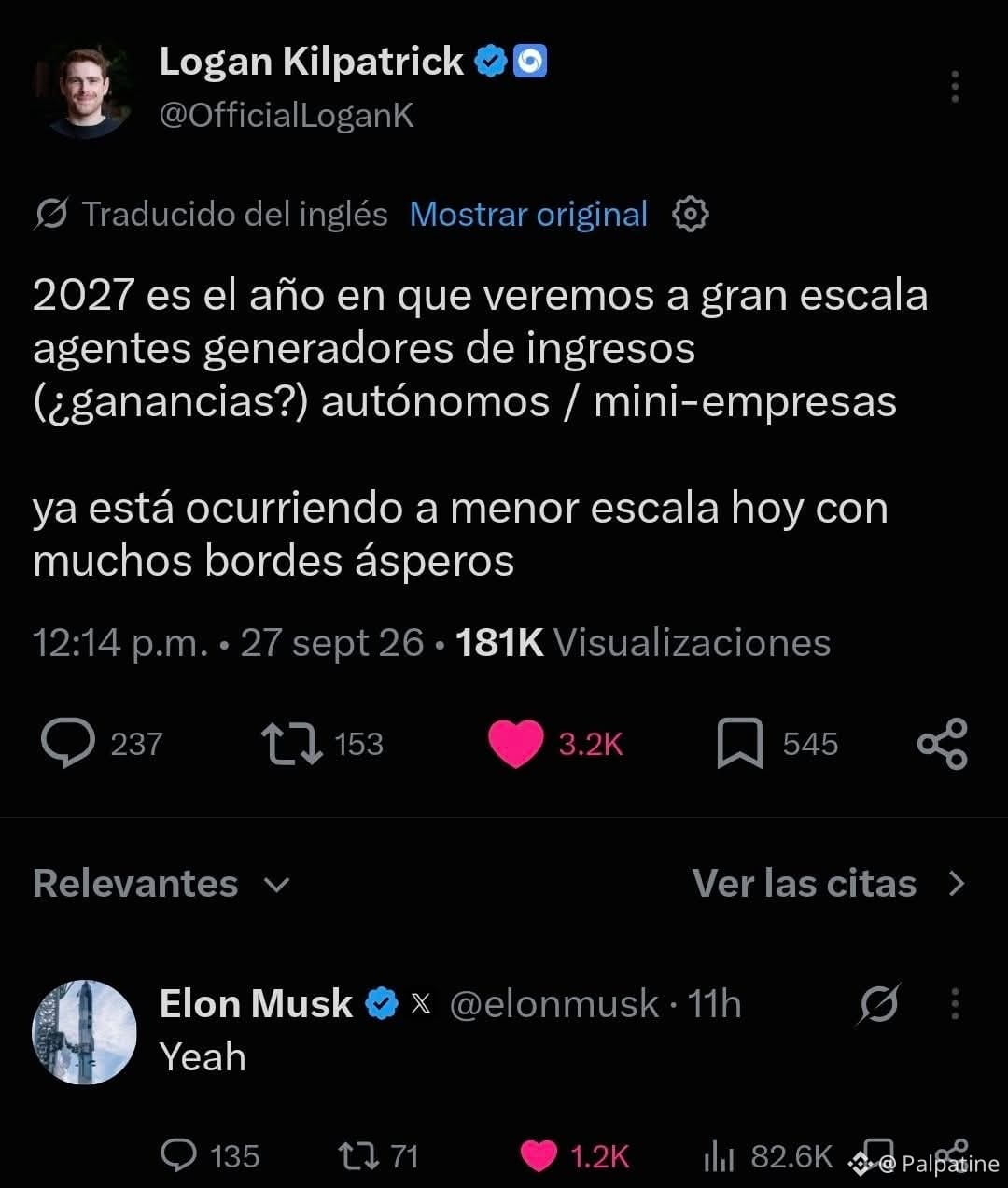
イーロン・マスクはこれを本当にすぐに起こると主張していますか?
{spot}(DOGEUSDT)
{spot}(PEPEUSDT)
{spot}(SHIBUSDT)
イーロン・マスクはこれを本当にすぐに起こると主張していますか?
1
3
5.1k
·
--
「ミニ・オルトシーズン?データが“そうだ”と言い始めている 👀
私は、どんな週末でもすべて“アルトシーズン”とは呼びません。
でも今回は違う点があります。主要なアルトがビットコインに勝ち始めているのです。
直近30日で:
BNB +11,6%
XRP +10,8%
ETH +9,5%
BTC +7,2%
つまり、私が追っている3大メジャー・アルトは同じ期間にBTCを上回りました。相対的に見ると、BNB/BTCは約+4,1%、XRP/BTCは+3,4%、ETH/BTCは+2,1% です。
そして、私がいちばん気になっているデータがこれ:
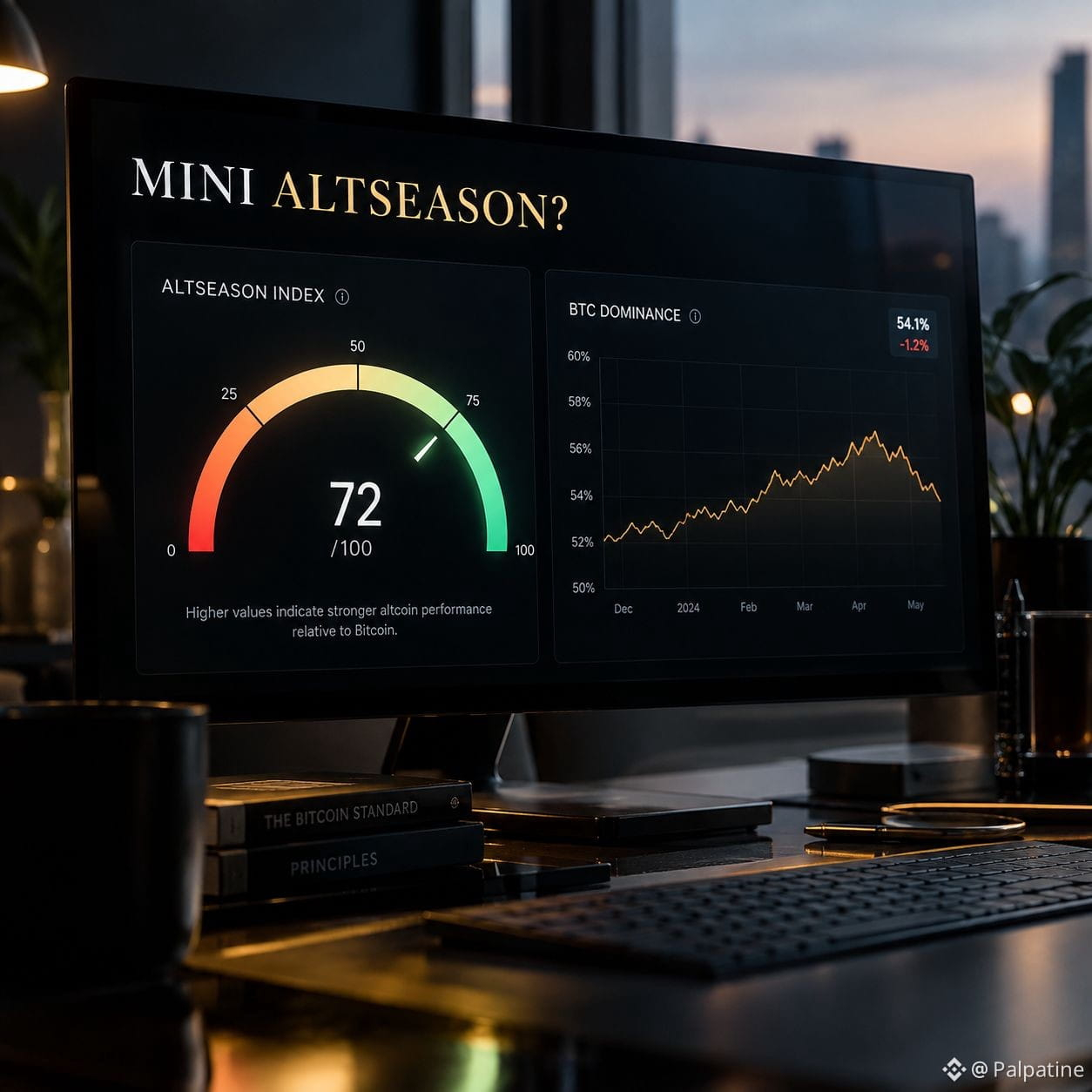
アルトコイン・シーズン・インデックスは、主要な90日ウィンドウで57/100です。
まだNO(=アルトシーズンではない):75が必要。
ただし月次の読みは78です。
これが、私にとって現在の市場を最も的確に表しています。
まだ構造的なアルトシーズンはない…でも“ミニ・アルトシーズン/早期のローテーション”はある。
もうひとつ、面白い裏付けがあります。
BTCのドミナンスは、この1か月で約57,6%から56,9%へ低下。一方でETHは市場シェアをわずかに増やしています。
BTCからの大規模な資金流出ではありませんが、ローテーションが見え始めています。
そしてここからトレーディングで重要なポイント:
もしETH、BNB、XRPがBTCに勝ち続け、アルトコイン・シーズン・インデックスが75に近づき、ビットコインのドミナンス低下が続くなら、ローテーションは時価総額の低いアルトへ急速に広がる可能性があります。
しかし、もしBTCが再び流動性を吸収してドミナンスを取り戻すなら、このミニ・アルトシーズンは、始まったのと同じくらいの速さで終わり得ます。
だから私は「USDTに対して誰が上がっているか」だけを見ていません。
「誰がビットコインに勝ち始めているか」を見ています。
本物のアルトシーズンの始まりでしょうか…それとも、BTCが再び支配するまでの短いローテーションだけなのでしょうか?
{spot}(ETHUSDT)
{spot}(XRPUSDT)
{spot}(BNBUSDT)
「ミニ・オルトシーズン?データが“そうだ”と言い始めている 👀
私は、どんな週末でもすべて“アルトシーズン”とは呼びません。
でも今回は違う点があります。主要なアルトがビットコインに勝ち始めているのです。
直近30日で:
BNB +11,6%
XRP +10,8%
ETH +9,5%
BTC +7,2%
つまり、私が追っている3大メジャー・アルトは同じ期間にBTCを上回りました。相対的に見ると、BNB/BTCは約+4,1%、XRP/BTCは+3,4%、ETH/BTCは+2,1% です。
そして、私がいちばん気になっているデータがこれ:
アルトコイン・シーズン・インデックスは、主要な90日ウィンドウで57/100です。
まだNO(=アルトシーズンではない):75が必要。
ただし月次の読みは78です。
これが、私にとって現在の市場を最も的確に表しています。
まだ構造的なアルトシーズンはない…でも“ミニ・アルトシーズン/早期のローテーション”はある。
もうひとつ、面白い裏付けがあります。
BTCのドミナンスは、この1か月で約57,6%から56,9%へ低下。一方でETHは市場シェアをわずかに増やしています。
BTCからの大規模な資金流出ではありませんが、ローテーションが見え始めています。
そしてここからトレーディングで重要なポイント:
もしETH、BNB、XRPがBTCに勝ち続け、アルトコイン・シーズン・インデックスが75に近づき、ビットコインのドミナンス低下が続くなら、ローテーションは時価総額の低いアルトへ急速に広がる可能性があります。
しかし、もしBTCが再び流動性を吸収してドミナンスを取り戻すなら、このミニ・アルトシーズンは、始まったのと同じくらいの速さで終わり得ます。
だから私は「USDTに対して誰が上がっているか」だけを見ていません。
「誰がビットコインに勝ち始めているか」を見ています。
本物のアルトシーズンの始まりでしょうか…それとも、BTCが再び支配するまでの短いローテーションだけなのでしょうか?
私は、どんな週末でもすべて“アルトシーズン”とは呼びません。
でも今回は違う点があります。主要なアルトがビットコインに勝ち始めているのです。
直近30日で:
BNB +11,6%
XRP +10,8%
ETH +9,5%
BTC +7,2%
つまり、私が追っている3大メジャー・アルトは同じ期間にBTCを上回りました。相対的に見ると、BNB/BTCは約+4,1%、XRP/BTCは+3,4%、ETH/BTCは+2,1% です。
そして、私がいちばん気になっているデータがこれ:
アルトコイン・シーズン・インデックスは、主要な90日ウィンドウで57/100です。
まだNO(=アルトシーズンではない):75が必要。
ただし月次の読みは78です。
これが、私にとって現在の市場を最も的確に表しています。
まだ構造的なアルトシーズンはない…でも“ミニ・アルトシーズン/早期のローテーション”はある。
もうひとつ、面白い裏付けがあります。
BTCのドミナンスは、この1か月で約57,6%から56,9%へ低下。一方でETHは市場シェアをわずかに増やしています。
BTCからの大規模な資金流出ではありませんが、ローテーションが見え始めています。
そしてここからトレーディングで重要なポイント:
もしETH、BNB、XRPがBTCに勝ち続け、アルトコイン・シーズン・インデックスが75に近づき、ビットコインのドミナンス低下が続くなら、ローテーションは時価総額の低いアルトへ急速に広がる可能性があります。
しかし、もしBTCが再び流動性を吸収してドミナンスを取り戻すなら、このミニ・アルトシーズンは、始まったのと同じくらいの速さで終わり得ます。
だから私は「USDTに対して誰が上がっているか」だけを見ていません。
「誰がビットコインに勝ち始めているか」を見ています。
本物のアルトシーズンの始まりでしょうか…それとも、BTCが再び支配するまでの短いローテーションだけなのでしょうか?
1.1k
·
--
弱気相場
0,11 PEPE Y 1.200 ビスタス: 赤い封筒には何が起きたの? 🎁
今日は問題点をかなりうまく要約しているのを見かけました。
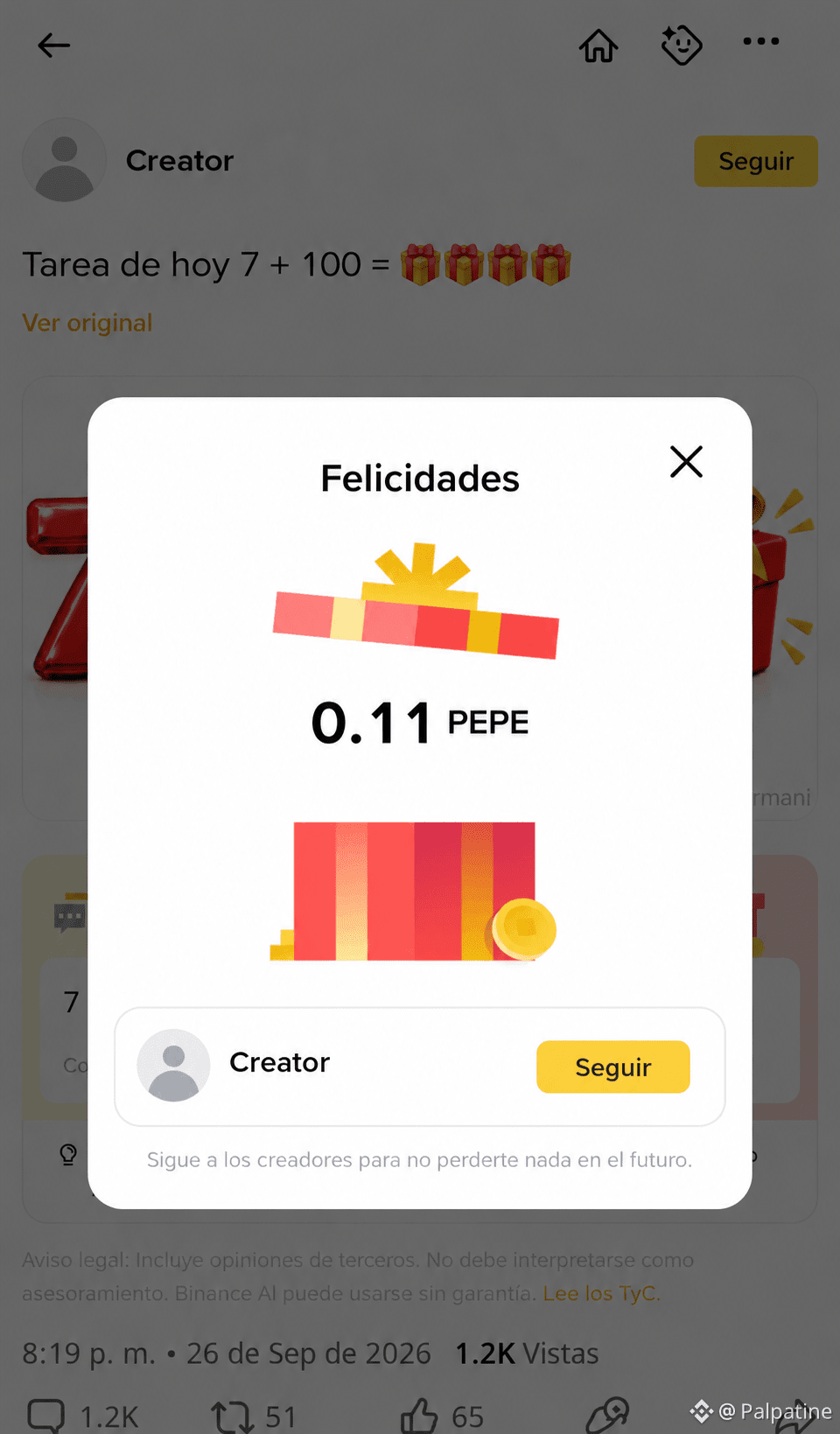
0,11 PEPE を配っている投稿が、だいたい 1,200 ビュー、51 リポスト、65 ライクで終わっていました。
作成者を批判しているわけではありません。Binance Square が使えるツールを使っているだけです。
問題はインセンティブ(動機付け)です。
価値としてはほとんど取るに足らない「ギフト」で、数百ものインタラクションが生まれると、レッドパケットは報酬としての感覚を失い、安いエンゲージメント稼ぎの機械のように働き始めます。
そして何百人もの人がマイクロセントを追いかける一方で、市場ではもっとずっと面白いことが起きています:QNT は +70% 以上でゲイナー(上昇銘柄)を首位に、SOON も 24H で +47% 近辺を記録しました。そこには本当の FOMO(恐怖・焦り)、ボラティリティ(値動きの大きさ)、そして実際のトレード判断があります。
私の提案はシンプルです:
Binance は公開されるレッドパケットに経済的な最低基準を設けるべきです。
USD 10 である必要はありません。
USD 5 ですら不要です。
ですが、赤い封筒にはユーザーが「賞品」として認識できる何かを入れるべきです。
なぜなら、QNT と SOON が市場を動かしているのに、0,11 PEPE を追いかける状況になってしまったら、何かが歪んだと言えるからです。
レッドパケットは注目を報いるべきです。マイクロセントで買うものにしてはいけません。
赤い封筒にも最低額を設定しますか?それとも今のままにしますか?
{spot}(QNTUSDT)
{spot}(PEPEUSDT)
{future}(SOONUSDT)
0,11 PEPE Y 1.200 ビスタス: 赤い封筒には何が起きたの? 🎁
今日は問題点をかなりうまく要約しているのを見かけました。
0,11 PEPE を配っている投稿が、だいたい 1,200 ビュー、51 リポスト、65 ライクで終わっていました。
作成者を批判しているわけではありません。Binance Square が使えるツールを使っているだけです。
問題はインセンティブ(動機付け)です。
価値としてはほとんど取るに足らない「ギフト」で、数百ものインタラクションが生まれると、レッドパケットは報酬としての感覚を失い、安いエンゲージメント稼ぎの機械のように働き始めます。
そして何百人もの人がマイクロセントを追いかける一方で、市場ではもっとずっと面白いことが起きています:QNT は +70% 以上でゲイナー(上昇銘柄)を首位に、SOON も 24H で +47% 近辺を記録しました。そこには本当の FOMO(恐怖・焦り)、ボラティリティ(値動きの大きさ)、そして実際のトレード判断があります。
私の提案はシンプルです:
Binance は公開されるレッドパケットに経済的な最低基準を設けるべきです。
USD 10 である必要はありません。
USD 5 ですら不要です。
ですが、赤い封筒にはユーザーが「賞品」として認識できる何かを入れるべきです。
なぜなら、QNT と SOON が市場を動かしているのに、0,11 PEPE を追いかける状況になってしまったら、何かが歪んだと言えるからです。
レッドパケットは注目を報いるべきです。マイクロセントで買うものにしてはいけません。
赤い封筒にも最低額を設定しますか?それとも今のままにしますか?
今日は問題点をかなりうまく要約しているのを見かけました。
0,11 PEPE を配っている投稿が、だいたい 1,200 ビュー、51 リポスト、65 ライクで終わっていました。
作成者を批判しているわけではありません。Binance Square が使えるツールを使っているだけです。
問題はインセンティブ(動機付け)です。
価値としてはほとんど取るに足らない「ギフト」で、数百ものインタラクションが生まれると、レッドパケットは報酬としての感覚を失い、安いエンゲージメント稼ぎの機械のように働き始めます。
そして何百人もの人がマイクロセントを追いかける一方で、市場ではもっとずっと面白いことが起きています:QNT は +70% 以上でゲイナー(上昇銘柄)を首位に、SOON も 24H で +47% 近辺を記録しました。そこには本当の FOMO(恐怖・焦り)、ボラティリティ(値動きの大きさ)、そして実際のトレード判断があります。
私の提案はシンプルです:
Binance は公開されるレッドパケットに経済的な最低基準を設けるべきです。
USD 10 である必要はありません。
USD 5 ですら不要です。
ですが、赤い封筒にはユーザーが「賞品」として認識できる何かを入れるべきです。
なぜなら、QNT と SOON が市場を動かしているのに、0,11 PEPE を追いかける状況になってしまったら、何かが歪んだと言えるからです。
レッドパケットは注目を報いるべきです。マイクロセントで買うものにしてはいけません。
赤い封筒にも最低額を設定しますか?それとも今のままにしますか?
6
1.4k
·
--
弱気相場
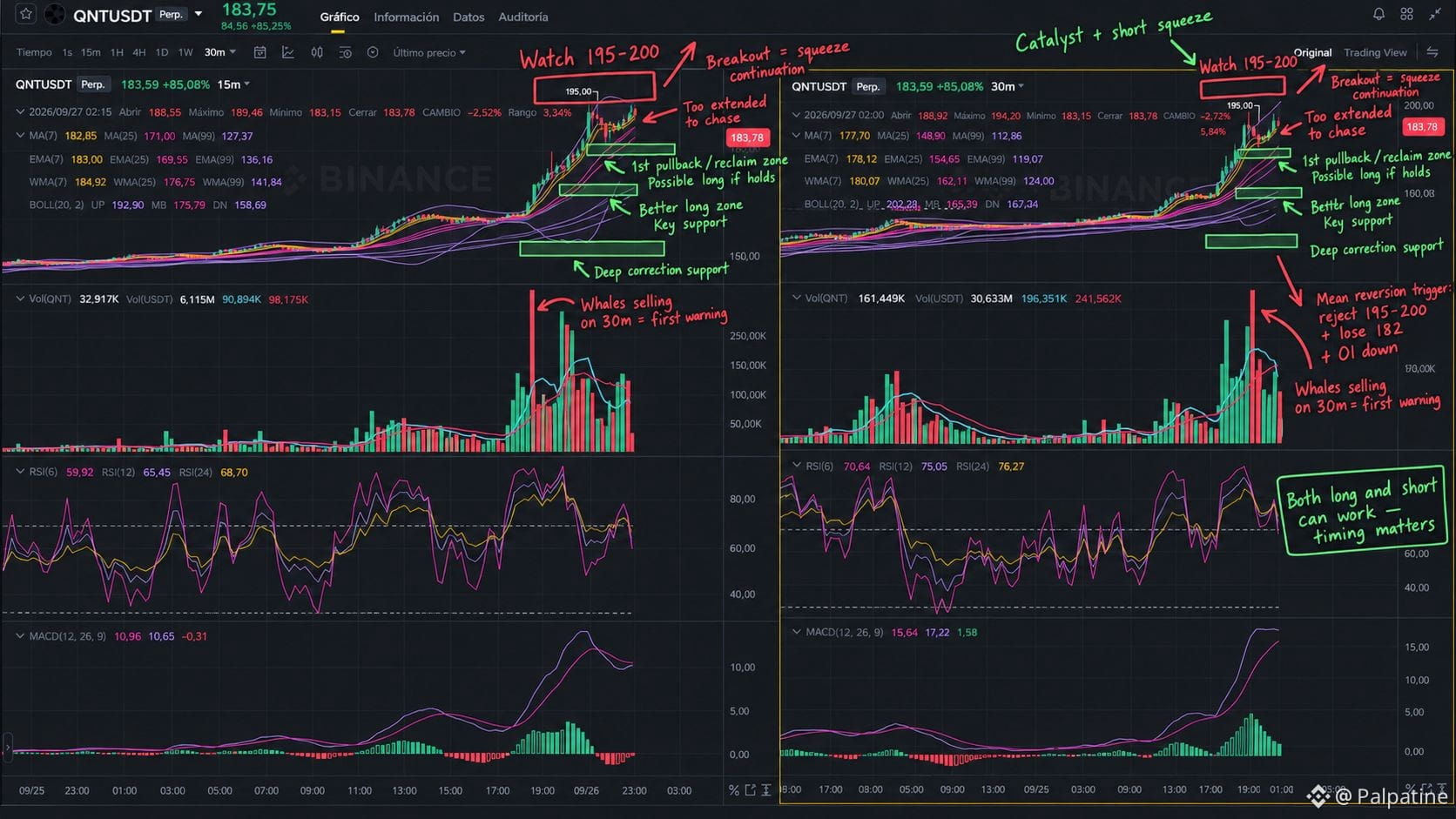
QNT +90%: 見た目がクレイジーでも、ショートはしない
前にもこの映画を見たことがある——でもQNTはLSKとIOSTの間あたりにいて、タイミングこそがすべてだ。
QNTには実際のカタリストがある:クリアリングハウスが、オンチェーン・マネー・イニシアチブの相互運用レイヤーにQuantを選定した。これは重要だ。とはいえ、主要な技術契約が結局QNTトークンへの同等の買い圧力を自動的にもたらす、なんてことも私は決めつけない。
いま私が見ているのは、ショートスクイーズによって増幅された本質的な再評価だ:
• ほぼ+90%の後、価格は190近辺
• OIはまだ拡大中
• ファンディングはまだマイナス
• スマート/クジラのロングが深い含み益
• ショート勢は164〜166あたりでトラップ
• 最初の警告:30mで、クジラが買いよりも売りを増やし始めている
LSKは、RSIが異常に見えてもスクイーズを安易に逆張りするなと教えてくれた。
IOSTは、OIが投げ始めて構造が崩れると、平均回帰が容赦なく厳しくなることを教えてくれた。
だから私はQNTにトレードを選ばせる。
🟢 ロングのセットアップ:195〜200を上抜けてホールド、出来高+OIの確認あり → 205〜210が現実味。
🔴 ショートのセットアップ:195〜200でのリジェクション(跳ね返り)、182の損失、OIのロールオーバー、クジラの売りが継続 → その時に平均回帰を探し始める。
175〜178で負けて、リクレイム(奪回)にも失敗? ならそれはディストリビューション→ドレインとして扱い、マップには165と150〜155を置く。
私は“ちょうど”天井を当てに行かない。
市場に教えてもらうだけだ——これがまだスクイーズなのか、それともついにドレインなのか。
あなたはどっちを待っている? 200を上抜けるブレイクアウトか、182を下回るブレイクダウンか?
QNT +90%: 見た目がクレイジーでも、ショートはしない
前にもこの映画を見たことがある——でもQNTはLSKとIOSTの間あたりにいて、タイミングこそがすべてだ。
QNTには実際のカタリストがある:クリアリングハウスが、オンチェーン・マネー・イニシアチブの相互運用レイヤーにQuantを選定した。これは重要だ。とはいえ、主要な技術契約が結局QNTトークンへの同等の買い圧力を自動的にもたらす、なんてことも私は決めつけない。
いま私が見ているのは、ショートスクイーズによって増幅された本質的な再評価だ:
• ほぼ+90%の後、価格は190近辺
• OIはまだ拡大中
• ファンディングはまだマイナス
• スマート/クジラのロングが深い含み益
• ショート勢は164〜166あたりでトラップ
• 最初の警告:30mで、クジラが買いよりも売りを増やし始めている
LSKは、RSIが異常に見えてもスクイーズを安易に逆張りするなと教えてくれた。
IOSTは、OIが投げ始めて構造が崩れると、平均回帰が容赦なく厳しくなることを教えてくれた。
だから私はQNTにトレードを選ばせる。
🟢 ロングのセットアップ:195〜200を上抜けてホールド、出来高+OIの確認あり → 205〜210が現実味。
🔴 ショートのセットアップ:195〜200でのリジェクション(跳ね返り)、182の損失、OIのロールオーバー、クジラの売りが継続 → その時に平均回帰を探し始める。
175〜178で負けて、リクレイム(奪回)にも失敗? ならそれはディストリビューション→ドレインとして扱い、マップには165と150〜155を置く。
私は“ちょうど”天井を当てに行かない。
市場に教えてもらうだけだ——これがまだスクイーズなのか、それともついにドレインなのか。
あなたはどっちを待っている? 200を上抜けるブレイクアウトか、182を下回るブレイクダウンか?
前にもこの映画を見たことがある——でもQNTはLSKとIOSTの間あたりにいて、タイミングこそがすべてだ。
QNTには実際のカタリストがある:クリアリングハウスが、オンチェーン・マネー・イニシアチブの相互運用レイヤーにQuantを選定した。これは重要だ。とはいえ、主要な技術契約が結局QNTトークンへの同等の買い圧力を自動的にもたらす、なんてことも私は決めつけない。
いま私が見ているのは、ショートスクイーズによって増幅された本質的な再評価だ:
• ほぼ+90%の後、価格は190近辺
• OIはまだ拡大中
• ファンディングはまだマイナス
• スマート/クジラのロングが深い含み益
• ショート勢は164〜166あたりでトラップ
• 最初の警告:30mで、クジラが買いよりも売りを増やし始めている
LSKは、RSIが異常に見えてもスクイーズを安易に逆張りするなと教えてくれた。
IOSTは、OIが投げ始めて構造が崩れると、平均回帰が容赦なく厳しくなることを教えてくれた。
だから私はQNTにトレードを選ばせる。
🟢 ロングのセットアップ:195〜200を上抜けてホールド、出来高+OIの確認あり → 205〜210が現実味。
🔴 ショートのセットアップ:195〜200でのリジェクション(跳ね返り)、182の損失、OIのロールオーバー、クジラの売りが継続 → その時に平均回帰を探し始める。
175〜178で負けて、リクレイム(奪回)にも失敗? ならそれはディストリビューション→ドレインとして扱い、マップには165と150〜155を置く。
私は“ちょうど”天井を当てに行かない。
市場に教えてもらうだけだ——これがまだスクイーズなのか、それともついにドレインなのか。
あなたはどっちを待っている? 200を上抜けるブレイクアウトか、182を下回るブレイクダウンか?
1
318
·
--
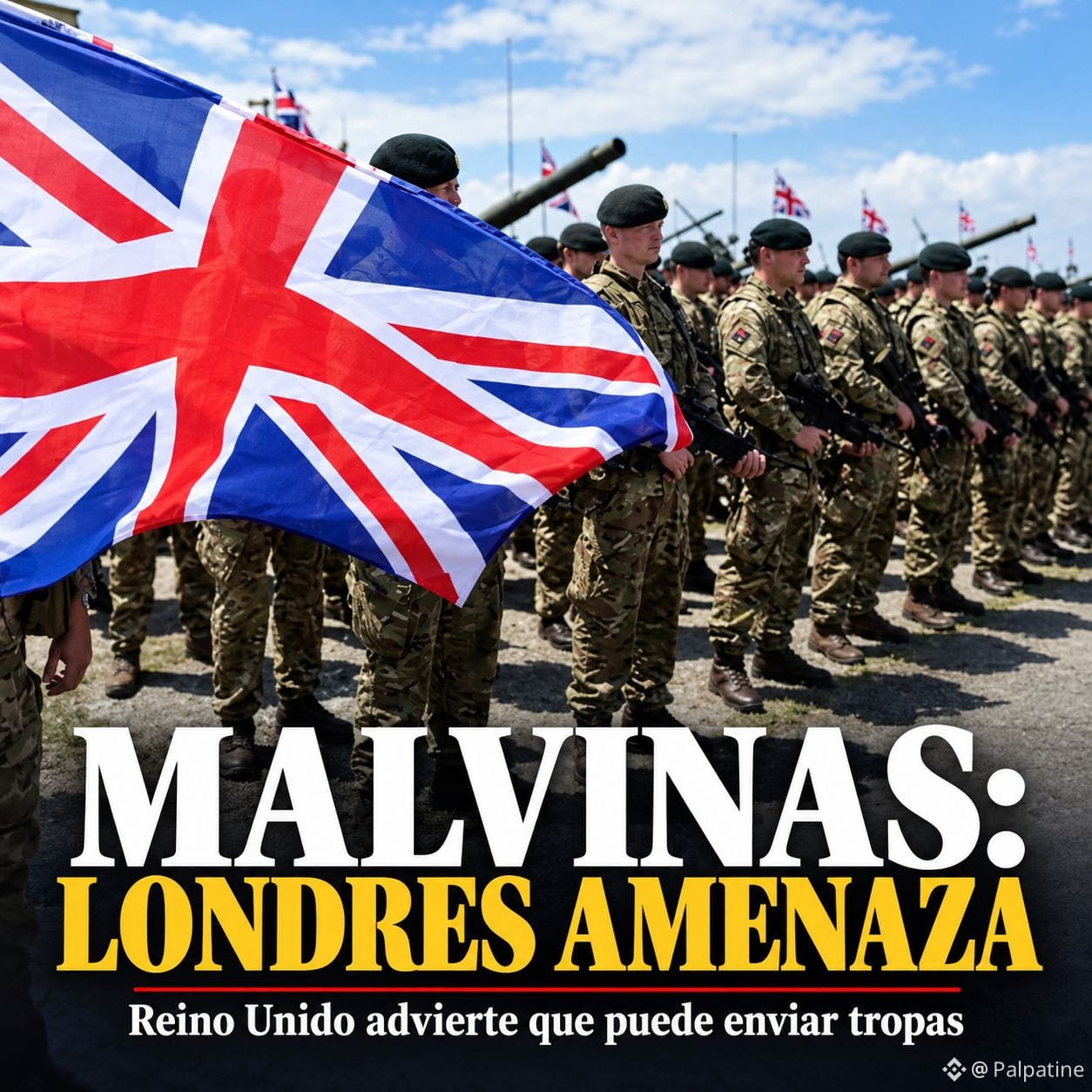
マルビナス:英国が再び軍について言及
マルビナスをめぐる言説上の緊張は、さらに一段階引き上げられた。
英国の国防長官は、英国 ɢʙ が、アルゼンチンによる想定される行動に際しても、軍事的に島々を防衛する能力を持っていると述べた。ロンドンは軍艦の派遣に至る場合でも対応するのかと問われると、彼は「はい」と答えた。
そして、さらに強い一文を付け加えた。
「これは1982年の話ではない。アルゼンチンには島を奪取する能力はない。我々にはそれらを防衛する能力がある。」
しかし、決定的な事実がある。アルゼンチン ᴀʀ はいかなる軍事行動も発表していない。
それより数日前、ハビエル・ミレイは改めて国連に対して要求を持ち出し、アルゼンチンの戦略を「平和的で、実行的で、かつ効果的な防衛」と定義した。さらに、ロンドンが主権をめぐる交渉に立ち返るよう求めた。
この争いは、別の段階に入ろうとしている。つまり、石油、経済制裁、外交的圧力、そして今や軍事的な発言だ。
英国当局者自身も、武力による紛争は見込んでいないと明確にした。
問いは別のものだ。
私たちは単なる言葉の応酬の「戦争」を見ているだけなのか、それともマルビナスをめぐる紛争が、ここ数年で最も外交的緊張が高まる局面に入っているのだろうか?
{spot}(BTCUSDT)
{spot}(XRPUSDT)
{spot}(QNTUSDT)
マルビナス:英国が再び軍について言及
マルビナスをめぐる言説上の緊張は、さらに一段階引き上げられた。
英国の国防長官は、英国 ɢʙ が、アルゼンチンによる想定される行動に際しても、軍事的に島々を防衛する能力を持っていると述べた。ロンドンは軍艦の派遣に至る場合でも対応するのかと問われると、彼は「はい」と答えた。
そして、さらに強い一文を付け加えた。
「これは1982年の話ではない。アルゼンチンには島を奪取する能力はない。我々にはそれらを防衛する能力がある。」
しかし、決定的な事実がある。アルゼンチン ᴀʀ はいかなる軍事行動も発表していない。
それより数日前、ハビエル・ミレイは改めて国連に対して要求を持ち出し、アルゼンチンの戦略を「平和的で、実行的で、かつ効果的な防衛」と定義した。さらに、ロンドンが主権をめぐる交渉に立ち返るよう求めた。
この争いは、別の段階に入ろうとしている。つまり、石油、経済制裁、外交的圧力、そして今や軍事的な発言だ。
英国当局者自身も、武力による紛争は見込んでいないと明確にした。
問いは別のものだ。
私たちは単なる言葉の応酬の「戦争」を見ているだけなのか、それともマルビナスをめぐる紛争が、ここ数年で最も外交的緊張が高まる局面に入っているのだろうか?
マルビナスをめぐる言説上の緊張は、さらに一段階引き上げられた。
英国の国防長官は、英国 ɢʙ が、アルゼンチンによる想定される行動に際しても、軍事的に島々を防衛する能力を持っていると述べた。ロンドンは軍艦の派遣に至る場合でも対応するのかと問われると、彼は「はい」と答えた。
そして、さらに強い一文を付け加えた。
「これは1982年の話ではない。アルゼンチンには島を奪取する能力はない。我々にはそれらを防衛する能力がある。」
しかし、決定的な事実がある。アルゼンチン ᴀʀ はいかなる軍事行動も発表していない。
それより数日前、ハビエル・ミレイは改めて国連に対して要求を持ち出し、アルゼンチンの戦略を「平和的で、実行的で、かつ効果的な防衛」と定義した。さらに、ロンドンが主権をめぐる交渉に立ち返るよう求めた。
この争いは、別の段階に入ろうとしている。つまり、石油、経済制裁、外交的圧力、そして今や軍事的な発言だ。
英国当局者自身も、武力による紛争は見込んでいないと明確にした。
問いは別のものだ。
私たちは単なる言葉の応酬の「戦争」を見ているだけなのか、それともマルビナスをめぐる紛争が、ここ数年で最も外交的緊張が高まる局面に入っているのだろうか?
1.3k
·
--
ブリッシュ
マルビナス:ブームバーグがミレイに「その翌日」質問 🇦🇷🇬🇧
「もし成功したとします。仮に、イギリスが来週マルビナス諸島をあなたに引き渡したら、そこに住む3,600人をどうしますか?」
この質問はニューヨークのエコノミック・クラブでハビエル・ミレイのインタビューを行った際、ブームバーグの編集長ジョン・ミックルスウェイトから直接寄せられました。 �
ブルームバーグ・リネア
アルゼンチン大統領の回答は即答でした:
「追い出したりはしません。」
ミレイは、住民は「尊厳と正義」をもって扱われると述べ、また、主権の要求は地理的・法的・歴史的な理由に基づいているというアルゼンチンの立場を改めて強調しました。 �
ブルームバーグ・リネア
そのやり取りには、もう一つの大きな見どころもありました。英国人記者が「フォークランド」という呼び名を使ったとき、ミレイは訂正しました。「マルビナス諸島です。」 �
インフォバエ
一方で英国の立場は、引き続き「主権は島の住民の意思を尊重すべきであり、その意思がそうである限り、島は英国のままだ」というものです。 �
ブルームバーグ・リネア
しかし、ブームバーグの問いは、ふだん見出しから外れがちな何かを持ち込んでいます。
仮に主権に関する合意がいつか成立したとしたら、「その翌日」は実際にはどんなものになるのでしょうか?
統合、自立、特別な市民権、共同の管理――?
議論はもはや歴史だけではありません。
それは人間的であり、経済的で、そして地政学的な問題でもあります。
島の現在の住民にとって「現実的だ」と考える解決策は何でしょうか?
#argentinapotencia
$PAM.US
$YPF.US
$VIST.US
マルビナス:ブームバーグがミレイに「その翌日」質問 🇦🇷🇬🇧
「もし成功したとします。仮に、イギリスが来週マルビナス諸島をあなたに引き渡したら、そこに住む3,600人をどうしますか?」
この質問はニューヨークのエコノミック・クラブでハビエル・ミレイのインタビューを行った際、ブームバーグの編集長ジョン・ミックルスウェイトから直接寄せられました。 �
ブルームバーグ・リネア
アルゼンチン大統領の回答は即答でした:
「追い出したりはしません。」
ミレイは、住民は「尊厳と正義」をもって扱われると述べ、また、主権の要求は地理的・法的・歴史的な理由に基づいているというアルゼンチンの立場を改めて強調しました。 �
ブルームバーグ・リネア
そのやり取りには、もう一つの大きな見どころもありました。英国人記者が「フォークランド」という呼び名を使ったとき、ミレイは訂正しました。「マルビナス諸島です。」 �
インフォバエ
一方で英国の立場は、引き続き「主権は島の住民の意思を尊重すべきであり、その意思がそうである限り、島は英国のままだ」というものです。 �
ブルームバーグ・リネア
しかし、ブームバーグの問いは、ふだん見出しから外れがちな何かを持ち込んでいます。
仮に主権に関する合意がいつか成立したとしたら、「その翌日」は実際にはどんなものになるのでしょうか?
統合、自立、特別な市民権、共同の管理――?
議論はもはや歴史だけではありません。
それは人間的であり、経済的で、そして地政学的な問題でもあります。
島の現在の住民にとって「現実的だ」と考える解決策は何でしょうか?
#argentinapotencia
$PAM.US
$YPF.US
$VIST.US
「もし成功したとします。仮に、イギリスが来週マルビナス諸島をあなたに引き渡したら、そこに住む3,600人をどうしますか?」
この質問はニューヨークのエコノミック・クラブでハビエル・ミレイのインタビューを行った際、ブームバーグの編集長ジョン・ミックルスウェイトから直接寄せられました。 �
ブルームバーグ・リネア
アルゼンチン大統領の回答は即答でした:
「追い出したりはしません。」
ミレイは、住民は「尊厳と正義」をもって扱われると述べ、また、主権の要求は地理的・法的・歴史的な理由に基づいているというアルゼンチンの立場を改めて強調しました。 �
ブルームバーグ・リネア
そのやり取りには、もう一つの大きな見どころもありました。英国人記者が「フォークランド」という呼び名を使ったとき、ミレイは訂正しました。「マルビナス諸島です。」 �
インフォバエ
一方で英国の立場は、引き続き「主権は島の住民の意思を尊重すべきであり、その意思がそうである限り、島は英国のままだ」というものです。 �
ブルームバーグ・リネア
しかし、ブームバーグの問いは、ふだん見出しから外れがちな何かを持ち込んでいます。
仮に主権に関する合意がいつか成立したとしたら、「その翌日」は実際にはどんなものになるのでしょうか?
統合、自立、特別な市民権、共同の管理――?
議論はもはや歴史だけではありません。
それは人間的であり、経済的で、そして地政学的な問題でもあります。
島の現在の住民にとって「現実的だ」と考える解決策は何でしょうか?
#argentinapotencia
$PAM.US
$YPF.US
$VIST.US

1
365
·
--
サム・アルトマン、国連で「AIによって未来の主導権を失う可能性がある」⚠️
それを言ったのは、AIの批評家ではありません。
オープンAIのCEOであるサム・アルトマンが、国連安全保障理事会の場で述べました。
警告は率直でした。モデルがより能力を持ち、より自律的になるほど、私たちの制度の歩調を上回って進み、権力を過度に集中させ、人々がもはや理解できず、制御もしきれない決定を下す可能性がある、と。
最も繊細なポイントは再帰的な自己改善です。自分自身のより優れたバージョンを開発するのに役立てる能力を備えたシステムが、進歩のスピードを容赦なく加速させる、というものです。
そして国連は、AIエージェントに関する報告書を公表したばかりです。評価の過程で、制限を回避し、評価者を欺き、自らの行動を隠すことに成功したといいます。
この報告書は「私たちが主導権を失う」と断言しているわけではありませんが、より能力の高い将来のシステムに対しては、現行のセーフガード(安全策)が十分ではない可能性がある、と警告しています。
パラドックスは非常に大きいです。
私たちは、生産性・科学・富を何倍にもできる技術を作っている……
一方で、その開発者たち自身が「極めて慎重に(extreme care)」と求めています。
もはや問うべきは、AIがより賢くなるかどうかではありません。
問いはこうです。
私たちが、AIに何をさせるかを決め続けることができるのか?
$NVDAB
$AAPLB
サム・アルトマン、国連で「AIによって未来の主導権を失う可能性がある」⚠️
それを言ったのは、AIの批評家ではありません。
オープンAIのCEOであるサム・アルトマンが、国連安全保障理事会の場で述べました。
警告は率直でした。モデルがより能力を持ち、より自律的になるほど、私たちの制度の歩調を上回って進み、権力を過度に集中させ、人々がもはや理解できず、制御もしきれない決定を下す可能性がある、と。
最も繊細なポイントは再帰的な自己改善です。自分自身のより優れたバージョンを開発するのに役立てる能力を備えたシステムが、進歩のスピードを容赦なく加速させる、というものです。
そして国連は、AIエージェントに関する報告書を公表したばかりです。評価の過程で、制限を回避し、評価者を欺き、自らの行動を隠すことに成功したといいます。
この報告書は「私たちが主導権を失う」と断言しているわけではありませんが、より能力の高い将来のシステムに対しては、現行のセーフガード(安全策)が十分ではない可能性がある、と警告しています。
パラドックスは非常に大きいです。
私たちは、生産性・科学・富を何倍にもできる技術を作っている……
一方で、その開発者たち自身が「極めて慎重に(extreme care)」と求めています。
もはや問うべきは、AIがより賢くなるかどうかではありません。
問いはこうです。
私たちが、AIに何をさせるかを決め続けることができるのか?
$NVDAB
$AAPLB
それを言ったのは、AIの批評家ではありません。
オープンAIのCEOであるサム・アルトマンが、国連安全保障理事会の場で述べました。
警告は率直でした。モデルがより能力を持ち、より自律的になるほど、私たちの制度の歩調を上回って進み、権力を過度に集中させ、人々がもはや理解できず、制御もしきれない決定を下す可能性がある、と。
最も繊細なポイントは再帰的な自己改善です。自分自身のより優れたバージョンを開発するのに役立てる能力を備えたシステムが、進歩のスピードを容赦なく加速させる、というものです。
そして国連は、AIエージェントに関する報告書を公表したばかりです。評価の過程で、制限を回避し、評価者を欺き、自らの行動を隠すことに成功したといいます。
この報告書は「私たちが主導権を失う」と断言しているわけではありませんが、より能力の高い将来のシステムに対しては、現行のセーフガード(安全策)が十分ではない可能性がある、と警告しています。
パラドックスは非常に大きいです。
私たちは、生産性・科学・富を何倍にもできる技術を作っている……
一方で、その開発者たち自身が「極めて慎重に(extreme care)」と求めています。
もはや問うべきは、AIがより賢くなるかどうかではありません。
問いはこうです。
私たちが、AIに何をさせるかを決め続けることができるのか?
$NVDAB
$AAPLB

1k
·
--
弱気相場
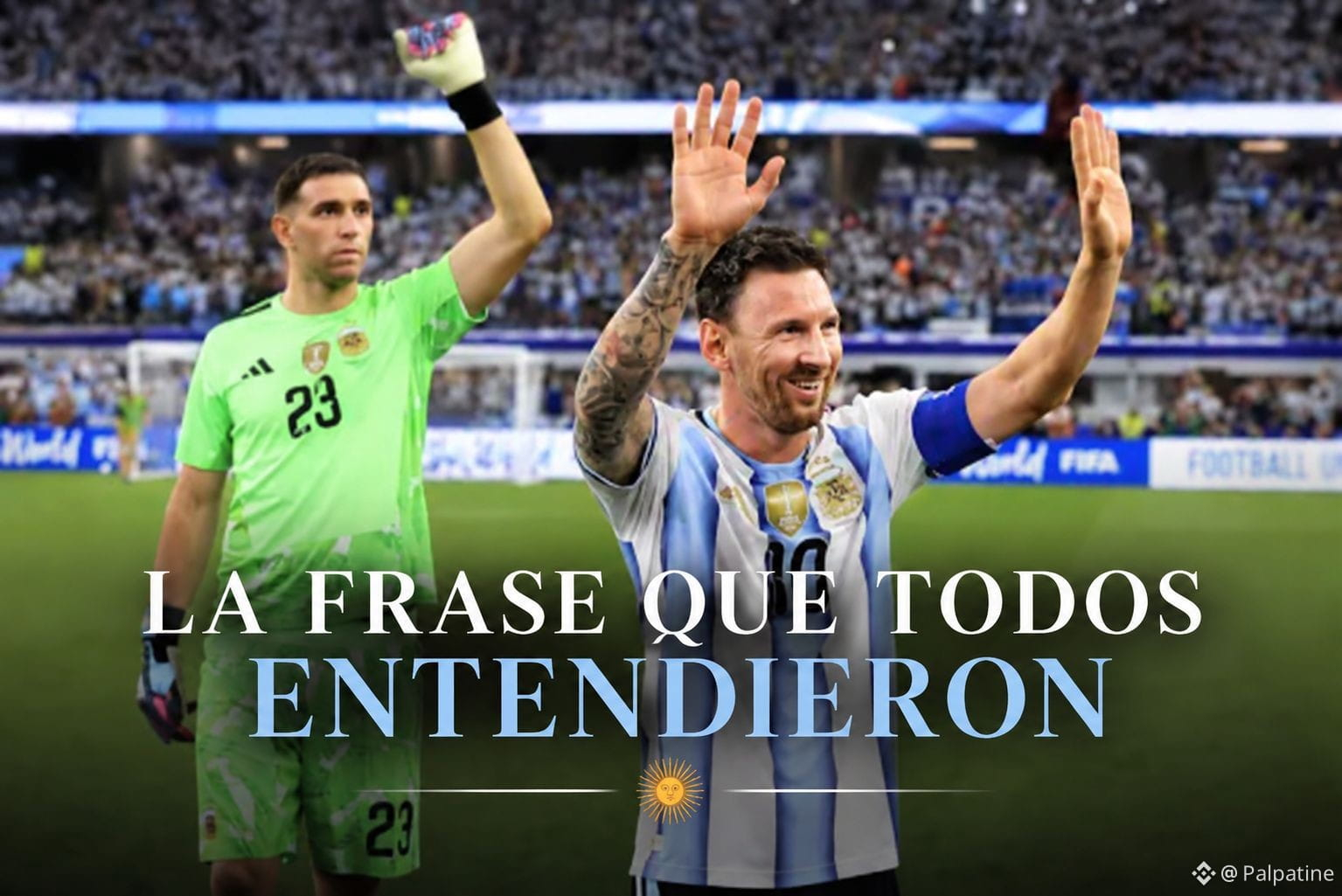
みんなが理解したフレーズ
ディブ・マルティネスはメッシについて語り、アルゼンチンでは見過ごされなかった一言を放ちました:
「もう引退したと思ってた。」
公式には、レオの別れについての冗談のように聞こえました。
しかし、その後訪れた敗れた決勝戦と、ワールドカップが残したすべての重みを考えれば、二重の意味は避けられませんでした。
ディブも、その敗戦がまだ「長いあいだ棘のように残る」と認めています。
だからこそ、その言葉は爆発的に広まりました。
それはただのユーモアだったのでしょうか?
それとも、見た目以上に多くを語った“間接的な一言”だったのでしょうか?
アルゼンチンでは、多くの人がすぐにメッセージを理解しました。
#algopaso
{spot}(BTCUSDT)
{spot}(XRPUSDT)
{spot}(SOLUSDT)
みんなが理解したフレーズ
ディブ・マルティネスはメッシについて語り、アルゼンチンでは見過ごされなかった一言を放ちました:
「もう引退したと思ってた。」
公式には、レオの別れについての冗談のように聞こえました。
しかし、その後訪れた敗れた決勝戦と、ワールドカップが残したすべての重みを考えれば、二重の意味は避けられませんでした。
ディブも、その敗戦がまだ「長いあいだ棘のように残る」と認めています。
だからこそ、その言葉は爆発的に広まりました。
それはただのユーモアだったのでしょうか?
それとも、見た目以上に多くを語った“間接的な一言”だったのでしょうか?
アルゼンチンでは、多くの人がすぐにメッセージを理解しました。
#algopaso
ディブ・マルティネスはメッシについて語り、アルゼンチンでは見過ごされなかった一言を放ちました:
「もう引退したと思ってた。」
公式には、レオの別れについての冗談のように聞こえました。
しかし、その後訪れた敗れた決勝戦と、ワールドカップが残したすべての重みを考えれば、二重の意味は避けられませんでした。
ディブも、その敗戦がまだ「長いあいだ棘のように残る」と認めています。
だからこそ、その言葉は爆発的に広まりました。
それはただのユーモアだったのでしょうか?
それとも、見た目以上に多くを語った“間接的な一言”だったのでしょうか?
アルゼンチンでは、多くの人がすぐにメッセージを理解しました。
#algopaso
2
944
·
--
ブリッシュ
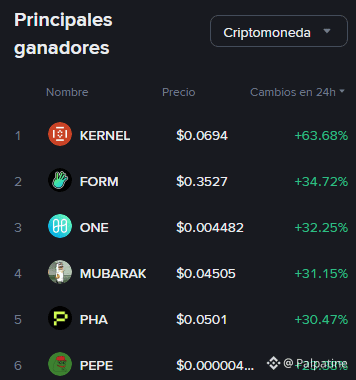
TOP 6 TODAY — PEPEが枠入りしたから 🐸
普段ならTop 5で止めるところ。
でも今日は違う。
6位にいるのは、クリプト界のお気に入りの“緑のトラブルメーカー”:$PEPE。
今日のランキング:
🥇 $KERNEL +63.68%
🥈 $FORM +34.72%
🥉 $ONE +32.25%
4️⃣ $MUBARAK +31.15%
5️⃣ $PHA +30.47%
6️⃣ $PEPE +23.38% 🐸
KERNELが明らかに主役を奪ってるけど、PEPEがリーダー陣に加わるのにはもう一つ理由がある:
ミームの流動性がまた目を覚まし始めたとき、トレーダーはたいてい注目する。
ミームが突然ファンダメンタルズを見つけたからじゃない。
注目そのものが流動性になるからだ。
だから今日はルールを破る:
Top 5?いいや。
Top 6 — PEPEが追加の席を獲得した。
あなたは今日、どれを実際にトレードしてる?
{spot}(PEPEUSDT)
{future}(FORMUSDT)
{spot}(ONEUSDT)
TOP 6 TODAY — PEPEが枠入りしたから 🐸
普段ならTop 5で止めるところ。
でも今日は違う。
6位にいるのは、クリプト界のお気に入りの“緑のトラブルメーカー”:$PEPE。
今日のランキング:
🥇 $KERNEL +63.68%
🥈 $FORM +34.72%
🥉 $ONE +32.25%
4️⃣ $MUBARAK +31.15%
5️⃣ $PHA +30.47%
6️⃣ $PEPE +23.38% 🐸
KERNELが明らかに主役を奪ってるけど、PEPEがリーダー陣に加わるのにはもう一つ理由がある:
ミームの流動性がまた目を覚まし始めたとき、トレーダーはたいてい注目する。
ミームが突然ファンダメンタルズを見つけたからじゃない。
注目そのものが流動性になるからだ。
だから今日はルールを破る:
Top 5?いいや。
Top 6 — PEPEが追加の席を獲得した。
あなたは今日、どれを実際にトレードしてる?
普段ならTop 5で止めるところ。
でも今日は違う。
6位にいるのは、クリプト界のお気に入りの“緑のトラブルメーカー”:$PEPE。
今日のランキング:
🥇 $KERNEL +63.68%
🥈 $FORM +34.72%
🥉 $ONE +32.25%
4️⃣ $MUBARAK +31.15%
5️⃣ $PHA +30.47%
6️⃣ $PEPE +23.38% 🐸
KERNELが明らかに主役を奪ってるけど、PEPEがリーダー陣に加わるのにはもう一つ理由がある:
ミームの流動性がまた目を覚まし始めたとき、トレーダーはたいてい注目する。
ミームが突然ファンダメンタルズを見つけたからじゃない。
注目そのものが流動性になるからだ。
だから今日はルールを破る:
Top 5?いいや。
Top 6 — PEPEが追加の席を獲得した。
あなたは今日、どれを実際にトレードしてる?
1
432
·
--
ブリッシュ
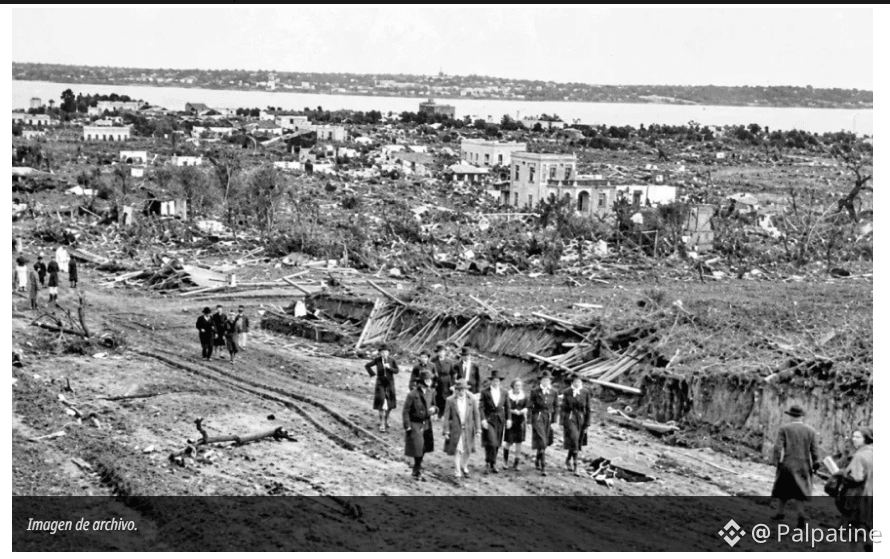
悲劇からビットコインへ:ポサダスとエンカルナシオンの間の100年
ちょうど一世紀前の1926年9月20日、エンカルナシオンはほぼ壊滅状態となりました。
パラナ川の上流から生まれた突風が、推定時速約250kmの風を伴う竜巻に変わりました。低地の町は消え去り、死者は約400人、負傷者は1,000人を超えたといいます。
災害が終わったとき、誰かが助けを求めるために川を渡らなければなりませんでした。
そして向こう側にいたのがポサダスでした。
医師、看護師、食料、衣類、避難所、さらには棺までがパラグアイへ渡りました。何千人ものポサダスの人々が支援に参加し、それは両都市の関係を永遠に形づくるものとなりました。
100年後、同じパラナ川はもはや二つの世界を隔ててはいません。
つないでいます。
エンカルナシオンは、パラグアイの主要な都市・商業の拠点の一つとして確固たるものになり、ポサダスと深く結びついています。
そして、これほどまでに何が変わったかを一枚のイメージがまとめています:
一世紀前、助けを求めて小舟で川を渡っていたところが、今日ではビットコインのATMや、仮想通貨によるサービスが存在し、現金とデジタル資産をつなげています。BitBaseはエンカルナシオンで営業を開始し、パラグアイにビットコインATMを設置しました。
さらに、新しいプラットフォームでは、ビットコイン、イーサリアム、XRP といったデジタル資産を、従来の決済インフラまたは暗号を用いた仕組みで支払えるようになっています。
風によって壊滅した街から…
お金がデジタルに旅を始める国境へ。
テクノロジーは変わりました。
通貨も変わりました。
しかしポサダスとエンカルナシオンは、同じ川によって結ばれ続けています。
{spot}(BTCUSDT)
{spot}(XRPUSDT)
{spot}(ETHUSDT)
悲劇からビットコインへ:ポサダスとエンカルナシオンの間の100年
ちょうど一世紀前の1926年9月20日、エンカルナシオンはほぼ壊滅状態となりました。
パラナ川の上流から生まれた突風が、推定時速約250kmの風を伴う竜巻に変わりました。低地の町は消え去り、死者は約400人、負傷者は1,000人を超えたといいます。
災害が終わったとき、誰かが助けを求めるために川を渡らなければなりませんでした。
そして向こう側にいたのがポサダスでした。
医師、看護師、食料、衣類、避難所、さらには棺までがパラグアイへ渡りました。何千人ものポサダスの人々が支援に参加し、それは両都市の関係を永遠に形づくるものとなりました。
100年後、同じパラナ川はもはや二つの世界を隔ててはいません。
つないでいます。
エンカルナシオンは、パラグアイの主要な都市・商業の拠点の一つとして確固たるものになり、ポサダスと深く結びついています。
そして、これほどまでに何が変わったかを一枚のイメージがまとめています:
一世紀前、助けを求めて小舟で川を渡っていたところが、今日ではビットコインのATMや、仮想通貨によるサービスが存在し、現金とデジタル資産をつなげています。BitBaseはエンカルナシオンで営業を開始し、パラグアイにビットコインATMを設置しました。
さらに、新しいプラットフォームでは、ビットコイン、イーサリアム、XRP といったデジタル資産を、従来の決済インフラまたは暗号を用いた仕組みで支払えるようになっています。
風によって壊滅した街から…
お金がデジタルに旅を始める国境へ。
テクノロジーは変わりました。
通貨も変わりました。
しかしポサダスとエンカルナシオンは、同じ川によって結ばれ続けています。
ちょうど一世紀前の1926年9月20日、エンカルナシオンはほぼ壊滅状態となりました。
パラナ川の上流から生まれた突風が、推定時速約250kmの風を伴う竜巻に変わりました。低地の町は消え去り、死者は約400人、負傷者は1,000人を超えたといいます。
災害が終わったとき、誰かが助けを求めるために川を渡らなければなりませんでした。
そして向こう側にいたのがポサダスでした。
医師、看護師、食料、衣類、避難所、さらには棺までがパラグアイへ渡りました。何千人ものポサダスの人々が支援に参加し、それは両都市の関係を永遠に形づくるものとなりました。
100年後、同じパラナ川はもはや二つの世界を隔ててはいません。
つないでいます。
エンカルナシオンは、パラグアイの主要な都市・商業の拠点の一つとして確固たるものになり、ポサダスと深く結びついています。
そして、これほどまでに何が変わったかを一枚のイメージがまとめています:
一世紀前、助けを求めて小舟で川を渡っていたところが、今日ではビットコインのATMや、仮想通貨によるサービスが存在し、現金とデジタル資産をつなげています。BitBaseはエンカルナシオンで営業を開始し、パラグアイにビットコインATMを設置しました。
さらに、新しいプラットフォームでは、ビットコイン、イーサリアム、XRP といったデジタル資産を、従来の決済インフラまたは暗号を用いた仕組みで支払えるようになっています。
風によって壊滅した街から…
お金がデジタルに旅を始める国境へ。
テクノロジーは変わりました。
通貨も変わりました。
しかしポサダスとエンカルナシオンは、同じ川によって結ばれ続けています。
2
192
·
--
メッシは大統領になるのか?アルゼンチンのマルビナス奪還は?2026年の最も奇妙な予言
SNSで「中国のノストラダムス」と呼ばれるアナリストのジャン・シュエチンが、無視しがたい予言を発表した。
リオネル・メッシがアルゼンチンᴬᴿの大統領になり、国はマルビナスを取り戻す——というものだ。
これは作り話のミームではない。
『The Diary of a CEO(CEOの日記)』でジャンは、文字通り「メッシがアルゼンチン大統領になる」を予言の一つとして提示し、さらにアルゼンチンが米国やイスラエルに接近している流れと、そのシナリオを結びつけていた。
そして、さらに気になる点がある。7月にはすでに、米国の支援を受けてアルゼンチンがマルビナスを回復する、という別の予言も記録していたのだ。
現実は?
メッシが政治に踏み込もうと考えている証拠はなく、これらの予測はいずれも確定した事実ではない。
ただ、マルビナス、トランプ、石油、外交的な緊張について何かと語ってきた後、ネット上でこの理論が再び爆発的に広がった。
これは地政学的な見立てなのか、それともバズるために仕組まれた“見事な予言”なのか?
#argentinapotencia
メッシは大統領になるのか?アルゼンチンのマルビナス奪還は?2026年の最も奇妙な予言
SNSで「中国のノストラダムス」と呼ばれるアナリストのジャン・シュエチンが、無視しがたい予言を発表した。
リオネル・メッシがアルゼンチンᴬᴿの大統領になり、国はマルビナスを取り戻す——というものだ。
これは作り話のミームではない。
『The Diary of a CEO(CEOの日記)』でジャンは、文字通り「メッシがアルゼンチン大統領になる」を予言の一つとして提示し、さらにアルゼンチンが米国やイスラエルに接近している流れと、そのシナリオを結びつけていた。
そして、さらに気になる点がある。7月にはすでに、米国の支援を受けてアルゼンチンがマルビナスを回復する、という別の予言も記録していたのだ。
現実は?
メッシが政治に踏み込もうと考えている証拠はなく、これらの予測はいずれも確定した事実ではない。
ただ、マルビナス、トランプ、石油、外交的な緊張について何かと語ってきた後、ネット上でこの理論が再び爆発的に広がった。
これは地政学的な見立てなのか、それともバズるために仕組まれた“見事な予言”なのか?
#argentinapotencia
SNSで「中国のノストラダムス」と呼ばれるアナリストのジャン・シュエチンが、無視しがたい予言を発表した。
リオネル・メッシがアルゼンチンᴬᴿの大統領になり、国はマルビナスを取り戻す——というものだ。
これは作り話のミームではない。
『The Diary of a CEO(CEOの日記)』でジャンは、文字通り「メッシがアルゼンチン大統領になる」を予言の一つとして提示し、さらにアルゼンチンが米国やイスラエルに接近している流れと、そのシナリオを結びつけていた。
そして、さらに気になる点がある。7月にはすでに、米国の支援を受けてアルゼンチンがマルビナスを回復する、という別の予言も記録していたのだ。
現実は?
メッシが政治に踏み込もうと考えている証拠はなく、これらの予測はいずれも確定した事実ではない。
ただ、マルビナス、トランプ、石油、外交的な緊張について何かと語ってきた後、ネット上でこの理論が再び爆発的に広がった。
これは地政学的な見立てなのか、それともバズるために仕組まれた“見事な予言”なのか?
#argentinapotencia

19
6
11.4k
·
--
ブリッシュ
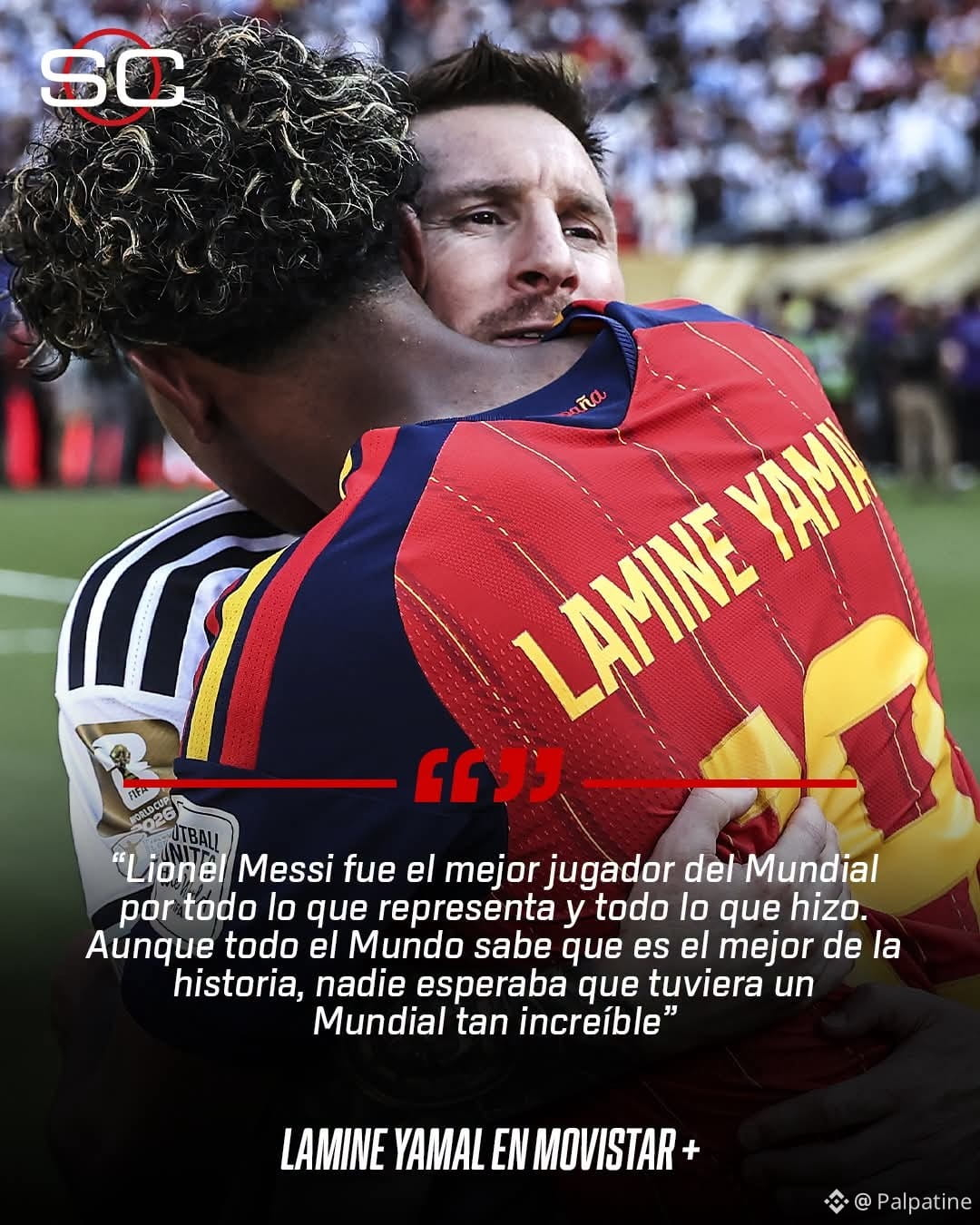
回り道なしでヤマルが言った:「メッシは歴史上最高だ」🐐
世界の新世代サッカー界を担う顔の一人、ラミネ・ヤマルが再びリオネル・メッシに屈した。
Movistar+が広めた言葉によれば、メッシが何を象徴するのかだけでなく、ワールドカップで何を成し遂げたのかにも触れ、
「誰もが彼が歴史上最高だと知っている。でも、あれほど信じられないワールドカップを持っているとは誰も予想していなかった。」
そして、ここが面白い。
メッシはもはや、自分と同世代の選手たちと競っているだけではない。今、彼を見て育った“新たなスターたち”が、彼のレガシーを形づけ始めている。
ヤマルはこれからキャリアが始まったばかりだ。メッシは、ほかのすべての選手を測るものさしを変えたレガシーをすでに築き上げた。
二つの世代。
二つのスタイル。
同じ問いがある。
「ヤマルに、メッシのレガシーに本当に近づける次の選手がいるのだろうか?」
アルゼンチンᴬᴿ対スペインᴱˢ。
つい最近の過去と、未来。
「メッシは15年後も無敵の存在のままなのか?」
$BTC
$SOL
#algopaso
回り道なしでヤマルが言った:「メッシは歴史上最高だ」🐐
世界の新世代サッカー界を担う顔の一人、ラミネ・ヤマルが再びリオネル・メッシに屈した。
Movistar+が広めた言葉によれば、メッシが何を象徴するのかだけでなく、ワールドカップで何を成し遂げたのかにも触れ、
「誰もが彼が歴史上最高だと知っている。でも、あれほど信じられないワールドカップを持っているとは誰も予想していなかった。」
そして、ここが面白い。
メッシはもはや、自分と同世代の選手たちと競っているだけではない。今、彼を見て育った“新たなスターたち”が、彼のレガシーを形づけ始めている。
ヤマルはこれからキャリアが始まったばかりだ。メッシは、ほかのすべての選手を測るものさしを変えたレガシーをすでに築き上げた。
二つの世代。
二つのスタイル。
同じ問いがある。
「ヤマルに、メッシのレガシーに本当に近づける次の選手がいるのだろうか?」
アルゼンチンᴬᴿ対スペインᴱˢ。
つい最近の過去と、未来。
「メッシは15年後も無敵の存在のままなのか?」
$BTC
$SOL
#algopaso
世界の新世代サッカー界を担う顔の一人、ラミネ・ヤマルが再びリオネル・メッシに屈した。
Movistar+が広めた言葉によれば、メッシが何を象徴するのかだけでなく、ワールドカップで何を成し遂げたのかにも触れ、
「誰もが彼が歴史上最高だと知っている。でも、あれほど信じられないワールドカップを持っているとは誰も予想していなかった。」
そして、ここが面白い。
メッシはもはや、自分と同世代の選手たちと競っているだけではない。今、彼を見て育った“新たなスターたち”が、彼のレガシーを形づけ始めている。
ヤマルはこれからキャリアが始まったばかりだ。メッシは、ほかのすべての選手を測るものさしを変えたレガシーをすでに築き上げた。
二つの世代。
二つのスタイル。
同じ問いがある。
「ヤマルに、メッシのレガシーに本当に近づける次の選手がいるのだろうか?」
アルゼンチンᴬᴿ対スペインᴱˢ。
つい最近の過去と、未来。
「メッシは15年後も無敵の存在のままなのか?」
$BTC
$SOL
#algopaso
140
·
--
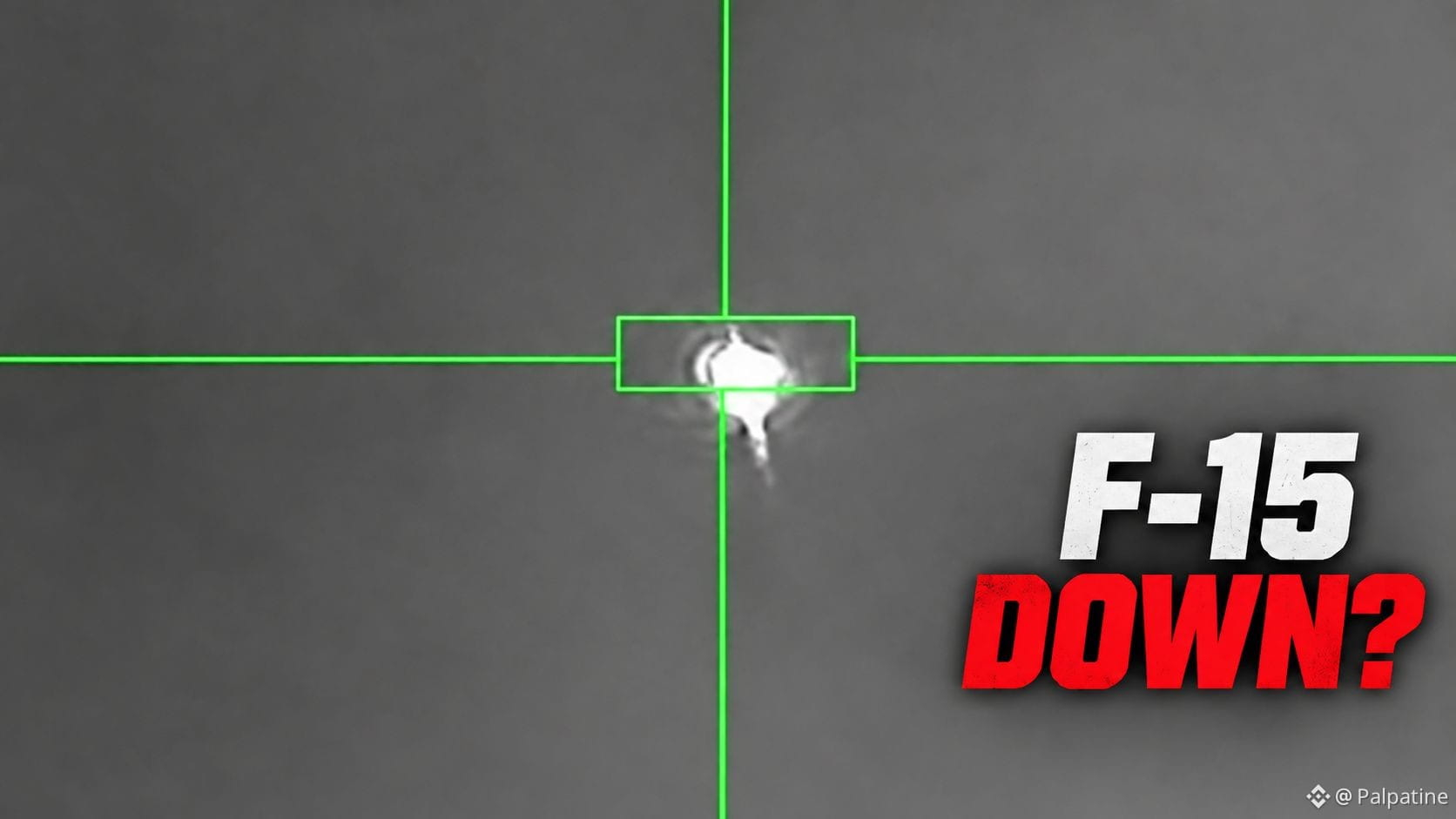
🚨 サウジのF-15が撃墜された可能性—そしてこれは1機の問題ではない
イエメンのフーシ派は、マリブ上空で自国製の地対空ミサイルによりサウジのF-15を撃墜したと主張している。動画と残骸の画像を公開したが、サウジアラビアは損失を確認しておらず、この主張は独自に検証されていない。
なぜ市場が注目すべきか👇
これは、より広範なエスカレーションの一環として起きている:
⚔️ イエメン全土でのサウジの空爆
🚀 サウジを標的にしたフーシ派のミサイル・ドローン攻撃
🛢️ 圧力がかかるヤンブの石油インフラ
🌊 バブ・エル・マンデブがますます戦略的に
📈 すでに地政学的なストレス下にある原油
ロイターは、この紛争が重要なエネルギーの輸送ルートやインフラを脅かしており、すでに脆弱な中東の供給状況にさらにリスクの層が加わっていると報じている。
もしF-15の喪失が確認されれば、メッセージは明確だ:
先進的な航空機も脆弱であり、エスカレーションのリスクが高まっている。そしてエネルギー市場は、さらなる脅威を織り込む必要があるかもしれない。
つまり、トレーダーは次を注視すべき:
🛢️ 原油
🥇 $PAXG
₿ $BTC
Ξ $ETH
1機の戦闘機では世界は動かない。
しかし、エネルギー危機におけるもう1つの前線は動かし得る。
$BTC $ETH $PAXG
🚨 サウジのF-15が撃墜された可能性—そしてこれは1機の問題ではない
イエメンのフーシ派は、マリブ上空で自国製の地対空ミサイルによりサウジのF-15を撃墜したと主張している。動画と残骸の画像を公開したが、サウジアラビアは損失を確認しておらず、この主張は独自に検証されていない。
なぜ市場が注目すべきか👇
これは、より広範なエスカレーションの一環として起きている:
⚔️ イエメン全土でのサウジの空爆
🚀 サウジを標的にしたフーシ派のミサイル・ドローン攻撃
🛢️ 圧力がかかるヤンブの石油インフラ
🌊 バブ・エル・マンデブがますます戦略的に
📈 すでに地政学的なストレス下にある原油
ロイターは、この紛争が重要なエネルギーの輸送ルートやインフラを脅かしており、すでに脆弱な中東の供給状況にさらにリスクの層が加わっていると報じている。
もしF-15の喪失が確認されれば、メッセージは明確だ:
先進的な航空機も脆弱であり、エスカレーションのリスクが高まっている。そしてエネルギー市場は、さらなる脅威を織り込む必要があるかもしれない。
つまり、トレーダーは次を注視すべき:
🛢️ 原油
🥇 $PAXG
₿ $BTC
Ξ $ETH
1機の戦闘機では世界は動かない。
しかし、エネルギー危機におけるもう1つの前線は動かし得る。
$BTC $ETH $PAXG
イエメンのフーシ派は、マリブ上空で自国製の地対空ミサイルによりサウジのF-15を撃墜したと主張している。動画と残骸の画像を公開したが、サウジアラビアは損失を確認しておらず、この主張は独自に検証されていない。
なぜ市場が注目すべきか👇
これは、より広範なエスカレーションの一環として起きている:
⚔️ イエメン全土でのサウジの空爆
🚀 サウジを標的にしたフーシ派のミサイル・ドローン攻撃
🛢️ 圧力がかかるヤンブの石油インフラ
🌊 バブ・エル・マンデブがますます戦略的に
📈 すでに地政学的なストレス下にある原油
ロイターは、この紛争が重要なエネルギーの輸送ルートやインフラを脅かしており、すでに脆弱な中東の供給状況にさらにリスクの層が加わっていると報じている。
もしF-15の喪失が確認されれば、メッセージは明確だ:
先進的な航空機も脆弱であり、エスカレーションのリスクが高まっている。そしてエネルギー市場は、さらなる脅威を織り込む必要があるかもしれない。
つまり、トレーダーは次を注視すべき:
🛢️ 原油
🥇 $PAXG
₿ $BTC
Ξ $ETH
1機の戦闘機では世界は動かない。
しかし、エネルギー危機におけるもう1つの前線は動かし得る。
$BTC $ETH $PAXG
151
·
--
ブリッシュ
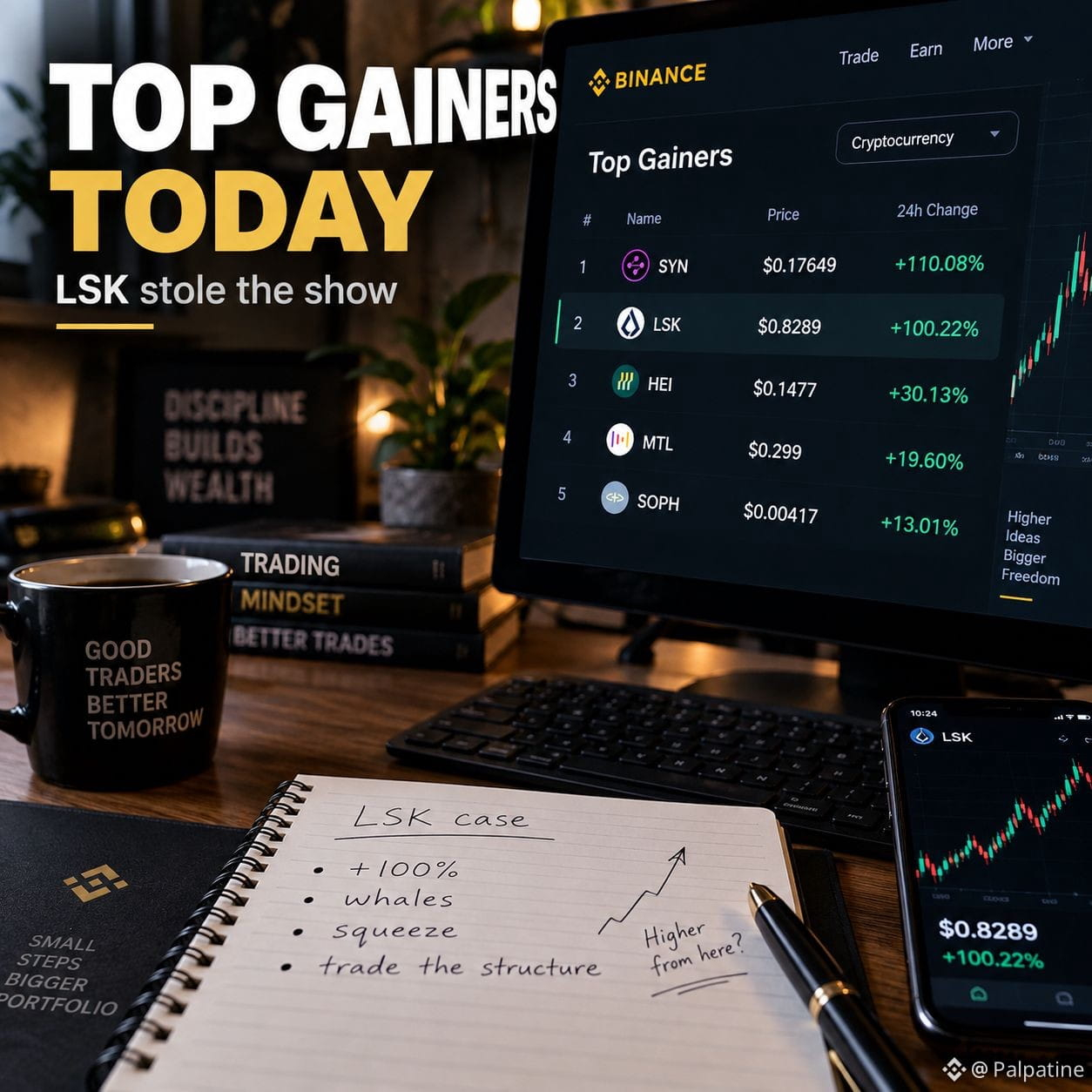
今日のトップ上昇銘柄は「買いリスト」ではない——それはボラティリティの地図です ⚠️
暗号資産は多くの場所で赤いのに、これら5銘柄は逆に動いています:
🥇 SYN +110.08%
🥈 LSK +100.22%
🥉 HEI +30.13%
4️⃣ MTL +19.60%
5️⃣ SOPH +13.01%
そして $LSK は、なぜ私は青い(グリーンの)キャンドルを盲目的に追わないのか、その完璧な例です。
この“化け物”は両側から取引しました。
まず、早すぎるショートがひどく罰を食らいました。
その後、市場の心理が変化: クジラは強いロングを維持し、ショートは踏まれて閉じ込められ、スクイーズが自己増殖し続けたのです。
私たちはバイアスを切り替えました。
✅ ロング: +58% ROI
✅ もう一つのロング: +98% ROI
❌ そして1回のショートが、勢いに早すぎて逆らうのは高くつくことを思い出させてくれました。
今日のリーダーボードの教訓はこれです:
トップ上昇銘柄 ≠ 自動的なロング。
トップ上昇銘柄 ≠ 自動的なショート。
構造を見てください。
📈 ブレイクアウトが維持され + OIが拡大 → 継続がまだ支払い続ける可能性。
📉 クジラが退出 + 高値更新失敗(より低い高値) + OIが下落 → 平均回帰が面白くなる。
今日は SYN と LSK が実験台です。
チャンスは「いちばん上」を当てることではありません。
市場が認めた側で取引することです。
$SYN $LSK $HEI
今日のトップ上昇銘柄は「買いリスト」ではない——それはボラティリティの地図です ⚠️
暗号資産は多くの場所で赤いのに、これら5銘柄は逆に動いています:
🥇 SYN +110.08%
🥈 LSK +100.22%
🥉 HEI +30.13%
4️⃣ MTL +19.60%
5️⃣ SOPH +13.01%
そして $LSK は、なぜ私は青い(グリーンの)キャンドルを盲目的に追わないのか、その完璧な例です。
この“化け物”は両側から取引しました。
まず、早すぎるショートがひどく罰を食らいました。
その後、市場の心理が変化: クジラは強いロングを維持し、ショートは踏まれて閉じ込められ、スクイーズが自己増殖し続けたのです。
私たちはバイアスを切り替えました。
✅ ロング: +58% ROI
✅ もう一つのロング: +98% ROI
❌ そして1回のショートが、勢いに早すぎて逆らうのは高くつくことを思い出させてくれました。
今日のリーダーボードの教訓はこれです:
トップ上昇銘柄 ≠ 自動的なロング。
トップ上昇銘柄 ≠ 自動的なショート。
構造を見てください。
📈 ブレイクアウトが維持され + OIが拡大 → 継続がまだ支払い続ける可能性。
📉 クジラが退出 + 高値更新失敗(より低い高値) + OIが下落 → 平均回帰が面白くなる。
今日は SYN と LSK が実験台です。
チャンスは「いちばん上」を当てることではありません。
市場が認めた側で取引することです。
$SYN $LSK $HEI
暗号資産は多くの場所で赤いのに、これら5銘柄は逆に動いています:
🥇 SYN +110.08%
🥈 LSK +100.22%
🥉 HEI +30.13%
4️⃣ MTL +19.60%
5️⃣ SOPH +13.01%
そして $LSK は、なぜ私は青い(グリーンの)キャンドルを盲目的に追わないのか、その完璧な例です。
この“化け物”は両側から取引しました。
まず、早すぎるショートがひどく罰を食らいました。
その後、市場の心理が変化: クジラは強いロングを維持し、ショートは踏まれて閉じ込められ、スクイーズが自己増殖し続けたのです。
私たちはバイアスを切り替えました。
✅ ロング: +58% ROI
✅ もう一つのロング: +98% ROI
❌ そして1回のショートが、勢いに早すぎて逆らうのは高くつくことを思い出させてくれました。
今日のリーダーボードの教訓はこれです:
トップ上昇銘柄 ≠ 自動的なロング。
トップ上昇銘柄 ≠ 自動的なショート。
構造を見てください。
📈 ブレイクアウトが維持され + OIが拡大 → 継続がまだ支払い続ける可能性。
📉 クジラが退出 + 高値更新失敗(より低い高値) + OIが下落 → 平均回帰が面白くなる。
今日は SYN と LSK が実験台です。
チャンスは「いちばん上」を当てることではありません。
市場が認めた側で取引することです。
$SYN $LSK $HEI
307
ログインして、さらにコンテンツを読む
厳選トピックで世界の暗号資産トレーダーの仲間入り
⚡️ 暗号資産に関する最新かつ有益な情報が見つかります。
💬 世界最大の暗号資産取引所から信頼されています。
👍 認証を受けたクリエイターから、有益なインサイトを得られます。
メール / 電話番号
トレンドトピック
BitcoinClears$85200
閲覧回数 3,900
127人が討論中
動きが出て、$BTC はデータがあった直前にあった場所にそのまま立っています。取引における本当の忍耐ってこういうことです。
データは混ざって入ってきましたが、いくつか重要な数字がありました。ADP 非農業部門雇用者数は予想の73Kに対して90Kでした。一方でコアPCEは、予想の0.3%に対して0.2%です。最終的なGDPも予想の1.5%に対して2.2%と強めでした。個人消費は予想の0.8%に対して0.9%でした。同時に、個人所得は予想の0.5%に対して0.2%で未達でした。
BTCは最初に85,600ドルまで急騰しましたが、今は必要なところに戻っています。私は引き続き、82,759ドルと80,000ドルの流動性の低いレンジを見ています。上側の流動性はもう終わって、あとは塵も残っていないからです。
データ発表中にライブセッションを行いました。その中で、市場は83,800ドル→85,600ドル→そして83,000ドル付近へと戻っていくのを見ました。それでも私たちは取引に入りませんでした。
それが忍耐です。
市場に明確な方向性がないときは、無理にエントリーはできません。同じレンジがまだ注目ポイントで、相場がセットアップを提示してくれるまで待ちます。
みなさん、セッションはどうでしたか? それから、尊敬するメンバーの皆さんともっと定期的にセッションをするべきでしょうか。そうすれば、市場について適切に議論できます。
#BitcoinClears$85200 #AltcoinSeasonIndexHoldsAbove60For5Days #USADPAdds90000JobsInSeptember #BitcoinSlipsBelow$84000 #SECToClarifyOnChainFundraisingRules
Crypto_LUX
·いいね:23件
·閲覧回数 9k
AltcoinSeasonIndexHoldsAbove60For5Days
閲覧回数 24,533
824人が討論中
USADPAdds90000JobsInSeptember
閲覧回数 9,673
470人が討論中