
RabiaShahzadi
40 投稿

RabiaShahzadi
報告
ユーザーをブロック
Crypto Information available
3 フォロー
10 フォロワー
13 いいね
投稿
翻訳参照
A Fed rate cut means the Federal Reserve is lowering its policy rate. For #Bitcoin , that is often a more supportive macro backdrop because it can reduce the appeal of holding cash and short-term government bonds, lower financing costs, and increase expectations of easier financial conditions.
The latest confirmed Fed decision was a hold at 3.50%–3.75% on 2026-07-29; the Federal Reserve’s calendar shows the next scheduled FOMC decision is 2026-09-16. So, at this point, any September cut is still a scenario rather than a confirmed event.
How the transmission works
Rate cuts → lower yields and potentially softer U.S. dollar → more favorable liquidity and risk sentiment → possible support for Bitcoin demand.
When yields decline, the opportunity cost of holding a non-yielding asset such as BTC can fall. If the dollar also weakens, USD-priced assets may become relatively more accessible to buyers using other currencies. Easier borrowing conditions can also increase activity across risk markets—but they can amplify volatility as well.
Why cuts are not automatically positive
The reason for the cut matters:
Preventive cuts: If inflation is easing and growth remains stable, markets may interpret cuts as a gradual easing of financial conditions. That can improve risk appetite.
Crisis-response cuts: If the Fed cuts because recession risks, credit stress, or financial instability are rising, investors may initially prioritize safety. Bitcoin can be volatile or decline alongside equities despite lower rates.
Already priced in: If markets had widely expected a cut, BTC may react more to the Fed’s outlook—future cuts, inflation concerns, and growth projections—than to the cut itself.
Pay attention to the Fed statement, economic projections, the Chair’s press conference, U.S. Treasury yields, and the dollar. A cut paired with cautious language about persistent inflation may produce a different reaction than a cut paired with clear signals of further easing.
{spot}(BTCUSDT)
A Fed rate cut means the Federal Reserve is lowering its policy rate. For #Bitcoin , that is often a more supportive macro backdrop because it can reduce the appeal of holding cash and short-term government bonds, lower financing costs, and increase expectations of easier financial conditions.
The latest confirmed Fed decision was a hold at 3.50%–3.75% on 2026-07-29; the Federal Reserve’s calendar shows the next scheduled FOMC decision is 2026-09-16. So, at this point, any September cut is still a scenario rather than a confirmed event.
How the transmission works
Rate cuts → lower yields and potentially softer U.S. dollar → more favorable liquidity and risk sentiment → possible support for Bitcoin demand.
When yields decline, the opportunity cost of holding a non-yielding asset such as BTC can fall. If the dollar also weakens, USD-priced assets may become relatively more accessible to buyers using other currencies. Easier borrowing conditions can also increase activity across risk markets—but they can amplify volatility as well.
Why cuts are not automatically positive
The reason for the cut matters:
Preventive cuts: If inflation is easing and growth remains stable, markets may interpret cuts as a gradual easing of financial conditions. That can improve risk appetite.
Crisis-response cuts: If the Fed cuts because recession risks, credit stress, or financial instability are rising, investors may initially prioritize safety. Bitcoin can be volatile or decline alongside equities despite lower rates.
Already priced in: If markets had widely expected a cut, BTC may react more to the Fed’s outlook—future cuts, inflation concerns, and growth projections—than to the cut itself.
Pay attention to the Fed statement, economic projections, the Chair’s press conference, U.S. Treasury yields, and the dollar. A cut paired with cautious language about persistent inflation may produce a different reaction than a cut paired with clear signals of further easing.
The latest confirmed Fed decision was a hold at 3.50%–3.75% on 2026-07-29; the Federal Reserve’s calendar shows the next scheduled FOMC decision is 2026-09-16. So, at this point, any September cut is still a scenario rather than a confirmed event.
How the transmission works
Rate cuts → lower yields and potentially softer U.S. dollar → more favorable liquidity and risk sentiment → possible support for Bitcoin demand.
When yields decline, the opportunity cost of holding a non-yielding asset such as BTC can fall. If the dollar also weakens, USD-priced assets may become relatively more accessible to buyers using other currencies. Easier borrowing conditions can also increase activity across risk markets—but they can amplify volatility as well.
Why cuts are not automatically positive
The reason for the cut matters:
Preventive cuts: If inflation is easing and growth remains stable, markets may interpret cuts as a gradual easing of financial conditions. That can improve risk appetite.
Crisis-response cuts: If the Fed cuts because recession risks, credit stress, or financial instability are rising, investors may initially prioritize safety. Bitcoin can be volatile or decline alongside equities despite lower rates.
Already priced in: If markets had widely expected a cut, BTC may react more to the Fed’s outlook—future cuts, inflation concerns, and growth projections—than to the cut itself.
Pay attention to the Fed statement, economic projections, the Chair’s press conference, U.S. Treasury yields, and the dollar. A cut paired with cautious language about persistent inflation may produce a different reaction than a cut paired with clear signals of further easing.
1
80
翻訳参照
A stronger#U.S. dollar often puts pressure on crypto because it changes the relative appeal of holding dollars versus riskier assets.
Cash and U.S. bonds may look more attractive: A strong dollar often comes with higher U.S. interest rates or higher Treasury yields. Investors may prefer dollar cash or bonds rather than volatile assets such as #Bitcoin.
Liquidity can tighten: Dollar strength can reflect tighter global financial conditions. Less available liquidity and more expensive borrowing can reduce speculative demand in crypto.
Risk appetite may weaken: Bitcoin and many #altcoins are frequently treated as risk-sensitive assets. When investors become defensive, they may reduce exposure to crypto, equities, and other volatile markets.
Global buyers face a higher local-currency cost: Since crypto is commonly quoted in USD or USDT, a stronger dollar means buyers using PKR, EUR, JPY, or other currencies need more of their local currency for the same BTC price.
Leverage becomes costlier: Higher U.S. rates can raise financing costs across markets, potentially causing leveraged traders to reduce positions—often increasing short-term volatility.
The relationship is not automatic. Bitcoin can rise while the dollar is strong if crypto-specific factors dominate, such as ETF flows, institutional demand, regulatory developments, or changes in supply-demand dynamics. It is better viewed as a macro headwind or tailwind, not a fixed rule.
{spot}(BTCUSDT)
A stronger#U.S. dollar often puts pressure on crypto because it changes the relative appeal of holding dollars versus riskier assets.
Cash and U.S. bonds may look more attractive: A strong dollar often comes with higher U.S. interest rates or higher Treasury yields. Investors may prefer dollar cash or bonds rather than volatile assets such as #Bitcoin.
Liquidity can tighten: Dollar strength can reflect tighter global financial conditions. Less available liquidity and more expensive borrowing can reduce speculative demand in crypto.
Risk appetite may weaken: Bitcoin and many #altcoins are frequently treated as risk-sensitive assets. When investors become defensive, they may reduce exposure to crypto, equities, and other volatile markets.
Global buyers face a higher local-currency cost: Since crypto is commonly quoted in USD or USDT, a stronger dollar means buyers using PKR, EUR, JPY, or other currencies need more of their local currency for the same BTC price.
Leverage becomes costlier: Higher U.S. rates can raise financing costs across markets, potentially causing leveraged traders to reduce positions—often increasing short-term volatility.
The relationship is not automatic. Bitcoin can rise while the dollar is strong if crypto-specific factors dominate, such as ETF flows, institutional demand, regulatory developments, or changes in supply-demand dynamics. It is better viewed as a macro headwind or tailwind, not a fixed rule.
Cash and U.S. bonds may look more attractive: A strong dollar often comes with higher U.S. interest rates or higher Treasury yields. Investors may prefer dollar cash or bonds rather than volatile assets such as #Bitcoin.
Liquidity can tighten: Dollar strength can reflect tighter global financial conditions. Less available liquidity and more expensive borrowing can reduce speculative demand in crypto.
Risk appetite may weaken: Bitcoin and many #altcoins are frequently treated as risk-sensitive assets. When investors become defensive, they may reduce exposure to crypto, equities, and other volatile markets.
Global buyers face a higher local-currency cost: Since crypto is commonly quoted in USD or USDT, a stronger dollar means buyers using PKR, EUR, JPY, or other currencies need more of their local currency for the same BTC price.
Leverage becomes costlier: Higher U.S. rates can raise financing costs across markets, potentially causing leveraged traders to reduce positions—often increasing short-term volatility.
The relationship is not automatic. Bitcoin can rise while the dollar is strong if crypto-specific factors dominate, such as ETF flows, institutional demand, regulatory developments, or changes in supply-demand dynamics. It is better viewed as a macro headwind or tailwind, not a fixed rule.
7
翻訳参照
Hawkish fed and Dovish fed
A hawkish Fed is focused mainly on controlling inflation. It may raise interest rates, keep them high for longer, or #Bitcoin signal that it will not ease policy soon. Higher rates can strengthen the U.S. dollar and make lower-risk assets such as cash and government bonds relatively more attractive, which can reduce appetite for volatile assets like #Bitcoin and altcoins.
A dovish Fed is more focused on supporting economic growth and employment. It may favor holding rates steady, cutting them, or signaling that policy could become less restrictive. That can improve liquidity expectations and risk sentiment, which may be supportive for crypto—though it does not guarantee prices will rise.
Hypothetical example: If the Fed holds rates unchanged but says inflation remains a serious concern and further hikes are possible, markets may read that as hawkish. If it instead says inflation is easing and future cuts are being considered, markets may read that as dovish.
matters most is the gap between the Fed’s message and what markets already expected. A rate hike that was fully priced in may have a smaller effect than unexpectedly hawkish comments from the Fed Chair.
{spot}(BTCUSDT)
Hawkish fed and Dovish fed
A hawkish Fed is focused mainly on controlling inflation. It may raise interest rates, keep them high for longer, or #Bitcoin signal that it will not ease policy soon. Higher rates can strengthen the U.S. dollar and make lower-risk assets such as cash and government bonds relatively more attractive, which can reduce appetite for volatile assets like #Bitcoin and altcoins.
A dovish Fed is more focused on supporting economic growth and employment. It may favor holding rates steady, cutting them, or signaling that policy could become less restrictive. That can improve liquidity expectations and risk sentiment, which may be supportive for crypto—though it does not guarantee prices will rise.
Hypothetical example: If the Fed holds rates unchanged but says inflation remains a serious concern and further hikes are possible, markets may read that as hawkish. If it instead says inflation is easing and future cuts are being considered, markets may read that as dovish.
matters most is the gap between the Fed’s message and what markets already expected. A rate hike that was fully priced in may have a smaller effect than unexpectedly hawkish comments from the Fed Chair.
A hawkish Fed is focused mainly on controlling inflation. It may raise interest rates, keep them high for longer, or #Bitcoin signal that it will not ease policy soon. Higher rates can strengthen the U.S. dollar and make lower-risk assets such as cash and government bonds relatively more attractive, which can reduce appetite for volatile assets like #Bitcoin and altcoins.
A dovish Fed is more focused on supporting economic growth and employment. It may favor holding rates steady, cutting them, or signaling that policy could become less restrictive. That can improve liquidity expectations and risk sentiment, which may be supportive for crypto—though it does not guarantee prices will rise.
Hypothetical example: If the Fed holds rates unchanged but says inflation remains a serious concern and further hikes are possible, markets may read that as hawkish. If it instead says inflation is easing and future cuts are being considered, markets may read that as dovish.
matters most is the gap between the Fed’s message and what markets already expected. A rate hike that was fully priced in may have a smaller effect than unexpectedly hawkish comments from the Fed Chair.
14
翻訳参照
A Fed rate hike generally means the Federal Reserve is making borrowing more expensive to restrain inflation. The latest confirmed Fed decision before this meeting was on 2026-07-29, when it held the federal-funds target range at 3.50%–3.75%. The key implication for #Bitcoin is usually tighter liquidity and less appetite for higher-volatility assets—but the actual reaction depends heavily on expectations and the Fed’s forward guidance.
A hike can pressure Bitcoin
A higher policy rate can lift short-term yields and support the U.S. dollar. That makes cash and government securities relatively more attractive, while borrowing and leverage become more expensive. Since #Bitcoin is often traded as a higher-risk, liquidity-sensitive asset, this environment can lead some investors to reduce risk exposure.
The common transmission chain is:
rate hike → higher yields / firmer dollar / tighter liquidity → reduced risk appetite → potential pressure on BTC and especially altcoins
Why Bitcoin may not fall after every hike
Markets often price in expected decisions before the announcement. If investors already expect a 25-basis-point hike, Bitcoin may move more on the Fed’s wording than on the hike itself:
Hike plus signals of further tightening: risk sentiment may weaken further.
Hike but suggests policy may be near a peak: the initial reaction can be mixed or reverse.
No hike when markets expected one: risk appetite may improve, though that is not guaranteed.
Inflation or growth concerns dominate: BTC can react differently from equities, so the relationship is not fixed.
What to watch around a Fed decision
Focus on the policy statement, Chair Powell’s press conference, inflation language, projected rate path, U.S. Treasury yields, and the dollar index. These can reveal whether financial conditions are likely to become tighter or easier after the meeting.
{spot}(BTCUSDT)
A Fed rate hike generally means the Federal Reserve is making borrowing more expensive to restrain inflation. The latest confirmed Fed decision before this meeting was on 2026-07-29, when it held the federal-funds target range at 3.50%–3.75%. The key implication for #Bitcoin is usually tighter liquidity and less appetite for higher-volatility assets—but the actual reaction depends heavily on expectations and the Fed’s forward guidance.
A hike can pressure Bitcoin
A higher policy rate can lift short-term yields and support the U.S. dollar. That makes cash and government securities relatively more attractive, while borrowing and leverage become more expensive. Since #Bitcoin is often traded as a higher-risk, liquidity-sensitive asset, this environment can lead some investors to reduce risk exposure.
The common transmission chain is:
rate hike → higher yields / firmer dollar / tighter liquidity → reduced risk appetite → potential pressure on BTC and especially altcoins
Why Bitcoin may not fall after every hike
Markets often price in expected decisions before the announcement. If investors already expect a 25-basis-point hike, Bitcoin may move more on the Fed’s wording than on the hike itself:
Hike plus signals of further tightening: risk sentiment may weaken further.
Hike but suggests policy may be near a peak: the initial reaction can be mixed or reverse.
No hike when markets expected one: risk appetite may improve, though that is not guaranteed.
Inflation or growth concerns dominate: BTC can react differently from equities, so the relationship is not fixed.
What to watch around a Fed decision
Focus on the policy statement, Chair Powell’s press conference, inflation language, projected rate path, U.S. Treasury yields, and the dollar index. These can reveal whether financial conditions are likely to become tighter or easier after the meeting.
A hike can pressure Bitcoin
A higher policy rate can lift short-term yields and support the U.S. dollar. That makes cash and government securities relatively more attractive, while borrowing and leverage become more expensive. Since #Bitcoin is often traded as a higher-risk, liquidity-sensitive asset, this environment can lead some investors to reduce risk exposure.
The common transmission chain is:
rate hike → higher yields / firmer dollar / tighter liquidity → reduced risk appetite → potential pressure on BTC and especially altcoins
Why Bitcoin may not fall after every hike
Markets often price in expected decisions before the announcement. If investors already expect a 25-basis-point hike, Bitcoin may move more on the Fed’s wording than on the hike itself:
Hike plus signals of further tightening: risk sentiment may weaken further.
Hike but suggests policy may be near a peak: the initial reaction can be mixed or reverse.
No hike when markets expected one: risk appetite may improve, though that is not guaranteed.
Inflation or growth concerns dominate: BTC can react differently from equities, so the relationship is not fixed.
What to watch around a Fed decision
Focus on the policy statement, Chair Powell’s press conference, inflation language, projected rate path, U.S. Treasury yields, and the dollar index. These can reveal whether financial conditions are likely to become tighter or easier after the meeting.
30
翻訳参照
Fed news can strongly affect crypto, especially #BTC and major altcoins.
The key mechanism is: higher rates / tighter policy → stronger dollar, higher yields on safer assets, and less liquidity for risk assets. That can weigh on crypto sentiment. Conversely, a less restrictive policy tone can improve risk appetite and liquidity expectations, which may support crypto demand.
For the current September 15–16, 2026 FOMC meeting, the important factor is not only whether rates change, but whether the Fed signals more tightening ahead or sounds more confident about inflation easing. Public reporting shows markets have been split on the chance of a rate increase, so a surprise versus expectations may matter more than the decision itself. (tapbit.com)
Typical market scenarios
More hawkish than expected: crypto may face short-term pressure, particularly higher-beta altcoins, as yields and the dollar can rise.
Hold rates but hawkish guidance: crypto can still react negatively if future tightening is emphasized.
Less hawkish than expected: risk sentiment may improve, though this does not guarantee a sustained rally.
Decision already priced in: the initial move can be limited or even reverse after the press conference as traders reassess the Fed’s wording.
The press conference and updated economic projections are often as important as the rate decision itself. Watch the Fed’s comments on inflation, employment, future rate-path expectations, the dollar, Treasury yields, and whether BTC moves alongside—or against—U.S. equities.
#BTC at $78,589.78, up +1.9% over the prior 24 hours, indicating crypto was already responding to broader policy and regulatory expectations before the Fed outcome. This is a prior-day snapshot, not a live quote.
{spot}(BTCUSDT)
Fed news can strongly affect crypto, especially #BTC and major altcoins.
The key mechanism is: higher rates / tighter policy → stronger dollar, higher yields on safer assets, and less liquidity for risk assets. That can weigh on crypto sentiment. Conversely, a less restrictive policy tone can improve risk appetite and liquidity expectations, which may support crypto demand.
For the current September 15–16, 2026 FOMC meeting, the important factor is not only whether rates change, but whether the Fed signals more tightening ahead or sounds more confident about inflation easing. Public reporting shows markets have been split on the chance of a rate increase, so a surprise versus expectations may matter more than the decision itself. (tapbit.com)
Typical market scenarios
More hawkish than expected: crypto may face short-term pressure, particularly higher-beta altcoins, as yields and the dollar can rise.
Hold rates but hawkish guidance: crypto can still react negatively if future tightening is emphasized.
Less hawkish than expected: risk sentiment may improve, though this does not guarantee a sustained rally.
Decision already priced in: the initial move can be limited or even reverse after the press conference as traders reassess the Fed’s wording.
The press conference and updated economic projections are often as important as the rate decision itself. Watch the Fed’s comments on inflation, employment, future rate-path expectations, the dollar, Treasury yields, and whether BTC moves alongside—or against—U.S. equities.
#BTC at $78,589.78, up +1.9% over the prior 24 hours, indicating crypto was already responding to broader policy and regulatory expectations before the Fed outcome. This is a prior-day snapshot, not a live quote.
The key mechanism is: higher rates / tighter policy → stronger dollar, higher yields on safer assets, and less liquidity for risk assets. That can weigh on crypto sentiment. Conversely, a less restrictive policy tone can improve risk appetite and liquidity expectations, which may support crypto demand.
For the current September 15–16, 2026 FOMC meeting, the important factor is not only whether rates change, but whether the Fed signals more tightening ahead or sounds more confident about inflation easing. Public reporting shows markets have been split on the chance of a rate increase, so a surprise versus expectations may matter more than the decision itself. (tapbit.com)
Typical market scenarios
More hawkish than expected: crypto may face short-term pressure, particularly higher-beta altcoins, as yields and the dollar can rise.
Hold rates but hawkish guidance: crypto can still react negatively if future tightening is emphasized.
Less hawkish than expected: risk sentiment may improve, though this does not guarantee a sustained rally.
Decision already priced in: the initial move can be limited or even reverse after the press conference as traders reassess the Fed’s wording.
The press conference and updated economic projections are often as important as the rate decision itself. Watch the Fed’s comments on inflation, employment, future rate-path expectations, the dollar, Treasury yields, and whether BTC moves alongside—or against—U.S. equities.
#BTC at $78,589.78, up +1.9% over the prior 24 hours, indicating crypto was already responding to broader policy and regulatory expectations before the Fed outcome. This is a prior-day snapshot, not a live quote.
26
翻訳参照
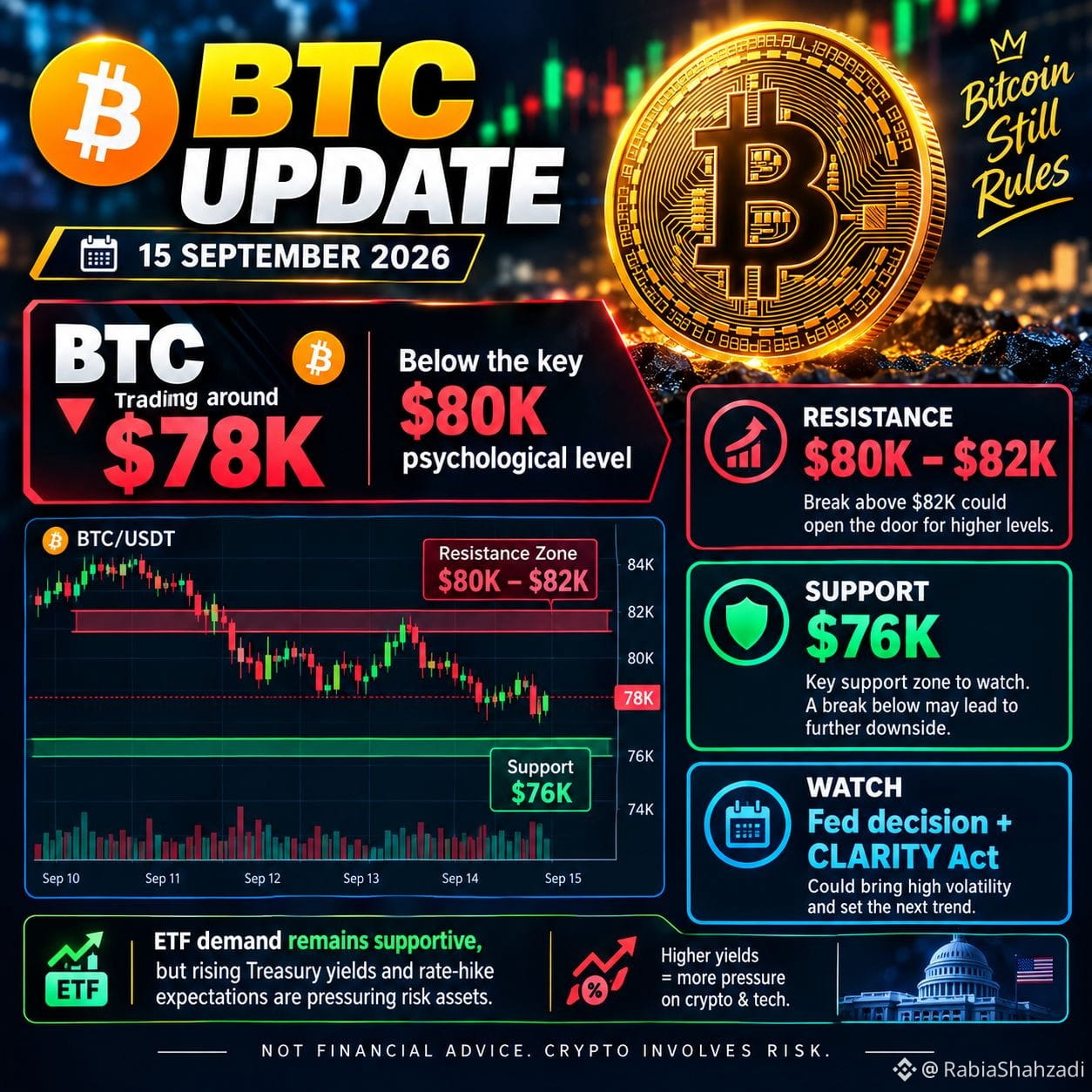
#BTC around $78K
Resistance: $80K–$82K
Support: around $76K
Bullish trigger: break and hold above $82K
Risk: rising Treasury yields and Fed-rate expectations are pressuring crypto.
ETF demand: recent U.S. spot BTC ETF flows have provided institutional support, although flows can reverse quickly.
Big catalyst: today’s CLARITY Act Senate vote and this week’s Fed decision could create high volatility.
BTC is currently below $80K, so $80K–$82K is the key breakout zone. A clean break above it would improve the bullish setup; losing $76K would weaken it.
{spot}(BTCUSDT)
#BTC around $78K
Resistance: $80K–$82K
Support: around $76K
Bullish trigger: break and hold above $82K
Risk: rising Treasury yields and Fed-rate expectations are pressuring crypto.
ETF demand: recent U.S. spot BTC ETF flows have provided institutional support, although flows can reverse quickly.
Big catalyst: today’s CLARITY Act Senate vote and this week’s Fed decision could create high volatility.
BTC is currently below $80K, so $80K–$82K is the key breakout zone. A clean break above it would improve the bullish setup; losing $76K would weaken it.
Resistance: $80K–$82K
Support: around $76K
Bullish trigger: break and hold above $82K
Risk: rising Treasury yields and Fed-rate expectations are pressuring crypto.
ETF demand: recent U.S. spot BTC ETF flows have provided institutional support, although flows can reverse quickly.
Big catalyst: today’s CLARITY Act Senate vote and this week’s Fed decision could create high volatility.
BTC is currently below $80K, so $80K–$82K is the key breakout zone. A clean break above it would improve the bullish setup; losing $76K would weaken it.
68
#ETH はBTCより相対的なモメンタムが強い状況ですが、どちらも短期では弱気のMACDシグナルが出ています。
| 現在価格 | $78,331 | $2,478 |
| 24時間変化 | -0.98% | -0.46% |
| 7日変化 | -0.32% | +0.45% |
| 30日変化 | +20.58% | +29.30% |
| RSI(6) | 46.99 — 中立、弱まり | 54.99 — 中立、下支え強化 |
| MACD | 弱気;4日前にデッドクロス | 弱気;7日前にデッドクロス |
| MA構造 | 強気の整列 | 強気の整列 |
| スーパー・トレンド | 上向き | 上向き |
| 今日の出来高 vs. 7日平均 | 1.12× | 0.62× |
| 大口のフロー | 純流出:-20.42% | 純流出:-7.01% |
#ETH は相対的な強さで優位:24時間の下げ幅が小さく、7日間のリターンがプラスで、30日のモメンタムもより強いです。
#BTC はより直近の売り圧が強い:RSIが低く、MACDの弱気モメンタムがより顕著で、大口の資金流出も重いです。
ETHの前進は今日の参加が弱い:出来高が7日平均を下回っており、耐久力がまだ異常に強い現在の取引活発さに裏付けられていません。
両者とも依然としてより広い日足の強気構造を維持:価格は25日移動平均および99日移動平均の上にあり、SuperTrendも上向きのままです。つまり、短期の押し戻しはそれ自体では、より広い上昇トレンドを無効化していません。
要するに:相対的なモメンタムではETHが先行;BTCはより強い短期の防御的圧力を受けています。どちらの市場も、現在の資金流出が続くのか、それとも反転するのかに敏感です。
{spot}(ETHUSDT)
{spot}(BTCUSDT)
#ETH はBTCより相対的なモメンタムが強い状況ですが、どちらも短期では弱気のMACDシグナルが出ています。
| 現在価格 | $78,331 | $2,478 |
| 24時間変化 | -0.98% | -0.46% |
| 7日変化 | -0.32% | +0.45% |
| 30日変化 | +20.58% | +29.30% |
| RSI(6) | 46.99 — 中立、弱まり | 54.99 — 中立、下支え強化 |
| MACD | 弱気;4日前にデッドクロス | 弱気;7日前にデッドクロス |
| MA構造 | 強気の整列 | 強気の整列 |
| スーパー・トレンド | 上向き | 上向き |
| 今日の出来高 vs. 7日平均 | 1.12× | 0.62× |
| 大口のフロー | 純流出:-20.42% | 純流出:-7.01% |
#ETH は相対的な強さで優位:24時間の下げ幅が小さく、7日間のリターンがプラスで、30日のモメンタムもより強いです。
#BTC はより直近の売り圧が強い:RSIが低く、MACDの弱気モメンタムがより顕著で、大口の資金流出も重いです。
ETHの前進は今日の参加が弱い:出来高が7日平均を下回っており、耐久力がまだ異常に強い現在の取引活発さに裏付けられていません。
両者とも依然としてより広い日足の強気構造を維持:価格は25日移動平均および99日移動平均の上にあり、SuperTrendも上向きのままです。つまり、短期の押し戻しはそれ自体では、より広い上昇トレンドを無効化していません。
要するに:相対的なモメンタムではETHが先行;BTCはより強い短期の防御的圧力を受けています。どちらの市場も、現在の資金流出が続くのか、それとも反転するのかに敏感です。
| 現在価格 | $78,331 | $2,478 |
| 24時間変化 | -0.98% | -0.46% |
| 7日変化 | -0.32% | +0.45% |
| 30日変化 | +20.58% | +29.30% |
| RSI(6) | 46.99 — 中立、弱まり | 54.99 — 中立、下支え強化 |
| MACD | 弱気;4日前にデッドクロス | 弱気;7日前にデッドクロス |
| MA構造 | 強気の整列 | 強気の整列 |
| スーパー・トレンド | 上向き | 上向き |
| 今日の出来高 vs. 7日平均 | 1.12× | 0.62× |
| 大口のフロー | 純流出:-20.42% | 純流出:-7.01% |
#ETH は相対的な強さで優位:24時間の下げ幅が小さく、7日間のリターンがプラスで、30日のモメンタムもより強いです。
#BTC はより直近の売り圧が強い:RSIが低く、MACDの弱気モメンタムがより顕著で、大口の資金流出も重いです。
ETHの前進は今日の参加が弱い:出来高が7日平均を下回っており、耐久力がまだ異常に強い現在の取引活発さに裏付けられていません。
両者とも依然としてより広い日足の強気構造を維持:価格は25日移動平均および99日移動平均の上にあり、SuperTrendも上向きのままです。つまり、短期の押し戻しはそれ自体では、より広い上昇トレンドを無効化していません。
要するに:相対的なモメンタムではETHが先行;BTCはより強い短期の防御的圧力を受けています。どちらの市場も、現在の資金流出が続くのか、それとも反転するのかに敏感です。
15
#BTC 次の動きはもみ合っているように見えます。短期的には下押し圧力がある一方で、より大きな日次のトレンドはなおプラスのままです。
現在価格:$78,385、今日-0.91%
モメンタム:RSI(6)は47.38 — 中立ですが、53.34から弱まっています
MACD:弱気。デッドクロスは4本前の週足ではなく日足(4日分のローソク)で発生しており、弱気モメンタムが増しています
トレンド構造:価格は25日および99日移動平均の上にとどまっている一方で、SuperTrendはまだ上向きです。より大きな日次の構造はまだ完全には崩れていません
フロー:大型注文のネットフローは本日マイナスで、売り圧力を示しています
出来高:7日平均比1.12×。つまり本日の押し戻しには十分な参加があり、重要な動きです
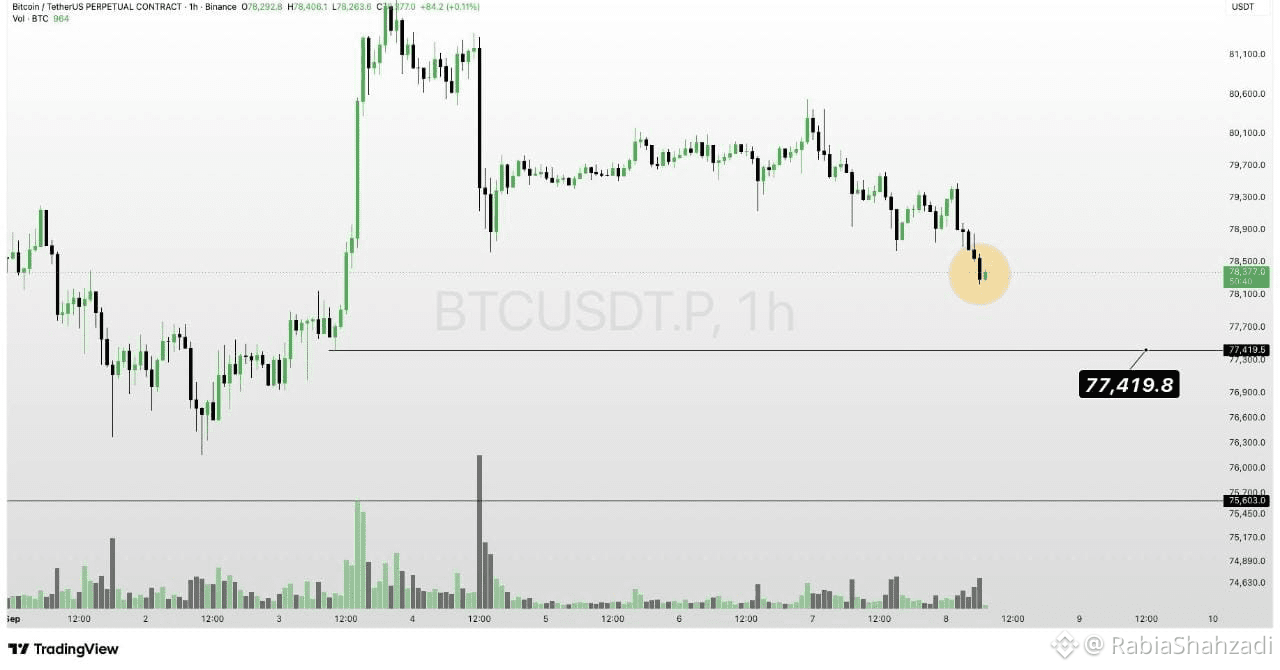
もしBTCが回復して短期平均である約$79.4Kを上回り維持できれば、モメンタムは安定する可能性があります。売りが続き、本日の安値付近である約$77.6Kを下回るなら、市場は直近の7日間の安値周辺である約$76.3Kを試すかもしれません。上方向では、直近レンジの高値付近である約$82.3Kが、以前に売り手が現れていた重要な水準として残っています。
#BitcoinETFsStill$1BShortIn2026
{spot}(BTCUSDT)
#BTC 次の動きはもみ合っているように見えます。短期的には下押し圧力がある一方で、より大きな日次のトレンドはなおプラスのままです。
現在価格:$78,385、今日-0.91%
モメンタム:RSI(6)は47.38 — 中立ですが、53.34から弱まっています
MACD:弱気。デッドクロスは4本前の週足ではなく日足(4日分のローソク)で発生しており、弱気モメンタムが増しています
トレンド構造:価格は25日および99日移動平均の上にとどまっている一方で、SuperTrendはまだ上向きです。より大きな日次の構造はまだ完全には崩れていません
フロー:大型注文のネットフローは本日マイナスで、売り圧力を示しています
出来高:7日平均比1.12×。つまり本日の押し戻しには十分な参加があり、重要な動きです
もしBTCが回復して短期平均である約$79.4Kを上回り維持できれば、モメンタムは安定する可能性があります。売りが続き、本日の安値付近である約$77.6Kを下回るなら、市場は直近の7日間の安値周辺である約$76.3Kを試すかもしれません。上方向では、直近レンジの高値付近である約$82.3Kが、以前に売り手が現れていた重要な水準として残っています。
#BitcoinETFsStill$1BShortIn2026
現在価格:$78,385、今日-0.91%
モメンタム:RSI(6)は47.38 — 中立ですが、53.34から弱まっています
MACD:弱気。デッドクロスは4本前の週足ではなく日足(4日分のローソク)で発生しており、弱気モメンタムが増しています
トレンド構造:価格は25日および99日移動平均の上にとどまっている一方で、SuperTrendはまだ上向きです。より大きな日次の構造はまだ完全には崩れていません
フロー:大型注文のネットフローは本日マイナスで、売り圧力を示しています
出来高:7日平均比1.12×。つまり本日の押し戻しには十分な参加があり、重要な動きです
もしBTCが回復して短期平均である約$79.4Kを上回り維持できれば、モメンタムは安定する可能性があります。売りが続き、本日の安値付近である約$77.6Kを下回るなら、市場は直近の7日間の安値周辺である約$76.3Kを試すかもしれません。上方向では、直近レンジの高値付近である約$82.3Kが、以前に売り手が現れていた重要な水準として残っています。
#BitcoinETFsStill$1BShortIn2026
10
#ATOM は短期的な上昇の動きを見せていますが、同時に伸び過ぎ(過熱)にもなりつつあります。
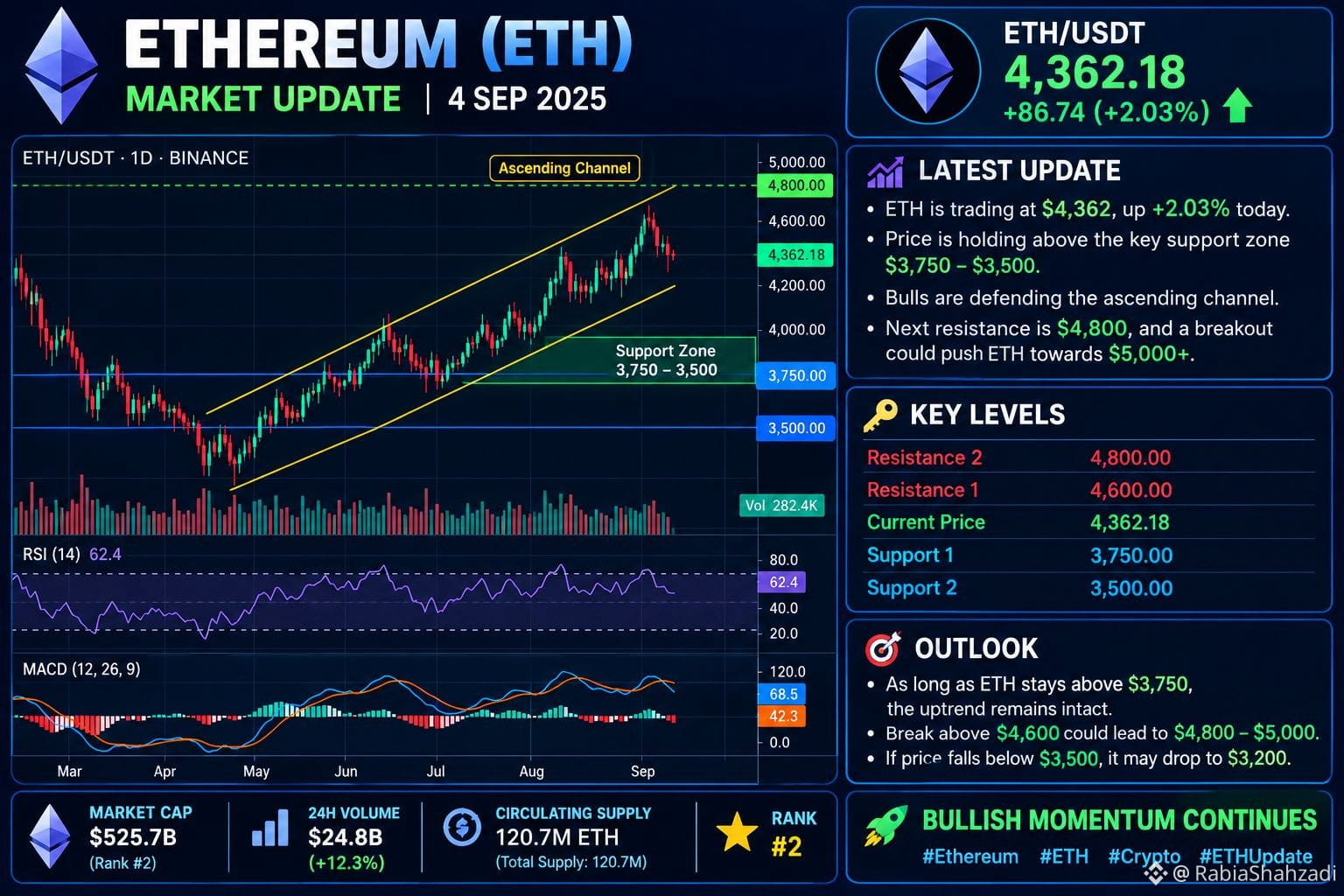
#ATOM は$1.672で、24時間のオープン$1.624に対して+2.96%上昇;24時間のレンジは$1.605〜$1.698です。2026-09-08時点で、7日高値$1.70から約-1.76%下です。
日次RSI(6)は81.64で、買われ過ぎゾーンにあります。これは強いモメンタムを裏付ける一方で、大きな押し戻しや調整・横ばいに移行する可能性も高めます。
トレンドシグナル:MACDは2本前の日足でゴールデンクロスを記録;SuperTrendは$1.43で上向きのままです。ATOMは$1.56のMA(7)と$1.52のMA(25)の上にあり、MA(99)も$1.56です。
参加状況:ATOMは7日で+13.74%、30日で+20.46%上昇しています。ただし現在の出来高は7日平均の0.50×にとどまっており、さらなる上値追いをより説得力のあるものにするには、より強い出来高が必要です。直近1日の大口のフローは、控えめな純流入で3.16K ATOMです。
要するに:トレンド指標は現在の上向きを支持していますが、高いRSIと出来高の軽さから、次の動きは需要が強まれば継続する可能性もあれば、直近の上昇後のクールダウンになる可能性もあります。
{spot}(ATOMUSDT)
#ATOM は短期的な上昇の動きを見せていますが、同時に伸び過ぎ(過熱)にもなりつつあります。
#ATOM は$1.672で、24時間のオープン$1.624に対して+2.96%上昇;24時間のレンジは$1.605〜$1.698です。2026-09-08時点で、7日高値$1.70から約-1.76%下です。
日次RSI(6)は81.64で、買われ過ぎゾーンにあります。これは強いモメンタムを裏付ける一方で、大きな押し戻しや調整・横ばいに移行する可能性も高めます。
トレンドシグナル:MACDは2本前の日足でゴールデンクロスを記録;SuperTrendは$1.43で上向きのままです。ATOMは$1.56のMA(7)と$1.52のMA(25)の上にあり、MA(99)も$1.56です。
参加状況:ATOMは7日で+13.74%、30日で+20.46%上昇しています。ただし現在の出来高は7日平均の0.50×にとどまっており、さらなる上値追いをより説得力のあるものにするには、より強い出来高が必要です。直近1日の大口のフローは、控えめな純流入で3.16K ATOMです。
要するに:トレンド指標は現在の上向きを支持していますが、高いRSIと出来高の軽さから、次の動きは需要が強まれば継続する可能性もあれば、直近の上昇後のクールダウンになる可能性もあります。
#ATOM は$1.672で、24時間のオープン$1.624に対して+2.96%上昇;24時間のレンジは$1.605〜$1.698です。2026-09-08時点で、7日高値$1.70から約-1.76%下です。
日次RSI(6)は81.64で、買われ過ぎゾーンにあります。これは強いモメンタムを裏付ける一方で、大きな押し戻しや調整・横ばいに移行する可能性も高めます。
トレンドシグナル:MACDは2本前の日足でゴールデンクロスを記録;SuperTrendは$1.43で上向きのままです。ATOMは$1.56のMA(7)と$1.52のMA(25)の上にあり、MA(99)も$1.56です。
参加状況:ATOMは7日で+13.74%、30日で+20.46%上昇しています。ただし現在の出来高は7日平均の0.50×にとどまっており、さらなる上値追いをより説得力のあるものにするには、より強い出来高が必要です。直近1日の大口のフローは、控えめな純流入で3.16K ATOMです。
要するに:トレンド指標は現在の上向きを支持していますが、高いRSIと出来高の軽さから、次の動きは需要が強まれば継続する可能性もあれば、直近の上昇後のクールダウンになる可能性もあります。
23
#Bitcoin -linked blockchain、Liquid Networkは複数の暗号資産取引所で使用されており、3億2000万ドルが不正流出しました。この事件は、デジタル資産市場に影響を与える一連の窃盗の最新事例です。
⚡ 韓国、トークン化された有価証券を株式、債券、ファンドへ拡大へ
BTCは直近の値動きの中でも7万9000ドル〜8万ドル付近にとどまっており、市場の注目は機関投資家の需要と、今後の米国のインフレおよび中央銀行のシグナルに集まっています。
また、企業によるビットコイン・トレジャリー(保有)残高の積み増しが継続していることも報じられています。一方で、Liquid Networkのインシデントはビットコイン・エコシステムにおける重要なセキュリティ関連の出来事であり、ビットコイン本体のネットワークではなく、ビットコインに連動したサイドチェーンに関するものです。
{spot}(BTCUSDT)
#Bitcoin -linked blockchain、Liquid Networkは複数の暗号資産取引所で使用されており、3億2000万ドルが不正流出しました。この事件は、デジタル資産市場に影響を与える一連の窃盗の最新事例です。
⚡ 韓国、トークン化された有価証券を株式、債券、ファンドへ拡大へ
BTCは直近の値動きの中でも7万9000ドル〜8万ドル付近にとどまっており、市場の注目は機関投資家の需要と、今後の米国のインフレおよび中央銀行のシグナルに集まっています。
また、企業によるビットコイン・トレジャリー(保有)残高の積み増しが継続していることも報じられています。一方で、Liquid Networkのインシデントはビットコイン・エコシステムにおける重要なセキュリティ関連の出来事であり、ビットコイン本体のネットワークではなく、ビットコインに連動したサイドチェーンに関するものです。
⚡ 韓国、トークン化された有価証券を株式、債券、ファンドへ拡大へ
BTCは直近の値動きの中でも7万9000ドル〜8万ドル付近にとどまっており、市場の注目は機関投資家の需要と、今後の米国のインフレおよび中央銀行のシグナルに集まっています。
また、企業によるビットコイン・トレジャリー(保有)残高の積み増しが継続していることも報じられています。一方で、Liquid Networkのインシデントはビットコイン・エコシステムにおける重要なセキュリティ関連の出来事であり、ビットコイン本体のネットワークではなく、ビットコインに連動したサイドチェーンに関するものです。
35
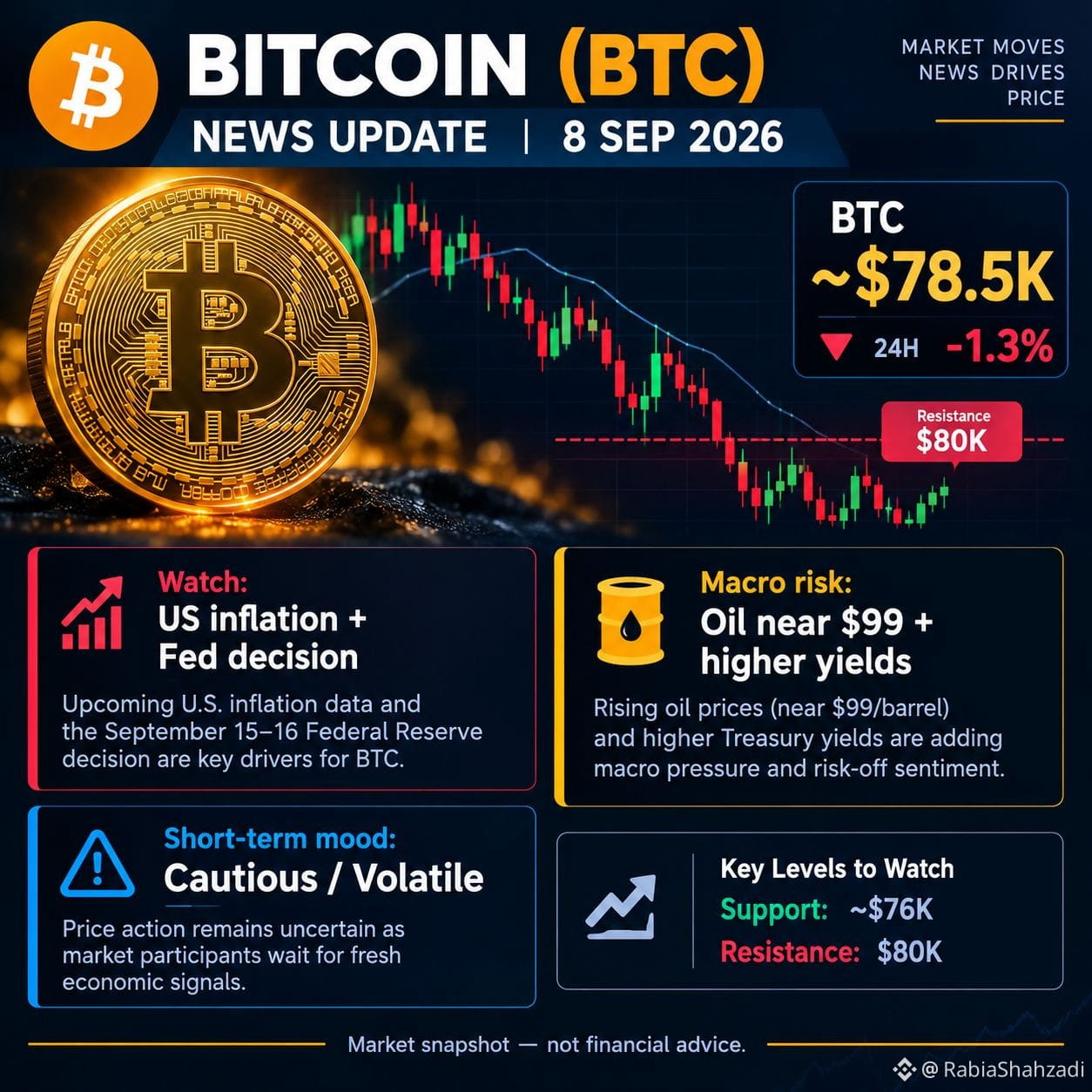
#BTC は現在約78,536.01ドルで取引されており、24時間の始値79,491.25ドルに対して:-1.2%の変化です。24時間の値動き幅は78,179.98〜79,643.50ドルであるため、現在の価格はそのレンジ下限付近にあります。
Liquid Networkに関する報告された3億2000万ドルのエクスプロイト(#Bitcoin にリンクされたブロックチェーン)は、最新のマーケットブリーフで最大のセキュリティ見出しです。セキュリティインシデントは、暗号資産市場全体で短期的な警戒感を高める可能性がありますが、長期的な影響は追加調査や、より広範な連鎖(いわゆるコンタグジョン)の有無に左右されます。
最新の日次マーケットブリーフでは、カバーした24時間でBTCが-1.1%でしたが、足元のマーケットスポットのスナップショットは-1.2%とわずかに弱く、慎重なムードが直近のセッションにも続いていることを示唆しています。
今後注視すべき重要な短期シグナルは、BTCが今日のレンジ下部から回復できるか、取引活動が強まるか、さらに追加のセキュリティ報道やマクロ関連の見出しが市場のリスク志向を変えるかどうかです。
#USIranTradeTankerStrikesEscalate
{spot}(BTCUSDT)
#BTC は現在約78,536.01ドルで取引されており、24時間の始値79,491.25ドルに対して:-1.2%の変化です。24時間の値動き幅は78,179.98〜79,643.50ドルであるため、現在の価格はそのレンジ下限付近にあります。
Liquid Networkに関する報告された3億2000万ドルのエクスプロイト(#Bitcoin にリンクされたブロックチェーン)は、最新のマーケットブリーフで最大のセキュリティ見出しです。セキュリティインシデントは、暗号資産市場全体で短期的な警戒感を高める可能性がありますが、長期的な影響は追加調査や、より広範な連鎖(いわゆるコンタグジョン)の有無に左右されます。
最新の日次マーケットブリーフでは、カバーした24時間でBTCが-1.1%でしたが、足元のマーケットスポットのスナップショットは-1.2%とわずかに弱く、慎重なムードが直近のセッションにも続いていることを示唆しています。
今後注視すべき重要な短期シグナルは、BTCが今日のレンジ下部から回復できるか、取引活動が強まるか、さらに追加のセキュリティ報道やマクロ関連の見出しが市場のリスク志向を変えるかどうかです。
#USIranTradeTankerStrikesEscalate
Liquid Networkに関する報告された3億2000万ドルのエクスプロイト(#Bitcoin にリンクされたブロックチェーン)は、最新のマーケットブリーフで最大のセキュリティ見出しです。セキュリティインシデントは、暗号資産市場全体で短期的な警戒感を高める可能性がありますが、長期的な影響は追加調査や、より広範な連鎖(いわゆるコンタグジョン)の有無に左右されます。
最新の日次マーケットブリーフでは、カバーした24時間でBTCが-1.1%でしたが、足元のマーケットスポットのスナップショットは-1.2%とわずかに弱く、慎重なムードが直近のセッションにも続いていることを示唆しています。
今後注視すべき重要な短期シグナルは、BTCが今日のレンジ下部から回復できるか、取引活動が強まるか、さらに追加のセキュリティ報道やマクロ関連の見出しが市場のリスク志向を変えるかどうかです。
#USIranTradeTankerStrikesEscalate
55
#BNB は、変動の大きいセッションの後に$750を下回る位置へ移動しました。市場の最新情報では$749.83前後で推移しており、当該更新時点で24時間あたり約2.75%下落です。前回の1日サマリーではBNBは約$745.94で、同社の報告期間内で3.1%下落していました。
BNBチェーンのエコシステム活動が引き続き注目されています。最近の報道では、BNBチェーンのアプリケーション、トークン化された資産、エコシステムのプロジェクトに対する関心が継続していることが強調されています。こうした進展はネットワーク活動を支える可能性はありますが、BNBの価格が持続的に上向くことを保証するものではありません。
最近のネットワークアップグレード:市場は、BNBスマートチェーン(BEP20)のネットワークアップグレードとハードフォークを支援しました。こうしたアップグレードは主に、ネットワークの機能や互換性を目的としたインフラ関連の出来事であり、直接的な価格のきっかけになるとは限りません。
市場の背景:BNBの動きは、より広い暗号資産市場のボラティリティと並行して起きています。短期的なパフォーマンスは、リスク選好、ビットコインの方向性、流動性、デリバティブのポジショニング、そしてBNBチェーンのエコシステム関連のヘッドラインによって影響を受けることがあります。
#SamsungSKHynixLeadKoreanSharesHigher #USStrikesIranTankersTehranRestrictsHormuz
{spot}(BNBUSDT)
#BNB は、変動の大きいセッションの後に$750を下回る位置へ移動しました。市場の最新情報では$749.83前後で推移しており、当該更新時点で24時間あたり約2.75%下落です。前回の1日サマリーではBNBは約$745.94で、同社の報告期間内で3.1%下落していました。
BNBチェーンのエコシステム活動が引き続き注目されています。最近の報道では、BNBチェーンのアプリケーション、トークン化された資産、エコシステムのプロジェクトに対する関心が継続していることが強調されています。こうした進展はネットワーク活動を支える可能性はありますが、BNBの価格が持続的に上向くことを保証するものではありません。
最近のネットワークアップグレード:市場は、BNBスマートチェーン(BEP20)のネットワークアップグレードとハードフォークを支援しました。こうしたアップグレードは主に、ネットワークの機能や互換性を目的としたインフラ関連の出来事であり、直接的な価格のきっかけになるとは限りません。
市場の背景:BNBの動きは、より広い暗号資産市場のボラティリティと並行して起きています。短期的なパフォーマンスは、リスク選好、ビットコインの方向性、流動性、デリバティブのポジショニング、そしてBNBチェーンのエコシステム関連のヘッドラインによって影響を受けることがあります。
#SamsungSKHynixLeadKoreanSharesHigher #USStrikesIranTankersTehranRestrictsHormuz
BNBチェーンのエコシステム活動が引き続き注目されています。最近の報道では、BNBチェーンのアプリケーション、トークン化された資産、エコシステムのプロジェクトに対する関心が継続していることが強調されています。こうした進展はネットワーク活動を支える可能性はありますが、BNBの価格が持続的に上向くことを保証するものではありません。
最近のネットワークアップグレード:市場は、BNBスマートチェーン(BEP20)のネットワークアップグレードとハードフォークを支援しました。こうしたアップグレードは主に、ネットワークの機能や互換性を目的としたインフラ関連の出来事であり、直接的な価格のきっかけになるとは限りません。
市場の背景:BNBの動きは、より広い暗号資産市場のボラティリティと並行して起きています。短期的なパフォーマンスは、リスク選好、ビットコインの方向性、流動性、デリバティブのポジショニング、そしてBNBチェーンのエコシステム関連のヘッドラインによって影響を受けることがあります。
#SamsungSKHynixLeadKoreanSharesHigher #USStrikesIranTankersTehranRestrictsHormuz
7
ドル安は防御材料となる
#btc は、異例に抑制されたドルからの支援を受けました。グリーンバックの指数は、雇用が強いこと、米国債利回りの上昇、そしてFRB利上げ観測の高まりがあったにもかかわらず、大きくは上昇しませんでした。
米国の債務懸念、米国債市場への介入、そしてドルの長期的な購買力への不安は、供給が限られている、あるいは政治的に独立した供給構造を持つ資産への需要を支え続けています。
スポットETFの需要や米国の規制見通しの改善も、暗号市場の土台を強化しました。こうした構造的な追い風は、引き締め的な金融政策からの圧力の少なくとも一部を相殺しているようです。
ただし月曜日の強さには注意点が付きます。米国の現金市場はレイバーデーのため休場です。参加者が減ると出来高が小さくなり、値動きが過剰に出ることがあります。
📊 レジスタンスは81,000ドル超で待ち構える
#btc の直近の障害は、およそ81,000〜83,000ドルにあります。そこには、下降チャネルの上限、先週の高値、そして直近のピーク付近(約82,500ドル)が重なっています。
下降チャネルは、切り下がる高値と安値の連なりを結びます。上限を突破できれば、先の下落トレンドの支配力が弱まっていることを示唆します。
83,000ドルを決定的に終値ベースで上抜ければ、90,000ドルに向けたルートが開け、その次に今年の高値付近である97,900ドルが続きます。失敗すれば、注意は80,000ドルへ戻り、その後は77,000〜78,000ドルあたりのサポートに焦点が移ります。
米国の生産者物価指数(PPI)は木曜日に発表され、続いてCPIは金曜日です。熱い(高めの)インフレなら9月の利上げの根拠が強まり、利回りを押し上げて、ビットコインの底堅さが再び試される可能性があります。
弱めのCPIなら、金利見通しを巻き戻し、チャネルのブレイクアウト完了に役立つかもしれません。雇用統計が最初の一撃でした。インフレが追撃の組み合わせになります。
#USIranTradeTankerStrikesEscalate
{spot}(BTCUSDT)
ドル安は防御材料となる
#btc は、異例に抑制されたドルからの支援を受けました。グリーンバックの指数は、雇用が強いこと、米国債利回りの上昇、そしてFRB利上げ観測の高まりがあったにもかかわらず、大きくは上昇しませんでした。
米国の債務懸念、米国債市場への介入、そしてドルの長期的な購買力への不安は、供給が限られている、あるいは政治的に独立した供給構造を持つ資産への需要を支え続けています。
スポットETFの需要や米国の規制見通しの改善も、暗号市場の土台を強化しました。こうした構造的な追い風は、引き締め的な金融政策からの圧力の少なくとも一部を相殺しているようです。
ただし月曜日の強さには注意点が付きます。米国の現金市場はレイバーデーのため休場です。参加者が減ると出来高が小さくなり、値動きが過剰に出ることがあります。
📊 レジスタンスは81,000ドル超で待ち構える
#btc の直近の障害は、およそ81,000〜83,000ドルにあります。そこには、下降チャネルの上限、先週の高値、そして直近のピーク付近(約82,500ドル)が重なっています。
下降チャネルは、切り下がる高値と安値の連なりを結びます。上限を突破できれば、先の下落トレンドの支配力が弱まっていることを示唆します。
83,000ドルを決定的に終値ベースで上抜ければ、90,000ドルに向けたルートが開け、その次に今年の高値付近である97,900ドルが続きます。失敗すれば、注意は80,000ドルへ戻り、その後は77,000〜78,000ドルあたりのサポートに焦点が移ります。
米国の生産者物価指数(PPI)は木曜日に発表され、続いてCPIは金曜日です。熱い(高めの)インフレなら9月の利上げの根拠が強まり、利回りを押し上げて、ビットコインの底堅さが再び試される可能性があります。
弱めのCPIなら、金利見通しを巻き戻し、チャネルのブレイクアウト完了に役立つかもしれません。雇用統計が最初の一撃でした。インフレが追撃の組み合わせになります。
#USIranTradeTankerStrikesEscalate
#btc は、異例に抑制されたドルからの支援を受けました。グリーンバックの指数は、雇用が強いこと、米国債利回りの上昇、そしてFRB利上げ観測の高まりがあったにもかかわらず、大きくは上昇しませんでした。
米国の債務懸念、米国債市場への介入、そしてドルの長期的な購買力への不安は、供給が限られている、あるいは政治的に独立した供給構造を持つ資産への需要を支え続けています。
スポットETFの需要や米国の規制見通しの改善も、暗号市場の土台を強化しました。こうした構造的な追い風は、引き締め的な金融政策からの圧力の少なくとも一部を相殺しているようです。
ただし月曜日の強さには注意点が付きます。米国の現金市場はレイバーデーのため休場です。参加者が減ると出来高が小さくなり、値動きが過剰に出ることがあります。
📊 レジスタンスは81,000ドル超で待ち構える
#btc の直近の障害は、およそ81,000〜83,000ドルにあります。そこには、下降チャネルの上限、先週の高値、そして直近のピーク付近(約82,500ドル)が重なっています。
下降チャネルは、切り下がる高値と安値の連なりを結びます。上限を突破できれば、先の下落トレンドの支配力が弱まっていることを示唆します。
83,000ドルを決定的に終値ベースで上抜ければ、90,000ドルに向けたルートが開け、その次に今年の高値付近である97,900ドルが続きます。失敗すれば、注意は80,000ドルへ戻り、その後は77,000〜78,000ドルあたりのサポートに焦点が移ります。
米国の生産者物価指数(PPI)は木曜日に発表され、続いてCPIは金曜日です。熱い(高めの)インフレなら9月の利上げの根拠が強まり、利回りを押し上げて、ビットコインの底堅さが再び試される可能性があります。
弱めのCPIなら、金利見通しを巻き戻し、チャネルのブレイクアウト完了に役立つかもしれません。雇用統計が最初の一撃でした。インフレが追撃の組み合わせになります。
#USIranTradeTankerStrikesEscalate
34
#SOL は $104.85 で、前回終値に対して -1.6% 下落しています。直近24時間の値幅は $103.80–$107.36 で、現在の価格はそのレンジの下半分付近にあります
#SOL ニュースのセンチメント:やや強気 / 中立。9月6日の最新マーケットダイジェストでは SOL が +2.8% となりましたが、見出し項目は主に他ネットワークやマクロ関連の話題で、ソラナ固有のネガティブな出来事はありませんでした。そのようなソラナ関連の否定的なヘッドラインの不在は、強い強気の追い風というより中立です。
現在の値動き:短期的にはやや弱気。今日の下押しは前日の上昇の後に起きています。日足MACDは3本前からデッドクロスの状態が続いており、大口の注文フローでは計測フローの約4.23%に相当する純流出が見られます。いずれも足元の勢いが弱めであることと整合的です。
より大きなトレンド:依然として建設的ですが、新たなブレイクとしては未確認です。SOL は 7日・25日・99日の移動平均を上回っており、強気のMA整列も維持されていて、SuperTrend も上向きです。過去7日では +3.23%、30日では +42.36% です。ただし、今日の出来高は7日平均の約57%にとどまるため、今回の動きは強い参加を伴っていません。
結論:ニュースの背景はやや追い風ですが、日中の押し目、より弱いMACD、そして流出により、直近の取引ムードはまちまち〜やや弱気です。出来高を伴う回復があれば、より建設的なトレンドを後押しする可能性があります。今日のレンジを下回る弱さが続く場合は、短期的な売り圧力がなお活発であることを示唆します。#USIranTradeTankerStrikesEscalate
#sol
{spot}(SOLUSDT)
#SOL は $104.85 で、前回終値に対して -1.6% 下落しています。直近24時間の値幅は $103.80–$107.36 で、現在の価格はそのレンジの下半分付近にあります
#SOL ニュースのセンチメント:やや強気 / 中立。9月6日の最新マーケットダイジェストでは SOL が +2.8% となりましたが、見出し項目は主に他ネットワークやマクロ関連の話題で、ソラナ固有のネガティブな出来事はありませんでした。そのようなソラナ関連の否定的なヘッドラインの不在は、強い強気の追い風というより中立です。
現在の値動き:短期的にはやや弱気。今日の下押しは前日の上昇の後に起きています。日足MACDは3本前からデッドクロスの状態が続いており、大口の注文フローでは計測フローの約4.23%に相当する純流出が見られます。いずれも足元の勢いが弱めであることと整合的です。
より大きなトレンド:依然として建設的ですが、新たなブレイクとしては未確認です。SOL は 7日・25日・99日の移動平均を上回っており、強気のMA整列も維持されていて、SuperTrend も上向きです。過去7日では +3.23%、30日では +42.36% です。ただし、今日の出来高は7日平均の約57%にとどまるため、今回の動きは強い参加を伴っていません。
結論:ニュースの背景はやや追い風ですが、日中の押し目、より弱いMACD、そして流出により、直近の取引ムードはまちまち〜やや弱気です。出来高を伴う回復があれば、より建設的なトレンドを後押しする可能性があります。今日のレンジを下回る弱さが続く場合は、短期的な売り圧力がなお活発であることを示唆します。#USIranTradeTankerStrikesEscalate
#sol
#SOL ニュースのセンチメント:やや強気 / 中立。9月6日の最新マーケットダイジェストでは SOL が +2.8% となりましたが、見出し項目は主に他ネットワークやマクロ関連の話題で、ソラナ固有のネガティブな出来事はありませんでした。そのようなソラナ関連の否定的なヘッドラインの不在は、強い強気の追い風というより中立です。
現在の値動き:短期的にはやや弱気。今日の下押しは前日の上昇の後に起きています。日足MACDは3本前からデッドクロスの状態が続いており、大口の注文フローでは計測フローの約4.23%に相当する純流出が見られます。いずれも足元の勢いが弱めであることと整合的です。
より大きなトレンド:依然として建設的ですが、新たなブレイクとしては未確認です。SOL は 7日・25日・99日の移動平均を上回っており、強気のMA整列も維持されていて、SuperTrend も上向きです。過去7日では +3.23%、30日では +42.36% です。ただし、今日の出来高は7日平均の約57%にとどまるため、今回の動きは強い参加を伴っていません。
結論:ニュースの背景はやや追い風ですが、日中の押し目、より弱いMACD、そして流出により、直近の取引ムードはまちまち〜やや弱気です。出来高を伴う回復があれば、より建設的なトレンドを後押しする可能性があります。今日のレンジを下回る弱さが続く場合は、短期的な売り圧力がなお活発であることを示唆します。#USIranTradeTankerStrikesEscalate
#sol
79
ログインして、さらにコンテンツを読む
厳選トピックで世界の暗号資産トレーダーの仲間入り
⚡️ 暗号資産に関する最新かつ有益な情報が見つかります。
💬 世界最大の暗号資産取引所から信頼されています。
👍 認証を受けたクリエイターから、有益なインサイトを得られます。
メール / 電話番号
トレンドトピック
BitcoinReboundsTo$79K
閲覧回数 27,179
241人が討論中
🚨 $BTC はさらに上昇しようとしています。
ビットコインは約 $78,804 で取引されており、先ほど $78K の水準を回復したことでおよそ 1.9% 上昇しています。次に注目すべきは、日中の高値である約 $78,905 です。
その水準を明確に上抜けると、$79K〜$80K へ向かう道が開ける可能性があります。もしBTCが跳ね返される場合、サポートは $78,300 あたりにあり、その次は $77,975 です。
強気筋には勢いがありますが、BTC は $78K を上回って維持する必要があります。
#Bitcoin #BTC #CryptoTrading #CryptoMarket #CryptoAnalysis
PulseON
·いいね:21件
·閲覧回数 21.3k
USDCOnChainVolumeTops$100Trillion
閲覧回数 58
9人が討論中
BitcoinSpotETFsNetInflow$160M
閲覧回数 983
59人が討論中