

Crypto Pulse Media
1.9k 投稿

Crypto Pulse Media
報告
ユーザーをブロック
Real-Time Crypto Market Intelligence Bitcoin • Altcoins • Web3 • Blockchain Global Coverage | Data-Driven Insights Crypto Pulse Media – Stay Ahead of the Market
734 フォロー
522 フォロワー
610 いいね
投稿
記事
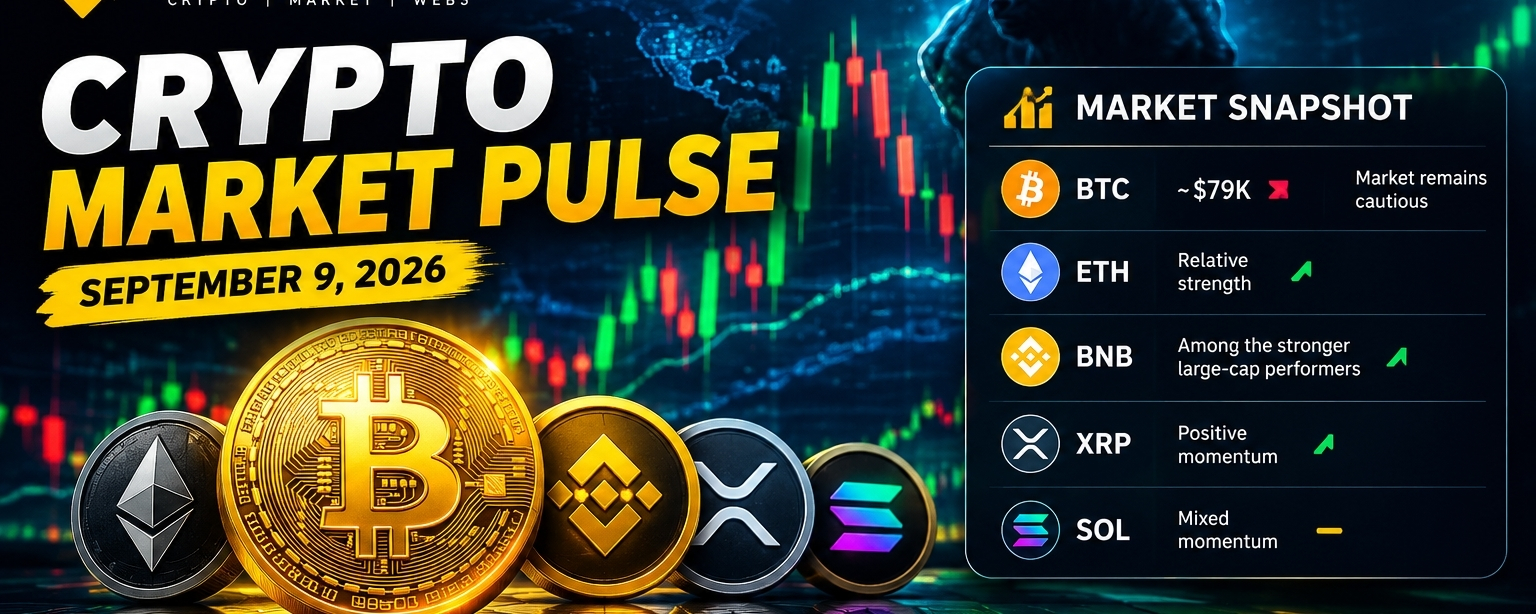
最近のボラティリティ後、ビットコインは粘り強さを見せており、BTCは引き続き **$79K付近** で取引されています🚨 **クリプト市場の動き — 2026年9月9日**
📈 **マーケット・スナップショット**
• **BTC:** 約$79K — 市場は依然として慎重
• **ETH:** 相対的な強さを示している
• **BNB:** 大型株の中でもより強いパフォーマンスの一角
• **XRP:** ポジティブなモメンタムも見られる
• **SOL:** モメンタムが混在した状態での取引
🔥 **市場を動かしているものは?**
世界の市場では、地政学的な緊張の高まりと原油価格の上昇に注目が集まっています。一方で投資家は、次の **米連邦準備制度(FRB)の決定** や、これから発表されるインフレ指標にも目を向けています。
最近のボラティリティ後、ビットコインは粘り強さを見せており、BTCは引き続き **$79K付近** で取引されています
🚨 **クリプト市場の動き — 2026年9月9日**
📈 **マーケット・スナップショット**
• **BTC:** 約$79K — 市場は依然として慎重
• **ETH:** 相対的な強さを示している
• **BNB:** 大型株の中でもより強いパフォーマンスの一角
• **XRP:** ポジティブなモメンタムも見られる
• **SOL:** モメンタムが混在した状態での取引
🔥 **市場を動かしているものは?**
世界の市場では、地政学的な緊張の高まりと原油価格の上昇に注目が集まっています。一方で投資家は、次の **米連邦準備制度(FRB)の決定** や、これから発表されるインフレ指標にも目を向けています。
📈 **マーケット・スナップショット**
• **BTC:** 約$79K — 市場は依然として慎重
• **ETH:** 相対的な強さを示している
• **BNB:** 大型株の中でもより強いパフォーマンスの一角
• **XRP:** ポジティブなモメンタムも見られる
• **SOL:** モメンタムが混在した状態での取引
🔥 **市場を動かしているものは?**
世界の市場では、地政学的な緊張の高まりと原油価格の上昇に注目が集まっています。一方で投資家は、次の **米連邦準備制度(FRB)の決定** や、これから発表されるインフレ指標にも目を向けています。
2
308
記事
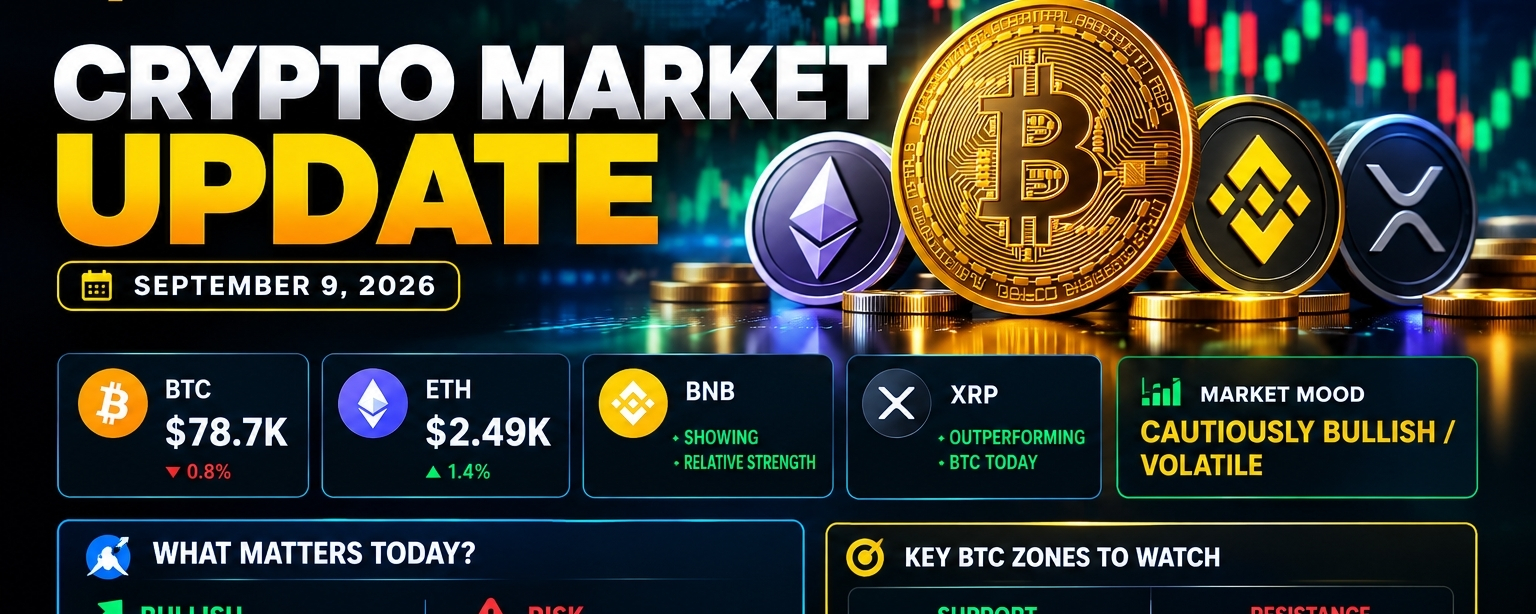
ビットコインは**$78.5K〜$78.8K**付近で取引されており、トレーダーが直近の$82K超の高値を意識しつつあるため、依然としてその上を下回っています。🚨 **暗号資産マーケット・アップデート — 2026年9月9日**
🔹 **BTC:** 約$78.7K
🔹 **ETH:** 約$2.49K
🔹 **BNB:** 相対的な強さを見せている
🔹 **XRP:** こちらも今日、BTCを上回る動き
🔹 **市場のムード:** 慎重に強気 / 変動が大きい
📌 **今日、何が重要?**
暗号資産市場は、相反する2つの方向に引っ張られています:
➡️ **強気要因:** ビットコインは、最近の上昇相場を支えた水準を依然として大きく上回っています。さらに、機関投資家のBTC ETFへの資金フローが直近で強い需要を示しています。 ([ウォール・ストリート・ジャーナル][2])
➡️ **リスク:** 原油価格の上昇と、再燃している地政学的緊張によりインフレ懸念が高まっており、市場がより引き締め的な金融政策を織り込む場合、リスク資産に圧力がかかる可能性があります。
ビットコインは**$78.5K〜$78.8K**付近で取引されており、トレーダーが直近の$82K超の高値を意識しつつあるため、依然としてその上を下回っています。
🚨 **暗号資産マーケット・アップデート — 2026年9月9日**
🔹 **BTC:** 約$78.7K
🔹 **ETH:** 約$2.49K
🔹 **BNB:** 相対的な強さを見せている
🔹 **XRP:** こちらも今日、BTCを上回る動き
🔹 **市場のムード:** 慎重に強気 / 変動が大きい
📌 **今日、何が重要?**
暗号資産市場は、相反する2つの方向に引っ張られています:
➡️ **強気要因:** ビットコインは、最近の上昇相場を支えた水準を依然として大きく上回っています。さらに、機関投資家のBTC ETFへの資金フローが直近で強い需要を示しています。 ([ウォール・ストリート・ジャーナル][2])
➡️ **リスク:** 原油価格の上昇と、再燃している地政学的緊張によりインフレ懸念が高まっており、市場がより引き締め的な金融政策を織り込む場合、リスク資産に圧力がかかる可能性があります。
🔹 **BTC:** 約$78.7K
🔹 **ETH:** 約$2.49K
🔹 **BNB:** 相対的な強さを見せている
🔹 **XRP:** こちらも今日、BTCを上回る動き
🔹 **市場のムード:** 慎重に強気 / 変動が大きい
📌 **今日、何が重要?**
暗号資産市場は、相反する2つの方向に引っ張られています:
➡️ **強気要因:** ビットコインは、最近の上昇相場を支えた水準を依然として大きく上回っています。さらに、機関投資家のBTC ETFへの資金フローが直近で強い需要を示しています。 ([ウォール・ストリート・ジャーナル][2])
➡️ **リスク:** 原油価格の上昇と、再燃している地政学的緊張によりインフレ懸念が高まっており、市場がより引き締め的な金融政策を織り込む場合、リスク資産に圧力がかかる可能性があります。
285
記事
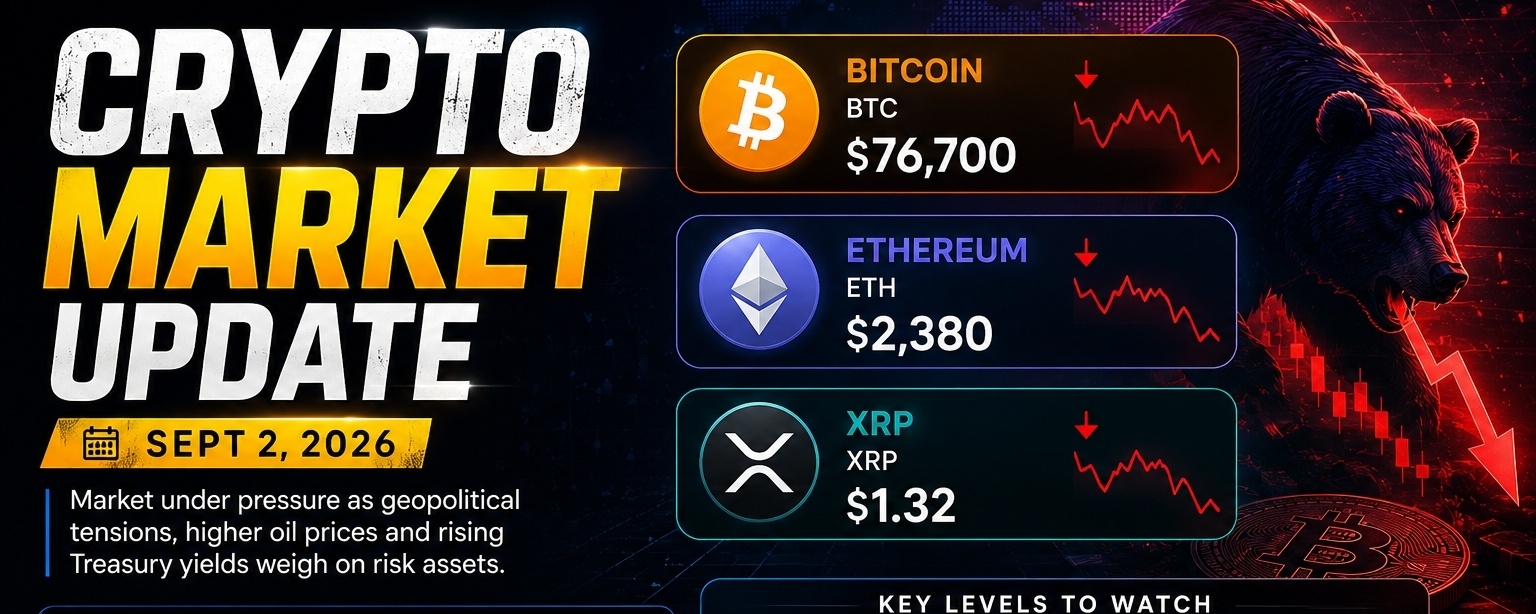
ビットコインは、8月の力強い上昇の後、新たな売り圧力に直面している。BTC: 約76.7Kドル
🔷 ETH: 約2.38Kドル
💵 XRP: 約1.32ドル
市場は、再燃する地政学的緊張、原油価格の上昇、米国債利回りの上昇に反応しています。トレーダーが利上げ(または金利)見通しを見直す中で、リスク資産には圧力がかかっています。
📌 注目すべき重要な水準:
• BTC: 76K〜77Kドルがサポートゾーン
• 79K〜80Kドルは依然として主要なレジスタンス領域
• ETHは勢いを強めるために2.4Kドル以上を奪還する必要がある
9月のボラティリティが到来。落ち着いて対応し、リスク管理を徹底し、マクロデータに注目。👀
#Bitcoin #BTC #Ethereum #ETH #Crypto #CryptoMarket #Altcoins #Web3
ビットコインは、8月の力強い上昇の後、新たな売り圧力に直面している。
BTC: 約76.7Kドル
🔷 ETH: 約2.38Kドル
💵 XRP: 約1.32ドル
市場は、再燃する地政学的緊張、原油価格の上昇、米国債利回りの上昇に反応しています。トレーダーが利上げ(または金利)見通しを見直す中で、リスク資産には圧力がかかっています。
📌 注目すべき重要な水準:
• BTC: 76K〜77Kドルがサポートゾーン
• 79K〜80Kドルは依然として主要なレジスタンス領域
• ETHは勢いを強めるために2.4Kドル以上を奪還する必要がある
9月のボラティリティが到来。落ち着いて対応し、リスク管理を徹底し、マクロデータに注目。👀
#Bitcoin #BTC #Ethereum #ETH #Crypto #CryptoMarket #Altcoins #Web3
🔷 ETH: 約2.38Kドル
💵 XRP: 約1.32ドル
市場は、再燃する地政学的緊張、原油価格の上昇、米国債利回りの上昇に反応しています。トレーダーが利上げ(または金利)見通しを見直す中で、リスク資産には圧力がかかっています。
📌 注目すべき重要な水準:
• BTC: 76K〜77Kドルがサポートゾーン
• 79K〜80Kドルは依然として主要なレジスタンス領域
• ETHは勢いを強めるために2.4Kドル以上を奪還する必要がある
9月のボラティリティが到来。落ち着いて対応し、リスク管理を徹底し、マクロデータに注目。👀
#Bitcoin #BTC #Ethereum #ETH #Crypto #CryptoMarket #Altcoins #Web3
1
75
記事
直近の上昇の後、一部弱さが見られる市場状況です。ビットコインはおおよそarounマクロリスクも再び注目されています。原油価格の上昇、米国債利回りの強含み、そして9月のFRB利上げ期待の高まりが、暗号資産を含むリスク資産に圧力をかけています。([Reuters][2])
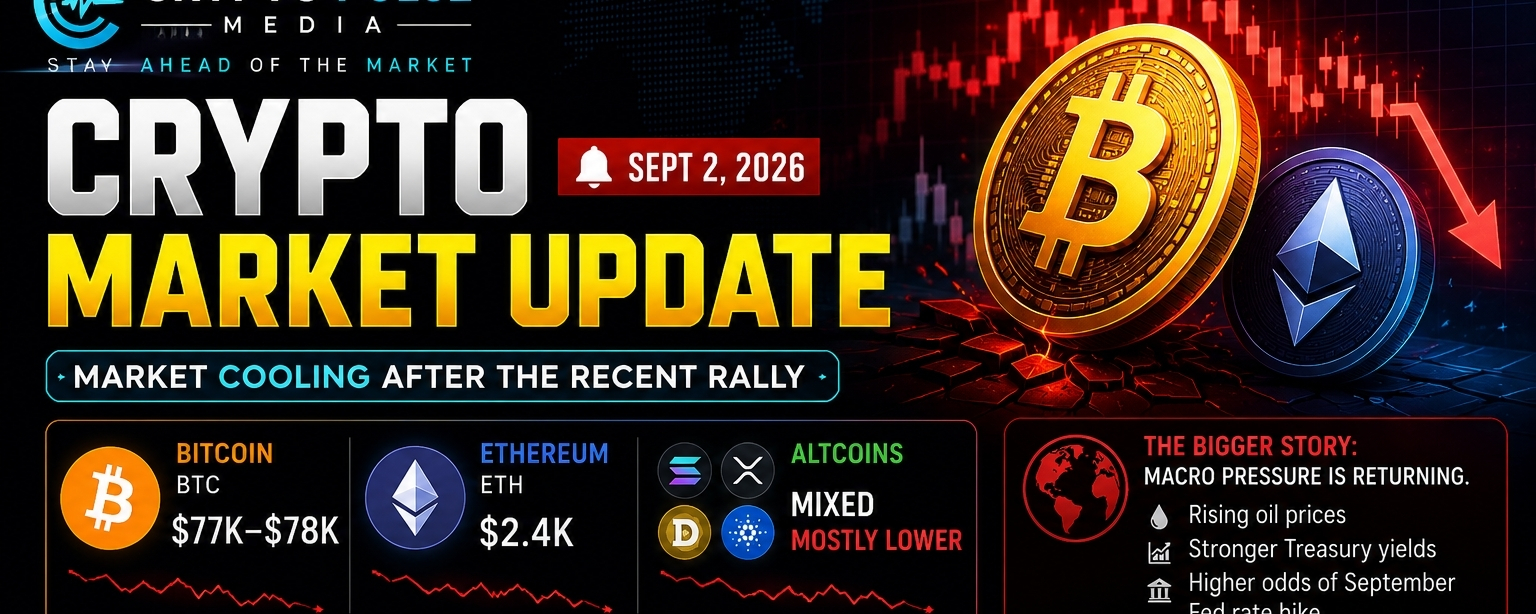
🚨 暗号資産市場アップデート — 2026年9月2日
ビットコインは直近の上昇後、$77K〜$78Kのゾーン付近で冷えています。イーサリアムは約$2.4Kを維持しており、一方で主要アルトコインはいくつかがより深い下落に見舞われています。
🌍 大きな流れ:マクロ圧力が再び戻ってきています。
• BTC:約$77K〜$78K
• ETH:約$2.4K
• アルトコイン:まちまち → ほぼ下落
直近の上昇の後、一部弱さが見られる市場状況です。ビットコインはおおよそaroun
マクロリスクも再び注目されています。原油価格の上昇、米国債利回りの強含み、そして9月のFRB利上げ期待の高まりが、暗号資産を含むリスク資産に圧力をかけています。([Reuters][2])
🚨 暗号資産市場アップデート — 2026年9月2日
ビットコインは直近の上昇後、$77K〜$78Kのゾーン付近で冷えています。イーサリアムは約$2.4Kを維持しており、一方で主要アルトコインはいくつかがより深い下落に見舞われています。
🌍 大きな流れ:マクロ圧力が再び戻ってきています。
• BTC:約$77K〜$78K
• ETH:約$2.4K
• アルトコイン:まちまち → ほぼ下落
🚨 暗号資産市場アップデート — 2026年9月2日
ビットコインは直近の上昇後、$77K〜$78Kのゾーン付近で冷えています。イーサリアムは約$2.4Kを維持しており、一方で主要アルトコインはいくつかがより深い下落に見舞われています。
🌍 大きな流れ:マクロ圧力が再び戻ってきています。
• BTC:約$77K〜$78K
• ETH:約$2.4K
• アルトコイン:まちまち → ほぼ下落
93
記事
今日の市場は弱さが見られます:ビットコインは**約$77K〜$78K**、一方でイーサリアムは**約$2.4BTCが$78K付近を維持するのに苦戦しているため、ビットコインには再び売り圧力がかかっています。
📉 BTC: 約$77K〜$78K
📉 ETH: 約$2.4K
📉 SOL: 約$99
📉 XRP: 約$1.35
より大きな論点:米国の金利の見通しが見直される中で、市場がリスク資産に対する圧力を感じています。
歴史的に9月はビットコインにとって難しい月なので、ボラティリティ(変動性)が高止まりする可能性があります。
👀 注目すべきポイント:
• BTCが$80Kを奪還
• ETHが$2.4Kのゾーンを維持
• 米国の利率見通し
• 機関投資家の暗号資産フロー
• BTCに対するアルトコインの強さ
今日の市場は弱さが見られます:ビットコインは**約$77K〜$78K**、一方でイーサリアムは**約$2.4
BTCが$78K付近を維持するのに苦戦しているため、ビットコインには再び売り圧力がかかっています。
📉 BTC: 約$77K〜$78K
📉 ETH: 約$2.4K
📉 SOL: 約$99
📉 XRP: 約$1.35
より大きな論点:米国の金利の見通しが見直される中で、市場がリスク資産に対する圧力を感じています。
歴史的に9月はビットコインにとって難しい月なので、ボラティリティ(変動性)が高止まりする可能性があります。
👀 注目すべきポイント:
• BTCが$80Kを奪還
• ETHが$2.4Kのゾーンを維持
• 米国の利率見通し
• 機関投資家の暗号資産フロー
• BTCに対するアルトコインの強さ
📉 BTC: 約$77K〜$78K
📉 ETH: 約$2.4K
📉 SOL: 約$99
📉 XRP: 約$1.35
より大きな論点:米国の金利の見通しが見直される中で、市場がリスク資産に対する圧力を感じています。
歴史的に9月はビットコインにとって難しい月なので、ボラティリティ(変動性)が高止まりする可能性があります。
👀 注目すべきポイント:
• BTCが$80Kを奪還
• ETHが$2.4Kのゾーンを維持
• 米国の利率見通し
• 機関投資家の暗号資産フロー
• BTCに対するアルトコインの強さ
100
記事
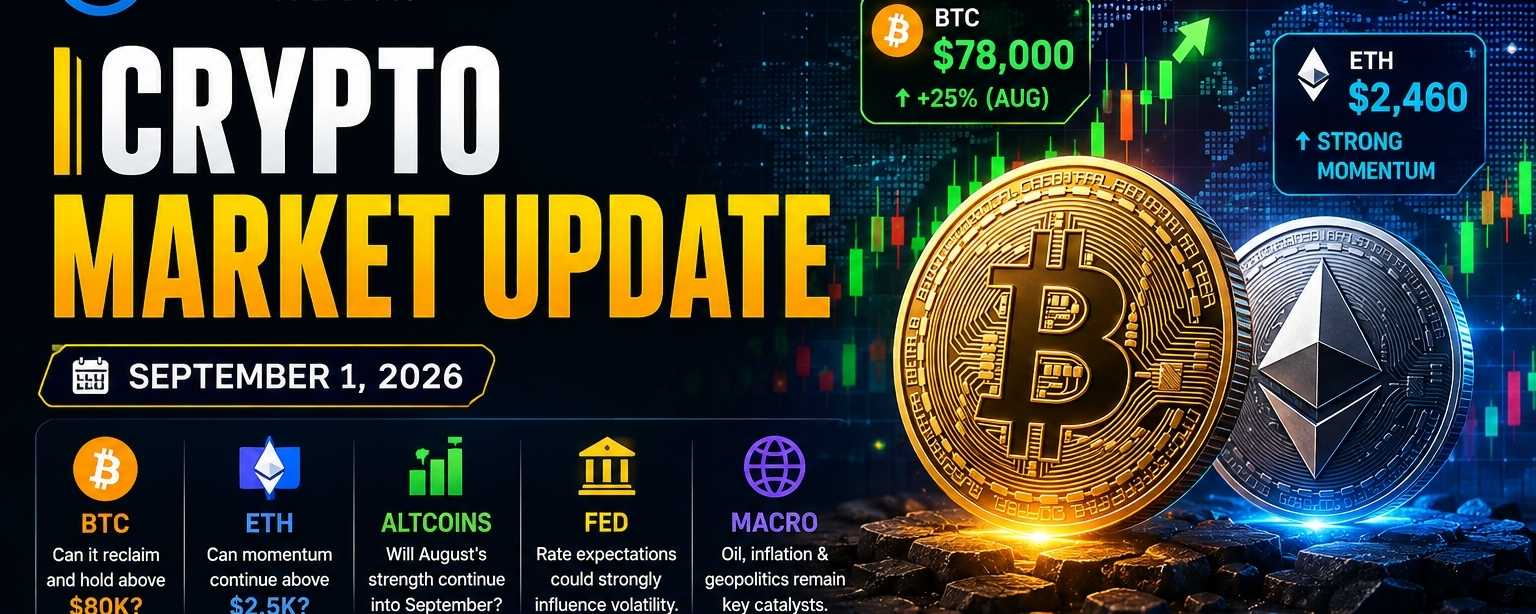
8月の力強い上昇を受けて、ビットコインは現在**$78K**前後で推移しています。BTCは8月におよそ**25%**上昇しましたthereumは**$2.45K〜$2.46K**付近で取引されており、ETHもまた強い月次の回復を見せています。([Fortune][2])
しかし9月は新たな課題から始まります。**上昇する原油価格、インフレ懸念、そして米連邦準備制度(FRB)による利上げ期待の高まり**が、リスク資産全体に圧力をかけています。現在の市場見通しでは、9月の利上げ確率は**65〜66%**とされています。
**トレーダーが注目すべきポイント 👀**
* 🟠 BTC:**$80K**を回復して、その水準を維持できるか?
* 🔵 ETH:モメンタムは**$2.5K**を上回った状態で継続できるか?
8月の力強い上昇を受けて、ビットコインは現在**$78K**前後で推移しています。BTCは8月におよそ**25%**上昇しました
thereumは**$2.45K〜$2.46K**付近で取引されており、ETHもまた強い月次の回復を見せています。([Fortune][2])
しかし9月は新たな課題から始まります。**上昇する原油価格、インフレ懸念、そして米連邦準備制度(FRB)による利上げ期待の高まり**が、リスク資産全体に圧力をかけています。現在の市場見通しでは、9月の利上げ確率は**65〜66%**とされています。
**トレーダーが注目すべきポイント 👀**
* 🟠 BTC:**$80K**を回復して、その水準を維持できるか?
* 🔵 ETH:モメンタムは**$2.5K**を上回った状態で継続できるか?
しかし9月は新たな課題から始まります。**上昇する原油価格、インフレ懸念、そして米連邦準備制度(FRB)による利上げ期待の高まり**が、リスク資産全体に圧力をかけています。現在の市場見通しでは、9月の利上げ確率は**65〜66%**とされています。
**トレーダーが注目すべきポイント 👀**
* 🟠 BTC:**$80K**を回復して、その水準を維持できるか?
* 🔵 ETH:モメンタムは**$2.5K**を上回った状態で継続できるか?
33
記事
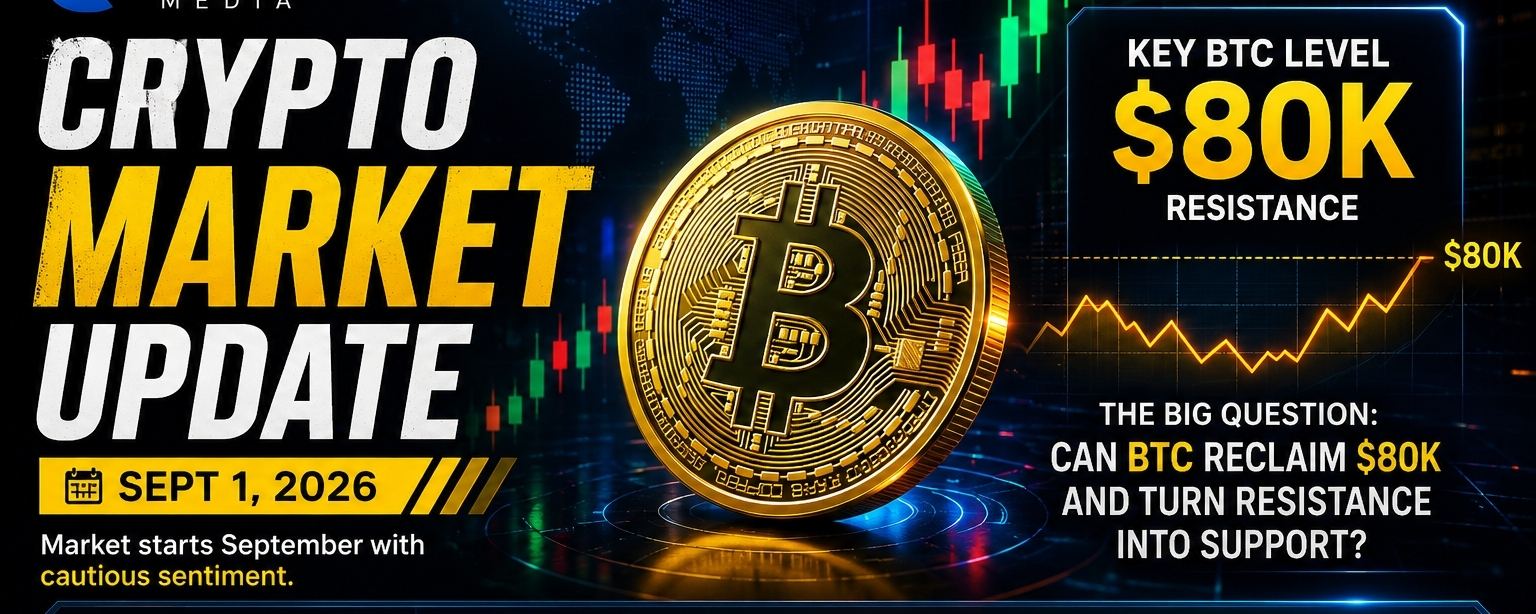
現在のデータでは、BTCは**$78K**前後、ETHは**$2.45K**前後です。ビットコインは重要な 暗号資産 市場アップデート — 2026年9月1日
市場が9月を慎重なムードで迎える中、ビットコインはおおむね$78Kのゾーン付近で推移しています。
📉 BTC: 約$78K
⚡ ETH: 約$2.45K
🎯 重要なBTC水準: $80K
🌍 マクロ要因+FRB(連邦準備制度)の見通しが主要なカタリストとなっています
大きな論点:BTCは$80Kを取り戻し、レジスタンスをサポートに変えられるのでしょうか?
9月はかなりのボラティリティをもたらすかもしれません。注意して見守りましょう。👀
#Bitcoin #BTC #Ethereum #ETH #Crypto #CryptoMarket #Altcoins
現在のデータでは、BTCは**$78K**前後、ETHは**$2.45K**前後です。ビットコインは重要な
暗号資産 市場アップデート — 2026年9月1日
市場が9月を慎重なムードで迎える中、ビットコインはおおむね$78Kのゾーン付近で推移しています。
📉 BTC: 約$78K
⚡ ETH: 約$2.45K
🎯 重要なBTC水準: $80K
🌍 マクロ要因+FRB(連邦準備制度)の見通しが主要なカタリストとなっています
大きな論点:BTCは$80Kを取り戻し、レジスタンスをサポートに変えられるのでしょうか?
9月はかなりのボラティリティをもたらすかもしれません。注意して見守りましょう。👀
#Bitcoin #BTC #Ethereum #ETH #Crypto #CryptoMarket #Altcoins
市場が9月を慎重なムードで迎える中、ビットコインはおおむね$78Kのゾーン付近で推移しています。
📉 BTC: 約$78K
⚡ ETH: 約$2.45K
🎯 重要なBTC水準: $80K
🌍 マクロ要因+FRB(連邦準備制度)の見通しが主要なカタリストとなっています
大きな論点:BTCは$80Kを取り戻し、レジスタンスをサポートに変えられるのでしょうか?
9月はかなりのボラティリティをもたらすかもしれません。注意して見守りましょう。👀
#Bitcoin #BTC #Ethereum #ETH #Crypto #CryptoMarket #Altcoins
9
記事
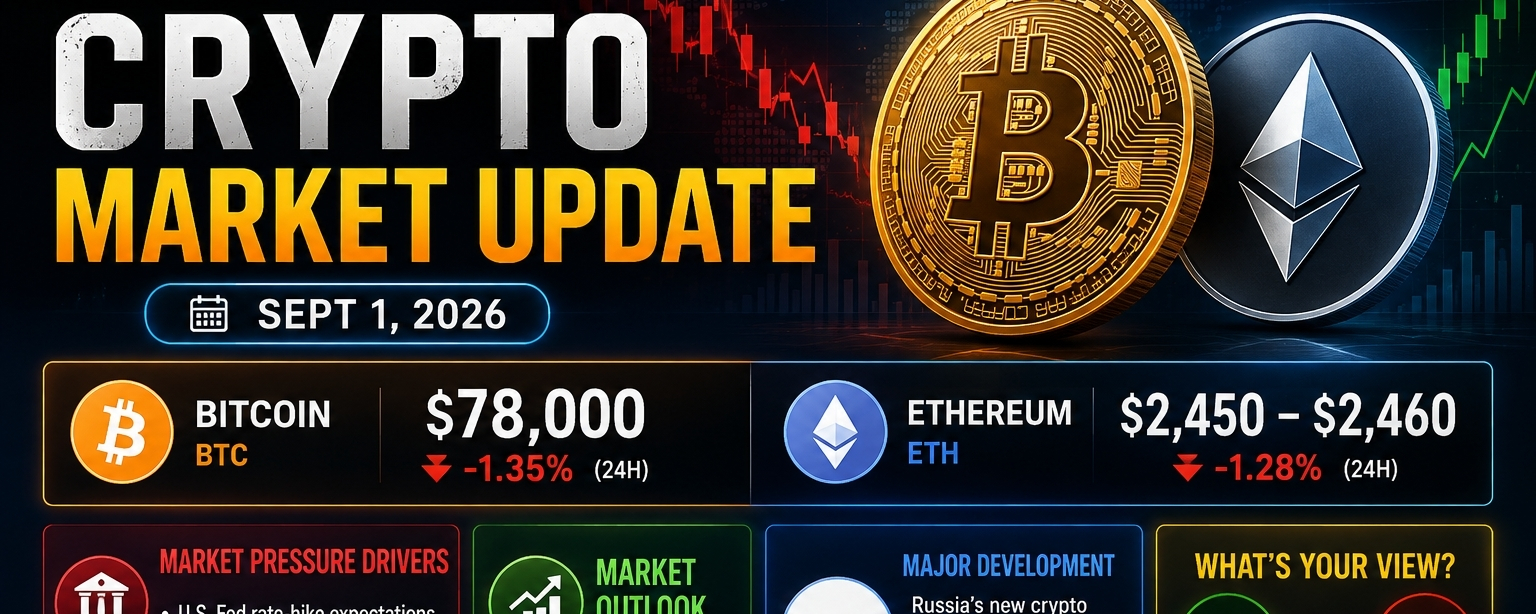
ビットコインは**78Kドル前後**で取引されており、イーサリアムは**2.45K〜2.46Kドル前後**です。市場今日の大きな動き:**ロシアの新しい暗号資産ルールが施行**され、BTC、ETH、USDTが同国の規制されたデジタル資産市場で役割を持てるようになりました。
🚨 暗号資産市場アップデート | 9月1日
ビットコインは約78Kドル付近を維持しており、イーサリアムは約2.45K〜2.46Kドルで取引されています。
📉 トレーダーが注視する中、市場の圧力が高まっています:
• 米FRBの利上げ期待
• インフレ & エネルギー(原油)価格
• 地政学的緊張
• 重要な経済指標(予定)
🇷🇺 一方で、ロシアの新しい暗号資産規制が発効し、BTC、ETH & USDTが同国の規制されたデジタル資産市場にさらに組み込まれつつあります。
ビットコインは**78Kドル前後**で取引されており、イーサリアムは**2.45K〜2.46Kドル前後**です。市場
今日の大きな動き:**ロシアの新しい暗号資産ルールが施行**され、BTC、ETH、USDTが同国の規制されたデジタル資産市場で役割を持てるようになりました。
🚨 暗号資産市場アップデート | 9月1日
ビットコインは約78Kドル付近を維持しており、イーサリアムは約2.45K〜2.46Kドルで取引されています。
📉 トレーダーが注視する中、市場の圧力が高まっています:
• 米FRBの利上げ期待
• インフレ & エネルギー(原油)価格
• 地政学的緊張
• 重要な経済指標(予定)
🇷🇺 一方で、ロシアの新しい暗号資産規制が発効し、BTC、ETH & USDTが同国の規制されたデジタル資産市場にさらに組み込まれつつあります。
🚨 暗号資産市場アップデート | 9月1日
ビットコインは約78Kドル付近を維持しており、イーサリアムは約2.45K〜2.46Kドルで取引されています。
📉 トレーダーが注視する中、市場の圧力が高まっています:
• 米FRBの利上げ期待
• インフレ & エネルギー(原油)価格
• 地政学的緊張
• 重要な経済指標(予定)
🇷🇺 一方で、ロシアの新しい暗号資産規制が発効し、BTC、ETH & USDTが同国の規制されたデジタル資産市場にさらに組み込まれつつあります。
6
記事
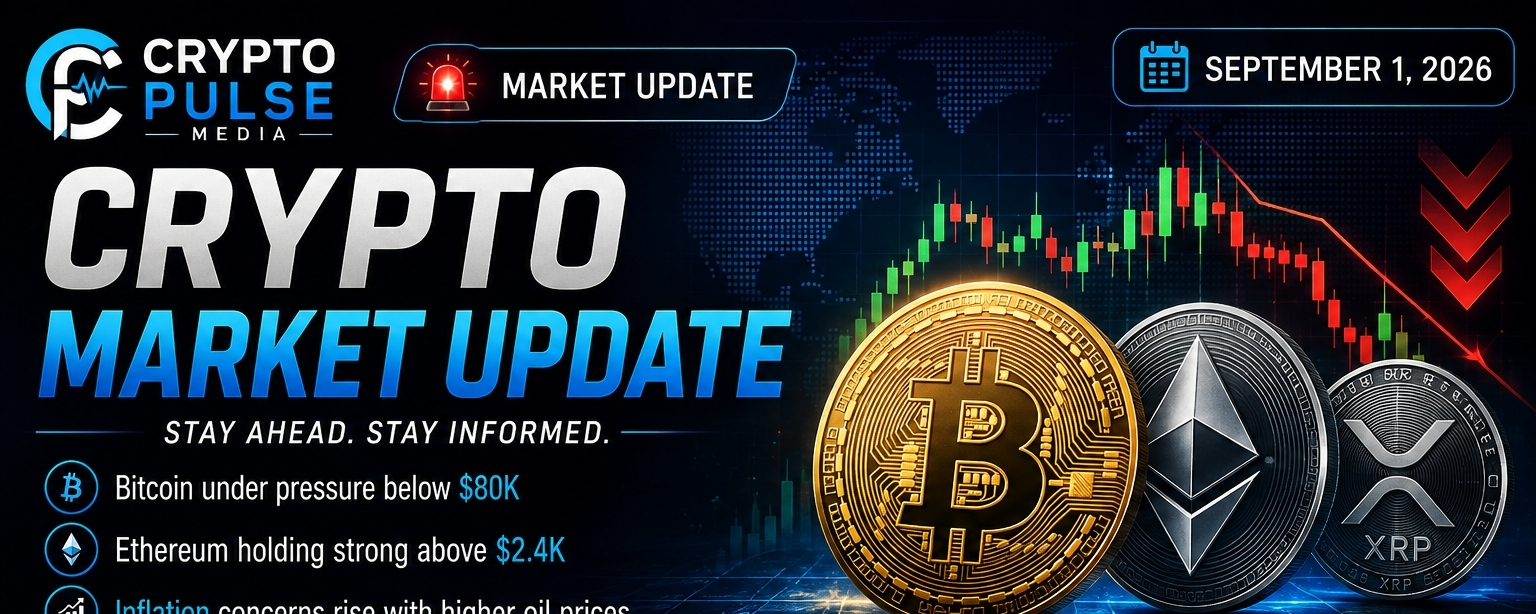
リスク資産に対するマクロ経済の不確実性が重しとなり、ビットコインはプレッシャーのなか9月を迎えています。₿ **BTC:** 約78Kドル
🔷 **ETH:** 約2.45Kドル
💵 **XRP:** 約1.38ドル
📉 **相場を動かしているのは?**
• ビットコインは重要な8万ドルの心理的水準を下回ったままです。
• 強い月次回復の後、イーサ(ETH)は2.4Kドルを上回った状態を維持しています。
• 原油価格の上昇がインフレ懸念を強めています。
• 市場では今月の米国の利上げの可能性が、ますます注目されています。
• 暗号資産トレーダーは、強気の動きを取る前に、より多くのマクロ経済シグナルを待っています。
🌍 **大きな規制の進展:** ロシアの新しい暗号資産(クリプト)規制枠組みが本日発効し、厳格な条件のもとでBTC、ETH、USDTへの規制されたアクセスが可能になりました。
リスク資産に対するマクロ経済の不確実性が重しとなり、ビットコインはプレッシャーのなか9月を迎えています。
₿ **BTC:** 約78Kドル
🔷 **ETH:** 約2.45Kドル
💵 **XRP:** 約1.38ドル
📉 **相場を動かしているのは?**
• ビットコインは重要な8万ドルの心理的水準を下回ったままです。
• 強い月次回復の後、イーサ(ETH)は2.4Kドルを上回った状態を維持しています。
• 原油価格の上昇がインフレ懸念を強めています。
• 市場では今月の米国の利上げの可能性が、ますます注目されています。
• 暗号資産トレーダーは、強気の動きを取る前に、より多くのマクロ経済シグナルを待っています。
🌍 **大きな規制の進展:** ロシアの新しい暗号資産(クリプト)規制枠組みが本日発効し、厳格な条件のもとでBTC、ETH、USDTへの規制されたアクセスが可能になりました。
🔷 **ETH:** 約2.45Kドル
💵 **XRP:** 約1.38ドル
📉 **相場を動かしているのは?**
• ビットコインは重要な8万ドルの心理的水準を下回ったままです。
• 強い月次回復の後、イーサ(ETH)は2.4Kドルを上回った状態を維持しています。
• 原油価格の上昇がインフレ懸念を強めています。
• 市場では今月の米国の利上げの可能性が、ますます注目されています。
• 暗号資産トレーダーは、強気の動きを取る前に、より多くのマクロ経済シグナルを待っています。
🌍 **大きな規制の進展:** ロシアの新しい暗号資産(クリプト)規制枠組みが本日発効し、厳格な条件のもとでBTC、ETH、USDTへの規制されたアクセスが可能になりました。
15
記事
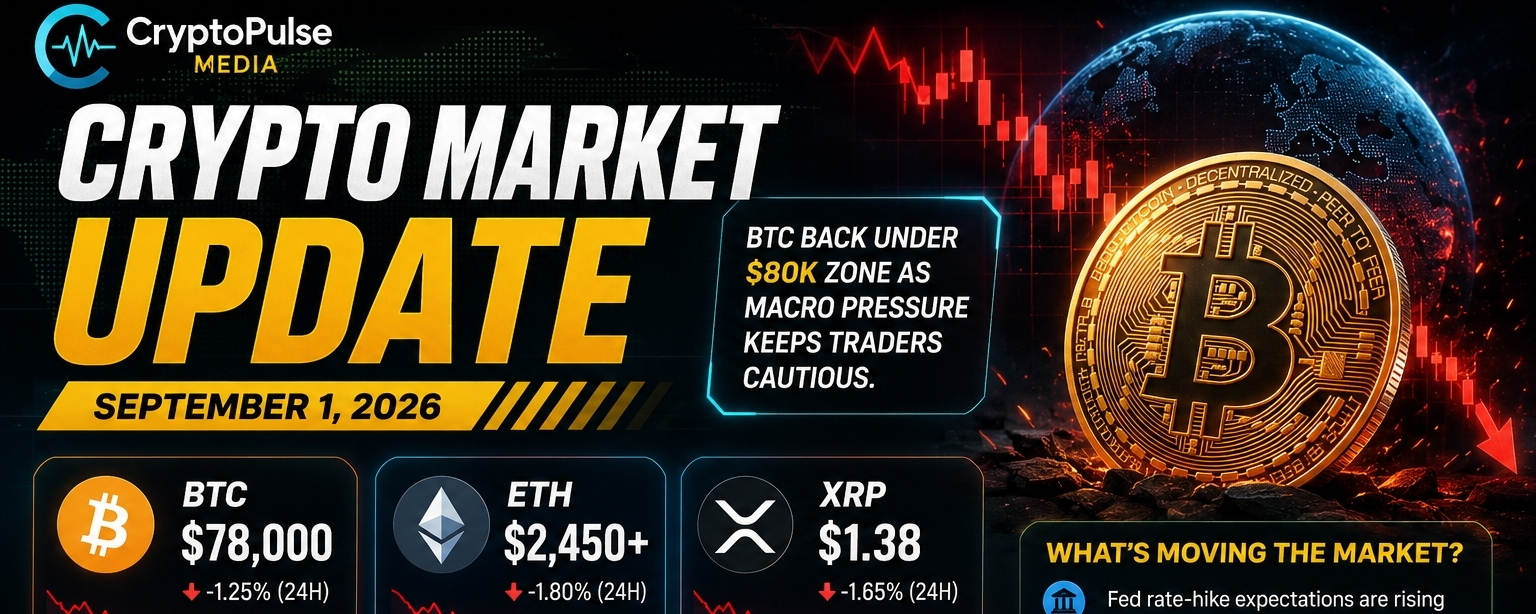
ビットコインは**$78K**前後で取引されており、イーサリアムは**$2.45K〜$2.46K**前後です。BTCはなおも下落基調で、今日のより大きな焦点は**利下げ(利上げ)に関する見通し**です。市場では今月の米連邦準備制度(FRB)の利上げの可能性を織り込み始めており、一方で原油価格の上昇や地政学的な緊張がインフレ懸念を押し上げています。
同時に、**ロシアの新しい暗号資産規制枠組みが本日発効**しました。この新しい枠組みの下で、ビットコイン、イーサリアム、USDTに明確な役割が与えられています。
🚨 暗号資産市場アップデート | 2026年9月1日
ビットコインは再び$80Kの水準を下回り、マクロの圧力により仮想通貨トレーダーが慎重になっているため、約$78Kで取引されています。
ビットコインは**$78K**前後で取引されており、イーサリアムは**$2.45K〜$2.46K**前後です。BTCはなおも下落基調で、
今日のより大きな焦点は**利下げ(利上げ)に関する見通し**です。市場では今月の米連邦準備制度(FRB)の利上げの可能性を織り込み始めており、一方で原油価格の上昇や地政学的な緊張がインフレ懸念を押し上げています。
同時に、**ロシアの新しい暗号資産規制枠組みが本日発効**しました。この新しい枠組みの下で、ビットコイン、イーサリアム、USDTに明確な役割が与えられています。
🚨 暗号資産市場アップデート | 2026年9月1日
ビットコインは再び$80Kの水準を下回り、マクロの圧力により仮想通貨トレーダーが慎重になっているため、約$78Kで取引されています。
同時に、**ロシアの新しい暗号資産規制枠組みが本日発効**しました。この新しい枠組みの下で、ビットコイン、イーサリアム、USDTに明確な役割が与えられています。
🚨 暗号資産市場アップデート | 2026年9月1日
ビットコインは再び$80Kの水準を下回り、マクロの圧力により仮想通貨トレーダーが慎重になっているため、約$78Kで取引されています。
54
記事
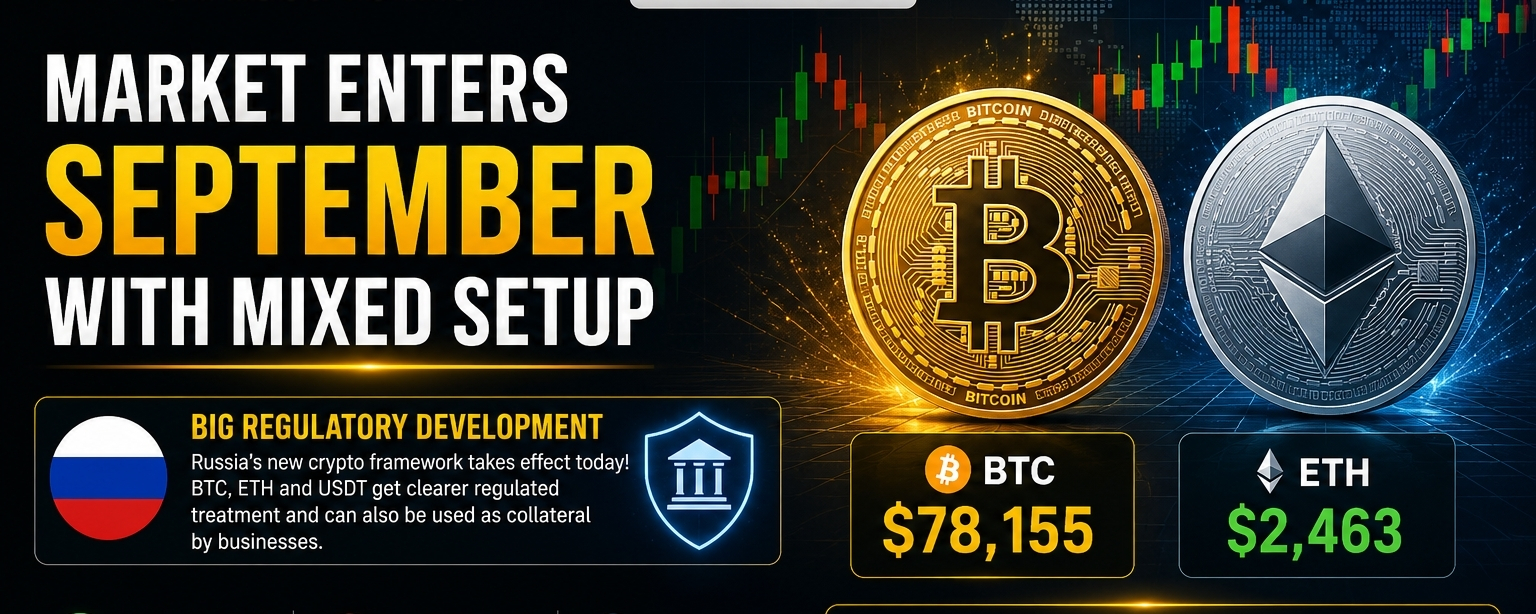
ビットコインは9月を**約$78K**近辺でスタートしており、イーサリアムは**約$2.46K**で取引されています。BTCは**大きな規制の進展:** ロシアの新しい暗号資産(クリプト)枠組みが本日発効し、**BTC、ETH、USDT**に対してより明確な規制市場としての扱いが適用されます。この新しい枠組みの下では、BTC、ETH、USDTは事業者による担保としても利用できます。
📈 **マーケットウォッチ**
* ₿ BTC: 約$78,155
* Ξ ETH: 約$2,463
* 🔥 ETHは過去1か月で大きく上昇しました
* ⚠️ インフレ懸念は主要な市場リスクとして残っています
* 👀 9月はボラティリティ(変動性)が高まるかもしれません
**CryptoPulseの見解:**
市場は9月を前に、状況はやや入り混じっています――ビットコインは$78Kの水準を防衛する必要がある一方で、イーサリアムは引き続き注目を集めています。規制に関する動きが、市場にとって重要な引き金になる可能性もあります。
ビットコインは9月を**約$78K**近辺でスタートしており、イーサリアムは**約$2.46K**で取引されています。BTCは
**大きな規制の進展:** ロシアの新しい暗号資産(クリプト)枠組みが本日発効し、**BTC、ETH、USDT**に対してより明確な規制市場としての扱いが適用されます。この新しい枠組みの下では、BTC、ETH、USDTは事業者による担保としても利用できます。
📈 **マーケットウォッチ**
* ₿ BTC: 約$78,155
* Ξ ETH: 約$2,463
* 🔥 ETHは過去1か月で大きく上昇しました
* ⚠️ インフレ懸念は主要な市場リスクとして残っています
* 👀 9月はボラティリティ(変動性)が高まるかもしれません
**CryptoPulseの見解:**
市場は9月を前に、状況はやや入り混じっています――ビットコインは$78Kの水準を防衛する必要がある一方で、イーサリアムは引き続き注目を集めています。規制に関する動きが、市場にとって重要な引き金になる可能性もあります。
📈 **マーケットウォッチ**
* ₿ BTC: 約$78,155
* Ξ ETH: 約$2,463
* 🔥 ETHは過去1か月で大きく上昇しました
* ⚠️ インフレ懸念は主要な市場リスクとして残っています
* 👀 9月はボラティリティ(変動性)が高まるかもしれません
**CryptoPulseの見解:**
市場は9月を前に、状況はやや入り混じっています――ビットコインは$78Kの水準を防衛する必要がある一方で、イーサリアムは引き続き注目を集めています。規制に関する動きが、市場にとって重要な引き金になる可能性もあります。
7
記事
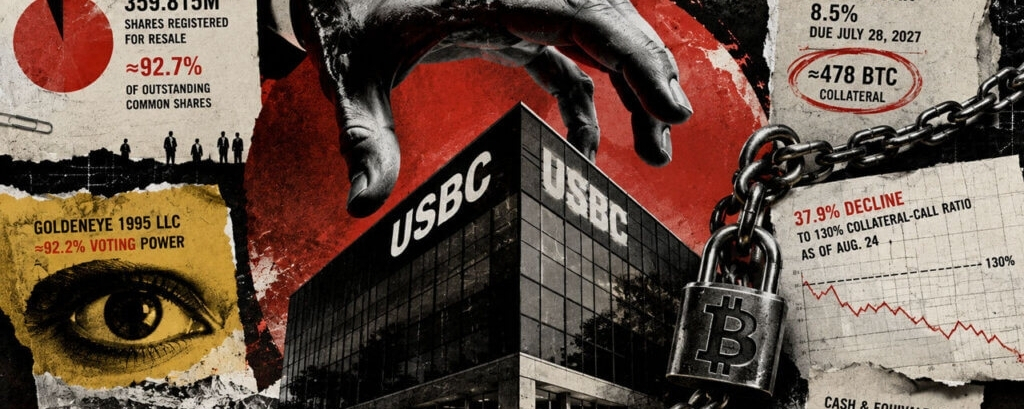
ビットコインのトレジャリー企業が株式の93%を再販用に登録し、暗号資産の3分の1をオプションに回すこれらの株式はすでに発行されており、決して売却されることはありません。一方で、ローン、トレジャリー、現金に関するリスクは残存しています。
SBCは、潜在的な再販売を目的として、すでに発行済みの株式のブロック(同社の発行済み普通株式のほぼ全てに相当する規模)を登録しました。これにより、バランスシートがビットコインに大きく依存していることに加えて、市場のオーバーハング(需給の偏りによる下押し圧力)の可能性が生まれています。
同社の2024年8月27日付の訂正予備目論見書は、売付株主が保有する最大359,815,000株を対象としています。これは、8月24日時点での発行済み普通株式388,144,429株の約92.7%に相当します。USBCは、これらの保有者によるいかなる売却やその他の処分からも、いかなる手取金も受け取りません。
ビットコインのトレジャリー企業が株式の93%を再販用に登録し、暗号資産の3分の1をオプションに回す
これらの株式はすでに発行されており、決して売却されることはありません。一方で、ローン、トレジャリー、現金に関するリスクは残存しています。
SBCは、潜在的な再販売を目的として、すでに発行済みの株式のブロック(同社の発行済み普通株式のほぼ全てに相当する規模)を登録しました。これにより、バランスシートがビットコインに大きく依存していることに加えて、市場のオーバーハング(需給の偏りによる下押し圧力)の可能性が生まれています。
同社の2024年8月27日付の訂正予備目論見書は、売付株主が保有する最大359,815,000株を対象としています。これは、8月24日時点での発行済み普通株式388,144,429株の約92.7%に相当します。USBCは、これらの保有者によるいかなる売却やその他の処分からも、いかなる手取金も受け取りません。
SBCは、潜在的な再販売を目的として、すでに発行済みの株式のブロック(同社の発行済み普通株式のほぼ全てに相当する規模)を登録しました。これにより、バランスシートがビットコインに大きく依存していることに加えて、市場のオーバーハング(需給の偏りによる下押し圧力)の可能性が生まれています。
同社の2024年8月27日付の訂正予備目論見書は、売付株主が保有する最大359,815,000株を対象としています。これは、8月24日時点での発行済み普通株式388,144,429株の約92.7%に相当します。USBCは、これらの保有者によるいかなる売却やその他の処分からも、いかなる手取金も受け取りません。
30
記事
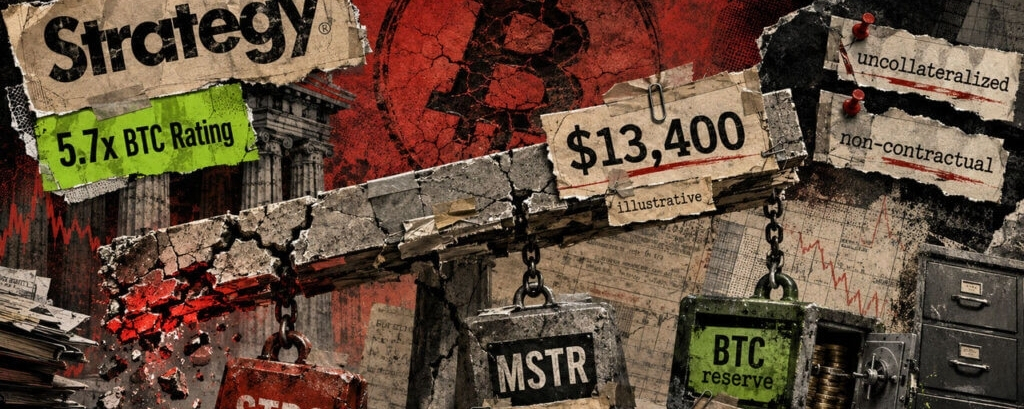
マイケル・セイラーの$13,400ビットコイン・フロアが、ストラテジーの負債スタック内部の損失の正確な順序を露呈する提出された比率は現金と請求権に連動します。一方で、MSTRの希薄化と法的優先順位が、実際の損失の大きさを決めます。
ストラテジー(ビットコイン・トレジャリー企業)は、STRCの変動金利の累積型永久優先株に対して、約$13,400の「BTCフロア」を宣伝しています。ビットコインが約$78,000にあるため、このラベルは巨大なバッファを連想させます。しかしSECに提出された説明書では、より狭いものが定義されています。すなわち、ストラテジーの例示的なSTRCカバレッジ・レシオが1.0xに到達するビットコイン価格です。
このメトリクスは、ストラテジーのビットコインに関して何ら主張せず、支払能力または回復に関する意味もありません。STRCは8月28日に$97.33でクローズし、現在の$12の年率配当ベースで、保有者には単純な12.33%の実効利回りがもたらされます。提出されたダッシュボードでは、8月21日の価格$96.18を用い、12.48%の利回り、$9.972 billionの想定元本、BTCクレジットが59ベーシスポイント、BTCリスクが4.68%、BTCフロアARRが-14.61%と記載されています。
マイケル・セイラーの$13,400ビットコイン・フロアが、ストラテジーの負債スタック内部の損失の正確な順序を露呈する
提出された比率は現金と請求権に連動します。一方で、MSTRの希薄化と法的優先順位が、実際の損失の大きさを決めます。
ストラテジー(ビットコイン・トレジャリー企業)は、STRCの変動金利の累積型永久優先株に対して、約$13,400の「BTCフロア」を宣伝しています。ビットコインが約$78,000にあるため、このラベルは巨大なバッファを連想させます。しかしSECに提出された説明書では、より狭いものが定義されています。すなわち、ストラテジーの例示的なSTRCカバレッジ・レシオが1.0xに到達するビットコイン価格です。
このメトリクスは、ストラテジーのビットコインに関して何ら主張せず、支払能力または回復に関する意味もありません。STRCは8月28日に$97.33でクローズし、現在の$12の年率配当ベースで、保有者には単純な12.33%の実効利回りがもたらされます。提出されたダッシュボードでは、8月21日の価格$96.18を用い、12.48%の利回り、$9.972 billionの想定元本、BTCクレジットが59ベーシスポイント、BTCリスクが4.68%、BTCフロアARRが-14.61%と記載されています。
ストラテジー(ビットコイン・トレジャリー企業)は、STRCの変動金利の累積型永久優先株に対して、約$13,400の「BTCフロア」を宣伝しています。ビットコインが約$78,000にあるため、このラベルは巨大なバッファを連想させます。しかしSECに提出された説明書では、より狭いものが定義されています。すなわち、ストラテジーの例示的なSTRCカバレッジ・レシオが1.0xに到達するビットコイン価格です。
このメトリクスは、ストラテジーのビットコインに関して何ら主張せず、支払能力または回復に関する意味もありません。STRCは8月28日に$97.33でクローズし、現在の$12の年率配当ベースで、保有者には単純な12.33%の実効利回りがもたらされます。提出されたダッシュボードでは、8月21日の価格$96.18を用い、12.48%の利回り、$9.972 billionの想定元本、BTCクレジットが59ベーシスポイント、BTCリスクが4.68%、BTCフロアARRが-14.61%と記載されています。
32
記事
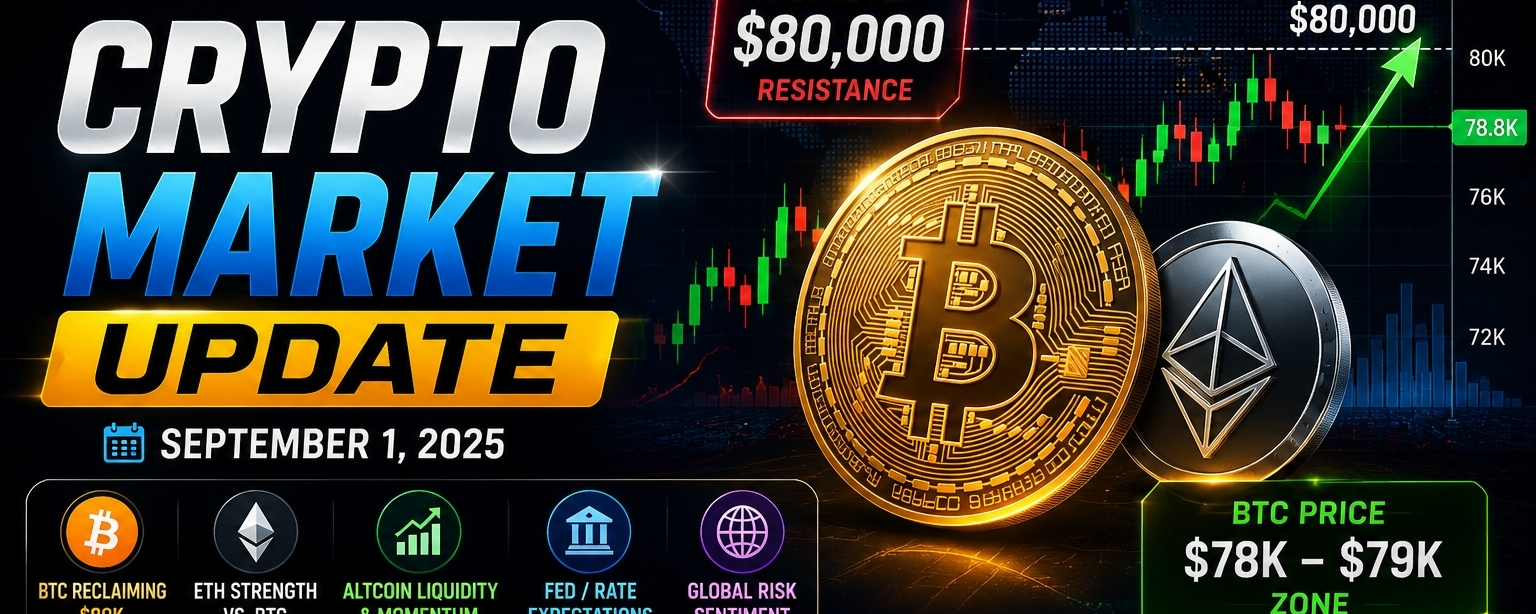
今日の市場背景:BTCは**78,000〜79,000ドル**あたりで取引されており、一方で市場はビットコインは9月を迎えるにあたり、トレーダーが注目する重要な水準が1つある:**80,000ドル**。👀
BTCは**78,000〜79,000ドルのゾーン**付近を推移している一方で、世界の国債利回りや原油価格の上昇によりマクロ圧力が強まっている。
📌 注目すべきポイント:
• BTCが80,000ドルを奪還
• BTCに対するETHの強さ
• アルトコインの流動性&モメンタム
• 連邦準備制度(FRB)/金利見通し
• 世界のリスク・センチメント
9月は**高いボラティリティ**をもたらす可能性がある。青い(上昇)ローソク足を追いかけず、値動き、出来高、市場構造を見ておこう。
次の大きな動きは、ビットコインから始まるかもしれない。⚡️
今日の市場背景:BTCは**78,000〜79,000ドル**あたりで取引されており、一方で市場は
ビットコインは9月を迎えるにあたり、トレーダーが注目する重要な水準が1つある:**80,000ドル**。👀
BTCは**78,000〜79,000ドルのゾーン**付近を推移している一方で、世界の国債利回りや原油価格の上昇によりマクロ圧力が強まっている。
📌 注目すべきポイント:
• BTCが80,000ドルを奪還
• BTCに対するETHの強さ
• アルトコインの流動性&モメンタム
• 連邦準備制度(FRB)/金利見通し
• 世界のリスク・センチメント
9月は**高いボラティリティ**をもたらす可能性がある。青い(上昇)ローソク足を追いかけず、値動き、出来高、市場構造を見ておこう。
次の大きな動きは、ビットコインから始まるかもしれない。⚡️
BTCは**78,000〜79,000ドルのゾーン**付近を推移している一方で、世界の国債利回りや原油価格の上昇によりマクロ圧力が強まっている。
📌 注目すべきポイント:
• BTCが80,000ドルを奪還
• BTCに対するETHの強さ
• アルトコインの流動性&モメンタム
• 連邦準備制度(FRB)/金利見通し
• 世界のリスク・センチメント
9月は**高いボラティリティ**をもたらす可能性がある。青い(上昇)ローソク足を追いかけず、値動き、出来高、市場構造を見ておこう。
次の大きな動きは、ビットコインから始まるかもしれない。⚡️
69
記事
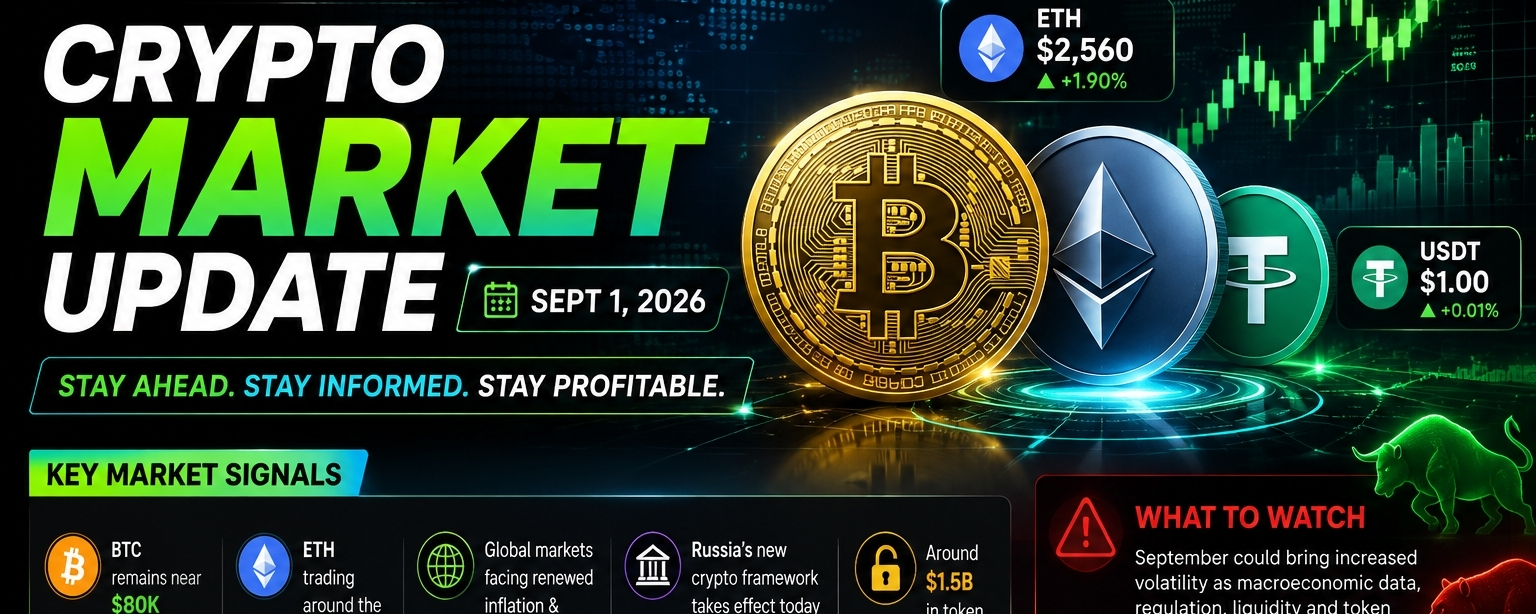
ビットコインは9月を78,000〜80,000ドルのゾーン付近で迎えており、BTCが📊 重要なマーケット・シグナル:
• BTCは依然として80,000ドルの心理的節目付近に留まっている
• ETHはおよそ2,000ドル台半ばで取引されている
• 世界の市場は、インフレの再燃と地政学的な圧力に直面している
• ロシアの新しい暗号資産(クリプト)枠組みが本日発効。BTC、ETH、USDTに中核的な役割が与えられている
• 9月第1週に、トークンのアンロック(解禁)として約15億ドルが予定されている
⚠️ 何を観るべきか:
9月は、マクロ経済データ、規制、流動性、トークン供給のイベントが重なり、ボラティリティ(変動)が高まる可能性がある。
ビットコインは9月を78,000〜80,000ドルのゾーン付近で迎えており、BTCが
📊 重要なマーケット・シグナル:
• BTCは依然として80,000ドルの心理的節目付近に留まっている
• ETHはおよそ2,000ドル台半ばで取引されている
• 世界の市場は、インフレの再燃と地政学的な圧力に直面している
• ロシアの新しい暗号資産(クリプト)枠組みが本日発効。BTC、ETH、USDTに中核的な役割が与えられている
• 9月第1週に、トークンのアンロック(解禁)として約15億ドルが予定されている
⚠️ 何を観るべきか:
9月は、マクロ経済データ、規制、流動性、トークン供給のイベントが重なり、ボラティリティ(変動)が高まる可能性がある。
• BTCは依然として80,000ドルの心理的節目付近に留まっている
• ETHはおよそ2,000ドル台半ばで取引されている
• 世界の市場は、インフレの再燃と地政学的な圧力に直面している
• ロシアの新しい暗号資産(クリプト)枠組みが本日発効。BTC、ETH、USDTに中核的な役割が与えられている
• 9月第1週に、トークンのアンロック(解禁)として約15億ドルが予定されている
⚠️ 何を観るべきか:
9月は、マクロ経済データ、規制、流動性、トークン供給のイベントが重なり、ボラティリティ(変動)が高まる可能性がある。
45
記事
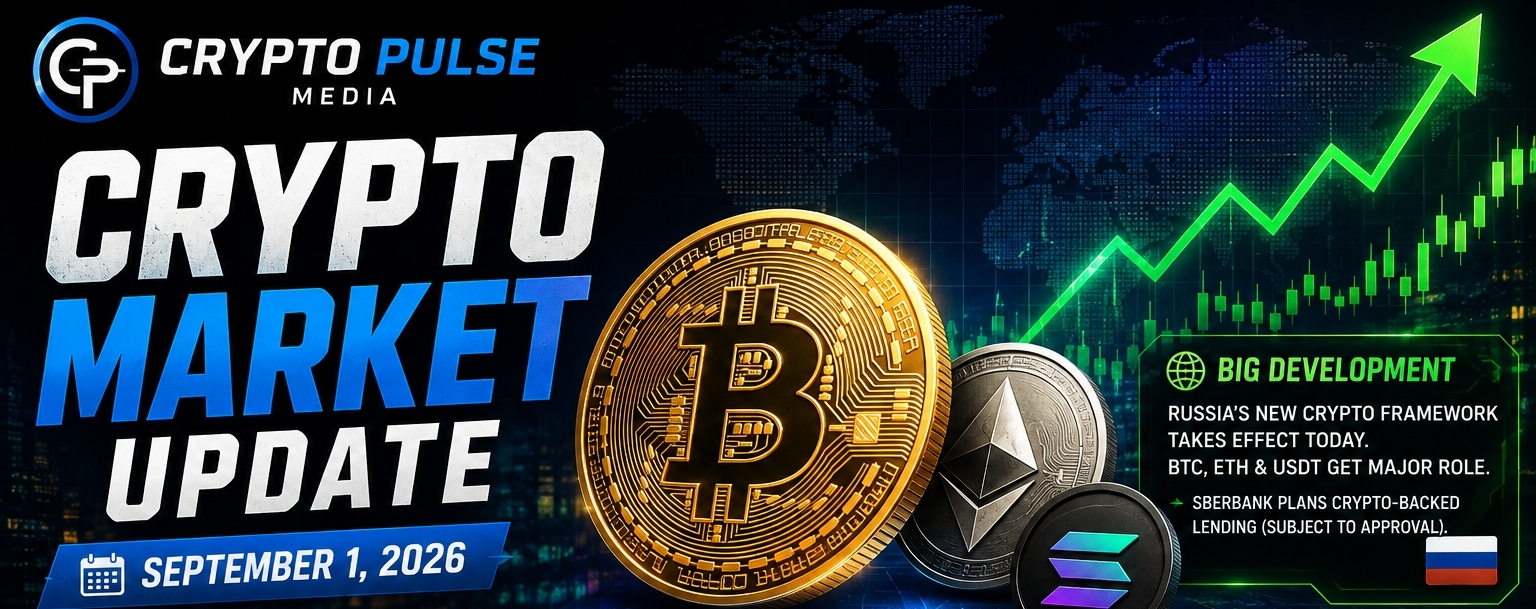
8月の大きな上昇ラリーの後、強い勢いをもって9月を迎えようとしていますが、市場は今📊 市場サマリー:
₿ BTC: 約7.8万〜8.0万ドルのゾーン
◆ ETH: 振り返るように再び強さを見せています
◎ SOL: 大型アルトの中でも依然として強い部類
📈 BTCは8月に約24%上昇
🔥 重要なアップデート:
ロシアの新たな暗号資産(クリプト)規制フレームワークが本日施行され、BTC、ETH、USDTが規制市場で大きな役割を担うことになります。Sberbankも、規制当局の承認を条件に、暗号資産担保型の融資を計画しています。
⚠️ 一方で世界市場では、国債利回りの上昇、原油が1バレル91ドル超、そしてインフレ/追加利上げへの懸念が再燃しています。これにより、暗号資産を含むリスク資産全体でボラティリティ(変動性)が高止まりする可能性があります。
8月の大きな上昇ラリーの後、強い勢いをもって9月を迎えようとしていますが、市場は今
📊 市場サマリー:
₿ BTC: 約7.8万〜8.0万ドルのゾーン
◆ ETH: 振り返るように再び強さを見せています
◎ SOL: 大型アルトの中でも依然として強い部類
📈 BTCは8月に約24%上昇
🔥 重要なアップデート:
ロシアの新たな暗号資産(クリプト)規制フレームワークが本日施行され、BTC、ETH、USDTが規制市場で大きな役割を担うことになります。Sberbankも、規制当局の承認を条件に、暗号資産担保型の融資を計画しています。
⚠️ 一方で世界市場では、国債利回りの上昇、原油が1バレル91ドル超、そしてインフレ/追加利上げへの懸念が再燃しています。これにより、暗号資産を含むリスク資産全体でボラティリティ(変動性)が高止まりする可能性があります。
₿ BTC: 約7.8万〜8.0万ドルのゾーン
◆ ETH: 振り返るように再び強さを見せています
◎ SOL: 大型アルトの中でも依然として強い部類
📈 BTCは8月に約24%上昇
🔥 重要なアップデート:
ロシアの新たな暗号資産(クリプト)規制フレームワークが本日施行され、BTC、ETH、USDTが規制市場で大きな役割を担うことになります。Sberbankも、規制当局の承認を条件に、暗号資産担保型の融資を計画しています。
⚠️ 一方で世界市場では、国債利回りの上昇、原油が1バレル91ドル超、そしてインフレ/追加利上げへの懸念が再燃しています。これにより、暗号資産を含むリスク資産全体でボラティリティ(変動性)が高止まりする可能性があります。
72
記事
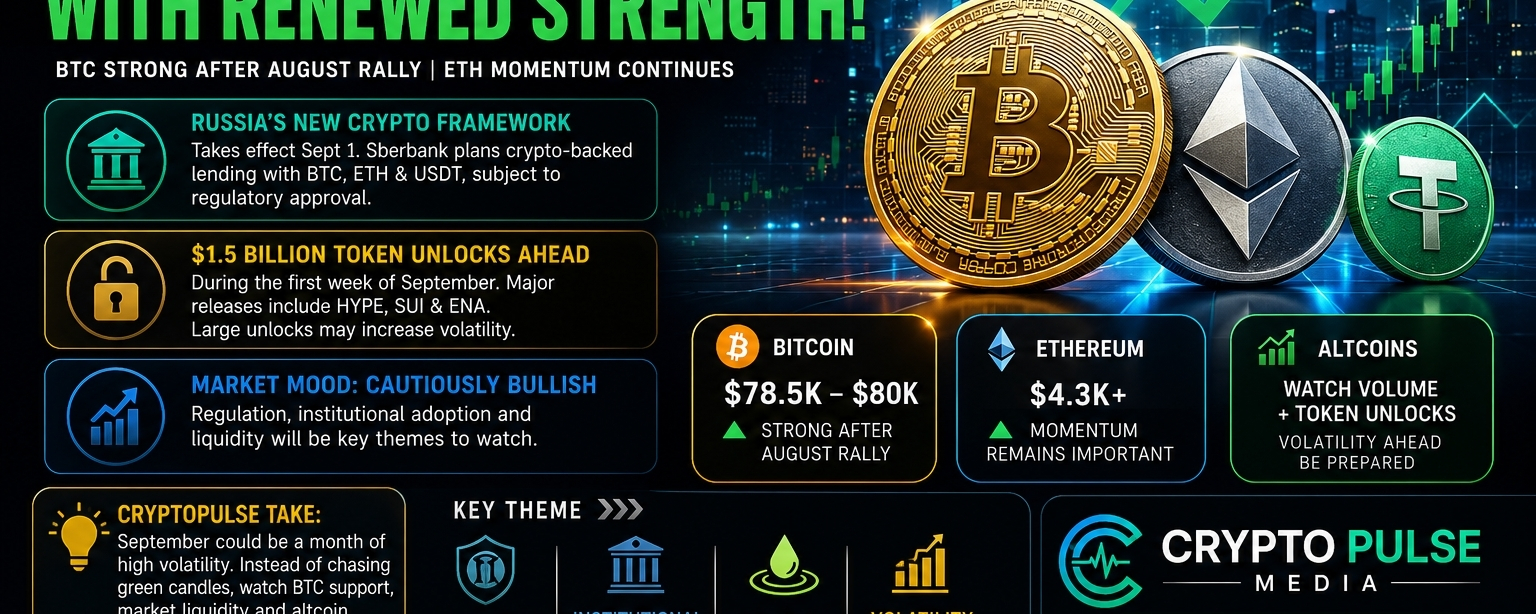
CryptoPulse Media向けに、これを**毎日のオリジナルBinance Squareシリーズ**にしましょう—ベースは### 📊 CryptoPulse Media — デイリー市場アップデート
**2026年9月1日**
ビットコインは強い8月ラリーの勢いを引き継ぎ、9月を新たな勢いとともにスタートさせています。直近の市場データでは、BTCは**約7.85万〜8.0万ドル**で推移しており、イーサリアムもポジティブなモメンタムを示しています。
今日注目すべき大きな動きの1つは、**ロシアの新しい暗号資産(クリプト)規制枠組み**で、9月1日から施行されます。Sberbankは、規制当局の承認を条件に、**BTC、ETH、USDT**を担保にした暗号資産連動融資(クリプト担保融資)を計画しています。
一方で、トレーダーはアルトコイン市場にも注目しておくべきです。9月最初の1週間に**トークンアンロック(解放)約15億ドル**が見込まれており、大きなリリースにはHYPE、SUI、ENAが含まれます。大規模なアンロックは、短期的な売り圧力やボラティリティ(値動きの大きさ)を高める可能性があります。
CryptoPulse Media向けに、これを**毎日のオリジナルBinance Squareシリーズ**にしましょう—ベースは
### 📊 CryptoPulse Media — デイリー市場アップデート
**2026年9月1日**
ビットコインは強い8月ラリーの勢いを引き継ぎ、9月を新たな勢いとともにスタートさせています。直近の市場データでは、BTCは**約7.85万〜8.0万ドル**で推移しており、イーサリアムもポジティブなモメンタムを示しています。
今日注目すべき大きな動きの1つは、**ロシアの新しい暗号資産(クリプト)規制枠組み**で、9月1日から施行されます。Sberbankは、規制当局の承認を条件に、**BTC、ETH、USDT**を担保にした暗号資産連動融資(クリプト担保融資)を計画しています。
一方で、トレーダーはアルトコイン市場にも注目しておくべきです。9月最初の1週間に**トークンアンロック(解放)約15億ドル**が見込まれており、大きなリリースにはHYPE、SUI、ENAが含まれます。大規模なアンロックは、短期的な売り圧力やボラティリティ(値動きの大きさ)を高める可能性があります。
**2026年9月1日**
ビットコインは強い8月ラリーの勢いを引き継ぎ、9月を新たな勢いとともにスタートさせています。直近の市場データでは、BTCは**約7.85万〜8.0万ドル**で推移しており、イーサリアムもポジティブなモメンタムを示しています。
今日注目すべき大きな動きの1つは、**ロシアの新しい暗号資産(クリプト)規制枠組み**で、9月1日から施行されます。Sberbankは、規制当局の承認を条件に、**BTC、ETH、USDT**を担保にした暗号資産連動融資(クリプト担保融資)を計画しています。
一方で、トレーダーはアルトコイン市場にも注目しておくべきです。9月最初の1週間に**トークンアンロック(解放)約15億ドル**が見込まれており、大きなリリースにはHYPE、SUI、ENAが含まれます。大規模なアンロックは、短期的な売り圧力やボラティリティ(値動きの大きさ)を高める可能性があります。
97

記事
XRPLのコンセンサス、主要ノードの12%を削除しただけでフリーズ—しかし簡単な調整でXRPが3倍に参加率60%のとき、ランダムに選んだ2つのリンクによって、シミュレーション上のクォーラム失敗の閾値が11%から38%、12%から33%に引き上がりました。
新しいXRPレジャーの調査では、参加しているノードごとにピア接続を2〜3本追加すると、モデル化されたコンセンサスを妨害するために標的型攻撃が取り除かなければならないノード数を大幅に増やせると述べています。
XRPLのコンセンサスは、十分に信頼されたバリデータが互いのメッセージを受け取ることに依存しています。別のピアツーピア・ネットワークがそれらのメッセージをサーバー間で運ぶため、攻撃によってネットワークの最も混雑したハブが取り除かれても、追加の経路によってバリデータのトラフィックを動かし続けられる可能性があります。
XRPLのコンセンサス、主要ノードの12%を削除しただけでフリーズ—しかし簡単な調整でXRPが3倍に
参加率60%のとき、ランダムに選んだ2つのリンクによって、シミュレーション上のクォーラム失敗の閾値が11%から38%、12%から33%に引き上がりました。
新しいXRPレジャーの調査では、参加しているノードごとにピア接続を2〜3本追加すると、モデル化されたコンセンサスを妨害するために標的型攻撃が取り除かなければならないノード数を大幅に増やせると述べています。
XRPLのコンセンサスは、十分に信頼されたバリデータが互いのメッセージを受け取ることに依存しています。別のピアツーピア・ネットワークがそれらのメッセージをサーバー間で運ぶため、攻撃によってネットワークの最も混雑したハブが取り除かれても、追加の経路によってバリデータのトラフィックを動かし続けられる可能性があります。
新しいXRPレジャーの調査では、参加しているノードごとにピア接続を2〜3本追加すると、モデル化されたコンセンサスを妨害するために標的型攻撃が取り除かなければならないノード数を大幅に増やせると述べています。
XRPLのコンセンサスは、十分に信頼されたバリデータが互いのメッセージを受け取ることに依存しています。別のピアツーピア・ネットワークがそれらのメッセージをサーバー間で運ぶため、攻撃によってネットワークの最も混雑したハブが取り除かれても、追加の経路によってバリデータのトラフィックを動かし続けられる可能性があります。
95
記事
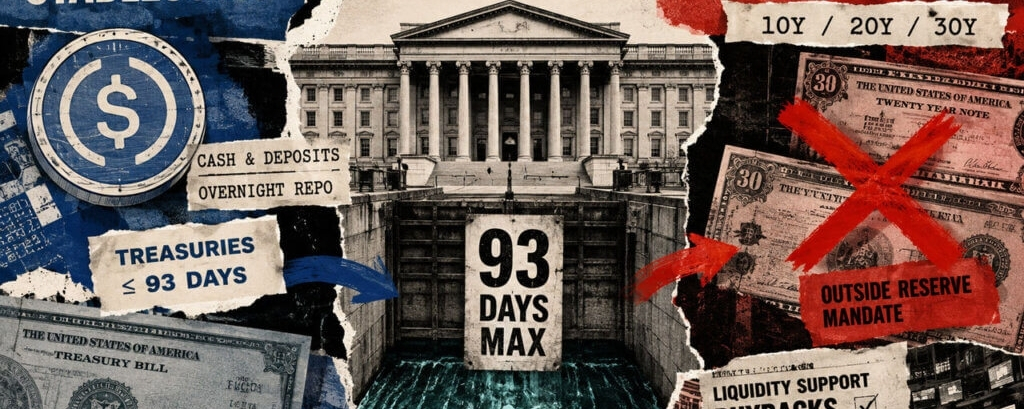
米国財務省は短期債の資金調達にステーブルコインを頼っているが、それでは280億ドルの長期債問題は解決できないGENIUSの準備枠は93日で止まる一方、財務省は10年から30年の債務にわたって流動性買い戻しを拡大する。
テーブルコイン需要は米国の政府債市場で無視できない存在感を増しつつあるが、その需要の満期が、見出し上の総量よりも重要だ。
ワシントンでは、いま2つの債券市場向けのストーリーが同時に進行している。許可された支払いステーブルコインの連邦枠組みは、資金を現金同等のインストゥルメントや国債へ振り向けるが、残存期間は93日以内に限られる。利回り曲線のより先の方では、財務省が8月19日に、9月9日から、10年から20年および20年から30年の名目セクターにおける流動性支援の買い戻しの最大規模を少なくとも2倍にすると述べた。
米国財務省は短期債の資金調達にステーブルコインを頼っているが、それでは280億ドルの長期債問題は解決できない
GENIUSの準備枠は93日で止まる一方、財務省は10年から30年の債務にわたって流動性買い戻しを拡大する。
テーブルコイン需要は米国の政府債市場で無視できない存在感を増しつつあるが、その需要の満期が、見出し上の総量よりも重要だ。
ワシントンでは、いま2つの債券市場向けのストーリーが同時に進行している。許可された支払いステーブルコインの連邦枠組みは、資金を現金同等のインストゥルメントや国債へ振り向けるが、残存期間は93日以内に限られる。利回り曲線のより先の方では、財務省が8月19日に、9月9日から、10年から20年および20年から30年の名目セクターにおける流動性支援の買い戻しの最大規模を少なくとも2倍にすると述べた。
テーブルコイン需要は米国の政府債市場で無視できない存在感を増しつつあるが、その需要の満期が、見出し上の総量よりも重要だ。
ワシントンでは、いま2つの債券市場向けのストーリーが同時に進行している。許可された支払いステーブルコインの連邦枠組みは、資金を現金同等のインストゥルメントや国債へ振り向けるが、残存期間は93日以内に限られる。利回り曲線のより先の方では、財務省が8月19日に、9月9日から、10年から20年および20年から30年の名目セクターにおける流動性支援の買い戻しの最大規模を少なくとも2倍にすると述べた。
7
記事
ニュース
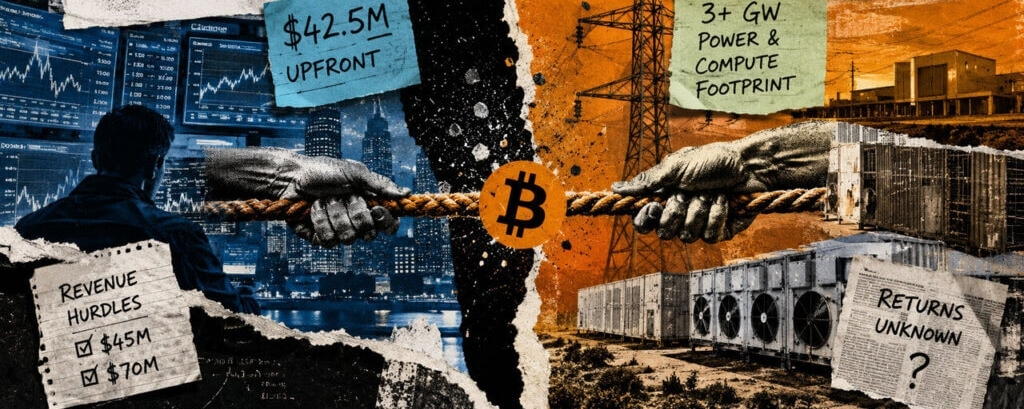
BitGoとNYDIGはビットコインをめぐって綱引きの両端に位置し、収益実現のハードルの違いを対比している、というBitGoのNYDIG案件は、NYDIGが主張する「3GW超」の電力・計算基盤のフットプリントに対して、約4,250万ドルを前払いで拠出する。双方における収益性は、いまだ証明されていない。
BitGoのNYDIG案件は、機関投資家向けのトレーディング事業を、デジタル・アセットのカストディ(保管)およびトレーディング基盤を提供する企業へ移管する。一方でNYDIGは、リソースを電力、ビットコイン・マイニング、そして高性能コンピューティングのデータセンターに集中させているとしている。
BitGoが開示したクロージング条件では、考慮対象(対価)として約4,250万ドルを前払いで支払う。BitGoは、カストディおよび決済プラットフォームの周辺に、機関投資家向けチーム、顧客関係、そして金融商品を追加する。NYDIGは、企業が説明する「3GW超」の電力・計算フットプリントを持つことを前提に注意を向けている。
ニュース BitGoとNYDIGはビットコインをめぐって綱引きの両端に位置し、収益実現のハードルの違いを対比している、という
BitGoのNYDIG案件は、NYDIGが主張する「3GW超」の電力・計算基盤のフットプリントに対して、約4,250万ドルを前払いで拠出する。双方における収益性は、いまだ証明されていない。
BitGoのNYDIG案件は、機関投資家向けのトレーディング事業を、デジタル・アセットのカストディ(保管)およびトレーディング基盤を提供する企業へ移管する。一方でNYDIGは、リソースを電力、ビットコイン・マイニング、そして高性能コンピューティングのデータセンターに集中させているとしている。
BitGoが開示したクロージング条件では、考慮対象(対価)として約4,250万ドルを前払いで支払う。BitGoは、カストディおよび決済プラットフォームの周辺に、機関投資家向けチーム、顧客関係、そして金融商品を追加する。NYDIGは、企業が説明する「3GW超」の電力・計算フットプリントを持つことを前提に注意を向けている。
BitGoのNYDIG案件は、機関投資家向けのトレーディング事業を、デジタル・アセットのカストディ(保管)およびトレーディング基盤を提供する企業へ移管する。一方でNYDIGは、リソースを電力、ビットコイン・マイニング、そして高性能コンピューティングのデータセンターに集中させているとしている。
BitGoが開示したクロージング条件では、考慮対象(対価)として約4,250万ドルを前払いで支払う。BitGoは、カストディおよび決済プラットフォームの周辺に、機関投資家向けチーム、顧客関係、そして金融商品を追加する。NYDIGは、企業が説明する「3GW超」の電力・計算フットプリントを持つことを前提に注意を向けている。
55
ログインして、さらにコンテンツを読む
厳選トピックで世界の暗号資産トレーダーの仲間入り
⚡️ 暗号資産に関する最新かつ有益な情報が見つかります。
💬 世界最大の暗号資産取引所から信頼されています。
👍 認証を受けたクリエイターから、有益なインサイトを得られます。
メール / 電話番号