

ACryptoPulse Daily
45 投稿
ACryptoPulse Daily
報告
ユーザーをブロック
📊 Crypto Market Insights Bitcoin & Altcoin Updates 🌐 Blockchain | Web3 | Crypto Education 📈 Research • Analysis • Market Trends 🔐 Security Awareness |
2 フォロー
1 フォロワー
11 いいね
投稿
翻訳参照
🌐 What Is Web3, and Why Is Everyone Talking About It?
Web3 is a broad vision for internet applications that use technologies such as blockchains, digital wallets, and smart contracts.
Potential benefits include: 🔹 New ways to interact with digital assets 🔹 Decentralized applications 🔹 Community participation in some projects
But decentralization does not automatically mean safety, fairness, or success. Users must still evaluate technology, governance, costs, and risks.
The future of the internet is still developing.
💬 Which Web3 application interests you most?
#Web3 #Blockchain #CryptoEducation #Decentralization #Technology
1
4
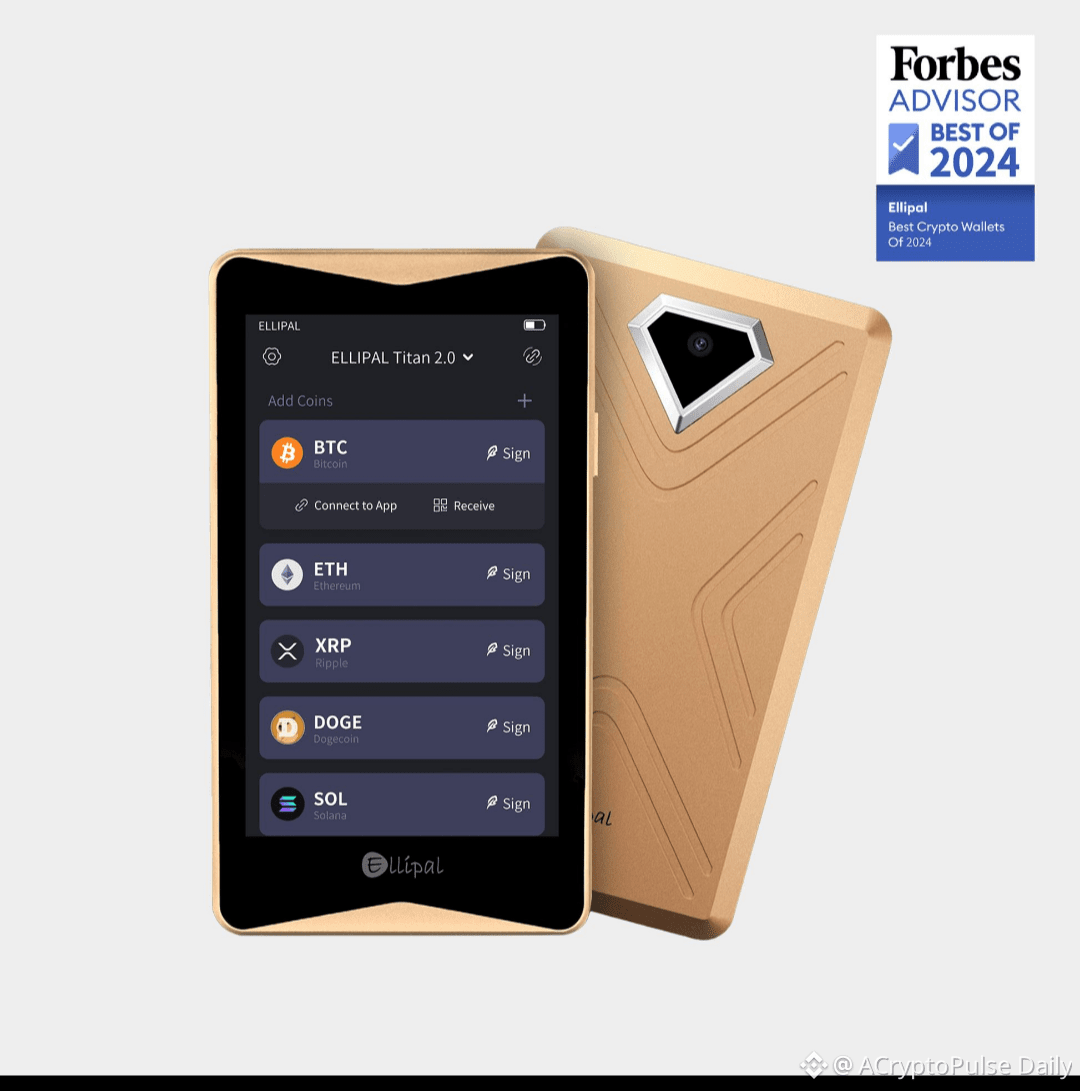
🔐 暗号資産ウォレットを安全に使うための4つの習慣
ウォレットのセキュリティには、十分な注意が必要です。
1️⃣ シードフレーズはオフラインで保管し、他人に教えない。 2️⃣ 利用できるアカウントのセキュリティ機能を有効にする。 3️⃣ 送金前にウォレットアドレスを必ず確認する。 4️⃣ 慣れない送金手順は慎重に試し、ネットワーク手数料を理解する。
ウォレットアプリを使っても、間違った送金が魔法のように取り消されるわけではありません。ブロックチェーン上の取引は取り消せない場合があります。
サポート担当者を名乗っていても、シードフレーズを教えるよう求める人を決して信用しないでください。
#暗号資産ウォレット #暗号資産セキュリティ #ブロックチェーン #ビットコイン #DYOR
1
247
翻訳参照
🧱 Blockchain Explained in Simple Words
Imagine a shared digital record that many computers maintain together.
A blockchain stores transactions in linked blocks. Depending on the network, participants can verify records without relying on a single central database administrator.
Why is this useful? ✅ Shared transaction history ✅ Verifiable records ✅ Potential applications beyond cryptocurrency
However, blockchain systems can still have bugs, scams, and security risks.
Technology is powerful when we understand both its benefits and limitations.
#Blockchain #CryptoEducation #Web3 #Technology #BinanceSquare
1
45
翻訳参照
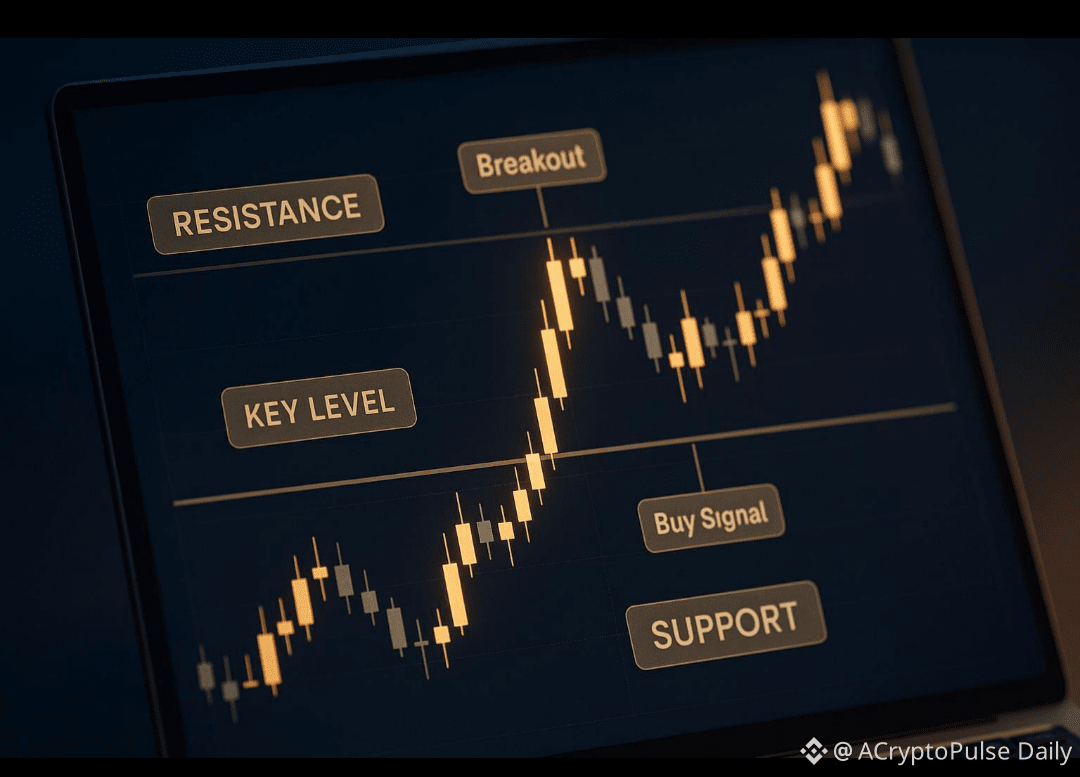
📊 3 Things to Check Before Analyzing a Crypto Chart
A chart tells a story, but it never tells the whole story.
🔹 Trend: Is the market moving upward, downward, or sideways? 🔹 Volume: Is trading activity increasing or decreasing? 🔹 Support and resistance: Where have price reactions occurred previously?
Always consider the timeframe, volatility, and broader market conditions.
Technical analysis is not a guarantee of future results. Manage risk and avoid emotional decisions.
Which topic should I explain next: RSI, MACD, or support and resistance?
#CryptoAnalysis #TechnicalAnalysis #Bitcoin #MarketInsights #DYOR
1
69
翻訳参照
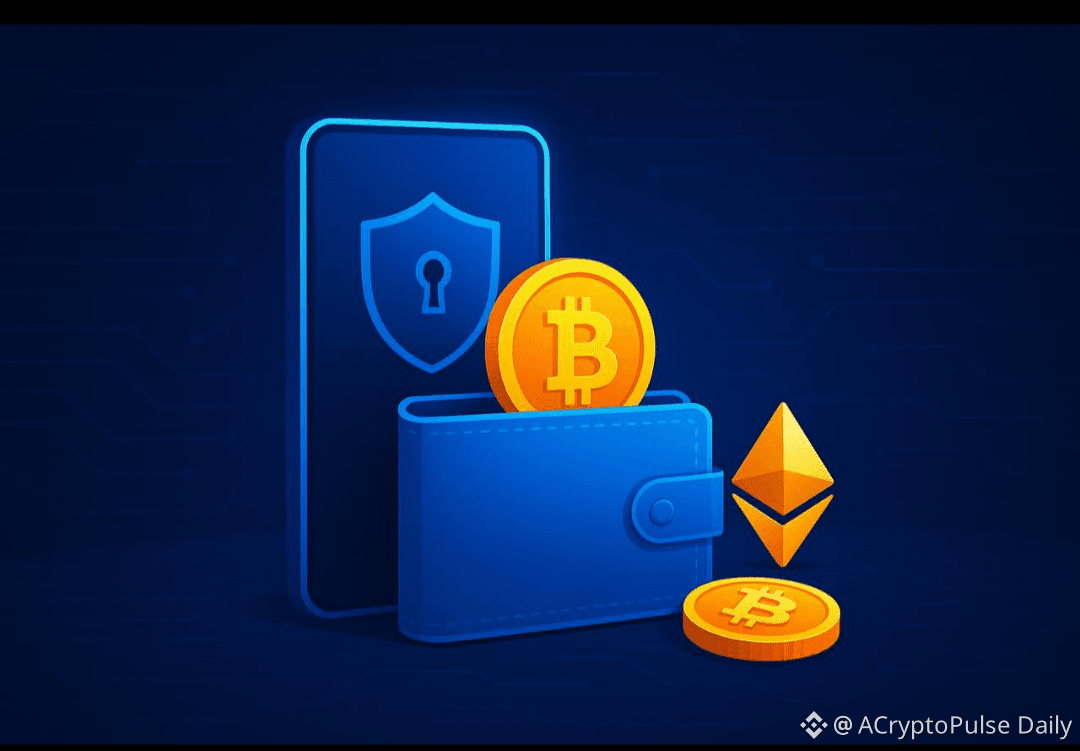
🔐 5 Crypto Scams Everyone Should Recognize
Protect yourself by learning these warning signs:
1️⃣ Guaranteed-profit promises. 2️⃣ Fake giveaways asking for crypto first. 3️⃣ Phishing links that imitate trusted websites. 4️⃣ Impersonators sending urgent private messages. 5️⃣ Requests for passwords, OTPs, or seed phrases.
Never share your wallet recovery phrase. Verify website addresses and use official channels.
Security begins with awareness.
📌 Save this post as a reminder.
#CryptoSecurity #ScamAlert #Bitcoin #DYOR #BinanceSquare
1
9
翻訳参照
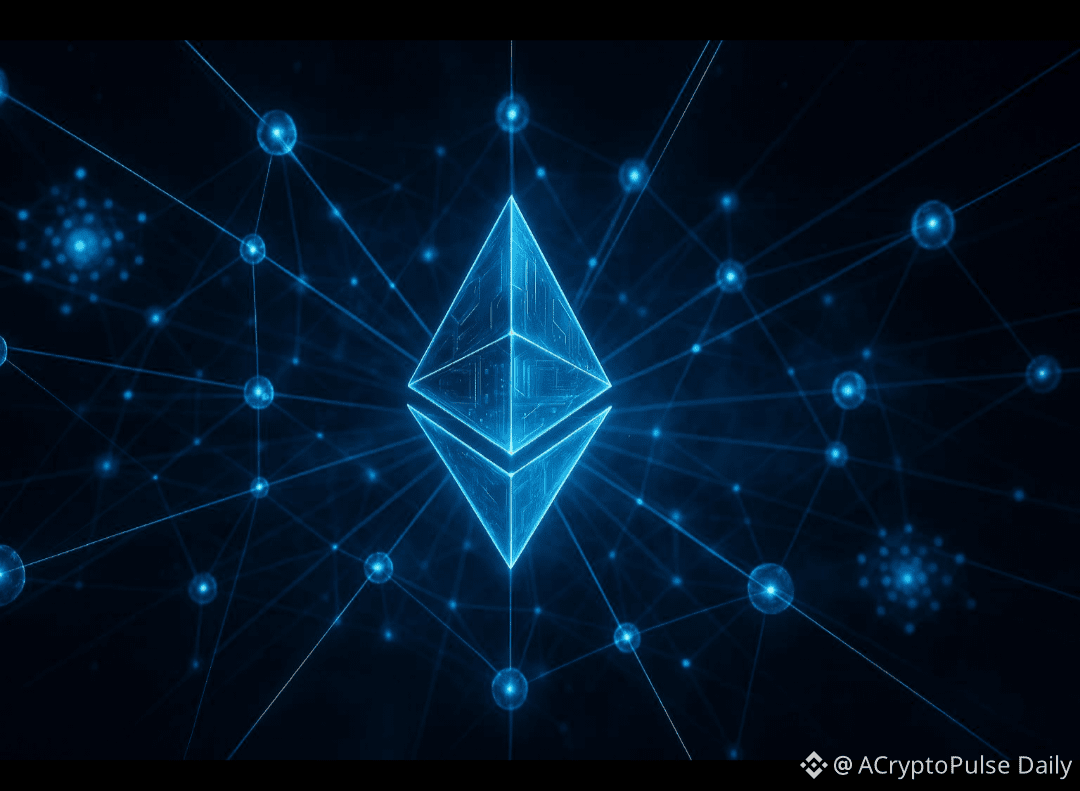
🌐 Ethereum: More Than a Cryptocurrency
Ethereum is a blockchain platform that supports smart contracts and decentralized applications.
Why does it matter?
🔹 Developers can build decentralized apps. 🔹 Smart contracts can execute programmed rules. 🔹 ETH is used for network fees and other functions within the ecosystem. 🔹 Ethereum supports a broad ecosystem of Web3 projects.
Technology creates opportunities, but every project carries risks.
What Ethereum use case do you find most interesting?
#Ethereum #ETH #Blockchain #Web3 #CryptoEducation
1
63
翻訳参照
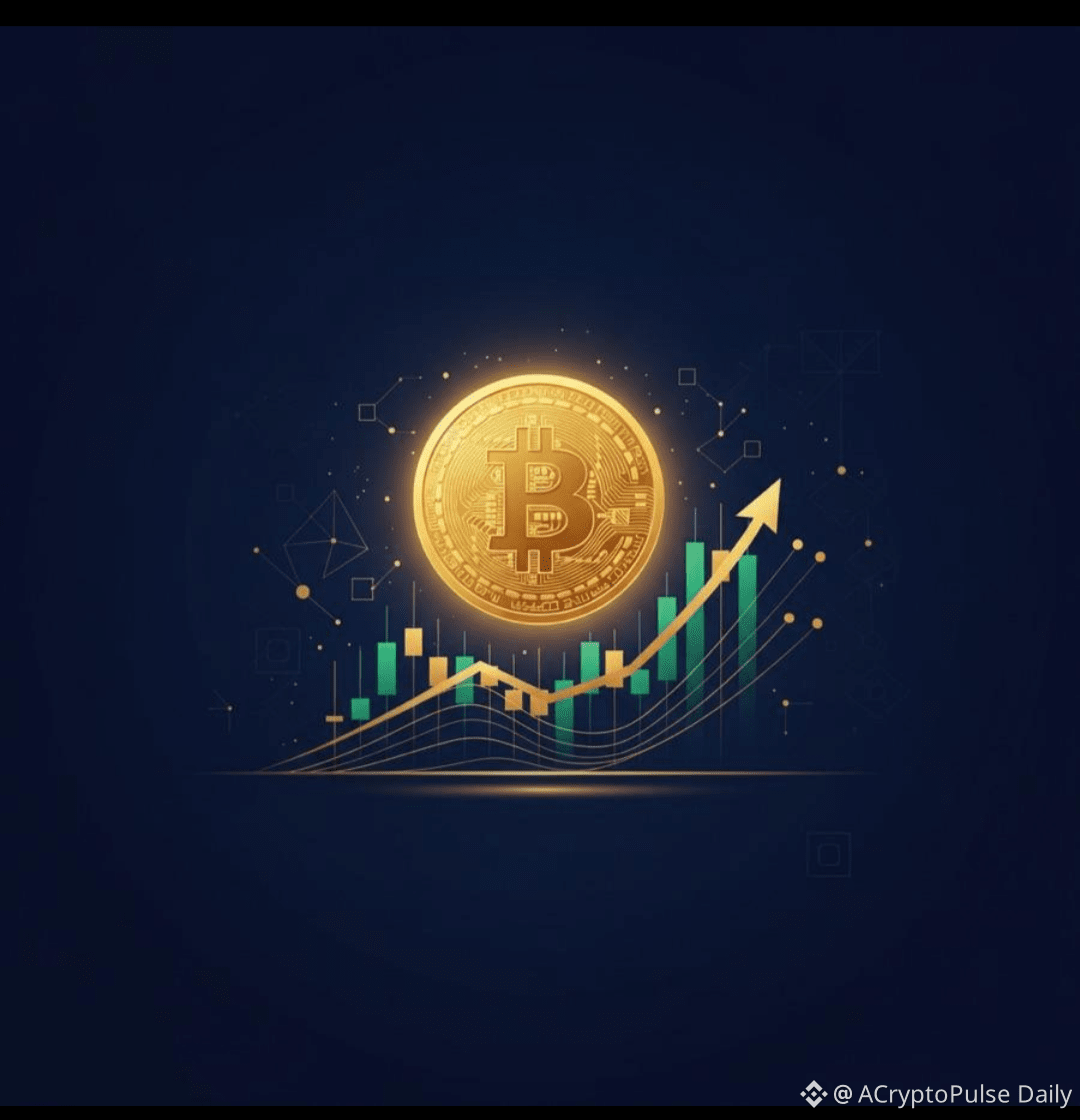
₿ Bitcoin 101: What Makes It Different?
Bitcoin is a decentralized digital currency that operates on a peer-to-peer network.
Here are three important concepts: 1️⃣ Fixed maximum supply of 21 million BTC. 2️⃣ Transactions are recorded on a public blockchain. 3️⃣ Its market price can fluctuate significantly.
Remember: limited supply does not guarantee price increases. Market demand, liquidity, regulation, and many other factors matter.
💬 When did you first learn about Bitcoin?
#Bitcoin #BTC #CryptoEducation #Blockchain #BinanceSquare
1
61
翻訳参照
🚀 Introducing CryptoPulse Daily | Your Crypto Information Hub
Welcome to CryptoPulse Daily! 🌐
I'm excited to begin this journey into the world of cryptocurrency, blockchain, and Web3.
📊 What can you expect here?
₿ Bitcoin & Altcoin Updates 📈 Crypto Market Insights 🌐 Blockchain & Web3 Education 🔐 Crypto Security & Scam Awareness 📰 Important Crypto News & Developments
My mission is to share informative, research-based content that helps people better understand the crypto ecosystem.
This page is about learning, exploring new technologies, and staying informed — not promising profits or guaranteed returns.
💬 Let's start the conversation!
Which topic would you like to see first? 1️⃣ Bitcoin 2️⃣ Altcoins 3️⃣ Blockchain 4️⃣ Web3
Share your thoughts in the comments, and follow CryptoPulse Daily for more crypto insights!
Learn. Analyze. Grow. 💛
#CryptoPulseDaily #BinanceSquare #CryptoEducation #Bitcoin #Blockchain #Web3 #CryptoNews
#EarningsSeason
1
2
ログインして、さらにコンテンツを読む
厳選トピックで世界の暗号資産トレーダーの仲間入り
⚡️ 暗号資産に関する最新かつ有益な情報が見つかります。
💬 世界最大の暗号資産取引所から信頼されています。
👍 認証を受けたクリエイターから、有益なインサイトを得られます。
メール / 電話番号
トレンドトピック
FedWatch
閲覧回数 16.3M
39,396人が討論中
🚨 🇺🇸 ピーター・シフがFRBに重大な警告を発した!
ピーター・シフは、インフレに対するケビン・ウォーシュの強硬姿勢を「はったり」だとし、その予測が市場に大きな影響を及ぼす可能性があると述べています。
シフは、インフレが上昇し続けているにもかかわらず、FRBはいずれ量的緩和(QE)による通貨供給の拡大を再開し、来年には利下げに踏み切る可能性さえあると考えています。
少し考えてみてください。
🔥 インフレは問題であり続けるかもしれません。 🔥 FRBはそれでも金融緩和へと動く可能性があります。 🔥 金融市場にさらに多くの資金が流れ込むかもしれません。
このシナリオが現実になれば、株式、金、ビットコイン、そして暗号資産市場全体を取り巻く環境は、大きく変わる可能性があります。
ただし、注意点があります。インフレが高止まりすれば、FRBは物価上昇を抑えることと経済を支えることの間で、難しい選択を迫られる可能性があります。
ウォーシュはインフレ抑制の強硬姿勢を貫くのでしょうか。それとも、FRBはいずれ方針を転換するのでしょうか。
次の一手は、投資家にとって大きな意味を持つかもしれません。
#FedWatch #EarningsSeason #USMidtermElections #BrazilCryptoExchangesMustApplyForLicensesByFriday #StanDruckenmillerBecomesInvestorInTradeXYZ
Jackson Liam
·いいね:4件
·閲覧回数 8.4k
EarningsSeason
閲覧回数 6.4M
32,095人が討論中
USMidtermElections
閲覧回数 42,628
619人が討論中