
Crypto Pulse3
8 投稿

Crypto Pulse3
報告
ユーザーをブロック
取引を発注
4日
0 フォロー
0 フォロワー
0 いいね
投稿
ポートフォリオ
翻訳参照
Title: The Coin That Wants to Connect Ethereum to the Real World
What if Ethereum could access real-world information without trusting a single company?
That’s the idea behind Chainlink.
Chainlink is a decentralized oracle network designed to bring external data into blockchain applications.
Why does that matter?
Smart contracts can operate on blockchain data, but they can’t naturally know things happening outside the blockchain—such as asset prices, weather data, or other real-world information.
Chainlink helps bridge that gap.
Its LINK token is used within the Chainlink ecosystem, including payments for oracle services.
This technology is especially important for decentralized finance, where accurate external data can be critical.
But Chainlink also faces competition, technical challenges, and the broader risks of the crypto industry.
So the interesting question isn’t simply, “Will LINK go up?”
It’s this:
Can decentralized oracles become essential infrastructure for the next generation of blockchain applications?
That’s the part worth watching.
This is CryptoPulse — Less hype. More research. Better understanding. #Chainlink #LINK #Crypto #Cryptocurrency #Blockchain #DeFi #w eb3 #Altcoins #CryptoNews #CryptoPulse
Title: The Coin That Wants to Connect Ethereum to the Real World
What if Ethereum could access real-world information without trusting a single company?
That’s the idea behind Chainlink.
Chainlink is a decentralized oracle network designed to bring external data into blockchain applications.
Why does that matter?
Smart contracts can operate on blockchain data, but they can’t naturally know things happening outside the blockchain—such as asset prices, weather data, or other real-world information.
Chainlink helps bridge that gap.
Its LINK token is used within the Chainlink ecosystem, including payments for oracle services.
This technology is especially important for decentralized finance, where accurate external data can be critical.
But Chainlink also faces competition, technical challenges, and the broader risks of the crypto industry.
So the interesting question isn’t simply, “Will LINK go up?”
It’s this:
Can decentralized oracles become essential infrastructure for the next generation of blockchain applications?
That’s the part worth watching.
This is CryptoPulse — Less hype. More research. Better understanding. #Chainlink #LINK #Crypto #Cryptocurrency #Blockchain #DeFi #w eb3 #Altcoins #CryptoNews #CryptoPulse
What if Ethereum could access real-world information without trusting a single company?
That’s the idea behind Chainlink.
Chainlink is a decentralized oracle network designed to bring external data into blockchain applications.
Why does that matter?
Smart contracts can operate on blockchain data, but they can’t naturally know things happening outside the blockchain—such as asset prices, weather data, or other real-world information.
Chainlink helps bridge that gap.
Its LINK token is used within the Chainlink ecosystem, including payments for oracle services.
This technology is especially important for decentralized finance, where accurate external data can be critical.
But Chainlink also faces competition, technical challenges, and the broader risks of the crypto industry.
So the interesting question isn’t simply, “Will LINK go up?”
It’s this:
Can decentralized oracles become essential infrastructure for the next generation of blockchain applications?
That’s the part worth watching.
This is CryptoPulse — Less hype. More research. Better understanding. #Chainlink #LINK #Crypto #Cryptocurrency #Blockchain #DeFi #w eb3 #Altcoins #CryptoNews #CryptoPulse
88
翻訳参照
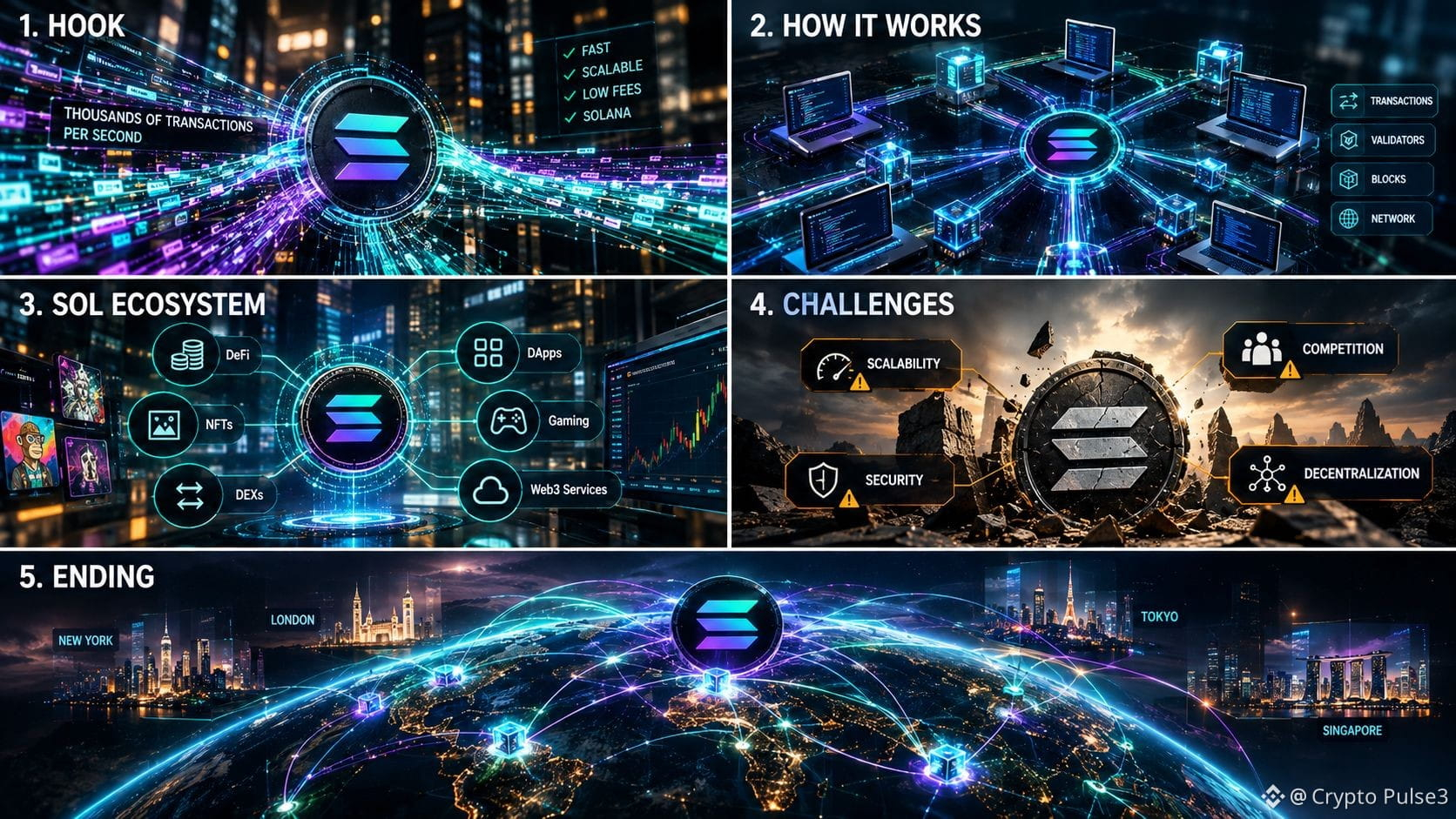
#CPIWatch Why Is Solana So Fast?
Why can Solana process so many transactions without working exactly like Bitcoin?
Solana is a blockchain designed with speed and scalability in mind.
Unlike traditional systems that can become slower as activity increases, Solana uses a combination of technologies to process transactions efficiently.
Its native cryptocurrency, SOL, is used for transaction fees and plays an important role in the network’s ecosystem.
Solana has become especially known for decentralized applications, trading platforms, NFTs, and other blockchain-based projects.
But speed also comes with challenges.
Like other blockchain networks, Solana faces competition, technical risks, and questions around decentralization and long-term scalability.
So the interesting part about Solana isn’t simply its price.
It’s the technology behind the network—and whether that technology can continue supporting a growing ecosystem.
This is CryptoPulse — Less hype. More research. Better understanding.
#CPIWatch Why Is Solana So Fast?
Why can Solana process so many transactions without working exactly like Bitcoin?
Solana is a blockchain designed with speed and scalability in mind.
Unlike traditional systems that can become slower as activity increases, Solana uses a combination of technologies to process transactions efficiently.
Its native cryptocurrency, SOL, is used for transaction fees and plays an important role in the network’s ecosystem.
Solana has become especially known for decentralized applications, trading platforms, NFTs, and other blockchain-based projects.
But speed also comes with challenges.
Like other blockchain networks, Solana faces competition, technical risks, and questions around decentralization and long-term scalability.
So the interesting part about Solana isn’t simply its price.
It’s the technology behind the network—and whether that technology can continue supporting a growing ecosystem.
This is CryptoPulse — Less hype. More research. Better understanding.
Why can Solana process so many transactions without working exactly like Bitcoin?
Solana is a blockchain designed with speed and scalability in mind.
Unlike traditional systems that can become slower as activity increases, Solana uses a combination of technologies to process transactions efficiently.
Its native cryptocurrency, SOL, is used for transaction fees and plays an important role in the network’s ecosystem.
Solana has become especially known for decentralized applications, trading platforms, NFTs, and other blockchain-based projects.
But speed also comes with challenges.
Like other blockchain networks, Solana faces competition, technical risks, and questions around decentralization and long-term scalability.
So the interesting part about Solana isn’t simply its price.
It’s the technology behind the network—and whether that technology can continue supporting a growing ecosystem.
This is CryptoPulse — Less hype. More research. Better understanding.

75
ソラナはなぜそんなに速いの?
なぜソラナは、ビットコインとまったく同じ仕組みではないのに、これほど多くの取引を処理できるのでしょうか?
ソラナは、スピードとスケーラビリティを重視して設計されたブロックチェーンです。
活動が増えると遅くなってしまう可能性のある従来のシステムとは異なり、ソラナは取引を効率的に処理するための技術の組み合わせを使っています。
ネイティブ暗号資産であるSOLは、取引手数料に使用され、ネットワークのエコシステムにおいて重要な役割を果たしています。
ソラナは特に、分散型アプリケーション、取引プラットフォーム、NFT、そしてその他のブロックチェーンベースのプロジェクトで知られるようになりました。
しかし、高速化には課題も伴います。
他のブロックチェーンネットワークと同様に、ソラナも競争、技術的リスク、そして分散化や長期的なスケーラビリティに関する疑問に直面しています。
つまり、ソラナの面白さは単に価格のことではありません。
ネットワークを支える技術であり、その技術が成長するエコシステムをこれからも支え続けられるかどうかです。
これがCryptoPulse——誇大宣伝は少なめ。より多くのリサーチを。より良い理解を。#USAugustPPIRisesLessThanExpected
ソラナはなぜそんなに速いの?
なぜソラナは、ビットコインとまったく同じ仕組みではないのに、これほど多くの取引を処理できるのでしょうか?
ソラナは、スピードとスケーラビリティを重視して設計されたブロックチェーンです。
活動が増えると遅くなってしまう可能性のある従来のシステムとは異なり、ソラナは取引を効率的に処理するための技術の組み合わせを使っています。
ネイティブ暗号資産であるSOLは、取引手数料に使用され、ネットワークのエコシステムにおいて重要な役割を果たしています。
ソラナは特に、分散型アプリケーション、取引プラットフォーム、NFT、そしてその他のブロックチェーンベースのプロジェクトで知られるようになりました。
しかし、高速化には課題も伴います。
他のブロックチェーンネットワークと同様に、ソラナも競争、技術的リスク、そして分散化や長期的なスケーラビリティに関する疑問に直面しています。
つまり、ソラナの面白さは単に価格のことではありません。
ネットワークを支える技術であり、その技術が成長するエコシステムをこれからも支え続けられるかどうかです。
これがCryptoPulse——誇大宣伝は少なめ。より多くのリサーチを。より良い理解を。#USAugustPPIRisesLessThanExpected
なぜソラナは、ビットコインとまったく同じ仕組みではないのに、これほど多くの取引を処理できるのでしょうか?
ソラナは、スピードとスケーラビリティを重視して設計されたブロックチェーンです。
活動が増えると遅くなってしまう可能性のある従来のシステムとは異なり、ソラナは取引を効率的に処理するための技術の組み合わせを使っています。
ネイティブ暗号資産であるSOLは、取引手数料に使用され、ネットワークのエコシステムにおいて重要な役割を果たしています。
ソラナは特に、分散型アプリケーション、取引プラットフォーム、NFT、そしてその他のブロックチェーンベースのプロジェクトで知られるようになりました。
しかし、高速化には課題も伴います。
他のブロックチェーンネットワークと同様に、ソラナも競争、技術的リスク、そして分散化や長期的なスケーラビリティに関する疑問に直面しています。
つまり、ソラナの面白さは単に価格のことではありません。
ネットワークを支える技術であり、その技術が成長するエコシステムをこれからも支え続けられるかどうかです。
これがCryptoPulse——誇大宣伝は少なめ。より多くのリサーチを。より良い理解を。#USAugustPPIRisesLessThanExpected
58
株式市場には記憶がある——しかし、あなたが思うような形ではない
もし、株の最大の値動きが今日のニュースとは無関係だったら?
意外なポイントはここです:
市場はしばしば、投資家が「今日」と「昨日自分たちが予想していたこと」を絶えず比較することで動きます。
企業が予想を上回ると、投資家はより前向きになることがあります。
結果が期待外れだと、たとえ利益を出している企業でも株価が下がる可能性があります。
しかし、もう一つ層があります。歴史です。
繰り返し強い結果を出せる企業は、投資家の信頼を築けます。逆に、繰り返し失望させる企業は、その信頼を失いかねません。
ここで強力なものが生まれます——期待が株の物語の一部になるのです。
だからこそ、2つの企業が似たようなニュースを出しても……株の反応はまったく別になることがあります。
数字が重要。
予想が重要。
そして、その予想を支える心理もまた重要です。
だから株価チャートを見るときは、ただ「今日は何が起きた?」とだけ問わないでください。
こう聞いてみましょう:
「それが起こる前、市場は何を期待していたのか?」
その問いが、株価の理解の仕方を変えるかもしれません。
これがCryptoPulse——誇大宣伝よりもリサーチを。より良い理解を。
株を分析するとき、あなたにとってより重要なのは数字ですか?それとも投資家の期待ですか? #StockMarketPsychology #Stocks #Finance #CryptoPulse
株式市場には記憶がある——しかし、あなたが思うような形ではない
もし、株の最大の値動きが今日のニュースとは無関係だったら?
意外なポイントはここです:
市場はしばしば、投資家が「今日」と「昨日自分たちが予想していたこと」を絶えず比較することで動きます。
企業が予想を上回ると、投資家はより前向きになることがあります。
結果が期待外れだと、たとえ利益を出している企業でも株価が下がる可能性があります。
しかし、もう一つ層があります。歴史です。
繰り返し強い結果を出せる企業は、投資家の信頼を築けます。逆に、繰り返し失望させる企業は、その信頼を失いかねません。
ここで強力なものが生まれます——期待が株の物語の一部になるのです。
だからこそ、2つの企業が似たようなニュースを出しても……株の反応はまったく別になることがあります。
数字が重要。
予想が重要。
そして、その予想を支える心理もまた重要です。
だから株価チャートを見るときは、ただ「今日は何が起きた?」とだけ問わないでください。
こう聞いてみましょう:
「それが起こる前、市場は何を期待していたのか?」
その問いが、株価の理解の仕方を変えるかもしれません。
これがCryptoPulse——誇大宣伝よりもリサーチを。より良い理解を。
株を分析するとき、あなたにとってより重要なのは数字ですか?それとも投資家の期待ですか? #StockMarketPsychology #Stocks #Finance #CryptoPulse
もし、株の最大の値動きが今日のニュースとは無関係だったら?
意外なポイントはここです:
市場はしばしば、投資家が「今日」と「昨日自分たちが予想していたこと」を絶えず比較することで動きます。
企業が予想を上回ると、投資家はより前向きになることがあります。
結果が期待外れだと、たとえ利益を出している企業でも株価が下がる可能性があります。
しかし、もう一つ層があります。歴史です。
繰り返し強い結果を出せる企業は、投資家の信頼を築けます。逆に、繰り返し失望させる企業は、その信頼を失いかねません。
ここで強力なものが生まれます——期待が株の物語の一部になるのです。
だからこそ、2つの企業が似たようなニュースを出しても……株の反応はまったく別になることがあります。
数字が重要。
予想が重要。
そして、その予想を支える心理もまた重要です。
だから株価チャートを見るときは、ただ「今日は何が起きた?」とだけ問わないでください。
こう聞いてみましょう:
「それが起こる前、市場は何を期待していたのか?」
その問いが、株価の理解の仕方を変えるかもしれません。
これがCryptoPulse——誇大宣伝よりもリサーチを。より良い理解を。
株を分析するとき、あなたにとってより重要なのは数字ですか?それとも投資家の期待ですか? #StockMarketPsychology #Stocks #Finance #CryptoPulse
65
翻訳参照
Title: Why Do Good Companies Sometimes Have Falling Stock Prices?
A company can report record profits… and its stock can still fall.
Why?
Because the stock market doesn’t only care about how good a company is. It cares about what investors expected.
Imagine a company earns $5 billion in profit. That sounds incredible.
But if investors were expecting $6 billion, the market may see that result as disappointing.
This is why stock prices can move sharply after earnings reports.
But expectations aren’t the only factor.
Interest rates can affect borrowing costs and how investors value future profits. Inflation can influence company expenses and consumer spending. Economic data can change expectations about the entire market.
And then there’s psychology.
Fear can accelerate selling. Optimism can increase buying. When millions of investors react to the same information, their combined behavior can move prices dramatically.
So the next time you see a stock suddenly rise or fall, don’t ask only:
“What happened?”
Ask:
“What did investors expect to happen?”
That question can reveal a completely different side of the stock market.
This is CryptoPulse — Less hype. More research. Better understanding.
What do you think influences stock prices the most: Earnings, Interest Rates, or Investor Psychology?
#StockConnect #BinanceSquareTalks
Title: Why Do Good Companies Sometimes Have Falling Stock Prices?
A company can report record profits… and its stock can still fall.
Why?
Because the stock market doesn’t only care about how good a company is. It cares about what investors expected.
Imagine a company earns $5 billion in profit. That sounds incredible.
But if investors were expecting $6 billion, the market may see that result as disappointing.
This is why stock prices can move sharply after earnings reports.
But expectations aren’t the only factor.
Interest rates can affect borrowing costs and how investors value future profits. Inflation can influence company expenses and consumer spending. Economic data can change expectations about the entire market.
And then there’s psychology.
Fear can accelerate selling. Optimism can increase buying. When millions of investors react to the same information, their combined behavior can move prices dramatically.
So the next time you see a stock suddenly rise or fall, don’t ask only:
“What happened?”
Ask:
“What did investors expect to happen?”
That question can reveal a completely different side of the stock market.
This is CryptoPulse — Less hype. More research. Better understanding.
What do you think influences stock prices the most: Earnings, Interest Rates, or Investor Psychology?
#StockConnect #BinanceSquareTalks
A company can report record profits… and its stock can still fall.
Why?
Because the stock market doesn’t only care about how good a company is. It cares about what investors expected.
Imagine a company earns $5 billion in profit. That sounds incredible.
But if investors were expecting $6 billion, the market may see that result as disappointing.
This is why stock prices can move sharply after earnings reports.
But expectations aren’t the only factor.
Interest rates can affect borrowing costs and how investors value future profits. Inflation can influence company expenses and consumer spending. Economic data can change expectations about the entire market.
And then there’s psychology.
Fear can accelerate selling. Optimism can increase buying. When millions of investors react to the same information, their combined behavior can move prices dramatically.
So the next time you see a stock suddenly rise or fall, don’t ask only:
“What happened?”
Ask:
“What did investors expect to happen?”
That question can reveal a completely different side of the stock market.
This is CryptoPulse — Less hype. More research. Better understanding.
What do you think influences stock prices the most: Earnings, Interest Rates, or Investor Psychology?
#StockConnect #BinanceSquareTalks
26
翻訳参照
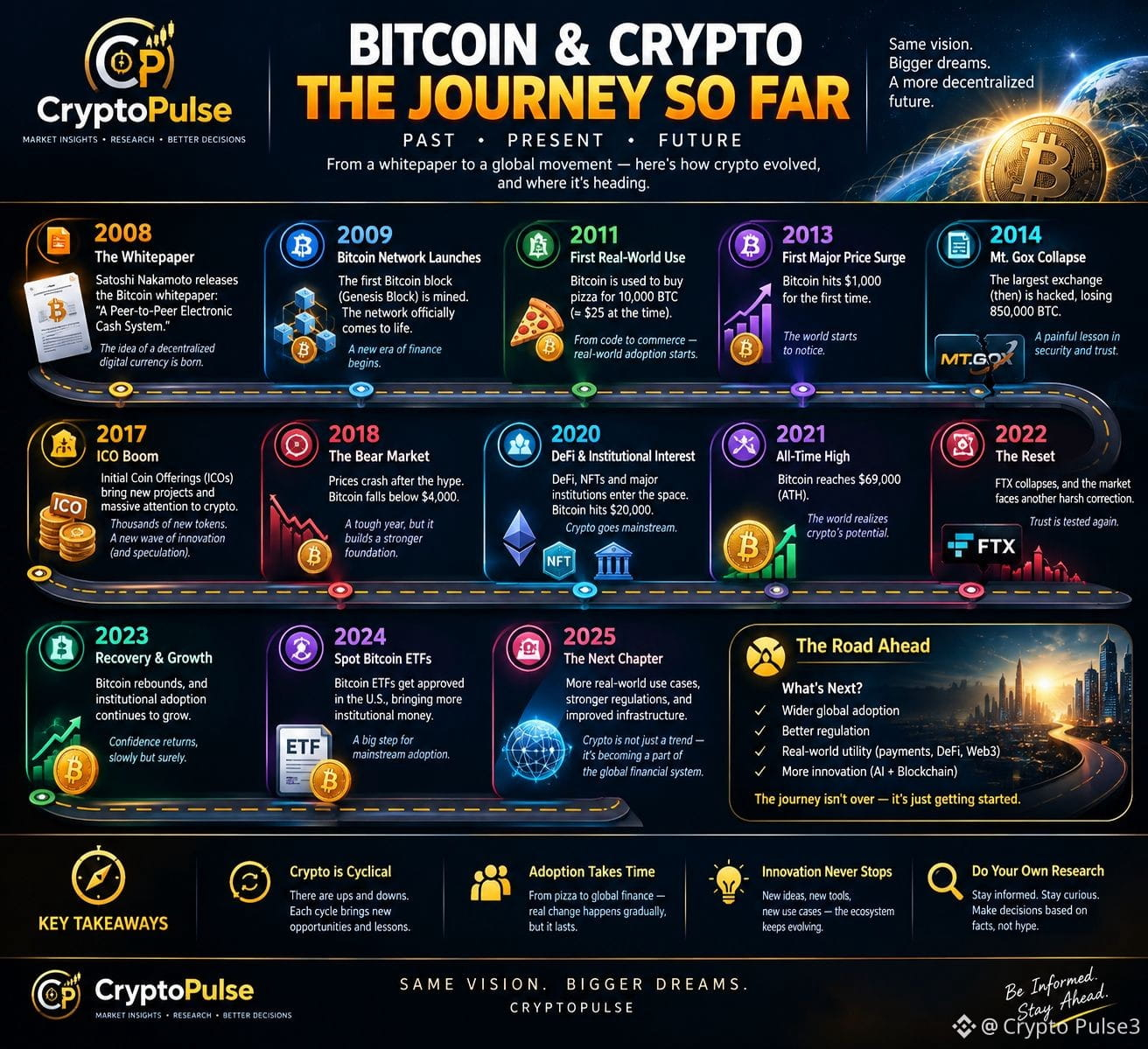
Bitcoin’s Journey: From 2008 to 2026 👀
What if I told you Bitcoin’s story is bigger than just its price?
2008 — THE IDEA
The Bitcoin whitepaper introduced a new idea: digital money without a central authority.
2009 — THE BEGINNING
The Bitcoin network launched, and the first block was created.
2011 — THE IDEA SPREADS
Bitcoin started gaining attention beyond its earliest community.
2013 — THE WORLD NOTICES
Public interest grew, and Bitcoin entered the global spotlight.
2014 — A MAJOR WARNING
The Mt. Gox collapse exposed serious risks in the early crypto ecosystem.
2017 — THE BOOM
Bitcoin and thousands of new crypto projects attracted massive attention.
2018 — THE RESET
The market crashed, but development continued.
2020 — A NEW PHASE
Institutional interest and the growth of DeFi pushed crypto into a new chapter.
2021 — MAINSTREAM ATTENTION
Bitcoin and crypto reached enormous global attention.
2022 — THE SHOCK
A major market downturn exposed the risks behind rapid crypto growth.
2023 — RECOVERY
The market began rebuilding and confidence slowly returned.
2024 — A MAJOR MILESTONE
Spot Bitcoin ETFs in the United States connected Bitcoin even more closely with traditional finance.
2025 — A NEW CHAPTER
Adoption, regulation, and institutional participation continued shaping the industry.
2026 — THE STORY CONTINUES
Bitcoin’s journey is still being written.
The biggest lesson?
Crypto history is a cycle of innovation, excitement, risk, and adaptation.
This is CryptoPulse — Less hype. More research. Better understanding.
Which year changed Bitcoin the most?
Comment below. 👇
#CryptoPulse #bitcoin #CryptoHistory #BitcoinHistory #BitcoinSurpasses
Bitcoin’s Journey: From 2008 to 2026 👀
What if I told you Bitcoin’s story is bigger than just its price?
2008 — THE IDEA
The Bitcoin whitepaper introduced a new idea: digital money without a central authority.
2009 — THE BEGINNING
The Bitcoin network launched, and the first block was created.
2011 — THE IDEA SPREADS
Bitcoin started gaining attention beyond its earliest community.
2013 — THE WORLD NOTICES
Public interest grew, and Bitcoin entered the global spotlight.
2014 — A MAJOR WARNING
The Mt. Gox collapse exposed serious risks in the early crypto ecosystem.
2017 — THE BOOM
Bitcoin and thousands of new crypto projects attracted massive attention.
2018 — THE RESET
The market crashed, but development continued.
2020 — A NEW PHASE
Institutional interest and the growth of DeFi pushed crypto into a new chapter.
2021 — MAINSTREAM ATTENTION
Bitcoin and crypto reached enormous global attention.
2022 — THE SHOCK
A major market downturn exposed the risks behind rapid crypto growth.
2023 — RECOVERY
The market began rebuilding and confidence slowly returned.
2024 — A MAJOR MILESTONE
Spot Bitcoin ETFs in the United States connected Bitcoin even more closely with traditional finance.
2025 — A NEW CHAPTER
Adoption, regulation, and institutional participation continued shaping the industry.
2026 — THE STORY CONTINUES
Bitcoin’s journey is still being written.
The biggest lesson?
Crypto history is a cycle of innovation, excitement, risk, and adaptation.
This is CryptoPulse — Less hype. More research. Better understanding.
Which year changed Bitcoin the most?
Comment below. 👇
#CryptoPulse #bitcoin #CryptoHistory #BitcoinHistory #BitcoinSurpasses
What if I told you Bitcoin’s story is bigger than just its price?
2008 — THE IDEA
The Bitcoin whitepaper introduced a new idea: digital money without a central authority.
2009 — THE BEGINNING
The Bitcoin network launched, and the first block was created.
2011 — THE IDEA SPREADS
Bitcoin started gaining attention beyond its earliest community.
2013 — THE WORLD NOTICES
Public interest grew, and Bitcoin entered the global spotlight.
2014 — A MAJOR WARNING
The Mt. Gox collapse exposed serious risks in the early crypto ecosystem.
2017 — THE BOOM
Bitcoin and thousands of new crypto projects attracted massive attention.
2018 — THE RESET
The market crashed, but development continued.
2020 — A NEW PHASE
Institutional interest and the growth of DeFi pushed crypto into a new chapter.
2021 — MAINSTREAM ATTENTION
Bitcoin and crypto reached enormous global attention.
2022 — THE SHOCK
A major market downturn exposed the risks behind rapid crypto growth.
2023 — RECOVERY
The market began rebuilding and confidence slowly returned.
2024 — A MAJOR MILESTONE
Spot Bitcoin ETFs in the United States connected Bitcoin even more closely with traditional finance.
2025 — A NEW CHAPTER
Adoption, regulation, and institutional participation continued shaping the industry.
2026 — THE STORY CONTINUES
Bitcoin’s journey is still being written.
The biggest lesson?
Crypto history is a cycle of innovation, excitement, risk, and adaptation.
This is CryptoPulse — Less hype. More research. Better understanding.
Which year changed Bitcoin the most?
Comment below. 👇
#CryptoPulse #bitcoin #CryptoHistory #BitcoinHistory #BitcoinSurpasses
52
翻訳参照
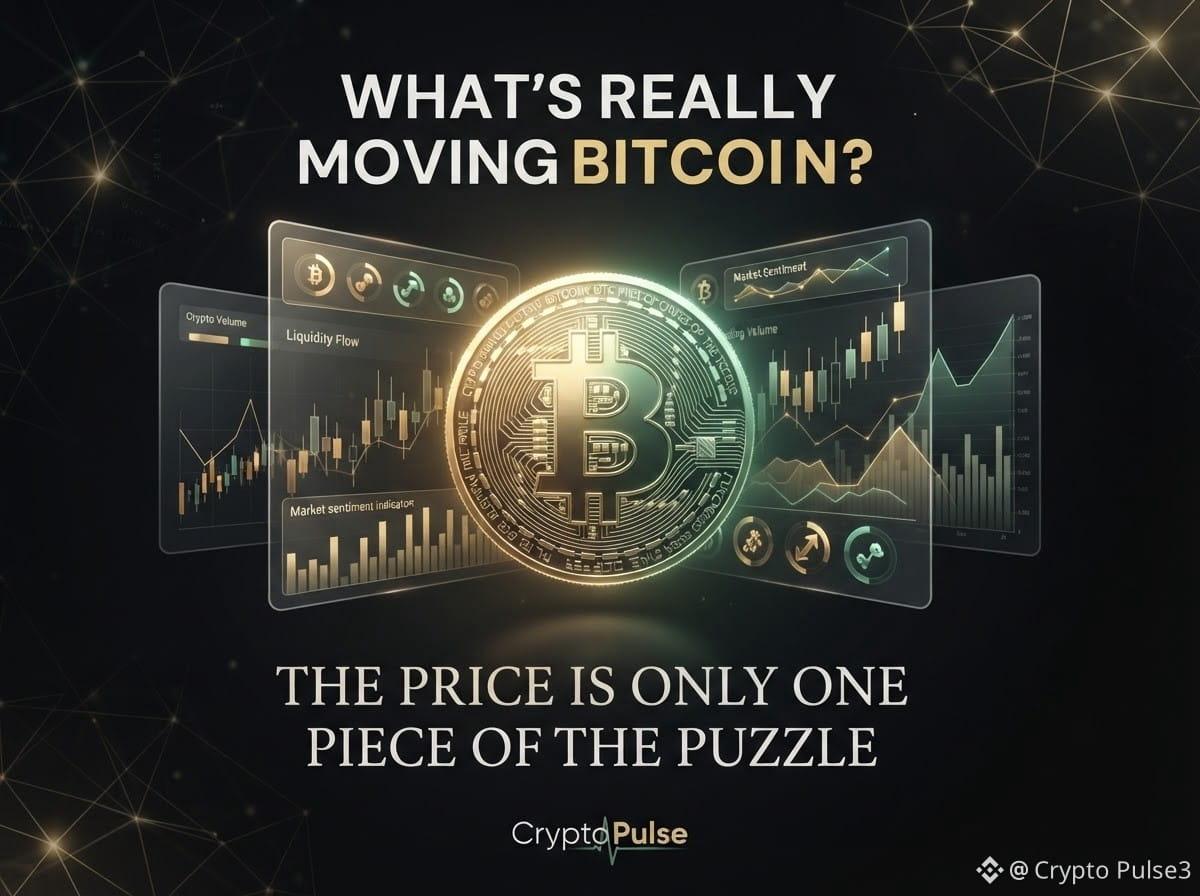
Everyone watches Bitcoin’s price.
But price is only one piece of the puzzle. 👀
The more interesting question is:
WHY is the market moving?
When Bitcoin suddenly moves, look beyond the candle.
📊 Trading volume
🧠 Market sentiment
💰 Liquidity
🐋 Large market activity
🌐 Broader market conditions
These factors can help explain what may be happening behind the price action.
The biggest mistake?
Seeing one green candle and immediately assuming the market can only go higher.
Crypto is unpredictable. Good analysis isn't about being right every time—it's about asking better questions before making decisions.
At CryptoPulse:
Less hype.
More research.
Better understanding.
👇 What do YOU check first when Bitcoin suddenly starts moving?
Price, volume, or market sentiment?
#CryptoPulse #Bitcoin #Crypto #BinanceSquare
Everyone watches Bitcoin’s price.
But price is only one piece of the puzzle. 👀
The more interesting question is:
WHY is the market moving?
When Bitcoin suddenly moves, look beyond the candle.
📊 Trading volume
🧠 Market sentiment
💰 Liquidity
🐋 Large market activity
🌐 Broader market conditions
These factors can help explain what may be happening behind the price action.
The biggest mistake?
Seeing one green candle and immediately assuming the market can only go higher.
Crypto is unpredictable. Good analysis isn't about being right every time—it's about asking better questions before making decisions.
At CryptoPulse:
Less hype.
More research.
Better understanding.
👇 What do YOU check first when Bitcoin suddenly starts moving?
Price, volume, or market sentiment?
#CryptoPulse #Bitcoin #Crypto #BinanceSquare
But price is only one piece of the puzzle. 👀
The more interesting question is:
WHY is the market moving?
When Bitcoin suddenly moves, look beyond the candle.
📊 Trading volume
🧠 Market sentiment
💰 Liquidity
🐋 Large market activity
🌐 Broader market conditions
These factors can help explain what may be happening behind the price action.
The biggest mistake?
Seeing one green candle and immediately assuming the market can only go higher.
Crypto is unpredictable. Good analysis isn't about being right every time—it's about asking better questions before making decisions.
At CryptoPulse:
Less hype.
More research.
Better understanding.
👇 What do YOU check first when Bitcoin suddenly starts moving?
Price, volume, or market sentiment?
#CryptoPulse #Bitcoin #Crypto #BinanceSquare
276
暗号資産市場は、実は決して眠りません。
ビットコインは動く。アルトコインは反応する。センチメントは変わる。そして時には、最大のチャンス、あるいは最大のリスクが、他の誰もがただ群衆に流されているだけのときにこっそり現れます。
しかし、成功する暗号資産リサーチとは、すべての価格変動を予測することではありません。
大切なのは、何が起きているのかを理解することです。
📊 市場のトレンドを見よう。
🧠 センチメントを理解しよう。
🔎 データを分析しよう。
⚠️ リスクを管理しよう。
📚 そして、どんな決定をする前にも必ず自分で調査しよう。
CryptoPulseでは、目標はシンプルです:
誇大宣伝を減らす。
理解を増やす。
あなたは今、何を最も注視していますか――ビットコイン、アルトコイン、あるいは市場全体でしょうか?
下にあなたの回答を投稿してください。 👇
#CryptoPulse #Crypto #Bitcoin #BinanceSquare #CryptoAnalysis📈📉🐋📅🚀
暗号資産市場は、実は決して眠りません。
ビットコインは動く。アルトコインは反応する。センチメントは変わる。そして時には、最大のチャンス、あるいは最大のリスクが、他の誰もがただ群衆に流されているだけのときにこっそり現れます。
しかし、成功する暗号資産リサーチとは、すべての価格変動を予測することではありません。
大切なのは、何が起きているのかを理解することです。
📊 市場のトレンドを見よう。
🧠 センチメントを理解しよう。
🔎 データを分析しよう。
⚠️ リスクを管理しよう。
📚 そして、どんな決定をする前にも必ず自分で調査しよう。
CryptoPulseでは、目標はシンプルです:
誇大宣伝を減らす。
理解を増やす。
あなたは今、何を最も注視していますか――ビットコイン、アルトコイン、あるいは市場全体でしょうか?
下にあなたの回答を投稿してください。 👇
#CryptoPulse #Crypto #Bitcoin #BinanceSquare #CryptoAnalysis📈📉🐋📅🚀
ビットコインは動く。アルトコインは反応する。センチメントは変わる。そして時には、最大のチャンス、あるいは最大のリスクが、他の誰もがただ群衆に流されているだけのときにこっそり現れます。
しかし、成功する暗号資産リサーチとは、すべての価格変動を予測することではありません。
大切なのは、何が起きているのかを理解することです。
📊 市場のトレンドを見よう。
🧠 センチメントを理解しよう。
🔎 データを分析しよう。
⚠️ リスクを管理しよう。
📚 そして、どんな決定をする前にも必ず自分で調査しよう。
CryptoPulseでは、目標はシンプルです:
誇大宣伝を減らす。
理解を増やす。
あなたは今、何を最も注視していますか――ビットコイン、アルトコイン、あるいは市場全体でしょうか?
下にあなたの回答を投稿してください。 👇
#CryptoPulse #Crypto #Bitcoin #BinanceSquare #CryptoAnalysis📈📉🐋📅🚀
65
ログインして、さらにコンテンツを読む
厳選トピックで世界の暗号資産トレーダーの仲間入り
⚡️ 暗号資産に関する最新かつ有益な情報が見つかります。
💬 世界最大の暗号資産取引所から信頼されています。
👍 認証を受けたクリエイターから、有益なインサイトを得られます。
メール / 電話番号
トレンドトピック
ClarityActFacesProceduralVoteSept15
閲覧回数 46,613
692人が討論中
9月15日(火)午後2時15分(ET)。メモしておいて。🗓️
上院が、米国法においてどのコインが証券か、または商品かを最終的に定義する法案「CLARITY Act」について、そもそも討論するべきかどうかを決める投票を行います。
60票が必要です。共和党は53票。複数の民主党員が越境(造反)して賛成に回る必要があり、その結果は確実ではありません。
この投票に否決されると、2026年は法案が事実上死文化し、2029年頃まで(この後の中間選挙がカレンダーを食い尽くすため)成立の見込みはないでしょう。
この投票に可決されると、実際の討論に向けた扉が開きますが、それでも実際の法律になるにはまだ長い道のりがあります。
今年最大級の仮想通貨規制の節目が、数日後に訪れます。
#ClarityActFacesProceduralVoteSept15
NewbieToNode
·いいね:3件
·閲覧回数 4.8k
US2YearYieldRisesTo4.61%
閲覧回数 34,469
659人が討論中
US10YearTreasuryYieldNears5%
閲覧回数 20,512
386人が討論中