

cryptoo-vision
482 投稿
cryptoo-vision
報告
ユーザーをブロック
Crypto Market Analyst ; BTC • ETH • Altcoins ;Market Structure | Narratives | Research
取引を発注
4.6年
80 フォロー
135 フォロワー
293 いいね
投稿
ポートフォリオ
すべて
引用
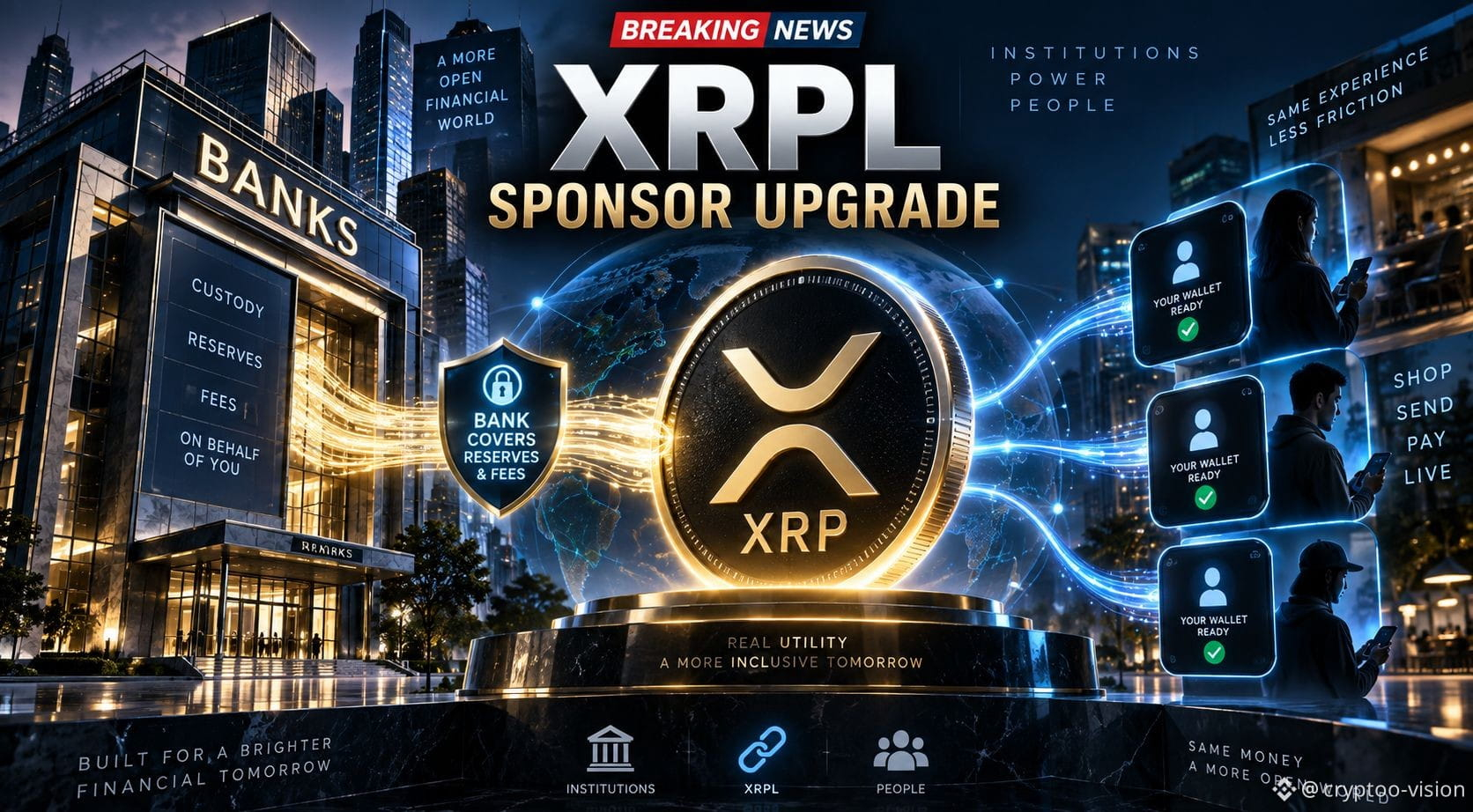
$XRP 大幅な機関向けアップグレードが可能に。
新しいXRPLの提案により、銀行、発行体、プラットフォームのオンボーディングがより簡単になるかもしれません。
「Sponsored Fees and Reserves(スポンサー付き手数料・準備金)」機能により、第三者が $XRP の取引手数料や口座の準備金を負担できるようになり、ユーザーは口座と鍵の管理を維持したまま利用できます。
重要な理由:
* オンボーディングの摩擦を低減
* 機関にとっての統合を容易に
* ユーザーが口座の管理を維持
* 決済およびトークン化のユースケースをサポート
この提案は、依然としてバリデーターの承認が必要です。
採用されれば、ネットワークコストのために $XRP をすべてのユーザーに管理させることなく、機関がXRPLインフラを利用しやすくなる可能性があります。
出典:CryptoSlate / XRPL
#xrp #XRPL #crypto #InstitutionalAdoption
$XRP 大幅な機関向けアップグレードが可能に。
新しいXRPLの提案により、銀行、発行体、プラットフォームのオンボーディングがより簡単になるかもしれません。
「Sponsored Fees and Reserves(スポンサー付き手数料・準備金)」機能により、第三者が $XRP の取引手数料や口座の準備金を負担できるようになり、ユーザーは口座と鍵の管理を維持したまま利用できます。
重要な理由:
* オンボーディングの摩擦を低減
* 機関にとっての統合を容易に
* ユーザーが口座の管理を維持
* 決済およびトークン化のユースケースをサポート
この提案は、依然としてバリデーターの承認が必要です。
採用されれば、ネットワークコストのために $XRP をすべてのユーザーに管理させることなく、機関がXRPLインフラを利用しやすくなる可能性があります。
出典:CryptoSlate / XRPL
#xrp #XRPL #crypto #InstitutionalAdoption
新しいXRPLの提案により、銀行、発行体、プラットフォームのオンボーディングがより簡単になるかもしれません。
「Sponsored Fees and Reserves(スポンサー付き手数料・準備金)」機能により、第三者が $XRP の取引手数料や口座の準備金を負担できるようになり、ユーザーは口座と鍵の管理を維持したまま利用できます。
重要な理由:
* オンボーディングの摩擦を低減
* 機関にとっての統合を容易に
* ユーザーが口座の管理を維持
* 決済およびトークン化のユースケースをサポート
この提案は、依然としてバリデーターの承認が必要です。
採用されれば、ネットワークコストのために $XRP をすべてのユーザーに管理させることなく、機関がXRPLインフラを利用しやすくなる可能性があります。
出典:CryptoSlate / XRPL
#xrp #XRPL #crypto #InstitutionalAdoption
98
$BTC は主要レンジを保持、FRBの不透明感が市場にのしかかる
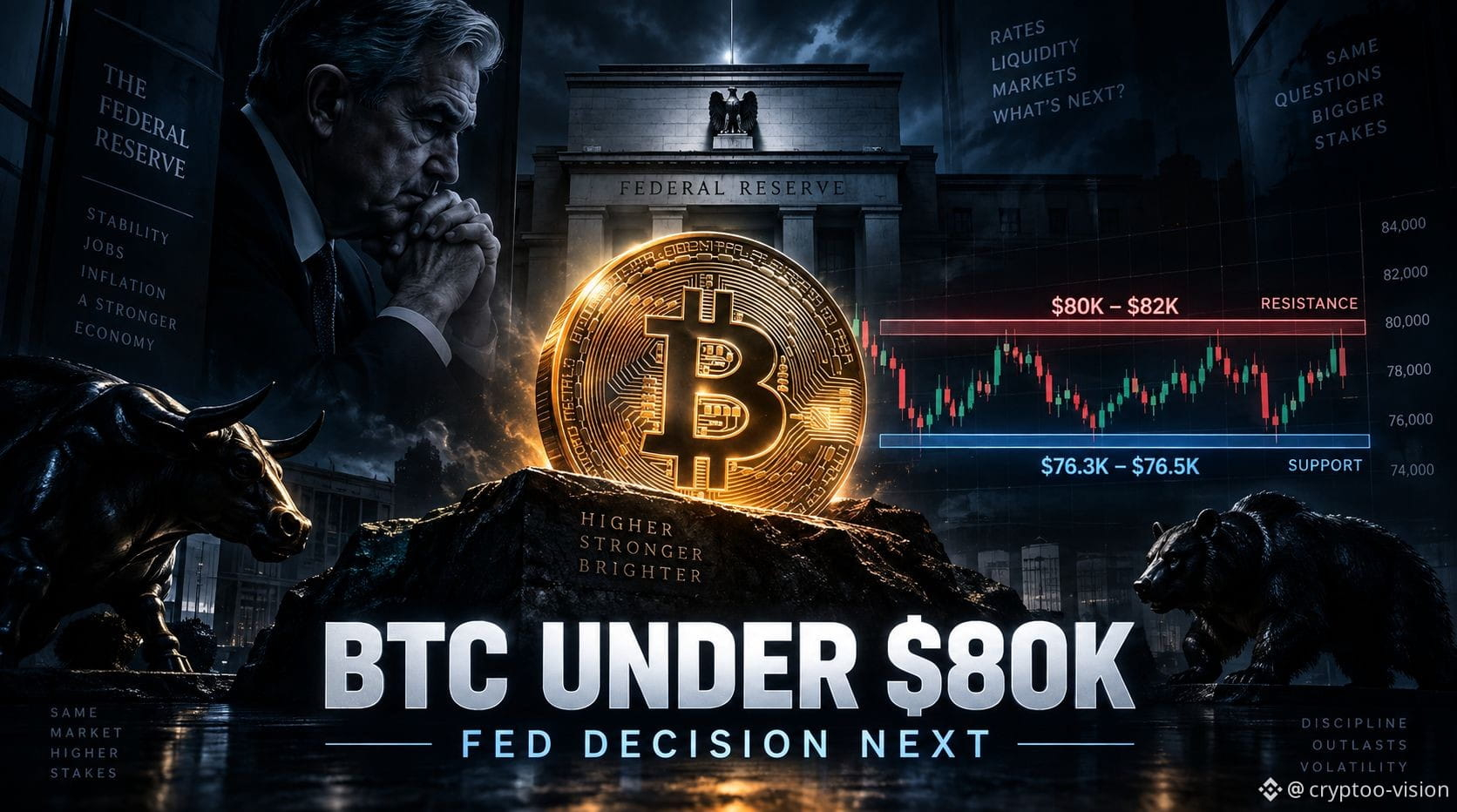
ビットコインは依然として 77,000ドル未満で押し下げられており、トレーダーは 76,000〜82,000ドルのレンジに注目している。
マクロの圧力が高まっている:
* 原油価格が高止まり
* 米国債利回りが上昇
* FRBの不透明感がリスク資産に引き続き重し
重要な水準:
+ サポート:76,000ドル
+ レジスタンス:80,000〜83,000ドル
+ レジスタンスを上抜ければ=回復が強まる
+ 76,000ドルを割ると=構造が弱まる
現時点では $BTC はレンジ相場のまま、次のマクロの材料を市場が待っている。
出所:CryptoSlate
#BTC #bitcoin #crypto #Fed
$BTC は主要レンジを保持、FRBの不透明感が市場にのしかかる
ビットコインは依然として 77,000ドル未満で押し下げられており、トレーダーは 76,000〜82,000ドルのレンジに注目している。
マクロの圧力が高まっている:
* 原油価格が高止まり
* 米国債利回りが上昇
* FRBの不透明感がリスク資産に引き続き重し
重要な水準:
+ サポート:76,000ドル
+ レジスタンス:80,000〜83,000ドル
+ レジスタンスを上抜ければ=回復が強まる
+ 76,000ドルを割ると=構造が弱まる
現時点では $BTC はレンジ相場のまま、次のマクロの材料を市場が待っている。
出所:CryptoSlate
#BTC #bitcoin #crypto #Fed
ビットコインは依然として 77,000ドル未満で押し下げられており、トレーダーは 76,000〜82,000ドルのレンジに注目している。
マクロの圧力が高まっている:
* 原油価格が高止まり
* 米国債利回りが上昇
* FRBの不透明感がリスク資産に引き続き重し
重要な水準:
+ サポート:76,000ドル
+ レジスタンス:80,000〜83,000ドル
+ レジスタンスを上抜ければ=回復が強まる
+ 76,000ドルを割ると=構造が弱まる
現時点では $BTC はレンジ相場のまま、次のマクロの材料を市場が待っている。
出所:CryptoSlate
#BTC #bitcoin #crypto #Fed
1
105
$SOL 4H構造が強まる中、マクロ・ブレイクアウト・ゾーンを検証
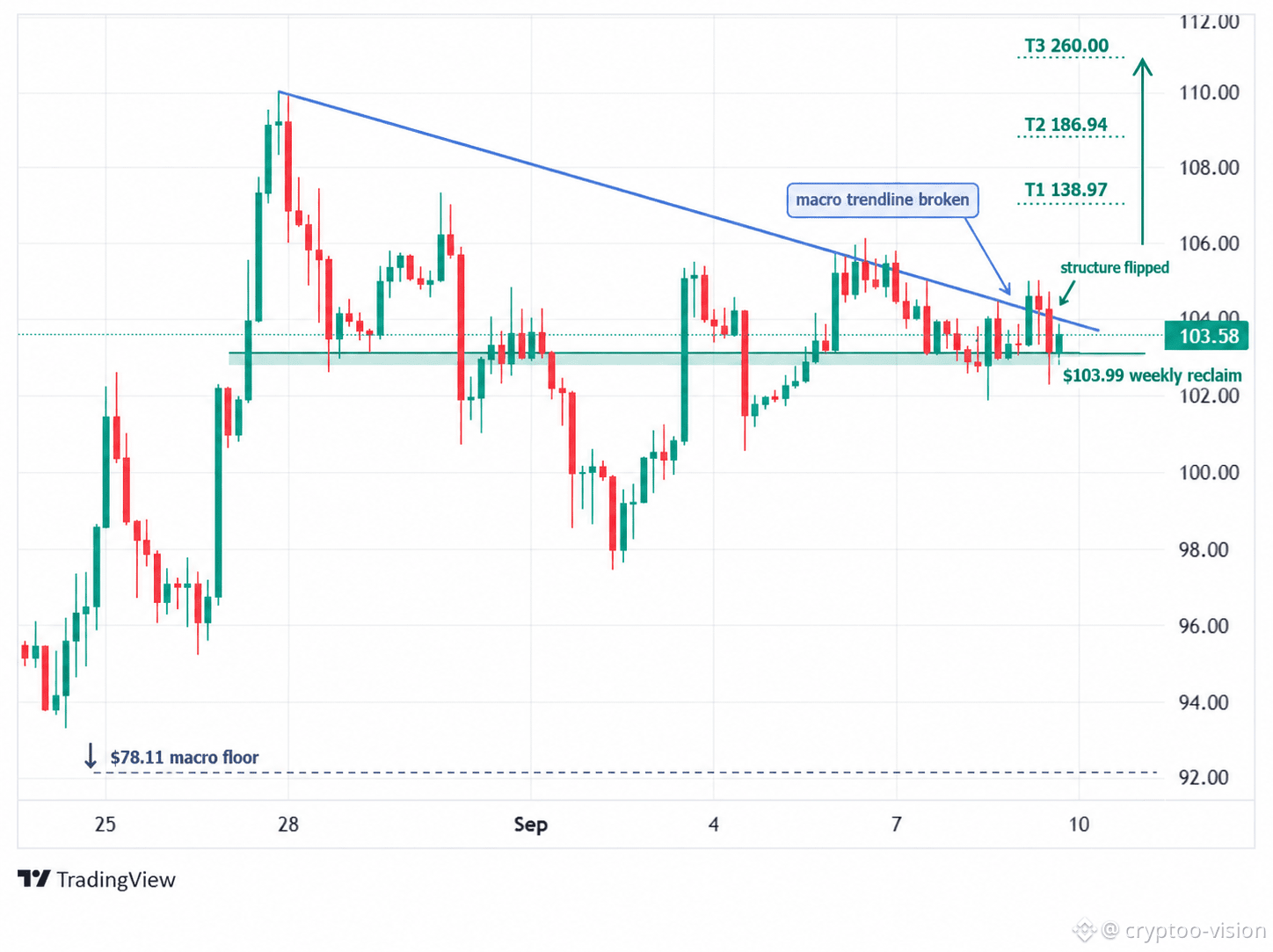
Solanaは、$103.99の週次レベルを取り戻した後、重要なブレイクアウトエリア近辺で推移しています。
主な水準:
* リクレームゾーン:$103.99
* マクロ・フロア:$78.11
* 上値目標:$138.97 → $186.94 → $260
4Hの構造は、$SOL が取り戻したトレンドラインの上で保たれている限り、良好な状態を維持しています。
継続的なホールドによって、上昇シナリオは有効なままです。リクレームゾーンを失うとセットアップは弱まり、再評価が必要になります。
#sol #solana #crypto #TechnicalAnalysis
$SOL 4H構造が強まる中、マクロ・ブレイクアウト・ゾーンを検証
Solanaは、$103.99の週次レベルを取り戻した後、重要なブレイクアウトエリア近辺で推移しています。
主な水準:
* リクレームゾーン:$103.99
* マクロ・フロア:$78.11
* 上値目標:$138.97 → $186.94 → $260
4Hの構造は、$SOL が取り戻したトレンドラインの上で保たれている限り、良好な状態を維持しています。
継続的なホールドによって、上昇シナリオは有効なままです。リクレームゾーンを失うとセットアップは弱まり、再評価が必要になります。
#sol #solana #crypto #TechnicalAnalysis
Solanaは、$103.99の週次レベルを取り戻した後、重要なブレイクアウトエリア近辺で推移しています。
主な水準:
* リクレームゾーン:$103.99
* マクロ・フロア:$78.11
* 上値目標:$138.97 → $186.94 → $260
4Hの構造は、$SOL が取り戻したトレンドラインの上で保たれている限り、良好な状態を維持しています。
継続的なホールドによって、上昇シナリオは有効なままです。リクレームゾーンを失うとセットアップは弱まり、再評価が必要になります。
#sol #solana #crypto #TechnicalAnalysis
68
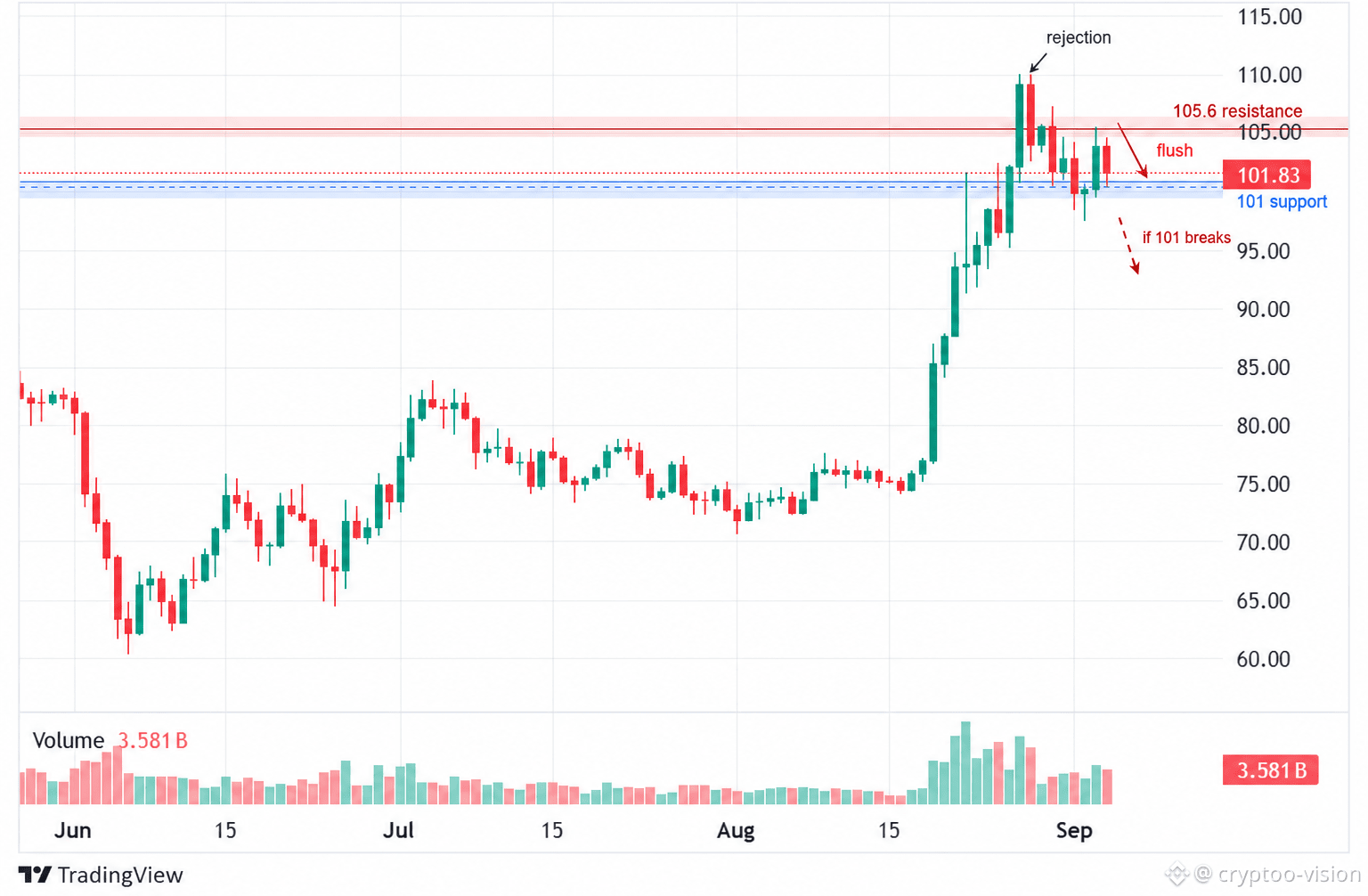
$SOL 重要なサポートを守った後、$105の拒否でテスト
$SOL は$105のレジスタンス帯付近で勢いを失い、$101〜$102に押し戻されています。
注目すべき主要レベル:
* レジスタンス:$105〜$105.5
* 現在のサポート:$101〜$102
* セッション安値:約$100.45
* $101を下抜けると、より下の需要ゾーンが露出する可能性
現時点では、売り手は上側レンジをまだ防衛しています。
$101周辺で強く下支えできれば、短期の構造は維持されます。確定したブレイクダウンが起これば、勢いは再び弱気側(ベア)へ戻るでしょう。
$101が注目ポイントです。
#sol #solana #crypto #TechnicalAnalysis
$SOL 重要なサポートを守った後、$105の拒否でテスト
$SOL は$105のレジスタンス帯付近で勢いを失い、$101〜$102に押し戻されています。
注目すべき主要レベル:
* レジスタンス:$105〜$105.5
* 現在のサポート:$101〜$102
* セッション安値:約$100.45
* $101を下抜けると、より下の需要ゾーンが露出する可能性
現時点では、売り手は上側レンジをまだ防衛しています。
$101周辺で強く下支えできれば、短期の構造は維持されます。確定したブレイクダウンが起これば、勢いは再び弱気側(ベア)へ戻るでしょう。
$101が注目ポイントです。
#sol #solana #crypto #TechnicalAnalysis
$SOL は$105のレジスタンス帯付近で勢いを失い、$101〜$102に押し戻されています。
注目すべき主要レベル:
* レジスタンス:$105〜$105.5
* 現在のサポート:$101〜$102
* セッション安値:約$100.45
* $101を下抜けると、より下の需要ゾーンが露出する可能性
現時点では、売り手は上側レンジをまだ防衛しています。
$101周辺で強く下支えできれば、短期の構造は維持されます。確定したブレイクダウンが起これば、勢いは再び弱気側(ベア)へ戻るでしょう。
$101が注目ポイントです。
#sol #solana #crypto #TechnicalAnalysis
79
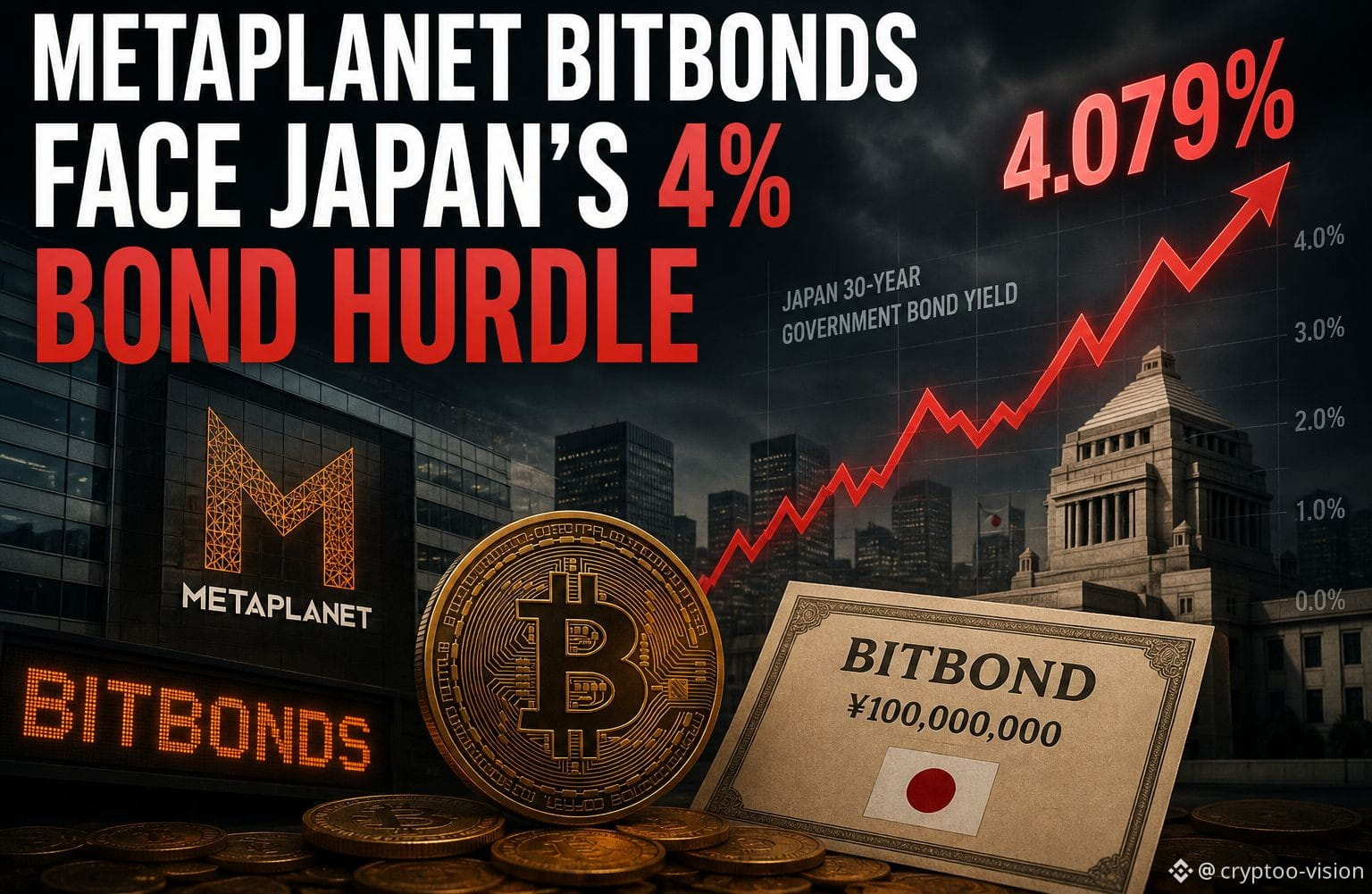
メタプラネットのビットコイン戦略、 日本の利回り上昇が新たな試練に
メタプラネットは低コストの借り入れを活用して保有「$BTC 」を拡大してきましたが、いま日本の30年物国債利回りが4%を超える水準まで上昇しています。
ポイント:
* 既存の固定金利の負債は影響を受けない
* 今後のBitBondsやリファイナンスがより高くつく可能性
* メタプラネットの初期のBitBondsはクーポンが約4.0%〜4.3%
* 借入コストの上昇により、今後の「$BTC 」積み増しの効率が低下するかもしれない
例えば、負債100B円に対して1%上昇すれば、年間の利息コストが約1B円上乗せされる計算です。
重要な論点は、日本の資金調達環境がより高コストになった場合でも、メタプラネットが1株当たりのビットコイン保有を引き続き伸ばせるかどうかです。
#BTC #bitcoin #metaplanet #crypto
メタプラネットのビットコイン戦略、 日本の利回り上昇が新たな試練に
メタプラネットは低コストの借り入れを活用して保有「$BTC 」を拡大してきましたが、いま日本の30年物国債利回りが4%を超える水準まで上昇しています。
ポイント:
* 既存の固定金利の負債は影響を受けない
* 今後のBitBondsやリファイナンスがより高くつく可能性
* メタプラネットの初期のBitBondsはクーポンが約4.0%〜4.3%
* 借入コストの上昇により、今後の「$BTC 」積み増しの効率が低下するかもしれない
例えば、負債100B円に対して1%上昇すれば、年間の利息コストが約1B円上乗せされる計算です。
重要な論点は、日本の資金調達環境がより高コストになった場合でも、メタプラネットが1株当たりのビットコイン保有を引き続き伸ばせるかどうかです。
#BTC #bitcoin #metaplanet #crypto
メタプラネットは低コストの借り入れを活用して保有「$BTC 」を拡大してきましたが、いま日本の30年物国債利回りが4%を超える水準まで上昇しています。
ポイント:
* 既存の固定金利の負債は影響を受けない
* 今後のBitBondsやリファイナンスがより高くつく可能性
* メタプラネットの初期のBitBondsはクーポンが約4.0%〜4.3%
* 借入コストの上昇により、今後の「$BTC 」積み増しの効率が低下するかもしれない
例えば、負債100B円に対して1%上昇すれば、年間の利息コストが約1B円上乗せされる計算です。
重要な論点は、日本の資金調達環境がより高コストになった場合でも、メタプラネットが1株当たりのビットコイン保有を引き続き伸ばせるかどうかです。
#BTC #bitcoin #metaplanet #crypto
79
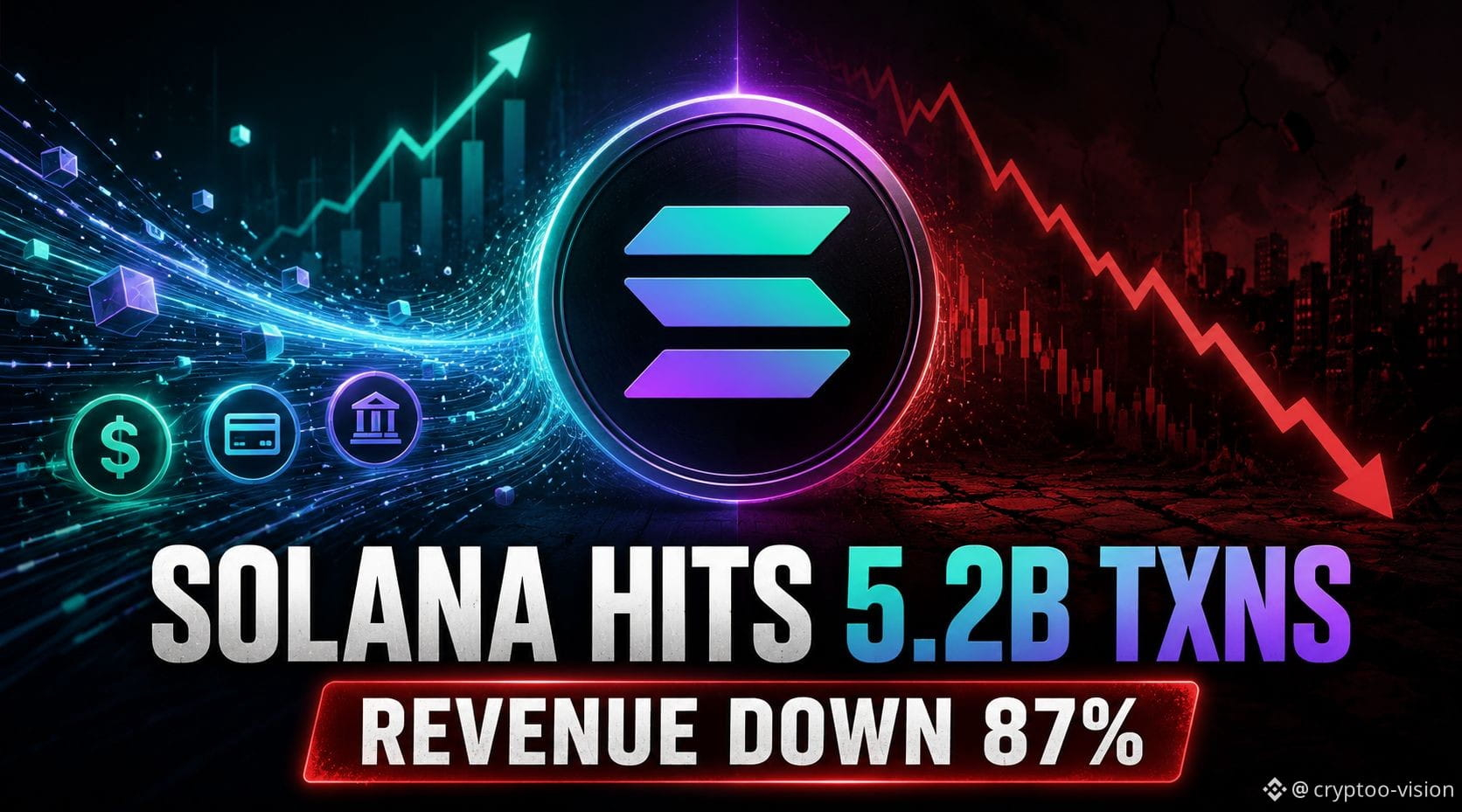
ソラナが記録的なアクティビティを達成—しかしネットワーク収益は87%減
$SOL は8月に史上最多となる52億件の非投票トランザクションを処理し、7月から19%増加した。
しかし、重要な変化が数字の下にある:
* H1のネットワーク収益は前年比87%減の1億4100万ドル
* ミームコインはスポット取引量に占める割合が40%から16%へ低下
* ステーブルコインのスワップは6%から19%へ増加
* トランザクション手数料は依然として非常に低いまま
結論:ソラナのアクティビティは増加しているが、活動の種類が変わっている。
ネットワークは、高額手数料のミームコイン・ブームから、現時点では取引あたりの収益がより低いステーブルコイン、DeFi、決済セクターへと移行している。
$SOL にとって次の論点は、記録的な利用が最終的に持続可能なネットワーク収益につながるかどうかだ。
#sol #solana #defi #crypto
ソラナが記録的なアクティビティを達成—しかしネットワーク収益は87%減
$SOL は8月に史上最多となる52億件の非投票トランザクションを処理し、7月から19%増加した。
しかし、重要な変化が数字の下にある:
* H1のネットワーク収益は前年比87%減の1億4100万ドル
* ミームコインはスポット取引量に占める割合が40%から16%へ低下
* ステーブルコインのスワップは6%から19%へ増加
* トランザクション手数料は依然として非常に低いまま
結論:ソラナのアクティビティは増加しているが、活動の種類が変わっている。
ネットワークは、高額手数料のミームコイン・ブームから、現時点では取引あたりの収益がより低いステーブルコイン、DeFi、決済セクターへと移行している。
$SOL にとって次の論点は、記録的な利用が最終的に持続可能なネットワーク収益につながるかどうかだ。
#sol #solana #defi #crypto
$SOL は8月に史上最多となる52億件の非投票トランザクションを処理し、7月から19%増加した。
しかし、重要な変化が数字の下にある:
* H1のネットワーク収益は前年比87%減の1億4100万ドル
* ミームコインはスポット取引量に占める割合が40%から16%へ低下
* ステーブルコインのスワップは6%から19%へ増加
* トランザクション手数料は依然として非常に低いまま
結論:ソラナのアクティビティは増加しているが、活動の種類が変わっている。
ネットワークは、高額手数料のミームコイン・ブームから、現時点では取引あたりの収益がより低いステーブルコイン、DeFi、決済セクターへと移行している。
$SOL にとって次の論点は、記録的な利用が最終的に持続可能なネットワーク収益につながるかどうかだ。
#sol #solana #defi #crypto
108
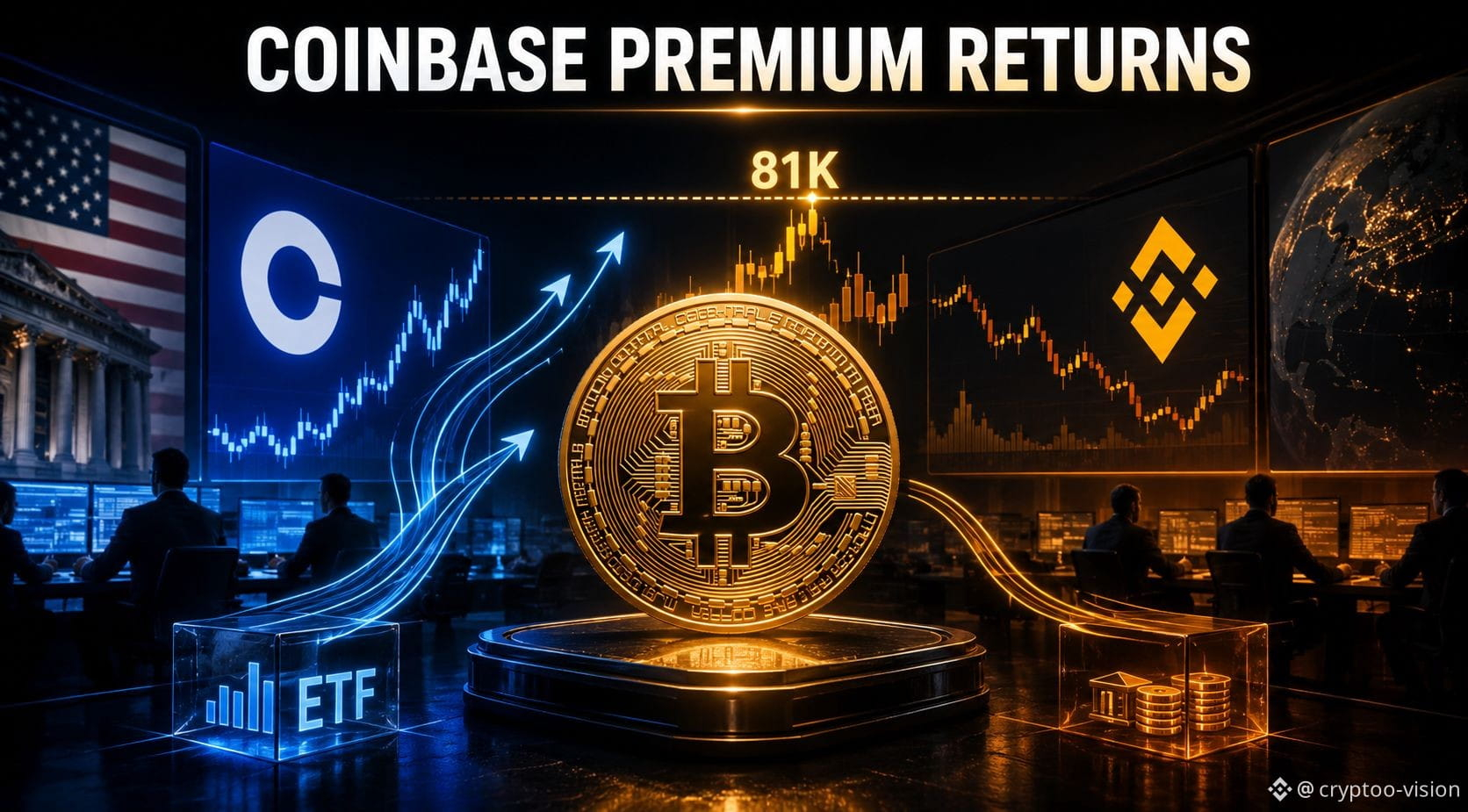
ビットコインのコインベース・プレミアムがプラスに転じた(5月以来初)
$BTC が再び、バイナンスに対してコインベース上でプレミアムで取引されており、米国拠点の買い需要が強まっていることを示唆しています。
この変化は、$BTC が約63Kドルから約80Kドルへと反発していることに伴って起きました。
主なシグナル:
* コインベース・プレミアムが5月以来初めてプラスに転換
* 米国のスポット$BTC ETFが最近の流入で35.1億ドルを集めた
* ブラックロックのIBITが再燃した機関投資家の需要を牽引
* 81Kドルが依然として重要なレジスタンス(ビットコインの50週移動平均付近)
歴史的に、コインベース・プレミアムが継続してプラスになる局面は、ビットコイン市場が強い局面で現れることが多いです。
このシグナルはポジティブですが、継続性が重要です。81Kドルを明確に上抜けると、さらなる上昇余地を支持する材料が強まります。
#BTC #bitcoin #crypto #BitcoinETF #coinbase
ビットコインのコインベース・プレミアムがプラスに転じた(5月以来初)
$BTC が再び、バイナンスに対してコインベース上でプレミアムで取引されており、米国拠点の買い需要が強まっていることを示唆しています。
この変化は、$BTC が約63Kドルから約80Kドルへと反発していることに伴って起きました。
主なシグナル:
* コインベース・プレミアムが5月以来初めてプラスに転換
* 米国のスポット$BTC ETFが最近の流入で35.1億ドルを集めた
* ブラックロックのIBITが再燃した機関投資家の需要を牽引
* 81Kドルが依然として重要なレジスタンス(ビットコインの50週移動平均付近)
歴史的に、コインベース・プレミアムが継続してプラスになる局面は、ビットコイン市場が強い局面で現れることが多いです。
このシグナルはポジティブですが、継続性が重要です。81Kドルを明確に上抜けると、さらなる上昇余地を支持する材料が強まります。
#BTC #bitcoin #crypto #BitcoinETF #coinbase
$BTC が再び、バイナンスに対してコインベース上でプレミアムで取引されており、米国拠点の買い需要が強まっていることを示唆しています。
この変化は、$BTC が約63Kドルから約80Kドルへと反発していることに伴って起きました。
主なシグナル:
* コインベース・プレミアムが5月以来初めてプラスに転換
* 米国のスポット$BTC ETFが最近の流入で35.1億ドルを集めた
* ブラックロックのIBITが再燃した機関投資家の需要を牽引
* 81Kドルが依然として重要なレジスタンス(ビットコインの50週移動平均付近)
歴史的に、コインベース・プレミアムが継続してプラスになる局面は、ビットコイン市場が強い局面で現れることが多いです。
このシグナルはポジティブですが、継続性が重要です。81Kドルを明確に上抜けると、さらなる上昇余地を支持する材料が強まります。
#BTC #bitcoin #crypto #BitcoinETF #coinbase
74
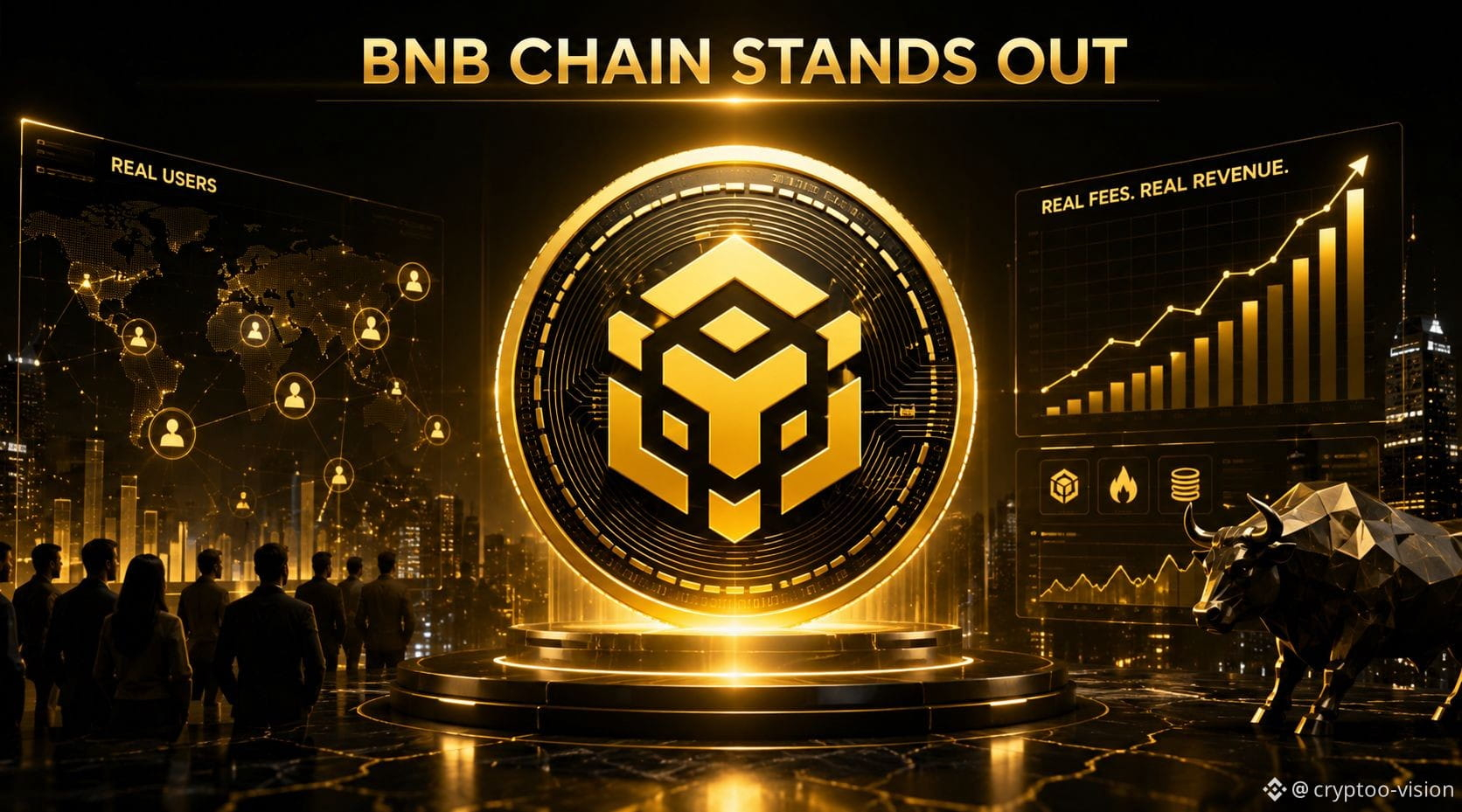
VanEckは、$BNB Chainをファンダメンタルズに基づく強力な長期ブロックチェーン投資ケースの1つとして強調しています。
同社の分析によると、焦点はハイプや短期的な価格アクションではなく、機関投資家が通常重視する指標にあります:
- 実際のユーザーアクティビティ
- 持続可能な収益生成
- ネットワークのユーティリティと採用
多くのブロックチェーンがストーリーを通じて注目を集める中、$BNB Chainは測定可能なオンチェーンアクティビティと経済的成果に基づいて評価され続けています。
投資家にとってのポイントはシンプルです:機関のリサーチは投機だけでなくファンダメンタルズにますます焦点を当てています。
#bnb #BNBChain #VanEck #crypto #altcoins
VanEckは、$BNB Chainをファンダメンタルズに基づく強力な長期ブロックチェーン投資ケースの1つとして強調しています。
同社の分析によると、焦点はハイプや短期的な価格アクションではなく、機関投資家が通常重視する指標にあります:
- 実際のユーザーアクティビティ
- 持続可能な収益生成
- ネットワークのユーティリティと採用
多くのブロックチェーンがストーリーを通じて注目を集める中、$BNB Chainは測定可能なオンチェーンアクティビティと経済的成果に基づいて評価され続けています。
投資家にとってのポイントはシンプルです:機関のリサーチは投機だけでなくファンダメンタルズにますます焦点を当てています。
#bnb #BNBChain #VanEck #crypto #altcoins
同社の分析によると、焦点はハイプや短期的な価格アクションではなく、機関投資家が通常重視する指標にあります:
- 実際のユーザーアクティビティ
- 持続可能な収益生成
- ネットワークのユーティリティと採用
多くのブロックチェーンがストーリーを通じて注目を集める中、$BNB Chainは測定可能なオンチェーンアクティビティと経済的成果に基づいて評価され続けています。
投資家にとってのポイントはシンプルです:機関のリサーチは投機だけでなくファンダメンタルズにますます焦点を当てています。
#bnb #BNBChain #VanEck #crypto #altcoins
78
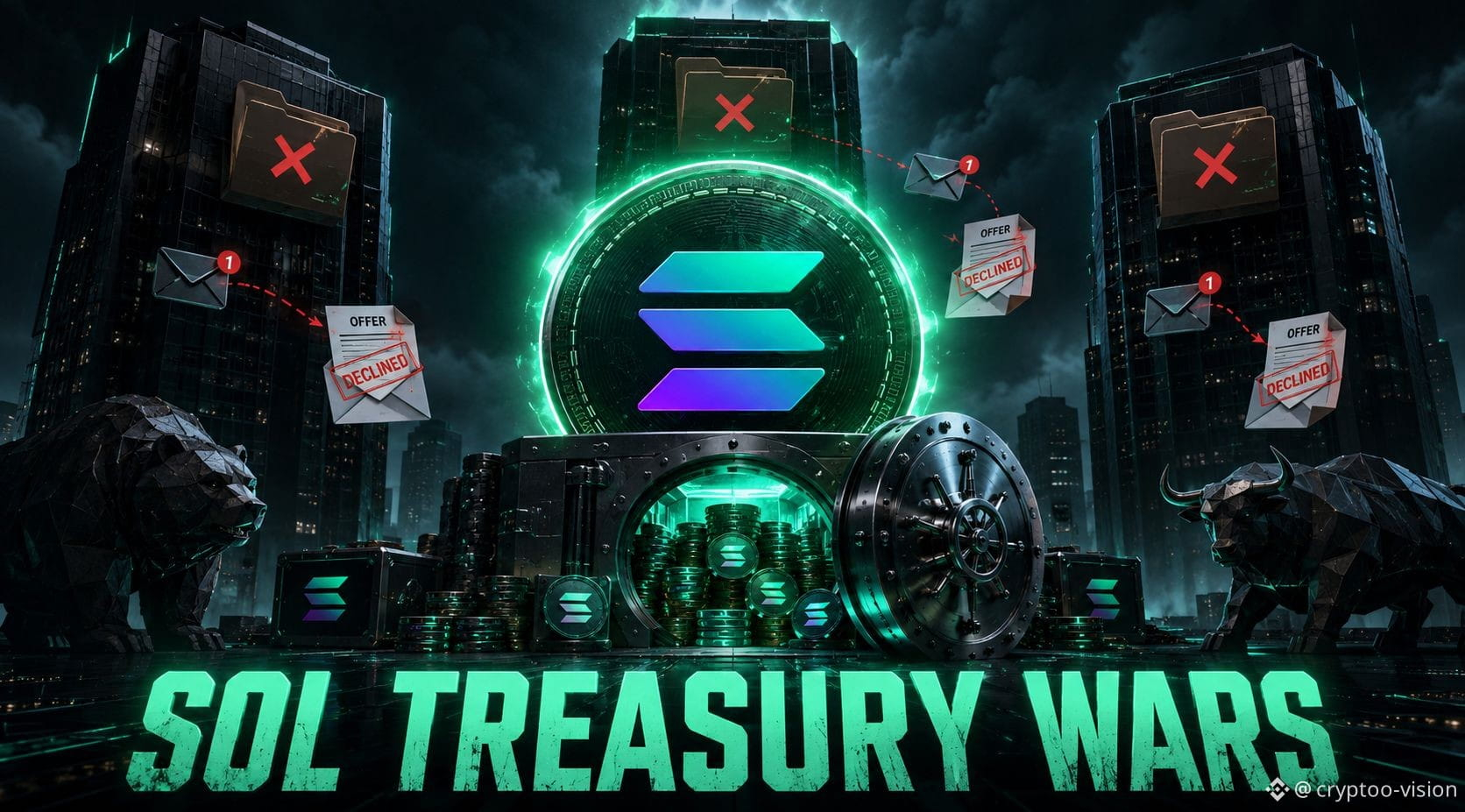
ソラナのトレジャリーセクターで大規模な統合ストーリーが展開中だ。
フォワード・インダストリーズ(FWDI)、$SOL の最大の上場法人ホルダーは、2026年6月にソラナに特化した3つの小規模トレジャリー企業の買収を試みた。
主要な事実:
- FWDIは7M以上の$SOL を保有している
- その保有資産のほとんどはソラナエコシステム内でステーキングまたは展開されている
- 買収オファーは、報告によると10〜20%のプレミアムを伴っていた
結果:
* ソラナカンパニー(HSDT)はオファーを拒否した
* スカイAI(SKYA)は提案が期限切れになる前に応答しなかった
* ブレラホールディングス(SLMT)は入札を拒否した
$SOL エコシステムにとって、これは企業のトレジャリーストラテジーが市場のナラティブの重要な部分となりつつあるサインだ。
#sol #solana #crypto #CorporateTreasury #MergersAndAcquisitions
ソラナのトレジャリーセクターで大規模な統合ストーリーが展開中だ。
フォワード・インダストリーズ(FWDI)、$SOL の最大の上場法人ホルダーは、2026年6月にソラナに特化した3つの小規模トレジャリー企業の買収を試みた。
主要な事実:
- FWDIは7M以上の$SOL を保有している
- その保有資産のほとんどはソラナエコシステム内でステーキングまたは展開されている
- 買収オファーは、報告によると10〜20%のプレミアムを伴っていた
結果:
* ソラナカンパニー(HSDT)はオファーを拒否した
* スカイAI(SKYA)は提案が期限切れになる前に応答しなかった
* ブレラホールディングス(SLMT)は入札を拒否した
$SOL エコシステムにとって、これは企業のトレジャリーストラテジーが市場のナラティブの重要な部分となりつつあるサインだ。
#sol #solana #crypto #CorporateTreasury #MergersAndAcquisitions
フォワード・インダストリーズ(FWDI)、$SOL の最大の上場法人ホルダーは、2026年6月にソラナに特化した3つの小規模トレジャリー企業の買収を試みた。
主要な事実:
- FWDIは7M以上の$SOL を保有している
- その保有資産のほとんどはソラナエコシステム内でステーキングまたは展開されている
- 買収オファーは、報告によると10〜20%のプレミアムを伴っていた
結果:
* ソラナカンパニー(HSDT)はオファーを拒否した
* スカイAI(SKYA)は提案が期限切れになる前に応答しなかった
* ブレラホールディングス(SLMT)は入札を拒否した
$SOL エコシステムにとって、これは企業のトレジャリーストラテジーが市場のナラティブの重要な部分となりつつあるサインだ。
#sol #solana #crypto #CorporateTreasury #MergersAndAcquisitions
84
$DOGE はHouse of DogeとPaxosのパートナーシップを通じて新しいインフラを構築しています。
この拡張は、$DOGE のアクセスを150以上の国に広げ、資産のグローバルなリーチを強化することを目指しています。
なぜ重要なのか:
- Paxosは規制されたクリプトインフラを提供
- 幅広いアクセスはより多くのフィアットオンランプを意味する
- House of DogeはDogecoinの商業化を推進し続けています。
$DOGE はしばしばメモコインとしてしか見られませんが、インフラの開発は物語に別の次元を加えます。
グローバルアクセスと規制されたレールは、時間をかけてDOGEの市場プロファイルを徐々に強化する可能性があります。
#DOGE #Dogecoin #crypto #Paxos
$DOGE はHouse of DogeとPaxosのパートナーシップを通じて新しいインフラを構築しています。
この拡張は、$DOGE のアクセスを150以上の国に広げ、資産のグローバルなリーチを強化することを目指しています。
なぜ重要なのか:
- Paxosは規制されたクリプトインフラを提供
- 幅広いアクセスはより多くのフィアットオンランプを意味する
- House of DogeはDogecoinの商業化を推進し続けています。
$DOGE はしばしばメモコインとしてしか見られませんが、インフラの開発は物語に別の次元を加えます。
グローバルアクセスと規制されたレールは、時間をかけてDOGEの市場プロファイルを徐々に強化する可能性があります。
#DOGE #Dogecoin #crypto #Paxos
この拡張は、$DOGE のアクセスを150以上の国に広げ、資産のグローバルなリーチを強化することを目指しています。
なぜ重要なのか:
- Paxosは規制されたクリプトインフラを提供
- 幅広いアクセスはより多くのフィアットオンランプを意味する
- House of DogeはDogecoinの商業化を推進し続けています。
$DOGE はしばしばメモコインとしてしか見られませんが、インフラの開発は物語に別の次元を加えます。
グローバルアクセスと規制されたレールは、時間をかけてDOGEの市場プロファイルを徐々に強化する可能性があります。
#DOGE #Dogecoin #crypto #Paxos

155
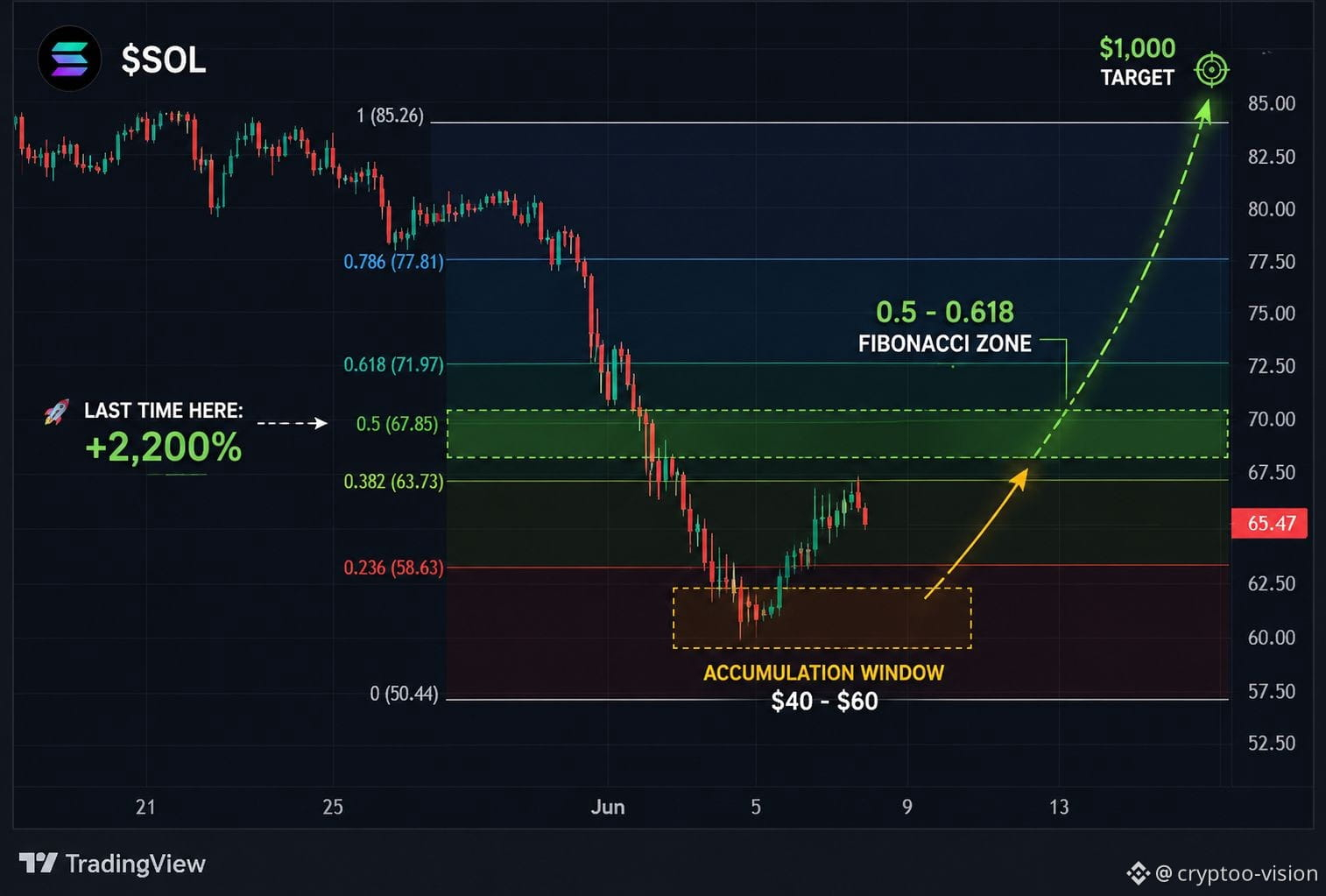
$SOL は再び重要なフィボナッチリトレースメントゾーンで取引されています。このゾーンは前のサイクルで重要な役割を果たしました。
0.5-0.618のリトレースメントレンジは歴史的に主要な蓄積エリアとして機能しており、ソラナは現在その上に位置しています。
キーレベル:
- フィボナッチゾーン: $40–$60
- 現在の価格: ~$67
- 主要な抵抗およびエクステンションレベルは、現在の市場価格の上に残っています
前回のサイクルでは、$SOL がこのレンジに滞在した後に大きなラリーがありました。歴史が繰り返される保証はありませんが、トレーダーはしばしばこれらのゾーンを蓄積やトレンドの反転の兆候を探るために監視します。
今のところ、$SOL がサポートを構築し、高いレベルを取り戻すことができるかどうかに焦点が当たっています。
#sol #solana #crypto #altcoins #TechnicalAnalysis
$SOL は再び重要なフィボナッチリトレースメントゾーンで取引されています。このゾーンは前のサイクルで重要な役割を果たしました。
0.5-0.618のリトレースメントレンジは歴史的に主要な蓄積エリアとして機能しており、ソラナは現在その上に位置しています。
キーレベル:
- フィボナッチゾーン: $40–$60
- 現在の価格: ~$67
- 主要な抵抗およびエクステンションレベルは、現在の市場価格の上に残っています
前回のサイクルでは、$SOL がこのレンジに滞在した後に大きなラリーがありました。歴史が繰り返される保証はありませんが、トレーダーはしばしばこれらのゾーンを蓄積やトレンドの反転の兆候を探るために監視します。
今のところ、$SOL がサポートを構築し、高いレベルを取り戻すことができるかどうかに焦点が当たっています。
#sol #solana #crypto #altcoins #TechnicalAnalysis
0.5-0.618のリトレースメントレンジは歴史的に主要な蓄積エリアとして機能しており、ソラナは現在その上に位置しています。
キーレベル:
- フィボナッチゾーン: $40–$60
- 現在の価格: ~$67
- 主要な抵抗およびエクステンションレベルは、現在の市場価格の上に残っています
前回のサイクルでは、$SOL がこのレンジに滞在した後に大きなラリーがありました。歴史が繰り返される保証はありませんが、トレーダーはしばしばこれらのゾーンを蓄積やトレンドの反転の兆候を探るために監視します。
今のところ、$SOL がサポートを構築し、高いレベルを取り戻すことができるかどうかに焦点が当たっています。
#sol #solana #crypto #altcoins #TechnicalAnalysis
55
$BTC は伝統的な金融インフラにより深く進出しています。
今夏、CoinbaseとBetter Home & Financeは、適格な借り手が$BTC またはUSDCを担保として住宅ローンに利用できる製品を発表する予定です。
主な進展:
- FHFAは2025年6月にガイダンスを発表
- Newrezは2026年初頭にフレームワークを採用
- 21世紀住宅法は長期的な規制サポートを提供することを目的としています。
全体的なトレンドは明確です: デジタル資産は、従来の金融システムに統合されつつあり、並行して行動するのではありません。
採用が加速するかどうかにかかわらず、$BTC の主流金融における役割は、取引や投資のユースケースを超えて拡大し続けています。
#bitcoin #BTC #crypto #TradFi #Adoption
$BTC は伝統的な金融インフラにより深く進出しています。
今夏、CoinbaseとBetter Home & Financeは、適格な借り手が$BTC またはUSDCを担保として住宅ローンに利用できる製品を発表する予定です。
主な進展:
- FHFAは2025年6月にガイダンスを発表
- Newrezは2026年初頭にフレームワークを採用
- 21世紀住宅法は長期的な規制サポートを提供することを目的としています。
全体的なトレンドは明確です: デジタル資産は、従来の金融システムに統合されつつあり、並行して行動するのではありません。
採用が加速するかどうかにかかわらず、$BTC の主流金融における役割は、取引や投資のユースケースを超えて拡大し続けています。
#bitcoin #BTC #crypto #TradFi #Adoption
今夏、CoinbaseとBetter Home & Financeは、適格な借り手が$BTC またはUSDCを担保として住宅ローンに利用できる製品を発表する予定です。
主な進展:
- FHFAは2025年6月にガイダンスを発表
- Newrezは2026年初頭にフレームワークを採用
- 21世紀住宅法は長期的な規制サポートを提供することを目的としています。
全体的なトレンドは明確です: デジタル資産は、従来の金融システムに統合されつつあり、並行して行動するのではありません。
採用が加速するかどうかにかかわらず、$BTC の主流金融における役割は、取引や投資のユースケースを超えて拡大し続けています。
#bitcoin #BTC #crypto #TradFi #Adoption

84
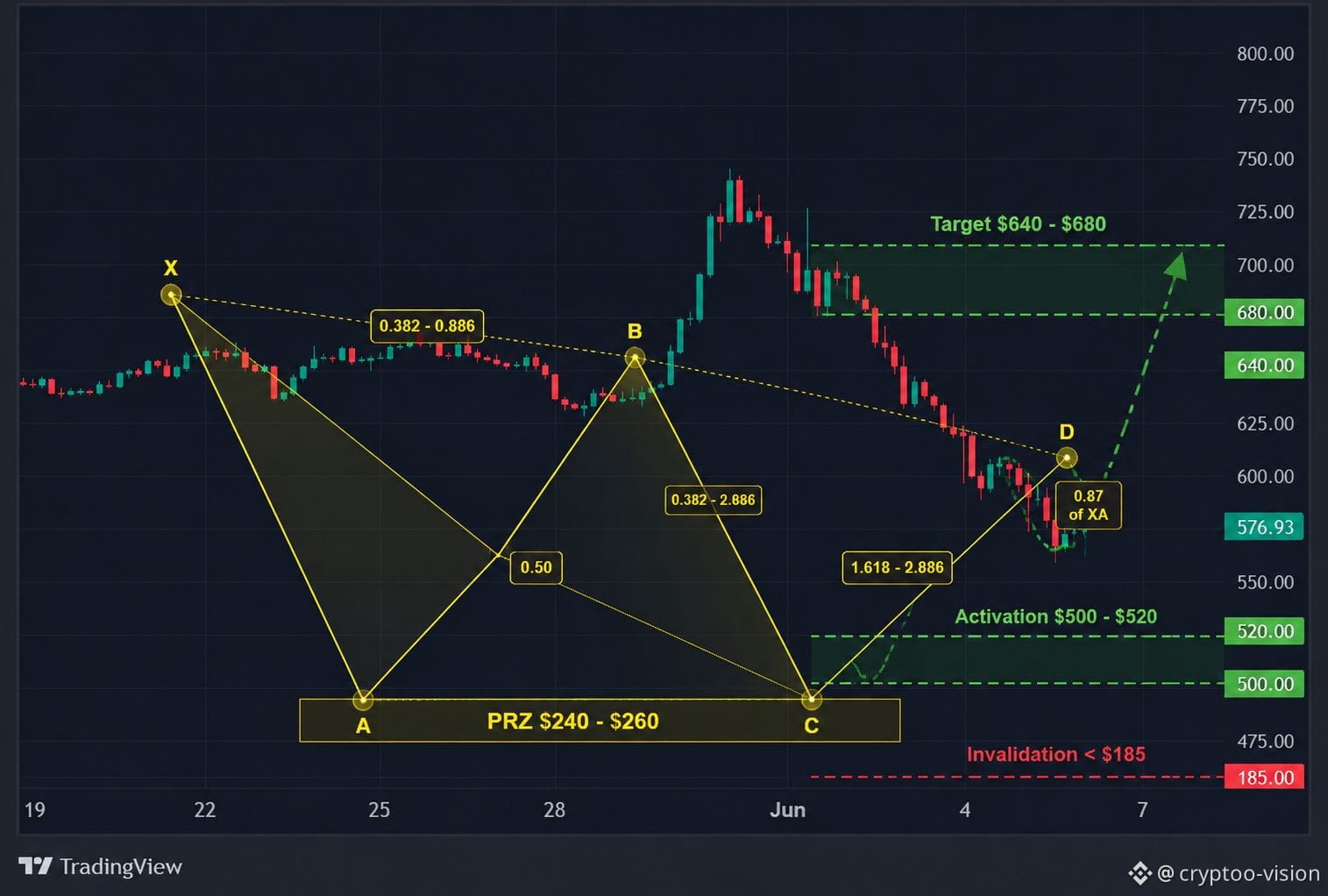
$BNB は4時間足のチャートで強気のバットハーモニックパターンを完成させました。反転ゾーンは$240–$260の範囲に形成されています。
重要な構造:
- パターン: 強気のバット X-A-B-C-D
- Dポイント: XAの0.87リトレースメント
- CDのエクステンション: BCの2.752
- PRZ: $240–$260
$BNB は現在$325で取引中で、潜在的な反転ゾーンを上回っています。
注目すべきレベル:
- アクティベーション: $500–$520を突破
- アクティベーション後のターゲット: $640–$680
- 無効化: $185–$190を下回るクローズ
このセットアップはテクニカルでレベルベースのままです。確認は価格がアクティベーションゾーンを突破した場合にのみ行われます。
#bnb #Binance #cryptocurreny #harmonictrading
$BNB は4時間足のチャートで強気のバットハーモニックパターンを完成させました。反転ゾーンは$240–$260の範囲に形成されています。
重要な構造:
- パターン: 強気のバット X-A-B-C-D
- Dポイント: XAの0.87リトレースメント
- CDのエクステンション: BCの2.752
- PRZ: $240–$260
$BNB は現在$325で取引中で、潜在的な反転ゾーンを上回っています。
注目すべきレベル:
- アクティベーション: $500–$520を突破
- アクティベーション後のターゲット: $640–$680
- 無効化: $185–$190を下回るクローズ
このセットアップはテクニカルでレベルベースのままです。確認は価格がアクティベーションゾーンを突破した場合にのみ行われます。
#bnb #Binance #cryptocurreny #harmonictrading
重要な構造:
- パターン: 強気のバット X-A-B-C-D
- Dポイント: XAの0.87リトレースメント
- CDのエクステンション: BCの2.752
- PRZ: $240–$260
$BNB は現在$325で取引中で、潜在的な反転ゾーンを上回っています。
注目すべきレベル:
- アクティベーション: $500–$520を突破
- アクティベーション後のターゲット: $640–$680
- 無効化: $185–$190を下回るクローズ
このセットアップはテクニカルでレベルベースのままです。確認は価格がアクティベーションゾーンを突破した場合にのみ行われます。
#bnb #Binance #cryptocurreny #harmonictrading
120
イーサリアムのアイデンティティの議論が市場にとってますます重要になっています。
最近のシグナルは、長期的な$ETH の仮説を再び議論の余地にしています:
- ライアン・シーアン・アダムスは、イーサリアムがグローバルな決済レイヤーにならなければ、そのコアミッションを果たせないリスクがあると述べました。
- デイビッド・ホフマンは、「ETHはお金である」という仮説が限界に達したと主張し、最後のETHを売却したとのことです。
- ジェフリー・ウィルケは、$ETH の大きな金額をクラーケンに移動しました。
イーサリアムは依然としてDeFi、投機、そしてミームコインの活動に強く結びついています。
重要な質問はシンプルです:
イーサリアムはグローバルファイナンスの主要な決済レイヤーになれるのか、それともより迅速で機関投資家に優しいチェーンがその役割を奪うのか?
価格に関しては、これが不確実性を加えます。$ETH の急騰には、物語の強さだけでなく、実際の決済需要のより強力な証拠が必要かもしれません。
#ETH #Ethereum #defi #altcoins
イーサリアムのアイデンティティの議論が市場にとってますます重要になっています。
最近のシグナルは、長期的な$ETH の仮説を再び議論の余地にしています:
- ライアン・シーアン・アダムスは、イーサリアムがグローバルな決済レイヤーにならなければ、そのコアミッションを果たせないリスクがあると述べました。
- デイビッド・ホフマンは、「ETHはお金である」という仮説が限界に達したと主張し、最後のETHを売却したとのことです。
- ジェフリー・ウィルケは、$ETH の大きな金額をクラーケンに移動しました。
イーサリアムは依然としてDeFi、投機、そしてミームコインの活動に強く結びついています。
重要な質問はシンプルです:
イーサリアムはグローバルファイナンスの主要な決済レイヤーになれるのか、それともより迅速で機関投資家に優しいチェーンがその役割を奪うのか?
価格に関しては、これが不確実性を加えます。$ETH の急騰には、物語の強さだけでなく、実際の決済需要のより強力な証拠が必要かもしれません。
#ETH #Ethereum #defi #altcoins
最近のシグナルは、長期的な$ETH の仮説を再び議論の余地にしています:
- ライアン・シーアン・アダムスは、イーサリアムがグローバルな決済レイヤーにならなければ、そのコアミッションを果たせないリスクがあると述べました。
- デイビッド・ホフマンは、「ETHはお金である」という仮説が限界に達したと主張し、最後のETHを売却したとのことです。
- ジェフリー・ウィルケは、$ETH の大きな金額をクラーケンに移動しました。
イーサリアムは依然としてDeFi、投機、そしてミームコインの活動に強く結びついています。
重要な質問はシンプルです:
イーサリアムはグローバルファイナンスの主要な決済レイヤーになれるのか、それともより迅速で機関投資家に優しいチェーンがその役割を奪うのか?
価格に関しては、これが不確実性を加えます。$ETH の急騰には、物語の強さだけでなく、実際の決済需要のより強力な証拠が必要かもしれません。
#ETH #Ethereum #defi #altcoins

183
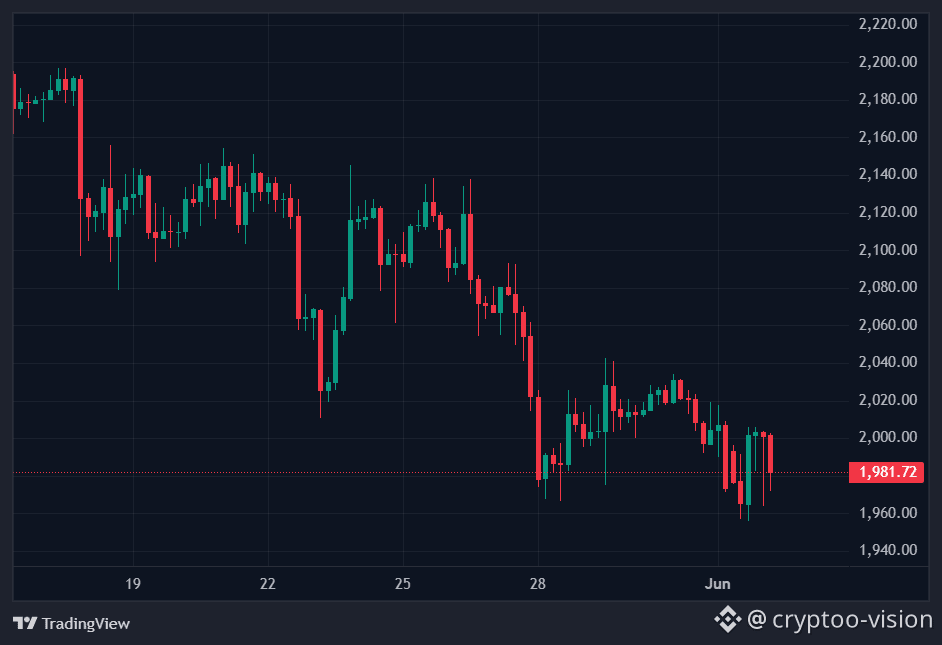
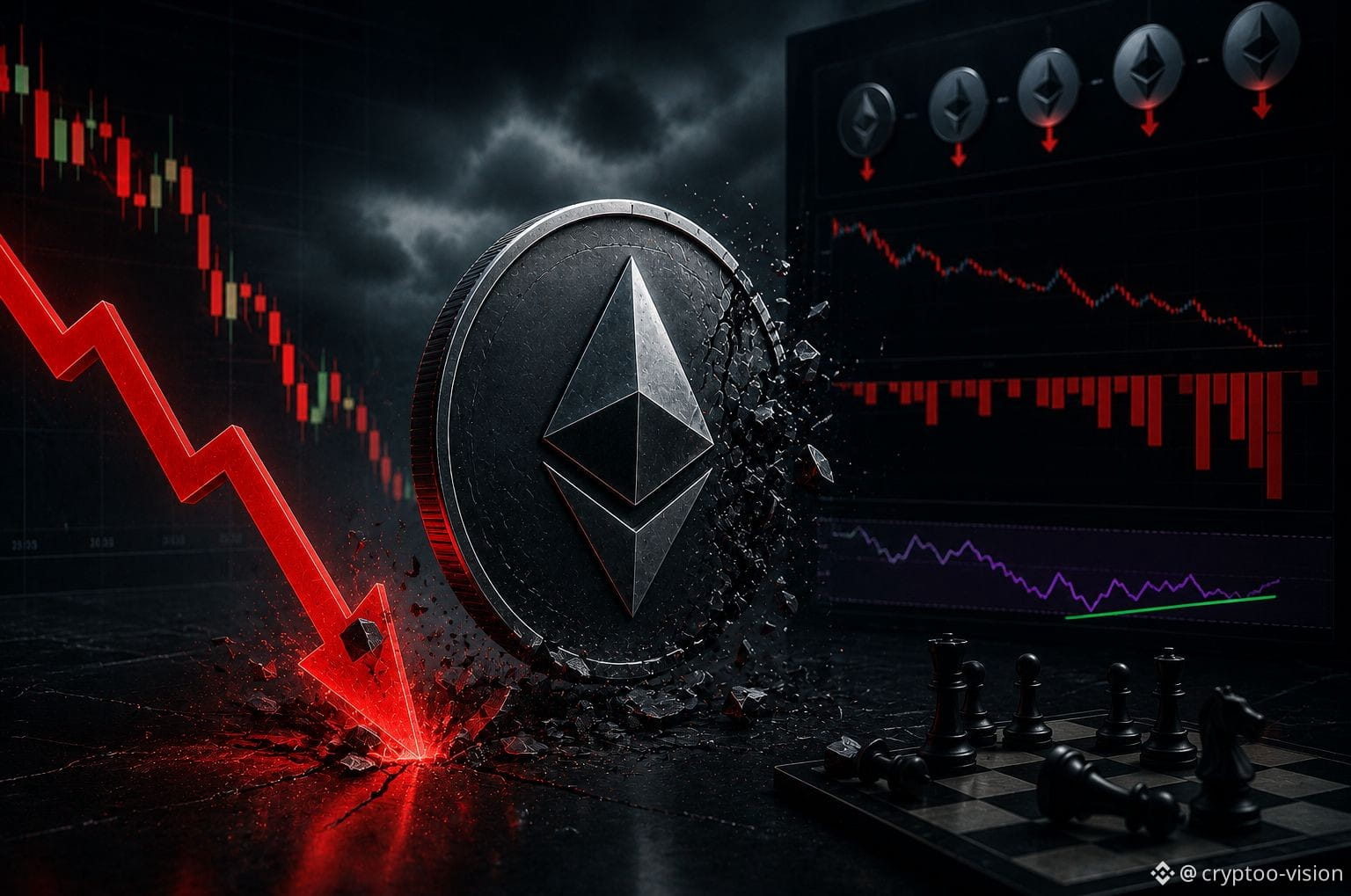
$ETH は3月以来初めて$2,000を下回り、重要なレベルが再び注目を集めています。
この弱さの原因は何でしょうか?
- スポット$ETH ETFの流出が数週間にわたりマイナスのままです。
- リスクオフのセンチメントが投機的資産に圧力をかけ続けています。
- チャート構造は依然として高値切り下げ、安値切り下げを示しています。
一つのポジティブなシグナルがあります:いくつかのインディケーターで強気のダイバージェンスが現れ始めています。
しかし、ダイバージェンスだけでは不十分です。
注目すべきレベルは$2,045です。これを超える確実な動きがあれば、モメンタムがシフトし始める最初のサインとなります。
それまでは、トレンドは圧力の下にあります。
#ETH #Ethereum #crypto #etf
$ETH は3月以来初めて$2,000を下回り、重要なレベルが再び注目を集めています。
この弱さの原因は何でしょうか?
- スポット$ETH ETFの流出が数週間にわたりマイナスのままです。
- リスクオフのセンチメントが投機的資産に圧力をかけ続けています。
- チャート構造は依然として高値切り下げ、安値切り下げを示しています。
一つのポジティブなシグナルがあります:いくつかのインディケーターで強気のダイバージェンスが現れ始めています。
しかし、ダイバージェンスだけでは不十分です。
注目すべきレベルは$2,045です。これを超える確実な動きがあれば、モメンタムがシフトし始める最初のサインとなります。
それまでは、トレンドは圧力の下にあります。
#ETH #Ethereum #crypto #etf
この弱さの原因は何でしょうか?
- スポット$ETH ETFの流出が数週間にわたりマイナスのままです。
- リスクオフのセンチメントが投機的資産に圧力をかけ続けています。
- チャート構造は依然として高値切り下げ、安値切り下げを示しています。
一つのポジティブなシグナルがあります:いくつかのインディケーターで強気のダイバージェンスが現れ始めています。
しかし、ダイバージェンスだけでは不十分です。
注目すべきレベルは$2,045です。これを超える確実な動きがあれば、モメンタムがシフトし始める最初のサインとなります。
それまでは、トレンドは圧力の下にあります。
#ETH #Ethereum #crypto #etf
96
本人確認中
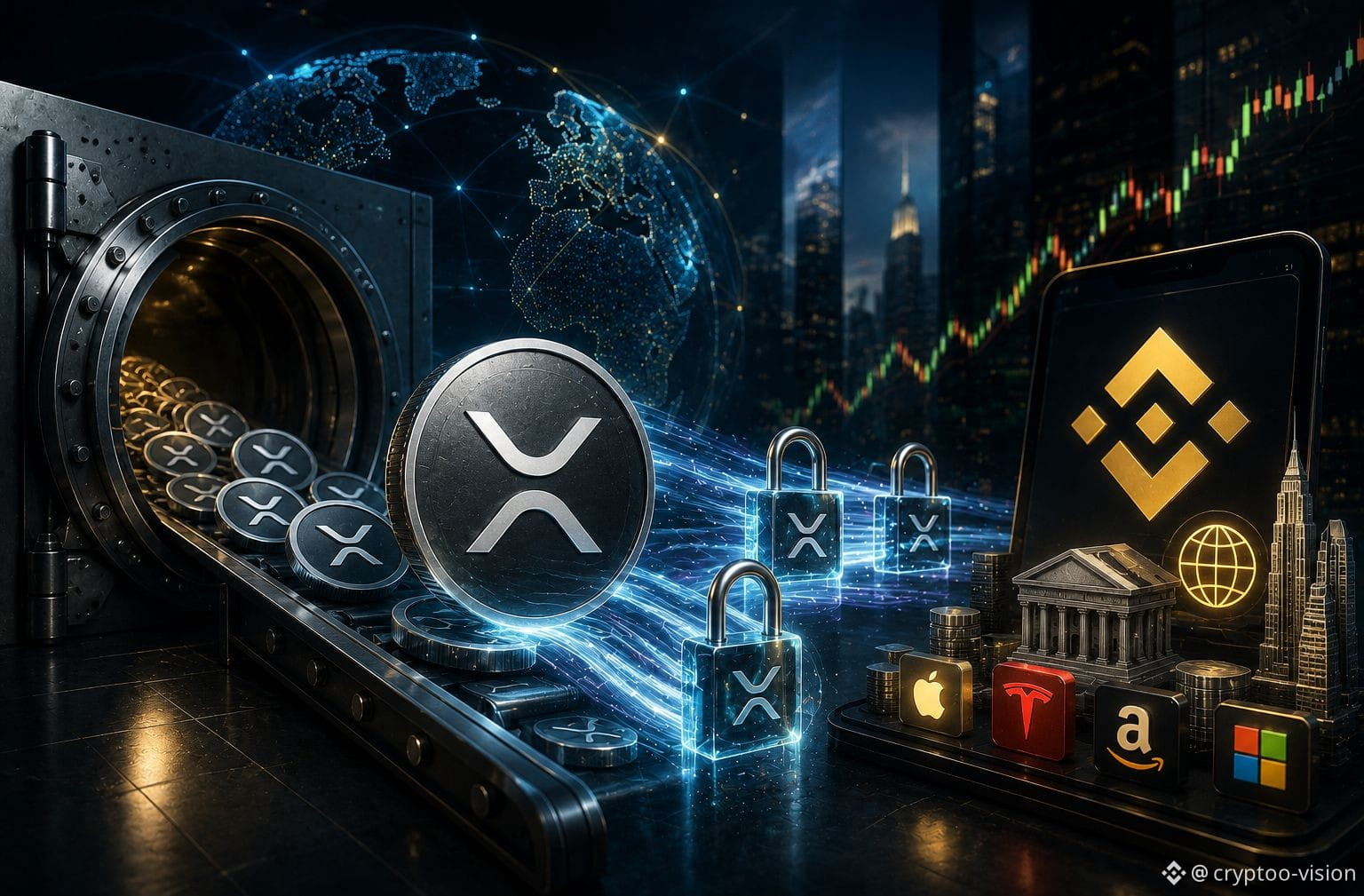
$XRP の6月のエスクローレリースが話題になっていますが、より大きな視点が重要です。
リップルは、予定された月次エスクロープロセスの一環として1B $XRP をリリースしました。これは2017年から定期的に行われており、リリースされた$XRP のほとんどは通常再度エスクローにロックされます。
したがって、これは自動的に売りシグナルではありません。
同時に、XRPスポットETFデータは強力な機関投資家の関心を示しています:
- 累積ネット流入: $1.42B
- 5月29日の流入: $11.88M
本当のストーリーは、アンロックだけではありません。
これは予定された供給管理 + 機関需要 + 改善された市場構造です。
#xrp #Ripple #crypto #etf
$XRP の6月のエスクローレリースが話題になっていますが、より大きな視点が重要です。
リップルは、予定された月次エスクロープロセスの一環として1B $XRP をリリースしました。これは2017年から定期的に行われており、リリースされた$XRP のほとんどは通常再度エスクローにロックされます。
したがって、これは自動的に売りシグナルではありません。
同時に、XRPスポットETFデータは強力な機関投資家の関心を示しています:
- 累積ネット流入: $1.42B
- 5月29日の流入: $11.88M
本当のストーリーは、アンロックだけではありません。
これは予定された供給管理 + 機関需要 + 改善された市場構造です。
#xrp #Ripple #crypto #etf
リップルは、予定された月次エスクロープロセスの一環として1B $XRP をリリースしました。これは2017年から定期的に行われており、リリースされた$XRP のほとんどは通常再度エスクローにロックされます。
したがって、これは自動的に売りシグナルではありません。
同時に、XRPスポットETFデータは強力な機関投資家の関心を示しています:
- 累積ネット流入: $1.42B
- 5月29日の流入: $11.88M
本当のストーリーは、アンロックだけではありません。
これは予定された供給管理 + 機関需要 + 改善された市場構造です。
#xrp #Ripple #crypto #etf
3
34
32.2k
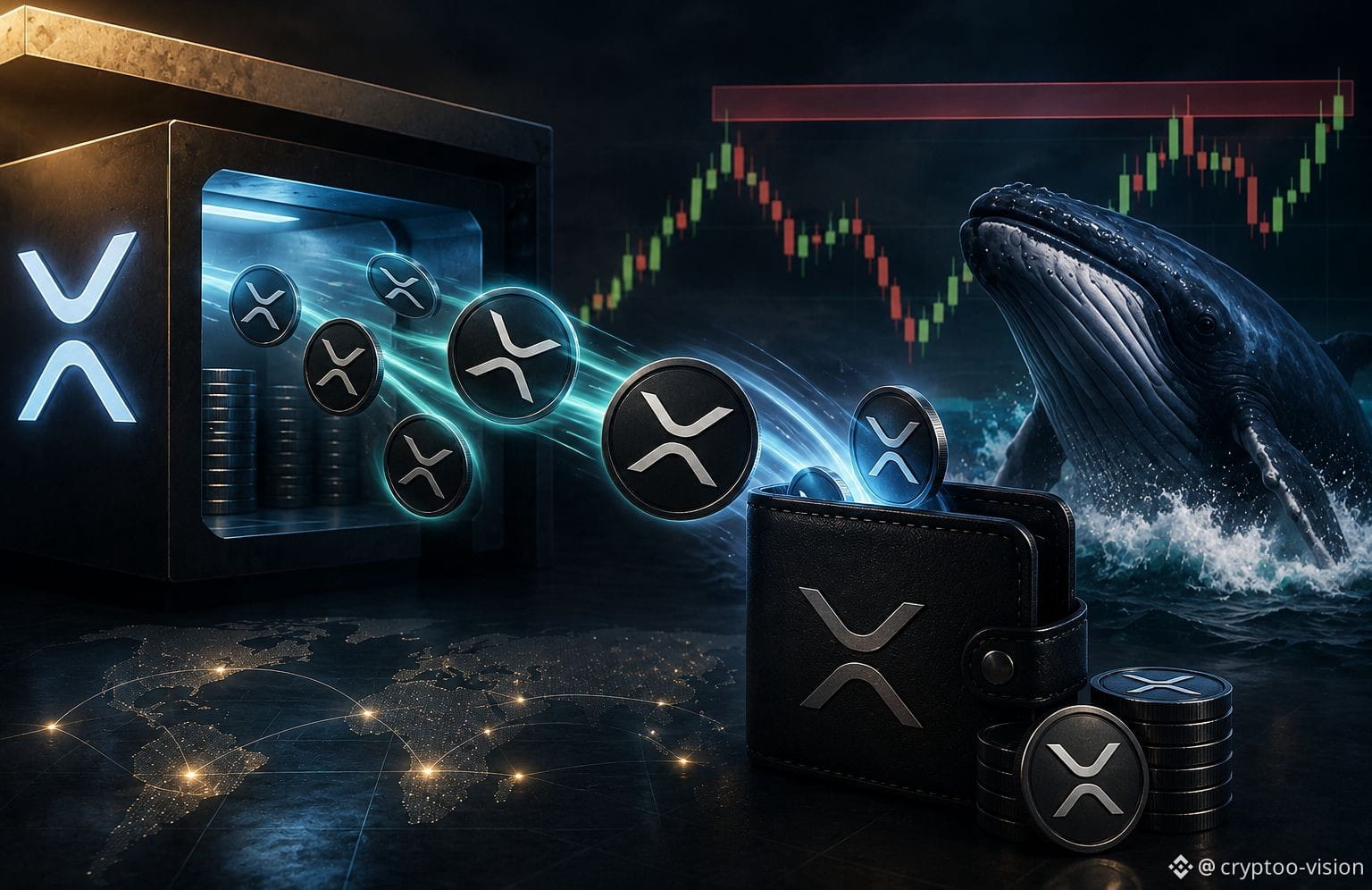
$XRP は、価格が重要なレジスタンスエリアをテストし続ける中で、24時間以内に1億1500万ドル以上の取引所からの流出を記録しました。
大規模な取引所からの引き出しは、ホルダーが売却の準備をするのではなく、資産を長期保管に移動している兆候として監視されることがよくあります。
現在の影響:
- レジスタンス付近の売り側供給が減少しています
- クジラの動きは分配ではなくポジショニングを示唆しています
- 現在の価格水準の上のオーダーブックの流動性は薄く見えます
歴史的に、レジスタンステスト中の強い流出スパイクは、しばしばボラティリティの増加期間の前触れとなります。
次の48時間は方向性を確認するために重要かもしれません。
#xrp #Onchain #WhaleWatchers #crypto $XRP
$XRP は、価格が重要なレジスタンスエリアをテストし続ける中で、24時間以内に1億1500万ドル以上の取引所からの流出を記録しました。
大規模な取引所からの引き出しは、ホルダーが売却の準備をするのではなく、資産を長期保管に移動している兆候として監視されることがよくあります。
現在の影響:
- レジスタンス付近の売り側供給が減少しています
- クジラの動きは分配ではなくポジショニングを示唆しています
- 現在の価格水準の上のオーダーブックの流動性は薄く見えます
歴史的に、レジスタンステスト中の強い流出スパイクは、しばしばボラティリティの増加期間の前触れとなります。
次の48時間は方向性を確認するために重要かもしれません。
#xrp #Onchain #WhaleWatchers #crypto $XRP
大規模な取引所からの引き出しは、ホルダーが売却の準備をするのではなく、資産を長期保管に移動している兆候として監視されることがよくあります。
現在の影響:
- レジスタンス付近の売り側供給が減少しています
- クジラの動きは分配ではなくポジショニングを示唆しています
- 現在の価格水準の上のオーダーブックの流動性は薄く見えます
歴史的に、レジスタンステスト中の強い流出スパイクは、しばしばボラティリティの増加期間の前触れとなります。
次の48時間は方向性を確認するために重要かもしれません。
#xrp #Onchain #WhaleWatchers #crypto $XRP
85
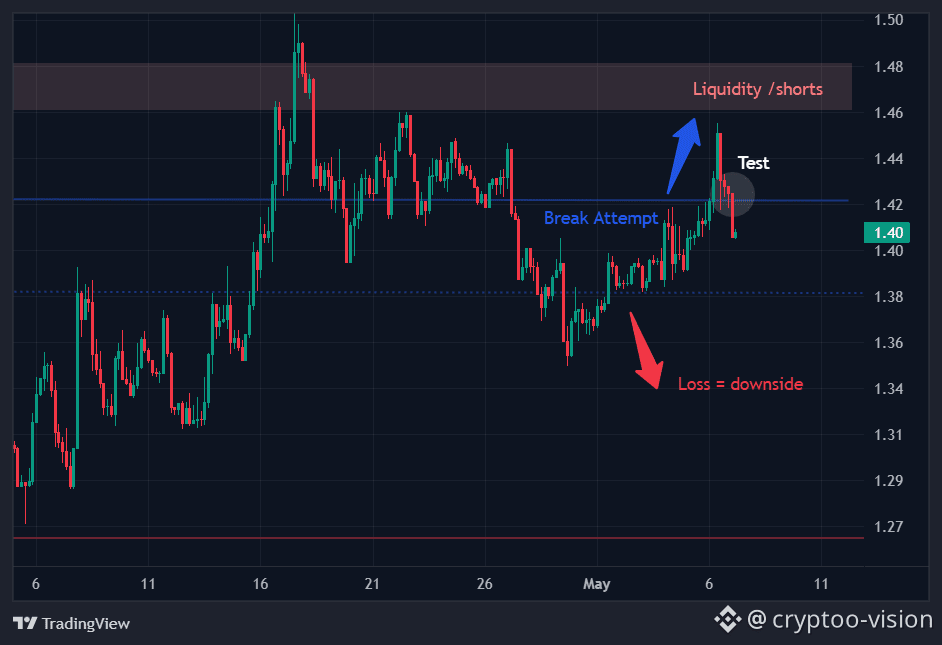
$XRP は現在、$1.42のレジスタンスレベルをテスト中で、オーダーブックに注目すべき活動があります。
可視流動性の約73%がビッドサイドに配置されており、現在の価格付近での強い買い意欲を示唆しています。
追加の観察事項:
- ETFの流入は1日で$11.28Mに達しました
- クジラの活動は高水準で、取引所参加も活発です
- バイナンスでは、トップトレーダーのロングポジションが約64%に増加しています
監視すべき重要なレベル:
+ レジスタンス: $1.42 確定したクローズが上に出れば、更なる上昇の道が開かれる可能性があります
+ サポート: $1.38 このレベルを維持することで、現在の構造が保たれます
+ 清算ゾーン: $1.47–$1.49、$1.50以上に拡大する可能性があります
より広い視点から見ると、今後のCLARITY法案の議論などの発展が$XRP 市場のセンチメントや参加に影響を与えるかもしれません。
全体的に、このセットアップは、価格がレジスタンスの上で受け入れを確立しつつ、下でサポートを維持できるかに依存します。
#xrp #crypto #TechnicalAnalysis #markets
$XRP は現在、$1.42のレジスタンスレベルをテスト中で、オーダーブックに注目すべき活動があります。
可視流動性の約73%がビッドサイドに配置されており、現在の価格付近での強い買い意欲を示唆しています。
追加の観察事項:
- ETFの流入は1日で$11.28Mに達しました
- クジラの活動は高水準で、取引所参加も活発です
- バイナンスでは、トップトレーダーのロングポジションが約64%に増加しています
監視すべき重要なレベル:
+ レジスタンス: $1.42 確定したクローズが上に出れば、更なる上昇の道が開かれる可能性があります
+ サポート: $1.38 このレベルを維持することで、現在の構造が保たれます
+ 清算ゾーン: $1.47–$1.49、$1.50以上に拡大する可能性があります
より広い視点から見ると、今後のCLARITY法案の議論などの発展が$XRP 市場のセンチメントや参加に影響を与えるかもしれません。
全体的に、このセットアップは、価格がレジスタンスの上で受け入れを確立しつつ、下でサポートを維持できるかに依存します。
#xrp #crypto #TechnicalAnalysis #markets
可視流動性の約73%がビッドサイドに配置されており、現在の価格付近での強い買い意欲を示唆しています。
追加の観察事項:
- ETFの流入は1日で$11.28Mに達しました
- クジラの活動は高水準で、取引所参加も活発です
- バイナンスでは、トップトレーダーのロングポジションが約64%に増加しています
監視すべき重要なレベル:
+ レジスタンス: $1.42 確定したクローズが上に出れば、更なる上昇の道が開かれる可能性があります
+ サポート: $1.38 このレベルを維持することで、現在の構造が保たれます
+ 清算ゾーン: $1.47–$1.49、$1.50以上に拡大する可能性があります
より広い視点から見ると、今後のCLARITY法案の議論などの発展が$XRP 市場のセンチメントや参加に影響を与えるかもしれません。
全体的に、このセットアップは、価格がレジスタンスの上で受け入れを確立しつつ、下でサポートを維持できるかに依存します。
#xrp #crypto #TechnicalAnalysis #markets
84
ミームコインのローテーションが勢いを増しているようで、$DOGE がサポートを保持し、市場の新たな関心を示しています。
しかし、一部のアクティビティは関連するエコシステム、特にToncoinにシフトしています。
重要な観察事項:
* テレグラムは、ネットワークバリデーターとして2.2M $TON をステークしたと報じられています
* TONの価格は短期的に強い動きを見せました(72時間で+63%)
* 取引量は大幅に増加しました(約+650%)
* エコシステムトークン(DOGS、NOT、CATI)はDogecoinと相関して動いています
このパターンは、主要なプラットフォームがブロックチェーンと統合されることで市場の注目と流動性にどのように影響を与えるかを反映しています。
$DOGE のような主要な資産が勢いを持つと、関連トークンやエコシステムもしばしば追随し、全体の動きを増幅させます。
いつものように、これらのダイナミクスは、ナラティブと採用が短期的な市場トレンドを形成する上でどのように相互作用するかを浮き彫りにします。
#DOGE #TON #memecoins #altcoins #crypto
ミームコインのローテーションが勢いを増しているようで、$DOGE がサポートを保持し、市場の新たな関心を示しています。
しかし、一部のアクティビティは関連するエコシステム、特にToncoinにシフトしています。
重要な観察事項:
* テレグラムは、ネットワークバリデーターとして2.2M $TON をステークしたと報じられています
* TONの価格は短期的に強い動きを見せました(72時間で+63%)
* 取引量は大幅に増加しました(約+650%)
* エコシステムトークン(DOGS、NOT、CATI)はDogecoinと相関して動いています
このパターンは、主要なプラットフォームがブロックチェーンと統合されることで市場の注目と流動性にどのように影響を与えるかを反映しています。
$DOGE のような主要な資産が勢いを持つと、関連トークンやエコシステムもしばしば追随し、全体の動きを増幅させます。
いつものように、これらのダイナミクスは、ナラティブと採用が短期的な市場トレンドを形成する上でどのように相互作用するかを浮き彫りにします。
#DOGE #TON #memecoins #altcoins #crypto
しかし、一部のアクティビティは関連するエコシステム、特にToncoinにシフトしています。
重要な観察事項:
* テレグラムは、ネットワークバリデーターとして2.2M $TON をステークしたと報じられています
* TONの価格は短期的に強い動きを見せました(72時間で+63%)
* 取引量は大幅に増加しました(約+650%)
* エコシステムトークン(DOGS、NOT、CATI)はDogecoinと相関して動いています
このパターンは、主要なプラットフォームがブロックチェーンと統合されることで市場の注目と流動性にどのように影響を与えるかを反映しています。
$DOGE のような主要な資産が勢いを持つと、関連トークンやエコシステムもしばしば追随し、全体の動きを増幅させます。
いつものように、これらのダイナミクスは、ナラティブと採用が短期的な市場トレンドを形成する上でどのように相互作用するかを浮き彫りにします。
#DOGE #TON #memecoins #altcoins #crypto

177
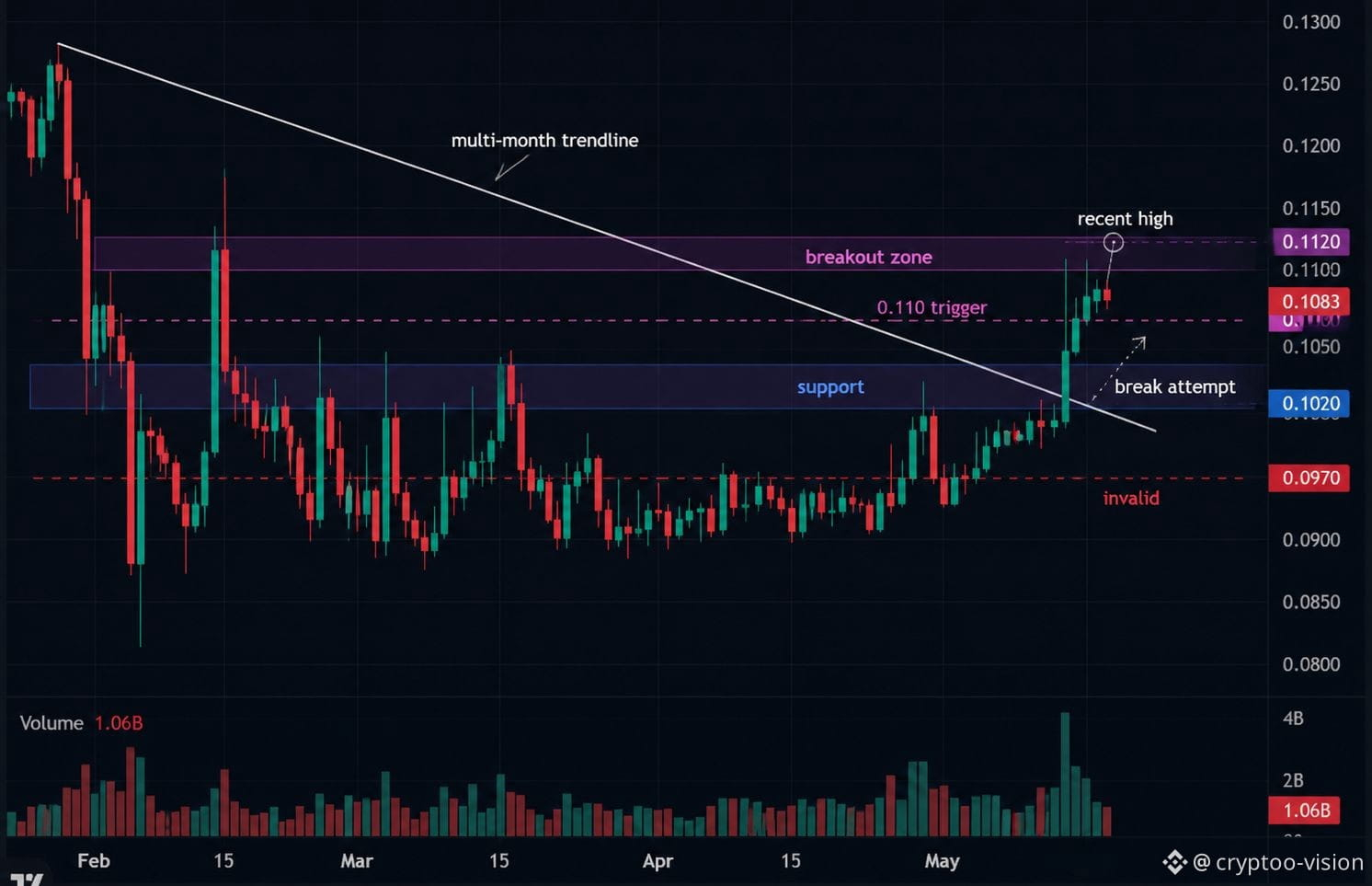
$DOGE は、数ヶ月の調整を経て、重要なテクニカルレベルに近づいています。
現在、価格は長期の下降トレンドラインをテストしており、このゾーン付近でバイヤーの活動が増加している兆候があります。
注目すべき重要レベル:
$0.1120: 最近の高値で、拒否が限られていることから安定した需要を示唆
$0.1100: メインのトリガーレベルで、日足でこのレベルを超えればトレンド反転のシグナルとなる可能性
$0.1020: 現在の構造を維持する重要なサポートレベル
$0.0970: 価格がこの下に移動した場合の無効化ゾーン
最近の価格動向は、安定したボリュームに支えられた長期的な蓄積フェーズを反映しています。
$0.1100を超える確定したクローズは、潜在的な上昇ムーブの可能性を強化します。それまでの間、このレベルは監視が重要です。
#DOGE #Dogecoin #crypto #altcoins #TechnicalAnalysis
$DOGE は、数ヶ月の調整を経て、重要なテクニカルレベルに近づいています。
現在、価格は長期の下降トレンドラインをテストしており、このゾーン付近でバイヤーの活動が増加している兆候があります。
注目すべき重要レベル:
$0.1120: 最近の高値で、拒否が限られていることから安定した需要を示唆
$0.1100: メインのトリガーレベルで、日足でこのレベルを超えればトレンド反転のシグナルとなる可能性
$0.1020: 現在の構造を維持する重要なサポートレベル
$0.0970: 価格がこの下に移動した場合の無効化ゾーン
最近の価格動向は、安定したボリュームに支えられた長期的な蓄積フェーズを反映しています。
$0.1100を超える確定したクローズは、潜在的な上昇ムーブの可能性を強化します。それまでの間、このレベルは監視が重要です。
#DOGE #Dogecoin #crypto #altcoins #TechnicalAnalysis
現在、価格は長期の下降トレンドラインをテストしており、このゾーン付近でバイヤーの活動が増加している兆候があります。
注目すべき重要レベル:
$0.1120: 最近の高値で、拒否が限られていることから安定した需要を示唆
$0.1100: メインのトリガーレベルで、日足でこのレベルを超えればトレンド反転のシグナルとなる可能性
$0.1020: 現在の構造を維持する重要なサポートレベル
$0.0970: 価格がこの下に移動した場合の無効化ゾーン
最近の価格動向は、安定したボリュームに支えられた長期的な蓄積フェーズを反映しています。
$0.1100を超える確定したクローズは、潜在的な上昇ムーブの可能性を強化します。それまでの間、このレベルは監視が重要です。
#DOGE #Dogecoin #crypto #altcoins #TechnicalAnalysis
98
ログインして、さらにコンテンツを読む
厳選トピックで世界の暗号資産トレーダーの仲間入り
⚡️ 暗号資産に関する最新かつ有益な情報が見つかります。
💬 世界最大の暗号資産取引所から信頼されています。
👍 認証を受けたクリエイターから、有益なインサイトを得られます。
メール / 電話番号