

BlockchainBaller
70k 投稿

BlockchainBaller
 厳選トピック確認済+
報告
ユーザーをブロック
Trader || X (Twitter): @bl_ockchain || Binance KOL || Trade Setups are my Personal Opinions || DYOR

2025年ブロックチェーン100 — トレーダー

Creator Awards 2024

Top Voices
低高頻度トレーダー
5年
62 フォロー
247.1K+ フォロワー
718.9K+ いいね
3 バッジ
投稿
すべて
引用
動画
ライブ
PINNED
·
--
ブリッシュ
やあ、皆さん、ちょっと真剣な問題について2分だけ時間をくれ。
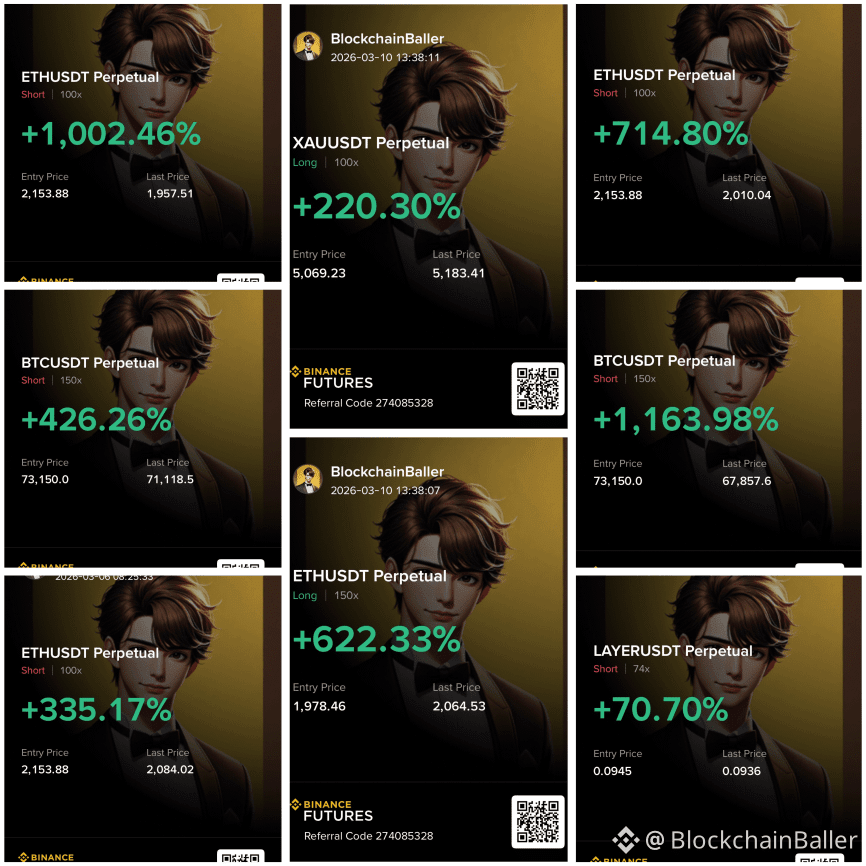
ほとんどの人が俺のコールをフォローしてくれてるけど…実際のトレードがリアルタイムでヒットするのを見たことがあるだろう。しかし、その投稿が君たちに届く前に、すでにチャンスを逃していたり、ロスカットされてしまっていた。だが今、解決策がある。
俺はBinance SquareでBlockchainBallerプレミアムグループを立ち上げた。[Click here to join or Scan QR](https://app.binance.com/uni-qr/group-chat-landing?channelToken=0prEXOlryZcOq9s9Qimohg&type=1&entrySource=sharing_link)
これがあれば、トレードを逃すことなく実際にお金を稼ぐことができる。
無料グループを2回試したけど、どちらも赤パケットのスパムやランダムなリンクに変わってしまった。真剣なトレーダーはゼロ。だから、野心のある人たちのために何かを作ったんだ。
内部で得られるもの:
🚀 公開される前に正確なエントリー / TP / SLを伴ったリアルタイムのトレードセットアップ
🚀 トレンドになる前のナラティブに関する早期アルファ
🚀 俺の個人的な動きとポジションサイズ
🚀 何でも聞ける直接のアクセス
🚀 7日間の無料トライアル
6年間のトレーディング。Binance Blockchain 100のトップ5。235K以上のファミリーが俺が投稿するコールを見ている。今、君も俺と一緒にトレードできる。
やあ、皆さん、ちょっと真剣な問題について2分だけ時間をくれ。
ほとんどの人が俺のコールをフォローしてくれてるけど…実際のトレードがリアルタイムでヒットするのを見たことがあるだろう。しかし、その投稿が君たちに届く前に、すでにチャンスを逃していたり、ロスカットされてしまっていた。だが今、解決策がある。
俺はBinance SquareでBlockchainBallerプレミアムグループを立ち上げた。Click here to join or Scan QR
これがあれば、トレードを逃すことなく実際にお金を稼ぐことができる。
無料グループを2回試したけど、どちらも赤パケットのスパムやランダムなリンクに変わってしまった。真剣なトレーダーはゼロ。だから、野心のある人たちのために何かを作ったんだ。
内部で得られるもの:
🚀 公開される前に正確なエントリー / TP / SLを伴ったリアルタイムのトレードセットアップ
🚀 トレンドになる前のナラティブに関する早期アルファ
🚀 俺の個人的な動きとポジションサイズ
🚀 何でも聞ける直接のアクセス
🚀 7日間の無料トライアル
6年間のトレーディング。Binance Blockchain 100のトップ5。235K以上のファミリーが俺が投稿するコールを見ている。今、君も俺と一緒にトレードできる。
ほとんどの人が俺のコールをフォローしてくれてるけど…実際のトレードがリアルタイムでヒットするのを見たことがあるだろう。しかし、その投稿が君たちに届く前に、すでにチャンスを逃していたり、ロスカットされてしまっていた。だが今、解決策がある。
俺はBinance SquareでBlockchainBallerプレミアムグループを立ち上げた。Click here to join or Scan QR
これがあれば、トレードを逃すことなく実際にお金を稼ぐことができる。
無料グループを2回試したけど、どちらも赤パケットのスパムやランダムなリンクに変わってしまった。真剣なトレーダーはゼロ。だから、野心のある人たちのために何かを作ったんだ。
内部で得られるもの:
🚀 公開される前に正確なエントリー / TP / SLを伴ったリアルタイムのトレードセットアップ
🚀 トレンドになる前のナラティブに関する早期アルファ
🚀 俺の個人的な動きとポジションサイズ
🚀 何でも聞ける直接のアクセス
🚀 7日間の無料トライアル
6年間のトレーディング。Binance Blockchain 100のトップ5。235K以上のファミリーが俺が投稿するコールを見ている。今、君も俺と一緒にトレードできる。
267
47
621
48.7k
PINNED
·
--
ブリッシュ
ブロックチェーン100の中でトップ5トレーダーカテゴリーにランクインすることを光栄に思います!
この旅の間、私を支え、投票し、信じてくれた皆さんに心から感謝します。Binanceによるブロックチェーン100の中でトップ5トレーダーにランクインすることは大きなマイルストーンであり、この素晴らしいコミュニティなしでは実現できませんでした。
皆さんの信頼と関与が、私を毎日より良い洞察、強力な分析、そして真の価値を共有するように駆り立てています。旅は続きます — これは始まりに過ぎません。ありがとうございました、ファミリー。
ブロックチェーン100の中でトップ5トレーダーカテゴリーにランクインすることを光栄に思います!
この旅の間、私を支え、投票し、信じてくれた皆さんに心から感謝します。Binanceによるブロックチェーン100の中でトップ5トレーダーにランクインすることは大きなマイルストーンであり、この素晴らしいコミュニティなしでは実現できませんでした。
皆さんの信頼と関与が、私を毎日より良い洞察、強力な分析、そして真の価値を共有するように駆り立てています。旅は続きます — これは始まりに過ぎません。ありがとうございました、ファミリー。
この旅の間、私を支え、投票し、信じてくれた皆さんに心から感謝します。Binanceによるブロックチェーン100の中でトップ5トレーダーにランクインすることは大きなマイルストーンであり、この素晴らしいコミュニティなしでは実現できませんでした。
皆さんの信頼と関与が、私を毎日より良い洞察、強力な分析、そして真の価値を共有するように駆り立てています。旅は続きます — これは始まりに過ぎません。ありがとうございました、ファミリー。
326
230
1.4k
16.3k
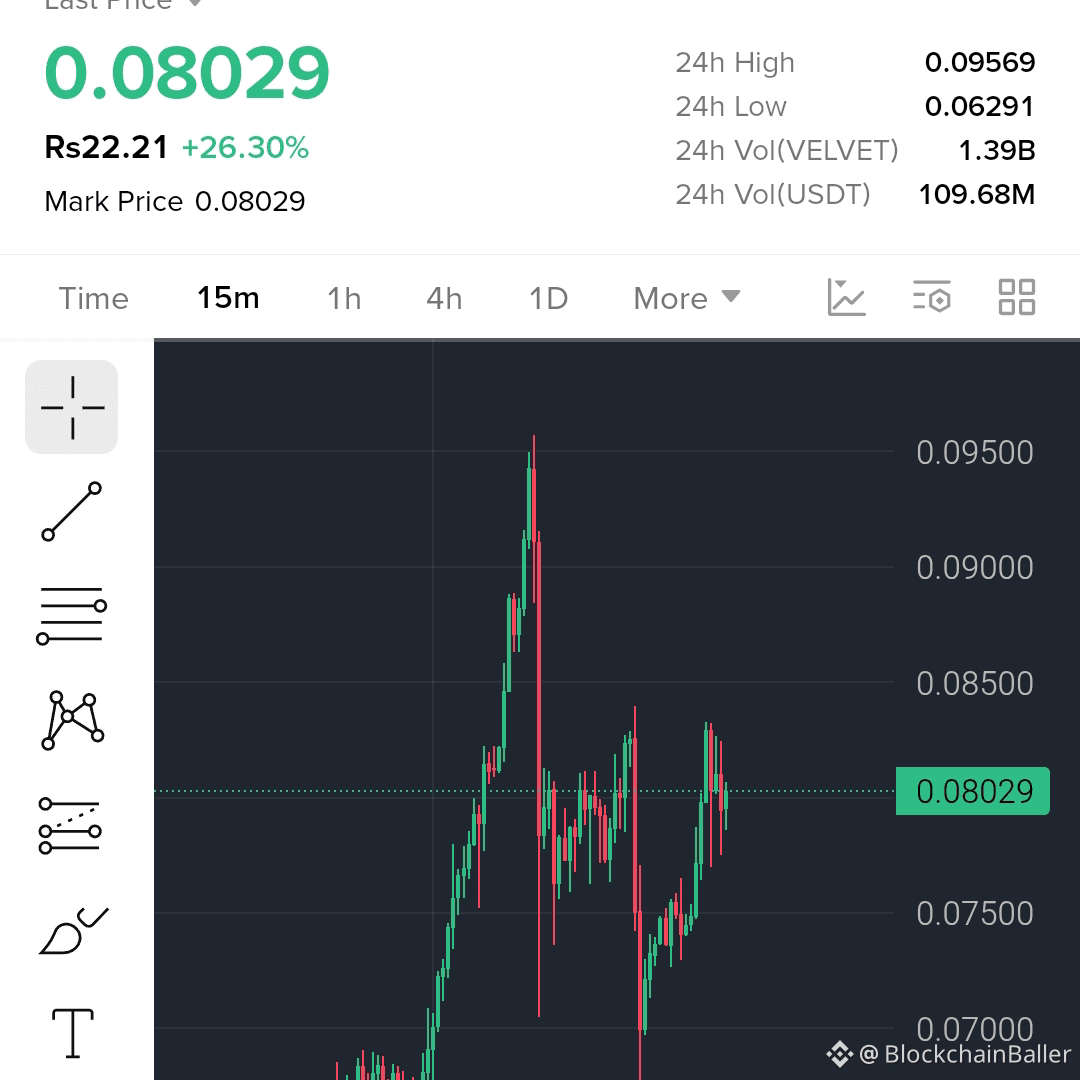
$VELVET 価格は非常にボラティリティの高い動きの後、このあたりで苦戦しています.....
エントリー: $0.0800–$0.0815
TP1: $0.0785
TP2: $0.0765
TP3: $0.0745
SL: $0.0835
$VELVET 価格は非常にボラティリティの高い動きの後、このあたりで苦戦しています.....
エントリー: $0.0800–$0.0815
TP1: $0.0785
TP2: $0.0765
TP3: $0.0745
SL: $0.0835
エントリー: $0.0800–$0.0815
TP1: $0.0785
TP2: $0.0765
TP3: $0.0745
SL: $0.0835
1
3
781
$QNT について何か言ったっけ????
質問ある???
混乱してる????
疑ってる????
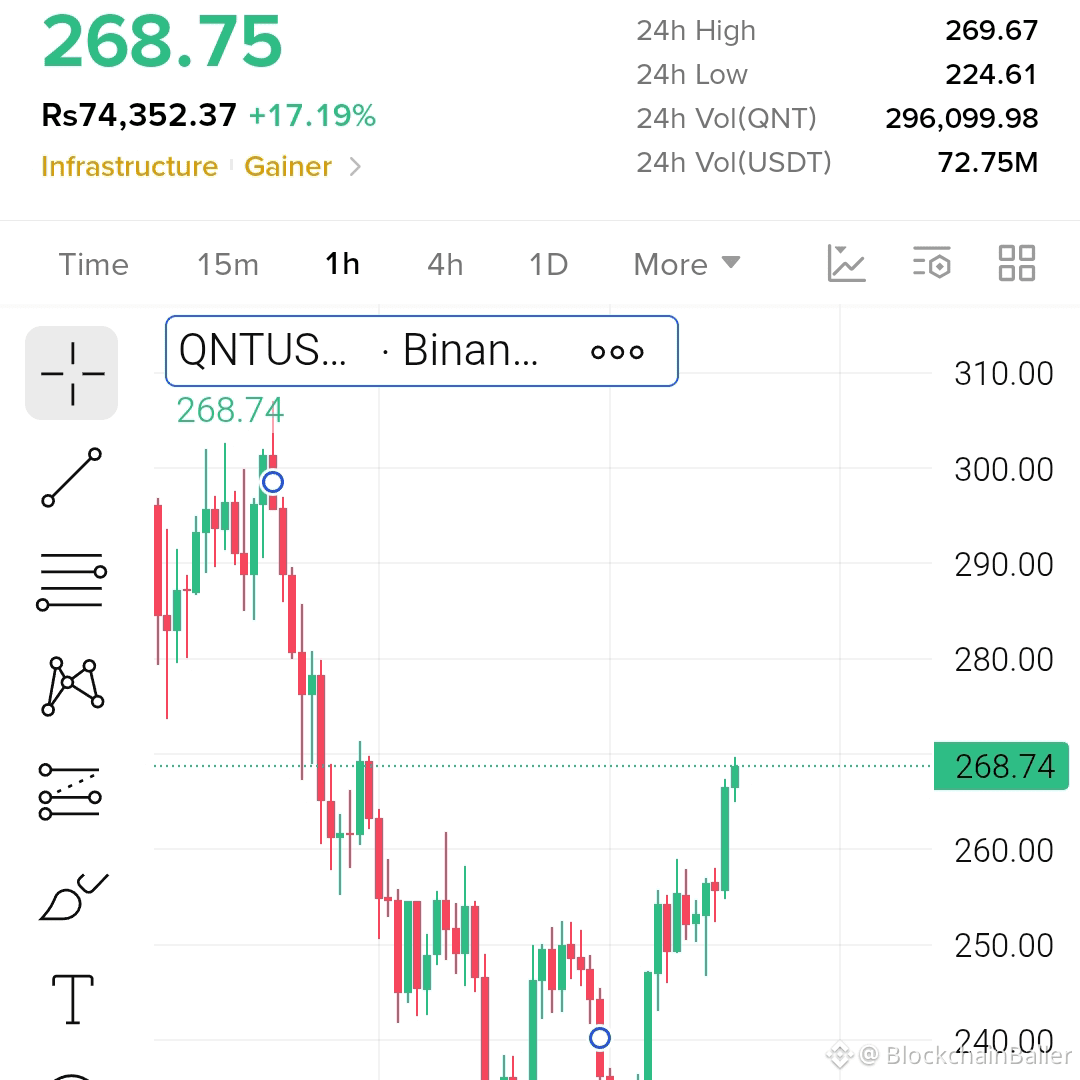
たった1時間で、私たちの全ターゲットを見事にブチ抜いた 🤝 🤝
$QNT 早めに言ってた通りだな。全ターゲットを粉砕 ‼️‼️
私は $254〜$257 のあたりで状況を共有した
TP1 $260 ✅
TP2 $265 ✅
TP3 $270 ほぼタップ
QNTはストレートに $269.67 まで押し上げた。エントリーからの利益をきっちりロックできた最高の動き。
$QNT について何か言ったっけ????
質問ある???
混乱してる????
疑ってる????
たった1時間で、私たちの全ターゲットを見事にブチ抜いた 🤝 🤝
$QNT 早めに言ってた通りだな。全ターゲットを粉砕 ‼️‼️
私は $254〜$257 のあたりで状況を共有した
TP1 $260 ✅
TP2 $265 ✅
TP3 $270 ほぼタップ
QNTはストレートに $269.67 まで押し上げた。エントリーからの利益をきっちりロックできた最高の動き。
質問ある???
混乱してる????
疑ってる????
たった1時間で、私たちの全ターゲットを見事にブチ抜いた 🤝 🤝
$QNT 早めに言ってた通りだな。全ターゲットを粉砕 ‼️‼️
私は $254〜$257 のあたりで状況を共有した
TP1 $260 ✅
TP2 $265 ✅
TP3 $270 ほぼタップ
QNTはストレートに $269.67 まで押し上げた。エントリーからの利益をきっちりロックできた最高の動き。
6
1.1k
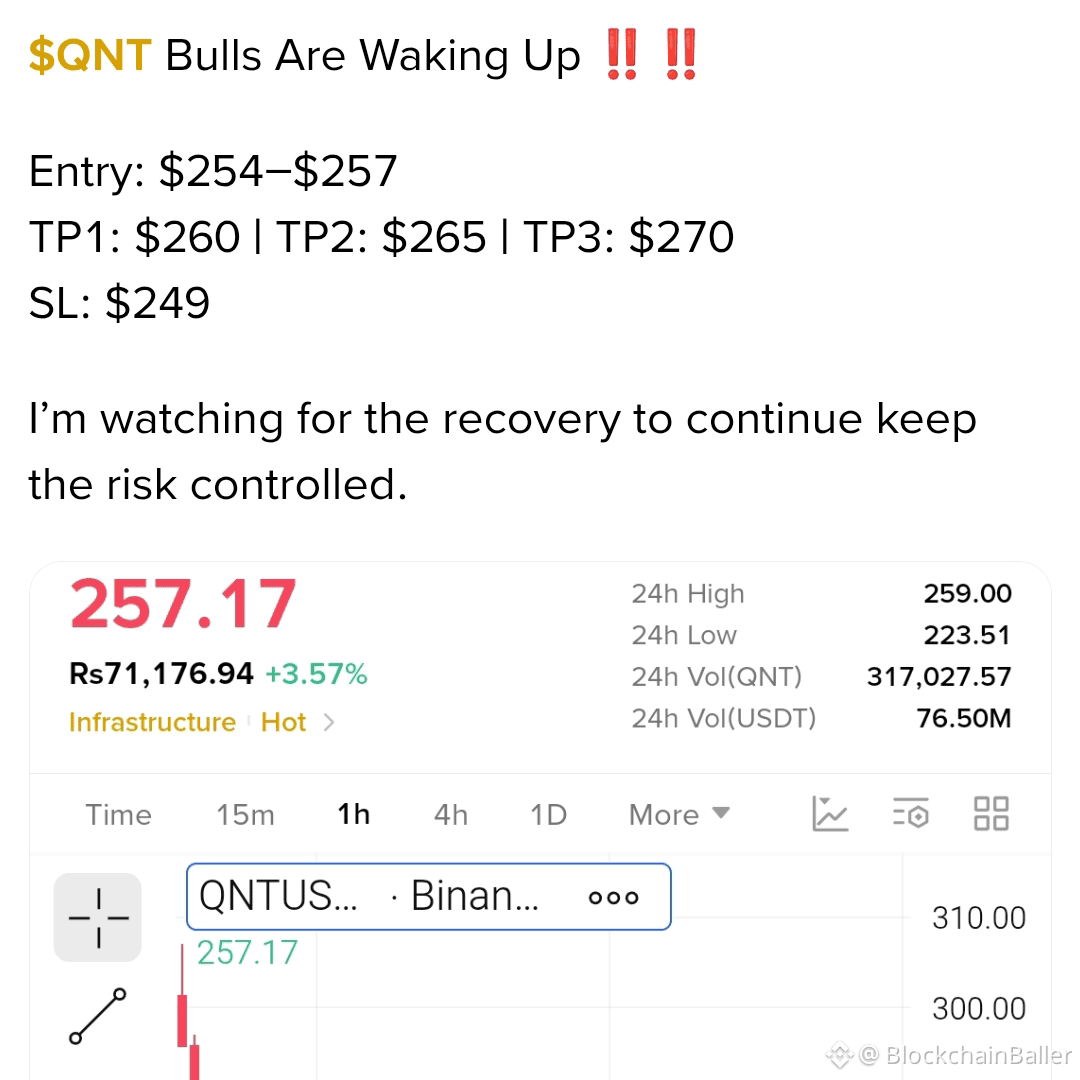
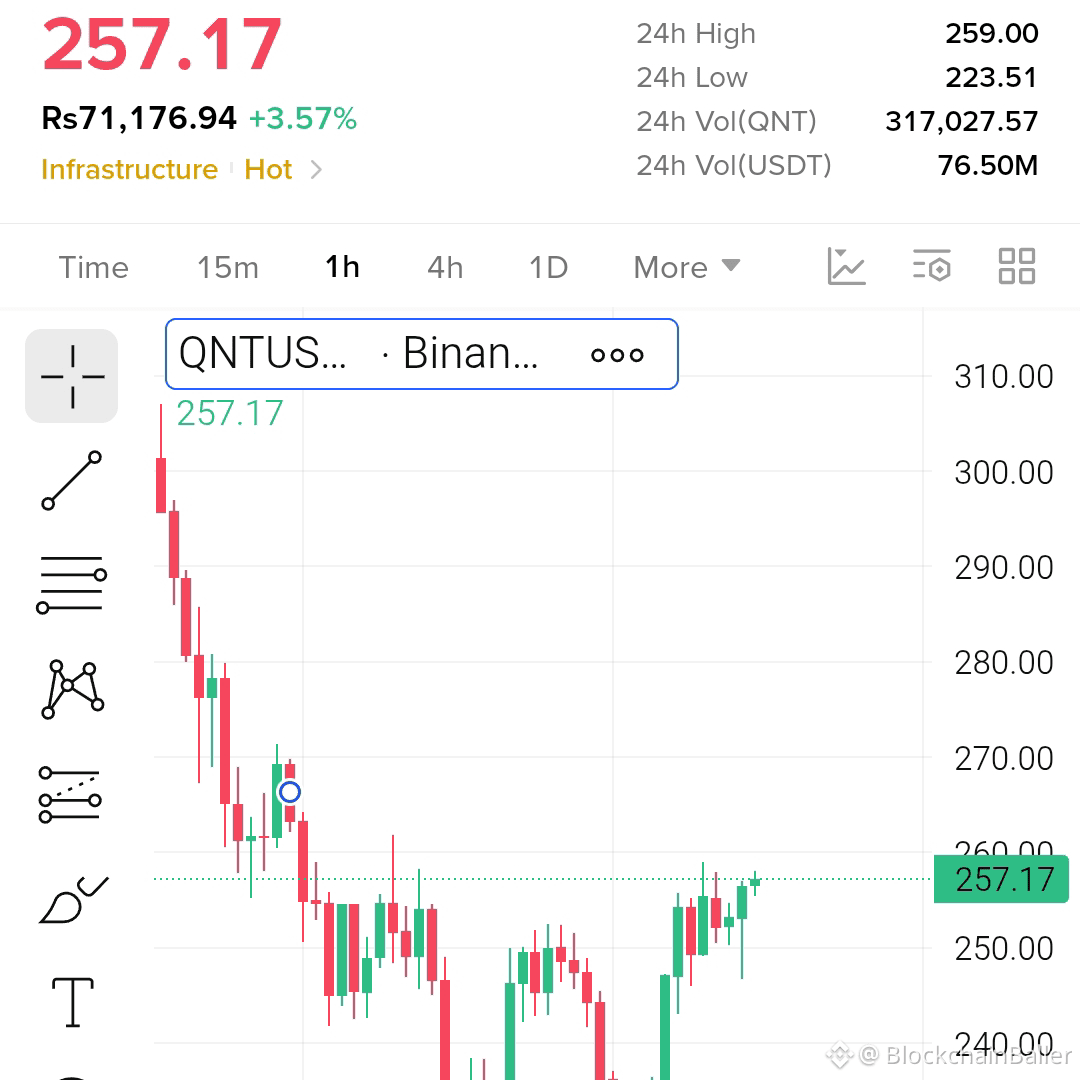
$QNT Bulls Are Waking Up ‼️‼️
エントリー: $254–$257
TP1: $260 | TP2: $265 | TP3: $270
SL: $249
回復の動きが続くのを見守っています。リスクは管理したままにしています。
$QNT Bulls Are Waking Up ‼️‼️
エントリー: $254–$257
TP1: $260 | TP2: $265 | TP3: $270
SL: $249
回復の動きが続くのを見守っています。リスクは管理したままにしています。
エントリー: $254–$257
TP1: $260 | TP2: $265 | TP3: $270
SL: $249
回復の動きが続くのを見守っています。リスクは管理したままにしています。
4
1.1k
記事
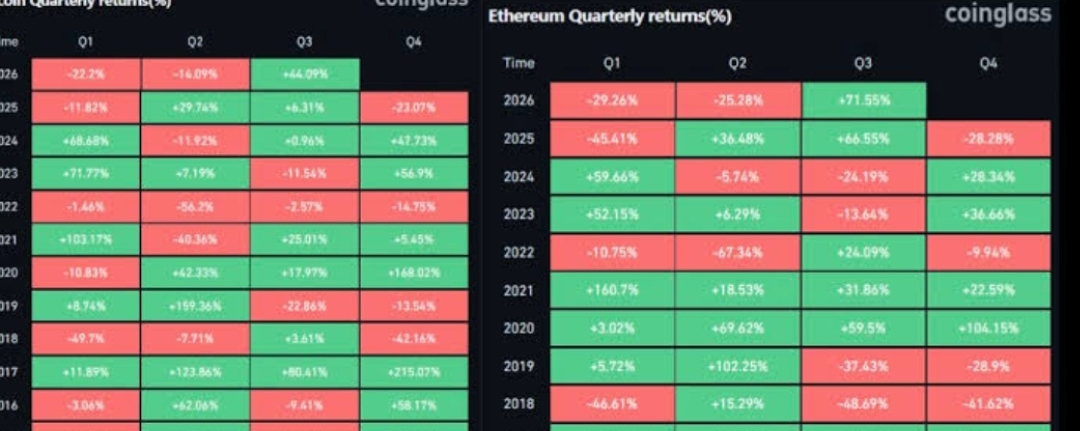
Q4が始まった!BTC、ETH、SOL、XRPを動かし得る5つのカタリスト‼️‼️‼️Q4(第4四半期)は正式に始まり、仮想通貨は勢いを持って10月に入っています.....
ビットコインは約86,000ドルに戻ってきており、ETH、SOL、XRPもそれぞれ独自のカタリストを抱えながら四半期入りしています。
ただしQ4は、必ずしも「Uptober(10月上昇相場)=すべてが急騰」というように単純とは限りません。
市場全体で流動性、センチメント、ボラティリティを変え得るイベントはいくつかあります。
最初の大きなきっかけ(カタリスト)は、米連邦準備制度です。
FRB(米連邦準備制度理事会)が10月27〜28日に再び会合を開きます。
これは、米国の9月の雇用者数(ペイロール)がわずか29,000人増にとどまり、エコノミスト予想の90,000人を大きく下回った後、さらに面白くなりました。
Q4が始まった!BTC、ETH、SOL、XRPを動かし得る5つのカタリスト‼️‼️‼️
Q4(第4四半期)は正式に始まり、仮想通貨は勢いを持って10月に入っています.....
ビットコインは約86,000ドルに戻ってきており、ETH、SOL、XRPもそれぞれ独自のカタリストを抱えながら四半期入りしています。
ただしQ4は、必ずしも「Uptober(10月上昇相場)=すべてが急騰」というように単純とは限りません。
市場全体で流動性、センチメント、ボラティリティを変え得るイベントはいくつかあります。
最初の大きなきっかけ(カタリスト)は、米連邦準備制度です。
FRB(米連邦準備制度理事会)が10月27〜28日に再び会合を開きます。
これは、米国の9月の雇用者数(ペイロール)がわずか29,000人増にとどまり、エコノミスト予想の90,000人を大きく下回った後、さらに面白くなりました。
ビットコインは約86,000ドルに戻ってきており、ETH、SOL、XRPもそれぞれ独自のカタリストを抱えながら四半期入りしています。
ただしQ4は、必ずしも「Uptober(10月上昇相場)=すべてが急騰」というように単純とは限りません。
市場全体で流動性、センチメント、ボラティリティを変え得るイベントはいくつかあります。
最初の大きなきっかけ(カタリスト)は、米連邦準備制度です。
FRB(米連邦準備制度理事会)が10月27〜28日に再び会合を開きます。
これは、米国の9月の雇用者数(ペイロール)がわずか29,000人増にとどまり、エコノミスト予想の90,000人を大きく下回った後、さらに面白くなりました。
2
5
1.2k
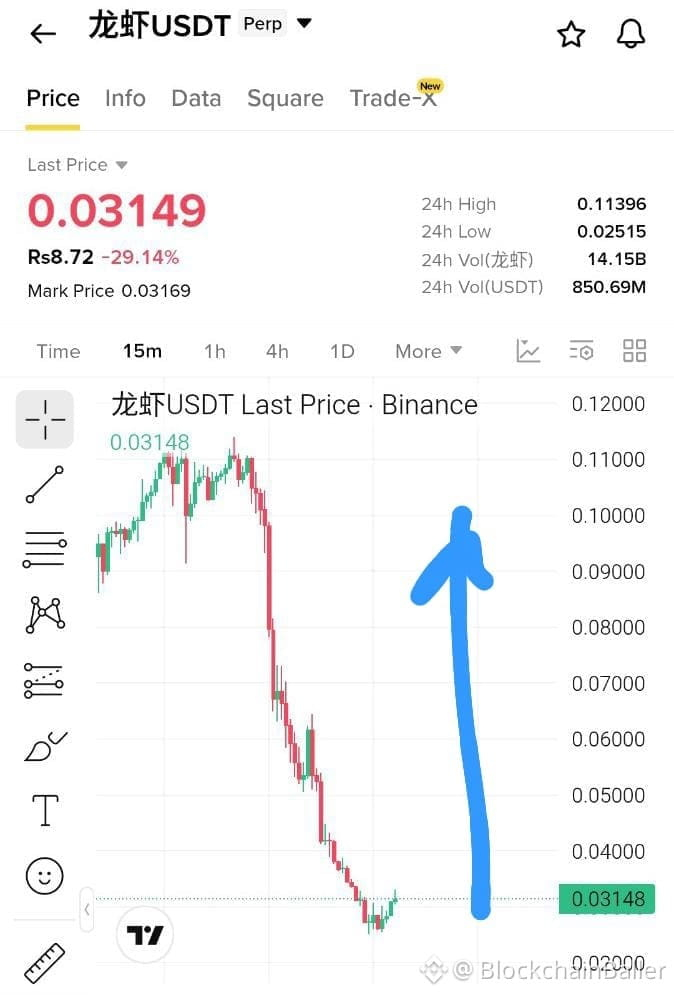
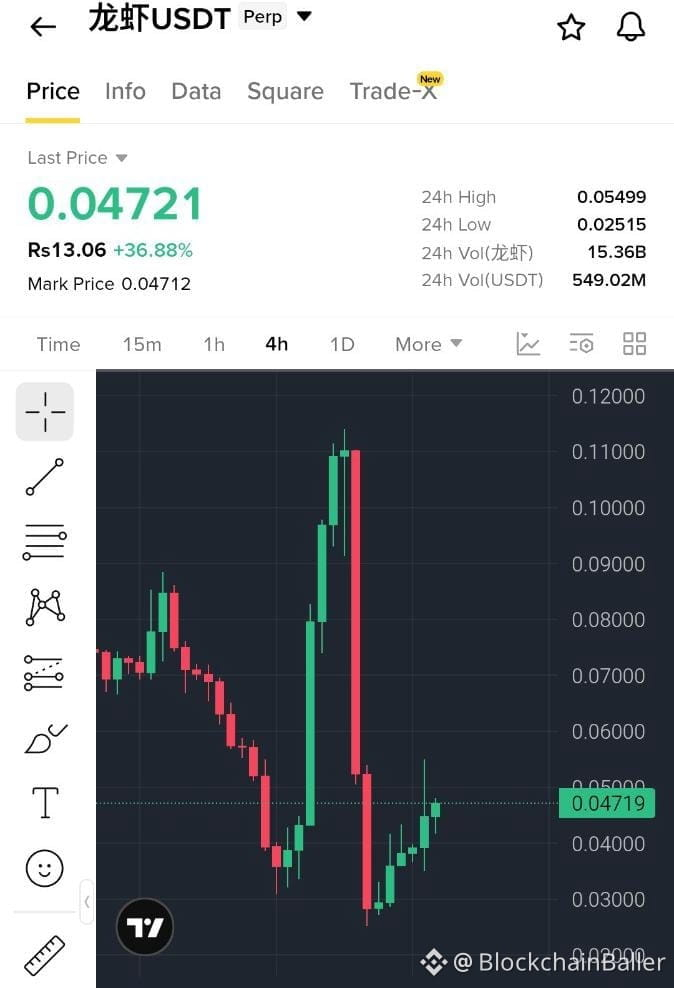
昨日言った通りだ… $龙虾 がエントリーをくれた‼️♥️🤝
昨日は、大量の下落(ダンプ)の後、このコインが監視リストに入っていると言いました。価格は $0.025〜$0.030 近くまで下がり、そこから今度は買い手が再び押し上げようとしています。
エントリー: $0.0300–$0.0320
TP1: $0.0345
TP2: $0.0380
TP3: $0.0420
SL: $0.0275
まだ非常に値動きが大きいので、リスク管理をして追いかけないでください。
昨日言った通りだ… $龙虾 がエントリーをくれた‼️♥️🤝
昨日は、大量の下落(ダンプ)の後、このコインが監視リストに入っていると言いました。価格は $0.025〜$0.030 近くまで下がり、そこから今度は買い手が再び押し上げようとしています。
エントリー: $0.0300–$0.0320
TP1: $0.0345
TP2: $0.0380
TP3: $0.0420
SL: $0.0275
まだ非常に値動きが大きいので、リスク管理をして追いかけないでください。
昨日は、大量の下落(ダンプ)の後、このコインが監視リストに入っていると言いました。価格は $0.025〜$0.030 近くまで下がり、そこから今度は買い手が再び押し上げようとしています。
エントリー: $0.0300–$0.0320
TP1: $0.0345
TP2: $0.0380
TP3: $0.0420
SL: $0.0275
まだ非常に値動きが大きいので、リスク管理をして追いかけないでください。
2
3
1.5k
記事
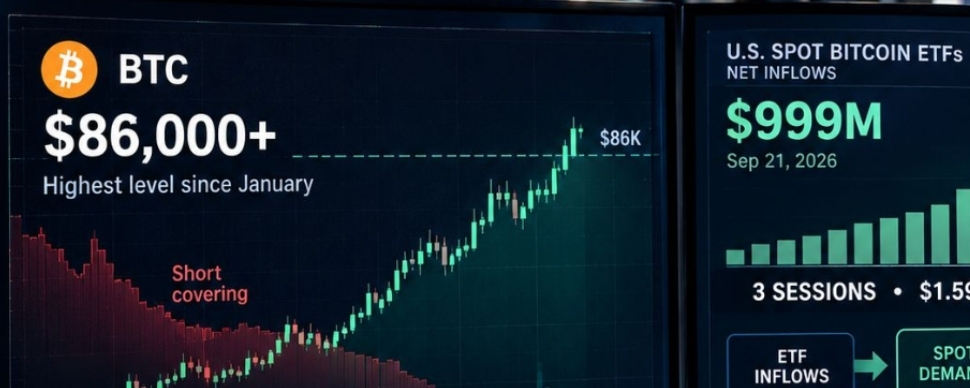
ビットコインは8万6,000ドルを回復したが、今回の上昇は本当に違うのか❓❓ビットコインは8万6,000ドルを上回り、突然クリプトの雰囲気がまた変わり始めています……
しかし、これを別の大きな上昇の始まりだと呼ぶ前に、もっと重要な疑問があります。
この集会は本当に別物なのか?
ビットコインは10月2日に約86.8Kドルまで到達し、3週連続で回復を続けています。
そして、この動きは単独で起きているわけではありません。
大きな違いの1つは、ETF需要が戻ってきたことです。
米国のスポット・ビットコインETFは、2026年初めに大きな資金流出を経験した後、最近になって再び資金流入が増えています。
ビットコインは8万6,000ドルを回復したが、今回の上昇は本当に違うのか❓❓
ビットコインは8万6,000ドルを上回り、突然クリプトの雰囲気がまた変わり始めています……
しかし、これを別の大きな上昇の始まりだと呼ぶ前に、もっと重要な疑問があります。
この集会は本当に別物なのか?
ビットコインは10月2日に約86.8Kドルまで到達し、3週連続で回復を続けています。
そして、この動きは単独で起きているわけではありません。
大きな違いの1つは、ETF需要が戻ってきたことです。
米国のスポット・ビットコインETFは、2026年初めに大きな資金流出を経験した後、最近になって再び資金流入が増えています。
しかし、これを別の大きな上昇の始まりだと呼ぶ前に、もっと重要な疑問があります。
この集会は本当に別物なのか?
ビットコインは10月2日に約86.8Kドルまで到達し、3週連続で回復を続けています。
そして、この動きは単独で起きているわけではありません。
大きな違いの1つは、ETF需要が戻ってきたことです。
米国のスポット・ビットコインETFは、2026年初めに大きな資金流出を経験した後、最近になって再び資金流入が増えています。
2
738
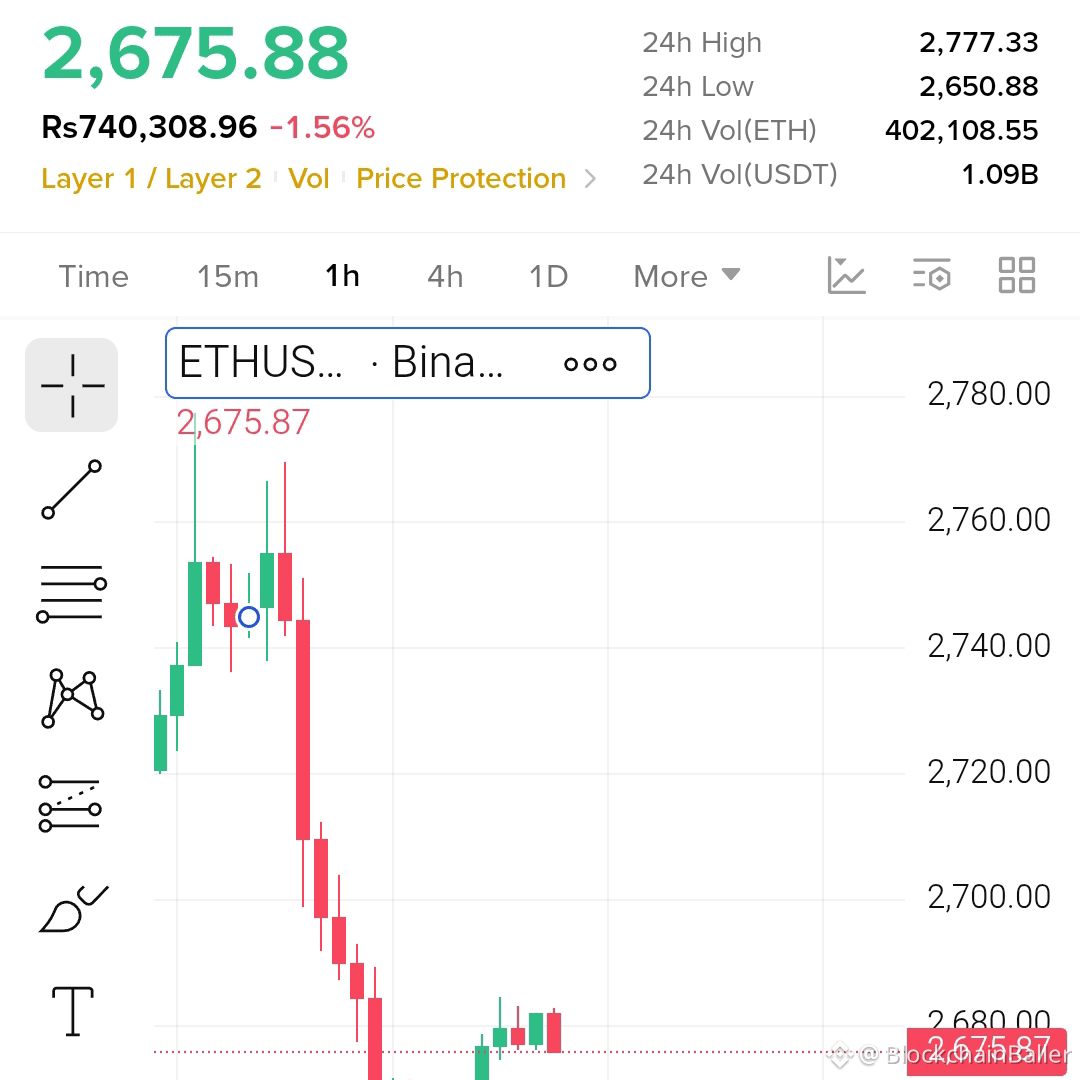
$ETH SUPPORT REACTS ... RECOVERY STARTING‼️‼️
$ETH は約$2,650〜$2,660から跳ね返り、現在は$2,675以上を維持しようとしています。急な下落の後、買い手が現れています。
主要なレジスタンス:$2,680〜$2,700
次のブレイクアウトゾーン:$2,720+
主要なサポート:$2,650〜$2,660
$2,700を明確に上抜けると、リカバリーが強まり得ます。確認を見守り、追いかけないようにしましょう。
$ETH SUPPORT REACTS ... RECOVERY STARTING‼️‼️
$ETH は約$2,650〜$2,660から跳ね返り、現在は$2,675以上を維持しようとしています。急な下落の後、買い手が現れています。
主要なレジスタンス:$2,680〜$2,700
次のブレイクアウトゾーン:$2,720+
主要なサポート:$2,650〜$2,660
$2,700を明確に上抜けると、リカバリーが強まり得ます。確認を見守り、追いかけないようにしましょう。
$ETH は約$2,650〜$2,660から跳ね返り、現在は$2,675以上を維持しようとしています。急な下落の後、買い手が現れています。
主要なレジスタンス:$2,680〜$2,700
次のブレイクアウトゾーン:$2,720+
主要なサポート:$2,650〜$2,660
$2,700を明確に上抜けると、リカバリーが強まり得ます。確認を見守り、追いかけないようにしましょう。
2
836
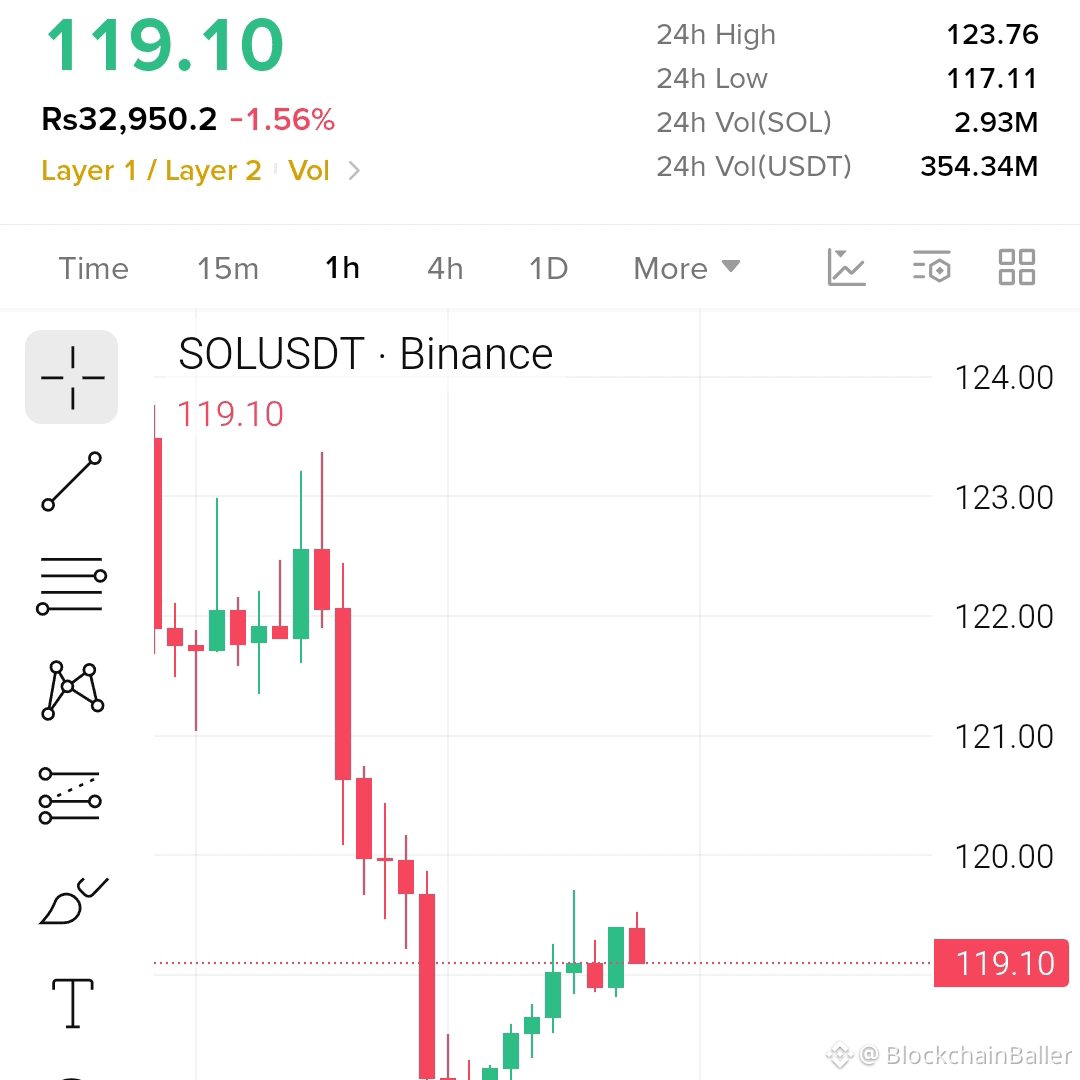
$SOL サポートが…バウンスが進行中‼️‼️
$SOL $117のサポートから強く反発し、$119を上抜けして回復しました。買い手が入ってきていますが、価格はなお近くのレジスタンスをクリアする必要があります。
主要レジスタンス:$119.50〜$120.00
次のブレイクアウトゾーン:$121.00+
主要サポート:$117.00〜$117.30
$117が維持される限り、リカバリーの仕組みは生きています。追いかけず、ブレイクアウトを見守ってください。
$SOL サポートが…バウンスが進行中‼️‼️
$SOL $117のサポートから強く反発し、$119を上抜けして回復しました。買い手が入ってきていますが、価格はなお近くのレジスタンスをクリアする必要があります。
主要レジスタンス:$119.50〜$120.00
次のブレイクアウトゾーン:$121.00+
主要サポート:$117.00〜$117.30
$117が維持される限り、リカバリーの仕組みは生きています。追いかけず、ブレイクアウトを見守ってください。
$SOL $117のサポートから強く反発し、$119を上抜けして回復しました。買い手が入ってきていますが、価格はなお近くのレジスタンスをクリアする必要があります。
主要レジスタンス:$119.50〜$120.00
次のブレイクアウトゾーン:$121.00+
主要サポート:$117.00〜$117.30
$117が維持される限り、リカバリーの仕組みは生きています。追いかけず、ブレイクアウトを見守ってください。
4
654
記事
ここから10倍は簡単そうに聞こえるけど、時価総額を確認するまで‼️みんながよく言うけど...
「このコインは簡単に10倍できます。」
そして、場合によっては本当にそれもあり得ます。
10倍を期待する前に、まず最初に確認すべき数字が1つあります:
時価総額。
トークンが安いからといって、それが必ず大きな上昇余地(アップサイド)を持つとは限りません。
$0.05で取引されているコインは、$50で取引されている別のコインよりも高価な場合があります。
なぜ?
価格は物語の一部にすぎないからです。
流通しているトークンの数も重要です。
トークンの価値が$1で、流通しているトークンが10億あると想像してみてください。
その時価総額は、おおよそ$10億です。
ここから10倍は簡単そうに聞こえるけど、時価総額を確認するまで‼️
みんながよく言うけど...
「このコインは簡単に10倍できます。」
そして、場合によっては本当にそれもあり得ます。
10倍を期待する前に、まず最初に確認すべき数字が1つあります:
時価総額。
トークンが安いからといって、それが必ず大きな上昇余地(アップサイド)を持つとは限りません。
$0.05で取引されているコインは、$50で取引されている別のコインよりも高価な場合があります。
なぜ?
価格は物語の一部にすぎないからです。
流通しているトークンの数も重要です。
トークンの価値が$1で、流通しているトークンが10億あると想像してみてください。
その時価総額は、おおよそ$10億です。
「このコインは簡単に10倍できます。」
そして、場合によっては本当にそれもあり得ます。
10倍を期待する前に、まず最初に確認すべき数字が1つあります:
時価総額。
トークンが安いからといって、それが必ず大きな上昇余地(アップサイド)を持つとは限りません。
$0.05で取引されているコインは、$50で取引されている別のコインよりも高価な場合があります。
なぜ?
価格は物語の一部にすぎないからです。
流通しているトークンの数も重要です。
トークンの価値が$1で、流通しているトークンが10億あると想像してみてください。
その時価総額は、おおよそ$10億です。
1
1.5k
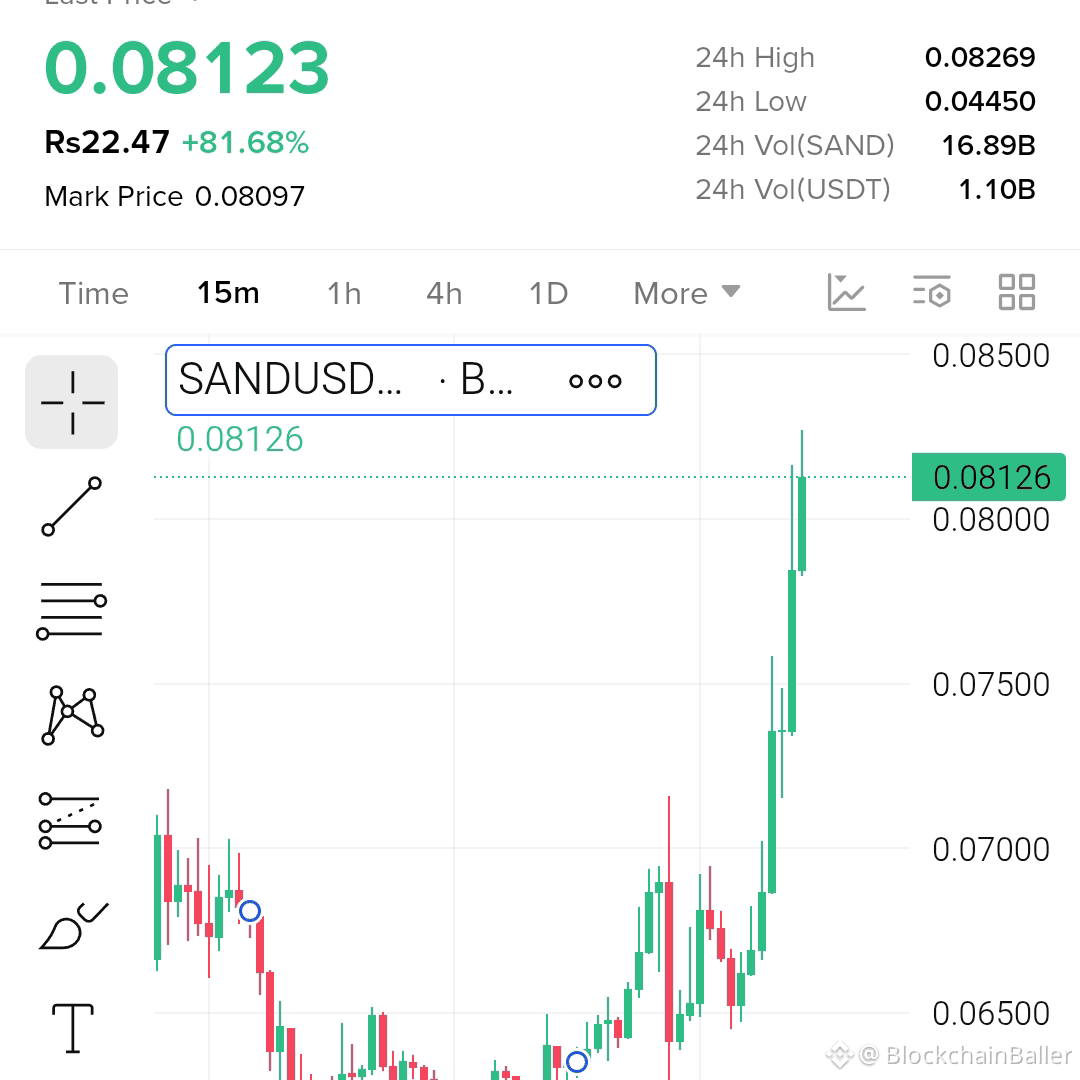
$SAND は爆発的に上昇中|強気勢が強く押し上げています‼️‼️
$SAND は大規模なブレイクアウトを達成し、現在は約$0.081で取引されています。過去24時間で80%以上の上昇です。
直近の抵抗は$0.0825〜$0.0850あたりです。明確なブレイクアウトが起これば、$0.088 → $0.092 → $0.100に向かう道が開ける可能性があります。
これほど大きく急騰した後は、押し戻しや調整(サイドでの推移)になるのは正常です。モメンタムは非常に強いですが、大きすぎる青いローソク足を追いかけないでください。より良いエントリーを待ちましょう。
$SAND を取引する
$SAND は爆発的に上昇中|強気勢が強く押し上げています‼️‼️
$SAND は大規模なブレイクアウトを達成し、現在は約$0.081で取引されています。過去24時間で80%以上の上昇です。
直近の抵抗は$0.0825〜$0.0850あたりです。明確なブレイクアウトが起これば、$0.088 → $0.092 → $0.100に向かう道が開ける可能性があります。
これほど大きく急騰した後は、押し戻しや調整(サイドでの推移)になるのは正常です。モメンタムは非常に強いですが、大きすぎる青いローソク足を追いかけないでください。より良いエントリーを待ちましょう。
$SAND を取引する
$SAND は大規模なブレイクアウトを達成し、現在は約$0.081で取引されています。過去24時間で80%以上の上昇です。
直近の抵抗は$0.0825〜$0.0850あたりです。明確なブレイクアウトが起これば、$0.088 → $0.092 → $0.100に向かう道が開ける可能性があります。
これほど大きく急騰した後は、押し戻しや調整(サイドでの推移)になるのは正常です。モメンタムは非常に強いですが、大きすぎる青いローソク足を追いかけないでください。より良いエントリーを待ちましょう。
$SAND を取引する
6
2.6k
記事
10月は“高騰”というより“ローテーション”かもしれない。そしてそれがすべてを変える‼️‼️誰もが10月に、価格が上がることを一つのこととして期待して入っていきます…。
ビットコインが急騰し、イーサリアムに続き、アルトコインが爆発的に上昇。そして突然、すべてがグリーンに!
しかし10月は別の展開になるかもしれません。
暗号資産市場全体が一緒に上がるのではなく、市場のある部分から別の部分へ資金がローテーションするのを見られるかもしれません。
その違いが重要です。
暗号資産の流動性は均等に動きません。ビットコインがほとんどの資金を引きつけ、アルトコインはほとんど反応しないこともあります。逆に、ビットコインが失速して、トレーダーが利益をETH、SOL、その他の大型コインへ移し始めることもあります。
10月は“高騰”というより“ローテーション”かもしれない。そしてそれがすべてを変える‼️‼️
誰もが10月に、価格が上がることを一つのこととして期待して入っていきます…。
ビットコインが急騰し、イーサリアムに続き、アルトコインが爆発的に上昇。そして突然、すべてがグリーンに!
しかし10月は別の展開になるかもしれません。
暗号資産市場全体が一緒に上がるのではなく、市場のある部分から別の部分へ資金がローテーションするのを見られるかもしれません。
その違いが重要です。
暗号資産の流動性は均等に動きません。ビットコインがほとんどの資金を引きつけ、アルトコインはほとんど反応しないこともあります。逆に、ビットコインが失速して、トレーダーが利益をETH、SOL、その他の大型コインへ移し始めることもあります。
ビットコインが急騰し、イーサリアムに続き、アルトコインが爆発的に上昇。そして突然、すべてがグリーンに!
しかし10月は別の展開になるかもしれません。
暗号資産市場全体が一緒に上がるのではなく、市場のある部分から別の部分へ資金がローテーションするのを見られるかもしれません。
その違いが重要です。
暗号資産の流動性は均等に動きません。ビットコインがほとんどの資金を引きつけ、アルトコインはほとんど反応しないこともあります。逆に、ビットコインが失速して、トレーダーが利益をETH、SOL、その他の大型コインへ移し始めることもあります。
3
1.1k
記事
100x でも、そのお金は実際どこから来るのか暗号資産で「100倍サウンド」は簡単に聞こえる....
0.01ドルでトークンを買って、1ドルに到達するまで待てば、突然100倍になります。けれど、多くの人が忘れている大きなことが一つあります:
価格だけでは、そのコインがどれだけ高いのかはわかりません。時価総額です。
すでに時価総額が10億ドルあるトークンを想像してみてください。その価値を100倍にするには、流通供給がだいたい同じままだと仮定して、理論上その時価総額が約1000億ドルに到達する必要があります。
それはもはや小さなプロジェクトではありません。暗号資産の中でも最大級の資産の一つにトークンが入ることになります。
100x でも、そのお金は実際どこから来るのか
暗号資産で「100倍サウンド」は簡単に聞こえる....
0.01ドルでトークンを買って、1ドルに到達するまで待てば、突然100倍になります。けれど、多くの人が忘れている大きなことが一つあります:
価格だけでは、そのコインがどれだけ高いのかはわかりません。時価総額です。
すでに時価総額が10億ドルあるトークンを想像してみてください。その価値を100倍にするには、流通供給がだいたい同じままだと仮定して、理論上その時価総額が約1000億ドルに到達する必要があります。
それはもはや小さなプロジェクトではありません。暗号資産の中でも最大級の資産の一つにトークンが入ることになります。
0.01ドルでトークンを買って、1ドルに到達するまで待てば、突然100倍になります。けれど、多くの人が忘れている大きなことが一つあります:
価格だけでは、そのコインがどれだけ高いのかはわかりません。時価総額です。
すでに時価総額が10億ドルあるトークンを想像してみてください。その価値を100倍にするには、流通供給がだいたい同じままだと仮定して、理論上その時価総額が約1000億ドルに到達する必要があります。
それはもはや小さなプロジェクトではありません。暗号資産の中でも最大級の資産の一つにトークンが入ることになります。
2
6
1.4k
$1,000 を最初に手に入れるのはどれ?
$QNT
$SOL
$BNB
$1,000 を最初に手に入れるのはどれ?
$QNT
$SOL
$BNB
$QNT
$SOL
$BNB

2
8
2.4k
ログインして、さらにコンテンツを読む
厳選トピックで世界の暗号資産トレーダーの仲間入り
⚡️ 暗号資産に関する最新かつ有益な情報が見つかります。
💬 世界最大の暗号資産取引所から信頼されています。
👍 認証を受けたクリエイターから、有益なインサイトを得られます。
メール / 電話番号
トレンドトピック
USRussiaUkraineTalksReportedlyIncludeLukoilOilDeal
閲覧回数 0
16人が討論中
#USRussiaUkraineTalksReportedlyIncludeLukoilOilDeal
⚡ 米ロ会談は、10億ドル規模の石油取引へ拡大する可能性があると報道
🇺🇸🇷🇺 ウクライナをめぐる協議が、ルクオイルの国際的な石油資産を対象とした潜在的な案件に発展する可能性があると報じられている。製油所、油田、給油所などが含まれるという。
💰 報じられている投資家グループには、米国の投資家トッド・ボエリーと中東の事業グループが含まれており、ワシントンとモスクワの双方から承認が必要とされている。
🛢️ 重要な点:この取引は、制裁、エネルギー市場、そしてウクライナ和平交渉と交差する可能性がある。
⚠️ まだ何も確定していない。ホワイトハウス、米財務省、ルクオイルはいずれも、引用された報道についてコメントしていない。
👀 大規模な石油取引が、より広範なウクライナ交渉の一部になる可能性はあるのか?
#Lukoil #OilMarkets #Ukraine #Geopolitics
CrypVexa
·いいね:1件
·閲覧回数 33
BitcoinParesGainsAfterRallyTo$86.5K
閲覧回数 27,487
104人が討論中
CerebrasSinksNearly20%OnReportNvidiaToPowerOpenAI
閲覧回数 50,123
592人が討論中