

RICKEE 1
89 投稿

RICKEE 1
報告
ユーザーをブロック
Let us know — curious how big the squad is!
0 フォロー
0 フォロワー
1 いいね
投稿
·
--
翻訳参照
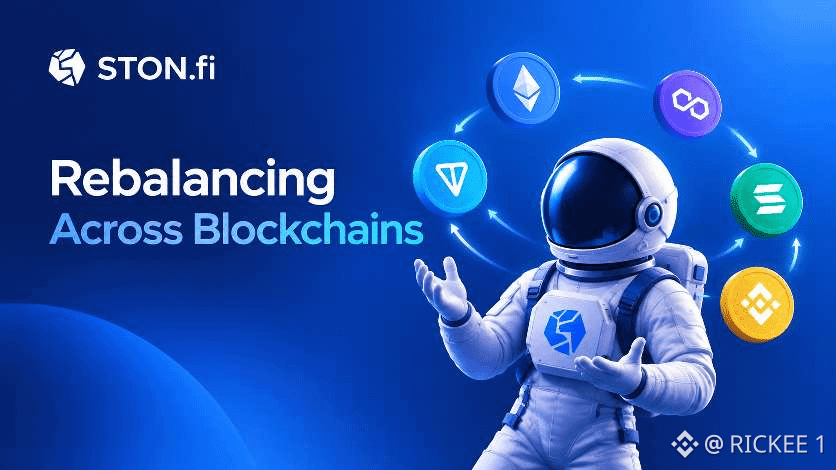
Rebalancing Across Blockchains: An Operational Guide
Rebalancing restores portfolio weights already chosen. It is maintenance, not a forecast. When assets live on different blockchains, simple arithmetic becomes an execution problem: every cross-chain move adds fees, liquidity constraints, transactions and operational risk.
Cross-chain execution adds complexity because each network has its own fees, liquidity and native gas token. A route can become costly when source gas, destination gas, routing fees and price impact are combined. Network fees are also relatively fixed per transaction, so small transfers can carry higher percentage costs. Measure the full cost of the actual route.
A manual route may require a bridge, approvals, confirmation, a claim and a destination swap. One leg can involve several interfaces, two gas tokens and six or more transactions. More steps create more opportunities for delays, wrong-token deposits and user error.
An execution layer can compress that workflow into one signed request. STON.fi’s Omniston uses resolver-based execution with paired HTLCs. The resolver provides the destination asset while the user’s funds are locked on the source side under a linked time-lock. A shared secret coordinates settlement, so the swap either completes on both sides or unwinds after the deadline. Smart-contract risk remains.
Before signing, verify three things: route, fee and destination asset. Confirm the exact chains and tokens are supported, review limits and quote expiry, calculate source gas + route fee + destination gas + price impact, and verify the exact asset and contract address expected to arrive.
A disciplined cross-chain rebalance is operational: define target weights, set a cost ceiling, compare executable routes, verify the destination asset, save transaction hashes and recompute the portfolio after settlement. The goal is to move exposure back to plan with fewer steps and fewer surprises. Be precise.
#BTC $ETH
Rebalancing Across Blockchains: An Operational Guide
Rebalancing restores portfolio weights already chosen. It is maintenance, not a forecast. When assets live on different blockchains, simple arithmetic becomes an execution problem: every cross-chain move adds fees, liquidity constraints, transactions and operational risk.
Cross-chain execution adds complexity because each network has its own fees, liquidity and native gas token. A route can become costly when source gas, destination gas, routing fees and price impact are combined. Network fees are also relatively fixed per transaction, so small transfers can carry higher percentage costs. Measure the full cost of the actual route.
A manual route may require a bridge, approvals, confirmation, a claim and a destination swap. One leg can involve several interfaces, two gas tokens and six or more transactions. More steps create more opportunities for delays, wrong-token deposits and user error.
An execution layer can compress that workflow into one signed request. STON.fi’s Omniston uses resolver-based execution with paired HTLCs. The resolver provides the destination asset while the user’s funds are locked on the source side under a linked time-lock. A shared secret coordinates settlement, so the swap either completes on both sides or unwinds after the deadline. Smart-contract risk remains.
Before signing, verify three things: route, fee and destination asset. Confirm the exact chains and tokens are supported, review limits and quote expiry, calculate source gas + route fee + destination gas + price impact, and verify the exact asset and contract address expected to arrive.
A disciplined cross-chain rebalance is operational: define target weights, set a cost ceiling, compare executable routes, verify the destination asset, save transaction hashes and recompute the portfolio after settlement. The goal is to move exposure back to plan with fewer steps and fewer surprises. Be precise.
#BTC $ETH
Rebalancing restores portfolio weights already chosen. It is maintenance, not a forecast. When assets live on different blockchains, simple arithmetic becomes an execution problem: every cross-chain move adds fees, liquidity constraints, transactions and operational risk.
Cross-chain execution adds complexity because each network has its own fees, liquidity and native gas token. A route can become costly when source gas, destination gas, routing fees and price impact are combined. Network fees are also relatively fixed per transaction, so small transfers can carry higher percentage costs. Measure the full cost of the actual route.
A manual route may require a bridge, approvals, confirmation, a claim and a destination swap. One leg can involve several interfaces, two gas tokens and six or more transactions. More steps create more opportunities for delays, wrong-token deposits and user error.
An execution layer can compress that workflow into one signed request. STON.fi’s Omniston uses resolver-based execution with paired HTLCs. The resolver provides the destination asset while the user’s funds are locked on the source side under a linked time-lock. A shared secret coordinates settlement, so the swap either completes on both sides or unwinds after the deadline. Smart-contract risk remains.
Before signing, verify three things: route, fee and destination asset. Confirm the exact chains and tokens are supported, review limits and quote expiry, calculate source gas + route fee + destination gas + price impact, and verify the exact asset and contract address expected to arrive.
A disciplined cross-chain rebalance is operational: define target weights, set a cost ceiling, compare executable routes, verify the destination asset, save transaction hashes and recompute the portfolio after settlement. The goal is to move exposure back to plan with fewer steps and fewer surprises. Be precise.
#BTC $ETH

77
·
--
翻訳参照
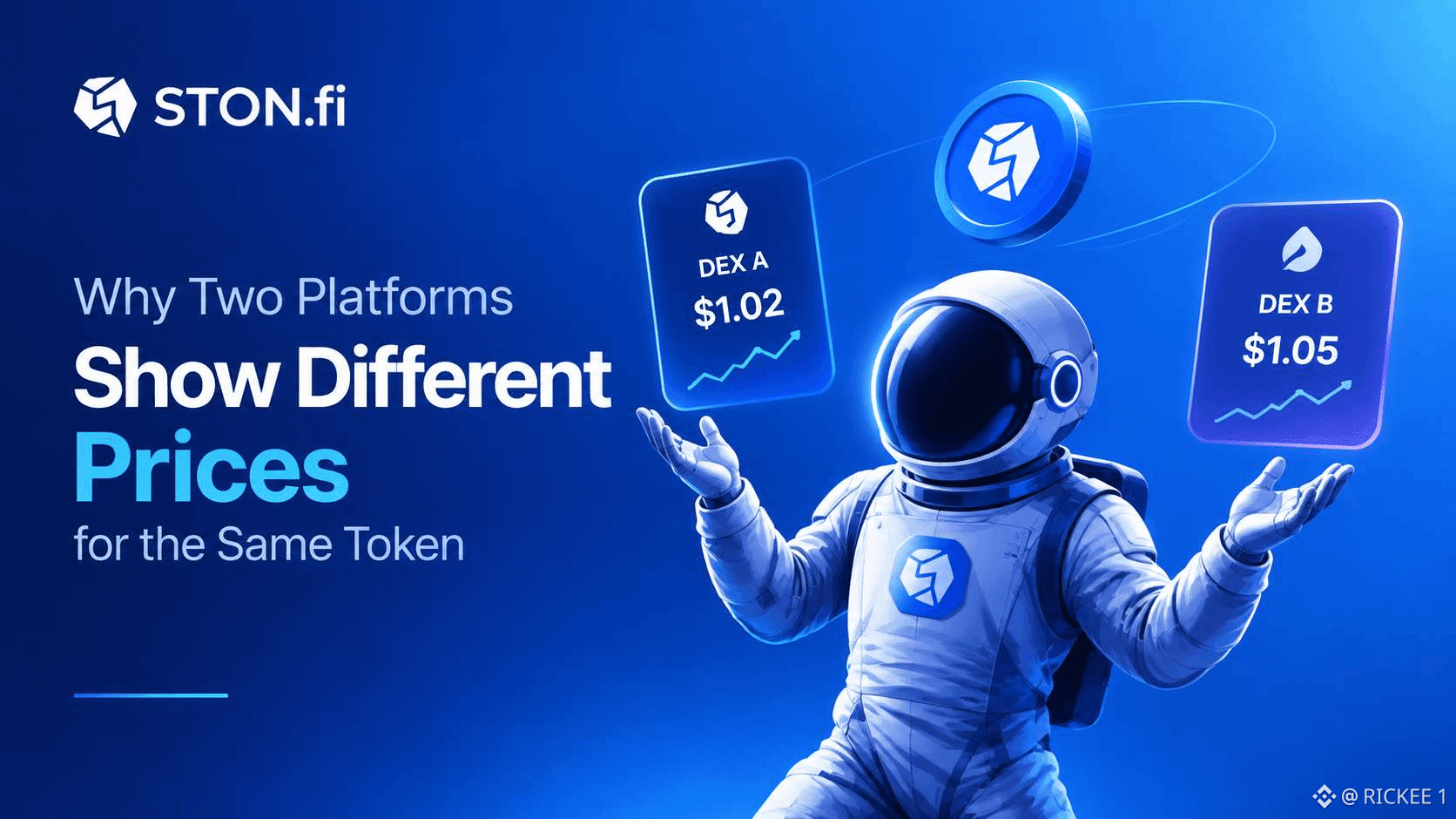
Why Can Two Crypto Platforms Show Different Prices for the Same Token?
Different prices for the same token do not necessarily mean one platform is wrong. In decentralized markets, price is shaped by liquidity, pool balances, trading activity and data sources.
On TON, an AMM such as STON.fi derives a pool price from the assets held in that pool. Because pools can contain different reserves, two venues can show different prices for the same TOKEN/USDT pair. Every trade changes those reserves, so the price can move. STON.fi also identifies TVL and swap volume as useful pool metrics.
Liquidity depth matters especially for larger trades. A shallow pool can experience greater price impact because a large order consumes more available liquidity. A deeper pool may absorb the same transaction with less movement. Therefore, the venue showing the highest displayed price is not automatically offering the best trade.
Price differences can also come from timing and data sources. One platform may update from a live pool, while another may use aggregated or older market data. A reference price can describe the market, but it does not guarantee what a trader will receive.
The better comparison is the executable amount. Keep the input, output token and trade direction identical, then compare the final quote after fees and price impact. A venue may display a better rate but return fewer tokens for the same $10,000 swap. Final output matters more than the headline price.
This is where Omniston becomes useful. Instead of manually checking multiple TON DEXs, an aggregation layer can examine connected DEX and RFQ liquidity to find competitive routes. STON.fi describes Omniston as a TON liquidity aggregation protocol that queries multiple sources, compares quotes and routes swaps through available liquidity.
The key lesson is simple: a token does not have one universal on-chain price. Different pools can produce different prices because their liquidity differs.
#Cryptoadz $USDT
Why Can Two Crypto Platforms Show Different Prices for the Same Token?
Different prices for the same token do not necessarily mean one platform is wrong. In decentralized markets, price is shaped by liquidity, pool balances, trading activity and data sources.
On TON, an AMM such as STON.fi derives a pool price from the assets held in that pool. Because pools can contain different reserves, two venues can show different prices for the same TOKEN/USDT pair. Every trade changes those reserves, so the price can move. STON.fi also identifies TVL and swap volume as useful pool metrics.
Liquidity depth matters especially for larger trades. A shallow pool can experience greater price impact because a large order consumes more available liquidity. A deeper pool may absorb the same transaction with less movement. Therefore, the venue showing the highest displayed price is not automatically offering the best trade.
Price differences can also come from timing and data sources. One platform may update from a live pool, while another may use aggregated or older market data. A reference price can describe the market, but it does not guarantee what a trader will receive.
The better comparison is the executable amount. Keep the input, output token and trade direction identical, then compare the final quote after fees and price impact. A venue may display a better rate but return fewer tokens for the same $10,000 swap. Final output matters more than the headline price.
This is where Omniston becomes useful. Instead of manually checking multiple TON DEXs, an aggregation layer can examine connected DEX and RFQ liquidity to find competitive routes. STON.fi describes Omniston as a TON liquidity aggregation protocol that queries multiple sources, compares quotes and routes swaps through available liquidity.
The key lesson is simple: a token does not have one universal on-chain price. Different pools can produce different prices because their liquidity differs.
#Cryptoadz $USDT
Different prices for the same token do not necessarily mean one platform is wrong. In decentralized markets, price is shaped by liquidity, pool balances, trading activity and data sources.
On TON, an AMM such as STON.fi derives a pool price from the assets held in that pool. Because pools can contain different reserves, two venues can show different prices for the same TOKEN/USDT pair. Every trade changes those reserves, so the price can move. STON.fi also identifies TVL and swap volume as useful pool metrics.
Liquidity depth matters especially for larger trades. A shallow pool can experience greater price impact because a large order consumes more available liquidity. A deeper pool may absorb the same transaction with less movement. Therefore, the venue showing the highest displayed price is not automatically offering the best trade.
Price differences can also come from timing and data sources. One platform may update from a live pool, while another may use aggregated or older market data. A reference price can describe the market, but it does not guarantee what a trader will receive.
The better comparison is the executable amount. Keep the input, output token and trade direction identical, then compare the final quote after fees and price impact. A venue may display a better rate but return fewer tokens for the same $10,000 swap. Final output matters more than the headline price.
This is where Omniston becomes useful. Instead of manually checking multiple TON DEXs, an aggregation layer can examine connected DEX and RFQ liquidity to find competitive routes. STON.fi describes Omniston as a TON liquidity aggregation protocol that queries multiple sources, compares quotes and routes swaps through available liquidity.
The key lesson is simple: a token does not have one universal on-chain price. Different pools can produce different prices because their liquidity differs.
#Cryptoadz $USDT
78
·
--
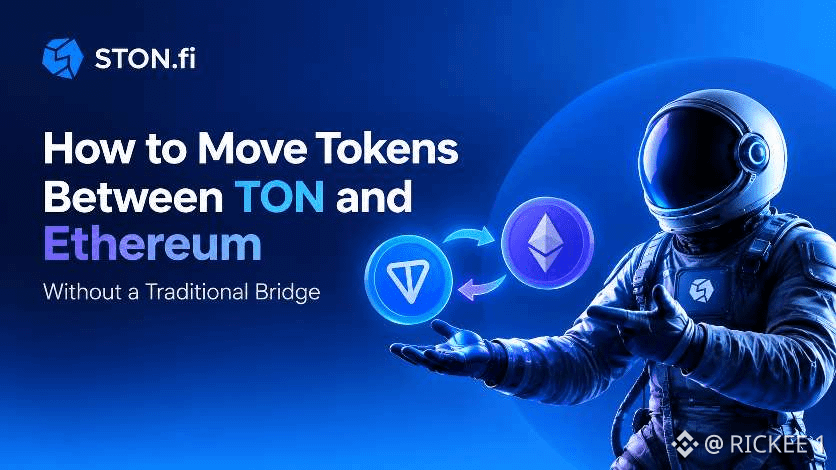
従来のブリッジなしでTONとイーサリアム間でトークンを移動する方法
TONとイーサリアム間で価値を移すのに、必ずしもブリッジが必要とは限りません。ブリッジ優先モデルでは、あるネットワークから別のネットワークへ資産を転送し、その際にラップされた表現が残ることが多く、さらに別のスワップが必要になる場合があります。
一方、スワップ優先モデルは、求める結果から始まります。つまり、ユーザーが到達先のチェーンで欲しい資産から逆算するのです。
この考え方は、STON.fiのクロスチェーン基盤であるOmnistonにも当てはまります。
たとえば「イーサリアム USDT → TON USDT」を考えます。まずブリッジしてから後でスワップするのではなく、ユーザーは出発元として「イーサリアム/USDT」、到達先として「TON/USDT」を選択します。Omnistonは、到達側の流動性を提供するリゾルバから見積もり(クオート)を取得します。
リゾルバとは、クロスチェーンのリクエストを実行するために競争する流動性提供者です。クオートが承認されると、関連付けられたハッシュド・タイムロック・コントラクト(HTLC)を通じて取引を調整できます。両方の資金は、関連する暗号条件の下でロックされます。
両者を結びつけるのがシークレット・ハッシュです。実行が成功すると、シークレットを開示することで請求(クレーム)が可能になります。タイムロックは、決済条件が満たされない場合の返金ルートを提供します。
その結果は「オール・オア・ナッシング(すべてまたはなし)」型の決済設計になります。つまり、従来のブリッジを使って到達先チェーン上に表現を発行(ミント)したり解放したりすることに頼るのではなく、合意された条件のもとでスワップを完了させることを目指します。
ユーザーにとっての重要な違いは、到達先にフォーカスした実行です。 「このトークンをどうやって移すのか?」ではなく、 「どんな資産を受け取りたいのか?」が問いになります。
STON.fi と Omnistonなら流れはシンプルです。送信元・送信先ネットワークと資産を選び、クオートと手数料を確認し、受取ウォレットを検証してから確定します。
署名する前に、ネットワーク、トークン、到達先アドレス、見積もられた数量、ガスを確認します。送信後は、闇雲に再提出するのではなく、トランザクションを追跡してください。
Omnistonは、従来の「ブリッジ優先」のワークフローなしでも、クロスチェーン・スワップが到達先の資産を直接ターゲットにできることを示しています。
$BNB $USDT
従来のブリッジなしでTONとイーサリアム間でトークンを移動する方法
TONとイーサリアム間で価値を移すのに、必ずしもブリッジが必要とは限りません。ブリッジ優先モデルでは、あるネットワークから別のネットワークへ資産を転送し、その際にラップされた表現が残ることが多く、さらに別のスワップが必要になる場合があります。
一方、スワップ優先モデルは、求める結果から始まります。つまり、ユーザーが到達先のチェーンで欲しい資産から逆算するのです。
この考え方は、STON.fiのクロスチェーン基盤であるOmnistonにも当てはまります。
たとえば「イーサリアム USDT → TON USDT」を考えます。まずブリッジしてから後でスワップするのではなく、ユーザーは出発元として「イーサリアム/USDT」、到達先として「TON/USDT」を選択します。Omnistonは、到達側の流動性を提供するリゾルバから見積もり(クオート)を取得します。
リゾルバとは、クロスチェーンのリクエストを実行するために競争する流動性提供者です。クオートが承認されると、関連付けられたハッシュド・タイムロック・コントラクト(HTLC)を通じて取引を調整できます。両方の資金は、関連する暗号条件の下でロックされます。
両者を結びつけるのがシークレット・ハッシュです。実行が成功すると、シークレットを開示することで請求(クレーム)が可能になります。タイムロックは、決済条件が満たされない場合の返金ルートを提供します。
その結果は「オール・オア・ナッシング(すべてまたはなし)」型の決済設計になります。つまり、従来のブリッジを使って到達先チェーン上に表現を発行(ミント)したり解放したりすることに頼るのではなく、合意された条件のもとでスワップを完了させることを目指します。
ユーザーにとっての重要な違いは、到達先にフォーカスした実行です。 「このトークンをどうやって移すのか?」ではなく、 「どんな資産を受け取りたいのか?」が問いになります。
STON.fi と Omnistonなら流れはシンプルです。送信元・送信先ネットワークと資産を選び、クオートと手数料を確認し、受取ウォレットを検証してから確定します。
署名する前に、ネットワーク、トークン、到達先アドレス、見積もられた数量、ガスを確認します。送信後は、闇雲に再提出するのではなく、トランザクションを追跡してください。
Omnistonは、従来の「ブリッジ優先」のワークフローなしでも、クロスチェーン・スワップが到達先の資産を直接ターゲットにできることを示しています。
$BNB $USDT
TONとイーサリアム間で価値を移すのに、必ずしもブリッジが必要とは限りません。ブリッジ優先モデルでは、あるネットワークから別のネットワークへ資産を転送し、その際にラップされた表現が残ることが多く、さらに別のスワップが必要になる場合があります。
一方、スワップ優先モデルは、求める結果から始まります。つまり、ユーザーが到達先のチェーンで欲しい資産から逆算するのです。
この考え方は、STON.fiのクロスチェーン基盤であるOmnistonにも当てはまります。
たとえば「イーサリアム USDT → TON USDT」を考えます。まずブリッジしてから後でスワップするのではなく、ユーザーは出発元として「イーサリアム/USDT」、到達先として「TON/USDT」を選択します。Omnistonは、到達側の流動性を提供するリゾルバから見積もり(クオート)を取得します。
リゾルバとは、クロスチェーンのリクエストを実行するために競争する流動性提供者です。クオートが承認されると、関連付けられたハッシュド・タイムロック・コントラクト(HTLC)を通じて取引を調整できます。両方の資金は、関連する暗号条件の下でロックされます。
両者を結びつけるのがシークレット・ハッシュです。実行が成功すると、シークレットを開示することで請求(クレーム)が可能になります。タイムロックは、決済条件が満たされない場合の返金ルートを提供します。
その結果は「オール・オア・ナッシング(すべてまたはなし)」型の決済設計になります。つまり、従来のブリッジを使って到達先チェーン上に表現を発行(ミント)したり解放したりすることに頼るのではなく、合意された条件のもとでスワップを完了させることを目指します。
ユーザーにとっての重要な違いは、到達先にフォーカスした実行です。 「このトークンをどうやって移すのか?」ではなく、 「どんな資産を受け取りたいのか?」が問いになります。
STON.fi と Omnistonなら流れはシンプルです。送信元・送信先ネットワークと資産を選び、クオートと手数料を確認し、受取ウォレットを検証してから確定します。
署名する前に、ネットワーク、トークン、到達先アドレス、見積もられた数量、ガスを確認します。送信後は、闇雲に再提出するのではなく、トランザクションを追跡してください。
Omnistonは、従来の「ブリッジ優先」のワークフローなしでも、クロスチェーン・スワップが到達先の資産を直接ターゲットにできることを示しています。
$BNB $USDT
68
·
--
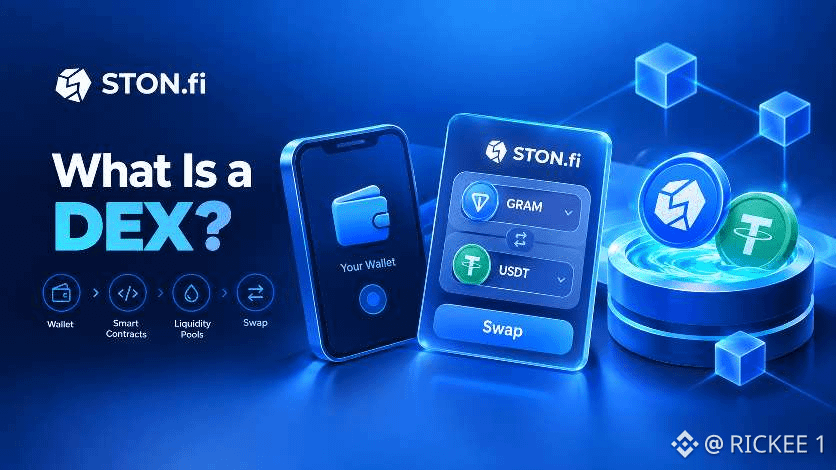
DEXとは何か、どのように機能するのか?
DEX(分散型取引所)とは、中央のカストディ(保管)者なしにユーザーがデジタル資産を交換できる仕組みです。ユーザーは自己管理型ウォレットに接続し、スマートコントラクトの取引を承認します。
自己管理型(セルフカストディ)とは、ユーザーがウォレットの鍵を管理し、取引を直接承認することです。スマートコントラクトが交換ルールを強制し、ブロックチェーンが結果を記録して決済します。TONでは、トークンの送受信やスワップはブロックチェーンのメッセージとコントラクトロジックを使います。
多くのDEXは、自動マーケットメーカー(AMM)を採用しています。注文帳(オーダーブック)で買い手と売り手を突合せる代わりに、AMMは流動性提供者が資金を拠出する流動性プールを用います。価格はプールの状態と数学的モデルに従います。取引サイズ、流動性、手数料は実行に影響し、より大きな取引は価格インパクトを大きくする可能性があります。
オーダーブックモデルは別の動作をします。トレーダーはビッドとアスクを提示し、互換性のある注文がマッチングされます。AMMでは、ユーザーはプールされた流動性に対して直接取引できます。どちらも流動性が必要ですが、組み立て方が異なります。
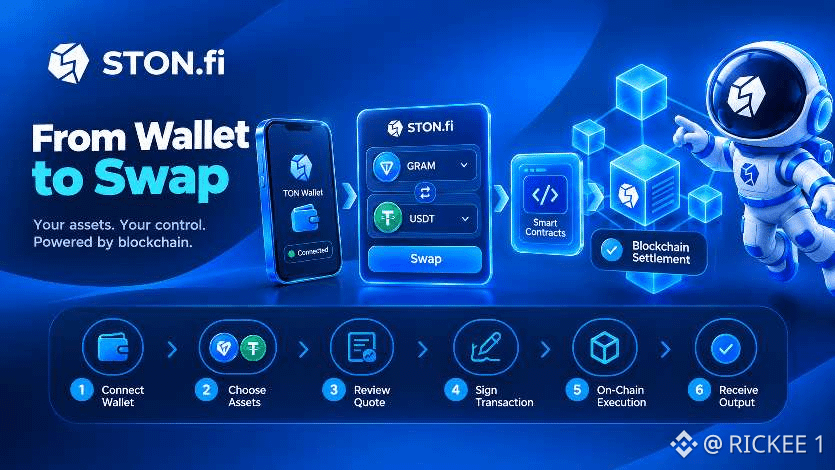
DEXスワップの流れ:
ウォレットを接続 → 資産を選択 → 見積もりを受け取る → 手数料、スリッページ、価格インパクトを確認 → サイン → スマートコントラクトが実行 → 出力される資産を受け取る。
STON.fiは、TON上での実用的な例を提示しています。ユーザーはTONウォレットを接続し、資産を選択し、見積もりと条件を確認してから、取引を承認します。オンチェーン基盤がスワップを実行し、その結果をウォレットに届けます。
STON.fiはまた、DEXがスワップ画面以上の存在であることも示しています。流動性プールが取引資本を提供し、流動性提供者が資産を供給し、ルーティング基盤によって利用可能な流動性ソースを接続できます。
重要な違いはシンプルです。STON.fiはDEXの考え方を実際に示しているだけで、DEXの定義そのものではありません。
根本的には、DEXは自己管理型、ブロックチェーンの決済、スマートコントラクトの実行、流動性、そして価格メカニズムを組み合わせます。「Swap」ボタンは、オンチェーンプロセスのためのインターフェースです。
$GRAM $BTC
DEXとは何か、どのように機能するのか?
DEX(分散型取引所)とは、中央のカストディ(保管)者なしにユーザーがデジタル資産を交換できる仕組みです。ユーザーは自己管理型ウォレットに接続し、スマートコントラクトの取引を承認します。
自己管理型(セルフカストディ)とは、ユーザーがウォレットの鍵を管理し、取引を直接承認することです。スマートコントラクトが交換ルールを強制し、ブロックチェーンが結果を記録して決済します。TONでは、トークンの送受信やスワップはブロックチェーンのメッセージとコントラクトロジックを使います。
多くのDEXは、自動マーケットメーカー(AMM)を採用しています。注文帳(オーダーブック)で買い手と売り手を突合せる代わりに、AMMは流動性提供者が資金を拠出する流動性プールを用います。価格はプールの状態と数学的モデルに従います。取引サイズ、流動性、手数料は実行に影響し、より大きな取引は価格インパクトを大きくする可能性があります。
オーダーブックモデルは別の動作をします。トレーダーはビッドとアスクを提示し、互換性のある注文がマッチングされます。AMMでは、ユーザーはプールされた流動性に対して直接取引できます。どちらも流動性が必要ですが、組み立て方が異なります。
DEXスワップの流れ:
ウォレットを接続 → 資産を選択 → 見積もりを受け取る → 手数料、スリッページ、価格インパクトを確認 → サイン → スマートコントラクトが実行 → 出力される資産を受け取る。
STON.fiは、TON上での実用的な例を提示しています。ユーザーはTONウォレットを接続し、資産を選択し、見積もりと条件を確認してから、取引を承認します。オンチェーン基盤がスワップを実行し、その結果をウォレットに届けます。
STON.fiはまた、DEXがスワップ画面以上の存在であることも示しています。流動性プールが取引資本を提供し、流動性提供者が資産を供給し、ルーティング基盤によって利用可能な流動性ソースを接続できます。
重要な違いはシンプルです。STON.fiはDEXの考え方を実際に示しているだけで、DEXの定義そのものではありません。
根本的には、DEXは自己管理型、ブロックチェーンの決済、スマートコントラクトの実行、流動性、そして価格メカニズムを組み合わせます。「Swap」ボタンは、オンチェーンプロセスのためのインターフェースです。
$GRAM $BTC
DEX(分散型取引所)とは、中央のカストディ(保管)者なしにユーザーがデジタル資産を交換できる仕組みです。ユーザーは自己管理型ウォレットに接続し、スマートコントラクトの取引を承認します。
自己管理型(セルフカストディ)とは、ユーザーがウォレットの鍵を管理し、取引を直接承認することです。スマートコントラクトが交換ルールを強制し、ブロックチェーンが結果を記録して決済します。TONでは、トークンの送受信やスワップはブロックチェーンのメッセージとコントラクトロジックを使います。
多くのDEXは、自動マーケットメーカー(AMM)を採用しています。注文帳(オーダーブック)で買い手と売り手を突合せる代わりに、AMMは流動性提供者が資金を拠出する流動性プールを用います。価格はプールの状態と数学的モデルに従います。取引サイズ、流動性、手数料は実行に影響し、より大きな取引は価格インパクトを大きくする可能性があります。
オーダーブックモデルは別の動作をします。トレーダーはビッドとアスクを提示し、互換性のある注文がマッチングされます。AMMでは、ユーザーはプールされた流動性に対して直接取引できます。どちらも流動性が必要ですが、組み立て方が異なります。
DEXスワップの流れ:
ウォレットを接続 → 資産を選択 → 見積もりを受け取る → 手数料、スリッページ、価格インパクトを確認 → サイン → スマートコントラクトが実行 → 出力される資産を受け取る。
STON.fiは、TON上での実用的な例を提示しています。ユーザーはTONウォレットを接続し、資産を選択し、見積もりと条件を確認してから、取引を承認します。オンチェーン基盤がスワップを実行し、その結果をウォレットに届けます。
STON.fiはまた、DEXがスワップ画面以上の存在であることも示しています。流動性プールが取引資本を提供し、流動性提供者が資産を供給し、ルーティング基盤によって利用可能な流動性ソースを接続できます。
重要な違いはシンプルです。STON.fiはDEXの考え方を実際に示しているだけで、DEXの定義そのものではありません。
根本的には、DEXは自己管理型、ブロックチェーンの決済、スマートコントラクトの実行、流動性、そして価格メカニズムを組み合わせます。「Swap」ボタンは、オンチェーンプロセスのためのインターフェースです。
$GRAM $BTC
63
·
--
「なぜ私の STON.fi 取引は失敗したのか?」
失敗した STON.fi 取引は、プロトコルが壊れていることを意味しません。原因としては、ウォレットの問題、手数料、マーケットの変動、トークンの条件、またはオンチェーン実行の問題などが考えられます。まずは原因を切り分けましょう。
1. 実行した操作を特定する
スワップなのか、流動性の追加/削除なのか、ファーミングなのか、またはカスタムトークンとのやり取りなのかを確認します。
2. $GRAM 残高を確認
STON.fi の取引には、TONネットワーク手数料を支払うための $GRAM が必要です。ウォレットに十分な $GRAM があることを確認してください。
3. スワップ条件を見直す
見積もりレート、価格インパクト、最低受取量、スリッページ許容範囲を確認します。価格インパクトは、取引が利用可能な流動性に与える影響を示します。一方、スリッページは、見積もりから実行までの間の価格変動から保護します。大口取引や変動の大きい市場では、実行が許容できる範囲を超える可能性があります。スリッページを闇雲に増やすと、より悪い価格を受け入れてしまう場合があります。
4. トークンの警告を確認
見慣れないトークンの場合は、公式のコントラクトアドレスを確認し、警告内容を確認してください。馴染みのある名前やロゴは、そのトークンが本物だという証明にはなりません。出所と流動性を確認しましょう。
5. TON のトランザクションを確認
トランザクションハッシュ、またはエクスプローラーのリンクを見つけ、ブロードキャストされたかどうかを確認します。ブロードキャストされている場合は、オンチェーン結果を確認し、成功したのか失敗したのか、またはボンブ(はね返り)されたのかを確認します。トランザクションが存在しない場合は、代わりにウォレット、署名、接続の段階を調査してください。
6. 原因を特定する
ウォレットを再接続し、可能であれば別の互換性のある TON ウォレットでテストします。これによりウォレット固有の問題かどうかを判断できます。
7. 診断後にのみ再試行する
失敗の原因を理解せずに、同じトランザクションを何度も送信しないでください。まず、起こりそうな原因を正しく修正しましょう。
サポート依頼の際は、ウォレットアドレス、トランザクションハッシュ、操作タイプ、トークンペア、金額、時間、エラーメッセージ、使用したウォレット、スクリーンショットを提示してください。シードフレーズや秘密鍵は絶対に共有しないでください。
操作を繰り返す前に、原因を文書化してください。
特定 → 確認 → 検証 → 点検 → 修正 → 再試行。
#BTC Price Analysis#
「なぜ私の STON.fi 取引は失敗したのか?」
失敗した STON.fi 取引は、プロトコルが壊れていることを意味しません。原因としては、ウォレットの問題、手数料、マーケットの変動、トークンの条件、またはオンチェーン実行の問題などが考えられます。まずは原因を切り分けましょう。
1. 実行した操作を特定する
スワップなのか、流動性の追加/削除なのか、ファーミングなのか、またはカスタムトークンとのやり取りなのかを確認します。
2. $GRAM 残高を確認
STON.fi の取引には、TONネットワーク手数料を支払うための $GRAM が必要です。ウォレットに十分な $GRAM があることを確認してください。
3. スワップ条件を見直す
見積もりレート、価格インパクト、最低受取量、スリッページ許容範囲を確認します。価格インパクトは、取引が利用可能な流動性に与える影響を示します。一方、スリッページは、見積もりから実行までの間の価格変動から保護します。大口取引や変動の大きい市場では、実行が許容できる範囲を超える可能性があります。スリッページを闇雲に増やすと、より悪い価格を受け入れてしまう場合があります。
4. トークンの警告を確認
見慣れないトークンの場合は、公式のコントラクトアドレスを確認し、警告内容を確認してください。馴染みのある名前やロゴは、そのトークンが本物だという証明にはなりません。出所と流動性を確認しましょう。
5. TON のトランザクションを確認
トランザクションハッシュ、またはエクスプローラーのリンクを見つけ、ブロードキャストされたかどうかを確認します。ブロードキャストされている場合は、オンチェーン結果を確認し、成功したのか失敗したのか、またはボンブ(はね返り)されたのかを確認します。トランザクションが存在しない場合は、代わりにウォレット、署名、接続の段階を調査してください。
6. 原因を特定する
ウォレットを再接続し、可能であれば別の互換性のある TON ウォレットでテストします。これによりウォレット固有の問題かどうかを判断できます。
7. 診断後にのみ再試行する
失敗の原因を理解せずに、同じトランザクションを何度も送信しないでください。まず、起こりそうな原因を正しく修正しましょう。
サポート依頼の際は、ウォレットアドレス、トランザクションハッシュ、操作タイプ、トークンペア、金額、時間、エラーメッセージ、使用したウォレット、スクリーンショットを提示してください。シードフレーズや秘密鍵は絶対に共有しないでください。
操作を繰り返す前に、原因を文書化してください。
特定 → 確認 → 検証 → 点検 → 修正 → 再試行。
#BTC Price Analysis#
失敗した STON.fi 取引は、プロトコルが壊れていることを意味しません。原因としては、ウォレットの問題、手数料、マーケットの変動、トークンの条件、またはオンチェーン実行の問題などが考えられます。まずは原因を切り分けましょう。
1. 実行した操作を特定する
スワップなのか、流動性の追加/削除なのか、ファーミングなのか、またはカスタムトークンとのやり取りなのかを確認します。
2. $GRAM 残高を確認
STON.fi の取引には、TONネットワーク手数料を支払うための $GRAM が必要です。ウォレットに十分な $GRAM があることを確認してください。
3. スワップ条件を見直す
見積もりレート、価格インパクト、最低受取量、スリッページ許容範囲を確認します。価格インパクトは、取引が利用可能な流動性に与える影響を示します。一方、スリッページは、見積もりから実行までの間の価格変動から保護します。大口取引や変動の大きい市場では、実行が許容できる範囲を超える可能性があります。スリッページを闇雲に増やすと、より悪い価格を受け入れてしまう場合があります。
4. トークンの警告を確認
見慣れないトークンの場合は、公式のコントラクトアドレスを確認し、警告内容を確認してください。馴染みのある名前やロゴは、そのトークンが本物だという証明にはなりません。出所と流動性を確認しましょう。
5. TON のトランザクションを確認
トランザクションハッシュ、またはエクスプローラーのリンクを見つけ、ブロードキャストされたかどうかを確認します。ブロードキャストされている場合は、オンチェーン結果を確認し、成功したのか失敗したのか、またはボンブ(はね返り)されたのかを確認します。トランザクションが存在しない場合は、代わりにウォレット、署名、接続の段階を調査してください。
6. 原因を特定する
ウォレットを再接続し、可能であれば別の互換性のある TON ウォレットでテストします。これによりウォレット固有の問題かどうかを判断できます。
7. 診断後にのみ再試行する
失敗の原因を理解せずに、同じトランザクションを何度も送信しないでください。まず、起こりそうな原因を正しく修正しましょう。
サポート依頼の際は、ウォレットアドレス、トランザクションハッシュ、操作タイプ、トークンペア、金額、時間、エラーメッセージ、使用したウォレット、スクリーンショットを提示してください。シードフレーズや秘密鍵は絶対に共有しないでください。
操作を繰り返す前に、原因を文書化してください。
特定 → 確認 → 検証 → 点検 → 修正 → 再試行。
#BTC Price Analysis#
62
·
--
STON.fiでコントラクトアドレスからカスタムトークンをインポートする方法
STON.fiでは、標準の検索に表示されないトークンをユーザーがインポートできます。トークンのインポートは、STON.fiがそれを推奨・検証・保証することを意味しません。
1. 正しいコントラクトアドレスを取得する
プロジェクトの公式サイトなど、公式の情報源からトークンのスマートコントラクトアドレスを入手してください。名前、ティッカー、ロゴ、SNS投稿だけに頼らないでください。悪意のあるトークンが正当な資産を装う可能性があります。コントラクトアドレスはトークンを識別します。
2. トークン検索またはインポートを開く
STON.fiのSwap(スワップ)画面を開き、トークン選択へ進みます。検索、またはカスタムトークンのインポート機能を使って、コントラクトアドレスを入力します。
3. 貼り付けて確認する
検索欄にアドレス全文を貼り付けてください。STON.fiはトークン名、シンボル、小数点以下桁数などのメタデータを表示できます。これらの詳細を公式プロジェクト情報と照合してください。おなじみのロゴやティッカーが、コントラクトアドレスの確認に代わることは決してありません。
4. 警告を確認する
確定する前に、STON.fiに表示される警告、ラベル、制限を確認してください。これらのサインは状況の手がかりになりますが、安全性の監査ではありません。
最も重要なのは、手動インポートが安全性のお墨付きにはならないことです。アセットのインポートは、インターフェースからアクセス可能になるだけです。トークンが正当であること、安全であること、取引に適していることを証明するものではありません。使用前にトークンを独自に調査してください。
5. スワップ前に流動性を確認する
トークンをインポートしたら、利用可能な流動性と、見込まれるスワップ条件を確認してください。流動性が低いと、価格への影響(price impact)、スリッページ、実行の不良が増える可能性があります。特に大口の取引では注意が必要です。プールの深さ、取引サイズ、提示される受取量、価格への影響を確認してからトランザクションを承認してください。
慎重な手順はシンプルです。アドレスを確認し、インポートし、メタデータを確認し、警告を確認し、トークンを調査し、スワップ前に流動性をチェックします。
DeFiでは、アクセスできることは信頼ではありません。STON.fiはインターフェースを提供しますが、ユーザーはアセットを検証し、署名前にリスクを理解する必要があります。
$BTC #BNBChain#
STON.fiでコントラクトアドレスからカスタムトークンをインポートする方法
STON.fiでは、標準の検索に表示されないトークンをユーザーがインポートできます。トークンのインポートは、STON.fiがそれを推奨・検証・保証することを意味しません。
1. 正しいコントラクトアドレスを取得する
プロジェクトの公式サイトなど、公式の情報源からトークンのスマートコントラクトアドレスを入手してください。名前、ティッカー、ロゴ、SNS投稿だけに頼らないでください。悪意のあるトークンが正当な資産を装う可能性があります。コントラクトアドレスはトークンを識別します。
2. トークン検索またはインポートを開く
STON.fiのSwap(スワップ)画面を開き、トークン選択へ進みます。検索、またはカスタムトークンのインポート機能を使って、コントラクトアドレスを入力します。
3. 貼り付けて確認する
検索欄にアドレス全文を貼り付けてください。STON.fiはトークン名、シンボル、小数点以下桁数などのメタデータを表示できます。これらの詳細を公式プロジェクト情報と照合してください。おなじみのロゴやティッカーが、コントラクトアドレスの確認に代わることは決してありません。
4. 警告を確認する
確定する前に、STON.fiに表示される警告、ラベル、制限を確認してください。これらのサインは状況の手がかりになりますが、安全性の監査ではありません。
最も重要なのは、手動インポートが安全性のお墨付きにはならないことです。アセットのインポートは、インターフェースからアクセス可能になるだけです。トークンが正当であること、安全であること、取引に適していることを証明するものではありません。使用前にトークンを独自に調査してください。
5. スワップ前に流動性を確認する
トークンをインポートしたら、利用可能な流動性と、見込まれるスワップ条件を確認してください。流動性が低いと、価格への影響(price impact)、スリッページ、実行の不良が増える可能性があります。特に大口の取引では注意が必要です。プールの深さ、取引サイズ、提示される受取量、価格への影響を確認してからトランザクションを承認してください。
慎重な手順はシンプルです。アドレスを確認し、インポートし、メタデータを確認し、警告を確認し、トークンを調査し、スワップ前に流動性をチェックします。
DeFiでは、アクセスできることは信頼ではありません。STON.fiはインターフェースを提供しますが、ユーザーはアセットを検証し、署名前にリスクを理解する必要があります。
$BTC #BNBChain#
STON.fiでは、標準の検索に表示されないトークンをユーザーがインポートできます。トークンのインポートは、STON.fiがそれを推奨・検証・保証することを意味しません。
1. 正しいコントラクトアドレスを取得する
プロジェクトの公式サイトなど、公式の情報源からトークンのスマートコントラクトアドレスを入手してください。名前、ティッカー、ロゴ、SNS投稿だけに頼らないでください。悪意のあるトークンが正当な資産を装う可能性があります。コントラクトアドレスはトークンを識別します。
2. トークン検索またはインポートを開く
STON.fiのSwap(スワップ)画面を開き、トークン選択へ進みます。検索、またはカスタムトークンのインポート機能を使って、コントラクトアドレスを入力します。
3. 貼り付けて確認する
検索欄にアドレス全文を貼り付けてください。STON.fiはトークン名、シンボル、小数点以下桁数などのメタデータを表示できます。これらの詳細を公式プロジェクト情報と照合してください。おなじみのロゴやティッカーが、コントラクトアドレスの確認に代わることは決してありません。
4. 警告を確認する
確定する前に、STON.fiに表示される警告、ラベル、制限を確認してください。これらのサインは状況の手がかりになりますが、安全性の監査ではありません。
最も重要なのは、手動インポートが安全性のお墨付きにはならないことです。アセットのインポートは、インターフェースからアクセス可能になるだけです。トークンが正当であること、安全であること、取引に適していることを証明するものではありません。使用前にトークンを独自に調査してください。
5. スワップ前に流動性を確認する
トークンをインポートしたら、利用可能な流動性と、見込まれるスワップ条件を確認してください。流動性が低いと、価格への影響(price impact)、スリッページ、実行の不良が増える可能性があります。特に大口の取引では注意が必要です。プールの深さ、取引サイズ、提示される受取量、価格への影響を確認してからトランザクションを承認してください。
慎重な手順はシンプルです。アドレスを確認し、インポートし、メタデータを確認し、警告を確認し、トークンを調査し、スワップ前に流動性をチェックします。
DeFiでは、アクセスできることは信頼ではありません。STON.fiはインターフェースを提供しますが、ユーザーはアセットを検証し、署名前にリスクを理解する必要があります。
$BTC #BNBChain#
108
·
--
翻訳参照
What Is Omniston and How It Improves STON.fi Swaps
In decentralized finance, liquidity is fragmented across pools, DEXs, and liquidity providers. This can make finding good swap execution difficult. Omniston addresses this challenge as the liquidity aggregation and execution layer behind STON.fi swaps.
Instead of limiting a trade to one pool, Omniston can request competing quotes, compare routes across connected sources, and select the strongest valid execution. This gives users broader access to liquidity while keeping STON.fi simple.
How Omniston Works
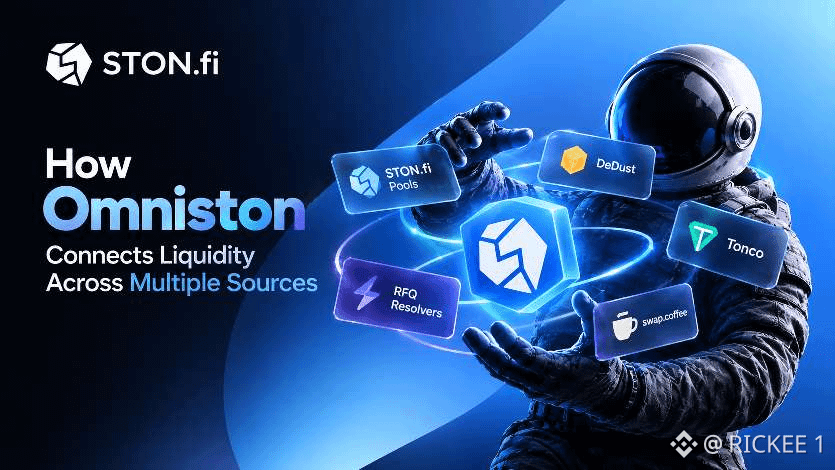
A swap begins when a user selects the assets and amount. Connected liquidity sources and RFQ resolvers return routes or quotes. Omniston compares those options and identifies the strongest valid path. After the user accepts the quote, the selected route is built into the wallet transaction.
The route need not be direct. Token A to Token B may be routed through TON when a multi hop path offers better execution.
Why Aggregation Matters
A single DEX may miss a deeper pool, a better multi hop route, or a competitive resolver quote. Omniston does not create liquidity. It makes more existing liquidity reachable and comparable through the STON.fi interface.
A swap can use STON.fi pools, connected TON DEXs such as DeDust, Tonco and swap.coffee or resolver liquidity. More competition can give larger trades access to deeper liquidity and potentially lower price impact.
Benefits and Limits
Omniston provides broader liquidity access, smarter route discovery, competing quotes, and a simpler execution flow. A stronger quote may replace an earlier quote while the request remains active.
The Bigger Picture
Omniston helps to turn fragmented liquidity into a more connected market. Instead of manually checking multiple pools and DEXs, users can access intelligent routing through one @ston_fi experience.
Connected liquidity creates more possibilities. Smarter routing helps those possibilities compete for each swap.
$BTC
What Is Omniston and How It Improves STON.fi Swaps
In decentralized finance, liquidity is fragmented across pools, DEXs, and liquidity providers. This can make finding good swap execution difficult. Omniston addresses this challenge as the liquidity aggregation and execution layer behind STON.fi swaps.
Instead of limiting a trade to one pool, Omniston can request competing quotes, compare routes across connected sources, and select the strongest valid execution. This gives users broader access to liquidity while keeping STON.fi simple.
How Omniston Works
A swap begins when a user selects the assets and amount. Connected liquidity sources and RFQ resolvers return routes or quotes. Omniston compares those options and identifies the strongest valid path. After the user accepts the quote, the selected route is built into the wallet transaction.
The route need not be direct. Token A to Token B may be routed through TON when a multi hop path offers better execution.
Why Aggregation Matters
A single DEX may miss a deeper pool, a better multi hop route, or a competitive resolver quote. Omniston does not create liquidity. It makes more existing liquidity reachable and comparable through the STON.fi interface.
A swap can use STON.fi pools, connected TON DEXs such as DeDust, Tonco and swap.coffee or resolver liquidity. More competition can give larger trades access to deeper liquidity and potentially lower price impact.
Benefits and Limits
Omniston provides broader liquidity access, smarter route discovery, competing quotes, and a simpler execution flow. A stronger quote may replace an earlier quote while the request remains active.
The Bigger Picture
Omniston helps to turn fragmented liquidity into a more connected market. Instead of manually checking multiple pools and DEXs, users can access intelligent routing through one @ston_fi experience.
Connected liquidity creates more possibilities. Smarter routing helps those possibilities compete for each swap.
$BTC
In decentralized finance, liquidity is fragmented across pools, DEXs, and liquidity providers. This can make finding good swap execution difficult. Omniston addresses this challenge as the liquidity aggregation and execution layer behind STON.fi swaps.
Instead of limiting a trade to one pool, Omniston can request competing quotes, compare routes across connected sources, and select the strongest valid execution. This gives users broader access to liquidity while keeping STON.fi simple.
How Omniston Works
A swap begins when a user selects the assets and amount. Connected liquidity sources and RFQ resolvers return routes or quotes. Omniston compares those options and identifies the strongest valid path. After the user accepts the quote, the selected route is built into the wallet transaction.
The route need not be direct. Token A to Token B may be routed through TON when a multi hop path offers better execution.
Why Aggregation Matters
A single DEX may miss a deeper pool, a better multi hop route, or a competitive resolver quote. Omniston does not create liquidity. It makes more existing liquidity reachable and comparable through the STON.fi interface.
A swap can use STON.fi pools, connected TON DEXs such as DeDust, Tonco and swap.coffee or resolver liquidity. More competition can give larger trades access to deeper liquidity and potentially lower price impact.
Benefits and Limits
Omniston provides broader liquidity access, smarter route discovery, competing quotes, and a simpler execution flow. A stronger quote may replace an earlier quote while the request remains active.
The Bigger Picture
Omniston helps to turn fragmented liquidity into a more connected market. Instead of manually checking multiple pools and DEXs, users can access intelligent routing through one @ston_fi experience.
Connected liquidity creates more possibilities. Smarter routing helps those possibilities compete for each swap.
$BTC
50
·
--
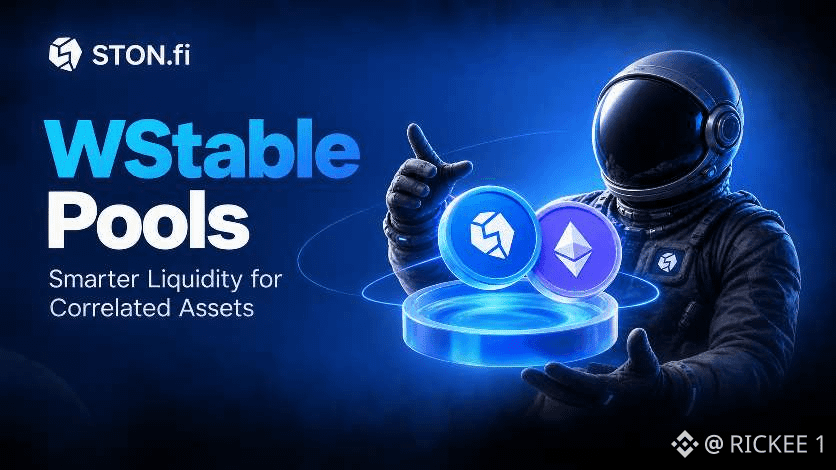
STON.fi上のWStableプール:Weighted Stable Swapを解説
すべてのDeFiペアが50/50のAMMを必要とするわけではありません。資産同士は密接に相関している場合があります。流動性スティーキングトークンは、その基になる資産を追跡でき、報酬が蓄積されるにつれて価値が変化します。
WStable、またはWeighted Stable Swap(WSS)は、この用途に向けたSTON.fiのプールモデルです。StableSwapスタイルの価格設定にカスタムウェイトと相対レートを組み合わせ、固定の1:1比ではなく、変化する関係を反映して流動性が調整されるようにします。
WStableの仕組み
一定積(コンスタントプロダクト)のAMMは、大きな取引で価格インパクトが生じえます。StableSwapスタイルの価格設定は、相関のある資産同士の関係の周りでカーブをなだらかにします。WStableは、不等なウェイトとレートによって柔軟性を追加します。
主なパラメータは以下です:
• amp = カーブの増幅を制御します。
• rate = 相対的な交換関係を表します。
• w0 = ある資産のウェイトを定義します。
• rate_setter = レートを管理します。
なぜウェイトが重要か
相関のある資産は、常に同じ流動性を必要とするわけではありません。WStableプールでは、75%/25%の構成のように、片方の資産に流動性をより集中させつつ、もう一方も維持することができます。
tsTONの例
STON.fiは、tsTONとネイティブ資産のペアでWStableを導入し、その後Gram( $GRAM )に改名されました。STON.fiによれば、tsTONが75%、GRAMが25%です。取引のサポートを行いながら、利回りを生む資産を優先します。
WStable vs. WCPI
どちらもウェイトを使いますが、価格モデルが異なります。WCPIは、Weighted Constant Product Invariantの略で、ウェイトが一定積の価格設定を修正します。WStableは、相関のある資産に対して、ウェイトと相対レートを用いたStableSwapスタイルの価格設定を採用しています。
ユーザーが知っておくべきこと
WStableは資本効率を高め、関係性の周辺で価格インパクトを低減する可能性がありますが、リスクをなくすわけではありません。プールの深さ、取引サイズ、スリッページ、相関の変化、レートの正確さ、不効果損失(インペアーマネントロス)、そしてスマートコントラクトのリスクは依然として重要です。
結局のところ、WStableは相関のある資産のためのAMMであり、50/50の構造を前提にしなくても、その関係が変化していくことに対応できます。
#BTC Price Analysis# $BTC
STON.fi上のWStableプール:Weighted Stable Swapを解説
すべてのDeFiペアが50/50のAMMを必要とするわけではありません。資産同士は密接に相関している場合があります。流動性スティーキングトークンは、その基になる資産を追跡でき、報酬が蓄積されるにつれて価値が変化します。
WStable、またはWeighted Stable Swap(WSS)は、この用途に向けたSTON.fiのプールモデルです。StableSwapスタイルの価格設定にカスタムウェイトと相対レートを組み合わせ、固定の1:1比ではなく、変化する関係を反映して流動性が調整されるようにします。
WStableの仕組み
一定積(コンスタントプロダクト)のAMMは、大きな取引で価格インパクトが生じえます。StableSwapスタイルの価格設定は、相関のある資産同士の関係の周りでカーブをなだらかにします。WStableは、不等なウェイトとレートによって柔軟性を追加します。
主なパラメータは以下です:
• amp = カーブの増幅を制御します。
• rate = 相対的な交換関係を表します。
• w0 = ある資産のウェイトを定義します。
• rate_setter = レートを管理します。
なぜウェイトが重要か
相関のある資産は、常に同じ流動性を必要とするわけではありません。WStableプールでは、75%/25%の構成のように、片方の資産に流動性をより集中させつつ、もう一方も維持することができます。
tsTONの例
STON.fiは、tsTONとネイティブ資産のペアでWStableを導入し、その後Gram( $GRAM )に改名されました。STON.fiによれば、tsTONが75%、GRAMが25%です。取引のサポートを行いながら、利回りを生む資産を優先します。
WStable vs. WCPI
どちらもウェイトを使いますが、価格モデルが異なります。WCPIは、Weighted Constant Product Invariantの略で、ウェイトが一定積の価格設定を修正します。WStableは、相関のある資産に対して、ウェイトと相対レートを用いたStableSwapスタイルの価格設定を採用しています。
ユーザーが知っておくべきこと
WStableは資本効率を高め、関係性の周辺で価格インパクトを低減する可能性がありますが、リスクをなくすわけではありません。プールの深さ、取引サイズ、スリッページ、相関の変化、レートの正確さ、不効果損失(インペアーマネントロス)、そしてスマートコントラクトのリスクは依然として重要です。
結局のところ、WStableは相関のある資産のためのAMMであり、50/50の構造を前提にしなくても、その関係が変化していくことに対応できます。
#BTC Price Analysis# $BTC
すべてのDeFiペアが50/50のAMMを必要とするわけではありません。資産同士は密接に相関している場合があります。流動性スティーキングトークンは、その基になる資産を追跡でき、報酬が蓄積されるにつれて価値が変化します。
WStable、またはWeighted Stable Swap(WSS)は、この用途に向けたSTON.fiのプールモデルです。StableSwapスタイルの価格設定にカスタムウェイトと相対レートを組み合わせ、固定の1:1比ではなく、変化する関係を反映して流動性が調整されるようにします。
WStableの仕組み
一定積(コンスタントプロダクト)のAMMは、大きな取引で価格インパクトが生じえます。StableSwapスタイルの価格設定は、相関のある資産同士の関係の周りでカーブをなだらかにします。WStableは、不等なウェイトとレートによって柔軟性を追加します。
主なパラメータは以下です:
• amp = カーブの増幅を制御します。
• rate = 相対的な交換関係を表します。
• w0 = ある資産のウェイトを定義します。
• rate_setter = レートを管理します。
なぜウェイトが重要か
相関のある資産は、常に同じ流動性を必要とするわけではありません。WStableプールでは、75%/25%の構成のように、片方の資産に流動性をより集中させつつ、もう一方も維持することができます。
tsTONの例
STON.fiは、tsTONとネイティブ資産のペアでWStableを導入し、その後Gram( $GRAM )に改名されました。STON.fiによれば、tsTONが75%、GRAMが25%です。取引のサポートを行いながら、利回りを生む資産を優先します。
WStable vs. WCPI
どちらもウェイトを使いますが、価格モデルが異なります。WCPIは、Weighted Constant Product Invariantの略で、ウェイトが一定積の価格設定を修正します。WStableは、相関のある資産に対して、ウェイトと相対レートを用いたStableSwapスタイルの価格設定を採用しています。
ユーザーが知っておくべきこと
WStableは資本効率を高め、関係性の周辺で価格インパクトを低減する可能性がありますが、リスクをなくすわけではありません。プールの深さ、取引サイズ、スリッページ、相関の変化、レートの正確さ、不効果損失(インペアーマネントロス)、そしてスマートコントラクトのリスクは依然として重要です。
結局のところ、WStableは相関のある資産のためのAMMであり、50/50の構造を前提にしなくても、その関係が変化していくことに対応できます。
#BTC Price Analysis# $BTC
64
·
--
Omniston がインテグレーターの紹介手数料をどのように扱うか
TONの流動性集約プロトコルである Omniston は、ウォレット、取引インターフェース、ボットがその経由するスワップで収益を得られるようにします。インテグレーターは紹介先のアドレスと手数料率をクォート(見積もり)リクエストに付与します。Omniston は、その手数料をリゾルバーが競り合う前に織り込むため、トレーダーが署名する前にレートが確定します。
画像を追加
設定方法
手数料には 2 つのフィールドがあります。referrer_address(支払われる TON ウォレット)と referrer_fee_bps です。ここで 1 bps は 0.01% に相当し、10 bps は 0.1%、50 bps は 0.5% です。SDK は referrerAddress / referrerFeeBps を使用し、Widget もこれらのフィールドを反映します。
クォートから精算まで
1. トレーダーが資産と数量を選択します。
2. アプリは紹介データを付けた状態でクォートを要求します。
3. リゾルバーが競り合います。手数料はすでに価格に織り込まれています。
4. トレーダーが勝ちクォートに署名します。
5. 勝利した流動性ソースが手数料を精算します。
なぜルートが重要なのか
DEX v1 は、スワップで即時に固定 0.1% を支払います。DEX v2 は 0.01%〜1% をサポートしますが、手数料はトークンごとのバルート(保管庫)に蓄積され、手動または SDK 経由で請求(クレーム)されます。DeDust、Tonco、CoffeeSwap は TON を即時に支払いますが、ジェットトンの手数料は別々のバルートに保持されており、オンチェーン呼び出しが必要です。エスクローは、まったく別のバルート契約を使用します。
柔軟な手数料
flexible_referrer_fee(デフォルトでは無効)により、Omniston は紹介手数料を「下げる」ことはできても「上げる」ことはありません。これにより、要求したレートが v1 の 10 bps 上限を超えていても、より良い価格の v1 ルートが勝てる可能性があります。
収益の追跡
ウォレットの残高だけでは、バルートに保持された手数料を見落とします。STON.fi の API は DEX v2 のバルートのみをカバーしています。DeDust、Tonco、CoffeeSwap、Escrow の手数料は、統一APIが届くまで、オンチェーン確認または独自のインデクシングが必要です。
本当の選択
厳格なレートは予測可能な収益を提供しますが、最良の v1 ルートを除外してしまう可能性があります。柔軟な手数料は実行品質を保ちながら、ルートの最大手数料も支払います。厳格なレートと柔軟な手数料、どちらがユーザーにより適していますか?
#BTC $BTC $BASE
Omniston がインテグレーターの紹介手数料をどのように扱うか
TONの流動性集約プロトコルである Omniston は、ウォレット、取引インターフェース、ボットがその経由するスワップで収益を得られるようにします。インテグレーターは紹介先のアドレスと手数料率をクォート(見積もり)リクエストに付与します。Omniston は、その手数料をリゾルバーが競り合う前に織り込むため、トレーダーが署名する前にレートが確定します。
画像を追加
設定方法
手数料には 2 つのフィールドがあります。referrer_address(支払われる TON ウォレット)と referrer_fee_bps です。ここで 1 bps は 0.01% に相当し、10 bps は 0.1%、50 bps は 0.5% です。SDK は referrerAddress / referrerFeeBps を使用し、Widget もこれらのフィールドを反映します。
クォートから精算まで
1. トレーダーが資産と数量を選択します。
2. アプリは紹介データを付けた状態でクォートを要求します。
3. リゾルバーが競り合います。手数料はすでに価格に織り込まれています。
4. トレーダーが勝ちクォートに署名します。
5. 勝利した流動性ソースが手数料を精算します。
なぜルートが重要なのか
DEX v1 は、スワップで即時に固定 0.1% を支払います。DEX v2 は 0.01%〜1% をサポートしますが、手数料はトークンごとのバルート(保管庫)に蓄積され、手動または SDK 経由で請求(クレーム)されます。DeDust、Tonco、CoffeeSwap は TON を即時に支払いますが、ジェットトンの手数料は別々のバルートに保持されており、オンチェーン呼び出しが必要です。エスクローは、まったく別のバルート契約を使用します。
柔軟な手数料
flexible_referrer_fee(デフォルトでは無効)により、Omniston は紹介手数料を「下げる」ことはできても「上げる」ことはありません。これにより、要求したレートが v1 の 10 bps 上限を超えていても、より良い価格の v1 ルートが勝てる可能性があります。
収益の追跡
ウォレットの残高だけでは、バルートに保持された手数料を見落とします。STON.fi の API は DEX v2 のバルートのみをカバーしています。DeDust、Tonco、CoffeeSwap、Escrow の手数料は、統一APIが届くまで、オンチェーン確認または独自のインデクシングが必要です。
本当の選択
厳格なレートは予測可能な収益を提供しますが、最良の v1 ルートを除外してしまう可能性があります。柔軟な手数料は実行品質を保ちながら、ルートの最大手数料も支払います。厳格なレートと柔軟な手数料、どちらがユーザーにより適していますか?
#BTC $BTC $BASE
TONの流動性集約プロトコルである Omniston は、ウォレット、取引インターフェース、ボットがその経由するスワップで収益を得られるようにします。インテグレーターは紹介先のアドレスと手数料率をクォート(見積もり)リクエストに付与します。Omniston は、その手数料をリゾルバーが競り合う前に織り込むため、トレーダーが署名する前にレートが確定します。
画像を追加
設定方法
手数料には 2 つのフィールドがあります。referrer_address(支払われる TON ウォレット)と referrer_fee_bps です。ここで 1 bps は 0.01% に相当し、10 bps は 0.1%、50 bps は 0.5% です。SDK は referrerAddress / referrerFeeBps を使用し、Widget もこれらのフィールドを反映します。
クォートから精算まで
1. トレーダーが資産と数量を選択します。
2. アプリは紹介データを付けた状態でクォートを要求します。
3. リゾルバーが競り合います。手数料はすでに価格に織り込まれています。
4. トレーダーが勝ちクォートに署名します。
5. 勝利した流動性ソースが手数料を精算します。
なぜルートが重要なのか
DEX v1 は、スワップで即時に固定 0.1% を支払います。DEX v2 は 0.01%〜1% をサポートしますが、手数料はトークンごとのバルート(保管庫)に蓄積され、手動または SDK 経由で請求(クレーム)されます。DeDust、Tonco、CoffeeSwap は TON を即時に支払いますが、ジェットトンの手数料は別々のバルートに保持されており、オンチェーン呼び出しが必要です。エスクローは、まったく別のバルート契約を使用します。
柔軟な手数料
flexible_referrer_fee(デフォルトでは無効)により、Omniston は紹介手数料を「下げる」ことはできても「上げる」ことはありません。これにより、要求したレートが v1 の 10 bps 上限を超えていても、より良い価格の v1 ルートが勝てる可能性があります。
収益の追跡
ウォレットの残高だけでは、バルートに保持された手数料を見落とします。STON.fi の API は DEX v2 のバルートのみをカバーしています。DeDust、Tonco、CoffeeSwap、Escrow の手数料は、統一APIが届くまで、オンチェーン確認または独自のインデクシングが必要です。
本当の選択
厳格なレートは予測可能な収益を提供しますが、最良の v1 ルートを除外してしまう可能性があります。柔軟な手数料は実行品質を保ちながら、ルートの最大手数料も支払います。厳格なレートと柔軟な手数料、どちらがユーザーにより適していますか?
#BTC $BTC $BASE
65
·
--
悪意のあるジェットトンのリクエストは、STON.fiユーザーに影響を与えられますか?
はい。悪意のあるジェットトンのリクエストはSTON.fiユーザーに影響を与える可能性がありますが、そのリスクはしばしば誤解されています。標準的なTONジェットトンは、ERC-20で一般的な「approve(承認)/allowance(許可枠)」モデルを使用しません。
TEP-74では、標準のapprove、allowance、またはtransferFrom関数はありません。通常のジェットトン転送は、特定の取引を承認します。
本当の危険はどこにある?
主な危険は、実際に何をしているかを確認せずにトランザクションに署名してしまうことです。
偽のWebサイトは、STON.fiをコピーして攻撃者のアドレスにジェットトン転送を要求できます。通常のスワップのように見えても、実際には資金を別の場所へ送ってしまうかもしれません。
TON Connectも、1つ以上の送信(アウトゴーイング)メッセージを要求することがあります。
ウォレットV5の拡張機能も注意が必要です。単発の転送よりも広いウォレット機能を提供できる場合があるためです。
STON.fiのスワップはどう動く?
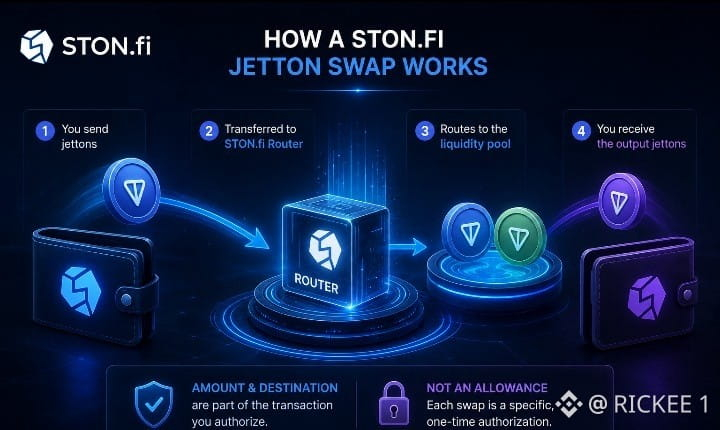
通常のSTON.fiジェットトン-to-ジェットトンのスワップでは、ユーザーのジェットトンが、定義された転送を通じてRouterフローに入ります。ペイロードは、リクエストをどう処理するかをRouterに伝え、その後Routerが関連するプールとやり取りします。
金額は、ユーザーが署名するトランザクションの一部です。これは、STON.fiに対して永久的または無制限のTEP-74許可(allowance)を与えることとは異なります。
何を確認すべき?
署名する前に、ジェットトン、正確な金額、宛先、そして取引の詳細を確認してください。
見慣れないジェットトンの場合は、公式のトークンマスターアドレスを検証します。偽のトークンはそれらをコピーできるため、名前、シンボル、ロゴ、Webサイトだけを信用しないでください。
重要な違い
悪意のある「単発」転送は、承認された金額を失わせることがあります。ただし、それが自動的に、将来のSTON.fiスワップで再利用できるTEP-74の許可を作るわけではありません。
より大きな危険は、ウォレットが侵害されているケースです。漏洩したシードフレーズ、秘密鍵、あるいは強力な拡張機能により、攻撃者が将来のトランザクションを承認できる可能性があります。
非標準のジェットトンには、基本的なTEP-74の動作を超えた追加ロジックが含まれている場合もあります。
さらにST0N.FIを探索:app.ston.fi
$BTC $STON
#Market
悪意のあるジェットトンのリクエストは、STON.fiユーザーに影響を与えられますか?
はい。悪意のあるジェットトンのリクエストはSTON.fiユーザーに影響を与える可能性がありますが、そのリスクはしばしば誤解されています。標準的なTONジェットトンは、ERC-20で一般的な「approve(承認)/allowance(許可枠)」モデルを使用しません。
TEP-74では、標準のapprove、allowance、またはtransferFrom関数はありません。通常のジェットトン転送は、特定の取引を承認します。
本当の危険はどこにある?
主な危険は、実際に何をしているかを確認せずにトランザクションに署名してしまうことです。
偽のWebサイトは、STON.fiをコピーして攻撃者のアドレスにジェットトン転送を要求できます。通常のスワップのように見えても、実際には資金を別の場所へ送ってしまうかもしれません。
TON Connectも、1つ以上の送信(アウトゴーイング)メッセージを要求することがあります。
ウォレットV5の拡張機能も注意が必要です。単発の転送よりも広いウォレット機能を提供できる場合があるためです。
STON.fiのスワップはどう動く?
通常のSTON.fiジェットトン-to-ジェットトンのスワップでは、ユーザーのジェットトンが、定義された転送を通じてRouterフローに入ります。ペイロードは、リクエストをどう処理するかをRouterに伝え、その後Routerが関連するプールとやり取りします。
金額は、ユーザーが署名するトランザクションの一部です。これは、STON.fiに対して永久的または無制限のTEP-74許可(allowance)を与えることとは異なります。
何を確認すべき?
署名する前に、ジェットトン、正確な金額、宛先、そして取引の詳細を確認してください。
見慣れないジェットトンの場合は、公式のトークンマスターアドレスを検証します。偽のトークンはそれらをコピーできるため、名前、シンボル、ロゴ、Webサイトだけを信用しないでください。
重要な違い
悪意のある「単発」転送は、承認された金額を失わせることがあります。ただし、それが自動的に、将来のSTON.fiスワップで再利用できるTEP-74の許可を作るわけではありません。
より大きな危険は、ウォレットが侵害されているケースです。漏洩したシードフレーズ、秘密鍵、あるいは強力な拡張機能により、攻撃者が将来のトランザクションを承認できる可能性があります。
非標準のジェットトンには、基本的なTEP-74の動作を超えた追加ロジックが含まれている場合もあります。
さらにST0N.FIを探索:app.ston.fi
$BTC $STON
#Market
はい。悪意のあるジェットトンのリクエストはSTON.fiユーザーに影響を与える可能性がありますが、そのリスクはしばしば誤解されています。標準的なTONジェットトンは、ERC-20で一般的な「approve(承認)/allowance(許可枠)」モデルを使用しません。
TEP-74では、標準のapprove、allowance、またはtransferFrom関数はありません。通常のジェットトン転送は、特定の取引を承認します。
本当の危険はどこにある?
主な危険は、実際に何をしているかを確認せずにトランザクションに署名してしまうことです。
偽のWebサイトは、STON.fiをコピーして攻撃者のアドレスにジェットトン転送を要求できます。通常のスワップのように見えても、実際には資金を別の場所へ送ってしまうかもしれません。
TON Connectも、1つ以上の送信(アウトゴーイング)メッセージを要求することがあります。
ウォレットV5の拡張機能も注意が必要です。単発の転送よりも広いウォレット機能を提供できる場合があるためです。
STON.fiのスワップはどう動く?
通常のSTON.fiジェットトン-to-ジェットトンのスワップでは、ユーザーのジェットトンが、定義された転送を通じてRouterフローに入ります。ペイロードは、リクエストをどう処理するかをRouterに伝え、その後Routerが関連するプールとやり取りします。
金額は、ユーザーが署名するトランザクションの一部です。これは、STON.fiに対して永久的または無制限のTEP-74許可(allowance)を与えることとは異なります。
何を確認すべき?
署名する前に、ジェットトン、正確な金額、宛先、そして取引の詳細を確認してください。
見慣れないジェットトンの場合は、公式のトークンマスターアドレスを検証します。偽のトークンはそれらをコピーできるため、名前、シンボル、ロゴ、Webサイトだけを信用しないでください。
重要な違い
悪意のある「単発」転送は、承認された金額を失わせることがあります。ただし、それが自動的に、将来のSTON.fiスワップで再利用できるTEP-74の許可を作るわけではありません。
より大きな危険は、ウォレットが侵害されているケースです。漏洩したシードフレーズ、秘密鍵、あるいは強力な拡張機能により、攻撃者が将来のトランザクションを承認できる可能性があります。
非標準のジェットトンには、基本的なTEP-74の動作を超えた追加ロジックが含まれている場合もあります。
さらにST0N.FIを探索:app.ston.fi
$BTC $STON
#Market
70
·
--
STON.fi の Omniston は、クロスチェーン DeFi のための別モデルを提供します。元となる資産をラップ版として作ることなく、独立したブロックチェーン間で交換価値を実現します。
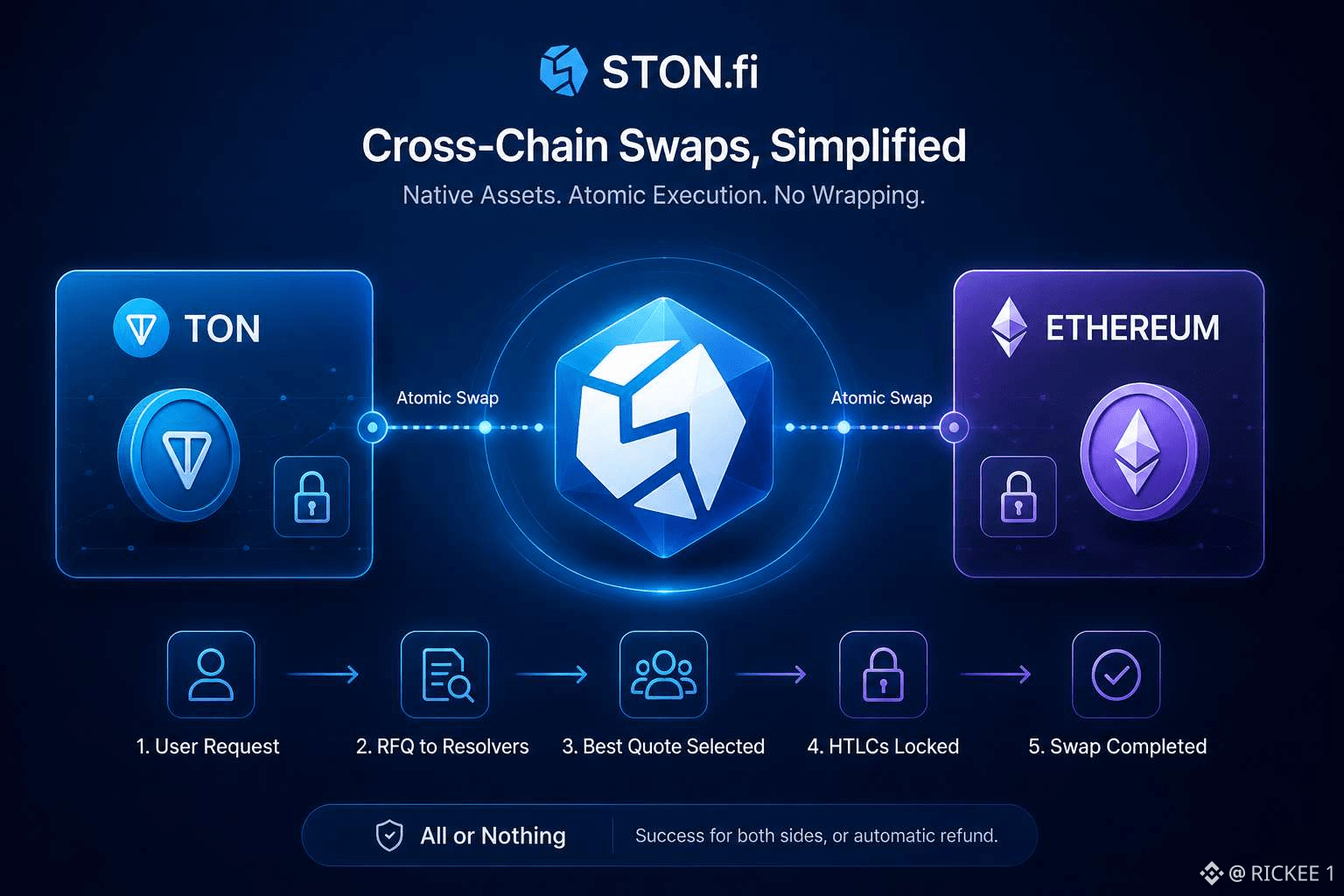
TON と Ethereum は独立して動作するため、ネイティブ資産は単純にそれらの間を移動できません。Omniston は、レゾルバー(resolver)、見積り依頼(Request for Quote: RFQ)、ハッシュド・タイムロック・コントラクト(Hashed Timelock Contracts: HTLC)を通じてスワップを調整します。
レゾルバーは、注文を履行するために競い合う流動性プロバイダーです。ユーザーは、送信元の資産、数量、受け取り先の資産、受取ウォレットを指定します。Omniston は利用可能なレゾルバーに RFQ を送信し、実行可能な見積り(クォート)が返されます。選ばれたレゾルバーは受け取り側の流動性をコミットし、取引を完了するインセンティブが生まれます。
HTLC は、暗号学的な決済レイヤーを提供します。両者は同じ秘密鍵(シークレット)とハッシュ条件で結び付けられます。秘密が公開されると、ユーザーは受け取り側の資産を請求でき、レゾルバーは送信元の資産を請求できます。タイムロックにより保護が追加されます。定められた時間内に決済が完了しない場合、返金(リファンド)経路が利用可能になります。
流れはシンプルです。資産とウォレットを選び、クォートを依頼し、出力とコストを確認し、送信元トランザクションを承認し、レゾルバーに受け取り側の流動性をコミットさせ、決済を完了します。条件が期限切れになると、返金メカニズムが適用されます。
従来のブリッジ(橋渡し)との重要な違いは、資産モデルです。従来のブリッジでは、Asset A をロックし、別チェーン上にラップされた Asset A を発行することがあります。Omniston は代わりに次を目指します。
Asset A → 原子的クロスチェーン・スワップ → ネイティブ Asset B
受け取り側の資産は、送信元資産のラップ表現ではなく、レゾルバーの流動性から提供されます。
レゾルバーは競争的なマーケットプレイスを作ります。大きな注文でも、部分約定(パーシャル・フィル)を利用できます。
確定する前に、出力、手数料、送信先ネットワーク、受取アドレス、必要なガス量を慎重に確認してください。
Omniston は、競争的な流動性、ネイティブの受け取り側アセット、暗号学的な決済、定義された返金条件によって、TON と Ethereum などのネットワークをつなぎます。
STON.fi の Omniston は、クロスチェーン DeFi のための別モデルを提供します。元となる資産をラップ版として作ることなく、独立したブロックチェーン間で交換価値を実現します。
TON と Ethereum は独立して動作するため、ネイティブ資産は単純にそれらの間を移動できません。Omniston は、レゾルバー(resolver)、見積り依頼(Request for Quote: RFQ)、ハッシュド・タイムロック・コントラクト(Hashed Timelock Contracts: HTLC)を通じてスワップを調整します。
レゾルバーは、注文を履行するために競い合う流動性プロバイダーです。ユーザーは、送信元の資産、数量、受け取り先の資産、受取ウォレットを指定します。Omniston は利用可能なレゾルバーに RFQ を送信し、実行可能な見積り(クォート)が返されます。選ばれたレゾルバーは受け取り側の流動性をコミットし、取引を完了するインセンティブが生まれます。
HTLC は、暗号学的な決済レイヤーを提供します。両者は同じ秘密鍵(シークレット)とハッシュ条件で結び付けられます。秘密が公開されると、ユーザーは受け取り側の資産を請求でき、レゾルバーは送信元の資産を請求できます。タイムロックにより保護が追加されます。定められた時間内に決済が完了しない場合、返金(リファンド)経路が利用可能になります。
流れはシンプルです。資産とウォレットを選び、クォートを依頼し、出力とコストを確認し、送信元トランザクションを承認し、レゾルバーに受け取り側の流動性をコミットさせ、決済を完了します。条件が期限切れになると、返金メカニズムが適用されます。
従来のブリッジ(橋渡し)との重要な違いは、資産モデルです。従来のブリッジでは、Asset A をロックし、別チェーン上にラップされた Asset A を発行することがあります。Omniston は代わりに次を目指します。
Asset A → 原子的クロスチェーン・スワップ → ネイティブ Asset B
受け取り側の資産は、送信元資産のラップ表現ではなく、レゾルバーの流動性から提供されます。
レゾルバーは競争的なマーケットプレイスを作ります。大きな注文でも、部分約定(パーシャル・フィル)を利用できます。
確定する前に、出力、手数料、送信先ネットワーク、受取アドレス、必要なガス量を慎重に確認してください。
Omniston は、競争的な流動性、ネイティブの受け取り側アセット、暗号学的な決済、定義された返金条件によって、TON と Ethereum などのネットワークをつなぎます。
TON と Ethereum は独立して動作するため、ネイティブ資産は単純にそれらの間を移動できません。Omniston は、レゾルバー(resolver)、見積り依頼(Request for Quote: RFQ)、ハッシュド・タイムロック・コントラクト(Hashed Timelock Contracts: HTLC)を通じてスワップを調整します。
レゾルバーは、注文を履行するために競い合う流動性プロバイダーです。ユーザーは、送信元の資産、数量、受け取り先の資産、受取ウォレットを指定します。Omniston は利用可能なレゾルバーに RFQ を送信し、実行可能な見積り(クォート)が返されます。選ばれたレゾルバーは受け取り側の流動性をコミットし、取引を完了するインセンティブが生まれます。
HTLC は、暗号学的な決済レイヤーを提供します。両者は同じ秘密鍵(シークレット)とハッシュ条件で結び付けられます。秘密が公開されると、ユーザーは受け取り側の資産を請求でき、レゾルバーは送信元の資産を請求できます。タイムロックにより保護が追加されます。定められた時間内に決済が完了しない場合、返金(リファンド)経路が利用可能になります。
流れはシンプルです。資産とウォレットを選び、クォートを依頼し、出力とコストを確認し、送信元トランザクションを承認し、レゾルバーに受け取り側の流動性をコミットさせ、決済を完了します。条件が期限切れになると、返金メカニズムが適用されます。
従来のブリッジ(橋渡し)との重要な違いは、資産モデルです。従来のブリッジでは、Asset A をロックし、別チェーン上にラップされた Asset A を発行することがあります。Omniston は代わりに次を目指します。
Asset A → 原子的クロスチェーン・スワップ → ネイティブ Asset B
受け取り側の資産は、送信元資産のラップ表現ではなく、レゾルバーの流動性から提供されます。
レゾルバーは競争的なマーケットプレイスを作ります。大きな注文でも、部分約定(パーシャル・フィル)を利用できます。
確定する前に、出力、手数料、送信先ネットワーク、受取アドレス、必要なガス量を慎重に確認してください。
Omniston は、競争的な流動性、ネイティブの受け取り側アセット、暗号学的な決済、定義された返金条件によって、TON と Ethereum などのネットワークをつなぎます。
63
·
--
翻訳参照
Bridge Risk vs. the Omniston Atomic Swap Model
Cross-chain trading is not only about moving assets between networks; it is about the trust assumptions behind that movement. Traditional bridges often use pooled reserves, wrapped assets, validators, relayers, or lock-and-mint systems, creating additional failure points.
Bridge risk begins with shared infrastructure. Large reserve contracts can concentrate value and become attack targets. Validators and relayers add trust assumptions by verifying messages or authorizing actions between chains. Wrapped assets introduce representation risk because their value depends on the bridge maintaining expected backing. Bugs in locking, minting, verification, or withdrawal logic can affect many users at once.
The Omniston atomic swap model uses a different architecture. Instead of a shared bridge reserve, resolver liquidity provides the destination side of an individual trade. Paired Hashed Timelock Contracts (HTLCs) connect both sides through the same hashlock.
The process is straightforward:
1. The order defines assets, amounts, and settlement conditions, including a shared hashlock.
2. The user's source assets are locked in one HTLC.
3. The resolver locks destination liquidity in a second HTLC with the same hashlock.
4. Revealing the required secret enables settlement. If conditions are not met before the timelock expires, the contracts provide a refund path under their rules.
This creates the atomic principle: the swap settles when shared conditions are satisfied, or the locked assets become recoverable after timeout.
Atomic settlement does not eliminate risk. Smart-contract, blockchain, resolver, quote, wallet, and asset-selection risks remain.
Before signing, verify the asset, network, amount, quote, route, conditions, and refund path.
Omniston does not make trading risk-free. It changes the failure model by replacing shared bridge assumptions with resolver liquidity and HTLC settlement.
$SOL $STNE
Bridge Risk vs. the Omniston Atomic Swap Model
Cross-chain trading is not only about moving assets between networks; it is about the trust assumptions behind that movement. Traditional bridges often use pooled reserves, wrapped assets, validators, relayers, or lock-and-mint systems, creating additional failure points.
Bridge risk begins with shared infrastructure. Large reserve contracts can concentrate value and become attack targets. Validators and relayers add trust assumptions by verifying messages or authorizing actions between chains. Wrapped assets introduce representation risk because their value depends on the bridge maintaining expected backing. Bugs in locking, minting, verification, or withdrawal logic can affect many users at once.
The Omniston atomic swap model uses a different architecture. Instead of a shared bridge reserve, resolver liquidity provides the destination side of an individual trade. Paired Hashed Timelock Contracts (HTLCs) connect both sides through the same hashlock.
The process is straightforward:
1. The order defines assets, amounts, and settlement conditions, including a shared hashlock.
2. The user's source assets are locked in one HTLC.
3. The resolver locks destination liquidity in a second HTLC with the same hashlock.
4. Revealing the required secret enables settlement. If conditions are not met before the timelock expires, the contracts provide a refund path under their rules.
This creates the atomic principle: the swap settles when shared conditions are satisfied, or the locked assets become recoverable after timeout.
Atomic settlement does not eliminate risk. Smart-contract, blockchain, resolver, quote, wallet, and asset-selection risks remain.
Before signing, verify the asset, network, amount, quote, route, conditions, and refund path.
Omniston does not make trading risk-free. It changes the failure model by replacing shared bridge assumptions with resolver liquidity and HTLC settlement.
$SOL $STNE
Cross-chain trading is not only about moving assets between networks; it is about the trust assumptions behind that movement. Traditional bridges often use pooled reserves, wrapped assets, validators, relayers, or lock-and-mint systems, creating additional failure points.
Bridge risk begins with shared infrastructure. Large reserve contracts can concentrate value and become attack targets. Validators and relayers add trust assumptions by verifying messages or authorizing actions between chains. Wrapped assets introduce representation risk because their value depends on the bridge maintaining expected backing. Bugs in locking, minting, verification, or withdrawal logic can affect many users at once.
The Omniston atomic swap model uses a different architecture. Instead of a shared bridge reserve, resolver liquidity provides the destination side of an individual trade. Paired Hashed Timelock Contracts (HTLCs) connect both sides through the same hashlock.
The process is straightforward:
1. The order defines assets, amounts, and settlement conditions, including a shared hashlock.
2. The user's source assets are locked in one HTLC.
3. The resolver locks destination liquidity in a second HTLC with the same hashlock.
4. Revealing the required secret enables settlement. If conditions are not met before the timelock expires, the contracts provide a refund path under their rules.
This creates the atomic principle: the swap settles when shared conditions are satisfied, or the locked assets become recoverable after timeout.
Atomic settlement does not eliminate risk. Smart-contract, blockchain, resolver, quote, wallet, and asset-selection risks remain.
Before signing, verify the asset, network, amount, quote, route, conditions, and refund path.
Omniston does not make trading risk-free. It changes the failure model by replacing shared bridge assumptions with resolver liquidity and HTLC settlement.
$SOL $STNE
64
·
--
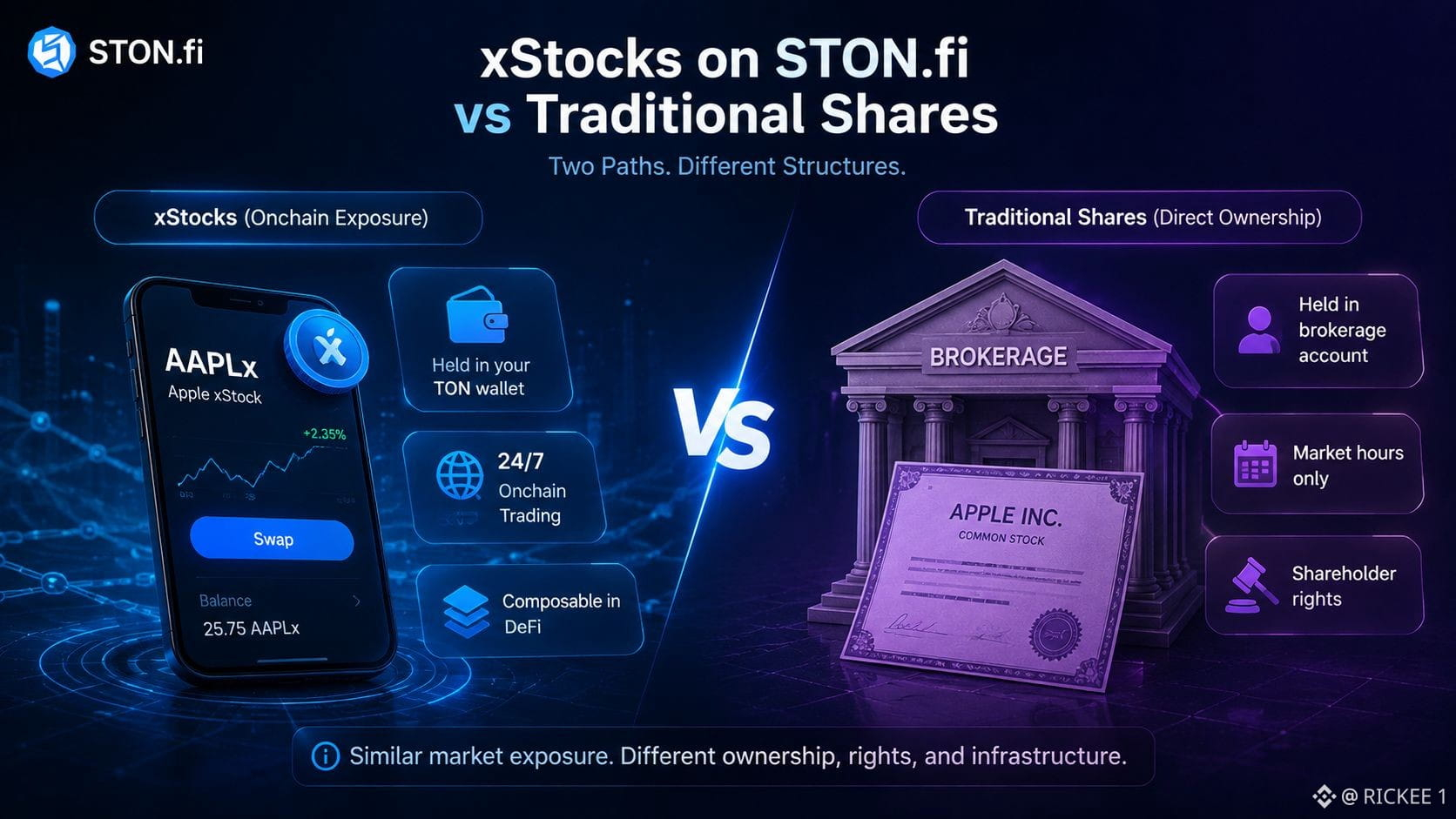
STONfiにおけるxStockと従来の株式の違い:実際に何が違うのか? $AAPLX や $TSLAX のようなxStockは、企業の株価を追跡できますが、普通株を保有することと同じ法的な金融商品ではありません。xStockは、参照される証券を追跡するトークン化された証明書です。トークンはTONウォレットで保有される一方、証券は保管(カストディ)されたままです。あなたが保有するのは、企業の直接的な持分ではなく、トークン化された証券です。 法的な所有権 従来の株式は株式(エクイティ)の保有を表し、議決権を付与する場合があります。xStocksは、基礎となる企業に対する保有者の直接の議決権を付与しません。価格の連動(価格エクスポージャー)と、同一の所有権は意味しません。 配当 従来の株主は、ブローカーを通じて配当を受け取る場合があります。 xStocksでは、配当の経済的性質は、現金の支払いではなく、トークン残高を増やす形でのトークンのリベース(再調整)により反映され得ます。 企業アクションも、トークン構造を通じて扱われることがあります。 保管(カストディ)と決済 従来の株式は、ブローカー、カストディアン、清算システムを通じて取引されます。米国の証券は一般にT+1で決済されます。xStocksは、送受信にブロックチェーンのトランザクションを用いるため、24時間いつでも移動できますが、流動性や価格はオフアワーで変動し得ます。 STONfiでは、サポートされているxStocksはTONの流動性とルーティングを通じてスワップできます。STONfiは、発行やブローカレッジではなく、取引インフラを提供します。 なぜトークン化が重要なのか xStockは、自身で管理するTONウォレットで保有でき、またサポートされる場合にはブロックチェーン上のアプリケーションと連携できます。これにより携帯性(ポータビリティ)が高まります。 トークン化はまた、発行者、保管(カストディ)、スマートコントラクト、流動性、規制に関するリスクも追加します。 重要な違い 従来の株式は、法的なエクイティの所有と株主としての権利を重視します。 xStocksは、トークン化された経済的エクスポージャー、自主管理(セルフカストディ)、ブロックチェーンでの移転可能性、そしてオンチェーン上のユーティリティを重視します。 xStockを使用する前に、発行者、法的な構造、参照される資産、裏付け、配当の仕組み、適格性、流動性、そして管轄(法域)に関する制限を確認してください。
STONfiにおけるxStockと従来の株式の違い:実際に何が違うのか? $AAPLX や $TSLAX のようなxStockは、企業の株価を追跡できますが、普通株を保有することと同じ法的な金融商品ではありません。xStockは、参照される証券を追跡するトークン化された証明書です。トークンはTONウォレットで保有される一方、証券は保管(カストディ)されたままです。あなたが保有するのは、企業の直接的な持分ではなく、トークン化された証券です。 法的な所有権 従来の株式は株式(エクイティ)の保有を表し、議決権を付与する場合があります。xStocksは、基礎となる企業に対する保有者の直接の議決権を付与しません。価格の連動(価格エクスポージャー)と、同一の所有権は意味しません。 配当 従来の株主は、ブローカーを通じて配当を受け取る場合があります。 xStocksでは、配当の経済的性質は、現金の支払いではなく、トークン残高を増やす形でのトークンのリベース(再調整)により反映され得ます。 企業アクションも、トークン構造を通じて扱われることがあります。 保管(カストディ)と決済 従来の株式は、ブローカー、カストディアン、清算システムを通じて取引されます。米国の証券は一般にT+1で決済されます。xStocksは、送受信にブロックチェーンのトランザクションを用いるため、24時間いつでも移動できますが、流動性や価格はオフアワーで変動し得ます。 STONfiでは、サポートされているxStocksはTONの流動性とルーティングを通じてスワップできます。STONfiは、発行やブローカレッジではなく、取引インフラを提供します。 なぜトークン化が重要なのか xStockは、自身で管理するTONウォレットで保有でき、またサポートされる場合にはブロックチェーン上のアプリケーションと連携できます。これにより携帯性(ポータビリティ)が高まります。 トークン化はまた、発行者、保管(カストディ)、スマートコントラクト、流動性、規制に関するリスクも追加します。 重要な違い 従来の株式は、法的なエクイティの所有と株主としての権利を重視します。 xStocksは、トークン化された経済的エクスポージャー、自主管理(セルフカストディ)、ブロックチェーンでの移転可能性、そしてオンチェーン上のユーティリティを重視します。 xStockを使用する前に、発行者、法的な構造、参照される資産、裏付け、配当の仕組み、適格性、流動性、そして管轄(法域)に関する制限を確認してください。
76
·
--
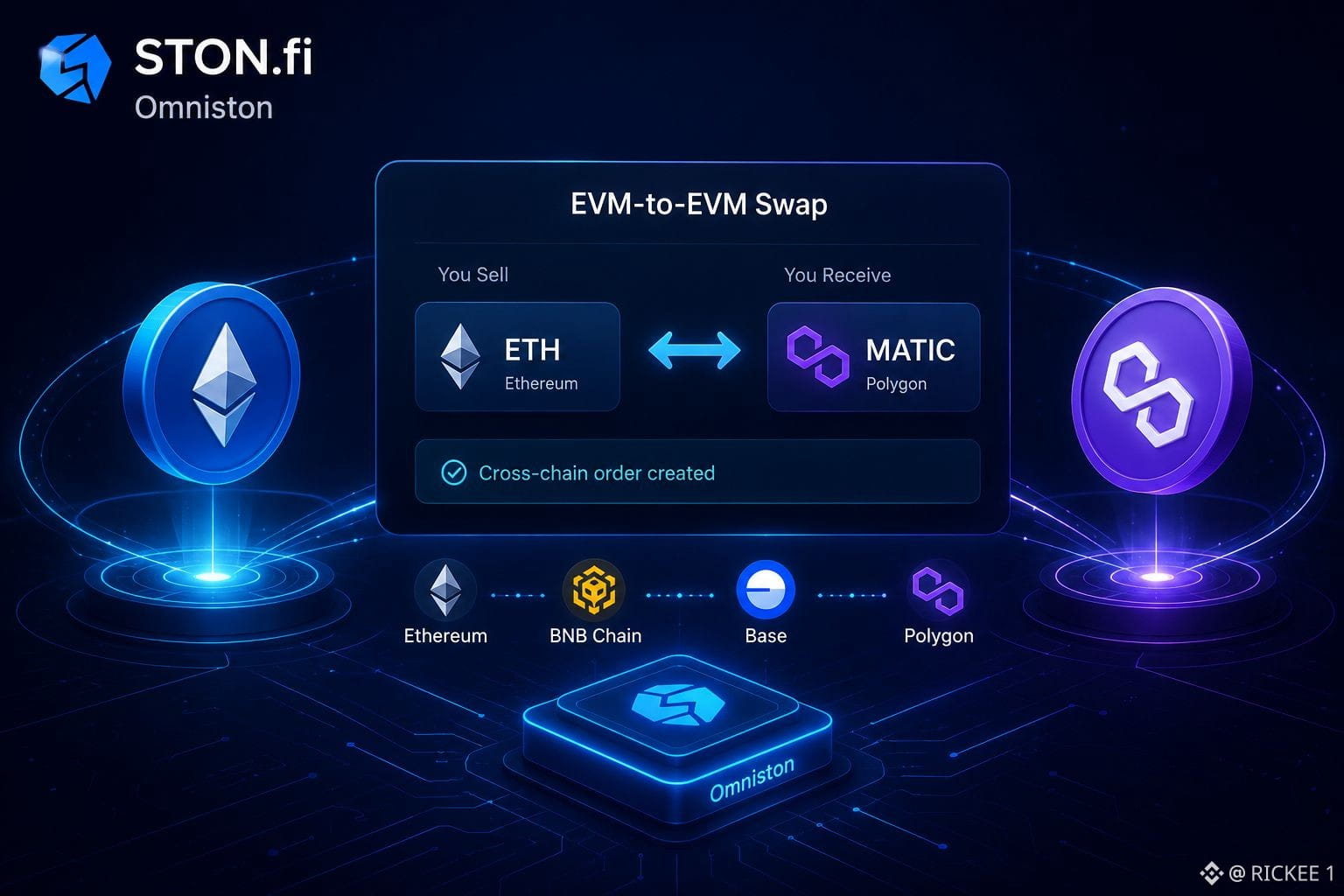
STON.fiでのEVM-to-EVMスワップをOmnistonがどのように扱うか OmnistonはEVM-to-EVMの取引を、RFQ(Request for Quote/見積り依頼)、リゾルバ、およびペアのHTLCを通じて調整された1つのクロスチェーン注文として扱います。 ネットワークをまたいだ1つの注文 ブリッジとDEXの手順を別々に行う代わりに、Omnistonはリクエストを1つの取引インテント(意図)へ変換します。リゾルバは見積りと流動性を提供するために競合します。フェーズ1の対象ネットワークはEthereum、BNB Chain、Base、Polygonです。TONは中間ネットワークとして不要です。 RFQとリゾルバの流動性 RFQモデルでは、1つの流動性プールに頼るのではなく、リゾルバが競合します。あるリゾルバが所定の全額を提供できない場合でも、部分約定が大きな注文を支援します。 ペアのHTLCの仕組み ソースネットワークでは、トレーダーの資産がハッシュロックとタイムロック付きのHTLCによりロックされます。リゾルバは一致する暗号条件のもとで資産をロックします。秘密(シークレット)が両者をつなぎます。片方を請求するためにそれを開示すると、もう片方で対応する請求が可能になります。決済に失敗した場合、タイムロックによって契約ルールに基づく返金ルートが確保されます。 なぜ通常のDEXと違うのか 標準的なDEXは1つのブロックチェーン上で動作し、両方の資産が同じ台帳を共有します。EVM-to-EVMスワップでは独立したネットワークが関与するため、単一のトランザクションとして成立しません。Omnistonは、統一された1つの注文を提示しつつ、各ネットワークでは別々のコントラクトが実行します。原子的な(アトミックな)性質は、単一のトランザクションや中間のTONルートではなく、調整されたルール、ハッシュロック、タイムロックの連携によって実現されます。 それでも重要なこと 見積りの質、ガスコスト、流動性、ネットワーク状況は、実行に影響します。 全体像 Omnistonはクロスチェーン取引を、インテント(意図)ベースのプロセスに変えます。ユーザーが交換先を指定し、リゾルバが実行を競合し、HTLCが決済または返金を連携します。RFQは競争力のある実行を見つけ、リゾルバが流動性を提供し、ペアのHTLCが独立したチェーン間の決済を結びます。1つのフローで、クロスチェーンの複雑さを見えない形にします。 $POL $SOL $TRX
STON.fiでのEVM-to-EVMスワップをOmnistonがどのように扱うか OmnistonはEVM-to-EVMの取引を、RFQ(Request for Quote/見積り依頼)、リゾルバ、およびペアのHTLCを通じて調整された1つのクロスチェーン注文として扱います。 ネットワークをまたいだ1つの注文 ブリッジとDEXの手順を別々に行う代わりに、Omnistonはリクエストを1つの取引インテント(意図)へ変換します。リゾルバは見積りと流動性を提供するために競合します。フェーズ1の対象ネットワークはEthereum、BNB Chain、Base、Polygonです。TONは中間ネットワークとして不要です。 RFQとリゾルバの流動性 RFQモデルでは、1つの流動性プールに頼るのではなく、リゾルバが競合します。あるリゾルバが所定の全額を提供できない場合でも、部分約定が大きな注文を支援します。 ペアのHTLCの仕組み ソースネットワークでは、トレーダーの資産がハッシュロックとタイムロック付きのHTLCによりロックされます。リゾルバは一致する暗号条件のもとで資産をロックします。秘密(シークレット)が両者をつなぎます。片方を請求するためにそれを開示すると、もう片方で対応する請求が可能になります。決済に失敗した場合、タイムロックによって契約ルールに基づく返金ルートが確保されます。 なぜ通常のDEXと違うのか 標準的なDEXは1つのブロックチェーン上で動作し、両方の資産が同じ台帳を共有します。EVM-to-EVMスワップでは独立したネットワークが関与するため、単一のトランザクションとして成立しません。Omnistonは、統一された1つの注文を提示しつつ、各ネットワークでは別々のコントラクトが実行します。原子的な(アトミックな)性質は、単一のトランザクションや中間のTONルートではなく、調整されたルール、ハッシュロック、タイムロックの連携によって実現されます。 それでも重要なこと 見積りの質、ガスコスト、流動性、ネットワーク状況は、実行に影響します。 全体像 Omnistonはクロスチェーン取引を、インテント(意図)ベースのプロセスに変えます。ユーザーが交換先を指定し、リゾルバが実行を競合し、HTLCが決済または返金を連携します。RFQは競争力のある実行を見つけ、リゾルバが流動性を提供し、ペアのHTLCが独立したチェーン間の決済を結びます。1つのフローで、クロスチェーンの複雑さを見えない形にします。 $POL $SOL $TRX
86
·
--
TON上でのSTONfiのBounceable/Non-Bounceableアドレスの扱い
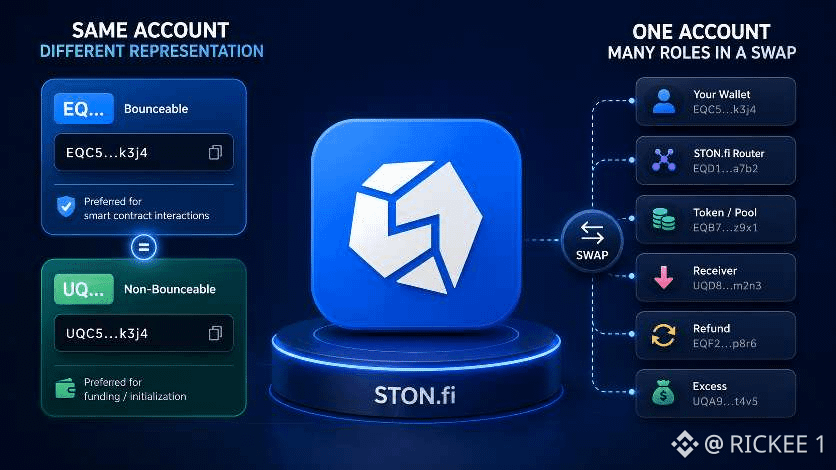
TONアドレスは、同一のオンチェーンアカウントを指していても見た目が異なることがあります。EQ...はbounceable形式で、UQ...はnon-bounceable形式です。ワークチェーンとアカウント識別子が同一であれば、どちらも同じアカウントを表すことができます。
Bounceableとは
Bounceability(バウンス可能性)とは、恒久的なアカウントの属性ではなく、メッセージの挙動を表します。TONユーザーフレンドリーなアドレスには、ソフトウェアがメッセージをどのように扱うかを判断するためのフラグが含まれています。
bounceableで配信する場合、適用される条件下で処理が失敗すると、残った価値が送信者に向かって戻ることがあります。そのため、bounceableメッセージはスマートコントラクトのやり取りに適しています。
non-bounceableでの配信は、まだ初期化されていないアカウントに資金を送るときに有用です。TONではウォレットはスマートコントラクトであり、デプロイ前からそのアドレスが分かっていることがあります。初期化されていない宛先に対して不適切なバウンス挙動があると、資金投入の代わりに送金が失敗する可能性があります。
STONfiがアドレスを使う方法
STONfiのスワップには、接続されたウォレット、Jettonマスター、ルーター、プール、受信者、返金(refund)および余剰(excess)アドレスが関与する場合があります。
最初の取引ターゲットは、ウォレットメッセージを受け取るコントラクトです。他のアドレスは、TONアドレスの値としてペイロード内を移動することができます。
STONfi SDK v0.5.0以降は、生成されたパラメータにbounceableアドレスが使用されます。これは、プロトコルコントラクトが存在しロジックを実行することが想定されているためです。これは、確立されたコントラクト同士のやり取りに関するTONの慣行に従っています。
開発者がアドレスをパースすべき理由
よくある間違いとして、EQ...とUQ...を単なる文字列として比較し、それらが別のウォレットだと決めつけてしまうことがあります。代わりに、適切なTON Addressオブジェクトにパースし、基となるワークチェーンとアカウント識別子を比較してください。
これは、統合、検証、そしてトランザクション構築において重要です。開発者はワークチェーンを保持し、信頼できるTONツールでアドレスのエンコードを行うべきです。
$STON $RAY
#BTC Price Analysis#
TON上でのSTONfiのBounceable/Non-Bounceableアドレスの扱い
TONアドレスは、同一のオンチェーンアカウントを指していても見た目が異なることがあります。EQ...はbounceable形式で、UQ...はnon-bounceable形式です。ワークチェーンとアカウント識別子が同一であれば、どちらも同じアカウントを表すことができます。
Bounceableとは
Bounceability(バウンス可能性)とは、恒久的なアカウントの属性ではなく、メッセージの挙動を表します。TONユーザーフレンドリーなアドレスには、ソフトウェアがメッセージをどのように扱うかを判断するためのフラグが含まれています。
bounceableで配信する場合、適用される条件下で処理が失敗すると、残った価値が送信者に向かって戻ることがあります。そのため、bounceableメッセージはスマートコントラクトのやり取りに適しています。
non-bounceableでの配信は、まだ初期化されていないアカウントに資金を送るときに有用です。TONではウォレットはスマートコントラクトであり、デプロイ前からそのアドレスが分かっていることがあります。初期化されていない宛先に対して不適切なバウンス挙動があると、資金投入の代わりに送金が失敗する可能性があります。
STONfiがアドレスを使う方法
STONfiのスワップには、接続されたウォレット、Jettonマスター、ルーター、プール、受信者、返金(refund)および余剰(excess)アドレスが関与する場合があります。
最初の取引ターゲットは、ウォレットメッセージを受け取るコントラクトです。他のアドレスは、TONアドレスの値としてペイロード内を移動することができます。
STONfi SDK v0.5.0以降は、生成されたパラメータにbounceableアドレスが使用されます。これは、プロトコルコントラクトが存在しロジックを実行することが想定されているためです。これは、確立されたコントラクト同士のやり取りに関するTONの慣行に従っています。
開発者がアドレスをパースすべき理由
よくある間違いとして、EQ...とUQ...を単なる文字列として比較し、それらが別のウォレットだと決めつけてしまうことがあります。代わりに、適切なTON Addressオブジェクトにパースし、基となるワークチェーンとアカウント識別子を比較してください。
これは、統合、検証、そしてトランザクション構築において重要です。開発者はワークチェーンを保持し、信頼できるTONツールでアドレスのエンコードを行うべきです。
$STON $RAY
#BTC Price Analysis#
TONアドレスは、同一のオンチェーンアカウントを指していても見た目が異なることがあります。EQ...はbounceable形式で、UQ...はnon-bounceable形式です。ワークチェーンとアカウント識別子が同一であれば、どちらも同じアカウントを表すことができます。
Bounceableとは
Bounceability(バウンス可能性)とは、恒久的なアカウントの属性ではなく、メッセージの挙動を表します。TONユーザーフレンドリーなアドレスには、ソフトウェアがメッセージをどのように扱うかを判断するためのフラグが含まれています。
bounceableで配信する場合、適用される条件下で処理が失敗すると、残った価値が送信者に向かって戻ることがあります。そのため、bounceableメッセージはスマートコントラクトのやり取りに適しています。
non-bounceableでの配信は、まだ初期化されていないアカウントに資金を送るときに有用です。TONではウォレットはスマートコントラクトであり、デプロイ前からそのアドレスが分かっていることがあります。初期化されていない宛先に対して不適切なバウンス挙動があると、資金投入の代わりに送金が失敗する可能性があります。
STONfiがアドレスを使う方法
STONfiのスワップには、接続されたウォレット、Jettonマスター、ルーター、プール、受信者、返金(refund)および余剰(excess)アドレスが関与する場合があります。
最初の取引ターゲットは、ウォレットメッセージを受け取るコントラクトです。他のアドレスは、TONアドレスの値としてペイロード内を移動することができます。
STONfi SDK v0.5.0以降は、生成されたパラメータにbounceableアドレスが使用されます。これは、プロトコルコントラクトが存在しロジックを実行することが想定されているためです。これは、確立されたコントラクト同士のやり取りに関するTONの慣行に従っています。
開発者がアドレスをパースすべき理由
よくある間違いとして、EQ...とUQ...を単なる文字列として比較し、それらが別のウォレットだと決めつけてしまうことがあります。代わりに、適切なTON Addressオブジェクトにパースし、基となるワークチェーンとアカウント識別子を比較してください。
これは、統合、検証、そしてトランザクション構築において重要です。開発者はワークチェーンを保持し、信頼できるTONツールでアドレスのエンコードを行うべきです。
$STON $RAY
#BTC Price Analysis#
74
·
--
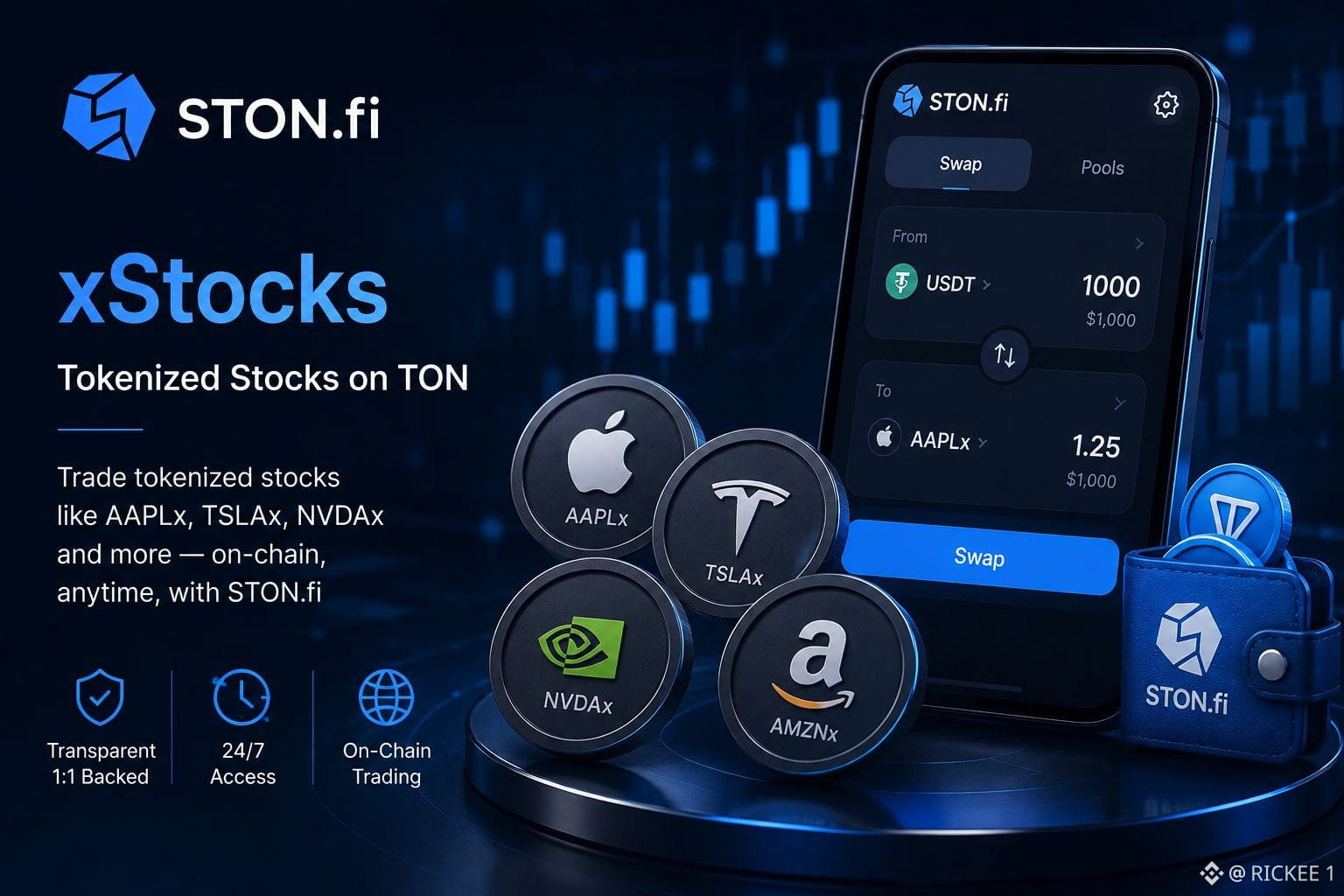
STON.fi で xStocks を使ってトークン化株式をスワップする方法 STON.fi は、対象となるユーザーが xStocks により、選定された株式やETFへのブロックチェーンベースの経済的エクスポージャーを得られるようにします。ブローカーフローの代わりに、スワップは TON ウォレット、クォート、最終承認を使ってオンチェーンで完了されます。 xStocks とは xStocks は Backed Assets (JE) Limited が発行するトラッカー証明書です。各トークンは、基礎となる証券によって 1:1 で担保されており、別々に保有されます。これらは参照対象資産の経済的パフォーマンスを反映しますが、議決権や直接の株式保有は付与しません。TON 上では、xStocks は 24/7 のセカンダリ取引のためのジェットトンです。 スワップの仕組み xStocks のセクションを開き、$AAPLX 、$TSLAX 、または $NVDAX のようなトークン化株式を選択します。TON や $USDT のように、支払いたい資産と金額を入力してください。確定する前に、取引条件を決めるため、Omniston のクォートを慎重に確認します。次に TON Connect で TON ウォレットを接続し、ウォレットで承認したら、決済完了を待ちます。完了すると、xStock がジェットトンとしてウォレットに届きます。 確認すべき重要事項 対象資格が不可欠です。xStocks は、米国、EU/EEA、英国、カナダ、その他の制限地域を含むすべての管轄で利用できるわけではありません。これは登録株式ではなく、トラッカーを受け取る形です。特に、取引時間外で市場価格が株価と乖離する可能性があるため、クォートの確認が重要です。また、ネットワーク手数料のための少額の TON 残高も必要です。 クォートが重要な理由 STON.fi は流動性アグリゲーションに Omniston を使用しており、スワップを効率よくルーティングするのに役立ち、エスクロー形式の実行が関わる場合があります。需要、流動性、ルーティング条件により、xStock のセカンダリ価格は株式のリアルタイム市場価格と異なることがあります。このギャップは、市場が閉じている時間帯ほど目立つことが多いです。 実務上の結論はシンプルです。xStocks のスワップは通常のジェットトン取引のように感じますが、DeFi アプリでスワップを確定する前に、構造、適格性、価格、実行内容への注意が必要です。 ston.fi
STON.fi で xStocks を使ってトークン化株式をスワップする方法 STON.fi は、対象となるユーザーが xStocks により、選定された株式やETFへのブロックチェーンベースの経済的エクスポージャーを得られるようにします。ブローカーフローの代わりに、スワップは TON ウォレット、クォート、最終承認を使ってオンチェーンで完了されます。 xStocks とは xStocks は Backed Assets (JE) Limited が発行するトラッカー証明書です。各トークンは、基礎となる証券によって 1:1 で担保されており、別々に保有されます。これらは参照対象資産の経済的パフォーマンスを反映しますが、議決権や直接の株式保有は付与しません。TON 上では、xStocks は 24/7 のセカンダリ取引のためのジェットトンです。 スワップの仕組み xStocks のセクションを開き、$AAPLX 、$TSLAX 、または $NVDAX のようなトークン化株式を選択します。TON や $USDT のように、支払いたい資産と金額を入力してください。確定する前に、取引条件を決めるため、Omniston のクォートを慎重に確認します。次に TON Connect で TON ウォレットを接続し、ウォレットで承認したら、決済完了を待ちます。完了すると、xStock がジェットトンとしてウォレットに届きます。 確認すべき重要事項 対象資格が不可欠です。xStocks は、米国、EU/EEA、英国、カナダ、その他の制限地域を含むすべての管轄で利用できるわけではありません。これは登録株式ではなく、トラッカーを受け取る形です。特に、取引時間外で市場価格が株価と乖離する可能性があるため、クォートの確認が重要です。また、ネットワーク手数料のための少額の TON 残高も必要です。 クォートが重要な理由 STON.fi は流動性アグリゲーションに Omniston を使用しており、スワップを効率よくルーティングするのに役立ち、エスクロー形式の実行が関わる場合があります。需要、流動性、ルーティング条件により、xStock のセカンダリ価格は株式のリアルタイム市場価格と異なることがあります。このギャップは、市場が閉じている時間帯ほど目立つことが多いです。 実務上の結論はシンプルです。xStocks のスワップは通常のジェットトン取引のように感じますが、DeFi アプリでスワップを確定する前に、構造、適格性、価格、実行内容への注意が必要です。 ston.fi
71
·
--
暗号資産のセキュリティ問題は、取引が実際に行われるずっと前から始まることが多いです。ほとんどの場合、重大なミスは数か月前に起きています。シードフレーズを間違った場所に保存し、あとで対応すればよいと思い込んでしまうのです。
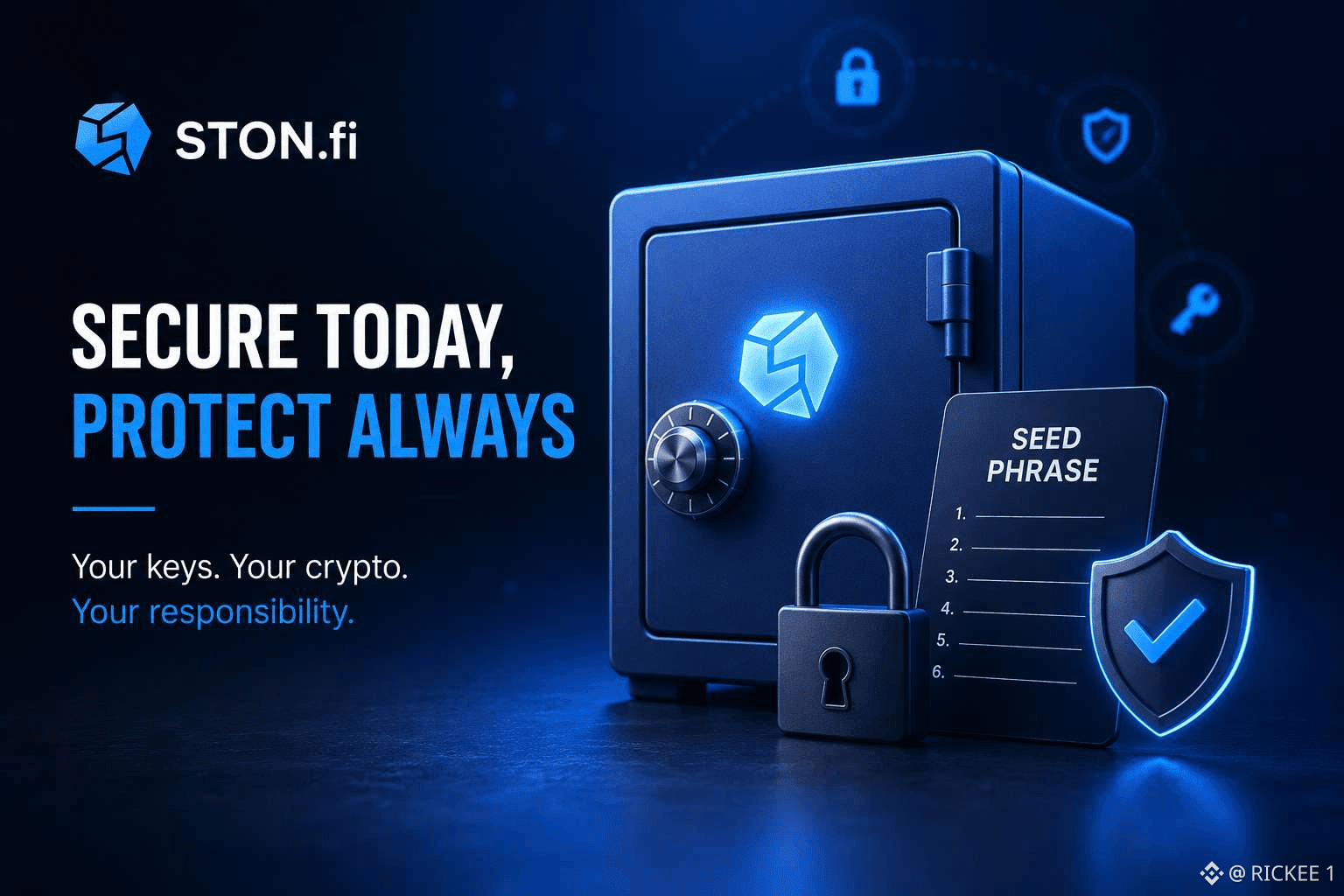
Tonkeeper のようなセルフカストディ型ウォレットでは、鍵を自分で管理しているため、資産も自分でコントロールできます。そのため完全な所有権を得られる一方で、アクセスを守る責任はあなた自身に全面的にあります。短いセキュリティ確認でも大きな違いが生まれます。
重要なポイントを見直しましょう。シードフレーズはオフラインで安全にバックアップすること。クラウドドライブ、メモアプリ、スクリーンショット、メール、保存済みメッセージには決して保存しないこと。ウォレットの PIN による lpprotection を有効にすること。現在アクセスできるデバイスを確認し、アカウントを自分で管理しているうちに回復情報を再確認してください。
また、ウォレットの接続やトランザクションの承認に関しても、毎回注意してください。何かに署名する前に、ウェブサイト、アプリ、トークン、そして金額を確認してください。「確認」や「同期」のために、シードフレーズをサイトに入力しないでください。正規のサービスはそれを求めません。
ユーザーがよく尋ねるのは、Tonkeeper チームが失われたシードフレーズを復元できるのかという点です。答えは「いいえ」です。シードフレーズが失われ、バックアップが存在しない場合、Tonkeeper を含めて誰もウォレットへのアクセスを復旧できません。これはセルフカストディの中核となる原則の一つです。
より多くの人がウォレット、ミニアプリ、DeFi プラットフォーム、@ston_fi のような流動性プロトコルを通じて TON を探究するにつれて、エコシステムを理解することと同じくらい、セキュリティ習慣が重要になってきます。今日数分かけてウォレットを見直すだけで、明日もっと大きな問題を防げるかもしれません。良いセキュリティは複雑ではなく、継続的であることが大切です。
詳しくは tonkeeper.com/ および blog.ston.fi/ で。
ウォレットを安全にする最適なタイミングは、何かが差し迫ったと感じる前です。復旧よりも予防の方が簡単で、ウォレットに資金を入れるとき、開くとき、接続するときはいつでも良い習慣が重要です。署名する前に確認し、必要になる前にバックアップしましょう。
$CMC20
#Macro Insights#
暗号資産のセキュリティ問題は、取引が実際に行われるずっと前から始まることが多いです。ほとんどの場合、重大なミスは数か月前に起きています。シードフレーズを間違った場所に保存し、あとで対応すればよいと思い込んでしまうのです。
Tonkeeper のようなセルフカストディ型ウォレットでは、鍵を自分で管理しているため、資産も自分でコントロールできます。そのため完全な所有権を得られる一方で、アクセスを守る責任はあなた自身に全面的にあります。短いセキュリティ確認でも大きな違いが生まれます。
重要なポイントを見直しましょう。シードフレーズはオフラインで安全にバックアップすること。クラウドドライブ、メモアプリ、スクリーンショット、メール、保存済みメッセージには決して保存しないこと。ウォレットの PIN による lpprotection を有効にすること。現在アクセスできるデバイスを確認し、アカウントを自分で管理しているうちに回復情報を再確認してください。
また、ウォレットの接続やトランザクションの承認に関しても、毎回注意してください。何かに署名する前に、ウェブサイト、アプリ、トークン、そして金額を確認してください。「確認」や「同期」のために、シードフレーズをサイトに入力しないでください。正規のサービスはそれを求めません。
ユーザーがよく尋ねるのは、Tonkeeper チームが失われたシードフレーズを復元できるのかという点です。答えは「いいえ」です。シードフレーズが失われ、バックアップが存在しない場合、Tonkeeper を含めて誰もウォレットへのアクセスを復旧できません。これはセルフカストディの中核となる原則の一つです。
より多くの人がウォレット、ミニアプリ、DeFi プラットフォーム、@ston_fi のような流動性プロトコルを通じて TON を探究するにつれて、エコシステムを理解することと同じくらい、セキュリティ習慣が重要になってきます。今日数分かけてウォレットを見直すだけで、明日もっと大きな問題を防げるかもしれません。良いセキュリティは複雑ではなく、継続的であることが大切です。
詳しくは tonkeeper.com/ および blog.ston.fi/ で。
ウォレットを安全にする最適なタイミングは、何かが差し迫ったと感じる前です。復旧よりも予防の方が簡単で、ウォレットに資金を入れるとき、開くとき、接続するときはいつでも良い習慣が重要です。署名する前に確認し、必要になる前にバックアップしましょう。
$CMC20
#Macro Insights#
Tonkeeper のようなセルフカストディ型ウォレットでは、鍵を自分で管理しているため、資産も自分でコントロールできます。そのため完全な所有権を得られる一方で、アクセスを守る責任はあなた自身に全面的にあります。短いセキュリティ確認でも大きな違いが生まれます。
重要なポイントを見直しましょう。シードフレーズはオフラインで安全にバックアップすること。クラウドドライブ、メモアプリ、スクリーンショット、メール、保存済みメッセージには決して保存しないこと。ウォレットの PIN による lpprotection を有効にすること。現在アクセスできるデバイスを確認し、アカウントを自分で管理しているうちに回復情報を再確認してください。
また、ウォレットの接続やトランザクションの承認に関しても、毎回注意してください。何かに署名する前に、ウェブサイト、アプリ、トークン、そして金額を確認してください。「確認」や「同期」のために、シードフレーズをサイトに入力しないでください。正規のサービスはそれを求めません。
ユーザーがよく尋ねるのは、Tonkeeper チームが失われたシードフレーズを復元できるのかという点です。答えは「いいえ」です。シードフレーズが失われ、バックアップが存在しない場合、Tonkeeper を含めて誰もウォレットへのアクセスを復旧できません。これはセルフカストディの中核となる原則の一つです。
より多くの人がウォレット、ミニアプリ、DeFi プラットフォーム、@ston_fi のような流動性プロトコルを通じて TON を探究するにつれて、エコシステムを理解することと同じくらい、セキュリティ習慣が重要になってきます。今日数分かけてウォレットを見直すだけで、明日もっと大きな問題を防げるかもしれません。良いセキュリティは複雑ではなく、継続的であることが大切です。
詳しくは tonkeeper.com/ および blog.ston.fi/ で。
ウォレットを安全にする最適なタイミングは、何かが差し迫ったと感じる前です。復旧よりも予防の方が簡単で、ウォレットに資金を入れるとき、開くとき、接続するときはいつでも良い習慣が重要です。署名する前に確認し、必要になる前にバックアップしましょう。
$CMC20
#Macro Insights#
76
·
--
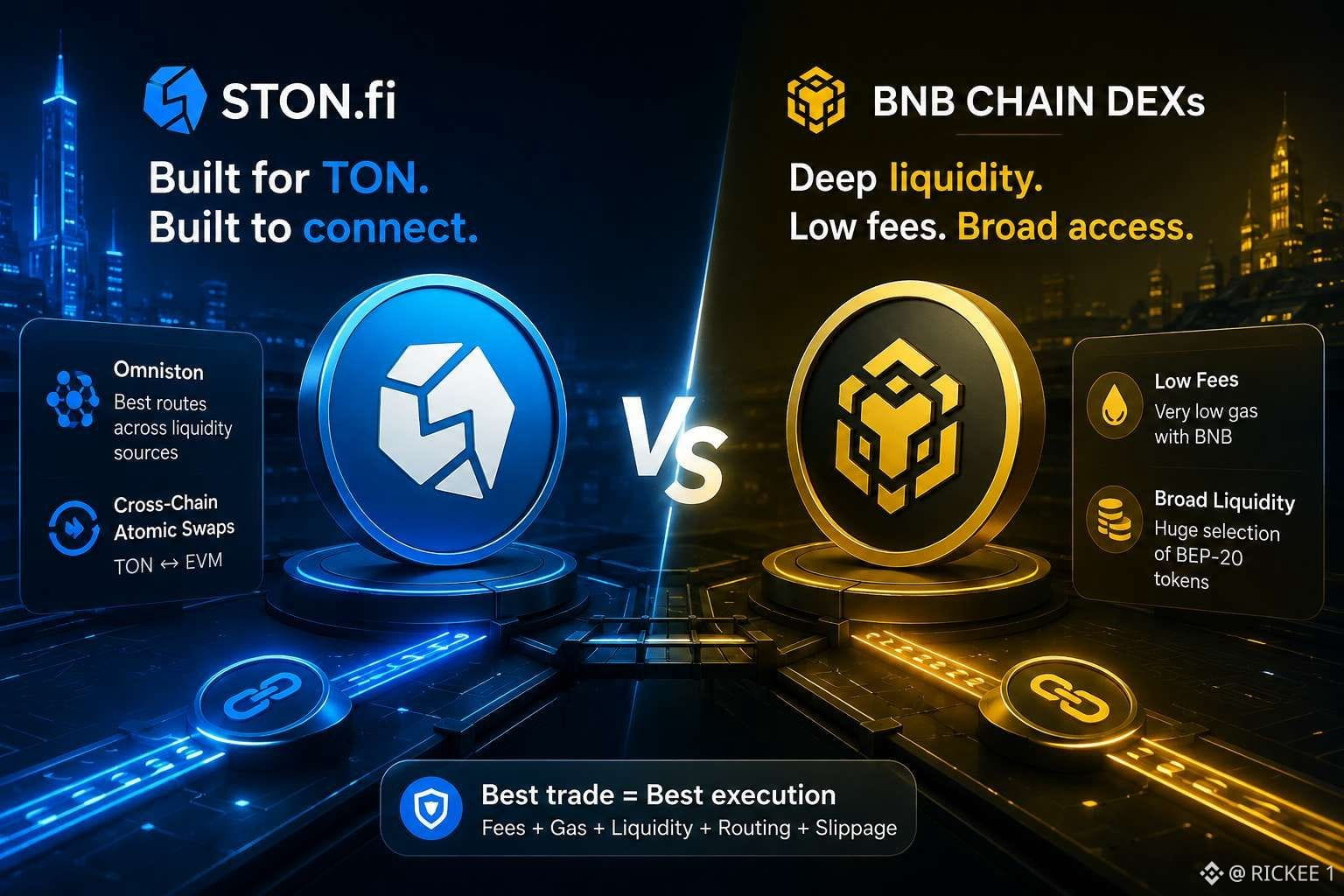
STON.fi vs BNBチェーン DEX:手数料、流動性、クロスチェーン対応
STON.fiとBNBチェーンのDEXは、異なる取引ニーズに対応しています。STON.fiは通常、TONネイティブのアクティビティではより自然な選択肢です。一方でBNBチェーンのDEXは、資産がすでにBNB Smart Chain上にあり、幅広いBEP-20アクセス、非常に低いネットワーク手数料、より深い流動性を求める場合に強みを発揮することが多いです。
手数料の比較
STON.fiのプールは設定可能な取引手数料を使用しており、ドキュメント上のデフォルトは0.3%です。この手数料は流動性提供者とプロトコルの間で分配されます。BNBチェーンでは、手数料は取引所(会場)やプールタイプによって異なります。PancakeSwap V3の手数料ティアは0.01%〜1%で、V2プールはホップごとに0.25%を請求します。
ネットワークコストも重要です。TONの手数料はトランザクションの全トレースに基づいて決まり、BSCのガスはBNBで支払われるため、多くの場合非常に低くなります。最良の取引は、必ずしも見出し上の手数料が最も低いものではなく、最終的な実行総額が最も良いものです。
流動性プロファイル
BNB Smart Chainは一般に流動性基盤が大きく、トークンの選択肢もより広いです。特にBEP-20資産ではその傾向が強くなります。STON.fiはTON資産により焦点を当てており、Omnistonを通じてルーティングを改善します。Omnistonは複数のTON流動性ソースとRFQリゾルバからのクオートを集約します。流動性は常にペア固有なので、総TVLだけでは最良のレートが保証されません。
クロスチェーンの違い
通常のBNBチェーンDEX取引はBSC内で完結します。STON.fiは、TONと対応するEVMネットワーク(BNBチェーンを含む)間で原子的スワップを調整でき、Omnistonを通じてネイティブの到達先資産を提供します。
実務上の要点
プール手数料、ガス、価格インパクト、ルーティング、ブリッジングはすべて、最終的に受け取る金額に影響します。取引がTONから始まる、または対応する原子的ルートが必要な場合はSTON.fiを選びましょう。資産がすでにBSC上にあり、そのチェーン上でネイティブのまま留まりたい場合は、BNBチェーンのDEXを選びます。
要するに、STON.fiはTONネイティブおよび原子的クロスチェーンのフローに最適で、BNBチェーンのDEXは、BSC上でネイティブのまま利用できること、幅広いBEP-20アクセス、そして深い流動性という点で優れています。
app.ston.fiを探索
#BTC Price Analysis#
$BNB $STON
STON.fi vs BNBチェーン DEX:手数料、流動性、クロスチェーン対応
STON.fiとBNBチェーンのDEXは、異なる取引ニーズに対応しています。STON.fiは通常、TONネイティブのアクティビティではより自然な選択肢です。一方でBNBチェーンのDEXは、資産がすでにBNB Smart Chain上にあり、幅広いBEP-20アクセス、非常に低いネットワーク手数料、より深い流動性を求める場合に強みを発揮することが多いです。
手数料の比較
STON.fiのプールは設定可能な取引手数料を使用しており、ドキュメント上のデフォルトは0.3%です。この手数料は流動性提供者とプロトコルの間で分配されます。BNBチェーンでは、手数料は取引所(会場)やプールタイプによって異なります。PancakeSwap V3の手数料ティアは0.01%〜1%で、V2プールはホップごとに0.25%を請求します。
ネットワークコストも重要です。TONの手数料はトランザクションの全トレースに基づいて決まり、BSCのガスはBNBで支払われるため、多くの場合非常に低くなります。最良の取引は、必ずしも見出し上の手数料が最も低いものではなく、最終的な実行総額が最も良いものです。
流動性プロファイル
BNB Smart Chainは一般に流動性基盤が大きく、トークンの選択肢もより広いです。特にBEP-20資産ではその傾向が強くなります。STON.fiはTON資産により焦点を当てており、Omnistonを通じてルーティングを改善します。Omnistonは複数のTON流動性ソースとRFQリゾルバからのクオートを集約します。流動性は常にペア固有なので、総TVLだけでは最良のレートが保証されません。
クロスチェーンの違い
通常のBNBチェーンDEX取引はBSC内で完結します。STON.fiは、TONと対応するEVMネットワーク(BNBチェーンを含む)間で原子的スワップを調整でき、Omnistonを通じてネイティブの到達先資産を提供します。
実務上の要点
プール手数料、ガス、価格インパクト、ルーティング、ブリッジングはすべて、最終的に受け取る金額に影響します。取引がTONから始まる、または対応する原子的ルートが必要な場合はSTON.fiを選びましょう。資産がすでにBSC上にあり、そのチェーン上でネイティブのまま留まりたい場合は、BNBチェーンのDEXを選びます。
要するに、STON.fiはTONネイティブおよび原子的クロスチェーンのフローに最適で、BNBチェーンのDEXは、BSC上でネイティブのまま利用できること、幅広いBEP-20アクセス、そして深い流動性という点で優れています。
app.ston.fiを探索
#BTC Price Analysis#
$BNB $STON
STON.fiとBNBチェーンのDEXは、異なる取引ニーズに対応しています。STON.fiは通常、TONネイティブのアクティビティではより自然な選択肢です。一方でBNBチェーンのDEXは、資産がすでにBNB Smart Chain上にあり、幅広いBEP-20アクセス、非常に低いネットワーク手数料、より深い流動性を求める場合に強みを発揮することが多いです。
手数料の比較
STON.fiのプールは設定可能な取引手数料を使用しており、ドキュメント上のデフォルトは0.3%です。この手数料は流動性提供者とプロトコルの間で分配されます。BNBチェーンでは、手数料は取引所(会場)やプールタイプによって異なります。PancakeSwap V3の手数料ティアは0.01%〜1%で、V2プールはホップごとに0.25%を請求します。
ネットワークコストも重要です。TONの手数料はトランザクションの全トレースに基づいて決まり、BSCのガスはBNBで支払われるため、多くの場合非常に低くなります。最良の取引は、必ずしも見出し上の手数料が最も低いものではなく、最終的な実行総額が最も良いものです。
流動性プロファイル
BNB Smart Chainは一般に流動性基盤が大きく、トークンの選択肢もより広いです。特にBEP-20資産ではその傾向が強くなります。STON.fiはTON資産により焦点を当てており、Omnistonを通じてルーティングを改善します。Omnistonは複数のTON流動性ソースとRFQリゾルバからのクオートを集約します。流動性は常にペア固有なので、総TVLだけでは最良のレートが保証されません。
クロスチェーンの違い
通常のBNBチェーンDEX取引はBSC内で完結します。STON.fiは、TONと対応するEVMネットワーク(BNBチェーンを含む)間で原子的スワップを調整でき、Omnistonを通じてネイティブの到達先資産を提供します。
実務上の要点
プール手数料、ガス、価格インパクト、ルーティング、ブリッジングはすべて、最終的に受け取る金額に影響します。取引がTONから始まる、または対応する原子的ルートが必要な場合はSTON.fiを選びましょう。資産がすでにBSC上にあり、そのチェーン上でネイティブのまま留まりたい場合は、BNBチェーンのDEXを選びます。
要するに、STON.fiはTONネイティブおよび原子的クロスチェーンのフローに最適で、BNBチェーンのDEXは、BSC上でネイティブのまま利用できること、幅広いBEP-20アクセス、そして深い流動性という点で優れています。
app.ston.fiを探索
#BTC Price Analysis#
$BNB $STON
69
·
--
STON.fi 利用者にとって「スマートコントラクトリスク」が意味すること
スマートコントラクトリスクとは、スワップ、流動性アクション、または関連プロセスの裏にあるオンチェーンコードに、弱点がある可能性、想定外の動作をする可能性、あるいは別のコントラクトと相性が悪く相互作用してしまう可能性のことです。STON.fi の利用者にとって、これはウォレットへのアクセスを失うことでもなく、トークン価格のボラティリティと同じでもありません。これは「コードと実行」に関わるリスクです。
STON.fi は非カストディアルなので、プライベートキーを一切保持しません。それでも、署名された各トランザクションは、スマートコントラクトが正しく実行されることに依存しています。自己保管型の DEX は所有権を守りますが、契約ロジックが失敗したり悪用されたり、ユーザーが意図したものと異なる結果が生じたりするリスクを取り除くわけではありません。
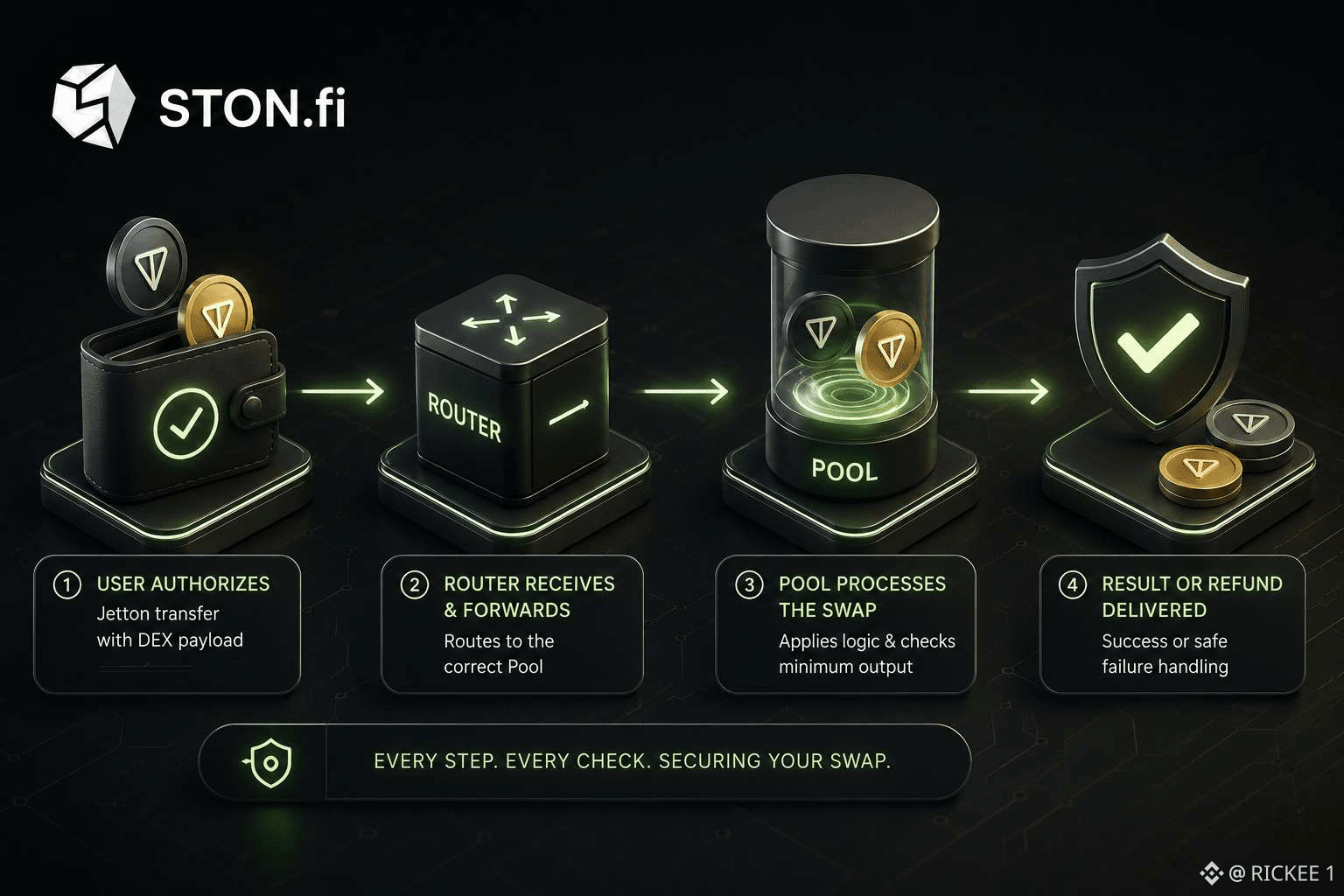
STON.fi のスワップは、複数のコントラクト手順を通じて進みます。まず、見積もりを確認し、DEX ペイロードで Jetton の転送を承認します。次に、Router が通知(\u0026)を受け取り、正しい Pool に転送します。続いて Pool がスワップロジックを適用し、最低受取量をチェックします。最後に、コントラクトが結果を返すか、払い戻しと失敗時の取り扱いをトリガーします。最終結果はコントラクトの一連の流れ全体の完全性に依存するため、各段階が重要です。
STON.fi は、いくつかの方法でこのリスクを低減しています。DEX v2 コントラクトは 2025年1月に Trail of Bits による独立したセキュリティ審査を受けました。また、プロジェクトは Router、Pool、Vault、および関連コンポーネントの公開技術ドキュメントも提供しています。さらに、STON.fi は HackenProof のアクティブなバグバウンティと CertiK の監視を維持しています。
それでも、どの監査も将来のすべての脆弱性や、外部トークンに関するあらゆるリスクを完全に排除することはできません。セキュリティ審査は特定時点での信頼を高めるものの、恒久的な安全を保証するものではありません。
ユーザーにとって実践的な教訓はシンプルです。重要な資金を投入する前に、公式インターフェースを確認し、トランザクションの詳細を確認し、最低受取量の設定を確認し、ポジションのサイズを慎重に決めてください。DeFi では、細部への注意がセキュリティの一部です。
$DRIFT $USDT $BNB
STON.fi 利用者にとって「スマートコントラクトリスク」が意味すること
スマートコントラクトリスクとは、スワップ、流動性アクション、または関連プロセスの裏にあるオンチェーンコードに、弱点がある可能性、想定外の動作をする可能性、あるいは別のコントラクトと相性が悪く相互作用してしまう可能性のことです。STON.fi の利用者にとって、これはウォレットへのアクセスを失うことでもなく、トークン価格のボラティリティと同じでもありません。これは「コードと実行」に関わるリスクです。
STON.fi は非カストディアルなので、プライベートキーを一切保持しません。それでも、署名された各トランザクションは、スマートコントラクトが正しく実行されることに依存しています。自己保管型の DEX は所有権を守りますが、契約ロジックが失敗したり悪用されたり、ユーザーが意図したものと異なる結果が生じたりするリスクを取り除くわけではありません。
STON.fi のスワップは、複数のコントラクト手順を通じて進みます。まず、見積もりを確認し、DEX ペイロードで Jetton の転送を承認します。次に、Router が通知(\u0026)を受け取り、正しい Pool に転送します。続いて Pool がスワップロジックを適用し、最低受取量をチェックします。最後に、コントラクトが結果を返すか、払い戻しと失敗時の取り扱いをトリガーします。最終結果はコントラクトの一連の流れ全体の完全性に依存するため、各段階が重要です。
STON.fi は、いくつかの方法でこのリスクを低減しています。DEX v2 コントラクトは 2025年1月に Trail of Bits による独立したセキュリティ審査を受けました。また、プロジェクトは Router、Pool、Vault、および関連コンポーネントの公開技術ドキュメントも提供しています。さらに、STON.fi は HackenProof のアクティブなバグバウンティと CertiK の監視を維持しています。
それでも、どの監査も将来のすべての脆弱性や、外部トークンに関するあらゆるリスクを完全に排除することはできません。セキュリティ審査は特定時点での信頼を高めるものの、恒久的な安全を保証するものではありません。
ユーザーにとって実践的な教訓はシンプルです。重要な資金を投入する前に、公式インターフェースを確認し、トランザクションの詳細を確認し、最低受取量の設定を確認し、ポジションのサイズを慎重に決めてください。DeFi では、細部への注意がセキュリティの一部です。
$DRIFT $USDT $BNB
スマートコントラクトリスクとは、スワップ、流動性アクション、または関連プロセスの裏にあるオンチェーンコードに、弱点がある可能性、想定外の動作をする可能性、あるいは別のコントラクトと相性が悪く相互作用してしまう可能性のことです。STON.fi の利用者にとって、これはウォレットへのアクセスを失うことでもなく、トークン価格のボラティリティと同じでもありません。これは「コードと実行」に関わるリスクです。
STON.fi は非カストディアルなので、プライベートキーを一切保持しません。それでも、署名された各トランザクションは、スマートコントラクトが正しく実行されることに依存しています。自己保管型の DEX は所有権を守りますが、契約ロジックが失敗したり悪用されたり、ユーザーが意図したものと異なる結果が生じたりするリスクを取り除くわけではありません。
STON.fi のスワップは、複数のコントラクト手順を通じて進みます。まず、見積もりを確認し、DEX ペイロードで Jetton の転送を承認します。次に、Router が通知(\u0026)を受け取り、正しい Pool に転送します。続いて Pool がスワップロジックを適用し、最低受取量をチェックします。最後に、コントラクトが結果を返すか、払い戻しと失敗時の取り扱いをトリガーします。最終結果はコントラクトの一連の流れ全体の完全性に依存するため、各段階が重要です。
STON.fi は、いくつかの方法でこのリスクを低減しています。DEX v2 コントラクトは 2025年1月に Trail of Bits による独立したセキュリティ審査を受けました。また、プロジェクトは Router、Pool、Vault、および関連コンポーネントの公開技術ドキュメントも提供しています。さらに、STON.fi は HackenProof のアクティブなバグバウンティと CertiK の監視を維持しています。
それでも、どの監査も将来のすべての脆弱性や、外部トークンに関するあらゆるリスクを完全に排除することはできません。セキュリティ審査は特定時点での信頼を高めるものの、恒久的な安全を保証するものではありません。
ユーザーにとって実践的な教訓はシンプルです。重要な資金を投入する前に、公式インターフェースを確認し、トランザクションの詳細を確認し、最低受取量の設定を確認し、ポジションのサイズを慎重に決めてください。DeFi では、細部への注意がセキュリティの一部です。
$DRIFT $USDT $BNB
75
·
--
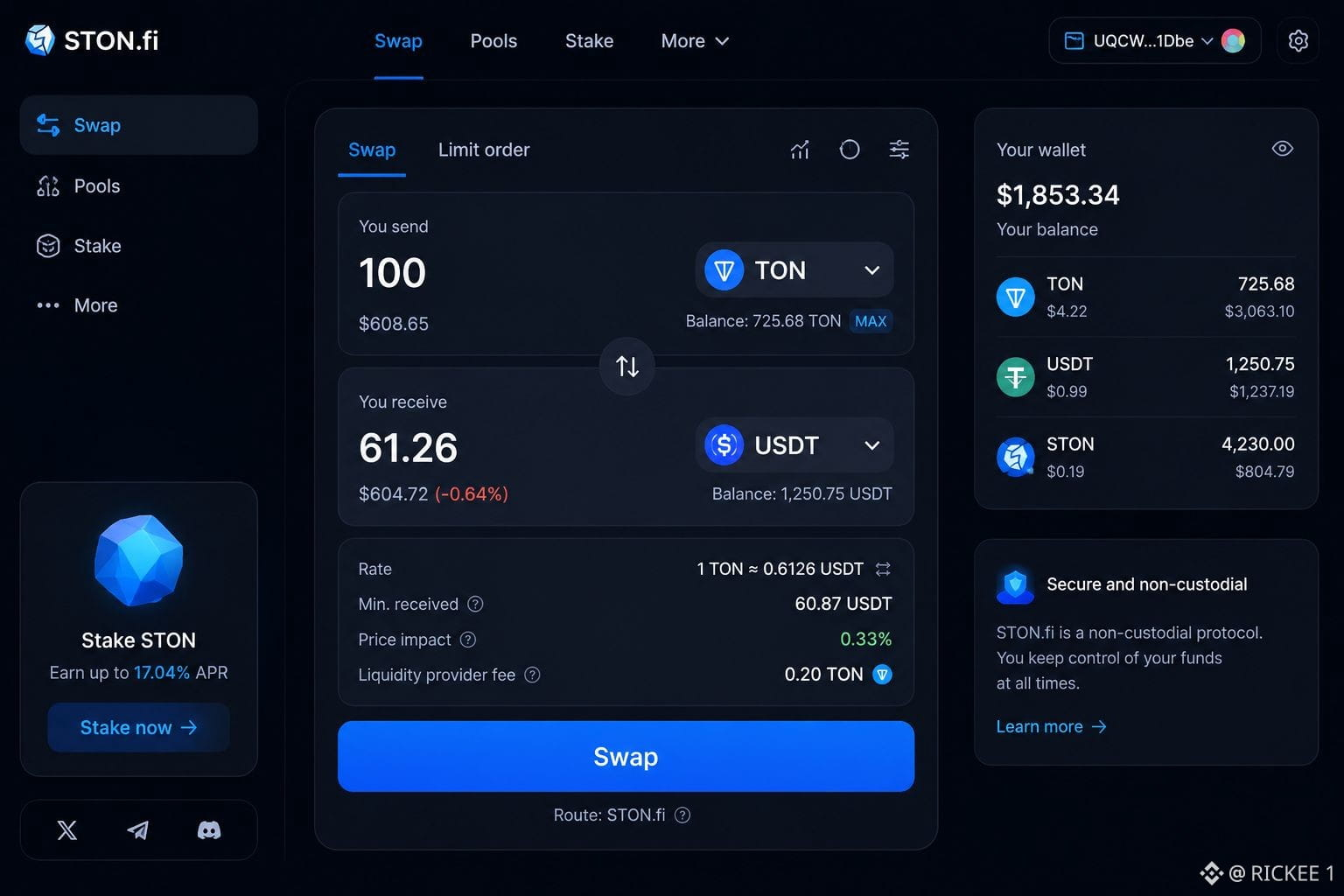
Reactで基本的なSTON.fi Swapインターフェースを構築する方法 ReactにおけるSTON.fiのスワップ・インターフェースは、見た目の複雑さよりも、クリーンで信頼性の高いフローを優先すべきです。主要な仕事は、TONウォレットに接続し、適切なアセットを読み込み、表示金額をオンチェーンの単位に変換し、スワップをシミュレーションし、SDKでトランザクションを組み立て、秘密鍵を公開せずにTON Connect経由で送信することです。インターフェースは5つの状態を管理します:接続とアドレスのためのウォレット状態、「from」と「to」トークンの選択のためのアセット状態、小数変換のための金額状態、見積り(クォート)と最低出力量のためのシミュレーション状態、準備完了/保留中/完了/失敗のためのトランザクション状態です。まず、@ston-fi/sdk、@ston-fi/api、@tonconnect/ui-react、@ton/tonをインストールします。アプリをTonConnectUIProviderでラップし、正しいマニフェストファイルをリンクします。StonApiClientでアセットを取得し、ユーザー入力を正確なブロックチェーン単位に変換して、アプリが表示数値ではなく精密な値を使うようにします。トランザクションを構築する前にsimulateSwapを呼び出します。これはルート、期待される出力量、受け取りの最低額、そして実行に必要なルーターメタデータを返します。ユーザーがトークンペアまたは金額を変更した場合は、前のシミュレーションをクリアしてすぐに再計算し、UIが最新のクォートと一致するようにします。シミュレーションが準備できたら、返されたルーター情報をdexFactoryで使って最終的なトランザクションパラメータを構築します。パスは方向によって異なります:$GRAM からjetton、$JETTON から$GRAM 、または$JETTON からjettonです。シミュレーションがフローの核心です。なぜなら、ユーザーが受け取りそうなものと、スワップを進めるために受け入れる必要があるものを定義するからです。画面上のクォートと署名されたトランザクションが一致しない場合、信頼は崩れます。現実的なフローはシンプルです:ウォレットに接続し、入出力のアセットを選択し、金額を入力し、スワップをシミュレーションし、期待される出力量を確認してから、TON Connect経由でトランザクションを構築し送信します。STON.fiのアプリについてはapp.ston.fiでさらに探索できます。
Reactで基本的なSTON.fi Swapインターフェースを構築する方法 ReactにおけるSTON.fiのスワップ・インターフェースは、見た目の複雑さよりも、クリーンで信頼性の高いフローを優先すべきです。主要な仕事は、TONウォレットに接続し、適切なアセットを読み込み、表示金額をオンチェーンの単位に変換し、スワップをシミュレーションし、SDKでトランザクションを組み立て、秘密鍵を公開せずにTON Connect経由で送信することです。インターフェースは5つの状態を管理します:接続とアドレスのためのウォレット状態、「from」と「to」トークンの選択のためのアセット状態、小数変換のための金額状態、見積り(クォート)と最低出力量のためのシミュレーション状態、準備完了/保留中/完了/失敗のためのトランザクション状態です。まず、@ston-fi/sdk、@ston-fi/api、@tonconnect/ui-react、@ton/tonをインストールします。アプリをTonConnectUIProviderでラップし、正しいマニフェストファイルをリンクします。StonApiClientでアセットを取得し、ユーザー入力を正確なブロックチェーン単位に変換して、アプリが表示数値ではなく精密な値を使うようにします。トランザクションを構築する前にsimulateSwapを呼び出します。これはルート、期待される出力量、受け取りの最低額、そして実行に必要なルーターメタデータを返します。ユーザーがトークンペアまたは金額を変更した場合は、前のシミュレーションをクリアしてすぐに再計算し、UIが最新のクォートと一致するようにします。シミュレーションが準備できたら、返されたルーター情報をdexFactoryで使って最終的なトランザクションパラメータを構築します。パスは方向によって異なります:$GRAM からjetton、$JETTON から$GRAM 、または$JETTON からjettonです。シミュレーションがフローの核心です。なぜなら、ユーザーが受け取りそうなものと、スワップを進めるために受け入れる必要があるものを定義するからです。画面上のクォートと署名されたトランザクションが一致しない場合、信頼は崩れます。現実的なフローはシンプルです:ウォレットに接続し、入出力のアセットを選択し、金額を入力し、スワップをシミュレーションし、期待される出力量を確認してから、TON Connect経由でトランザクションを構築し送信します。STON.fiのアプリについてはapp.ston.fiでさらに探索できます。
63
ログインして、さらにコンテンツを読む
厳選トピックで世界の暗号資産トレーダーの仲間入り
⚡️ 暗号資産に関する最新かつ有益な情報が見つかります。
💬 世界最大の暗号資産取引所から信頼されています。
👍 認証を受けたクリエイターから、有益なインサイトを得られます。
メール / 電話番号