

Crypto_Metricxx
980 投稿

Crypto_Metricxx
報告
ユーザーをブロック
BP-0FA07DAA4A8C
12 フォロー
1.4K+ フォロワー
1.8K+ いいね
投稿
PINNED
記事
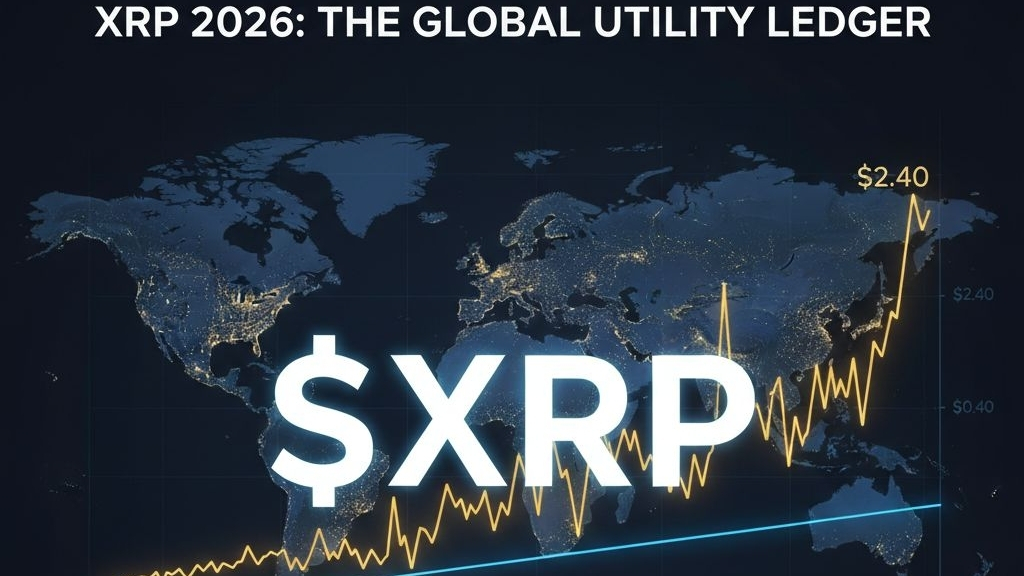
XRP 2026: "ユーティリティギャップ"が縮小している、マルチイヤーブレイクアウトはついに来たのか?何年もの間、私たちは法廷の日程に基づいて$XRPを取引してきました。今日、2026年には、私たちはボリュームに基づいて取引を行っています。ここ数週間、私はXRPレジャー(XRPL)上のRLUSD流動性ブリッジを追跡しており、そのデータは価格がまだ完全に反映されていない物語を語っています。
1. テクニカル"コイル": なぜ$1.40が重要なのか
1月の急騰後、$2.40まで、私たちは遅れて購入した人々からの40%の"フラッシュ"を目にしました。私の判断では、これはクラッシュではなく、構造的な再テストです。現在、私たちは$1.43–$1.50のサポートゾーンに寄り添っており、これは過去6ヶ月で3回発射台として機能したレベルです。
XRP 2026: "ユーティリティギャップ"が縮小している、マルチイヤーブレイクアウトはついに来たのか?
何年もの間、私たちは法廷の日程に基づいて$XRP を取引してきました。今日、2026年には、私たちはボリュームに基づいて取引を行っています。ここ数週間、私はXRPレジャー(XRPL)上のRLUSD流動性ブリッジを追跡しており、そのデータは価格がまだ完全に反映されていない物語を語っています。
1. テクニカル"コイル": なぜ$1.40が重要なのか
1月の急騰後、$2.40まで、私たちは遅れて購入した人々からの40%の"フラッシュ"を目にしました。私の判断では、これはクラッシュではなく、構造的な再テストです。現在、私たちは$1.43–$1.50のサポートゾーンに寄り添っており、これは過去6ヶ月で3回発射台として機能したレベルです。
1. テクニカル"コイル": なぜ$1.40が重要なのか
1月の急騰後、$2.40まで、私たちは遅れて購入した人々からの40%の"フラッシュ"を目にしました。私の判断では、これはクラッシュではなく、構造的な再テストです。現在、私たちは$1.43–$1.50のサポートゾーンに寄り添っており、これは過去6ヶ月で3回発射台として機能したレベルです。
57
48
264
199.1k
🚨 緊急速報:Nvidia $NVDA が、さらに決算予想を上回る成績を達成!
Nvidiaは5四半期連続で予想を上回りました。
📊 Q2の結果:
• 売上高:予想の920億ドルに対し、962億ドル
• EPS:予想の2.09ドルに対し、2.22ドル
• Q3ガイダンス:予想の1,042億ドルに対し、1,080億ドル
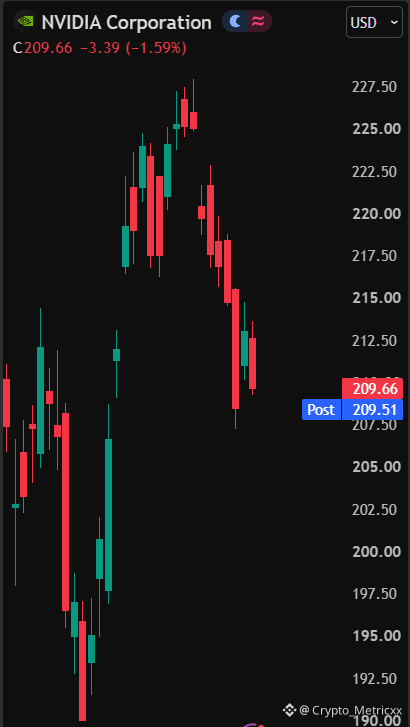
$NVDA は209.66ドルで引け、決算発表に先立って1.59%下落していました。
興味深いことに、その株価は直近4回の決算予想上振れのいずれの後も下落していますが、それでも一貫して予想を上回り続けています。
🚨 緊急速報:Nvidia $NVDA が、さらに決算予想を上回る成績を達成!
Nvidiaは5四半期連続で予想を上回りました。
📊 Q2の結果:
• 売上高:予想の920億ドルに対し、962億ドル
• EPS:予想の2.09ドルに対し、2.22ドル
• Q3ガイダンス:予想の1,042億ドルに対し、1,080億ドル
$NVDA は209.66ドルで引け、決算発表に先立って1.59%下落していました。
興味深いことに、その株価は直近4回の決算予想上振れのいずれの後も下落していますが、それでも一貫して予想を上回り続けています。
Nvidiaは5四半期連続で予想を上回りました。
📊 Q2の結果:
• 売上高:予想の920億ドルに対し、962億ドル
• EPS:予想の2.09ドルに対し、2.22ドル
• Q3ガイダンス:予想の1,042億ドルに対し、1,080億ドル
$NVDA は209.66ドルで引け、決算発表に先立って1.59%下落していました。
興味深いことに、その株価は直近4回の決算予想上振れのいずれの後も下落していますが、それでも一貫して予想を上回り続けています。

157
$SOL , AKey サポートゾーンが次の主要な一手を決める可能性 📈
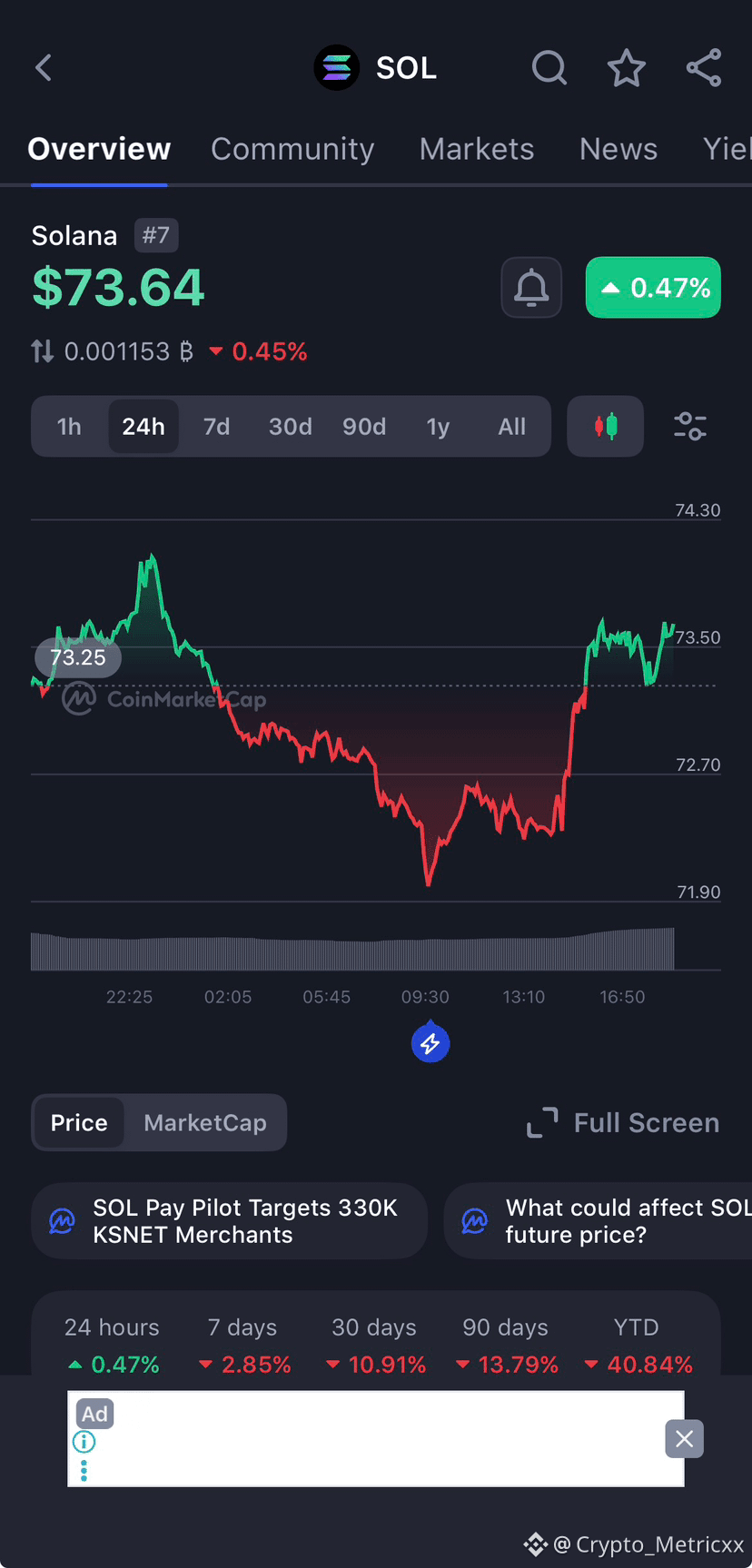
ソラナは直近の最高値付近(約$295)から大きく調整し、価格が長期投資家にとってより魅力的な水準へと引き寄せられています。
$45〜$60のレンジは、重要なサポートゾーンとして際立っています。歴史的に、この領域は2023〜2024年の強気相場を押し上げた大きなラリーの前に、買い手が主導権を取り戻していた場所です。現在SOLはその地域より上で取引されていますが、市場がもう一段下落する局面が来た場合に自分が注目するのは、この水準です。
そのサポートが維持される限り、より大きな強気の構造は保たれたままです。もしそれを決定的に下抜けるなら、現在の見立ては弱まり、さらなる下方向のリスクが示唆されます。
上方向では、$100を取り戻すことが、モメンタムが再び強気側に傾いた最初の明確なサインになります。そうなれば、次に注目すべき領域は$150〜$200のレンジで、その後は過去のサイクル高値への挑戦が焦点になります。
現時点でのロードマップはシンプルです。主要サポートを維持し、$100を回復し、その上で高値に向けてモメンタムを構築すること。
$SOL , AKey サポートゾーンが次の主要な一手を決める可能性 📈
ソラナは直近の最高値付近(約$295)から大きく調整し、価格が長期投資家にとってより魅力的な水準へと引き寄せられています。
$45〜$60のレンジは、重要なサポートゾーンとして際立っています。歴史的に、この領域は2023〜2024年の強気相場を押し上げた大きなラリーの前に、買い手が主導権を取り戻していた場所です。現在SOLはその地域より上で取引されていますが、市場がもう一段下落する局面が来た場合に自分が注目するのは、この水準です。
そのサポートが維持される限り、より大きな強気の構造は保たれたままです。もしそれを決定的に下抜けるなら、現在の見立ては弱まり、さらなる下方向のリスクが示唆されます。
上方向では、$100を取り戻すことが、モメンタムが再び強気側に傾いた最初の明確なサインになります。そうなれば、次に注目すべき領域は$150〜$200のレンジで、その後は過去のサイクル高値への挑戦が焦点になります。
現時点でのロードマップはシンプルです。主要サポートを維持し、$100を回復し、その上で高値に向けてモメンタムを構築すること。
ソラナは直近の最高値付近(約$295)から大きく調整し、価格が長期投資家にとってより魅力的な水準へと引き寄せられています。
$45〜$60のレンジは、重要なサポートゾーンとして際立っています。歴史的に、この領域は2023〜2024年の強気相場を押し上げた大きなラリーの前に、買い手が主導権を取り戻していた場所です。現在SOLはその地域より上で取引されていますが、市場がもう一段下落する局面が来た場合に自分が注目するのは、この水準です。
そのサポートが維持される限り、より大きな強気の構造は保たれたままです。もしそれを決定的に下抜けるなら、現在の見立ては弱まり、さらなる下方向のリスクが示唆されます。
上方向では、$100を取り戻すことが、モメンタムが再び強気側に傾いた最初の明確なサインになります。そうなれば、次に注目すべき領域は$150〜$200のレンジで、その後は過去のサイクル高値への挑戦が焦点になります。
現時点でのロードマップはシンプルです。主要サポートを維持し、$100を回復し、その上で高値に向けてモメンタムを構築すること。
198
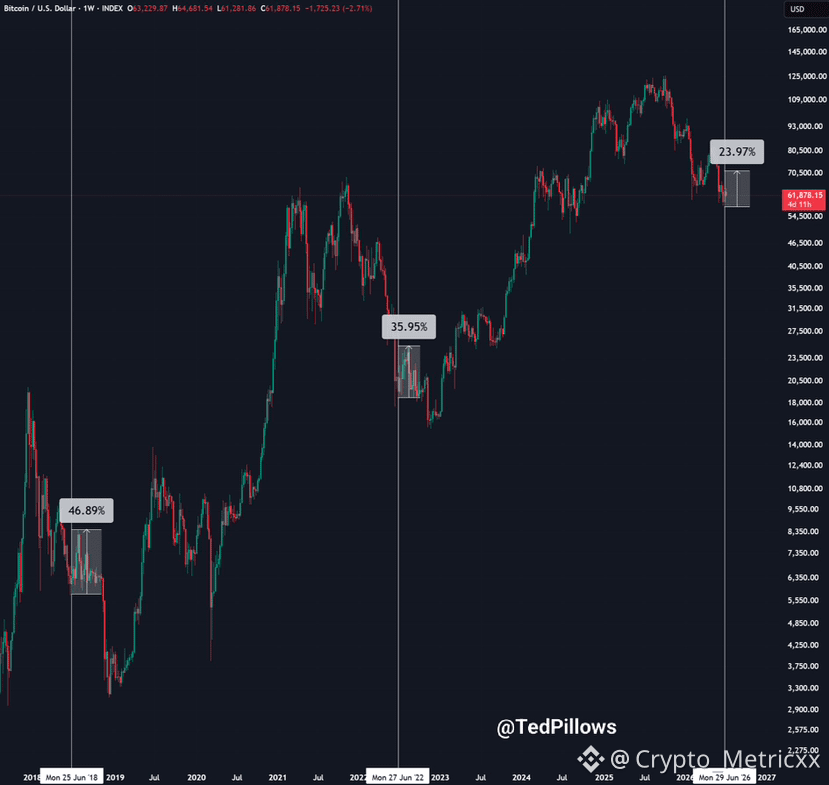
$BTC は2018年7月と2022年7月に急反発(リリーフ・ラリー)が起きました。
これが繰り返されるなら、ビットコインは3〜4週間で7万〜7万2,000ドルに到達する可能性があります。
ただし、それは新しい上昇(ブル相場)を意味するわけではありません。
ビットコインは再び新安値を付けるでしょう。
まったく新しい投稿として言い換えてください
$BTC は2018年7月と2022年7月に急反発(リリーフ・ラリー)が起きました。
これが繰り返されるなら、ビットコインは3〜4週間で7万〜7万2,000ドルに到達する可能性があります。
ただし、それは新しい上昇(ブル相場)を意味するわけではありません。
ビットコインは再び新安値を付けるでしょう。
まったく新しい投稿として言い換えてください
これが繰り返されるなら、ビットコインは3〜4週間で7万〜7万2,000ドルに到達する可能性があります。
ただし、それは新しい上昇(ブル相場)を意味するわけではありません。
ビットコインは再び新安値を付けるでしょう。
まったく新しい投稿として言い換えてください
1
683
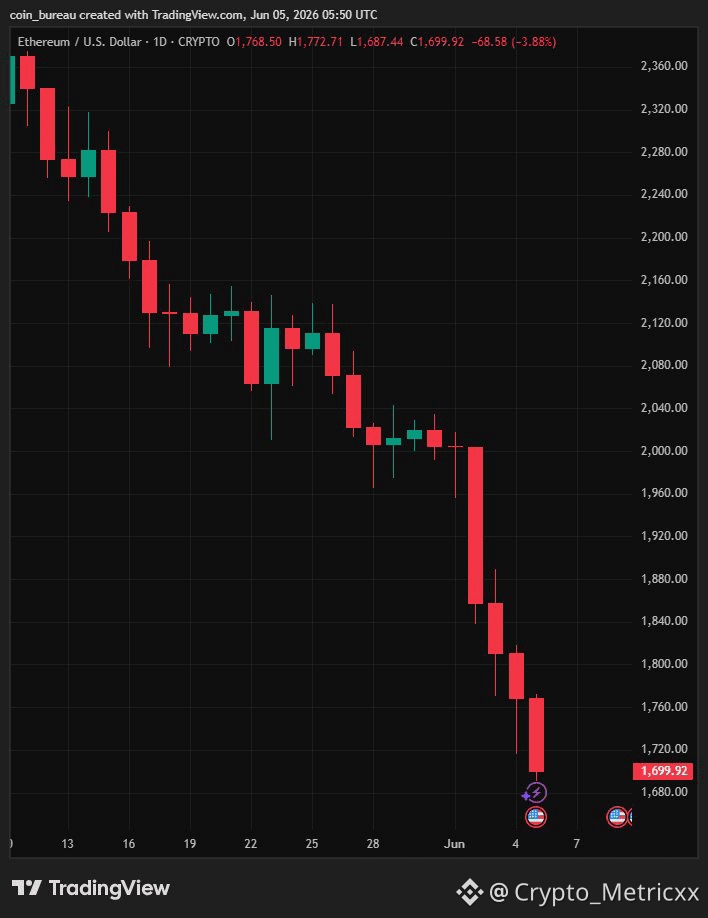
🚨 市場アラート: $ETH が昨年の4月以来初めて$1,700のマークを下回り、暗号市場全体に再び下落圧力を示しています。
センチメント:
📉 短期的にはベア相場で、重要な心理的サポートレベルを破ると投資家の信頼が弱まり、ボラティリティが増加する可能性があります。しかし、広範な市場状況が安定すれば、一部のトレーダーはこの下落を潜在的な蓄積機会と見なすかもしれません。
🚨 市場アラート: $ETH が昨年の4月以来初めて$1,700のマークを下回り、暗号市場全体に再び下落圧力を示しています。
センチメント:
📉 短期的にはベア相場で、重要な心理的サポートレベルを破ると投資家の信頼が弱まり、ボラティリティが増加する可能性があります。しかし、広範な市場状況が安定すれば、一部のトレーダーはこの下落を潜在的な蓄積機会と見なすかもしれません。
センチメント:
📉 短期的にはベア相場で、重要な心理的サポートレベルを破ると投資家の信頼が弱まり、ボラティリティが増加する可能性があります。しかし、広範な市場状況が安定すれば、一部のトレーダーはこの下落を潜在的な蓄積機会と見なすかもしれません。
271
$STABLE は過去24時間で14.7%急騰し、横ばいの暗号市場の中で際立っています。
このラリーは強力なテクニカルブレイクアウトの後に起こり、拡大するステーブルコインの採用とユーティリティに関する憶測が高まり、さらに米国とイランの平和合意に関する楽観的な市場信頼感によって駆動されました。🚀 
$STABLE は過去24時間で14.7%急騰し、横ばいの暗号市場の中で際立っています。
このラリーは強力なテクニカルブレイクアウトの後に起こり、拡大するステーブルコインの採用とユーティリティに関する憶測が高まり、さらに米国とイランの平和合意に関する楽観的な市場信頼感によって駆動されました。🚀 
このラリーは強力なテクニカルブレイクアウトの後に起こり、拡大するステーブルコインの採用とユーティリティに関する憶測が高まり、さらに米国とイランの平和合意に関する楽観的な市場信頼感によって駆動されました。🚀 

2
276
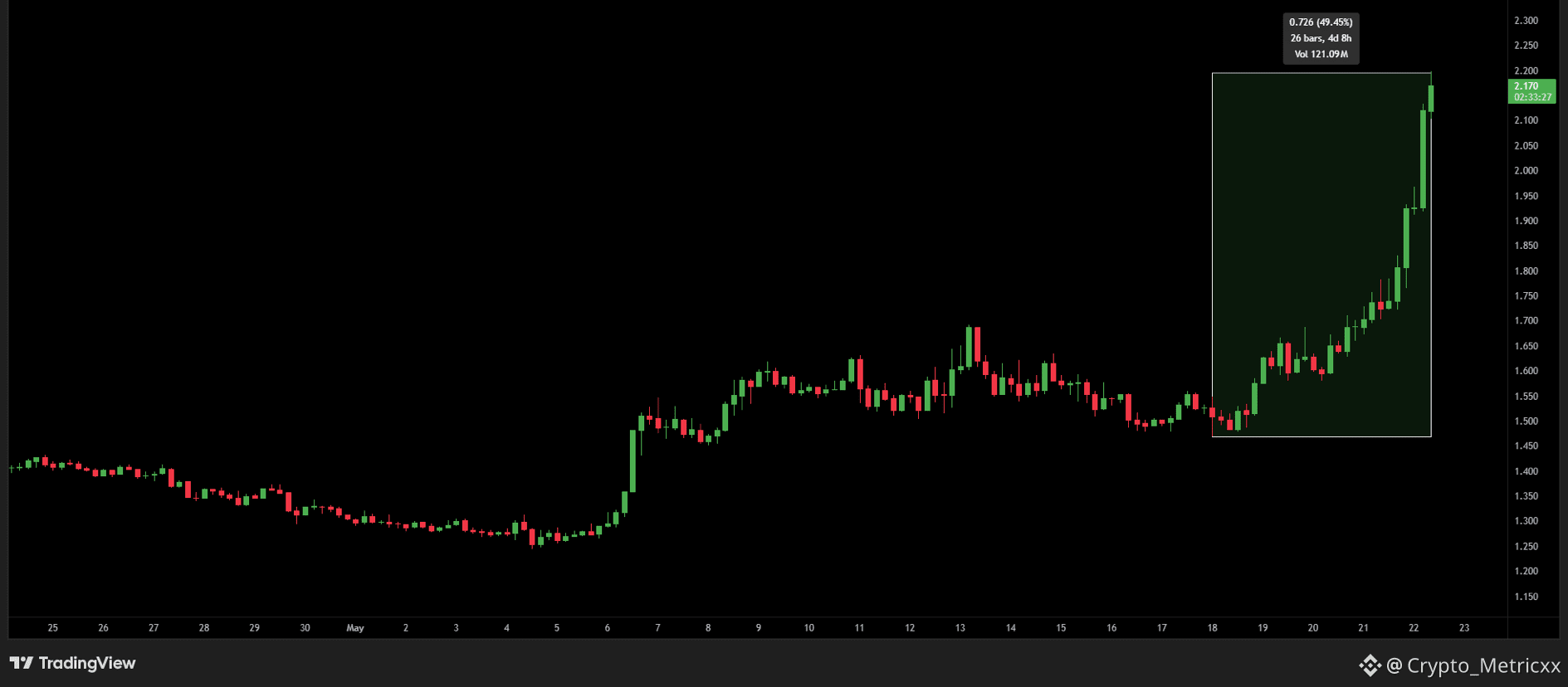
仮想通貨の大物の一つが再び目立たなく動き始めてる👀
$NEAR が、AIセクター全体でモメンタムが徐々に戻る中、注目を集め始めてる。
最近の展開には:
• AIに特化したインフラとプライバシーレイヤーの拡張
• ウォレットホルダーが新たな過去最高に上昇
• 209M以上の取引が記録
• 60Mドル以上がロングポジションに流入
市場はAIのストーリーに回帰しつつあり、NEARはその中心に位置づけられている。🔥
仮想通貨の大物の一つが再び目立たなく動き始めてる👀
$NEAR が、AIセクター全体でモメンタムが徐々に戻る中、注目を集め始めてる。
最近の展開には:
• AIに特化したインフラとプライバシーレイヤーの拡張
• ウォレットホルダーが新たな過去最高に上昇
• 209M以上の取引が記録
• 60Mドル以上がロングポジションに流入
市場はAIのストーリーに回帰しつつあり、NEARはその中心に位置づけられている。🔥
$NEAR が、AIセクター全体でモメンタムが徐々に戻る中、注目を集め始めてる。
最近の展開には:
• AIに特化したインフラとプライバシーレイヤーの拡張
• ウォレットホルダーが新たな過去最高に上昇
• 209M以上の取引が記録
• 60Mドル以上がロングポジションに流入
市場はAIのストーリーに回帰しつつあり、NEARはその中心に位置づけられている。🔥
1
1
256
#openledger $OPEN
OpenLedgerのインフラで際立っているのは、単一のプロダクトだけでなく、フルスタックのAIパイプラインを構築しようとしているところです。
データの帰属を超えて、データセット、モデル、推論レイヤーが相互に接続できるモジュラーシステムのアイデアは非常に重要です。全てを行う中央集権的なモデルの代わりに、異なるデータセットに基づいた専門モデルのネットワークが得られ、使用と価値が共有システムを通じて流れます。
これが興味深いのは、AIインフラをよりオープンでコンポーザブルなものにしようとする試みです。データはコミュニティ主導のネットワークを通じて流入し、モデルはよりターゲットを絞った方法でトレーニングされ、出力はシステムを通じて追跡可能です。理論的には、これはビルダーと貢献者が同じ価値ループの中にいる、より透明なAIエコノミーを生み出します。
まだ初期段階で実行リスクは高いですが、インフラの方向性は単なる「AIトークン」の物語以上に野心的です。
@Openledger
{spot}(OPENUSDT)
#openledger $OPEN
OpenLedgerのインフラで際立っているのは、単一のプロダクトだけでなく、フルスタックのAIパイプラインを構築しようとしているところです。
データの帰属を超えて、データセット、モデル、推論レイヤーが相互に接続できるモジュラーシステムのアイデアは非常に重要です。全てを行う中央集権的なモデルの代わりに、異なるデータセットに基づいた専門モデルのネットワークが得られ、使用と価値が共有システムを通じて流れます。
これが興味深いのは、AIインフラをよりオープンでコンポーザブルなものにしようとする試みです。データはコミュニティ主導のネットワークを通じて流入し、モデルはよりターゲットを絞った方法でトレーニングされ、出力はシステムを通じて追跡可能です。理論的には、これはビルダーと貢献者が同じ価値ループの中にいる、より透明なAIエコノミーを生み出します。
まだ初期段階で実行リスクは高いですが、インフラの方向性は単なる「AIトークン」の物語以上に野心的です。
@OpenLedger
OpenLedgerのインフラで際立っているのは、単一のプロダクトだけでなく、フルスタックのAIパイプラインを構築しようとしているところです。
データの帰属を超えて、データセット、モデル、推論レイヤーが相互に接続できるモジュラーシステムのアイデアは非常に重要です。全てを行う中央集権的なモデルの代わりに、異なるデータセットに基づいた専門モデルのネットワークが得られ、使用と価値が共有システムを通じて流れます。
これが興味深いのは、AIインフラをよりオープンでコンポーザブルなものにしようとする試みです。データはコミュニティ主導のネットワークを通じて流入し、モデルはよりターゲットを絞った方法でトレーニングされ、出力はシステムを通じて追跡可能です。理論的には、これはビルダーと貢献者が同じ価値ループの中にいる、より透明なAIエコノミーを生み出します。
まだ初期段階で実行リスクは高いですが、インフラの方向性は単なる「AIトークン」の物語以上に野心的です。
@OpenLedger
3
126

記事
なぜOpenLedgerは私が見たほとんどのAI +クリプトプロジェクトとは異なると感じるのか過去1年間、AIとブロックチェーンプロジェクトの進化を観察するのに多くの時間を費やしてきました。ほとんどのプロジェクトは通常、同じサイクルを辿ります:大きな約束、重いバズワード、一時的なハイプ、そして注目が薄れると沈黙。しかし、時々、実際に真のインフラ問題を解決しようとしているプロジェクトが現れます。単に物語を追いかけているのではなく。
正直、OpenLedgerについて深く掘り下げた後に得た印象はそういうものでした。
調べれば調べるほど、このプロジェクトは単なる「別のAIトークン」になろうとしているわけではないことがわかりました。OpenLedgerの背後にある全体的なアイデアは、貢献者、データセット、モデル、エージェントがすべて追跡、検証、透明に報酬を受け取れる実際の経済レイヤーをAIのために作ることに焦点を当てています。
なぜOpenLedgerは私が見たほとんどのAI +クリプトプロジェクトとは異なると感じるのか
過去1年間、AIとブロックチェーンプロジェクトの進化を観察するのに多くの時間を費やしてきました。ほとんどのプロジェクトは通常、同じサイクルを辿ります:大きな約束、重いバズワード、一時的なハイプ、そして注目が薄れると沈黙。しかし、時々、実際に真のインフラ問題を解決しようとしているプロジェクトが現れます。単に物語を追いかけているのではなく。
正直、OpenLedgerについて深く掘り下げた後に得た印象はそういうものでした。
調べれば調べるほど、このプロジェクトは単なる「別のAIトークン」になろうとしているわけではないことがわかりました。OpenLedgerの背後にある全体的なアイデアは、貢献者、データセット、モデル、エージェントがすべて追跡、検証、透明に報酬を受け取れる実際の経済レイヤーをAIのために作ることに焦点を当てています。
正直、OpenLedgerについて深く掘り下げた後に得た印象はそういうものでした。
調べれば調べるほど、このプロジェクトは単なる「別のAIトークン」になろうとしているわけではないことがわかりました。OpenLedgerの背後にある全体的なアイデアは、貢献者、データセット、モデル、エージェントがすべて追跡、検証、透明に報酬を受け取れる実際の経済レイヤーをAIのために作ることに焦点を当てています。
3
183
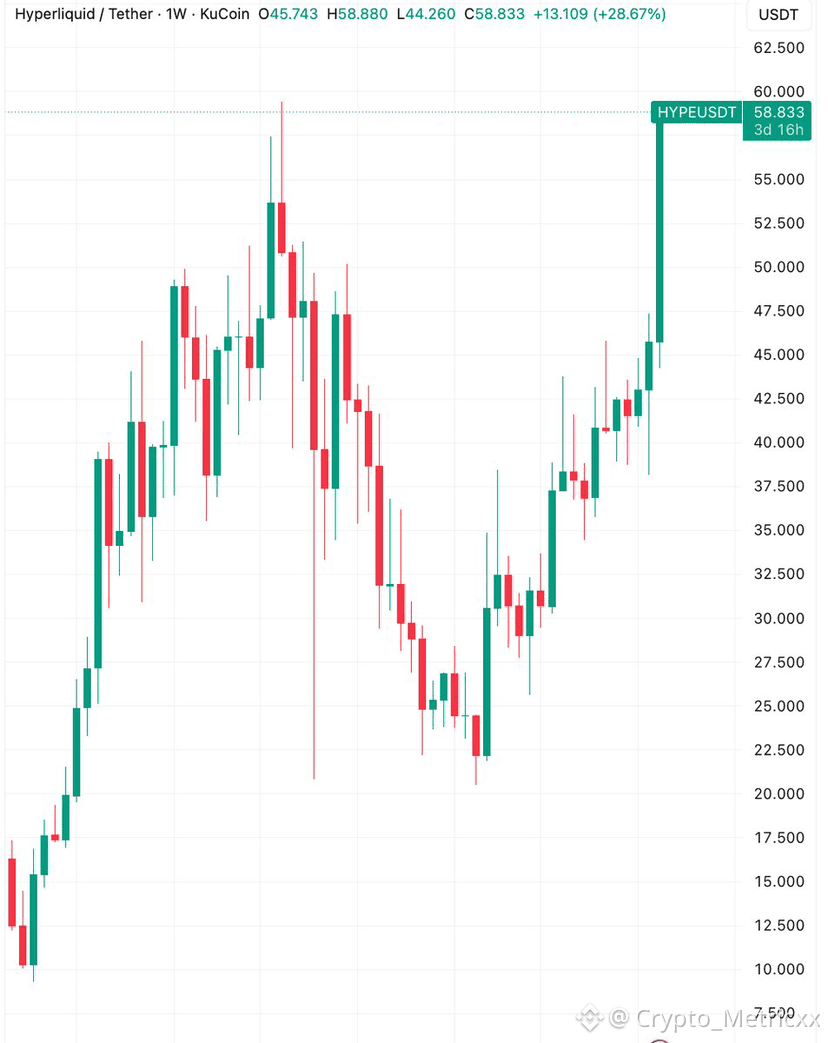
🚨ハイパーリキッドが再び過去最高値ゾーンに向かって押し上げる
$HYPE は再び$59近くの以前のピークに接近しており、買い手が市場全体でモメンタムが強まる中、積極的に戻ってきています。
価格アクションは再びブルに有利になりつつあり、ハイパーリキッドに対する自信が高まる中、ボリュームと注目が増加しています。
この圧力が持続すれば、新たなATHが多くの人が予想するよりも近くにあるかもしれません。ブレイクアウトのセットアップは整っており、今、トレーダーたちは$HYPE が次の爆発的な上昇を提供するかどうかを注視しています。
🚨ハイパーリキッドが再び過去最高値ゾーンに向かって押し上げる
$HYPE は再び$59近くの以前のピークに接近しており、買い手が市場全体でモメンタムが強まる中、積極的に戻ってきています。
価格アクションは再びブルに有利になりつつあり、ハイパーリキッドに対する自信が高まる中、ボリュームと注目が増加しています。
この圧力が持続すれば、新たなATHが多くの人が予想するよりも近くにあるかもしれません。ブレイクアウトのセットアップは整っており、今、トレーダーたちは$HYPE が次の爆発的な上昇を提供するかどうかを注視しています。
$HYPE は再び$59近くの以前のピークに接近しており、買い手が市場全体でモメンタムが強まる中、積極的に戻ってきています。
価格アクションは再びブルに有利になりつつあり、ハイパーリキッドに対する自信が高まる中、ボリュームと注目が増加しています。
この圧力が持続すれば、新たなATHが多くの人が予想するよりも近くにあるかもしれません。ブレイクアウトのセットアップは整っており、今、トレーダーたちは$HYPE が次の爆発的な上昇を提供するかどうかを注視しています。

1
207
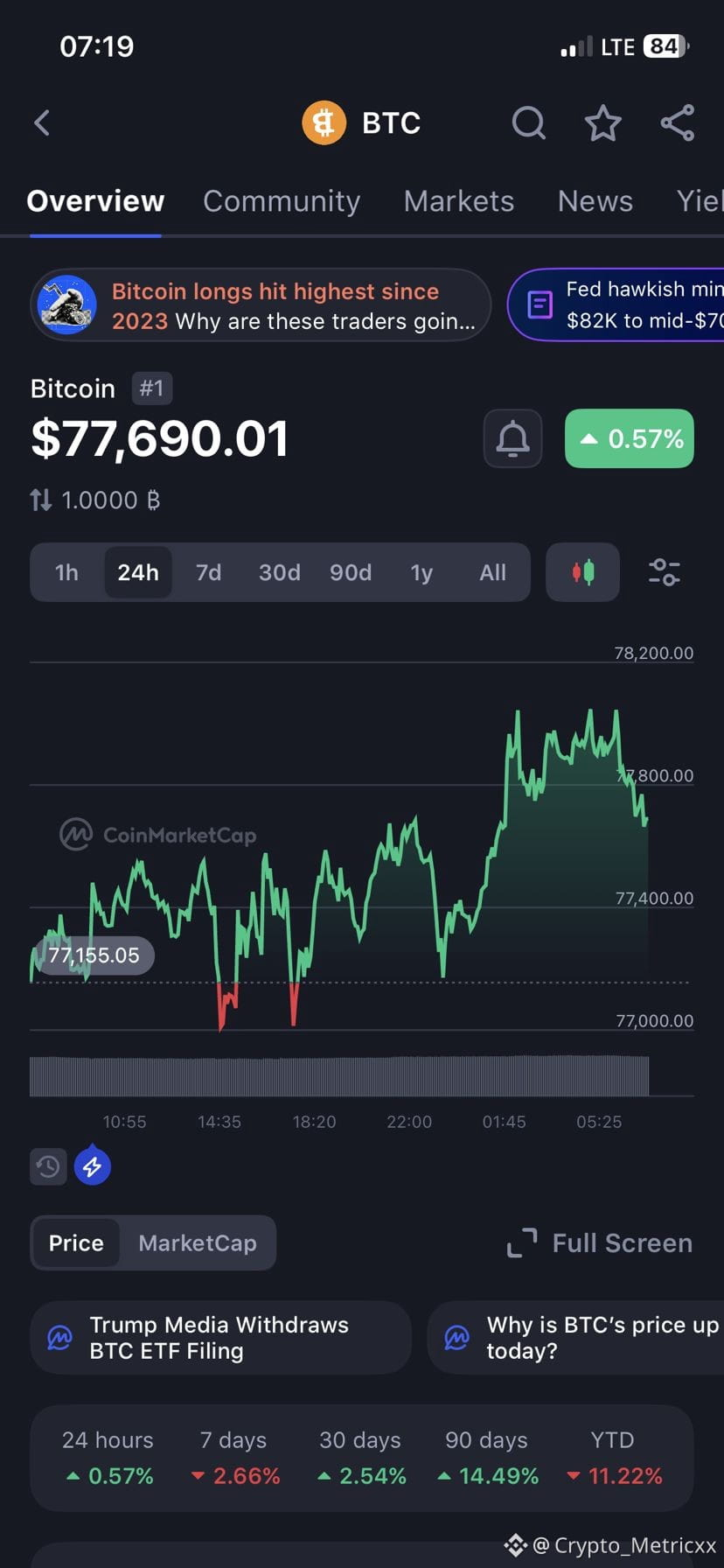
$BTC は、2021年に見たのと同じ構造を反映し始めています。
その時のパターンは徐々に進行しましたが、 brutalでした:
• 初期のトップ
• ダブルトップを形成するためのもう一度のプッシュ
• 一貫した高値の低下と低値の低下
• そして、底がやっと入ったと人々を納得させるリリーフバウンス
しかし、市場はまだ終わっていませんでした。
最後のキャピチュレーションは、もう一度の大きなドロップの後に起こり、遅れて買ったトレーダーたちを驚かせ、真の底が形成されました。
今2025年、チャート構造は非常に似た順序で展開しています。
現時点では、この現在のバウンスは確認された反転というよりもリリーフラリーに見えます。センチメントは改善しており、恐怖は和らぎ、多くのトレーダーが最悪のフェーズは終わったと信じ始めています。
通常、これが市場が危険になる場所です。
もしフラクタルが続くなら、ビットコインが適切なマクロボトムを見つける前に、もう一度下げる可能性があります。このセッティングでは、$50Kエリアは正直言って不可能には見えません。
このような状況では、忍耐が重要です。市場は感情的な反応よりも、規律をはるかに多く報います。
$BTC は、2021年に見たのと同じ構造を反映し始めています。
その時のパターンは徐々に進行しましたが、 brutalでした:
• 初期のトップ
• ダブルトップを形成するためのもう一度のプッシュ
• 一貫した高値の低下と低値の低下
• そして、底がやっと入ったと人々を納得させるリリーフバウンス
しかし、市場はまだ終わっていませんでした。
最後のキャピチュレーションは、もう一度の大きなドロップの後に起こり、遅れて買ったトレーダーたちを驚かせ、真の底が形成されました。
今2025年、チャート構造は非常に似た順序で展開しています。
現時点では、この現在のバウンスは確認された反転というよりもリリーフラリーに見えます。センチメントは改善しており、恐怖は和らぎ、多くのトレーダーが最悪のフェーズは終わったと信じ始めています。
通常、これが市場が危険になる場所です。
もしフラクタルが続くなら、ビットコインが適切なマクロボトムを見つける前に、もう一度下げる可能性があります。このセッティングでは、$50Kエリアは正直言って不可能には見えません。
このような状況では、忍耐が重要です。市場は感情的な反応よりも、規律をはるかに多く報います。
その時のパターンは徐々に進行しましたが、 brutalでした:
• 初期のトップ
• ダブルトップを形成するためのもう一度のプッシュ
• 一貫した高値の低下と低値の低下
• そして、底がやっと入ったと人々を納得させるリリーフバウンス
しかし、市場はまだ終わっていませんでした。
最後のキャピチュレーションは、もう一度の大きなドロップの後に起こり、遅れて買ったトレーダーたちを驚かせ、真の底が形成されました。
今2025年、チャート構造は非常に似た順序で展開しています。
現時点では、この現在のバウンスは確認された反転というよりもリリーフラリーに見えます。センチメントは改善しており、恐怖は和らぎ、多くのトレーダーが最悪のフェーズは終わったと信じ始めています。
通常、これが市場が危険になる場所です。
もしフラクタルが続くなら、ビットコインが適切なマクロボトムを見つける前に、もう一度下げる可能性があります。このセッティングでは、$50Kエリアは正直言って不可能には見えません。
このような状況では、忍耐が重要です。市場は感情的な反応よりも、規律をはるかに多く報います。
203
AIは今日、ユーザーが気づかないうちに価値を提供し続けているという単純な現実の上に成り立っています。
すべての検索、プロンプト、インタラクション、行動が静かにこれらのシステムを改善する手助けをしていますが、その貢献のほとんどは目に見えないままです。プラットフォームはスケールから利益を得ますが、データを生成している人々はほとんど何もリターンを得ることがありません。この不均衡は、AIが日常生活により統合されるにつれて、ますます明白に感じられるようになっています。
だからこそ、私は@Openledger や$OPEN エコシステムのようなプロジェクトに注目しています。
このアイデアは「別のAIプロジェクト」ではありません。それは、AIへの参加が実際にどのように機能するかを再考することに関するものです。ユーザーがバックグラウンドデータソースとして扱われるのではなく、貢献をより可視化し、構造化し、潜在的に価値の流れに結びつけることに焦点を当てています。
私が注目したのは、AIの見方をどのように再定義しているかです。単なる出力を生成するツールとしてではなく、集団の入力に基づいて構築されたシステムとしてです。データ、モデル、エージェントはすべて、所有権と帰属が今日よりも重要になる可能性がある大きな調整層の一部です。
ほとんどのAIに関する会話は、依然として速度、スケール、モデルのパフォーマンスに焦点を当てています。しかし、その下には、より大きな疑問が形成されています:誰が本当に構築されている知性から利益を得ており、その価値はどのように分配されているのか?
中央集権的なシステムはより速くスケールしますが、自然にコントロールを集中させます。オープンなアプローチは遅く、より複雑ですが、貢献者間でより公平に参加を広げようとします。
OpenLedgerはその第二のカテゴリに位置しています。まだ初期段階で、実験的ですが、方向性は明確です。データを静かに消費するだけでなく、それらの背後にいる人々やプロセスを認識し、構造化するAIシステムです。
これは金融アドバイスではなく、AIの所有権と参加が時間とともにどのように進化するかについての興味深いシフトです。
#openledger $OPEN
AIは今日、ユーザーが気づかないうちに価値を提供し続けているという単純な現実の上に成り立っています。
すべての検索、プロンプト、インタラクション、行動が静かにこれらのシステムを改善する手助けをしていますが、その貢献のほとんどは目に見えないままです。プラットフォームはスケールから利益を得ますが、データを生成している人々はほとんど何もリターンを得ることがありません。この不均衡は、AIが日常生活により統合されるにつれて、ますます明白に感じられるようになっています。
だからこそ、私は@OpenLedger や$OPEN エコシステムのようなプロジェクトに注目しています。
このアイデアは「別のAIプロジェクト」ではありません。それは、AIへの参加が実際にどのように機能するかを再考することに関するものです。ユーザーがバックグラウンドデータソースとして扱われるのではなく、貢献をより可視化し、構造化し、潜在的に価値の流れに結びつけることに焦点を当てています。
私が注目したのは、AIの見方をどのように再定義しているかです。単なる出力を生成するツールとしてではなく、集団の入力に基づいて構築されたシステムとしてです。データ、モデル、エージェントはすべて、所有権と帰属が今日よりも重要になる可能性がある大きな調整層の一部です。
ほとんどのAIに関する会話は、依然として速度、スケール、モデルのパフォーマンスに焦点を当てています。しかし、その下には、より大きな疑問が形成されています:誰が本当に構築されている知性から利益を得ており、その価値はどのように分配されているのか?
中央集権的なシステムはより速くスケールしますが、自然にコントロールを集中させます。オープンなアプローチは遅く、より複雑ですが、貢献者間でより公平に参加を広げようとします。
OpenLedgerはその第二のカテゴリに位置しています。まだ初期段階で、実験的ですが、方向性は明確です。データを静かに消費するだけでなく、それらの背後にいる人々やプロセスを認識し、構造化するAIシステムです。
これは金融アドバイスではなく、AIの所有権と参加が時間とともにどのように進化するかについての興味深いシフトです。
#openledger $OPEN
すべての検索、プロンプト、インタラクション、行動が静かにこれらのシステムを改善する手助けをしていますが、その貢献のほとんどは目に見えないままです。プラットフォームはスケールから利益を得ますが、データを生成している人々はほとんど何もリターンを得ることがありません。この不均衡は、AIが日常生活により統合されるにつれて、ますます明白に感じられるようになっています。
だからこそ、私は@OpenLedger や$OPEN エコシステムのようなプロジェクトに注目しています。
このアイデアは「別のAIプロジェクト」ではありません。それは、AIへの参加が実際にどのように機能するかを再考することに関するものです。ユーザーがバックグラウンドデータソースとして扱われるのではなく、貢献をより可視化し、構造化し、潜在的に価値の流れに結びつけることに焦点を当てています。
私が注目したのは、AIの見方をどのように再定義しているかです。単なる出力を生成するツールとしてではなく、集団の入力に基づいて構築されたシステムとしてです。データ、モデル、エージェントはすべて、所有権と帰属が今日よりも重要になる可能性がある大きな調整層の一部です。
ほとんどのAIに関する会話は、依然として速度、スケール、モデルのパフォーマンスに焦点を当てています。しかし、その下には、より大きな疑問が形成されています:誰が本当に構築されている知性から利益を得ており、その価値はどのように分配されているのか?
中央集権的なシステムはより速くスケールしますが、自然にコントロールを集中させます。オープンなアプローチは遅く、より複雑ですが、貢献者間でより公平に参加を広げようとします。
OpenLedgerはその第二のカテゴリに位置しています。まだ初期段階で、実験的ですが、方向性は明確です。データを静かに消費するだけでなく、それらの背後にいる人々やプロセスを認識し、構造化するAIシステムです。
これは金融アドバイスではなく、AIの所有権と参加が時間とともにどのように進化するかについての興味深いシフトです。
#openledger $OPEN

117

記事
AIと暗号市場の下で起こっている静かなシフト最近、市場の騒がしい動きにあまり注目せず、その下に形成されている静かなシグナルにもっと注意を向けるようになった。
数時間の間に注目を集めるために設計されたヘッドラインではない。
みんながすぐに反応する急激なラリーや急落ではない。
今、私がもっと興味を持っているのは、行動の微妙な変化だ。
決定の前のためらい。
反応の間の長いポーズ。
人々が市場でまだアクティブであると感じるが、もはや同じ疑いのない確信を持って動いていない。
AIと暗号市場の下で起こっている静かなシフト
最近、市場の騒がしい動きにあまり注目せず、その下に形成されている静かなシグナルにもっと注意を向けるようになった。
数時間の間に注目を集めるために設計されたヘッドラインではない。
みんながすぐに反応する急激なラリーや急落ではない。
今、私がもっと興味を持っているのは、行動の微妙な変化だ。
決定の前のためらい。
反応の間の長いポーズ。
人々が市場でまだアクティブであると感じるが、もはや同じ疑いのない確信を持って動いていない。
数時間の間に注目を集めるために設計されたヘッドラインではない。
みんながすぐに反応する急激なラリーや急落ではない。
今、私がもっと興味を持っているのは、行動の微妙な変化だ。
決定の前のためらい。
反応の間の長いポーズ。
人々が市場でまだアクティブであると感じるが、もはや同じ疑いのない確信を持って動いていない。
273
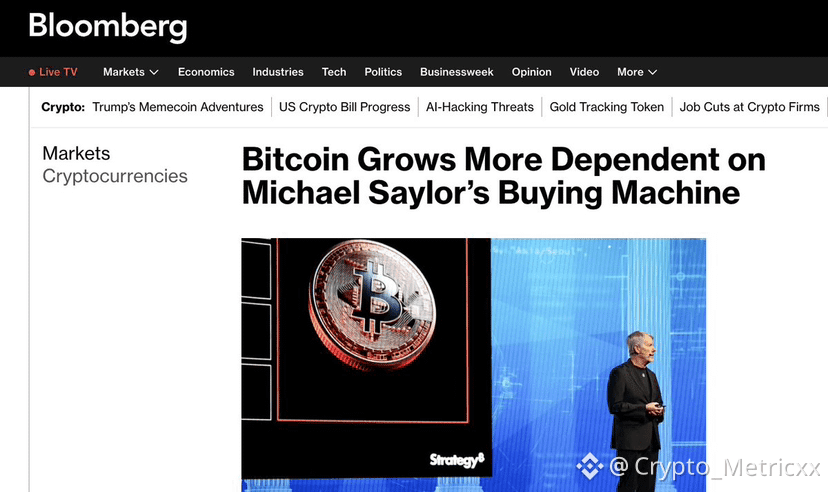
🚨ブルームバーグの報道によると、ビットコインの市場構造はマイケル・セイラーとストラテジーの積極的な蓄積戦略にますます結びついている。
今年に入ってから、ストラテジーは約171,238 $BTC を蓄積しており、この数字は同じ期間に世界で採掘された新しいビットコインの総量を上回ると報じられている。
これは会話を完全に変えてしまう。
何年もの間、ビットコインの成長ストーリーは小売投資家、機関、ETF、マイナー、そして世界的な採用による分散型需要に関するものだった。しかし今、一つの法人がネットワークが生産できるスピードよりも早く供給を吸収している。
市場は、ビットコインの現在のモメンタムがストラテジーの継続的な買い圧力によってどれほど駆動されているのかを認識し始めている。
セイラーが資本を調達し、それをBTCに変換し続ける限り、供給は非常にタイトに保たれ、ディップはすぐに吸収され続ける。しかし、これは市場にとってより大きな疑問を提起する。
もしストラテジーが最終的にその蓄積を減速させ、購入を一時停止したり、この規模で購入できなくなるポイントに達したらどうなるのか?
ETFや機関はその需要を補うために十分に積極的に介入するのか、それとも市場は静かに単一の買い手に過度に依存して、このレベルの強さを維持することになってしまったのか?
ビットコインは分散化を中心に設計されているが、現在のサイクルは供給が限られているときに集中した企業の信念がどれほど強力になり得るかをますます示している。
🚨ブルームバーグの報道によると、ビットコインの市場構造はマイケル・セイラーとストラテジーの積極的な蓄積戦略にますます結びついている。
今年に入ってから、ストラテジーは約171,238 $BTC を蓄積しており、この数字は同じ期間に世界で採掘された新しいビットコインの総量を上回ると報じられている。
これは会話を完全に変えてしまう。
何年もの間、ビットコインの成長ストーリーは小売投資家、機関、ETF、マイナー、そして世界的な採用による分散型需要に関するものだった。しかし今、一つの法人がネットワークが生産できるスピードよりも早く供給を吸収している。
市場は、ビットコインの現在のモメンタムがストラテジーの継続的な買い圧力によってどれほど駆動されているのかを認識し始めている。
セイラーが資本を調達し、それをBTCに変換し続ける限り、供給は非常にタイトに保たれ、ディップはすぐに吸収され続ける。しかし、これは市場にとってより大きな疑問を提起する。
もしストラテジーが最終的にその蓄積を減速させ、購入を一時停止したり、この規模で購入できなくなるポイントに達したらどうなるのか?
ETFや機関はその需要を補うために十分に積極的に介入するのか、それとも市場は静かに単一の買い手に過度に依存して、このレベルの強さを維持することになってしまったのか?
ビットコインは分散化を中心に設計されているが、現在のサイクルは供給が限られているときに集中した企業の信念がどれほど強力になり得るかをますます示している。
今年に入ってから、ストラテジーは約171,238 $BTC を蓄積しており、この数字は同じ期間に世界で採掘された新しいビットコインの総量を上回ると報じられている。
これは会話を完全に変えてしまう。
何年もの間、ビットコインの成長ストーリーは小売投資家、機関、ETF、マイナー、そして世界的な採用による分散型需要に関するものだった。しかし今、一つの法人がネットワークが生産できるスピードよりも早く供給を吸収している。
市場は、ビットコインの現在のモメンタムがストラテジーの継続的な買い圧力によってどれほど駆動されているのかを認識し始めている。
セイラーが資本を調達し、それをBTCに変換し続ける限り、供給は非常にタイトに保たれ、ディップはすぐに吸収され続ける。しかし、これは市場にとってより大きな疑問を提起する。
もしストラテジーが最終的にその蓄積を減速させ、購入を一時停止したり、この規模で購入できなくなるポイントに達したらどうなるのか?
ETFや機関はその需要を補うために十分に積極的に介入するのか、それとも市場は静かに単一の買い手に過度に依存して、このレベルの強さを維持することになってしまったのか?
ビットコインは分散化を中心に設計されているが、現在のサイクルは供給が限られているときに集中した企業の信念がどれほど強力になり得るかをますます示している。
2
232
#openledger $OPEN
AIは信じられない速さで進化していますが、その基盤であるデータ、コンピュート、モデルのトレーニングは、まだ数少ない中央集権的なプレイヤーに握られています。
その不均衡が、OpenLedgerが今面白い理由です。
AIを大手テクノロジーによって制御されるブラックボックスとして扱うのではなく、データの貢献を透明で検証可能、かつ経済的に認識されるオンチェーンに変えるというアイデアです。言い換えれば、AIモデルにデータを供給する人々やシステムはバックエンドに消えてしまうのではなく、実際に追跡され、報酬を得ることができるのです。
このProof of Attributionシステムがこのプロジェクトを際立たせています。すべての貢献は追跡可能な出所を持ち、データは単に使われるのではなく、計上されます。これにより、会話の焦点が「誰がモデルを所有しているか」から「誰がモデルを動かしているか」に移ります。
もしこれが理論を超えて実際にスケールすれば、@Openledger は新興のAI x Web3スタックにおいて非常に重要な位置にいます。
まだ初期段階ですが、これはもう一つのAIのストーリーではなく、AIの価値がどのように創造され、分配されるかを再構築しようとする構造的な試みのように感じます。
AIの次のフェーズは、単によりスマートなモデルについてではなく、それらの背後にあるインフラを誰が制御するかについてかもしれません。
#openledger $OPEN
AIは信じられない速さで進化していますが、その基盤であるデータ、コンピュート、モデルのトレーニングは、まだ数少ない中央集権的なプレイヤーに握られています。
その不均衡が、OpenLedgerが今面白い理由です。
AIを大手テクノロジーによって制御されるブラックボックスとして扱うのではなく、データの貢献を透明で検証可能、かつ経済的に認識されるオンチェーンに変えるというアイデアです。言い換えれば、AIモデルにデータを供給する人々やシステムはバックエンドに消えてしまうのではなく、実際に追跡され、報酬を得ることができるのです。
このProof of Attributionシステムがこのプロジェクトを際立たせています。すべての貢献は追跡可能な出所を持ち、データは単に使われるのではなく、計上されます。これにより、会話の焦点が「誰がモデルを所有しているか」から「誰がモデルを動かしているか」に移ります。
もしこれが理論を超えて実際にスケールすれば、@OpenLedger は新興のAI x Web3スタックにおいて非常に重要な位置にいます。
まだ初期段階ですが、これはもう一つのAIのストーリーではなく、AIの価値がどのように創造され、分配されるかを再構築しようとする構造的な試みのように感じます。
AIの次のフェーズは、単によりスマートなモデルについてではなく、それらの背後にあるインフラを誰が制御するかについてかもしれません。
AIは信じられない速さで進化していますが、その基盤であるデータ、コンピュート、モデルのトレーニングは、まだ数少ない中央集権的なプレイヤーに握られています。
その不均衡が、OpenLedgerが今面白い理由です。
AIを大手テクノロジーによって制御されるブラックボックスとして扱うのではなく、データの貢献を透明で検証可能、かつ経済的に認識されるオンチェーンに変えるというアイデアです。言い換えれば、AIモデルにデータを供給する人々やシステムはバックエンドに消えてしまうのではなく、実際に追跡され、報酬を得ることができるのです。
このProof of Attributionシステムがこのプロジェクトを際立たせています。すべての貢献は追跡可能な出所を持ち、データは単に使われるのではなく、計上されます。これにより、会話の焦点が「誰がモデルを所有しているか」から「誰がモデルを動かしているか」に移ります。
もしこれが理論を超えて実際にスケールすれば、@OpenLedger は新興のAI x Web3スタックにおいて非常に重要な位置にいます。
まだ初期段階ですが、これはもう一つのAIのストーリーではなく、AIの価値がどのように創造され、分配されるかを再構築しようとする構造的な試みのように感じます。
AIの次のフェーズは、単によりスマートなモデルについてではなく、それらの背後にあるインフラを誰が制御するかについてかもしれません。

2
104

記事
OpenLedgerとWeb3におけるAIエージェントの台頭: ハイプから実用的なオンチェーン自動化へ暗号通貨におけるAIの会話は、純粋なハイプから少しずつシフトし、より実用的な方向に向かっています。長い間、多くのプロジェクトが「AIエージェント」について話していましたが、これらのツールがユーザーエクスペリエンスを向上させたり、ブロックチェーンシステムとのインタラクションを簡素化したりする方法を実際に示したものは非常に少なかったです。
これが、OpenLedgerとそのOctoClawエコシステムが私の注目を集めた理由の一部です。
OctoClawが興味深いのは、単なるチャットボットや受動的なアシスタントとして位置づけられているだけではないからです。情報を提供するだけでなく、オンチェーンのAIエージェントとして機能し、タスクの自動化、条件の監視、ワークフローの実行、分散型プロトコルへの直接的なインタラクションを可能にします。
OpenLedgerとWeb3におけるAIエージェントの台頭: ハイプから実用的なオンチェーン自動化へ
暗号通貨におけるAIの会話は、純粋なハイプから少しずつシフトし、より実用的な方向に向かっています。長い間、多くのプロジェクトが「AIエージェント」について話していましたが、これらのツールがユーザーエクスペリエンスを向上させたり、ブロックチェーンシステムとのインタラクションを簡素化したりする方法を実際に示したものは非常に少なかったです。
これが、OpenLedgerとそのOctoClawエコシステムが私の注目を集めた理由の一部です。
OctoClawが興味深いのは、単なるチャットボットや受動的なアシスタントとして位置づけられているだけではないからです。情報を提供するだけでなく、オンチェーンのAIエージェントとして機能し、タスクの自動化、条件の監視、ワークフローの実行、分散型プロトコルへの直接的なインタラクションを可能にします。
これが、OpenLedgerとそのOctoClawエコシステムが私の注目を集めた理由の一部です。
OctoClawが興味深いのは、単なるチャットボットや受動的なアシスタントとして位置づけられているだけではないからです。情報を提供するだけでなく、オンチェーンのAIエージェントとして機能し、タスクの自動化、条件の監視、ワークフローの実行、分散型プロトコルへの直接的なインタラクションを可能にします。
3
388
3百万のイーサリアムがバイナンスから流出しており、$ETH が5月の初めから取引所を離れています。
CryptoQuantのアナリスト、Arabchainによると、これらの引き出しの規模は最近の数ヶ月で見られた最大のETHのエグジットウェーブの一つであり、ある時点では日々の流出が50万ETHを超えました。
このトレンドは、クジラや機関投資家による新たな蓄積の兆候として捉えられており、特にイーサリアムが$2,300の範囲で比較的安定している中での動きです。
3百万のイーサリアムがバイナンスから流出しており、$ETH が5月の初めから取引所を離れています。
CryptoQuantのアナリスト、Arabchainによると、これらの引き出しの規模は最近の数ヶ月で見られた最大のETHのエグジットウェーブの一つであり、ある時点では日々の流出が50万ETHを超えました。
このトレンドは、クジラや機関投資家による新たな蓄積の兆候として捉えられており、特にイーサリアムが$2,300の範囲で比較的安定している中での動きです。
CryptoQuantのアナリスト、Arabchainによると、これらの引き出しの規模は最近の数ヶ月で見られた最大のETHのエグジットウェーブの一つであり、ある時点では日々の流出が50万ETHを超えました。
このトレンドは、クジラや機関投資家による新たな蓄積の兆候として捉えられており、特にイーサリアムが$2,300の範囲で比較的安定している中での動きです。
8
1
1.8k
記事
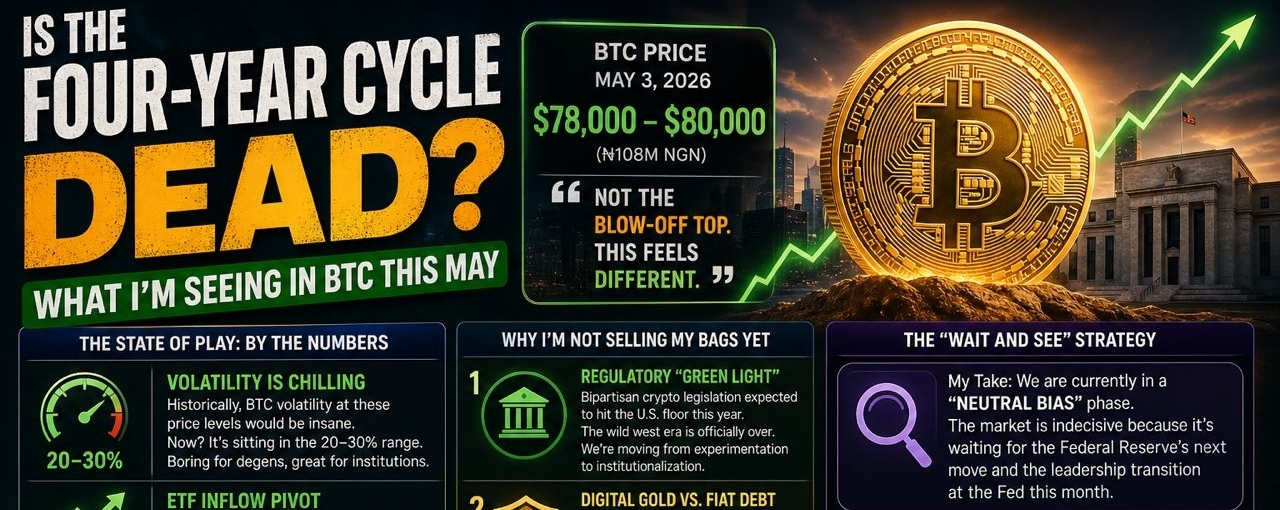
「四年サイクル」は死んだのか?今月のBTCで見ていること正直に言おう:もしあなたがクリプトに10分以上いるなら、「四年サイクル」の教えを聞いたことがあるはず。ハルビングが起こり、価格が横ばいになり、次にムーン、そして核の冬。これを繰り返す。
しかし、2026年5月にここに座っていると、マーケットの雰囲気が...違う感じがする。典型的な「ポストハルビングのブローオフトップ」が続く80%のクラッシュは見られない。むしろ、ビットコインは実際にフィニッシングスクールに通ったテック株のように振る舞っている。
現状分析:数値で見る
2026年5月3日現在、ビットコインは約$78,000〜$80,000($108M NGN)で推移しています。
「四年サイクル」は死んだのか?今月のBTCで見ていること
正直に言おう:もしあなたがクリプトに10分以上いるなら、「四年サイクル」の教えを聞いたことがあるはず。ハルビングが起こり、価格が横ばいになり、次にムーン、そして核の冬。これを繰り返す。
しかし、2026年5月にここに座っていると、マーケットの雰囲気が...違う感じがする。典型的な「ポストハルビングのブローオフトップ」が続く80%のクラッシュは見られない。むしろ、ビットコインは実際にフィニッシングスクールに通ったテック株のように振る舞っている。
現状分析:数値で見る
2026年5月3日現在、ビットコインは約$78,000〜$80,000($108M NGN)で推移しています。
しかし、2026年5月にここに座っていると、マーケットの雰囲気が...違う感じがする。典型的な「ポストハルビングのブローオフトップ」が続く80%のクラッシュは見られない。むしろ、ビットコインは実際にフィニッシングスクールに通ったテック株のように振る舞っている。
現状分析:数値で見る
2026年5月3日現在、ビットコインは約$78,000〜$80,000($108M NGN)で推移しています。
1.8k

記事
$TAO: AIの分散型神経系AIのゴールドラッシュは、そのゲートキーパーたちによってしばしば批判されています。OpenAIやGoogleのような企業が最も強力なモデルへの鍵を握る一方で、Bittensor($TAO)はインテリジェンスを商品とし、企業の秘密ではない「分散型ブレイン」を構築しています。
2026年4月現在、Bittensorはニッチな実験から巨大なグローバルインフラ層へと進化しました。なぜ$TAO が常にトレンド入りしているのかを理解したいなら、「分散型オープンAI」の内訳を見てください。
1. コアコンセプト: インテリジェンスの証明
$TAO: AIの分散型神経系
AIのゴールドラッシュは、そのゲートキーパーたちによってしばしば批判されています。OpenAIやGoogleのような企業が最も強力なモデルへの鍵を握る一方で、Bittensor($TAO )はインテリジェンスを商品とし、企業の秘密ではない「分散型ブレイン」を構築しています。
2026年4月現在、Bittensorはニッチな実験から巨大なグローバルインフラ層へと進化しました。なぜ$TAO が常にトレンド入りしているのかを理解したいなら、「分散型オープンAI」の内訳を見てください。
1. コアコンセプト: インテリジェンスの証明
2026年4月現在、Bittensorはニッチな実験から巨大なグローバルインフラ層へと進化しました。なぜ$TAO が常にトレンド入りしているのかを理解したいなら、「分散型オープンAI」の内訳を見てください。
1. コアコンセプト: インテリジェンスの証明
2
1.5k
最近、$PIXEL にあまりにも多くの時間を費やしていて、正直なところ、その理由には驚かされました。もうトークンの価格のことではなく、数週間前にそれに対する執着をやめました。"義務のデザイン"です。私は午前2時にログインすることが多いのですが、それはプレイしたくてたまらないからではなく、作物が準備できているか、クエストのタイマーがゼロになったからです。これは、私が実際には参加していないデジタルの仕事を果たすための静かな機械的なプレッシャーであり、それでもやり遂げなければならないと感じています。農業のループとWeb3の価格監視の間で、ゲームが私のメンタルなリソースを奪っているように感じます。
さらに厄介なのは、社会的な側面です。ギルドの一員であり、土地を共有することは、セッションをスキップすると、リソースを失うだけでなく、チームをがっかりさせているように感じます。Pixelsは間違いなく、旧式のWeb3ゲームよりも賢いです。無料でプレイできるため、私はお金を"沈めた"わけではありませんが、時間は確実に沈めています。これは持続可能なエコシステムであり、進歩を感じることができるのは中毒性がありますが、自分に問いかける必要がありました:今本当に楽しんでいるのか、それとも離れることのコストを恐れているだけなのか?習慣で収穫しているだけのように感じるなら、デジタルな土を少し休ませる時かもしれません。
#pixel @pixels
最近、$PIXEL にあまりにも多くの時間を費やしていて、正直なところ、その理由には驚かされました。もうトークンの価格のことではなく、数週間前にそれに対する執着をやめました。"義務のデザイン"です。私は午前2時にログインすることが多いのですが、それはプレイしたくてたまらないからではなく、作物が準備できているか、クエストのタイマーがゼロになったからです。これは、私が実際には参加していないデジタルの仕事を果たすための静かな機械的なプレッシャーであり、それでもやり遂げなければならないと感じています。農業のループとWeb3の価格監視の間で、ゲームが私のメンタルなリソースを奪っているように感じます。
さらに厄介なのは、社会的な側面です。ギルドの一員であり、土地を共有することは、セッションをスキップすると、リソースを失うだけでなく、チームをがっかりさせているように感じます。Pixelsは間違いなく、旧式のWeb3ゲームよりも賢いです。無料でプレイできるため、私はお金を"沈めた"わけではありませんが、時間は確実に沈めています。これは持続可能なエコシステムであり、進歩を感じることができるのは中毒性がありますが、自分に問いかける必要がありました:今本当に楽しんでいるのか、それとも離れることのコストを恐れているだけなのか?習慣で収穫しているだけのように感じるなら、デジタルな土を少し休ませる時かもしれません。
#pixel @Pixels
さらに厄介なのは、社会的な側面です。ギルドの一員であり、土地を共有することは、セッションをスキップすると、リソースを失うだけでなく、チームをがっかりさせているように感じます。Pixelsは間違いなく、旧式のWeb3ゲームよりも賢いです。無料でプレイできるため、私はお金を"沈めた"わけではありませんが、時間は確実に沈めています。これは持続可能なエコシステムであり、進歩を感じることができるのは中毒性がありますが、自分に問いかける必要がありました:今本当に楽しんでいるのか、それとも離れることのコストを恐れているだけなのか?習慣で収穫しているだけのように感じるなら、デジタルな土を少し休ませる時かもしれません。
#pixel @Pixels

1
43
ログインして、さらにコンテンツを読む
厳選トピックで世界の暗号資産トレーダーの仲間入り
⚡️ 暗号資産に関する最新かつ有益な情報が見つかります。
💬 世界最大の暗号資産取引所から信頼されています。
👍 認証を受けたクリエイターから、有益なインサイトを得られます。
メール / 電話番号