

东京小姐
4.7k 投稿

东京小姐
報告
ユーザーをブロック
绿色就是目标 🗼🔥
取引を発注
高頻度トレーダー
5年
312 フォロー
22.5K+ フォロワー
12.8K+ いいね
投稿
ポートフォリオ
すべて
引用
動画
ライブ
·
--
ブリッシュ
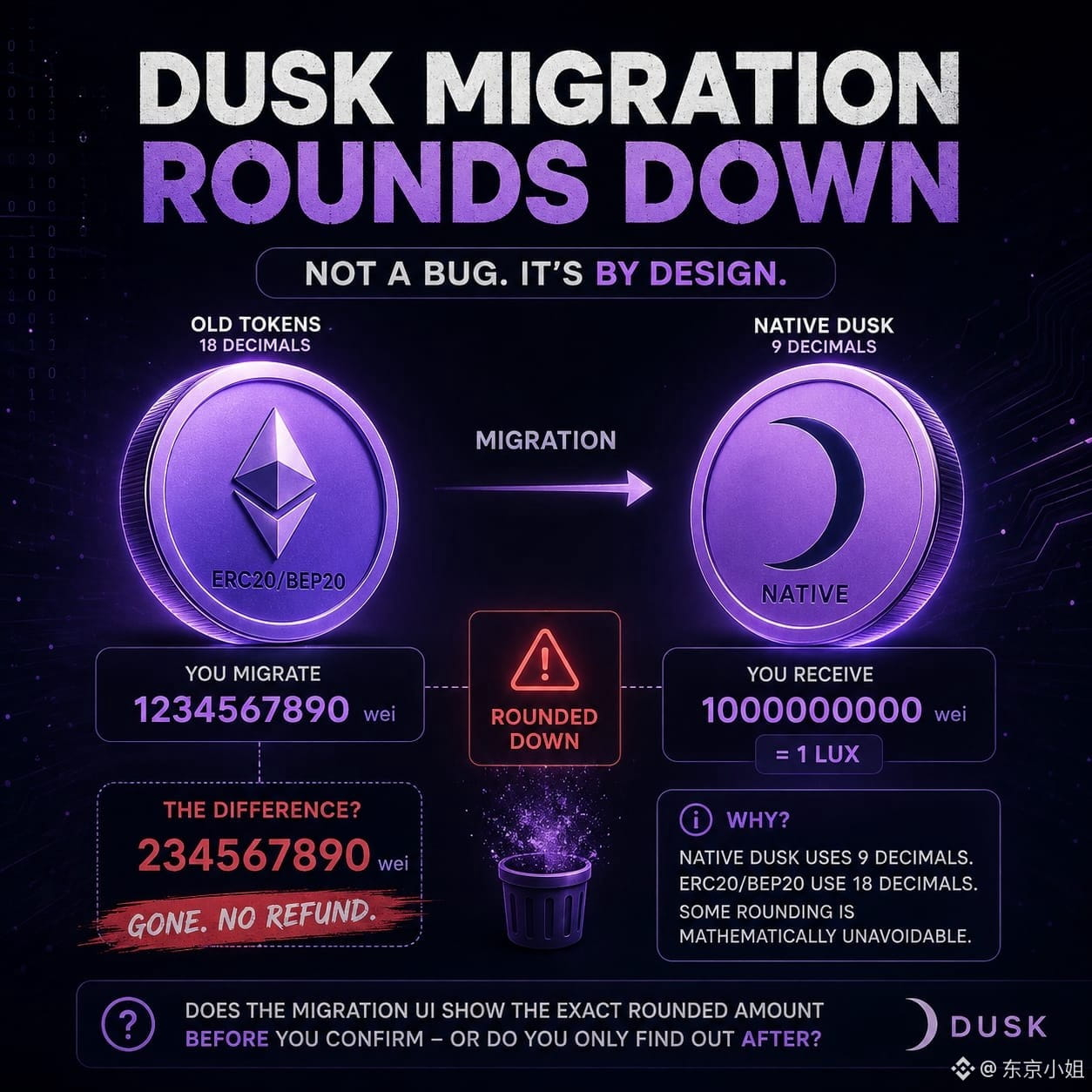
docs.dusk.networkの移行ガイドには、FAQの奥に見落としがちな丸めの詳細が書かれているのですが、私は他のどこでも言及されているのを見たことがありませんでした。ERC20またはBEP20のDUSKを「1 luxのきれいな倍数になっていない金額」で移行すると、コントラクトは単に切り捨てます。実際に腑に落ちるまで、彼ら自身の例を頭の中で2回ほど実行し直しました。たとえば、DUSKを1234567890 wei移行すると、それはちょうど1000000000 weiになります。1つのきれいなluxで、残りには部分的なクレジットは一切ありません。
つまり余りは返金されず、後日の追加入金のためにキューに積まれるわけでもなく、ネイティブ側で受け取る金額から単に消えるだけです。これはバグではなく、移行メカニクスそのものに織り込まれた実コストです。というのも、ネイティブDUSKは小数9桁で、ERC20/BEP20は小数18桁なので、変換のどこかの時点で数学的にどうしても丸めが発生します。
多くの人が通常のウォレット残高を移行する場合、この影響はおそらく数セント未満の端数で、正直なところ大して問題にならないでしょう。しかし、初めて移行する人は「決定論的な決済の精度を前提に作られたネットワークで、デフォルト挙動として『切り捨てて差分を失う』が起きる」ことを誰も期待していません。
移行UIは、確認する前に実際に切り捨てられた正確な金額をちゃんと表示してくれるのでしょうか?それとも、事後になって初めて分かるのでしょうか? 🧐
#dusk $DUSK @Dusk_Foundation
docs.dusk.networkの移行ガイドには、FAQの奥に見落としがちな丸めの詳細が書かれているのですが、私は他のどこでも言及されているのを見たことがありませんでした。ERC20またはBEP20のDUSKを「1 luxのきれいな倍数になっていない金額」で移行すると、コントラクトは単に切り捨てます。実際に腑に落ちるまで、彼ら自身の例を頭の中で2回ほど実行し直しました。たとえば、DUSKを1234567890 wei移行すると、それはちょうど1000000000 weiになります。1つのきれいなluxで、残りには部分的なクレジットは一切ありません。
つまり余りは返金されず、後日の追加入金のためにキューに積まれるわけでもなく、ネイティブ側で受け取る金額から単に消えるだけです。これはバグではなく、移行メカニクスそのものに織り込まれた実コストです。というのも、ネイティブDUSKは小数9桁で、ERC20/BEP20は小数18桁なので、変換のどこかの時点で数学的にどうしても丸めが発生します。
多くの人が通常のウォレット残高を移行する場合、この影響はおそらく数セント未満の端数で、正直なところ大して問題にならないでしょう。しかし、初めて移行する人は「決定論的な決済の精度を前提に作られたネットワークで、デフォルト挙動として『切り捨てて差分を失う』が起きる」ことを誰も期待していません。
移行UIは、確認する前に実際に切り捨てられた正確な金額をちゃんと表示してくれるのでしょうか?それとも、事後になって初めて分かるのでしょうか? 🧐
#dusk $DUSK @Dusk
つまり余りは返金されず、後日の追加入金のためにキューに積まれるわけでもなく、ネイティブ側で受け取る金額から単に消えるだけです。これはバグではなく、移行メカニクスそのものに織り込まれた実コストです。というのも、ネイティブDUSKは小数9桁で、ERC20/BEP20は小数18桁なので、変換のどこかの時点で数学的にどうしても丸めが発生します。
多くの人が通常のウォレット残高を移行する場合、この影響はおそらく数セント未満の端数で、正直なところ大して問題にならないでしょう。しかし、初めて移行する人は「決定論的な決済の精度を前提に作られたネットワークで、デフォルト挙動として『切り捨てて差分を失う』が起きる」ことを誰も期待していません。
移行UIは、確認する前に実際に切り捨てられた正確な金額をちゃんと表示してくれるのでしょうか?それとも、事後になって初めて分かるのでしょうか? 🧐
#dusk $DUSK @Dusk
1
184
·
--
@Dusk_Foundation
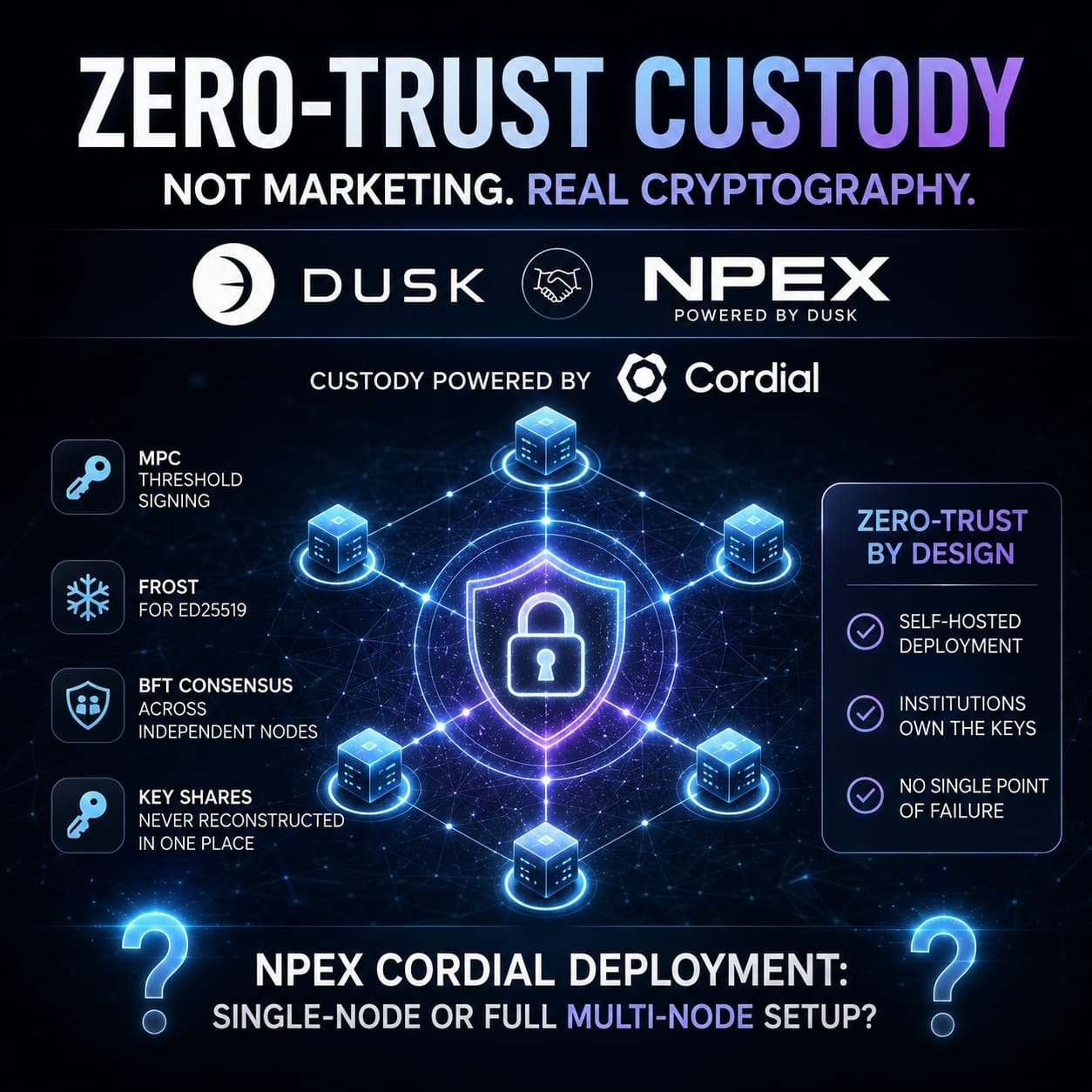
i went to check exactly what "zero-trust custody" means in the dusk-cordial-npex announcement, since that term usually implies a specific cryptographic architecture, and figured the press release was probably using it loosely for "self-hosted instead of third-party saas." i was wrong, and honestly i almost wrote this whole post around that wrong assumption before actually pulling cordial's own technical docs — their treasury product genuinely uses mpc threshold signing, frost for ed25519, a bft consensus layer across independent nodes, key shares that never get reconstructed in one place. that's real distributed-trust cryptography, not marketing dressed up as one.
so npex choosing self-hosted deployment and getting genuine zero-trust architecture aren't actually in tension the way i assumed going in, cordial's whole pitch is letting institutions run that architecture themselves instead of trusting a saas vendor's cloud.
what i still don't know is whether npex is running the full multi-node bft setup or something closer to a single-node deployment, since cordial's docs mention both are technically available. those aren't equally "zero-trust" in practice even on the same underlying software.
does anyone know if npex's actual cordial deployment is single-node or a genuine multi-node threshold setup? 🧐
#dusk $DUSK
@Dusk
i went to check exactly what "zero-trust custody" means in the dusk-cordial-npex announcement, since that term usually implies a specific cryptographic architecture, and figured the press release was probably using it loosely for "self-hosted instead of third-party saas." i was wrong, and honestly i almost wrote this whole post around that wrong assumption before actually pulling cordial's own technical docs — their treasury product genuinely uses mpc threshold signing, frost for ed25519, a bft consensus layer across independent nodes, key shares that never get reconstructed in one place. that's real distributed-trust cryptography, not marketing dressed up as one.
so npex choosing self-hosted deployment and getting genuine zero-trust architecture aren't actually in tension the way i assumed going in, cordial's whole pitch is letting institutions run that architecture themselves instead of trusting a saas vendor's cloud.
what i still don't know is whether npex is running the full multi-node bft setup or something closer to a single-node deployment, since cordial's docs mention both are technically available. those aren't equally "zero-trust" in practice even on the same underlying software.
does anyone know if npex's actual cordial deployment is single-node or a genuine multi-node threshold setup? 🧐
#dusk $DUSK
i went to check exactly what "zero-trust custody" means in the dusk-cordial-npex announcement, since that term usually implies a specific cryptographic architecture, and figured the press release was probably using it loosely for "self-hosted instead of third-party saas." i was wrong, and honestly i almost wrote this whole post around that wrong assumption before actually pulling cordial's own technical docs — their treasury product genuinely uses mpc threshold signing, frost for ed25519, a bft consensus layer across independent nodes, key shares that never get reconstructed in one place. that's real distributed-trust cryptography, not marketing dressed up as one.
so npex choosing self-hosted deployment and getting genuine zero-trust architecture aren't actually in tension the way i assumed going in, cordial's whole pitch is letting institutions run that architecture themselves instead of trusting a saas vendor's cloud.
what i still don't know is whether npex is running the full multi-node bft setup or something closer to a single-node deployment, since cordial's docs mention both are technically available. those aren't equally "zero-trust" in practice even on the same underlying software.
does anyone know if npex's actual cordial deployment is single-node or a genuine multi-node threshold setup? 🧐
#dusk $DUSK
1
2
114
·
--
ブリッシュ
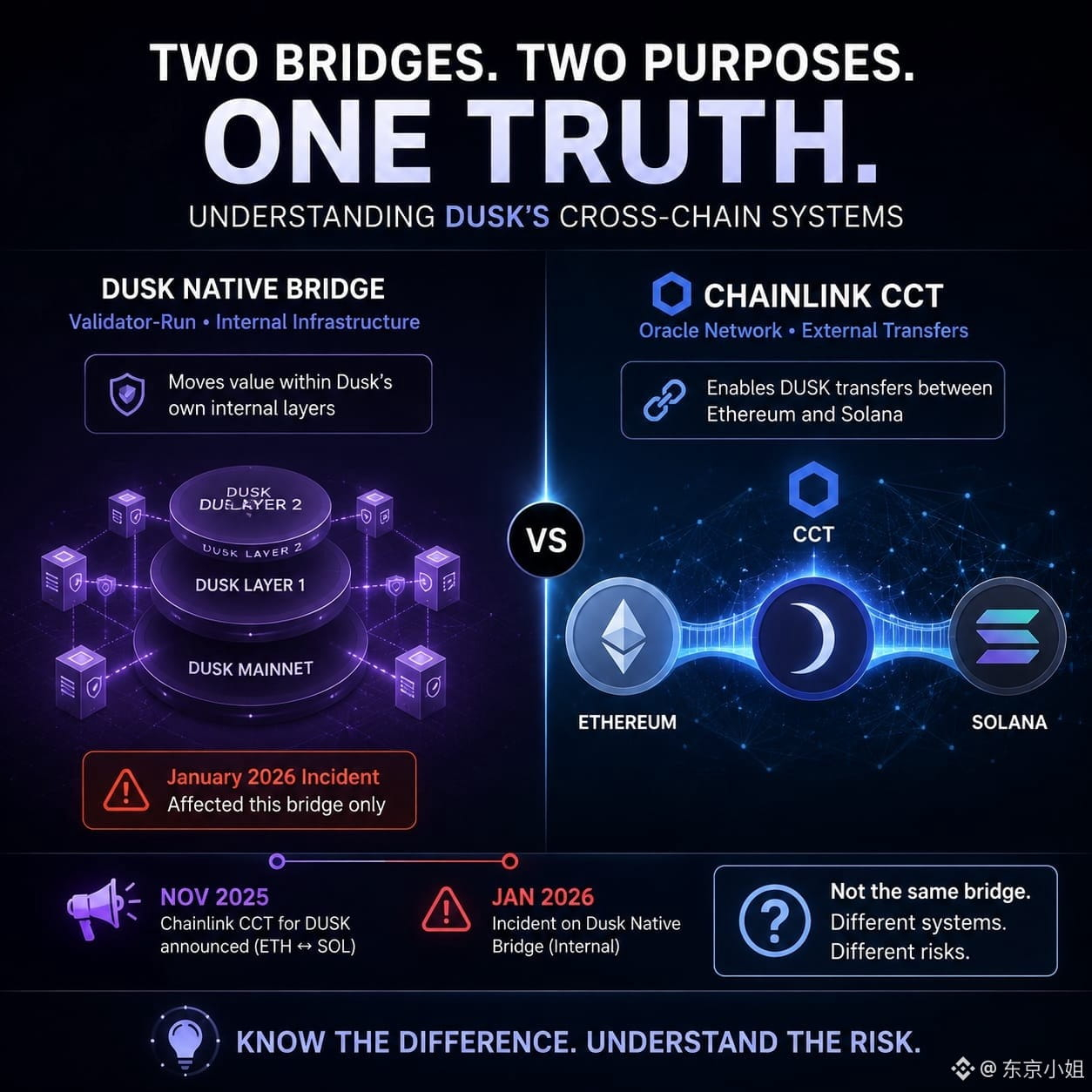
2025年11月に、イーサリアムとソラナ間で「dusk」の間を移動するためのChainlinkのCCT標準が発表されていました。これは、すでに「dusk」の別のクロスチェーン経路で起きたことが分かっている2026年1月のブリッジ・インシデントの数か月前のことです。そこで私は、それらが実際には同じブリッジで、名前が違うだけなのか確認しに行きました――正直なところ、別ブランドなだけで中身は同じものだと分かるのではないかと思っていましたが、違いました。dusk自身のアーキテクチャのページには、duskの内部レイヤー間で価値を移動する、別のバリデータ運用のネイティブ・ブリッジが記載されています。一方で、Chainlink CCTは、外部のETH〜ソラナ間送金のために、Chainlink自身の分散型オラクル・ネットワーク上で動作します。これは本当に別個の2つのシステムです。
したがって、1月のインシデントはネイティブ・ブリッジに特に直撃したもので、これらがどれほど建て付け(アーキテクチャ)が異なるかという点からすると、Chainlinkの経路にはまったく影響していなかったはずです。これは、想定していなかった形で安心材料になります。
ただ、まだ気になっている点があります――インシデントの通知が出たとき、誰もこの違いをどこにも説明していません。もしあなたが「duskは1月にブリッジの問題があった」とだけ知っている立場なら、「2つの別々のブリッジ・システムのうちの片方にだけ影響した」ということに自然にたどり着ける情報はありません。そして、その確認のために必要な突合作業(2つの無関係な発表をクロスリファレンスすること)は、私が自分でやらざるを得ませんでした。
duskにとって、どのブリッジが何をするのかを実際にマッピングしている単一のページはどこかにありますか?それとも、私がやったように別々のプレスリリースをつなぎ合わせないと確認できないのでしょうか? 🧐
#dusk $DUSK @Dusk_Foundation
2025年11月に、イーサリアムとソラナ間で「dusk」の間を移動するためのChainlinkのCCT標準が発表されていました。これは、すでに「dusk」の別のクロスチェーン経路で起きたことが分かっている2026年1月のブリッジ・インシデントの数か月前のことです。そこで私は、それらが実際には同じブリッジで、名前が違うだけなのか確認しに行きました――正直なところ、別ブランドなだけで中身は同じものだと分かるのではないかと思っていましたが、違いました。dusk自身のアーキテクチャのページには、duskの内部レイヤー間で価値を移動する、別のバリデータ運用のネイティブ・ブリッジが記載されています。一方で、Chainlink CCTは、外部のETH〜ソラナ間送金のために、Chainlink自身の分散型オラクル・ネットワーク上で動作します。これは本当に別個の2つのシステムです。
したがって、1月のインシデントはネイティブ・ブリッジに特に直撃したもので、これらがどれほど建て付け(アーキテクチャ)が異なるかという点からすると、Chainlinkの経路にはまったく影響していなかったはずです。これは、想定していなかった形で安心材料になります。
ただ、まだ気になっている点があります――インシデントの通知が出たとき、誰もこの違いをどこにも説明していません。もしあなたが「duskは1月にブリッジの問題があった」とだけ知っている立場なら、「2つの別々のブリッジ・システムのうちの片方にだけ影響した」ということに自然にたどり着ける情報はありません。そして、その確認のために必要な突合作業(2つの無関係な発表をクロスリファレンスすること)は、私が自分でやらざるを得ませんでした。
duskにとって、どのブリッジが何をするのかを実際にマッピングしている単一のページはどこかにありますか?それとも、私がやったように別々のプレスリリースをつなぎ合わせないと確認できないのでしょうか? 🧐
#dusk $DUSK @Dusk
したがって、1月のインシデントはネイティブ・ブリッジに特に直撃したもので、これらがどれほど建て付け(アーキテクチャ)が異なるかという点からすると、Chainlinkの経路にはまったく影響していなかったはずです。これは、想定していなかった形で安心材料になります。
ただ、まだ気になっている点があります――インシデントの通知が出たとき、誰もこの違いをどこにも説明していません。もしあなたが「duskは1月にブリッジの問題があった」とだけ知っている立場なら、「2つの別々のブリッジ・システムのうちの片方にだけ影響した」ということに自然にたどり着ける情報はありません。そして、その確認のために必要な突合作業(2つの無関係な発表をクロスリファレンスすること)は、私が自分でやらざるを得ませんでした。
duskにとって、どのブリッジが何をするのかを実際にマッピングしている単一のページはどこかにありますか?それとも、私がやったように別々のプレスリリースをつなぎ合わせないと確認できないのでしょうか? 🧐
#dusk $DUSK @Dusk
1
131
·
--
ブリッシュ
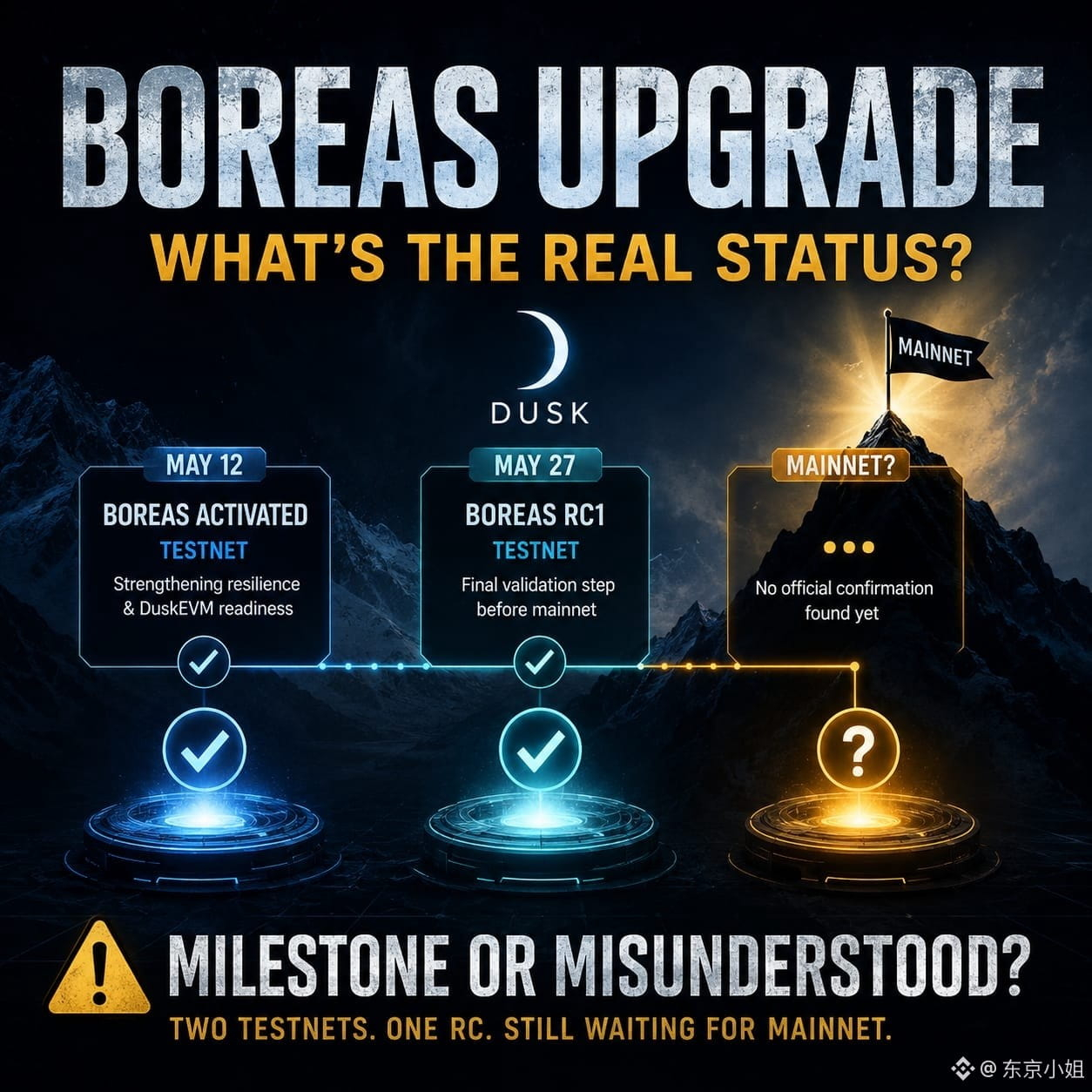
私は、ボレアスが実際にメインネットまで到達したのかどうかを確認しに行きました。大きなマイルストーンとして浮上していたので。すると代わりに、同じ名前のもとで2つの別々のテストネットイベントが、2週間おきに存在していました。そして正直、5月12日の時点で「それが全ての話だ」と思ってほぼ止めてしまいそうになったのですが。duskはテストネット上で5月12日にボレアスを有効化し、「レジリエンスの強化」と「Duskevm の準備」を目的にしていました。次に5月27日、「“boreas release candidate 1”」がテストネットで公開されており、メインネットの前に行う最終バリデーション手順だと明確に書かれていました。
つまり、5月12日の有効化は実際にはゴールではなく、より前の段階で、その後にそれとは別のチェックポイントがあるわけです。私は探しに行くまで、それがどこにも言及されていないのを見落としていました。それでも、リリース候補の後にボレアスがメインネットに到達したことを裏付ける発表は、今でも見つけられていません。
ハードフォークを段階的に進める手順として、テストネット→RC→メインネットにするのは普通のやり方で、プロセス自体に問題はありません。ただ、かなりのカバレッジが「boreas activated」を1つのきれいな出来事として扱っているのに対して、実際には少なくとも2つのテストネット段階があり、場合によってはまだ最後の段階を通過していない可能性がある、という点が気になっています。
5月27日以降、ボレアスはメインネットで実際に稼働を開始しているのでしょうか?それとも、そのリリース候補の段階がいまのところ最新の確認済みステップなのでしょうか? 🧐
#dusk $DUSK @Dusk_Foundation
私は、ボレアスが実際にメインネットまで到達したのかどうかを確認しに行きました。大きなマイルストーンとして浮上していたので。すると代わりに、同じ名前のもとで2つの別々のテストネットイベントが、2週間おきに存在していました。そして正直、5月12日の時点で「それが全ての話だ」と思ってほぼ止めてしまいそうになったのですが。duskはテストネット上で5月12日にボレアスを有効化し、「レジリエンスの強化」と「Duskevm の準備」を目的にしていました。次に5月27日、「“boreas release candidate 1”」がテストネットで公開されており、メインネットの前に行う最終バリデーション手順だと明確に書かれていました。
つまり、5月12日の有効化は実際にはゴールではなく、より前の段階で、その後にそれとは別のチェックポイントがあるわけです。私は探しに行くまで、それがどこにも言及されていないのを見落としていました。それでも、リリース候補の後にボレアスがメインネットに到達したことを裏付ける発表は、今でも見つけられていません。
ハードフォークを段階的に進める手順として、テストネット→RC→メインネットにするのは普通のやり方で、プロセス自体に問題はありません。ただ、かなりのカバレッジが「boreas activated」を1つのきれいな出来事として扱っているのに対して、実際には少なくとも2つのテストネット段階があり、場合によってはまだ最後の段階を通過していない可能性がある、という点が気になっています。
5月27日以降、ボレアスはメインネットで実際に稼働を開始しているのでしょうか?それとも、そのリリース候補の段階がいまのところ最新の確認済みステップなのでしょうか? 🧐
#dusk $DUSK @Dusk
つまり、5月12日の有効化は実際にはゴールではなく、より前の段階で、その後にそれとは別のチェックポイントがあるわけです。私は探しに行くまで、それがどこにも言及されていないのを見落としていました。それでも、リリース候補の後にボレアスがメインネットに到達したことを裏付ける発表は、今でも見つけられていません。
ハードフォークを段階的に進める手順として、テストネット→RC→メインネットにするのは普通のやり方で、プロセス自体に問題はありません。ただ、かなりのカバレッジが「boreas activated」を1つのきれいな出来事として扱っているのに対して、実際には少なくとも2つのテストネット段階があり、場合によってはまだ最後の段階を通過していない可能性がある、という点が気になっています。
5月27日以降、ボレアスはメインネットで実際に稼働を開始しているのでしょうか?それとも、そのリリース候補の段階がいまのところ最新の確認済みステップなのでしょうか? 🧐
#dusk $DUSK @Dusk
3
120
·
--
ブリッシュ
@Dusk_Foundation
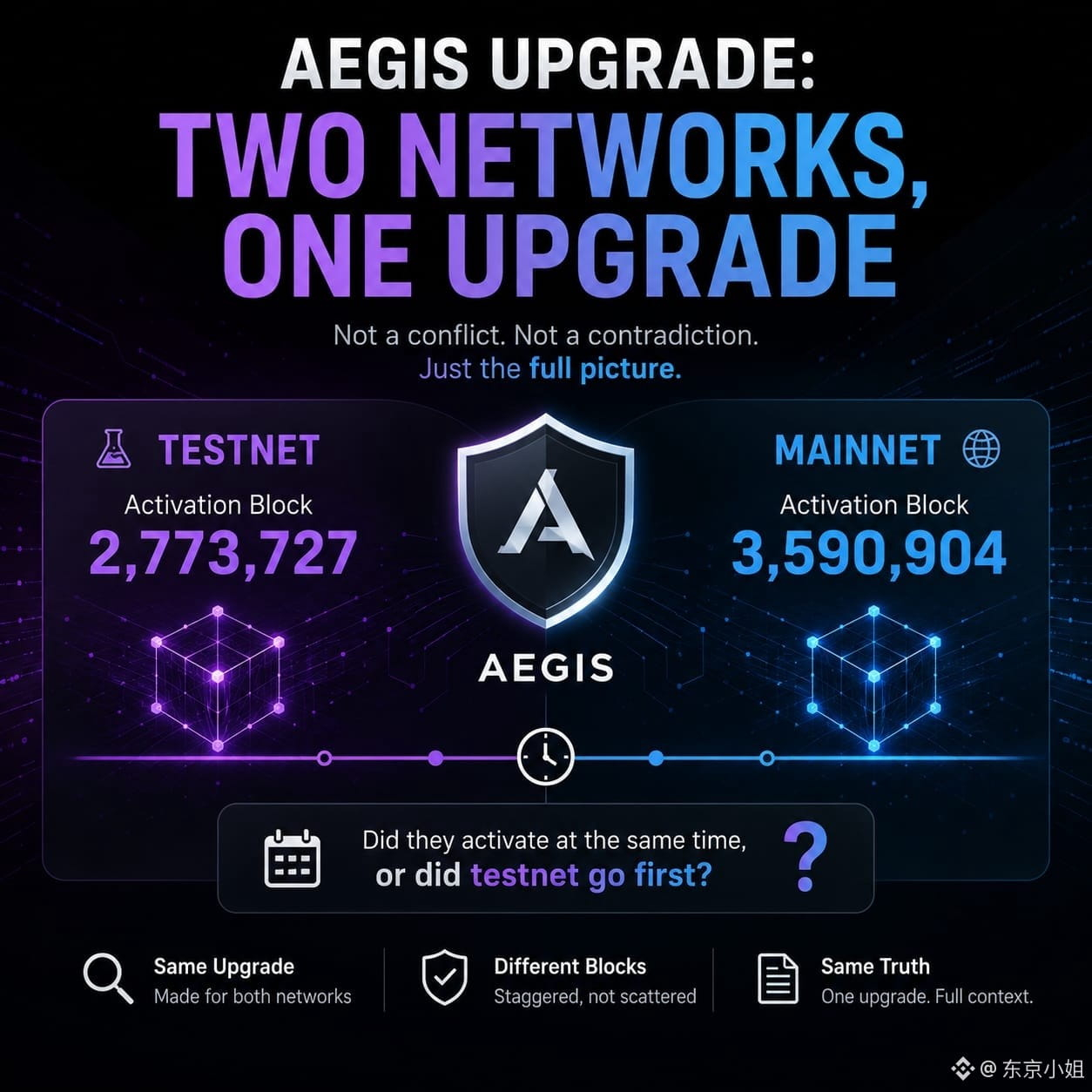
3月3日が主要なマイルストーンとして挙げられているのを受けて、エイジスのアップグレードが実際にどこまで影響していたのかを確認しに行きました。ですが、出典によって説明が食い違います——ある情報ではすべてのノードオペレーターに必須だと言い、別の情報ではテストネットのみの準備ステップだと呼んでいます。調べてみると、どちらも同じものの未完成なバージョンにすぎず、正直「どっちかが間違ってるだけだろう」と思いかけたところで、duskの実際のGitHubリポジトリを掘りました。彼らのruskリリースノートには、メインネットとテストネットそれぞれでのエイジス有効化(activation)のブロック高が別々に記載されていて、3,590,904と2,773,727です。つまり両方のネットワークで反映されたものの、同じブロック番号ではなかったということがわかります。
つまり、スコープの衝突があったわけではなく、カバーの抜け(ギャップ)があったんです。プレスがそれについて記事化する際に、「メインネットとテストネット、双方の有効化ブロック高はこれ」と書いたわけではなく、各記事が片方のネットワークだけを取り上げて、それで全部だと語ってしまった。
これはハードフォークの展開としてはかなり普通で、テストネットをメインネットと少しずらして段階的に適用するのも、その点に限れば特に不自然でも不気味でもありません。ただ、一次の情報としてはかなりシンプルだった二つのネットワークへのロールアウトが、二次報道を経るうちに、二つの競合する不完全な物語に押しつぶされてしまったことに、ちょっと注目する価値はあると思いました。
誰か、二つの有効化(activation)がウォールクロックの時間として揃っていたのか、あるいはテストネットの方がメインネットより先に有効化されたのか、分かる人いますか? 🧐
#dusk $DUSK
@Dusk
3月3日が主要なマイルストーンとして挙げられているのを受けて、エイジスのアップグレードが実際にどこまで影響していたのかを確認しに行きました。ですが、出典によって説明が食い違います——ある情報ではすべてのノードオペレーターに必須だと言い、別の情報ではテストネットのみの準備ステップだと呼んでいます。調べてみると、どちらも同じものの未完成なバージョンにすぎず、正直「どっちかが間違ってるだけだろう」と思いかけたところで、duskの実際のGitHubリポジトリを掘りました。彼らのruskリリースノートには、メインネットとテストネットそれぞれでのエイジス有効化(activation)のブロック高が別々に記載されていて、3,590,904と2,773,727です。つまり両方のネットワークで反映されたものの、同じブロック番号ではなかったということがわかります。
つまり、スコープの衝突があったわけではなく、カバーの抜け(ギャップ)があったんです。プレスがそれについて記事化する際に、「メインネットとテストネット、双方の有効化ブロック高はこれ」と書いたわけではなく、各記事が片方のネットワークだけを取り上げて、それで全部だと語ってしまった。
これはハードフォークの展開としてはかなり普通で、テストネットをメインネットと少しずらして段階的に適用するのも、その点に限れば特に不自然でも不気味でもありません。ただ、一次の情報としてはかなりシンプルだった二つのネットワークへのロールアウトが、二次報道を経るうちに、二つの競合する不完全な物語に押しつぶされてしまったことに、ちょっと注目する価値はあると思いました。
誰か、二つの有効化(activation)がウォールクロックの時間として揃っていたのか、あるいはテストネットの方がメインネットより先に有効化されたのか、分かる人いますか? 🧐
#dusk $DUSK
3月3日が主要なマイルストーンとして挙げられているのを受けて、エイジスのアップグレードが実際にどこまで影響していたのかを確認しに行きました。ですが、出典によって説明が食い違います——ある情報ではすべてのノードオペレーターに必須だと言い、別の情報ではテストネットのみの準備ステップだと呼んでいます。調べてみると、どちらも同じものの未完成なバージョンにすぎず、正直「どっちかが間違ってるだけだろう」と思いかけたところで、duskの実際のGitHubリポジトリを掘りました。彼らのruskリリースノートには、メインネットとテストネットそれぞれでのエイジス有効化(activation)のブロック高が別々に記載されていて、3,590,904と2,773,727です。つまり両方のネットワークで反映されたものの、同じブロック番号ではなかったということがわかります。
つまり、スコープの衝突があったわけではなく、カバーの抜け(ギャップ)があったんです。プレスがそれについて記事化する際に、「メインネットとテストネット、双方の有効化ブロック高はこれ」と書いたわけではなく、各記事が片方のネットワークだけを取り上げて、それで全部だと語ってしまった。
これはハードフォークの展開としてはかなり普通で、テストネットをメインネットと少しずらして段階的に適用するのも、その点に限れば特に不自然でも不気味でもありません。ただ、一次の情報としてはかなりシンプルだった二つのネットワークへのロールアウトが、二次報道を経るうちに、二つの競合する不完全な物語に押しつぶされてしまったことに、ちょっと注目する価値はあると思いました。
誰か、二つの有効化(activation)がウォールクロックの時間として揃っていたのか、あるいはテストネットの方がメインネットより先に有効化されたのか、分かる人いますか? 🧐
#dusk $DUSK
1
4
205
·
--
ブリッシュ
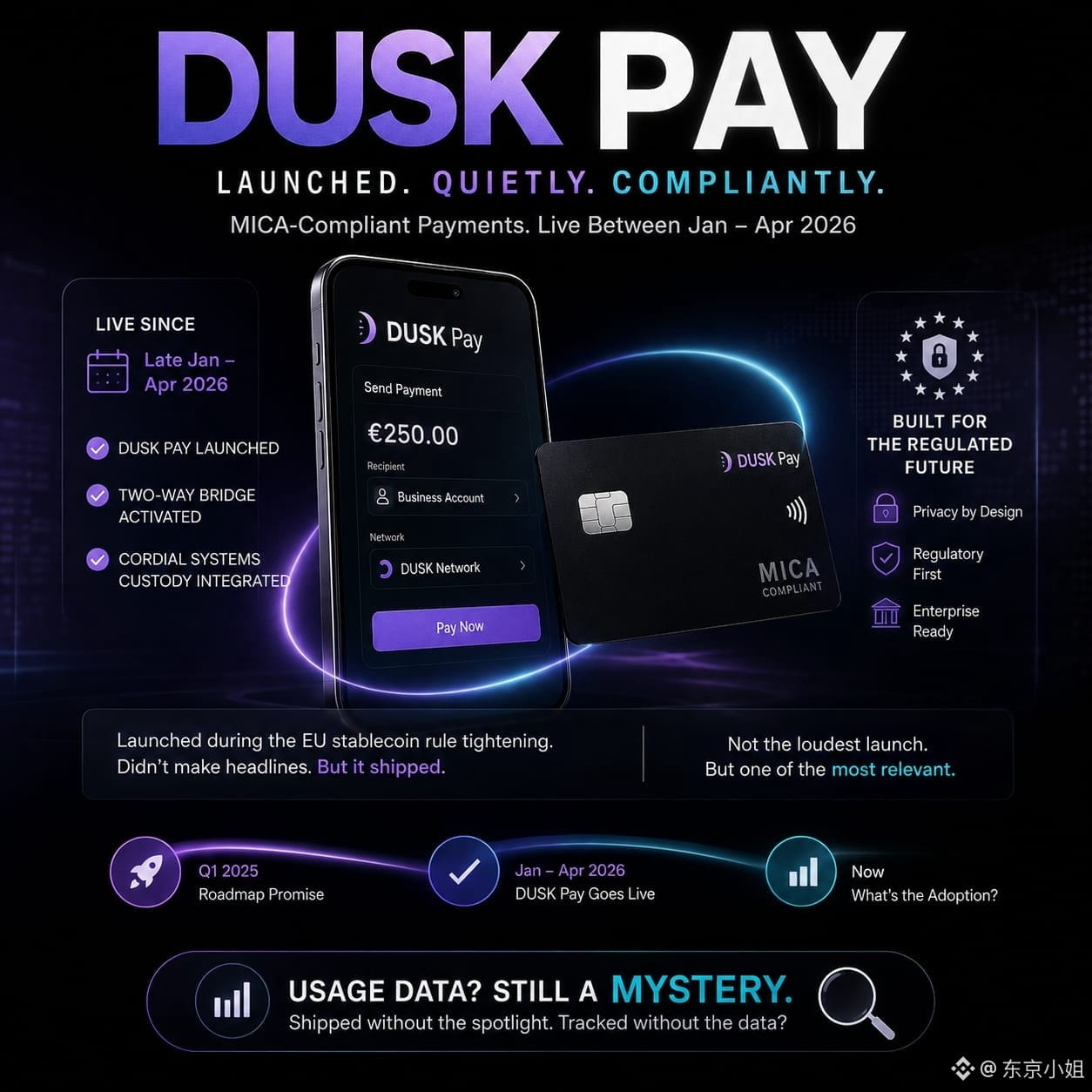
私は、本当に「ダスク・ペイ」がローンチされたのかどうかを確かめに行きました。というのも、2025年1月のロードマップではQ1のデリバラブルとして名前が挙がっていたのに、私が読んでいた2026年のほとんどの記述からは消えてしまったように見えたからです。すると結局、私が探している場所が違っただけでした――実際、5月2026の開発状況トラッキング記事で、「ダスク・ペイ」は今年の1月下旬から4月の間のどこかでローンチされた、と明確に書かれているのを見つけるまで、私は「一度も出荷されていないのでは」とほぼ結論づけてしまっていました。そこには、ツーウェイ・ブリッジのアクティベーションや、コーディアル・システムズのカストディ連携と同時期にローンチされた、とあります。
つまりローンチはされていました。ただし、ダスクEVMやNPEXのパートナーシップのような“見出し級”の報道はあまり付いていなかった、というだけです。これはそれ自体がポイントでもあります――EUのステーブルコイン規制が締め付けを強めていたまさにその期間中に、ミカ(MICA)準拠の決済プロダクトが上陸したのに、どこにもほとんど注目が集まらなかった一方で、より派手なアーキテクチャ発表のほうはいたるところで拾われていました。
私は、それが必ずしも悪いことだとは思いません。静かな出荷は、出荷に失敗していることと同じではありません。でも、このプロダクトは規制との関連が極めて強いので、「“duskevm is live(ダスクEVM稼働中)”」の見出しと「“dusk pay is live(ダスク・ペイ稼働中)”」の沈黙の間にある報道ギャップは、ダスク側の実行力というより、暗号メディアの優先順位を物語っているように見えます。
ローンチ後のダスク・ペイに関する実際の利用データはありますか?それとも、誰も導入状況を追跡していないまま出荷されたのでしょうか? 🧐
#dusk $DUSK @Dusk_Foundation
私は、本当に「ダスク・ペイ」がローンチされたのかどうかを確かめに行きました。というのも、2025年1月のロードマップではQ1のデリバラブルとして名前が挙がっていたのに、私が読んでいた2026年のほとんどの記述からは消えてしまったように見えたからです。すると結局、私が探している場所が違っただけでした――実際、5月2026の開発状況トラッキング記事で、「ダスク・ペイ」は今年の1月下旬から4月の間のどこかでローンチされた、と明確に書かれているのを見つけるまで、私は「一度も出荷されていないのでは」とほぼ結論づけてしまっていました。そこには、ツーウェイ・ブリッジのアクティベーションや、コーディアル・システムズのカストディ連携と同時期にローンチされた、とあります。
つまりローンチはされていました。ただし、ダスクEVMやNPEXのパートナーシップのような“見出し級”の報道はあまり付いていなかった、というだけです。これはそれ自体がポイントでもあります――EUのステーブルコイン規制が締め付けを強めていたまさにその期間中に、ミカ(MICA)準拠の決済プロダクトが上陸したのに、どこにもほとんど注目が集まらなかった一方で、より派手なアーキテクチャ発表のほうはいたるところで拾われていました。
私は、それが必ずしも悪いことだとは思いません。静かな出荷は、出荷に失敗していることと同じではありません。でも、このプロダクトは規制との関連が極めて強いので、「“duskevm is live(ダスクEVM稼働中)”」の見出しと「“dusk pay is live(ダスク・ペイ稼働中)”」の沈黙の間にある報道ギャップは、ダスク側の実行力というより、暗号メディアの優先順位を物語っているように見えます。
ローンチ後のダスク・ペイに関する実際の利用データはありますか?それとも、誰も導入状況を追跡していないまま出荷されたのでしょうか? 🧐
#dusk $DUSK @Dusk
つまりローンチはされていました。ただし、ダスクEVMやNPEXのパートナーシップのような“見出し級”の報道はあまり付いていなかった、というだけです。これはそれ自体がポイントでもあります――EUのステーブルコイン規制が締め付けを強めていたまさにその期間中に、ミカ(MICA)準拠の決済プロダクトが上陸したのに、どこにもほとんど注目が集まらなかった一方で、より派手なアーキテクチャ発表のほうはいたるところで拾われていました。
私は、それが必ずしも悪いことだとは思いません。静かな出荷は、出荷に失敗していることと同じではありません。でも、このプロダクトは規制との関連が極めて強いので、「“duskevm is live(ダスクEVM稼働中)”」の見出しと「“dusk pay is live(ダスク・ペイ稼働中)”」の沈黙の間にある報道ギャップは、ダスク側の実行力というより、暗号メディアの優先順位を物語っているように見えます。
ローンチ後のダスク・ペイに関する実際の利用データはありますか?それとも、誰も導入状況を追跡していないまま出荷されたのでしょうか? 🧐
#dusk $DUSK @Dusk
2
102
·
--
ブリッシュ
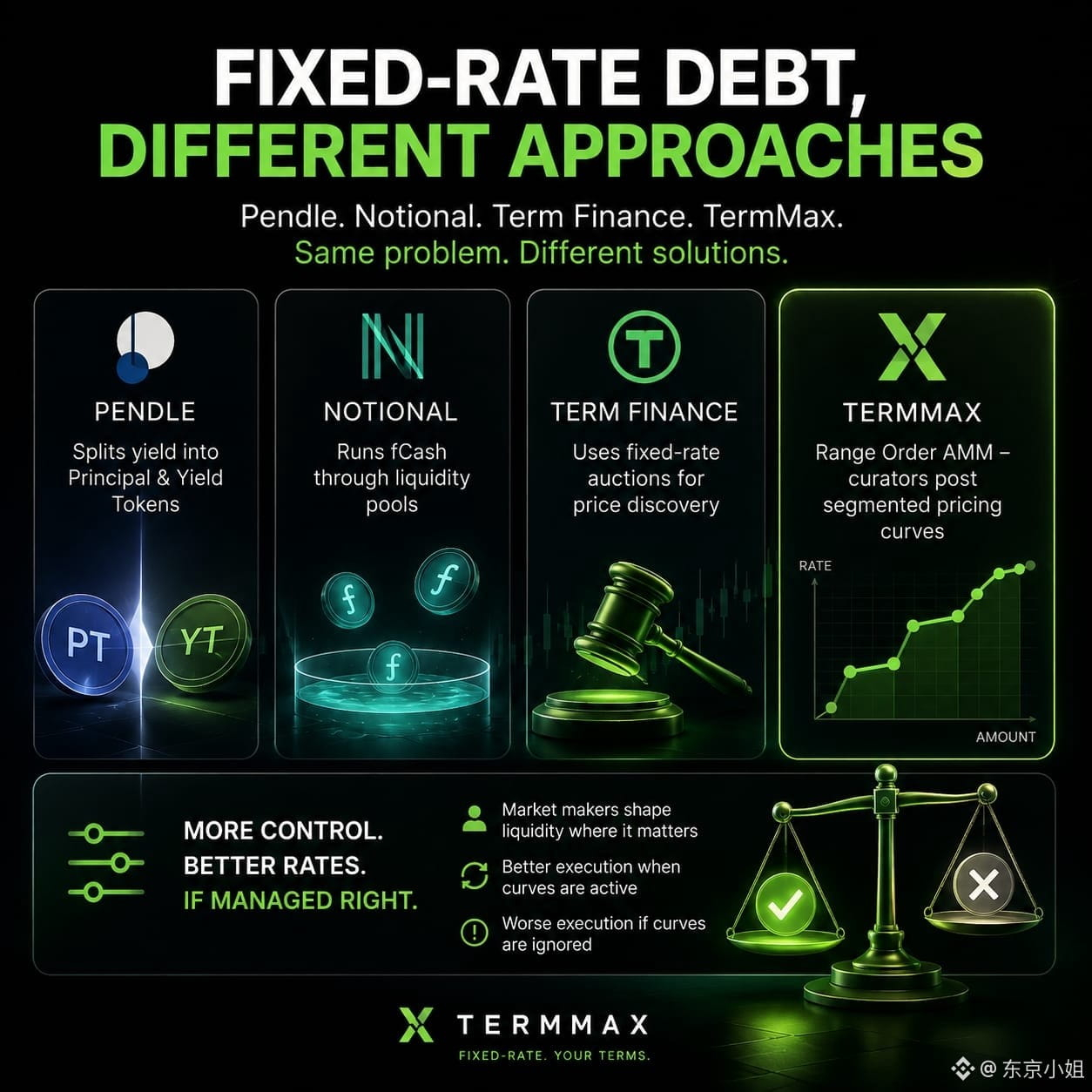
termmaxのニッチは固定金利のトークン化債務で、しかもそこには実は単独ではありません——pendle、notional、term financeも、さまざまな角度から同じ問題を巡っています。pendleは利回りを生む資産を元本トークンと利回りトークンに分割します。notionalは流動性プールを通じてfcashを回します。termmax自身の解決策は、レンジオーダーAMMで、カリュレータ(キュレーター)が分割された価格カーブを提示し、借り手と貸し手がそれを直接照合してマッチさせます。
その特定のアプローチがオークション型や純粋な利回り分割モデルよりも適している理由について行ったり来たり考えたのですが、結局のところ「コントロール」に行き着くと思います——レンジオーダーの設定者は、単に約定価格を受け入れるだけでなく、流動性がカーブ上のどこに位置するかを正確に形作れます。これはマーケットメーカーにとってより手触りのある設計で、良い面も悪い面もあります:誰かがきちんとカーブを管理しているならより良いレートが得られる一方で、状況が変わっても誰も更新しないならレートは悪くなります。
実際にpendleとtermmaxで同じ取引サイズを並べて実行比較し、リアルな執行を確かめたわけではないので、これはバックテスト済みの結論ではなく構造的な読み取りです 📐
#termmax @termmax
termmaxのニッチは固定金利のトークン化債務で、しかもそこには実は単独ではありません——pendle、notional、term financeも、さまざまな角度から同じ問題を巡っています。pendleは利回りを生む資産を元本トークンと利回りトークンに分割します。notionalは流動性プールを通じてfcashを回します。termmax自身の解決策は、レンジオーダーAMMで、カリュレータ(キュレーター)が分割された価格カーブを提示し、借り手と貸し手がそれを直接照合してマッチさせます。
その特定のアプローチがオークション型や純粋な利回り分割モデルよりも適している理由について行ったり来たり考えたのですが、結局のところ「コントロール」に行き着くと思います——レンジオーダーの設定者は、単に約定価格を受け入れるだけでなく、流動性がカーブ上のどこに位置するかを正確に形作れます。これはマーケットメーカーにとってより手触りのある設計で、良い面も悪い面もあります:誰かがきちんとカーブを管理しているならより良いレートが得られる一方で、状況が変わっても誰も更新しないならレートは悪くなります。
実際にpendleとtermmaxで同じ取引サイズを並べて実行比較し、リアルな執行を確かめたわけではないので、これはバックテスト済みの結論ではなく構造的な読み取りです 📐
#termmax @TermMax
その特定のアプローチがオークション型や純粋な利回り分割モデルよりも適している理由について行ったり来たり考えたのですが、結局のところ「コントロール」に行き着くと思います——レンジオーダーの設定者は、単に約定価格を受け入れるだけでなく、流動性がカーブ上のどこに位置するかを正確に形作れます。これはマーケットメーカーにとってより手触りのある設計で、良い面も悪い面もあります:誰かがきちんとカーブを管理しているならより良いレートが得られる一方で、状況が変わっても誰も更新しないならレートは悪くなります。
実際にpendleとtermmaxで同じ取引サイズを並べて実行比較し、リアルな執行を確かめたわけではないので、これはバックテスト済みの結論ではなく構造的な読み取りです 📐
#termmax @TermMax
2
4
186
·
--
ブリッシュ
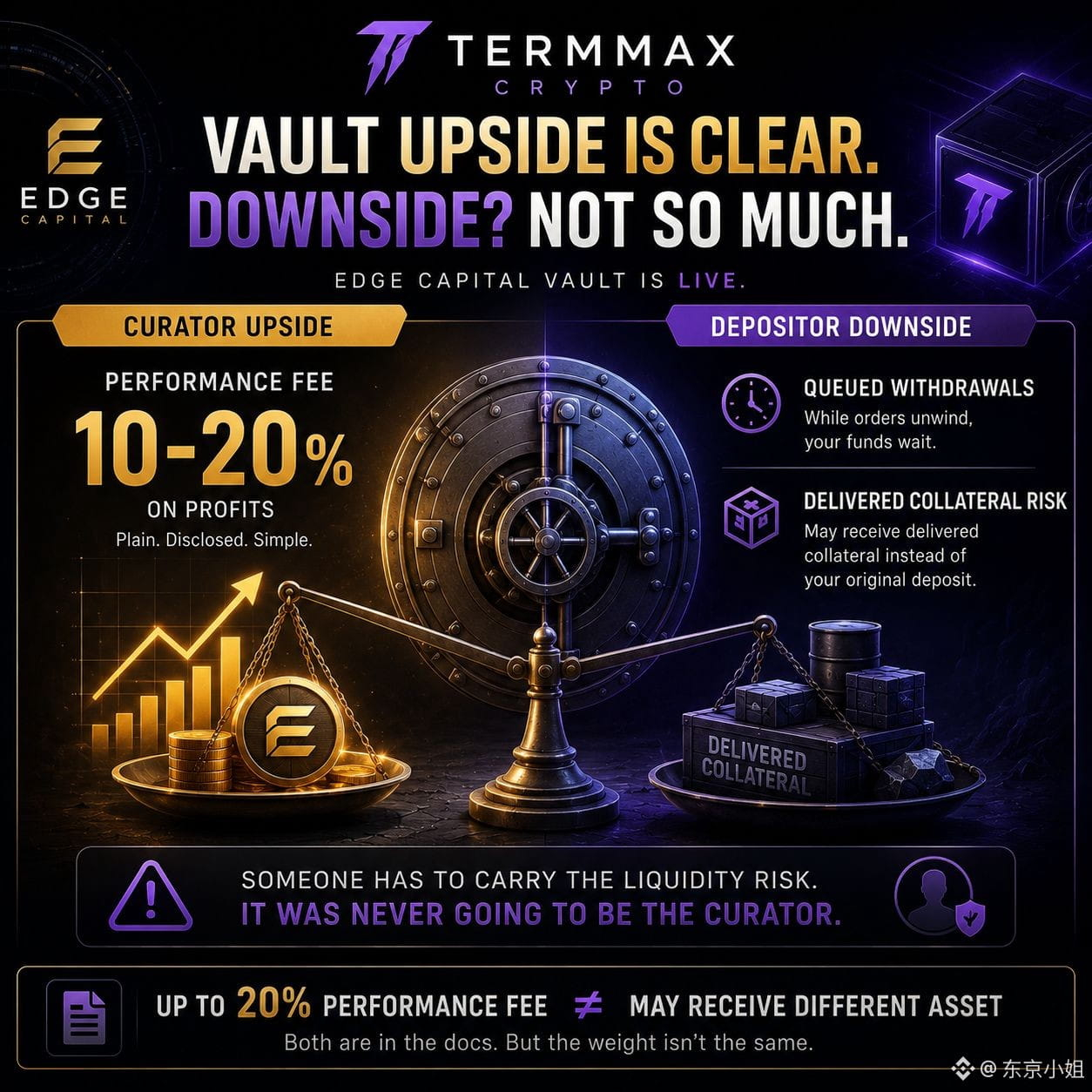
edge capitalのヴォルトは今まさに稼働中で、開示のギャップが出てくるまさにこういう構成こそがそれです。キュレーターは、ヴォルトが生み出す利益のうち10〜20%を、パフォーマンスフィーとして得ます。これはヴォルトの仕組みを説明するドキュメントに、ただそのまま、はっきりと明記されています。同じようにその明確さで示されていないのが——実際には、ほとんどと言っていいほど見えてこないのが——そのようなヴォルトが荒れた局面に突入したとき、預け手が実際にどのようなエクスポージャーを負うのかという点です。注文がほどける間のキュー(待ち行列)での払い戻し待ちなのか、あるいは市場が物理的なデリバリーを経由する場合には、最初に投入した負債トークンではなく、デリバリーされた担保を保有する形になってしまうのか。
つまり、キュレーターの上振れは、明確に開示された割合です。預け手の下振れは、待ち行列の順番であり、場合によっては預けたものとは別の資産になります。これをスキャンダルだとは言いません。アクティブに運用されるヴォルトでは流動性リスクを誰かが負う必要があり、それは運用している本人になるはずがないからです。ですが、「最大20%のパフォーマンスフィー」と「預けたものの代わりにデリバリーされた担保を受け取る可能性」が、同じドキュメントの同じセクション内で1段落違いに並んでいるのに、対称的に読めるとは思えないんです。
プロの運用のための公正な取引なのか、それとも(DeFiであろうとなかろうと)あらゆるヴォルトの構造が結局はこういう形に落ち着くのか、正直どちらとも言い切れず悩んでいます 🤷
#termmax @termmax
edge capitalのヴォルトは今まさに稼働中で、開示のギャップが出てくるまさにこういう構成こそがそれです。キュレーターは、ヴォルトが生み出す利益のうち10〜20%を、パフォーマンスフィーとして得ます。これはヴォルトの仕組みを説明するドキュメントに、ただそのまま、はっきりと明記されています。同じようにその明確さで示されていないのが——実際には、ほとんどと言っていいほど見えてこないのが——そのようなヴォルトが荒れた局面に突入したとき、預け手が実際にどのようなエクスポージャーを負うのかという点です。注文がほどける間のキュー(待ち行列)での払い戻し待ちなのか、あるいは市場が物理的なデリバリーを経由する場合には、最初に投入した負債トークンではなく、デリバリーされた担保を保有する形になってしまうのか。
つまり、キュレーターの上振れは、明確に開示された割合です。預け手の下振れは、待ち行列の順番であり、場合によっては預けたものとは別の資産になります。これをスキャンダルだとは言いません。アクティブに運用されるヴォルトでは流動性リスクを誰かが負う必要があり、それは運用している本人になるはずがないからです。ですが、「最大20%のパフォーマンスフィー」と「預けたものの代わりにデリバリーされた担保を受け取る可能性」が、同じドキュメントの同じセクション内で1段落違いに並んでいるのに、対称的に読めるとは思えないんです。
プロの運用のための公正な取引なのか、それとも(DeFiであろうとなかろうと)あらゆるヴォルトの構造が結局はこういう形に落ち着くのか、正直どちらとも言い切れず悩んでいます 🤷
#termmax @TermMax
つまり、キュレーターの上振れは、明確に開示された割合です。預け手の下振れは、待ち行列の順番であり、場合によっては預けたものとは別の資産になります。これをスキャンダルだとは言いません。アクティブに運用されるヴォルトでは流動性リスクを誰かが負う必要があり、それは運用している本人になるはずがないからです。ですが、「最大20%のパフォーマンスフィー」と「預けたものの代わりにデリバリーされた担保を受け取る可能性」が、同じドキュメントの同じセクション内で1段落違いに並んでいるのに、対称的に読めるとは思えないんです。
プロの運用のための公正な取引なのか、それとも(DeFiであろうとなかろうと)あらゆるヴォルトの構造が結局はこういう形に落ち着くのか、正直どちらとも言い切れず悩んでいます 🤷
#termmax @TermMax
1
156
·
--
ブリッシュ
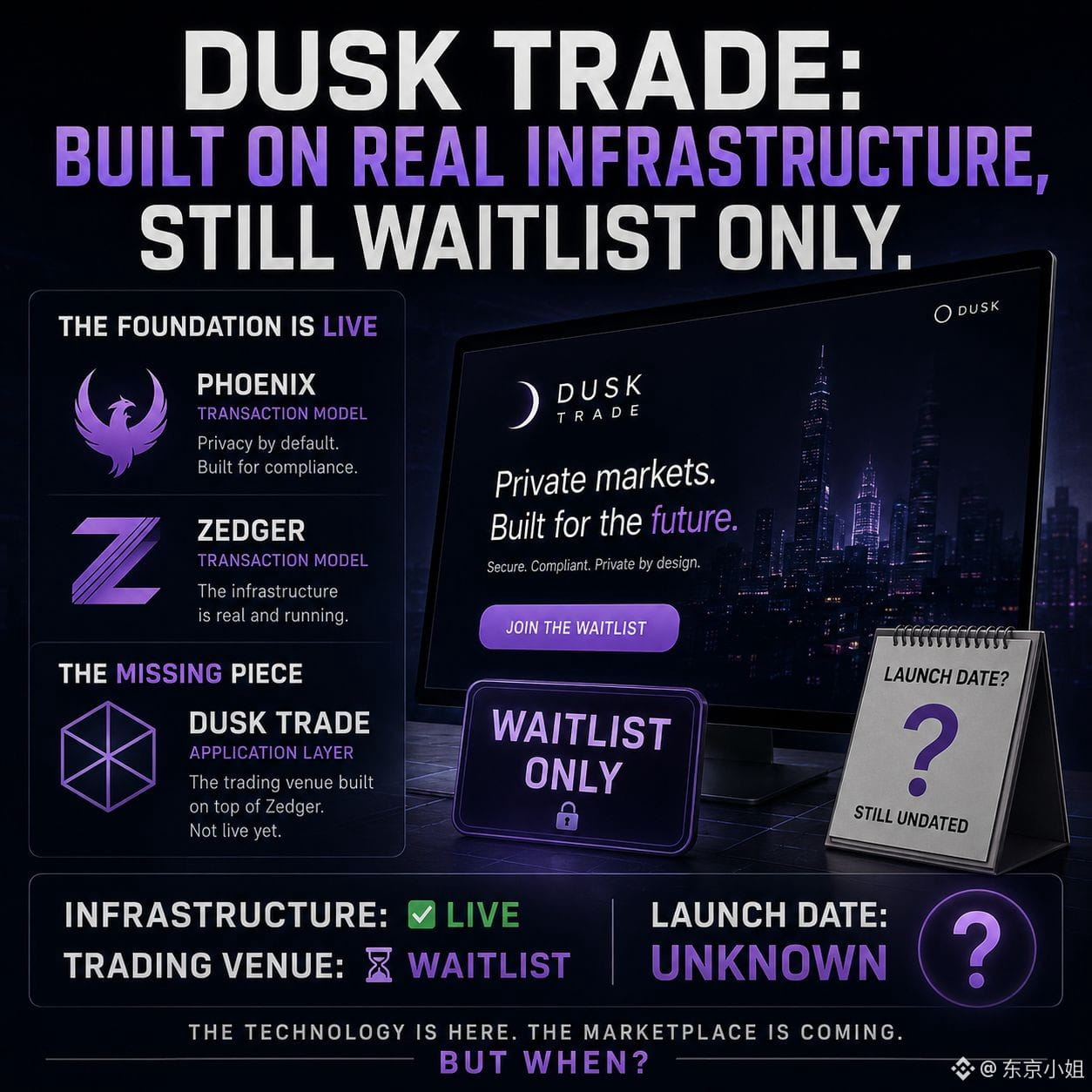
人々がいまだに「ライブ・インフラ」だと挙げているので、ゼッドガーの様子を見に行ったんだ。実際、まだそうなんだ――dusk自身の現在のドキュメントでは、利用可能な2つのトランザクション・モデルとして、phoenixとzedgerが挙げられている。だから「いつの間にか静かに消えてしまった」と思った最初の推測は間違いだった。
ただ、現実にあるのはdusk tradeのほうだ。そこは、その上に乗ってトークン化された資産をユーザーが実際に取引できる場を提供するはずのアプリケーション層だった。trade.dusk.networkを直接確認したところ、いまも待機リスト(waitlist)専用だ。ページ上のCTA(行動喚起)は「join the waitlist(待機リストに参加しよう)」という一文だけになっている。
最初に考えていたギャップとは別のものだし、正直なところ、もっと具体的なギャップだ――メインネット移行後のロードマップの最終フェーズでは、「full zedger(完全なzedger)」、つまり完全に稼働する資産発行、清算、決済が約束されていて、それはduskの2025年ビジョンの一部として位置づけられていた。土台となるトランザクション・モデルは存在する。でも、それを使って作られた実際の取引の場はまだプレローンチで、待機リストのページ自体には、開始時期の見通しがまったく表示されていない。
dusk tradeには、どこかに実際のローンチ日が紐づけられているのか、それとも日付なしの待機リスト段階のままなのか、誰か知っている? 🧐
#dusk $DUSK @Dusk_Foundation
人々がいまだに「ライブ・インフラ」だと挙げているので、ゼッドガーの様子を見に行ったんだ。実際、まだそうなんだ――dusk自身の現在のドキュメントでは、利用可能な2つのトランザクション・モデルとして、phoenixとzedgerが挙げられている。だから「いつの間にか静かに消えてしまった」と思った最初の推測は間違いだった。
ただ、現実にあるのはdusk tradeのほうだ。そこは、その上に乗ってトークン化された資産をユーザーが実際に取引できる場を提供するはずのアプリケーション層だった。trade.dusk.networkを直接確認したところ、いまも待機リスト(waitlist)専用だ。ページ上のCTA(行動喚起)は「join the waitlist(待機リストに参加しよう)」という一文だけになっている。
最初に考えていたギャップとは別のものだし、正直なところ、もっと具体的なギャップだ――メインネット移行後のロードマップの最終フェーズでは、「full zedger(完全なzedger)」、つまり完全に稼働する資産発行、清算、決済が約束されていて、それはduskの2025年ビジョンの一部として位置づけられていた。土台となるトランザクション・モデルは存在する。でも、それを使って作られた実際の取引の場はまだプレローンチで、待機リストのページ自体には、開始時期の見通しがまったく表示されていない。
dusk tradeには、どこかに実際のローンチ日が紐づけられているのか、それとも日付なしの待機リスト段階のままなのか、誰か知っている? 🧐
#dusk $DUSK @Dusk
ただ、現実にあるのはdusk tradeのほうだ。そこは、その上に乗ってトークン化された資産をユーザーが実際に取引できる場を提供するはずのアプリケーション層だった。trade.dusk.networkを直接確認したところ、いまも待機リスト(waitlist)専用だ。ページ上のCTA(行動喚起)は「join the waitlist(待機リストに参加しよう)」という一文だけになっている。
最初に考えていたギャップとは別のものだし、正直なところ、もっと具体的なギャップだ――メインネット移行後のロードマップの最終フェーズでは、「full zedger(完全なzedger)」、つまり完全に稼働する資産発行、清算、決済が約束されていて、それはduskの2025年ビジョンの一部として位置づけられていた。土台となるトランザクション・モデルは存在する。でも、それを使って作られた実際の取引の場はまだプレローンチで、待機リストのページ自体には、開始時期の見通しがまったく表示されていない。
dusk tradeには、どこかに実際のローンチ日が紐づけられているのか、それとも日付なしの待機リスト段階のままなのか、誰か知っている? 🧐
#dusk $DUSK @Dusk
1
112
·
--
ブリッシュ
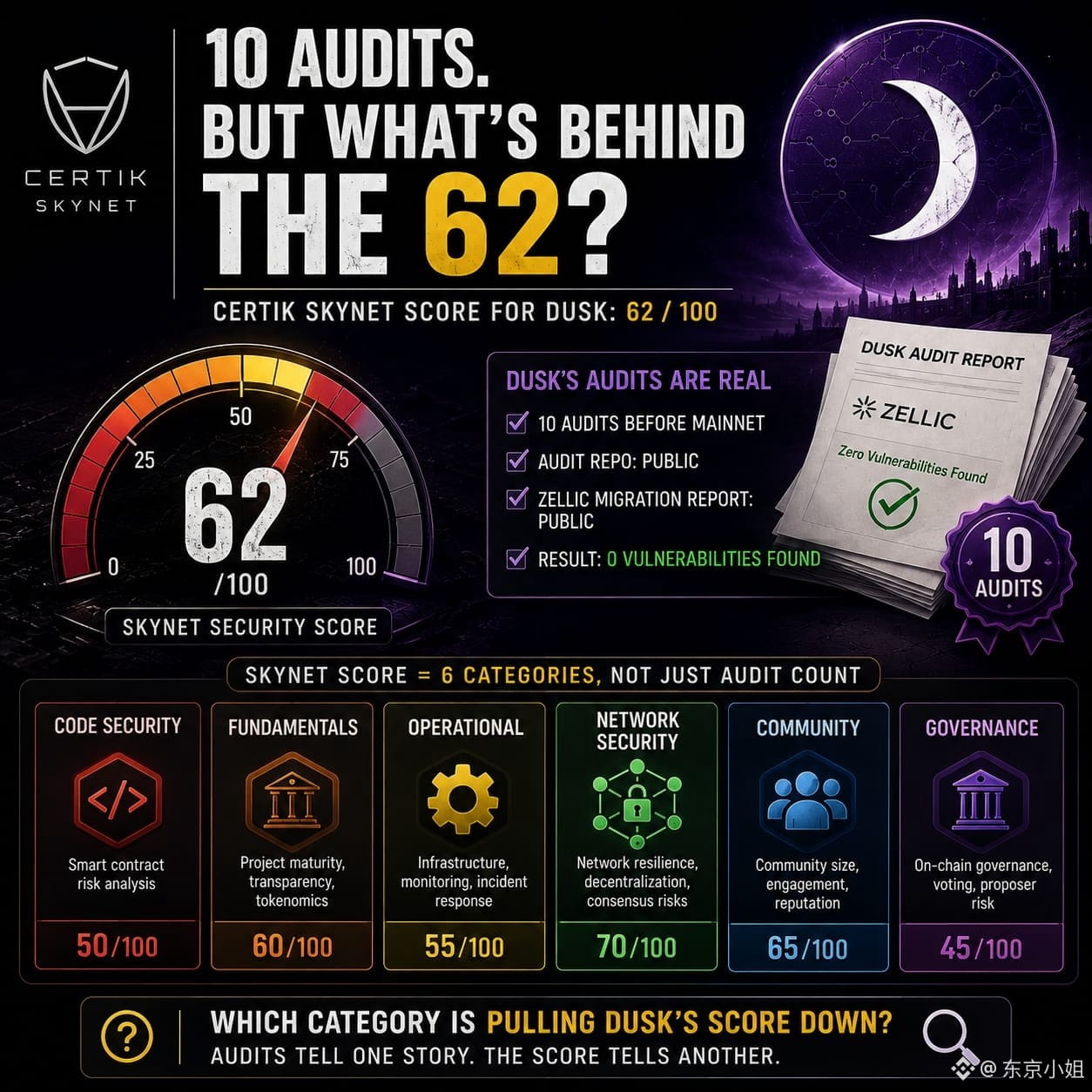
私は、彼らが「メインネット前に10回の監査を実施する」とかなり強く打ち出しているので、duskのサードパーティ向けセキュリティスコアを確認しに行きました。その結果、CertikのSkynetスコアは100点満点中62点でした。私はこの数字が監査回数とおおむね連動しているだろうと思っていましたが、セキュリティスコアは基本的に監査の件数をそのまま集計したものだと決めつけていたため、Certikの手法(メソドロジー)ページを一度立ち止まって読み直さなければなりませんでした。実際には、監査件数の単純な合算ではなく、6つの別々のカテゴリをまとめてブレンドしたものです。
監査そのものは実在します。dusk自身の監査リポジトリとZellicの移行コントラクト報告書はいずれも公開されており、そこにゼロの脆弱性しか見つかっていません。つまり、個々の監査の内容が疑わしいわけではありません。問題は、「クリーンな監査報告書の束」と「単一の複合的な信頼スコア」が、それぞれ別の問いに答えているのに、マーケティングの文面では両者を同じもののように扱うことがある点です。実際は同一ではありません。
公平のために言うと、duskのこの段階にあるl1に対して、Skynetスコアの「良い」という基準がどう見えるのかの明確なベンチマークを私は持っていません。そのため、62点が悪いとは断言できません。ただし、監査履歴だけから見ると、なぜ62なのかがはっきり説明されているわけではない、ということです。
では、Skynetの6つのカテゴリのうち、duskに関してこの数字を実際に押し下げているのはどれなのでしょうか? 🧐
#dusk $DUSK @Dusk_Foundation
{future}(DUSKUSDT)
私は、彼らが「メインネット前に10回の監査を実施する」とかなり強く打ち出しているので、duskのサードパーティ向けセキュリティスコアを確認しに行きました。その結果、CertikのSkynetスコアは100点満点中62点でした。私はこの数字が監査回数とおおむね連動しているだろうと思っていましたが、セキュリティスコアは基本的に監査の件数をそのまま集計したものだと決めつけていたため、Certikの手法(メソドロジー)ページを一度立ち止まって読み直さなければなりませんでした。実際には、監査件数の単純な合算ではなく、6つの別々のカテゴリをまとめてブレンドしたものです。
監査そのものは実在します。dusk自身の監査リポジトリとZellicの移行コントラクト報告書はいずれも公開されており、そこにゼロの脆弱性しか見つかっていません。つまり、個々の監査の内容が疑わしいわけではありません。問題は、「クリーンな監査報告書の束」と「単一の複合的な信頼スコア」が、それぞれ別の問いに答えているのに、マーケティングの文面では両者を同じもののように扱うことがある点です。実際は同一ではありません。
公平のために言うと、duskのこの段階にあるl1に対して、Skynetスコアの「良い」という基準がどう見えるのかの明確なベンチマークを私は持っていません。そのため、62点が悪いとは断言できません。ただし、監査履歴だけから見ると、なぜ62なのかがはっきり説明されているわけではない、ということです。
では、Skynetの6つのカテゴリのうち、duskに関してこの数字を実際に押し下げているのはどれなのでしょうか? 🧐
#dusk $DUSK @Dusk
監査そのものは実在します。dusk自身の監査リポジトリとZellicの移行コントラクト報告書はいずれも公開されており、そこにゼロの脆弱性しか見つかっていません。つまり、個々の監査の内容が疑わしいわけではありません。問題は、「クリーンな監査報告書の束」と「単一の複合的な信頼スコア」が、それぞれ別の問いに答えているのに、マーケティングの文面では両者を同じもののように扱うことがある点です。実際は同一ではありません。
公平のために言うと、duskのこの段階にあるl1に対して、Skynetスコアの「良い」という基準がどう見えるのかの明確なベンチマークを私は持っていません。そのため、62点が悪いとは断言できません。ただし、監査履歴だけから見ると、なぜ62なのかがはっきり説明されているわけではない、ということです。
では、Skynetの6つのカテゴリのうち、duskに関してこの数字を実際に押し下げているのはどれなのでしょうか? 🧐
#dusk $DUSK @Dusk
1
1
122
·
--
ブリッシュ
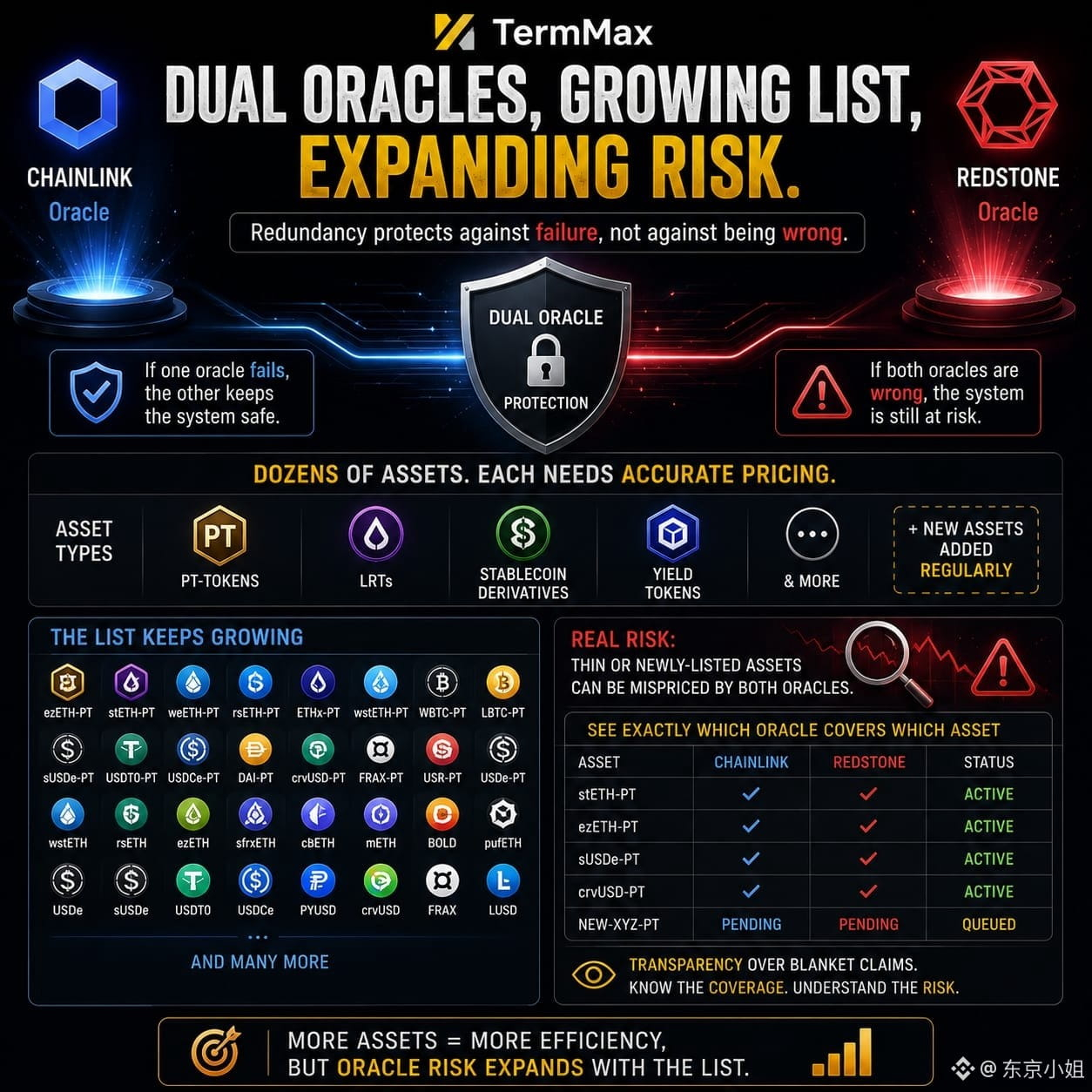
termmax はデュアル・オラクル(chainlink と redstone)を使い、ドキュメントでは「単一フィードが失敗した場合の保護」を目的としていると説明しています。まあ確かにそうです。ですが、彼らのドキュメントにある実際のオラクル資産リストを見ると、いまは個別の pt-token、lрт(LRT)、そしてステーブルコインの派生物が何十種類も並んでいて、それぞれに独自の価格フィードを正しく設定する必要があります。しかも、新しいものはかなりの頻度で追加されています。
つまり——実際のリスクはデュアル・オラクル設計そのものではなく、冗長性によって「1つのフィードが落ちたとき」は守られるものの、「両方のフィードが、薄くて新規に上場された資産について同時に誤っている」場合には守られないことです。より多くの担保タイプは資本効率にとって良い、というのは理解できます。ですがそれは、オラクルのリスク節が固定ではなく、新しい資産がホワイトリストに追加されるたびに拡大していくということでもあります。
私にとって実際に解決するのは、どの“特定のプロバイダ”が“どの特定の資産”をカバーしているかが、どこかに明示されているのを見ることです。「chainlink と redstone」という一括りの包括的な一行ではなく 🔍
#termmax @termmax
termmax はデュアル・オラクル(chainlink と redstone)を使い、ドキュメントでは「単一フィードが失敗した場合の保護」を目的としていると説明しています。まあ確かにそうです。ですが、彼らのドキュメントにある実際のオラクル資産リストを見ると、いまは個別の pt-token、lрт(LRT)、そしてステーブルコインの派生物が何十種類も並んでいて、それぞれに独自の価格フィードを正しく設定する必要があります。しかも、新しいものはかなりの頻度で追加されています。
つまり——実際のリスクはデュアル・オラクル設計そのものではなく、冗長性によって「1つのフィードが落ちたとき」は守られるものの、「両方のフィードが、薄くて新規に上場された資産について同時に誤っている」場合には守られないことです。より多くの担保タイプは資本効率にとって良い、というのは理解できます。ですがそれは、オラクルのリスク節が固定ではなく、新しい資産がホワイトリストに追加されるたびに拡大していくということでもあります。
私にとって実際に解決するのは、どの“特定のプロバイダ”が“どの特定の資産”をカバーしているかが、どこかに明示されているのを見ることです。「chainlink と redstone」という一括りの包括的な一行ではなく 🔍
#termmax @TermMax
つまり——実際のリスクはデュアル・オラクル設計そのものではなく、冗長性によって「1つのフィードが落ちたとき」は守られるものの、「両方のフィードが、薄くて新規に上場された資産について同時に誤っている」場合には守られないことです。より多くの担保タイプは資本効率にとって良い、というのは理解できます。ですがそれは、オラクルのリスク節が固定ではなく、新しい資産がホワイトリストに追加されるたびに拡大していくということでもあります。
私にとって実際に解決するのは、どの“特定のプロバイダ”が“どの特定の資産”をカバーしているかが、どこかに明示されているのを見ることです。「chainlink と redstone」という一括りの包括的な一行ではなく 🔍
#termmax @TermMax
110
·
--
ブリッシュ
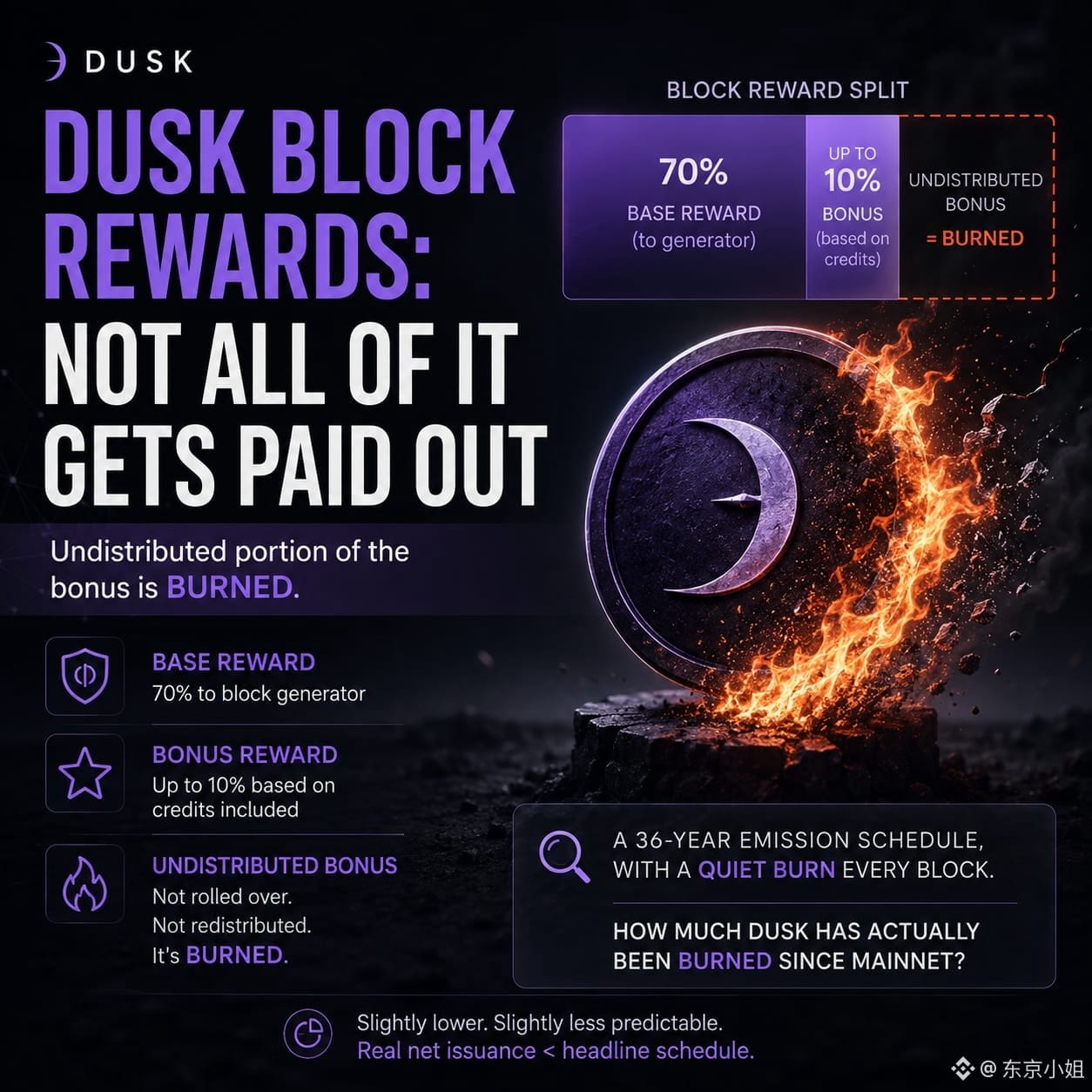
夕暮れの「ブロック報酬」が実際にどう分配されているか見に行ったら、前に気づいていなかった焼却(burn)メカニクスがありました。ブロックジェネレーターは基本70%に加えて、証明書(certificate)に含まれるクレジットの量に応じて最大さらに10%上乗せされます――ただし、その追加10%のうち配られなかった部分は繰り越されたり再分配されたりせず、ただ焼却されます。なので「undistributed(未配分)」が次のブロックのプールにそのまま持ち越される意味だと勝手に思い込んでいたため、該当の文をもう一度読み直しました。
つまり、参加の質に関係なく報酬プール全体が支払われることが多いPoSチェーンとは違って、Duskはブロックごとに、ジェネレーターの証明書がどれだけ完璧か次第で、静かに限界的に(marginalに)デフレ方向に働きます。36年にわたる半減期ベースの発行スケジュールを走らせているチェーンでも、実行の質に応じてもう一方で少量が焼却されますが、それが実際の純供給(net-supply)要因としてどこかで明確に整理されているのを私は見たことがありません。
それはブロックあたりの小さな割合です。供給カーブが大きく変わると言っているわけではありません。でも「36-year emission schedule(36年の発行スケジュール)」は予測可能で積み上げ型のカーブを示唆しますし、この焼却メカニクスのせいで、実際の純発行(net issuance)はヘッドラインのスケジュールが示すよりも少しだけ低く、そして少しだけ予測しづらくなります。
メインネット以降、この方法でDuskが実際にどれくらい焼却されたか追跡している人はいますか?それとも、その数値はどこにも公開されていないのでしょうか? 🧐#dusk $DUSK @Dusk_Foundation
夕暮れの「ブロック報酬」が実際にどう分配されているか見に行ったら、前に気づいていなかった焼却(burn)メカニクスがありました。ブロックジェネレーターは基本70%に加えて、証明書(certificate)に含まれるクレジットの量に応じて最大さらに10%上乗せされます――ただし、その追加10%のうち配られなかった部分は繰り越されたり再分配されたりせず、ただ焼却されます。なので「undistributed(未配分)」が次のブロックのプールにそのまま持ち越される意味だと勝手に思い込んでいたため、該当の文をもう一度読み直しました。
つまり、参加の質に関係なく報酬プール全体が支払われることが多いPoSチェーンとは違って、Duskはブロックごとに、ジェネレーターの証明書がどれだけ完璧か次第で、静かに限界的に(marginalに)デフレ方向に働きます。36年にわたる半減期ベースの発行スケジュールを走らせているチェーンでも、実行の質に応じてもう一方で少量が焼却されますが、それが実際の純供給(net-supply)要因としてどこかで明確に整理されているのを私は見たことがありません。
それはブロックあたりの小さな割合です。供給カーブが大きく変わると言っているわけではありません。でも「36-year emission schedule(36年の発行スケジュール)」は予測可能で積み上げ型のカーブを示唆しますし、この焼却メカニクスのせいで、実際の純発行(net issuance)はヘッドラインのスケジュールが示すよりも少しだけ低く、そして少しだけ予測しづらくなります。
メインネット以降、この方法でDuskが実際にどれくらい焼却されたか追跡している人はいますか?それとも、その数値はどこにも公開されていないのでしょうか? 🧐#dusk $DUSK @Dusk
つまり、参加の質に関係なく報酬プール全体が支払われることが多いPoSチェーンとは違って、Duskはブロックごとに、ジェネレーターの証明書がどれだけ完璧か次第で、静かに限界的に(marginalに)デフレ方向に働きます。36年にわたる半減期ベースの発行スケジュールを走らせているチェーンでも、実行の質に応じてもう一方で少量が焼却されますが、それが実際の純供給(net-supply)要因としてどこかで明確に整理されているのを私は見たことがありません。
それはブロックあたりの小さな割合です。供給カーブが大きく変わると言っているわけではありません。でも「36-year emission schedule(36年の発行スケジュール)」は予測可能で積み上げ型のカーブを示唆しますし、この焼却メカニクスのせいで、実際の純発行(net issuance)はヘッドラインのスケジュールが示すよりも少しだけ低く、そして少しだけ予測しづらくなります。
メインネット以降、この方法でDuskが実際にどれくらい焼却されたか追跡している人はいますか?それとも、その数値はどこにも公開されていないのでしょうか? 🧐#dusk $DUSK @Dusk
1
1
102
·
--
ブリッシュ
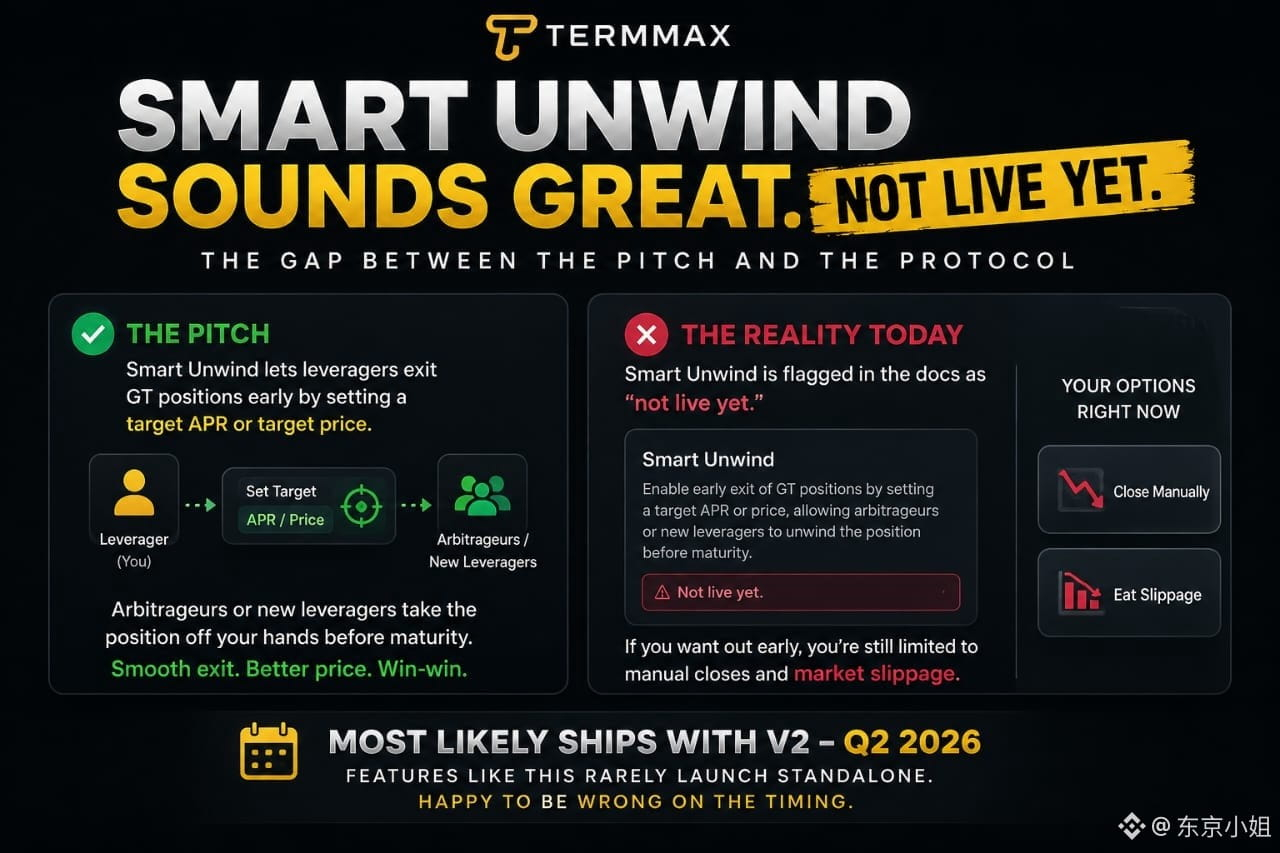
レルマックスが「すでに動いているかのように」言及している特徴的な機能があって、それが—スマートアンワインド(Smart unwind)。これは、ターゲットAPRまたはターゲット価格を設定することで、レバレッジ保有者がGTポジションから早期に離脱できる手段として位置づけられており、アービトラージャーや新規のレバレッジ保有者が満期前にあなたの代わりにそのポジションを引き取れる、という仕組みです。紙の上では素晴らしいですね。ですが、実際のドキュメントページを見ると、下の方に「まだライブではありません("not live yet.")」と1行だけフラグが立っています。
つまり現時点では、もしレバレッジをかけていて早く抜けたいのなら、この機能が発表される前から存在していたのと同じ選択肢に縛られます。手動でクローズするだけで、市場が差し出すスリッページをそのまま食らうことになります。先に話題にして持ち上げる理由がわかるのも事実です。チームはv2への期待を高めるために、こういうことを事前にやりがちです。ただ、それでもなお、メッセージが示唆している「今日できること」と、実際のコントラクトが現実に許している「今日できること」の間には確かなギャップがあります。
私の実際の読みでは、これはq2 2026のv2ロールアウトの他の要素と一緒に出てくるもので、v2の前ではなく、後でもそれほど間をおかずに出る、ということです。こういう機能が単独でローンチされることはめったにありません。タイミングについては間違っている可能性もありますが、私ならそこに賭けます 🎯
#termmax @termmax
レルマックスが「すでに動いているかのように」言及している特徴的な機能があって、それが—スマートアンワインド(Smart unwind)。これは、ターゲットAPRまたはターゲット価格を設定することで、レバレッジ保有者がGTポジションから早期に離脱できる手段として位置づけられており、アービトラージャーや新規のレバレッジ保有者が満期前にあなたの代わりにそのポジションを引き取れる、という仕組みです。紙の上では素晴らしいですね。ですが、実際のドキュメントページを見ると、下の方に「まだライブではありません("not live yet.")」と1行だけフラグが立っています。
つまり現時点では、もしレバレッジをかけていて早く抜けたいのなら、この機能が発表される前から存在していたのと同じ選択肢に縛られます。手動でクローズするだけで、市場が差し出すスリッページをそのまま食らうことになります。先に話題にして持ち上げる理由がわかるのも事実です。チームはv2への期待を高めるために、こういうことを事前にやりがちです。ただ、それでもなお、メッセージが示唆している「今日できること」と、実際のコントラクトが現実に許している「今日できること」の間には確かなギャップがあります。
私の実際の読みでは、これはq2 2026のv2ロールアウトの他の要素と一緒に出てくるもので、v2の前ではなく、後でもそれほど間をおかずに出る、ということです。こういう機能が単独でローンチされることはめったにありません。タイミングについては間違っている可能性もありますが、私ならそこに賭けます 🎯
#termmax @TermMax
つまり現時点では、もしレバレッジをかけていて早く抜けたいのなら、この機能が発表される前から存在していたのと同じ選択肢に縛られます。手動でクローズするだけで、市場が差し出すスリッページをそのまま食らうことになります。先に話題にして持ち上げる理由がわかるのも事実です。チームはv2への期待を高めるために、こういうことを事前にやりがちです。ただ、それでもなお、メッセージが示唆している「今日できること」と、実際のコントラクトが現実に許している「今日できること」の間には確かなギャップがあります。
私の実際の読みでは、これはq2 2026のv2ロールアウトの他の要素と一緒に出てくるもので、v2の前ではなく、後でもそれほど間をおかずに出る、ということです。こういう機能が単独でローンチされることはめったにありません。タイミングについては間違っている可能性もありますが、私ならそこに賭けます 🎯
#termmax @TermMax
2
1
131
·
--
ブリッシュ
keyrockとhardcoded labはどちらも現在ライブのvaultを稼働させています。そして、termmaxがアイドル(未使用)資本をどう扱うかについて、誰も実際に話していないような細かい点があります。借りられていないレンディングの注文資本は、自動的にaave、morpho、またはvenusへルーティングされるので、ただ死んだまま置かれているわけではありません。正直に言うと、スマートなトレジャリーの判断です。
ただし、それは「固定金利」という売り文句が、資金がマッチングされるまでの間ずっと、実際には変動金利プロトコルの上に静かに依存していることを意味します。これは欠陥だと言いたいわけではなく、usdcをゼロ金利のまま稼働させるより明らかに良い選択だと思いますが……とはいえ、今は2人のアクティブなキュレーターが戦略を運用している状況なので、彼らが宣伝しているAPYのうち、実際にマッチされた固定金利レンディングから来ている部分がどれくらいで、どれだけがこの変動金利レイヤーが忙しくない日の稼働を支えているのかが分かりません📊
誰かがこの内訳のスプリットを、実際にどこかで分解して見たことはありますか?
#termmax @termmax
keyrockとhardcoded labはどちらも現在ライブのvaultを稼働させています。そして、termmaxがアイドル(未使用)資本をどう扱うかについて、誰も実際に話していないような細かい点があります。借りられていないレンディングの注文資本は、自動的にaave、morpho、またはvenusへルーティングされるので、ただ死んだまま置かれているわけではありません。正直に言うと、スマートなトレジャリーの判断です。
ただし、それは「固定金利」という売り文句が、資金がマッチングされるまでの間ずっと、実際には変動金利プロトコルの上に静かに依存していることを意味します。これは欠陥だと言いたいわけではなく、usdcをゼロ金利のまま稼働させるより明らかに良い選択だと思いますが……とはいえ、今は2人のアクティブなキュレーターが戦略を運用している状況なので、彼らが宣伝しているAPYのうち、実際にマッチされた固定金利レンディングから来ている部分がどれくらいで、どれだけがこの変動金利レイヤーが忙しくない日の稼働を支えているのかが分かりません📊
誰かがこの内訳のスプリットを、実際にどこかで分解して見たことはありますか?
#termmax @TermMax
ただし、それは「固定金利」という売り文句が、資金がマッチングされるまでの間ずっと、実際には変動金利プロトコルの上に静かに依存していることを意味します。これは欠陥だと言いたいわけではなく、usdcをゼロ金利のまま稼働させるより明らかに良い選択だと思いますが……とはいえ、今は2人のアクティブなキュレーターが戦略を運用している状況なので、彼らが宣伝しているAPYのうち、実際にマッチされた固定金利レンディングから来ている部分がどれくらいで、どれだけがこの変動金利レイヤーが忙しくない日の稼働を支えているのかが分かりません📊
誰かがこの内訳のスプリットを、実際にどこかで分解して見たことはありますか?
#termmax @TermMax

1
1
186
·
--
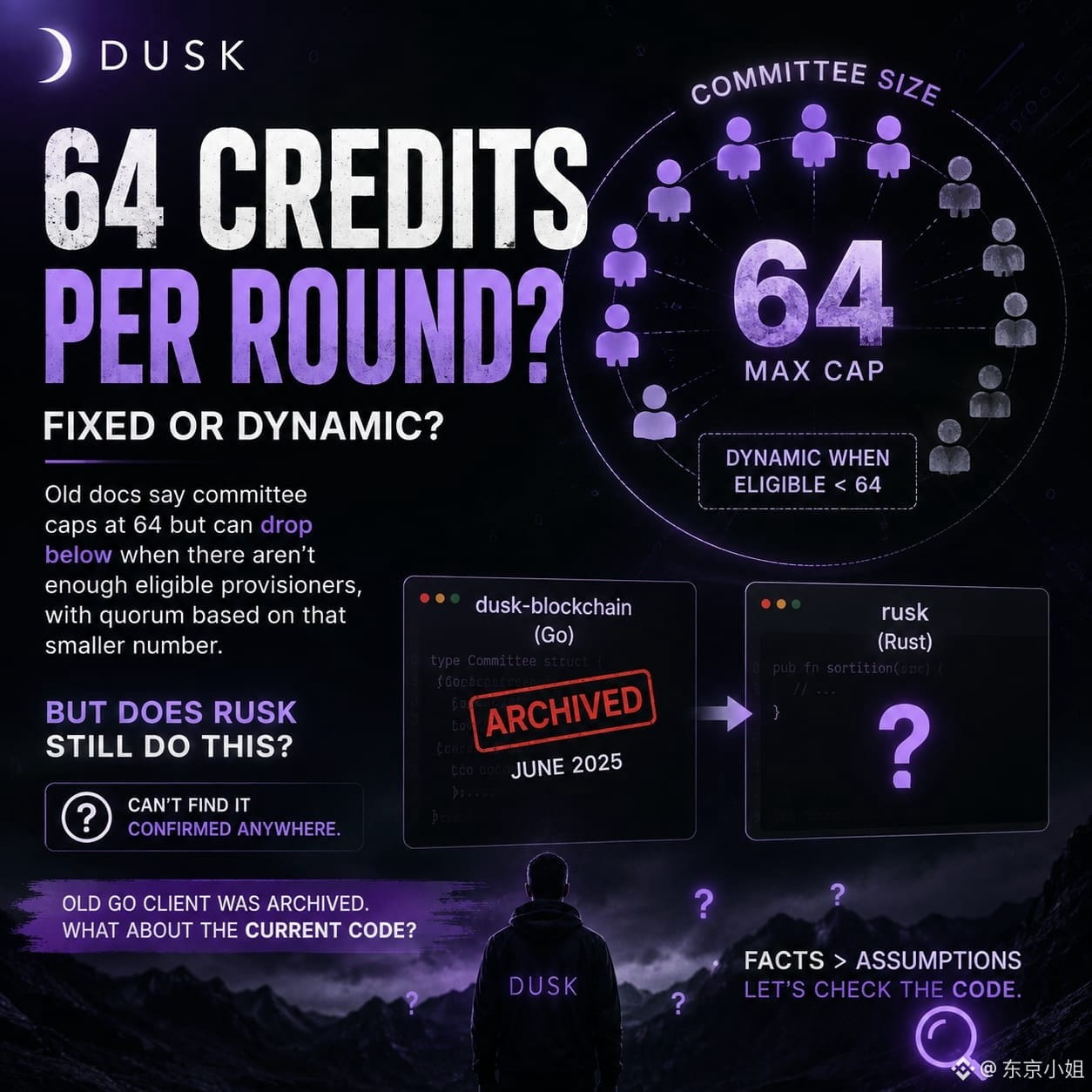
@Dusk_Foundation 夕暮れ(dusk)の委員会サイズが実際にどう動いているのかを掘り下げてみました。「1ラウンドにつき64 credits」がどこでも固定値のように繰り返されているので。すると、別の挙動を説明するGitHubのissueを見つけました。委員会サイズは上限が64ですが、資格のある提供者(provisioners)が足りない場合はそれ未満まで下がり、その(より小さい)人数を基にクォーラムが計算される、というものです。
ただし、そのissueがどのコードベースに対して出されたのか確認しに行ったところ、それはdusk-blockchainで、古いGolangクライアントに対するもので、さらにそのチーム自身によって2025年6月にアーカイブされていました。
つまり、これはメインネット以前の実装における記録された挙動であって、今実行されているものと必ずしも同じとは限りません。……いや、もう少し正確に言うと、必ずしも違うと断言できるわけでもなく、どちらにしても確証が取れないのです。メインネットはruskで、完全なRustへの書き換えです。このソーティション(sortition)のロジックが同じように引き継がれたのか、それとも途中で再設計されたのかは、確認できませんでした。
このネットワークは公開ドキュメントが非常に深いのに、妙にピンポイントな空白があるのが不思議です。歴史的な挙動は実在して追跡可能ですが、私が見つけた限りでは、現行のライブコードベースでそれを裏付ける(肯定も否定もする)ものがありません。
誰かが実際に、現在のruskのソーティションコードでこれを確認したことはありますか?それとも皆、まだ真実だと思い込んだまま、古いGoクライアントの挙動を単に繰り返しているだけなのでしょうか? 🧐
#dusk $DUSK
@Dusk 夕暮れ(dusk)の委員会サイズが実際にどう動いているのかを掘り下げてみました。「1ラウンドにつき64 credits」がどこでも固定値のように繰り返されているので。すると、別の挙動を説明するGitHubのissueを見つけました。委員会サイズは上限が64ですが、資格のある提供者(provisioners)が足りない場合はそれ未満まで下がり、その(より小さい)人数を基にクォーラムが計算される、というものです。
ただし、そのissueがどのコードベースに対して出されたのか確認しに行ったところ、それはdusk-blockchainで、古いGolangクライアントに対するもので、さらにそのチーム自身によって2025年6月にアーカイブされていました。
つまり、これはメインネット以前の実装における記録された挙動であって、今実行されているものと必ずしも同じとは限りません。……いや、もう少し正確に言うと、必ずしも違うと断言できるわけでもなく、どちらにしても確証が取れないのです。メインネットはruskで、完全なRustへの書き換えです。このソーティション(sortition)のロジックが同じように引き継がれたのか、それとも途中で再設計されたのかは、確認できませんでした。
このネットワークは公開ドキュメントが非常に深いのに、妙にピンポイントな空白があるのが不思議です。歴史的な挙動は実在して追跡可能ですが、私が見つけた限りでは、現行のライブコードベースでそれを裏付ける(肯定も否定もする)ものがありません。
誰かが実際に、現在のruskのソーティションコードでこれを確認したことはありますか?それとも皆、まだ真実だと思い込んだまま、古いGoクライアントの挙動を単に繰り返しているだけなのでしょうか? 🧐
#dusk $DUSK
ただし、そのissueがどのコードベースに対して出されたのか確認しに行ったところ、それはdusk-blockchainで、古いGolangクライアントに対するもので、さらにそのチーム自身によって2025年6月にアーカイブされていました。
つまり、これはメインネット以前の実装における記録された挙動であって、今実行されているものと必ずしも同じとは限りません。……いや、もう少し正確に言うと、必ずしも違うと断言できるわけでもなく、どちらにしても確証が取れないのです。メインネットはruskで、完全なRustへの書き換えです。このソーティション(sortition)のロジックが同じように引き継がれたのか、それとも途中で再設計されたのかは、確認できませんでした。
このネットワークは公開ドキュメントが非常に深いのに、妙にピンポイントな空白があるのが不思議です。歴史的な挙動は実在して追跡可能ですが、私が見つけた限りでは、現行のライブコードベースでそれを裏付ける(肯定も否定もする)ものがありません。
誰かが実際に、現在のruskのソーティションコードでこれを確認したことはありますか?それとも皆、まだ真実だと思い込んだまま、古いGoクライアントの挙動を単に繰り返しているだけなのでしょうか? 🧐
#dusk $DUSK
7
4
162
·
--
ブリッシュ
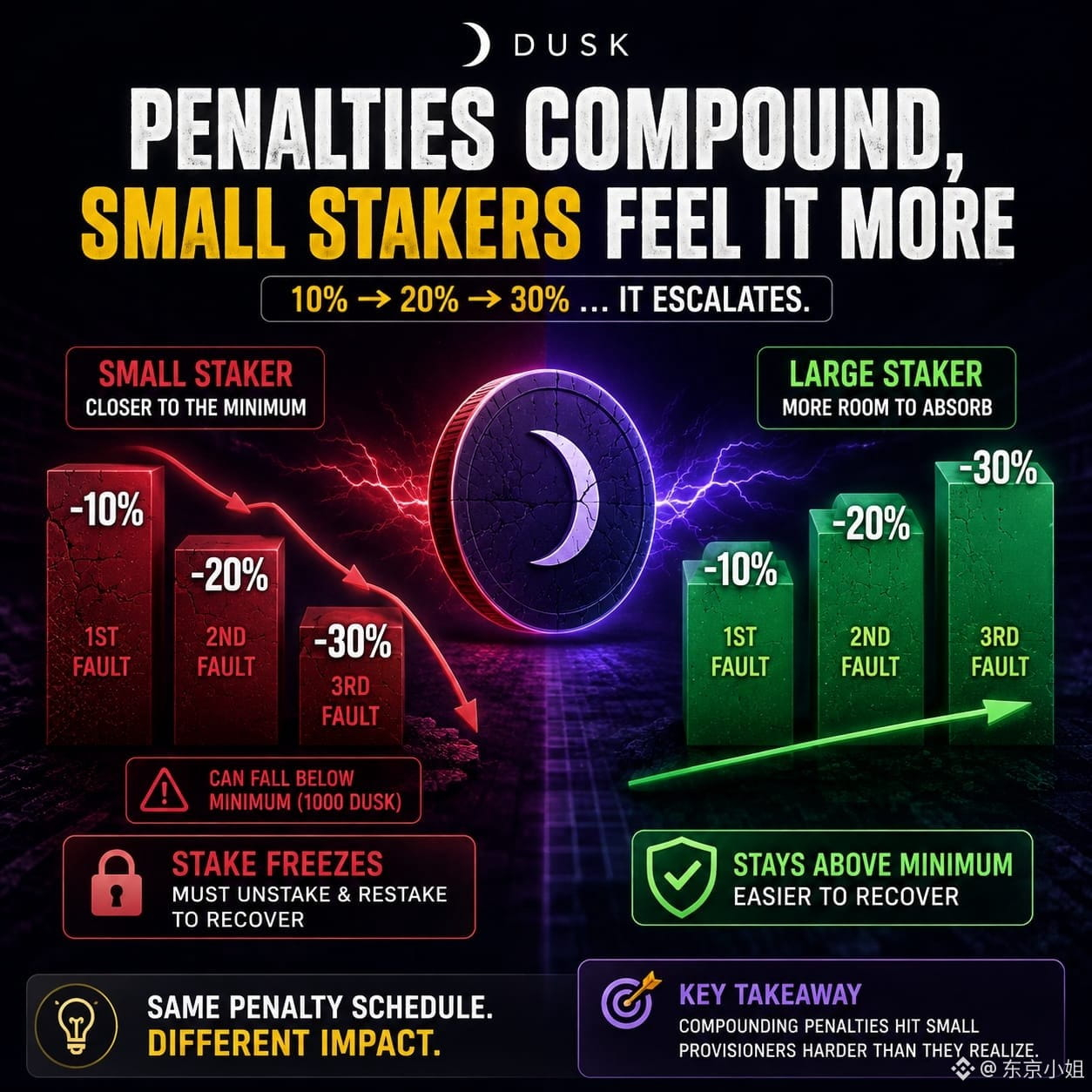
duskのエンジニアリングアップデートにあるペナルティの記述を読んでいて、割合が実際には複利で積み上がることに気づきました。最初のサスペンションはステークの10%で、次は20%、その次は30%…と毎回上がっていきます。これはフラットではなく、段階的にエスカレートします。
つまり、Duskの最低1000をかなりギリギリの水準で運用しているプロビジョナーは、より大きいプロビジョナーより回復の余地がずっと少ないということです。2回か3回連続の不具合で、小さめのステーカーは最低ラインを完全に下回ってしまう可能性があり、その時点でドキュメントでは、ステークが凍結され、完全にアンステークしてから再ステークしないと戻れない(=サスペンション期間を待つだけではなく、実際のリセット)とされています。
一方で、大きなプロビジョナーが同じ10-20-30%のシーケンスを食らっても、総ステークに比べればほとんど気になりません。だから、悪い振る舞いを同じように罰するための同じペナルティスケジュールが、小さなバリデータほど強く打撃を受ける結果になってしまいます。しかも私は「10%ずつ増える」が、何らかのフラットな繰り返しで10%が再適用されるだけだと勝手に思い込んでしまっていたかもしれないと思い、実際に割合の箇所を2回読み直しました。
どこかに、小さめのプロビジョナーが誤ってこのリセットサイクルに追い込まれないようにするための、最低ステークのバッファ(余裕分)は推奨されていますか? 🧐
#dusk $DUSK @Dusk_Foundation
{spot}(DUSKUSDT)
duskのエンジニアリングアップデートにあるペナルティの記述を読んでいて、割合が実際には複利で積み上がることに気づきました。最初のサスペンションはステークの10%で、次は20%、その次は30%…と毎回上がっていきます。これはフラットではなく、段階的にエスカレートします。
つまり、Duskの最低1000をかなりギリギリの水準で運用しているプロビジョナーは、より大きいプロビジョナーより回復の余地がずっと少ないということです。2回か3回連続の不具合で、小さめのステーカーは最低ラインを完全に下回ってしまう可能性があり、その時点でドキュメントでは、ステークが凍結され、完全にアンステークしてから再ステークしないと戻れない(=サスペンション期間を待つだけではなく、実際のリセット)とされています。
一方で、大きなプロビジョナーが同じ10-20-30%のシーケンスを食らっても、総ステークに比べればほとんど気になりません。だから、悪い振る舞いを同じように罰するための同じペナルティスケジュールが、小さなバリデータほど強く打撃を受ける結果になってしまいます。しかも私は「10%ずつ増える」が、何らかのフラットな繰り返しで10%が再適用されるだけだと勝手に思い込んでしまっていたかもしれないと思い、実際に割合の箇所を2回読み直しました。
どこかに、小さめのプロビジョナーが誤ってこのリセットサイクルに追い込まれないようにするための、最低ステークのバッファ(余裕分)は推奨されていますか? 🧐
#dusk $DUSK @Dusk
つまり、Duskの最低1000をかなりギリギリの水準で運用しているプロビジョナーは、より大きいプロビジョナーより回復の余地がずっと少ないということです。2回か3回連続の不具合で、小さめのステーカーは最低ラインを完全に下回ってしまう可能性があり、その時点でドキュメントでは、ステークが凍結され、完全にアンステークしてから再ステークしないと戻れない(=サスペンション期間を待つだけではなく、実際のリセット)とされています。
一方で、大きなプロビジョナーが同じ10-20-30%のシーケンスを食らっても、総ステークに比べればほとんど気になりません。だから、悪い振る舞いを同じように罰するための同じペナルティスケジュールが、小さなバリデータほど強く打撃を受ける結果になってしまいます。しかも私は「10%ずつ増える」が、何らかのフラットな繰り返しで10%が再適用されるだけだと勝手に思い込んでしまっていたかもしれないと思い、実際に割合の箇所を2回読み直しました。
どこかに、小さめのプロビジョナーが誤ってこのリセットサイクルに追い込まれないようにするための、最低ステークのバッファ(余裕分)は推奨されていますか? 🧐
#dusk $DUSK @Dusk
1
2
152
·
--
@Dusk_Foundation
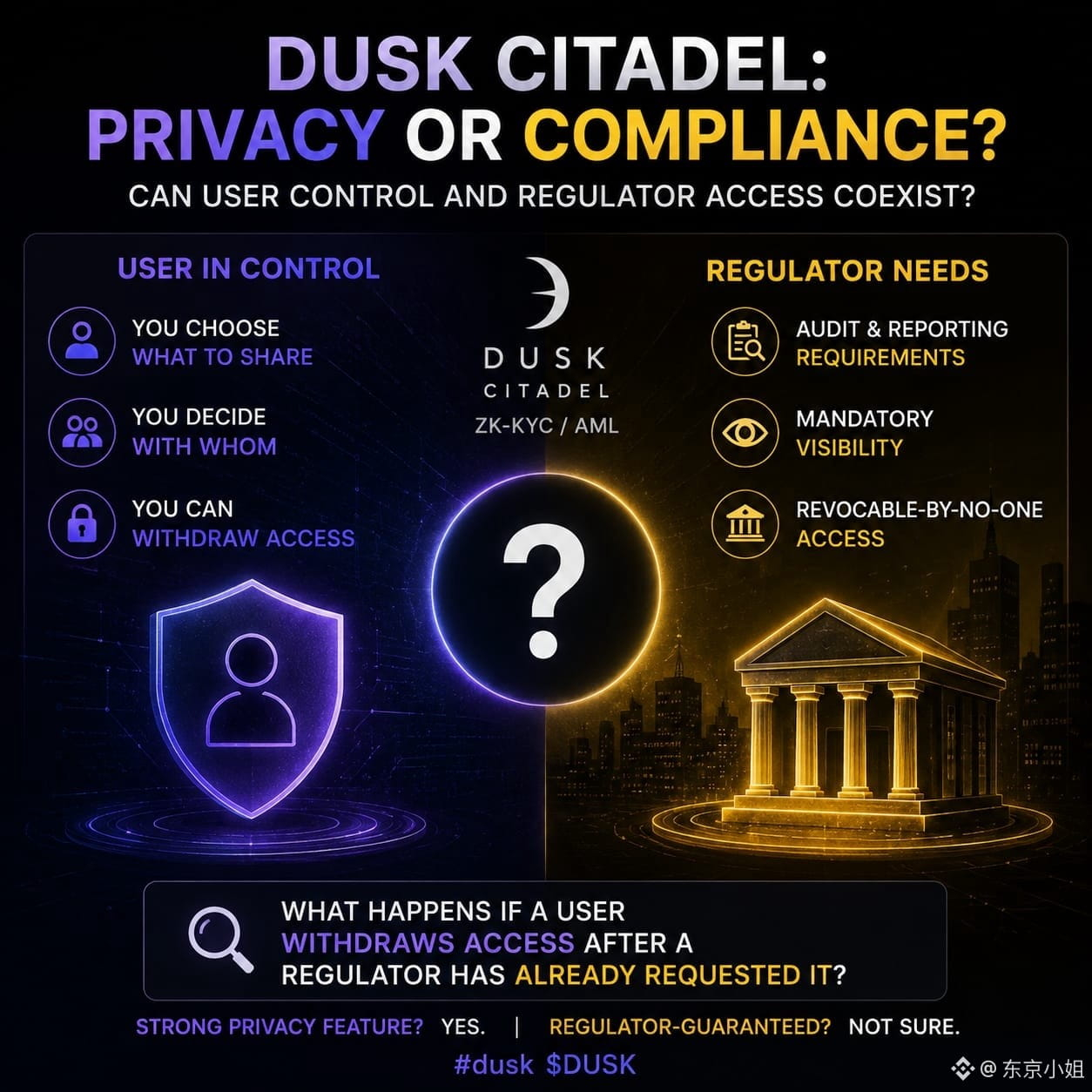
duskの「プライバシー+選択的開示」という売り文句をただ繰り返すだけではなく、夕暮れの要塞が実際にどう動くのかを読み直しに行ったら、何かが噛み合わない。要塞では、ユーザーは自分のデータを完全にコントロールできると説明している――共有するかどうか、誰に共有するかを選べて、さらに後からアクセス権を取り下げることもできる。これは今も同じ枠組みのままだ。とはいえ、私は「2023年に温められてお蔵入りになった案」みたいなものを想定して入ったのに、実際にはduskのポストメインネットのロードマップに、進行中のzk-kyc/amlの中核としてそのまま載っている。
しかし規制当局は、一般に「任意でアクセスできる」ことは望まない。監査や報告の要件がある以上、ユーザーが一度同意して後から取り消せるようなものではなく、義務的で、誰にも取り消されない可視性が求められるはずだ。もし要塞が、開示の取り下げ権限をユーザーに与えるのだとしたら、「規制当局は必要なものを見られる」というduskが別の場面で使っている枠組みと、どう整合するのかよく分からない――その下に、別のコンプライアンス層があってそれが担保している、ということなのかもしれないが、まだ見つけられていない。
補足しておくと、duskにおける「ユーザーが操作できるデータ」は、プライバシー面で本当に強力な機能だ。そこは否定していない。ただ、「ユーザーが取り下げられる」ことと「規制当局が保証されている」ことが、同じ開示について同時に両立するとは思えない。
もしduskのユーザーが、規制当局がすでに要求した後にアクセスを取り下げた場合、どうなるのかについてのドキュメントを見た人はいる? 🧐
#dusk $DUSK
@Dusk
duskの「プライバシー+選択的開示」という売り文句をただ繰り返すだけではなく、夕暮れの要塞が実際にどう動くのかを読み直しに行ったら、何かが噛み合わない。要塞では、ユーザーは自分のデータを完全にコントロールできると説明している――共有するかどうか、誰に共有するかを選べて、さらに後からアクセス権を取り下げることもできる。これは今も同じ枠組みのままだ。とはいえ、私は「2023年に温められてお蔵入りになった案」みたいなものを想定して入ったのに、実際にはduskのポストメインネットのロードマップに、進行中のzk-kyc/amlの中核としてそのまま載っている。
しかし規制当局は、一般に「任意でアクセスできる」ことは望まない。監査や報告の要件がある以上、ユーザーが一度同意して後から取り消せるようなものではなく、義務的で、誰にも取り消されない可視性が求められるはずだ。もし要塞が、開示の取り下げ権限をユーザーに与えるのだとしたら、「規制当局は必要なものを見られる」というduskが別の場面で使っている枠組みと、どう整合するのかよく分からない――その下に、別のコンプライアンス層があってそれが担保している、ということなのかもしれないが、まだ見つけられていない。
補足しておくと、duskにおける「ユーザーが操作できるデータ」は、プライバシー面で本当に強力な機能だ。そこは否定していない。ただ、「ユーザーが取り下げられる」ことと「規制当局が保証されている」ことが、同じ開示について同時に両立するとは思えない。
もしduskのユーザーが、規制当局がすでに要求した後にアクセスを取り下げた場合、どうなるのかについてのドキュメントを見た人はいる? 🧐
#dusk $DUSK
duskの「プライバシー+選択的開示」という売り文句をただ繰り返すだけではなく、夕暮れの要塞が実際にどう動くのかを読み直しに行ったら、何かが噛み合わない。要塞では、ユーザーは自分のデータを完全にコントロールできると説明している――共有するかどうか、誰に共有するかを選べて、さらに後からアクセス権を取り下げることもできる。これは今も同じ枠組みのままだ。とはいえ、私は「2023年に温められてお蔵入りになった案」みたいなものを想定して入ったのに、実際にはduskのポストメインネットのロードマップに、進行中のzk-kyc/amlの中核としてそのまま載っている。
しかし規制当局は、一般に「任意でアクセスできる」ことは望まない。監査や報告の要件がある以上、ユーザーが一度同意して後から取り消せるようなものではなく、義務的で、誰にも取り消されない可視性が求められるはずだ。もし要塞が、開示の取り下げ権限をユーザーに与えるのだとしたら、「規制当局は必要なものを見られる」というduskが別の場面で使っている枠組みと、どう整合するのかよく分からない――その下に、別のコンプライアンス層があってそれが担保している、ということなのかもしれないが、まだ見つけられていない。
補足しておくと、duskにおける「ユーザーが操作できるデータ」は、プライバシー面で本当に強力な機能だ。そこは否定していない。ただ、「ユーザーが取り下げられる」ことと「規制当局が保証されている」ことが、同じ開示について同時に両立するとは思えない。
もしduskのユーザーが、規制当局がすでに要求した後にアクセスを取り下げた場合、どうなるのかについてのドキュメントを見た人はいる? 🧐
#dusk $DUSK
7
11
146
·
--
ブリッシュ
一部該当
@Dusk_Foundation
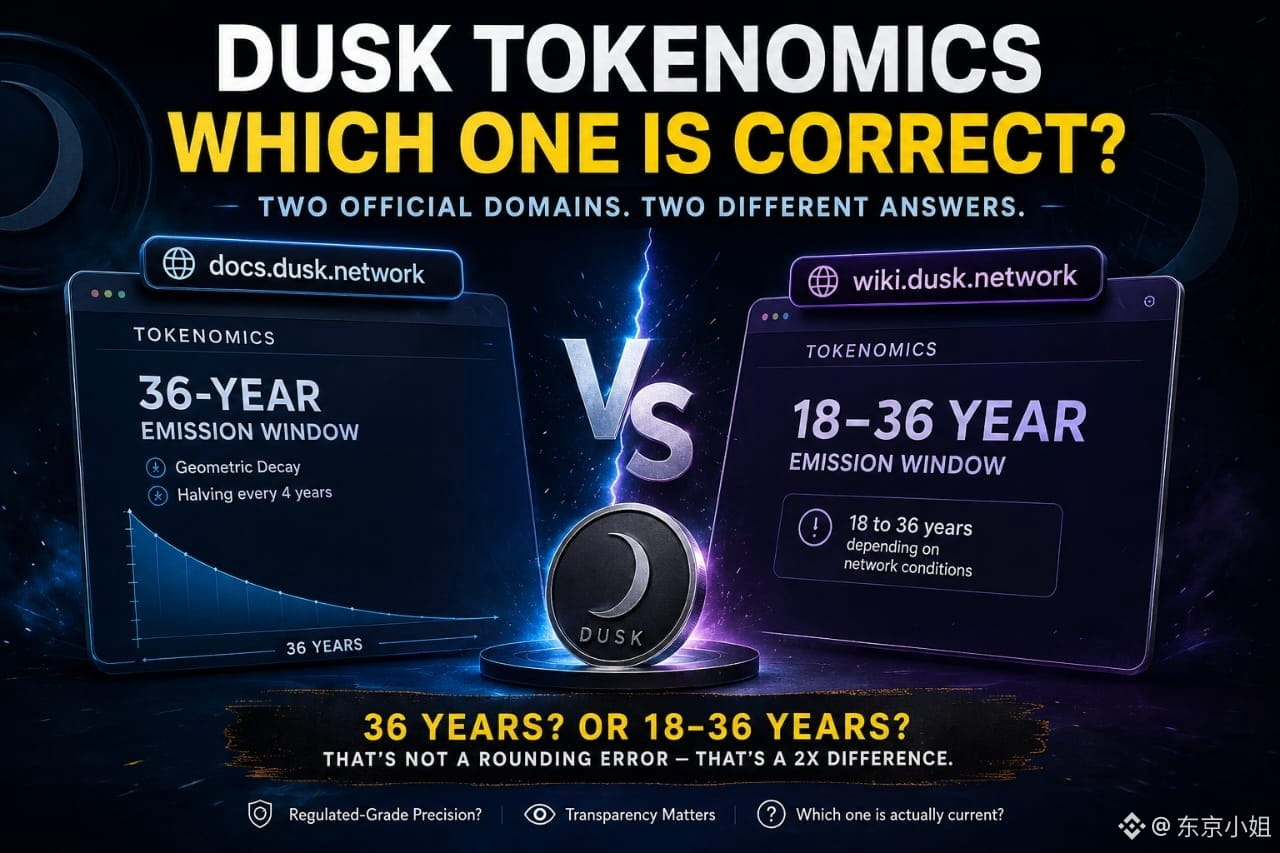
i was cross-checking the emission schedule for something else entirely and noticed two of dusk's own domains don't even agree with each other. docs.dusk.network — the actual tokenomics page — says a flat 36-year emission window, geometric decay, halving every 4 years, straightforward. wiki.dusk.network, which sits on their own subdomain, not some random third-party mirror, says something looser: an 18 to 36 year range depending on network conditions.
that's not a rounding difference, it's basically a 2x spread on how long the reward tail runs — and i almost dismissed it as a fan wiki thing until i noticed it's literally hosted under dusk.network, not somewhere external.
i get that block-time variance shifts the real calendar length a little, that part tracks. but a document called "tokenomics" citing one fixed number while a page on the team's own domain cites a range isn't a rounding issue, it's two different answers to "when does emission stop." for a project built on regulated-grade precision, that's not the kind of gap i'd expect between two pages they both control.
anyone know which one's actually current, or are both just stale in different directions? 🧐
#dusk $DUSK
@Dusk
i was cross-checking the emission schedule for something else entirely and noticed two of dusk's own domains don't even agree with each other. docs.dusk.network — the actual tokenomics page — says a flat 36-year emission window, geometric decay, halving every 4 years, straightforward. wiki.dusk.network, which sits on their own subdomain, not some random third-party mirror, says something looser: an 18 to 36 year range depending on network conditions.
that's not a rounding difference, it's basically a 2x spread on how long the reward tail runs — and i almost dismissed it as a fan wiki thing until i noticed it's literally hosted under dusk.network, not somewhere external.
i get that block-time variance shifts the real calendar length a little, that part tracks. but a document called "tokenomics" citing one fixed number while a page on the team's own domain cites a range isn't a rounding issue, it's two different answers to "when does emission stop." for a project built on regulated-grade precision, that's not the kind of gap i'd expect between two pages they both control.
anyone know which one's actually current, or are both just stale in different directions? 🧐
#dusk $DUSK
i was cross-checking the emission schedule for something else entirely and noticed two of dusk's own domains don't even agree with each other. docs.dusk.network — the actual tokenomics page — says a flat 36-year emission window, geometric decay, halving every 4 years, straightforward. wiki.dusk.network, which sits on their own subdomain, not some random third-party mirror, says something looser: an 18 to 36 year range depending on network conditions.
that's not a rounding difference, it's basically a 2x spread on how long the reward tail runs — and i almost dismissed it as a fan wiki thing until i noticed it's literally hosted under dusk.network, not somewhere external.
i get that block-time variance shifts the real calendar length a little, that part tracks. but a document called "tokenomics" citing one fixed number while a page on the team's own domain cites a range isn't a rounding issue, it's two different answers to "when does emission stop." for a project built on regulated-grade precision, that's not the kind of gap i'd expect between two pages they both control.
anyone know which one's actually current, or are both just stale in different directions? 🧐
#dusk $DUSK
9
11
139
·
--
ブリッシュ
{spot}(DUSKUSDT)
@Dusk_Foundation
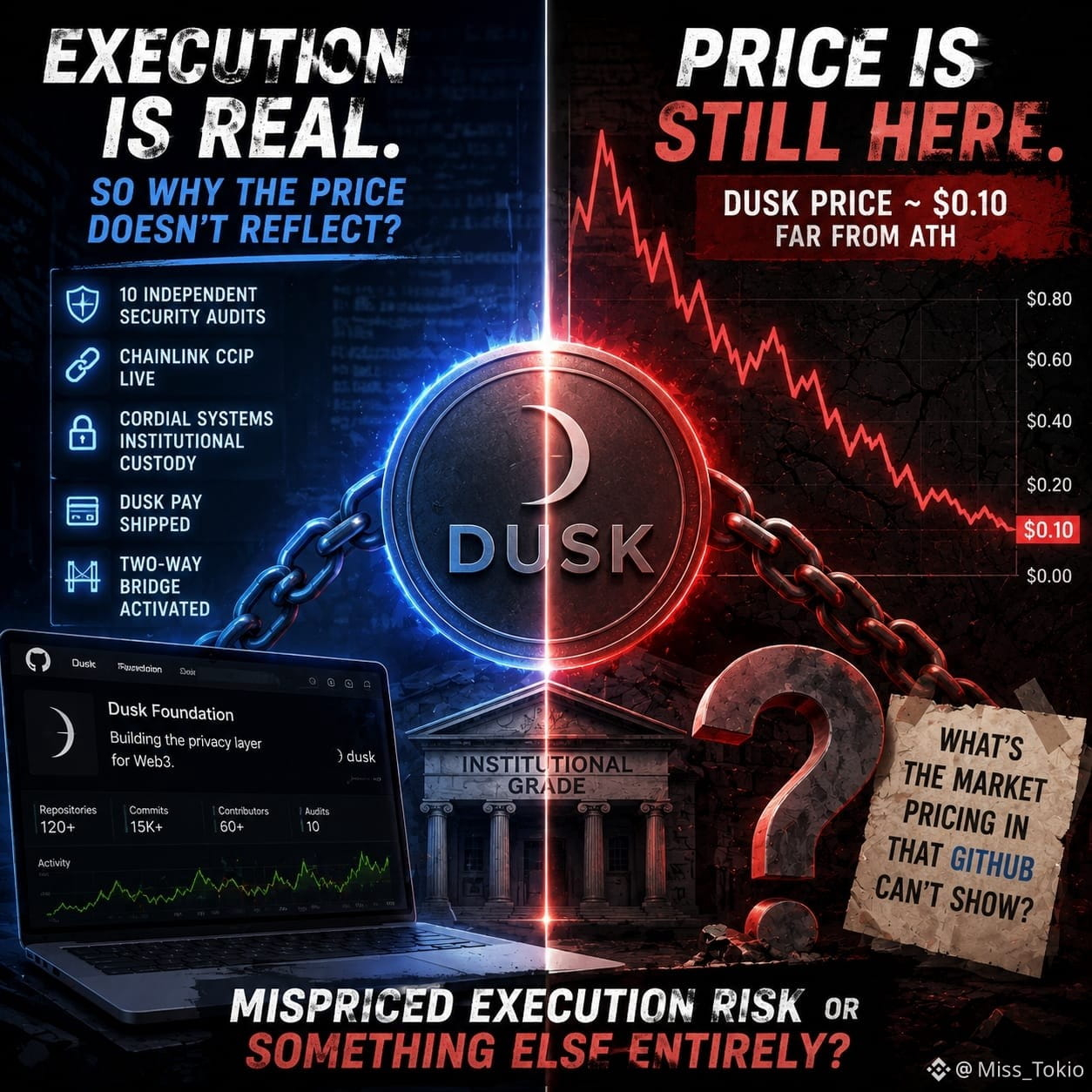
きょうのうちに、duskのGitHubをその価格チャートと一緒に見て、数字が話と一致しているか確認してみたんだ。結論、全然一致してない—どころか全く違う。メインネット前の独立したセキュリティ監査が10件、Chainlink CCIPが稼働中、機関投資家向けカストディのためのコーディアル・システム導入、dusk payの出荷、双方向ブリッジの起動。これ、どのL1でも“静かな四半期”ではないはずだ。
でも価格は$0.10近辺にいて、ATHからかなり外れてる。そんなことは起きてないみたいに見える。
コミット数だけでは大した意味はないのは分かってる—ドキュメントの更新や依存関係のバンプでリポジトリを水増しして“活動”と言えてしまう。とはいえ、10件の監査と、稼働しているカストディ連携が化粧で済むわけない。実際に機関がチェーンに触れる前に、ちゃんと動いていないといけない。
だから考えられるのは、すでに退けられたはずの執行リスクに対して市場が誤った値付けをしているか、あるいはまったく別の何かを織り込んでいて、それを開発側の情報からは僕が見落としているのかのどちらかだ。
どっちなんだ? もし2つ目なら—このGitHubで分からない“実際に値付けされているもの”は何なんだ? 🧐
#dusk $DUSK
@Dusk
きょうのうちに、duskのGitHubをその価格チャートと一緒に見て、数字が話と一致しているか確認してみたんだ。結論、全然一致してない—どころか全く違う。メインネット前の独立したセキュリティ監査が10件、Chainlink CCIPが稼働中、機関投資家向けカストディのためのコーディアル・システム導入、dusk payの出荷、双方向ブリッジの起動。これ、どのL1でも“静かな四半期”ではないはずだ。
でも価格は$0.10近辺にいて、ATHからかなり外れてる。そんなことは起きてないみたいに見える。
コミット数だけでは大した意味はないのは分かってる—ドキュメントの更新や依存関係のバンプでリポジトリを水増しして“活動”と言えてしまう。とはいえ、10件の監査と、稼働しているカストディ連携が化粧で済むわけない。実際に機関がチェーンに触れる前に、ちゃんと動いていないといけない。
だから考えられるのは、すでに退けられたはずの執行リスクに対して市場が誤った値付けをしているか、あるいはまったく別の何かを織り込んでいて、それを開発側の情報からは僕が見落としているのかのどちらかだ。
どっちなんだ? もし2つ目なら—このGitHubで分からない“実際に値付けされているもの”は何なんだ? 🧐
#dusk $DUSK
きょうのうちに、duskのGitHubをその価格チャートと一緒に見て、数字が話と一致しているか確認してみたんだ。結論、全然一致してない—どころか全く違う。メインネット前の独立したセキュリティ監査が10件、Chainlink CCIPが稼働中、機関投資家向けカストディのためのコーディアル・システム導入、dusk payの出荷、双方向ブリッジの起動。これ、どのL1でも“静かな四半期”ではないはずだ。
でも価格は$0.10近辺にいて、ATHからかなり外れてる。そんなことは起きてないみたいに見える。
コミット数だけでは大した意味はないのは分かってる—ドキュメントの更新や依存関係のバンプでリポジトリを水増しして“活動”と言えてしまう。とはいえ、10件の監査と、稼働しているカストディ連携が化粧で済むわけない。実際に機関がチェーンに触れる前に、ちゃんと動いていないといけない。
だから考えられるのは、すでに退けられたはずの執行リスクに対して市場が誤った値付けをしているか、あるいはまったく別の何かを織り込んでいて、それを開発側の情報からは僕が見落としているのかのどちらかだ。
どっちなんだ? もし2つ目なら—このGitHubで分からない“実際に値付けされているもの”は何なんだ? 🧐
#dusk $DUSK
2
119
·
--
@babylonlabs_io
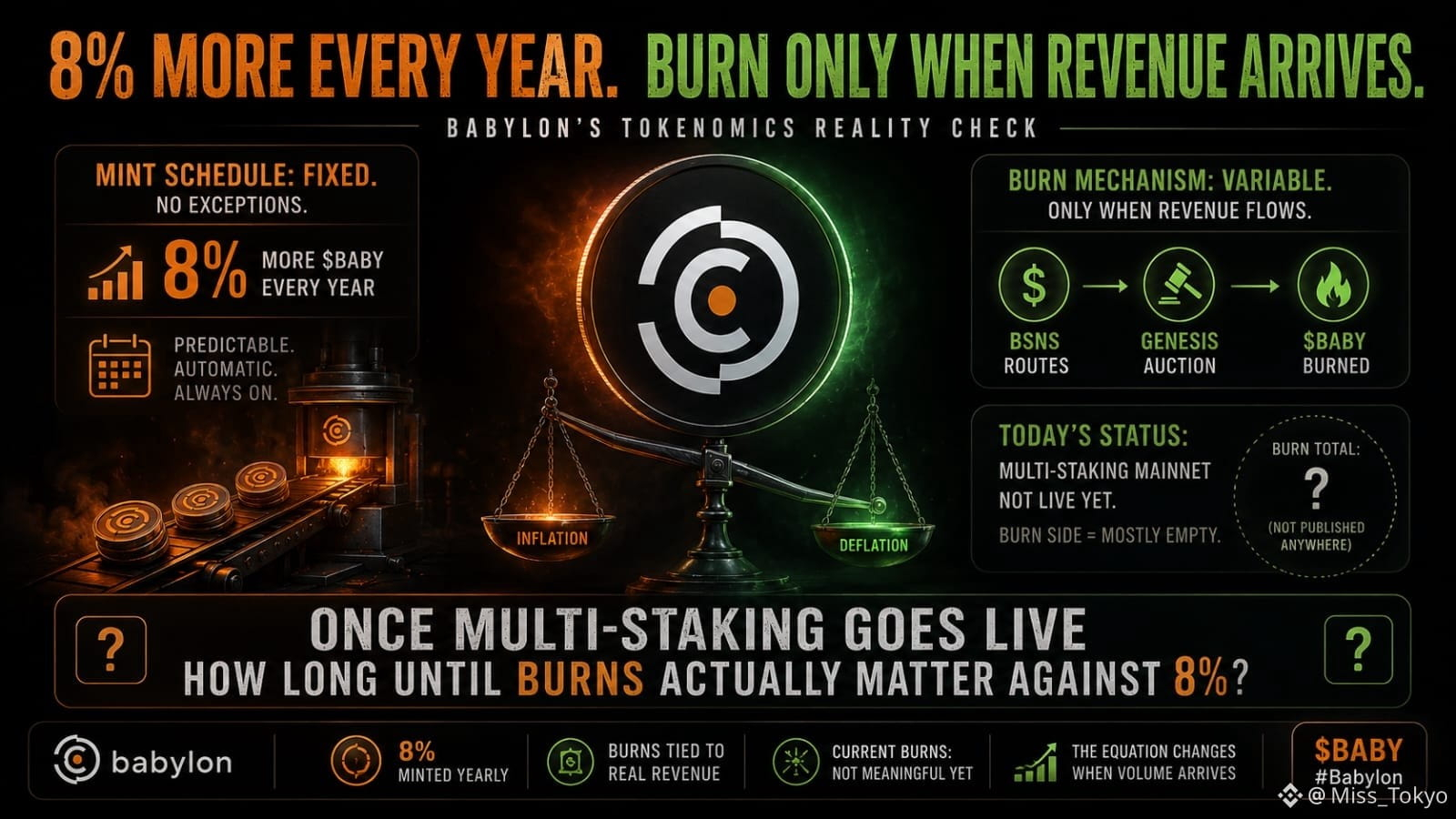
バビロン・ミントは固定スケジュールで毎年、およそ8%分の「ベイビー」を追加で生み出しています。例外はありません。 それを相殺するために作られた仕組みは、まったくスケジュールに載っていません。実際に「genesis」のオークションを通じてBSNSが本物のステーキング報酬をルーティングしたときにだけベイビーを燃やすようになっています。そして「マルチ・ステーキング」メインネットはまだローンチされていないため、台帳のその側は現時点ではほとんど空の状態です。
紙の上では「実際の収益に紐づいたオークション」のほうが「恣意的な燃焼目標」よりも良い設計です。ですが現状では、「実際の収益に紐づいた」というのは、まだ何も数値が埋め込まれていない“ただの数式を説明しているだけ”になっています。
私は現在の燃焼総量を探しましたが、どこにも公開されていませんでした。誰かが隠しているというより、そもそもまだ燃焼が大して起きていないからでしょう。
マルチ・ステーキングが船に積まれ、BSNSが本物のボリュームのルーティングを開始するのはいつですか?その「燃焼側」が追いついてくるまでに、8%に対して本当に意味のある差になるまで、どれくらいかかるのでしょうか? $BABY #baby 🔥
@BabylonLabs_io
バビロン・ミントは固定スケジュールで毎年、およそ8%分の「ベイビー」を追加で生み出しています。例外はありません。 それを相殺するために作られた仕組みは、まったくスケジュールに載っていません。実際に「genesis」のオークションを通じてBSNSが本物のステーキング報酬をルーティングしたときにだけベイビーを燃やすようになっています。そして「マルチ・ステーキング」メインネットはまだローンチされていないため、台帳のその側は現時点ではほとんど空の状態です。
紙の上では「実際の収益に紐づいたオークション」のほうが「恣意的な燃焼目標」よりも良い設計です。ですが現状では、「実際の収益に紐づいた」というのは、まだ何も数値が埋め込まれていない“ただの数式を説明しているだけ”になっています。
私は現在の燃焼総量を探しましたが、どこにも公開されていませんでした。誰かが隠しているというより、そもそもまだ燃焼が大して起きていないからでしょう。
マルチ・ステーキングが船に積まれ、BSNSが本物のボリュームのルーティングを開始するのはいつですか?その「燃焼側」が追いついてくるまでに、8%に対して本当に意味のある差になるまで、どれくらいかかるのでしょうか? $BABY #baby 🔥
バビロン・ミントは固定スケジュールで毎年、およそ8%分の「ベイビー」を追加で生み出しています。例外はありません。 それを相殺するために作られた仕組みは、まったくスケジュールに載っていません。実際に「genesis」のオークションを通じてBSNSが本物のステーキング報酬をルーティングしたときにだけベイビーを燃やすようになっています。そして「マルチ・ステーキング」メインネットはまだローンチされていないため、台帳のその側は現時点ではほとんど空の状態です。
紙の上では「実際の収益に紐づいたオークション」のほうが「恣意的な燃焼目標」よりも良い設計です。ですが現状では、「実際の収益に紐づいた」というのは、まだ何も数値が埋め込まれていない“ただの数式を説明しているだけ”になっています。
私は現在の燃焼総量を探しましたが、どこにも公開されていませんでした。誰かが隠しているというより、そもそもまだ燃焼が大して起きていないからでしょう。
マルチ・ステーキングが船に積まれ、BSNSが本物のボリュームのルーティングを開始するのはいつですか?その「燃焼側」が追いついてくるまでに、8%に対して本当に意味のある差になるまで、どれくらいかかるのでしょうか? $BABY #baby 🔥
6
2
181
ログインして、さらにコンテンツを読む
厳選トピックで世界の暗号資産トレーダーの仲間入り
⚡️ 暗号資産に関する最新かつ有益な情報が見つかります。
💬 世界最大の暗号資産取引所から信頼されています。
👍 認証を受けたクリエイターから、有益なインサイトを得られます。
メール / 電話番号