

Max _ Hunter
14.7k 投稿

Max _ Hunter
 厳選トピック確認済
報告
ユーザーをブロック
Bull Market Hunter | Technical Analysis | AI Enthusiast
取引を発注
高頻度トレーダー
2年
320 フォロー
34.2K+ フォロワー
38.3K+ いいね
投稿
ポートフォリオ
すべて
引用
動画
ライブ
·
--
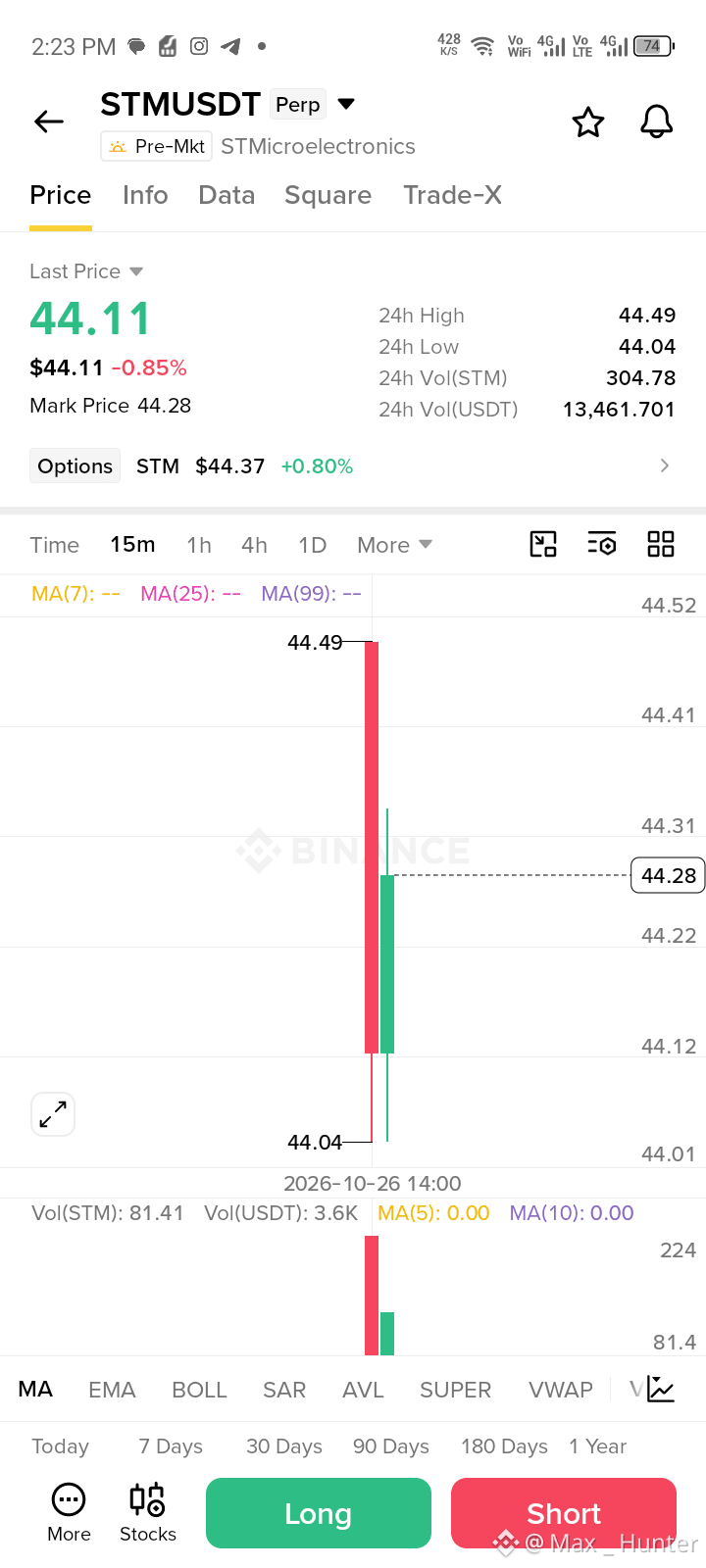
$STMは$44.49付近のレジスタンスで反落した後、強い売り圧力に直面し、$44.04のサポート付近まで下落しました。その後、買い手が入り、短期的に反発しています。直近の陽線は回復を試みていることを示していますが、価格が近辺のレジスタンスゾーンを回復しない限り、弱気の勢いには引き続き注意が必要です。
エントリー:$44.20–44.30
利確1:$44.35
利確2:$44.41
利確3:$44.49
損切り:$44.03
$44.35を上回る動きが続けば、$44.49に向けて回復が強まる可能性があります。一方、$44.04を下抜ければ、さらなる下落を示唆する可能性があります。
購入して取引する $STMX
$STMは$44.49付近のレジスタンスで反落した後、強い売り圧力に直面し、$44.04のサポート付近まで下落しました。その後、買い手が入り、短期的に反発しています。直近の陽線は回復を試みていることを示していますが、価格が近辺のレジスタンスゾーンを回復しない限り、弱気の勢いには引き続き注意が必要です。
エントリー:$44.20–44.30
利確1:$44.35
利確2:$44.41
利確3:$44.49
損切り:$44.03
$44.35を上回る動きが続けば、$44.49に向けて回復が強まる可能性があります。一方、$44.04を下抜ければ、さらなる下落を示唆する可能性があります。
購入して取引する $STMX
エントリー:$44.20–44.30
利確1:$44.35
利確2:$44.41
利確3:$44.49
損切り:$44.03
$44.35を上回る動きが続けば、$44.49に向けて回復が強まる可能性があります。一方、$44.04を下抜ければ、さらなる下落を示唆する可能性があります。
購入して取引する $STMX
155
·
--
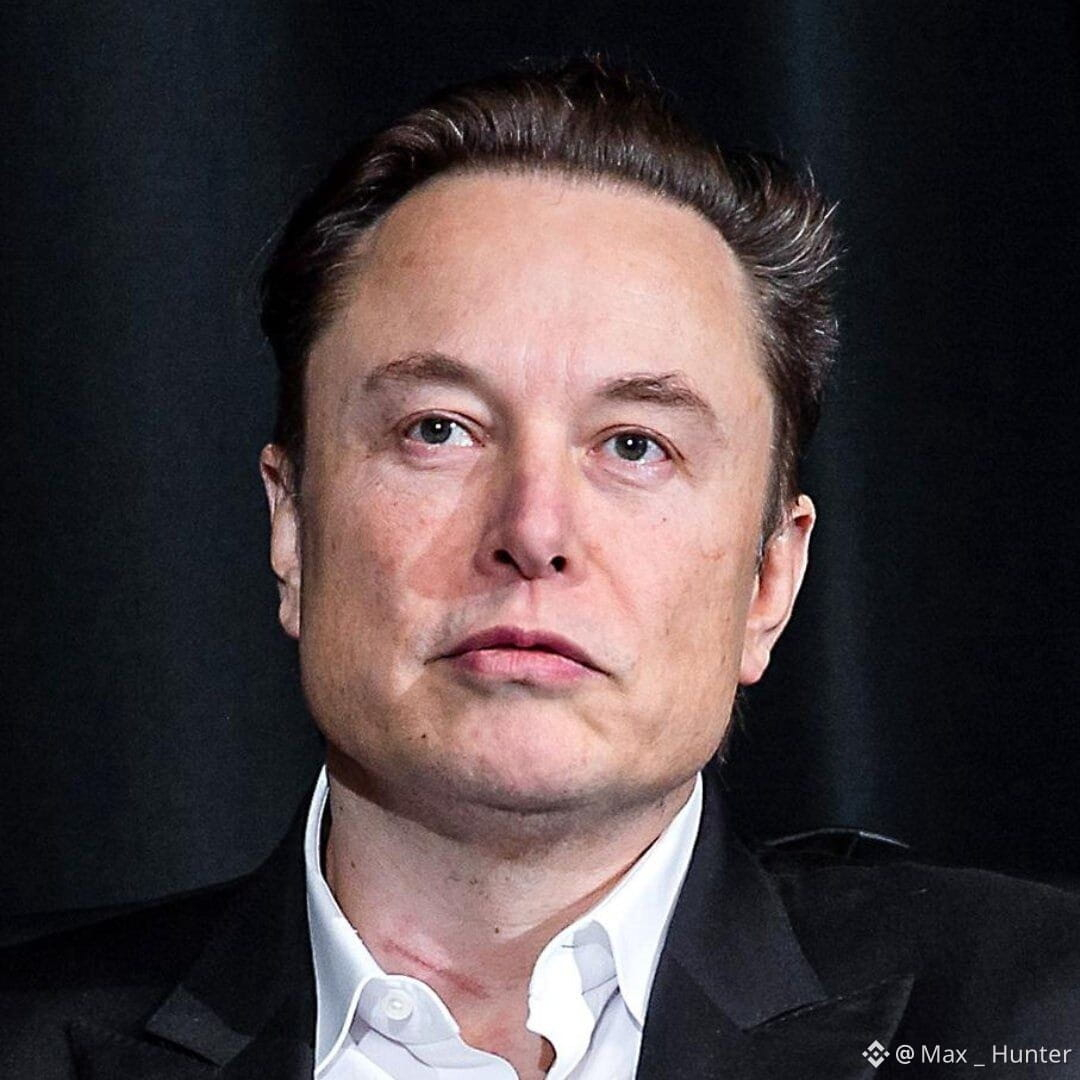
⚡速報:イーロン・マスクがXで新しいチップ機能を導入!🚀💸
X Moneyを通じて、ユーザーはまもなく「いいね」ボタンを長押しするだけで、誰かに1ドルを直接送れるようになるかもしれません。👀
🔥 投稿に「いいね」して、クリエイターに感謝の気持ちを伝え、チップを送る——すべてがワンタップで完了!
💰これがソーシャルメディア決済の未来になるのでしょうか?
どう思いますか?この機能を使ってみたいですか?👇
$LAB
{future}(LABUSDT)
$BTC
{future}(BTCUSDT)
#ElonMusk #Fintech #DigitalPayments #Innovation #BinanceSquare $MSFTB
⚡速報:イーロン・マスクがXで新しいチップ機能を導入!🚀💸
X Moneyを通じて、ユーザーはまもなく「いいね」ボタンを長押しするだけで、誰かに1ドルを直接送れるようになるかもしれません。👀
🔥 投稿に「いいね」して、クリエイターに感謝の気持ちを伝え、チップを送る——すべてがワンタップで完了!
💰これがソーシャルメディア決済の未来になるのでしょうか?
どう思いますか?この機能を使ってみたいですか?👇
$LAB
$BTC
#ElonMusk #Fintech #DigitalPayments #Innovation #BinanceSquare $MSFTB
X Moneyを通じて、ユーザーはまもなく「いいね」ボタンを長押しするだけで、誰かに1ドルを直接送れるようになるかもしれません。👀
🔥 投稿に「いいね」して、クリエイターに感謝の気持ちを伝え、チップを送る——すべてがワンタップで完了!
💰これがソーシャルメディア決済の未来になるのでしょうか?
どう思いますか?この機能を使ってみたいですか?👇
$LAB
$BTC
#ElonMusk #Fintech #DigitalPayments #Innovation #BinanceSquare $MSFTB
501

·
--
ブリッシュ
🎃👻 ハロウィンがやってきました。Binanceと一緒に、暗号資産の世界でちょっと不気味なワクワクを楽しみましょう!🟡🖤
光り輝くカボチャ、不思議な影、デジタルゴースト、そしてエキサイティングな暗号資産の世界に満ちたハロウィンの夜を想像してみてください。あちこちで驚きが待ち受けるこの季節も、いつも忘れてはいけないことがあります。DYOR(自分で調べること)を心がけ、アカウントを守り、暗号資産市場で責任ある判断をしましょう。
私にとってハロウィンは、創造性やコミュニティ、そしてポジティブなエネルギーを分かち合うことがすべてです。Binanceは世界各地の暗号資産ファンをつなぎます。この季節は、Binanceのブランドを取り入れた楽しいハロウィン作品を通じて、その精神をお祝いする絶好の機会です。
暗号資産のエコシステムを探求するときも、新しいことを学ぶときも、仲間と交流するときも、どの季節でも知識とセキュリティが大切だということを忘れずに。創造性にあふれ、思い出に残る、コミュニティの絆を感じられるハロウィンにしましょう!🎃✨
Binanceコミュニティの皆さん、ハッピーハロウィン!🟡
#SEAPumkinFrenzy #Binance #Halloween #CryptoCommunity #BinanceSquare 👻👻👻👻👻👻👻🎃🎃🎃
🎃👻 ハロウィンがやってきました。Binanceと一緒に、暗号資産の世界でちょっと不気味なワクワクを楽しみましょう!🟡🖤
光り輝くカボチャ、不思議な影、デジタルゴースト、そしてエキサイティングな暗号資産の世界に満ちたハロウィンの夜を想像してみてください。あちこちで驚きが待ち受けるこの季節も、いつも忘れてはいけないことがあります。DYOR(自分で調べること)を心がけ、アカウントを守り、暗号資産市場で責任ある判断をしましょう。
私にとってハロウィンは、創造性やコミュニティ、そしてポジティブなエネルギーを分かち合うことがすべてです。Binanceは世界各地の暗号資産ファンをつなぎます。この季節は、Binanceのブランドを取り入れた楽しいハロウィン作品を通じて、その精神をお祝いする絶好の機会です。
暗号資産のエコシステムを探求するときも、新しいことを学ぶときも、仲間と交流するときも、どの季節でも知識とセキュリティが大切だということを忘れずに。創造性にあふれ、思い出に残る、コミュニティの絆を感じられるハロウィンにしましょう!🎃✨
Binanceコミュニティの皆さん、ハッピーハロウィン!🟡
#SEAPumkinFrenzy #Binance #Halloween #CryptoCommunity #BinanceSquare 👻👻👻👻👻👻👻🎃🎃🎃
光り輝くカボチャ、不思議な影、デジタルゴースト、そしてエキサイティングな暗号資産の世界に満ちたハロウィンの夜を想像してみてください。あちこちで驚きが待ち受けるこの季節も、いつも忘れてはいけないことがあります。DYOR(自分で調べること)を心がけ、アカウントを守り、暗号資産市場で責任ある判断をしましょう。
私にとってハロウィンは、創造性やコミュニティ、そしてポジティブなエネルギーを分かち合うことがすべてです。Binanceは世界各地の暗号資産ファンをつなぎます。この季節は、Binanceのブランドを取り入れた楽しいハロウィン作品を通じて、その精神をお祝いする絶好の機会です。
暗号資産のエコシステムを探求するときも、新しいことを学ぶときも、仲間と交流するときも、どの季節でも知識とセキュリティが大切だということを忘れずに。創造性にあふれ、思い出に残る、コミュニティの絆を感じられるハロウィンにしましょう!🎃✨
Binanceコミュニティの皆さん、ハッピーハロウィン!🟡
#SEAPumkinFrenzy #Binance #Halloween #CryptoCommunity #BinanceSquare 👻👻👻👻👻👻👻🎃🎃🎃

1
2
333
·
--
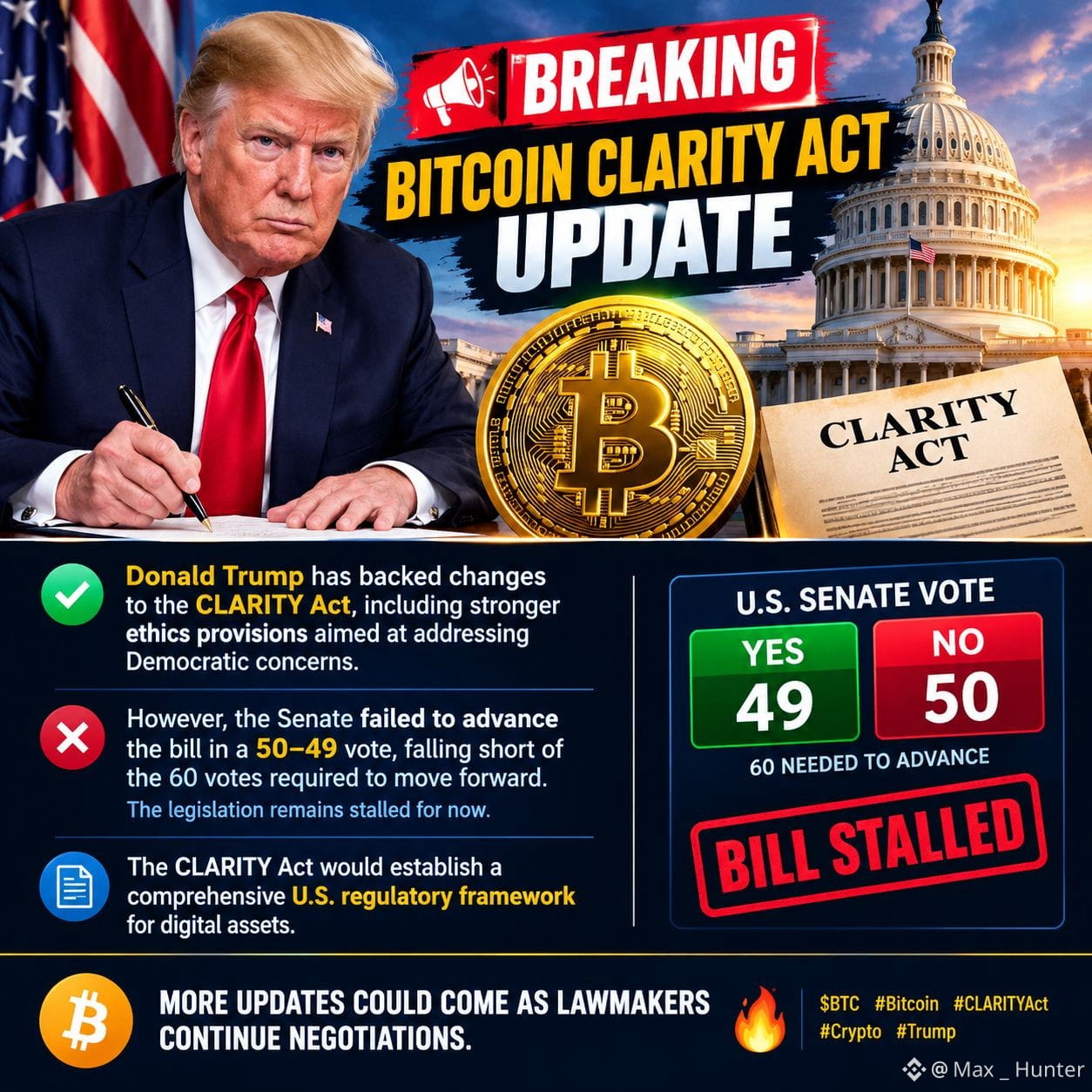
🚨 ビットコイン明確化法案の最新情報 🇺🇸₿
ドナルド・トランプ大統領は、民主党の懸念に対処するための倫理規定の強化など、明確化法案の修正を支持しました。🔥
⚠️ しかし、上院での採決は賛成50、反対49となり、法案を前進させるために必要な60票に届きませんでした。法案は当面、停滞したままです。
👀 明確化法案は、デジタル資産に関する包括的な米国の規制枠組みを確立するものです。今後の交渉によって、法案が再び採決にかけられるかどうかが決まる可能性があります。
🔥 議員らが交渉を続けるなか、さらなる最新情報が届く可能性があります。
$BTC #Bitcoin #BTC #CLARITYAct #Crypto #TRUMP
🚨 ビットコイン明確化法案の最新情報 🇺🇸₿
ドナルド・トランプ大統領は、民主党の懸念に対処するための倫理規定の強化など、明確化法案の修正を支持しました。🔥
⚠️ しかし、上院での採決は賛成50、反対49となり、法案を前進させるために必要な60票に届きませんでした。法案は当面、停滞したままです。
👀 明確化法案は、デジタル資産に関する包括的な米国の規制枠組みを確立するものです。今後の交渉によって、法案が再び採決にかけられるかどうかが決まる可能性があります。
🔥 議員らが交渉を続けるなか、さらなる最新情報が届く可能性があります。
$BTC #Bitcoin #BTC #CLARITYAct #Crypto #TRUMP
ドナルド・トランプ大統領は、民主党の懸念に対処するための倫理規定の強化など、明確化法案の修正を支持しました。🔥
⚠️ しかし、上院での採決は賛成50、反対49となり、法案を前進させるために必要な60票に届きませんでした。法案は当面、停滞したままです。
👀 明確化法案は、デジタル資産に関する包括的な米国の規制枠組みを確立するものです。今後の交渉によって、法案が再び採決にかけられるかどうかが決まる可能性があります。
🔥 議員らが交渉を続けるなか、さらなる最新情報が届く可能性があります。
$BTC #Bitcoin #BTC #CLARITYAct #Crypto #TRUMP
507
·
--
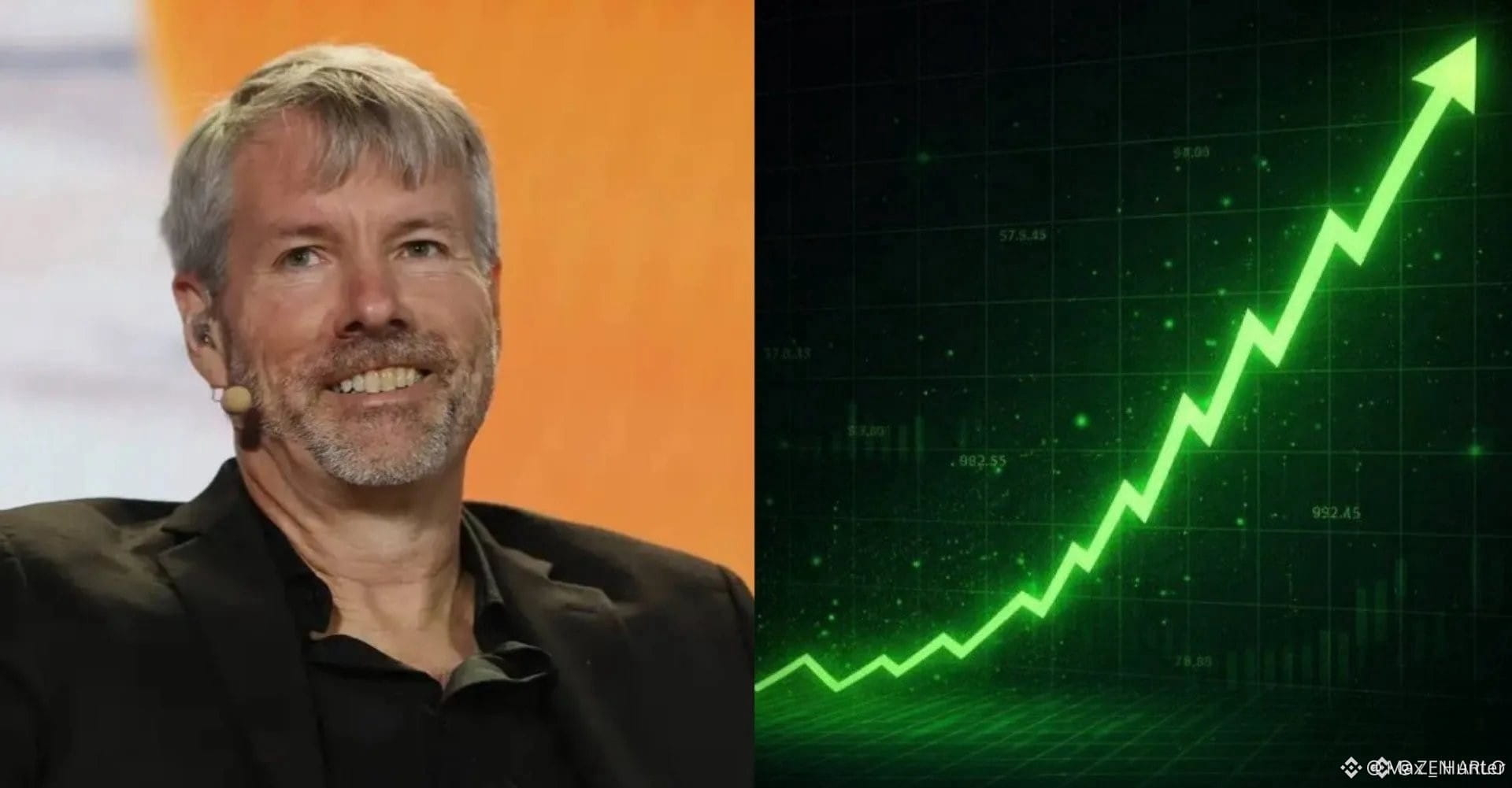
🚨速報:マイケル・セイラーが再び買い増し!🟠🔥
ストラテジーは約2,870万ドルで334 BTCを追加購入しました。購入価格は1 BTCあたり平均85,838.80ドルです。今回の購入により、ストラテジーの保有量は過去最高の848,000 BTCとなりました。
💰 現在の市場価格で換算すると、ストラテジーのビットコイン保有額は約730億ドルです。累計取得額は約639.7億ドル、1 BTCあたりの平均取得価格は75,440.70ドルです。
🔥 積み増しは続いています。ストラテジーは依然として、ビットコインを最も多く保有する企業です。同社の848,000 BTCは、ビットコインの最大供給量2,100万BTCの4%以上に相当します。
🟠 セイラーは買い増しを続けています。企業による最大のビットコイン投資が、さらに拡大しました。
$BTC #Bitcoin #BTC #MichaelSaylor #Strategy #MSTR
🚨速報:マイケル・セイラーが再び買い増し!🟠🔥
ストラテジーは約2,870万ドルで334 BTCを追加購入しました。購入価格は1 BTCあたり平均85,838.80ドルです。今回の購入により、ストラテジーの保有量は過去最高の848,000 BTCとなりました。
💰 現在の市場価格で換算すると、ストラテジーのビットコイン保有額は約730億ドルです。累計取得額は約639.7億ドル、1 BTCあたりの平均取得価格は75,440.70ドルです。
🔥 積み増しは続いています。ストラテジーは依然として、ビットコインを最も多く保有する企業です。同社の848,000 BTCは、ビットコインの最大供給量2,100万BTCの4%以上に相当します。
🟠 セイラーは買い増しを続けています。企業による最大のビットコイン投資が、さらに拡大しました。
$BTC #Bitcoin #BTC #MichaelSaylor #Strategy #MSTR
ストラテジーは約2,870万ドルで334 BTCを追加購入しました。購入価格は1 BTCあたり平均85,838.80ドルです。今回の購入により、ストラテジーの保有量は過去最高の848,000 BTCとなりました。
💰 現在の市場価格で換算すると、ストラテジーのビットコイン保有額は約730億ドルです。累計取得額は約639.7億ドル、1 BTCあたりの平均取得価格は75,440.70ドルです。
🔥 積み増しは続いています。ストラテジーは依然として、ビットコインを最も多く保有する企業です。同社の848,000 BTCは、ビットコインの最大供給量2,100万BTCの4%以上に相当します。
🟠 セイラーは買い増しを続けています。企業による最大のビットコイン投資が、さらに拡大しました。
$BTC #Bitcoin #BTC #MichaelSaylor #Strategy #MSTR
222
·
--
🚨 BINANCEがAI取引時代に突入!🤖🔥
BinanceがBinance Intelligenceをローンチ。Binance AI、Binance AI Pro、Agent OSを通じて、AIを暗号資産エコシステムにさらに深く取り入れ、市場分析、自動化、AIを活用した取引ワークフローを実現します。🚀
📊 Binance AIは、無料で24時間365日利用できる市場アシスタントとして順次提供開始。一方、AI Proでは、日常的な言葉で書いたアイデアを自動化されたワークフローに変換し、$BTCの価格水準など、重要なイベントを監視できます。
⚡ $BNBを含むBinanceエコシステム全体に直接組み込まれた今回のローンチは、AI、暗号資産取引、市場データ、自動化のさらなる統合を示しています。
🤖 AIはもはや暗号資産を分析するだけではありません。トレーダーが市場とどう関わるかを積極的に支援する方向へと進化しています。
#Binance #BNB #BTC #AI #Crypto #trading
🚨 BINANCEがAI取引時代に突入!🤖🔥
BinanceがBinance Intelligenceをローンチ。Binance AI、Binance AI Pro、Agent OSを通じて、AIを暗号資産エコシステムにさらに深く取り入れ、市場分析、自動化、AIを活用した取引ワークフローを実現します。🚀
📊 Binance AIは、無料で24時間365日利用できる市場アシスタントとして順次提供開始。一方、AI Proでは、日常的な言葉で書いたアイデアを自動化されたワークフローに変換し、$BTCの価格水準など、重要なイベントを監視できます。
⚡ $BNBを含むBinanceエコシステム全体に直接組み込まれた今回のローンチは、AI、暗号資産取引、市場データ、自動化のさらなる統合を示しています。
🤖 AIはもはや暗号資産を分析するだけではありません。トレーダーが市場とどう関わるかを積極的に支援する方向へと進化しています。
#Binance #BNB #BTC #AI #Crypto #trading
BinanceがBinance Intelligenceをローンチ。Binance AI、Binance AI Pro、Agent OSを通じて、AIを暗号資産エコシステムにさらに深く取り入れ、市場分析、自動化、AIを活用した取引ワークフローを実現します。🚀
📊 Binance AIは、無料で24時間365日利用できる市場アシスタントとして順次提供開始。一方、AI Proでは、日常的な言葉で書いたアイデアを自動化されたワークフローに変換し、$BTCの価格水準など、重要なイベントを監視できます。
⚡ $BNBを含むBinanceエコシステム全体に直接組み込まれた今回のローンチは、AI、暗号資産取引、市場データ、自動化のさらなる統合を示しています。
🤖 AIはもはや暗号資産を分析するだけではありません。トレーダーが市場とどう関わるかを積極的に支援する方向へと進化しています。
#Binance #BNB #BTC #AI #Crypto #trading

102
·
--
🚨 SpaceXの重大アップデート 🚨 🚀
イーロン・マスク氏によると、今年のSpaceX($SPCX)の収益のおよそ90%は商業部門によるもので、政府関連の収益は第4四半期に5%を下回る見込みです。🇺🇸📊
🔥 変革を牽引しているのはStarlinkです。第2四半期の通信事業の収益は42億9,000万ドルに達し、SpaceXの四半期総収益の半分を超えました。Starlinkの加入者数は1,200万人に達しています。
🌐 SpaceXは、政府向けを中心とする従来型の打ち上げ企業というより、Starlink、法人向けサービス、拡大するモバイル提携を軸とした、世界規模の通信プラットフォームへと変わりつつあります。🚀📡
#BinanceLaunchesBinanceIntelligence
#EvernorthXRPTreasuryCompletesSPACMerger
#ETHUp70%InQ3ButLiquidityFalls
#EthStakingExitQueueHits2026High
🚨 SpaceXの重大アップデート 🚨 🚀
イーロン・マスク氏によると、今年のSpaceX($SPCX)の収益のおよそ90%は商業部門によるもので、政府関連の収益は第4四半期に5%を下回る見込みです。🇺🇸📊
🔥 変革を牽引しているのはStarlinkです。第2四半期の通信事業の収益は42億9,000万ドルに達し、SpaceXの四半期総収益の半分を超えました。Starlinkの加入者数は1,200万人に達しています。
🌐 SpaceXは、政府向けを中心とする従来型の打ち上げ企業というより、Starlink、法人向けサービス、拡大するモバイル提携を軸とした、世界規模の通信プラットフォームへと変わりつつあります。🚀📡
#BinanceLaunchesBinanceIntelligence
#EvernorthXRPTreasuryCompletesSPACMerger
#ETHUp70%InQ3ButLiquidityFalls
#EthStakingExitQueueHits2026High
イーロン・マスク氏によると、今年のSpaceX($SPCX)の収益のおよそ90%は商業部門によるもので、政府関連の収益は第4四半期に5%を下回る見込みです。🇺🇸📊
🔥 変革を牽引しているのはStarlinkです。第2四半期の通信事業の収益は42億9,000万ドルに達し、SpaceXの四半期総収益の半分を超えました。Starlinkの加入者数は1,200万人に達しています。
🌐 SpaceXは、政府向けを中心とする従来型の打ち上げ企業というより、Starlink、法人向けサービス、拡大するモバイル提携を軸とした、世界規模の通信プラットフォームへと変わりつつあります。🚀📡
#BinanceLaunchesBinanceIntelligence
#EvernorthXRPTreasuryCompletesSPACMerger
#ETHUp70%InQ3ButLiquidityFalls
#EthStakingExitQueueHits2026High


313
·
--
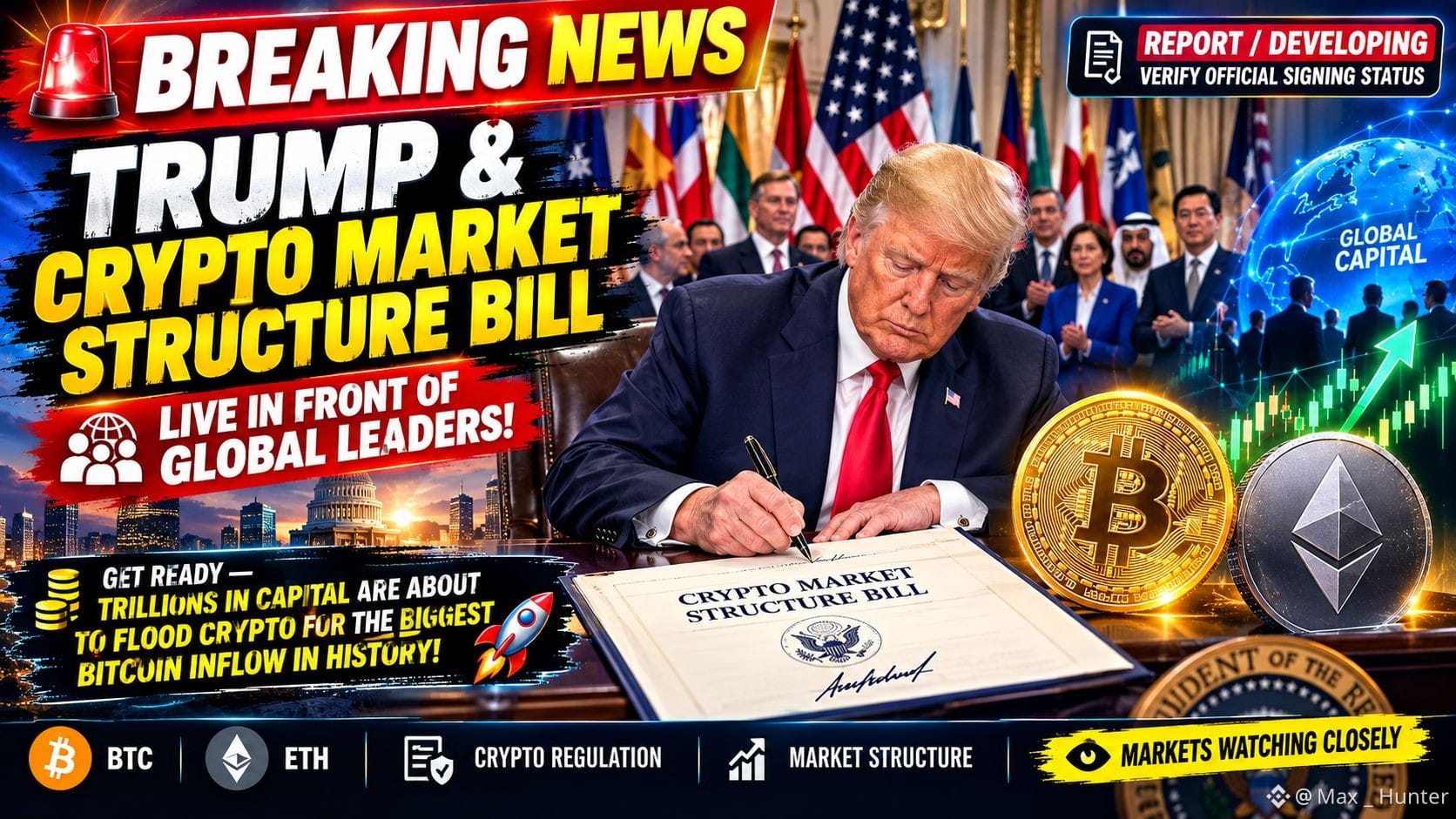
🚨 暗号市場ストラクチャーのアップデート 🚨 🇺🇸
トランプ氏は「明確化法(CLARITY Act)」の推進を続けているが、上院は2026年9月15日に主要な暗号市場構造法案の前進を失敗した。
🔥 この法案は、デジタル資産に関するより明確な米国のルールを確立し、規制上の責任を定義することを目的としており、ホワイトハウスは暗号に友好的な規制枠組みを支援し続けている。
₿ もし将来この法案が前進すれば、より明確な規制は機関投資家の参加や、より広範な暗号市場に大きな影響を与える可能性があるが、「数兆ドル」の即時流入や歴史的なビットコイン流入といった主張は、現時点では検証されていない。📊🚀
#US10YearYieldNears5.3%
#KoreaProposesTokenizingStocksAndBonds
#MetaMaskExitsLidoValidatorsAfterSecurityIncident
#MicronBeatsEarningsLiftsGuidance
#CFTCSubmitsTwoEventContractRulesToWhiteHouse
$BTC
{spot}(BTCUSDT)
$LAB
{future}(LABUSDT)
$TLM
{spot}(TLMUSDT)
🚨 暗号市場ストラクチャーのアップデート 🚨 🇺🇸
トランプ氏は「明確化法(CLARITY Act)」の推進を続けているが、上院は2026年9月15日に主要な暗号市場構造法案の前進を失敗した。
🔥 この法案は、デジタル資産に関するより明確な米国のルールを確立し、規制上の責任を定義することを目的としており、ホワイトハウスは暗号に友好的な規制枠組みを支援し続けている。
₿ もし将来この法案が前進すれば、より明確な規制は機関投資家の参加や、より広範な暗号市場に大きな影響を与える可能性があるが、「数兆ドル」の即時流入や歴史的なビットコイン流入といった主張は、現時点では検証されていない。📊🚀
#US10YearYieldNears5.3%
#KoreaProposesTokenizingStocksAndBonds
#MetaMaskExitsLidoValidatorsAfterSecurityIncident
#MicronBeatsEarningsLiftsGuidance
#CFTCSubmitsTwoEventContractRulesToWhiteHouse
$BTC
$LAB
$TLM
トランプ氏は「明確化法(CLARITY Act)」の推進を続けているが、上院は2026年9月15日に主要な暗号市場構造法案の前進を失敗した。
🔥 この法案は、デジタル資産に関するより明確な米国のルールを確立し、規制上の責任を定義することを目的としており、ホワイトハウスは暗号に友好的な規制枠組みを支援し続けている。
₿ もし将来この法案が前進すれば、より明確な規制は機関投資家の参加や、より広範な暗号市場に大きな影響を与える可能性があるが、「数兆ドル」の即時流入や歴史的なビットコイン流入といった主張は、現時点では検証されていない。📊🚀
#US10YearYieldNears5.3%
#KoreaProposesTokenizingStocksAndBonds
#MetaMaskExitsLidoValidatorsAfterSecurityIncident
#MicronBeatsEarningsLiftsGuidance
#CFTCSubmitsTwoEventContractRulesToWhiteHouse
$BTC
$LAB
$TLM
1
1.1k
·
--
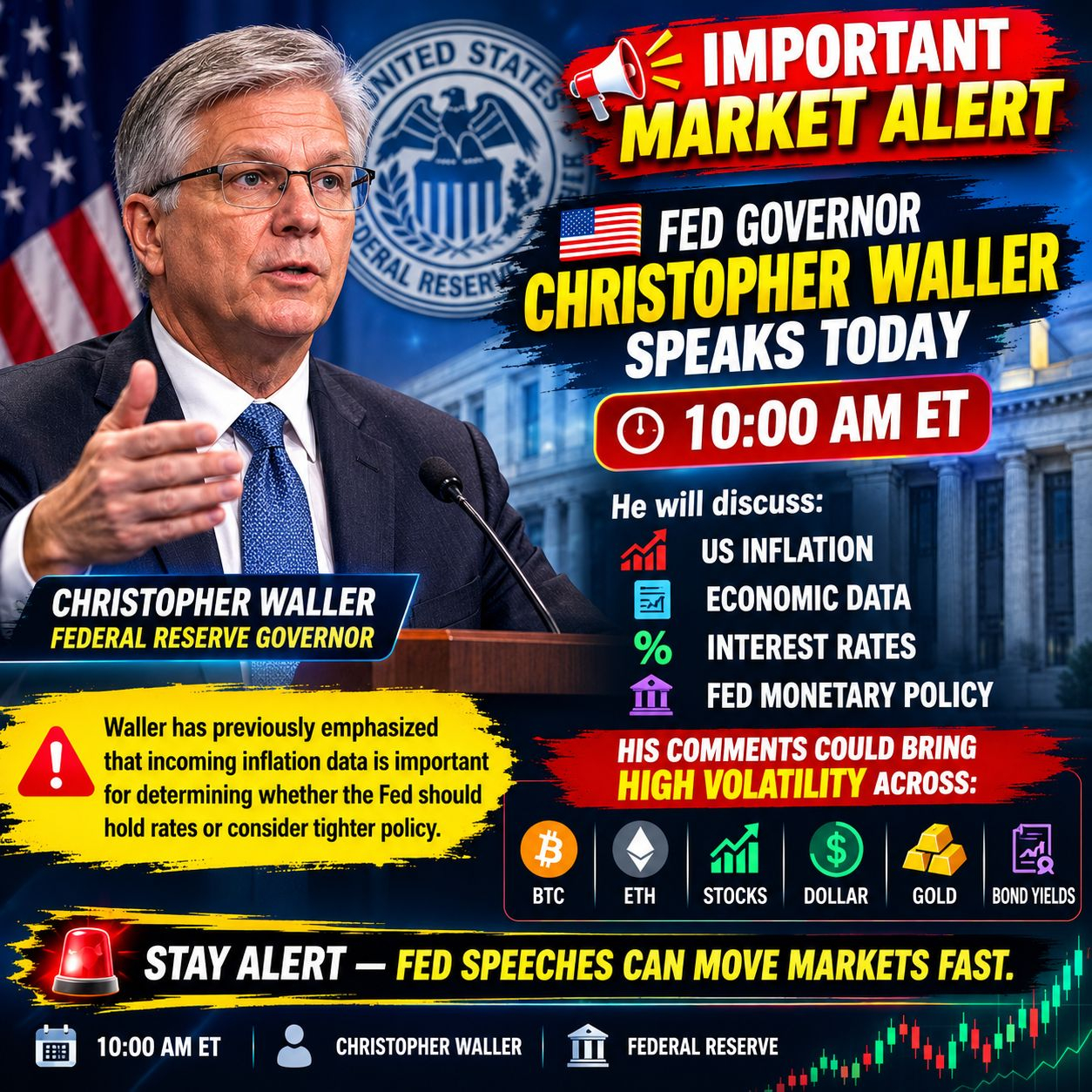
🚨重要な市場アラート🚨
🇺🇸 米連邦準備制度(FRB)理事 クリストファー・ウォラーが本日登壇
⏰ 午前10:00(ET)
🎙️ 市場は、彼の発言として以下に注目します:
📊 米国インフレ
🇺🇸 経済指標
💵 金利
🏦 FRBの金融政策
⚠️ ウォラーはこれまで、今後のインフレデータが、FRBが金利を据え置くべきか、より引き締めた政策を検討すべきかを判断するうえで重要だと強調してきました。
🔥 彼の発言は、以下に高いボラティリティをもたらす可能性があります:
₿ BTC
♦️ ETH
📈 株式
💵 ドル
🥇 金
📊 国債利回り
🚨 注意して待機—FRBの演説は市場を素早く動かすことがあります。
⏳ 午前10:00(ET)
🇺🇸 クリストファー・ウォラー
🏦 米連邦準備制度(FRB)
#Bitcoin #BTC #US10YearYieldNears5.3%
#KoreaProposesTokenizingStocksAndBonds
#USADPAdds90000JobsInSeptember
🚨重要な市場アラート🚨
🇺🇸 米連邦準備制度(FRB)理事 クリストファー・ウォラーが本日登壇
⏰ 午前10:00(ET)
🎙️ 市場は、彼の発言として以下に注目します:
📊 米国インフレ
🇺🇸 経済指標
💵 金利
🏦 FRBの金融政策
⚠️ ウォラーはこれまで、今後のインフレデータが、FRBが金利を据え置くべきか、より引き締めた政策を検討すべきかを判断するうえで重要だと強調してきました。
🔥 彼の発言は、以下に高いボラティリティをもたらす可能性があります:
₿ BTC
♦️ ETH
📈 株式
💵 ドル
🥇 金
📊 国債利回り
🚨 注意して待機—FRBの演説は市場を素早く動かすことがあります。
⏳ 午前10:00(ET)
🇺🇸 クリストファー・ウォラー
🏦 米連邦準備制度(FRB)
#Bitcoin #BTC #US10YearYieldNears5.3%
#KoreaProposesTokenizingStocksAndBonds
#USADPAdds90000JobsInSeptember
🇺🇸 米連邦準備制度(FRB)理事 クリストファー・ウォラーが本日登壇
⏰ 午前10:00(ET)
🎙️ 市場は、彼の発言として以下に注目します:
📊 米国インフレ
🇺🇸 経済指標
💵 金利
🏦 FRBの金融政策
⚠️ ウォラーはこれまで、今後のインフレデータが、FRBが金利を据え置くべきか、より引き締めた政策を検討すべきかを判断するうえで重要だと強調してきました。
🔥 彼の発言は、以下に高いボラティリティをもたらす可能性があります:
₿ BTC
♦️ ETH
📈 株式
💵 ドル
🥇 金
📊 国債利回り
🚨 注意して待機—FRBの演説は市場を素早く動かすことがあります。
⏳ 午前10:00(ET)
🇺🇸 クリストファー・ウォラー
🏦 米連邦準備制度(FRB)
#Bitcoin #BTC #US10YearYieldNears5.3%
#KoreaProposesTokenizingStocksAndBonds
#USADPAdds90000JobsInSeptember
158
·
--
ブリッシュ
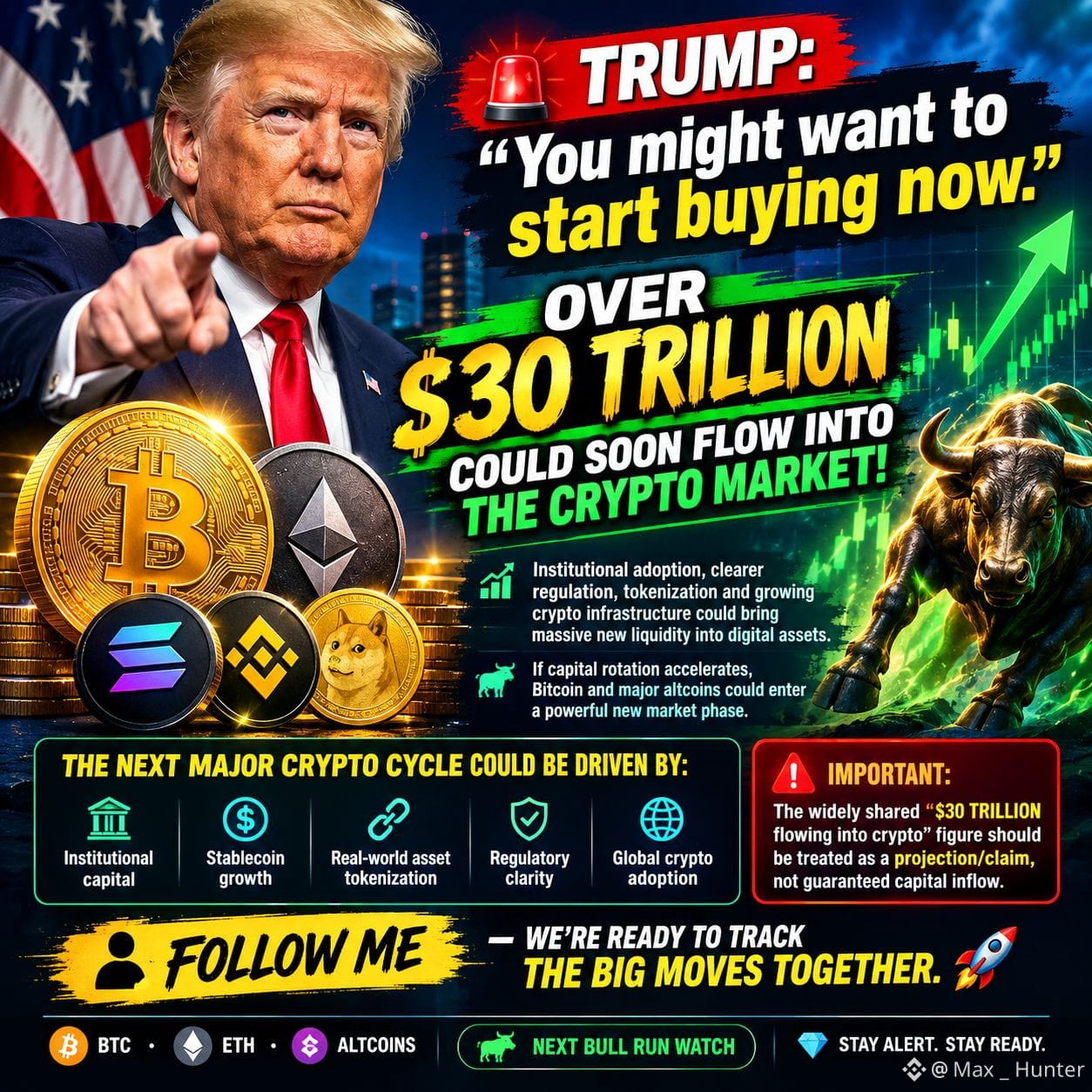
🚨 トランプ 今すぐ買い始めたほうがいいかもしれません
💰 数十兆〜数千兆ドルの資本が暗号資産を注視
🔥 機関投資家の採用、より明確な規制、トークン化、そして拡大する暗号資産インフラが、大規模な新規流動性をデジタル資産にもたらす可能性があります。
🐂 資金のローテーションが加速すれば、ビットコインや主要アルトコインは強力な新たな市場フェーズに入るかもしれません
📈 次の大きな暗号資産サイクルは、
• 🏦 機関投資家の資本
• 💵 ステーブルコインの成長
• 🔗 現実世界の資産のトークン化
• ⚖️ 規制の明確化
• 🌐 世界的な暗号資産の普及
🚨 重要:暗号資産に流れ込むと広く共有されている「3,000兆ドル($30 TRILLION)」という数字は、保証された資金流入ではなく、予測/主張として扱ってください
🔥 フォローして — 大きな動きを一緒に追跡する準備ができています
🚀 $BTC • $ETH • アルトコイン
🐂 $NEXT.US ブルランに注目
💎 用心して。準備して。そうして。
#Bitcoin #BTC #Crypto #Ethereum #ETH #Altcoins #BullRun #CryptoMarket #Trump #InstitutionalAdoption #CryptoNews #Blockchain #Web3 #trading
{spot}(ETHUSDT)
🚨 トランプ 今すぐ買い始めたほうがいいかもしれません
💰 数十兆〜数千兆ドルの資本が暗号資産を注視
🔥 機関投資家の採用、より明確な規制、トークン化、そして拡大する暗号資産インフラが、大規模な新規流動性をデジタル資産にもたらす可能性があります。
🐂 資金のローテーションが加速すれば、ビットコインや主要アルトコインは強力な新たな市場フェーズに入るかもしれません
📈 次の大きな暗号資産サイクルは、
• 🏦 機関投資家の資本
• 💵 ステーブルコインの成長
• 🔗 現実世界の資産のトークン化
• ⚖️ 規制の明確化
• 🌐 世界的な暗号資産の普及
🚨 重要:暗号資産に流れ込むと広く共有されている「3,000兆ドル($30 TRILLION)」という数字は、保証された資金流入ではなく、予測/主張として扱ってください
🔥 フォローして — 大きな動きを一緒に追跡する準備ができています
🚀 $BTC • $ETH • アルトコイン
🐂 $NEXT.US ブルランに注目
💎 用心して。準備して。そうして。
#Bitcoin #BTC #Crypto #Ethereum #ETH #Altcoins #BullRun #CryptoMarket #Trump #InstitutionalAdoption #CryptoNews #Blockchain #Web3 #trading
💰 数十兆〜数千兆ドルの資本が暗号資産を注視
🔥 機関投資家の採用、より明確な規制、トークン化、そして拡大する暗号資産インフラが、大規模な新規流動性をデジタル資産にもたらす可能性があります。
🐂 資金のローテーションが加速すれば、ビットコインや主要アルトコインは強力な新たな市場フェーズに入るかもしれません
📈 次の大きな暗号資産サイクルは、
• 🏦 機関投資家の資本
• 💵 ステーブルコインの成長
• 🔗 現実世界の資産のトークン化
• ⚖️ 規制の明確化
• 🌐 世界的な暗号資産の普及
🚨 重要:暗号資産に流れ込むと広く共有されている「3,000兆ドル($30 TRILLION)」という数字は、保証された資金流入ではなく、予測/主張として扱ってください
🔥 フォローして — 大きな動きを一緒に追跡する準備ができています
🚀 $BTC • $ETH • アルトコイン
🐂 $NEXT.US ブルランに注目
💎 用心して。準備して。そうして。
#Bitcoin #BTC #Crypto #Ethereum #ETH #Altcoins #BullRun #CryptoMarket #Trump #InstitutionalAdoption #CryptoNews #Blockchain #Web3 #trading
214
·
--
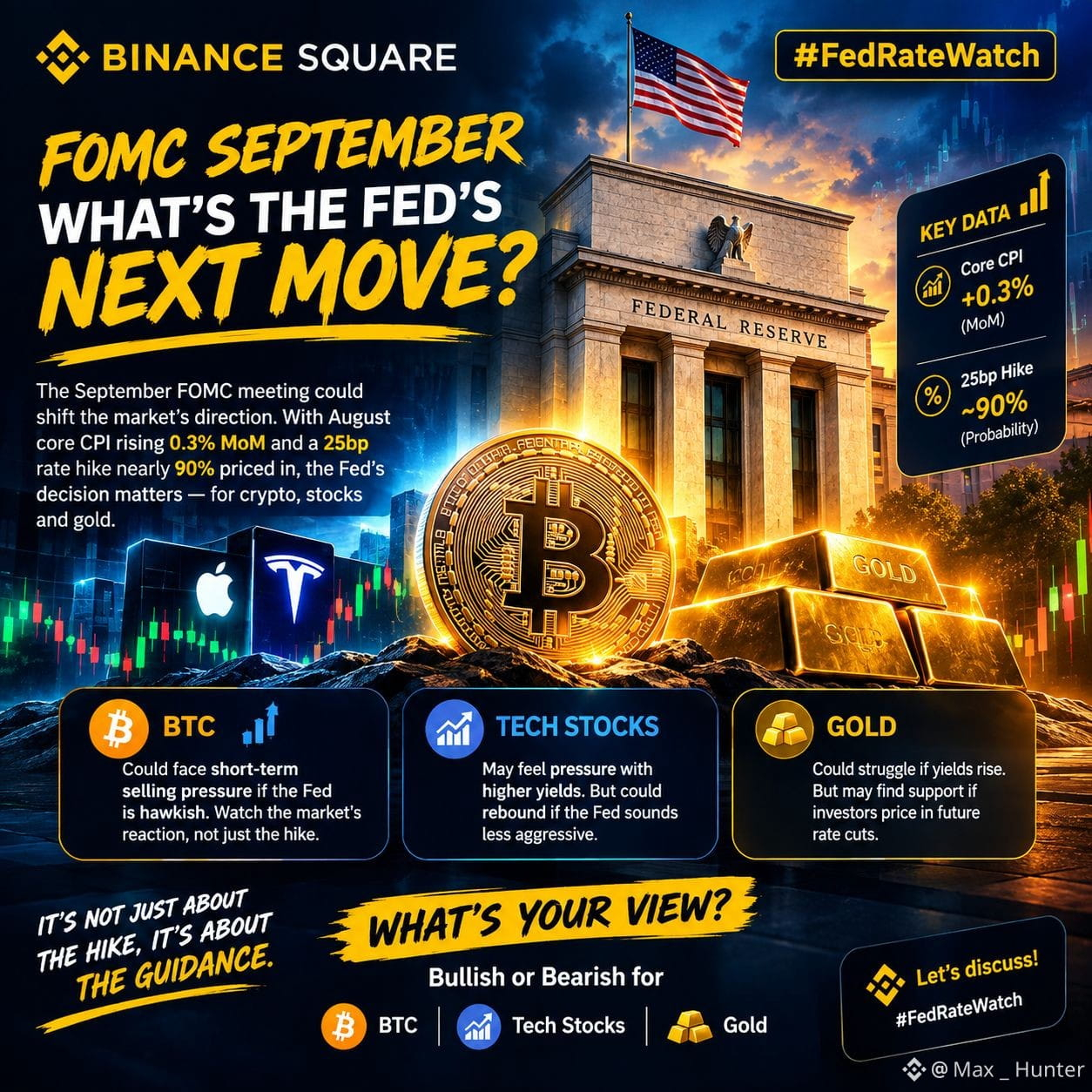
🔥 #FedRateWatch | FOMC 9月:FRBの次の一手は?
9月のFOMC会合が、世界の市場の大きな注目点になりつつあります。8月のコアCPIが前月比0.3%上昇し、25bpの利上げ観測が報道では約90%まで高まっている中で、FRBの次の判断は、暗号資産(クリプト)、株式、そして金に強い反応を引き起こす可能性があります。
私の見解では、重要な問いは「FRBが利上げするかどうか」だけではなく、「その後に市場がガイダンスをどう解釈するか」です。利上げに加えてタカ派的なメッセージが出れば、ドルが強まり、リスク資産に圧力がかかるかもしれません。BTCやテクノロジー株は短期的な売り圧力を受ける可能性があり、金も利回りが上昇すれば苦戦する可能性があります。
しかし、市場はしばしば実際の決定の前に、期待によって動きます。今回の利上げがすでに織り込み済みなら、FRBが想定よりも強硬でないと聞こえた場合、BTCやテック株は反発する可能性があります。投資家が将来の利下げを織り込み始めれば、金も下支えを受けるかもしれません。
BTCについては、最初の動きに追随するよりも、発表後の反応を見たいところです。真のチャンスは、FRBのガイダンスに対する市場の反応の中にあるのかもしれません。
確かなことが一つあります。ボラティリティは高止まりしうるため、リスク管理はいままで以上に重要になります。
あなたの見通しは?$BTC 、テック株、そして金は強気(ブル)ですか、それとも弱気(ベア)ですか?
{future}(LABUSDT)
#FOMC #Bitcoin #Crypto #Stocks
🔥 #FedRateWatch | FOMC 9月:FRBの次の一手は?
9月のFOMC会合が、世界の市場の大きな注目点になりつつあります。8月のコアCPIが前月比0.3%上昇し、25bpの利上げ観測が報道では約90%まで高まっている中で、FRBの次の判断は、暗号資産(クリプト)、株式、そして金に強い反応を引き起こす可能性があります。
私の見解では、重要な問いは「FRBが利上げするかどうか」だけではなく、「その後に市場がガイダンスをどう解釈するか」です。利上げに加えてタカ派的なメッセージが出れば、ドルが強まり、リスク資産に圧力がかかるかもしれません。BTCやテクノロジー株は短期的な売り圧力を受ける可能性があり、金も利回りが上昇すれば苦戦する可能性があります。
しかし、市場はしばしば実際の決定の前に、期待によって動きます。今回の利上げがすでに織り込み済みなら、FRBが想定よりも強硬でないと聞こえた場合、BTCやテック株は反発する可能性があります。投資家が将来の利下げを織り込み始めれば、金も下支えを受けるかもしれません。
BTCについては、最初の動きに追随するよりも、発表後の反応を見たいところです。真のチャンスは、FRBのガイダンスに対する市場の反応の中にあるのかもしれません。
確かなことが一つあります。ボラティリティは高止まりしうるため、リスク管理はいままで以上に重要になります。
あなたの見通しは?$BTC 、テック株、そして金は強気(ブル)ですか、それとも弱気(ベア)ですか?
#FOMC #Bitcoin #Crypto #Stocks
9月のFOMC会合が、世界の市場の大きな注目点になりつつあります。8月のコアCPIが前月比0.3%上昇し、25bpの利上げ観測が報道では約90%まで高まっている中で、FRBの次の判断は、暗号資産(クリプト)、株式、そして金に強い反応を引き起こす可能性があります。
私の見解では、重要な問いは「FRBが利上げするかどうか」だけではなく、「その後に市場がガイダンスをどう解釈するか」です。利上げに加えてタカ派的なメッセージが出れば、ドルが強まり、リスク資産に圧力がかかるかもしれません。BTCやテクノロジー株は短期的な売り圧力を受ける可能性があり、金も利回りが上昇すれば苦戦する可能性があります。
しかし、市場はしばしば実際の決定の前に、期待によって動きます。今回の利上げがすでに織り込み済みなら、FRBが想定よりも強硬でないと聞こえた場合、BTCやテック株は反発する可能性があります。投資家が将来の利下げを織り込み始めれば、金も下支えを受けるかもしれません。
BTCについては、最初の動きに追随するよりも、発表後の反応を見たいところです。真のチャンスは、FRBのガイダンスに対する市場の反応の中にあるのかもしれません。
確かなことが一つあります。ボラティリティは高止まりしうるため、リスク管理はいままで以上に重要になります。
あなたの見通しは?$BTC 、テック株、そして金は強気(ブル)ですか、それとも弱気(ベア)ですか?
#FOMC #Bitcoin #Crypto #Stocks
290
·
--
$DEXE は約$1.97222付近での$4.9973Kのロングリキッド後に弱気のモメンタムを示しています。
売り手が活動を続けている一方で、買い手は現在の反応ゾーンを安定させようとしています。
EP
$1.955–$1.985
TP
TP1 $1.930
TP2 $1.890
TP3 $1.840
SL
$2.025
買い手が強い圧力下にある限り、現在の構造の下にはリキディティが露出したままです。
価格が上側の反応ゾーンを取り戻さない限り、下方向のリキディティに向かう弱気の継続がより有利です。
$DEXE を行こう 🔻
$DEXE は約$1.97222付近での$4.9973Kのロングリキッド後に弱気のモメンタムを示しています。
売り手が活動を続けている一方で、買い手は現在の反応ゾーンを安定させようとしています。
EP
$1.955–$1.985
TP
TP1 $1.930
TP2 $1.890
TP3 $1.840
SL
$2.025
買い手が強い圧力下にある限り、現在の構造の下にはリキディティが露出したままです。
価格が上側の反応ゾーンを取り戻さない限り、下方向のリキディティに向かう弱気の継続がより有利です。
$DEXE を行こう 🔻
売り手が活動を続けている一方で、買い手は現在の反応ゾーンを安定させようとしています。
EP
$1.955–$1.985
TP
TP1 $1.930
TP2 $1.890
TP3 $1.840
SL
$2.025
買い手が強い圧力下にある限り、現在の構造の下にはリキディティが露出したままです。
価格が上側の反応ゾーンを取り戻さない限り、下方向のリキディティに向かう弱気の継続がより有利です。
$DEXE を行こう 🔻
55
·
--
$ARC は、約$0.18867での$1.5304Kロングリクイデーション後に弱気のモメンタムを示しています。
売り手は活発なままであり、買い手は現在の反応ゾーンを安定させようとしています。
EP
$0.1870–$0.1905
TP
TP1 $0.1845
TP2 $0.1810
TP3 $0.1765
SL
$0.1940
流動性は現在の構造の下で引き続き晒された状態ですが、買い手は依然としてプレッシャーを受けています。
価格が上側の反応ゾーンを取り戻さない限り、下の流動性に向けた弱気の継続がより有利です。
行こう $ARC 🔻
$ARC は、約$0.18867での$1.5304Kロングリクイデーション後に弱気のモメンタムを示しています。
売り手は活発なままであり、買い手は現在の反応ゾーンを安定させようとしています。
EP
$0.1870–$0.1905
TP
TP1 $0.1845
TP2 $0.1810
TP3 $0.1765
SL
$0.1940
流動性は現在の構造の下で引き続き晒された状態ですが、買い手は依然としてプレッシャーを受けています。
価格が上側の反応ゾーンを取り戻さない限り、下の流動性に向けた弱気の継続がより有利です。
行こう $ARC 🔻
売り手は活発なままであり、買い手は現在の反応ゾーンを安定させようとしています。
EP
$0.1870–$0.1905
TP
TP1 $0.1845
TP2 $0.1810
TP3 $0.1765
SL
$0.1940
流動性は現在の構造の下で引き続き晒された状態ですが、買い手は依然としてプレッシャーを受けています。
価格が上側の反応ゾーンを取り戻さない限り、下の流動性に向けた弱気の継続がより有利です。
行こう $ARC 🔻
85
·
--
$BCH は、$259.38付近での$1.2212Kロング清算後、弱気のモメンタムを示しています。
売り手は活発なままで、買い手は現在の反応ゾーンを安定させようとしています。
EP
$257–$261
TP
TP1 $255
TP2 $252
TP3 $248
SL
$264
現在の構造の下では流動性が依然として露出しており、買い手は圧力にさらされています。
価格が上側の反応ゾーンを取り戻さない限り、下方向の流動性へ向けた弱気の継続が優勢です。
さあ行こう $BCH 🔻
$BCH は、$259.38付近での$1.2212Kロング清算後、弱気のモメンタムを示しています。
売り手は活発なままで、買い手は現在の反応ゾーンを安定させようとしています。
EP
$257–$261
TP
TP1 $255
TP2 $252
TP3 $248
SL
$264
現在の構造の下では流動性が依然として露出しており、買い手は圧力にさらされています。
価格が上側の反応ゾーンを取り戻さない限り、下方向の流動性へ向けた弱気の継続が優勢です。
さあ行こう $BCH 🔻
売り手は活発なままで、買い手は現在の反応ゾーンを安定させようとしています。
EP
$257–$261
TP
TP1 $255
TP2 $252
TP3 $248
SL
$264
現在の構造の下では流動性が依然として露出しており、買い手は圧力にさらされています。
価格が上側の反応ゾーンを取り戻さない限り、下方向の流動性へ向けた弱気の継続が優勢です。
さあ行こう $BCH 🔻
65
ログインして、さらにコンテンツを読む
厳選トピックで世界の暗号資産トレーダーの仲間入り
⚡️ 暗号資産に関する最新かつ有益な情報が見つかります。
💬 世界最大の暗号資産取引所から信頼されています。
👍 認証を受けたクリエイターから、有益なインサイトを得られます。
メール / 電話番号