

BTC S
5.7k 投稿

BTC S
報告
ユーザーをブロック
446 フォロー
8.3K+ フォロワー
3.4K+ いいね
投稿
すべて
引用
ライブ
·
--
ブリッシュ
FOMC 9月:FRBの次の一手は?
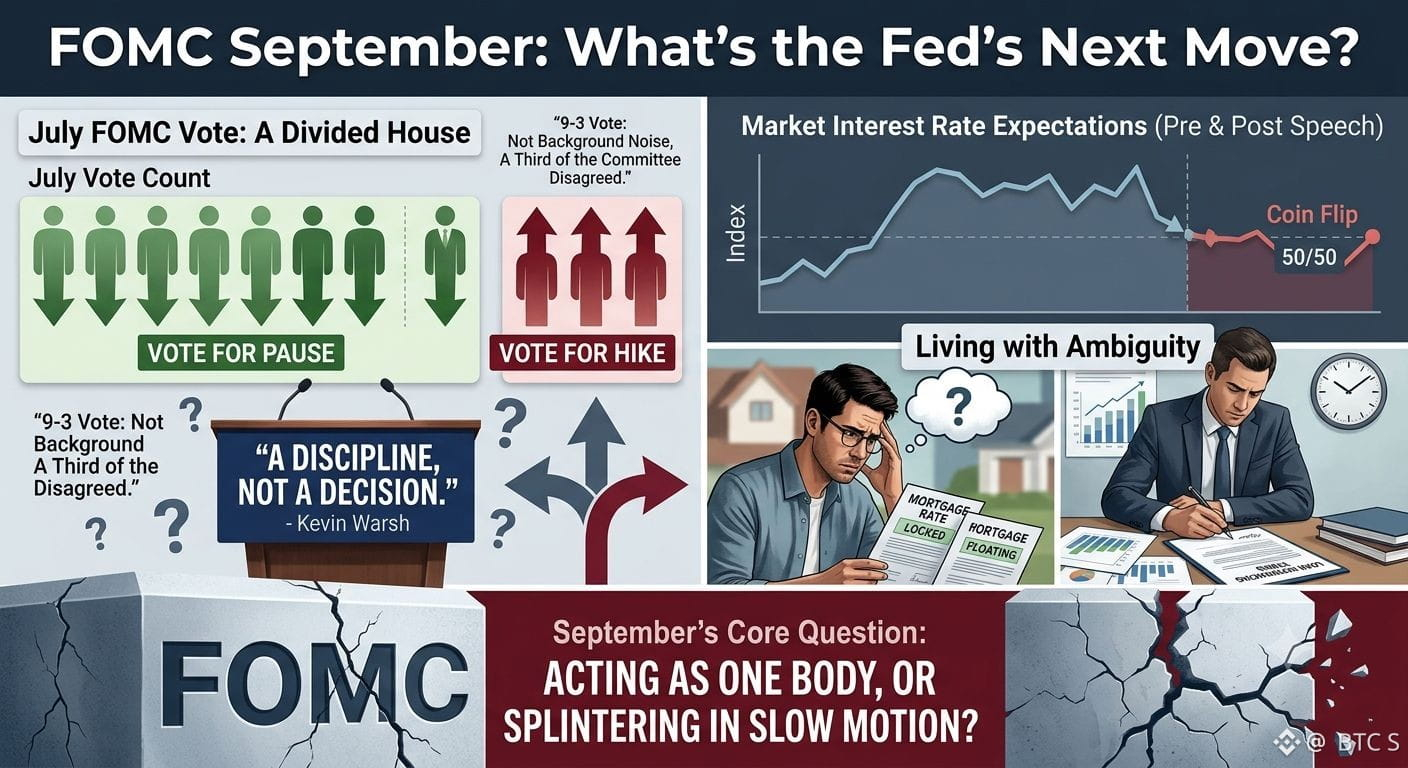
正直、同じことにずっと引っかかってしまう。私たちは「FRBの決定」について、あたかも一つの頭が判断を下すかのように話す。でも7月の投票は9対3だった。3人は、ウォーシュがジャクソンホールの演壇に立つ前からすでに利上げを望んでいた。これはただの背景の雑音じゃない——記録上、委員会の3分の1が意見を異にしているということだ。
そしてウォーシュは、「FRBは『決定ではなく、規律(ディシプリン)』にコミットしている」と言う。この言葉を何度も頭の中で転がしてみたが、それが本当に筋の通った哲学なのか、それとも事態がこじれたときに責任を回避するための言い方なのか、正直わからない。とはいえ、具体的なことは起きた——市場は、据え置きを「ほぼ見込んでいた」のが、利上げをめぐるコイン投げ同然の状況に、数日で変わってしまった。これは市場を落ち着かせたことにはならない。これはFRBが、市場に対して答えを巡るオープンな疑問を手渡し、考えさせているだけだ。
しかも、その曖昧さを本当に受け止めて生きていかなければならないのは、趣味でドットプロットを眺めるトレーダーではない。今週、住宅ローン金利を固定する人がいる。水曜までに、そのローンを期間固定(タームアウト)にするかどうかを判断しなければならない企業もある。彼らは「規律」を得るわけじゃない。冷徹な数字があるだけで、それに合わせて前に進む必要がある。
だから私は、9月が「25ベーシスポイント上げるのか、それとも何もしないのか」みたいな話だとは思わない。問題は、この委員会が今も一つの組織のように行動するのか、それとも私たちは、それがゆっくりと分裂していくのを見ているだけなのか——そこにある。
$ZEC
{spot}(ZECUSDT)
$BTC
{spot}(BTCUSDT)
$LSK
{spot}(LSKUSDT)
FOMC 9月:FRBの次の一手は?
正直、同じことにずっと引っかかってしまう。私たちは「FRBの決定」について、あたかも一つの頭が判断を下すかのように話す。でも7月の投票は9対3だった。3人は、ウォーシュがジャクソンホールの演壇に立つ前からすでに利上げを望んでいた。これはただの背景の雑音じゃない——記録上、委員会の3分の1が意見を異にしているということだ。
そしてウォーシュは、「FRBは『決定ではなく、規律(ディシプリン)』にコミットしている」と言う。この言葉を何度も頭の中で転がしてみたが、それが本当に筋の通った哲学なのか、それとも事態がこじれたときに責任を回避するための言い方なのか、正直わからない。とはいえ、具体的なことは起きた——市場は、据え置きを「ほぼ見込んでいた」のが、利上げをめぐるコイン投げ同然の状況に、数日で変わってしまった。これは市場を落ち着かせたことにはならない。これはFRBが、市場に対して答えを巡るオープンな疑問を手渡し、考えさせているだけだ。
しかも、その曖昧さを本当に受け止めて生きていかなければならないのは、趣味でドットプロットを眺めるトレーダーではない。今週、住宅ローン金利を固定する人がいる。水曜までに、そのローンを期間固定(タームアウト)にするかどうかを判断しなければならない企業もある。彼らは「規律」を得るわけじゃない。冷徹な数字があるだけで、それに合わせて前に進む必要がある。
だから私は、9月が「25ベーシスポイント上げるのか、それとも何もしないのか」みたいな話だとは思わない。問題は、この委員会が今も一つの組織のように行動するのか、それとも私たちは、それがゆっくりと分裂していくのを見ているだけなのか——そこにある。
$ZEC
$BTC
$LSK
正直、同じことにずっと引っかかってしまう。私たちは「FRBの決定」について、あたかも一つの頭が判断を下すかのように話す。でも7月の投票は9対3だった。3人は、ウォーシュがジャクソンホールの演壇に立つ前からすでに利上げを望んでいた。これはただの背景の雑音じゃない——記録上、委員会の3分の1が意見を異にしているということだ。
そしてウォーシュは、「FRBは『決定ではなく、規律(ディシプリン)』にコミットしている」と言う。この言葉を何度も頭の中で転がしてみたが、それが本当に筋の通った哲学なのか、それとも事態がこじれたときに責任を回避するための言い方なのか、正直わからない。とはいえ、具体的なことは起きた——市場は、据え置きを「ほぼ見込んでいた」のが、利上げをめぐるコイン投げ同然の状況に、数日で変わってしまった。これは市場を落ち着かせたことにはならない。これはFRBが、市場に対して答えを巡るオープンな疑問を手渡し、考えさせているだけだ。
しかも、その曖昧さを本当に受け止めて生きていかなければならないのは、趣味でドットプロットを眺めるトレーダーではない。今週、住宅ローン金利を固定する人がいる。水曜までに、そのローンを期間固定(タームアウト)にするかどうかを判断しなければならない企業もある。彼らは「規律」を得るわけじゃない。冷徹な数字があるだけで、それに合わせて前に進む必要がある。
だから私は、9月が「25ベーシスポイント上げるのか、それとも何もしないのか」みたいな話だとは思わない。問題は、この委員会が今も一つの組織のように行動するのか、それとも私たちは、それがゆっくりと分裂していくのを見ているだけなのか——そこにある。
$ZEC
$BTC
$LSK
378
·
--
ブリッシュ
本人確認中
私は毎週のCPIのたびに同じイライラがまた戻ってきます。みんなが月次の1つの数字で何かが決着するかのように扱うのですが、正直それはその役割のために作られていません。季節要因のノイズ、サンプルの妙なぶれ、いくつかのカテゴリーだけが実質的にすべてを動かす—今回それがサービスでした。エネルギーと住宅(シェルター)を除くと特にそうです。ですがFRBは、データがきれいかどうかに関係なく、カレンダー上の会合を開きます。だから約2日間、市場はただ……その数字が、おそらくそれ以上の意味を持つと信じてしまう。
で、何が起きたかというと:コアCPIは月次で0.3%となり、予想より0.1ポイント熱く、ほぼ直後に利上げの確率がどこか85%前後まで跳ね上がりました。これは、注意深く見ていた人にとっては別に驚くことじゃないと思います。先のPPIが2日前に出た時点で、先物はすでに73%近くまで来ていたからです。これで誰かの考えが変わったわけではありません。ただ、人々が「すでに疑っていたこと」を口にしてもいい、というお墨付きを与えただけです。
ただ、これらの話について自信満々に断言するのはためらいます。というのも、FRBの当局者自身が事前に「非常に綱引きの均衡(finely balanced)」に見えると言っていた一方で、最近の単発の指標に対する彼らの反応は、ルールに基づくというよりその場の即興っぽさがあるからです。来週0.25ポイントの利上げでも驚きません。現状維持(ホールド)もあり得ます—会合の部屋の中に十分な意見の不一致があれば、そっちも十分あり得ます。
率直に言うと、本当に気にする必要があるのは、変動金利の債務を抱えている人、あるいは今週ボンドの再評価(repricing)リスクを見ているディーラーデスクの人たちです。この一連を大きなサプライズの発表みたいに見ている他のみんなは、たぶん本来より多く読み取ってしまっているでしょう。
#CPIWatch
今日の数字が熱い結果だった場合、パーペチュアル(perp)の資金調達はどれくらいの速さで反転(フリップ)すると考えますか?
$MET
{spot}(METUSDT)
$BTC
{spot}(BTCUSDT)
$牛来
{spot}(牛来USDT)
私は毎週のCPIのたびに同じイライラがまた戻ってきます。みんなが月次の1つの数字で何かが決着するかのように扱うのですが、正直それはその役割のために作られていません。季節要因のノイズ、サンプルの妙なぶれ、いくつかのカテゴリーだけが実質的にすべてを動かす—今回それがサービスでした。エネルギーと住宅(シェルター)を除くと特にそうです。ですがFRBは、データがきれいかどうかに関係なく、カレンダー上の会合を開きます。だから約2日間、市場はただ……その数字が、おそらくそれ以上の意味を持つと信じてしまう。
で、何が起きたかというと:コアCPIは月次で0.3%となり、予想より0.1ポイント熱く、ほぼ直後に利上げの確率がどこか85%前後まで跳ね上がりました。これは、注意深く見ていた人にとっては別に驚くことじゃないと思います。先のPPIが2日前に出た時点で、先物はすでに73%近くまで来ていたからです。これで誰かの考えが変わったわけではありません。ただ、人々が「すでに疑っていたこと」を口にしてもいい、というお墨付きを与えただけです。
ただ、これらの話について自信満々に断言するのはためらいます。というのも、FRBの当局者自身が事前に「非常に綱引きの均衡(finely balanced)」に見えると言っていた一方で、最近の単発の指標に対する彼らの反応は、ルールに基づくというよりその場の即興っぽさがあるからです。来週0.25ポイントの利上げでも驚きません。現状維持(ホールド)もあり得ます—会合の部屋の中に十分な意見の不一致があれば、そっちも十分あり得ます。
率直に言うと、本当に気にする必要があるのは、変動金利の債務を抱えている人、あるいは今週ボンドの再評価(repricing)リスクを見ているディーラーデスクの人たちです。この一連を大きなサプライズの発表みたいに見ている他のみんなは、たぶん本来より多く読み取ってしまっているでしょう。
#CPIWatch
今日の数字が熱い結果だった場合、パーペチュアル(perp)の資金調達はどれくらいの速さで反転(フリップ)すると考えますか?
$MET
$BTC
$牛来
で、何が起きたかというと:コアCPIは月次で0.3%となり、予想より0.1ポイント熱く、ほぼ直後に利上げの確率がどこか85%前後まで跳ね上がりました。これは、注意深く見ていた人にとっては別に驚くことじゃないと思います。先のPPIが2日前に出た時点で、先物はすでに73%近くまで来ていたからです。これで誰かの考えが変わったわけではありません。ただ、人々が「すでに疑っていたこと」を口にしてもいい、というお墨付きを与えただけです。
ただ、これらの話について自信満々に断言するのはためらいます。というのも、FRBの当局者自身が事前に「非常に綱引きの均衡(finely balanced)」に見えると言っていた一方で、最近の単発の指標に対する彼らの反応は、ルールに基づくというよりその場の即興っぽさがあるからです。来週0.25ポイントの利上げでも驚きません。現状維持(ホールド)もあり得ます—会合の部屋の中に十分な意見の不一致があれば、そっちも十分あり得ます。
率直に言うと、本当に気にする必要があるのは、変動金利の債務を抱えている人、あるいは今週ボンドの再評価(repricing)リスクを見ているディーラーデスクの人たちです。この一連を大きなサプライズの発表みたいに見ている他のみんなは、たぶん本来より多く読み取ってしまっているでしょう。
#CPIWatch
今日の数字が熱い結果だった場合、パーペチュアル(perp)の資金調達はどれくらいの速さで反転(フリップ)すると考えますか?
$MET
$BTC
$牛来

6
1
6
1.6k
·
--
ブリッシュ
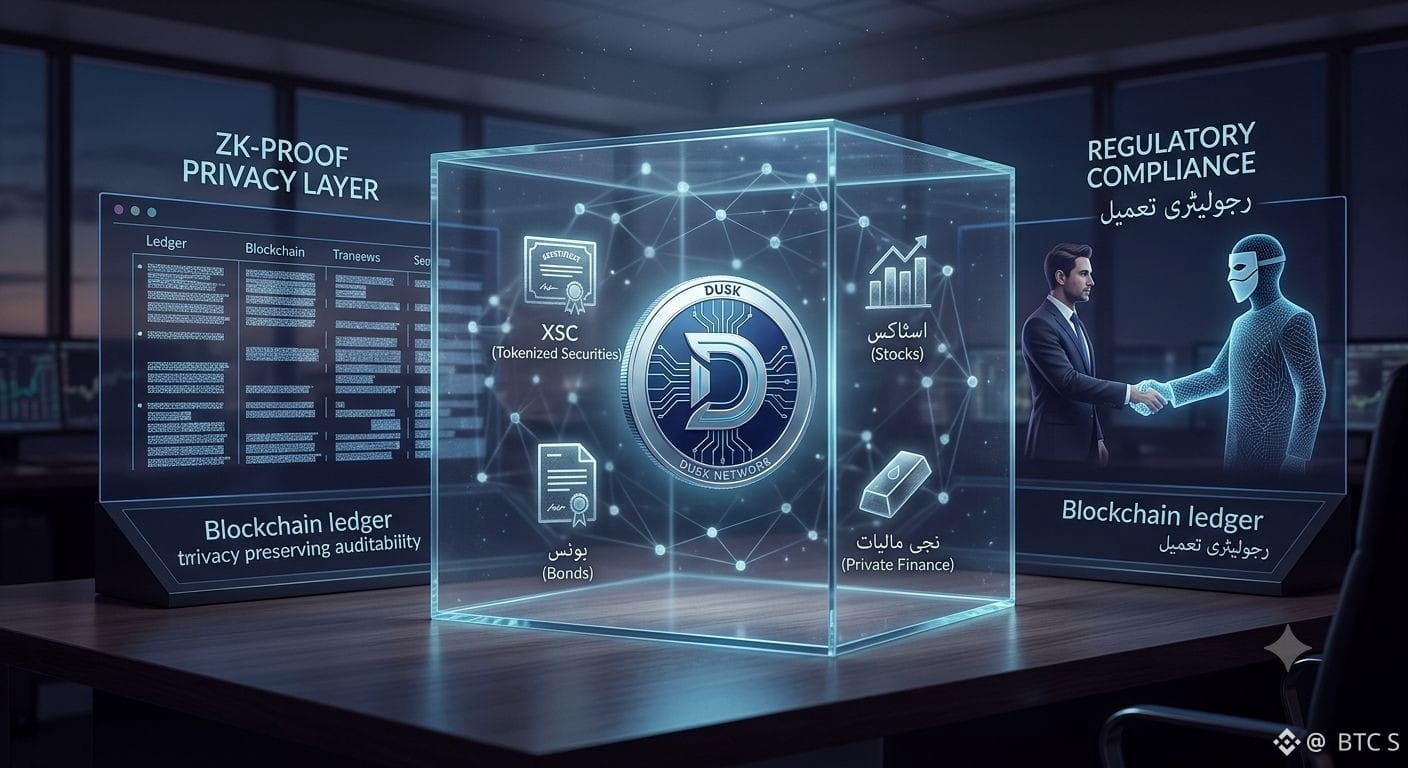
私は、かなり基本的な問題に何度も立ち返ります。ほとんどのブロックチェーンでは、誰もがすべてを見てしまうからです。たとえばトレーディングデスクがポジションを動かしたり、企業がトレジャリー資金を移したりすると、それは……見えてしまいます。競合他社にも、覗こうと思えば覗ける誰にでも。そう考えると、なぜ本気のお金が慎重に控えめになるのかが明白です。誰も、自分のカードをテーブルの上に伏せずにトレードしたくありません。
私が見てきた解決策は、実はあまり根本的には解決していません。問題を別の場所へ移しているだけです。ミキサーは、コンプライアンスがそれを見た瞬間に危険信号として扱われます。ゼロ知識ロールアップは、主に実行を速くするだけで、誰が誰と取引しているのかを隠せるわけではありません。結果として、プライバシーが事後的に「後付け」されたように感じられる状態になります。しかも、そのプライバシーは、そもそも非公開を想定して設計されていないシステムの上に載っている。すると規制当局は、「通常のポジションを保護している人」と「隠すべきでないものを隠している人」を見分けられない。
Duskが別のやり方をしているとすれば、プライバシーを後から積み重ねるのではなく、基盤レイヤーそのものに組み込もうとしていること、そして必要なときには監査可能な形で実現しようとしていることです。XSC規格は、かなり具体的な課題を指しています。つまり、すべてのカウンターパーティを公開することなく、規制上のチェックを通過する必要があるトークン化された有価証券です。「みんなのためのプライベート・クリプト」というより狭い目標ですが、私はむしろそれが利点になり得ると思います。
うまくいくかどうかは、たぶん技術の問題ではありません。規制対象の機関が、実際のお金を扱うために、見慣れない仕組みを信頼できるかどうかです。それは時間がかかります。そして、コードとは無関係な理由で足止めを食らう可能性もあります。
#dusk @Dusk_Foundation
$DUSK
{spot}(DUSKUSDT)
$BTR
{future}(BTRUSDT)
$FOREST
{alpha}(560x11cf6bf6d87cb0eb9c294fd6cbfec91ee3a1a7d0)
私は、かなり基本的な問題に何度も立ち返ります。ほとんどのブロックチェーンでは、誰もがすべてを見てしまうからです。たとえばトレーディングデスクがポジションを動かしたり、企業がトレジャリー資金を移したりすると、それは……見えてしまいます。競合他社にも、覗こうと思えば覗ける誰にでも。そう考えると、なぜ本気のお金が慎重に控えめになるのかが明白です。誰も、自分のカードをテーブルの上に伏せずにトレードしたくありません。
私が見てきた解決策は、実はあまり根本的には解決していません。問題を別の場所へ移しているだけです。ミキサーは、コンプライアンスがそれを見た瞬間に危険信号として扱われます。ゼロ知識ロールアップは、主に実行を速くするだけで、誰が誰と取引しているのかを隠せるわけではありません。結果として、プライバシーが事後的に「後付け」されたように感じられる状態になります。しかも、そのプライバシーは、そもそも非公開を想定して設計されていないシステムの上に載っている。すると規制当局は、「通常のポジションを保護している人」と「隠すべきでないものを隠している人」を見分けられない。
Duskが別のやり方をしているとすれば、プライバシーを後から積み重ねるのではなく、基盤レイヤーそのものに組み込もうとしていること、そして必要なときには監査可能な形で実現しようとしていることです。XSC規格は、かなり具体的な課題を指しています。つまり、すべてのカウンターパーティを公開することなく、規制上のチェックを通過する必要があるトークン化された有価証券です。「みんなのためのプライベート・クリプト」というより狭い目標ですが、私はむしろそれが利点になり得ると思います。
うまくいくかどうかは、たぶん技術の問題ではありません。規制対象の機関が、実際のお金を扱うために、見慣れない仕組みを信頼できるかどうかです。それは時間がかかります。そして、コードとは無関係な理由で足止めを食らう可能性もあります。
#dusk @Dusk
$DUSK
$BTR
$FOREST
私が見てきた解決策は、実はあまり根本的には解決していません。問題を別の場所へ移しているだけです。ミキサーは、コンプライアンスがそれを見た瞬間に危険信号として扱われます。ゼロ知識ロールアップは、主に実行を速くするだけで、誰が誰と取引しているのかを隠せるわけではありません。結果として、プライバシーが事後的に「後付け」されたように感じられる状態になります。しかも、そのプライバシーは、そもそも非公開を想定して設計されていないシステムの上に載っている。すると規制当局は、「通常のポジションを保護している人」と「隠すべきでないものを隠している人」を見分けられない。
Duskが別のやり方をしているとすれば、プライバシーを後から積み重ねるのではなく、基盤レイヤーそのものに組み込もうとしていること、そして必要なときには監査可能な形で実現しようとしていることです。XSC規格は、かなり具体的な課題を指しています。つまり、すべてのカウンターパーティを公開することなく、規制上のチェックを通過する必要があるトークン化された有価証券です。「みんなのためのプライベート・クリプト」というより狭い目標ですが、私はむしろそれが利点になり得ると思います。
うまくいくかどうかは、たぶん技術の問題ではありません。規制対象の機関が、実際のお金を扱うために、見慣れない仕組みを信頼できるかどうかです。それは時間がかかります。そして、コードとは無関係な理由で足止めを食らう可能性もあります。
#dusk @Dusk
$DUSK
$BTR
$FOREST
289
·
--
ブリッシュ
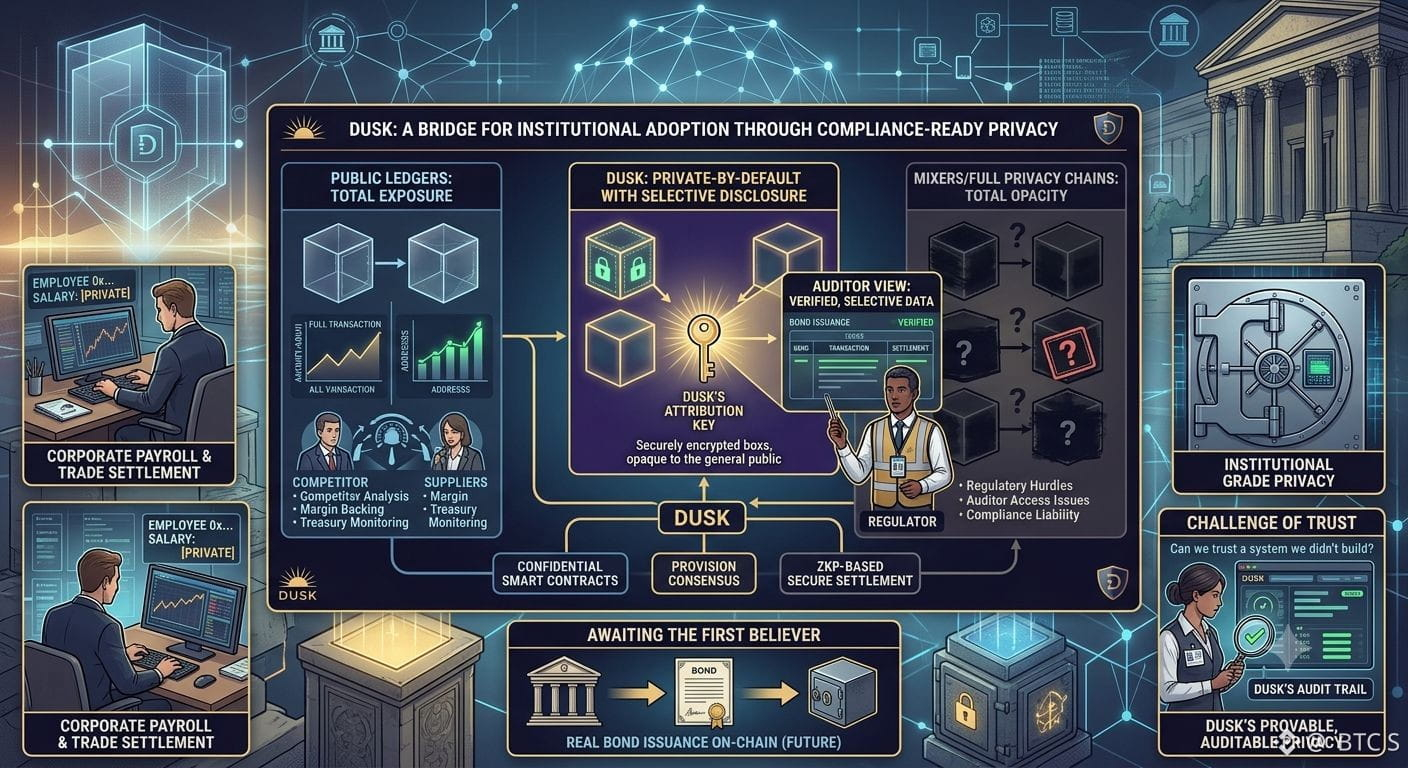
正直、パブリック・ブロックチェーンで私が気になるのは、いかにナイーブかという点です。すべてが永遠に公開されてしまう。すべてのウォレット、すべての送金、そしてお金を動かしたたびに、いつ・いくら・何を、という情報まで。2時に匿名でトークンを売買しているだけのトレーダーならともかく、給与を支払う会社であるとか、取引を決済するファンドであるとか、銀行がほぼ何かを動かすといったケースでは、そうはいきません。だって今や台帳が…みんなに自分の事情を喋っているようなものになるからです。取引先はあなたの利益率を逆算できます。競合はあなたのトレジャリーをライブ映像みたいに監視できます。これは心配される例外ケースというわけじゃなくて、「透明性」が設計の前提になってしまった時に起こる、単なる結果です。
なので、必然的に人々はプライバシーのためのツールを探しに行くのですが、たいていは別の何かを壊してしまいます。ミキサーは、隠しているわけではなくても、隠そうとしているように見せてしまいがちです。すると、基本的な金融プライバシーを使っただけなのにマネーロンダリングのように見られる。完全なプライベート・チェーンは逆に振れすぎてしまい、物事を見られるべき唯一の相手――監査人や規制当局――から隠してしまいます。だから結局、「完全な露出」と「完全な不可視性」のどちらかを選ぶしかなくなる。でも、実際に規制の下で運営される事業者にとっては、どちらも本当に使えるわけではありません。
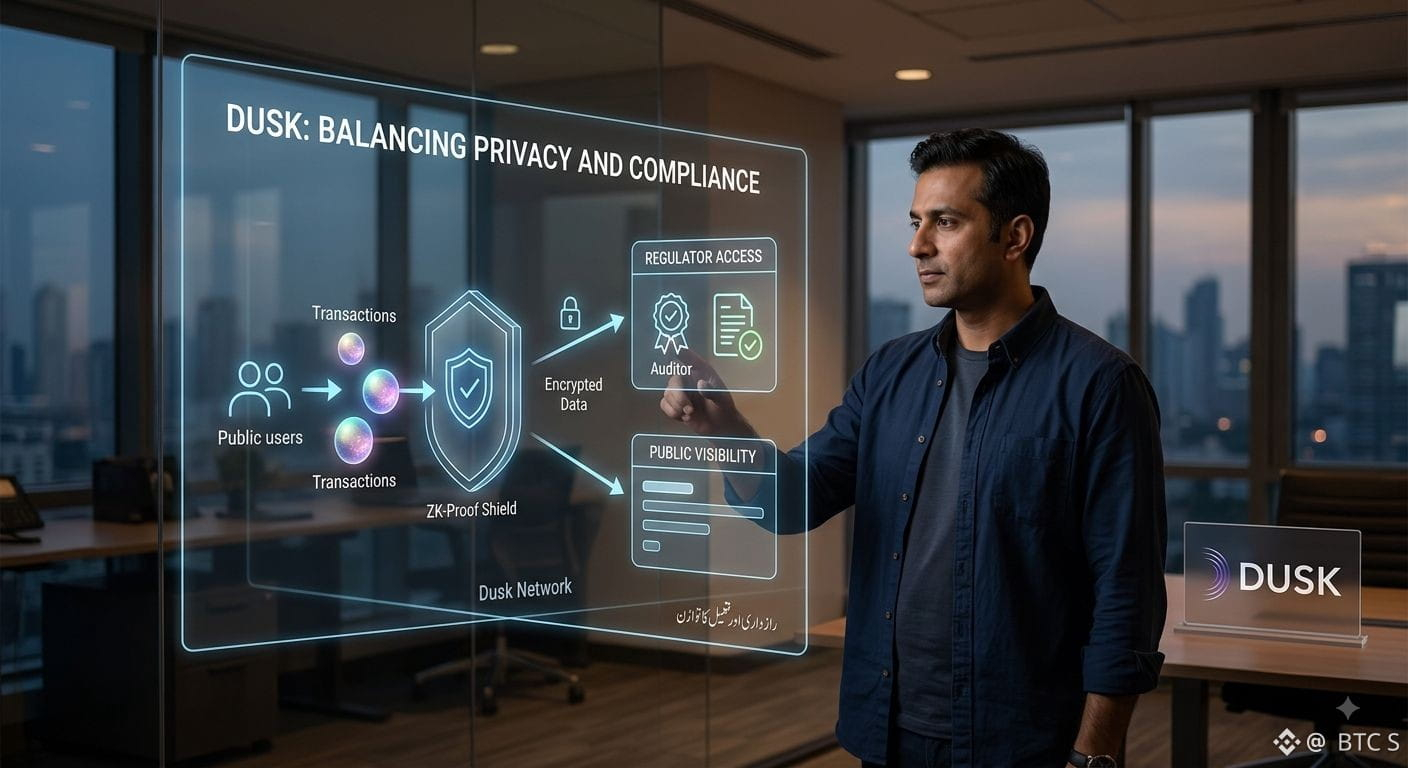
Duskが目指しているのは、デフォルトでプライベートだけど、正しい人が必要なときに正しいものを見られるようにする、という“面倒だけど現実的な中間地点”です。紙の上では良いアイデアです。ですが、難しいのは暗号技術ではないと思うんです。難しいのは、銀行のコンプライアンス担当者に、そのシステムが自分たちで作ったものではないこと、完全に自分たちでは監査できないこと、そして現実世界で「失敗した/成功した」を一度も見たことがないことを踏まえたうえで、開示の仕組みを実際に信頼してもらうことです。
私はまだ納得していません。バリデータの数が少ないこと、そして機能する価値が本当に出るのは制度(機関)が登場する場合だけであること、しかも制度は意図的に動きが遅いこと。実際に、1件でもいいから債券発行、あるいは証券決済が、この仕組み上で動いているところを見て、しかもそれがそこでずっと維持されるのを確認したい。そうでもない限り、これは「最初の信奉者を待つ良いアイデア」以上のものとは呼べないと思います。
#dusk @Dusk_Foundation
$DUSK
{spot}(DUSKUSDT)
$DEBIT
{alpha}(560x66661c7229901f568f16bd1551b3ba826f83ce49)
$BTR
{future}(BTRUSDT)
正直、パブリック・ブロックチェーンで私が気になるのは、いかにナイーブかという点です。すべてが永遠に公開されてしまう。すべてのウォレット、すべての送金、そしてお金を動かしたたびに、いつ・いくら・何を、という情報まで。2時に匿名でトークンを売買しているだけのトレーダーならともかく、給与を支払う会社であるとか、取引を決済するファンドであるとか、銀行がほぼ何かを動かすといったケースでは、そうはいきません。だって今や台帳が…みんなに自分の事情を喋っているようなものになるからです。取引先はあなたの利益率を逆算できます。競合はあなたのトレジャリーをライブ映像みたいに監視できます。これは心配される例外ケースというわけじゃなくて、「透明性」が設計の前提になってしまった時に起こる、単なる結果です。
なので、必然的に人々はプライバシーのためのツールを探しに行くのですが、たいていは別の何かを壊してしまいます。ミキサーは、隠しているわけではなくても、隠そうとしているように見せてしまいがちです。すると、基本的な金融プライバシーを使っただけなのにマネーロンダリングのように見られる。完全なプライベート・チェーンは逆に振れすぎてしまい、物事を見られるべき唯一の相手――監査人や規制当局――から隠してしまいます。だから結局、「完全な露出」と「完全な不可視性」のどちらかを選ぶしかなくなる。でも、実際に規制の下で運営される事業者にとっては、どちらも本当に使えるわけではありません。
Duskが目指しているのは、デフォルトでプライベートだけど、正しい人が必要なときに正しいものを見られるようにする、という“面倒だけど現実的な中間地点”です。紙の上では良いアイデアです。ですが、難しいのは暗号技術ではないと思うんです。難しいのは、銀行のコンプライアンス担当者に、そのシステムが自分たちで作ったものではないこと、完全に自分たちでは監査できないこと、そして現実世界で「失敗した/成功した」を一度も見たことがないことを踏まえたうえで、開示の仕組みを実際に信頼してもらうことです。
私はまだ納得していません。バリデータの数が少ないこと、そして機能する価値が本当に出るのは制度(機関)が登場する場合だけであること、しかも制度は意図的に動きが遅いこと。実際に、1件でもいいから債券発行、あるいは証券決済が、この仕組み上で動いているところを見て、しかもそれがそこでずっと維持されるのを確認したい。そうでもない限り、これは「最初の信奉者を待つ良いアイデア」以上のものとは呼べないと思います。
#dusk @Dusk
$DUSK
$DEBIT
$BTR
なので、必然的に人々はプライバシーのためのツールを探しに行くのですが、たいていは別の何かを壊してしまいます。ミキサーは、隠しているわけではなくても、隠そうとしているように見せてしまいがちです。すると、基本的な金融プライバシーを使っただけなのにマネーロンダリングのように見られる。完全なプライベート・チェーンは逆に振れすぎてしまい、物事を見られるべき唯一の相手――監査人や規制当局――から隠してしまいます。だから結局、「完全な露出」と「完全な不可視性」のどちらかを選ぶしかなくなる。でも、実際に規制の下で運営される事業者にとっては、どちらも本当に使えるわけではありません。
Duskが目指しているのは、デフォルトでプライベートだけど、正しい人が必要なときに正しいものを見られるようにする、という“面倒だけど現実的な中間地点”です。紙の上では良いアイデアです。ですが、難しいのは暗号技術ではないと思うんです。難しいのは、銀行のコンプライアンス担当者に、そのシステムが自分たちで作ったものではないこと、完全に自分たちでは監査できないこと、そして現実世界で「失敗した/成功した」を一度も見たことがないことを踏まえたうえで、開示の仕組みを実際に信頼してもらうことです。
私はまだ納得していません。バリデータの数が少ないこと、そして機能する価値が本当に出るのは制度(機関)が登場する場合だけであること、しかも制度は意図的に動きが遅いこと。実際に、1件でもいいから債券発行、あるいは証券決済が、この仕組み上で動いているところを見て、しかもそれがそこでずっと維持されるのを確認したい。そうでもない限り、これは「最初の信奉者を待つ良いアイデア」以上のものとは呼べないと思います。
#dusk @Dusk
$DUSK
$DEBIT
$BTR
2
3
408
·
--
ブリッシュ
正直、トークン化証券のことを考えていて引っかかるのは、かなりありふれたことです。これは大きな哲学的な問いというわけではなくて、「証券をブロックチェーンに載せると、なぜいつも“誰でも見られる”ことになってしまうのか?」という点です。資本市場の近くに少しでもいたことがある人なら、それが逆だと分かります。キャップテーブルは公開されません。取引が実行途中で可視化されてしまうと、終わる前から価格があなたに不利に動くことがあります。パブリックチェーンは、すべてを見せることで信頼を解決します。一方、証券法は、誰が何を見ることを許されるかを厳密にコントロールすることで信頼を解決します。この2つの考え方は、自然には噛み合いません。そして、ほとんどのプロジェクトはそれにあまり真正面から向き合っていない——どちらか一方を選んで、そのほかが最初から問題にならなかったかのように振る舞うんです。
Duskが面白いのは、その居心地の悪い“中間”に座ろうとしている点です。XSCは条件やアイデンティティを隠しますが、同時に、全員に中身を開示してしまうことなく、監査人や規制当局に対して「何かが本当だ」と証明できるはずなんですよ。これは多くの「プライバシーチェーン」系の売り文句よりも、ずっと誠実な出発点だと思います。なぜなら、プライバシーをイデオロギーとして掲げているわけではなく、「法律上、誰に情報が提供されるべきか」という現実に沿ってプライバシーを形作っているからです。
ただ、どうしても引っかかる部分もあります。ゼロ知識証明が、実際の争いの場で、実際の規制当局の前で、召喚状で提出された記録が果たすのと同じように“成り立つ”のかどうかが分からない、という点です。これはホワイトペーパーでは答えようがありません。その下にある、もっと面白くない現実——薄い流動性、小さな時価総額、法律チームの進むスピードに合わせる機関投資家たち——そういうものもあります。
だから私の率直な見立てはこうです。これは、解決する価値のある問題に対する真剣な取り組みだということ。どこまで進むかは、おそらくどこかのコンプライアンス担当者が「これで十分だ」とサインオフできるかどうかで決まるでしょう。暗号技術が賢いかどうかではありません。#dusk $DUSK @Dusk_Foundation
{spot}(DUSKUSDT)
$TAC
{future}(TACUSDT)
$PENGUIN
{alpha}(CT_5018Jx8AAHj86wbQgUTjGuj6GTTL5Ps3cqxKRTvpaJApump)
正直、トークン化証券のことを考えていて引っかかるのは、かなりありふれたことです。これは大きな哲学的な問いというわけではなくて、「証券をブロックチェーンに載せると、なぜいつも“誰でも見られる”ことになってしまうのか?」という点です。資本市場の近くに少しでもいたことがある人なら、それが逆だと分かります。キャップテーブルは公開されません。取引が実行途中で可視化されてしまうと、終わる前から価格があなたに不利に動くことがあります。パブリックチェーンは、すべてを見せることで信頼を解決します。一方、証券法は、誰が何を見ることを許されるかを厳密にコントロールすることで信頼を解決します。この2つの考え方は、自然には噛み合いません。そして、ほとんどのプロジェクトはそれにあまり真正面から向き合っていない——どちらか一方を選んで、そのほかが最初から問題にならなかったかのように振る舞うんです。
Duskが面白いのは、その居心地の悪い“中間”に座ろうとしている点です。XSCは条件やアイデンティティを隠しますが、同時に、全員に中身を開示してしまうことなく、監査人や規制当局に対して「何かが本当だ」と証明できるはずなんですよ。これは多くの「プライバシーチェーン」系の売り文句よりも、ずっと誠実な出発点だと思います。なぜなら、プライバシーをイデオロギーとして掲げているわけではなく、「法律上、誰に情報が提供されるべきか」という現実に沿ってプライバシーを形作っているからです。
ただ、どうしても引っかかる部分もあります。ゼロ知識証明が、実際の争いの場で、実際の規制当局の前で、召喚状で提出された記録が果たすのと同じように“成り立つ”のかどうかが分からない、という点です。これはホワイトペーパーでは答えようがありません。その下にある、もっと面白くない現実——薄い流動性、小さな時価総額、法律チームの進むスピードに合わせる機関投資家たち——そういうものもあります。
だから私の率直な見立てはこうです。これは、解決する価値のある問題に対する真剣な取り組みだということ。どこまで進むかは、おそらくどこかのコンプライアンス担当者が「これで十分だ」とサインオフできるかどうかで決まるでしょう。暗号技術が賢いかどうかではありません。#dusk $DUSK @Dusk
$TAC
$PENGUIN
Duskが面白いのは、その居心地の悪い“中間”に座ろうとしている点です。XSCは条件やアイデンティティを隠しますが、同時に、全員に中身を開示してしまうことなく、監査人や規制当局に対して「何かが本当だ」と証明できるはずなんですよ。これは多くの「プライバシーチェーン」系の売り文句よりも、ずっと誠実な出発点だと思います。なぜなら、プライバシーをイデオロギーとして掲げているわけではなく、「法律上、誰に情報が提供されるべきか」という現実に沿ってプライバシーを形作っているからです。
ただ、どうしても引っかかる部分もあります。ゼロ知識証明が、実際の争いの場で、実際の規制当局の前で、召喚状で提出された記録が果たすのと同じように“成り立つ”のかどうかが分からない、という点です。これはホワイトペーパーでは答えようがありません。その下にある、もっと面白くない現実——薄い流動性、小さな時価総額、法律チームの進むスピードに合わせる機関投資家たち——そういうものもあります。
だから私の率直な見立てはこうです。これは、解決する価値のある問題に対する真剣な取り組みだということ。どこまで進むかは、おそらくどこかのコンプライアンス担当者が「これで十分だ」とサインオフできるかどうかで決まるでしょう。暗号技術が賢いかどうかではありません。#dusk $DUSK @Dusk
$TAC
$PENGUIN

3
6
351
·
--
ブリッシュ
正直、「プライバシー・ブロックチェーン」という言葉を誰かが口にするたびに、いつも引っかかるのは、その2つの単語が互いに対立しているように見えるからです。ブロックチェーンの売りは、誰でも許可なく確認できること。プライバシーはその逆で、誰にも何も見せないことを意味します。だから多くのプロジェクトは、静かにどちらか一方の立場を選びます。完全に秘匿されているなら素晴らしいのですが、監査人や規制当局が実際に何かを検証する必要が出たときに、見せるものが何もないという問題が起きます。あるいは名前だけ「プライベート」で、実態はただの透明なチェーンに“見栄えの良いブランド”を付けただけ、という場合もあります。どちらにしても、本当のお金と本物の機関が関わってきた瞬間には成り立ちません。
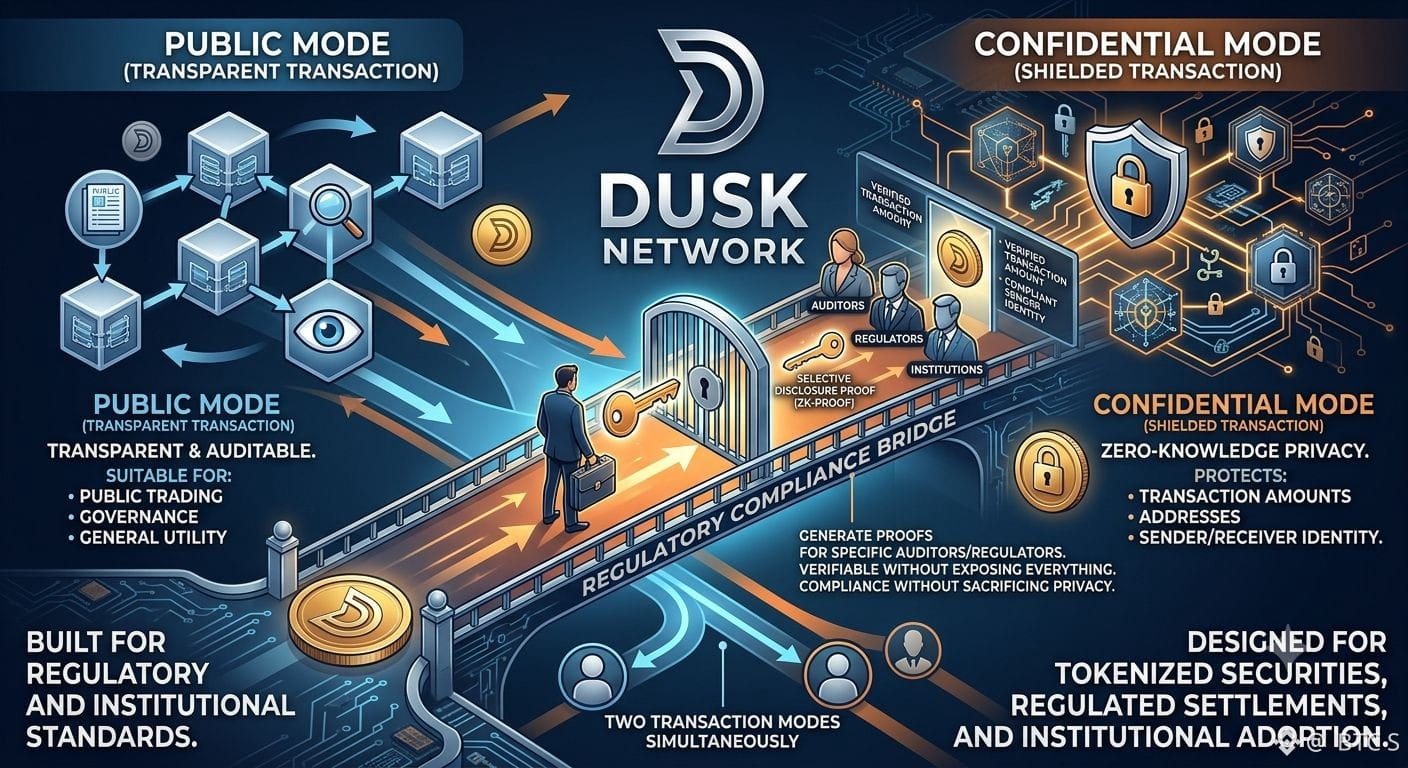
私はDuskについて、まずこの見方を置くと思います。私の関心を本当に引いたのは、プライバシーの売り文句そのものではありません。みんなそう言います。注目したのは、「ある取引を秘匿しつつ、それを見なければならない特定の相手に向けて、検証可能な証明を生成できる」という発想です。監査人でも、規制当局でも、誰であれです。それは「完全無名性」という言葉よりずっと小さく、地味に聞こえる約束ですが、正直なところ、トークン化された有価証券や規制された決済のような領域で現実的な“プライバシーの形”として成立するのは、おそらくこのバージョンしかないでしょう。「信じてください」では通用しないからです。
また、全員に同じプライバシー設定を押し付けるのではなく、別々の取引モードを2つ用意していることにも気づきました。誰かが実際に、異なるユースケースを前にして検討したように感じます。スローガンを土台に作るというより、用途を考えたうえで設計している印象です。ただしモードが増えるということは、何かが静かにうまくいかない場所もそれだけ増える、ということでもあります。
これらのどれにも、実際のお金がかかって本物の機関による実在の監査を通るまでは賛同しません。私が見ておきたい失敗は、わかりやすいものです——「機密」という言葉が、結局のところ“守るべき当事者”から情報を隠してしまうこと。
#dusk @Dusk_Foundation
$TUT
{spot}(TUTUSDT)
$DUSK
{spot}(DUSKUSDT)
$RE
{spot}(REUSDT)
正直、「プライバシー・ブロックチェーン」という言葉を誰かが口にするたびに、いつも引っかかるのは、その2つの単語が互いに対立しているように見えるからです。ブロックチェーンの売りは、誰でも許可なく確認できること。プライバシーはその逆で、誰にも何も見せないことを意味します。だから多くのプロジェクトは、静かにどちらか一方の立場を選びます。完全に秘匿されているなら素晴らしいのですが、監査人や規制当局が実際に何かを検証する必要が出たときに、見せるものが何もないという問題が起きます。あるいは名前だけ「プライベート」で、実態はただの透明なチェーンに“見栄えの良いブランド”を付けただけ、という場合もあります。どちらにしても、本当のお金と本物の機関が関わってきた瞬間には成り立ちません。
私はDuskについて、まずこの見方を置くと思います。私の関心を本当に引いたのは、プライバシーの売り文句そのものではありません。みんなそう言います。注目したのは、「ある取引を秘匿しつつ、それを見なければならない特定の相手に向けて、検証可能な証明を生成できる」という発想です。監査人でも、規制当局でも、誰であれです。それは「完全無名性」という言葉よりずっと小さく、地味に聞こえる約束ですが、正直なところ、トークン化された有価証券や規制された決済のような領域で現実的な“プライバシーの形”として成立するのは、おそらくこのバージョンしかないでしょう。「信じてください」では通用しないからです。
また、全員に同じプライバシー設定を押し付けるのではなく、別々の取引モードを2つ用意していることにも気づきました。誰かが実際に、異なるユースケースを前にして検討したように感じます。スローガンを土台に作るというより、用途を考えたうえで設計している印象です。ただしモードが増えるということは、何かが静かにうまくいかない場所もそれだけ増える、ということでもあります。
これらのどれにも、実際のお金がかかって本物の機関による実在の監査を通るまでは賛同しません。私が見ておきたい失敗は、わかりやすいものです——「機密」という言葉が、結局のところ“守るべき当事者”から情報を隠してしまうこと。
#dusk @Dusk
$TUT
$DUSK
$RE
私はDuskについて、まずこの見方を置くと思います。私の関心を本当に引いたのは、プライバシーの売り文句そのものではありません。みんなそう言います。注目したのは、「ある取引を秘匿しつつ、それを見なければならない特定の相手に向けて、検証可能な証明を生成できる」という発想です。監査人でも、規制当局でも、誰であれです。それは「完全無名性」という言葉よりずっと小さく、地味に聞こえる約束ですが、正直なところ、トークン化された有価証券や規制された決済のような領域で現実的な“プライバシーの形”として成立するのは、おそらくこのバージョンしかないでしょう。「信じてください」では通用しないからです。
また、全員に同じプライバシー設定を押し付けるのではなく、別々の取引モードを2つ用意していることにも気づきました。誰かが実際に、異なるユースケースを前にして検討したように感じます。スローガンを土台に作るというより、用途を考えたうえで設計している印象です。ただしモードが増えるということは、何かが静かにうまくいかない場所もそれだけ増える、ということでもあります。
これらのどれにも、実際のお金がかかって本物の機関による実在の監査を通るまでは賛同しません。私が見ておきたい失敗は、わかりやすいものです——「機密」という言葉が、結局のところ“守るべき当事者”から情報を隠してしまうこと。
#dusk @Dusk
$TUT
$DUSK
$RE
5
4
295
·
--
ブリッシュ
まず最初に、この件について私が本当に考えさせられたポイントは、ホワイトペーパーの話ではなくて──。
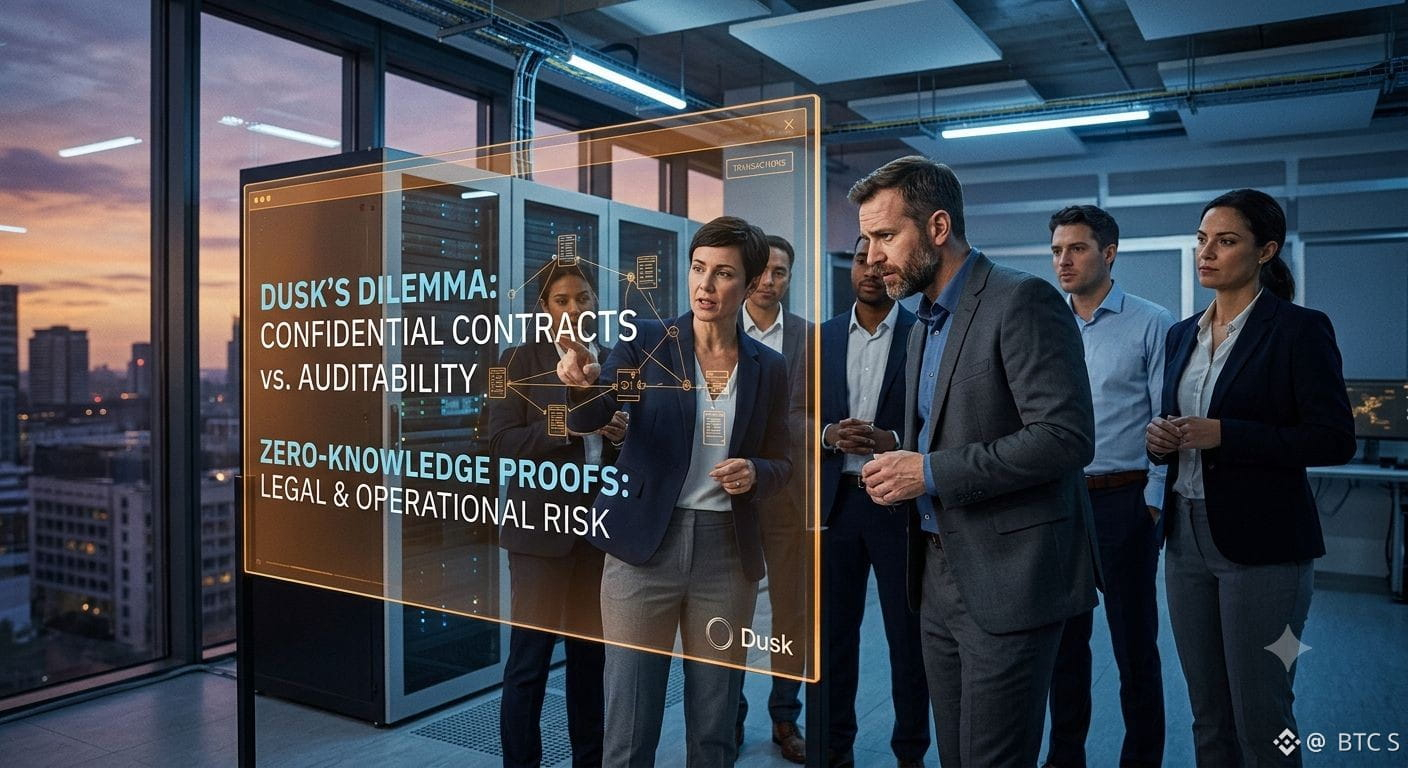
たとえば中規模の資産運用会社で働いているとします。誰かが「債券の決済をオンチェーンに移そう」と提案した。最初に聞くのは「十分に分散化されてるか?」じゃないんです。「競合に自分のポジションが見えるか」です。さらに5分後に出てくる2つ目の問いは「規制当局に頼まれたとき、見えるのか?」です。この2つのニーズは真逆の方向を向いている。そして正直に言えば、多くのクリプトプロジェクトは片方を選んで、もう片方は重要じゃないふりをします。プライバシーコインはコンプライアンスを無視する。コンプライアンス重視のチェーンはプライバシーを全面的にあきらめて、「それを『透明性』だ」と呼んで、あたかも機能かのように語る。
だから、Duskの提案──機密スマートコントラクト、あのXSCというやつ──は、少なくともその実際の緊張関係を避けずに向き合おうとしている点では筋がいい。ずっと隠し続けるんじゃなくて、デフォルトでは隠して、必要になったときに開示する。これは、現実の監査のあり方に近い。銀行の誰も完全な匿名性を欲しがっているわけじゃありません。誰が何を見るか、いつ見るかをコントロールしたいだけです。
ただ、私はそれに全面的に乗り切れてはいません。ゼロ知識証明は論文の中では完璧に見えるけど、規制当局の弁護士が初めて「証明そのものが間違っていたら、誰が責任を負うの?」と聞いてきた瞬間、話は急にややこしくなる。そこは数学の問題じゃなくて法的な問題です。そして、機関投資家のようなお金を扱うのに小さなバリデータセットで運用するのも、それが内部の暗号がどれほど優れていても、リスクになり得る。
もしこれが何かに繋がるとしたら、大々的に喧伝される形ではないでしょう。ツイートされることもないような、バックオフィスの決済フローの一部として静かに滑り込むだけ。それが、ここでいう「成功」にいちばん現実味のある唯一の形だと思います。
#dusk @Dusk_Foundation
$TUT
{future}(TUTUSDT)
$DUSK
{future}(DUSKUSDT)
$BABYSHARK
{alpha}(560x777bf78ad4546b61607a17bf4a1977dbbea98c28)
まず最初に、この件について私が本当に考えさせられたポイントは、ホワイトペーパーの話ではなくて──。
たとえば中規模の資産運用会社で働いているとします。誰かが「債券の決済をオンチェーンに移そう」と提案した。最初に聞くのは「十分に分散化されてるか?」じゃないんです。「競合に自分のポジションが見えるか」です。さらに5分後に出てくる2つ目の問いは「規制当局に頼まれたとき、見えるのか?」です。この2つのニーズは真逆の方向を向いている。そして正直に言えば、多くのクリプトプロジェクトは片方を選んで、もう片方は重要じゃないふりをします。プライバシーコインはコンプライアンスを無視する。コンプライアンス重視のチェーンはプライバシーを全面的にあきらめて、「それを『透明性』だ」と呼んで、あたかも機能かのように語る。
だから、Duskの提案──機密スマートコントラクト、あのXSCというやつ──は、少なくともその実際の緊張関係を避けずに向き合おうとしている点では筋がいい。ずっと隠し続けるんじゃなくて、デフォルトでは隠して、必要になったときに開示する。これは、現実の監査のあり方に近い。銀行の誰も完全な匿名性を欲しがっているわけじゃありません。誰が何を見るか、いつ見るかをコントロールしたいだけです。
ただ、私はそれに全面的に乗り切れてはいません。ゼロ知識証明は論文の中では完璧に見えるけど、規制当局の弁護士が初めて「証明そのものが間違っていたら、誰が責任を負うの?」と聞いてきた瞬間、話は急にややこしくなる。そこは数学の問題じゃなくて法的な問題です。そして、機関投資家のようなお金を扱うのに小さなバリデータセットで運用するのも、それが内部の暗号がどれほど優れていても、リスクになり得る。
もしこれが何かに繋がるとしたら、大々的に喧伝される形ではないでしょう。ツイートされることもないような、バックオフィスの決済フローの一部として静かに滑り込むだけ。それが、ここでいう「成功」にいちばん現実味のある唯一の形だと思います。
#dusk @Dusk
$TUT
$DUSK
$BABYSHARK
たとえば中規模の資産運用会社で働いているとします。誰かが「債券の決済をオンチェーンに移そう」と提案した。最初に聞くのは「十分に分散化されてるか?」じゃないんです。「競合に自分のポジションが見えるか」です。さらに5分後に出てくる2つ目の問いは「規制当局に頼まれたとき、見えるのか?」です。この2つのニーズは真逆の方向を向いている。そして正直に言えば、多くのクリプトプロジェクトは片方を選んで、もう片方は重要じゃないふりをします。プライバシーコインはコンプライアンスを無視する。コンプライアンス重視のチェーンはプライバシーを全面的にあきらめて、「それを『透明性』だ」と呼んで、あたかも機能かのように語る。
だから、Duskの提案──機密スマートコントラクト、あのXSCというやつ──は、少なくともその実際の緊張関係を避けずに向き合おうとしている点では筋がいい。ずっと隠し続けるんじゃなくて、デフォルトでは隠して、必要になったときに開示する。これは、現実の監査のあり方に近い。銀行の誰も完全な匿名性を欲しがっているわけじゃありません。誰が何を見るか、いつ見るかをコントロールしたいだけです。
ただ、私はそれに全面的に乗り切れてはいません。ゼロ知識証明は論文の中では完璧に見えるけど、規制当局の弁護士が初めて「証明そのものが間違っていたら、誰が責任を負うの?」と聞いてきた瞬間、話は急にややこしくなる。そこは数学の問題じゃなくて法的な問題です。そして、機関投資家のようなお金を扱うのに小さなバリデータセットで運用するのも、それが内部の暗号がどれほど優れていても、リスクになり得る。
もしこれが何かに繋がるとしたら、大々的に喧伝される形ではないでしょう。ツイートされることもないような、バックオフィスの決済フローの一部として静かに滑り込むだけ。それが、ここでいう「成功」にいちばん現実味のある唯一の形だと思います。
#dusk @Dusk
$TUT
$DUSK
$BABYSHARK
3
3
492
·
--
ブリッシュ
さて、問題はここからなんですが、実際にこれを考えるきっかけになったのは——みんなが「銀行や機関はオンチェーン上でのプライバシーを求めている」と言い続ける点です。もちろん抽象的な意味ではそうかもしれません。でも、実際にそれが何を意味するのかを座って考えてみると、すぐに話が崩れます。トレーディングデスクが隠したいのは規制当局からではありません——それで非常に居心地の悪い会議に行き着くのがオチです。彼らが隠したいのは、お互いからです。競合他社、取引相手、市場の他の参加者。さらに別の話として、監査人に対しては「怪しいことは何も起きていない」と証明できる状態でいたい。これは2つの別々の要求で、ほとんどの「プライバシー・ブロックチェーン」プロジェクトが実際に解決しているのは、前者の方だけです——しかも、厄介なことに、その要求を無条件に誰もが望んでいいと思えるものではありません。
だから私がDuskで立ち止まったのはそこです。プライバシーを売りにする主張そのものじゃありません——みんな同じセールストークをしています。面白いのは、彼らが「プライバシーはオンにするだけの1つの設定だ」とは決して言っていないことです。ムーンライトは、公開されるべきものに。フェニックスは、公開されるべきではないものに。こう分けるのは、単なるマーケティング判断というより、「ホワイトペーパーが通常想定するより問題はずっと厄介だ」と誰かが認めているように感じます。
私が不安になるのは、コンセンサス側です——ソーティション、委員会、フォールバック・モード、緊急モード。紙の上ではどれももっともです。でも、こういう仕組みを過去に見てきた経験上、あなたが見ている場所で壊れることはあまりありません。壊れるのは静かにで、ずっと後の数か月たってから。誰もテストしていない条件のもとで壊れます。
じゃあ、これは誰のためのものなんでしょう?正直、私たちのためではありません。たぶん、誇大な期待のために急ぐより、法的な明確さのためにゆっくり動ける機関向けです。うまくいくかどうかは、暗号技術というより、「confidential(機密)」と「hidden(隠されている)」が、それをルールとして書く人たちの中で本当に別物として扱われるのかにかかっています。#dusk @Dusk_Foundation
$DUSK
{spot}(DUSKUSDT)
$BTC
{spot}(BTCUSDT)
$LAB
{future}(LABUSDT)
さて、問題はここからなんですが、実際にこれを考えるきっかけになったのは——みんなが「銀行や機関はオンチェーン上でのプライバシーを求めている」と言い続ける点です。もちろん抽象的な意味ではそうかもしれません。でも、実際にそれが何を意味するのかを座って考えてみると、すぐに話が崩れます。トレーディングデスクが隠したいのは規制当局からではありません——それで非常に居心地の悪い会議に行き着くのがオチです。彼らが隠したいのは、お互いからです。競合他社、取引相手、市場の他の参加者。さらに別の話として、監査人に対しては「怪しいことは何も起きていない」と証明できる状態でいたい。これは2つの別々の要求で、ほとんどの「プライバシー・ブロックチェーン」プロジェクトが実際に解決しているのは、前者の方だけです——しかも、厄介なことに、その要求を無条件に誰もが望んでいいと思えるものではありません。
だから私がDuskで立ち止まったのはそこです。プライバシーを売りにする主張そのものじゃありません——みんな同じセールストークをしています。面白いのは、彼らが「プライバシーはオンにするだけの1つの設定だ」とは決して言っていないことです。ムーンライトは、公開されるべきものに。フェニックスは、公開されるべきではないものに。こう分けるのは、単なるマーケティング判断というより、「ホワイトペーパーが通常想定するより問題はずっと厄介だ」と誰かが認めているように感じます。
私が不安になるのは、コンセンサス側です——ソーティション、委員会、フォールバック・モード、緊急モード。紙の上ではどれももっともです。でも、こういう仕組みを過去に見てきた経験上、あなたが見ている場所で壊れることはあまりありません。壊れるのは静かにで、ずっと後の数か月たってから。誰もテストしていない条件のもとで壊れます。
じゃあ、これは誰のためのものなんでしょう?正直、私たちのためではありません。たぶん、誇大な期待のために急ぐより、法的な明確さのためにゆっくり動ける機関向けです。うまくいくかどうかは、暗号技術というより、「confidential(機密)」と「hidden(隠されている)」が、それをルールとして書く人たちの中で本当に別物として扱われるのかにかかっています。#dusk @Dusk
$DUSK
$BTC
$LAB
だから私がDuskで立ち止まったのはそこです。プライバシーを売りにする主張そのものじゃありません——みんな同じセールストークをしています。面白いのは、彼らが「プライバシーはオンにするだけの1つの設定だ」とは決して言っていないことです。ムーンライトは、公開されるべきものに。フェニックスは、公開されるべきではないものに。こう分けるのは、単なるマーケティング判断というより、「ホワイトペーパーが通常想定するより問題はずっと厄介だ」と誰かが認めているように感じます。
私が不安になるのは、コンセンサス側です——ソーティション、委員会、フォールバック・モード、緊急モード。紙の上ではどれももっともです。でも、こういう仕組みを過去に見てきた経験上、あなたが見ている場所で壊れることはあまりありません。壊れるのは静かにで、ずっと後の数か月たってから。誰もテストしていない条件のもとで壊れます。
じゃあ、これは誰のためのものなんでしょう?正直、私たちのためではありません。たぶん、誇大な期待のために急ぐより、法的な明確さのためにゆっくり動ける機関向けです。うまくいくかどうかは、暗号技術というより、「confidential(機密)」と「hidden(隠されている)」が、それをルールとして書く人たちの中で本当に別物として扱われるのかにかかっています。#dusk @Dusk
$DUSK
$BTC
$LAB

4
1
486
·
--
ブリッシュ
シンプルだけどやたら気になる問題について考え続けてしまうんです。たとえば、ちゃんとした規模のビジネスをやっているなら、資金の移動をパブリック・ブロックチェーンにそのまま載せるわけにはいきません。みんなに見えてしまうからです。競合、顧客、通りすがりの人まで。だから人は、こういうチェーンをそもそも避けるか、外から誰も実際には検証できない「プライベート」版に手を伸ばすかのどちらかになります。すると信頼の問題が別の場所へ移るだけで、解決にはなりません。どちらの選択肢も十分に良くない。だから「エンタープライズ・ブロックチェーン」という話が何年も空虚に感じられてきたのだと思います。
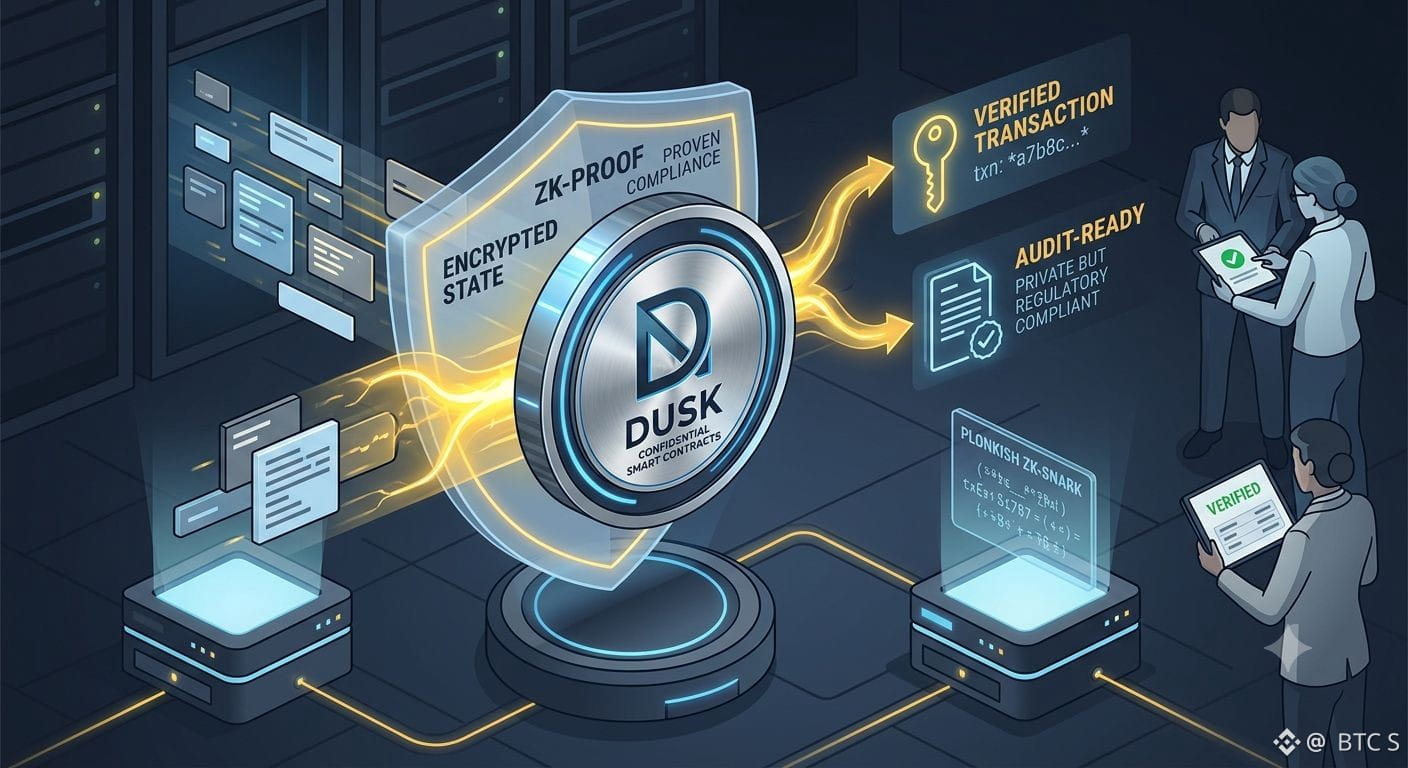
Dusk Networkは、その分断された不快感の中に実際に踏み込もうとしているプロジェクトの一つです。理解している限り、その考えは「中身は機密のままにしつつ、ルールに従っていることは証明できる」契約——つまり、すべてを公開の目にさらさずに済む仕組みです。妥当な目標だと思います。ただ、簡単ではないとも思います。ゼロ知識証明は安くないし、正しく作るのも簡単ではありません。そして「プライベートだが準拠していると証明できる」というのは、規制当局や監査人がつつき始めるまで、ちょうど“すごく良さそうに聞こえる”類の主張なんですよ。
だから、これがどう転ぶのか分かっているふりはしません。もし本当に重要になってくるなら、きっと騒がしくはないでしょう。現実の決済の面倒を、これまでより安く、あるいは安全に解決できるからという理由で、どこかの組織が静かに使い始めるだけかもしれません。失敗するなら、おそらく普通の理由です。実際の利用が足りない、流動性が足りない、あるいは、誰かが本当に試してみた瞬間に破綻するコンプライアンスの説明——そういう形でしょう。
#dusk @Dusk_Foundation
$DUSK
{future}(DUSKUSDT)
$ONG
{future}(ONGUSDT)
$PEOPLE
{future}(PEOPLEUSDT)
シンプルだけどやたら気になる問題について考え続けてしまうんです。たとえば、ちゃんとした規模のビジネスをやっているなら、資金の移動をパブリック・ブロックチェーンにそのまま載せるわけにはいきません。みんなに見えてしまうからです。競合、顧客、通りすがりの人まで。だから人は、こういうチェーンをそもそも避けるか、外から誰も実際には検証できない「プライベート」版に手を伸ばすかのどちらかになります。すると信頼の問題が別の場所へ移るだけで、解決にはなりません。どちらの選択肢も十分に良くない。だから「エンタープライズ・ブロックチェーン」という話が何年も空虚に感じられてきたのだと思います。
Dusk Networkは、その分断された不快感の中に実際に踏み込もうとしているプロジェクトの一つです。理解している限り、その考えは「中身は機密のままにしつつ、ルールに従っていることは証明できる」契約——つまり、すべてを公開の目にさらさずに済む仕組みです。妥当な目標だと思います。ただ、簡単ではないとも思います。ゼロ知識証明は安くないし、正しく作るのも簡単ではありません。そして「プライベートだが準拠していると証明できる」というのは、規制当局や監査人がつつき始めるまで、ちょうど“すごく良さそうに聞こえる”類の主張なんですよ。
だから、これがどう転ぶのか分かっているふりはしません。もし本当に重要になってくるなら、きっと騒がしくはないでしょう。現実の決済の面倒を、これまでより安く、あるいは安全に解決できるからという理由で、どこかの組織が静かに使い始めるだけかもしれません。失敗するなら、おそらく普通の理由です。実際の利用が足りない、流動性が足りない、あるいは、誰かが本当に試してみた瞬間に破綻するコンプライアンスの説明——そういう形でしょう。
#dusk @Dusk
$DUSK
$ONG
$PEOPLE
Dusk Networkは、その分断された不快感の中に実際に踏み込もうとしているプロジェクトの一つです。理解している限り、その考えは「中身は機密のままにしつつ、ルールに従っていることは証明できる」契約——つまり、すべてを公開の目にさらさずに済む仕組みです。妥当な目標だと思います。ただ、簡単ではないとも思います。ゼロ知識証明は安くないし、正しく作るのも簡単ではありません。そして「プライベートだが準拠していると証明できる」というのは、規制当局や監査人がつつき始めるまで、ちょうど“すごく良さそうに聞こえる”類の主張なんですよ。
だから、これがどう転ぶのか分かっているふりはしません。もし本当に重要になってくるなら、きっと騒がしくはないでしょう。現実の決済の面倒を、これまでより安く、あるいは安全に解決できるからという理由で、どこかの組織が静かに使い始めるだけかもしれません。失敗するなら、おそらく普通の理由です。実際の利用が足りない、流動性が足りない、あるいは、誰かが本当に試してみた瞬間に破綻するコンプライアンスの説明——そういう形でしょう。
#dusk @Dusk
$DUSK
$ONG
$PEOPLE
4
4
180
·
--
ブリッシュ
正直なところ、これについて考えさせられるのは技術そのものではなく、もっと単純な疑問です。なぜ暗号の世界では「プライベート」と「コンプライアント」が、いっこうに一緒になって見えないのでしょう?そろそろ誰かが解き明かしていてもおかしくないのに、近くで見るたびにプロジェクトは同じ道を選びます。すべてがオープンであるか、そうでなければ隠されているか。前者は実マネーが動いた瞬間に問題になります。誰も、取引がリアルタイムで開示されるのを見張られたくないからです。後者は良い感じに聞こえるものの、規制当局が存在し続ける現実を思い出すと話は別です。規制当局はどこにも行きません。
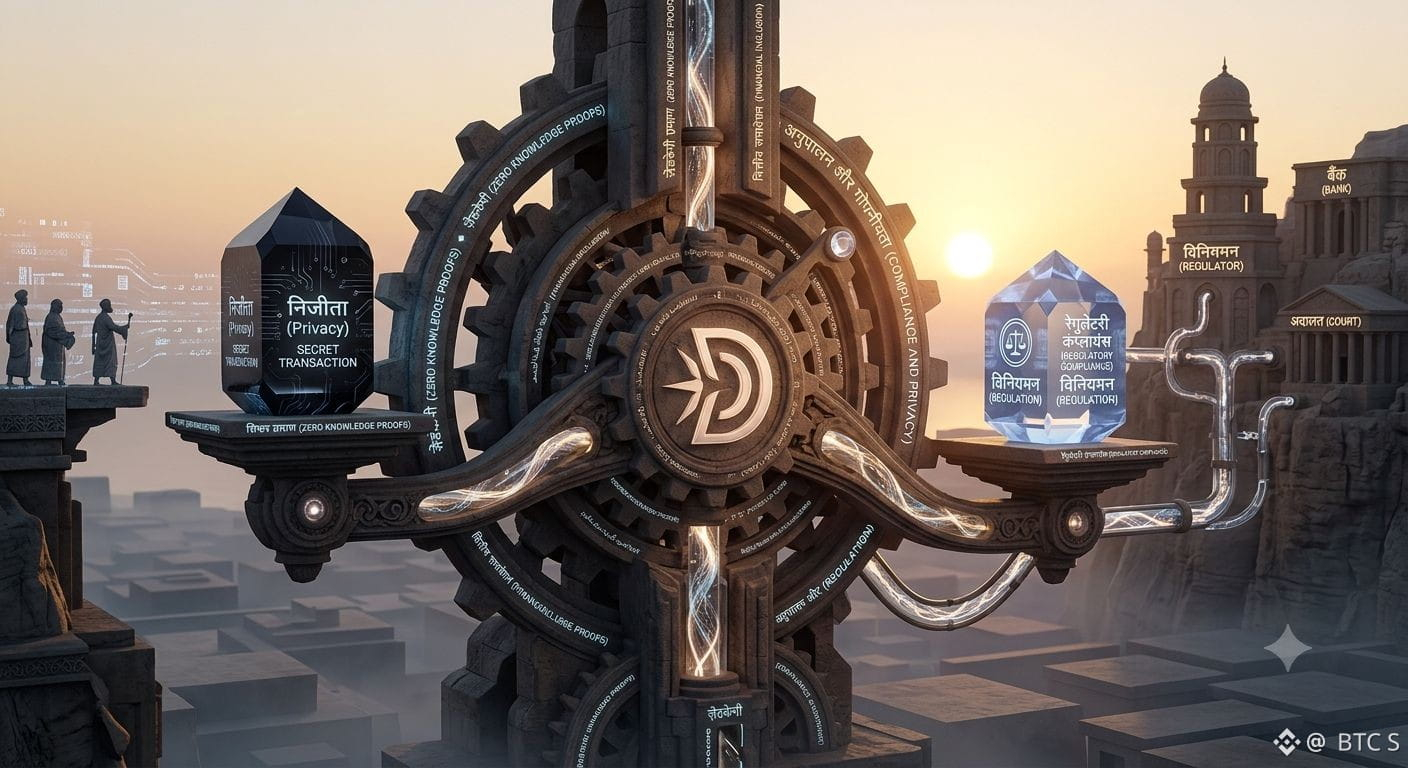
だから「機密スマートコントラクト」と聞いても、最初の反応は興奮ではなく、くたびれた好奇心です。いいでしょう、でも機密ってどういう意味?「全員から隠されている」という意味のものがある一方で、「一般には隠されているが、法的に見る必要がある相手には証明可能」という意味のものもある。実際に機関が使えるのはそのうちの一つだけです。もう一つは、同じ古い問題に、ちょっと良い響きのラベルを貼っただけ。
Duskがこれを正しく理解できているかは分かりません。本当に分かりません。ゼロ知識システムは実運用ではまだわりと面倒ですし、こうしたインフラは良いピッチでは自分を証明しません。何年も後に、退屈な決済がただ……ちゃんと動くことで証明される。そして何も爆発しない。
率直な予想としては、仮にこれが本当に広まるとしても、騒々しくはならないでしょう。中規模の発行体が、コンプライアンスチームも含めて、静かに試す。そして、圧力がかかったときにちゃんと耐えられるかどうかを、みんなが見守る。それが本当のテストです。ホワイトペーパーではありません。
#dusk @Dusk_Foundation
$DUSK
{spot}(DUSKUSDT)
$RE
{spot}(REUSDT)
$BB
{spot}(BBUSDT)
正直なところ、これについて考えさせられるのは技術そのものではなく、もっと単純な疑問です。なぜ暗号の世界では「プライベート」と「コンプライアント」が、いっこうに一緒になって見えないのでしょう?そろそろ誰かが解き明かしていてもおかしくないのに、近くで見るたびにプロジェクトは同じ道を選びます。すべてがオープンであるか、そうでなければ隠されているか。前者は実マネーが動いた瞬間に問題になります。誰も、取引がリアルタイムで開示されるのを見張られたくないからです。後者は良い感じに聞こえるものの、規制当局が存在し続ける現実を思い出すと話は別です。規制当局はどこにも行きません。
だから「機密スマートコントラクト」と聞いても、最初の反応は興奮ではなく、くたびれた好奇心です。いいでしょう、でも機密ってどういう意味?「全員から隠されている」という意味のものがある一方で、「一般には隠されているが、法的に見る必要がある相手には証明可能」という意味のものもある。実際に機関が使えるのはそのうちの一つだけです。もう一つは、同じ古い問題に、ちょっと良い響きのラベルを貼っただけ。
Duskがこれを正しく理解できているかは分かりません。本当に分かりません。ゼロ知識システムは実運用ではまだわりと面倒ですし、こうしたインフラは良いピッチでは自分を証明しません。何年も後に、退屈な決済がただ……ちゃんと動くことで証明される。そして何も爆発しない。
率直な予想としては、仮にこれが本当に広まるとしても、騒々しくはならないでしょう。中規模の発行体が、コンプライアンスチームも含めて、静かに試す。そして、圧力がかかったときにちゃんと耐えられるかどうかを、みんなが見守る。それが本当のテストです。ホワイトペーパーではありません。
#dusk @Dusk
$DUSK
$RE
$BB
だから「機密スマートコントラクト」と聞いても、最初の反応は興奮ではなく、くたびれた好奇心です。いいでしょう、でも機密ってどういう意味?「全員から隠されている」という意味のものがある一方で、「一般には隠されているが、法的に見る必要がある相手には証明可能」という意味のものもある。実際に機関が使えるのはそのうちの一つだけです。もう一つは、同じ古い問題に、ちょっと良い響きのラベルを貼っただけ。
Duskがこれを正しく理解できているかは分かりません。本当に分かりません。ゼロ知識システムは実運用ではまだわりと面倒ですし、こうしたインフラは良いピッチでは自分を証明しません。何年も後に、退屈な決済がただ……ちゃんと動くことで証明される。そして何も爆発しない。
率直な予想としては、仮にこれが本当に広まるとしても、騒々しくはならないでしょう。中規模の発行体が、コンプライアンスチームも含めて、静かに試す。そして、圧力がかかったときにちゃんと耐えられるかどうかを、みんなが見守る。それが本当のテストです。ホワイトペーパーではありません。
#dusk @Dusk
$DUSK
$RE
$BB
1
1
196
·
--
ブリッシュ
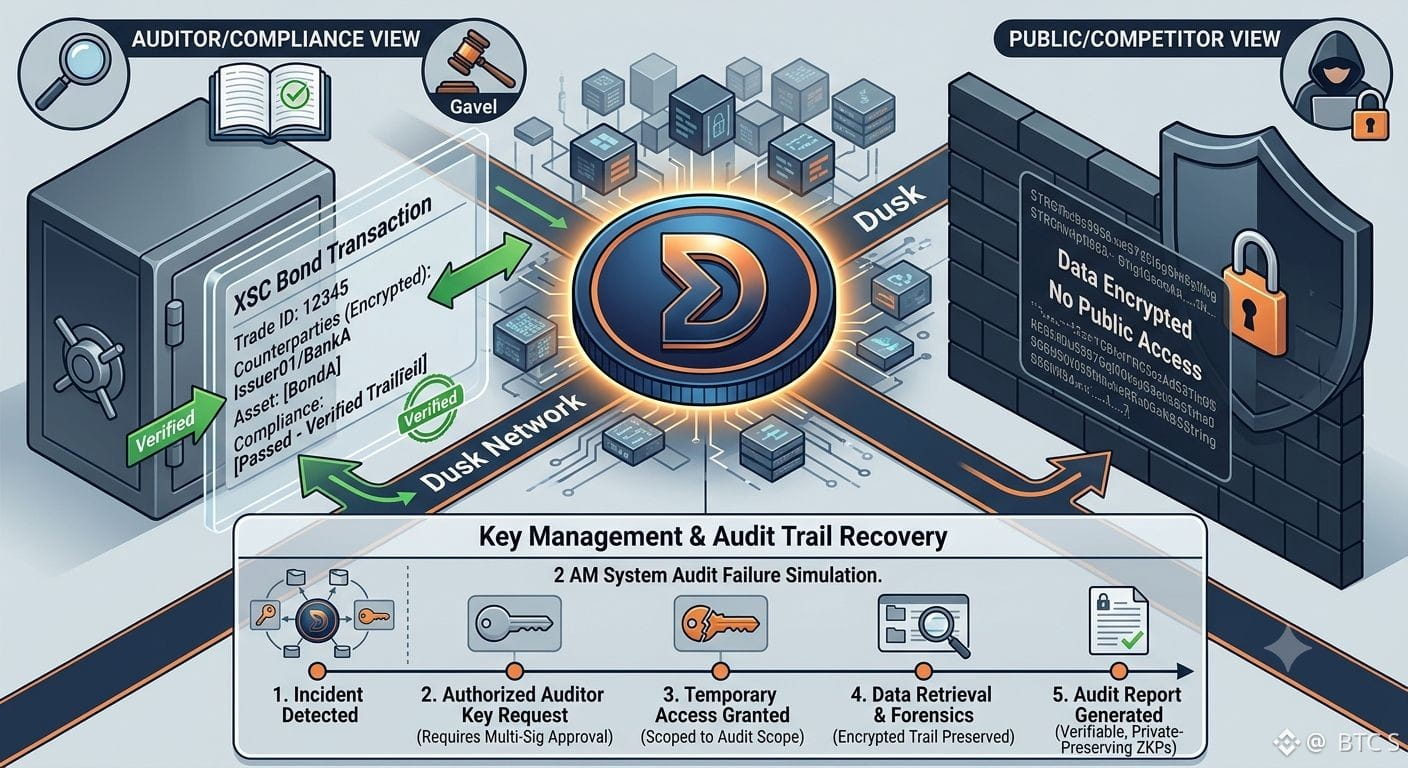
なるほど、僕は結局この Dusk Network の話に戻ってくるんだけど、実際に引っかかってるのは「技術がすごいかどうか」じゃない。もっと単純な話だ。例えば銀行が債券をチェーン上に移すとする。そのコンプライアンス担当者は取引を確認できないといけない。でも競合には絶対に見せるべきじゃない。一般の人にももちろん見せない。で、多くのブロックチェーンにはそのためのダイヤルがない。つまり、残高のすべてをインターネットに向けて叫ぶか、完全にダークになってしまって、法的に閲覧を求められる人でさえも何も見られなくなるかのどちらかだ。これじゃあ、金融がこれまで実際に動いてきたやり方とは違う。常に、誰かが召喚状を出せる台帳はあった。誰でもスクロールできるものだったわけじゃない。
だから Dusk が機密契約――この XSC 標準――について語るとき、僕が気になるのは「隠す」側じゃない。隠すのは正直、簡単な方だ。問題は「必要なときに見せる」側が、デモの外でもちゃんと成立するかどうか。監査人は、全部が「結局はプロトコルを信じるしかない」に変わることなく、必要なものを手にできるのか。これは暗号の問いというより、法務の神経の問題で、誰かが本当にちゃんとストレステストしてるのを見たことがない。
最初に触れるのが誰かを当てるなら、普通の人がトークンを売買するケースじゃない。規制された資産を発行する側で、競合には裁量を持たせたいが、規制当局には持たせたくない。しかも、それがどれだけ生き残るかは、たぶん地味な要素にかかってくる――鍵のリカバリ、何かが起きてしまった午前2時に「監査ログ」が実際にどんな形で残るのか。こういうところで、これらの仕組みは静かに崩れていくことが多い。
#dusk @Dusk_Foundation
$DUSK
{spot}(DUSKUSDT)
$LAB
{future}(LABUSDT)
$ESP
{spot}(ESPUSDT)
なるほど、僕は結局この Dusk Network の話に戻ってくるんだけど、実際に引っかかってるのは「技術がすごいかどうか」じゃない。もっと単純な話だ。例えば銀行が債券をチェーン上に移すとする。そのコンプライアンス担当者は取引を確認できないといけない。でも競合には絶対に見せるべきじゃない。一般の人にももちろん見せない。で、多くのブロックチェーンにはそのためのダイヤルがない。つまり、残高のすべてをインターネットに向けて叫ぶか、完全にダークになってしまって、法的に閲覧を求められる人でさえも何も見られなくなるかのどちらかだ。これじゃあ、金融がこれまで実際に動いてきたやり方とは違う。常に、誰かが召喚状を出せる台帳はあった。誰でもスクロールできるものだったわけじゃない。
だから Dusk が機密契約――この XSC 標準――について語るとき、僕が気になるのは「隠す」側じゃない。隠すのは正直、簡単な方だ。問題は「必要なときに見せる」側が、デモの外でもちゃんと成立するかどうか。監査人は、全部が「結局はプロトコルを信じるしかない」に変わることなく、必要なものを手にできるのか。これは暗号の問いというより、法務の神経の問題で、誰かが本当にちゃんとストレステストしてるのを見たことがない。
最初に触れるのが誰かを当てるなら、普通の人がトークンを売買するケースじゃない。規制された資産を発行する側で、競合には裁量を持たせたいが、規制当局には持たせたくない。しかも、それがどれだけ生き残るかは、たぶん地味な要素にかかってくる――鍵のリカバリ、何かが起きてしまった午前2時に「監査ログ」が実際にどんな形で残るのか。こういうところで、これらの仕組みは静かに崩れていくことが多い。
#dusk @Dusk
$DUSK
$LAB
$ESP
だから Dusk が機密契約――この XSC 標準――について語るとき、僕が気になるのは「隠す」側じゃない。隠すのは正直、簡単な方だ。問題は「必要なときに見せる」側が、デモの外でもちゃんと成立するかどうか。監査人は、全部が「結局はプロトコルを信じるしかない」に変わることなく、必要なものを手にできるのか。これは暗号の問いというより、法務の神経の問題で、誰かが本当にちゃんとストレステストしてるのを見たことがない。
最初に触れるのが誰かを当てるなら、普通の人がトークンを売買するケースじゃない。規制された資産を発行する側で、競合には裁量を持たせたいが、規制当局には持たせたくない。しかも、それがどれだけ生き残るかは、たぶん地味な要素にかかってくる――鍵のリカバリ、何かが起きてしまった午前2時に「監査ログ」が実際にどんな形で残るのか。こういうところで、これらの仕組みは静かに崩れていくことが多い。
#dusk @Dusk
$DUSK
$LAB
$ESP
1
1
269
·
--
ブリッシュ
こういう会話に十分座ってきたから、人が離脱する正確なポイントも分かっている。新しい仕組みを説明して、みんながうなずいていると、そして誰かが――たいていは実際にお金の管理を仕事にしている人が――「で、他に誰がこれを見られるんですか?」と聞いてくる。正直な答えはこうだ。誰でも。すべてのウォレット、すべての残高、すべての動きが、公開の場に永遠に残る。そこでうなずきが止まる。仮想通貨に反対だからではない。競合に帳簿を開けたまま事業を回すなんてことは、十分にやってきたから分かっているんだ。
それにしても、これまで存在する解決策って、いつもどこか……その場しのぎっぽく感じる。ミキサーは、取引のコンプライアンスチームが蕁麻疹を起こすような代物だ。プライバシーコインは、規制当局が眉をひそめた瞬間に静かに投げ捨てられる。サイドチェーンは、一つの信頼問題を回避しているつもりでも、もっと小さくて変な問題を作っているだけ。どれも、実際にその上で債券発行なんてものを組み立てられる感じはしない。
だからこそ、Duskの前提は少なくとも、向かうべき正しい問いを狙っている。事後にプライバシーを足すのではなく、最初から契約に書き込む。XSCがやるべきことはまさにそれだ。取引がクリーンであることを、そこに実際に何が入っているのかを誰にも見せずに証明できるようにする。
ただ、実際のボリュームが入ってきたときに本当に成り立つかどうかは、正直分からない。証明システムはすぐに高コストになるし、「台帳を見せて」という代わりに「証明を信じろ」で規制当局が納得するのは、技術の問題というより、遅くて人間的な問題だ。
もしこれが誰かに機能するなら、それはプライバシーとコンプライアンスを同時に必要とする、退屈で規制されたプレイヤー向けだ。スリルを求めるトレーダーのためではない。対象は小さくていい。たぶん、ちょうどその相手だ。
#dusk @Dusk_Foundation
$DUSK
{spot}(DUSKUSDT)
$RED
{spot}(REDUSDT)
$EDEN
{spot}(EDENUSDT)
こういう会話に十分座ってきたから、人が離脱する正確なポイントも分かっている。新しい仕組みを説明して、みんながうなずいていると、そして誰かが――たいていは実際にお金の管理を仕事にしている人が――「で、他に誰がこれを見られるんですか?」と聞いてくる。正直な答えはこうだ。誰でも。すべてのウォレット、すべての残高、すべての動きが、公開の場に永遠に残る。そこでうなずきが止まる。仮想通貨に反対だからではない。競合に帳簿を開けたまま事業を回すなんてことは、十分にやってきたから分かっているんだ。
それにしても、これまで存在する解決策って、いつもどこか……その場しのぎっぽく感じる。ミキサーは、取引のコンプライアンスチームが蕁麻疹を起こすような代物だ。プライバシーコインは、規制当局が眉をひそめた瞬間に静かに投げ捨てられる。サイドチェーンは、一つの信頼問題を回避しているつもりでも、もっと小さくて変な問題を作っているだけ。どれも、実際にその上で債券発行なんてものを組み立てられる感じはしない。
だからこそ、Duskの前提は少なくとも、向かうべき正しい問いを狙っている。事後にプライバシーを足すのではなく、最初から契約に書き込む。XSCがやるべきことはまさにそれだ。取引がクリーンであることを、そこに実際に何が入っているのかを誰にも見せずに証明できるようにする。
ただ、実際のボリュームが入ってきたときに本当に成り立つかどうかは、正直分からない。証明システムはすぐに高コストになるし、「台帳を見せて」という代わりに「証明を信じろ」で規制当局が納得するのは、技術の問題というより、遅くて人間的な問題だ。
もしこれが誰かに機能するなら、それはプライバシーとコンプライアンスを同時に必要とする、退屈で規制されたプレイヤー向けだ。スリルを求めるトレーダーのためではない。対象は小さくていい。たぶん、ちょうどその相手だ。
#dusk @Dusk
$DUSK
$RED
$EDEN
それにしても、これまで存在する解決策って、いつもどこか……その場しのぎっぽく感じる。ミキサーは、取引のコンプライアンスチームが蕁麻疹を起こすような代物だ。プライバシーコインは、規制当局が眉をひそめた瞬間に静かに投げ捨てられる。サイドチェーンは、一つの信頼問題を回避しているつもりでも、もっと小さくて変な問題を作っているだけ。どれも、実際にその上で債券発行なんてものを組み立てられる感じはしない。
だからこそ、Duskの前提は少なくとも、向かうべき正しい問いを狙っている。事後にプライバシーを足すのではなく、最初から契約に書き込む。XSCがやるべきことはまさにそれだ。取引がクリーンであることを、そこに実際に何が入っているのかを誰にも見せずに証明できるようにする。
ただ、実際のボリュームが入ってきたときに本当に成り立つかどうかは、正直分からない。証明システムはすぐに高コストになるし、「台帳を見せて」という代わりに「証明を信じろ」で規制当局が納得するのは、技術の問題というより、遅くて人間的な問題だ。
もしこれが誰かに機能するなら、それはプライバシーとコンプライアンスを同時に必要とする、退屈で規制されたプレイヤー向けだ。スリルを求めるトレーダーのためではない。対象は小さくていい。たぶん、ちょうどその相手だ。
#dusk @Dusk
$DUSK
$RED
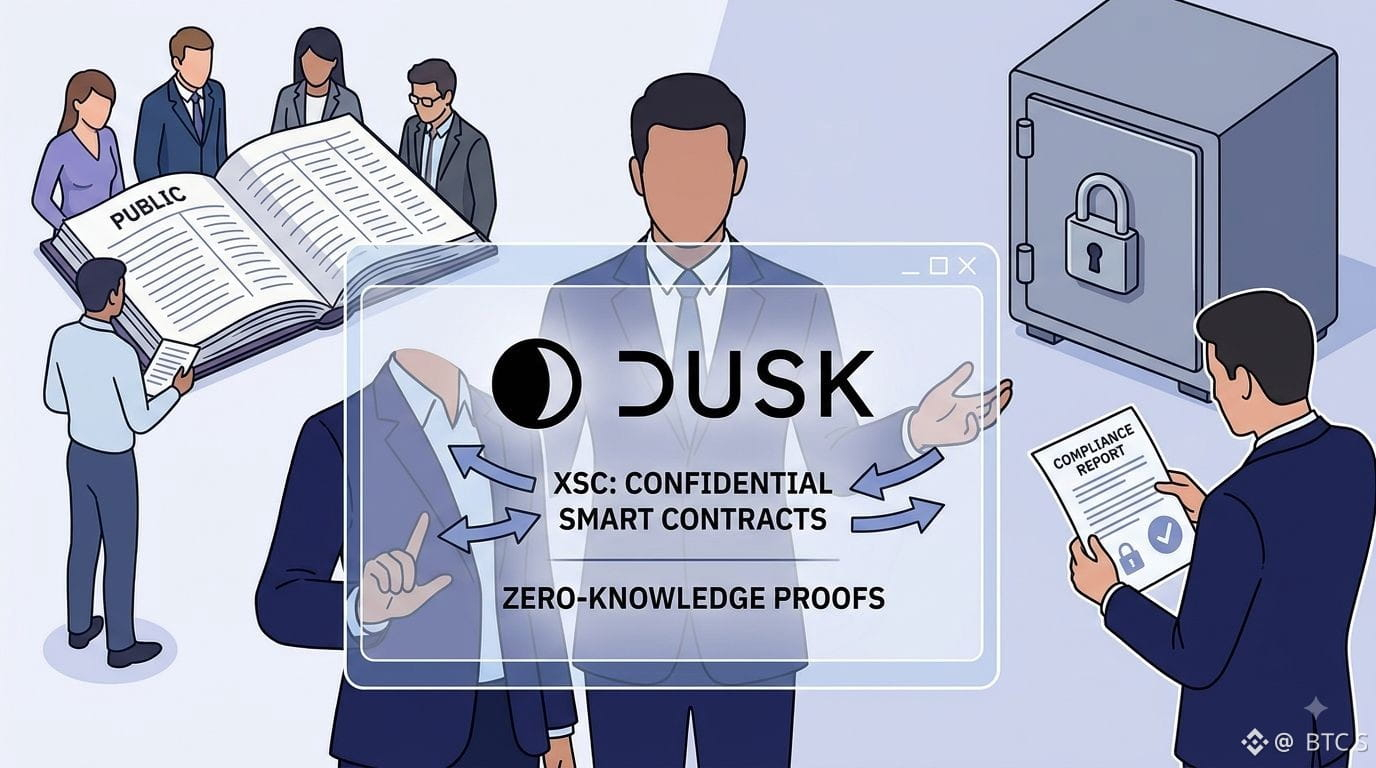
$EDEN
2
2
262
·
--
ブリッシュ
公開ブロックチェーン上で実際のお金を動かしているところを想像してみてください——国庫(トレジャリー)の支払い、ローン、2つのファンド間の決済。誰もがそれを見られます。金額だけでなく、誰が、いつ、どれくらいの頻度で、そして時系列で見たその全体の形まで。そこが、きちんと声に出して語られない部分なんです。暗号資産にプライバシー機能が「ない」という話ではありません。正確には、オンチェーンのプライバシーは基本的に「全部かゼロか」になりがちなんです。完全にさらされるか、ミキサーのようなものを使うか。後者はコンプライアンス担当者を黙らせて、メモを打ち始めさせる類いのものです。どちらも、実際の資本を動かす用途にはあまり実用的ではありません。
私が見ている限り、Duskが目指しているのはその中間——機密のスマートコントラクトです。取引が正当であることを、内容をすべての人に見せることなく証明する。一方で、必要になれば正しい当事者が後から確認できる。求めるべきものはまさにそれです。まだ誰も、きれいに実現しきれてはいません。そして、あと付けで組み込むのではなく基盤レイヤーから作るのは、より難しく、より遅い道になります——初期はバリデータの規模が小さく、流動性も薄い。長い間、「証明されている」と感じられない期間が続く。規制当局は、その暗号がエレガントだからといって簡単に信じてはくれません。現金が動くような状況で、実際に何年も耐えられるかを見届ける必要があるんです。
だから私は、この件にあまり期待しすぎないほうがいいと思います。半分だけ気にしながら、——まだ稼働しているのか、まだ監査を受けているのか、本当に大きな取引量のある人が実際に触っているのか——を確認してください。もしそうなら、たぶん誰かが「これがどうしても必要」だったから、十分待てるほどに待ったんでしょう。そうでなければ、この種の信頼は時間がかかり、たいていのものはそこまで到達しないだけです。#dusk $DUSK @Dusk_Foundation
{spot}(DUSKUSDT)
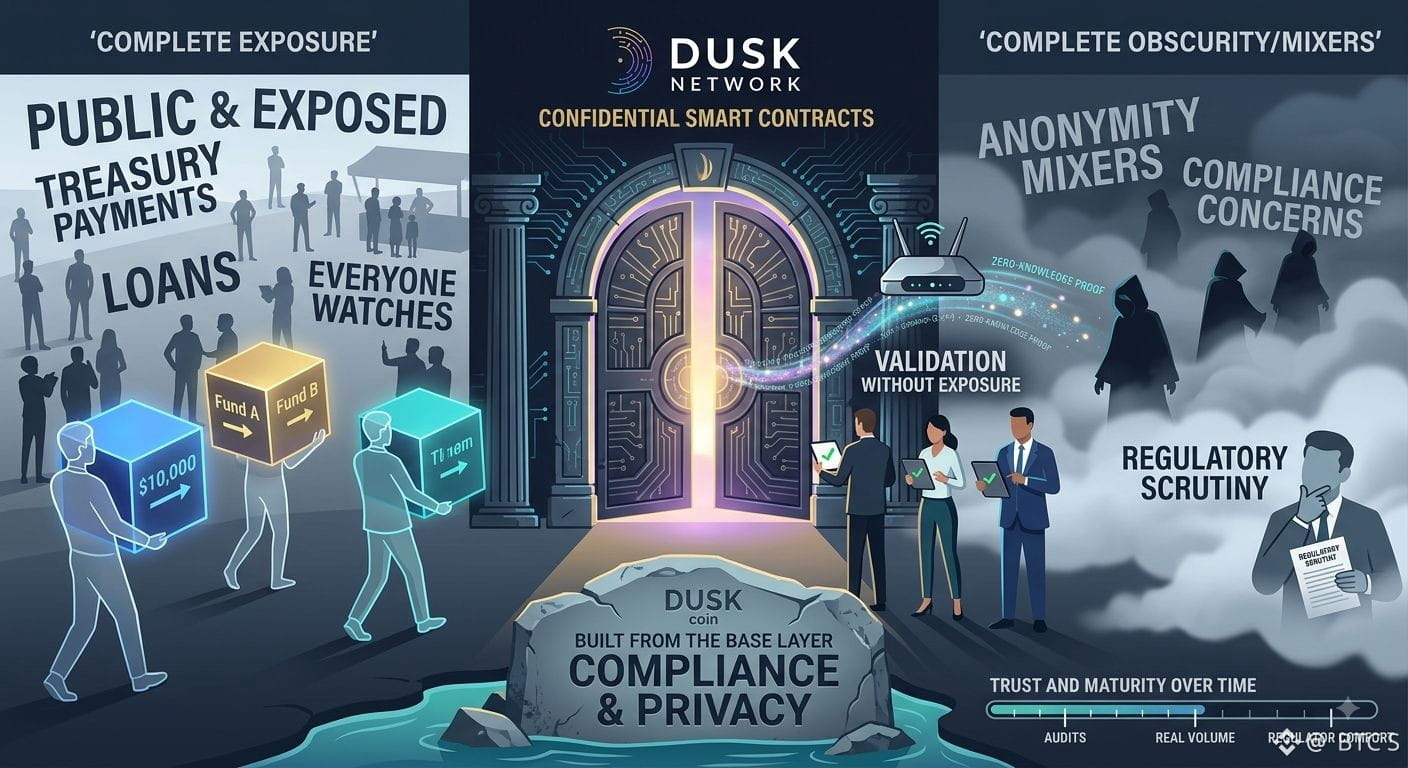
公開ブロックチェーン上で実際のお金を動かしているところを想像してみてください——国庫(トレジャリー)の支払い、ローン、2つのファンド間の決済。誰もがそれを見られます。金額だけでなく、誰が、いつ、どれくらいの頻度で、そして時系列で見たその全体の形まで。そこが、きちんと声に出して語られない部分なんです。暗号資産にプライバシー機能が「ない」という話ではありません。正確には、オンチェーンのプライバシーは基本的に「全部かゼロか」になりがちなんです。完全にさらされるか、ミキサーのようなものを使うか。後者はコンプライアンス担当者を黙らせて、メモを打ち始めさせる類いのものです。どちらも、実際の資本を動かす用途にはあまり実用的ではありません。
私が見ている限り、Duskが目指しているのはその中間——機密のスマートコントラクトです。取引が正当であることを、内容をすべての人に見せることなく証明する。一方で、必要になれば正しい当事者が後から確認できる。求めるべきものはまさにそれです。まだ誰も、きれいに実現しきれてはいません。そして、あと付けで組み込むのではなく基盤レイヤーから作るのは、より難しく、より遅い道になります——初期はバリデータの規模が小さく、流動性も薄い。長い間、「証明されている」と感じられない期間が続く。規制当局は、その暗号がエレガントだからといって簡単に信じてはくれません。現金が動くような状況で、実際に何年も耐えられるかを見届ける必要があるんです。
だから私は、この件にあまり期待しすぎないほうがいいと思います。半分だけ気にしながら、——まだ稼働しているのか、まだ監査を受けているのか、本当に大きな取引量のある人が実際に触っているのか——を確認してください。もしそうなら、たぶん誰かが「これがどうしても必要」だったから、十分待てるほどに待ったんでしょう。そうでなければ、この種の信頼は時間がかかり、たいていのものはそこまで到達しないだけです。#dusk $DUSK @Dusk
私が見ている限り、Duskが目指しているのはその中間——機密のスマートコントラクトです。取引が正当であることを、内容をすべての人に見せることなく証明する。一方で、必要になれば正しい当事者が後から確認できる。求めるべきものはまさにそれです。まだ誰も、きれいに実現しきれてはいません。そして、あと付けで組み込むのではなく基盤レイヤーから作るのは、より難しく、より遅い道になります——初期はバリデータの規模が小さく、流動性も薄い。長い間、「証明されている」と感じられない期間が続く。規制当局は、その暗号がエレガントだからといって簡単に信じてはくれません。現金が動くような状況で、実際に何年も耐えられるかを見届ける必要があるんです。
だから私は、この件にあまり期待しすぎないほうがいいと思います。半分だけ気にしながら、——まだ稼働しているのか、まだ監査を受けているのか、本当に大きな取引量のある人が実際に触っているのか——を確認してください。もしそうなら、たぶん誰かが「これがどうしても必要」だったから、十分待てるほどに待ったんでしょう。そうでなければ、この種の信頼は時間がかかり、たいていのものはそこまで到達しないだけです。#dusk $DUSK @Dusk
18
6
137
·
--
ブリッシュ
銀行はオンチェーンで債券を決済しません。取引が公開台帳に載った瞬間、あらゆるポジション規模、すべての取引相手、そしてあらゆるフローパターンが誰にでも可視化されてしまうからです。これは単なるプライバシー嗜好ではなく、ほぼすべての証券フレームワークにおける明確な法的要件です。規制当局は監査できる必要があり、盲目であってはならない。だから機関は凍結します。ブロックチェーンに反対だからではありません。ブロックチェーンのデフォルトである「すべてが透明」という前提が、実際にはコンプライアンス上の大きな障害になっているだけです。
多くのプライバシーチェーンは、それを回避しようとして「何もかも隠す」ことで済ませようとします。ところが規制当局はすぐにそれを指摘します。あなたが見えないなら監査できない、と。
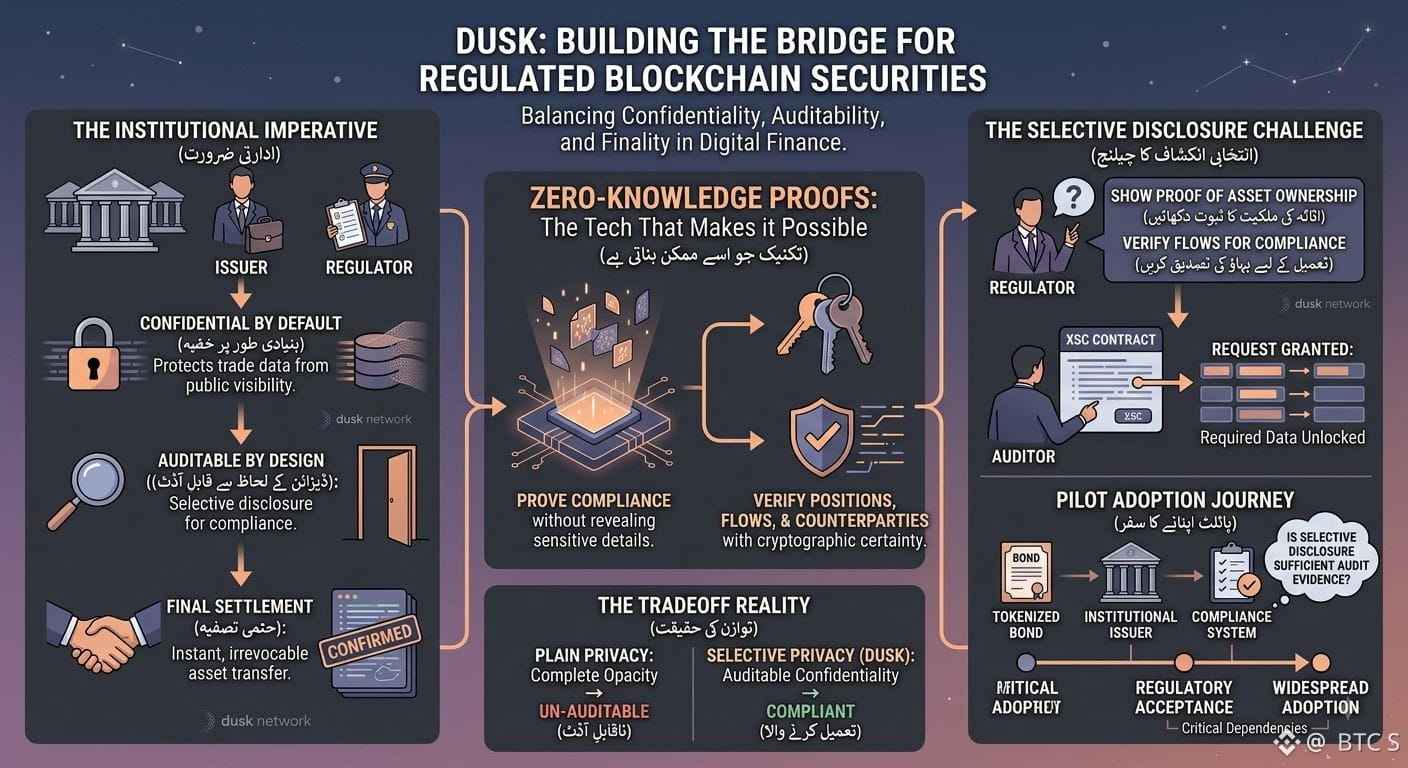
DuskのXSCコントラクトは、別のやり方を試みています。基本は機密性を確保しつつ、規制当局や監査人が本当に確認する必要があるときだけ、選択的に検証可能にする。まさにこの「選択的開示」という発想こそ、いま直面している本当のエンジニアリング課題です。実際の証券法の監査トレイルに適合するゼロ知識証明は、まだ比較的新しいため、「コンプライアンス対応のプライバシー」は、単なる「プライベート」と比べてかなり範囲が狭くなります。導入は、選択的開示が適切な監査エビデンスとして認められるかどうかを規制当局が決めるまで、かなりゆっくりになるでしょう。
同時に「決済の最終性」と「規制上の開示」を両立すると主張するチェーンは、実質的に物理法則と戦っています。これら2つの目標は互いに引っ張り合っており、結局どのプロジェクトも、どちらかを選んで、もう一方を売りにしてしまう。Duskは、そのトレードオフが存在することを、ふりをせずに認めています。率直さがあって、それは新鮮です。
実際に使うのは、パイロットとしてトークン化債券を運用する規制対象の発行体だけでしょう。個人のトレーダーは触れません。彼らは流動性と価格発見を求めていて、プライバシーの見せかけには興味がないからです。うまく機能するには、証明が高速で安価であること、そして既存のコンプライアンスシステムにそのまま差し込めることが必要です...さらに、規制当局が選択的開示で監査が足りると受け入れることも必要です。そうなるまでは、これは「できるなら試すべき」というアイデアのままで、「必ず使うべき」という現実にはまだなっていません。
#dusk $DUSK @Dusk_Foundation
{spot}(DUSKUSDT)
銀行はオンチェーンで債券を決済しません。取引が公開台帳に載った瞬間、あらゆるポジション規模、すべての取引相手、そしてあらゆるフローパターンが誰にでも可視化されてしまうからです。これは単なるプライバシー嗜好ではなく、ほぼすべての証券フレームワークにおける明確な法的要件です。規制当局は監査できる必要があり、盲目であってはならない。だから機関は凍結します。ブロックチェーンに反対だからではありません。ブロックチェーンのデフォルトである「すべてが透明」という前提が、実際にはコンプライアンス上の大きな障害になっているだけです。
多くのプライバシーチェーンは、それを回避しようとして「何もかも隠す」ことで済ませようとします。ところが規制当局はすぐにそれを指摘します。あなたが見えないなら監査できない、と。
DuskのXSCコントラクトは、別のやり方を試みています。基本は機密性を確保しつつ、規制当局や監査人が本当に確認する必要があるときだけ、選択的に検証可能にする。まさにこの「選択的開示」という発想こそ、いま直面している本当のエンジニアリング課題です。実際の証券法の監査トレイルに適合するゼロ知識証明は、まだ比較的新しいため、「コンプライアンス対応のプライバシー」は、単なる「プライベート」と比べてかなり範囲が狭くなります。導入は、選択的開示が適切な監査エビデンスとして認められるかどうかを規制当局が決めるまで、かなりゆっくりになるでしょう。
同時に「決済の最終性」と「規制上の開示」を両立すると主張するチェーンは、実質的に物理法則と戦っています。これら2つの目標は互いに引っ張り合っており、結局どのプロジェクトも、どちらかを選んで、もう一方を売りにしてしまう。Duskは、そのトレードオフが存在することを、ふりをせずに認めています。率直さがあって、それは新鮮です。
実際に使うのは、パイロットとしてトークン化債券を運用する規制対象の発行体だけでしょう。個人のトレーダーは触れません。彼らは流動性と価格発見を求めていて、プライバシーの見せかけには興味がないからです。うまく機能するには、証明が高速で安価であること、そして既存のコンプライアンスシステムにそのまま差し込めることが必要です...さらに、規制当局が選択的開示で監査が足りると受け入れることも必要です。そうなるまでは、これは「できるなら試すべき」というアイデアのままで、「必ず使うべき」という現実にはまだなっていません。
#dusk $DUSK @Dusk
多くのプライバシーチェーンは、それを回避しようとして「何もかも隠す」ことで済ませようとします。ところが規制当局はすぐにそれを指摘します。あなたが見えないなら監査できない、と。
DuskのXSCコントラクトは、別のやり方を試みています。基本は機密性を確保しつつ、規制当局や監査人が本当に確認する必要があるときだけ、選択的に検証可能にする。まさにこの「選択的開示」という発想こそ、いま直面している本当のエンジニアリング課題です。実際の証券法の監査トレイルに適合するゼロ知識証明は、まだ比較的新しいため、「コンプライアンス対応のプライバシー」は、単なる「プライベート」と比べてかなり範囲が狭くなります。導入は、選択的開示が適切な監査エビデンスとして認められるかどうかを規制当局が決めるまで、かなりゆっくりになるでしょう。
同時に「決済の最終性」と「規制上の開示」を両立すると主張するチェーンは、実質的に物理法則と戦っています。これら2つの目標は互いに引っ張り合っており、結局どのプロジェクトも、どちらかを選んで、もう一方を売りにしてしまう。Duskは、そのトレードオフが存在することを、ふりをせずに認めています。率直さがあって、それは新鮮です。
実際に使うのは、パイロットとしてトークン化債券を運用する規制対象の発行体だけでしょう。個人のトレーダーは触れません。彼らは流動性と価格発見を求めていて、プライバシーの見せかけには興味がないからです。うまく機能するには、証明が高速で安価であること、そして既存のコンプライアンスシステムにそのまま差し込めることが必要です...さらに、規制当局が選択的開示で監査が足りると受け入れることも必要です。そうなるまでは、これは「できるなら試すべき」というアイデアのままで、「必ず使うべき」という現実にはまだなっていません。
#dusk $DUSK @Dusk
28
12
154
·
--
ブリッシュ
ずっと気になって離れない疑問があります。なぜ、いわゆる「プライバシー・ブロックチェーン」には、まだ本格的な機関投資家のお金がほとんど入ってきていないのでしょうか?関心がないわけではありません。銀行や資産運用会社なら、オンチェーンに移すことで、決済コストの削減や仲介業者の削減ができるため、むしろ歓迎するはずです。しかし、自分たちの取引ポジションを世界中に公開せずに済まない。さらに規制当局も、必要なときに検証できないものに対しては、承認を出せません。結果として、互いに相反するように感じる2つを同時に満たす必要が出てきます。つまり、プライベートに保つこと。そして、必要なときに証明可能にすること。多くのプロジェクトはどちらか一方を選んでしまいます。完全に透明なチェーンはすべてを漏らします。完全にプライベートなものは、規制当局が掴んで検討できる材料を何も提供せず、規制が絡む領域では成立しません。
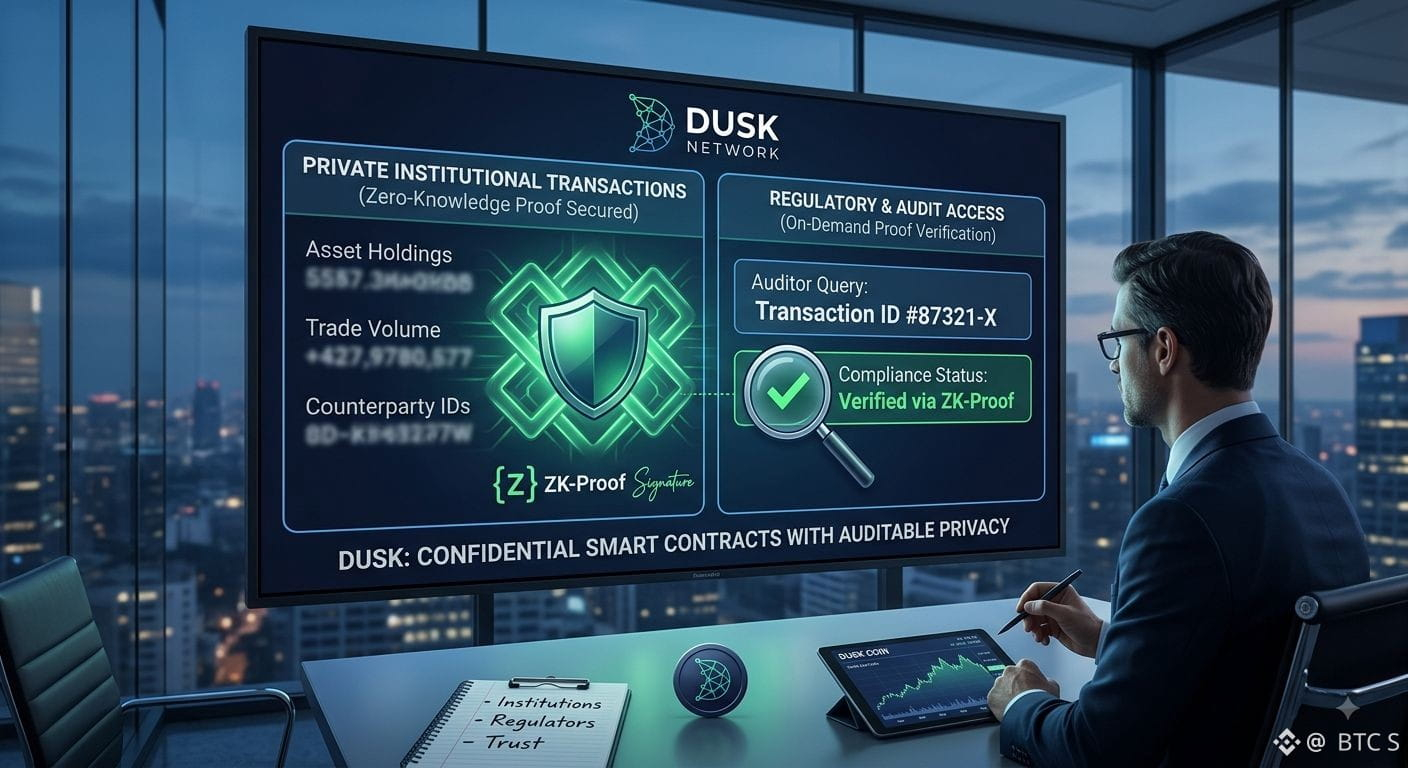
Duskが突こうとしているのは、このギャップのように見えます――詳細を第三者にブロードキャストせずに、正しい相手に対しては証明を生成できる「機密契約」です。紙の上では、まさに適切な形の解決策に見えます。ですが実際には、規制当局や監査人が、ゼロ知識証明を十分な証拠として本当に受け入れるのかを知りたいところです。その信頼は、賢い暗号技術によってではなく、何年もかけて機関がそれを試し、痛い目を見ないことで生まれるものだからです。
これは日常のユーザー向けではないと思います――プライバシーと監査可能性を同時に必要とし、その両方を本当にうまく満たしてくれる他のものがなかったため待ち続けてきた発行体(issuer)を狙う、ゆっくりで狭い賭けです。規制当局が時間をかけて、その証明を本当に信頼するようになれば機能します。逆に、信頼されなければ、静かに失敗し、正しいのに使われないまま技術だけがそこに残ります。#dusk $DUSK @Dusk_Foundation
ずっと気になって離れない疑問があります。なぜ、いわゆる「プライバシー・ブロックチェーン」には、まだ本格的な機関投資家のお金がほとんど入ってきていないのでしょうか?関心がないわけではありません。銀行や資産運用会社なら、オンチェーンに移すことで、決済コストの削減や仲介業者の削減ができるため、むしろ歓迎するはずです。しかし、自分たちの取引ポジションを世界中に公開せずに済まない。さらに規制当局も、必要なときに検証できないものに対しては、承認を出せません。結果として、互いに相反するように感じる2つを同時に満たす必要が出てきます。つまり、プライベートに保つこと。そして、必要なときに証明可能にすること。多くのプロジェクトはどちらか一方を選んでしまいます。完全に透明なチェーンはすべてを漏らします。完全にプライベートなものは、規制当局が掴んで検討できる材料を何も提供せず、規制が絡む領域では成立しません。
Duskが突こうとしているのは、このギャップのように見えます――詳細を第三者にブロードキャストせずに、正しい相手に対しては証明を生成できる「機密契約」です。紙の上では、まさに適切な形の解決策に見えます。ですが実際には、規制当局や監査人が、ゼロ知識証明を十分な証拠として本当に受け入れるのかを知りたいところです。その信頼は、賢い暗号技術によってではなく、何年もかけて機関がそれを試し、痛い目を見ないことで生まれるものだからです。
これは日常のユーザー向けではないと思います――プライバシーと監査可能性を同時に必要とし、その両方を本当にうまく満たしてくれる他のものがなかったため待ち続けてきた発行体(issuer)を狙う、ゆっくりで狭い賭けです。規制当局が時間をかけて、その証明を本当に信頼するようになれば機能します。逆に、信頼されなければ、静かに失敗し、正しいのに使われないまま技術だけがそこに残ります。#dusk $DUSK @Dusk
Duskが突こうとしているのは、このギャップのように見えます――詳細を第三者にブロードキャストせずに、正しい相手に対しては証明を生成できる「機密契約」です。紙の上では、まさに適切な形の解決策に見えます。ですが実際には、規制当局や監査人が、ゼロ知識証明を十分な証拠として本当に受け入れるのかを知りたいところです。その信頼は、賢い暗号技術によってではなく、何年もかけて機関がそれを試し、痛い目を見ないことで生まれるものだからです。
これは日常のユーザー向けではないと思います――プライバシーと監査可能性を同時に必要とし、その両方を本当にうまく満たしてくれる他のものがなかったため待ち続けてきた発行体(issuer)を狙う、ゆっくりで狭い賭けです。規制当局が時間をかけて、その証明を本当に信頼するようになれば機能します。逆に、信頼されなければ、静かに失敗し、正しいのに使われないまま技術だけがそこに残ります。#dusk $DUSK @Dusk
21
7
162
·
--
ブリッシュ
正直に言うと、私が暗号資産の「プライバシー」についての議論で一番気になるのは、肝心の問題をすっ飛ばしてしまう点です。「ゼロ知識証明」がそのまま自明のことのように直行しますが、実際の問いはもっとシンプルです。なぜ企業は、世界中に誰が何を買ったかを見せることなく、ブロックチェーン上で株式を発行できないのでしょうか?
それがまさに、今の状況です。パブリックチェーンにセキュリティ(株式)を置けば、あなたは事実上、キャップテーブルを公開しているのと同じです。取引のたびに、リバランスのたびに、それらが競合他社にリアルタイムで見える。まともな機関投資家は、そんなことには応じません。怪しいものを隠しているからではなく、そもそも金融がこれまでそういう仕組みで動いてこなかったからです。公開市場でも、オーダーブックの意図がリアルタイムで丸見えになるわけではありません。
プライバシー・コインの時代はそれを直そうとしましたが、結局は規制当局をより神経質にさせる結果になりがちでした。「何も見えない」というのはコンプライアンスではなく、単なる透明性の欠如に、よいマーケティングをまとわせているだけだからです。
Duskがやろうとしていることは、両極端が間違っているという“認め”に近いと感じます。取引はプライベートに保ちつつ、必要になったときにしか適切な相手――監査人や規制当局――が確認できるようにする。しかも、それを他の全員には公開しない。その「正しくやるのが本当に難しい」ことが、まさにここです。そして私は、「コンプライアントなプライバシー」の売り込みが、建築ではなくマーケティングを“アーキテクチャ風”に着飾っただけだったのをたくさん見てきた人間としてそう言えます。
この案が、現実の法的な精査に耐えるかどうかはまだ分かりませんし、本気で何かを任せるほど機関が、これほど小さなチェーンを信頼するのかも不明です。ですが、それが問題として向き合っているものは本物で、しかもそれをちゃんと解決しようとする試みは、ほとんど他に見当たりません。
#dusk $DUSK @Dusk_Foundation
正直に言うと、私が暗号資産の「プライバシー」についての議論で一番気になるのは、肝心の問題をすっ飛ばしてしまう点です。「ゼロ知識証明」がそのまま自明のことのように直行しますが、実際の問いはもっとシンプルです。なぜ企業は、世界中に誰が何を買ったかを見せることなく、ブロックチェーン上で株式を発行できないのでしょうか?
それがまさに、今の状況です。パブリックチェーンにセキュリティ(株式)を置けば、あなたは事実上、キャップテーブルを公開しているのと同じです。取引のたびに、リバランスのたびに、それらが競合他社にリアルタイムで見える。まともな機関投資家は、そんなことには応じません。怪しいものを隠しているからではなく、そもそも金融がこれまでそういう仕組みで動いてこなかったからです。公開市場でも、オーダーブックの意図がリアルタイムで丸見えになるわけではありません。
プライバシー・コインの時代はそれを直そうとしましたが、結局は規制当局をより神経質にさせる結果になりがちでした。「何も見えない」というのはコンプライアンスではなく、単なる透明性の欠如に、よいマーケティングをまとわせているだけだからです。
Duskがやろうとしていることは、両極端が間違っているという“認め”に近いと感じます。取引はプライベートに保ちつつ、必要になったときにしか適切な相手――監査人や規制当局――が確認できるようにする。しかも、それを他の全員には公開しない。その「正しくやるのが本当に難しい」ことが、まさにここです。そして私は、「コンプライアントなプライバシー」の売り込みが、建築ではなくマーケティングを“アーキテクチャ風”に着飾っただけだったのをたくさん見てきた人間としてそう言えます。
この案が、現実の法的な精査に耐えるかどうかはまだ分かりませんし、本気で何かを任せるほど機関が、これほど小さなチェーンを信頼するのかも不明です。ですが、それが問題として向き合っているものは本物で、しかもそれをちゃんと解決しようとする試みは、ほとんど他に見当たりません。
#dusk $DUSK @Dusk
それがまさに、今の状況です。パブリックチェーンにセキュリティ(株式)を置けば、あなたは事実上、キャップテーブルを公開しているのと同じです。取引のたびに、リバランスのたびに、それらが競合他社にリアルタイムで見える。まともな機関投資家は、そんなことには応じません。怪しいものを隠しているからではなく、そもそも金融がこれまでそういう仕組みで動いてこなかったからです。公開市場でも、オーダーブックの意図がリアルタイムで丸見えになるわけではありません。
プライバシー・コインの時代はそれを直そうとしましたが、結局は規制当局をより神経質にさせる結果になりがちでした。「何も見えない」というのはコンプライアンスではなく、単なる透明性の欠如に、よいマーケティングをまとわせているだけだからです。
Duskがやろうとしていることは、両極端が間違っているという“認め”に近いと感じます。取引はプライベートに保ちつつ、必要になったときにしか適切な相手――監査人や規制当局――が確認できるようにする。しかも、それを他の全員には公開しない。その「正しくやるのが本当に難しい」ことが、まさにここです。そして私は、「コンプライアントなプライバシー」の売り込みが、建築ではなくマーケティングを“アーキテクチャ風”に着飾っただけだったのをたくさん見てきた人間としてそう言えます。
この案が、現実の法的な精査に耐えるかどうかはまだ分かりませんし、本気で何かを任せるほど機関が、これほど小さなチェーンを信頼するのかも不明です。ですが、それが問題として向き合っているものは本物で、しかもそれをちゃんと解決しようとする試みは、ほとんど他に見当たりません。
#dusk $DUSK @Dusk
3
1
2
100
·
--
ブリッシュ
#dusk $DUSK @Dusk_Foundation
このスペースを十分長く見ていると、きっと気づくパターンがあります。ブロックチェーンに触れる真面目な機関のほぼすべてが、こっそりとそのプライベート版を作り始めるのです。ここではコンソーシアム・チェーン、あちらでは許可制の台帳。誰も大々的に発表しません——ただ続けているだけで、それには理由があります。
パブリックチェーンは基本的にすべてをデフォルトで公開します。プライバシーは後から、特別なケースとして“後付け”されがちです。多くの場合、あるクライアントが「それがないとサインできない」と拒んだことがきっかけになります。でも、それは逆です。金融の世界では、手の内を隠すのは“ちょっとした便利さ”ではなく、仕組みそのものがそうなっています。取引規模、相手先、残高——それらは、関係者だけでなく、実際に法的な立場で確認する権限を持つ人以外に見せる前提ではありません。そして規制当局も、公のフィードを望んではいません。人々が思い込むほど、常に公開で見たいわけではないのです。必要があるときに確認できればいい——それで十分です。常に、皆の事情が見える“恒久的な窓”は不要です。
事後にプライバシーをボルトで固定すると、結局は最悪の2択になります。誰も本当に信頼していないような怪しいミキサーか、誰も実は望んでいなかった完全な透明性か。どちらも実際のお金が動く現実に触れると、長くはもちません。
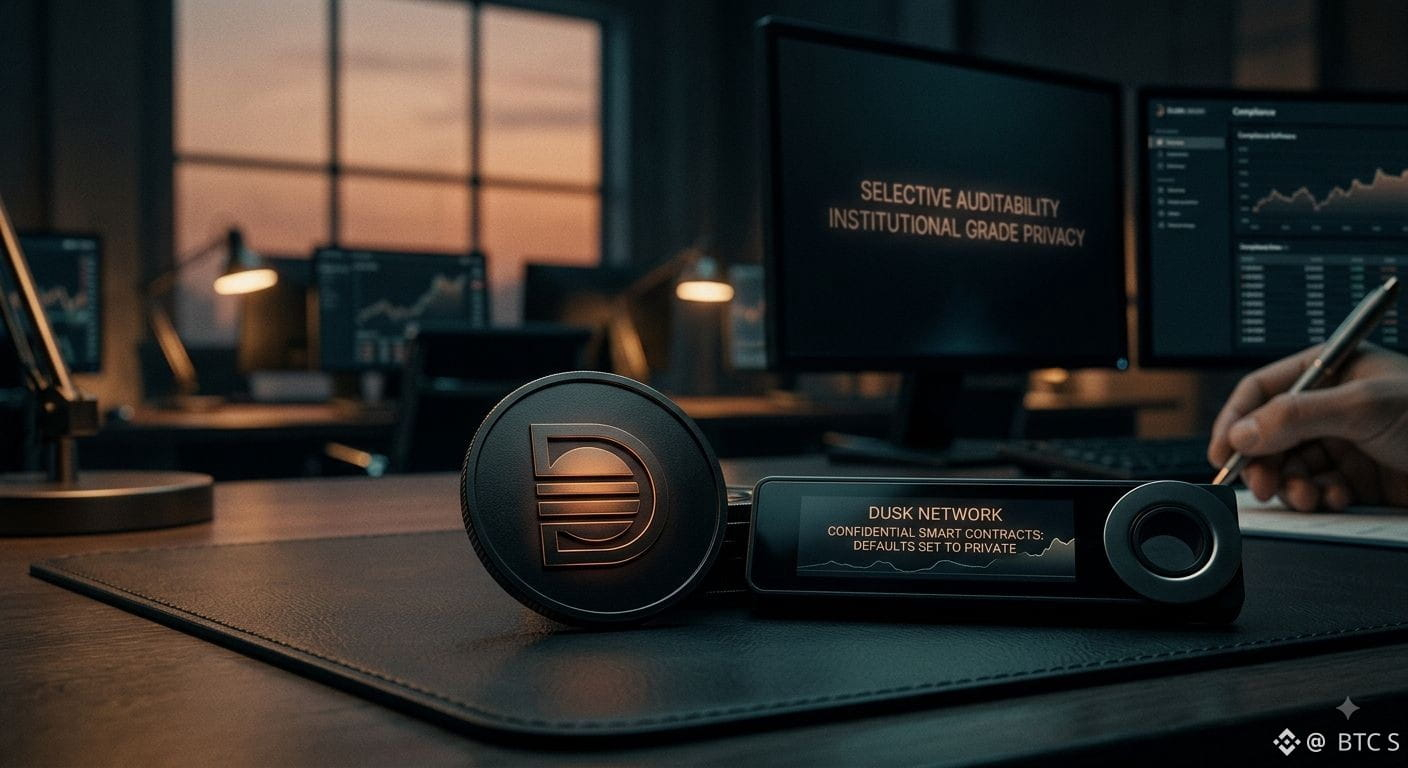
だからこそ、Dusk Network の機密契約は一度見ておく価値があります。発想はデフォルトを反転させること——プライバシーを“通常の状態”にし、開示は漏れ出てしまった後に何とかして洗い流すものではなく、許可された場合にだけ与えられるものにする、という考え方です。これはコンプライアンスが実際に機能するあり方にかなり近いです。つまり、選択的で、許可制で、全世界へ一斉にばらまくのではなく、必要なときに監査可能な形で開示できる。
本当にその通りに機能するのかは別の話です。コスト、レイテンシ、そして当事者が個人的に監査できない数学を、規制当局がいつ信頼するのか——そのあたりはまだ不確かなままです。このアプローチが少しでも広がるなら、ニュースを追いかける誰かが現れるというより、バックグラウンドで静かに決済を進める機関が増える、という形で実現するでしょう。そして、それを運用するコストが、回避したいはずの“露出”を上回った瞬間に、その動きは止まります。
{spot}(DUSKUSDT)
#dusk $DUSK @Dusk
このスペースを十分長く見ていると、きっと気づくパターンがあります。ブロックチェーンに触れる真面目な機関のほぼすべてが、こっそりとそのプライベート版を作り始めるのです。ここではコンソーシアム・チェーン、あちらでは許可制の台帳。誰も大々的に発表しません——ただ続けているだけで、それには理由があります。
パブリックチェーンは基本的にすべてをデフォルトで公開します。プライバシーは後から、特別なケースとして“後付け”されがちです。多くの場合、あるクライアントが「それがないとサインできない」と拒んだことがきっかけになります。でも、それは逆です。金融の世界では、手の内を隠すのは“ちょっとした便利さ”ではなく、仕組みそのものがそうなっています。取引規模、相手先、残高——それらは、関係者だけでなく、実際に法的な立場で確認する権限を持つ人以外に見せる前提ではありません。そして規制当局も、公のフィードを望んではいません。人々が思い込むほど、常に公開で見たいわけではないのです。必要があるときに確認できればいい——それで十分です。常に、皆の事情が見える“恒久的な窓”は不要です。
事後にプライバシーをボルトで固定すると、結局は最悪の2択になります。誰も本当に信頼していないような怪しいミキサーか、誰も実は望んでいなかった完全な透明性か。どちらも実際のお金が動く現実に触れると、長くはもちません。
だからこそ、Dusk Network の機密契約は一度見ておく価値があります。発想はデフォルトを反転させること——プライバシーを“通常の状態”にし、開示は漏れ出てしまった後に何とかして洗い流すものではなく、許可された場合にだけ与えられるものにする、という考え方です。これはコンプライアンスが実際に機能するあり方にかなり近いです。つまり、選択的で、許可制で、全世界へ一斉にばらまくのではなく、必要なときに監査可能な形で開示できる。
本当にその通りに機能するのかは別の話です。コスト、レイテンシ、そして当事者が個人的に監査できない数学を、規制当局がいつ信頼するのか——そのあたりはまだ不確かなままです。このアプローチが少しでも広がるなら、ニュースを追いかける誰かが現れるというより、バックグラウンドで静かに決済を進める機関が増える、という形で実現するでしょう。そして、それを運用するコストが、回避したいはずの“露出”を上回った瞬間に、その動きは止まります。
このスペースを十分長く見ていると、きっと気づくパターンがあります。ブロックチェーンに触れる真面目な機関のほぼすべてが、こっそりとそのプライベート版を作り始めるのです。ここではコンソーシアム・チェーン、あちらでは許可制の台帳。誰も大々的に発表しません——ただ続けているだけで、それには理由があります。
パブリックチェーンは基本的にすべてをデフォルトで公開します。プライバシーは後から、特別なケースとして“後付け”されがちです。多くの場合、あるクライアントが「それがないとサインできない」と拒んだことがきっかけになります。でも、それは逆です。金融の世界では、手の内を隠すのは“ちょっとした便利さ”ではなく、仕組みそのものがそうなっています。取引規模、相手先、残高——それらは、関係者だけでなく、実際に法的な立場で確認する権限を持つ人以外に見せる前提ではありません。そして規制当局も、公のフィードを望んではいません。人々が思い込むほど、常に公開で見たいわけではないのです。必要があるときに確認できればいい——それで十分です。常に、皆の事情が見える“恒久的な窓”は不要です。
事後にプライバシーをボルトで固定すると、結局は最悪の2択になります。誰も本当に信頼していないような怪しいミキサーか、誰も実は望んでいなかった完全な透明性か。どちらも実際のお金が動く現実に触れると、長くはもちません。
だからこそ、Dusk Network の機密契約は一度見ておく価値があります。発想はデフォルトを反転させること——プライバシーを“通常の状態”にし、開示は漏れ出てしまった後に何とかして洗い流すものではなく、許可された場合にだけ与えられるものにする、という考え方です。これはコンプライアンスが実際に機能するあり方にかなり近いです。つまり、選択的で、許可制で、全世界へ一斉にばらまくのではなく、必要なときに監査可能な形で開示できる。
本当にその通りに機能するのかは別の話です。コスト、レイテンシ、そして当事者が個人的に監査できない数学を、規制当局がいつ信頼するのか——そのあたりはまだ不確かなままです。このアプローチが少しでも広がるなら、ニュースを追いかける誰かが現れるというより、バックグラウンドで静かに決済を進める機関が増える、という形で実現するでしょう。そして、それを運用するコストが、回避したいはずの“露出”を上回った瞬間に、その動きは止まります。
10
10
99
·
--
ブリッシュ
#baby $BABY @babylonlabs_io
先週、誰かにこれを説明しようとしていて、ずっと同じ文で詰まってしまいました。「ビットコインは実際には動かない」。相手は、そんなはずがないとでもいうような顔をしていました。正直、それは“全部”ではないです——でも、そのあとに続く話のほうが、見栄えのする部分よりずっと面白い。
DeFiにビットコインが登場するたびに、何かを差し出す必要が出てきます。たいていはカストディ(保管)です。コインをラップするか、ブリッジに渡すかして、手元に残るのはレシート——どこかで、誰かがあなたのBTCをまだ持っているという約束になります。その約束が破られてきた回数があまりにも多いため、「ブリッジを信じて」と言うのは、かなり前から現実的な要求ではなくなってしまいました。
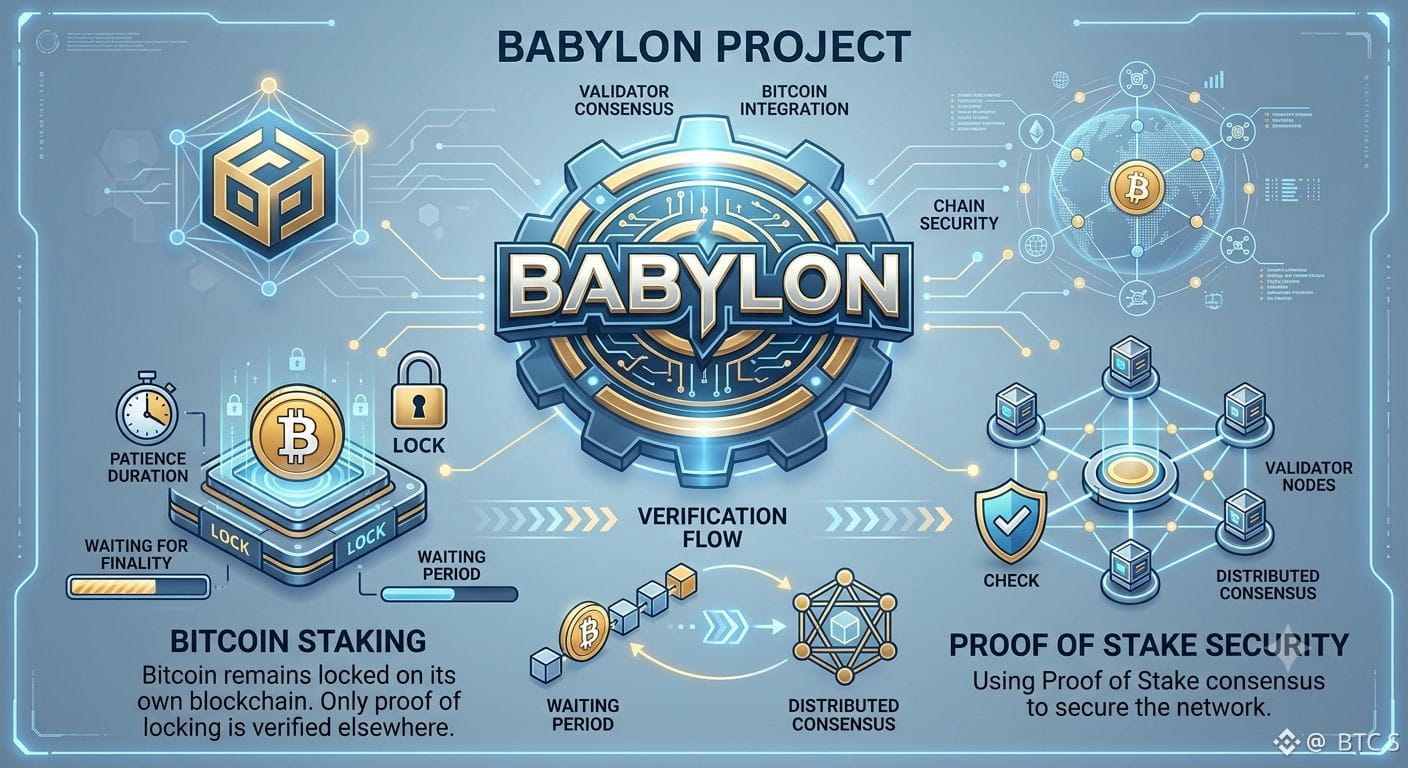
Babylonは、もう少し生々しくない言い方ではあるものの、たぶんより正直な試みをします。コインを動かす代わりに、イーサリアムに“確認しに行かせる”のです。BTCは、ビットコインの自前のルールに従って、ビットコイン上でロックされたままです。別の場所で検証されるのは、証明——UTXO、タイムロック、そしてビットコイン自身が保証できるエビデンス。誰もあなたのコインを人質に取っていません。取る必要すらないんです。
問題は忍耐です。ビットコインはすぐに「最終確定」を宣言しません——ブロックが降りたあともしばらくはリオーグ(チェーンの組み替え)があり得る——なので、ビットコインを誠実に読み取るようなあらゆるシステムは、そのBTCを「ロック済みで安全」とみなすまで、ある程度の不確実性と付き合わなければいけません。これは、角を取ってなめらかにできるような“粗いところ”ではありません。信頼できる第三者の代わりに待機期間を置いたときに起きる、そういうものです。
そしておそらく、それが誰のためのものかも見えてきます。昼までに自分のビットコインをDeFiのプールで動かしたい人向けではありません。資本がしばらく動かない状態でいることを受け入れられる基金やバリデータ向けです。止まっていることが“本物”を作るのなら、止まっていることを選べる人たち。そうした取引がフェアかどうかは、まだ答えの出ていない問題ですが、私はその分岐点は技術よりも「市場に残された忍耐がどれくらいあるか」に左右されると思っています。
#baby $BABY @BabylonLabs_io
先週、誰かにこれを説明しようとしていて、ずっと同じ文で詰まってしまいました。「ビットコインは実際には動かない」。相手は、そんなはずがないとでもいうような顔をしていました。正直、それは“全部”ではないです——でも、そのあとに続く話のほうが、見栄えのする部分よりずっと面白い。
DeFiにビットコインが登場するたびに、何かを差し出す必要が出てきます。たいていはカストディ(保管)です。コインをラップするか、ブリッジに渡すかして、手元に残るのはレシート——どこかで、誰かがあなたのBTCをまだ持っているという約束になります。その約束が破られてきた回数があまりにも多いため、「ブリッジを信じて」と言うのは、かなり前から現実的な要求ではなくなってしまいました。
Babylonは、もう少し生々しくない言い方ではあるものの、たぶんより正直な試みをします。コインを動かす代わりに、イーサリアムに“確認しに行かせる”のです。BTCは、ビットコインの自前のルールに従って、ビットコイン上でロックされたままです。別の場所で検証されるのは、証明——UTXO、タイムロック、そしてビットコイン自身が保証できるエビデンス。誰もあなたのコインを人質に取っていません。取る必要すらないんです。
問題は忍耐です。ビットコインはすぐに「最終確定」を宣言しません——ブロックが降りたあともしばらくはリオーグ(チェーンの組み替え)があり得る——なので、ビットコインを誠実に読み取るようなあらゆるシステムは、そのBTCを「ロック済みで安全」とみなすまで、ある程度の不確実性と付き合わなければいけません。これは、角を取ってなめらかにできるような“粗いところ”ではありません。信頼できる第三者の代わりに待機期間を置いたときに起きる、そういうものです。
そしておそらく、それが誰のためのものかも見えてきます。昼までに自分のビットコインをDeFiのプールで動かしたい人向けではありません。資本がしばらく動かない状態でいることを受け入れられる基金やバリデータ向けです。止まっていることが“本物”を作るのなら、止まっていることを選べる人たち。そうした取引がフェアかどうかは、まだ答えの出ていない問題ですが、私はその分岐点は技術よりも「市場に残された忍耐がどれくらいあるか」に左右されると思っています。
先週、誰かにこれを説明しようとしていて、ずっと同じ文で詰まってしまいました。「ビットコインは実際には動かない」。相手は、そんなはずがないとでもいうような顔をしていました。正直、それは“全部”ではないです——でも、そのあとに続く話のほうが、見栄えのする部分よりずっと面白い。
DeFiにビットコインが登場するたびに、何かを差し出す必要が出てきます。たいていはカストディ(保管)です。コインをラップするか、ブリッジに渡すかして、手元に残るのはレシート——どこかで、誰かがあなたのBTCをまだ持っているという約束になります。その約束が破られてきた回数があまりにも多いため、「ブリッジを信じて」と言うのは、かなり前から現実的な要求ではなくなってしまいました。
Babylonは、もう少し生々しくない言い方ではあるものの、たぶんより正直な試みをします。コインを動かす代わりに、イーサリアムに“確認しに行かせる”のです。BTCは、ビットコインの自前のルールに従って、ビットコイン上でロックされたままです。別の場所で検証されるのは、証明——UTXO、タイムロック、そしてビットコイン自身が保証できるエビデンス。誰もあなたのコインを人質に取っていません。取る必要すらないんです。
問題は忍耐です。ビットコインはすぐに「最終確定」を宣言しません——ブロックが降りたあともしばらくはリオーグ(チェーンの組み替え)があり得る——なので、ビットコインを誠実に読み取るようなあらゆるシステムは、そのBTCを「ロック済みで安全」とみなすまで、ある程度の不確実性と付き合わなければいけません。これは、角を取ってなめらかにできるような“粗いところ”ではありません。信頼できる第三者の代わりに待機期間を置いたときに起きる、そういうものです。
そしておそらく、それが誰のためのものかも見えてきます。昼までに自分のビットコインをDeFiのプールで動かしたい人向けではありません。資本がしばらく動かない状態でいることを受け入れられる基金やバリデータ向けです。止まっていることが“本物”を作るのなら、止まっていることを選べる人たち。そうした取引がフェアかどうかは、まだ答えの出ていない問題ですが、私はその分岐点は技術よりも「市場に残された忍耐がどれくらいあるか」に左右されると思っています。
18
8
131
·
--
ブリッシュ
#baby $BABY @babylonlabs_io
あるDiscordで誰かが、まったく本気で「何か悪いことが起きたの? なんで下がってるの?」と聞いたことがあります。答えは、そんなに大げさな話ではありませんでした。ハックでもスキャンダルでもなく、契約がずっとそうするはずだと言っていたとおりの“予定されたアンロック”が、予定どおりに実行されたにすぎなかったのです。誰も約束を破っていませんでした。カレンダーを注意深く見ていなかっただけでもありません。
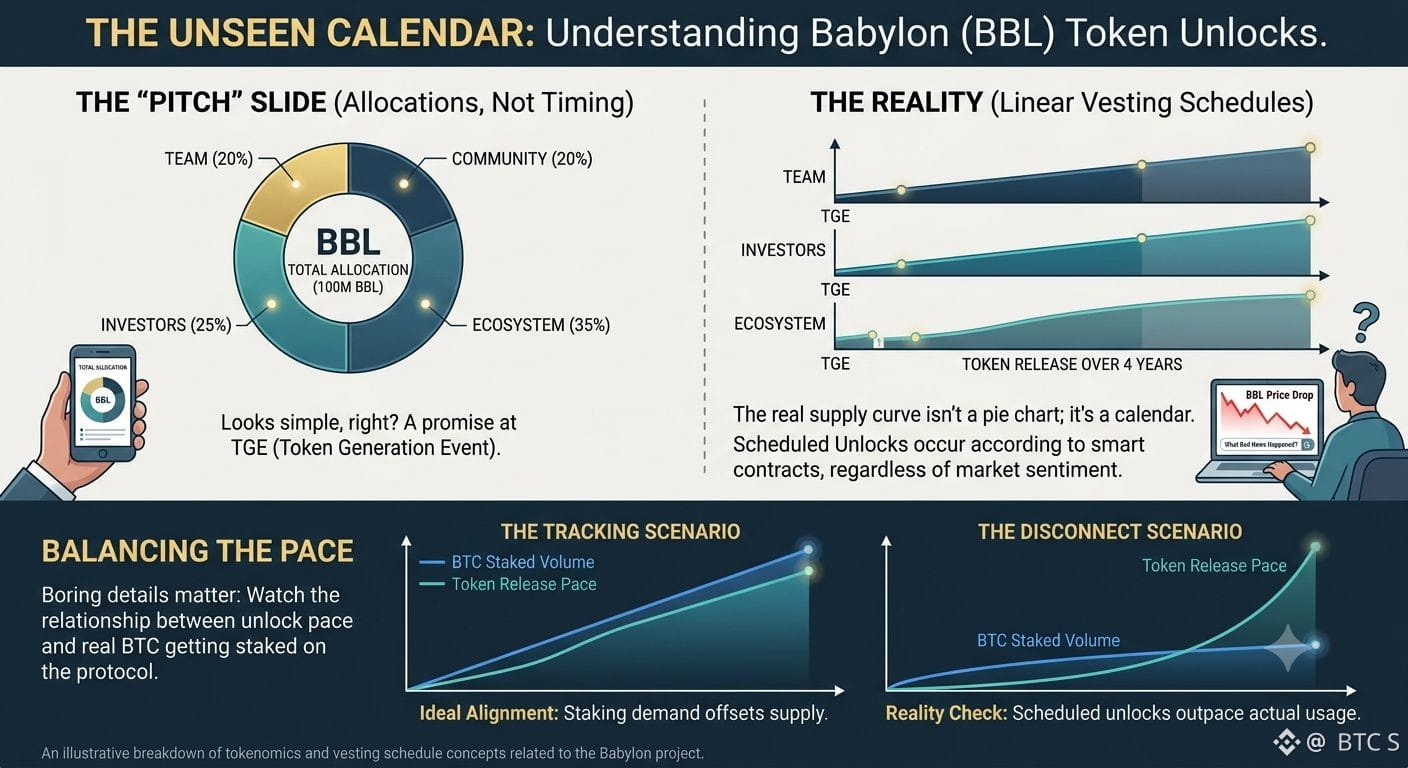
トークノミクスのうち、肝心なのに売り込み(ピッチ)には決して乗ってこない部分がまさにそこです。配分チャートが“楽しいスライド”——チームはここ、投資家はあそこ、コミュニティがその取り分を得る、というやつ。でもその図は初日撮影の写真であって、「その人たちが実際に売れるのはいつか」は書いていません。そして、あまり華やかではないその細部——誰もスクリーンショットしないベスティングのスケジュール——は、ピザチャートよりも、1年後のほうがはるかに重要になりがちです。
私はバビロンのコアの発想そのものには問題がありません。ビットコインがそこにほとんどアイドル状態で置かれていて、他のチェーンのセキュリティに戻すことで、自分のルールから引きずり出すことなく活用できるようにする、というのは、確かに役に立つものとして本当に作る価値があります。その部分は筋が通っているように感じます。ですが心配なのは、もっと平凡な点です——チームや投資家のトークンが段階的にじわじわ出てくるのか、それとも、その時点で存在するはずの実際の需要を上回るほど大きな塊で一気に放出されるのか。
正直に言うと、この問題のきれいな解決策はありません。あまりに多くをロックしすぎれば、トークンは仕事ができなくなります——ガバナンスが止まり、インセンティブは薄く感じられる。逆に解放が速すぎれば、セキュリティ重視のプロトコルがとても安全だとは思えないほどのボラティリティが生じます。
だから私が実際に注目して見るべきなのは、退屈な話です。つまり、アンロックのペースは、実際にステークされるBTCの増え方に連動しているのか、それとも単にスプレッドシート上の日付なのか。どちらが勝つのかは、私は見てきました。
#baby $BABY @BabylonLabs_io
あるDiscordで誰かが、まったく本気で「何か悪いことが起きたの? なんで下がってるの?」と聞いたことがあります。答えは、そんなに大げさな話ではありませんでした。ハックでもスキャンダルでもなく、契約がずっとそうするはずだと言っていたとおりの“予定されたアンロック”が、予定どおりに実行されたにすぎなかったのです。誰も約束を破っていませんでした。カレンダーを注意深く見ていなかっただけでもありません。
トークノミクスのうち、肝心なのに売り込み(ピッチ)には決して乗ってこない部分がまさにそこです。配分チャートが“楽しいスライド”——チームはここ、投資家はあそこ、コミュニティがその取り分を得る、というやつ。でもその図は初日撮影の写真であって、「その人たちが実際に売れるのはいつか」は書いていません。そして、あまり華やかではないその細部——誰もスクリーンショットしないベスティングのスケジュール——は、ピザチャートよりも、1年後のほうがはるかに重要になりがちです。
私はバビロンのコアの発想そのものには問題がありません。ビットコインがそこにほとんどアイドル状態で置かれていて、他のチェーンのセキュリティに戻すことで、自分のルールから引きずり出すことなく活用できるようにする、というのは、確かに役に立つものとして本当に作る価値があります。その部分は筋が通っているように感じます。ですが心配なのは、もっと平凡な点です——チームや投資家のトークンが段階的にじわじわ出てくるのか、それとも、その時点で存在するはずの実際の需要を上回るほど大きな塊で一気に放出されるのか。
正直に言うと、この問題のきれいな解決策はありません。あまりに多くをロックしすぎれば、トークンは仕事ができなくなります——ガバナンスが止まり、インセンティブは薄く感じられる。逆に解放が速すぎれば、セキュリティ重視のプロトコルがとても安全だとは思えないほどのボラティリティが生じます。
だから私が実際に注目して見るべきなのは、退屈な話です。つまり、アンロックのペースは、実際にステークされるBTCの増え方に連動しているのか、それとも単にスプレッドシート上の日付なのか。どちらが勝つのかは、私は見てきました。
あるDiscordで誰かが、まったく本気で「何か悪いことが起きたの? なんで下がってるの?」と聞いたことがあります。答えは、そんなに大げさな話ではありませんでした。ハックでもスキャンダルでもなく、契約がずっとそうするはずだと言っていたとおりの“予定されたアンロック”が、予定どおりに実行されたにすぎなかったのです。誰も約束を破っていませんでした。カレンダーを注意深く見ていなかっただけでもありません。
トークノミクスのうち、肝心なのに売り込み(ピッチ)には決して乗ってこない部分がまさにそこです。配分チャートが“楽しいスライド”——チームはここ、投資家はあそこ、コミュニティがその取り分を得る、というやつ。でもその図は初日撮影の写真であって、「その人たちが実際に売れるのはいつか」は書いていません。そして、あまり華やかではないその細部——誰もスクリーンショットしないベスティングのスケジュール——は、ピザチャートよりも、1年後のほうがはるかに重要になりがちです。
私はバビロンのコアの発想そのものには問題がありません。ビットコインがそこにほとんどアイドル状態で置かれていて、他のチェーンのセキュリティに戻すことで、自分のルールから引きずり出すことなく活用できるようにする、というのは、確かに役に立つものとして本当に作る価値があります。その部分は筋が通っているように感じます。ですが心配なのは、もっと平凡な点です——チームや投資家のトークンが段階的にじわじわ出てくるのか、それとも、その時点で存在するはずの実際の需要を上回るほど大きな塊で一気に放出されるのか。
正直に言うと、この問題のきれいな解決策はありません。あまりに多くをロックしすぎれば、トークンは仕事ができなくなります——ガバナンスが止まり、インセンティブは薄く感じられる。逆に解放が速すぎれば、セキュリティ重視のプロトコルがとても安全だとは思えないほどのボラティリティが生じます。
だから私が実際に注目して見るべきなのは、退屈な話です。つまり、アンロックのペースは、実際にステークされるBTCの増え方に連動しているのか、それとも単にスプレッドシート上の日付なのか。どちらが勝つのかは、私は見てきました。
10
6
97
·
--
ブリッシュ
#baby $BABY @babylonlabs_io
実は、これについて考えさせられるのはメカニズムじゃなくて、「財布を見つめながら“やったことはやったのに、なぜまだ終わってないんだ”」って思う瞬間なんです。行動と確認の間にあるあのギャップ。誰もがどこかで感じたことがありますよね。送金がクリアされるのを待ったり、トラッキングページをリロードしたり。でもビットコインだともっときつい。顧客サービスに電話して「ええ、問題ないです、信じてください」って人がいるわけじゃないからです。
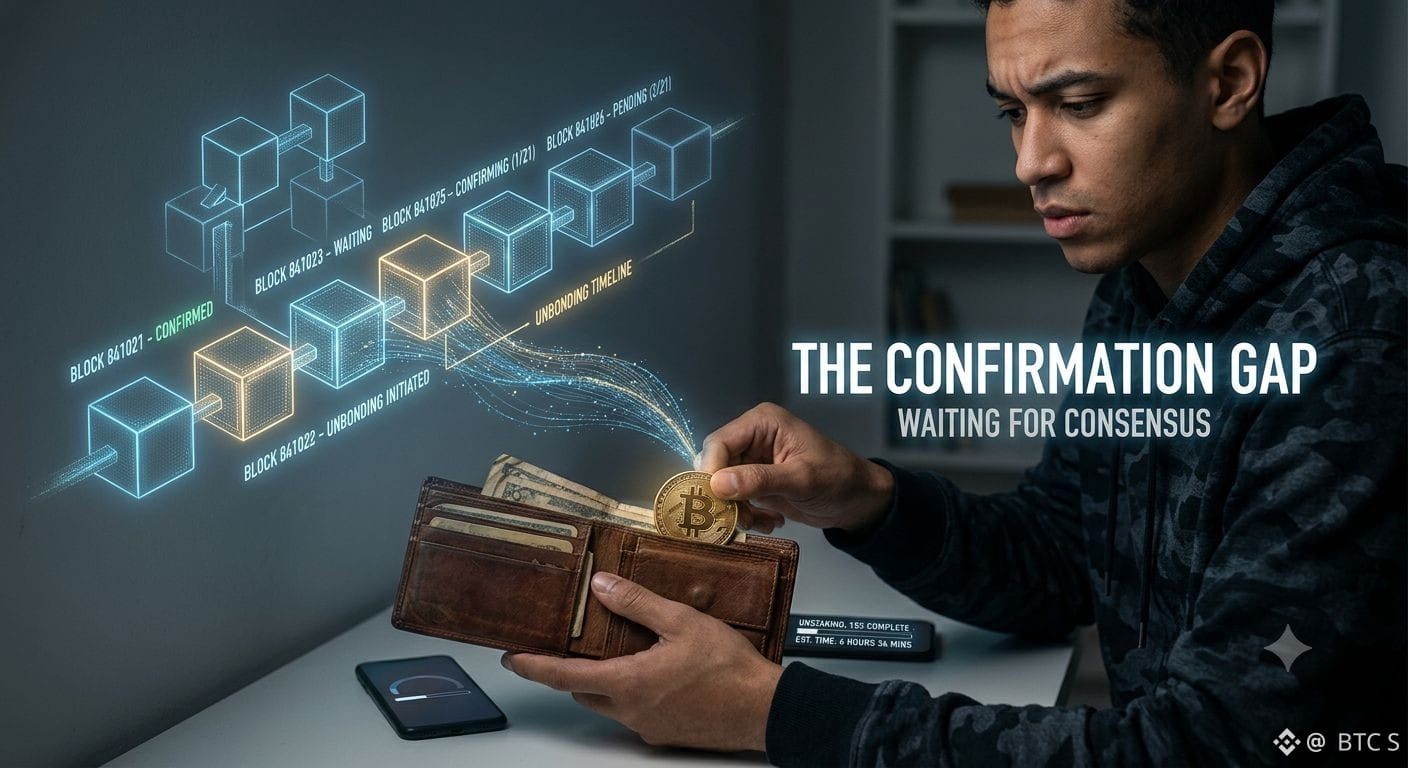
起きていることを正直に言うと、ちょっと地味です。あなたのアンボンディング(解除)トランザクションがそこに置かれていて、システムはそれの上にブロックが積み上がっていくのを、ブロックごとに監視しながら、「よし、もう十分“本物”だ」と言えるようになるまで待っている。じゃあ何ブロックあれば十分なの?——それは状況次第。手数料市場が熱くて、ブロックが詰まっていて、他のみんなも同じタイミングでポジションを解消しようとしている。するとあなたの“クイックアンステーク(早期の解除)”は、もはや早くない。しかも、何も問題が起きない前提です。
これは本質的に技術的な欠陥というより、コミュニケーションの問題だと思います。ビットコインの上に作られたプロダクトは、認めるかどうかに関わらず、そのスピードを継承してしまう。Babylonは少なくとも、制御しているかのように思わせる洗練された進捗バーで誤魔化すのではなく、解除期間をアーキテクチャに組み込んでいるようです。
それが信頼につながるのか、それとも忍耐を試すだけなのか——正直、それは誰がステーキングしていて、何のためにしているか次第です。長期でBTCを置いておく人なら、数時間増えるくらい気にしないかもしれない。市場の変動の中で急いで動かないといけない人は、それに苛立ちを覚えるかもしれません。
$LABX.ETF
$BTC
#baby $BABY @BabylonLabs_io
実は、これについて考えさせられるのはメカニズムじゃなくて、「財布を見つめながら“やったことはやったのに、なぜまだ終わってないんだ”」って思う瞬間なんです。行動と確認の間にあるあのギャップ。誰もがどこかで感じたことがありますよね。送金がクリアされるのを待ったり、トラッキングページをリロードしたり。でもビットコインだともっときつい。顧客サービスに電話して「ええ、問題ないです、信じてください」って人がいるわけじゃないからです。
起きていることを正直に言うと、ちょっと地味です。あなたのアンボンディング(解除)トランザクションがそこに置かれていて、システムはそれの上にブロックが積み上がっていくのを、ブロックごとに監視しながら、「よし、もう十分“本物”だ」と言えるようになるまで待っている。じゃあ何ブロックあれば十分なの?——それは状況次第。手数料市場が熱くて、ブロックが詰まっていて、他のみんなも同じタイミングでポジションを解消しようとしている。するとあなたの“クイックアンステーク(早期の解除)”は、もはや早くない。しかも、何も問題が起きない前提です。
これは本質的に技術的な欠陥というより、コミュニケーションの問題だと思います。ビットコインの上に作られたプロダクトは、認めるかどうかに関わらず、そのスピードを継承してしまう。Babylonは少なくとも、制御しているかのように思わせる洗練された進捗バーで誤魔化すのではなく、解除期間をアーキテクチャに組み込んでいるようです。
それが信頼につながるのか、それとも忍耐を試すだけなのか——正直、それは誰がステーキングしていて、何のためにしているか次第です。長期でBTCを置いておく人なら、数時間増えるくらい気にしないかもしれない。市場の変動の中で急いで動かないといけない人は、それに苛立ちを覚えるかもしれません。
$LABX.ETF
$BTC
実は、これについて考えさせられるのはメカニズムじゃなくて、「財布を見つめながら“やったことはやったのに、なぜまだ終わってないんだ”」って思う瞬間なんです。行動と確認の間にあるあのギャップ。誰もがどこかで感じたことがありますよね。送金がクリアされるのを待ったり、トラッキングページをリロードしたり。でもビットコインだともっときつい。顧客サービスに電話して「ええ、問題ないです、信じてください」って人がいるわけじゃないからです。
起きていることを正直に言うと、ちょっと地味です。あなたのアンボンディング(解除)トランザクションがそこに置かれていて、システムはそれの上にブロックが積み上がっていくのを、ブロックごとに監視しながら、「よし、もう十分“本物”だ」と言えるようになるまで待っている。じゃあ何ブロックあれば十分なの?——それは状況次第。手数料市場が熱くて、ブロックが詰まっていて、他のみんなも同じタイミングでポジションを解消しようとしている。するとあなたの“クイックアンステーク(早期の解除)”は、もはや早くない。しかも、何も問題が起きない前提です。
これは本質的に技術的な欠陥というより、コミュニケーションの問題だと思います。ビットコインの上に作られたプロダクトは、認めるかどうかに関わらず、そのスピードを継承してしまう。Babylonは少なくとも、制御しているかのように思わせる洗練された進捗バーで誤魔化すのではなく、解除期間をアーキテクチャに組み込んでいるようです。
それが信頼につながるのか、それとも忍耐を試すだけなのか——正直、それは誰がステーキングしていて、何のためにしているか次第です。長期でBTCを置いておく人なら、数時間増えるくらい気にしないかもしれない。市場の変動の中で急いで動かないといけない人は、それに苛立ちを覚えるかもしれません。
$LABX.ETF
$BTC
4
4
124
ログインして、さらにコンテンツを読む
厳選トピックで世界の暗号資産トレーダーの仲間入り
⚡️ 暗号資産に関する最新かつ有益な情報が見つかります。
💬 世界最大の暗号資産取引所から信頼されています。
👍 認証を受けたクリエイターから、有益なインサイトを得られます。
メール / 電話番号
トレンドトピック
QNTRises39%
閲覧回数 45,808
1,144人が討論中
🚨 QNTが急騰中!📈
$QNT が今日は大きく動いており、買い圧力が加速するにつれて約40%も上昇しています。
この上昇によりQuantは再び注目の的に戻り、トレーダーはこの勢いが続くのか、それとも次に押し目が来るのかを見ています。
🔥 注目ポイント:
• 強い出来高
• 直近の高値を上回るモメンタム
• $100という心理的節目
• 買い手が主導権を維持できるか
大きな動きは大きなボラティリティを伴います。注意してリスク管理をしましょう。
あなたは$QNTを見ていますか?👀
#QNT #altcoins #CryptoNews
#qntrises39% $QNT
The07
·いいね:4件
·閲覧回数 4k
EthereumBreaksAbove$2700
閲覧回数 4,121
115人が討論中
BitgetBreachForgedRequestsNotStolenKeys
閲覧回数 44,748
915人が討論中