

Cryptorian_Emraan
1.3k 投稿

Cryptorian_Emraan
報告
ユーザーをブロック
Crypto explorer | Mastering intraday, DCA & swing trading.
取引を発注
高頻度トレーダー
1.4年
881 フォロー
2.1K+ フォロワー
1.1K+ いいね
投稿
ポートフォリオ
すべて
引用
ライブ
PINNED
マネージド・オンチェーン戦略について、あまりにも単純に考えていたのだと気づきました。かつて私は、戦略に対してマネージャーにコントロールを渡すことは、そのまま資産に対する完全なコントロールを渡すことだと信じていました。
この件についてより深く理解する時間をとった結果、@grvt_io の考え方では権限が分離されていることに気づきました。戦略マネージャーは取引の判断を下せますが、出金はその管理外にあります。この設計により、マネージャーの役割を残しつつ信頼をどのように制限できるかを、より慎重に考えるようになりました。
私の意見では、これは重要な改善ですが、投資リスクをなくすわけではありません。より良い保管(カストディ)保護は、より良い取引判断を保証できません。投資家は、技術そのものと同じくらい、戦略の背後にいる人物を評価する必要があります。
マネージド・オンチェーン戦略において、あなたにとって最大の要因は何ですか?
$EVAA $BSB $HEI #grvt #grvt
{future}(LABUSDT)
{spot}(SXTUSDT)
マネージド・オンチェーン戦略について、あまりにも単純に考えていたのだと気づきました。かつて私は、戦略に対してマネージャーにコントロールを渡すことは、そのまま資産に対する完全なコントロールを渡すことだと信じていました。
この件についてより深く理解する時間をとった結果、@grvt_io の考え方では権限が分離されていることに気づきました。戦略マネージャーは取引の判断を下せますが、出金はその管理外にあります。この設計により、マネージャーの役割を残しつつ信頼をどのように制限できるかを、より慎重に考えるようになりました。
私の意見では、これは重要な改善ですが、投資リスクをなくすわけではありません。より良い保管(カストディ)保護は、より良い取引判断を保証できません。投資家は、技術そのものと同じくらい、戦略の背後にいる人物を評価する必要があります。
マネージド・オンチェーン戦略において、あなたにとって最大の要因は何ですか?
$EVAA $BSB $HEI #grvt #grvt
この件についてより深く理解する時間をとった結果、@grvt_io の考え方では権限が分離されていることに気づきました。戦略マネージャーは取引の判断を下せますが、出金はその管理外にあります。この設計により、マネージャーの役割を残しつつ信頼をどのように制限できるかを、より慎重に考えるようになりました。
私の意見では、これは重要な改善ですが、投資リスクをなくすわけではありません。より良い保管(カストディ)保護は、より良い取引判断を保証できません。投資家は、技術そのものと同じくらい、戦略の背後にいる人物を評価する必要があります。
マネージド・オンチェーン戦略において、あなたにとって最大の要因は何ですか?
$EVAA $BSB $HEI #grvt #grvt
5
6
18
1.4k
PINNED
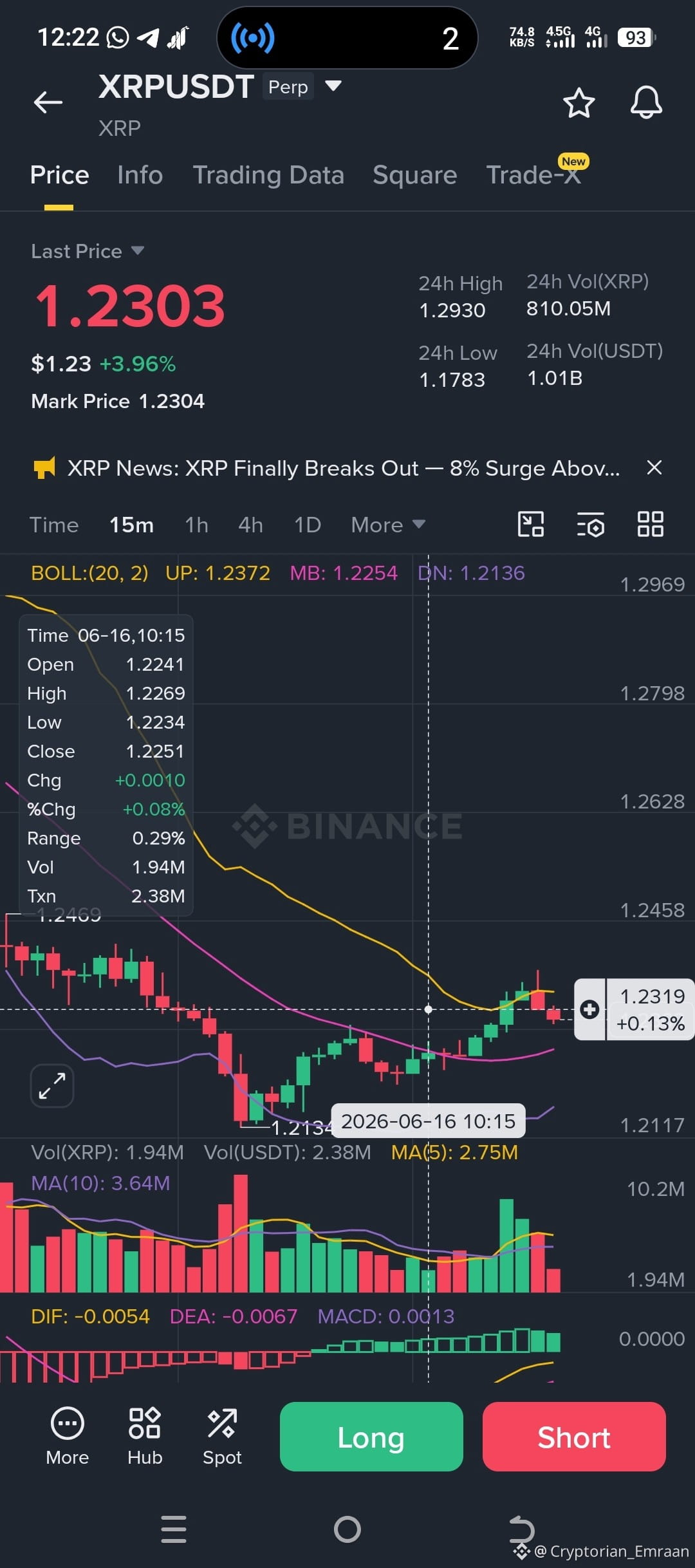
💥$XRP市場のムード: 完全なる混沌と純粋な投機!
{future}(XRPUSDT)
現在の価格: $1.23 🚀
最新のチャートから発見!
予測はバラバラ:
🐻 $0.32 2026年("ドゥームスクロール"予測)💀
🐂 $10-$20 2030年まで("ムーンへ行け"の夢)👀
🚀 $1,000,000 2035年まで("完全な妄想"モード)🤯
アナリストたちはタンバリンを持った猿のように騒いでいて、チャートが踊る中でただ騒音を立てている!😂 誰も次のキャンドルがどこに向かうかなんてわからないけど、それがこのゲームの魅力だよね?
みんなまだラインをホールドしている。
あなたの直感は何を言ってる?一番大胆な予測を下に書いてみて! 👇🔥
#XRPPredictions #cryptotradingpro #BinanceSquareFamily #Altcoins👀🚀 #BTC☀️
💥$XRP市場のムード: 完全なる混沌と純粋な投機!
現在の価格: $1.23 🚀
最新のチャートから発見!
予測はバラバラ:
🐻 $0.32 2026年("ドゥームスクロール"予測)💀
🐂 $10-$20 2030年まで("ムーンへ行け"の夢)👀
🚀 $1,000,000 2035年まで("完全な妄想"モード)🤯
アナリストたちはタンバリンを持った猿のように騒いでいて、チャートが踊る中でただ騒音を立てている!😂 誰も次のキャンドルがどこに向かうかなんてわからないけど、それがこのゲームの魅力だよね?
みんなまだラインをホールドしている。
あなたの直感は何を言ってる?一番大胆な予測を下に書いてみて! 👇🔥
#XRPPredictions #cryptotradingpro #BinanceSquareFamily #Altcoins👀🚀 #BTC☀️
現在の価格: $1.23 🚀
最新のチャートから発見!
予測はバラバラ:
🐻 $0.32 2026年("ドゥームスクロール"予測)💀
🐂 $10-$20 2030年まで("ムーンへ行け"の夢)👀
🚀 $1,000,000 2035年まで("完全な妄想"モード)🤯
アナリストたちはタンバリンを持った猿のように騒いでいて、チャートが踊る中でただ騒音を立てている!😂 誰も次のキャンドルがどこに向かうかなんてわからないけど、それがこのゲームの魅力だよね?
みんなまだラインをホールドしている。
あなたの直感は何を言ってる?一番大胆な予測を下に書いてみて! 👇🔥
#XRPPredictions #cryptotradingpro #BinanceSquareFamily #Altcoins👀🚀 #BTC☀️
3
1
19
2.4k

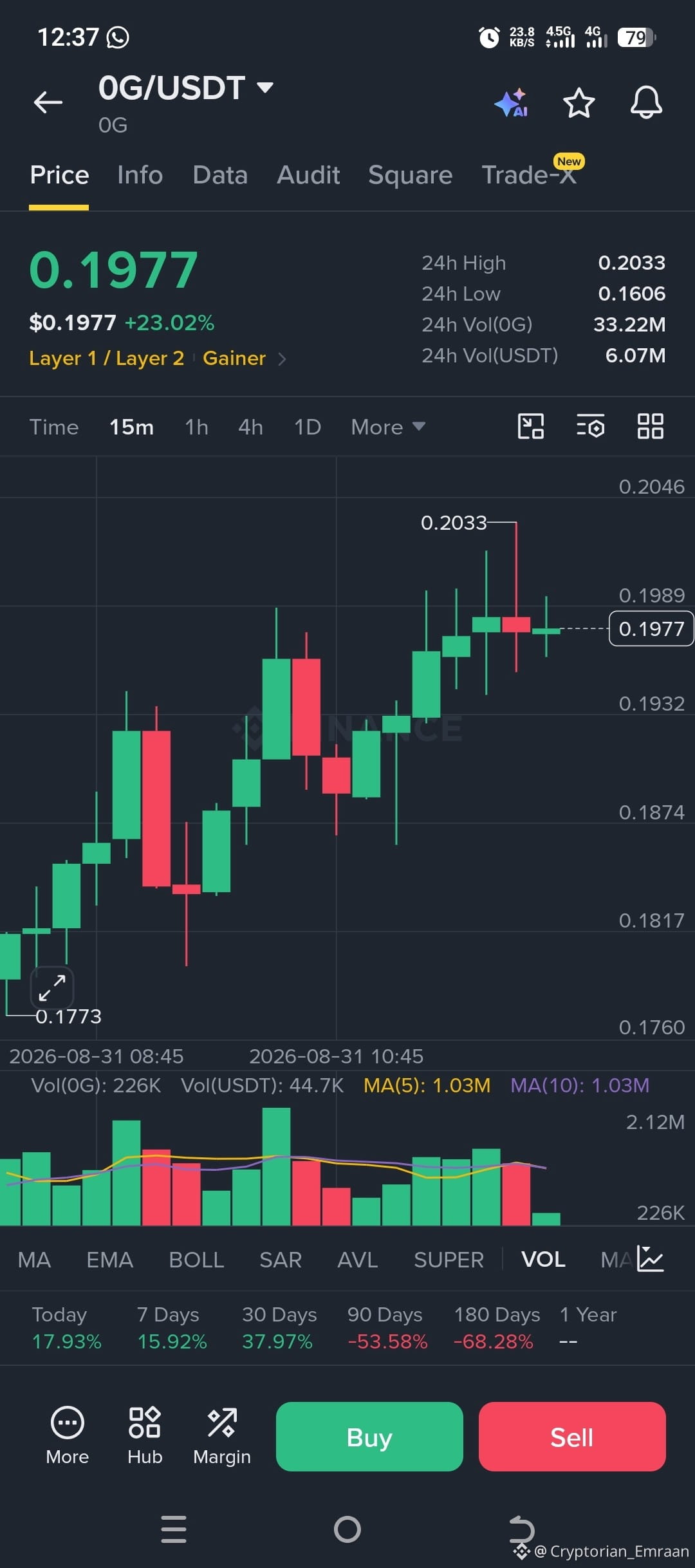
$0G チャートに基づくテクニカル分析(15分足、0G/USDT、現在 $0.1977、当日 +23%):
構造:~0.1773 から 0.2033 までの強いインパルス的な上昇の後、最高値を拒否したことで現在は狭いレンジ(0.1970–0.1989)で推移しています。直近の数本の足では出来高が減衰しており、新規の買いというよりは迷い(決め手に欠ける状態)を示唆しています。
想定エントリー(ロング、モメンタム継続):
ブレイクアウト・エントリー:0.1989〜0.1995(直近のレンジ高値)を上抜けたところでエントリーし、継続して新高値を目指す形を確認。
押し目エントリー:0.1932 付近(直前のサポート/MAゾーン)まで一度戻してから再開する形なら検討。
想定の利確/目標:
第1ターゲット:0.2033(24時間高値/直近のスイング高値)
拡張ターゲット:0.2046(チャート上で次に確認できるレジスタンス)
損切り(ストップロス):
ブレイクアウト・エントリーの場合:0.1932 を下回ったら(現在の土台が無効)
押し目エントリーの場合:0.1874 を下回ったら(次のサポート棚)
注意:このコインは1日で +23% 上昇しており、高ボラティリティです(24hレンジ 0.1606–0.2033、約25%のスイング)。値動きが広く、方向感が出にくいレンジになっています。高値付近での押し目足(赤い足が 0.2033 に接触)は、レジスタンスでの売り圧がある程度示されています。ポジションサイズはそれを踏まえて調整してください。
私は金融アドバイザーではなく、これはチャート・パターン分析のみであり推奨ではありません。こうしたボラティリティ環境では、ストップを飛び越える(ギャップする)可能性があります。エントリー前に必ずご自身でリスク評価を行ってください。
#0G #Binance #crypto #BinanceSquareFamily
{future}(0GUSDT)
$0G チャートに基づくテクニカル分析(15分足、0G/USDT、現在 $0.1977、当日 +23%):
構造:~0.1773 から 0.2033 までの強いインパルス的な上昇の後、最高値を拒否したことで現在は狭いレンジ(0.1970–0.1989)で推移しています。直近の数本の足では出来高が減衰しており、新規の買いというよりは迷い(決め手に欠ける状態)を示唆しています。
想定エントリー(ロング、モメンタム継続):
ブレイクアウト・エントリー:0.1989〜0.1995(直近のレンジ高値)を上抜けたところでエントリーし、継続して新高値を目指す形を確認。
押し目エントリー:0.1932 付近(直前のサポート/MAゾーン)まで一度戻してから再開する形なら検討。
想定の利確/目標:
第1ターゲット:0.2033(24時間高値/直近のスイング高値)
拡張ターゲット:0.2046(チャート上で次に確認できるレジスタンス)
損切り(ストップロス):
ブレイクアウト・エントリーの場合:0.1932 を下回ったら(現在の土台が無効)
押し目エントリーの場合:0.1874 を下回ったら(次のサポート棚)
注意:このコインは1日で +23% 上昇しており、高ボラティリティです(24hレンジ 0.1606–0.2033、約25%のスイング)。値動きが広く、方向感が出にくいレンジになっています。高値付近での押し目足(赤い足が 0.2033 に接触)は、レジスタンスでの売り圧がある程度示されています。ポジションサイズはそれを踏まえて調整してください。
私は金融アドバイザーではなく、これはチャート・パターン分析のみであり推奨ではありません。こうしたボラティリティ環境では、ストップを飛び越える(ギャップする)可能性があります。エントリー前に必ずご自身でリスク評価を行ってください。
#0G #Binance #crypto #BinanceSquareFamily
構造:~0.1773 から 0.2033 までの強いインパルス的な上昇の後、最高値を拒否したことで現在は狭いレンジ(0.1970–0.1989)で推移しています。直近の数本の足では出来高が減衰しており、新規の買いというよりは迷い(決め手に欠ける状態)を示唆しています。
想定エントリー(ロング、モメンタム継続):
ブレイクアウト・エントリー:0.1989〜0.1995(直近のレンジ高値)を上抜けたところでエントリーし、継続して新高値を目指す形を確認。
押し目エントリー:0.1932 付近(直前のサポート/MAゾーン)まで一度戻してから再開する形なら検討。
想定の利確/目標:
第1ターゲット:0.2033(24時間高値/直近のスイング高値)
拡張ターゲット:0.2046(チャート上で次に確認できるレジスタンス)
損切り(ストップロス):
ブレイクアウト・エントリーの場合:0.1932 を下回ったら(現在の土台が無効)
押し目エントリーの場合:0.1874 を下回ったら(次のサポート棚)
注意:このコインは1日で +23% 上昇しており、高ボラティリティです(24hレンジ 0.1606–0.2033、約25%のスイング)。値動きが広く、方向感が出にくいレンジになっています。高値付近での押し目足(赤い足が 0.2033 に接触)は、レジスタンスでの売り圧がある程度示されています。ポジションサイズはそれを踏まえて調整してください。
私は金融アドバイザーではなく、これはチャート・パターン分析のみであり推奨ではありません。こうしたボラティリティ環境では、ストップを飛び越える(ギャップする)可能性があります。エントリー前に必ずご自身でリスク評価を行ってください。
#0G #Binance #crypto #BinanceSquareFamily
2
144
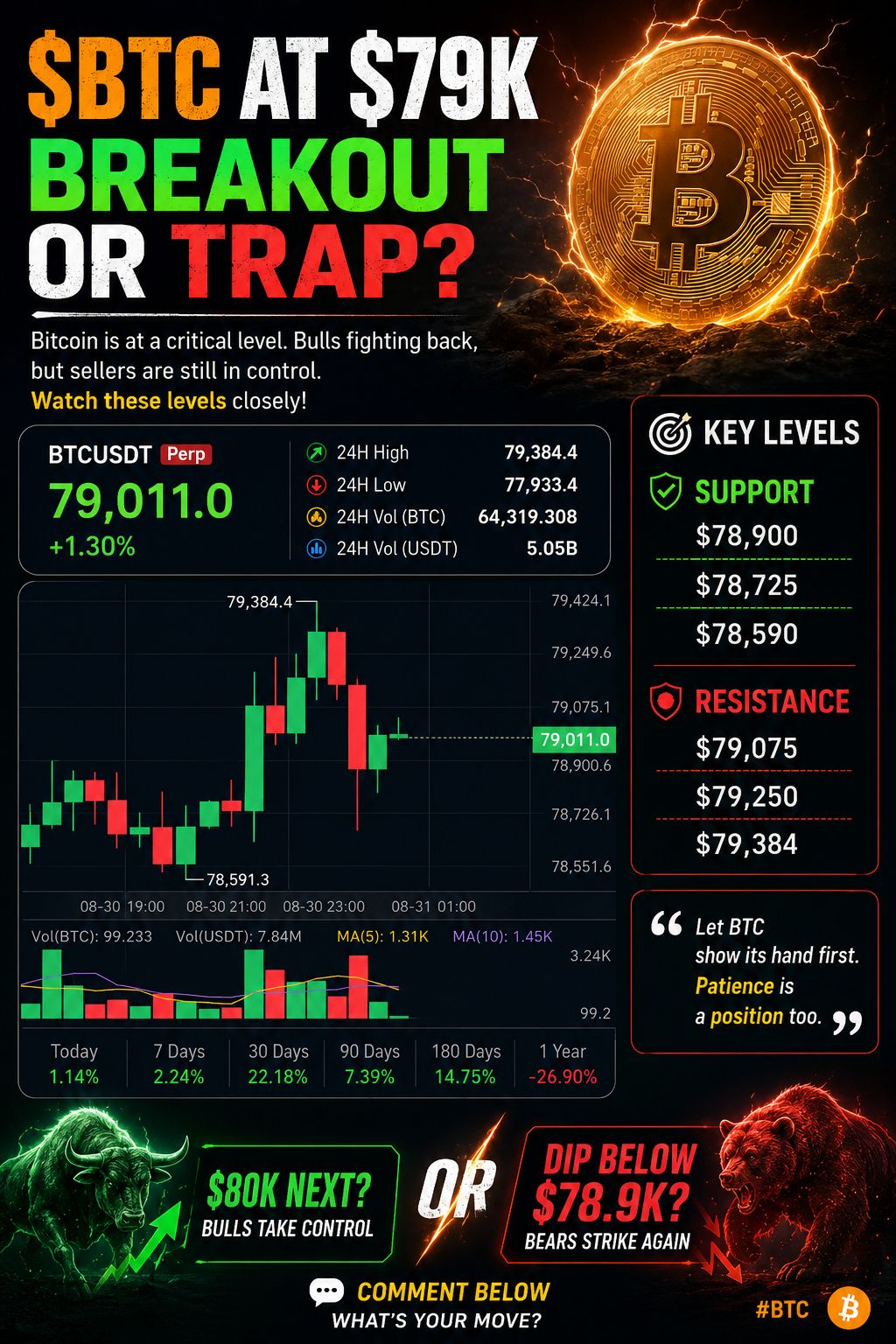
🚨 $BTC AT $79K ➡️ ブレイクアウトか、それとも罠か?
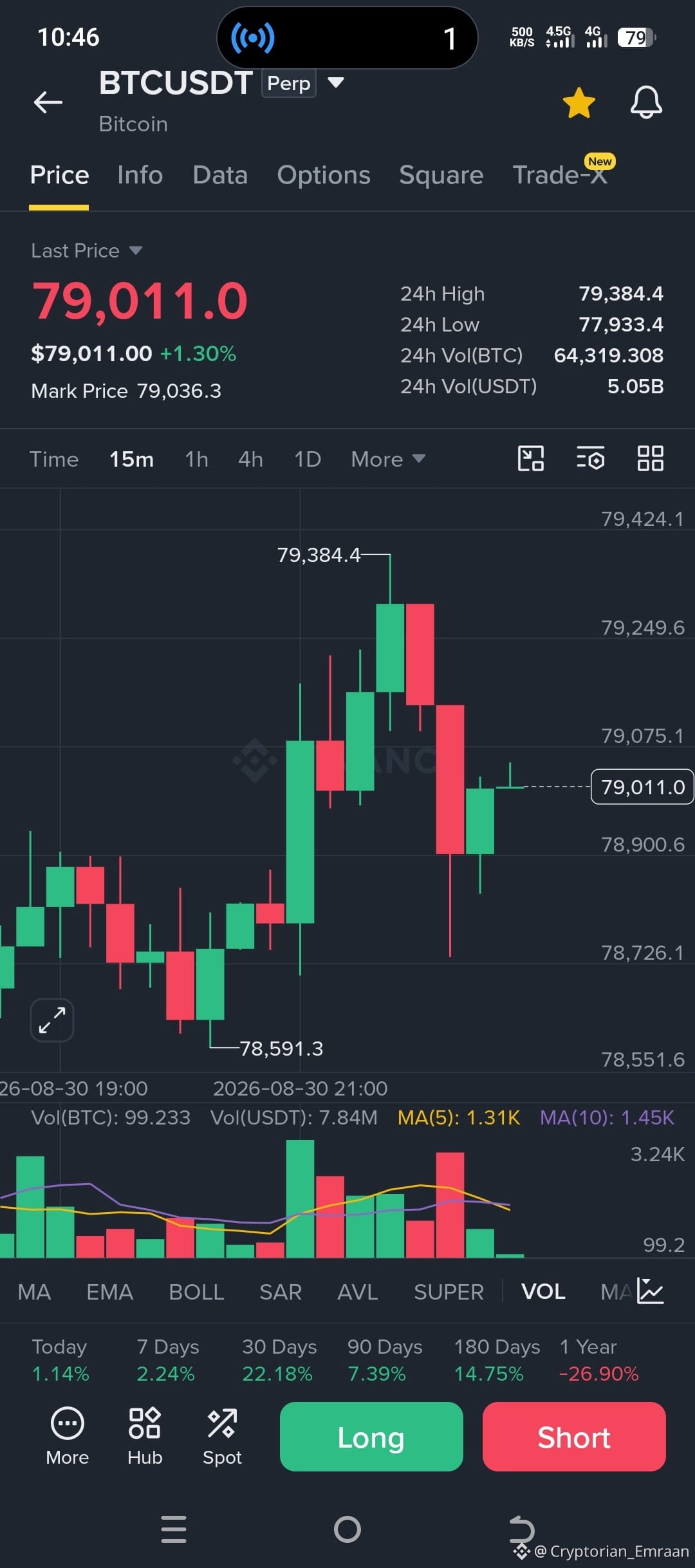
ビットコインは $78,591 付近から鋭く反発したあと、現在はちょうど $79,011 前後にあります。
15分足チャートを見ると、展開はかなり興味深いです 👀
BTC は $79,384 まで上昇しましたが、売り手がすぐに入り、価格を $78,900 付近まで押し戻しました。直近のローソク足では買い手が勢いを取り戻そうとしている一方、出来高は徐々に落ち着き始めています。
📊 注目している水準
🟢 サポート: $78,900 → $78,725 → $78,590
🔴 レジスタンス: $79,075 → $79,250 → $79,384
BTC が強い出来高を伴って $79,250〜$79,400 を回復できれば、次の上昇拡大が面白くなるかもしれません。
しかし、もし $78,900 を明確に下抜けるなら、下側のサポート帯をもう一度試しに行く展開を想定します。
私の見方: 真ん中は追いません。まずは BTC に手の内を見せてもらいます。待つこともひとつのポジションです。🧠
🚫 投資判断を行う前に、必ず自分で調査(DYOR)するよう読者に促してください。
どう思いますか ➡️ 次は $80K ですか、それとも $78.9K を下回るもう一度の流動性掃きですか? 👇
#BTC #Bitcoin #Crypto #BinanceSquare #BTCUSDT
{spot}(BTCUSDT)
🚨 $BTC AT $79K ➡️ ブレイクアウトか、それとも罠か?
ビットコインは $78,591 付近から鋭く反発したあと、現在はちょうど $79,011 前後にあります。
15分足チャートを見ると、展開はかなり興味深いです 👀
BTC は $79,384 まで上昇しましたが、売り手がすぐに入り、価格を $78,900 付近まで押し戻しました。直近のローソク足では買い手が勢いを取り戻そうとしている一方、出来高は徐々に落ち着き始めています。
📊 注目している水準
🟢 サポート: $78,900 → $78,725 → $78,590
🔴 レジスタンス: $79,075 → $79,250 → $79,384
BTC が強い出来高を伴って $79,250〜$79,400 を回復できれば、次の上昇拡大が面白くなるかもしれません。
しかし、もし $78,900 を明確に下抜けるなら、下側のサポート帯をもう一度試しに行く展開を想定します。
私の見方: 真ん中は追いません。まずは BTC に手の内を見せてもらいます。待つこともひとつのポジションです。🧠
🚫 投資判断を行う前に、必ず自分で調査(DYOR)するよう読者に促してください。
どう思いますか ➡️ 次は $80K ですか、それとも $78.9K を下回るもう一度の流動性掃きですか? 👇
#BTC #Bitcoin #Crypto #BinanceSquare #BTCUSDT
ビットコインは $78,591 付近から鋭く反発したあと、現在はちょうど $79,011 前後にあります。
15分足チャートを見ると、展開はかなり興味深いです 👀
BTC は $79,384 まで上昇しましたが、売り手がすぐに入り、価格を $78,900 付近まで押し戻しました。直近のローソク足では買い手が勢いを取り戻そうとしている一方、出来高は徐々に落ち着き始めています。
📊 注目している水準
🟢 サポート: $78,900 → $78,725 → $78,590
🔴 レジスタンス: $79,075 → $79,250 → $79,384
BTC が強い出来高を伴って $79,250〜$79,400 を回復できれば、次の上昇拡大が面白くなるかもしれません。
しかし、もし $78,900 を明確に下抜けるなら、下側のサポート帯をもう一度試しに行く展開を想定します。
私の見方: 真ん中は追いません。まずは BTC に手の内を見せてもらいます。待つこともひとつのポジションです。🧠
🚫 投資判断を行う前に、必ず自分で調査(DYOR)するよう読者に促してください。
どう思いますか ➡️ 次は $80K ですか、それとも $78.9K を下回るもう一度の流動性掃きですか? 👇
#BTC #Bitcoin #Crypto #BinanceSquare #BTCUSDT
1
2
135
·
--
ブリッシュ
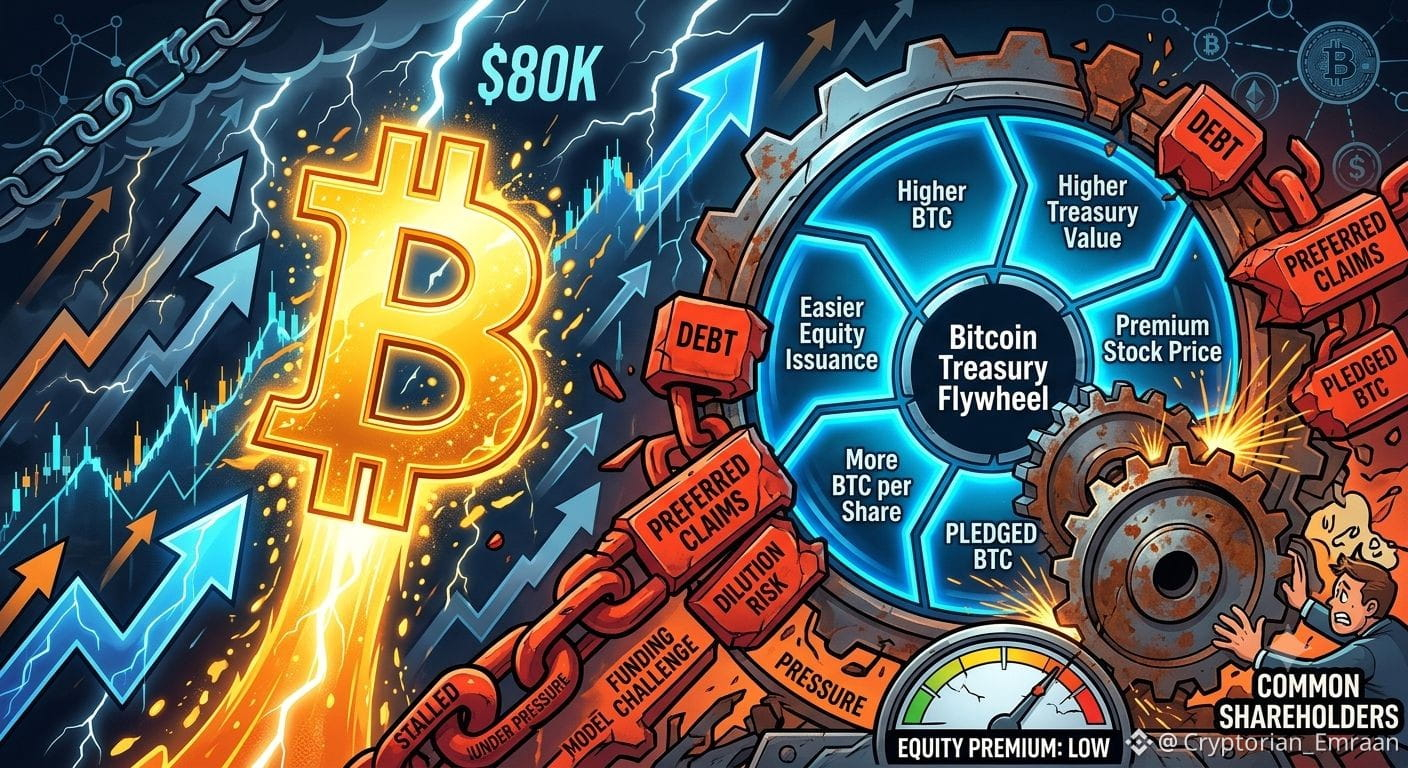
🔥 $BTC は8万ドルで、しかしビットコインのトレジャリー株はプレミアムを取り戻せていない。
ビットコインが8万ドルに向けて再び戻ってくると、理論上は企業のビットコイントレジャリーフライホイールが再点火されるはずだ:
より高いBTC → トレジャリーの価値上昇 → プレミアム株価 → より容易なエクイティ発行 → 1株あたりのBTCが増える。
しかし、そのフライホイールは現在、圧力を受けているようだ。
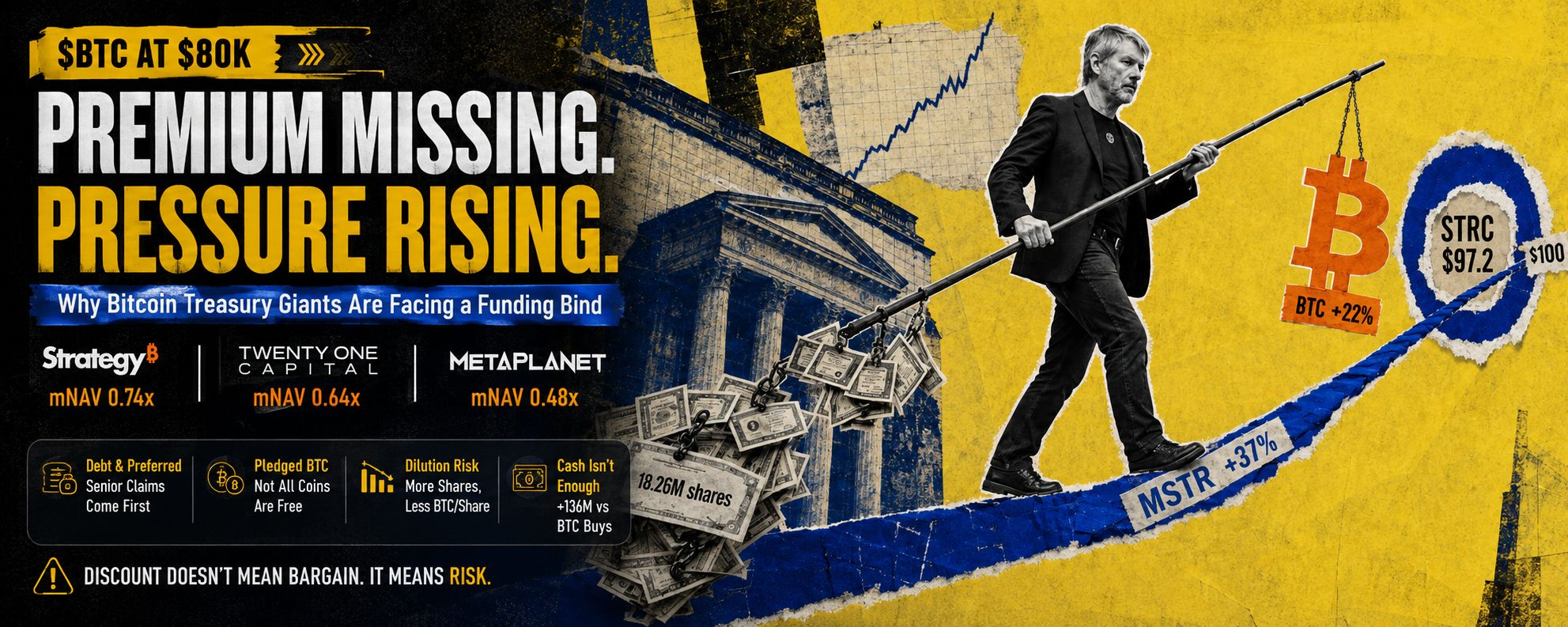
Strategy、Twenty One Capital、Metaplanetは、普通株のディスカウントが負債、優先的な権利、担保として差し入れたBTC、そして潜在的な希薄化と衝突する中で、大きな資金調達の課題に直面し続けている。
Strategyが最もわかりやすい例だ。約20億ドルでMSTR株1,826万株を売却したにもかかわらず、得られた資金はすぐに追加でビットコインを買うことではなく、流動性、優先株の買い戻し、そして現金準備に振り向けられた。
この違いが重要だ。
自社の総BTC価値を下回って取引されているトレジャリー企業だからといって、投資家がBTCを割引で買えると自動的に意味するわけではない。普通株主は債権者や優先保有者の後ろに位置し、さらに将来の希薄化によって、1株あたりのBTCエクスポージャーは一段と減る可能性がある。
本当に問うべきなのは次ではない:
「その会社はどれだけのビットコインを保有しているのか?」
ではなく:
「負債、優先的な権利、現金、そして希薄化を差し引いたうえで、各普通株に実際にどれだけのビットコイン価値が帰属するのか?」
エクイティ・プレミアムが戻るまで、伝統的な『ビットコイン → プレミアム → 新株 → さらにビットコイン』のフライホイールは、壊れたままの可能性がある。
📊 $BTC の強さは、トレジャリーフライホイールを再起動するのに十分か?それともモデルは新しい局面に入ったのか?
#BTC #bitcoin #Binance #BinanceSquareFamily #BTC走势分析
{spot}(BTCUSDT)
🔥 $BTC は8万ドルで、しかしビットコインのトレジャリー株はプレミアムを取り戻せていない。
ビットコインが8万ドルに向けて再び戻ってくると、理論上は企業のビットコイントレジャリーフライホイールが再点火されるはずだ:
より高いBTC → トレジャリーの価値上昇 → プレミアム株価 → より容易なエクイティ発行 → 1株あたりのBTCが増える。
しかし、そのフライホイールは現在、圧力を受けているようだ。
Strategy、Twenty One Capital、Metaplanetは、普通株のディスカウントが負債、優先的な権利、担保として差し入れたBTC、そして潜在的な希薄化と衝突する中で、大きな資金調達の課題に直面し続けている。
Strategyが最もわかりやすい例だ。約20億ドルでMSTR株1,826万株を売却したにもかかわらず、得られた資金はすぐに追加でビットコインを買うことではなく、流動性、優先株の買い戻し、そして現金準備に振り向けられた。
この違いが重要だ。
自社の総BTC価値を下回って取引されているトレジャリー企業だからといって、投資家がBTCを割引で買えると自動的に意味するわけではない。普通株主は債権者や優先保有者の後ろに位置し、さらに将来の希薄化によって、1株あたりのBTCエクスポージャーは一段と減る可能性がある。
本当に問うべきなのは次ではない:
「その会社はどれだけのビットコインを保有しているのか?」
ではなく:
「負債、優先的な権利、現金、そして希薄化を差し引いたうえで、各普通株に実際にどれだけのビットコイン価値が帰属するのか?」
エクイティ・プレミアムが戻るまで、伝統的な『ビットコイン → プレミアム → 新株 → さらにビットコイン』のフライホイールは、壊れたままの可能性がある。
📊 $BTC の強さは、トレジャリーフライホイールを再起動するのに十分か?それともモデルは新しい局面に入ったのか?
#BTC #bitcoin #Binance #BinanceSquareFamily #BTC走势分析
ビットコインが8万ドルに向けて再び戻ってくると、理論上は企業のビットコイントレジャリーフライホイールが再点火されるはずだ:
より高いBTC → トレジャリーの価値上昇 → プレミアム株価 → より容易なエクイティ発行 → 1株あたりのBTCが増える。
しかし、そのフライホイールは現在、圧力を受けているようだ。
Strategy、Twenty One Capital、Metaplanetは、普通株のディスカウントが負債、優先的な権利、担保として差し入れたBTC、そして潜在的な希薄化と衝突する中で、大きな資金調達の課題に直面し続けている。
Strategyが最もわかりやすい例だ。約20億ドルでMSTR株1,826万株を売却したにもかかわらず、得られた資金はすぐに追加でビットコインを買うことではなく、流動性、優先株の買い戻し、そして現金準備に振り向けられた。
この違いが重要だ。
自社の総BTC価値を下回って取引されているトレジャリー企業だからといって、投資家がBTCを割引で買えると自動的に意味するわけではない。普通株主は債権者や優先保有者の後ろに位置し、さらに将来の希薄化によって、1株あたりのBTCエクスポージャーは一段と減る可能性がある。
本当に問うべきなのは次ではない:
「その会社はどれだけのビットコインを保有しているのか?」
ではなく:
「負債、優先的な権利、現金、そして希薄化を差し引いたうえで、各普通株に実際にどれだけのビットコイン価値が帰属するのか?」
エクイティ・プレミアムが戻るまで、伝統的な『ビットコイン → プレミアム → 新株 → さらにビットコイン』のフライホイールは、壊れたままの可能性がある。
📊 $BTC の強さは、トレジャリーフライホイールを再起動するのに十分か?それともモデルは新しい局面に入ったのか?
#BTC #bitcoin #Binance #BinanceSquareFamily #BTC走势分析
1
2
73
記事
$BTCは80,000ドルに到達したが、Strategy、21 Capital、またはMetaplanetでビットコインのトレジャリー・プレミアムを回復できなかったビットコインは80,000ドルに到達したものの、Strategy、Twenty One Capital、またはMetaplanetにおける<a-24/> <t-2/>の保有(トレジャリー)プレミアムを回復できなかった
Strategy、Twenty One Capital、Metaplanetは、普通株のディスカウントが債務、差し入れ済みのコイン、希薄化と衝突するなかで、依然として資金調達の壁に直面している。
ビットコイン価格は約78,900ドル近辺で取引されており、80,000ドルが視野に入ることで、紙の上では昔の「トレジャリー企業」向けの提案が復活しやすい状況だ。すなわち、より高いビットコインが企業保有の価値を押し上げ、株式を純資産価値(NAV)を上回る水準に引き戻し、さらに新たなコイン獲得の原資として普通株の発行を再開できる――というものだ。
$BTCは80,000ドルに到達したが、Strategy、21 Capital、またはMetaplanetでビットコインのトレジャリー・プレミアムを回復できなかった
ビットコインは80,000ドルに到達したものの、Strategy、Twenty One Capital、またはMetaplanetにおける<a-24/> <t-2/>の保有(トレジャリー)プレミアムを回復できなかった
Strategy、Twenty One Capital、Metaplanetは、普通株のディスカウントが債務、差し入れ済みのコイン、希薄化と衝突するなかで、依然として資金調達の壁に直面している。
ビットコイン価格は約78,900ドル近辺で取引されており、80,000ドルが視野に入ることで、紙の上では昔の「トレジャリー企業」向けの提案が復活しやすい状況だ。すなわち、より高いビットコインが企業保有の価値を押し上げ、株式を純資産価値(NAV)を上回る水準に引き戻し、さらに新たなコイン獲得の原資として普通株の発行を再開できる――というものだ。
Strategy、Twenty One Capital、Metaplanetは、普通株のディスカウントが債務、差し入れ済みのコイン、希薄化と衝突するなかで、依然として資金調達の壁に直面している。
ビットコイン価格は約78,900ドル近辺で取引されており、80,000ドルが視野に入ることで、紙の上では昔の「トレジャリー企業」向けの提案が復活しやすい状況だ。すなわち、より高いビットコインが企業保有の価値を押し上げ、株式を純資産価値(NAV)を上回る水準に引き戻し、さらに新たなコイン獲得の原資として普通株の発行を再開できる――というものだ。
1
2
91
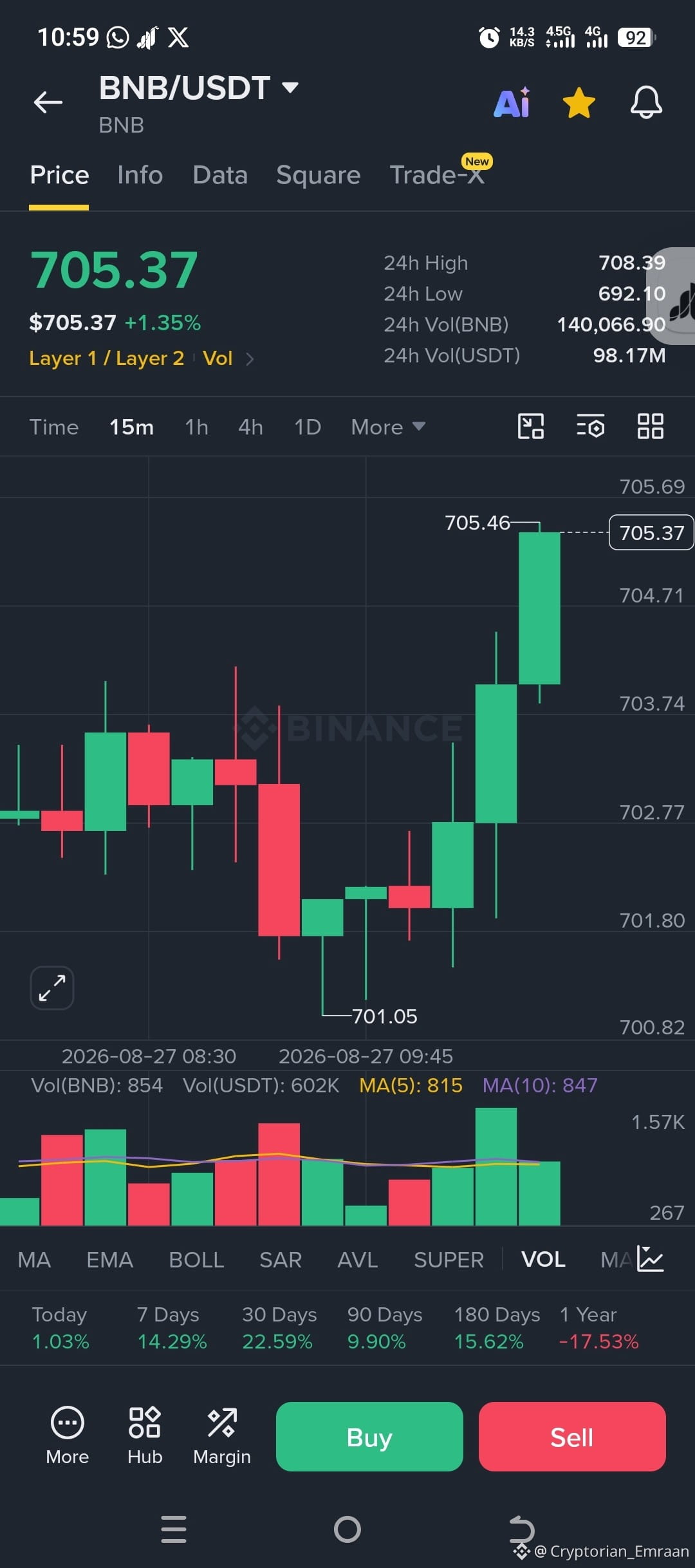
提供された15分足のBNB/USDTチャートに基づき、主要なサポートとレジスタンスのテクニカル分析を以下に示します。
【直近の重要水準(表示範囲)】
✨直近レジスタンス:$705.46
これは、直近の陽線(緑のローソク足)によって形成されたローカル・ピークです。この水準を上抜けすると、価格は24時間高値方向へ押し上げられます。
✨主要24hレジスタンス:$708.39
画面右上に表示されている24時間高値であり、この時間軸における最も強い上値のレジスタンスです。
✨直近サポート:$701.05
直近の下落で出現した下ヒゲの底で、価格アクションにおける主要なローカル床(下支え)となっています。
✨主要24hサポート:$692.10
24時間安値であり、価格が$700を下回って再び下落する場合の重要なマクロ・サポート水準です。
✨重要なテクニカル観察
レンジ(調整)ゾーン:
$702.30〜$703.50の間では、直近の強気な動きの前に価格が滞留していた小さな調整エリアがありました。
✨現在のモメンタム:
価格は現在$705.37付近で推移しており、最新の15分足では買いの出来高が大きく、$705.46にある直近のレジスタンスをテストしています。
より的確な示唆のために:
短期のトレードにエントリーを検討していますか?それとも、より長めのスイングポジションとして追跡していますか?
#bnb #Binance #crypto #BinanceSquareFamily
{spot}(BNBUSDT)
提供された15分足のBNB/USDTチャートに基づき、主要なサポートとレジスタンスのテクニカル分析を以下に示します。
【直近の重要水準(表示範囲)】
✨直近レジスタンス:$705.46
これは、直近の陽線(緑のローソク足)によって形成されたローカル・ピークです。この水準を上抜けすると、価格は24時間高値方向へ押し上げられます。
✨主要24hレジスタンス:$708.39
画面右上に表示されている24時間高値であり、この時間軸における最も強い上値のレジスタンスです。
✨直近サポート:$701.05
直近の下落で出現した下ヒゲの底で、価格アクションにおける主要なローカル床(下支え)となっています。
✨主要24hサポート:$692.10
24時間安値であり、価格が$700を下回って再び下落する場合の重要なマクロ・サポート水準です。
✨重要なテクニカル観察
レンジ(調整)ゾーン:
$702.30〜$703.50の間では、直近の強気な動きの前に価格が滞留していた小さな調整エリアがありました。
✨現在のモメンタム:
価格は現在$705.37付近で推移しており、最新の15分足では買いの出来高が大きく、$705.46にある直近のレジスタンスをテストしています。
より的確な示唆のために:
短期のトレードにエントリーを検討していますか?それとも、より長めのスイングポジションとして追跡していますか?
#bnb #Binance #crypto #BinanceSquareFamily
【直近の重要水準(表示範囲)】
✨直近レジスタンス:$705.46
これは、直近の陽線(緑のローソク足)によって形成されたローカル・ピークです。この水準を上抜けすると、価格は24時間高値方向へ押し上げられます。
✨主要24hレジスタンス:$708.39
画面右上に表示されている24時間高値であり、この時間軸における最も強い上値のレジスタンスです。
✨直近サポート:$701.05
直近の下落で出現した下ヒゲの底で、価格アクションにおける主要なローカル床(下支え)となっています。
✨主要24hサポート:$692.10
24時間安値であり、価格が$700を下回って再び下落する場合の重要なマクロ・サポート水準です。
✨重要なテクニカル観察
レンジ(調整)ゾーン:
$702.30〜$703.50の間では、直近の強気な動きの前に価格が滞留していた小さな調整エリアがありました。
✨現在のモメンタム:
価格は現在$705.37付近で推移しており、最新の15分足では買いの出来高が大きく、$705.46にある直近のレジスタンスをテストしています。
より的確な示唆のために:
短期のトレードにエントリーを検討していますか?それとも、より長めのスイングポジションとして追跡していますか?
#bnb #Binance #crypto #BinanceSquareFamily
1
1
93
🌴 グッドバイブス+ビッグなWeb3パワー! 💛
バイナンス・エンジェルズSEAチームが、最近バリに集結し、バイナンス・クラブハウスの体験をより身近にお届けします!トップクリエイターと一緒に制作することから、ローカルコミュニティを後押しすることまで――これこそがWeb3の醍醐味です。 🚀
コミュニティのカルチャーをもっと深く知り、完全なリキャップもチェックしたいですか?
@Binance_Angels
@CryptoImranX
🔥 次回のライブセッションに向けてアラートを設定しましょう!
📅 8月27日 | 19:00
👇 参加しているなら、コメントで💛を投下してね。そして「リマインドする」ボタンを押して!
$BNB #BinanceSquareTG #Binance #CryptoLife #BNBChain
{spot}(BNBUSDT)
🌴 グッドバイブス+ビッグなWeb3パワー! 💛
バイナンス・エンジェルズSEAチームが、最近バリに集結し、バイナンス・クラブハウスの体験をより身近にお届けします!トップクリエイターと一緒に制作することから、ローカルコミュニティを後押しすることまで――これこそがWeb3の醍醐味です。 🚀
コミュニティのカルチャーをもっと深く知り、完全なリキャップもチェックしたいですか?
@Binance Angels
@Cryptorian_Emraan
🔥 次回のライブセッションに向けてアラートを設定しましょう!
📅 8月27日 | 19:00
👇 参加しているなら、コメントで💛を投下してね。そして「リマインドする」ボタンを押して!
$BNB #BinanceSquareTG #Binance #CryptoLife #BNBChain
バイナンス・エンジェルズSEAチームが、最近バリに集結し、バイナンス・クラブハウスの体験をより身近にお届けします!トップクリエイターと一緒に制作することから、ローカルコミュニティを後押しすることまで――これこそがWeb3の醍醐味です。 🚀
コミュニティのカルチャーをもっと深く知り、完全なリキャップもチェックしたいですか?
@Binance Angels
@Cryptorian_Emraan
🔥 次回のライブセッションに向けてアラートを設定しましょう!
📅 8月27日 | 19:00
👇 参加しているなら、コメントで💛を投下してね。そして「リマインドする」ボタンを押して!
$BNB #BinanceSquareTG #Binance #CryptoLife #BNBChain

1
2
83


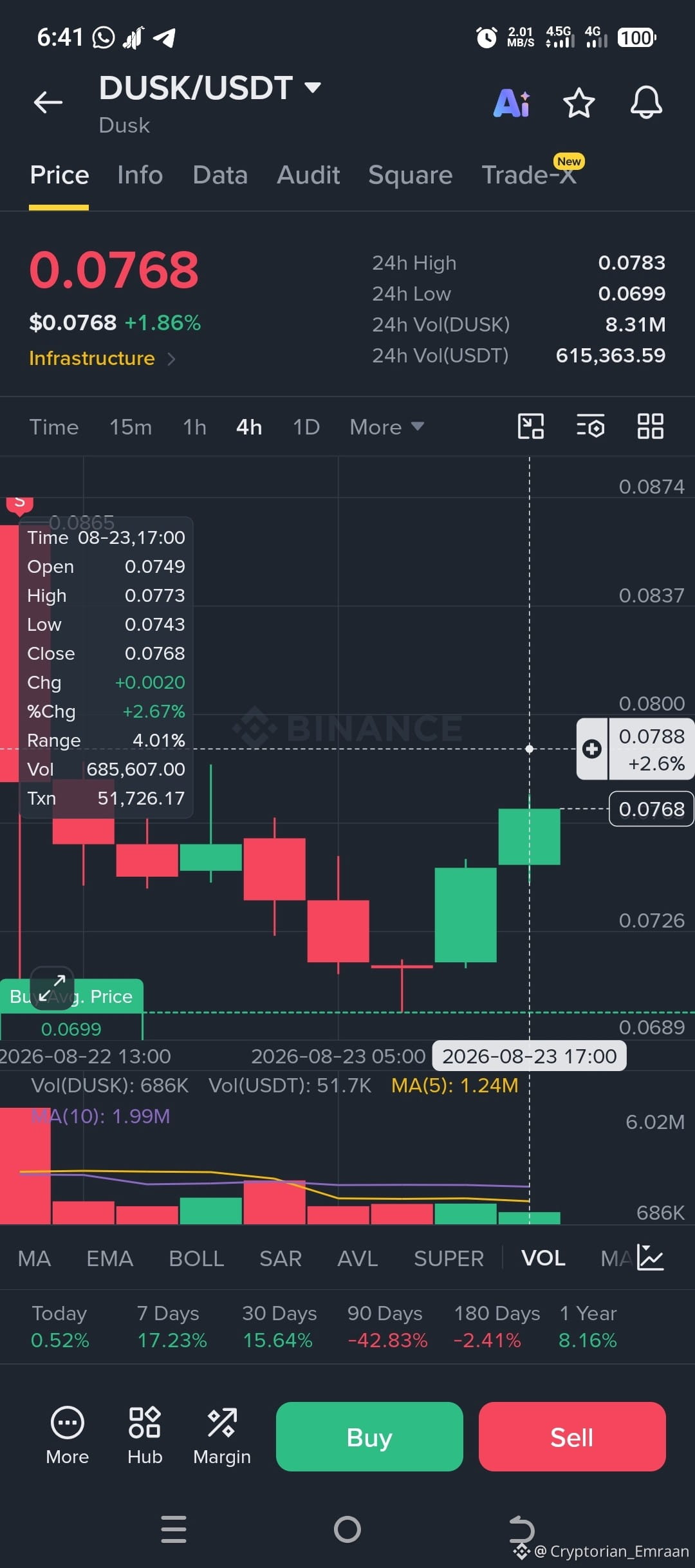
🔥 $DUSK スポット買い?リバウンドが重要な供給ゾーンをテストしている。
📊 DUSK/USDT - 4H テクニカル分解
現在価格: $0.0768
見通し: 🟢 条件付き スポット買い
確率: 68/100
リスク: 中
チャートは、$0.0699の需要ゾーンからの短期的な強気の回復を示しており、買い手が連続する強い緑のローソク足を出して、$0.0740〜$0.0750の領域を取り戻しています。
市場構造:
直近の値動きは「切り上げ(高値更新)+高値更新」にシフトしていますが、$0.0783〜$0.0788のレジスタンス上での確認はまだ必要です。
🎯 重要レベル
• 支持: $0.0743 / $0.0726 / $0.0699
• レジスタンス: $0.0783〜$0.0788 / $0.0800 / $0.0837 / $0.0874
🟢 優先エントリー: $0.0740〜$0.0752(管理された押し目で)。
🚀 ブレイクアウト・エントリー: 確認済みの4Hクローズ後、$0.0788を上抜けてリテスト。
🛑 ストップロス: $0.0694
🎯 TP1: $0.0800
🎯 TP2: $0.0837
🎯 TP3: $0.0874
📈 出来高: リバウンドは買いの活動が改善しつつ起きていますが、現在の出来高はより大きいMAの平均出来高を下回っています。強い出来高を伴うブレイクアウトが出れば、確認は大幅に高まります。
⚠️ 添付チャートにはRSI、MACD、ボリンジャーバンドが表示されていないため、データを捏造せずに信頼できる評価はできません。
強気の無効化: $0.0699を明確に下回る4Hクローズが出れば、回復シナリオが弱まり、このセットアップは無効になります。
🧠 トレーダーのまとめ: DUSKは需要から強く回復していますが、現在は主要なレジスタンスに近づいています。私は、いまのローソク足を追いかけるよりも、確認された押し目での購入を好みます。
💰 スポット取引では、ポジションサイズを管理し、リスクは資金の小さな一部に留めてください。全ポジションを一度に入れるより、段階的に(スケールイン)入ることを検討してください。
⚠️ 本分析は添付チャートのみに基づくもので、投資助言ではありません。投資前に必ず自己判断(DYOR)してください。
❓ $DUSK は出来高を伴って$0.0788を突破するのか、それとも売り手が再び上昇を拒むのか?
#dusk #DUSKUSDT #crypto #Binance @Dusk_Foundation
🔥 $DUSK スポット買い?リバウンドが重要な供給ゾーンをテストしている。
📊 DUSK/USDT - 4H テクニカル分解
現在価格: $0.0768
見通し: 🟢 条件付き スポット買い
確率: 68/100
リスク: 中
チャートは、$0.0699の需要ゾーンからの短期的な強気の回復を示しており、買い手が連続する強い緑のローソク足を出して、$0.0740〜$0.0750の領域を取り戻しています。
市場構造:
直近の値動きは「切り上げ(高値更新)+高値更新」にシフトしていますが、$0.0783〜$0.0788のレジスタンス上での確認はまだ必要です。
🎯 重要レベル
• 支持: $0.0743 / $0.0726 / $0.0699
• レジスタンス: $0.0783〜$0.0788 / $0.0800 / $0.0837 / $0.0874
🟢 優先エントリー: $0.0740〜$0.0752(管理された押し目で)。
🚀 ブレイクアウト・エントリー: 確認済みの4Hクローズ後、$0.0788を上抜けてリテスト。
🛑 ストップロス: $0.0694
🎯 TP1: $0.0800
🎯 TP2: $0.0837
🎯 TP3: $0.0874
📈 出来高: リバウンドは買いの活動が改善しつつ起きていますが、現在の出来高はより大きいMAの平均出来高を下回っています。強い出来高を伴うブレイクアウトが出れば、確認は大幅に高まります。
⚠️ 添付チャートにはRSI、MACD、ボリンジャーバンドが表示されていないため、データを捏造せずに信頼できる評価はできません。
強気の無効化: $0.0699を明確に下回る4Hクローズが出れば、回復シナリオが弱まり、このセットアップは無効になります。
🧠 トレーダーのまとめ: DUSKは需要から強く回復していますが、現在は主要なレジスタンスに近づいています。私は、いまのローソク足を追いかけるよりも、確認された押し目での購入を好みます。
💰 スポット取引では、ポジションサイズを管理し、リスクは資金の小さな一部に留めてください。全ポジションを一度に入れるより、段階的に(スケールイン)入ることを検討してください。
⚠️ 本分析は添付チャートのみに基づくもので、投資助言ではありません。投資前に必ず自己判断(DYOR)してください。
❓ $DUSK は出来高を伴って$0.0788を突破するのか、それとも売り手が再び上昇を拒むのか?
#dusk #DUSKUSDT #crypto #Binance @Dusk
📊 DUSK/USDT - 4H テクニカル分解
現在価格: $0.0768
見通し: 🟢 条件付き スポット買い
確率: 68/100
リスク: 中
チャートは、$0.0699の需要ゾーンからの短期的な強気の回復を示しており、買い手が連続する強い緑のローソク足を出して、$0.0740〜$0.0750の領域を取り戻しています。
市場構造:
直近の値動きは「切り上げ(高値更新)+高値更新」にシフトしていますが、$0.0783〜$0.0788のレジスタンス上での確認はまだ必要です。
🎯 重要レベル
• 支持: $0.0743 / $0.0726 / $0.0699
• レジスタンス: $0.0783〜$0.0788 / $0.0800 / $0.0837 / $0.0874
🟢 優先エントリー: $0.0740〜$0.0752(管理された押し目で)。
🚀 ブレイクアウト・エントリー: 確認済みの4Hクローズ後、$0.0788を上抜けてリテスト。
🛑 ストップロス: $0.0694
🎯 TP1: $0.0800
🎯 TP2: $0.0837
🎯 TP3: $0.0874
📈 出来高: リバウンドは買いの活動が改善しつつ起きていますが、現在の出来高はより大きいMAの平均出来高を下回っています。強い出来高を伴うブレイクアウトが出れば、確認は大幅に高まります。
⚠️ 添付チャートにはRSI、MACD、ボリンジャーバンドが表示されていないため、データを捏造せずに信頼できる評価はできません。
強気の無効化: $0.0699を明確に下回る4Hクローズが出れば、回復シナリオが弱まり、このセットアップは無効になります。
🧠 トレーダーのまとめ: DUSKは需要から強く回復していますが、現在は主要なレジスタンスに近づいています。私は、いまのローソク足を追いかけるよりも、確認された押し目での購入を好みます。
💰 スポット取引では、ポジションサイズを管理し、リスクは資金の小さな一部に留めてください。全ポジションを一度に入れるより、段階的に(スケールイン)入ることを検討してください。
⚠️ 本分析は添付チャートのみに基づくもので、投資助言ではありません。投資前に必ず自己判断(DYOR)してください。
❓ $DUSK は出来高を伴って$0.0788を突破するのか、それとも売り手が再び上昇を拒むのか?
#dusk #DUSKUSDT #crypto #Binance @Dusk
2
1
3
78
🚨 $DUSK +17%: ブレイクアウトか、それとも完璧な強気トラップか?
DUSK/USDT ➡️1D スポット分析
Duskは明確な強気の市場構造を示しており、高値切り上げ・安値切り上げです。価格は$0.0599のあたりから押し上げられ、過去の$0.0773のレジスタンスを上抜けました。
📍 現在価格: $0.0845
🟢 トレンド: 強気
🟢 モメンタム: 買い手が主導
⚠️ リスク: 中 → 高 → 価格は日次+17%の上昇後で伸びきっています。
重要レベル
レジスタンス: $0.0884 → $0.0899 → $0.0950 → $0.1020
サポート: $0.0817 → $0.0773 → $0.0710 → $0.0681–$0.0688
🎯 スポット戦略
優先エントリー: 確認された押し目で$0.0790–$0.0817。
ストップロス: $0.0765
→ TP1: $0.0884
→ TP2: $0.0950
→ TP3: $0.1020
平均エントリーが約$0.0805の場合、概算のR:Rは 1:2 → 1:3.6 → 1:5.4。
テクニカル見解
$0.0599から$0.0884へのフィボナッチ・リトレースメントでは、23.6%が約$0.0817、38.2%が約$0.0775に位置し、この押し目ゾーンは技術的に重要です。
出来高はブレイクアウトを支えましたが、最新の出来高バーは減少している一方で価格は高い位置にあります。これはモメンタムのダイバージェンス(解離)リスクを生み、現在価格を追いかける魅力は下がります。
提示されたチャート上ではRSI、MACD、価格の移動平均、ボリンジャーバンドが見えないため、確実に確認できません。
📊 購入確率: 価格がサポートを再テストして反発を確認できるなら72%; $0.0845で買う場合は低下します。
無効化: $0.0773を下回る日足の終値が継続すれば、強気の構造は大きく弱まります。
🟡 最終結論: 確認待ち
トレンドは強気ですが、$DUSK はすでに伸びきっています。より確率の高いアプローチは、$0.0790–$0.0817付近までのコントロールされた押し目を待ち、ブレイクアウトを追いかけるのではなく買い手の確認を取ることです。
ポジションサイズを適切に行い、失ってよい以上のリスクは絶対に取らないでください。本分析は付属のチャートのみに基づくもので、金融アドバイスではありません。DYOR。
🔥 テクニカル質問: $DUSK は$0.0884を奪回して維持できるのか、それとも今回のブレイクアウトは強気トラップになるのか?
#DUSK #Crypto #Binance #TechnicalAnalysis @Dusk_Foundation
🚨 $DUSK +17%: ブレイクアウトか、それとも完璧な強気トラップか?
DUSK/USDT ➡️1D スポット分析
Duskは明確な強気の市場構造を示しており、高値切り上げ・安値切り上げです。価格は$0.0599のあたりから押し上げられ、過去の$0.0773のレジスタンスを上抜けました。
📍 現在価格: $0.0845
🟢 トレンド: 強気
🟢 モメンタム: 買い手が主導
⚠️ リスク: 中 → 高 → 価格は日次+17%の上昇後で伸びきっています。
重要レベル
レジスタンス: $0.0884 → $0.0899 → $0.0950 → $0.1020
サポート: $0.0817 → $0.0773 → $0.0710 → $0.0681–$0.0688
🎯 スポット戦略
優先エントリー: 確認された押し目で$0.0790–$0.0817。
ストップロス: $0.0765
→ TP1: $0.0884
→ TP2: $0.0950
→ TP3: $0.1020
平均エントリーが約$0.0805の場合、概算のR:Rは 1:2 → 1:3.6 → 1:5.4。
テクニカル見解
$0.0599から$0.0884へのフィボナッチ・リトレースメントでは、23.6%が約$0.0817、38.2%が約$0.0775に位置し、この押し目ゾーンは技術的に重要です。
出来高はブレイクアウトを支えましたが、最新の出来高バーは減少している一方で価格は高い位置にあります。これはモメンタムのダイバージェンス(解離)リスクを生み、現在価格を追いかける魅力は下がります。
提示されたチャート上ではRSI、MACD、価格の移動平均、ボリンジャーバンドが見えないため、確実に確認できません。
📊 購入確率: 価格がサポートを再テストして反発を確認できるなら72%; $0.0845で買う場合は低下します。
無効化: $0.0773を下回る日足の終値が継続すれば、強気の構造は大きく弱まります。
🟡 最終結論: 確認待ち
トレンドは強気ですが、$DUSK はすでに伸びきっています。より確率の高いアプローチは、$0.0790–$0.0817付近までのコントロールされた押し目を待ち、ブレイクアウトを追いかけるのではなく買い手の確認を取ることです。
ポジションサイズを適切に行い、失ってよい以上のリスクは絶対に取らないでください。本分析は付属のチャートのみに基づくもので、金融アドバイスではありません。DYOR。
🔥 テクニカル質問: $DUSK は$0.0884を奪回して維持できるのか、それとも今回のブレイクアウトは強気トラップになるのか?
#DUSK #Crypto #Binance #TechnicalAnalysis @Dusk
DUSK/USDT ➡️1D スポット分析
Duskは明確な強気の市場構造を示しており、高値切り上げ・安値切り上げです。価格は$0.0599のあたりから押し上げられ、過去の$0.0773のレジスタンスを上抜けました。
📍 現在価格: $0.0845
🟢 トレンド: 強気
🟢 モメンタム: 買い手が主導
⚠️ リスク: 中 → 高 → 価格は日次+17%の上昇後で伸びきっています。
重要レベル
レジスタンス: $0.0884 → $0.0899 → $0.0950 → $0.1020
サポート: $0.0817 → $0.0773 → $0.0710 → $0.0681–$0.0688
🎯 スポット戦略
優先エントリー: 確認された押し目で$0.0790–$0.0817。
ストップロス: $0.0765
→ TP1: $0.0884
→ TP2: $0.0950
→ TP3: $0.1020
平均エントリーが約$0.0805の場合、概算のR:Rは 1:2 → 1:3.6 → 1:5.4。
テクニカル見解
$0.0599から$0.0884へのフィボナッチ・リトレースメントでは、23.6%が約$0.0817、38.2%が約$0.0775に位置し、この押し目ゾーンは技術的に重要です。
出来高はブレイクアウトを支えましたが、最新の出来高バーは減少している一方で価格は高い位置にあります。これはモメンタムのダイバージェンス(解離)リスクを生み、現在価格を追いかける魅力は下がります。
提示されたチャート上ではRSI、MACD、価格の移動平均、ボリンジャーバンドが見えないため、確実に確認できません。
📊 購入確率: 価格がサポートを再テストして反発を確認できるなら72%; $0.0845で買う場合は低下します。
無効化: $0.0773を下回る日足の終値が継続すれば、強気の構造は大きく弱まります。
🟡 最終結論: 確認待ち
トレンドは強気ですが、$DUSK はすでに伸びきっています。より確率の高いアプローチは、$0.0790–$0.0817付近までのコントロールされた押し目を待ち、ブレイクアウトを追いかけるのではなく買い手の確認を取ることです。
ポジションサイズを適切に行い、失ってよい以上のリスクは絶対に取らないでください。本分析は付属のチャートのみに基づくもので、金融アドバイスではありません。DYOR。
🔥 テクニカル質問: $DUSK は$0.0884を奪回して維持できるのか、それとも今回のブレイクアウトは強気トラップになるのか?
#DUSK #Crypto #Binance #TechnicalAnalysis @Dusk
3
3
89

·
--
ブリッシュ
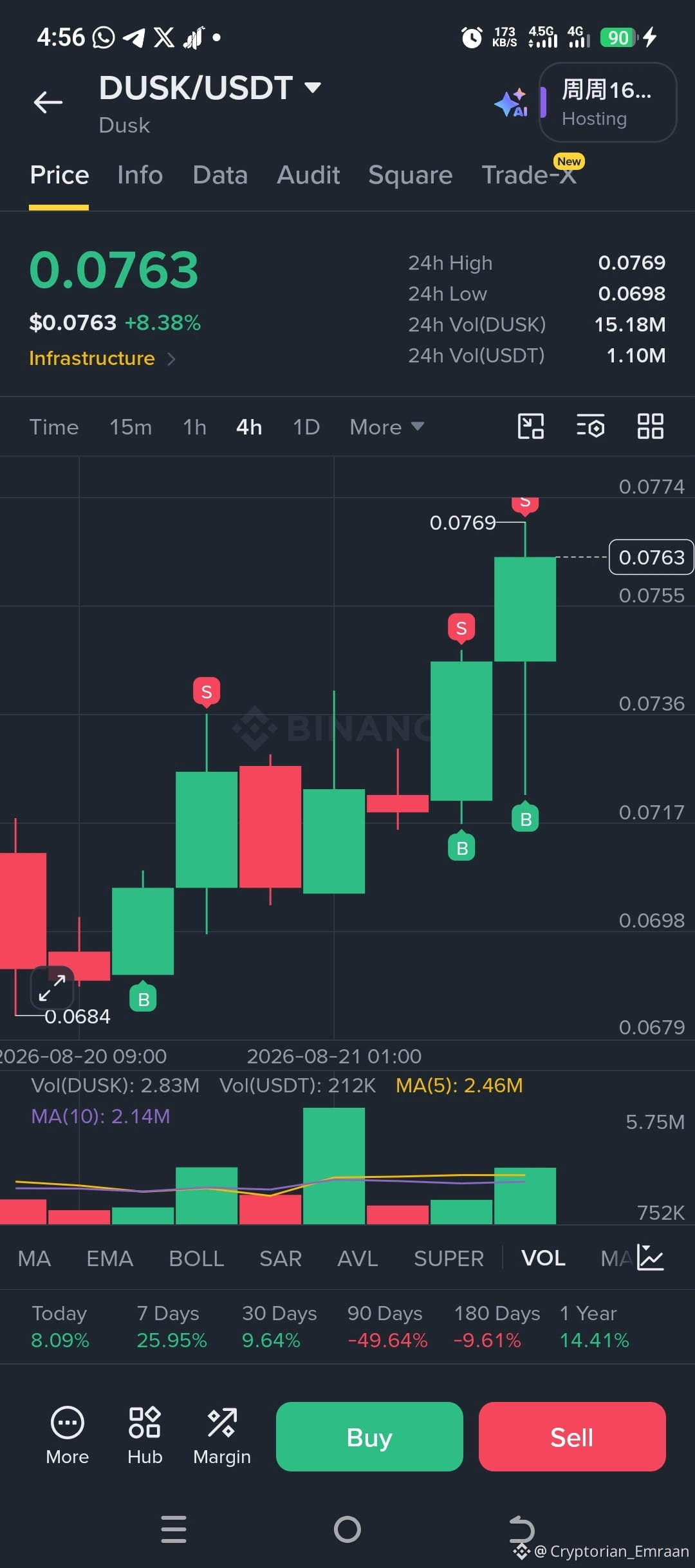
$DUSK 4HのDUSK/USDTチャートに基づくと、現在の構造は強気であり、切り上げの安値と強い緑のローソク足が見られます。
📊 主要なサポート & レジスタンス
🟢 サポートゾーン
$0.0735– $0.0737 - 直近のサポート。最近のブレイクアウト領域。
$0.0715– $0.0720 - より強いサポートで、以前のレンジ(もみ合い)ゾーン。
$0.0698– $0.0702 - 主要サポート。現在の構造が崩れた場合に重要。
$0.0684 - チャート上で確認できる重要なスイング安値のサポート。
🔴 レジスタンスゾーン
$0.0769–$0.0774 - 直近/主要なレジスタンス。現在価格がこの付近をテストしています。
$0.0785–$0.0800 - $0.0774がはっきりとブレイクした場合、次の心理的レジスタンスゾーンになります。
$0.0800を上回ると、次のレジスタンスを確立するには新しい値動きが必要です。
🔥 注目ポイント
$0.0763では、DUSKは$0.0769–$0.0774のレジスタンスのすぐ下に位置しています。
強い出来高を伴った$0.0774以上での4H終値は、強気のブレイクアウトシナリオを強めます。
もし拒否された場合、最初に注目する押し目のエリアは$0.0735–$0.0737で、その次は$0.0715–$0.0720です。
重要なレベル:$0.0774
強気:$0.0774以上
リスク増加:$0.0735未満
主要な構造的サポート:$0.0715–$0.0720
#Dusk/usdt✅ #Binance
{spot}(DUSKUSDT)
{spot}(BTCUSDT)
$DUSK 4HのDUSK/USDTチャートに基づくと、現在の構造は強気であり、切り上げの安値と強い緑のローソク足が見られます。
📊 主要なサポート & レジスタンス
🟢 サポートゾーン
$0.0735– $0.0737 - 直近のサポート。最近のブレイクアウト領域。
$0.0715– $0.0720 - より強いサポートで、以前のレンジ(もみ合い)ゾーン。
$0.0698– $0.0702 - 主要サポート。現在の構造が崩れた場合に重要。
$0.0684 - チャート上で確認できる重要なスイング安値のサポート。
🔴 レジスタンスゾーン
$0.0769–$0.0774 - 直近/主要なレジスタンス。現在価格がこの付近をテストしています。
$0.0785–$0.0800 - $0.0774がはっきりとブレイクした場合、次の心理的レジスタンスゾーンになります。
$0.0800を上回ると、次のレジスタンスを確立するには新しい値動きが必要です。
🔥 注目ポイント
$0.0763では、DUSKは$0.0769–$0.0774のレジスタンスのすぐ下に位置しています。
強い出来高を伴った$0.0774以上での4H終値は、強気のブレイクアウトシナリオを強めます。
もし拒否された場合、最初に注目する押し目のエリアは$0.0735–$0.0737で、その次は$0.0715–$0.0720です。
重要なレベル:$0.0774
強気:$0.0774以上
リスク増加:$0.0735未満
主要な構造的サポート:$0.0715–$0.0720
#Dusk/usdt✅ #Binance
📊 主要なサポート & レジスタンス
🟢 サポートゾーン
$0.0735– $0.0737 - 直近のサポート。最近のブレイクアウト領域。
$0.0715– $0.0720 - より強いサポートで、以前のレンジ(もみ合い)ゾーン。
$0.0698– $0.0702 - 主要サポート。現在の構造が崩れた場合に重要。
$0.0684 - チャート上で確認できる重要なスイング安値のサポート。
🔴 レジスタンスゾーン
$0.0769–$0.0774 - 直近/主要なレジスタンス。現在価格がこの付近をテストしています。
$0.0785–$0.0800 - $0.0774がはっきりとブレイクした場合、次の心理的レジスタンスゾーンになります。
$0.0800を上回ると、次のレジスタンスを確立するには新しい値動きが必要です。
🔥 注目ポイント
$0.0763では、DUSKは$0.0769–$0.0774のレジスタンスのすぐ下に位置しています。
強い出来高を伴った$0.0774以上での4H終値は、強気のブレイクアウトシナリオを強めます。
もし拒否された場合、最初に注目する押し目のエリアは$0.0735–$0.0737で、その次は$0.0715–$0.0720です。
重要なレベル:$0.0774
強気:$0.0774以上
リスク増加:$0.0735未満
主要な構造的サポート:$0.0715–$0.0720
#Dusk/usdt✅ #Binance
2
4
88
🔐 DUSKの本当のチャンスが次のポンプではなく、金融市場におけるプライバシー問題だとしたら?
私が$DUSK で始めて見方を変えたのは、プライバシーとコンプライアンスのバランスです。
パブリック・ブロックチェーンは透明性の点で優れていますが、従来の金融市場は、誰にでもそのまま公開できない情報を扱うことが多いのです。
すると、面白いインフラ上の課題が生まれます:
• 取引はどうすれば機密性を保てるのか?
• 認可された当事者は、重要な点をどう検証できるのか?
• ブロックチェーンのプライバシーは、規制要件と両立できるのか?
ここで、私にとってDUSKのより広い主張が興味深いものになります。
私は「ローソク足の上昇」を追いかけることにはあまり関心がなく、技術がいずれ現実の金融的な有用性と普及につながり得るのかに関心があります。
トレーダーにとっては、チャートは依然として重要です。ですが、現物投資家にとっては、より大きな問いは、基本的なテーゼが時間とともに強化され続けているかどうかだと私は考えています。
トレーダーの要約:添付のチャートがないため、具体的なエントリー、目標、損切り(ストップロス)の水準は避けます。現物投資家は急激な値動きを追いかけるのを避け、妥当なポジションサイズを使い、エントリー前にリスクを定義してください。
この分析は、入手可能な情報のみに基づくものであり、金融アドバイスではありません。投資の前に🚫DYOR(自己調査)を。
技術的な質問:強い出来高と、成功したレジスタンス再テストが伴うなら、DUSKのブレイクアウトをより信じられますか?
#dusk $DUSK @Dusk_Foundation
🔐 DUSKの本当のチャンスが次のポンプではなく、金融市場におけるプライバシー問題だとしたら?
私が$DUSK で始めて見方を変えたのは、プライバシーとコンプライアンスのバランスです。
パブリック・ブロックチェーンは透明性の点で優れていますが、従来の金融市場は、誰にでもそのまま公開できない情報を扱うことが多いのです。
すると、面白いインフラ上の課題が生まれます:
• 取引はどうすれば機密性を保てるのか?
• 認可された当事者は、重要な点をどう検証できるのか?
• ブロックチェーンのプライバシーは、規制要件と両立できるのか?
ここで、私にとってDUSKのより広い主張が興味深いものになります。
私は「ローソク足の上昇」を追いかけることにはあまり関心がなく、技術がいずれ現実の金融的な有用性と普及につながり得るのかに関心があります。
トレーダーにとっては、チャートは依然として重要です。ですが、現物投資家にとっては、より大きな問いは、基本的なテーゼが時間とともに強化され続けているかどうかだと私は考えています。
トレーダーの要約:添付のチャートがないため、具体的なエントリー、目標、損切り(ストップロス)の水準は避けます。現物投資家は急激な値動きを追いかけるのを避け、妥当なポジションサイズを使い、エントリー前にリスクを定義してください。
この分析は、入手可能な情報のみに基づくものであり、金融アドバイスではありません。投資の前に🚫DYOR(自己調査)を。
技術的な質問:強い出来高と、成功したレジスタンス再テストが伴うなら、DUSKのブレイクアウトをより信じられますか?
#dusk $DUSK @Dusk
私が$DUSK で始めて見方を変えたのは、プライバシーとコンプライアンスのバランスです。
パブリック・ブロックチェーンは透明性の点で優れていますが、従来の金融市場は、誰にでもそのまま公開できない情報を扱うことが多いのです。
すると、面白いインフラ上の課題が生まれます:
• 取引はどうすれば機密性を保てるのか?
• 認可された当事者は、重要な点をどう検証できるのか?
• ブロックチェーンのプライバシーは、規制要件と両立できるのか?
ここで、私にとってDUSKのより広い主張が興味深いものになります。
私は「ローソク足の上昇」を追いかけることにはあまり関心がなく、技術がいずれ現実の金融的な有用性と普及につながり得るのかに関心があります。
トレーダーにとっては、チャートは依然として重要です。ですが、現物投資家にとっては、より大きな問いは、基本的なテーゼが時間とともに強化され続けているかどうかだと私は考えています。
トレーダーの要約:添付のチャートがないため、具体的なエントリー、目標、損切り(ストップロス)の水準は避けます。現物投資家は急激な値動きを追いかけるのを避け、妥当なポジションサイズを使い、エントリー前にリスクを定義してください。
この分析は、入手可能な情報のみに基づくものであり、金融アドバイスではありません。投資の前に🚫DYOR(自己調査)を。
技術的な質問:強い出来高と、成功したレジスタンス再テストが伴うなら、DUSKのブレイクアウトをより信じられますか?
#dusk $DUSK @Dusk
1
3
78
📊 $DUSK は次のブレイクアウトに向けて準備中?
現在の私の見解では、$DUSK/USDTはLONGです。ただし忍耐が必要です。4Hチャートでは価格は約$0.0701で、$0.0621のスイング安値から上昇して、$0.0729の24H高値に向かっています。
📈 取引セットアップ
• エントリーゾーン: $0.0679–$0.0687
• 🛑 ストップロス: $0.0658
• 🎯 TP1: $0.0711
• 🎯 TP2: $0.0729
• 🎯 TP3: $0.0760
構造は依然として強気で、高値切り上げ・押し目切り上げ、そして強い強気のローソク足が見られます。ラリー中に出来高は拡大しましたが、最新の押し目では売り手がまだ構造を崩していないことが示されています。表示されているMA(5)は約1.57M、MA(10)は約1.62Mです。24Hの出来高はおよそ10.90M DUSK。
私が注目している重要なエリアは$0.0679–$0.0687です。ここを維持できれば強気の構造が保たれます。一方で、$0.0729をきれいに上抜ければ、継続セットアップがより強まるでしょう。
🧠 忍耐もポジションの一部です。勢いを追いかける前に、リスク管理を行うのが良いトレーダーです。
トレンドに従い、感情に従わないでください。
注記: 本分析は私自身の調査と市場視点を反映したものです。金融助言ではありません。投資判断を行う前に必ずご自身で調査してください(DYOR)。
#dusk $DUSK @Dusk_Foundation #BTC #bnb
📊 $DUSK は次のブレイクアウトに向けて準備中?
現在の私の見解では、$DUSK /USDTはLONGです。ただし忍耐が必要です。4Hチャートでは価格は約$0.0701で、$0.0621のスイング安値から上昇して、$0.0729の24H高値に向かっています。
📈 取引セットアップ
• エントリーゾーン: $0.0679–$0.0687
• 🛑 ストップロス: $0.0658
• 🎯 TP1: $0.0711
• 🎯 TP2: $0.0729
• 🎯 TP3: $0.0760
構造は依然として強気で、高値切り上げ・押し目切り上げ、そして強い強気のローソク足が見られます。ラリー中に出来高は拡大しましたが、最新の押し目では売り手がまだ構造を崩していないことが示されています。表示されているMA(5)は約1.57M、MA(10)は約1.62Mです。24Hの出来高はおよそ10.90M DUSK。
私が注目している重要なエリアは$0.0679–$0.0687です。ここを維持できれば強気の構造が保たれます。一方で、$0.0729をきれいに上抜ければ、継続セットアップがより強まるでしょう。
🧠 忍耐もポジションの一部です。勢いを追いかける前に、リスク管理を行うのが良いトレーダーです。
トレンドに従い、感情に従わないでください。
注記: 本分析は私自身の調査と市場視点を反映したものです。金融助言ではありません。投資判断を行う前に必ずご自身で調査してください(DYOR)。
#dusk $DUSK @Dusk #BTC #bnb
現在の私の見解では、$DUSK /USDTはLONGです。ただし忍耐が必要です。4Hチャートでは価格は約$0.0701で、$0.0621のスイング安値から上昇して、$0.0729の24H高値に向かっています。
📈 取引セットアップ
• エントリーゾーン: $0.0679–$0.0687
• 🛑 ストップロス: $0.0658
• 🎯 TP1: $0.0711
• 🎯 TP2: $0.0729
• 🎯 TP3: $0.0760
構造は依然として強気で、高値切り上げ・押し目切り上げ、そして強い強気のローソク足が見られます。ラリー中に出来高は拡大しましたが、最新の押し目では売り手がまだ構造を崩していないことが示されています。表示されているMA(5)は約1.57M、MA(10)は約1.62Mです。24Hの出来高はおよそ10.90M DUSK。
私が注目している重要なエリアは$0.0679–$0.0687です。ここを維持できれば強気の構造が保たれます。一方で、$0.0729をきれいに上抜ければ、継続セットアップがより強まるでしょう。
🧠 忍耐もポジションの一部です。勢いを追いかける前に、リスク管理を行うのが良いトレーダーです。
トレンドに従い、感情に従わないでください。
注記: 本分析は私自身の調査と市場視点を反映したものです。金融助言ではありません。投資判断を行う前に必ずご自身で調査してください(DYOR)。
#dusk $DUSK @Dusk #BTC #bnb
2
4
45
·
--
ブリッシュ
あなたの4HのDUSK/USDTチャートに基づくと、大きく動いた後の$0.0696を追いかけることはしません。Binanceのライブデータも約$0.069〜$0.070で、直近24Hの高値は$0.0726〜$0.0729付近です。
📈 推奨ロング(LONG)セットアップ
🟢 エントリーゾーン $0.0665 – $0.0672
🛑 ストップロス $0.0636
🎯 TP1 $0.0711
🎯 TP2 $0.0729
🚀 TP3 $0.0750
理由:$0.0663は、あなたの4Hチャートで見える最も近いサポートです。一方で$0.0711と$0.0729は、チャート上での直近のレジスタンス/高値ゾーンです。以前のテクニカル分析でも、だいたい$0.065〜$0.068がレジスタンスエリアとして示されていたため、このゾーン付近での確認が重要です。
🔥 ブレイクアウトの代替案
もしDUSKが強い出来高を伴って、4Hで$0.0730を上回る終値を出した場合:
エントリー:$0.0731–$0.0735
SL:$0.0695
TP1:$0.0760
TP2:$0.0790
TP3:$0.0820
私の優先トレード:$0.0696で買うのではなく、$0.0665〜$0.0672の押し目を待ちます。直近の出来高拡大は強気の勢いを支持していますが、$0.0729の高値が重要なブレイクアウトのテストです。
⚠️ 自己判断(DYOR)。これらはチャートに基づく目安であり、結果が保証されるものではありません。
$DUSK
$BTC
#dusk #BİNANCE #crypto #BinanceSquareFamily
あなたの4HのDUSK/USDTチャートに基づくと、大きく動いた後の$0.0696を追いかけることはしません。Binanceのライブデータも約$0.069〜$0.070で、直近24Hの高値は$0.0726〜$0.0729付近です。
📈 推奨ロング(LONG)セットアップ
🟢 エントリーゾーン $0.0665 – $0.0672
🛑 ストップロス $0.0636
🎯 TP1 $0.0711
🎯 TP2 $0.0729
🚀 TP3 $0.0750
理由:$0.0663は、あなたの4Hチャートで見える最も近いサポートです。一方で$0.0711と$0.0729は、チャート上での直近のレジスタンス/高値ゾーンです。以前のテクニカル分析でも、だいたい$0.065〜$0.068がレジスタンスエリアとして示されていたため、このゾーン付近での確認が重要です。
🔥 ブレイクアウトの代替案
もしDUSKが強い出来高を伴って、4Hで$0.0730を上回る終値を出した場合:
エントリー:$0.0731–$0.0735
SL:$0.0695
TP1:$0.0760
TP2:$0.0790
TP3:$0.0820
私の優先トレード:$0.0696で買うのではなく、$0.0665〜$0.0672の押し目を待ちます。直近の出来高拡大は強気の勢いを支持していますが、$0.0729の高値が重要なブレイクアウトのテストです。
⚠️ 自己判断(DYOR)。これらはチャートに基づく目安であり、結果が保証されるものではありません。
$DUSK
$BTC
#dusk #BİNANCE #crypto #BinanceSquareFamily
📈 推奨ロング(LONG)セットアップ
🟢 エントリーゾーン $0.0665 – $0.0672
🛑 ストップロス $0.0636
🎯 TP1 $0.0711
🎯 TP2 $0.0729
🚀 TP3 $0.0750
理由:$0.0663は、あなたの4Hチャートで見える最も近いサポートです。一方で$0.0711と$0.0729は、チャート上での直近のレジスタンス/高値ゾーンです。以前のテクニカル分析でも、だいたい$0.065〜$0.068がレジスタンスエリアとして示されていたため、このゾーン付近での確認が重要です。
🔥 ブレイクアウトの代替案
もしDUSKが強い出来高を伴って、4Hで$0.0730を上回る終値を出した場合:
エントリー:$0.0731–$0.0735
SL:$0.0695
TP1:$0.0760
TP2:$0.0790
TP3:$0.0820
私の優先トレード:$0.0696で買うのではなく、$0.0665〜$0.0672の押し目を待ちます。直近の出来高拡大は強気の勢いを支持していますが、$0.0729の高値が重要なブレイクアウトのテストです。
⚠️ 自己判断(DYOR)。これらはチャートに基づく目安であり、結果が保証されるものではありません。
$DUSK
$BTC
#dusk #BİNANCE #crypto #BinanceSquareFamily
3
4
84
ログインして、さらにコンテンツを読む
厳選トピックで世界の暗号資産トレーダーの仲間入り
⚡️ 暗号資産に関する最新かつ有益な情報が見つかります。
💬 世界最大の暗号資産取引所から信頼されています。
👍 認証を受けたクリエイターから、有益なインサイトを得られます。
メール / 電話番号
トレンドトピック
ADAGains10%Above$0.27
閲覧回数 12,090
164人が討論中
$ADA は本日大きく上昇し、10%超値上がりして027前後に達し、90日間の新高値を更新しました。
取引高も10億を超えて急増しており、市場の活況を示しています。
この動きは、$ADA が6月の安値から回復を続けるなか、最近のテクニカル面の形勢がより強気に転じたことを背景としています。
現在、027~028のゾーンが注目すべき重要な水準です。上抜けが続けば、さらに上の抵抗線を目指す展開となる可能性があります。
ただし、これほど急激な日中の値動きの後は、ボラティリティが高い状態が続く可能性があります。
#ADAGains10%Above$0.27 #crypto #ADA #Cardano #crypto #Write2Earn
AbdullahAbid_7
·いいね:0件
·閲覧回数 340
ETHUp70%InQ3ButLiquidityFalls
閲覧回数 135,327
985人が討論中
EthStakingExitQueueHits2026High
閲覧回数 47,783
711人が討論中