
Crypto Lover11
188 投稿

Crypto Lover11
報告
ユーザーをブロック
Trade smartly, Not emotionally.
135 フォロー
719 フォロワー
139 いいね
投稿
すべて
引用
ライブ

[Pick your Gift pack](https://www.binance.com/activity/pick-and-win/2026-football-challenge?ref=851463851)
$ESPORTS $VELVET $ALLO
Pick your Gift pack
$ESPORTS $VELVET $ALLO
$ESPORTS $VELVET $ALLO

28
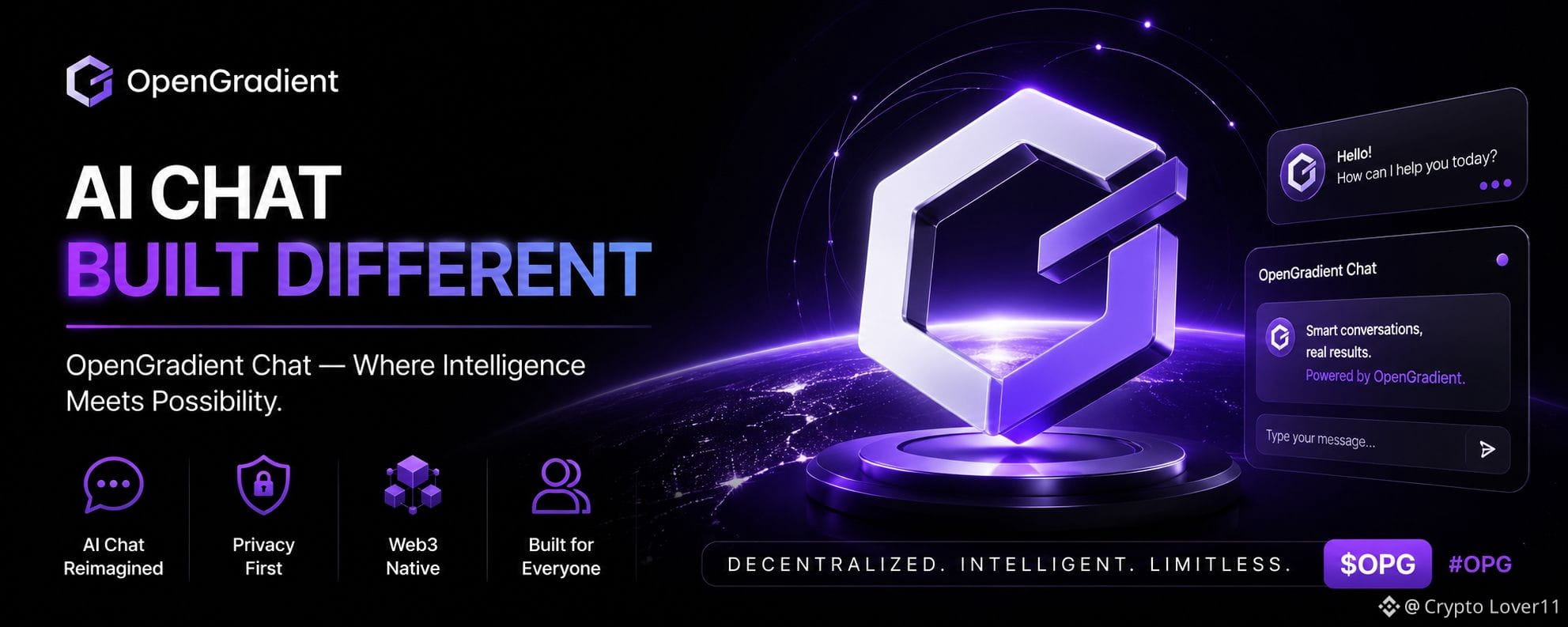
最近 @OpenGradient を調べていて、特に印象的なのは、OpenGradient Chat が AI のやり取りを「より複雑に」ではなく「より役に立つ」と感じさせる点です。実用的なインテリジェンス、スムーズなユーザー体験、そして AI と Web3 が自然に共存できる未来を目指すプロジェクトに出会えて、とても新鮮です。エコシステムがどのように成長し、日常のユーザーにどんな新しい可能性を開いていくのか楽しみにしています。
#opg $OPG
{future}(OPGUSDT)
{future}(TNSRUSDT)
{future}(RESOLVUSDT)
$$
最近 @OpenGradient を調べていて、特に印象的なのは、OpenGradient Chat が AI のやり取りを「より複雑に」ではなく「より役に立つ」と感じさせる点です。実用的なインテリジェンス、スムーズなユーザー体験、そして AI と Web3 が自然に共存できる未来を目指すプロジェクトに出会えて、とても新鮮です。エコシステムがどのように成長し、日常のユーザーにどんな新しい可能性を開いていくのか楽しみにしています。
#opg $OPG
$$
#opg $OPG
$$
58
#opg $OPG
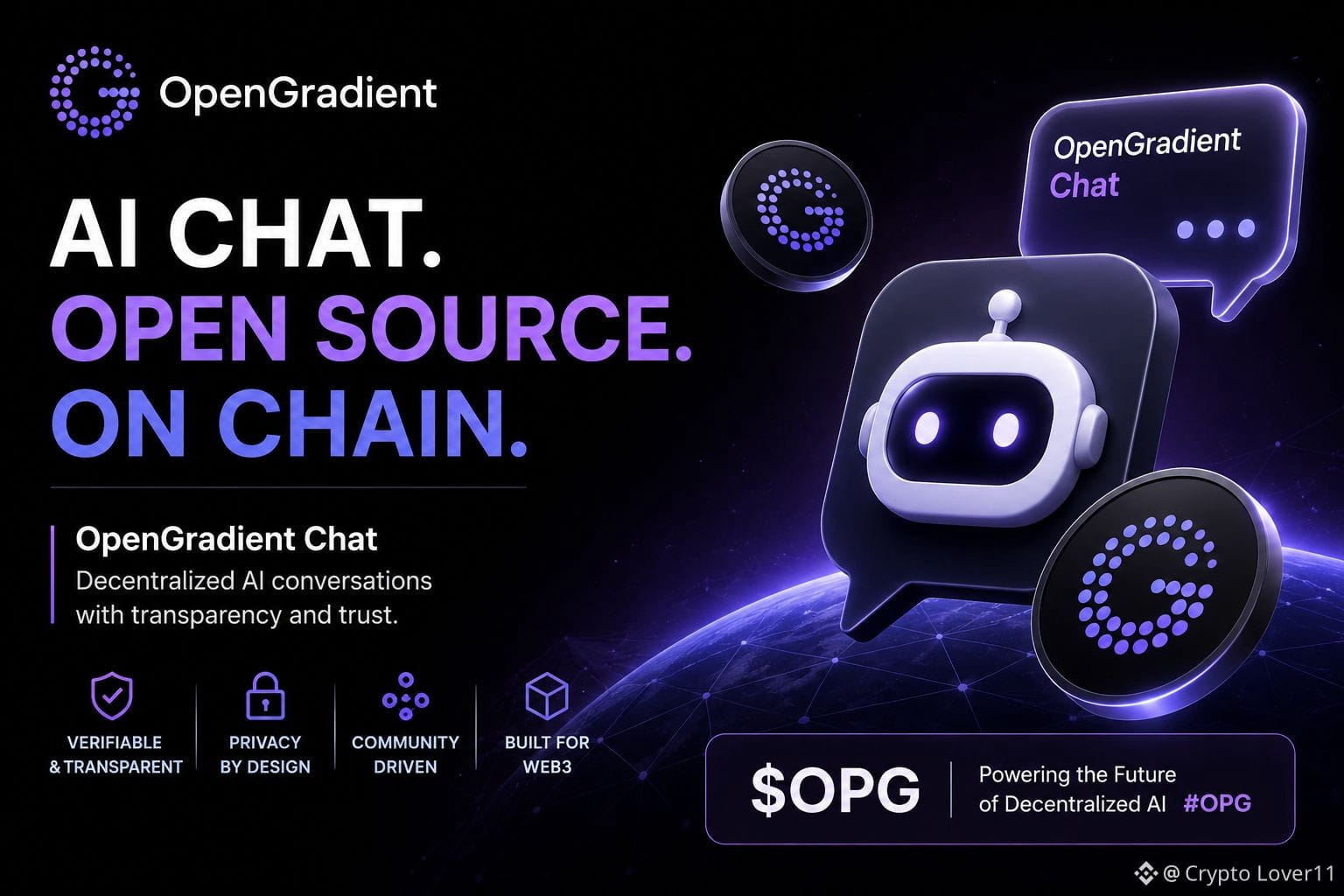
@OpenGradient を探求したことで、AI搭載のブロックチェーン・アプリケーションに対する考え方が完全に変わりました。OpenGradient Chat は、分散型AIが透明で検証可能、かつインテリジェントなやり取りを提供しながら、信頼とオープンさを維持できることを示しています。エコシステムが成長するにつれて、AI と Web3 の実用性を組み合わせたプロジェクトは大きな注目を集めると考えています。OpenGradient が分散型インテリジェンスの実世界でのユースケースをどのように革新し、拡大していくのか楽しみです。
{future}(OPGUSDT)
$VELVET $BTC
{future}(BTCUSDT)
{future}(VELVETUSDT)
#opg $OPG
@OpenGradient を探求したことで、AI搭載のブロックチェーン・アプリケーションに対する考え方が完全に変わりました。OpenGradient Chat は、分散型AIが透明で検証可能、かつインテリジェントなやり取りを提供しながら、信頼とオープンさを維持できることを示しています。エコシステムが成長するにつれて、AI と Web3 の実用性を組み合わせたプロジェクトは大きな注目を集めると考えています。OpenGradient が分散型インテリジェンスの実世界でのユースケースをどのように革新し、拡大していくのか楽しみです。
$VELVET $BTC
@OpenGradient を探求したことで、AI搭載のブロックチェーン・アプリケーションに対する考え方が完全に変わりました。OpenGradient Chat は、分散型AIが透明で検証可能、かつインテリジェントなやり取りを提供しながら、信頼とオープンさを維持できることを示しています。エコシステムが成長するにつれて、AI と Web3 の実用性を組み合わせたプロジェクトは大きな注目を集めると考えています。OpenGradient が分散型インテリジェンスの実世界でのユースケースをどのように革新し、拡大していくのか楽しみです。
$VELVET $BTC
2
1
2
79
·
--
ブリッシュ
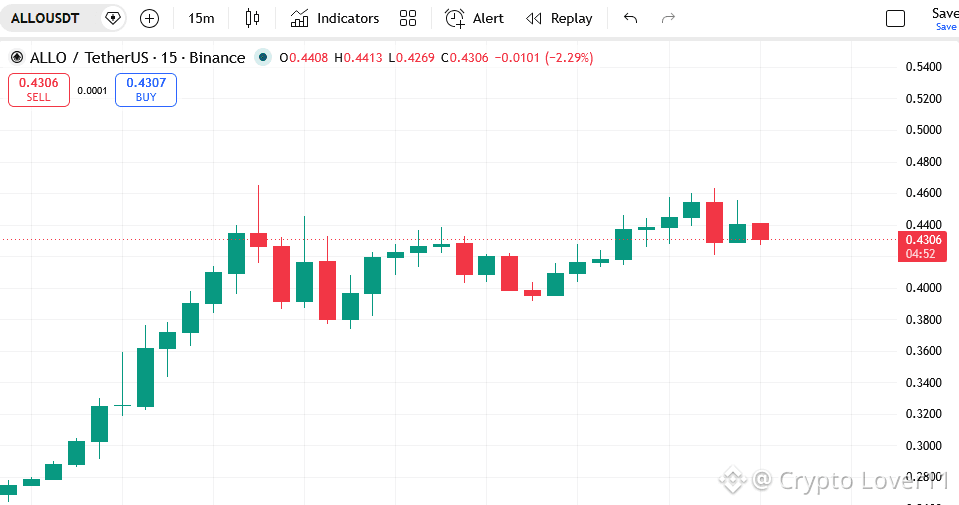
🔥 今すぐ$ALLO/USDTを取引
📈 モメンタムに乗ろう
🎯 自分の戦略に従おう
⚡ リスクを賢く管理しよう
👉 今すぐここで取引
🔥 今すぐ$ALLO/USDTを取引
📈 モメンタムに乗ろう
🎯 自分の戦略に従おう
⚡ リスクを賢く管理しよう
👉 今すぐここで取引
📈 モメンタムに乗ろう
🎯 自分の戦略に従おう
⚡ リスクを賢く管理しよう
👉 今すぐここで取引
1
102
🔴 $ASTER 強い売り圧力を示しています…今すぐ短期でエントリー 📉
エントリー: 0.60 - 0.62
損切り: 0.55
TP1: 0.64
TP2: 0.67
TP3: 0.70
🔴 $ASTER 強い売り圧力を示しています…今すぐ短期でエントリー 📉
エントリー: 0.60 - 0.62
損切り: 0.55
TP1: 0.64
TP2: 0.67
TP3: 0.70
エントリー: 0.60 - 0.62
損切り: 0.55
TP1: 0.64
TP2: 0.67
TP3: 0.70
8
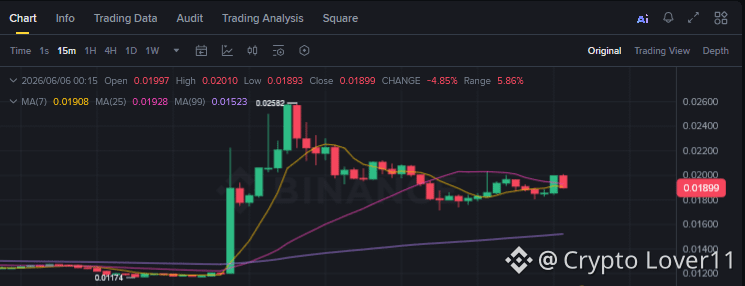
🚀 ベイビーコインは次の大ブレイクの大きな存在になれるかも!🚀
モメンタムと取引量が増え続ける中、ベイビーコインが注目を集め始めています。👀📈
買いの勢いがさらに強まれば、強いポンプが近づいている可能性があります。市場のセンチメントが変わる局面では、先行して動いた人ほど恩恵を受けやすいものです。
ただし、ベイビーコインやミームコインは非常に値動きが激しいため、FOMO(恐怖による焦り)に流されず、常にリスク管理を徹底してください。
💎 大きなチャンスには大きなリスクが伴います。投資判断をする前に必ずご自身で調査してください。
こちらからトレード。
$BABY
{spot}(BABYUSDT)
$BTW
{future}(BTWUSDT)
$ETH
{spot}(ETHUSDT)
#BabyCoin #Crypto #Altcoins #Memecoin #CryptoTrading #BullRun #DYOR
🚀 ベイビーコインは次の大ブレイクの大きな存在になれるかも!🚀
モメンタムと取引量が増え続ける中、ベイビーコインが注目を集め始めています。👀📈
買いの勢いがさらに強まれば、強いポンプが近づいている可能性があります。市場のセンチメントが変わる局面では、先行して動いた人ほど恩恵を受けやすいものです。
ただし、ベイビーコインやミームコインは非常に値動きが激しいため、FOMO(恐怖による焦り)に流されず、常にリスク管理を徹底してください。
💎 大きなチャンスには大きなリスクが伴います。投資判断をする前に必ずご自身で調査してください。
こちらからトレード。
$BABY
$BTW
$ETH
#BabyCoin #Crypto #Altcoins #Memecoin #CryptoTrading #BullRun #DYOR
モメンタムと取引量が増え続ける中、ベイビーコインが注目を集め始めています。👀📈
買いの勢いがさらに強まれば、強いポンプが近づいている可能性があります。市場のセンチメントが変わる局面では、先行して動いた人ほど恩恵を受けやすいものです。
ただし、ベイビーコインやミームコインは非常に値動きが激しいため、FOMO(恐怖による焦り)に流されず、常にリスク管理を徹底してください。
💎 大きなチャンスには大きなリスクが伴います。投資判断をする前に必ずご自身で調査してください。
こちらからトレード。
$BABY
$BTW
$ETH
#BabyCoin #Crypto #Altcoins #Memecoin #CryptoTrading #BullRun #DYOR
255
#bedrock $BR
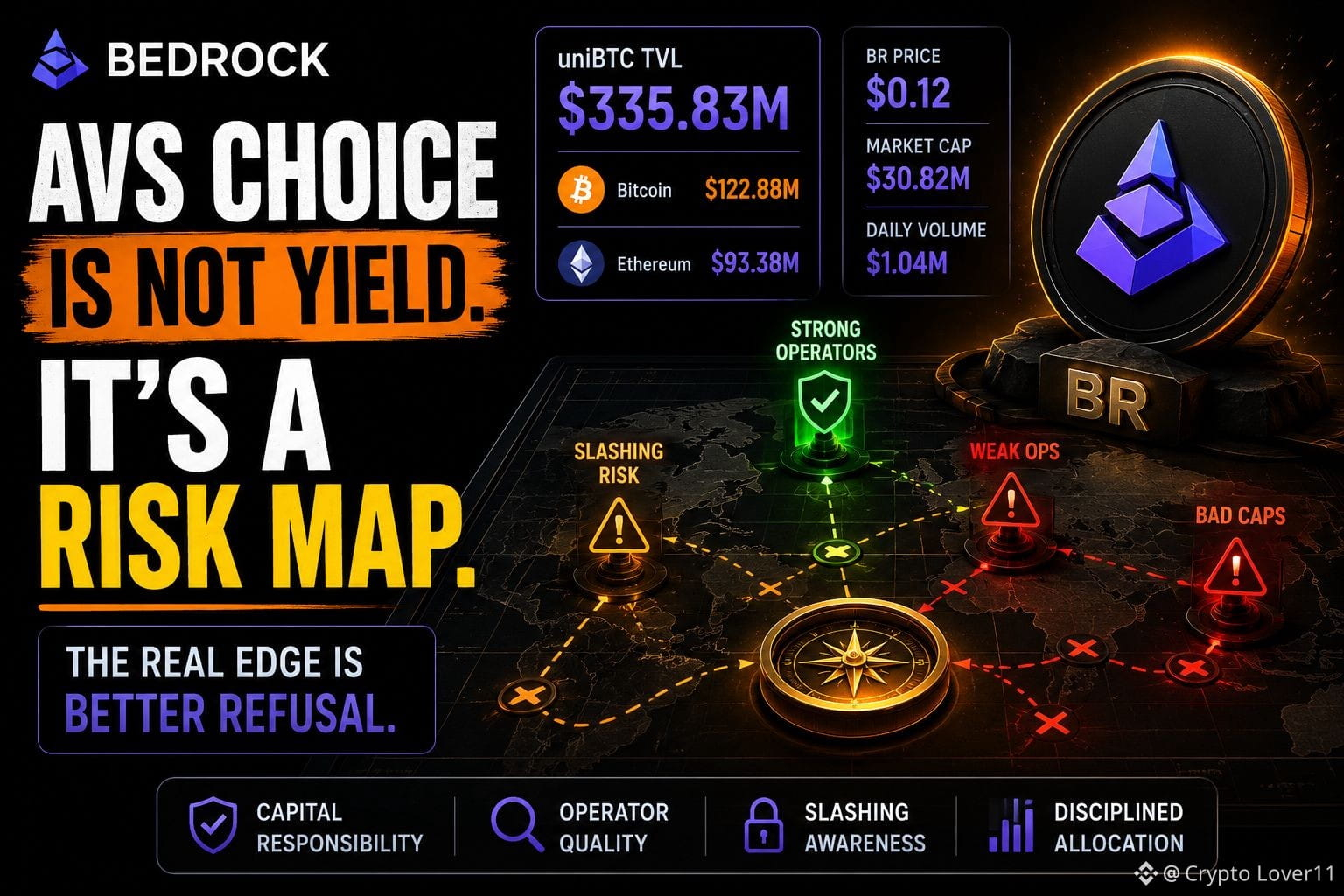
最初、私はAVSの選定を、単なる追加の利回り獲得の機会に過ぎないと見ていました。しかし見れば見るほど、それは裏で結果を形作る「見えにくいリスクの枠組み」であるかのように思えてきます。
私の見解はシンプルです。Bedrock TOKENは、明確な戦略なしにばらまくのではなく、再ステークされる資本が意図的に配分されるほど、より耐性が高まります。
重要なのは数字がそれを示している点です。Bedrock uniBTCは現在、TVLが約335.83Mドルあり、戦略レイヤーの重要性はますます高まっています。約122.88Mドルがビットコインに、93.38Mドルがイーサリアムに配分されており、流動性は単一のプールに集中しているのではなく、複数のエコシステムに分散されています。
BRは約0.12ドルで取引され、市場規模は約30.82Mドル、日次の取引出来高はおよそ1.04Mドルです。その活動水準は流動性を提供しますが、有意なイグジット時の圧力を完全に吸収できるほど十分ではありません。
そのため、AVSの選定は「利回り機会の単なるリスト」として捉えるべきではありません。それは説明責任を伴って資本を配分するプロセスです。魅力的な利回りは注目を集められますが、オペレーターの信頼性、スラッシング(罰則)へのエクスポージャー、そして設計の不十分な上限(キャップ)が、長期的なパフォーマンスを静かに損なうことがあります。
私の考えでは、真の優位性は、あらゆる局面で利回りを最大化することではありません。「ノーと言うべきとき」を見極めることです。
$BTW $BABY
#bedrock $BR
最初、私はAVSの選定を、単なる追加の利回り獲得の機会に過ぎないと見ていました。しかし見れば見るほど、それは裏で結果を形作る「見えにくいリスクの枠組み」であるかのように思えてきます。
私の見解はシンプルです。Bedrock TOKENは、明確な戦略なしにばらまくのではなく、再ステークされる資本が意図的に配分されるほど、より耐性が高まります。
重要なのは数字がそれを示している点です。Bedrock uniBTCは現在、TVLが約335.83Mドルあり、戦略レイヤーの重要性はますます高まっています。約122.88Mドルがビットコインに、93.38Mドルがイーサリアムに配分されており、流動性は単一のプールに集中しているのではなく、複数のエコシステムに分散されています。
BRは約0.12ドルで取引され、市場規模は約30.82Mドル、日次の取引出来高はおよそ1.04Mドルです。その活動水準は流動性を提供しますが、有意なイグジット時の圧力を完全に吸収できるほど十分ではありません。
そのため、AVSの選定は「利回り機会の単なるリスト」として捉えるべきではありません。それは説明責任を伴って資本を配分するプロセスです。魅力的な利回りは注目を集められますが、オペレーターの信頼性、スラッシング(罰則)へのエクスポージャー、そして設計の不十分な上限(キャップ)が、長期的なパフォーマンスを静かに損なうことがあります。
私の考えでは、真の優位性は、あらゆる局面で利回りを最大化することではありません。「ノーと言うべきとき」を見極めることです。
$BTW $BABY
最初、私はAVSの選定を、単なる追加の利回り獲得の機会に過ぎないと見ていました。しかし見れば見るほど、それは裏で結果を形作る「見えにくいリスクの枠組み」であるかのように思えてきます。
私の見解はシンプルです。Bedrock TOKENは、明確な戦略なしにばらまくのではなく、再ステークされる資本が意図的に配分されるほど、より耐性が高まります。
重要なのは数字がそれを示している点です。Bedrock uniBTCは現在、TVLが約335.83Mドルあり、戦略レイヤーの重要性はますます高まっています。約122.88Mドルがビットコインに、93.38Mドルがイーサリアムに配分されており、流動性は単一のプールに集中しているのではなく、複数のエコシステムに分散されています。
BRは約0.12ドルで取引され、市場規模は約30.82Mドル、日次の取引出来高はおよそ1.04Mドルです。その活動水準は流動性を提供しますが、有意なイグジット時の圧力を完全に吸収できるほど十分ではありません。
そのため、AVSの選定は「利回り機会の単なるリスト」として捉えるべきではありません。それは説明責任を伴って資本を配分するプロセスです。魅力的な利回りは注目を集められますが、オペレーターの信頼性、スラッシング(罰則)へのエクスポージャー、そして設計の不十分な上限(キャップ)が、長期的なパフォーマンスを静かに損なうことがあります。
私の考えでは、真の優位性は、あらゆる局面で利回りを最大化することではありません。「ノーと言うべきとき」を見極めることです。
$BTW $BABY
139
#bedrock $BR
@Bedrock に関する多くの議論は拡張に焦点を当てています:より多くのチェーン、より多くのアセット、より多くのステーキング機会。しかし、スケールだけでは本当の課題ではありません。本当の課題は一貫性です。
複数のエコシステムを一つのフレームワークの下に持ってくるのは簡単に思えますが、インターフェースの下に何があるかを考えるとそうではありません。すべてのチェーンは異なる方法で機能します。報酬が生成される方法も異なります。セキュリティの前提も異なります。流動性の挙動も異なります。ポジションに入ったり出たりするのに必要な時間も大きく異なることがあります。
ユーザーは単一の Bedrock 経験と対話するかもしれませんが、裏ではプロトコルが同一に機能するように設計されていないいくつかの異なるシステムを調整しています。
この違いは重要です。
イーサリアムのステーキング、ビットコインのリステーキング、そして新たに登場するネットワーク特有のステーキングモデルは、それぞれ独自のリスクプロファイルと運用ダイナミクスを導入します。それらを一つの屋根の下にまとめることは便利ですが、便利さだけでは理解を生むことはありません。
ここで Bedrock エコシステムの役割がより興味深くなります。価値は単にチェーンを接続することではありません。価値は、複雑さを隠すことなく管理可能にすることにあります。ユーザーは、基盤の違いを視覚化しながら意思決定を簡素化するフレームワークが必要です。
すべてが同じに感じられると、重要なリスクを認識することが難しくなります。すべての違いが詳細に暴露されると、体験が断片化され、ナビゲートが難しくなります。
勝利のアプローチはその中間にあります:現実を簡素化するのではなく、旅を簡素化することです。
マルチチェーンステーキングが進化するにつれて、成功はネットワーク数やロックされた総価値だけで測定されるわけではありません。それは、ユーザーがますます多様なエコシステムで自信を持って参加していることを理解できるかどうかに依存します。
未来は、複雑さを消さないプラットフォームに属しますが、人々が実際に使える方法でそれを整理します。
#BR $WLD $EPIC
{future}(BRUSDT)
#bedrock $BR
@Bedrock に関する多くの議論は拡張に焦点を当てています:より多くのチェーン、より多くのアセット、より多くのステーキング機会。しかし、スケールだけでは本当の課題ではありません。本当の課題は一貫性です。
複数のエコシステムを一つのフレームワークの下に持ってくるのは簡単に思えますが、インターフェースの下に何があるかを考えるとそうではありません。すべてのチェーンは異なる方法で機能します。報酬が生成される方法も異なります。セキュリティの前提も異なります。流動性の挙動も異なります。ポジションに入ったり出たりするのに必要な時間も大きく異なることがあります。
ユーザーは単一の Bedrock 経験と対話するかもしれませんが、裏ではプロトコルが同一に機能するように設計されていないいくつかの異なるシステムを調整しています。
この違いは重要です。
イーサリアムのステーキング、ビットコインのリステーキング、そして新たに登場するネットワーク特有のステーキングモデルは、それぞれ独自のリスクプロファイルと運用ダイナミクスを導入します。それらを一つの屋根の下にまとめることは便利ですが、便利さだけでは理解を生むことはありません。
ここで Bedrock エコシステムの役割がより興味深くなります。価値は単にチェーンを接続することではありません。価値は、複雑さを隠すことなく管理可能にすることにあります。ユーザーは、基盤の違いを視覚化しながら意思決定を簡素化するフレームワークが必要です。
すべてが同じに感じられると、重要なリスクを認識することが難しくなります。すべての違いが詳細に暴露されると、体験が断片化され、ナビゲートが難しくなります。
勝利のアプローチはその中間にあります:現実を簡素化するのではなく、旅を簡素化することです。
マルチチェーンステーキングが進化するにつれて、成功はネットワーク数やロックされた総価値だけで測定されるわけではありません。それは、ユーザーがますます多様なエコシステムで自信を持って参加していることを理解できるかどうかに依存します。
未来は、複雑さを消さないプラットフォームに属しますが、人々が実際に使える方法でそれを整理します。
#BR $WLD $EPIC
@Bedrock に関する多くの議論は拡張に焦点を当てています:より多くのチェーン、より多くのアセット、より多くのステーキング機会。しかし、スケールだけでは本当の課題ではありません。本当の課題は一貫性です。
複数のエコシステムを一つのフレームワークの下に持ってくるのは簡単に思えますが、インターフェースの下に何があるかを考えるとそうではありません。すべてのチェーンは異なる方法で機能します。報酬が生成される方法も異なります。セキュリティの前提も異なります。流動性の挙動も異なります。ポジションに入ったり出たりするのに必要な時間も大きく異なることがあります。
ユーザーは単一の Bedrock 経験と対話するかもしれませんが、裏ではプロトコルが同一に機能するように設計されていないいくつかの異なるシステムを調整しています。
この違いは重要です。
イーサリアムのステーキング、ビットコインのリステーキング、そして新たに登場するネットワーク特有のステーキングモデルは、それぞれ独自のリスクプロファイルと運用ダイナミクスを導入します。それらを一つの屋根の下にまとめることは便利ですが、便利さだけでは理解を生むことはありません。
ここで Bedrock エコシステムの役割がより興味深くなります。価値は単にチェーンを接続することではありません。価値は、複雑さを隠すことなく管理可能にすることにあります。ユーザーは、基盤の違いを視覚化しながら意思決定を簡素化するフレームワークが必要です。
すべてが同じに感じられると、重要なリスクを認識することが難しくなります。すべての違いが詳細に暴露されると、体験が断片化され、ナビゲートが難しくなります。
勝利のアプローチはその中間にあります:現実を簡素化するのではなく、旅を簡素化することです。
マルチチェーンステーキングが進化するにつれて、成功はネットワーク数やロックされた総価値だけで測定されるわけではありません。それは、ユーザーがますます多様なエコシステムで自信を持って参加していることを理解できるかどうかに依存します。
未来は、複雑さを消さないプラットフォームに属しますが、人々が実際に使える方法でそれを整理します。
#BR $WLD $EPIC
322
·
--
ブリッシュ
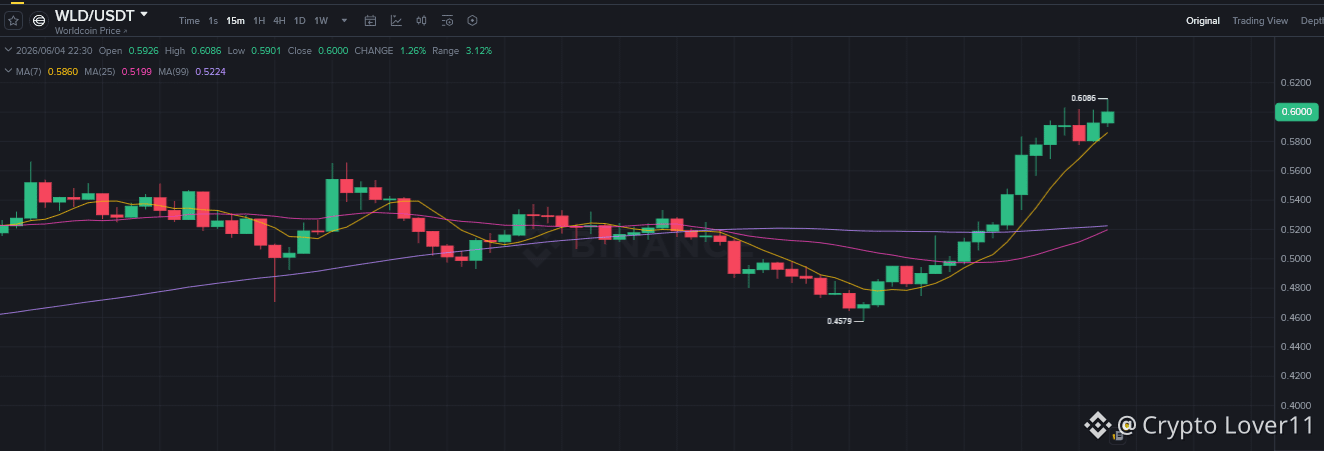
🌍🚀 $WLD/USDT は強い市場の注目を集めています!
ここで取引を.....
{spot}(WLDUSDT)
🌍🚀 $WLD/USDT は強い市場の注目を集めています!
ここで取引を.....
ここで取引を.....
310
ログインして、さらにコンテンツを読む
厳選トピックで世界の暗号資産トレーダーの仲間入り
⚡️ 暗号資産に関する最新かつ有益な情報が見つかります。
💬 世界最大の暗号資産取引所から信頼されています。
👍 認証を受けたクリエイターから、有益なインサイトを得られます。
メール / 電話番号
トレンドトピック
FedRateWatch
閲覧回数 472,802
2,448人が討論中
トレンドハッシュタグキャンペーンで「シェア&ウィン」交通(トラフィック)報酬を獲得しよう
✨トピック:FOMC 9月、「次のFRBの一手」は?
👉参加方法:
ハッシュタグ #FedRateWatch を付けて短い投稿または記事を投稿してください
以下の観点に基づいてコンテンツを作成してください:
- 8月のコアCPIは前月比0.3%上昇し、今週の25bp利上げの確率は現在約90%です。今週、利上げはあると思いますか?それは一時的なものですか、それともより長い利上げサイクルの始まりでしょうか?
- 利上げが実施された場合、BTC、テック株、ゴールドはどのように動きますか?強気(ブル)か弱気(ベア)か?
- 次の取引はどう計画していますか?取引共有ウィジェットを使って、BTC、株、またはゴールドの取引/保有を共有してください。
⏰キャンペーン期間:
- 2026-09-15 11:00 - 2026-09-17 3:00 UTC
🎁報酬:
- 上記のガイドラインを満たし、かつ100語を超える適格な投稿は審査され、抽選で500〜3,000ビューのランダムなトラフィック増加が付与される場合があります。投稿が選ばれた場合、フィードの事務局から通知が届きます。
- 記事がBinance Square Officialで特集されるチャンス
投稿のアイデアが必要ですか?トピックページ #FedRateWatch へアクセスするか、 Square Guide on How to Post for Better Reach をご覧ください。
Binance Square Official
·いいね:360件
·閲覧回数 767.4k
BitcoinSlidesTo$76000
閲覧回数 14,041
102人が討論中
BitcoinReboundsTo$79K
閲覧回数 58,982
394人が討論中