

ShadowSats
255 投稿

ShadowSats
報告
ユーザーをブロック
Observing the market from the shadows 🌒
取引を発注
超高頻度トレーダー
8.4年
21 フォロー
220 フォロワー
123 いいね
投稿
ポートフォリオ
すべて
引用
·
--
弱気相場
🔴見通し:ニュートラル → ベア(マクロの重し)
マクロの売り圧力が市場を防御的に保っています。
重要なサポート:$62.4K〜$62.5Kの需要ゾーン。
これを維持 → $64Kに向けたリリーフバウンスの余地。
$62.4Kを割り込む → $60.5Kのサポートに向けて急速な動きのリスク。📉📊
$BTC
{future}(BTCUSDT)
🔴見通し:ニュートラル → ベア(マクロの重し)
マクロの売り圧力が市場を防御的に保っています。
重要なサポート:$62.4K〜$62.5Kの需要ゾーン。
これを維持 → $64Kに向けたリリーフバウンスの余地。
$62.4Kを割り込む → $60.5Kのサポートに向けて急速な動きのリスク。📉📊
$BTC
マクロの売り圧力が市場を防御的に保っています。
重要なサポート:$62.4K〜$62.5Kの需要ゾーン。
これを維持 → $64Kに向けたリリーフバウンスの余地。
$62.4Kを割り込む → $60.5Kのサポートに向けて急速な動きのリスク。📉📊
$BTC
104
·
--

記事
オンチェーンAI自動化を支える見えないインフラ 🤖⚙️Web3のイノベーションについて語るとき、通常は取引の高速化、ガス代の低下、あるいは最新のミームコイントレンドといった話題が中心になります。ですが、背後では重大で見えにくい問題がくすぶっています。それは「オンチェーン上のアクションを安全に自動化するにはどうすればいいのか?」です。
AIエージェントが、ポートフォリオのリバランス、流動性管理、そしてオフライン中でもスマートコントラクトとのやり取りのような作業をますます引き受けるようになってきている今、業界には境界(ルール)を確実に強制するための検証可能な方法が切実に必要とされています。
ここで @NewtonProtocol $NEWT が登場します。
オンチェーンAI自動化を支える見えないインフラ 🤖⚙️
Web3のイノベーションについて語るとき、通常は取引の高速化、ガス代の低下、あるいは最新のミームコイントレンドといった話題が中心になります。ですが、背後では重大で見えにくい問題がくすぶっています。それは「オンチェーン上のアクションを安全に自動化するにはどうすればいいのか?」です。
AIエージェントが、ポートフォリオのリバランス、流動性管理、そしてオフライン中でもスマートコントラクトとのやり取りのような作業をますます引き受けるようになってきている今、業界には境界(ルール)を確実に強制するための検証可能な方法が切実に必要とされています。
ここで @NewtonProtocol $NEWT が登場します。
AIエージェントが、ポートフォリオのリバランス、流動性管理、そしてオフライン中でもスマートコントラクトとのやり取りのような作業をますます引き受けるようになってきている今、業界には境界(ルール)を確実に強制するための検証可能な方法が切実に必要とされています。
ここで @NewtonProtocol $NEWT が登場します。
5
91
·
--
ブリッシュ
📊 @NewtonProtocol 分析
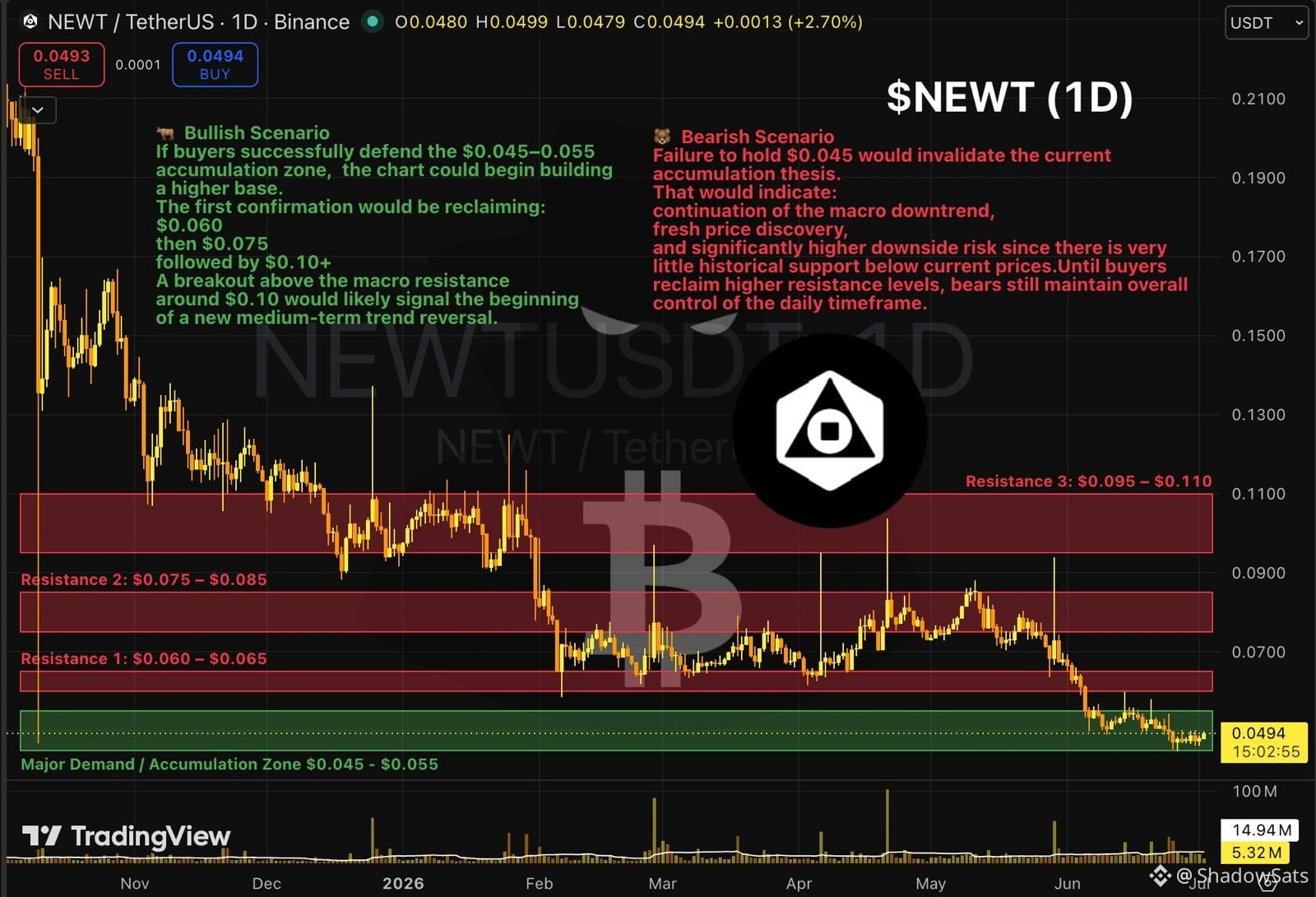
$NEWT は、長期間の継続的な売り圧力の後も、主要な需要/蓄積ゾーン($0.045〜$0.055)の内側で取引を続けています。ボラティリティは圧縮され、出来高も減少しており、売り手の勢いが弱まっている可能性がありますが、日足トレンドは依然として弱気です。
🟢 強気シナリオ:$0.045を上回って維持し、$0.060〜$0.065を奪還すれば、$0.075へ、そして最終的には重要な$0.10のレジスタンスへと道が開けます。
🔴 弱気シナリオ:$0.045のサポートを失うと、蓄積(アキュムレーション)の見立てが無効となり得て、現在の価格の下に強力な過去のサポートがないため、新たな安値につながる可能性があります。
ここでは忍耐が重要です。これは「追いかける」ためのチャートではなく、確認のために監視するチャートです。レジスタンスを高い出来高で上抜けることは、中長期のトレンド反転が進行している最初の意味のあるサインになるでしょう。📈
#newt $NEWT
{future}(NEWTUSDT)
📊 @NewtonProtocol 分析
$NEWT は、長期間の継続的な売り圧力の後も、主要な需要/蓄積ゾーン($0.045〜$0.055)の内側で取引を続けています。ボラティリティは圧縮され、出来高も減少しており、売り手の勢いが弱まっている可能性がありますが、日足トレンドは依然として弱気です。
🟢 強気シナリオ:$0.045を上回って維持し、$0.060〜$0.065を奪還すれば、$0.075へ、そして最終的には重要な$0.10のレジスタンスへと道が開けます。
🔴 弱気シナリオ:$0.045のサポートを失うと、蓄積(アキュムレーション)の見立てが無効となり得て、現在の価格の下に強力な過去のサポートがないため、新たな安値につながる可能性があります。
ここでは忍耐が重要です。これは「追いかける」ためのチャートではなく、確認のために監視するチャートです。レジスタンスを高い出来高で上抜けることは、中長期のトレンド反転が進行している最初の意味のあるサインになるでしょう。📈
#newt $NEWT
$NEWT は、長期間の継続的な売り圧力の後も、主要な需要/蓄積ゾーン($0.045〜$0.055)の内側で取引を続けています。ボラティリティは圧縮され、出来高も減少しており、売り手の勢いが弱まっている可能性がありますが、日足トレンドは依然として弱気です。
🟢 強気シナリオ:$0.045を上回って維持し、$0.060〜$0.065を奪還すれば、$0.075へ、そして最終的には重要な$0.10のレジスタンスへと道が開けます。
🔴 弱気シナリオ:$0.045のサポートを失うと、蓄積(アキュムレーション)の見立てが無効となり得て、現在の価格の下に強力な過去のサポートがないため、新たな安値につながる可能性があります。
ここでは忍耐が重要です。これは「追いかける」ためのチャートではなく、確認のために監視するチャートです。レジスタンスを高い出来高で上抜けることは、中長期のトレンド反転が進行している最初の意味のあるサインになるでしょう。📈
#newt $NEWT
2
119
·
--
ブリッシュ
@OpenGradient テクニカルアップデート (4H)🚨
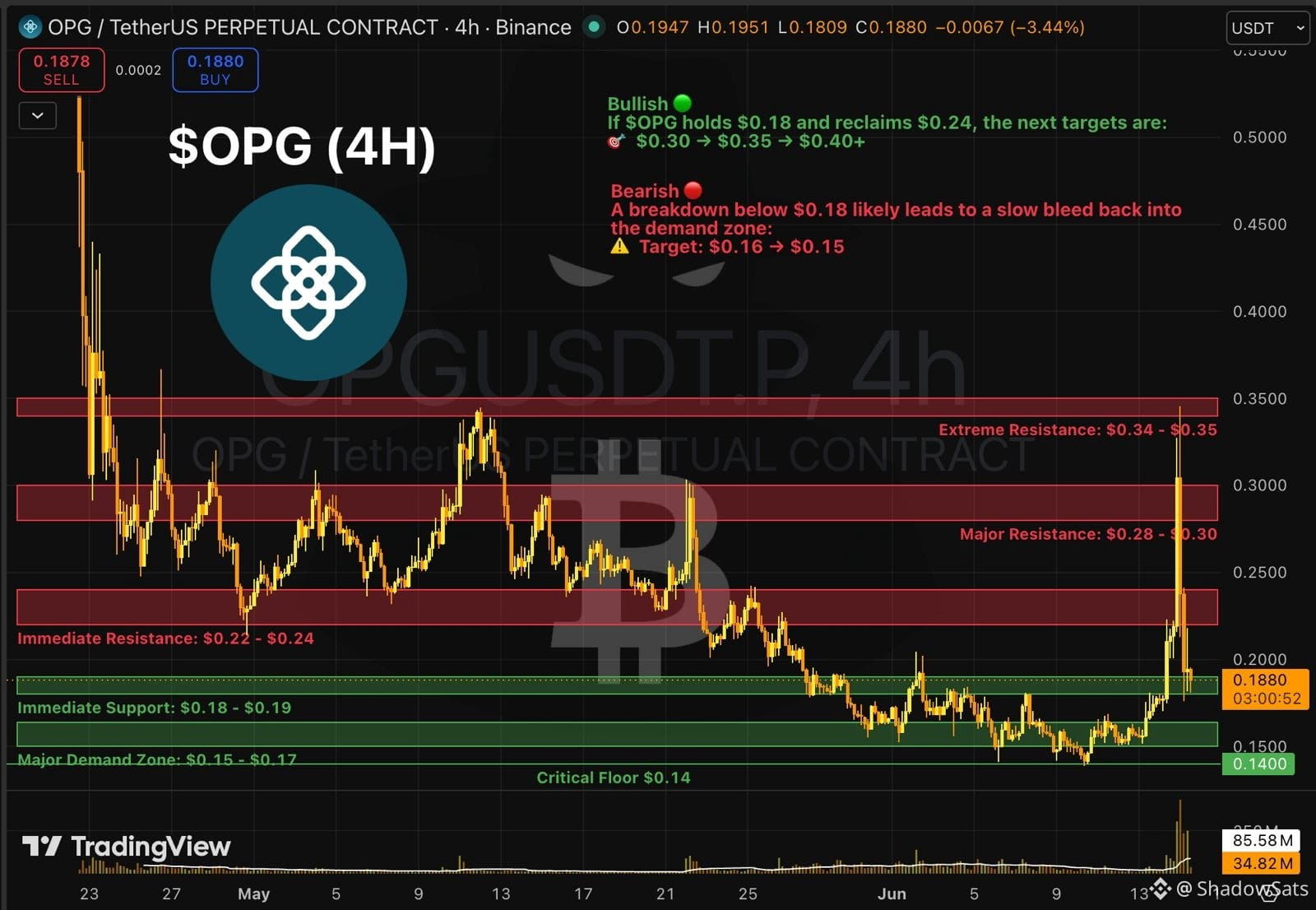
$OPG 最近、記録的なボリュームに支えられた100%のインドラデイ爆発を目撃しました。$0.35での拒否の後、現在は$0.18 - $0.20のピボットゾーンに注目しています。
🟢強気: $0.18を保持し、$0.24を取り戻して$0.35に向かうプッシュを再開。
🔴弱気: $0.18を失うと、$0.15の蓄積フロアへの完全なリトレースメントのリスクがあります。
⚠️現在のバイアス: $0.18のサポートが維持される限り、中立から強気。
#opg $OPG
{future}(OPGUSDT)
@OpenGradient テクニカルアップデート (4H)🚨
$OPG 最近、記録的なボリュームに支えられた100%のインドラデイ爆発を目撃しました。$0.35での拒否の後、現在は$0.18 - $0.20のピボットゾーンに注目しています。
🟢強気: $0.18を保持し、$0.24を取り戻して$0.35に向かうプッシュを再開。
🔴弱気: $0.18を失うと、$0.15の蓄積フロアへの完全なリトレースメントのリスクがあります。
⚠️現在のバイアス: $0.18のサポートが維持される限り、中立から強気。
#opg $OPG
$OPG 最近、記録的なボリュームに支えられた100%のインドラデイ爆発を目撃しました。$0.35での拒否の後、現在は$0.18 - $0.20のピボットゾーンに注目しています。
🟢強気: $0.18を保持し、$0.24を取り戻して$0.35に向かうプッシュを再開。
🔴弱気: $0.18を失うと、$0.15の蓄積フロアへの完全なリトレースメントのリスクがあります。
⚠️現在のバイアス: $0.18のサポートが維持される限り、中立から強気。
#opg $OPG
111
·
--
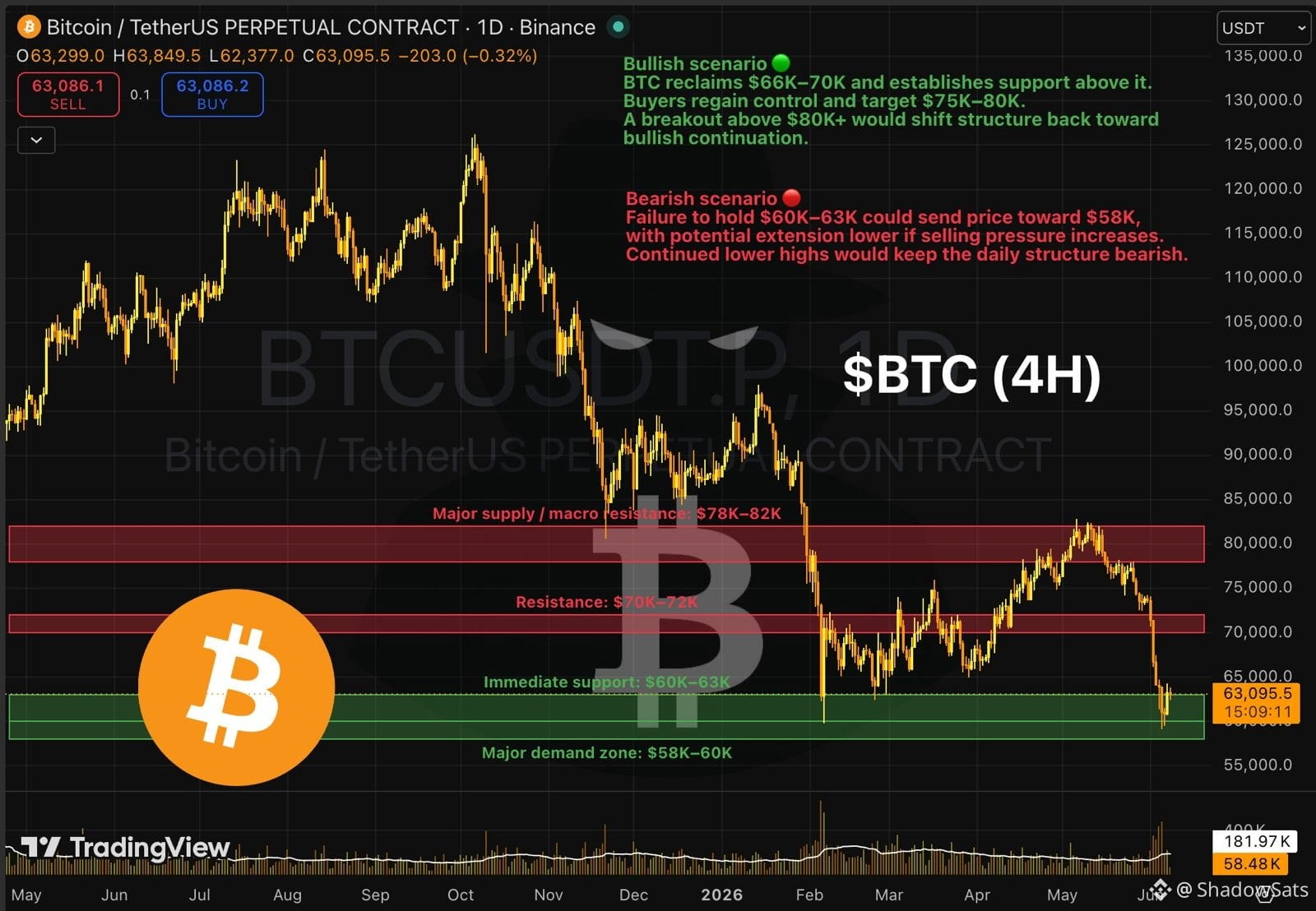
🟣展望: 中立 → 用心深く弱気
$BTC は週末の圧縮レンジに閉じ込められています。
重要なレベル: $60K サポート / $63.5K レジスタンス。
日次クローズ > $63.5K → $65.3Kへのスクイーズを開放。
4時間クローズ < $60K → $55Kの需要ゾーンに向けて急激な動きのリスク。 📉
$BTC #BTC
{future}(BTCUSDT)
🟣展望: 中立 → 用心深く弱気
$BTC は週末の圧縮レンジに閉じ込められています。
重要なレベル: $60K サポート / $63.5K レジスタンス。
日次クローズ > $63.5K → $65.3Kへのスクイーズを開放。
4時間クローズ < $60K → $55Kの需要ゾーンに向けて急激な動きのリスク。 📉
$BTC #BTC
$BTC は週末の圧縮レンジに閉じ込められています。
重要なレベル: $60K サポート / $63.5K レジスタンス。
日次クローズ > $63.5K → $65.3Kへのスクイーズを開放。
4時間クローズ < $60K → $55Kの需要ゾーンに向けて急激な動きのリスク。 📉
$BTC #BTC
89
·
--
🟣アウトルック: 中立(レンジバウンド圧縮)
$BTC はタイトな圧縮レンジに閉じ込められています。
キー水準: $60Kのサポート / $63.5Kのレジスタンス。
ボリュームを伴って$63.5Kをブレイク → $65.3Kに向けたポテンシャルスイング。
4Hクローズが$60K未満 → $55Kの需要ゾーンへの道を開く。📊
$BTC #bitcoin
{future}(BTCUSDT)
🟣アウトルック: 中立(レンジバウンド圧縮)
$BTC はタイトな圧縮レンジに閉じ込められています。
キー水準: $60Kのサポート / $63.5Kのレジスタンス。
ボリュームを伴って$63.5Kをブレイク → $65.3Kに向けたポテンシャルスイング。
4Hクローズが$60K未満 → $55Kの需要ゾーンへの道を開く。📊
$BTC #bitcoin
$BTC はタイトな圧縮レンジに閉じ込められています。
キー水準: $60Kのサポート / $63.5Kのレジスタンス。
ボリュームを伴って$63.5Kをブレイク → $65.3Kに向けたポテンシャルスイング。
4Hクローズが$60K未満 → $55Kの需要ゾーンへの道を開く。📊
$BTC #bitcoin
97
·
--
弱気相場
🔴展望: 中立 → 注意深い弱気
パニック売りは和らいでおり、$60Kが重要なサポートとして維持されています。
FRBの不確実性とETFの流出が市場に圧力をかけ続けています。
より強力なカタリストが現れるまで、価格の動きは上下に揺れる範囲で続くと予想されます。📉
$BTC #bitcoin
{future}(BTCUSDT)
🔴展望: 中立 → 注意深い弱気
パニック売りは和らいでおり、$60Kが重要なサポートとして維持されています。
FRBの不確実性とETFの流出が市場に圧力をかけ続けています。
より強力なカタリストが現れるまで、価格の動きは上下に揺れる範囲で続くと予想されます。📉
$BTC #bitcoin
パニック売りは和らいでおり、$60Kが重要なサポートとして維持されています。
FRBの不確実性とETFの流出が市場に圧力をかけ続けています。
より強力なカタリストが現れるまで、価格の動きは上下に揺れる範囲で続くと予想されます。📉
$BTC #bitcoin
94
·
--
弱気相場
🔴展望: ベアリッシュ(防御的なボトムフィッシング)
売り手が短期的なモメンタムを支配しています。
重要なサポート: $60K–$61.5Kの需要ゾーン。
デイリークローズが$60K未満 → $55Kレンジの安値へ道を開く。
ブルはベアリッシュな構造を無効にするために$65.3Kを取り戻す必要があります。
$BTC #USIranForcesClashHormuzPeaceDealStalls
{future}(BTCUSDT)
🔴展望: ベアリッシュ(防御的なボトムフィッシング)
売り手が短期的なモメンタムを支配しています。
重要なサポート: $60K–$61.5Kの需要ゾーン。
デイリークローズが$60K未満 → $55Kレンジの安値へ道を開く。
ブルはベアリッシュな構造を無効にするために$65.3Kを取り戻す必要があります。
$BTC #USIranForcesClashHormuzPeaceDealStalls
売り手が短期的なモメンタムを支配しています。
重要なサポート: $60K–$61.5Kの需要ゾーン。
デイリークローズが$60K未満 → $55Kレンジの安値へ道を開く。
ブルはベアリッシュな構造を無効にするために$65.3Kを取り戻す必要があります。
$BTC #USIranForcesClashHormuzPeaceDealStalls
125
·
--
🟣展望: ニュートラル(タイトな圧縮)
BTCは狭いレンジ内で統合中。
重要なレベル: $61.5K サポート / $65.3K レジスタンス。
デイリークローズが $65.3K を超えると、$67K への道が開かれる。
$61.5K を割れると、$59K の流動性ゾーンのリテストが可能性大。
$BTC #bitcoin
{future}(BTCUSDT)
🟣展望: ニュートラル(タイトな圧縮)
BTCは狭いレンジ内で統合中。
重要なレベル: $61.5K サポート / $65.3K レジスタンス。
デイリークローズが $65.3K を超えると、$67K への道が開かれる。
$61.5K を割れると、$59K の流動性ゾーンのリテストが可能性大。
$BTC #bitcoin
BTCは狭いレンジ内で統合中。
重要なレベル: $61.5K サポート / $65.3K レジスタンス。
デイリークローズが $65.3K を超えると、$67K への道が開かれる。
$61.5K を割れると、$59K の流動性ゾーンのリテストが可能性大。
$BTC #bitcoin
98
·
--
弱気相場
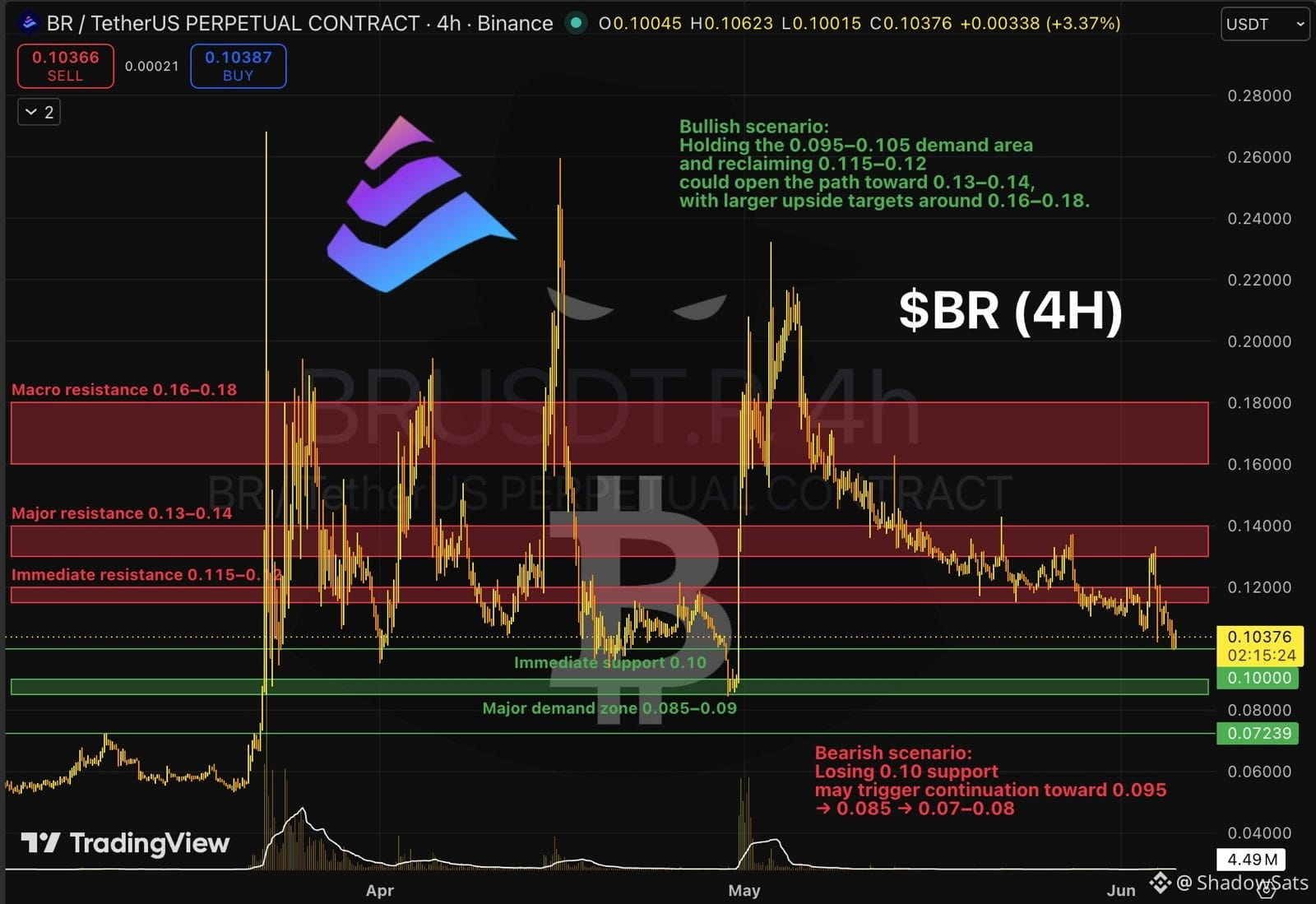
🔴見通し: ベアリッシュ(複数月の需要をテスト中)
週末の流動性は薄く、下落圧力を優先。
重要なサポート: $59.1K–$60Kの心理的フロア。
4Hのクローズが$59.1K未満 → $55.5Kの需要に向けてのカスケードが予想される。
ブルは$63.7Kを再取得する強力な動きを必要としており、下落モメンタムを無効化し、ベアトラップを確認する必要がある。
$BTC #USDTMarketCapOvertakesEthereum
{future}(BTCUSDT)
🔴見通し: ベアリッシュ(複数月の需要をテスト中)
週末の流動性は薄く、下落圧力を優先。
重要なサポート: $59.1K–$60Kの心理的フロア。
4Hのクローズが$59.1K未満 → $55.5Kの需要に向けてのカスケードが予想される。
ブルは$63.7Kを再取得する強力な動きを必要としており、下落モメンタムを無効化し、ベアトラップを確認する必要がある。
$BTC #USDTMarketCapOvertakesEthereum
週末の流動性は薄く、下落圧力を優先。
重要なサポート: $59.1K–$60Kの心理的フロア。
4Hのクローズが$59.1K未満 → $55.5Kの需要に向けてのカスケードが予想される。
ブルは$63.7Kを再取得する強力な動きを必要としており、下落モメンタムを無効化し、ベアトラップを確認する必要がある。
$BTC #USDTMarketCapOvertakesEthereum
123
·
--
弱気相場
🔴展望: ニュートラル → ベアリッシュ
マクロ雇用データを前にして市場は静観モード。
主要サポート: $60K–$61.3Kの需要ゾーン。
ボリュームで失うと→ $55Kへの道が開ける。
デイリークローズを取り戻す > $64K → $67.5Kへのショートスクイーズを引き起こす可能性。🚀
$BTC CryptoMarket$1.72B清算済24時間
{future}(BTCUSDT)
🔴展望: ニュートラル → ベアリッシュ
マクロ雇用データを前にして市場は静観モード。
主要サポート: $60K–$61.3Kの需要ゾーン。
ボリュームで失うと→ $55Kへの道が開ける。
デイリークローズを取り戻す > $64K → $67.5Kへのショートスクイーズを引き起こす可能性。🚀
$BTC CryptoMarket$1.72B清算済24時間
マクロ雇用データを前にして市場は静観モード。
主要サポート: $60K–$61.3Kの需要ゾーン。
ボリュームで失うと→ $55Kへの道が開ける。
デイリークローズを取り戻す > $64K → $67.5Kへのショートスクイーズを引き起こす可能性。🚀
$BTC CryptoMarket$1.72B清算済24時間
84
·
--
弱気相場
🔴展望:強気相場
売り手は長期の時間枠で完全にコントロールしています。
重要なサポート:$60K–$61.5K。
これを失うと→ $55Kのマクロ需要への道が開かれます。
ブルは下落圧力を緩和し、ショートカバーを引き起こすために、$67.5Kを取り戻す必要があります。
$BTC #USDollarUpOnInflationFedHawk
{future}(BTCUSDT)
🔴展望:強気相場
売り手は長期の時間枠で完全にコントロールしています。
重要なサポート:$60K–$61.5K。
これを失うと→ $55Kのマクロ需要への道が開かれます。
ブルは下落圧力を緩和し、ショートカバーを引き起こすために、$67.5Kを取り戻す必要があります。
$BTC #USDollarUpOnInflationFedHawk
売り手は長期の時間枠で完全にコントロールしています。
重要なサポート:$60K–$61.5K。
これを失うと→ $55Kのマクロ需要への道が開かれます。
ブルは下落圧力を緩和し、ショートカバーを引き起こすために、$67.5Kを取り戻す必要があります。
$BTC #USDollarUpOnInflationFedHawk
69
·
--
ブリッシュ
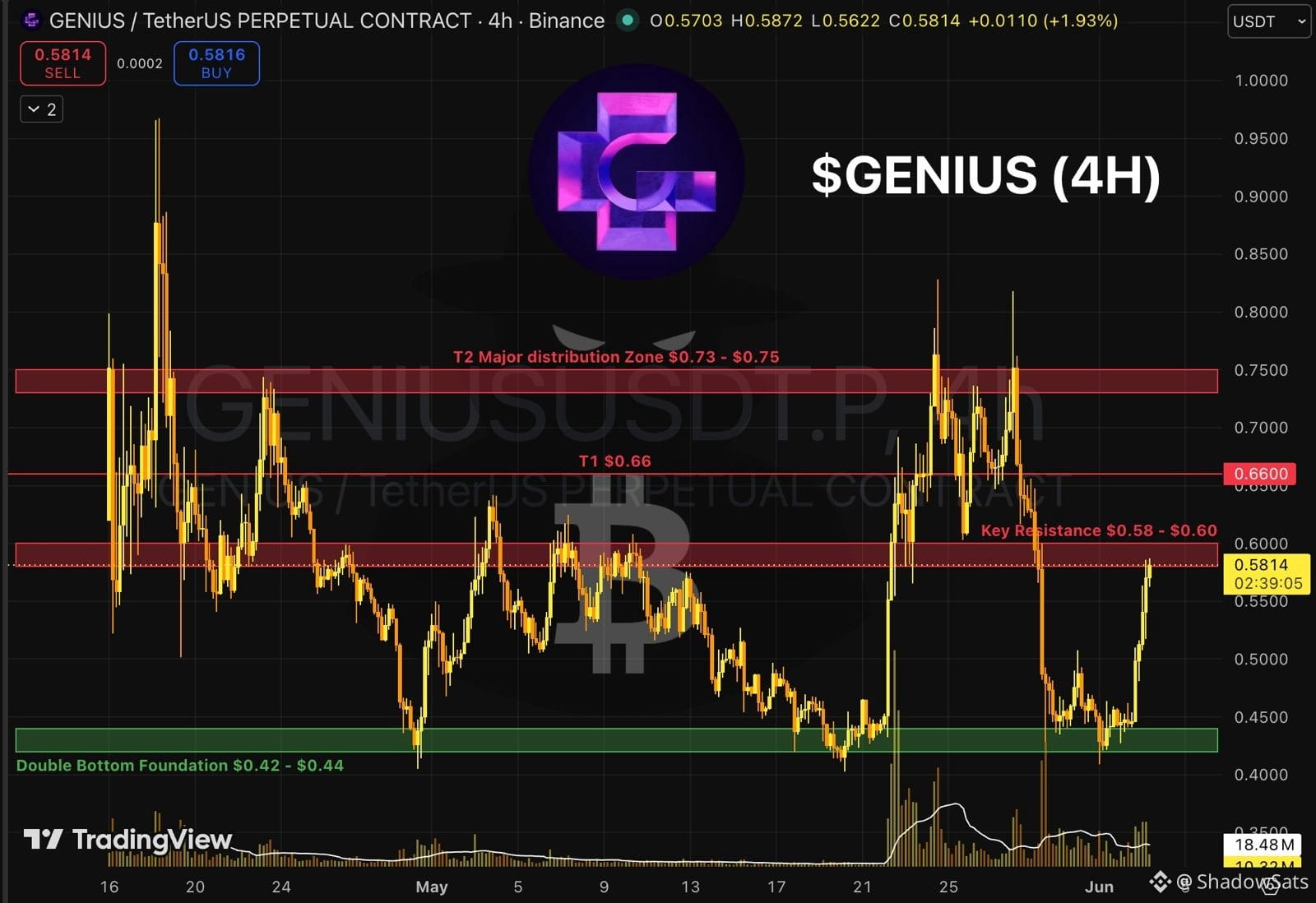
🚀 $GENIUS テクニカル分析: アグレッシブなV字回復が進行中? 🚀
@GeniusOfficial 4Hチャートを見ていると、価格の動きが主要な構造的フロアからの非常にアグレッシブで高ボリュームの反応を示しています。
📊 テクニカルブレイクダウン
ダブルボトムの基盤: $GENIUS は$0.42 - $0.44の需要ゾーンで堅固なサポートを見つけ、過去1週間でクリーンなダブルボトム構造を形成しています。ブルたちはこのレベルを激しく守り、鋭いV字反転を引き起こしました。
ボリュームの流入: 現在の4Hキャンドルは$0.5785に向けて強く押し上げており、目立つ買いボリュームのスパイクに支えられています。これは、機関投資家やモメンタムバイヤーが下落の供給を吸収するために大きく参入していることを示しています。
前方のキー抵抗: 価格は現在、重要な$0.58 - $0.60の水平反転レベルを再テスト中です。ブルたちが$0.60を上回る4Hキャンドルをブレイクしてクローズできれば、ローカルなベア市場構造が公式にブルに転換します。
💡 プレイブック
✅️ターゲット1: $0.66(前回のローカル流動性プール)
✅️ターゲット2: $0.73 - $0.75(主要な分配ゾーン)
🔴無効化: クリーンなデイリークローズが$0.48を下回ると、このアグレッシブなアップサイドのモメンタムは無効になります。
アグレッシブなトレーダーはブレイクアウトの反転を注視していますが、保守的なプレイヤーは$0.52のマイナーテストを待って、よりクリーンなリスク対リワードエントリーを構築するかもしれません。
このスイーズをボリュームが維持できるか見てみましょう!
#genius $GENIUS
{future}(GENIUSUSDT)
🚀 $GENIUS テクニカル分析: アグレッシブなV字回復が進行中? 🚀
@GeniusOfficial 4Hチャートを見ていると、価格の動きが主要な構造的フロアからの非常にアグレッシブで高ボリュームの反応を示しています。
📊 テクニカルブレイクダウン
ダブルボトムの基盤: $GENIUS は$0.42 - $0.44の需要ゾーンで堅固なサポートを見つけ、過去1週間でクリーンなダブルボトム構造を形成しています。ブルたちはこのレベルを激しく守り、鋭いV字反転を引き起こしました。
ボリュームの流入: 現在の4Hキャンドルは$0.5785に向けて強く押し上げており、目立つ買いボリュームのスパイクに支えられています。これは、機関投資家やモメンタムバイヤーが下落の供給を吸収するために大きく参入していることを示しています。
前方のキー抵抗: 価格は現在、重要な$0.58 - $0.60の水平反転レベルを再テスト中です。ブルたちが$0.60を上回る4Hキャンドルをブレイクしてクローズできれば、ローカルなベア市場構造が公式にブルに転換します。
💡 プレイブック
✅️ターゲット1: $0.66(前回のローカル流動性プール)
✅️ターゲット2: $0.73 - $0.75(主要な分配ゾーン)
🔴無効化: クリーンなデイリークローズが$0.48を下回ると、このアグレッシブなアップサイドのモメンタムは無効になります。
アグレッシブなトレーダーはブレイクアウトの反転を注視していますが、保守的なプレイヤーは$0.52のマイナーテストを待って、よりクリーンなリスク対リワードエントリーを構築するかもしれません。
このスイーズをボリュームが維持できるか見てみましょう!
#genius $GENIUS
@GeniusOfficial 4Hチャートを見ていると、価格の動きが主要な構造的フロアからの非常にアグレッシブで高ボリュームの反応を示しています。
📊 テクニカルブレイクダウン
ダブルボトムの基盤: $GENIUS は$0.42 - $0.44の需要ゾーンで堅固なサポートを見つけ、過去1週間でクリーンなダブルボトム構造を形成しています。ブルたちはこのレベルを激しく守り、鋭いV字反転を引き起こしました。
ボリュームの流入: 現在の4Hキャンドルは$0.5785に向けて強く押し上げており、目立つ買いボリュームのスパイクに支えられています。これは、機関投資家やモメンタムバイヤーが下落の供給を吸収するために大きく参入していることを示しています。
前方のキー抵抗: 価格は現在、重要な$0.58 - $0.60の水平反転レベルを再テスト中です。ブルたちが$0.60を上回る4Hキャンドルをブレイクしてクローズできれば、ローカルなベア市場構造が公式にブルに転換します。
💡 プレイブック
✅️ターゲット1: $0.66(前回のローカル流動性プール)
✅️ターゲット2: $0.73 - $0.75(主要な分配ゾーン)
🔴無効化: クリーンなデイリークローズが$0.48を下回ると、このアグレッシブなアップサイドのモメンタムは無効になります。
アグレッシブなトレーダーはブレイクアウトの反転を注視していますが、保守的なプレイヤーは$0.52のマイナーテストを待って、よりクリーンなリスク対リワードエントリーを構築するかもしれません。
このスイーズをボリュームが維持できるか見てみましょう!
#genius $GENIUS
2
2
109
·
--
弱気相場
🔴見通し: ベアリッシュ(短期的な統合)
売り手は高い時間枠でコントロールを維持しています。
重要なサポート: $70K–$70.7K。
これをボリュームで失うと→おそらく$68K中間の需要までスイープされるでしょう。
ブルは下降トレンドを無効化するために、$73.7Kを取り戻す必要があります。
$BTC ビットコインが$71Kを下回る
{future}(BTCUSDT)
🔴見通し: ベアリッシュ(短期的な統合)
売り手は高い時間枠でコントロールを維持しています。
重要なサポート: $70K–$70.7K。
これをボリュームで失うと→おそらく$68K中間の需要までスイープされるでしょう。
ブルは下降トレンドを無効化するために、$73.7Kを取り戻す必要があります。
$BTC ビットコインが$71Kを下回る
売り手は高い時間枠でコントロールを維持しています。
重要なサポート: $70K–$70.7K。
これをボリュームで失うと→おそらく$68K中間の需要までスイープされるでしょう。
ブルは下降トレンドを無効化するために、$73.7Kを取り戻す必要があります。
$BTC ビットコインが$71Kを下回る
165
ログインして、さらにコンテンツを読む
厳選トピックで世界の暗号資産トレーダーの仲間入り
⚡️ 暗号資産に関する最新かつ有益な情報が見つかります。
💬 世界最大の暗号資産取引所から信頼されています。
👍 認証を受けたクリエイターから、有益なインサイトを得られます。
メール / 電話番号
トレンドトピック
BNBSurpasses$790
閲覧回数 20,513
150人が討論中
$BNB 戦略的なロングプラン -> 今すぐFOCUS
BNBは内部の流動性を取り込んだ後、強い安値を2つ作りました
$815-$830のスイングハイ方向への動きを見込んでおり、グリーンボックスのリテストでロングを狙っています
#BNBSurpasses$790 #bnb
Ghost Writer
·いいね:6件
·閲覧回数 11.8k
ZamaRises15.99%ToIntradayHigh$0.09
閲覧回数 18,570
106人が討論中
BitcoinSpotETFsDraw$6.34BInflowsInQ3
閲覧回数 6,218
92人が討論中