

Alpha Structure
485 投稿

Alpha Structure
報告
ユーザーをブロック
Tracking BTC & Altcoin Markets
Daily Calls • Structure • Narratives
Charts | Signals | Alpha
17 フォロー
71 フォロワー
283 いいね
投稿
ポートフォリオ
すべて
引用
動画
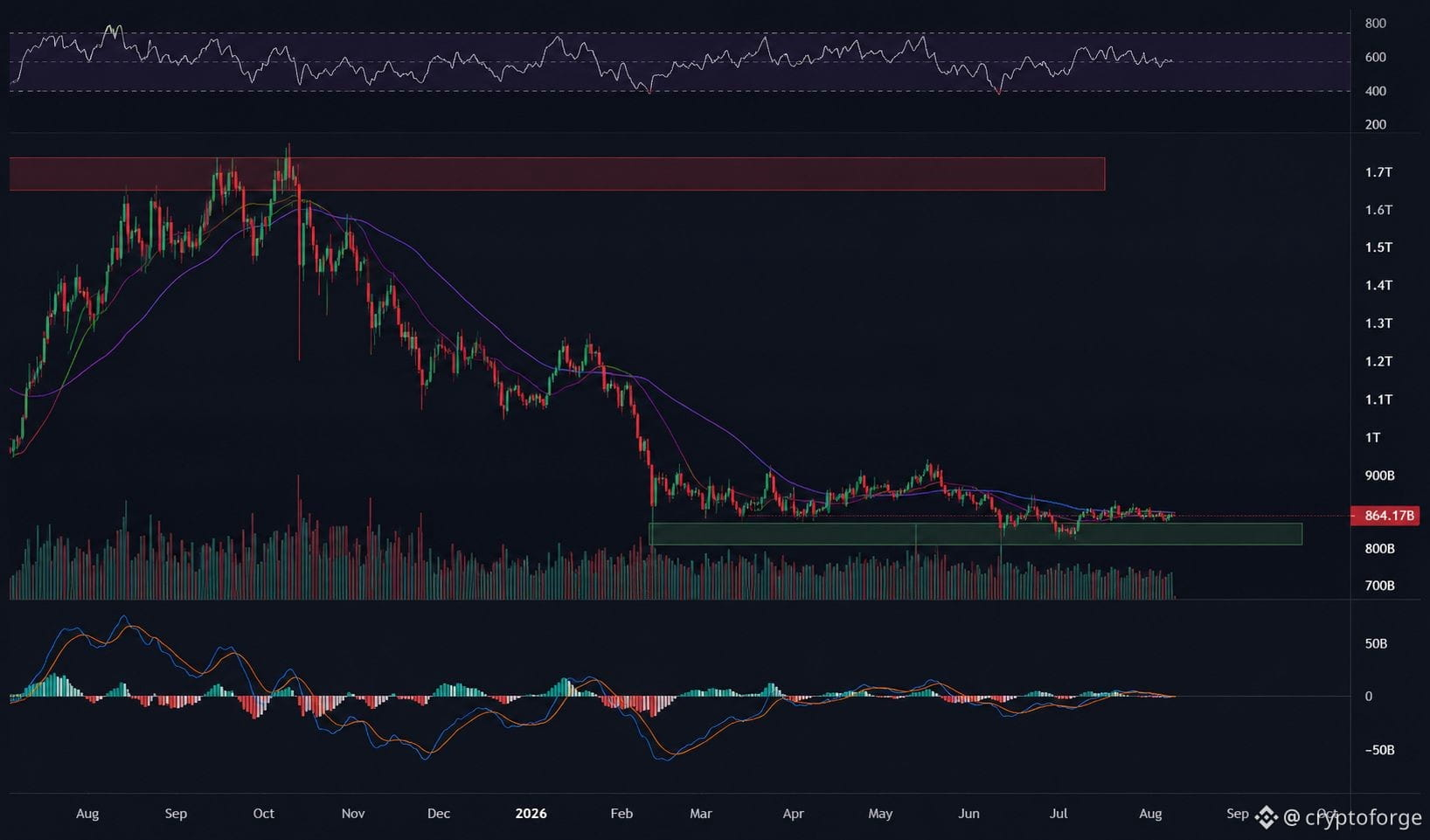
7月以降、アルトコイン市場の時価総額合計は横ばいで推移しており、全体として勢いはほとんど見られません。
#altcoins
7月以降、アルトコイン市場の時価総額合計は横ばいで推移しており、全体として勢いはほとんど見られません。
#altcoins
#altcoins
1
97
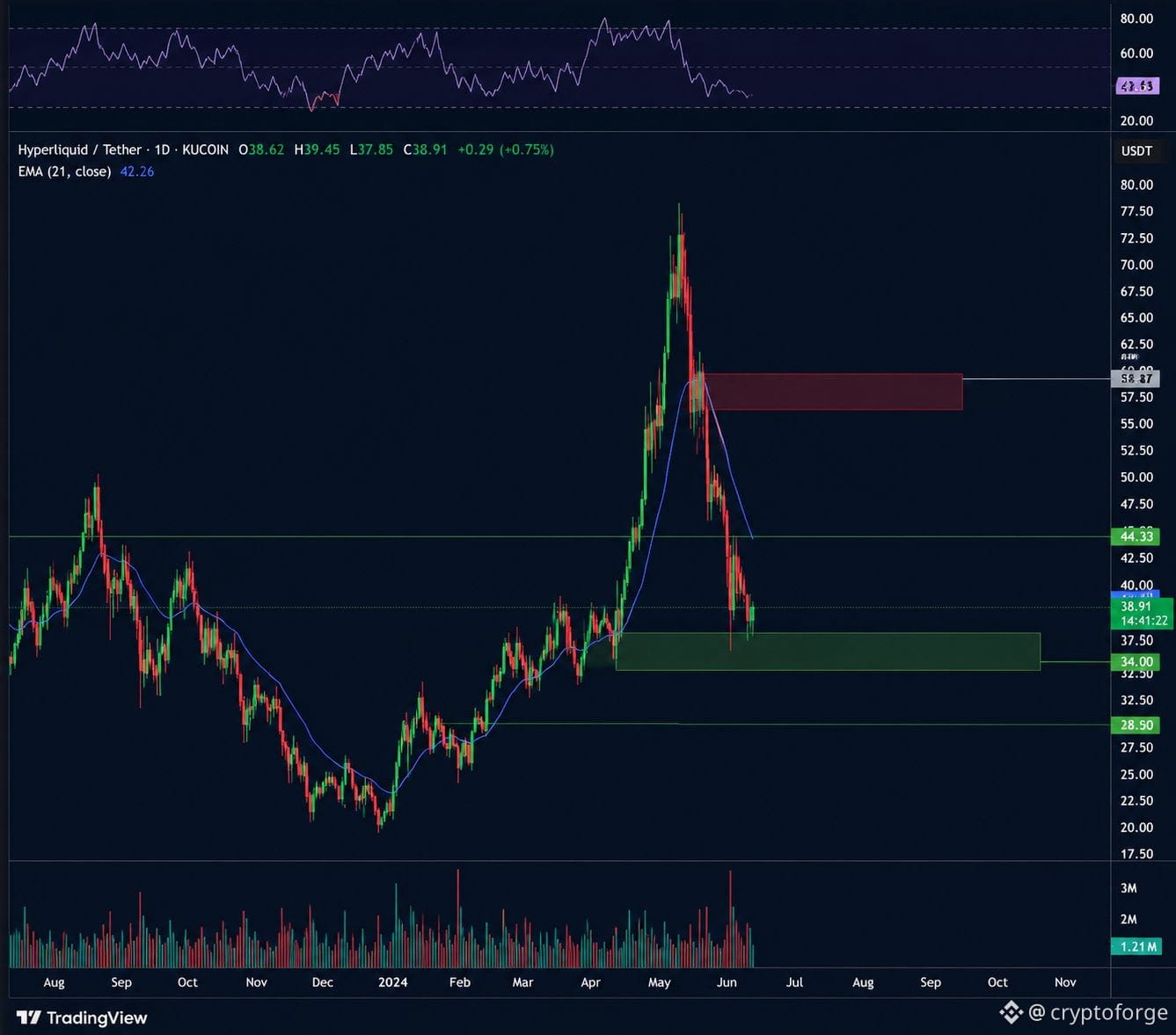
🔥 $HYPE がチャートの重要なエリアに近づいています。
今のところ、主な焦点は上方のレジスタンスゾーンです。そのレベルをクリーンにブレイクすることができれば、モメンタムが戻ってきた重要なシグナルになります。
同時に、最近の修正後、価格は多くのトレーダーが注視しているエリアに戻ってきています。
全体的な状況はまだビットコイン次第です。
もし#ビットコインがコンソリデートを始め、市場の状況が安定すれば、資本は最初に最も強いセットアップに戻る可能性が高いです。
これまでの相対的な強さに基づけば、$HYPE はウォッチリストに入れておく価値のあるアセットの一つかもしれません。
今のところ、バイヤーがそのレジスタンスを取り戻し、サポートに変えることができるかどうかがカギです。
#hype #bitcoin #BTC #crypto #altcoins
{future}(HYPEUSDT)
🔥 $HYPE がチャートの重要なエリアに近づいています。
今のところ、主な焦点は上方のレジスタンスゾーンです。そのレベルをクリーンにブレイクすることができれば、モメンタムが戻ってきた重要なシグナルになります。
同時に、最近の修正後、価格は多くのトレーダーが注視しているエリアに戻ってきています。
全体的な状況はまだビットコイン次第です。
もし#ビットコインがコンソリデートを始め、市場の状況が安定すれば、資本は最初に最も強いセットアップに戻る可能性が高いです。
これまでの相対的な強さに基づけば、$HYPE はウォッチリストに入れておく価値のあるアセットの一つかもしれません。
今のところ、バイヤーがそのレジスタンスを取り戻し、サポートに変えることができるかどうかがカギです。
#hype #bitcoin #BTC #crypto #altcoins
今のところ、主な焦点は上方のレジスタンスゾーンです。そのレベルをクリーンにブレイクすることができれば、モメンタムが戻ってきた重要なシグナルになります。
同時に、最近の修正後、価格は多くのトレーダーが注視しているエリアに戻ってきています。
全体的な状況はまだビットコイン次第です。
もし#ビットコインがコンソリデートを始め、市場の状況が安定すれば、資本は最初に最も強いセットアップに戻る可能性が高いです。
これまでの相対的な強さに基づけば、$HYPE はウォッチリストに入れておく価値のあるアセットの一つかもしれません。
今のところ、バイヤーがそのレジスタンスを取り戻し、サポートに変えることができるかどうかがカギです。
#hype #bitcoin #BTC #crypto #altcoins
1
2
222
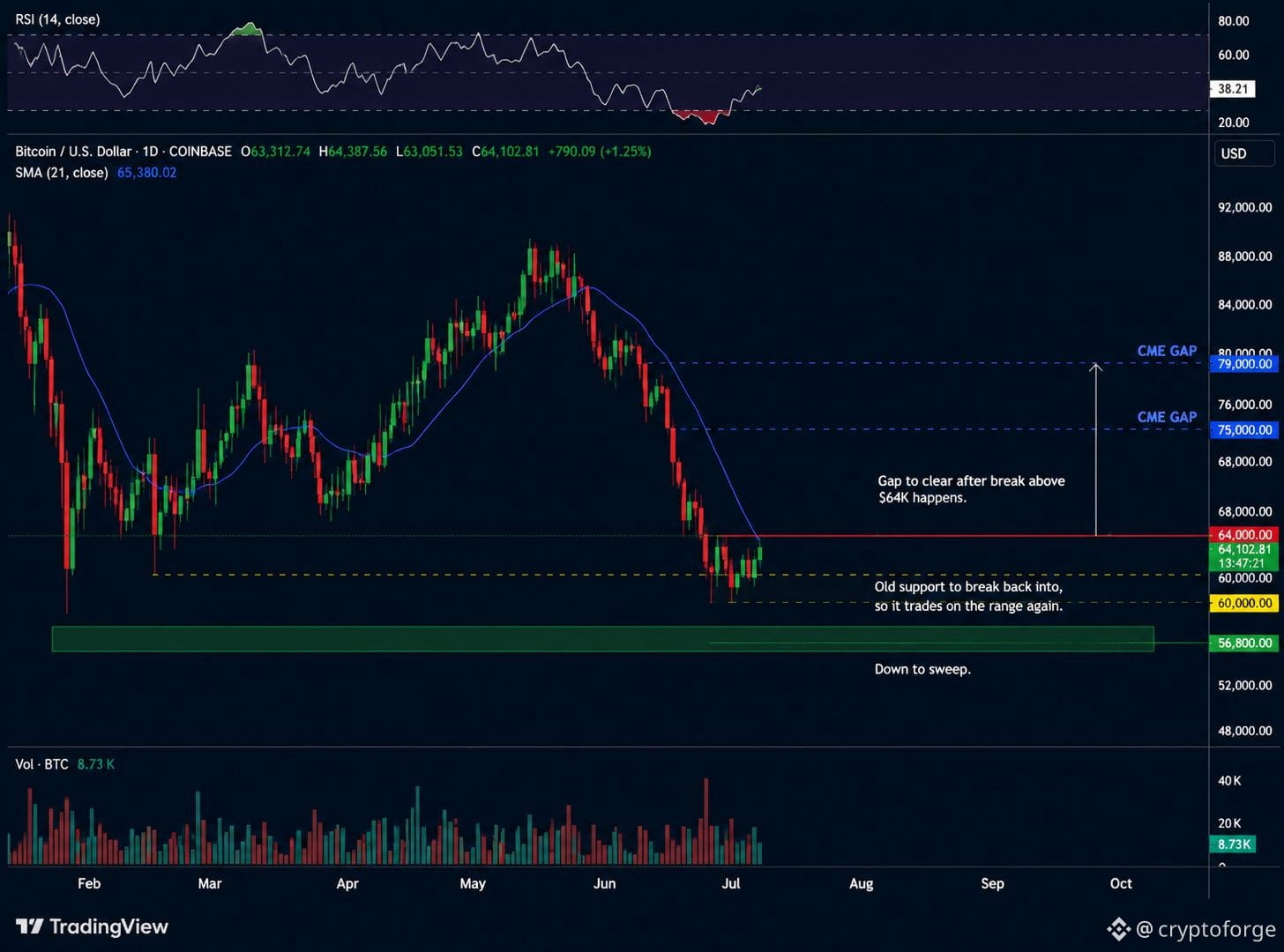
🚨 $BTC は重要なレベルの間に閉じ込められており、今のところ市場は明確なブレイクアウトを待っています。
価格は決定的な動きをする前にモメンタムを構築するためにもっと時間が必要です。
私が最も注目しているレベルは$64Kです。
ビットコインがそのエリアを取り戻し、保持できれば、CMEギャップ周辺の高流動性ゾーンへ向かう動きが開かれる可能性があります:
• $75K
• $79K
そのような動きは全体的な市場のセンチメントを改善し、最近見られた下落圧力を軽減する可能性があります。
しかし今のところ、根本的には何も変わっていません。
ビットコインはまだ主要なレジスタンスエリアの下にあり、トレーダーが持続的なトレンド反転について自信を持って話すには回復すべき地面がたくさん残っています。
忍耐が鍵です。
#BTC #CryptoMarket #trading #TechnicalAnalysis
{spot}(BTCUSDT)
🚨 $BTC は重要なレベルの間に閉じ込められており、今のところ市場は明確なブレイクアウトを待っています。
価格は決定的な動きをする前にモメンタムを構築するためにもっと時間が必要です。
私が最も注目しているレベルは$64Kです。
ビットコインがそのエリアを取り戻し、保持できれば、CMEギャップ周辺の高流動性ゾーンへ向かう動きが開かれる可能性があります:
• $75K
• $79K
そのような動きは全体的な市場のセンチメントを改善し、最近見られた下落圧力を軽減する可能性があります。
しかし今のところ、根本的には何も変わっていません。
ビットコインはまだ主要なレジスタンスエリアの下にあり、トレーダーが持続的なトレンド反転について自信を持って話すには回復すべき地面がたくさん残っています。
忍耐が鍵です。
#BTC #CryptoMarket #trading #TechnicalAnalysis
価格は決定的な動きをする前にモメンタムを構築するためにもっと時間が必要です。
私が最も注目しているレベルは$64Kです。
ビットコインがそのエリアを取り戻し、保持できれば、CMEギャップ周辺の高流動性ゾーンへ向かう動きが開かれる可能性があります:
• $75K
• $79K
そのような動きは全体的な市場のセンチメントを改善し、最近見られた下落圧力を軽減する可能性があります。
しかし今のところ、根本的には何も変わっていません。
ビットコインはまだ主要なレジスタンスエリアの下にあり、トレーダーが持続的なトレンド反転について自信を持って話すには回復すべき地面がたくさん残っています。
忍耐が鍵です。
#BTC #CryptoMarket #trading #TechnicalAnalysis
2
1
225
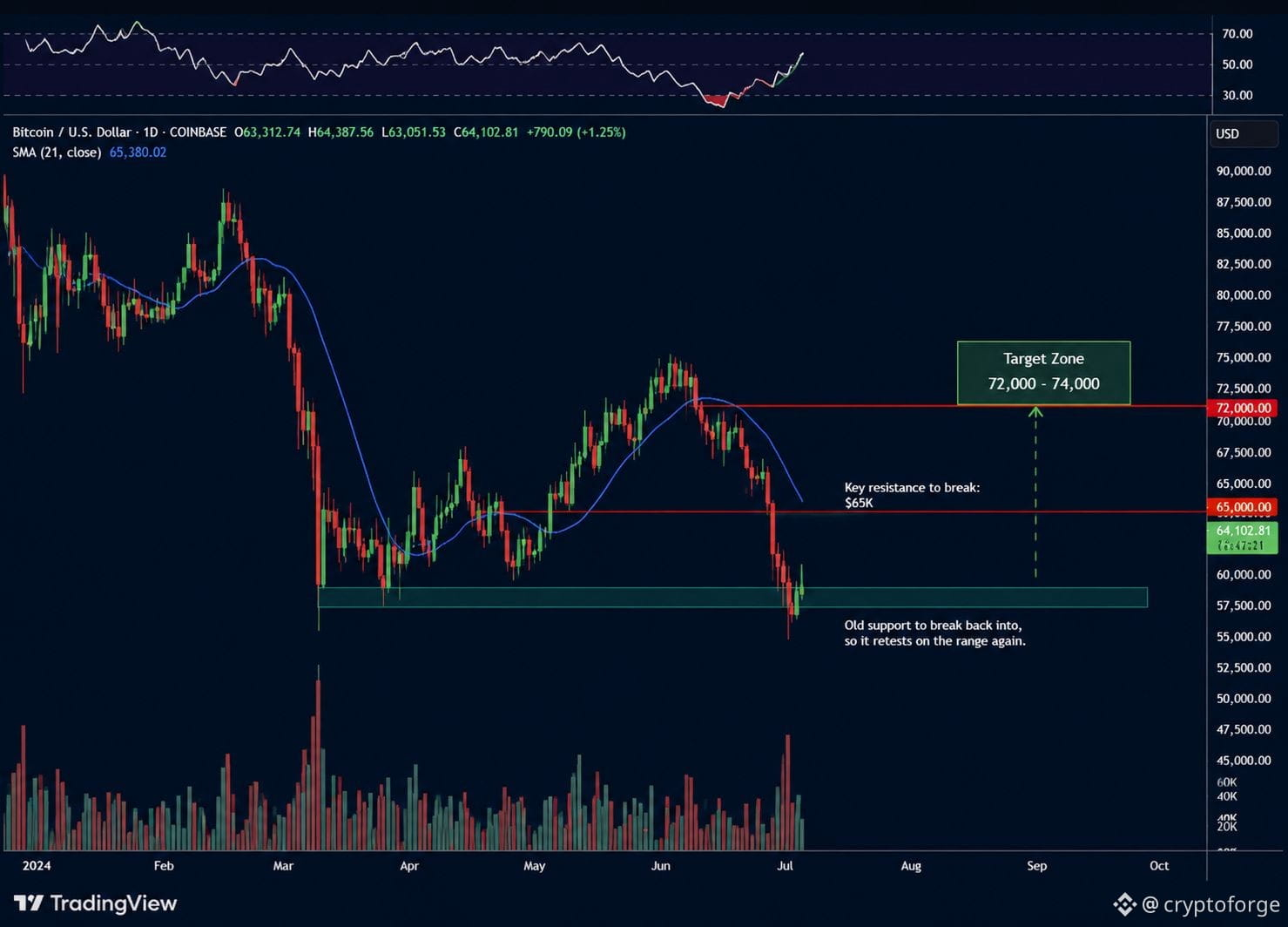
📈 $BTC は現在$65Kの地域のすぐ下で停滞しており、これは今のところチャート上で最も重要な抵抗レベルの一つです。
今年の初めには、同じエリアが2月の急落後に主要なサポートとして機能しました。今、価格は下からそれをテストしています。
もしビットコインが$65Kを取り戻し、維持できれば、次の主要な注目エリアはすぐに$72K-$74K範囲にシフトする可能性があります。
これまでのところ、最近の修正後の市場反応は、主要な構造的崩壊よりも恐怖とポジショニングによって主に動かされているように感じます。
だからこそ、多くのトレーダーがこのレベルを注意深く見守っています。
クリーンなブレイクアウトがあれば、市場全体のセンチメントが非常に迅速に改善されるかもしれません。
#BTC #crypto #bitcoin #trading
{spot}(BTCUSDT)
📈 $BTC は現在$65Kの地域のすぐ下で停滞しており、これは今のところチャート上で最も重要な抵抗レベルの一つです。
今年の初めには、同じエリアが2月の急落後に主要なサポートとして機能しました。今、価格は下からそれをテストしています。
もしビットコインが$65Kを取り戻し、維持できれば、次の主要な注目エリアはすぐに$72K-$74K範囲にシフトする可能性があります。
これまでのところ、最近の修正後の市場反応は、主要な構造的崩壊よりも恐怖とポジショニングによって主に動かされているように感じます。
だからこそ、多くのトレーダーがこのレベルを注意深く見守っています。
クリーンなブレイクアウトがあれば、市場全体のセンチメントが非常に迅速に改善されるかもしれません。
#BTC #crypto #bitcoin #trading
今年の初めには、同じエリアが2月の急落後に主要なサポートとして機能しました。今、価格は下からそれをテストしています。
もしビットコインが$65Kを取り戻し、維持できれば、次の主要な注目エリアはすぐに$72K-$74K範囲にシフトする可能性があります。
これまでのところ、最近の修正後の市場反応は、主要な構造的崩壊よりも恐怖とポジショニングによって主に動かされているように感じます。
だからこそ、多くのトレーダーがこのレベルを注意深く見守っています。
クリーンなブレイクアウトがあれば、市場全体のセンチメントが非常に迅速に改善されるかもしれません。
#BTC #crypto #bitcoin #trading
2
1
180
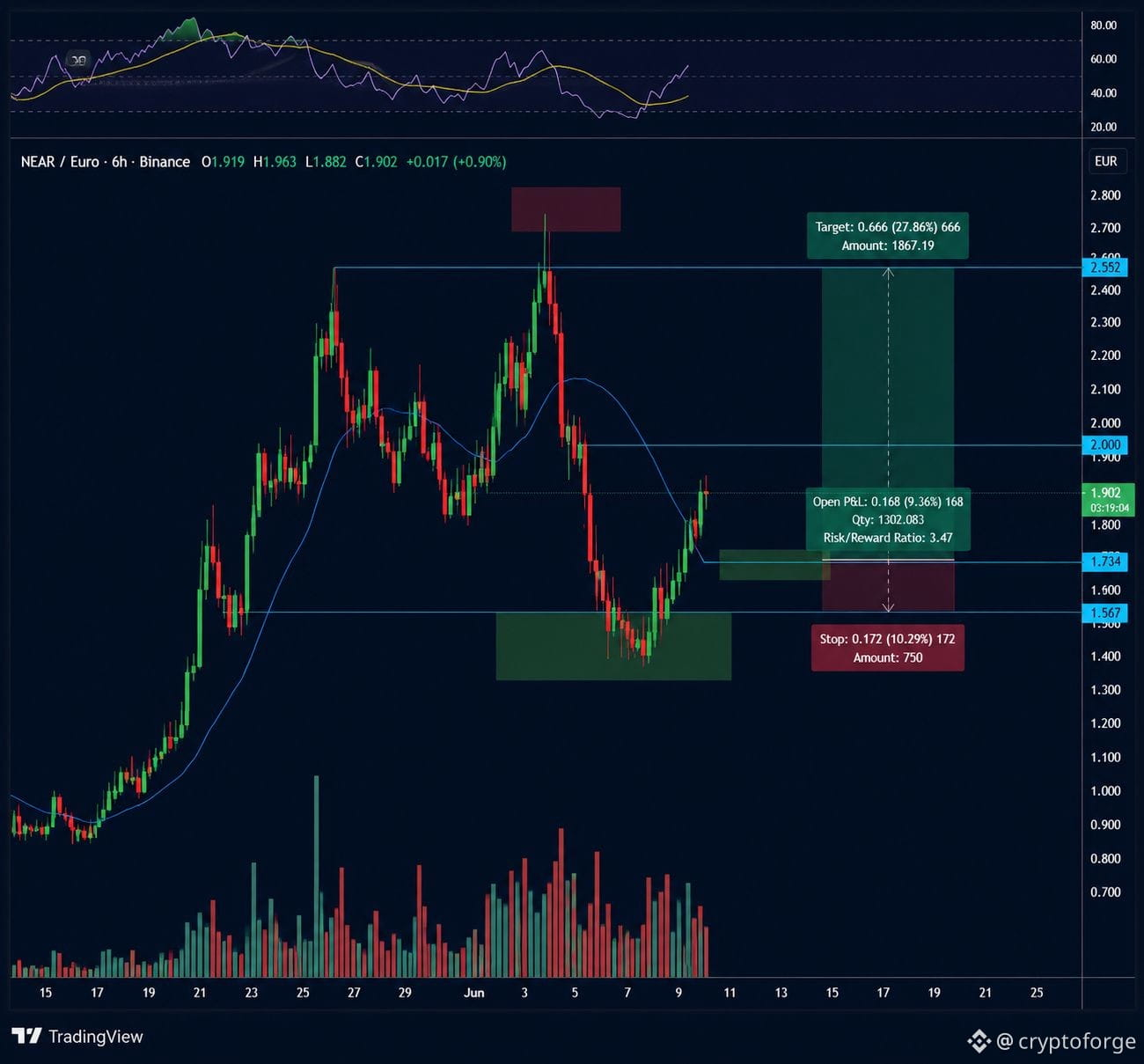
⚡ 現在、市場全体でデイトレーディングのチャンスがまだたくさんありますし、$NEAR は強力なセットアップの一つとして目立っています。最近の反発の後、次の数日間に短期的な修正または統合フェーズを観察したいと思います。その後、再び強力な継続セットアップを狙う予定です。焦点は相対的な強さにあります。私にとって、$NEAR、$ONDO、$HYPE のようなプロジェクトは、市場の構造が改善され続けるならば密に注視すべき資産の一つです。現在のところ、市場は単にもう一度最近の高値を目指す前に、より高い安値を形成しているかもしれません。ビットコインが安定していれば、より強いアルトコインのモメンタムが次の1-2週間で急速に戻ってくる可能性があります。ここでは忍耐とタイミングが最も重要です。#Near #ONDO #hype #BTC #trading {spot}(NEARUSDT)
⚡ 現在、市場全体でデイトレーディングのチャンスがまだたくさんありますし、$NEAR は強力なセットアップの一つとして目立っています。最近の反発の後、次の数日間に短期的な修正または統合フェーズを観察したいと思います。その後、再び強力な継続セットアップを狙う予定です。焦点は相対的な強さにあります。私にとって、$NEAR 、$ONDO、$HYPE のようなプロジェクトは、市場の構造が改善され続けるならば密に注視すべき資産の一つです。現在のところ、市場は単にもう一度最近の高値を目指す前に、より高い安値を形成しているかもしれません。ビットコインが安定していれば、より強いアルトコインのモメンタムが次の1-2週間で急速に戻ってくる可能性があります。ここでは忍耐とタイミングが最も重要です。#Near #ONDO #hype #BTC #trading
2
2
251
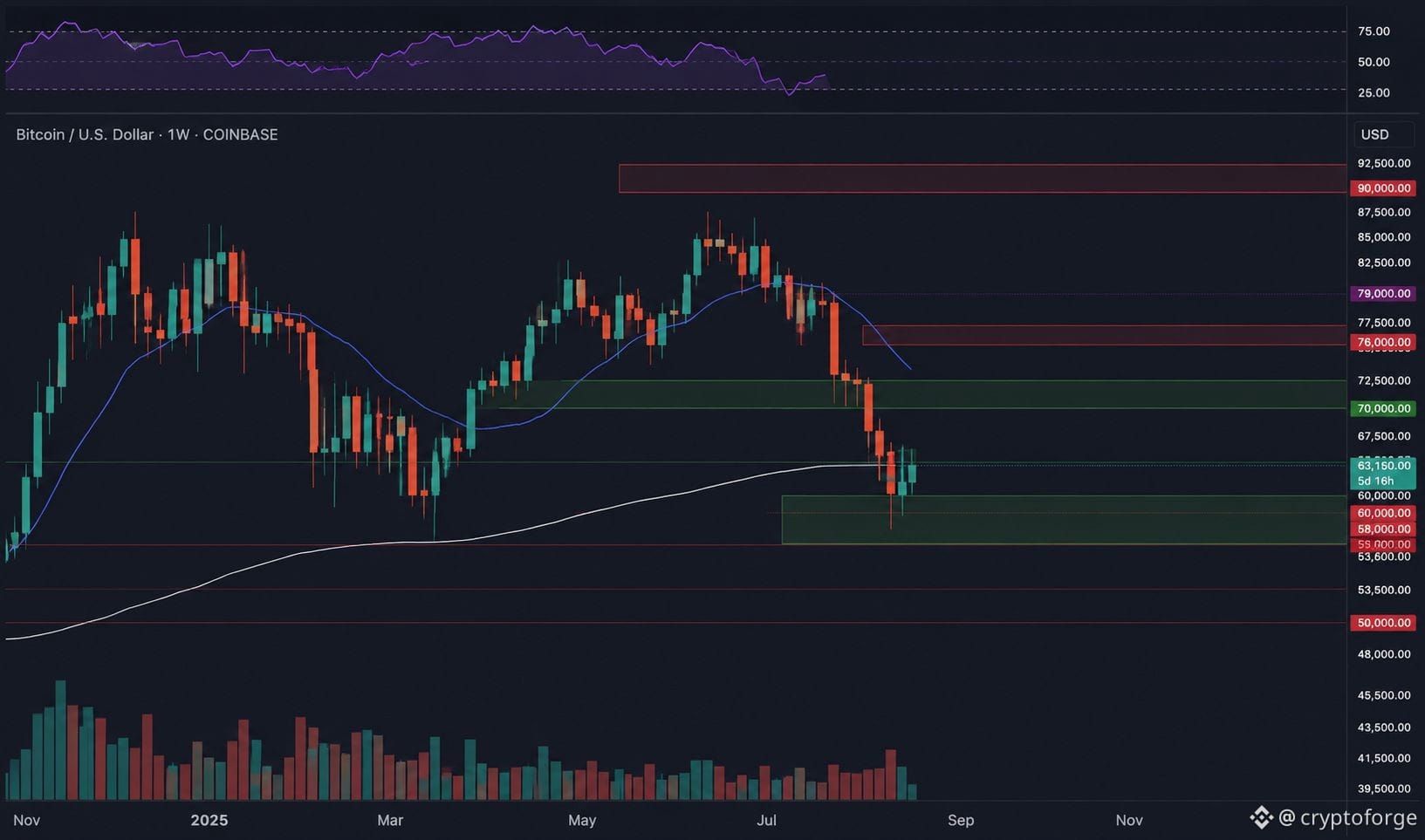
🚨 $BTC は今、重要な決断のポイントにいます。
価格は200週移動平均線から反発しましたが、本当のテストはまだ先です。
$64K–$65Kゾーンが重要です。
これを取り戻せば、$71.5K–$73Kに向けての動きができるかもしれませんし、$79K近くのCMEギャップも狙えます。
もし失敗すれば、大きなトレンドが出る前に、もっと横ばいの構造が続くと予想されます。
マクロ条件と機関投資家のフローはまだ影響しているので、ここでは予測よりも確認が重要です。
#bitcoin #crypto #BTC #BinanceSquare
{spot}(BTCUSDT)
🚨 $BTC は今、重要な決断のポイントにいます。
価格は200週移動平均線から反発しましたが、本当のテストはまだ先です。
$64K–$65Kゾーンが重要です。
これを取り戻せば、$71.5K–$73Kに向けての動きができるかもしれませんし、$79K近くのCMEギャップも狙えます。
もし失敗すれば、大きなトレンドが出る前に、もっと横ばいの構造が続くと予想されます。
マクロ条件と機関投資家のフローはまだ影響しているので、ここでは予測よりも確認が重要です。
#bitcoin #crypto #BTC #BinanceSquare
価格は200週移動平均線から反発しましたが、本当のテストはまだ先です。
$64K–$65Kゾーンが重要です。
これを取り戻せば、$71.5K–$73Kに向けての動きができるかもしれませんし、$79K近くのCMEギャップも狙えます。
もし失敗すれば、大きなトレンドが出る前に、もっと横ばいの構造が続くと予想されます。
マクロ条件と機関投資家のフローはまだ影響しているので、ここでは予測よりも確認が重要です。
#bitcoin #crypto #BTC #BinanceSquare
1
1
108
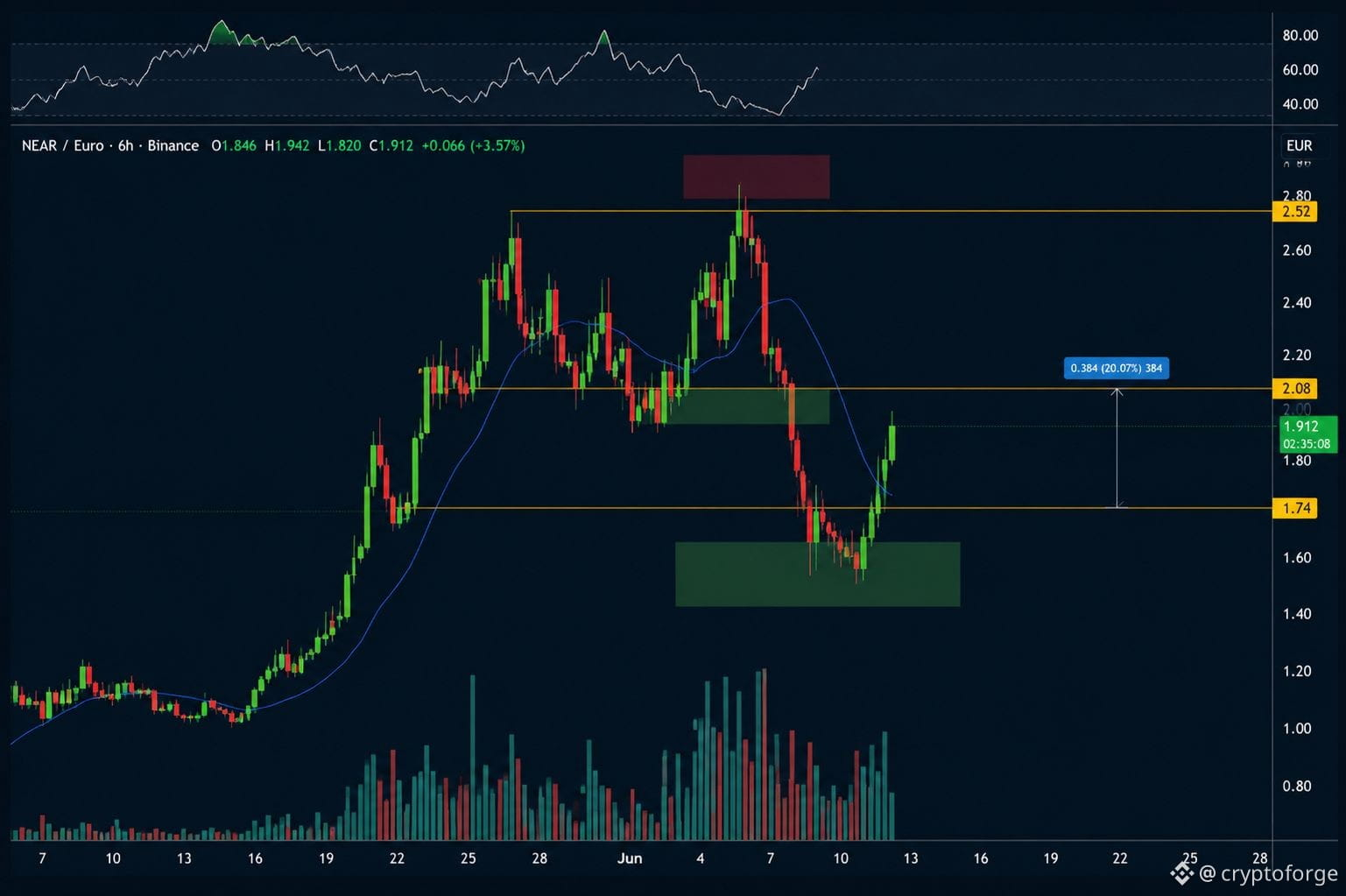
🔥 強い資産は市場の状況が安定すると、より早く回復する傾向があります。
$NEAR は最近の安値から約20%上昇しており、多くの他のアルトコインはまだ意味のある反発を生み出すのに苦労しています。
その相対的な強さには注目する価値があります。
もし#ビットコインが$65Kの領域を取り戻し、それを維持できれば、より広いアルトコイン市場全体のモメンタムが迅速に改善する可能性があります。
そのシナリオでは、$NEAR はトレーダーが引き続き注視することを期待するプロジェクトの一つであり、いくつかの他のAI関連の名前とともに注目されるでしょう。
現時点では、ビットコインが全体の市場の方向性を決定する主要なドライバーのままです。
#Near #bitcoin #BTC #crypto
{spot}(NEARUSDT)
🔥 強い資産は市場の状況が安定すると、より早く回復する傾向があります。
$NEAR は最近の安値から約20%上昇しており、多くの他のアルトコインはまだ意味のある反発を生み出すのに苦労しています。
その相対的な強さには注目する価値があります。
もし#ビットコインが$65Kの領域を取り戻し、それを維持できれば、より広いアルトコイン市場全体のモメンタムが迅速に改善する可能性があります。
そのシナリオでは、$NEAR はトレーダーが引き続き注視することを期待するプロジェクトの一つであり、いくつかの他のAI関連の名前とともに注目されるでしょう。
現時点では、ビットコインが全体の市場の方向性を決定する主要なドライバーのままです。
#Near #bitcoin #BTC #crypto
$NEAR は最近の安値から約20%上昇しており、多くの他のアルトコインはまだ意味のある反発を生み出すのに苦労しています。
その相対的な強さには注目する価値があります。
もし#ビットコインが$65Kの領域を取り戻し、それを維持できれば、より広いアルトコイン市場全体のモメンタムが迅速に改善する可能性があります。
そのシナリオでは、$NEAR はトレーダーが引き続き注視することを期待するプロジェクトの一つであり、いくつかの他のAI関連の名前とともに注目されるでしょう。
現時点では、ビットコインが全体の市場の方向性を決定する主要なドライバーのままです。
#Near #bitcoin #BTC #crypto
2
1
78
📊 $NEAR の高い時間枠エリアが再び興味深くなってきている。
最近の弱さの大部分は、$ZEC や$BTC の活動に関する市場ポジションと流動性の流れに関連しているようだ。
同時に、NEARに関する長期的なシナリオは本当に弱まっていない。むしろ、セクター全体での開発やAI関連の話題は引き続き注目を集めている。
だから、現在のプルバックは今後数週間で多くの投資家が注視するエリアになるかもしれない。
私は$TAO、$FET、$REZなどの他のAI関連プロジェクトも密接に監視していて、市場のセンチメントが再び安定し始める場合は特にそうだ。
今のところ、ビットコインの統合が市場全体の鍵となる要素だ。
#Near #bitcoin #BTC #Aİ
{spot}(NEARUSDT)
{spot}(ZECUSDT)
📊 $NEAR の高い時間枠エリアが再び興味深くなってきている。
最近の弱さの大部分は、$ZEC や$BTC の活動に関する市場ポジションと流動性の流れに関連しているようだ。
同時に、NEARに関する長期的なシナリオは本当に弱まっていない。むしろ、セクター全体での開発やAI関連の話題は引き続き注目を集めている。
だから、現在のプルバックは今後数週間で多くの投資家が注視するエリアになるかもしれない。
私は$TAO、$FET、$REZなどの他のAI関連プロジェクトも密接に監視していて、市場のセンチメントが再び安定し始める場合は特にそうだ。
今のところ、ビットコインの統合が市場全体の鍵となる要素だ。
#Near #bitcoin #BTC #Aİ
最近の弱さの大部分は、$ZEC や$BTC の活動に関する市場ポジションと流動性の流れに関連しているようだ。
同時に、NEARに関する長期的なシナリオは本当に弱まっていない。むしろ、セクター全体での開発やAI関連の話題は引き続き注目を集めている。
だから、現在のプルバックは今後数週間で多くの投資家が注視するエリアになるかもしれない。
私は$TAO、$FET、$REZなどの他のAI関連プロジェクトも密接に監視していて、市場のセンチメントが再び安定し始める場合は特にそうだ。
今のところ、ビットコインの統合が市場全体の鍵となる要素だ。
#Near #bitcoin #BTC #Aİ
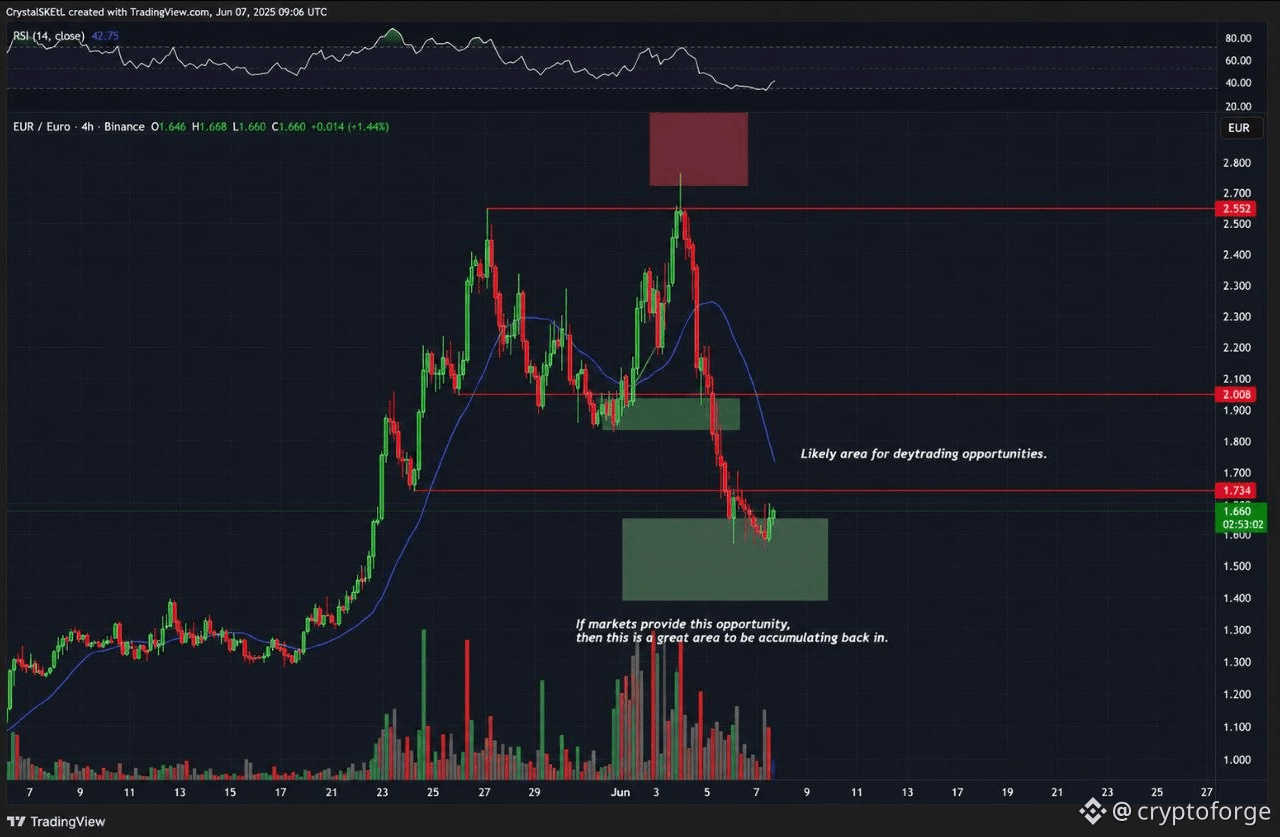
2
2
362
最近の$ZEC 周辺の状況は、私の見解では$NEARに向けて強いナラティブのシフトを生み出しています。
私は大きな$NEAR ポジションを持ち続けており、価格が重要なエリアに戻ってきたので、私は個人的にこのゾーンで追加のアキュムレーションを狙っています。
今のところ、より広い市場の修正は選択的というよりも感情的に感じられ、多くの資産がファンダメンタルズに関係なく下がっています。
そこで潜在的なチャンスが現れ始めます。
ビットコインが安定して再び統合を始めれば、流動性はより強力なアルトコインセットアップに戻る可能性があり、NEARは私が注視しているプロジェクトの一つです。
次の数週間は興味深いものになるでしょう。
#Near #BTC #altcoins #trading #CryptoMarket
{spot}(ZECUSDT)
{spot}(NEARUSDT)
最近の$ZEC 周辺の状況は、私の見解では$NEAR に向けて強いナラティブのシフトを生み出しています。
私は大きな$NEAR ポジションを持ち続けており、価格が重要なエリアに戻ってきたので、私は個人的にこのゾーンで追加のアキュムレーションを狙っています。
今のところ、より広い市場の修正は選択的というよりも感情的に感じられ、多くの資産がファンダメンタルズに関係なく下がっています。
そこで潜在的なチャンスが現れ始めます。
ビットコインが安定して再び統合を始めれば、流動性はより強力なアルトコインセットアップに戻る可能性があり、NEARは私が注視しているプロジェクトの一つです。
次の数週間は興味深いものになるでしょう。
#Near #BTC #altcoins #trading #CryptoMarket
私は大きな$NEAR ポジションを持ち続けており、価格が重要なエリアに戻ってきたので、私は個人的にこのゾーンで追加のアキュムレーションを狙っています。
今のところ、より広い市場の修正は選択的というよりも感情的に感じられ、多くの資産がファンダメンタルズに関係なく下がっています。
そこで潜在的なチャンスが現れ始めます。
ビットコインが安定して再び統合を始めれば、流動性はより強力なアルトコインセットアップに戻る可能性があり、NEARは私が注視しているプロジェクトの一つです。
次の数週間は興味深いものになるでしょう。
#Near #BTC #altcoins #trading #CryptoMarket
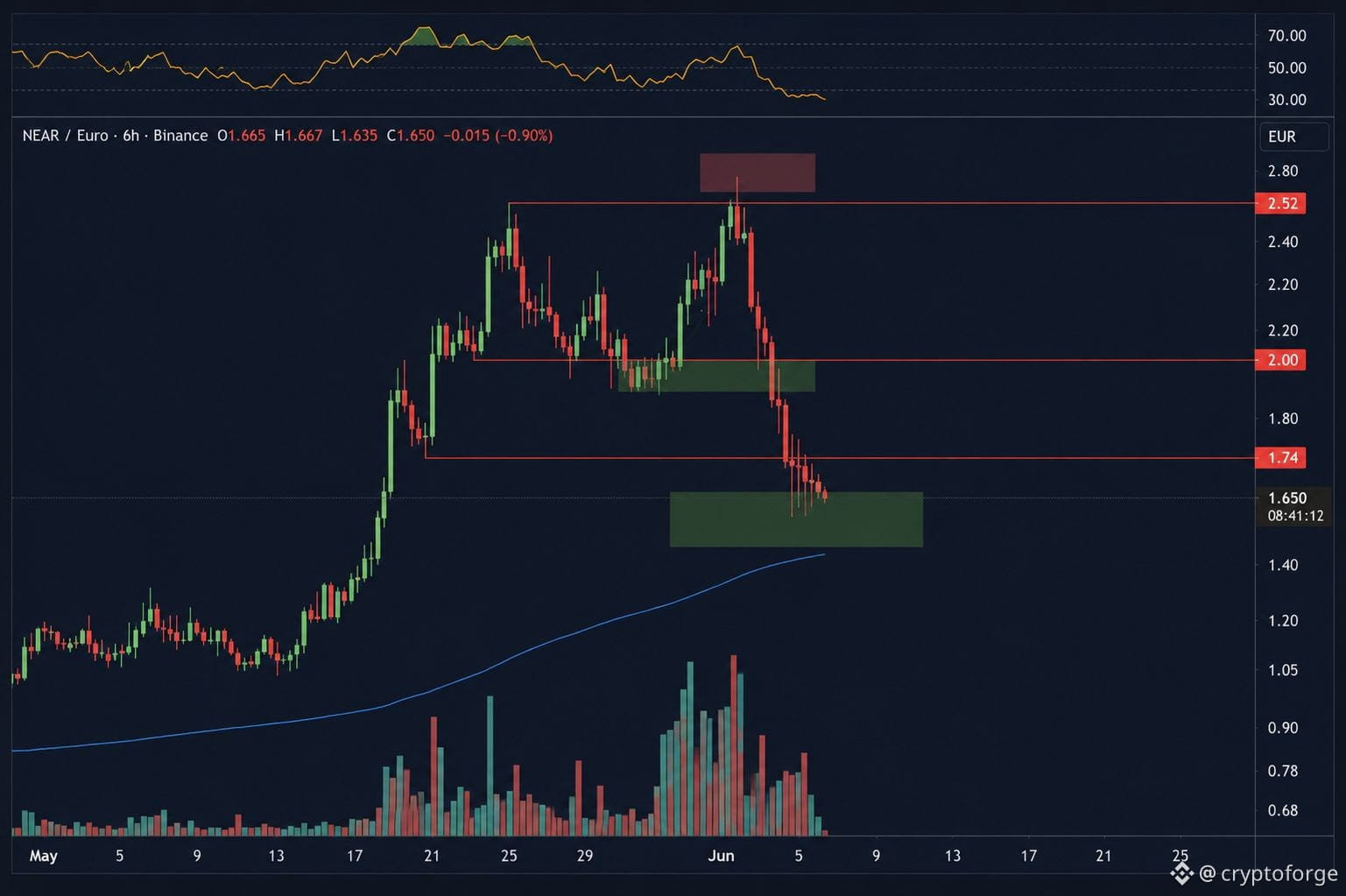
3
1
277
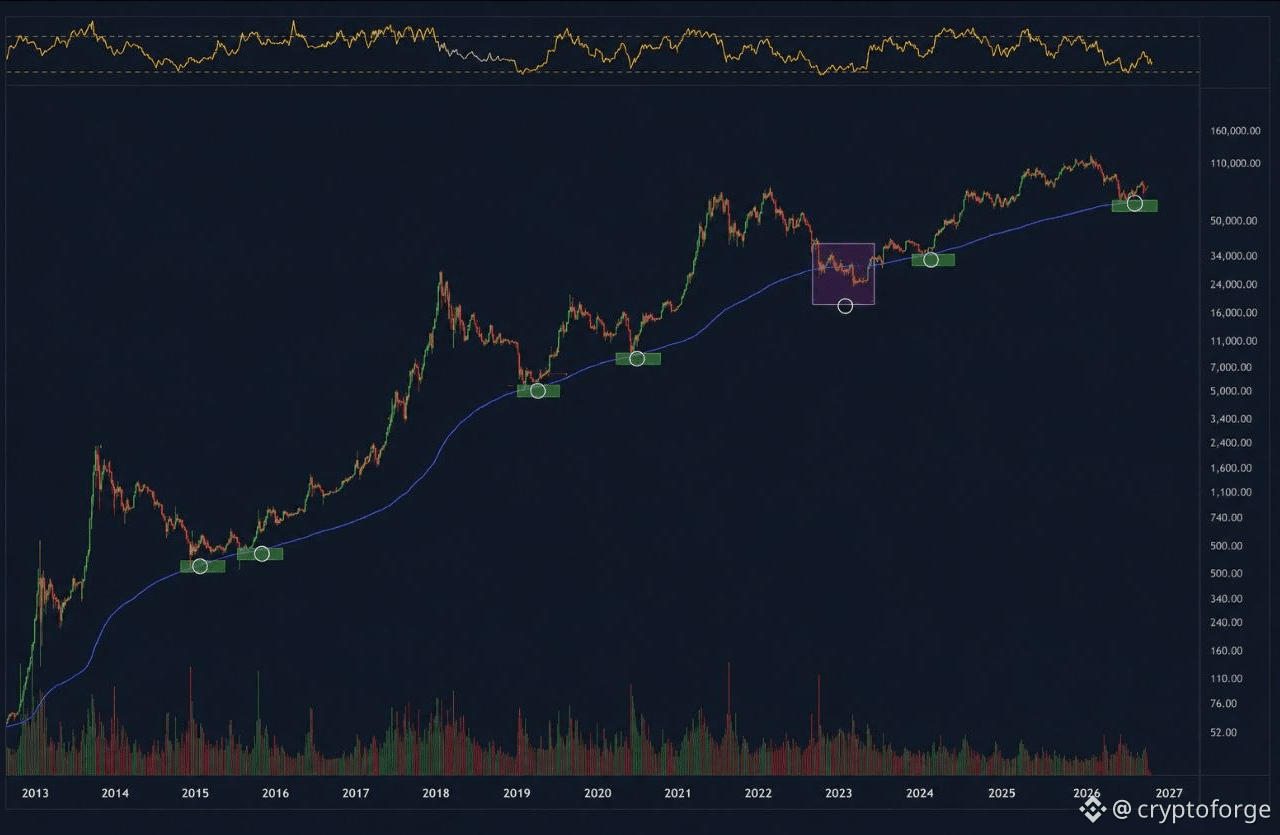
$BTC は現在、200週移動平均線に位置しており、これは歴史的に主要な市場サイクルにおいて強力なサポートとして機能してきた重要なレベルです。
過去のサイクルでは、このゾーンは長期的なボトム形成が始まるエリアを示すことが多かったです。
唯一の大きな例外は2022年のブレイクダウン中で、これは以前のサイクルとは異なる動きを見せました。
今、価格は再びこのレベルをテストしており、最近見られた中で最も急激なドローダウンの一つです。
歴史が繰り返されるかどうかは別として、これは市場が明らかに反応しているレベルであり、今後数週間で価格がこの周辺でどのように動くかを注視することが重要です。
#bitcoin #BTC #crypto #trading #TechnicalAnalysis
{spot}(BTCUSDT)
$BTC は現在、200週移動平均線に位置しており、これは歴史的に主要な市場サイクルにおいて強力なサポートとして機能してきた重要なレベルです。
過去のサイクルでは、このゾーンは長期的なボトム形成が始まるエリアを示すことが多かったです。
唯一の大きな例外は2022年のブレイクダウン中で、これは以前のサイクルとは異なる動きを見せました。
今、価格は再びこのレベルをテストしており、最近見られた中で最も急激なドローダウンの一つです。
歴史が繰り返されるかどうかは別として、これは市場が明らかに反応しているレベルであり、今後数週間で価格がこの周辺でどのように動くかを注視することが重要です。
#bitcoin #BTC #crypto #trading #TechnicalAnalysis
過去のサイクルでは、このゾーンは長期的なボトム形成が始まるエリアを示すことが多かったです。
唯一の大きな例外は2022年のブレイクダウン中で、これは以前のサイクルとは異なる動きを見せました。
今、価格は再びこのレベルをテストしており、最近見られた中で最も急激なドローダウンの一つです。
歴史が繰り返されるかどうかは別として、これは市場が明らかに反応しているレベルであり、今後数週間で価格がこの周辺でどのように動くかを注視することが重要です。
#bitcoin #BTC #crypto #trading #TechnicalAnalysis
2
1
166
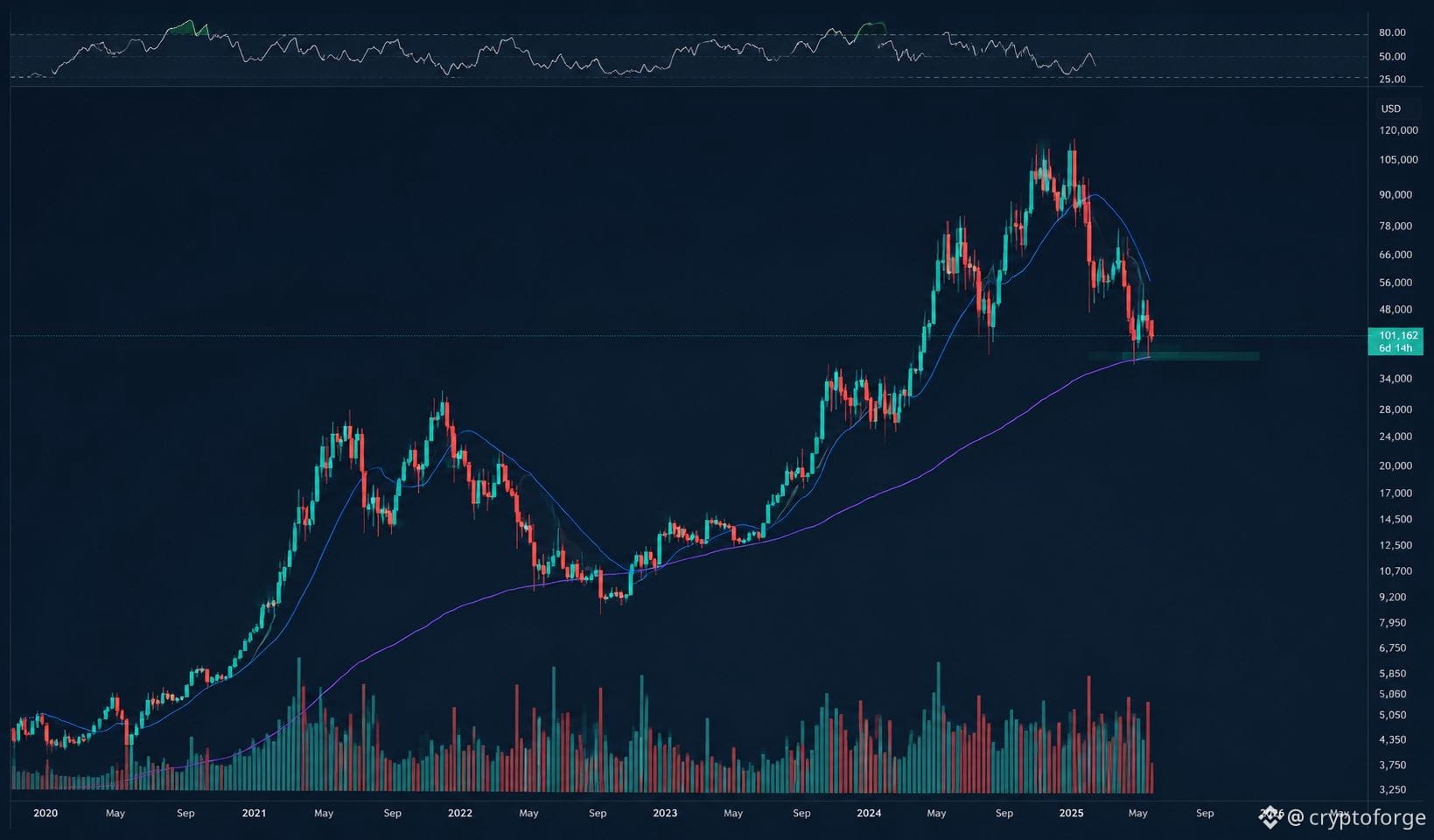
📊 $BTC は、全サイクル構造の中で歴史的に重要なレベルの1つ、200週移動平均線に戻っています。
そのレベルは以下の年に重要でした:
2015年
2018年
2020年
毎回、最終的にはより広範な市場のボトムを示しました。
例外は2022年で、FTXの崩壊が歴史的構造を一時的に壊すほどの強力な強制流動性イベントを引き起こしました。
次に、2つ目のシグナルを追加しましょう:
デイリーRSIがCOVIDクラッシュや2026年2月の清算イベントで以前に見られたレベルまで下落しました。
この組み合わせが、多くの長期トレーダーがここで注目し始める理由です:
歴史的に極端なモメンタム圧縮
価格が主要サイクルサポートゾーンをテスト中
センチメントが再び非常にネガティブ
同時に、これは広範な市場の安定性に非常に依存しています。
STRCのデペグ状況は重要で、流動性ストレスイベントは信頼が弱まるとすぐに暗号通貨全体に広がる傾向があります。そこで安定化が戻れば、ビットコインは現在のレベルから急反発する余地があるでしょう。
不安定さが続き、流動性が悪化し続ける場合、$60K以下の深い下落シナリオがますます現実的になります。
これは、確信が最も重要なゾーンです:
あなたは、より広範なビットコインの仮説が長期的に維持されると信じているか、そうでないかのどちらかです。
歴史的に、200W MAはその決定が最も重要な場所でした。
#BTC #bitcoin #CryptoMarkets #TechnicalAnalysis
📊 $BTC は、全サイクル構造の中で歴史的に重要なレベルの1つ、200週移動平均線に戻っています。
そのレベルは以下の年に重要でした:
2015年
2018年
2020年
毎回、最終的にはより広範な市場のボトムを示しました。
例外は2022年で、FTXの崩壊が歴史的構造を一時的に壊すほどの強力な強制流動性イベントを引き起こしました。
次に、2つ目のシグナルを追加しましょう:
デイリーRSIがCOVIDクラッシュや2026年2月の清算イベントで以前に見られたレベルまで下落しました。
この組み合わせが、多くの長期トレーダーがここで注目し始める理由です:
歴史的に極端なモメンタム圧縮
価格が主要サイクルサポートゾーンをテスト中
センチメントが再び非常にネガティブ
同時に、これは広範な市場の安定性に非常に依存しています。
STRCのデペグ状況は重要で、流動性ストレスイベントは信頼が弱まるとすぐに暗号通貨全体に広がる傾向があります。そこで安定化が戻れば、ビットコインは現在のレベルから急反発する余地があるでしょう。
不安定さが続き、流動性が悪化し続ける場合、$60K以下の深い下落シナリオがますます現実的になります。
これは、確信が最も重要なゾーンです:
あなたは、より広範なビットコインの仮説が長期的に維持されると信じているか、そうでないかのどちらかです。
歴史的に、200W MAはその決定が最も重要な場所でした。
#BTC #bitcoin #CryptoMarkets #TechnicalAnalysis
そのレベルは以下の年に重要でした:
2015年
2018年
2020年
毎回、最終的にはより広範な市場のボトムを示しました。
例外は2022年で、FTXの崩壊が歴史的構造を一時的に壊すほどの強力な強制流動性イベントを引き起こしました。
次に、2つ目のシグナルを追加しましょう:
デイリーRSIがCOVIDクラッシュや2026年2月の清算イベントで以前に見られたレベルまで下落しました。
この組み合わせが、多くの長期トレーダーがここで注目し始める理由です:
歴史的に極端なモメンタム圧縮
価格が主要サイクルサポートゾーンをテスト中
センチメントが再び非常にネガティブ
同時に、これは広範な市場の安定性に非常に依存しています。
STRCのデペグ状況は重要で、流動性ストレスイベントは信頼が弱まるとすぐに暗号通貨全体に広がる傾向があります。そこで安定化が戻れば、ビットコインは現在のレベルから急反発する余地があるでしょう。
不安定さが続き、流動性が悪化し続ける場合、$60K以下の深い下落シナリオがますます現実的になります。
これは、確信が最も重要なゾーンです:
あなたは、より広範なビットコインの仮説が長期的に維持されると信じているか、そうでないかのどちらかです。
歴史的に、200W MAはその決定が最も重要な場所でした。
#BTC #bitcoin #CryptoMarkets #TechnicalAnalysis
2
1
262
🚨 $DOGE は、その歴史の中で最も極端な長期的なモメンタムリーディングの一つを記録しました。
2週間のRSIは、資産全体のサイクル履歴の中で見たことがないレベルにまで落ち込みました。
これは重要です。なぜなら、極端な長期的なRSIの圧縮は単なる「売られすぎな状態」ではなく、通常以下を反映します:
* 売り手の疲弊
* 小口投資家の参加が崩壊
* 深刻にネガティブなセンチメント
* 長期にわたる弱さの後の流動性の枯渇
歴史的に見ると、DOGEは注意が完全に消えると最も危険になります。
なぜでしょう?
ミーム資産は高い反射性を持つからです:
* 低い期待は売り圧力を減少させる
* 薄い流動性はボラティリティを増幅させる
* 中程度の資金流入でも大きな動きを引き起こす可能性がある
これは自動的に価格がすぐに底を打つことを意味するわけではありません。売られすぎな状態は、弱いマクロ環境で持続することがあります。
しかし、構造的に見て、これらのタイプのRSIリーディングは初期段階の熱狂よりも遅れた段階のキャピチュレーションに近いところで現れる傾向があります。
トレーダーが今注視する重要なシグナル:
価格がセンチメントが極めてネガティブな状態で強気のRSIダイバージェンスを形成し始めるかどうか。
この組み合わせは歴史的に、DOGEが「無視された」から「急激な回復」に非常に迅速に移行する場所でした。
#DOGE #DOGECOİN #CryptoMarkets #altcoins
🚨 $DOGE は、その歴史の中で最も極端な長期的なモメンタムリーディングの一つを記録しました。
2週間のRSIは、資産全体のサイクル履歴の中で見たことがないレベルにまで落ち込みました。
これは重要です。なぜなら、極端な長期的なRSIの圧縮は単なる「売られすぎな状態」ではなく、通常以下を反映します:
* 売り手の疲弊
* 小口投資家の参加が崩壊
* 深刻にネガティブなセンチメント
* 長期にわたる弱さの後の流動性の枯渇
歴史的に見ると、DOGEは注意が完全に消えると最も危険になります。
なぜでしょう?
ミーム資産は高い反射性を持つからです:
* 低い期待は売り圧力を減少させる
* 薄い流動性はボラティリティを増幅させる
* 中程度の資金流入でも大きな動きを引き起こす可能性がある
これは自動的に価格がすぐに底を打つことを意味するわけではありません。売られすぎな状態は、弱いマクロ環境で持続することがあります。
しかし、構造的に見て、これらのタイプのRSIリーディングは初期段階の熱狂よりも遅れた段階のキャピチュレーションに近いところで現れる傾向があります。
トレーダーが今注視する重要なシグナル:
価格がセンチメントが極めてネガティブな状態で強気のRSIダイバージェンスを形成し始めるかどうか。
この組み合わせは歴史的に、DOGEが「無視された」から「急激な回復」に非常に迅速に移行する場所でした。
#DOGE #DOGECOİN #CryptoMarkets #altcoins
2週間のRSIは、資産全体のサイクル履歴の中で見たことがないレベルにまで落ち込みました。
これは重要です。なぜなら、極端な長期的なRSIの圧縮は単なる「売られすぎな状態」ではなく、通常以下を反映します:
* 売り手の疲弊
* 小口投資家の参加が崩壊
* 深刻にネガティブなセンチメント
* 長期にわたる弱さの後の流動性の枯渇
歴史的に見ると、DOGEは注意が完全に消えると最も危険になります。
なぜでしょう?
ミーム資産は高い反射性を持つからです:
* 低い期待は売り圧力を減少させる
* 薄い流動性はボラティリティを増幅させる
* 中程度の資金流入でも大きな動きを引き起こす可能性がある
これは自動的に価格がすぐに底を打つことを意味するわけではありません。売られすぎな状態は、弱いマクロ環境で持続することがあります。
しかし、構造的に見て、これらのタイプのRSIリーディングは初期段階の熱狂よりも遅れた段階のキャピチュレーションに近いところで現れる傾向があります。
トレーダーが今注視する重要なシグナル:
価格がセンチメントが極めてネガティブな状態で強気のRSIダイバージェンスを形成し始めるかどうか。
この組み合わせは歴史的に、DOGEが「無視された」から「急激な回復」に非常に迅速に移行する場所でした。
#DOGE #DOGECOİN #CryptoMarkets #altcoins
2
1
140
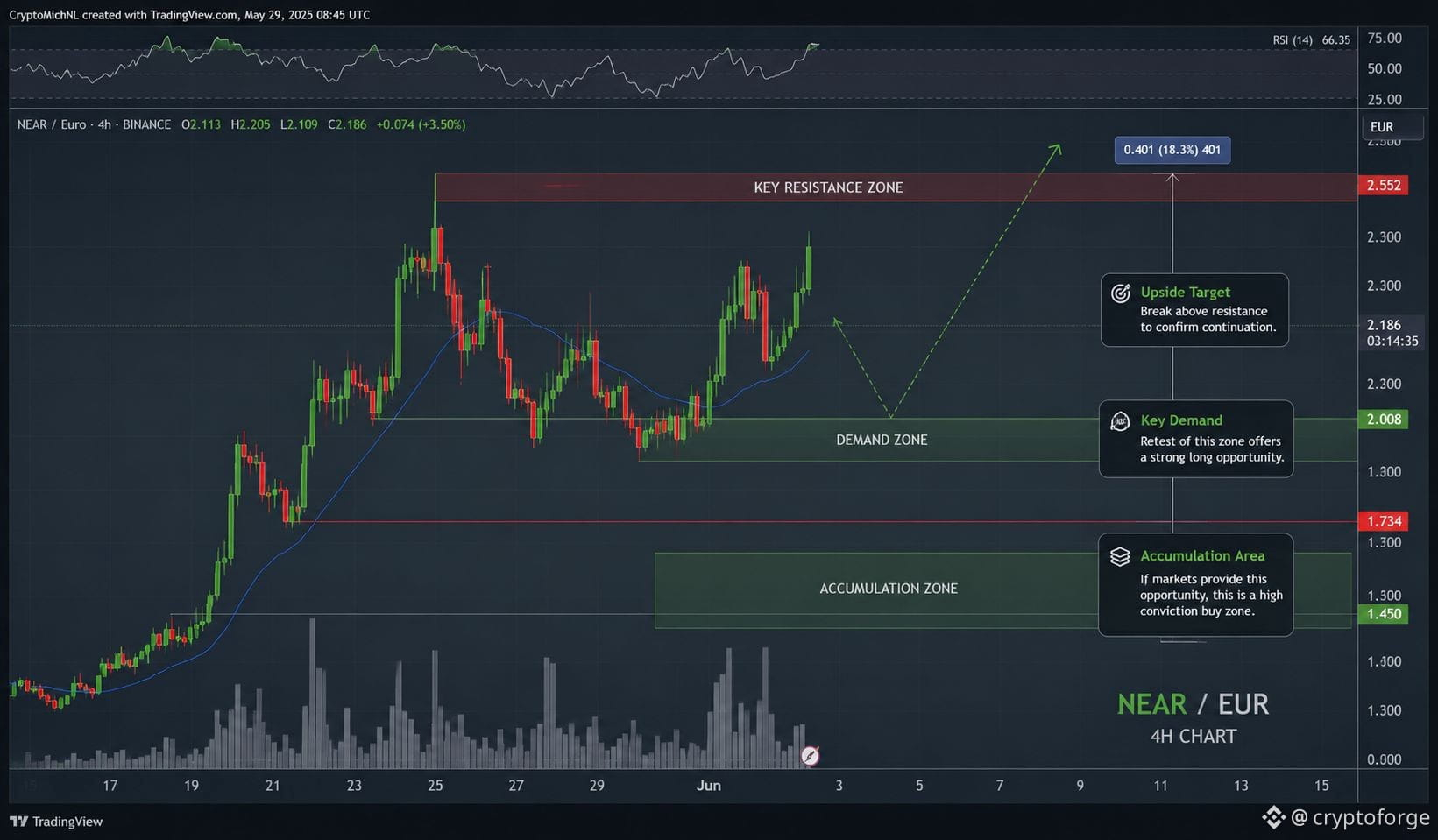
📈 $NEAR は相対的な強さを示し続けており、その構造は一時的な反発ではなく継続のように見えてきています。
重要な変化:
モメンタムが以前の回復後に再構築し始めており、ビットコインのボラティリティが市場全体にノイズを生んでいるにもかかわらずです。
際立つポイント:
NEARは広範な回復構造を引き続き尊重しています
$ZEC のような高ベータ資産が上昇することでアルトコインのモメンタムが全体的に助けられています
ビットコインが安定するにつれて、質の高いアルトコインに対する市場センチメントが改善しています
もしビットコインが市場を激しく揺さぶるのを止めれば、NEARの新しい年初の高値への道がより現実的になります。
キゾーンは:
$3.20–$3.50
そのエリアは、より高い時間枠のレジスタンスが再び重要になるポイントであり、多くのトレーダーが継続を盲目的に追いかけるのではなく、利益をローテーションし始める場所でもあります。
それはブルな構造を無効にするものではありません。
それは単にスマートなポートフォリオ管理を反映しています:
コアの確信を保持する
モメンタムを働かせる
強さに対してエクスポージャーを減らす
非対称性が改善する場所に資本をローテーションする
今のところ、NEARは市場全体の条件が安定していれば、ボード上で最も強いアルトコインの回復構造の一つのように見えます。
#Near #altcoins #cryptotrading #bitcoin
📈 $NEAR は相対的な強さを示し続けており、その構造は一時的な反発ではなく継続のように見えてきています。
重要な変化:
モメンタムが以前の回復後に再構築し始めており、ビットコインのボラティリティが市場全体にノイズを生んでいるにもかかわらずです。
際立つポイント:
NEARは広範な回復構造を引き続き尊重しています
$ZEC のような高ベータ資産が上昇することでアルトコインのモメンタムが全体的に助けられています
ビットコインが安定するにつれて、質の高いアルトコインに対する市場センチメントが改善しています
もしビットコインが市場を激しく揺さぶるのを止めれば、NEARの新しい年初の高値への道がより現実的になります。
キゾーンは:
$3.20–$3.50
そのエリアは、より高い時間枠のレジスタンスが再び重要になるポイントであり、多くのトレーダーが継続を盲目的に追いかけるのではなく、利益をローテーションし始める場所でもあります。
それはブルな構造を無効にするものではありません。
それは単にスマートなポートフォリオ管理を反映しています:
コアの確信を保持する
モメンタムを働かせる
強さに対してエクスポージャーを減らす
非対称性が改善する場所に資本をローテーションする
今のところ、NEARは市場全体の条件が安定していれば、ボード上で最も強いアルトコインの回復構造の一つのように見えます。
#Near #altcoins #cryptotrading #bitcoin
重要な変化:
モメンタムが以前の回復後に再構築し始めており、ビットコインのボラティリティが市場全体にノイズを生んでいるにもかかわらずです。
際立つポイント:
NEARは広範な回復構造を引き続き尊重しています
$ZEC のような高ベータ資産が上昇することでアルトコインのモメンタムが全体的に助けられています
ビットコインが安定するにつれて、質の高いアルトコインに対する市場センチメントが改善しています
もしビットコインが市場を激しく揺さぶるのを止めれば、NEARの新しい年初の高値への道がより現実的になります。
キゾーンは:
$3.20–$3.50
そのエリアは、より高い時間枠のレジスタンスが再び重要になるポイントであり、多くのトレーダーが継続を盲目的に追いかけるのではなく、利益をローテーションし始める場所でもあります。
それはブルな構造を無効にするものではありません。
それは単にスマートなポートフォリオ管理を反映しています:
コアの確信を保持する
モメンタムを働かせる
強さに対してエクスポージャーを減らす
非対称性が改善する場所に資本をローテーションする
今のところ、NEARは市場全体の条件が安定していれば、ボード上で最も強いアルトコインの回復構造の一つのように見えます。
#Near #altcoins #cryptotrading #bitcoin
3
1
1
308
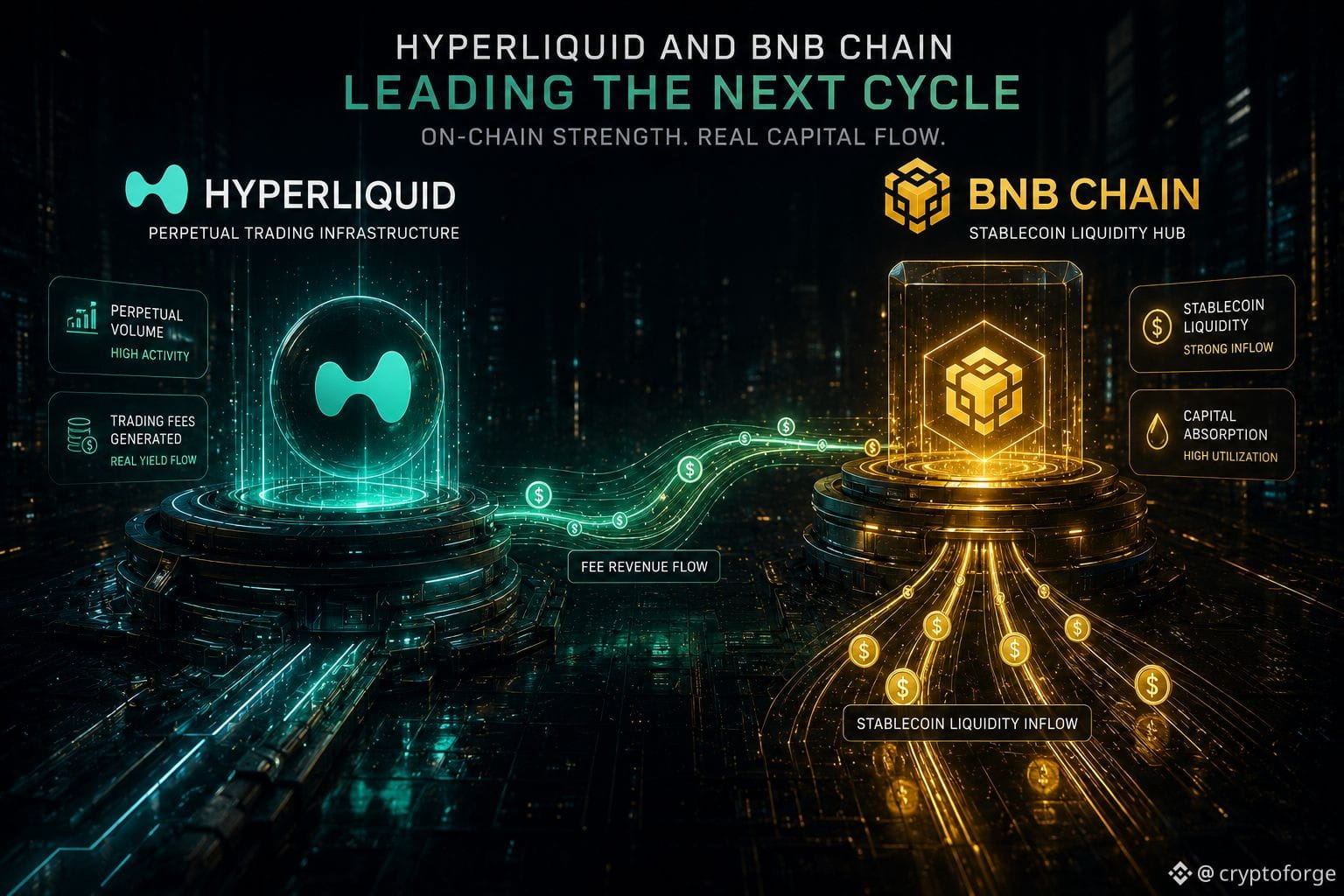
📊 最新のオンチェーンフローは非常に明確なメッセージを送っている:資本はストーリーだけでなくアクティビティを報酬している。
注目すべき点:
Hyperliquidが24時間で200万ドル以上のプロトコル手数料を生成。
これは重要で、手数料の生成は暗号における実際のプロダクト使用の最もクリーンな指標の一つだからだ。高い手数料はトレーダーがプラットフォームをアクティブに使用していること、流動性がボリュームを支持するのに十分深いこと、そしてユーザーがエコシステムにアクセスするために支払う意欲があることを意味する。
同時に、$BNB Chainは安定したコインの流入を吸収し続け、広範な市場活動において強いポジショニングを維持している。
重要な区別はこれだ:
投機的な流入だけではすぐに消えてしまう
安定したコインの流入 + 持続的な手数料生成は通常、資本の配分を示す、単なる一時的な盛り上がりではない。
この組み合わせは、長期的な時間枠でより重要になる傾向がある。
その間に、いくつかの資本はブリッジフローを通じてEthereumやL2エコシステムの一部から回転している。これはETHに対する弱気な長期感情を必ずしも意味するわけではないが、トレーダーが現在より強いアクティビティとモメンタムを提供しているエコシステムに再配分していることを示している。
市場はますます分離している:
アクティブな使用と流動性の成長があるエコシステム
未来の期待に主に依存しているエコシステムから
今のところ、HyperliquidとBNB Chainは確実に最初のカテゴリーに位置している。
#hype #bnb #Onchain #CryptoMarkets
📊 最新のオンチェーンフローは非常に明確なメッセージを送っている:資本はストーリーだけでなくアクティビティを報酬している。
注目すべき点:
Hyperliquidが24時間で200万ドル以上のプロトコル手数料を生成。
これは重要で、手数料の生成は暗号における実際のプロダクト使用の最もクリーンな指標の一つだからだ。高い手数料はトレーダーがプラットフォームをアクティブに使用していること、流動性がボリュームを支持するのに十分深いこと、そしてユーザーがエコシステムにアクセスするために支払う意欲があることを意味する。
同時に、$BNB Chainは安定したコインの流入を吸収し続け、広範な市場活動において強いポジショニングを維持している。
重要な区別はこれだ:
投機的な流入だけではすぐに消えてしまう
安定したコインの流入 + 持続的な手数料生成は通常、資本の配分を示す、単なる一時的な盛り上がりではない。
この組み合わせは、長期的な時間枠でより重要になる傾向がある。
その間に、いくつかの資本はブリッジフローを通じてEthereumやL2エコシステムの一部から回転している。これはETHに対する弱気な長期感情を必ずしも意味するわけではないが、トレーダーが現在より強いアクティビティとモメンタムを提供しているエコシステムに再配分していることを示している。
市場はますます分離している:
アクティブな使用と流動性の成長があるエコシステム
未来の期待に主に依存しているエコシステムから
今のところ、HyperliquidとBNB Chainは確実に最初のカテゴリーに位置している。
#hype #bnb #Onchain #CryptoMarkets
注目すべき点:
Hyperliquidが24時間で200万ドル以上のプロトコル手数料を生成。
これは重要で、手数料の生成は暗号における実際のプロダクト使用の最もクリーンな指標の一つだからだ。高い手数料はトレーダーがプラットフォームをアクティブに使用していること、流動性がボリュームを支持するのに十分深いこと、そしてユーザーがエコシステムにアクセスするために支払う意欲があることを意味する。
同時に、$BNB Chainは安定したコインの流入を吸収し続け、広範な市場活動において強いポジショニングを維持している。
重要な区別はこれだ:
投機的な流入だけではすぐに消えてしまう
安定したコインの流入 + 持続的な手数料生成は通常、資本の配分を示す、単なる一時的な盛り上がりではない。
この組み合わせは、長期的な時間枠でより重要になる傾向がある。
その間に、いくつかの資本はブリッジフローを通じてEthereumやL2エコシステムの一部から回転している。これはETHに対する弱気な長期感情を必ずしも意味するわけではないが、トレーダーが現在より強いアクティビティとモメンタムを提供しているエコシステムに再配分していることを示している。
市場はますます分離している:
アクティブな使用と流動性の成長があるエコシステム
未来の期待に主に依存しているエコシステムから
今のところ、HyperliquidとBNB Chainは確実に最初のカテゴリーに位置している。
#hype #bnb #Onchain #CryptoMarkets
1
1
1
295
·
--
弱気相場
📊 ヘッドラインは「ブラックロックの流出」と言っていたが、フロー構造はもっと微妙なストーリーを語っている。
はい、約$1.2Bが1週間でBTCとETHのETFから流出した。それは重要だ。
しかし、もっと重要な詳細は流出がどのように進化したかだ:
週の初めに最大の赤字が発生し、
その後、日々の流出はすぐに減少した。
売り圧力は加速するのではなく、鈍化した。
この違いは重要だ。
機関投資家の退出がシステミックになると、流出は通常、日々拡大し、モメンタムが高まる。しかし、ここで起こったことは、最初のリスク軽減の波の後に疲弊が続いたように見えた。
次に、第二のシグナルがある:
XRP関連のETF商品は、同じ期間にネット流入を記録した。
これが解釈をまったく変える。
「資本が暗号から離れている」という代わりに、データは:
選択的ローテーション
強いランの後のメジャーでの利益確定
高ベータまたは代替ナラティブへの再ポジショニング
市場は外部的に完全に回復する前に内部でしばしばローテーションする。
同時に、ビットコインとイーサリアムは資産クラスの機関の核心であり続けている。一時的なETFの流出は、何年も積み上げてきた広範なインフラ、カストディ、アロケーションのトレンドを消し去るものではない。
今のキーポイントは、
BTC + ETHの流出が減少を続けるか、
アルトコインの流入が持続するか、
より広範なリスクアペタイトが安定するかどうかだ。
その組み合わせはローテーションを示唆する — 崩壊ではなく。
#BTC #ETH #xrp #etf #CryptoMarkets
{spot}(BTCUSDT)
📊 ヘッドラインは「ブラックロックの流出」と言っていたが、フロー構造はもっと微妙なストーリーを語っている。
はい、約$1.2Bが1週間でBTCとETHのETFから流出した。それは重要だ。
しかし、もっと重要な詳細は流出がどのように進化したかだ:
週の初めに最大の赤字が発生し、
その後、日々の流出はすぐに減少した。
売り圧力は加速するのではなく、鈍化した。
この違いは重要だ。
機関投資家の退出がシステミックになると、流出は通常、日々拡大し、モメンタムが高まる。しかし、ここで起こったことは、最初のリスク軽減の波の後に疲弊が続いたように見えた。
次に、第二のシグナルがある:
XRP関連のETF商品は、同じ期間にネット流入を記録した。
これが解釈をまったく変える。
「資本が暗号から離れている」という代わりに、データは:
選択的ローテーション
強いランの後のメジャーでの利益確定
高ベータまたは代替ナラティブへの再ポジショニング
市場は外部的に完全に回復する前に内部でしばしばローテーションする。
同時に、ビットコインとイーサリアムは資産クラスの機関の核心であり続けている。一時的なETFの流出は、何年も積み上げてきた広範なインフラ、カストディ、アロケーションのトレンドを消し去るものではない。
今のキーポイントは、
BTC + ETHの流出が減少を続けるか、
アルトコインの流入が持続するか、
より広範なリスクアペタイトが安定するかどうかだ。
その組み合わせはローテーションを示唆する — 崩壊ではなく。
#BTC #ETH #xrp #etf #CryptoMarkets
はい、約$1.2Bが1週間でBTCとETHのETFから流出した。それは重要だ。
しかし、もっと重要な詳細は流出がどのように進化したかだ:
週の初めに最大の赤字が発生し、
その後、日々の流出はすぐに減少した。
売り圧力は加速するのではなく、鈍化した。
この違いは重要だ。
機関投資家の退出がシステミックになると、流出は通常、日々拡大し、モメンタムが高まる。しかし、ここで起こったことは、最初のリスク軽減の波の後に疲弊が続いたように見えた。
次に、第二のシグナルがある:
XRP関連のETF商品は、同じ期間にネット流入を記録した。
これが解釈をまったく変える。
「資本が暗号から離れている」という代わりに、データは:
選択的ローテーション
強いランの後のメジャーでの利益確定
高ベータまたは代替ナラティブへの再ポジショニング
市場は外部的に完全に回復する前に内部でしばしばローテーションする。
同時に、ビットコインとイーサリアムは資産クラスの機関の核心であり続けている。一時的なETFの流出は、何年も積み上げてきた広範なインフラ、カストディ、アロケーションのトレンドを消し去るものではない。
今のキーポイントは、
BTC + ETHの流出が減少を続けるか、
アルトコインの流入が持続するか、
より広範なリスクアペタイトが安定するかどうかだ。
その組み合わせはローテーションを示唆する — 崩壊ではなく。
#BTC #ETH #xrp #etf #CryptoMarkets
1
127
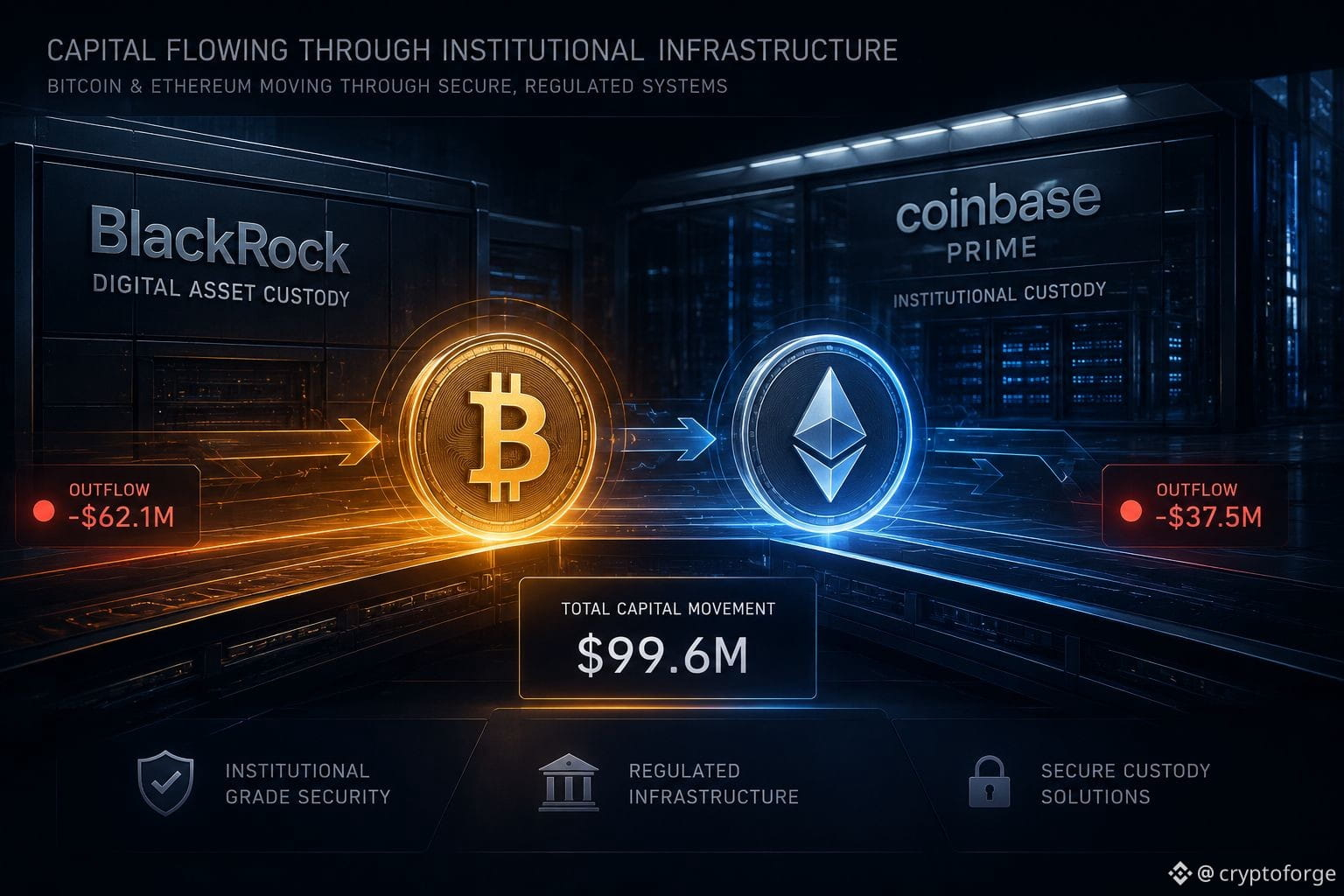
🚨 ブラックロックがほぼ$100MをBTCとETHで移動 — 市場が実際に注目していることはこれだ。
生の数字:
929 BTCが引き出され
15,587 ETHが引き出され
~$99.6Mの総流出が1セッションで発生
資産はCoinbase Primeのインフラを通じて決済された
これは警戒すべき状況に聞こえるが、ETFのメカニズムを理解すればそうでもない。
これはブラックロックが「クリプトをダンプ」したわけではない。これはクライアントの引き出しだった。ETF投資家がシェアを売却し、ファンドマネージャーが流出に合わせて基礎資産を売る。そのプロセスは自動的だ。
重要なシグナルは流出の存在ではない。
重要なシグナルはそのペースだ。
複数のセッションで引き出しが加速すると、市場は次のように問い始める:
機関投資家の食欲は短期的に冷却しているのか?
投資家はより低リスクのポジショニングにローテーションしているのか?
それともこれは主要なランの後の単なる利益確定なのか?
コンテキストが重要だ:
ブラックロックは流出後でも依然として巨大なBTCとETHのポジションをコントロールしており、利回りを生む substantial ETHのステーキングエクスポージャーも持っている。これが完全な機関投資家の退出の姿ではない。
同時に、Coinbase Primeへの交換の振替は重要で、通常は決済活動に先立って行われ、受動的な保管ではない。
現在の環境は機関投資家の放棄というよりも、マクロの不確実性と高いボラティリティの中でのアクティブなポジショニングのように見える。
クリプトは今でも流れに大きく影響されている — そしてETFのフローは市場で最も明確なセンチメント指標の一つであり続ける。
#BTC #ETH #blackRock #CryptoMarkets
🚨 ブラックロックがほぼ$100MをBTCとETHで移動 — 市場が実際に注目していることはこれだ。
生の数字:
929 BTCが引き出され
15,587 ETHが引き出され
~$99.6Mの総流出が1セッションで発生
資産はCoinbase Primeのインフラを通じて決済された
これは警戒すべき状況に聞こえるが、ETFのメカニズムを理解すればそうでもない。
これはブラックロックが「クリプトをダンプ」したわけではない。これはクライアントの引き出しだった。ETF投資家がシェアを売却し、ファンドマネージャーが流出に合わせて基礎資産を売る。そのプロセスは自動的だ。
重要なシグナルは流出の存在ではない。
重要なシグナルはそのペースだ。
複数のセッションで引き出しが加速すると、市場は次のように問い始める:
機関投資家の食欲は短期的に冷却しているのか?
投資家はより低リスクのポジショニングにローテーションしているのか?
それともこれは主要なランの後の単なる利益確定なのか?
コンテキストが重要だ:
ブラックロックは流出後でも依然として巨大なBTCとETHのポジションをコントロールしており、利回りを生む substantial ETHのステーキングエクスポージャーも持っている。これが完全な機関投資家の退出の姿ではない。
同時に、Coinbase Primeへの交換の振替は重要で、通常は決済活動に先立って行われ、受動的な保管ではない。
現在の環境は機関投資家の放棄というよりも、マクロの不確実性と高いボラティリティの中でのアクティブなポジショニングのように見える。
クリプトは今でも流れに大きく影響されている — そしてETFのフローは市場で最も明確なセンチメント指標の一つであり続ける。
#BTC #ETH #blackRock #CryptoMarkets
生の数字:
929 BTCが引き出され
15,587 ETHが引き出され
~$99.6Mの総流出が1セッションで発生
資産はCoinbase Primeのインフラを通じて決済された
これは警戒すべき状況に聞こえるが、ETFのメカニズムを理解すればそうでもない。
これはブラックロックが「クリプトをダンプ」したわけではない。これはクライアントの引き出しだった。ETF投資家がシェアを売却し、ファンドマネージャーが流出に合わせて基礎資産を売る。そのプロセスは自動的だ。
重要なシグナルは流出の存在ではない。
重要なシグナルはそのペースだ。
複数のセッションで引き出しが加速すると、市場は次のように問い始める:
機関投資家の食欲は短期的に冷却しているのか?
投資家はより低リスクのポジショニングにローテーションしているのか?
それともこれは主要なランの後の単なる利益確定なのか?
コンテキストが重要だ:
ブラックロックは流出後でも依然として巨大なBTCとETHのポジションをコントロールしており、利回りを生む substantial ETHのステーキングエクスポージャーも持っている。これが完全な機関投資家の退出の姿ではない。
同時に、Coinbase Primeへの交換の振替は重要で、通常は決済活動に先立って行われ、受動的な保管ではない。
現在の環境は機関投資家の放棄というよりも、マクロの不確実性と高いボラティリティの中でのアクティブなポジショニングのように見える。
クリプトは今でも流れに大きく影響されている — そしてETFのフローは市場で最も明確なセンチメント指標の一つであり続ける。
#BTC #ETH #blackRock #CryptoMarkets
1
68
🚨 「トランプ・ポンプ」パターンが市場にとって無視できないものになりつつあります — 一部のトレーダーは、ビットコインが最終的にそれの最大のバージョンになるかもしれないと考えています。
人々が指摘しているパターンは:
公的な支持または好意的なコメント
金融や政治の整合性が明らかになる
資産やセクターに利益をもたらす主要な触媒が続く
最近、デルに対する注目が、この議論を再燃させました。これは、一連の強気なコメント、所有開示、そしてその後の政府関連の勢いが密接に一致した後のことです。
今、クリプト市場はビットコインが同じ枠組みに当てはまるかどうかを問うています:
トランプが公然とクリプト支持を表明
戦略的なビットコイン準備の議論が政策会話に入る
規制のトーンがデジタル資産に対してより好意的にシフト
機関のインフラが同時に加速
重要な区別は、ビットコインが一つの企業が一つの契約や収益報告に反応するものではないということです。それは流動性、規制、政治、機関の採用に同時に影響されるグローバルマクロ資産です。
それでも、政治の整合性は以前のサイクルよりも重要です。規制の姿勢だけでも実質的に影響を与えることができます:
ETFのフロー
機関の参加
銀行のアクセス
カストディの拡張
主権の採用の物語
「プレイブック」が正確に繰り返されるかどうかにかかわらず、市場は明らかにビットコインを技術的な資産としてだけでなく、ますます地政学的および政策に関連したものとして評価し始めています。
#BTC #bitcoin #CryptoMarkets #Macro
🚨 「トランプ・ポンプ」パターンが市場にとって無視できないものになりつつあります — 一部のトレーダーは、ビットコインが最終的にそれの最大のバージョンになるかもしれないと考えています。
人々が指摘しているパターンは:
公的な支持または好意的なコメント
金融や政治の整合性が明らかになる
資産やセクターに利益をもたらす主要な触媒が続く
最近、デルに対する注目が、この議論を再燃させました。これは、一連の強気なコメント、所有開示、そしてその後の政府関連の勢いが密接に一致した後のことです。
今、クリプト市場はビットコインが同じ枠組みに当てはまるかどうかを問うています:
トランプが公然とクリプト支持を表明
戦略的なビットコイン準備の議論が政策会話に入る
規制のトーンがデジタル資産に対してより好意的にシフト
機関のインフラが同時に加速
重要な区別は、ビットコインが一つの企業が一つの契約や収益報告に反応するものではないということです。それは流動性、規制、政治、機関の採用に同時に影響されるグローバルマクロ資産です。
それでも、政治の整合性は以前のサイクルよりも重要です。規制の姿勢だけでも実質的に影響を与えることができます:
ETFのフロー
機関の参加
銀行のアクセス
カストディの拡張
主権の採用の物語
「プレイブック」が正確に繰り返されるかどうかにかかわらず、市場は明らかにビットコインを技術的な資産としてだけでなく、ますます地政学的および政策に関連したものとして評価し始めています。
#BTC #bitcoin #CryptoMarkets #Macro
人々が指摘しているパターンは:
公的な支持または好意的なコメント
金融や政治の整合性が明らかになる
資産やセクターに利益をもたらす主要な触媒が続く
最近、デルに対する注目が、この議論を再燃させました。これは、一連の強気なコメント、所有開示、そしてその後の政府関連の勢いが密接に一致した後のことです。
今、クリプト市場はビットコインが同じ枠組みに当てはまるかどうかを問うています:
トランプが公然とクリプト支持を表明
戦略的なビットコイン準備の議論が政策会話に入る
規制のトーンがデジタル資産に対してより好意的にシフト
機関のインフラが同時に加速
重要な区別は、ビットコインが一つの企業が一つの契約や収益報告に反応するものではないということです。それは流動性、規制、政治、機関の採用に同時に影響されるグローバルマクロ資産です。
それでも、政治の整合性は以前のサイクルよりも重要です。規制の姿勢だけでも実質的に影響を与えることができます:
ETFのフロー
機関の参加
銀行のアクセス
カストディの拡張
主権の採用の物語
「プレイブック」が正確に繰り返されるかどうかにかかわらず、市場は明らかにビットコインを技術的な資産としてだけでなく、ますます地政学的および政策に関連したものとして評価し始めています。
#BTC #bitcoin #CryptoMarkets #Macro
1
93
⚠️ BNBが歴史的なモメンタムシグナルが遅れてロングポジションにとって危険なゾーンに突入しました。
トレーダーが注視している懸念点:
過去のBNBの上昇が10%の閾値を超えた場合、短期間でアグレッシブなクールダウンフェーズやディストリビューション期間が続くことが多かったです。
現在、価格は重要なピボットエリアの近くにあり、周囲の流動性は比較的薄いです。これは、低流動性ゾーンがモメンタムが加速し始めると、両方の方向でボラティリティを増幅させる傾向があるため、重要です。
重要なレベル:
現在のピボットを上回ることで強気の継続が可能
近くのサポートを失うことで、下の深い流動性ゾーンへの道が開かれる
上方のレジスタンスには、買い手がさらなる上昇を強いる場合の潜在的な清算圧力が積み重なっています。
このセッティングを難しくしているのは、両方のシナリオが同時に有効であることです:
強いトレンドからのモメンタムの継続
混雑したポジショニングと薄い流動性によって引き起こされる急激な修正
ここでリスク管理が予測よりも重要になります。
強いトレンドは予想以上に続くことがありますが、歴史的に、パラボリックな伸びと弱い流動性の条件が組み合わさると、モメンタムが最終的にブレイクしたときに激しい動きを生み出す傾向があります。
今のところ、市場はBNBがサポートの上で安定するのか、それとも歴史的な修正パターンが再び繰り返されるのかを注視しています。
#bnb #cryptotrading #BNBChain #CryptoMarkets
⚠️ BNBが歴史的なモメンタムシグナルが遅れてロングポジションにとって危険なゾーンに突入しました。
トレーダーが注視している懸念点:
過去のBNBの上昇が10%の閾値を超えた場合、短期間でアグレッシブなクールダウンフェーズやディストリビューション期間が続くことが多かったです。
現在、価格は重要なピボットエリアの近くにあり、周囲の流動性は比較的薄いです。これは、低流動性ゾーンがモメンタムが加速し始めると、両方の方向でボラティリティを増幅させる傾向があるため、重要です。
重要なレベル:
現在のピボットを上回ることで強気の継続が可能
近くのサポートを失うことで、下の深い流動性ゾーンへの道が開かれる
上方のレジスタンスには、買い手がさらなる上昇を強いる場合の潜在的な清算圧力が積み重なっています。
このセッティングを難しくしているのは、両方のシナリオが同時に有効であることです:
強いトレンドからのモメンタムの継続
混雑したポジショニングと薄い流動性によって引き起こされる急激な修正
ここでリスク管理が予測よりも重要になります。
強いトレンドは予想以上に続くことがありますが、歴史的に、パラボリックな伸びと弱い流動性の条件が組み合わさると、モメンタムが最終的にブレイクしたときに激しい動きを生み出す傾向があります。
今のところ、市場はBNBがサポートの上で安定するのか、それとも歴史的な修正パターンが再び繰り返されるのかを注視しています。
#bnb #cryptotrading #BNBChain #CryptoMarkets
トレーダーが注視している懸念点:
過去のBNBの上昇が10%の閾値を超えた場合、短期間でアグレッシブなクールダウンフェーズやディストリビューション期間が続くことが多かったです。
現在、価格は重要なピボットエリアの近くにあり、周囲の流動性は比較的薄いです。これは、低流動性ゾーンがモメンタムが加速し始めると、両方の方向でボラティリティを増幅させる傾向があるため、重要です。
重要なレベル:
現在のピボットを上回ることで強気の継続が可能
近くのサポートを失うことで、下の深い流動性ゾーンへの道が開かれる
上方のレジスタンスには、買い手がさらなる上昇を強いる場合の潜在的な清算圧力が積み重なっています。
このセッティングを難しくしているのは、両方のシナリオが同時に有効であることです:
強いトレンドからのモメンタムの継続
混雑したポジショニングと薄い流動性によって引き起こされる急激な修正
ここでリスク管理が予測よりも重要になります。
強いトレンドは予想以上に続くことがありますが、歴史的に、パラボリックな伸びと弱い流動性の条件が組み合わさると、モメンタムが最終的にブレイクしたときに激しい動きを生み出す傾向があります。
今のところ、市場はBNBがサポートの上で安定するのか、それとも歴史的な修正パターンが再び繰り返されるのかを注視しています。
#bnb #cryptotrading #BNBChain #CryptoMarkets
1
106
ログインして、さらにコンテンツを読む
厳選トピックで世界の暗号資産トレーダーの仲間入り
⚡️ 暗号資産に関する最新かつ有益な情報が見つかります。
💬 世界最大の暗号資産取引所から信頼されています。
👍 認証を受けたクリエイターから、有益なインサイトを得られます。
メール / 電話番号
トレンドトピック
BitcoinClears$85200
閲覧回数 15,479
236人が討論中
動きが出て、$BTC はデータがあった直前にあった場所にそのまま立っています。取引における本当の忍耐ってこういうことです。
データは混ざって入ってきましたが、いくつか重要な数字がありました。ADP 非農業部門雇用者数は予想の73Kに対して90Kでした。一方でコアPCEは、予想の0.3%に対して0.2%です。最終的なGDPも予想の1.5%に対して2.2%と強めでした。個人消費は予想の0.8%に対して0.9%でした。同時に、個人所得は予想の0.5%に対して0.2%で未達でした。
BTCは最初に85,600ドルまで急騰しましたが、今は必要なところに戻っています。私は引き続き、82,759ドルと80,000ドルの流動性の低いレンジを見ています。上側の流動性はもう終わって、あとは塵も残っていないからです。
データ発表中にライブセッションを行いました。その中で、市場は83,800ドル→85,600ドル→そして83,000ドル付近へと戻っていくのを見ました。それでも私たちは取引に入りませんでした。
それが忍耐です。
市場に明確な方向性がないときは、無理にエントリーはできません。同じレンジがまだ注目ポイントで、相場がセットアップを提示してくれるまで待ちます。
みなさん、セッションはどうでしたか? それから、尊敬するメンバーの皆さんともっと定期的にセッションをするべきでしょうか。そうすれば、市場について適切に議論できます。
#BitcoinClears$85200 #AltcoinSeasonIndexHoldsAbove60For5Days #USADPAdds90000JobsInSeptember #BitcoinSlipsBelow$84000 #SECToClarifyOnChainFundraisingRules
Crypto_LUX
·いいね:26件
·閲覧回数 22.2k
AltcoinSeasonIndexHoldsAbove60For5Days
閲覧回数 74,940
1,268人が討論中
USADPAdds90000JobsInSeptember
閲覧回数 33,839
703人が討論中