

Web3 Expert Princess
7.2k 投稿

Web3 Expert Princess
報告
ユーザーをブロック
Web3 Projects Explorer
77 フォロー
2.2K+ フォロワー
8.3K+ いいね
投稿
すべて
引用
動画
PINNED
正直に言いましょう…👌
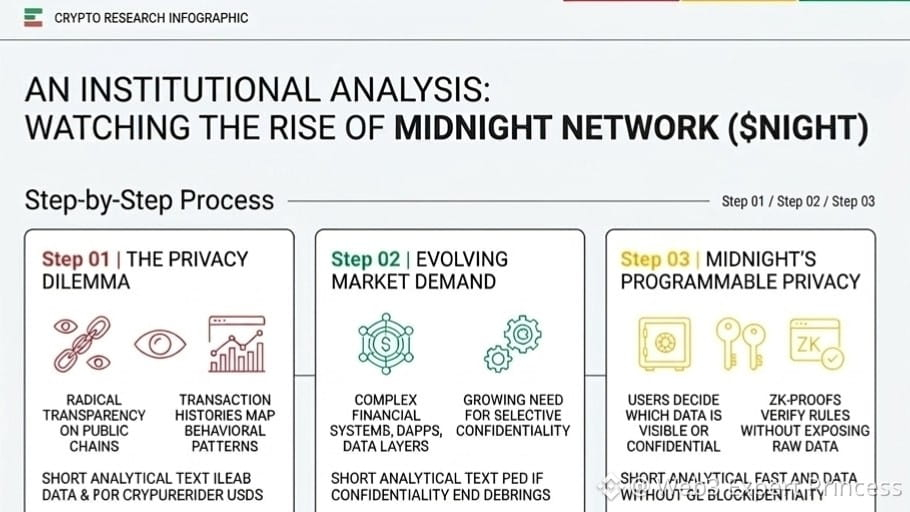
ブロックチェーンの透明性は強力ですが、完全な透明性が常に実用的とは限りません。
Web3におけるプライバシーソリューションを調査しているとき、私はMidnight Networkが特に興味深いと感じました。このプロジェクトはプログラム可能なプライバシーに焦点を当てており、ユーザーが機密情報を明らかにすることなく、取引やデータを検証できるようにしています。
これはCardanoの開発チームであるInput Output Globalによって構築されています。
Zero-Knowledge Proofsを使用することで、Midnightはデータを機密に保ちながら安全な検証を可能にします。
私の見解では、このようなプライバシーレイヤーがブロックチェーンの採用の次の段階を定義するかもしれません。
#Night $NIGHT @MidnightNetwork
#BTCReclaims70k
正直に言いましょう…👌
ブロックチェーンの透明性は強力ですが、完全な透明性が常に実用的とは限りません。
Web3におけるプライバシーソリューションを調査しているとき、私はMidnight Networkが特に興味深いと感じました。このプロジェクトはプログラム可能なプライバシーに焦点を当てており、ユーザーが機密情報を明らかにすることなく、取引やデータを検証できるようにしています。
これはCardanoの開発チームであるInput Output Globalによって構築されています。
Zero-Knowledge Proofsを使用することで、Midnightはデータを機密に保ちながら安全な検証を可能にします。
私の見解では、このようなプライバシーレイヤーがブロックチェーンの採用の次の段階を定義するかもしれません。
#Night $NIGHT @MidnightNetwork
#BTCReclaims70k
ブロックチェーンの透明性は強力ですが、完全な透明性が常に実用的とは限りません。
Web3におけるプライバシーソリューションを調査しているとき、私はMidnight Networkが特に興味深いと感じました。このプロジェクトはプログラム可能なプライバシーに焦点を当てており、ユーザーが機密情報を明らかにすることなく、取引やデータを検証できるようにしています。
これはCardanoの開発チームであるInput Output Globalによって構築されています。
Zero-Knowledge Proofsを使用することで、Midnightはデータを機密に保ちながら安全な検証を可能にします。
私の見解では、このようなプライバシーレイヤーがブロックチェーンの採用の次の段階を定義するかもしれません。
#Night $NIGHT @MidnightNetwork
#BTCReclaims70k
8
12
119
ピクセルと期待されることの微妙な心地よさ
私にとって変わった瞬間は、行き詰まった時ではなく、期待されていると感じた時でした。
ピクセルを開いた瞬間、数分以内にすべてがタイミングよく訪れました。ボードは私を驚かせることはなく、私を迎え入れてくれました。タスクは私がすでに考えていることにマッチする形で現れました。決断には努力が必要ありませんでした。それは反応するというよりも、すでに始まっていた何かを続けるように感じられました。
それが私に残った部分です。
それが異常に感じられたからではありません。
完璧なタイミングで感じられたからです。
まるでシステムが静かに私の前に進んでいて、次のステップが私がそれを表現する前に明らかに感じられるようにセッションを形作っているようでした。
そして、それに気づくと無視するのが難しくなりました。
なぜなら、「期待」というのはどんなシステムにおいても強力な感覚だからです。それは、ゲームが自分を理解しているという感覚を生み出します。単に事後に反応するのではなく、完全に表現する前に自分の方向性に合わせているのです。それがすべてをよりスムーズで、速く、意図的に感じさせます。
それが魅力です。
そして、ピクセルは驚くべき一貫性でその感覚を提供します。
ログインすると、フローは準備が整っているように感じます。ファームはそこにあるだけでなく、準備が整っているように感じます。ループはただ繰り返すのではなく、あなたのペースにマッチする形で展開するようです。結果が異なる時でも、それはためらうことなくナビゲートできるほど十分に馴染みのある構造の中で起こります。
しかし、私はその親しみが本当に何を表しているのか疑問を抱き始めています。
ピクセルに戻るたびに、完璧にセットアップされていますが、私はそれを楽しんでいます。
しかし、以前よりも少し長く立ち止まります。
私は少し違った質問をします。
「ゲームは私を理解していたのか?」だけでなく、
「私は理解されていたのか、それとも予測されていたのか?」
それが私に残る質問です。
なぜなら、私はピクセルがプレイヤーを単純に予測するだけではないと考え始めているからです。
それはそれ以上の正確なことをしているのかもしれません。
#pixel @pixels $PIXEL
#ArthurHayes’LatestSpeech
#StrategyBTCPurchase
#BinanceLaunchesGoldvs.BTCTradingCompetition
#AaveAnnouncesDeFiUnitedReliefFund $AIO $Jager
ピクセルと期待されることの微妙な心地よさ
私にとって変わった瞬間は、行き詰まった時ではなく、期待されていると感じた時でした。
ピクセルを開いた瞬間、数分以内にすべてがタイミングよく訪れました。ボードは私を驚かせることはなく、私を迎え入れてくれました。タスクは私がすでに考えていることにマッチする形で現れました。決断には努力が必要ありませんでした。それは反応するというよりも、すでに始まっていた何かを続けるように感じられました。
それが私に残った部分です。
それが異常に感じられたからではありません。
完璧なタイミングで感じられたからです。
まるでシステムが静かに私の前に進んでいて、次のステップが私がそれを表現する前に明らかに感じられるようにセッションを形作っているようでした。
そして、それに気づくと無視するのが難しくなりました。
なぜなら、「期待」というのはどんなシステムにおいても強力な感覚だからです。それは、ゲームが自分を理解しているという感覚を生み出します。単に事後に反応するのではなく、完全に表現する前に自分の方向性に合わせているのです。それがすべてをよりスムーズで、速く、意図的に感じさせます。
それが魅力です。
そして、ピクセルは驚くべき一貫性でその感覚を提供します。
ログインすると、フローは準備が整っているように感じます。ファームはそこにあるだけでなく、準備が整っているように感じます。ループはただ繰り返すのではなく、あなたのペースにマッチする形で展開するようです。結果が異なる時でも、それはためらうことなくナビゲートできるほど十分に馴染みのある構造の中で起こります。
しかし、私はその親しみが本当に何を表しているのか疑問を抱き始めています。
ピクセルに戻るたびに、完璧にセットアップされていますが、私はそれを楽しんでいます。
しかし、以前よりも少し長く立ち止まります。
私は少し違った質問をします。
「ゲームは私を理解していたのか?」だけでなく、
「私は理解されていたのか、それとも予測されていたのか?」
それが私に残る質問です。
なぜなら、私はピクセルがプレイヤーを単純に予測するだけではないと考え始めているからです。
それはそれ以上の正確なことをしているのかもしれません。
#pixel @Pixels $PIXEL
#ArthurHayes’LatestSpeech
#StrategyBTCPurchase
#BinanceLaunchesGoldvs.BTCTradingCompetition
#AaveAnnouncesDeFiUnitedReliefFund $AIO $Jager
私にとって変わった瞬間は、行き詰まった時ではなく、期待されていると感じた時でした。
ピクセルを開いた瞬間、数分以内にすべてがタイミングよく訪れました。ボードは私を驚かせることはなく、私を迎え入れてくれました。タスクは私がすでに考えていることにマッチする形で現れました。決断には努力が必要ありませんでした。それは反応するというよりも、すでに始まっていた何かを続けるように感じられました。
それが私に残った部分です。
それが異常に感じられたからではありません。
完璧なタイミングで感じられたからです。
まるでシステムが静かに私の前に進んでいて、次のステップが私がそれを表現する前に明らかに感じられるようにセッションを形作っているようでした。
そして、それに気づくと無視するのが難しくなりました。
なぜなら、「期待」というのはどんなシステムにおいても強力な感覚だからです。それは、ゲームが自分を理解しているという感覚を生み出します。単に事後に反応するのではなく、完全に表現する前に自分の方向性に合わせているのです。それがすべてをよりスムーズで、速く、意図的に感じさせます。
それが魅力です。
そして、ピクセルは驚くべき一貫性でその感覚を提供します。
ログインすると、フローは準備が整っているように感じます。ファームはそこにあるだけでなく、準備が整っているように感じます。ループはただ繰り返すのではなく、あなたのペースにマッチする形で展開するようです。結果が異なる時でも、それはためらうことなくナビゲートできるほど十分に馴染みのある構造の中で起こります。
しかし、私はその親しみが本当に何を表しているのか疑問を抱き始めています。
ピクセルに戻るたびに、完璧にセットアップされていますが、私はそれを楽しんでいます。
しかし、以前よりも少し長く立ち止まります。
私は少し違った質問をします。
「ゲームは私を理解していたのか?」だけでなく、
「私は理解されていたのか、それとも予測されていたのか?」
それが私に残る質問です。
なぜなら、私はピクセルがプレイヤーを単純に予測するだけではないと考え始めているからです。
それはそれ以上の正確なことをしているのかもしれません。
#pixel @Pixels $PIXEL
#ArthurHayes’LatestSpeech
#StrategyBTCPurchase
#BinanceLaunchesGoldvs.BTCTradingCompetition
#AaveAnnouncesDeFiUnitedReliefFund $AIO $Jager
2
766
Pixelsと収入管理の静かな幻想物事がうまくいかなくなった時ではなく、私にとっての転機はその瞬間でした。
すべてが完璧にうまくいった瞬間でした。
Pixelsにログインした時、リズムが完璧に調和していると感じました。ボードは見た目が良いだけではなく、まるで私が半分出会ったかのように感じました。タスクは努力なしに意味のある順序で現れました。決断は明らかに感じました。結果は当然のように感じました。それは、はい、これがうまくいっているという滑らかな内部信号を生み出しました。なぜなら、今やそれを理解しているからです。
それが私の心に残った瞬間でした。
それは人工的に感じたからではありません。
Pixelsと収入管理の静かな幻想
物事がうまくいかなくなった時ではなく、私にとっての転機はその瞬間でした。
すべてが完璧にうまくいった瞬間でした。
Pixelsにログインした時、リズムが完璧に調和していると感じました。ボードは見た目が良いだけではなく、まるで私が半分出会ったかのように感じました。タスクは努力なしに意味のある順序で現れました。決断は明らかに感じました。結果は当然のように感じました。それは、はい、これがうまくいっているという滑らかな内部信号を生み出しました。なぜなら、今やそれを理解しているからです。
それが私の心に残った瞬間でした。
それは人工的に感じたからではありません。
すべてが完璧にうまくいった瞬間でした。
Pixelsにログインした時、リズムが完璧に調和していると感じました。ボードは見た目が良いだけではなく、まるで私が半分出会ったかのように感じました。タスクは努力なしに意味のある順序で現れました。決断は明らかに感じました。結果は当然のように感じました。それは、はい、これがうまくいっているという滑らかな内部信号を生み出しました。なぜなら、今やそれを理解しているからです。
それが私の心に残った瞬間でした。
それは人工的に感じたからではありません。
1
268
ゲームファイは本当に最も献身的なコミュニティメンバーを報酬するのか疑問に思い始めている
初めてゲームファイのループに真剣に引き込まれた時、私は物語の最も温かいバージョンを信じていました。一緒に構築する。他の人を助ける。ヒントを共有する。サークルを広げる。報酬を得る。
それは良い気分でした。
それは人間らしいものでした。
もしプレイヤーがより多く接続し、グループをサポートし、知識を広めているなら、当然彼らはより高く昇進すべきです。それが、リテンションが本当の指標になるとき、これらのゲームが強調したいコミュニティの約束です。接続は忠誠に変わり、貢献は帰属意識に変わります。コミュニティに最も貢献するプレイヤーが最も深い報酬を得るのです。
これらのシステムが実際にどのように機能しているのかを観察すればするほど、それが本当に報酬しているとは信じられなくなります。
ゲームファイはしばしばコミュニティの精神よりも狭い何かを報酬していると思います。
最も献身的なコミュニティメンバーではなく、
スケールで関与しやすいプレイヤー。
そしてもっと重要なのは、静かにマネタイズしやすいプレイヤーです。
それは全く異なる考えです。
なぜならコミュニティは複雑だからです。人々はさまざまな方法でつながります。ある人は延々とメンターをします。ある人はイベントを組織します。ある人は大声で応援します。ある人は静かに他の人のバグを修正します。ある人は毎日新しい友達を連れてきます。ある人はプロジェクトを激しく守ります。ある人は本物の情熱で参加します。ある人は主に社会的証明のために現れます。人間の観点から見ると、すべてが献身なのです。
システムの観点から見ると、それはオーバーヘッドです。
そしてシステムはオーバーヘッドを好まない。
彼らはスケーラビリティを好む。
彼らは低摩擦の相互作用を好む。
彼らは追跡可能で増幅可能、安全に放送でき、サポートコストを膨らませることなく変換できる方法で関与するプレイヤーを好むのです。
それが私が何度も戻ってくる部分です。
なぜなら、それをそのように見ると、「コミュニティ」という全体のアイデアが、これらのシステムが実際に行っていることに対して少しロマンチックすぎるように感じ始めるからです。
$Jager
@pixels #pixel $PIXEL
{spot}(PIXELUSDT)
#StrategyBTCPurchase
#ShootingIncidentAtWhiteHouseCorrespondentsDinner
#MarketRebound
#BalancerAttackerResurfacesAfter5Months
ゲームファイは本当に最も献身的なコミュニティメンバーを報酬するのか疑問に思い始めている
初めてゲームファイのループに真剣に引き込まれた時、私は物語の最も温かいバージョンを信じていました。一緒に構築する。他の人を助ける。ヒントを共有する。サークルを広げる。報酬を得る。
それは良い気分でした。
それは人間らしいものでした。
もしプレイヤーがより多く接続し、グループをサポートし、知識を広めているなら、当然彼らはより高く昇進すべきです。それが、リテンションが本当の指標になるとき、これらのゲームが強調したいコミュニティの約束です。接続は忠誠に変わり、貢献は帰属意識に変わります。コミュニティに最も貢献するプレイヤーが最も深い報酬を得るのです。
これらのシステムが実際にどのように機能しているのかを観察すればするほど、それが本当に報酬しているとは信じられなくなります。
ゲームファイはしばしばコミュニティの精神よりも狭い何かを報酬していると思います。
最も献身的なコミュニティメンバーではなく、
スケールで関与しやすいプレイヤー。
そしてもっと重要なのは、静かにマネタイズしやすいプレイヤーです。
それは全く異なる考えです。
なぜならコミュニティは複雑だからです。人々はさまざまな方法でつながります。ある人は延々とメンターをします。ある人はイベントを組織します。ある人は大声で応援します。ある人は静かに他の人のバグを修正します。ある人は毎日新しい友達を連れてきます。ある人はプロジェクトを激しく守ります。ある人は本物の情熱で参加します。ある人は主に社会的証明のために現れます。人間の観点から見ると、すべてが献身なのです。
システムの観点から見ると、それはオーバーヘッドです。
そしてシステムはオーバーヘッドを好まない。
彼らはスケーラビリティを好む。
彼らは低摩擦の相互作用を好む。
彼らは追跡可能で増幅可能、安全に放送でき、サポートコストを膨らませることなく変換できる方法で関与するプレイヤーを好むのです。
それが私が何度も戻ってくる部分です。
なぜなら、それをそのように見ると、「コミュニティ」という全体のアイデアが、これらのシステムが実際に行っていることに対して少しロマンチックすぎるように感じ始めるからです。
$Jager
@Pixels #pixel $PIXEL
#StrategyBTCPurchase
#ShootingIncidentAtWhiteHouseCorrespondentsDinner
#MarketRebound
#BalancerAttackerResurfacesAfter5Months
初めてゲームファイのループに真剣に引き込まれた時、私は物語の最も温かいバージョンを信じていました。一緒に構築する。他の人を助ける。ヒントを共有する。サークルを広げる。報酬を得る。
それは良い気分でした。
それは人間らしいものでした。
もしプレイヤーがより多く接続し、グループをサポートし、知識を広めているなら、当然彼らはより高く昇進すべきです。それが、リテンションが本当の指標になるとき、これらのゲームが強調したいコミュニティの約束です。接続は忠誠に変わり、貢献は帰属意識に変わります。コミュニティに最も貢献するプレイヤーが最も深い報酬を得るのです。
これらのシステムが実際にどのように機能しているのかを観察すればするほど、それが本当に報酬しているとは信じられなくなります。
ゲームファイはしばしばコミュニティの精神よりも狭い何かを報酬していると思います。
最も献身的なコミュニティメンバーではなく、
スケールで関与しやすいプレイヤー。
そしてもっと重要なのは、静かにマネタイズしやすいプレイヤーです。
それは全く異なる考えです。
なぜならコミュニティは複雑だからです。人々はさまざまな方法でつながります。ある人は延々とメンターをします。ある人はイベントを組織します。ある人は大声で応援します。ある人は静かに他の人のバグを修正します。ある人は毎日新しい友達を連れてきます。ある人はプロジェクトを激しく守ります。ある人は本物の情熱で参加します。ある人は主に社会的証明のために現れます。人間の観点から見ると、すべてが献身なのです。
システムの観点から見ると、それはオーバーヘッドです。
そしてシステムはオーバーヘッドを好まない。
彼らはスケーラビリティを好む。
彼らは低摩擦の相互作用を好む。
彼らは追跡可能で増幅可能、安全に放送でき、サポートコストを膨らませることなく変換できる方法で関与するプレイヤーを好むのです。
それが私が何度も戻ってくる部分です。
なぜなら、それをそのように見ると、「コミュニティ」という全体のアイデアが、これらのシステムが実際に行っていることに対して少しロマンチックすぎるように感じ始めるからです。
$Jager
@Pixels #pixel $PIXEL
#StrategyBTCPurchase
#ShootingIncidentAtWhiteHouseCorrespondentsDinner
#MarketRebound
#BalancerAttackerResurfacesAfter5Months
2
976
GameFiは本当に最も賢いストラテジストを報酬していないのではないかと思い始めているGameFiのループに本気で引き込まれた初めての時、私は物語の最もクリーンなバージョンを信じていた。もっと賢く考えよう。エッジを見つける。メタを実行する。みんなを出し抜く。報酬を得る。
それはシャープに感じた。
それは論理的に感じた。
もしプレイヤーがシステムをよりよく読み、隠れた効率を見つけ、より良いコンボをチェーンしているなら、もちろん彼らは先に進むべきだ。それが、基本的なグラインドの物語が薄れていくときに、これらのゲームがささやくアップグレードされた約束だ。洞察がアドバンテージに変わり、賢さが複利のリターンに変わる。最も深く考えるプレイヤーが大きく勝つ。
GameFiは本当に最も賢いストラテジストを報酬していないのではないかと思い始めている
GameFiのループに本気で引き込まれた初めての時、私は物語の最もクリーンなバージョンを信じていた。もっと賢く考えよう。エッジを見つける。メタを実行する。みんなを出し抜く。報酬を得る。
それはシャープに感じた。
それは論理的に感じた。
もしプレイヤーがシステムをよりよく読み、隠れた効率を見つけ、より良いコンボをチェーンしているなら、もちろん彼らは先に進むべきだ。それが、基本的なグラインドの物語が薄れていくときに、これらのゲームがささやくアップグレードされた約束だ。洞察がアドバンテージに変わり、賢さが複利のリターンに変わる。最も深く考えるプレイヤーが大きく勝つ。
それはシャープに感じた。
それは論理的に感じた。
もしプレイヤーがシステムをよりよく読み、隠れた効率を見つけ、より良いコンボをチェーンしているなら、もちろん彼らは先に進むべきだ。それが、基本的なグラインドの物語が薄れていくときに、これらのゲームがささやくアップグレードされた約束だ。洞察がアドバンテージに変わり、賢さが複利のリターンに変わる。最も深く考えるプレイヤーが大きく勝つ。
1
347
ピクセルとホワイトペーパーのプレイヤー所有の世界へのプッシュ
ゲームファイプロジェクトがプレイヤーをエンパワーメントすると主張しながら、常にコントロールを保持しているのを見てきました。
彼らはNFTを所有権として導入します。
オープンエコノミーを約束します。
非中央集権を自由としてマーケティングします。
しかし、システムは閉じたままで、プレイヤーは所有権が常に影響力を意味するわけではないことに気づきます。
ピクセルのデザインは、プレイヤーコントロールのより構造的な解釈に寄り添っています。
それはシンプルな前提から始まります:所有権は資産を超えて、世界の進化にまで及ぶべきです。プレイヤーは単にリソースをファーミングしたり、タスクを完了したりするだけではなく、土地、アイテム、進行が実際に持続し、エコシステム全体に意味を持つ共有環境に参加しています。この体験は、人工的に注入されるのではなく、相互作用から価値が生まれる生きた世界のように感じられるように構築されています。
創造はこのシステムの中心にあります。プレイヤーはデジタルスペースを構築、修正、拡張でき、開発者は同じインフラストラクチャの上に新しいマップ、クエスト、システムを導入できます。単一の静的なゲームの代わりに、ピクセルは複数の体験が共存し、一緒に進化できるプラットフォームに向かっています。このレイヤーアプローチにより、エコシステムは固定されたコンテンツパイプラインではなく、クリエイターと参加者の両方によって形作られ、有機的に成長することができます。
経済レイヤーはその世界をサポートするように設計されており、支配するものではありません。ファーミング、クラフト、トレード、ソーシャルコーディネーションといった活動は、ブロックチェーンによる所有権に裏打ちされた、馴染みのある進行システムにフィードバックします。このトークンは、このループ内でのユーティリティとして機能し、アップグレード、アクセス、強化に使用されるもので、参加の唯一の理由ではありません。目標は、短期的な抽出を追い求めるのではなく、体験を楽しむプレイヤーを惹きつけ、自発的に支出することです。
@pixels #pixel $PIXEL
$RAVE
$Jager
#SoldierChargedWithInsiderTradingonPolymarket
#BinanceLaunchesGoldvs.BTCTradingCompetition
#CHIPPricePump
#AaveAnnouncesDeFiUnitedReliefFund
ピクセルとホワイトペーパーのプレイヤー所有の世界へのプッシュ
ゲームファイプロジェクトがプレイヤーをエンパワーメントすると主張しながら、常にコントロールを保持しているのを見てきました。
彼らはNFTを所有権として導入します。
オープンエコノミーを約束します。
非中央集権を自由としてマーケティングします。
しかし、システムは閉じたままで、プレイヤーは所有権が常に影響力を意味するわけではないことに気づきます。
ピクセルのデザインは、プレイヤーコントロールのより構造的な解釈に寄り添っています。
それはシンプルな前提から始まります:所有権は資産を超えて、世界の進化にまで及ぶべきです。プレイヤーは単にリソースをファーミングしたり、タスクを完了したりするだけではなく、土地、アイテム、進行が実際に持続し、エコシステム全体に意味を持つ共有環境に参加しています。この体験は、人工的に注入されるのではなく、相互作用から価値が生まれる生きた世界のように感じられるように構築されています。
創造はこのシステムの中心にあります。プレイヤーはデジタルスペースを構築、修正、拡張でき、開発者は同じインフラストラクチャの上に新しいマップ、クエスト、システムを導入できます。単一の静的なゲームの代わりに、ピクセルは複数の体験が共存し、一緒に進化できるプラットフォームに向かっています。このレイヤーアプローチにより、エコシステムは固定されたコンテンツパイプラインではなく、クリエイターと参加者の両方によって形作られ、有機的に成長することができます。
経済レイヤーはその世界をサポートするように設計されており、支配するものではありません。ファーミング、クラフト、トレード、ソーシャルコーディネーションといった活動は、ブロックチェーンによる所有権に裏打ちされた、馴染みのある進行システムにフィードバックします。このトークンは、このループ内でのユーティリティとして機能し、アップグレード、アクセス、強化に使用されるもので、参加の唯一の理由ではありません。目標は、短期的な抽出を追い求めるのではなく、体験を楽しむプレイヤーを惹きつけ、自発的に支出することです。
@Pixels #pixel $PIXEL
$RAVE
$Jager
#SoldierChargedWithInsiderTradingonPolymarket
#BinanceLaunchesGoldvs.BTCTradingCompetition
#CHIPPricePump
#AaveAnnouncesDeFiUnitedReliefFund
ゲームファイプロジェクトがプレイヤーをエンパワーメントすると主張しながら、常にコントロールを保持しているのを見てきました。
彼らはNFTを所有権として導入します。
オープンエコノミーを約束します。
非中央集権を自由としてマーケティングします。
しかし、システムは閉じたままで、プレイヤーは所有権が常に影響力を意味するわけではないことに気づきます。
ピクセルのデザインは、プレイヤーコントロールのより構造的な解釈に寄り添っています。
それはシンプルな前提から始まります:所有権は資産を超えて、世界の進化にまで及ぶべきです。プレイヤーは単にリソースをファーミングしたり、タスクを完了したりするだけではなく、土地、アイテム、進行が実際に持続し、エコシステム全体に意味を持つ共有環境に参加しています。この体験は、人工的に注入されるのではなく、相互作用から価値が生まれる生きた世界のように感じられるように構築されています。
創造はこのシステムの中心にあります。プレイヤーはデジタルスペースを構築、修正、拡張でき、開発者は同じインフラストラクチャの上に新しいマップ、クエスト、システムを導入できます。単一の静的なゲームの代わりに、ピクセルは複数の体験が共存し、一緒に進化できるプラットフォームに向かっています。このレイヤーアプローチにより、エコシステムは固定されたコンテンツパイプラインではなく、クリエイターと参加者の両方によって形作られ、有機的に成長することができます。
経済レイヤーはその世界をサポートするように設計されており、支配するものではありません。ファーミング、クラフト、トレード、ソーシャルコーディネーションといった活動は、ブロックチェーンによる所有権に裏打ちされた、馴染みのある進行システムにフィードバックします。このトークンは、このループ内でのユーティリティとして機能し、アップグレード、アクセス、強化に使用されるもので、参加の唯一の理由ではありません。目標は、短期的な抽出を追い求めるのではなく、体験を楽しむプレイヤーを惹きつけ、自発的に支出することです。
@Pixels #pixel $PIXEL
$RAVE
$Jager
#SoldierChargedWithInsiderTradingonPolymarket
#BinanceLaunchesGoldvs.BTCTradingCompetition
#CHIPPricePump
#AaveAnnouncesDeFiUnitedReliefFund
1
309
Pixelsと見えないインセンティブの静かなアーキテクチャ私は、持続可能性を再発明しようとしながら、同じ壊れたループを静かに再利用しているGameFiデザインを十分に読みました。
彼らはトークンのシンクとソースを調整しています。
彼らはレイヤードプログレッションシステムを導入しています。
彼らは行動駆動型の経済を約束しています。
その後、スケールが到達し、エンゲージメントがフラットになり、経済がユーザーを保持するよりも速く価値を漏らし始めます。
Pixelsのフレームワークは、問題に対して異なる角度からアプローチしています。
これは、相互作用から自然にユーティリティが生まれるべきであり、報酬を通じて強制されるべきではないという、基盤のある前提から始まります。人々は、ファーミングサイクル、社会的調整、リソース管理、創造性の中に意味を見出すべきで、支出はインセンティブへの反応ではなく、プレイの延長のように感じられるべきです——これは、金融的抽出に依存せずに持続可能なゲームエコシステムを支える同じ原則です。pixelは意図的に範囲を限定されており、普遍的な解決策として位置付けられるのではなく、システムを圧倒することなく進行を強化する選択的なレイヤーとして機能します。
Pixelsと見えないインセンティブの静かなアーキテクチャ
私は、持続可能性を再発明しようとしながら、同じ壊れたループを静かに再利用しているGameFiデザインを十分に読みました。
彼らはトークンのシンクとソースを調整しています。
彼らはレイヤードプログレッションシステムを導入しています。
彼らは行動駆動型の経済を約束しています。
その後、スケールが到達し、エンゲージメントがフラットになり、経済がユーザーを保持するよりも速く価値を漏らし始めます。
Pixelsのフレームワークは、問題に対して異なる角度からアプローチしています。
これは、相互作用から自然にユーティリティが生まれるべきであり、報酬を通じて強制されるべきではないという、基盤のある前提から始まります。人々は、ファーミングサイクル、社会的調整、リソース管理、創造性の中に意味を見出すべきで、支出はインセンティブへの反応ではなく、プレイの延長のように感じられるべきです——これは、金融的抽出に依存せずに持続可能なゲームエコシステムを支える同じ原則です。pixelは意図的に範囲を限定されており、普遍的な解決策として位置付けられるのではなく、システムを圧倒することなく進行を強化する選択的なレイヤーとして機能します。
彼らはトークンのシンクとソースを調整しています。
彼らはレイヤードプログレッションシステムを導入しています。
彼らは行動駆動型の経済を約束しています。
その後、スケールが到達し、エンゲージメントがフラットになり、経済がユーザーを保持するよりも速く価値を漏らし始めます。
Pixelsのフレームワークは、問題に対して異なる角度からアプローチしています。
これは、相互作用から自然にユーティリティが生まれるべきであり、報酬を通じて強制されるべきではないという、基盤のある前提から始まります。人々は、ファーミングサイクル、社会的調整、リソース管理、創造性の中に意味を見出すべきで、支出はインセンティブへの反応ではなく、プレイの延長のように感じられるべきです——これは、金融的抽出に依存せずに持続可能なゲームエコシステムを支える同じ原則です。pixelは意図的に範囲を限定されており、普遍的な解決策として位置付けられるのではなく、システムを圧倒することなく進行を強化する選択的なレイヤーとして機能します。
1
351
ピクセルと予測可能なインセンティブの隠れたコスト
ほとんどのGameFiシステムは、デザインが欠けているから失敗するわけではない。
プレイヤーがすぐにその仕組みを理解してしまうから失敗するのだ。
ループは明らかになる。
報酬は予測可能になる。
そして、予測可能性が好奇心に取って代わると、エンゲージメントは低下し始める。
ピクセルはまさにその罠を避けるために作られているようだ。
プレイヤーを固定報酬パスにロックするのではなく、変動性を重視している。活動を報酬するだけでなく、体験をわずかに不確実に保つことを目指している — フラストレーションを与えるのではなく、プレイヤーの注意を引き続ける方法で。
ゲームの核心は、依然としてシンプルな行動に基づいている。
ファーミング、クラフティング、探索、トレーディング。
表面的には革新性はない。
しかし、その下の構造は、これらの行動が時間とともに機械的に感じられないようにしようとしている。
報酬は保証されるものではない。
行動、タイミング、インタラクションパターンによって形作られる。
これにより、進行がよりソフトな形になり — 結果が常に直線的ではなく、プレイヤーはすべての動きを完全に最適化できない。
このモデルにおいて、PIXELは給料のようなものではなく、信号のようなものになる。
それは生の努力ではなく、エンゲージメントの質を反映する。
あなたが行うすべてのことが同じように報酬を得るわけではない。
そしてその不均衡は意図的なものだ。
ここにはほとんどのプロジェクトが無視する心理的なレイヤーがある。
プレイヤーが結果を完璧に計算できると、彼らはプレイをやめて実行を始める。ゲームはタスクマネージャーに変わる。効率が楽しさに取って代わる。
ピクセルはそのパターンを打破しようとしている。
システムの一部を適応的に保つことで、発見の感覚を維持している。プレイヤーは単に行動を繰り返すのではなく、集団の行動に基づいて変化する生きた環境に反応している。
これもエコシステム内の価値の流れに影響を与える。
常に排出圧力がかかるのではなく、分配がより選択的になる。洪水のような状況が減り、ターゲティングが増える。
#pixel $PIXEL @pixels #OpenAILaunchesGPT-5.5
#CanTheDeFiIndustryRecoverQuicklyFromAaveExploit? #BinanceLaunchesGoldvs.BTCTradingCompetition $HIGH #$XAU
ピクセルと予測可能なインセンティブの隠れたコスト
ほとんどのGameFiシステムは、デザインが欠けているから失敗するわけではない。
プレイヤーがすぐにその仕組みを理解してしまうから失敗するのだ。
ループは明らかになる。
報酬は予測可能になる。
そして、予測可能性が好奇心に取って代わると、エンゲージメントは低下し始める。
ピクセルはまさにその罠を避けるために作られているようだ。
プレイヤーを固定報酬パスにロックするのではなく、変動性を重視している。活動を報酬するだけでなく、体験をわずかに不確実に保つことを目指している — フラストレーションを与えるのではなく、プレイヤーの注意を引き続ける方法で。
ゲームの核心は、依然としてシンプルな行動に基づいている。
ファーミング、クラフティング、探索、トレーディング。
表面的には革新性はない。
しかし、その下の構造は、これらの行動が時間とともに機械的に感じられないようにしようとしている。
報酬は保証されるものではない。
行動、タイミング、インタラクションパターンによって形作られる。
これにより、進行がよりソフトな形になり — 結果が常に直線的ではなく、プレイヤーはすべての動きを完全に最適化できない。
このモデルにおいて、PIXELは給料のようなものではなく、信号のようなものになる。
それは生の努力ではなく、エンゲージメントの質を反映する。
あなたが行うすべてのことが同じように報酬を得るわけではない。
そしてその不均衡は意図的なものだ。
ここにはほとんどのプロジェクトが無視する心理的なレイヤーがある。
プレイヤーが結果を完璧に計算できると、彼らはプレイをやめて実行を始める。ゲームはタスクマネージャーに変わる。効率が楽しさに取って代わる。
ピクセルはそのパターンを打破しようとしている。
システムの一部を適応的に保つことで、発見の感覚を維持している。プレイヤーは単に行動を繰り返すのではなく、集団の行動に基づいて変化する生きた環境に反応している。
これもエコシステム内の価値の流れに影響を与える。
常に排出圧力がかかるのではなく、分配がより選択的になる。洪水のような状況が減り、ターゲティングが増える。
#pixel $PIXEL @Pixels #OpenAILaunchesGPT-5.5
#CanTheDeFiIndustryRecoverQuicklyFromAaveExploit? #BinanceLaunchesGoldvs.BTCTradingCompetition $HIGH #$XAU
ほとんどのGameFiシステムは、デザインが欠けているから失敗するわけではない。
プレイヤーがすぐにその仕組みを理解してしまうから失敗するのだ。
ループは明らかになる。
報酬は予測可能になる。
そして、予測可能性が好奇心に取って代わると、エンゲージメントは低下し始める。
ピクセルはまさにその罠を避けるために作られているようだ。
プレイヤーを固定報酬パスにロックするのではなく、変動性を重視している。活動を報酬するだけでなく、体験をわずかに不確実に保つことを目指している — フラストレーションを与えるのではなく、プレイヤーの注意を引き続ける方法で。
ゲームの核心は、依然としてシンプルな行動に基づいている。
ファーミング、クラフティング、探索、トレーディング。
表面的には革新性はない。
しかし、その下の構造は、これらの行動が時間とともに機械的に感じられないようにしようとしている。
報酬は保証されるものではない。
行動、タイミング、インタラクションパターンによって形作られる。
これにより、進行がよりソフトな形になり — 結果が常に直線的ではなく、プレイヤーはすべての動きを完全に最適化できない。
このモデルにおいて、PIXELは給料のようなものではなく、信号のようなものになる。
それは生の努力ではなく、エンゲージメントの質を反映する。
あなたが行うすべてのことが同じように報酬を得るわけではない。
そしてその不均衡は意図的なものだ。
ここにはほとんどのプロジェクトが無視する心理的なレイヤーがある。
プレイヤーが結果を完璧に計算できると、彼らはプレイをやめて実行を始める。ゲームはタスクマネージャーに変わる。効率が楽しさに取って代わる。
ピクセルはそのパターンを打破しようとしている。
システムの一部を適応的に保つことで、発見の感覚を維持している。プレイヤーは単に行動を繰り返すのではなく、集団の行動に基づいて変化する生きた環境に反応している。
これもエコシステム内の価値の流れに影響を与える。
常に排出圧力がかかるのではなく、分配がより選択的になる。洪水のような状況が減り、ターゲティングが増える。
#pixel $PIXEL @Pixels #OpenAILaunchesGPT-5.5
#CanTheDeFiIndustryRecoverQuicklyFromAaveExploit? #BinanceLaunchesGoldvs.BTCTradingCompetition $HIGH #$XAU
1
590
Pixelsと持続可能なエンゲージメントの静かな挑戦私は、十分なGameFiプロジェクトが持続可能性を約束しながら、静かに短期的な興奮ループに依存しているのを見てきました。
報酬サイクルを最適化します。
彼らは層状の進行システムを導入します。
彼らは複雑に見えるが反復的に感じるメカニクスを通じて深さをシミュレートします。
その後、アクティビティは初期に急増し、一時的に安定し、そして新鮮さが消えるにつれて徐々にフェードアウトします。
Pixelsは異なる角度から問題にアプローチします。
それは基本的な前提に基づいて構築されています:エンゲージメントは、測定可能になる前に自然に感じなければなりません。プレイヤーは、自分のファームをチェックしたり、土地を拡張したり、他の人と交流したりしたいからログインするべきで、タイマーが価値が待っていると教えるからではありません。
Pixelsと持続可能なエンゲージメントの静かな挑戦
私は、十分なGameFiプロジェクトが持続可能性を約束しながら、静かに短期的な興奮ループに依存しているのを見てきました。
報酬サイクルを最適化します。
彼らは層状の進行システムを導入します。
彼らは複雑に見えるが反復的に感じるメカニクスを通じて深さをシミュレートします。
その後、アクティビティは初期に急増し、一時的に安定し、そして新鮮さが消えるにつれて徐々にフェードアウトします。
Pixelsは異なる角度から問題にアプローチします。
それは基本的な前提に基づいて構築されています:エンゲージメントは、測定可能になる前に自然に感じなければなりません。プレイヤーは、自分のファームをチェックしたり、土地を拡張したり、他の人と交流したりしたいからログインするべきで、タイマーが価値が待っていると教えるからではありません。
報酬サイクルを最適化します。
彼らは層状の進行システムを導入します。
彼らは複雑に見えるが反復的に感じるメカニクスを通じて深さをシミュレートします。
その後、アクティビティは初期に急増し、一時的に安定し、そして新鮮さが消えるにつれて徐々にフェードアウトします。
Pixelsは異なる角度から問題にアプローチします。
それは基本的な前提に基づいて構築されています:エンゲージメントは、測定可能になる前に自然に感じなければなりません。プレイヤーは、自分のファームをチェックしたり、土地を拡張したり、他の人と交流したりしたいからログインするべきで、タイマーが価値が待っていると教えるからではありません。
1
1
537
ピクセルと楽しさとインセンティブの静かな戦い
ほとんどのGameFiプロジェクトは大声で失敗する。
大きな約束。
大きなリワード。
そして、数字が意味をなさなくなるときにゆっくりと崩壊する。
ピクセルはもっと微妙なことに挑戦している。
大きなインセンティブではなく、静かなインセンティブ。
プレイヤーを常に報酬で押し出すのではなく、体験を通じて引き込むデザインに傾いている。アイデアはシンプルだが実行が難しい:もし世界が十分に魅力的であれば、インセンティブは注意を引くために叫ぶ必要はない。彼らは背景に存在し、行動を駆動するのではなく、支えることができる。
これは、従来のプレイ・トゥ・アーンとは非常に異なる哲学だ。
ピクセルでは、進行は単に価値を抽出することではない。世界への親しみを築くことだ。農業、取引、クラフト — これらのループはまず自然に感じられ、次に報われることを意図している。トークンレイヤーはすべての決定を支配しない。それは存在するが、すべての行動を定義するわけではない。
これにより、より柔らかい経済が生まれる。
攻撃的でない。
抽出的でない。
プレイヤーの意図にもっと依存している。
配布も同じ論理に従う。単なる活動量を報酬するのではなく、一貫性と関連性を報酬する方向に傾いている。滞在し、貢献し、意味のある形で参加するプレイヤーは、フローの一部となる。誰が最もクリックするかではなく、エコシステムにとって実際に重要な人が誰かだ。
このシフトは、リテンションの仕組みを変える可能性がある。
しかし、新たなリスクをもたらす。
報酬があまり明確でなくなると、モチベーションを維持することが難しくなる。すべてのプレイヤーが微妙なシステムを求めているわけではない。多くの人は、明確で即時の利益に反応するように条件付けられている。フィードバックループがあまりにも静かに感じられると、エンゲージメントは深い愛着が形成される前に落ち込む可能性がある。
だからこそ、ピクセルは非常に異なる二つのオーディエンスのバランスを取っている。
ゲームを求める人々。
そしてリターンを求める人々。
両方を満足させることは簡単ではない。
#Pixel $PIXEL @pixels
#AaveAnnouncesDeFiUnitedReliefFund #OpenAILaunchesGPT-5.5 #BinanceLaunchesGoldvs.BTCTradingCompetition
#KelpDAOExploitFreeze
ピクセルと楽しさとインセンティブの静かな戦い
ほとんどのGameFiプロジェクトは大声で失敗する。
大きな約束。
大きなリワード。
そして、数字が意味をなさなくなるときにゆっくりと崩壊する。
ピクセルはもっと微妙なことに挑戦している。
大きなインセンティブではなく、静かなインセンティブ。
プレイヤーを常に報酬で押し出すのではなく、体験を通じて引き込むデザインに傾いている。アイデアはシンプルだが実行が難しい:もし世界が十分に魅力的であれば、インセンティブは注意を引くために叫ぶ必要はない。彼らは背景に存在し、行動を駆動するのではなく、支えることができる。
これは、従来のプレイ・トゥ・アーンとは非常に異なる哲学だ。
ピクセルでは、進行は単に価値を抽出することではない。世界への親しみを築くことだ。農業、取引、クラフト — これらのループはまず自然に感じられ、次に報われることを意図している。トークンレイヤーはすべての決定を支配しない。それは存在するが、すべての行動を定義するわけではない。
これにより、より柔らかい経済が生まれる。
攻撃的でない。
抽出的でない。
プレイヤーの意図にもっと依存している。
配布も同じ論理に従う。単なる活動量を報酬するのではなく、一貫性と関連性を報酬する方向に傾いている。滞在し、貢献し、意味のある形で参加するプレイヤーは、フローの一部となる。誰が最もクリックするかではなく、エコシステムにとって実際に重要な人が誰かだ。
このシフトは、リテンションの仕組みを変える可能性がある。
しかし、新たなリスクをもたらす。
報酬があまり明確でなくなると、モチベーションを維持することが難しくなる。すべてのプレイヤーが微妙なシステムを求めているわけではない。多くの人は、明確で即時の利益に反応するように条件付けられている。フィードバックループがあまりにも静かに感じられると、エンゲージメントは深い愛着が形成される前に落ち込む可能性がある。
だからこそ、ピクセルは非常に異なる二つのオーディエンスのバランスを取っている。
ゲームを求める人々。
そしてリターンを求める人々。
両方を満足させることは簡単ではない。
#Pixel $PIXEL @Pixels
#AaveAnnouncesDeFiUnitedReliefFund #OpenAILaunchesGPT-5.5 #BinanceLaunchesGoldvs.BTCTradingCompetition
#KelpDAOExploitFreeze
ほとんどのGameFiプロジェクトは大声で失敗する。
大きな約束。
大きなリワード。
そして、数字が意味をなさなくなるときにゆっくりと崩壊する。
ピクセルはもっと微妙なことに挑戦している。
大きなインセンティブではなく、静かなインセンティブ。
プレイヤーを常に報酬で押し出すのではなく、体験を通じて引き込むデザインに傾いている。アイデアはシンプルだが実行が難しい:もし世界が十分に魅力的であれば、インセンティブは注意を引くために叫ぶ必要はない。彼らは背景に存在し、行動を駆動するのではなく、支えることができる。
これは、従来のプレイ・トゥ・アーンとは非常に異なる哲学だ。
ピクセルでは、進行は単に価値を抽出することではない。世界への親しみを築くことだ。農業、取引、クラフト — これらのループはまず自然に感じられ、次に報われることを意図している。トークンレイヤーはすべての決定を支配しない。それは存在するが、すべての行動を定義するわけではない。
これにより、より柔らかい経済が生まれる。
攻撃的でない。
抽出的でない。
プレイヤーの意図にもっと依存している。
配布も同じ論理に従う。単なる活動量を報酬するのではなく、一貫性と関連性を報酬する方向に傾いている。滞在し、貢献し、意味のある形で参加するプレイヤーは、フローの一部となる。誰が最もクリックするかではなく、エコシステムにとって実際に重要な人が誰かだ。
このシフトは、リテンションの仕組みを変える可能性がある。
しかし、新たなリスクをもたらす。
報酬があまり明確でなくなると、モチベーションを維持することが難しくなる。すべてのプレイヤーが微妙なシステムを求めているわけではない。多くの人は、明確で即時の利益に反応するように条件付けられている。フィードバックループがあまりにも静かに感じられると、エンゲージメントは深い愛着が形成される前に落ち込む可能性がある。
だからこそ、ピクセルは非常に異なる二つのオーディエンスのバランスを取っている。
ゲームを求める人々。
そしてリターンを求める人々。
両方を満足させることは簡単ではない。
#Pixel $PIXEL @Pixels
#AaveAnnouncesDeFiUnitedReliefFund #OpenAILaunchesGPT-5.5 #BinanceLaunchesGoldvs.BTCTradingCompetition
#KelpDAOExploitFreeze
1
1
100
Pixelsと持続可能なデザインの幻想私はGameFiが再発明のサイクルを通じて進化するのを見てきました。そのサイクルごとにプレイヤーの保持問題を解決したと主張しています。
より良いトークノミクス。
よりスマートな報酬。
より「バランスの取れた」排出量。
それでも、パターンはほとんど崩れません。
興奮は急上昇し、インセンティブは平坦になり、ユーザーは静かに離れていきます。
Pixelsは問題に対して異なる角度からアプローチしています。
報酬システムを完璧にしようとするのではなく、報酬が中心であるべきかどうかを問い直しています。
核心的なアイデアは、利回りに執着する空間ではほぼ不快です:ゲームは、トークンが登場する前にそのものとして成立すべきです。ファーミングは満足感を感じるべきです。進行は努力して得たものであるべきです。探索は、報酬が付いていなくても時間をかける価値があると感じるべきです。経済は経験を支えるためのものであり、主導的ではなく、控えめで支援的であるべきです。
Pixelsと持続可能なデザインの幻想
私はGameFiが再発明のサイクルを通じて進化するのを見てきました。そのサイクルごとにプレイヤーの保持問題を解決したと主張しています。
より良いトークノミクス。
よりスマートな報酬。
より「バランスの取れた」排出量。
それでも、パターンはほとんど崩れません。
興奮は急上昇し、インセンティブは平坦になり、ユーザーは静かに離れていきます。
Pixelsは問題に対して異なる角度からアプローチしています。
報酬システムを完璧にしようとするのではなく、報酬が中心であるべきかどうかを問い直しています。
核心的なアイデアは、利回りに執着する空間ではほぼ不快です:ゲームは、トークンが登場する前にそのものとして成立すべきです。ファーミングは満足感を感じるべきです。進行は努力して得たものであるべきです。探索は、報酬が付いていなくても時間をかける価値があると感じるべきです。経済は経験を支えるためのものであり、主導的ではなく、控えめで支援的であるべきです。
より良いトークノミクス。
よりスマートな報酬。
より「バランスの取れた」排出量。
それでも、パターンはほとんど崩れません。
興奮は急上昇し、インセンティブは平坦になり、ユーザーは静かに離れていきます。
Pixelsは問題に対して異なる角度からアプローチしています。
報酬システムを完璧にしようとするのではなく、報酬が中心であるべきかどうかを問い直しています。
核心的なアイデアは、利回りに執着する空間ではほぼ不快です:ゲームは、トークンが登場する前にそのものとして成立すべきです。ファーミングは満足感を感じるべきです。進行は努力して得たものであるべきです。探索は、報酬が付いていなくても時間をかける価値があると感じるべきです。経済は経験を支えるためのものであり、主導的ではなく、控えめで支援的であるべきです。
1
358
Pixelsのデザイン哲学を通じてGameFiを再考する私は持続可能な経済を約束したGameFiプロジェクトを調査するのに時間を費やした。ほとんどは馴染みのある道をたどった。
彼らは複雑なインセンティブを設計した。
彼らはレイヤー型通貨を導入した。
彼らは数学的に持続可能性を保証しようとした。
一旦ライブになれば、パターンが繰り返された。
プレイヤーは楽しさではなく、報酬の最適化を目指していた。
経済は圧力の下でインフレした。
コミュニティはインセンティブが弱まるにつれて興味を失った。
問題は努力ではなかった。
それは方向性だった。
Pixelsはこれを異なる視点からアプローチしている。
それは収益から始まらない。
Pixelsのデザイン哲学を通じてGameFiを再考する
私は持続可能な経済を約束したGameFiプロジェクトを調査するのに時間を費やした。ほとんどは馴染みのある道をたどった。
彼らは複雑なインセンティブを設計した。
彼らはレイヤー型通貨を導入した。
彼らは数学的に持続可能性を保証しようとした。
一旦ライブになれば、パターンが繰り返された。
プレイヤーは楽しさではなく、報酬の最適化を目指していた。
経済は圧力の下でインフレした。
コミュニティはインセンティブが弱まるにつれて興味を失った。
問題は努力ではなかった。
それは方向性だった。
Pixelsはこれを異なる視点からアプローチしている。
それは収益から始まらない。
彼らは複雑なインセンティブを設計した。
彼らはレイヤー型通貨を導入した。
彼らは数学的に持続可能性を保証しようとした。
一旦ライブになれば、パターンが繰り返された。
プレイヤーは楽しさではなく、報酬の最適化を目指していた。
経済は圧力の下でインフレした。
コミュニティはインセンティブが弱まるにつれて興味を失った。
問題は努力ではなかった。
それは方向性だった。
Pixelsはこれを異なる視点からアプローチしている。
それは収益から始まらない。
1
327
プレイヤー第一の価値に対するPixelsの静かな賭け
私は十分なGameFiシステムを分析してきたが、毎回同じ弱点を見抜くことができる。
彼らは報酬ループを過剰に構築している。
価値をあまりにも多くのトークンに分散させている。
理論上は完璧なバランスを目指している。
しかし、ローンチが行われ、モメンタムが鈍化し、報酬が意味を失い、ユーザーは離れていく。
Pixelsは異なる道を選んでいる。
一つのアイデアに焦点を当てている:ゲームプレイはまず強くなければならない。
プレイヤーはトークンについて考えることなく、ファーミング、ビルディング、探索、クリエイティブを楽しむべきだ。
支出は自然に感じられるべきで、良い無料プレイゲームでのアップグレードやコスメを購入する感覚と同じであるべきだ。
$PIXEL はシンプルであり、すべてのものではなくプレミアム価値のために使用される。
排出設計はコントロールされている。
厳格なデイリーキャップが供給を制限し、インフレーション圧力を回避している。
報酬は意味のある行動に結びついている。
進捗、クリエイティビティ、貢献がグラインディングよりも重要である。
システムはプレイヤーの行動を使用して時間とともに調整する。
ハイプではなく、一貫性が経済を形作る。
Pixelsは一つのゲームを超えて考えている。
土地、資源、ユーティリティは存在するが、どれも単独ではあまり大きな重みを持たない。
よりスマートなシステムのヒントがある。
適応的なチャレンジと安定性ツールは突然の売り圧力を減らすことを目指している。
結局のところ、すべてはリテンションに依存している。
プレイヤーが体験のために留まれば、経済は機能する。
彼らが留まらなければ、どんなデザインもそれを救うことはできない。
#pixel $PIXEL @pixels
#BinanceLaunchesGoldvs.BTCTradingCompetition #JointEscapeHatchforAaveETHLenders
#MarketRebound
$SIREN
プレイヤー第一の価値に対するPixelsの静かな賭け
私は十分なGameFiシステムを分析してきたが、毎回同じ弱点を見抜くことができる。
彼らは報酬ループを過剰に構築している。
価値をあまりにも多くのトークンに分散させている。
理論上は完璧なバランスを目指している。
しかし、ローンチが行われ、モメンタムが鈍化し、報酬が意味を失い、ユーザーは離れていく。
Pixelsは異なる道を選んでいる。
一つのアイデアに焦点を当てている:ゲームプレイはまず強くなければならない。
プレイヤーはトークンについて考えることなく、ファーミング、ビルディング、探索、クリエイティブを楽しむべきだ。
支出は自然に感じられるべきで、良い無料プレイゲームでのアップグレードやコスメを購入する感覚と同じであるべきだ。
$PIXEL はシンプルであり、すべてのものではなくプレミアム価値のために使用される。
排出設計はコントロールされている。
厳格なデイリーキャップが供給を制限し、インフレーション圧力を回避している。
報酬は意味のある行動に結びついている。
進捗、クリエイティビティ、貢献がグラインディングよりも重要である。
システムはプレイヤーの行動を使用して時間とともに調整する。
ハイプではなく、一貫性が経済を形作る。
Pixelsは一つのゲームを超えて考えている。
土地、資源、ユーティリティは存在するが、どれも単独ではあまり大きな重みを持たない。
よりスマートなシステムのヒントがある。
適応的なチャレンジと安定性ツールは突然の売り圧力を減らすことを目指している。
結局のところ、すべてはリテンションに依存している。
プレイヤーが体験のために留まれば、経済は機能する。
彼らが留まらなければ、どんなデザインもそれを救うことはできない。
#pixel $PIXEL @Pixels
#BinanceLaunchesGoldvs.BTCTradingCompetition #JointEscapeHatchforAaveETHLenders
#MarketRebound
$SIREN
私は十分なGameFiシステムを分析してきたが、毎回同じ弱点を見抜くことができる。
彼らは報酬ループを過剰に構築している。
価値をあまりにも多くのトークンに分散させている。
理論上は完璧なバランスを目指している。
しかし、ローンチが行われ、モメンタムが鈍化し、報酬が意味を失い、ユーザーは離れていく。
Pixelsは異なる道を選んでいる。
一つのアイデアに焦点を当てている:ゲームプレイはまず強くなければならない。
プレイヤーはトークンについて考えることなく、ファーミング、ビルディング、探索、クリエイティブを楽しむべきだ。
支出は自然に感じられるべきで、良い無料プレイゲームでのアップグレードやコスメを購入する感覚と同じであるべきだ。
$PIXEL はシンプルであり、すべてのものではなくプレミアム価値のために使用される。
排出設計はコントロールされている。
厳格なデイリーキャップが供給を制限し、インフレーション圧力を回避している。
報酬は意味のある行動に結びついている。
進捗、クリエイティビティ、貢献がグラインディングよりも重要である。
システムはプレイヤーの行動を使用して時間とともに調整する。
ハイプではなく、一貫性が経済を形作る。
Pixelsは一つのゲームを超えて考えている。
土地、資源、ユーティリティは存在するが、どれも単独ではあまり大きな重みを持たない。
よりスマートなシステムのヒントがある。
適応的なチャレンジと安定性ツールは突然の売り圧力を減らすことを目指している。
結局のところ、すべてはリテンションに依存している。
プレイヤーが体験のために留まれば、経済は機能する。
彼らが留まらなければ、どんなデザインもそれを救うことはできない。
#pixel $PIXEL @Pixels
#BinanceLaunchesGoldvs.BTCTradingCompetition #JointEscapeHatchforAaveETHLenders
#MarketRebound
$SIREN
1
183
ピクセルの周りにいる時間が長くなるほど、微妙な何かに気づくようになる。
それは行動を強制しない。
それは行動を導く。
最初は、体験は穏やかに感じられる。ログインして、種を植え、建設し、探検する。プレッシャーはない。ただ戻りやすいシンプルなループがあるだけだ。
しかし、徐々にパターンが現れ始める。
いくつかの行動がより重要になることに気づく。タイミングがより鋭く感じられる。一部のプレイヤーは、偶然ではなく、システムをよりよく理解することで、早く進む。
だから、あなたは調整を始める。
最初は小さな変化。
そして、もっと。
気づかないうちに、ただその感覚のためだけにプレイしているわけではなくなる。
ポジショニングについて考えている。
効率について考えている。
自分が十分にやっているかどうかについて考えている。
そこでシフトが起こる。
ピクセルは表面上はリラックスした世界のように見える。
しかし、その下では、それがどのようにアプローチするかを形作っている。
攻撃的ではなく。
静かに。
そして、それがそれを強力にする。
本当の質問は、それがそのバランスを保てるかどうかだ—楽しむ世界と…
マスターする必要を感じるシステムの間で。 #pixel $PIXEL @pixels
$Jager #KelpDAOExploitFreeze #StrategyBTCPurchase #JointEscapeHatchforAaveETHLenders $BULLA
ピクセルの周りにいる時間が長くなるほど、微妙な何かに気づくようになる。
それは行動を強制しない。
それは行動を導く。
最初は、体験は穏やかに感じられる。ログインして、種を植え、建設し、探検する。プレッシャーはない。ただ戻りやすいシンプルなループがあるだけだ。
しかし、徐々にパターンが現れ始める。
いくつかの行動がより重要になることに気づく。タイミングがより鋭く感じられる。一部のプレイヤーは、偶然ではなく、システムをよりよく理解することで、早く進む。
だから、あなたは調整を始める。
最初は小さな変化。
そして、もっと。
気づかないうちに、ただその感覚のためだけにプレイしているわけではなくなる。
ポジショニングについて考えている。
効率について考えている。
自分が十分にやっているかどうかについて考えている。
そこでシフトが起こる。
ピクセルは表面上はリラックスした世界のように見える。
しかし、その下では、それがどのようにアプローチするかを形作っている。
攻撃的ではなく。
静かに。
そして、それがそれを強力にする。
本当の質問は、それがそのバランスを保てるかどうかだ—楽しむ世界と…
マスターする必要を感じるシステムの間で。 #pixel $PIXEL @Pixels
$Jager #KelpDAOExploitFreeze #StrategyBTCPurchase #JointEscapeHatchforAaveETHLenders $BULLA
それは行動を強制しない。
それは行動を導く。
最初は、体験は穏やかに感じられる。ログインして、種を植え、建設し、探検する。プレッシャーはない。ただ戻りやすいシンプルなループがあるだけだ。
しかし、徐々にパターンが現れ始める。
いくつかの行動がより重要になることに気づく。タイミングがより鋭く感じられる。一部のプレイヤーは、偶然ではなく、システムをよりよく理解することで、早く進む。
だから、あなたは調整を始める。
最初は小さな変化。
そして、もっと。
気づかないうちに、ただその感覚のためだけにプレイしているわけではなくなる。
ポジショニングについて考えている。
効率について考えている。
自分が十分にやっているかどうかについて考えている。
そこでシフトが起こる。
ピクセルは表面上はリラックスした世界のように見える。
しかし、その下では、それがどのようにアプローチするかを形作っている。
攻撃的ではなく。
静かに。
そして、それがそれを強力にする。
本当の質問は、それがそのバランスを保てるかどうかだ—楽しむ世界と…
マスターする必要を感じるシステムの間で。 #pixel $PIXEL @Pixels
$Jager #KelpDAOExploitFreeze #StrategyBTCPurchase #JointEscapeHatchforAaveETHLenders $BULLA
2
1
482
Pixelsとシステムがプレイヤーをデザインし始めた時の最適化の隠れたコストPixelsの経済構造を勉強すればするほど、異常に野心的なことをしようとしているシステムが見えてきます。ゲームプレイの上に報酬を重ねるだけではなく、プレイヤー、資本、クリエイター間の行動を調整し、持続可能な形で時間をかけていこうとしているのです。
それは簡単ではありません。そして公平に言えば、Pixelsはその課題に真正面から取り組んでいます。
アクティビティと報酬の間にはフィードバックループがあります。分配に影響を与えるステーキングダイナミクスも存在します。短期的な抽出を遅らせ、長期的な調整を促進するための意図的な摩擦もあります。これは、以前のGameFiサイクルの失敗から学んだシステムのように感じます。
Pixelsとシステムがプレイヤーをデザインし始めた時の最適化の隠れたコスト
Pixelsの経済構造を勉強すればするほど、異常に野心的なことをしようとしているシステムが見えてきます。ゲームプレイの上に報酬を重ねるだけではなく、プレイヤー、資本、クリエイター間の行動を調整し、持続可能な形で時間をかけていこうとしているのです。
それは簡単ではありません。そして公平に言えば、Pixelsはその課題に真正面から取り組んでいます。
アクティビティと報酬の間にはフィードバックループがあります。分配に影響を与えるステーキングダイナミクスも存在します。短期的な抽出を遅らせ、長期的な調整を促進するための意図的な摩擦もあります。これは、以前のGameFiサイクルの失敗から学んだシステムのように感じます。
それは簡単ではありません。そして公平に言えば、Pixelsはその課題に真正面から取り組んでいます。
アクティビティと報酬の間にはフィードバックループがあります。分配に影響を与えるステーキングダイナミクスも存在します。短期的な抽出を遅らせ、長期的な調整を促進するための意図的な摩擦もあります。これは、以前のGameFiサイクルの失敗から学んだシステムのように感じます。
1
4
502
ピクセルの見えない経済への賭け
私は無数のGameFi提案をレビューしてきましたが、プレイ・トゥ・アーンを再発明すると誓うものの、すべて同じ構造的なミスを繰り返しています。
彼らは複雑な報酬スケジュールを設計します。
ガバナンストークンやブーストシステムを積み重ねます。
完璧なプレイヤー・デベロッパーの調和を約束します。
しかし、サーバーが稼働すると、興奮は薄れ、支払いは平坦になり、コミュニティはいつものように解散します。
ピクセルのホワイトペーパーは、さわやかに地に足の着いたアプローチを採用しています。
それは一つの明確な原則に基づいています:楽しさはトークンの前に来るべきです。 プレイヤーは土を耕し、家を建て、隠れたエリアを発見し、物語を形作ることを愛するべきです。その結果として、自然にコスメティックフレアやより速いツール、あるいは限定アクセスを購入するようになります—トークンのドロップに依存しないトップの無料プレイヒット作と同じように。 $PIXEL は、追加アイテムのための焦点を絞ったプレミアム通貨として機能し、普遍的な解決策として過負荷にはなりません。
デイリーミントは、真に世界を構築する行動のみに対して、100,000 $PIXELに厳しく制限されています:考慮されたクエスト、クリエイティブなビルド、コミュニティ作業、または持続的な関与を引き起こす動き。 このデザインは、分析と経済学を融合させ、「レジリエントコア」と呼ばれるものに優先順位を付け、瞬間的なプレイヤースパイクよりも本物の粘着性を重視しています。
そのビジョンは1つのゲームを超えて広がり、より広いゲーム業界に影響を与える持続可能なオンボーディングを先駆けようとしています。 バーチャルランド、収穫可能なリソース、ユーティリティトークンは、過度の負担をかけることなく日常のプレイにスムーズに組み込まれています。 AI調整されたチャレンジやステーブルコインオプションのヒントは、売却を緩和しつつもモチベーションを維持する試みを示唆しています。
これはより正直な設計図のように感じます。 成功は、報酬が常に増加するからではなく、ピクセルの世界が活気に満ちていて彼らの時間を価値あるものに感じさせるために、ユーザーが戻ってくるかどうかにかかっています。 スマートなシステムは、プレイヤーの習慣が微妙に調整を導くことを許し、ローンチの熱が冷めた後でも持続可能なアラインメントを育むかもしれません。
#Pixel $PIXEL @pixels $WLFI
#KelpDAOExploitFreeze #MarketRebound #StrategyBTCPurchase #AltcoinRecoverySignals?
ピクセルの見えない経済への賭け
私は無数のGameFi提案をレビューしてきましたが、プレイ・トゥ・アーンを再発明すると誓うものの、すべて同じ構造的なミスを繰り返しています。
彼らは複雑な報酬スケジュールを設計します。
ガバナンストークンやブーストシステムを積み重ねます。
完璧なプレイヤー・デベロッパーの調和を約束します。
しかし、サーバーが稼働すると、興奮は薄れ、支払いは平坦になり、コミュニティはいつものように解散します。
ピクセルのホワイトペーパーは、さわやかに地に足の着いたアプローチを採用しています。
それは一つの明確な原則に基づいています:楽しさはトークンの前に来るべきです。 プレイヤーは土を耕し、家を建て、隠れたエリアを発見し、物語を形作ることを愛するべきです。その結果として、自然にコスメティックフレアやより速いツール、あるいは限定アクセスを購入するようになります—トークンのドロップに依存しないトップの無料プレイヒット作と同じように。 $PIXEL は、追加アイテムのための焦点を絞ったプレミアム通貨として機能し、普遍的な解決策として過負荷にはなりません。
デイリーミントは、真に世界を構築する行動のみに対して、100,000 $PIXEL に厳しく制限されています:考慮されたクエスト、クリエイティブなビルド、コミュニティ作業、または持続的な関与を引き起こす動き。 このデザインは、分析と経済学を融合させ、「レジリエントコア」と呼ばれるものに優先順位を付け、瞬間的なプレイヤースパイクよりも本物の粘着性を重視しています。
そのビジョンは1つのゲームを超えて広がり、より広いゲーム業界に影響を与える持続可能なオンボーディングを先駆けようとしています。 バーチャルランド、収穫可能なリソース、ユーティリティトークンは、過度の負担をかけることなく日常のプレイにスムーズに組み込まれています。 AI調整されたチャレンジやステーブルコインオプションのヒントは、売却を緩和しつつもモチベーションを維持する試みを示唆しています。
これはより正直な設計図のように感じます。 成功は、報酬が常に増加するからではなく、ピクセルの世界が活気に満ちていて彼らの時間を価値あるものに感じさせるために、ユーザーが戻ってくるかどうかにかかっています。 スマートなシステムは、プレイヤーの習慣が微妙に調整を導くことを許し、ローンチの熱が冷めた後でも持続可能なアラインメントを育むかもしれません。
#Pixel $PIXEL @Pixels $WLFI
#KelpDAOExploitFreeze #MarketRebound #StrategyBTCPurchase #AltcoinRecoverySignals?
私は無数のGameFi提案をレビューしてきましたが、プレイ・トゥ・アーンを再発明すると誓うものの、すべて同じ構造的なミスを繰り返しています。
彼らは複雑な報酬スケジュールを設計します。
ガバナンストークンやブーストシステムを積み重ねます。
完璧なプレイヤー・デベロッパーの調和を約束します。
しかし、サーバーが稼働すると、興奮は薄れ、支払いは平坦になり、コミュニティはいつものように解散します。
ピクセルのホワイトペーパーは、さわやかに地に足の着いたアプローチを採用しています。
それは一つの明確な原則に基づいています:楽しさはトークンの前に来るべきです。 プレイヤーは土を耕し、家を建て、隠れたエリアを発見し、物語を形作ることを愛するべきです。その結果として、自然にコスメティックフレアやより速いツール、あるいは限定アクセスを購入するようになります—トークンのドロップに依存しないトップの無料プレイヒット作と同じように。 $PIXEL は、追加アイテムのための焦点を絞ったプレミアム通貨として機能し、普遍的な解決策として過負荷にはなりません。
デイリーミントは、真に世界を構築する行動のみに対して、100,000 $PIXEL に厳しく制限されています:考慮されたクエスト、クリエイティブなビルド、コミュニティ作業、または持続的な関与を引き起こす動き。 このデザインは、分析と経済学を融合させ、「レジリエントコア」と呼ばれるものに優先順位を付け、瞬間的なプレイヤースパイクよりも本物の粘着性を重視しています。
そのビジョンは1つのゲームを超えて広がり、より広いゲーム業界に影響を与える持続可能なオンボーディングを先駆けようとしています。 バーチャルランド、収穫可能なリソース、ユーティリティトークンは、過度の負担をかけることなく日常のプレイにスムーズに組み込まれています。 AI調整されたチャレンジやステーブルコインオプションのヒントは、売却を緩和しつつもモチベーションを維持する試みを示唆しています。
これはより正直な設計図のように感じます。 成功は、報酬が常に増加するからではなく、ピクセルの世界が活気に満ちていて彼らの時間を価値あるものに感じさせるために、ユーザーが戻ってくるかどうかにかかっています。 スマートなシステムは、プレイヤーの習慣が微妙に調整を導くことを許し、ローンチの熱が冷めた後でも持続可能なアラインメントを育むかもしれません。
#Pixel $PIXEL @Pixels $WLFI
#KelpDAOExploitFreeze #MarketRebound #StrategyBTCPurchase #AltcoinRecoverySignals?
2
261
Pixelsと巧妙に設計されたロイヤルティの限界私は十分に多くのGameFiのホワイトペーパーを見てきましたが、プレイトゥアーンを修正すると約束しつつ、同じ致命的な欠陥を繰り返しています。
彼らは複雑な排出曲線を設計しています。
彼らはステーキングとレバレッジを重ねています。
彼らは完璧なインセンティブの整合性を主張しています。
そして実際の使用が始まると、報酬は普通に感じられ、プレイヤーベースはいつものように蒸発します。
Pixelsのホワイトペーパーは、概念的によりシャープな基盤に寄り添っています。
まずはシンプルで、ほぼ頑固な仮定から始まります: ゲームはまずゲームプレイを通じてリアルな価値を提供しなければなりません。人々は農業、建設、探検、創造を楽しむべきで、その結果、コスメティクス、アップグレード、またはプレミアム機能に自発的にお金を使うようになるべきです — まさに、トークンエアドロップなしで生き残った成功した従来のゲームのように。ピクセルは持続不可能な重荷を背負ったすべてのトークンとして位置づけられていません。それはコアの無料プレイループの外でアイテムや強化のためのコントロールされたプレミアム通貨です。
Pixelsと巧妙に設計されたロイヤルティの限界
私は十分に多くのGameFiのホワイトペーパーを見てきましたが、プレイトゥアーンを修正すると約束しつつ、同じ致命的な欠陥を繰り返しています。
彼らは複雑な排出曲線を設計しています。
彼らはステーキングとレバレッジを重ねています。
彼らは完璧なインセンティブの整合性を主張しています。
そして実際の使用が始まると、報酬は普通に感じられ、プレイヤーベースはいつものように蒸発します。
Pixelsのホワイトペーパーは、概念的によりシャープな基盤に寄り添っています。
まずはシンプルで、ほぼ頑固な仮定から始まります: ゲームはまずゲームプレイを通じてリアルな価値を提供しなければなりません。人々は農業、建設、探検、創造を楽しむべきで、その結果、コスメティクス、アップグレード、またはプレミアム機能に自発的にお金を使うようになるべきです — まさに、トークンエアドロップなしで生き残った成功した従来のゲームのように。ピクセルは持続不可能な重荷を背負ったすべてのトークンとして位置づけられていません。それはコアの無料プレイループの外でアイテムや強化のためのコントロールされたプレミアム通貨です。
彼らは複雑な排出曲線を設計しています。
彼らはステーキングとレバレッジを重ねています。
彼らは完璧なインセンティブの整合性を主張しています。
そして実際の使用が始まると、報酬は普通に感じられ、プレイヤーベースはいつものように蒸発します。
Pixelsのホワイトペーパーは、概念的によりシャープな基盤に寄り添っています。
まずはシンプルで、ほぼ頑固な仮定から始まります: ゲームはまずゲームプレイを通じてリアルな価値を提供しなければなりません。人々は農業、建設、探検、創造を楽しむべきで、その結果、コスメティクス、アップグレード、またはプレミアム機能に自発的にお金を使うようになるべきです — まさに、トークンエアドロップなしで生き残った成功した従来のゲームのように。ピクセルは持続不可能な重荷を背負ったすべてのトークンとして位置づけられていません。それはコアの無料プレイループの外でアイテムや強化のためのコントロールされたプレミアム通貨です。
2
404
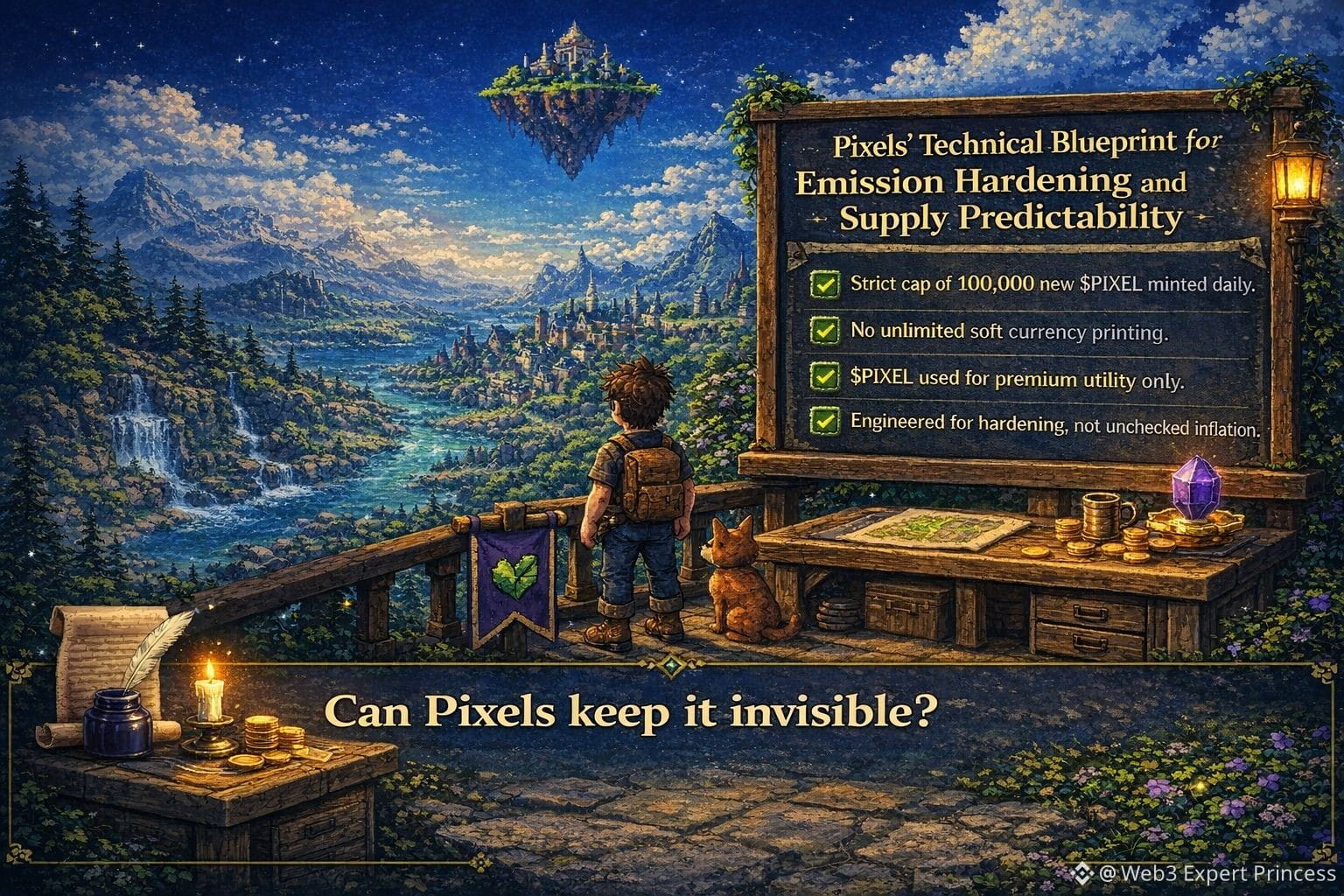
ピクセルとホワイトペーパーの技術的ブループリント:エミッションのハードニングと供給の予測可能性
私は、GameFiのホワイトペーパーが制御された経済を約束しながら、静かに無制限のインフレーションを許して価値を破壊するのを見てきました。
彼らはエミッションスケジュールを設計します。
理論上の上限を言及します。
予測可能性を主張します。
そして、毎日のミントが制御を失い、供給が膨れ上がり、トークン価格がいつものように崩壊します。
ピクセルのホワイトペーパーは、概念的にシャープな技術基盤に寄り添っています。
それは、シンプルで、ほとんど頑固な仮定から始まります:トークン供給は意図的にハードニングされ、予測可能でなければなりません。毎日100,000の新しいピクセルがミントされます — 固定の上限 — それからエコシステムを強化する行動に分配されます。無制限のソフト通貨印刷はありません。ピクセルは、NFTミント、VIPゲート、ギルドアクセス、ガバナンスのためのプレミアムユーティリティとして厳格に機能し、カジュアルプレイは$PIXELで購入したオフチェーンコインで運営されます。
これはほとんどのものよりもクリーンな技術フレームワークです。供給の予測可能性は基盤となり — 脳死のインフレーションを減らし、ハイプが消えた後も生き残ることができるより正確な経済制御を提供します。
しかし、ここでホワイトペーパーが固定の上限で完全には覆えない深い緊張があります。
エミッションのハードニングが賢くなるほど、プレイヤーはその下にある制御された希少性の機械を感じるリスクが高まります。すべてのトークンが意図的に配分されていると感じると、進行は楽しいプレイから他人の設計された経済に参加することにシフトする可能性があります。予測可能なミントがどれだけあっても、その計算が示されるときには、その寒気を隠すことはできません。
だから、実際のテストは厳しく、概念的です:
ピクセルは、技術的制約を目に見えなく保ちながらエミッションのハードニングを巧妙に実装できるでしょうか?限られた供給が、誰もが希少性モデルを感じることなくオーガニックなエンゲージメントを生み出すことができるでしょうか?
もしゲームプレイが先導し、ハードニングされた供給が静かに価値を可能にするなら、これはほとんどのGameFi実験を超えて生き延びる可能性があります。
そうでなければ、それは単に同じ古い出口の周りに美しいコントロールがあるだけです。
@pixels #pixel $PIXEL
$GUN $BULLA
#StrategyBTCPurchase #WhatNextForUSIranConflict #RAVEWildMoves #AltcoinRecoverySignals?
ピクセルとホワイトペーパーの技術的ブループリント:エミッションのハードニングと供給の予測可能性
私は、GameFiのホワイトペーパーが制御された経済を約束しながら、静かに無制限のインフレーションを許して価値を破壊するのを見てきました。
彼らはエミッションスケジュールを設計します。
理論上の上限を言及します。
予測可能性を主張します。
そして、毎日のミントが制御を失い、供給が膨れ上がり、トークン価格がいつものように崩壊します。
ピクセルのホワイトペーパーは、概念的にシャープな技術基盤に寄り添っています。
それは、シンプルで、ほとんど頑固な仮定から始まります:トークン供給は意図的にハードニングされ、予測可能でなければなりません。毎日100,000の新しいピクセルがミントされます — 固定の上限 — それからエコシステムを強化する行動に分配されます。無制限のソフト通貨印刷はありません。ピクセルは、NFTミント、VIPゲート、ギルドアクセス、ガバナンスのためのプレミアムユーティリティとして厳格に機能し、カジュアルプレイは$PIXEL で購入したオフチェーンコインで運営されます。
これはほとんどのものよりもクリーンな技術フレームワークです。供給の予測可能性は基盤となり — 脳死のインフレーションを減らし、ハイプが消えた後も生き残ることができるより正確な経済制御を提供します。
しかし、ここでホワイトペーパーが固定の上限で完全には覆えない深い緊張があります。
エミッションのハードニングが賢くなるほど、プレイヤーはその下にある制御された希少性の機械を感じるリスクが高まります。すべてのトークンが意図的に配分されていると感じると、進行は楽しいプレイから他人の設計された経済に参加することにシフトする可能性があります。予測可能なミントがどれだけあっても、その計算が示されるときには、その寒気を隠すことはできません。
だから、実際のテストは厳しく、概念的です:
ピクセルは、技術的制約を目に見えなく保ちながらエミッションのハードニングを巧妙に実装できるでしょうか?限られた供給が、誰もが希少性モデルを感じることなくオーガニックなエンゲージメントを生み出すことができるでしょうか?
もしゲームプレイが先導し、ハードニングされた供給が静かに価値を可能にするなら、これはほとんどのGameFi実験を超えて生き延びる可能性があります。
そうでなければ、それは単に同じ古い出口の周りに美しいコントロールがあるだけです。
@Pixels #pixel $PIXEL
$GUN $BULLA
#StrategyBTCPurchase #WhatNextForUSIranConflict #RAVEWildMoves #AltcoinRecoverySignals?
私は、GameFiのホワイトペーパーが制御された経済を約束しながら、静かに無制限のインフレーションを許して価値を破壊するのを見てきました。
彼らはエミッションスケジュールを設計します。
理論上の上限を言及します。
予測可能性を主張します。
そして、毎日のミントが制御を失い、供給が膨れ上がり、トークン価格がいつものように崩壊します。
ピクセルのホワイトペーパーは、概念的にシャープな技術基盤に寄り添っています。
それは、シンプルで、ほとんど頑固な仮定から始まります:トークン供給は意図的にハードニングされ、予測可能でなければなりません。毎日100,000の新しいピクセルがミントされます — 固定の上限 — それからエコシステムを強化する行動に分配されます。無制限のソフト通貨印刷はありません。ピクセルは、NFTミント、VIPゲート、ギルドアクセス、ガバナンスのためのプレミアムユーティリティとして厳格に機能し、カジュアルプレイは$PIXEL で購入したオフチェーンコインで運営されます。
これはほとんどのものよりもクリーンな技術フレームワークです。供給の予測可能性は基盤となり — 脳死のインフレーションを減らし、ハイプが消えた後も生き残ることができるより正確な経済制御を提供します。
しかし、ここでホワイトペーパーが固定の上限で完全には覆えない深い緊張があります。
エミッションのハードニングが賢くなるほど、プレイヤーはその下にある制御された希少性の機械を感じるリスクが高まります。すべてのトークンが意図的に配分されていると感じると、進行は楽しいプレイから他人の設計された経済に参加することにシフトする可能性があります。予測可能なミントがどれだけあっても、その計算が示されるときには、その寒気を隠すことはできません。
だから、実際のテストは厳しく、概念的です:
ピクセルは、技術的制約を目に見えなく保ちながらエミッションのハードニングを巧妙に実装できるでしょうか?限られた供給が、誰もが希少性モデルを感じることなくオーガニックなエンゲージメントを生み出すことができるでしょうか?
もしゲームプレイが先導し、ハードニングされた供給が静かに価値を可能にするなら、これはほとんどのGameFi実験を超えて生き延びる可能性があります。
そうでなければ、それは単に同じ古い出口の周りに美しいコントロールがあるだけです。
@Pixels #pixel $PIXEL
$GUN $BULLA
#StrategyBTCPurchase #WhatNextForUSIranConflict #RAVEWildMoves #AltcoinRecoverySignals?
2
225
記事
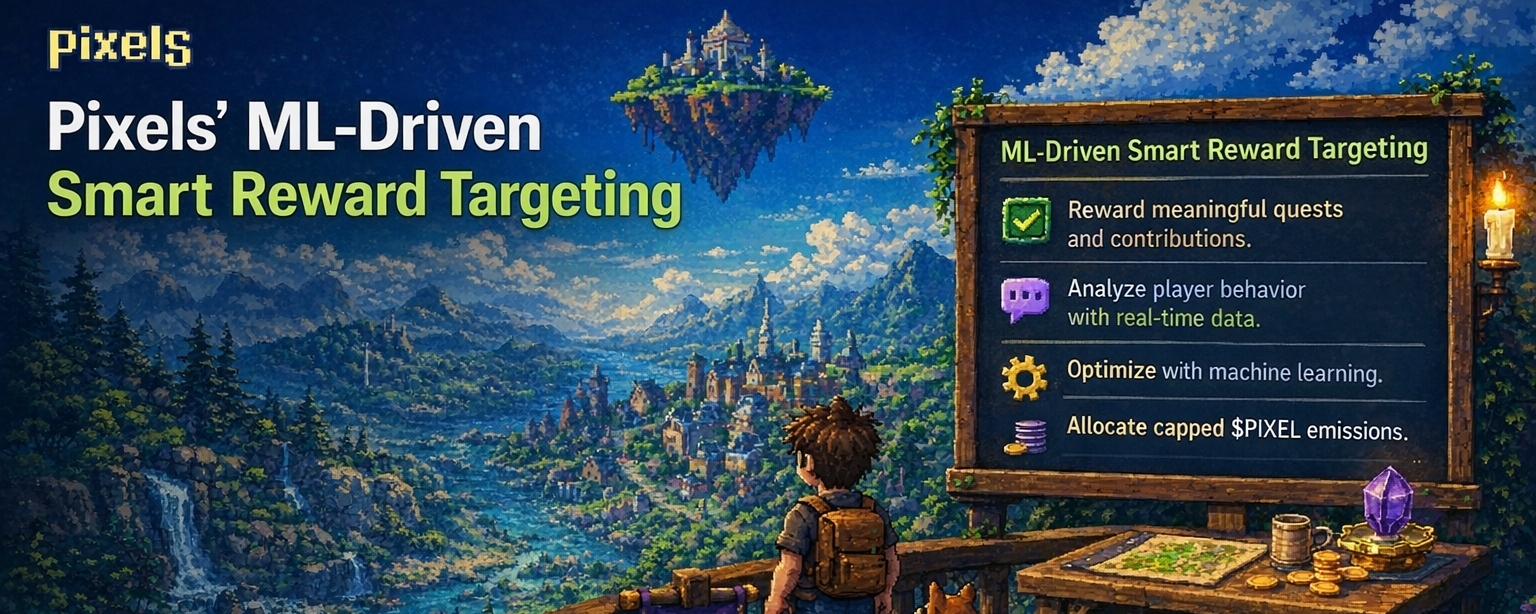
PixelsのML駆動型スマートリワードターゲティングGameFiのホワイトペーパーでは、インセンティブの整合性を賢明に約束しながら、鈍い排出スケジュールと包括的なレバレッジに静かに戻るのを見てきました。
彼らは報酬ティアを概説しています。
彼らはデータ収集について言及しています。
彼らは行動ターゲティングを主張しています。
次に、実際のプレイヤーアクションがシステムにヒットすると、報酬は恣意的に感じられ、エンゲージメントメトリックはいつも通りフラットラインします。
Pixelsのホワイトペーパーは、概念的により鋭い技術基盤に傾いています。
これは、報酬は生の活動量ではなく、長期的なエコシステムの価値を実際に推進する行動を特定するために、大規模なデータ分析と機械学習を通じて割り当てられるべきだという、単純でほぼ頑固な仮定から始まります。ホワイトペーパーでは、リアルタイムのプレイヤーテレメトリー、行動パターン、貢献シグナルを活用してインセンティブを動的に分配する、次世代の広告ネットワークに類似した包括的なデータ駆動インフラを説明しています。スマートリワードターゲティングは、意味のあるクエストの完了、ユーザー生成コンテンツの作成、一貫したソーシャルエンゲージメント、全体的な健康を強化するリソース貢献などのプレイヤーアクションをスコアリングするためにMLモデルを使用し、パッシブファーミングループの代わりに、制限された日次ピクセル排出(100,000新トークン)を適切に指向します。
PixelsのML駆動型スマートリワードターゲティング
GameFiのホワイトペーパーでは、インセンティブの整合性を賢明に約束しながら、鈍い排出スケジュールと包括的なレバレッジに静かに戻るのを見てきました。
彼らは報酬ティアを概説しています。
彼らはデータ収集について言及しています。
彼らは行動ターゲティングを主張しています。
次に、実際のプレイヤーアクションがシステムにヒットすると、報酬は恣意的に感じられ、エンゲージメントメトリックはいつも通りフラットラインします。
Pixelsのホワイトペーパーは、概念的により鋭い技術基盤に傾いています。
これは、報酬は生の活動量ではなく、長期的なエコシステムの価値を実際に推進する行動を特定するために、大規模なデータ分析と機械学習を通じて割り当てられるべきだという、単純でほぼ頑固な仮定から始まります。ホワイトペーパーでは、リアルタイムのプレイヤーテレメトリー、行動パターン、貢献シグナルを活用してインセンティブを動的に分配する、次世代の広告ネットワークに類似した包括的なデータ駆動インフラを説明しています。スマートリワードターゲティングは、意味のあるクエストの完了、ユーザー生成コンテンツの作成、一貫したソーシャルエンゲージメント、全体的な健康を強化するリソース貢献などのプレイヤーアクションをスコアリングするためにMLモデルを使用し、パッシブファーミングループの代わりに、制限された日次ピクセル排出(100,000新トークン)を適切に指向します。
彼らは報酬ティアを概説しています。
彼らはデータ収集について言及しています。
彼らは行動ターゲティングを主張しています。
次に、実際のプレイヤーアクションがシステムにヒットすると、報酬は恣意的に感じられ、エンゲージメントメトリックはいつも通りフラットラインします。
Pixelsのホワイトペーパーは、概念的により鋭い技術基盤に傾いています。
これは、報酬は生の活動量ではなく、長期的なエコシステムの価値を実際に推進する行動を特定するために、大規模なデータ分析と機械学習を通じて割り当てられるべきだという、単純でほぼ頑固な仮定から始まります。ホワイトペーパーでは、リアルタイムのプレイヤーテレメトリー、行動パターン、貢献シグナルを活用してインセンティブを動的に分配する、次世代の広告ネットワークに類似した包括的なデータ駆動インフラを説明しています。スマートリワードターゲティングは、意味のあるクエストの完了、ユーザー生成コンテンツの作成、一貫したソーシャルエンゲージメント、全体的な健康を強化するリソース貢献などのプレイヤーアクションをスコアリングするためにMLモデルを使用し、パッシブファーミングループの代わりに、制限された日次ピクセル排出(100,000新トークン)を適切に指向します。
266
ピクセルとホワイトペーパーの心地よいソーシャルループと感情的な粘着性への賭け
GameFiのホワイトペーパーで、深いソーシャル機能を約束しながら、静かに空のチャットボックスとゴーストタウンを提供するのを見てきました。
彼らは友達リストを追加します。
彼らは農場を訪れることについて話します。
彼らはコミュニティが人々を戻らせると主張します。
しかし、初期の波がログオフすると、会話は枯れ、バーチャルな世界は一人プレイのグラインドよりも孤独に感じます。
ピクセルのホワイトペーパーは、概念的にシャープな基盤に寄り添っています。
それは、シンプルで、ほぼ頑固な仮定から始まります:ゲームは、誰かがそれを日常的な作業ではなく、セカンドホームのように扱うためには、感情的に心地よく、社会的に報われるものでなければなりません。コアループは、温かさやノスタルジアを呼び起こすピクセルアートの世界で、リラックスした農業、建築、装飾に中心を置いています。プレイヤーは自由に友達の農場を訪れ、虹の道を歩き、他の人が装飾、産業、創造的なビルドでスペースをどのようにパーソナライズしているかを見ることができます。ソーシャルレピュテーションシステムは、一貫したポジティブなインタラクションを報酬しますが、ギルドは活気に満ちた経済的かつ協力的なハブに進化し、プレイヤーは大きなプロジェクトや共有の目標のためにチームを組みます。
より広い野望は、単独のリソースグラインディングを超えています。ピクセルは、土地の所有者とシェアクロッパーが意味のある形で相互作用する生きたソーシャルファブリックを強調します — あるプレイヤーが自分のプロットを工業化し、他の人を招待して貢献させ、貿易、助け、共有された進歩を通じて自然な関係を築きます。100以上のNFTコレクションがアバターとして機能し、プレイヤーはPixelverseをよく知られたキャラクターとして歩くことでアイデンティティを表現できます。LLM駆動のNPCは、個人的に感じられるスクリプトなしの会話を追加し、サイドストーリーや役立つ貿易を解放します。章の更新は、3ヶ月から4ヶ月ごとに新しいソーシャルメカニクス、バウンティフォールのようなチーム競技、競争を強いられないグループプレイを促進する機能を搭載して展開されます。
彼らが精緻に調整されたソーシャル最適化モデルの中にいるように感じていますか?
@pixels #pixel
{spot}(PIXELUSDT)
$PIXEL $DOGS $BULLA #KelpDAOFacesAttack
ピクセルとホワイトペーパーの心地よいソーシャルループと感情的な粘着性への賭け
GameFiのホワイトペーパーで、深いソーシャル機能を約束しながら、静かに空のチャットボックスとゴーストタウンを提供するのを見てきました。
彼らは友達リストを追加します。
彼らは農場を訪れることについて話します。
彼らはコミュニティが人々を戻らせると主張します。
しかし、初期の波がログオフすると、会話は枯れ、バーチャルな世界は一人プレイのグラインドよりも孤独に感じます。
ピクセルのホワイトペーパーは、概念的にシャープな基盤に寄り添っています。
それは、シンプルで、ほぼ頑固な仮定から始まります:ゲームは、誰かがそれを日常的な作業ではなく、セカンドホームのように扱うためには、感情的に心地よく、社会的に報われるものでなければなりません。コアループは、温かさやノスタルジアを呼び起こすピクセルアートの世界で、リラックスした農業、建築、装飾に中心を置いています。プレイヤーは自由に友達の農場を訪れ、虹の道を歩き、他の人が装飾、産業、創造的なビルドでスペースをどのようにパーソナライズしているかを見ることができます。ソーシャルレピュテーションシステムは、一貫したポジティブなインタラクションを報酬しますが、ギルドは活気に満ちた経済的かつ協力的なハブに進化し、プレイヤーは大きなプロジェクトや共有の目標のためにチームを組みます。
より広い野望は、単独のリソースグラインディングを超えています。ピクセルは、土地の所有者とシェアクロッパーが意味のある形で相互作用する生きたソーシャルファブリックを強調します — あるプレイヤーが自分のプロットを工業化し、他の人を招待して貢献させ、貿易、助け、共有された進歩を通じて自然な関係を築きます。100以上のNFTコレクションがアバターとして機能し、プレイヤーはPixelverseをよく知られたキャラクターとして歩くことでアイデンティティを表現できます。LLM駆動のNPCは、個人的に感じられるスクリプトなしの会話を追加し、サイドストーリーや役立つ貿易を解放します。章の更新は、3ヶ月から4ヶ月ごとに新しいソーシャルメカニクス、バウンティフォールのようなチーム競技、競争を強いられないグループプレイを促進する機能を搭載して展開されます。
彼らが精緻に調整されたソーシャル最適化モデルの中にいるように感じていますか?
@Pixels #pixel
$PIXEL $DOGS $BULLA #KelpDAOFacesAttack
GameFiのホワイトペーパーで、深いソーシャル機能を約束しながら、静かに空のチャットボックスとゴーストタウンを提供するのを見てきました。
彼らは友達リストを追加します。
彼らは農場を訪れることについて話します。
彼らはコミュニティが人々を戻らせると主張します。
しかし、初期の波がログオフすると、会話は枯れ、バーチャルな世界は一人プレイのグラインドよりも孤独に感じます。
ピクセルのホワイトペーパーは、概念的にシャープな基盤に寄り添っています。
それは、シンプルで、ほぼ頑固な仮定から始まります:ゲームは、誰かがそれを日常的な作業ではなく、セカンドホームのように扱うためには、感情的に心地よく、社会的に報われるものでなければなりません。コアループは、温かさやノスタルジアを呼び起こすピクセルアートの世界で、リラックスした農業、建築、装飾に中心を置いています。プレイヤーは自由に友達の農場を訪れ、虹の道を歩き、他の人が装飾、産業、創造的なビルドでスペースをどのようにパーソナライズしているかを見ることができます。ソーシャルレピュテーションシステムは、一貫したポジティブなインタラクションを報酬しますが、ギルドは活気に満ちた経済的かつ協力的なハブに進化し、プレイヤーは大きなプロジェクトや共有の目標のためにチームを組みます。
より広い野望は、単独のリソースグラインディングを超えています。ピクセルは、土地の所有者とシェアクロッパーが意味のある形で相互作用する生きたソーシャルファブリックを強調します — あるプレイヤーが自分のプロットを工業化し、他の人を招待して貢献させ、貿易、助け、共有された進歩を通じて自然な関係を築きます。100以上のNFTコレクションがアバターとして機能し、プレイヤーはPixelverseをよく知られたキャラクターとして歩くことでアイデンティティを表現できます。LLM駆動のNPCは、個人的に感じられるスクリプトなしの会話を追加し、サイドストーリーや役立つ貿易を解放します。章の更新は、3ヶ月から4ヶ月ごとに新しいソーシャルメカニクス、バウンティフォールのようなチーム競技、競争を強いられないグループプレイを促進する機能を搭載して展開されます。
彼らが精緻に調整されたソーシャル最適化モデルの中にいるように感じていますか?
@Pixels #pixel
$PIXEL $DOGS $BULLA #KelpDAOFacesAttack
2
1
80
ログインして、さらにコンテンツを読む
厳選トピックで世界の暗号資産トレーダーの仲間入り
⚡️ 暗号資産に関する最新かつ有益な情報が見つかります。
💬 世界最大の暗号資産取引所から信頼されています。
👍 認証を受けたクリエイターから、有益なインサイトを得られます。
メール / 電話番号