
President_Trump
2.2k 投稿
President_Trump
報告
ユーザーをブロック
Buy fear. Hold conviction. Repeat 🔁
24 フォロー
1.0K+ フォロワー
4.7K+ いいね
投稿
すべて
引用
動画
ライブ
PINNED
各子供に対して少なくとも1 $TAO を購入してください。
それから忘れてしまいましょう。
彼らが成長するまで保持してください。
いつの日か、彼らがAI + 分散化が何になったのかを理解したとき、
彼らは親がただお金を節約しただけでなく —
先見の明を保存したことに気づくでしょう。
私たちは皆、その話を知っています。
かつて人々はビットコインについて同じことを言っていました…
そして私たちのほとんどはそれを聞かなかったのです。
その過ちを繰り返さないでください、兄弟たち。
いくつかの機会は世代を超えるものです。
{future}(TAOUSDT)
各子供に対して少なくとも1 $TAO を購入してください。
それから忘れてしまいましょう。
彼らが成長するまで保持してください。
いつの日か、彼らがAI + 分散化が何になったのかを理解したとき、
彼らは親がただお金を節約しただけでなく —
先見の明を保存したことに気づくでしょう。
私たちは皆、その話を知っています。
かつて人々はビットコインについて同じことを言っていました…
そして私たちのほとんどはそれを聞かなかったのです。
その過ちを繰り返さないでください、兄弟たち。
いくつかの機会は世代を超えるものです。
それから忘れてしまいましょう。
彼らが成長するまで保持してください。
いつの日か、彼らがAI + 分散化が何になったのかを理解したとき、
彼らは親がただお金を節約しただけでなく —
先見の明を保存したことに気づくでしょう。
私たちは皆、その話を知っています。
かつて人々はビットコインについて同じことを言っていました…
そして私たちのほとんどはそれを聞かなかったのです。
その過ちを繰り返さないでください、兄弟たち。
いくつかの機会は世代を超えるものです。
50
20
126
120.6k
3
293
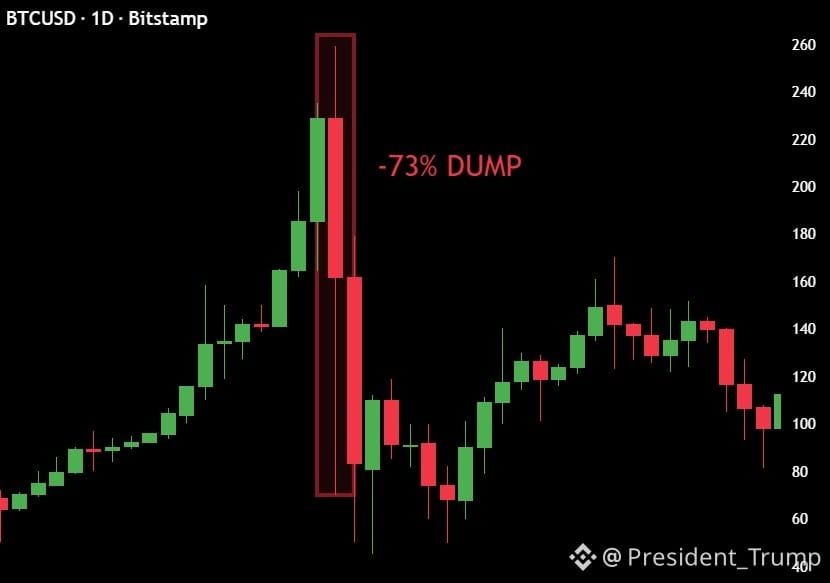
13年前の今日、$BTC はたった1日で73%下落しました。
その日に1,000投資した人は今や億万長者です。
{spot}(BTCUSDT)
13年前の今日、$BTC はたった1日で73%下落しました。
その日に1,000投資した人は今や億万長者です。
その日に1,000投資した人は今や億万長者です。
1
43
今、これは強力な4コインポートフォリオですか?
$TAO : 時価総額$3.63B、今日7%アップ、ブレイクアウトラリーは$497ターゲットを狙っています。RSIは68で、まだ走る余地があります。
$RENDER : 時価総額$972M、週間で10%アップ、$2を突破するのに苦労していますが、DePINのナラティブが構築中です。先週は71%のグリーンデー。
$SOL : 時価総額$47B、$82-85で取引中、週間で4%アップ。アルペングロウアップグレードがQ1にライブ、サブセカンドファイナリティが近づいています。L1の復活ストーリー。
{spot}(TAOUSDT)
{spot}(RENDERUSDT)
{spot}(SOLUSDT)
今、これは強力な4コインポートフォリオですか?
$TAO : 時価総額$3.63B、今日7%アップ、ブレイクアウトラリーは$497ターゲットを狙っています。RSIは68で、まだ走る余地があります。
$RENDER : 時価総額$972M、週間で10%アップ、$2を突破するのに苦労していますが、DePINのナラティブが構築中です。先週は71%のグリーンデー。
$SOL : 時価総額$47B、$82-85で取引中、週間で4%アップ。アルペングロウアップグレードがQ1にライブ、サブセカンドファイナリティが近づいています。L1の復活ストーリー。
$TAO : 時価総額$3.63B、今日7%アップ、ブレイクアウトラリーは$497ターゲットを狙っています。RSIは68で、まだ走る余地があります。
$RENDER : 時価総額$972M、週間で10%アップ、$2を突破するのに苦労していますが、DePINのナラティブが構築中です。先週は71%のグリーンデー。
$SOL : 時価総額$47B、$82-85で取引中、週間で4%アップ。アルペングロウアップグレードがQ1にライブ、サブセカンドファイナリティが近づいています。L1の復活ストーリー。

1
28
🚨 緊急速報
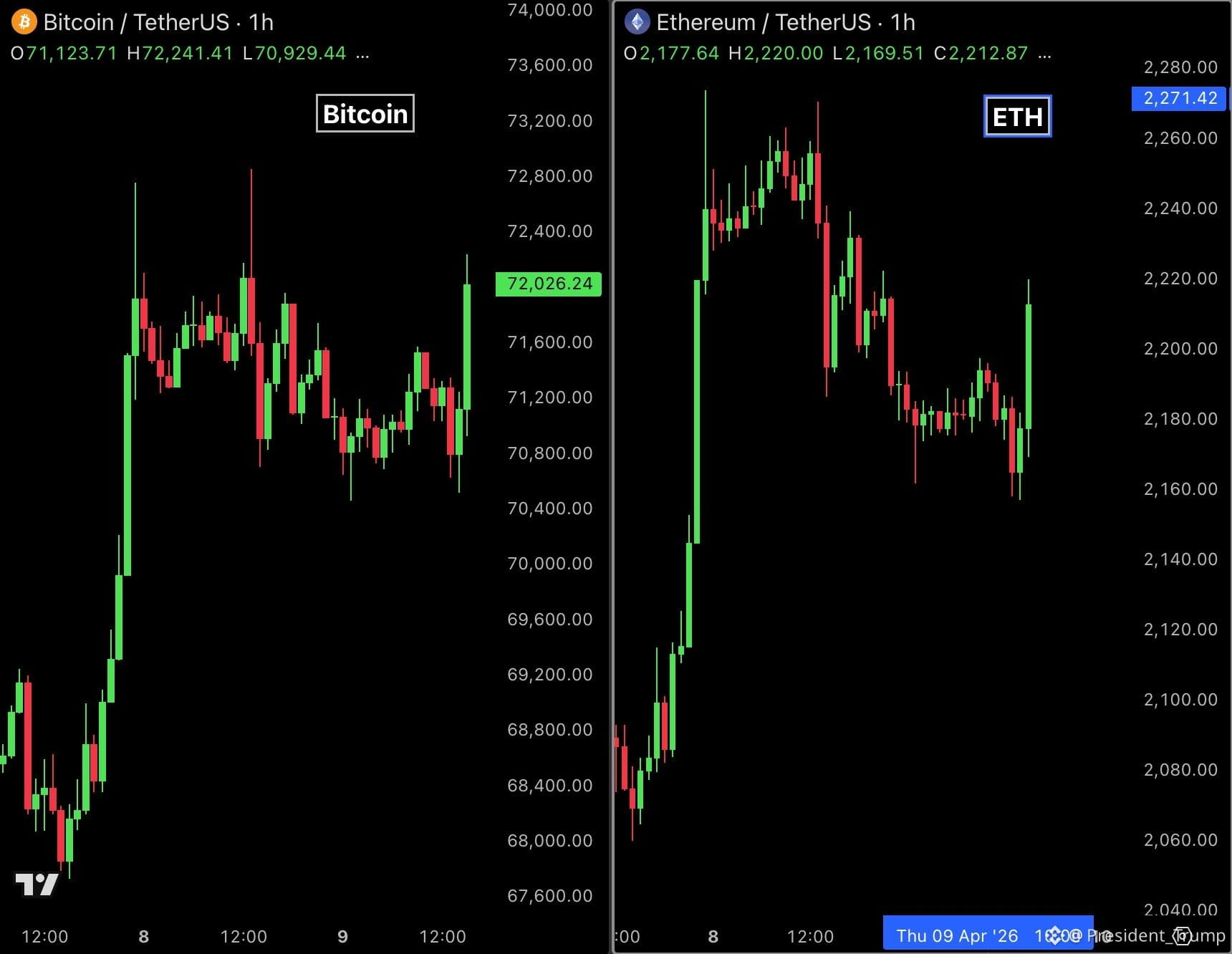
$BTC が$72Kを超えた
$ETH が$2.2Kを保持中
理由?シンプル
トランプが緊張緩和を要請
イスラエルがレバノンと直接対話中
市場はただ一つのポジティブなシグナルを必要としていた
物事がどれだけ早く変わるか
恐怖が消え → お金がすぐに戻ってくる
BTCとETHはすでに動き始めている
BNBは通常そのあとに動き出す
もしすべてがクリアになるのを待っているなら…
また遅れることになる
まだ早い今のうちにポジションを構築し始めよう
🚨 緊急速報
$BTC が$72Kを超えた
$ETH が$2.2Kを保持中
理由?シンプル
トランプが緊張緩和を要請
イスラエルがレバノンと直接対話中
市場はただ一つのポジティブなシグナルを必要としていた
物事がどれだけ早く変わるか
恐怖が消え → お金がすぐに戻ってくる
BTCとETHはすでに動き始めている
BNBは通常そのあとに動き出す
もしすべてがクリアになるのを待っているなら…
また遅れることになる
まだ早い今のうちにポジションを構築し始めよう
$BTC が$72Kを超えた
$ETH が$2.2Kを保持中
理由?シンプル
トランプが緊張緩和を要請
イスラエルがレバノンと直接対話中
市場はただ一つのポジティブなシグナルを必要としていた
物事がどれだけ早く変わるか
恐怖が消え → お金がすぐに戻ってくる
BTCとETHはすでに動き始めている
BNBは通常そのあとに動き出す
もしすべてがクリアになるのを待っているなら…
また遅れることになる
まだ早い今のうちにポジションを構築し始めよう
1
146
$SOL は約$82です
今、ちゃんと比較してみましょう 👇
• XRP / BNBの時価総額で → $143 (1.7倍)
• ETHの時価総額で → $458 (5.5倍)
• BTCの時価総額で → $2,400+ (30倍)
これはすでに$290に達したことがあります
ここから戻るだけでも良い動きです
狂った仮定は必要ありません
ETHの水準に向かうだけでSOLは全く異なる範囲に入ります
今はほとんどの人が躊躇しているゾーンにあります
その躊躇がチャンスです
ここではポジションがタイミングよりも重要です
これらの水準でのSOLは永遠に無視されることはありません 🚀
{spot}(SOLUSDT)
$SOL は約$82です
今、ちゃんと比較してみましょう 👇
• XRP / BNBの時価総額で → $143 (1.7倍)
• ETHの時価総額で → $458 (5.5倍)
• BTCの時価総額で → $2,400+ (30倍)
これはすでに$290に達したことがあります
ここから戻るだけでも良い動きです
狂った仮定は必要ありません
ETHの水準に向かうだけでSOLは全く異なる範囲に入ります
今はほとんどの人が躊躇しているゾーンにあります
その躊躇がチャンスです
ここではポジションがタイミングよりも重要です
これらの水準でのSOLは永遠に無視されることはありません 🚀
今、ちゃんと比較してみましょう 👇
• XRP / BNBの時価総額で → $143 (1.7倍)
• ETHの時価総額で → $458 (5.5倍)
• BTCの時価総額で → $2,400+ (30倍)
これはすでに$290に達したことがあります
ここから戻るだけでも良い動きです
狂った仮定は必要ありません
ETHの水準に向かうだけでSOLは全く異なる範囲に入ります
今はほとんどの人が躊躇しているゾーンにあります
その躊躇がチャンスです
ここではポジションがタイミングよりも重要です
これらの水準でのSOLは永遠に無視されることはありません 🚀
290
$BTC 年に2009年: $0.001
2026年のBTC: $72,000
17年で7150万X。
これに勝るものを見せてください。
{spot}(BTCUSDT)
$BTC 年に2009年: $0.001
2026年のBTC: $72,000
17年で7150万X。
これに勝るものを見せてください。
2026年のBTC: $72,000
17年で7150万X。
これに勝るものを見せてください。

1
91
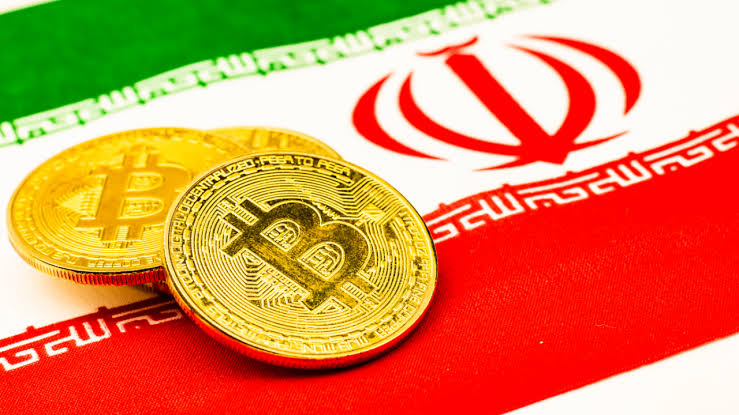
🇮🇷 ちょっと待って…ゆっくり読んで 👀
イランがホルムズ海峡を通過する船に対して200万ドルを請求… そしてビットコインを要求
約$72Kで$BTC → それは船ごとに約27.7 BTCだ
さあ、計算してみて👇
• 日次 → 約3,611 BTC
• 月次 → 約108,000 BTC
• 年次 → 約130万BTC
一方で…ネットワーク全体は毎日約450 BTCしかマイニングしていない
つまり、一つの国が新しい供給を何倍も吸収する可能性があるということだ
これをよく考えてみてくれ
これはもう単なるクリプトの話じゃない
これは地政学的レベルで使われるビットコインだ
制裁?回避済み
エネルギールート?マネタイズ済み
グローバル貿易?シフト中
人々はまだチャートを議論している…
このような需要の物語が静かに育っている間に
もしこの一部でも現実になれば…
供給圧力だけで全てが変わる
無視することもできる…
それとも早めに何が起こっているのか理解することもできる
だって、こんな動きはリテールを待たないから
明らかになる前にBTCポジションを構築しろ🚀
{spot}(BTCUSDT)
🇮🇷 ちょっと待って…ゆっくり読んで 👀
イランがホルムズ海峡を通過する船に対して200万ドルを請求… そしてビットコインを要求
約$72Kで$BTC → それは船ごとに約27.7 BTCだ
さあ、計算してみて👇
• 日次 → 約3,611 BTC
• 月次 → 約108,000 BTC
• 年次 → 約130万BTC
一方で…ネットワーク全体は毎日約450 BTCしかマイニングしていない
つまり、一つの国が新しい供給を何倍も吸収する可能性があるということだ
これをよく考えてみてくれ
これはもう単なるクリプトの話じゃない
これは地政学的レベルで使われるビットコインだ
制裁?回避済み
エネルギールート?マネタイズ済み
グローバル貿易?シフト中
人々はまだチャートを議論している…
このような需要の物語が静かに育っている間に
もしこの一部でも現実になれば…
供給圧力だけで全てが変わる
無視することもできる…
それとも早めに何が起こっているのか理解することもできる
だって、こんな動きはリテールを待たないから
明らかになる前にBTCポジションを構築しろ🚀
イランがホルムズ海峡を通過する船に対して200万ドルを請求… そしてビットコインを要求
約$72Kで$BTC → それは船ごとに約27.7 BTCだ
さあ、計算してみて👇
• 日次 → 約3,611 BTC
• 月次 → 約108,000 BTC
• 年次 → 約130万BTC
一方で…ネットワーク全体は毎日約450 BTCしかマイニングしていない
つまり、一つの国が新しい供給を何倍も吸収する可能性があるということだ
これをよく考えてみてくれ
これはもう単なるクリプトの話じゃない
これは地政学的レベルで使われるビットコインだ
制裁?回避済み
エネルギールート?マネタイズ済み
グローバル貿易?シフト中
人々はまだチャートを議論している…
このような需要の物語が静かに育っている間に
もしこの一部でも現実になれば…
供給圧力だけで全てが変わる
無視することもできる…
それとも早めに何が起こっているのか理解することもできる
だって、こんな動きはリテールを待たないから
明らかになる前にBTCポジションを構築しろ🚀
23
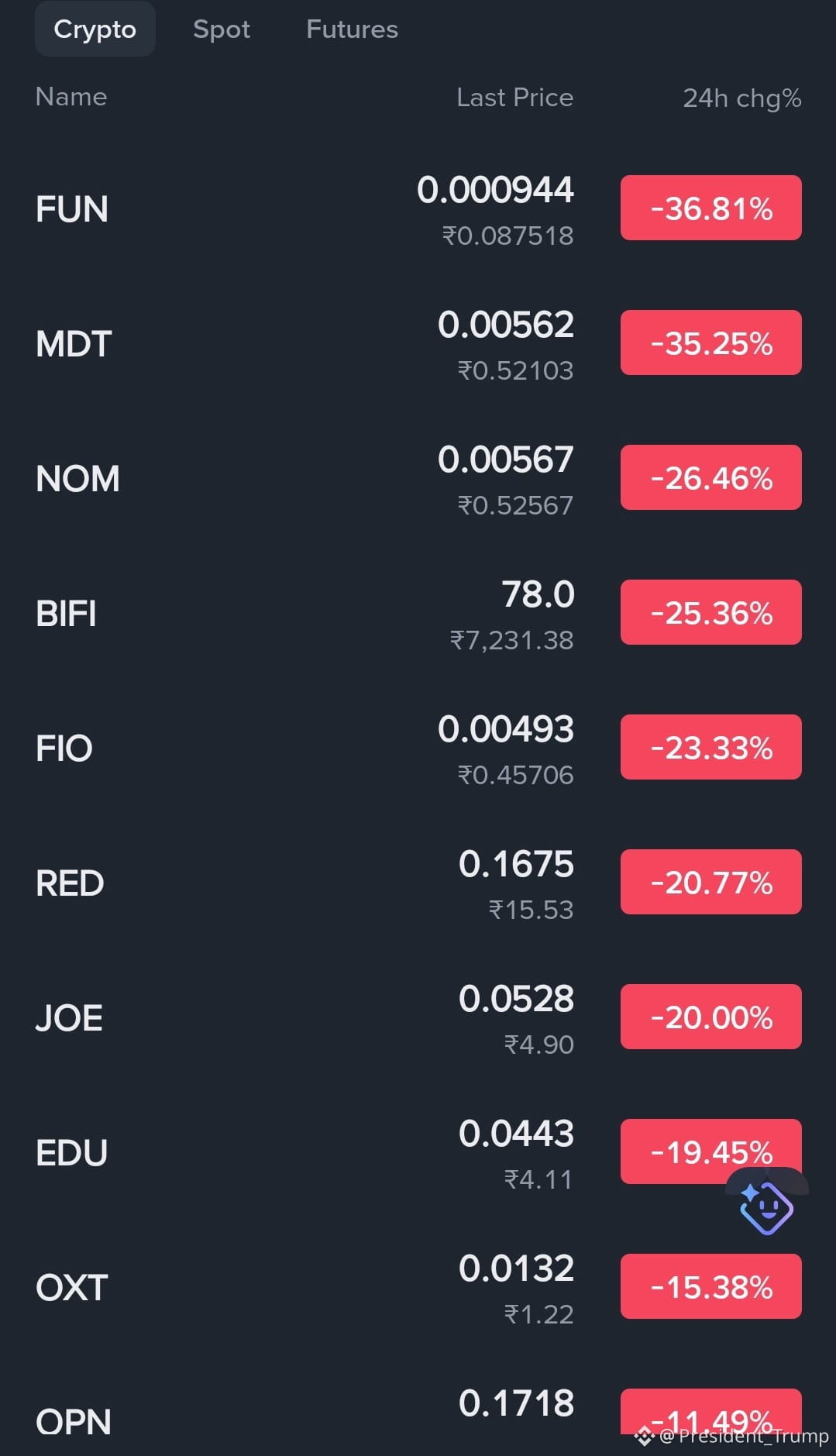
やめて…ちょっとだけ止まって 🚨
またやろうとしている…
緑の時に買って
赤の時に売る
周りを見て 👇
コインが10%–35%下落
みんながパニック
タイムラインは恐怖でいっぱい
それでも待ちたいの?
ここが本当にお金が生まれる場所
ポンプしている時ではなく
みんなが「月に行く」とツイートしている時ではない
ここだ…不快に感じる時
賢いお金は静かに買っている
一般投資家は後で…高い価格で入ってくる
だから確認を待つな
ハイプを待つな
なぜなら「安全」に見える時には…
その動きはすでにgone 🚀
$NOM $BIFI $FUN
やめて…ちょっとだけ止まって 🚨
またやろうとしている…
緑の時に買って
赤の時に売る
周りを見て 👇
コインが10%–35%下落
みんながパニック
タイムラインは恐怖でいっぱい
それでも待ちたいの?
ここが本当にお金が生まれる場所
ポンプしている時ではなく
みんなが「月に行く」とツイートしている時ではない
ここだ…不快に感じる時
賢いお金は静かに買っている
一般投資家は後で…高い価格で入ってくる
だから確認を待つな
ハイプを待つな
なぜなら「安全」に見える時には…
その動きはすでにgone 🚀
$NOM $BIFI $FUN
またやろうとしている…
緑の時に買って
赤の時に売る
周りを見て 👇
コインが10%–35%下落
みんながパニック
タイムラインは恐怖でいっぱい
それでも待ちたいの?
ここが本当にお金が生まれる場所
ポンプしている時ではなく
みんなが「月に行く」とツイートしている時ではない
ここだ…不快に感じる時
賢いお金は静かに買っている
一般投資家は後で…高い価格で入ってくる
だから確認を待つな
ハイプを待つな
なぜなら「安全」に見える時には…
その動きはすでにgone 🚀
$NOM $BIFI $FUN
729
ビットコイン → -46%
イーサリアム → -57%
ソラナ → -72%
XRP → -58%
ライトコイン → -81%
ドージコイン → -78%
カルダノ → -77%
最初の印象では…すべてが安く感じる
しかし、大幅に下落しているからといって、良い買いとは限らない
これらの中には反発するものもあれば…二度とその高値には届かないものもある
ビットコインはまだ最も安全なベット
イーサリアムはまだバックボーン
ソラナは本物のモメンタムとアップサイドがある
残りは?
移動するかもしれない…しないかもしれない
だから、ただ下落したものを追いかけないで
まだ生きていて、成長していて、注目を集めているものを選ぼう
そこが本当にお金が作られる場所だ 🚀
{spot}(ETHUSDT)
{spot}(SOLUSDT)
{spot}(XRPUSDT)
ビットコイン → -46%
イーサリアム → -57%
ソラナ → -72%
XRP → -58%
ライトコイン → -81%
ドージコイン → -78%
カルダノ → -77%
最初の印象では…すべてが安く感じる
しかし、大幅に下落しているからといって、良い買いとは限らない
これらの中には反発するものもあれば…二度とその高値には届かないものもある
ビットコインはまだ最も安全なベット
イーサリアムはまだバックボーン
ソラナは本物のモメンタムとアップサイドがある
残りは?
移動するかもしれない…しないかもしれない
だから、ただ下落したものを追いかけないで
まだ生きていて、成長していて、注目を集めているものを選ぼう
そこが本当にお金が作られる場所だ 🚀
イーサリアム → -57%
ソラナ → -72%
XRP → -58%
ライトコイン → -81%
ドージコイン → -78%
カルダノ → -77%
最初の印象では…すべてが安く感じる
しかし、大幅に下落しているからといって、良い買いとは限らない
これらの中には反発するものもあれば…二度とその高値には届かないものもある
ビットコインはまだ最も安全なベット
イーサリアムはまだバックボーン
ソラナは本物のモメンタムとアップサイドがある
残りは?
移動するかもしれない…しないかもしれない
だから、ただ下落したものを追いかけないで
まだ生きていて、成長していて、注目を集めているものを選ぼう
そこが本当にお金が作られる場所だ 🚀
1
147
緊急速報: これはベルト治療です🔥
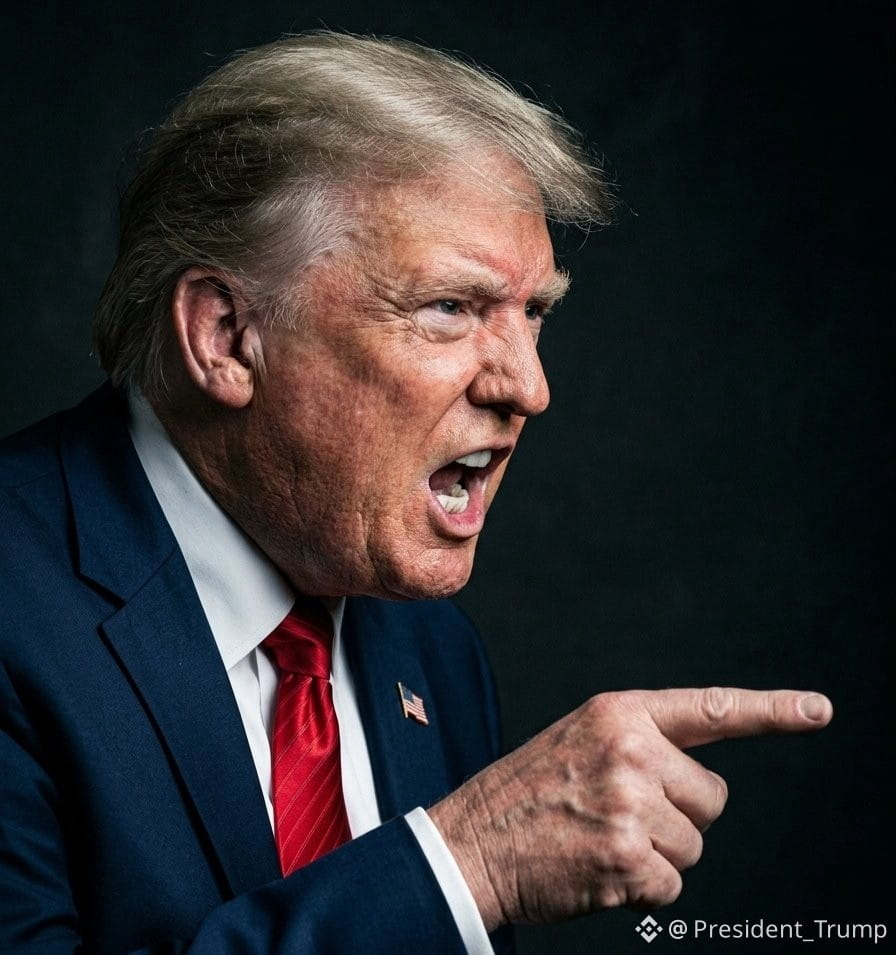
🇺🇸 トランプ –– 「今夜、私たちはイラン文明全体を終わらせることができる」
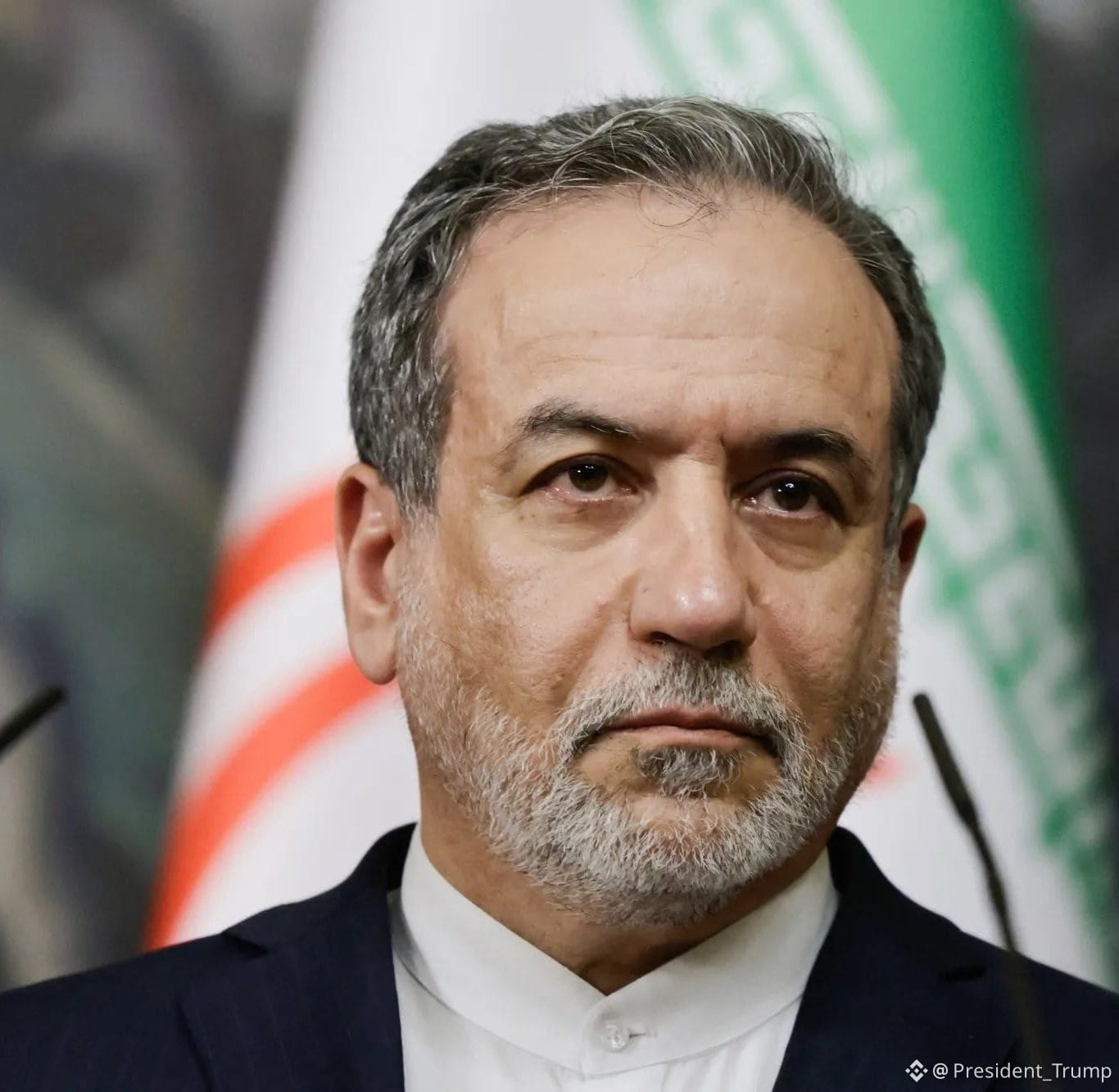
🇮🇷 イラン外相 –– 🔥 「私たちはあなたの脅威を恐れていませんが、今はイランが全く手を抜かないことを忘れないでください」
「イランはイスラエルのエネルギーインフラ全体と、この地域に米軍基地を持つ他のすべての国を破壊するでしょう。
警告: 今後は、良好な隣人関係や自制に関する特定の考慮が終了しました。
私たちは、ペルシャ湾の米国とそのパートナーのインフラを、彼らがこの地域の石油とガスを数年間奪われるような形で扱います」🫡
早期の立場 👇
$BTC $BZ $XAU
緊急速報: これはベルト治療です🔥
🇺🇸 トランプ –– 「今夜、私たちはイラン文明全体を終わらせることができる」
🇮🇷 イラン外相 –– 🔥 「私たちはあなたの脅威を恐れていませんが、今はイランが全く手を抜かないことを忘れないでください」
「イランはイスラエルのエネルギーインフラ全体と、この地域に米軍基地を持つ他のすべての国を破壊するでしょう。
警告: 今後は、良好な隣人関係や自制に関する特定の考慮が終了しました。
私たちは、ペルシャ湾の米国とそのパートナーのインフラを、彼らがこの地域の石油とガスを数年間奪われるような形で扱います」🫡
早期の立場 👇
$BTC $BZ $XAU
🇺🇸 トランプ –– 「今夜、私たちはイラン文明全体を終わらせることができる」
🇮🇷 イラン外相 –– 🔥 「私たちはあなたの脅威を恐れていませんが、今はイランが全く手を抜かないことを忘れないでください」
「イランはイスラエルのエネルギーインフラ全体と、この地域に米軍基地を持つ他のすべての国を破壊するでしょう。
警告: 今後は、良好な隣人関係や自制に関する特定の考慮が終了しました。
私たちは、ペルシャ湾の米国とそのパートナーのインフラを、彼らがこの地域の石油とガスを数年間奪われるような形で扱います」🫡
早期の立場 👇
$BTC $BZ $XAU
2
407
速報:
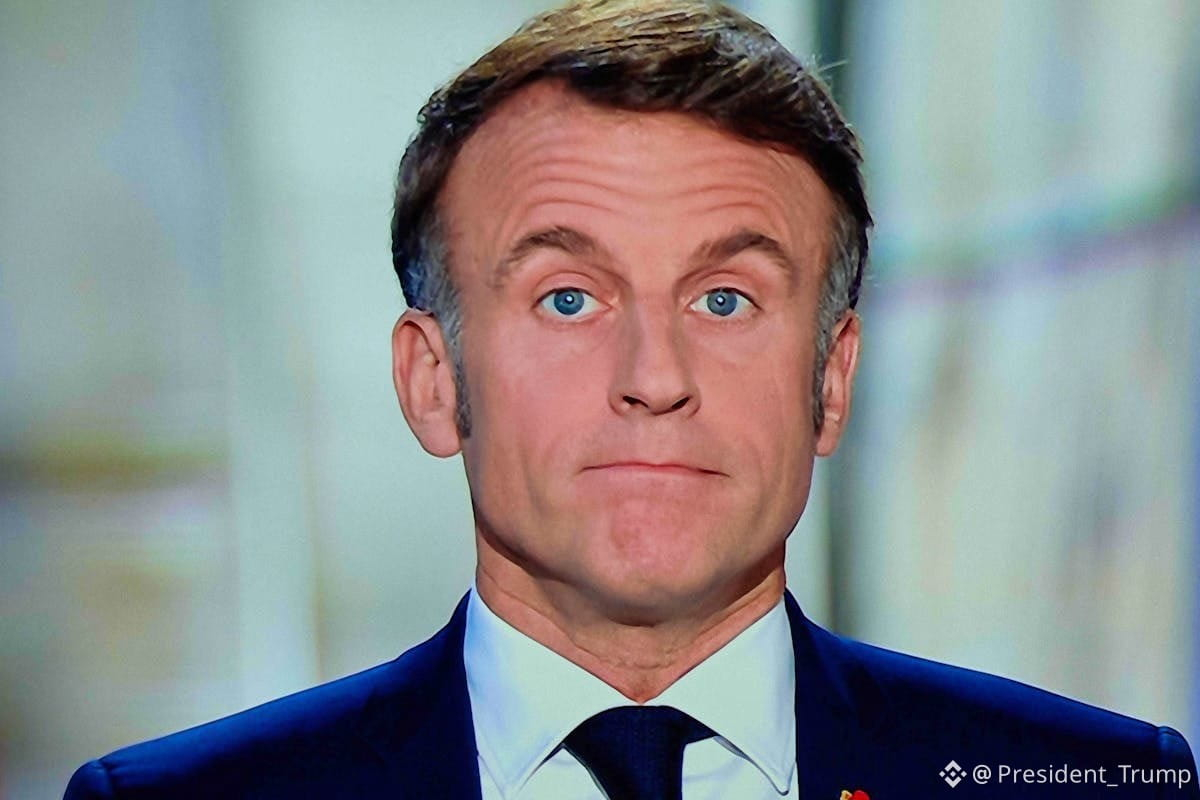
🇫🇷🇺🇸 フランスがニューヨークの連邦準備銀行から全ての金準備を正式に引き出しました。
マクロンはニューヨークに保管されていた129トンのフランスの金を静かに売却し、ヨーロッパで同等の金を購入しました。
フランスはペトロダラーの終焉に備えています。
$XAU
速報:
🇫🇷🇺🇸 フランスがニューヨークの連邦準備銀行から全ての金準備を正式に引き出しました。
マクロンはニューヨークに保管されていた129トンのフランスの金を静かに売却し、ヨーロッパで同等の金を購入しました。
フランスはペトロダラーの終焉に備えています。
$XAU
🇫🇷🇺🇸 フランスがニューヨークの連邦準備銀行から全ての金準備を正式に引き出しました。
マクロンはニューヨークに保管されていた129トンのフランスの金を静かに売却し、ヨーロッパで同等の金を購入しました。
フランスはペトロダラーの終焉に備えています。
$XAU

40
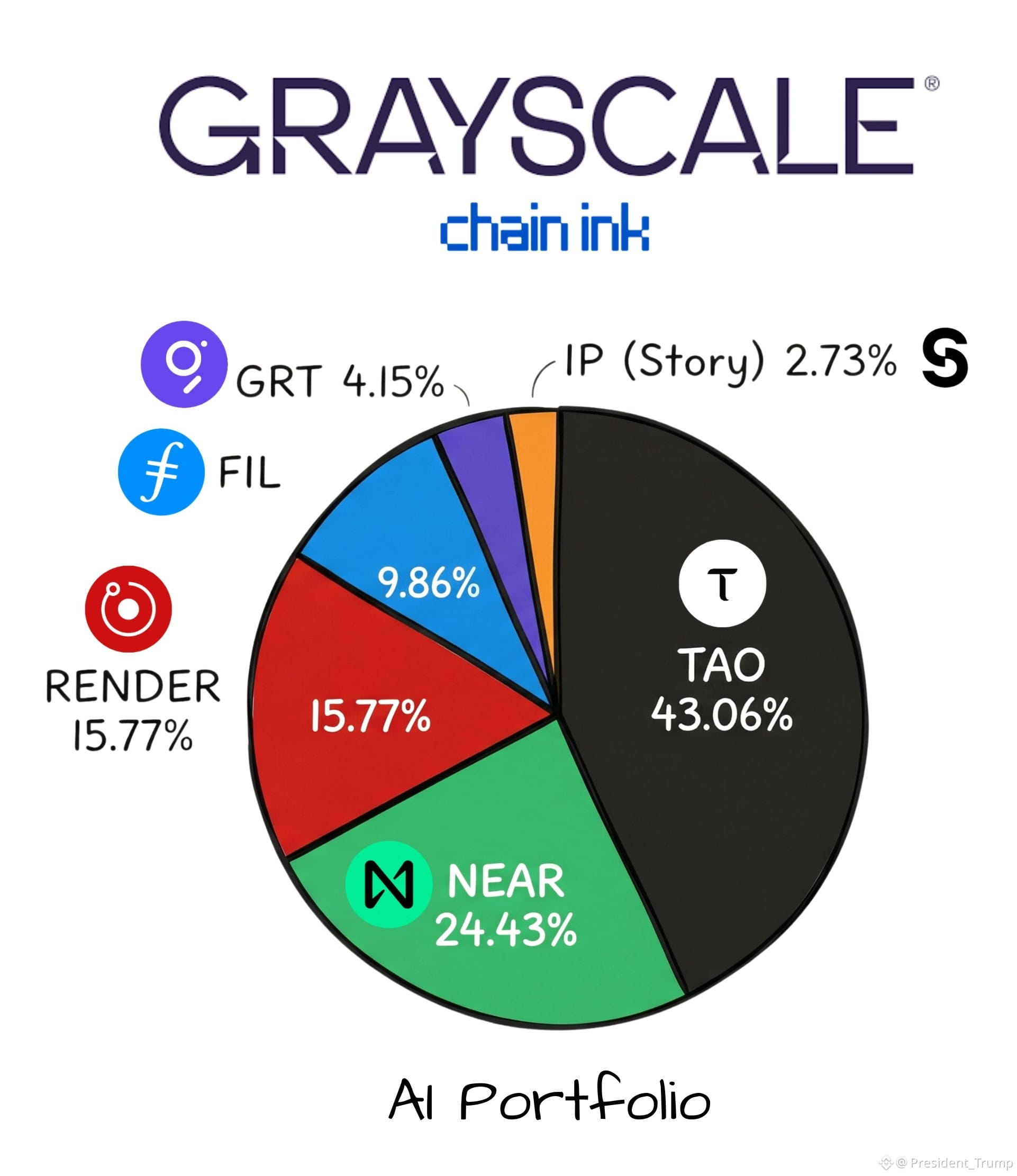
グレースケールはAIポートフォリオを再調整しました…そしてメッセージは明確です 👀
TAOは現在43%(以前の約30%から)
詳細は以下👇
$TAO — 43.06%
$NEAR — 24.43%
$RENDER — 15.77%
FIL — 9.86%
GRT — 4.15%
IP — 2.73%
TAO + NEARだけでファンドの約67.5%
新しいトークンは追加されていません
ハイププレイはありません
単に最も強力なAIベットに重みを置くだけ
それがスマートマネーの動き方です…
彼らはすべてを追いかけない
彼らは信念を二重にします
ほとんどの人がまだ気を散らしている間…
機関は静かにAIのポジションを構築しています
あなたはすべてを必要としません
強いものをいくつか選んで…そして蓄積を始めてください
AIのナラティブが再び動き出すとき…
これらはこのレベルに留まることはありません 🚀
{spot}(TAOUSDT)
{spot}(NEARUSDT)
{spot}(RENDERUSDT)
グレースケールはAIポートフォリオを再調整しました…そしてメッセージは明確です 👀
TAOは現在43%(以前の約30%から)
詳細は以下👇
$TAO — 43.06%
$NEAR — 24.43%
$RENDER — 15.77%
FIL — 9.86%
GRT — 4.15%
IP — 2.73%
TAO + NEARだけでファンドの約67.5%
新しいトークンは追加されていません
ハイププレイはありません
単に最も強力なAIベットに重みを置くだけ
それがスマートマネーの動き方です…
彼らはすべてを追いかけない
彼らは信念を二重にします
ほとんどの人がまだ気を散らしている間…
機関は静かにAIのポジションを構築しています
あなたはすべてを必要としません
強いものをいくつか選んで…そして蓄積を始めてください
AIのナラティブが再び動き出すとき…
これらはこのレベルに留まることはありません 🚀
TAOは現在43%(以前の約30%から)
詳細は以下👇
$TAO — 43.06%
$NEAR — 24.43%
$RENDER — 15.77%
FIL — 9.86%
GRT — 4.15%
IP — 2.73%
TAO + NEARだけでファンドの約67.5%
新しいトークンは追加されていません
ハイププレイはありません
単に最も強力なAIベットに重みを置くだけ
それがスマートマネーの動き方です…
彼らはすべてを追いかけない
彼らは信念を二重にします
ほとんどの人がまだ気を散らしている間…
機関は静かにAIのポジションを構築しています
あなたはすべてを必要としません
強いものをいくつか選んで…そして蓄積を始めてください
AIのナラティブが再び動き出すとき…
これらはこのレベルに留まることはありません 🚀
1
234
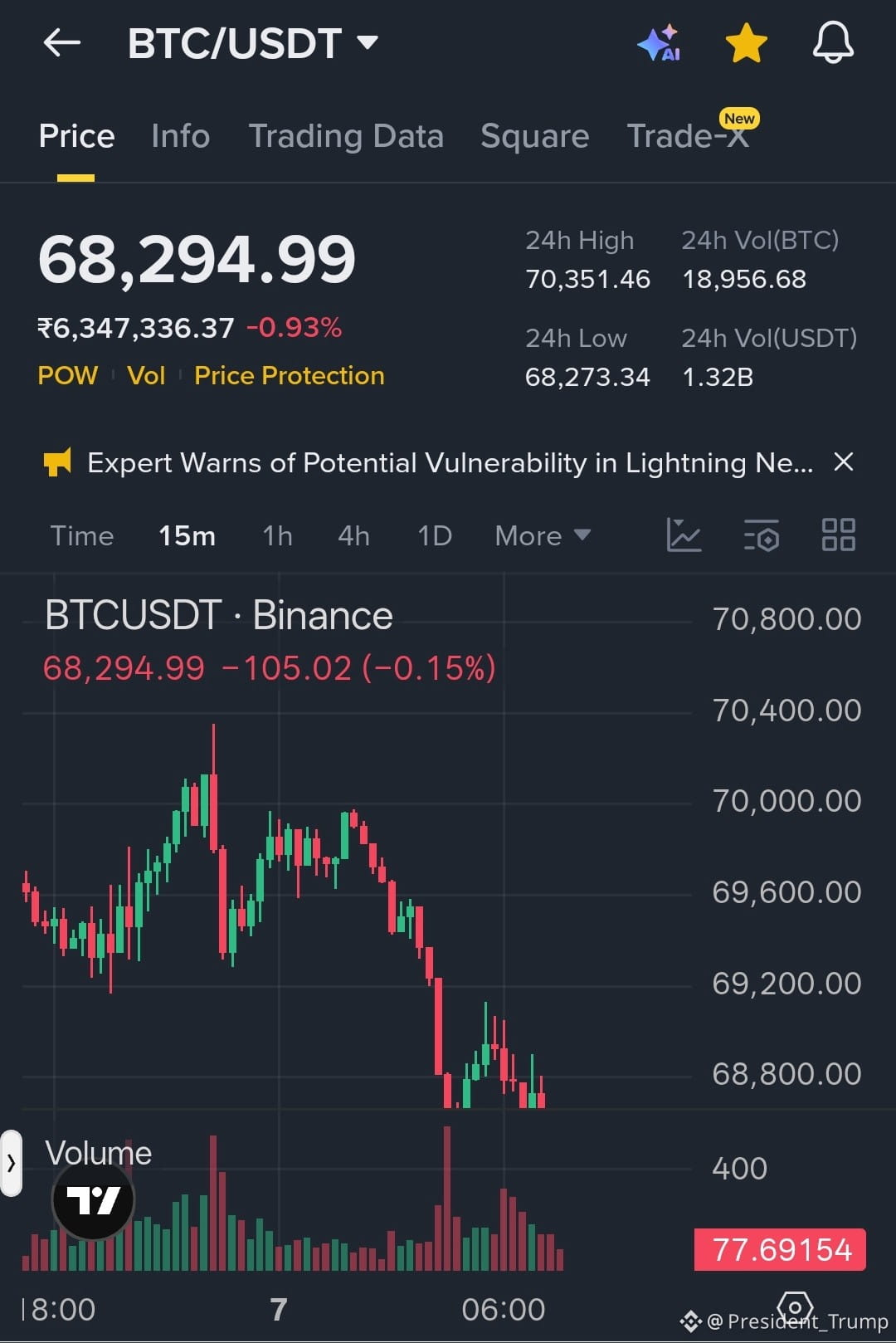
ビットコインはイランの攻撃ニュースの後、$71Kから$68Kに数分で急落しました 👀
1つの見出し → ダンプ
1つのスピーチ → ポンプ
今は…分析はあまり重要ではありません
地政学が市場を支配しています
だから過剰取引をやめてください
動きを追いかけるのをやめてください
長期的に考えましょう 👇
👉 ビットコイン
👉 イーサリアム
👉 ソラナ
スポットで強力な資産を蓄積してください…
このノイズが終わるとき…
生き残るのは最も強い者だけです 🚀
$BTC $ETH $BNB
ビットコインはイランの攻撃ニュースの後、$71Kから$68Kに数分で急落しました 👀
1つの見出し → ダンプ
1つのスピーチ → ポンプ
今は…分析はあまり重要ではありません
地政学が市場を支配しています
だから過剰取引をやめてください
動きを追いかけるのをやめてください
長期的に考えましょう 👇
👉 ビットコイン
👉 イーサリアム
👉 ソラナ
スポットで強力な資産を蓄積してください…
このノイズが終わるとき…
生き残るのは最も強い者だけです 🚀
$BTC $ETH $BNB
1つの見出し → ダンプ
1つのスピーチ → ポンプ
今は…分析はあまり重要ではありません
地政学が市場を支配しています
だから過剰取引をやめてください
動きを追いかけるのをやめてください
長期的に考えましょう 👇
👉 ビットコイン
👉 イーサリアム
👉 ソラナ
スポットで強力な資産を蓄積してください…
このノイズが終わるとき…
生き残るのは最も強い者だけです 🚀
$BTC $ETH $BNB
71
2021年から2022年にかけて、LUNCは419.7億ドルの時価総額に達しました
あるウォレットは約5000万ドルのMCで200ドルだけで始まり…
それを168,000ドル以上に変えました
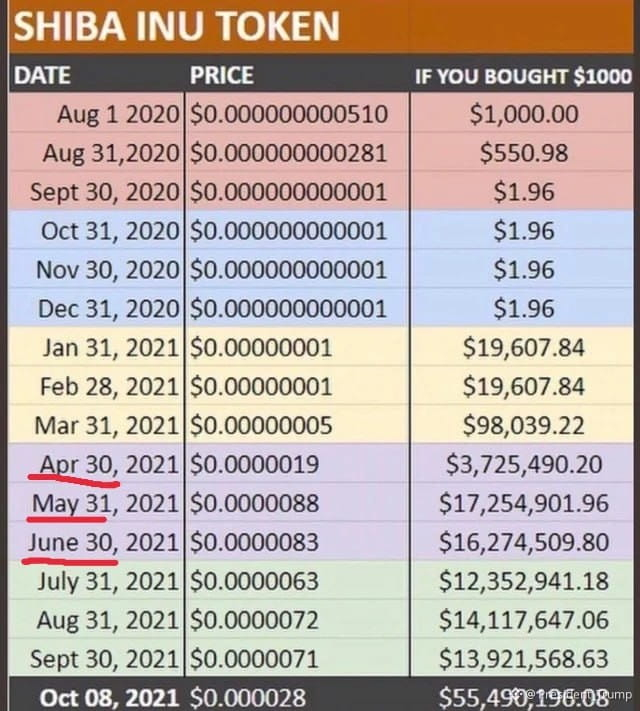
SHIBA INU?
10のゼロから始まり
上昇の途中で5つのゼロを削除しました
初期段階での1000ドルのエントリーが…
ピーク時には5500万ドルに変わりました
これは物語ではありません…
これが暗号通貨サイクルの実際の仕組みです
人々は早いうちに笑います
蓄積中に疑念を抱きます
頂点で追いかけます
今は…市場は遅く見えます
退屈に感じます
興奮はありません
そしてそれこそが、真のポジションが構築される場所です
100のコインを追いかける必要はありません
強力なプレイに集中しましょう 👇
$SOL — エコシステム + スピード
$TAO — AIナラティブ + 未来の需要
$BNB — 最強の取引所支援ネットワーク
すべての動きで取引して勝つことはありません
騒音を乗り越えて保持することで勝ちます
2年を与えてください
ゆっくり構築します…辛抱強く待ちます…
なぜなら、すべてのサイクルは同じことを証明するからです —
信念を持って保持する者が…
人生を変える利益を得る者です 🚀
{spot}(SOLUSDT)
{spot}(TAOUSDT)
{spot}(BNBUSDT)
2021年から2022年にかけて、LUNCは419.7億ドルの時価総額に達しました
あるウォレットは約5000万ドルのMCで200ドルだけで始まり…
それを168,000ドル以上に変えました
SHIBA INU?
10のゼロから始まり
上昇の途中で5つのゼロを削除しました
初期段階での1000ドルのエントリーが…
ピーク時には5500万ドルに変わりました
これは物語ではありません…
これが暗号通貨サイクルの実際の仕組みです
人々は早いうちに笑います
蓄積中に疑念を抱きます
頂点で追いかけます
今は…市場は遅く見えます
退屈に感じます
興奮はありません
そしてそれこそが、真のポジションが構築される場所です
100のコインを追いかける必要はありません
強力なプレイに集中しましょう 👇
$SOL — エコシステム + スピード
$TAO — AIナラティブ + 未来の需要
$BNB — 最強の取引所支援ネットワーク
すべての動きで取引して勝つことはありません
騒音を乗り越えて保持することで勝ちます
2年を与えてください
ゆっくり構築します…辛抱強く待ちます…
なぜなら、すべてのサイクルは同じことを証明するからです —
信念を持って保持する者が…
人生を変える利益を得る者です 🚀
あるウォレットは約5000万ドルのMCで200ドルだけで始まり…
それを168,000ドル以上に変えました
SHIBA INU?
10のゼロから始まり
上昇の途中で5つのゼロを削除しました
初期段階での1000ドルのエントリーが…
ピーク時には5500万ドルに変わりました
これは物語ではありません…
これが暗号通貨サイクルの実際の仕組みです
人々は早いうちに笑います
蓄積中に疑念を抱きます
頂点で追いかけます
今は…市場は遅く見えます
退屈に感じます
興奮はありません
そしてそれこそが、真のポジションが構築される場所です
100のコインを追いかける必要はありません
強力なプレイに集中しましょう 👇
$SOL — エコシステム + スピード
$TAO — AIナラティブ + 未来の需要
$BNB — 最強の取引所支援ネットワーク
すべての動きで取引して勝つことはありません
騒音を乗り越えて保持することで勝ちます
2年を与えてください
ゆっくり構築します…辛抱強く待ちます…
なぜなら、すべてのサイクルは同じことを証明するからです —
信念を持って保持する者が…
人生を変える利益を得る者です 🚀
3
1.1k
気をつけて…月曜日は厄介になるかも🚨
リアルにシンプルに行こう👇
今、市場は決断のポイントにある。
トランプはすでにイランに期限を設けた… みんなが注目している — 彼は本当に行動するのか、それともまた引き下がるのか?
彼が引き下がった場合(過去にもそうだったように)…
月曜日の夜から火曜日にかけて急反発が見られるかもしれない。
でも、全体を見てみると…
大きな流れはまだ弱い:
戦争が続いている
不確実性が高い
まだ実際の安定はない
だから、たとえ反発があっても…それはおそらく一時的だ。
本格的なブルシフトは、適切な停戦確認が得られたときだけだ。
さて、取引について👇
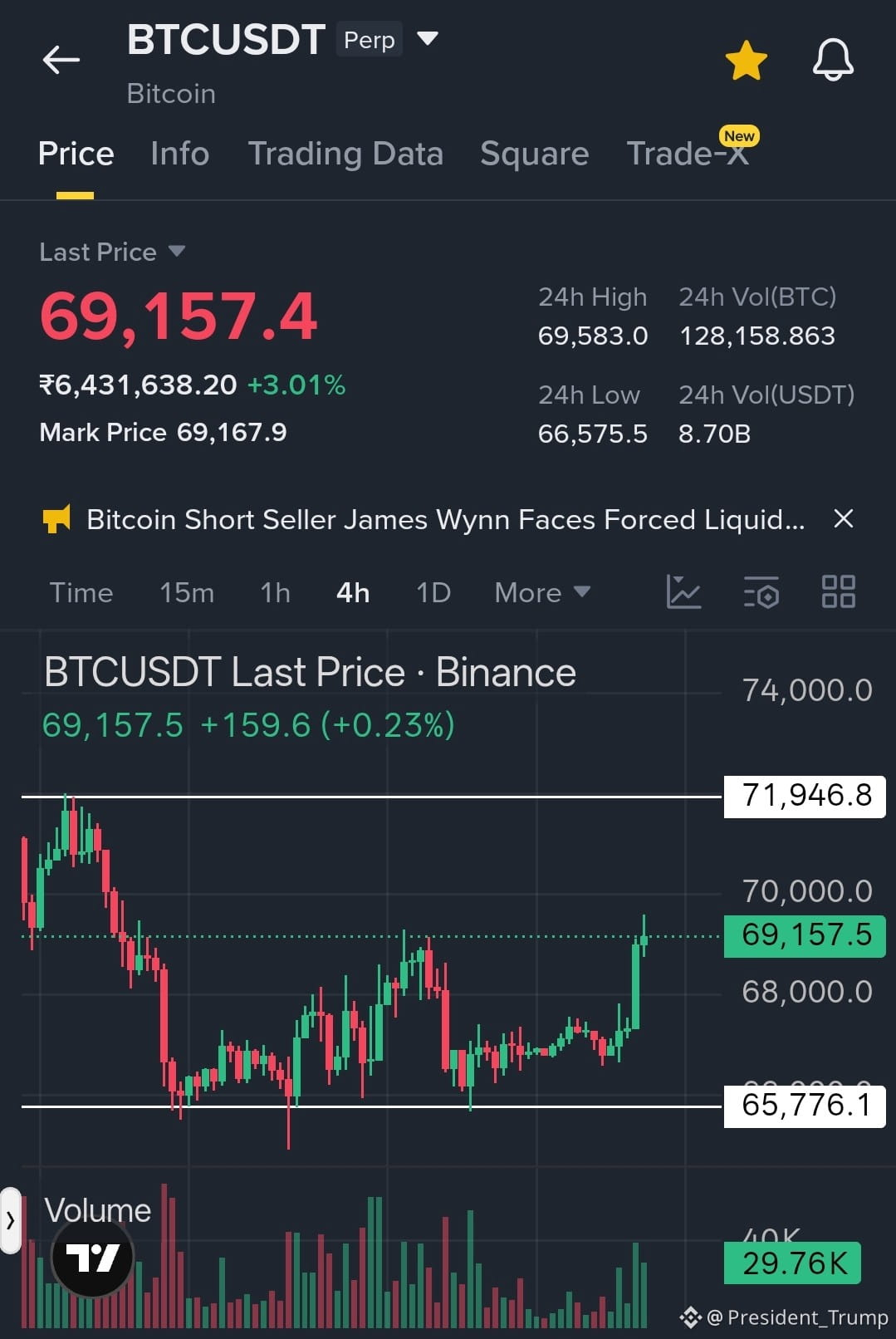
抵抗線付近でショートを計画して…うまくいった。
エントリー → 67,300–67,700
取引はすでに利益が出ている。
👉 ここで利益を確定して、辛抱強く待とう。
次に注目するレベル:
• 69,200 → キー抵抗
• 71,500 → 高いゾーン
計画はシンプルに:
全体的にベアバイアス
突然の反発に備えよう
レベルごとに取引…無理はしない
そして、全体のプレイを無視しないで👇
👉 オイル $BZ — 争いの直接的な受益者
👉 ゴールド $XAU — 恐怖が高まるときの安全資産
👉 $ETH — 不確実性の中での強い長期蓄積
今は感情的になる時期ではない。
冷静に…利益を確定して…賢くポジションを取ろう。
こういった動きは、雑音ではなくディシプリンを報いる🚀
気をつけて…月曜日は厄介になるかも🚨
リアルにシンプルに行こう👇
今、市場は決断のポイントにある。
トランプはすでにイランに期限を設けた… みんなが注目している — 彼は本当に行動するのか、それともまた引き下がるのか?
彼が引き下がった場合(過去にもそうだったように)…
月曜日の夜から火曜日にかけて急反発が見られるかもしれない。
でも、全体を見てみると…
大きな流れはまだ弱い:
戦争が続いている
不確実性が高い
まだ実際の安定はない
だから、たとえ反発があっても…それはおそらく一時的だ。
本格的なブルシフトは、適切な停戦確認が得られたときだけだ。
さて、取引について👇
抵抗線付近でショートを計画して…うまくいった。
エントリー → 67,300–67,700
取引はすでに利益が出ている。
👉 ここで利益を確定して、辛抱強く待とう。
次に注目するレベル:
• 69,200 → キー抵抗
• 71,500 → 高いゾーン
計画はシンプルに:
全体的にベアバイアス
突然の反発に備えよう
レベルごとに取引…無理はしない
そして、全体のプレイを無視しないで👇
👉 オイル $BZ — 争いの直接的な受益者
👉 ゴールド $XAU — 恐怖が高まるときの安全資産
👉 $ETH — 不確実性の中での強い長期蓄積
今は感情的になる時期ではない。
冷静に…利益を確定して…賢くポジションを取ろう。
こういった動きは、雑音ではなくディシプリンを報いる🚀
リアルにシンプルに行こう👇
今、市場は決断のポイントにある。
トランプはすでにイランに期限を設けた… みんなが注目している — 彼は本当に行動するのか、それともまた引き下がるのか?
彼が引き下がった場合(過去にもそうだったように)…
月曜日の夜から火曜日にかけて急反発が見られるかもしれない。
でも、全体を見てみると…
大きな流れはまだ弱い:
戦争が続いている
不確実性が高い
まだ実際の安定はない
だから、たとえ反発があっても…それはおそらく一時的だ。
本格的なブルシフトは、適切な停戦確認が得られたときだけだ。
さて、取引について👇
抵抗線付近でショートを計画して…うまくいった。
エントリー → 67,300–67,700
取引はすでに利益が出ている。
👉 ここで利益を確定して、辛抱強く待とう。
次に注目するレベル:
• 69,200 → キー抵抗
• 71,500 → 高いゾーン
計画はシンプルに:
全体的にベアバイアス
突然の反発に備えよう
レベルごとに取引…無理はしない
そして、全体のプレイを無視しないで👇
👉 オイル $BZ — 争いの直接的な受益者
👉 ゴールド $XAU — 恐怖が高まるときの安全資産
👉 $ETH — 不確実性の中での強い長期蓄積
今は感情的になる時期ではない。
冷静に…利益を確定して…賢くポジションを取ろう。
こういった動きは、雑音ではなくディシプリンを報いる🚀
44
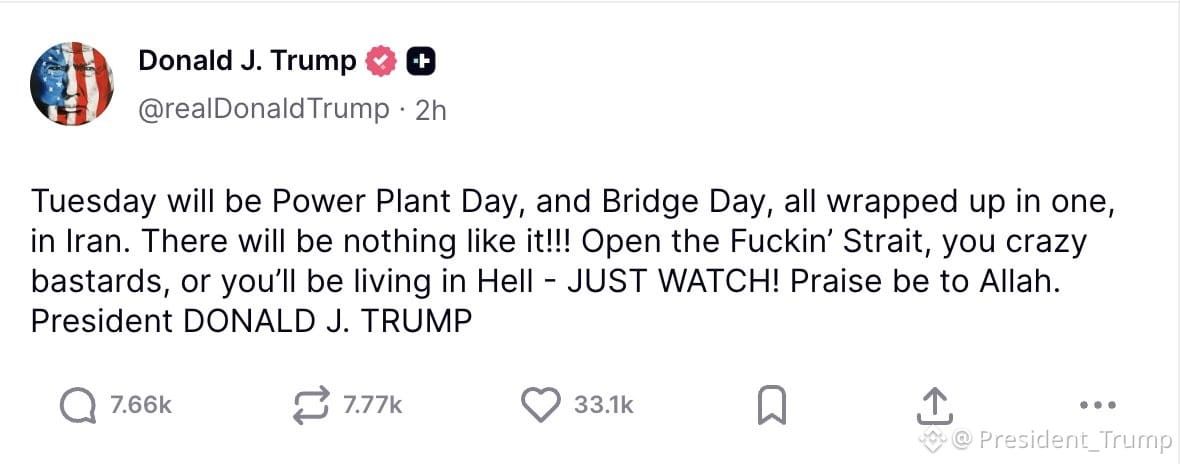
1) もし彼がこれを行った場合:
- 原油価格は175ドル以上になる
- 貿易の流れはさらに遅くなる
- 確実な不況(実際にはスタグフレーション)
2) もし彼がこれを行わなかった場合: -
- イランに対する交渉力を失う可能性が高い
- 同盟国からの信頼がさらに低下する
- これ以上の発表は重みを持たなくなる
3) 解決策: イランとアメリカが次の48時間以内に合意に達する
しかし、現実はこれです 👇
どちらにせよ…
👉 原油は強いままか、さらに上昇する
これは待つ瞬間ではない
賢いお金はすでにポジショニングしている
実際の動きが始まる前に原油にエクスポージャーを構築する $BZ 🚀
1) もし彼がこれを行った場合:
- 原油価格は175ドル以上になる
- 貿易の流れはさらに遅くなる
- 確実な不況(実際にはスタグフレーション)
2) もし彼がこれを行わなかった場合: -
- イランに対する交渉力を失う可能性が高い
- 同盟国からの信頼がさらに低下する
- これ以上の発表は重みを持たなくなる
3) 解決策: イランとアメリカが次の48時間以内に合意に達する
しかし、現実はこれです 👇
どちらにせよ…
👉 原油は強いままか、さらに上昇する
これは待つ瞬間ではない
賢いお金はすでにポジショニングしている
実際の動きが始まる前に原油にエクスポージャーを構築する $BZ 🚀
- 原油価格は175ドル以上になる
- 貿易の流れはさらに遅くなる
- 確実な不況(実際にはスタグフレーション)
2) もし彼がこれを行わなかった場合: -
- イランに対する交渉力を失う可能性が高い
- 同盟国からの信頼がさらに低下する
- これ以上の発表は重みを持たなくなる
3) 解決策: イランとアメリカが次の48時間以内に合意に達する
しかし、現実はこれです 👇
どちらにせよ…
👉 原油は強いままか、さらに上昇する
これは待つ瞬間ではない
賢いお金はすでにポジショニングしている
実際の動きが始まる前に原油にエクスポージャーを構築する $BZ 🚀
262
さて、みんな…ちょうど目が覚めたところ 🌅 おはよう…
今日はクリーンデーになりそうな気がする… セットアップがうまく整っている 😮💨
長期のために2–3のスポットトレードを行う予定
主な焦点 → $XRP & $ASTER 💰
シンプルな計画…クリーンな実行…オーバートレードしない
これが、日々の一貫性を築く方法 📈
いくつかのトレードはすでに進行中…
そして、$STO でショートを開いた—ここから見ると弱そう
でもいつも通り…盲目的に従わないで
👉 リスクを管理して
また、LYNに目を光らせて 👀
小さなバウンス → トラップ → その後ドロップのようだ
同じパターンが再び…捕まらないように
全体として…良い日が待っている
一歩一歩、私たちは良くなり、目標に近づいている
よく休んで…明日会いましょう 👀
それと、XRP & ASTERのポジションを築き続けてね 👀💰
{spot}(XRPUSDT)
{spot}(ASTERUSDT)
さて、みんな…ちょうど目が覚めたところ 🌅 おはよう…
今日はクリーンデーになりそうな気がする… セットアップがうまく整っている 😮💨
長期のために2–3のスポットトレードを行う予定
主な焦点 → $XRP & $ASTER 💰
シンプルな計画…クリーンな実行…オーバートレードしない
これが、日々の一貫性を築く方法 📈
いくつかのトレードはすでに進行中…
そして、$STO でショートを開いた—ここから見ると弱そう
でもいつも通り…盲目的に従わないで
👉 リスクを管理して
また、LYNに目を光らせて 👀
小さなバウンス → トラップ → その後ドロップのようだ
同じパターンが再び…捕まらないように
全体として…良い日が待っている
一歩一歩、私たちは良くなり、目標に近づいている
よく休んで…明日会いましょう 👀
それと、XRP & ASTERのポジションを築き続けてね 👀💰
今日はクリーンデーになりそうな気がする… セットアップがうまく整っている 😮💨
長期のために2–3のスポットトレードを行う予定
主な焦点 → $XRP & $ASTER 💰
シンプルな計画…クリーンな実行…オーバートレードしない
これが、日々の一貫性を築く方法 📈
いくつかのトレードはすでに進行中…
そして、$STO でショートを開いた—ここから見ると弱そう
でもいつも通り…盲目的に従わないで
👉 リスクを管理して
また、LYNに目を光らせて 👀
小さなバウンス → トラップ → その後ドロップのようだ
同じパターンが再び…捕まらないように
全体として…良い日が待っている
一歩一歩、私たちは良くなり、目標に近づいている
よく休んで…明日会いましょう 👀
それと、XRP & ASTERのポジションを築き続けてね 👀💰
1
568
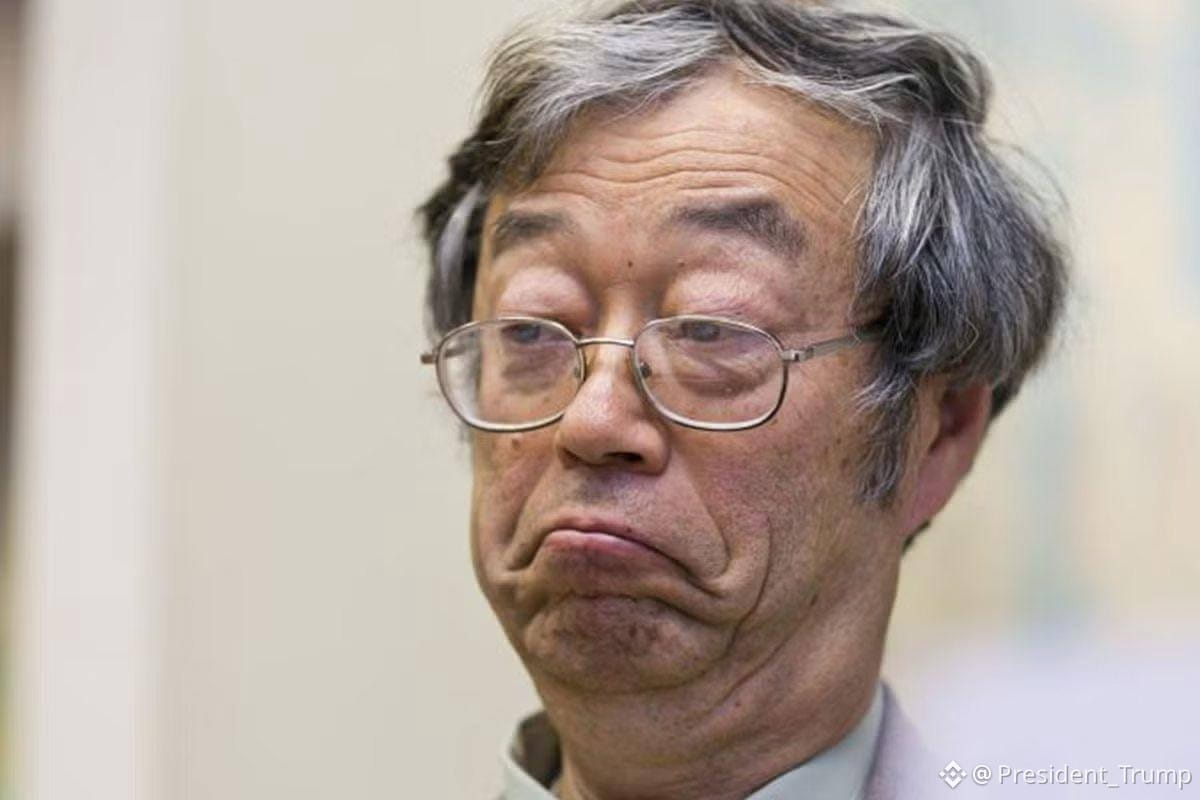
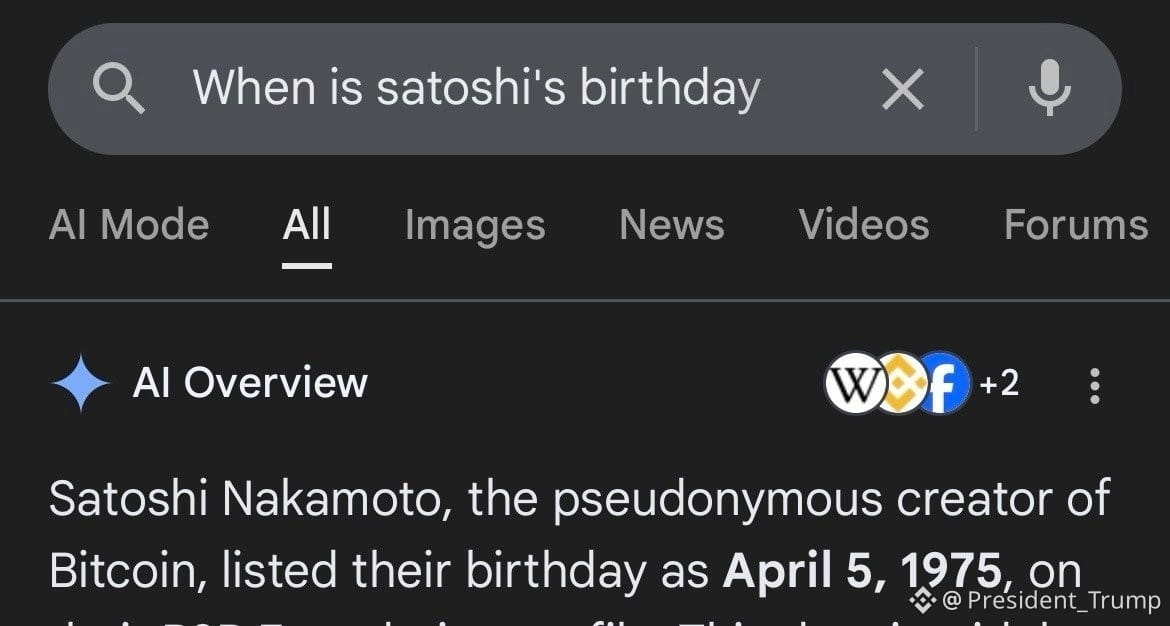
今日は佐藤中本の誕生日です…
少なくとも彼が選んだ日👀
1975年4月5日。
偶然ではありません。偶然ではありません。
1933年4月5日 — アメリカ政府は金の所有を違法にしました。
彼らはあなたの財産を…法律的に押収することができました。
1975年?それはアメリカ人がその自由を取り戻した年です。
彼は自由が奪われた正確な日付を選び…そしてそれが戻った年
そしてそれが彼が与えた唯一の「個人的な詳細」です。
2008年、銀行が救済されている間…
彼は9ページの論文を発表しました。
顔はありません。身元はありません。会社はありません。
そしてビットコインの最初のブロックで、彼は一つのメッセージを残しました:
「銀行のための二度目の救済の瀬戸際にいる大臣。」
それはコードではありませんでした…それは声明でした。
次に彼は狂ったものを作りました:
2100万に制限された通貨
政府の管理なし
中央権限なし
そしてその後…消えました。
彼のウォレットは?
~1.1 MILLION BTC
数十億の価値…
そして彼はそれに触れたことがありません
それについて考えてみてください…
世界で最も裕福な人の一人になり得る男が
去って行った…他の誰もに金融の自由を創造した後
人々はビットコインを無視しました
人々はそれを笑いました
人々はそれを無用だと言いました
そしてそれは彼らを間違って証明し続けました
今、自分に問いかけてください…
もし誰かがこれほど深くそれを構築するために行ったのなら…
なぜあなたはまだそれを所有することをためらっていますか?
あなたは何百万も必要ありません
どこかで始めてください
なぜなら、こんな瞬間は頻繁には訪れません
今すぐあなたの $BTC ポジションを構築してください…再び明らかになる前に 🚀
今日は佐藤中本の誕生日です…
少なくとも彼が選んだ日👀
1975年4月5日。
偶然ではありません。偶然ではありません。
1933年4月5日 — アメリカ政府は金の所有を違法にしました。
彼らはあなたの財産を…法律的に押収することができました。
1975年?それはアメリカ人がその自由を取り戻した年です。
彼は自由が奪われた正確な日付を選び…そしてそれが戻った年
そしてそれが彼が与えた唯一の「個人的な詳細」です。
2008年、銀行が救済されている間…
彼は9ページの論文を発表しました。
顔はありません。身元はありません。会社はありません。
そしてビットコインの最初のブロックで、彼は一つのメッセージを残しました:
「銀行のための二度目の救済の瀬戸際にいる大臣。」
それはコードではありませんでした…それは声明でした。
次に彼は狂ったものを作りました:
2100万に制限された通貨
政府の管理なし
中央権限なし
そしてその後…消えました。
彼のウォレットは?
~1.1 MILLION BTC
数十億の価値…
そして彼はそれに触れたことがありません
それについて考えてみてください…
世界で最も裕福な人の一人になり得る男が
去って行った…他の誰もに金融の自由を創造した後
人々はビットコインを無視しました
人々はそれを笑いました
人々はそれを無用だと言いました
そしてそれは彼らを間違って証明し続けました
今、自分に問いかけてください…
もし誰かがこれほど深くそれを構築するために行ったのなら…
なぜあなたはまだそれを所有することをためらっていますか?
あなたは何百万も必要ありません
どこかで始めてください
なぜなら、こんな瞬間は頻繁には訪れません
今すぐあなたの $BTC ポジションを構築してください…再び明らかになる前に 🚀
少なくとも彼が選んだ日👀
1975年4月5日。
偶然ではありません。偶然ではありません。
1933年4月5日 — アメリカ政府は金の所有を違法にしました。
彼らはあなたの財産を…法律的に押収することができました。
1975年?それはアメリカ人がその自由を取り戻した年です。
彼は自由が奪われた正確な日付を選び…そしてそれが戻った年
そしてそれが彼が与えた唯一の「個人的な詳細」です。
2008年、銀行が救済されている間…
彼は9ページの論文を発表しました。
顔はありません。身元はありません。会社はありません。
そしてビットコインの最初のブロックで、彼は一つのメッセージを残しました:
「銀行のための二度目の救済の瀬戸際にいる大臣。」
それはコードではありませんでした…それは声明でした。
次に彼は狂ったものを作りました:
2100万に制限された通貨
政府の管理なし
中央権限なし
そしてその後…消えました。
彼のウォレットは?
~1.1 MILLION BTC
数十億の価値…
そして彼はそれに触れたことがありません
それについて考えてみてください…
世界で最も裕福な人の一人になり得る男が
去って行った…他の誰もに金融の自由を創造した後
人々はビットコインを無視しました
人々はそれを笑いました
人々はそれを無用だと言いました
そしてそれは彼らを間違って証明し続けました
今、自分に問いかけてください…
もし誰かがこれほど深くそれを構築するために行ったのなら…
なぜあなたはまだそれを所有することをためらっていますか?
あなたは何百万も必要ありません
どこかで始めてください
なぜなら、こんな瞬間は頻繁には訪れません
今すぐあなたの $BTC ポジションを構築してください…再び明らかになる前に 🚀
1
1
3
317
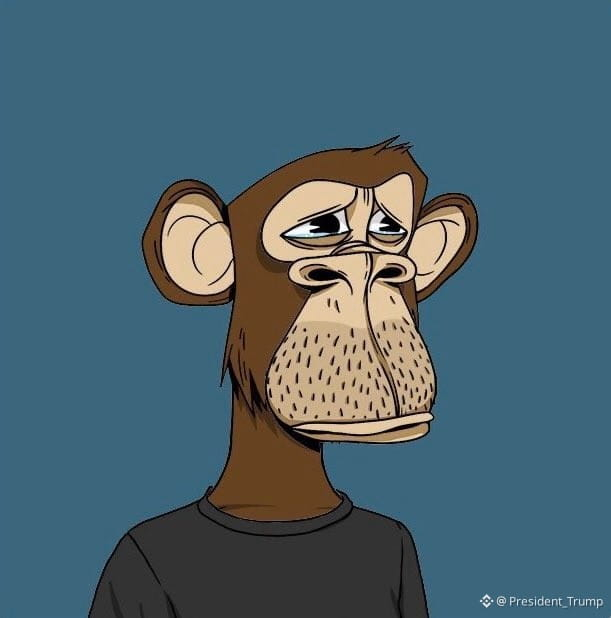
ジャスティン・ビーバーは2022年にボアード・エイプに130万ドルを支払いました。
今日の価格は約12,000ドルです。
それはディップではありません…それはワイプアウトです。
今、正しく接続してください 👇
APEはランダムではありません — BAYCエコシステムと共に生き、死にます。
NFTは狂ったように増えました → APEが上昇しました
NFTは死にました → APEが崩壊しました
現在の現実:
BAYCのフロアは5.17 ETH
$APE - $0.09 (39ドルから)
ハイプなし。ボリュームなし。注目なし。
そして、それが通常、初期のポジショニングが始まる場所です。
もしNFTが部分的にでもカムバックすれば、APEは奇跡を必要としません — ただ流動性と関心が戻るだけです。
ここから1ドルへの動きでも大きなことです。
しかし、これを「安全なプレイ」と混同しないでください。
これはNFTの復活へのストレートな高リスクの賭けです。
ですので、結局はこれに尽きます:
誰も気にしないときに踏み込むか…
それとも、すでにトレンドになっているときに戻ってくるか。
{spot}(APEUSDT)
ジャスティン・ビーバーは2022年にボアード・エイプに130万ドルを支払いました。
今日の価格は約12,000ドルです。
それはディップではありません…それはワイプアウトです。
今、正しく接続してください 👇
APEはランダムではありません — BAYCエコシステムと共に生き、死にます。
NFTは狂ったように増えました → APEが上昇しました
NFTは死にました → APEが崩壊しました
現在の現実:
BAYCのフロアは5.17 ETH
$APE - $0.09 (39ドルから)
ハイプなし。ボリュームなし。注目なし。
そして、それが通常、初期のポジショニングが始まる場所です。
もしNFTが部分的にでもカムバックすれば、APEは奇跡を必要としません — ただ流動性と関心が戻るだけです。
ここから1ドルへの動きでも大きなことです。
しかし、これを「安全なプレイ」と混同しないでください。
これはNFTの復活へのストレートな高リスクの賭けです。
ですので、結局はこれに尽きます:
誰も気にしないときに踏み込むか…
それとも、すでにトレンドになっているときに戻ってくるか。
今日の価格は約12,000ドルです。
それはディップではありません…それはワイプアウトです。
今、正しく接続してください 👇
APEはランダムではありません — BAYCエコシステムと共に生き、死にます。
NFTは狂ったように増えました → APEが上昇しました
NFTは死にました → APEが崩壊しました
現在の現実:
BAYCのフロアは5.17 ETH
$APE - $0.09 (39ドルから)
ハイプなし。ボリュームなし。注目なし。
そして、それが通常、初期のポジショニングが始まる場所です。
もしNFTが部分的にでもカムバックすれば、APEは奇跡を必要としません — ただ流動性と関心が戻るだけです。
ここから1ドルへの動きでも大きなことです。
しかし、これを「安全なプレイ」と混同しないでください。
これはNFTの復活へのストレートな高リスクの賭けです。
ですので、結局はこれに尽きます:
誰も気にしないときに踏み込むか…
それとも、すでにトレンドになっているときに戻ってくるか。
1
283
ログインして、さらにコンテンツを読む
厳選トピックで世界の暗号資産トレーダーの仲間入り
⚡️ 暗号資産に関する最新かつ有益な情報が見つかります。
💬 世界最大の暗号資産取引所から信頼されています。
👍 認証を受けたクリエイターから、有益なインサイトを得られます。
メール / 電話番号
トレンドトピック
BitcoinReboundsTo$79K
閲覧回数 188
25人が討論中
🚨 $BTC はさらに上昇しようとしています。
ビットコインは約 $78,804 で取引されており、先ほど $78K の水準を回復したことでおよそ 1.9% 上昇しています。次に注目すべきは、日中の高値である約 $78,905 です。
その水準を明確に上抜けると、$79K〜$80K へ向かう道が開ける可能性があります。もしBTCが跳ね返される場合、サポートは $78,300 あたりにあり、その次は $77,975 です。
強気筋には勢いがありますが、BTC は $78K を上回って維持する必要があります。
#Bitcoin #BTC #CryptoTrading #CryptoMarket #CryptoAnalysis
PulseON
·いいね:2件
·閲覧回数 754
FedHikeOddsRiseTo89%
閲覧回数 44,602
800人が討論中
RLUSDSupplyHitsRecord$2.442B
閲覧回数 1,924
37人が討論中