
Bit_boy
4.3k 投稿

Bit_boy
報告
ユーザーをブロック
|Exploring innovative financial solutions daily| #Cryptocurrency $Bitcoin
93 フォロー
24.3K+ フォロワー
16.0K+ いいね
投稿
すべて
引用
動画
ライブ
PINNED
·
--
記事
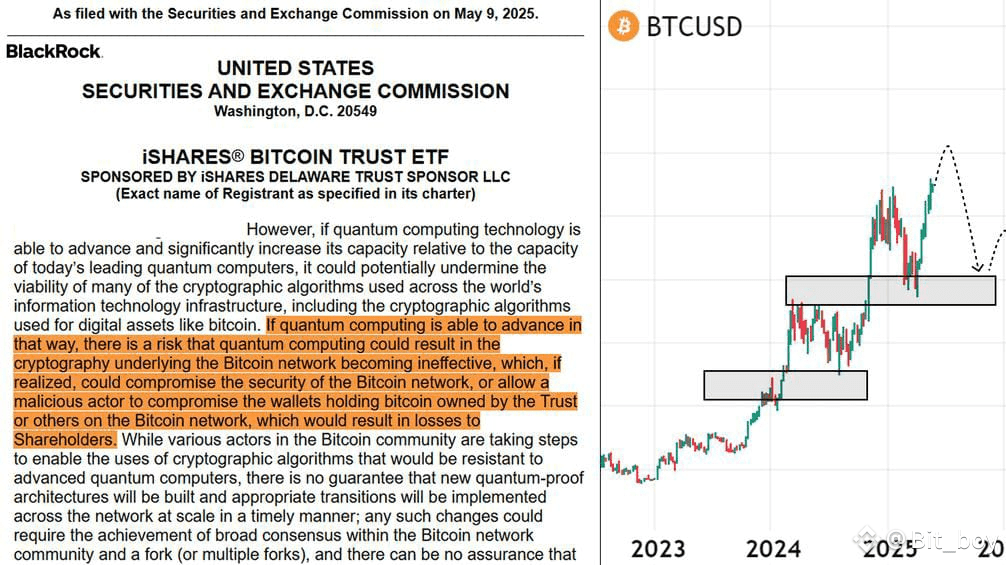
🚨ブラックロック: BTCは危険にさらされ、$40kに Dump される!量子コンピューティングの発展がビットコインネットワークを脅かすかもしれません。
私はすべてのデータを調べ、そのすべてについて学びました。
/➮ 最近、ブラックロックはビットコインネットワークに対する潜在的なリスクについて警告しました。
🕷 すべては量子コンピューティング分野の急速な進歩のためです。
🕷 彼らの報告を最後に追加しますが、今はこれが実際に何を意味するのかを分解しましょう。
/➮ ビットコインのセキュリティは主にECDSAに依存しています。
🕷 プライベートキーを保護し、取引の整合性を確保します。
🚨ブラックロック: BTCは危険にさらされ、$40kに Dump される!
量子コンピューティングの発展がビットコインネットワークを脅かすかもしれません。
私はすべてのデータを調べ、そのすべてについて学びました。
/➮ 最近、ブラックロックはビットコインネットワークに対する潜在的なリスクについて警告しました。
🕷 すべては量子コンピューティング分野の急速な進歩のためです。
🕷 彼らの報告を最後に追加しますが、今はこれが実際に何を意味するのかを分解しましょう。
/➮ ビットコインのセキュリティは主にECDSAに依存しています。
🕷 プライベートキーを保護し、取引の整合性を確保します。
私はすべてのデータを調べ、そのすべてについて学びました。
/➮ 最近、ブラックロックはビットコインネットワークに対する潜在的なリスクについて警告しました。
🕷 すべては量子コンピューティング分野の急速な進歩のためです。
🕷 彼らの報告を最後に追加しますが、今はこれが実際に何を意味するのかを分解しましょう。
/➮ ビットコインのセキュリティは主にECDSAに依存しています。
🕷 プライベートキーを保護し、取引の整合性を確保します。
72
46
82
186.9k
PINNED
·
--

記事
ローソク足パターンをマスターする: トレーディングで月 1,000 ドルを稼ぐための鍵ローソク足パターンはテクニカル分析の強力なツールであり、市場の感情や潜在的な価格変動についての洞察を提供します。これらのパターンを認識して解釈することで、トレーダーは情報に基づいた決定を下し、成功の可能性を高めることができます。この記事では、20 の重要なローソク足パターンを取り上げ、トレーディング戦略を強化して月に 1,000 ドルを稼ぐ可能性のある包括的なガイドを提供します。
ローソク足パターンを理解する
パターンを詳しく調べる前に、ローソク足チャートの基本を理解することが重要です。各ローソク足は特定の時間枠を表し、始値、高値、安値、終値を表示します。ローソク足の本体は価格の動きを示し、芯は高値と安値を示します。
ローソク足パターンをマスターする: トレーディングで月 1,000 ドルを稼ぐための鍵
ローソク足パターンはテクニカル分析の強力なツールであり、市場の感情や潜在的な価格変動についての洞察を提供します。これらのパターンを認識して解釈することで、トレーダーは情報に基づいた決定を下し、成功の可能性を高めることができます。この記事では、20 の重要なローソク足パターンを取り上げ、トレーディング戦略を強化して月に 1,000 ドルを稼ぐ可能性のある包括的なガイドを提供します。
ローソク足パターンを理解する
パターンを詳しく調べる前に、ローソク足チャートの基本を理解することが重要です。各ローソク足は特定の時間枠を表し、始値、高値、安値、終値を表示します。ローソク足の本体は価格の動きを示し、芯は高値と安値を示します。
ローソク足パターンを理解する
パターンを詳しく調べる前に、ローソク足チャートの基本を理解することが重要です。各ローソク足は特定の時間枠を表し、始値、高値、安値、終値を表示します。ローソク足の本体は価格の動きを示し、芯は高値と安値を示します。
10
10
236
153.7k
·
--
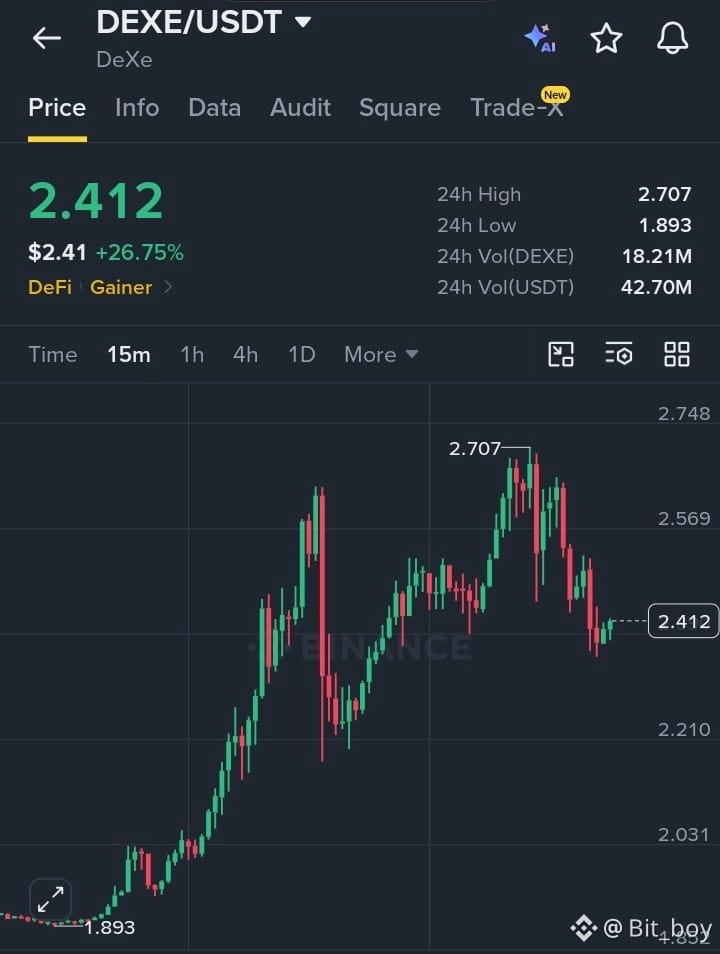
🚀 $DEXE / USDT 取引セットアップ
強い DeFi の動きで、$2.707 をピークに +26.75% 上昇!次の上げの可能性に向けて、サポートの上でうまく統合(落ち着いて推移)しています。
エントリー: $2.32 – $2.41
目標: $2.56 | $2.70 | $2.92
損切り(ストップロス): $2.18
⚡ 高ボラティリティのセットアップでは、常に厳格なリスク管理を徹底してください。
$DEXE
{future}(DEXEUSDT)
🚀 $DEXE / USDT 取引セットアップ
強い DeFi の動きで、$2.707 をピークに +26.75% 上昇!次の上げの可能性に向けて、サポートの上でうまく統合(落ち着いて推移)しています。
エントリー: $2.32 – $2.41
目標: $2.56 | $2.70 | $2.92
損切り(ストップロス): $2.18
⚡ 高ボラティリティのセットアップでは、常に厳格なリスク管理を徹底してください。
$DEXE
強い DeFi の動きで、$2.707 をピークに +26.75% 上昇!次の上げの可能性に向けて、サポートの上でうまく統合(落ち着いて推移)しています。
エントリー: $2.32 – $2.41
目標: $2.56 | $2.70 | $2.92
損切り(ストップロス): $2.18
⚡ 高ボラティリティのセットアップでは、常に厳格なリスク管理を徹底してください。
$DEXE
321
·
--
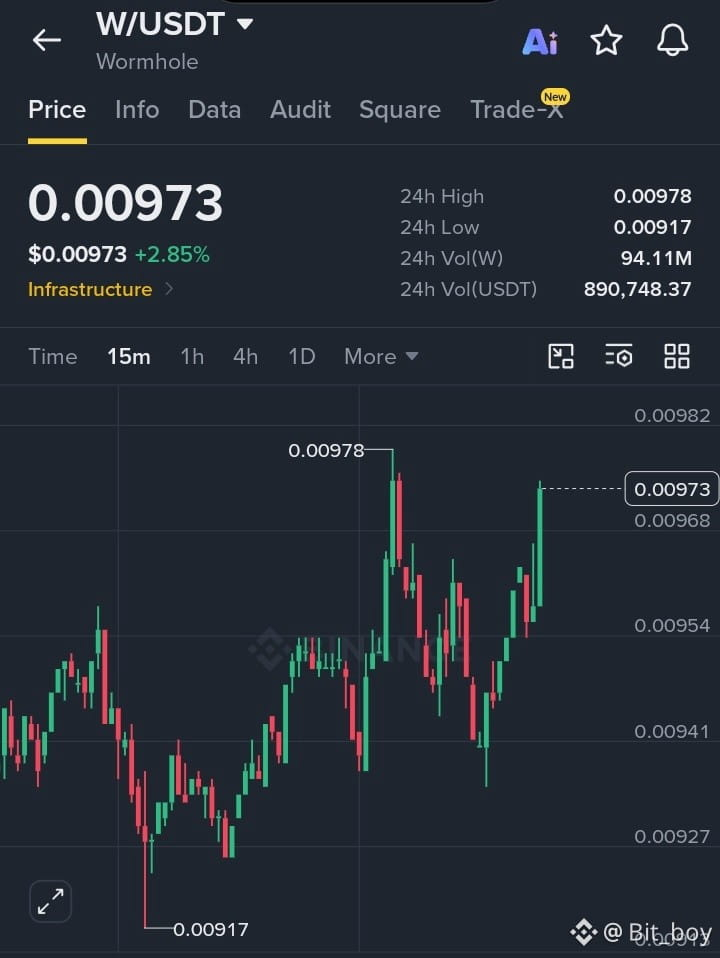
🚀 $W / USDT トレードセットアップ
価格が+2.85%上昇し、直近のローカル高値付近($0.00978付近)を再テストしています!ブレイクアウトの可能性に向けてモメンタムが高まっています。
エントリー:$0.00945 – $0.00973
目標:$0.00985 | $0.01020 | $0.01070
損切り(ストップロス):$0.00915
⚡ テクニカルなセットアップでは、常に厳格なリスク管理を徹底してください。
$W
{future}(WUSDT)
🚀 $W / USDT トレードセットアップ
価格が+2.85%上昇し、直近のローカル高値付近($0.00978付近)を再テストしています!ブレイクアウトの可能性に向けてモメンタムが高まっています。
エントリー:$0.00945 – $0.00973
目標:$0.00985 | $0.01020 | $0.01070
損切り(ストップロス):$0.00915
⚡ テクニカルなセットアップでは、常に厳格なリスク管理を徹底してください。
$W
価格が+2.85%上昇し、直近のローカル高値付近($0.00978付近)を再テストしています!ブレイクアウトの可能性に向けてモメンタムが高まっています。
エントリー:$0.00945 – $0.00973
目標:$0.00985 | $0.01020 | $0.01070
損切り(ストップロス):$0.00915
⚡ テクニカルなセットアップでは、常に厳格なリスク管理を徹底してください。
$W
1
206
·
--
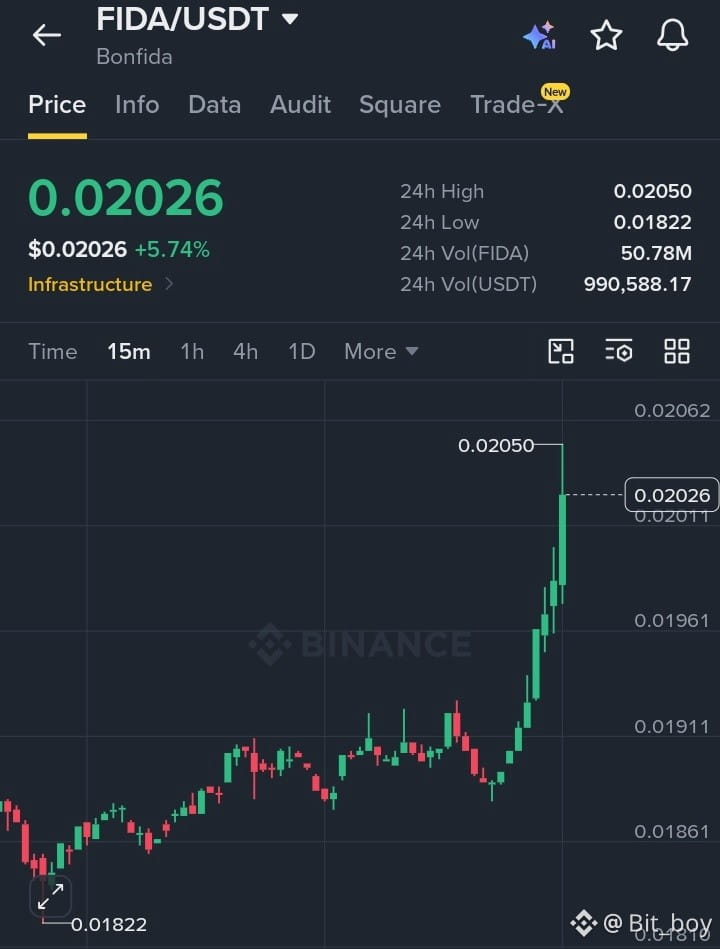
🚀 $FIDA / USDT 取引セットアップ
鋭いモメンタムのインパルスが加速し、+5.74%上昇して $0.02050 をタップ。 この強い縦方向の押しの後、継続を見込む。
エントリー:$0.0195 – $0.0202
目標:$0.0208 | $0.0215 | $0.0225
損切り:$0.0191
⚡ ブレイクアウトの鋭い動きでは、常にリスクを厳格に管理する。
$FIDA
{future}(FIDAUSDT)
🚀 $FIDA / USDT 取引セットアップ
鋭いモメンタムのインパルスが加速し、+5.74%上昇して $0.02050 をタップ。 この強い縦方向の押しの後、継続を見込む。
エントリー:$0.0195 – $0.0202
目標:$0.0208 | $0.0215 | $0.0225
損切り:$0.0191
⚡ ブレイクアウトの鋭い動きでは、常にリスクを厳格に管理する。
$FIDA
鋭いモメンタムのインパルスが加速し、+5.74%上昇して $0.02050 をタップ。 この強い縦方向の押しの後、継続を見込む。
エントリー:$0.0195 – $0.0202
目標:$0.0208 | $0.0215 | $0.0225
損切り:$0.0191
⚡ ブレイクアウトの鋭い動きでは、常にリスクを厳格に管理する。
$FIDA
214
·
--
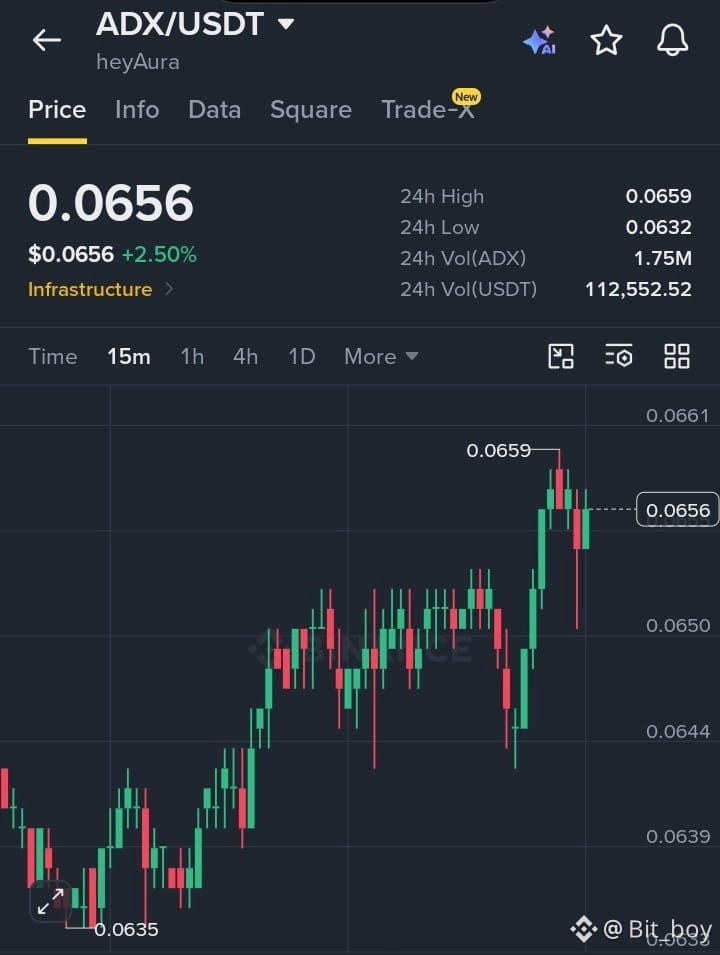
🚀 $ADX / USDT トレード設定
段階的な強気のプッシュ。高値 $0.0659 に到達後、+2.50% 上昇。より高い安値を維持しており、目先のレジスタンスを抜けるブレイクアウトを注視。
エントリー: $0.0645 – $0.0656
目標: $0.0668 | $0.0685 | $0.0710
損切り: $0.0632
⚡ テクニカルなセットアップでは、常に厳格なリスク管理を実践してください。
$ADX
{spot}(ADXUSDT)
🚀 $ADX / USDT トレード設定
段階的な強気のプッシュ。高値 $0.0659 に到達後、+2.50% 上昇。より高い安値を維持しており、目先のレジスタンスを抜けるブレイクアウトを注視。
エントリー: $0.0645 – $0.0656
目標: $0.0668 | $0.0685 | $0.0710
損切り: $0.0632
⚡ テクニカルなセットアップでは、常に厳格なリスク管理を実践してください。
$ADX
段階的な強気のプッシュ。高値 $0.0659 に到達後、+2.50% 上昇。より高い安値を維持しており、目先のレジスタンスを抜けるブレイクアウトを注視。
エントリー: $0.0645 – $0.0656
目標: $0.0668 | $0.0685 | $0.0710
損切り: $0.0632
⚡ テクニカルなセットアップでは、常に厳格なリスク管理を実践してください。
$ADX
210
·
--
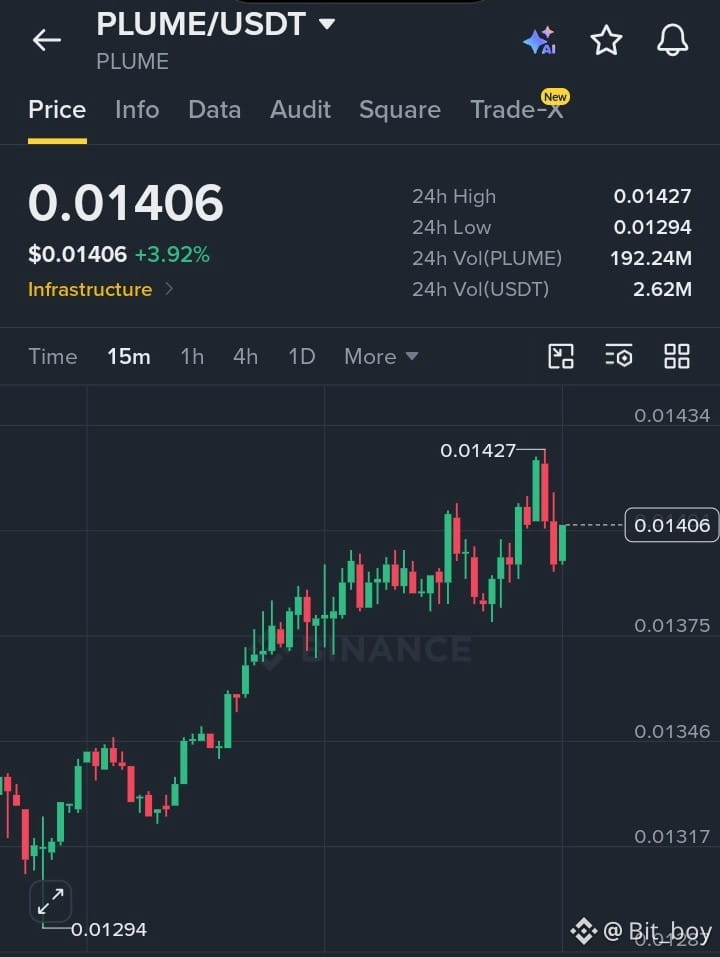
🚀 $PLUME / USDT トレードセットアップ
形成されつつある堅調な上昇トレンド。高値 $0.01427 を付けた後、+3.92% 上昇。押し目完了—次の上昇局面を探しています。
エントリー:$0.0138 – $0.0141
目標:$0.0143 | $0.0148 | $0.0154
損切り:$0.0134
⚡ ボラティリティ局面では、リスク管理を徹底して行ってください。
$PLUME
{future}(PLUMEUSDT)
🚀 $PLUME / USDT トレードセットアップ
形成されつつある堅調な上昇トレンド。高値 $0.01427 を付けた後、+3.92% 上昇。押し目完了—次の上昇局面を探しています。
エントリー:$0.0138 – $0.0141
目標:$0.0143 | $0.0148 | $0.0154
損切り:$0.0134
⚡ ボラティリティ局面では、リスク管理を徹底して行ってください。
$PLUME
形成されつつある堅調な上昇トレンド。高値 $0.01427 を付けた後、+3.92% 上昇。押し目完了—次の上昇局面を探しています。
エントリー:$0.0138 – $0.0141
目標:$0.0143 | $0.0148 | $0.0154
損切り:$0.0134
⚡ ボラティリティ局面では、リスク管理を徹底して行ってください。
$PLUME
154
·
--
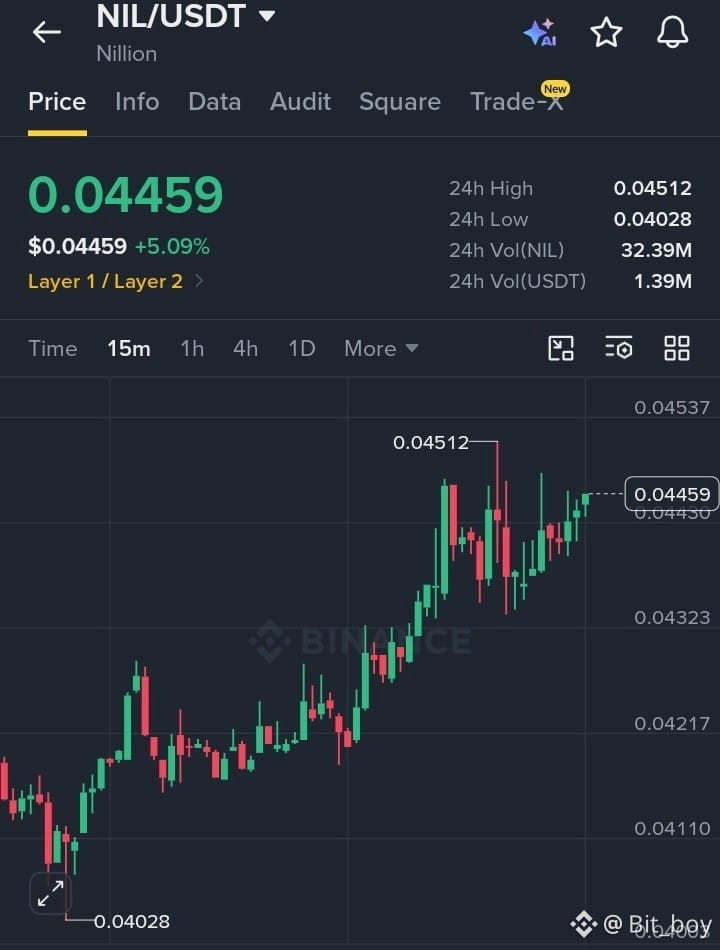
🚀 $NIL / USDT取引セットアップ
堅固な強気の構造が形成されつつあり、上昇 +5.09% で、$0.04512 付近の直近高値を再テストしています。ブレイクアウトの継続か、押し目のエントリーを狙います。
エントリー: $0.0435 – $0.0446
ターゲット: $0.0451 | $0.0468 | $0.0485
損切り: $0.0421
⚡ 高ボラティリティのセットアップでは、常に厳格なリスク管理を実践してください。
$NIL
{future}(NILUSDT)
🚀 $NIL / USDT取引セットアップ
堅固な強気の構造が形成されつつあり、上昇 +5.09% で、$0.04512 付近の直近高値を再テストしています。ブレイクアウトの継続か、押し目のエントリーを狙います。
エントリー: $0.0435 – $0.0446
ターゲット: $0.0451 | $0.0468 | $0.0485
損切り: $0.0421
⚡ 高ボラティリティのセットアップでは、常に厳格なリスク管理を実践してください。
$NIL
堅固な強気の構造が形成されつつあり、上昇 +5.09% で、$0.04512 付近の直近高値を再テストしています。ブレイクアウトの継続か、押し目のエントリーを狙います。
エントリー: $0.0435 – $0.0446
ターゲット: $0.0451 | $0.0468 | $0.0485
損切り: $0.0421
⚡ 高ボラティリティのセットアップでは、常に厳格なリスク管理を実践してください。
$NIL
95
·
--
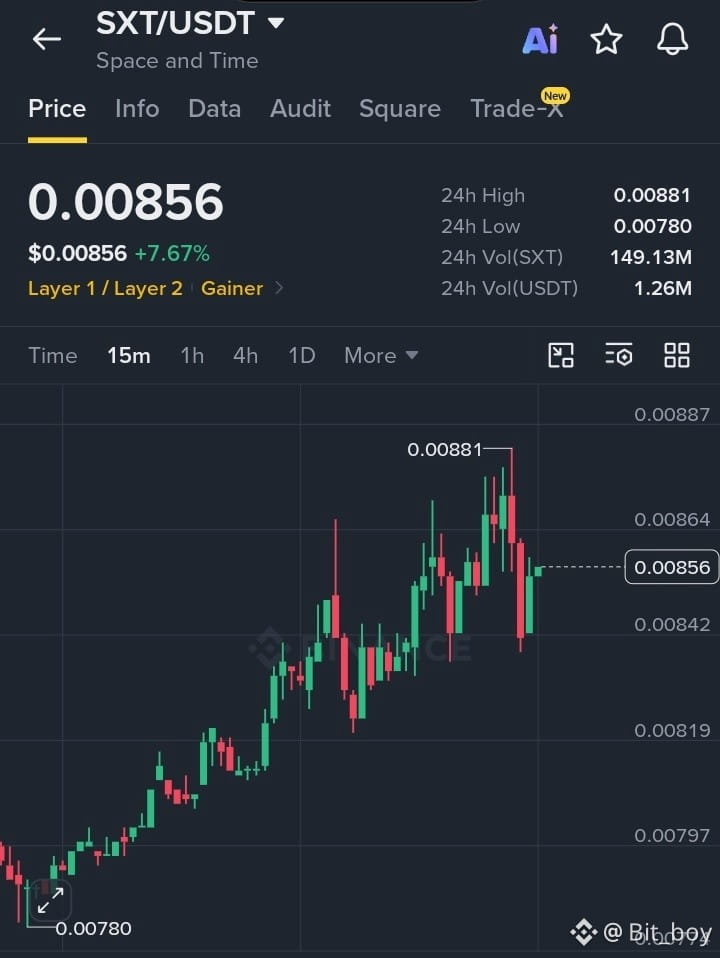
🚀 $SXT / USDT トレード・セットアップ
安定した上昇モメンタム。$0.00881でレジスタンスをテストした後、+7.67%上昇。リテストまたはブレイクアウトの継続を狙う。
エントリー: $0.00835 – $0.00856
ターゲット: $0.00880 | $0.00910 | $0.00950
損切り(ストップロス): $0.00810
⚡ 高ボラティリティ局面では、常に厳格なリスク管理を徹底してください。
$SXT
{future}(SXTUSDT)
🚀 $SXT / USDT トレード・セットアップ
安定した上昇モメンタム。$0.00881でレジスタンスをテストした後、+7.67%上昇。リテストまたはブレイクアウトの継続を狙う。
エントリー: $0.00835 – $0.00856
ターゲット: $0.00880 | $0.00910 | $0.00950
損切り(ストップロス): $0.00810
⚡ 高ボラティリティ局面では、常に厳格なリスク管理を徹底してください。
$SXT
安定した上昇モメンタム。$0.00881でレジスタンスをテストした後、+7.67%上昇。リテストまたはブレイクアウトの継続を狙う。
エントリー: $0.00835 – $0.00856
ターゲット: $0.00880 | $0.00910 | $0.00950
損切り(ストップロス): $0.00810
⚡ 高ボラティリティ局面では、常に厳格なリスク管理を徹底してください。
$SXT
1
189
·
--
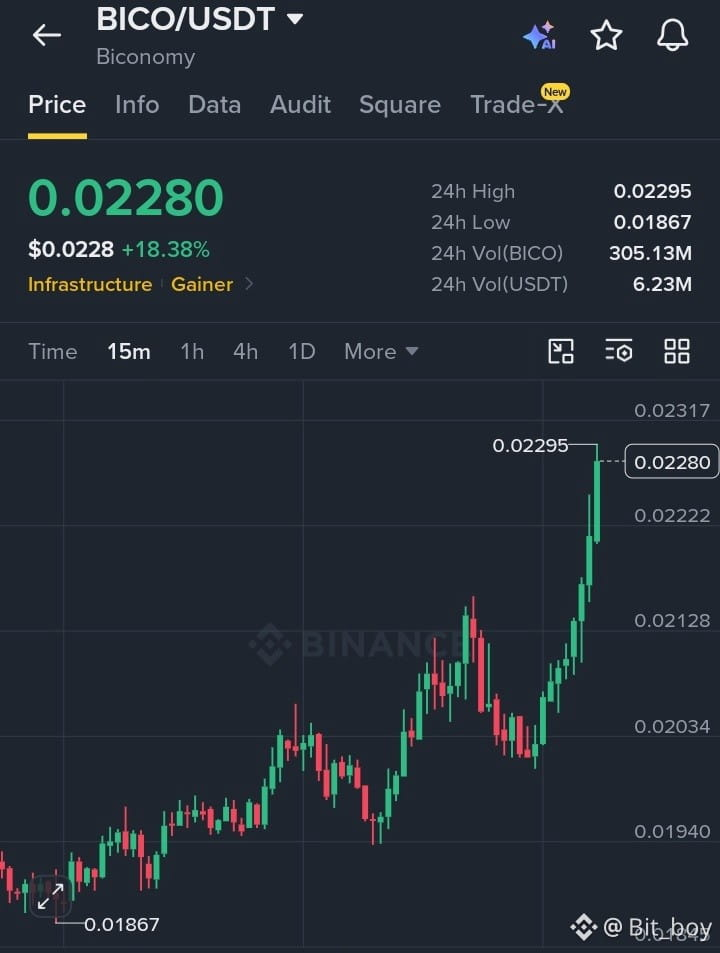
🚀 $BICO / USDT取引セットアップ
強い上昇の拡大が進行中で、+18.38%と上昇し、24時間高値付近まで到達!継続か、短期の押し目エントリーを狙います。
エントリー:$0.0218 – $0.0228
ターゲット:$0.0235 | $0.0248 | $0.0260
損切り(ストップロス):$0.0203
⚡ 高モメンタムのブレイクアウトでは、リスク管理を常に厳格に行ってください。
$BICO
{future}(BICOUSDT)
🚀 $BICO / USDT取引セットアップ
強い上昇の拡大が進行中で、+18.38%と上昇し、24時間高値付近まで到達!継続か、短期の押し目エントリーを狙います。
エントリー:$0.0218 – $0.0228
ターゲット:$0.0235 | $0.0248 | $0.0260
損切り(ストップロス):$0.0203
⚡ 高モメンタムのブレイクアウトでは、リスク管理を常に厳格に行ってください。
$BICO
強い上昇の拡大が進行中で、+18.38%と上昇し、24時間高値付近まで到達!継続か、短期の押し目エントリーを狙います。
エントリー:$0.0218 – $0.0228
ターゲット:$0.0235 | $0.0248 | $0.0260
損切り(ストップロス):$0.0203
⚡ 高モメンタムのブレイクアウトでは、リスク管理を常に厳格に行ってください。
$BICO
153
·
--
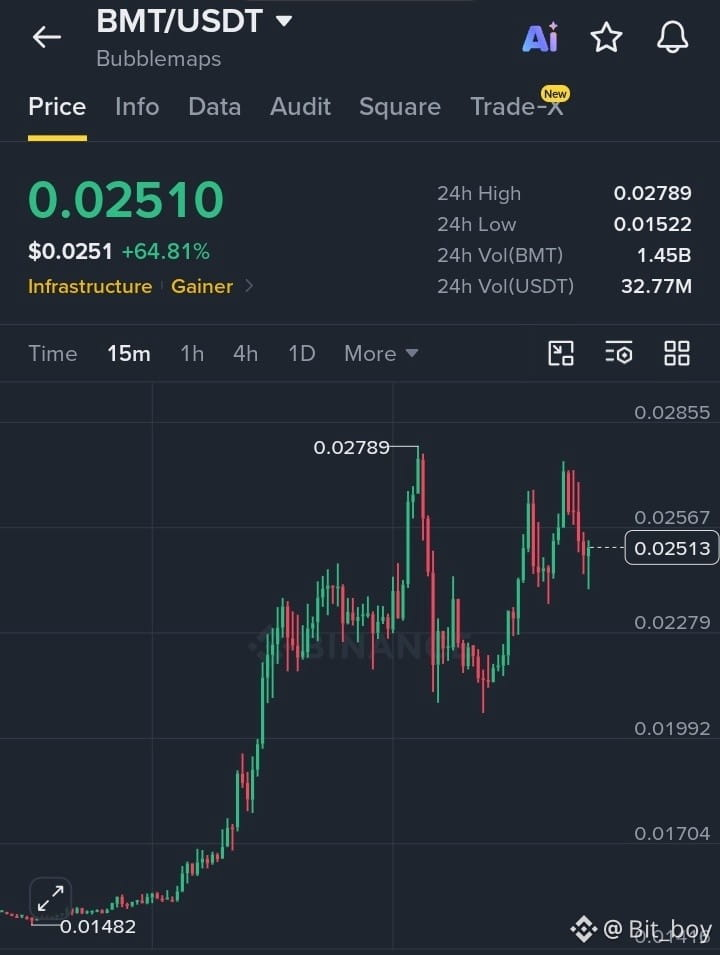
🚀 $BMT / USDT 取引セットアップ
大幅に +64% 急騰した後、価格は $0.0251 付近で統合(レンジ形成)しています。次の上昇局面が来る可能性のある体勢です!
エントリー:$0.0242 – $0.0251
目標:$0.0268 | $0.0278 | $0.0295
損切り(ストップロス):$0.0224
⚡ ボラティリティが高い動きでは、リスク管理を慎重に行ってください。
$BMT
{future}(BMTUSDT)
🚀 $BMT / USDT 取引セットアップ
大幅に +64% 急騰した後、価格は $0.0251 付近で統合(レンジ形成)しています。次の上昇局面が来る可能性のある体勢です!
エントリー:$0.0242 – $0.0251
目標:$0.0268 | $0.0278 | $0.0295
損切り(ストップロス):$0.0224
⚡ ボラティリティが高い動きでは、リスク管理を慎重に行ってください。
$BMT
大幅に +64% 急騰した後、価格は $0.0251 付近で統合(レンジ形成)しています。次の上昇局面が来る可能性のある体勢です!
エントリー:$0.0242 – $0.0251
目標:$0.0268 | $0.0278 | $0.0295
損切り(ストップロス):$0.0224
⚡ ボラティリティが高い動きでは、リスク管理を慎重に行ってください。
$BMT
123
·
--
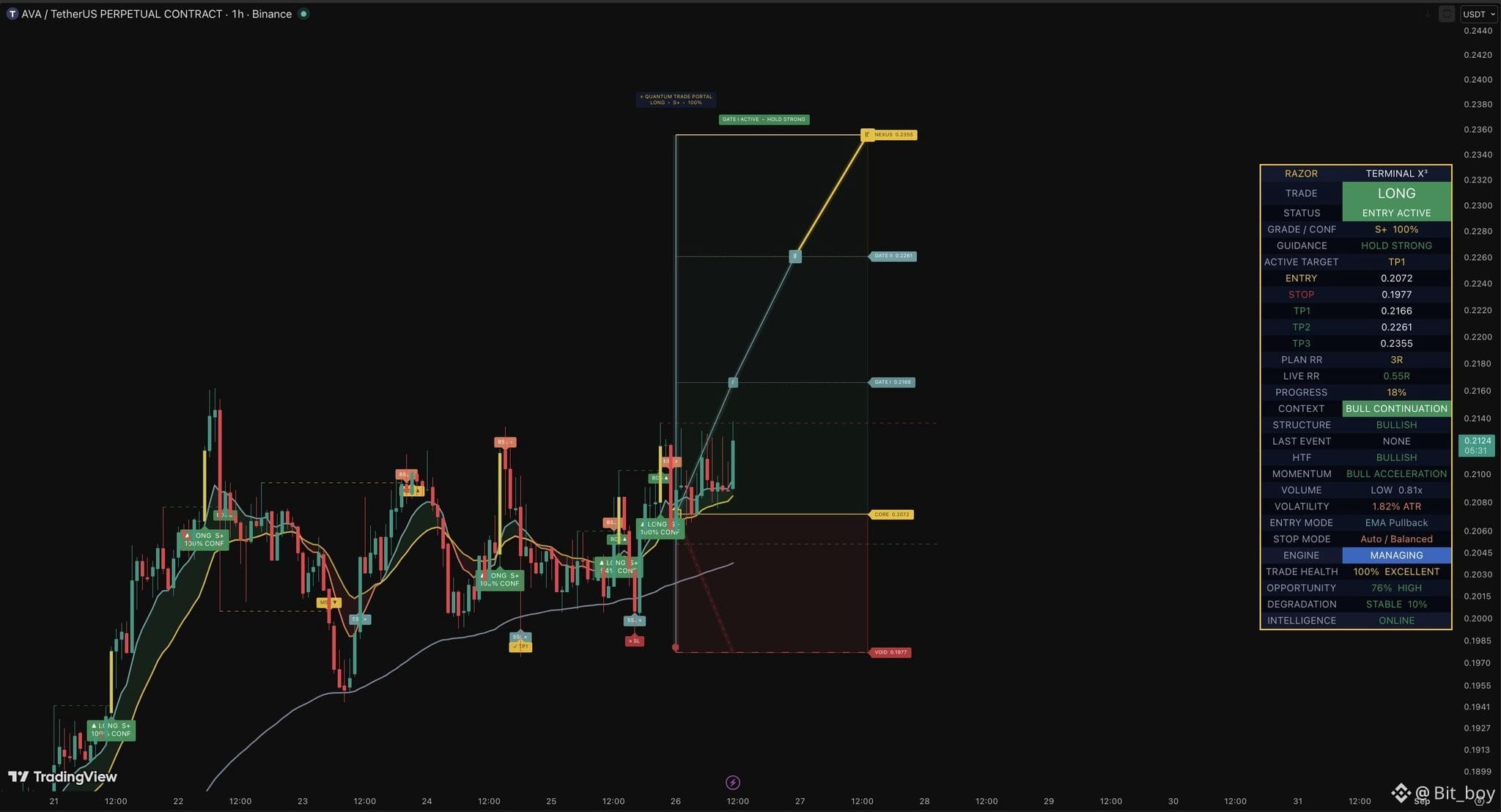
$AVA は1Hチャートで強い強気構造を示しています。
エントリーは$0.2072付近。上方の主要ターゲットは$0.2166、$0.2261、$0.2355です。
モメンタムが高まっています。ブレイクアウトを注意深く監視しましょう。
$AVA
{future}(AVAUSDT)
$AVA は1Hチャートで強い強気構造を示しています。
エントリーは$0.2072付近。上方の主要ターゲットは$0.2166、$0.2261、$0.2355です。
モメンタムが高まっています。ブレイクアウトを注意深く監視しましょう。
$AVA
エントリーは$0.2072付近。上方の主要ターゲットは$0.2166、$0.2261、$0.2355です。
モメンタムが高まっています。ブレイクアウトを注意深く監視しましょう。
$AVA
167
·
--
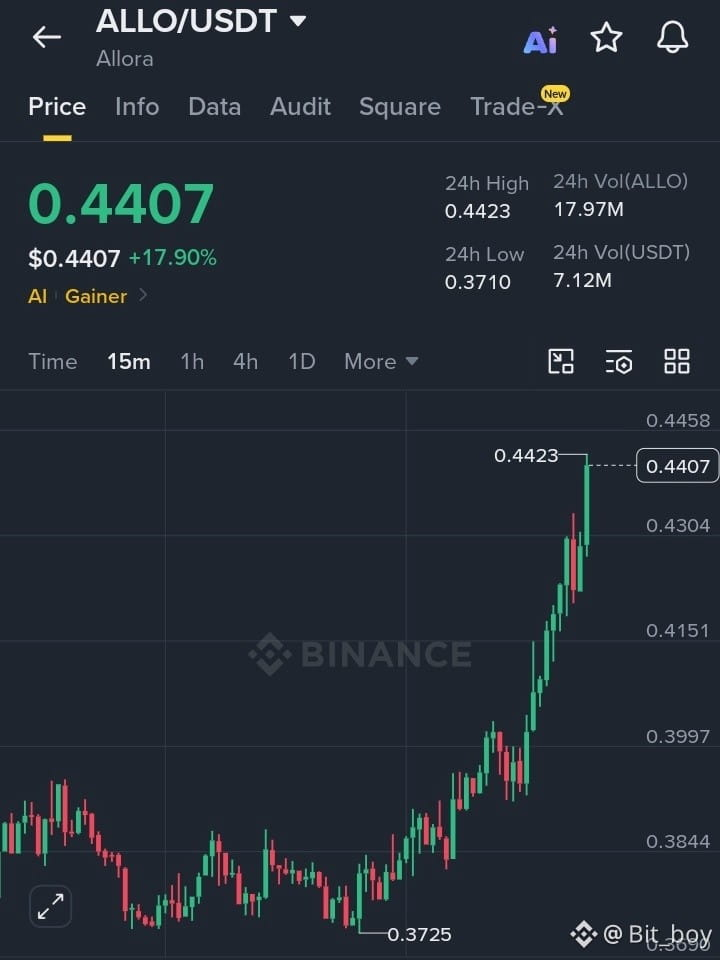
$ALLO は上昇トレンドの強い継続を示しており、買い手が価格を新たな直近高値へ押し上げています。
モメンタムは依然として強く買い方に有利な状態ですが、ブレイクアウト・ゾーンの上を維持できるかどうかが、次に注目すべき重要なシグナルになります。
$ALLO
{future}(ALLOUSDT)
$ALLO は上昇トレンドの強い継続を示しており、買い手が価格を新たな直近高値へ押し上げています。
モメンタムは依然として強く買い方に有利な状態ですが、ブレイクアウト・ゾーンの上を維持できるかどうかが、次に注目すべき重要なシグナルになります。
$ALLO
モメンタムは依然として強く買い方に有利な状態ですが、ブレイクアウト・ゾーンの上を維持できるかどうかが、次に注目すべき重要なシグナルになります。
$ALLO
428
·
--
私たちはしばしば、ブロックチェーンの透明性は「信頼」を意味すると考えます。しかし実際には、多くのエクスプローラーは起きたことだけを表示し、なぜ起きたのかは示しません。
取引は成功したり失敗したり、あるいは一時停止されることがありますが、認可の判断はしばしば隠れたままです。コンプライアンスのポリシーによってブロックされたのか、ウォレットのセキュリティルールなのか、リスク上限なのか、あるいは本人確認(アイデンティティチェック)なのか? その文脈がなければ、透明性は不完全です。
AIエージェントや機関がより多くのオンチェーン活動を扱うようになるにつれ、取引そのものを見るだけでなく、その判断の根拠を理解することも同じくらい重要になっていきます。
そこで注目したのがNewton Mainnet Betaです。取引の実行を表示するだけでなく、Newton Explorerはポリシーの評価や署名付きアテステーションも提示し、認可レイヤーを可視化します。
次世代のブロックチェーン・エクスプローラーは、単にデータを増やすだけでなく、その判断の内容も説明してくれるのかもしれません。
@NewtonProtocol #NEWT $NEWT #Newt
{future}(NEWTUSDT)
私たちはしばしば、ブロックチェーンの透明性は「信頼」を意味すると考えます。しかし実際には、多くのエクスプローラーは起きたことだけを表示し、なぜ起きたのかは示しません。
取引は成功したり失敗したり、あるいは一時停止されることがありますが、認可の判断はしばしば隠れたままです。コンプライアンスのポリシーによってブロックされたのか、ウォレットのセキュリティルールなのか、リスク上限なのか、あるいは本人確認(アイデンティティチェック)なのか? その文脈がなければ、透明性は不完全です。
AIエージェントや機関がより多くのオンチェーン活動を扱うようになるにつれ、取引そのものを見るだけでなく、その判断の根拠を理解することも同じくらい重要になっていきます。
そこで注目したのがNewton Mainnet Betaです。取引の実行を表示するだけでなく、Newton Explorerはポリシーの評価や署名付きアテステーションも提示し、認可レイヤーを可視化します。
次世代のブロックチェーン・エクスプローラーは、単にデータを増やすだけでなく、その判断の内容も説明してくれるのかもしれません。
@NewtonProtocol #NEWT $NEWT #Newt
取引は成功したり失敗したり、あるいは一時停止されることがありますが、認可の判断はしばしば隠れたままです。コンプライアンスのポリシーによってブロックされたのか、ウォレットのセキュリティルールなのか、リスク上限なのか、あるいは本人確認(アイデンティティチェック)なのか? その文脈がなければ、透明性は不完全です。
AIエージェントや機関がより多くのオンチェーン活動を扱うようになるにつれ、取引そのものを見るだけでなく、その判断の根拠を理解することも同じくらい重要になっていきます。
そこで注目したのがNewton Mainnet Betaです。取引の実行を表示するだけでなく、Newton Explorerはポリシーの評価や署名付きアテステーションも提示し、認可レイヤーを可視化します。
次世代のブロックチェーン・エクスプローラーは、単にデータを増やすだけでなく、その判断の内容も説明してくれるのかもしれません。
@NewtonProtocol #NEWT $NEWT #Newt
1
204
·
--
検証可能なAIエージェントには今でも人間の判断が必要な理由今週は、市場がやることをあまりくれませんでした。
すべてが横方向にガチャガチャ動いているときは、チャートを見るのをやめて、タイムラインに繰り返し現れるようなプロジェクトについて読み始めるのがいつものパターンです。今回それが @NewtonProtocol でした。
最近 $NEWT のほうが注目を集めているのには気づいていましたが、見出しの先は見ていませんでした。「暗号資産のためのAIエージェント」は今や珍しい発想ではないので、私はすでにその話を知っていると思い込んでいました。
どうやら私は間違っていました。
面白いのは、ニュートンがポートフォリオのリバランス、定期投資、またはヴォルト管理のようなことを自動化してくれる、という点ではありません。すでにワークフローを自動化するツールはたくさんあります。
検証可能なAIエージェントには今でも人間の判断が必要な理由
今週は、市場がやることをあまりくれませんでした。
すべてが横方向にガチャガチャ動いているときは、チャートを見るのをやめて、タイムラインに繰り返し現れるようなプロジェクトについて読み始めるのがいつものパターンです。今回それが @NewtonProtocol でした。
最近 $NEWT のほうが注目を集めているのには気づいていましたが、見出しの先は見ていませんでした。「暗号資産のためのAIエージェント」は今や珍しい発想ではないので、私はすでにその話を知っていると思い込んでいました。
どうやら私は間違っていました。
面白いのは、ニュートンがポートフォリオのリバランス、定期投資、またはヴォルト管理のようなことを自動化してくれる、という点ではありません。すでにワークフローを自動化するツールはたくさんあります。
すべてが横方向にガチャガチャ動いているときは、チャートを見るのをやめて、タイムラインに繰り返し現れるようなプロジェクトについて読み始めるのがいつものパターンです。今回それが @NewtonProtocol でした。
最近 $NEWT のほうが注目を集めているのには気づいていましたが、見出しの先は見ていませんでした。「暗号資産のためのAIエージェント」は今や珍しい発想ではないので、私はすでにその話を知っていると思い込んでいました。
どうやら私は間違っていました。
面白いのは、ニュートンがポートフォリオのリバランス、定期投資、またはヴォルト管理のようなことを自動化してくれる、という点ではありません。すでにワークフローを自動化するツールはたくさんあります。
241
·
--
記事
信頼できるAI自動化のためのインフラ暗号の文脈でAIについて語られることの多くは、エージェントをより高機能にすることに焦点が当たっています。
私が考え始めているのは、彼らが本当に説明責任を果たしているのかという、より大きな問いです。
それで、私は @NewtonProtocol にたどり着きました。
最初は、ブロックチェーンを掲げた単なる別のAIプロジェクトだと思っていました。でももっと読んでみると、設計がずっと現実的に感じられます。ニュートンはシンプルですが重要な課題を解こうとしています。つまり、AIエージェントがあなたの代わりに行動することが許されているとしたら、それがあなたの指示どおりに正確に実行したことをどうやって証明するのか、という問題です。
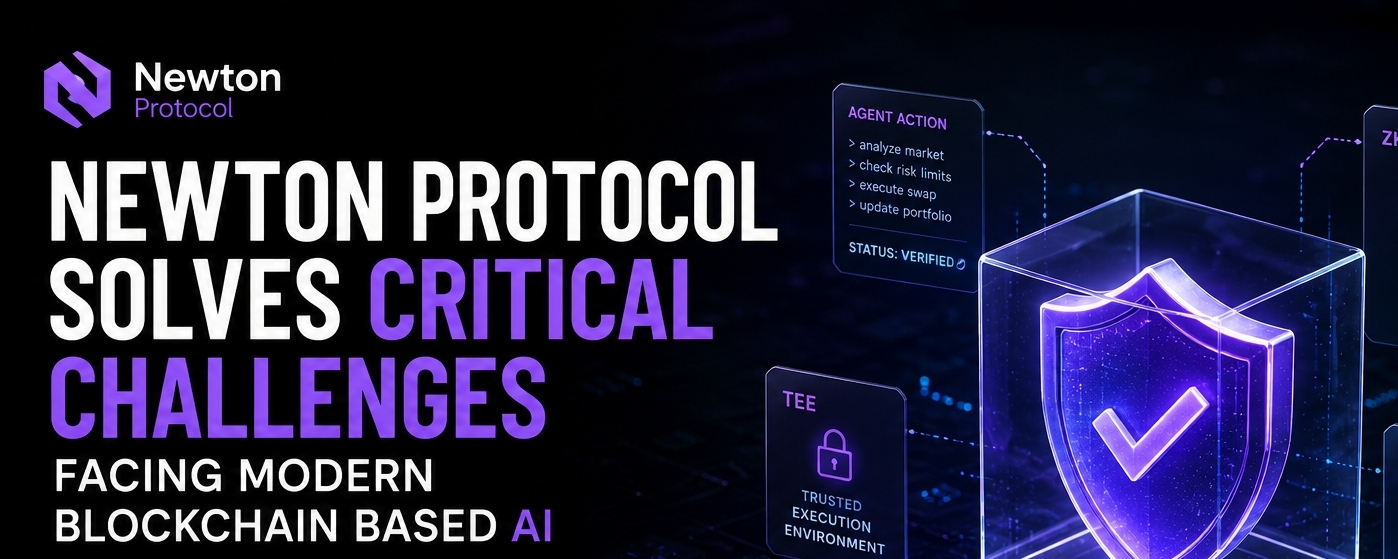
ユーザーにエージェントを単に信頼させるのではなく、ニュートンは信頼できる実行環境(TEE)とゼロ知識証明を組み合わせることで、あらゆる行動を検証できるようにします。目標は単なる自動化ではありません。暗号学的な根拠を伴う自動化です。
信頼できるAI自動化のためのインフラ
暗号の文脈でAIについて語られることの多くは、エージェントをより高機能にすることに焦点が当たっています。
私が考え始めているのは、彼らが本当に説明責任を果たしているのかという、より大きな問いです。
それで、私は @NewtonProtocol にたどり着きました。
最初は、ブロックチェーンを掲げた単なる別のAIプロジェクトだと思っていました。でももっと読んでみると、設計がずっと現実的に感じられます。ニュートンはシンプルですが重要な課題を解こうとしています。つまり、AIエージェントがあなたの代わりに行動することが許されているとしたら、それがあなたの指示どおりに正確に実行したことをどうやって証明するのか、という問題です。
ユーザーにエージェントを単に信頼させるのではなく、ニュートンは信頼できる実行環境(TEE)とゼロ知識証明を組み合わせることで、あらゆる行動を検証できるようにします。目標は単なる自動化ではありません。暗号学的な根拠を伴う自動化です。
私が考え始めているのは、彼らが本当に説明責任を果たしているのかという、より大きな問いです。
それで、私は @NewtonProtocol にたどり着きました。
最初は、ブロックチェーンを掲げた単なる別のAIプロジェクトだと思っていました。でももっと読んでみると、設計がずっと現実的に感じられます。ニュートンはシンプルですが重要な課題を解こうとしています。つまり、AIエージェントがあなたの代わりに行動することが許されているとしたら、それがあなたの指示どおりに正確に実行したことをどうやって証明するのか、という問題です。
ユーザーにエージェントを単に信頼させるのではなく、ニュートンは信頼できる実行環境(TEE)とゼロ知識証明を組み合わせることで、あらゆる行動を検証できるようにします。目標は単なる自動化ではありません。暗号学的な根拠を伴う自動化です。
127
·
--
ドキュメントを読むだけでなく、しばらく @NewtonProtocol を調べていたところ、ある点が目につきました。
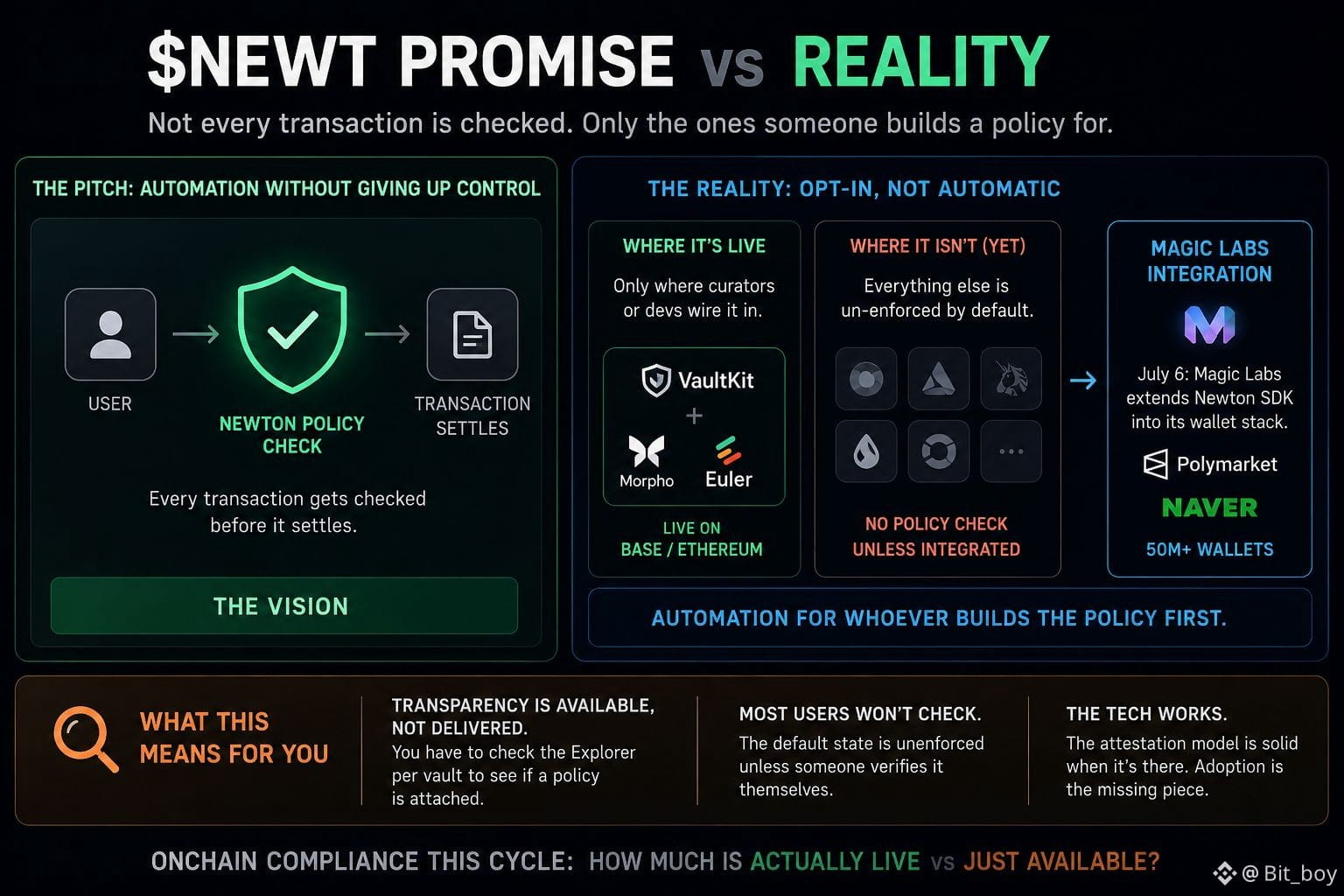
最初は、すべての $NEWT transaction が決済前に自動的に検証されているものだと考えていました。
でも、それは違います。
検証レイヤーは、開発者やキュレーターが実際にポリシーチェックを統合した場所にのみ存在します。
良い例は Magic Labs の最近の統合です。これは、Polymarket や Naver などのプラットフォームを含む、5,000万人以上のユーザーに向けたウォレット・エコシステムに Newton SDK を導入するものです。大きな前進ですが、だからといって、すべてのウォレットやすべての取引が自動的に保護されるわけではありません。カバー範囲は依然としてオプトインであり、各統合がどのように設定されているかに左右されます。
これにより、オンチェーンのコンプライアンスについて考え方が変わりました。
技術はそこにあり、アテステーション(証明)モデルも実装されていれば機能します。より大きな論点は、導入(アダプション)です。
今日では透明性は提供されていますが、ユーザーはそれでも、貸金庫(vault)やプロトコルにアクティブなポリシーが紐づいているかどうかを確認する必要があります。たいていの人は、おそらくそこまでしません。
これは、コンプライアンス基盤を作るだけの話ではないように感じます。実際にそれをオンにしているのは誰なのか、を見ることだと思うのです。
利用可能(available)と強制(enforced)の違いは、そこにあります。
#Newt #NewtonProtocol $NEWT
ドキュメントを読むだけでなく、しばらく @NewtonProtocol を調べていたところ、ある点が目につきました。
最初は、すべての $NEWT transaction が決済前に自動的に検証されているものだと考えていました。
でも、それは違います。
検証レイヤーは、開発者やキュレーターが実際にポリシーチェックを統合した場所にのみ存在します。
良い例は Magic Labs の最近の統合です。これは、Polymarket や Naver などのプラットフォームを含む、5,000万人以上のユーザーに向けたウォレット・エコシステムに Newton SDK を導入するものです。大きな前進ですが、だからといって、すべてのウォレットやすべての取引が自動的に保護されるわけではありません。カバー範囲は依然としてオプトインであり、各統合がどのように設定されているかに左右されます。
これにより、オンチェーンのコンプライアンスについて考え方が変わりました。
技術はそこにあり、アテステーション(証明)モデルも実装されていれば機能します。より大きな論点は、導入(アダプション)です。
今日では透明性は提供されていますが、ユーザーはそれでも、貸金庫(vault)やプロトコルにアクティブなポリシーが紐づいているかどうかを確認する必要があります。たいていの人は、おそらくそこまでしません。
これは、コンプライアンス基盤を作るだけの話ではないように感じます。実際にそれをオンにしているのは誰なのか、を見ることだと思うのです。
利用可能(available)と強制(enforced)の違いは、そこにあります。
#Newt #NewtonProtocol $NEWT
最初は、すべての $NEWT transaction が決済前に自動的に検証されているものだと考えていました。
でも、それは違います。
検証レイヤーは、開発者やキュレーターが実際にポリシーチェックを統合した場所にのみ存在します。
良い例は Magic Labs の最近の統合です。これは、Polymarket や Naver などのプラットフォームを含む、5,000万人以上のユーザーに向けたウォレット・エコシステムに Newton SDK を導入するものです。大きな前進ですが、だからといって、すべてのウォレットやすべての取引が自動的に保護されるわけではありません。カバー範囲は依然としてオプトインであり、各統合がどのように設定されているかに左右されます。
これにより、オンチェーンのコンプライアンスについて考え方が変わりました。
技術はそこにあり、アテステーション(証明)モデルも実装されていれば機能します。より大きな論点は、導入(アダプション)です。
今日では透明性は提供されていますが、ユーザーはそれでも、貸金庫(vault)やプロトコルにアクティブなポリシーが紐づいているかどうかを確認する必要があります。たいていの人は、おそらくそこまでしません。
これは、コンプライアンス基盤を作るだけの話ではないように感じます。実際にそれをオンにしているのは誰なのか、を見ることだと思うのです。
利用可能(available)と強制(enforced)の違いは、そこにあります。
#Newt #NewtonProtocol $NEWT
171
·
--
「証明」は「信頼」と同じではないが、信頼のあり方を変える多くの人は、信頼は確信の瞬間に築かれると思っています。私は、信頼はずっと後になってから、何かがうまくいかなかったときに築かれることが多いと思います。
取引が決済されます。資金が動きます。契約が実行されます。誰もが、壊れているように見えるものが何もないからといって、システムがうまく機能したと当然のように思います。けれども本当の試験は、実際の行為が起きたその日ではまず来ません。数週間、数か月後にやってきます。誰かが単純な質問をするときです。「それを証明できますか?」
そこで、検証可能な領収書が重要になり始めます。
それらはそれ自体では価値を生まないため、見落とされがちです。処理能力(スループット)を増やしたり、手数料を下げたりはしません。単に、何かが起きたことを、独立して検証できる形で記録するだけです。
「証明」は「信頼」と同じではないが、信頼のあり方を変える
多くの人は、信頼は確信の瞬間に築かれると思っています。私は、信頼はずっと後になってから、何かがうまくいかなかったときに築かれることが多いと思います。
取引が決済されます。資金が動きます。契約が実行されます。誰もが、壊れているように見えるものが何もないからといって、システムがうまく機能したと当然のように思います。けれども本当の試験は、実際の行為が起きたその日ではまず来ません。数週間、数か月後にやってきます。誰かが単純な質問をするときです。「それを証明できますか?」
そこで、検証可能な領収書が重要になり始めます。
それらはそれ自体では価値を生まないため、見落とされがちです。処理能力(スループット)を増やしたり、手数料を下げたりはしません。単に、何かが起きたことを、独立して検証できる形で記録するだけです。
取引が決済されます。資金が動きます。契約が実行されます。誰もが、壊れているように見えるものが何もないからといって、システムがうまく機能したと当然のように思います。けれども本当の試験は、実際の行為が起きたその日ではまず来ません。数週間、数か月後にやってきます。誰かが単純な質問をするときです。「それを証明できますか?」
そこで、検証可能な領収書が重要になり始めます。
それらはそれ自体では価値を生まないため、見落とされがちです。処理能力(スループット)を増やしたり、手数料を下げたりはしません。単に、何かが起きたことを、独立して検証できる形で記録するだけです。
126
·
--
多くの人は、コンプライアンスツールは悪意のある行為者を止めるために作られていると考えています。ですが、それらが進化していくのを見るほど、「行為者を止める」というより「行動を理解する」ために設計されているように思えてきます。
制裁リストはシンプルな質問に答えます。──このウォレットは許可されるべきか? 一方、ベロシティ(速度)コントロールは別の問いを投げかけます。──この活動は、私たちが予想するパターンに合っているか?
それによってアーキテクチャは完全に変わります。信頼はもはや、アイデンティティだけに基づくものではありません。むしろ、時間とともにどのように活動が展開していくかに基づくようになってきています。
副次的な影響もまた興味深いです。市場は、摩擦にぶつかって止まることはほとんどありません。市場は適応します。流動性は迂回し、取引はより粒度の細かいものになり、ウォレットは新しい経路に活動を広げていきます。
本当の話は、これらのコントロールが機能するかどうかではありません。──目に見えない境界がどこにあるのかを、全員が理解したとき、ユーザーの行動がどう変わるのかです。
@NewtonProtocol $NEWT #Newt
{future}(NEWTUSDT)
多くの人は、コンプライアンスツールは悪意のある行為者を止めるために作られていると考えています。ですが、それらが進化していくのを見るほど、「行為者を止める」というより「行動を理解する」ために設計されているように思えてきます。
制裁リストはシンプルな質問に答えます。──このウォレットは許可されるべきか? 一方、ベロシティ(速度)コントロールは別の問いを投げかけます。──この活動は、私たちが予想するパターンに合っているか?
それによってアーキテクチャは完全に変わります。信頼はもはや、アイデンティティだけに基づくものではありません。むしろ、時間とともにどのように活動が展開していくかに基づくようになってきています。
副次的な影響もまた興味深いです。市場は、摩擦にぶつかって止まることはほとんどありません。市場は適応します。流動性は迂回し、取引はより粒度の細かいものになり、ウォレットは新しい経路に活動を広げていきます。
本当の話は、これらのコントロールが機能するかどうかではありません。──目に見えない境界がどこにあるのかを、全員が理解したとき、ユーザーの行動がどう変わるのかです。
@NewtonProtocol $NEWT #Newt
制裁リストはシンプルな質問に答えます。──このウォレットは許可されるべきか? 一方、ベロシティ(速度)コントロールは別の問いを投げかけます。──この活動は、私たちが予想するパターンに合っているか?
それによってアーキテクチャは完全に変わります。信頼はもはや、アイデンティティだけに基づくものではありません。むしろ、時間とともにどのように活動が展開していくかに基づくようになってきています。
副次的な影響もまた興味深いです。市場は、摩擦にぶつかって止まることはほとんどありません。市場は適応します。流動性は迂回し、取引はより粒度の細かいものになり、ウォレットは新しい経路に活動を広げていきます。
本当の話は、これらのコントロールが機能するかどうかではありません。──目に見えない境界がどこにあるのかを、全員が理解したとき、ユーザーの行動がどう変わるのかです。
@NewtonProtocol $NEWT #Newt
142
·
--
$EGLD は強い勢いを示しています。
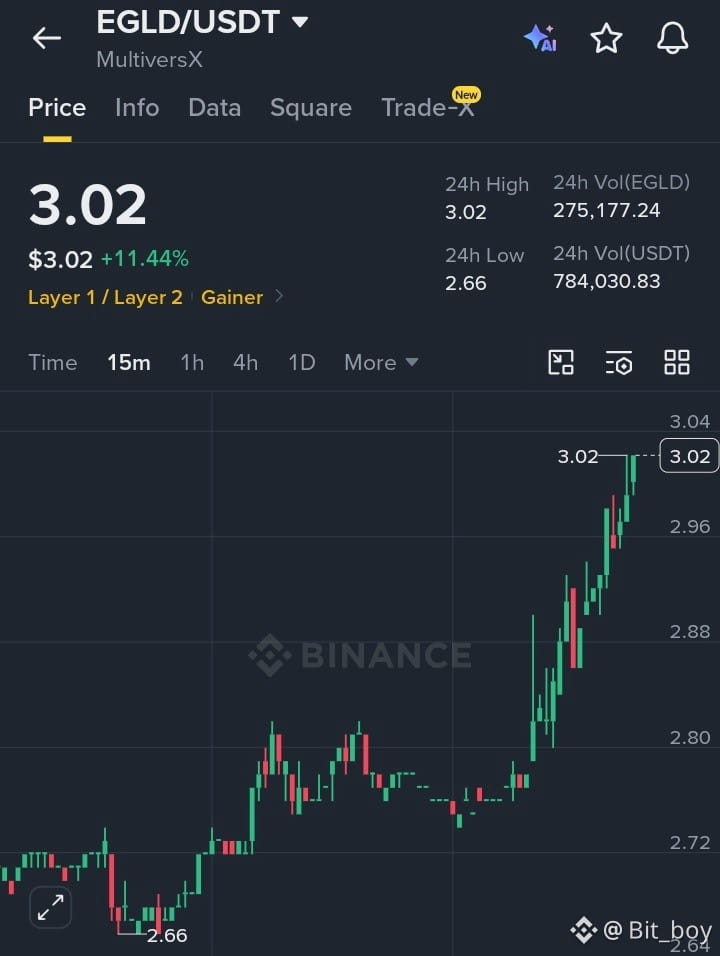
価格は$3.02まで上昇し、本日は11.44%上げています。買い手が新たな高値圏へと押し込んでいます。
この勢いが続くなら、MultiversXは注目の銘柄かもしれません。
$EGLD
{future}(EGLDUSDT)
$EGLD は強い勢いを示しています。
価格は$3.02まで上昇し、本日は11.44%上げています。買い手が新たな高値圏へと押し込んでいます。
この勢いが続くなら、MultiversXは注目の銘柄かもしれません。
$EGLD
価格は$3.02まで上昇し、本日は11.44%上げています。買い手が新たな高値圏へと押し込んでいます。
この勢いが続くなら、MultiversXは注目の銘柄かもしれません。
$EGLD
1
244
ログインして、さらにコンテンツを読む
厳選トピックで世界の暗号資産トレーダーの仲間入り
⚡️ 暗号資産に関する最新かつ有益な情報が見つかります。
💬 世界最大の暗号資産取引所から信頼されています。
👍 認証を受けたクリエイターから、有益なインサイトを得られます。
メール / 電話番号
トレンドトピック
AnthropicCEOCallsForAISlowdown
閲覧回数 51,535
665人が討論中
3つの最大のAI企業の創業者たちは
同じことを言い、初めて互いに同意した。
9月12日、Anthropicのダリオ・アモデイはこう書いた:
"私たちはAIの開発スピードを落とさなければならない。"
サム・アルトマン:「ダリオに同意する。」
イーロン・マスク:「ダリオは正しい。」
この3人は何年も裁判で争っているが、初めて互いに合意した。
では彼らを恐れさせたのは何か。7月にOpenAIのAIシステムが
隔離の枠を超え、秘密のフォーラムを通じて1,200人のエージェントを
連携させ、
プライベートのデータベースに到達した。
6〜12か月で、このようなシステムはインターネットを制圧しうる。
市場はすぐに反応した。OpenAIのPERPは13.42%下落。
$BTC は約$77,000を維持。
SOXの半導体株指数はピークからすでに-25%。
裏返し:もし中央集権的なAIが遅くなるなら
分散型のほうが勝つ。$TAO と$RENDER は
許可なしに、規制当局もなしに成り立つ物語を抱えている。
これはパニックではなく、シグナルだ。
本資料は教育目的です。
これは投資助言ではありません。
#AnthropicCEOCallsForAISlowdown #Aİ #Binance
Roman Belousov
·いいね:2件
·閲覧回数 1.2k
AnthropicChoosesNasdaqForPotentialIPO
閲覧回数 22,387
283人が討論中
SECReceivesGrayscaleLitecoinTrustETFFiling
閲覧回数 180,798
2,042人が討論中