

S E L E N E
12.8k 投稿

S E L E N E
 厳選トピック確認済
報告
ユーザーをブロック
Turning Volatility Into Opportunity 📈🚀
694 フォロー
32.7K+ フォロワー
28.8K+ いいね
投稿
ポートフォリオ
すべて
引用
ライブ
·
--
エージェント経済で見過ごされがちな違いについて、何度も考えさせられます。どのAIエージェントが動いているかを知ることと、そのエージェントに何を許可すべきかを知ることは、同じではありません。
KiteのPassportと委任型権限モデルは、この問題にそれぞれ異なる側面から取り組んでいます。IDによってエージェントが誰として行動しているかを明らかにし、範囲を限定した権限やセッション管理によって、許可される操作を制限できます。この切り分けは重要です。エージェントがあるタスクを完了するために権限を必要としていても、その背後にあるすべてへの広範かつ永続的なアクセスまで与える必要はないかもしれません。
これは妥当な設計方針ですが、より難しい問題はタスクが変わったときに始まります。開始時点では適切だった権限も、エージェントがワークフローを進めるうちに、広すぎたり、狭すぎたり、あるいは単に不適切になったりすることがあります。有効期限や取り消し機能は役立ちますが、それだけであらゆる権限の判断が正しくなるわけではありません。
エージェントのインフラが面白くなるのは、まさにここだと思います。自律性とは、ソフトウェアを私たちの指示を待たずに動かすことだけではありません。私たちが一つひとつの手順を見ていなくても、妥当性を保つ境界を定めることでもあります。
利便性のためにエージェントへ広い権限を与えるのと、より慎重な管理が必要になる代わりに、権限を狭く絞るのとでは、どちらを選びますか?
#KiteBBW $KITE
エージェント経済で見過ごされがちな違いについて、何度も考えさせられます。どのAIエージェントが動いているかを知ることと、そのエージェントに何を許可すべきかを知ることは、同じではありません。
KiteのPassportと委任型権限モデルは、この問題にそれぞれ異なる側面から取り組んでいます。IDによってエージェントが誰として行動しているかを明らかにし、範囲を限定した権限やセッション管理によって、許可される操作を制限できます。この切り分けは重要です。エージェントがあるタスクを完了するために権限を必要としていても、その背後にあるすべてへの広範かつ永続的なアクセスまで与える必要はないかもしれません。
これは妥当な設計方針ですが、より難しい問題はタスクが変わったときに始まります。開始時点では適切だった権限も、エージェントがワークフローを進めるうちに、広すぎたり、狭すぎたり、あるいは単に不適切になったりすることがあります。有効期限や取り消し機能は役立ちますが、それだけであらゆる権限の判断が正しくなるわけではありません。
エージェントのインフラが面白くなるのは、まさにここだと思います。自律性とは、ソフトウェアを私たちの指示を待たずに動かすことだけではありません。私たちが一つひとつの手順を見ていなくても、妥当性を保つ境界を定めることでもあります。
利便性のためにエージェントへ広い権限を与えるのと、より慎重な管理が必要になる代わりに、権限を狭く絞るのとでは、どちらを選びますか?
#KiteBBW $KITE
KiteのPassportと委任型権限モデルは、この問題にそれぞれ異なる側面から取り組んでいます。IDによってエージェントが誰として行動しているかを明らかにし、範囲を限定した権限やセッション管理によって、許可される操作を制限できます。この切り分けは重要です。エージェントがあるタスクを完了するために権限を必要としていても、その背後にあるすべてへの広範かつ永続的なアクセスまで与える必要はないかもしれません。
これは妥当な設計方針ですが、より難しい問題はタスクが変わったときに始まります。開始時点では適切だった権限も、エージェントがワークフローを進めるうちに、広すぎたり、狭すぎたり、あるいは単に不適切になったりすることがあります。有効期限や取り消し機能は役立ちますが、それだけであらゆる権限の判断が正しくなるわけではありません。
エージェントのインフラが面白くなるのは、まさにここだと思います。自律性とは、ソフトウェアを私たちの指示を待たずに動かすことだけではありません。私たちが一つひとつの手順を見ていなくても、妥当性を保つ境界を定めることでもあります。
利便性のためにエージェントへ広い権限を与えるのと、より慎重な管理が必要になる代わりに、権限を狭く絞るのとでは、どちらを選びますか?
#KiteBBW $KITE

21
1
30
2.6k
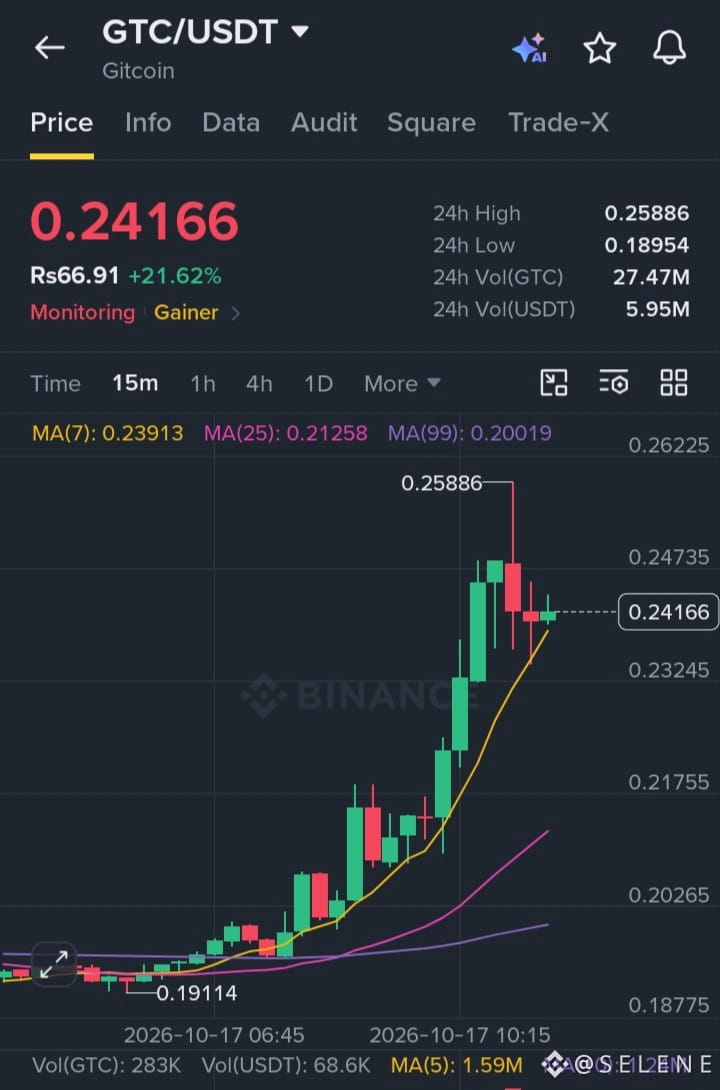
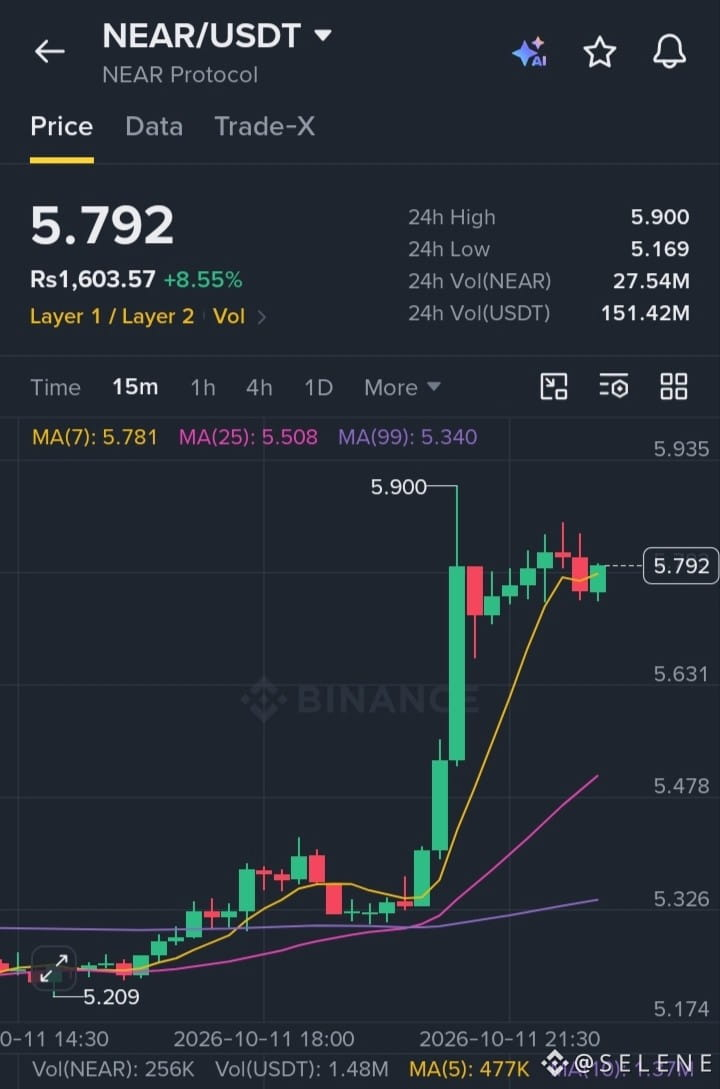
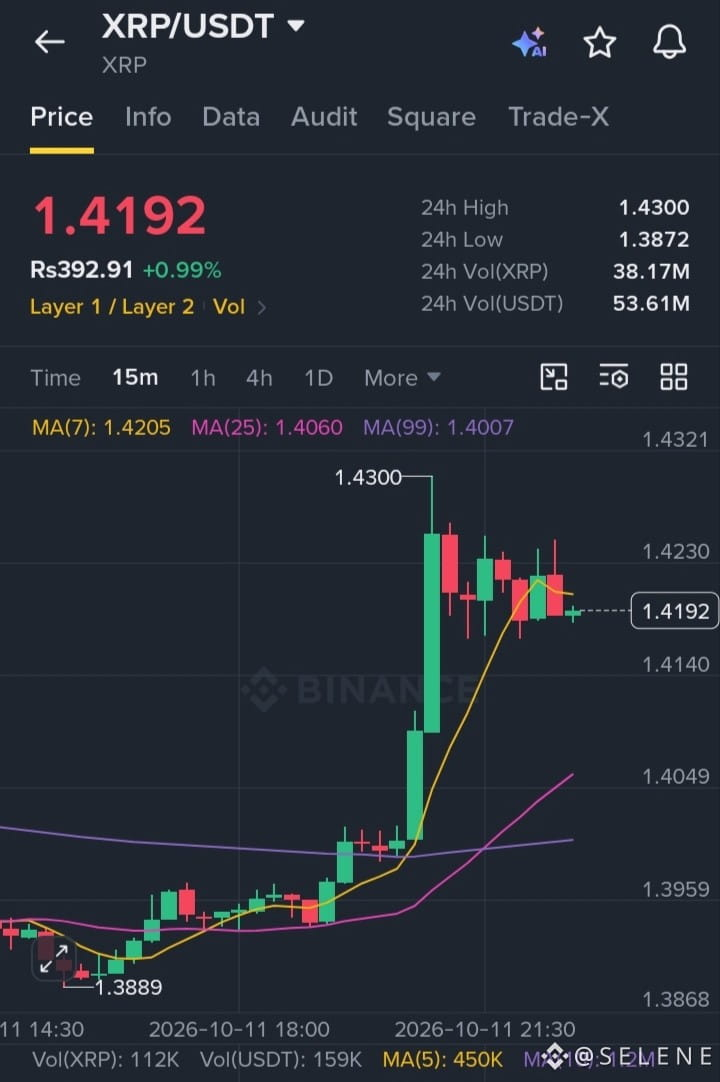
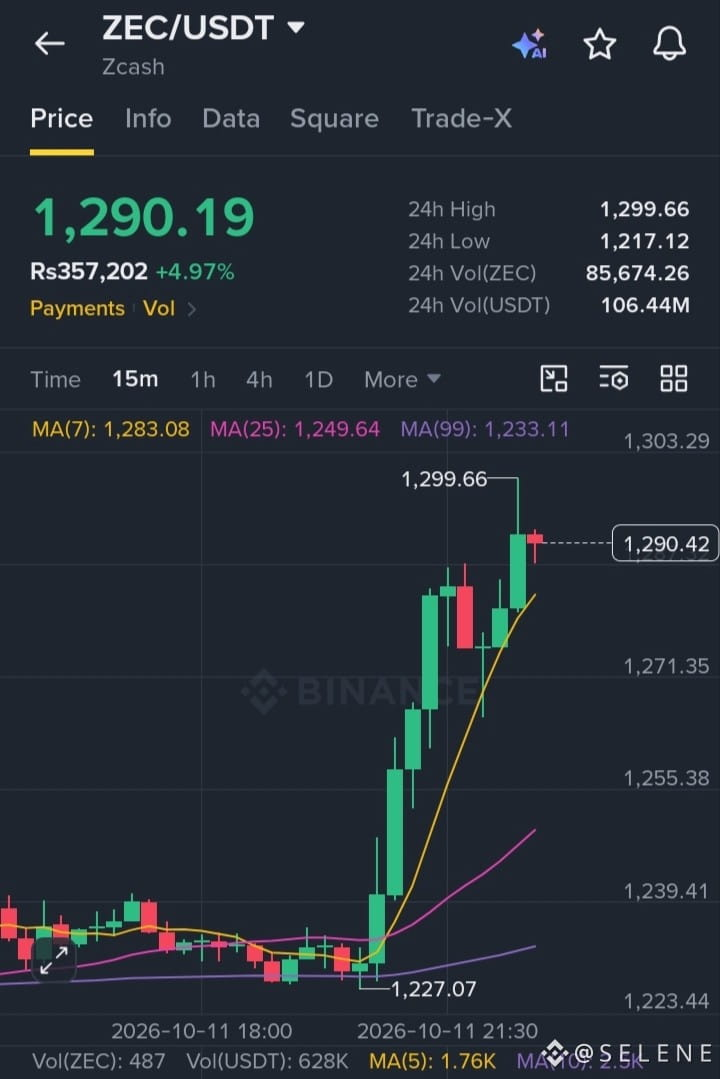
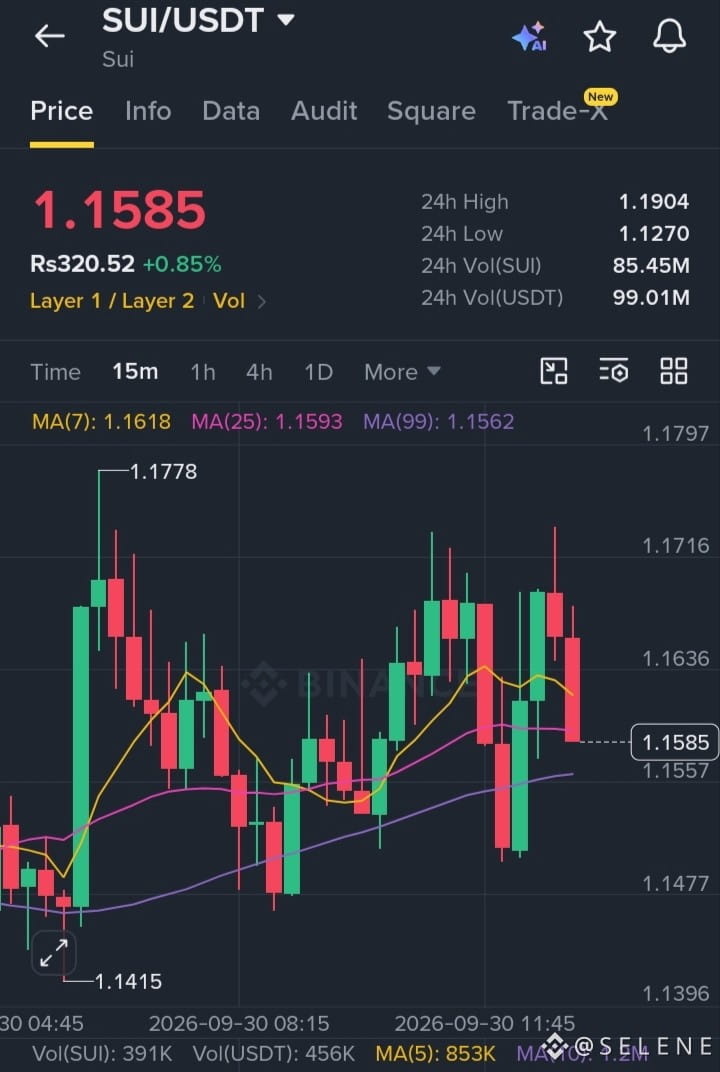
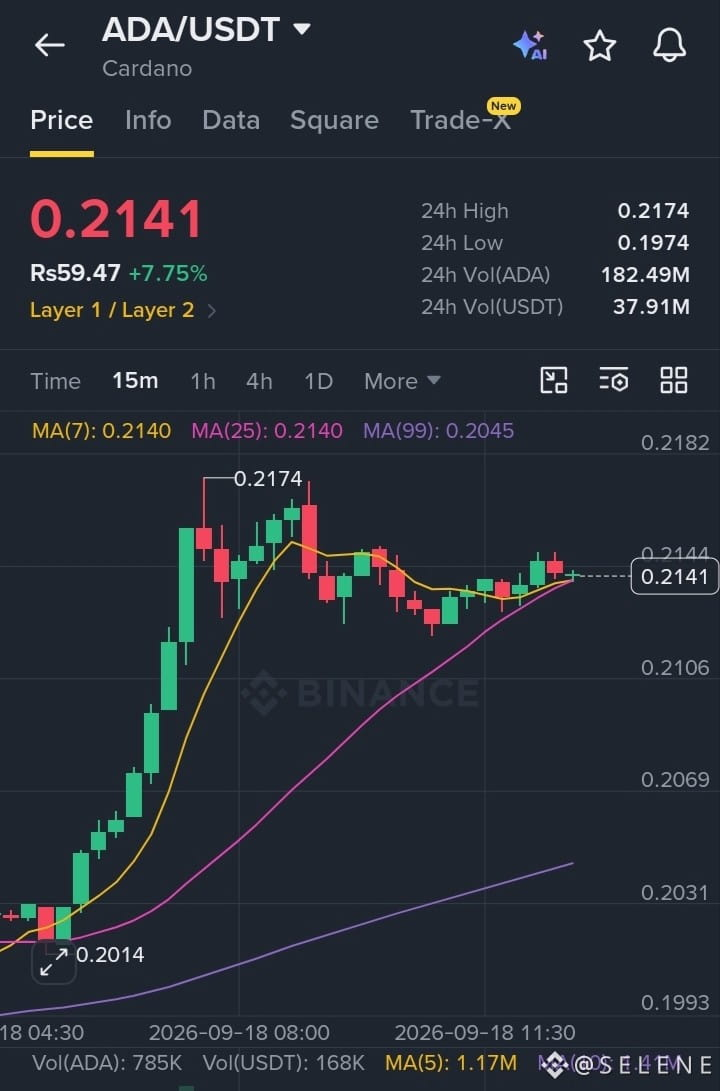
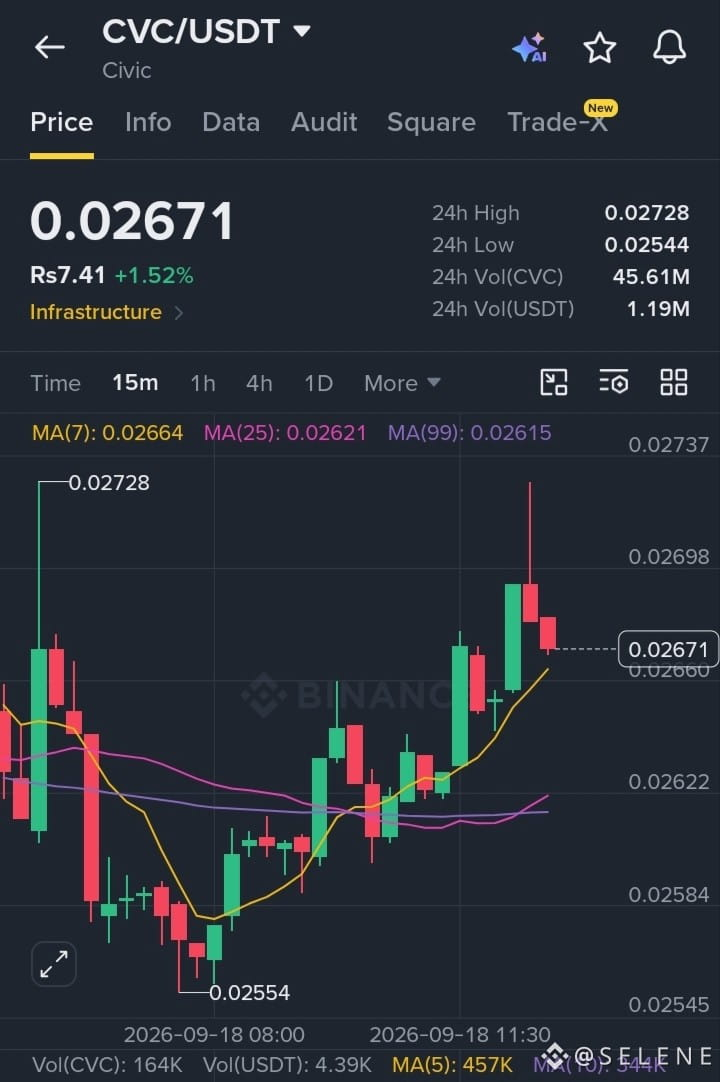
·
--
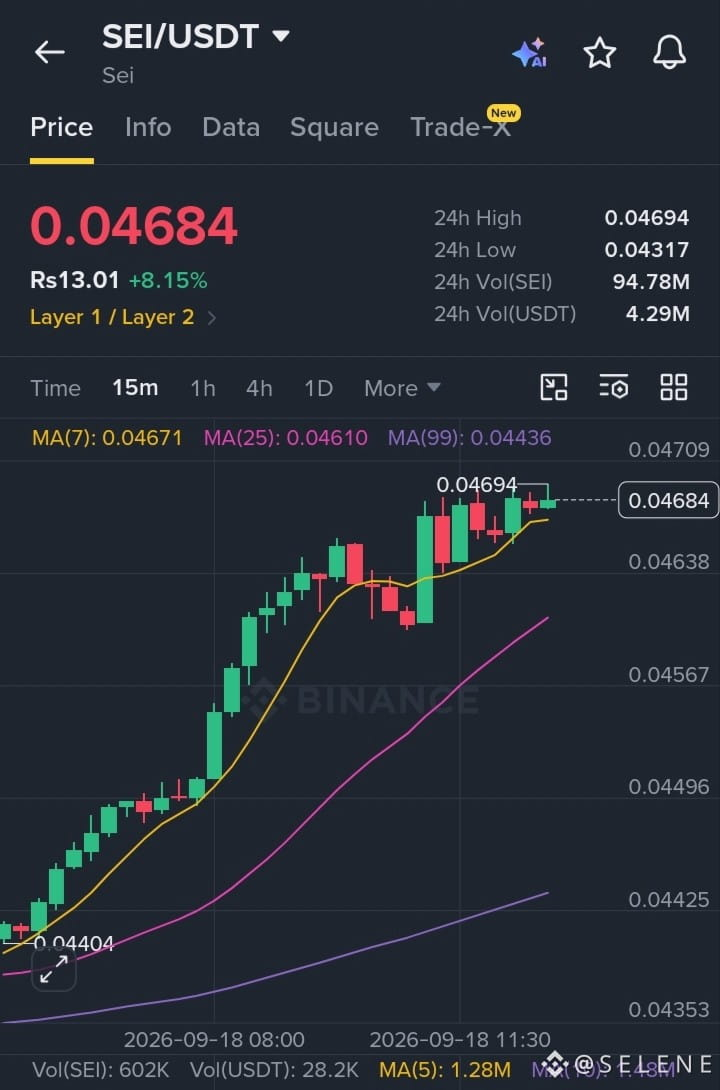
$SEI
{spot}(SEIUSDT)
エントリー: 0.04650 – 0.04684
TP1: 0.04750
TP2: 0.04850
TP3: 0.05000
ストップロス: 0.04560
$SEI
エントリー: 0.04650 – 0.04684
TP1: 0.04750
TP2: 0.04850
TP3: 0.05000
ストップロス: 0.04560
エントリー: 0.04650 – 0.04684
TP1: 0.04750
TP2: 0.04850
TP3: 0.05000
ストップロス: 0.04560
1
1k
·
--
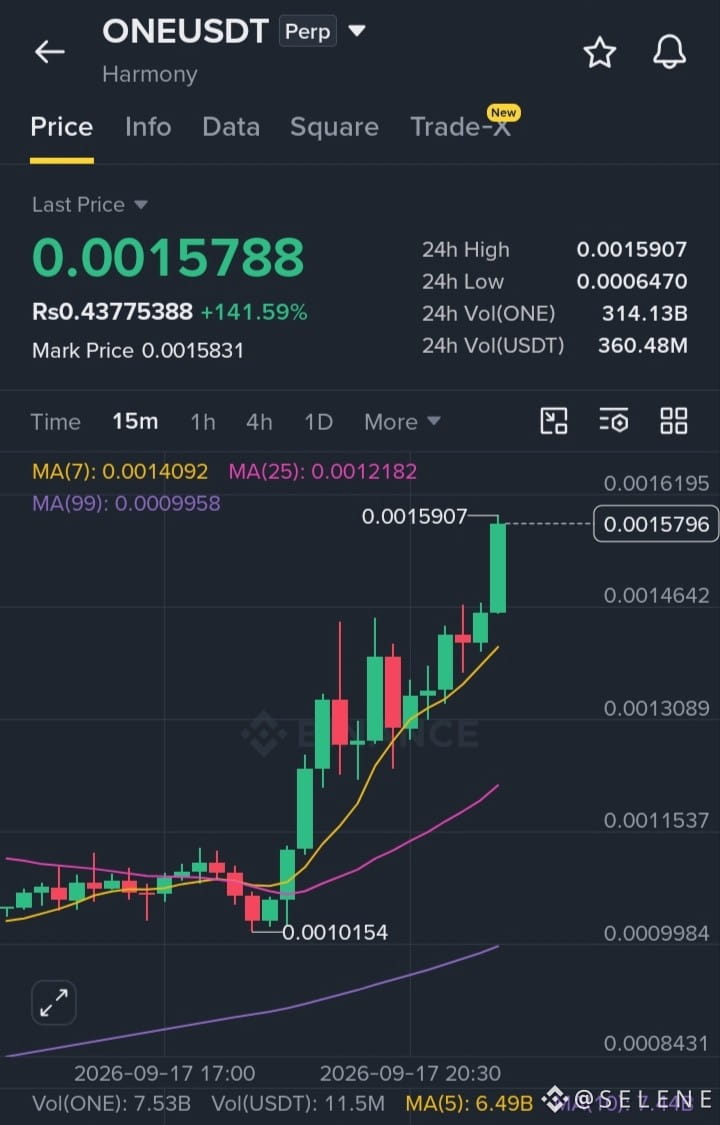
$ONE
{spot}(ONEUSDT)
エントリー: 0.001550 - 0.001580
ストップロス: 0.001400
TP1: 0.001650
TP2: 0.001750
TP3: 0.001900
#HarmonyOne
$ONE
エントリー: 0.001550 - 0.001580
ストップロス: 0.001400
TP1: 0.001650
TP2: 0.001750
TP3: 0.001900
#HarmonyOne
エントリー: 0.001550 - 0.001580
ストップロス: 0.001400
TP1: 0.001650
TP2: 0.001750
TP3: 0.001900
#HarmonyOne
1
362
·
--
速報:財務長官ベッセントは、米国が世界的な技術競争で優位を保つためには、暗号の明確化法案の可決が重要だと述べました。
#crypto
速報:財務長官ベッセントは、米国が世界的な技術競争で優位を保つためには、暗号の明確化法案の可決が重要だと述べました。
#crypto
#crypto

2
158
·
--
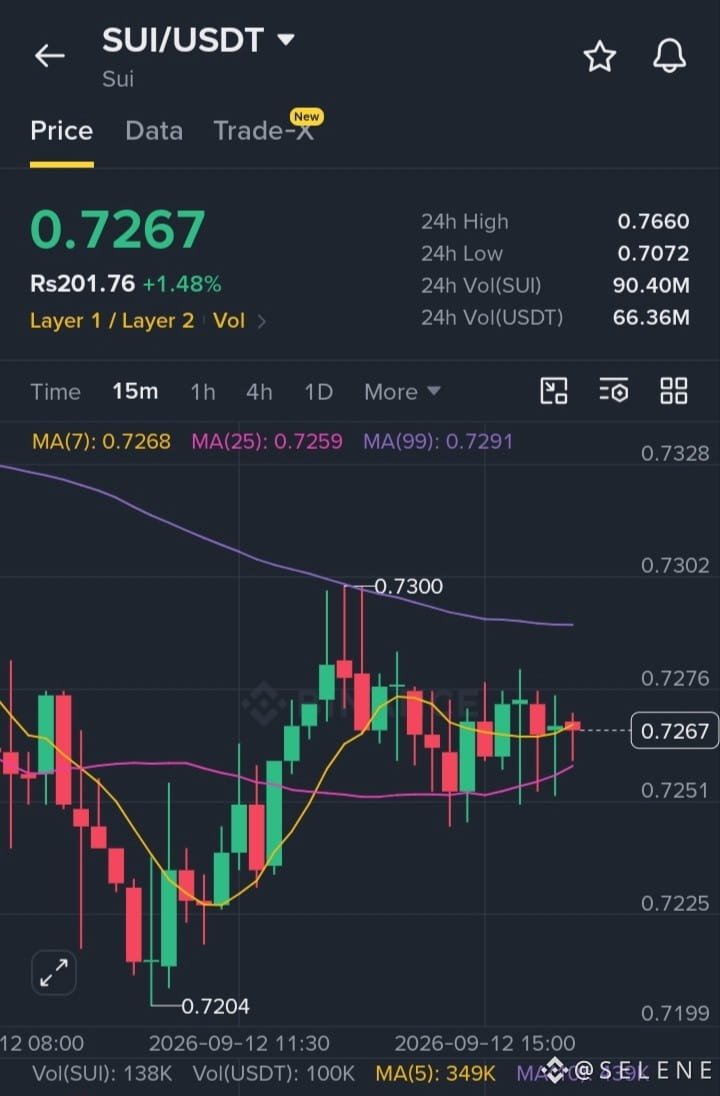
$SUI
{spot}(SUIUSDT)
$0.7250付近のサポートを維持しつつ、移動平均付近で推移しており、上昇の可能性があります。
エントリー: 0.7250 – 0.7270
TP1: 0.7320
TP2: 0.7450
TP3: 0.7600
ストップロス: 0.7180
#SUİ
$SUI
$0.7250付近のサポートを維持しつつ、移動平均付近で推移しており、上昇の可能性があります。
エントリー: 0.7250 – 0.7270
TP1: 0.7320
TP2: 0.7450
TP3: 0.7600
ストップロス: 0.7180
#SUİ
$0.7250付近のサポートを維持しつつ、移動平均付近で推移しており、上昇の可能性があります。
エントリー: 0.7250 – 0.7270
TP1: 0.7320
TP2: 0.7450
TP3: 0.7600
ストップロス: 0.7180
#SUİ
2
208
·
--
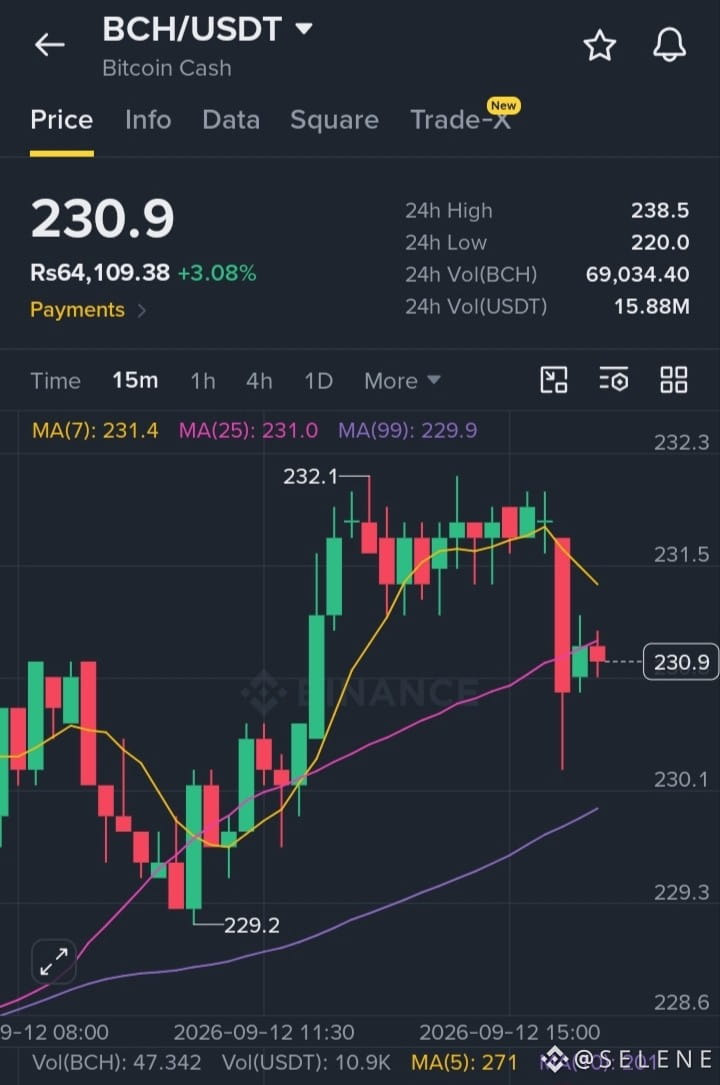
$BCH
{spot}(BCHUSDT)
上記の重要なキーにおけるダイナミック・サポートの上で維持し、短い押し目の後に上方向への継続の可能性を構成しています。
エントリー: 230.0 – 231.0
TP1: 232.5
TP2: 235.0
TP3: 238.0
損切り: 228.5
$BCH
上記の重要なキーにおけるダイナミック・サポートの上で維持し、短い押し目の後に上方向への継続の可能性を構成しています。
エントリー: 230.0 – 231.0
TP1: 232.5
TP2: 235.0
TP3: 238.0
損切り: 228.5
上記の重要なキーにおけるダイナミック・サポートの上で維持し、短い押し目の後に上方向への継続の可能性を構成しています。
エントリー: 230.0 – 231.0
TP1: 232.5
TP2: 235.0
TP3: 238.0
損切り: 228.5
1
85
·
--
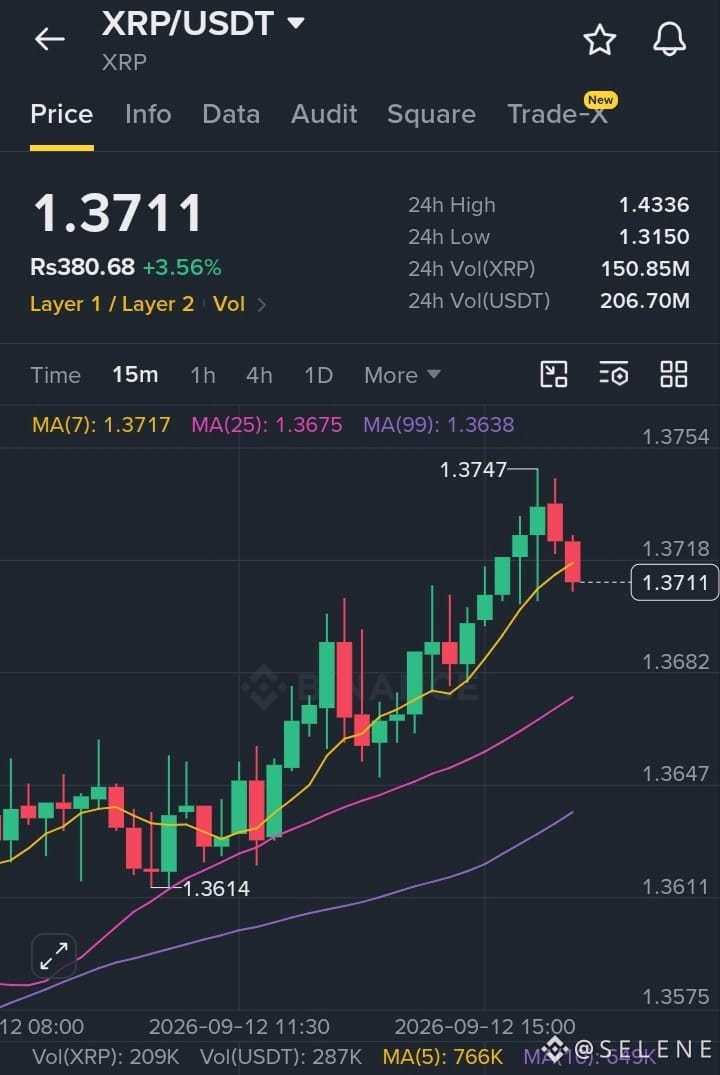
$XRP
{spot}(XRPUSDT)
鍵となる移動平均線を上回る強い上昇トレンドを維持しつつ、耐え抵抗水準付近で推移しており、上方ブレイクの可能性。
エントリー: 1.3680 – 1.3715
TP1: 1.3750
TP2: 1.3950
TP3: 1.4300
損切り: 1.3600
#xrp
$XRP
鍵となる移動平均線を上回る強い上昇トレンドを維持しつつ、耐え抵抗水準付近で推移しており、上方ブレイクの可能性。
エントリー: 1.3680 – 1.3715
TP1: 1.3750
TP2: 1.3950
TP3: 1.4300
損切り: 1.3600
#xrp
鍵となる移動平均線を上回る強い上昇トレンドを維持しつつ、耐え抵抗水準付近で推移しており、上方ブレイクの可能性。
エントリー: 1.3680 – 1.3715
TP1: 1.3750
TP2: 1.3950
TP3: 1.4300
損切り: 1.3600
#xrp
1
112
·
--
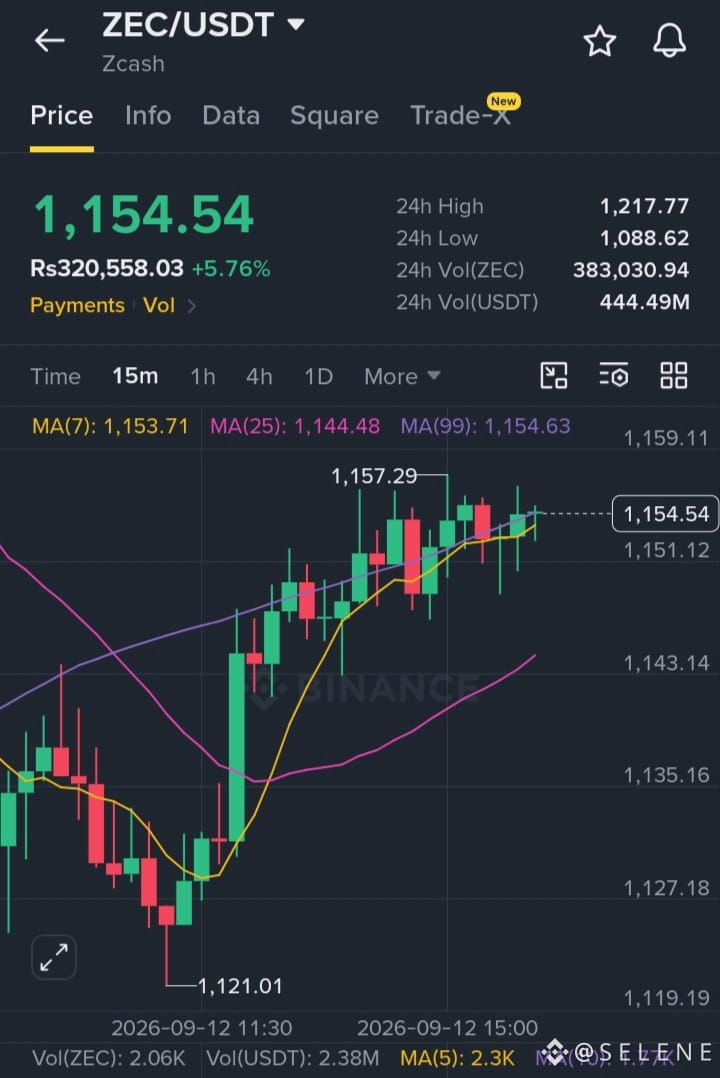
$ZEC
{spot}(ZECUSDT)
短期の移動平均を取り戻し、安定した上昇カーブに沿って強い勢いを築いています。短期足での切り上げ(高値の更新)は、局所的な高値に向けた継続の可能性を示唆しています。
エントリー:1,150.00 ~ 1,155.00
TP1:1,170.00
TP2:1,195.00
TP3:1,215.00
ストップロス:1,138.00
#zec
$ZEC
短期の移動平均を取り戻し、安定した上昇カーブに沿って強い勢いを築いています。短期足での切り上げ(高値の更新)は、局所的な高値に向けた継続の可能性を示唆しています。
エントリー:1,150.00 ~ 1,155.00
TP1:1,170.00
TP2:1,195.00
TP3:1,215.00
ストップロス:1,138.00
#zec
短期の移動平均を取り戻し、安定した上昇カーブに沿って強い勢いを築いています。短期足での切り上げ(高値の更新)は、局所的な高値に向けた継続の可能性を示唆しています。
エントリー:1,150.00 ~ 1,155.00
TP1:1,170.00
TP2:1,195.00
TP3:1,215.00
ストップロス:1,138.00
#zec
2
137
·
--
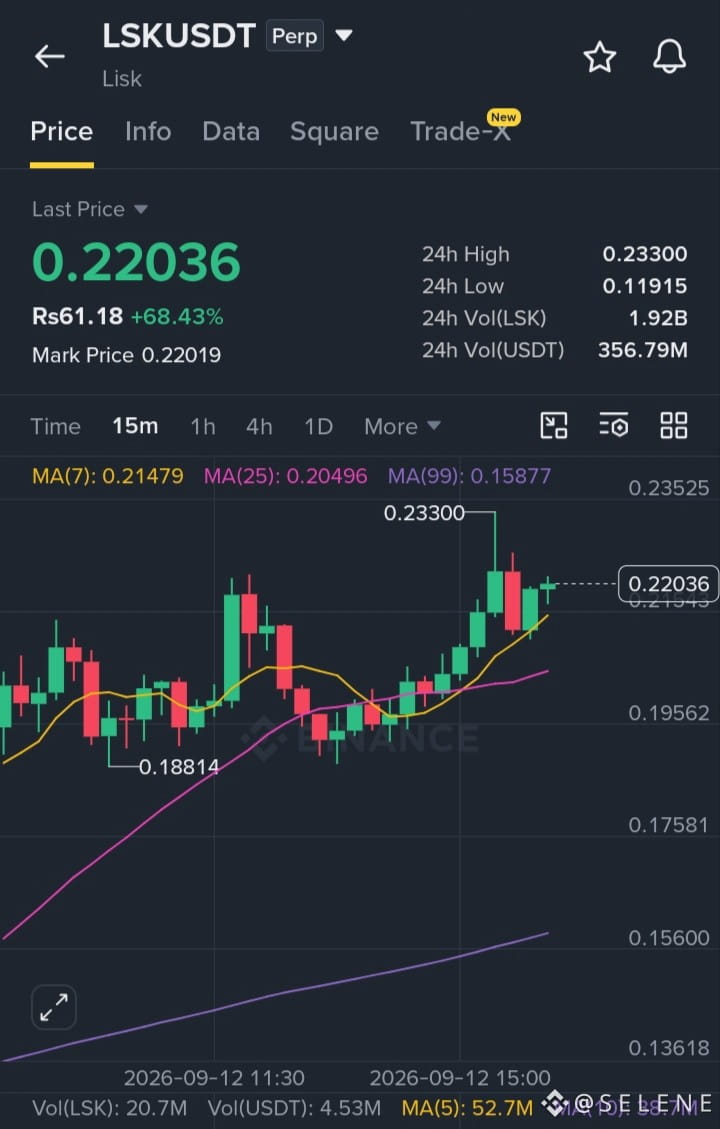
$LSK
{spot}(LSKUSDT)
強い上昇モメンタムが+68%で継続し、短期移動平均をしっかり上回って推移しています。
現在の水準でのもみ合いは、0.23300の高値を再テストすることを狙う堅実なロングチャンスです。
エントリー: 0.21800 – 0.22050
TP1: 0.22800
TP2: 0.23300
TP3: 0.24500
損切り: 0.20400
#LSK
$LSK
強い上昇モメンタムが+68%で継続し、短期移動平均をしっかり上回って推移しています。
現在の水準でのもみ合いは、0.23300の高値を再テストすることを狙う堅実なロングチャンスです。
エントリー: 0.21800 – 0.22050
TP1: 0.22800
TP2: 0.23300
TP3: 0.24500
損切り: 0.20400
#LSK
強い上昇モメンタムが+68%で継続し、短期移動平均をしっかり上回って推移しています。
現在の水準でのもみ合いは、0.23300の高値を再テストすることを狙う堅実なロングチャンスです。
エントリー: 0.21800 – 0.22050
TP1: 0.22800
TP2: 0.23300
TP3: 0.24500
損切り: 0.20400
#LSK
3
193
·
--
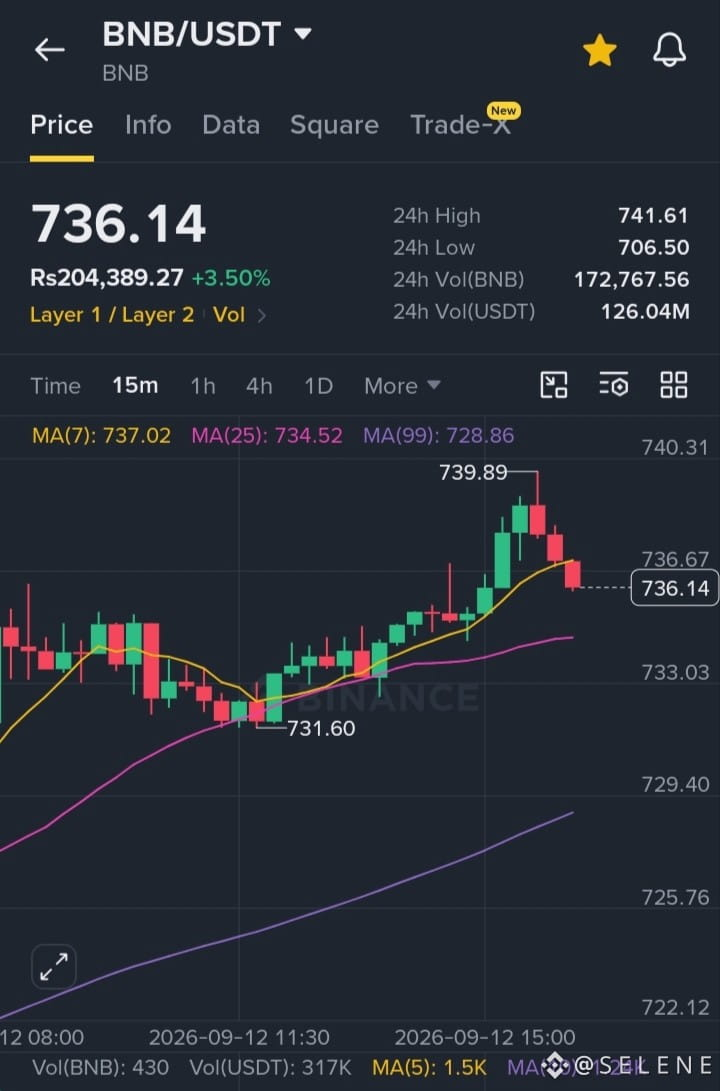
$BNB
{spot}(BNBUSDT)
739.89からの短い押し戻しの後、MA(25)のサポートラインよりも十分に上を維持しながら、強い上昇モメンタムを保っています。
現在の水準付近での推移(コンソリデーション)は、24時間高値741.61の再テストを狙う堅実なロングのセットアップです。
エントリー: 734.00 – 736.50
TP1: 739.80
TP2: 741.60
TP3: 748.00
損切り(ストップロス): 731.00
#bnb
$BNB
739.89からの短い押し戻しの後、MA(25)のサポートラインよりも十分に上を維持しながら、強い上昇モメンタムを保っています。
現在の水準付近での推移(コンソリデーション)は、24時間高値741.61の再テストを狙う堅実なロングのセットアップです。
エントリー: 734.00 – 736.50
TP1: 739.80
TP2: 741.60
TP3: 748.00
損切り(ストップロス): 731.00
#bnb
739.89からの短い押し戻しの後、MA(25)のサポートラインよりも十分に上を維持しながら、強い上昇モメンタムを保っています。
現在の水準付近での推移(コンソリデーション)は、24時間高値741.61の再テストを狙う堅実なロングのセットアップです。
エントリー: 734.00 – 736.50
TP1: 739.80
TP2: 741.60
TP3: 748.00
損切り(ストップロス): 731.00
#bnb
2
125
·
--
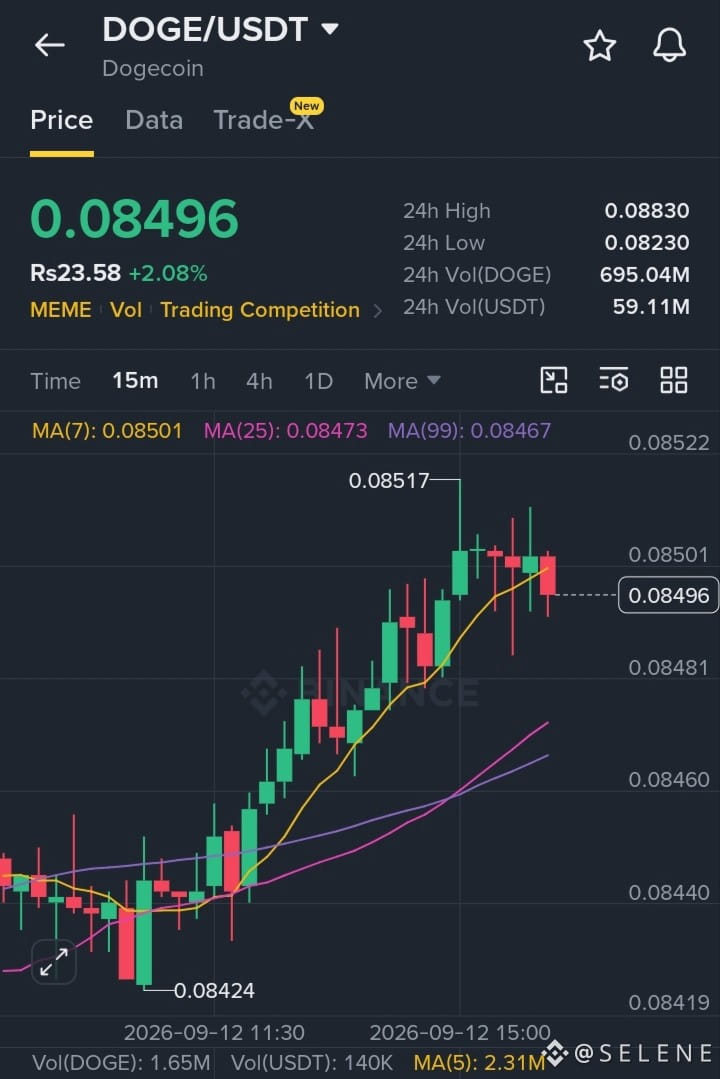
$DOGE
{spot}(DOGEUSDT)
下落基調からの着実な上昇回復を維持し、重要な移動平均のサポートである0.08470を堅く上回って推移。
直近のレジスタンス0.08517をクリーンに上抜けると、より高い時間足の目標に向けたさらなる勢いが開けます。
エントリー: 0.08450 – 0.08495
TP1: 0.08520
TP2: 0.08650
TP3: 0.08830
損切り(Stop Loss): 0.08410
#DOGE
$DOGE
下落基調からの着実な上昇回復を維持し、重要な移動平均のサポートである0.08470を堅く上回って推移。
直近のレジスタンス0.08517をクリーンに上抜けると、より高い時間足の目標に向けたさらなる勢いが開けます。
エントリー: 0.08450 – 0.08495
TP1: 0.08520
TP2: 0.08650
TP3: 0.08830
損切り(Stop Loss): 0.08410
#DOGE
下落基調からの着実な上昇回復を維持し、重要な移動平均のサポートである0.08470を堅く上回って推移。
直近のレジスタンス0.08517をクリーンに上抜けると、より高い時間足の目標に向けたさらなる勢いが開けます。
エントリー: 0.08450 – 0.08495
TP1: 0.08520
TP2: 0.08650
TP3: 0.08830
損切り(Stop Loss): 0.08410
#DOGE
2
226
·
--
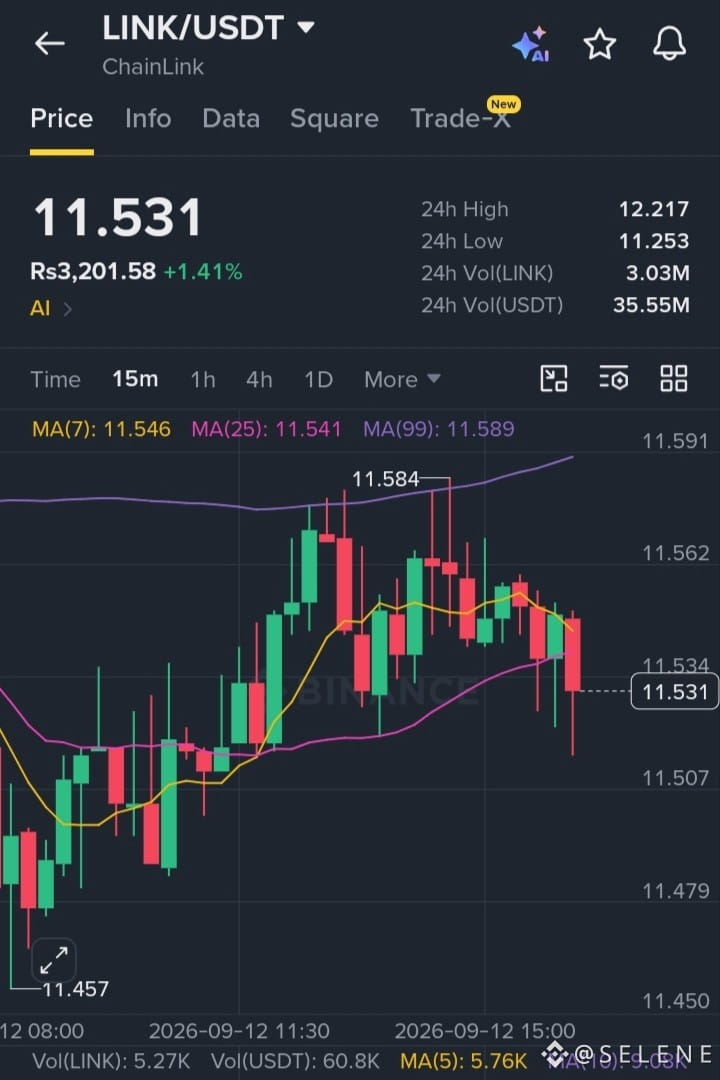
$LINK
{spot}(LINKUSDT)
11.50付近でサポートを確認し、短期的な強気の動きの可能性に備えています。
現在の水準から明確に反発するかを見て、上方の重要なレジスタンス水準を目指します。
Entry: 11.500 – 11.530
Tp1: 11.580
Tp2: 11.750
Tp3: 12.000
Stop loss: 11.440
#LINK
$LINK
11.50付近でサポートを確認し、短期的な強気の動きの可能性に備えています。
現在の水準から明確に反発するかを見て、上方の重要なレジスタンス水準を目指します。
Entry: 11.500 – 11.530
Tp1: 11.580
Tp2: 11.750
Tp3: 12.000
Stop loss: 11.440
#LINK
11.50付近でサポートを確認し、短期的な強気の動きの可能性に備えています。
現在の水準から明確に反発するかを見て、上方の重要なレジスタンス水準を目指します。
Entry: 11.500 – 11.530
Tp1: 11.580
Tp2: 11.750
Tp3: 12.000
Stop loss: 11.440
#LINK
1
154
ログインして、さらにコンテンツを読む
厳選トピックで世界の暗号資産トレーダーの仲間入り
⚡️ 暗号資産に関する最新かつ有益な情報が見つかります。
💬 世界最大の暗号資産取引所から信頼されています。
👍 認証を受けたクリエイターから、有益なインサイトを得られます。
メール / 電話番号