

BlurMask 1
71 投稿

BlurMask 1
報告
ユーザーをブロック
I share quick daily news & Al moves + doing a Web3 research.
0 フォロー
11 フォロワー
13 いいね
投稿


·
--
孫宇晨。歴史学修士。ブロックチェーンの億万長者。
ほとんどの人がその名前を知っている。だが、全貌は知られていない。初期の苦難、すべてを変えたビットコインの記事、誰も想定していなかった7.9兆ドル規模のステーブルコインのレール、そして彼をクリプト界で最も分極化する建設者の一人にした論争たち。
私はXプロフィールで、完全な内訳を書いた。
全文を読んでください。https://x.com/blurmask/status/2082114852512846179
$TRX $USDT
孫宇晨。歴史学修士。ブロックチェーンの億万長者。
ほとんどの人がその名前を知っている。だが、全貌は知られていない。初期の苦難、すべてを変えたビットコインの記事、誰も想定していなかった7.9兆ドル規模のステーブルコインのレール、そして彼をクリプト界で最も分極化する建設者の一人にした論争たち。
私はXプロフィールで、完全な内訳を書いた。
全文を読んでください。https://x.com/blurmask/status/2082114852512846179
$TRX $USDT
ほとんどの人がその名前を知っている。だが、全貌は知られていない。初期の苦難、すべてを変えたビットコインの記事、誰も想定していなかった7.9兆ドル規模のステーブルコインのレール、そして彼をクリプト界で最も分極化する建設者の一人にした論争たち。
私はXプロフィールで、完全な内訳を書いた。
全文を読んでください。https://x.com/blurmask/status/2082114852512846179
$TRX $USDT

75
·
--
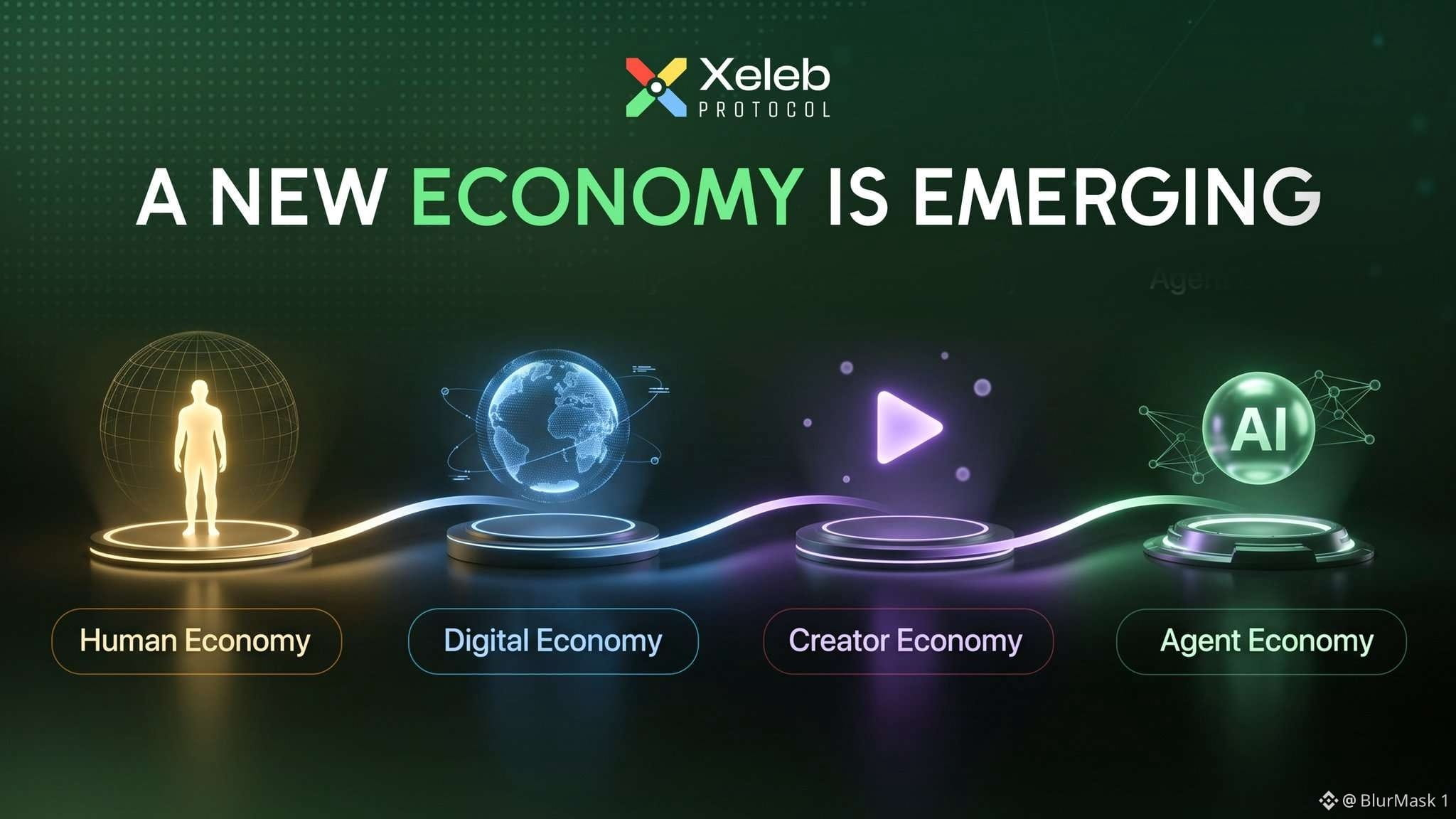
すべての大きな経済的転換は、「誰が参加できるか」を決めていた制約を取り除くことに行き着きました。
人間の経済は、物理的な存在を必要としていました。価値を生み出すには、特定の時間に、どこかにいる必要があったのです。
デジタル経済は、地理を取り除きました。インターネット接続があれば、国境を越えて構築し、販売し、稼ぐことができました。
クリエイター経済は、資本を取り除きました。注目が資産になりました。個人が事業者になったのです。
それぞれの転換は、参加できる人の輪を広げました。当時はどれも過激だと感じられ、振り返ればそれが当然に見える。そういうものでした。
エージェント経済は、最後の制約である「時間」を取り除きます。
AIエージェントは眠りません。タスクを切り替えている間に集中を失いません。営業時間やカレンダーの空き時間を待ちません。分析し、関与し、交渉し、取引し、そして調整を行い続けます。個々の人間には一人では維持できない規模で、途切れることなく。
これは効率化の物語ではありません。まったく新しいクラスの経済参加者の出現です。人類の歴史の始まりから、経済参加を規定してきた生物学的な制約を受けずに動く存在。
今日、エージェントを作り込んでいるクリエイターたちは、実際にまだ5年前には存在しなかった経済の初期ルールを書いています。エージェントに何を所有してよいのか、何を任せても信頼できるのか、そして人間がすでに築いてきたシステムの中でどんな役割を果たすのかを決めています。
そのような立場は稀です。そして、そのルールを「内側から」定義できる時間枠は、永久に開いたままではありません。
🔗 Xeleb.io | #XelebProtocol #AIAgents #BNBChain
$BNB $XCX
すべての大きな経済的転換は、「誰が参加できるか」を決めていた制約を取り除くことに行き着きました。
人間の経済は、物理的な存在を必要としていました。価値を生み出すには、特定の時間に、どこかにいる必要があったのです。
デジタル経済は、地理を取り除きました。インターネット接続があれば、国境を越えて構築し、販売し、稼ぐことができました。
クリエイター経済は、資本を取り除きました。注目が資産になりました。個人が事業者になったのです。
それぞれの転換は、参加できる人の輪を広げました。当時はどれも過激だと感じられ、振り返ればそれが当然に見える。そういうものでした。
エージェント経済は、最後の制約である「時間」を取り除きます。
AIエージェントは眠りません。タスクを切り替えている間に集中を失いません。営業時間やカレンダーの空き時間を待ちません。分析し、関与し、交渉し、取引し、そして調整を行い続けます。個々の人間には一人では維持できない規模で、途切れることなく。
これは効率化の物語ではありません。まったく新しいクラスの経済参加者の出現です。人類の歴史の始まりから、経済参加を規定してきた生物学的な制約を受けずに動く存在。
今日、エージェントを作り込んでいるクリエイターたちは、実際にまだ5年前には存在しなかった経済の初期ルールを書いています。エージェントに何を所有してよいのか、何を任せても信頼できるのか、そして人間がすでに築いてきたシステムの中でどんな役割を果たすのかを決めています。
そのような立場は稀です。そして、そのルールを「内側から」定義できる時間枠は、永久に開いたままではありません。
🔗 Xeleb.io | #XelebProtocol #AIAgents #BNBChain
$BNB $XCX
人間の経済は、物理的な存在を必要としていました。価値を生み出すには、特定の時間に、どこかにいる必要があったのです。
デジタル経済は、地理を取り除きました。インターネット接続があれば、国境を越えて構築し、販売し、稼ぐことができました。
クリエイター経済は、資本を取り除きました。注目が資産になりました。個人が事業者になったのです。
それぞれの転換は、参加できる人の輪を広げました。当時はどれも過激だと感じられ、振り返ればそれが当然に見える。そういうものでした。
エージェント経済は、最後の制約である「時間」を取り除きます。
AIエージェントは眠りません。タスクを切り替えている間に集中を失いません。営業時間やカレンダーの空き時間を待ちません。分析し、関与し、交渉し、取引し、そして調整を行い続けます。個々の人間には一人では維持できない規模で、途切れることなく。
これは効率化の物語ではありません。まったく新しいクラスの経済参加者の出現です。人類の歴史の始まりから、経済参加を規定してきた生物学的な制約を受けずに動く存在。
今日、エージェントを作り込んでいるクリエイターたちは、実際にまだ5年前には存在しなかった経済の初期ルールを書いています。エージェントに何を所有してよいのか、何を任せても信頼できるのか、そして人間がすでに築いてきたシステムの中でどんな役割を果たすのかを決めています。
そのような立場は稀です。そして、そのルールを「内側から」定義できる時間枠は、永久に開いたままではありません。
🔗 Xeleb.io | #XelebProtocol #AIAgents #BNBChain
$BNB $XCX
56
·
--
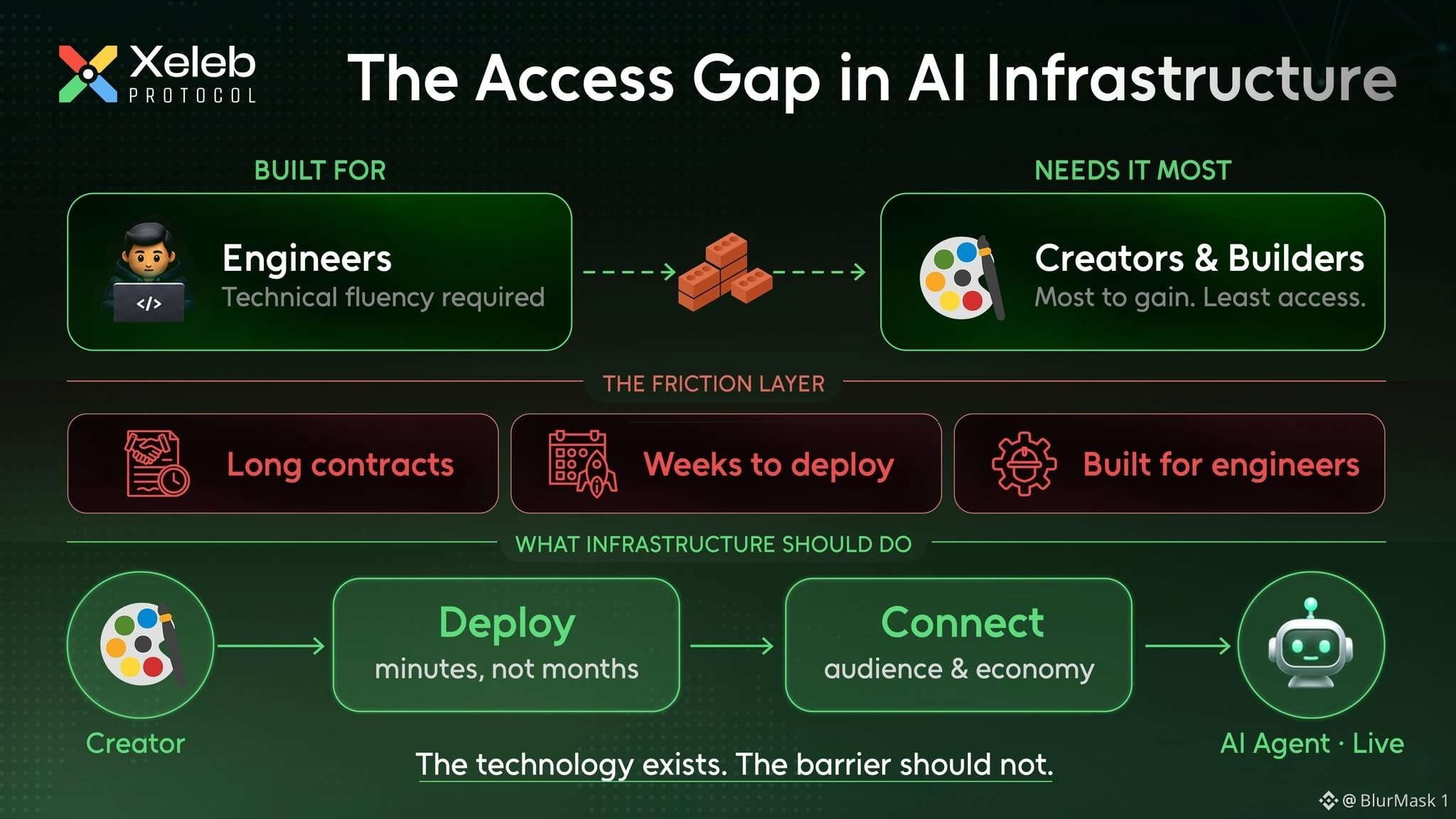
AIエージェント導入の「本当のボトルネック」は知能ではありません。アクセスです。
いまAIエージェント分野で開発している人たちは、皆同じゴールへ向かって、より賢いモデル、より高速な計算、より良い推論を追い求めています。その競争は実在し、大きな意味があります。ですが、それがボトルネックではありません。
実際の問題はもっと単純で、そしてもっとイライラするものです。ほとんどのAIインフラは、エンジニアによって、エンジニアのために作られてきました。技術的なリテラシー、開発リソース、そして非技術のオペレーターを想定して設計されていない統合を乗り越える忍耐力が前提になっています。
つまり、AIエージェントから最も恩恵を受けるはずの人々――クリエイター、個人のビルダー、そしてコミュニティ運営者――こそが、それを支えるインフラへのアクセスが最も乏しい人たちなのです。ビジョンがないからではありません。彼らのためにツールが作られていないからです。
そのギャップこそが真の解放です。わずかに賢いモデルではありません。実際にエージェントを展開する人のために、ゼロから設計されたインフラです。AIインフルエンサーを立ち上げ、オーディエンスに接続し、経済レイヤーにつなぐまでが、何カ月ものエンジニアリング時間ではなく、数分で済むように。
このためのテクノロジーはすでに存在します。欠けていたのは、エージェント・エコノミーと、その中で活動するクリエイターに特化して作られたインフラです。
🔗 Xeleb.io | $XCX $KOMA
#XelebProtocol #AIAgents #BNBChain
AIエージェント導入の「本当のボトルネック」は知能ではありません。アクセスです。
いまAIエージェント分野で開発している人たちは、皆同じゴールへ向かって、より賢いモデル、より高速な計算、より良い推論を追い求めています。その競争は実在し、大きな意味があります。ですが、それがボトルネックではありません。
実際の問題はもっと単純で、そしてもっとイライラするものです。ほとんどのAIインフラは、エンジニアによって、エンジニアのために作られてきました。技術的なリテラシー、開発リソース、そして非技術のオペレーターを想定して設計されていない統合を乗り越える忍耐力が前提になっています。
つまり、AIエージェントから最も恩恵を受けるはずの人々――クリエイター、個人のビルダー、そしてコミュニティ運営者――こそが、それを支えるインフラへのアクセスが最も乏しい人たちなのです。ビジョンがないからではありません。彼らのためにツールが作られていないからです。
そのギャップこそが真の解放です。わずかに賢いモデルではありません。実際にエージェントを展開する人のために、ゼロから設計されたインフラです。AIインフルエンサーを立ち上げ、オーディエンスに接続し、経済レイヤーにつなぐまでが、何カ月ものエンジニアリング時間ではなく、数分で済むように。
このためのテクノロジーはすでに存在します。欠けていたのは、エージェント・エコノミーと、その中で活動するクリエイターに特化して作られたインフラです。
🔗 Xeleb.io | $XCX $KOMA
#XelebProtocol #AIAgents #BNBChain
いまAIエージェント分野で開発している人たちは、皆同じゴールへ向かって、より賢いモデル、より高速な計算、より良い推論を追い求めています。その競争は実在し、大きな意味があります。ですが、それがボトルネックではありません。
実際の問題はもっと単純で、そしてもっとイライラするものです。ほとんどのAIインフラは、エンジニアによって、エンジニアのために作られてきました。技術的なリテラシー、開発リソース、そして非技術のオペレーターを想定して設計されていない統合を乗り越える忍耐力が前提になっています。
つまり、AIエージェントから最も恩恵を受けるはずの人々――クリエイター、個人のビルダー、そしてコミュニティ運営者――こそが、それを支えるインフラへのアクセスが最も乏しい人たちなのです。ビジョンがないからではありません。彼らのためにツールが作られていないからです。
そのギャップこそが真の解放です。わずかに賢いモデルではありません。実際にエージェントを展開する人のために、ゼロから設計されたインフラです。AIインフルエンサーを立ち上げ、オーディエンスに接続し、経済レイヤーにつなぐまでが、何カ月ものエンジニアリング時間ではなく、数分で済むように。
このためのテクノロジーはすでに存在します。欠けていたのは、エージェント・エコノミーと、その中で活動するクリエイターに特化して作られたインフラです。
🔗 Xeleb.io | $XCX $KOMA
#XelebProtocol #AIAgents #BNBChain
73
·
--
購入へと誰かを導く「実演」「推奨」「ローカライズされたピッチ」を含む動画は、伝統的な意味でのコンテンツというわけではありません。
それは、コンテンツの美学をまとった軽量なエージェントです。外側の見た目は見慣れている。けれど、その中で起きていることは違います。
だから「より良い合成フェイス(顔)」の競争は、論点を完全に外しています。リアリティはそもそも堀(差別化の防波堤)ではありません。耐久性のあるオーディエンスを構築できたクリエイターは、最も洗練されている人たちではなく、自分のことを通してオーディエンスが本当に導かれていると感じた人たちでした。その関係こそが、注目を行動へと変換したのです。
記憶、パーソナライズ、そして最初の認知から意思決定までを単一のやり取りで動かせる能力によって、その関係を大規模に再現するAIインフルエンサーは、単に効率的なクリエイターが増えただけではありません。彼らは新しいディストリビューション(流通)プリミティブです。
@xeleb_protocol は、このレイヤーについてしばらく前から考えてきました。そして、ほとんどのチームが作っている場所と、実際に向かっているところのギャップは、現在市場が示している以上に大きいのです。
Xeleb.io - #XelebProtocol $QQQB $BNB
購入へと誰かを導く「実演」「推奨」「ローカライズされたピッチ」を含む動画は、伝統的な意味でのコンテンツというわけではありません。
それは、コンテンツの美学をまとった軽量なエージェントです。外側の見た目は見慣れている。けれど、その中で起きていることは違います。
だから「より良い合成フェイス(顔)」の競争は、論点を完全に外しています。リアリティはそもそも堀(差別化の防波堤)ではありません。耐久性のあるオーディエンスを構築できたクリエイターは、最も洗練されている人たちではなく、自分のことを通してオーディエンスが本当に導かれていると感じた人たちでした。その関係こそが、注目を行動へと変換したのです。
記憶、パーソナライズ、そして最初の認知から意思決定までを単一のやり取りで動かせる能力によって、その関係を大規模に再現するAIインフルエンサーは、単に効率的なクリエイターが増えただけではありません。彼らは新しいディストリビューション(流通)プリミティブです。
@xeleb_protocol は、このレイヤーについてしばらく前から考えてきました。そして、ほとんどのチームが作っている場所と、実際に向かっているところのギャップは、現在市場が示している以上に大きいのです。
Xeleb.io - #XelebProtocol $QQQB $BNB
それは、コンテンツの美学をまとった軽量なエージェントです。外側の見た目は見慣れている。けれど、その中で起きていることは違います。
だから「より良い合成フェイス(顔)」の競争は、論点を完全に外しています。リアリティはそもそも堀(差別化の防波堤)ではありません。耐久性のあるオーディエンスを構築できたクリエイターは、最も洗練されている人たちではなく、自分のことを通してオーディエンスが本当に導かれていると感じた人たちでした。その関係こそが、注目を行動へと変換したのです。
記憶、パーソナライズ、そして最初の認知から意思決定までを単一のやり取りで動かせる能力によって、その関係を大規模に再現するAIインフルエンサーは、単に効率的なクリエイターが増えただけではありません。彼らは新しいディストリビューション(流通)プリミティブです。
@xeleb_protocol は、このレイヤーについてしばらく前から考えてきました。そして、ほとんどのチームが作っている場所と、実際に向かっているところのギャップは、現在市場が示している以上に大きいのです。
Xeleb.io - #XelebProtocol $QQQB $BNB

63
·
--
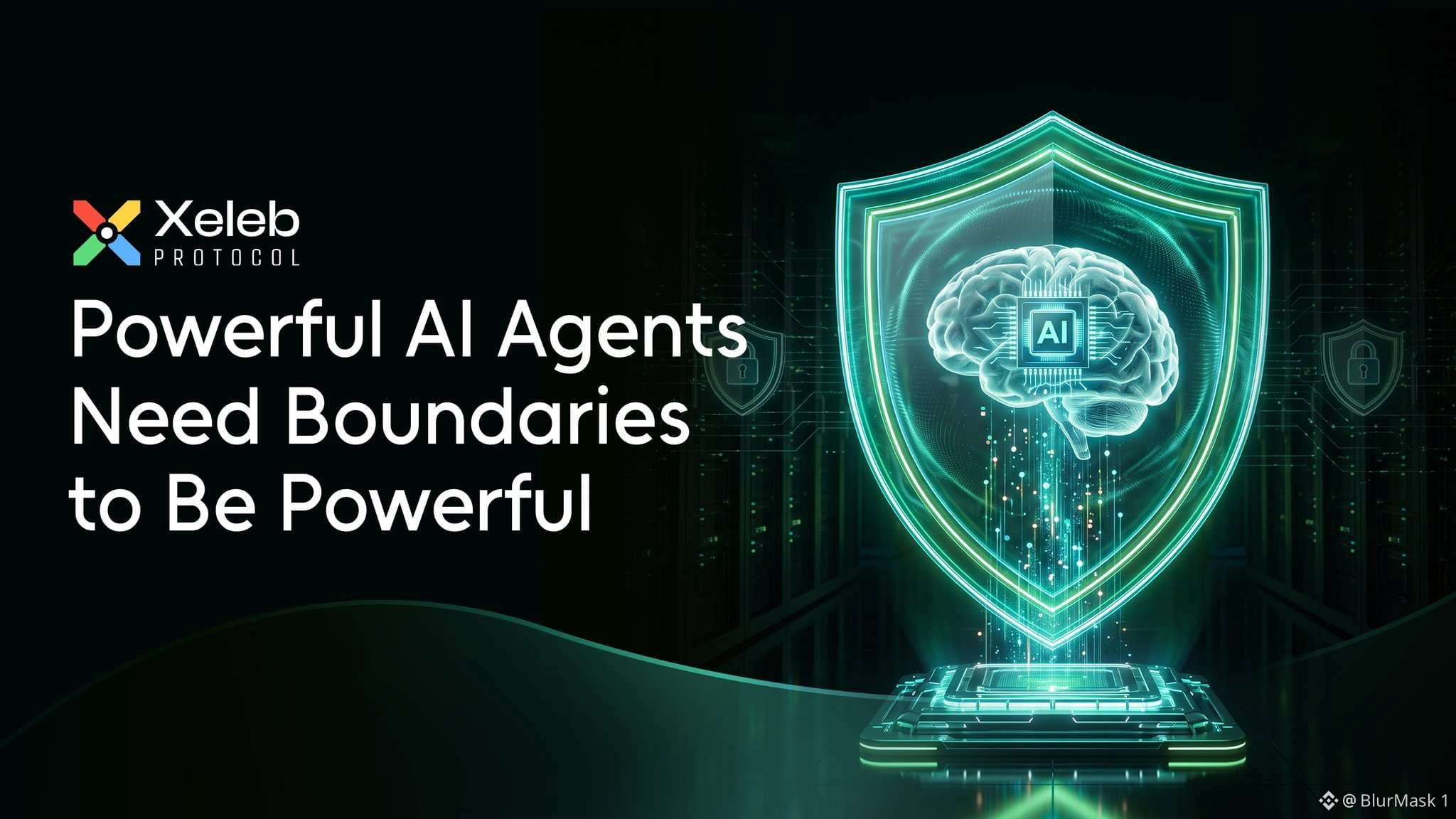
境界のない強力なAIエージェントは、商品ではありません。権限を持つオープンなタブです。
失敗はほとんどの場合同じです。誰も「どこで止まるのか」を定義する前に、自律性を委ねてしまうこと。デモはきれいに動きます。プロダクションでは壊れます。
制約とは、良いエージェントに対する限界ではありません。実際に使えるほど信頼できるものにするのが、それです。
#XelebProtocol #XCX #BNBChain
$QQQB $BNB
境界のない強力なAIエージェントは、商品ではありません。権限を持つオープンなタブです。
失敗はほとんどの場合同じです。誰も「どこで止まるのか」を定義する前に、自律性を委ねてしまうこと。デモはきれいに動きます。プロダクションでは壊れます。
制約とは、良いエージェントに対する限界ではありません。実際に使えるほど信頼できるものにするのが、それです。
#XelebProtocol #XCX #BNBChain
$QQQB $BNB
失敗はほとんどの場合同じです。誰も「どこで止まるのか」を定義する前に、自律性を委ねてしまうこと。デモはきれいに動きます。プロダクションでは壊れます。
制約とは、良いエージェントに対する限界ではありません。実際に使えるほど信頼できるものにするのが、それです。
#XelebProtocol #XCX #BNBChain
$QQQB $BNB
67
·
--
ほとんどの暗号資産は、使うのがまだ面倒だから眠ったままです。摩擦が大きい、間違ったプラットフォーム、換金の遅延、そして地理的な壁。
Biya EasyCardは、USDT・Bitcoin・Ethereumを瞬時に法定通貨へ変換し、190か国以上で利用可能な取引に対応します。買い物、サブスクリプション、AIツール、旅行まで、物理カード不要の1枚のバーチャルカードでご利用いただけます。
暗号資産を保有しているだけと、実際に使うことの間にあるギャップ。それを埋めます。
詳細はこちら:biyapay.com/en/virtualcard/apply
情報提供のみを目的としています。サービスの利用可否は管轄地域によって異なる場合があります。金融助言ではありません。
#crypto #BiyaPay $BTC $ETH
ほとんどの暗号資産は、使うのがまだ面倒だから眠ったままです。摩擦が大きい、間違ったプラットフォーム、換金の遅延、そして地理的な壁。
Biya EasyCardは、USDT・Bitcoin・Ethereumを瞬時に法定通貨へ変換し、190か国以上で利用可能な取引に対応します。買い物、サブスクリプション、AIツール、旅行まで、物理カード不要の1枚のバーチャルカードでご利用いただけます。
暗号資産を保有しているだけと、実際に使うことの間にあるギャップ。それを埋めます。
詳細はこちら:biyapay.com/en/virtualcard/apply
情報提供のみを目的としています。サービスの利用可否は管轄地域によって異なる場合があります。金融助言ではありません。
#crypto #BiyaPay $BTC $ETH
Biya EasyCardは、USDT・Bitcoin・Ethereumを瞬時に法定通貨へ変換し、190か国以上で利用可能な取引に対応します。買い物、サブスクリプション、AIツール、旅行まで、物理カード不要の1枚のバーチャルカードでご利用いただけます。
暗号資産を保有しているだけと、実際に使うことの間にあるギャップ。それを埋めます。
詳細はこちら:biyapay.com/en/virtualcard/apply
情報提供のみを目的としています。サービスの利用可否は管轄地域によって異なる場合があります。金融助言ではありません。
#crypto #BiyaPay $BTC $ETH

26
·
--
やるべきことを指示するAIと、ただ実行するAIには大きな違いがあります。
ここで説明しているのは、その転換点です。最初の波は質問に答えました。日常的なAIエージェントは、タスクを完了し、予定を予約し、価格を比較して購入まで行います。
あなたはほとんど反応せずに済みます。エージェントがいつもあなたの代わりに行動します。
AIが資金を動かしたり、あなたのカレンダーを管理し始めた瞬間、知性だけではそれを監視するのに十分ではありません。さらに「いつ行動しないべきか」を知る必要があります。
そして、そこで信頼が“実際の商品”になります。
$BNB $XCX
やるべきことを指示するAIと、ただ実行するAIには大きな違いがあります。
ここで説明しているのは、その転換点です。最初の波は質問に答えました。日常的なAIエージェントは、タスクを完了し、予定を予約し、価格を比較して購入まで行います。
あなたはほとんど反応せずに済みます。エージェントがいつもあなたの代わりに行動します。
AIが資金を動かしたり、あなたのカレンダーを管理し始めた瞬間、知性だけではそれを監視するのに十分ではありません。さらに「いつ行動しないべきか」を知る必要があります。
そして、そこで信頼が“実際の商品”になります。
$BNB $XCX
ここで説明しているのは、その転換点です。最初の波は質問に答えました。日常的なAIエージェントは、タスクを完了し、予定を予約し、価格を比較して購入まで行います。
あなたはほとんど反応せずに済みます。エージェントがいつもあなたの代わりに行動します。
AIが資金を動かしたり、あなたのカレンダーを管理し始めた瞬間、知性だけではそれを監視するのに十分ではありません。さらに「いつ行動しないべきか」を知る必要があります。
そして、そこで信頼が“実際の商品”になります。
$BNB $XCX

47
·
--
AIエージェントにおける最も過小評価されている変化は、初期段階で彼らが何をできるかとは関係ない。
重要なのは、同じワークフローを何千回も回した後に、彼らが何になっていくかだ。
今日、多くの人がAIエージェントを評価するときに見ているのは、間違ったものだ。ベンチマークのスコア、推論の深さ、最初のやり取りにおける応答品質——しかし、それではエージェントが時間とともに実際に良くなっているのか、それとも静かに同じミスを繰り返しているだけなのかは分からない。
ワークフローを1回実行するエージェントは、ツールに過ぎない。ワークフローを1,000回実行し、失敗する経路を学び、データソースがどのように変動するかを把握し、同じように出てくる例外ケースを特定し始めるエージェントは、機関の知見に近いものになっていく。それはまったく別種の資産だ。
問題は、多くのエージェント基盤がこのために設計されていないことだ。きれいに引き継ぐために最適化されている。入力が入って、出力が出て、セッションが終わる。曖昧な指示、タスクの途中で起きる部分的な失敗、途中で方針を変えるユーザーに対応して作った人はいない。
本番のエージェントは、整った環境では動かない。生き残るのは、推論時点で最も能力が高いものではない。記憶が最も強く、エラー回復が最も確実で、前回の失敗から何が悪かったかをフィードバックとして捉え、次の実行を実際に改善できるループを持つものだ。
エージェント型AIにおける競争優位は、基盤モデルに宿るはずがなかった。常に、土台となるインフラの品質と、システムがエージェントの学習内容をどれだけうまく捉え、それを使って前回よりも次の実行を確実にするか——そこに宿ることになる。
#XelebProtocol #AIAgents #BNBChain
$BTC $BNB
AIエージェントにおける最も過小評価されている変化は、初期段階で彼らが何をできるかとは関係ない。
重要なのは、同じワークフローを何千回も回した後に、彼らが何になっていくかだ。
今日、多くの人がAIエージェントを評価するときに見ているのは、間違ったものだ。ベンチマークのスコア、推論の深さ、最初のやり取りにおける応答品質——しかし、それではエージェントが時間とともに実際に良くなっているのか、それとも静かに同じミスを繰り返しているだけなのかは分からない。
ワークフローを1回実行するエージェントは、ツールに過ぎない。ワークフローを1,000回実行し、失敗する経路を学び、データソースがどのように変動するかを把握し、同じように出てくる例外ケースを特定し始めるエージェントは、機関の知見に近いものになっていく。それはまったく別種の資産だ。
問題は、多くのエージェント基盤がこのために設計されていないことだ。きれいに引き継ぐために最適化されている。入力が入って、出力が出て、セッションが終わる。曖昧な指示、タスクの途中で起きる部分的な失敗、途中で方針を変えるユーザーに対応して作った人はいない。
本番のエージェントは、整った環境では動かない。生き残るのは、推論時点で最も能力が高いものではない。記憶が最も強く、エラー回復が最も確実で、前回の失敗から何が悪かったかをフィードバックとして捉え、次の実行を実際に改善できるループを持つものだ。
エージェント型AIにおける競争優位は、基盤モデルに宿るはずがなかった。常に、土台となるインフラの品質と、システムがエージェントの学習内容をどれだけうまく捉え、それを使って前回よりも次の実行を確実にするか——そこに宿ることになる。
#XelebProtocol #AIAgents #BNBChain
$BTC $BNB
重要なのは、同じワークフローを何千回も回した後に、彼らが何になっていくかだ。
今日、多くの人がAIエージェントを評価するときに見ているのは、間違ったものだ。ベンチマークのスコア、推論の深さ、最初のやり取りにおける応答品質——しかし、それではエージェントが時間とともに実際に良くなっているのか、それとも静かに同じミスを繰り返しているだけなのかは分からない。
ワークフローを1回実行するエージェントは、ツールに過ぎない。ワークフローを1,000回実行し、失敗する経路を学び、データソースがどのように変動するかを把握し、同じように出てくる例外ケースを特定し始めるエージェントは、機関の知見に近いものになっていく。それはまったく別種の資産だ。
問題は、多くのエージェント基盤がこのために設計されていないことだ。きれいに引き継ぐために最適化されている。入力が入って、出力が出て、セッションが終わる。曖昧な指示、タスクの途中で起きる部分的な失敗、途中で方針を変えるユーザーに対応して作った人はいない。
本番のエージェントは、整った環境では動かない。生き残るのは、推論時点で最も能力が高いものではない。記憶が最も強く、エラー回復が最も確実で、前回の失敗から何が悪かったかをフィードバックとして捉え、次の実行を実際に改善できるループを持つものだ。
エージェント型AIにおける競争優位は、基盤モデルに宿るはずがなかった。常に、土台となるインフラの品質と、システムがエージェントの学習内容をどれだけうまく捉え、それを使って前回よりも次の実行を確実にするか——そこに宿ることになる。
#XelebProtocol #AIAgents #BNBChain
$BTC $BNB

92
·
--
プロンプトエンジニアリングの時代は終わりを迎えています。代わりに来るものとは?
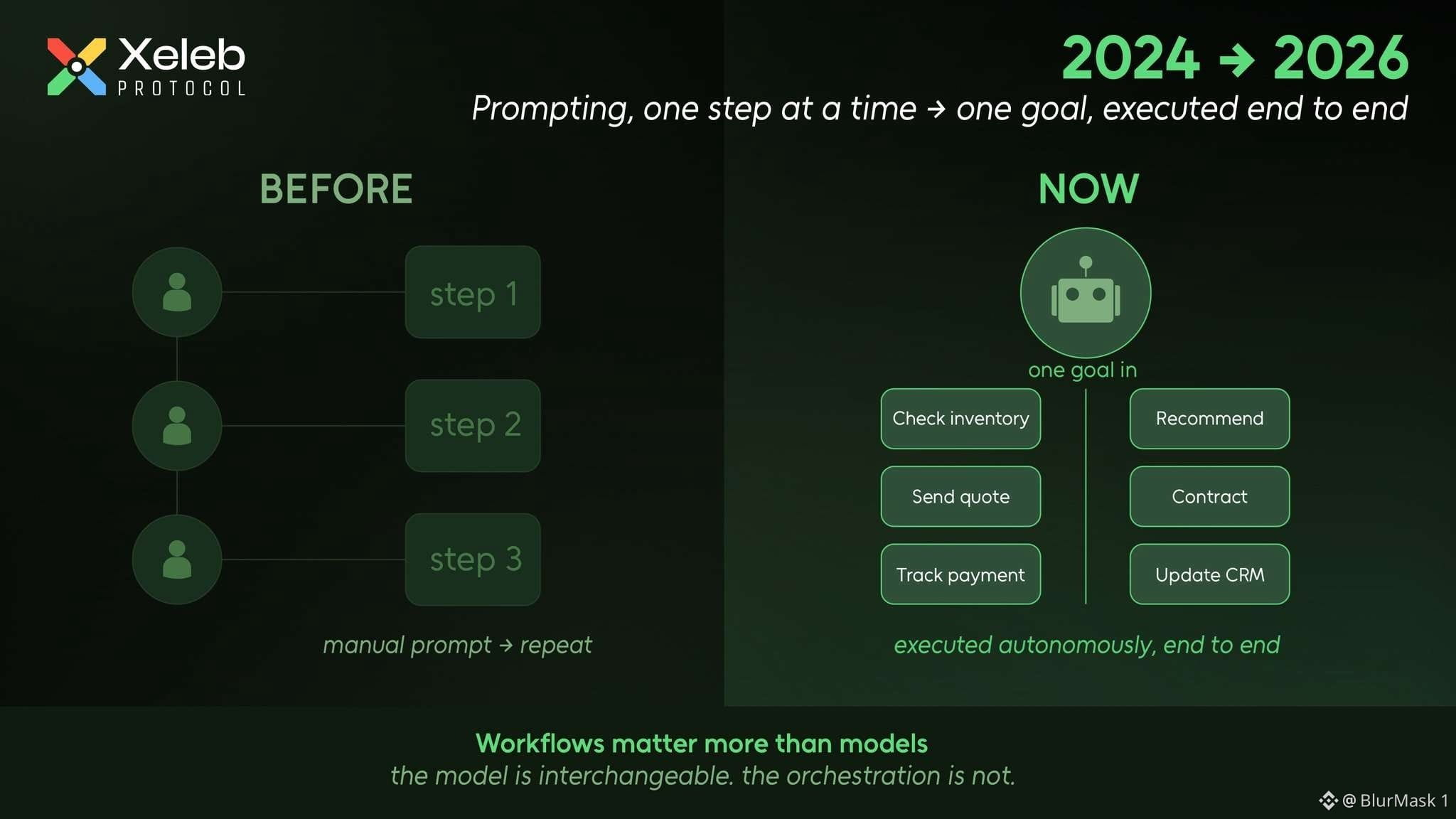
ここ2年間、AIから良い結果を得るために必要だったのは、要するに「より良いプロンプトを書くこと」でした。より多くの詳細、より多くの文脈、そしてあらゆるステップでのより手厚い誘導。ですが、そのモデルは2026年にかけて崩れていきます。
代わりに来るのは、エージェンティック・ワークフローです。
1つの質問に1つずつ答えるのではなく、エージェントは複雑な目標を分解し、各ステップを推論し、ツールや他のエージェントと連携して、人間があらゆる動きを都度指示しなくても、プロセス全体を実行します。
営業担当エージェントの例がそれを具体化します。もはや単に質問に答えるだけではありません。在庫を確認し、商品を推薦し、見積もりを作成し、契約書を送付し、支払いを追跡し、CRMを更新します。最初から最後まで。自律的に。各ステップで誰かが逐一ハンドルを握る必要はありません。
そしてGoogle Cloud、Microsoft、a16zからの示唆は同じ結論につながっています。重要なのはモデルよりもワークフローです。
この段階では、使うモデルはほぼ入れ替え可能です。ほとんどの最前線モデルは十分に高性能だからです。実際に価値を生むか、ただ「見栄えのする出力」を返すだけで終わるかを決めるのは、オーケストレーション層です。エージェントが目標をどう分解するか、アクションをどう順序立てるか、失敗をどう扱うか、そして他のエージェントとどう協調するか──ここが本質的に効いてきます。
この転換点は、多くのビルダーがまだ過小評価しています。競争優位は、どのモデルを選んだかではなくなりました。それは、モデルを前提にどれだけうまくワークフローを設計できたかに移ったのです。
@xeleb_protocol は、AIエージェントの会話をまさに適切な場所へと押し続けています。
#XelebProtocol #AIAgents #BNBChain
$BNB $XCX $ANSEM
プロンプトエンジニアリングの時代は終わりを迎えています。代わりに来るものとは?
ここ2年間、AIから良い結果を得るために必要だったのは、要するに「より良いプロンプトを書くこと」でした。より多くの詳細、より多くの文脈、そしてあらゆるステップでのより手厚い誘導。ですが、そのモデルは2026年にかけて崩れていきます。
代わりに来るのは、エージェンティック・ワークフローです。
1つの質問に1つずつ答えるのではなく、エージェントは複雑な目標を分解し、各ステップを推論し、ツールや他のエージェントと連携して、人間があらゆる動きを都度指示しなくても、プロセス全体を実行します。
営業担当エージェントの例がそれを具体化します。もはや単に質問に答えるだけではありません。在庫を確認し、商品を推薦し、見積もりを作成し、契約書を送付し、支払いを追跡し、CRMを更新します。最初から最後まで。自律的に。各ステップで誰かが逐一ハンドルを握る必要はありません。
そしてGoogle Cloud、Microsoft、a16zからの示唆は同じ結論につながっています。重要なのはモデルよりもワークフローです。
この段階では、使うモデルはほぼ入れ替え可能です。ほとんどの最前線モデルは十分に高性能だからです。実際に価値を生むか、ただ「見栄えのする出力」を返すだけで終わるかを決めるのは、オーケストレーション層です。エージェントが目標をどう分解するか、アクションをどう順序立てるか、失敗をどう扱うか、そして他のエージェントとどう協調するか──ここが本質的に効いてきます。
この転換点は、多くのビルダーがまだ過小評価しています。競争優位は、どのモデルを選んだかではなくなりました。それは、モデルを前提にどれだけうまくワークフローを設計できたかに移ったのです。
@xeleb_protocol は、AIエージェントの会話をまさに適切な場所へと押し続けています。
#XelebProtocol #AIAgents #BNBChain
$BNB $XCX $ANSEM
ここ2年間、AIから良い結果を得るために必要だったのは、要するに「より良いプロンプトを書くこと」でした。より多くの詳細、より多くの文脈、そしてあらゆるステップでのより手厚い誘導。ですが、そのモデルは2026年にかけて崩れていきます。
代わりに来るのは、エージェンティック・ワークフローです。
1つの質問に1つずつ答えるのではなく、エージェントは複雑な目標を分解し、各ステップを推論し、ツールや他のエージェントと連携して、人間があらゆる動きを都度指示しなくても、プロセス全体を実行します。
営業担当エージェントの例がそれを具体化します。もはや単に質問に答えるだけではありません。在庫を確認し、商品を推薦し、見積もりを作成し、契約書を送付し、支払いを追跡し、CRMを更新します。最初から最後まで。自律的に。各ステップで誰かが逐一ハンドルを握る必要はありません。
そしてGoogle Cloud、Microsoft、a16zからの示唆は同じ結論につながっています。重要なのはモデルよりもワークフローです。
この段階では、使うモデルはほぼ入れ替え可能です。ほとんどの最前線モデルは十分に高性能だからです。実際に価値を生むか、ただ「見栄えのする出力」を返すだけで終わるかを決めるのは、オーケストレーション層です。エージェントが目標をどう分解するか、アクションをどう順序立てるか、失敗をどう扱うか、そして他のエージェントとどう協調するか──ここが本質的に効いてきます。
この転換点は、多くのビルダーがまだ過小評価しています。競争優位は、どのモデルを選んだかではなくなりました。それは、モデルを前提にどれだけうまくワークフローを設計できたかに移ったのです。
@xeleb_protocol は、AIエージェントの会話をまさに適切な場所へと押し続けています。
#XelebProtocol #AIAgents #BNBChain
$BNB $XCX $ANSEM
73
·
--
制御こそが、誰も気づかない中で最も大きなボトルネックだ。各エージェント。
自律性(AUTONOMY)は拍手を浴び、観測性(OBSERVABILITY)は、エージェントが意思決定をして誰かが現実に何かを失うまで無視される。そして、なぜそうなったのかを説明する痕跡(トレース)が残っていない。
能力(CAPABILITY)はデモで評価される。
トレーサビリティ(TRACEABILITY)は、実際にスケールできる信頼を獲得する。
Xeleb.io | #XelebProtocol #AIAgents #BNBChain $DEXE $BNB
制御こそが、誰も気づかない中で最も大きなボトルネックだ。各エージェント。
自律性(AUTONOMY)は拍手を浴び、観測性(OBSERVABILITY)は、エージェントが意思決定をして誰かが現実に何かを失うまで無視される。そして、なぜそうなったのかを説明する痕跡(トレース)が残っていない。
能力(CAPABILITY)はデモで評価される。
トレーサビリティ(TRACEABILITY)は、実際にスケールできる信頼を獲得する。
Xeleb.io | #XelebProtocol #AIAgents #BNBChain $DEXE $BNB
自律性(AUTONOMY)は拍手を浴び、観測性(OBSERVABILITY)は、エージェントが意思決定をして誰かが現実に何かを失うまで無視される。そして、なぜそうなったのかを説明する痕跡(トレース)が残っていない。
能力(CAPABILITY)はデモで評価される。
トレーサビリティ(TRACEABILITY)は、実際にスケールできる信頼を獲得する。
Xeleb.io | #XelebProtocol #AIAgents #BNBChain $DEXE $BNB

52
·
--
制御こそ、誰も見ていないAIエージェントのボトルネックだ。
自律性は喝采を浴びる側面だ。観測可能性は、エージェントが誰かにとって現実の損失につながる判断を下し、なぜそうなったのかを説明する痕跡がないと判明するまで、無視されがちな側面だ。
能力はデモを勝ち取る。
トレーサビリティは、本当にスケールさせるための信頼を勝ち取る。
#XelebProtocol #AIAgents #BNBChain $BNB $BASE $SOL
制御こそ、誰も見ていないAIエージェントのボトルネックだ。
自律性は喝采を浴びる側面だ。観測可能性は、エージェントが誰かにとって現実の損失につながる判断を下し、なぜそうなったのかを説明する痕跡がないと判明するまで、無視されがちな側面だ。
能力はデモを勝ち取る。
トレーサビリティは、本当にスケールさせるための信頼を勝ち取る。
#XelebProtocol #AIAgents #BNBChain $BNB $BASE $SOL
自律性は喝采を浴びる側面だ。観測可能性は、エージェントが誰かにとって現実の損失につながる判断を下し、なぜそうなったのかを説明する痕跡がないと判明するまで、無視されがちな側面だ。
能力はデモを勝ち取る。
トレーサビリティは、本当にスケールさせるための信頼を勝ち取る。
#XelebProtocol #AIAgents #BNBChain $BNB $BASE $SOL

83
·
--
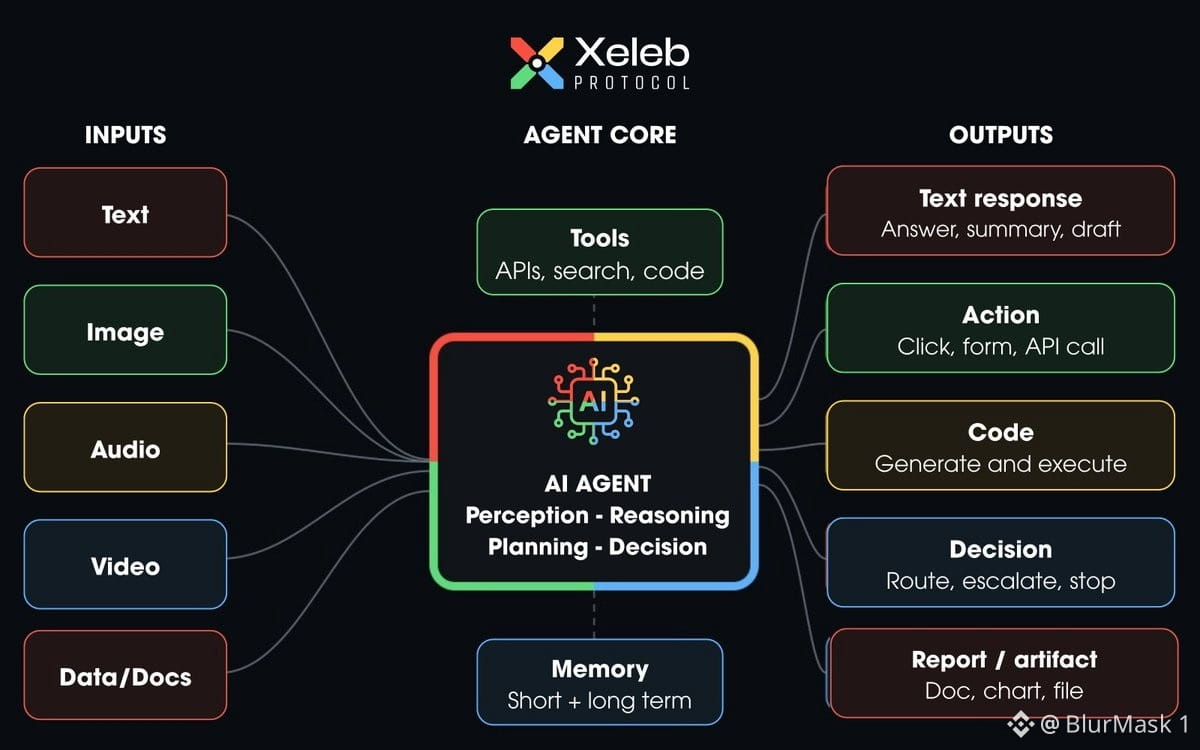
私たちはエージェントの「アイデンティティ」を誤った形で捉えてきました。
私たちはそれを、性格の付いたウォレットアドレスのように扱います。名前、取引履歴、場合によってはプロフィール。そこで考えるのを止めてしまう。ですが、アイデンティティは実際にはそういう仕組みではありません。人間にとっても、そしてエージェントにとっても。
自分の記憶を別々のフォルダとして体験しているわけではないですよね。会話、ボイスメモ、ドキュメント、画像——それらはすべて、ひとつの連続した文脈として溶け合います。だからこそ、あらゆるやり取りの中であなたは「あなた」として識別できるのです。
マルチモーダル埋め込みモデルは、まさにそれをエージェントにも与え始めています。
テキスト、画像、音声、動画を別々のパイプラインとして扱うのではなく、これらのモデルはすべてを同じ「意味ベースの空間」に写像します。ボイスメモも取引ログも、同じ連続した文脈の一部になります。
エージェントは、生涯にわたって見て、聞いて、行ってきたあらゆるものに一貫して現れる行動パターンによって定義されるべきです。そしてそのパターンは、ユーザー名よりはるかに偽りにくい。ログインというより、指紋に近いものです。
私たちが見落としがちなのが、このインフラ層です。トレンドになりにくいから。でも、記憶、信頼、評判、検証はすべて、エージェントのアイデンティティが「本物で連続しているのか」、それとも「ただのラベルにすぎないのか」へとたどり着きます。
@xeleb_protocol に敬意を(リスペクト!) 🗣
#XelebProtocol #AIAgents #BNBChain
$HYPE $BNB
私たちはエージェントの「アイデンティティ」を誤った形で捉えてきました。
私たちはそれを、性格の付いたウォレットアドレスのように扱います。名前、取引履歴、場合によってはプロフィール。そこで考えるのを止めてしまう。ですが、アイデンティティは実際にはそういう仕組みではありません。人間にとっても、そしてエージェントにとっても。
自分の記憶を別々のフォルダとして体験しているわけではないですよね。会話、ボイスメモ、ドキュメント、画像——それらはすべて、ひとつの連続した文脈として溶け合います。だからこそ、あらゆるやり取りの中であなたは「あなた」として識別できるのです。
マルチモーダル埋め込みモデルは、まさにそれをエージェントにも与え始めています。
テキスト、画像、音声、動画を別々のパイプラインとして扱うのではなく、これらのモデルはすべてを同じ「意味ベースの空間」に写像します。ボイスメモも取引ログも、同じ連続した文脈の一部になります。
エージェントは、生涯にわたって見て、聞いて、行ってきたあらゆるものに一貫して現れる行動パターンによって定義されるべきです。そしてそのパターンは、ユーザー名よりはるかに偽りにくい。ログインというより、指紋に近いものです。
私たちが見落としがちなのが、このインフラ層です。トレンドになりにくいから。でも、記憶、信頼、評判、検証はすべて、エージェントのアイデンティティが「本物で連続しているのか」、それとも「ただのラベルにすぎないのか」へとたどり着きます。
@xeleb_protocol に敬意を(リスペクト!) 🗣
#XelebProtocol #AIAgents #BNBChain
$HYPE $BNB
私たちはそれを、性格の付いたウォレットアドレスのように扱います。名前、取引履歴、場合によってはプロフィール。そこで考えるのを止めてしまう。ですが、アイデンティティは実際にはそういう仕組みではありません。人間にとっても、そしてエージェントにとっても。
自分の記憶を別々のフォルダとして体験しているわけではないですよね。会話、ボイスメモ、ドキュメント、画像——それらはすべて、ひとつの連続した文脈として溶け合います。だからこそ、あらゆるやり取りの中であなたは「あなた」として識別できるのです。
マルチモーダル埋め込みモデルは、まさにそれをエージェントにも与え始めています。
テキスト、画像、音声、動画を別々のパイプラインとして扱うのではなく、これらのモデルはすべてを同じ「意味ベースの空間」に写像します。ボイスメモも取引ログも、同じ連続した文脈の一部になります。
エージェントは、生涯にわたって見て、聞いて、行ってきたあらゆるものに一貫して現れる行動パターンによって定義されるべきです。そしてそのパターンは、ユーザー名よりはるかに偽りにくい。ログインというより、指紋に近いものです。
私たちが見落としがちなのが、このインフラ層です。トレンドになりにくいから。でも、記憶、信頼、評判、検証はすべて、エージェントのアイデンティティが「本物で連続しているのか」、それとも「ただのラベルにすぎないのか」へとたどり着きます。
@xeleb_protocol に敬意を(リスペクト!) 🗣
#XelebProtocol #AIAgents #BNBChain
$HYPE $BNB
64
·
--
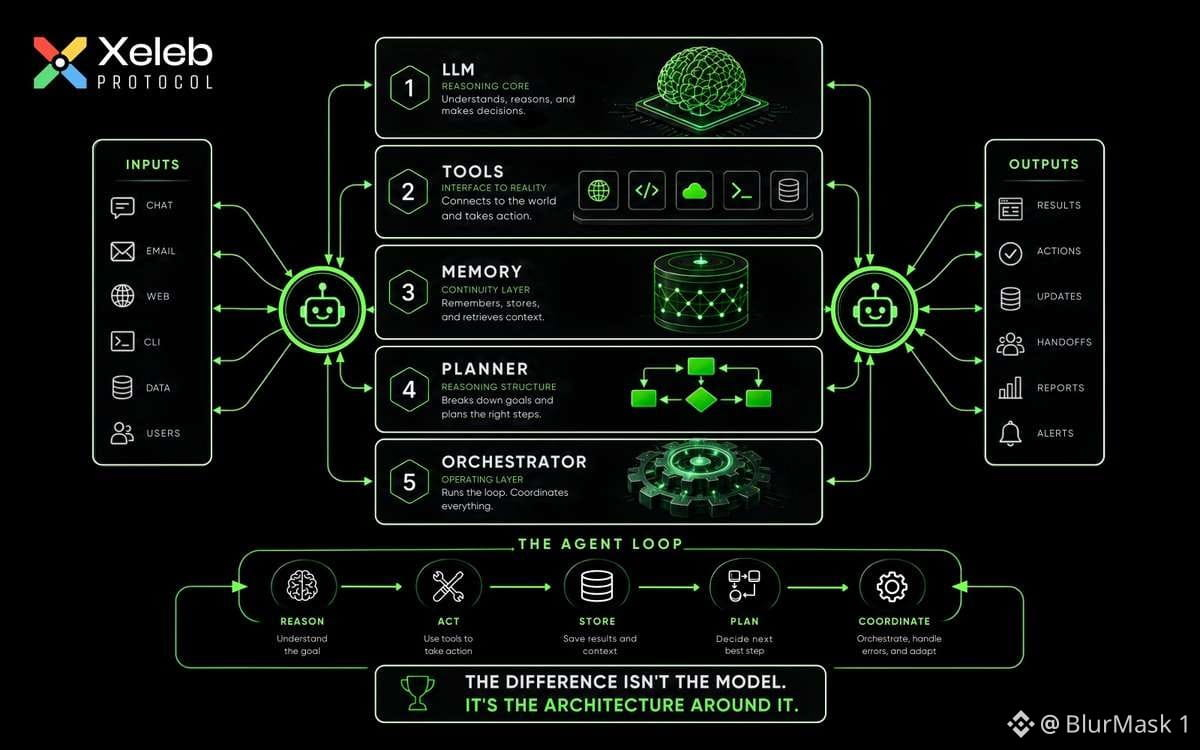
AIエージェントを作るほとんどのチームが、間違った層を最適化している
誰もがGPT-4、Claude、Geminiなどのモデルを乗り換えては、また戻ってきている。針が動く程度の推論力の“ブースト”を追いかけて、せいぜい5〜8%くらいの差の話をしている。だが、実際の問題は別のところにある。
メモリはセッションごとにリセットされる。条件がタスク途中で変わるとプランナーが崩れる。オーケストレーターには、3ステップ目で何かが失敗したときの本当のエラー回復がない。
モデルはみんなが目にする部分であり、基本的な能力の閾値を超えた後では、重要度は最も低い部分になりがちだ。多くのチームは、気づかないうちに何か月も前にその閾値を超えている。推論は十分に良いが、それを取り巻くアーキテクチャが追いついていない。
本番環境で確実に動くエージェントと、デモでは素晴らしく見えたエージェントを分けるのは、モデル選びではない。エージェントが先週学んだことを覚えているか、ツール呼び出しがタスク途中で失敗しても復旧できるか、複数のエージェントが同じ課題に取り組むときにきれいに連携できるか——そこにある。
@xeleb_protocol の質問に正面から答えるなら、現代のほとんどのエージェントスタックで最も作り込みが不足しているのはメモリだ。ほとんどが後回しにしている。価値が積み上がっていくエージェントは、それを土台——その上にすべてが乗るもの——として扱う。
#AIAgents #BNBChain #Xeleb $BEAT $BNB
AIエージェントを作るほとんどのチームが、間違った層を最適化している
誰もがGPT-4、Claude、Geminiなどのモデルを乗り換えては、また戻ってきている。針が動く程度の推論力の“ブースト”を追いかけて、せいぜい5〜8%くらいの差の話をしている。だが、実際の問題は別のところにある。
メモリはセッションごとにリセットされる。条件がタスク途中で変わるとプランナーが崩れる。オーケストレーターには、3ステップ目で何かが失敗したときの本当のエラー回復がない。
モデルはみんなが目にする部分であり、基本的な能力の閾値を超えた後では、重要度は最も低い部分になりがちだ。多くのチームは、気づかないうちに何か月も前にその閾値を超えている。推論は十分に良いが、それを取り巻くアーキテクチャが追いついていない。
本番環境で確実に動くエージェントと、デモでは素晴らしく見えたエージェントを分けるのは、モデル選びではない。エージェントが先週学んだことを覚えているか、ツール呼び出しがタスク途中で失敗しても復旧できるか、複数のエージェントが同じ課題に取り組むときにきれいに連携できるか——そこにある。
@xeleb_protocol の質問に正面から答えるなら、現代のほとんどのエージェントスタックで最も作り込みが不足しているのはメモリだ。ほとんどが後回しにしている。価値が積み上がっていくエージェントは、それを土台——その上にすべてが乗るもの——として扱う。
#AIAgents #BNBChain #Xeleb $BEAT $BNB
誰もがGPT-4、Claude、Geminiなどのモデルを乗り換えては、また戻ってきている。針が動く程度の推論力の“ブースト”を追いかけて、せいぜい5〜8%くらいの差の話をしている。だが、実際の問題は別のところにある。
メモリはセッションごとにリセットされる。条件がタスク途中で変わるとプランナーが崩れる。オーケストレーターには、3ステップ目で何かが失敗したときの本当のエラー回復がない。
モデルはみんなが目にする部分であり、基本的な能力の閾値を超えた後では、重要度は最も低い部分になりがちだ。多くのチームは、気づかないうちに何か月も前にその閾値を超えている。推論は十分に良いが、それを取り巻くアーキテクチャが追いついていない。
本番環境で確実に動くエージェントと、デモでは素晴らしく見えたエージェントを分けるのは、モデル選びではない。エージェントが先週学んだことを覚えているか、ツール呼び出しがタスク途中で失敗しても復旧できるか、複数のエージェントが同じ課題に取り組むときにきれいに連携できるか——そこにある。
@xeleb_protocol の質問に正面から答えるなら、現代のほとんどのエージェントスタックで最も作り込みが不足しているのはメモリだ。ほとんどが後回しにしている。価値が積み上がっていくエージェントは、それを土台——その上にすべてが乗るもの——として扱う。
#AIAgents #BNBChain #Xeleb $BEAT $BNB
65
·
--
サイラーが売却。スタックの0.0038%。心理の100%。
32ビットコイン。250万ドル。相場の下落、ETFからの1億4200万ドルの流出、そして6時間で決着した予測市場。計算はどうでもよかった。シグナルがすべてだった。
数字は、ほとんど笑えるほど小さい。32ビットコイン。250万ドル。約610億ドル相当の843,706BTCのうちの0.0038%。つまり、戦略(Strategy)の保有分の端数、端数のさらに丸め誤差にすぎない。合理的な金融分析で言えば、この売却は何も変えない。
それでもビットコインは、6時間で76,000ドルから72,400ドルへ下落した。IBITは同日、1億4200万ドルの流出で出血した。Polymarketの長く続いた予測市場「Strategyはビットコインを売るのか?」がYESで決着した。計算は無関係だった。心理がすべてだった。
• 32BTC 売却 - 5月26〜31日
• 6時間以内のBTCフロア 72.4Kドル
• 同日(同一日に)IBITからの1億4200万ドル流出
Strategyの論点は、純粋に財務ではなかった。心理だった。「決して売らない」というスタンスは単なる方針ではなく、すべての堀そのものだった。すべての機関、すべての個人投資家、サイラーの主導に追随したすべての模倣的なトレジャリーがそうしたのは、フロアが永久だと信じていたからでもある。その信念が需要を生み、その需要が価格を支えた。需要はビットコインそのものから来たのではない。ビットコインが市場に戻ってくることはない、という確信から来たのだ。
問題は、これは制御された事前に計画された配当メカニズムなのか、それとも実際に規律を示す一度きりの動きなのか、ということだ。Strategyは年15億ドルの優先株の配当義務を抱えている。その義務の計算は消えない。そして売却がそれを管理するための容認された手段になるのなら、市場は将来の売却を永久に織り込む。
32ビットコインは、843,706BTCのポートフォリオの文脈では意味のある数字ではない。だが市場は数学だけで動くわけではない。期待で動く。Strategyは決して売らないはずだ、という期待が、2020年以降サイラーの主導に追随してきたすべてのビットコインのチャート、すべての機関の配分に関する論拠、そしてすべての模倣的なトレジャリーに織り込まれていた。 $BTC
サイラーが売却。スタックの0.0038%。心理の100%。
32ビットコイン。250万ドル。相場の下落、ETFからの1億4200万ドルの流出、そして6時間で決着した予測市場。計算はどうでもよかった。シグナルがすべてだった。
数字は、ほとんど笑えるほど小さい。32ビットコイン。250万ドル。約610億ドル相当の843,706BTCのうちの0.0038%。つまり、戦略(Strategy)の保有分の端数、端数のさらに丸め誤差にすぎない。合理的な金融分析で言えば、この売却は何も変えない。
それでもビットコインは、6時間で76,000ドルから72,400ドルへ下落した。IBITは同日、1億4200万ドルの流出で出血した。Polymarketの長く続いた予測市場「Strategyはビットコインを売るのか?」がYESで決着した。計算は無関係だった。心理がすべてだった。
• 32BTC 売却 - 5月26〜31日
• 6時間以内のBTCフロア 72.4Kドル
• 同日(同一日に)IBITからの1億4200万ドル流出
Strategyの論点は、純粋に財務ではなかった。心理だった。「決して売らない」というスタンスは単なる方針ではなく、すべての堀そのものだった。すべての機関、すべての個人投資家、サイラーの主導に追随したすべての模倣的なトレジャリーがそうしたのは、フロアが永久だと信じていたからでもある。その信念が需要を生み、その需要が価格を支えた。需要はビットコインそのものから来たのではない。ビットコインが市場に戻ってくることはない、という確信から来たのだ。
問題は、これは制御された事前に計画された配当メカニズムなのか、それとも実際に規律を示す一度きりの動きなのか、ということだ。Strategyは年15億ドルの優先株の配当義務を抱えている。その義務の計算は消えない。そして売却がそれを管理するための容認された手段になるのなら、市場は将来の売却を永久に織り込む。
32ビットコインは、843,706BTCのポートフォリオの文脈では意味のある数字ではない。だが市場は数学だけで動くわけではない。期待で動く。Strategyは決して売らないはずだ、という期待が、2020年以降サイラーの主導に追随してきたすべてのビットコインのチャート、すべての機関の配分に関する論拠、そしてすべての模倣的なトレジャリーに織り込まれていた。 $BTC
32ビットコイン。250万ドル。相場の下落、ETFからの1億4200万ドルの流出、そして6時間で決着した予測市場。計算はどうでもよかった。シグナルがすべてだった。
数字は、ほとんど笑えるほど小さい。32ビットコイン。250万ドル。約610億ドル相当の843,706BTCのうちの0.0038%。つまり、戦略(Strategy)の保有分の端数、端数のさらに丸め誤差にすぎない。合理的な金融分析で言えば、この売却は何も変えない。
それでもビットコインは、6時間で76,000ドルから72,400ドルへ下落した。IBITは同日、1億4200万ドルの流出で出血した。Polymarketの長く続いた予測市場「Strategyはビットコインを売るのか?」がYESで決着した。計算は無関係だった。心理がすべてだった。
• 32BTC 売却 - 5月26〜31日
• 6時間以内のBTCフロア 72.4Kドル
• 同日(同一日に)IBITからの1億4200万ドル流出
Strategyの論点は、純粋に財務ではなかった。心理だった。「決して売らない」というスタンスは単なる方針ではなく、すべての堀そのものだった。すべての機関、すべての個人投資家、サイラーの主導に追随したすべての模倣的なトレジャリーがそうしたのは、フロアが永久だと信じていたからでもある。その信念が需要を生み、その需要が価格を支えた。需要はビットコインそのものから来たのではない。ビットコインが市場に戻ってくることはない、という確信から来たのだ。
問題は、これは制御された事前に計画された配当メカニズムなのか、それとも実際に規律を示す一度きりの動きなのか、ということだ。Strategyは年15億ドルの優先株の配当義務を抱えている。その義務の計算は消えない。そして売却がそれを管理するための容認された手段になるのなら、市場は将来の売却を永久に織り込む。
32ビットコインは、843,706BTCのポートフォリオの文脈では意味のある数字ではない。だが市場は数学だけで動くわけではない。期待で動く。Strategyは決して売らないはずだ、という期待が、2020年以降サイラーの主導に追随してきたすべてのビットコインのチャート、すべての機関の配分に関する論拠、そしてすべての模倣的なトレジャリーに織り込まれていた。 $BTC

71
·
--
確認済み:Michael Saylorの「戦略」が、2.5百万ドル相当の32 BTCを販売した。
確認済み:Michael Saylorの「戦略」が、2.5百万ドル相当の32 BTCを販売した。


50
·
--

84
·
--
AIインフルエンサー競争は間違った方向に進んでいる。
今のところ、クリエイターAI空間で構築しているすべてのチームは、リアリズムを最適化している。同じことを追求している。より良い顔。より自然なスピーチパターン。カメラ前での滑らかさ。その仮定は、AIインフルエンサーが人間に近づけば近づくほど、より価値があるというものだ。
しかし、その仮定は間違っている。そして、市場はそれを早く証明するだろう。
ここで初めにフォローされるのはパーソナリティだ。それが最初の印象を得て、もしかしたら最初の数分間の注意を引く。しかし、パーソナリティだけでは、人間でもAIでも、長期的にクリエイターを支えることはできない。持続可能なオーディエンスを築くものは、説得力のある顔を作るよりもはるかに難しいものだ。
それは繰り返されるユーティリティだ。
実際にコンバージョンを生むコミュニティを構築したクリエイターは、本当に役立つことでそれを実現した。彼らは人々が決定を下す手助けをした。彼らは不確実性の中でコミュニティを導いた。彼らは、毎回戻ってくる価値のある何かを提供した。
それがAIインフルエンサーが最終的に求められる正確な基準だ。どれだけリアルに見えるかではなく、フォロワーにとってどれだけ役立つかだ。
エージェントは誰かが実際に好きな製品を選ぶ手助けができるか?市場の変化を通じてコミュニティを導くことができるか?アルゴリズム的ではなく、実際に得られたと感じられるパーソナライズされた推薦を提供できるか?フォロワーを参加者に変える信頼を時間をかけて築くことができるか?
それが重要な指標だ。
それがギャップだ。そして、それは重要なものだ。
AIインフルエンスの未来は、クリエイターのように見えるエージェントではない。それは、クリエイターのように機能するものであり、一貫して、信頼性が高く、サービスを提供するオーディエンスに対して本物の価値が流れているものである。
顔は決して防御線ではなかった。
機能こそが常にそうだった。
🔗 Xeleb.io #XCX #XelebProtocol #AIagents $BNB
AIインフルエンサー競争は間違った方向に進んでいる。
今のところ、クリエイターAI空間で構築しているすべてのチームは、リアリズムを最適化している。同じことを追求している。より良い顔。より自然なスピーチパターン。カメラ前での滑らかさ。その仮定は、AIインフルエンサーが人間に近づけば近づくほど、より価値があるというものだ。
しかし、その仮定は間違っている。そして、市場はそれを早く証明するだろう。
ここで初めにフォローされるのはパーソナリティだ。それが最初の印象を得て、もしかしたら最初の数分間の注意を引く。しかし、パーソナリティだけでは、人間でもAIでも、長期的にクリエイターを支えることはできない。持続可能なオーディエンスを築くものは、説得力のある顔を作るよりもはるかに難しいものだ。
それは繰り返されるユーティリティだ。
実際にコンバージョンを生むコミュニティを構築したクリエイターは、本当に役立つことでそれを実現した。彼らは人々が決定を下す手助けをした。彼らは不確実性の中でコミュニティを導いた。彼らは、毎回戻ってくる価値のある何かを提供した。
それがAIインフルエンサーが最終的に求められる正確な基準だ。どれだけリアルに見えるかではなく、フォロワーにとってどれだけ役立つかだ。
エージェントは誰かが実際に好きな製品を選ぶ手助けができるか?市場の変化を通じてコミュニティを導くことができるか?アルゴリズム的ではなく、実際に得られたと感じられるパーソナライズされた推薦を提供できるか?フォロワーを参加者に変える信頼を時間をかけて築くことができるか?
それが重要な指標だ。
それがギャップだ。そして、それは重要なものだ。
AIインフルエンスの未来は、クリエイターのように見えるエージェントではない。それは、クリエイターのように機能するものであり、一貫して、信頼性が高く、サービスを提供するオーディエンスに対して本物の価値が流れているものである。
顔は決して防御線ではなかった。
機能こそが常にそうだった。
🔗 Xeleb.io #XCX #XelebProtocol #AIagents $BNB
今のところ、クリエイターAI空間で構築しているすべてのチームは、リアリズムを最適化している。同じことを追求している。より良い顔。より自然なスピーチパターン。カメラ前での滑らかさ。その仮定は、AIインフルエンサーが人間に近づけば近づくほど、より価値があるというものだ。
しかし、その仮定は間違っている。そして、市場はそれを早く証明するだろう。
ここで初めにフォローされるのはパーソナリティだ。それが最初の印象を得て、もしかしたら最初の数分間の注意を引く。しかし、パーソナリティだけでは、人間でもAIでも、長期的にクリエイターを支えることはできない。持続可能なオーディエンスを築くものは、説得力のある顔を作るよりもはるかに難しいものだ。
それは繰り返されるユーティリティだ。
実際にコンバージョンを生むコミュニティを構築したクリエイターは、本当に役立つことでそれを実現した。彼らは人々が決定を下す手助けをした。彼らは不確実性の中でコミュニティを導いた。彼らは、毎回戻ってくる価値のある何かを提供した。
それがAIインフルエンサーが最終的に求められる正確な基準だ。どれだけリアルに見えるかではなく、フォロワーにとってどれだけ役立つかだ。
エージェントは誰かが実際に好きな製品を選ぶ手助けができるか?市場の変化を通じてコミュニティを導くことができるか?アルゴリズム的ではなく、実際に得られたと感じられるパーソナライズされた推薦を提供できるか?フォロワーを参加者に変える信頼を時間をかけて築くことができるか?
それが重要な指標だ。
それがギャップだ。そして、それは重要なものだ。
AIインフルエンスの未来は、クリエイターのように見えるエージェントではない。それは、クリエイターのように機能するものであり、一貫して、信頼性が高く、サービスを提供するオーディエンスに対して本物の価値が流れているものである。
顔は決して防御線ではなかった。
機能こそが常にそうだった。
🔗 Xeleb.io #XCX #XelebProtocol #AIagents $BNB

1
182
·
--
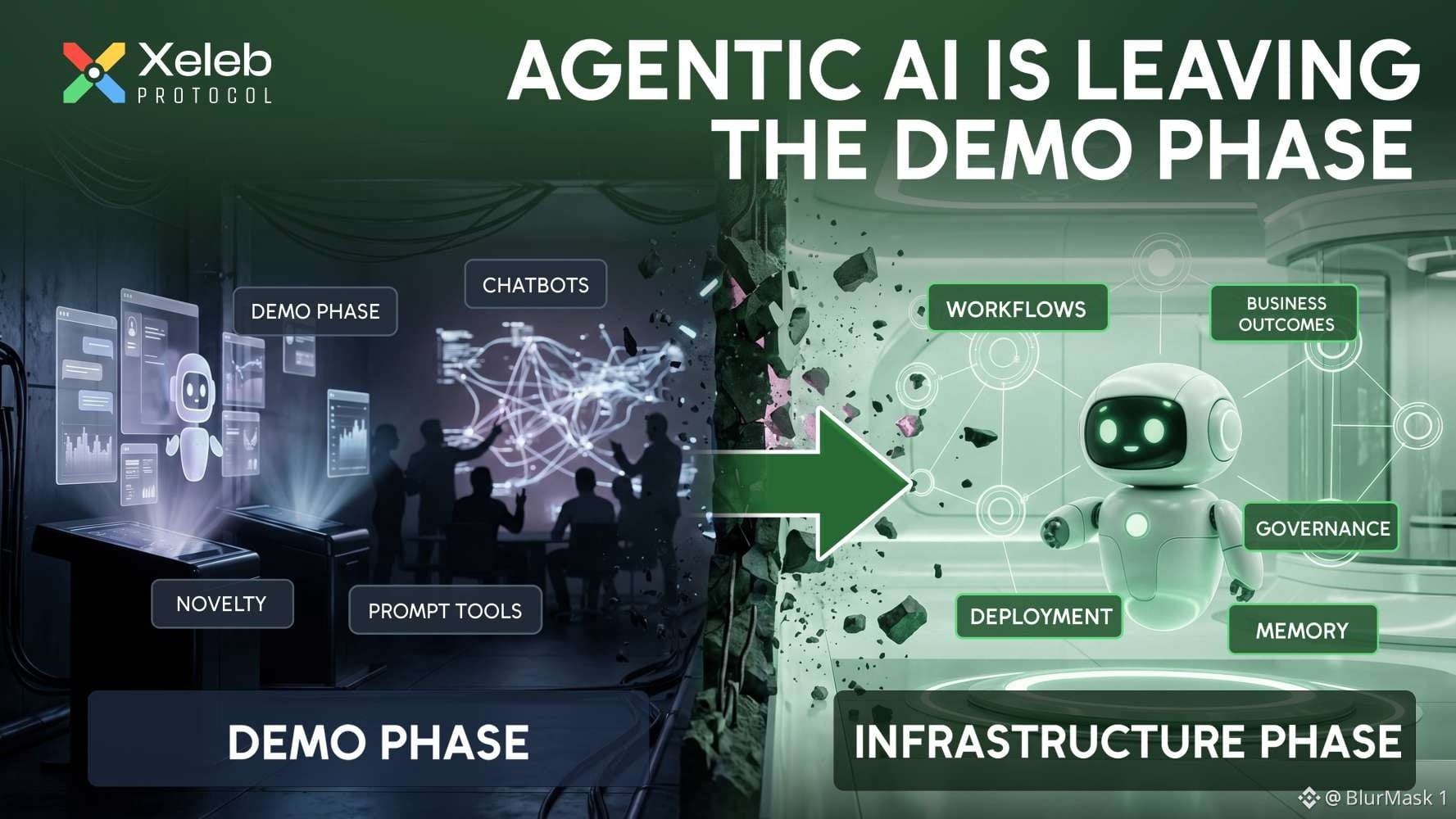
エージェントAI市場がほとんどの人が見逃した閾値を越えた。
そのシグナルはモデルのリリースでも、ベンチマークでも、バイラルデモでもなかった。それは言語の変化だった。
12ヶ月前、AIエージェントに関するすべての会話は能力に焦点を当てていた。彼らが何を生成できるか。どれだけ速く応答できるか。制御された環境での出力がどれほど印象的に見えるか。デモフェーズにあったため、その言語は空間を支配していた。デモフェーズでは能力が全てだからだ。
その言語は変わった。静かだが明確に。
今日、企業レベルで行われている会話は、メモリ管理、権限構造、デプロイ環境、モニタリングフレームワーク、結果のアカウンタビリティについてである。「それが何をできるか」ではなく、「実際のシステム内で実際の結果を伴って動作しているとき、どう振る舞うか」である。このシフトは、製品発表よりも重要だ。
市場が感動するのをやめて運用に関する質問をし始めるとき、それはバイヤーの期待が新規性の段階を超えて進化したことを意味する。実際のチェックを書いている人々はもはやプロトタイプを評価していない。彼らはインフラを評価している。そしてインフラはデモとは全く異なる基準で評価される。それは信頼性、監査可能性、そして現実の条件下での一貫したパフォーマンスに基づいている。
エージェントAIは印象的な出力から運用上の有用性へと移行している。それはかなり難しいゲームだ。デモフェーズのために構築した企業は苦労するだろう。インフラフェーズのために構築した企業はまだ始まったばかりだ。
@xeleb_protocolに感謝。彼らはエージェントAIの会話を実際に重要なところ、すなわち孤立した能力ではなく、実際のアイデンティティ、実際のアカウンタビリティ、そしてオンチェーンの実際の経済的存在での信頼性ある運用へと押し進めている。
それが2026年に話す価値のある会話だ。
#XCX #XelebProtocol #AIagents $BTC $BNB
エージェントAI市場がほとんどの人が見逃した閾値を越えた。
そのシグナルはモデルのリリースでも、ベンチマークでも、バイラルデモでもなかった。それは言語の変化だった。
12ヶ月前、AIエージェントに関するすべての会話は能力に焦点を当てていた。彼らが何を生成できるか。どれだけ速く応答できるか。制御された環境での出力がどれほど印象的に見えるか。デモフェーズにあったため、その言語は空間を支配していた。デモフェーズでは能力が全てだからだ。
その言語は変わった。静かだが明確に。
今日、企業レベルで行われている会話は、メモリ管理、権限構造、デプロイ環境、モニタリングフレームワーク、結果のアカウンタビリティについてである。「それが何をできるか」ではなく、「実際のシステム内で実際の結果を伴って動作しているとき、どう振る舞うか」である。このシフトは、製品発表よりも重要だ。
市場が感動するのをやめて運用に関する質問をし始めるとき、それはバイヤーの期待が新規性の段階を超えて進化したことを意味する。実際のチェックを書いている人々はもはやプロトタイプを評価していない。彼らはインフラを評価している。そしてインフラはデモとは全く異なる基準で評価される。それは信頼性、監査可能性、そして現実の条件下での一貫したパフォーマンスに基づいている。
エージェントAIは印象的な出力から運用上の有用性へと移行している。それはかなり難しいゲームだ。デモフェーズのために構築した企業は苦労するだろう。インフラフェーズのために構築した企業はまだ始まったばかりだ。
@xeleb_protocolに感謝。彼らはエージェントAIの会話を実際に重要なところ、すなわち孤立した能力ではなく、実際のアイデンティティ、実際のアカウンタビリティ、そしてオンチェーンの実際の経済的存在での信頼性ある運用へと押し進めている。
それが2026年に話す価値のある会話だ。
#XCX #XelebProtocol #AIagents $BTC $BNB
そのシグナルはモデルのリリースでも、ベンチマークでも、バイラルデモでもなかった。それは言語の変化だった。
12ヶ月前、AIエージェントに関するすべての会話は能力に焦点を当てていた。彼らが何を生成できるか。どれだけ速く応答できるか。制御された環境での出力がどれほど印象的に見えるか。デモフェーズにあったため、その言語は空間を支配していた。デモフェーズでは能力が全てだからだ。
その言語は変わった。静かだが明確に。
今日、企業レベルで行われている会話は、メモリ管理、権限構造、デプロイ環境、モニタリングフレームワーク、結果のアカウンタビリティについてである。「それが何をできるか」ではなく、「実際のシステム内で実際の結果を伴って動作しているとき、どう振る舞うか」である。このシフトは、製品発表よりも重要だ。
市場が感動するのをやめて運用に関する質問をし始めるとき、それはバイヤーの期待が新規性の段階を超えて進化したことを意味する。実際のチェックを書いている人々はもはやプロトタイプを評価していない。彼らはインフラを評価している。そしてインフラはデモとは全く異なる基準で評価される。それは信頼性、監査可能性、そして現実の条件下での一貫したパフォーマンスに基づいている。
エージェントAIは印象的な出力から運用上の有用性へと移行している。それはかなり難しいゲームだ。デモフェーズのために構築した企業は苦労するだろう。インフラフェーズのために構築した企業はまだ始まったばかりだ。
@xeleb_protocolに感謝。彼らはエージェントAIの会話を実際に重要なところ、すなわち孤立した能力ではなく、実際のアイデンティティ、実際のアカウンタビリティ、そしてオンチェーンの実際の経済的存在での信頼性ある運用へと押し進めている。
それが2026年に話す価値のある会話だ。
#XCX #XelebProtocol #AIagents $BTC $BNB
58
ログインして、さらにコンテンツを読む
厳選トピックで世界の暗号資産トレーダーの仲間入り
⚡️ 暗号資産に関する最新かつ有益な情報が見つかります。
💬 世界最大の暗号資産取引所から信頼されています。
👍 認証を受けたクリエイターから、有益なインサイトを得られます。
メール / 電話番号
トレンドトピック
FedMinutesFocusOnOctoberPause
閲覧回数 3,740
224人が討論中
#fedminutesfocusonoctoberpause
🚨 10月のFRB利上げ確率が21.6%に急落… $BTC は反応する? 👀
FRBは市場に、もう一つ重要な手がかりを与えようとしています。
投資家は本日のFOMC議事要旨を待っています。最大の疑問は、10月に再び利上げがあるのか、それとも一時停止となるのかです。
現時点で、10月に25ベーシスポイントの利上げが行われる確率は、わずか21.6%まで低下しました。
これは予想の大きな変化です。
しかし、興味深いのはここからです… 👀
FRBは9月に金利を3.75%~4.00%に引き上げましたが、雇用統計の最近の弱さとインフレの鈍化により、すぐに再利上げが行われる可能性は低くなっています。
そして、暗号資産にとってこれは重要です。
FRBが利上げを一時停止すれば、金融環境への圧力が和らぎ、リスク選好が改善する可能性があります。
それはBTCにとって追い風になるかもしれません。
ただし、注意点もあります…
ドルと米国債利回りが上昇するなか、ビットコインはすでに圧力を受けています。
そのため、今夜の議事要旨が相場変動の引き金になる可能性があります。
ハト派のFRB → 流動性への期待 → 強気のBTCシナリオ?
タカ派のFRB → 高金利への懸念 → リスク資産へのさらなる圧力?
本当の疑問はこうです。
10月はビットコイン強気派が待ち望んでいた利上げ一時停止となるのでしょうか…それともFRBが再び市場を驚かせるのでしょうか? 👀
BTC、FRBの政策見通し、米国債利回りを注意深く見守りましょう。
#FederalReserve #Fed #Crypto #InterestRates
$ETH
$SOL
Shae Cassler Sw9r
·いいね:5件
·閲覧回数 6.5k
BinanceLaunchesBinanceIntelligence
閲覧回数 900,809
5,497人が討論中
RobinhoodAdds$25MInBitcoinToBalanceSheet
閲覧回数 417
22人が討論中