
PetrosNoah
69 投稿

PetrosNoah
報告
ユーザーをブロック
取引を発注
高頻度トレーダー
6.8年
67 フォロー
39 フォロワー
255 いいね
投稿
ポートフォリオ
すべて
引用
·
--
翻訳参照
Sometimes I doubt and wonder if crypto is really the way to financial freedom.
Sometimes I doubt and wonder if crypto is really the way to financial freedom.
67
·
--
翻訳参照
If you're winning, you're happy.
If you're loosing, you feel sad.
If you're not in trade, you feel neutral 😑. No emotional fluctuation.
I choose peace.
If you're winning, you're happy.
If you're loosing, you feel sad.
If you're not in trade, you feel neutral 😑. No emotional fluctuation.
I choose peace.
If you're loosing, you feel sad.
If you're not in trade, you feel neutral 😑. No emotional fluctuation.
I choose peace.
1
150
·
--
翻訳参照
What's worth trading today? $BNB chart is looking good
What's worth trading today? $BNB chart is looking good
67
·
--
記事
翻訳参照
He Died With The Keys, You Shouldn't!One password.
$190 million. Gone.
That's the whole story.
Gerald Cotten built QuadrigaCX, one of Canada's biggest crypto exchanges. He was 30. Sharp, driven, in control of everything.
In December 2018, he died unexpectedly while traveling in India.
Here's the part that should make you put your phone down for a second:
He was the only person who knew the private keys to the cold wallets.
No backup. No shared custody. No plan for a world where he wasn't around to manage it.
$190 million in customer funds didn't get stolen. It didn't get hacked.
It just... stopped existing. Frozen behind a password that died with him.
Don't be Gerald Cotten.
Crypto Doesn't Die Like Other Assets
Most wealth lives inside a system built to outlast the person who created it. Banks. Brokerages. Courts. Paperwork trails designed for exactly this moment.
Crypto doesn't work that way.
It's self-custodied. Decentralized. Often anonymous by design.
Which means it doesn't recognize you. It recognizes the keys.
The blockchain has never seen a death certificate and never will.
No key, no access. No access, no transfer. No transfer, and the wealth might as well have never existed.
Cotten's mistake wasn't holding crypto. His mistake was building a system that only worked while he was breathing.
The Real Problem: You Optimized For The Wrong Thing
Here's the uncomfortable truth underneath all of this:
Ownership is technical. Inheritance is human.
Most people spend years optimizing for security, control, and privacy.
Almost no one optimizes for the three things that actually end up mattering:
AbsenceConfusionStress
And when those three show up — and they always eventually show up — the assets don't get stolen.
They get locked forever.
You didn't lose the money. You just never built a system that could survive without you standing over it.
How To Not Become The Next Cautionary Tweet
This isn't complicated. It just requires you to think past the version of yourself who's still alive and in control.
1. Stop being the single point of failure
If you're the only one who can move the funds, your crypto isn't secure. It's fragile. Those are different things.
Use multi-signature wallets for anything that matters. A 2-of-3 or 3-of-5 setup, split like this:
One key with youOne key with someone you trustOne key with a neutral third party — a lawyer, a trust company, a vault
One key gone, or one person gone, and the system still works.
Cotten held every key himself. That single decision made the failure inevitable before it ever happened.
2. Separate the "how" from the "why"
A seed phrase taped somewhere isn't a plan. It's a rumor of a plan.
You need two separate things:
The access material — keys, hardware wallets, seed phrasesThe instructions — a plain-language explanation of what exists and where
Never store these together. Keys unlock the assets. Instructions unlock the understanding of the assets.
One without the other is just an expensive puzzle for the people you leave behind.
3. Write it for someone who knows nothing
Assume the person reading your instructions has never touched a hardware wallet. Never signed a transaction. Never heard the words "seed phrase" in their life.
Because in the moment they need this document, they'll be grieving, confused, and under pressure. Intelligent people freeze under that combination constantly.
If your plan requires fluency, your plan will fail.
4. Automate it. Don't memorize it.
Humans forget. Systems don't.
Use password managers with emergency access timers. Encrypted documents that release after a period of inactivity. Multi-sig arrangements that activate on verified death documentation.
Think of it as a dead man's switch, minus the single point of failure.
The goal isn't a dramatic reveal. It's quiet continuity.
5. Build a bridge to the legal system
A will doesn't move crypto. But it can point the way.
Do it like this:
The will references where the instructions live, not the keys themselvesExecutors know who holds which pieceLawyers understand they're authorizing recovery, not custody
Crypto will never fit neatly inside estate law. That's fine. It just needs a bridge to it. Cotten built no bridge at all.
6. The more wallets you have, the less recoverable you are
More wallets feels like more security. It's usually just more surface area for the whole thing to fall apart.
Keep it simple:
One long-term cold storage setupOne operational walletOne clearly documented structure connecting the two
If you can't explain your own system in under a minute while you're alive, no one is recovering it once you're not.
7. Test it like you'd test a fire escape
Once a year, actually walk someone through it.
Confirm the instructions are where you think they are. Confirm the devices still work. Confirm none of it secretly depends on your memory.
If the plan doesn't work with you standing right there, it will not work in your absence.
8. Use exchanges that plan for death, when it makes sense
Self-custody isn't the only option. Centralized exchanges like @Binance supports inheritance structures, allowing designated beneficiaries to claim assets after death.
CZ has publicly pushed for this to become standard across the industry: every platform should have a "will function," because none of us are getting out of here alive.
If you keep funds on an exchange, document:
Which platforms you useWhere the credentials liveWho should contact support, and how
Heirs will still need a death certificate, proof of legal authority, and valid ID. Logging into your account "just to help" after you're gone can break the law and the platform's terms. Don't put people in that position.
The Lesson Underneath The Lesson
Cotten optimized for control, speed, and secrecy.
He never designed for absence. For confusion. For continuity.
And that's not really a crypto lesson. That's a life lesson wearing a crypto costume.
Because here's what nobody tells you when you're deep in the game, stacking sats, guarding your keys like state secrets:
Security and survivability are not the same skill.
One protects your wealth from other people.
The other protects your wealth for the people you love, after you're not around to protect anything.
You can be the most disciplined, most private, most "I don't trust anyone with my keys" person in the room — and still leave behind nothing but a locked wallet and a grieving family staring at a screen they don't understand.
That's not security. That's just delayed loss.
So ask yourself the question Cotten never did:
If I disappeared tonight, would my wealth survive me — or would it just quietly expire with me?
Build the system now, while you have the luxury of time and clarity. Not later. Not "when it matters more." Now is when it matters.
Because the market will forgive a bad trade.
It will not forgive a system that only worked while you were alive to run it.
Don't let your legacy end at your last login.
— Noah
He Died With The Keys, You Shouldn't!
One password.
$190 million. Gone.
That's the whole story.
Gerald Cotten built QuadrigaCX, one of Canada's biggest crypto exchanges. He was 30. Sharp, driven, in control of everything.
In December 2018, he died unexpectedly while traveling in India.
Here's the part that should make you put your phone down for a second:
He was the only person who knew the private keys to the cold wallets.
No backup. No shared custody. No plan for a world where he wasn't around to manage it.
$190 million in customer funds didn't get stolen. It didn't get hacked.
It just... stopped existing. Frozen behind a password that died with him.
Don't be Gerald Cotten.
Crypto Doesn't Die Like Other Assets
Most wealth lives inside a system built to outlast the person who created it. Banks. Brokerages. Courts. Paperwork trails designed for exactly this moment.
Crypto doesn't work that way.
It's self-custodied. Decentralized. Often anonymous by design.
Which means it doesn't recognize you. It recognizes the keys.
The blockchain has never seen a death certificate and never will.
No key, no access. No access, no transfer. No transfer, and the wealth might as well have never existed.
Cotten's mistake wasn't holding crypto. His mistake was building a system that only worked while he was breathing.
The Real Problem: You Optimized For The Wrong Thing
Here's the uncomfortable truth underneath all of this:
Ownership is technical. Inheritance is human.
Most people spend years optimizing for security, control, and privacy.
Almost no one optimizes for the three things that actually end up mattering:
AbsenceConfusionStress
And when those three show up — and they always eventually show up — the assets don't get stolen.
They get locked forever.
You didn't lose the money. You just never built a system that could survive without you standing over it.
How To Not Become The Next Cautionary Tweet
This isn't complicated. It just requires you to think past the version of yourself who's still alive and in control.
1. Stop being the single point of failure
If you're the only one who can move the funds, your crypto isn't secure. It's fragile. Those are different things.
Use multi-signature wallets for anything that matters. A 2-of-3 or 3-of-5 setup, split like this:
One key with youOne key with someone you trustOne key with a neutral third party — a lawyer, a trust company, a vault
One key gone, or one person gone, and the system still works.
Cotten held every key himself. That single decision made the failure inevitable before it ever happened.
2. Separate the "how" from the "why"
A seed phrase taped somewhere isn't a plan. It's a rumor of a plan.
You need two separate things:
The access material — keys, hardware wallets, seed phrasesThe instructions — a plain-language explanation of what exists and where
Never store these together. Keys unlock the assets. Instructions unlock the understanding of the assets.
One without the other is just an expensive puzzle for the people you leave behind.
3. Write it for someone who knows nothing
Assume the person reading your instructions has never touched a hardware wallet. Never signed a transaction. Never heard the words "seed phrase" in their life.
Because in the moment they need this document, they'll be grieving, confused, and under pressure. Intelligent people freeze under that combination constantly.
If your plan requires fluency, your plan will fail.
4. Automate it. Don't memorize it.
Humans forget. Systems don't.
Use password managers with emergency access timers. Encrypted documents that release after a period of inactivity. Multi-sig arrangements that activate on verified death documentation.
Think of it as a dead man's switch, minus the single point of failure.
The goal isn't a dramatic reveal. It's quiet continuity.
5. Build a bridge to the legal system
A will doesn't move crypto. But it can point the way.
Do it like this:
The will references where the instructions live, not the keys themselvesExecutors know who holds which pieceLawyers understand they're authorizing recovery, not custody
Crypto will never fit neatly inside estate law. That's fine. It just needs a bridge to it. Cotten built no bridge at all.
6. The more wallets you have, the less recoverable you are
More wallets feels like more security. It's usually just more surface area for the whole thing to fall apart.
Keep it simple:
One long-term cold storage setupOne operational walletOne clearly documented structure connecting the two
If you can't explain your own system in under a minute while you're alive, no one is recovering it once you're not.
7. Test it like you'd test a fire escape
Once a year, actually walk someone through it.
Confirm the instructions are where you think they are. Confirm the devices still work. Confirm none of it secretly depends on your memory.
If the plan doesn't work with you standing right there, it will not work in your absence.
8. Use exchanges that plan for death, when it makes sense
Self-custody isn't the only option. Centralized exchanges like @Binance supports inheritance structures, allowing designated beneficiaries to claim assets after death.
CZ has publicly pushed for this to become standard across the industry: every platform should have a "will function," because none of us are getting out of here alive.
If you keep funds on an exchange, document:
Which platforms you useWhere the credentials liveWho should contact support, and how
Heirs will still need a death certificate, proof of legal authority, and valid ID. Logging into your account "just to help" after you're gone can break the law and the platform's terms. Don't put people in that position.
The Lesson Underneath The Lesson
Cotten optimized for control, speed, and secrecy.
He never designed for absence. For confusion. For continuity.
And that's not really a crypto lesson. That's a life lesson wearing a crypto costume.
Because here's what nobody tells you when you're deep in the game, stacking sats, guarding your keys like state secrets:
Security and survivability are not the same skill.
One protects your wealth from other people.
The other protects your wealth for the people you love, after you're not around to protect anything.
You can be the most disciplined, most private, most "I don't trust anyone with my keys" person in the room — and still leave behind nothing but a locked wallet and a grieving family staring at a screen they don't understand.
That's not security. That's just delayed loss.
So ask yourself the question Cotten never did:
If I disappeared tonight, would my wealth survive me — or would it just quietly expire with me?
Build the system now, while you have the luxury of time and clarity. Not later. Not "when it matters more." Now is when it matters.
Because the market will forgive a bad trade.
It will not forgive a system that only worked while you were alive to run it.
Don't let your legacy end at your last login.
— Noah
65
·
--
翻訳参照
#BinanceWillListHyperliquid(HYPE) are going to see Hype at $200 before the year ends?
#BinanceWillListHyperliquid(HYPE) are going to see Hype at $200 before the year ends?
116
·
--
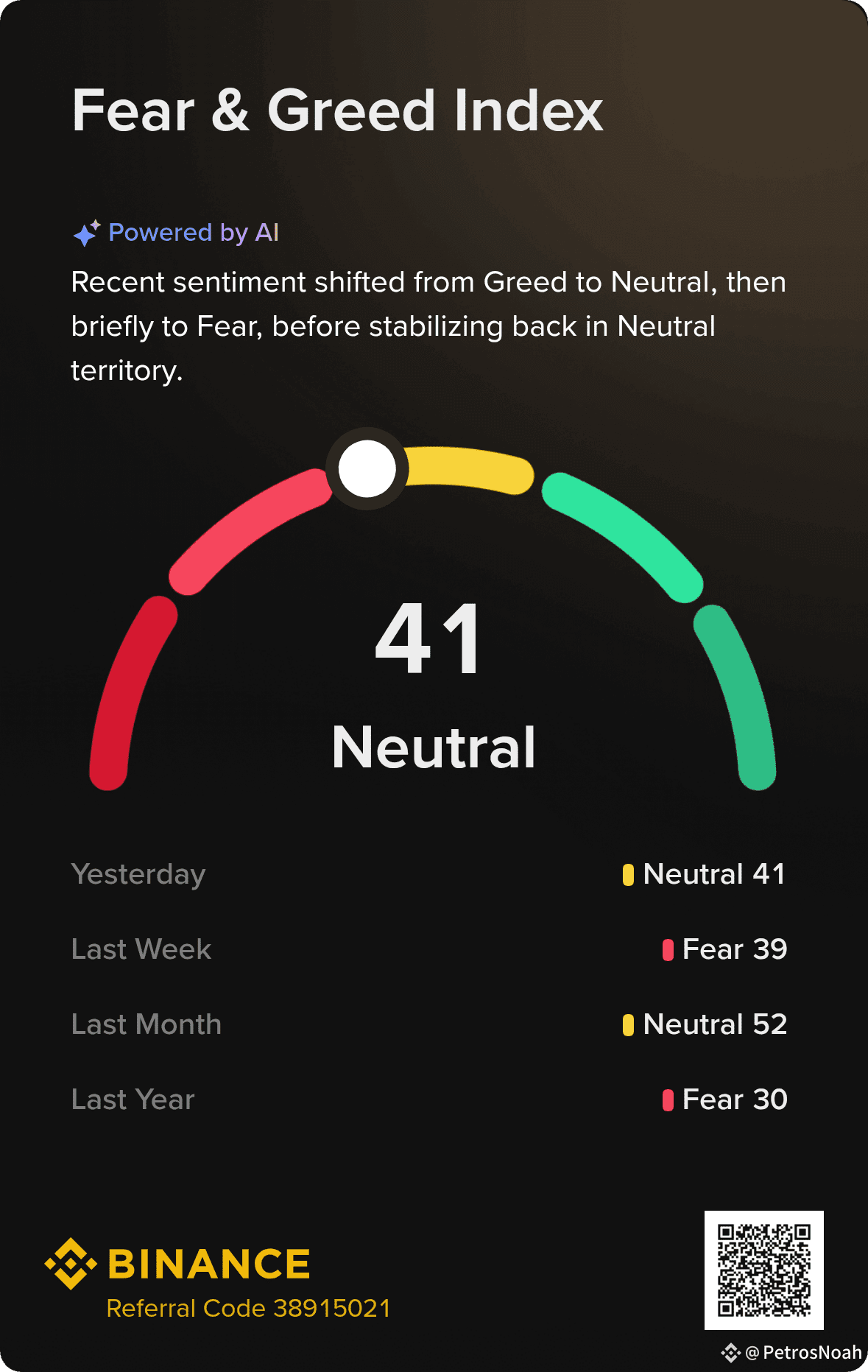
暗号資産の恐怖・貪欲指数は現在41/100で、中立とされています。
しかし、恐怖ゾーンに近づきつつあるでしょうか?
過去1か月間、市場のセンチメントは中位の50台(やや貪欲と呼ばれる)から低40台へと低下しており、リスクを取る意欲が着実に冷えていることがわかります。
この傾向は、最近のボラティリティを市場が消化していることを反映していると言えるでしょう。世界全体の時価総額は約1.6%低下し、投資家はリバウンドを追う意欲を失っているように見えます。
暗号資産の恐怖・貪欲指数は現在41/100で、中立とされています。
しかし、恐怖ゾーンに近づきつつあるでしょうか?
過去1か月間、市場のセンチメントは中位の50台(やや貪欲と呼ばれる)から低40台へと低下しており、リスクを取る意欲が着実に冷えていることがわかります。
この傾向は、最近のボラティリティを市場が消化していることを反映していると言えるでしょう。世界全体の時価総額は約1.6%低下し、投資家はリバウンドを追う意欲を失っているように見えます。
しかし、恐怖ゾーンに近づきつつあるでしょうか?
過去1か月間、市場のセンチメントは中位の50台(やや貪欲と呼ばれる)から低40台へと低下しており、リスクを取る意欲が着実に冷えていることがわかります。
この傾向は、最近のボラティリティを市場が消化していることを反映していると言えるでしょう。世界全体の時価総額は約1.6%低下し、投資家はリバウンドを追う意欲を失っているように見えます。
7
·
--
おい、お前は今、出血している。でも心から、それが回復して利益を生むことを願っている
おい、お前は今、出血している。でも心から、それが回復して利益を生むことを願っている
引用されたコンテンツは削除されました
7
·
--
🚀
🚀


Trend Coin
·
--
ブリッシュ🚀 TrendCoinは1000人の早期ボランティアを探しています。
私たちはミッションを提供しています — ボランティアには🧨 5倍の報酬があります。
📈 100,000人以上のユーザーが読み込み中
🛠️ 上場する前に私たちと一緒に構築しましょう
🎁 かつてない報酬を得ましょう
参加する場合は、あなたのTwitter IDと一緒に「🚀」と返信してください。
#TrendCoin #CryptoVolunteers #BinanceSquare #BSC #AirdropAlert
私たちはミッションを提供しています — ボランティアには🧨 5倍の報酬があります。
📈 100,000人以上のユーザーが読み込み中
🛠️ 上場する前に私たちと一緒に構築しましょう
🎁 かつてない報酬を得ましょう
参加する場合は、あなたのTwitter IDと一緒に「🚀」と返信してください。
#TrendCoin #CryptoVolunteers #BinanceSquare #BSC #AirdropAlert
3
·
--
利益を確保することを忘れないでください。チャートは、あなたが最も予期しないタイミングで自分に不利に動く可能性があります。
利益を確保することを忘れないでください。チャートは、あなたが最も予期しないタイミングで自分に不利に動く可能性があります。

TeleMining
·
--
$PENGU リスクを取るのが大好き 🙅
#pengu このトークンで10回以上取引し、ほぼ$7kを稼ぎました。私の言葉を信じないなら、教えてください。スクリーンショットを提供します 😏
#pengu このトークンで10回以上取引し、ほぼ$7kを稼ぎました。私の言葉を信じないなら、教えてください。スクリーンショットを提供します 😏
1
6
·
--
この戦略について知りたいです。詳しく教えていただけますか?
この戦略について知りたいです。詳しく教えていただけますか?
John willem
·
--
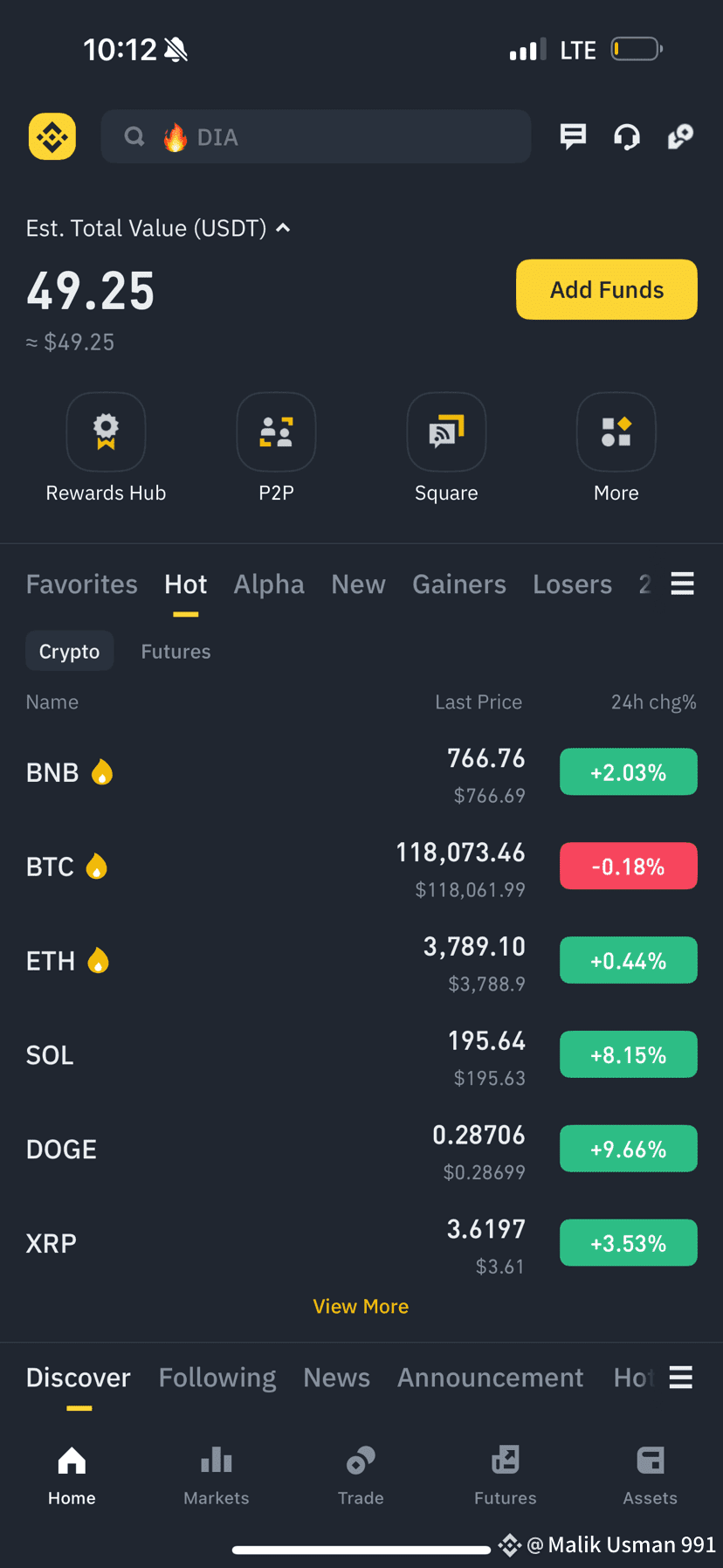
小さなマージン、低いレバレッジ、最小限のリスクを使用して3日間で10ドルを50ドルにした。メンターの指導に従いながら。 📈💡#StrategyBTCPurchase #StablecoinLaw
1
·
--
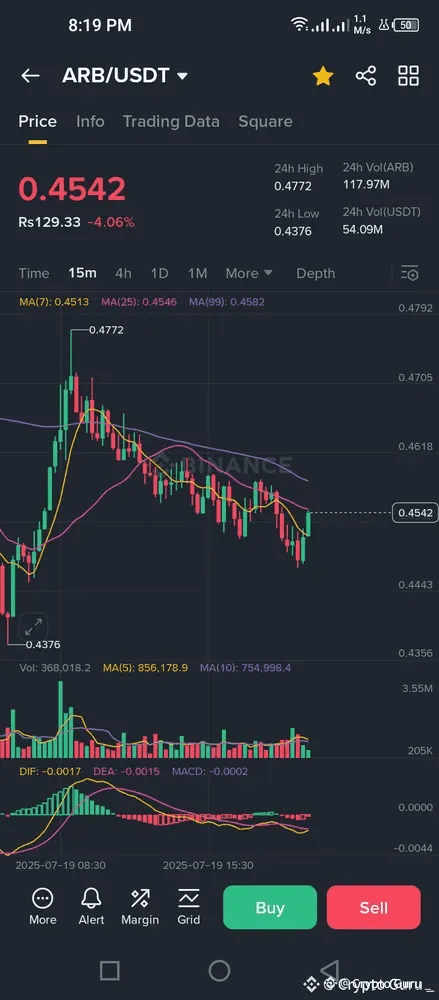
アービトラムは良い購入候補だと思います。
アービトラムは良い購入候補だと思います。

Blockchain-Insider
·
--
ブリッシュ$ARB は進行中です $1 🔥🔥🚀🚀
これは$ARB に関する内部ニュースです🔥🔥💥
ここをクリックして$ARB を購入
#CryptoMarket4T #GENIUSAct #BinanceHODLerERA #BTCWhaleTracker
これは$ARB に関する内部ニュースです🔥🔥💥
ここをクリックして$ARB を購入
#CryptoMarket4T #GENIUSAct #BinanceHODLerERA #BTCWhaleTracker
87
·
--
おめでとうございます。私の運も輝かせてくださいね、兄さん。 😁
おめでとうございます。私の運も輝かせてくださいね、兄さん。 😁

Crypto_king daily
·
--
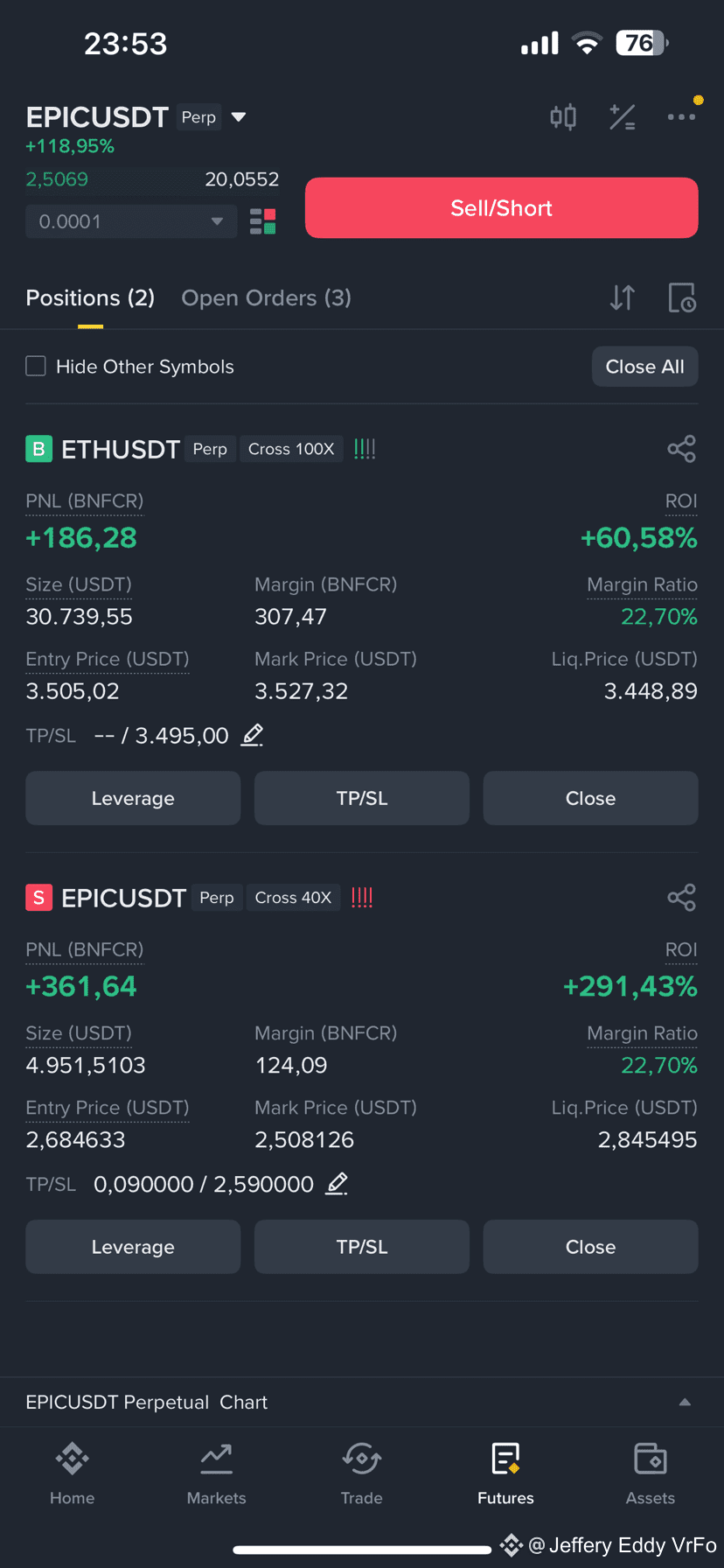
ブリッシュ今日は運がいい気がする 😀
#GENIUSAct #ETHBreakout3.5k
#GENIUSAct #ETHBreakout3.5k
·
--
素晴らしい
素晴らしい

Trynna
·
--
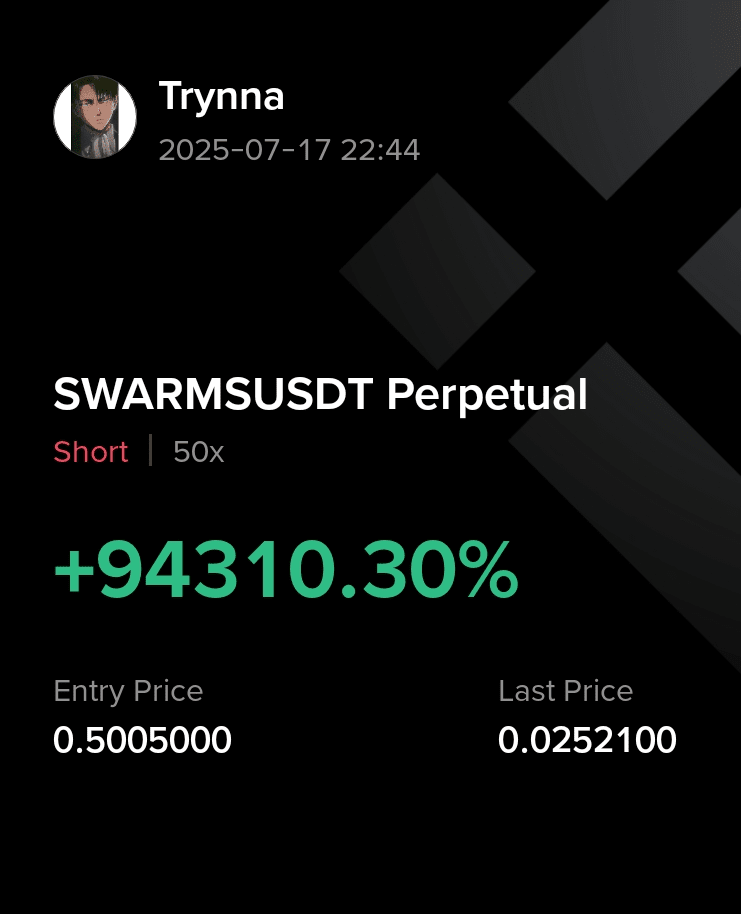
大きな利益にロックされています。❣️❣️❣️
利益を+75000%でストップロスを設定 😘
アルトコインは狂ったように動くので、利益を見逃すことはできません。🏆
#trynna #short
利益を+75000%でストップロスを設定 😘
アルトコインは狂ったように動くので、利益を見逃すことはできません。🏆
#trynna #short
2
·
--
#BinanceTurns8 すべての#BinanceTurns8 コインスター・サインを集めて、ボーナスBNB報酬を獲得するチャンス! https://www.binance.com/activity/binance-turns-8?ref=GRO_19600_64FWO
#BinanceTurns8 すべての#BinanceTurns8 コインスター・サインを集めて、ボーナスBNB報酬を獲得するチャンス! https://www.binance.com/activity/binance-turns-8?ref=GRO_19600_64FWO
3
·
--
#BinanceTurns8 私たちの#BinanceTurns8 祝賀イベントに参加して、最大888,888 BNBの賞品を獲得しよう! https://www.binance.com/activity/binance-turns-8?ref=GRO_19600_64FWO
#BinanceTurns8 私たちの#BinanceTurns8 祝賀イベントに参加して、最大888,888 BNBの賞品を獲得しよう! https://www.binance.com/activity/binance-turns-8?ref=GRO_19600_64FWO
1
·
--
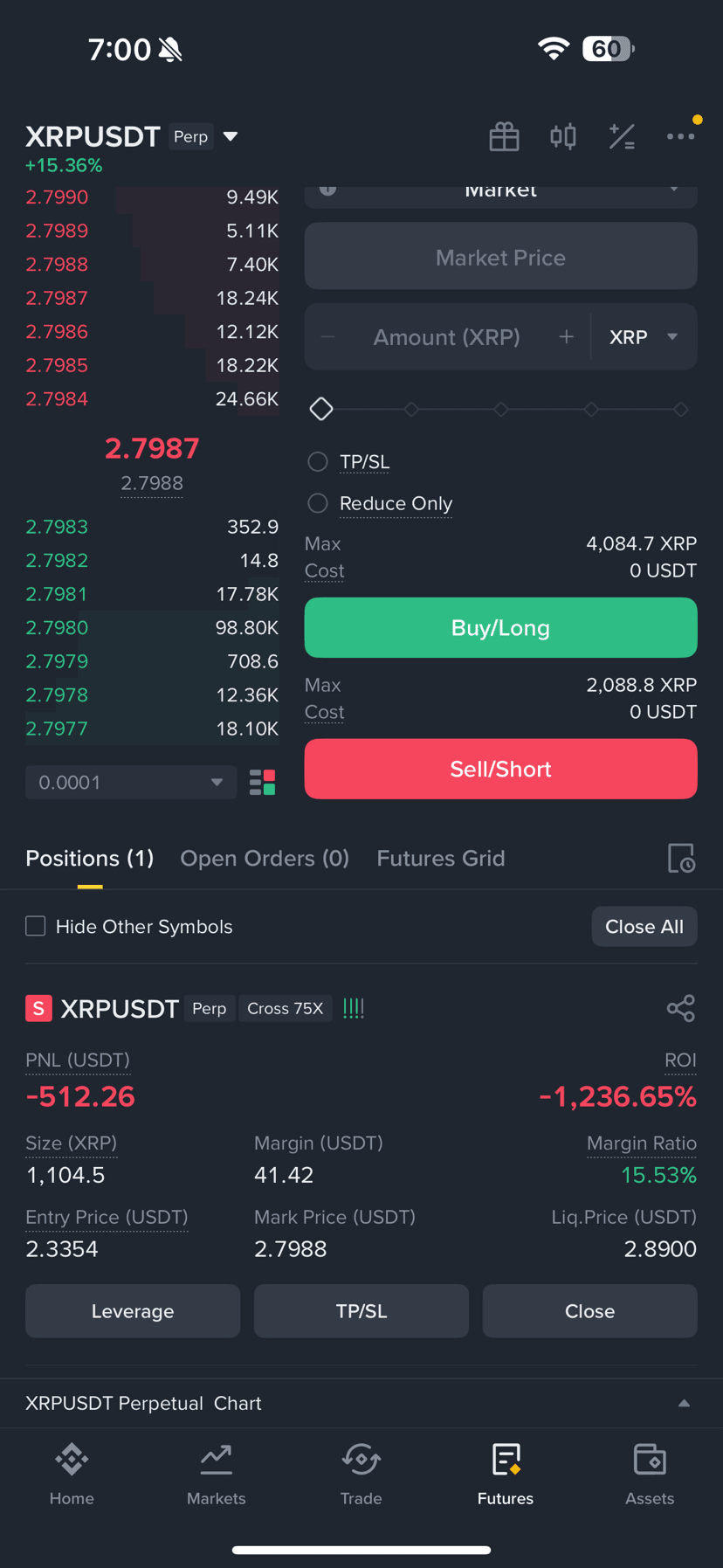
市場は一般的に上昇傾向です。それを開いたままにしておくべきかどうか、私にはわかりません。
市場は一般的に上昇傾向です。それを開いたままにしておくべきかどうか、私にはわかりません。

Zayyan Rayyan khan
·
--
もし誰かこの状況について情報を持っているなら、私に更新してください。ホールドするかクローズするかアドバイスをください。
1
2
·
--
今、ロング買いすべきでしょうか?まあ、どうやら、つまらない1週間にわたる市場の低迷のあと、市場は徐々に回復しつつあるようです。今、アルトをロングするタイミングでしょうか、それとももう少し待つべきでしょうか?
今、ロング買いすべきでしょうか?
まあ、どうやら、つまらない1週間にわたる市場の低迷のあと、市場は徐々に回復しつつあるようです。今、アルトをロングするタイミングでしょうか、それとももう少し待つべきでしょうか?
3
7
·
--
現実をぶつけてください。痛いかもしれませんが、ありがとうと言わなくてはなりません。
現実をぶつけてください。痛いかもしれませんが、ありがとうと言わなくてはなりません。

Ghost CAT
·
--
🚨🚨🚨 起きて、暗号家族! 🚨🚨🚨
おはよう、ソラナの戦士たちとアルトコインの夢見る人たち。音楽に向き合う時間です — 大きくはっきりと。
警告されました。5月のことです。
あなたは笑った。
バイナンスが投稿を埋めました。
でも今?チャートは嘘をつきません。
私たちは修正フェーズの深いところにいます。6月。7月。予想通り。 そして、何だと思いますか? *まだ*終わっていません。
うんうん、わかった —
「でもジャムブレッツ、BTCは10万ドルを超えている!」
クールな話。しかしビットコインが2%下落…そしてあなたの大切なアルトが20%の損失を出す。それが*本当の*市場です。💀
今夏のサウンドトラックは?
小さなBTCの下落 = 壊滅的なアルトコインの崩壊。
警告されました。5月のことです。
あなたは笑った。
バイナンスが投稿を埋めました。
でも今?チャートは嘘をつきません。
私たちは修正フェーズの深いところにいます。6月。7月。予想通り。 そして、何だと思いますか? *まだ*終わっていません。
うんうん、わかった —
「でもジャムブレッツ、BTCは10万ドルを超えている!」
クールな話。しかしビットコインが2%下落…そしてあなたの大切なアルトが20%の損失を出す。それが*本当の*市場です。💀
今夏のサウンドトラックは?
小さなBTCの下落 = 壊滅的なアルトコインの崩壊。

13
ログインして、さらにコンテンツを読む
厳選トピックで世界の暗号資産トレーダーの仲間入り
⚡️ 暗号資産に関する最新かつ有益な情報が見つかります。
💬 世界最大の暗号資産取引所から信頼されています。
👍 認証を受けたクリエイターから、有益なインサイトを得られます。
メール / 電話番号