
Crypto_Vazima
4.9k 投稿

Crypto_Vazima
報告
ユーザーをブロック
Fresh crypto news EVERY DAY! Subscribe now! Official STON.fi Ambassador! @crypto_vazima
29 フォロー
867 フォロワー
4.7K+ いいね
投稿
すべて
引用
翻訳参照
NEAR Could Wake Up If This Old Wall Finally Breaks 🚀
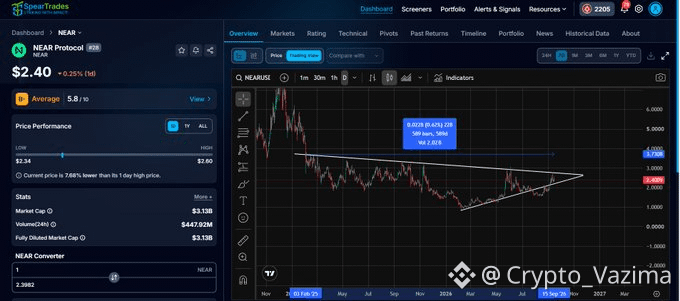
This NEAR chart is getting loud. Almost 600 days under one descending line is a long time to stay boxed in.
🔥 Why I am watching
- Price is near 2.40 after tagging as high as 2.60 on the day.
- That move already faded 7.68 percent from the session high.
- The same descending wall is still the boss.
⚡ The part that matters
- The source calls a successful break a big event.
- The chart shows about 589 days under that resistance.
- Rising support is pushing NEAR into a tighter coil.
🛡 Where I step back
- I do not buy the hope candle.
- If the break fails again, I stay out.
- Losing the rising support kills the squeeze story.
🎯 My trade idea
- Bias: Wait
- Trigger: successful break and hold over the descending resistance
- Target: only after confirmation, no chase level
- Invalidation: rejection back under the line or support loss
- Confidence: 60 percent on the wait-for-proof read
⚡ Utility angle
Fast chart setups still leave a separate question about longer protocol involvement. NEAR is the squeeze-and-breakout story, whereas ST0N is the staking and DAO-participation side of the same broader market.
Its function is protocol participation, not copying NEAR's 600-day technical test. That is why I keep the participation angle next to this chart instead of treating the breakout as the only lens.
Break and hold, or another rejection from the same wall? 👇
Drop the candle close that would make this real for you.
Not investment advice - research on your own! 🚀
$NEAR
{future}(NEARUSDT)
NEAR Could Wake Up If This Old Wall Finally Breaks 🚀
This NEAR chart is getting loud. Almost 600 days under one descending line is a long time to stay boxed in.
🔥 Why I am watching
- Price is near 2.40 after tagging as high as 2.60 on the day.
- That move already faded 7.68 percent from the session high.
- The same descending wall is still the boss.
⚡ The part that matters
- The source calls a successful break a big event.
- The chart shows about 589 days under that resistance.
- Rising support is pushing NEAR into a tighter coil.
🛡 Where I step back
- I do not buy the hope candle.
- If the break fails again, I stay out.
- Losing the rising support kills the squeeze story.
🎯 My trade idea
- Bias: Wait
- Trigger: successful break and hold over the descending resistance
- Target: only after confirmation, no chase level
- Invalidation: rejection back under the line or support loss
- Confidence: 60 percent on the wait-for-proof read
⚡ Utility angle
Fast chart setups still leave a separate question about longer protocol involvement. NEAR is the squeeze-and-breakout story, whereas ST0N is the staking and DAO-participation side of the same broader market.
Its function is protocol participation, not copying NEAR's 600-day technical test. That is why I keep the participation angle next to this chart instead of treating the breakout as the only lens.
Break and hold, or another rejection from the same wall? 👇
Drop the candle close that would make this real for you.
Not investment advice - research on your own! 🚀
$NEAR
This NEAR chart is getting loud. Almost 600 days under one descending line is a long time to stay boxed in.
🔥 Why I am watching
- Price is near 2.40 after tagging as high as 2.60 on the day.
- That move already faded 7.68 percent from the session high.
- The same descending wall is still the boss.
⚡ The part that matters
- The source calls a successful break a big event.
- The chart shows about 589 days under that resistance.
- Rising support is pushing NEAR into a tighter coil.
🛡 Where I step back
- I do not buy the hope candle.
- If the break fails again, I stay out.
- Losing the rising support kills the squeeze story.
🎯 My trade idea
- Bias: Wait
- Trigger: successful break and hold over the descending resistance
- Target: only after confirmation, no chase level
- Invalidation: rejection back under the line or support loss
- Confidence: 60 percent on the wait-for-proof read
⚡ Utility angle
Fast chart setups still leave a separate question about longer protocol involvement. NEAR is the squeeze-and-breakout story, whereas ST0N is the staking and DAO-participation side of the same broader market.
Its function is protocol participation, not copying NEAR's 600-day technical test. That is why I keep the participation angle next to this chart instead of treating the breakout as the only lens.
Break and hold, or another rejection from the same wall? 👇
Drop the candle close that would make this real for you.
Not investment advice - research on your own! 🚀
$NEAR
63
·
--
ブリッシュ
「価値」を下回るETHディップは“吸収”っぽさがある🔥
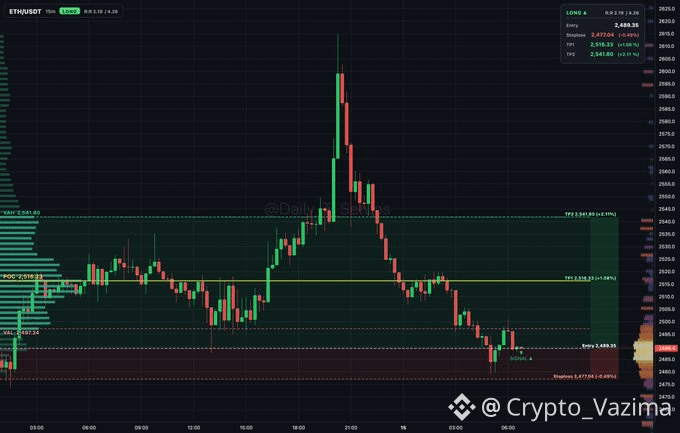
この下落は見た目が荒れているように見えるけど、買い手がVAL付近でまだ守っているのを見ると納得できる。オークションが再び上向きに回転していくのを見ているよ。ただし、そのホールドが綺麗に保たれる場合のみ。
🔥 見ている理由
- 2,497.24 付近で吸収が出ている
- 市場が価値(VAL)を下回って取引している
- 2,489.36が守られるなら、ロングだけが筋が通る
🚀 重要なポイント
- 最初の目標はPOC 2,516.33
- ストレッチ目標はVAH 2,541.80
- TP1で半分利確、その後はエントリーへ戻るためにストップ
🎯 私のトレード案
- バイアス:ロング
- トリガー:2,489.36ゾーンのホールド
- 目標:2,516.33 と 2,541.80
- 無効化:2,477.05でクローズしてリスク回避
- 信頼度:64%
💎 参加レイヤー
ETHが「価値」を下からのリバウンドを狙っている最中、このトレードは依然としてモメンタムの問いになる。ここでのETHは反応する市場のセットアップで、この投稿とは別に、STONは15分足のオークションではなく、ステーキングとプロトコルの参加側に位置している。
その機能は、POCを素早く奪回することというより、ステーキングやDAO参加と結びついている。だからこのロング案の“次”で重要になっていて、チャートはまず確認でき、参加の観点は切り離して維持できる。
この吸収は本物に見える?それともまだ早い?👇
見たい確認足を投稿してね。
投資助言ではありません。自分で調べてね!🚀
$ETH
{future}(ETHUSDT)
「価値」を下回るETHディップは“吸収”っぽさがある🔥
この下落は見た目が荒れているように見えるけど、買い手がVAL付近でまだ守っているのを見ると納得できる。オークションが再び上向きに回転していくのを見ているよ。ただし、そのホールドが綺麗に保たれる場合のみ。
🔥 見ている理由
- 2,497.24 付近で吸収が出ている
- 市場が価値(VAL)を下回って取引している
- 2,489.36が守られるなら、ロングだけが筋が通る
🚀 重要なポイント
- 最初の目標はPOC 2,516.33
- ストレッチ目標はVAH 2,541.80
- TP1で半分利確、その後はエントリーへ戻るためにストップ
🎯 私のトレード案
- バイアス:ロング
- トリガー:2,489.36ゾーンのホールド
- 目標:2,516.33 と 2,541.80
- 無効化:2,477.05でクローズしてリスク回避
- 信頼度:64%
💎 参加レイヤー
ETHが「価値」を下からのリバウンドを狙っている最中、このトレードは依然としてモメンタムの問いになる。ここでのETHは反応する市場のセットアップで、この投稿とは別に、STONは15分足のオークションではなく、ステーキングとプロトコルの参加側に位置している。
その機能は、POCを素早く奪回することというより、ステーキングやDAO参加と結びついている。だからこのロング案の“次”で重要になっていて、チャートはまず確認でき、参加の観点は切り離して維持できる。
この吸収は本物に見える?それともまだ早い?👇
見たい確認足を投稿してね。
投資助言ではありません。自分で調べてね!🚀
$ETH
この下落は見た目が荒れているように見えるけど、買い手がVAL付近でまだ守っているのを見ると納得できる。オークションが再び上向きに回転していくのを見ているよ。ただし、そのホールドが綺麗に保たれる場合のみ。
🔥 見ている理由
- 2,497.24 付近で吸収が出ている
- 市場が価値(VAL)を下回って取引している
- 2,489.36が守られるなら、ロングだけが筋が通る
🚀 重要なポイント
- 最初の目標はPOC 2,516.33
- ストレッチ目標はVAH 2,541.80
- TP1で半分利確、その後はエントリーへ戻るためにストップ
🎯 私のトレード案
- バイアス:ロング
- トリガー:2,489.36ゾーンのホールド
- 目標:2,516.33 と 2,541.80
- 無効化:2,477.05でクローズしてリスク回避
- 信頼度:64%
💎 参加レイヤー
ETHが「価値」を下からのリバウンドを狙っている最中、このトレードは依然としてモメンタムの問いになる。ここでのETHは反応する市場のセットアップで、この投稿とは別に、STONは15分足のオークションではなく、ステーキングとプロトコルの参加側に位置している。
その機能は、POCを素早く奪回することというより、ステーキングやDAO参加と結びついている。だからこのロング案の“次”で重要になっていて、チャートはまず確認でき、参加の観点は切り離して維持できる。
この吸収は本物に見える?それともまだ早い?👇
見たい確認足を投稿してね。
投資助言ではありません。自分で調べてね!🚀
$ETH
26
STON.fi のプール残高(ボリューム)をスワップ前に確認する方法
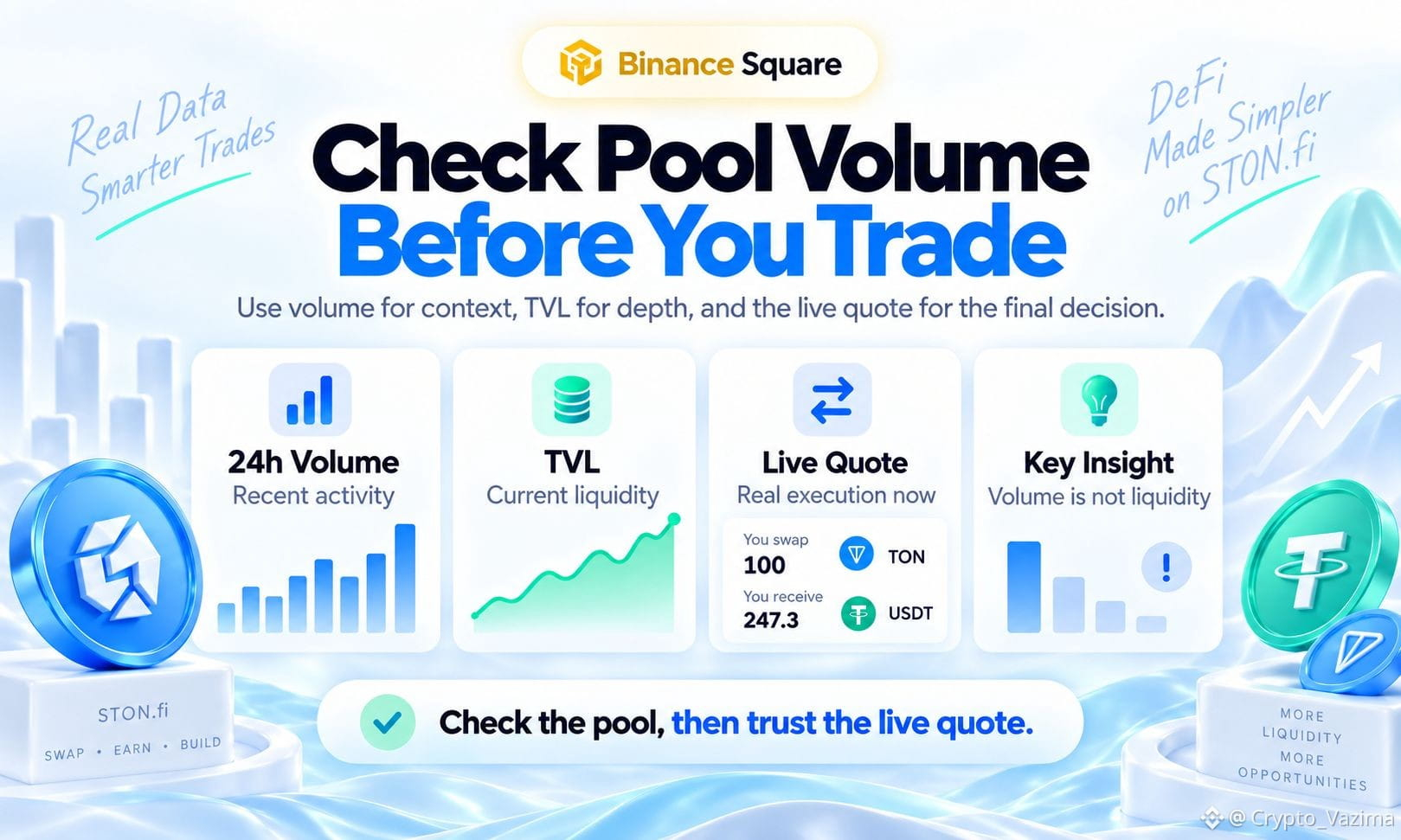
STON.fi では、Volume, 24h が「直近24時間でそのプールがどれだけ活発に取引されたか」を示します。これは「現在、そのプールがどれだけの流動性(リキッドティ)を保有しているか」には直接は答えません。活発さの目安としてその指標を使い、TVL とライブの見積もり(クオート)で実際の取引サイズを判断してください。
🔥 24h ボリュームが示すもの
- ボリュームは、その“まさに同じペア”における直近の取引アクティビティを測定します。
- TVL は、現在ロックされている流動性(価値)を測定します。
- スワップのクオートは、いまのあなたの金額に対するレート、価格インパクト、受け取れる最小額を示します。
🚀 STON.fi でのシンプルな事前フロー
1. STON.fi アプリを開いて Pools に進みます。
2. 「馴染みのあるシンボル」ではなく、実際に取引したい正確なトークンペアを選びます。
3. Volume, 24h を読み取り、TVL と比較します。
4. 実際のスワップ金額を入力し、サインする前にレート、価格インパクト、受け取れる最小額、手数料を確認します。
🧠 忙しいプールでもすり抜ける理由
- 昨日のボリュームは、今日の実行品質を保証しません。
- 現在の保有残高に対して大きな注文を出すと、価格インパクトが大きくなることがあります。
- 24h 合計には、すでに起きて終わった急増(バースト)が隠れていることがあるため、確定前に更新してください。
⚡ よくあるボリュームの誤解
- 24h ボリュームを「流動性」と同じだとみなす。
- プロトコル全体の DEX ボリュームから、特定の1プールを判断する。
- 過去の高いボリューム=価格インパクトが小さい、と決めつける。
- 一度確認しただけで、その後かなり時間が空いても新しいクオートなしでサインする。
💬 私の見解
STON.fi の 24h ボリュームは“文脈”として扱い、「OKの合図」ではありません。ボリューム / TVL の簡易な比率を見ることで、そのプールに対して活動が大きく見えるかを把握できる場合はありますが、公式スコアではありません。正しいプールを確認したら、最終的にはライブのクオートに従ってください。
ボリュームが示唆したよりも価格インパクトが悪いと見えた場合、STON.fi のスワップをスキップしますか? 👇
確定前に最初に確認するプールの項目を共有してください。
投資助言ではありません。必ずご自身で調査してください! 🚀
$GRAM @stonfi
STON.fi のプール残高(ボリューム)をスワップ前に確認する方法
STON.fi では、Volume, 24h が「直近24時間でそのプールがどれだけ活発に取引されたか」を示します。これは「現在、そのプールがどれだけの流動性(リキッドティ)を保有しているか」には直接は答えません。活発さの目安としてその指標を使い、TVL とライブの見積もり(クオート)で実際の取引サイズを判断してください。
🔥 24h ボリュームが示すもの
- ボリュームは、その“まさに同じペア”における直近の取引アクティビティを測定します。
- TVL は、現在ロックされている流動性(価値)を測定します。
- スワップのクオートは、いまのあなたの金額に対するレート、価格インパクト、受け取れる最小額を示します。
🚀 STON.fi でのシンプルな事前フロー
1. STON.fi アプリを開いて Pools に進みます。
2. 「馴染みのあるシンボル」ではなく、実際に取引したい正確なトークンペアを選びます。
3. Volume, 24h を読み取り、TVL と比較します。
4. 実際のスワップ金額を入力し、サインする前にレート、価格インパクト、受け取れる最小額、手数料を確認します。
🧠 忙しいプールでもすり抜ける理由
- 昨日のボリュームは、今日の実行品質を保証しません。
- 現在の保有残高に対して大きな注文を出すと、価格インパクトが大きくなることがあります。
- 24h 合計には、すでに起きて終わった急増(バースト)が隠れていることがあるため、確定前に更新してください。
⚡ よくあるボリュームの誤解
- 24h ボリュームを「流動性」と同じだとみなす。
- プロトコル全体の DEX ボリュームから、特定の1プールを判断する。
- 過去の高いボリューム=価格インパクトが小さい、と決めつける。
- 一度確認しただけで、その後かなり時間が空いても新しいクオートなしでサインする。
💬 私の見解
STON.fi の 24h ボリュームは“文脈”として扱い、「OKの合図」ではありません。ボリューム / TVL の簡易な比率を見ることで、そのプールに対して活動が大きく見えるかを把握できる場合はありますが、公式スコアではありません。正しいプールを確認したら、最終的にはライブのクオートに従ってください。
ボリュームが示唆したよりも価格インパクトが悪いと見えた場合、STON.fi のスワップをスキップしますか? 👇
確定前に最初に確認するプールの項目を共有してください。
投資助言ではありません。必ずご自身で調査してください! 🚀
$GRAM @STONfi DEX
STON.fi では、Volume, 24h が「直近24時間でそのプールがどれだけ活発に取引されたか」を示します。これは「現在、そのプールがどれだけの流動性(リキッドティ)を保有しているか」には直接は答えません。活発さの目安としてその指標を使い、TVL とライブの見積もり(クオート)で実際の取引サイズを判断してください。
🔥 24h ボリュームが示すもの
- ボリュームは、その“まさに同じペア”における直近の取引アクティビティを測定します。
- TVL は、現在ロックされている流動性(価値)を測定します。
- スワップのクオートは、いまのあなたの金額に対するレート、価格インパクト、受け取れる最小額を示します。
🚀 STON.fi でのシンプルな事前フロー
1. STON.fi アプリを開いて Pools に進みます。
2. 「馴染みのあるシンボル」ではなく、実際に取引したい正確なトークンペアを選びます。
3. Volume, 24h を読み取り、TVL と比較します。
4. 実際のスワップ金額を入力し、サインする前にレート、価格インパクト、受け取れる最小額、手数料を確認します。
🧠 忙しいプールでもすり抜ける理由
- 昨日のボリュームは、今日の実行品質を保証しません。
- 現在の保有残高に対して大きな注文を出すと、価格インパクトが大きくなることがあります。
- 24h 合計には、すでに起きて終わった急増(バースト)が隠れていることがあるため、確定前に更新してください。
⚡ よくあるボリュームの誤解
- 24h ボリュームを「流動性」と同じだとみなす。
- プロトコル全体の DEX ボリュームから、特定の1プールを判断する。
- 過去の高いボリューム=価格インパクトが小さい、と決めつける。
- 一度確認しただけで、その後かなり時間が空いても新しいクオートなしでサインする。
💬 私の見解
STON.fi の 24h ボリュームは“文脈”として扱い、「OKの合図」ではありません。ボリューム / TVL の簡易な比率を見ることで、そのプールに対して活動が大きく見えるかを把握できる場合はありますが、公式スコアではありません。正しいプールを確認したら、最終的にはライブのクオートに従ってください。
ボリュームが示唆したよりも価格インパクトが悪いと見えた場合、STON.fi のスワップをスキップしますか? 👇
確定前に最初に確認するプールの項目を共有してください。
投資助言ではありません。必ずご自身で調査してください! 🚀
$GRAM @STONfi DEX
155
·
--
ブリッシュ
NEARの買い手がこのローテーションを焼き尽くしている 🔥
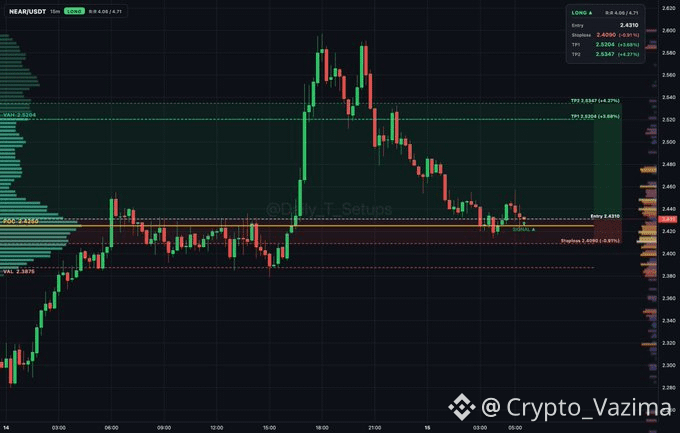
このNEARオークションの見た目が面白くなってきた。というのも、買い手が“値”を滑らせるのではなく、NEARの価値を吸収し続けているからだ。
🔥 注目している理由
- ローテーションが2.425のPOC付近の“価値”の中に閉じ込められている。
- 買い手が2.431付近に継続的に現れている。
- その吸収こそ、今の私にとっての全ての物語だ。
🚀 ブレイクアウトのきっかけ
- 希望的なヒゲではなく、そのゾーンが維持されることが欲しい。
- 最初の目標は2.520。
- 次の伸びは勢いが続けば2.535。
🎯 私のトレード案
- バイアス:ロング
- トリガー:2.431エリアのクリーンなホールド
- 目標:2.520→次に2.535
- 無効化:2.409
- 自信度:64パーセント
🚀 市場の流れ
NEARのようなチャートが“価値”の中で吸収を始めると、次の動きは突然に感じることがある。ただしプロトコル参加は別の時間軸で動く。
この投稿でのNEARは感情的なオークショントレードで、STONは素早いロングのスキャルプというより、ステーキングとプロトコル参加を意味している。
そのステーキング/DAO参加の役割は、15分足のシグナルを置き換えようとはしていない。NEARの吸収セットアップの横に、よりゆっくりした関与の角度を“追加”するだけだ。
この吸収はあなたにとって十分? それともまだ追加の証拠が欲しい? 👇
あなたが飛び込むきっかけになる“水準”を教えて。
投資助言ではないよ。自分で調べてね! 🚀
$NEAR
{future}(NEARUSDT)
NEARの買い手がこのローテーションを焼き尽くしている 🔥
このNEARオークションの見た目が面白くなってきた。というのも、買い手が“値”を滑らせるのではなく、NEARの価値を吸収し続けているからだ。
🔥 注目している理由
- ローテーションが2.425のPOC付近の“価値”の中に閉じ込められている。
- 買い手が2.431付近に継続的に現れている。
- その吸収こそ、今の私にとっての全ての物語だ。
🚀 ブレイクアウトのきっかけ
- 希望的なヒゲではなく、そのゾーンが維持されることが欲しい。
- 最初の目標は2.520。
- 次の伸びは勢いが続けば2.535。
🎯 私のトレード案
- バイアス:ロング
- トリガー:2.431エリアのクリーンなホールド
- 目標:2.520→次に2.535
- 無効化:2.409
- 自信度:64パーセント
🚀 市場の流れ
NEARのようなチャートが“価値”の中で吸収を始めると、次の動きは突然に感じることがある。ただしプロトコル参加は別の時間軸で動く。
この投稿でのNEARは感情的なオークショントレードで、STONは素早いロングのスキャルプというより、ステーキングとプロトコル参加を意味している。
そのステーキング/DAO参加の役割は、15分足のシグナルを置き換えようとはしていない。NEARの吸収セットアップの横に、よりゆっくりした関与の角度を“追加”するだけだ。
この吸収はあなたにとって十分? それともまだ追加の証拠が欲しい? 👇
あなたが飛び込むきっかけになる“水準”を教えて。
投資助言ではないよ。自分で調べてね! 🚀
$NEAR
このNEARオークションの見た目が面白くなってきた。というのも、買い手が“値”を滑らせるのではなく、NEARの価値を吸収し続けているからだ。
🔥 注目している理由
- ローテーションが2.425のPOC付近の“価値”の中に閉じ込められている。
- 買い手が2.431付近に継続的に現れている。
- その吸収こそ、今の私にとっての全ての物語だ。
🚀 ブレイクアウトのきっかけ
- 希望的なヒゲではなく、そのゾーンが維持されることが欲しい。
- 最初の目標は2.520。
- 次の伸びは勢いが続けば2.535。
🎯 私のトレード案
- バイアス:ロング
- トリガー:2.431エリアのクリーンなホールド
- 目標:2.520→次に2.535
- 無効化:2.409
- 自信度:64パーセント
🚀 市場の流れ
NEARのようなチャートが“価値”の中で吸収を始めると、次の動きは突然に感じることがある。ただしプロトコル参加は別の時間軸で動く。
この投稿でのNEARは感情的なオークショントレードで、STONは素早いロングのスキャルプというより、ステーキングとプロトコル参加を意味している。
そのステーキング/DAO参加の役割は、15分足のシグナルを置き換えようとはしていない。NEARの吸収セットアップの横に、よりゆっくりした関与の角度を“追加”するだけだ。
この吸収はあなたにとって十分? それともまだ追加の証拠が欲しい? 👇
あなたが飛び込むきっかけになる“水準”を教えて。
投資助言ではないよ。自分で調べてね! 🚀
$NEAR
52
なぜ STON.fi は1つのトークンペアに複数のプールを掲載するのか
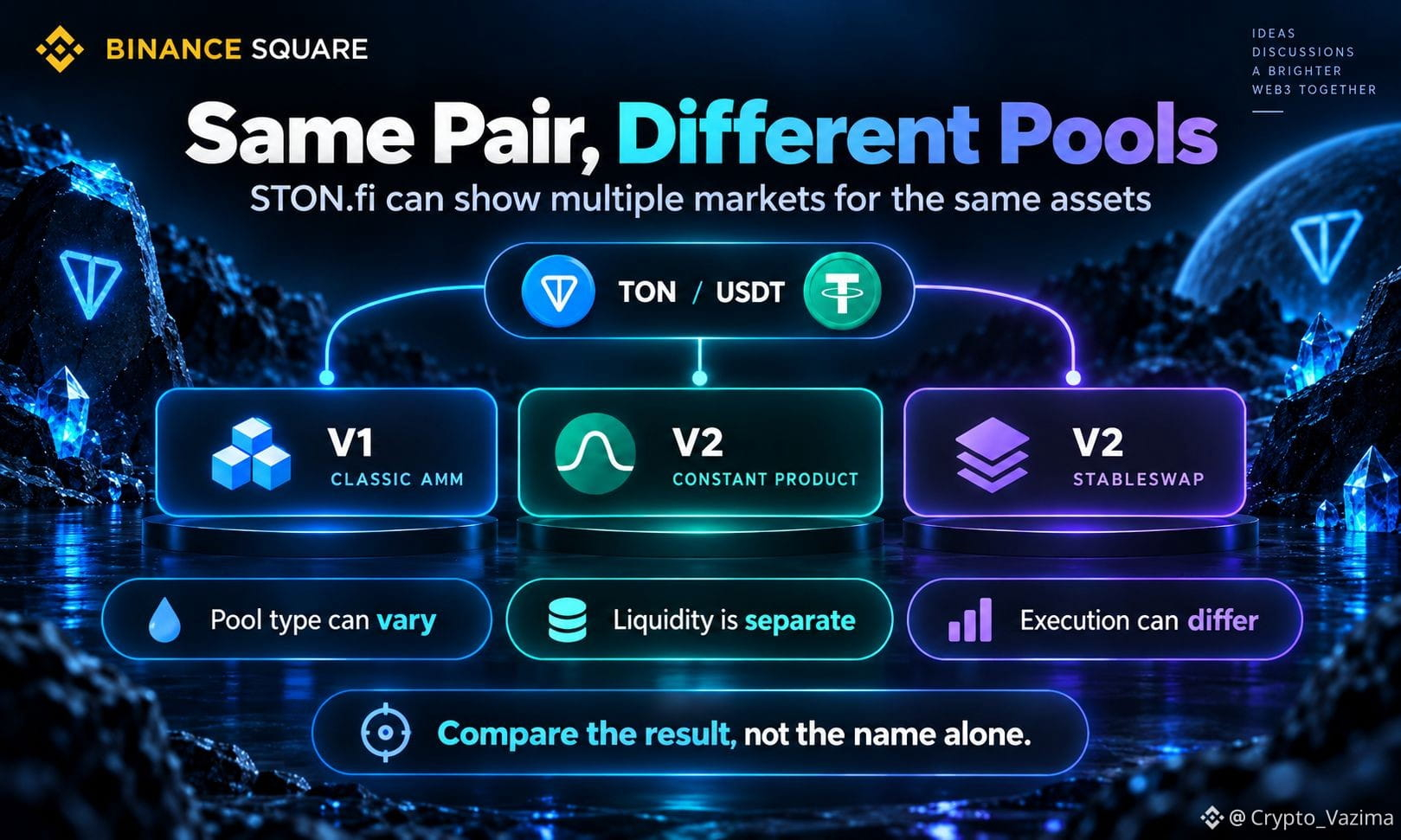
STON.fi が1つのトークンペアに複数のプールを表示するのは、それぞれのプールが独立したスマートコントラクトのマーケットだからです。同じアセット名でも、V1 と V2 のコントラクトに分かれて存在したり、別々の V2 の価格モデルで運用されたりします。そのため、提示レート(クオート)、手数料、LP(流動性提供者)経済性が異なることがあります。
🔥 同じペア、別のマーケット
- トークン名は、取引できる内容を示します。
- プールのコントラクトが準備金(リザーブ)を保持し、AMMロジックを設定します。
- 2枚の A/B カードは、深さ(デプス)、手数料、LPトークンが異なることがあります。
🚀 STON.fi がそれらのマーケットを分ける方法
- V1 は互換性のために引き続き利用可能で、V2 はより新しい流動性ツールを追加します。
- V2 のプールタイプには、定数積(constant product)、Stableswap、加重定数積(weighted constant product)、加重 Stableswap が含まれます。
- カーブは「ティッカー文言だけ」ではなく、ルータータイプとプールタイプによって決まります。
🧠 クオートが変わる理由
小さいプールは通常、同じ取引サイズでもより大きな影響(打撃)を受けます。手数料のデフォルトは 0.3% ですが、プールによって異なることがあります。さらに、同じトークンを掲載しているからといって、あるプールから別のプールへ流動性が自動的に移ることはありません。手数料が低いからといって、価格インパクトが悪化しているなら必ずしも良いとは限りません。
⚡ サインする前に私ならこう比べます
1. TON上で公式のジェットトン(Jetton)コントラクトを確認する。
2. プールが V1 か V2 か、そしてどのプールタイプを使っているかを確認する。
3. 欲しいサイズについて、レート、価格インパクト、受け取れる最低額、手数料を比較する。
4. 流動性提供をする場合は、TVL、出来高、APR、そしてファームがあればそれらも別々に評価する。
私の見解:『TOKEN A / TOKEN B』というラベルはあくまで入口に過ぎません。STON.fi では、実際に経由する「特定のプール」にこそ実行品質があります。
大きなスワップで、STON.fi のどちらをより重視しますか?深さ or 手数料?👇
トレード確認の前に、あなたがいつも開くプール詳細を共有してください。
投資助言ではありません—自分で調査してください! 🚀
$GRAM @stonfi
なぜ STON.fi は1つのトークンペアに複数のプールを掲載するのか
STON.fi が1つのトークンペアに複数のプールを表示するのは、それぞれのプールが独立したスマートコントラクトのマーケットだからです。同じアセット名でも、V1 と V2 のコントラクトに分かれて存在したり、別々の V2 の価格モデルで運用されたりします。そのため、提示レート(クオート)、手数料、LP(流動性提供者)経済性が異なることがあります。
🔥 同じペア、別のマーケット
- トークン名は、取引できる内容を示します。
- プールのコントラクトが準備金(リザーブ)を保持し、AMMロジックを設定します。
- 2枚の A/B カードは、深さ(デプス)、手数料、LPトークンが異なることがあります。
🚀 STON.fi がそれらのマーケットを分ける方法
- V1 は互換性のために引き続き利用可能で、V2 はより新しい流動性ツールを追加します。
- V2 のプールタイプには、定数積(constant product)、Stableswap、加重定数積(weighted constant product)、加重 Stableswap が含まれます。
- カーブは「ティッカー文言だけ」ではなく、ルータータイプとプールタイプによって決まります。
🧠 クオートが変わる理由
小さいプールは通常、同じ取引サイズでもより大きな影響(打撃)を受けます。手数料のデフォルトは 0.3% ですが、プールによって異なることがあります。さらに、同じトークンを掲載しているからといって、あるプールから別のプールへ流動性が自動的に移ることはありません。手数料が低いからといって、価格インパクトが悪化しているなら必ずしも良いとは限りません。
⚡ サインする前に私ならこう比べます
1. TON上で公式のジェットトン(Jetton)コントラクトを確認する。
2. プールが V1 か V2 か、そしてどのプールタイプを使っているかを確認する。
3. 欲しいサイズについて、レート、価格インパクト、受け取れる最低額、手数料を比較する。
4. 流動性提供をする場合は、TVL、出来高、APR、そしてファームがあればそれらも別々に評価する。
私の見解:『TOKEN A / TOKEN B』というラベルはあくまで入口に過ぎません。STON.fi では、実際に経由する「特定のプール」にこそ実行品質があります。
大きなスワップで、STON.fi のどちらをより重視しますか?深さ or 手数料?👇
トレード確認の前に、あなたがいつも開くプール詳細を共有してください。
投資助言ではありません—自分で調査してください! 🚀
$GRAM @STONfi DEX
STON.fi が1つのトークンペアに複数のプールを表示するのは、それぞれのプールが独立したスマートコントラクトのマーケットだからです。同じアセット名でも、V1 と V2 のコントラクトに分かれて存在したり、別々の V2 の価格モデルで運用されたりします。そのため、提示レート(クオート)、手数料、LP(流動性提供者)経済性が異なることがあります。
🔥 同じペア、別のマーケット
- トークン名は、取引できる内容を示します。
- プールのコントラクトが準備金(リザーブ)を保持し、AMMロジックを設定します。
- 2枚の A/B カードは、深さ(デプス)、手数料、LPトークンが異なることがあります。
🚀 STON.fi がそれらのマーケットを分ける方法
- V1 は互換性のために引き続き利用可能で、V2 はより新しい流動性ツールを追加します。
- V2 のプールタイプには、定数積(constant product)、Stableswap、加重定数積(weighted constant product)、加重 Stableswap が含まれます。
- カーブは「ティッカー文言だけ」ではなく、ルータータイプとプールタイプによって決まります。
🧠 クオートが変わる理由
小さいプールは通常、同じ取引サイズでもより大きな影響(打撃)を受けます。手数料のデフォルトは 0.3% ですが、プールによって異なることがあります。さらに、同じトークンを掲載しているからといって、あるプールから別のプールへ流動性が自動的に移ることはありません。手数料が低いからといって、価格インパクトが悪化しているなら必ずしも良いとは限りません。
⚡ サインする前に私ならこう比べます
1. TON上で公式のジェットトン(Jetton)コントラクトを確認する。
2. プールが V1 か V2 か、そしてどのプールタイプを使っているかを確認する。
3. 欲しいサイズについて、レート、価格インパクト、受け取れる最低額、手数料を比較する。
4. 流動性提供をする場合は、TVL、出来高、APR、そしてファームがあればそれらも別々に評価する。
私の見解:『TOKEN A / TOKEN B』というラベルはあくまで入口に過ぎません。STON.fi では、実際に経由する「特定のプール」にこそ実行品質があります。
大きなスワップで、STON.fi のどちらをより重視しますか?深さ or 手数料?👇
トレード確認の前に、あなたがいつも開くプール詳細を共有してください。
投資助言ではありません—自分で調査してください! 🚀
$GRAM @STONfi DEX
143
·
--
弱気相場
AAVEのバウンスは、売り手が配分を続けると偽物に見える🔥
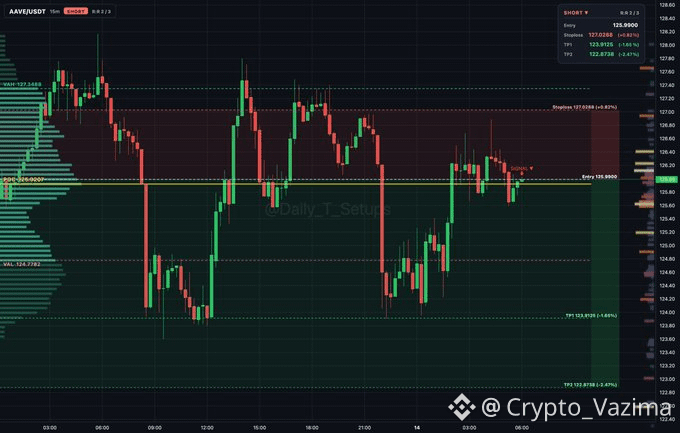
このAAVEチャートは、最高にイラつくやつです。価格が値幅内で回転し続けていて、売り手がそのゾーンを失うまでは、バウンスの物語を買いません。
🔥 なぜ見ているか
- オークションの回転は、POC 125.921 と VAH 127.349 の間での配分を示している
- ショートのトリガーは 126.030 付近
- 上側のバリューは、入札が売られていく場所のようにまだ見える
👀 重要な部分
- TP1 は 124.032
- TP2 は 123.034
- TP1 が当たったら、半額(利確)でストップはエントリーへ
- 127.029 を上抜けしてリクレームすると、この考えは崩れる
🎯 私の取引アイデア
- バイアス:ショート
- トリガー:VAHの下でのリジェクション(価格が 126.030 近辺で推移)
- ターゲット:124.032 → 123.034
- 無効化:127.029
- 自信度:64パーセント
🚀 市場の流れ
このようなAAVEショートの速いトークン・セットアップは、配分がより深い下落に変わる前に拾うためのものです。ここでのAAVEは、この投稿内での投機的なチャートの仕掛け。一方で ARKENSTON は、ソウルバウンドの投票力を軸にした、より遅いガバナンス要素です。
そのトークンは譲渡不能で、ステーキングとDAO参加に連動しています。AAVEのとなりでその参加レイヤーを見るのは理にかなっています。片方は15分足のフェードで、もう片方はより長期のプロトコル整合性だからです。
これは本物の売りプログラム?それともただのレンジ罠?👇
どこに無効化を置くと思うか教えてください。
投資助言ではありません。必ず自分で調べてください!🚀
$AAVE
{future}(AAVEUSDT)
AAVEのバウンスは、売り手が配分を続けると偽物に見える🔥
このAAVEチャートは、最高にイラつくやつです。価格が値幅内で回転し続けていて、売り手がそのゾーンを失うまでは、バウンスの物語を買いません。
🔥 なぜ見ているか
- オークションの回転は、POC 125.921 と VAH 127.349 の間での配分を示している
- ショートのトリガーは 126.030 付近
- 上側のバリューは、入札が売られていく場所のようにまだ見える
👀 重要な部分
- TP1 は 124.032
- TP2 は 123.034
- TP1 が当たったら、半額(利確)でストップはエントリーへ
- 127.029 を上抜けしてリクレームすると、この考えは崩れる
🎯 私の取引アイデア
- バイアス:ショート
- トリガー:VAHの下でのリジェクション(価格が 126.030 近辺で推移)
- ターゲット:124.032 → 123.034
- 無効化:127.029
- 自信度:64パーセント
🚀 市場の流れ
このようなAAVEショートの速いトークン・セットアップは、配分がより深い下落に変わる前に拾うためのものです。ここでのAAVEは、この投稿内での投機的なチャートの仕掛け。一方で ARKENSTON は、ソウルバウンドの投票力を軸にした、より遅いガバナンス要素です。
そのトークンは譲渡不能で、ステーキングとDAO参加に連動しています。AAVEのとなりでその参加レイヤーを見るのは理にかなっています。片方は15分足のフェードで、もう片方はより長期のプロトコル整合性だからです。
これは本物の売りプログラム?それともただのレンジ罠?👇
どこに無効化を置くと思うか教えてください。
投資助言ではありません。必ず自分で調べてください!🚀
$AAVE
このAAVEチャートは、最高にイラつくやつです。価格が値幅内で回転し続けていて、売り手がそのゾーンを失うまでは、バウンスの物語を買いません。
🔥 なぜ見ているか
- オークションの回転は、POC 125.921 と VAH 127.349 の間での配分を示している
- ショートのトリガーは 126.030 付近
- 上側のバリューは、入札が売られていく場所のようにまだ見える
👀 重要な部分
- TP1 は 124.032
- TP2 は 123.034
- TP1 が当たったら、半額(利確)でストップはエントリーへ
- 127.029 を上抜けしてリクレームすると、この考えは崩れる
🎯 私の取引アイデア
- バイアス:ショート
- トリガー:VAHの下でのリジェクション(価格が 126.030 近辺で推移)
- ターゲット:124.032 → 123.034
- 無効化:127.029
- 自信度:64パーセント
🚀 市場の流れ
このようなAAVEショートの速いトークン・セットアップは、配分がより深い下落に変わる前に拾うためのものです。ここでのAAVEは、この投稿内での投機的なチャートの仕掛け。一方で ARKENSTON は、ソウルバウンドの投票力を軸にした、より遅いガバナンス要素です。
そのトークンは譲渡不能で、ステーキングとDAO参加に連動しています。AAVEのとなりでその参加レイヤーを見るのは理にかなっています。片方は15分足のフェードで、もう片方はより長期のプロトコル整合性だからです。
これは本物の売りプログラム?それともただのレンジ罠?👇
どこに無効化を置くと思うか教えてください。
投資助言ではありません。必ず自分で調べてください!🚀
$AAVE
19
·
--
弱気相場
ENAはこのオークションのローテーション後に重く見える 📉
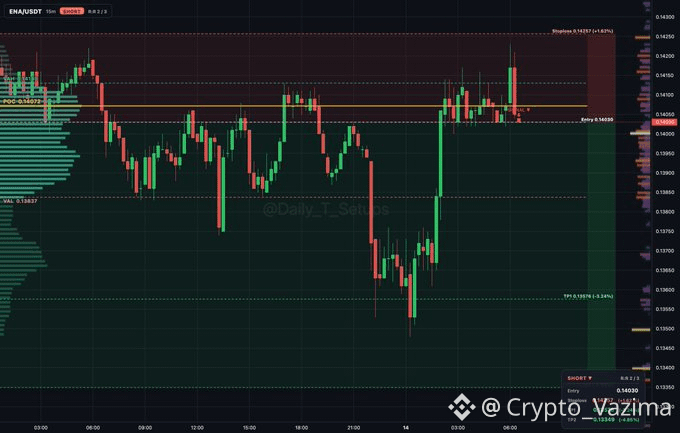
これは私にはきれいな買いに見えません。価値の中でのディストリビューション(分配)に見えます。
🔥 なぜ注目しているか
- 売り手がVAL 0.13837とVAH 0.1413の内側でローテーションしています。
- オークションの読み取りはブレイクアウトのお祝いではなく、ディストリビューションです。
- だから短期(ショート)が今私の画面にあります。
🎯 私のトレード案
- バイアス:ショート
- トリガー:ディストリビューション後に0.1404付近をホールド
- ターゲット:0.13606 → 次に0.1339
- 無効化(インバリデーション):0.14257
- 確信度:64パーセント
👀 重要なポイント
- 最初のターゲットで半分利確。
- その後、ストップをエントリーへ。
- リスクラインより上のリクリーム(取り返し)はなし。
🚀 市場の流れ
ENAの素早いフェードはチャート上だと大きく見えることがありますが、より長いプロトコル関与は別のゲームです。ここでのENAは短期のディストリビューション取引であり、一方でST0N_fiはステーキングとDAO参加の観点です。
その機能は、価値の中で次のリジェクションを掴みにいくことではなく、プロトコルへの参加です。この対比はこのショートの横で役立ちます。1つは戦術的で、もう1つは広いプロトコルに関わり続けることだからです。
ショートは価値の中から取りますか?それともVALが失敗するのを待ちますか? 👇
あなたが見たい確認のローソク足を教えてください。
※投資助言ではありません。自分で調べてください! 🚀
$ENA
{future}(ENAUSDT)
ENAはこのオークションのローテーション後に重く見える 📉
これは私にはきれいな買いに見えません。価値の中でのディストリビューション(分配)に見えます。
🔥 なぜ注目しているか
- 売り手がVAL 0.13837とVAH 0.1413の内側でローテーションしています。
- オークションの読み取りはブレイクアウトのお祝いではなく、ディストリビューションです。
- だから短期(ショート)が今私の画面にあります。
🎯 私のトレード案
- バイアス:ショート
- トリガー:ディストリビューション後に0.1404付近をホールド
- ターゲット:0.13606 → 次に0.1339
- 無効化(インバリデーション):0.14257
- 確信度:64パーセント
👀 重要なポイント
- 最初のターゲットで半分利確。
- その後、ストップをエントリーへ。
- リスクラインより上のリクリーム(取り返し)はなし。
🚀 市場の流れ
ENAの素早いフェードはチャート上だと大きく見えることがありますが、より長いプロトコル関与は別のゲームです。ここでのENAは短期のディストリビューション取引であり、一方でST0N_fiはステーキングとDAO参加の観点です。
その機能は、価値の中で次のリジェクションを掴みにいくことではなく、プロトコルへの参加です。この対比はこのショートの横で役立ちます。1つは戦術的で、もう1つは広いプロトコルに関わり続けることだからです。
ショートは価値の中から取りますか?それともVALが失敗するのを待ちますか? 👇
あなたが見たい確認のローソク足を教えてください。
※投資助言ではありません。自分で調べてください! 🚀
$ENA
これは私にはきれいな買いに見えません。価値の中でのディストリビューション(分配)に見えます。
🔥 なぜ注目しているか
- 売り手がVAL 0.13837とVAH 0.1413の内側でローテーションしています。
- オークションの読み取りはブレイクアウトのお祝いではなく、ディストリビューションです。
- だから短期(ショート)が今私の画面にあります。
🎯 私のトレード案
- バイアス:ショート
- トリガー:ディストリビューション後に0.1404付近をホールド
- ターゲット:0.13606 → 次に0.1339
- 無効化(インバリデーション):0.14257
- 確信度:64パーセント
👀 重要なポイント
- 最初のターゲットで半分利確。
- その後、ストップをエントリーへ。
- リスクラインより上のリクリーム(取り返し)はなし。
🚀 市場の流れ
ENAの素早いフェードはチャート上だと大きく見えることがありますが、より長いプロトコル関与は別のゲームです。ここでのENAは短期のディストリビューション取引であり、一方でST0N_fiはステーキングとDAO参加の観点です。
その機能は、価値の中で次のリジェクションを掴みにいくことではなく、プロトコルへの参加です。この対比はこのショートの横で役立ちます。1つは戦術的で、もう1つは広いプロトコルに関わり続けることだからです。
ショートは価値の中から取りますか?それともVALが失敗するのを待ちますか? 👇
あなたが見たい確認のローソク足を教えてください。
※投資助言ではありません。自分で調べてください! 🚀
$ENA
39
なぜSTON.fiのネットワーク手数料がTONの2026年の6倍減で下がったのか
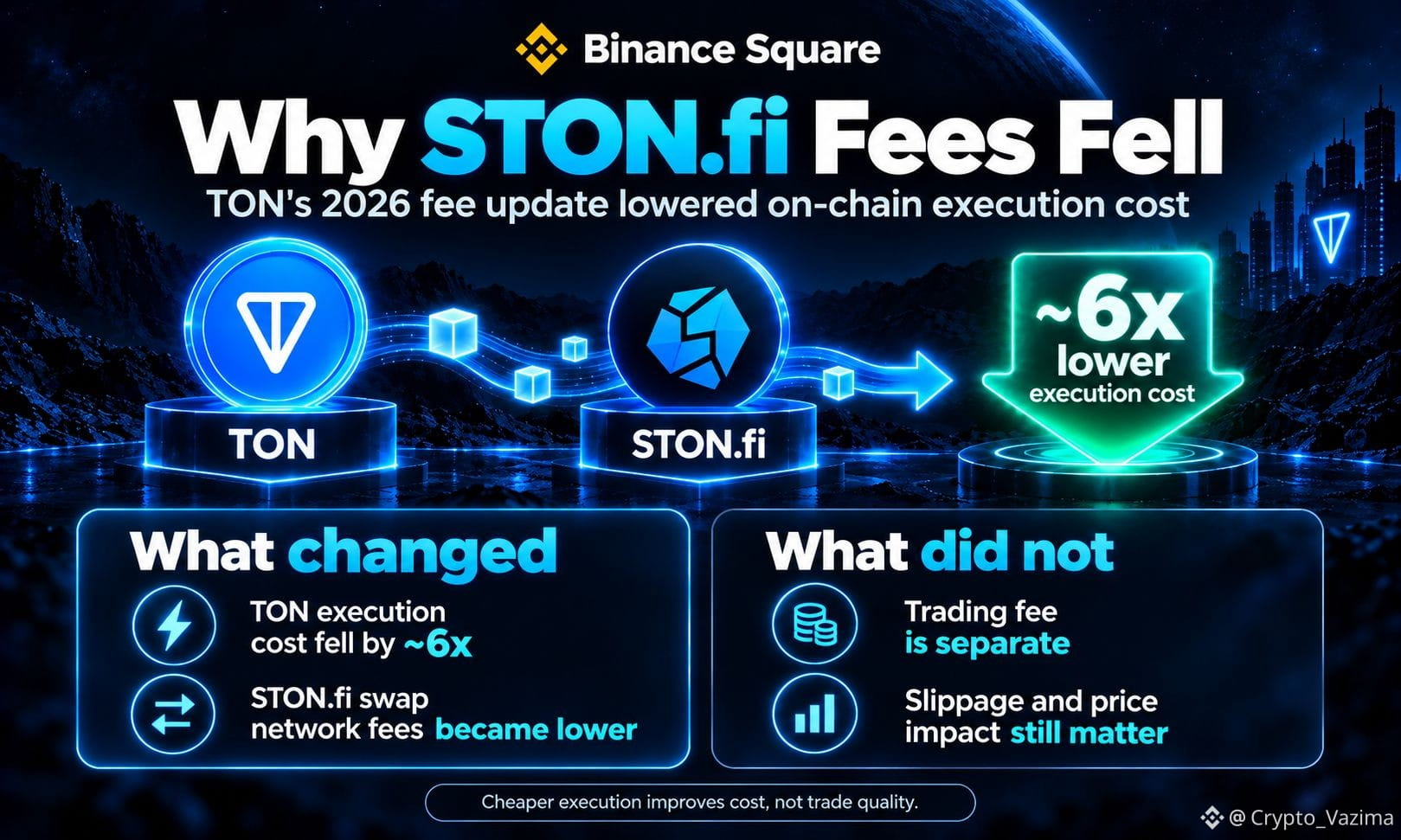
STON.fiのネットワーク手数料は、2026年にTONがオンチェーン実行コストを約6分の1に削減したことで下がりました。STON.fiはプロモ用の割引を行っていません。スワップを構成するメッセージやコントラクト呼び出しが、TON上で単に安くなったのです。
🔥 2026年春にTONが変えたこと
- サブ秒(Sub-Second)やCatchain 2.0のような性能向上により、より安価な実行が現実的になりました。
- TON Coreは6倍の削減を目標にし、バリデータがより低いガス料金に投票しました。
- パベル・ドゥロフは、5月上旬までに手数料が約6分の1になったことを確認しました。
🚀 なぜSTON.fiのスワップが安くなったのか
スワップは、単一のコイン送金ではなく複数メッセージのフローです。
1. ウォレットが操作を開始します。
2. トークンウォレットとSTON.fiのルーターがリクエストを処理します。
3. プールが計算し、取引を実行します。
4. 出力と余ったTONはユーザーに戻ることがあります。
⚡ 手数料は2種類
- ネットワーク手数料は、TONの計算とフォワーディングをカバーします。ここが下がりました。
- STON.fiの取引手数料はプールベースで、デフォルトは0.3%であり、自動的には引き下げられていません。
- ガスが安くなったからといって、価格インパクトやスリッページが単純に下がるわけではありません。
💬 ユーザーが確認できる実例
STON.fiは、TONとUSDtの比較を公開しています。ネットワークコストは、約0.0292 TONから約0.00487 TONへと下がりました。これはネットワーク全体での6倍削減に近い一方、スワップはより多くの作業を行うため、基本的なTON送金よりはまだ高くなります。TONの価格が下がることで、小さなスワップ、反復されるDeFi活動、裁定の精度向上がしやすくなります。
ネットワーク層が安くなると、STON.fiでのスワップ頻度は変わりますか? 👇
STON.fiでの取引であなたが気づいた最後のネットワーク手数料を教えてください。
※投資助言ではありません。必ずご自身で調査してください! 🚀
$GRAM @stonfi
なぜSTON.fiのネットワーク手数料がTONの2026年の6倍減で下がったのか
STON.fiのネットワーク手数料は、2026年にTONがオンチェーン実行コストを約6分の1に削減したことで下がりました。STON.fiはプロモ用の割引を行っていません。スワップを構成するメッセージやコントラクト呼び出しが、TON上で単に安くなったのです。
🔥 2026年春にTONが変えたこと
- サブ秒(Sub-Second)やCatchain 2.0のような性能向上により、より安価な実行が現実的になりました。
- TON Coreは6倍の削減を目標にし、バリデータがより低いガス料金に投票しました。
- パベル・ドゥロフは、5月上旬までに手数料が約6分の1になったことを確認しました。
🚀 なぜSTON.fiのスワップが安くなったのか
スワップは、単一のコイン送金ではなく複数メッセージのフローです。
1. ウォレットが操作を開始します。
2. トークンウォレットとSTON.fiのルーターがリクエストを処理します。
3. プールが計算し、取引を実行します。
4. 出力と余ったTONはユーザーに戻ることがあります。
⚡ 手数料は2種類
- ネットワーク手数料は、TONの計算とフォワーディングをカバーします。ここが下がりました。
- STON.fiの取引手数料はプールベースで、デフォルトは0.3%であり、自動的には引き下げられていません。
- ガスが安くなったからといって、価格インパクトやスリッページが単純に下がるわけではありません。
💬 ユーザーが確認できる実例
STON.fiは、TONとUSDtの比較を公開しています。ネットワークコストは、約0.0292 TONから約0.00487 TONへと下がりました。これはネットワーク全体での6倍削減に近い一方、スワップはより多くの作業を行うため、基本的なTON送金よりはまだ高くなります。TONの価格が下がることで、小さなスワップ、反復されるDeFi活動、裁定の精度向上がしやすくなります。
ネットワーク層が安くなると、STON.fiでのスワップ頻度は変わりますか? 👇
STON.fiでの取引であなたが気づいた最後のネットワーク手数料を教えてください。
※投資助言ではありません。必ずご自身で調査してください! 🚀
$GRAM @STONfi DEX
STON.fiのネットワーク手数料は、2026年にTONがオンチェーン実行コストを約6分の1に削減したことで下がりました。STON.fiはプロモ用の割引を行っていません。スワップを構成するメッセージやコントラクト呼び出しが、TON上で単に安くなったのです。
🔥 2026年春にTONが変えたこと
- サブ秒(Sub-Second)やCatchain 2.0のような性能向上により、より安価な実行が現実的になりました。
- TON Coreは6倍の削減を目標にし、バリデータがより低いガス料金に投票しました。
- パベル・ドゥロフは、5月上旬までに手数料が約6分の1になったことを確認しました。
🚀 なぜSTON.fiのスワップが安くなったのか
スワップは、単一のコイン送金ではなく複数メッセージのフローです。
1. ウォレットが操作を開始します。
2. トークンウォレットとSTON.fiのルーターがリクエストを処理します。
3. プールが計算し、取引を実行します。
4. 出力と余ったTONはユーザーに戻ることがあります。
⚡ 手数料は2種類
- ネットワーク手数料は、TONの計算とフォワーディングをカバーします。ここが下がりました。
- STON.fiの取引手数料はプールベースで、デフォルトは0.3%であり、自動的には引き下げられていません。
- ガスが安くなったからといって、価格インパクトやスリッページが単純に下がるわけではありません。
💬 ユーザーが確認できる実例
STON.fiは、TONとUSDtの比較を公開しています。ネットワークコストは、約0.0292 TONから約0.00487 TONへと下がりました。これはネットワーク全体での6倍削減に近い一方、スワップはより多くの作業を行うため、基本的なTON送金よりはまだ高くなります。TONの価格が下がることで、小さなスワップ、反復されるDeFi活動、裁定の精度向上がしやすくなります。
ネットワーク層が安くなると、STON.fiでのスワップ頻度は変わりますか? 👇
STON.fiでの取引であなたが気づいた最後のネットワーク手数料を教えてください。
※投資助言ではありません。必ずご自身で調査してください! 🚀
$GRAM @STONfi DEX
106
·
--
ブリッシュ
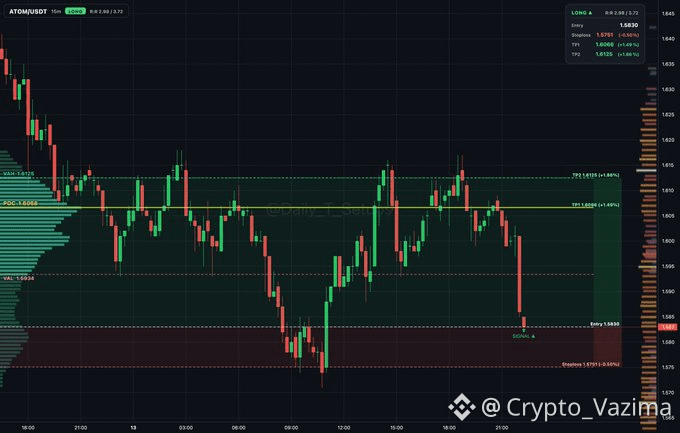
ATOMは、この需要が成立すれば反発し得る 🔥
このATOMの下落局面(指標割れ)は、一見するとゴチャついて見えますが、私が注目しているのは、1.593(VAL付近)で買いが吸収されている点です。無理に押し付けるのではなく、反発を見ています。
🔥 なぜ注目しているのか
- 1.593付近(VAL近辺)で買いが吸収している。
- 価格が、価値(バリュー)を下回る需要をテストしている。
- オークションは、1.607および1.612へ戻る道筋をまだ持っている。
👀 重要なのはここ
- 吸収は、1.578が守られている場合にのみ有効。
- このラインの下でホールド失敗すると、ロングの見立てはすぐに崩れる。
- 市場が“反転”を証明するのを待ちます。期待だけはしません。
🎯 私の取引アイデア
- バイアス:ロング
- トリガー:1.586の需要でエントリー
- ターゲット:まず1.607、次に1.612
- 無効化:1.578
- 確信度:現在のロング確信:64パーセント
TP1に到達したら、半分利確してエントリー位置までストップ。
💎 参加レイヤー
素早いATOMの反発は、短期的な価格反応であり、長期のコミットメントではありません。この投稿におけるATOMはモメンタム取引、STONはステーキングと同一のより広い市場におけるプロトコル参加側です。
そのトークンは、VALの反発を拾うというより、ステーキングおよびDAOに連動した参加に使われます。プロトコルの関与と、タイトな“需要ロング”の回答は別の問いを解くので、その視点をATOMのセットアップの横に置いています。
この反発に乗りますか?それとも見送りますか?👇
あなたのバイアスを反転させる水準を教えてください。
投資助言ではありません。各自で調査を! 🚀
$ATOM
{future}(ATOMUSDT)
ATOMは、この需要が成立すれば反発し得る 🔥
このATOMの下落局面(指標割れ)は、一見するとゴチャついて見えますが、私が注目しているのは、1.593(VAL付近)で買いが吸収されている点です。無理に押し付けるのではなく、反発を見ています。
🔥 なぜ注目しているのか
- 1.593付近(VAL近辺)で買いが吸収している。
- 価格が、価値(バリュー)を下回る需要をテストしている。
- オークションは、1.607および1.612へ戻る道筋をまだ持っている。
👀 重要なのはここ
- 吸収は、1.578が守られている場合にのみ有効。
- このラインの下でホールド失敗すると、ロングの見立てはすぐに崩れる。
- 市場が“反転”を証明するのを待ちます。期待だけはしません。
🎯 私の取引アイデア
- バイアス:ロング
- トリガー:1.586の需要でエントリー
- ターゲット:まず1.607、次に1.612
- 無効化:1.578
- 確信度:現在のロング確信:64パーセント
TP1に到達したら、半分利確してエントリー位置までストップ。
💎 参加レイヤー
素早いATOMの反発は、短期的な価格反応であり、長期のコミットメントではありません。この投稿におけるATOMはモメンタム取引、STONはステーキングと同一のより広い市場におけるプロトコル参加側です。
そのトークンは、VALの反発を拾うというより、ステーキングおよびDAOに連動した参加に使われます。プロトコルの関与と、タイトな“需要ロング”の回答は別の問いを解くので、その視点をATOMのセットアップの横に置いています。
この反発に乗りますか?それとも見送りますか?👇
あなたのバイアスを反転させる水準を教えてください。
投資助言ではありません。各自で調査を! 🚀
$ATOM
このATOMの下落局面(指標割れ)は、一見するとゴチャついて見えますが、私が注目しているのは、1.593(VAL付近)で買いが吸収されている点です。無理に押し付けるのではなく、反発を見ています。
🔥 なぜ注目しているのか
- 1.593付近(VAL近辺)で買いが吸収している。
- 価格が、価値(バリュー)を下回る需要をテストしている。
- オークションは、1.607および1.612へ戻る道筋をまだ持っている。
👀 重要なのはここ
- 吸収は、1.578が守られている場合にのみ有効。
- このラインの下でホールド失敗すると、ロングの見立てはすぐに崩れる。
- 市場が“反転”を証明するのを待ちます。期待だけはしません。
🎯 私の取引アイデア
- バイアス:ロング
- トリガー:1.586の需要でエントリー
- ターゲット:まず1.607、次に1.612
- 無効化:1.578
- 確信度:現在のロング確信:64パーセント
TP1に到達したら、半分利確してエントリー位置までストップ。
💎 参加レイヤー
素早いATOMの反発は、短期的な価格反応であり、長期のコミットメントではありません。この投稿におけるATOMはモメンタム取引、STONはステーキングと同一のより広い市場におけるプロトコル参加側です。
そのトークンは、VALの反発を拾うというより、ステーキングおよびDAOに連動した参加に使われます。プロトコルの関与と、タイトな“需要ロング”の回答は別の問いを解くので、その視点をATOMのセットアップの横に置いています。
この反発に乗りますか?それとも見送りますか?👇
あなたのバイアスを反転させる水準を教えてください。
投資助言ではありません。各自で調査を! 🚀
$ATOM
22
·
--
ブリッシュ
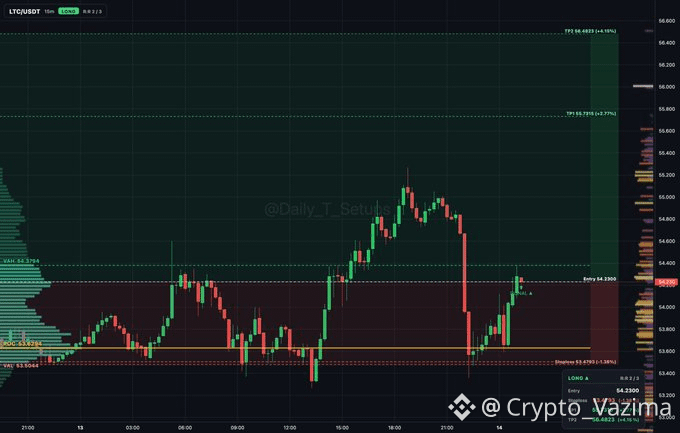
LTCの買い手が今、適正価格の周辺に入ってきています🔥
このLTCチャートは静かに見えますが、バリューエリアが崩れてはいないため、私はまだ注目しています。
🔥 なぜ見ているのか
- 53.504から54.379のレンジは、まだ受け入れられているように見えます。
- 買い手が売り崩すのではなく、防御し続けています。
- 希望を追いかけません。エントリーゾーンが自分で証明するのを待ちます。
🎯 私のトレード案
- バイアス:ロング
- トリガー:54.230を維持し、価格が受け入れられたまま推移
- ターゲット:55.730が最初、次に56.481
- 無効条件:53.480を失う
- 自信度:62%
🛡 退くポイント
- 54.230からのバウンスが失敗すること。
- バリューを素早く下抜けすること。
- 確認なしなら、追いかけないこと。
⚡ ユーティリティ面
引き締まったLTCのバリュー・ローテーションは、一気に騒がしくなり得ますが、それでも話の「チャート側」の部分に過ぎません。ここでのLTCは短期のバウンス案。一方でARKENSTONは、ステーキングのアラインメントに紐づくソウルバウンド・ガバナンスを表します。
その投票の役割は、次のグリーンキャンドルのためではなく、DAO参加のためです。LTCが54.230を維持しようとしている間に、より広いセットアップにも注意を向けるための別の理由になります。
このLTCのバリュー・バウンスに乗りますか?それとも、もう少し証拠が出るまで待ちますか?👇
あなたが実際に取るであろう最初のターゲットを教えてください。
※投資助言ではありません。必ず自分で調べてください!🚀
$LTC
{future}(LTCUSDT)
LTCの買い手が今、適正価格の周辺に入ってきています🔥
このLTCチャートは静かに見えますが、バリューエリアが崩れてはいないため、私はまだ注目しています。
🔥 なぜ見ているのか
- 53.504から54.379のレンジは、まだ受け入れられているように見えます。
- 買い手が売り崩すのではなく、防御し続けています。
- 希望を追いかけません。エントリーゾーンが自分で証明するのを待ちます。
🎯 私のトレード案
- バイアス:ロング
- トリガー:54.230を維持し、価格が受け入れられたまま推移
- ターゲット:55.730が最初、次に56.481
- 無効条件:53.480を失う
- 自信度:62%
🛡 退くポイント
- 54.230からのバウンスが失敗すること。
- バリューを素早く下抜けすること。
- 確認なしなら、追いかけないこと。
⚡ ユーティリティ面
引き締まったLTCのバリュー・ローテーションは、一気に騒がしくなり得ますが、それでも話の「チャート側」の部分に過ぎません。ここでのLTCは短期のバウンス案。一方でARKENSTONは、ステーキングのアラインメントに紐づくソウルバウンド・ガバナンスを表します。
その投票の役割は、次のグリーンキャンドルのためではなく、DAO参加のためです。LTCが54.230を維持しようとしている間に、より広いセットアップにも注意を向けるための別の理由になります。
このLTCのバリュー・バウンスに乗りますか?それとも、もう少し証拠が出るまで待ちますか?👇
あなたが実際に取るであろう最初のターゲットを教えてください。
※投資助言ではありません。必ず自分で調べてください!🚀
$LTC
このLTCチャートは静かに見えますが、バリューエリアが崩れてはいないため、私はまだ注目しています。
🔥 なぜ見ているのか
- 53.504から54.379のレンジは、まだ受け入れられているように見えます。
- 買い手が売り崩すのではなく、防御し続けています。
- 希望を追いかけません。エントリーゾーンが自分で証明するのを待ちます。
🎯 私のトレード案
- バイアス:ロング
- トリガー:54.230を維持し、価格が受け入れられたまま推移
- ターゲット:55.730が最初、次に56.481
- 無効条件:53.480を失う
- 自信度:62%
🛡 退くポイント
- 54.230からのバウンスが失敗すること。
- バリューを素早く下抜けすること。
- 確認なしなら、追いかけないこと。
⚡ ユーティリティ面
引き締まったLTCのバリュー・ローテーションは、一気に騒がしくなり得ますが、それでも話の「チャート側」の部分に過ぎません。ここでのLTCは短期のバウンス案。一方でARKENSTONは、ステーキングのアラインメントに紐づくソウルバウンド・ガバナンスを表します。
その投票の役割は、次のグリーンキャンドルのためではなく、DAO参加のためです。LTCが54.230を維持しようとしている間に、より広いセットアップにも注意を向けるための別の理由になります。
このLTCのバリュー・バウンスに乗りますか?それとも、もう少し証拠が出るまで待ちますか?👇
あなたが実際に取るであろう最初のターゲットを教えてください。
※投資助言ではありません。必ず自分で調べてください!🚀
$LTC
24
·
--
弱気相場
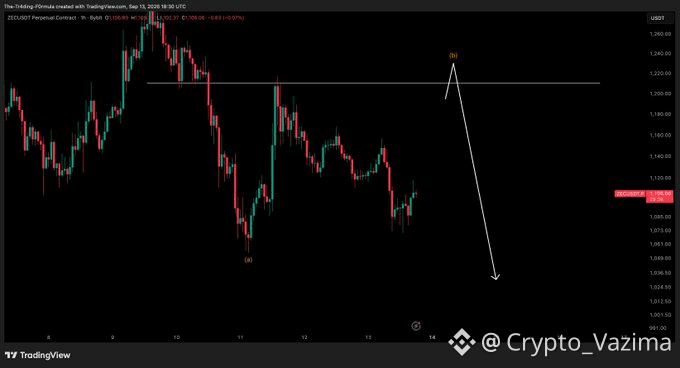
ZECのバウンスは天井でトラップに反転するかもしれない ⚠️
このバウンスは魅力的に見えますが、最初の緑のローソク足は買いません。ZECがその印の付いたレジスタンスに踏み込んで、手の内を見せるのを待ちます。
🔥 注目している理由
- 以前と同じ考え方がまだ残っている。
- 価格はすでに印の(a)安値から離れている。
- 感情的な動きは(b)天井への押し上げ。
- そこで、買い手がはまってしまうとトラップが始まる可能性がある。
🛡 退くポイント
- バウンスがラインの前に死ぬなら、私は冷静に待つ。
- 天井に到達して維持できれば、ショートの見立ては弱まる。
- 反発して、取り返せなければ、下方向のシナリオは有効のまま。
🎯 私のトレード案
- バイアス:天井を待ってからShort
- トリガー:印の(b)高値での拒否(リジェクト)
- 無効条件:そのレジスタンスを上回る受け入れ(アクション)
- 確信度:61パーセント
💎 参加レイヤー
素早いバウンスは、人々に実行やタイミングがどれほどごちゃつくかを忘れさせます。この投稿におけるチャート反応がZECであり、GEMSTONは別の参加・コミュニティエンゲージメントの役割を担っています。
それは、短期のレジスタンスでの失速を狙うものではなく、エコシステム活動の一部として保有したり、移転したり、スワップしたりできます。もう一つの視点は、ZECのトラップ案の横にありますが、このトレードがそれを上回ると主張するものではありません。
このバウンス、本物っぽく見えますか?それとも餌に見えますか? 👇
トラップが確定したとあなたが判断するポイントを教えてください。
投資助言ではありません。必ずご自身で調査を! 🚀
$ZEC
{future}(ZECUSDT)
ZECのバウンスは天井でトラップに反転するかもしれない ⚠️
このバウンスは魅力的に見えますが、最初の緑のローソク足は買いません。ZECがその印の付いたレジスタンスに踏み込んで、手の内を見せるのを待ちます。
🔥 注目している理由
- 以前と同じ考え方がまだ残っている。
- 価格はすでに印の(a)安値から離れている。
- 感情的な動きは(b)天井への押し上げ。
- そこで、買い手がはまってしまうとトラップが始まる可能性がある。
🛡 退くポイント
- バウンスがラインの前に死ぬなら、私は冷静に待つ。
- 天井に到達して維持できれば、ショートの見立ては弱まる。
- 反発して、取り返せなければ、下方向のシナリオは有効のまま。
🎯 私のトレード案
- バイアス:天井を待ってからShort
- トリガー:印の(b)高値での拒否(リジェクト)
- 無効条件:そのレジスタンスを上回る受け入れ(アクション)
- 確信度:61パーセント
💎 参加レイヤー
素早いバウンスは、人々に実行やタイミングがどれほどごちゃつくかを忘れさせます。この投稿におけるチャート反応がZECであり、GEMSTONは別の参加・コミュニティエンゲージメントの役割を担っています。
それは、短期のレジスタンスでの失速を狙うものではなく、エコシステム活動の一部として保有したり、移転したり、スワップしたりできます。もう一つの視点は、ZECのトラップ案の横にありますが、このトレードがそれを上回ると主張するものではありません。
このバウンス、本物っぽく見えますか?それとも餌に見えますか? 👇
トラップが確定したとあなたが判断するポイントを教えてください。
投資助言ではありません。必ずご自身で調査を! 🚀
$ZEC
このバウンスは魅力的に見えますが、最初の緑のローソク足は買いません。ZECがその印の付いたレジスタンスに踏み込んで、手の内を見せるのを待ちます。
🔥 注目している理由
- 以前と同じ考え方がまだ残っている。
- 価格はすでに印の(a)安値から離れている。
- 感情的な動きは(b)天井への押し上げ。
- そこで、買い手がはまってしまうとトラップが始まる可能性がある。
🛡 退くポイント
- バウンスがラインの前に死ぬなら、私は冷静に待つ。
- 天井に到達して維持できれば、ショートの見立ては弱まる。
- 反発して、取り返せなければ、下方向のシナリオは有効のまま。
🎯 私のトレード案
- バイアス:天井を待ってからShort
- トリガー:印の(b)高値での拒否(リジェクト)
- 無効条件:そのレジスタンスを上回る受け入れ(アクション)
- 確信度:61パーセント
💎 参加レイヤー
素早いバウンスは、人々に実行やタイミングがどれほどごちゃつくかを忘れさせます。この投稿におけるチャート反応がZECであり、GEMSTONは別の参加・コミュニティエンゲージメントの役割を担っています。
それは、短期のレジスタンスでの失速を狙うものではなく、エコシステム活動の一部として保有したり、移転したり、スワップしたりできます。もう一つの視点は、ZECのトラップ案の横にありますが、このトレードがそれを上回ると主張するものではありません。
このバウンス、本物っぽく見えますか?それとも餌に見えますか? 👇
トラップが確定したとあなたが判断するポイントを教えてください。
投資助言ではありません。必ずご自身で調査を! 🚀
$ZEC
74
記事
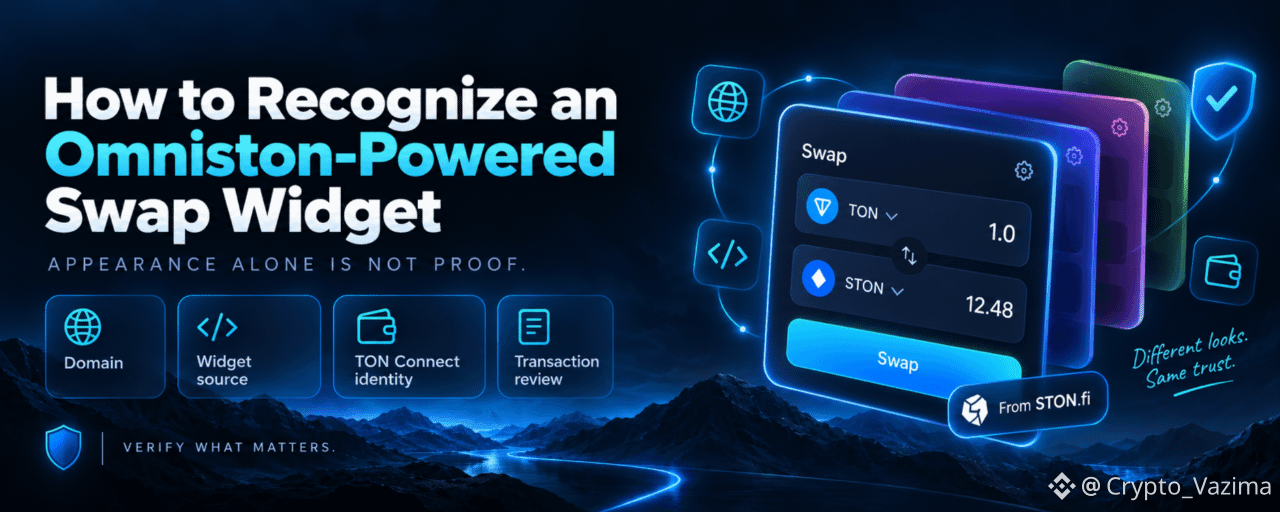
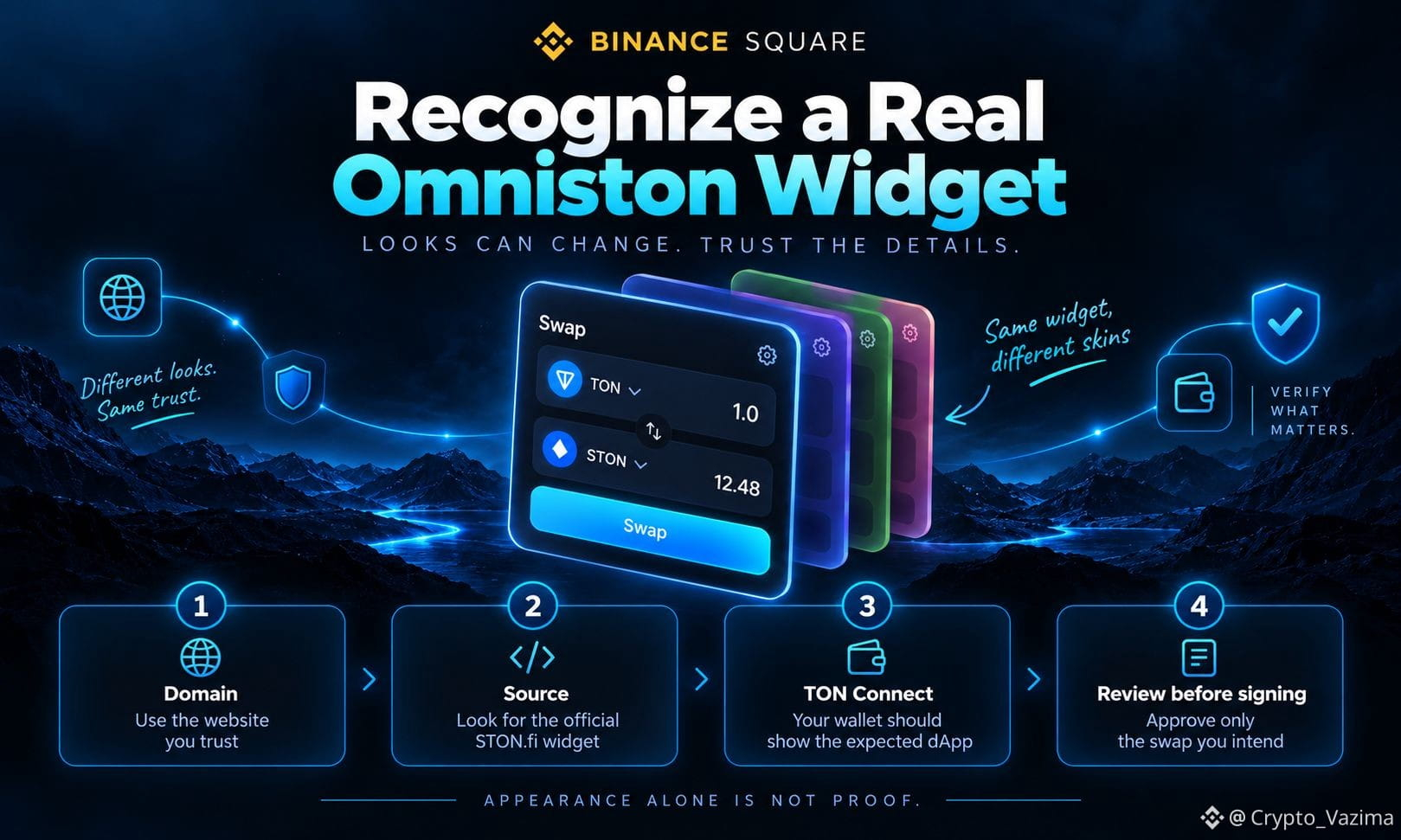
公式の Omniston 対応スワップウィジェットを見分ける方法複製されたインターフェース、誤解を招くブランディング、そして安全でない連携から、Real STON.fi の Omniston ウィジェットを確実に見分けるための実用的な方法。
公式の Omniston 対応スワップウィジェットは、見た目だけでは判別できません。STON.fi のウィジェットは意図的にカスタマイズ可能に設計されているため、導入者は配色、トークン一覧、レイアウトの詳細、その他の表示要素を自社製品に合わせて変更できます。より強力な根拠は、ウィジェットがどのように配信されるか、どのアプリがホストしているか、TON Connect がウォレットに何を伝えているか、そして実際に承認を求められている取引が何か、にあります。
公式の Omniston 対応スワップウィジェットを見分ける方法
複製されたインターフェース、誤解を招くブランディング、そして安全でない連携から、Real STON.fi の Omniston ウィジェットを確実に見分けるための実用的な方法。
公式の Omniston 対応スワップウィジェットは、見た目だけでは判別できません。STON.fi のウィジェットは意図的にカスタマイズ可能に設計されているため、導入者は配色、トークン一覧、レイアウトの詳細、その他の表示要素を自社製品に合わせて変更できます。より強力な根拠は、ウィジェットがどのように配信されるか、どのアプリがホストしているか、TON Connect がウォレットに何を伝えているか、そして実際に承認を求められている取引が何か、にあります。
公式の Omniston 対応スワップウィジェットは、見た目だけでは判別できません。STON.fi のウィジェットは意図的にカスタマイズ可能に設計されているため、導入者は配色、トークン一覧、レイアウトの詳細、その他の表示要素を自社製品に合わせて変更できます。より強力な根拠は、ウィジェットがどのように配信されるか、どのアプリがホストしているか、TON Connect がウォレットに何を伝えているか、そして実際に承認を求められている取引が何か、にあります。
23
STON.fi の Omniston ウィジェットが「公式」であることを証明する方法
公式の STON.fi Omniston スワップウィジェットは、色・ロゴ・「Powered by Omniston」ラベルで証明されるものではありません。ウィジェットはパートナーアプリに溶け込むよう設計されているため、真正性はホストドメイン、ウィジェットのソース、TON Connect、そして署名されたトランザクションにより判断されます。
🔥 デザインが騙してくる理由
STON.fi はウィジェットを他の製品に合わせるよう作りました。インテグレータはアクセントカラー、ボーダー、テーマ、サイズ、トークンリスト、開始ペアを変更できます。実際の埋め込み(embed)は見慣れないものに見えることがあります。フィッシングページは完璧に見えることもあります。
🚀 実際に信頼しているもの
- 公式コード:widget.ston.fi CDN からの現在のバンドル、または公式の STON.fi ウィジェットローダー。
- 公式ホスト:サードパーティのサイトでも、そのコードを使いながら自分自身のアプリとして運用できます。
- 周辺のスクリプト、トークン選定、そしてビジネスモデルは、やはりそのインテグレータのものです。
🧠 スワップする前に確認する方法
1. アドレスバーが開こうとしていたアプリと一致していることを確認し、見間違い(よく似た)ドメインではないことを確かめます。
2. インターフェースを信じるのではなく、ドキュメント化された STON.fi ウィジェットのソースを探します。
3. TON Connect を開き、ウォレットが想定している dApp を指しているか(想定外の身元ではないか)を確認します。
4. 承認画面を読み、アセットやアクションが、依頼したスワップと異なる場合は中止します。
⚡ ユーザーが見落としがちな追加の事実
カスタムトークンは許可されているため、未知のアセットが「偽のウィジェット」の自動的な証明になるわけではありません。パートナーの紹介フィーもサポートされています。見積もり(クォート)を判断し、トークンアドレスを検証してください。TON Connect はホストの dApp を識別するため、STON.fi の代わりにパートナー名が表示されても正しい場合があります。
💬 私の見解
役に立つ見分け方は、見た目ではなく「段階的」です。まずドメイン、次にソース、さらに TON Connect、最後にトランザクションの確認。信頼できないページの中にある真正な Omniston コードであっても、盲目的に署名する理由にはなりません。
スワップ欄が見慣れたものに見えていても、TON Connect の名前が一致しなかったら止めますか? 👇
タブをすぐ閉じたくなる「赤旗(危険サイン)」を書き込んでください。
投資助言ではありません。自分で調べましょう! 🚀
$GRAM @stonfi
STON.fi の Omniston ウィジェットが「公式」であることを証明する方法
公式の STON.fi Omniston スワップウィジェットは、色・ロゴ・「Powered by Omniston」ラベルで証明されるものではありません。ウィジェットはパートナーアプリに溶け込むよう設計されているため、真正性はホストドメイン、ウィジェットのソース、TON Connect、そして署名されたトランザクションにより判断されます。
🔥 デザインが騙してくる理由
STON.fi はウィジェットを他の製品に合わせるよう作りました。インテグレータはアクセントカラー、ボーダー、テーマ、サイズ、トークンリスト、開始ペアを変更できます。実際の埋め込み(embed)は見慣れないものに見えることがあります。フィッシングページは完璧に見えることもあります。
🚀 実際に信頼しているもの
- 公式コード:widget.ston.fi CDN からの現在のバンドル、または公式の STON.fi ウィジェットローダー。
- 公式ホスト:サードパーティのサイトでも、そのコードを使いながら自分自身のアプリとして運用できます。
- 周辺のスクリプト、トークン選定、そしてビジネスモデルは、やはりそのインテグレータのものです。
🧠 スワップする前に確認する方法
1. アドレスバーが開こうとしていたアプリと一致していることを確認し、見間違い(よく似た)ドメインではないことを確かめます。
2. インターフェースを信じるのではなく、ドキュメント化された STON.fi ウィジェットのソースを探します。
3. TON Connect を開き、ウォレットが想定している dApp を指しているか(想定外の身元ではないか)を確認します。
4. 承認画面を読み、アセットやアクションが、依頼したスワップと異なる場合は中止します。
⚡ ユーザーが見落としがちな追加の事実
カスタムトークンは許可されているため、未知のアセットが「偽のウィジェット」の自動的な証明になるわけではありません。パートナーの紹介フィーもサポートされています。見積もり(クォート)を判断し、トークンアドレスを検証してください。TON Connect はホストの dApp を識別するため、STON.fi の代わりにパートナー名が表示されても正しい場合があります。
💬 私の見解
役に立つ見分け方は、見た目ではなく「段階的」です。まずドメイン、次にソース、さらに TON Connect、最後にトランザクションの確認。信頼できないページの中にある真正な Omniston コードであっても、盲目的に署名する理由にはなりません。
スワップ欄が見慣れたものに見えていても、TON Connect の名前が一致しなかったら止めますか? 👇
タブをすぐ閉じたくなる「赤旗(危険サイン)」を書き込んでください。
投資助言ではありません。自分で調べましょう! 🚀
$GRAM @STONfi DEX
公式の STON.fi Omniston スワップウィジェットは、色・ロゴ・「Powered by Omniston」ラベルで証明されるものではありません。ウィジェットはパートナーアプリに溶け込むよう設計されているため、真正性はホストドメイン、ウィジェットのソース、TON Connect、そして署名されたトランザクションにより判断されます。
🔥 デザインが騙してくる理由
STON.fi はウィジェットを他の製品に合わせるよう作りました。インテグレータはアクセントカラー、ボーダー、テーマ、サイズ、トークンリスト、開始ペアを変更できます。実際の埋め込み(embed)は見慣れないものに見えることがあります。フィッシングページは完璧に見えることもあります。
🚀 実際に信頼しているもの
- 公式コード:widget.ston.fi CDN からの現在のバンドル、または公式の STON.fi ウィジェットローダー。
- 公式ホスト:サードパーティのサイトでも、そのコードを使いながら自分自身のアプリとして運用できます。
- 周辺のスクリプト、トークン選定、そしてビジネスモデルは、やはりそのインテグレータのものです。
🧠 スワップする前に確認する方法
1. アドレスバーが開こうとしていたアプリと一致していることを確認し、見間違い(よく似た)ドメインではないことを確かめます。
2. インターフェースを信じるのではなく、ドキュメント化された STON.fi ウィジェットのソースを探します。
3. TON Connect を開き、ウォレットが想定している dApp を指しているか(想定外の身元ではないか)を確認します。
4. 承認画面を読み、アセットやアクションが、依頼したスワップと異なる場合は中止します。
⚡ ユーザーが見落としがちな追加の事実
カスタムトークンは許可されているため、未知のアセットが「偽のウィジェット」の自動的な証明になるわけではありません。パートナーの紹介フィーもサポートされています。見積もり(クォート)を判断し、トークンアドレスを検証してください。TON Connect はホストの dApp を識別するため、STON.fi の代わりにパートナー名が表示されても正しい場合があります。
💬 私の見解
役に立つ見分け方は、見た目ではなく「段階的」です。まずドメイン、次にソース、さらに TON Connect、最後にトランザクションの確認。信頼できないページの中にある真正な Omniston コードであっても、盲目的に署名する理由にはなりません。
スワップ欄が見慣れたものに見えていても、TON Connect の名前が一致しなかったら止めますか? 👇
タブをすぐ閉じたくなる「赤旗(危険サイン)」を書き込んでください。
投資助言ではありません。自分で調べましょう! 🚀
$GRAM @STONfi DEX
95
·
--
弱気相場
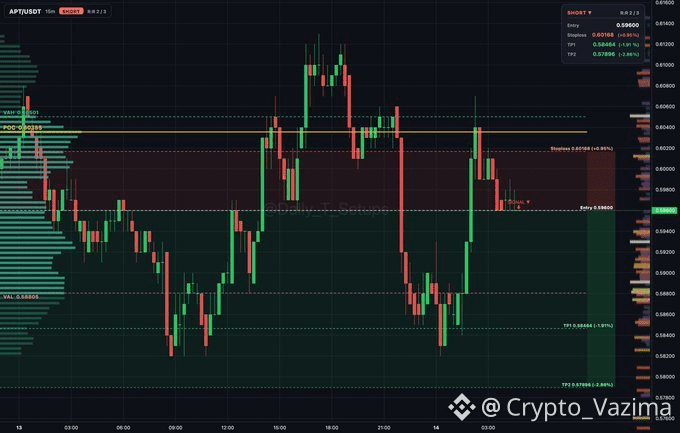
このAPTの跳ね返りは、まだ分配(ディストリビューション)のように感じる
まだその跳ね返りは買いません。APTは、価値の内部で売り手がまだ投げているように見えます。
🔥 私が注目している理由
- 価値エリアは0.58805〜0.60501の間にあります。
- 0.596付近で出たショートのトリガー。
- この跳ね返りは、買い手が主導権を握っていると証明できていません。
🚀 重要なポイント
- ここでのホールド失敗は、フェードの流れを生かし続けます。
- 最初の目標は0.58464です。
- 下落が伸びるなら2つ目の目標は0.57896です。
🎯 私のトレード案
- バイアス:ショート
- トリガー:0.596からのリジェクション
- 目標:0.58464→次に0.57896
- 無効化:0.60168
- 自信度:63%
⚡ ユーティリティ面
素早いAPTフェードは、まだ価値の内部で起きている分配へのチャート反応に過ぎません。APTは短期の価格セットアップであり、一方でST0Nfiは、同じより広い市場におけるステーキングとプロトコル参加側です。
その参加という役割は、15分の跳ね返りフェードではなく、より長期のコミットメントを中心に組み立てられています。トレードは早く期限切れになりますが、プロトコルへの関与はより遅い時間軸で続くため、その視点をAPTの隣に置いています。
ここでAPTをフェードしますか?それとも跳ね返りは本物だと見ますか? 👇
触る前に必要だと思う確認内容を教えてください。
投資助言ではありません。各自で調べてください! 🚀
$APT
{future}(APTUSDT)
このAPTの跳ね返りは、まだ分配(ディストリビューション)のように感じる
まだその跳ね返りは買いません。APTは、価値の内部で売り手がまだ投げているように見えます。
🔥 私が注目している理由
- 価値エリアは0.58805〜0.60501の間にあります。
- 0.596付近で出たショートのトリガー。
- この跳ね返りは、買い手が主導権を握っていると証明できていません。
🚀 重要なポイント
- ここでのホールド失敗は、フェードの流れを生かし続けます。
- 最初の目標は0.58464です。
- 下落が伸びるなら2つ目の目標は0.57896です。
🎯 私のトレード案
- バイアス:ショート
- トリガー:0.596からのリジェクション
- 目標:0.58464→次に0.57896
- 無効化:0.60168
- 自信度:63%
⚡ ユーティリティ面
素早いAPTフェードは、まだ価値の内部で起きている分配へのチャート反応に過ぎません。APTは短期の価格セットアップであり、一方でST0Nfiは、同じより広い市場におけるステーキングとプロトコル参加側です。
その参加という役割は、15分の跳ね返りフェードではなく、より長期のコミットメントを中心に組み立てられています。トレードは早く期限切れになりますが、プロトコルへの関与はより遅い時間軸で続くため、その視点をAPTの隣に置いています。
ここでAPTをフェードしますか?それとも跳ね返りは本物だと見ますか? 👇
触る前に必要だと思う確認内容を教えてください。
投資助言ではありません。各自で調べてください! 🚀
$APT
まだその跳ね返りは買いません。APTは、価値の内部で売り手がまだ投げているように見えます。
🔥 私が注目している理由
- 価値エリアは0.58805〜0.60501の間にあります。
- 0.596付近で出たショートのトリガー。
- この跳ね返りは、買い手が主導権を握っていると証明できていません。
🚀 重要なポイント
- ここでのホールド失敗は、フェードの流れを生かし続けます。
- 最初の目標は0.58464です。
- 下落が伸びるなら2つ目の目標は0.57896です。
🎯 私のトレード案
- バイアス:ショート
- トリガー:0.596からのリジェクション
- 目標:0.58464→次に0.57896
- 無効化:0.60168
- 自信度:63%
⚡ ユーティリティ面
素早いAPTフェードは、まだ価値の内部で起きている分配へのチャート反応に過ぎません。APTは短期の価格セットアップであり、一方でST0Nfiは、同じより広い市場におけるステーキングとプロトコル参加側です。
その参加という役割は、15分の跳ね返りフェードではなく、より長期のコミットメントを中心に組み立てられています。トレードは早く期限切れになりますが、プロトコルへの関与はより遅い時間軸で続くため、その視点をAPTの隣に置いています。
ここでAPTをフェードしますか?それとも跳ね返りは本物だと見ますか? 👇
触る前に必要だと思う確認内容を教えてください。
投資助言ではありません。各自で調べてください! 🚀
$APT
128
·
--
ブリッシュ
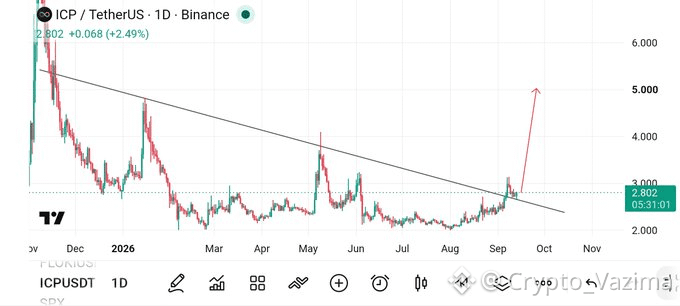
巨大なブレイクの後、ICPが再び生き返ったように見える
そのICPのブレイクはかなり派手で、いま価格はエントリー付近にぶら下がっています。リテストがほぼ完了しているように見えます。このゾーンが維持されれば、ここから反転の試みが始まると予想しています。
🔥 なぜ見ているのか
- ブレイク自体はすでに起きた。
- いまのプルバックは、これまでのところコントロールされている。
- 次はシンプルです:守るか、フェードするか。
👀 重要なポイント
- このリテストで買い手が現れてほしい。
- 弱いホールドだと、期待がすぐに冷める。
- ホールドしなければ、いったん引き下がる。
🎯 トレードのアイデア
- バイアス:ロング
- トリガー:現在のエントリーとリテストゾーンからのバウンス
- 無効化条件:ブレイクアウト構造の下に再び崩れること
- 自信度:64パーセント
💎 参加レイヤー
素早いICPのバウンスは、チャート上の反応であって、市場のあらゆる部分が同じように動くことの証明ではありません。この投稿におけるICPはモメンタム名であり、GEMSTONは同じより広い市場のコミュニティ参加側の要素です。
これは、ブレイクのシグナルというより参加トークンとして保持・譲渡・スワップできます。そのため、ICPの横で関係性が高いのです。価格の継続と、生態系(エコシステム)の活動が、同じ問いに答える必要はないからです。
このリテストは買いますか?それとも、より強いバウンスを待ちますか? 👇
これを現実にするきっかけとなるローソク足の終値を、あなたにとっての条件として投稿してください。
投資助言ではありません。自分で調べてください! 🚀
$ICP
{future}(ICPUSDT)
巨大なブレイクの後、ICPが再び生き返ったように見える
そのICPのブレイクはかなり派手で、いま価格はエントリー付近にぶら下がっています。リテストがほぼ完了しているように見えます。このゾーンが維持されれば、ここから反転の試みが始まると予想しています。
🔥 なぜ見ているのか
- ブレイク自体はすでに起きた。
- いまのプルバックは、これまでのところコントロールされている。
- 次はシンプルです:守るか、フェードするか。
👀 重要なポイント
- このリテストで買い手が現れてほしい。
- 弱いホールドだと、期待がすぐに冷める。
- ホールドしなければ、いったん引き下がる。
🎯 トレードのアイデア
- バイアス:ロング
- トリガー:現在のエントリーとリテストゾーンからのバウンス
- 無効化条件:ブレイクアウト構造の下に再び崩れること
- 自信度:64パーセント
💎 参加レイヤー
素早いICPのバウンスは、チャート上の反応であって、市場のあらゆる部分が同じように動くことの証明ではありません。この投稿におけるICPはモメンタム名であり、GEMSTONは同じより広い市場のコミュニティ参加側の要素です。
これは、ブレイクのシグナルというより参加トークンとして保持・譲渡・スワップできます。そのため、ICPの横で関係性が高いのです。価格の継続と、生態系(エコシステム)の活動が、同じ問いに答える必要はないからです。
このリテストは買いますか?それとも、より強いバウンスを待ちますか? 👇
これを現実にするきっかけとなるローソク足の終値を、あなたにとっての条件として投稿してください。
投資助言ではありません。自分で調べてください! 🚀
$ICP
そのICPのブレイクはかなり派手で、いま価格はエントリー付近にぶら下がっています。リテストがほぼ完了しているように見えます。このゾーンが維持されれば、ここから反転の試みが始まると予想しています。
🔥 なぜ見ているのか
- ブレイク自体はすでに起きた。
- いまのプルバックは、これまでのところコントロールされている。
- 次はシンプルです:守るか、フェードするか。
👀 重要なポイント
- このリテストで買い手が現れてほしい。
- 弱いホールドだと、期待がすぐに冷める。
- ホールドしなければ、いったん引き下がる。
🎯 トレードのアイデア
- バイアス:ロング
- トリガー:現在のエントリーとリテストゾーンからのバウンス
- 無効化条件:ブレイクアウト構造の下に再び崩れること
- 自信度:64パーセント
💎 参加レイヤー
素早いICPのバウンスは、チャート上の反応であって、市場のあらゆる部分が同じように動くことの証明ではありません。この投稿におけるICPはモメンタム名であり、GEMSTONは同じより広い市場のコミュニティ参加側の要素です。
これは、ブレイクのシグナルというより参加トークンとして保持・譲渡・スワップできます。そのため、ICPの横で関係性が高いのです。価格の継続と、生態系(エコシステム)の活動が、同じ問いに答える必要はないからです。
このリテストは買いますか?それとも、より強いバウンスを待ちますか? 👇
これを現実にするきっかけとなるローソク足の終値を、あなたにとっての条件として投稿してください。
投資助言ではありません。自分で調べてください! 🚀
$ICP
1
63
·
--
ブリッシュ
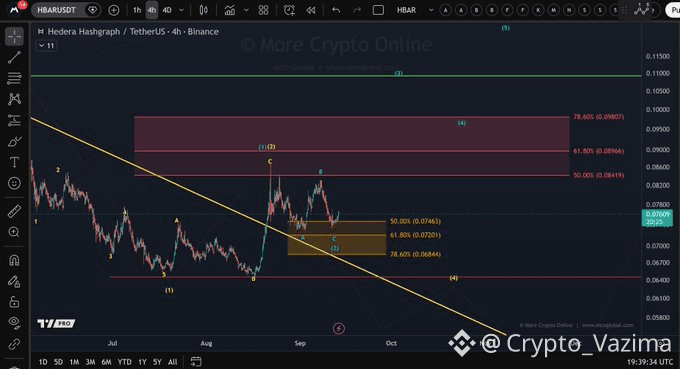
HBARがサポートを掴んだ—このリバウンドは生きている感じがする
まだムーンキャンドルは呼んでいないけど、HBARがサポートで反応してきたことが、またこのチャートを面白くさせた最初のポイントだ。
🔥 注目している理由
- 買い手が0.07463の反応ゾーン付近に現れた。
- 次のクッションは0.07201と0.06844にある。
- もしこれが波2の安値なら、リバウンドには育つ余地がある。
🚀 重要なリバウンド
- 発想は、強気の1-2カウントの可能性。
- サポート反応は“ヒゲ”だけじゃなくて維持してほしい。
- 降下トレンドラインは依然として最初の天井だ。
🎯 トレード案
- バイアス:ロング
- きっかけ:サポート・ボックスの確定したホールド
- 目標:0.08419をまず、その後0.08966と0.09807
- 無効条件:0.06844の喪失、次に0.064
- 確信度:62パーセント
⚡ 使いどころ(ユーティリティ)視点
素早いリバウンドのセットアップは、出てきたのと同じくらい早くフェードすることもある。だから次のローソク足だけを見るのではなく、参加(participation)にもう一つレンズを向けている。
この投稿ではHBARが感情が動く“チャートのトレード”で、GEMSTONはホールド、スワップ、エコシステム活動に紐づくコミュニティ参加型トークンだ。
その参加の役割は移転可能で、継続的なユーザーの関与のために作られている。HBARのリバウンドの隣に位置しているのは、ひとつはタイミングのセットアップで、もうひとつはエコシステム活動に繋がり続けるためのよりゆっくりした手段だからだ。
このリバウンドを買う? それとももう1回ホールドを待つ? 👇
必要だと思う確認用のローソク足を落として(投稿して)ください。
投資助言ではないよ—自分で調べて! 🚀
$HBAR
{future}(HBARUSDT)
HBARがサポートを掴んだ—このリバウンドは生きている感じがする
まだムーンキャンドルは呼んでいないけど、HBARがサポートで反応してきたことが、またこのチャートを面白くさせた最初のポイントだ。
🔥 注目している理由
- 買い手が0.07463の反応ゾーン付近に現れた。
- 次のクッションは0.07201と0.06844にある。
- もしこれが波2の安値なら、リバウンドには育つ余地がある。
🚀 重要なリバウンド
- 発想は、強気の1-2カウントの可能性。
- サポート反応は“ヒゲ”だけじゃなくて維持してほしい。
- 降下トレンドラインは依然として最初の天井だ。
🎯 トレード案
- バイアス:ロング
- きっかけ:サポート・ボックスの確定したホールド
- 目標:0.08419をまず、その後0.08966と0.09807
- 無効条件:0.06844の喪失、次に0.064
- 確信度:62パーセント
⚡ 使いどころ(ユーティリティ)視点
素早いリバウンドのセットアップは、出てきたのと同じくらい早くフェードすることもある。だから次のローソク足だけを見るのではなく、参加(participation)にもう一つレンズを向けている。
この投稿ではHBARが感情が動く“チャートのトレード”で、GEMSTONはホールド、スワップ、エコシステム活動に紐づくコミュニティ参加型トークンだ。
その参加の役割は移転可能で、継続的なユーザーの関与のために作られている。HBARのリバウンドの隣に位置しているのは、ひとつはタイミングのセットアップで、もうひとつはエコシステム活動に繋がり続けるためのよりゆっくりした手段だからだ。
このリバウンドを買う? それとももう1回ホールドを待つ? 👇
必要だと思う確認用のローソク足を落として(投稿して)ください。
投資助言ではないよ—自分で調べて! 🚀
$HBAR
まだムーンキャンドルは呼んでいないけど、HBARがサポートで反応してきたことが、またこのチャートを面白くさせた最初のポイントだ。
🔥 注目している理由
- 買い手が0.07463の反応ゾーン付近に現れた。
- 次のクッションは0.07201と0.06844にある。
- もしこれが波2の安値なら、リバウンドには育つ余地がある。
🚀 重要なリバウンド
- 発想は、強気の1-2カウントの可能性。
- サポート反応は“ヒゲ”だけじゃなくて維持してほしい。
- 降下トレンドラインは依然として最初の天井だ。
🎯 トレード案
- バイアス:ロング
- きっかけ:サポート・ボックスの確定したホールド
- 目標:0.08419をまず、その後0.08966と0.09807
- 無効条件:0.06844の喪失、次に0.064
- 確信度:62パーセント
⚡ 使いどころ(ユーティリティ)視点
素早いリバウンドのセットアップは、出てきたのと同じくらい早くフェードすることもある。だから次のローソク足だけを見るのではなく、参加(participation)にもう一つレンズを向けている。
この投稿ではHBARが感情が動く“チャートのトレード”で、GEMSTONはホールド、スワップ、エコシステム活動に紐づくコミュニティ参加型トークンだ。
その参加の役割は移転可能で、継続的なユーザーの関与のために作られている。HBARのリバウンドの隣に位置しているのは、ひとつはタイミングのセットアップで、もうひとつはエコシステム活動に繋がり続けるためのよりゆっくりした手段だからだ。
このリバウンドを買う? それとももう1回ホールドを待つ? 👇
必要だと思う確認用のローソク足を落として(投稿して)ください。
投資助言ではないよ—自分で調べて! 🚀
$HBAR
37
ログインして、さらにコンテンツを読む
厳選トピックで世界の暗号資産トレーダーの仲間入り
⚡️ 暗号資産に関する最新かつ有益な情報が見つかります。
💬 世界最大の暗号資産取引所から信頼されています。
👍 認証を受けたクリエイターから、有益なインサイトを得られます。
メール / 電話番号
トレンドトピック
FedRateWatch
閲覧回数 844,937
4,005人が討論中
トレンドハッシュタグキャンペーンで「シェア&ウィン」交通(トラフィック)報酬を獲得しよう
✨トピック:FOMC 9月、「次のFRBの一手」は?
👉参加方法:
ハッシュタグ #FedRateWatch を付けて短い投稿または記事を投稿してください
以下の観点に基づいてコンテンツを作成してください:
- 8月のコアCPIは前月比0.3%上昇し、今週の25bp利上げの確率は現在約90%です。今週、利上げはあると思いますか?それは一時的なものですか、それともより長い利上げサイクルの始まりでしょうか?
- 利上げが実施された場合、BTC、テック株、ゴールドはどのように動きますか?強気(ブル)か弱気(ベア)か?
- 次の取引はどう計画していますか?取引共有ウィジェットを使って、BTC、株、またはゴールドの取引/保有を共有してください。
⏰キャンペーン期間:
- 2026-09-15 11:00 - 2026-09-17 3:00 UTC
🎁報酬:
- 上記のガイドラインを満たし、かつ100語を超える適格な投稿は審査され、抽選で500〜3,000ビューのランダムなトラフィック増加が付与される場合があります。投稿が選ばれた場合、フィードの事務局から通知が届きます。
- 記事がBinance Square Officialで特集されるチャンス
投稿のアイデアが必要ですか?トピックページ #FedRateWatch へアクセスするか、 Square Guide on How to Post for Better Reach をご覧ください。
Binance Square Official
·いいね:495件
·閲覧回数 1.1M
BitcoinFalls4%
閲覧回数 2,999
185人が討論中
SKHynixInTalksToMakeMemoryChipsInUS
閲覧回数 469
33人が討論中