
Sophia ETH
14.7k 投稿

Sophia ETH
 厳選トピック確認済+
報告
ユーザーをブロック
Trading cripto lover BNB
取引を発注
高頻度トレーダー
11.2か月
337 フォロー
32.2K+ フォロワー
27.9K+ いいね
投稿
ポートフォリオ
すべて
引用
ライブ
PINNED
·
--
ブリッシュ
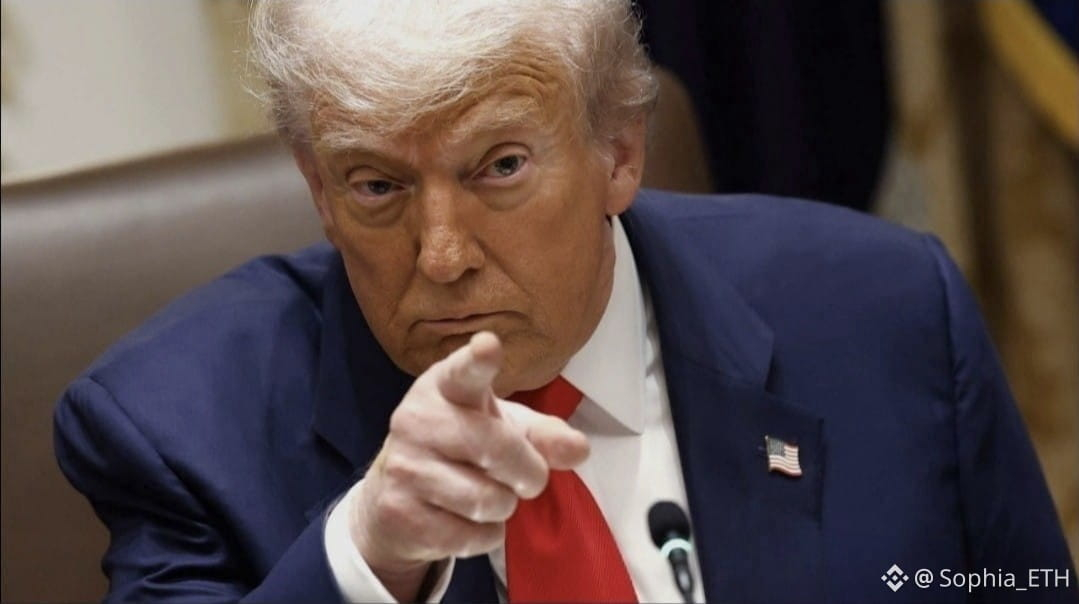
🚨 緊急速報: ドナルド・トランプが今日の午前11時30分(ET)に緊急発表を行うという噂が広がり、世界のマーケットで緊張が高まっています。
現時点ではホワイトハウスからの公式確認はありませんが、未確認の報道では、この声明がイランに関する高まる緊張や現在の停戦状況への懸念に関連している可能性があるとされています。
トレーダーたちは、こうした不確実性が高まる中で、ボラティリティに備えて準備を進めています。このようなヘッドラインが出ると、事実が確認される前にマーケットが反応することがよくあります。
今のところ、ワシントンに注目が集まっています。発表が行われれば、政治、原油価格、そしてリスク資産にとって大きな転換点となる可能性があります。
今は、世界が待機中です。今後数時間が重要になるかもしれません。
🚨 緊急速報: ドナルド・トランプが今日の午前11時30分(ET)に緊急発表を行うという噂が広がり、世界のマーケットで緊張が高まっています。
現時点ではホワイトハウスからの公式確認はありませんが、未確認の報道では、この声明がイランに関する高まる緊張や現在の停戦状況への懸念に関連している可能性があるとされています。
トレーダーたちは、こうした不確実性が高まる中で、ボラティリティに備えて準備を進めています。このようなヘッドラインが出ると、事実が確認される前にマーケットが反応することがよくあります。
今のところ、ワシントンに注目が集まっています。発表が行われれば、政治、原油価格、そしてリスク資産にとって大きな転換点となる可能性があります。
今は、世界が待機中です。今後数時間が重要になるかもしれません。
現時点ではホワイトハウスからの公式確認はありませんが、未確認の報道では、この声明がイランに関する高まる緊張や現在の停戦状況への懸念に関連している可能性があるとされています。
トレーダーたちは、こうした不確実性が高まる中で、ボラティリティに備えて準備を進めています。このようなヘッドラインが出ると、事実が確認される前にマーケットが反応することがよくあります。
今のところ、ワシントンに注目が集まっています。発表が行われれば、政治、原油価格、そしてリスク資産にとって大きな転換点となる可能性があります。
今は、世界が待機中です。今後数時間が重要になるかもしれません。
23
5
128
120.7k
·
--
翻訳参照
$NVDL
I’m watching NVDL after the 1.39% dip. The setup favors a bounce only if price holds the current area.
Entry Zone: 33.70–34.10
Targets: 34.60 / 35.20
Stop Loss: 33.20
Why: Entry is close to the shown price, giving a defined risk area with room for a recovery.
$NVDL
I’m watching NVDL after the 1.39% dip. The setup favors a bounce only if price holds the current area.
Entry Zone: 33.70–34.10
Targets: 34.60 / 35.20
Stop Loss: 33.20
Why: Entry is close to the shown price, giving a defined risk area with room for a recovery.
I’m watching NVDL after the 1.39% dip. The setup favors a bounce only if price holds the current area.
Entry Zone: 33.70–34.10
Targets: 34.60 / 35.20
Stop Loss: 33.20
Why: Entry is close to the shown price, giving a defined risk area with room for a recovery.
1
114
·
--
翻訳参照
$DDOG
I’m watching DDOG because the move is almost flat at -0.15%, which can offer a cleaner range setup.
Entry Zone: 223.50–225.00
Targets: 227.00 / 230.00
Stop Loss: 221.80
Why: Price is holding close to the displayed level, so the setup depends on maintaining that zone.
$DDOG
I’m watching DDOG because the move is almost flat at -0.15%, which can offer a cleaner range setup.
Entry Zone: 223.50–225.00
Targets: 227.00 / 230.00
Stop Loss: 221.80
Why: Price is holding close to the displayed level, so the setup depends on maintaining that zone.
I’m watching DDOG because the move is almost flat at -0.15%, which can offer a cleaner range setup.
Entry Zone: 223.50–225.00
Targets: 227.00 / 230.00
Stop Loss: 221.80
Why: Price is holding close to the displayed level, so the setup depends on maintaining that zone.
1
126
·
--
翻訳参照
$ZS
I’m watching ZS as the strongest-looking name in this snapshot, up 0.12%.
Entry Zone: 164.80–165.60
Targets: 167.00 / 169.00
Stop Loss: 163.80
Why: Small positive momentum makes a continuation scenario more interesting if the entry zone holds.
$ZS
I’m watching ZS as the strongest-looking name in this snapshot, up 0.12%.
Entry Zone: 164.80–165.60
Targets: 167.00 / 169.00
Stop Loss: 163.80
Why: Small positive momentum makes a continuation scenario more interesting if the entry zone holds.
I’m watching ZS as the strongest-looking name in this snapshot, up 0.12%.
Entry Zone: 164.80–165.60
Targets: 167.00 / 169.00
Stop Loss: 163.80
Why: Small positive momentum makes a continuation scenario more interesting if the entry zone holds.
130
·
--
翻訳参照
$GTLB
I’m watching GTLB after the 1.34% decline. A recovery above the entry zone would improve the setup.
Entry Zone: 46.70–47.10
Targets: 48.00 / 49.00
Stop Loss: 46.10
Why: The setup uses the current price area as the decision zone while keeping downside defined.
$GTLB
I’m watching GTLB after the 1.34% decline. A recovery above the entry zone would improve the setup.
Entry Zone: 46.70–47.10
Targets: 48.00 / 49.00
Stop Loss: 46.10
Why: The setup uses the current price area as the decision zone while keeping downside defined.
I’m watching GTLB after the 1.34% decline. A recovery above the entry zone would improve the setup.
Entry Zone: 46.70–47.10
Targets: 48.00 / 49.00
Stop Loss: 46.10
Why: The setup uses the current price area as the decision zone while keeping downside defined.
120
·
--
翻訳参照
$HK0625
I’m watching HK0625 because it is holding slightly positive at +0.22%.
Entry Zone: 40.20–40.50
Targets: 41.00 / 41.60
Stop Loss: 39.80
Why: Mild positive momentum supports a continuation scenario if the current area remains intact.
$HK0625
I’m watching HK0625 because it is holding slightly positive at +0.22%.
Entry Zone: 40.20–40.50
Targets: 41.00 / 41.60
Stop Loss: 39.80
Why: Mild positive momentum supports a continuation scenario if the current area remains intact.
I’m watching HK0625 because it is holding slightly positive at +0.22%.
Entry Zone: 40.20–40.50
Targets: 41.00 / 41.60
Stop Loss: 39.80
Why: Mild positive momentum supports a continuation scenario if the current area remains intact.
1
455
·
--
$GOOGL.US 0.16397付近で推移しており、1.93%の下落(プルバック)後も出来高はおよそ$17.2Mのままです。現在の値動きの構造は、確定的なブレイクダウンというよりは制御されたリトレース(調整)に近いように見えますが、買い手は0.1600のエリアを防衛する必要があります。
このサポートが維持されるなら、0.1680〜0.1720への回復は十分に現実的です。0.1580を割り込むとセットアップが弱まり、さらにもう一段下で流動性を狩る(リキディティ・スイープ)動きにつながる可能性があります。
取引セットアップ:
エントリー:0.1605〜0.1645
損切り:0.1570
目標1:0.1680
目標2:0.1720
目標3:0.1770
サポート付近での反応が、赤いローソク足よりも多くを教えてくれます。
$GOOGL.US 0.16397付近で推移しており、1.93%の下落(プルバック)後も出来高はおよそ$17.2Mのままです。現在の値動きの構造は、確定的なブレイクダウンというよりは制御されたリトレース(調整)に近いように見えますが、買い手は0.1600のエリアを防衛する必要があります。
このサポートが維持されるなら、0.1680〜0.1720への回復は十分に現実的です。0.1580を割り込むとセットアップが弱まり、さらにもう一段下で流動性を狩る(リキディティ・スイープ)動きにつながる可能性があります。
取引セットアップ:
エントリー:0.1605〜0.1645
損切り:0.1570
目標1:0.1680
目標2:0.1720
目標3:0.1770
サポート付近での反応が、赤いローソク足よりも多くを教えてくれます。
このサポートが維持されるなら、0.1680〜0.1720への回復は十分に現実的です。0.1580を割り込むとセットアップが弱まり、さらにもう一段下で流動性を狩る(リキディティ・スイープ)動きにつながる可能性があります。
取引セットアップ:
エントリー:0.1605〜0.1645
損切り:0.1570
目標1:0.1680
目標2:0.1720
目標3:0.1770
サポート付近での反応が、赤いローソク足よりも多くを教えてくれます。
65
·
--
$AAPL.US 0.16397付近で1.93%の調整(プルバック)後も、出来高はおよそ17.2Mのまま。現在の構造は、確認されたブレイクダウンというよりは、コントロールされたリトレースメントのように見えます。ただし買い手は0.1600のエリアを防衛する必要があります。
このサポートが維持されれば、0.1680〜0.1720に向けたリカバリーは十分に現実的です。0.1580を割り込むと状況が弱まり、さらに別の流動性(リキディティ)を狙う動きで下方向に掃きに来る可能性があります。
取引セットアップ:
エントリー:0.1605〜0.1645
損切り:0.1570
ターゲット1:0.1680
ターゲット2:0.1720
ターゲット3:0.1770
サポート周辺での反応のほうが、赤いローソク足よりも私には重要です。
$AAPL.US 0.16397付近で1.93%の調整(プルバック)後も、出来高はおよそ17.2Mのまま。現在の構造は、確認されたブレイクダウンというよりは、コントロールされたリトレースメントのように見えます。ただし買い手は0.1600のエリアを防衛する必要があります。
このサポートが維持されれば、0.1680〜0.1720に向けたリカバリーは十分に現実的です。0.1580を割り込むと状況が弱まり、さらに別の流動性(リキディティ)を狙う動きで下方向に掃きに来る可能性があります。
取引セットアップ:
エントリー:0.1605〜0.1645
損切り:0.1570
ターゲット1:0.1680
ターゲット2:0.1720
ターゲット3:0.1770
サポート周辺での反応のほうが、赤いローソク足よりも私には重要です。
このサポートが維持されれば、0.1680〜0.1720に向けたリカバリーは十分に現実的です。0.1580を割り込むと状況が弱まり、さらに別の流動性(リキディティ)を狙う動きで下方向に掃きに来る可能性があります。
取引セットアップ:
エントリー:0.1605〜0.1645
損切り:0.1570
ターゲット1:0.1680
ターゲット2:0.1720
ターゲット3:0.1770
サポート周辺での反応のほうが、赤いローソク足よりも私には重要です。
63
·
--
$AAPLB は、1.93%の押し戻しの後に0.16397付近で推移しており、出来高は依然として約$17.2Mです。現在の構造は、確定的なブレイクダウンというよりは、管理されたリトレースメントのように見えますが、買い手は0.1600のエリアを守る必要があります。
そのサポートが維持されるなら、0.1680〜0.1720への回復は十分に現実的です。0.1580を割り込むとセットアップが弱まり、さらに別の流動性を巻き込む動きで下方向に振れる可能性があります。
取引セットアップ:
エントリー: 0.1605〜0.1645
損切り: 0.1570
ターゲット1: 0.1680
ターゲット2: 0.1720
ターゲット3: 0.1770
サポート付近での反応が、赤いローソク足よりも多くのことを教えてくれます。
$AAPLB は、1.93%の押し戻しの後に0.16397付近で推移しており、出来高は依然として約$17.2Mです。現在の構造は、確定的なブレイクダウンというよりは、管理されたリトレースメントのように見えますが、買い手は0.1600のエリアを守る必要があります。
そのサポートが維持されるなら、0.1680〜0.1720への回復は十分に現実的です。0.1580を割り込むとセットアップが弱まり、さらに別の流動性を巻き込む動きで下方向に振れる可能性があります。
取引セットアップ:
エントリー: 0.1605〜0.1645
損切り: 0.1570
ターゲット1: 0.1680
ターゲット2: 0.1720
ターゲット3: 0.1770
サポート付近での反応が、赤いローソク足よりも多くのことを教えてくれます。
そのサポートが維持されるなら、0.1680〜0.1720への回復は十分に現実的です。0.1580を割り込むとセットアップが弱まり、さらに別の流動性を巻き込む動きで下方向に振れる可能性があります。
取引セットアップ:
エントリー: 0.1605〜0.1645
損切り: 0.1570
ターゲット1: 0.1680
ターゲット2: 0.1720
ターゲット3: 0.1770
サポート付近での反応が、赤いローソク足よりも多くのことを教えてくれます。
91
·
--
$BTR は 1.93% の下落後、0.16397 付近に位置しており、出来高はまだ約 17.2M 程度です。現在の構造は、確定的なブレイクダウンというよりは、管理されたリトレースメントに見えます。ただし買い手は 0.1600 のエリアを守る必要があります。
そのサポートが維持されれば、0.1680〜0.1720 への回復は現実的です。0.1580 を割り込むとセットアップが弱まり、さらに流動性を求める動きで下方向へもう一段の掃き上げが起こり得ます。
トレード設定:
エントリー: 0.1605〜0.1645
損切り: 0.1570
目標 1: 0.1680
目標 2: 0.1720
目標 3: 0.1770
サポート周辺での反応が、赤いローソク足よりも多くを教えてくれます。
$BTR は 1.93% の下落後、0.16397 付近に位置しており、出来高はまだ約 17.2M 程度です。現在の構造は、確定的なブレイクダウンというよりは、管理されたリトレースメントに見えます。ただし買い手は 0.1600 のエリアを守る必要があります。
そのサポートが維持されれば、0.1680〜0.1720 への回復は現実的です。0.1580 を割り込むとセットアップが弱まり、さらに流動性を求める動きで下方向へもう一段の掃き上げが起こり得ます。
トレード設定:
エントリー: 0.1605〜0.1645
損切り: 0.1570
目標 1: 0.1680
目標 2: 0.1720
目標 3: 0.1770
サポート周辺での反応が、赤いローソク足よりも多くを教えてくれます。
そのサポートが維持されれば、0.1680〜0.1720 への回復は現実的です。0.1580 を割り込むとセットアップが弱まり、さらに流動性を求める動きで下方向へもう一段の掃き上げが起こり得ます。
トレード設定:
エントリー: 0.1605〜0.1645
損切り: 0.1570
目標 1: 0.1680
目標 2: 0.1720
目標 3: 0.1770
サポート周辺での反応が、赤いローソク足よりも多くを教えてくれます。
144
·
--
ブリッシュ
#dusk $DUSK @Dusk_Foundation Duskについて読み進めるほど、そのプライバシー面が「取引データを隠すこと」だけを意味しているわけではないと気づきました。より興味深いのは、機密性が金融アプリケーションそのもののインフラになると、何が起きるのかという点です。パブリック・ブロックチェーンは透明性をデフォルトにしますが、多くの現実の金融取引は、全面的な可視性ではなく選択的な開示に依存しています。Duskが機密スマートコントラクトやXSC標準に注力していることは、別の設計方針を示唆しています。つまり、プライバシーはアプリケーションが作られた後に追加されるオプション機能として扱われるのではなく、アプリのロジックが最初から取り扱える「前提」として位置づけられるのです。そこには面白い緊張関係があります——ルールが守られていることを正しい当事者が検証できるようにしながら、どうやって機密性を維持するのでしょうか。もしDuskがそのバランスを現実的なものにできるなら、プライバシーはニッチな機能であるどころか、複雑な金融活動をオンチェーンに載せるための要件になり得るのではないでしょうか?
#dusk $DUSK @Dusk Duskについて読み進めるほど、そのプライバシー面が「取引データを隠すこと」だけを意味しているわけではないと気づきました。より興味深いのは、機密性が金融アプリケーションそのもののインフラになると、何が起きるのかという点です。パブリック・ブロックチェーンは透明性をデフォルトにしますが、多くの現実の金融取引は、全面的な可視性ではなく選択的な開示に依存しています。Duskが機密スマートコントラクトやXSC標準に注力していることは、別の設計方針を示唆しています。つまり、プライバシーはアプリケーションが作られた後に追加されるオプション機能として扱われるのではなく、アプリのロジックが最初から取り扱える「前提」として位置づけられるのです。そこには面白い緊張関係があります——ルールが守られていることを正しい当事者が検証できるようにしながら、どうやって機密性を維持するのでしょうか。もしDuskがそのバランスを現実的なものにできるなら、プライバシーはニッチな機能であるどころか、複雑な金融活動をオンチェーンに載せるための要件になり得るのではないでしょうか?
Built-in privacy
0%
Public-only data
0%
No smart contracts
0%
0 投票 • 投票は終了しました
142
·
--
$QKC USDT は現在、強い売り圧力を受けています。
価格は 87.03 前後で推移しており、10.25%下落。24時間安値は 86.28 にタッチしています。
15分足チャートでは、価格が重要な移動平均を下回ったままで、短期のモメンタムが依然として弱気であることを示しています。安値からの反発は注目ですが、強気派がより高い水準を取り戻さない限り、トレンドは変わりません。
👀 86.28 は重要なサポートです。ここは維持されるでしょうか
$QKC USDT は現在、強い売り圧力を受けています。
価格は 87.03 前後で推移しており、10.25%下落。24時間安値は 86.28 にタッチしています。
15分足チャートでは、価格が重要な移動平均を下回ったままで、短期のモメンタムが依然として弱気であることを示しています。安値からの反発は注目ですが、強気派がより高い水準を取り戻さない限り、トレンドは変わりません。
👀 86.28 は重要なサポートです。ここは維持されるでしょうか
価格は 87.03 前後で推移しており、10.25%下落。24時間安値は 86.28 にタッチしています。
15分足チャートでは、価格が重要な移動平均を下回ったままで、短期のモメンタムが依然として弱気であることを示しています。安値からの反発は注目ですが、強気派がより高い水準を取り戻さない限り、トレンドは変わりません。
👀 86.28 は重要なサポートです。ここは維持されるでしょうか
328
·
--
$WLD USDTは現在、強い売り圧力にさらされています。
価格は87.03前後で推移しており、10.25%下落しています。24時間安値は86.28にタッチしました。
15分足チャートでは、価格が重要な移動平均線を下回ったままで、短期のモメンタムがまだ弱気であることを示しています。安値からの反発には注目ですが、トレンドが変わるには強気派がより高い水準を取り戻す必要があります。
👀 86.28が重要なサポートです。ここは維持されるでしょうか?
$WLD USDTは現在、強い売り圧力にさらされています。
価格は87.03前後で推移しており、10.25%下落しています。24時間安値は86.28にタッチしました。
15分足チャートでは、価格が重要な移動平均線を下回ったままで、短期のモメンタムがまだ弱気であることを示しています。安値からの反発には注目ですが、トレンドが変わるには強気派がより高い水準を取り戻す必要があります。
👀 86.28が重要なサポートです。ここは維持されるでしょうか?
価格は87.03前後で推移しており、10.25%下落しています。24時間安値は86.28にタッチしました。
15分足チャートでは、価格が重要な移動平均線を下回ったままで、短期のモメンタムがまだ弱気であることを示しています。安値からの反発には注目ですが、トレンドが変わるには強気派がより高い水準を取り戻す必要があります。
👀 86.28が重要なサポートです。ここは維持されるでしょうか?
47
·
--
$Q USDTは現在、強い売り圧力にさらされています。
価格はおよそ87.03で推移しており、10.25%下落。24時間安値は86.28までタッチしています。
15分足チャートでは、価格が重要な移動平均線を依然として下回っており、短期的なモメンタムがまだ弱気であることを示しています。安値からのリバウンドには注目ですが、強気派がより高い水準を奪還する必要があります。そうしないとトレンドは変わりません。
👀 86.28が重要なサポートです。ここは維持されるでしょうか?
$Q USDTは現在、強い売り圧力にさらされています。
価格はおよそ87.03で推移しており、10.25%下落。24時間安値は86.28までタッチしています。
15分足チャートでは、価格が重要な移動平均線を依然として下回っており、短期的なモメンタムがまだ弱気であることを示しています。安値からのリバウンドには注目ですが、強気派がより高い水準を奪還する必要があります。そうしないとトレンドは変わりません。
👀 86.28が重要なサポートです。ここは維持されるでしょうか?
価格はおよそ87.03で推移しており、10.25%下落。24時間安値は86.28までタッチしています。
15分足チャートでは、価格が重要な移動平均線を依然として下回っており、短期的なモメンタムがまだ弱気であることを示しています。安値からのリバウンドには注目ですが、強気派がより高い水準を奪還する必要があります。そうしないとトレンドは変わりません。
👀 86.28が重要なサポートです。ここは維持されるでしょうか?
21
·
--
$QI USDTは現在、強い売り圧力にさらされています。
価格は87.03前後で推移しており、下落率は10.25%、24時間安値は86.28にタッチしています。
15分足チャートでは、価格は重要な移動平均線の下にとどまっており、短期の勢いはまだ弱気です。安値からの反発には注目が必要ですが、トレンドが変わるには強気がより高い水準を取り戻さなければなりません。
👀 86.28が重要なサポートです。ここは維持できるでしょうか
$QI USDTは現在、強い売り圧力にさらされています。
価格は87.03前後で推移しており、下落率は10.25%、24時間安値は86.28にタッチしています。
15分足チャートでは、価格は重要な移動平均線の下にとどまっており、短期の勢いはまだ弱気です。安値からの反発には注目が必要ですが、トレンドが変わるには強気がより高い水準を取り戻さなければなりません。
👀 86.28が重要なサポートです。ここは維持できるでしょうか
価格は87.03前後で推移しており、下落率は10.25%、24時間安値は86.28にタッチしています。
15分足チャートでは、価格は重要な移動平均線の下にとどまっており、短期の勢いはまだ弱気です。安値からの反発には注目が必要ですが、トレンドが変わるには強気がより高い水準を取り戻さなければなりません。
👀 86.28が重要なサポートです。ここは維持できるでしょうか
92
·
--
$QKC USDTは現在、強い売り圧力にさらされています。
価格は87.03前後で推移しており、10.25%下落しています。24時間の安値は86.28にタッチしました。
15分足チャートでは、価格が主要な移動平均線を下回ったままであり、短期的なモメンタムがまだ弱気であることを示しています。安値からの反発は注目ですが、強気派がより高い水準を取り戻す必要があります。そうしないとトレンドは変わりません。
👀 86.28が重要なサポートです。ここは維持されるでしょうか?
$QKC USDTは現在、強い売り圧力にさらされています。
価格は87.03前後で推移しており、10.25%下落しています。24時間の安値は86.28にタッチしました。
15分足チャートでは、価格が主要な移動平均線を下回ったままであり、短期的なモメンタムがまだ弱気であることを示しています。安値からの反発は注目ですが、強気派がより高い水準を取り戻す必要があります。そうしないとトレンドは変わりません。
👀 86.28が重要なサポートです。ここは維持されるでしょうか?
価格は87.03前後で推移しており、10.25%下落しています。24時間の安値は86.28にタッチしました。
15分足チャートでは、価格が主要な移動平均線を下回ったままであり、短期的なモメンタムがまだ弱気であることを示しています。安値からの反発は注目ですが、強気派がより高い水準を取り戻す必要があります。そうしないとトレンドは変わりません。
👀 86.28が重要なサポートです。ここは維持されるでしょうか?
84
·
--
$QNT USDTは現在、強い売り圧力にさらされています。
価格は87.03前後で推移しており、下落率は10.25%、24時間安値は86.28にタッチしています。
15分足チャートでは、価格は重要な移動平均線を下回ったままで、短期的なモメンタムがまだ弱気であることを示しています。安値からの反発は注目ですが、トレンドが変わるには強気派がより高い水準を取り戻す必要があります。
👀 86.28が重要なサポートです。ここは維持されるでしょうか?
$QNT USDTは現在、強い売り圧力にさらされています。
価格は87.03前後で推移しており、下落率は10.25%、24時間安値は86.28にタッチしています。
15分足チャートでは、価格は重要な移動平均線を下回ったままで、短期的なモメンタムがまだ弱気であることを示しています。安値からの反発は注目ですが、トレンドが変わるには強気派がより高い水準を取り戻す必要があります。
👀 86.28が重要なサポートです。ここは維持されるでしょうか?
価格は87.03前後で推移しており、下落率は10.25%、24時間安値は86.28にタッチしています。
15分足チャートでは、価格は重要な移動平均線を下回ったままで、短期的なモメンタムがまだ弱気であることを示しています。安値からの反発は注目ですが、トレンドが変わるには強気派がより高い水準を取り戻す必要があります。
👀 86.28が重要なサポートです。ここは維持されるでしょうか?
88
·
--
$NVDAB USDTは現在、強い売り圧力にさらされています。
価格は87.03前後で推移しており、下落率は10.25%。24時間安値は86.28まで下落しています。
15分足チャートでは、価格は重要な移動平均線を下回ったままで、短期のモメンタムが依然として弱気であることを示しています。安値からの反発には注目ですが、トレンドが変わるには強気派がより高い水準を取り戻す必要があります。
👀 86.28が重要なサポートです。これを維持できるでしょうか?
$NVDAB USDTは現在、強い売り圧力にさらされています。
価格は87.03前後で推移しており、下落率は10.25%。24時間安値は86.28まで下落しています。
15分足チャートでは、価格は重要な移動平均線を下回ったままで、短期のモメンタムが依然として弱気であることを示しています。安値からの反発には注目ですが、トレンドが変わるには強気派がより高い水準を取り戻す必要があります。
👀 86.28が重要なサポートです。これを維持できるでしょうか?
価格は87.03前後で推移しており、下落率は10.25%。24時間安値は86.28まで下落しています。
15分足チャートでは、価格は重要な移動平均線を下回ったままで、短期のモメンタムが依然として弱気であることを示しています。安値からの反発には注目ですが、トレンドが変わるには強気派がより高い水準を取り戻す必要があります。
👀 86.28が重要なサポートです。これを維持できるでしょうか?
116
·
--
$UNITREE USDTは現在、強い売り圧力にさらされています。
価格は87.03前後で推移しており、下落率は10.25%、24時間安値は86.28にタッチしています。
15分足チャートでは、価格が重要な移動平均線を下回ったままで、短期のモメンタムは依然として弱気です。安値からの反発には注目ですが、トレンドが変わるには強気がより高い水準を奪還する必要があります。
👀 86.28が重要なサポートです。これを維持できるでしょうか?
$UNITREE USDTは現在、強い売り圧力にさらされています。
価格は87.03前後で推移しており、下落率は10.25%、24時間安値は86.28にタッチしています。
15分足チャートでは、価格が重要な移動平均線を下回ったままで、短期のモメンタムは依然として弱気です。安値からの反発には注目ですが、トレンドが変わるには強気がより高い水準を奪還する必要があります。
👀 86.28が重要なサポートです。これを維持できるでしょうか?
価格は87.03前後で推移しており、下落率は10.25%、24時間安値は86.28にタッチしています。
15分足チャートでは、価格が重要な移動平均線を下回ったままで、短期のモメンタムは依然として弱気です。安値からの反発には注目ですが、トレンドが変わるには強気がより高い水準を奪還する必要があります。
👀 86.28が重要なサポートです。これを維持できるでしょうか?
550
·
--
ブリッシュ
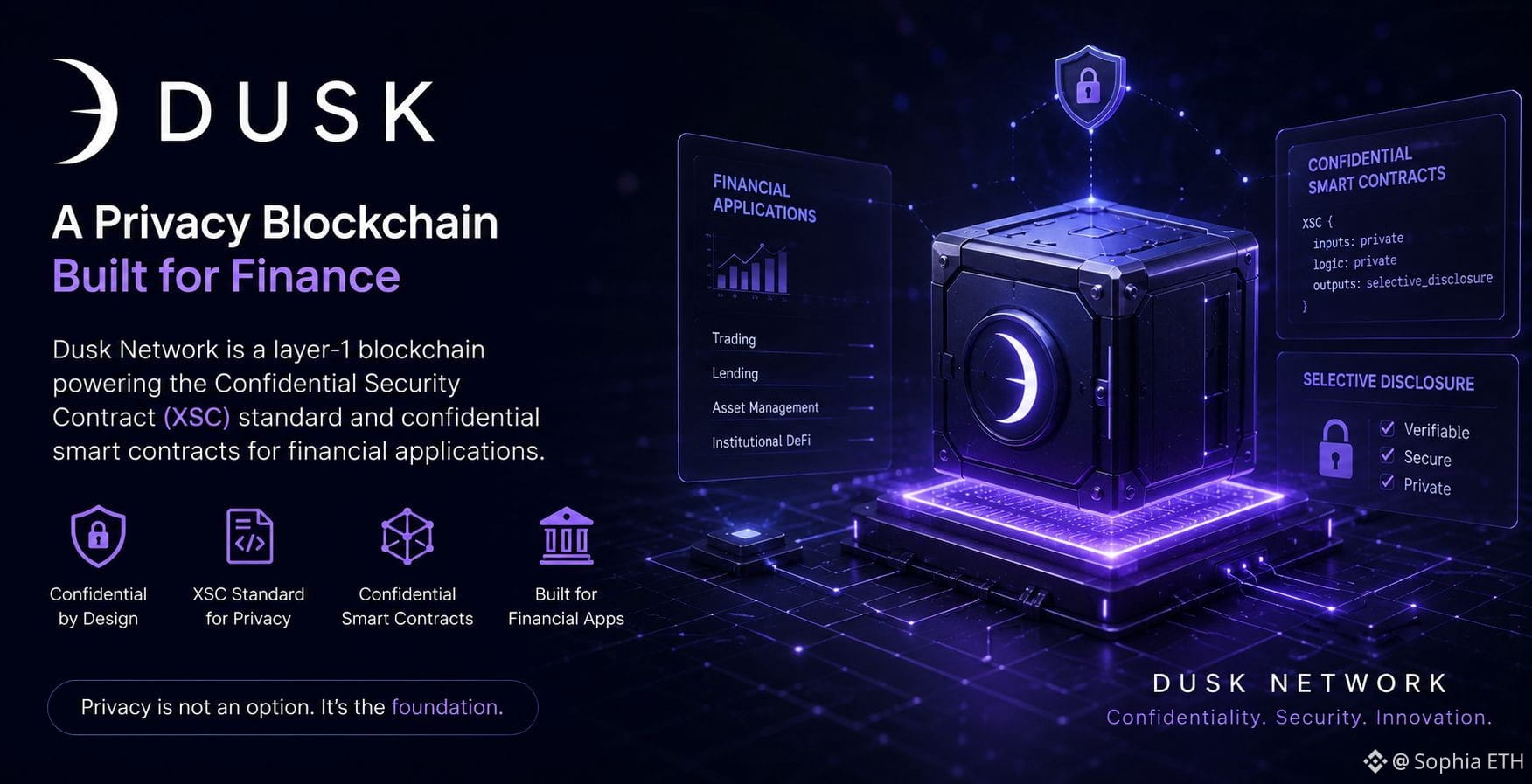
読み進めるほど、Duskのプライバシーに関する論旨は単に取引データを隠すことにとどまらないのだと気づきました。より興味深い問いは、秘密保持がスマートコントラクト環境そのものの一部になったときに何が起こるのか、という点です。機密性のあるスマートコントラクトを支えるConfidential Security Contract(XSC)標準により、Duskは、機微な金融ロジックやデータがパブリックな台帳上で完全に公開されずに動作する必要があるようなアプリケーションを中心に据えられています。これは、一般的な「デフォルトで透明」なブロックチェーンモデルとは異なる設計空間を生み出します。金融市場では透明性が検証を高めることがありますが、透明性が高すぎると戦略、ポジション、または商業上の機微情報が明らかになってしまうこともあります。したがって、Duskが直面する微妙な課題は、ユーザーやより広いネットワークが起きていることを信頼できるだけの検証可能性を確保しつつ、どのように機密性とのバランスを取るかです。もしプライベートな金融がさらにオンチェーンへ進むなら、選択的開示のために設計されたチェーンは、純粋に公開可視性のみに最適化されたチェーンよりも重要になるのでしょうか?
#dusk $DUSK @Dusk_Foundation
読み進めるほど、Duskのプライバシーに関する論旨は単に取引データを隠すことにとどまらないのだと気づきました。より興味深い問いは、秘密保持がスマートコントラクト環境そのものの一部になったときに何が起こるのか、という点です。機密性のあるスマートコントラクトを支えるConfidential Security Contract(XSC)標準により、Duskは、機微な金融ロジックやデータがパブリックな台帳上で完全に公開されずに動作する必要があるようなアプリケーションを中心に据えられています。これは、一般的な「デフォルトで透明」なブロックチェーンモデルとは異なる設計空間を生み出します。金融市場では透明性が検証を高めることがありますが、透明性が高すぎると戦略、ポジション、または商業上の機微情報が明らかになってしまうこともあります。したがって、Duskが直面する微妙な課題は、ユーザーやより広いネットワークが起きていることを信頼できるだけの検証可能性を確保しつつ、どのように機密性とのバランスを取るかです。もしプライベートな金融がさらにオンチェーンへ進むなら、選択的開示のために設計されたチェーンは、純粋に公開可視性のみに最適化されたチェーンよりも重要になるのでしょうか?
#dusk $DUSK @Dusk
#dusk $DUSK @Dusk
1
64
ログインして、さらにコンテンツを読む
厳選トピックで世界の暗号資産トレーダーの仲間入り
⚡️ 暗号資産に関する最新かつ有益な情報が見つかります。
💬 世界最大の暗号資産取引所から信頼されています。
👍 認証を受けたクリエイターから、有益なインサイトを得られます。
メール / 電話番号
トレンドトピック
BitcoinReboundsTo$79K
閲覧回数 19,608
166人が討論中
🚨 $BTC はさらに上昇しようとしています。
ビットコインは約 $78,804 で取引されており、先ほど $78K の水準を回復したことでおよそ 1.9% 上昇しています。次に注目すべきは、日中の高値である約 $78,905 です。
その水準を明確に上抜けると、$79K〜$80K へ向かう道が開ける可能性があります。もしBTCが跳ね返される場合、サポートは $78,300 あたりにあり、その次は $77,975 です。
強気筋には勢いがありますが、BTC は $78K を上回って維持する必要があります。
#Bitcoin #BTC #CryptoTrading #CryptoMarket #CryptoAnalysis
PulseON
·いいね:18件
·閲覧回数 16.9k
BitcoinSpotETFsNetInflow$160M
閲覧回数 40
21人が討論中
SouthKoreaCryptoTaxDelayPetitionTops50000
閲覧回数 7,877
216人が討論中