
M I S H U
1.1k 投稿

M I S H U
報告
ユーザーをブロック
高頻度トレーダー
1.1年
125 フォロー
14.7K フォロワー
1.0K+ いいね
投稿
すべて
ライブ
·
--
翻訳参照
#dusk $DUSK @Dusk_Foundation
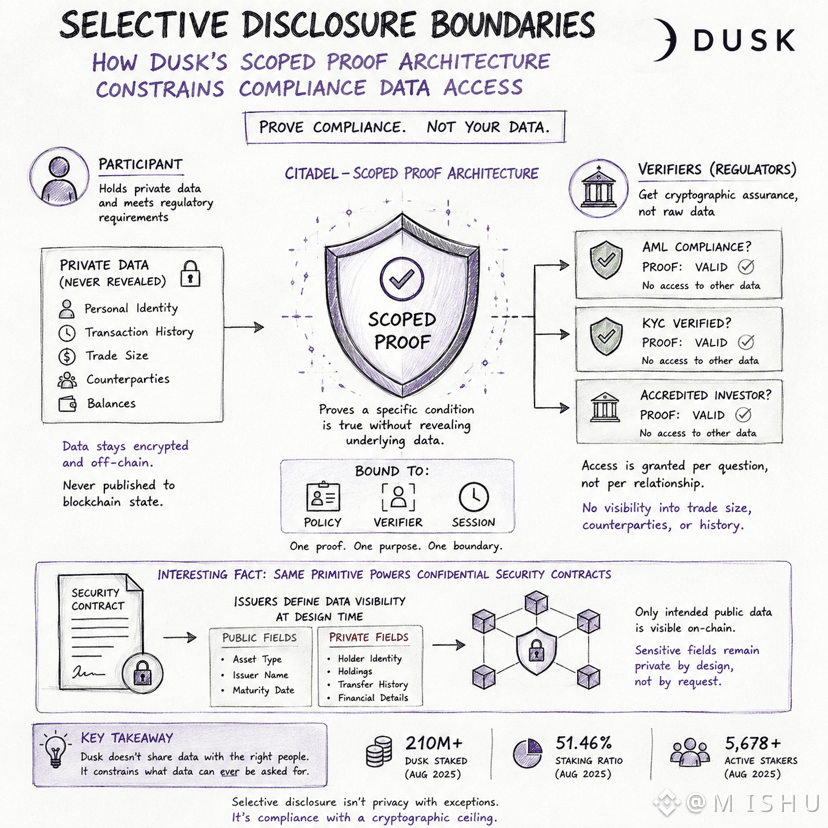
went looking for the mechanism behind "selective disclosure", a phrase every privacy chain uses but few define precisely. Most systems treat disclosure as binary: reveal everything to a regulator, or reveal nothing at all.
Dusk's model is narrower. Participants prove they satisfy AML/KYC requirements without exposing the personal or transactional data beneath the proof. The disclosure isn't "here's my data." It's "here's proof this condition holds", scoped to a single compliance question and nothing more.
Access is granted per question, not per relationship. A regulator verifying AML status doesn't automatically gain visibility into trade size, counterparties, or transaction history.
The interesting part is that the same principle extends to confidential security contracts, where issuers define which fields are public and which remain private before the asset even launches.
If a proof can only answer the question it was designed for, is selective disclosure really privacy with exceptions or compliance with a cryptographic ceiling on what can ever be known?
#dusk $DUSK @Dusk
went looking for the mechanism behind "selective disclosure", a phrase every privacy chain uses but few define precisely. Most systems treat disclosure as binary: reveal everything to a regulator, or reveal nothing at all.
Dusk's model is narrower. Participants prove they satisfy AML/KYC requirements without exposing the personal or transactional data beneath the proof. The disclosure isn't "here's my data." It's "here's proof this condition holds", scoped to a single compliance question and nothing more.
Access is granted per question, not per relationship. A regulator verifying AML status doesn't automatically gain visibility into trade size, counterparties, or transaction history.
The interesting part is that the same principle extends to confidential security contracts, where issuers define which fields are public and which remain private before the asset even launches.
If a proof can only answer the question it was designed for, is selective disclosure really privacy with exceptions or compliance with a cryptographic ceiling on what can ever be known?
went looking for the mechanism behind "selective disclosure", a phrase every privacy chain uses but few define precisely. Most systems treat disclosure as binary: reveal everything to a regulator, or reveal nothing at all.
Dusk's model is narrower. Participants prove they satisfy AML/KYC requirements without exposing the personal or transactional data beneath the proof. The disclosure isn't "here's my data." It's "here's proof this condition holds", scoped to a single compliance question and nothing more.
Access is granted per question, not per relationship. A regulator verifying AML status doesn't automatically gain visibility into trade size, counterparties, or transaction history.
The interesting part is that the same principle extends to confidential security contracts, where issuers define which fields are public and which remain private before the asset even launches.
If a proof can only answer the question it was designed for, is selective disclosure really privacy with exceptions or compliance with a cryptographic ceiling on what can ever be known?
1
2
1k
·
--
#dusk $DUSK @Dusk_Foundation
Duskのインシデント通知を、いつもの曖昧な「調査中です」といった文言を期待して読み進めました。けれど、そこで見つかったのは、じっくり向き合う価値のある違いでした。
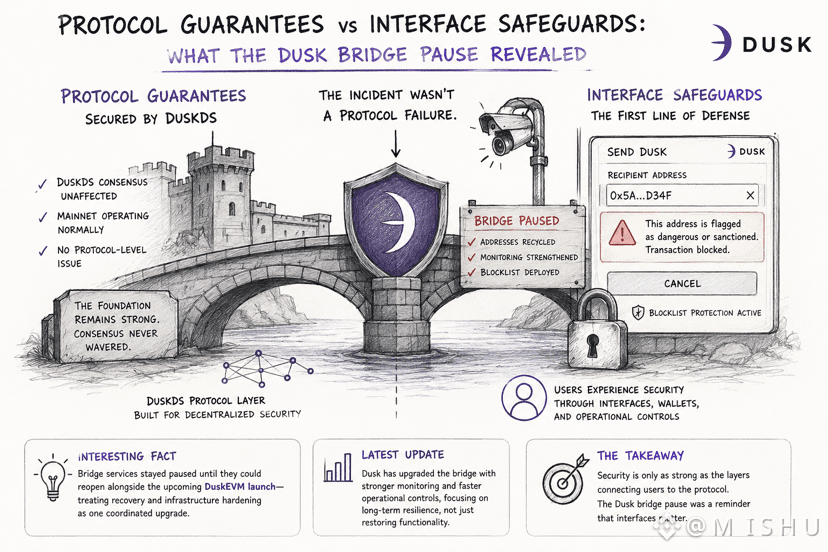
Duskは、チームが管理する運用ウォレットに紐づく異常なブリッジ活動を検知した際、ブリッジサービスを停止し、影響を受けたアドレスを再生成(リサイクル)し、既知の悪意ある、または制裁対象の送金先へ資金を送ろうとする前にユーザーへ警告するWebウォレットのブロックリストを展開しました。
それが面白いところです。
ブロックリストは、インターフェース上の安全装置です。これは、トランザクションに署名される前にユーザーを守るものです。DuskDSがプロトコル層で強制している仕組みではありません。
また、チームは同様に明確に、今回のインシデントはプロトコルレベルの失敗ではないと述べていました。コンセンサスは通常どおり稼働し、侵害が存在していたのはブリッジ周辺の運用インフラの中だけだったのです。
印象に残った細部があります。ブリッジサービスは、DuskEVMとともに再導入できるまで停止されたままだったことです。これにより、復旧とインフラの強化が、別々に「先に復旧して後でパッチ」するのではなく、単一のロールアウトとして実現されました。
もしプロトコルが決して失敗しなかったのに、ユーザーが実際にやり取りする保護がウォレットレベルの警告システムだったとしたら、セキュリティは本当にどこで体験されているのでしょう。プロトコルの中でしょうか、それともユーザーとプロトコルの間のインターフェースでしょうか?
#dusk $DUSK @Dusk
Duskのインシデント通知を、いつもの曖昧な「調査中です」といった文言を期待して読み進めました。けれど、そこで見つかったのは、じっくり向き合う価値のある違いでした。
Duskは、チームが管理する運用ウォレットに紐づく異常なブリッジ活動を検知した際、ブリッジサービスを停止し、影響を受けたアドレスを再生成(リサイクル)し、既知の悪意ある、または制裁対象の送金先へ資金を送ろうとする前にユーザーへ警告するWebウォレットのブロックリストを展開しました。
それが面白いところです。
ブロックリストは、インターフェース上の安全装置です。これは、トランザクションに署名される前にユーザーを守るものです。DuskDSがプロトコル層で強制している仕組みではありません。
また、チームは同様に明確に、今回のインシデントはプロトコルレベルの失敗ではないと述べていました。コンセンサスは通常どおり稼働し、侵害が存在していたのはブリッジ周辺の運用インフラの中だけだったのです。
印象に残った細部があります。ブリッジサービスは、DuskEVMとともに再導入できるまで停止されたままだったことです。これにより、復旧とインフラの強化が、別々に「先に復旧して後でパッチ」するのではなく、単一のロールアウトとして実現されました。
もしプロトコルが決して失敗しなかったのに、ユーザーが実際にやり取りする保護がウォレットレベルの警告システムだったとしたら、セキュリティは本当にどこで体験されているのでしょう。プロトコルの中でしょうか、それともユーザーとプロトコルの間のインターフェースでしょうか?
Duskのインシデント通知を、いつもの曖昧な「調査中です」といった文言を期待して読み進めました。けれど、そこで見つかったのは、じっくり向き合う価値のある違いでした。
Duskは、チームが管理する運用ウォレットに紐づく異常なブリッジ活動を検知した際、ブリッジサービスを停止し、影響を受けたアドレスを再生成(リサイクル)し、既知の悪意ある、または制裁対象の送金先へ資金を送ろうとする前にユーザーへ警告するWebウォレットのブロックリストを展開しました。
それが面白いところです。
ブロックリストは、インターフェース上の安全装置です。これは、トランザクションに署名される前にユーザーを守るものです。DuskDSがプロトコル層で強制している仕組みではありません。
また、チームは同様に明確に、今回のインシデントはプロトコルレベルの失敗ではないと述べていました。コンセンサスは通常どおり稼働し、侵害が存在していたのはブリッジ周辺の運用インフラの中だけだったのです。
印象に残った細部があります。ブリッジサービスは、DuskEVMとともに再導入できるまで停止されたままだったことです。これにより、復旧とインフラの強化が、別々に「先に復旧して後でパッチ」するのではなく、単一のロールアウトとして実現されました。
もしプロトコルが決して失敗しなかったのに、ユーザーが実際にやり取りする保護がウォレットレベルの警告システムだったとしたら、セキュリティは本当にどこで体験されているのでしょう。プロトコルの中でしょうか、それともユーザーとプロトコルの間のインターフェースでしょうか?
4
5
1.2k
·
--
#dusk $DUSK @Dusk_Foundation
Duskのブリッジ事故通知を読んでいたが、いつもの暗号ハックのひな形――パニック、曖昧な安心、そして沈黙――を期待していた。ところが、何が「壊れなかったか」についての表現がやけに具体的だった。
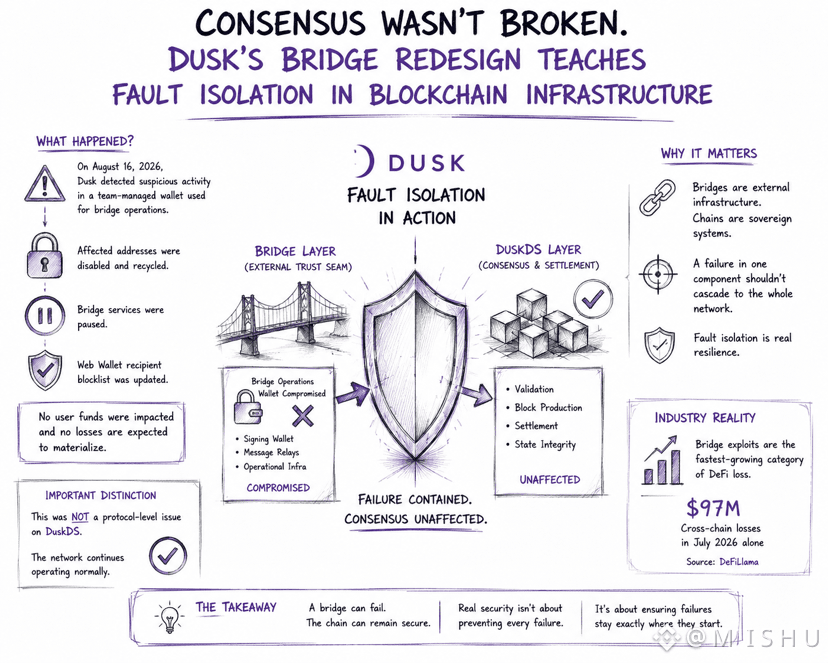
2026年8月16日、チームはブリッジ運用に使用されているチーム管理ウォレットに紐づく不審な活動を検知し、影響を受けたアドレスを無効化して再利用し、ブリッジのサービスを一時停止、さらにWeb Walletの受取人ブロックリストを追加した。入手可能なすべての情報に基づくと、ユーザー資金への影響はなく、損失が顕在化することも見込まれていない。
実際に重要だったのは、これがDuskDSにおけるプロトコルレベルの問題ではなく、ネットワークは通常どおり稼働し続けているという点だ。コンセンサス、決済、ベースレイヤーはいずれも無傷。失敗はブリッジ境界にある運用ウォレットに完全に封じ込められた。
これは設計どおりに障害を切り分けられた結果で、運ではない。ブリッジとは、チェーンにボルトで留められた外部の信頼の継ぎ目であり、DuskDSがブロックを正しく検証し続けていたことこそが、その分離が保持されたことの実証だ。
つまり、今年のDeFi損失の中でブリッジ・エクスプロイトが最も急成長しているカテゴリーであり、7月だけでも業界全体でクロスチェーン損失が合計97Mドルに達している。そして再発の原因は、壊れた暗号ではなく、壊れた信頼の前提――署名者の侵害、偽造されたメッセージ、すり抜けたタイムロック――だ。
ベースレイヤーに手を加えずに済んだままブリッジが失敗したのなら、「チェーンは安全か」と「ブリッジは安全か」は、同じ問いとして今後も問われるべきなのだろうか?
#dusk $DUSK @Dusk
Duskのブリッジ事故通知を読んでいたが、いつもの暗号ハックのひな形――パニック、曖昧な安心、そして沈黙――を期待していた。ところが、何が「壊れなかったか」についての表現がやけに具体的だった。
2026年8月16日、チームはブリッジ運用に使用されているチーム管理ウォレットに紐づく不審な活動を検知し、影響を受けたアドレスを無効化して再利用し、ブリッジのサービスを一時停止、さらにWeb Walletの受取人ブロックリストを追加した。入手可能なすべての情報に基づくと、ユーザー資金への影響はなく、損失が顕在化することも見込まれていない。
実際に重要だったのは、これがDuskDSにおけるプロトコルレベルの問題ではなく、ネットワークは通常どおり稼働し続けているという点だ。コンセンサス、決済、ベースレイヤーはいずれも無傷。失敗はブリッジ境界にある運用ウォレットに完全に封じ込められた。
これは設計どおりに障害を切り分けられた結果で、運ではない。ブリッジとは、チェーンにボルトで留められた外部の信頼の継ぎ目であり、DuskDSがブロックを正しく検証し続けていたことこそが、その分離が保持されたことの実証だ。
つまり、今年のDeFi損失の中でブリッジ・エクスプロイトが最も急成長しているカテゴリーであり、7月だけでも業界全体でクロスチェーン損失が合計97Mドルに達している。そして再発の原因は、壊れた暗号ではなく、壊れた信頼の前提――署名者の侵害、偽造されたメッセージ、すり抜けたタイムロック――だ。
ベースレイヤーに手を加えずに済んだままブリッジが失敗したのなら、「チェーンは安全か」と「ブリッジは安全か」は、同じ問いとして今後も問われるべきなのだろうか?
Duskのブリッジ事故通知を読んでいたが、いつもの暗号ハックのひな形――パニック、曖昧な安心、そして沈黙――を期待していた。ところが、何が「壊れなかったか」についての表現がやけに具体的だった。
2026年8月16日、チームはブリッジ運用に使用されているチーム管理ウォレットに紐づく不審な活動を検知し、影響を受けたアドレスを無効化して再利用し、ブリッジのサービスを一時停止、さらにWeb Walletの受取人ブロックリストを追加した。入手可能なすべての情報に基づくと、ユーザー資金への影響はなく、損失が顕在化することも見込まれていない。
実際に重要だったのは、これがDuskDSにおけるプロトコルレベルの問題ではなく、ネットワークは通常どおり稼働し続けているという点だ。コンセンサス、決済、ベースレイヤーはいずれも無傷。失敗はブリッジ境界にある運用ウォレットに完全に封じ込められた。
これは設計どおりに障害を切り分けられた結果で、運ではない。ブリッジとは、チェーンにボルトで留められた外部の信頼の継ぎ目であり、DuskDSがブロックを正しく検証し続けていたことこそが、その分離が保持されたことの実証だ。
つまり、今年のDeFi損失の中でブリッジ・エクスプロイトが最も急成長しているカテゴリーであり、7月だけでも業界全体でクロスチェーン損失が合計97Mドルに達している。そして再発の原因は、壊れた暗号ではなく、壊れた信頼の前提――署名者の侵害、偽造されたメッセージ、すり抜けたタイムロック――だ。
ベースレイヤーに手を加えずに済んだままブリッジが失敗したのなら、「チェーンは安全か」と「ブリッジは安全か」は、同じ問いとして今後も問われるべきなのだろうか?
17
3
1.6k
·
--
確認済み
#dusk $DUSK @Dusk_Foundation
DuskのCreatorPadタスクを開き、Hedgerをめぐるプライバシー重視の別の物語を期待していました。けれども、私の注意を引いたのは、実際に何かがうまくいかなかったときにシステムがどう振る舞うかでした。
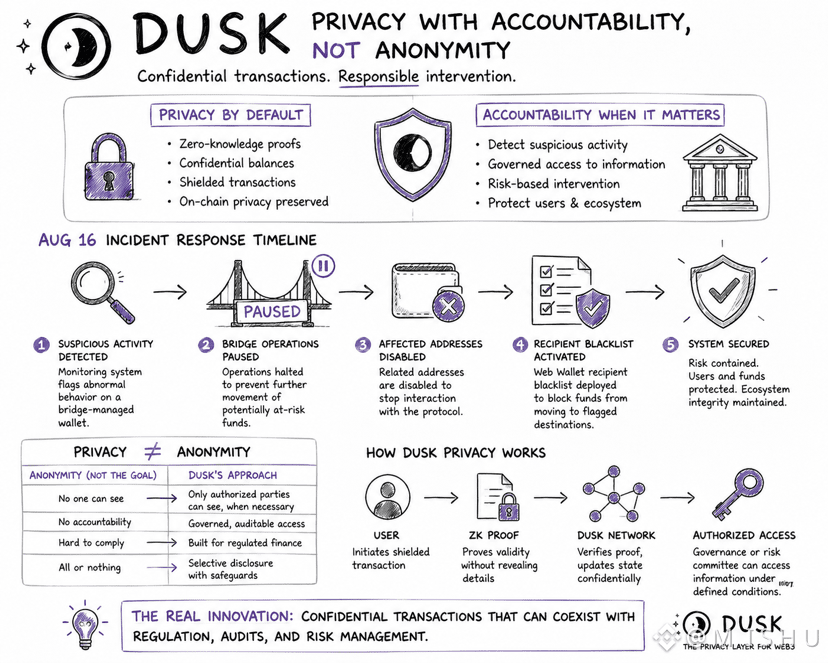
8月16日、チームはブリッジ管理のウォレットに関連する不審な活動を検知しました。数時間のうちに、ブリッジの運用は停止され、影響を受けたアドレスは無効化され、フラグが付けられた送付先へ資金が届かないように受取人のブラックリストが展開されました。
この対応は、私のDuskのプライバシーモデルに対する考え方を変えました。
多くの人は「デフォルトでプライバシー」を聞くと、完全な匿名性を想像します。Duskが構築しているのは、それとは別のもののようです。つまり、「説明責任を伴う機密性」です。取引の詳細は公に見えないまま保たれますが、セキュリティ、コンプライアンス、または資産保護のために介入が必要になったとき、ネットワーク側にはそれを行うための仕組みが残されています。
規制下の金融にとって、この違いは重要です。
本当の問いは、取引がプライベートかどうかではないのかもしれません。特定の条件下で誰が情報にアクセスできるのか、そのアクセスはどのように統治されるのか、そして介入権限の周りにはどんなセーフガードが存在するのか—そこが問題かもしれません。
プライバシーはマーケティングしやすいです。規制、監査、リスク管理と共存できるプライバシーを設計するのが、より難しい課題であり、そしておそらくより重要な課題です。
#dusk $DUSK @Dusk
DuskのCreatorPadタスクを開き、Hedgerをめぐるプライバシー重視の別の物語を期待していました。けれども、私の注意を引いたのは、実際に何かがうまくいかなかったときにシステムがどう振る舞うかでした。
8月16日、チームはブリッジ管理のウォレットに関連する不審な活動を検知しました。数時間のうちに、ブリッジの運用は停止され、影響を受けたアドレスは無効化され、フラグが付けられた送付先へ資金が届かないように受取人のブラックリストが展開されました。
この対応は、私のDuskのプライバシーモデルに対する考え方を変えました。
多くの人は「デフォルトでプライバシー」を聞くと、完全な匿名性を想像します。Duskが構築しているのは、それとは別のもののようです。つまり、「説明責任を伴う機密性」です。取引の詳細は公に見えないまま保たれますが、セキュリティ、コンプライアンス、または資産保護のために介入が必要になったとき、ネットワーク側にはそれを行うための仕組みが残されています。
規制下の金融にとって、この違いは重要です。
本当の問いは、取引がプライベートかどうかではないのかもしれません。特定の条件下で誰が情報にアクセスできるのか、そのアクセスはどのように統治されるのか、そして介入権限の周りにはどんなセーフガードが存在するのか—そこが問題かもしれません。
プライバシーはマーケティングしやすいです。規制、監査、リスク管理と共存できるプライバシーを設計するのが、より難しい課題であり、そしておそらくより重要な課題です。
DuskのCreatorPadタスクを開き、Hedgerをめぐるプライバシー重視の別の物語を期待していました。けれども、私の注意を引いたのは、実際に何かがうまくいかなかったときにシステムがどう振る舞うかでした。
8月16日、チームはブリッジ管理のウォレットに関連する不審な活動を検知しました。数時間のうちに、ブリッジの運用は停止され、影響を受けたアドレスは無効化され、フラグが付けられた送付先へ資金が届かないように受取人のブラックリストが展開されました。
この対応は、私のDuskのプライバシーモデルに対する考え方を変えました。
多くの人は「デフォルトでプライバシー」を聞くと、完全な匿名性を想像します。Duskが構築しているのは、それとは別のもののようです。つまり、「説明責任を伴う機密性」です。取引の詳細は公に見えないまま保たれますが、セキュリティ、コンプライアンス、または資産保護のために介入が必要になったとき、ネットワーク側にはそれを行うための仕組みが残されています。
規制下の金融にとって、この違いは重要です。
本当の問いは、取引がプライベートかどうかではないのかもしれません。特定の条件下で誰が情報にアクセスできるのか、そのアクセスはどのように統治されるのか、そして介入権限の周りにはどんなセーフガードが存在するのか—そこが問題かもしれません。
プライバシーはマーケティングしやすいです。規制、監査、リスク管理と共存できるプライバシーを設計するのが、より難しい課題であり、そしておそらくより重要な課題です。
9
3
1.5k
·
--
確認済み
#dusk $DUSK @Dusk_Foundation
……そこで、最初の「Solidityをサポートします」という発表が薄れても、開発者をチェーンに留まらせ続ける“実際の要因”を探しに行きました。
EVM互換性は、ビルダーを呼び込むための入口になります。
でも、それだけでは留まる理由にはなりません。
DuskEVMのテストネットが現在稼働しており、開発者はSolidity、馴染みのあるEthereumの開発ツール、そしてより摩擦の少ない形でエコシステムに入るためのルートを利用できます。これは重要です。ですが2026年には、互換性は差別化要因ではなく、最低条件になっています。
私の目を引いたのは、DuskEVMそのものではありませんでした。
それを取り巻くすべてのものです。
Hedgerはホモモルフィック暗号とゼロ知識技術によって秘密(コンフィデンシャル)なトランザクションのフローを導入し、アプリケーションがプライバシーと、規制された金融インフラを両立できるようにします。多くのチェーンは実行で競い合います。Duskは、プライベートに実行できることに競争軸を置いているのです。
さらにDusk Connectがあります。
2026年4月にリリースされたSDKは、dAppsがウォレットを見つけ、ユーザーを接続し、統一されたインターフェースを通じてトランザクションを処理できるよう支援することを目的に設計されました。これは、買収後に表面化してくる課題を解決します。つまり、すでに「作る」と決めた開発者の摩擦を減らすことです。
ImDuskは、2つの明確なビルダー向けルートを提供します。DuskEVMはSolidity開発者向け。ネイティブのDuskスタックは、シールド口座、プライバシーを保つ実行、そしてW3sperによるノードレベルの直接的なツール群を提供します。アプリケーションが成熟していくにつれ、開発者はより高度な機能にアクセスするためにエコシステムを離れる必要がなくなります。
うーん……もしかすると、これが本当のリテンション戦略なのかもしれません。
EVM互換性でビルダーを呼び込むのではない。
他のどこでも簡単に見つけられないインフラを提供する。
そして、より強いビルダーのロイヤルティを生み出すのは何でしょう?
#dusk $DUSK @Dusk
……そこで、最初の「Solidityをサポートします」という発表が薄れても、開発者をチェーンに留まらせ続ける“実際の要因”を探しに行きました。
EVM互換性は、ビルダーを呼び込むための入口になります。
でも、それだけでは留まる理由にはなりません。
DuskEVMのテストネットが現在稼働しており、開発者はSolidity、馴染みのあるEthereumの開発ツール、そしてより摩擦の少ない形でエコシステムに入るためのルートを利用できます。これは重要です。ですが2026年には、互換性は差別化要因ではなく、最低条件になっています。
私の目を引いたのは、DuskEVMそのものではありませんでした。
それを取り巻くすべてのものです。
Hedgerはホモモルフィック暗号とゼロ知識技術によって秘密(コンフィデンシャル)なトランザクションのフローを導入し、アプリケーションがプライバシーと、規制された金融インフラを両立できるようにします。多くのチェーンは実行で競い合います。Duskは、プライベートに実行できることに競争軸を置いているのです。
さらにDusk Connectがあります。
2026年4月にリリースされたSDKは、dAppsがウォレットを見つけ、ユーザーを接続し、統一されたインターフェースを通じてトランザクションを処理できるよう支援することを目的に設計されました。これは、買収後に表面化してくる課題を解決します。つまり、すでに「作る」と決めた開発者の摩擦を減らすことです。
ImDuskは、2つの明確なビルダー向けルートを提供します。DuskEVMはSolidity開発者向け。ネイティブのDuskスタックは、シールド口座、プライバシーを保つ実行、そしてW3sperによるノードレベルの直接的なツール群を提供します。アプリケーションが成熟していくにつれ、開発者はより高度な機能にアクセスするためにエコシステムを離れる必要がなくなります。
うーん……もしかすると、これが本当のリテンション戦略なのかもしれません。
EVM互換性でビルダーを呼び込むのではない。
他のどこでも簡単に見つけられないインフラを提供する。
そして、より強いビルダーのロイヤルティを生み出すのは何でしょう?
……そこで、最初の「Solidityをサポートします」という発表が薄れても、開発者をチェーンに留まらせ続ける“実際の要因”を探しに行きました。
EVM互換性は、ビルダーを呼び込むための入口になります。
でも、それだけでは留まる理由にはなりません。
DuskEVMのテストネットが現在稼働しており、開発者はSolidity、馴染みのあるEthereumの開発ツール、そしてより摩擦の少ない形でエコシステムに入るためのルートを利用できます。これは重要です。ですが2026年には、互換性は差別化要因ではなく、最低条件になっています。
私の目を引いたのは、DuskEVMそのものではありませんでした。
それを取り巻くすべてのものです。
Hedgerはホモモルフィック暗号とゼロ知識技術によって秘密(コンフィデンシャル)なトランザクションのフローを導入し、アプリケーションがプライバシーと、規制された金融インフラを両立できるようにします。多くのチェーンは実行で競い合います。Duskは、プライベートに実行できることに競争軸を置いているのです。
さらにDusk Connectがあります。
2026年4月にリリースされたSDKは、dAppsがウォレットを見つけ、ユーザーを接続し、統一されたインターフェースを通じてトランザクションを処理できるよう支援することを目的に設計されました。これは、買収後に表面化してくる課題を解決します。つまり、すでに「作る」と決めた開発者の摩擦を減らすことです。
ImDuskは、2つの明確なビルダー向けルートを提供します。DuskEVMはSolidity開発者向け。ネイティブのDuskスタックは、シールド口座、プライバシーを保つ実行、そしてW3sperによるノードレベルの直接的なツール群を提供します。アプリケーションが成熟していくにつれ、開発者はより高度な機能にアクセスするためにエコシステムを離れる必要がなくなります。
うーん……もしかすると、これが本当のリテンション戦略なのかもしれません。
EVM互換性でビルダーを呼び込むのではない。
他のどこでも簡単に見つけられないインフラを提供する。
そして、より強いビルダーのロイヤルティを生み出すのは何でしょう?
EVM Compatibility
100%
Privacy Infrastructure
0%
Better Developer Tools
0%
Real Ecosystem Demand
0%
1 投票 • 投票は終了しました
12
1
1.2k
·
--
確認済み
#dusk $DUSK @Dusk_Foundation
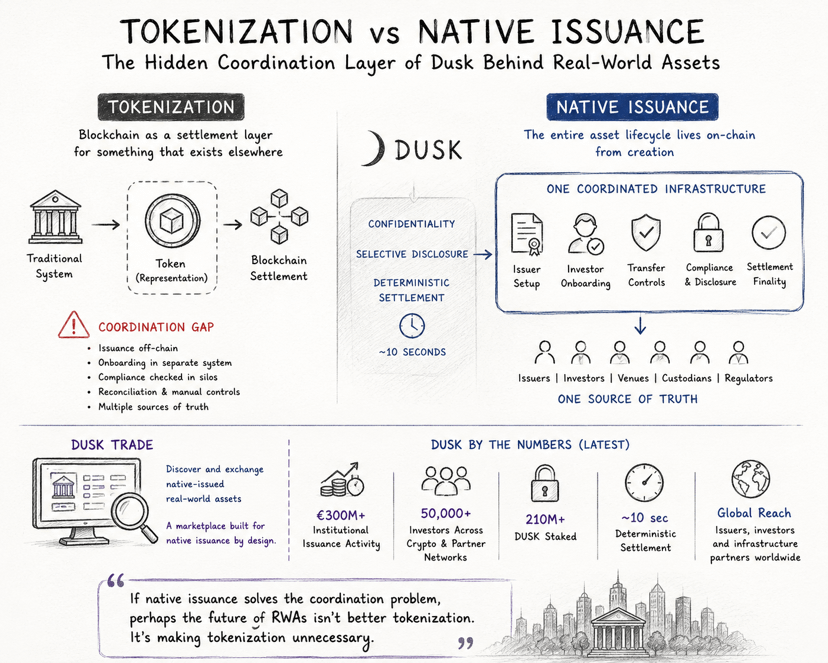
$ONG と$ENA を読んでいたところ、今週@Dusk_Foundation のSMEインフラを調べて、トークン化された発行体の増加リストが見つかるのを期待していました。
多くの人が探しているのは、こうした物語です。発行体が増える、採用が進む。
しかし、私が見つけたのは、もっと興味深い指標でした。
#dusk は、規制された発行に関するフルスタック(資産の作成、投資家の適格性、譲渡制限、コンプライアンス管理、規制された決済)をすでに提供しています。
インフラは整っています。
ですが、インフラの準備完了は、経済活動と同じではありません。
私が見つけた最も強いシグナルは、NPEXです。これは、Duskのインフラに接続されたDuskのインフラを通じて、上場投資が約€200〜300M規模の、規制された証券マーケットプレイスです。これはウォレット数でも、テストネットのマイルストーンでもありません。規制されたレールを通じて実際の資本が運用されている、ということです。
それによって、私は採用の捉え方を変えました。
ほとんどのネットワークは、「どれだけ多くの資産や発行体がチェーン上に現れたか」で成長を測ります。
SMEファイナンスでより良い問いは、こうです。発行体が登場した後、実際にどれだけの資本が動くのか?
発行体が100社いても、証券を継続的に発行し、投資家を惹きつけ、取引を決済し続ける10社のほうが、より大きな価値を生むことがあります。
Duskのコンプライアンス・アーキテクチャは、多くのチェーンよりも発行体の成長を「作り込みにくく」しています。発行体は、単にトークンをデプロイして採用だと呼ぶのではなく、規制や適格要件を満たさなければなりません。
私が見ているのは、発行体数ではありません。
発行体あたりの経済活動です。
本当の採用は、発行体が登録された時ではなく、資本が動き始めた時に始まるからです。
#dusk $DUSK @Dusk
$ONG と$ENA を読んでいたところ、今週@Dusk のSMEインフラを調べて、トークン化された発行体の増加リストが見つかるのを期待していました。
多くの人が探しているのは、こうした物語です。発行体が増える、採用が進む。
しかし、私が見つけたのは、もっと興味深い指標でした。
#dusk は、規制された発行に関するフルスタック(資産の作成、投資家の適格性、譲渡制限、コンプライアンス管理、規制された決済)をすでに提供しています。
インフラは整っています。
ですが、インフラの準備完了は、経済活動と同じではありません。
私が見つけた最も強いシグナルは、NPEXです。これは、Duskのインフラに接続されたDuskのインフラを通じて、上場投資が約€200〜300M規模の、規制された証券マーケットプレイスです。これはウォレット数でも、テストネットのマイルストーンでもありません。規制されたレールを通じて実際の資本が運用されている、ということです。
それによって、私は採用の捉え方を変えました。
ほとんどのネットワークは、「どれだけ多くの資産や発行体がチェーン上に現れたか」で成長を測ります。
SMEファイナンスでより良い問いは、こうです。発行体が登場した後、実際にどれだけの資本が動くのか?
発行体が100社いても、証券を継続的に発行し、投資家を惹きつけ、取引を決済し続ける10社のほうが、より大きな価値を生むことがあります。
Duskのコンプライアンス・アーキテクチャは、多くのチェーンよりも発行体の成長を「作り込みにくく」しています。発行体は、単にトークンをデプロイして採用だと呼ぶのではなく、規制や適格要件を満たさなければなりません。
私が見ているのは、発行体数ではありません。
発行体あたりの経済活動です。
本当の採用は、発行体が登録された時ではなく、資本が動き始めた時に始まるからです。
$ONG と$ENA を読んでいたところ、今週@Dusk のSMEインフラを調べて、トークン化された発行体の増加リストが見つかるのを期待していました。
多くの人が探しているのは、こうした物語です。発行体が増える、採用が進む。
しかし、私が見つけたのは、もっと興味深い指標でした。
#dusk は、規制された発行に関するフルスタック(資産の作成、投資家の適格性、譲渡制限、コンプライアンス管理、規制された決済)をすでに提供しています。
インフラは整っています。
ですが、インフラの準備完了は、経済活動と同じではありません。
私が見つけた最も強いシグナルは、NPEXです。これは、Duskのインフラに接続されたDuskのインフラを通じて、上場投資が約€200〜300M規模の、規制された証券マーケットプレイスです。これはウォレット数でも、テストネットのマイルストーンでもありません。規制されたレールを通じて実際の資本が運用されている、ということです。
それによって、私は採用の捉え方を変えました。
ほとんどのネットワークは、「どれだけ多くの資産や発行体がチェーン上に現れたか」で成長を測ります。
SMEファイナンスでより良い問いは、こうです。発行体が登場した後、実際にどれだけの資本が動くのか?
発行体が100社いても、証券を継続的に発行し、投資家を惹きつけ、取引を決済し続ける10社のほうが、より大きな価値を生むことがあります。
Duskのコンプライアンス・アーキテクチャは、多くのチェーンよりも発行体の成長を「作り込みにくく」しています。発行体は、単にトークンをデプロイして採用だと呼ぶのではなく、規制や適格要件を満たさなければなりません。
私が見ているのは、発行体数ではありません。
発行体あたりの経済活動です。
本当の採用は、発行体が登録された時ではなく、資本が動き始めた時に始まるからです。
18
6
1k
·
--
確認済み
#termmax @termmax
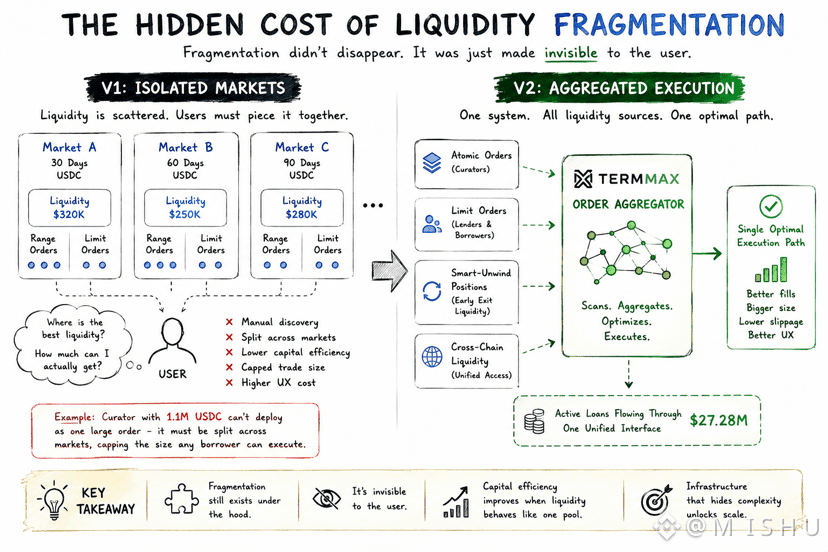
$ONG $ENA と $PEOPLE にあるポンプを見ていて、流動性のフラグメンテーション(分断)は、1回の大きな支払いをする必要があるときに、資金が10個の異なるウォレットに分散していて、うまく使えないのとよく似ていると気づきました。
資本は存在します。
ただ、効率よく使えないだけです。
TermMax の V1 市場と V2 を比較しているときに、その考えが頭に浮かびました。
V1 では、あらゆる市場(満期の違い、担保の種類、チェーンの違いなど)ごとに、流動性がそれぞれ孤立していました。キュレーターのレンジオーダーは、貸し手や借り手の指値オーダーとは別々に存在し、ユーザーはそれらを手作業で組み合わせて、最良の約定(実行)を見つける必要がありました。
たとえば 1.1M USDC のキュレーターなら、全体として利用可能な流動性は十分にあるかもしれません。しかし、その資本が複数の市場に散らばっているために、大口の借り手が1回の取引でそれにアクセスするのが難しいことは起こり得ます。
それがフラグメンテーションの隠れたコストです。
利回りが下がることではありません。
TVL が下がることでもありません。
約定の質に対する制約です。
私の注目点は、TermMax がフラグメンテーションをなくしたわけではない、というところです。対応すべき相手(誰が対処しなければならないか)を変えたのです。
オーダーアグリゲーターは、アトミックオーダー、指値オーダー、スマートアンワインドポジションを同時にスキャンし、利用可能なすべての流動性ソースを通じてルーティングし、単一の実行パスを自動的に構築します。
フラグメンテーションは、表面の下にまだ存在しています。
ただ、ユーザーにはそれが見えなくなっただけです。
今日では、約 2,728 万ドルのアクティブローンが、数十もの別々の市場ではなく、ひとつの統一された流動性レイヤーのように感じられるインターフェースを通じて動いています。
お茶を飲みながら、面白い事実を知りました。インパクトの大きいインフラのアップグレードの中には、新しい流動性を生み出すのではなく、既存の流動性を“1つの市場のように振る舞わせる”だけのものがあるのです。
ルーティングによってフラグメンテーションが完全に見えなくなるなら、問題は解決されたのでしょうか。それとも、単に抽象化されただけなのでしょうか?
#termmax @TermMax
$ONG $ENA と $PEOPLE にあるポンプを見ていて、流動性のフラグメンテーション(分断)は、1回の大きな支払いをする必要があるときに、資金が10個の異なるウォレットに分散していて、うまく使えないのとよく似ていると気づきました。
資本は存在します。
ただ、効率よく使えないだけです。
TermMax の V1 市場と V2 を比較しているときに、その考えが頭に浮かびました。
V1 では、あらゆる市場(満期の違い、担保の種類、チェーンの違いなど)ごとに、流動性がそれぞれ孤立していました。キュレーターのレンジオーダーは、貸し手や借り手の指値オーダーとは別々に存在し、ユーザーはそれらを手作業で組み合わせて、最良の約定(実行)を見つける必要がありました。
たとえば 1.1M USDC のキュレーターなら、全体として利用可能な流動性は十分にあるかもしれません。しかし、その資本が複数の市場に散らばっているために、大口の借り手が1回の取引でそれにアクセスするのが難しいことは起こり得ます。
それがフラグメンテーションの隠れたコストです。
利回りが下がることではありません。
TVL が下がることでもありません。
約定の質に対する制約です。
私の注目点は、TermMax がフラグメンテーションをなくしたわけではない、というところです。対応すべき相手(誰が対処しなければならないか)を変えたのです。
オーダーアグリゲーターは、アトミックオーダー、指値オーダー、スマートアンワインドポジションを同時にスキャンし、利用可能なすべての流動性ソースを通じてルーティングし、単一の実行パスを自動的に構築します。
フラグメンテーションは、表面の下にまだ存在しています。
ただ、ユーザーにはそれが見えなくなっただけです。
今日では、約 2,728 万ドルのアクティブローンが、数十もの別々の市場ではなく、ひとつの統一された流動性レイヤーのように感じられるインターフェースを通じて動いています。
お茶を飲みながら、面白い事実を知りました。インパクトの大きいインフラのアップグレードの中には、新しい流動性を生み出すのではなく、既存の流動性を“1つの市場のように振る舞わせる”だけのものがあるのです。
ルーティングによってフラグメンテーションが完全に見えなくなるなら、問題は解決されたのでしょうか。それとも、単に抽象化されただけなのでしょうか?
$ONG $ENA と $PEOPLE にあるポンプを見ていて、流動性のフラグメンテーション(分断)は、1回の大きな支払いをする必要があるときに、資金が10個の異なるウォレットに分散していて、うまく使えないのとよく似ていると気づきました。
資本は存在します。
ただ、効率よく使えないだけです。
TermMax の V1 市場と V2 を比較しているときに、その考えが頭に浮かびました。
V1 では、あらゆる市場(満期の違い、担保の種類、チェーンの違いなど)ごとに、流動性がそれぞれ孤立していました。キュレーターのレンジオーダーは、貸し手や借り手の指値オーダーとは別々に存在し、ユーザーはそれらを手作業で組み合わせて、最良の約定(実行)を見つける必要がありました。
たとえば 1.1M USDC のキュレーターなら、全体として利用可能な流動性は十分にあるかもしれません。しかし、その資本が複数の市場に散らばっているために、大口の借り手が1回の取引でそれにアクセスするのが難しいことは起こり得ます。
それがフラグメンテーションの隠れたコストです。
利回りが下がることではありません。
TVL が下がることでもありません。
約定の質に対する制約です。
私の注目点は、TermMax がフラグメンテーションをなくしたわけではない、というところです。対応すべき相手(誰が対処しなければならないか)を変えたのです。
オーダーアグリゲーターは、アトミックオーダー、指値オーダー、スマートアンワインドポジションを同時にスキャンし、利用可能なすべての流動性ソースを通じてルーティングし、単一の実行パスを自動的に構築します。
フラグメンテーションは、表面の下にまだ存在しています。
ただ、ユーザーにはそれが見えなくなっただけです。
今日では、約 2,728 万ドルのアクティブローンが、数十もの別々の市場ではなく、ひとつの統一された流動性レイヤーのように感じられるインターフェースを通じて動いています。
お茶を飲みながら、面白い事実を知りました。インパクトの大きいインフラのアップグレードの中には、新しい流動性を生み出すのではなく、既存の流動性を“1つの市場のように振る舞わせる”だけのものがあるのです。
ルーティングによってフラグメンテーションが完全に見えなくなるなら、問題は解決されたのでしょうか。それとも、単に抽象化されただけなのでしょうか?
16
3
1.6k
·
--
一部該当
#dusk $DUSK @Dusk_Foundation
今日の$BTC と$ETH で利益を得たのは誰?🥳
大多数の投資家は、コンセンサスが失敗したときにしかコンセンサスのことを考えません。
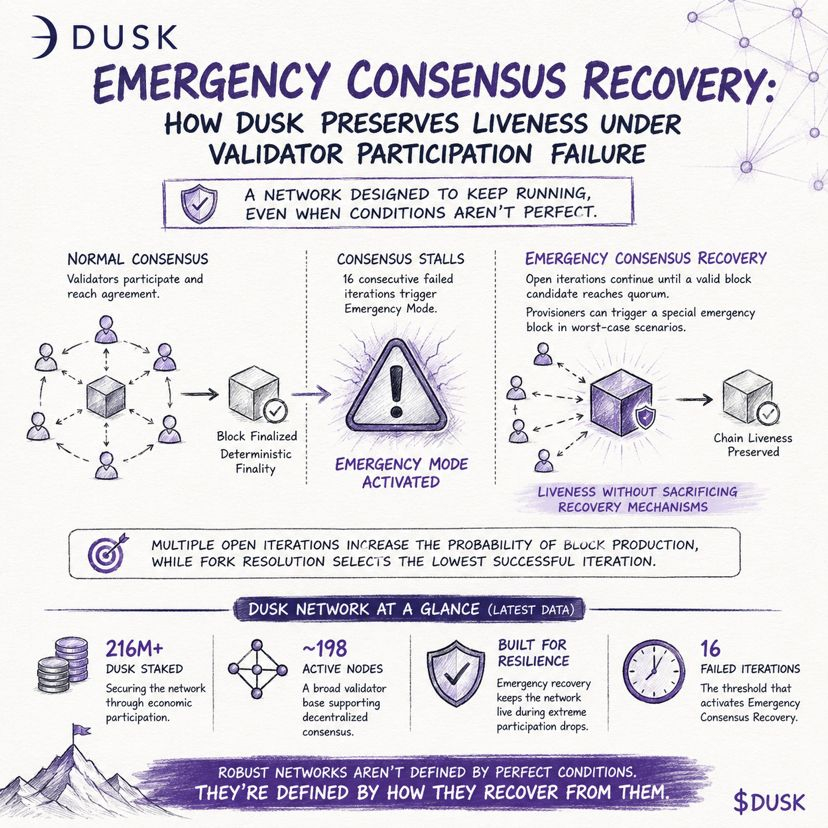
私は、Duskの「緊急コンセンサス回復」に興味を持ちました。これは、すべてのブロックチェーンがいずれ必ず直面する問題に対処するものだからです。つまり、バリデータ参加が常に完璧ではないという現実です。
従来のコンセンサス議論はセキュリティに焦点を当てます。しかし現実のネットワークには、活性(liveness)も必要です。完全に安全でもブロックを生成できないチェーンは、機関やユーザーにとって役に立ちません。
Duskのアプローチは興味深いです。通常のコンセンサスラウンドが繰り返し完了に至らない場合、プロトコルはネットワーク停止を許さず、ブロック生成を止めないための緊急回復プロセスに入ることができます。目的はスループットの向上や最終確定の高速化ではなく、異常なバリデータ参加が起きた際のネットワーク利用可能性を維持することです。
際立っているのは、この仕組みが必要になる前から存在する点です。危機の最中に即席で対応するのではなく、プロトコル設計の一部になっています。
最近のネットワーク統計では、アクティブノードがおよそ198のバリデータネットワークに対して216M超のDUSKがステークされており、参加の分散に役立つと同時に、参加が予期せず低下した場合でも回復のためのセーフガードが維持されます。
お茶の時間待ち……😀
最強のインフラとは、決して失敗しないものではありません。
失敗から回復するように設計されたものです。
#FOMCWatch #CryptoRally
#dusk $DUSK @Dusk
今日の$BTC と$ETH で利益を得たのは誰?🥳
大多数の投資家は、コンセンサスが失敗したときにしかコンセンサスのことを考えません。
私は、Duskの「緊急コンセンサス回復」に興味を持ちました。これは、すべてのブロックチェーンがいずれ必ず直面する問題に対処するものだからです。つまり、バリデータ参加が常に完璧ではないという現実です。
従来のコンセンサス議論はセキュリティに焦点を当てます。しかし現実のネットワークには、活性(liveness)も必要です。完全に安全でもブロックを生成できないチェーンは、機関やユーザーにとって役に立ちません。
Duskのアプローチは興味深いです。通常のコンセンサスラウンドが繰り返し完了に至らない場合、プロトコルはネットワーク停止を許さず、ブロック生成を止めないための緊急回復プロセスに入ることができます。目的はスループットの向上や最終確定の高速化ではなく、異常なバリデータ参加が起きた際のネットワーク利用可能性を維持することです。
際立っているのは、この仕組みが必要になる前から存在する点です。危機の最中に即席で対応するのではなく、プロトコル設計の一部になっています。
最近のネットワーク統計では、アクティブノードがおよそ198のバリデータネットワークに対して216M超のDUSKがステークされており、参加の分散に役立つと同時に、参加が予期せず低下した場合でも回復のためのセーフガードが維持されます。
お茶の時間待ち……😀
最強のインフラとは、決して失敗しないものではありません。
失敗から回復するように設計されたものです。
#FOMCWatch #CryptoRally
今日の$BTC と$ETH で利益を得たのは誰?🥳
大多数の投資家は、コンセンサスが失敗したときにしかコンセンサスのことを考えません。
私は、Duskの「緊急コンセンサス回復」に興味を持ちました。これは、すべてのブロックチェーンがいずれ必ず直面する問題に対処するものだからです。つまり、バリデータ参加が常に完璧ではないという現実です。
従来のコンセンサス議論はセキュリティに焦点を当てます。しかし現実のネットワークには、活性(liveness)も必要です。完全に安全でもブロックを生成できないチェーンは、機関やユーザーにとって役に立ちません。
Duskのアプローチは興味深いです。通常のコンセンサスラウンドが繰り返し完了に至らない場合、プロトコルはネットワーク停止を許さず、ブロック生成を止めないための緊急回復プロセスに入ることができます。目的はスループットの向上や最終確定の高速化ではなく、異常なバリデータ参加が起きた際のネットワーク利用可能性を維持することです。
際立っているのは、この仕組みが必要になる前から存在する点です。危機の最中に即席で対応するのではなく、プロトコル設計の一部になっています。
最近のネットワーク統計では、アクティブノードがおよそ198のバリデータネットワークに対して216M超のDUSKがステークされており、参加の分散に役立つと同時に、参加が予期せず低下した場合でも回復のためのセーフガードが維持されます。
お茶の時間待ち……😀
最強のインフラとは、決して失敗しないものではありません。
失敗から回復するように設計されたものです。
#FOMCWatch #CryptoRally
5
6
1k
·
--
#dusk $DUSK @Dusk_Foundation
わあ $RICE と $BTW が空を飛んでる、チャンス逃しちゃった、悲しい ☹️ でも今は仕事に戻る
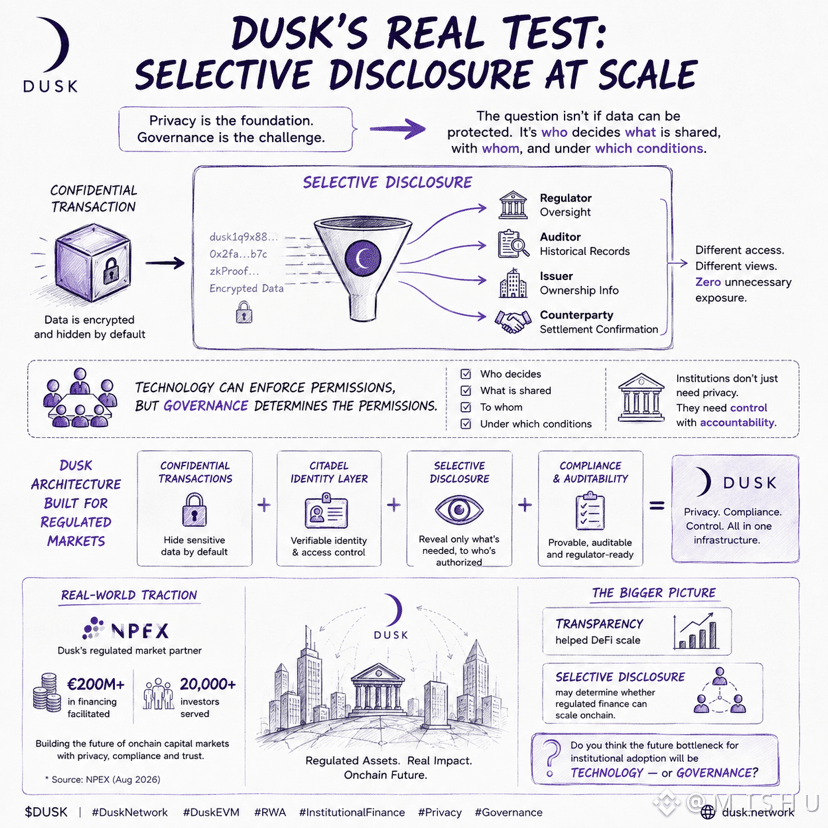
Dusk についての議論の多くはプライバシーに焦点を当てていますが、より面白い問いはガバナンスだと思います。
選択的開示は理論上はシンプルです。許可された当事者にだけ情報を開示し、その他はすべて機密として保持する。
しかし、制度としての採用が進むほど課題は変わります。
もはや問題は、暗号がデータを守れるかどうかではありません。
誰が、何を、誰に、どの条件で開示すべきかを決めるのは誰なのか、です。
規制当局は監督を求めるかもしれない。監査人は過去の記録が必要かもしれない。発行体は所有情報が必要かもしれない。取引相手は決済の確認が必要かもしれない。各参加者は異なる要件を持ちますが、誰も無制限のアクセスを受け取るべきではありません。
これこそが、Dusk のアプローチをとても興味深くしている点です。
そのアーキテクチャは、機密取引、Citadel によるアイデンティティ基盤、そして規制市場向けに設計された選択的開示の仕組みを組み合わせています。技術は権限を強制できますが、権限そのものを決めるのはガバナンスです。
だから私は、Dusk の本当の試験はスケールにおけるプライバシーではないと考えています。
スケールにおける選択的開示です。
Dusk の規制市場パートナーである NPEX は、すでに 2億ユーロ以上の資金調達を後押しし、20,000人+ の投資家にサービスを提供しています。規制対象の資産がオンチェーンへ移っていく中で、プライバシー、コンプライアンス、開示のバランスをどう取るかが、機関投資家によるブロックチェーン採用を左右する決定的な課題の一つになるかもしれません。
透明性が DeFi をスケールさせました。
選択的開示が、規制された金融がオンチェーンでスケールできるかどうかを決めるかもしれません。
今日夕飯どうする?でもみんなはどう思う…😀
機関投資家向けのブロックチェーン採用における将来のボトルネックは、技術かそれともガバナンスだと思いますか?
#dusk $DUSK @Dusk
わあ $RICE と $BTW が空を飛んでる、チャンス逃しちゃった、悲しい ☹️ でも今は仕事に戻る
Dusk についての議論の多くはプライバシーに焦点を当てていますが、より面白い問いはガバナンスだと思います。
選択的開示は理論上はシンプルです。許可された当事者にだけ情報を開示し、その他はすべて機密として保持する。
しかし、制度としての採用が進むほど課題は変わります。
もはや問題は、暗号がデータを守れるかどうかではありません。
誰が、何を、誰に、どの条件で開示すべきかを決めるのは誰なのか、です。
規制当局は監督を求めるかもしれない。監査人は過去の記録が必要かもしれない。発行体は所有情報が必要かもしれない。取引相手は決済の確認が必要かもしれない。各参加者は異なる要件を持ちますが、誰も無制限のアクセスを受け取るべきではありません。
これこそが、Dusk のアプローチをとても興味深くしている点です。
そのアーキテクチャは、機密取引、Citadel によるアイデンティティ基盤、そして規制市場向けに設計された選択的開示の仕組みを組み合わせています。技術は権限を強制できますが、権限そのものを決めるのはガバナンスです。
だから私は、Dusk の本当の試験はスケールにおけるプライバシーではないと考えています。
スケールにおける選択的開示です。
Dusk の規制市場パートナーである NPEX は、すでに 2億ユーロ以上の資金調達を後押しし、20,000人+ の投資家にサービスを提供しています。規制対象の資産がオンチェーンへ移っていく中で、プライバシー、コンプライアンス、開示のバランスをどう取るかが、機関投資家によるブロックチェーン採用を左右する決定的な課題の一つになるかもしれません。
透明性が DeFi をスケールさせました。
選択的開示が、規制された金融がオンチェーンでスケールできるかどうかを決めるかもしれません。
今日夕飯どうする?でもみんなはどう思う…😀
機関投資家向けのブロックチェーン採用における将来のボトルネックは、技術かそれともガバナンスだと思いますか?
わあ $RICE と $BTW が空を飛んでる、チャンス逃しちゃった、悲しい ☹️ でも今は仕事に戻る
Dusk についての議論の多くはプライバシーに焦点を当てていますが、より面白い問いはガバナンスだと思います。
選択的開示は理論上はシンプルです。許可された当事者にだけ情報を開示し、その他はすべて機密として保持する。
しかし、制度としての採用が進むほど課題は変わります。
もはや問題は、暗号がデータを守れるかどうかではありません。
誰が、何を、誰に、どの条件で開示すべきかを決めるのは誰なのか、です。
規制当局は監督を求めるかもしれない。監査人は過去の記録が必要かもしれない。発行体は所有情報が必要かもしれない。取引相手は決済の確認が必要かもしれない。各参加者は異なる要件を持ちますが、誰も無制限のアクセスを受け取るべきではありません。
これこそが、Dusk のアプローチをとても興味深くしている点です。
そのアーキテクチャは、機密取引、Citadel によるアイデンティティ基盤、そして規制市場向けに設計された選択的開示の仕組みを組み合わせています。技術は権限を強制できますが、権限そのものを決めるのはガバナンスです。
だから私は、Dusk の本当の試験はスケールにおけるプライバシーではないと考えています。
スケールにおける選択的開示です。
Dusk の規制市場パートナーである NPEX は、すでに 2億ユーロ以上の資金調達を後押しし、20,000人+ の投資家にサービスを提供しています。規制対象の資産がオンチェーンへ移っていく中で、プライバシー、コンプライアンス、開示のバランスをどう取るかが、機関投資家によるブロックチェーン採用を左右する決定的な課題の一つになるかもしれません。
透明性が DeFi をスケールさせました。
選択的開示が、規制された金融がオンチェーンでスケールできるかどうかを決めるかもしれません。
今日夕飯どうする?でもみんなはどう思う…😀
機関投資家向けのブロックチェーン採用における将来のボトルネックは、技術かそれともガバナンスだと思いますか?
24
5
1.1k
·
--
#dusk $DUSK @Dusk_Foundation
コーヒーを飲みながら、$CLO $RED で取引しているとき、Dusk Explorerとバリデータの統計を眺めていました。いつの間にか、ステーキング報酬を見る時間が減って、報酬が発行された後に何が起きたのかを見る時間が増えていました。
ある指標が目に留まりました。
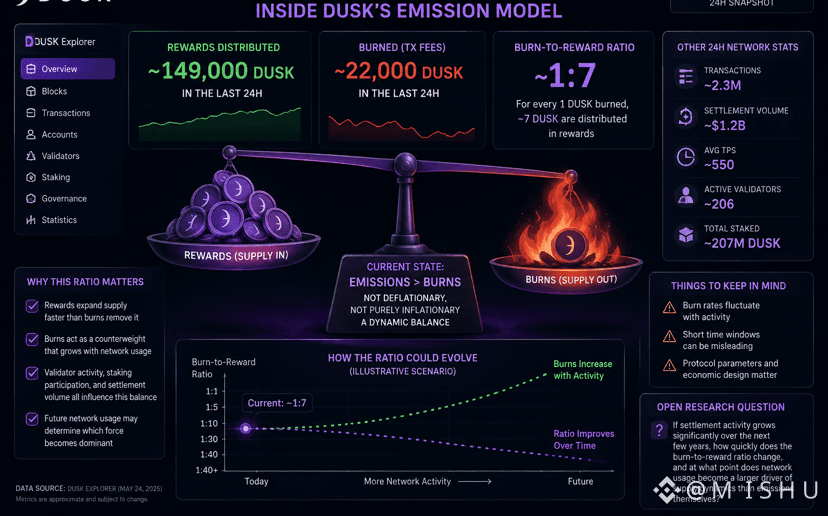
最近のネットワークデータによると、過去24時間で約149K DUSKが報酬として配られた一方で、同じ期間に約22K DUSKが焼却(バーン)されています。つまり、バーンと報酬の比率はおよそ1:7です。
これが強気(ブル)か弱気(ベア)かのサインだとは思いません。
気になったのは、トークノミクスの議論で通常語られる枠組みから、見え方がかなり違う点です。
多くの会話では、発行(エミッション)とバーンを別々に扱います。
しかしこの比率は、一緒に見ることでより意味が大きくなるかもしれないことを示唆しています。
現時点のネットワーク状況では、報酬による供給の増加速度のほうが、バーンによる減少速度より速いようです。それでも、バーンの仕組みは決して小さくありません。バーンはカウンターウェイトのように働き、その影響は時間とともに、バリデータの活動、ステーキング参加、決済(セトルメント)量がどう変化するかに左右されます。
それが、面白いダイナミクスを生み出しています。
ネットワークは、単に発行だけで動いているわけでもなく、現在のデータに基づいて意味のあるデフレ的挙動をしているわけでもありません。むしろ両者の間に位置していて、将来のネットワーク利用が、どちらの力がより強くなるかを左右しそうに見えます。
もちろん、他の説明もあります。バーン率は活動によって変動し、短い観測期間は誤解を招く可能性があります。
とりあえず夕飯食べます・・
次に調べたいのは、これです:
もし今後数年で決済活動が大きく伸びた場合、バーンと報酬の比率はどれくらいの速さで変化するのか。そして、ネットワーク利用が、発行そのものよりも供給ダイナミクスを左右する大きな要因になるのは、どの時点なのか
#dusk $DUSK @Dusk
コーヒーを飲みながら、$CLO $RED で取引しているとき、Dusk Explorerとバリデータの統計を眺めていました。いつの間にか、ステーキング報酬を見る時間が減って、報酬が発行された後に何が起きたのかを見る時間が増えていました。
ある指標が目に留まりました。
最近のネットワークデータによると、過去24時間で約149K DUSKが報酬として配られた一方で、同じ期間に約22K DUSKが焼却(バーン)されています。つまり、バーンと報酬の比率はおよそ1:7です。
これが強気(ブル)か弱気(ベア)かのサインだとは思いません。
気になったのは、トークノミクスの議論で通常語られる枠組みから、見え方がかなり違う点です。
多くの会話では、発行(エミッション)とバーンを別々に扱います。
しかしこの比率は、一緒に見ることでより意味が大きくなるかもしれないことを示唆しています。
現時点のネットワーク状況では、報酬による供給の増加速度のほうが、バーンによる減少速度より速いようです。それでも、バーンの仕組みは決して小さくありません。バーンはカウンターウェイトのように働き、その影響は時間とともに、バリデータの活動、ステーキング参加、決済(セトルメント)量がどう変化するかに左右されます。
それが、面白いダイナミクスを生み出しています。
ネットワークは、単に発行だけで動いているわけでもなく、現在のデータに基づいて意味のあるデフレ的挙動をしているわけでもありません。むしろ両者の間に位置していて、将来のネットワーク利用が、どちらの力がより強くなるかを左右しそうに見えます。
もちろん、他の説明もあります。バーン率は活動によって変動し、短い観測期間は誤解を招く可能性があります。
とりあえず夕飯食べます・・
次に調べたいのは、これです:
もし今後数年で決済活動が大きく伸びた場合、バーンと報酬の比率はどれくらいの速さで変化するのか。そして、ネットワーク利用が、発行そのものよりも供給ダイナミクスを左右する大きな要因になるのは、どの時点なのか
コーヒーを飲みながら、$CLO $RED で取引しているとき、Dusk Explorerとバリデータの統計を眺めていました。いつの間にか、ステーキング報酬を見る時間が減って、報酬が発行された後に何が起きたのかを見る時間が増えていました。
ある指標が目に留まりました。
最近のネットワークデータによると、過去24時間で約149K DUSKが報酬として配られた一方で、同じ期間に約22K DUSKが焼却(バーン)されています。つまり、バーンと報酬の比率はおよそ1:7です。
これが強気(ブル)か弱気(ベア)かのサインだとは思いません。
気になったのは、トークノミクスの議論で通常語られる枠組みから、見え方がかなり違う点です。
多くの会話では、発行(エミッション)とバーンを別々に扱います。
しかしこの比率は、一緒に見ることでより意味が大きくなるかもしれないことを示唆しています。
現時点のネットワーク状況では、報酬による供給の増加速度のほうが、バーンによる減少速度より速いようです。それでも、バーンの仕組みは決して小さくありません。バーンはカウンターウェイトのように働き、その影響は時間とともに、バリデータの活動、ステーキング参加、決済(セトルメント)量がどう変化するかに左右されます。
それが、面白いダイナミクスを生み出しています。
ネットワークは、単に発行だけで動いているわけでもなく、現在のデータに基づいて意味のあるデフレ的挙動をしているわけでもありません。むしろ両者の間に位置していて、将来のネットワーク利用が、どちらの力がより強くなるかを左右しそうに見えます。
もちろん、他の説明もあります。バーン率は活動によって変動し、短い観測期間は誤解を招く可能性があります。
とりあえず夕飯食べます・・
次に調べたいのは、これです:
もし今後数年で決済活動が大きく伸びた場合、バーンと報酬の比率はどれくらいの速さで変化するのか。そして、ネットワーク利用が、発行そのものよりも供給ダイナミクスを左右する大きな要因になるのは、どの時点なのか
25
20
3.4k
·
--
#termmax @termmax
😭 $RED $CLO と $EDEN で損失を出してしまい、本当に落ち込んでいました。コーヒーを飲みながら TermMax を調べていたところ、すぐに気になる指標が目に飛び込みました。TermMax の約 3400 万ドルの TVL のうち、約 2950 万ドルがローンとして積極的に運用されている、という点です。多くの人はこれを利用率(ユーティライゼーション)の物語として見なすでしょう。ですが、私にはもっと重要な何かが見えてくると思います。
これまで長年、DeFi の貸付は主にアルゴリズムによる金利に依存してきました。資本がプールに流入し、利用率が変化すると、それに応じてレートが自動的に調整されます。欠けていたのは、時間(満期)を市場ベースで価格付けする方法です。
そこで TermMax が面白くなってきます。
すべての借入需要を同じものとして扱うのではなく、このプロトコルでは特定の満期を中心に市場が形成されることを可能にしています。1週間で満期を迎えるローンと、数か月後に満期を迎えるローンでは、参加者が期間リスクを直接価格に織り込むため、異なるレートで取引されます。その結果、DeFi が自然に生み出すことがほとんどないものが得られます――オンチェーンの利回り曲線です。
より深い示唆は、DeFi が流動性の運用管理を超えて、クレジット(信用)市場のインフラへと進んでいる可能性がある、ということです。利回りの差は、単にプールの利用率だけではなく、期待、機会費用、リスク・プレミアムを反映し始めます。
伝統的な債券市場では、利回り曲線を使って「資本が時間に対してどう価値を持つか」を理解します。TermMax は、オンチェーン・ファイナンスが同じ能力を備え始めていることを示唆しています。
もし次世代の DeFi が、変動金利のプールではなく固定金利(固定収益)市場を基盤に構築されるなら、競争的なリスク価格設定は、流動性インセンティブそのものよりも重要になっていくのでしょうか?
🥲いまもう一杯コーヒーが必要。
DeFi の貸付の次の進化を動かすものは何でしょうか?
#termmax @TermMax
😭 $RED $CLO と $EDEN で損失を出してしまい、本当に落ち込んでいました。コーヒーを飲みながら TermMax を調べていたところ、すぐに気になる指標が目に飛び込みました。TermMax の約 3400 万ドルの TVL のうち、約 2950 万ドルがローンとして積極的に運用されている、という点です。多くの人はこれを利用率(ユーティライゼーション)の物語として見なすでしょう。ですが、私にはもっと重要な何かが見えてくると思います。
これまで長年、DeFi の貸付は主にアルゴリズムによる金利に依存してきました。資本がプールに流入し、利用率が変化すると、それに応じてレートが自動的に調整されます。欠けていたのは、時間(満期)を市場ベースで価格付けする方法です。
そこで TermMax が面白くなってきます。
すべての借入需要を同じものとして扱うのではなく、このプロトコルでは特定の満期を中心に市場が形成されることを可能にしています。1週間で満期を迎えるローンと、数か月後に満期を迎えるローンでは、参加者が期間リスクを直接価格に織り込むため、異なるレートで取引されます。その結果、DeFi が自然に生み出すことがほとんどないものが得られます――オンチェーンの利回り曲線です。
より深い示唆は、DeFi が流動性の運用管理を超えて、クレジット(信用)市場のインフラへと進んでいる可能性がある、ということです。利回りの差は、単にプールの利用率だけではなく、期待、機会費用、リスク・プレミアムを反映し始めます。
伝統的な債券市場では、利回り曲線を使って「資本が時間に対してどう価値を持つか」を理解します。TermMax は、オンチェーン・ファイナンスが同じ能力を備え始めていることを示唆しています。
もし次世代の DeFi が、変動金利のプールではなく固定金利(固定収益)市場を基盤に構築されるなら、競争的なリスク価格設定は、流動性インセンティブそのものよりも重要になっていくのでしょうか?
🥲いまもう一杯コーヒーが必要。
DeFi の貸付の次の進化を動かすものは何でしょうか?
😭 $RED $CLO と $EDEN で損失を出してしまい、本当に落ち込んでいました。コーヒーを飲みながら TermMax を調べていたところ、すぐに気になる指標が目に飛び込みました。TermMax の約 3400 万ドルの TVL のうち、約 2950 万ドルがローンとして積極的に運用されている、という点です。多くの人はこれを利用率(ユーティライゼーション)の物語として見なすでしょう。ですが、私にはもっと重要な何かが見えてくると思います。
これまで長年、DeFi の貸付は主にアルゴリズムによる金利に依存してきました。資本がプールに流入し、利用率が変化すると、それに応じてレートが自動的に調整されます。欠けていたのは、時間(満期)を市場ベースで価格付けする方法です。
そこで TermMax が面白くなってきます。
すべての借入需要を同じものとして扱うのではなく、このプロトコルでは特定の満期を中心に市場が形成されることを可能にしています。1週間で満期を迎えるローンと、数か月後に満期を迎えるローンでは、参加者が期間リスクを直接価格に織り込むため、異なるレートで取引されます。その結果、DeFi が自然に生み出すことがほとんどないものが得られます――オンチェーンの利回り曲線です。
より深い示唆は、DeFi が流動性の運用管理を超えて、クレジット(信用)市場のインフラへと進んでいる可能性がある、ということです。利回りの差は、単にプールの利用率だけではなく、期待、機会費用、リスク・プレミアムを反映し始めます。
伝統的な債券市場では、利回り曲線を使って「資本が時間に対してどう価値を持つか」を理解します。TermMax は、オンチェーン・ファイナンスが同じ能力を備え始めていることを示唆しています。
もし次世代の DeFi が、変動金利のプールではなく固定金利(固定収益)市場を基盤に構築されるなら、競争的なリスク価格設定は、流動性インセンティブそのものよりも重要になっていくのでしょうか?
🥲いまもう一杯コーヒーが必要。
DeFi の貸付の次の進化を動かすものは何でしょうか?
A) Higher yields
0%
Larger liquidity pools
0%
On chain yield curves
0%
Better risk management
0%
0 投票 • 投票は終了しました
6
4
4k
·
--
確認済み
😭またか…別の損失。。$STAR と$GPS の損失を受けた後、私自身を含む多くの仮想通貨参加者が犯しがちなミスについて、しばらく考え込んでいました。
私たちはよく、何かがオンチェーンにあるなら自動的に信頼できると決めつけてしまいます。
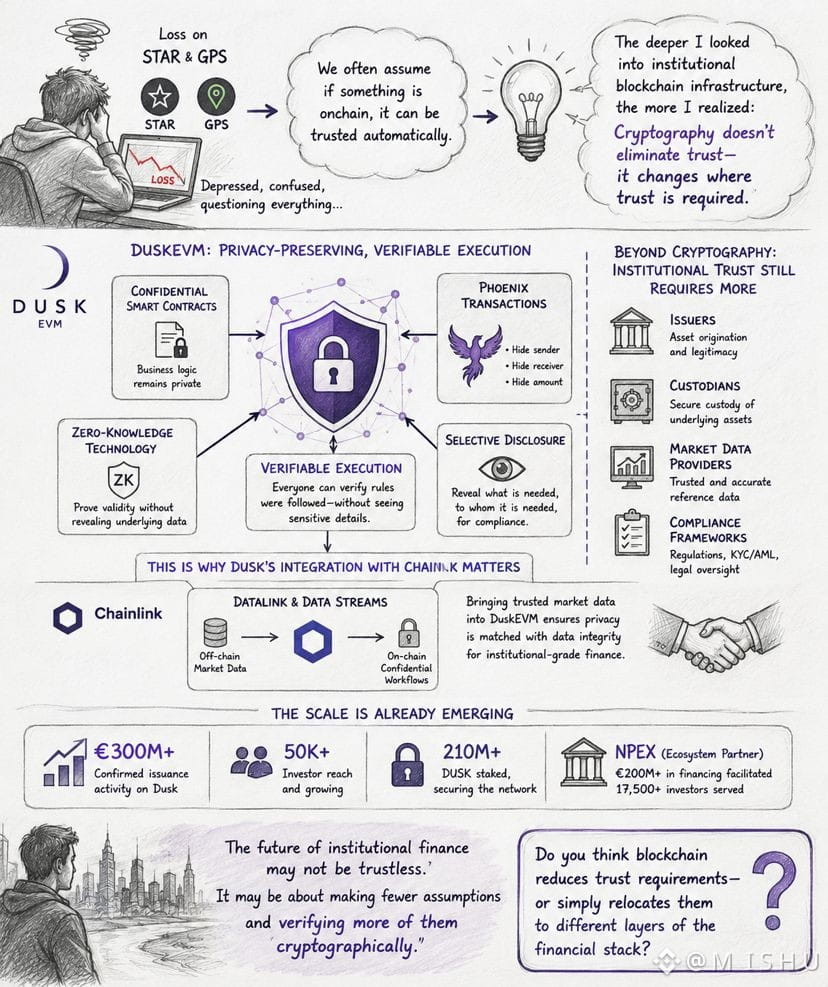
機関向けのブロックチェーン基盤を深く調べるほど、暗号技術は信頼をなくすのではなく、信頼が必要とされる場所を変えるだけだと気づきました。
DuskEVMはこの考え方を土台にしています。秘匿型スマートコントラクトとゼロ知識技術を用いることで、検証可能な実行を可能にしながら、機微な金融活動を非公開のまま維持できます。プライバシーを保ったPhoenixトランザクションは送信者・受信者・送金額を隠し、必要に応じてセレクティブ・ディスクロージャーが規制当局の監督を支えます。
しかし、機関の導入には暗号上の保証だけでは不十分です。
トークン化された資産は、ブロックチェーンそのもの以外に、発行体、カストディアン、マーケットデータ提供者、そしてコンプライアンスの枠組みにも依存しています。だからこそ、@Dusk_Foundation はChainlink DataLinkおよびData Streamsと統合することが重要なのです。信頼できるマーケットデータを、秘匿型の金融ワークフローへ取り込めるようになります。
規模感はすでに見え始めています。$DUSK のレポートでは、確定した発行活動で€300M+、投資家リーチは50K+、そしてネットワークを確保するために210M超 #dusk がステークされています。
機関投資の未来は、信頼不要(trustless)ではないかもしれません。
それは、前提を少なくし、より多くの前提を暗号的に検証することに関するのかもしれません。
あなたは、ブロックチェーンが信頼の必要性を減らすのか、それとも単に金融スタックの別の層へ移しているだけだと思いますか?
😭またか…別の損失。。$STAR と$GPS の損失を受けた後、私自身を含む多くの仮想通貨参加者が犯しがちなミスについて、しばらく考え込んでいました。
私たちはよく、何かがオンチェーンにあるなら自動的に信頼できると決めつけてしまいます。
機関向けのブロックチェーン基盤を深く調べるほど、暗号技術は信頼をなくすのではなく、信頼が必要とされる場所を変えるだけだと気づきました。
DuskEVMはこの考え方を土台にしています。秘匿型スマートコントラクトとゼロ知識技術を用いることで、検証可能な実行を可能にしながら、機微な金融活動を非公開のまま維持できます。プライバシーを保ったPhoenixトランザクションは送信者・受信者・送金額を隠し、必要に応じてセレクティブ・ディスクロージャーが規制当局の監督を支えます。
しかし、機関の導入には暗号上の保証だけでは不十分です。
トークン化された資産は、ブロックチェーンそのもの以外に、発行体、カストディアン、マーケットデータ提供者、そしてコンプライアンスの枠組みにも依存しています。だからこそ、@Dusk はChainlink DataLinkおよびData Streamsと統合することが重要なのです。信頼できるマーケットデータを、秘匿型の金融ワークフローへ取り込めるようになります。
規模感はすでに見え始めています。$DUSK のレポートでは、確定した発行活動で€300M+、投資家リーチは50K+、そしてネットワークを確保するために210M超 #dusk がステークされています。
機関投資の未来は、信頼不要(trustless)ではないかもしれません。
それは、前提を少なくし、より多くの前提を暗号的に検証することに関するのかもしれません。
あなたは、ブロックチェーンが信頼の必要性を減らすのか、それとも単に金融スタックの別の層へ移しているだけだと思いますか?
私たちはよく、何かがオンチェーンにあるなら自動的に信頼できると決めつけてしまいます。
機関向けのブロックチェーン基盤を深く調べるほど、暗号技術は信頼をなくすのではなく、信頼が必要とされる場所を変えるだけだと気づきました。
DuskEVMはこの考え方を土台にしています。秘匿型スマートコントラクトとゼロ知識技術を用いることで、検証可能な実行を可能にしながら、機微な金融活動を非公開のまま維持できます。プライバシーを保ったPhoenixトランザクションは送信者・受信者・送金額を隠し、必要に応じてセレクティブ・ディスクロージャーが規制当局の監督を支えます。
しかし、機関の導入には暗号上の保証だけでは不十分です。
トークン化された資産は、ブロックチェーンそのもの以外に、発行体、カストディアン、マーケットデータ提供者、そしてコンプライアンスの枠組みにも依存しています。だからこそ、@Dusk はChainlink DataLinkおよびData Streamsと統合することが重要なのです。信頼できるマーケットデータを、秘匿型の金融ワークフローへ取り込めるようになります。
規模感はすでに見え始めています。$DUSK のレポートでは、確定した発行活動で€300M+、投資家リーチは50K+、そしてネットワークを確保するために210M超 #dusk がステークされています。
機関投資の未来は、信頼不要(trustless)ではないかもしれません。
それは、前提を少なくし、より多くの前提を暗号的に検証することに関するのかもしれません。
あなたは、ブロックチェーンが信頼の必要性を減らすのか、それとも単に金融スタックの別の層へ移しているだけだと思いますか?
40
15
4.4k
·
--
一部該当
ふむ…… 機密性のあるファイナンスにはオラクル問題があることを観察していました。
DuskEVMは取引データを非公開に保てますが、規制対象の金融商品は依然として、金利、為替(FX)レート、市場価格、参照データといった外部情報に依存しています。
信頼できる入力がなければ、機密契約は実際の金融市場を支えることができません。
だからこそ、@Dusk_Foundation のChainlink統合が重要なのです。
Chainlink Data Streams と DataLink を通じて、信頼できる市場データを Dusk の機密実行環境へ届けられます。その結果、プライバシーを維持したまま、トークン化された資産の価格設定と決済が可能になります。
これはDeFi以上の話です。
機関投資家は、規制対象資産がオンチェーンに進む前に、信頼できる価格情報、機密実行、そしてコンプライアンス基盤を必要とします。
Chainlinkはデータ層に対応します。
#dusk は、残りの2つを中心に構築しています。
機会はすでに芽生えています。$DUSK のエコシステム参加者の一つであるNPEXは、100社超のSMEに対して€200M以上の資金調達を後押しし、17,500+人の投資家にサービスを提供しています。一方でDuskは、確認された発行活動で€300M+、投資家リーチは50K+、そしてネットワークを支えるためにステークされた210M+ DUSKがあると報告しています。
その結果、トークン化された資産はオンチェーンで発行されるだけでなく、規制市場向けに設計されたインフラを使って、価格設定・決済・検証もできるというスタックが実現します。
多くのネットワークは、資産をオンチェーンに載せることに注力しています。
Duskは、これらの資産を実在の金融市場のルールの中で運用可能にすることに注力しているようです。
ふむ……コーヒーを飲みながら考えていたのですが、トークン化資産の機関投資家による導入で、最も重要な欠けているピースは何でしょうか?
ふむ…… 機密性のあるファイナンスにはオラクル問題があることを観察していました。
DuskEVMは取引データを非公開に保てますが、規制対象の金融商品は依然として、金利、為替(FX)レート、市場価格、参照データといった外部情報に依存しています。
信頼できる入力がなければ、機密契約は実際の金融市場を支えることができません。
だからこそ、@Dusk のChainlink統合が重要なのです。
Chainlink Data Streams と DataLink を通じて、信頼できる市場データを Dusk の機密実行環境へ届けられます。その結果、プライバシーを維持したまま、トークン化された資産の価格設定と決済が可能になります。
これはDeFi以上の話です。
機関投資家は、規制対象資産がオンチェーンに進む前に、信頼できる価格情報、機密実行、そしてコンプライアンス基盤を必要とします。
Chainlinkはデータ層に対応します。
#dusk は、残りの2つを中心に構築しています。
機会はすでに芽生えています。$DUSK のエコシステム参加者の一つであるNPEXは、100社超のSMEに対して€200M以上の資金調達を後押しし、17,500+人の投資家にサービスを提供しています。一方でDuskは、確認された発行活動で€300M+、投資家リーチは50K+、そしてネットワークを支えるためにステークされた210M+ DUSKがあると報告しています。
その結果、トークン化された資産はオンチェーンで発行されるだけでなく、規制市場向けに設計されたインフラを使って、価格設定・決済・検証もできるというスタックが実現します。
多くのネットワークは、資産をオンチェーンに載せることに注力しています。
Duskは、これらの資産を実在の金融市場のルールの中で運用可能にすることに注力しているようです。
ふむ……コーヒーを飲みながら考えていたのですが、トークン化資産の機関投資家による導入で、最も重要な欠けているピースは何でしょうか?
DuskEVMは取引データを非公開に保てますが、規制対象の金融商品は依然として、金利、為替(FX)レート、市場価格、参照データといった外部情報に依存しています。
信頼できる入力がなければ、機密契約は実際の金融市場を支えることができません。
だからこそ、@Dusk のChainlink統合が重要なのです。
Chainlink Data Streams と DataLink を通じて、信頼できる市場データを Dusk の機密実行環境へ届けられます。その結果、プライバシーを維持したまま、トークン化された資産の価格設定と決済が可能になります。
これはDeFi以上の話です。
機関投資家は、規制対象資産がオンチェーンに進む前に、信頼できる価格情報、機密実行、そしてコンプライアンス基盤を必要とします。
Chainlinkはデータ層に対応します。
#dusk は、残りの2つを中心に構築しています。
機会はすでに芽生えています。$DUSK のエコシステム参加者の一つであるNPEXは、100社超のSMEに対して€200M以上の資金調達を後押しし、17,500+人の投資家にサービスを提供しています。一方でDuskは、確認された発行活動で€300M+、投資家リーチは50K+、そしてネットワークを支えるためにステークされた210M+ DUSKがあると報告しています。
その結果、トークン化された資産はオンチェーンで発行されるだけでなく、規制市場向けに設計されたインフラを使って、価格設定・決済・検証もできるというスタックが実現します。
多くのネットワークは、資産をオンチェーンに載せることに注力しています。
Duskは、これらの資産を実在の金融市場のルールの中で運用可能にすることに注力しているようです。
ふむ……コーヒーを飲みながら考えていたのですが、トークン化資産の機関投資家による導入で、最も重要な欠けているピースは何でしょうか?
Trusted market data
100%
Privacy & confidentiality
0%
Regulatory compliance
0%
2 投票 • 投票は終了しました
35
20
4.6k
·
--
一部該当
うーん… @Dusk_Foundation を調べていたら、このネットワークは約10秒で決定的決済(deterministic settlement)を狙っていることが分かった。これは暗号の文脈では一見ありふれて聞こえるが、ほとんどのブロックチェーンが最終性(finality)をどう実現しているかと比べると話が別だ。
その情報がきっかけで、#dusk のコンセンサス・アーキテクチャの深掘りに入り、最終性について多くの暗号投資家が誤解している点に気づいた。
決定的決済はプロトコル機能ではない。
それはプロトコル設計によって強制される分散化の前提(assumption)だ。
多くのブロックチェーンは確率的最終性に依存している。トランザクションはブロックが増えるほど覆しにくくなるが、確実性は確率に基づく。
$DUSK は別のアプローチを採る。
その Succinct Attestation(簡潔な証明)コンセンサスは決定的最終性のために設計されており、ネットワークのセキュリティ前提のもとで最終性に到達すると、取引は不可逆になる。システムは、規制された金融のワークフローに適した決済を提供するため、委員会ベースの Proof of Stake(プルーフ・オブ・ステーク)コンセンサスを用いる。
私の注目を引いたのは、Dusk が投機主導のスループットを最適化しているのではなく、決済の確実性を最適化している点だ。
現在、DUSK は約 $0.0607 で取引されており、時価総額 30.2M、FDV 60.7M、循環供給 497M、保有者数 36.9K、日次の取引出来高はおよそ $2.8M。さらに重要なのは、ネットワークが 210M+ DUSK のステーク、€300M+ の確定発行アクティビティ、そして約 10 秒の決定的決済を報告していることだ。
見落とされがちな洞察は、決定的最終性は、前提を維持できるほどバリデータとステーキング・システムが健全であり続ける場合に限って価値があるということだ。
つまり、決済の確実性は数学だけから生まれるわけではない。
数学に裏打ちされた分散化から生まれる。
トークン化された有価証券が1兆ドル規模の市場になったとしたら、機関は取引の速さをより重視するのか、それとも所有権が法的に最終確定する「正確なタイミング」を知ることを重視するのだろうか?
うーん… @Dusk を調べていたら、このネットワークは約10秒で決定的決済(deterministic settlement)を狙っていることが分かった。これは暗号の文脈では一見ありふれて聞こえるが、ほとんどのブロックチェーンが最終性(finality)をどう実現しているかと比べると話が別だ。
その情報がきっかけで、#dusk のコンセンサス・アーキテクチャの深掘りに入り、最終性について多くの暗号投資家が誤解している点に気づいた。
決定的決済はプロトコル機能ではない。
それはプロトコル設計によって強制される分散化の前提(assumption)だ。
多くのブロックチェーンは確率的最終性に依存している。トランザクションはブロックが増えるほど覆しにくくなるが、確実性は確率に基づく。
$DUSK は別のアプローチを採る。
その Succinct Attestation(簡潔な証明)コンセンサスは決定的最終性のために設計されており、ネットワークのセキュリティ前提のもとで最終性に到達すると、取引は不可逆になる。システムは、規制された金融のワークフローに適した決済を提供するため、委員会ベースの Proof of Stake(プルーフ・オブ・ステーク)コンセンサスを用いる。
私の注目を引いたのは、Dusk が投機主導のスループットを最適化しているのではなく、決済の確実性を最適化している点だ。
現在、DUSK は約 $0.0607 で取引されており、時価総額 30.2M、FDV 60.7M、循環供給 497M、保有者数 36.9K、日次の取引出来高はおよそ $2.8M。さらに重要なのは、ネットワークが 210M+ DUSK のステーク、€300M+ の確定発行アクティビティ、そして約 10 秒の決定的決済を報告していることだ。
見落とされがちな洞察は、決定的最終性は、前提を維持できるほどバリデータとステーキング・システムが健全であり続ける場合に限って価値があるということだ。
つまり、決済の確実性は数学だけから生まれるわけではない。
数学に裏打ちされた分散化から生まれる。
トークン化された有価証券が1兆ドル規模の市場になったとしたら、機関は取引の速さをより重視するのか、それとも所有権が法的に最終確定する「正確なタイミング」を知ることを重視するのだろうか?
その情報がきっかけで、#dusk のコンセンサス・アーキテクチャの深掘りに入り、最終性について多くの暗号投資家が誤解している点に気づいた。
決定的決済はプロトコル機能ではない。
それはプロトコル設計によって強制される分散化の前提(assumption)だ。
多くのブロックチェーンは確率的最終性に依存している。トランザクションはブロックが増えるほど覆しにくくなるが、確実性は確率に基づく。
$DUSK は別のアプローチを採る。
その Succinct Attestation(簡潔な証明)コンセンサスは決定的最終性のために設計されており、ネットワークのセキュリティ前提のもとで最終性に到達すると、取引は不可逆になる。システムは、規制された金融のワークフローに適した決済を提供するため、委員会ベースの Proof of Stake(プルーフ・オブ・ステーク)コンセンサスを用いる。
私の注目を引いたのは、Dusk が投機主導のスループットを最適化しているのではなく、決済の確実性を最適化している点だ。
現在、DUSK は約 $0.0607 で取引されており、時価総額 30.2M、FDV 60.7M、循環供給 497M、保有者数 36.9K、日次の取引出来高はおよそ $2.8M。さらに重要なのは、ネットワークが 210M+ DUSK のステーク、€300M+ の確定発行アクティビティ、そして約 10 秒の決定的決済を報告していることだ。
見落とされがちな洞察は、決定的最終性は、前提を維持できるほどバリデータとステーキング・システムが健全であり続ける場合に限って価値があるということだ。
つまり、決済の確実性は数学だけから生まれるわけではない。
数学に裏打ちされた分散化から生まれる。
トークン化された有価証券が1兆ドル規模の市場になったとしたら、機関は取引の速さをより重視するのか、それとも所有権が法的に最終確定する「正確なタイミング」を知ることを重視するのだろうか?
🔹 Transaction Speed
0%
🔹 Settlement Certainty
0%
🔹 Both Matter Equally
0%
🔹 Depends on the Asset
0%
0 投票 • 投票は終了しました
39
20
8k
·
--
確認済み
@Dusk_Foundation Confidential Contractsを調査していたところ、暗号の世界ではあまり議論されない区別に出会いました:
データのプライバシーと、実行(実施)のプライバシーは同じものではありません。
機密スマートコントラクトについての会話の多くは、暗号化された残高、隠された相手先、選択的開示に焦点を当てています。Duskのアーキテクチャは、まさにそれを守るように設計されています。機密情報は機密のまま維持でき、認可された参加者、監査人、または規制当局は、自分たちが見ることを許可された範囲のデータだけにアクセスできます。
しかし、より深い問いがあります。
たとえ契約データが隠されていても、観測者は取引のパターン、実行頻度、またはリソース消費といった情報から、何かを読み取れる可能性があります。誰が何をしたのか、どれくらい関与していたのかは分からなくても、何かが起きたことを推測できるかもしれません。
これは#dusk 固有の欠陥ではありません。ブロックチェーン上のプライバシー保護計算における、より広範な課題です。
重要な区別は、$DUSK Confidential Contractsは、検証可能な実行を維持しながら、金融データを保護するために作られているという点です。規制対象の資産では、絶対的な不透明性よりも、そのバランスが問題になることが多いのです。
この見立てを市場が価格に織り込み始めたのは、まだ比較的早い段階です。DUSKは約0.06ドルで取引されており、時価総額は約3000万ドル、FDVは約6000万ドル、流通量は約497M、保有者数は36.9K、日次の取引出来高はおよそ270万ドルです。
問いは、プライバシーが重要かどうかではありません。
データ層だけでプライバシーを求めるのか、それとも実行層でも同様に求めるのか——将来のトークン化された有価証券はどちらになるのか、ということです。
機関投資家の採用で、より重要になるのは何でしょうか?
@Dusk Confidential Contractsを調査していたところ、暗号の世界ではあまり議論されない区別に出会いました:
データのプライバシーと、実行(実施)のプライバシーは同じものではありません。
機密スマートコントラクトについての会話の多くは、暗号化された残高、隠された相手先、選択的開示に焦点を当てています。Duskのアーキテクチャは、まさにそれを守るように設計されています。機密情報は機密のまま維持でき、認可された参加者、監査人、または規制当局は、自分たちが見ることを許可された範囲のデータだけにアクセスできます。
しかし、より深い問いがあります。
たとえ契約データが隠されていても、観測者は取引のパターン、実行頻度、またはリソース消費といった情報から、何かを読み取れる可能性があります。誰が何をしたのか、どれくらい関与していたのかは分からなくても、何かが起きたことを推測できるかもしれません。
これは#dusk 固有の欠陥ではありません。ブロックチェーン上のプライバシー保護計算における、より広範な課題です。
重要な区別は、$DUSK Confidential Contractsは、検証可能な実行を維持しながら、金融データを保護するために作られているという点です。規制対象の資産では、絶対的な不透明性よりも、そのバランスが問題になることが多いのです。
この見立てを市場が価格に織り込み始めたのは、まだ比較的早い段階です。DUSKは約0.06ドルで取引されており、時価総額は約3000万ドル、FDVは約6000万ドル、流通量は約497M、保有者数は36.9K、日次の取引出来高はおよそ270万ドルです。
問いは、プライバシーが重要かどうかではありません。
データ層だけでプライバシーを求めるのか、それとも実行層でも同様に求めるのか——将来のトークン化された有価証券はどちらになるのか、ということです。
機関投資家の採用で、より重要になるのは何でしょうか?
データのプライバシーと、実行(実施)のプライバシーは同じものではありません。
機密スマートコントラクトについての会話の多くは、暗号化された残高、隠された相手先、選択的開示に焦点を当てています。Duskのアーキテクチャは、まさにそれを守るように設計されています。機密情報は機密のまま維持でき、認可された参加者、監査人、または規制当局は、自分たちが見ることを許可された範囲のデータだけにアクセスできます。
しかし、より深い問いがあります。
たとえ契約データが隠されていても、観測者は取引のパターン、実行頻度、またはリソース消費といった情報から、何かを読み取れる可能性があります。誰が何をしたのか、どれくらい関与していたのかは分からなくても、何かが起きたことを推測できるかもしれません。
これは#dusk 固有の欠陥ではありません。ブロックチェーン上のプライバシー保護計算における、より広範な課題です。
重要な区別は、$DUSK Confidential Contractsは、検証可能な実行を維持しながら、金融データを保護するために作られているという点です。規制対象の資産では、絶対的な不透明性よりも、そのバランスが問題になることが多いのです。
この見立てを市場が価格に織り込み始めたのは、まだ比較的早い段階です。DUSKは約0.06ドルで取引されており、時価総額は約3000万ドル、FDVは約6000万ドル、流通量は約497M、保有者数は36.9K、日次の取引出来高はおよそ270万ドルです。
問いは、プライバシーが重要かどうかではありません。
データ層だけでプライバシーを求めるのか、それとも実行層でも同様に求めるのか——将来のトークン化された有価証券はどちらになるのか、ということです。
機関投資家の採用で、より重要になるのは何でしょうか?
Data privacy is enough
100%
Both data & execution privacy
0%
Compliance matter than privacy
0%
Depends on the asset type
0%
2 投票 • 投票は終了しました
26
13
9.1k
·
--
確認済み
トークン化された有価証券を調べていて、ほとんどの仮想通貨投資家が見落としていることに気づきました:
本当の課題は、株式や債券をチェーン上に載せることではありません。そこに載った後に、それらを適法に(コンプライアンス面で)扱えるようにすることです。
多くのEVMエコシステムは、最初に無許可の金融のために作られ、その後でコンプライアンス機能を追加し始めました。DuskEVMは逆の道を歩みます。コンプライアンス、プライバシー、決済は、最初からアーキテクチャに組み込まれています。
これは微妙ですが重要な違いです。
ゼロ知識技術と選択的開示を用いて、DuskEVMは、規制対象の資産が機密のままでいられる一方で、監査人、発行体、規制当局は、法的に必要なときに情報へアクセスできるようにします。目的は、あらゆるコストで検閲耐性を作ることではありません。規制された資本が実際に使えるインフラを作ることです。
市場はまだ比較的小さいです。@Dusk_Foundation tradesで1トレード約$0.060、時価総額は約$30M、FDVは約$60M、流通トークンは約497M、保有者は36.9K人、日次の取引高はおよそ$2.7Mです。
私が特に興味を持つのは、モートです。
プライバシーはコピーできます。EVM互換性もコピーできます。処理能力(スループット)さえもコピーできます。
しかし、MiFID II、MiCA、規制された発行、コンプライアンスのワークフロー、機密性のある決済のために、全く別のブロックチェーンを設計するのは、はるかに難しく、再現しにくい。
#dusk $DUSK
もし数兆ドル規模の有価証券が最終的にチェーン上へ移るとして、それらは、まず仮想通貨のために作られたチェーンを選ぶのでしょうか? それとも、まず規制のために作られたチェーンを選ぶのでしょうか?
トークン化された有価証券を調べていて、ほとんどの仮想通貨投資家が見落としていることに気づきました:
本当の課題は、株式や債券をチェーン上に載せることではありません。そこに載った後に、それらを適法に(コンプライアンス面で)扱えるようにすることです。
多くのEVMエコシステムは、最初に無許可の金融のために作られ、その後でコンプライアンス機能を追加し始めました。DuskEVMは逆の道を歩みます。コンプライアンス、プライバシー、決済は、最初からアーキテクチャに組み込まれています。
これは微妙ですが重要な違いです。
ゼロ知識技術と選択的開示を用いて、DuskEVMは、規制対象の資産が機密のままでいられる一方で、監査人、発行体、規制当局は、法的に必要なときに情報へアクセスできるようにします。目的は、あらゆるコストで検閲耐性を作ることではありません。規制された資本が実際に使えるインフラを作ることです。
市場はまだ比較的小さいです。@Dusk tradesで1トレード約$0.060、時価総額は約$30M、FDVは約$60M、流通トークンは約497M、保有者は36.9K人、日次の取引高はおよそ$2.7Mです。
私が特に興味を持つのは、モートです。
プライバシーはコピーできます。EVM互換性もコピーできます。処理能力(スループット)さえもコピーできます。
しかし、MiFID II、MiCA、規制された発行、コンプライアンスのワークフロー、機密性のある決済のために、全く別のブロックチェーンを設計するのは、はるかに難しく、再現しにくい。
#dusk $DUSK
もし数兆ドル規模の有価証券が最終的にチェーン上へ移るとして、それらは、まず仮想通貨のために作られたチェーンを選ぶのでしょうか? それとも、まず規制のために作られたチェーンを選ぶのでしょうか?
本当の課題は、株式や債券をチェーン上に載せることではありません。そこに載った後に、それらを適法に(コンプライアンス面で)扱えるようにすることです。
多くのEVMエコシステムは、最初に無許可の金融のために作られ、その後でコンプライアンス機能を追加し始めました。DuskEVMは逆の道を歩みます。コンプライアンス、プライバシー、決済は、最初からアーキテクチャに組み込まれています。
これは微妙ですが重要な違いです。
ゼロ知識技術と選択的開示を用いて、DuskEVMは、規制対象の資産が機密のままでいられる一方で、監査人、発行体、規制当局は、法的に必要なときに情報へアクセスできるようにします。目的は、あらゆるコストで検閲耐性を作ることではありません。規制された資本が実際に使えるインフラを作ることです。
市場はまだ比較的小さいです。@Dusk tradesで1トレード約$0.060、時価総額は約$30M、FDVは約$60M、流通トークンは約497M、保有者は36.9K人、日次の取引高はおよそ$2.7Mです。
私が特に興味を持つのは、モートです。
プライバシーはコピーできます。EVM互換性もコピーできます。処理能力(スループット)さえもコピーできます。
しかし、MiFID II、MiCA、規制された発行、コンプライアンスのワークフロー、機密性のある決済のために、全く別のブロックチェーンを設計するのは、はるかに難しく、再現しにくい。
#dusk $DUSK
もし数兆ドル規模の有価証券が最終的にチェーン上へ移るとして、それらは、まず仮想通貨のために作られたチェーンを選ぶのでしょうか? それとも、まず規制のために作られたチェーンを選ぶのでしょうか?
Purpose built regulated chains
60%
General blockchain compliance
20%
Hybridmultichaininfrastructure
0%
Traditionalsystem staydominant
20%
5 投票 • 投票は終了しました
24
22
8.1k
·
--
確認済み
ほぼ80億ドル相当のラップド・ビットコインの背後にある大口のカストディ構造が変化し、重要な問いが生まれています。ビットコインの有用性は、カストディ業者に依存すべきでしょうか、それとも暗号技術に依存すべきでしょうか?
そこで@babylonlabs_io TBVsは、別のアプローチを取ります。
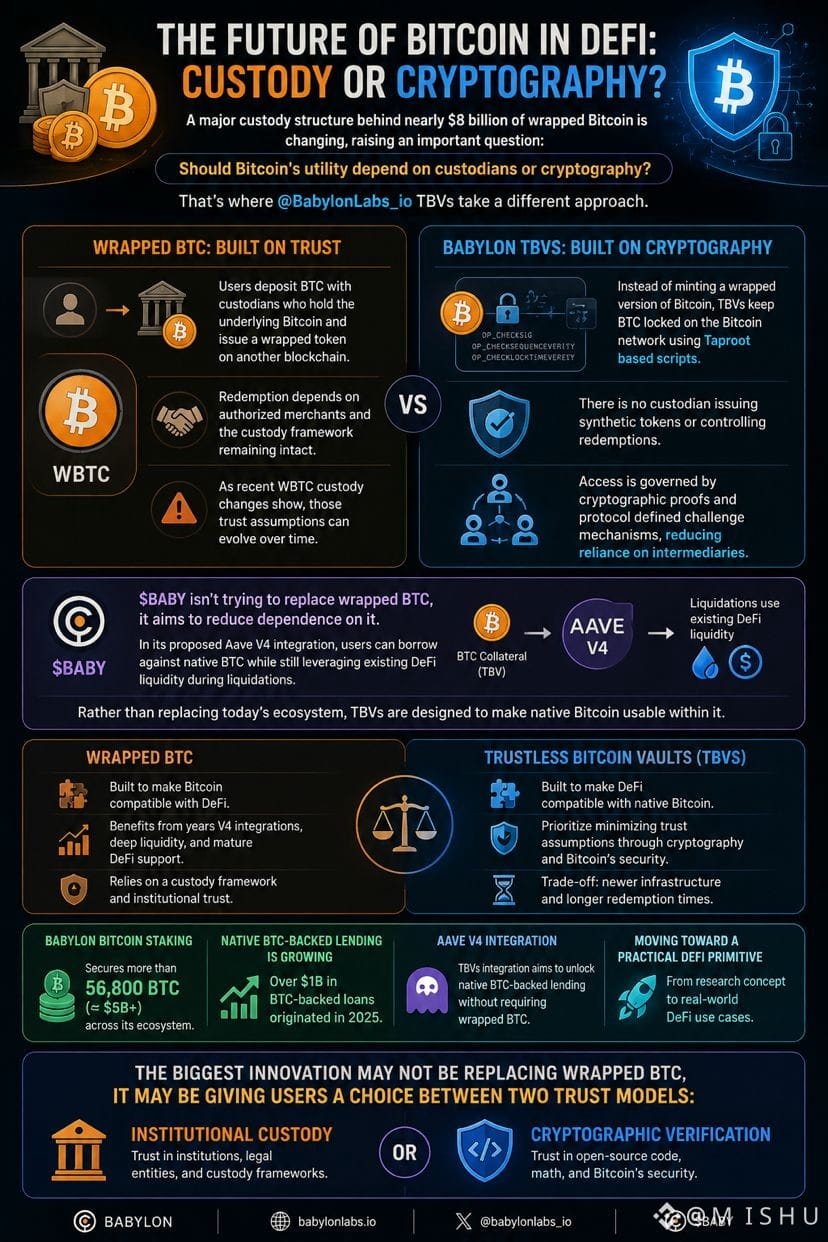
ラップドBTCは、BTCをDeFiに持ち込むことで新たな可能性を開きましたが、そのモデルは信頼に依存しています。ユーザーはBTCをカストディ業者に預け、業者が裏付けとなるビットコインを保有した上で、別のブロックチェーン上にラップド・トークンを発行します。償還もまた、認可されたマーチャントと、カストディの枠組みが無事に維持されることに依存します。最近のWBTCのカストディ変更が示すように、こうした信頼前提は時間とともに変わり得ます。
そこで..ラップド版のビットコインを鋳造するのではなく、TBVsはTaprootベースのスクリプトを使ってビットコインネットワーク上でBTCをロックします。合成トークンを発行したり、償還を制御したりするカストディ業者は存在しません。アクセスは暗号学的な証明と、プロトコルで定義されたチャレンジの仕組みによって管理され、中間業者への依存を減らします。
$BABY は、ラップドBTCを置き換えようとしているのではなく、それへの依存を減らすことを目指しています。提案されているAave V4の統合では、ユーザーはネイティブBTCを担保に借り入れできる一方で、清算時には既存のDeFi流動性を引き続き活用できます。今日のエコシステムを置き換えるというより、TBVsはそこにネイティブ・ビットコインを使えるようにするために設計されています。
ラップドBTCは、ビットコインをDeFiと互換にするために作られました。トラストレスなBitcoin Vaultsは、DeFiをネイティブ・ビットコインと互換にするために作られます。カストディの枠組みを信じるのではなく、ユーザーはビットコイン自身によって強制される暗号学的なルールに依拠します。これは、長年の統合、深い流動性、成熟したDeFiサポートといった恩恵も受けられます。TBVは、新しいインフラや償還までのより長い時間が伴うとしても、信頼前提を最小化することを優先します。
#baby ビットコインのステーキング・エコシステムはすでに56,800 BTC超を確保しており、Aave V4へのTBVs統合は、ラップド・ビットコインを必要とせずに、ネイティブBTCを裏付けとする貸付を解放することを目指しています。これはTBVsを、実用的なDeFiプリミティブへと近づけます。
ふむ..最大の革新は、$BTC であるラップドを置き換えることではないかもしれません。より大きいのは、ユーザーに2つの信頼モデル、つまり機関投資家によるカストディか暗号による検証か、という選択肢を与えることかもしれません。
ほぼ80億ドル相当のラップド・ビットコインの背後にある大口のカストディ構造が変化し、重要な問いが生まれています。ビットコインの有用性は、カストディ業者に依存すべきでしょうか、それとも暗号技術に依存すべきでしょうか?
そこで@BabylonLabs_io TBVsは、別のアプローチを取ります。
ラップドBTCは、BTCをDeFiに持ち込むことで新たな可能性を開きましたが、そのモデルは信頼に依存しています。ユーザーはBTCをカストディ業者に預け、業者が裏付けとなるビットコインを保有した上で、別のブロックチェーン上にラップド・トークンを発行します。償還もまた、認可されたマーチャントと、カストディの枠組みが無事に維持されることに依存します。最近のWBTCのカストディ変更が示すように、こうした信頼前提は時間とともに変わり得ます。
そこで..ラップド版のビットコインを鋳造するのではなく、TBVsはTaprootベースのスクリプトを使ってビットコインネットワーク上でBTCをロックします。合成トークンを発行したり、償還を制御したりするカストディ業者は存在しません。アクセスは暗号学的な証明と、プロトコルで定義されたチャレンジの仕組みによって管理され、中間業者への依存を減らします。
$BABY は、ラップドBTCを置き換えようとしているのではなく、それへの依存を減らすことを目指しています。提案されているAave V4の統合では、ユーザーはネイティブBTCを担保に借り入れできる一方で、清算時には既存のDeFi流動性を引き続き活用できます。今日のエコシステムを置き換えるというより、TBVsはそこにネイティブ・ビットコインを使えるようにするために設計されています。
ラップドBTCは、ビットコインをDeFiと互換にするために作られました。トラストレスなBitcoin Vaultsは、DeFiをネイティブ・ビットコインと互換にするために作られます。カストディの枠組みを信じるのではなく、ユーザーはビットコイン自身によって強制される暗号学的なルールに依拠します。これは、長年の統合、深い流動性、成熟したDeFiサポートといった恩恵も受けられます。TBVは、新しいインフラや償還までのより長い時間が伴うとしても、信頼前提を最小化することを優先します。
#baby ビットコインのステーキング・エコシステムはすでに56,800 BTC超を確保しており、Aave V4へのTBVs統合は、ラップド・ビットコインを必要とせずに、ネイティブBTCを裏付けとする貸付を解放することを目指しています。これはTBVsを、実用的なDeFiプリミティブへと近づけます。
ふむ..最大の革新は、$BTC であるラップドを置き換えることではないかもしれません。より大きいのは、ユーザーに2つの信頼モデル、つまり機関投資家によるカストディか暗号による検証か、という選択肢を与えることかもしれません。
そこで@BabylonLabs_io TBVsは、別のアプローチを取ります。
ラップドBTCは、BTCをDeFiに持ち込むことで新たな可能性を開きましたが、そのモデルは信頼に依存しています。ユーザーはBTCをカストディ業者に預け、業者が裏付けとなるビットコインを保有した上で、別のブロックチェーン上にラップド・トークンを発行します。償還もまた、認可されたマーチャントと、カストディの枠組みが無事に維持されることに依存します。最近のWBTCのカストディ変更が示すように、こうした信頼前提は時間とともに変わり得ます。
そこで..ラップド版のビットコインを鋳造するのではなく、TBVsはTaprootベースのスクリプトを使ってビットコインネットワーク上でBTCをロックします。合成トークンを発行したり、償還を制御したりするカストディ業者は存在しません。アクセスは暗号学的な証明と、プロトコルで定義されたチャレンジの仕組みによって管理され、中間業者への依存を減らします。
$BABY は、ラップドBTCを置き換えようとしているのではなく、それへの依存を減らすことを目指しています。提案されているAave V4の統合では、ユーザーはネイティブBTCを担保に借り入れできる一方で、清算時には既存のDeFi流動性を引き続き活用できます。今日のエコシステムを置き換えるというより、TBVsはそこにネイティブ・ビットコインを使えるようにするために設計されています。
ラップドBTCは、ビットコインをDeFiと互換にするために作られました。トラストレスなBitcoin Vaultsは、DeFiをネイティブ・ビットコインと互換にするために作られます。カストディの枠組みを信じるのではなく、ユーザーはビットコイン自身によって強制される暗号学的なルールに依拠します。これは、長年の統合、深い流動性、成熟したDeFiサポートといった恩恵も受けられます。TBVは、新しいインフラや償還までのより長い時間が伴うとしても、信頼前提を最小化することを優先します。
#baby ビットコインのステーキング・エコシステムはすでに56,800 BTC超を確保しており、Aave V4へのTBVs統合は、ラップド・ビットコインを必要とせずに、ネイティブBTCを裏付けとする貸付を解放することを目指しています。これはTBVsを、実用的なDeFiプリミティブへと近づけます。
ふむ..最大の革新は、$BTC であるラップドを置き換えることではないかもしれません。より大きいのは、ユーザーに2つの信頼モデル、つまり機関投資家によるカストディか暗号による検証か、という選択肢を与えることかもしれません。
10
7
8.1k
·
--
確認済み
うーん……信頼不要の借入に関する最大の誤解は、「信頼を取り除けば待ち時間もなくなる」という点です。実際には、信頼不要の仕組みは遅延をなくすのではなく、遅延の場所を移しているだけです。
BabylonのTrustless Bitcoin Vault(TBV)がその理由を示しています。ユーザーはネイティブBTCをTaprootの金庫にロックし、Aave上でそれに対して借入し、その間、ビットコインはブリッジ、ラッパー、またはカストディ人に依存せずフリーの状態を保ちます。担保はAave内でvaultBTCとして表現されます。これは取引可能なラップ資産ではなく、譲渡制限付きの会計トークンです。
見落としがちなポイントは償還(レデンプション)です。
BTCのアンロックは、単なる別のトランザクションではありません。ホストチェーンで返済が行われたことを示す暗号学的な証明が必要で、その後に、ビットコインが最終的な決済に到達するまでの詐欺証明チャレンジの猶予期間があります。この待ち時間は非効率ではなく、カストディに対する信頼を置き換えるセキュリティメカニズムなのです。
エンジニアリング上の解決策は、さらに興味深いものです。
清算(リクイデータ)が待たなくて済むようにする代わりに、Babylonは清算のスピードとビットコインの決済を分離します。リクイデータにはWBTCが即座に渡される一方で、元となるBTCの償還はビットコイン自身のタイムラインに従って継続します。高速な清算と信頼不要の決済は、2つの異なる時計で動きます。
数字が重要性を示します。Aaveにはすでに約50億ドル相当のWBTCが供給されているのに対し、Babylonのビットコイン・ステーキング・プロトコルは累計で100,000超 $BTC cumulatively処理しており、現在アクティブにステークされているのは約51,000 BTCです。TBVは、カストディ型ラッパーに頼らず、そのネイティブなビットコインの流動性をDeFiにつなげることを目指しています。
うーん……それが本当の革新です。信頼不要性は、資産の移動がどれだけ速いかではなく、その過程でユーザーがどれだけ少ない前提を信じる必要があるかで測られるべきです。
#baby #Baby @babylonlabs_io $BABY
では、ビットコインの借入にとってより重要なのはどちらでしょうか?
うーん……信頼不要の借入に関する最大の誤解は、「信頼を取り除けば待ち時間もなくなる」という点です。実際には、信頼不要の仕組みは遅延をなくすのではなく、遅延の場所を移しているだけです。
BabylonのTrustless Bitcoin Vault(TBV)がその理由を示しています。ユーザーはネイティブBTCをTaprootの金庫にロックし、Aave上でそれに対して借入し、その間、ビットコインはブリッジ、ラッパー、またはカストディ人に依存せずフリーの状態を保ちます。担保はAave内でvaultBTCとして表現されます。これは取引可能なラップ資産ではなく、譲渡制限付きの会計トークンです。
見落としがちなポイントは償還(レデンプション)です。
BTCのアンロックは、単なる別のトランザクションではありません。ホストチェーンで返済が行われたことを示す暗号学的な証明が必要で、その後に、ビットコインが最終的な決済に到達するまでの詐欺証明チャレンジの猶予期間があります。この待ち時間は非効率ではなく、カストディに対する信頼を置き換えるセキュリティメカニズムなのです。
エンジニアリング上の解決策は、さらに興味深いものです。
清算(リクイデータ)が待たなくて済むようにする代わりに、Babylonは清算のスピードとビットコインの決済を分離します。リクイデータにはWBTCが即座に渡される一方で、元となるBTCの償還はビットコイン自身のタイムラインに従って継続します。高速な清算と信頼不要の決済は、2つの異なる時計で動きます。
数字が重要性を示します。Aaveにはすでに約50億ドル相当のWBTCが供給されているのに対し、Babylonのビットコイン・ステーキング・プロトコルは累計で100,000超 $BTC cumulatively処理しており、現在アクティブにステークされているのは約51,000 BTCです。TBVは、カストディ型ラッパーに頼らず、そのネイティブなビットコインの流動性をDeFiにつなげることを目指しています。
うーん……それが本当の革新です。信頼不要性は、資産の移動がどれだけ速いかではなく、その過程でユーザーがどれだけ少ない前提を信じる必要があるかで測られるべきです。
#baby #Baby @BabylonLabs_io $BABY
では、ビットコインの借入にとってより重要なのはどちらでしょうか?
BabylonのTrustless Bitcoin Vault(TBV)がその理由を示しています。ユーザーはネイティブBTCをTaprootの金庫にロックし、Aave上でそれに対して借入し、その間、ビットコインはブリッジ、ラッパー、またはカストディ人に依存せずフリーの状態を保ちます。担保はAave内でvaultBTCとして表現されます。これは取引可能なラップ資産ではなく、譲渡制限付きの会計トークンです。
見落としがちなポイントは償還(レデンプション)です。
BTCのアンロックは、単なる別のトランザクションではありません。ホストチェーンで返済が行われたことを示す暗号学的な証明が必要で、その後に、ビットコインが最終的な決済に到達するまでの詐欺証明チャレンジの猶予期間があります。この待ち時間は非効率ではなく、カストディに対する信頼を置き換えるセキュリティメカニズムなのです。
エンジニアリング上の解決策は、さらに興味深いものです。
清算(リクイデータ)が待たなくて済むようにする代わりに、Babylonは清算のスピードとビットコインの決済を分離します。リクイデータにはWBTCが即座に渡される一方で、元となるBTCの償還はビットコイン自身のタイムラインに従って継続します。高速な清算と信頼不要の決済は、2つの異なる時計で動きます。
数字が重要性を示します。Aaveにはすでに約50億ドル相当のWBTCが供給されているのに対し、Babylonのビットコイン・ステーキング・プロトコルは累計で100,000超 $BTC cumulatively処理しており、現在アクティブにステークされているのは約51,000 BTCです。TBVは、カストディ型ラッパーに頼らず、そのネイティブなビットコインの流動性をDeFiにつなげることを目指しています。
うーん……それが本当の革新です。信頼不要性は、資産の移動がどれだけ速いかではなく、その過程でユーザーがどれだけ少ない前提を信じる必要があるかで測られるべきです。
#baby #Baby @BabylonLabs_io $BABY
では、ビットコインの借入にとってより重要なのはどちらでしょうか?
* Maximum security
100%
* Faster settlement
0%
* Balanced approach
0%
1 投票 • 投票は終了しました
3
3
10.1k
·
--
確認済み
ビットコインのスケーリングに関する議論は、スループットやコストに焦点が当たりがちです。ですが、より興味深い変化はBitVM3がセキュリティにどう取り組むかだと思います。
ビットコイン自体は決定論的であり、すべてのフルノードが同じコンセンサス規則を検証し、取引は有効か無効かのどちらかです。BitVM3はこの土台を変更しません。代わりに、複雑な計算をオフチェーンで行い、異議が申し立てられた場合にのみビットコインが決着をつけるという、楽観的な検証レイヤーを追加します。
私の目を引いたのはアーキテクチャだけでなく、詐欺(不正)証明メカニズムが実際にどう機能するかでした。
プローヴァ(主張者)が主張を提出し、チャレンジャー(異議申立人)がオフチェーンで検証し、詐欺的な主張だけがビットコインのトランザクションを引き起こします。紛争期間中に有効な異議申し立てが行われなければ、主張は受理されます。
効率性の向上は無視しがたいです。
論文によれば、最悪の場合の紛争コストは、従来のBitVM設計で約$16,000だったものが約$9にまで下がり、個別のチャレンジ用トランザクションのコストは約$0.20です。これは、信頼を最小限にしたビットコイン・アプリケーションを経済的に実用可能にする大きな一歩です。
効率化の改善は、それぞれ別の仮定とセットでやって来ます。
ビットコインのベース層はデフォルトであらゆるものを検証します。BitVM3は代わりに、少なくとも1人の誠実なチャレンジャーが、紛争期間が閉じる前に不正を検出し、立証することを前提とします。その結果、プロトコル層では確率的なセキュリティが得られますが、ビットコイン自体は完全に決定論的なままです。
だからこそ、私にはBabylonの実装が際立って見えます。
BabylonのTrustless Bitcoin Vaultは、$BTC を変更するのではなく、高価な検証をオフチェーンに移しつつ、ビットコインを最終決済層として使います。これは、ビットコインが本来持っている信頼性を支えるセキュリティモデルをネットワークに捨てさせることなく、ビットコインの能力を拡張するアプローチです。#baby $BABY @babylonlabs_io #baby
BitVM3の最大の利点は何ですか?
ビットコインのスケーリングに関する議論は、スループットやコストに焦点が当たりがちです。ですが、より興味深い変化はBitVM3がセキュリティにどう取り組むかだと思います。
ビットコイン自体は決定論的であり、すべてのフルノードが同じコンセンサス規則を検証し、取引は有効か無効かのどちらかです。BitVM3はこの土台を変更しません。代わりに、複雑な計算をオフチェーンで行い、異議が申し立てられた場合にのみビットコインが決着をつけるという、楽観的な検証レイヤーを追加します。
私の目を引いたのはアーキテクチャだけでなく、詐欺(不正)証明メカニズムが実際にどう機能するかでした。
プローヴァ(主張者)が主張を提出し、チャレンジャー(異議申立人)がオフチェーンで検証し、詐欺的な主張だけがビットコインのトランザクションを引き起こします。紛争期間中に有効な異議申し立てが行われなければ、主張は受理されます。
効率性の向上は無視しがたいです。
論文によれば、最悪の場合の紛争コストは、従来のBitVM設計で約$16,000だったものが約$9にまで下がり、個別のチャレンジ用トランザクションのコストは約$0.20です。これは、信頼を最小限にしたビットコイン・アプリケーションを経済的に実用可能にする大きな一歩です。
効率化の改善は、それぞれ別の仮定とセットでやって来ます。
ビットコインのベース層はデフォルトであらゆるものを検証します。BitVM3は代わりに、少なくとも1人の誠実なチャレンジャーが、紛争期間が閉じる前に不正を検出し、立証することを前提とします。その結果、プロトコル層では確率的なセキュリティが得られますが、ビットコイン自体は完全に決定論的なままです。
だからこそ、私にはBabylonの実装が際立って見えます。
BabylonのTrustless Bitcoin Vaultは、$BTC を変更するのではなく、高価な検証をオフチェーンに移しつつ、ビットコインを最終決済層として使います。これは、ビットコインが本来持っている信頼性を支えるセキュリティモデルをネットワークに捨てさせることなく、ビットコインの能力を拡張するアプローチです。#baby $BABY @BabylonLabs_io #baby
BitVM3の最大の利点は何ですか?
ビットコイン自体は決定論的であり、すべてのフルノードが同じコンセンサス規則を検証し、取引は有効か無効かのどちらかです。BitVM3はこの土台を変更しません。代わりに、複雑な計算をオフチェーンで行い、異議が申し立てられた場合にのみビットコインが決着をつけるという、楽観的な検証レイヤーを追加します。
私の目を引いたのはアーキテクチャだけでなく、詐欺(不正)証明メカニズムが実際にどう機能するかでした。
プローヴァ(主張者)が主張を提出し、チャレンジャー(異議申立人)がオフチェーンで検証し、詐欺的な主張だけがビットコインのトランザクションを引き起こします。紛争期間中に有効な異議申し立てが行われなければ、主張は受理されます。
効率性の向上は無視しがたいです。
論文によれば、最悪の場合の紛争コストは、従来のBitVM設計で約$16,000だったものが約$9にまで下がり、個別のチャレンジ用トランザクションのコストは約$0.20です。これは、信頼を最小限にしたビットコイン・アプリケーションを経済的に実用可能にする大きな一歩です。
効率化の改善は、それぞれ別の仮定とセットでやって来ます。
ビットコインのベース層はデフォルトであらゆるものを検証します。BitVM3は代わりに、少なくとも1人の誠実なチャレンジャーが、紛争期間が閉じる前に不正を検出し、立証することを前提とします。その結果、プロトコル層では確率的なセキュリティが得られますが、ビットコイン自体は完全に決定論的なままです。
だからこそ、私にはBabylonの実装が際立って見えます。
BabylonのTrustless Bitcoin Vaultは、$BTC を変更するのではなく、高価な検証をオフチェーンに移しつつ、ビットコインを最終決済層として使います。これは、ビットコインが本来持っている信頼性を支えるセキュリティモデルをネットワークに捨てさせることなく、ビットコインの能力を拡張するアプローチです。#baby $BABY @BabylonLabs_io #baby
BitVM3の最大の利点は何ですか?
Lower costs
0%
Bitcoin programmability
100%
Better scalability
0%
Need more testing
0%
1 投票 • 投票は終了しました
15
9
10.6k
·
--
確認済み
BABYが導入されるとき、焦点は値上がり益や投資収益には置かれません。代わりに、ドキュメントではそのトークンがプロトコル内で果たす役割によって説明されています。
BABYは、Babylon Genesis上の取引手数料を支払い、バリデータのインセンティブを整合させることでコンセンサスに参加し、オンチェーン投票によってガバナンスを可能にするよう設計されています。重要なのは、そのトークンが「何をするか」であり、「価値がどれくらいになるか」ではありません。
この違いは大きいと思います。
多くの暗号資産プロジェクトは、まず投資の物語から始めて、ユーティリティの説明は後回しにします。Babylonはその逆で、他の何より先にトークンの機能を定義しています。さらに重要なのは、これらのユーティリティが意味を持つのは、実際にネットワークが利用されている場合だけだという点です。手数料には取引が必要であり、ガバナンスには参加が必要であり、コンセンサスにはチェーンを積極的に保護するバリデータが必要です。
この設計は、すでに大規模で検証が進んでいます。Babylonのビットコイン・ステーキング基盤は現在、56,800 BTC超(約56億ドル)を確保しており、最大級のビットコイン・ステーキング・エコシステムのひとつになっています。この規模において、手数料・ガバナンス・コンセンサスはもはや机上の機能ではなく、稼働中のネットワークを運用するための中核コンポーネントです。
また、トークン設計における「ユーティリティ優先」のより広いアプローチとも一致しています。Howeyテストをめぐるものを含む規制に関する議論では、しばしば、利益の期待によって促進される資産と、ネットワーク内での機能的役割によって説明される資産を区別します。Babylonは一貫して後者を強調していますが、ドキュメントだけでは法的な分類が決まるわけではありません。
本当の難題は「実行」です。
ユーティリティトークンがその価値を証明できるのは、人々がそれを実際に使う場合に限られます。重要なオンチェーン活動、ガバナンスへの参加、そしてネットワーク需要がなければ、ユーティリティは概念にとどまり、現実にはなりません。
私にとって、より興味深い問いは、BABYが投資なのかどうかではなく、Babylonが、トークンがネットワークそのものにとって不可欠になるエコシステムを構築できるかどうかです。@babylonlabs_io #Baby #baby $BABY
長期的なトークンの価値は、投機によって生まれると思いますか?それとも、プロトコルの日々の運用に不可欠になることで生まれると思いますか?
BABYが導入されるとき、焦点は値上がり益や投資収益には置かれません。代わりに、ドキュメントではそのトークンがプロトコル内で果たす役割によって説明されています。
BABYは、Babylon Genesis上の取引手数料を支払い、バリデータのインセンティブを整合させることでコンセンサスに参加し、オンチェーン投票によってガバナンスを可能にするよう設計されています。重要なのは、そのトークンが「何をするか」であり、「価値がどれくらいになるか」ではありません。
この違いは大きいと思います。
多くの暗号資産プロジェクトは、まず投資の物語から始めて、ユーティリティの説明は後回しにします。Babylonはその逆で、他の何より先にトークンの機能を定義しています。さらに重要なのは、これらのユーティリティが意味を持つのは、実際にネットワークが利用されている場合だけだという点です。手数料には取引が必要であり、ガバナンスには参加が必要であり、コンセンサスにはチェーンを積極的に保護するバリデータが必要です。
この設計は、すでに大規模で検証が進んでいます。Babylonのビットコイン・ステーキング基盤は現在、56,800 BTC超(約56億ドル)を確保しており、最大級のビットコイン・ステーキング・エコシステムのひとつになっています。この規模において、手数料・ガバナンス・コンセンサスはもはや机上の機能ではなく、稼働中のネットワークを運用するための中核コンポーネントです。
また、トークン設計における「ユーティリティ優先」のより広いアプローチとも一致しています。Howeyテストをめぐるものを含む規制に関する議論では、しばしば、利益の期待によって促進される資産と、ネットワーク内での機能的役割によって説明される資産を区別します。Babylonは一貫して後者を強調していますが、ドキュメントだけでは法的な分類が決まるわけではありません。
本当の難題は「実行」です。
ユーティリティトークンがその価値を証明できるのは、人々がそれを実際に使う場合に限られます。重要なオンチェーン活動、ガバナンスへの参加、そしてネットワーク需要がなければ、ユーティリティは概念にとどまり、現実にはなりません。
私にとって、より興味深い問いは、BABYが投資なのかどうかではなく、Babylonが、トークンがネットワークそのものにとって不可欠になるエコシステムを構築できるかどうかです。@BabylonLabs_io #Baby #baby $BABY
長期的なトークンの価値は、投機によって生まれると思いますか?それとも、プロトコルの日々の運用に不可欠になることで生まれると思いますか?
BABYは、Babylon Genesis上の取引手数料を支払い、バリデータのインセンティブを整合させることでコンセンサスに参加し、オンチェーン投票によってガバナンスを可能にするよう設計されています。重要なのは、そのトークンが「何をするか」であり、「価値がどれくらいになるか」ではありません。
この違いは大きいと思います。
多くの暗号資産プロジェクトは、まず投資の物語から始めて、ユーティリティの説明は後回しにします。Babylonはその逆で、他の何より先にトークンの機能を定義しています。さらに重要なのは、これらのユーティリティが意味を持つのは、実際にネットワークが利用されている場合だけだという点です。手数料には取引が必要であり、ガバナンスには参加が必要であり、コンセンサスにはチェーンを積極的に保護するバリデータが必要です。
この設計は、すでに大規模で検証が進んでいます。Babylonのビットコイン・ステーキング基盤は現在、56,800 BTC超(約56億ドル)を確保しており、最大級のビットコイン・ステーキング・エコシステムのひとつになっています。この規模において、手数料・ガバナンス・コンセンサスはもはや机上の機能ではなく、稼働中のネットワークを運用するための中核コンポーネントです。
また、トークン設計における「ユーティリティ優先」のより広いアプローチとも一致しています。Howeyテストをめぐるものを含む規制に関する議論では、しばしば、利益の期待によって促進される資産と、ネットワーク内での機能的役割によって説明される資産を区別します。Babylonは一貫して後者を強調していますが、ドキュメントだけでは法的な分類が決まるわけではありません。
本当の難題は「実行」です。
ユーティリティトークンがその価値を証明できるのは、人々がそれを実際に使う場合に限られます。重要なオンチェーン活動、ガバナンスへの参加、そしてネットワーク需要がなければ、ユーティリティは概念にとどまり、現実にはなりません。
私にとって、より興味深い問いは、BABYが投資なのかどうかではなく、Babylonが、トークンがネットワークそのものにとって不可欠になるエコシステムを構築できるかどうかです。@BabylonLabs_io #Baby #baby $BABY
長期的なトークンの価値は、投機によって生まれると思いますか?それとも、プロトコルの日々の運用に不可欠になることで生まれると思いますか?
Protocol Utility
100%
Market Speculation
0%
2 投票 • 投票は終了しました
12
5
10.4k
ログインして、さらにコンテンツを読む
厳選トピックで世界の暗号資産トレーダーの仲間入り
⚡️ 暗号資産に関する最新かつ有益な情報が見つかります。
💬 世界最大の暗号資産取引所から信頼されています。
👍 認証を受けたクリエイターから、有益なインサイトを得られます。
メール / 電話番号
トレンドトピック
USTreasuryToBuyBackUpTo$6BLongDatedDebt
閲覧回数 6,146
118人が討論中
🚨 財務省は自社株買いを3倍にして$6Bに——利回りは上がった。
📈 10Y: 4.85%(2023年11月以来の高値)
📈 30Y: >5.3%
⚠️ ウォール街は$8–10Bを望んでいた。手に入ったのは$6B。
$6Bは、$40Tの債務の利息2日分未満。
ベッセント:「今や私は家だ。」債券市場:賭け。💀
QEではない。債務管理。そしてそれは負けている。
$XAU $BTC $ZEC #LAPTOPFoundationXAccountSuspended #USTreasuryToBuyBackUpTo$6BLongDatedDebt #BitcoinSurpasses$79K #BrentCrudeTops$100 #USADPWeeklyEmploymentRises12000
KimHotbae
·いいね:0件
·閲覧回数 22
BitcoinSurpasses$79K
閲覧回数 45,366
238人が討論中
BrentCrudeTops$100
閲覧回数 104,000
362人が討論中