Binance Square

Draven Kai

image
認証済みクリエイター
Crypto enthusit | Crypto Lover | Binnace $BTC $ETH $BNB
取引を発注
超高頻度トレーダー
1.3年
577 フォロー
30.4K+ フォロワー
21.1K+ いいね
758 共有
投稿
ポートフォリオ
·
--
翻訳参照
VERIFY ONCE, STOP PROVING YOURSELF FOREVER: WHY SIGN MIGHT ACTUALLY MATTERA few months ago, I was helping a friend apply for a remote job. Smart guy. Solid experience. The kind of candidate companies say they want. He spent two hours filling out forms. Then came the verification part—upload ID, confirm email, link LinkedIn, wait for approval. The system rejected his document once. Then again. By the third attempt, he just laughed and said, “Do they even want to hire people?” That moment stuck with me. Not because it’s rare—but because it’s completely normal. This is the internet we’ve built. One where nobody trusts anything, so everyone asks for everything. Over and over again. Now here comes SIGN, with a simple promise: verify once, use everywhere. I’ll admit, I rolled my eyes a bit when I first heard it. I’ve been around long enough to remember when “decentralized identity” was supposed to fix all of this back in 2018. Microsoft tried something. A few blockchain startups made noise. Then… nothing. Or at least nothing that regular people ever used. So yeah, I’m skeptical by default. But the core idea here? It’s hard to argue with. Right now, every platform treats you like a stranger. Doesn’t matter if you’ve verified yourself ten times somewhere else. You start from zero. Again. SIGN flips that. You get a credential—say your identity, your degree, your work history—and you keep it. It’s yours. When another platform needs proof, you show it. They verify it instantly. That’s it. No repeating the same process like some bureaucratic loop. It sounds obvious. Which is probably why it’s taken so long to get even close to working. I’ve seen a version of this problem play out in crypto too—airdrops. If you’ve been around, you know the drill. Projects want to reward “real users,” but end up rewarding whoever can spin up the most wallets. Bots everywhere. People gaming the system like it’s a side hustle. I remember one airdrop where someone bragged about running 500 wallets. Five hundred. Meanwhile, actual users got crumbs. That’s not a system. That’s chaos. SIGN tries to clean that up by tying rewards to something verifiable. Not perfect, but at least grounded in reality. If you can prove you’re a real participant—not just another wallet address—you get rewarded accordingly. It’s common sense. Which, in this industry, is surprisingly uncommon. Now, underneath all this, there’s the usual stack—blockchain, cryptographic proofs, wallets. Necessary, sure. But honestly? I don’t think most people care. And they shouldn’t. It’s like asking how email works at the protocol level. Useful if you’re an engineer. Irrelevant if you just want to send a message. What matters is whether this actually reduces friction. Because if it doesn’t, none of this survives. I’ve watched dozens of projects die because they solved problems nobody outside crypto cared about. Faster chains, lower fees, new consensus models. All technically impressive. Almost completely invisible to normal users. This is different. At least in intent. But—and this is important—intent doesn’t ship products. Execution does. And this is where things usually fall apart. For SIGN to matter, it needs adoption. Real adoption. Not “we partnered with X” announcements. Not conference panels. I mean actual platforms using it, and actual people relying on it without even thinking about it. That’s a high bar. Then there’s usability. Right now, managing wallets is still… rough. I’ve lost count of how many times someone asked me, “What happens if I lose my key?” That question alone has killed more onboarding flows than any technical limitation. If a system depends on users behaving perfectly, it’s already broken. And let’s talk about trust for a second. Because this part gets glossed over. Who issues these credentials? If it’s universities, fine. Governments? Maybe. Random Web3 projects? That’s where things get shaky. The value of the system depends entirely on who you trust to vouch for people. It’s less about technology, more about institutions. Always has been. Privacy, too—it’s not a solved problem. Yes, you can hide data. But patterns leak. If you use the same credentials across platforms, someone, somewhere, can start connecting dots. Not catastrophic. But not nothing either. So no, I don’t think this is a clean, finished solution. Not even close. But I do think it’s pointing in the right direction. Because the real goal here isn’t to build something flashy. It’s to make something disappear. The best systems I’ve seen don’t announce themselves. They just… fade into the background. Like TCP/IP. Like the card networks behind your daily payments. Nobody talks about them because they work. Boring wins. If SIGN gets this right, you won’t notice it. You’ll just log in somewhere, prove who you are in seconds, maybe receive a reward—and move on. No friction. No repetition. No story to tell. And that’s the point. We’re in an industry obsessed with being impressive. New chains, new tokens, new narratives every few months. It’s exhausting, honestly. But the things that last? They’re usually the quiet ones. The infrastructure that doesn’t need to shout. SIGN could be that. Or it could end up like a dozen other identity projects that sounded good on paper and quietly disappeared. I’m not betting either way yet. But I’m paying attention. Because if this works—even partially—it fixes something people actually feel. And that’s rare. Create a few chart daigiram image @SignOfficial #SignDigitalSovereignInfra $SIGN

VERIFY ONCE, STOP PROVING YOURSELF FOREVER: WHY SIGN MIGHT ACTUALLY MATTER

A few months ago, I was helping a friend apply for a remote job. Smart guy. Solid experience. The kind of candidate companies say they want.
He spent two hours filling out forms.
Then came the verification part—upload ID, confirm email, link LinkedIn, wait for approval. The system rejected his document once. Then again. By the third attempt, he just laughed and said, “Do they even want to hire people?”
That moment stuck with me. Not because it’s rare—but because it’s completely normal.
This is the internet we’ve built. One where nobody trusts anything, so everyone asks for everything. Over and over again.
Now here comes SIGN, with a simple promise: verify once, use everywhere.
I’ll admit, I rolled my eyes a bit when I first heard it. I’ve been around long enough to remember when “decentralized identity” was supposed to fix all of this back in 2018. Microsoft tried something. A few blockchain startups made noise. Then… nothing. Or at least nothing that regular people ever used.
So yeah, I’m skeptical by default.
But the core idea here? It’s hard to argue with.
Right now, every platform treats you like a stranger. Doesn’t matter if you’ve verified yourself ten times somewhere else. You start from zero. Again.
SIGN flips that. You get a credential—say your identity, your degree, your work history—and you keep it. It’s yours. When another platform needs proof, you show it. They verify it instantly.
That’s it.
No repeating the same process like some bureaucratic loop.
It sounds obvious. Which is probably why it’s taken so long to get even close to working.
I’ve seen a version of this problem play out in crypto too—airdrops. If you’ve been around, you know the drill. Projects want to reward “real users,” but end up rewarding whoever can spin up the most wallets. Bots everywhere. People gaming the system like it’s a side hustle.
I remember one airdrop where someone bragged about running 500 wallets. Five hundred. Meanwhile, actual users got crumbs.
That’s not a system. That’s chaos.
SIGN tries to clean that up by tying rewards to something verifiable. Not perfect, but at least grounded in reality. If you can prove you’re a real participant—not just another wallet address—you get rewarded accordingly.
It’s common sense. Which, in this industry, is surprisingly uncommon.
Now, underneath all this, there’s the usual stack—blockchain, cryptographic proofs, wallets. Necessary, sure. But honestly? I don’t think most people care. And they shouldn’t.
It’s like asking how email works at the protocol level. Useful if you’re an engineer. Irrelevant if you just want to send a message.
What matters is whether this actually reduces friction.
Because if it doesn’t, none of this survives.
I’ve watched dozens of projects die because they solved problems nobody outside crypto cared about. Faster chains, lower fees, new consensus models. All technically impressive. Almost completely invisible to normal users.
This is different. At least in intent.
But—and this is important—intent doesn’t ship products.
Execution does.
And this is where things usually fall apart.
For SIGN to matter, it needs adoption. Real adoption. Not “we partnered with X” announcements. Not conference panels. I mean actual platforms using it, and actual people relying on it without even thinking about it.
That’s a high bar.
Then there’s usability. Right now, managing wallets is still… rough. I’ve lost count of how many times someone asked me, “What happens if I lose my key?” That question alone has killed more onboarding flows than any technical limitation.
If a system depends on users behaving perfectly, it’s already broken.
And let’s talk about trust for a second. Because this part gets glossed over.
Who issues these credentials?
If it’s universities, fine. Governments? Maybe. Random Web3 projects? That’s where things get shaky. The value of the system depends entirely on who you trust to vouch for people.
It’s less about technology, more about institutions.
Always has been.
Privacy, too—it’s not a solved problem. Yes, you can hide data. But patterns leak. If you use the same credentials across platforms, someone, somewhere, can start connecting dots.
Not catastrophic. But not nothing either.
So no, I don’t think this is a clean, finished solution. Not even close.
But I do think it’s pointing in the right direction.
Because the real goal here isn’t to build something flashy. It’s to make something disappear.
The best systems I’ve seen don’t announce themselves. They just… fade into the background. Like TCP/IP. Like the card networks behind your daily payments. Nobody talks about them because they work.
Boring wins.
If SIGN gets this right, you won’t notice it. You’ll just log in somewhere, prove who you are in seconds, maybe receive a reward—and move on.
No friction. No repetition.
No story to tell.
And that’s the point.
We’re in an industry obsessed with being impressive. New chains, new tokens, new narratives every few months. It’s exhausting, honestly.
But the things that last? They’re usually the quiet ones. The infrastructure that doesn’t need to shout.
SIGN could be that. Or it could end up like a dozen other identity projects that sounded good on paper and quietly disappeared.
I’m not betting either way yet.
But I’m paying attention.
Because if this works—even partially—it fixes something people actually feel.
And that’s rare.
Create a few chart daigiram image

@SignOfficial #SignDigitalSovereignInfra $SIGN
·
--
ブリッシュ
$NIGHT /USDT は急騰しました — そして今、緊張が高まっています。 価格は 0.05003 に達し、0.04863 に戻りました。モメンタムは冷却中ですが…エネルギーはまだ生きています。 サポート: 0.04780 レジスタンス: 0.05000 もしブルが戻ってくれば、0.04980 → 0.05200 に注目してください。 サポートが崩れれば、モメンタムは急速に失われます。 TP: 0.04980 / 0.05200 SL: 0.04700 圧力が高まっています。次の動きは爆発するかもしれません。 $NIGHT {spot}(NIGHTUSDT)
$NIGHT /USDT は急騰しました — そして今、緊張が高まっています。

価格は 0.05003 に達し、0.04863 に戻りました。モメンタムは冷却中ですが…エネルギーはまだ生きています。

サポート: 0.04780
レジスタンス: 0.05000

もしブルが戻ってくれば、0.04980 → 0.05200 に注目してください。
サポートが崩れれば、モメンタムは急速に失われます。

TP: 0.04980 / 0.05200
SL: 0.04700

圧力が高まっています。次の動きは爆発するかもしれません。

$NIGHT
翻訳参照
$CFG /USDT under pressure — steady bleed, no relief in sight. Price tapped 0.1478 and now sitting near 0.1486. Bears still dominating… but this zone is a turning point. Support: 0.1478 Resistance: 0.1550 If momentum snaps back, watch 0.1520 → 0.1610 If support breaks, downside accelerates. TP: 0.1520 / 0.1610 SL: 0.1450 Market is tight. One move decides the next wave. $CFG {spot}(CFGUSDT)
$CFG /USDT under pressure — steady bleed, no relief in sight.

Price tapped 0.1478 and now sitting near 0.1486. Bears still dominating… but this zone is a turning point.

Support: 0.1478
Resistance: 0.1550

If momentum snaps back, watch 0.1520 → 0.1610
If support breaks, downside accelerates.

TP: 0.1520 / 0.1610
SL: 0.1450

Market is tight. One move decides the next wave.

$CFG
·
--
弱気相場
翻訳参照
$KAT /USDT bleeding hard — straight sell pressure, no mercy. Price crushed down to 0.00952, now hovering near 0.00955. Bears still in control… but this zone is critical. Support: 0.00950 Resistance: 0.01000 If bounce ignites, watch 0.00990 → 0.01040 If support cracks, downside opens fast. TP: 0.00990 / 0.01040 SL: 0.00930 Market is tense. One spark can flip everything. $KAT {spot}(KATUSDT)
$KAT /USDT bleeding hard — straight sell pressure, no mercy.

Price crushed down to 0.00952, now hovering near 0.00955. Bears still in control… but this zone is critical.

Support: 0.00950
Resistance: 0.01000

If bounce ignites, watch 0.00990 → 0.01040
If support cracks, downside opens fast.

TP: 0.00990 / 0.01040
SL: 0.00930

Market is tense. One spark can flip everything.

$KAT
·
--
ブリッシュ
翻訳参照
$XAUT /USDT just got hit with a sharp drop — but the battlefield is heating up. Price slammed down to 4,625 and now hovering near 4,665. Buyers are stepping in… but pressure is still real. Support: 4,625 Resistance: 4,760 If momentum flips, eyes on 4,720 → 4,760 Breakdown risk if 4,625 fails again. TP: 4,720 / 4,760 SL: 4,600 Tension is high. One move could ignite the next wave. $XAUT {spot}(XAUTUSDT)
$XAUT /USDT just got hit with a sharp drop — but the battlefield is heating up.

Price slammed down to 4,625 and now hovering near 4,665. Buyers are stepping in… but pressure is still real.

Support: 4,625
Resistance: 4,760

If momentum flips, eyes on 4,720 → 4,760
Breakdown risk if 4,625 fails again.

TP: 4,720 / 4,760
SL: 4,600

Tension is high. One move could ignite the next wave.

$XAUT
·
--
ブリッシュ
$ONT が揺さぶられた。ロングが清算された。プレッシャーが高まっている。 サポート: 0.1200 レジスタンス: 0.1265 もしモメンタムが反転すれば、0.1300に注目 TP: 0.1290 SL: 0.1190 ボラティリティが上昇している。次の動きは静かではないだろう。 $ONT {spot}(ONTUSDT)
$ONT が揺さぶられた。ロングが清算された。プレッシャーが高まっている。

サポート: 0.1200
レジスタンス: 0.1265

もしモメンタムが反転すれば、0.1300に注目
TP: 0.1290
SL: 0.1190

ボラティリティが上昇している。次の動きは静かではないだろう。

$ONT
·
--
ブリッシュ
翻訳参照
$SOL /USDT is waking up. After the dip to 82.40, buyers stepped in hard. Momentum is shifting. Pressure is building. The market is holding its breath. Support: 82.80 – 82.40 Resistance: 84.70 Break above resistance… and the next move could be explosive. Target: 86.00 TP: 85.80 Stop Loss: 82.20 Eyes on the chart. The move is loading. $SOL {spot}(SOLUSDT)
$SOL /USDT is waking up.

After the dip to 82.40, buyers stepped in hard. Momentum is shifting. Pressure is building. The market is holding its breath.

Support: 82.80 – 82.40
Resistance: 84.70

Break above resistance… and the next move could be explosive.

Target: 86.00
TP: 85.80
Stop Loss: 82.20

Eyes on the chart. The move is loading.

$SOL
·
--
ブリッシュ
翻訳参照
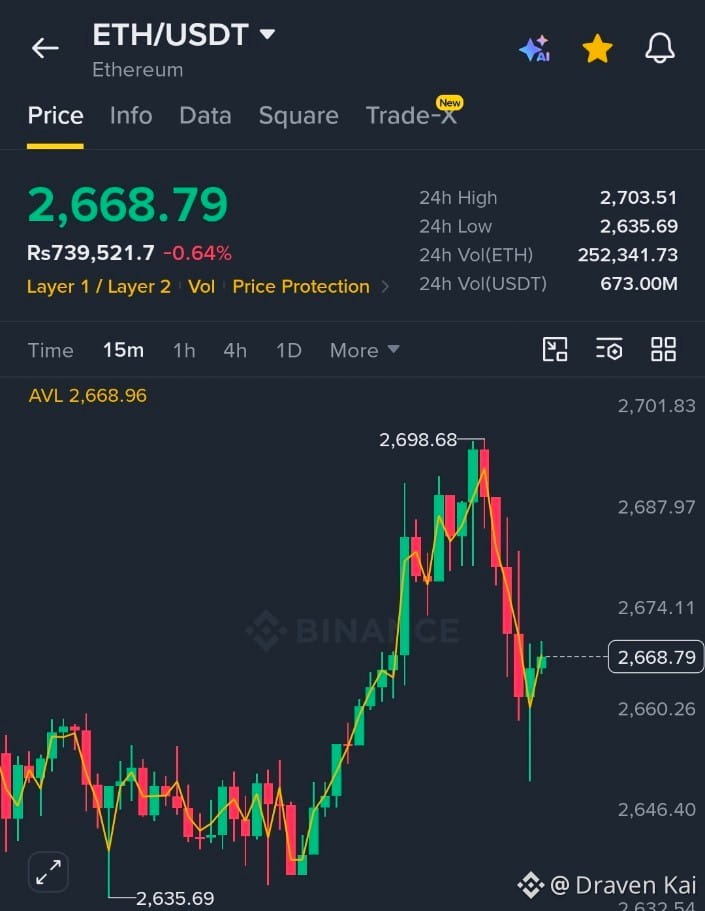
$ETH /USDT is waking up. Sharp recovery from the lows, buyers stepping in with force. The structure is tightening and pressure is building for a breakout. Support: 2,110 Resistance: 2,158 Target (TP): 2,200 Stop Loss: 2,080 Momentum is rising. A clean break above resistance could ignite the next move. $ETH {spot}(ETHUSDT)
$ETH /USDT is waking up. Sharp recovery from the lows, buyers stepping in with force. The structure is tightening and pressure is building for a breakout.

Support: 2,110
Resistance: 2,158

Target (TP): 2,200
Stop Loss: 2,080

Momentum is rising. A clean break above resistance could ignite the next move.

$ETH
·
--
ブリッシュ
翻訳参照
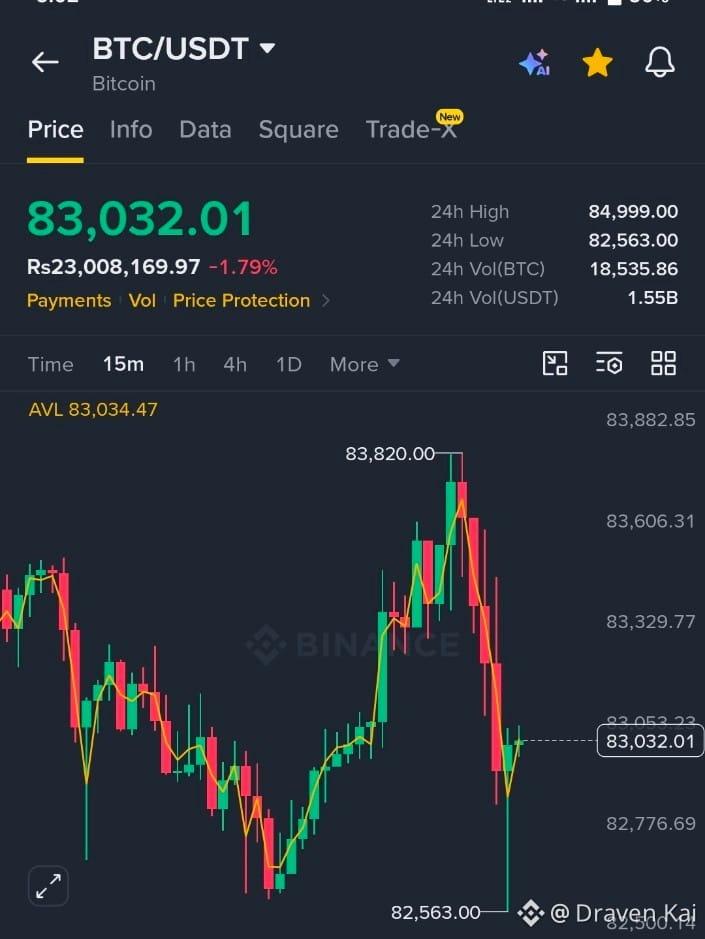
$BTC /USDT is heating up. Momentum is building and price is pushing back after the dip. The market is tight and a decisive move is close. Support: 67,900 Resistance: 69,300 Target (TP): 70,200 Stop Loss: 67,400 Pressure is rising. A break above resistance could trigger a strong move. $BTC {spot}(BTCUSDT)
$BTC /USDT is heating up. Momentum is building and price is pushing back after the dip. The market is tight and a decisive move is close.

Support: 67,900
Resistance: 69,300

Target (TP): 70,200
Stop Loss: 67,400

Pressure is rising. A break above resistance could trigger a strong move.

$BTC
翻訳参照
I’ve watched this space try to “fix trust” for years. Most of the time, it ends up as a fancy dashboard no one actually needs. SIGN is trying something simpler—prove what’s real, and reward people without the usual mess. Think about it. Airdrops full of bots. Fake certificates on LinkedIn. Event badges nobody trusts. I’ve seen communities spend weeks cleaning that up manually. It’s painful… and honestly, kind of embarrassing for an industry that claims to be the future. So yeah, the idea makes sense. But here’s the part people don’t like to say out loud— good ideas don’t win. Adoption does. I remember when projects like Civic and BrightID tried similar angles. Solid concepts. Barely used outside niche circles. That’s the risk here too. Because no normal user wakes up thinking, “I need credential verification today.” They just want things to work… quietly, in the background. If SIGN gets that right, nobody will hype it. Nobody will even notice. And weirdly—that’s how you know it worked. @SignOfficial #SignDigitalSovereignInfra $SIGN
I’ve watched this space try to “fix trust” for years. Most of the time, it ends up as a fancy dashboard no one actually needs.

SIGN is trying something simpler—prove what’s real, and reward people without the usual mess.

Think about it. Airdrops full of bots. Fake certificates on LinkedIn. Event badges nobody trusts. I’ve seen communities spend weeks cleaning that up manually. It’s painful… and honestly, kind of embarrassing for an industry that claims to be the future.

So yeah, the idea makes sense.

But here’s the part people don’t like to say out loud—
good ideas don’t win. Adoption does.

I remember when projects like Civic and BrightID tried similar angles. Solid concepts. Barely used outside niche circles.

That’s the risk here too.

Because no normal user wakes up thinking, “I need credential verification today.” They just want things to work… quietly, in the background.

If SIGN gets that right, nobody will hype it.
Nobody will even notice.

And weirdly—that’s how you know it worked.

@SignOfficial #SignDigitalSovereignInfra $SIGN
SIGN: 別のトークン実験にならずに認証の摩擦を解決する誰かがSIGNのようなものを提案してくると、私は技術から始めません。私ははるかにシンプルな質問から始めます。 「実際に誰がこれを必要とし、どれほど切実に?」 数年前、私の友人が仕事のためにUAEに移住しようとしました。しっかりとしたバックグラウンド、まともな学位、何年もの経験。関係ありませんでした。彼は数週間にわたって認証、認公、領事館のスタンプを追いかけました… ある時、彼は自分の学位を使うよりもそれを証明していると冗談を言いました。それはエッジケースではありません。それは普通です。 そうですね—ここには本当に問題があります。

SIGN: 別のトークン実験にならずに認証の摩擦を解決する

誰かがSIGNのようなものを提案してくると、私は技術から始めません。私ははるかにシンプルな質問から始めます。
「実際に誰がこれを必要とし、どれほど切実に?」
数年前、私の友人が仕事のためにUAEに移住しようとしました。しっかりとしたバックグラウンド、まともな学位、何年もの経験。関係ありませんでした。彼は数週間にわたって認証、認公、領事館のスタンプを追いかけました… ある時、彼は自分の学位を使うよりもそれを証明していると冗談を言いました。それはエッジケースではありません。それは普通です。
そうですね—ここには本当に問題があります。
·
--
ブリッシュ
翻訳参照
$PRL USDT just took a hard hit — a sharp drop from 0.1945 to the 0.159 zone. Now it’s tightening up, building pressure for the next move. Support: 0.1525 Resistance: 0.1650 – 0.1700 Target: 0.1750 TP: 0.1700 – 0.1750 Stop Loss: below 0.1500 Compression phase. One decisive move can shift momentum fast. $PRL {future}(PRLUSDT)
$PRL USDT just took a hard hit — a sharp drop from 0.1945 to the 0.159 zone. Now it’s tightening up, building pressure for the next move.

Support: 0.1525
Resistance: 0.1650 – 0.1700

Target: 0.1750
TP: 0.1700 – 0.1750
Stop Loss: below 0.1500

Compression phase. One decisive move can shift momentum fast.

$PRL
·
--
ブリッシュ
翻訳参照
When Your Work Speaks… but No One Can Hear It Ever tried proving something you know you did… and suddenly it feels harder than actually doing it? I’ve been there. Digging through old messages, links, half-forgotten projects—trying to explain work that should’ve been obvious. It’s frustrating in a quiet way. Like your effort is real, but scattered. That’s the gap SIGN is trying to fill. Instead of your work living in ten different places, it brings everything together—and actually verifies it. So it’s not just “trust me,” it’s “here’s the proof.” And honestly, that small shift changes everything. Because when your work is clear and trusted, you don’t have to chase recognition anymore. It starts finding you. @SignOfficial #SignDigitalSovereignInfra $SIGN
When Your Work Speaks… but No One Can Hear It

Ever tried proving something you know you did… and suddenly it feels harder than actually doing it?

I’ve been there. Digging through old messages, links, half-forgotten projects—trying to explain work that should’ve been obvious. It’s frustrating in a quiet way. Like your effort is real, but scattered.

That’s the gap SIGN is trying to fill.

Instead of your work living in ten different places, it brings everything together—and actually verifies it. So it’s not just “trust me,” it’s “here’s the proof.”

And honestly, that small shift changes everything.

Because when your work is clear and trusted, you don’t have to chase recognition anymore. It starts finding you.

@SignOfficial #SignDigitalSovereignInfra $SIGN
翻訳参照
Finally Fixing the Invisible Work Problem: Why SIGN Might Matter More Than It LooksLet me put it the way I’d explain it to a friend over chai, not a conference stage. Why should anyone care about this? Not “crypto people.” Not founders. Just… normal people trying to get paid, get hired, or get recognized for work they’ve already done. Because right now, that part is still broken. I remember talking to a developer last year—solid guy, contributed to a mid-sized DAO for months. Real commits, real coordination work, the kind of stuff that keeps projects alive but never trends on Twitter. When the token distribution finally happened, his allocation was almost insulting. Not because the team was malicious. They just didn’t know. No proper record, no clean way to verify who did what. He laughed it off. Then he stopped contributing. That’s the hidden cost of bad systems. People quietly disengage. We’ve somehow built an internet where doing the work is easy-ish… But proving it? Still clumsy. Still weirdly manual. Screenshots. Spreadsheets. “Trust me, bro.” It reminds me of the early days of online payments before PayPal became a thing. People forget this, but sending money online used to feel sketchy. You’d double-check everything, maybe even hesitate before clicking confirm. We’re still in that phase—just with reputation and contributions instead of money. So yeah, SIGN is trying to fix that. And for once, it’s not chasing some abstract future. It’s dealing with a very current, very annoying problem. The idea is simple enough that you almost wonder why it took this long: when you do something—finish a course, contribute to a project, help grow a community—you get a record that can actually be verified without someone manually checking it. Not a PDF you attach to emails. Not a badge trapped inside some platform. Something that follows you. That part, I like. Because if you’ve ever switched platforms—or worse, industries—you know how frustrating it is to start from scratch. It’s like your past work just… evaporates. Now, the second piece. And honestly, this is where I’ve seen things go off the rails more times than I can count. Token distribution. If you’ve been around since the 2017 ICO days—or even the DeFi summer in 2020—you’ve seen the chaos. Airdrops that reward the wrong users. Whales farming systems. Actual contributors getting crumbs while opportunists walk away with bags. I once reviewed a project where a guy spun up 50 wallets just to qualify for an airdrop. Made more than the core community members. Everyone knew it was broken. No one had a better system. SIGN’s approach is… cleaner. At least on paper. Tie rewards to verified actions. You did the work → it’s recorded → rewards flow from that. No guesswork. No last-minute scrambling through Discord logs. It sounds obvious. That’s usually a good sign. But obvious ideas are often the hardest to implement properly. What I find more interesting is what SIGN isn’t trying to be. It’s not another app fighting for attention. It’s infrastructure. Plumbing. And I don’t say that lightly. Some of the most important tech shifts weren’t flashy at all. Think about TCP/IP. Nobody celebrated it at the time. No one said, “Wow, this is exciting.” But without it, the internet as we know it doesn’t exist. Good infrastructure disappears. That’s the bar. If SIGN works, you won’t log into it. You won’t think about it. You’ll just notice that things feel… fairer. Faster. Less annoying. And honestly, that’s the kind of progress I trust more than big promises. But—and this matters—I’m not sold yet. I’ve been in this space long enough to develop a kind of reflex skepticism. I’ve seen “Ethereum killers,” “Web3 LinkedIns,” “decentralized reputations systems”… most of them sounded great in decks and quietly died in reality. Execution is brutal. And adoption? Even worse. Because for SIGN to matter, it can’t live in isolation. It needs platforms, DAOs, schools, maybe even companies to agree on using it. That’s a coordination problem. And historically, coordination problems are where good ideas go to stall. Look at identity systems. We’ve been trying to standardize those for decades. Still messy. Then there’s the user side. If I have to explain to my cousin what a wallet signature is just so she can prove she completed a course… we’ve already lost. People don’t want more systems. They want fewer headaches. So the real test isn’t whether SIGN works technically. It’s whether it disappears enough that people don’t notice it’s there. That’s harder than building the tech. And privacy… yeah, this one’s tricky. You want proof. But you don’t want your entire history exposed like a public resume that never forgets anything. I’ve seen projects completely ignore this tension, and it always comes back to bite them. Too transparent? People hesitate. Too private? The system loses credibility. There’s a narrow path in between. No one has nailed it yet. Still… I keep coming back to this. Out of all the noise in this space, this solves something real. Not theoretical. Not “five years from now.” Right now. Did I get credit for my work? Can I prove what I’ve done without jumping through hoops? Was I rewarded fairly? Those are basic questions. And weirdly, we still don’t have great answers. If SIGN even partially delivers, it changes the baseline. Your contributions don’t vanish when you leave a platform. Your work carries weight across contexts. Rewards start to feel earned, not assigned. That’s not flashy. But it matters. Am I betting on it? Not yet. I’ve learned that lesson the hard way. Good ideas don’t guarantee good outcomes. Integration gets messy. Incentives drift. Teams lose focus. It happens. A lot. But I am paying attention. Because the projects that actually stick around in this industry—the ones that quietly become part of the foundation—they usually start like this. Not loud. Not overpromised. Just… solving something obvious that everyone else ignored. And if SIGN can pull that off, it won’t feel like a big moment. It’ll just feel like one less thing being broken. And honestly, that’s more than enough. @SignOfficial #SignDigitalSovereignInfra $SIGN

Finally Fixing the Invisible Work Problem: Why SIGN Might Matter More Than It Looks

Let me put it the way I’d explain it to a friend over chai, not a conference stage.

Why should anyone care about this?

Not “crypto people.” Not founders. Just… normal people trying to get paid, get hired, or get recognized for work they’ve already done.

Because right now, that part is still broken.

I remember talking to a developer last year—solid guy, contributed to a mid-sized DAO for months. Real commits, real coordination work, the kind of stuff that keeps projects alive but never trends on Twitter. When the token distribution finally happened, his allocation was almost insulting. Not because the team was malicious. They just didn’t know. No proper record, no clean way to verify who did what.

He laughed it off.

Then he stopped contributing.

That’s the hidden cost of bad systems. People quietly disengage.

We’ve somehow built an internet where doing the work is easy-ish…
But proving it? Still clumsy. Still weirdly manual.

Screenshots. Spreadsheets. “Trust me, bro.”

It reminds me of the early days of online payments before PayPal became a thing. People forget this, but sending money online used to feel sketchy. You’d double-check everything, maybe even hesitate before clicking confirm.

We’re still in that phase—just with reputation and contributions instead of money.

So yeah, SIGN is trying to fix that.

And for once, it’s not chasing some abstract future. It’s dealing with a very current, very annoying problem.

The idea is simple enough that you almost wonder why it took this long: when you do something—finish a course, contribute to a project, help grow a community—you get a record that can actually be verified without someone manually checking it.

Not a PDF you attach to emails.
Not a badge trapped inside some platform.
Something that follows you.

That part, I like.

Because if you’ve ever switched platforms—or worse, industries—you know how frustrating it is to start from scratch. It’s like your past work just… evaporates.

Now, the second piece. And honestly, this is where I’ve seen things go off the rails more times than I can count.

Token distribution.

If you’ve been around since the 2017 ICO days—or even the DeFi summer in 2020—you’ve seen the chaos. Airdrops that reward the wrong users. Whales farming systems. Actual contributors getting crumbs while opportunists walk away with bags.

I once reviewed a project where a guy spun up 50 wallets just to qualify for an airdrop. Made more than the core community members.

Everyone knew it was broken.
No one had a better system.

SIGN’s approach is… cleaner. At least on paper.

Tie rewards to verified actions.

You did the work → it’s recorded → rewards flow from that.

No guesswork. No last-minute scrambling through Discord logs.

It sounds obvious. That’s usually a good sign.

But obvious ideas are often the hardest to implement properly.

What I find more interesting is what SIGN isn’t trying to be.

It’s not another app fighting for attention. It’s infrastructure. Plumbing.

And I don’t say that lightly.

Some of the most important tech shifts weren’t flashy at all. Think about TCP/IP. Nobody celebrated it at the time. No one said, “Wow, this is exciting.” But without it, the internet as we know it doesn’t exist.

Good infrastructure disappears.

That’s the bar.

If SIGN works, you won’t log into it. You won’t think about it. You’ll just notice that things feel… fairer. Faster. Less annoying.

And honestly, that’s the kind of progress I trust more than big promises.

But—and this matters—I’m not sold yet.

I’ve been in this space long enough to develop a kind of reflex skepticism. I’ve seen “Ethereum killers,” “Web3 LinkedIns,” “decentralized reputations systems”… most of them sounded great in decks and quietly died in reality.

Execution is brutal.

And adoption? Even worse.

Because for SIGN to matter, it can’t live in isolation. It needs platforms, DAOs, schools, maybe even companies to agree on using it. That’s a coordination problem. And historically, coordination problems are where good ideas go to stall.

Look at identity systems. We’ve been trying to standardize those for decades.

Still messy.

Then there’s the user side.

If I have to explain to my cousin what a wallet signature is just so she can prove she completed a course… we’ve already lost.

People don’t want more systems. They want fewer headaches.

So the real test isn’t whether SIGN works technically. It’s whether it disappears enough that people don’t notice it’s there.

That’s harder than building the tech.

And privacy… yeah, this one’s tricky.

You want proof. But you don’t want your entire history exposed like a public resume that never forgets anything.

I’ve seen projects completely ignore this tension, and it always comes back to bite them. Too transparent? People hesitate. Too private? The system loses credibility.

There’s a narrow path in between.

No one has nailed it yet.

Still… I keep coming back to this.

Out of all the noise in this space, this solves something real.

Not theoretical. Not “five years from now.” Right now.

Did I get credit for my work?
Can I prove what I’ve done without jumping through hoops?
Was I rewarded fairly?

Those are basic questions. And weirdly, we still don’t have great answers.

If SIGN even partially delivers, it changes the baseline.

Your contributions don’t vanish when you leave a platform.
Your work carries weight across contexts.
Rewards start to feel earned, not assigned.

That’s not flashy.

But it matters.

Am I betting on it? Not yet.

I’ve learned that lesson the hard way. Good ideas don’t guarantee good outcomes. Integration gets messy. Incentives drift. Teams lose focus.

It happens. A lot.

But I am paying attention.

Because the projects that actually stick around in this industry—the ones that quietly become part of the foundation—they usually start like this.

Not loud.
Not overpromised.
Just… solving something obvious that everyone else ignored.

And if SIGN can pull that off, it won’t feel like a big moment.

It’ll just feel like one less thing being broken.

And honestly, that’s more than enough.

@SignOfficial #SignDigitalSovereignInfra $SIGN
·
--
ブリッシュ
$ZBT /USDTが急上昇しました…勢いが強く点火されました。 価格: 0.0838 サポート: 0.0771 抵抗: 0.0843 ターゲット: 0.0880 TP: 0.0855 ストップロス: 0.0765 爆発的な動き…継続のための圧力は依然として高いです。 $ZBT {spot}(ZBTUSDT)
$ZBT /USDTが急上昇しました…勢いが強く点火されました。

価格: 0.0838

サポート: 0.0771
抵抗: 0.0843

ターゲット: 0.0880
TP: 0.0855
ストップロス: 0.0765

爆発的な動き…継続のための圧力は依然として高いです。

$ZBT
·
--
ブリッシュ
翻訳参照
$STG /USDT is pushing higher… momentum waking up again. Price: 0.2677 Support: 0.2595 Resistance: 0.2719 Target: 0.2800 TP: 0.2735 Stop Loss: 0.2580 Strength is building… pressure rising for the next surge. $STG {spot}(STGUSDT)
$STG /USDT is pushing higher… momentum waking up again.

Price: 0.2677

Support: 0.2595
Resistance: 0.2719

Target: 0.2800
TP: 0.2735
Stop Loss: 0.2580

Strength is building… pressure rising for the next surge.

$STG
$FLUX /USDTはラインを維持しています… 高値付近で緊張が高まっています。 価格: 0.0533 サポート: 0.0502 レジスタンス: 0.0540 ターゲット: 0.0560 TP: 0.0545 ストップロス: 0.0498 レンジは収束しています… プレッシャーが解放される準備が整っています。 $FLUX {spot}(FLUXUSDT)
$FLUX /USDTはラインを維持しています… 高値付近で緊張が高まっています。

価格: 0.0533

サポート: 0.0502
レジスタンス: 0.0540

ターゲット: 0.0560
TP: 0.0545
ストップロス: 0.0498

レンジは収束しています… プレッシャーが解放される準備が整っています。

$FLUX
·
--
弱気相場
翻訳参照
$OPN /USDT is cooling… but tension is stacking beneath the surface. Price: 0.1897 Support: 0.1840 Resistance: 0.1957 Target: 0.2000 TP: 0.1965 Stop Loss: 0.1830 Compression phase… next breakout could be sharp. $OPN {spot}(OPNUSDT)
$OPN /USDT is cooling… but tension is stacking beneath the surface.

Price: 0.1897

Support: 0.1840
Resistance: 0.1957

Target: 0.2000
TP: 0.1965
Stop Loss: 0.1830

Compression phase… next breakout could be sharp.

$OPN
·
--
弱気相場
翻訳参照
$NIGHT /USDT is climbing… momentum building with controlled aggression. Price: 0.04681 Support: 0.04262 Resistance: 0.04760 Target: 0.05000 TP: 0.04880 Stop Loss: 0.04200 Structure is rising… pressure is shifting upward. $NIGHT {spot}(NIGHTUSDT)
$NIGHT /USDT is climbing… momentum building with controlled aggression.

Price: 0.04681

Support: 0.04262
Resistance: 0.04760

Target: 0.05000
TP: 0.04880
Stop Loss: 0.04200

Structure is rising… pressure is shifting upward.

$NIGHT
·
--
ブリッシュ
翻訳参照
$CFG /USDT is pulling back… but the structure is tightening. Price: 0.1716 Support: 0.1654 Resistance: 0.1799 Target: 0.1855 TP: 0.1800 Stop Loss: 0.1640 Momentum is loading… next push could be decisive. $CFG {spot}(CFGUSDT)
$CFG /USDT is pulling back… but the structure is tightening.

Price: 0.1716

Support: 0.1654
Resistance: 0.1799

Target: 0.1855
TP: 0.1800
Stop Loss: 0.1640

Momentum is loading… next push could be decisive.

$CFG
さらにコンテンツを探すには、ログインしてください
暗号資産関連最新ニュース総まとめ
⚡️ 暗号資産に関する最新のディスカッションに参加
💬 お気に入りのクリエイターと交流
👍 興味のあるコンテンツがきっと見つかります
メール / 電話番号
サイトマップ
Cookieの設定
プラットフォーム利用規約