
CrypticWeb3_
112 投稿

CrypticWeb3_
 厳選トピック確認済+
報告
ユーザーをブロック
Redefining Marketing in the Blockchain Era | From Vision to Adoption
2 フォロー
55 フォロワー
226 いいね
投稿
·
--
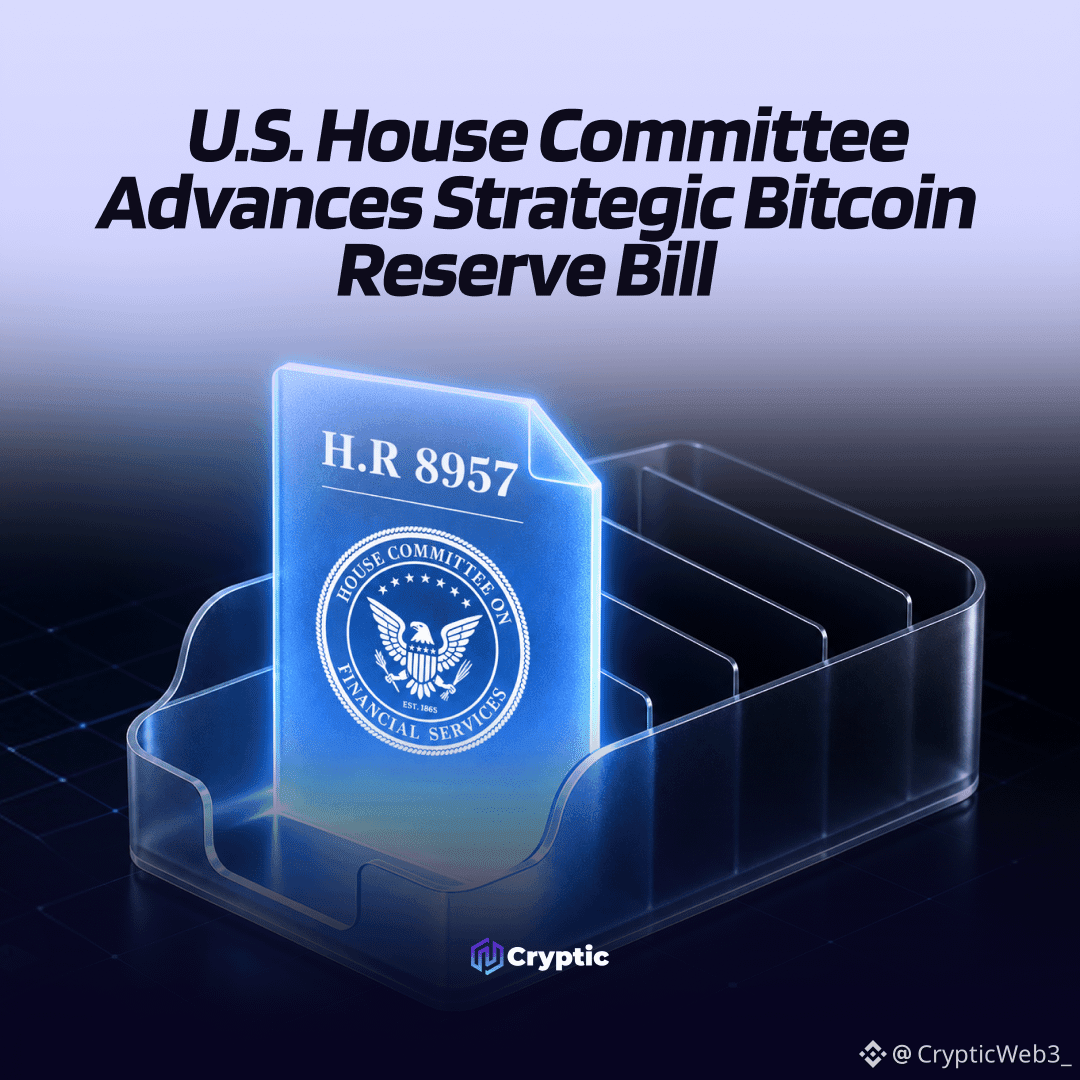
米国下院金融サービス委員会は、戦略的ビットコイン準備金を設立する法案を前進させた。
H.R. 8957は、この準備金を財務省の管轄下に置き、$BTC の保有分を少なくとも20年間保持することを求める。
米国下院金融サービス委員会は、戦略的ビットコイン準備金を設立する法案を前進させた。
H.R. 8957は、この準備金を財務省の管轄下に置き、$BTC の保有分を少なくとも20年間保持することを求める。
H.R. 8957は、この準備金を財務省の管轄下に置き、$BTC の保有分を少なくとも20年間保持することを求める。
1
89
·
--
翻訳参照
Bulgaria is bringing crypto transactions under expanded tax reporting rules. Crypto firms will be required to register with the National Revenue Agency and disclose detailed customer and transaction data.
The legislation passed its final reading with 149 votes in favor, none against and 10 abstentions, aligning Bulgaria’s reporting framework with the EU’s DAC8 rules for digital assets.
Bulgaria is bringing crypto transactions under expanded tax reporting rules. Crypto firms will be required to register with the National Revenue Agency and disclose detailed customer and transaction data.
The legislation passed its final reading with 149 votes in favor, none against and 10 abstentions, aligning Bulgaria’s reporting framework with the EU’s DAC8 rules for digital assets.
The legislation passed its final reading with 149 votes in favor, none against and 10 abstentions, aligning Bulgaria’s reporting framework with the EU’s DAC8 rules for digital assets.
1
2
·
--
翻訳参照
The ECB is preparing to test the digital euro in real-world payment scenarios. Merchants are being invited to join a 12-month pilot alongside 19 euro area central banks and 36 banks and payment firms.
Deutsche Bank, Revolut, CaixaBank, BNP Paribas and ING are among the financial institutions already selected for the program. The pilot will test the infrastructure and user experience ahead of a possible digital euro issuance in 2029.
The ECB is preparing to test the digital euro in real-world payment scenarios. Merchants are being invited to join a 12-month pilot alongside 19 euro area central banks and 36 banks and payment firms.
Deutsche Bank, Revolut, CaixaBank, BNP Paribas and ING are among the financial institutions already selected for the program. The pilot will test the infrastructure and user experience ahead of a possible digital euro issuance in 2029.
Deutsche Bank, Revolut, CaixaBank, BNP Paribas and ING are among the financial institutions already selected for the program. The pilot will test the infrastructure and user experience ahead of a possible digital euro issuance in 2029.

1
28
·
--
翻訳参照
Arc Mainnet is officially live. Circle’s new Layer 1 launches with infrastructure for payments, lending, trading, onchain FX, tokenized assets and AI driven economic activity, with USDC used for transaction fees.
Circle is positioning Arc as more than a standalone blockchain, integrating it directly with its broader stack including CCTP, Gateway, Circle Payments Network and StableFX.
Arc Mainnet is officially live. Circle’s new Layer 1 launches with infrastructure for payments, lending, trading, onchain FX, tokenized assets and AI driven economic activity, with USDC used for transaction fees.
Circle is positioning Arc as more than a standalone blockchain, integrating it directly with its broader stack including CCTP, Gateway, Circle Payments Network and StableFX.
Circle is positioning Arc as more than a standalone blockchain, integrating it directly with its broader stack including CCTP, Gateway, Circle Payments Network and StableFX.
1
82
·
--
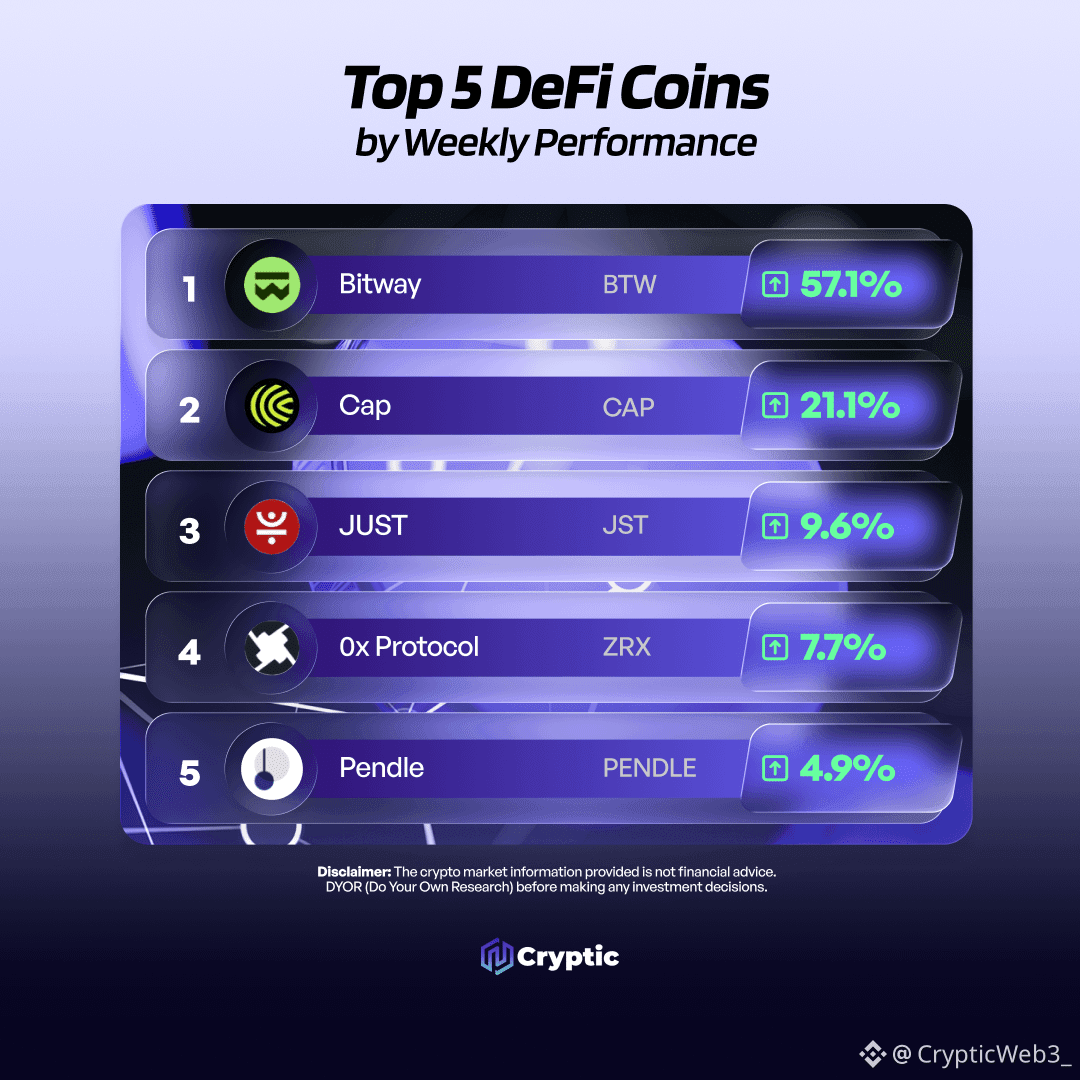
📊 週間パフォーマンス上位のDeFiコイン
🥇 $BTW
🥈 $CAP
🥉 $JST
4️⃣ $ZRX
5️⃣ $PENDLE
あなたのウォッチリストに入っているのはどのコインですか?
📊 週間パフォーマンス上位のDeFiコイン
🥇 $BTW
🥈 $CAP
🥉 $JST
4️⃣ $ZRX
5️⃣ $PENDLE
あなたのウォッチリストに入っているのはどのコインですか?
🥇 $BTW
🥈 $CAP
🥉 $JST
4️⃣ $ZRX
5️⃣ $PENDLE
あなたのウォッチリストに入っているのはどのコインですか?
1
4
·
--
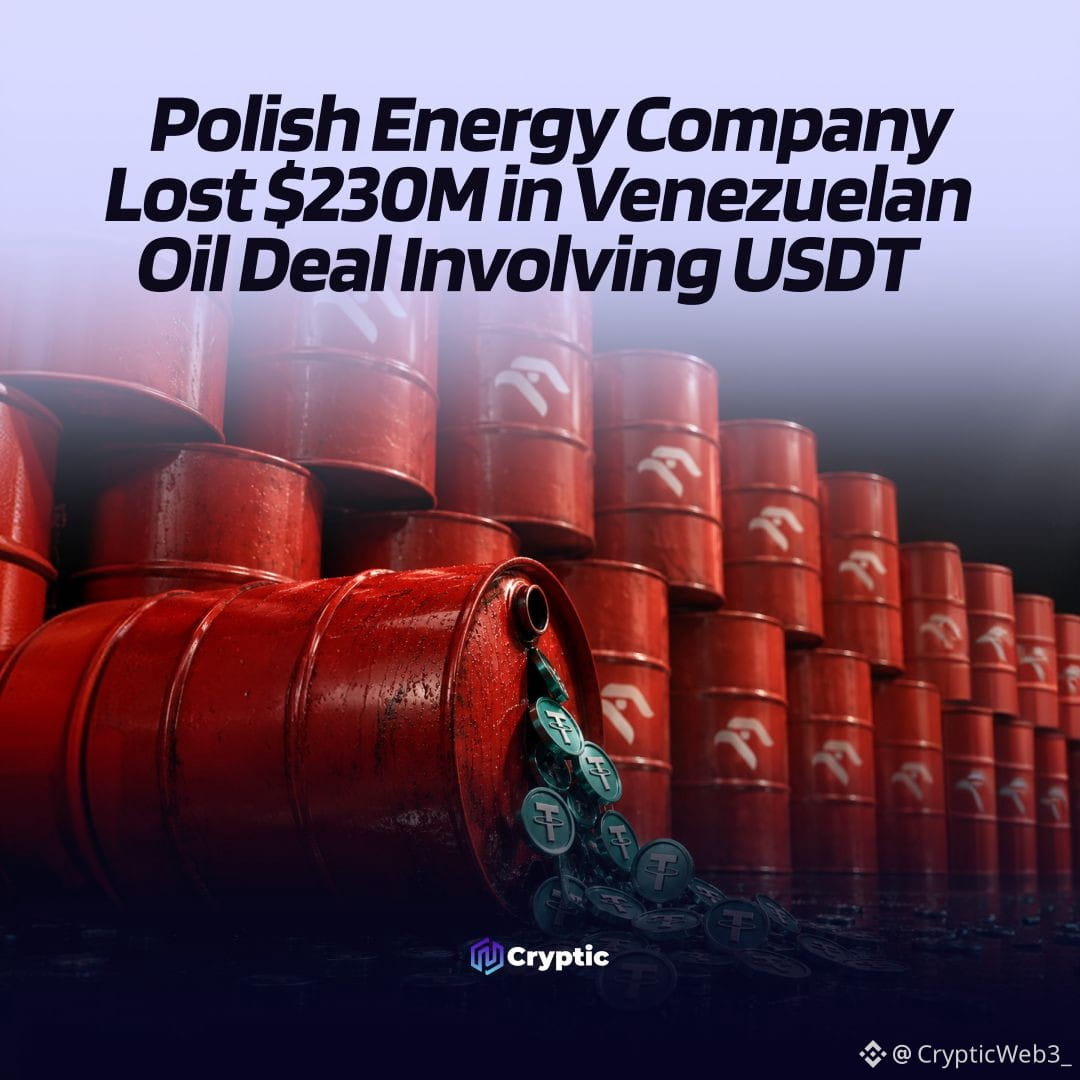
ポーランドの国営エネルギー企業オーレン(Orlen)は、$USDT を含む失敗したベネズエラの石油取引で2億3000万ドルを失った
オーレンはドバイ拠点のトレーダー、ハンノン・インターナショナルに対し、原油約600万バレルの前払いとして支払いを行ったが、石油の大半は納品されなかった。
資金の一部はUSDTに換金され、ベネズエラの仲介業者らに渡され、その中には暗号アクセスキーを含むUSBドライブを通じて1億1000万ドルが含まれていた。
ポーランド政府は、総損失額が少なくとも4億2400万ドルに上ると見積もっている。
ポーランドの国営エネルギー企業オーレン(Orlen)は、$USDT を含む失敗したベネズエラの石油取引で2億3000万ドルを失った
オーレンはドバイ拠点のトレーダー、ハンノン・インターナショナルに対し、原油約600万バレルの前払いとして支払いを行ったが、石油の大半は納品されなかった。
資金の一部はUSDTに換金され、ベネズエラの仲介業者らに渡され、その中には暗号アクセスキーを含むUSBドライブを通じて1億1000万ドルが含まれていた。
ポーランド政府は、総損失額が少なくとも4億2400万ドルに上ると見積もっている。
オーレンはドバイ拠点のトレーダー、ハンノン・インターナショナルに対し、原油約600万バレルの前払いとして支払いを行ったが、石油の大半は納品されなかった。
資金の一部はUSDTに換金され、ベネズエラの仲介業者らに渡され、その中には暗号アクセスキーを含むUSBドライブを通じて1億1000万ドルが含まれていた。
ポーランド政府は、総損失額が少なくとも4億2400万ドルに上ると見積もっている。
1
2
·
--
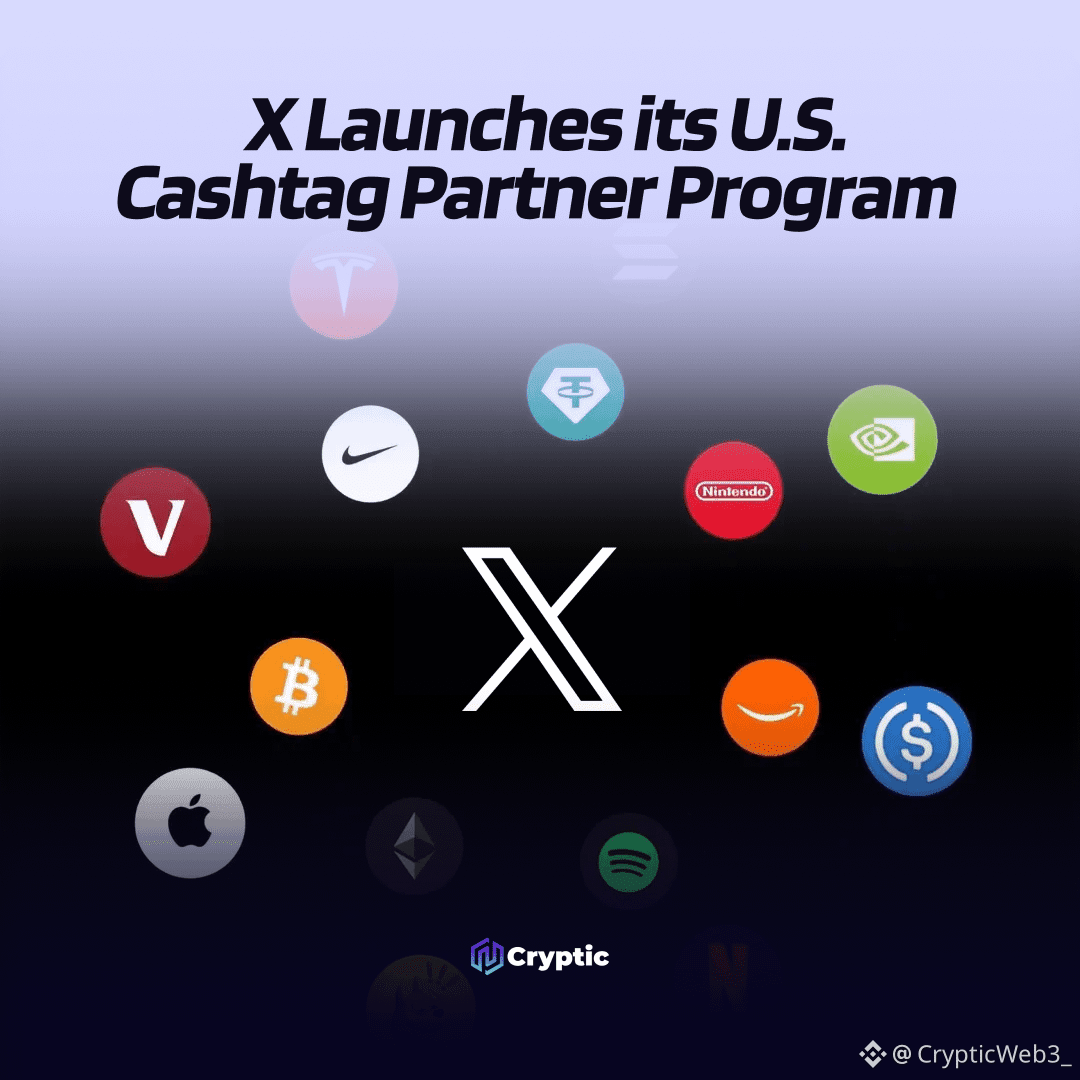
Xは米国のCashtagパートナープログラムを開始し、対応する株式、ETF、暗号資産を参加している取引プラットフォームに接続します。
ユーザーはCashtagをタップして市場データを確認し、「Trade(取引)」を選択してCoinbase、Kraken、Gemini、Interactive Brokers、またはMoomooに進むことができます。
Xは米国のCashtagパートナープログラムを開始し、対応する株式、ETF、暗号資産を参加している取引プラットフォームに接続します。
ユーザーはCashtagをタップして市場データを確認し、「Trade(取引)」を選択してCoinbase、Kraken、Gemini、Interactive Brokers、またはMoomooに進むことができます。
ユーザーはCashtagをタップして市場データを確認し、「Trade(取引)」を選択してCoinbase、Kraken、Gemini、Interactive Brokers、またはMoomooに進むことができます。
1
51
·
--
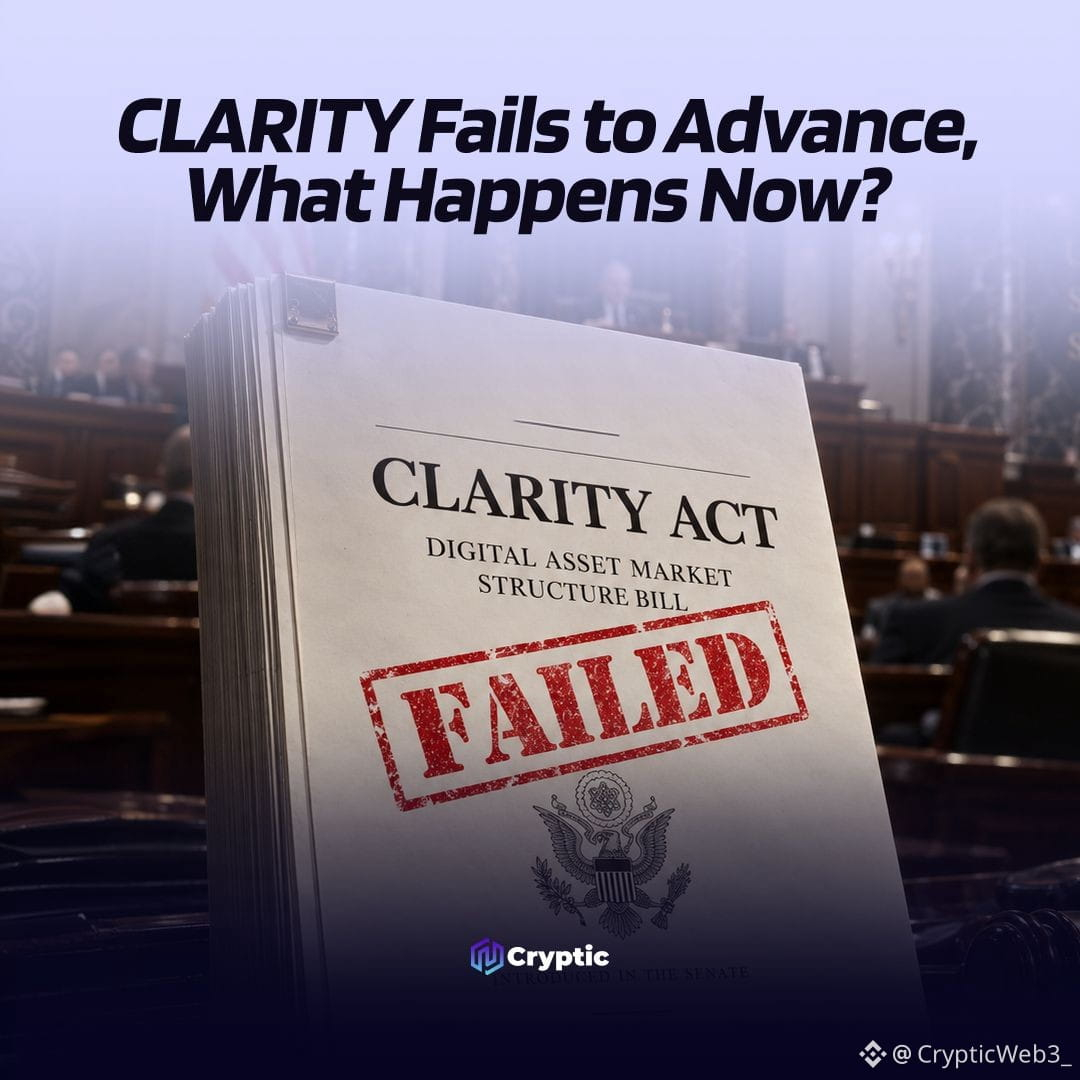
明確化(CLARITY)が前進できない場合、次に何が起きる?
49〜50票の手続き上の採決は、法案を前進させるのに必要な60票に届かなかった。しかし米国の暗号資産規制はここで止まらない:
1. SECとCFTCは引き続き前進できる
元CFTC委員長のクリス・ジャンカルロ氏は、CLARITYの上院での挫折があっても、SECとCFTCは暗号資産のルールに向けて前進できると述べている。
2. ステーブルコインにはすでに連邦ルールがある
GENIUS法はすでに法律となっており、ステーブルコインに対する連邦の規制枠組みを与えている。
3. CLARITYはまだ戻り得る
法案は上院で行き詰まったが、トム・ティリス上院議員の手続き上の投票の切り替えは、再審議の可能性を残している。
4. 市場構造は依然として未解決
CLARITYは、デジタル資産のルールと、SECおよびCFTCの役割を明確にすることを目指した。
5. 行政府は依然として暗号資産関連の立法を支持
トランプはCLARITYを支持しており、またSEC議長のポール・アトキンス氏とCFTC議長のマイケル・セリグ氏も、より明確な暗号資産ルールを支持している。
明確化(CLARITY)が前進できない場合、次に何が起きる?
49〜50票の手続き上の採決は、法案を前進させるのに必要な60票に届かなかった。しかし米国の暗号資産規制はここで止まらない:
1. SECとCFTCは引き続き前進できる
元CFTC委員長のクリス・ジャンカルロ氏は、CLARITYの上院での挫折があっても、SECとCFTCは暗号資産のルールに向けて前進できると述べている。
2. ステーブルコインにはすでに連邦ルールがある
GENIUS法はすでに法律となっており、ステーブルコインに対する連邦の規制枠組みを与えている。
3. CLARITYはまだ戻り得る
法案は上院で行き詰まったが、トム・ティリス上院議員の手続き上の投票の切り替えは、再審議の可能性を残している。
4. 市場構造は依然として未解決
CLARITYは、デジタル資産のルールと、SECおよびCFTCの役割を明確にすることを目指した。
5. 行政府は依然として暗号資産関連の立法を支持
トランプはCLARITYを支持しており、またSEC議長のポール・アトキンス氏とCFTC議長のマイケル・セリグ氏も、より明確な暗号資産ルールを支持している。
49〜50票の手続き上の採決は、法案を前進させるのに必要な60票に届かなかった。しかし米国の暗号資産規制はここで止まらない:
1. SECとCFTCは引き続き前進できる
元CFTC委員長のクリス・ジャンカルロ氏は、CLARITYの上院での挫折があっても、SECとCFTCは暗号資産のルールに向けて前進できると述べている。
2. ステーブルコインにはすでに連邦ルールがある
GENIUS法はすでに法律となっており、ステーブルコインに対する連邦の規制枠組みを与えている。
3. CLARITYはまだ戻り得る
法案は上院で行き詰まったが、トム・ティリス上院議員の手続き上の投票の切り替えは、再審議の可能性を残している。
4. 市場構造は依然として未解決
CLARITYは、デジタル資産のルールと、SECおよびCFTCの役割を明確にすることを目指した。
5. 行政府は依然として暗号資産関連の立法を支持
トランプはCLARITYを支持しており、またSEC議長のポール・アトキンス氏とCFTC議長のマイケル・セリグ氏も、より明確な暗号資産ルールを支持している。
1
129
·
--
翻訳参照
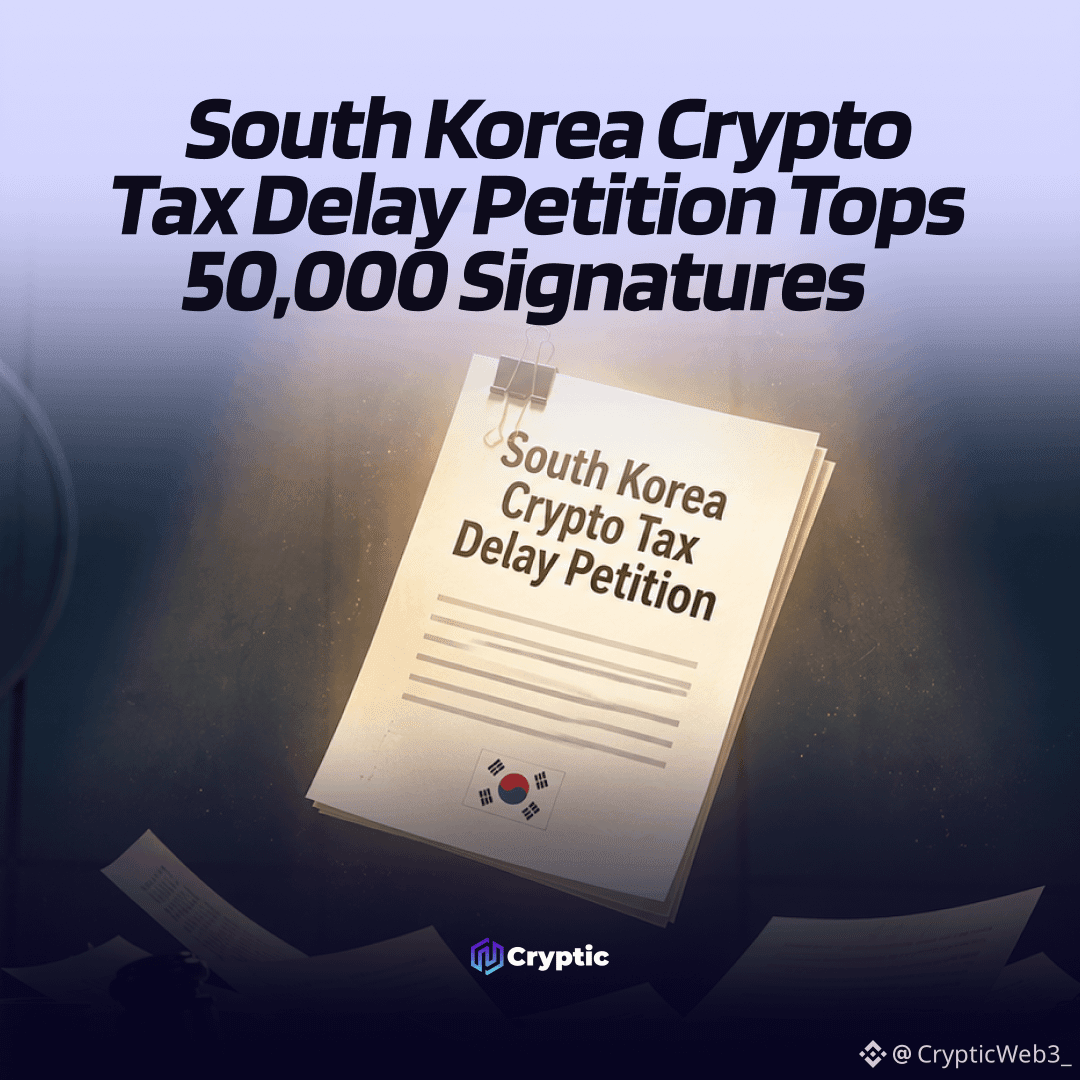
South Korean investors are pushing back against the country’s upcoming digital asset tax. A petition seeking a two-year delay has crossed 50,000 signatures, triggering a legislative review.
The petition is expected to be referred to the National Assembly’s Strategy and Finance Committee for consideration. Lawmakers will now have to formally examine the request before deciding whether any further delay should be pursued.
South Korean investors are pushing back against the country’s upcoming digital asset tax. A petition seeking a two-year delay has crossed 50,000 signatures, triggering a legislative review.
The petition is expected to be referred to the National Assembly’s Strategy and Finance Committee for consideration. Lawmakers will now have to formally examine the request before deciding whether any further delay should be pursued.
The petition is expected to be referred to the National Assembly’s Strategy and Finance Committee for consideration. Lawmakers will now have to formally examine the request before deciding whether any further delay should be pursued.
1
1
2
4
·
--
翻訳参照
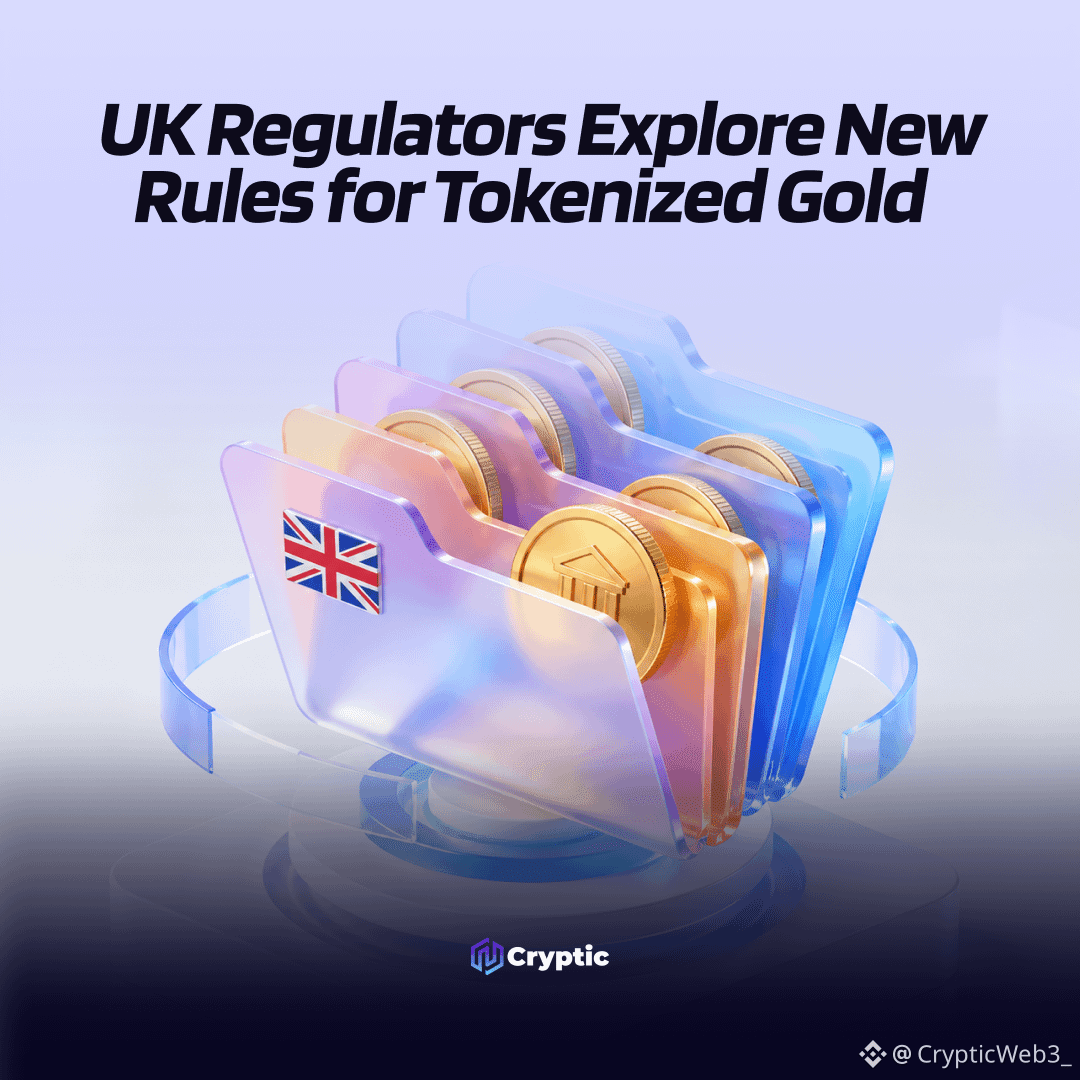
The UK is considering a separate regulatory path for tokenized gold.
The FCA is working with the Treasury and Bank of England on potential exemptions from existing fund rules.
No final decision has been made. The FCA is examining whether clearer rules could make tokenized gold easier to issue, trade and use as collateral while providing greater certainty over which investors can access these products.
The UK is considering a separate regulatory path for tokenized gold.
The FCA is working with the Treasury and Bank of England on potential exemptions from existing fund rules.
No final decision has been made. The FCA is examining whether clearer rules could make tokenized gold easier to issue, trade and use as collateral while providing greater certainty over which investors can access these products.
The FCA is working with the Treasury and Bank of England on potential exemptions from existing fund rules.
No final decision has been made. The FCA is examining whether clearer rules could make tokenized gold easier to issue, trade and use as collateral while providing greater certainty over which investors can access these products.
1
1
1
2
·
--
翻訳参照
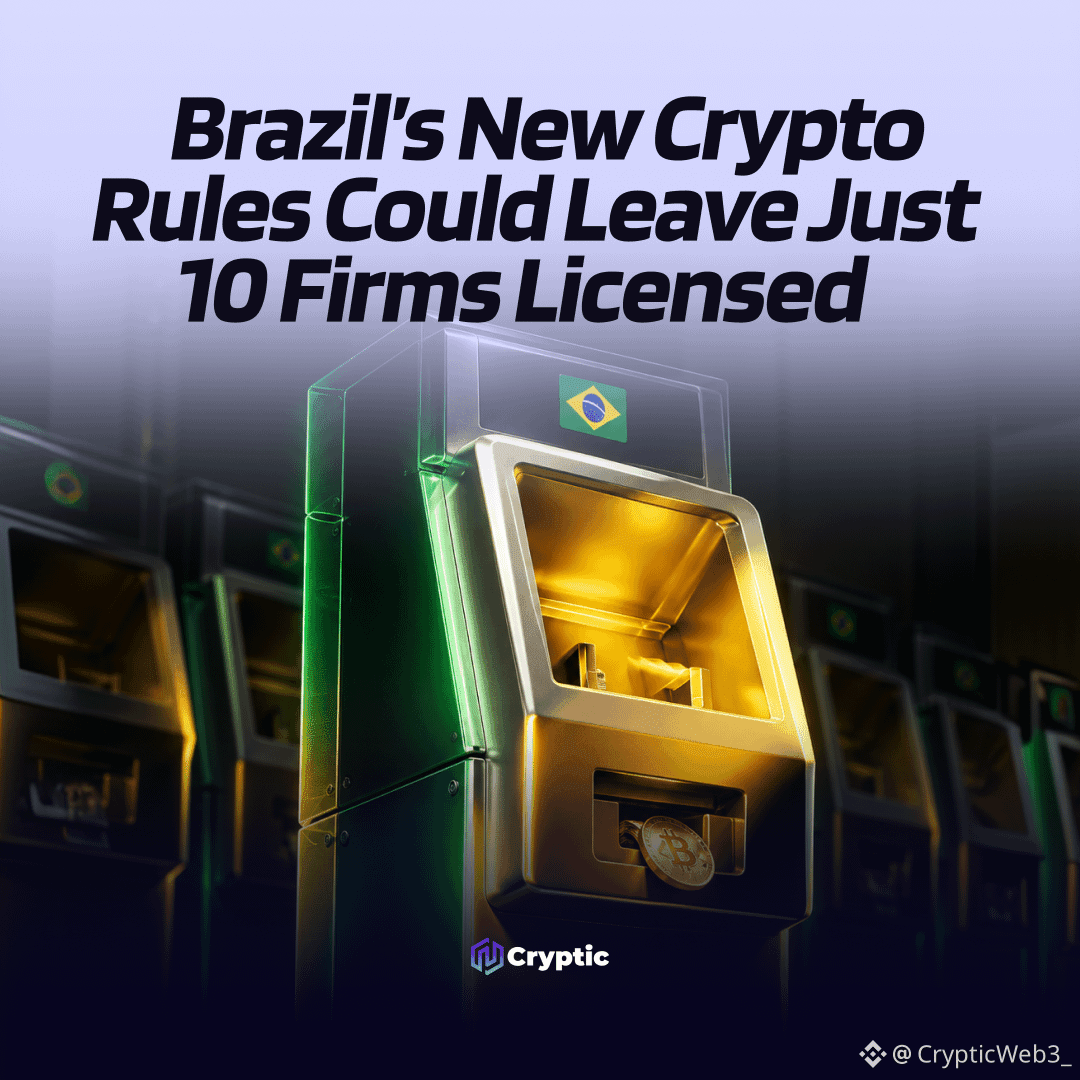
Brazil’s crypto market could shrink dramatically under its new licensing regime.
Providers now face capital requirements of up to $7.2 million, with around 10 firms ultimately expected to secure licenses.
Firms must submit their applications by October 30, while those that do not apply will have 30 days to wind down their operations. Around 290 platforms could ultimately leave the Brazilian market.
Brazil’s crypto market could shrink dramatically under its new licensing regime.
Providers now face capital requirements of up to $7.2 million, with around 10 firms ultimately expected to secure licenses.
Firms must submit their applications by October 30, while those that do not apply will have 30 days to wind down their operations. Around 290 platforms could ultimately leave the Brazilian market.
Providers now face capital requirements of up to $7.2 million, with around 10 firms ultimately expected to secure licenses.
Firms must submit their applications by October 30, while those that do not apply will have 30 days to wind down their operations. Around 290 platforms could ultimately leave the Brazilian market.
1
1
2
2
·
--
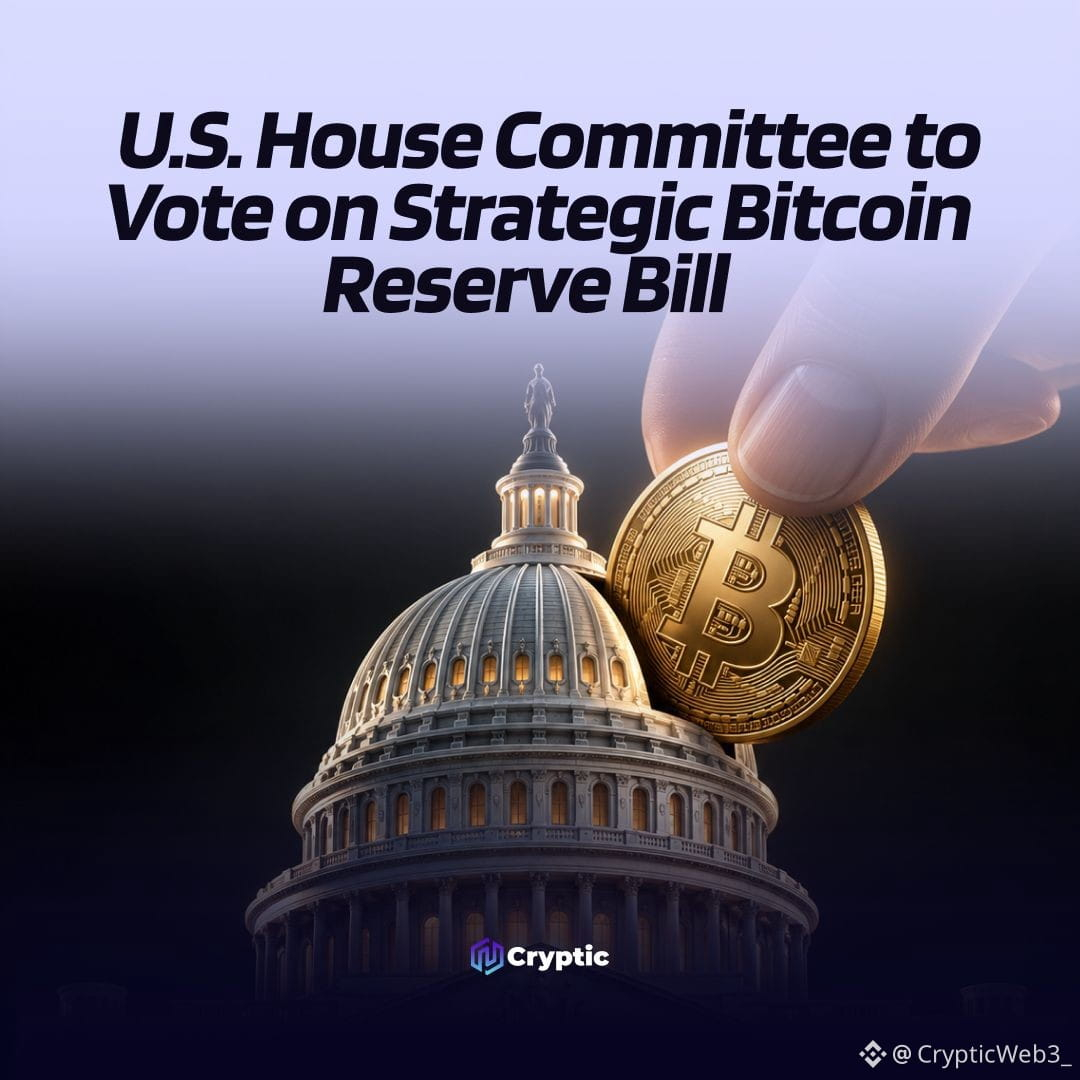
米国の戦略的ビットコイン準備金(リザーブ)法案が、委員会の条文見直し(マークアップ)に向かっています。
下院金融サービス委員会は、議員らが同法案を前進させるかどうかを判断するなかで、9月16日にH.R. 8957を審議します。
この法案は、ビットコインの取得に関する調査のための新たな借入、課税、または赤字支出を明確に禁じています。また、政府の「デジタル・アセット・ストックパイル」におけるビットコイン以外の資産から得られる収益を、ビットコイン保有の増加、または国の債務(国債)の削減に充てることを可能にしています。
米国の戦略的ビットコイン準備金(リザーブ)法案が、委員会の条文見直し(マークアップ)に向かっています。
下院金融サービス委員会は、議員らが同法案を前進させるかどうかを判断するなかで、9月16日にH.R. 8957を審議します。
この法案は、ビットコインの取得に関する調査のための新たな借入、課税、または赤字支出を明確に禁じています。また、政府の「デジタル・アセット・ストックパイル」におけるビットコイン以外の資産から得られる収益を、ビットコイン保有の増加、または国の債務(国債)の削減に充てることを可能にしています。
下院金融サービス委員会は、議員らが同法案を前進させるかどうかを判断するなかで、9月16日にH.R. 8957を審議します。
この法案は、ビットコインの取得に関する調査のための新たな借入、課税、または赤字支出を明確に禁じています。また、政府の「デジタル・アセット・ストックパイル」におけるビットコイン以外の資産から得られる収益を、ビットコイン保有の増加、または国の債務(国債)の削減に充てることを可能にしています。
1
1
3
3
·
--
翻訳参照
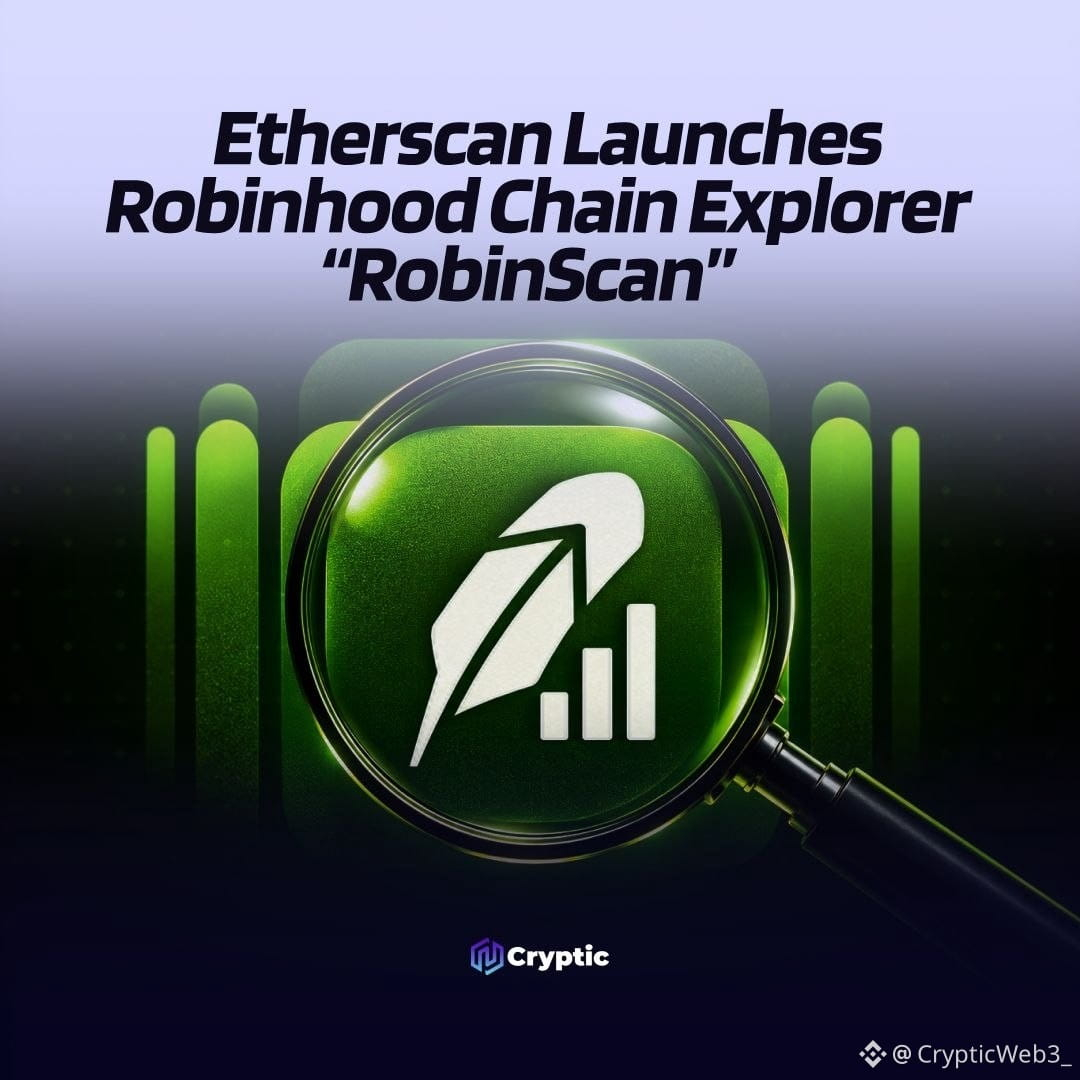
Etherscan has launched RobinScan, a dedicated block explorer and analytics platform for Robinhood Chain.
The explorer provides visibility into transactions, addresses and token activity as Robinhood continues building out its onchain infrastructure.
Etherscan has launched RobinScan, a dedicated block explorer and analytics platform for Robinhood Chain.
The explorer provides visibility into transactions, addresses and token activity as Robinhood continues building out its onchain infrastructure.
The explorer provides visibility into transactions, addresses and token activity as Robinhood continues building out its onchain infrastructure.
1
1
3
28
·
--
翻訳参照
Revolut attackers have reportedly begun leaking customer data and are threatening to release more files daily.
The breach exposed sensitive information including IDs, account details and transaction histories.
Revolut says customer funds remain unaffected.
Revolut attackers have reportedly begun leaking customer data and are threatening to release more files daily.
The breach exposed sensitive information including IDs, account details and transaction histories.
Revolut says customer funds remain unaffected.
The breach exposed sensitive information including IDs, account details and transaction histories.
Revolut says customer funds remain unaffected.
1
1
3
27
·
--
確認済み
UAEはTDRAとDeca4を含む協力により、UAE PASSのデジタル・ボールトへAvalanche技術を統合しています。
デジタル・ボールトでは、ユーザーが検証済みの政府文書を保存し共有でき、ブロックチェーンを用いてその真正性と完全性を検証します。
UAEはTDRAとDeca4を含む協力により、UAE PASSのデジタル・ボールトへAvalanche技術を統合しています。
デジタル・ボールトでは、ユーザーが検証済みの政府文書を保存し共有でき、ブロックチェーンを用いてその真正性と完全性を検証します。
デジタル・ボールトでは、ユーザーが検証済みの政府文書を保存し共有でき、ブロックチェーンを用いてその真正性と完全性を検証します。
2
1
4
1k
·
--
翻訳参照
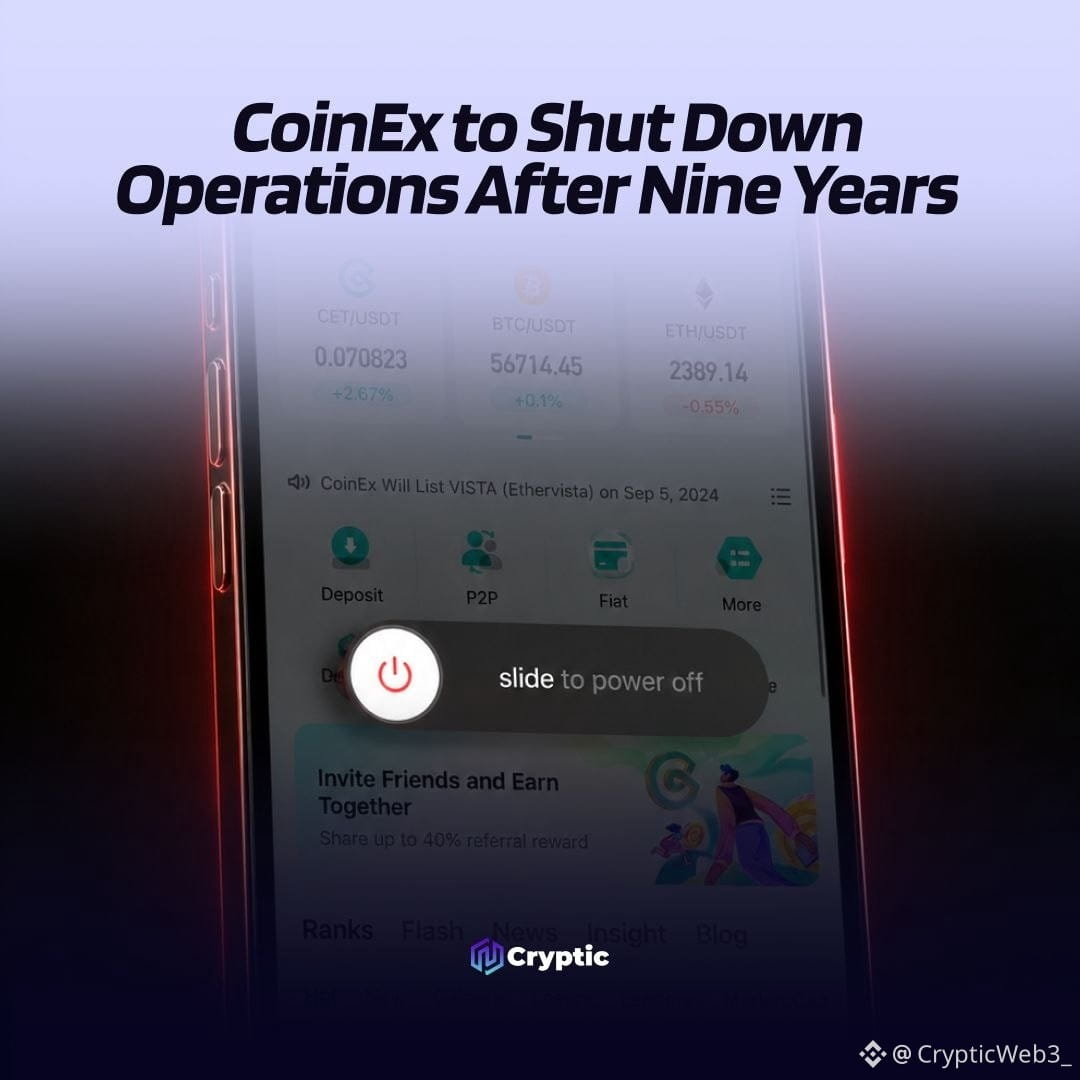
Crypto exchange CoinEx is shutting down after nine years.
The exchange cited declining trading volume, liquidity, rising compliance costs and regulatory pressures.
Users have until December 22 to withdraw their remaining assets.
Crypto exchange CoinEx is shutting down after nine years.
The exchange cited declining trading volume, liquidity, rising compliance costs and regulatory pressures.
Users have until December 22 to withdraw their remaining assets.
The exchange cited declining trading volume, liquidity, rising compliance costs and regulatory pressures.
Users have until December 22 to withdraw their remaining assets.
1
1
3
50
·
--
翻訳参照
Senate Democrats are pushing back against the Republican CLARITY Act draft and preparing a counterproposal.
They say the revised ethics provisions don't go far enough, adding uncertainty to the bill's path to the Senate vote.
Senate Democrats are pushing back against the Republican CLARITY Act draft and preparing a counterproposal.
They say the revised ethics provisions don't go far enough, adding uncertainty to the bill's path to the Senate vote.
They say the revised ethics provisions don't go far enough, adding uncertainty to the bill's path to the Senate vote.
1
1
3
95
·
--
Anchorage Digitalは、オンチェーンのステーブルコイン戦略に対する機関投資家のアクセスを拡大しています。Frgmntとの提携により、fUSDおよび利回り連動型のsfUSDが、Anchorageの保管プラットフォームに直接導入されます。
Anchorage Digital Bankは、OCCの監督下にある米国の連邦チャーター付きデジタル資産銀行であり、確立された規制済みの保管環境の中で、機関投資家がFrgmntのステーブルコイン商品にアクセスできるようにしています。
Anchorage Digitalは、オンチェーンのステーブルコイン戦略に対する機関投資家のアクセスを拡大しています。Frgmntとの提携により、fUSDおよび利回り連動型のsfUSDが、Anchorageの保管プラットフォームに直接導入されます。
Anchorage Digital Bankは、OCCの監督下にある米国の連邦チャーター付きデジタル資産銀行であり、確立された規制済みの保管環境の中で、機関投資家がFrgmntのステーブルコイン商品にアクセスできるようにしています。
Anchorage Digital Bankは、OCCの監督下にある米国の連邦チャーター付きデジタル資産銀行であり、確立された規制済みの保管環境の中で、機関投資家がFrgmntのステーブルコイン商品にアクセスできるようにしています。
1
1
1
30
·
--
確認済み
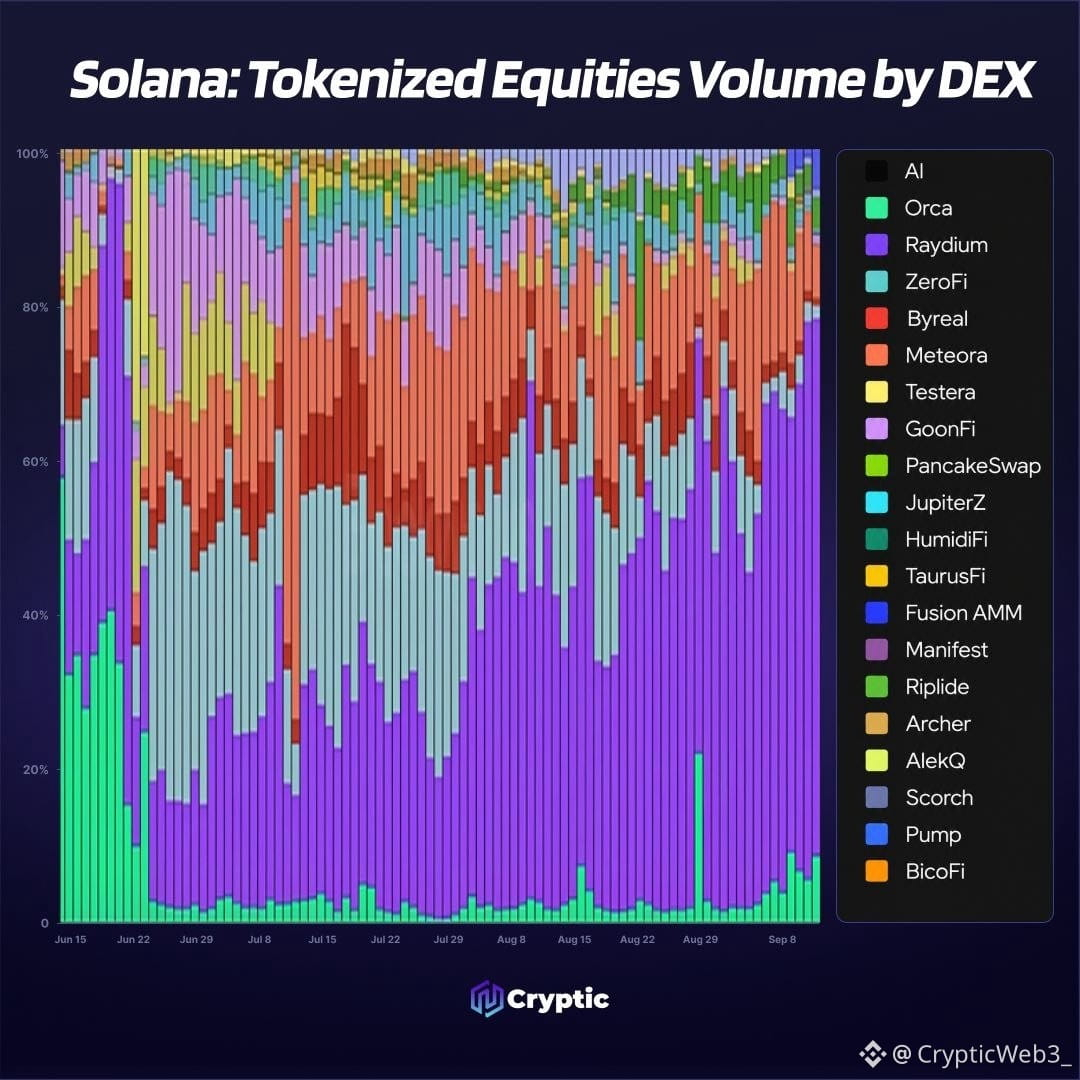
@Solana_Official $SOL は、9月12日にナスダックおよびNYSEを合わせた総額よりも$100M超のトークン化株式出来高を記録しました。
この節目は、ソラナのトークン化株式の供給量が記録的な$684Mに到達したことによります。
オンチェーン上でトークン化された株式やETFが拡大を続ける中、市場はわずか3週間で47%成長しました。
最近のトークン化株式出来高の63%は、米国市場が閉場している間にも発生しました。
@Solana Official $SOL は、9月12日にナスダックおよびNYSEを合わせた総額よりも$100M超のトークン化株式出来高を記録しました。
この節目は、ソラナのトークン化株式の供給量が記録的な$684Mに到達したことによります。
オンチェーン上でトークン化された株式やETFが拡大を続ける中、市場はわずか3週間で47%成長しました。
最近のトークン化株式出来高の63%は、米国市場が閉場している間にも発生しました。
この節目は、ソラナのトークン化株式の供給量が記録的な$684Mに到達したことによります。
オンチェーン上でトークン化された株式やETFが拡大を続ける中、市場はわずか3週間で47%成長しました。
最近のトークン化株式出来高の63%は、米国市場が閉場している間にも発生しました。
3
2
3
625
·
--
上院共和党は、大統領トランプが合意した改訂版の倫理規制を盛り込んだ、新たな「CLARITY法案」案を公表した。
同党は、ホワイトハウスが後押しする重要な倫理条項を取り入れた、修正版の635ページに及ぶ案も公表した。
改訂されたCLARITY法案の主な変更点:
- 倫理:実質的な暗号資産の利害を手放す、またはブラインドトラスト(秘匿信託)に移す。
- ステーブルコインの利回り:「サーキットブレーカー(回路遮断装置)」により、コミュニティ銀行からの預金流出に対処できる可能性。
- BRCA:銀行秘密法(Bank Secrecy Act)に基づく民事執行に限った保護へと、範囲を縮小。
- 農業(Ag):関連会社取引、垂直統合、利益相反に関する規制をより厳格化。
焦点は、共和党がこれを前進させるために必要な60票を確保できるかどうかに移っている。
上院共和党は、大統領トランプが合意した改訂版の倫理規制を盛り込んだ、新たな「CLARITY法案」案を公表した。
同党は、ホワイトハウスが後押しする重要な倫理条項を取り入れた、修正版の635ページに及ぶ案も公表した。
改訂されたCLARITY法案の主な変更点:
- 倫理:実質的な暗号資産の利害を手放す、またはブラインドトラスト(秘匿信託)に移す。
- ステーブルコインの利回り:「サーキットブレーカー(回路遮断装置)」により、コミュニティ銀行からの預金流出に対処できる可能性。
- BRCA:銀行秘密法(Bank Secrecy Act)に基づく民事執行に限った保護へと、範囲を縮小。
- 農業(Ag):関連会社取引、垂直統合、利益相反に関する規制をより厳格化。
焦点は、共和党がこれを前進させるために必要な60票を確保できるかどうかに移っている。
同党は、ホワイトハウスが後押しする重要な倫理条項を取り入れた、修正版の635ページに及ぶ案も公表した。
改訂されたCLARITY法案の主な変更点:
- 倫理:実質的な暗号資産の利害を手放す、またはブラインドトラスト(秘匿信託)に移す。
- ステーブルコインの利回り:「サーキットブレーカー(回路遮断装置)」により、コミュニティ銀行からの預金流出に対処できる可能性。
- BRCA:銀行秘密法(Bank Secrecy Act)に基づく民事執行に限った保護へと、範囲を縮小。
- 農業(Ag):関連会社取引、垂直統合、利益相反に関する規制をより厳格化。
焦点は、共和党がこれを前進させるために必要な60票を確保できるかどうかに移っている。
2
2
3
256
ログインして、さらにコンテンツを読む
厳選トピックで世界の暗号資産トレーダーの仲間入り
⚡️ 暗号資産に関する最新かつ有益な情報が見つかります。
💬 世界最大の暗号資産取引所から信頼されています。
👍 認証を受けたクリエイターから、有益なインサイトを得られます。
メール / 電話番号
トレンドトピック
MemeLaunchpads82%OfArcDayOneVolume
閲覧回数 3,322
150人が討論中
#memelaunchpads82%ofarcdayonevolume
🚨 メメ・ローンチパッドがARCの初日出来高の82%を生成!🔥
これはメメ・ローンチパッド分野としてはとてつもなく大きな数字です。👀
$ARC の初日には、メメ・ローンチパッドが取引総出来高の約82%を占めたと報じられています。
なぜ注目されているのか?👇
🔥 メメ・ローンチパッドが大量の動きを集めている
💰 トレーダーが新規トークンのローンチを追いかける
📈 初日の出来高が市場の強い参加を示す
👀 メメのエコシステムは、クリプトで最も活発なナラティブの一つのまま
しかし本当の疑問は、ローンチ時の熱狂が冷めた後も、この出来高が強さを維持できるかどうかです。
あなたはどう思いますか?👇
#ARC #memecoin #crypto
Faizan Crypto Learner
·いいね:0件
·閲覧回数 4
OstiumLoanDisputeHearingSetInNYFederalCourt
閲覧回数 4,883
147人が討論中
HyperliquidUSDCSupplyOvertakesSolana
閲覧回数 0
6人が討論中