

Crypt_Studio
997 投稿

Crypt_Studio
報告
ユーザーをブロック
32 フォロー
34.1K+ フォロワー
16.0K+ いいね
投稿
すべて
引用
·
--
バイナンスがHYPEを上場
🚨 バイナンスがハイパーリキッド(HYPE)を上場! 🔥
暗号資産市場にビッグニュース!バイナンスがスポット取引向けにHyperliquid(HYPE)を正式に上場しました。
📌 取引ペア:• HYPE/USDT
• HYPE/USDC
• HYPE/TRY
⚡ Hyperliquidは分散型取引エコシステムとして注目を集めており、今回のバイナンス上場によりHYPEの認知度と流動性が高まる可能性があります。
👀 HYPEは今やバイナンスの監視対象に——あなたはこの銘柄を見ていますか?
#Binance #HYPE #Hyperliquid #Write2Earn #
バイナンスがHYPEを上場
🚨 バイナンスがハイパーリキッド(HYPE)を上場! 🔥
暗号資産市場にビッグニュース!バイナンスがスポット取引向けにHyperliquid(HYPE)を正式に上場しました。
📌 取引ペア:• HYPE/USDT
• HYPE/USDC
• HYPE/TRY
⚡ Hyperliquidは分散型取引エコシステムとして注目を集めており、今回のバイナンス上場によりHYPEの認知度と流動性が高まる可能性があります。
👀 HYPEは今やバイナンスの監視対象に——あなたはこの銘柄を見ていますか?
#Binance #HYPE #Hyperliquid #Write2Earn #
🚨 バイナンスがハイパーリキッド(HYPE)を上場! 🔥
暗号資産市場にビッグニュース!バイナンスがスポット取引向けにHyperliquid(HYPE)を正式に上場しました。
📌 取引ペア:• HYPE/USDT
• HYPE/USDC
• HYPE/TRY
⚡ Hyperliquidは分散型取引エコシステムとして注目を集めており、今回のバイナンス上場によりHYPEの認知度と流動性が高まる可能性があります。
👀 HYPEは今やバイナンスの監視対象に——あなたはこの銘柄を見ていますか?
#Binance #HYPE #Hyperliquid #Write2Earn #
1
256
·
--
HYPEがBinanceに上場
🚨 BinanceがHYPEを上場!🔥
Hyperliquid(HYPE)は現在、HYPE/USDT、
HYPE/USDC、
HYPE/TRY のペアでBinanceのスポット取引にて利用可能になりました。
👀 HYPEとDeFi市場にとって大きな節目!
#Binance #HYPE #Hyperliquid #Write2Earn
HYPEがBinanceに上場
🚨 BinanceがHYPEを上場!🔥
Hyperliquid(HYPE)は現在、HYPE/USDT、
HYPE/USDC、
HYPE/TRY のペアでBinanceのスポット取引にて利用可能になりました。
👀 HYPEとDeFi市場にとって大きな節目!
#Binance #HYPE #Hyperliquid #Write2Earn
🚨 BinanceがHYPEを上場!🔥
Hyperliquid(HYPE)は現在、HYPE/USDT、
HYPE/USDC、
HYPE/TRY のペアでBinanceのスポット取引にて利用可能になりました。
👀 HYPEとDeFi市場にとって大きな節目!
#Binance #HYPE #Hyperliquid #Write2Earn
273
·
--
✨ AI株が上昇し続ける中、他にどんな投資機会が残っている?🤔🤔
AIは今年の最大級の投資テーマのひとつになりました。🚀
しかし、一つのセクターに注目が集まると、投資家は自然にこう考え始めます:
「他にどこにチャンスがあるのか?」👀
注目するべき領域をいくつか挙げます:
🔹 暗号資産(Crypto)&ブロックチェーン
BTC以外にも、ブロックチェーンのインフラ、DeFi、トークン化、ステーブルコインの開発が進んでいます。
🔹 エネルギー&インフラ ⚡
AIには膨大な計算能力が必要です——つまり、電力、データセンター、冷却、送配電網などの需要が高まることを意味します。
🔹 ヘルスケア&バイオテクノロジー 🧬
AIはソフトウェアに限りません。創薬、診断、パーソナライズ医療は、ヘルスケアのあり方を変える可能性があります。
🔹 サイバーセキュリティ 🔐
AI導入が進むほど、データ、システム、デジタルIDを守ることの重要性が増しています。
🔹 リアルワールド・アセット(RWA)🌍
現実世界の資産のトークン化は、従来の金融とブロックチェーンをつなぐ重要な橋になり得ます。
🔹 新興国 📈
テクノロジーが世界へ広がるにつれ、一部の発展途上国ではデジタル化、インフラ、そして拡大する金融アクセスが恩恵をもたらすかもしれません。
💡 もっと大きな視点:
チャンスは「AIかそれ以外か」を選ぶことではないのかもしれません。重要なのは、資本・テクノロジー・導入(採用)が次にどこへ向かうのかを理解することです。
AIが今日の主役——では、次に大きな投資テーマになり得るのは何でしょう?
👇 あなたが注目しているのはどのセクターですか?
#AIStocksWhatNext #Aİ #Blockchain #RWA #Investing #BinanceSquare
✨ AI株が上昇し続ける中、他にどんな投資機会が残っている?🤔🤔
AIは今年の最大級の投資テーマのひとつになりました。🚀
しかし、一つのセクターに注目が集まると、投資家は自然にこう考え始めます:
「他にどこにチャンスがあるのか?」👀
注目するべき領域をいくつか挙げます:
🔹 暗号資産(Crypto)&ブロックチェーン
BTC以外にも、ブロックチェーンのインフラ、DeFi、トークン化、ステーブルコインの開発が進んでいます。
🔹 エネルギー&インフラ ⚡
AIには膨大な計算能力が必要です——つまり、電力、データセンター、冷却、送配電網などの需要が高まることを意味します。
🔹 ヘルスケア&バイオテクノロジー 🧬
AIはソフトウェアに限りません。創薬、診断、パーソナライズ医療は、ヘルスケアのあり方を変える可能性があります。
🔹 サイバーセキュリティ 🔐
AI導入が進むほど、データ、システム、デジタルIDを守ることの重要性が増しています。
🔹 リアルワールド・アセット(RWA)🌍
現実世界の資産のトークン化は、従来の金融とブロックチェーンをつなぐ重要な橋になり得ます。
🔹 新興国 📈
テクノロジーが世界へ広がるにつれ、一部の発展途上国ではデジタル化、インフラ、そして拡大する金融アクセスが恩恵をもたらすかもしれません。
💡 もっと大きな視点:
チャンスは「AIかそれ以外か」を選ぶことではないのかもしれません。重要なのは、資本・テクノロジー・導入(採用)が次にどこへ向かうのかを理解することです。
AIが今日の主役——では、次に大きな投資テーマになり得るのは何でしょう?
👇 あなたが注目しているのはどのセクターですか?
#AIStocksWhatNext #Aİ #Blockchain #RWA #Investing #BinanceSquare
AIは今年の最大級の投資テーマのひとつになりました。🚀
しかし、一つのセクターに注目が集まると、投資家は自然にこう考え始めます:
「他にどこにチャンスがあるのか?」👀
注目するべき領域をいくつか挙げます:
🔹 暗号資産(Crypto)&ブロックチェーン
BTC以外にも、ブロックチェーンのインフラ、DeFi、トークン化、ステーブルコインの開発が進んでいます。
🔹 エネルギー&インフラ ⚡
AIには膨大な計算能力が必要です——つまり、電力、データセンター、冷却、送配電網などの需要が高まることを意味します。
🔹 ヘルスケア&バイオテクノロジー 🧬
AIはソフトウェアに限りません。創薬、診断、パーソナライズ医療は、ヘルスケアのあり方を変える可能性があります。
🔹 サイバーセキュリティ 🔐
AI導入が進むほど、データ、システム、デジタルIDを守ることの重要性が増しています。
🔹 リアルワールド・アセット(RWA)🌍
現実世界の資産のトークン化は、従来の金融とブロックチェーンをつなぐ重要な橋になり得ます。
🔹 新興国 📈
テクノロジーが世界へ広がるにつれ、一部の発展途上国ではデジタル化、インフラ、そして拡大する金融アクセスが恩恵をもたらすかもしれません。
💡 もっと大きな視点:
チャンスは「AIかそれ以外か」を選ぶことではないのかもしれません。重要なのは、資本・テクノロジー・導入(採用)が次にどこへ向かうのかを理解することです。
AIが今日の主役——では、次に大きな投資テーマになり得るのは何でしょう?
👇 あなたが注目しているのはどのセクターですか?
#AIStocksWhatNext #Aİ #Blockchain #RWA #Investing #BinanceSquare
2
3
1.5k
·
--
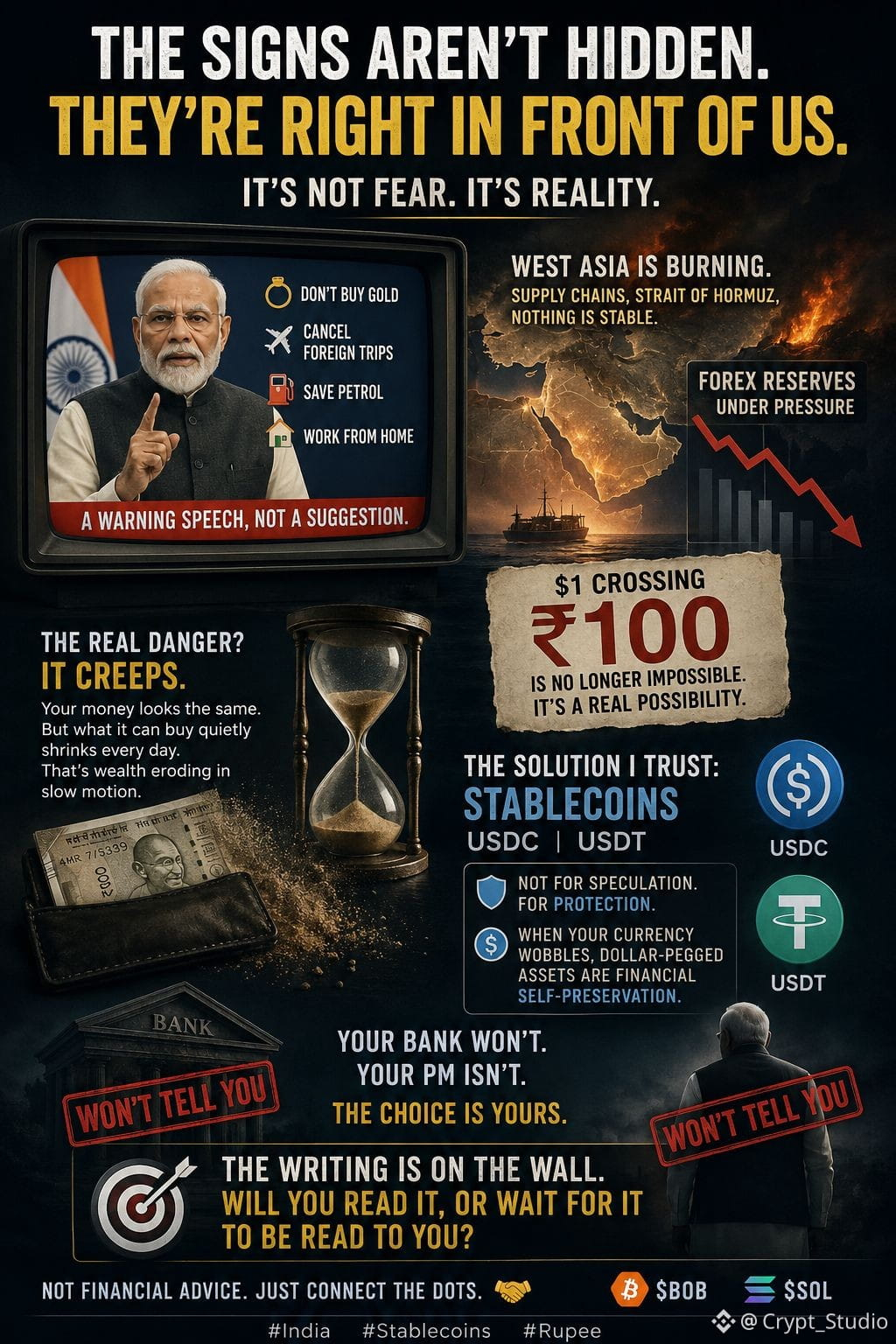
経済的なプレッシャーが「懸念」の域を超えて明らかになるポイントがあります。首相が国営テレビで人々に金の購入を避け、海外旅行をキャンセルし、燃料を節約し、自宅勤務をするように求めるとき — そのポイントはすでに到達しています。
最初、私はそのクリップが文脈を外れていると思いました。しかし、そうではありませんでした。
インドの外貨準備は本当に圧力を受けています。西アジアの緊張は高まり続け、ホルムズ海峡に関連するサプライチェーンは非常に脆弱です。一方で、ドルが₹100を超えるという考えはもはや不可能に思えず — 市場が真剣に考慮し始めているシナリオになりつつあります。
通貨の弱さの危険な点は、それが一気に到来することは稀で、ゆっくりと進行することです。あなたの銀行残高は変わらないように見えるかもしれませんが、その背後にある購買力は静かに時間とともに消えていきます。これが富が背景で侵食される仕組みです。
だからこそ、USDCやUSDTのようなステーブルコインが私にとって際立っているのです — 投機としてではなく、保護として。地元の通貨が不安定になると、ドルにペッグされた資産を保有することは暗号のギャンブルのように見えなくなり、実際の金融防衛のように見えるようになります。
伝統的な銀行はその現実について公然と話すことはありません。政府も通常はそうしません。
しかし、注意を払っている人には信号が存在します。問題は、あなたがそれを今見ているのか、それとも無視できなくなるまで待っているのかということです。
これは金融アドバイスではありません。ただ点をつなげてください。🤝
$BOB
$SOL
#Stablecoins #Write2Earn
経済的なプレッシャーが「懸念」の域を超えて明らかになるポイントがあります。首相が国営テレビで人々に金の購入を避け、海外旅行をキャンセルし、燃料を節約し、自宅勤務をするように求めるとき — そのポイントはすでに到達しています。
最初、私はそのクリップが文脈を外れていると思いました。しかし、そうではありませんでした。
インドの外貨準備は本当に圧力を受けています。西アジアの緊張は高まり続け、ホルムズ海峡に関連するサプライチェーンは非常に脆弱です。一方で、ドルが₹100を超えるという考えはもはや不可能に思えず — 市場が真剣に考慮し始めているシナリオになりつつあります。
通貨の弱さの危険な点は、それが一気に到来することは稀で、ゆっくりと進行することです。あなたの銀行残高は変わらないように見えるかもしれませんが、その背後にある購買力は静かに時間とともに消えていきます。これが富が背景で侵食される仕組みです。
だからこそ、USDCやUSDTのようなステーブルコインが私にとって際立っているのです — 投機としてではなく、保護として。地元の通貨が不安定になると、ドルにペッグされた資産を保有することは暗号のギャンブルのように見えなくなり、実際の金融防衛のように見えるようになります。
伝統的な銀行はその現実について公然と話すことはありません。政府も通常はそうしません。
しかし、注意を払っている人には信号が存在します。問題は、あなたがそれを今見ているのか、それとも無視できなくなるまで待っているのかということです。
これは金融アドバイスではありません。ただ点をつなげてください。🤝
$BOB
$SOL
#Stablecoins #Write2Earn
最初、私はそのクリップが文脈を外れていると思いました。しかし、そうではありませんでした。
インドの外貨準備は本当に圧力を受けています。西アジアの緊張は高まり続け、ホルムズ海峡に関連するサプライチェーンは非常に脆弱です。一方で、ドルが₹100を超えるという考えはもはや不可能に思えず — 市場が真剣に考慮し始めているシナリオになりつつあります。
通貨の弱さの危険な点は、それが一気に到来することは稀で、ゆっくりと進行することです。あなたの銀行残高は変わらないように見えるかもしれませんが、その背後にある購買力は静かに時間とともに消えていきます。これが富が背景で侵食される仕組みです。
だからこそ、USDCやUSDTのようなステーブルコインが私にとって際立っているのです — 投機としてではなく、保護として。地元の通貨が不安定になると、ドルにペッグされた資産を保有することは暗号のギャンブルのように見えなくなり、実際の金融防衛のように見えるようになります。
伝統的な銀行はその現実について公然と話すことはありません。政府も通常はそうしません。
しかし、注意を払っている人には信号が存在します。問題は、あなたがそれを今見ているのか、それとも無視できなくなるまで待っているのかということです。
これは金融アドバイスではありません。ただ点をつなげてください。🤝
$BOB
$SOL
#Stablecoins #Write2Earn
699
·
--
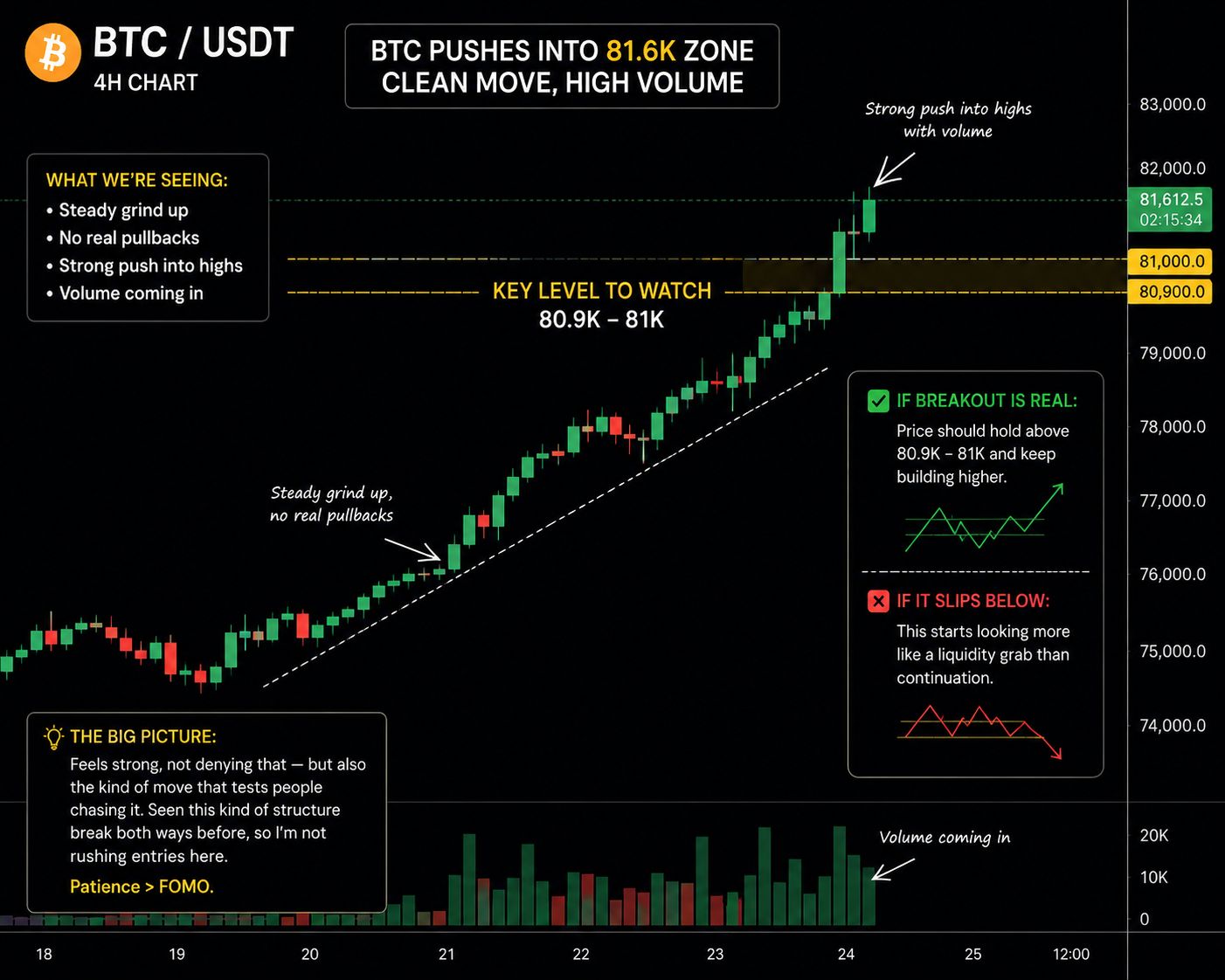
$BTC は非常にスムーズで安定した動きで81.6Kエリアに押し上げられ、ほとんど引き戻しもなく、続いて強い高ボリュームのプッシュがありました。このような価格アクションは、遅れて参入するバイヤーを惹きつけることがよくあります。
注目すべき重要なレベルは80.9Kから81Kの間です。ブレイクアウトが本物であれば、価格はこのゾーンの上に留まり、さらに高くなり続けるはずです。しかし、もしこのゾーンを下回ると、真の継続ではなく流動性のグラブを示す可能性があります。
全体的に見て、動きは強そうですが、モメンタムを追いかけるトレーダーを罠にはめるタイプでもあるため、忍耐強く待ち、エントリーを急がない方が良いでしょう。
#Write2Earn #BinanceLaunchesGoldvs.BTCTradingCompetition $BTC
{spot}(BTCUSDT)
$BTC は非常にスムーズで安定した動きで81.6Kエリアに押し上げられ、ほとんど引き戻しもなく、続いて強い高ボリュームのプッシュがありました。このような価格アクションは、遅れて参入するバイヤーを惹きつけることがよくあります。
注目すべき重要なレベルは80.9Kから81Kの間です。ブレイクアウトが本物であれば、価格はこのゾーンの上に留まり、さらに高くなり続けるはずです。しかし、もしこのゾーンを下回ると、真の継続ではなく流動性のグラブを示す可能性があります。
全体的に見て、動きは強そうですが、モメンタムを追いかけるトレーダーを罠にはめるタイプでもあるため、忍耐強く待ち、エントリーを急がない方が良いでしょう。
#Write2Earn #BinanceLaunchesGoldvs.BTCTradingCompetition $BTC
注目すべき重要なレベルは80.9Kから81Kの間です。ブレイクアウトが本物であれば、価格はこのゾーンの上に留まり、さらに高くなり続けるはずです。しかし、もしこのゾーンを下回ると、真の継続ではなく流動性のグラブを示す可能性があります。
全体的に見て、動きは強そうですが、モメンタムを追いかけるトレーダーを罠にはめるタイプでもあるため、忍耐強く待ち、エントリーを急がない方が良いでしょう。
#Write2Earn #BinanceLaunchesGoldvs.BTCTradingCompetition $BTC
1
471
·
--
Binance Squareに記事を作成する(>500文字)暗号通貨の未来:なぜ忍耐が熱狂に勝るのか
暗号通貨市場は非常に速く動きます—時には合理的な意思決定をするには速すぎることもあります。価格が急騰し、SNSが予測で溢れ、突然みんなが取り残されているように感じます。しかし、歴史はこのスペースで最も成功した参加者が熱狂を追いかけるのではなく、忍耐を実践していることを示しています。
短期的なボラティリティは暗号通貨の特徴の一つです。突然の急落は新しい投資家を恐れさせ、損失を抱えて売却させる一方、急上昇は他の人々を持続不可能な高値で購入するように誘惑します。この感情的なサイクルは常に繰り返されます。しかし、日々の価格の揺れよりも長期的な価値に焦点を当てる人々は、より情報に基づいた戦略的な決定を下す傾向があります。
Binance Squareに記事を作成する(>500文字)
暗号通貨の未来:なぜ忍耐が熱狂に勝るのか
暗号通貨市場は非常に速く動きます—時には合理的な意思決定をするには速すぎることもあります。価格が急騰し、SNSが予測で溢れ、突然みんなが取り残されているように感じます。しかし、歴史はこのスペースで最も成功した参加者が熱狂を追いかけるのではなく、忍耐を実践していることを示しています。
短期的なボラティリティは暗号通貨の特徴の一つです。突然の急落は新しい投資家を恐れさせ、損失を抱えて売却させる一方、急上昇は他の人々を持続不可能な高値で購入するように誘惑します。この感情的なサイクルは常に繰り返されます。しかし、日々の価格の揺れよりも長期的な価値に焦点を当てる人々は、より情報に基づいた戦略的な決定を下す傾向があります。
暗号通貨市場は非常に速く動きます—時には合理的な意思決定をするには速すぎることもあります。価格が急騰し、SNSが予測で溢れ、突然みんなが取り残されているように感じます。しかし、歴史はこのスペースで最も成功した参加者が熱狂を追いかけるのではなく、忍耐を実践していることを示しています。
短期的なボラティリティは暗号通貨の特徴の一つです。突然の急落は新しい投資家を恐れさせ、損失を抱えて売却させる一方、急上昇は他の人々を持続不可能な高値で購入するように誘惑します。この感情的なサイクルは常に繰り返されます。しかし、日々の価格の揺れよりも長期的な価値に焦点を当てる人々は、より情報に基づいた戦略的な決定を下す傾向があります。
300
·
--
🏏 「$25,000パワープレイチャレンジ」とは
PSL 2026中に開始されたプロモーショントレーディング + エンゲージメントキャンペーン
総報酬プール: $25,000(USDTで)
実施期間: 2026年3月26日 ~ 4月26日
パキスタンの適格ユーザーのみ利用可能
⚙️ 仕組み
簡単なアクションを行うことで「ラン」(ポイント)を獲得できます:
サインアップ → 約20ラン
KYCを完了 → 約30ラン
初回トレード($10以上) → 約50ラン
紹介 → 最大100ラン
追加トレード → 小額の日次ポイント(制限あり)
👉 これらのランがあなたのリーダーボードのランキングを決定し、順位が高いほど大きな報酬が得られます。
🚀 特別なツイスト(パワープレイブースト)
イスタンブールユナイテッドの試合日には、あなたのランが倍増します
その日はポイントを稼ぐのに最適な時期です
💰 報酬構造
約14,500 USDT → リーダーボード賞
約10,500 USDT → マイルストーン報酬
トップ賞: 2,000 USDT
⚠️ 知っておくべき重要なこと
あなたは:
KYCを完了する必要があります
最低1回の適格トレードを行う必要があります
アクティビティはキャンペーンページを通じて追跡される必要があります
報酬はキャンペーン終了後に配布されます
🧠 現実チェック(重要)
飛び込む前に:
クリプトトレーディングは金融リスクを伴います
パキスタンでは、クリプトに関する規制の立場は依然として不確実/議論中です
潜在的な損失に不安がある場合は、報酬のためだけに取引をしないでください
#IranRejectsSecondRoundTalks #Write2Earn! $BTC
{future}(BTCUSDT)
🏏 「$25,000パワープレイチャレンジ」とは
PSL 2026中に開始されたプロモーショントレーディング + エンゲージメントキャンペーン
総報酬プール: $25,000(USDTで)
実施期間: 2026年3月26日 ~ 4月26日
パキスタンの適格ユーザーのみ利用可能
⚙️ 仕組み
簡単なアクションを行うことで「ラン」(ポイント)を獲得できます:
サインアップ → 約20ラン
KYCを完了 → 約30ラン
初回トレード($10以上) → 約50ラン
紹介 → 最大100ラン
追加トレード → 小額の日次ポイント(制限あり)
👉 これらのランがあなたのリーダーボードのランキングを決定し、順位が高いほど大きな報酬が得られます。
🚀 特別なツイスト(パワープレイブースト)
イスタンブールユナイテッドの試合日には、あなたのランが倍増します
その日はポイントを稼ぐのに最適な時期です
💰 報酬構造
約14,500 USDT → リーダーボード賞
約10,500 USDT → マイルストーン報酬
トップ賞: 2,000 USDT
⚠️ 知っておくべき重要なこと
あなたは:
KYCを完了する必要があります
最低1回の適格トレードを行う必要があります
アクティビティはキャンペーンページを通じて追跡される必要があります
報酬はキャンペーン終了後に配布されます
🧠 現実チェック(重要)
飛び込む前に:
クリプトトレーディングは金融リスクを伴います
パキスタンでは、クリプトに関する規制の立場は依然として不確実/議論中です
潜在的な損失に不安がある場合は、報酬のためだけに取引をしないでください
#IranRejectsSecondRoundTalks #Write2Earn! $BTC
PSL 2026中に開始されたプロモーショントレーディング + エンゲージメントキャンペーン
総報酬プール: $25,000(USDTで)
実施期間: 2026年3月26日 ~ 4月26日
パキスタンの適格ユーザーのみ利用可能
⚙️ 仕組み
簡単なアクションを行うことで「ラン」(ポイント)を獲得できます:
サインアップ → 約20ラン
KYCを完了 → 約30ラン
初回トレード($10以上) → 約50ラン
紹介 → 最大100ラン
追加トレード → 小額の日次ポイント(制限あり)
👉 これらのランがあなたのリーダーボードのランキングを決定し、順位が高いほど大きな報酬が得られます。
🚀 特別なツイスト(パワープレイブースト)
イスタンブールユナイテッドの試合日には、あなたのランが倍増します
その日はポイントを稼ぐのに最適な時期です
💰 報酬構造
約14,500 USDT → リーダーボード賞
約10,500 USDT → マイルストーン報酬
トップ賞: 2,000 USDT
⚠️ 知っておくべき重要なこと
あなたは:
KYCを完了する必要があります
最低1回の適格トレードを行う必要があります
アクティビティはキャンペーンページを通じて追跡される必要があります
報酬はキャンペーン終了後に配布されます
🧠 現実チェック(重要)
飛び込む前に:
クリプトトレーディングは金融リスクを伴います
パキスタンでは、クリプトに関する規制の立場は依然として不確実/議論中です
潜在的な損失に不安がある場合は、報酬のためだけに取引をしないでください
#IranRejectsSecondRoundTalks #Write2Earn! $BTC
2
1.9k
·
--
#BinanceIslamabadUnited BinanceとIslamabad Unitedと共に$25,000のパワープレイチャレンジで大勝ちする準備を整えよう。簡単なアクションを完了し、ランを獲得してリーダーボードを上昇させ、報酬の一部を獲得するチャンスをつかもう。 https://www.binance.com/activity/trading-competition/2026-powerplay?ref=350453866
#BinanceIslamabadUnited BinanceとIslamabad Unitedと共に$25,000のパワープレイチャレンジで大勝ちする準備を整えよう。簡単なアクションを完了し、ランを獲得してリーダーボードを上昇させ、報酬の一部を獲得するチャンスをつかもう。 https://www.binance.com/activity/trading-competition/2026-powerplay?ref=350453866
559
·
--
🚨 市場の噂と暗号のボラティリティ 🚨
ドナルド・トランプに関する噂がオンラインで広まっており、一部は深刻な健康問題を主張しています。しかし、公式な確認はなく、トレーダーは未確認のニュースに反応する際には注意が必要です。
主要なグローバルな人物に関わるイベントは、時には金融市場、特に暗号に影響を与えることがあります。ビットコインやイーサリアムのような資産は、不確実性の中でボラティリティを経験することがよくあります。
📉 市場は下落する可能性がありますか?
📈 それとも暗号は代替資産として強さを保つでしょうか?
BTCが$50Kや$30Kに下がるという予測は、現段階では単なる推測です。賢いトレーダーはデータに集中し、噂には惑わされません。
💡 情報を得て、賢く取引しましょう。FUDを避けましょう。
あなたの意見はどうですか—強気ですか、それとも弱気ですか? 👇
#Crypto #Bitcoin #Ethereum #Binance #CryptoNews #Trading #FUD
🚨 市場の噂と暗号のボラティリティ 🚨
ドナルド・トランプに関する噂がオンラインで広まっており、一部は深刻な健康問題を主張しています。しかし、公式な確認はなく、トレーダーは未確認のニュースに反応する際には注意が必要です。
主要なグローバルな人物に関わるイベントは、時には金融市場、特に暗号に影響を与えることがあります。ビットコインやイーサリアムのような資産は、不確実性の中でボラティリティを経験することがよくあります。
📉 市場は下落する可能性がありますか?
📈 それとも暗号は代替資産として強さを保つでしょうか?
BTCが$50Kや$30Kに下がるという予測は、現段階では単なる推測です。賢いトレーダーはデータに集中し、噂には惑わされません。
💡 情報を得て、賢く取引しましょう。FUDを避けましょう。
あなたの意見はどうですか—強気ですか、それとも弱気ですか? 👇
#Crypto #Bitcoin #Ethereum #Binance #CryptoNews #Trading #FUD
ドナルド・トランプに関する噂がオンラインで広まっており、一部は深刻な健康問題を主張しています。しかし、公式な確認はなく、トレーダーは未確認のニュースに反応する際には注意が必要です。
主要なグローバルな人物に関わるイベントは、時には金融市場、特に暗号に影響を与えることがあります。ビットコインやイーサリアムのような資産は、不確実性の中でボラティリティを経験することがよくあります。
📉 市場は下落する可能性がありますか?
📈 それとも暗号は代替資産として強さを保つでしょうか?
BTCが$50Kや$30Kに下がるという予測は、現段階では単なる推測です。賢いトレーダーはデータに集中し、噂には惑わされません。
💡 情報を得て、賢く取引しましょう。FUDを避けましょう。
あなたの意見はどうですか—強気ですか、それとも弱気ですか? 👇
#Crypto #Bitcoin #Ethereum #Binance #CryptoNews #Trading #FUD

1
425
·
--
私の紹介リンクを使用してサインアップしてください — タスクを完了して250 USDCのトライアルファンドと5 USDCのエアドロップ(限定)をアンロックします。 https://www.binance.com/activity/trading-competition/mar-referral-tournament?ref=350453866
私の紹介リンクを使用してサインアップしてください — タスクを完了して250 USDCのトライアルファンドと5 USDCのエアドロップ(限定)をアンロックします。 https://www.binance.com/activity/trading-competition/mar-referral-tournament?ref=350453866
2
378
·
--
最近の高額な間違いが、暗号詐欺がどれほど危険であるかを示しました。
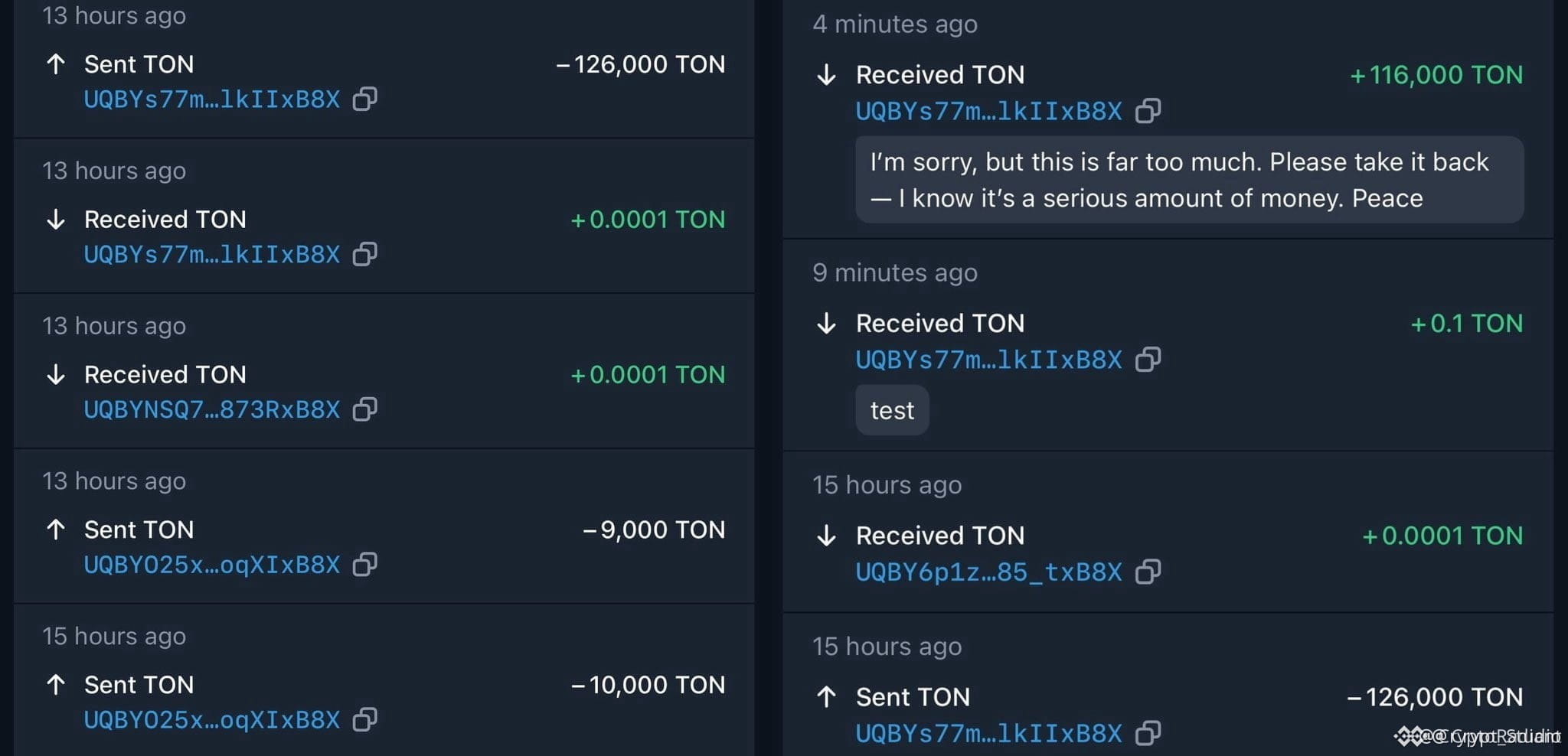
ユーザーは最初に10,000 TON($13K)と9,000 TON($11.7K)を信頼できるウォレットに問題なく送信しました。その後、ウォレットに0.0001 TONの小さな2つの取引が現れました — 典型的なダスティング攻撃です。詐欺師はこれらのマイクロ取引を使用して、ユーザーの取引履歴に偽のウォレットアドレスを配置しました。
偽のアドレスは、実際のものとほぼ同じに見え、最初と最後の文字が同じでした。ユーザーが後に126,000 TON($163,800)を転送しようとしたとき、履歴から見覚えのあるアドレスをコピーしました。不運なことに、それは詐欺師のアドレスであり、全額が間違ったウォレットに送信されました。
驚くべき展開として、詐欺師は後に116,000 TON($150,800)を返し、10,000 TON($13,000)を保持しました。おそらく「手数料」や教訓としてです。
ハッカーは次のようなメッセージを残しました:
"申し訳ありませんが、この金額は大きすぎます。返してください — これは深刻な金額です。平和を。"
教訓:ウォレットアドレスを常に二重チェックし、取引履歴からコピーするのを避けてください。暗号の間違いは非常に高額になる可能性があります。⚠️💰
#MarketRebound #USIranWarEscalation
最近の高額な間違いが、暗号詐欺がどれほど危険であるかを示しました。
ユーザーは最初に10,000 TON($13K)と9,000 TON($11.7K)を信頼できるウォレットに問題なく送信しました。その後、ウォレットに0.0001 TONの小さな2つの取引が現れました — 典型的なダスティング攻撃です。詐欺師はこれらのマイクロ取引を使用して、ユーザーの取引履歴に偽のウォレットアドレスを配置しました。
偽のアドレスは、実際のものとほぼ同じに見え、最初と最後の文字が同じでした。ユーザーが後に126,000 TON($163,800)を転送しようとしたとき、履歴から見覚えのあるアドレスをコピーしました。不運なことに、それは詐欺師のアドレスであり、全額が間違ったウォレットに送信されました。
驚くべき展開として、詐欺師は後に116,000 TON($150,800)を返し、10,000 TON($13,000)を保持しました。おそらく「手数料」や教訓としてです。
ハッカーは次のようなメッセージを残しました:
"申し訳ありませんが、この金額は大きすぎます。返してください — これは深刻な金額です。平和を。"
教訓:ウォレットアドレスを常に二重チェックし、取引履歴からコピーするのを避けてください。暗号の間違いは非常に高額になる可能性があります。⚠️💰
#MarketRebound #USIranWarEscalation
ユーザーは最初に10,000 TON($13K)と9,000 TON($11.7K)を信頼できるウォレットに問題なく送信しました。その後、ウォレットに0.0001 TONの小さな2つの取引が現れました — 典型的なダスティング攻撃です。詐欺師はこれらのマイクロ取引を使用して、ユーザーの取引履歴に偽のウォレットアドレスを配置しました。
偽のアドレスは、実際のものとほぼ同じに見え、最初と最後の文字が同じでした。ユーザーが後に126,000 TON($163,800)を転送しようとしたとき、履歴から見覚えのあるアドレスをコピーしました。不運なことに、それは詐欺師のアドレスであり、全額が間違ったウォレットに送信されました。
驚くべき展開として、詐欺師は後に116,000 TON($150,800)を返し、10,000 TON($13,000)を保持しました。おそらく「手数料」や教訓としてです。
ハッカーは次のようなメッセージを残しました:
"申し訳ありませんが、この金額は大きすぎます。返してください — これは深刻な金額です。平和を。"
教訓:ウォレットアドレスを常に二重チェックし、取引履歴からコピーするのを避けてください。暗号の間違いは非常に高額になる可能性があります。⚠️💰
#MarketRebound #USIranWarEscalation
10
2.6k
·
--
ジェフリー・エプスタインの事件は、主にコンプライアンス、銀行規制、リスクモニタリングの観点から、世界の金融システムに大きな影響を与えました。
以下は明確な内訳です:
1️⃣ より強力なマネーロンダリング防止(AML)規則
銀行は、2008年の有罪判決後もエプスタインの資金を扱い続けたことで批判されました。
👉 結果:規制当局は銀行に対してAML(マネーロンダリング防止)およびKYC(顧客確認)チェックを強化するよう促しました。
2️⃣ 銀行への監視強化
JPMorganやドイツ銀行のような主要銀行は、彼との関係を維持していたため、調査や訴訟に直面しました。
👉 結果:金融機関は、疑わしい活動を無視した場合、より厳しい罰則に直面することになりました。
3️⃣ 評判リスク意識
この事件は、高リスクのクライアントと取引することが銀行の評判を損なう可能性があることを示しました。
👉 結果:銀行はリスク管理システムを改善し、裕福なクライアントに対するバックグラウンドチェックを強化しました。
4️⃣ コンプライアンスコストの増加
スキャンダルの後、金融機関は以下により多く投資しました:
取引モニタリングシステム
コンプライアンスチーム
疑わしい活動の報告
これにより、銀行セクター全体の運営コストが増加しました。
5️⃣ 暗号資産および取引所への影響
エプスタインは主に伝統的な銀行に関連付けられていましたが、この事件は以下の重要性を強調しました:
透明性
AMLコンプライアンス
疑わしい金融フローのモニタリング
バイナンスのような暗号取引所は、こうした広範な金融スキャンダルの影響を受けて、今ではより厳しいグローバルコンプライアンスフレームワークの下で運営されています。
#MarketRebound #TradeCryptosOnX #WriteToEarnUpgrade
ジェフリー・エプスタインの事件は、主にコンプライアンス、銀行規制、リスクモニタリングの観点から、世界の金融システムに大きな影響を与えました。
以下は明確な内訳です:
1️⃣ より強力なマネーロンダリング防止(AML)規則
銀行は、2008年の有罪判決後もエプスタインの資金を扱い続けたことで批判されました。
👉 結果:規制当局は銀行に対してAML(マネーロンダリング防止)およびKYC(顧客確認)チェックを強化するよう促しました。
2️⃣ 銀行への監視強化
JPMorganやドイツ銀行のような主要銀行は、彼との関係を維持していたため、調査や訴訟に直面しました。
👉 結果:金融機関は、疑わしい活動を無視した場合、より厳しい罰則に直面することになりました。
3️⃣ 評判リスク意識
この事件は、高リスクのクライアントと取引することが銀行の評判を損なう可能性があることを示しました。
👉 結果:銀行はリスク管理システムを改善し、裕福なクライアントに対するバックグラウンドチェックを強化しました。
4️⃣ コンプライアンスコストの増加
スキャンダルの後、金融機関は以下により多く投資しました:
取引モニタリングシステム
コンプライアンスチーム
疑わしい活動の報告
これにより、銀行セクター全体の運営コストが増加しました。
5️⃣ 暗号資産および取引所への影響
エプスタインは主に伝統的な銀行に関連付けられていましたが、この事件は以下の重要性を強調しました:
透明性
AMLコンプライアンス
疑わしい金融フローのモニタリング
バイナンスのような暗号取引所は、こうした広範な金融スキャンダルの影響を受けて、今ではより厳しいグローバルコンプライアンスフレームワークの下で運営されています。
#MarketRebound #TradeCryptosOnX #WriteToEarnUpgrade
以下は明確な内訳です:
1️⃣ より強力なマネーロンダリング防止(AML)規則
銀行は、2008年の有罪判決後もエプスタインの資金を扱い続けたことで批判されました。
👉 結果:規制当局は銀行に対してAML(マネーロンダリング防止)およびKYC(顧客確認)チェックを強化するよう促しました。
2️⃣ 銀行への監視強化
JPMorganやドイツ銀行のような主要銀行は、彼との関係を維持していたため、調査や訴訟に直面しました。
👉 結果:金融機関は、疑わしい活動を無視した場合、より厳しい罰則に直面することになりました。
3️⃣ 評判リスク意識
この事件は、高リスクのクライアントと取引することが銀行の評判を損なう可能性があることを示しました。
👉 結果:銀行はリスク管理システムを改善し、裕福なクライアントに対するバックグラウンドチェックを強化しました。
4️⃣ コンプライアンスコストの増加
スキャンダルの後、金融機関は以下により多く投資しました:
取引モニタリングシステム
コンプライアンスチーム
疑わしい活動の報告
これにより、銀行セクター全体の運営コストが増加しました。
5️⃣ 暗号資産および取引所への影響
エプスタインは主に伝統的な銀行に関連付けられていましたが、この事件は以下の重要性を強調しました:
透明性
AMLコンプライアンス
疑わしい金融フローのモニタリング
バイナンスのような暗号取引所は、こうした広範な金融スキャンダルの影響を受けて、今ではより厳しいグローバルコンプライアンスフレームワークの下で運営されています。
#MarketRebound #TradeCryptosOnX #WriteToEarnUpgrade
1
386
·
--
SUIは終わったのか — それともカムバックの準備をしているのか?
SUIは、元Metaエンジニアによって構築されたレイヤー1ブロックチェーンで、EthereumやSolanaのようなネットワークよりも速く、効率的であることを目的として作られました。2025年1月に$5.35に達した後、2026年初頭には価格が約$0.88に暴落しました。現在、回復を試みており、$1.03〜$1.04付近で取引されています。
技術的には、SUIは強気のパターンを突破し、重要な$1.02のレベルの上に留まっています。勢いが続けば、$1.09〜$1.16に向かう可能性があります。しかし、弱い勢い(RSIは39近く)を考えると、$0.97を下回ると$0.90またはそれ以下に押し戻される可能性があります。
SUIは、高速な並列処理、Moveプログラミング言語、そしてGoogleやFaceIDによるログインを可能にするzkLogin機能によって際立っています。固定の100億トークン供給がありますが、多くのトークンがまだアンロックされておらず、売却圧力を生じています。
今後の触媒には、さらに深いCoinbase統合、大規模な記念会議(可能なV2アップデートを含む)、DeFiの成長、そして上昇するTVL(約$1.5B)が含まれます。
リスクは残ります:トークンのアンロック、強力な競争、そしてまだピークから約80%下回っているという事実です。
要するに:SUIはミームコインのハイププレイではなく、長期的な技術への賭けです。短期的な価格は市場の状況と今後の発表に依存します。
BTCFellBelow$69,000Again#TradeCryptosOnX
SUIは終わったのか — それともカムバックの準備をしているのか?
SUIは、元Metaエンジニアによって構築されたレイヤー1ブロックチェーンで、EthereumやSolanaのようなネットワークよりも速く、効率的であることを目的として作られました。2025年1月に$5.35に達した後、2026年初頭には価格が約$0.88に暴落しました。現在、回復を試みており、$1.03〜$1.04付近で取引されています。
技術的には、SUIは強気のパターンを突破し、重要な$1.02のレベルの上に留まっています。勢いが続けば、$1.09〜$1.16に向かう可能性があります。しかし、弱い勢い(RSIは39近く)を考えると、$0.97を下回ると$0.90またはそれ以下に押し戻される可能性があります。
SUIは、高速な並列処理、Moveプログラミング言語、そしてGoogleやFaceIDによるログインを可能にするzkLogin機能によって際立っています。固定の100億トークン供給がありますが、多くのトークンがまだアンロックされておらず、売却圧力を生じています。
今後の触媒には、さらに深いCoinbase統合、大規模な記念会議(可能なV2アップデートを含む)、DeFiの成長、そして上昇するTVL(約$1.5B)が含まれます。
リスクは残ります:トークンのアンロック、強力な競争、そしてまだピークから約80%下回っているという事実です。
要するに:SUIはミームコインのハイププレイではなく、長期的な技術への賭けです。短期的な価格は市場の状況と今後の発表に依存します。
BTCFellBelow$69,000Again#TradeCryptosOnX
SUIは、元Metaエンジニアによって構築されたレイヤー1ブロックチェーンで、EthereumやSolanaのようなネットワークよりも速く、効率的であることを目的として作られました。2025年1月に$5.35に達した後、2026年初頭には価格が約$0.88に暴落しました。現在、回復を試みており、$1.03〜$1.04付近で取引されています。
技術的には、SUIは強気のパターンを突破し、重要な$1.02のレベルの上に留まっています。勢いが続けば、$1.09〜$1.16に向かう可能性があります。しかし、弱い勢い(RSIは39近く)を考えると、$0.97を下回ると$0.90またはそれ以下に押し戻される可能性があります。
SUIは、高速な並列処理、Moveプログラミング言語、そしてGoogleやFaceIDによるログインを可能にするzkLogin機能によって際立っています。固定の100億トークン供給がありますが、多くのトークンがまだアンロックされておらず、売却圧力を生じています。
今後の触媒には、さらに深いCoinbase統合、大規模な記念会議(可能なV2アップデートを含む)、DeFiの成長、そして上昇するTVL(約$1.5B)が含まれます。
リスクは残ります:トークンのアンロック、強力な競争、そしてまだピークから約80%下回っているという事実です。
要するに:SUIはミームコインのハイププレイではなく、長期的な技術への賭けです。短期的な価格は市場の状況と今後の発表に依存します。
BTCFellBelow$69,000Again#TradeCryptosOnX
1
342
·
--
🙋🙋🙋📢📢📢🙋🙋🙋📢📢📢
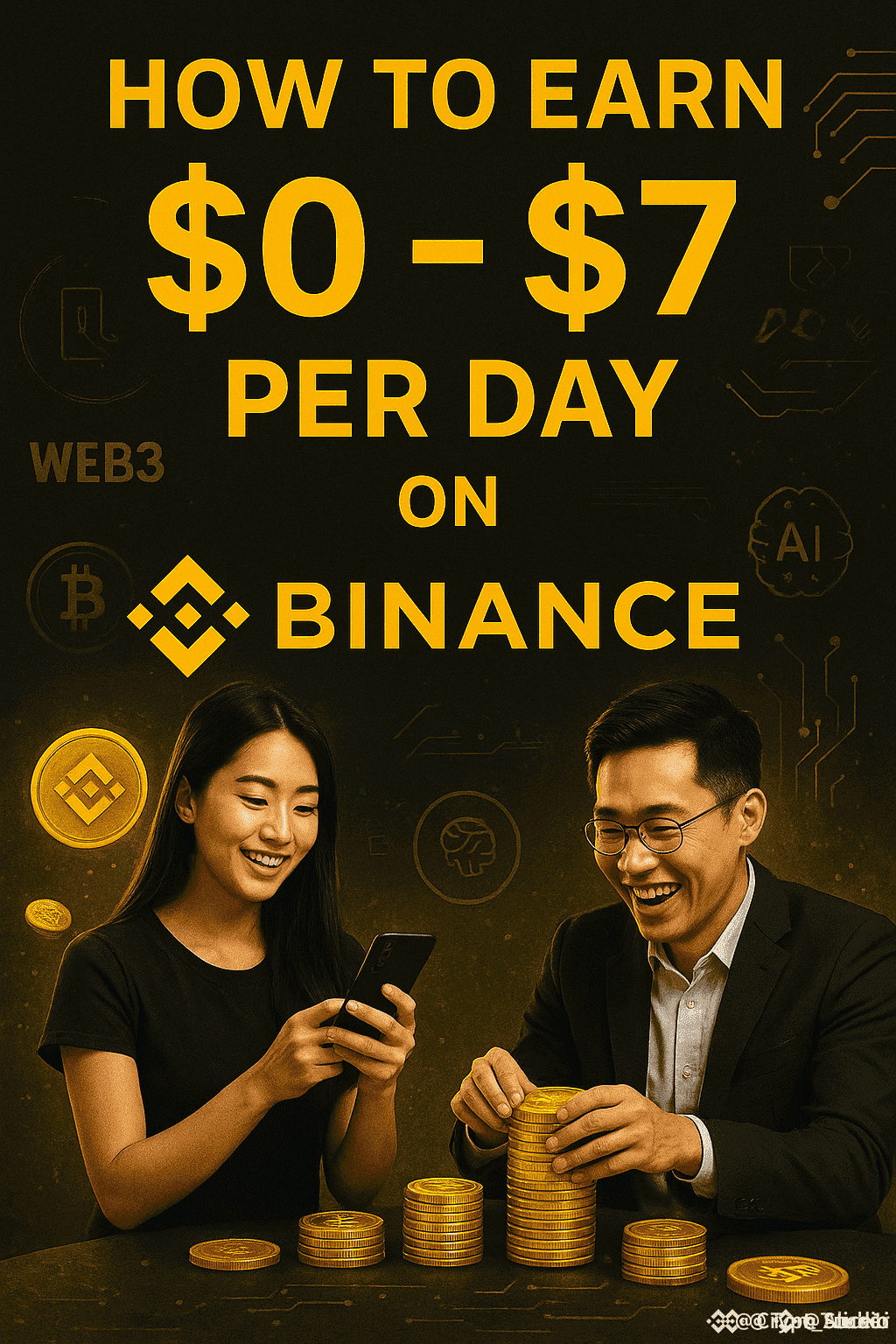
💰 バイナンスで1ルピーも使わずに毎日$0から$7を稼ごう!🚀
1️⃣ 学んで稼ごう – 短い動画を見て📺、クイズを完了し📝、即座に無料のUSDTを手に入れよう。
2️⃣ Web3ウォレット – 無料でアクティブにして、隠れたタスクを見つけ🔍、毎日$2から$5を稼ごう。
3️⃣ Write2Earn & 特別イベント – 投稿を共有し、コメントを残し、最大$10相当のミステリーボックス🎁を集めよう。
⚡ プロのヒント:
✅ 毎日タスクセンターを訪問
✅ 早めに参加して報酬を確保
✅ 一貫性を保とう — リスクゼロで月に$100から$200を稼ごう
投資は不要。
リスクはなし。
純粋な無料の暗号通貨だけ。
#Write2Earn
🙋🙋🙋📢📢📢🙋🙋🙋📢📢📢
💰 バイナンスで1ルピーも使わずに毎日$0から$7を稼ごう!🚀
1️⃣ 学んで稼ごう – 短い動画を見て📺、クイズを完了し📝、即座に無料のUSDTを手に入れよう。
2️⃣ Web3ウォレット – 無料でアクティブにして、隠れたタスクを見つけ🔍、毎日$2から$5を稼ごう。
3️⃣ Write2Earn & 特別イベント – 投稿を共有し、コメントを残し、最大$10相当のミステリーボックス🎁を集めよう。
⚡ プロのヒント:
✅ 毎日タスクセンターを訪問
✅ 早めに参加して報酬を確保
✅ 一貫性を保とう — リスクゼロで月に$100から$200を稼ごう
投資は不要。
リスクはなし。
純粋な無料の暗号通貨だけ。
#Write2Earn
💰 バイナンスで1ルピーも使わずに毎日$0から$7を稼ごう!🚀
1️⃣ 学んで稼ごう – 短い動画を見て📺、クイズを完了し📝、即座に無料のUSDTを手に入れよう。
2️⃣ Web3ウォレット – 無料でアクティブにして、隠れたタスクを見つけ🔍、毎日$2から$5を稼ごう。
3️⃣ Write2Earn & 特別イベント – 投稿を共有し、コメントを残し、最大$10相当のミステリーボックス🎁を集めよう。
⚡ プロのヒント:
✅ 毎日タスクセンターを訪問
✅ 早めに参加して報酬を確保
✅ 一貫性を保とう — リスクゼロで月に$100から$200を稼ごう
投資は不要。
リスクはなし。
純粋な無料の暗号通貨だけ。
#Write2Earn
1
1
3
938
·
--
やあ、こんにちは 🙋
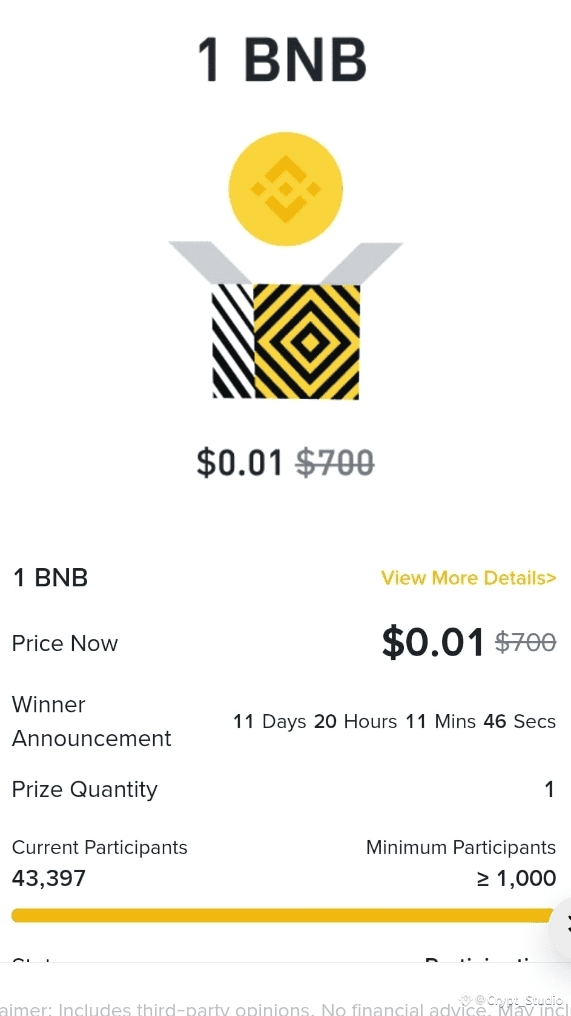
🚨 たったの $0.01 で 1 BNB を獲得するチャンス! 🔥
バイナンスのエキサイティングな $1 ゲームのグランドプライズ抽選に参加して、1 BNB(約 $700 の価値)を獲得するチャンスを手に入れよう — すべてたったの $0.01 で!
🎁 報酬: 1 BNB
💰 参加費: たったの $0.01
👥 すでに 43,000 人以上の参加者
⏳ 11 日後に当選者を発表!
#BNB
ウルドゥー語で欲しい場合や、ソーシャルメディア向けにスタイリングする場合は教えてください。
やあ、こんにちは 🙋
🚨 たったの $0.01 で 1 BNB を獲得するチャンス! 🔥
バイナンスのエキサイティングな $1 ゲームのグランドプライズ抽選に参加して、1 BNB(約 $700 の価値)を獲得するチャンスを手に入れよう — すべてたったの $0.01 で!
🎁 報酬: 1 BNB
💰 参加費: たったの $0.01
👥 すでに 43,000 人以上の参加者
⏳ 11 日後に当選者を発表!
#BNB
ウルドゥー語で欲しい場合や、ソーシャルメディア向けにスタイリングする場合は教えてください。
🚨 たったの $0.01 で 1 BNB を獲得するチャンス! 🔥
バイナンスのエキサイティングな $1 ゲームのグランドプライズ抽選に参加して、1 BNB(約 $700 の価値)を獲得するチャンスを手に入れよう — すべてたったの $0.01 で!
🎁 報酬: 1 BNB
💰 参加費: たったの $0.01
👥 すでに 43,000 人以上の参加者
⏳ 11 日後に当選者を発表!
#BNB
ウルドゥー語で欲しい場合や、ソーシャルメディア向けにスタイリングする場合は教えてください。
3
3
5
1.3k
·
--
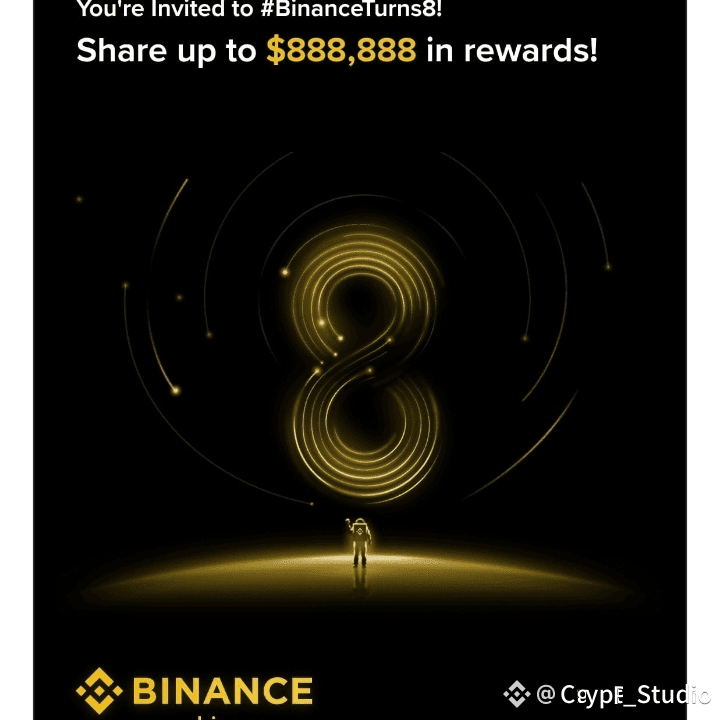
一緒に勝利し、お祝いしましょう!やったー🥳🥳🥳リンクをクリック...#BinanceTurns8 #
一緒に勝利し、お祝いしましょう!やったー🥳🥳🥳リンクをクリック...#BinanceTurns8 #
1
1
2
721
·
--
毎日$1000のPEPEトークンを手に入れよう – 今すぐサインアップ!
今日、あなたの無料PEPEコインを請求しよう!
次の大きなミームコインを探していますか?PEPEが登場し、暗号空間で大きな波を引き起こしています!興奮に参加し、毎日PEPEトークンの報酬を獲得しましょう—完全に無料です。手数料なし、隠れた条件なし—純粋なミームによる楽しさだけです。
なぜPEPEを選ぶべきか?
インターネット文化の中心から生まれたPEPEは、ユーモアと本当の可能性を融合させ、活気に満ちた参加型コミュニティに支えられています。それはただのトークンではなく、楽しさ、革新、そして集団的な勢いによって駆動されるムーブメントです。
🤔始め方:🚀
公式サイトからサインアップ
簡単なタスクを完了する
毎日あなたのウォレットにPEPEトークンを集め始めよう!💰💰
なぜ今行動するのか?
寝ている間に暗号を稼ぐ
お金を使わずにポートフォリオを増やす
トレンドの前に急成長するコミュニティに参加
日々の報酬を長期的な利益に変える
PEPEは急速にトレンド入りしています—波に乗るチャンスを逃さないでください。あなたが熟練した暗号ファンであろうと、ただ飛び込むだけであろうと、これはひねりのあるミームコインの世界を探索するチャンスです。
アクションに参加しよう。無料のPEPEを請求し、あなたのスタックを増やし、#MemeCoin の革命に参加しよう!
今すぐ集め始めよう—サインアップして毎日の報酬を楽しもう!
ヒント、アップデート、暗号の楽しみをお楽しみに。PEPEの波に一緒に乗りましょう!
#PEPECoin #CryptoRewards #AirdropAlert
毎日$1000のPEPEトークンを手に入れよう – 今すぐサインアップ!
今日、あなたの無料PEPEコインを請求しよう!
次の大きなミームコインを探していますか?PEPEが登場し、暗号空間で大きな波を引き起こしています!興奮に参加し、毎日PEPEトークンの報酬を獲得しましょう—完全に無料です。手数料なし、隠れた条件なし—純粋なミームによる楽しさだけです。
なぜPEPEを選ぶべきか?
インターネット文化の中心から生まれたPEPEは、ユーモアと本当の可能性を融合させ、活気に満ちた参加型コミュニティに支えられています。それはただのトークンではなく、楽しさ、革新、そして集団的な勢いによって駆動されるムーブメントです。
🤔始め方:🚀
公式サイトからサインアップ
簡単なタスクを完了する
毎日あなたのウォレットにPEPEトークンを集め始めよう!💰💰
なぜ今行動するのか?
寝ている間に暗号を稼ぐ
お金を使わずにポートフォリオを増やす
トレンドの前に急成長するコミュニティに参加
日々の報酬を長期的な利益に変える
PEPEは急速にトレンド入りしています—波に乗るチャンスを逃さないでください。あなたが熟練した暗号ファンであろうと、ただ飛び込むだけであろうと、これはひねりのあるミームコインの世界を探索するチャンスです。
アクションに参加しよう。無料のPEPEを請求し、あなたのスタックを増やし、#MemeCoin の革命に参加しよう!
今すぐ集め始めよう—サインアップして毎日の報酬を楽しもう!
ヒント、アップデート、暗号の楽しみをお楽しみに。PEPEの波に一緒に乗りましょう!
#PEPECoin #CryptoRewards #AirdropAlert
今日、あなたの無料PEPEコインを請求しよう!
次の大きなミームコインを探していますか?PEPEが登場し、暗号空間で大きな波を引き起こしています!興奮に参加し、毎日PEPEトークンの報酬を獲得しましょう—完全に無料です。手数料なし、隠れた条件なし—純粋なミームによる楽しさだけです。
なぜPEPEを選ぶべきか?
インターネット文化の中心から生まれたPEPEは、ユーモアと本当の可能性を融合させ、活気に満ちた参加型コミュニティに支えられています。それはただのトークンではなく、楽しさ、革新、そして集団的な勢いによって駆動されるムーブメントです。
🤔始め方:🚀
公式サイトからサインアップ
簡単なタスクを完了する
毎日あなたのウォレットにPEPEトークンを集め始めよう!💰💰
なぜ今行動するのか?
寝ている間に暗号を稼ぐ
お金を使わずにポートフォリオを増やす
トレンドの前に急成長するコミュニティに参加
日々の報酬を長期的な利益に変える
PEPEは急速にトレンド入りしています—波に乗るチャンスを逃さないでください。あなたが熟練した暗号ファンであろうと、ただ飛び込むだけであろうと、これはひねりのあるミームコインの世界を探索するチャンスです。
アクションに参加しよう。無料のPEPEを請求し、あなたのスタックを増やし、#MemeCoin の革命に参加しよう!
今すぐ集め始めよう—サインアップして毎日の報酬を楽しもう!
ヒント、アップデート、暗号の楽しみをお楽しみに。PEPEの波に一緒に乗りましょう!
#PEPECoin #CryptoRewards #AirdropAlert
6
2
7
3.4k
ログインして、さらにコンテンツを読む
厳選トピックで世界の暗号資産トレーダーの仲間入り
⚡️ 暗号資産に関する最新かつ有益な情報が見つかります。
💬 世界最大の暗号資産取引所から信頼されています。
👍 認証を受けたクリエイターから、有益なインサイトを得られます。
メール / 電話番号
トレンドトピック
AltcoinSeasonIndexHoldsAbove60For5Days
閲覧回数 26
65人が討論中
#altcoinseasonindexholdsabove60for5days
🚨 アルトコイン・シーズンのシグナルがさらに強くなった!🔥
アルトコイン・シーズン・インデックスが60を5日連続で維持 — アルトコインへ向けた転換の可能性に備えるようトレーダーに警戒が出ています。👀
📊 60超えが5日間
🔥 アルトの勢いが構築中
💰 資金のローテーション(資金移動)の物語が加熱
🚀 次のブレイクアウトを待つトレーダー
大きな疑問:
アルトはついに主導権を奪う準備ができたのか?👀
🟢 アルトシーズン到来 🚀
🟡 さらなる確証が必要 📊
🔴 BTCが主導権を奪い返す ₿
👇 あなたの見通しに投票しよう!
#altcoinseason $BTC $SOL #Altcoin #crypto
Faizan Crypto Learner
·いいね:0件
·閲覧回数 42
BitcoinSlipsBelow$84000
閲覧回数 487
50人が討論中
KospiPostsWorstQuarterSince2020
閲覧回数 18
39人が討論中