
D E E N A
4.3k 投稿

D E E N A
報告
ユーザーをブロック
Crypto Lover
取引を発注
高頻度トレーダー
1.1年
222 フォロー
17.1K+ フォロワー
4.2K+ いいね
投稿
ポートフォリオ
すべて
引用
ライブ
·
--
翻訳参照
🚨 PUMP COMPETITION!
$G USDT: +73.82% at $0.007337
$ONE : +72.85% at $0.0018028
🔥 Just 0.97% separates them!
Who takes the lead next?
{spot}(ONEUSDT)
{spot}(GUSDT)
#BOJHikesRatesTo31YearHigh
#InjectiveLaunchesINJOnSolana
#SECGrantsInnovationExemptionForTokenizedStocks
#XRPGains3%AsRippleAddsMPPSupport
#XRPGains3%AsRippleAddsMPPSupport
🚨 PUMP COMPETITION!
$G USDT: +73.82% at $0.007337
$ONE : +72.85% at $0.0018028
🔥 Just 0.97% separates them!
Who takes the lead next?
#BOJHikesRatesTo31YearHigh
#InjectiveLaunchesINJOnSolana
#SECGrantsInnovationExemptionForTokenizedStocks
#XRPGains3%AsRippleAddsMPPSupport
#XRPGains3%AsRippleAddsMPPSupport
$G USDT: +73.82% at $0.007337
$ONE : +72.85% at $0.0018028
🔥 Just 0.97% separates them!
Who takes the lead next?
#BOJHikesRatesTo31YearHigh
#InjectiveLaunchesINJOnSolana
#SECGrantsInnovationExemptionForTokenizedStocks
#XRPGains3%AsRippleAddsMPPSupport
#XRPGains3%AsRippleAddsMPPSupport
$GUSDT — +73.82%
$ONE — +72.85%
🟢 $GUSDT
🔵 $ONE
20 残り時間
1.8k
·
--
翻訳参照
Babylon (BABY): The BTC Staking Bet Nobody's Fully Priced In
I've been watching Babylon since the BTC staking narrative started heating up, and it's one of the more interesting tensions I've seen in crypto right now. The protocol itself is genuinely impressive: you stake native Bitcoin directly, no wrapping, no bridging, no custodians, and it's pulled in over $5B in staked BTC at its peak — more than a third of all wrapped BTC supply, without any wrapping at all. That's real demand for non-custodial yield.
But the token has told a completely different story. BABY hit an all-time high near $0.17 in April 2025 and now trades around $0.012–0.015, a roughly 92% drawdown. Market cap sits near $50-55M against billions of tokens still locked. Early investor unlocks started in May 2026, releasing chunks monthly through 2029, which means sustained dilution pressure regardless of how strong the protocol's fundamentals look.
So I'm watching two things closely: whether TVL growth and integrations like Aave V4 keep outpacing the unlock schedule, and whether the market ever prices in the gap between protocol strength and token supply. Not financial advice, just what I'm seeing in the data.
#BrentCrudeFallsAbout6%
#OilDropsAbout6%
#USStorageStocksExtendLosses
#KRXHaltsKOSPIAfterChipSelloff
#SKHynixSlumps11%OnAIChipSelloff
$COTI
{spot}(COTIUSDT)
$SNXX
{future}(SNXXUSDT)
$DIA
{spot}(DIAUSDT)
Babylon (BABY): The BTC Staking Bet Nobody's Fully Priced In
I've been watching Babylon since the BTC staking narrative started heating up, and it's one of the more interesting tensions I've seen in crypto right now. The protocol itself is genuinely impressive: you stake native Bitcoin directly, no wrapping, no bridging, no custodians, and it's pulled in over $5B in staked BTC at its peak — more than a third of all wrapped BTC supply, without any wrapping at all. That's real demand for non-custodial yield.
But the token has told a completely different story. BABY hit an all-time high near $0.17 in April 2025 and now trades around $0.012–0.015, a roughly 92% drawdown. Market cap sits near $50-55M against billions of tokens still locked. Early investor unlocks started in May 2026, releasing chunks monthly through 2029, which means sustained dilution pressure regardless of how strong the protocol's fundamentals look.
So I'm watching two things closely: whether TVL growth and integrations like Aave V4 keep outpacing the unlock schedule, and whether the market ever prices in the gap between protocol strength and token supply. Not financial advice, just what I'm seeing in the data.
#BrentCrudeFallsAbout6%
#OilDropsAbout6%
#USStorageStocksExtendLosses
#KRXHaltsKOSPIAfterChipSelloff
#SKHynixSlumps11%OnAIChipSelloff
$COTI
$SNXX
$DIA
I've been watching Babylon since the BTC staking narrative started heating up, and it's one of the more interesting tensions I've seen in crypto right now. The protocol itself is genuinely impressive: you stake native Bitcoin directly, no wrapping, no bridging, no custodians, and it's pulled in over $5B in staked BTC at its peak — more than a third of all wrapped BTC supply, without any wrapping at all. That's real demand for non-custodial yield.
But the token has told a completely different story. BABY hit an all-time high near $0.17 in April 2025 and now trades around $0.012–0.015, a roughly 92% drawdown. Market cap sits near $50-55M against billions of tokens still locked. Early investor unlocks started in May 2026, releasing chunks monthly through 2029, which means sustained dilution pressure regardless of how strong the protocol's fundamentals look.
So I'm watching two things closely: whether TVL growth and integrations like Aave V4 keep outpacing the unlock schedule, and whether the market ever prices in the gap between protocol strength and token supply. Not financial advice, just what I'm seeing in the data.
#BrentCrudeFallsAbout6%
#OilDropsAbout6%
#USStorageStocksExtendLosses
#KRXHaltsKOSPIAfterChipSelloff
#SKHynixSlumps11%OnAIChipSelloff
$COTI
$SNXX
$DIA
₿ Native BTC Staking
0%
📉 92% Token Drawdown
0%
🔓 Ongoing Unlock Pressure
0%
⚖️ Protocol vs Token Gap
0%
0 投票 • 投票は終了しました
486
·
--
🚀 $ON が加熱中!
$ON /USDT 無期限(Orochi Network)は過去24時間で+29.65%上昇し、$0.19198で取引されています
📊 24時間高値: $0.23712
📉 24時間安値: $0.14064
💰 24時間出来高: 1.26B ON($236.58M)
$0.14064から最高値$0.23712まで急騰し、その後いったん調整—この銘柄はボラティリティがかなり高い🔥
大きな値動きは大きなチャンス—賢く取引してリスクを管理しましょう。
さあ行こう—今すぐ取引 $ON
{future}(ONUSDT)
🚀 $ON が加熱中!
$ON /USDT 無期限(Orochi Network)は過去24時間で+29.65%上昇し、$0.19198で取引されています
📊 24時間高値: $0.23712
📉 24時間安値: $0.14064
💰 24時間出来高: 1.26B ON($236.58M)
$0.14064から最高値$0.23712まで急騰し、その後いったん調整—この銘柄はボラティリティがかなり高い🔥
大きな値動きは大きなチャンス—賢く取引してリスクを管理しましょう。
さあ行こう—今すぐ取引 $ON
$ON /USDT 無期限(Orochi Network)は過去24時間で+29.65%上昇し、$0.19198で取引されています
📊 24時間高値: $0.23712
📉 24時間安値: $0.14064
💰 24時間出来高: 1.26B ON($236.58M)
$0.14064から最高値$0.23712まで急騰し、その後いったん調整—この銘柄はボラティリティがかなり高い🔥
大きな値動きは大きなチャンス—賢く取引してリスクを管理しましょう。
さあ行こう—今すぐ取引 $ON
BULLISH 💚
60%
BEARISH ♥️
40%
5 投票 • 投票は終了しました
165
·
--
翻訳参照
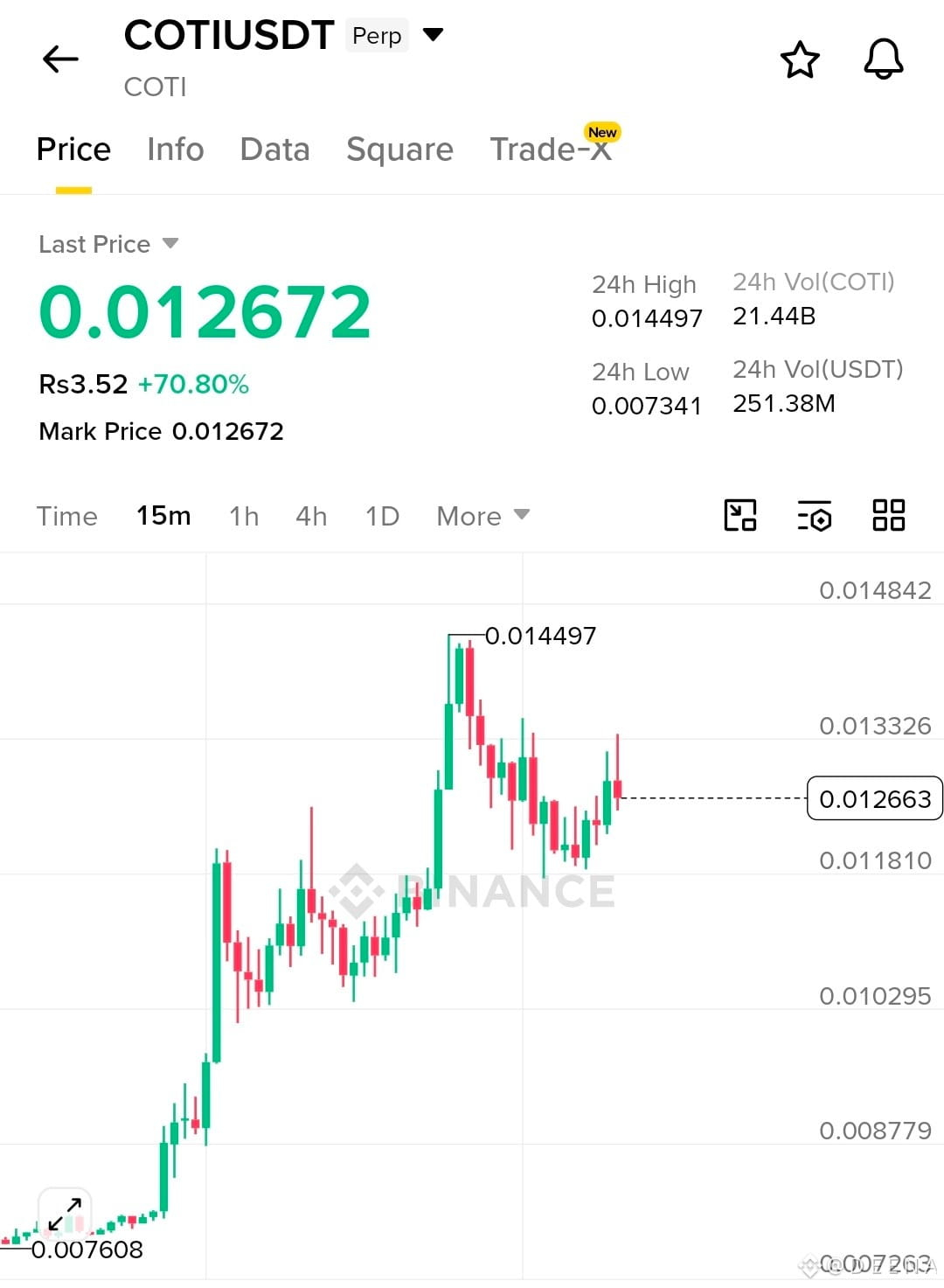
🚀 $COTI is ON FIRE right now!
$COTI /USDT Perp is up +70.80% in 24h, trading at $0.012672
📊 24h High: $0.014497
📉 24h Low: $0.007341
💰 24h Volume: 21.44B COTI ($251.38M)
From $0.007608 to a high of $0.014497 — that's nearly a 2x move in a single day. Momentum is clearly with the bulls right now 🔥
Volatility this high means big opportunity — and big risk. Always trade with proper risk management.
Let's go — trade now $COTI
{spot}(COTIUSDT)
🚀 $COTI is ON FIRE right now!
$COTI /USDT Perp is up +70.80% in 24h, trading at $0.012672
📊 24h High: $0.014497
📉 24h Low: $0.007341
💰 24h Volume: 21.44B COTI ($251.38M)
From $0.007608 to a high of $0.014497 — that's nearly a 2x move in a single day. Momentum is clearly with the bulls right now 🔥
Volatility this high means big opportunity — and big risk. Always trade with proper risk management.
Let's go — trade now $COTI
$COTI /USDT Perp is up +70.80% in 24h, trading at $0.012672
📊 24h High: $0.014497
📉 24h Low: $0.007341
💰 24h Volume: 21.44B COTI ($251.38M)
From $0.007608 to a high of $0.014497 — that's nearly a 2x move in a single day. Momentum is clearly with the bulls right now 🔥
Volatility this high means big opportunity — and big risk. Always trade with proper risk management.
Let's go — trade now $COTI
127
·
--
ブリッシュ
翻訳参照
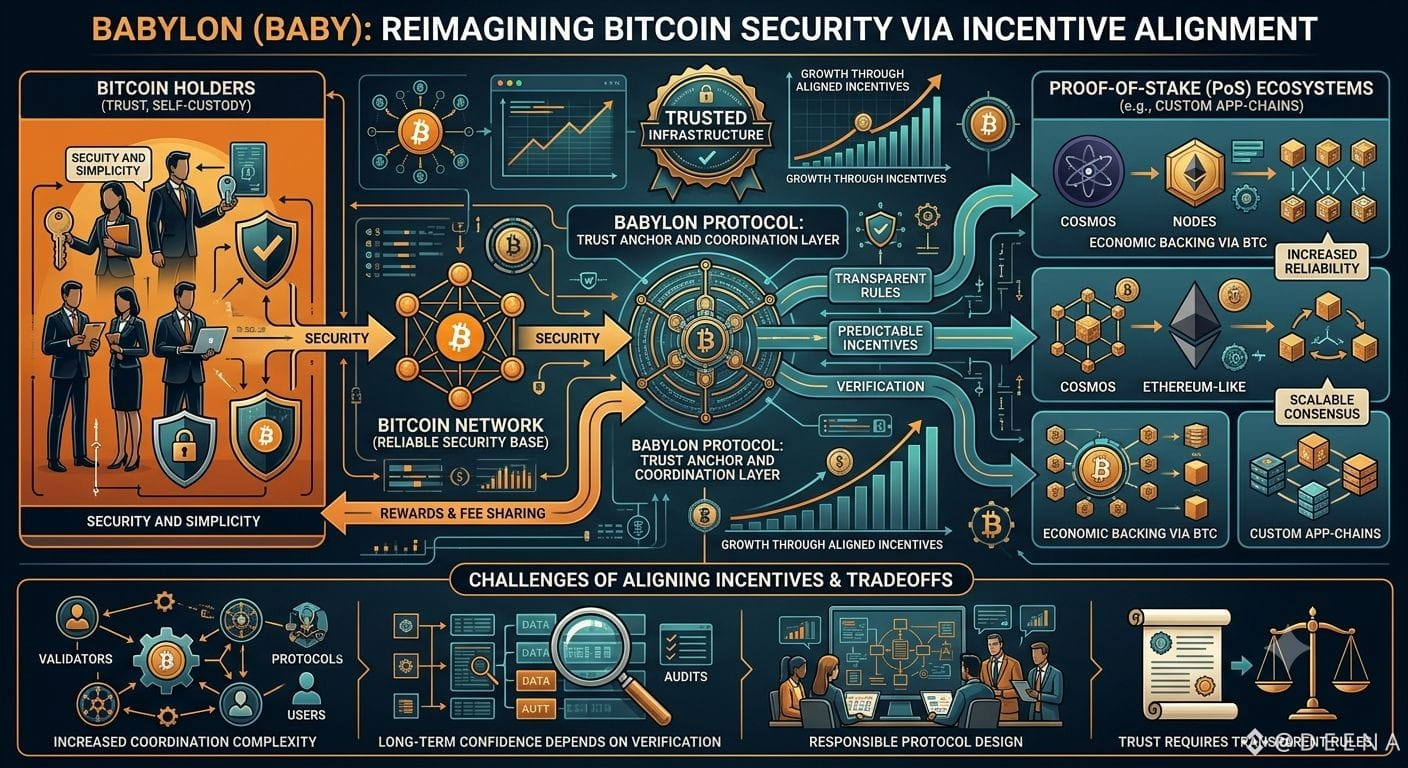
One thing that stands out to me about Babylon ($BABY ) is that it isn't really trying to change Bitcoin itself. Instead, Babylon is exploring how Bitcoin's existing security can support Proof-of-Stake ecosystems while allowing BTC holders to remain in control of their assets. That feels like a different conversation from the usual focus on staking rewards or capital efficiency.
What makes Babylon interesting is the challenge of aligning incentives across very different participants. Bitcoin holders want security and simplicity, while PoS networks need reliable economic backing. Bringing those interests together requires more than solid technology. It depends on transparent rules, predictable incentives, and a system that people continue to trust long after the initial excitement fades.
I also think there is an important tradeoff that doesn't get discussed enough. As Bitcoin becomes part of securing other networks, the coordination between users, validators, and protocols naturally becomes more complex. Self-custody solves one problem, but long-term confidence still depends on verification, clear incentives, and responsible protocol design.
That is why I keep watching Babylon as an infrastructure project rather than a market narrative. If it can maintain trust while expanding Bitcoin's role beyond its own chain, it could demonstrate that durable blockchain infrastructure is built through incentive alignment, not simply technical innovation. The real question is whether those incentives will remain strong as the ecosystem grows.
#baby @babylonlabs_io $BABY
One thing that stands out to me about Babylon ($BABY ) is that it isn't really trying to change Bitcoin itself. Instead, Babylon is exploring how Bitcoin's existing security can support Proof-of-Stake ecosystems while allowing BTC holders to remain in control of their assets. That feels like a different conversation from the usual focus on staking rewards or capital efficiency.
What makes Babylon interesting is the challenge of aligning incentives across very different participants. Bitcoin holders want security and simplicity, while PoS networks need reliable economic backing. Bringing those interests together requires more than solid technology. It depends on transparent rules, predictable incentives, and a system that people continue to trust long after the initial excitement fades.
I also think there is an important tradeoff that doesn't get discussed enough. As Bitcoin becomes part of securing other networks, the coordination between users, validators, and protocols naturally becomes more complex. Self-custody solves one problem, but long-term confidence still depends on verification, clear incentives, and responsible protocol design.
That is why I keep watching Babylon as an infrastructure project rather than a market narrative. If it can maintain trust while expanding Bitcoin's role beyond its own chain, it could demonstrate that durable blockchain infrastructure is built through incentive alignment, not simply technical innovation. The real question is whether those incentives will remain strong as the ecosystem grows.
#baby @BabylonLabs_io $BABY
What makes Babylon interesting is the challenge of aligning incentives across very different participants. Bitcoin holders want security and simplicity, while PoS networks need reliable economic backing. Bringing those interests together requires more than solid technology. It depends on transparent rules, predictable incentives, and a system that people continue to trust long after the initial excitement fades.
I also think there is an important tradeoff that doesn't get discussed enough. As Bitcoin becomes part of securing other networks, the coordination between users, validators, and protocols naturally becomes more complex. Self-custody solves one problem, but long-term confidence still depends on verification, clear incentives, and responsible protocol design.
That is why I keep watching Babylon as an infrastructure project rather than a market narrative. If it can maintain trust while expanding Bitcoin's role beyond its own chain, it could demonstrate that durable blockchain infrastructure is built through incentive alignment, not simply technical innovation. The real question is whether those incentives will remain strong as the ecosystem grows.
#baby @BabylonLabs_io $BABY
3
2
115
·
--
ブリッシュ
翻訳参照
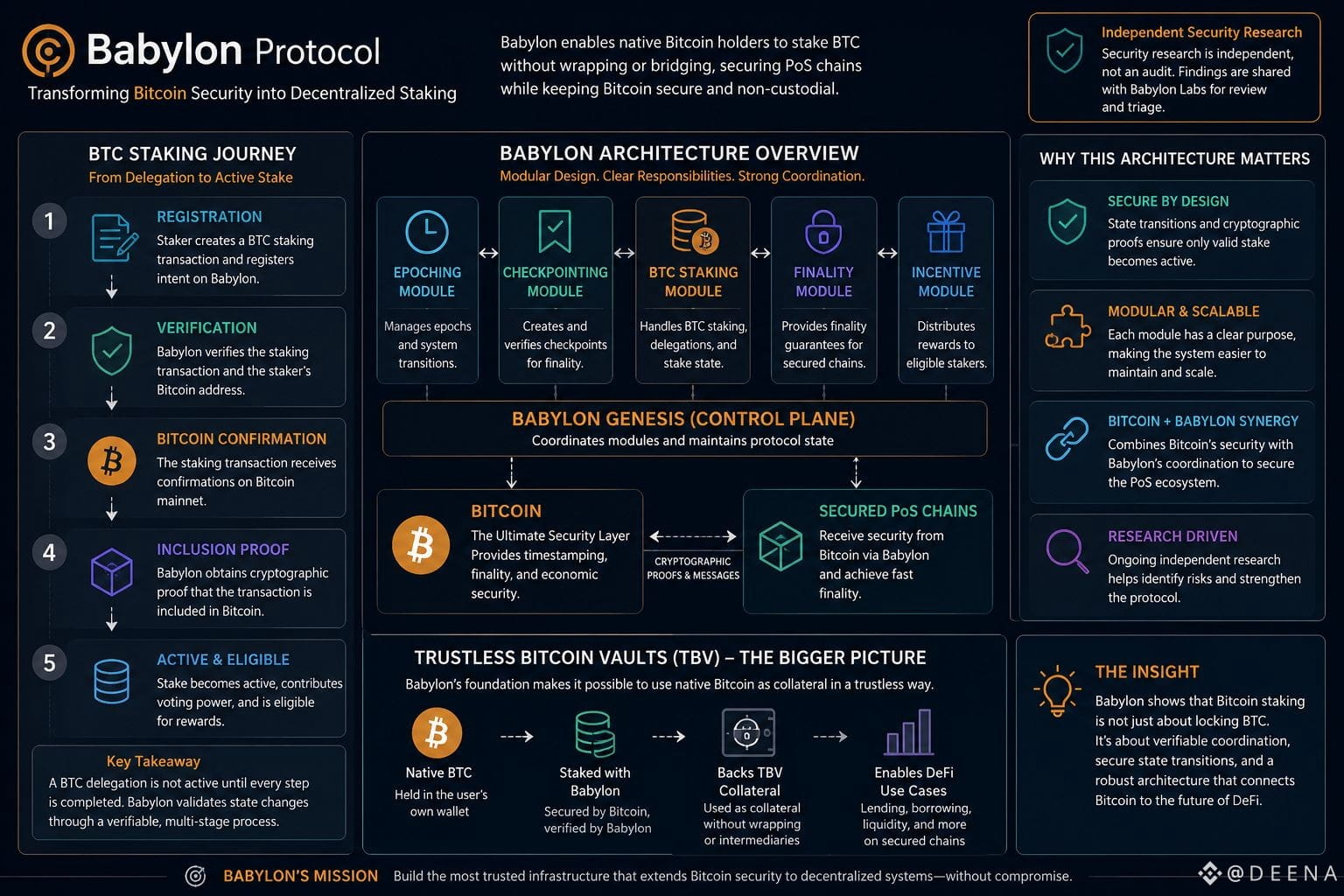
While digging into Babylon, I realized I had been thinking about Bitcoin staking in a much simpler way than the protocol actually works. The thing that stood out to me wasn't a headline metric or a bold claim—it was how Babylon treats every staking event as a series of verified state changes instead of assuming everything is complete from the moment a transaction is created.
What caught my attention was the journey a BTC delegation takes before it becomes active. It moves through registration, verification, Bitcoin confirmations, and inclusion proof before it can contribute voting power or earn rewards. That might sound like a technical detail, but I think it's one of the most important parts of the design because it shows how much emphasis Babylon places on verification rather than assumptions.
The insight that stayed with me is that Babylon isn't just building a way to stake Bitcoin. It's building the coordination layer that makes Bitcoin staking reliable across different protocol components. Looking at the architecture made me appreciate why modules like Epoching, Checkpointing, BTC Staking, and Finality are separated instead of being bundled together.
Crypto conversations often focus on future potential, but I find the more interesting story is what a protocol is already proving today. As Babylon continues to evolve, will verified participation become the metric that matters most, rather than simply how much BTC is deposited?
#baby @babylonlabs_io $BABY
While digging into Babylon, I realized I had been thinking about Bitcoin staking in a much simpler way than the protocol actually works. The thing that stood out to me wasn't a headline metric or a bold claim—it was how Babylon treats every staking event as a series of verified state changes instead of assuming everything is complete from the moment a transaction is created.
What caught my attention was the journey a BTC delegation takes before it becomes active. It moves through registration, verification, Bitcoin confirmations, and inclusion proof before it can contribute voting power or earn rewards. That might sound like a technical detail, but I think it's one of the most important parts of the design because it shows how much emphasis Babylon places on verification rather than assumptions.
The insight that stayed with me is that Babylon isn't just building a way to stake Bitcoin. It's building the coordination layer that makes Bitcoin staking reliable across different protocol components. Looking at the architecture made me appreciate why modules like Epoching, Checkpointing, BTC Staking, and Finality are separated instead of being bundled together.
Crypto conversations often focus on future potential, but I find the more interesting story is what a protocol is already proving today. As Babylon continues to evolve, will verified participation become the metric that matters most, rather than simply how much BTC is deposited?
#baby @BabylonLabs_io $BABY
What caught my attention was the journey a BTC delegation takes before it becomes active. It moves through registration, verification, Bitcoin confirmations, and inclusion proof before it can contribute voting power or earn rewards. That might sound like a technical detail, but I think it's one of the most important parts of the design because it shows how much emphasis Babylon places on verification rather than assumptions.
The insight that stayed with me is that Babylon isn't just building a way to stake Bitcoin. It's building the coordination layer that makes Bitcoin staking reliable across different protocol components. Looking at the architecture made me appreciate why modules like Epoching, Checkpointing, BTC Staking, and Finality are separated instead of being bundled together.
Crypto conversations often focus on future potential, but I find the more interesting story is what a protocol is already proving today. As Babylon continues to evolve, will verified participation become the metric that matters most, rather than simply how much BTC is deposited?
#baby @BabylonLabs_io $BABY
2
2
111
·
--
弱気相場
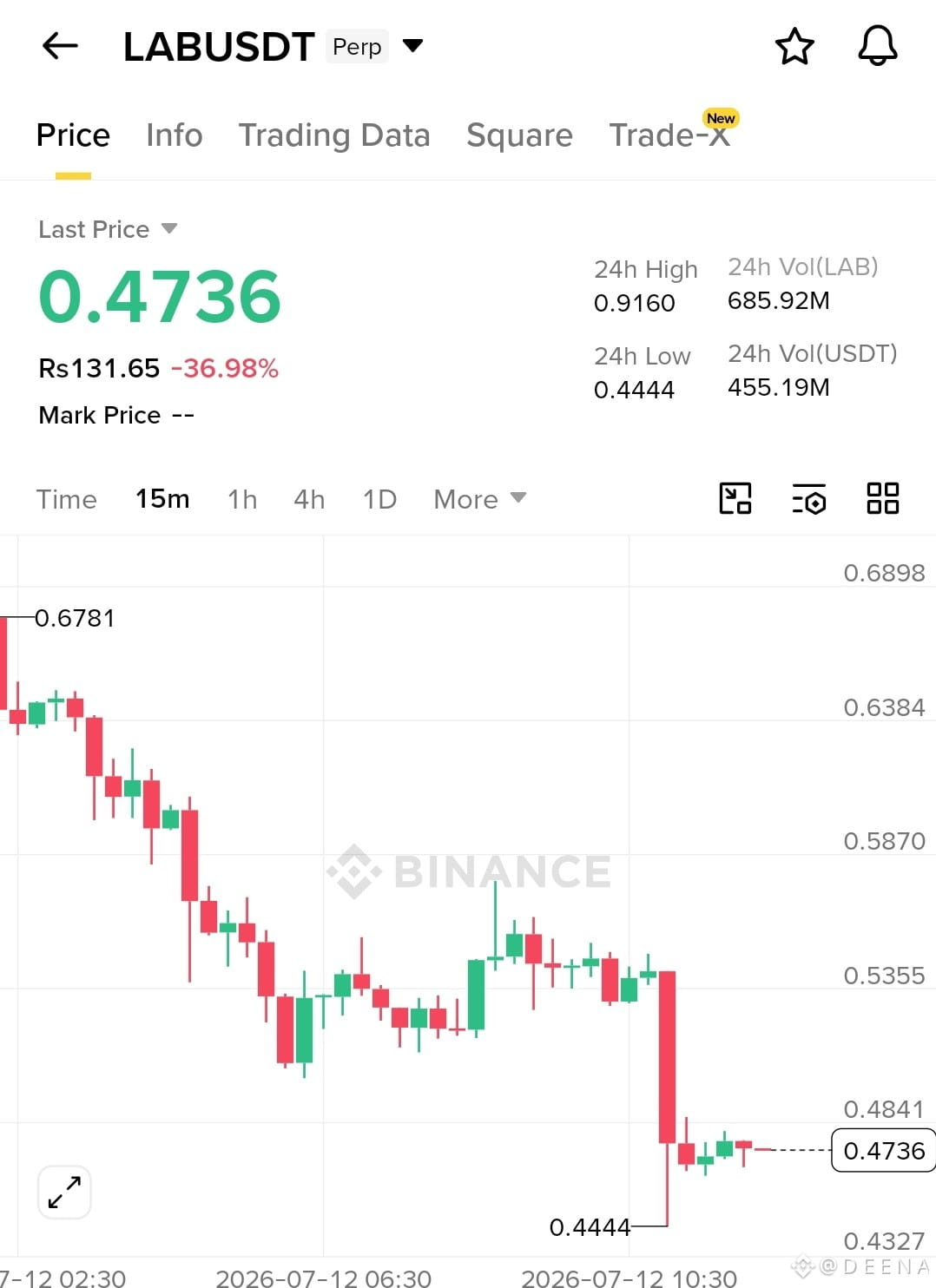
🚨 $LAB は圧力を受けています! 現在の価格:$0.4736(過去24Hで-36.98%の下落)
📉 24H 高値:$0.9160 📍 24H 安値:$0.4444 💰 流通量(出来高)が非常に大きい:685.92M $LAB | 455.19M $USDT
ボラティリティが来ています。ここが本当のチャンスが生まれる場所です。冷静さを保ち、リスク管理を徹底し、重要なサポート($0.4444)を注視してください。
さあ行こう!今すぐ取引 $LAB 🚀📈
{future}(LABUSDT)
#BitcoinPlansECashHardFork
#SpaceXAnthropicOpenAIIPOsMayTopVCExitsSince2000
#MorganStanleyAdds1000BTC
#GOPSeeksSenateVoteOnCLARITYActWeekOfJuly20
#BPISeeksToInterveneInNoahDoeCase
🚨 $LAB は圧力を受けています! 現在の価格:$0.4736(過去24Hで-36.98%の下落)
📉 24H 高値:$0.9160 📍 24H 安値:$0.4444 💰 流通量(出来高)が非常に大きい:685.92M $LAB | 455.19M $USDT
ボラティリティが来ています。ここが本当のチャンスが生まれる場所です。冷静さを保ち、リスク管理を徹底し、重要なサポート($0.4444)を注視してください。
さあ行こう!今すぐ取引 $LAB 🚀📈
#BitcoinPlansECashHardFork
#SpaceXAnthropicOpenAIIPOsMayTopVCExitsSince2000
#MorganStanleyAdds1000BTC
#GOPSeeksSenateVoteOnCLARITYActWeekOfJuly20
#BPISeeksToInterveneInNoahDoeCase
📉 24H 高値:$0.9160 📍 24H 安値:$0.4444 💰 流通量(出来高)が非常に大きい:685.92M $LAB | 455.19M $USDT
ボラティリティが来ています。ここが本当のチャンスが生まれる場所です。冷静さを保ち、リスク管理を徹底し、重要なサポート($0.4444)を注視してください。
さあ行こう!今すぐ取引 $LAB 🚀📈
#BitcoinPlansECashHardFork
#SpaceXAnthropicOpenAIIPOsMayTopVCExitsSince2000
#MorganStanleyAdds1000BTC
#GOPSeeksSenateVoteOnCLARITYActWeekOfJuly20
#BPISeeksToInterveneInNoahDoeCase
1
213
·
--
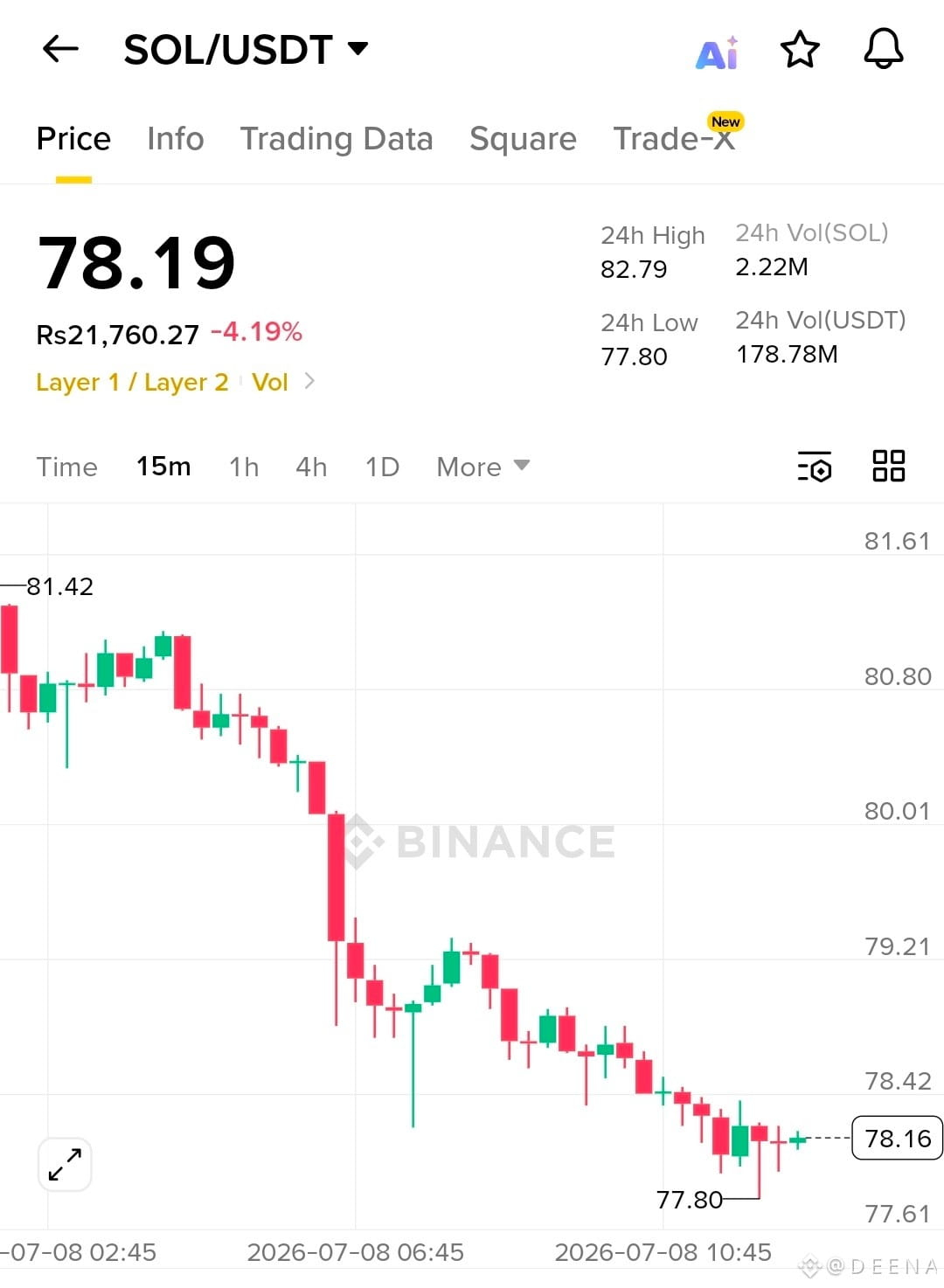
スリリングなトレーディングポストのキャプション:
⚡ SOL/USDT アップデート ⚡
🔻 依然として弱気が主導権を握っています。
📉 価格: $78.19
🎯 重要なサポート: $77.80
🚀 サポートからの反発が、短期的な回復を引き起こす可能性。
❌ $77.80 が割れるなら、さらなる下落に備えてください。
賢くトレードし、リスク管理を徹底し、決してFOMOしないでください。💯
#SOL #Solana #Crypto #Binance #Trading #PriceAction #CryptoTrading #TechnicalAnalysis #BullOrBear
スリリングなトレーディングポストのキャプション:
⚡ SOL/USDT アップデート ⚡
🔻 依然として弱気が主導権を握っています。
📉 価格: $78.19
🎯 重要なサポート: $77.80
🚀 サポートからの反発が、短期的な回復を引き起こす可能性。
❌ $77.80 が割れるなら、さらなる下落に備えてください。
賢くトレードし、リスク管理を徹底し、決してFOMOしないでください。💯
#SOL #Solana #Crypto #Binance #Trading #PriceAction #CryptoTrading #TechnicalAnalysis #BullOrBear
⚡ SOL/USDT アップデート ⚡
🔻 依然として弱気が主導権を握っています。
📉 価格: $78.19
🎯 重要なサポート: $77.80
🚀 サポートからの反発が、短期的な回復を引き起こす可能性。
❌ $77.80 が割れるなら、さらなる下落に備えてください。
賢くトレードし、リスク管理を徹底し、決してFOMOしないでください。💯
#SOL #Solana #Crypto #Binance #Trading #PriceAction #CryptoTrading #TechnicalAnalysis #BullOrBear
1
110
·
--
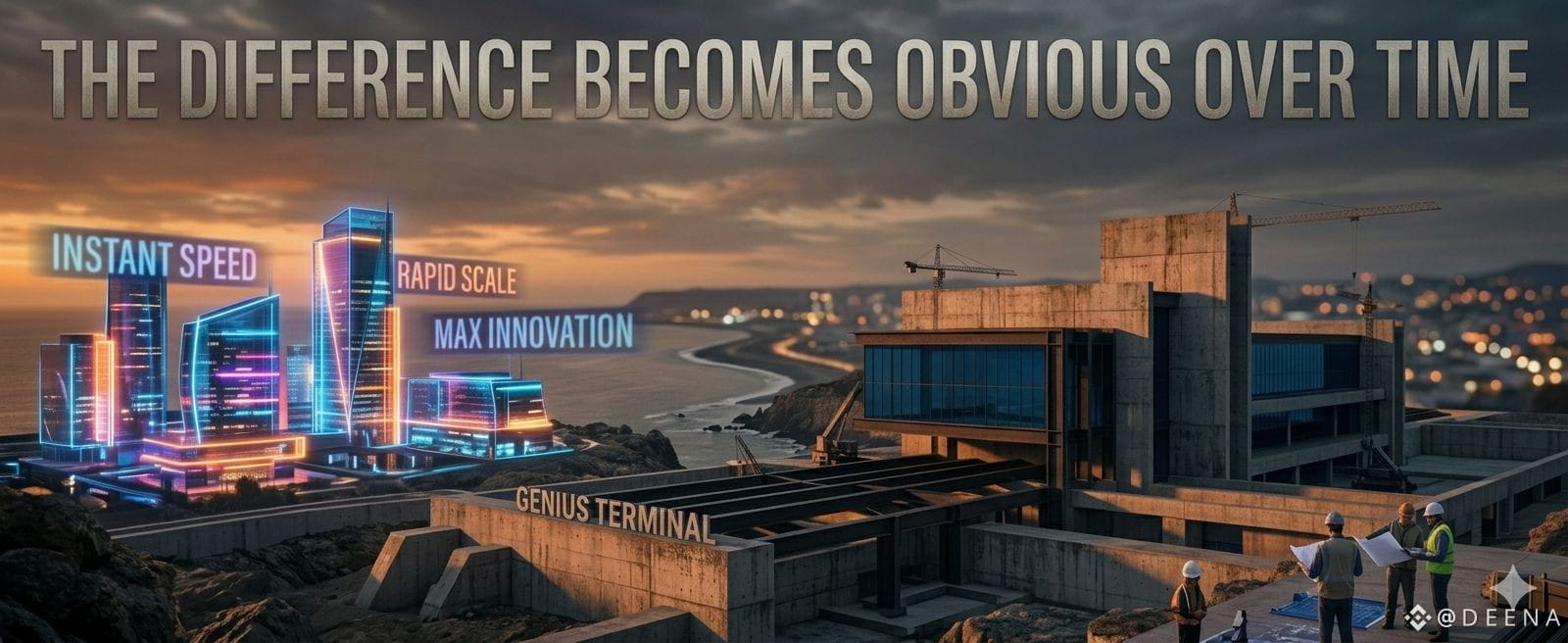
時を重ねるほど違いが明らかになる
これまで私は、スピード、スケール、そして革新を約束する数え切れないほどの商品を見てきましたが、その中で「本当の意味で永続性を見据えて作られた」と感じさせるものはほとんどありませんでした。
Genius Terminalは、私にはすぐに別物だと分かりました。
それは注意を引きつけることを目的にしているからではなく、体験全体がいかに管理され、意図的に設計されているかにあります。すべてが明確さによって構造化されて見えます。不要な複雑さはありません。過剰な打ち出しもありません。規律がプロセスを導くとき、長期的なインフラがどのようにあるべきかを理解しているからです。
際立つのは、プライバシー、実行力、そして一貫性のバランスです。騒がしさで満ちたこの領域において、そのような節度はとても珍しく感じられます。製品は、関連性を示すために常に派手な演出に頼っていません。方向性そのものが、構築されつつある基盤の品質を語っています。
私は、勢いよりも精度の価値を理解しているプロジェクトを尊重します。このように作られたシステムは、最初から耐久性のために設計されているため、時間が経つほど良い状態で長持ちすることが多いのです。いっときの高揚感ではなく、最初から長く使う前提で。
Genius Terminalを観察すればするほど、これは「ただの別のプラットフォーム」というより、長期的な重要性のために静かに自らの位置を定めているインフラのように感じられます。
#genius @GeniusOfficial $GENIUS
{spot}(GENIUSUSDT)
$STRAX
$GUN
時を重ねるほど違いが明らかになる
これまで私は、スピード、スケール、そして革新を約束する数え切れないほどの商品を見てきましたが、その中で「本当の意味で永続性を見据えて作られた」と感じさせるものはほとんどありませんでした。
Genius Terminalは、私にはすぐに別物だと分かりました。
それは注意を引きつけることを目的にしているからではなく、体験全体がいかに管理され、意図的に設計されているかにあります。すべてが明確さによって構造化されて見えます。不要な複雑さはありません。過剰な打ち出しもありません。規律がプロセスを導くとき、長期的なインフラがどのようにあるべきかを理解しているからです。
際立つのは、プライバシー、実行力、そして一貫性のバランスです。騒がしさで満ちたこの領域において、そのような節度はとても珍しく感じられます。製品は、関連性を示すために常に派手な演出に頼っていません。方向性そのものが、構築されつつある基盤の品質を語っています。
私は、勢いよりも精度の価値を理解しているプロジェクトを尊重します。このように作られたシステムは、最初から耐久性のために設計されているため、時間が経つほど良い状態で長持ちすることが多いのです。いっときの高揚感ではなく、最初から長く使う前提で。
Genius Terminalを観察すればするほど、これは「ただの別のプラットフォーム」というより、長期的な重要性のために静かに自らの位置を定めているインフラのように感じられます。
#genius @GeniusOfficial $GENIUS
$STRAX
$GUN
これまで私は、スピード、スケール、そして革新を約束する数え切れないほどの商品を見てきましたが、その中で「本当の意味で永続性を見据えて作られた」と感じさせるものはほとんどありませんでした。
Genius Terminalは、私にはすぐに別物だと分かりました。
それは注意を引きつけることを目的にしているからではなく、体験全体がいかに管理され、意図的に設計されているかにあります。すべてが明確さによって構造化されて見えます。不要な複雑さはありません。過剰な打ち出しもありません。規律がプロセスを導くとき、長期的なインフラがどのようにあるべきかを理解しているからです。
際立つのは、プライバシー、実行力、そして一貫性のバランスです。騒がしさで満ちたこの領域において、そのような節度はとても珍しく感じられます。製品は、関連性を示すために常に派手な演出に頼っていません。方向性そのものが、構築されつつある基盤の品質を語っています。
私は、勢いよりも精度の価値を理解しているプロジェクトを尊重します。このように作られたシステムは、最初から耐久性のために設計されているため、時間が経つほど良い状態で長持ちすることが多いのです。いっときの高揚感ではなく、最初から長く使う前提で。
Genius Terminalを観察すればするほど、これは「ただの別のプラットフォーム」というより、長期的な重要性のために静かに自らの位置を定めているインフラのように感じられます。
#genius @GeniusOfficial $GENIUS
$STRAX
$GUN
1
2
109
·
--
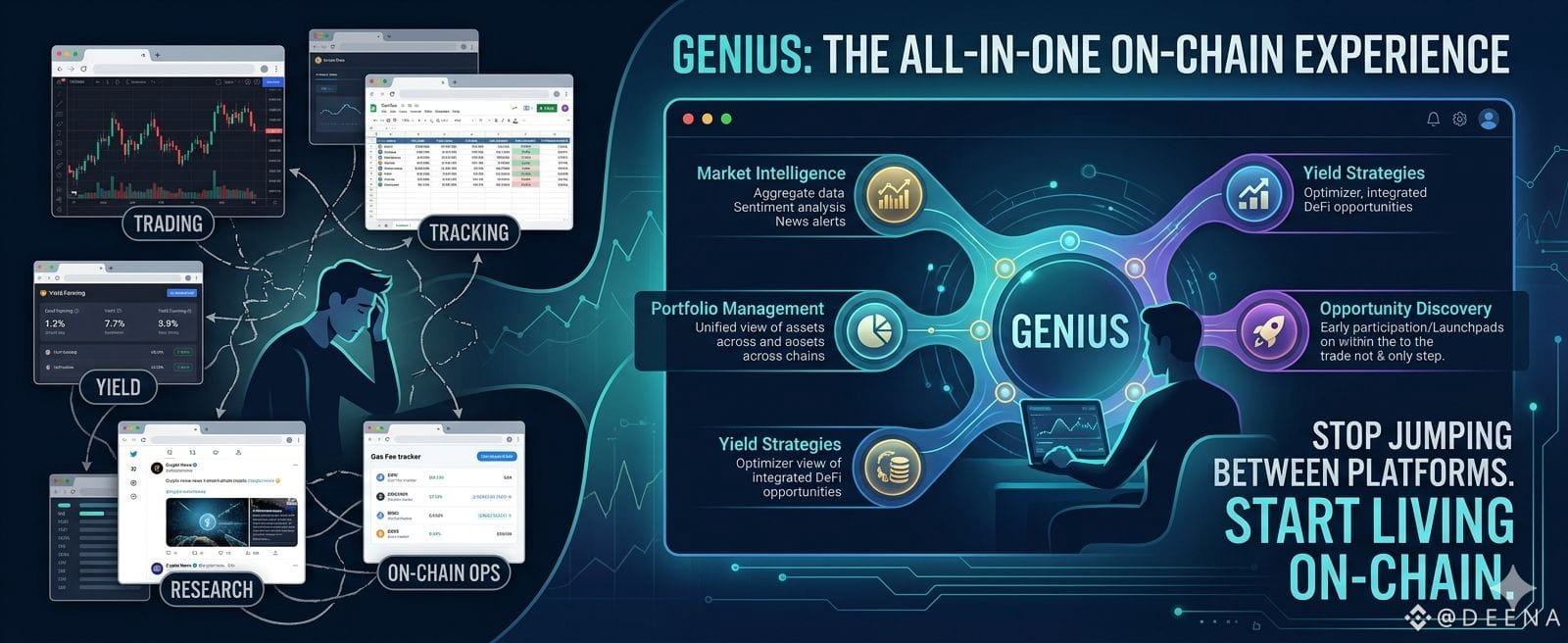
私は天才(ジーニアス)を、ただの別の取引端末だと思っていました。 しかし、よく見てみたのです。
最初にジーニアスに出会ったとき、私はそれを無数の他の暗号資産プロダクトと同じカテゴリに入れてしまいました。
取引端末。
チャートを眺め、取引を実行し、ポジションを管理し、そして次へ進む場所。
でも、ジーニアスが実際に何を作ろうとしているのかを見ている時間が増えるほど、その説明は本質を外しているように感じました。
私の目を引いたのは、取引そのものの体験ではありませんでした。
それを取り巻く“すべて”でした。
私は、暗号資産における自分の時間の大半は、買う/売るボタンを押すことに費やされていないと気づきました。費やしているのは、チャンスを探し、ポートフォリオを追跡し、市場を監視し、新しい物語(ナラティブ)を調べ、利回り戦略を探り、そして絶え間ない変化の先を行こうとすることです。
取引は、多くの場合“最後の一手”。
本当の難しさは、その手の前にあるすべてを管理することにあります。
だからこそ、ジーニアスはもっと大きな課題に取り組もうとしているのだと思います。
取引、ポートフォリオ管理、市場発見、利回りの機会、そして初期参加を別々の体験として扱うのではなく、ひとつの屋根の下にそれらを統合しようとするプラットフォームだと私は捉えています。
私にとって、それは別の取引機能を追加することよりもはるかに面白いことです。
暗号資産はツール不足に悩んでいるわけではありません。
悩んでいるのは“分断”です。
文脈を保つために、私はいつもプラットフォームを行き来してしまいます。
ジーニアスで見えているのは、その摩擦を減らそうとする試みです。
そしてもしそれが成功すれば、人々は最終的にそれを取引端末とは呼ばなくなるかもしれません。
自分たちのオンチェーン体験がすべて詰まっている場所だ、と捉え始めるかもしれません。
$STG
$PORTAL
#genius @GeniusOfficial $GENIUS
{spot}(GENIUSUSDT)
私は天才(ジーニアス)を、ただの別の取引端末だと思っていました。 しかし、よく見てみたのです。
最初にジーニアスに出会ったとき、私はそれを無数の他の暗号資産プロダクトと同じカテゴリに入れてしまいました。
取引端末。
チャートを眺め、取引を実行し、ポジションを管理し、そして次へ進む場所。
でも、ジーニアスが実際に何を作ろうとしているのかを見ている時間が増えるほど、その説明は本質を外しているように感じました。
私の目を引いたのは、取引そのものの体験ではありませんでした。
それを取り巻く“すべて”でした。
私は、暗号資産における自分の時間の大半は、買う/売るボタンを押すことに費やされていないと気づきました。費やしているのは、チャンスを探し、ポートフォリオを追跡し、市場を監視し、新しい物語(ナラティブ)を調べ、利回り戦略を探り、そして絶え間ない変化の先を行こうとすることです。
取引は、多くの場合“最後の一手”。
本当の難しさは、その手の前にあるすべてを管理することにあります。
だからこそ、ジーニアスはもっと大きな課題に取り組もうとしているのだと思います。
取引、ポートフォリオ管理、市場発見、利回りの機会、そして初期参加を別々の体験として扱うのではなく、ひとつの屋根の下にそれらを統合しようとするプラットフォームだと私は捉えています。
私にとって、それは別の取引機能を追加することよりもはるかに面白いことです。
暗号資産はツール不足に悩んでいるわけではありません。
悩んでいるのは“分断”です。
文脈を保つために、私はいつもプラットフォームを行き来してしまいます。
ジーニアスで見えているのは、その摩擦を減らそうとする試みです。
そしてもしそれが成功すれば、人々は最終的にそれを取引端末とは呼ばなくなるかもしれません。
自分たちのオンチェーン体験がすべて詰まっている場所だ、と捉え始めるかもしれません。
$STG
$PORTAL
#genius @GeniusOfficial $GENIUS
最初にジーニアスに出会ったとき、私はそれを無数の他の暗号資産プロダクトと同じカテゴリに入れてしまいました。
取引端末。
チャートを眺め、取引を実行し、ポジションを管理し、そして次へ進む場所。
でも、ジーニアスが実際に何を作ろうとしているのかを見ている時間が増えるほど、その説明は本質を外しているように感じました。
私の目を引いたのは、取引そのものの体験ではありませんでした。
それを取り巻く“すべて”でした。
私は、暗号資産における自分の時間の大半は、買う/売るボタンを押すことに費やされていないと気づきました。費やしているのは、チャンスを探し、ポートフォリオを追跡し、市場を監視し、新しい物語(ナラティブ)を調べ、利回り戦略を探り、そして絶え間ない変化の先を行こうとすることです。
取引は、多くの場合“最後の一手”。
本当の難しさは、その手の前にあるすべてを管理することにあります。
だからこそ、ジーニアスはもっと大きな課題に取り組もうとしているのだと思います。
取引、ポートフォリオ管理、市場発見、利回りの機会、そして初期参加を別々の体験として扱うのではなく、ひとつの屋根の下にそれらを統合しようとするプラットフォームだと私は捉えています。
私にとって、それは別の取引機能を追加することよりもはるかに面白いことです。
暗号資産はツール不足に悩んでいるわけではありません。
悩んでいるのは“分断”です。
文脈を保つために、私はいつもプラットフォームを行き来してしまいます。
ジーニアスで見えているのは、その摩擦を減らそうとする試みです。
そしてもしそれが成功すれば、人々は最終的にそれを取引端末とは呼ばなくなるかもしれません。
自分たちのオンチェーン体験がすべて詰まっている場所だ、と捉え始めるかもしれません。
$STG
$PORTAL
#genius @GeniusOfficial $GENIUS
1
206
·
--
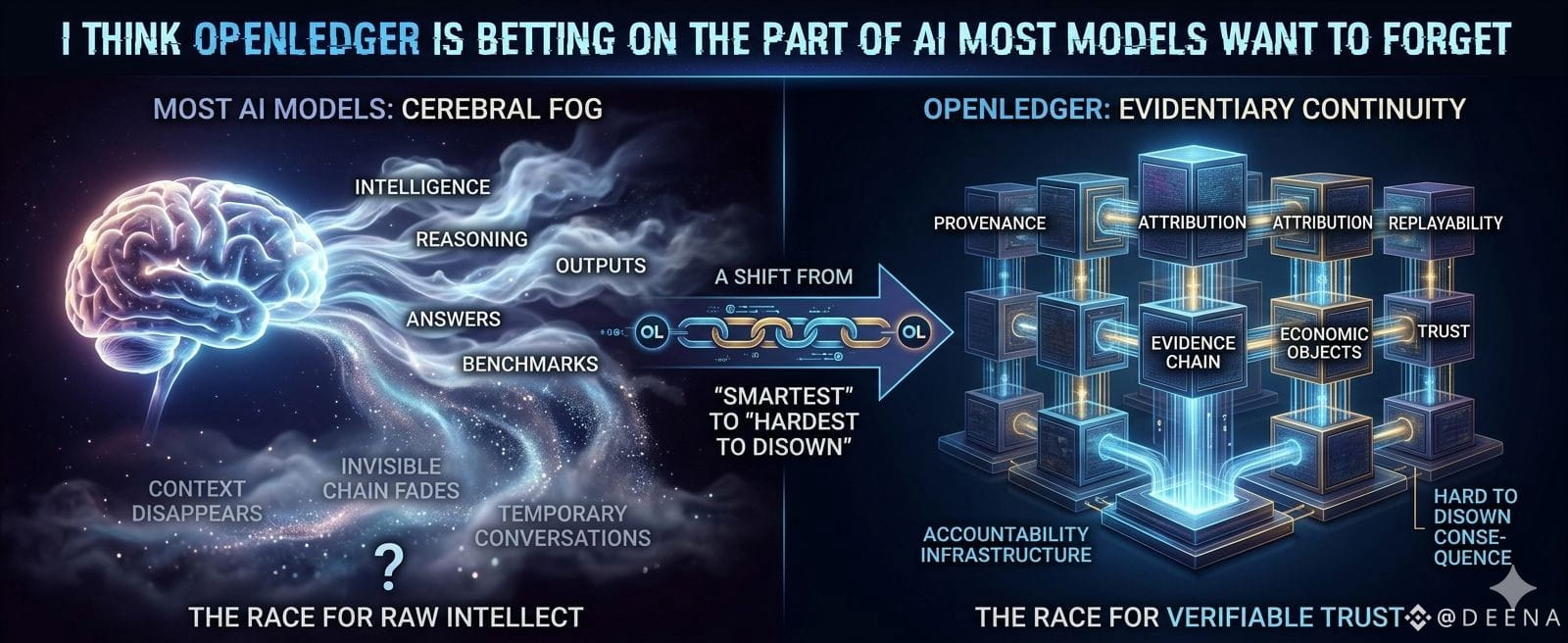
私はOpenLedgerが、ほとんどのモデルが忘れたがっているAIの領域に賭けていると思う
私はかつて、AIレースは知能そのものによって終わるのだと思っていました。より良い推論、より速い出力、よりきれいなマルチモーダル・システム、より強力なベンチマーク。けれど最近、その競争の根底にはもっと深い何かが欠けているような気がしてなりません。
今日の多くのAIモデルは答えを作ることには驚くほど優れている一方で、そもそもその答えを生み出す「見えない連鎖」を保持することはとても苦手です。出力は残ります。文脈は消えてしまいます。
そして、AIの出力が一時的な会話のように振る舞うのをやめ、システム間を移動する経済的な“モノ”のように振る舞い始めると、これは深刻な問題になります。
検索エンジンがそれらを順位付けします。レコメンドシステムがそれらを増幅します。クリエイター・エコノミーがそれらを吸収します。他のモデルがそれらで再び学習します。市場はそれらに反応します。機関もまた、ゆっくりとそれらを信頼し始めます。
しかし、答えが安定する前に何が消えてしまったのかを尋ねる人は、ほとんどいません。
だからこそ、OpenLedgerは私にとって興味深いのです。「AIをより賢くしよう」としているからではなく、生成が起きた後の説明責任を保つことに重点を置いているように見えるからです。来歴(プロヴェナンス)。帰属(アトリビューション)。再生可能性(リプレイアビリティ)。証拠の連続性。
考えれば考えるほど、知能は説明責任のインフラよりも速く商品化されてしまうのではないか、と感じます。
そして、もしかすると今後のAI競争はこうならないかもしれません。
「どのモデルがいちばん賢く聞こえるか?」
代わりにこうなるのかもしれません。
「結果が到来したときに、最も“引き受けられない(切り捨てられない)”モデルはどれか?」
#openledger @Openledger $OPEN
{spot}(OPENUSDT)
$HEI
$ID
私はOpenLedgerが、ほとんどのモデルが忘れたがっているAIの領域に賭けていると思う
私はかつて、AIレースは知能そのものによって終わるのだと思っていました。より良い推論、より速い出力、よりきれいなマルチモーダル・システム、より強力なベンチマーク。けれど最近、その競争の根底にはもっと深い何かが欠けているような気がしてなりません。
今日の多くのAIモデルは答えを作ることには驚くほど優れている一方で、そもそもその答えを生み出す「見えない連鎖」を保持することはとても苦手です。出力は残ります。文脈は消えてしまいます。
そして、AIの出力が一時的な会話のように振る舞うのをやめ、システム間を移動する経済的な“モノ”のように振る舞い始めると、これは深刻な問題になります。
検索エンジンがそれらを順位付けします。レコメンドシステムがそれらを増幅します。クリエイター・エコノミーがそれらを吸収します。他のモデルがそれらで再び学習します。市場はそれらに反応します。機関もまた、ゆっくりとそれらを信頼し始めます。
しかし、答えが安定する前に何が消えてしまったのかを尋ねる人は、ほとんどいません。
だからこそ、OpenLedgerは私にとって興味深いのです。「AIをより賢くしよう」としているからではなく、生成が起きた後の説明責任を保つことに重点を置いているように見えるからです。来歴(プロヴェナンス)。帰属(アトリビューション)。再生可能性(リプレイアビリティ)。証拠の連続性。
考えれば考えるほど、知能は説明責任のインフラよりも速く商品化されてしまうのではないか、と感じます。
そして、もしかすると今後のAI競争はこうならないかもしれません。
「どのモデルがいちばん賢く聞こえるか?」
代わりにこうなるのかもしれません。
「結果が到来したときに、最も“引き受けられない(切り捨てられない)”モデルはどれか?」
#openledger @OpenLedger $OPEN
$HEI
$ID
私はかつて、AIレースは知能そのものによって終わるのだと思っていました。より良い推論、より速い出力、よりきれいなマルチモーダル・システム、より強力なベンチマーク。けれど最近、その競争の根底にはもっと深い何かが欠けているような気がしてなりません。
今日の多くのAIモデルは答えを作ることには驚くほど優れている一方で、そもそもその答えを生み出す「見えない連鎖」を保持することはとても苦手です。出力は残ります。文脈は消えてしまいます。
そして、AIの出力が一時的な会話のように振る舞うのをやめ、システム間を移動する経済的な“モノ”のように振る舞い始めると、これは深刻な問題になります。
検索エンジンがそれらを順位付けします。レコメンドシステムがそれらを増幅します。クリエイター・エコノミーがそれらを吸収します。他のモデルがそれらで再び学習します。市場はそれらに反応します。機関もまた、ゆっくりとそれらを信頼し始めます。
しかし、答えが安定する前に何が消えてしまったのかを尋ねる人は、ほとんどいません。
だからこそ、OpenLedgerは私にとって興味深いのです。「AIをより賢くしよう」としているからではなく、生成が起きた後の説明責任を保つことに重点を置いているように見えるからです。来歴(プロヴェナンス)。帰属(アトリビューション)。再生可能性(リプレイアビリティ)。証拠の連続性。
考えれば考えるほど、知能は説明責任のインフラよりも速く商品化されてしまうのではないか、と感じます。
そして、もしかすると今後のAI競争はこうならないかもしれません。
「どのモデルがいちばん賢く聞こえるか?」
代わりにこうなるのかもしれません。
「結果が到来したときに、最も“引き受けられない(切り捨てられない)”モデルはどれか?」
#openledger @OpenLedger $OPEN
$HEI
$ID
1
180
·
--
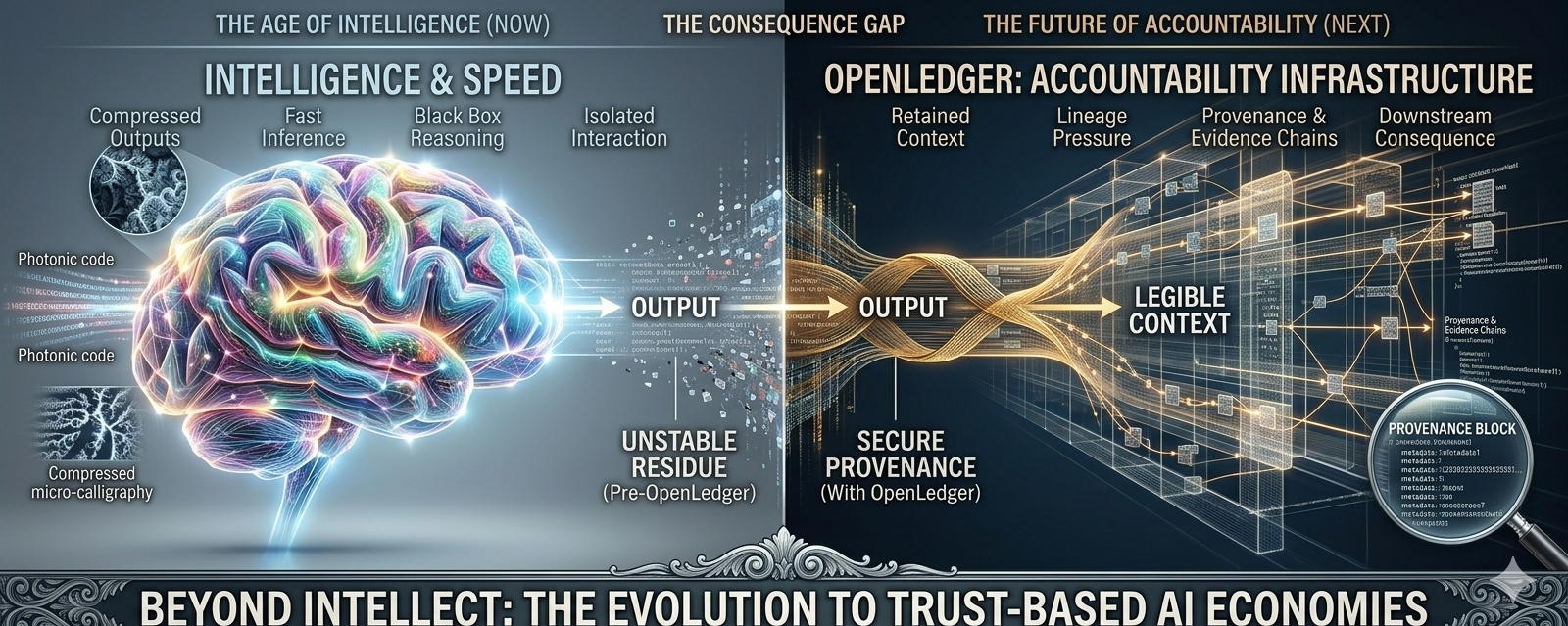
記事
OpenLedgerとAIの説明責任の未来長い間、私は本当に、AIの競争は最終的に「ひとつのこと」に絞られていくのだろうと心から信じていました。つまり、知能です。よりよく推論できるモデルが勝つ。より鋭い出力、より洗練された会話、より高速な推論、より強力なマルチモーダル挙動、そしてより高いベンチマーク数を持つモデルが、当然市場を席巻する。そう考えることは、ほとんどのAIに関する会話がいまだに「能力そのもの」を中心に回っているので、なおさら当然だと思えました。誰が賢いのか。誰が速いのか。どのモデルがより人間らしく聞こえるのか。どのシステムが、より少ないミスで、より難しい課題を解けるのか。ですが、OpenLedgerのようなプロジェクトを眺めるほど、その見方全体が、表面の下にあるより深い何かを取りこぼしているように感じられてきました。完全に間違っているわけではありません。ただ、もっと根の深いものが欠けているだけです。
OpenLedgerとAIの説明責任の未来
長い間、私は本当に、AIの競争は最終的に「ひとつのこと」に絞られていくのだろうと心から信じていました。つまり、知能です。よりよく推論できるモデルが勝つ。より鋭い出力、より洗練された会話、より高速な推論、より強力なマルチモーダル挙動、そしてより高いベンチマーク数を持つモデルが、当然市場を席巻する。そう考えることは、ほとんどのAIに関する会話がいまだに「能力そのもの」を中心に回っているので、なおさら当然だと思えました。誰が賢いのか。誰が速いのか。どのモデルがより人間らしく聞こえるのか。どのシステムが、より少ないミスで、より難しい課題を解けるのか。ですが、OpenLedgerのようなプロジェクトを眺めるほど、その見方全体が、表面の下にあるより深い何かを取りこぼしているように感じられてきました。完全に間違っているわけではありません。ただ、もっと根の深いものが欠けているだけです。
284
·
--
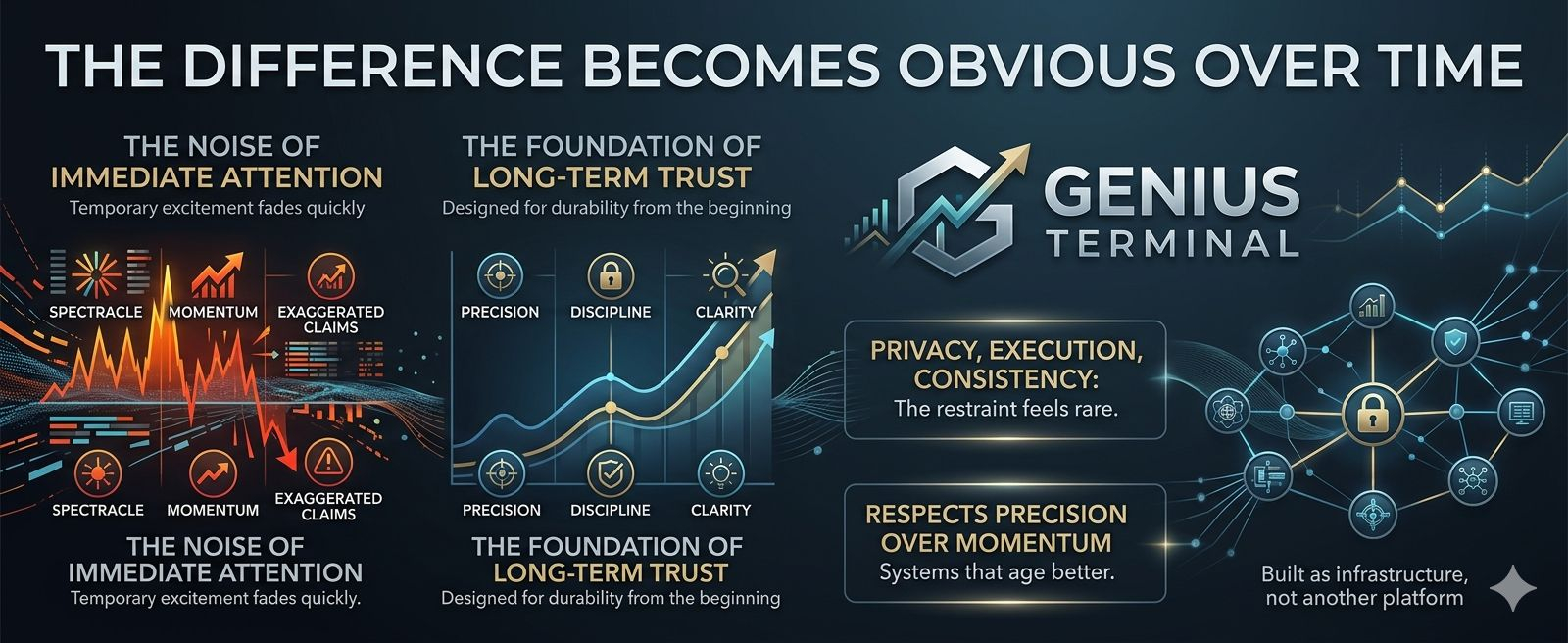
時間とともに違いがはっきりしてくる
スピード、スケール、そしてイノベーションを約束する無数の商品を見てきましたが、その中でも「本物の永続性」を見据えて作られていると感じさせるものは、ほんのわずかです。
Genius Terminalは、すぐに私には別物だと伝わってきました。
目立つことを押し付けるからではありません。体験全体がどれほど統制され、意図的に設計されているか、その点が際立っているのです。すべてが明確さをもって構造化されて見えます。不要な複雑さはありません。誇張されたポジショニングもない。規律がプロセスを導くとき、長期のインフラがどうあるべきかを理解しているからこそ——そんな印象です。
特に際立つのは、プライバシー、実行力、そして一貫性のバランスです。ノイズにあふれた領域では、そのような抑制はまれに感じられます。このプロダクトは、継続的な派手さで存在意義を証明しようとはしません。すでに、構築されている土台の質によって、その方向性が語っています。
私は、勢いよりも精度の価値を理解しているプロジェクトを尊重します。このように作られたシステムは、最初から耐久性を前提に設計されているため、たいてい時を経てもより良い状態で育ちます。いっときの興奮のために作られているわけではないのです。
Genius Terminalを観察するほど、それは単なる別のプラットフォームというより、静かに長期的な重要性に向けて自らの位置を定めていくインフラのように思えてきます。
すぐに注目を求めるプロダクトもあります。
強いものは、時間とともに信頼を獲得します。
#genius @GeniusOfficial $GENIUS
{spot}(GENIUSUSDT)
$HEI
$ID
時間とともに違いがはっきりしてくる
スピード、スケール、そしてイノベーションを約束する無数の商品を見てきましたが、その中でも「本物の永続性」を見据えて作られていると感じさせるものは、ほんのわずかです。
Genius Terminalは、すぐに私には別物だと伝わってきました。
目立つことを押し付けるからではありません。体験全体がどれほど統制され、意図的に設計されているか、その点が際立っているのです。すべてが明確さをもって構造化されて見えます。不要な複雑さはありません。誇張されたポジショニングもない。規律がプロセスを導くとき、長期のインフラがどうあるべきかを理解しているからこそ——そんな印象です。
特に際立つのは、プライバシー、実行力、そして一貫性のバランスです。ノイズにあふれた領域では、そのような抑制はまれに感じられます。このプロダクトは、継続的な派手さで存在意義を証明しようとはしません。すでに、構築されている土台の質によって、その方向性が語っています。
私は、勢いよりも精度の価値を理解しているプロジェクトを尊重します。このように作られたシステムは、最初から耐久性を前提に設計されているため、たいてい時を経てもより良い状態で育ちます。いっときの興奮のために作られているわけではないのです。
Genius Terminalを観察するほど、それは単なる別のプラットフォームというより、静かに長期的な重要性に向けて自らの位置を定めていくインフラのように思えてきます。
すぐに注目を求めるプロダクトもあります。
強いものは、時間とともに信頼を獲得します。
#genius @GeniusOfficial $GENIUS
$HEI
$ID
スピード、スケール、そしてイノベーションを約束する無数の商品を見てきましたが、その中でも「本物の永続性」を見据えて作られていると感じさせるものは、ほんのわずかです。
Genius Terminalは、すぐに私には別物だと伝わってきました。
目立つことを押し付けるからではありません。体験全体がどれほど統制され、意図的に設計されているか、その点が際立っているのです。すべてが明確さをもって構造化されて見えます。不要な複雑さはありません。誇張されたポジショニングもない。規律がプロセスを導くとき、長期のインフラがどうあるべきかを理解しているからこそ——そんな印象です。
特に際立つのは、プライバシー、実行力、そして一貫性のバランスです。ノイズにあふれた領域では、そのような抑制はまれに感じられます。このプロダクトは、継続的な派手さで存在意義を証明しようとはしません。すでに、構築されている土台の質によって、その方向性が語っています。
私は、勢いよりも精度の価値を理解しているプロジェクトを尊重します。このように作られたシステムは、最初から耐久性を前提に設計されているため、たいてい時を経てもより良い状態で育ちます。いっときの興奮のために作られているわけではないのです。
Genius Terminalを観察するほど、それは単なる別のプラットフォームというより、静かに長期的な重要性に向けて自らの位置を定めていくインフラのように思えてきます。
すぐに注目を求めるプロダクトもあります。
強いものは、時間とともに信頼を獲得します。
#genius @GeniusOfficial $GENIUS
$HEI
$ID
240
·
--
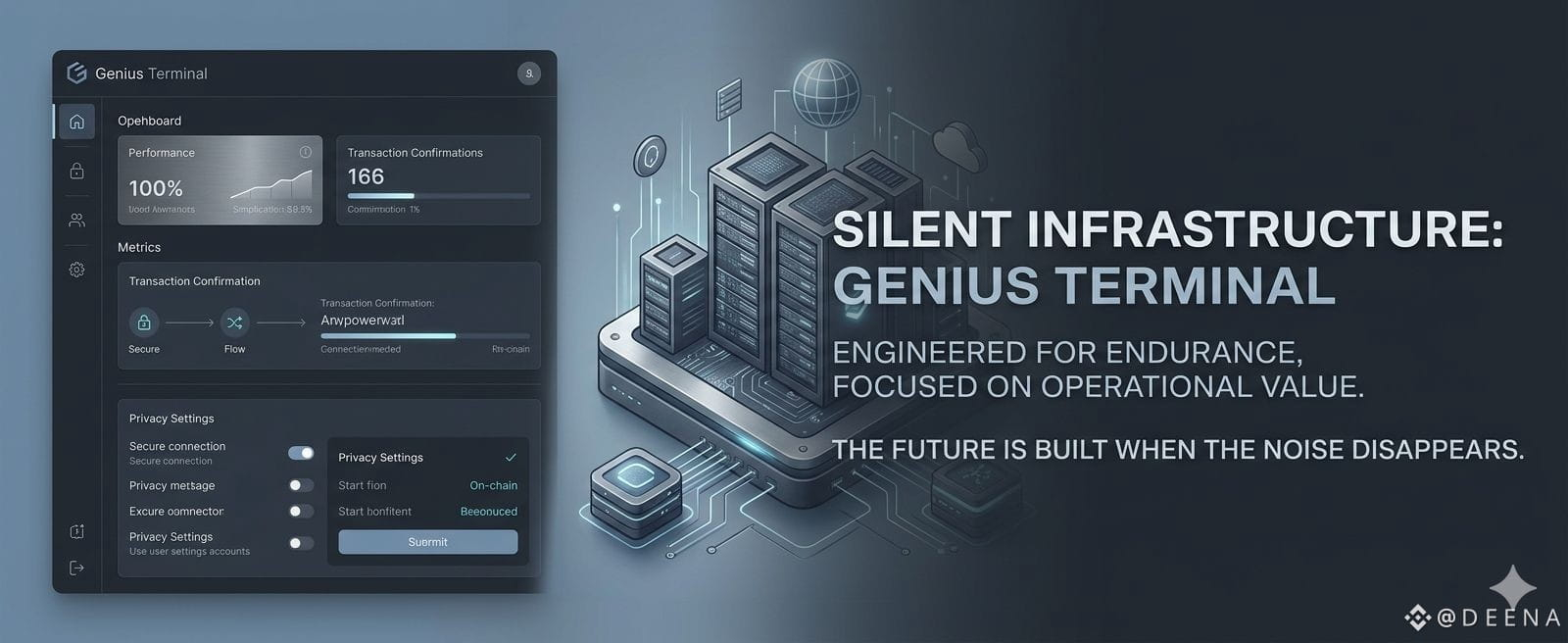
サイレント・インフラ
私はオンチェーンのプロダクトの周辺で十分な時間を過ごしてきたので、注目を集めるために作られたプラットフォームと、耐久性のために作られたプラットフォームの違いが分かります。
Genius Terminalは、すぐに2つ目の印象を与えてくれました。
最初に気づいたのは自制です。不要な複雑さはありません。攻撃的なノイズもありません。見世物で勢いを強引に作ろうともしない。構造から実行フローまで、すべてが意図的に設計されているように感じます。可視性よりもパフォーマンスに集中するチームに、いつも伴うような自信があります。
私が特に印象に残ったのは、プライバシーが体験の“後付けの物語レイヤー”として追加されているのではなく、体験に統合されていることです。これにより、空気感がまったく変わります。ターミナルは、反応よりも精度を重視する人々のために制御され、集中し、エンジニアリングされているように感じます。
また、全体の方向性がいかにクリーンに保たれているかも尊重しています。短期的な話題性を奪い合う多くのプロダクトが存在するなかで、Genius Terminalは長期的な運用価値のために位置づけられているようです。アーキテクチャには規律が示されています。インターフェースには明快さが示されています。全体の存在感には成熟がにじみます。
オンチェーン・インフラの次の世代は、誰が一番大きな声を出すかによって定義されることはないと私は考えています。
それは、ノイズが消えたときでも本質であり続けられるシステムを作れる人によって定義されます。
Genius Terminalは、すでにその未来に足並みを揃えているように感じます。
$ALLO
$NIGHT
#genius @GeniusOfficial $GENIUS
{spot}(GENIUSUSDT)
サイレント・インフラ
私はオンチェーンのプロダクトの周辺で十分な時間を過ごしてきたので、注目を集めるために作られたプラットフォームと、耐久性のために作られたプラットフォームの違いが分かります。
Genius Terminalは、すぐに2つ目の印象を与えてくれました。
最初に気づいたのは自制です。不要な複雑さはありません。攻撃的なノイズもありません。見世物で勢いを強引に作ろうともしない。構造から実行フローまで、すべてが意図的に設計されているように感じます。可視性よりもパフォーマンスに集中するチームに、いつも伴うような自信があります。
私が特に印象に残ったのは、プライバシーが体験の“後付けの物語レイヤー”として追加されているのではなく、体験に統合されていることです。これにより、空気感がまったく変わります。ターミナルは、反応よりも精度を重視する人々のために制御され、集中し、エンジニアリングされているように感じます。
また、全体の方向性がいかにクリーンに保たれているかも尊重しています。短期的な話題性を奪い合う多くのプロダクトが存在するなかで、Genius Terminalは長期的な運用価値のために位置づけられているようです。アーキテクチャには規律が示されています。インターフェースには明快さが示されています。全体の存在感には成熟がにじみます。
オンチェーン・インフラの次の世代は、誰が一番大きな声を出すかによって定義されることはないと私は考えています。
それは、ノイズが消えたときでも本質であり続けられるシステムを作れる人によって定義されます。
Genius Terminalは、すでにその未来に足並みを揃えているように感じます。
$ALLO
$NIGHT
#genius @GeniusOfficial $GENIUS
私はオンチェーンのプロダクトの周辺で十分な時間を過ごしてきたので、注目を集めるために作られたプラットフォームと、耐久性のために作られたプラットフォームの違いが分かります。
Genius Terminalは、すぐに2つ目の印象を与えてくれました。
最初に気づいたのは自制です。不要な複雑さはありません。攻撃的なノイズもありません。見世物で勢いを強引に作ろうともしない。構造から実行フローまで、すべてが意図的に設計されているように感じます。可視性よりもパフォーマンスに集中するチームに、いつも伴うような自信があります。
私が特に印象に残ったのは、プライバシーが体験の“後付けの物語レイヤー”として追加されているのではなく、体験に統合されていることです。これにより、空気感がまったく変わります。ターミナルは、反応よりも精度を重視する人々のために制御され、集中し、エンジニアリングされているように感じます。
また、全体の方向性がいかにクリーンに保たれているかも尊重しています。短期的な話題性を奪い合う多くのプロダクトが存在するなかで、Genius Terminalは長期的な運用価値のために位置づけられているようです。アーキテクチャには規律が示されています。インターフェースには明快さが示されています。全体の存在感には成熟がにじみます。
オンチェーン・インフラの次の世代は、誰が一番大きな声を出すかによって定義されることはないと私は考えています。
それは、ノイズが消えたときでも本質であり続けられるシステムを作れる人によって定義されます。
Genius Terminalは、すでにその未来に足並みを揃えているように感じます。
$ALLO
$NIGHT
#genius @GeniusOfficial $GENIUS
1
199
·
--
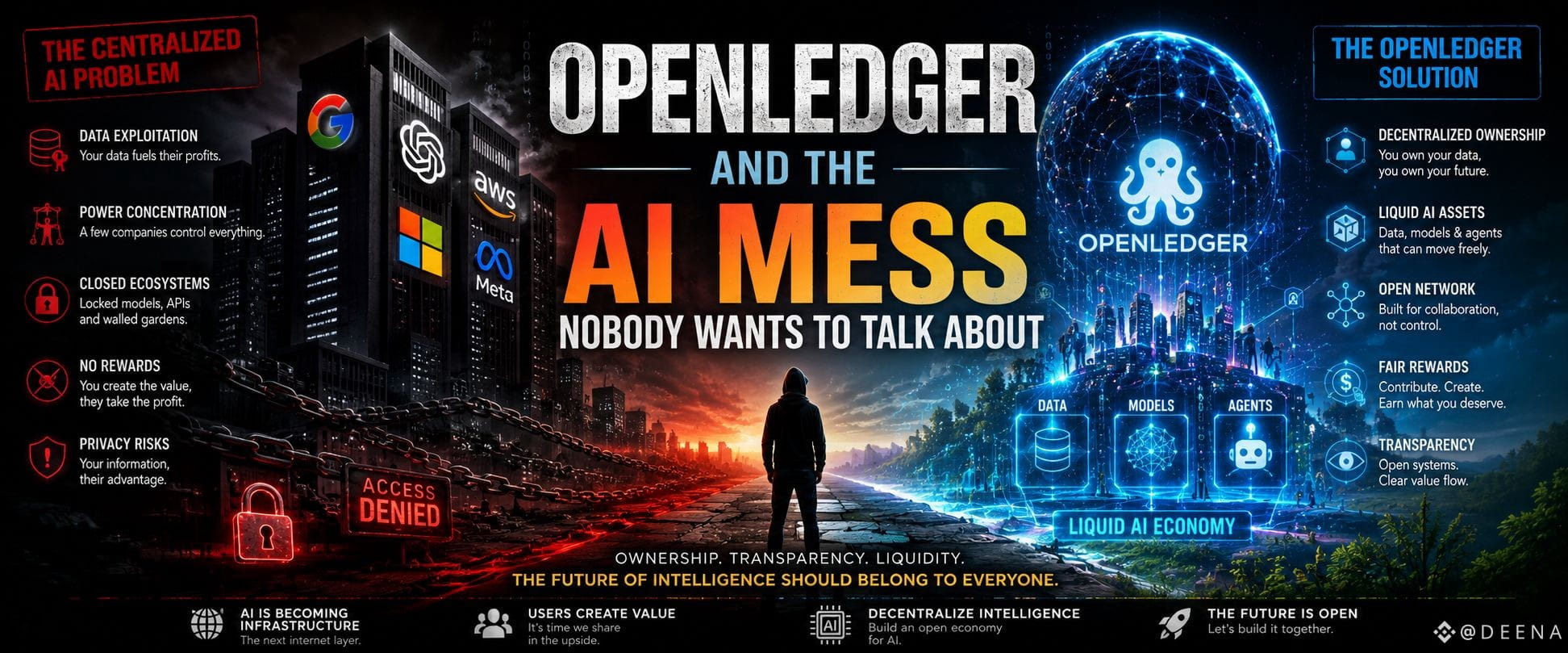
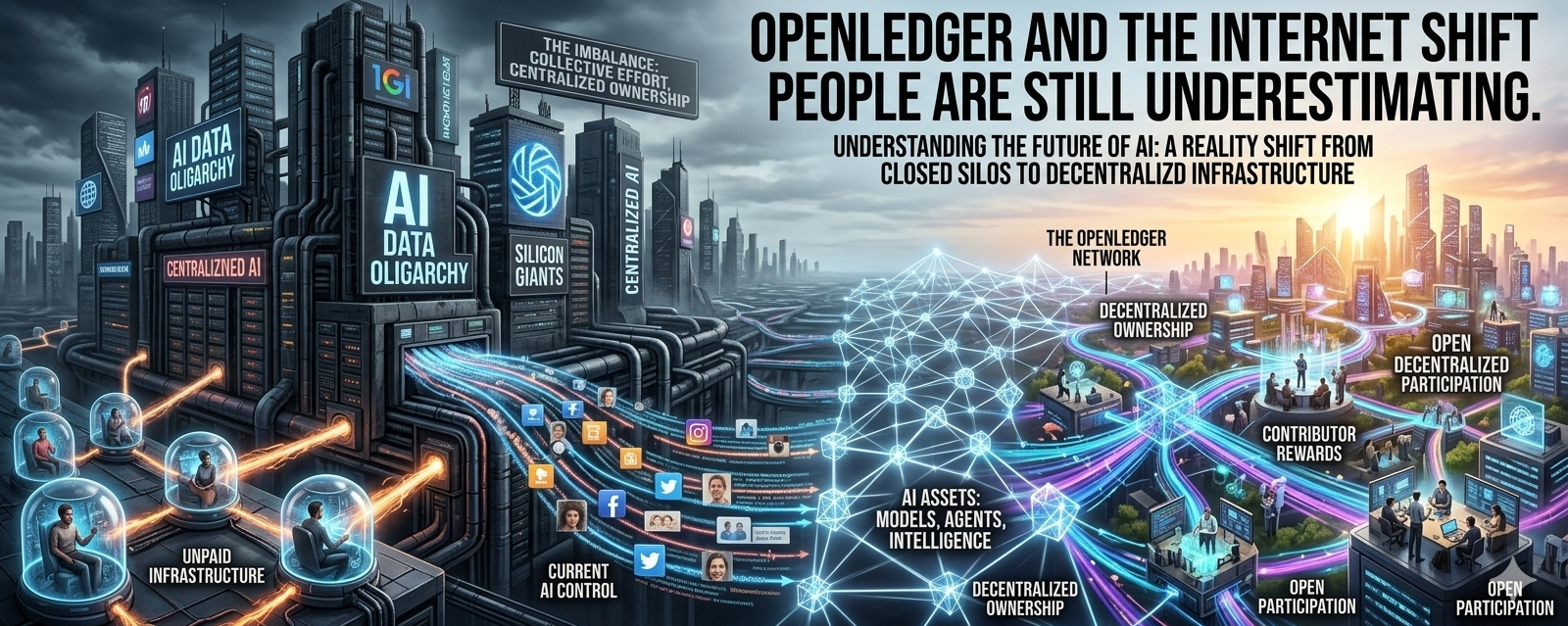
昔はほとんどのAIプロジェクトが、高価なブランディングをまとったリサイクルされたハイプに過ぎないと思っていた。約束は同じ。バズワードは同じ。「知能の未来」というナラティブが繰り返され、誰もがそれを疑問視しなくなるまで続く。でも、OpenLedgerを深く調べれば調べるほど、実際のストーリーはAIそのものではなく、所有権にあることに気づいた。
今、いくつかの巨大企業がほぼすべてを支配している。モデル。データ。インフラ。流通。その間、普通のユーザーは、価値を創出していることに気づかずに、毎日無料でこれらのシステムにデータを提供している。それが私にとって壊れている部分だ。
OpenLedgerについて私の注意を引いたのは、実際に空虚なAIナラティブでエンゲージメントを農業するのではなく、インフラの問題に目を向けていることだ。データ、モデル、AIエージェントが企業の壁の中に閉じ込められるのではなく、オープンエコノミーを介して動くべきだというアイデアは、人々が気づいている以上に意味がある。
正直なところ、ほとんどの人がこのシフトの大きさをまだ過小評価していると思う。
AIはもはや単なるソフトウェアではない。
経済的インフラに変わりつつある。
本当の戦いは、最も賢いチャットボットを誰が作るかではない。
それは、知能そのものの下にあるレールを誰が所有するかの問題になるだろう。
#openledger @Openledger $OPEN
{spot}(OPENUSDT)
$XLM
$ALLO
昔はほとんどのAIプロジェクトが、高価なブランディングをまとったリサイクルされたハイプに過ぎないと思っていた。約束は同じ。バズワードは同じ。「知能の未来」というナラティブが繰り返され、誰もがそれを疑問視しなくなるまで続く。でも、OpenLedgerを深く調べれば調べるほど、実際のストーリーはAIそのものではなく、所有権にあることに気づいた。
今、いくつかの巨大企業がほぼすべてを支配している。モデル。データ。インフラ。流通。その間、普通のユーザーは、価値を創出していることに気づかずに、毎日無料でこれらのシステムにデータを提供している。それが私にとって壊れている部分だ。
OpenLedgerについて私の注意を引いたのは、実際に空虚なAIナラティブでエンゲージメントを農業するのではなく、インフラの問題に目を向けていることだ。データ、モデル、AIエージェントが企業の壁の中に閉じ込められるのではなく、オープンエコノミーを介して動くべきだというアイデアは、人々が気づいている以上に意味がある。
正直なところ、ほとんどの人がこのシフトの大きさをまだ過小評価していると思う。
AIはもはや単なるソフトウェアではない。
経済的インフラに変わりつつある。
本当の戦いは、最も賢いチャットボットを誰が作るかではない。
それは、知能そのものの下にあるレールを誰が所有するかの問題になるだろう。
#openledger @OpenLedger $OPEN
$XLM
$ALLO
今、いくつかの巨大企業がほぼすべてを支配している。モデル。データ。インフラ。流通。その間、普通のユーザーは、価値を創出していることに気づかずに、毎日無料でこれらのシステムにデータを提供している。それが私にとって壊れている部分だ。
OpenLedgerについて私の注意を引いたのは、実際に空虚なAIナラティブでエンゲージメントを農業するのではなく、インフラの問題に目を向けていることだ。データ、モデル、AIエージェントが企業の壁の中に閉じ込められるのではなく、オープンエコノミーを介して動くべきだというアイデアは、人々が気づいている以上に意味がある。
正直なところ、ほとんどの人がこのシフトの大きさをまだ過小評価していると思う。
AIはもはや単なるソフトウェアではない。
経済的インフラに変わりつつある。
本当の戦いは、最も賢いチャットボットを誰が作るかではない。
それは、知能そのものの下にあるレールを誰が所有するかの問題になるだろう。
#openledger @OpenLedger $OPEN
$XLM
$ALLO
1
2
160
·
--
記事
OPENLEDGERとインターネットのシフト、まだ過小評価されている人々今のAIプロジェクトは、マーケティングを超えて見ると空虚に感じる。どこでも同じリサイクルされた約束が飛び交っている。「未来を変える」といった劇的なスレッドも同じ。誰もリアルライフで話さない言葉で満ちた洗練されたウェブサイト。どのプロジェクトも突然次世代のインテリジェンスを構築していると主張しているが、実際に深く見てみると、ほとんどが中央集権的なシステムを同じように再包装して、上にクリプトのラベルを貼っただけだ。だから多くの人が興味を失ったんだよ。興奮が薄れたのは、空間が雑音で溢れかえったから。ハイプを作り出そうとする創業者が多すぎる。技術を装ったトークンが多すぎる。もはや解決すべき問題さえ理解しないまま、トレンドを追いかける人が多すぎる。
OPENLEDGERとインターネットのシフト、まだ過小評価されている人々
今のAIプロジェクトは、マーケティングを超えて見ると空虚に感じる。どこでも同じリサイクルされた約束が飛び交っている。「未来を変える」といった劇的なスレッドも同じ。誰もリアルライフで話さない言葉で満ちた洗練されたウェブサイト。どのプロジェクトも突然次世代のインテリジェンスを構築していると主張しているが、実際に深く見てみると、ほとんどが中央集権的なシステムを同じように再包装して、上にクリプトのラベルを貼っただけだ。だから多くの人が興味を失ったんだよ。興奮が薄れたのは、空間が雑音で溢れかえったから。ハイプを作り出そうとする創業者が多すぎる。技術を装ったトークンが多すぎる。もはや解決すべき問題さえ理解しないまま、トレンドを追いかける人が多すぎる。
1
2
134
·
--
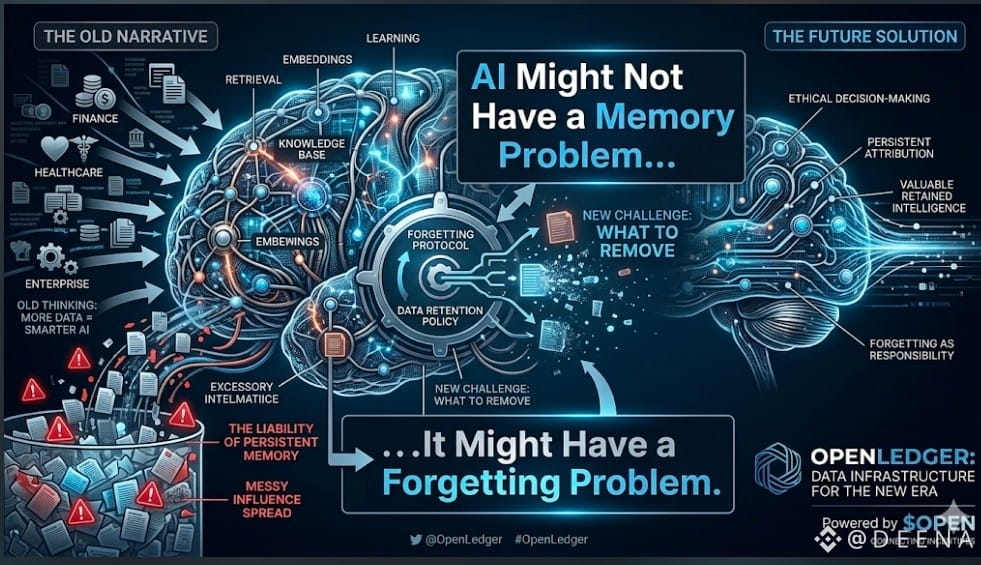
AIは記憶の問題を抱えていないかもしれない…忘却の問題を抱えているかもしれない
最近、AIについて全く違った視点で考えるようになった。何年も、業界全体が記憶を無限のアドバンテージとして扱ってきた。システムが収集、保存、学習できるデータが多ければ多いほど、賢くなる。しかし、AIが金融、ヘルスケア、企業業務、そして実際の意思決定に深く関与するにつれて、実際の課題が静かにシフトしていると感じる。
未来は、すべてを永遠に記憶するシステムに属するとは思わない。
むしろ、もはや記憶されるべきでないことを理解するシステムに属するかもしれない。
だからこそ、OpenLedgerが私の注目を集めた。
ほとんどの人はそれを、貢献者が情報を提供し、モデルが改善され、$OPEN がインセンティブをつなぐAIデータインフラストラクチャと説明する。しかし、私はその物語の下に形成されつつある深いレイヤーがあると思う。一度情報がAIシステムに入ると、その影響を取り除くことが非常に難しくなる。データは、訓練、埋め込み、検索システム、そして行動パターンを通じて、一般の人々が認識するよりもずっと混沌とした方法で広がっていく。
そして、AIがセンシティブなワークフローに触れ始めると、記憶自体が責任となる。
それが経済を完全に変える。
もし帰属が持続的で価値のあるものになるなら、保持された知性はもはや無料のインフラストラクチャではなくなる。突然、忘却は学習と同じくらい重要になる。
正直なところ、市場はまだそれを完全に織り込んでいないと思う。
#OpenLedger @Openledger $OPEN
{spot}(OPENUSDT)
AIは記憶の問題を抱えていないかもしれない…忘却の問題を抱えているかもしれない
最近、AIについて全く違った視点で考えるようになった。何年も、業界全体が記憶を無限のアドバンテージとして扱ってきた。システムが収集、保存、学習できるデータが多ければ多いほど、賢くなる。しかし、AIが金融、ヘルスケア、企業業務、そして実際の意思決定に深く関与するにつれて、実際の課題が静かにシフトしていると感じる。
未来は、すべてを永遠に記憶するシステムに属するとは思わない。
むしろ、もはや記憶されるべきでないことを理解するシステムに属するかもしれない。
だからこそ、OpenLedgerが私の注目を集めた。
ほとんどの人はそれを、貢献者が情報を提供し、モデルが改善され、$OPEN がインセンティブをつなぐAIデータインフラストラクチャと説明する。しかし、私はその物語の下に形成されつつある深いレイヤーがあると思う。一度情報がAIシステムに入ると、その影響を取り除くことが非常に難しくなる。データは、訓練、埋め込み、検索システム、そして行動パターンを通じて、一般の人々が認識するよりもずっと混沌とした方法で広がっていく。
そして、AIがセンシティブなワークフローに触れ始めると、記憶自体が責任となる。
それが経済を完全に変える。
もし帰属が持続的で価値のあるものになるなら、保持された知性はもはや無料のインフラストラクチャではなくなる。突然、忘却は学習と同じくらい重要になる。
正直なところ、市場はまだそれを完全に織り込んでいないと思う。
#OpenLedger @OpenLedger $OPEN
最近、AIについて全く違った視点で考えるようになった。何年も、業界全体が記憶を無限のアドバンテージとして扱ってきた。システムが収集、保存、学習できるデータが多ければ多いほど、賢くなる。しかし、AIが金融、ヘルスケア、企業業務、そして実際の意思決定に深く関与するにつれて、実際の課題が静かにシフトしていると感じる。
未来は、すべてを永遠に記憶するシステムに属するとは思わない。
むしろ、もはや記憶されるべきでないことを理解するシステムに属するかもしれない。
だからこそ、OpenLedgerが私の注目を集めた。
ほとんどの人はそれを、貢献者が情報を提供し、モデルが改善され、$OPEN がインセンティブをつなぐAIデータインフラストラクチャと説明する。しかし、私はその物語の下に形成されつつある深いレイヤーがあると思う。一度情報がAIシステムに入ると、その影響を取り除くことが非常に難しくなる。データは、訓練、埋め込み、検索システム、そして行動パターンを通じて、一般の人々が認識するよりもずっと混沌とした方法で広がっていく。
そして、AIがセンシティブなワークフローに触れ始めると、記憶自体が責任となる。
それが経済を完全に変える。
もし帰属が持続的で価値のあるものになるなら、保持された知性はもはや無料のインフラストラクチャではなくなる。突然、忘却は学習と同じくらい重要になる。
正直なところ、市場はまだそれを完全に織り込んでいないと思う。
#OpenLedger @OpenLedger $OPEN
97
·
--
記事
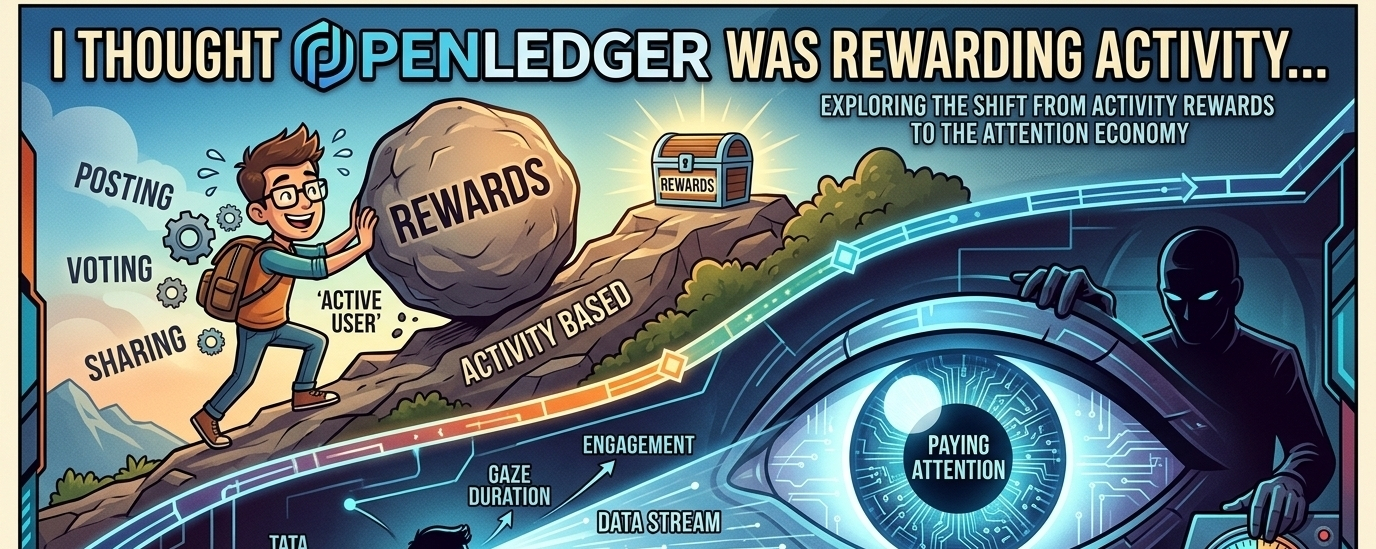
OpenLedgerは活動を報酬すると思っていた… それが実際には何かに注意を向けていることに気づくまで
OpenLedgerを最初に使い始めたとき、システムをすぐに理解できたと思ったんだ。
他の多くのエコシステムと似ていると感じた。アクティブに活動し、タスクを完了し、一貫してエンゲージし、明日また戻って、繰り返す。構造が十分に馴染み深い感じがして、最初はあまり深く考えなかった。正直、全体のアイデアはシンプルだと思っていた:目に見えるほど、ネットワーク内での価値が増える。
しばらくの間、その信念は私にとって理にかなっていた。
オンラインシステムは通常、活動が重要性と等しいと考えるように私たちを訓練するからだ。もっと投稿し、もっとインタラクトし、常に存在していると、最終的にシステムがあなたに気づく。それが今のほとんどのプラットフォームの仕組みだから、自然にOpenLedgerにも同じマインドセットを持ち込んだんだ。
OpenLedgerを最初に使い始めたとき、システムをすぐに理解できたと思ったんだ。
他の多くのエコシステムと似ていると感じた。アクティブに活動し、タスクを完了し、一貫してエンゲージし、明日また戻って、繰り返す。構造が十分に馴染み深い感じがして、最初はあまり深く考えなかった。正直、全体のアイデアはシンプルだと思っていた:目に見えるほど、ネットワーク内での価値が増える。
しばらくの間、その信念は私にとって理にかなっていた。
オンラインシステムは通常、活動が重要性と等しいと考えるように私たちを訓練するからだ。もっと投稿し、もっとインタラクトし、常に存在していると、最終的にシステムがあなたに気づく。それが今のほとんどのプラットフォームの仕組みだから、自然にOpenLedgerにも同じマインドセットを持ち込んだんだ。
OpenLedgerは活動を報酬すると思っていた… それが実際には何かに注意を向けていることに気づくまで
OpenLedgerを最初に使い始めたとき、システムをすぐに理解できたと思ったんだ。
他の多くのエコシステムと似ていると感じた。アクティブに活動し、タスクを完了し、一貫してエンゲージし、明日また戻って、繰り返す。構造が十分に馴染み深い感じがして、最初はあまり深く考えなかった。正直、全体のアイデアはシンプルだと思っていた:目に見えるほど、ネットワーク内での価値が増える。
しばらくの間、その信念は私にとって理にかなっていた。
オンラインシステムは通常、活動が重要性と等しいと考えるように私たちを訓練するからだ。もっと投稿し、もっとインタラクトし、常に存在していると、最終的にシステムがあなたに気づく。それが今のほとんどのプラットフォームの仕組みだから、自然にOpenLedgerにも同じマインドセットを持ち込んだんだ。
100
·
--
私が考えるに、Genius Terminalは静かにオンチェーントレーディングの感覚を変えている
私は以前、ほとんどのオンチェーン端末は異なるインターフェース、異なるブランディング、そして少しだけ速い実行の約束を持った基本的に同じものであると思っていました。しかし、トレーダーが実際にマーケットを移動するのを観察する時間が増えるにつれて、実際のギャップはスピードだけではないことに気づきました。それはプライバシー、シンプルさ、そして周りが混沌と動く中でのコントロールの感覚です。そこがGenius Terminalが際立って見え始めたところです。
私の注意を引いたのは、最初のプライベートで最終的なオンチェーン端末であるというアイデアです。クリプトでは、人々は常に透明性について話しますが、実行前にすべての動きを公開するコストについて話す人は非常に少ないです。マーケットはすべてを見ています。ウォレットは追跡されます。戦略は公共のパターンになります。時間が経つにつれて、それはトレーダーの行動そのものを変えます。私はGenius Terminalがこの隠れた摩擦をほとんどのプラットフォームよりもよく理解していると思います。
これを面白くしているのは、誇大広告や派手なマーケティングではありません。それは方向性です。この端末はノイズではなく実行に焦点を当てて構築されているように感じます。クリーンなフロー。少ない気を散らす要素。ユーザーがオンチェーンの流動性と情報とどのようにインタラクトするかに対するコントロールが増えています。
私は、クリプトインフラの次のフェーズは、ユーザーがほとんど気づかないうちに摩擦を静かに減少させる製品に属すると考えています。Genius Terminalは、そのようなシステムの一つのように感じます。
#genius @GeniusOfficial $GENIUS
{spot}(GENIUSUSDT)
私が考えるに、Genius Terminalは静かにオンチェーントレーディングの感覚を変えている
私は以前、ほとんどのオンチェーン端末は異なるインターフェース、異なるブランディング、そして少しだけ速い実行の約束を持った基本的に同じものであると思っていました。しかし、トレーダーが実際にマーケットを移動するのを観察する時間が増えるにつれて、実際のギャップはスピードだけではないことに気づきました。それはプライバシー、シンプルさ、そして周りが混沌と動く中でのコントロールの感覚です。そこがGenius Terminalが際立って見え始めたところです。
私の注意を引いたのは、最初のプライベートで最終的なオンチェーン端末であるというアイデアです。クリプトでは、人々は常に透明性について話しますが、実行前にすべての動きを公開するコストについて話す人は非常に少ないです。マーケットはすべてを見ています。ウォレットは追跡されます。戦略は公共のパターンになります。時間が経つにつれて、それはトレーダーの行動そのものを変えます。私はGenius Terminalがこの隠れた摩擦をほとんどのプラットフォームよりもよく理解していると思います。
これを面白くしているのは、誇大広告や派手なマーケティングではありません。それは方向性です。この端末はノイズではなく実行に焦点を当てて構築されているように感じます。クリーンなフロー。少ない気を散らす要素。ユーザーがオンチェーンの流動性と情報とどのようにインタラクトするかに対するコントロールが増えています。
私は、クリプトインフラの次のフェーズは、ユーザーがほとんど気づかないうちに摩擦を静かに減少させる製品に属すると考えています。Genius Terminalは、そのようなシステムの一つのように感じます。
#genius @GeniusOfficial $GENIUS
私は以前、ほとんどのオンチェーン端末は異なるインターフェース、異なるブランディング、そして少しだけ速い実行の約束を持った基本的に同じものであると思っていました。しかし、トレーダーが実際にマーケットを移動するのを観察する時間が増えるにつれて、実際のギャップはスピードだけではないことに気づきました。それはプライバシー、シンプルさ、そして周りが混沌と動く中でのコントロールの感覚です。そこがGenius Terminalが際立って見え始めたところです。
私の注意を引いたのは、最初のプライベートで最終的なオンチェーン端末であるというアイデアです。クリプトでは、人々は常に透明性について話しますが、実行前にすべての動きを公開するコストについて話す人は非常に少ないです。マーケットはすべてを見ています。ウォレットは追跡されます。戦略は公共のパターンになります。時間が経つにつれて、それはトレーダーの行動そのものを変えます。私はGenius Terminalがこの隠れた摩擦をほとんどのプラットフォームよりもよく理解していると思います。
これを面白くしているのは、誇大広告や派手なマーケティングではありません。それは方向性です。この端末はノイズではなく実行に焦点を当てて構築されているように感じます。クリーンなフロー。少ない気を散らす要素。ユーザーがオンチェーンの流動性と情報とどのようにインタラクトするかに対するコントロールが増えています。
私は、クリプトインフラの次のフェーズは、ユーザーがほとんど気づかないうちに摩擦を静かに減少させる製品に属すると考えています。Genius Terminalは、そのようなシステムの一つのように感じます。
#genius @GeniusOfficial $GENIUS
90
·
--
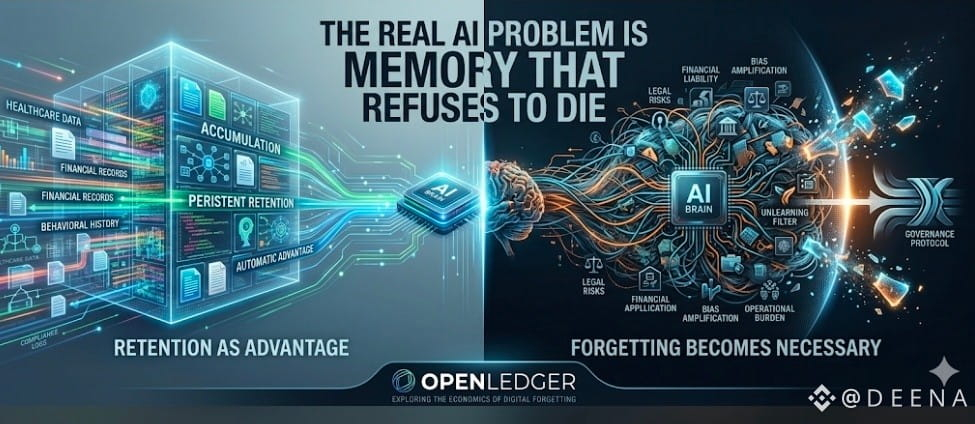
リアルなAIの問題は知能ではなく…消えない記憶かもしれない
AIについて、いつも気になる考えがあるんだ。
本当の問題は知能じゃないのかもしれない。それは記憶かもしれない。
テクノロジー業界は何年も、記憶を自動的なアドバンテージとして扱ってきた。もっとデータを保存し、行動を追跡し、歴史を保存する。仮定はシンプルだった:記憶が多ければ、システムは良くなる。
でも、AIが医療、金融、コンプライアンス、顧客運営、意思決定にどんどん深く関わるようになるにつれて、その論理の欠点を無視するのが難しくなってきた。
なぜなら、AIは本当に「忘れない」からだ。
情報がトレーニングパイプライン、リトリーバーレイヤー、または行動システムに入ると、それは後で分離するのが難しい方法でモデル全体に広がる。ファイルを削除するのは簡単だ。情報の影響を知能から取り除くのはずっと難しい。
この変化が、OpenLedgerが私にとってより興味深く感じられる理由の一部だ。
最初は、アトリビューションとデータの調整に焦点を当てた別のAIインフラストラクチャの物語として見ていた。しかし、深層は全く別のものかもしれない。
アトリビューションが持続的で経済的に意味を持つようになると、記憶は無料のインフラストラクチャではなくなる。それは負債、資産、そして最終的にはガバナンスの問題になる。
そして、記憶が法的、財務的、運営上の重みを持つ瞬間に、忘れることは非効率的に見えなくなる。
それは必要不可欠に見え始める。
#openledger @Openledger $OPEN
{spot}(OPENUSDT)
リアルなAIの問題は知能ではなく…消えない記憶かもしれない
AIについて、いつも気になる考えがあるんだ。
本当の問題は知能じゃないのかもしれない。それは記憶かもしれない。
テクノロジー業界は何年も、記憶を自動的なアドバンテージとして扱ってきた。もっとデータを保存し、行動を追跡し、歴史を保存する。仮定はシンプルだった:記憶が多ければ、システムは良くなる。
でも、AIが医療、金融、コンプライアンス、顧客運営、意思決定にどんどん深く関わるようになるにつれて、その論理の欠点を無視するのが難しくなってきた。
なぜなら、AIは本当に「忘れない」からだ。
情報がトレーニングパイプライン、リトリーバーレイヤー、または行動システムに入ると、それは後で分離するのが難しい方法でモデル全体に広がる。ファイルを削除するのは簡単だ。情報の影響を知能から取り除くのはずっと難しい。
この変化が、OpenLedgerが私にとってより興味深く感じられる理由の一部だ。
最初は、アトリビューションとデータの調整に焦点を当てた別のAIインフラストラクチャの物語として見ていた。しかし、深層は全く別のものかもしれない。
アトリビューションが持続的で経済的に意味を持つようになると、記憶は無料のインフラストラクチャではなくなる。それは負債、資産、そして最終的にはガバナンスの問題になる。
そして、記憶が法的、財務的、運営上の重みを持つ瞬間に、忘れることは非効率的に見えなくなる。
それは必要不可欠に見え始める。
#openledger @OpenLedger $OPEN
AIについて、いつも気になる考えがあるんだ。
本当の問題は知能じゃないのかもしれない。それは記憶かもしれない。
テクノロジー業界は何年も、記憶を自動的なアドバンテージとして扱ってきた。もっとデータを保存し、行動を追跡し、歴史を保存する。仮定はシンプルだった:記憶が多ければ、システムは良くなる。
でも、AIが医療、金融、コンプライアンス、顧客運営、意思決定にどんどん深く関わるようになるにつれて、その論理の欠点を無視するのが難しくなってきた。
なぜなら、AIは本当に「忘れない」からだ。
情報がトレーニングパイプライン、リトリーバーレイヤー、または行動システムに入ると、それは後で分離するのが難しい方法でモデル全体に広がる。ファイルを削除するのは簡単だ。情報の影響を知能から取り除くのはずっと難しい。
この変化が、OpenLedgerが私にとってより興味深く感じられる理由の一部だ。
最初は、アトリビューションとデータの調整に焦点を当てた別のAIインフラストラクチャの物語として見ていた。しかし、深層は全く別のものかもしれない。
アトリビューションが持続的で経済的に意味を持つようになると、記憶は無料のインフラストラクチャではなくなる。それは負債、資産、そして最終的にはガバナンスの問題になる。
そして、記憶が法的、財務的、運営上の重みを持つ瞬間に、忘れることは非効率的に見えなくなる。
それは必要不可欠に見え始める。
#openledger @OpenLedger $OPEN
90
ログインして、さらにコンテンツを読む
厳選トピックで世界の暗号資産トレーダーの仲間入り
⚡️ 暗号資産に関する最新かつ有益な情報が見つかります。
💬 世界最大の暗号資産取引所から信頼されています。
👍 認証を受けたクリエイターから、有益なインサイトを得られます。
メール / 電話番号
トレンドトピック
HYPEJumpsOver11%
閲覧回数 5,358
279人が討論中
🚨 ヒュペが市場をひっくり返した
$HYPE +11%(7日間)
一方で、$XRP と $ETH は出血していた…
ヒュペがTOP10に突入し、カルダノを追い出した。
なぜ?
-➡ $1.3B+ オープン・インタレスト
-➡ ETF流入がBTC&ETH ETFを上回っている
-➡ 大規模な供給バーン進行中
これは単なるポンプじゃない。支配だ。
見てる?それとも【参戦】してる?👇
#HYPE #Hyperliquid #Crypto #BinanceSquare#hypejumpsover11%
True News
·いいね:3件
·閲覧回数 1.7k
ZcashDevelopersTargetNU7MainnetActivationNov5
閲覧回数 0
2人が討論中
BitcoinSpotETFsNetInflow$159M
閲覧回数 1,707
73人が討論中