
contour
25 投稿

contour
取引を発注
超高頻度トレーダー
6.4年
24 フォロー
5 フォロワー
7 いいね
投稿
ポートフォリオ
すべて
引用


Black Nova
·
--
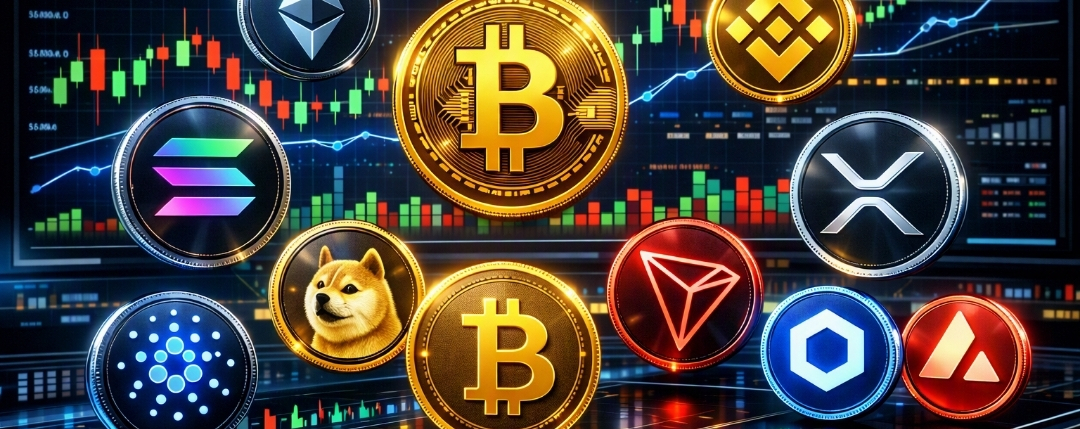
🚀💼 初心者のための暗号投資ガイド 🌟💎
$500を持っていて、それを$5,000+にしたいですか? 💰 賢い戦略があります — 賢く投資し、自分の裁量でリスクを取ってください 👇
🔹 ステップ 1: $500を3つのカテゴリに分ける
1️⃣ 低リスク – 安定したコイン、少ない利益 (2x–5x) ⚖️
2️⃣ 中リスク – 中程度のリスク、堅実な成長の可能性 (50x–100x) 📊
3️⃣ 高リスク – 高いリターン、成功するか失敗する 🚨💥
🟢 低リスクトークン (安全で信頼できる)
$BNB, $XRP, $ETH, $SUI, $AVVE, $TRX, $ADA 🛡️
🟡 中リスクトークン (成長の可能性)
$TRB, $INV, $INJ, $Kusama, $ICP, $FIL, $EGLD, $DYDX, $TIA, $AVAX, $METIS ⚡💹
🔴 高リスクトークン (ジャックポットゾーン)
$FIDA, $SAGA, $JAGER, $MOGCOIN, $MOBOX, $YGG, $HIGH, $DYM, $LUNC, $OSMO, $FLOW 💥🌕
💡 成功のためのヒント:
✅ 低リスク、中リスク、高リスクに分散投資 💰
✅ 低リスク = 安全 | 中リスク = 成長 | 高リスク = ポテンシャルジャックポット 🌟
✅ 投資する前に必ず自分で調査してください 🔍
👀 これらのコインを積み上げていますか、それとも市場を見ていますか? 💎🔥
#CryptoGuide #CryptoCommunity #BeginnerCrypto #Altcoins #HODL
$500を持っていて、それを$5,000+にしたいですか? 💰 賢い戦略があります — 賢く投資し、自分の裁量でリスクを取ってください 👇
🔹 ステップ 1: $500を3つのカテゴリに分ける
1️⃣ 低リスク – 安定したコイン、少ない利益 (2x–5x) ⚖️
2️⃣ 中リスク – 中程度のリスク、堅実な成長の可能性 (50x–100x) 📊
3️⃣ 高リスク – 高いリターン、成功するか失敗する 🚨💥
🟢 低リスクトークン (安全で信頼できる)
$BNB, $XRP, $ETH, $SUI, $AVVE, $TRX, $ADA 🛡️
🟡 中リスクトークン (成長の可能性)
$TRB, $INV, $INJ, $Kusama, $ICP, $FIL, $EGLD, $DYDX, $TIA, $AVAX, $METIS ⚡💹
🔴 高リスクトークン (ジャックポットゾーン)
$FIDA, $SAGA, $JAGER, $MOGCOIN, $MOBOX, $YGG, $HIGH, $DYM, $LUNC, $OSMO, $FLOW 💥🌕
💡 成功のためのヒント:
✅ 低リスク、中リスク、高リスクに分散投資 💰
✅ 低リスク = 安全 | 中リスク = 成長 | 高リスク = ポテンシャルジャックポット 🌟
✅ 投資する前に必ず自分で調査してください 🔍
👀 これらのコインを積み上げていますか、それとも市場を見ていますか? 💎🔥
#CryptoGuide #CryptoCommunity #BeginnerCrypto #Altcoins #HODL
Black Nova
·
--
🚀💼 初心者のための暗号投資ガイド 🌟💎
$500を持っていて、それを$5,000+にしたいですか? 💰 賢い戦略があります — 賢く投資し、自分の裁量でリスクを取ってください 👇
🔹 ステップ 1: $500を3つのカテゴリに分ける
1️⃣ 低リスク – 安定したコイン、少ない利益 (2x–5x) ⚖️
2️⃣ 中リスク – 中程度のリスク、堅実な成長の可能性 (50x–100x) 📊
3️⃣ 高リスク – 高いリターン、成功するか失敗する 🚨💥
🟢 低リスクトークン (安全で信頼できる)
$BNB, $XRP, $ETH, $SUI, $AVVE, $TRX, $ADA 🛡️
🟡 中リスクトークン (成長の可能性)
$TRB, $INV, $INJ, $Kusama, $ICP, $FIL, $EGLD, $DYDX, $TIA, $AVAX, $METIS ⚡💹
🔴 高リスクトークン (ジャックポットゾーン)
$FIDA, $SAGA, $JAGER, $MOGCOIN, $MOBOX, $YGG, $HIGH, $DYM, $LUNC, $OSMO, $FLOW 💥🌕
💡 成功のためのヒント:
✅ 低リスク、中リスク、高リスクに分散投資 💰
✅ 低リスク = 安全 | 中リスク = 成長 | 高リスク = ポテンシャルジャックポット 🌟
✅ 投資する前に必ず自分で調査してください 🔍
👀 これらのコインを積み上げていますか、それとも市場を見ていますか? 💎🔥
#CryptoGuide #CryptoCommunity #BeginnerCrypto #Altcoins #HODL
$500を持っていて、それを$5,000+にしたいですか? 💰 賢い戦略があります — 賢く投資し、自分の裁量でリスクを取ってください 👇
🔹 ステップ 1: $500を3つのカテゴリに分ける
1️⃣ 低リスク – 安定したコイン、少ない利益 (2x–5x) ⚖️
2️⃣ 中リスク – 中程度のリスク、堅実な成長の可能性 (50x–100x) 📊
3️⃣ 高リスク – 高いリターン、成功するか失敗する 🚨💥
🟢 低リスクトークン (安全で信頼できる)
$BNB, $XRP, $ETH, $SUI, $AVVE, $TRX, $ADA 🛡️
🟡 中リスクトークン (成長の可能性)
$TRB, $INV, $INJ, $Kusama, $ICP, $FIL, $EGLD, $DYDX, $TIA, $AVAX, $METIS ⚡💹
🔴 高リスクトークン (ジャックポットゾーン)
$FIDA, $SAGA, $JAGER, $MOGCOIN, $MOBOX, $YGG, $HIGH, $DYM, $LUNC, $OSMO, $FLOW 💥🌕
💡 成功のためのヒント:
✅ 低リスク、中リスク、高リスクに分散投資 💰
✅ 低リスク = 安全 | 中リスク = 成長 | 高リスク = ポテンシャルジャックポット 🌟
✅ 投資する前に必ず自分で調査してください 🔍
👀 これらのコインを積み上げていますか、それとも市場を見ていますか? 💎🔥
#CryptoGuide #CryptoCommunity #BeginnerCrypto #Altcoins #HODL
ログインして、さらにコンテンツを読む