

Coin--King
13.2k 投稿

Coin--King
 厳選トピック確認済+
Market predictor, Binance Square creator.Crypto Trader, Write to Earn .X..@Coinking007
取引を発注
超高頻度トレーダー
1.2年
684 フォロー
46.2K+ フォロワー
40.6K+ いいね
投稿
ポートフォリオ
すべて
引用
動画
ライブ


KSHFI_X
·
--
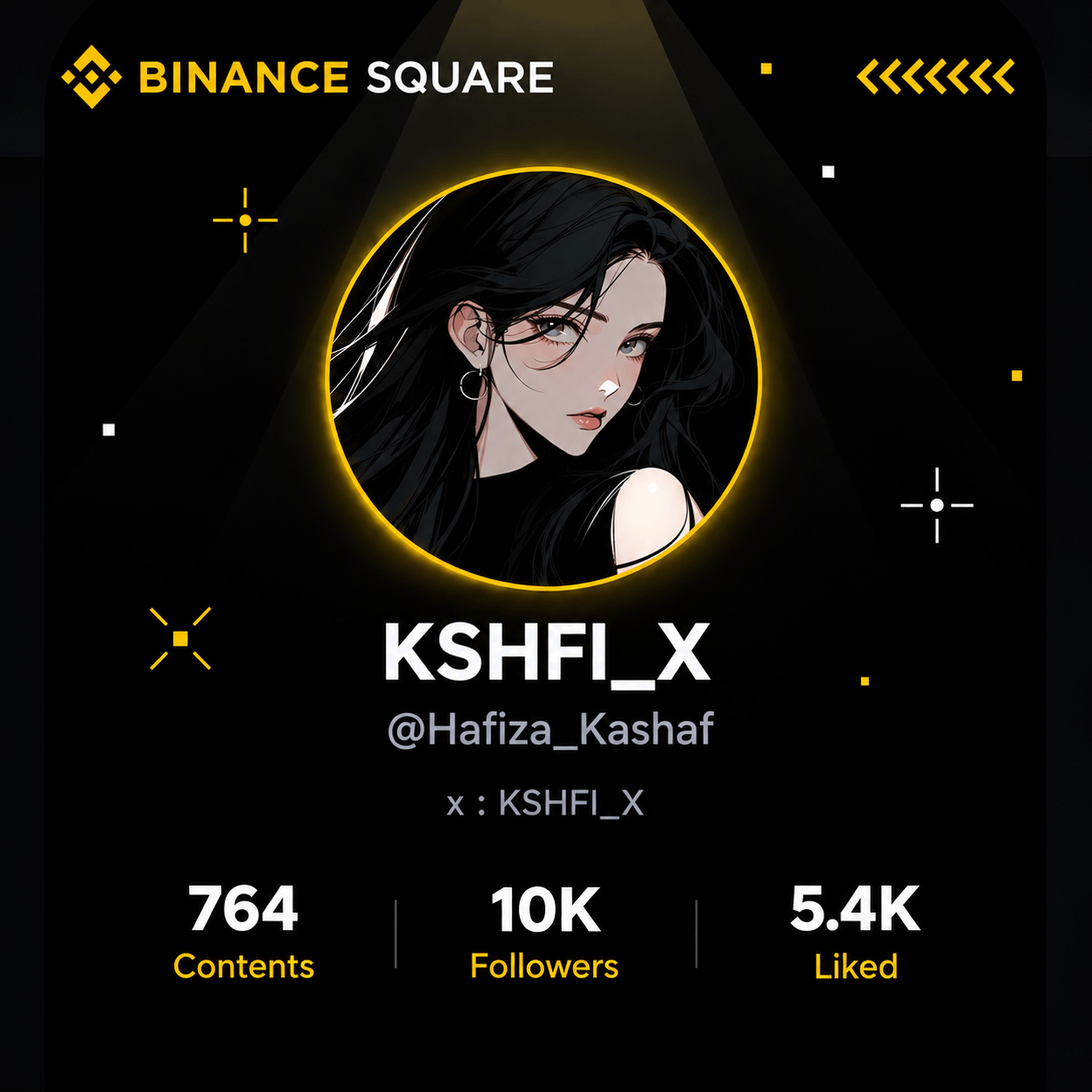
アルハムドゥリッラー!💛🎉
ついにBinance Squareでフォロワー10Kを達成しました!🥹
この旅を通してフォローしてくれた皆さん、応援してくれた皆さんに感謝します。
10K達成 アルハムドゥリッラー。❤️
さあ、次のマイルストーンへ!🚀
ついにBinance Squareでフォロワー10Kを達成しました!🥹
この旅を通してフォローしてくれた皆さん、応援してくれた皆さんに感謝します。
10K達成 アルハムドゥリッラー。❤️
さあ、次のマイルストーンへ!🚀
M A L I Z-مالیز 马 利 兹
·
--
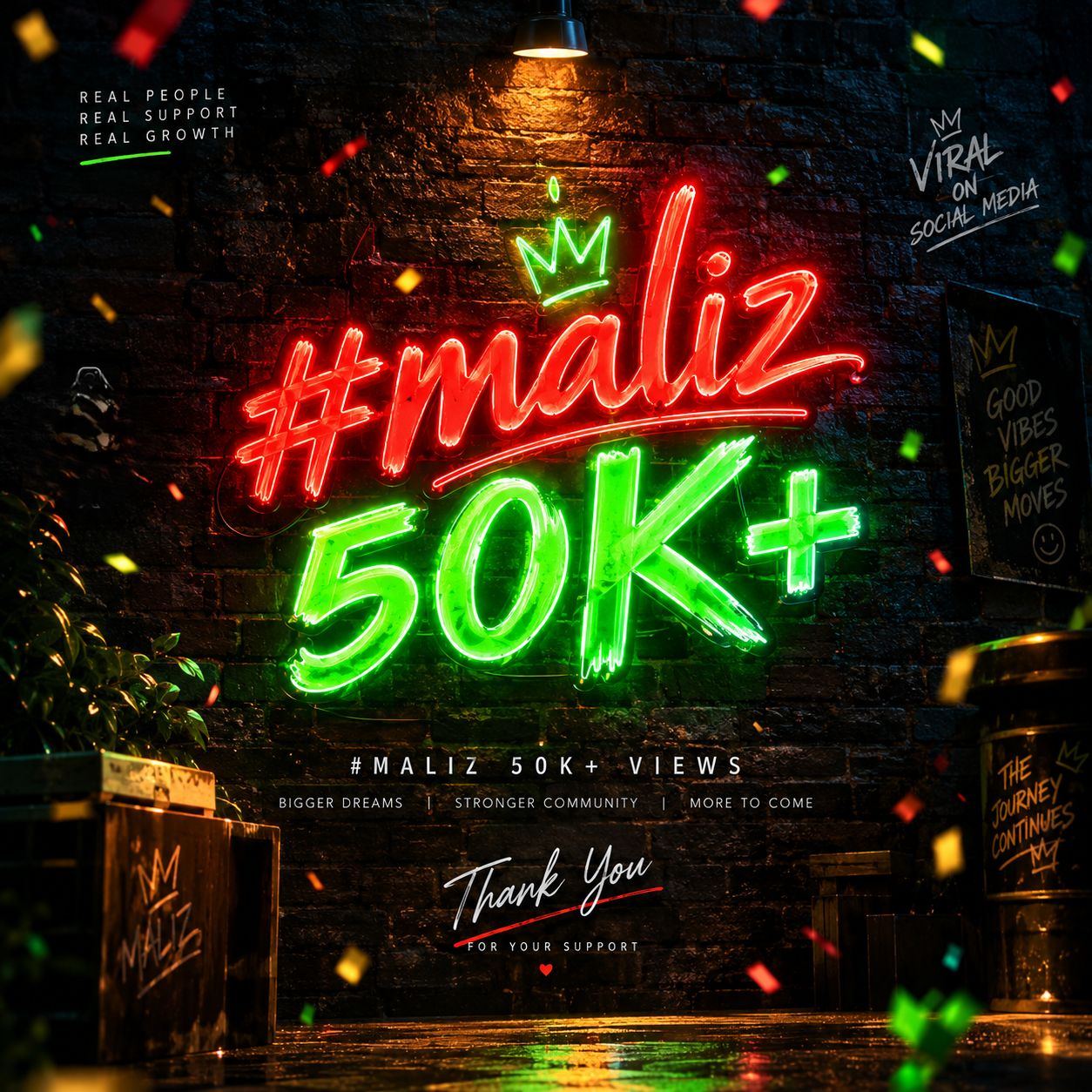
ブリッシュ50K件以上の投稿でさらに加速中!🔥 #maliz ムーブメントがいよいよ本格的に席巻し始めました。
トレンドに飛び乗って、シェアして、バズらせてくれたみんなに大きな感謝を。エネルギーがすごかったし、このハッシュタグがあちこちで爆発しているのを見ると、このコミュニティがどれだけ止められない存在かが分かります。
😎限定ルームに参加しよう 👇下のティッカーを入力最低手数料💵JOIN
勢いをそのままに、さらに先へ押し進めましょう!もう波に乗ったなら 🚀 を投下して。
$MARSCOIN $BTC $SOL DYOR のみなさん!!!!!
#viraltrend #CommunityPower #KeepGoing #ViralWave
トレンドに飛び乗って、シェアして、バズらせてくれたみんなに大きな感謝を。エネルギーがすごかったし、このハッシュタグがあちこちで爆発しているのを見ると、このコミュニティがどれだけ止められない存在かが分かります。
😎限定ルームに参加しよう 👇下のティッカーを入力最低手数料💵JOIN
勢いをそのままに、さらに先へ押し進めましょう!もう波に乗ったなら 🚀 を投下して。
$MARSCOIN $BTC $SOL DYOR のみなさん!!!!!
#viraltrend #CommunityPower #KeepGoing #ViralWave
Cryptology_7
·
--
🇨🇳 𝗛𝗮𝗽𝗽𝘆 𝗖𝗵𝗶𝗻𝗮 𝗡𝗮𝘁𝗶𝗼𝗻𝗮𝗹 𝗗𝗮𝘆 🇨🇳 𝗕𝗼𝗿𝗱𝗲𝗿𝘀 𝗺𝗮𝘆 𝗱𝗶𝘃𝗶𝗱𝗲 𝗻𝗮𝘁𝗶𝗼𝗻𝘀, 𝗯𝘂𝘁 𝗯𝗹𝗼𝗰𝗸𝗰𝗵𝗮𝗶𝗻 𝗰𝗼𝗻𝗻𝗲𝗰𝘁𝘀 𝗽𝗲𝗼𝗽𝗹𝗲 𝘁𝗵𝗿𝗼𝘂𝗴𝗵 𝗮 𝘀𝗵𝗮𝗿𝗲𝗱 𝗱𝗶𝗴𝗶𝘁𝗮𝗹 𝗳𝘂𝘁𝘂𝗿𝗲. 🪩
中国のビットコイン:中国の国家レベルのビットコイン保有は約194,000 $BTC と推定されています。これは個人投資家ではなく、推定された国家の保有量を指します。📊
#BTC走势分析 #October #Cryptology_7
中国のビットコイン:中国の国家レベルのビットコイン保有は約194,000 $BTC と推定されています。これは個人投資家ではなく、推定された国家の保有量を指します。📊
#BTC走势分析 #October #Cryptology_7


KAN_ 加密 143
·
--
🌹よく思ってくれる友だちが少なくても、その本当の気持ちから得られる喜びは、はるかに大きい。💕🌹
より多くの友だちを増やそうとするより、その価値を大切にしよう。💕🌹
フォロー 💕
リポスト 💕
いいね 💕
$BTC
より多くの友だちを増やそうとするより、その価値を大切にしよう。💕🌹
フォロー 💕
リポスト 💕
いいね 💕
$BTC


S U L E M A N 特币
·
--
赤い封筒配布中 🎁
最初に受け取れるのは4,000人だけなので、今はバタバタしないで 😹
戻ってきて「2分遅れただけだよ」って言う前に、取りに行ってね 😂
$Q
$QNT
$CAI
最初に受け取れるのは4,000人だけなので、今はバタバタしないで 😹
戻ってきて「2分遅れただけだよ」って言う前に、取りに行ってね 😂
$Q
$QNT
$CAI


Hoorain_X
·
--
ブリッシュ$QNT /USDT — 1H
バイアス:ロング 📈
QNTは依然として強い1H上昇トレンドにあります。価格は約$70のあたりから上昇しており、より高い高値/より高い安値を形成しています。主要な構造は強気で、MA25が$281.13、MA99が$228.75です。現在の価格は$297付近で、MA7($300.10)のすぐ下にあります。
主なレジスタンスは$322〜$328です。ストキャスティクスRSIは深く冷え込み(オーバーソールド気味)で、リバウンドの余地がありますが、直近の上昇の後を追いかけるのは避けたいところです。
LONGのセットアップ
🟢 エントリー:$288〜$298
🛑 SL:$278
🎯 TP1:$312
🎯 TP2:$327
🎯 TP3:$350
🚀 エクステンデッド:$374.50
ブレイクアウトのエントリー:1Hで$328を上回ってクローズ → $350〜$375に向けた継続の可能性。
無効化:1Hで$278を下回るブレイクダウン、特に$281のサポートが失われた場合。
Binance Square 投稿
> 🚀 QNTUSDT 1H — 強気派はまだ走り続けている
QNTは、高値+高値、安値+安値の強気な構造のままです。価格は上昇しているMA25($281)およびMA99($228)の上方を維持し続けています。
価格は、さらに強いプッシュの後、現在$297付近です。ストキャスティクスRSIが冷えつつあるため、上昇の追随ではなく押し目を見ています。
🟢 LONG:$288〜$298
🛑 SL:$278
🎯 TP1:$312
🎯 TP2:$327
🎯 TP3:$350
🚀 エクステンデッド:$374.50
🔥 確認済みの1Hブレイクアウトで$328を上抜ければ、$350+への道が開ける可能性があります。
重要なサポート:$281
重要なレジスタンス:$322〜$328
QNTが$278〜$281のゾーンを維持している限り、トレンドは強気のままです。
#QNT #QNTUSDT #Quant #Crypto #Binance #Altcoins #Trading
掲載している1Hチャートに基づく水準で、ボラティリティの高いパーペチュアル市場では素早く変わることがあります。
バイアス:ロング 📈
QNTは依然として強い1H上昇トレンドにあります。価格は約$70のあたりから上昇しており、より高い高値/より高い安値を形成しています。主要な構造は強気で、MA25が$281.13、MA99が$228.75です。現在の価格は$297付近で、MA7($300.10)のすぐ下にあります。
主なレジスタンスは$322〜$328です。ストキャスティクスRSIは深く冷え込み(オーバーソールド気味)で、リバウンドの余地がありますが、直近の上昇の後を追いかけるのは避けたいところです。
LONGのセットアップ
🟢 エントリー:$288〜$298
🛑 SL:$278
🎯 TP1:$312
🎯 TP2:$327
🎯 TP3:$350
🚀 エクステンデッド:$374.50
ブレイクアウトのエントリー:1Hで$328を上回ってクローズ → $350〜$375に向けた継続の可能性。
無効化:1Hで$278を下回るブレイクダウン、特に$281のサポートが失われた場合。
Binance Square 投稿
> 🚀 QNTUSDT 1H — 強気派はまだ走り続けている
QNTは、高値+高値、安値+安値の強気な構造のままです。価格は上昇しているMA25($281)およびMA99($228)の上方を維持し続けています。
価格は、さらに強いプッシュの後、現在$297付近です。ストキャスティクスRSIが冷えつつあるため、上昇の追随ではなく押し目を見ています。
🟢 LONG:$288〜$298
🛑 SL:$278
🎯 TP1:$312
🎯 TP2:$327
🎯 TP3:$350
🚀 エクステンデッド:$374.50
🔥 確認済みの1Hブレイクアウトで$328を上抜ければ、$350+への道が開ける可能性があります。
重要なサポート:$281
重要なレジスタンス:$322〜$328
QNTが$278〜$281のゾーンを維持している限り、トレンドは強気のままです。
#QNT #QNTUSDT #Quant #Crypto #Binance #Altcoins #Trading
掲載している1Hチャートに基づく水準で、ボラティリティの高いパーペチュアル市場では素早く変わることがあります。

RCB signal
·
--
.$ZEC
.
claim 🎁🎁🎁🎁👈
.
claim 2, 🎁🎁🎁🎁👈
.
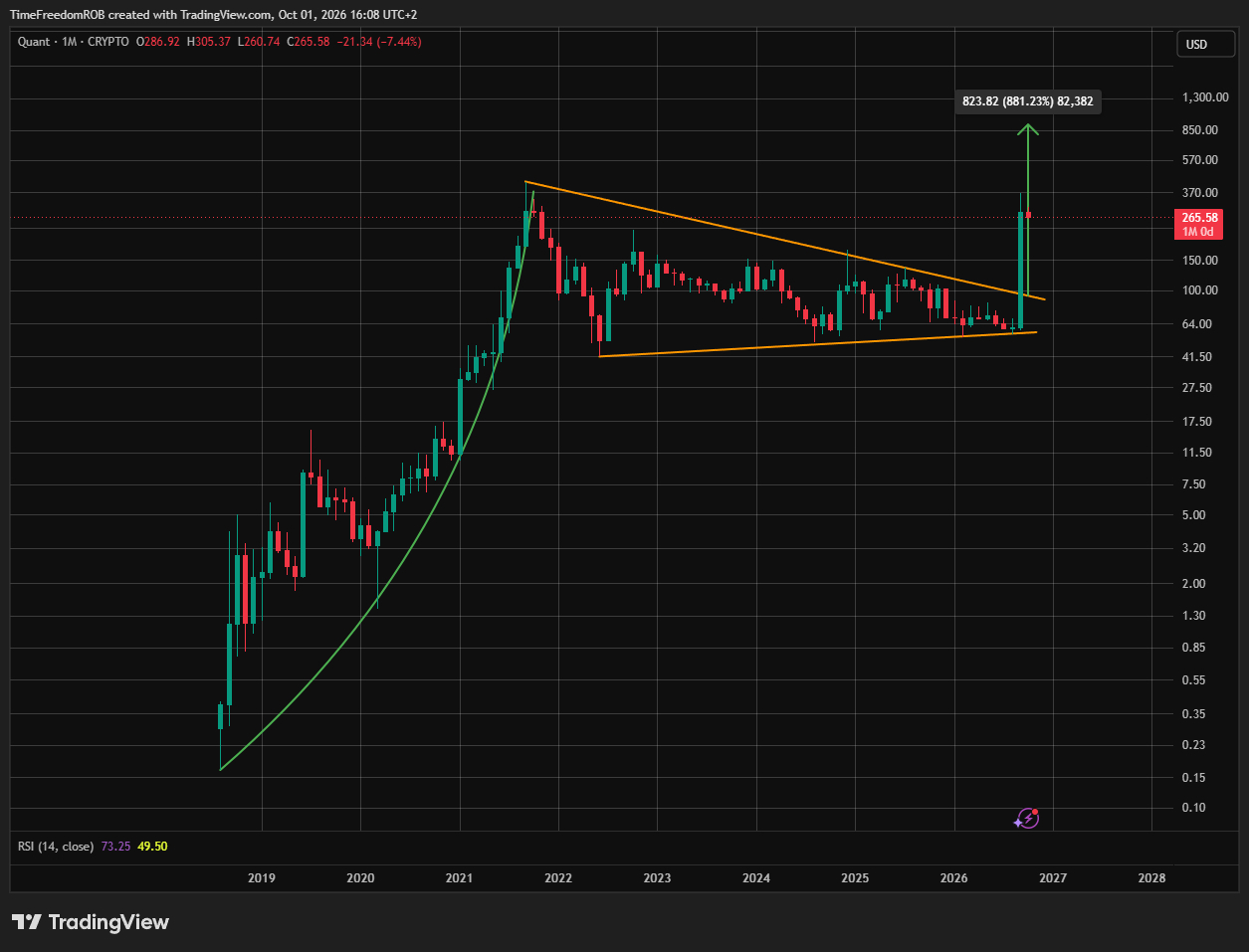
多くは $QNT を、目覚めなかった 2018年の“残り物”のようなものだと扱っている。
彼らは墓地へ入る章をスキップし、$0.16 を印刷した。そして、未売のトークンを何百万も焼却して、14.6M だけを残した。
死んだままの年月。
そして今、$300 以上へ向けて放物線的に上昇している。
それはランダムな緑のローソク足じゃない。
忘れ去られた供給が、ついに買い注文(ビッド)に出会うと、そうなる。
次に何が起きるかは、みんな分かっている。
.
claim 🎁🎁🎁🎁👈
.
claim 2, 🎁🎁🎁🎁👈
.
多くは $QNT を、目覚めなかった 2018年の“残り物”のようなものだと扱っている。
彼らは墓地へ入る章をスキップし、$0.16 を印刷した。そして、未売のトークンを何百万も焼却して、14.6M だけを残した。
死んだままの年月。
そして今、$300 以上へ向けて放物線的に上昇している。
それはランダムな緑のローソク足じゃない。
忘れ去られた供給が、ついに買い注文(ビッド)に出会うと、そうなる。
次に何が起きるかは、みんな分かっている。


KIM_加密 143
·
--
[終了] 🎙️ KIM CRYPTO 143 ファミリーへようこそ:ライブ配信中..
リスナー数:456人

_Mona
·
--
ここから報酬を請求😉✅🧧🧧
@Anya_X
@KSHFI_X
@_Mona
@SheRaz992
@Hoorain_X
@RIO_X
@Elara_bright
@Hannah_X
@SHELLY_X
@_B I S H I
@WA7CRYPTO
@GM_Crypto01
@DeFi-Master
@Binance Square Official
@Moonlight_
@Lisa_X
@Ridhi Sharma
@dave ashok
@Z O E_
@_Mona
#RedPacketMission
$RED
@Anya_X
@KSHFI_X
@_Mona
@SheRaz992
@Hoorain_X
@RIO_X
@Elara_bright
@Hannah_X
@SHELLY_X
@_B I S H I
@WA7CRYPTO
@GM_Crypto01
@DeFi-Master
@Binance Square Official
@Moonlight_
@Lisa_X
@Ridhi Sharma
@dave ashok
@Z O E_
@_Mona
#RedPacketMission
$RED

Sara_ k
·
--
ブリッシュ$INJ $NEAR
.
claim 🎁🧧🧧🧧🧧👈
.
claim 2 🧧🧧🧧🧧👈
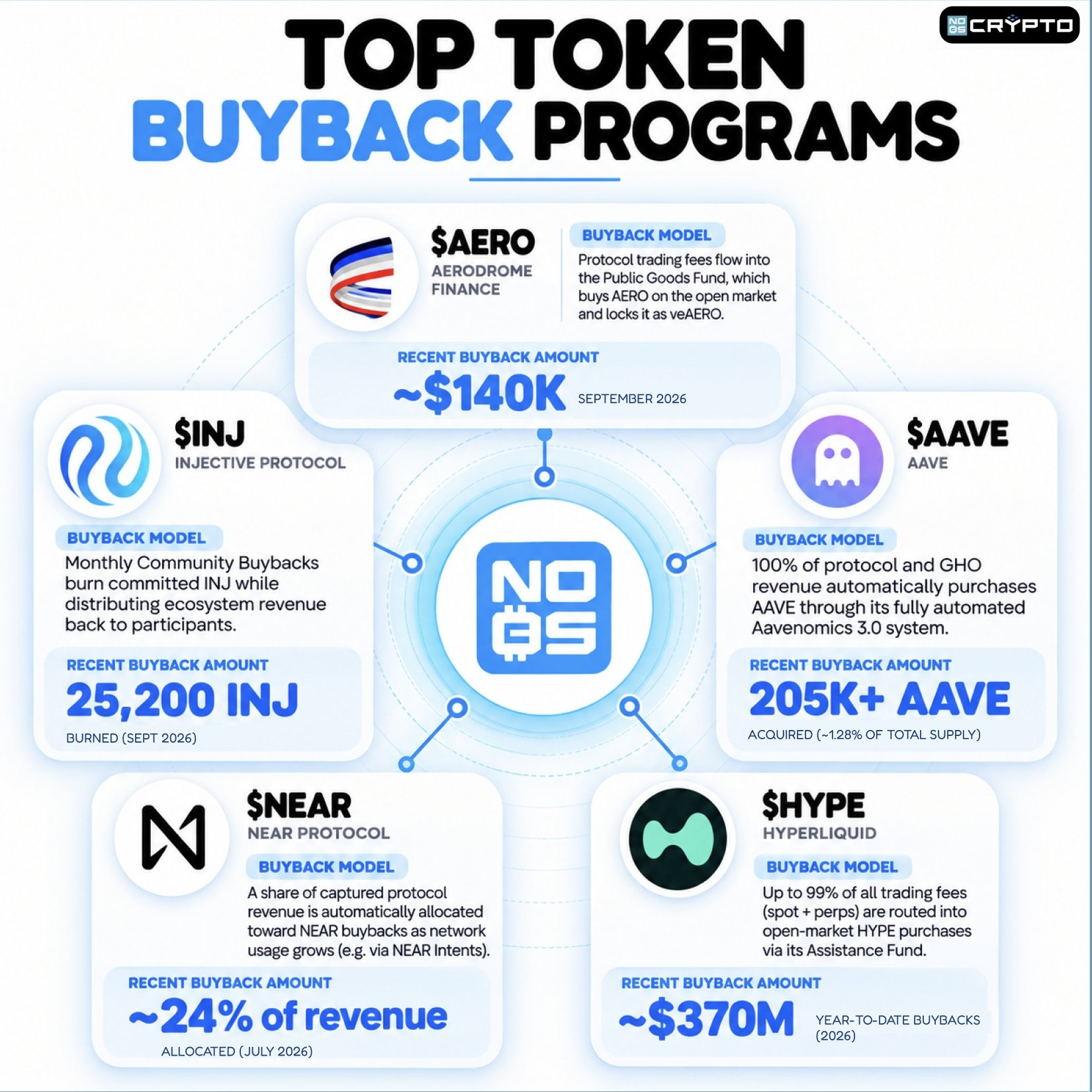
そして、これらのプロジェクトは単に数が上がるようにトークンを買い戻しているだけではありません。
多くの場合、こうした買い戻しはエコシステムのインセンティブと、ネットワーク全体の成長を直接反映しています。
#Near #QNT #AAVE #Aero
#zec
.
claim 🎁🧧🧧🧧🧧👈
.
claim 2 🧧🧧🧧🧧👈
そして、これらのプロジェクトは単に数が上がるようにトークンを買い戻しているだけではありません。
多くの場合、こうした買い戻しはエコシステムのインセンティブと、ネットワーク全体の成長を直接反映しています。
#Near #QNT #AAVE #Aero
#zec

ETHcryptohub
·
--
みんなが恋しいよ ❤️❤️❤️❤️ 💖💖💖💖
会いましょう 😉
無料のプレゼントを受け取って 🎁🎁💝💝
#Ethcryptohub
会いましょう 😉
無料のプレゼントを受け取って 🎁🎁💝💝
#Ethcryptohub
引用されたコンテンツは削除されました

Er_Naqvi_Oun
·
--
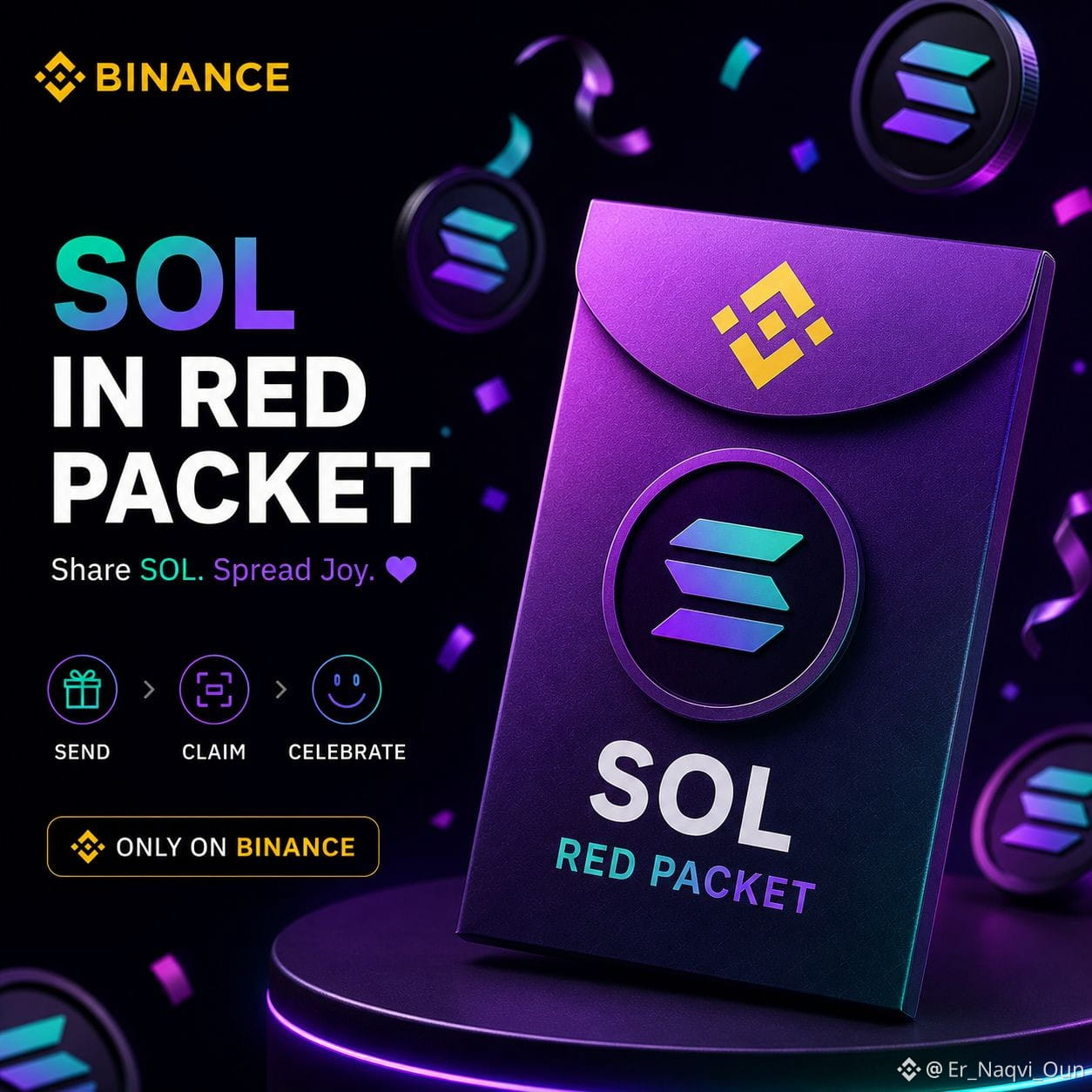
🎁🧧🎁🧧$SOL 🧧🎁🧧🎁
🎁 🚨 $SOL レッドパケットを受け取ろう! 🚨 🎁
Solanaのスピードが到来⚡ すごいコミュニティのために、限定の$SOL レッドパケットをお届けします。
この投稿に「いいね」❤️
この投稿をフィードにシェア 🔄
コメント:sol
毎日の報酬はフォローしてね
#solana #sol #binance #HODL #QNTRises39%
🎁 🚨 $SOL レッドパケットを受け取ろう! 🚨 🎁
Solanaのスピードが到来⚡ すごいコミュニティのために、限定の$SOL レッドパケットをお届けします。
この投稿に「いいね」❤️
この投稿をフィードにシェア 🔄
コメント:sol
毎日の報酬はフォローしてね
#solana #sol #binance #HODL #QNTRises39%

Malik Adnan 007
·
--
お得なコイン DOTUSDT

Triple_S
·
--
Go go get reward and save many
type👉3
type👉3
MrRUHUL
·
--
ホールド・コア..🧧🎁💰💵🧧🎁💰💵🧧🎁💰💵🧧🎁💰💵
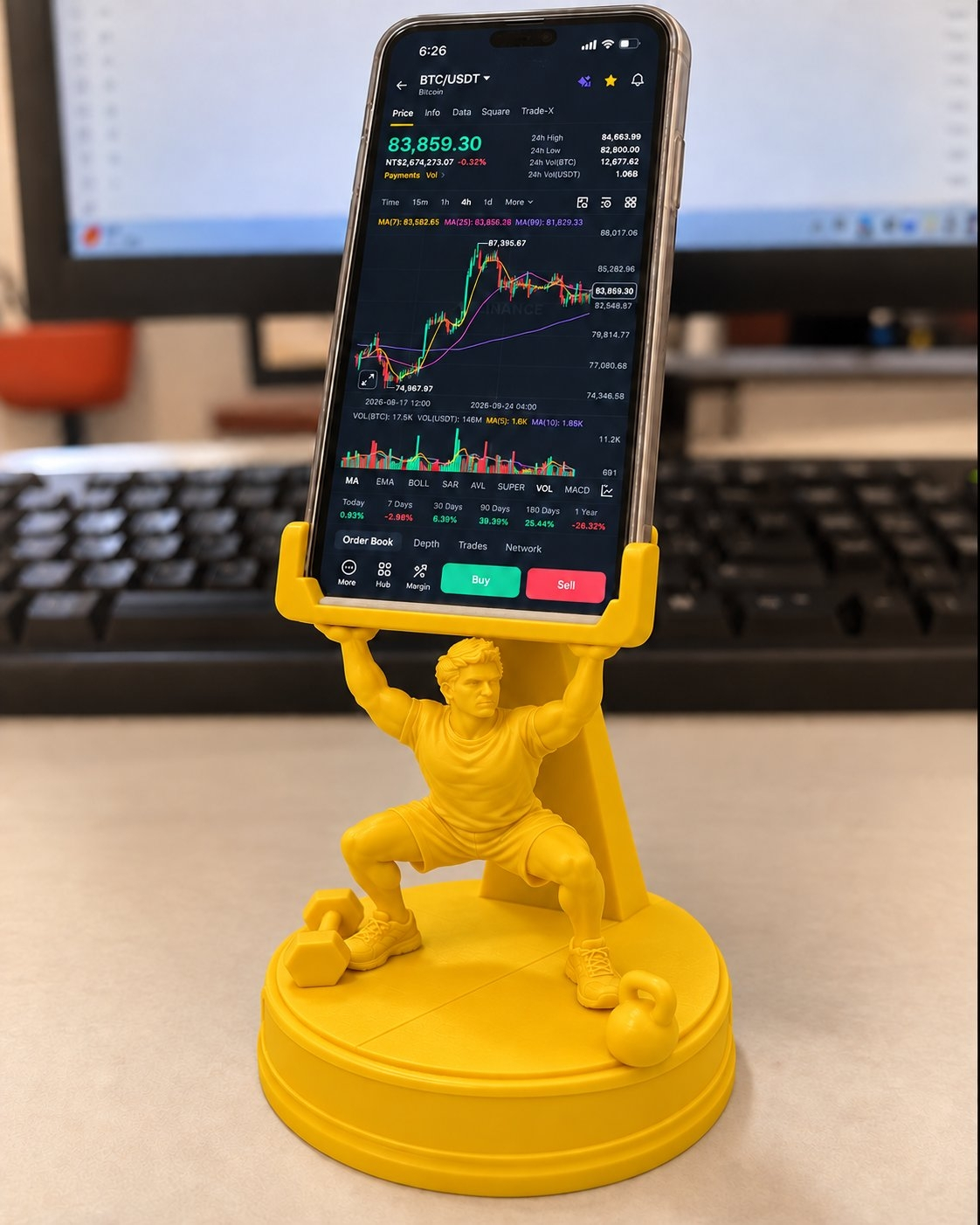
引用されたコンテンツは削除されました

MAYA_
·
--
🎁🎁 ギフトボックス 🎁🎁🎁
🎁🎁🎁🎁🎁🎁🎁🎁
私の目を引いたのは、シティグループがまたしてもビットコインの12か月の目標価格を引き上げたことです。前回の82,000ドルから113,000ドルに増額されました。イーサリアムの目標も3,028ドルに引き上げられています。
興味深いのは、この変化を機関投資家の需要、ビットコインETFへの資金流入、そして暗号資産市場の回復といった要因に結びつけている点です。ただし、113,000ドルは確実な結果ではなく、あくまでシティグループによる現時点の市場見通しにすぎないということは押さえておく必要があります。
まとめると、目標は確かに引き上げられたものの、最終的な問いはこうです。市場は実際にどう動くのか?
🎁🎁🎁🎁🎁🎁🎁🎁
私の目を引いたのは、シティグループがまたしてもビットコインの12か月の目標価格を引き上げたことです。前回の82,000ドルから113,000ドルに増額されました。イーサリアムの目標も3,028ドルに引き上げられています。
興味深いのは、この変化を機関投資家の需要、ビットコインETFへの資金流入、そして暗号資産市場の回復といった要因に結びつけている点です。ただし、113,000ドルは確実な結果ではなく、あくまでシティグループによる現時点の市場見通しにすぎないということは押さえておく必要があります。
まとめると、目標は確かに引き上げられたものの、最終的な問いはこうです。市場は実際にどう動くのか?

ログインして、さらにコンテンツを読む