

WISSEY 1
150 投稿

WISSEY 1
報告
ユーザーをブロック
Prev @Binance @LBank @Bitrue | @BitgetIndiaKOC
0 フォロー
2 フォロワー
6 いいね
投稿
·
--
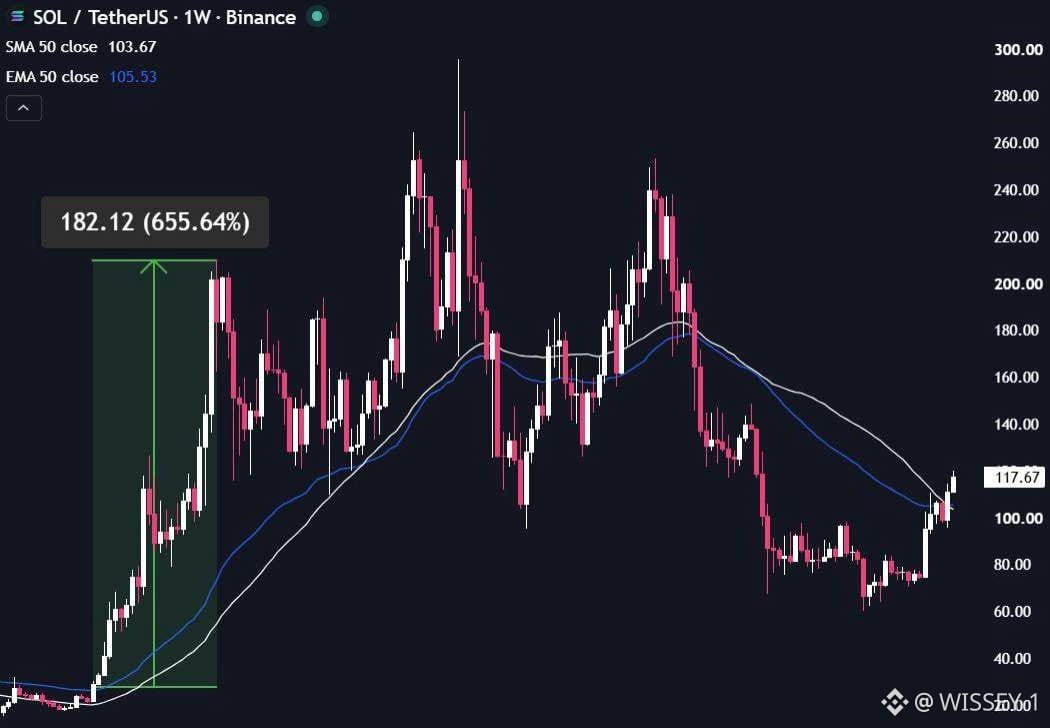
2023年に $SOL が50WのMAと50WのEMAの水準を取り戻したところ、次の6か月で650%上昇しました
現在、SOLはこれらの水準を再び取り戻しています
次は650%の急騰が起こると言えるのでしょうか、それとも2026年Q1までに$200のSOLが起こり得るのでしょうか?
2023年に $SOL が50WのMAと50WのEMAの水準を取り戻したところ、次の6か月で650%上昇しました
現在、SOLはこれらの水準を再び取り戻しています
次は650%の急騰が起こると言えるのでしょうか、それとも2026年Q1までに$200のSOLが起こり得るのでしょうか?
現在、SOLはこれらの水準を再び取り戻しています
次は650%の急騰が起こると言えるのでしょうか、それとも2026年Q1までに$200のSOLが起こり得るのでしょうか?
26
·
--
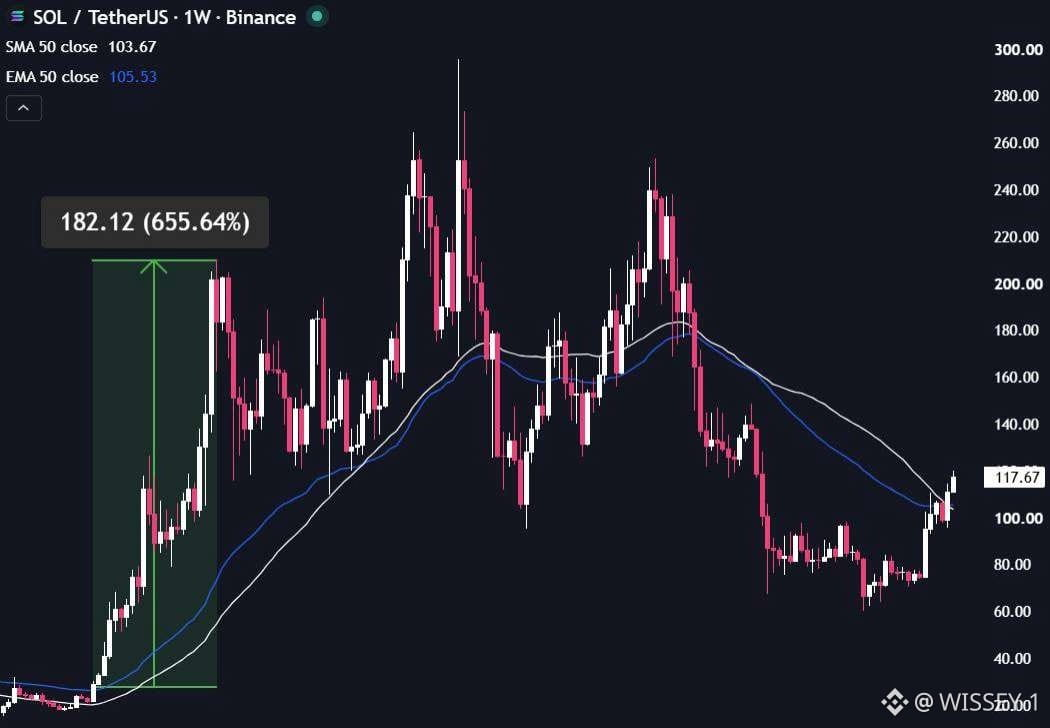
2023年にソラナが50W移動平均(MA)および50W指数移動平均(EMA)の水準を取り戻した後、直近6か月で650%急騰しました
今、SOLは再びこれらの水準を取り戻しています
次に650%の上昇が起きると言っているわけではありませんが、2026年1Qまでに$200のSOLになる可能性はあります $SOL
2023年にソラナが50W移動平均(MA)および50W指数移動平均(EMA)の水準を取り戻した後、直近6か月で650%急騰しました
今、SOLは再びこれらの水準を取り戻しています
次に650%の上昇が起きると言っているわけではありませんが、2026年1Qまでに$200のSOLになる可能性はあります $SOL
今、SOLは再びこれらの水準を取り戻しています
次に650%の上昇が起きると言っているわけではありませんが、2026年1Qまでに$200のSOLになる可能性はあります $SOL
43
·
--
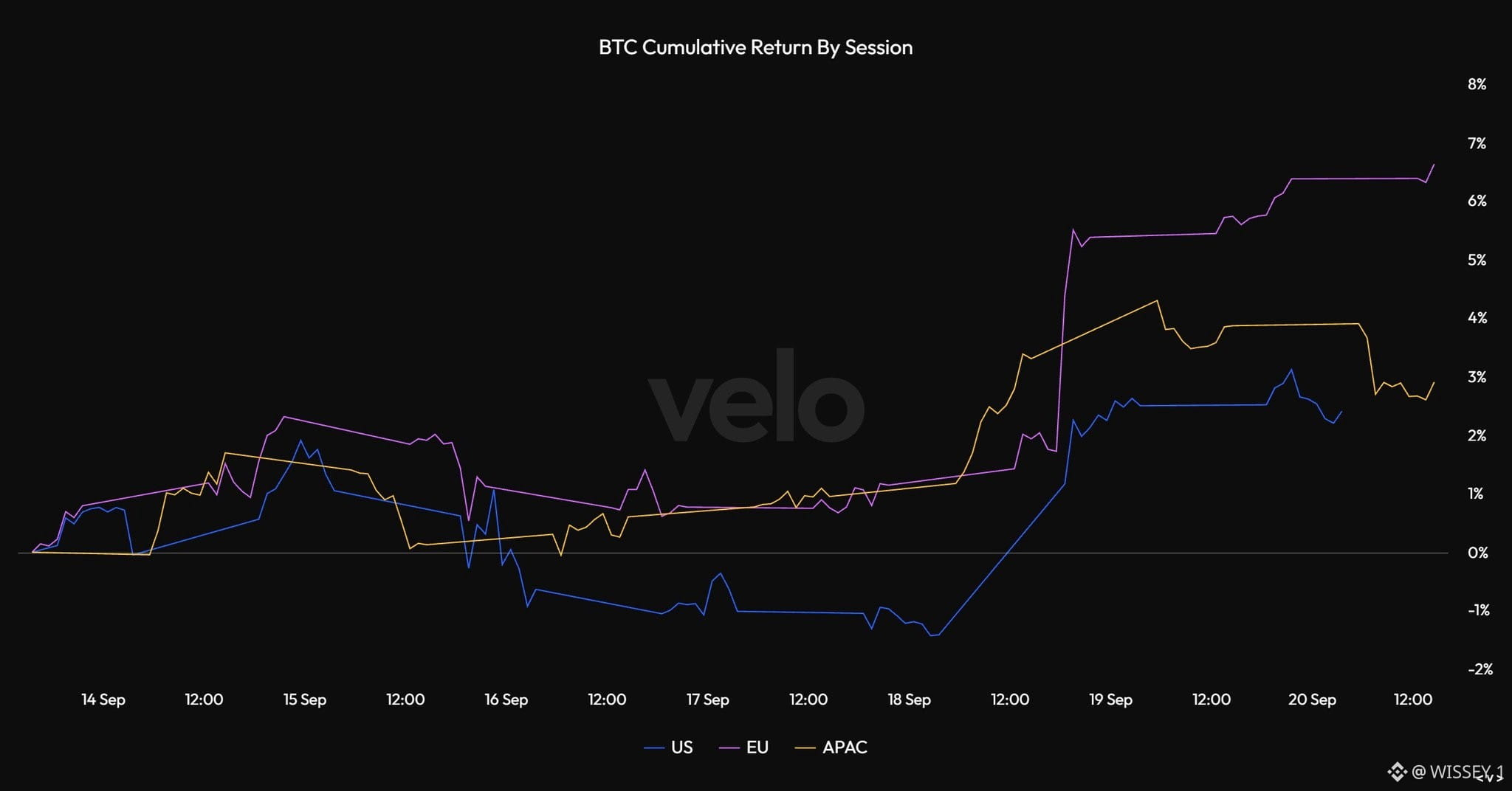
EUはBTCを買いました。
アジアはBTCを買いました。
米国はBTCを買いました。
今週、誰もがビットコインを買いました。 $BTC
EUはBTCを買いました。
アジアはBTCを買いました。
米国はBTCを買いました。
今週、誰もがビットコインを買いました。 $BTC
アジアはBTCを買いました。
米国はBTCを買いました。
今週、誰もがビットコインを買いました。 $BTC
61
·
--
翻訳参照
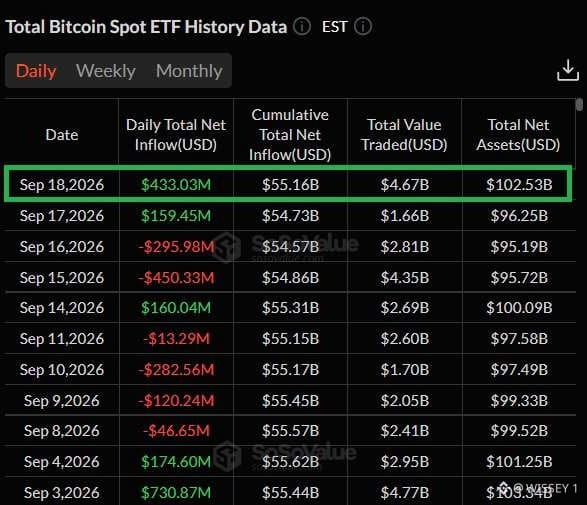
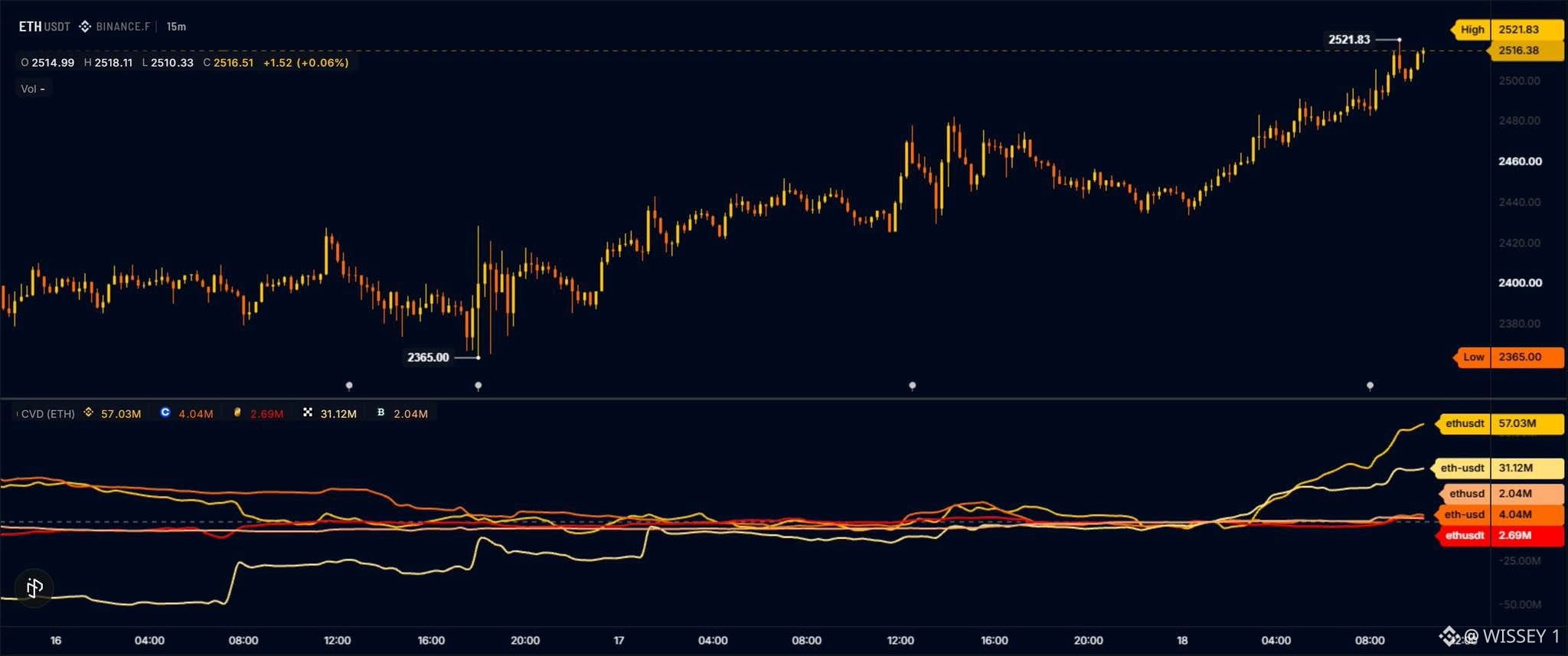
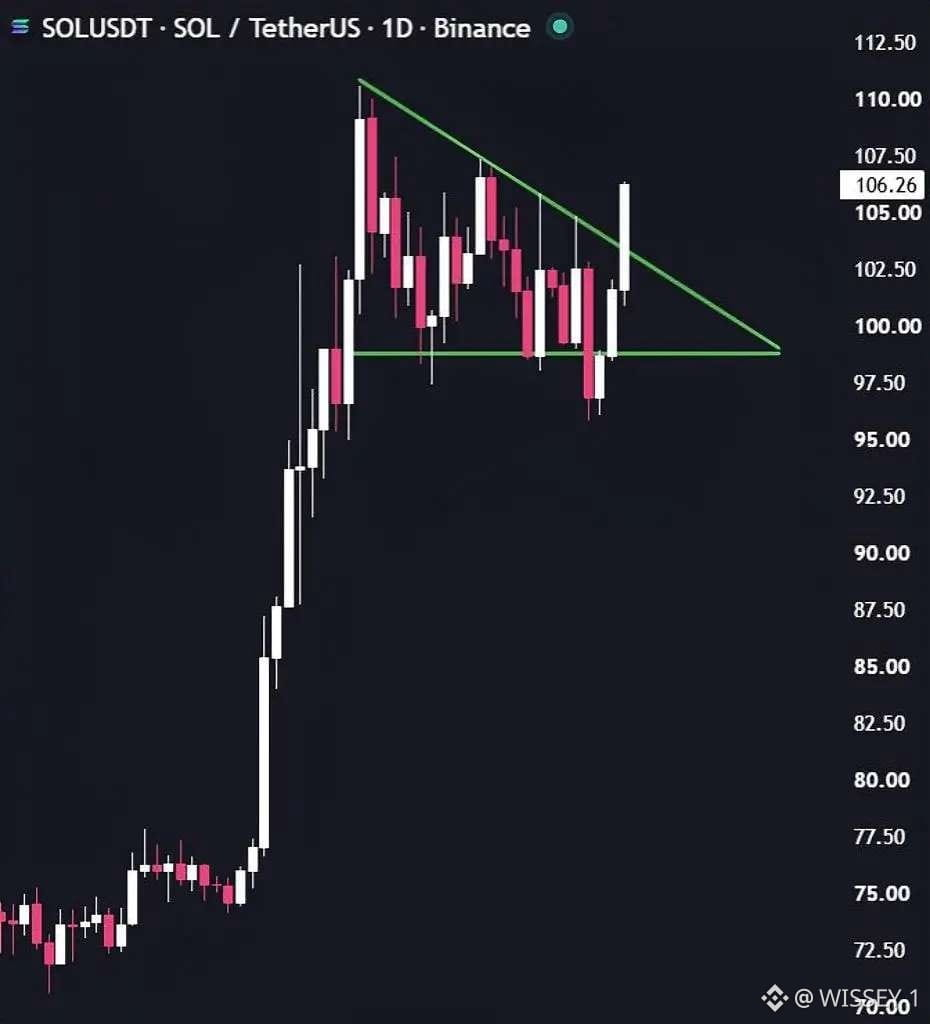
ETFs bought $433,030,000 in $BTC yesterday.
Fidelity alone bought $310,720,000 in Bitcoin.
ETFs bought $433,030,000 in $BTC yesterday.
Fidelity alone bought $310,720,000 in Bitcoin.
Fidelity alone bought $310,720,000 in Bitcoin.
63
·
--
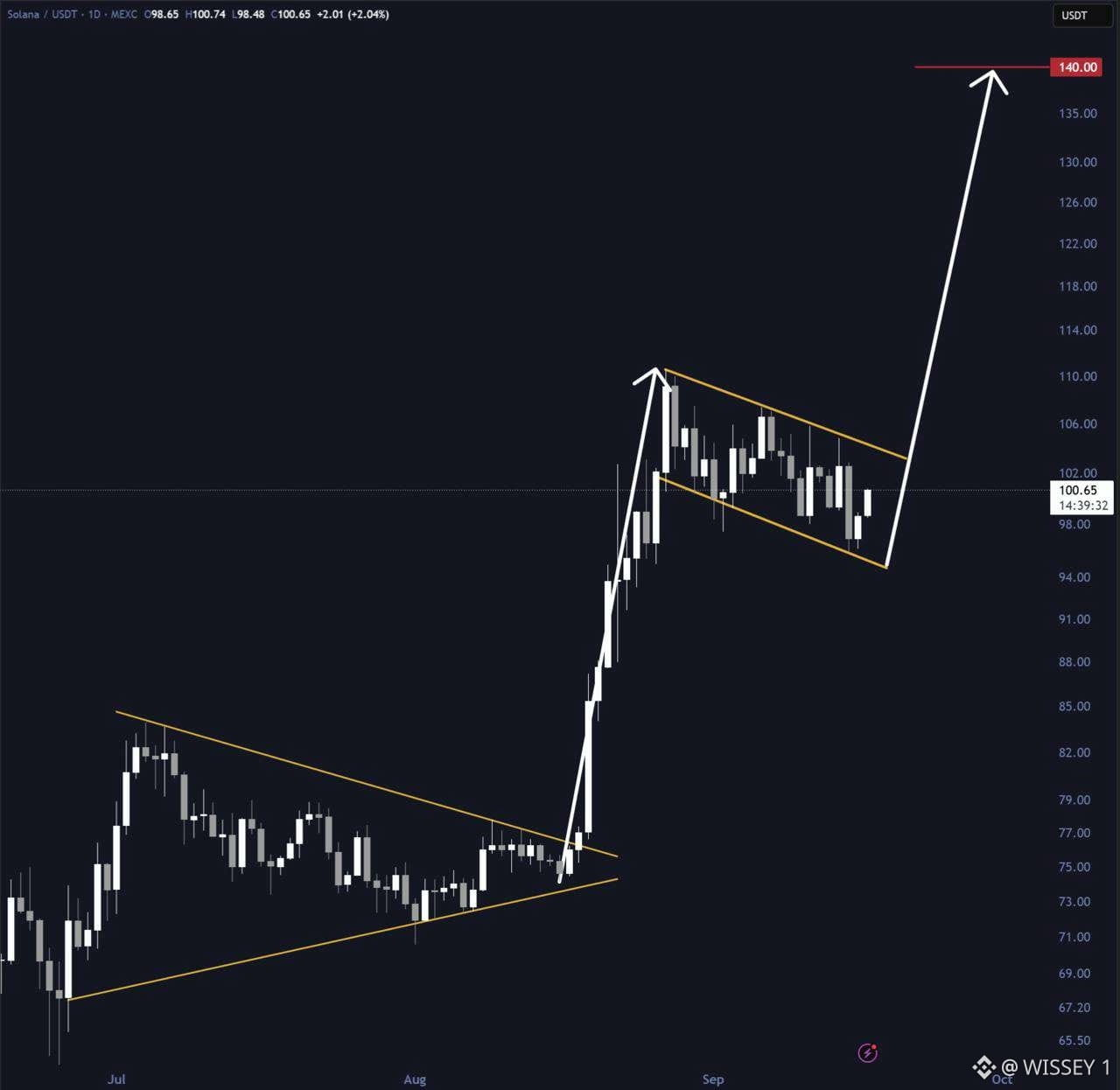
$SOLは巨大なブルフラッグを形成した
$104を上抜けて終値が上回れば、次の上昇局面が始まる可能性がある
$SOLは巨大なブルフラッグを形成した
$104を上抜けて終値が上回れば、次の上昇局面が始まる可能性がある
$104を上抜けて終値が上回れば、次の上昇局面が始まる可能性がある
1
67
·
--
$BTCは9月の最大級のマクロイベントのひとつに向かっています。
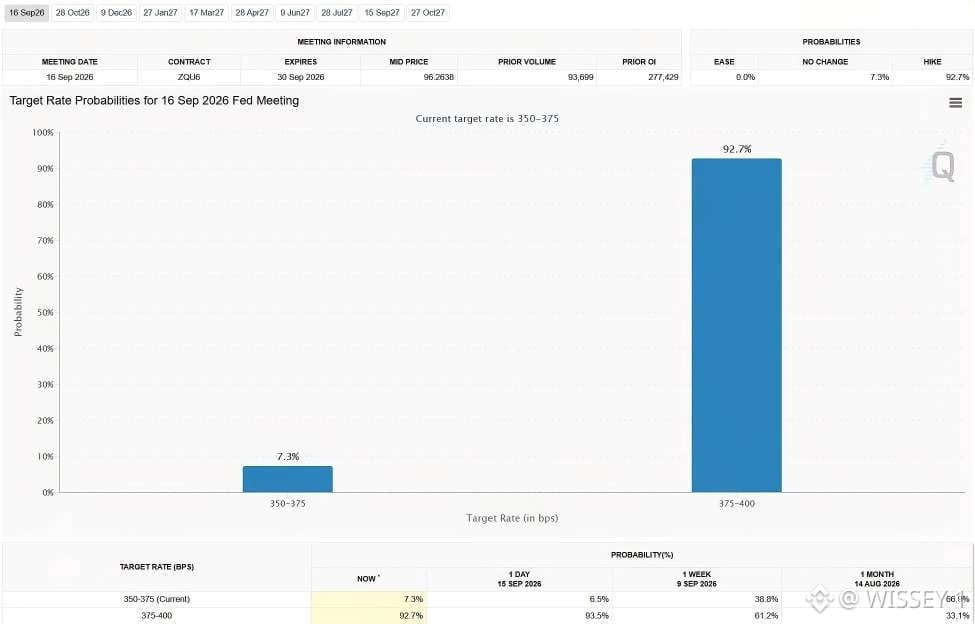
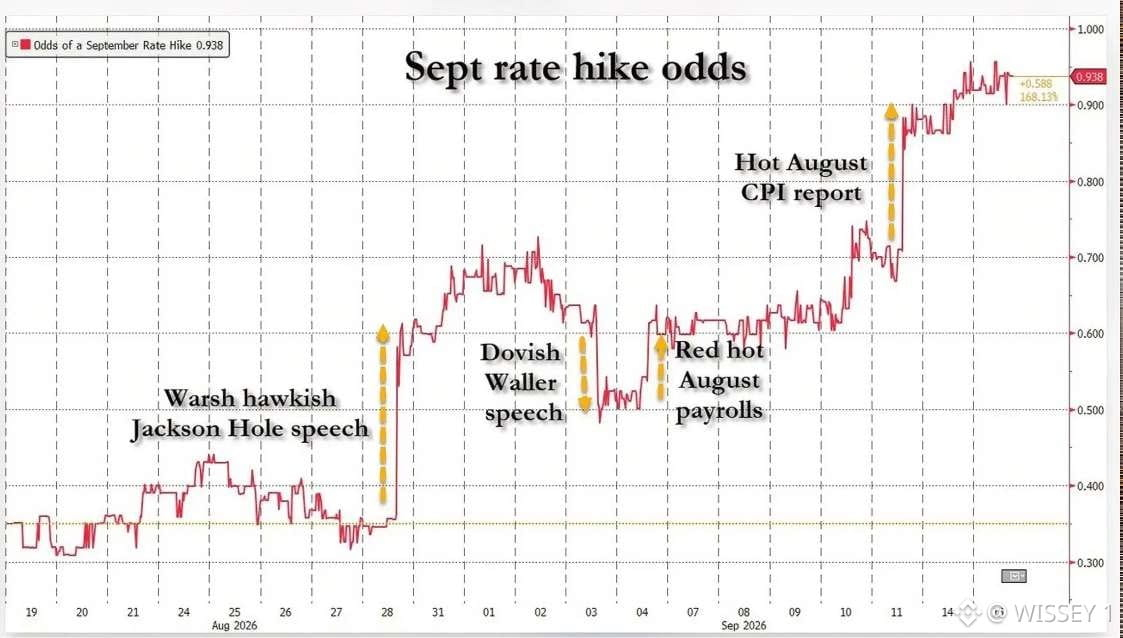
本日9月16日にFRBが利上げ(政策金利)を発表し、市場は25ベーシスポイント(0.25%)の利上げに強く織り込んでいます。
現在の市場予想では、利上げの確率はおよそ93%で、FRBの目標レンジ(3.50%〜3.75%)が(3.75%〜4.00%)へ引き上げられることになります。
それに加え、これはFRBにとって2023年7月以来の初の利上げとなります。
しかし興味深いのは、より大きなビットコインのカタリストが、利上げ決定そのものではない可能性があることです。
ポイントは、FRBが次に何を言うかかもしれません。
シナリオ1:FRBが予想外に据え置き。
一見すると、サプライズの据え置きはビットコインにとって強気に見える可能性があります。
市場は、より強硬でない政策スタンスとして受け止め、米国債利回りとドルが下がり、リスク資産にある程度の安堵材料が出るかもしれません。
ただしインフレはまだ高いままです。
8月のCPIは前年比3.4%で着地し、月次のCPIは0.4%上昇しています。
さらにエネルギー価格も上昇しており、ブレント原油は最近1バレルあたり約107ドルで取引されています。
もし投資家が、サプライズの据え置きを「FRBがインフレに対して許容度が高すぎる」と解釈すると、長期の米国債利回りはむしろ上昇しうるのです。
その場合、「ビットコインがまず上昇し、債券利回りが跳ね上がり、リスク資産がボラティリティを高める」という奇妙な状況が起き得ます。
つまり、サプライズの据え置きが自動的に“クリプト上昇”を意味するわけではありません。
シナリオ2:FRBが25bps利上げ。
これは、市場がすでに見込んでいる結果です。
そして重要なのは、利上げが完全に織り込まれているなら、見出し(ヘッドライン)としての決定そのものが大きなビットコインの売りにつながらない可能性があることです。
その代わり、トレーダーは次に注目します:
1. FRBの経済見通し(経済予測)
2. 追加利上げがどれくらい示唆されているか
3. 記者会見中のウォーシュ(Warsh)の発言
4. 米国債利回り
5. 米ドル
比較的抑制されたガイダンスを伴う25bpsの利上げでも、投資家が会合前に防衛的にポジションを取りすぎていた場合は、「買い材料が出た」という反応(ファクト買い)につながることもあり得ます。
#BTC Price Analysis# #Macro Insights#
$BTCは9月の最大級のマクロイベントのひとつに向かっています。
本日9月16日にFRBが利上げ(政策金利)を発表し、市場は25ベーシスポイント(0.25%)の利上げに強く織り込んでいます。
現在の市場予想では、利上げの確率はおよそ93%で、FRBの目標レンジ(3.50%〜3.75%)が(3.75%〜4.00%)へ引き上げられることになります。
それに加え、これはFRBにとって2023年7月以来の初の利上げとなります。
しかし興味深いのは、より大きなビットコインのカタリストが、利上げ決定そのものではない可能性があることです。
ポイントは、FRBが次に何を言うかかもしれません。
シナリオ1:FRBが予想外に据え置き。
一見すると、サプライズの据え置きはビットコインにとって強気に見える可能性があります。
市場は、より強硬でない政策スタンスとして受け止め、米国債利回りとドルが下がり、リスク資産にある程度の安堵材料が出るかもしれません。
ただしインフレはまだ高いままです。
8月のCPIは前年比3.4%で着地し、月次のCPIは0.4%上昇しています。
さらにエネルギー価格も上昇しており、ブレント原油は最近1バレルあたり約107ドルで取引されています。
もし投資家が、サプライズの据え置きを「FRBがインフレに対して許容度が高すぎる」と解釈すると、長期の米国債利回りはむしろ上昇しうるのです。
その場合、「ビットコインがまず上昇し、債券利回りが跳ね上がり、リスク資産がボラティリティを高める」という奇妙な状況が起き得ます。
つまり、サプライズの据え置きが自動的に“クリプト上昇”を意味するわけではありません。
シナリオ2:FRBが25bps利上げ。
これは、市場がすでに見込んでいる結果です。
そして重要なのは、利上げが完全に織り込まれているなら、見出し(ヘッドライン)としての決定そのものが大きなビットコインの売りにつながらない可能性があることです。
その代わり、トレーダーは次に注目します:
1. FRBの経済見通し(経済予測)
2. 追加利上げがどれくらい示唆されているか
3. 記者会見中のウォーシュ(Warsh)の発言
4. 米国債利回り
5. 米ドル
比較的抑制されたガイダンスを伴う25bpsの利上げでも、投資家が会合前に防衛的にポジションを取りすぎていた場合は、「買い材料が出た」という反応(ファクト買い)につながることもあり得ます。
#BTC Price Analysis# #Macro Insights#
本日9月16日にFRBが利上げ(政策金利)を発表し、市場は25ベーシスポイント(0.25%)の利上げに強く織り込んでいます。
現在の市場予想では、利上げの確率はおよそ93%で、FRBの目標レンジ(3.50%〜3.75%)が(3.75%〜4.00%)へ引き上げられることになります。
それに加え、これはFRBにとって2023年7月以来の初の利上げとなります。
しかし興味深いのは、より大きなビットコインのカタリストが、利上げ決定そのものではない可能性があることです。
ポイントは、FRBが次に何を言うかかもしれません。
シナリオ1:FRBが予想外に据え置き。
一見すると、サプライズの据え置きはビットコインにとって強気に見える可能性があります。
市場は、より強硬でない政策スタンスとして受け止め、米国債利回りとドルが下がり、リスク資産にある程度の安堵材料が出るかもしれません。
ただしインフレはまだ高いままです。
8月のCPIは前年比3.4%で着地し、月次のCPIは0.4%上昇しています。
さらにエネルギー価格も上昇しており、ブレント原油は最近1バレルあたり約107ドルで取引されています。
もし投資家が、サプライズの据え置きを「FRBがインフレに対して許容度が高すぎる」と解釈すると、長期の米国債利回りはむしろ上昇しうるのです。
その場合、「ビットコインがまず上昇し、債券利回りが跳ね上がり、リスク資産がボラティリティを高める」という奇妙な状況が起き得ます。
つまり、サプライズの据え置きが自動的に“クリプト上昇”を意味するわけではありません。
シナリオ2:FRBが25bps利上げ。
これは、市場がすでに見込んでいる結果です。
そして重要なのは、利上げが完全に織り込まれているなら、見出し(ヘッドライン)としての決定そのものが大きなビットコインの売りにつながらない可能性があることです。
その代わり、トレーダーは次に注目します:
1. FRBの経済見通し(経済予測)
2. 追加利上げがどれくらい示唆されているか
3. 記者会見中のウォーシュ(Warsh)の発言
4. 米国債利回り
5. 米ドル
比較的抑制されたガイダンスを伴う25bpsの利上げでも、投資家が会合前に防衛的にポジションを取りすぎていた場合は、「買い材料が出た」という反応(ファクト買い)につながることもあり得ます。
#BTC Price Analysis# #Macro Insights#
39
·
--
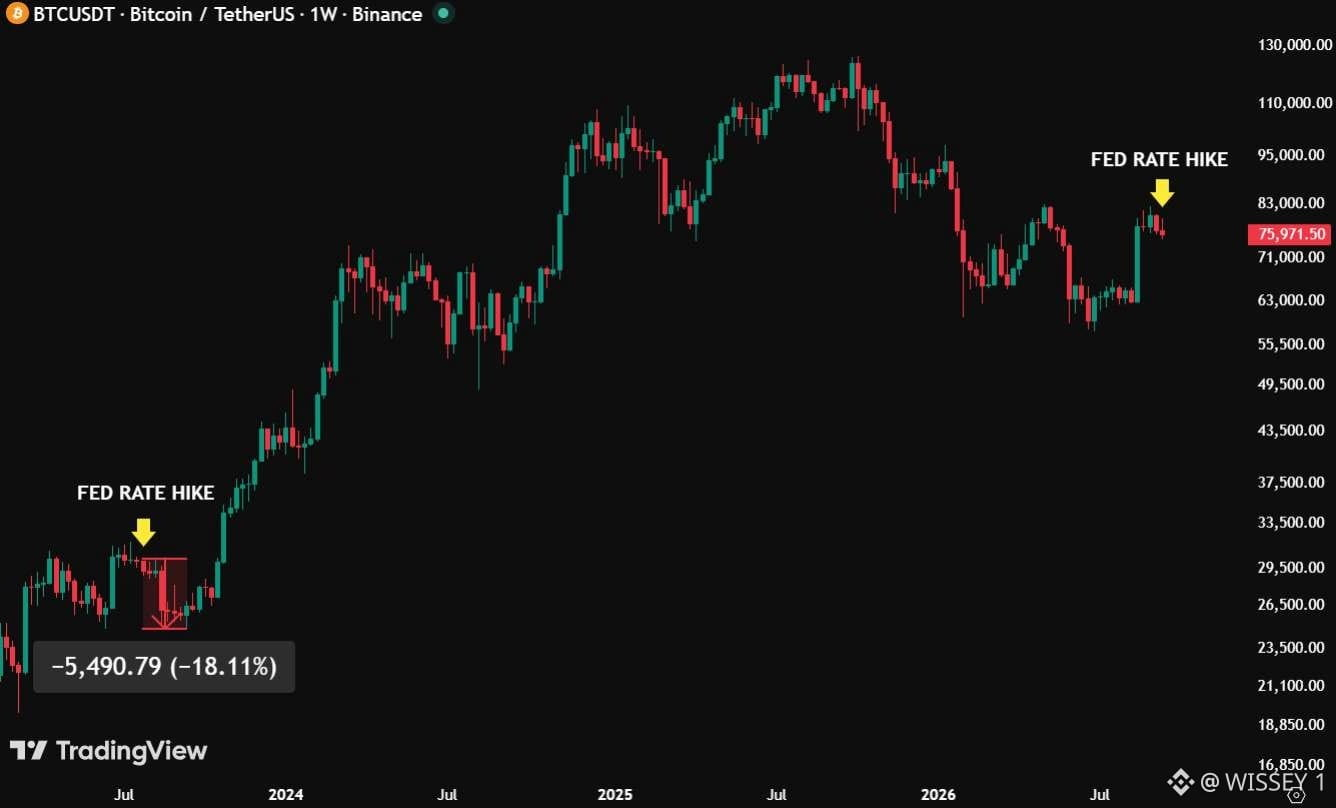
前回、FRBが利上げを実施したとき、$BTCは18%下落しました。
今日も、FRBは再び利上げを行うと見込まれています。
今回はどうなるのでしょうか?
#BTC 価格分析# #マクロ・インサイト#
前回、FRBが利上げを実施したとき、$BTCは18%下落しました。
今日も、FRBは再び利上げを行うと見込まれています。
今回はどうなるのでしょうか?
#BTC 価格分析# #マクロ・インサイト#
今日も、FRBは再び利上げを行うと見込まれています。
今回はどうなるのでしょうか?
#BTC 価格分析# #マクロ・インサイト#
77
·
--
翻訳参照
The CLARITY Act was supposed to be one of crypto's biggest regulatory catalysts of 2026.
Instead, its prospects have deteriorated sharply just hours before today's critical Senate vote.
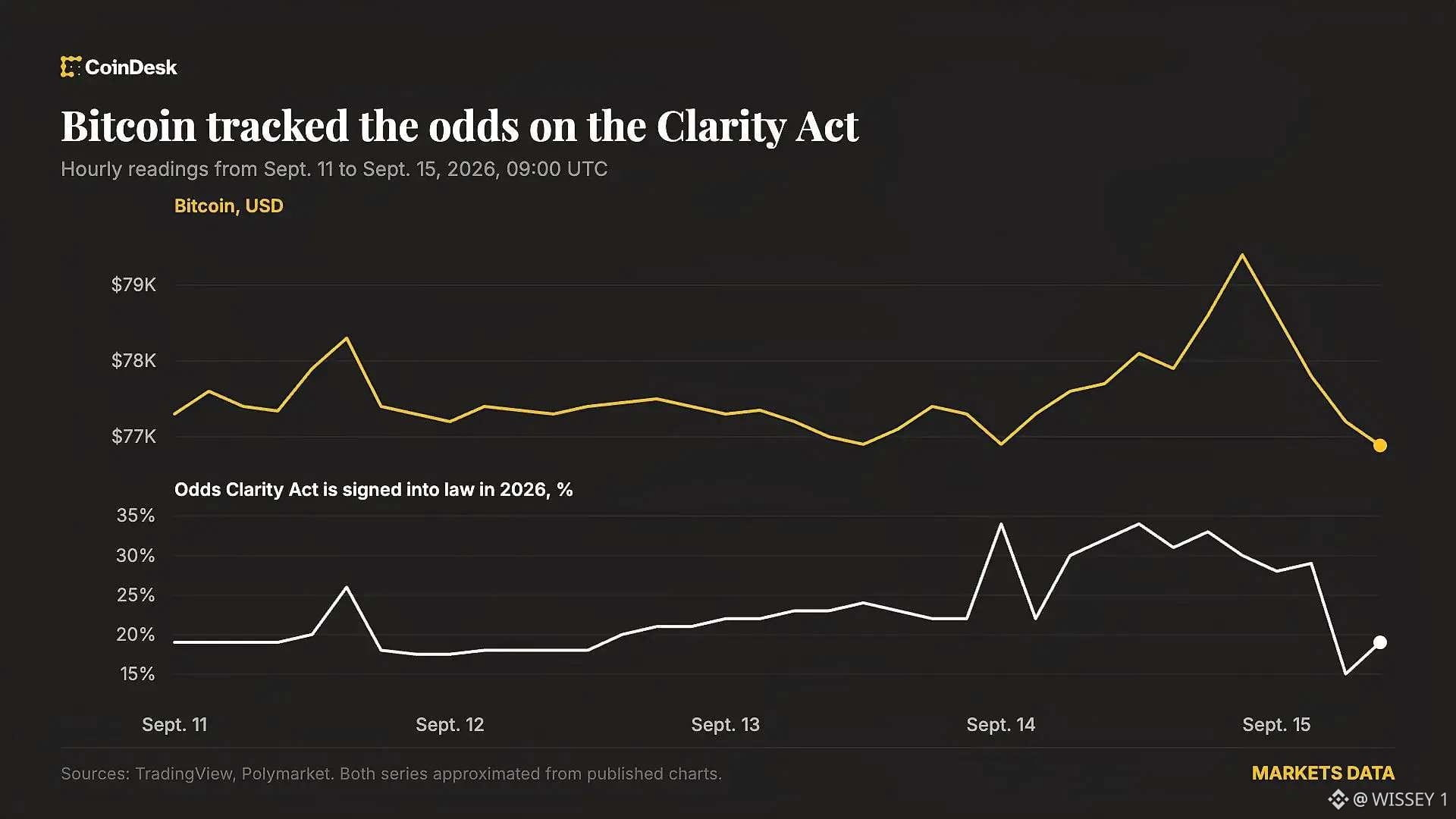
Data from CoinDesk tracks $BTC with the the CLARITY Act odds dropped from 30% to 14% and Bitcoin fell below $77K.
The 60-vote problem.
The Senate is scheduled to vote today on cloture on the motion to proceed to H.R 3633, the CLARITY Act.
There is a distinction here, the bill needs 60 votes to overcome the procedural hurdle and move toward full Senate consideration.
Republicans control 53 Senate seats, meaning they need Democratic support to get there.
And that support is looking increasingly difficult to secure.
Why the negotiations broke down.
Republican lawmakers released a revised version of the bill containing 126 substantive changes requested by Democrats.
The package also included tougher ethics provisions involving senior government officials and crypto holdings.
But Democrats weren't satisfied.
Senators Mark Warner and Elizabeth Warren have argued that the revised ethics provisions don't go far enough, particularly when it comes to enforcement and potential conflicts involving President Donald Trump's crypto interests.
Democrats subsequently sent Republicans a counterproposal but Republicans rejected it.
That left both sides far apart heading into today's vote.
What happens next?
1. 60+ votes.
The bill moves forward to Senate consideration.
That would likely be interpreted as a major positive surprise because current prediction-market pricing suggests the market has become increasingly pessimistic.
2. Fewer than 60 votes.
The bill fails to clear today's procedural hurdle.
That wouldn't technically make CLARITY impossible forever, but it would be a major blow to the bill's chances of becoming law this year.
The CLARITY Act was supposed to be one of crypto's biggest regulatory catalysts of 2026.
Instead, its prospects have deteriorated sharply just hours before today's critical Senate vote.
Data from CoinDesk tracks $BTC with the the CLARITY Act odds dropped from 30% to 14% and Bitcoin fell below $77K.
The 60-vote problem.
The Senate is scheduled to vote today on cloture on the motion to proceed to H.R 3633, the CLARITY Act.
There is a distinction here, the bill needs 60 votes to overcome the procedural hurdle and move toward full Senate consideration.
Republicans control 53 Senate seats, meaning they need Democratic support to get there.
And that support is looking increasingly difficult to secure.
Why the negotiations broke down.
Republican lawmakers released a revised version of the bill containing 126 substantive changes requested by Democrats.
The package also included tougher ethics provisions involving senior government officials and crypto holdings.
But Democrats weren't satisfied.
Senators Mark Warner and Elizabeth Warren have argued that the revised ethics provisions don't go far enough, particularly when it comes to enforcement and potential conflicts involving President Donald Trump's crypto interests.
Democrats subsequently sent Republicans a counterproposal but Republicans rejected it.
That left both sides far apart heading into today's vote.
What happens next?
1. 60+ votes.
The bill moves forward to Senate consideration.
That would likely be interpreted as a major positive surprise because current prediction-market pricing suggests the market has become increasingly pessimistic.
2. Fewer than 60 votes.
The bill fails to clear today's procedural hurdle.
That wouldn't technically make CLARITY impossible forever, but it would be a major blow to the bill's chances of becoming law this year.
Instead, its prospects have deteriorated sharply just hours before today's critical Senate vote.
Data from CoinDesk tracks $BTC with the the CLARITY Act odds dropped from 30% to 14% and Bitcoin fell below $77K.
The 60-vote problem.
The Senate is scheduled to vote today on cloture on the motion to proceed to H.R 3633, the CLARITY Act.
There is a distinction here, the bill needs 60 votes to overcome the procedural hurdle and move toward full Senate consideration.
Republicans control 53 Senate seats, meaning they need Democratic support to get there.
And that support is looking increasingly difficult to secure.
Why the negotiations broke down.
Republican lawmakers released a revised version of the bill containing 126 substantive changes requested by Democrats.
The package also included tougher ethics provisions involving senior government officials and crypto holdings.
But Democrats weren't satisfied.
Senators Mark Warner and Elizabeth Warren have argued that the revised ethics provisions don't go far enough, particularly when it comes to enforcement and potential conflicts involving President Donald Trump's crypto interests.
Democrats subsequently sent Republicans a counterproposal but Republicans rejected it.
That left both sides far apart heading into today's vote.
What happens next?
1. 60+ votes.
The bill moves forward to Senate consideration.
That would likely be interpreted as a major positive surprise because current prediction-market pricing suggests the market has become increasingly pessimistic.
2. Fewer than 60 votes.
The bill fails to clear today's procedural hurdle.
That wouldn't technically make CLARITY impossible forever, but it would be a major blow to the bill's chances of becoming law this year.

27
·
--
ビットコインは2026年の中でも最大級の「マクロ・ウィーク」に向かっています。
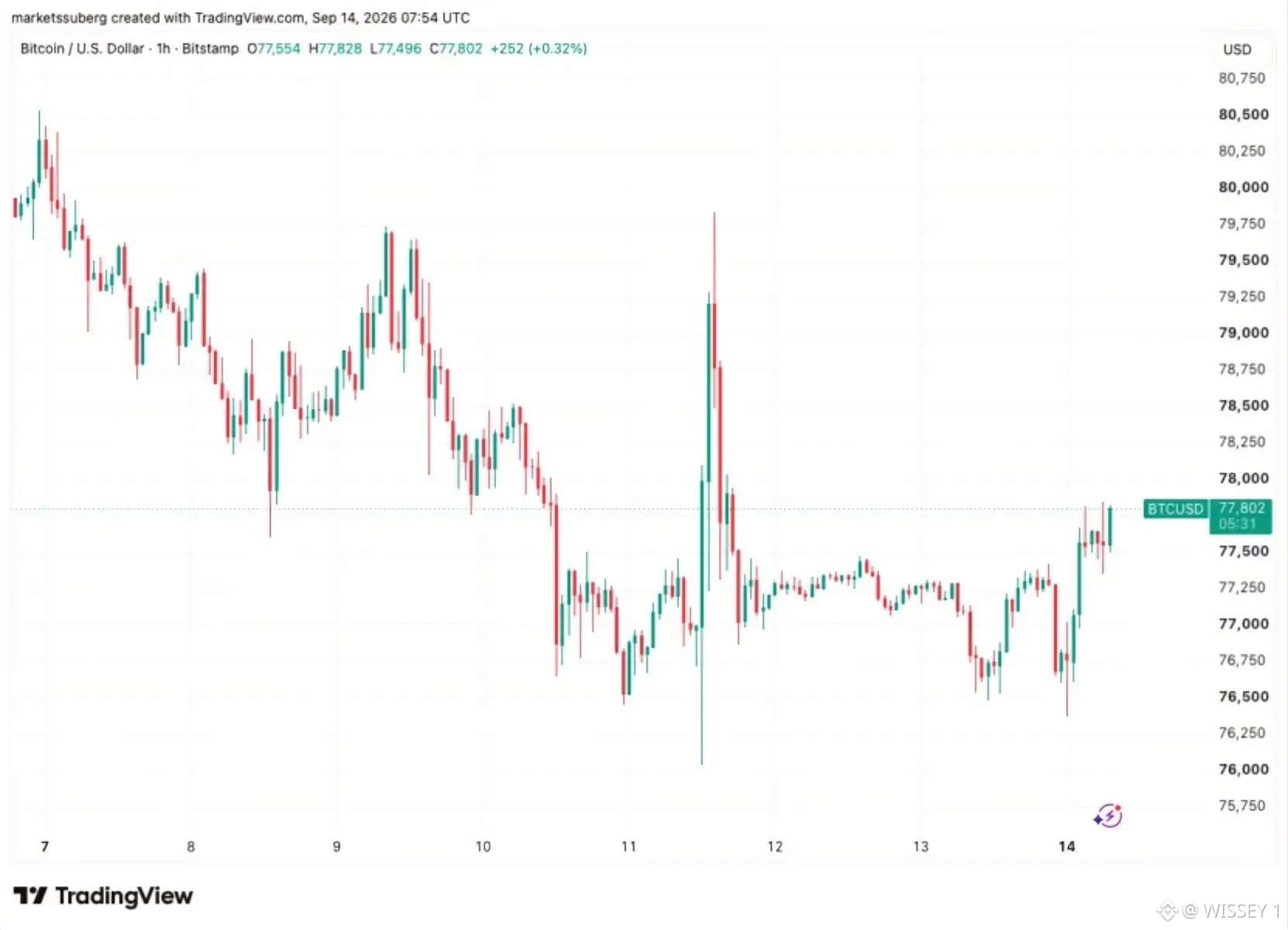
$BTCは約77,800ドル前後で推移しており、次の2つの主要イベントがまもなく同時に交錯します。
火曜日:上院「CLARITY法案」クロージャー(打ち切り)投票。
水曜日:連邦準備制度(FRB)の利上げ/利下げ方針決定。
一方は暗号資産にとって強気材料になり得ますが、もう一方は深刻な圧力を生む可能性もあります。
CLARITYは大きく前進しました。
上院共和党は、バイパーティザン(超党派)での支持を阻んでいたいくつかの論点について妥協に達した後、CLARITY法案の改訂版(全635ページ)を公表しました。
さらにトランプ大統領も、暗号資産の保有をめぐる倫理規定や利益相反に関する重要な条項に合意しています。
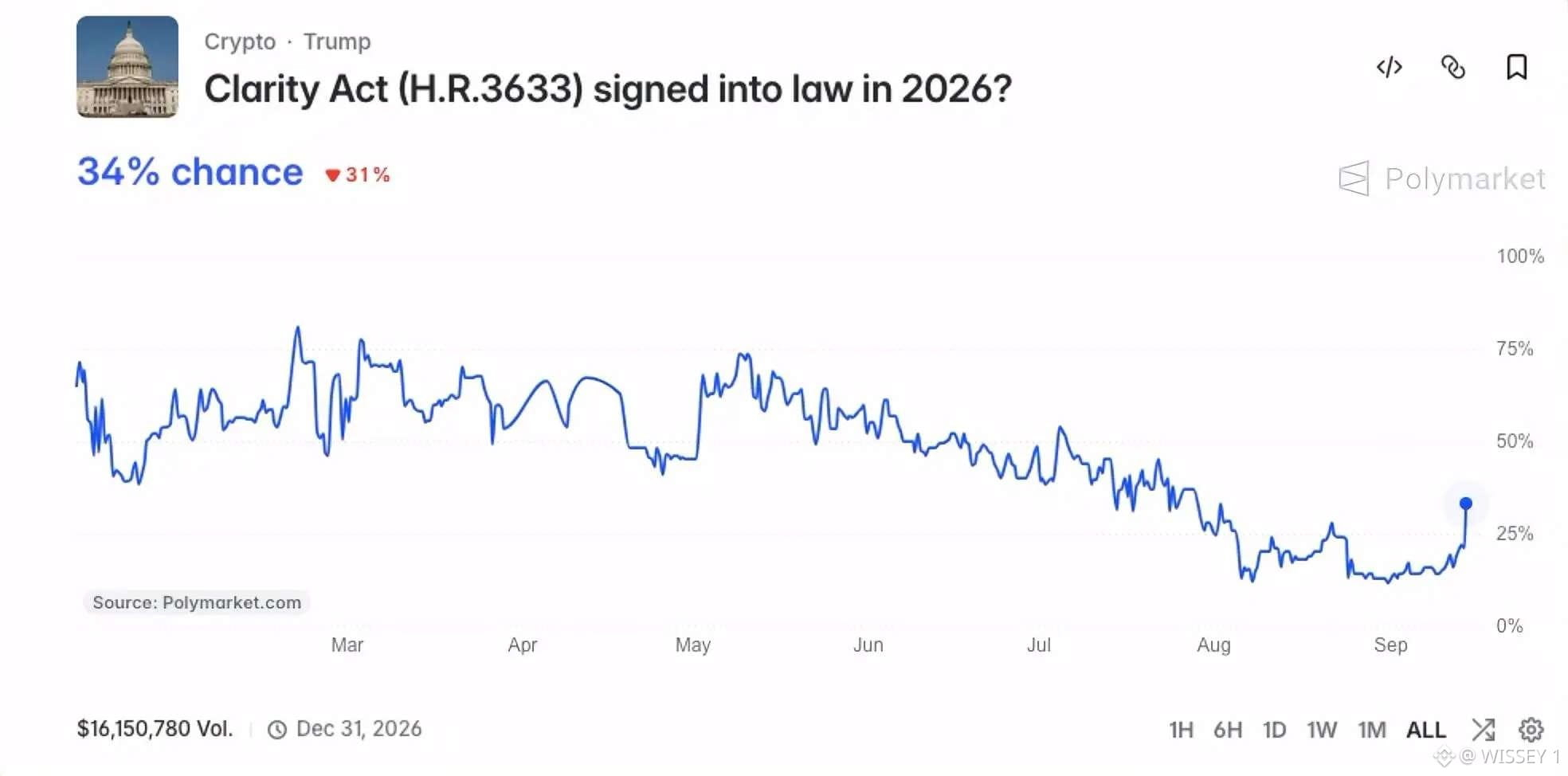
これにより、2026年にこの法案が成立するとの予測市場のオッズは、約31〜32%まで押し上げられました。
しかし、依然として大きなハードルがあります。上院ではクロージャーを発動するのに60票が必要です。
つまり火曜日の投票は、CLARITYの最終可決ではありません。
その後にFRBが控えます。
FRBの発表は、わずか24時間後です。
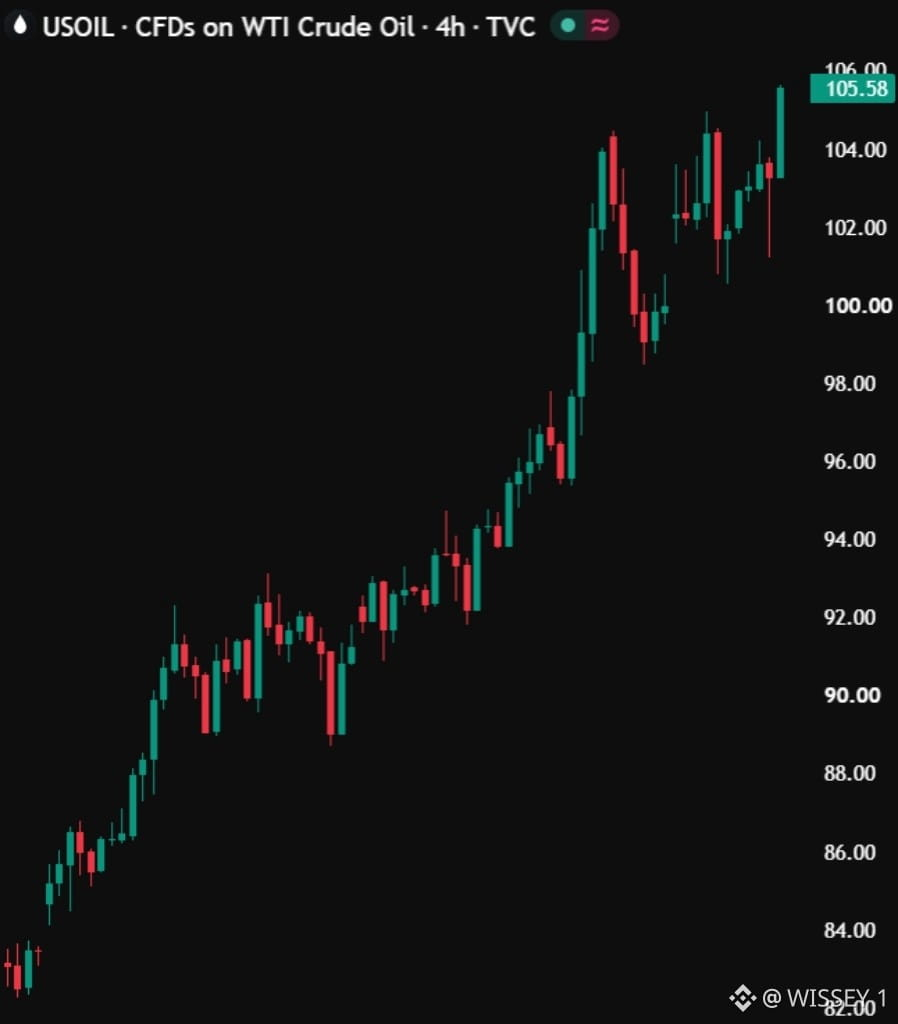
米国のインフレは、8月の前年比(YOY)で3.4%と高止まりのまま。一方で中東情勢を背景に原油価格は1バレル100ドルを超えて急騰しています。
市場では現在、25ベーシスポイントの利上げ(3.75%〜4.00%)に大きく傾いていますが、決定は確約されていません。
これらのシナリオを見ていきましょう:
1. CLARITYがクロージャー可決 + FRBは据え置き。
これが最も素直で強気な展開になります。
規制面の追い風と、予想外のマクロ面の安心感が重なれば、BTCに強力な追い風になり得ます。
2. CLARITYがクロージャー可決 + FRBが利上げ。
反応は、より複雑なものになり得ます。
暗号資産は規制面のブレイクスルーを受けて一時的に上昇する可能性はあるものの、金利が高くなることでその後の上げが制限されるかもしれません。
3. CLARITYが不成立 + FRBは据え置き。
ビットコインは、立法面の失望から短期的に落胆する可能性はありますが、予想よりも緩やかな金融政策が下振れを和らげるかもしれません。
4. CLARITYが不成立 + FRBが利上げ。
これは、BTCにとっておそらく最も厳しい組み合わせです。市場は、規制面での失望と、より引き締まった金融環境の両方を同時に吸収する必要が出てきます。
#Macro Insights#
ビットコインは2026年の中でも最大級の「マクロ・ウィーク」に向かっています。
$BTCは約77,800ドル前後で推移しており、次の2つの主要イベントがまもなく同時に交錯します。
火曜日:上院「CLARITY法案」クロージャー(打ち切り)投票。
水曜日:連邦準備制度(FRB)の利上げ/利下げ方針決定。
一方は暗号資産にとって強気材料になり得ますが、もう一方は深刻な圧力を生む可能性もあります。
CLARITYは大きく前進しました。
上院共和党は、バイパーティザン(超党派)での支持を阻んでいたいくつかの論点について妥協に達した後、CLARITY法案の改訂版(全635ページ)を公表しました。
さらにトランプ大統領も、暗号資産の保有をめぐる倫理規定や利益相反に関する重要な条項に合意しています。
これにより、2026年にこの法案が成立するとの予測市場のオッズは、約31〜32%まで押し上げられました。
しかし、依然として大きなハードルがあります。上院ではクロージャーを発動するのに60票が必要です。
つまり火曜日の投票は、CLARITYの最終可決ではありません。
その後にFRBが控えます。
FRBの発表は、わずか24時間後です。
米国のインフレは、8月の前年比(YOY)で3.4%と高止まりのまま。一方で中東情勢を背景に原油価格は1バレル100ドルを超えて急騰しています。
市場では現在、25ベーシスポイントの利上げ(3.75%〜4.00%)に大きく傾いていますが、決定は確約されていません。
これらのシナリオを見ていきましょう:
1. CLARITYがクロージャー可決 + FRBは据え置き。
これが最も素直で強気な展開になります。
規制面の追い風と、予想外のマクロ面の安心感が重なれば、BTCに強力な追い風になり得ます。
2. CLARITYがクロージャー可決 + FRBが利上げ。
反応は、より複雑なものになり得ます。
暗号資産は規制面のブレイクスルーを受けて一時的に上昇する可能性はあるものの、金利が高くなることでその後の上げが制限されるかもしれません。
3. CLARITYが不成立 + FRBは据え置き。
ビットコインは、立法面の失望から短期的に落胆する可能性はありますが、予想よりも緩やかな金融政策が下振れを和らげるかもしれません。
4. CLARITYが不成立 + FRBが利上げ。
これは、BTCにとっておそらく最も厳しい組み合わせです。市場は、規制面での失望と、より引き締まった金融環境の両方を同時に吸収する必要が出てきます。
#Macro Insights#
$BTCは約77,800ドル前後で推移しており、次の2つの主要イベントがまもなく同時に交錯します。
火曜日:上院「CLARITY法案」クロージャー(打ち切り)投票。
水曜日:連邦準備制度(FRB)の利上げ/利下げ方針決定。
一方は暗号資産にとって強気材料になり得ますが、もう一方は深刻な圧力を生む可能性もあります。
CLARITYは大きく前進しました。
上院共和党は、バイパーティザン(超党派)での支持を阻んでいたいくつかの論点について妥協に達した後、CLARITY法案の改訂版(全635ページ)を公表しました。
さらにトランプ大統領も、暗号資産の保有をめぐる倫理規定や利益相反に関する重要な条項に合意しています。
これにより、2026年にこの法案が成立するとの予測市場のオッズは、約31〜32%まで押し上げられました。
しかし、依然として大きなハードルがあります。上院ではクロージャーを発動するのに60票が必要です。
つまり火曜日の投票は、CLARITYの最終可決ではありません。
その後にFRBが控えます。
FRBの発表は、わずか24時間後です。
米国のインフレは、8月の前年比(YOY)で3.4%と高止まりのまま。一方で中東情勢を背景に原油価格は1バレル100ドルを超えて急騰しています。
市場では現在、25ベーシスポイントの利上げ(3.75%〜4.00%)に大きく傾いていますが、決定は確約されていません。
これらのシナリオを見ていきましょう:
1. CLARITYがクロージャー可決 + FRBは据え置き。
これが最も素直で強気な展開になります。
規制面の追い風と、予想外のマクロ面の安心感が重なれば、BTCに強力な追い風になり得ます。
2. CLARITYがクロージャー可決 + FRBが利上げ。
反応は、より複雑なものになり得ます。
暗号資産は規制面のブレイクスルーを受けて一時的に上昇する可能性はあるものの、金利が高くなることでその後の上げが制限されるかもしれません。
3. CLARITYが不成立 + FRBは据え置き。
ビットコインは、立法面の失望から短期的に落胆する可能性はありますが、予想よりも緩やかな金融政策が下振れを和らげるかもしれません。
4. CLARITYが不成立 + FRBが利上げ。
これは、BTCにとっておそらく最も厳しい組み合わせです。市場は、規制面での失望と、より引き締まった金融環境の両方を同時に吸収する必要が出てきます。
#Macro Insights#
26
·
--
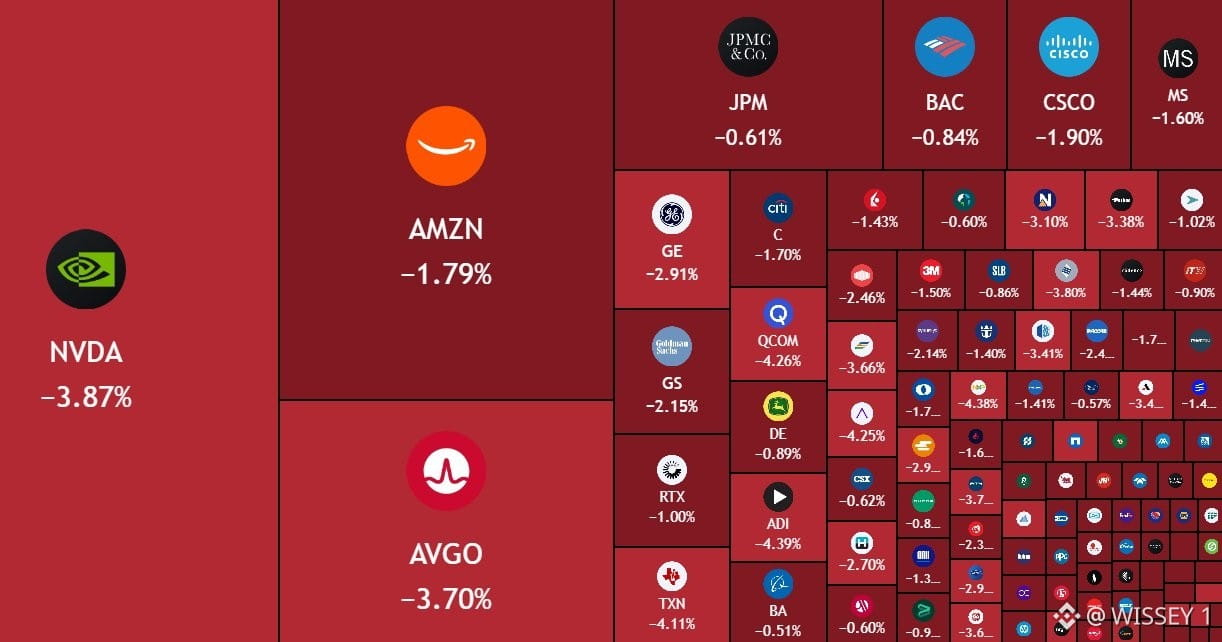
$595,000,000,000が米国の株式市場で寄り付き時に消失。
$BTCと $ETHは堅調に推移しており、これは流動性が株式から暗号資産へと回転していることを示唆しています。
#BTC Price Analysis# #Macro Insights#
$595,000,000,000が米国の株式市場で寄り付き時に消失。
$BTCと $ETHは堅調に推移しており、これは流動性が株式から暗号資産へと回転していることを示唆しています。
#BTC Price Analysis# #Macro Insights#
$BTCと $ETHは堅調に推移しており、これは流動性が株式から暗号資産へと回転していることを示唆しています。
#BTC Price Analysis# #Macro Insights#
62
·
--
Vivek Ramaswamyの「Strive」が469ドル相当の $BTC を36,000,000ドルで買い付け。
#BTC Price Analysis# #Macro Insights#
Vivek Ramaswamyの「Strive」が469ドル相当の $BTC を36,000,000ドルで買い付け。
#BTC Price Analysis# #Macro Insights#
#BTC Price Analysis# #Macro Insights#
37
·
--
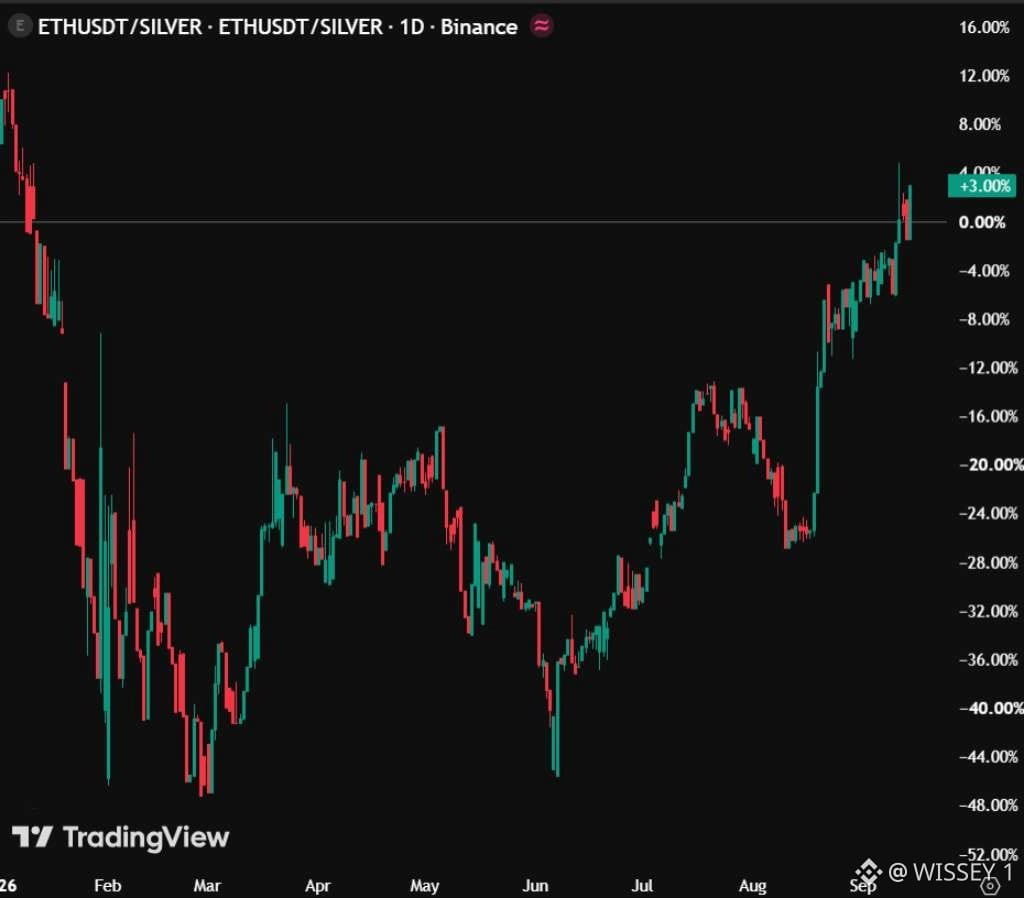
$ETHは2026年に$XAGを上回るパフォーマンスを見せています。
シルバーは2026年を新高値でスタートしました。
一方で、イーサリアムは大きな下落で幕を開けました。
そして今、大きな反転(リバーサル)が起きました。
#Macro Insights#
$ETHは2026年に$XAGを上回るパフォーマンスを見せています。
シルバーは2026年を新高値でスタートしました。
一方で、イーサリアムは大きな下落で幕を開けました。
そして今、大きな反転(リバーサル)が起きました。
#Macro Insights#
シルバーは2026年を新高値でスタートしました。
一方で、イーサリアムは大きな下落で幕を開けました。
そして今、大きな反転(リバーサル)が起きました。
#Macro Insights#
78
·
--
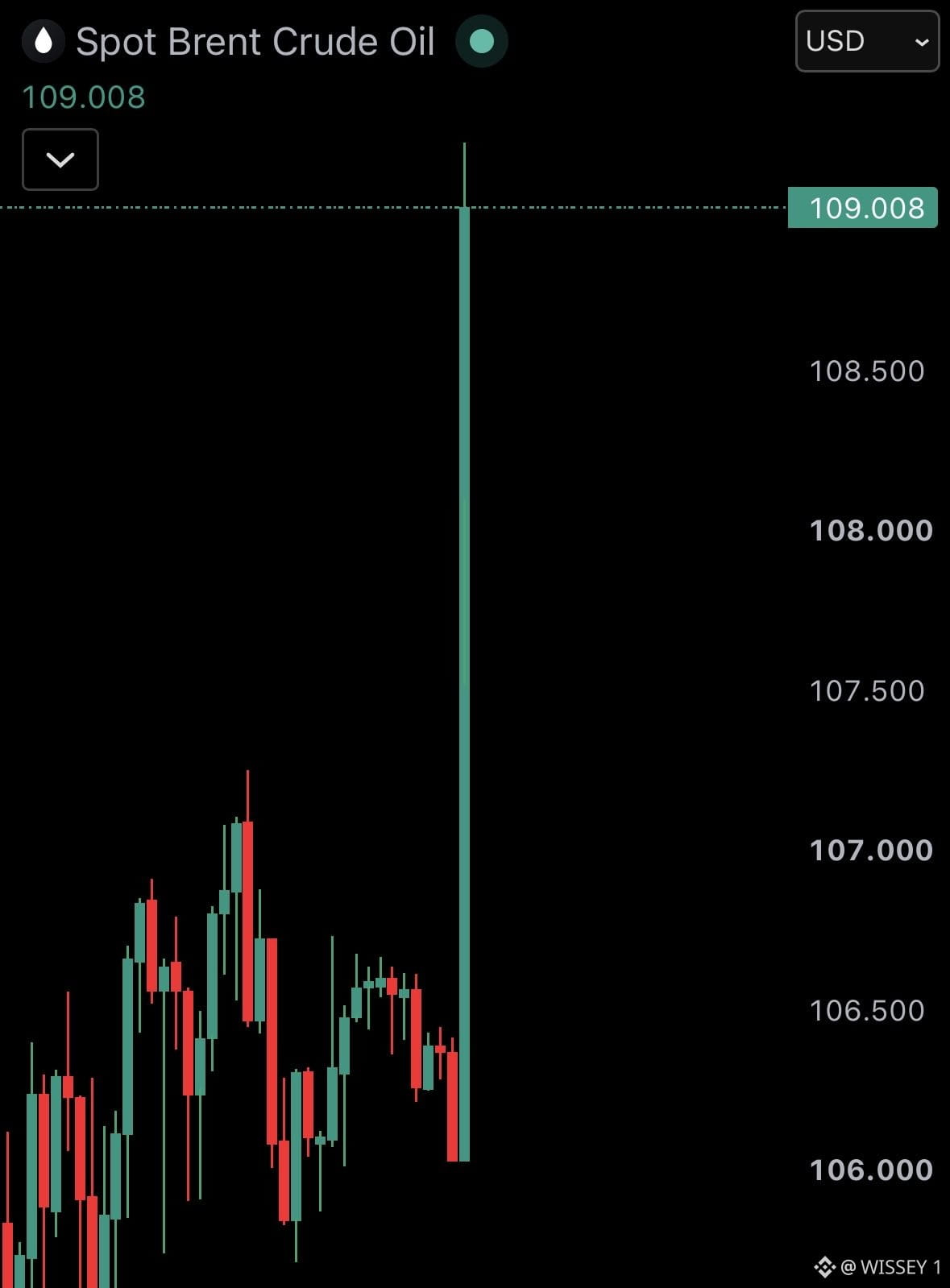
サウジアラビアが攻撃を受け大規模パイプラインを停止したことで、寄り付き後にブレント原油が急騰。 $BTC
#マクロの洞察#
サウジアラビアが攻撃を受け大規模パイプラインを停止したことで、寄り付き後にブレント原油が急騰。 $BTC
#マクロの洞察#
#マクロの洞察#
67
·
--
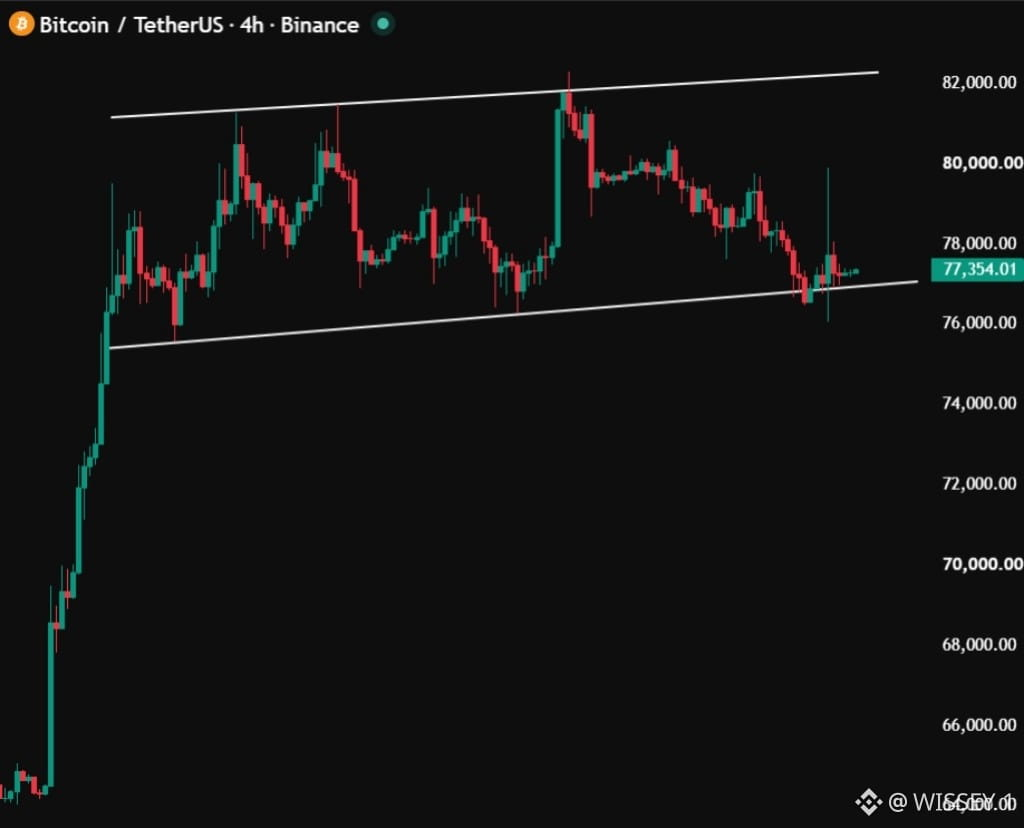
$BTC はほぼ 3 週間、このレンジで推移しています。
$80,000 の売り手が諦めるか、$76,000 の買い手が“乾き切った”状態(購入資金が尽きる)になります。
今後のイベントを見ると、後者が起こりうるように思えます。
#BTC Price Analysis# #Macro Insights#
$BTC はほぼ 3 週間、このレンジで推移しています。
$80,000 の売り手が諦めるか、$76,000 の買い手が“乾き切った”状態(購入資金が尽きる)になります。
今後のイベントを見ると、後者が起こりうるように思えます。
#BTC Price Analysis# #Macro Insights#
$80,000 の売り手が諦めるか、$76,000 の買い手が“乾き切った”状態(購入資金が尽きる)になります。
今後のイベントを見ると、後者が起こりうるように思えます。
#BTC Price Analysis# #Macro Insights#
61
ログインして、さらにコンテンツを読む
厳選トピックで世界の暗号資産トレーダーの仲間入り
⚡️ 暗号資産に関する最新かつ有益な情報が見つかります。
💬 世界最大の暗号資産取引所から信頼されています。
👍 認証を受けたクリエイターから、有益なインサイトを得られます。
メール / 電話番号
トレンドトピック
BitcoinSpotETFsNetInflow$191M
閲覧回数 775
75人が討論中
🚨 ウォール街はまだビットコインを買い続けている。
米国のスポット・ビットコインETFは9月24日にさらに1億9100万ドルの純流入を記録し、連勝は6営業日連続となった。
そして最大の買い手は?
ブラックロックのIBIT——およそ1日で1億6300万ドル。
フィデリティのFBTCはさらに1290万ドルを追加した。米国のスポット・ビットコインETF全体の純資産は約1,089億ドルまで上昇した。
より大きな全体像はさらに興味深い:
過去6セッションで、ビットコインETFは28億ドル(2.8 BILLION)以上を吸収している。BTCが一時8万7,000ドル超で取引された後に冷え込んだとしてもだ。
つまり、機関投資家の需要は後退していないということだ。
ただし、月曜の巨額だった約9億9900万ドルの流入からはペースが鈍化した。それでも資金は、撤退ではなくビットコインへと動いている。
さて、疑問はシンプルだ:
ETF需要が供給を吸収し続けながら、BTCが調整局面に入っているなら…勢いが戻ったとき、何が起きる? 👀
$BTC $ZEC $XAU
#BitcoinSpotETFsNetInflow$191M #CFTCUpdatesGuidanceOnTokenizedAssets #BitgetSays$352MAffectedInHack #BinanceWillListHyperliquid(HYPE) #FedProposesRulesForBankIssuedStablecoins
KimHotbae
·いいね:0件
·閲覧回数 4
CFTCUpdatesGuidanceOnTokenizedAssets
閲覧回数 11,442
559人が討論中
BitgetSays$352MAffectedInHack
閲覧回数 2,585
39人が討論中