

Coincamps
380 投稿

Coincamps
報告
ユーザーをブロック
🔍 Where Crypto & AI Minds Gather,Signal for Crypto & AI Builders
https://coincamps.ai
取引を発注
低高頻度トレーダー
2.3年
5 フォロー
1.3K+ フォロワー
49 いいね
投稿
ポートフォリオ
·
--
翻訳参照
UPBIT LISTING: 돌핀(POD) 신규 거래지원 안내 (KRW, BTC, USDT 마켓)
UPBIT LISTING: 돌핀(POD) 신규 거래지원 안내 (KRW, BTC, USDT 마켓)
POD MarketCap: 26M
UPBIT LISTING: 돌핀(POD) 신규 거래지원 안내 (KRW, BTC, USDT 마켓)
UPBIT LISTING: 돌핀(POD) 신규 거래지원 안내 (KRW, BTC, USDT 마켓)
POD MarketCap: 26M
UPBIT LISTING: 돌핀(POD) 신규 거래지원 안내 (KRW, BTC, USDT 마켓)
POD MarketCap: 26M
77
·
--
翻訳参照
Bithumb Listing: [마켓 추가
Bithumb Listing: [마켓 추가
Bithumb Listing: [마켓 추가
Bithumb Listing: [마켓 추가
Bithumb Listing: [마켓 추가
·
--
BWENEWS: 近接インテントの脆弱性は修正され、ユーザーへの全面的な補償を予定しており、1時間以内に運用を再開します:Xの近接インテント
BWENEWS: 近接インテントの脆弱性は修正され、ユーザーへの全面的な補償を予定しており、1時間以内に運用を再開します:Xの近接インテント
BWENEWS: 近接インテントの脆弱性は修正され、ユーザーへの全面的な補償を予定しており、1時間以内に運用を再開します:Xの近接インテント
BWENEWS: 近接インテントの脆弱性は修正され、ユーザーへの全面的な補償を予定しており、1時間以内に運用を再開します:Xの近接インテント
BWENEWS: 近接インテントの脆弱性は修正され、ユーザーへの全面的な補償を予定しており、1時間以内に運用を再開します:Xの近接インテント
31
·
--
BWENEWS: ニア・インテントの脆弱性は修正済みで、全ユーザーへの補償を予定しており、1時間以内に運用を再開します:Xのニア・インテント
ニア・インテントの脆弱性は修正済みで、全ユーザーへの補償を予定しており、1時間以内に運用を再開します:Xのニア・インテント
BWENEWS: ニア・インテントの脆弱性は修正済みで、全ユーザーへの補償を予定しており、1時間以内に運用を再開します:Xのニア・インテント
ニア・インテントの脆弱性は修正済みで、全ユーザーへの補償を予定しており、1時間以内に運用を再開します:Xのニア・インテント
ニア・インテントの脆弱性は修正済みで、全ユーザーへの補償を予定しており、1時間以内に運用を再開します:Xのニア・インテント
84
·
--
BWENEWS:Bitgetは9月24日のセキュリティ侵害を受けて、9月28日からBTC、9月29日からETH、9月30日からUSDT、そして10月にかけて段階的に出金を再開します
BWENEWS:Bitgetは9月24日のセキュリティ侵害を受けて、9月28日からBTC、9月29日からETH、9月30日からUSDT、そして10月にかけて段階的に出金を再開します
78
·
--
記事
あなたの悩みを解決する手助けを――いま必要なのは、普通の人たちのためのAIかもしれない、ということこの4年間で、生成AIの壮大な物語は実のところ、まったく同じ種類の、立派で名の通った人物の「飯(食いぶち)」を奪い合おうと企んでいる。
コードを書き、デザインをし、事業計画を起草し、映画のストーリーボードを描く。トップラボは、あらゆるベンチマークで小数点以下第2位まで削って検証を重ねる一方、大手テックは、暗黙の優越感を持ちながら、人間が完全に解雇されるまでに残り何四半期あるのかを計算し続けている。
しかし、誰もが目の前にあるもう一つの「人生」のほうを、あえて意図的に避けて通っている。
あなたの悩みを解決する手助けを――いま必要なのは、普通の人たちのためのAIかもしれない、ということ
この4年間で、生成AIの壮大な物語は実のところ、まったく同じ種類の、立派で名の通った人物の「飯(食いぶち)」を奪い合おうと企んでいる。
コードを書き、デザインをし、事業計画を起草し、映画のストーリーボードを描く。トップラボは、あらゆるベンチマークで小数点以下第2位まで削って検証を重ねる一方、大手テックは、暗黙の優越感を持ちながら、人間が完全に解雇されるまでに残り何四半期あるのかを計算し続けている。
しかし、誰もが目の前にあるもう一つの「人生」のほうを、あえて意図的に避けて通っている。
コードを書き、デザインをし、事業計画を起草し、映画のストーリーボードを描く。トップラボは、あらゆるベンチマークで小数点以下第2位まで削って検証を重ねる一方、大手テックは、暗黙の優越感を持ちながら、人間が完全に解雇されるまでに残り何四半期あるのかを計算し続けている。
しかし、誰もが目の前にあるもう一つの「人生」のほうを、あえて意図的に避けて通っている。
18
·
--
記事
DeepSeek、Huawei、『Must Succeed』:160,000匹のホタルが荒野を照らす原題:"DeepSeek、Huawei、『Must Succeed』:160,000匹のホタルが荒野へと輝き渡る"
原著者:Dongcha Beating
2019年、中国のクオンツ界で最も高価な資産は、陸家嘴ではなく、杭州のオフィスビルにあるサーバールームにあった。
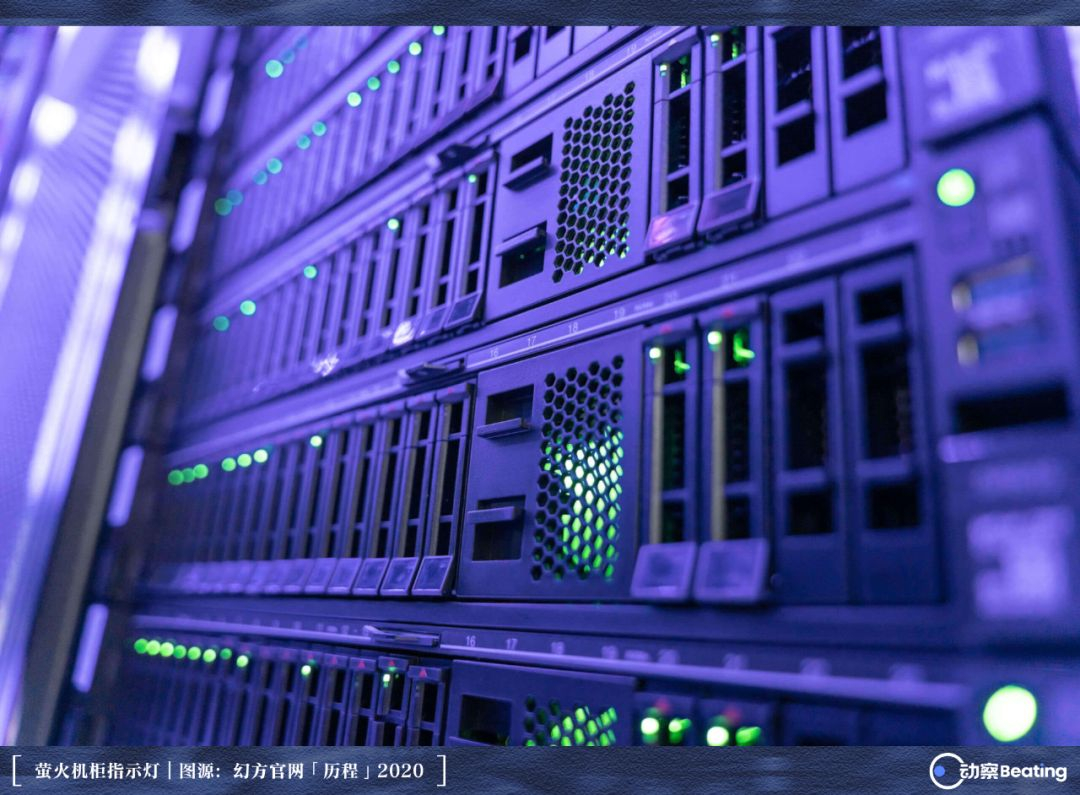
1,100台のGPU。そこでハイ・フライヤーは実際の現金で約2億ドルを投じた。ラックはずらりと並び、バスケットボールコートに近い広さを占めていた。サーバールームには昼も夜もなかった。背景音は高速ファンが発するきつい唸り声だけだった。
DeepSeek、Huawei、『Must Succeed』:160,000匹のホタルが荒野を照らす
原題:"DeepSeek、Huawei、『Must Succeed』:160,000匹のホタルが荒野へと輝き渡る"
原著者:Dongcha Beating
2019年、中国のクオンツ界で最も高価な資産は、陸家嘴ではなく、杭州のオフィスビルにあるサーバールームにあった。
1,100台のGPU。そこでハイ・フライヤーは実際の現金で約2億ドルを投じた。ラックはずらりと並び、バスケットボールコートに近い広さを占めていた。サーバールームには昼も夜もなかった。背景音は高速ファンが発するきつい唸り声だけだった。
原著者:Dongcha Beating
2019年、中国のクオンツ界で最も高価な資産は、陸家嘴ではなく、杭州のオフィスビルにあるサーバールームにあった。
1,100台のGPU。そこでハイ・フライヤーは実際の現金で約2億ドルを投じた。ラックはずらりと並び、バスケットボールコートに近い広さを占めていた。サーバールームには昼も夜もなかった。背景音は高速ファンが発するきつい唸り声だけだった。
54
·
--

記事
ザッカーバーグの新AIツールがダウンロード首位に、OpenAIは追随を急ぐ。編集部注:9月8日、Metaは個人向けAIエージェント「Muse」をリリースした。ローンチ後、ダウンロード数は順調に伸び、1週間も経たないうちにChatGPTを上回り、米国のApp Storeの無料チャートで首位に立った。9月21日までに、iOSとAndroidのダウンロード数はそれぞれ約150万、110万に達し、その後Mac版もリリースされた。
しかし、その後トラブルが起きた。ローンチから12日目に、AmazonはMuseを同社のマーケットプレイスでの買い物に利用することを禁止した。理由は、Metaが事前通知をしていなかったこと、Museがウェブ閲覧中に自らをAIだと名乗っていなかったこと、そしてユーザーのログイン情報を保存する可能性があることだという。『AIに人の代わりに注文をさせる』という構想は、主要なプラットフォームと初めて真正面から衝突した。
ザッカーバーグの新AIツールがダウンロード首位に、OpenAIは追随を急ぐ。
編集部注:9月8日、Metaは個人向けAIエージェント「Muse」をリリースした。ローンチ後、ダウンロード数は順調に伸び、1週間も経たないうちにChatGPTを上回り、米国のApp Storeの無料チャートで首位に立った。9月21日までに、iOSとAndroidのダウンロード数はそれぞれ約150万、110万に達し、その後Mac版もリリースされた。
しかし、その後トラブルが起きた。ローンチから12日目に、AmazonはMuseを同社のマーケットプレイスでの買い物に利用することを禁止した。理由は、Metaが事前通知をしていなかったこと、Museがウェブ閲覧中に自らをAIだと名乗っていなかったこと、そしてユーザーのログイン情報を保存する可能性があることだという。『AIに人の代わりに注文をさせる』という構想は、主要なプラットフォームと初めて真正面から衝突した。
しかし、その後トラブルが起きた。ローンチから12日目に、AmazonはMuseを同社のマーケットプレイスでの買い物に利用することを禁止した。理由は、Metaが事前通知をしていなかったこと、Museがウェブ閲覧中に自らをAIだと名乗っていなかったこと、そしてユーザーのログイン情報を保存する可能性があることだという。『AIに人の代わりに注文をさせる』という構想は、主要なプラットフォームと初めて真正面から衝突した。
72
·
--
記事
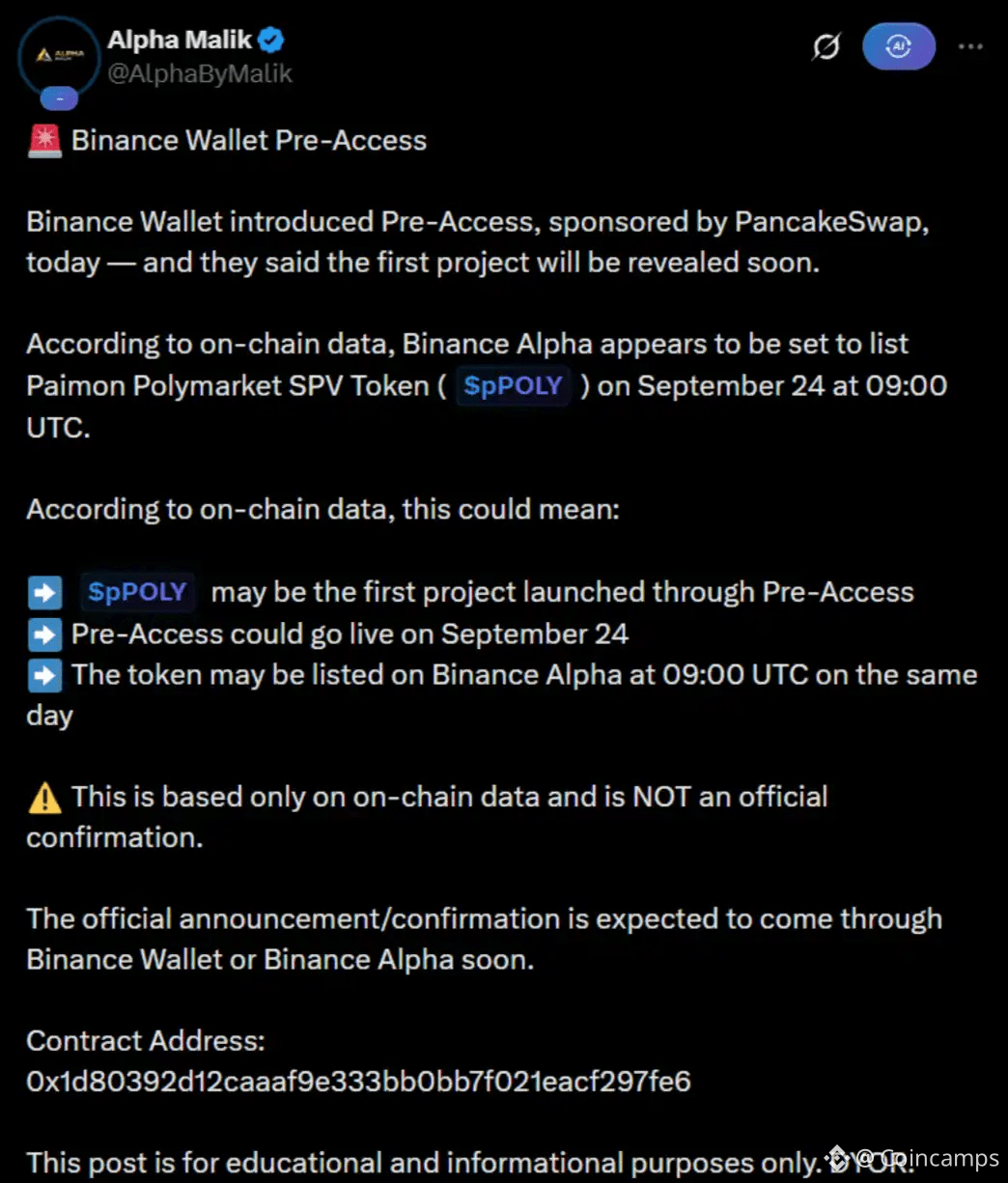
人事刷新、ポリマーケットは上場するのか?9月20日、「Binance Wallet は Polymarket のプレIPO(Pre-IPO)をまもなくローンチする」という内容のスクリーンショットがX上で拡散している。
ポリマーケットは2020年にシェーン・コプラン(Shayne Coplan)によって創業された。彼はCEOを務めている。ユーザーは資金を使って、政治、スポーツ、そして世界情勢に関する「起こり得る結果」についての取引を行える。9月上旬、メディア報道では、1789 Capitalが約10億ドル規模の資金調達ラウンドを主導しており、投資後のプラットフォーム評価額が210億ドルに引き上げられるとしていた。
「上場する」という観点から見ると、過去数カ月のポリマーケット(Polymarket)の一連の動きが突然つじつまの合うものになる。Amazon、Uber、NYSE、Coinbase、Robinhoodの幹部たちが相次いで参加し、米国事業における力関係が再配分された。オンチェーンの注文帳は解体されて書き換えられる準備を進めており、同社はさらにCFO、コンプライアンス、リスク管理、対外(政府)関係のポジションの採用も開始している。
人事刷新、ポリマーケットは上場するのか?
9月20日、「Binance Wallet は Polymarket のプレIPO(Pre-IPO)をまもなくローンチする」という内容のスクリーンショットがX上で拡散している。
ポリマーケットは2020年にシェーン・コプラン(Shayne Coplan)によって創業された。彼はCEOを務めている。ユーザーは資金を使って、政治、スポーツ、そして世界情勢に関する「起こり得る結果」についての取引を行える。9月上旬、メディア報道では、1789 Capitalが約10億ドル規模の資金調達ラウンドを主導しており、投資後のプラットフォーム評価額が210億ドルに引き上げられるとしていた。
「上場する」という観点から見ると、過去数カ月のポリマーケット(Polymarket)の一連の動きが突然つじつまの合うものになる。Amazon、Uber、NYSE、Coinbase、Robinhoodの幹部たちが相次いで参加し、米国事業における力関係が再配分された。オンチェーンの注文帳は解体されて書き換えられる準備を進めており、同社はさらにCFO、コンプライアンス、リスク管理、対外(政府)関係のポジションの採用も開始している。
ポリマーケットは2020年にシェーン・コプラン(Shayne Coplan)によって創業された。彼はCEOを務めている。ユーザーは資金を使って、政治、スポーツ、そして世界情勢に関する「起こり得る結果」についての取引を行える。9月上旬、メディア報道では、1789 Capitalが約10億ドル規模の資金調達ラウンドを主導しており、投資後のプラットフォーム評価額が210億ドルに引き上げられるとしていた。
「上場する」という観点から見ると、過去数カ月のポリマーケット(Polymarket)の一連の動きが突然つじつまの合うものになる。Amazon、Uber、NYSE、Coinbase、Robinhoodの幹部たちが相次いで参加し、米国事業における力関係が再配分された。オンチェーンの注文帳は解体されて書き換えられる準備を進めており、同社はさらにCFO、コンプライアンス、リスク管理、対外(政府)関係のポジションの採用も開始している。
·
--
記事
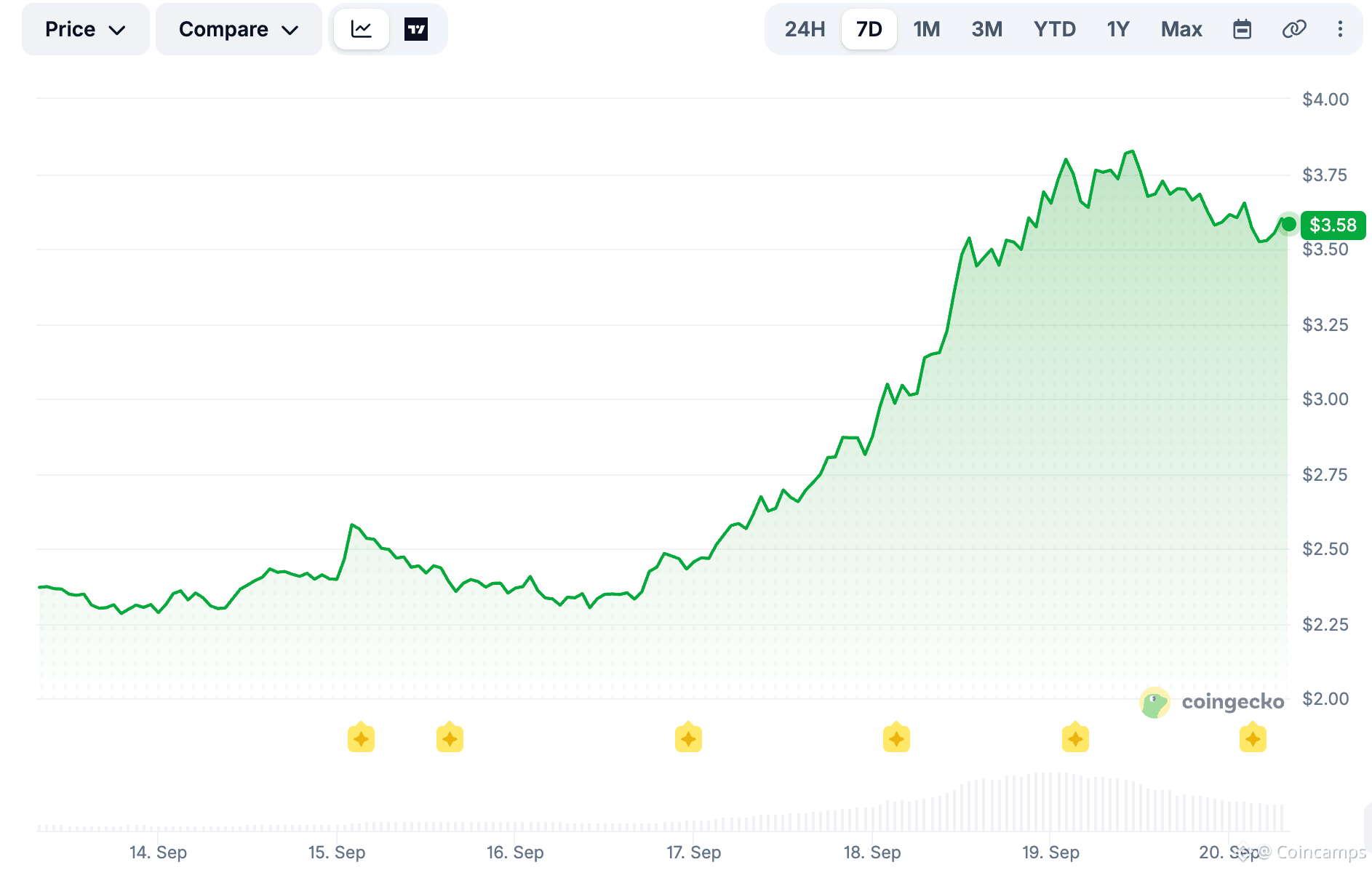
NEARは1週間で50%超急騰。このベテラン・ブロックチェーンはどんな新しい物語を語っているのか?過去1週間でNEARはおよそ$2.3から$3.9を超える高値まで上昇し、一時は50%超の上昇を記録しました。近年では最も堅調に推移し、また最も注目を集めている主要アルトコインの1つとなっています。
シャーディングや高性能なパブリック・ブロックチェーンを軸にしたこれまでの物語とは対照的に、今回NEARは現実の取引需要により密接に結びついた新しい物語を描こうとしています。クロスチェーンからプライバシー取引へ、さらにパーペチュアル・コントラクトやAIエージェントまで、このパブリック・ブロックチェーンは複数のホットな分野から同時に資本とユーザー需要を取り込もうとしています。
NEARは1週間で50%超急騰。このベテラン・ブロックチェーンはどんな新しい物語を語っているのか?
過去1週間でNEARはおよそ$2.3から$3.9を超える高値まで上昇し、一時は50%超の上昇を記録しました。近年では最も堅調に推移し、また最も注目を集めている主要アルトコインの1つとなっています。
シャーディングや高性能なパブリック・ブロックチェーンを軸にしたこれまでの物語とは対照的に、今回NEARは現実の取引需要により密接に結びついた新しい物語を描こうとしています。クロスチェーンからプライバシー取引へ、さらにパーペチュアル・コントラクトやAIエージェントまで、このパブリック・ブロックチェーンは複数のホットな分野から同時に資本とユーザー需要を取り込もうとしています。
シャーディングや高性能なパブリック・ブロックチェーンを軸にしたこれまでの物語とは対照的に、今回NEARは現実の取引需要により密接に結びついた新しい物語を描こうとしています。クロスチェーンからプライバシー取引へ、さらにパーペチュアル・コントラクトやAIエージェントまで、このパブリック・ブロックチェーンは複数のホットな分野から同時に資本とユーザー需要を取り込もうとしています。
298
·
--
記事
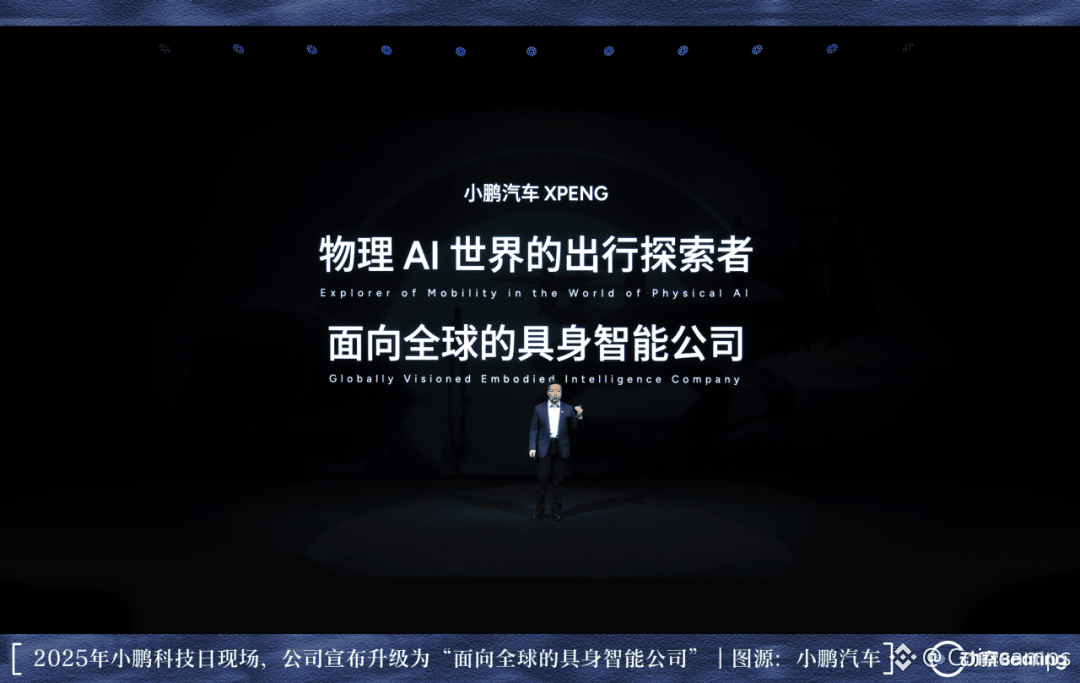
中国の新エネ車企業は皆、AI企業になることを望んでいる。元のタイトル:「中国の新エネ車企業は皆AI企業になりたい」
元の著者:董車拍打
中国の新エネ車企業は今や皆、AI企業になりたいと思っている。
しかし、この事業の出発点にはアルゴリズムも計算能力もなく、商業ロジックと呼ぶには到底公平ではなかった。
2009年、「10都市、千台の車」プログラムが始まり、政府は、誰も買っていない実験的な製品を補助するために実弾の投入を始めた。中国の自動車産業は半世紀以上にわたり、内燃機関の特許によって行き詰まり、チャンスを得て進路を変え突破口を開こうとしていた。ひとたび門が開くと、実際の自動車メーカーと投機的な裁定業者が入り混じり、野心と投機が同じレールの上で暴れ回った。
中国の新エネ車企業は皆、AI企業になることを望んでいる。
元のタイトル:「中国の新エネ車企業は皆AI企業になりたい」
元の著者:董車拍打
中国の新エネ車企業は今や皆、AI企業になりたいと思っている。
しかし、この事業の出発点にはアルゴリズムも計算能力もなく、商業ロジックと呼ぶには到底公平ではなかった。
2009年、「10都市、千台の車」プログラムが始まり、政府は、誰も買っていない実験的な製品を補助するために実弾の投入を始めた。中国の自動車産業は半世紀以上にわたり、内燃機関の特許によって行き詰まり、チャンスを得て進路を変え突破口を開こうとしていた。ひとたび門が開くと、実際の自動車メーカーと投機的な裁定業者が入り混じり、野心と投機が同じレールの上で暴れ回った。
元の著者:董車拍打
中国の新エネ車企業は今や皆、AI企業になりたいと思っている。
しかし、この事業の出発点にはアルゴリズムも計算能力もなく、商業ロジックと呼ぶには到底公平ではなかった。
2009年、「10都市、千台の車」プログラムが始まり、政府は、誰も買っていない実験的な製品を補助するために実弾の投入を始めた。中国の自動車産業は半世紀以上にわたり、内燃機関の特許によって行き詰まり、チャンスを得て進路を変え突破口を開こうとしていた。ひとたび門が開くと、実際の自動車メーカーと投機的な裁定業者が入り混じり、野心と投機が同じレールの上で暴れ回った。
359
·
--
翻訳参照
Binance EN: Binance Will Support the Stargate Finance (STG) Token Merge to LayerZero (ZRO)
Binance EN: Binance Will Support the Stargate Finance (STG) Token Merge to LayerZero (ZRO)
ZRO MarketCap: 792M
STG MarketCap: 153M
Binance EN: Binance Will Support the Stargate Finance (STG) Token Merge to LayerZero (ZRO)
Binance EN: Binance Will Support the Stargate Finance (STG) Token Merge to LayerZero (ZRO)
ZRO MarketCap: 792M
STG MarketCap: 153M
Binance EN: Binance Will Support the Stargate Finance (STG) Token Merge to LayerZero (ZRO)
ZRO MarketCap: 792M
STG MarketCap: 153M
307
·
--
翻訳参照
BWENEWS AI (No Accuracy Guaranteed): Uniswap founder Hayden Adams highlights SEC Commissioner Hester Peirce's comment letter supporting autonomous decentralized systems, noting it
BWENEWS AI (No Accuracy Guaranteed): Uniswap founder Hayden Adams highlights SEC Commissioner Hester Peirce's comment letter supporting autonomous decentralized systems, noting it creates a pathway for compliant trading in permissioned Uniswap v4 pools in the US |source: Twitter
UNI MarketCap: 6.6B
BWENEWS AI (No Accuracy Guaranteed): Uniswap founder Hayden Adams highlights SEC Commissioner Hester Peirce's comment letter supporting autonomous decentralized systems, noting it
BWENEWS AI (No Accuracy Guaranteed): Uniswap founder Hayden Adams highlights SEC Commissioner Hester Peirce's comment letter supporting autonomous decentralized systems, noting it creates a pathway for compliant trading in permissioned Uniswap v4 pools in the US |source: Twitter
UNI MarketCap: 6.6B
BWENEWS AI (No Accuracy Guaranteed): Uniswap founder Hayden Adams highlights SEC Commissioner Hester Peirce's comment letter supporting autonomous decentralized systems, noting it creates a pathway for compliant trading in permissioned Uniswap v4 pools in the US |source: Twitter
UNI MarketCap: 6.6B
2
·
--
翻訳参照
BWENEWS AI (No Accuracy Guaranteed): Uniswap founder Hayden Adams highlights SEC Commissioner Hester Peirce's comment letter supporting autonomous decentralized systems, noting it
Uniswap founder Hayden Adams highlights SEC Commissioner Hester Peirce's comment letter supporting autonomous decentralized systems, noting it creates a pathway for compliant trading in permissioned Uniswap v4 pools in the US |source: Twitter
BWENEWS AI (No Accuracy Guaranteed): Uniswap founder Hayden Adams highlights SEC Commissioner Hester Peirce's comment letter supporting autonomous decentralized systems, noting it
Uniswap founder Hayden Adams highlights SEC Commissioner Hester Peirce's comment letter supporting autonomous decentralized systems, noting it creates a pathway for compliant trading in permissioned Uniswap v4 pools in the US |source: Twitter
Uniswap founder Hayden Adams highlights SEC Commissioner Hester Peirce's comment letter supporting autonomous decentralized systems, noting it creates a pathway for compliant trading in permissioned Uniswap v4 pools in the US |source: Twitter
·
--
翻訳参照
AggrNews: S&P GLOBAL ANNOUNCES AGREEMENT TO ACQUIRE OPENZEPPELIN: PRN
AggrNews: S&P GLOBAL ANNOUNCES AGREEMENT TO ACQUIRE OPENZEPPELIN: PRN
AggrNews: S&P GLOBAL ANNOUNCES AGREEMENT TO ACQUIRE OPENZEPPELIN: PRN
AggrNews: S&P GLOBAL ANNOUNCES AGREEMENT TO ACQUIRE OPENZEPPELIN: PRN
AggrNews: S&P GLOBAL ANNOUNCES AGREEMENT TO ACQUIRE OPENZEPPELIN: PRN
26
·
--
翻訳参照
AggrNews: S&P GLOBAL ANNOUNCES AGREEMENT TO ACQUIRE OPENZEPPELIN: PRN
S&P GLOBAL ANNOUNCES AGREEMENT TO ACQUIRE OPENZEPPELIN: PRN
AggrNews: S&P GLOBAL ANNOUNCES AGREEMENT TO ACQUIRE OPENZEPPELIN: PRN
S&P GLOBAL ANNOUNCES AGREEMENT TO ACQUIRE OPENZEPPELIN: PRN
S&P GLOBAL ANNOUNCES AGREEMENT TO ACQUIRE OPENZEPPELIN: PRN
35
·
--
記事
翻訳参照
On-chain trading has recently been fraught with pitfalls, with scam links and malicious pools requiring caution.Recently, jumping into dog coins has become noticeably riskier. We're used to the ups and downs, but the main thing is not to get scammed.
For example, clicking on phishing links.
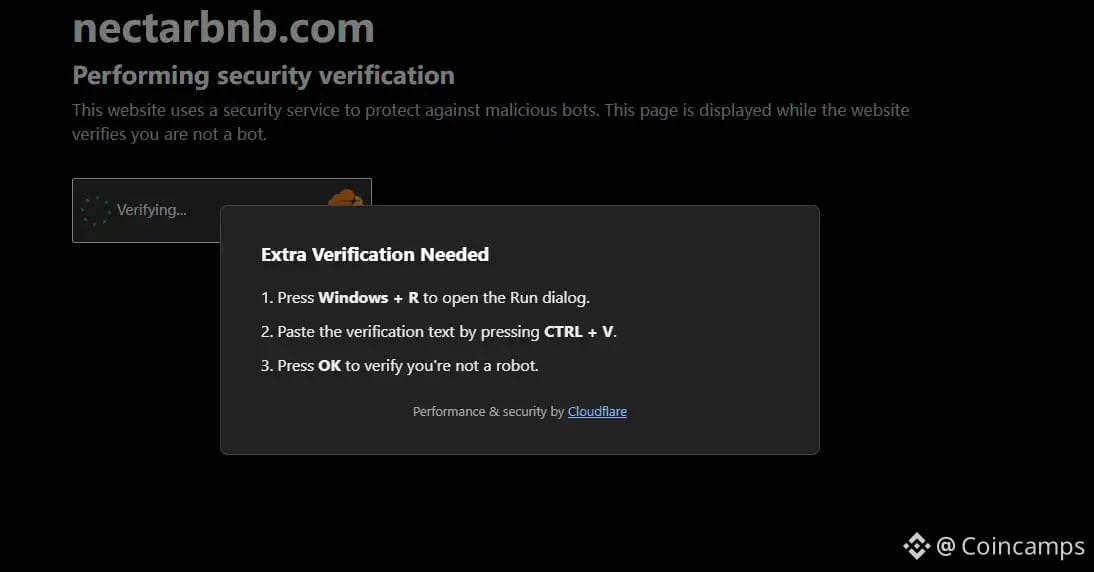
Crypto KOLs @insidecalls and @cladzsol recently exposed that while scanning the chain daily, they opened a meme coin homepage and were greeted with a fake "Cloudflare verification" prompt from hackers, instructing them to press Ctrl V, which was actually a malicious script. After following the prompt to "complete verification," the victims' on-chain funds were stolen. Among them, @cladzsol lost about $600,000 in assets.
BlockBeats found that on several recently popular meme coin display pages, their homepages redirect to a "Cloudflare verification" page, which is actually a phishing link. If users follow the instructions, their computer systems will download and execute malicious scripts, leading to asset losses.
This phenomenon is now very common, likely due to delayed audits by mainstream trading aggregators like DexScreener. Currently, the display logic of relevant platforms is: directly referencing the "official website" or social media links filled in the token metadata. These fields can be updated by the token creator or those later claiming "community takeover." Hackers exploit this audit loophole to turn meme coin display pages into new "fishing grounds" for phishing attacks.
Another example is the recently much-discussed Uniswap V4 pool issue.
Trading aggregator 0x released an analysis report titled "Uniswap v4 hooks were a mistake." They pulled 84,163 hooks across 6 chains for a health check, and the results were staggering: over half (54.2%) were malicious contracts, and another 26.4% were suspected malicious.
This maliciousness leads to retail investors losing money; buying $1,000 worth of coins might result in $200 going straight into these hook addresses, comparable to MEV attacks.
So how can retail investors protect themselves?
Set low slippage
This is likely the best on-chain defense for retail investors. With low slippage, malicious hooks can't take a cut. Some low-market-cap coins might indeed not execute with low slippage, but for slightly larger market caps, it's worth paying attention.
Confirm the "minimum received amount"
The estimated received amount is simulated off-chain; in the face of malicious hooks, it can always be a empty promise.
To check the Minimum Received, if this number drops below your personal tolerance limit, it's best to cancel the transaction.
There are also some official suggestions from Uniswap, which are basically useless. They say to use the official Uniswap frontend because it has a hook whitelist, so malicious ones won't pass review, but who would trade using the Uniswap frontend with its crappy experience?
In short, everyone should be more careful when trading. When the chain gets hot, there will be many opportunities, but your principal is more important.
Join the official Coincamps community:
X: https://x.com/coincamps
Telegram: https://t.me/coin_camps
On-chain trading has recently been fraught with pitfalls, with scam links and malicious pools requiring caution.
Recently, jumping into dog coins has become noticeably riskier. We're used to the ups and downs, but the main thing is not to get scammed.
For example, clicking on phishing links.
Crypto KOLs @insidecalls and @cladzsol recently exposed that while scanning the chain daily, they opened a meme coin homepage and were greeted with a fake "Cloudflare verification" prompt from hackers, instructing them to press Ctrl V, which was actually a malicious script. After following the prompt to "complete verification," the victims' on-chain funds were stolen. Among them, @cladzsol lost about $600,000 in assets.
BlockBeats found that on several recently popular meme coin display pages, their homepages redirect to a "Cloudflare verification" page, which is actually a phishing link. If users follow the instructions, their computer systems will download and execute malicious scripts, leading to asset losses.
This phenomenon is now very common, likely due to delayed audits by mainstream trading aggregators like DexScreener. Currently, the display logic of relevant platforms is: directly referencing the "official website" or social media links filled in the token metadata. These fields can be updated by the token creator or those later claiming "community takeover." Hackers exploit this audit loophole to turn meme coin display pages into new "fishing grounds" for phishing attacks.
Another example is the recently much-discussed Uniswap V4 pool issue.
Trading aggregator 0x released an analysis report titled "Uniswap v4 hooks were a mistake." They pulled 84,163 hooks across 6 chains for a health check, and the results were staggering: over half (54.2%) were malicious contracts, and another 26.4% were suspected malicious.
This maliciousness leads to retail investors losing money; buying $1,000 worth of coins might result in $200 going straight into these hook addresses, comparable to MEV attacks.
So how can retail investors protect themselves?
Set low slippage
This is likely the best on-chain defense for retail investors. With low slippage, malicious hooks can't take a cut. Some low-market-cap coins might indeed not execute with low slippage, but for slightly larger market caps, it's worth paying attention.
Confirm the "minimum received amount"
The estimated received amount is simulated off-chain; in the face of malicious hooks, it can always be a empty promise.
To check the Minimum Received, if this number drops below your personal tolerance limit, it's best to cancel the transaction.
There are also some official suggestions from Uniswap, which are basically useless. They say to use the official Uniswap frontend because it has a hook whitelist, so malicious ones won't pass review, but who would trade using the Uniswap frontend with its crappy experience?
In short, everyone should be more careful when trading. When the chain gets hot, there will be many opportunities, but your principal is more important.
Join the official Coincamps community:
X: https://x.com/coincamps
Telegram: https://t.me/coin_camps
For example, clicking on phishing links.
Crypto KOLs @insidecalls and @cladzsol recently exposed that while scanning the chain daily, they opened a meme coin homepage and were greeted with a fake "Cloudflare verification" prompt from hackers, instructing them to press Ctrl V, which was actually a malicious script. After following the prompt to "complete verification," the victims' on-chain funds were stolen. Among them, @cladzsol lost about $600,000 in assets.
BlockBeats found that on several recently popular meme coin display pages, their homepages redirect to a "Cloudflare verification" page, which is actually a phishing link. If users follow the instructions, their computer systems will download and execute malicious scripts, leading to asset losses.
This phenomenon is now very common, likely due to delayed audits by mainstream trading aggregators like DexScreener. Currently, the display logic of relevant platforms is: directly referencing the "official website" or social media links filled in the token metadata. These fields can be updated by the token creator or those later claiming "community takeover." Hackers exploit this audit loophole to turn meme coin display pages into new "fishing grounds" for phishing attacks.
Another example is the recently much-discussed Uniswap V4 pool issue.
Trading aggregator 0x released an analysis report titled "Uniswap v4 hooks were a mistake." They pulled 84,163 hooks across 6 chains for a health check, and the results were staggering: over half (54.2%) were malicious contracts, and another 26.4% were suspected malicious.
This maliciousness leads to retail investors losing money; buying $1,000 worth of coins might result in $200 going straight into these hook addresses, comparable to MEV attacks.
So how can retail investors protect themselves?
Set low slippage
This is likely the best on-chain defense for retail investors. With low slippage, malicious hooks can't take a cut. Some low-market-cap coins might indeed not execute with low slippage, but for slightly larger market caps, it's worth paying attention.
Confirm the "minimum received amount"
The estimated received amount is simulated off-chain; in the face of malicious hooks, it can always be a empty promise.
To check the Minimum Received, if this number drops below your personal tolerance limit, it's best to cancel the transaction.
There are also some official suggestions from Uniswap, which are basically useless. They say to use the official Uniswap frontend because it has a hook whitelist, so malicious ones won't pass review, but who would trade using the Uniswap frontend with its crappy experience?
In short, everyone should be more careful when trading. When the chain gets hot, there will be many opportunities, but your principal is more important.
Join the official Coincamps community:
X: https://x.com/coincamps
Telegram: https://t.me/coin_camps
46
·
--
翻訳参照
Bithumb Listing: [마켓 추가
Bithumb Listing: [마켓 추가
AVA MarketCap: 11.6M
Bithumb Listing: [마켓 추가
Bithumb Listing: [마켓 추가
AVA MarketCap: 11.6M
Bithumb Listing: [마켓 추가
AVA MarketCap: 11.6M
2
ログインして、さらにコンテンツを読む
厳選トピックで世界の暗号資産トレーダーの仲間入り
⚡️ 暗号資産に関する最新かつ有益な情報が見つかります。
💬 世界最大の暗号資産取引所から信頼されています。
👍 認証を受けたクリエイターから、有益なインサイトを得られます。
メール / 電話番号