

ella 1
27 投稿

ella 1
報告
ユーザーをブロック
0 フォロー
2 フォロワー
5 いいね
投稿
·
--
ビットコインは85Kドルに触れたものの押し戻されましたが、4時間足チャートはここ数セッション前よりまだ良く見えます。
私が良いと思うのは、82.7Kドル安値の後に起きた反応の連なりです。買い手が毎回、少しずつ早い段階で入ってきています。
$BTC について、84Kドル〜84.2Kドルはまず“維持されるのを見たい”最初のエリアです。そこを上回っていれば、さらにもう一度85Kドルを試しに行くのは理にかなっています。きれいなブレイクなら、86Kドル〜86.5Kドルが再び視野に入ります。
83.5Kドルを下回るようなら、この状況にはかなり不安が出てきます。
ビットコインは85Kドルに触れたものの押し戻されましたが、4時間足チャートはここ数セッション前よりまだ良く見えます。
私が良いと思うのは、82.7Kドル安値の後に起きた反応の連なりです。買い手が毎回、少しずつ早い段階で入ってきています。
$BTC について、84Kドル〜84.2Kドルはまず“維持されるのを見たい”最初のエリアです。そこを上回っていれば、さらにもう一度85Kドルを試しに行くのは理にかなっています。きれいなブレイクなら、86Kドル〜86.5Kドルが再び視野に入ります。
83.5Kドルを下回るようなら、この状況にはかなり不安が出てきます。
私が良いと思うのは、82.7Kドル安値の後に起きた反応の連なりです。買い手が毎回、少しずつ早い段階で入ってきています。
$BTC について、84Kドル〜84.2Kドルはまず“維持されるのを見たい”最初のエリアです。そこを上回っていれば、さらにもう一度85Kドルを試しに行くのは理にかなっています。きれいなブレイクなら、86Kドル〜86.5Kドルが再び視野に入ります。
83.5Kドルを下回るようなら、この状況にはかなり不安が出てきます。
58
·
--
トークン化されたRWAはまだ「未来の物語」として扱われがちですが、市場ではすでに実際の動きが見えています
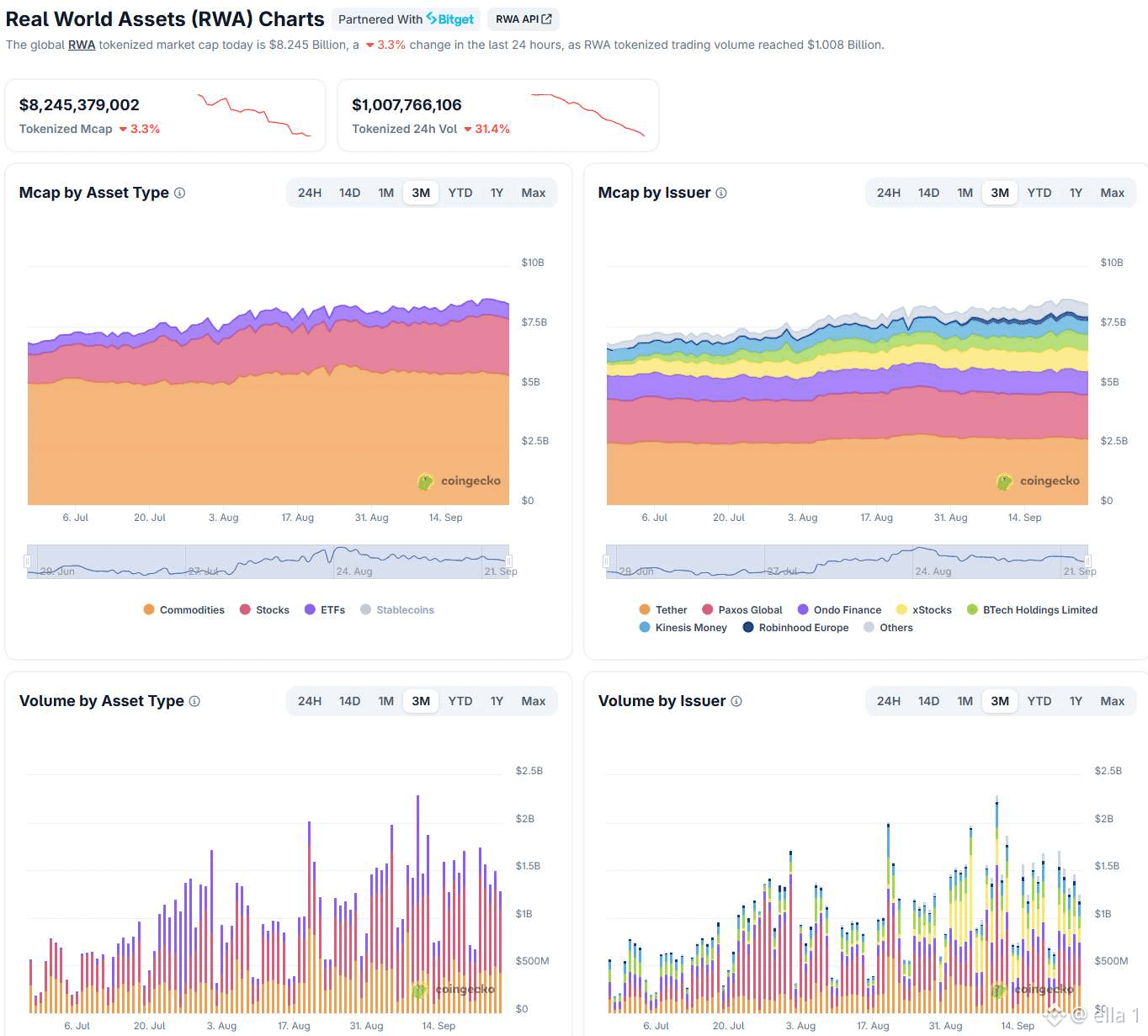
@coingeckoのRWAチャートでは、現在トークン化市場の時価総額が約8.25Bドル、24時間の出来高が1.01Bドルほど表示されています。いずれも過去1日で下落しており、時価総額は3.3%下がり、出来高は31.4%減少しています
その減速があっても、日次出来高は市場全体の時価総額の約12%に相当しており、まだ黎明期だと考える人も多いこの分野としては注目に値します
有益なのは、さらに深掘りできる点です。時価総額、出来高、トークン数はすべて、資産タイプや発行体ごとに、24HからMaxまでの期間で比較できます
その結果、物語だけを追うのではなく、RWAの活動が実際にどこから生まれているのかが見えやすくなります
データを自分で探ってみてください:
coingecko.com/en/charts/rwa
トークン化されたRWAはまだ「未来の物語」として扱われがちですが、市場ではすでに実際の動きが見えています
@coingeckoのRWAチャートでは、現在トークン化市場の時価総額が約8.25Bドル、24時間の出来高が1.01Bドルほど表示されています。いずれも過去1日で下落しており、時価総額は3.3%下がり、出来高は31.4%減少しています
その減速があっても、日次出来高は市場全体の時価総額の約12%に相当しており、まだ黎明期だと考える人も多いこの分野としては注目に値します
有益なのは、さらに深掘りできる点です。時価総額、出来高、トークン数はすべて、資産タイプや発行体ごとに、24HからMaxまでの期間で比較できます
その結果、物語だけを追うのではなく、RWAの活動が実際にどこから生まれているのかが見えやすくなります
データを自分で探ってみてください:
coingecko.com/en/charts/rwa
@coingeckoのRWAチャートでは、現在トークン化市場の時価総額が約8.25Bドル、24時間の出来高が1.01Bドルほど表示されています。いずれも過去1日で下落しており、時価総額は3.3%下がり、出来高は31.4%減少しています
その減速があっても、日次出来高は市場全体の時価総額の約12%に相当しており、まだ黎明期だと考える人も多いこの分野としては注目に値します
有益なのは、さらに深掘りできる点です。時価総額、出来高、トークン数はすべて、資産タイプや発行体ごとに、24HからMaxまでの期間で比較できます
その結果、物語だけを追うのではなく、RWAの活動が実際にどこから生まれているのかが見えやすくなります
データを自分で探ってみてください:
coingecko.com/en/charts/rwa
54
·
--
$DEODをMEXC経由でロングを先ほど開けました
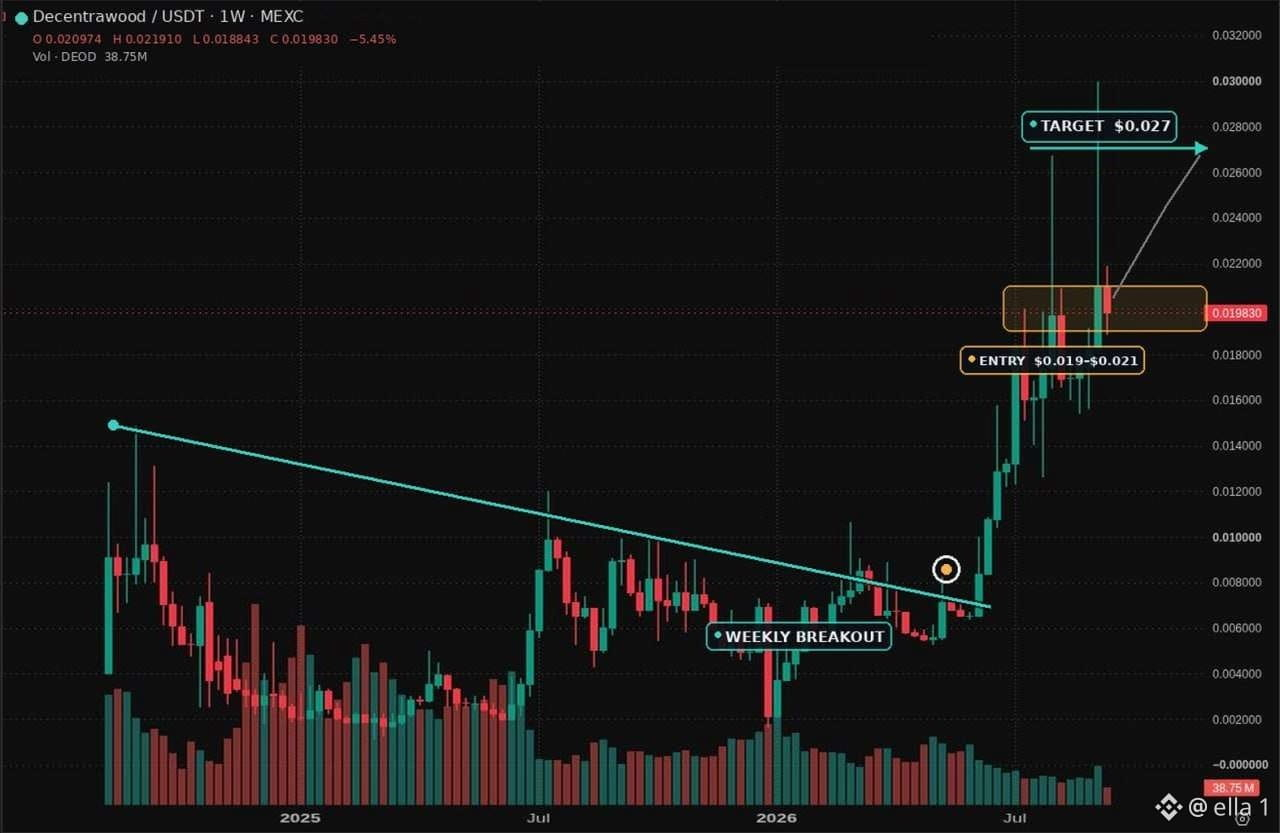
週足チャートが、ついに長期トレンドラインを上抜けつつあり、価格も私が注目している移動平均線の上で推移しています
$0.019〜$0.021のエリアが私の関心地点です。もし週足のブレイクが維持されるなら、私のチャート上では次のレベルが$0.027です
背景にはもう一つの材料(カタリスト)もあります
10月2日に新たな取引所の上場が予定されていますが、取引所名は@decentrawoodがまだ明かしていない状態です
私にとってのセットアップはシンプルです:新規上場のカタリストが前に控えた週足ブレイク
すでにポジションを取っています。どのように展開するか見ていきましょう
$DEODをMEXC経由でロングを先ほど開けました
週足チャートが、ついに長期トレンドラインを上抜けつつあり、価格も私が注目している移動平均線の上で推移しています
$0.019〜$0.021のエリアが私の関心地点です。もし週足のブレイクが維持されるなら、私のチャート上では次のレベルが$0.027です
背景にはもう一つの材料(カタリスト)もあります
10月2日に新たな取引所の上場が予定されていますが、取引所名は@decentrawoodがまだ明かしていない状態です
私にとってのセットアップはシンプルです:新規上場のカタリストが前に控えた週足ブレイク
すでにポジションを取っています。どのように展開するか見ていきましょう
週足チャートが、ついに長期トレンドラインを上抜けつつあり、価格も私が注目している移動平均線の上で推移しています
$0.019〜$0.021のエリアが私の関心地点です。もし週足のブレイクが維持されるなら、私のチャート上では次のレベルが$0.027です
背景にはもう一つの材料(カタリスト)もあります
10月2日に新たな取引所の上場が予定されていますが、取引所名は@decentrawoodがまだ明かしていない状態です
私にとってのセットアップはシンプルです:新規上場のカタリストが前に控えた週足ブレイク
すでにポジションを取っています。どのように展開するか見ていきましょう
79
·
--
長年、暗号資産は「あるウォレットから別のウォレットへ資金を移す」ことが中心になりがちでした。
RWAは、その資本が実際にどこへ行けるのかを変えつつあります。
不動産、債券、コモディティ、プライベートクレジット、そして株式が今やオンチェーンで動いています。現在、トークン化されたRWAは分散した価値としておよそ388億ドルを表し、そのうち約159億ドルはトークン化された米国債だけから来ています。
しかし重要な違いがあります。
トークン化されていることは、自動的に流動性があることを意味しません。
より大きな機会は、実世界の資産をDeFiにおいて、譲渡可能にし、利用可能にし、そして担保として利用できるようにすることです。
つまり本当の物語は、単に資産をブロックチェーンに載せることではありません。それらをオンチェーン・ファイナンスの一部にすることです。
なぜ今?
ステーブルコインのインフラが拡大し、機関がさらにオンチェーンへ移行しており、トークン化技術も成熟しつつあります。同時に、オラクル、ID、コンプライアンス、カストディ、相互運用性のインフラも改善しています。
個人投資家にとって重要なのは、「RWA」というラベルを使っているだけのプロジェクトを超えて見ていくことだと思います。
トークン化を可能にするL1/L2ネットワーク、オラクルのソリューション、コンプライアンス層、カストディ提供者、そして従来型資産をDeFiにつなぐプラットフォームを注視してください。
もっと重要なのは、実質的な利回り(リアルイールド)を追うことです。
賃料、債券利息、ローン返済、その他の実世界の収益から生まれるリターンは、主にトークン・インセンティブで賄われる利回りとはまったく別物です。
次に資本(キャピタル)を追います。
どのチェーンでRWAのTVLが伸びているのでしょうか?
そして最も重要なのは、実際の流動性が形成されつつあるのかどうかです。
大きなTVLの数字だけでは不十分です。トークン化と流動性は別のものです。
誰もが日々の熱狂やミームコインを追いかける一方で、RWAの周りに新しい金融インフラが静かに構築されています。
将来的には、ウォレットが値動きの激しいトークン以上のものを保有するかもしれません。実世界の収益を生み出す資産のデジタル表現を保有することもあり得ます。
しかし私たちはトークン化を超えていく必要があります。
実世界の資産。
実世界の収益。
実際の有用性。
実際の流動性。
ここにこそ、私が思う「本当のRWAストーリー」が始まるのだと思います。
長年、暗号資産は「あるウォレットから別のウォレットへ資金を移す」ことが中心になりがちでした。
RWAは、その資本が実際にどこへ行けるのかを変えつつあります。
不動産、債券、コモディティ、プライベートクレジット、そして株式が今やオンチェーンで動いています。現在、トークン化されたRWAは分散した価値としておよそ388億ドルを表し、そのうち約159億ドルはトークン化された米国債だけから来ています。
しかし重要な違いがあります。
トークン化されていることは、自動的に流動性があることを意味しません。
より大きな機会は、実世界の資産をDeFiにおいて、譲渡可能にし、利用可能にし、そして担保として利用できるようにすることです。
つまり本当の物語は、単に資産をブロックチェーンに載せることではありません。それらをオンチェーン・ファイナンスの一部にすることです。
なぜ今?
ステーブルコインのインフラが拡大し、機関がさらにオンチェーンへ移行しており、トークン化技術も成熟しつつあります。同時に、オラクル、ID、コンプライアンス、カストディ、相互運用性のインフラも改善しています。
個人投資家にとって重要なのは、「RWA」というラベルを使っているだけのプロジェクトを超えて見ていくことだと思います。
トークン化を可能にするL1/L2ネットワーク、オラクルのソリューション、コンプライアンス層、カストディ提供者、そして従来型資産をDeFiにつなぐプラットフォームを注視してください。
もっと重要なのは、実質的な利回り(リアルイールド)を追うことです。
賃料、債券利息、ローン返済、その他の実世界の収益から生まれるリターンは、主にトークン・インセンティブで賄われる利回りとはまったく別物です。
次に資本(キャピタル)を追います。
どのチェーンでRWAのTVLが伸びているのでしょうか?
そして最も重要なのは、実際の流動性が形成されつつあるのかどうかです。
大きなTVLの数字だけでは不十分です。トークン化と流動性は別のものです。
誰もが日々の熱狂やミームコインを追いかける一方で、RWAの周りに新しい金融インフラが静かに構築されています。
将来的には、ウォレットが値動きの激しいトークン以上のものを保有するかもしれません。実世界の収益を生み出す資産のデジタル表現を保有することもあり得ます。
しかし私たちはトークン化を超えていく必要があります。
実世界の資産。
実世界の収益。
実際の有用性。
実際の流動性。
ここにこそ、私が思う「本当のRWAストーリー」が始まるのだと思います。
RWAは、その資本が実際にどこへ行けるのかを変えつつあります。
不動産、債券、コモディティ、プライベートクレジット、そして株式が今やオンチェーンで動いています。現在、トークン化されたRWAは分散した価値としておよそ388億ドルを表し、そのうち約159億ドルはトークン化された米国債だけから来ています。
しかし重要な違いがあります。
トークン化されていることは、自動的に流動性があることを意味しません。
より大きな機会は、実世界の資産をDeFiにおいて、譲渡可能にし、利用可能にし、そして担保として利用できるようにすることです。
つまり本当の物語は、単に資産をブロックチェーンに載せることではありません。それらをオンチェーン・ファイナンスの一部にすることです。
なぜ今?
ステーブルコインのインフラが拡大し、機関がさらにオンチェーンへ移行しており、トークン化技術も成熟しつつあります。同時に、オラクル、ID、コンプライアンス、カストディ、相互運用性のインフラも改善しています。
個人投資家にとって重要なのは、「RWA」というラベルを使っているだけのプロジェクトを超えて見ていくことだと思います。
トークン化を可能にするL1/L2ネットワーク、オラクルのソリューション、コンプライアンス層、カストディ提供者、そして従来型資産をDeFiにつなぐプラットフォームを注視してください。
もっと重要なのは、実質的な利回り(リアルイールド)を追うことです。
賃料、債券利息、ローン返済、その他の実世界の収益から生まれるリターンは、主にトークン・インセンティブで賄われる利回りとはまったく別物です。
次に資本(キャピタル)を追います。
どのチェーンでRWAのTVLが伸びているのでしょうか?
そして最も重要なのは、実際の流動性が形成されつつあるのかどうかです。
大きなTVLの数字だけでは不十分です。トークン化と流動性は別のものです。
誰もが日々の熱狂やミームコインを追いかける一方で、RWAの周りに新しい金融インフラが静かに構築されています。
将来的には、ウォレットが値動きの激しいトークン以上のものを保有するかもしれません。実世界の収益を生み出す資産のデジタル表現を保有することもあり得ます。
しかし私たちはトークン化を超えていく必要があります。
実世界の資産。
実世界の収益。
実際の有用性。
実際の流動性。
ここにこそ、私が思う「本当のRWAストーリー」が始まるのだと思います。
55
·
--
あなたはティッカーを買った。でも株を買ったの?
トークン化株式が本当に提供するもの、そして取りこぼし得るもの
午前2時、投資家が暗号ウォレットを開き、米国の大手テクノロジー企業の値動きに連動するトークンを購入します。
価格は株価と連動します。トークンは別のウォレットへ送金できます。さらに、担保として貸付プロトコルに預け入れることさえ可能です。
画面上の体験は、インターネット向けにアップグレードされた株式所有のように見えます。グローバルで、継続的で、プログラム可能です。
しかし、ある単純な疑問が取引全体を変えてしまうことがあります。
購入者は、会社の株式そのものを取得したのか。どこかで保有されている株式に対する法的な持分請求権を取得したのか。株式に連動した負債証券を取得したのか。それとも単に株価への合成的なエクスポージャーを得ただけなのか?
これらの商品は、アプリの中ではほぼ同じに見えることがあります。同じ会社名を掲げられ、同じ市場価格に連動し、同じウォレットを通じて決済されます。
それでも、配当、議決権、償還、会社情報、破産時の資産に関する保有者の権利は大きく異なり得ます。
トークン化株式がデモを超えて実際の金融インフラへと進むにつれ、この違いはますます重要になっています。
本当の進展は単に、株がブロックチェーン上で存在できるようになったことではありません。
「オンチェーン上の株式」と呼ばれる、法的に異なる複数のバージョンが、同じ投資家の注意をめぐって競い合い始めていることです。
ティッカーは商品ではない
従来の市場では、「株(シェア)」という言葉には、馴染みのある一まとまりの権利が伴います。
普通株は通常、会社に対する持分(所有に関する利害)を表します。通常、議決権が含まれます。配当が含まれる場合もあり、清算時には、債権者および優先株主の後に残る請求権が保有者に与えられます。
あなたはティッカーを買った。でも株を買ったの?
トークン化株式が本当に提供するもの、そして取りこぼし得るもの
午前2時、投資家が暗号ウォレットを開き、米国の大手テクノロジー企業の値動きに連動するトークンを購入します。
価格は株価と連動します。トークンは別のウォレットへ送金できます。さらに、担保として貸付プロトコルに預け入れることさえ可能です。
画面上の体験は、インターネット向けにアップグレードされた株式所有のように見えます。グローバルで、継続的で、プログラム可能です。
しかし、ある単純な疑問が取引全体を変えてしまうことがあります。
購入者は、会社の株式そのものを取得したのか。どこかで保有されている株式に対する法的な持分請求権を取得したのか。株式に連動した負債証券を取得したのか。それとも単に株価への合成的なエクスポージャーを得ただけなのか?
これらの商品は、アプリの中ではほぼ同じに見えることがあります。同じ会社名を掲げられ、同じ市場価格に連動し、同じウォレットを通じて決済されます。
それでも、配当、議決権、償還、会社情報、破産時の資産に関する保有者の権利は大きく異なり得ます。
トークン化株式がデモを超えて実際の金融インフラへと進むにつれ、この違いはますます重要になっています。
本当の進展は単に、株がブロックチェーン上で存在できるようになったことではありません。
「オンチェーン上の株式」と呼ばれる、法的に異なる複数のバージョンが、同じ投資家の注意をめぐって競い合い始めていることです。
ティッカーは商品ではない
従来の市場では、「株(シェア)」という言葉には、馴染みのある一まとまりの権利が伴います。
普通株は通常、会社に対する持分(所有に関する利害)を表します。通常、議決権が含まれます。配当が含まれる場合もあり、清算時には、債権者および優先株主の後に残る請求権が保有者に与えられます。
トークン化株式が本当に提供するもの、そして取りこぼし得るもの
午前2時、投資家が暗号ウォレットを開き、米国の大手テクノロジー企業の値動きに連動するトークンを購入します。
価格は株価と連動します。トークンは別のウォレットへ送金できます。さらに、担保として貸付プロトコルに預け入れることさえ可能です。
画面上の体験は、インターネット向けにアップグレードされた株式所有のように見えます。グローバルで、継続的で、プログラム可能です。
しかし、ある単純な疑問が取引全体を変えてしまうことがあります。
購入者は、会社の株式そのものを取得したのか。どこかで保有されている株式に対する法的な持分請求権を取得したのか。株式に連動した負債証券を取得したのか。それとも単に株価への合成的なエクスポージャーを得ただけなのか?
これらの商品は、アプリの中ではほぼ同じに見えることがあります。同じ会社名を掲げられ、同じ市場価格に連動し、同じウォレットを通じて決済されます。
それでも、配当、議決権、償還、会社情報、破産時の資産に関する保有者の権利は大きく異なり得ます。
トークン化株式がデモを超えて実際の金融インフラへと進むにつれ、この違いはますます重要になっています。
本当の進展は単に、株がブロックチェーン上で存在できるようになったことではありません。
「オンチェーン上の株式」と呼ばれる、法的に異なる複数のバージョンが、同じ投資家の注意をめぐって競い合い始めていることです。
ティッカーは商品ではない
従来の市場では、「株(シェア)」という言葉には、馴染みのある一まとまりの権利が伴います。
普通株は通常、会社に対する持分(所有に関する利害)を表します。通常、議決権が含まれます。配当が含まれる場合もあり、清算時には、債権者および優先株主の後に残る請求権が保有者に与えられます。

62
·
--
過去24時間、イーサ(Ethereum)は$2,445.71から$2,534.30の間で取引され、価格は最近のレンジ上限まで押し戻されました。
$ETH については、直近の意思決定ゾーンを$2,520-$2,535と見ています。この水準を上回る形で定着(サステイン)すれば、別の短期的な日中テストよりも重みが増します。
最初のサポート・エリアは引き続き$2,440-$2,460付近で、価格がいったん後退する場合、買い手が直近の値動きを防衛する必要があります。
現状の動きは、日足のクローズと、その後のフォローのサポートが確認されるまでは、ブレイク確定ではなくレジスタンスのテストとして捉えています。
過去24時間、イーサ(Ethereum)は$2,445.71から$2,534.30の間で取引され、価格は最近のレンジ上限まで押し戻されました。
$ETH については、直近の意思決定ゾーンを$2,520-$2,535と見ています。この水準を上回る形で定着(サステイン)すれば、別の短期的な日中テストよりも重みが増します。
最初のサポート・エリアは引き続き$2,440-$2,460付近で、価格がいったん後退する場合、買い手が直近の値動きを防衛する必要があります。
現状の動きは、日足のクローズと、その後のフォローのサポートが確認されるまでは、ブレイク確定ではなくレジスタンスのテストとして捉えています。
$ETH については、直近の意思決定ゾーンを$2,520-$2,535と見ています。この水準を上回る形で定着(サステイン)すれば、別の短期的な日中テストよりも重みが増します。
最初のサポート・エリアは引き続き$2,440-$2,460付近で、価格がいったん後退する場合、買い手が直近の値動きを防衛する必要があります。
現状の動きは、日足のクローズと、その後のフォローのサポートが確認されるまでは、ブレイク確定ではなくレジスタンスのテストとして捉えています。
60
·
--
ワールドカップは、予測市場が主流へと大きく踏み出した“瞬間”だったのかもしれない。
この分野の月間取引高は6月に500億ドルを超え、Kalshiが310億ドルを牽引し、PolymarketとRobinhoodの支援を受けたRotheraも大きな記録を打ち立てた。
スポーツブックとの比較は完全ではない。予測市場は政治、経済、エンターテインメントも対象にしているからだ。とはいえ、ユーザーの動向は無視しがたい。
KalshiとPolymarketは、当該月に計測された6つの主要な賭け関連アプリにおけるインストールの78.5%を獲得した。前年の同時期の約6%から上昇している。
従来のスポーツブックもワールドカップで過去最高の活動を報告したが、アプリの利用・エンゲージメントは開幕数週間後に伸びが鈍化。一方で、予測プラットフォームは成長を続けた。
こうした市場向けに、機関投資家が専用のトレーディングデスクを新たに構築し始めている。裁定(アービトラージ)戦略や、より深い流動性もそれとともに持ち込まれる。
ニッチな暗号資産プロダクトとして始まったものが、イベントベースの金融取引における新たなレイヤーのように見え始めている。
情報提供のみ。
ワールドカップは、予測市場が主流へと大きく踏み出した“瞬間”だったのかもしれない。
この分野の月間取引高は6月に500億ドルを超え、Kalshiが310億ドルを牽引し、PolymarketとRobinhoodの支援を受けたRotheraも大きな記録を打ち立てた。
スポーツブックとの比較は完全ではない。予測市場は政治、経済、エンターテインメントも対象にしているからだ。とはいえ、ユーザーの動向は無視しがたい。
KalshiとPolymarketは、当該月に計測された6つの主要な賭け関連アプリにおけるインストールの78.5%を獲得した。前年の同時期の約6%から上昇している。
従来のスポーツブックもワールドカップで過去最高の活動を報告したが、アプリの利用・エンゲージメントは開幕数週間後に伸びが鈍化。一方で、予測プラットフォームは成長を続けた。
こうした市場向けに、機関投資家が専用のトレーディングデスクを新たに構築し始めている。裁定(アービトラージ)戦略や、より深い流動性もそれとともに持ち込まれる。
ニッチな暗号資産プロダクトとして始まったものが、イベントベースの金融取引における新たなレイヤーのように見え始めている。
情報提供のみ。
この分野の月間取引高は6月に500億ドルを超え、Kalshiが310億ドルを牽引し、PolymarketとRobinhoodの支援を受けたRotheraも大きな記録を打ち立てた。
スポーツブックとの比較は完全ではない。予測市場は政治、経済、エンターテインメントも対象にしているからだ。とはいえ、ユーザーの動向は無視しがたい。
KalshiとPolymarketは、当該月に計測された6つの主要な賭け関連アプリにおけるインストールの78.5%を獲得した。前年の同時期の約6%から上昇している。
従来のスポーツブックもワールドカップで過去最高の活動を報告したが、アプリの利用・エンゲージメントは開幕数週間後に伸びが鈍化。一方で、予測プラットフォームは成長を続けた。
こうした市場向けに、機関投資家が専用のトレーディングデスクを新たに構築し始めている。裁定(アービトラージ)戦略や、より深い流動性もそれとともに持ち込まれる。
ニッチな暗号資産プロダクトとして始まったものが、イベントベースの金融取引における新たなレイヤーのように見え始めている。
情報提供のみ。
82
·
--
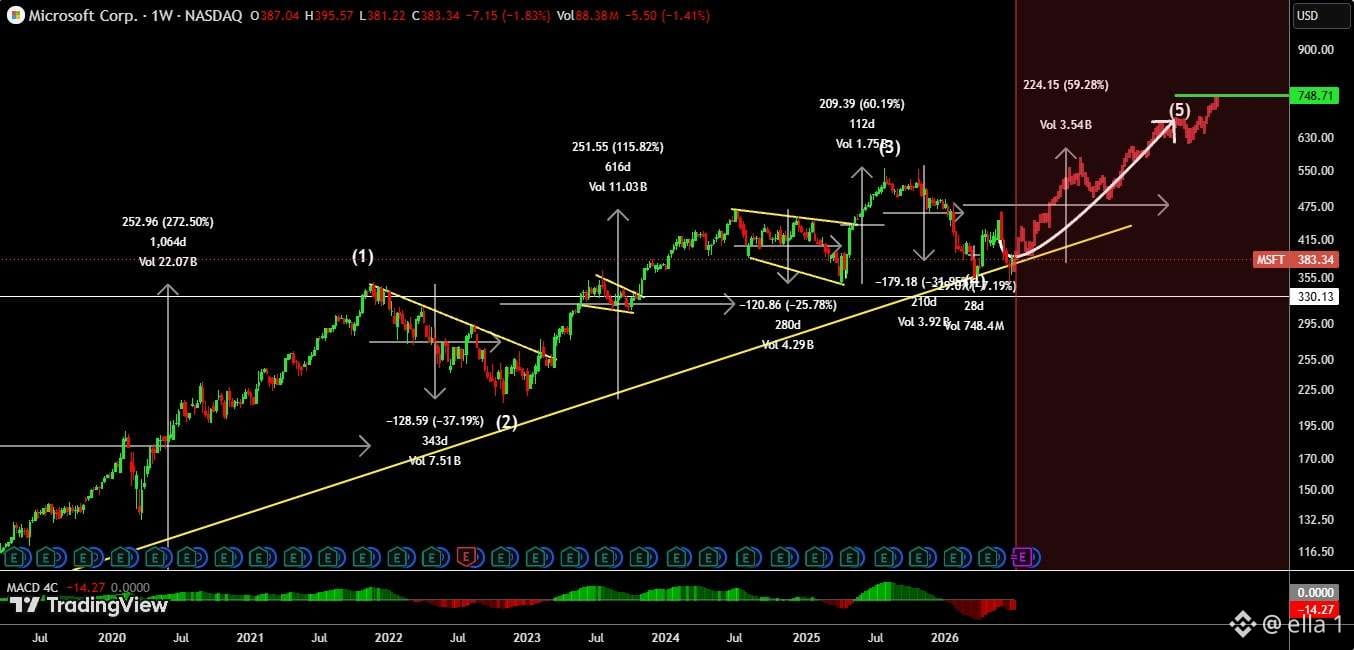
MSFTはより大きな中期の上昇トレンドの中に留まっているものの、直近の週間の構造は最近の押し目の後でもなお圧力がかかっていることを示しています。
チャートは今後の回復の可能性のある道筋を描いていますが、MACDがマイナスのままであり、勢いの確認はまだ欠けています。
MSFTはより大きな中期の上昇トレンドの中に留まっているものの、直近の週間の構造は最近の押し目の後でもなお圧力がかかっていることを示しています。
チャートは今後の回復の可能性のある道筋を描いていますが、MACDがマイナスのままであり、勢いの確認はまだ欠けています。
チャートは今後の回復の可能性のある道筋を描いていますが、MACDがマイナスのままであり、勢いの確認はまだ欠けています。
72
·
--
量子セキュリティは、暗号理論から暗号資産(クリプト)の実際のインフラ計画へと移り始めています。
ここ数カ月の間に、政府、テック企業、ブロックチェーンのエコシステムが、今日の暗号技術だけでは十分でなくなる未来に備える中で、いくつかの主要プレイヤーがポスト量子計画を前進させています。
この変化はパニックによるものではありません。むしろ「タイミング」の問題です。
主なハイライト:
* Algorandは、自社ネットワークを幅広く量子耐性のあるものにするためのロードマップを示しました
* Ethereumは、ポスト量子研究と将来を見据えた対策(future-proofing)を拡大しています
* Googleは、ポスト量子移行の一部について2029年のタイムラインを目標にしています
* NISTは、すでに鍵となるポスト量子暗号の標準を確定しています
* 各国政府は、量子セーフな移行を国家安全保障上の優先事項として扱い始めています
要点は、稼働中のブロックチェーンを量子耐性のある暗号へ移行するのは、一夜にしてできることではないという点です。
ウォレット、バリデータ、署名、スマートコントラクト、そして中核となるプロトコルのインフラなどは、時間の経過とともに変更が必要になる可能性があります。だからこそ、量子コンピュータが差し迫った脅威になる前に、より多くのネットワークが議論を始めています。
クリプトにとって次のセキュリティ・サイクルは、起きてからハックに対応することにとどまらず、次世代の計算環境にも耐えられるシステムを構築することになるかもしれません。
量子セキュリティは、暗号理論から暗号資産(クリプト)の実際のインフラ計画へと移り始めています。
ここ数カ月の間に、政府、テック企業、ブロックチェーンのエコシステムが、今日の暗号技術だけでは十分でなくなる未来に備える中で、いくつかの主要プレイヤーがポスト量子計画を前進させています。
この変化はパニックによるものではありません。むしろ「タイミング」の問題です。
主なハイライト:
* Algorandは、自社ネットワークを幅広く量子耐性のあるものにするためのロードマップを示しました
* Ethereumは、ポスト量子研究と将来を見据えた対策(future-proofing)を拡大しています
* Googleは、ポスト量子移行の一部について2029年のタイムラインを目標にしています
* NISTは、すでに鍵となるポスト量子暗号の標準を確定しています
* 各国政府は、量子セーフな移行を国家安全保障上の優先事項として扱い始めています
要点は、稼働中のブロックチェーンを量子耐性のある暗号へ移行するのは、一夜にしてできることではないという点です。
ウォレット、バリデータ、署名、スマートコントラクト、そして中核となるプロトコルのインフラなどは、時間の経過とともに変更が必要になる可能性があります。だからこそ、量子コンピュータが差し迫った脅威になる前に、より多くのネットワークが議論を始めています。
クリプトにとって次のセキュリティ・サイクルは、起きてからハックに対応することにとどまらず、次世代の計算環境にも耐えられるシステムを構築することになるかもしれません。
ここ数カ月の間に、政府、テック企業、ブロックチェーンのエコシステムが、今日の暗号技術だけでは十分でなくなる未来に備える中で、いくつかの主要プレイヤーがポスト量子計画を前進させています。
この変化はパニックによるものではありません。むしろ「タイミング」の問題です。
主なハイライト:
* Algorandは、自社ネットワークを幅広く量子耐性のあるものにするためのロードマップを示しました
* Ethereumは、ポスト量子研究と将来を見据えた対策(future-proofing)を拡大しています
* Googleは、ポスト量子移行の一部について2029年のタイムラインを目標にしています
* NISTは、すでに鍵となるポスト量子暗号の標準を確定しています
* 各国政府は、量子セーフな移行を国家安全保障上の優先事項として扱い始めています
要点は、稼働中のブロックチェーンを量子耐性のある暗号へ移行するのは、一夜にしてできることではないという点です。
ウォレット、バリデータ、署名、スマートコントラクト、そして中核となるプロトコルのインフラなどは、時間の経過とともに変更が必要になる可能性があります。だからこそ、量子コンピュータが差し迫った脅威になる前に、より多くのネットワークが議論を始めています。
クリプトにとって次のセキュリティ・サイクルは、起きてからハックに対応することにとどまらず、次世代の計算環境にも耐えられるシステムを構築することになるかもしれません。

76
·
--
伝統的な金融は、デジタル資産サービスに対する機関投資家の需要が高まるにつれ、ステーブルコインのインフラを拡大し続けています。
資産運用受託残高(アセット・アンダー・カストディ)で世界最大のカストディ銀行であるBNYは、CircleのUSDCへの対応を発表しました。これにより、機関投資家はBNYのデジタル資産プラットフォームを通じてステーブルコインを保管し、発行(ミント)および償還(リデム)できるようになります。
主なポイント:
* USDCは、BNYのカストディ・プラットフォームでサポートされる最初のステーブルコインになります
* 機関投資家は、銀行を通じてUSDCを直接発行および償還できるようになります
* BNYは、将来的に追加のステーブルコイン発行体への対応を拡大する計画です
* この動きは、米ドル連動型ステーブルコインをめぐる規制の明確化が進んでいることに続くものです
注目すべき展開の一つは、従来型の金融機関が、デジタル資産を別市場として扱うのではなく、既存のインフラにステーブルコインのサービスを組み込む動きが強まっている点です。
規制されたステーブルコインの採用が進化し続ける中で、銀行とブロックチェーン企業の提携は、より広範な金融情勢の中で存在感を増しています。
伝統的な金融は、デジタル資産サービスに対する機関投資家の需要が高まるにつれ、ステーブルコインのインフラを拡大し続けています。
資産運用受託残高(アセット・アンダー・カストディ)で世界最大のカストディ銀行であるBNYは、CircleのUSDCへの対応を発表しました。これにより、機関投資家はBNYのデジタル資産プラットフォームを通じてステーブルコインを保管し、発行(ミント)および償還(リデム)できるようになります。
主なポイント:
* USDCは、BNYのカストディ・プラットフォームでサポートされる最初のステーブルコインになります
* 機関投資家は、銀行を通じてUSDCを直接発行および償還できるようになります
* BNYは、将来的に追加のステーブルコイン発行体への対応を拡大する計画です
* この動きは、米ドル連動型ステーブルコインをめぐる規制の明確化が進んでいることに続くものです
注目すべき展開の一つは、従来型の金融機関が、デジタル資産を別市場として扱うのではなく、既存のインフラにステーブルコインのサービスを組み込む動きが強まっている点です。
規制されたステーブルコインの採用が進化し続ける中で、銀行とブロックチェーン企業の提携は、より広範な金融情勢の中で存在感を増しています。
資産運用受託残高(アセット・アンダー・カストディ)で世界最大のカストディ銀行であるBNYは、CircleのUSDCへの対応を発表しました。これにより、機関投資家はBNYのデジタル資産プラットフォームを通じてステーブルコインを保管し、発行(ミント)および償還(リデム)できるようになります。
主なポイント:
* USDCは、BNYのカストディ・プラットフォームでサポートされる最初のステーブルコインになります
* 機関投資家は、銀行を通じてUSDCを直接発行および償還できるようになります
* BNYは、将来的に追加のステーブルコイン発行体への対応を拡大する計画です
* この動きは、米ドル連動型ステーブルコインをめぐる規制の明確化が進んでいることに続くものです
注目すべき展開の一つは、従来型の金融機関が、デジタル資産を別市場として扱うのではなく、既存のインフラにステーブルコインのサービスを組み込む動きが強まっている点です。
規制されたステーブルコインの採用が進化し続ける中で、銀行とブロックチェーン企業の提携は、より広範な金融情勢の中で存在感を増しています。
83
·
--
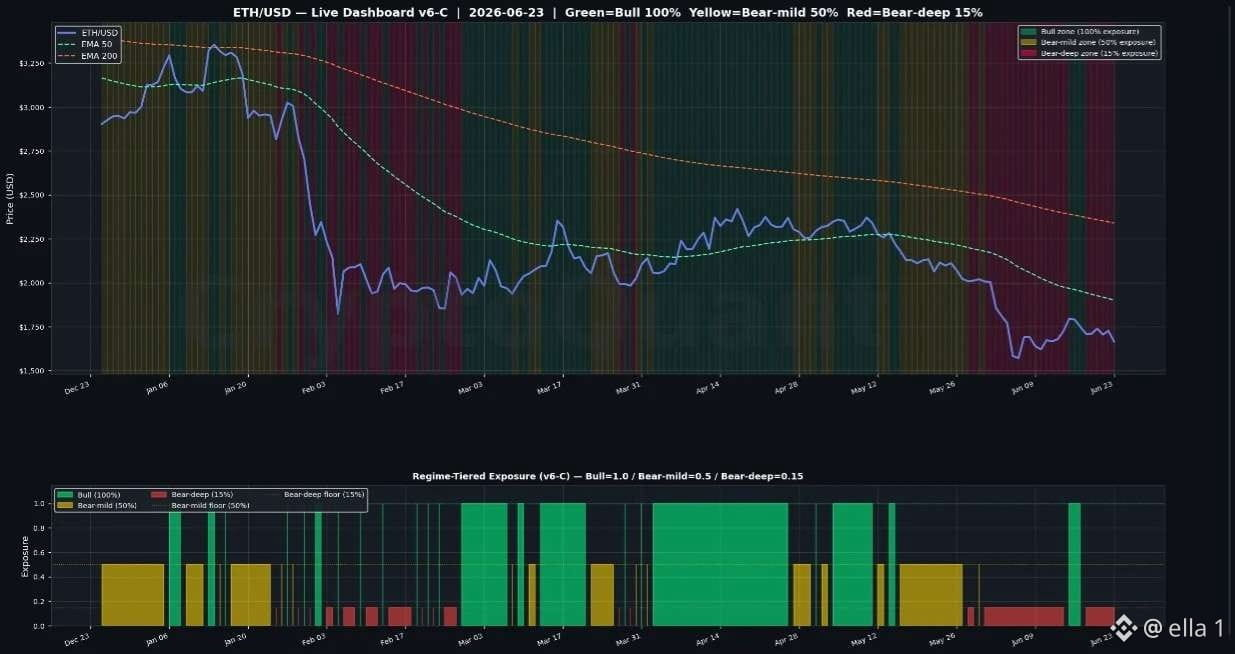
ETHはその50日移動平均および200日移動平均を下回ったままです。
チャートはこれまでのところ、明確なトレンド転換が見えておらず、慎重な市場環境を反映し続けています。
ETHはその50日移動平均および200日移動平均を下回ったままです。
チャートはこれまでのところ、明確なトレンド転換が見えておらず、慎重な市場環境を反映し続けています。
チャートはこれまでのところ、明確なトレンド転換が見えておらず、慎重な市場環境を反映し続けています。
79
·
--
スタンダードチャータードのジェフリー・ケンドリックは、ビットコインが$59Kエリア付近でサイクルボトムをすでに設定した可能性があると考えており、最近の市場圧力のいくつかが今後薄れていく可能性があると主張しています。
メモの中で特に興味深い部分は、いくつかのETF関連の売りが、投資家が待望のスペースX IPOに向けて流動性を高めることに関連していた可能性があるというアイデアです。
上場が始まった今、ケンドリックはその特定の圧力が緩和し始めると考えています。
彼が強調した他のいくつかの点は以下の通りです:
* スポットビットコインETFの流出はローンチ以来で最も多い部類に入る
* 米国とイランの緊張緩和の可能性が、原油や債券利回りに関連するマクロ圧力を軽減するのに役立つかもしれない
* 企業財務の再購入が市場構造を再強化するだろう
* ETFの流入がポジティブに戻ることが、注目すべきもう一つの重要なシグナルになる
* ケンドリックは、条件がさらに安定すればETHがBTCをアウトパフォームする可能性があるとも考えています。
最近際立っているのは、暗号がより広範なマクロおよび機関のフローとどれほど結びついているかです。
IPOサイクル、債券利回り、エネルギー市場、ETFのポジショニングが同時にセンチメントに影響を与えているのは、以前の暗号サイクルとは非常に異なる感覚です。
絶対的なボトムが本当に入ったかどうかは、今後数週間のマクロ条件の進化によるところが大きいと思われますが、市場は今やパニックよりも安定の兆候にますます焦点を当てているようです。
情報提供のみ。
スタンダードチャータードのジェフリー・ケンドリックは、ビットコインが$59Kエリア付近でサイクルボトムをすでに設定した可能性があると考えており、最近の市場圧力のいくつかが今後薄れていく可能性があると主張しています。
メモの中で特に興味深い部分は、いくつかのETF関連の売りが、投資家が待望のスペースX IPOに向けて流動性を高めることに関連していた可能性があるというアイデアです。
上場が始まった今、ケンドリックはその特定の圧力が緩和し始めると考えています。
彼が強調した他のいくつかの点は以下の通りです:
* スポットビットコインETFの流出はローンチ以来で最も多い部類に入る
* 米国とイランの緊張緩和の可能性が、原油や債券利回りに関連するマクロ圧力を軽減するのに役立つかもしれない
* 企業財務の再購入が市場構造を再強化するだろう
* ETFの流入がポジティブに戻ることが、注目すべきもう一つの重要なシグナルになる
* ケンドリックは、条件がさらに安定すればETHがBTCをアウトパフォームする可能性があるとも考えています。
最近際立っているのは、暗号がより広範なマクロおよび機関のフローとどれほど結びついているかです。
IPOサイクル、債券利回り、エネルギー市場、ETFのポジショニングが同時にセンチメントに影響を与えているのは、以前の暗号サイクルとは非常に異なる感覚です。
絶対的なボトムが本当に入ったかどうかは、今後数週間のマクロ条件の進化によるところが大きいと思われますが、市場は今やパニックよりも安定の兆候にますます焦点を当てているようです。
情報提供のみ。
メモの中で特に興味深い部分は、いくつかのETF関連の売りが、投資家が待望のスペースX IPOに向けて流動性を高めることに関連していた可能性があるというアイデアです。
上場が始まった今、ケンドリックはその特定の圧力が緩和し始めると考えています。
彼が強調した他のいくつかの点は以下の通りです:
* スポットビットコインETFの流出はローンチ以来で最も多い部類に入る
* 米国とイランの緊張緩和の可能性が、原油や債券利回りに関連するマクロ圧力を軽減するのに役立つかもしれない
* 企業財務の再購入が市場構造を再強化するだろう
* ETFの流入がポジティブに戻ることが、注目すべきもう一つの重要なシグナルになる
* ケンドリックは、条件がさらに安定すればETHがBTCをアウトパフォームする可能性があるとも考えています。
最近際立っているのは、暗号がより広範なマクロおよび機関のフローとどれほど結びついているかです。
IPOサイクル、債券利回り、エネルギー市場、ETFのポジショニングが同時にセンチメントに影響を与えているのは、以前の暗号サイクルとは非常に異なる感覚です。
絶対的なボトムが本当に入ったかどうかは、今後数週間のマクロ条件の進化によるところが大きいと思われますが、市場は今やパニックよりも安定の兆候にますます焦点を当てているようです。
情報提供のみ。
75
·
--
トークン化された株式は、ニッチな暗号実験にとどまらず、実際の市場構造のトレンドになりつつある。
BackpackとSunriseは、SpaceXの株式をトークン化した「SPCX」が、SpaceXがNasdaqに上場(デビュー)すると見込まれる同日にSolana上で取引開始されると述べている。
両社によれば、そのトークンはBackpackのブローカレッジ・インフラを通じて裏付けとなる株式と引き換え可能であり、また条件を満たす株式もオンチェーンに戻してトークン化されることができる。
特に目立った点は以下のとおり。
* SPCXは、従来のブローカレッジ・システムとSolana上の市場をつなぐことを目的としている
* このトークンは、市場営業時間のみならず24/7で取引される見込み
* ユーザーは、自己保管のウォレットで資産を保有できると報じられている
* この仕組みは、トークン化株式やRWA(実世界資産)への関心の高まりを反映している
* 従来型の金融資産を直接オンチェーンに載せることを、企業がますます試みている
ここでの大きなテーマは、SpaceXそのものというより、金融インフラがどこへ向かいうるかにあるように感じる。
ステーブルコインはすでに、ブロックチェーンのレールが大量の価値を効率的に移すことを示した。次は、株式も同様の道をたどれるのかを、より多くの企業が検証しているようだ。
トークン化された株式が意味のある規模に達するかどうかは現時点では不確実だが、従来の資本市場とオンチェーンのシステムをつなぐための動きは、明らかに加速し続けている。
情報提供のみ。
トークン化された株式は、ニッチな暗号実験にとどまらず、実際の市場構造のトレンドになりつつある。
BackpackとSunriseは、SpaceXの株式をトークン化した「SPCX」が、SpaceXがNasdaqに上場(デビュー)すると見込まれる同日にSolana上で取引開始されると述べている。
両社によれば、そのトークンはBackpackのブローカレッジ・インフラを通じて裏付けとなる株式と引き換え可能であり、また条件を満たす株式もオンチェーンに戻してトークン化されることができる。
特に目立った点は以下のとおり。
* SPCXは、従来のブローカレッジ・システムとSolana上の市場をつなぐことを目的としている
* このトークンは、市場営業時間のみならず24/7で取引される見込み
* ユーザーは、自己保管のウォレットで資産を保有できると報じられている
* この仕組みは、トークン化株式やRWA(実世界資産)への関心の高まりを反映している
* 従来型の金融資産を直接オンチェーンに載せることを、企業がますます試みている
ここでの大きなテーマは、SpaceXそのものというより、金融インフラがどこへ向かいうるかにあるように感じる。
ステーブルコインはすでに、ブロックチェーンのレールが大量の価値を効率的に移すことを示した。次は、株式も同様の道をたどれるのかを、より多くの企業が検証しているようだ。
トークン化された株式が意味のある規模に達するかどうかは現時点では不確実だが、従来の資本市場とオンチェーンのシステムをつなぐための動きは、明らかに加速し続けている。
情報提供のみ。
BackpackとSunriseは、SpaceXの株式をトークン化した「SPCX」が、SpaceXがNasdaqに上場(デビュー)すると見込まれる同日にSolana上で取引開始されると述べている。
両社によれば、そのトークンはBackpackのブローカレッジ・インフラを通じて裏付けとなる株式と引き換え可能であり、また条件を満たす株式もオンチェーンに戻してトークン化されることができる。
特に目立った点は以下のとおり。
* SPCXは、従来のブローカレッジ・システムとSolana上の市場をつなぐことを目的としている
* このトークンは、市場営業時間のみならず24/7で取引される見込み
* ユーザーは、自己保管のウォレットで資産を保有できると報じられている
* この仕組みは、トークン化株式やRWA(実世界資産)への関心の高まりを反映している
* 従来型の金融資産を直接オンチェーンに載せることを、企業がますます試みている
ここでの大きなテーマは、SpaceXそのものというより、金融インフラがどこへ向かいうるかにあるように感じる。
ステーブルコインはすでに、ブロックチェーンのレールが大量の価値を効率的に移すことを示した。次は、株式も同様の道をたどれるのかを、より多くの企業が検証しているようだ。
トークン化された株式が意味のある規模に達するかどうかは現時点では不確実だが、従来の資本市場とオンチェーンのシステムをつなぐための動きは、明らかに加速し続けている。
情報提供のみ。
84
·
--
ビットコインが最近$60Kエリアを割り込んでいるのは、もはや一つのイベントに結びついているわけではないようです。
NYDIGの最新レポートによると、プレッシャーは同時にいくつかの異なる方向から来ているため、基盤となるネットワーク活動に大きな崩壊がないにも関わらずセンチメントが弱まった理由が説明できるかもしれません。
現在、いくつかのナarrティブが同時に市場に影響を与えているようです:
* AI株は引き続きアグレッシブな資金フローを引き寄せています
* 大規模なテックIPOが暗号から注意を逸らしています
* 新たな量子/セキュリティの議論が不確実性を生んでいます
* ETF需要が急激に減速しています
* Even Strategyの相対的に小さなBTC売却が市場心理に影響を与えました
興味深いのは、これらの要因のほとんどは単独では大規模な調整を引き起こすには不十分である可能性が高いということです。
しかし、これらが組み合わさることで、以前の年よりもはるかに重いマクロのバックドロップを暗号に対して生み出しているようです。
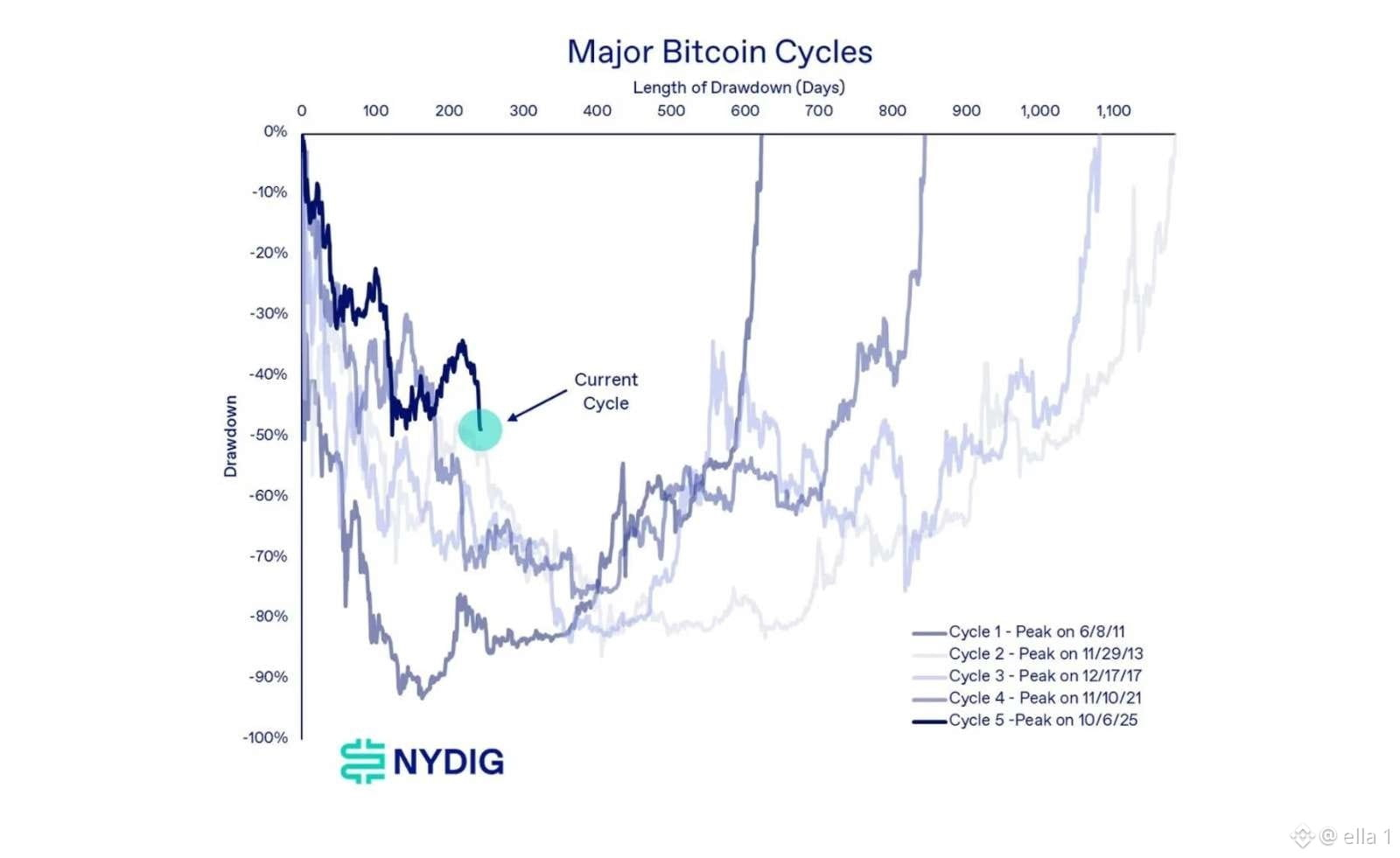
NYDIGもいくつかのオンチェーン指標がすでに歴史的に市場のボトムに関連付けられたレベルに近づいていることを指摘しています。
それでも、広範なドローダウンは以前のビットコインのベアマーケットと比べて比較的小さいままであり、市場は機関投資家の採用がサイクルの行動を永久に変えたのか、それとも単により深いリセットを遅らせたのかを議論しています。
市場はセンチメントがファンダメンタルズ自体よりも速く弱まるようなフェーズを通過している感じがします。
情報提供のみ。
ビットコインが最近$60Kエリアを割り込んでいるのは、もはや一つのイベントに結びついているわけではないようです。
NYDIGの最新レポートによると、プレッシャーは同時にいくつかの異なる方向から来ているため、基盤となるネットワーク活動に大きな崩壊がないにも関わらずセンチメントが弱まった理由が説明できるかもしれません。
現在、いくつかのナarrティブが同時に市場に影響を与えているようです:
* AI株は引き続きアグレッシブな資金フローを引き寄せています
* 大規模なテックIPOが暗号から注意を逸らしています
* 新たな量子/セキュリティの議論が不確実性を生んでいます
* ETF需要が急激に減速しています
* Even Strategyの相対的に小さなBTC売却が市場心理に影響を与えました
興味深いのは、これらの要因のほとんどは単独では大規模な調整を引き起こすには不十分である可能性が高いということです。
しかし、これらが組み合わさることで、以前の年よりもはるかに重いマクロのバックドロップを暗号に対して生み出しているようです。
NYDIGもいくつかのオンチェーン指標がすでに歴史的に市場のボトムに関連付けられたレベルに近づいていることを指摘しています。
それでも、広範なドローダウンは以前のビットコインのベアマーケットと比べて比較的小さいままであり、市場は機関投資家の採用がサイクルの行動を永久に変えたのか、それとも単により深いリセットを遅らせたのかを議論しています。
市場はセンチメントがファンダメンタルズ自体よりも速く弱まるようなフェーズを通過している感じがします。
情報提供のみ。
NYDIGの最新レポートによると、プレッシャーは同時にいくつかの異なる方向から来ているため、基盤となるネットワーク活動に大きな崩壊がないにも関わらずセンチメントが弱まった理由が説明できるかもしれません。
現在、いくつかのナarrティブが同時に市場に影響を与えているようです:
* AI株は引き続きアグレッシブな資金フローを引き寄せています
* 大規模なテックIPOが暗号から注意を逸らしています
* 新たな量子/セキュリティの議論が不確実性を生んでいます
* ETF需要が急激に減速しています
* Even Strategyの相対的に小さなBTC売却が市場心理に影響を与えました
興味深いのは、これらの要因のほとんどは単独では大規模な調整を引き起こすには不十分である可能性が高いということです。
しかし、これらが組み合わさることで、以前の年よりもはるかに重いマクロのバックドロップを暗号に対して生み出しているようです。
NYDIGもいくつかのオンチェーン指標がすでに歴史的に市場のボトムに関連付けられたレベルに近づいていることを指摘しています。
それでも、広範なドローダウンは以前のビットコインのベアマーケットと比べて比較的小さいままであり、市場は機関投資家の採用がサイクルの行動を永久に変えたのか、それとも単により深いリセットを遅らせたのかを議論しています。
市場はセンチメントがファンダメンタルズ自体よりも速く弱まるようなフェーズを通過している感じがします。
情報提供のみ。
84
·
--
HYPEは、今年暗号資産で最も強い値動きの一つの後、ようやく少し落ち着きました。
下落は、アーサー・ヘイズがプロジェクトのはるかに高い長期価格目標について最近率直に語っていたにもかかわらず、自身のHYPEポジションを全て手仕舞いしたと述べた直後に起きました。
これは当然ながら、CT(Crypto Twitter)全体でかなり早く注目を集めました。
ここで目立つ点は次の通りです:
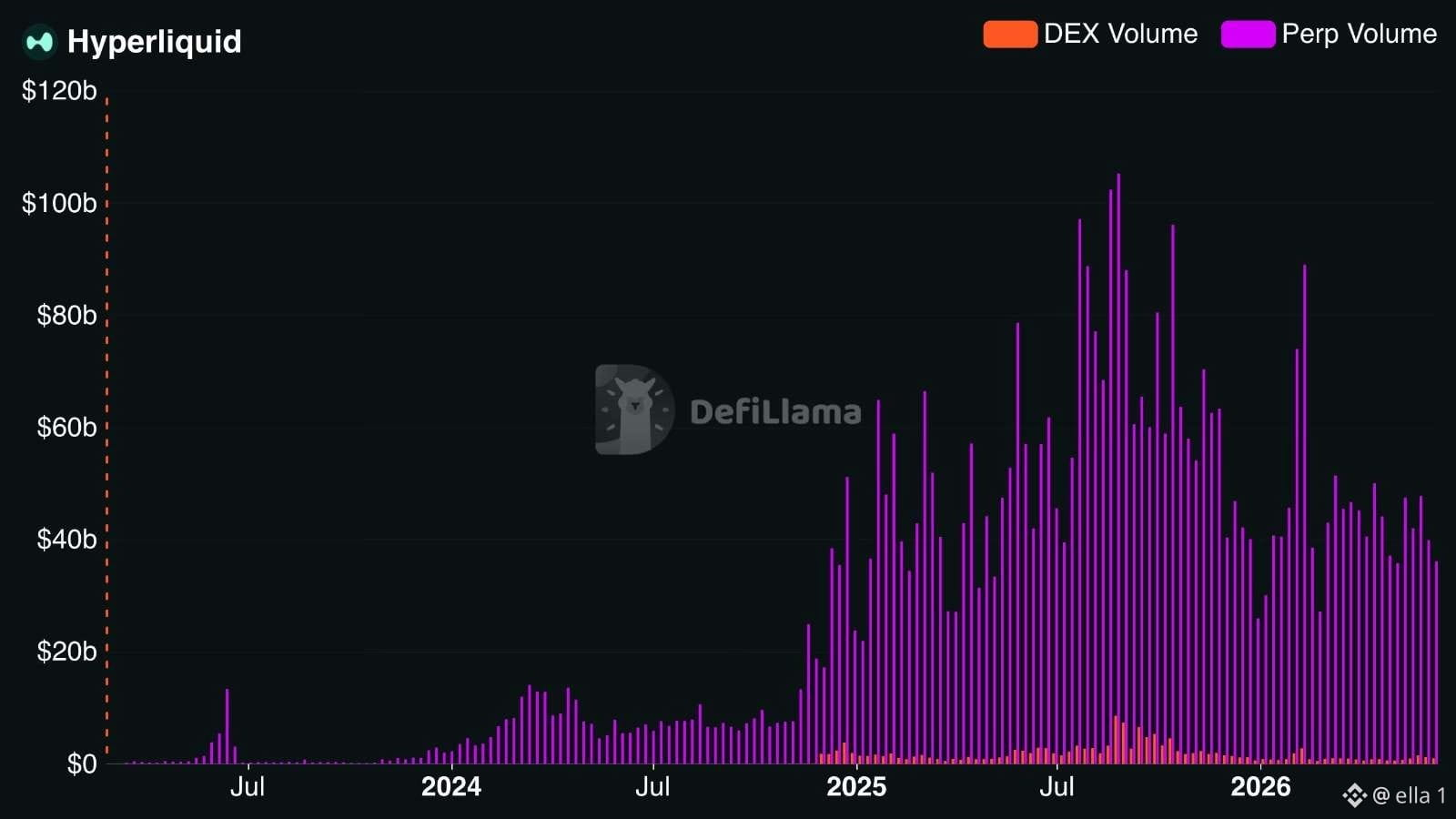
* HYPEは、$75付近の新高値に到達した後に押し戻された
* アーサー・ヘイズは、マクロリスクと市場環境が利益確定を促したと述べた
* トレーダーたちは、彼が以前掲げていた強気の目標があるため、この動きを批判した
* ハイパーリキッドは依然として、年間を通じて最も強いパフォーマーの一つである
* 一部のアナリストは、今回の上昇が短期的に過熱してしまった可能性があると考えている
興味深いのは、これが本質的に“より広いハイパーリキッドの物語”そのものの変化に見えないことです。
議論の中心は、主にポジショニングとタイミングの問題に見えます。
プラットフォームは、他の市場が弱い状態の中でも、パーペチュアル(perp)出来高と市場シェアを引き続き急速に伸ばしています。そのため、最近HYPEが最も混雑した取引の一つになったのだと思われます。
そして通常、ポジショニングがここまで急速に混み合うと、強いテーマであっても、大口の保有者が利益を確定し始めた途端に急な押し戻しが起きることがあります。
情報提供のみ。
HYPEは、今年暗号資産で最も強い値動きの一つの後、ようやく少し落ち着きました。
下落は、アーサー・ヘイズがプロジェクトのはるかに高い長期価格目標について最近率直に語っていたにもかかわらず、自身のHYPEポジションを全て手仕舞いしたと述べた直後に起きました。
これは当然ながら、CT(Crypto Twitter)全体でかなり早く注目を集めました。
ここで目立つ点は次の通りです:
* HYPEは、$75付近の新高値に到達した後に押し戻された
* アーサー・ヘイズは、マクロリスクと市場環境が利益確定を促したと述べた
* トレーダーたちは、彼が以前掲げていた強気の目標があるため、この動きを批判した
* ハイパーリキッドは依然として、年間を通じて最も強いパフォーマーの一つである
* 一部のアナリストは、今回の上昇が短期的に過熱してしまった可能性があると考えている
興味深いのは、これが本質的に“より広いハイパーリキッドの物語”そのものの変化に見えないことです。
議論の中心は、主にポジショニングとタイミングの問題に見えます。
プラットフォームは、他の市場が弱い状態の中でも、パーペチュアル(perp)出来高と市場シェアを引き続き急速に伸ばしています。そのため、最近HYPEが最も混雑した取引の一つになったのだと思われます。
そして通常、ポジショニングがここまで急速に混み合うと、強いテーマであっても、大口の保有者が利益を確定し始めた途端に急な押し戻しが起きることがあります。
情報提供のみ。
下落は、アーサー・ヘイズがプロジェクトのはるかに高い長期価格目標について最近率直に語っていたにもかかわらず、自身のHYPEポジションを全て手仕舞いしたと述べた直後に起きました。
これは当然ながら、CT(Crypto Twitter)全体でかなり早く注目を集めました。
ここで目立つ点は次の通りです:
* HYPEは、$75付近の新高値に到達した後に押し戻された
* アーサー・ヘイズは、マクロリスクと市場環境が利益確定を促したと述べた
* トレーダーたちは、彼が以前掲げていた強気の目標があるため、この動きを批判した
* ハイパーリキッドは依然として、年間を通じて最も強いパフォーマーの一つである
* 一部のアナリストは、今回の上昇が短期的に過熱してしまった可能性があると考えている
興味深いのは、これが本質的に“より広いハイパーリキッドの物語”そのものの変化に見えないことです。
議論の中心は、主にポジショニングとタイミングの問題に見えます。
プラットフォームは、他の市場が弱い状態の中でも、パーペチュアル(perp)出来高と市場シェアを引き続き急速に伸ばしています。そのため、最近HYPEが最も混雑した取引の一つになったのだと思われます。
そして通常、ポジショニングがここまで急速に混み合うと、強いテーマであっても、大口の保有者が利益を確定し始めた途端に急な押し戻しが起きることがあります。
情報提供のみ。
77
·
--
ウォール街は、数兆ドルをオンチェーンで動かすことについて語り続けています。
しかし、その移行は多くの人が想定していたよりも遅いままです。その最大の理由のひとつは、セキュリティが依然として大きな懸念として見えていることです。
CertiKのCEOであるロンフイ・グー氏によると、4月は過去4年間でDeFi分野の悪用(エクスプロイト)が最悪だった月で、ほぼ毎日のようにハッキングが発生しました。
レポートから見えてくる主な点は以下の通りです:
* 大規模な悪用は、ブリッジ、スマートコントラクト、オラクル・システムを狙っていた
* AIによって脆弱性の発見がより速く、より攻撃的になっている
* 攻撃者は大規模にプロトコルを継続的にスキャンして脆弱性を探せる
* 依然として、機関投資家が運用上のリスクを導入の大きな阻害要因と見ている
* 最近のハックは、DeFiインフラがどれほど相互に結びついているかを明らかにした
興味深いのは、ブロックチェーン導入をめぐる議論が、技術的な問題というより、セキュリティの問題として見え始めていることです。
大手の金融機関はすでに、トークン化、ステーブルコイン、オンチェーン決済システムに関心を示しているようです。
躊躇しているのは、現在のインフラが、長期間にわたって、機関投資家規模の資本を安全に受け止められるのかどうかという点にあるように見えます。
そして、AIが攻撃・防御の両方のセキュリティツールを加速させている今後、イノベーションとリスク管理の間のギャップを、これまで以上に均衡させるのが難しくなるかもしれません。
情報提供のみ。
ウォール街は、数兆ドルをオンチェーンで動かすことについて語り続けています。
しかし、その移行は多くの人が想定していたよりも遅いままです。その最大の理由のひとつは、セキュリティが依然として大きな懸念として見えていることです。
CertiKのCEOであるロンフイ・グー氏によると、4月は過去4年間でDeFi分野の悪用(エクスプロイト)が最悪だった月で、ほぼ毎日のようにハッキングが発生しました。
レポートから見えてくる主な点は以下の通りです:
* 大規模な悪用は、ブリッジ、スマートコントラクト、オラクル・システムを狙っていた
* AIによって脆弱性の発見がより速く、より攻撃的になっている
* 攻撃者は大規模にプロトコルを継続的にスキャンして脆弱性を探せる
* 依然として、機関投資家が運用上のリスクを導入の大きな阻害要因と見ている
* 最近のハックは、DeFiインフラがどれほど相互に結びついているかを明らかにした
興味深いのは、ブロックチェーン導入をめぐる議論が、技術的な問題というより、セキュリティの問題として見え始めていることです。
大手の金融機関はすでに、トークン化、ステーブルコイン、オンチェーン決済システムに関心を示しているようです。
躊躇しているのは、現在のインフラが、長期間にわたって、機関投資家規模の資本を安全に受け止められるのかどうかという点にあるように見えます。
そして、AIが攻撃・防御の両方のセキュリティツールを加速させている今後、イノベーションとリスク管理の間のギャップを、これまで以上に均衡させるのが難しくなるかもしれません。
情報提供のみ。
しかし、その移行は多くの人が想定していたよりも遅いままです。その最大の理由のひとつは、セキュリティが依然として大きな懸念として見えていることです。
CertiKのCEOであるロンフイ・グー氏によると、4月は過去4年間でDeFi分野の悪用(エクスプロイト)が最悪だった月で、ほぼ毎日のようにハッキングが発生しました。
レポートから見えてくる主な点は以下の通りです:
* 大規模な悪用は、ブリッジ、スマートコントラクト、オラクル・システムを狙っていた
* AIによって脆弱性の発見がより速く、より攻撃的になっている
* 攻撃者は大規模にプロトコルを継続的にスキャンして脆弱性を探せる
* 依然として、機関投資家が運用上のリスクを導入の大きな阻害要因と見ている
* 最近のハックは、DeFiインフラがどれほど相互に結びついているかを明らかにした
興味深いのは、ブロックチェーン導入をめぐる議論が、技術的な問題というより、セキュリティの問題として見え始めていることです。
大手の金融機関はすでに、トークン化、ステーブルコイン、オンチェーン決済システムに関心を示しているようです。
躊躇しているのは、現在のインフラが、長期間にわたって、機関投資家規模の資本を安全に受け止められるのかどうかという点にあるように見えます。
そして、AIが攻撃・防御の両方のセキュリティツールを加速させている今後、イノベーションとリスク管理の間のギャップを、これまで以上に均衡させるのが難しくなるかもしれません。
情報提供のみ。

75
·
--
SharpLinkは今月末にRussell 2000およびRussell 3000インデックスに参加することが決定し、もう一つの暗号関連の財務会社が従来の機関投資家のフローに近づいています。
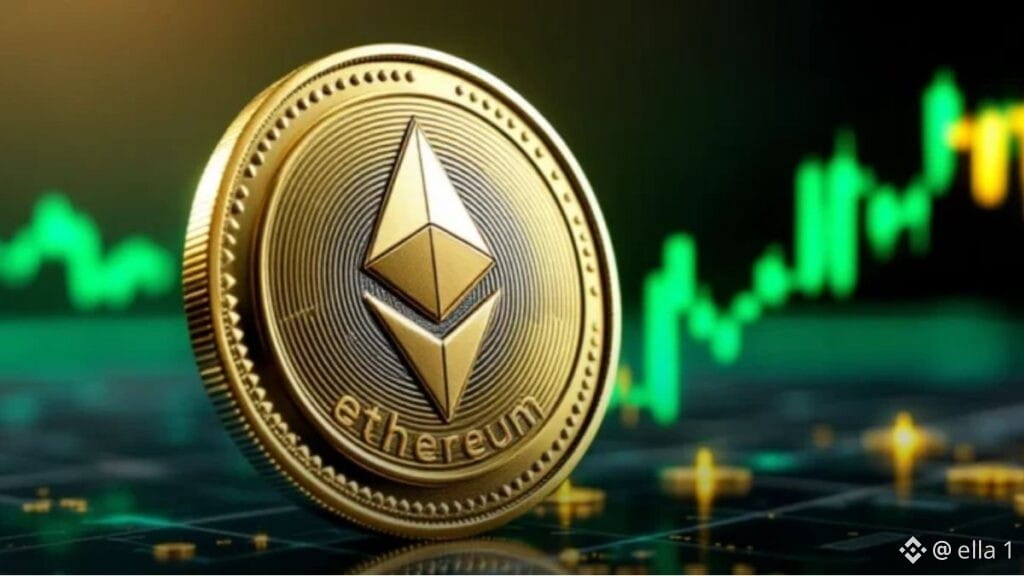
同社はETHの最大の公開保有者の一つとなり、その財務は報告によれば約873,000イーサに達しています。
この動きが注目されるのは、そのタイミングです。
多くの暗号財務会社は、広範な市場が冷え込み、投機的な勢いが失われた後、購入を減速または完全に停止しました。それに対してSharpLinkは、機関ファンドに続いて主要な株式インデックスに移行しています。
目立つ点は以下の通りです:
* Russellの追加は6月29日から有効
* SharpLinkは依然として最大の公開ETH保有者の一つ
* インデックスの追加は株式へのパッシブファンドのエクスポージャーを増加させる可能性がある
* 他の多くの暗号財務会社は下落時に活動を減少させた
* 同社の株価は昨年のピークレベルからまだ遠く離れている
ここでの大きな視点は、暗号財務戦略が徐々に従来の株式市場インフラの一部となり、孤立した暗号取引に留まらなくなっているということです。
インデックスに追加されることは重要で、投資家が直接ETHを購入していなくても、ETFやそのベンチマークを追跡するファンドを通じて自動的なエクスポージャーを生む可能性があります。
同時に、これらの財務会社に関するボラティリティは、彼らが暗号市場のサイクルや投資家のセンチメントにどれほど密接に結びついているかを示しています。
情報提供のみ。
SharpLinkは今月末にRussell 2000およびRussell 3000インデックスに参加することが決定し、もう一つの暗号関連の財務会社が従来の機関投資家のフローに近づいています。
同社はETHの最大の公開保有者の一つとなり、その財務は報告によれば約873,000イーサに達しています。
この動きが注目されるのは、そのタイミングです。
多くの暗号財務会社は、広範な市場が冷え込み、投機的な勢いが失われた後、購入を減速または完全に停止しました。それに対してSharpLinkは、機関ファンドに続いて主要な株式インデックスに移行しています。
目立つ点は以下の通りです:
* Russellの追加は6月29日から有効
* SharpLinkは依然として最大の公開ETH保有者の一つ
* インデックスの追加は株式へのパッシブファンドのエクスポージャーを増加させる可能性がある
* 他の多くの暗号財務会社は下落時に活動を減少させた
* 同社の株価は昨年のピークレベルからまだ遠く離れている
ここでの大きな視点は、暗号財務戦略が徐々に従来の株式市場インフラの一部となり、孤立した暗号取引に留まらなくなっているということです。
インデックスに追加されることは重要で、投資家が直接ETHを購入していなくても、ETFやそのベンチマークを追跡するファンドを通じて自動的なエクスポージャーを生む可能性があります。
同時に、これらの財務会社に関するボラティリティは、彼らが暗号市場のサイクルや投資家のセンチメントにどれほど密接に結びついているかを示しています。
情報提供のみ。
同社はETHの最大の公開保有者の一つとなり、その財務は報告によれば約873,000イーサに達しています。
この動きが注目されるのは、そのタイミングです。
多くの暗号財務会社は、広範な市場が冷え込み、投機的な勢いが失われた後、購入を減速または完全に停止しました。それに対してSharpLinkは、機関ファンドに続いて主要な株式インデックスに移行しています。
目立つ点は以下の通りです:
* Russellの追加は6月29日から有効
* SharpLinkは依然として最大の公開ETH保有者の一つ
* インデックスの追加は株式へのパッシブファンドのエクスポージャーを増加させる可能性がある
* 他の多くの暗号財務会社は下落時に活動を減少させた
* 同社の株価は昨年のピークレベルからまだ遠く離れている
ここでの大きな視点は、暗号財務戦略が徐々に従来の株式市場インフラの一部となり、孤立した暗号取引に留まらなくなっているということです。
インデックスに追加されることは重要で、投資家が直接ETHを購入していなくても、ETFやそのベンチマークを追跡するファンドを通じて自動的なエクスポージャーを生む可能性があります。
同時に、これらの財務会社に関するボラティリティは、彼らが暗号市場のサイクルや投資家のセンチメントにどれほど密接に結びついているかを示しています。
情報提供のみ。
3
349
·
--
暗号資産(クリプト)のセキュリティをめぐる議論は、「もし」から「どれだけ速くか」へと移り始めています。
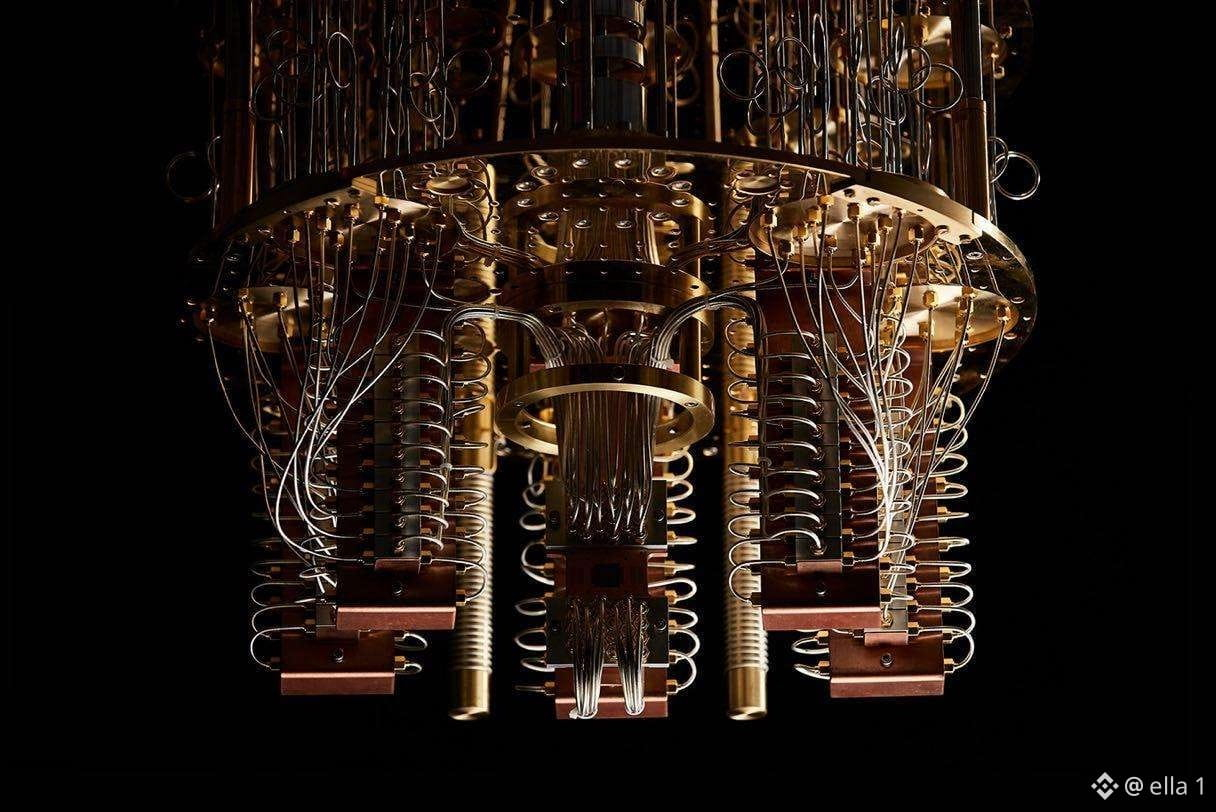
研究者やブロックチェーン開発者は、AIが、現在の暗号化基準に挑戦できる量子コンピューティング・システムの到来を加速させる可能性があると、ますます警鐘を鳴らしています。
そしてこれは暗号資産に限りません。同じ暗号学的前提に基づいて構築された、より広範なインターネット基盤にも影響し得ます。
議論の中で特に目立つポイントは次のとおりです:
* AIが量子コンピューティング研究を加速するために使われている
* セキュリティ研究者が「今のうちに収集して、後で復号する(harvest now decrypt later)」戦略に警告している
* ポスト量子暗号が、暗号資産エコシステム全体でより大きな関心を集めつつある
* Ethereum、Solana、Ripple、NEARのようなネットワークはすでに移行の道筋を検討している
* 将来のセキュリティモデルでは、静的な防御ではなく継続的なアップグレードが必要になるかもしれない
興味深いのは、この脅威がもはや純粋に机上の理論として語られていないことです。
いま問題視されているのは、AIと量子システムが組み合わさることです。
AIはすでにコード解析、脆弱性の検知、研究スピードを向上させています。同時に、これらの同じ能力が、予想以上の速さで旧来の暗号化モデルを攻撃するために使われる可能性もあります。
その結果、より多くのブロックチェーンネットワークが、時間とともにインフラがどれだけ適応可能になり得るのかを考える必要に迫られています。
セキュリティを数年に一度の「一度だけのアップグレード」として扱うのではなく、業界は、計算能力やAI能力の進歩に合わせて、システムを継続的に進化させる方向へ移っているのかもしれません。
情報提供のみ。
暗号資産(クリプト)のセキュリティをめぐる議論は、「もし」から「どれだけ速くか」へと移り始めています。
研究者やブロックチェーン開発者は、AIが、現在の暗号化基準に挑戦できる量子コンピューティング・システムの到来を加速させる可能性があると、ますます警鐘を鳴らしています。
そしてこれは暗号資産に限りません。同じ暗号学的前提に基づいて構築された、より広範なインターネット基盤にも影響し得ます。
議論の中で特に目立つポイントは次のとおりです:
* AIが量子コンピューティング研究を加速するために使われている
* セキュリティ研究者が「今のうちに収集して、後で復号する(harvest now decrypt later)」戦略に警告している
* ポスト量子暗号が、暗号資産エコシステム全体でより大きな関心を集めつつある
* Ethereum、Solana、Ripple、NEARのようなネットワークはすでに移行の道筋を検討している
* 将来のセキュリティモデルでは、静的な防御ではなく継続的なアップグレードが必要になるかもしれない
興味深いのは、この脅威がもはや純粋に机上の理論として語られていないことです。
いま問題視されているのは、AIと量子システムが組み合わさることです。
AIはすでにコード解析、脆弱性の検知、研究スピードを向上させています。同時に、これらの同じ能力が、予想以上の速さで旧来の暗号化モデルを攻撃するために使われる可能性もあります。
その結果、より多くのブロックチェーンネットワークが、時間とともにインフラがどれだけ適応可能になり得るのかを考える必要に迫られています。
セキュリティを数年に一度の「一度だけのアップグレード」として扱うのではなく、業界は、計算能力やAI能力の進歩に合わせて、システムを継続的に進化させる方向へ移っているのかもしれません。
情報提供のみ。
研究者やブロックチェーン開発者は、AIが、現在の暗号化基準に挑戦できる量子コンピューティング・システムの到来を加速させる可能性があると、ますます警鐘を鳴らしています。
そしてこれは暗号資産に限りません。同じ暗号学的前提に基づいて構築された、より広範なインターネット基盤にも影響し得ます。
議論の中で特に目立つポイントは次のとおりです:
* AIが量子コンピューティング研究を加速するために使われている
* セキュリティ研究者が「今のうちに収集して、後で復号する(harvest now decrypt later)」戦略に警告している
* ポスト量子暗号が、暗号資産エコシステム全体でより大きな関心を集めつつある
* Ethereum、Solana、Ripple、NEARのようなネットワークはすでに移行の道筋を検討している
* 将来のセキュリティモデルでは、静的な防御ではなく継続的なアップグレードが必要になるかもしれない
興味深いのは、この脅威がもはや純粋に机上の理論として語られていないことです。
いま問題視されているのは、AIと量子システムが組み合わさることです。
AIはすでにコード解析、脆弱性の検知、研究スピードを向上させています。同時に、これらの同じ能力が、予想以上の速さで旧来の暗号化モデルを攻撃するために使われる可能性もあります。
その結果、より多くのブロックチェーンネットワークが、時間とともにインフラがどれだけ適応可能になり得るのかを考える必要に迫られています。
セキュリティを数年に一度の「一度だけのアップグレード」として扱うのではなく、業界は、計算能力やAI能力の進歩に合わせて、システムを継続的に進化させる方向へ移っているのかもしれません。
情報提供のみ。
1
447
·
--
トム・リー氏は、次の大規模テックIPOの波が必ずしも市場を崩すとは考えていない。
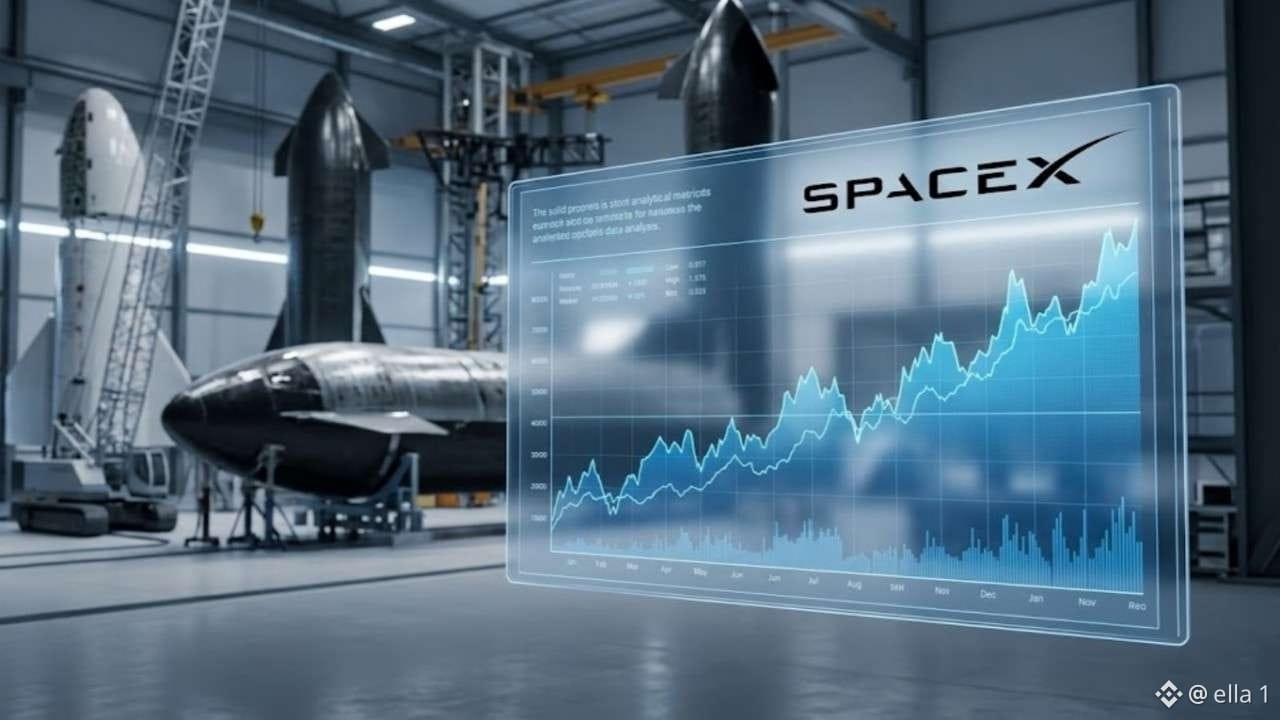
スペースX、オープンAI、アンソロピックといった上場の可能性について話す中で、リー氏は、新たに公的市場へ流入する株式(新規エクイティ)の金額は、最終的に数兆ドル規模にまで達する可能性があると述べた。
その規模であっても、投機的な資金がなお市場の傍らに十分存在し、それを吸収できるだけの余地があると同氏は主張する。
印象的だった点は以下のとおり:
* スペースXだけでも、史上最大級のIPOの一つになり得る
* 大手AI上場案件からの供給の合計は、S&P500の意味のある一部に相当し得る
* リー氏は、機関投資家はなお上場株式への配分が過少だと考えている
* 一部の投資家は、すぐに売却する代わりにヘッジしたり、ポジションに対して借り入れたりするかもしれない
* ウォール街は、トークン化とブロックチェーン基盤のへの注目を引き続き強めている
ここでの大きなテーマは、IPOそのものというより、資本がどこへ向かっているかにあるように感じられる。
AIインフラ、プライベートのテック企業、トークン化された金融はいずれも、同時に従来型の金融と暗号関連の市場の両方から、ますます注目を集めているようだ。
またリー氏は、即時決済やブロックチェーンに基づく金融インフラを中心に、トークン化が長期的な構造的な転換であるという点も改めて示した。
市場は、成長とテクノロジーへのエクスポージャーに対するより広範な需要が強い限り、大規模なAI関連のバリュエーションを吸収する意思があるように見える。
情報提供のみ。
トム・リー氏は、次の大規模テックIPOの波が必ずしも市場を崩すとは考えていない。
スペースX、オープンAI、アンソロピックといった上場の可能性について話す中で、リー氏は、新たに公的市場へ流入する株式(新規エクイティ)の金額は、最終的に数兆ドル規模にまで達する可能性があると述べた。
その規模であっても、投機的な資金がなお市場の傍らに十分存在し、それを吸収できるだけの余地があると同氏は主張する。
印象的だった点は以下のとおり:
* スペースXだけでも、史上最大級のIPOの一つになり得る
* 大手AI上場案件からの供給の合計は、S&P500の意味のある一部に相当し得る
* リー氏は、機関投資家はなお上場株式への配分が過少だと考えている
* 一部の投資家は、すぐに売却する代わりにヘッジしたり、ポジションに対して借り入れたりするかもしれない
* ウォール街は、トークン化とブロックチェーン基盤のへの注目を引き続き強めている
ここでの大きなテーマは、IPOそのものというより、資本がどこへ向かっているかにあるように感じられる。
AIインフラ、プライベートのテック企業、トークン化された金融はいずれも、同時に従来型の金融と暗号関連の市場の両方から、ますます注目を集めているようだ。
またリー氏は、即時決済やブロックチェーンに基づく金融インフラを中心に、トークン化が長期的な構造的な転換であるという点も改めて示した。
市場は、成長とテクノロジーへのエクスポージャーに対するより広範な需要が強い限り、大規模なAI関連のバリュエーションを吸収する意思があるように見える。
情報提供のみ。
スペースX、オープンAI、アンソロピックといった上場の可能性について話す中で、リー氏は、新たに公的市場へ流入する株式(新規エクイティ)の金額は、最終的に数兆ドル規模にまで達する可能性があると述べた。
その規模であっても、投機的な資金がなお市場の傍らに十分存在し、それを吸収できるだけの余地があると同氏は主張する。
印象的だった点は以下のとおり:
* スペースXだけでも、史上最大級のIPOの一つになり得る
* 大手AI上場案件からの供給の合計は、S&P500の意味のある一部に相当し得る
* リー氏は、機関投資家はなお上場株式への配分が過少だと考えている
* 一部の投資家は、すぐに売却する代わりにヘッジしたり、ポジションに対して借り入れたりするかもしれない
* ウォール街は、トークン化とブロックチェーン基盤のへの注目を引き続き強めている
ここでの大きなテーマは、IPOそのものというより、資本がどこへ向かっているかにあるように感じられる。
AIインフラ、プライベートのテック企業、トークン化された金融はいずれも、同時に従来型の金融と暗号関連の市場の両方から、ますます注目を集めているようだ。
またリー氏は、即時決済やブロックチェーンに基づく金融インフラを中心に、トークン化が長期的な構造的な転換であるという点も改めて示した。
市場は、成長とテクノロジーへのエクスポージャーに対するより広範な需要が強い限り、大規模なAI関連のバリュエーションを吸収する意思があるように見える。
情報提供のみ。
3
1
374
ログインして、さらにコンテンツを読む
厳選トピックで世界の暗号資産トレーダーの仲間入り
⚡️ 暗号資産に関する最新かつ有益な情報が見つかります。
💬 世界最大の暗号資産取引所から信頼されています。
👍 認証を受けたクリエイターから、有益なインサイトを得られます。
メール / 電話番号
トレンドトピック
FedMinutesFocusOnOctoberPause
閲覧回数 328,135
2,019人が討論中
🚨 警戒レベル引き上げ ‼️ 次の1時間は無闇に取引しないでください 🚨
皆さん、FOMC議事要旨の発表まで1時間を切りました。
今日すでに大きなボラティリティが見られたことを考えると、発表直前に誰にも無謀な高レバレッジポジションを取ってほしくありません。
私が注目している大きな反応は、ゴールド(XAU)、シルバー(XAG)、BTC、ETHです。さらにSOLのような銘柄や、レバレッジの高い時価総額が中小規模のアルトコインは、BTCの値動きを増幅させる可能性があります。
今夜は特にゴールドとシルバーに注意が必要です。市場はすでに米ドルと米国債利回りに反応しており、両方の貴金属はFRB議事要旨の発表を前に大きな圧力を受けています。
簡単に言うと、
📉タカ派的なFOMC議事要旨 → 米ドル・利回りが上昇する可能性 → BTC、暗号資産、ゴールド、シルバーに下押し圧力
📈ハト派的なFOMC議事要旨 → 米ドル・利回りが落ち着く可能性 → BTC、ゴールド、シルバー、リスク資産が大きく反発する可能性があります。
そして、最初のローソク足が罠になることもあるので忘れないでください。一度急騰してすぐに急落し、両方向で清算が起きてから、本当の方向性が見えてくることもあります。
今はポジションを守り、不要なレバレッジを減らし、最初の値動きにFOMOで飛び乗らないようにしてください。
今夜はまず$XAU 、$XAG 、$BTC を注視しています。これらの動きを見れば、市場がFRBの発表をどう受け止めているか、すぐに分かるでしょう。
時間どおりに皆さんに最新情報をお知らせします。
@Panda Traders をフォローして、今すぐ通知をオンにしてください。
#FedMinutesFocusOnOctoberPause
Panda Traders
·いいね:21件
·閲覧回数 5k
XRPSpotETFsHold$1.7BWeeklyInflowsSlow
閲覧回数 9
7人が討論中
FrenchHillUrgesCLARITYActPassageInLameDuck
閲覧回数 213
45人が討論中