
Sasha why NOT 1
459 投稿
Sasha why NOT 1
報告
ユーザーをブロック
Created for bulls and bears 🐂🐻
0 フォロー
1.2K+ フォロワー
312 いいね
投稿
翻訳参照
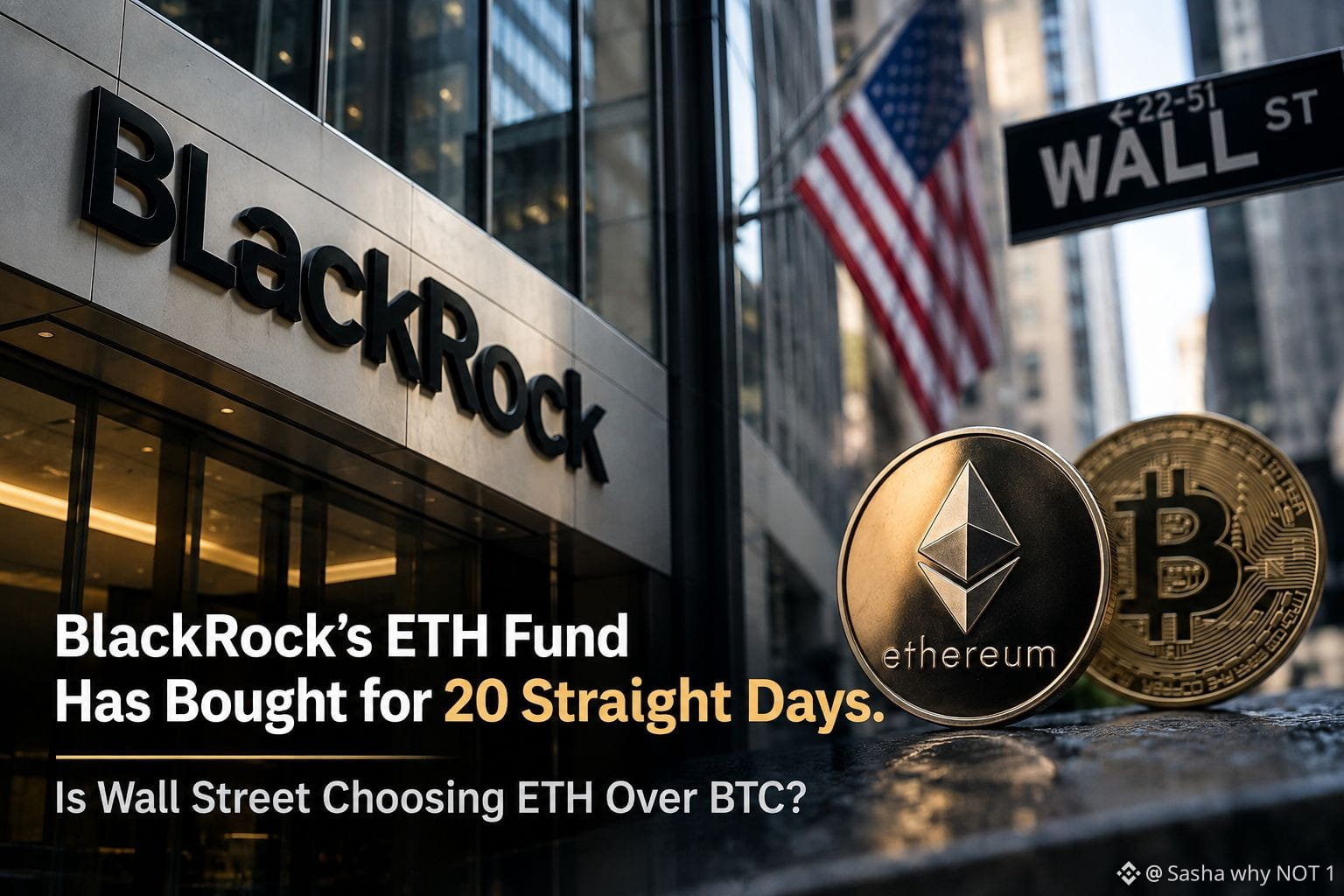
BlackRock’s ETH Fund Has Bought for 20 Straight Days. Is Wall Street Choosing ETH Over BTC? BlackRock’s Ethereum ETF has reportedly recorded net buying for 20 consecutive trading days, accumulating approximately $251.4 million without a single selling day during that period. The consistency matters more than the headline number. It suggests that investors are building ETH exposure gradually even while Ethereum’s price remains volatile. But this does not yet mean Wall Street has chosen ETH over Bitcoin. Over a comparable three-week period, U.S. spot #Bitcoin ETFs attracted roughly $3.8 billion, with BlackRock’s IBIT among the main contributors. Bitcoin therefore continues to dominate institutional flows in absolute dollar terms. The more interesting signal may be changing portfolio structure: • BTC remains the primary institutional crypto allocation • ETH is increasingly becoming a separate strategic position • BlackRock’s distribution network is concentrating demand in ETHA • Daily ETH-versus-BTC ETF flows could reveal whether temporary diversification becomes a sustained rotation One important clarification: BlackRock is not necessarily buying ETH with its own corporate money. $ETHA generally acquires or releases ETH in response to ETF share creation and redemption activity from investors. Conclusion: Wall Street is not abandoning BTC for ETH. But 20 consecutive accumulation days suggest Ethereum is moving from an alternative bet toward a more established institutional allocation. The next confirmation would be $ETH ETF inflows consistently outperforming $BTC flows not for one session, but across several weeks. #BTC Price Analysis#
BlackRock’s ETH Fund Has Bought for 20 Straight Days. Is Wall Street Choosing ETH Over BTC? BlackRock’s Ethereum ETF has reportedly recorded net buying for 20 consecutive trading days, accumulating approximately $251.4 million without a single selling day during that period. The consistency matters more than the headline number. It suggests that investors are building ETH exposure gradually even while Ethereum’s price remains volatile. But this does not yet mean Wall Street has chosen ETH over Bitcoin. Over a comparable three-week period, U.S. spot #Bitcoin ETFs attracted roughly $3.8 billion, with BlackRock’s IBIT among the main contributors. Bitcoin therefore continues to dominate institutional flows in absolute dollar terms. The more interesting signal may be changing portfolio structure: • BTC remains the primary institutional crypto allocation • ETH is increasingly becoming a separate strategic position • BlackRock’s distribution network is concentrating demand in ETHA • Daily ETH-versus-BTC ETF flows could reveal whether temporary diversification becomes a sustained rotation One important clarification: BlackRock is not necessarily buying ETH with its own corporate money. $ETHA generally acquires or releases ETH in response to ETF share creation and redemption activity from investors. Conclusion: Wall Street is not abandoning BTC for ETH. But 20 consecutive accumulation days suggest Ethereum is moving from an alternative bet toward a more established institutional allocation. The next confirmation would be $ETH ETF inflows consistently outperforming $BTC flows not for one session, but across several weeks. #BTC Price Analysis#
25
翻訳参照
TRENDLAB / CMC MARKET STRUCTURE BRIEF The market remains mixed: only 38 of the top 100 non-stablecoin assets on CoinMarketCap are positive over the past 24 hours. The median return stands at −0.5%, while the market-cap-weighted return remains slightly positive at +0.1%. This suggests that large-cap assets are supporting the market, while most altcoins remain under pressure. The confirmed sector leader is Filesharing: • Average price change: +13.2% • Sector market cap: +7.8% • Trading volume: +313% The move is confirmed across price, market capitalization, and volume making this sector worth watching closely. Binance Alpha Airdrops recorded a stronger average price increase of +21.9%, but its market cap declined by 0.3% and trading volume fell by 2.3%. For now, this looks more like an unconfirmed outlier than sustained capital rotation. Тhe market has not yet entered a broad risk-on phase. Capital remains concentrated in specific narratives, while widespread altcoin participation is still absent. https://map.trendlab.space/ #BTC Price Analysis# $BTC
TRENDLAB / CMC MARKET STRUCTURE BRIEF The market remains mixed: only 38 of the top 100 non-stablecoin assets on CoinMarketCap are positive over the past 24 hours. The median return stands at −0.5%, while the market-cap-weighted return remains slightly positive at +0.1%. This suggests that large-cap assets are supporting the market, while most altcoins remain under pressure. The confirmed sector leader is Filesharing: • Average price change: +13.2% • Sector market cap: +7.8% • Trading volume: +313% The move is confirmed across price, market capitalization, and volume making this sector worth watching closely. Binance Alpha Airdrops recorded a stronger average price increase of +21.9%, but its market cap declined by 0.3% and trading volume fell by 2.3%. For now, this looks more like an unconfirmed outlier than sustained capital rotation. Тhe market has not yet entered a broad risk-on phase. Capital remains concentrated in specific narratives, while widespread altcoin participation is still absent. https://map.trendlab.space/ #BTC Price Analysis# $BTC

42
翻訳参照
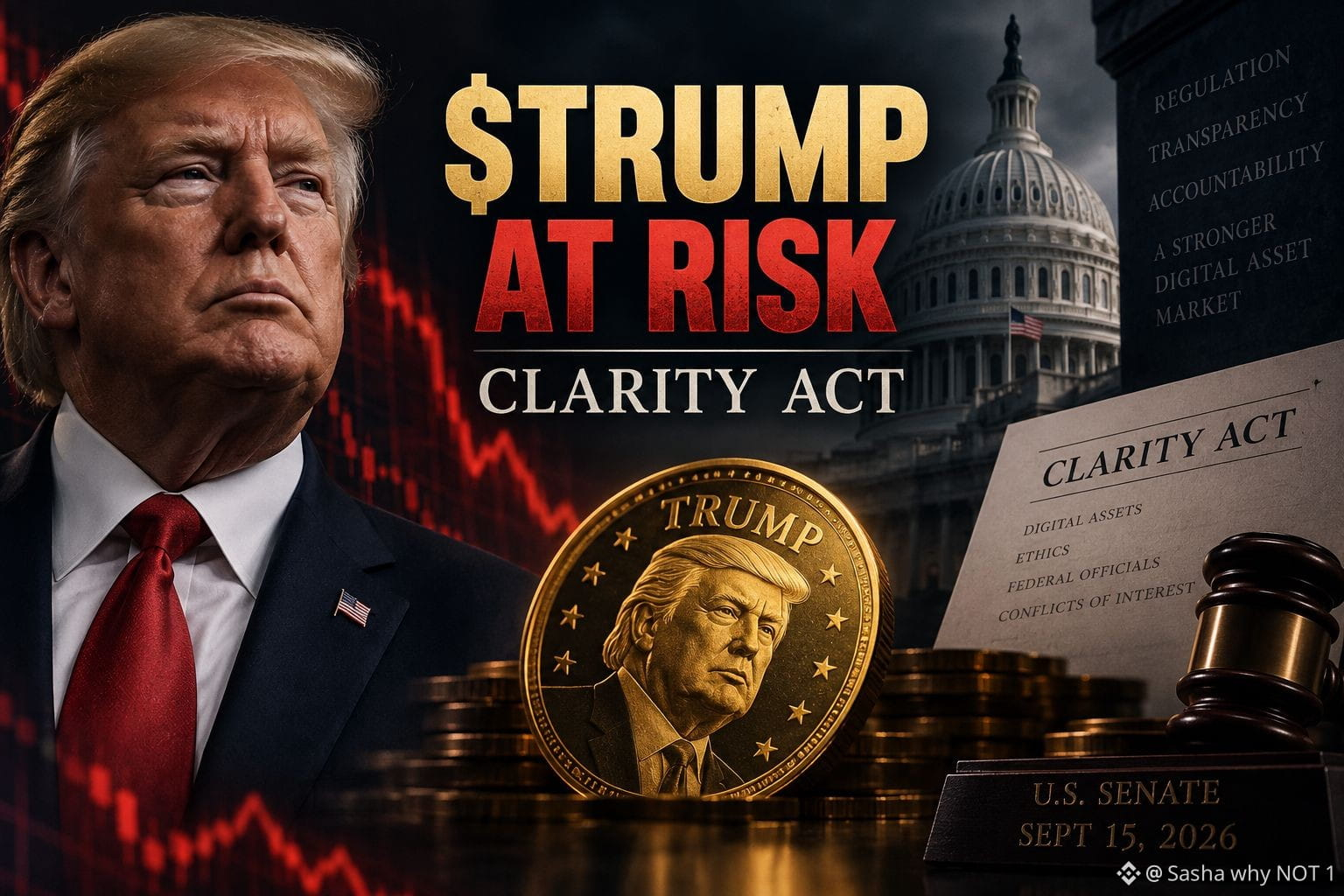
#TRUMP : A New Regulatory Risk and Potential Short Setup On September 15, the U.S. Senate will hold a procedural vote on the #CLARITY Act, which aims to divide crypto oversight between the SEC and CFTC. The main dispute involves conflicts of interest. The proposed rules would restrict the president, vice president, senior officials, and their spouses from issuing or promoting personal tokens. A stricter version could require significant crypto holdings to be divested or placed in a blind trust. Trump has reportedly accepted most of the bipartisan amendments, but the final text has not yet been released. If these restrictions remain, politically connected assets such as $TRUMP and $WLFI could face pressure as the market prices in: • Reduced promotional support • Potential divestment of crypto holdings • Weaker financial incentives for officials • Greater scrutiny of exchanges listing restricted assets My hypothesis: $TRUMP is becoming a potential short setup, but entering solely on the headline remains risky. Bearish confirmation would require a strict final bill, a successful Senate vote, and a high-volume breakdown below key support. A failed vote or exemptions for existing tokens could instead trigger a sharp short squeeze. The CLARITY Act may be bullish for the broader U.S. crypto industry while becoming a bearish catalyst for tokens built around political brands. #CLARITYAct
#TRUMP : A New Regulatory Risk and Potential Short Setup On September 15, the U.S. Senate will hold a procedural vote on the #CLARITY Act, which aims to divide crypto oversight between the SEC and CFTC. The main dispute involves conflicts of interest. The proposed rules would restrict the president, vice president, senior officials, and their spouses from issuing or promoting personal tokens. A stricter version could require significant crypto holdings to be divested or placed in a blind trust. Trump has reportedly accepted most of the bipartisan amendments, but the final text has not yet been released. If these restrictions remain, politically connected assets such as $TRUMP and $WLFI could face pressure as the market prices in: • Reduced promotional support • Potential divestment of crypto holdings • Weaker financial incentives for officials • Greater scrutiny of exchanges listing restricted assets My hypothesis: $TRUMP is becoming a potential short setup, but entering solely on the headline remains risky. Bearish confirmation would require a strict final bill, a successful Senate vote, and a high-volume breakdown below key support. A failed vote or exemptions for existing tokens could instead trigger a sharp short squeeze. The CLARITY Act may be bullish for the broader U.S. crypto industry while becoming a bearish catalyst for tokens built around political brands. #CLARITYAct
50
🚨 市場ブリーフ:再び原油が市場を動かす 難しいマクロ環境のまま、投資家はFRB週を迎える:ブレントは$107超、米10年金利は5%近辺、そして$BTCは$77Kを下回っている。 ₿ 暗号資産:ビットコインは約$76.7Kで取引されており、ETHは約$2.48K。マクロが依然として最大の圧力。リスクオンの強いシグナルのためには、BTCが$80Kを奪回し、そして米国債利回りが低下していくのを見たい。 🇺🇸 米マクロ:CPI:前年比3.4% PPI:前年比5.4% 賃金・雇用統計:+162K 失業率:4.1% 米10年: 約4.97% 市場は次のFRB利上げをかなり織り込んでいる。 📉 株式:米先物は、原油高と利回りの上昇が成長株のバリュエーションを直撃し、下押し圧力がかかっている。なお、10年が継続して>5%を維持することが、ナスダックにとっての主要リスク。 🇨🇳 中国&地政学:中国はBRICSのさらなる協力を推し進め、また中東の緊張緩和を求めている。市場にとっては外交が重要だ。なぜならそれが原油に直接影響し得るから: 緊張緩和→原油↓→インフレ↓→利回り↓→リスク資産↑ 🤖 AI:AI競争は新たな局面に入っている。アンスロピックは、最前線モデルの開発をより遅らせ、より強い安全基準を求めている。一方で資金は、主要なAI機会を追いかけ続けている。 🎯 私の見解:今日、ビットコインよりも原油が重要だ。 ブレント>$110 → ハト派ではないFRB(タカ派)→ 10年>5% → ナスダック↓ → BTCへの圧力 強気の代替シナリオ:原油↓ → 利回り↓ → #BTC >$80K → リスクオン 重要な水準:BTC $80K | ブレント $110 | 米10年 5% | DXY 100 #BTC価格分析#
🚨 市場ブリーフ:再び原油が市場を動かす 難しいマクロ環境のまま、投資家はFRB週を迎える:ブレントは$107超、米10年金利は5%近辺、そして$BTCは$77Kを下回っている。 ₿ 暗号資産:ビットコインは約$76.7Kで取引されており、ETHは約$2.48K。マクロが依然として最大の圧力。リスクオンの強いシグナルのためには、BTCが$80Kを奪回し、そして米国債利回りが低下していくのを見たい。 🇺🇸 米マクロ:CPI:前年比3.4% PPI:前年比5.4% 賃金・雇用統計:+162K 失業率:4.1% 米10年: 約4.97% 市場は次のFRB利上げをかなり織り込んでいる。 📉 株式:米先物は、原油高と利回りの上昇が成長株のバリュエーションを直撃し、下押し圧力がかかっている。なお、10年が継続して>5%を維持することが、ナスダックにとっての主要リスク。 🇨🇳 中国&地政学:中国はBRICSのさらなる協力を推し進め、また中東の緊張緩和を求めている。市場にとっては外交が重要だ。なぜならそれが原油に直接影響し得るから: 緊張緩和→原油↓→インフレ↓→利回り↓→リスク資産↑ 🤖 AI:AI競争は新たな局面に入っている。アンスロピックは、最前線モデルの開発をより遅らせ、より強い安全基準を求めている。一方で資金は、主要なAI機会を追いかけ続けている。 🎯 私の見解:今日、ビットコインよりも原油が重要だ。 ブレント>$110 → ハト派ではないFRB(タカ派)→ 10年>5% → ナスダック↓ → BTCへの圧力 強気の代替シナリオ:原油↓ → 利回り↓ → #BTC >$80K → リスクオン 重要な水準:BTC $80K | ブレント $110 | 米10年 5% | DXY 100 #BTC価格分析#
81
翻訳参照
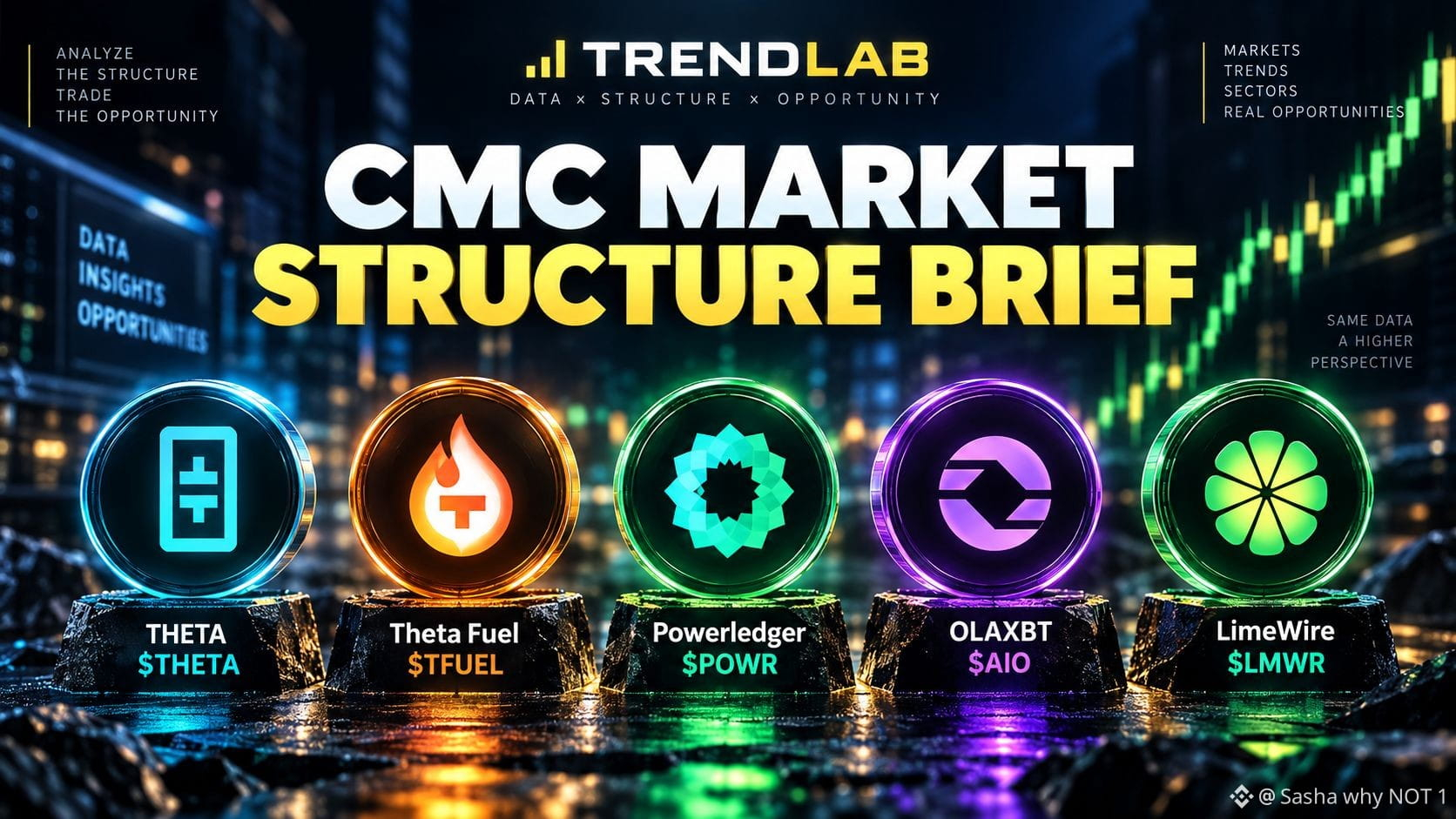
TRENDLAB / CMC MARKET STRUCTURE BRIEF The crypto market remains broadly weak. Only 30 of 100 non-stable assets in the TrendLab sample posted positive 24-hour returns, producing market breadth of just 30%. The median return was −0.8%, while the market-cap-weighted return was −0.4%. This +0.4 percentage-point leadership divergence indicates that larger assets held up slightly better than the median token but it does not signal a market recovery. Confirmed research lead: Sharing Economy The category showed simultaneous expansion across three metrics: Average token price: +27.9% Category market cap: +5.1% Trading volume: +35.8% The main tokens to monitor inside the CMC category are: Theta Network ($THETA): ~$209.6M market cap Theta Fuel ($TFUEL): ~$85.5M Powerledger ($POWR): ~$36.8M OLAXBT ($AIO): ~$24.5M LimeWire ($LMWR): ~$9.3M $THETA and $TFUEL together represent approximately 80% of the category’s capitalization, making them the most important confirmation assets. $AIO is the higher-risk momentum candidate, while $POWR helps determine whether strength is spreading beyond the Theta ecosystem. A stronger sector signal would require rising volume and positive price action across THETA, TFUEL and POWER, rather than a rally driven by one smaller token. Unconfirmed outlier: RWA Protocols The category recorded a +66.2% average price change, but market capitalization fell 0.1% and volume declined 23.4%. This divergence suggests that the headline return was likely distorted by isolated or low-weight tokens rather than broad RWA strength. Conclusion: market conditions remain defensive. Sharing Economy deserves a place on the watchlist, but confirmation from its largest tokens is still required before treating it as a sustainable sector rotation. Research by:https://map.trendlab.space/ Data: @CoinMarketCap
TRENDLAB / CMC MARKET STRUCTURE BRIEF The crypto market remains broadly weak. Only 30 of 100 non-stable assets in the TrendLab sample posted positive 24-hour returns, producing market breadth of just 30%. The median return was −0.8%, while the market-cap-weighted return was −0.4%. This +0.4 percentage-point leadership divergence indicates that larger assets held up slightly better than the median token but it does not signal a market recovery. Confirmed research lead: Sharing Economy The category showed simultaneous expansion across three metrics: Average token price: +27.9% Category market cap: +5.1% Trading volume: +35.8% The main tokens to monitor inside the CMC category are: Theta Network ($THETA): ~$209.6M market cap Theta Fuel ($TFUEL): ~$85.5M Powerledger ($POWR): ~$36.8M OLAXBT ($AIO): ~$24.5M LimeWire ($LMWR): ~$9.3M $THETA and $TFUEL together represent approximately 80% of the category’s capitalization, making them the most important confirmation assets. $AIO is the higher-risk momentum candidate, while $POWR helps determine whether strength is spreading beyond the Theta ecosystem. A stronger sector signal would require rising volume and positive price action across THETA, TFUEL and POWER, rather than a rally driven by one smaller token. Unconfirmed outlier: RWA Protocols The category recorded a +66.2% average price change, but market capitalization fell 0.1% and volume declined 23.4%. This divergence suggests that the headline return was likely distorted by isolated or low-weight tokens rather than broad RWA strength. Conclusion: market conditions remain defensive. Sharing Economy deserves a place on the watchlist, but confirmation from its largest tokens is still required before treating it as a sustainable sector rotation. Research by:https://map.trendlab.space/ Data: @CoinMarketCap
30
翻訳参照
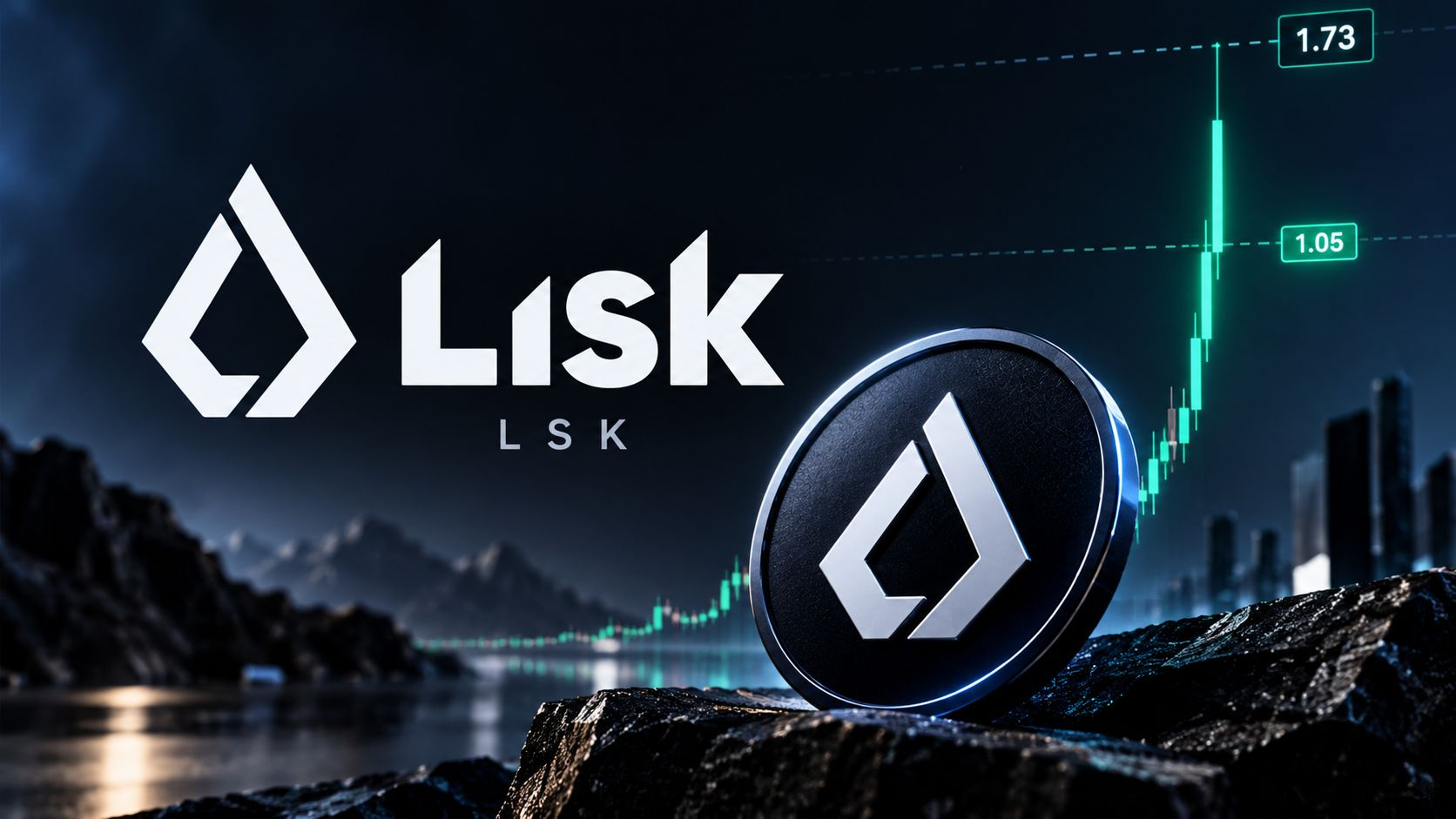
$LSK Surges Over 200%: Lisk Revival or Speculative Pump? Lisk has existed since 2016, but the project is now effectively starting a new chapter. The team is shutting down Lisk Chain and winding down the DAO to transform Lisk into a B2B platform for corporate financial operations. The new product combines bank transfers, stablecoin payments, accounts, and internal approvals in one interface. Its target users are international companies operating across multiple jurisdictions, currencies, and legal entities. What changes for the token: • Lisk Chain will shut down on October 31, 2026. • 100 million $LSK will be burned, reducing the planned total supply from 400 million to 300 million. • Ethereum will become the token’s primary network. • $LSK is shifting from a governance token to a loyalty token. Businesses may earn it for using the platform and referring customers, while fee payments are expected to be introduced later. On paper, the combination of a major token burn and new utility looks positive. However, the main question is whether the platform can generate real payment volume and whether that activity will create sustainable demand for #LSK A gain of more than 200% in one day, accompanied by exceptionally high trading volume, looks like more than a fundamental revaluation. Speculation is clearly part of the move, making the risk of a sharp correction particularly high. My conclusion: Lisk is positioned at the intersection of #RWA , stablecoins, and corporate payment infrastructure. #Lisk can no longer be valued as a blockchain ecosystem. It is now a bet on corporate stablecoin infrastructure. The burn reduces supply, but the long-term value of $LSK will depend on paying customers, revenue, and real token usage evidence the market has yet to see. Research by WhyNot Research
$LSK Surges Over 200%: Lisk Revival or Speculative Pump? Lisk has existed since 2016, but the project is now effectively starting a new chapter. The team is shutting down Lisk Chain and winding down the DAO to transform Lisk into a B2B platform for corporate financial operations. The new product combines bank transfers, stablecoin payments, accounts, and internal approvals in one interface. Its target users are international companies operating across multiple jurisdictions, currencies, and legal entities. What changes for the token: • Lisk Chain will shut down on October 31, 2026. • 100 million $LSK will be burned, reducing the planned total supply from 400 million to 300 million. • Ethereum will become the token’s primary network. • $LSK is shifting from a governance token to a loyalty token. Businesses may earn it for using the platform and referring customers, while fee payments are expected to be introduced later. On paper, the combination of a major token burn and new utility looks positive. However, the main question is whether the platform can generate real payment volume and whether that activity will create sustainable demand for #LSK A gain of more than 200% in one day, accompanied by exceptionally high trading volume, looks like more than a fundamental revaluation. Speculation is clearly part of the move, making the risk of a sharp correction particularly high. My conclusion: Lisk is positioned at the intersection of #RWA , stablecoins, and corporate payment infrastructure. #Lisk can no longer be valued as a blockchain ecosystem. It is now a bet on corporate stablecoin infrastructure. The burn reduces supply, but the long-term value of $LSK will depend on paying customers, revenue, and real token usage evidence the market has yet to see. Research by WhyNot Research
47
翻訳参照
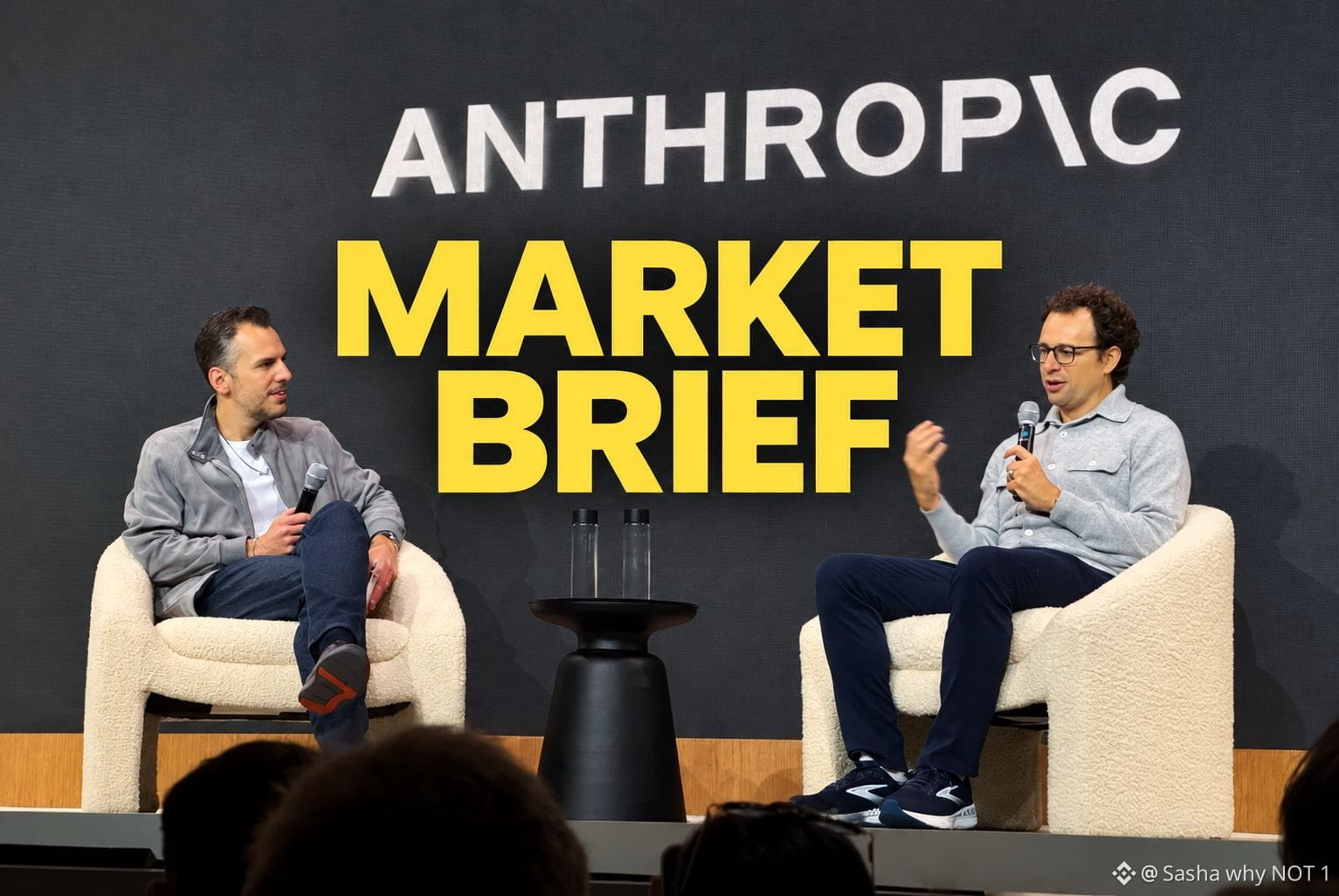
Market Brief: Bitcoin worth less than $80K US 10Y at 5%, AI Mega-IPO in Focus Markets enter the new week with one macro equation dominating everything: Oil → Inflation → Fed → Treasuries → Nasdaq → #Bitcoin ₿ Crypto: $BTC is trading around $77–78K, still struggling to reclaim the key $80K level. With the US 10Y Treasury yield near 5%, macro liquidity remains the main pressure point for crypto. 📈 Stocks: Wall Street rebounded Friday S&P 500 +0.9%, Nasdaq +1.0% as oil eased. But the key question is whether US 10Y can stay below 5%. A sustained breakout above it could pressure growth valuations again. 🏭 Business: IPO and M&A activity remains active despite expensive capital. Altera is reportedly preparing an IPO that could raise more than $2B, while major software and tech deals continue. 🇨🇳 China & Geopolitics: China is pushing for greater BRICS involvement in Middle East stabilization. For markets, the transmission mechanism is simple: De-escalation → Oil ↓ → Inflation expectations ↓ → Yields ↓ → Risk assets ↑ 🤖 AI: One of the biggest stories to watch is Anthropic. Nvidia is reportedly considering investing up to $10B in a potential IPO that could raise as much as $100B and value Anthropic around $2T. If those numbers hold, this could become a major valuation benchmark for the entire AI ecosystem. At the same time, Anthropic CEO Dario Amodei is calling for slower frontier-AI development and stronger safety standards. Capital wants acceleration. AI safety may demand restraint. 🎯 My view: four levels matter: #BTC $80K | US 10Y 5% | Brent $100 | DXY 100 Risk-Off: Oil >$100 + 10Y >5% → Nasdaq ↓ → BTC ↓ Risk-On: Oil ↓ + Yields ↓ + $BTC >$80K → momentum returns Longer term, I’m watching how AI valuations flow downstream: Models → Chips → Networking → Data Centers → Power. #BTC Price Analysis#
Market Brief: Bitcoin worth less than $80K US 10Y at 5%, AI Mega-IPO in Focus Markets enter the new week with one macro equation dominating everything: Oil → Inflation → Fed → Treasuries → Nasdaq → #Bitcoin ₿ Crypto: $BTC is trading around $77–78K, still struggling to reclaim the key $80K level. With the US 10Y Treasury yield near 5%, macro liquidity remains the main pressure point for crypto. 📈 Stocks: Wall Street rebounded Friday S&P 500 +0.9%, Nasdaq +1.0% as oil eased. But the key question is whether US 10Y can stay below 5%. A sustained breakout above it could pressure growth valuations again. 🏭 Business: IPO and M&A activity remains active despite expensive capital. Altera is reportedly preparing an IPO that could raise more than $2B, while major software and tech deals continue. 🇨🇳 China & Geopolitics: China is pushing for greater BRICS involvement in Middle East stabilization. For markets, the transmission mechanism is simple: De-escalation → Oil ↓ → Inflation expectations ↓ → Yields ↓ → Risk assets ↑ 🤖 AI: One of the biggest stories to watch is Anthropic. Nvidia is reportedly considering investing up to $10B in a potential IPO that could raise as much as $100B and value Anthropic around $2T. If those numbers hold, this could become a major valuation benchmark for the entire AI ecosystem. At the same time, Anthropic CEO Dario Amodei is calling for slower frontier-AI development and stronger safety standards. Capital wants acceleration. AI safety may demand restraint. 🎯 My view: four levels matter: #BTC $80K | US 10Y 5% | Brent $100 | DXY 100 Risk-Off: Oil >$100 + 10Y >5% → Nasdaq ↓ → BTC ↓ Risk-On: Oil ↓ + Yields ↓ + $BTC >$80K → momentum returns Longer term, I’m watching how AI valuations flow downstream: Models → Chips → Networking → Data Centers → Power. #BTC Price Analysis#
65
翻訳参照
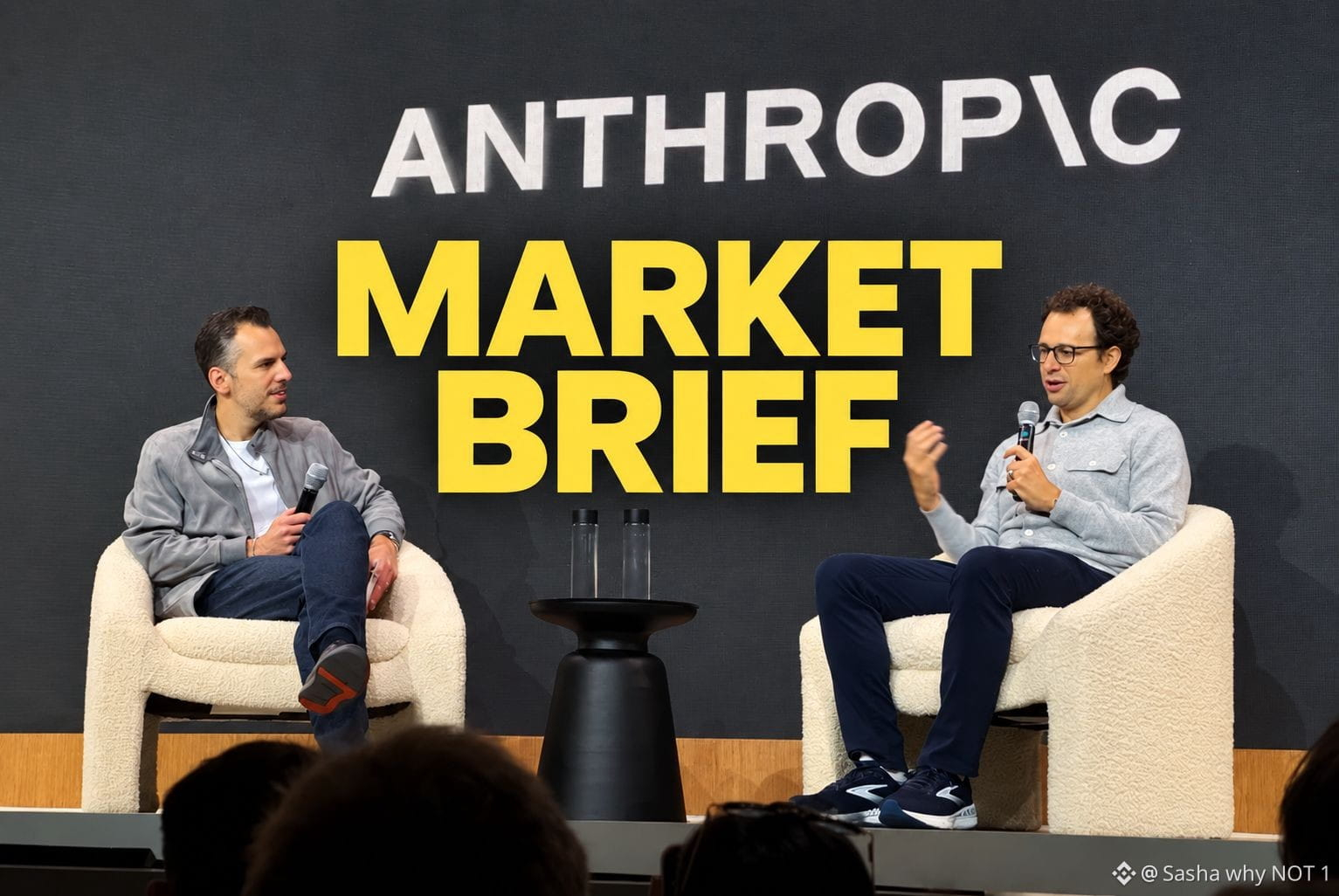
🚨 Market Brief: Bitcoin $80K, US 10Y at 5%, AI Mega-IPO in Focus Markets enter the new week with one macro equation dominating everything: Oil → Inflation → Fed → Treasuries → Nasdaq → #Bitcoin ₿ Crypto: $BTC is trading around $77–78K, still struggling to reclaim the key $80K level. With the US 10Y Treasury yield near 5%, macro liquidity remains the main pressure point for crypto. 📈 Stocks: Wall Street rebounded Friday S&P 500 +0.9%, Nasdaq +1.0% as oil eased. But the key question is whether US 10Y can stay below 5%. A sustained breakout above it could pressure growth valuations again. 🏭 Business: IPO and M&A activity remains active despite expensive capital. Altera is reportedly preparing an IPO that could raise more than $2B, while major software and tech deals continue. 🇨🇳 China & Geopolitics: China is pushing for greater BRICS involvement in Middle East stabilization. For markets, the transmission mechanism is simple: De-escalation → Oil ↓ → Inflation expectations ↓ → Yields ↓ → Risk assets ↑ 🤖 AI: One of the biggest stories to watch is Anthropic. Nvidia is reportedly considering investing up to $10B in a potential IPO that could raise as much as $100B and value Anthropic around $2T. If those numbers hold, this could become a major valuation benchmark for the entire AI ecosystem. At the same time, Anthropic CEO Dario Amodei is calling for slower frontier-AI development and stronger safety standards. Capital wants acceleration. AI safety may demand restraint. 🎯 My view: four levels matter: #BTC $80K | US 10Y 5% | Brent $100 | DXY 100 Risk-Off: Oil >$100 + 10Y >5% → Nasdaq ↓ → BTC ↓ Risk-On: Oil ↓ + Yields ↓ + $BTC >$80K → momentum returns Longer term, I’m watching how AI valuations flow downstream: Models → Chips → Networking → Data Centers → Power. #BTC Price Analysis#
🚨 Market Brief: Bitcoin $80K, US 10Y at 5%, AI Mega-IPO in Focus Markets enter the new week with one macro equation dominating everything: Oil → Inflation → Fed → Treasuries → Nasdaq → #Bitcoin ₿ Crypto: $BTC is trading around $77–78K, still struggling to reclaim the key $80K level. With the US 10Y Treasury yield near 5%, macro liquidity remains the main pressure point for crypto. 📈 Stocks: Wall Street rebounded Friday S&P 500 +0.9%, Nasdaq +1.0% as oil eased. But the key question is whether US 10Y can stay below 5%. A sustained breakout above it could pressure growth valuations again. 🏭 Business: IPO and M&A activity remains active despite expensive capital. Altera is reportedly preparing an IPO that could raise more than $2B, while major software and tech deals continue. 🇨🇳 China & Geopolitics: China is pushing for greater BRICS involvement in Middle East stabilization. For markets, the transmission mechanism is simple: De-escalation → Oil ↓ → Inflation expectations ↓ → Yields ↓ → Risk assets ↑ 🤖 AI: One of the biggest stories to watch is Anthropic. Nvidia is reportedly considering investing up to $10B in a potential IPO that could raise as much as $100B and value Anthropic around $2T. If those numbers hold, this could become a major valuation benchmark for the entire AI ecosystem. At the same time, Anthropic CEO Dario Amodei is calling for slower frontier-AI development and stronger safety standards. Capital wants acceleration. AI safety may demand restraint. 🎯 My view: four levels matter: #BTC $80K | US 10Y 5% | Brent $100 | DXY 100 Risk-Off: Oil >$100 + 10Y >5% → Nasdaq ↓ → BTC ↓ Risk-On: Oil ↓ + Yields ↓ + $BTC >$80K → momentum returns Longer term, I’m watching how AI valuations flow downstream: Models → Chips → Networking → Data Centers → Power. #BTC Price Analysis#
79
翻訳参照
🔍 $B : Is a meme evolving into infrastructure for $USD1 ? #BUILDon started as a BNB Chain mascot but is now attempting to move beyond the memecoin category. The project is developing B Purchase, a service that lets users buy tokens across different chains with stablecoins without manually bridging assets or holding gas on the destination chain. Its next announced product is a multichain launchpad. The market data presents a mixed picture: $B trades near $0.191 with a market cap of approximately $191M, while the entire 1B-token supply is already circulating. This reduces the risk of major future unlocks. However, daily volume is only around $4.8M, and the price remains roughly 75% below its ATH. The main catalyst is BUILDon’s connection to the USD1 and World Liberty Financial ecosystem. The main risk is that $B’s valuation still depends heavily on this narrative. WLFI’s investment alone does not prove sustainable demand for the token. The market now needs real B Purchase metrics: users, transaction volume, and revenue. Until then, $B remains a strong brand with a promising product thesis but not yet a proven token economy. Can BUILDon truly move beyond the meme? #Meme Alpha#
🔍 $B : Is a meme evolving into infrastructure for $USD1 ? #BUILDon started as a BNB Chain mascot but is now attempting to move beyond the memecoin category. The project is developing B Purchase, a service that lets users buy tokens across different chains with stablecoins without manually bridging assets or holding gas on the destination chain. Its next announced product is a multichain launchpad. The market data presents a mixed picture: $B trades near $0.191 with a market cap of approximately $191M, while the entire 1B-token supply is already circulating. This reduces the risk of major future unlocks. However, daily volume is only around $4.8M, and the price remains roughly 75% below its ATH. The main catalyst is BUILDon’s connection to the USD1 and World Liberty Financial ecosystem. The main risk is that $B’s valuation still depends heavily on this narrative. WLFI’s investment alone does not prove sustainable demand for the token. The market now needs real B Purchase metrics: users, transaction volume, and revenue. Until then, $B remains a strong brand with a promising product thesis but not yet a proven token economy. Can BUILDon truly move beyond the meme? #Meme Alpha#

53
翻訳参照
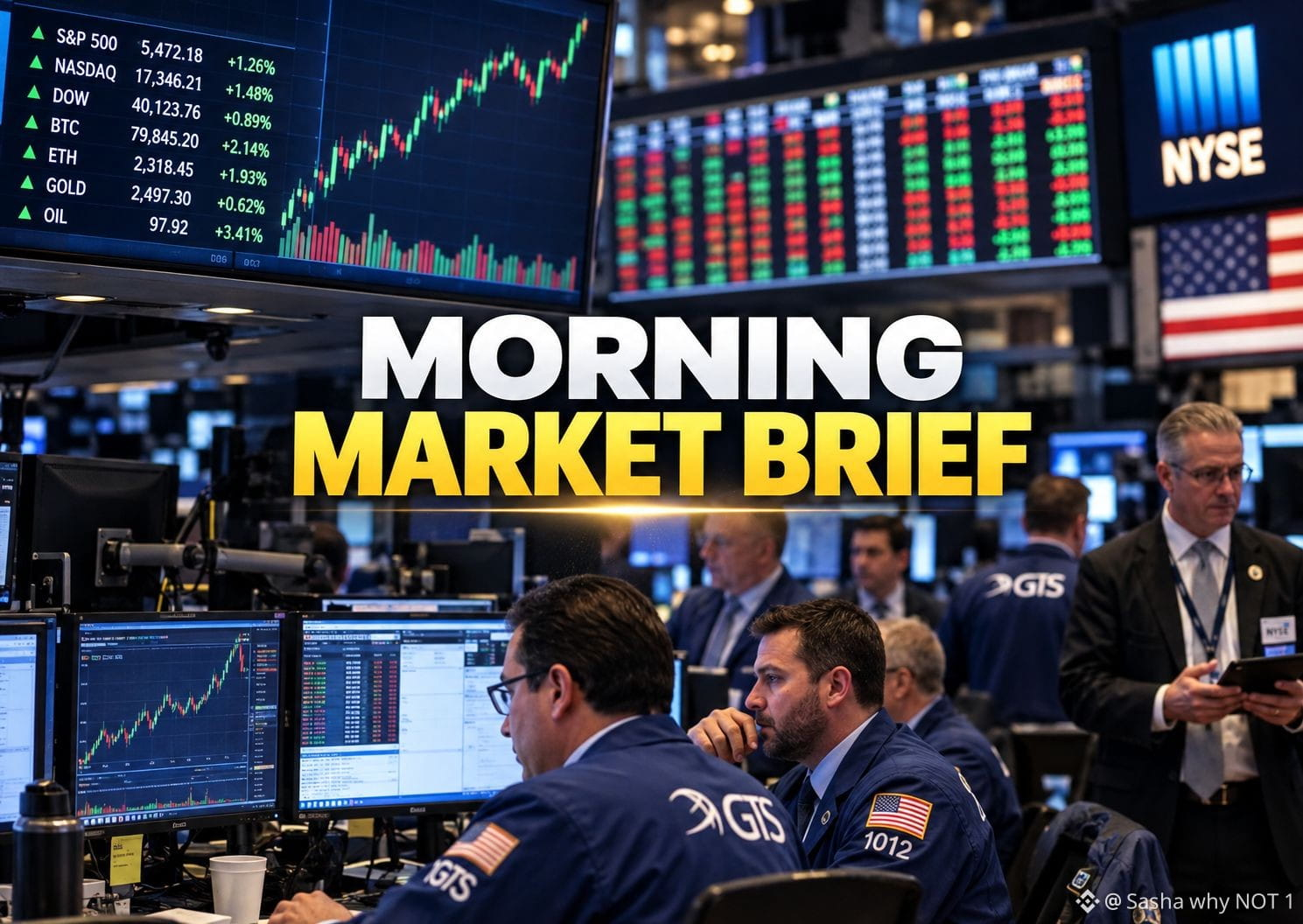
🚨 Market Brief: US 10Y Near 5%, #Bitcoin Holds $77K Markets are entering the weekend with one key macro question: can US Treasury yields break above 5%? ₿ Crypto: Bitcoin is holding around $77K, while high yields continue to pressure risk assets. The key level remains $80K. The macro chain is simple: Oil ↑ → Inflation ↑ → Fed hawkishness ↑ → Yields ↑ → Nasdaq/BTC pressure 🇺🇸 US Macro: August CPI came in at 3.4% YoY, while PPI reached 5.4% YoY. The US 10Y is now near 5%, with markets heavily pricing another Fed hike. For Bitcoin, the next signal is clear: 10Y ↓ + BTC >$80K = Risk-On confirmation 📈 Stocks: Wall Street rebounded Friday S&P 500 +0.86%, Nasdaq +0.96%, Dow +0.98% helped by lower oil. But all three finished the week negative. 🏭 Business: KKR and Francisco Partners are investing in TeamSystem at an estimated €8–10B valuation. It highlights an important split in software: AI-replaceable SaaS vs. mission-critical workflow software. 🇨🇳 China: Beijing is limiting domestic fuel-price increases to cushion consumers from the global oil shock. Meanwhile, Chinese AI-chip maker Enflame surged 179% on its trading debut after a $912M IPO. China’s strategy is becoming clearer: Energy protection + Semiconductor independence 🤖 AI: the AI boom is moving deeper into physical infrastructure. Dell and HPE surged around 12%, while geopolitical risks are forcing developers to rethink how massive AI data centers are built and protected. The investment chain keeps expanding: AI → Servers → Networking → Cooling → Power → Security 🎯 My view: four levels matter now: $BTC $80K | US 10Y 5% | Brent $100 | DXY 100 The biggest short-term risk is 10Y >5%. The bigger long-term opportunity may be in the infrastructure behind AI memory, networking, power, cooling and secure data centers. #BTC Price Analysis#
🚨 Market Brief: US 10Y Near 5%, #Bitcoin Holds $77K Markets are entering the weekend with one key macro question: can US Treasury yields break above 5%? ₿ Crypto: Bitcoin is holding around $77K, while high yields continue to pressure risk assets. The key level remains $80K. The macro chain is simple: Oil ↑ → Inflation ↑ → Fed hawkishness ↑ → Yields ↑ → Nasdaq/BTC pressure 🇺🇸 US Macro: August CPI came in at 3.4% YoY, while PPI reached 5.4% YoY. The US 10Y is now near 5%, with markets heavily pricing another Fed hike. For Bitcoin, the next signal is clear: 10Y ↓ + BTC >$80K = Risk-On confirmation 📈 Stocks: Wall Street rebounded Friday S&P 500 +0.86%, Nasdaq +0.96%, Dow +0.98% helped by lower oil. But all three finished the week negative. 🏭 Business: KKR and Francisco Partners are investing in TeamSystem at an estimated €8–10B valuation. It highlights an important split in software: AI-replaceable SaaS vs. mission-critical workflow software. 🇨🇳 China: Beijing is limiting domestic fuel-price increases to cushion consumers from the global oil shock. Meanwhile, Chinese AI-chip maker Enflame surged 179% on its trading debut after a $912M IPO. China’s strategy is becoming clearer: Energy protection + Semiconductor independence 🤖 AI: the AI boom is moving deeper into physical infrastructure. Dell and HPE surged around 12%, while geopolitical risks are forcing developers to rethink how massive AI data centers are built and protected. The investment chain keeps expanding: AI → Servers → Networking → Cooling → Power → Security 🎯 My view: four levels matter now: $BTC $80K | US 10Y 5% | Brent $100 | DXY 100 The biggest short-term risk is 10Y >5%. The bigger long-term opportunity may be in the infrastructure behind AI memory, networking, power, cooling and secure data centers. #BTC Price Analysis#
62
翻訳参照
$SOGNI : A Working AI DePIN But Does the Token Capture Its Growth? Sogni AI already has working web, iOS, Android, and macOS apps, 200+ models, an OpenAI-compatible API, an SDK, and a decentralized GPU network. Users submit AI jobs, GPU workers process them, and receive #SOGNI rewards. However, platform growth does not automatically create demand for $SOGNI. The main payment unit is Spark, a stable render credit valued at about $0.005. Users can also pay by card, USDC/USDT, or subscribe from $20 per month. Subscription-covered jobs use neither Spark nor SOGNI, while external models such as GPT Image 2, Seedance, and Wan 3 require Premium Spark. This means users and generations can grow without proportional growth in token demand. Market snapshot September 11, 2026: • Price: $0.000545 • Market cap: $660.7K • FDV: $5.45M • Circulating supply: 1.21B of 10B only 12.12% • Down 93.3% from its $0.008178 ATH With FDV around 8.3× the market cap, unlocks and token distribution remain key risks. My thesis: Sogni is an interesting product at the intersection of creator AI, AI agents, and DePIN. But investors must separate platform adoption from token value capture. I would monitor $SOGNI payment volume, active GPUs, completed worker jobs, unlocks, treasury movements, and real API adoption. The product already works. Now the token must prove that it captures the value created by the platform. #Altcoin Season#
$SOGNI : A Working AI DePIN But Does the Token Capture Its Growth? Sogni AI already has working web, iOS, Android, and macOS apps, 200+ models, an OpenAI-compatible API, an SDK, and a decentralized GPU network. Users submit AI jobs, GPU workers process them, and receive #SOGNI rewards. However, platform growth does not automatically create demand for $SOGNI. The main payment unit is Spark, a stable render credit valued at about $0.005. Users can also pay by card, USDC/USDT, or subscribe from $20 per month. Subscription-covered jobs use neither Spark nor SOGNI, while external models such as GPT Image 2, Seedance, and Wan 3 require Premium Spark. This means users and generations can grow without proportional growth in token demand. Market snapshot September 11, 2026: • Price: $0.000545 • Market cap: $660.7K • FDV: $5.45M • Circulating supply: 1.21B of 10B only 12.12% • Down 93.3% from its $0.008178 ATH With FDV around 8.3× the market cap, unlocks and token distribution remain key risks. My thesis: Sogni is an interesting product at the intersection of creator AI, AI agents, and DePIN. But investors must separate platform adoption from token value capture. I would monitor $SOGNI payment volume, active GPUs, completed worker jobs, unlocks, treasury movements, and real API adoption. The product already works. Now the token must prove that it captures the value created by the platform. #Altcoin Season#

54
翻訳参照
🚨 Market Brief: Oil Near $110, CPI Becomes the Key Trigger Markets are entering a critical session. Brent is approaching $110, US Treasury yields are near major resistance, while $BTC remains below $80K. The macro chain is getting increasingly important: Middle East → Oil ↑ → Inflation ↑ → Fed ↑ → Yields ↑ → Nasdaq/BTC pressure ₿ Crypto: #Bitcoin remains under $80K despite an improving technical structure. Macro is still stronger than technicals. A recovery above $80K combined with falling yields would be the first meaningful risk-on confirmation. 🇺🇸 US Macro: August PPI accelerated to 5.4% YoY, while the market is focused on CPI. Key levels: US 10Y ~5% | Brent ~$110 | DXY ~99 | $BTC $80K The combination of strong labor + elevated ISM prices + expensive oil + high yields keeps inflation risk alive. 📉 Stocks: S&P 500 has fallen for four consecutive sessions as higher yields pressure valuations. Tech and small caps remain especially sensitive if the 10Y breaks above 5%. 🇨🇳 China: the AI race is moving deeper into infrastructure. Rising HBM costs are putting pressure on Chinese AI-chip makers, while domestic semiconductor investment continues to accelerate. The bottleneck is shifting: GPU → HBM → Networking → Power 🤖 AI: the next phase could be inference infrastructure. Training builds the model; inference runs every time an AI agent performs a task. That expands the investment chain: Models → Inference Chips → HBM → Networking → Data Centers → Electricity 🎯 My view: the biggest short-term risk is: Hot CPI + Brent >$110 + US 10Y >5% = Risk-Off The bullish alternative: Soft CPI → Yields ↓ → Nasdaq ↑ → BTC >$80K → Risk-On Longer term, I’m watching the physical infrastructure behind AI. The biggest opportunity may increasingly move from models themselves toward memory, networking, data centers and power. #BTC Price Analysis#
🚨 Market Brief: Oil Near $110, CPI Becomes the Key Trigger Markets are entering a critical session. Brent is approaching $110, US Treasury yields are near major resistance, while $BTC remains below $80K. The macro chain is getting increasingly important: Middle East → Oil ↑ → Inflation ↑ → Fed ↑ → Yields ↑ → Nasdaq/BTC pressure ₿ Crypto: #Bitcoin remains under $80K despite an improving technical structure. Macro is still stronger than technicals. A recovery above $80K combined with falling yields would be the first meaningful risk-on confirmation. 🇺🇸 US Macro: August PPI accelerated to 5.4% YoY, while the market is focused on CPI. Key levels: US 10Y ~5% | Brent ~$110 | DXY ~99 | $BTC $80K The combination of strong labor + elevated ISM prices + expensive oil + high yields keeps inflation risk alive. 📉 Stocks: S&P 500 has fallen for four consecutive sessions as higher yields pressure valuations. Tech and small caps remain especially sensitive if the 10Y breaks above 5%. 🇨🇳 China: the AI race is moving deeper into infrastructure. Rising HBM costs are putting pressure on Chinese AI-chip makers, while domestic semiconductor investment continues to accelerate. The bottleneck is shifting: GPU → HBM → Networking → Power 🤖 AI: the next phase could be inference infrastructure. Training builds the model; inference runs every time an AI agent performs a task. That expands the investment chain: Models → Inference Chips → HBM → Networking → Data Centers → Electricity 🎯 My view: the biggest short-term risk is: Hot CPI + Brent >$110 + US 10Y >5% = Risk-Off The bullish alternative: Soft CPI → Yields ↓ → Nasdaq ↑ → BTC >$80K → Risk-On Longer term, I’m watching the physical infrastructure behind AI. The biggest opportunity may increasingly move from models themselves toward memory, networking, data centers and power. #BTC Price Analysis#

68
翻訳参照
Donald Trump has proposed a $5,000 “ #TRUMP Dividend” for every adult US citizen if Republicans retain control of Congress. With roughly 245 million adults, the program could exceed $1 trillion. For crypto, the comparison with 2020 is tempting. Direct payments increased household liquidity while near-zero interest rates, quantitative easing and a weaker dollar pushed investors toward scarce assets. From its March 2020 low, $BTC entered one of the strongest bull cycles in its history. But stimulus checks alone did not create that rally. Bitcoin’s halving, institutional adoption and massive Federal Reserve liquidity were equally important. This time, the effect could be more complicated: 🟢 More household liquidity and stronger risk appetite 🟢 Renewed demand for Bitcoin as an inflation hedge 🔴 Higher inflation expectations and Treasury yields 🔴 Possible delay in Fed rate cuts 🔴 The proposal still requires congressional approval My view: approval would initially be bullish for $BTC and crypto, but a full repeat of 2020 would require monetary liquidity as well as fiscal stimulus. Without lower rates, part of the positive effect could be absorbed by inflation and rising bond yields. The key signal is not the headline it is whether the proposal becomes law and how the Federal Reserve responds. #Macro Insights#
Donald Trump has proposed a $5,000 “ #TRUMP Dividend” for every adult US citizen if Republicans retain control of Congress. With roughly 245 million adults, the program could exceed $1 trillion. For crypto, the comparison with 2020 is tempting. Direct payments increased household liquidity while near-zero interest rates, quantitative easing and a weaker dollar pushed investors toward scarce assets. From its March 2020 low, $BTC entered one of the strongest bull cycles in its history. But stimulus checks alone did not create that rally. Bitcoin’s halving, institutional adoption and massive Federal Reserve liquidity were equally important. This time, the effect could be more complicated: 🟢 More household liquidity and stronger risk appetite 🟢 Renewed demand for Bitcoin as an inflation hedge 🔴 Higher inflation expectations and Treasury yields 🔴 Possible delay in Fed rate cuts 🔴 The proposal still requires congressional approval My view: approval would initially be bullish for $BTC and crypto, but a full repeat of 2020 would require monetary liquidity as well as fiscal stimulus. Without lower rates, part of the positive effect could be absorbed by inflation and rising bond yields. The key signal is not the headline it is whether the proposal becomes law and how the Federal Reserve responds. #Macro Insights#
41
翻訳参照
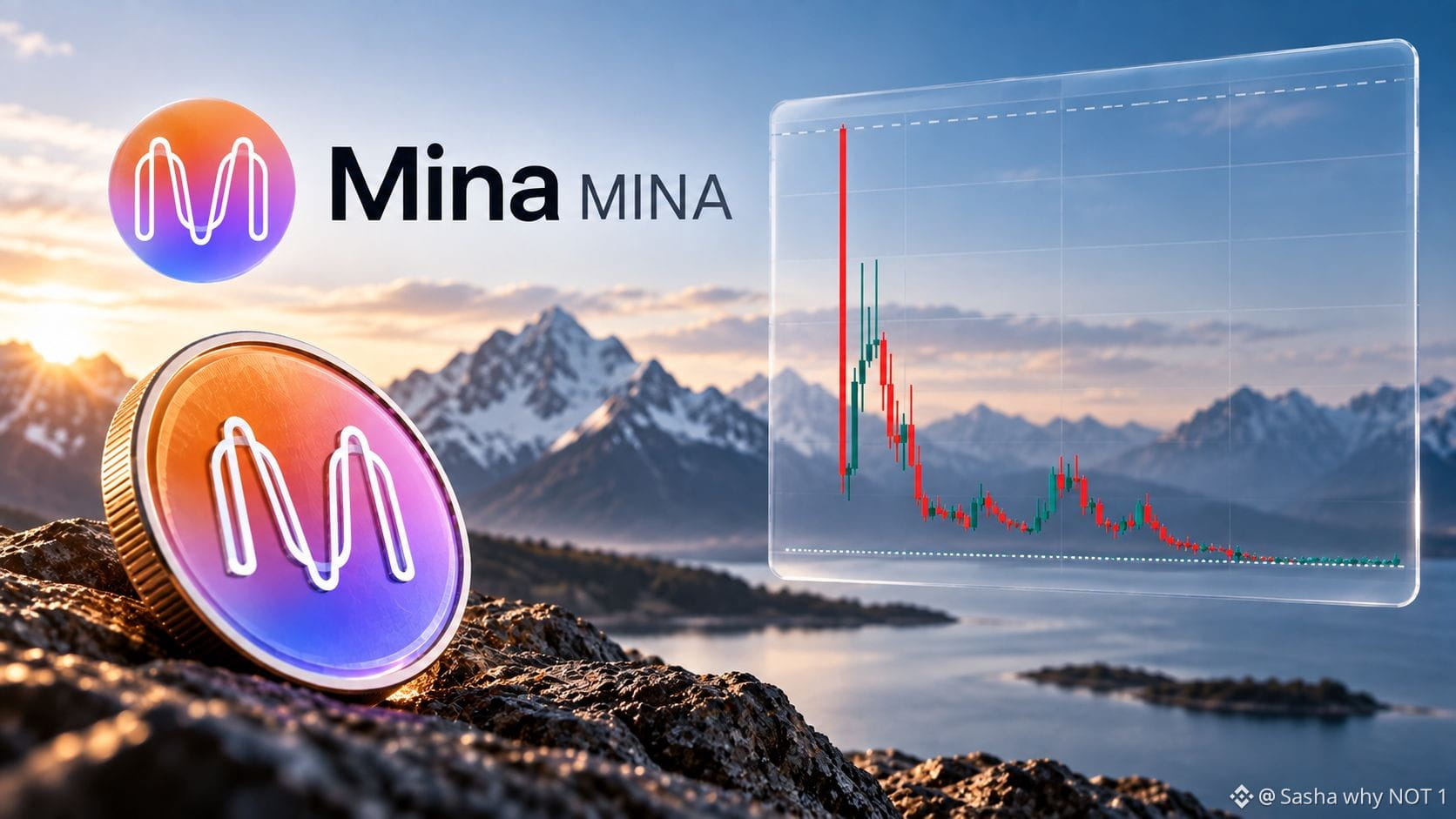
$MINA jumps 25%: Mesa upgrade or a short squeeze? Mina Protocol rallied from approximately $0.0775 to a local high near $0.0968, gaining almost 25% before part of the move was retraced. The main fundamental catalyst was the Mesa mainnet upgrade, officially launched on September 8. What changed: • Block time was reduced from 180 to 90 seconds • zkApps received more on-chain state capacity • Higher event and action limits were introduced • More account updates can now be included in one transaction • Nodes can automatically prepare and execute future hard forks This is a meaningful infrastructure upgrade. Mina is positioning itself as a lightweight Layer 1 focused on recursive zero-knowledge proofs, privacy and verifiable applications. Its blockchain remains approximately 22 KB, allowing users to verify the network without downloading the full transaction history. However, Mesa alone probably does not explain the entire rally. Trading volume expanded sharply during the breakout, while derivatives data showed rapidly rising open interest and persistently negative funding. This suggests that short covering amplified spot demand: once #MINA broke resistance, leveraged sellers were forced to close positions. The risk is that open interest grew much faster than organic network adoption. #MINA also has no fixed maximum supply, while the token remains more than 99% below its historical peak. Key levels: • $0.096–0.100: immediate resistance • $0.087–0.090: first support • $0.080–0.082: key breakout zone • Below $0.080: risk of a deeper retracement The rally had a real technological catalyst, but its scale was likely magnified by speculative positioning and a short squeeze. Holding above the breakout zone will determine whether Mesa begins a sustainable repricing or becomes another sell-the-news event. $MINA #Altcoin Season#
$MINA jumps 25%: Mesa upgrade or a short squeeze? Mina Protocol rallied from approximately $0.0775 to a local high near $0.0968, gaining almost 25% before part of the move was retraced. The main fundamental catalyst was the Mesa mainnet upgrade, officially launched on September 8. What changed: • Block time was reduced from 180 to 90 seconds • zkApps received more on-chain state capacity • Higher event and action limits were introduced • More account updates can now be included in one transaction • Nodes can automatically prepare and execute future hard forks This is a meaningful infrastructure upgrade. Mina is positioning itself as a lightweight Layer 1 focused on recursive zero-knowledge proofs, privacy and verifiable applications. Its blockchain remains approximately 22 KB, allowing users to verify the network without downloading the full transaction history. However, Mesa alone probably does not explain the entire rally. Trading volume expanded sharply during the breakout, while derivatives data showed rapidly rising open interest and persistently negative funding. This suggests that short covering amplified spot demand: once #MINA broke resistance, leveraged sellers were forced to close positions. The risk is that open interest grew much faster than organic network adoption. #MINA also has no fixed maximum supply, while the token remains more than 99% below its historical peak. Key levels: • $0.096–0.100: immediate resistance • $0.087–0.090: first support • $0.080–0.082: key breakout zone • Below $0.080: risk of a deeper retracement The rally had a real technological catalyst, but its scale was likely magnified by speculative positioning and a short squeeze. Holding above the breakout zone will determine whether Mesa begins a sustainable repricing or becomes another sell-the-news event. $MINA #Altcoin Season#
54
🚨 市場ブリーフ:原油は100ドル超、インフレ懸念が再燃 ブレントが100ドルを突破。ビットコインは79〜80K近辺で推移しており、市場は米PPIとCPIを前に重要な局面に入っています。重要なマクロ連鎖が再び動き出す:原油↑ → インフレ↑ → FRBのタカ派姿勢↑ → 利回り↑ → ナスダック/BTCに圧力 ₿ 暗号資産:$BTC が下から$80Kに到達するテストをしています。ゴールデンクロスでテクニカル構造は改善しつつあり、米スポット・ビットコインETFは9月も純流入が続いています。ですが、マクロが依然として最大のリスクです。 🇺🇸 米国マクロ:CPI:3.4% | コア2.5% コアPCE:3.3% 給与者数:+162K | 失業率4.1% GDP(Q2):+1.5% ISM製造業:54.6 ISMサービス:55.4 2年:~4.42% | 10年:~4.85% | 30年:~5.3% 問題は組み合わせです:成長はまだプラス+労働市場は強い+原油>$100+高いISM価格+上昇した利回り。景気後退のシグナルは出ていないものの、インフレ懸念が再び高まっています。 📈 株式:S&P500は0.48%下落、NASDAQは0.64%下落、ラッセル2000は1.32%上昇。強い決算が、いまはより高いディスカウント率と戦っています。米10年が5%を超えると、バリュエーションにとって大きなリスクになります。 🏭 事業:GEエアロスペースがConsolidated Precision Productsを約117.5億ドルで買収。重要な産業サプライチェーンをコントロールする動きがより広がっていることを示しています。 🇨🇳 中国:シノペックの研究者は、中国の石油需要が2026年に急減すると見込んでいます。つまり、足元の原油ラリーは重要度が増しています:ブレントは強い世界需要というより、供給/地政学リスクによって押し上げられている。 🤖 AI:GoogleはAIインフラを拡大しつつ、中長期の原子力発電を確保しています。AIトレードはGPUを超えて進化中:モデル → チップ → データセンター → グリッド → 原子力 → 電力 🎯 なぜNot(View):4つの水準が今重要です。BTC $80K | ブレント $100 | 米10年 5% | 米30年 5.3% 問いは「原油が100ドルに触れられるかどうか」ではありません。もう到達しています。問題は、$100が新しいレジームになるかどうかです。 高インフレ + ブレント>$100 → リスクオフ。 低インフレ + 利回り↓ + #BTC > $80K → リスクオン。 #BTC価格分析#
🚨 市場ブリーフ:原油は100ドル超、インフレ懸念が再燃 ブレントが100ドルを突破。ビットコインは79〜80K近辺で推移しており、市場は米PPIとCPIを前に重要な局面に入っています。重要なマクロ連鎖が再び動き出す:原油↑ → インフレ↑ → FRBのタカ派姿勢↑ → 利回り↑ → ナスダック/BTCに圧力 ₿ 暗号資産:$BTC が下から$80Kに到達するテストをしています。ゴールデンクロスでテクニカル構造は改善しつつあり、米スポット・ビットコインETFは9月も純流入が続いています。ですが、マクロが依然として最大のリスクです。 🇺🇸 米国マクロ:CPI:3.4% | コア2.5% コアPCE:3.3% 給与者数:+162K | 失業率4.1% GDP(Q2):+1.5% ISM製造業:54.6 ISMサービス:55.4 2年:~4.42% | 10年:~4.85% | 30年:~5.3% 問題は組み合わせです:成長はまだプラス+労働市場は強い+原油>$100+高いISM価格+上昇した利回り。景気後退のシグナルは出ていないものの、インフレ懸念が再び高まっています。 📈 株式:S&P500は0.48%下落、NASDAQは0.64%下落、ラッセル2000は1.32%上昇。強い決算が、いまはより高いディスカウント率と戦っています。米10年が5%を超えると、バリュエーションにとって大きなリスクになります。 🏭 事業:GEエアロスペースがConsolidated Precision Productsを約117.5億ドルで買収。重要な産業サプライチェーンをコントロールする動きがより広がっていることを示しています。 🇨🇳 中国:シノペックの研究者は、中国の石油需要が2026年に急減すると見込んでいます。つまり、足元の原油ラリーは重要度が増しています:ブレントは強い世界需要というより、供給/地政学リスクによって押し上げられている。 🤖 AI:GoogleはAIインフラを拡大しつつ、中長期の原子力発電を確保しています。AIトレードはGPUを超えて進化中:モデル → チップ → データセンター → グリッド → 原子力 → 電力 🎯 なぜNot(View):4つの水準が今重要です。BTC $80K | ブレント $100 | 米10年 5% | 米30年 5.3% 問いは「原油が100ドルに触れられるかどうか」ではありません。もう到達しています。問題は、$100が新しいレジームになるかどうかです。 高インフレ + ブレント>$100 → リスクオフ。 低インフレ + 利回り↓ + #BTC > $80K → リスクオン。 #BTC価格分析#

43
翻訳参照
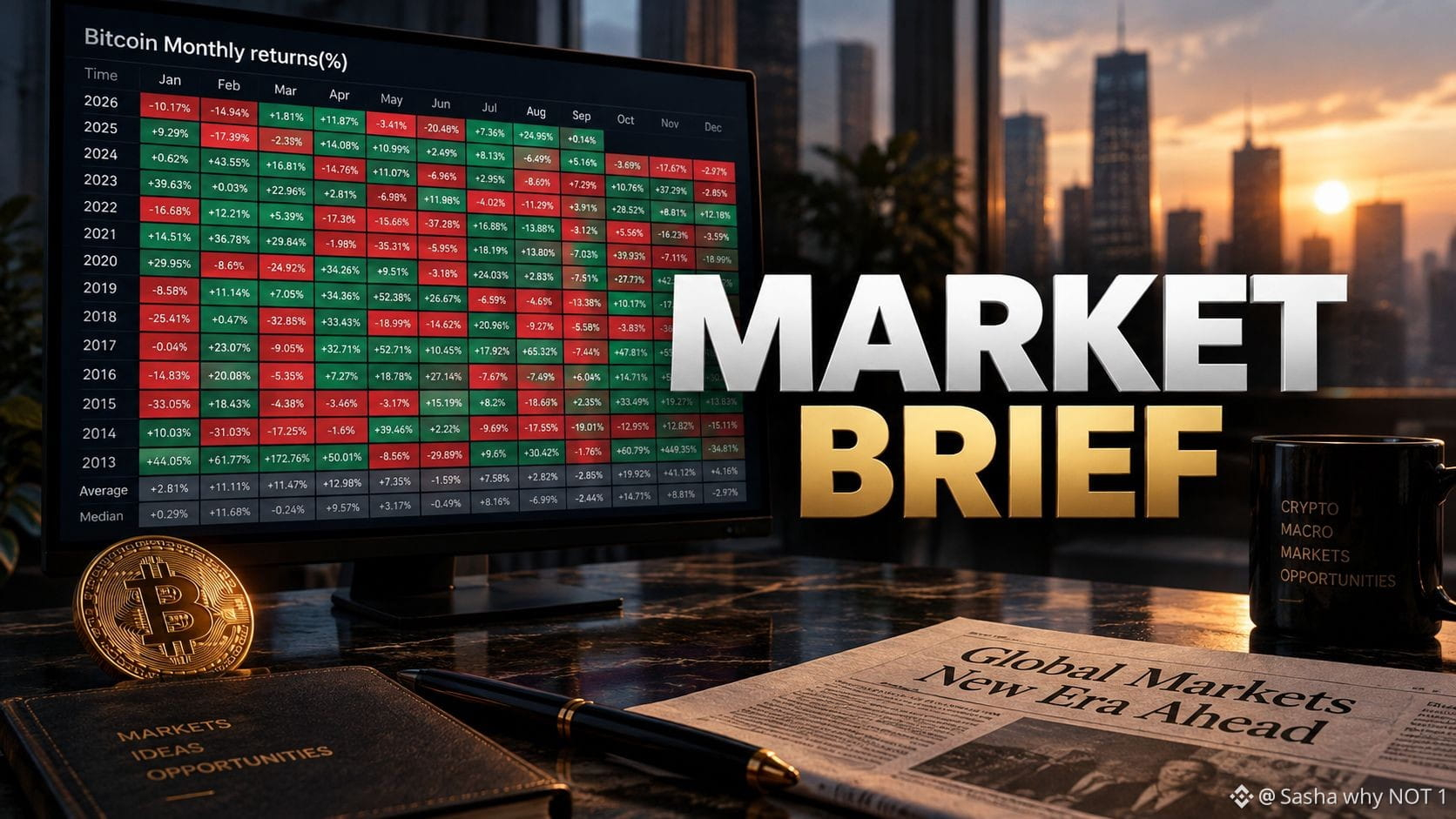
🚨 Market Brief: Oil Near $100, CPI and Fed in Focus Markets are entering a critical 48 hours. Brent is near $98, Bitcoin remains below $80K, and investors are waiting for US PPI and CPI before the Fed meeting. ₿ Crypto: $BTC remains under $80K as rising oil adds another inflation risk. The macro chain is clear: Oil ↑ → Inflation ↑ → Fed hawkishness ↑ → Yields ↑ → #BTC /Nasdaq pressure 🇺🇸 US Macro: CPI: 3.4% | Core 2.5% Core PCE: 3.3% Payrolls: +162K | Unemployment 4.1% GDP Q2: +1.5% ISM Manufacturing: 54.6 ISM Services: 55.4 US 10Y: ~4.8% The economy is slowing, but strong labor, elevated ISM prices and expensive oil keep inflation risk alive. 📈 Stocks: S&P 500 fell 0.58%, while Nasdaq lost ~0.32%. A rotation is emerging: Semiconductors / AI infrastructure ↑ → Traditional software ↓ 🏭 Business: GE Aerospace is acquiring Consolidated Precision Products for $11.75B, strengthening control over critical aerospace supply chains. 🇨🇳 China: Beijing introduced anti-dumping measures on Japanese semiconductor chemicals while Huawei continues building domestic chip-production infrastructure. The competition is moving deeper: Materials → Lithography → Fabs → Chips → AI 🤖 AI: autonomous agents are moving from chat to real-world actions, while investment continues expanding into inference chips, networking and security. Models → Chips → Data Centers → Agents → Transactions → Security 🎯 My view: three levels matter now: BTC $80K | Brent $100 | US 10Y 5% Soft inflation could quickly restore risk-on. But Brent >$100 + hot CPI would significantly increase pressure on equities and crypto. 📊 TrendLab Signal BTC Trend Score: +30 🟢 | Moderate Uptrend RSI 48.7 | ADX 26.3 | ATR 2.79% Research by WhyNot Research Labs Crypto • Macro • AI • Markets trendlab.space #BTC Price Analysis#
🚨 Market Brief: Oil Near $100, CPI and Fed in Focus Markets are entering a critical 48 hours. Brent is near $98, Bitcoin remains below $80K, and investors are waiting for US PPI and CPI before the Fed meeting. ₿ Crypto: $BTC remains under $80K as rising oil adds another inflation risk. The macro chain is clear: Oil ↑ → Inflation ↑ → Fed hawkishness ↑ → Yields ↑ → #BTC /Nasdaq pressure 🇺🇸 US Macro: CPI: 3.4% | Core 2.5% Core PCE: 3.3% Payrolls: +162K | Unemployment 4.1% GDP Q2: +1.5% ISM Manufacturing: 54.6 ISM Services: 55.4 US 10Y: ~4.8% The economy is slowing, but strong labor, elevated ISM prices and expensive oil keep inflation risk alive. 📈 Stocks: S&P 500 fell 0.58%, while Nasdaq lost ~0.32%. A rotation is emerging: Semiconductors / AI infrastructure ↑ → Traditional software ↓ 🏭 Business: GE Aerospace is acquiring Consolidated Precision Products for $11.75B, strengthening control over critical aerospace supply chains. 🇨🇳 China: Beijing introduced anti-dumping measures on Japanese semiconductor chemicals while Huawei continues building domestic chip-production infrastructure. The competition is moving deeper: Materials → Lithography → Fabs → Chips → AI 🤖 AI: autonomous agents are moving from chat to real-world actions, while investment continues expanding into inference chips, networking and security. Models → Chips → Data Centers → Agents → Transactions → Security 🎯 My view: three levels matter now: BTC $80K | Brent $100 | US 10Y 5% Soft inflation could quickly restore risk-on. But Brent >$100 + hot CPI would significantly increase pressure on equities and crypto. 📊 TrendLab Signal BTC Trend Score: +30 🟢 | Moderate Uptrend RSI 48.7 | ADX 26.3 | ATR 2.79% Research by WhyNot Research Labs Crypto • Macro • AI • Markets trendlab.space #BTC Price Analysis#
64
🚨 #ビットコイン 8万ドル近辺:原油、CPI、そしてFRBが相場を動かす 今日の主要な相場ストーリーは原油とインフレ懸念だ。ブレントは約97ドルだが、ビットコインは次の米国CPI発表を前に8万ドルの水準を維持するのに苦戦している。 ₿ クリプト:#BTC は約79.8Kで取引されている。強い米雇用指標がFRBの見通しをよりタカ派に保つ一方、原油価格の上昇がインフレリスクをもう一段引き上げている。 連鎖はシンプルだ:原油↑ → インフレ↑ → タカ派の強まり↑ → 利回り↑ → $BTC /ナスダックに圧力 📈 株式:ウォール街はレイバーデー後に復帰し、明確な分岐が見える:AI/半導体 → リスクオン、原油/FRB/国債 → リスクオフ。もし米10年債が5%に向かうなら、高値の成長株には再び圧力がかかる可能性がある。 🏭 ビジネス:フォルクスワーゲンのオズナブリュック工場は、自動車生産から対空防衛関連部品へ移行する可能性がある。これはヨーロッパの構造的な動きのもう一つの兆候だ:自動車の供給過剰 → 防衛のCAPEX。 🇨🇳 中国:米中競争は貿易の枠を越え、AI、半導体、そして戦略技術へと広がっている。エスカレーションの緩和は中国株と世界のサプライチェーンを後押しし、新たな規制はその逆となるだろう。 🤖 AI:次の投資レイヤーが芽を出しているかもしれない:モデル → GPU → データセンター → 電力 → エージェント → セキュリティ → ガバナンス。 🎯 私の見解:3つのレベルに注目だ:$BTC 80K | ブレント 100 | 米10年債 5% ソフトなCPI+原油の安定なら、リスクオンを素早く取り戻す可能性がある。熱いCPI+ブレントが100超となれば、株式と暗号の双方にとってはるかに厳しい布陣になる。 📊 TrendLab シグナル BTC トレンドスコア:+20 🟢 | ほどほどの上昇トレンド RSI 45.5 | ADX 27 | ATR 0.34% WhyNot Research Labs による調査 Crypto • Macro • AI • Markets trendlab.space #BTC 価格分析#
🚨 #ビットコイン 8万ドル近辺:原油、CPI、そしてFRBが相場を動かす 今日の主要な相場ストーリーは原油とインフレ懸念だ。ブレントは約97ドルだが、ビットコインは次の米国CPI発表を前に8万ドルの水準を維持するのに苦戦している。 ₿ クリプト:#BTC は約79.8Kで取引されている。強い米雇用指標がFRBの見通しをよりタカ派に保つ一方、原油価格の上昇がインフレリスクをもう一段引き上げている。 連鎖はシンプルだ:原油↑ → インフレ↑ → タカ派の強まり↑ → 利回り↑ → $BTC /ナスダックに圧力 📈 株式:ウォール街はレイバーデー後に復帰し、明確な分岐が見える:AI/半導体 → リスクオン、原油/FRB/国債 → リスクオフ。もし米10年債が5%に向かうなら、高値の成長株には再び圧力がかかる可能性がある。 🏭 ビジネス:フォルクスワーゲンのオズナブリュック工場は、自動車生産から対空防衛関連部品へ移行する可能性がある。これはヨーロッパの構造的な動きのもう一つの兆候だ:自動車の供給過剰 → 防衛のCAPEX。 🇨🇳 中国:米中競争は貿易の枠を越え、AI、半導体、そして戦略技術へと広がっている。エスカレーションの緩和は中国株と世界のサプライチェーンを後押しし、新たな規制はその逆となるだろう。 🤖 AI:次の投資レイヤーが芽を出しているかもしれない:モデル → GPU → データセンター → 電力 → エージェント → セキュリティ → ガバナンス。 🎯 私の見解:3つのレベルに注目だ:$BTC 80K | ブレント 100 | 米10年債 5% ソフトなCPI+原油の安定なら、リスクオンを素早く取り戻す可能性がある。熱いCPI+ブレントが100超となれば、株式と暗号の双方にとってはるかに厳しい布陣になる。 📊 TrendLab シグナル BTC トレンドスコア:+20 🟢 | ほどほどの上昇トレンド RSI 45.5 | ADX 27 | ATR 0.34% WhyNot Research Labs による調査 Crypto • Macro • AI • Markets trendlab.space #BTC 価格分析#

68
翻訳参照
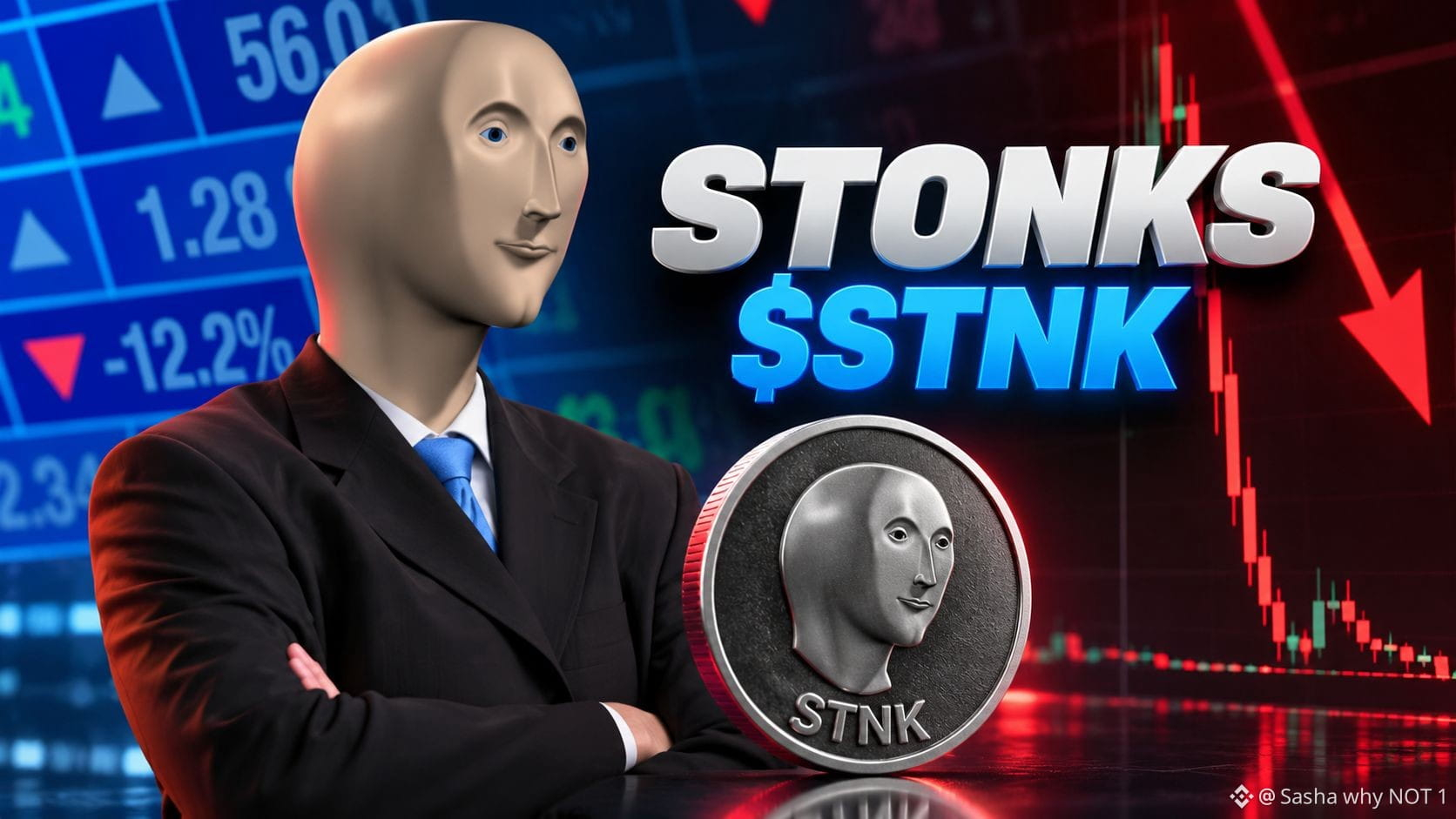
$STNK : An Early Solana Meme Coin With a $3.3M Market Cap but Only ~$300K in Liquidity Stonks ($STNK) launched on #Solana on April 2, 2021. The project describes it as the network’s first meme coin, although this statement is better viewed as part of its narrative rather than as a fact. Key facts: • The supply is approximately 581,877 STNK. Both mint and freeze authorities are disabled, meaning no additional tokens can be created and wallets cannot be frozen through the mint. • In 2024, the community announced that it had acquired the website, X account, GitHub and developer-held tokens from the original team. However, the “100% community-owned” claim is not publicly supported by DAO governance, a multisig structure or legal documentation. The main concern is liquidity. With a market cap of around $3.3M, most trading activity is concentrated in a single STNK / $SOL pool on Raydium containing roughly $300K in liquidity. A large sell order could therefore cause significant price impact and slippage. #STNK reached an all-time high of approximately $374 in December 2024. At its current price near $4.85, the token is down roughly 98%. That drawdown alone does not guarantee a return to its previous high. My view: $STNK is an interesting piece of Solana meme-coin history and a speculative bet on narrative revival. However, it is not a DeFi protocol with revenue, sustainable unit economics or clear token value capture. Any news should be considered as purely speculative. #Meme Alpha#
$STNK : An Early Solana Meme Coin With a $3.3M Market Cap but Only ~$300K in Liquidity Stonks ($STNK) launched on #Solana on April 2, 2021. The project describes it as the network’s first meme coin, although this statement is better viewed as part of its narrative rather than as a fact. Key facts: • The supply is approximately 581,877 STNK. Both mint and freeze authorities are disabled, meaning no additional tokens can be created and wallets cannot be frozen through the mint. • In 2024, the community announced that it had acquired the website, X account, GitHub and developer-held tokens from the original team. However, the “100% community-owned” claim is not publicly supported by DAO governance, a multisig structure or legal documentation. The main concern is liquidity. With a market cap of around $3.3M, most trading activity is concentrated in a single STNK / $SOL pool on Raydium containing roughly $300K in liquidity. A large sell order could therefore cause significant price impact and slippage. #STNK reached an all-time high of approximately $374 in December 2024. At its current price near $4.85, the token is down roughly 98%. That drawdown alone does not guarantee a return to its previous high. My view: $STNK is an interesting piece of Solana meme-coin history and a speculative bet on narrative revival. However, it is not a DeFi protocol with revenue, sustainable unit economics or clear token value capture. Any news should be considered as purely speculative. #Meme Alpha#
45
翻訳参照
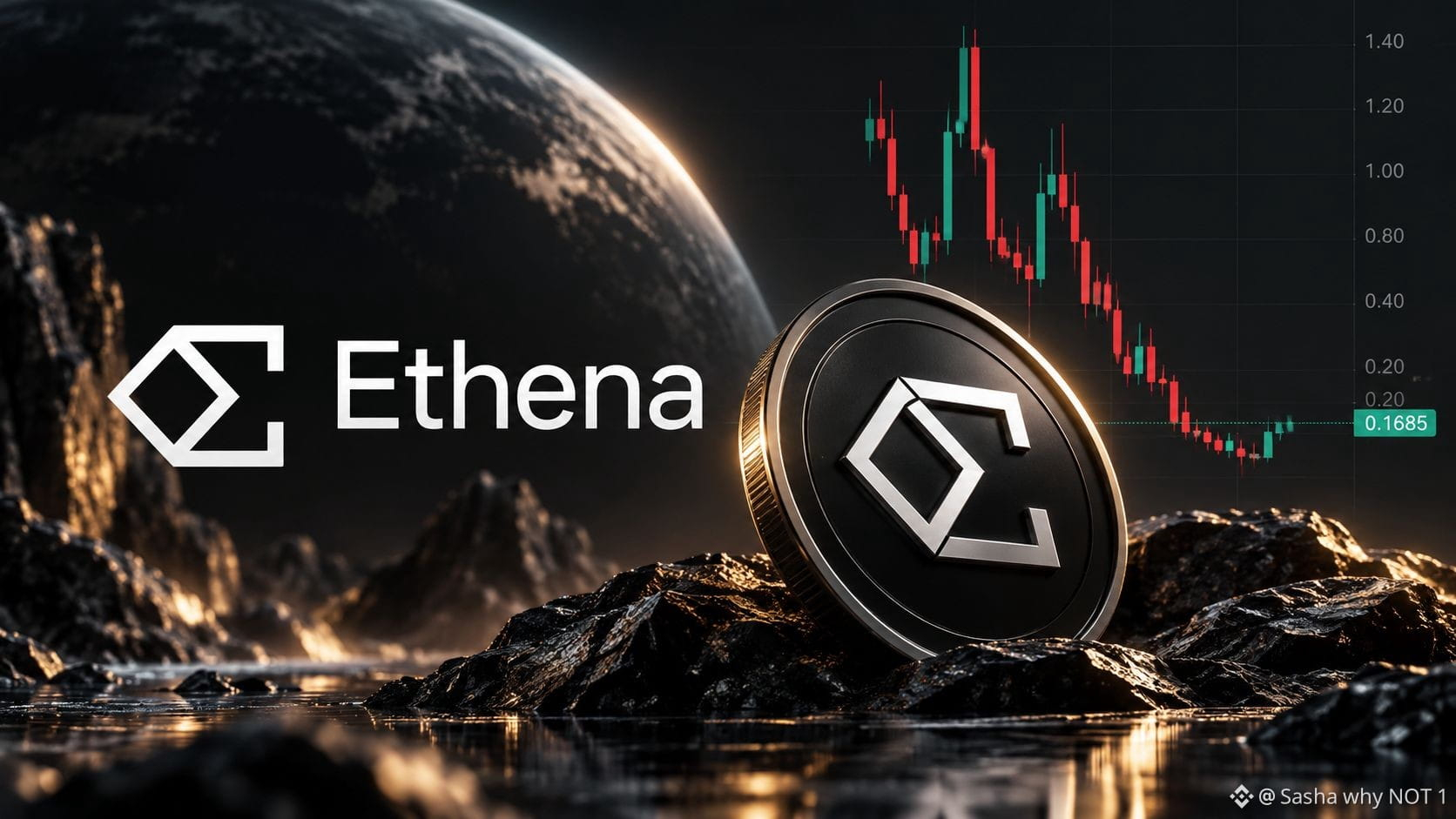
🚨 $ENA Potential Selling Pressure on Two more addresses reportedly linked to Ethena project participants have started transferring large amounts of $ENA to Bybit: 🔍 0x969f63030c8aBDf3D88092EC3818A3A09AB16aF5 🔍 0x2993e525AbE9116D62Be3c06E71d9EDfd3507383 Over the past 15 hours, these wallets deposited 19 million ENA, worth approximately $33.29 million, into Bybit. Both addresses received the tokens from an Ethena multisig wallet two years ago and had barely moved them since. The large exchange deposits began only after ENA’s recent sharp price increase. Since September 3, addresses reportedly connected to Ethena participants have transferred approximately $66.75 million worth of ENA to exchanges. The timing is concerning: two years of inactivity were followed by substantial CEX deposits after a strong rally. This may indicate preparations to take profits and could increase selling pressure on $ENA However, exchange deposits do not prove that the tokens have already been sold. The key signals to monitor now are further CEX inflows, changes in these wallet balances, ENA exchange reserves, and the market’s reaction to the additional supply. If the market absorbs these tokens without a significant correction, it would instead signal strong underlying demand for #ENA #Altcoin Season#
🚨 $ENA Potential Selling Pressure on Two more addresses reportedly linked to Ethena project participants have started transferring large amounts of $ENA to Bybit: 🔍 0x969f63030c8aBDf3D88092EC3818A3A09AB16aF5 🔍 0x2993e525AbE9116D62Be3c06E71d9EDfd3507383 Over the past 15 hours, these wallets deposited 19 million ENA, worth approximately $33.29 million, into Bybit. Both addresses received the tokens from an Ethena multisig wallet two years ago and had barely moved them since. The large exchange deposits began only after ENA’s recent sharp price increase. Since September 3, addresses reportedly connected to Ethena participants have transferred approximately $66.75 million worth of ENA to exchanges. The timing is concerning: two years of inactivity were followed by substantial CEX deposits after a strong rally. This may indicate preparations to take profits and could increase selling pressure on $ENA However, exchange deposits do not prove that the tokens have already been sold. The key signals to monitor now are further CEX inflows, changes in these wallet balances, ENA exchange reserves, and the market’s reaction to the additional supply. If the market absorbs these tokens without a significant correction, it would instead signal strong underlying demand for #ENA #Altcoin Season#
65
🚨 #Bitcoin が8万ドルを維持、原油は100ドルに接近 CPIが次の大きな試練 市場は難しいマクロ環境で新しい週に突入している。米国の堅調な雇用統計、高い米国債利回り、そして地政学リスクの上昇が重なっている。 ₿ Bitcoin: $BTC は、より高くより長く続く金利見通しによる圧力にもかかわらず、約8万ドル付近を維持している。 重要なマクロの連鎖は依然として次の通り: 原油 ↑ → インフレ ↑ → FRBへの圧力 ↑ → 利回り ↑ → ドル ↑ → BTC/Nasdaq ↓ 🛢️ 原油: ブレントは、米イラン緊張の高まりでホルムズ海峡周辺のリスクが増す中、97ドル近辺にある。100ドル超えは大きなインフレ問題になり得る。 📈 株式: AIと半導体株は比較的堅調だが、最大のリスクは依然として債券市場にある。米10年債が5%に向かう動きが出れば、成長資産の再評価を迫る可能性がある。 🇨🇳 中国: 北京は主要国有銀行と保険会社のバランスシート強化と融資支援のため、約54億ドルを注入している。同時に、米中交渉は貿易と半導体からAI安全保障や重要鉱物へと広がっている。 🤖 AI: 投資サイクルはモデルとGPUを超えて進んでいる: モデル → チップ → データセンター → 冷却 → 電力 → 電力網 AIはますますインフラとエネルギーの物語になっている。 🎯 私の見方: 現時点で最も重要なのは次の3つの水準: 8万ドルの#Bitcoin | 100ドルのBrent | 米10年債5% 原油が安定し、次の米CPIが弱めに出れば、リスクオンはすぐに戻る可能性がある。 しかし、強い雇用統計 + 熱いCPI + 100ドルの原油は、株式と暗号資産の両方にとってはるかに厳しい環境を生み出すだろう。 ひとまず、このマクロ環境でBitcoinが8万ドルを維持していることは、注目に値するシグナルだ。 📊 TrendLab シグナル #BTC : 80,126ドル | トレンドスコア: +60 🟢 強い上昇トレンド · RSI 54 · ADX 49 Research \u0026 market signals: trendlab.space #BTC 価格分析#
🚨 #Bitcoin が8万ドルを維持、原油は100ドルに接近 CPIが次の大きな試練 市場は難しいマクロ環境で新しい週に突入している。米国の堅調な雇用統計、高い米国債利回り、そして地政学リスクの上昇が重なっている。 ₿ Bitcoin: $BTC は、より高くより長く続く金利見通しによる圧力にもかかわらず、約8万ドル付近を維持している。 重要なマクロの連鎖は依然として次の通り: 原油 ↑ → インフレ ↑ → FRBへの圧力 ↑ → 利回り ↑ → ドル ↑ → BTC/Nasdaq ↓ 🛢️ 原油: ブレントは、米イラン緊張の高まりでホルムズ海峡周辺のリスクが増す中、97ドル近辺にある。100ドル超えは大きなインフレ問題になり得る。 📈 株式: AIと半導体株は比較的堅調だが、最大のリスクは依然として債券市場にある。米10年債が5%に向かう動きが出れば、成長資産の再評価を迫る可能性がある。 🇨🇳 中国: 北京は主要国有銀行と保険会社のバランスシート強化と融資支援のため、約54億ドルを注入している。同時に、米中交渉は貿易と半導体からAI安全保障や重要鉱物へと広がっている。 🤖 AI: 投資サイクルはモデルとGPUを超えて進んでいる: モデル → チップ → データセンター → 冷却 → 電力 → 電力網 AIはますますインフラとエネルギーの物語になっている。 🎯 私の見方: 現時点で最も重要なのは次の3つの水準: 8万ドルの#Bitcoin | 100ドルのBrent | 米10年債5% 原油が安定し、次の米CPIが弱めに出れば、リスクオンはすぐに戻る可能性がある。 しかし、強い雇用統計 + 熱いCPI + 100ドルの原油は、株式と暗号資産の両方にとってはるかに厳しい環境を生み出すだろう。 ひとまず、このマクロ環境でBitcoinが8万ドルを維持していることは、注目に値するシグナルだ。 📊 TrendLab シグナル #BTC : 80,126ドル | トレンドスコア: +60 🟢 強い上昇トレンド · RSI 54 · ADX 49 Research \u0026 market signals: trendlab.space #BTC 価格分析#

90
ログインして、さらにコンテンツを読む
厳選トピックで世界の暗号資産トレーダーの仲間入り
⚡️ 暗号資産に関する最新かつ有益な情報が見つかります。
💬 世界最大の暗号資産取引所から信頼されています。
👍 認証を受けたクリエイターから、有益なインサイトを得られます。
メール / 電話番号
トレンドトピック
BitcoinReboundsTo$79K
閲覧回数 3,495
64人が討論中
🚨 $BTC はさらに上昇しようとしています。
ビットコインは約 $78,804 で取引されており、先ほど $78K の水準を回復したことでおよそ 1.9% 上昇しています。次に注目すべきは、日中の高値である約 $78,905 です。
その水準を明確に上抜けると、$79K〜$80K へ向かう道が開ける可能性があります。もしBTCが跳ね返される場合、サポートは $78,300 あたりにあり、その次は $77,975 です。
強気筋には勢いがありますが、BTC は $78K を上回って維持する必要があります。
#Bitcoin #BTC #CryptoTrading #CryptoMarket #CryptoAnalysis
PulseON
·いいね:5件
·閲覧回数 4.5k
FedHikeOddsRiseTo89%
閲覧回数 58,955
926人が討論中
RLUSDSupplyHitsRecord$2.442B
閲覧回数 3,033
54人が討論中