

Michigan 1
23 投稿

Michigan 1
報告
ユーザーをブロック
Web3 BigFish || I help scale Web3 brands ||
0 フォロー
0 フォロワー
0 いいね
投稿
·
--
RWAトークン化はまだ初期段階です。
多くの資産は基本的にラップしてオンチェーンに載せているだけです。
それもいいのですが、本当のアルファはその次に起きることです。
これらの資産は、許可なし(パーミッションレス)で移動できるでしょうか?
より深い流動性にアクセスできるでしょうか?
担保として使え、DeFiに組み込まれて、オンチェーンで合成可能(コンポーザブル)になるでしょうか?
ここで初めて、トークン化は単にブロックチェーン上にトークン化された受領証を載せる以上のものになっていきます。
次のフェーズはインフラです。
だからこそ、@BrickkenがRWAトークン化の周りで構築しているものが重要なんです。
目標は、単により多くの資産をトークン化することだけであるべきではありません。
オンチェーンに載せた後、その資産が実際に役に立つようにすることです。
トークン化は資産をオンチェーンに載せます。
コンポーザビリティがそれを活用可能にします。
$BKN
RWAトークン化はまだ初期段階です。
多くの資産は基本的にラップしてオンチェーンに載せているだけです。
それもいいのですが、本当のアルファはその次に起きることです。
これらの資産は、許可なし(パーミッションレス)で移動できるでしょうか?
より深い流動性にアクセスできるでしょうか?
担保として使え、DeFiに組み込まれて、オンチェーンで合成可能(コンポーザブル)になるでしょうか?
ここで初めて、トークン化は単にブロックチェーン上にトークン化された受領証を載せる以上のものになっていきます。
次のフェーズはインフラです。
だからこそ、@BrickkenがRWAトークン化の周りで構築しているものが重要なんです。
目標は、単により多くの資産をトークン化することだけであるべきではありません。
オンチェーンに載せた後、その資産が実際に役に立つようにすることです。
トークン化は資産をオンチェーンに載せます。
コンポーザビリティがそれを活用可能にします。
$BKN
多くの資産は基本的にラップしてオンチェーンに載せているだけです。
それもいいのですが、本当のアルファはその次に起きることです。
これらの資産は、許可なし(パーミッションレス)で移動できるでしょうか?
より深い流動性にアクセスできるでしょうか?
担保として使え、DeFiに組み込まれて、オンチェーンで合成可能(コンポーザブル)になるでしょうか?
ここで初めて、トークン化は単にブロックチェーン上にトークン化された受領証を載せる以上のものになっていきます。
次のフェーズはインフラです。
だからこそ、@BrickkenがRWAトークン化の周りで構築しているものが重要なんです。
目標は、単により多くの資産をトークン化することだけであるべきではありません。
オンチェーンに載せた後、その資産が実際に役に立つようにすることです。
トークン化は資産をオンチェーンに載せます。
コンポーザビリティがそれを活用可能にします。
$BKN
58
·
--
翻訳参照
Tokenized stocks growing 150% YoY is crazy, but the part I find more interesting is what these tokens actually represent.
4,123 tokenized stock products are now worth around $1.7B, yet 59% of them only give you synthetic price exposure.
That means you might be tracking the stock price without actually owning the underlying asset or getting the rights that come with ownership.
This is why I think the infrastructure behind tokenization matters so much.
It’s not just about putting an asset onchain.
It’s about creating compliant digital ownership, clear legal rights and a structure that makes tokenized assets actually useful.
That’s one reason I like what @Brickken is building.
The real RWA opportunity isn’t simply tokenizing everything.
It’s making those tokens represent something meaningful in the real world.
$BKN
Tokenized stocks growing 150% YoY is crazy, but the part I find more interesting is what these tokens actually represent.
4,123 tokenized stock products are now worth around $1.7B, yet 59% of them only give you synthetic price exposure.
That means you might be tracking the stock price without actually owning the underlying asset or getting the rights that come with ownership.
This is why I think the infrastructure behind tokenization matters so much.
It’s not just about putting an asset onchain.
It’s about creating compliant digital ownership, clear legal rights and a structure that makes tokenized assets actually useful.
That’s one reason I like what @Brickken is building.
The real RWA opportunity isn’t simply tokenizing everything.
It’s making those tokens represent something meaningful in the real world.
$BKN
4,123 tokenized stock products are now worth around $1.7B, yet 59% of them only give you synthetic price exposure.
That means you might be tracking the stock price without actually owning the underlying asset or getting the rights that come with ownership.
This is why I think the infrastructure behind tokenization matters so much.
It’s not just about putting an asset onchain.
It’s about creating compliant digital ownership, clear legal rights and a structure that makes tokenized assets actually useful.
That’s one reason I like what @Brickken is building.
The real RWA opportunity isn’t simply tokenizing everything.
It’s making those tokens represent something meaningful in the real world.
$BKN
107
·
--
資産をトークン化しても、自動的に投資可能になるわけではありません。
本当の勝負はその「後」に起こることです。
誰がその資産を選ぶのでしょうか?
リスクはどこに所在するのでしょうか?
投資家が途中で退出したいとき、流動性はどのように管理されますか?
クリーンなコードにしても、弱い資産なら弱いプロダクトのままです。
それは単に資産をオンチェーンに載せることだけではなく、資本が実際にその資産へ流れ込むようにする構造を作ることです。
だからこそ、@Brickkenのアプローチが私には際立って見えます。
発行、ヴォールト、規制された配分を1つのスタックでつなぐことで、単なる別のトークン化プラットフォーム以上の大きな役割を持つことになります。
トークン化された資本が実際に機能するために必要な、インフラ全体の周辺に位置づけています。
#BKN
資産をトークン化しても、自動的に投資可能になるわけではありません。
本当の勝負はその「後」に起こることです。
誰がその資産を選ぶのでしょうか?
リスクはどこに所在するのでしょうか?
投資家が途中で退出したいとき、流動性はどのように管理されますか?
クリーンなコードにしても、弱い資産なら弱いプロダクトのままです。
それは単に資産をオンチェーンに載せることだけではなく、資本が実際にその資産へ流れ込むようにする構造を作ることです。
だからこそ、@Brickkenのアプローチが私には際立って見えます。
発行、ヴォールト、規制された配分を1つのスタックでつなぐことで、単なる別のトークン化プラットフォーム以上の大きな役割を持つことになります。
トークン化された資本が実際に機能するために必要な、インフラ全体の周辺に位置づけています。
#BKN
本当の勝負はその「後」に起こることです。
誰がその資産を選ぶのでしょうか?
リスクはどこに所在するのでしょうか?
投資家が途中で退出したいとき、流動性はどのように管理されますか?
クリーンなコードにしても、弱い資産なら弱いプロダクトのままです。
それは単に資産をオンチェーンに載せることだけではなく、資本が実際にその資産へ流れ込むようにする構造を作ることです。
だからこそ、@Brickkenのアプローチが私には際立って見えます。
発行、ヴォールト、規制された配分を1つのスタックでつなぐことで、単なる別のトークン化プラットフォーム以上の大きな役割を持つことになります。
トークン化された資本が実際に機能するために必要な、インフラ全体の周辺に位置づけています。
#BKN
43
·
--
RWAsは暗号資産の中でも最大級のナラティブの1つとして、ゆっくりと存在感を増してきています。
私たちは何年もかけて、現実世界の資産(RWA)をトークン化することについて語ってきましたが、いま実際の導入が進み、より良いインフラが整い、これらの資産をオンチェーン上にどのように存在させられるのかについての明確な基準が見えてきたところです。
トークン化されたトレジャリーやプライベートクレジットから、不動産まで。ユースケースはもはや無視しにくいレベルにまで広がっています。
より大きな問いは、RWAsが「ものになるのかどうか」ではありません。
インフラと規制の枠組みが成熟していく中で、この市場がどれほど大きくなり得るのか——そこが焦点です。
だからこそ、ERC-7943のような動きにも注目する価値があります。
そして、@Brickkenがトークン化のインフラ面で取り組みを進めていることからも、この先のエコシステムがどう進化していくのかを見守るのは興味深いですね。
今後、RWAsの考え方、導入の進み具合、そしてこの次の市場フェーズを形作るプロジェクトについて、さらに多くの見解を共有します。
$BKN
RWAsは暗号資産の中でも最大級のナラティブの1つとして、ゆっくりと存在感を増してきています。
私たちは何年もかけて、現実世界の資産(RWA)をトークン化することについて語ってきましたが、いま実際の導入が進み、より良いインフラが整い、これらの資産をオンチェーン上にどのように存在させられるのかについての明確な基準が見えてきたところです。
トークン化されたトレジャリーやプライベートクレジットから、不動産まで。ユースケースはもはや無視しにくいレベルにまで広がっています。
より大きな問いは、RWAsが「ものになるのかどうか」ではありません。
インフラと規制の枠組みが成熟していく中で、この市場がどれほど大きくなり得るのか——そこが焦点です。
だからこそ、ERC-7943のような動きにも注目する価値があります。
そして、@Brickkenがトークン化のインフラ面で取り組みを進めていることからも、この先のエコシステムがどう進化していくのかを見守るのは興味深いですね。
今後、RWAsの考え方、導入の進み具合、そしてこの次の市場フェーズを形作るプロジェクトについて、さらに多くの見解を共有します。
$BKN
私たちは何年もかけて、現実世界の資産(RWA)をトークン化することについて語ってきましたが、いま実際の導入が進み、より良いインフラが整い、これらの資産をオンチェーン上にどのように存在させられるのかについての明確な基準が見えてきたところです。
トークン化されたトレジャリーやプライベートクレジットから、不動産まで。ユースケースはもはや無視しにくいレベルにまで広がっています。
より大きな問いは、RWAsが「ものになるのかどうか」ではありません。
インフラと規制の枠組みが成熟していく中で、この市場がどれほど大きくなり得るのか——そこが焦点です。
だからこそ、ERC-7943のような動きにも注目する価値があります。
そして、@Brickkenがトークン化のインフラ面で取り組みを進めていることからも、この先のエコシステムがどう進化していくのかを見守るのは興味深いですね。
今後、RWAsの考え方、導入の進み具合、そしてこの次の市場フェーズを形作るプロジェクトについて、さらに多くの見解を共有します。
$BKN

72
·
--
翻訳参照
This is the part of @Brickken that deserves more attention.
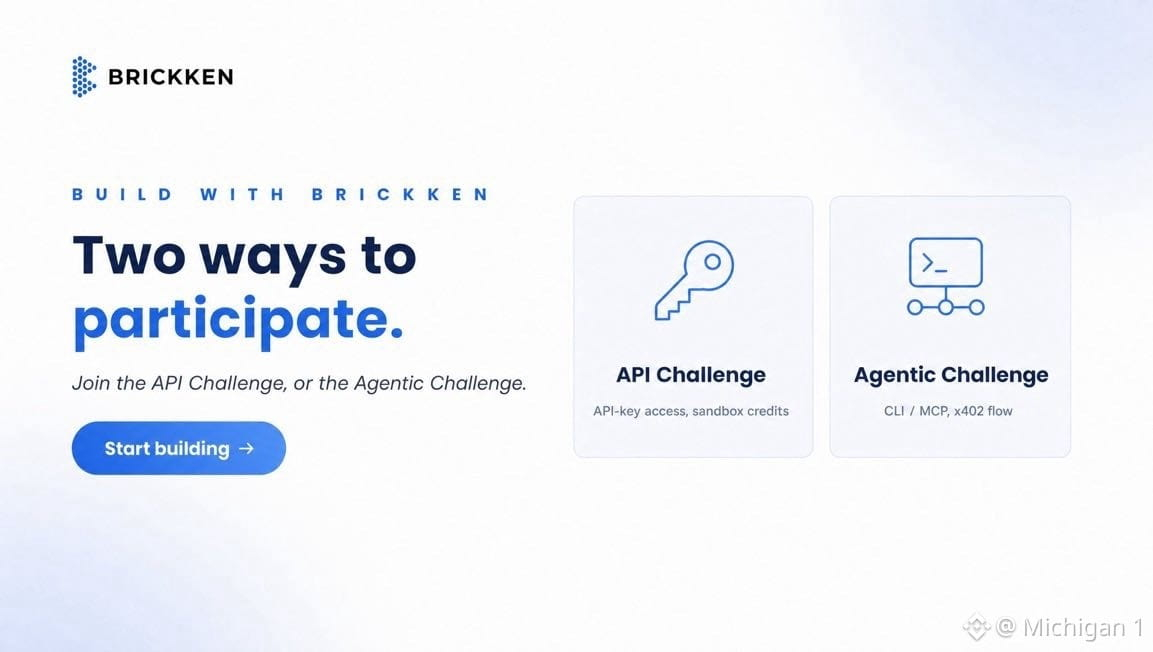
Brickken isn’t just giving developers another tokenization API. It’s building the infrastructure layer where both traditional integrations and agentic applications can plug into the same tokenization stack.
You can build directly with APIs, test the full workflow in a sandbox, or go deeper through the CLI/MCP and tap into the Agentic APIs.
Different entry points, same underlying infrastructure.
That flexibility matters because tokenization won’t be built by one type of developer or one type of application. The winners will be the platforms that make it easy for both humans and AI agents to build, automate and interact with tokenized assets.
This is exactly the direction infrastructure needs to be heading.
Build once. Access it your way. Scale from there.
This is the part of @Brickken that deserves more attention.
Brickken isn’t just giving developers another tokenization API. It’s building the infrastructure layer where both traditional integrations and agentic applications can plug into the same tokenization stack.
You can build directly with APIs, test the full workflow in a sandbox, or go deeper through the CLI/MCP and tap into the Agentic APIs.
Different entry points, same underlying infrastructure.
That flexibility matters because tokenization won’t be built by one type of developer or one type of application. The winners will be the platforms that make it easy for both humans and AI agents to build, automate and interact with tokenized assets.
This is exactly the direction infrastructure needs to be heading.
Build once. Access it your way. Scale from there.
Brickken isn’t just giving developers another tokenization API. It’s building the infrastructure layer where both traditional integrations and agentic applications can plug into the same tokenization stack.
You can build directly with APIs, test the full workflow in a sandbox, or go deeper through the CLI/MCP and tap into the Agentic APIs.
Different entry points, same underlying infrastructure.
That flexibility matters because tokenization won’t be built by one type of developer or one type of application. The winners will be the platforms that make it easy for both humans and AI agents to build, automate and interact with tokenized assets.
This is exactly the direction infrastructure needs to be heading.
Build once. Access it your way. Scale from there.
66
·
--
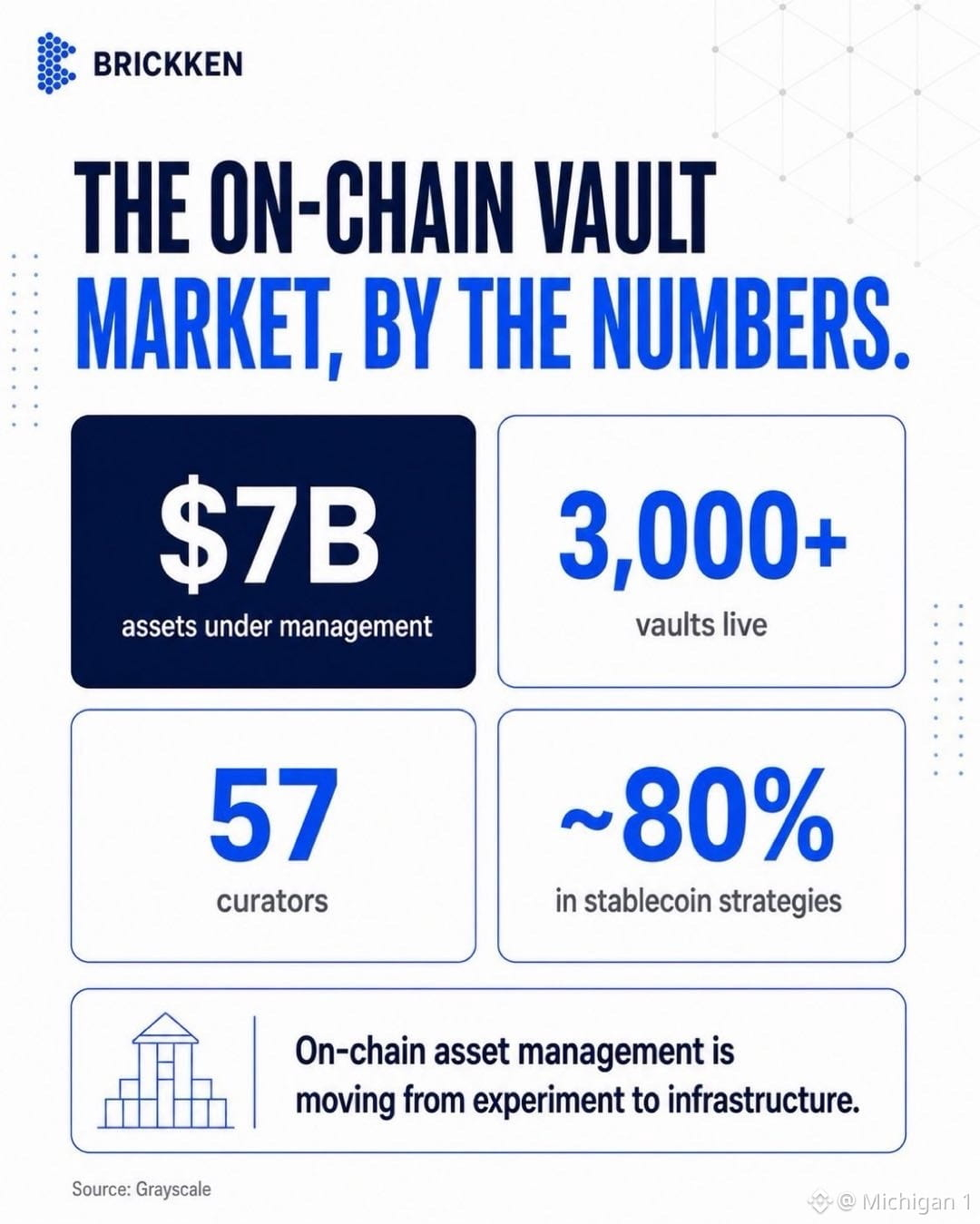
「3,000件以上のオンチェーン・バルツにまたがって7Bが分散している」ことは、かなり明確なシグナルです。
この市場にはすでに実際の資本が流入していますが、依然として約80%がステーブルコイン戦略に集中していることから、成長曲線の終盤にはまだほど遠いと考えられます。
次のフェーズは、単にバルツを増やすことではありません。
より良いインフラ、より強固なコンプライアンス、そしてより現実世界の資産がオンチェーン上で動くことです。
そこで #Brickken が面白くなってきます。
市場は成長しています。今必要なのは、そのレール(基盤)が追いつくことです。
$BKN
「3,000件以上のオンチェーン・バルツにまたがって7Bが分散している」ことは、かなり明確なシグナルです。
この市場にはすでに実際の資本が流入していますが、依然として約80%がステーブルコイン戦略に集中していることから、成長曲線の終盤にはまだほど遠いと考えられます。
次のフェーズは、単にバルツを増やすことではありません。
より良いインフラ、より強固なコンプライアンス、そしてより現実世界の資産がオンチェーン上で動くことです。
そこで #Brickken が面白くなってきます。
市場は成長しています。今必要なのは、そのレール(基盤)が追いつくことです。
$BKN
この市場にはすでに実際の資本が流入していますが、依然として約80%がステーブルコイン戦略に集中していることから、成長曲線の終盤にはまだほど遠いと考えられます。
次のフェーズは、単にバルツを増やすことではありません。
より良いインフラ、より強固なコンプライアンス、そしてより現実世界の資産がオンチェーン上で動くことです。
そこで #Brickken が面白くなってきます。
市場は成長しています。今必要なのは、そのレール(基盤)が追いつくことです。
$BKN
70
·
--
トークン化について語るプロジェクトが多い一方で、実際にビルダーが使って作れるものを提供している例はほとんどありません。
だからこそ私は#Brickkenの取り組みを好んでいます。単にドキュメントを投げて「うまくいってね」と願うのではなく、API、CLI、あるいはMCPなど、開発者が好みに応じて構築できるさまざまな方法を用意し、実際のユースケースが道を切り開くようにしているからです。
より良いインフラは、誇大広告ではなく、ツールが実際に手元に渡されたときにビルダーが何を作り出すかを見て検証されます。
トークン化について語るプロジェクトが多い一方で、実際にビルダーが使って作れるものを提供している例はほとんどありません。
だからこそ私は#Brickkenの取り組みを好んでいます。単にドキュメントを投げて「うまくいってね」と願うのではなく、API、CLI、あるいはMCPなど、開発者が好みに応じて構築できるさまざまな方法を用意し、実際のユースケースが道を切り開くようにしているからです。
より良いインフラは、誇大広告ではなく、ツールが実際に手元に渡されたときにビルダーが何を作り出すかを見て検証されます。
だからこそ私は#Brickkenの取り組みを好んでいます。単にドキュメントを投げて「うまくいってね」と願うのではなく、API、CLI、あるいはMCPなど、開発者が好みに応じて構築できるさまざまな方法を用意し、実際のユースケースが道を切り開くようにしているからです。
より良いインフラは、誇大広告ではなく、ツールが実際に手元に渡されたときにビルダーが何を作り出すかを見て検証されます。
78
·
--
トークン化されたRWA(現実世界資産)については誰もが異なる見通しを持っており、#Brickken のようなチームがその未来の姿を形にしようとしています。
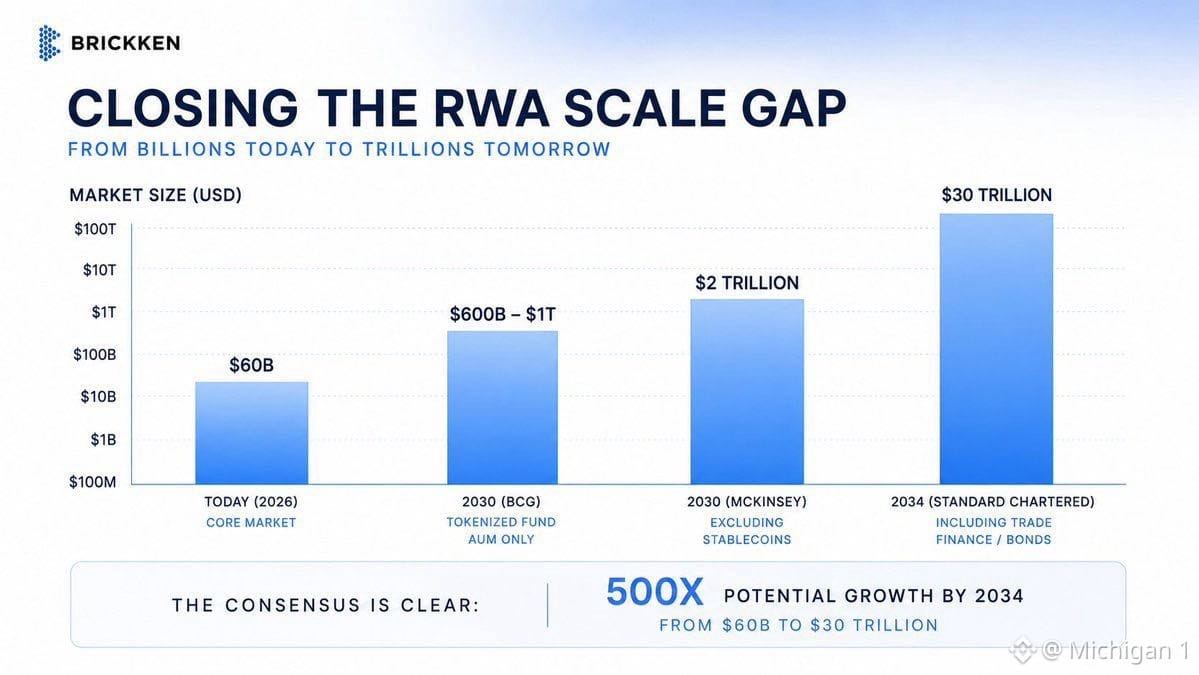
数字は多少変わっても、方向性は明確です。
この市場は今後10年で大きく成長すると見込まれています。
ただ、予測は簡単な方です。
本当の課題は、コンプライアンスに対応したインフラを通じて、より多くの資産・機関・ユーザーをオンチェーンに取り込むことです。
#Brickken と他のプレイヤーがどのように成果を出し続けているのか、ぜひ見てみたいです。
$BKN #RWA #Tokenization
トークン化されたRWA(現実世界資産)については誰もが異なる見通しを持っており、#Brickken のようなチームがその未来の姿を形にしようとしています。
数字は多少変わっても、方向性は明確です。
この市場は今後10年で大きく成長すると見込まれています。
ただ、予測は簡単な方です。
本当の課題は、コンプライアンスに対応したインフラを通じて、より多くの資産・機関・ユーザーをオンチェーンに取り込むことです。
#Brickken と他のプレイヤーがどのように成果を出し続けているのか、ぜひ見てみたいです。
$BKN #RWA #Tokenization
数字は多少変わっても、方向性は明確です。
この市場は今後10年で大きく成長すると見込まれています。
ただ、予測は簡単な方です。
本当の課題は、コンプライアンスに対応したインフラを通じて、より多くの資産・機関・ユーザーをオンチェーンに取り込むことです。
#Brickken と他のプレイヤーがどのように成果を出し続けているのか、ぜひ見てみたいです。
$BKN #RWA #Tokenization
90
·
--
インフラは、マスアダプションに先立って常に重要です。
誰もが実世界資産のトークン化について語っていますが、機関投資家が確信を持って信頼し、導入できるレール(基盤)の構築に注力しているのはごくわずかです。そこで @Brickken は、際立った差別化を続けています。
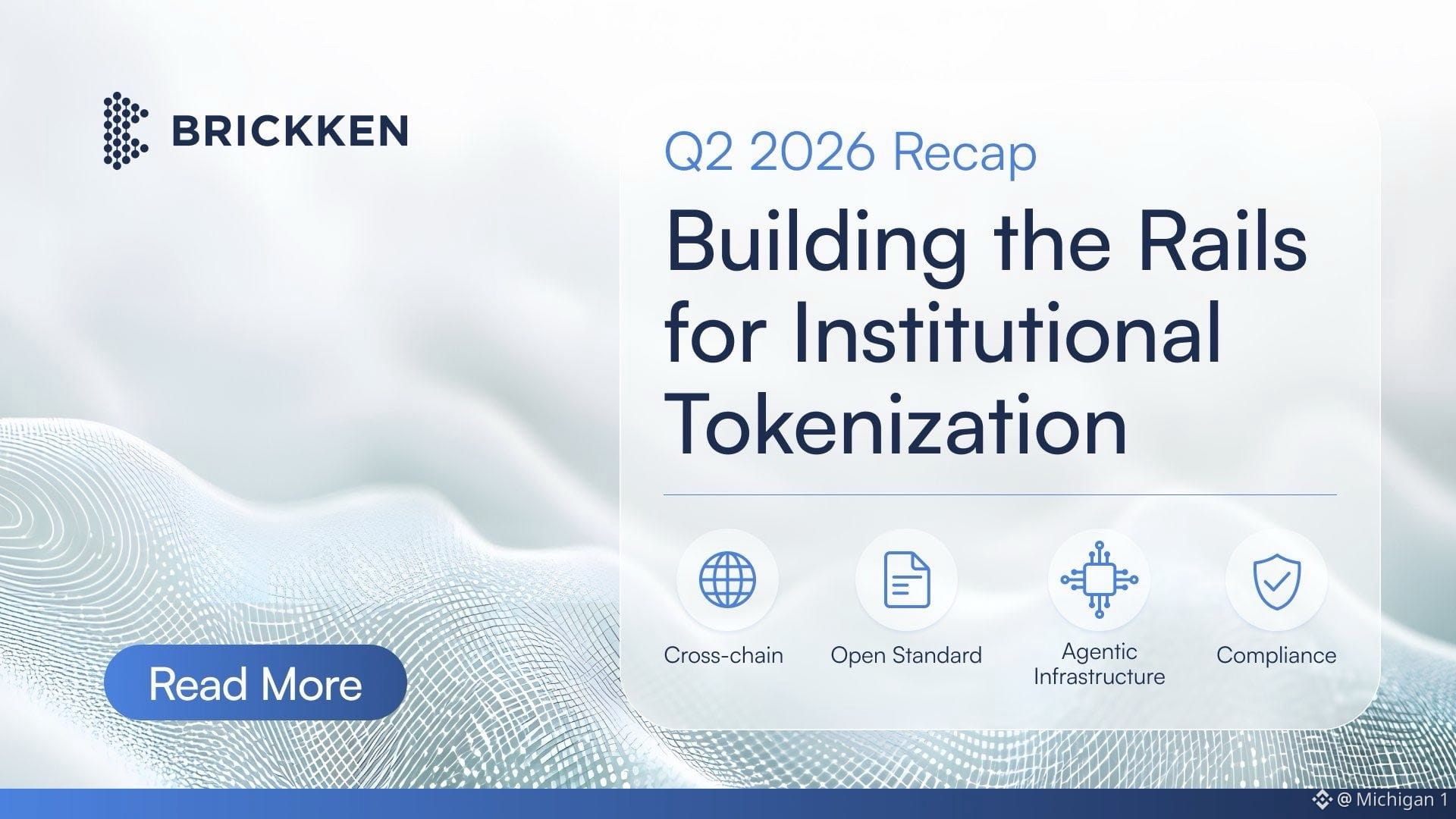
今四半期は、トークン化された資産を 6.6億ドル超まで成長させることだけが目的ではありません。オープン標準、クロスチェーン・インフラ、機関投資家向けのグレードのコンプライアンス、そしてトークン化をよりスケーラブルで実用的にするためのツールを通じて、基盤を強化することが中心でした。
市場は、これ以上の約束を必要としていません。必要なのは、安全で、準拠しており、相互運用可能で、本番運用に備えたインフラです。まさにそれが、@Brickken が進んでいる方向性です。
RWA(実世界資産)分野が成熟するにつれ、最大の勝者は「単に資産が最も多いプラットフォーム」ではなくなると私は考えています。勝ち残るのは、他のすべてが依存する標準とインフラを構築しているところです。@Brickken は、その重要なプレイヤーの一つになるようポジショニングしており、第3四半期に何がもたらされるのか楽しみにしています。
インフラは、マスアダプションに先立って常に重要です。
誰もが実世界資産のトークン化について語っていますが、機関投資家が確信を持って信頼し、導入できるレール(基盤)の構築に注力しているのはごくわずかです。そこで @Brickken は、際立った差別化を続けています。
今四半期は、トークン化された資産を 6.6億ドル超まで成長させることだけが目的ではありません。オープン標準、クロスチェーン・インフラ、機関投資家向けのグレードのコンプライアンス、そしてトークン化をよりスケーラブルで実用的にするためのツールを通じて、基盤を強化することが中心でした。
市場は、これ以上の約束を必要としていません。必要なのは、安全で、準拠しており、相互運用可能で、本番運用に備えたインフラです。まさにそれが、@Brickken が進んでいる方向性です。
RWA(実世界資産)分野が成熟するにつれ、最大の勝者は「単に資産が最も多いプラットフォーム」ではなくなると私は考えています。勝ち残るのは、他のすべてが依存する標準とインフラを構築しているところです。@Brickken は、その重要なプレイヤーの一つになるようポジショニングしており、第3四半期に何がもたらされるのか楽しみにしています。
誰もが実世界資産のトークン化について語っていますが、機関投資家が確信を持って信頼し、導入できるレール(基盤)の構築に注力しているのはごくわずかです。そこで @Brickken は、際立った差別化を続けています。
今四半期は、トークン化された資産を 6.6億ドル超まで成長させることだけが目的ではありません。オープン標準、クロスチェーン・インフラ、機関投資家向けのグレードのコンプライアンス、そしてトークン化をよりスケーラブルで実用的にするためのツールを通じて、基盤を強化することが中心でした。
市場は、これ以上の約束を必要としていません。必要なのは、安全で、準拠しており、相互運用可能で、本番運用に備えたインフラです。まさにそれが、@Brickken が進んでいる方向性です。
RWA(実世界資産)分野が成熟するにつれ、最大の勝者は「単に資産が最も多いプラットフォーム」ではなくなると私は考えています。勝ち残るのは、他のすべてが依存する標準とインフラを構築しているところです。@Brickken は、その重要なプレイヤーの一つになるようポジショニングしており、第3四半期に何がもたらされるのか楽しみにしています。
69
·
--
誰もがトークンに注目しているけれど、私は本当の見出しはインフラだと思います。
トークンのアップグレードはユーティリティを高められますが、@Brickken が BKN 2.0 周辺で出してきたものこそが、実際の重みを持たせています。
ネイティブなマルチチェーン・アーキテクチャ、より強固なプライバシー基準、そして規制対応への明確なフォーカス——こうした土台は、バズの熱が冷めても長く持ちこたえます。
それが、今週私にとって際立っていました。
$BKN 2.0 は単なるコントラクトの移行ではありませんでした。インフラを、機関が本当に頼れるものとして築いていくための次の一歩です。機能は注目を集めますが、長期的な採用を動かすのは信頼、相互運用性、そしてコンプライアンスです。
結局のところ、トークンがスポットライトを浴びますが、エコシステムの関連性を保ち続けるのはインフラです。
誰もがトークンに注目しているけれど、私は本当の見出しはインフラだと思います。
トークンのアップグレードはユーティリティを高められますが、@Brickken が BKN 2.0 周辺で出してきたものこそが、実際の重みを持たせています。
ネイティブなマルチチェーン・アーキテクチャ、より強固なプライバシー基準、そして規制対応への明確なフォーカス——こうした土台は、バズの熱が冷めても長く持ちこたえます。
それが、今週私にとって際立っていました。
$BKN 2.0 は単なるコントラクトの移行ではありませんでした。インフラを、機関が本当に頼れるものとして築いていくための次の一歩です。機能は注目を集めますが、長期的な採用を動かすのは信頼、相互運用性、そしてコンプライアンスです。
結局のところ、トークンがスポットライトを浴びますが、エコシステムの関連性を保ち続けるのはインフラです。
トークンのアップグレードはユーティリティを高められますが、@Brickken が BKN 2.0 周辺で出してきたものこそが、実際の重みを持たせています。
ネイティブなマルチチェーン・アーキテクチャ、より強固なプライバシー基準、そして規制対応への明確なフォーカス——こうした土台は、バズの熱が冷めても長く持ちこたえます。
それが、今週私にとって際立っていました。
$BKN 2.0 は単なるコントラクトの移行ではありませんでした。インフラを、機関が本当に頼れるものとして築いていくための次の一歩です。機能は注目を集めますが、長期的な採用を動かすのは信頼、相互運用性、そしてコンプライアンスです。
結局のところ、トークンがスポットライトを浴びますが、エコシステムの関連性を保ち続けるのはインフラです。
78
·
--
誰もがRWAsをオンチェーンに持ち込むことについて語っています。
しかし、その後に何が起きるのかについて話す人はほとんどいません。
最大のボトルネックは、トークン化そのものでは決してありません。問題は、流動性の断片化、ラップされた資産、ブリッジのリスク、そしてエコシステムをまたいで価値を移す際の劣悪なユーザー体験です。
だからこそ、@Brickken の $BKN アップグレードに注目しました。
ネイティブにマルチチェーン対応の $BKN は、複数のネットワークにまたがる単なるデプロイではありません。これはアーキテクチャの転換です。
1つの資産。
統一された流動性。
従来の「ロック&ミント」型ブリッジモデルへの依存がありません。
これは重要です。機関投資家の資本は、ブロックチェーンの縄張り意識には関心がないからです。彼らが重視するのは、効率性、安全性、そしてシームレスな決済です。
もしRWAsがグローバル市場になるのなら、相互運用性は後付けではいけません。基盤に組み込まれていなければならないのです。
これは、業界が常に向かうべきだと思われていた方向性のように感じます。Brickken がここからどのように実行していくのか、楽しみにしています。
誰もがRWAsをオンチェーンに持ち込むことについて語っています。
しかし、その後に何が起きるのかについて話す人はほとんどいません。
最大のボトルネックは、トークン化そのものでは決してありません。問題は、流動性の断片化、ラップされた資産、ブリッジのリスク、そしてエコシステムをまたいで価値を移す際の劣悪なユーザー体験です。
だからこそ、@Brickken の $BKN アップグレードに注目しました。
ネイティブにマルチチェーン対応の $BKN は、複数のネットワークにまたがる単なるデプロイではありません。これはアーキテクチャの転換です。
1つの資産。
統一された流動性。
従来の「ロック&ミント」型ブリッジモデルへの依存がありません。
これは重要です。機関投資家の資本は、ブロックチェーンの縄張り意識には関心がないからです。彼らが重視するのは、効率性、安全性、そしてシームレスな決済です。
もしRWAsがグローバル市場になるのなら、相互運用性は後付けではいけません。基盤に組み込まれていなければならないのです。
これは、業界が常に向かうべきだと思われていた方向性のように感じます。Brickken がここからどのように実行していくのか、楽しみにしています。
しかし、その後に何が起きるのかについて話す人はほとんどいません。
最大のボトルネックは、トークン化そのものでは決してありません。問題は、流動性の断片化、ラップされた資産、ブリッジのリスク、そしてエコシステムをまたいで価値を移す際の劣悪なユーザー体験です。
だからこそ、@Brickken の $BKN アップグレードに注目しました。
ネイティブにマルチチェーン対応の $BKN は、複数のネットワークにまたがる単なるデプロイではありません。これはアーキテクチャの転換です。
1つの資産。
統一された流動性。
従来の「ロック&ミント」型ブリッジモデルへの依存がありません。
これは重要です。機関投資家の資本は、ブロックチェーンの縄張り意識には関心がないからです。彼らが重視するのは、効率性、安全性、そしてシームレスな決済です。
もしRWAsがグローバル市場になるのなら、相互運用性は後付けではいけません。基盤に組み込まれていなければならないのです。
これは、業界が常に向かうべきだと思われていた方向性のように感じます。Brickken がここからどのように実行していくのか、楽しみにしています。
68
·
--
AIはチャットボットを超えて、実行へと進みつつあります。
パランティアとゼータの提携は、次の企業価値の波がどこから生まれ得るかを示しています。データをつなぎ、意思決定し、その行動までを1つのシステムで実現することです。
パランティアのデータ基盤と、ゼータのAI搭載マーケティングエンジンを組み合わせることで、企業は顧客行動を分析する段階から、リアルタイムでその行動に働きかける段階へ移行できます。
際立っているのは、AI導入そのものではなく、測定可能な成果に注目している点です。見込まれる1億ドル超の収益機会は、AIが効率性、パーソナライズ、成長を直接改善するなら、企業がますます投資に前向きになっていることを示しています。
企業向けAIが成熟するにつれて、最大の勝者となるのは、断片化されたデータを、実際のビジネス成果につながる意思決定へと変えるプラットフォームかもしれません。
$PLTR と $ZETA は、その変化の中心に位置づけようとしています。
AIはチャットボットを超えて、実行へと進みつつあります。
パランティアとゼータの提携は、次の企業価値の波がどこから生まれ得るかを示しています。データをつなぎ、意思決定し、その行動までを1つのシステムで実現することです。
パランティアのデータ基盤と、ゼータのAI搭載マーケティングエンジンを組み合わせることで、企業は顧客行動を分析する段階から、リアルタイムでその行動に働きかける段階へ移行できます。
際立っているのは、AI導入そのものではなく、測定可能な成果に注目している点です。見込まれる1億ドル超の収益機会は、AIが効率性、パーソナライズ、成長を直接改善するなら、企業がますます投資に前向きになっていることを示しています。
企業向けAIが成熟するにつれて、最大の勝者となるのは、断片化されたデータを、実際のビジネス成果につながる意思決定へと変えるプラットフォームかもしれません。
$PLTR と $ZETA は、その変化の中心に位置づけようとしています。
パランティアとゼータの提携は、次の企業価値の波がどこから生まれ得るかを示しています。データをつなぎ、意思決定し、その行動までを1つのシステムで実現することです。
パランティアのデータ基盤と、ゼータのAI搭載マーケティングエンジンを組み合わせることで、企業は顧客行動を分析する段階から、リアルタイムでその行動に働きかける段階へ移行できます。
際立っているのは、AI導入そのものではなく、測定可能な成果に注目している点です。見込まれる1億ドル超の収益機会は、AIが効率性、パーソナライズ、成長を直接改善するなら、企業がますます投資に前向きになっていることを示しています。
企業向けAIが成熟するにつれて、最大の勝者となるのは、断片化されたデータを、実際のビジネス成果につながる意思決定へと変えるプラットフォームかもしれません。
$PLTR と $ZETA は、その変化の中心に位置づけようとしています。
66
·
--
コンプライアンスはしばしば、RWAsの拡大(スケール)を阻む障壁として扱われがちです。
しかし現実には、より大きな課題は「断片化(フラグメンテーション)」です。
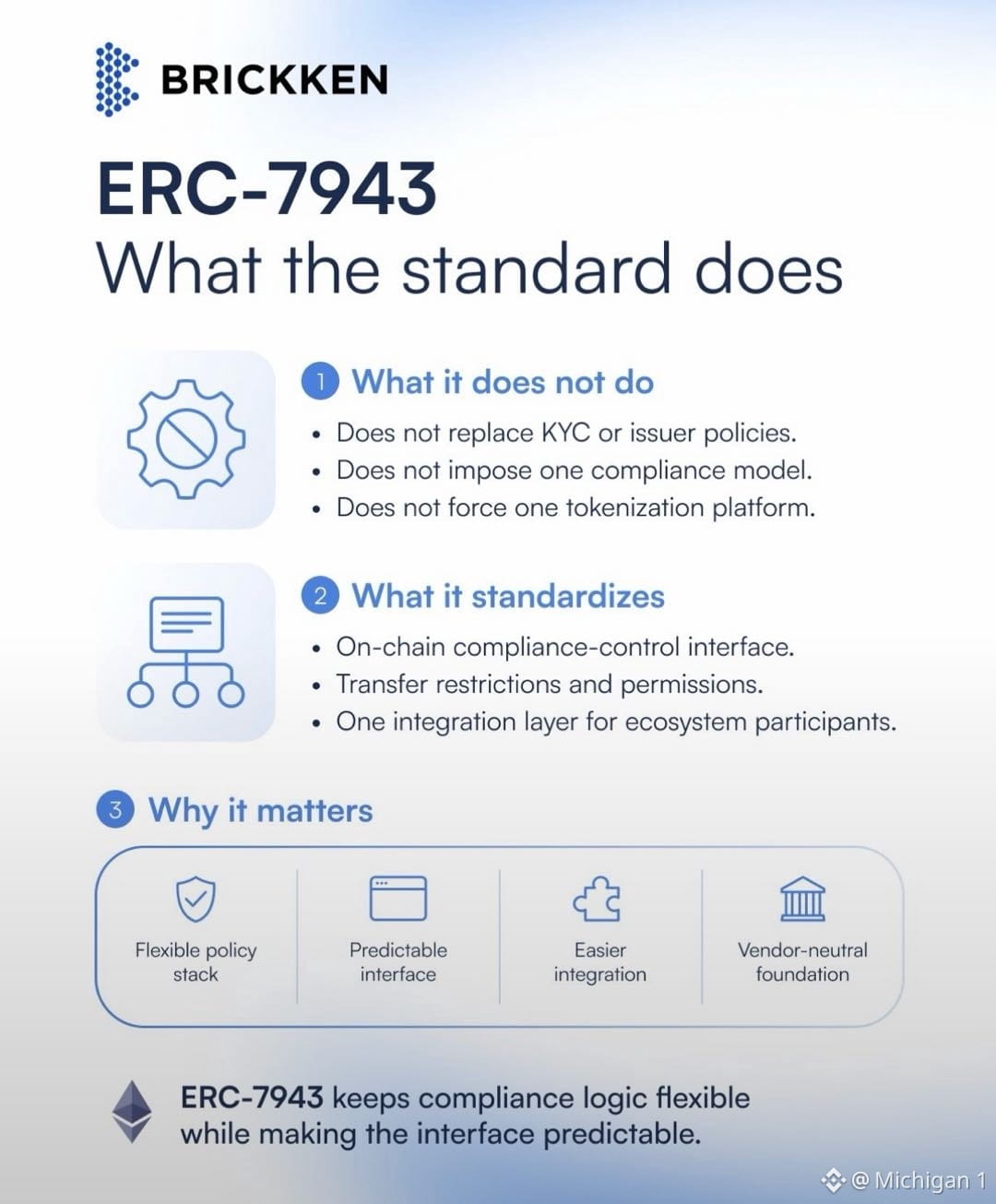
異なる発行体は、異なるKYCフレームワーク、移転ルール、制裁(サンクション)チェック、そして管轄(法域)の要件に依存しています。共通の標準がないままでは、あらゆる統合が個別のカスタム作業になってしまいます。
だからこそERC-7943が重要です。
それは、業界に単一のコンプライアンスモデルを押し付けるものではありません。代わりに、適合した資産が、そのルールを予測可能な形でやり取りできる標準化されたインターフェースを作り、下層では柔軟性を維持します。
ここに#Brickkenの真の価値があります。
ウォレット、カストディアン、取引所、そして機関がトークン化資産をより理解しやすくするための標準をサポートすることで、Brickkenはグローバルに拡大するためにRWAsが必要とするインフラ層の構築に貢献しています。
トークン化の未来は、コンプライアンスを置き換えることで勝ち取られるものではありません。
勝ち取るのは、コンプライアンスを相互運用可能にすることです。
$BKN
コンプライアンスはしばしば、RWAsの拡大(スケール)を阻む障壁として扱われがちです。
しかし現実には、より大きな課題は「断片化(フラグメンテーション)」です。
異なる発行体は、異なるKYCフレームワーク、移転ルール、制裁(サンクション)チェック、そして管轄(法域)の要件に依存しています。共通の標準がないままでは、あらゆる統合が個別のカスタム作業になってしまいます。
だからこそERC-7943が重要です。
それは、業界に単一のコンプライアンスモデルを押し付けるものではありません。代わりに、適合した資産が、そのルールを予測可能な形でやり取りできる標準化されたインターフェースを作り、下層では柔軟性を維持します。
ここに#Brickkenの真の価値があります。
ウォレット、カストディアン、取引所、そして機関がトークン化資産をより理解しやすくするための標準をサポートすることで、Brickkenはグローバルに拡大するためにRWAsが必要とするインフラ層の構築に貢献しています。
トークン化の未来は、コンプライアンスを置き換えることで勝ち取られるものではありません。
勝ち取るのは、コンプライアンスを相互運用可能にすることです。
$BKN
しかし現実には、より大きな課題は「断片化(フラグメンテーション)」です。
異なる発行体は、異なるKYCフレームワーク、移転ルール、制裁(サンクション)チェック、そして管轄(法域)の要件に依存しています。共通の標準がないままでは、あらゆる統合が個別のカスタム作業になってしまいます。
だからこそERC-7943が重要です。
それは、業界に単一のコンプライアンスモデルを押し付けるものではありません。代わりに、適合した資産が、そのルールを予測可能な形でやり取りできる標準化されたインターフェースを作り、下層では柔軟性を維持します。
ここに#Brickkenの真の価値があります。
ウォレット、カストディアン、取引所、そして機関がトークン化資産をより理解しやすくするための標準をサポートすることで、Brickkenはグローバルに拡大するためにRWAsが必要とするインフラ層の構築に貢献しています。
トークン化の未来は、コンプライアンスを置き換えることで勝ち取られるものではありません。
勝ち取るのは、コンプライアンスを相互運用可能にすることです。
$BKN
61
·
--
次のRWA成長のフェーズは、最も多くの資産をトークン化する者によって勝たれるわけではない。
それは、資産を相互運用可能にする者によって勝たれる。
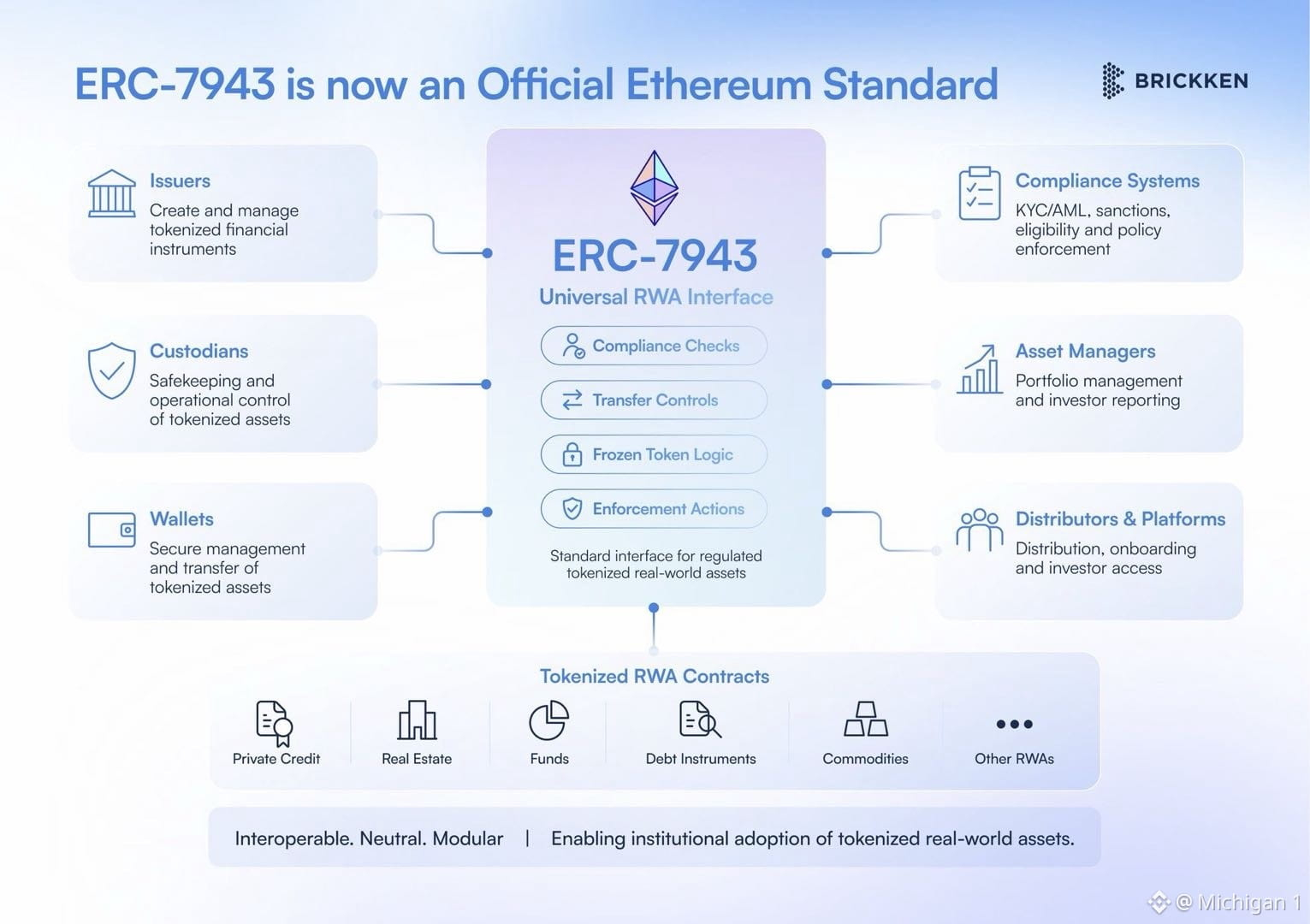
ERC-7943は、その未来に向けた一歩であり、すべての発行者が毎回車輪を再発明するのではなく、コンプライアンスとコントロールのための共通インターフェースを作成する。
このようなスタンダードは、実際に機関が気にする問題を静かに解決する。
#Brickkenが早期にこの話題を取り上げているのは驚くことではない。インフラ層は、トークン化における長期的な価値が多く生まれる場所だから。
次のRWA成長のフェーズは、最も多くの資産をトークン化する者によって勝たれるわけではない。
それは、資産を相互運用可能にする者によって勝たれる。
ERC-7943は、その未来に向けた一歩であり、すべての発行者が毎回車輪を再発明するのではなく、コンプライアンスとコントロールのための共通インターフェースを作成する。
このようなスタンダードは、実際に機関が気にする問題を静かに解決する。
#Brickkenが早期にこの話題を取り上げているのは驚くことではない。インフラ層は、トークン化における長期的な価値が多く生まれる場所だから。
それは、資産を相互運用可能にする者によって勝たれる。
ERC-7943は、その未来に向けた一歩であり、すべての発行者が毎回車輪を再発明するのではなく、コンプライアンスとコントロールのための共通インターフェースを作成する。
このようなスタンダードは、実際に機関が気にする問題を静かに解決する。
#Brickkenが早期にこの話題を取り上げているのは驚くことではない。インフラ層は、トークン化における長期的な価値が多く生まれる場所だから。
66
·
--
.@Brickkenは、ブロックチェーンインフラが実際の資金調達ニーズを解決する際に、リアルワールドアセットの採用がどのようなものかを本当に示しています。
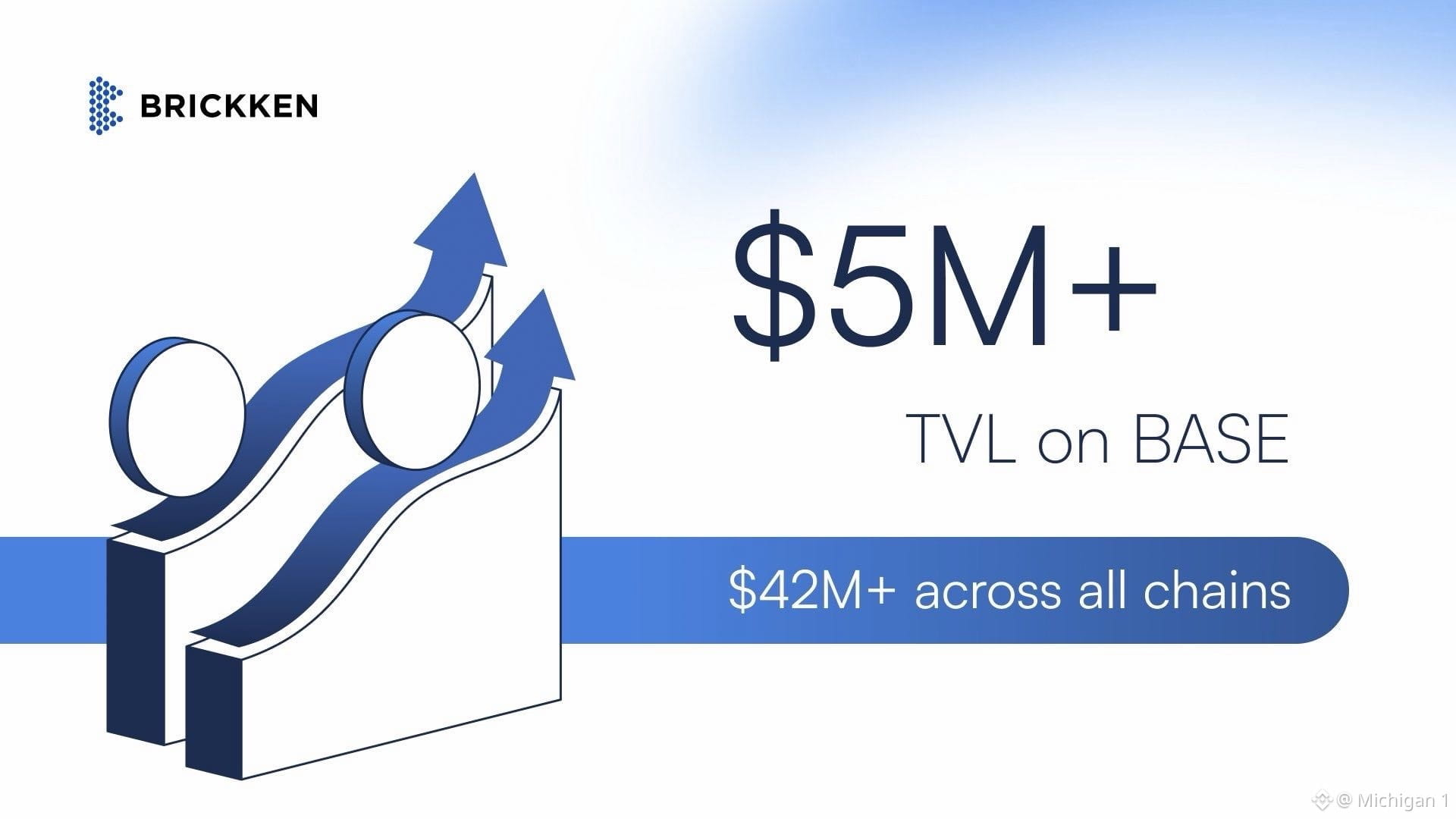
Baseでの$5MのTVLを超え、サポートされているチェーン全体で$42M以上が展開されていることは、実際のビジネスと実際の資本形成に裏打ちされたトークン化された金融商品への需要が高まっていることを示しています。
プライベートクレジット、トークン化されたファンド、不動産、収益共有モデル、企業ファイナンスはもはや未来の概念ではありません。それらはすでにBrickkenのインフラを通じてオンチェーンで発行・管理されています。
より多くの発行者が資本を調達するための効率的で透明な方法を模索する中で、従来の金融とブロックチェーンを結びつけるプラットフォームはますます重要になっていくでしょう。
資本形成は着実にオンチェーンに移行しており、Brickkenはその移行を現実のものにする手助けをしています。
.@Brickkenは、ブロックチェーンインフラが実際の資金調達ニーズを解決する際に、リアルワールドアセットの採用がどのようなものかを本当に示しています。
Baseでの$5MのTVLを超え、サポートされているチェーン全体で$42M以上が展開されていることは、実際のビジネスと実際の資本形成に裏打ちされたトークン化された金融商品への需要が高まっていることを示しています。
プライベートクレジット、トークン化されたファンド、不動産、収益共有モデル、企業ファイナンスはもはや未来の概念ではありません。それらはすでにBrickkenのインフラを通じてオンチェーンで発行・管理されています。
より多くの発行者が資本を調達するための効率的で透明な方法を模索する中で、従来の金融とブロックチェーンを結びつけるプラットフォームはますます重要になっていくでしょう。
資本形成は着実にオンチェーンに移行しており、Brickkenはその移行を現実のものにする手助けをしています。
Baseでの$5MのTVLを超え、サポートされているチェーン全体で$42M以上が展開されていることは、実際のビジネスと実際の資本形成に裏打ちされたトークン化された金融商品への需要が高まっていることを示しています。
プライベートクレジット、トークン化されたファンド、不動産、収益共有モデル、企業ファイナンスはもはや未来の概念ではありません。それらはすでにBrickkenのインフラを通じてオンチェーンで発行・管理されています。
より多くの発行者が資本を調達するための効率的で透明な方法を模索する中で、従来の金融とブロックチェーンを結びつけるプラットフォームはますます重要になっていくでしょう。
資本形成は着実にオンチェーンに移行しており、Brickkenはその移行を現実のものにする手助けをしています。
77
·
--
多くのプロジェクトは資産のトークン化に焦点を当てていますが、本当の課題は発行後に始まります。
投資家が使いにくいオンボーディングプロセスに直面すると、資産がどんなに強力でも採用が苦しむことになります。
@Brickkenのホワイトラベル投資ポータルは、そのギャップを解消し、トークン化された資産をブランド化されたシームレスな体験を通じて投資可能な機会に変えます。これはWeb3インフラと現代の投資家の期待との距離を埋めます。
参加が容易であればあるほど、資本形成のスケールも容易になります。
多くのプロジェクトは資産のトークン化に焦点を当てていますが、本当の課題は発行後に始まります。
投資家が使いにくいオンボーディングプロセスに直面すると、資産がどんなに強力でも採用が苦しむことになります。
@Brickkenのホワイトラベル投資ポータルは、そのギャップを解消し、トークン化された資産をブランド化されたシームレスな体験を通じて投資可能な機会に変えます。これはWeb3インフラと現代の投資家の期待との距離を埋めます。
参加が容易であればあるほど、資本形成のスケールも容易になります。
投資家が使いにくいオンボーディングプロセスに直面すると、資産がどんなに強力でも採用が苦しむことになります。
@Brickkenのホワイトラベル投資ポータルは、そのギャップを解消し、トークン化された資産をブランド化されたシームレスな体験を通じて投資可能な機会に変えます。これはWeb3インフラと現代の投資家の期待との距離を埋めます。
参加が容易であればあるほど、資本形成のスケールも容易になります。
71
·
--
みんながAIやコーディングツールで建設コストを下げようと急いでる。
でも長い目で見れば、勝つ企業は実際に規制、コンプライアンス、そして大規模な機関の信頼をナビゲートできる企業かもしれない。
それが@Brickkenが狙っているレーンだ。
エドウィン・マタが最新のAMAの要約で説明したように、焦点は単にソフトウェアを早く出荷することだけじゃない。ヨーロッパやその先の最大の金融プレーヤーと競争するために必要な法的インフラ、規制の強さ、資本基盤を築くことにある。
誰でもプラットフォームを立ち上げることができる。
しかし、機関が快適に成長できるものを構築できるのはほんの一握り。
その違いが本当のモートになる。
四半期ごとのAMAの要約はここで読める: champ.ly/Wbr-uRon
$BKN
みんながAIやコーディングツールで建設コストを下げようと急いでる。
でも長い目で見れば、勝つ企業は実際に規制、コンプライアンス、そして大規模な機関の信頼をナビゲートできる企業かもしれない。
それが@Brickkenが狙っているレーンだ。
エドウィン・マタが最新のAMAの要約で説明したように、焦点は単にソフトウェアを早く出荷することだけじゃない。ヨーロッパやその先の最大の金融プレーヤーと競争するために必要な法的インフラ、規制の強さ、資本基盤を築くことにある。
誰でもプラットフォームを立ち上げることができる。
しかし、機関が快適に成長できるものを構築できるのはほんの一握り。
その違いが本当のモートになる。
四半期ごとのAMAの要約はここで読める: champ.ly/Wbr-uRon
$BKN
でも長い目で見れば、勝つ企業は実際に規制、コンプライアンス、そして大規模な機関の信頼をナビゲートできる企業かもしれない。
それが@Brickkenが狙っているレーンだ。
エドウィン・マタが最新のAMAの要約で説明したように、焦点は単にソフトウェアを早く出荷することだけじゃない。ヨーロッパやその先の最大の金融プレーヤーと競争するために必要な法的インフラ、規制の強さ、資本基盤を築くことにある。
誰でもプラットフォームを立ち上げることができる。
しかし、機関が快適に成長できるものを構築できるのはほんの一握り。
その違いが本当のモートになる。
四半期ごとのAMAの要約はここで読める: champ.ly/Wbr-uRon
$BKN
120
·
--
トークン化に関する最大の誤解は、トークン自体がイノベーションだと考えることです。
違います。
本当の課題は発行後に始まります。
コンプライアンス、報告、流動性の調整、投資家のアクセス、そして機関投資家向けのインフラが、トークン化されたプライベート市場が実際にスケールするか、分断された実験のままでいるかを決定します。
だからこそ、@Brickkenの方向性が際立っています。
「資産をオンチェーンに載せる」というハイプを追いかけるのではなく、彼らは機関が実際に気にかけているオペレーショナルレイヤーに焦点を当てています。特にRWA Vaultイニシアティブは重要に感じられます。なぜなら、流動性が静かにトークン化のストーリーにおける最大の欠けた部分の一つになっているからです。
構造化された流動性がなければ、ほとんどのRWAはデジタルでラップされた流動性のない資産になってしまうリスクがあります。
次の採用フェーズは、トークンローンチのためのマーケットプレイスだけではなく、プライベート市場向けのフルスタックインフラを構築しているプラットフォームに属する可能性が高いでしょう。
そのシフトはまさに@Brickkenがポジショニングしているようです。
トークン化に関する最大の誤解は、トークン自体がイノベーションだと考えることです。
違います。
本当の課題は発行後に始まります。
コンプライアンス、報告、流動性の調整、投資家のアクセス、そして機関投資家向けのインフラが、トークン化されたプライベート市場が実際にスケールするか、分断された実験のままでいるかを決定します。
だからこそ、@Brickkenの方向性が際立っています。
「資産をオンチェーンに載せる」というハイプを追いかけるのではなく、彼らは機関が実際に気にかけているオペレーショナルレイヤーに焦点を当てています。特にRWA Vaultイニシアティブは重要に感じられます。なぜなら、流動性が静かにトークン化のストーリーにおける最大の欠けた部分の一つになっているからです。
構造化された流動性がなければ、ほとんどのRWAはデジタルでラップされた流動性のない資産になってしまうリスクがあります。
次の採用フェーズは、トークンローンチのためのマーケットプレイスだけではなく、プライベート市場向けのフルスタックインフラを構築しているプラットフォームに属する可能性が高いでしょう。
そのシフトはまさに@Brickkenがポジショニングしているようです。
違います。
本当の課題は発行後に始まります。
コンプライアンス、報告、流動性の調整、投資家のアクセス、そして機関投資家向けのインフラが、トークン化されたプライベート市場が実際にスケールするか、分断された実験のままでいるかを決定します。
だからこそ、@Brickkenの方向性が際立っています。
「資産をオンチェーンに載せる」というハイプを追いかけるのではなく、彼らは機関が実際に気にかけているオペレーショナルレイヤーに焦点を当てています。特にRWA Vaultイニシアティブは重要に感じられます。なぜなら、流動性が静かにトークン化のストーリーにおける最大の欠けた部分の一つになっているからです。
構造化された流動性がなければ、ほとんどのRWAはデジタルでラップされた流動性のない資産になってしまうリスクがあります。
次の採用フェーズは、トークンローンチのためのマーケットプレイスだけではなく、プライベート市場向けのフルスタックインフラを構築しているプラットフォームに属する可能性が高いでしょう。
そのシフトはまさに@Brickkenがポジショニングしているようです。
67
ログインして、さらにコンテンツを読む
厳選トピックで世界の暗号資産トレーダーの仲間入り
⚡️ 暗号資産に関する最新かつ有益な情報が見つかります。
💬 世界最大の暗号資産取引所から信頼されています。
👍 認証を受けたクリエイターから、有益なインサイトを得られます。
メール / 電話番号
トレンドトピック
BitcoinClears$85200
閲覧回数 11,650
209人が討論中
動きが出て、$BTC はデータがあった直前にあった場所にそのまま立っています。取引における本当の忍耐ってこういうことです。
データは混ざって入ってきましたが、いくつか重要な数字がありました。ADP 非農業部門雇用者数は予想の73Kに対して90Kでした。一方でコアPCEは、予想の0.3%に対して0.2%です。最終的なGDPも予想の1.5%に対して2.2%と強めでした。個人消費は予想の0.8%に対して0.9%でした。同時に、個人所得は予想の0.5%に対して0.2%で未達でした。
BTCは最初に85,600ドルまで急騰しましたが、今は必要なところに戻っています。私は引き続き、82,759ドルと80,000ドルの流動性の低いレンジを見ています。上側の流動性はもう終わって、あとは塵も残っていないからです。
データ発表中にライブセッションを行いました。その中で、市場は83,800ドル→85,600ドル→そして83,000ドル付近へと戻っていくのを見ました。それでも私たちは取引に入りませんでした。
それが忍耐です。
市場に明確な方向性がないときは、無理にエントリーはできません。同じレンジがまだ注目ポイントで、相場がセットアップを提示してくれるまで待ちます。
みなさん、セッションはどうでしたか? それから、尊敬するメンバーの皆さんともっと定期的にセッションをするべきでしょうか。そうすれば、市場について適切に議論できます。
#BitcoinClears$85200 #AltcoinSeasonIndexHoldsAbove60For5Days #USADPAdds90000JobsInSeptember #BitcoinSlipsBelow$84000 #SECToClarifyOnChainFundraisingRules
Crypto_LUX
·いいね:26件
·閲覧回数 18.8k
AltcoinSeasonIndexHoldsAbove60For5Days
閲覧回数 59,746
1,167人が討論中
USADPAdds90000JobsInSeptember
閲覧回数 28,052
656人が討論中