

Chain Curious
19 投稿
Chain Curious
報告
ユーザーをブロック
Exploring blockchain, crypto, Web3 & AI through curiosity-driven, evidence-based education. Unlimited Days of Blockchain Knowledge
取引を発注

ACEホルダー
低高頻度トレーダー
5.8年
2 フォロー
0 フォロワー
9 いいね
投稿
ポートフォリオ
すべて
引用
ブロックチェーンを本当に所有しているのは誰?ブロックチェーンを本当に所有しているのは誰?
私たちはビットコインを分散化されていると呼びます。
ですが、多くの人が見落としている問いがあります。実際に誰がコントロールしているのか?
ビットコインを単一の会社が所有するわけではありません。しかし、マイナーがネットワークを守ります。ノードはルールを検証します。
開発者が変更案を提案します。そして、ユーザーがどのバージョンを信頼するかを決めます。つまり、分散化とは単に何千台ものコンピュータを持っているかどうかの問題ではありません。これらのコンピュータ同士が意見を食い違わせたときに、力(権限)がどう分配されるかが核心です。そしてそれが、あなたがあらゆるブロックチェーンを見るべき方法を変えます。
ただ聞くだけでなく:「それは分散化されているの?」
ブロックチェーンを本当に所有しているのは誰?
ブロックチェーンを本当に所有しているのは誰?
私たちはビットコインを分散化されていると呼びます。
ですが、多くの人が見落としている問いがあります。実際に誰がコントロールしているのか?
ビットコインを単一の会社が所有するわけではありません。しかし、マイナーがネットワークを守ります。ノードはルールを検証します。
開発者が変更案を提案します。そして、ユーザーがどのバージョンを信頼するかを決めます。つまり、分散化とは単に何千台ものコンピュータを持っているかどうかの問題ではありません。これらのコンピュータ同士が意見を食い違わせたときに、力(権限)がどう分配されるかが核心です。そしてそれが、あなたがあらゆるブロックチェーンを見るべき方法を変えます。
ただ聞くだけでなく:「それは分散化されているの?」
私たちはビットコインを分散化されていると呼びます。
ですが、多くの人が見落としている問いがあります。実際に誰がコントロールしているのか?
ビットコインを単一の会社が所有するわけではありません。しかし、マイナーがネットワークを守ります。ノードはルールを検証します。
開発者が変更案を提案します。そして、ユーザーがどのバージョンを信頼するかを決めます。つまり、分散化とは単に何千台ものコンピュータを持っているかどうかの問題ではありません。これらのコンピュータ同士が意見を食い違わせたときに、力(権限)がどう分配されるかが核心です。そしてそれが、あなたがあらゆるブロックチェーンを見るべき方法を変えます。
ただ聞くだけでなく:「それは分散化されているの?」
124
ビットコインの枚数が2,100万枚を超えることは決してありません。でもなぜ?ビットコインの枚数が2,100万枚を超えることは決してありません。でもなぜ?
想像してみてください。最大供給量が最初からルールに書き込まれている通貨に出会うことを。中央銀行は、単にもう一兆ドル分を印刷することなど決められません。CEOは、新たな供給増加を発表できません。政府が自分だけの判断で、さらにビットコインを作り出すための採決を行うこともできません。ビットコイン信奉者を始まりから魅了してきたある数字があります。それは21,000,000 BTCです。
しかし、なぜ2,100万なのですか?
そして、最後のビットコインが採掘されたらどうなるのでしょう。掘り下げてみましょう。
ビットコインの枚数が2,100万枚を超えることは決してありません。でもなぜ?
ビットコインの枚数が2,100万枚を超えることは決してありません。でもなぜ?
想像してみてください。最大供給量が最初からルールに書き込まれている通貨に出会うことを。中央銀行は、単にもう一兆ドル分を印刷することなど決められません。CEOは、新たな供給増加を発表できません。政府が自分だけの判断で、さらにビットコインを作り出すための採決を行うこともできません。ビットコイン信奉者を始まりから魅了してきたある数字があります。それは21,000,000 BTCです。
しかし、なぜ2,100万なのですか?
そして、最後のビットコインが採掘されたらどうなるのでしょう。掘り下げてみましょう。
想像してみてください。最大供給量が最初からルールに書き込まれている通貨に出会うことを。中央銀行は、単にもう一兆ドル分を印刷することなど決められません。CEOは、新たな供給増加を発表できません。政府が自分だけの判断で、さらにビットコインを作り出すための採決を行うこともできません。ビットコイン信奉者を始まりから魅了してきたある数字があります。それは21,000,000 BTCです。
しかし、なぜ2,100万なのですか?
そして、最後のビットコインが採掘されたらどうなるのでしょう。掘り下げてみましょう。
1
1
126
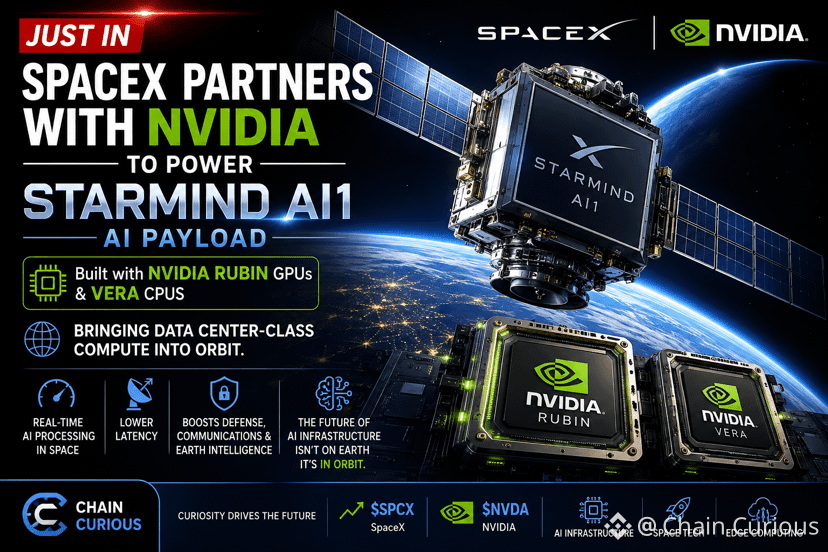
🚨速報:SpaceXがAIを地球の外へと拡張します。
SpaceXはNVIDIAと提携し、次世代のRubin GPUとVera CPUでStarmind AI1衛星を強化することで、データセンター級のAI計算を軌道上へ持ち込みます。
なぜ重要なのでしょうか?
生データを地球に送って処理する代わりに、将来の衛星は宇宙で膨大なデータセットを分析し、地球観測、防衛、通信、自律ミッション、科学研究などに向けて、より迅速な意思決定を可能にするかもしれません。
これは単なる別のチップ提携ではありません。
それは、AIファクトリーが地球に限定されない未来の一端です。
次のレースは、より多くの衛星を打ち上げることではないかもしれません。軌道上で最も強力な計算基盤(コンピュート)を誰が所有するか——そこが勝負かもしれません。 🚀🧠
注目:$NVDA | $SPCX | AIインフラ | スペース技術 | エッジコンピューティング @grok
🚨速報:SpaceXがAIを地球の外へと拡張します。
SpaceXはNVIDIAと提携し、次世代のRubin GPUとVera CPUでStarmind AI1衛星を強化することで、データセンター級のAI計算を軌道上へ持ち込みます。
なぜ重要なのでしょうか?
生データを地球に送って処理する代わりに、将来の衛星は宇宙で膨大なデータセットを分析し、地球観測、防衛、通信、自律ミッション、科学研究などに向けて、より迅速な意思決定を可能にするかもしれません。
これは単なる別のチップ提携ではありません。
それは、AIファクトリーが地球に限定されない未来の一端です。
次のレースは、より多くの衛星を打ち上げることではないかもしれません。軌道上で最も強力な計算基盤(コンピュート)を誰が所有するか——そこが勝負かもしれません。 🚀🧠
注目:$NVDA | $SPCX | AIインフラ | スペース技術 | エッジコンピューティング @grok
SpaceXはNVIDIAと提携し、次世代のRubin GPUとVera CPUでStarmind AI1衛星を強化することで、データセンター級のAI計算を軌道上へ持ち込みます。
なぜ重要なのでしょうか?
生データを地球に送って処理する代わりに、将来の衛星は宇宙で膨大なデータセットを分析し、地球観測、防衛、通信、自律ミッション、科学研究などに向けて、より迅速な意思決定を可能にするかもしれません。
これは単なる別のチップ提携ではありません。
それは、AIファクトリーが地球に限定されない未来の一端です。
次のレースは、より多くの衛星を打ち上げることではないかもしれません。軌道上で最も強力な計算基盤(コンピュート)を誰が所有するか——そこが勝負かもしれません。 🚀🧠
注目:$NVDA | $SPCX | AIインフラ | スペース技術 | エッジコンピューティング @grok
1
132
👤 ビットコインを生み出した男は姿を消した。なぜ世界は今も彼のことを語り続けるのか。👤 ビットコインを生み出した男は姿を消した。なぜ世界は今も彼のことを語り続けるのか。
歴史上でもっとも価値のあるテクノロジーのひとつを生み出すことを想像してみてください…
世界の金融システムを永遠に変えてしまった…
そして、名声も、インタビューも、数十億ドルも求めることなく姿を消した。
映画みたいだね
でもこれは本当の話です。
ビットコインの創設者はサトシ・ナカモトという名前で知られています。
意外なのは?
サトシが本当は誰なのか、誰も知りません。
🕵️ 年月を超えて続く謎
2008年、サトシ・ナカモトという名前を使った誰かが、ビットコインを紹介する9ページの文書を公開しました。
👤 ビットコインを生み出した男は姿を消した。なぜ世界は今も彼のことを語り続けるのか。
👤 ビットコインを生み出した男は姿を消した。なぜ世界は今も彼のことを語り続けるのか。
歴史上でもっとも価値のあるテクノロジーのひとつを生み出すことを想像してみてください…
世界の金融システムを永遠に変えてしまった…
そして、名声も、インタビューも、数十億ドルも求めることなく姿を消した。
映画みたいだね
でもこれは本当の話です。
ビットコインの創設者はサトシ・ナカモトという名前で知られています。
意外なのは?
サトシが本当は誰なのか、誰も知りません。
🕵️ 年月を超えて続く謎
2008年、サトシ・ナカモトという名前を使った誰かが、ビットコインを紹介する9ページの文書を公開しました。
歴史上でもっとも価値のあるテクノロジーのひとつを生み出すことを想像してみてください…
世界の金融システムを永遠に変えてしまった…
そして、名声も、インタビューも、数十億ドルも求めることなく姿を消した。
映画みたいだね
でもこれは本当の話です。
ビットコインの創設者はサトシ・ナカモトという名前で知られています。
意外なのは?
サトシが本当は誰なのか、誰も知りません。
🕵️ 年月を超えて続く謎
2008年、サトシ・ナカモトという名前を使った誰かが、ビットコインを紹介する9ページの文書を公開しました。
1
101
🪙 あなたのビットコインは実際どこに保存されているの?ほとんどの人がこれを間違えています。🪙 あなたのビットコインは実際どこに保存されているの?ほとんどの人がこれを間違えています。
もしあなたに「あなたのビットコインを見せて」と言ったら…
あなたはウォレットを開きますか?
スマホの中?
それともハードウェアウォレット?
驚くべき真実はこれです:
あなたのビットコインは、実はそれらのどこにも保存されていません。
待って… どういうこと?
🤯 じゃあどこにあるの?
多くの人は、ビットコインを写真や、端末に保存されたファイルのように想像しています。
でもビットコインはあなたのスマホの中には入っていません。
それはあなたのLedgerやTrezorの中に収まっているわけではありません。
USBドライブの中に隠れているわけではありません。
🪙 あなたのビットコインは実際どこに保存されているの?ほとんどの人がこれを間違えています。
🪙 あなたのビットコインは実際どこに保存されているの?ほとんどの人がこれを間違えています。
もしあなたに「あなたのビットコインを見せて」と言ったら…
あなたはウォレットを開きますか?
スマホの中?
それともハードウェアウォレット?
驚くべき真実はこれです:
あなたのビットコインは、実はそれらのどこにも保存されていません。
待って… どういうこと?
🤯 じゃあどこにあるの?
多くの人は、ビットコインを写真や、端末に保存されたファイルのように想像しています。
でもビットコインはあなたのスマホの中には入っていません。
それはあなたのLedgerやTrezorの中に収まっているわけではありません。
USBドライブの中に隠れているわけではありません。
もしあなたに「あなたのビットコインを見せて」と言ったら…
あなたはウォレットを開きますか?
スマホの中?
それともハードウェアウォレット?
驚くべき真実はこれです:
あなたのビットコインは、実はそれらのどこにも保存されていません。
待って… どういうこと?
🤯 じゃあどこにあるの?
多くの人は、ビットコインを写真や、端末に保存されたファイルのように想像しています。
でもビットコインはあなたのスマホの中には入っていません。
それはあなたのLedgerやTrezorの中に収まっているわけではありません。
USBドライブの中に隠れているわけではありません。
1
111
🚨 ビットコインは本当にハッキングできるの? ほとんどの人がこれを間違えています。🚨 ビットコインは本当にハッキングできるの? ほとんどの人がこれを間違えています。
暗号資産がニュースになるたびに、誰かがこう言うのを聞くことになります:
「ビットコインがハッキングされた。」でもここからがひねりです…
ビットコインのブロックチェーン自体は、これまで一度も正常にハッキングされたことがありません。
それなのに、なぜ人々はビットコイン何百万ドルもの価値を失い続けるのでしょうか?
答えは、ビットコインそのものとはほとんど関係ありません。
🔍 初心者が見落としがちな違い
想像してみてください。あなたは世界最強の金庫を持っているとしたら。
その金庫は、絶対に突破できません。
でもある日、あなたがうっかり鍵を見知らぬ人に渡してしまうのです。
🚨 ビットコインは本当にハッキングできるの? ほとんどの人がこれを間違えています。
🚨 ビットコインは本当にハッキングできるの? ほとんどの人がこれを間違えています。
暗号資産がニュースになるたびに、誰かがこう言うのを聞くことになります:
「ビットコインがハッキングされた。」でもここからがひねりです…
ビットコインのブロックチェーン自体は、これまで一度も正常にハッキングされたことがありません。
それなのに、なぜ人々はビットコイン何百万ドルもの価値を失い続けるのでしょうか?
答えは、ビットコインそのものとはほとんど関係ありません。
🔍 初心者が見落としがちな違い
想像してみてください。あなたは世界最強の金庫を持っているとしたら。
その金庫は、絶対に突破できません。
でもある日、あなたがうっかり鍵を見知らぬ人に渡してしまうのです。
暗号資産がニュースになるたびに、誰かがこう言うのを聞くことになります:
「ビットコインがハッキングされた。」でもここからがひねりです…
ビットコインのブロックチェーン自体は、これまで一度も正常にハッキングされたことがありません。
それなのに、なぜ人々はビットコイン何百万ドルもの価値を失い続けるのでしょうか?
答えは、ビットコインそのものとはほとんど関係ありません。
🔍 初心者が見落としがちな違い
想像してみてください。あなたは世界最強の金庫を持っているとしたら。
その金庫は、絶対に突破できません。
でもある日、あなたがうっかり鍵を見知らぬ人に渡してしまうのです。
1
125
ビットコインを失ったらどうなる?その答えは意外かもしれません。🔑ビットコインを失ったらどうなる?その答えは意外かもしれません。🔑
あなたがビットコイン10,000,000ドル分を所有していることを知ると想像してください…しかし、どのコインも1枚たりとも使うことができません。そんなのありえないように聞こえますよね。けれど実際に、何千人もの人に起きています。銀行口座とは違い、ビットコインには「パスワードを忘れた場合」のボタンがありません。
ウォレットの秘密鍵やシードフレーズへのアクセスを失ってしまうと、カスタマーサポートも、銀行の担当者も、資金を復元してくれる会社もありません。
ビットコイン自体はそこにあります……ただ、アクセスできないだけです。
ビットコインを失ったらどうなる?その答えは意外かもしれません。🔑
ビットコインを失ったらどうなる?その答えは意外かもしれません。🔑
あなたがビットコイン10,000,000ドル分を所有していることを知ると想像してください…しかし、どのコインも1枚たりとも使うことができません。そんなのありえないように聞こえますよね。けれど実際に、何千人もの人に起きています。銀行口座とは違い、ビットコインには「パスワードを忘れた場合」のボタンがありません。
ウォレットの秘密鍵やシードフレーズへのアクセスを失ってしまうと、カスタマーサポートも、銀行の担当者も、資金を復元してくれる会社もありません。
ビットコイン自体はそこにあります……ただ、アクセスできないだけです。
あなたがビットコイン10,000,000ドル分を所有していることを知ると想像してください…しかし、どのコインも1枚たりとも使うことができません。そんなのありえないように聞こえますよね。けれど実際に、何千人もの人に起きています。銀行口座とは違い、ビットコインには「パスワードを忘れた場合」のボタンがありません。
ウォレットの秘密鍵やシードフレーズへのアクセスを失ってしまうと、カスタマーサポートも、銀行の担当者も、資金を復元してくれる会社もありません。
ビットコイン自体はそこにあります……ただ、アクセスできないだけです。
1
1
144
最初のビットコイン取引で買ったのは…ピザ? 🍕最初のビットコイン取引で買ったのは…ピザ? 🍕
いつか何億ドルもの価値になり得るものを手に入れるとしたら、想像してみてください…
…そしてそれを使って2枚のピザを買った。
信じがたい話に聞こえますが、実際に起きたのです。
2010年5月22日、ラスロー・ハネツ(Laszlo Hanyecz)というプログラマーが、2枚のピザと引き換えに10,000 BTCを支払うことで歴史を刻みました。当時ビットコインは現実世界での価値がほとんどなく、その購入が祝われたのは、その取引がビットコインを目に見える具体的なものを買うために使えることを証明したからです。
今日、その同じ量のビットコインは、とんでもない大金に相当するでしょう。
最初のビットコイン取引で買ったのは…ピザ? 🍕
最初のビットコイン取引で買ったのは…ピザ? 🍕
いつか何億ドルもの価値になり得るものを手に入れるとしたら、想像してみてください…
…そしてそれを使って2枚のピザを買った。
信じがたい話に聞こえますが、実際に起きたのです。
2010年5月22日、ラスロー・ハネツ(Laszlo Hanyecz)というプログラマーが、2枚のピザと引き換えに10,000 BTCを支払うことで歴史を刻みました。当時ビットコインは現実世界での価値がほとんどなく、その購入が祝われたのは、その取引がビットコインを目に見える具体的なものを買うために使えることを証明したからです。
今日、その同じ量のビットコインは、とんでもない大金に相当するでしょう。
いつか何億ドルもの価値になり得るものを手に入れるとしたら、想像してみてください…
…そしてそれを使って2枚のピザを買った。
信じがたい話に聞こえますが、実際に起きたのです。
2010年5月22日、ラスロー・ハネツ(Laszlo Hanyecz)というプログラマーが、2枚のピザと引き換えに10,000 BTCを支払うことで歴史を刻みました。当時ビットコインは現実世界での価値がほとんどなく、その購入が祝われたのは、その取引がビットコインを目に見える具体的なものを買うために使えることを証明したからです。
今日、その同じ量のビットコインは、とんでもない大金に相当するでしょう。
1
1
161
ビットコインは誰のもの?🤔
多くの人は、それが企業や政府だと思っています。
でも真実は、あなたを驚かせるかもしれません。
ビットコインは、特定の個人や組織ではなく、分散化された世界規模のネットワークによって維持されています。
この1つの概念を理解すると、暗号資産の見え方が永遠に変わります。
#Binance #WriteToEarn #Bitcoin #Blockchain #CryptoEducation #ChainCurious #FootballSeason2026
ビットコインは誰のもの?🤔
多くの人は、それが企業や政府だと思っています。
でも真実は、あなたを驚かせるかもしれません。
ビットコインは、特定の個人や組織ではなく、分散化された世界規模のネットワークによって維持されています。
この1つの概念を理解すると、暗号資産の見え方が永遠に変わります。
#Binance #WriteToEarn #Bitcoin #Blockchain #CryptoEducation #ChainCurious #FootballSeason2026
多くの人は、それが企業や政府だと思っています。
でも真実は、あなたを驚かせるかもしれません。
ビットコインは、特定の個人や組織ではなく、分散化された世界規模のネットワークによって維持されています。
この1つの概念を理解すると、暗号資産の見え方が永遠に変わります。
#Binance #WriteToEarn #Bitcoin #Blockchain #CryptoEducation #ChainCurious #FootballSeason2026
Chain Curious
·
--
ビットコインは誰も支配していない。だからこそ重要な理由。
人々がビットコインについて最初に耳にするとき、最初の疑問の1つとしてよく挙がるのが:
「ビットコインは誰のもの?」
意外な答えは:
誰のものでもありません。
中央銀行によって発行・管理される従来のお金とは異なり、ビットコインは世界中に分散した何千ものコンピューター(ノード)から成る分散型ネットワークで動作します。
これらのコンピューターは協力して取引を検証し、ブロックチェーンを維持します。単一の企業、政府、または個人が、ひとりでビットコインのルールを変更することはできません。
これは、ビットコインの最大級の革新の1つです。
「ビットコインは誰のもの?」
意外な答えは:
誰のものでもありません。
中央銀行によって発行・管理される従来のお金とは異なり、ビットコインは世界中に分散した何千ものコンピューター(ノード)から成る分散型ネットワークで動作します。
これらのコンピューターは協力して取引を検証し、ブロックチェーンを維持します。単一の企業、政府、または個人が、ひとりでビットコインのルールを変更することはできません。
これは、ビットコインの最大級の革新の1つです。
116
ビットコインは誰も支配していない。だからこそ重要な理由。人々がビットコインについて最初に耳にするとき、最初の疑問の1つとしてよく挙がるのが:
「ビットコインは誰のもの?」
意外な答えは:
誰のものでもありません。
中央銀行によって発行・管理される従来のお金とは異なり、ビットコインは世界中に分散した何千ものコンピューター(ノード)から成る分散型ネットワークで動作します。
これらのコンピューターは協力して取引を検証し、ブロックチェーンを維持します。単一の企業、政府、または個人が、ひとりでビットコインのルールを変更することはできません。
これは、ビットコインの最大級の革新の1つです。
ビットコインは誰も支配していない。だからこそ重要な理由。
人々がビットコインについて最初に耳にするとき、最初の疑問の1つとしてよく挙がるのが:
「ビットコインは誰のもの?」
意外な答えは:
誰のものでもありません。
中央銀行によって発行・管理される従来のお金とは異なり、ビットコインは世界中に分散した何千ものコンピューター(ノード)から成る分散型ネットワークで動作します。
これらのコンピューターは協力して取引を検証し、ブロックチェーンを維持します。単一の企業、政府、または個人が、ひとりでビットコインのルールを変更することはできません。
これは、ビットコインの最大級の革新の1つです。
「ビットコインは誰のもの?」
意外な答えは:
誰のものでもありません。
中央銀行によって発行・管理される従来のお金とは異なり、ビットコインは世界中に分散した何千ものコンピューター(ノード)から成る分散型ネットワークで動作します。
これらのコンピューターは協力して取引を検証し、ブロックチェーンを維持します。単一の企業、政府、または個人が、ひとりでビットコインのルールを変更することはできません。
これは、ビットコインの最大級の革新の1つです。
1
1
123
記事
家にウォレットがあったら?トークン化された現実世界の資産(RWA)を理解する家にウォレットがあったら?
⏱️
「不可能に思える…でも、それがすでに始まっていると気づけば話は別です。」
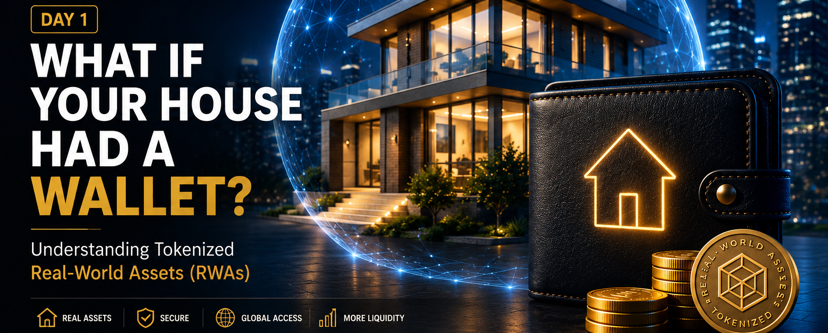
アプリを開いて、自分の家が銀行口座の横に掲載されているのを見たとしましょう。売っているわけではなく、家がブロックチェーン上にある安全なデジタル・アイデンティティを持っているからです。
SFみたいですね?
そうでもない。
この考え方は、ブロックチェーンの最も急速に成長している革新の一つである、現実世界の資産(RWA)のトークン化の核心にあります。
所有権の記録を紙の書類や、つながっていないデータベースに閉じ込めておく代わりに、ブロックチェーンでは現実世界の資産をデジタルで表現できます。家そのものに暗号ウォレットが付くわけではありませんが、所有権は安全なデジタル・トークンと結びつけられ、資産の譲渡、追跡、管理をより効率的にできます。
家にウォレットがあったら?トークン化された現実世界の資産(RWA)を理解する
家にウォレットがあったら?
⏱️
「不可能に思える…でも、それがすでに始まっていると気づけば話は別です。」
アプリを開いて、自分の家が銀行口座の横に掲載されているのを見たとしましょう。売っているわけではなく、家がブロックチェーン上にある安全なデジタル・アイデンティティを持っているからです。
SFみたいですね?
そうでもない。
この考え方は、ブロックチェーンの最も急速に成長している革新の一つである、現実世界の資産(RWA)のトークン化の核心にあります。
所有権の記録を紙の書類や、つながっていないデータベースに閉じ込めておく代わりに、ブロックチェーンでは現実世界の資産をデジタルで表現できます。家そのものに暗号ウォレットが付くわけではありませんが、所有権は安全なデジタル・トークンと結びつけられ、資産の譲渡、追跡、管理をより効率的にできます。
⏱️
「不可能に思える…でも、それがすでに始まっていると気づけば話は別です。」
アプリを開いて、自分の家が銀行口座の横に掲載されているのを見たとしましょう。売っているわけではなく、家がブロックチェーン上にある安全なデジタル・アイデンティティを持っているからです。
SFみたいですね?
そうでもない。
この考え方は、ブロックチェーンの最も急速に成長している革新の一つである、現実世界の資産(RWA)のトークン化の核心にあります。
所有権の記録を紙の書類や、つながっていないデータベースに閉じ込めておく代わりに、ブロックチェーンでは現実世界の資産をデジタルで表現できます。家そのものに暗号ウォレットが付くわけではありませんが、所有権は安全なデジタル・トークンと結びつけられ、資産の譲渡、追跡、管理をより効率的にできます。
1
130
良い
良い
0xKlark
·
--
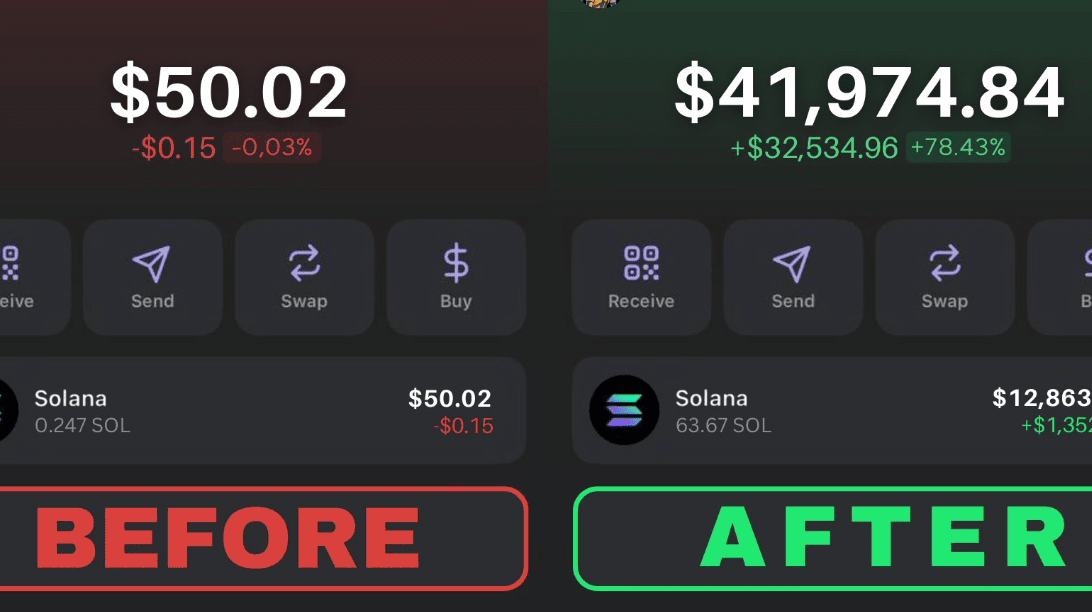
いやいやいや📈📈📈
以前、$AVA をプレゼントしましたが、現在、最高値に達しています! (312 倍!!)
最後にもう一度だけやります!後悔する前に私と一緒にやってください。
10万ドルへの旅に私と一緒に参加しましょう🧵👇
✥ ミームコインは近年、暗号通貨の中で最も急速に成長しているトレンドの一つとなっている。
✥ 彼らは今やコミュニティの一員です
✥ 彼らの率直な魅力と一般のデジェネからの支持により、彼らは多くの従来の「VC支援のアルトコイン」を凌駕し、暗号空間における著名な物語としての地位を確立しました。
✥今日、ミームコインの世界は信じられないほど多様化しています
最後にもう一度だけやります!後悔する前に私と一緒にやってください。
10万ドルへの旅に私と一緒に参加しましょう🧵👇
✥ ミームコインは近年、暗号通貨の中で最も急速に成長しているトレンドの一つとなっている。
✥ 彼らは今やコミュニティの一員です
✥ 彼らの率直な魅力と一般のデジェネからの支持により、彼らは多くの従来の「VC支援のアルトコイン」を凌駕し、暗号空間における著名な物語としての地位を確立しました。
✥今日、ミームコインの世界は信じられないほど多様化しています
184
ログインして、さらにコンテンツを読む
厳選トピックで世界の暗号資産トレーダーの仲間入り
⚡️ 暗号資産に関する最新かつ有益な情報が見つかります。
💬 世界最大の暗号資産取引所から信頼されています。
👍 認証を受けたクリエイターから、有益なインサイトを得られます。
メール / 電話番号