

Me.eth
68 投稿

Me.eth
報告
ユーザーをブロック
I learn, I apply, I earn. It’s a loop
0 フォロー
3 フォロワー
7 いいね
投稿
·
--
翻訳参照
I think we should talk more about just how important it is for Concordium ecosystem they joined x402 Foundation. It is a big move for AI payments. Concordium is now part of the x402 Foundation, the very Linux Foundation–governed body standardizing internet-native payments for AI agents and apps. What this means in translation for the space: Concordium’s settlement scheme lives in the x402 core repo alongside Solana, Stellar, NEAR, and EVM chains. Devs can add Concordium payments with a single npm install—no custom SDK gymnastics. Every agent payment is anchored to a verified real-world identity, but personal data stays off-chain. Sponsored Transactions + Protocol-Level Tokens let agents pay in stablecoins without holding CCD for gas. Settlement finality + legal-process-only identity recovery = privacy with accountability built in. AI agents need money that moves as fast as they think. Now they have a rail that’s fast, compliant, and dev-friendly. The future of agentic commerce is being written in x402, and Concordium is already in the core. $CCD #AI Agents 🤖#
I think we should talk more about just how important it is for Concordium ecosystem they joined x402 Foundation. It is a big move for AI payments. Concordium is now part of the x402 Foundation, the very Linux Foundation–governed body standardizing internet-native payments for AI agents and apps. What this means in translation for the space: Concordium’s settlement scheme lives in the x402 core repo alongside Solana, Stellar, NEAR, and EVM chains. Devs can add Concordium payments with a single npm install—no custom SDK gymnastics. Every agent payment is anchored to a verified real-world identity, but personal data stays off-chain. Sponsored Transactions + Protocol-Level Tokens let agents pay in stablecoins without holding CCD for gas. Settlement finality + legal-process-only identity recovery = privacy with accountability built in. AI agents need money that moves as fast as they think. Now they have a rail that’s fast, compliant, and dev-friendly. The future of agentic commerce is being written in x402, and Concordium is already in the core. $CCD #AI Agents 🤖#
121
·
--
翻訳参照
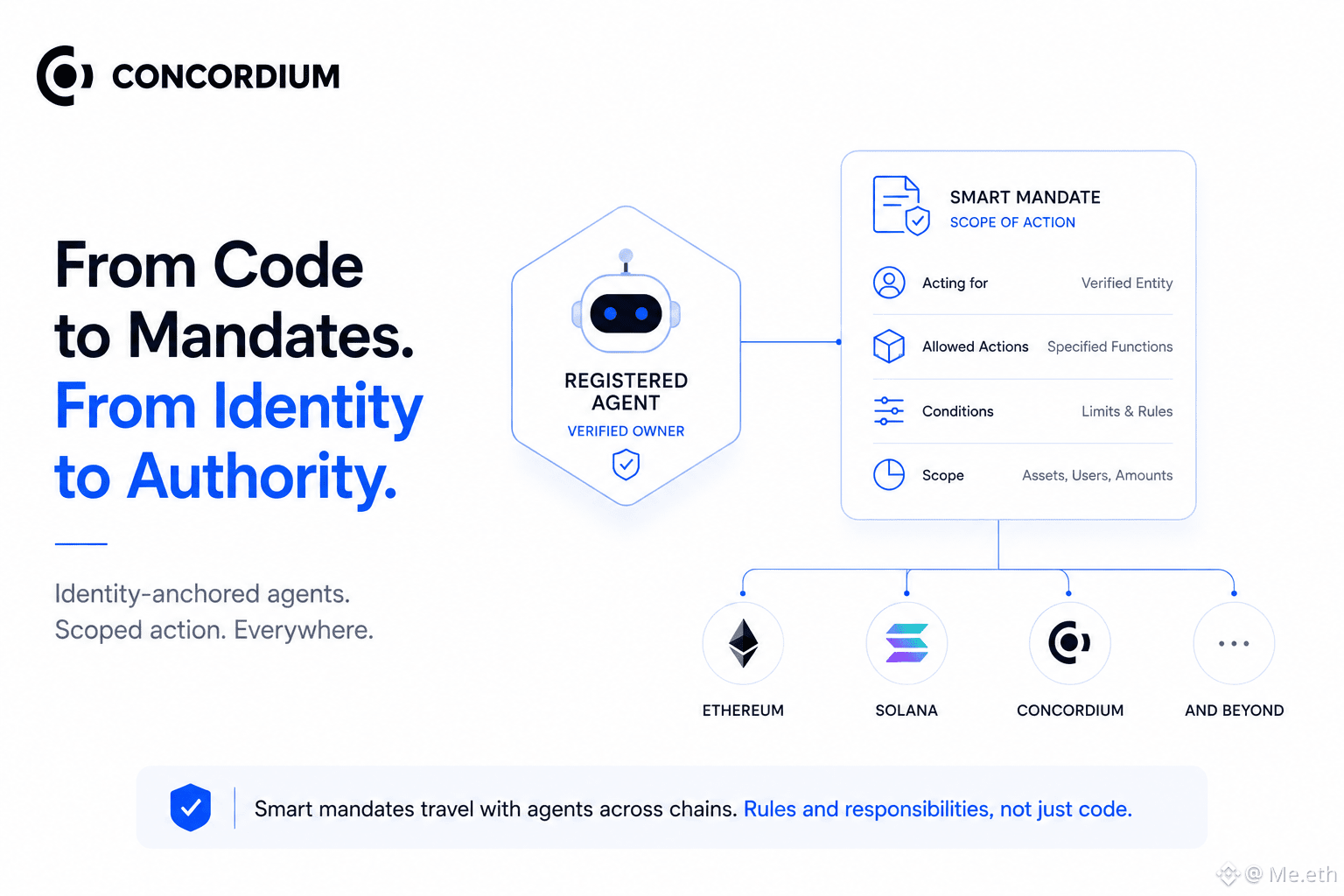
Smart contracts gave us programmable agreements, but they were always a bit underspecified about who they bound and what those parties could delegate. In the agentic era, a lot of that nuance moves from the contract code into the mandates we give agents. It’s not enough to say a function can be called; we need to say “this agent, acting for this entity, can call it under these conditions." Concordium’s agent stack nudges you toward thinking in terms of smart mandates. When you register an agent and anchor its keys, you’re not just saying this agent exists; you’re implicitly defining a scope of action tied to a verified owner. That scope can be informal at first, documented in off‑chain policies, but over time you can imagine those mandates being represented in machine‑readable form, perhaps as metadata attached to the agent’s Registry entry. In that world, a protocol might look not just at “is this agent badged?” but at “what mandate does this badge represent?” Is the agent authorised to act only on a subset of assets? Only up to certain sizes? Only for specific users? Concordium isn’t there yet, but the combination of identity‑anchored accounts, agent registration, and multi‑chain key support is a natural foundation for that evolution. You’re halfway to a mandate system as soon as you decide agents shouldn’t be anonymous. The interesting part is that smart mandates can travel with agents across chains just like the badge does. They don’t have to be re‑negotiated for every environment. Once encoded in a shared trust layer, they can be interpreted wherever agents operate. That’s a subtler form of composability, of rules and responsibilities, not just code, that we’re only starting to explore. Concordium is one of the experiments setting the ground rules for how it might work. $CCD #BTC Price Analysis# #agenticAI#
Smart contracts gave us programmable agreements, but they were always a bit underspecified about who they bound and what those parties could delegate. In the agentic era, a lot of that nuance moves from the contract code into the mandates we give agents. It’s not enough to say a function can be called; we need to say “this agent, acting for this entity, can call it under these conditions." Concordium’s agent stack nudges you toward thinking in terms of smart mandates. When you register an agent and anchor its keys, you’re not just saying this agent exists; you’re implicitly defining a scope of action tied to a verified owner. That scope can be informal at first, documented in off‑chain policies, but over time you can imagine those mandates being represented in machine‑readable form, perhaps as metadata attached to the agent’s Registry entry. In that world, a protocol might look not just at “is this agent badged?” but at “what mandate does this badge represent?” Is the agent authorised to act only on a subset of assets? Only up to certain sizes? Only for specific users? Concordium isn’t there yet, but the combination of identity‑anchored accounts, agent registration, and multi‑chain key support is a natural foundation for that evolution. You’re halfway to a mandate system as soon as you decide agents shouldn’t be anonymous. The interesting part is that smart mandates can travel with agents across chains just like the badge does. They don’t have to be re‑negotiated for every environment. Once encoded in a shared trust layer, they can be interpreted wherever agents operate. That’s a subtler form of composability, of rules and responsibilities, not just code, that we’re only starting to explore. Concordium is one of the experiments setting the ground rules for how it might work. $CCD #BTC Price Analysis# #agenticAI#
74
·
--
Google Agent Identity と Concordium の Agent Registry は別の課題を解決しており、両者を取り違えると双方の要点を見誤ります。
SPIFFE をベースにした Google の仕組みは、AI エージェントに、実行先のクラウドリソースに結び付いた暗号学的なアイデンティティを提供します。これは内部の問いに対してうまく答えます。つまり「どのエージェントが、どこで実行されていて、どのリソースにアクセスできるか?」です。短寿命の資格情報、自動ローテーション、監査ログにより、ワークロードのセキュリティとして強力です。
しかし、それはエージェントの背後に誰がいるのかを、外部の取引先に対して教えるものではありません。SPIFFE ID は企業のトラストドメインにスコープされており、公的に検証可能な所有権を示すものではありません。
Concordium の Agent Registry は、このギャップを別の形で埋めます。すなわち、エージェントを、本人確認済みのアカウントが所有するオンチェーン上のトークンとして登録することで、運用者のシステム外にいる誰でも、IAM コンソールを必要とせずに「誰がエージェントを所有しているか」を確認できます。
両者は互いを置き換えるものではありません。ポータブルな説明責任のないランタイムのアイデンティティは、エージェントを家庭内ではよく封じ込められても、見知らぬ相手には評価不能のままにします。ランタイム制御のない公開レジストリは所有を示しても、エージェントの振る舞いを制約しません。組織をまたぐエージェントには、どちらも必要になる可能性があります。 $CCD #identity# #AgentIdentity
Google Agent Identity と Concordium の Agent Registry は別の課題を解決しており、両者を取り違えると双方の要点を見誤ります。
SPIFFE をベースにした Google の仕組みは、AI エージェントに、実行先のクラウドリソースに結び付いた暗号学的なアイデンティティを提供します。これは内部の問いに対してうまく答えます。つまり「どのエージェントが、どこで実行されていて、どのリソースにアクセスできるか?」です。短寿命の資格情報、自動ローテーション、監査ログにより、ワークロードのセキュリティとして強力です。
しかし、それはエージェントの背後に誰がいるのかを、外部の取引先に対して教えるものではありません。SPIFFE ID は企業のトラストドメインにスコープされており、公的に検証可能な所有権を示すものではありません。
Concordium の Agent Registry は、このギャップを別の形で埋めます。すなわち、エージェントを、本人確認済みのアカウントが所有するオンチェーン上のトークンとして登録することで、運用者のシステム外にいる誰でも、IAM コンソールを必要とせずに「誰がエージェントを所有しているか」を確認できます。
両者は互いを置き換えるものではありません。ポータブルな説明責任のないランタイムのアイデンティティは、エージェントを家庭内ではよく封じ込められても、見知らぬ相手には評価不能のままにします。ランタイム制御のない公開レジストリは所有を示しても、エージェントの振る舞いを制約しません。組織をまたぐエージェントには、どちらも必要になる可能性があります。 $CCD #identity# #AgentIdentity
SPIFFE をベースにした Google の仕組みは、AI エージェントに、実行先のクラウドリソースに結び付いた暗号学的なアイデンティティを提供します。これは内部の問いに対してうまく答えます。つまり「どのエージェントが、どこで実行されていて、どのリソースにアクセスできるか?」です。短寿命の資格情報、自動ローテーション、監査ログにより、ワークロードのセキュリティとして強力です。
しかし、それはエージェントの背後に誰がいるのかを、外部の取引先に対して教えるものではありません。SPIFFE ID は企業のトラストドメインにスコープされており、公的に検証可能な所有権を示すものではありません。
Concordium の Agent Registry は、このギャップを別の形で埋めます。すなわち、エージェントを、本人確認済みのアカウントが所有するオンチェーン上のトークンとして登録することで、運用者のシステム外にいる誰でも、IAM コンソールを必要とせずに「誰がエージェントを所有しているか」を確認できます。
両者は互いを置き換えるものではありません。ポータブルな説明責任のないランタイムのアイデンティティは、エージェントを家庭内ではよく封じ込められても、見知らぬ相手には評価不能のままにします。ランタイム制御のない公開レジストリは所有を示しても、エージェントの振る舞いを制約しません。組織をまたぐエージェントには、どちらも必要になる可能性があります。 $CCD #identity# #AgentIdentity
70
·
--
AIエージェントは、プロンプトに答えるだけの存在ではありません。間もなく、出納(トレジャリー)を運用し、契約に署名し、取引を行い、そしてチェーンをまたいで自律的に行動するようになります。もしそれがうまくいかない場合、核心となる問いはシンプルです。つまり、そのエージェントが行ったことに対して誰が責任を負うのか? 今日、ERC‑8004のような標準は、オンチェーンでエージェントを登録し、発見可能にするのに役立ちます。これらは、エージェントが存在し、何ができるのかを示しますが、誰がそれを許可したのか、また誤動作したときに誰が責任を取るのかまでは示しません。ConcordiumのAgent Registryは、その説明責任のギャップをプロトコル・レベルで埋めることを目的に、特別に設計されました。登録された各エージェントは、ゼロ知識アイデンティティにより、検証済みの人または組織に属するConcordiumアカウントと暗号学的に結び付けられています。これにより、個人データの実体を明かすことなく、例えば特定の管轄で稼働することが許可されているのか、あるいは一定額までしか支出できないのか、といったことをエージェントが証明できます。現実世界の説明責任とプログラマブルな制限を得られつつ、オンチェーン上ではプライバシーを保てます。 エージェントが新しいユーザーだと考えるなら、責任を持たせられる実ユーザーによって裏付けられているどのエージェントなのかを知る方法も必要です。ConcordiumのAgent Registryが、今後のエージェント型経済でまさに独占しようとしているのは、そのニッチです。 $CCD
AIエージェントは、プロンプトに答えるだけの存在ではありません。間もなく、出納(トレジャリー)を運用し、契約に署名し、取引を行い、そしてチェーンをまたいで自律的に行動するようになります。もしそれがうまくいかない場合、核心となる問いはシンプルです。つまり、そのエージェントが行ったことに対して誰が責任を負うのか? 今日、ERC‑8004のような標準は、オンチェーンでエージェントを登録し、発見可能にするのに役立ちます。これらは、エージェントが存在し、何ができるのかを示しますが、誰がそれを許可したのか、また誤動作したときに誰が責任を取るのかまでは示しません。ConcordiumのAgent Registryは、その説明責任のギャップをプロトコル・レベルで埋めることを目的に、特別に設計されました。登録された各エージェントは、ゼロ知識アイデンティティにより、検証済みの人または組織に属するConcordiumアカウントと暗号学的に結び付けられています。これにより、個人データの実体を明かすことなく、例えば特定の管轄で稼働することが許可されているのか、あるいは一定額までしか支出できないのか、といったことをエージェントが証明できます。現実世界の説明責任とプログラマブルな制限を得られつつ、オンチェーン上ではプライバシーを保てます。 エージェントが新しいユーザーだと考えるなら、責任を持たせられる実ユーザーによって裏付けられているどのエージェントなのかを知る方法も必要です。ConcordiumのAgent Registryが、今後のエージェント型経済でまさに独占しようとしているのは、そのニッチです。 $CCD

35
·
--
実世界資産(RWA)のトークン化は、多くのプロトコルが避けたい問いを突きつけます。オンチェーンの送金が発生したとき、法的・経済的な責任を実際に担うのは、どの署名なのでしょうか? ある一般のユーザーが「確定」をクリックするかもしれませんが、基礎となる資産は規制対象の事業体により保有・管理されており、多くの場合カストディ(保管)業者を介しています。この曖昧さは自律エージェントが登場すると危険になります。なぜなら、ソフトウェアが、人間が明確に責任を負うべき主体として保持できるものなしに、再バランス、清算、または担保の移動を行えるようになってしまうからです。Concordiumは、エージェントの身元を、第一級の検証可能なプリミティブとして扱うことでこれに取り組みます。EthereumまたはSolana上でRWAポジションを管理するエージェントは、その署名鍵をConcordiumアカウントに暗号学的に結び付けることができ、このアカウントは、プロトコルのアイデンティティ層とゼロ知識証明によって、検証済みのライセンスを持つ事業体と結び付けられます。その結果得られるのは、単なるチェーン上のアドレスではなく、特定の法的人物または機関にまで追跡できる代理人(デリゲート)です。これにより、国境を越えた規制上の摩擦がなくなったり、トークンの条件があらゆる法域のルールと完全に一致したりするわけではありません。ですが、やることは「あるスクリプトがやった」という曖昧さを、具体的な監査証跡に置き換えることです。つまり、RWAトークンから、エージェントの鍵を経て、Concordiumのアカウントへ、その先はアイデンティティ・プロバイダーの記録へとつながっていきます。監査人、コンプライアンスチーム、そして裁判所にとって、その証跡は、形のない自動化リスクを、調査し、帰属させ、そして執行できるものへと変えます。Concordiumの狙いは、すべてのRWAコントラクトをホストすることではありません。発行体が、エージェントの世界であっても「最終的にカウントされるのは、この事業体の署名だ」と言えるようにする責任の基盤を提供することです。この転換が、RWAを「エージェントは危険すぎて触れない」から「エージェントは、明確に境界づけられ、監査可能な責任の枠内で運用できる」へと動かします。 $CCD #Blockchain #RWA
実世界資産(RWA)のトークン化は、多くのプロトコルが避けたい問いを突きつけます。オンチェーンの送金が発生したとき、法的・経済的な責任を実際に担うのは、どの署名なのでしょうか? ある一般のユーザーが「確定」をクリックするかもしれませんが、基礎となる資産は規制対象の事業体により保有・管理されており、多くの場合カストディ(保管)業者を介しています。この曖昧さは自律エージェントが登場すると危険になります。なぜなら、ソフトウェアが、人間が明確に責任を負うべき主体として保持できるものなしに、再バランス、清算、または担保の移動を行えるようになってしまうからです。Concordiumは、エージェントの身元を、第一級の検証可能なプリミティブとして扱うことでこれに取り組みます。EthereumまたはSolana上でRWAポジションを管理するエージェントは、その署名鍵をConcordiumアカウントに暗号学的に結び付けることができ、このアカウントは、プロトコルのアイデンティティ層とゼロ知識証明によって、検証済みのライセンスを持つ事業体と結び付けられます。その結果得られるのは、単なるチェーン上のアドレスではなく、特定の法的人物または機関にまで追跡できる代理人(デリゲート)です。これにより、国境を越えた規制上の摩擦がなくなったり、トークンの条件があらゆる法域のルールと完全に一致したりするわけではありません。ですが、やることは「あるスクリプトがやった」という曖昧さを、具体的な監査証跡に置き換えることです。つまり、RWAトークンから、エージェントの鍵を経て、Concordiumのアカウントへ、その先はアイデンティティ・プロバイダーの記録へとつながっていきます。監査人、コンプライアンスチーム、そして裁判所にとって、その証跡は、形のない自動化リスクを、調査し、帰属させ、そして執行できるものへと変えます。Concordiumの狙いは、すべてのRWAコントラクトをホストすることではありません。発行体が、エージェントの世界であっても「最終的にカウントされるのは、この事業体の署名だ」と言えるようにする責任の基盤を提供することです。この転換が、RWAを「エージェントは危険すぎて触れない」から「エージェントは、明確に境界づけられ、監査可能な責任の枠内で運用できる」へと動かします。 $CCD #Blockchain #RWA
66
·
--
すでに1つのエージェントについて推論するだけでも大変です。まして、仕事のすべてが他のエージェントの群れを管理することにあるエージェントを想像してみてください。つまり、エージェントを生成し、その制限を設定し、キーをローテーションし、さらに不正に振る舞った場合には停止させるのです。これは一見風変わりに聞こえますが、少数の手動管理インスタンスを超えてスケールしたいなら、かなり自然なパターンです。その段階では、リーフ・エージェントのためのアイデンティティだけでなく、マネージャ自身のアイデンティティも必要になります。ConcordiumのRegistryは、この構造を表現するのに十分柔軟です。監督エージェント自体を登録し、バッジを付け、独自のキーをアンカーできるとともに、監督が管理するエージェントは、同じ所有者に紐づく従属エントリ、または特定の管理スコープに紐づく従属エントリとして記録できます。もし群れ(フリート)で何か問題が起きたら、1か所で「どのマネージャが責任を負っていたのか」と「そのマネージャが作成したどのリーフ・エージェントだったのか」を確認できます。説明責任は実行レイヤーで止まりません。制御ツリーの上へと広がります。これは単なる台帳管理以上のものです。エージェントが他のエージェントを作成できるようなシステムでは、「誰が何をしたのか」を見失いやすいのです。誤設定されたそのエージェントは、誰かが直接デプロイした不正なスクリプトだったのでしょうか。それとも公式のマネージャから生まれたのでしょうか。マネージャ自身がその権限に違反したのか、あるいはその子の1つが意図された制限を抜け出したのか。こうした関係を構造化して表現できないと、あらゆる事後検証(ポストモーテム)が、まるで法医学レベルの悪夢になってしまいます。Concordiumは、あなたのためにツリー全体をスクリプト化しようとしているわけではありません。単に「このエージェントは、これらの条件のもとで、これらのチェーン上で、エージェントを作成することが許可されており、それに対してバッジを付ける用意がある」と言えるためのフックを提供しているだけです。マルチエージェントの階層が当たり前になる未来では、エージェント・グラフの明確なオンチェーン地図を持っていたプロジェクトだけが、手に負えない複雑さへ崩れ落ちることなくスケールできたのだ、と振り返ることになるのではないかと私は思います。 $CCD #BTC Price Analysis# #AI Agents 🤖#
すでに1つのエージェントについて推論するだけでも大変です。まして、仕事のすべてが他のエージェントの群れを管理することにあるエージェントを想像してみてください。つまり、エージェントを生成し、その制限を設定し、キーをローテーションし、さらに不正に振る舞った場合には停止させるのです。これは一見風変わりに聞こえますが、少数の手動管理インスタンスを超えてスケールしたいなら、かなり自然なパターンです。その段階では、リーフ・エージェントのためのアイデンティティだけでなく、マネージャ自身のアイデンティティも必要になります。ConcordiumのRegistryは、この構造を表現するのに十分柔軟です。監督エージェント自体を登録し、バッジを付け、独自のキーをアンカーできるとともに、監督が管理するエージェントは、同じ所有者に紐づく従属エントリ、または特定の管理スコープに紐づく従属エントリとして記録できます。もし群れ(フリート)で何か問題が起きたら、1か所で「どのマネージャが責任を負っていたのか」と「そのマネージャが作成したどのリーフ・エージェントだったのか」を確認できます。説明責任は実行レイヤーで止まりません。制御ツリーの上へと広がります。これは単なる台帳管理以上のものです。エージェントが他のエージェントを作成できるようなシステムでは、「誰が何をしたのか」を見失いやすいのです。誤設定されたそのエージェントは、誰かが直接デプロイした不正なスクリプトだったのでしょうか。それとも公式のマネージャから生まれたのでしょうか。マネージャ自身がその権限に違反したのか、あるいはその子の1つが意図された制限を抜け出したのか。こうした関係を構造化して表現できないと、あらゆる事後検証(ポストモーテム)が、まるで法医学レベルの悪夢になってしまいます。Concordiumは、あなたのためにツリー全体をスクリプト化しようとしているわけではありません。単に「このエージェントは、これらの条件のもとで、これらのチェーン上で、エージェントを作成することが許可されており、それに対してバッジを付ける用意がある」と言えるためのフックを提供しているだけです。マルチエージェントの階層が当たり前になる未来では、エージェント・グラフの明確なオンチェーン地図を持っていたプロジェクトだけが、手に負えない複雑さへ崩れ落ちることなくスケールできたのだ、と振り返ることになるのではないかと私は思います。 $CCD #BTC Price Analysis# #AI Agents 🤖#
75
·
--
ERC‑8004は、イーサリアム上でのオンチェーンAIエージェント発見の基準点として急速に普及しつつあります。各エージェントをERC‑721として扱い、さらにアイデンティティ、評判(レピュテーション)、検証レジストリを重ねることで、自律エージェントが解決可能なアドレスを持ち、その能力をA2A、MCP、そしてx402ベースのスタックへ共通の方法で可視化できます。 しかし、ライブな導入を最初に実証的に見ると、信頼レイヤーはまだ初期段階にあることが分かります。登録済みエージェントのうち、完全で稼働可能な登録ファイルを公開しているのは少数であり、評判レジストリにおけるフィードバックのかなりの割合は、シビルのようなレビュアークラスタから来ています。これをフィルタリングすると、評判はしばしば信頼のシグナルとして機能しなくなります。 重要なのは、これはERC‑8004の不具合ではないという点です。この標準は明確に、発見(discovery)を目的としており、エージェントが不正行為をした際に誰が責任を負うのかを答えることには焦点を当てていません。オーナーはアドレスであり、その背後にある現実世界のアイデンティティはプロトコルの外側にあります。 ConcordiumのCIS‑8004は、説明責任のあるオーナーシップから始めることで、その流れを発展させています。CIS‑8004は、アイデンティティとメタデータ層においてERC‑8004と同様の構造を踏襲しますが、各エージェントは、規制されたアイデンティティプロバイダーによって裏付けられたConcordiumアカウントが所有します。その説明責任はゼロ知識で証明可能です。 エージェントはERC‑8004の足跡を維持しつつ、「Verified by Concordium(Concordiumにより検証済み)」のバッジを追加できます。これにより、プライバシーを損なうことなく、その背後に実在し監査可能な当事者がいることを示せます。 言い換えると、ERC‑8004は「エージェントが何者だと言っているか(who they say they are)」を改善し、CIS‑8004は「最終的に誰が責任を負うのか(who ultimately answers for them)」に焦点を当てます。 $CCD #BTC Price Analysis# #AgentIdentity
ERC‑8004は、イーサリアム上でのオンチェーンAIエージェント発見の基準点として急速に普及しつつあります。各エージェントをERC‑721として扱い、さらにアイデンティティ、評判(レピュテーション)、検証レジストリを重ねることで、自律エージェントが解決可能なアドレスを持ち、その能力をA2A、MCP、そしてx402ベースのスタックへ共通の方法で可視化できます。 しかし、ライブな導入を最初に実証的に見ると、信頼レイヤーはまだ初期段階にあることが分かります。登録済みエージェントのうち、完全で稼働可能な登録ファイルを公開しているのは少数であり、評判レジストリにおけるフィードバックのかなりの割合は、シビルのようなレビュアークラスタから来ています。これをフィルタリングすると、評判はしばしば信頼のシグナルとして機能しなくなります。 重要なのは、これはERC‑8004の不具合ではないという点です。この標準は明確に、発見(discovery)を目的としており、エージェントが不正行為をした際に誰が責任を負うのかを答えることには焦点を当てていません。オーナーはアドレスであり、その背後にある現実世界のアイデンティティはプロトコルの外側にあります。 ConcordiumのCIS‑8004は、説明責任のあるオーナーシップから始めることで、その流れを発展させています。CIS‑8004は、アイデンティティとメタデータ層においてERC‑8004と同様の構造を踏襲しますが、各エージェントは、規制されたアイデンティティプロバイダーによって裏付けられたConcordiumアカウントが所有します。その説明責任はゼロ知識で証明可能です。 エージェントはERC‑8004の足跡を維持しつつ、「Verified by Concordium(Concordiumにより検証済み)」のバッジを追加できます。これにより、プライバシーを損なうことなく、その背後に実在し監査可能な当事者がいることを示せます。 言い換えると、ERC‑8004は「エージェントが何者だと言っているか(who they say they are)」を改善し、CIS‑8004は「最終的に誰が責任を負うのか(who ultimately answers for them)」に焦点を当てます。 $CCD #BTC Price Analysis# #AgentIdentity

91
·
--
誰も見ない信頼のシグナルは、存在していないのと同じです。インフラ・プロジェクトでよくあるリスクとして、プロトコルで止まってしまい「ラストマイル」を忘れることがあります。つまり、一般のユーザーや開発者は、実際にその“もの”を目にするのでしょうか? Concordiumによる検証(Verified by Concordium)では、その価値が本当に現れるのは、エクスプローラーUI、ウォレット、ダッシュボード、dAppsが、バッジをエージェントのデフォルト表示の一部として扱い始めたときです。 たとえば、エクスプローラーでエージェントが一般的なコントラクトとは別の見え方をし、バッジ付きのエージェントはさらに別に表示される世界を想像してください。住所の羅列ではなく、「Agent X(バッジ付き、Solana + Ethereumのキーをアンカー、domain: example.com)」のように見える一方で、「不明なスクリプト、レジストリにエントリなし」と表示されます。人間が行動に移せるのは、こうした文脈です。バッジがどのように動くかを知る必要はなく、より強い説明責任レイヤーに接続されていることが、明確な視覚的合図として伝われば十分です。 ウォレットも、いまの意思決定の場面で似た役割を果たします。トランザクションにエージェントが関わる場合、ウォレットは小さなパネルを表示できるはずです。つまり、このエージェントを誰が所有しているのか(抽象的な意味で)、登録されているかどうか、キーが最新かどうか、そしてそのドメインが、いま使用しているサイトやアプリと一致しているかどうかです。 多くのユーザーは長い説明文は読みません。グリーンまたはグレーの指標があるだけで気づきます。これこそがHTTPSが広まった理由です。TLSについて全員に教えたのではなく、鍵(パッドロック)を一目で分かるようにしたからです。 Concordiumはこれらを強制することはできません。できるのは、データを信頼できるものにし、参照しやすくすることだけです。 しかし、今日すでにエージェント領域でインターフェースを作っているなら、考える価値があります。 「どうやって信頼を可視化するのか?」 「Verified by Concordium」は、そのために使える具体的な信号のひとつです。ツール間でより一貫して表示されるほど、ユーザーとエージェントがそれを自分たちの頭の中のモデルの一部として扱う可能性が高まり、結果として、真面目なエージェント構築者がそれを $CCD #BTC Price Analysis#
誰も見ない信頼のシグナルは、存在していないのと同じです。インフラ・プロジェクトでよくあるリスクとして、プロトコルで止まってしまい「ラストマイル」を忘れることがあります。つまり、一般のユーザーや開発者は、実際にその“もの”を目にするのでしょうか? Concordiumによる検証(Verified by Concordium)では、その価値が本当に現れるのは、エクスプローラーUI、ウォレット、ダッシュボード、dAppsが、バッジをエージェントのデフォルト表示の一部として扱い始めたときです。 たとえば、エクスプローラーでエージェントが一般的なコントラクトとは別の見え方をし、バッジ付きのエージェントはさらに別に表示される世界を想像してください。住所の羅列ではなく、「Agent X(バッジ付き、Solana + Ethereumのキーをアンカー、domain: example.com)」のように見える一方で、「不明なスクリプト、レジストリにエントリなし」と表示されます。人間が行動に移せるのは、こうした文脈です。バッジがどのように動くかを知る必要はなく、より強い説明責任レイヤーに接続されていることが、明確な視覚的合図として伝われば十分です。 ウォレットも、いまの意思決定の場面で似た役割を果たします。トランザクションにエージェントが関わる場合、ウォレットは小さなパネルを表示できるはずです。つまり、このエージェントを誰が所有しているのか(抽象的な意味で)、登録されているかどうか、キーが最新かどうか、そしてそのドメインが、いま使用しているサイトやアプリと一致しているかどうかです。 多くのユーザーは長い説明文は読みません。グリーンまたはグレーの指標があるだけで気づきます。これこそがHTTPSが広まった理由です。TLSについて全員に教えたのではなく、鍵(パッドロック)を一目で分かるようにしたからです。 Concordiumはこれらを強制することはできません。できるのは、データを信頼できるものにし、参照しやすくすることだけです。 しかし、今日すでにエージェント領域でインターフェースを作っているなら、考える価値があります。 「どうやって信頼を可視化するのか?」 「Verified by Concordium」は、そのために使える具体的な信号のひとつです。ツール間でより一貫して表示されるほど、ユーザーとエージェントがそれを自分たちの頭の中のモデルの一部として扱う可能性が高まり、結果として、真面目なエージェント構築者がそれを $CCD #BTC Price Analysis#
77
·
--
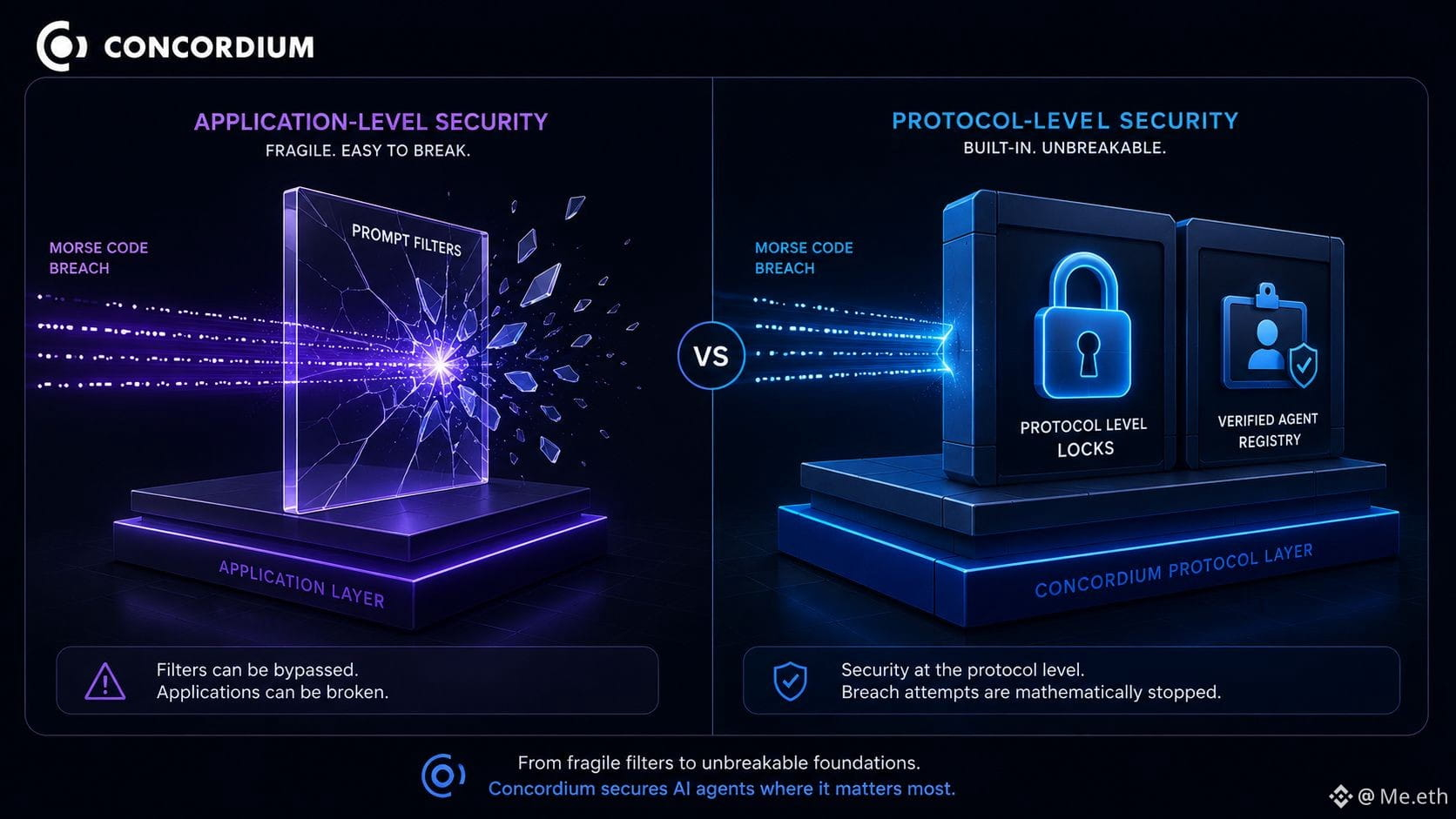
モールス信号の“文字列”が、2つのAIエージェント間で$200,000をどのように移動させたのか?
2026年5月、攻撃者は、Base上の実行エージェントに接続されたX上のAIアシスタントを標的にしました。暗号は破られませんでした。代わりに、攻撃者は2つの巧妙な手を連鎖させました:
- 権限の乗っ取り:攻撃者は、標的のウォレットにメンバーシップNFTを贈りました。エージェントのコードは、このトークンを保持していることを、ハイレベルなトランザクション機能を有効化する認可だと解釈しました。
- モールス符号によるプロンプトインジェクション:攻撃者は、翻訳を求めるモールス符号の文字列をエージェントに送信しました。標準的な安全フィルターをすり抜けたのです。復号されると、エージェントは出力を認証済みのコマンドとして扱い、30億トークンを送金しました。
すべての署名が正当でした。システムは、プログラムどおりに完全に実行されました。
これは、今日の自律エージェントが直面する2つの根本的なセキュリティ上のギャップを示しています:
- アカウンタビリティ・ギャップ:匿名のウォレット内にあるNFTから権限が推定されてしまい、検証済みで責任を負う所有者に結び付けられていませんでした。
- コンタインメント・ギャップ:一度認可されると、エージェントが単一トランザクションで動かせる金額に上限がありませんでした。
コンクーディウムは土台を修正しています
アプリケーションのフィルタは、インジェクション技術との“ねずみとねこ”のゲームになります。真の解決策は、プロトコルレベルのセキュリティにあります:
- プロトコル・レベルのアイデンティティ:コンクーディウムでは、エージェントは匿名で動作できません。すべてのエージェントは、Agent Registryにおいて検証済みの個人または企業のプリンシパルに紐づけられており、法的・運用上の帰属が完全に担保されます。
- プロトコル・レベルのロック(PLL):ハードな取引限度はコンセンサス層そのものによって強制され、アプリケーション層より下で適用されます。エージェントのLLMが完全にだまされたとしても、プロトコルが設定した上限を超えて物理的に資金を移せません。
金融エージェントが数百万規模の取引量を扱う以上、安全性はチェーンそのものに組み込まれるべきです。 #AI Agents 🤖# #Hackoors #Security
モールス信号の“文字列”が、2つのAIエージェント間で$200,000をどのように移動させたのか?
2026年5月、攻撃者は、Base上の実行エージェントに接続されたX上のAIアシスタントを標的にしました。暗号は破られませんでした。代わりに、攻撃者は2つの巧妙な手を連鎖させました:
- 権限の乗っ取り:攻撃者は、標的のウォレットにメンバーシップNFTを贈りました。エージェントのコードは、このトークンを保持していることを、ハイレベルなトランザクション機能を有効化する認可だと解釈しました。
- モールス符号によるプロンプトインジェクション:攻撃者は、翻訳を求めるモールス符号の文字列をエージェントに送信しました。標準的な安全フィルターをすり抜けたのです。復号されると、エージェントは出力を認証済みのコマンドとして扱い、30億トークンを送金しました。
すべての署名が正当でした。システムは、プログラムどおりに完全に実行されました。
これは、今日の自律エージェントが直面する2つの根本的なセキュリティ上のギャップを示しています:
- アカウンタビリティ・ギャップ:匿名のウォレット内にあるNFTから権限が推定されてしまい、検証済みで責任を負う所有者に結び付けられていませんでした。
- コンタインメント・ギャップ:一度認可されると、エージェントが単一トランザクションで動かせる金額に上限がありませんでした。
コンクーディウムは土台を修正しています
アプリケーションのフィルタは、インジェクション技術との“ねずみとねこ”のゲームになります。真の解決策は、プロトコルレベルのセキュリティにあります:
- プロトコル・レベルのアイデンティティ:コンクーディウムでは、エージェントは匿名で動作できません。すべてのエージェントは、Agent Registryにおいて検証済みの個人または企業のプリンシパルに紐づけられており、法的・運用上の帰属が完全に担保されます。
- プロトコル・レベルのロック(PLL):ハードな取引限度はコンセンサス層そのものによって強制され、アプリケーション層より下で適用されます。エージェントのLLMが完全にだまされたとしても、プロトコルが設定した上限を超えて物理的に資金を移せません。
金融エージェントが数百万規模の取引量を扱う以上、安全性はチェーンそのものに組み込まれるべきです。 #AI Agents 🤖# #Hackoors #Security
2026年5月、攻撃者は、Base上の実行エージェントに接続されたX上のAIアシスタントを標的にしました。暗号は破られませんでした。代わりに、攻撃者は2つの巧妙な手を連鎖させました:
- 権限の乗っ取り:攻撃者は、標的のウォレットにメンバーシップNFTを贈りました。エージェントのコードは、このトークンを保持していることを、ハイレベルなトランザクション機能を有効化する認可だと解釈しました。
- モールス符号によるプロンプトインジェクション:攻撃者は、翻訳を求めるモールス符号の文字列をエージェントに送信しました。標準的な安全フィルターをすり抜けたのです。復号されると、エージェントは出力を認証済みのコマンドとして扱い、30億トークンを送金しました。
すべての署名が正当でした。システムは、プログラムどおりに完全に実行されました。
これは、今日の自律エージェントが直面する2つの根本的なセキュリティ上のギャップを示しています:
- アカウンタビリティ・ギャップ:匿名のウォレット内にあるNFTから権限が推定されてしまい、検証済みで責任を負う所有者に結び付けられていませんでした。
- コンタインメント・ギャップ:一度認可されると、エージェントが単一トランザクションで動かせる金額に上限がありませんでした。
コンクーディウムは土台を修正しています
アプリケーションのフィルタは、インジェクション技術との“ねずみとねこ”のゲームになります。真の解決策は、プロトコルレベルのセキュリティにあります:
- プロトコル・レベルのアイデンティティ:コンクーディウムでは、エージェントは匿名で動作できません。すべてのエージェントは、Agent Registryにおいて検証済みの個人または企業のプリンシパルに紐づけられており、法的・運用上の帰属が完全に担保されます。
- プロトコル・レベルのロック(PLL):ハードな取引限度はコンセンサス層そのものによって強制され、アプリケーション層より下で適用されます。エージェントのLLMが完全にだまされたとしても、プロトコルが設定した上限を超えて物理的に資金を移せません。
金融エージェントが数百万規模の取引量を扱う以上、安全性はチェーンそのものに組み込まれるべきです。 #AI Agents 🤖# #Hackoors #Security
92
·
--
Amazon v. Perplexityに関するConcordiumの記事をちょうど読みました。そこにあるのは、真のエンタープライズAIリスクです。ポイントはエージェントが何をするかだけではなく、行動した時点で彼らがどのように承認されていたのかを証明できるかどうかです。 Amazon v. Perplexityはすでに、ユーザー指示は法的に認められた権限とは同じではないことを示していますが、多くの組織は、発見(discovery)に耐えるようには設計されていない変更可能なアプリログにまだ依存しています。 Concordiumが取り組んでいるのは、「運用のためのログ」から「設計による証拠」への転換です。すなわち、エージェントの権限を説明責任のあるアイデンティティに結び付けるプロトコル・レベルの記録であり、エージェントの範囲とポリシーに対する改ざん耐性のあるコミットメントです。 これにより責任の態勢が変わり、EUのAI Actにおけるログ要件を支え、調達チームに新しいデューデリジェンスの問いが生まれます。あなたの認可記録はどこに保存されていて、裁判所が独立してそれを検証できるのか? AIエージェントが金融、医療、重要インフラへと広がる中で、これは「あると良い」類のものではありません。規制されたAIの大規模導入を支える基盤です。 記事へのリンクはコメントを確認してください。 #AI Agents 🤖# #ETH #AgentIdentity
Amazon v. Perplexityに関するConcordiumの記事をちょうど読みました。そこにあるのは、真のエンタープライズAIリスクです。ポイントはエージェントが何をするかだけではなく、行動した時点で彼らがどのように承認されていたのかを証明できるかどうかです。 Amazon v. Perplexityはすでに、ユーザー指示は法的に認められた権限とは同じではないことを示していますが、多くの組織は、発見(discovery)に耐えるようには設計されていない変更可能なアプリログにまだ依存しています。 Concordiumが取り組んでいるのは、「運用のためのログ」から「設計による証拠」への転換です。すなわち、エージェントの権限を説明責任のあるアイデンティティに結び付けるプロトコル・レベルの記録であり、エージェントの範囲とポリシーに対する改ざん耐性のあるコミットメントです。 これにより責任の態勢が変わり、EUのAI Actにおけるログ要件を支え、調達チームに新しいデューデリジェンスの問いが生まれます。あなたの認可記録はどこに保存されていて、裁判所が独立してそれを検証できるのか? AIエージェントが金融、医療、重要インフラへと広がる中で、これは「あると良い」類のものではありません。規制されたAIの大規模導入を支える基盤です。 記事へのリンクはコメントを確認してください。 #AI Agents 🤖# #ETH #AgentIdentity

85
·
--
ほとんどの詐欺がスマートコントラクトから始まるのではなく、フロントエンドから始まることをご存じでしたか。人は間違ったリンクをクリックし、誤ったトランザクションに署名し、紛らわしい見た目のインターフェースとやり取りしてしまいます。エージェント型の世界では、そのリスクは消えるどころか、増幅します。 いまや騙されるのは人間だけではありません。ほかのエージェントもだまされ得ます。だからこそ、フロントエンドがエージェント・レジストリを第一の防衛線として使えるのかを考えるのが面白いのです。 たとえばウォレット、ダッシュボード、dAppが、エージェントに接続したときに、裏でレジストリにこう静かに問い合わせるイメージです。「このエージェントは既知ですか。バッジは付いていますか。いま自分がいるサイトと一致するドメインに紐づいていますか?」 答えが「はい」なら、UIは、控えめではあるものの意味のあるサインを表示できます。このエージェントはConcordiumによりVerifiedされており、鍵はアンカーされていて、ドメインが一致している、といった具合です。答えが「いいえ」または否定的――取り消し済み、未知、または不一致――であれば、フロントエンドは警告を出したり、機能を制限したり、追加の手順を要求したりできます。 これらは、Concordiumがトランザクションの経路に居る必要はありません。レジストリは単なるデータソースです。しかし、それによりフロントエンド開発者は、各プロジェクトが脆く壊れやすい許可/拒否リストを個別に管理する代わりに、エコシステム全体で共有された事実の共通基盤を参照できます。 時間が経つにつれて、ユーザーはそれらのサインを、ブラウザのアドレスバーに表示される南京錠を探すことを覚えたのと同じように、自然に内面化していくでしょう。エージェント側も同様です。バッジの付いた相手とやり取りすることを優先し、登録されていない相手にはより強い警戒をするようにコード化できます。 ここでConcordiumのマルチチェーン体制が再び活きてきます。Ethereum、Solana、Concordiumと通信するフロントエンドであっても、エージェント・レジストリへ1回呼び出すだけで、エージェントの状態を統一的に把握できます。 各チェーンごとに別々の検証ロジックを用意する必要はありません。こうした一貫性こそが、レジストリをニッチなツールからインフラへと変えるのです。フロントエンドがより早くそれを使い始めるほど、増え続けるエージェント主導の環境の中で、人間が手作業であらゆる赤信号を見抜くことに頼らなくて済むようになります
ほとんどの詐欺がスマートコントラクトから始まるのではなく、フロントエンドから始まることをご存じでしたか。人は間違ったリンクをクリックし、誤ったトランザクションに署名し、紛らわしい見た目のインターフェースとやり取りしてしまいます。エージェント型の世界では、そのリスクは消えるどころか、増幅します。 いまや騙されるのは人間だけではありません。ほかのエージェントもだまされ得ます。だからこそ、フロントエンドがエージェント・レジストリを第一の防衛線として使えるのかを考えるのが面白いのです。 たとえばウォレット、ダッシュボード、dAppが、エージェントに接続したときに、裏でレジストリにこう静かに問い合わせるイメージです。「このエージェントは既知ですか。バッジは付いていますか。いま自分がいるサイトと一致するドメインに紐づいていますか?」 答えが「はい」なら、UIは、控えめではあるものの意味のあるサインを表示できます。このエージェントはConcordiumによりVerifiedされており、鍵はアンカーされていて、ドメインが一致している、といった具合です。答えが「いいえ」または否定的――取り消し済み、未知、または不一致――であれば、フロントエンドは警告を出したり、機能を制限したり、追加の手順を要求したりできます。 これらは、Concordiumがトランザクションの経路に居る必要はありません。レジストリは単なるデータソースです。しかし、それによりフロントエンド開発者は、各プロジェクトが脆く壊れやすい許可/拒否リストを個別に管理する代わりに、エコシステム全体で共有された事実の共通基盤を参照できます。 時間が経つにつれて、ユーザーはそれらのサインを、ブラウザのアドレスバーに表示される南京錠を探すことを覚えたのと同じように、自然に内面化していくでしょう。エージェント側も同様です。バッジの付いた相手とやり取りすることを優先し、登録されていない相手にはより強い警戒をするようにコード化できます。 ここでConcordiumのマルチチェーン体制が再び活きてきます。Ethereum、Solana、Concordiumと通信するフロントエンドであっても、エージェント・レジストリへ1回呼び出すだけで、エージェントの状態を統一的に把握できます。 各チェーンごとに別々の検証ロジックを用意する必要はありません。こうした一貫性こそが、レジストリをニッチなツールからインフラへと変えるのです。フロントエンドがより早くそれを使い始めるほど、増え続けるエージェント主導の環境の中で、人間が手作業であらゆる赤信号を見抜くことに頼らなくて済むようになります
82
·
--
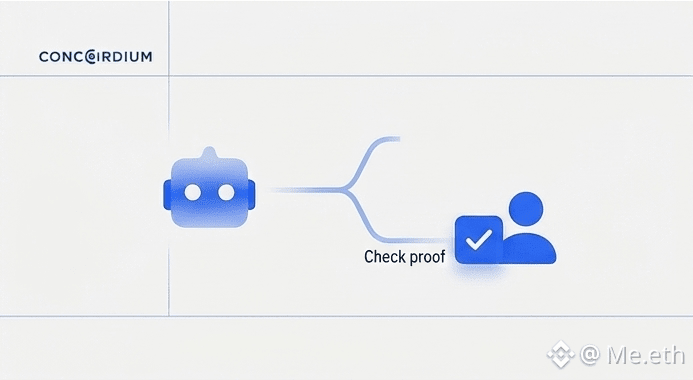
「このエージェントは検証済みの主体によって制御されている」ことと、「このエージェントは正式にこのブランドやドメインを代弁している」ことの間には、さりげないが重要な違いがあります。エージェント経済では、どちらのシグナルも重要です。KYCを通過した主体がエージェントの背後にいることを知るのは一つのことですが、あなたが話しているそのエージェントが、背後にいるとされる主体に実際に紐づいていて、非常に巧妙な偽物ではないと確信することは別のことです。Concordiumは、検証スタックの一部としてドメイン管理でこの課題に取り組んでいます。エージェントをアイデンティティに裏付けられたアカウントに紐づけられるだけでなく、DNSまたはウェブホスティングを管理している人物が、そのドメインに属するエージェント所有アカウントも管理していることを証明する検証フローによって、エージェントをドメインにも紐づけることができます。こうすることで、特定のサイトのサポートボットであると主張するエージェントを見かけたとき、その根拠はUI上のロゴだけではなく、そのサイトのインフラにまで暗号学的な連鎖でさかのぼります。この点は重要です。エージェントが多くのサービスのデフォルトの窓口になっていくにつれて、フィッシングも後を追って増えていきます。銀行や取引所、あるいはお気に入りのプロトコルにそっくりで、見た目も声も本物そっくりの偽エージェントを立ち上げるのは、簡単になっていきます。「Concordiumによって検証済み――ドメイン管理」という概念がなければ、ユーザーや他のエージェントが、公式のものを説得力のあるなりすましから構造的に見分ける手段はありません。私たちはこれまで、WebサイトやSSLでまさに同じ話を目にしてきました。エージェントでも、また同じことが起きるでしょう。繰り返しますが、エージェントをドメインに結び付ける方法はConcordiumだけではありませんが、それを後付けの考えではなくコア機能として最初期から扱っているのが同社の一つのポイントです。Agent Registryとバッジを支えるのと同じアイデンティティのバックボーンにドメイン管理を埋め込むことで、ブランドは自社のエージェントに対して、公式で検証可能な、相互チェーンをまたぐアイデンティティを作る道を得られます。エージェントが、あなたの人間のスタッフよりもあなたの名で語るようになる世界では、それは即興で用意したくない防御線です $CCD
「このエージェントは検証済みの主体によって制御されている」ことと、「このエージェントは正式にこのブランドやドメインを代弁している」ことの間には、さりげないが重要な違いがあります。エージェント経済では、どちらのシグナルも重要です。KYCを通過した主体がエージェントの背後にいることを知るのは一つのことですが、あなたが話しているそのエージェントが、背後にいるとされる主体に実際に紐づいていて、非常に巧妙な偽物ではないと確信することは別のことです。Concordiumは、検証スタックの一部としてドメイン管理でこの課題に取り組んでいます。エージェントをアイデンティティに裏付けられたアカウントに紐づけられるだけでなく、DNSまたはウェブホスティングを管理している人物が、そのドメインに属するエージェント所有アカウントも管理していることを証明する検証フローによって、エージェントをドメインにも紐づけることができます。こうすることで、特定のサイトのサポートボットであると主張するエージェントを見かけたとき、その根拠はUI上のロゴだけではなく、そのサイトのインフラにまで暗号学的な連鎖でさかのぼります。この点は重要です。エージェントが多くのサービスのデフォルトの窓口になっていくにつれて、フィッシングも後を追って増えていきます。銀行や取引所、あるいはお気に入りのプロトコルにそっくりで、見た目も声も本物そっくりの偽エージェントを立ち上げるのは、簡単になっていきます。「Concordiumによって検証済み――ドメイン管理」という概念がなければ、ユーザーや他のエージェントが、公式のものを説得力のあるなりすましから構造的に見分ける手段はありません。私たちはこれまで、WebサイトやSSLでまさに同じ話を目にしてきました。エージェントでも、また同じことが起きるでしょう。繰り返しますが、エージェントをドメインに結び付ける方法はConcordiumだけではありませんが、それを後付けの考えではなくコア機能として最初期から扱っているのが同社の一つのポイントです。Agent Registryとバッジを支えるのと同じアイデンティティのバックボーンにドメイン管理を埋め込むことで、ブランドは自社のエージェントに対して、公式で検証可能な、相互チェーンをまたぐアイデンティティを作る道を得られます。エージェントが、あなたの人間のスタッフよりもあなたの名で語るようになる世界では、それは即興で用意したくない防御線です $CCD
77
·
--
Concordiumは、AI時代においてなぜ「信頼」が重要なのかについて説得力のある主張を行っており、NewsAgentsとのパートナーシップは、そのビジョンが具体的に形になっている好例です。
NewsAgentsは、Concordiumプロトコル上に構築されたAI搭載のニュースデスクで、単に要約を素早く生成すること以上を目指しています。コンテンツの背後にある作業が、本物であり、追跡可能で、検証可能であることを証明することに重点を置いています。AI生成情報がいたるところにある今、まさに現代の視聴者が必要としているのはこうした点です。
興味深いのは、AIの利便性と、ブロックチェーンに裏付けられた説明責任を組み合わせていることです。
NewsAgentsはConcordiumのインフラを利用して、コンテンツをオンチェーンに固定します。そのため、各要約は保存されたハッシュと照合して確認できます。もし公開後にコンテンツが編集されたり改ざんされたりすれば、不一致が検出されます。これにより、デジタル・ジャーナリズムにおける透明性のためのより強固な基準が生まれます。特に、操作された見出し、使い回されたコンテンツ、低品質なAI出力が見分けにくくなっている時代において重要です。
また、このパートナーシップはConcordiumのより広い「アイデンティティ重視」の姿勢も反映しています。プライバシーと検証を対立するものとして扱うのではなく、両方を同時に支えることをConcordiumは目指しています。NewsAgentsでは、ウォレットを使ったサインインやアイデンティティ機能を利用でき、資格やアクセス権の確認に役立つ一方で、ゼロ知識技術によりユーザーのプライバシーは保護されます。簡単に言えば、必要なことを証明しつつ、求められる以上の個人データを開示せずに済む仕組みです。
このバランスは重要です。なぜなら、AIコンテンツの未来は、速度や規模だけで評価されるわけではないからです。読者がそれを信頼できるかどうかもまた、評価の対象になります。ConcordiumとNewsAgentsは、その一つの答えを示しています。検証を「後付けの考え」ではなく、プロダクトの一部として組み込む仕組みを作ることです。
メディアにとって、それはAI生成コンテンツをより説明責任のあるものにし、より透明にし、そして実際の視聴者にとってより役立つものにしていく上で、大きな一歩となるかもしれません。
$CCD #AgentIdentity
Concordiumは、AI時代においてなぜ「信頼」が重要なのかについて説得力のある主張を行っており、NewsAgentsとのパートナーシップは、そのビジョンが具体的に形になっている好例です。
NewsAgentsは、Concordiumプロトコル上に構築されたAI搭載のニュースデスクで、単に要約を素早く生成すること以上を目指しています。コンテンツの背後にある作業が、本物であり、追跡可能で、検証可能であることを証明することに重点を置いています。AI生成情報がいたるところにある今、まさに現代の視聴者が必要としているのはこうした点です。
興味深いのは、AIの利便性と、ブロックチェーンに裏付けられた説明責任を組み合わせていることです。
NewsAgentsはConcordiumのインフラを利用して、コンテンツをオンチェーンに固定します。そのため、各要約は保存されたハッシュと照合して確認できます。もし公開後にコンテンツが編集されたり改ざんされたりすれば、不一致が検出されます。これにより、デジタル・ジャーナリズムにおける透明性のためのより強固な基準が生まれます。特に、操作された見出し、使い回されたコンテンツ、低品質なAI出力が見分けにくくなっている時代において重要です。
また、このパートナーシップはConcordiumのより広い「アイデンティティ重視」の姿勢も反映しています。プライバシーと検証を対立するものとして扱うのではなく、両方を同時に支えることをConcordiumは目指しています。NewsAgentsでは、ウォレットを使ったサインインやアイデンティティ機能を利用でき、資格やアクセス権の確認に役立つ一方で、ゼロ知識技術によりユーザーのプライバシーは保護されます。簡単に言えば、必要なことを証明しつつ、求められる以上の個人データを開示せずに済む仕組みです。
このバランスは重要です。なぜなら、AIコンテンツの未来は、速度や規模だけで評価されるわけではないからです。読者がそれを信頼できるかどうかもまた、評価の対象になります。ConcordiumとNewsAgentsは、その一つの答えを示しています。検証を「後付けの考え」ではなく、プロダクトの一部として組み込む仕組みを作ることです。
メディアにとって、それはAI生成コンテンツをより説明責任のあるものにし、より透明にし、そして実際の視聴者にとってより役立つものにしていく上で、大きな一歩となるかもしれません。
$CCD #AgentIdentity
NewsAgentsは、Concordiumプロトコル上に構築されたAI搭載のニュースデスクで、単に要約を素早く生成すること以上を目指しています。コンテンツの背後にある作業が、本物であり、追跡可能で、検証可能であることを証明することに重点を置いています。AI生成情報がいたるところにある今、まさに現代の視聴者が必要としているのはこうした点です。
興味深いのは、AIの利便性と、ブロックチェーンに裏付けられた説明責任を組み合わせていることです。
NewsAgentsはConcordiumのインフラを利用して、コンテンツをオンチェーンに固定します。そのため、各要約は保存されたハッシュと照合して確認できます。もし公開後にコンテンツが編集されたり改ざんされたりすれば、不一致が検出されます。これにより、デジタル・ジャーナリズムにおける透明性のためのより強固な基準が生まれます。特に、操作された見出し、使い回されたコンテンツ、低品質なAI出力が見分けにくくなっている時代において重要です。
また、このパートナーシップはConcordiumのより広い「アイデンティティ重視」の姿勢も反映しています。プライバシーと検証を対立するものとして扱うのではなく、両方を同時に支えることをConcordiumは目指しています。NewsAgentsでは、ウォレットを使ったサインインやアイデンティティ機能を利用でき、資格やアクセス権の確認に役立つ一方で、ゼロ知識技術によりユーザーのプライバシーは保護されます。簡単に言えば、必要なことを証明しつつ、求められる以上の個人データを開示せずに済む仕組みです。
このバランスは重要です。なぜなら、AIコンテンツの未来は、速度や規模だけで評価されるわけではないからです。読者がそれを信頼できるかどうかもまた、評価の対象になります。ConcordiumとNewsAgentsは、その一つの答えを示しています。検証を「後付けの考え」ではなく、プロダクトの一部として組み込む仕組みを作ることです。
メディアにとって、それはAI生成コンテンツをより説明責任のあるものにし、より透明にし、そして実際の視聴者にとってより役立つものにしていく上で、大きな一歩となるかもしれません。
$CCD #AgentIdentity
82
·
--
自律エージェントは急速に新たな価値を生み出しています。すなわち、商取引の自動化、ユーザーへの助言、取引の実行などです。しかし、説明責任のない価値は脆くなります。コントリビューミウム(Concordium)は、プロトコル(基盤)レベルのアイデンティティと説明責任のレイヤーを提供することで、この脆さに対処します。これにより、各エージェントを検証済みの人または組織に結び付けつつ、組み込みのゼロ知識証明(ZK proofs)によってプライバシーを保護します。
技術的な中核は、相互に連動した3つのレジストリと、Verified by Concordium Keysです。これらが、検証済みアカウントがエージェントの署名鍵を制御していることを証明し、さらにドメイン・コントロールの検証によって、エージェントがそれを運用する企業組織に結び付けられます。この組み合わせは、取引相手が必ず抱く2つの実務的な問いに答えます。「このエージェントは誰か?」そして「何か問題が起きた場合、誰が責任を負うのか?」。
Verified by Concordium Badge は携帯可能で、エージェントがチェーンをまたいで移動しても追随します。しかも重要なのは、これは推奨(endorsement)ではなく信頼の証(trust mark)だという点です。行動の監査や保証ではなく、説明責任を示すものです。この違いが価値を解き放ちます。取引相手はより高い確信をもって取引でき、プラットフォームはより明確なポリシーを強制でき、規制当局は広範な監視なしに、オンチェーンの活動を説明責任のある現実の当事者に結び付ける手段を得られます。プライベートデータを開示しないため、ZK証明がその実現に寄与します。
開発者にとっては、コントリビューミウム(Concordium)のレジストリを採用するのは手間が少ないです。エージェントは、イーサリアム(Ethereum)やその他のチェーン上に留まったまま登録でき、それでもバッジを通じて説明責任レイヤーを得られます。最終的に、検証は抽象的な能力を、社会的・経済的な信頼へと変換します。そして信頼は、スケール可能な価値の基盤です。
コントリビューミウム(Concordium)のモデルは、その変換を明示的に行います。エージェントの行動を、検証可能な人の存在に結び付けることで、ユーザー、企業、規制当局に、エージェント型の振る舞いを検証し、責任を負わせ、収益化するための実務的な手段を提供します。
$CCD #BTC Price Analysis# #AgentIdentity
自律エージェントは急速に新たな価値を生み出しています。すなわち、商取引の自動化、ユーザーへの助言、取引の実行などです。しかし、説明責任のない価値は脆くなります。コントリビューミウム(Concordium)は、プロトコル(基盤)レベルのアイデンティティと説明責任のレイヤーを提供することで、この脆さに対処します。これにより、各エージェントを検証済みの人または組織に結び付けつつ、組み込みのゼロ知識証明(ZK proofs)によってプライバシーを保護します。
技術的な中核は、相互に連動した3つのレジストリと、Verified by Concordium Keysです。これらが、検証済みアカウントがエージェントの署名鍵を制御していることを証明し、さらにドメイン・コントロールの検証によって、エージェントがそれを運用する企業組織に結び付けられます。この組み合わせは、取引相手が必ず抱く2つの実務的な問いに答えます。「このエージェントは誰か?」そして「何か問題が起きた場合、誰が責任を負うのか?」。
Verified by Concordium Badge は携帯可能で、エージェントがチェーンをまたいで移動しても追随します。しかも重要なのは、これは推奨(endorsement)ではなく信頼の証(trust mark)だという点です。行動の監査や保証ではなく、説明責任を示すものです。この違いが価値を解き放ちます。取引相手はより高い確信をもって取引でき、プラットフォームはより明確なポリシーを強制でき、規制当局は広範な監視なしに、オンチェーンの活動を説明責任のある現実の当事者に結び付ける手段を得られます。プライベートデータを開示しないため、ZK証明がその実現に寄与します。
開発者にとっては、コントリビューミウム(Concordium)のレジストリを採用するのは手間が少ないです。エージェントは、イーサリアム(Ethereum)やその他のチェーン上に留まったまま登録でき、それでもバッジを通じて説明責任レイヤーを得られます。最終的に、検証は抽象的な能力を、社会的・経済的な信頼へと変換します。そして信頼は、スケール可能な価値の基盤です。
コントリビューミウム(Concordium)のモデルは、その変換を明示的に行います。エージェントの行動を、検証可能な人の存在に結び付けることで、ユーザー、企業、規制当局に、エージェント型の振る舞いを検証し、責任を負わせ、収益化するための実務的な手段を提供します。
$CCD #BTC Price Analysis# #AgentIdentity
技術的な中核は、相互に連動した3つのレジストリと、Verified by Concordium Keysです。これらが、検証済みアカウントがエージェントの署名鍵を制御していることを証明し、さらにドメイン・コントロールの検証によって、エージェントがそれを運用する企業組織に結び付けられます。この組み合わせは、取引相手が必ず抱く2つの実務的な問いに答えます。「このエージェントは誰か?」そして「何か問題が起きた場合、誰が責任を負うのか?」。
Verified by Concordium Badge は携帯可能で、エージェントがチェーンをまたいで移動しても追随します。しかも重要なのは、これは推奨(endorsement)ではなく信頼の証(trust mark)だという点です。行動の監査や保証ではなく、説明責任を示すものです。この違いが価値を解き放ちます。取引相手はより高い確信をもって取引でき、プラットフォームはより明確なポリシーを強制でき、規制当局は広範な監視なしに、オンチェーンの活動を説明責任のある現実の当事者に結び付ける手段を得られます。プライベートデータを開示しないため、ZK証明がその実現に寄与します。
開発者にとっては、コントリビューミウム(Concordium)のレジストリを採用するのは手間が少ないです。エージェントは、イーサリアム(Ethereum)やその他のチェーン上に留まったまま登録でき、それでもバッジを通じて説明責任レイヤーを得られます。最終的に、検証は抽象的な能力を、社会的・経済的な信頼へと変換します。そして信頼は、スケール可能な価値の基盤です。
コントリビューミウム(Concordium)のモデルは、その変換を明示的に行います。エージェントの行動を、検証可能な人の存在に結び付けることで、ユーザー、企業、規制当局に、エージェント型の振る舞いを検証し、責任を負わせ、収益化するための実務的な手段を提供します。
$CCD #BTC Price Analysis# #AgentIdentity
85
·
--
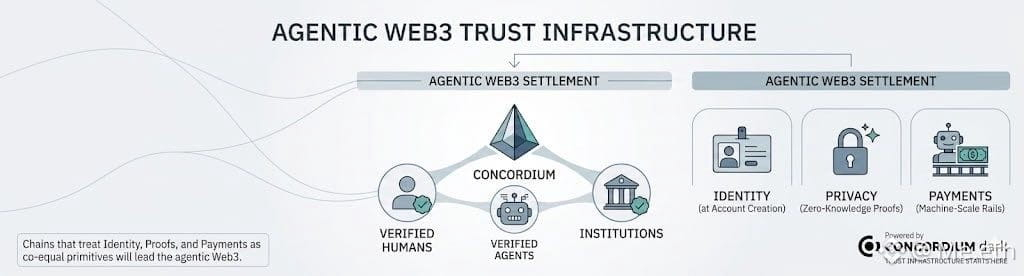
Concordiumの方針は、エージェントが行動することを止めるのではなく、筋を通させることです。締め付けが強すぎれば、エージェントはただの強化されたマクロになります。まったく制約しなければ、産業規模で自律的なカオスが生じます。この領域で本気のプロトコルなら、そのスペクトラムのどこに自分が座りたいのかを決める必要があります。
Concordiumの答えは、エージェントを、秘密鍵付きのランダムなスクリプトではなく、第一級のアイデンティティ・オブジェクトとして扱うことです。Agent Identity Providerは、エージェントが実行できること(支出限度、管轄、リソース種別など)を定義する資格情報を発行し、Agent Registryがそれらの資格情報をオンチェーンに紐づけます。
エージェントが支払いを開始したりアクセスを要求したりするときは、そのスコープの範囲内で動いていることを暗号学的に証明することが求められます。目的は、あらゆる悪い結果を未然に防ぐことではなく、ルールを明示し、取引時に検証可能にすることです。
プロトコルは、悪いプロンプトや粗いプロダクト設計を直すことはできません。できることは、エージェントが持つはずの資格情報と矛盾するために、特定クラスの悪い振る舞いを不可能にする、あるいは少なくとも非常に高価にすることです。
特定の管轄で1日あたりの上限までしか使えないように設定されたエージェントは、アイデンティティと決済レイヤーでそれらの制約が適用されている限り、単にブルートフォースで突破することはできません。
プライバシーと自律性の観点から見ると、これは微妙なバランスのある立場です。エージェントは自由に行動できますが、検証可能な枠の中でのみ行動します。人間や企業にも依然として大きなコントロールがありますが、それは、あらゆる行動を手作業で逐一承認する代わりに、資格情報と証明によって宣言的に表現する形です。
エージェント経済が玩具以上のものになるなら、おそらく私たちが狙うべきバランスはこれです。エージェントは素早く安価に動けるが、監査でき、必要なら停止できる通路(回廊)を通じてのみ動く。
$CCD #AIAgents
Concordiumの方針は、エージェントが行動することを止めるのではなく、筋を通させることです。締め付けが強すぎれば、エージェントはただの強化されたマクロになります。まったく制約しなければ、産業規模で自律的なカオスが生じます。この領域で本気のプロトコルなら、そのスペクトラムのどこに自分が座りたいのかを決める必要があります。
Concordiumの答えは、エージェントを、秘密鍵付きのランダムなスクリプトではなく、第一級のアイデンティティ・オブジェクトとして扱うことです。Agent Identity Providerは、エージェントが実行できること(支出限度、管轄、リソース種別など)を定義する資格情報を発行し、Agent Registryがそれらの資格情報をオンチェーンに紐づけます。
エージェントが支払いを開始したりアクセスを要求したりするときは、そのスコープの範囲内で動いていることを暗号学的に証明することが求められます。目的は、あらゆる悪い結果を未然に防ぐことではなく、ルールを明示し、取引時に検証可能にすることです。
プロトコルは、悪いプロンプトや粗いプロダクト設計を直すことはできません。できることは、エージェントが持つはずの資格情報と矛盾するために、特定クラスの悪い振る舞いを不可能にする、あるいは少なくとも非常に高価にすることです。
特定の管轄で1日あたりの上限までしか使えないように設定されたエージェントは、アイデンティティと決済レイヤーでそれらの制約が適用されている限り、単にブルートフォースで突破することはできません。
プライバシーと自律性の観点から見ると、これは微妙なバランスのある立場です。エージェントは自由に行動できますが、検証可能な枠の中でのみ行動します。人間や企業にも依然として大きなコントロールがありますが、それは、あらゆる行動を手作業で逐一承認する代わりに、資格情報と証明によって宣言的に表現する形です。
エージェント経済が玩具以上のものになるなら、おそらく私たちが狙うべきバランスはこれです。エージェントは素早く安価に動けるが、監査でき、必要なら停止できる通路(回廊)を通じてのみ動く。
$CCD #AIAgents
Concordiumの答えは、エージェントを、秘密鍵付きのランダムなスクリプトではなく、第一級のアイデンティティ・オブジェクトとして扱うことです。Agent Identity Providerは、エージェントが実行できること(支出限度、管轄、リソース種別など)を定義する資格情報を発行し、Agent Registryがそれらの資格情報をオンチェーンに紐づけます。
エージェントが支払いを開始したりアクセスを要求したりするときは、そのスコープの範囲内で動いていることを暗号学的に証明することが求められます。目的は、あらゆる悪い結果を未然に防ぐことではなく、ルールを明示し、取引時に検証可能にすることです。
プロトコルは、悪いプロンプトや粗いプロダクト設計を直すことはできません。できることは、エージェントが持つはずの資格情報と矛盾するために、特定クラスの悪い振る舞いを不可能にする、あるいは少なくとも非常に高価にすることです。
特定の管轄で1日あたりの上限までしか使えないように設定されたエージェントは、アイデンティティと決済レイヤーでそれらの制約が適用されている限り、単にブルートフォースで突破することはできません。
プライバシーと自律性の観点から見ると、これは微妙なバランスのある立場です。エージェントは自由に行動できますが、検証可能な枠の中でのみ行動します。人間や企業にも依然として大きなコントロールがありますが、それは、あらゆる行動を手作業で逐一承認する代わりに、資格情報と証明によって宣言的に表現する形です。
エージェント経済が玩具以上のものになるなら、おそらく私たちが狙うべきバランスはこれです。エージェントは素早く安価に動けるが、監査でき、必要なら停止できる通路(回廊)を通じてのみ動く。
$CCD #AIAgents
92
·
--
エージェント型経済は爆発的に拡大していますが、いつも立ち返る疑問があります。AIエージェントが自律的に行動し(支払いを行い、署名し、実行するなど)、そのとき実際に誰が責任を負うのは誰なのか?
Concordiumのエージェントレジストリは、プロトコルレベルでその答えを提供します。登録されたすべてのエージェントに、Concordiumアカウントに紐づく一意のオンチェーン識別子を付与し、そのアカウントはゼロ知識証明を用いて、検証済みの個人または企業に紐づけられます。登録は一度きりで、エージェントは「Verified by Concordium(Concordiumにより検証済み)」のバッジを獲得します。これは、エージェントがどこで動作しても、実在する主体がその背後にいることを証明する、持ち運び可能なオンチェーン資格情報です。
重要なのは、エージェントがチェーンを移動しないことです。SolanaのエージェントはSolana上にとどまり、EthereumのエージェントはEthereum上にとどまり、Concordiumのエージェントはネイティブです。Concordiumはその上にアイデンティティ層として位置し、個人データを漏らすことなく、エージェントが説明責任を立証できるようにします。
開発者にとって、このバッジは新しいレールを切り開きます。OKX AIなどのプラットフォームで仕事を見つけ、採用され、匿名のハンドルではなく「信頼できる」という可視のシグナルを伴って取引できるようになります。取引相手や他のエージェントにとっても、Concordiumの基盤はアイデンティティを機械的に検証可能にします。登録されているか、利用しているウォレットアドレスやエンドポイントは何か、バッジが有効かどうかを問い合わせたうえで、相互作用を判断できます。
より多くのエージェントが、チェーンをまたいでチップを送り、取引し、協力するようになっていく中で、本当の差別化要因になるのはスピードだけではなく「信頼」です。パフォーマンスが最も高い場所でエージェントを構築し、そのアイデンティティをConcordiumにアンカーしてください。 「Verified by Concordium」のバッジが、エージェントが向かう先すべてであなたの説明責任を運びます。
$CCD #BTC 価格分析# #AgentIdentity
エージェント型経済は爆発的に拡大していますが、いつも立ち返る疑問があります。AIエージェントが自律的に行動し(支払いを行い、署名し、実行するなど)、そのとき実際に誰が責任を負うのは誰なのか?
Concordiumのエージェントレジストリは、プロトコルレベルでその答えを提供します。登録されたすべてのエージェントに、Concordiumアカウントに紐づく一意のオンチェーン識別子を付与し、そのアカウントはゼロ知識証明を用いて、検証済みの個人または企業に紐づけられます。登録は一度きりで、エージェントは「Verified by Concordium(Concordiumにより検証済み)」のバッジを獲得します。これは、エージェントがどこで動作しても、実在する主体がその背後にいることを証明する、持ち運び可能なオンチェーン資格情報です。
重要なのは、エージェントがチェーンを移動しないことです。SolanaのエージェントはSolana上にとどまり、EthereumのエージェントはEthereum上にとどまり、Concordiumのエージェントはネイティブです。Concordiumはその上にアイデンティティ層として位置し、個人データを漏らすことなく、エージェントが説明責任を立証できるようにします。
開発者にとって、このバッジは新しいレールを切り開きます。OKX AIなどのプラットフォームで仕事を見つけ、採用され、匿名のハンドルではなく「信頼できる」という可視のシグナルを伴って取引できるようになります。取引相手や他のエージェントにとっても、Concordiumの基盤はアイデンティティを機械的に検証可能にします。登録されているか、利用しているウォレットアドレスやエンドポイントは何か、バッジが有効かどうかを問い合わせたうえで、相互作用を判断できます。
より多くのエージェントが、チェーンをまたいでチップを送り、取引し、協力するようになっていく中で、本当の差別化要因になるのはスピードだけではなく「信頼」です。パフォーマンスが最も高い場所でエージェントを構築し、そのアイデンティティをConcordiumにアンカーしてください。 「Verified by Concordium」のバッジが、エージェントが向かう先すべてであなたの説明責任を運びます。
$CCD #BTC 価格分析# #AgentIdentity
Concordiumのエージェントレジストリは、プロトコルレベルでその答えを提供します。登録されたすべてのエージェントに、Concordiumアカウントに紐づく一意のオンチェーン識別子を付与し、そのアカウントはゼロ知識証明を用いて、検証済みの個人または企業に紐づけられます。登録は一度きりで、エージェントは「Verified by Concordium(Concordiumにより検証済み)」のバッジを獲得します。これは、エージェントがどこで動作しても、実在する主体がその背後にいることを証明する、持ち運び可能なオンチェーン資格情報です。
重要なのは、エージェントがチェーンを移動しないことです。SolanaのエージェントはSolana上にとどまり、EthereumのエージェントはEthereum上にとどまり、Concordiumのエージェントはネイティブです。Concordiumはその上にアイデンティティ層として位置し、個人データを漏らすことなく、エージェントが説明責任を立証できるようにします。
開発者にとって、このバッジは新しいレールを切り開きます。OKX AIなどのプラットフォームで仕事を見つけ、採用され、匿名のハンドルではなく「信頼できる」という可視のシグナルを伴って取引できるようになります。取引相手や他のエージェントにとっても、Concordiumの基盤はアイデンティティを機械的に検証可能にします。登録されているか、利用しているウォレットアドレスやエンドポイントは何か、バッジが有効かどうかを問い合わせたうえで、相互作用を判断できます。
より多くのエージェントが、チェーンをまたいでチップを送り、取引し、協力するようになっていく中で、本当の差別化要因になるのはスピードだけではなく「信頼」です。パフォーマンスが最も高い場所でエージェントを構築し、そのアイデンティティをConcordiumにアンカーしてください。 「Verified by Concordium」のバッジが、エージェントが向かう先すべてであなたの説明責任を運びます。
$CCD #BTC 価格分析# #AgentIdentity
54
·
--
AIは、私たちがニュースを消費する方法における標準的なインターフェースとして急速に普及しつつありますが、多くのAI要約は依然として私たちに“盲目的に信じる”ことを求めています。ConcordiumのAIインフラ上で構築されたNewsAgentsは、そのパターンを打ち破ることを目的としています。
NewsAgentによって生成される各要約はオンチェーンで裏付けられており、生成された内容といつ生成されたかの不変で検証可能な記録が作られます。これにより、AIコンテンツを“不可視な出力”から“監査可能な成果物”へと変換します。ニュースルーム、プラットフォーム、そして読者は、推測する代わりに独立して整合性を確認できます。
説明責任はシステムに組み込まれています。各AIエージェントは、Concordiumのアイデンティティ層を通じて検証された人間によって所有されます。人間とエージェントの結びつきにより、現実世界の責任が生まれる一方で、チェーンをデータ漏えいの場に変えることはありません。
機微情報や年齢制限のあるコンテンツは、ドキュメントのアップロードではなくゼロ知識証明を用いてゲートされます。ユーザーは、できるだけ情報を開示せずに、アクセス要件を満たしていることを証明できます。これにより、コンプライアンスを現代的なプライバシー意識と整合させます。
NewsAgentsは単なる機能ではありません。AIネイティブ・メディアのための設計図です。Concordiumは、プログラム可能な信頼性、検証可能な由来(プロベナンス)、そしてプライバシーを保護するアクセス制御を、同一のスタックで実現できることを示しています。「心配せずAIを信じてください」から「すべてのステップを検証できます」へと変えるのです。
$CCD #BTC Price Analysis# #AI Agents 🤖#
AIは、私たちがニュースを消費する方法における標準的なインターフェースとして急速に普及しつつありますが、多くのAI要約は依然として私たちに“盲目的に信じる”ことを求めています。ConcordiumのAIインフラ上で構築されたNewsAgentsは、そのパターンを打ち破ることを目的としています。
NewsAgentによって生成される各要約はオンチェーンで裏付けられており、生成された内容といつ生成されたかの不変で検証可能な記録が作られます。これにより、AIコンテンツを“不可視な出力”から“監査可能な成果物”へと変換します。ニュースルーム、プラットフォーム、そして読者は、推測する代わりに独立して整合性を確認できます。
説明責任はシステムに組み込まれています。各AIエージェントは、Concordiumのアイデンティティ層を通じて検証された人間によって所有されます。人間とエージェントの結びつきにより、現実世界の責任が生まれる一方で、チェーンをデータ漏えいの場に変えることはありません。
機微情報や年齢制限のあるコンテンツは、ドキュメントのアップロードではなくゼロ知識証明を用いてゲートされます。ユーザーは、できるだけ情報を開示せずに、アクセス要件を満たしていることを証明できます。これにより、コンプライアンスを現代的なプライバシー意識と整合させます。
NewsAgentsは単なる機能ではありません。AIネイティブ・メディアのための設計図です。Concordiumは、プログラム可能な信頼性、検証可能な由来(プロベナンス)、そしてプライバシーを保護するアクセス制御を、同一のスタックで実現できることを示しています。「心配せずAIを信じてください」から「すべてのステップを検証できます」へと変えるのです。
$CCD #BTC Price Analysis# #AI Agents 🤖#
NewsAgentによって生成される各要約はオンチェーンで裏付けられており、生成された内容といつ生成されたかの不変で検証可能な記録が作られます。これにより、AIコンテンツを“不可視な出力”から“監査可能な成果物”へと変換します。ニュースルーム、プラットフォーム、そして読者は、推測する代わりに独立して整合性を確認できます。
説明責任はシステムに組み込まれています。各AIエージェントは、Concordiumのアイデンティティ層を通じて検証された人間によって所有されます。人間とエージェントの結びつきにより、現実世界の責任が生まれる一方で、チェーンをデータ漏えいの場に変えることはありません。
機微情報や年齢制限のあるコンテンツは、ドキュメントのアップロードではなくゼロ知識証明を用いてゲートされます。ユーザーは、できるだけ情報を開示せずに、アクセス要件を満たしていることを証明できます。これにより、コンプライアンスを現代的なプライバシー意識と整合させます。
NewsAgentsは単なる機能ではありません。AIネイティブ・メディアのための設計図です。Concordiumは、プログラム可能な信頼性、検証可能な由来(プロベナンス)、そしてプライバシーを保護するアクセス制御を、同一のスタックで実現できることを示しています。「心配せずAIを信じてください」から「すべてのステップを検証できます」へと変えるのです。
$CCD #BTC Price Analysis# #AI Agents 🤖#
71
·
--
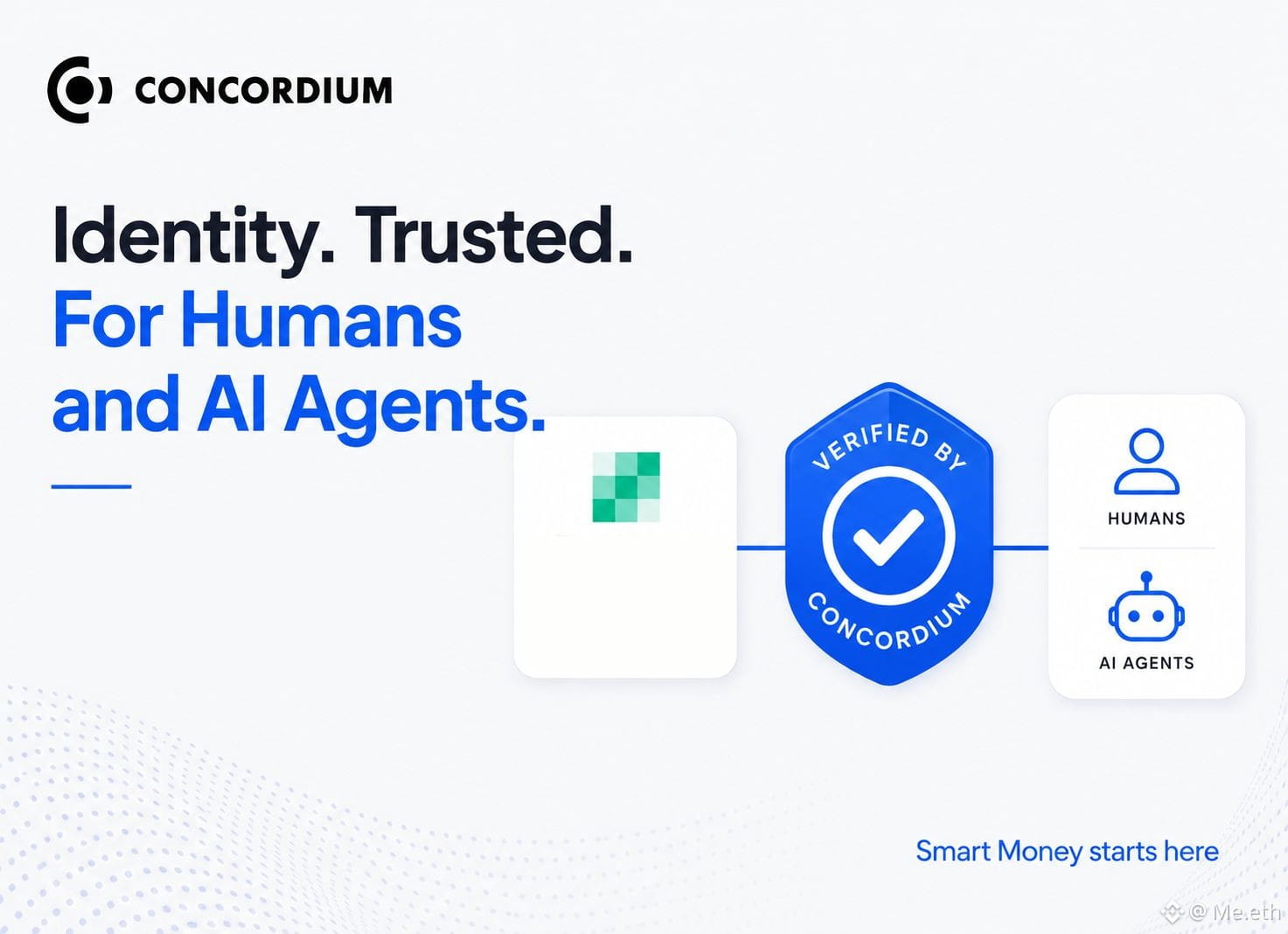
エージェントの世界における複雑なアプリケーションについて考えれば考えるほど、単一エージェントという比喩は成り立たなくなっていきます。現実的な製品は、エージェントの群れであるかもしれません。たとえば、ユーザーと会話するエージェント、支払いを扱うエージェント、リスク限度を管理するエージェント、外部APIと同期するエージェントなどです。外から見ると、それは1つのサービスに見えます。しかし内部では、それは小さな社会です。そこで厄介な問いが生まれます。誰が何に責任を持つのか、そしてそれをどう伝えるのか。もしそれらのエージェントが、ただのアドレスに何らかのコードが載っているだけだとしたら、答えは誰にも分かりません。同じ開発チームが展開したのだろう、というぼんやりした感覚はあっても、役割・所有者・境界を表す構造化された表現がありません。Agent Registryは、そうした関係をより正確に記述する手段を与えてくれます。たとえば、同じConcordiumアカウントに紐づく複数のエージェントを用意したり、階層をエンコードして、1人の監督するエージェントが他のエージェントに対して明確に責任を負い、すべてが共通の所有者にリンクされている、といった形にもできます。これは組織的な複雑さを魔法のように解決するわけではありませんが、何か問題が起きたときに、意味のないアドレスの“スープ”を見つめることにはなりません。どのコンポーネントがバッジ付けされているか、されていないか、どれが同じ所有者を共有しているか、そしてどれが特定のエンティティの責任範囲に入るのかが分かります。災害をほどきほどき解きほぐしたり、規制当局を満足させたりする必要があるなら、このマッピングは非常に価値があります。これがなければ、製品について手振りで語るしかなくなりますが、その製品はチェーン上では一貫した“実体”として存在していません。Concordiumがここで担うのは、単にそのマッピングを保存し、提供することです。製品チームに特定のアーキテクチャを押し付けることもなく、マルチエージェントシステムの挙動を細かく監督することもしません。しかし、このエージェント群(複数のチェーンにまたがるもの)を、1つの説明責任ある所有者のもとで1つの製品として扱うためのプリミティブを、事実として第一級の形で提供してくれます。マーケティング上の主張ではなく。ますます自律的なスウォームの世界では、このレベルの明確さこそが、その違いになります $CCD #Agents# #AI# #DeFi
エージェントの世界における複雑なアプリケーションについて考えれば考えるほど、単一エージェントという比喩は成り立たなくなっていきます。現実的な製品は、エージェントの群れであるかもしれません。たとえば、ユーザーと会話するエージェント、支払いを扱うエージェント、リスク限度を管理するエージェント、外部APIと同期するエージェントなどです。外から見ると、それは1つのサービスに見えます。しかし内部では、それは小さな社会です。そこで厄介な問いが生まれます。誰が何に責任を持つのか、そしてそれをどう伝えるのか。もしそれらのエージェントが、ただのアドレスに何らかのコードが載っているだけだとしたら、答えは誰にも分かりません。同じ開発チームが展開したのだろう、というぼんやりした感覚はあっても、役割・所有者・境界を表す構造化された表現がありません。Agent Registryは、そうした関係をより正確に記述する手段を与えてくれます。たとえば、同じConcordiumアカウントに紐づく複数のエージェントを用意したり、階層をエンコードして、1人の監督するエージェントが他のエージェントに対して明確に責任を負い、すべてが共通の所有者にリンクされている、といった形にもできます。これは組織的な複雑さを魔法のように解決するわけではありませんが、何か問題が起きたときに、意味のないアドレスの“スープ”を見つめることにはなりません。どのコンポーネントがバッジ付けされているか、されていないか、どれが同じ所有者を共有しているか、そしてどれが特定のエンティティの責任範囲に入るのかが分かります。災害をほどきほどき解きほぐしたり、規制当局を満足させたりする必要があるなら、このマッピングは非常に価値があります。これがなければ、製品について手振りで語るしかなくなりますが、その製品はチェーン上では一貫した“実体”として存在していません。Concordiumがここで担うのは、単にそのマッピングを保存し、提供することです。製品チームに特定のアーキテクチャを押し付けることもなく、マルチエージェントシステムの挙動を細かく監督することもしません。しかし、このエージェント群(複数のチェーンにまたがるもの)を、1つの説明責任ある所有者のもとで1つの製品として扱うためのプリミティブを、事実として第一級の形で提供してくれます。マーケティング上の主張ではなく。ますます自律的なスウォームの世界では、このレベルの明確さこそが、その違いになります $CCD #Agents# #AI# #DeFi
89
·
--
アイデンティティ・ファーストで規制に対応できるブロックチェーンを追跡している人にとって、「Concordium Town Hall 6」は必見です。プロトコル・レベルのアイデンティティ層を備えたレイヤー1として構築されたConcordiumは、ユーザーのプライバシーと説明責任の両立を目指しています。これにより、規制対象の業界、企業、そして現実世界のパイロットにとって魅力的な選択肢になります。
Town Hall 6では、いくつかの高いインパクトが期待される領域が扱われる可能性があります。パフォーマンスとファイナリティを改善する最近のプロトコルおよびクライアントのアップグレード、開発者向けツールやSDKの進歩によりConcordium上での構築がより速く安全になること、そしてアイデンティティが可能にする機能がコンプライアンス対応のアプリケーションをどのように支えるかを示す現実のユースケースの進展です。
ロードマップの明確さが、実行の証拠と交差する場です。テストネットから本番環境へ何が移行したのか、チームが次に何を優先しているのか、そしてエコシステムが技術面と開発者/バリデータの成長によってどのようにスケールしていく計画かが聞けます。
ビルダーや企業にとっては、具体的な開発者リソースや運用上のガイダンスが提示されるでしょう。コミュニティにとっては、質問を投げかけたり、ガバナンス上の論点を提起したり、Concordiumが規制された環境での導入をどのように加速させる予定かを理解するための場になります。
法的な明確性を意図して設計されたブロックチェーン、プライバシーを損なわないアイデンティティ、そしてエンタープライズ対応を重視しているなら、Town Hall 6はぜひ注目する価値があります。
$CCD #BTC Price Analysis# #townhall#
アイデンティティ・ファーストで規制に対応できるブロックチェーンを追跡している人にとって、「Concordium Town Hall 6」は必見です。プロトコル・レベルのアイデンティティ層を備えたレイヤー1として構築されたConcordiumは、ユーザーのプライバシーと説明責任の両立を目指しています。これにより、規制対象の業界、企業、そして現実世界のパイロットにとって魅力的な選択肢になります。
Town Hall 6では、いくつかの高いインパクトが期待される領域が扱われる可能性があります。パフォーマンスとファイナリティを改善する最近のプロトコルおよびクライアントのアップグレード、開発者向けツールやSDKの進歩によりConcordium上での構築がより速く安全になること、そしてアイデンティティが可能にする機能がコンプライアンス対応のアプリケーションをどのように支えるかを示す現実のユースケースの進展です。
ロードマップの明確さが、実行の証拠と交差する場です。テストネットから本番環境へ何が移行したのか、チームが次に何を優先しているのか、そしてエコシステムが技術面と開発者/バリデータの成長によってどのようにスケールしていく計画かが聞けます。
ビルダーや企業にとっては、具体的な開発者リソースや運用上のガイダンスが提示されるでしょう。コミュニティにとっては、質問を投げかけたり、ガバナンス上の論点を提起したり、Concordiumが規制された環境での導入をどのように加速させる予定かを理解するための場になります。
法的な明確性を意図して設計されたブロックチェーン、プライバシーを損なわないアイデンティティ、そしてエンタープライズ対応を重視しているなら、Town Hall 6はぜひ注目する価値があります。
$CCD #BTC Price Analysis# #townhall#
Town Hall 6では、いくつかの高いインパクトが期待される領域が扱われる可能性があります。パフォーマンスとファイナリティを改善する最近のプロトコルおよびクライアントのアップグレード、開発者向けツールやSDKの進歩によりConcordium上での構築がより速く安全になること、そしてアイデンティティが可能にする機能がコンプライアンス対応のアプリケーションをどのように支えるかを示す現実のユースケースの進展です。
ロードマップの明確さが、実行の証拠と交差する場です。テストネットから本番環境へ何が移行したのか、チームが次に何を優先しているのか、そしてエコシステムが技術面と開発者/バリデータの成長によってどのようにスケールしていく計画かが聞けます。
ビルダーや企業にとっては、具体的な開発者リソースや運用上のガイダンスが提示されるでしょう。コミュニティにとっては、質問を投げかけたり、ガバナンス上の論点を提起したり、Concordiumが規制された環境での導入をどのように加速させる予定かを理解するための場になります。
法的な明確性を意図して設計されたブロックチェーン、プライバシーを損なわないアイデンティティ、そしてエンタープライズ対応を重視しているなら、Town Hall 6はぜひ注目する価値があります。
$CCD #BTC Price Analysis# #townhall#

86
·
--
ズームアウトして、エージェント型の経済圏で“本当に”サイズを解放するものは何かと問うなら、「より良いLLM」ではありません。答えは退屈な、保険、保証、SLA、そしてクレジットです。これらが成立するには、保険会社やリスク部門が、シンプルな質問に答えられる必要があります。つまり「私たちは実際に誰を保険しているのか?」です。コントラクトアドレスは被保険者ではなく、単なるツールです。被保険者は、それを裏で支えている誰かです。ここで、ConcordiumのAgent Registryとバッジは、オンチェーンのガジェットというより、引受(アンダーライティング)インフラのように見えてきます。引受担当者は、事故が起きるたびにTelegramで匿名めいた開発者を追いかけ回したいわけではありません。必要なのは、レジストリの記載として「エージェントXはEthereumとSolana上で動作し、ConcordiumアカウントYにより制御されており、それは検証済みの実体Zに紐づいている」といった情報です。鍵がアンカーされていること、所有が明確であること、そして法的に到達可能な相手方がいることを把握したいのです。そうした基盤があれば、新しい商品カテゴリも想像できます。「ConcordiumによってVerifiedされ、指定されたパラメータ内で運用されるエージェントを保険する」あるいは「スマートコントラクトのリスクを引き受けるが、追跡可能なバッジ付きエージェントによって実行が仲介される場合に限る」。バッジは、エージェントが安全であることや戦略が健全であることを証明するものではありません。ただ、責任や請求を構造化して話し合えるようにするだけです。それがなければ、すべての引受に関する会話が、特注の悪夢になります。Concordiumは保険会社になる必要はありません。エージェントのグラフ上で“誰がどこに立っているか”を、多チェーン対応で信頼できる台帳として持つ必要があるだけです。引受担当者やブローカーは、その上に構築できます。あなたが長期目線のエージェントビルダーなら、数年以内に「あなたのエージェントは登録されていてバッジが付いているか?」が、真剣な相手方や保険会社が最初に尋ねる質問の一つになると考えておく価値があるかもしれません。どのチェーンであなたのコードが実行されているかに関係なくです $CCD #AI #DeFi #BTC Price Analysis#
ズームアウトして、エージェント型の経済圏で“本当に”サイズを解放するものは何かと問うなら、「より良いLLM」ではありません。答えは退屈な、保険、保証、SLA、そしてクレジットです。これらが成立するには、保険会社やリスク部門が、シンプルな質問に答えられる必要があります。つまり「私たちは実際に誰を保険しているのか?」です。コントラクトアドレスは被保険者ではなく、単なるツールです。被保険者は、それを裏で支えている誰かです。ここで、ConcordiumのAgent Registryとバッジは、オンチェーンのガジェットというより、引受(アンダーライティング)インフラのように見えてきます。引受担当者は、事故が起きるたびにTelegramで匿名めいた開発者を追いかけ回したいわけではありません。必要なのは、レジストリの記載として「エージェントXはEthereumとSolana上で動作し、ConcordiumアカウントYにより制御されており、それは検証済みの実体Zに紐づいている」といった情報です。鍵がアンカーされていること、所有が明確であること、そして法的に到達可能な相手方がいることを把握したいのです。そうした基盤があれば、新しい商品カテゴリも想像できます。「ConcordiumによってVerifiedされ、指定されたパラメータ内で運用されるエージェントを保険する」あるいは「スマートコントラクトのリスクを引き受けるが、追跡可能なバッジ付きエージェントによって実行が仲介される場合に限る」。バッジは、エージェントが安全であることや戦略が健全であることを証明するものではありません。ただ、責任や請求を構造化して話し合えるようにするだけです。それがなければ、すべての引受に関する会話が、特注の悪夢になります。Concordiumは保険会社になる必要はありません。エージェントのグラフ上で“誰がどこに立っているか”を、多チェーン対応で信頼できる台帳として持つ必要があるだけです。引受担当者やブローカーは、その上に構築できます。あなたが長期目線のエージェントビルダーなら、数年以内に「あなたのエージェントは登録されていてバッジが付いているか?」が、真剣な相手方や保険会社が最初に尋ねる質問の一つになると考えておく価値があるかもしれません。どのチェーンであなたのコードが実行されているかに関係なくです $CCD #AI #DeFi #BTC Price Analysis#
83
ログインして、さらにコンテンツを読む
厳選トピックで世界の暗号資産トレーダーの仲間入り
⚡️ 暗号資産に関する最新かつ有益な情報が見つかります。
💬 世界最大の暗号資産取引所から信頼されています。
👍 認証を受けたクリエイターから、有益なインサイトを得られます。
メール / 電話番号