
Caesar jn
111 投稿

Caesar jn
報告
ユーザーをブロック
Crypto educator and investor, influencer and KOL manager. DM for collaboration
47 フォロー
9 フォロワー
13 いいね
投稿
すべて
ライブ
·
--
翻訳参照
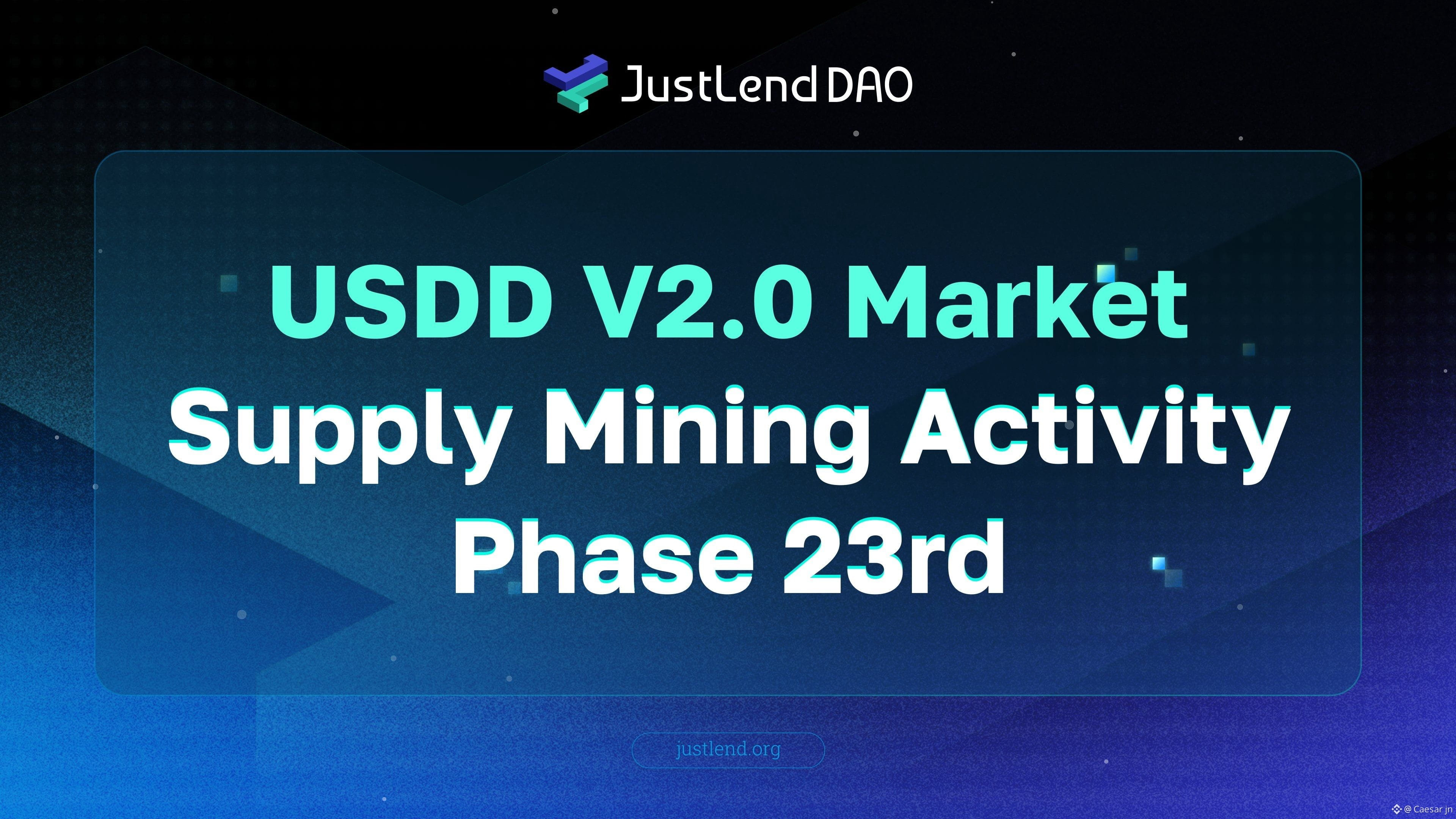
𝗨𝗦𝗗𝗗 𝟮.𝟬: 𝗧𝗛𝗘 𝗕𝗜𝗚𝗚𝗘𝗥 𝗦𝗧𝗢𝗥𝗬 𝗕𝗘𝗛𝗜𝗡𝗗 𝗦𝗨𝗣𝗣𝗟𝗬 𝗠𝗜𝗡𝗜𝗡𝗚
DeFi incentives are often discussed in terms of rewards and APY.
But there is a more important question worth asking:
What happens to an ecosystem when incentives encourage people to supply and participate in its stablecoin markets?
This is where USDD 2.0 Supply Mining becomes an interesting development within the TRON ecosystem.
With Phase 23 underway and Week 3 rewards available for eligible participants, the program continues to provide a structured incentive mechanism through JustLend.
However, the significance goes beyond claiming rewards.
THREE IMPORTANT DIMENSIONS DESERVE ATTENTION:
🔹 Liquidity Participation: Supply mining can encourage users to allocate eligible assets within supported markets, contributing to available liquidity.
🔹 Stablecoin Utility: Incentive programs can help increase engagement with USDD and its associated DeFi applications.
🔹 Ecosystem Connectivity: Integrating reward participation with JustLend creates a connection between stablecoin adoption and decentralized lending infrastructure.
There is also an important economic consideration.
Incentives can attract liquidity, but sustainable adoption requires users to find genuine utility beyond the reward period.
That means monitoring liquidity conditions, borrowing demand, stablecoin usage, protocol security, and the long-term economics of the program.
A high APY alone does not establish the quality or sustainability of a DeFi opportunity.
For users, understanding the applicable terms, reward calculations, risks, and claiming requirements is just as important as the headline return.
For the ecosystem, the real objective should be turning temporary participation into lasting utility.
REWARDS CAN ATTRACT ATTENTION. USEFUL FINANCIAL PRODUCTS GIVE PEOPLE A REASON TO STAY.
That distinction will matter as USDD 2.0 continues developing its position within TRON's
@DeFi_JUST @usddio @JustinSun #TRONEcoStar
𝗨𝗦𝗗𝗗 𝟮.𝟬: 𝗧𝗛𝗘 𝗕𝗜𝗚𝗚𝗘𝗥 𝗦𝗧𝗢𝗥𝗬 𝗕𝗘𝗛𝗜𝗡𝗗 𝗦𝗨𝗣𝗣𝗟𝗬 𝗠𝗜𝗡𝗜𝗡𝗚
DeFi incentives are often discussed in terms of rewards and APY.
But there is a more important question worth asking:
What happens to an ecosystem when incentives encourage people to supply and participate in its stablecoin markets?
This is where USDD 2.0 Supply Mining becomes an interesting development within the TRON ecosystem.
With Phase 23 underway and Week 3 rewards available for eligible participants, the program continues to provide a structured incentive mechanism through JustLend.
However, the significance goes beyond claiming rewards.
THREE IMPORTANT DIMENSIONS DESERVE ATTENTION:
🔹 Liquidity Participation: Supply mining can encourage users to allocate eligible assets within supported markets, contributing to available liquidity.
🔹 Stablecoin Utility: Incentive programs can help increase engagement with USDD and its associated DeFi applications.
🔹 Ecosystem Connectivity: Integrating reward participation with JustLend creates a connection between stablecoin adoption and decentralized lending infrastructure.
There is also an important economic consideration.
Incentives can attract liquidity, but sustainable adoption requires users to find genuine utility beyond the reward period.
That means monitoring liquidity conditions, borrowing demand, stablecoin usage, protocol security, and the long-term economics of the program.
A high APY alone does not establish the quality or sustainability of a DeFi opportunity.
For users, understanding the applicable terms, reward calculations, risks, and claiming requirements is just as important as the headline return.
For the ecosystem, the real objective should be turning temporary participation into lasting utility.
REWARDS CAN ATTRACT ATTENTION. USEFUL FINANCIAL PRODUCTS GIVE PEOPLE A REASON TO STAY.
That distinction will matter as USDD 2.0 continues developing its position within TRON's
@JUST DAO @USDD - Decentralized USD @Justin Sun孙宇晨 #TRONEcoStar
1
2
·
--
翻訳参照
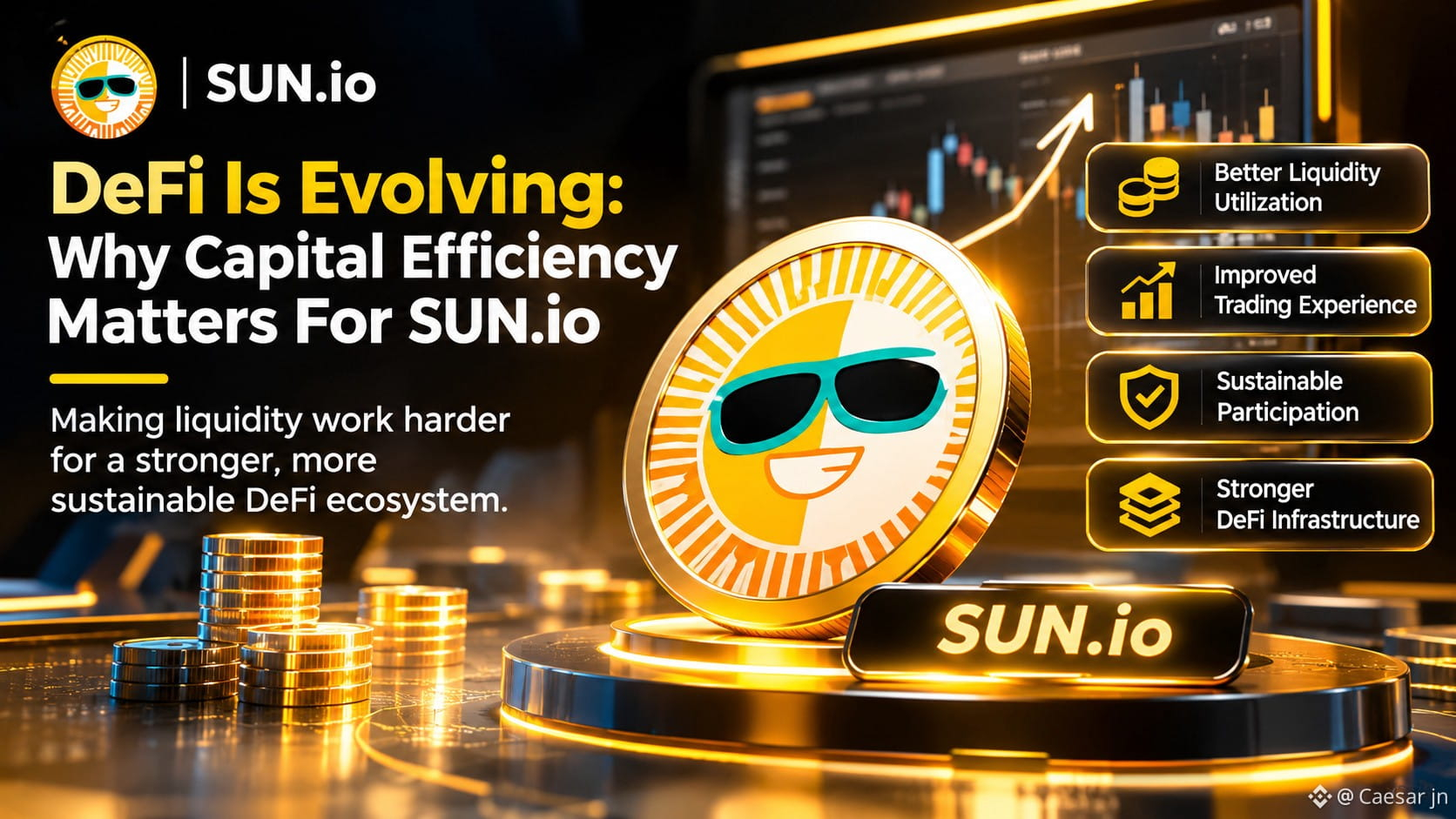
𝗗𝗘𝗙𝗜 𝗜𝗦 𝗘𝗩𝗢𝗟𝗩𝗜𝗡𝗚: 𝗪𝗛𝗬 𝗖𝗔𝗣𝗜𝗧𝗔𝗟 𝗘𝗙𝗙𝗜𝗖𝗜𝗘𝗡𝗖𝗬 𝗠𝗔𝗧𝗧𝗘𝗥𝗦 𝗙𝗢𝗥 𝗦𝗨𝗡.𝗶𝗼
The next stage of decentralized finance will not be defined simply by how much capital enters an ecosystem.
It will also depend on how efficiently that capital is used.
This is an important distinction.
A DeFi platform can attract liquidity, but the real challenge is creating an environment where that liquidity supports meaningful financial activity rather than remaining idle.
For platforms like SUN.io, capital efficiency is an important concept worth understanding.
What makes capital efficiency valuable?
🔹 Better Liquidity Utilization: Capital should support active markets and useful trading opportunities.
🔹 Improved Trading Experience: Efficient liquidity allocation can help reduce unnecessary price impact and improve execution.
🔹 Sustainable Participation: Liquidity providers need transparent mechanisms and a reasonable understanding of the risks and potential returns.
🔹 Stronger DeFi Infrastructure: Better coordination between liquidity, trading, and financial applications can strengthen the overall ecosystem.
There is also an important challenge.
Capital efficiency should never come at the expense of security or sustainable risk management. Smart contract vulnerabilities, liquidity concentration, market volatility, and impermanent loss remain important considerations.
This is why the quality of DeFi infrastructure matters just as much as the amount of capital it attracts.
SUN.io's broader opportunity is to contribute to a TRON DeFi environment where decentralized trading and liquidity services create practical value for participants.
As the industry matures, users will increasingly look beyond headline TVL figures.
They will want to understand how liquidity is being used, how markets perform under pressure, and whether platforms can sustain meaningful activity.
@SunPump_meme @JustinSun #TRONEcoStar
𝗗𝗘𝗙𝗜 𝗜𝗦 𝗘𝗩𝗢𝗟𝗩𝗜𝗡𝗚: 𝗪𝗛𝗬 𝗖𝗔𝗣𝗜𝗧𝗔𝗟 𝗘𝗙𝗙𝗜𝗖𝗜𝗘𝗡𝗖𝗬 𝗠𝗔𝗧𝗧𝗘𝗥𝗦 𝗙𝗢𝗥 𝗦𝗨𝗡.𝗶𝗼
The next stage of decentralized finance will not be defined simply by how much capital enters an ecosystem.
It will also depend on how efficiently that capital is used.
This is an important distinction.
A DeFi platform can attract liquidity, but the real challenge is creating an environment where that liquidity supports meaningful financial activity rather than remaining idle.
For platforms like SUN.io, capital efficiency is an important concept worth understanding.
What makes capital efficiency valuable?
🔹 Better Liquidity Utilization: Capital should support active markets and useful trading opportunities.
🔹 Improved Trading Experience: Efficient liquidity allocation can help reduce unnecessary price impact and improve execution.
🔹 Sustainable Participation: Liquidity providers need transparent mechanisms and a reasonable understanding of the risks and potential returns.
🔹 Stronger DeFi Infrastructure: Better coordination between liquidity, trading, and financial applications can strengthen the overall ecosystem.
There is also an important challenge.
Capital efficiency should never come at the expense of security or sustainable risk management. Smart contract vulnerabilities, liquidity concentration, market volatility, and impermanent loss remain important considerations.
This is why the quality of DeFi infrastructure matters just as much as the amount of capital it attracts.
SUN.io's broader opportunity is to contribute to a TRON DeFi environment where decentralized trading and liquidity services create practical value for participants.
As the industry matures, users will increasingly look beyond headline TVL figures.
They will want to understand how liquidity is being used, how markets perform under pressure, and whether platforms can sustain meaningful activity.
@OfficialSUNio @Justin Sun孙宇晨 #TRONEcoStar
24
·
--
翻訳参照
𝗦𝗨𝗡.𝗶𝗼: 𝗪𝗵𝘆 𝗟𝗶𝗾𝘂𝗶𝗱𝗶𝘁𝘆 𝗜𝘀 𝗢𝗻𝗲 𝗢𝗳 𝗧𝗵𝗲 𝗠𝗼𝘀𝘁 𝗜𝗺𝗽𝗼𝗿𝘁𝗮𝗻𝘁 𝗣𝗶𝗹𝗹𝗮𝗿𝘀 𝗢𝗳 𝗗𝗲𝗙𝗶
A decentralized finance platform can offer impressive features, attractive incentives, and sophisticated technology.
But without sufficient liquidity, its ability to deliver a smooth trading experience becomes limited.
Liquidity is one of the fundamental components of a functioning DeFi market.
It influences how easily users can exchange assets, how much price impact trades create, and how efficiently markets respond to changing demand.
This is why liquidity infrastructure deserves more attention when evaluating DeFi platforms like SUN.io.
Four factors explain its importance:
🔹 Trading Efficiency: Deeper liquidity can help users execute trades with less price impact, particularly when markets are active.
🔹 Market Stability: Adequate liquidity helps markets absorb buying and selling pressure more effectively.
🔹 User Experience: Efficient swaps and competitive execution make decentralized trading more practical.
🔹 Ecosystem Connectivity: Liquidity across different assets and applications can support broader participation in decentralized finance.
However, liquidity is not simply about how much capital is available.
Its distribution, depth across trading pairs, concentration, and resilience during volatile market conditions also matter.
For SUN.io, continued development of its DeFi infrastructure and trading environment is important because sustainable adoption requires more than attracting temporary attention.
It requires creating an environment where users have practical reasons to trade, participate, and return.
The broader TRON ecosystem also benefits when decentralized financial applications become more connected and useful.
As DeFi matures, platforms will increasingly need to demonstrate not just activity, but the quality and
@SunPump_meme @JustinSun #TRONEcoStar
𝗦𝗨𝗡.𝗶𝗼: 𝗪𝗵𝘆 𝗟𝗶𝗾𝘂𝗶𝗱𝗶𝘁𝘆 𝗜𝘀 𝗢𝗻𝗲 𝗢𝗳 𝗧𝗵𝗲 𝗠𝗼𝘀𝘁 𝗜𝗺𝗽𝗼𝗿𝘁𝗮𝗻𝘁 𝗣𝗶𝗹𝗹𝗮𝗿𝘀 𝗢𝗳 𝗗𝗲𝗙𝗶
A decentralized finance platform can offer impressive features, attractive incentives, and sophisticated technology.
But without sufficient liquidity, its ability to deliver a smooth trading experience becomes limited.
Liquidity is one of the fundamental components of a functioning DeFi market.
It influences how easily users can exchange assets, how much price impact trades create, and how efficiently markets respond to changing demand.
This is why liquidity infrastructure deserves more attention when evaluating DeFi platforms like SUN.io.
Four factors explain its importance:
🔹 Trading Efficiency: Deeper liquidity can help users execute trades with less price impact, particularly when markets are active.
🔹 Market Stability: Adequate liquidity helps markets absorb buying and selling pressure more effectively.
🔹 User Experience: Efficient swaps and competitive execution make decentralized trading more practical.
🔹 Ecosystem Connectivity: Liquidity across different assets and applications can support broader participation in decentralized finance.
However, liquidity is not simply about how much capital is available.
Its distribution, depth across trading pairs, concentration, and resilience during volatile market conditions also matter.
For SUN.io, continued development of its DeFi infrastructure and trading environment is important because sustainable adoption requires more than attracting temporary attention.
It requires creating an environment where users have practical reasons to trade, participate, and return.
The broader TRON ecosystem also benefits when decentralized financial applications become more connected and useful.
As DeFi matures, platforms will increasingly need to demonstrate not just activity, but the quality and
@OfficialSUNio @Justin Sun孙宇晨 #TRONEcoStar

1
13
·
--
𝗦𝗧𝗥𝗢𝗡𝗚なWeb3ブランドは、製品を作るだけではない。アイデンティティを築く。
テクノロジーはユーザーを惹きつけるかもしれませんが、ブランドを印象深いものにするのは、多くの場合クリエイティビティです。
競争の激しいWeb3の世界では、プロジェクトは製品の開発、インフラの改善、エコシステムの拡大に多くの注意を払っています。これらは重要ですが、見過ごしてはならないもう一つの側面があります。それは、人々がブランドとどのように感情的につながるかです。
SUN.ioは、ビジュアルアイデンティティとコミュニティ文化が注目に値する理由を示す興味深い例です。
認識しやすい個性、一貫したクリエイティブの方向性、そして人を引き込むビジュアルストーリーテリングは、多くのプラットフォームが似たような技術用語で発信する業界において、プロジェクトを際立たせます。
Web3にとって、なぜ重要なのでしょうか?
🔹 ブランド認知:独自性のあるビジュアルアイデンティティは、情報があふれるデジタルプラットフォーム上で、コミュニティがプロジェクトを見分け、記憶する助けになります。
🔹 コミュニティとのつながり:クリエイティブなコンテンツは、製品の発表や技術的なアップデート以外にも、人々が関わるきっかけを生み出します。
🔹 文化との親和性:インターネット文化を理解するブランドは、オーディエンスにより自然に感じられる方法でコミュニケーションできます。
🔹 長期的なアイデンティティ:一貫したブランディングは、エコシステムの進化に伴っても、認識されやすい個性を確立する助けになります。
しかし、クリエイティビティが実用性に取って代わってはなりません。
DeFiエコシステムの基盤となるのは、依然として有用な製品、信頼できるインフラ、セキュリティ、流動性、そして意義あるユーザー体験です。
最も強力なアプローチは、両方を組み合わせることです。実用的な価値を提供するテクノロジーと、人々がエコシステムに参加したくなるようなブランドアイデンティティです。
Web3が初期のアーリーアダプターを超え、より広いメインストリームの注目を集めようとするなかで、これは特に重要です。
人々は技術仕様だけを通じてテクノロジーとつながるわけではありません。人々はまた、
@SunPump_meme @JustinSun
#TRONEcoStar
𝗦𝗧𝗥𝗢𝗡𝗚なWeb3ブランドは、製品を作るだけではない。アイデンティティを築く。
テクノロジーはユーザーを惹きつけるかもしれませんが、ブランドを印象深いものにするのは、多くの場合クリエイティビティです。
競争の激しいWeb3の世界では、プロジェクトは製品の開発、インフラの改善、エコシステムの拡大に多くの注意を払っています。これらは重要ですが、見過ごしてはならないもう一つの側面があります。それは、人々がブランドとどのように感情的につながるかです。
SUN.ioは、ビジュアルアイデンティティとコミュニティ文化が注目に値する理由を示す興味深い例です。
認識しやすい個性、一貫したクリエイティブの方向性、そして人を引き込むビジュアルストーリーテリングは、多くのプラットフォームが似たような技術用語で発信する業界において、プロジェクトを際立たせます。
Web3にとって、なぜ重要なのでしょうか?
🔹 ブランド認知:独自性のあるビジュアルアイデンティティは、情報があふれるデジタルプラットフォーム上で、コミュニティがプロジェクトを見分け、記憶する助けになります。
🔹 コミュニティとのつながり:クリエイティブなコンテンツは、製品の発表や技術的なアップデート以外にも、人々が関わるきっかけを生み出します。
🔹 文化との親和性:インターネット文化を理解するブランドは、オーディエンスにより自然に感じられる方法でコミュニケーションできます。
🔹 長期的なアイデンティティ:一貫したブランディングは、エコシステムの進化に伴っても、認識されやすい個性を確立する助けになります。
しかし、クリエイティビティが実用性に取って代わってはなりません。
DeFiエコシステムの基盤となるのは、依然として有用な製品、信頼できるインフラ、セキュリティ、流動性、そして意義あるユーザー体験です。
最も強力なアプローチは、両方を組み合わせることです。実用的な価値を提供するテクノロジーと、人々がエコシステムに参加したくなるようなブランドアイデンティティです。
Web3が初期のアーリーアダプターを超え、より広いメインストリームの注目を集めようとするなかで、これは特に重要です。
人々は技術仕様だけを通じてテクノロジーとつながるわけではありません。人々はまた、
@OfficialSUNio @Justin Sun孙宇晨
#TRONEcoStar

1
53
·
--
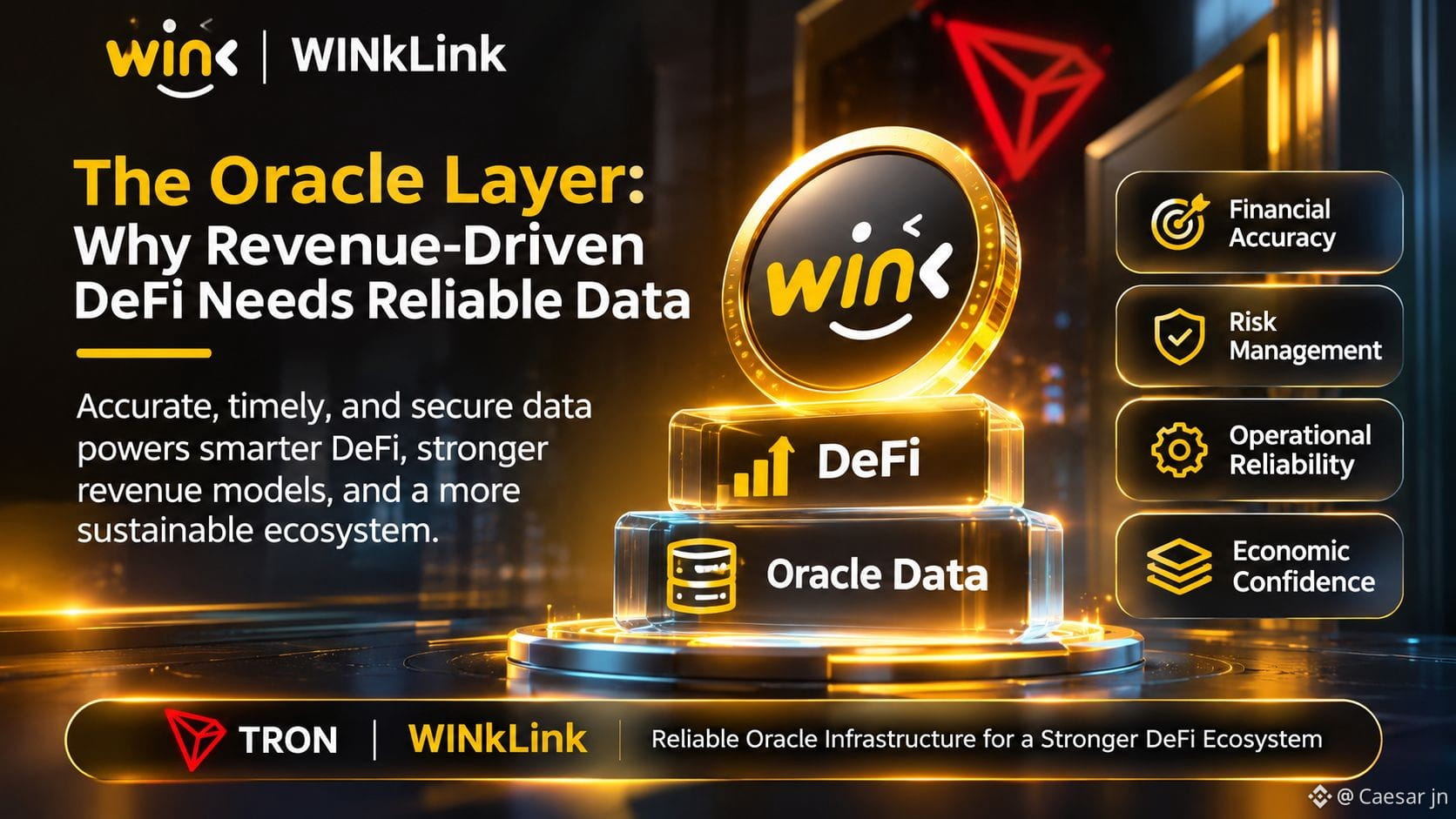
オラクルレイヤー:収益主導型DeFiに信頼できるデータが必要な理由
DeFiがより強固な経済モデルへと進化するなか、もっと注目すべき重要な要素があります。それは、分散型金融アプリケーションを支える情報の質です。
収益の創出、トークンの買い戻し、持続可能なプロトコル経済は重要な議論です。しかし、こうした動きがあっても、その土台となる信頼性の高いインフラの必要性はなくなりません。
分散型レンディングプロトコルを考えてみましょう。
担保の評価や借入ポジションの計算、あらかじめ定められた条件に達した際の清算メカニズムの実行には、正確な市場価格が必要です。
こうした処理に使われる情報が信頼できなければ、金融プロセス全体に影響が及ぶ可能性があります。
だからこそ、オラクルインフラが重要なのです。
信頼できるデータが違いをもたらす重要な領域は4つあります。
🔹 金融の正確性:アプリケーションが金融計算を行うには、信頼できる外部情報が必要です。
🔹 リスク管理:タイムリーな価格フィードは、プロトコルが変化する市場環境を評価するのに役立ちます。
🔹 運用の信頼性:一貫したデータ配信は、外部情報に依存するスマートコントラクトを支えます。
🔹 経済的な信頼:信頼できるインフラは、ユーザーがより安心して利用できるアプリケーションの開発を支援します。
WINkLinkは、TRONエコシステムにおけるこの不可欠なインフラレイヤーの一部として機能しています。
外部情報とブロックチェーンアプリケーションをつなぐ役割を担うオラクル技術は、DeFiの幅広い発展において重要です。
しかし、理解しておくべき、さらに大きな戦略的なつながりがあります。
分散型金融が実用性と持続可能な収益をより重視するようになるなか、インフラプロバイダーにも、実際の開発者による採用やサービス需要を通じて、その重要性を示す機会があります。
DeFiの未来は、金融的なインセンティブだけで決まるわけではありません
@WINkLink_Official @JustinSun #TRONEcoStar
オラクルレイヤー:収益主導型DeFiに信頼できるデータが必要な理由
DeFiがより強固な経済モデルへと進化するなか、もっと注目すべき重要な要素があります。それは、分散型金融アプリケーションを支える情報の質です。
収益の創出、トークンの買い戻し、持続可能なプロトコル経済は重要な議論です。しかし、こうした動きがあっても、その土台となる信頼性の高いインフラの必要性はなくなりません。
分散型レンディングプロトコルを考えてみましょう。
担保の評価や借入ポジションの計算、あらかじめ定められた条件に達した際の清算メカニズムの実行には、正確な市場価格が必要です。
こうした処理に使われる情報が信頼できなければ、金融プロセス全体に影響が及ぶ可能性があります。
だからこそ、オラクルインフラが重要なのです。
信頼できるデータが違いをもたらす重要な領域は4つあります。
🔹 金融の正確性:アプリケーションが金融計算を行うには、信頼できる外部情報が必要です。
🔹 リスク管理:タイムリーな価格フィードは、プロトコルが変化する市場環境を評価するのに役立ちます。
🔹 運用の信頼性:一貫したデータ配信は、外部情報に依存するスマートコントラクトを支えます。
🔹 経済的な信頼:信頼できるインフラは、ユーザーがより安心して利用できるアプリケーションの開発を支援します。
WINkLinkは、TRONエコシステムにおけるこの不可欠なインフラレイヤーの一部として機能しています。
外部情報とブロックチェーンアプリケーションをつなぐ役割を担うオラクル技術は、DeFiの幅広い発展において重要です。
しかし、理解しておくべき、さらに大きな戦略的なつながりがあります。
分散型金融が実用性と持続可能な収益をより重視するようになるなか、インフラプロバイダーにも、実際の開発者による採用やサービス需要を通じて、その重要性を示す機会があります。
DeFiの未来は、金融的なインセンティブだけで決まるわけではありません
@WINkLink_Official @Justin Sun孙宇晨 #TRONEcoStar
1
64
·
--
翻訳参照
𝗗𝗲𝗙𝗶'𝘀 𝗡𝗲𝘅𝘁 𝗘𝘃𝗼𝗹𝘂𝘁𝗶𝗼𝗻: 𝗙𝗿𝗼𝗺 𝗧𝗼𝗸𝗲𝗻 𝗘𝘅𝗰𝗶𝘁𝗲𝗺𝗲𝗻𝘁 𝗧𝗼 𝗥𝗲𝗮𝗹 𝗘𝗰𝗼𝗻𝗼𝗺𝗶𝗰 𝗩𝗮𝗹𝘂𝗲
The DeFi industry is entering an important stage of maturity.
For years, much of the conversation around decentralized finance revolved around token prices, liquidity incentives, staking rewards, and market speculation.
But a more fundamental question is becoming increasingly important:
How does a DeFi ecosystem create sustainable economic value beyond token market activity?
This question deserves attention because the long-term strength of decentralized finance cannot depend entirely on speculation.
It must be supported by useful products, real economic activity, sustainable revenue, and infrastructure capable of serving growing demand.
Consider four important pillars of this transition.
1. Real Utility Must Come First
Decentralized applications need to solve meaningful problems. Lending, trading, payments, data services, and other financial activities provide the foundation for a functioning ecosystem.
2. Revenue Creates Another Economic Dimension
Protocol revenue introduces a way to evaluate business activity beyond token market capitalization. It helps communities examine whether products and services are generating measurable economic activity.
3. Tokenomics Must Connect With Execution
Buybacks and burns can introduce mechanisms for managing token supply. However, their long-term significance depends on sustainable funding, transparent execution, and genuine ecosystem demand.
4. Infrastructure Makes Everything Possible
Behind financial applications are essential services such as blockchain networks, oracle providers, liquidity systems, and developer tools.
This is where WINkLink deserves attention.
DeFi applications need dependable external information to support their operations. Oracle infrastructure connects blockchain environments
@WINkLink_Official @JustinSun @SunPump_meme #TRONEcoStar
𝗗𝗲𝗙𝗶'𝘀 𝗡𝗲𝘅𝘁 𝗘𝘃𝗼𝗹𝘂𝘁𝗶𝗼𝗻: 𝗙𝗿𝗼𝗺 𝗧𝗼𝗸𝗲𝗻 𝗘𝘅𝗰𝗶𝘁𝗲𝗺𝗲𝗻𝘁 𝗧𝗼 𝗥𝗲𝗮𝗹 𝗘𝗰𝗼𝗻𝗼𝗺𝗶𝗰 𝗩𝗮𝗹𝘂𝗲
The DeFi industry is entering an important stage of maturity.
For years, much of the conversation around decentralized finance revolved around token prices, liquidity incentives, staking rewards, and market speculation.
But a more fundamental question is becoming increasingly important:
How does a DeFi ecosystem create sustainable economic value beyond token market activity?
This question deserves attention because the long-term strength of decentralized finance cannot depend entirely on speculation.
It must be supported by useful products, real economic activity, sustainable revenue, and infrastructure capable of serving growing demand.
Consider four important pillars of this transition.
1. Real Utility Must Come First
Decentralized applications need to solve meaningful problems. Lending, trading, payments, data services, and other financial activities provide the foundation for a functioning ecosystem.
2. Revenue Creates Another Economic Dimension
Protocol revenue introduces a way to evaluate business activity beyond token market capitalization. It helps communities examine whether products and services are generating measurable economic activity.
3. Tokenomics Must Connect With Execution
Buybacks and burns can introduce mechanisms for managing token supply. However, their long-term significance depends on sustainable funding, transparent execution, and genuine ecosystem demand.
4. Infrastructure Makes Everything Possible
Behind financial applications are essential services such as blockchain networks, oracle providers, liquidity systems, and developer tools.
This is where WINkLink deserves attention.
DeFi applications need dependable external information to support their operations. Oracle infrastructure connects blockchain environments
@WINkLink_Official @Justin Sun孙宇晨 @OfficialSUNio #TRONEcoStar
1
·
--
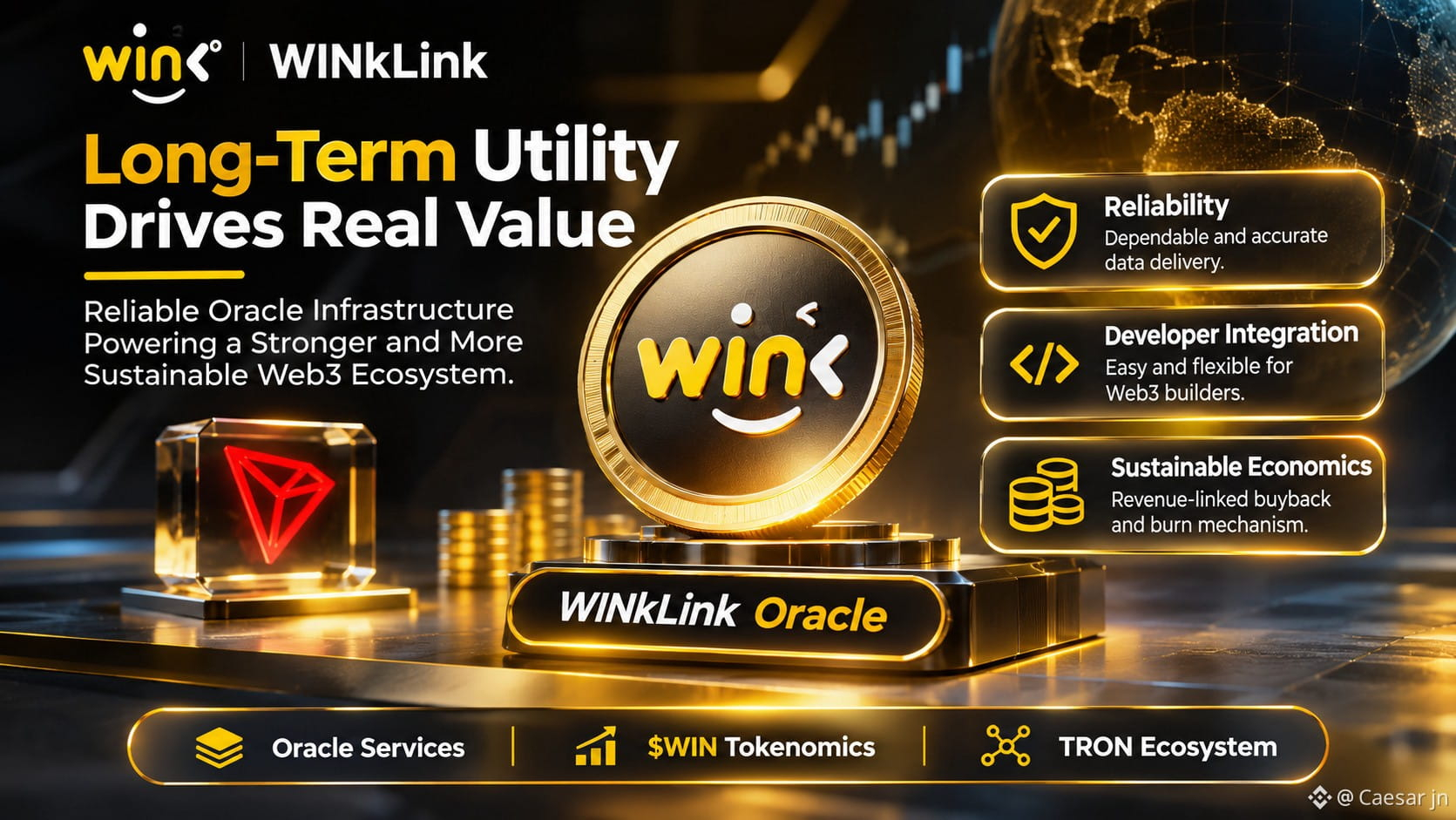
𝗪𝗜𝗡𝗸𝗟𝗶𝗻𝗸:𝗪𝗲𝗯𝟯プロジェクトの真価は長期的な実用性
Web3では、発表やキャンペーン、トークンインセンティブを通じて注目を集めることができます。
しかし、注目され続けるには、より難しいことが必要です。それは、一貫して価値を提供することです。
これは、WINkLinkとTRONエコシステムにおけるその位置づけを考えるうえで重要な視点です。
オラクルインフラは、分散型取引所やレンディングプラットフォーム、人気トークンほど注目されないこともあります。しかし、ブロックチェーンアプリケーションに欠かせない、外部情報へのアクセスを支えています。
分散型アプリケーションが市場価格や外部データ、ブロックチェーンの外部にある情報を必要とする場面を考えてみてください。
そうした情報とスマートコントラクトを確実につなぐ仕組みが必要です。
オラクルインフラは、その役割を果たすのに役立ちます。
オラクルの長期的な普及を左右する要素は3つあります。
🔹 信頼性:アプリケーションが効果的に機能するには、データが確実に届けられる必要があります。
🔹 開発者による統合:開発者がオラクルサービスを有用なアプリケーションに組み込めるほど、その価値は高まります。
🔹 持続可能な経済性:継続的なインフラ開発とサービス提供を支える、実現可能なビジネスモデルが必要です。
WINkLinkのオラクルサービスと、収益に連動した$WINの買い戻し・バーン施策は、注目に値する2つの関連領域です。
一方はインフラとデータ配信に焦点を当て、もう一方はサービス収益とトークン供給量の削減を結びつける仕組みを導入しています。
ただし、どちらも切り離して評価すべきではありません。
進展を測る真の指標は、オラクルの利用が拡大するか、サービスが持続可能な収益を生み出すか、そしてトークノミクスの仕組みが透明性を保ちながら実行され続けるかどうかです。
長期的なエコシステムの発展が、短期的な注目よりも大きな意味を持つのは、まさにこの点です。
人々が使い続ける理由があるとき、プロジェクトは価値を持つようになります。
@WINkLink_Official @JustinSun #TRONEcoStar
𝗪𝗜𝗡𝗸𝗟𝗶𝗻𝗸:𝗪𝗲𝗯𝟯プロジェクトの真価は長期的な実用性
Web3では、発表やキャンペーン、トークンインセンティブを通じて注目を集めることができます。
しかし、注目され続けるには、より難しいことが必要です。それは、一貫して価値を提供することです。
これは、WINkLinkとTRONエコシステムにおけるその位置づけを考えるうえで重要な視点です。
オラクルインフラは、分散型取引所やレンディングプラットフォーム、人気トークンほど注目されないこともあります。しかし、ブロックチェーンアプリケーションに欠かせない、外部情報へのアクセスを支えています。
分散型アプリケーションが市場価格や外部データ、ブロックチェーンの外部にある情報を必要とする場面を考えてみてください。
そうした情報とスマートコントラクトを確実につなぐ仕組みが必要です。
オラクルインフラは、その役割を果たすのに役立ちます。
オラクルの長期的な普及を左右する要素は3つあります。
🔹 信頼性:アプリケーションが効果的に機能するには、データが確実に届けられる必要があります。
🔹 開発者による統合:開発者がオラクルサービスを有用なアプリケーションに組み込めるほど、その価値は高まります。
🔹 持続可能な経済性:継続的なインフラ開発とサービス提供を支える、実現可能なビジネスモデルが必要です。
WINkLinkのオラクルサービスと、収益に連動した$WINの買い戻し・バーン施策は、注目に値する2つの関連領域です。
一方はインフラとデータ配信に焦点を当て、もう一方はサービス収益とトークン供給量の削減を結びつける仕組みを導入しています。
ただし、どちらも切り離して評価すべきではありません。
進展を測る真の指標は、オラクルの利用が拡大するか、サービスが持続可能な収益を生み出すか、そしてトークノミクスの仕組みが透明性を保ちながら実行され続けるかどうかです。
長期的なエコシステムの発展が、短期的な注目よりも大きな意味を持つのは、まさにこの点です。
人々が使い続ける理由があるとき、プロジェクトは価値を持つようになります。
@WINkLink_Official @Justin Sun孙宇晨 #TRONEcoStar
31
·
--
WINkLink:収益に裏付けられたトークノミクスがもっと注目されるべき理由
Web3における最大の課題の一つは、ブロックチェーンプロジェクトがネイティブトークンを軸に、持続可能な経済モデルをどのように構築できるかということです。
あまりにも長い間、トークノミクスをめぐる議論では、供給量や発行量、投機的な需要に大きな焦点が当てられ、実際の製品やサービスが生み出す収益にはあまり注目が集まりませんでした。
より興味深いアプローチは、エコシステムの活動を透明性の高い経済メカニズムと結び付けることです。
WINkLinkの$WIN買い戻し・バーンプログラムは、この議論に焦点を当てています。
オラクルサービスの収益を四半期ごとのトークン買い戻しとバーンに充てることで、この取り組みは、サービスから生まれる収益とトークン供給の管理との間に直接的な関係をもたらします。
このモデルを検討する価値があるのはなぜでしょうか?
🔹 製品主導の経済:オラクルサービスが、買い戻しメカニズムを支える基盤となる事業活動を生み出します。
🔹 供給量の管理:買い戻したトークンをバーンすることで、トークンは流通から永久に取り除かれます。
🔹 透明性:オンチェーンの記録により、コミュニティは完了した取引を確認できます。
🔹 長期的な視点:継続的なメカニズムを設けることで、一度限りの発表ではなく、着実な実行が重視されます。
ただし、重要な点として、トークン供給量の減少が自動的にトークン価値の上昇につながるわけではありません。
持続可能な需要、実際の製品導入、サービス収益、流動性、そして一貫した実行も依然として重要です。
そのため、基盤となるオラクル事業は、トークノミクスの仕組みそのものと同じくらい重要です。
WINkLinkの目標は、単に$WINの供給量を減らすことではありません。有用なオラクルサービスの開発を続けながら、事業活動とトークン経済の間に透明性の高い関係を保つことです。
これは、長期的な進展を評価するうえで、より意義のある方法です。
最も強力な
@WINkLink_Official @JustinSun #TRONEcoStar
WINkLink:収益に裏付けられたトークノミクスがもっと注目されるべき理由
Web3における最大の課題の一つは、ブロックチェーンプロジェクトがネイティブトークンを軸に、持続可能な経済モデルをどのように構築できるかということです。
あまりにも長い間、トークノミクスをめぐる議論では、供給量や発行量、投機的な需要に大きな焦点が当てられ、実際の製品やサービスが生み出す収益にはあまり注目が集まりませんでした。
より興味深いアプローチは、エコシステムの活動を透明性の高い経済メカニズムと結び付けることです。
WINkLinkの$WIN買い戻し・バーンプログラムは、この議論に焦点を当てています。
オラクルサービスの収益を四半期ごとのトークン買い戻しとバーンに充てることで、この取り組みは、サービスから生まれる収益とトークン供給の管理との間に直接的な関係をもたらします。
このモデルを検討する価値があるのはなぜでしょうか?
🔹 製品主導の経済:オラクルサービスが、買い戻しメカニズムを支える基盤となる事業活動を生み出します。
🔹 供給量の管理:買い戻したトークンをバーンすることで、トークンは流通から永久に取り除かれます。
🔹 透明性:オンチェーンの記録により、コミュニティは完了した取引を確認できます。
🔹 長期的な視点:継続的なメカニズムを設けることで、一度限りの発表ではなく、着実な実行が重視されます。
ただし、重要な点として、トークン供給量の減少が自動的にトークン価値の上昇につながるわけではありません。
持続可能な需要、実際の製品導入、サービス収益、流動性、そして一貫した実行も依然として重要です。
そのため、基盤となるオラクル事業は、トークノミクスの仕組みそのものと同じくらい重要です。
WINkLinkの目標は、単に$WINの供給量を減らすことではありません。有用なオラクルサービスの開発を続けながら、事業活動とトークン経済の間に透明性の高い関係を保つことです。
これは、長期的な進展を評価するうえで、より意義のある方法です。
最も強力な
@WINkLink_Official @Justin Sun孙宇晨 #TRONEcoStar
8
·
--
WINkLink:トークノミクスから実行へ――行動の価値
ブロックチェーン業界では、トークンの買い戻しプログラムを発表することと、実際に実行し、その活動をオンチェーンに記録して、トークン供給量を恒久的に減らすことは別の話です。
この違いは重要です。
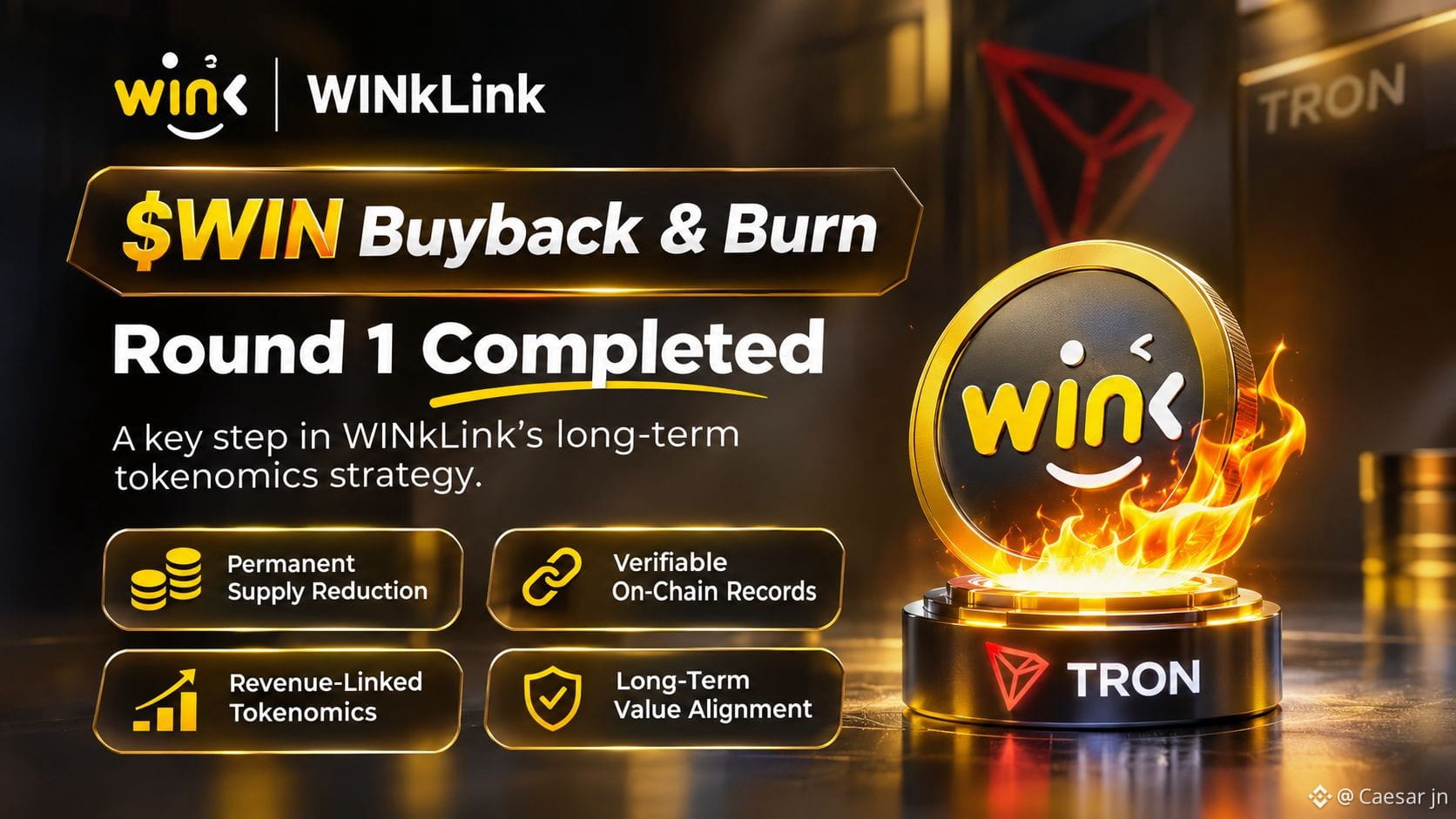
WINkLinkは、$WINの買い戻し・バーンプログラムの第1ラウンドを完了しました。これは、トークノミクス戦略を測定可能な実行へと移すうえで、重要な一歩となります。
しかし、より大きな議論は、1回のラウンドの完了にとどまりません。
買い戻しとバーンの実行が重要なのはなぜ?
🔹 供給量の恒久的な削減:トークンをバーンすると、流通から恒久的に取り除かれ、既存のトークン供給量が減少します。
🔹 検証可能な透明性:オンチェーンの記録により、コミュニティは取引を独自に調査し、この仕組みが実行されたことを検証できます。
🔹 収益に連動したトークノミクス:WINkLinkの買い戻し施策は、オラクルサービスから生み出される収益を、体系化されたトークンの買い戻し・バーンの仕組みと結び付けています。
🔹 長期的な整合性:仕組みが明確に実行されることで、プロジェクトの活動とトークンの経済設計との関係がより透明になります。
理解しておくべき重要な点があります。トークン供給量の減少が、価格上昇を自動的に保証するわけではありません。市場の需要、実用性、流動性、収益創出、そしてより広範な市場環境も引き続き重要な要素です。
今回の進展で特に注目すべきなのは、実行に重きが置かれていることです。
TRONエコシステム全体でも、買い戻し・バーンの仕組みが経済戦略の一部になりつつあることが示されています。付随するTRON ECOデフレーションレポートでは、エコシステム全体での買い戻し・バーンの累計額が3,090万ドルを超えたことが取り上げられています。
この金額はエコシステム全体を示すものであり、WINkLink単独のものではありません。
WINkLinkにとって、次の重要な指標となるのは継続性です。オラクルの採用が継続して進むこと、
👇
@WINkLink_Official @JustinSun #TRONEcoStar
WINkLink:トークノミクスから実行へ――行動の価値
ブロックチェーン業界では、トークンの買い戻しプログラムを発表することと、実際に実行し、その活動をオンチェーンに記録して、トークン供給量を恒久的に減らすことは別の話です。
この違いは重要です。
WINkLinkは、$WINの買い戻し・バーンプログラムの第1ラウンドを完了しました。これは、トークノミクス戦略を測定可能な実行へと移すうえで、重要な一歩となります。
しかし、より大きな議論は、1回のラウンドの完了にとどまりません。
買い戻しとバーンの実行が重要なのはなぜ?
🔹 供給量の恒久的な削減:トークンをバーンすると、流通から恒久的に取り除かれ、既存のトークン供給量が減少します。
🔹 検証可能な透明性:オンチェーンの記録により、コミュニティは取引を独自に調査し、この仕組みが実行されたことを検証できます。
🔹 収益に連動したトークノミクス:WINkLinkの買い戻し施策は、オラクルサービスから生み出される収益を、体系化されたトークンの買い戻し・バーンの仕組みと結び付けています。
🔹 長期的な整合性:仕組みが明確に実行されることで、プロジェクトの活動とトークンの経済設計との関係がより透明になります。
理解しておくべき重要な点があります。トークン供給量の減少が、価格上昇を自動的に保証するわけではありません。市場の需要、実用性、流動性、収益創出、そしてより広範な市場環境も引き続き重要な要素です。
今回の進展で特に注目すべきなのは、実行に重きが置かれていることです。
TRONエコシステム全体でも、買い戻し・バーンの仕組みが経済戦略の一部になりつつあることが示されています。付随するTRON ECOデフレーションレポートでは、エコシステム全体での買い戻し・バーンの累計額が3,090万ドルを超えたことが取り上げられています。
この金額はエコシステム全体を示すものであり、WINkLink単独のものではありません。
WINkLinkにとって、次の重要な指標となるのは継続性です。オラクルの採用が継続して進むこと、
👇
@WINkLink_Official @Justin Sun孙宇晨 #TRONEcoStar
1
1
27
·
--
𝗪𝗜𝗡𝗸𝗟𝗶𝗻𝗸:よりスマートなブロックチェーンアプリを支える隠れたインフラ
ブロックチェーンの革新について語るとき、通常はトークン、分散型アプリケーション、スマートコントラクトに注目が集まります。
しかし、同じくらい注目に値するもう一つの層があります。それは、アプリケーションに信頼できる外部情報を提供するインフラです。
信頼できるデータがなければ、高度なスマートコントラクトでさえ限界があります。
分散型レンディングプロトコルを考えてみましょう。担保の評価、市場状況の監視、あらかじめ定められた清算条件が満たされたかどうかの判断には、正確な資産価格が必要です。
分散型取引所も、特定の操作に外部の価格情報を利用する場合があります。
こうしたシステムにとって、データ品質を後回しにすることはできません。
ここで、オラクルインフラが価値を生み出します。
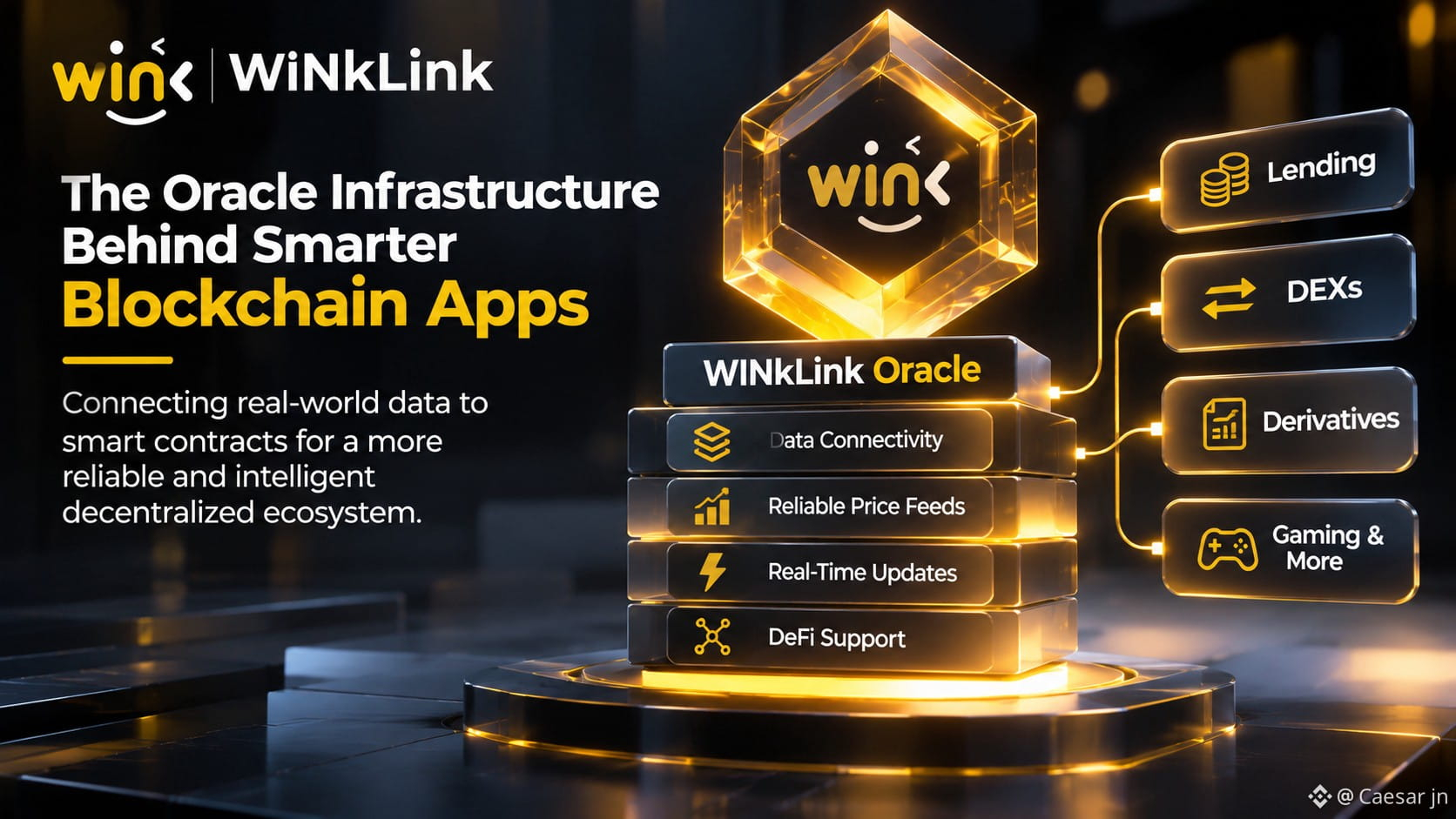
🔹 データ接続性:オラクルは、ブロックチェーン環境と外部ソースの情報をつなぎます。
🔹 アプリケーションのインテリジェンス:信頼できる外部入力により、スマートコントラクトは自身のブロックチェーンの外部にある状況にも対応できます。
🔹 金融面での有用性:価格フィードは、レンディング、デリバティブ、その他のDeFiアプリケーションにおける重要な仕組みを支えます。
🔹 開発者の可能性:信頼できるオラクルサービスにより、開発者はデータ駆動型のブロックチェーン製品を設計する際の柔軟性を高められます。
WINkLinkにとって、これはTRONエコシステムにおける重要な立ち位置を意味します。
その重要性は、分散型アプリケーションに欠かせない基本要件、すなわち信頼できるオラクルインフラを通じて外部情報にアクセスする能力に結びついています。
ただし、オラクルソリューションの品質は、正確性、安全性、可用性、データの鮮度、そして耐障害性によって評価されなければなりません。
外部情報を利用して構築されるすべてのアプリケーションは、その情報にある程度依存することになるため、これらの要素が重要です。
ブロックチェーンアプリケーションが
@WINkLink_Official @JustinSun #TRONEcoStar
𝗪𝗜𝗡𝗸𝗟𝗶𝗻𝗸:よりスマートなブロックチェーンアプリを支える隠れたインフラ
ブロックチェーンの革新について語るとき、通常はトークン、分散型アプリケーション、スマートコントラクトに注目が集まります。
しかし、同じくらい注目に値するもう一つの層があります。それは、アプリケーションに信頼できる外部情報を提供するインフラです。
信頼できるデータがなければ、高度なスマートコントラクトでさえ限界があります。
分散型レンディングプロトコルを考えてみましょう。担保の評価、市場状況の監視、あらかじめ定められた清算条件が満たされたかどうかの判断には、正確な資産価格が必要です。
分散型取引所も、特定の操作に外部の価格情報を利用する場合があります。
こうしたシステムにとって、データ品質を後回しにすることはできません。
ここで、オラクルインフラが価値を生み出します。
🔹 データ接続性:オラクルは、ブロックチェーン環境と外部ソースの情報をつなぎます。
🔹 アプリケーションのインテリジェンス:信頼できる外部入力により、スマートコントラクトは自身のブロックチェーンの外部にある状況にも対応できます。
🔹 金融面での有用性:価格フィードは、レンディング、デリバティブ、その他のDeFiアプリケーションにおける重要な仕組みを支えます。
🔹 開発者の可能性:信頼できるオラクルサービスにより、開発者はデータ駆動型のブロックチェーン製品を設計する際の柔軟性を高められます。
WINkLinkにとって、これはTRONエコシステムにおける重要な立ち位置を意味します。
その重要性は、分散型アプリケーションに欠かせない基本要件、すなわち信頼できるオラクルインフラを通じて外部情報にアクセスする能力に結びついています。
ただし、オラクルソリューションの品質は、正確性、安全性、可用性、データの鮮度、そして耐障害性によって評価されなければなりません。
外部情報を利用して構築されるすべてのアプリケーションは、その情報にある程度依存することになるため、これらの要素が重要です。
ブロックチェーンアプリケーションが
@WINkLink_Official @Justin Sun孙宇晨 #TRONEcoStar
1
16
·
--
翻訳参照
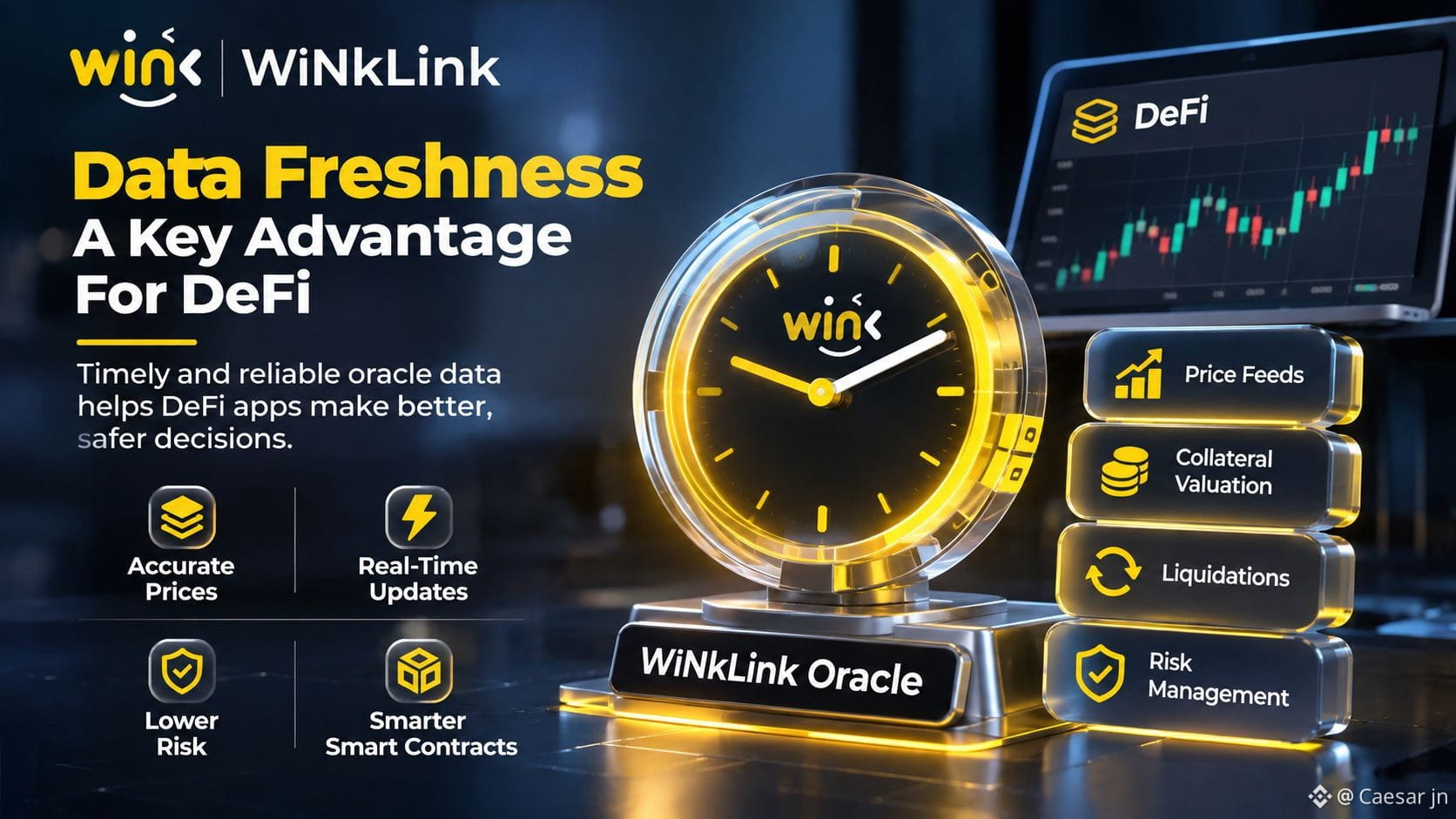
𝗪𝗜𝗡𝗸𝗟𝗶𝗻𝗸: 𝗪𝗵𝘆 𝗗𝗮𝘁𝗮 𝗙𝗿𝗲𝘀𝗵𝗻𝗲𝘀𝘀 𝗖𝗼𝘂𝗹𝗱 𝗕𝗲 𝗗𝗲𝗙𝗶'𝘀 𝗠𝗼𝘀𝘁 𝗢𝘃𝗲𝗿𝗹𝗼𝗼𝗸𝗲𝗱 𝗔𝗱𝘃𝗮𝗻𝘁𝗮𝗴𝗲
In decentralized finance, accuracy is important. But accuracy without freshness can still create problems.
Imagine a lending protocol relying on a price that was correct five minutes ago but no longer reflects current market conditions.
The number might look legitimate, yet the market may have already moved.
This highlights an important part of oracle infrastructure: data freshness.
Why does it matter?
🔹 Price-Sensitive Decisions: DeFi protocols use external market information to support collateral valuation, liquidations, and other financial operations.
🔹 Market Responsiveness: Timely data helps applications respond to changing market conditions instead of relying on outdated information.
🔹 Risk Awareness: Stale information can create inaccurate valuations and increase exposure to unexpected market movements.
🔹 Smarter Smart Contracts: Reliable timestamps and freshness checks help developers establish conditions for accepting external data.
This is why oracle infrastructure should be evaluated beyond whether it can deliver a price feed.
How frequently is the information updated? How is data validity assessed? What happens when an update becomes outdated?
These are important questions for any application depending on external information.
WINkLink operates in this critical layer between external data sources and blockchain applications.
As DeFi becomes more sophisticated, dependable oracle infrastructure will remain essential to building applications that can respond to real-world conditions.
Of course, freshness must work alongside accuracy, security, and reliability. Faster updates alone do not guarantee better data.
In DeFi, yesterday's accurate information can become today's risk.
@WINkLink_Official @JustinSun #TRONEcoStar
𝗪𝗜𝗡𝗸𝗟𝗶𝗻𝗸: 𝗪𝗵𝘆 𝗗𝗮𝘁𝗮 𝗙𝗿𝗲𝘀𝗵𝗻𝗲𝘀𝘀 𝗖𝗼𝘂𝗹𝗱 𝗕𝗲 𝗗𝗲𝗙𝗶'𝘀 𝗠𝗼𝘀𝘁 𝗢𝘃𝗲𝗿𝗹𝗼𝗼𝗸𝗲𝗱 𝗔𝗱𝘃𝗮𝗻𝘁𝗮𝗴𝗲
In decentralized finance, accuracy is important. But accuracy without freshness can still create problems.
Imagine a lending protocol relying on a price that was correct five minutes ago but no longer reflects current market conditions.
The number might look legitimate, yet the market may have already moved.
This highlights an important part of oracle infrastructure: data freshness.
Why does it matter?
🔹 Price-Sensitive Decisions: DeFi protocols use external market information to support collateral valuation, liquidations, and other financial operations.
🔹 Market Responsiveness: Timely data helps applications respond to changing market conditions instead of relying on outdated information.
🔹 Risk Awareness: Stale information can create inaccurate valuations and increase exposure to unexpected market movements.
🔹 Smarter Smart Contracts: Reliable timestamps and freshness checks help developers establish conditions for accepting external data.
This is why oracle infrastructure should be evaluated beyond whether it can deliver a price feed.
How frequently is the information updated? How is data validity assessed? What happens when an update becomes outdated?
These are important questions for any application depending on external information.
WINkLink operates in this critical layer between external data sources and blockchain applications.
As DeFi becomes more sophisticated, dependable oracle infrastructure will remain essential to building applications that can respond to real-world conditions.
Of course, freshness must work alongside accuracy, security, and reliability. Faster updates alone do not guarantee better data.
In DeFi, yesterday's accurate information can become today's risk.
@WINkLink_Official @Justin Sun孙宇晨 #TRONEcoStar
1
13
·
--
𝗗𝗲𝗙𝗶の未来はスマートコントラクトだけでは決まらない
スマートコントラクトは、従来の仲介者に頼ることなく、金融業務を自動化し、取引を実行し、事前に定められた条件を適用できます。
しかし、重要な制約が一つあります。スマートコントラクトは、ブロックチェーンの外部で起きているすべてのことを独自に知ることはできません。
適切な判断を下すには、信頼できる外部情報が必要です。
そこで、ブロックチェーンオラクルが不可欠になります。
オラクルはなぜそれほど重要なのか?
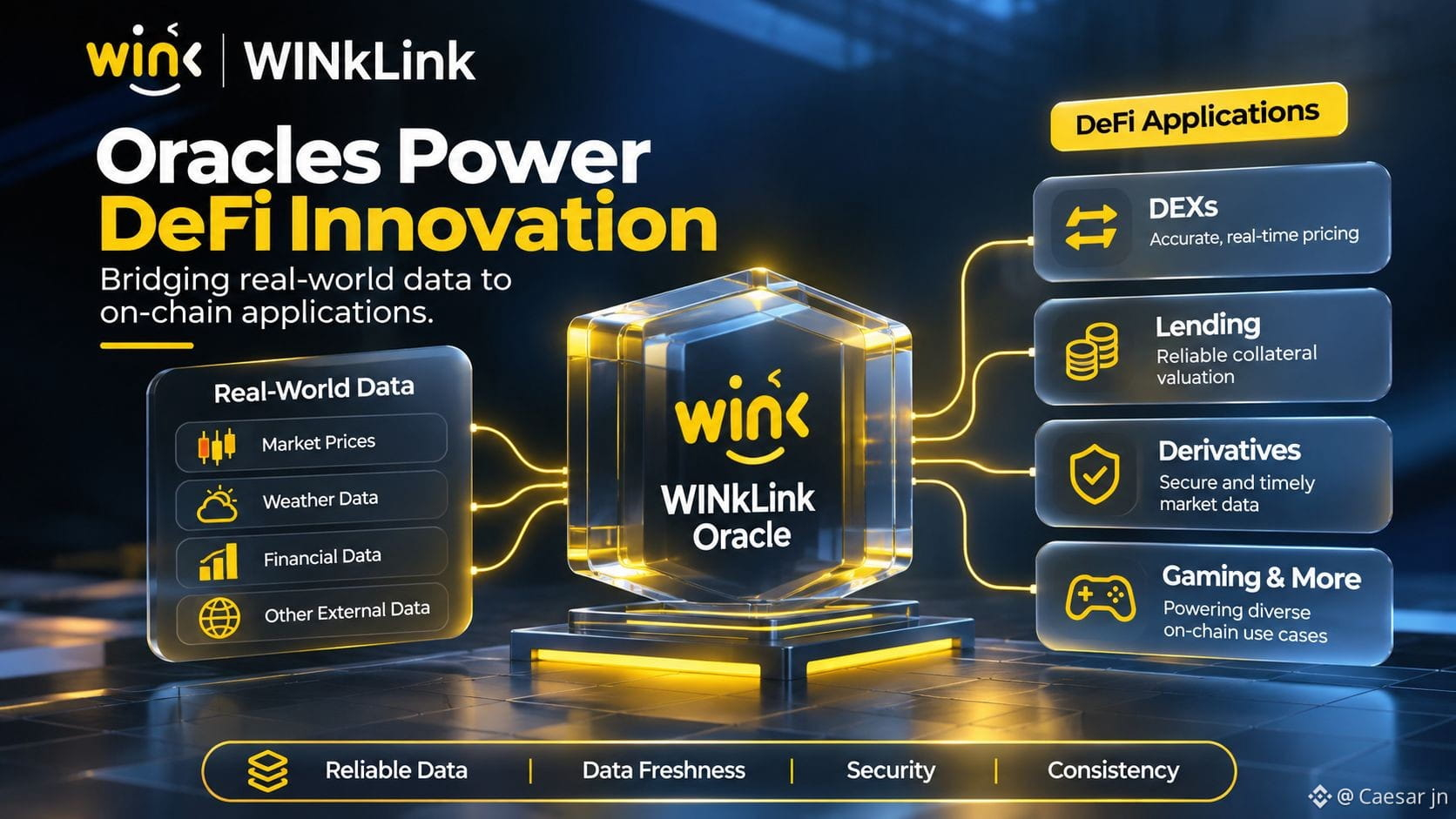
🔹 ブロックチェーンと現実世界をつなぐ:オラクルは、市場価格など、分散型アプリケーションが必要とする外部情報を提供します。
🔹 DeFiの運用を支える:融資プラットフォーム、分散型取引所、デリバティブ・プロトコルは、金融の仕組みを機能させるために正確な情報を必要とします。
🔹 意思決定を改善する:信頼できるデータがあれば、スマートコントラクトはプログラムされたロジックに従って外部の状況に対応できます。
🔹 より多くのアプリケーションを実現する:金融市場にとどまらず、オラクルのインフラは、ゲーム、保険、予測システム、その他のブロックチェーンを活用したサービスを支えることができます。
しかし、データの提供は責任の一部にすぎません。
データの品質、鮮度、一貫性、安全性も同じように重要です。スマートコントラクトが完璧に記述されていても、そこに供給される情報が信頼できなければ、アプリケーションに問題が生じる可能性があります。
そのため、オラクルのインフラは分散型経済を支える重要な基盤の一つとなっています。
WINkLinkは、この重要な領域でオラクルサービスを提供し、外部データとブロックチェーンアプリケーションをつないでいます。
分散型アプリケーションがより高度になるにつれて、信頼できる情報への依存は今後も高まっていくでしょう。
DeFiの次なる発展段階には、オンチェーンでの実行とオフチェーン情報をより強固につなぐ仕組みが必要です。
@JustinSun @WINkLink_Official #TRONEcoStar
𝗗𝗲𝗙𝗶の未来はスマートコントラクトだけでは決まらない
スマートコントラクトは、従来の仲介者に頼ることなく、金融業務を自動化し、取引を実行し、事前に定められた条件を適用できます。
しかし、重要な制約が一つあります。スマートコントラクトは、ブロックチェーンの外部で起きているすべてのことを独自に知ることはできません。
適切な判断を下すには、信頼できる外部情報が必要です。
そこで、ブロックチェーンオラクルが不可欠になります。
オラクルはなぜそれほど重要なのか?
🔹 ブロックチェーンと現実世界をつなぐ:オラクルは、市場価格など、分散型アプリケーションが必要とする外部情報を提供します。
🔹 DeFiの運用を支える:融資プラットフォーム、分散型取引所、デリバティブ・プロトコルは、金融の仕組みを機能させるために正確な情報を必要とします。
🔹 意思決定を改善する:信頼できるデータがあれば、スマートコントラクトはプログラムされたロジックに従って外部の状況に対応できます。
🔹 より多くのアプリケーションを実現する:金融市場にとどまらず、オラクルのインフラは、ゲーム、保険、予測システム、その他のブロックチェーンを活用したサービスを支えることができます。
しかし、データの提供は責任の一部にすぎません。
データの品質、鮮度、一貫性、安全性も同じように重要です。スマートコントラクトが完璧に記述されていても、そこに供給される情報が信頼できなければ、アプリケーションに問題が生じる可能性があります。
そのため、オラクルのインフラは分散型経済を支える重要な基盤の一つとなっています。
WINkLinkは、この重要な領域でオラクルサービスを提供し、外部データとブロックチェーンアプリケーションをつないでいます。
分散型アプリケーションがより高度になるにつれて、信頼できる情報への依存は今後も高まっていくでしょう。
DeFiの次なる発展段階には、オンチェーンでの実行とオフチェーン情報をより強固につなぐ仕組みが必要です。
@Justin Sun孙宇晨 @WINkLink_Official #TRONEcoStar
17
·
--
𝗪𝗜𝗡𝗸𝗟𝗶𝗻𝗸:データにはコンテキストが必要であり、コンテキストには時間が必要
ブロックチェーンインフラでは、適切なデータを取得することは仕事の半分にすぎません。そのデータがいつ有効だったのかを知ることも、同じくらい重要です。
信頼できるタイムスタンプなしに100ドルを示す価格フィードでは、重要な疑問が残ります。
その値は数秒前、数分前、それとも数時間前に正確だったのでしょうか?
分散型アプリケーションにとって、時間を考慮したデータが不可欠なのはこのためです。
スマートコントラクトとDeFiへの影響を考えてみましょう。
🔹 価格の正確性:タイムスタンプ情報は、受信した市場データがどれほど新しいかをアプリケーションが把握するのに役立ちます。
🔹 リスク管理:融資プロトコルなどの金融アプリケーションは、時間に左右される判断を下すために、信頼できる情報を必要とします。
🔹 透明性:開発者やユーザーは、データポイントが何を示しているかだけでなく、それがいつ記録されたのかを知ることで恩恵を受けます。
🔹 信頼性の高い自動化:スマートコントラクトがプログラムされた条件に従って実行されるには、信頼できるデータ入力が必要です。
ここで、オラクルインフラが特に重要になります。
ブロックチェーンはトランザクションを安全に実行できますが、多くのアプリケーションはブロックチェーン外に由来する情報に依存しています。オラクルは、外部データをスマートコントラクトに届けることで、その隔たりを埋める役割を果たします。
WINkLinkにとって、より広い可能性は、分散型アプリケーション向けの、より信頼性の高いデータレイヤーに貢献することです。
そのため、オラクルの品質をめぐる議論は、データの可用性や価格の正確性だけにとどめるべきではありません。データの鮮度、タイムスタンプ、一貫性、信頼性にも、同じように注目する必要があります。
分散型金融では、古い情報も誤った情報と同じくらい問題になり得るからです。
数値は何が起きたかを示します。タイムスタンプは、それがいつ起きたのかを理解する助けになります。信頼できるデータには、その両方が必要です。
@WINkLink_Official @JustinSun #TRONEcoStar
𝗪𝗜𝗡𝗸𝗟𝗶𝗻𝗸:データにはコンテキストが必要であり、コンテキストには時間が必要
ブロックチェーンインフラでは、適切なデータを取得することは仕事の半分にすぎません。そのデータがいつ有効だったのかを知ることも、同じくらい重要です。
信頼できるタイムスタンプなしに100ドルを示す価格フィードでは、重要な疑問が残ります。
その値は数秒前、数分前、それとも数時間前に正確だったのでしょうか?
分散型アプリケーションにとって、時間を考慮したデータが不可欠なのはこのためです。
スマートコントラクトとDeFiへの影響を考えてみましょう。
🔹 価格の正確性:タイムスタンプ情報は、受信した市場データがどれほど新しいかをアプリケーションが把握するのに役立ちます。
🔹 リスク管理:融資プロトコルなどの金融アプリケーションは、時間に左右される判断を下すために、信頼できる情報を必要とします。
🔹 透明性:開発者やユーザーは、データポイントが何を示しているかだけでなく、それがいつ記録されたのかを知ることで恩恵を受けます。
🔹 信頼性の高い自動化:スマートコントラクトがプログラムされた条件に従って実行されるには、信頼できるデータ入力が必要です。
ここで、オラクルインフラが特に重要になります。
ブロックチェーンはトランザクションを安全に実行できますが、多くのアプリケーションはブロックチェーン外に由来する情報に依存しています。オラクルは、外部データをスマートコントラクトに届けることで、その隔たりを埋める役割を果たします。
WINkLinkにとって、より広い可能性は、分散型アプリケーション向けの、より信頼性の高いデータレイヤーに貢献することです。
そのため、オラクルの品質をめぐる議論は、データの可用性や価格の正確性だけにとどめるべきではありません。データの鮮度、タイムスタンプ、一貫性、信頼性にも、同じように注目する必要があります。
分散型金融では、古い情報も誤った情報と同じくらい問題になり得るからです。
数値は何が起きたかを示します。タイムスタンプは、それがいつ起きたのかを理解する助けになります。信頼できるデータには、その両方が必要です。
@WINkLink_Official @Justin Sun孙宇晨 #TRONEcoStar

12
·
--
翻訳参照
𝗦𝗖𝗔𝗟𝗘 𝗜𝗦 𝗢𝗡𝗟𝗬 𝗧𝗛𝗘 𝗕𝗘𝗚𝗜𝗡𝗡𝗜𝗡𝗚: 𝗪𝗛𝗔𝗧 𝗖𝗢𝗠𝗘𝗦 𝗔𝗙𝗧𝗘𝗥 𝟭𝟲 𝗕𝗜𝗟𝗟𝗜𝗢𝗡 𝗧𝗥𝗢𝗡 𝗧𝗥𝗔𝗡𝗦𝗔𝗖𝗧𝗜𝗢𝗡𝗦?
Reaching 16 billion cumulative transactions is a significant network milestone, but the more interesting conversation is what comes next.
Blockchain adoption is not a destination measured by one impressive number. It is a continuous process of improving infrastructure, expanding utility, attracting developers, and creating experiences that keep users coming back.
TRON's growing transaction history provides an opportunity to examine three important dimensions of blockchain development.
1. Infrastructure Must Keep Evolving
As network activity increases, infrastructure must continue meeting the demands of applications, wallets, financial services, and developers. Scalability, reliability, and security remain essential.
2. Utility Must Drive Activity
Long-term network relevance depends on practical use cases. Stablecoin transfers, DeFi applications, payments, and other blockchain-based services demonstrate why accessible infrastructure matters.
3. Adoption Must Become Sustainable
A strong network needs more than transaction growth. It needs active participation, useful applications, developer engagement, and an ecosystem capable of evolving with changing market demands.
This is where TRON's broader ecosystem becomes particularly interesting.
Its development across stablecoins, DeFi, infrastructure, and emerging technologies creates multiple opportunities for blockchain utility to expand.
But the next competitive advantage will come from execution: making transactions more accessible, applications more useful, and the overall experience more dependable.
The 16 billion milestone tells us something about how far the network has travelled.
The next chapter will show how much further its infrastructure and ecosystem can develop.
The real measure of blockchain
@TRONDAO @JustinSun #TRONEcoStar
𝗦𝗖𝗔𝗟𝗘 𝗜𝗦 𝗢𝗡𝗟𝗬 𝗧𝗛𝗘 𝗕𝗘𝗚𝗜𝗡𝗡𝗜𝗡𝗚: 𝗪𝗛𝗔𝗧 𝗖𝗢𝗠𝗘𝗦 𝗔𝗙𝗧𝗘𝗥 𝟭𝟲 𝗕𝗜𝗟𝗟𝗜𝗢𝗡 𝗧𝗥𝗢𝗡 𝗧𝗥𝗔𝗡𝗦𝗔𝗖𝗧𝗜𝗢𝗡𝗦?
Reaching 16 billion cumulative transactions is a significant network milestone, but the more interesting conversation is what comes next.
Blockchain adoption is not a destination measured by one impressive number. It is a continuous process of improving infrastructure, expanding utility, attracting developers, and creating experiences that keep users coming back.
TRON's growing transaction history provides an opportunity to examine three important dimensions of blockchain development.
1. Infrastructure Must Keep Evolving
As network activity increases, infrastructure must continue meeting the demands of applications, wallets, financial services, and developers. Scalability, reliability, and security remain essential.
2. Utility Must Drive Activity
Long-term network relevance depends on practical use cases. Stablecoin transfers, DeFi applications, payments, and other blockchain-based services demonstrate why accessible infrastructure matters.
3. Adoption Must Become Sustainable
A strong network needs more than transaction growth. It needs active participation, useful applications, developer engagement, and an ecosystem capable of evolving with changing market demands.
This is where TRON's broader ecosystem becomes particularly interesting.
Its development across stablecoins, DeFi, infrastructure, and emerging technologies creates multiple opportunities for blockchain utility to expand.
But the next competitive advantage will come from execution: making transactions more accessible, applications more useful, and the overall experience more dependable.
The 16 billion milestone tells us something about how far the network has travelled.
The next chapter will show how much further its infrastructure and ecosystem can develop.
The real measure of blockchain
@TRON DAO @Justin Sun孙宇晨 #TRONEcoStar
3
·
--
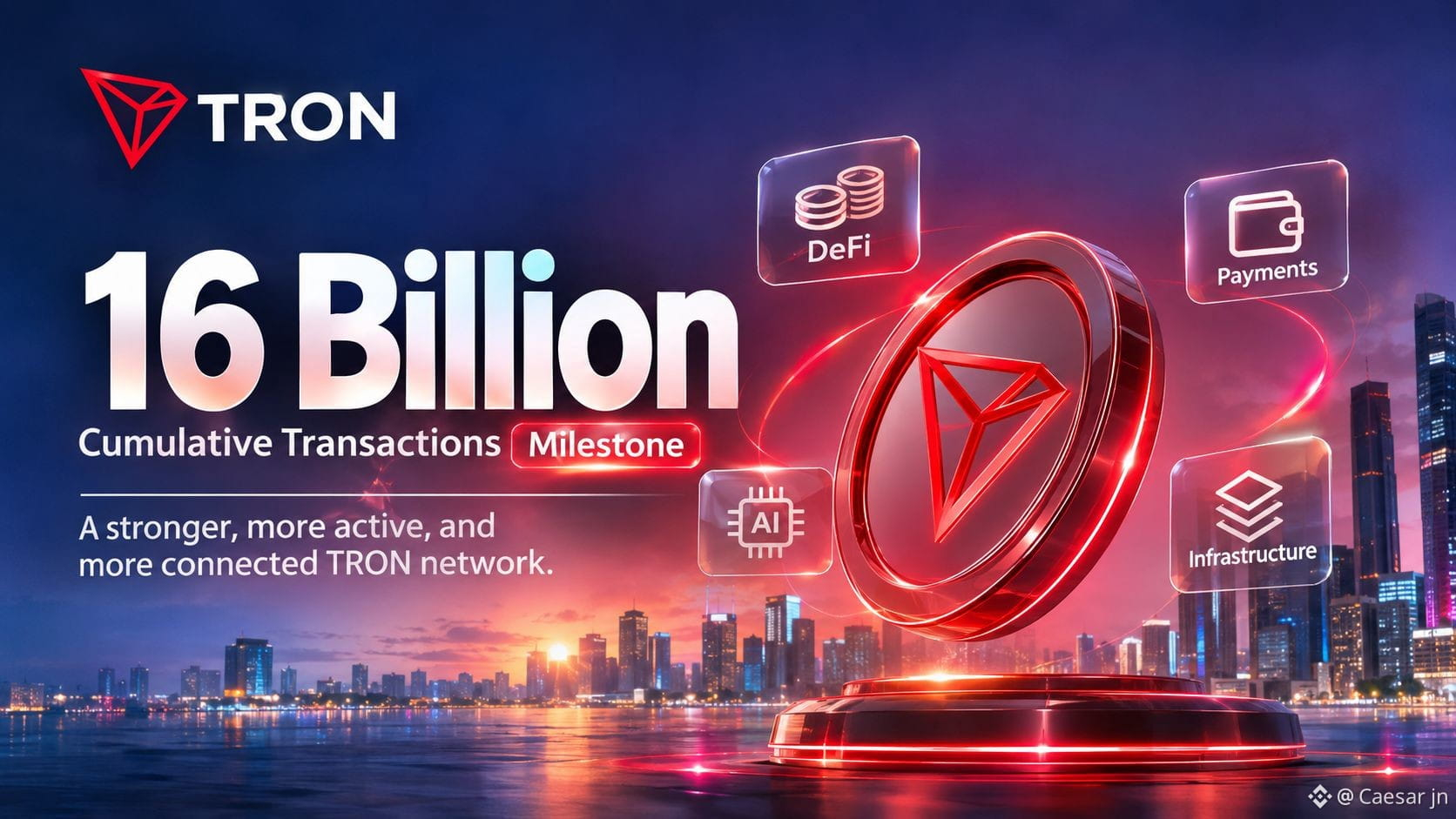
𝗧𝗥𝗢𝗡の累計取引件数160億件突破は、単なる数字ではない
ブロックチェーンの累計取引件数が160億件に達したことは、見出し以上に掘り下げる価値のある節目です。
これは、長年にわたるネットワークの活動、繰り返される利用、そして大規模なブロックチェーンインフラの継続的な活用を表しています。
TRONにとって、この節目はネットワーク成長の歩みに新たな重要な一章を加えるものです。
しかし、より大きな問いは、処理された取引が何件にのぼるかだけではありません。こうした活動が、より広範なデジタル経済におけるネットワークの役割について、何を示しているかということです。
この節目は、背景を踏まえて捉えることも大切です。
公表された数値によると、TRONの累計取引件数は160億件を超え、約160億1,000万件に達しました。これはネットワークの累計指標であり、ユニークユーザー数や個々の決済件数を示すものではありません。TokenPost +1
この成長には、もう一つ重要な側面があります。それはステーブルコインの利用です。
TRONでは2026年第3四半期に、ステーブルコインの決済額が2兆2,100億ドルを記録し、同ネットワークの金融インフラを通じて移動する価値の大きさが示されました。TRON DAO:数兆を動かし、数十億人に力を
こうした動きから、注目すべき3つの分野が見えてきます。
🔹 ネットワークの実用性:継続的な取引活動は、頻繁なオンチェーン上のやり取りを支えられるインフラの重要性を示しています。
🔹 金融の接続性:ステーブルコイン決済は、デジタル決済や価値移転におけるTRONの役割の大きな部分を占め続けています。
🔹 エコシステムの拡大:DeFi、ウォレット、アプリケーション、開発者向けインフラのすべてが、ネットワークのより幅広い実用性に貢献しています。
もちろん、取引件数だけですべてが分かるわけではありません。活動の質、アクティブユーザー数、セキュリティ、経済的な持続可能性、そして現実世界の需要も、同じく重要な指標です。
それでも、取引件数が160億件に達したことは大きな成果であり、さらに注目すべき理由となります。
@TRONDAO @JustinSun #TRONEcoStar
𝗧𝗥𝗢𝗡の累計取引件数160億件突破は、単なる数字ではない
ブロックチェーンの累計取引件数が160億件に達したことは、見出し以上に掘り下げる価値のある節目です。
これは、長年にわたるネットワークの活動、繰り返される利用、そして大規模なブロックチェーンインフラの継続的な活用を表しています。
TRONにとって、この節目はネットワーク成長の歩みに新たな重要な一章を加えるものです。
しかし、より大きな問いは、処理された取引が何件にのぼるかだけではありません。こうした活動が、より広範なデジタル経済におけるネットワークの役割について、何を示しているかということです。
この節目は、背景を踏まえて捉えることも大切です。
公表された数値によると、TRONの累計取引件数は160億件を超え、約160億1,000万件に達しました。これはネットワークの累計指標であり、ユニークユーザー数や個々の決済件数を示すものではありません。TokenPost +1
この成長には、もう一つ重要な側面があります。それはステーブルコインの利用です。
TRONでは2026年第3四半期に、ステーブルコインの決済額が2兆2,100億ドルを記録し、同ネットワークの金融インフラを通じて移動する価値の大きさが示されました。TRON DAO:数兆を動かし、数十億人に力を
こうした動きから、注目すべき3つの分野が見えてきます。
🔹 ネットワークの実用性:継続的な取引活動は、頻繁なオンチェーン上のやり取りを支えられるインフラの重要性を示しています。
🔹 金融の接続性:ステーブルコイン決済は、デジタル決済や価値移転におけるTRONの役割の大きな部分を占め続けています。
🔹 エコシステムの拡大:DeFi、ウォレット、アプリケーション、開発者向けインフラのすべてが、ネットワークのより幅広い実用性に貢献しています。
もちろん、取引件数だけですべてが分かるわけではありません。活動の質、アクティブユーザー数、セキュリティ、経済的な持続可能性、そして現実世界の需要も、同じく重要な指標です。
それでも、取引件数が160億件に達したことは大きな成果であり、さらに注目すべき理由となります。
@TRON DAO @Justin Sun孙宇晨 #TRONEcoStar
1
62
·
--
翻訳参照
𝗧𝗵𝗲 𝗦𝘁𝗿𝗲𝗻𝗴𝘁𝗵 𝗢𝗳 𝗧𝗥𝗢𝗡 𝗟𝗶𝗲𝘀 𝗜𝗻 𝗜𝘁𝘀 𝗘𝗰𝗼𝘀𝘆𝘀𝘁𝗲𝗺 𝗘𝗰𝗼𝗻𝗼𝗺𝘆
A blockchain ecosystem becomes more competitive when innovation happens across multiple sectors rather than depending on a single use case.
This is one of the most interesting things to observe about the continued development of TRON.
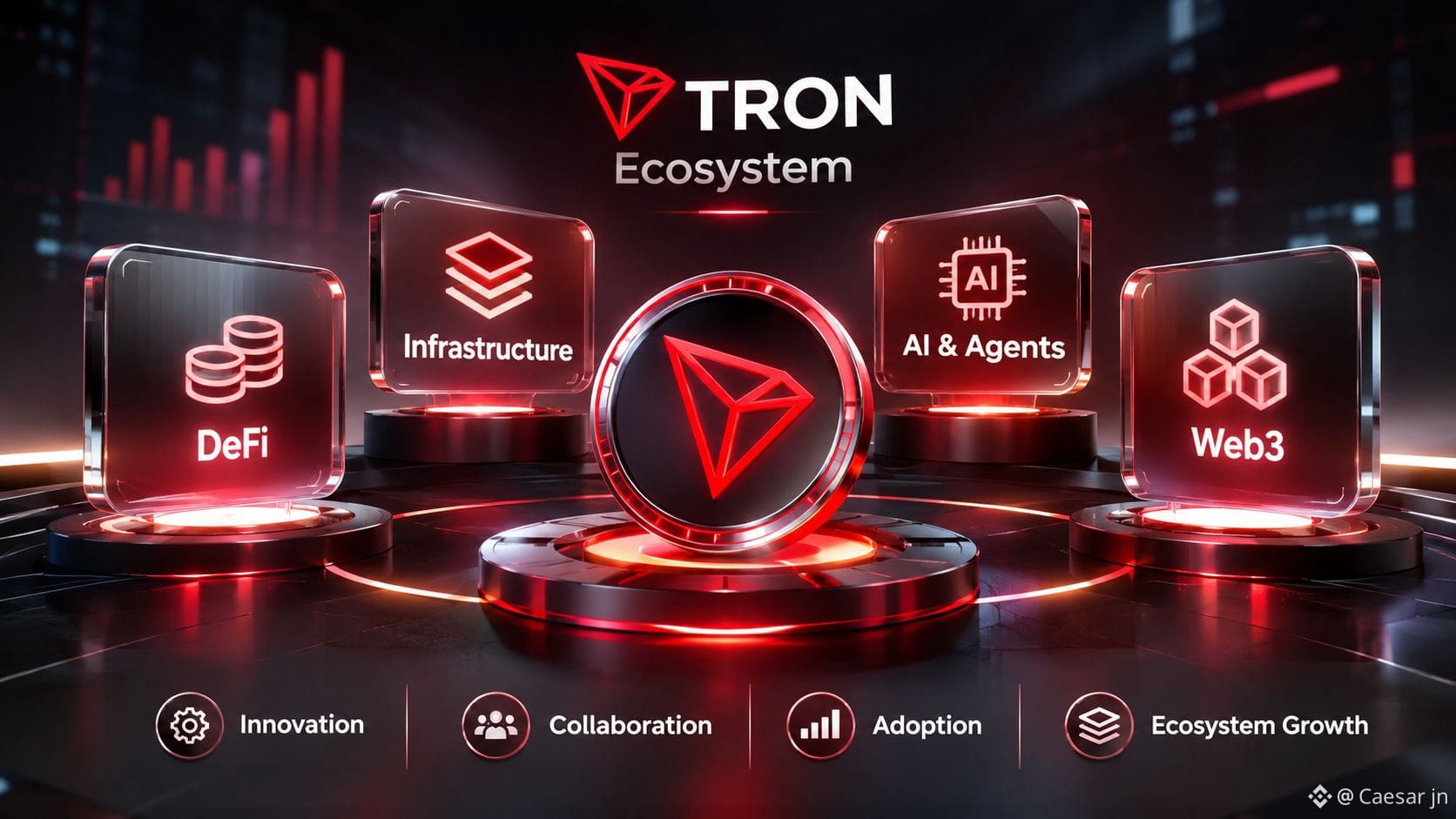
Look beyond individual announcements and a bigger picture begins to emerge: DeFi, infrastructure, AI, agents, and Web3 are all contributing to a broader digital environment.
Each sector plays a different role, but their combined development creates opportunities for stronger connections across the ecosystem.
Here is why this matters:
🔹 DeFi: Decentralized financial applications expand the ways users can access financial services, interact with digital assets, and participate in on-chain markets.
🔹 Infrastructure: Reliable infrastructure provides the foundation developers and applications need to operate and scale.
🔹 AI & Agents: Artificial intelligence introduces new possibilities for automation, intelligent applications, and more efficient digital experiences.
🔹 Web3: Decentralized applications and blockchain-based services continue to expand how people interact with digital ownership and online communities.
However, ecosystem growth should not be measured by the number of projects alone.
The more important question is whether these different innovations are creating meaningful utility, attracting developers, generating real activity, and strengthening connections between participants.
That is where collaboration becomes particularly valuable.
Projects building in different sectors can contribute complementary capabilities. Infrastructure supports applications, applications attract users, and users create demand for better products and services.
This creates an environment where innovation can reinforce itself.
TRON's expanding ecosystem deserves attention not simply because
@TRONDAO
@BitTorrent_Official @JustinSun #TRONEcoStar
𝗧𝗵𝗲 𝗦𝘁𝗿𝗲𝗻𝗴𝘁𝗵 𝗢𝗳 𝗧𝗥𝗢𝗡 𝗟𝗶𝗲𝘀 𝗜𝗻 𝗜𝘁𝘀 𝗘𝗰𝗼𝘀𝘆𝘀𝘁𝗲𝗺 𝗘𝗰𝗼𝗻𝗼𝗺𝘆
A blockchain ecosystem becomes more competitive when innovation happens across multiple sectors rather than depending on a single use case.
This is one of the most interesting things to observe about the continued development of TRON.
Look beyond individual announcements and a bigger picture begins to emerge: DeFi, infrastructure, AI, agents, and Web3 are all contributing to a broader digital environment.
Each sector plays a different role, but their combined development creates opportunities for stronger connections across the ecosystem.
Here is why this matters:
🔹 DeFi: Decentralized financial applications expand the ways users can access financial services, interact with digital assets, and participate in on-chain markets.
🔹 Infrastructure: Reliable infrastructure provides the foundation developers and applications need to operate and scale.
🔹 AI & Agents: Artificial intelligence introduces new possibilities for automation, intelligent applications, and more efficient digital experiences.
🔹 Web3: Decentralized applications and blockchain-based services continue to expand how people interact with digital ownership and online communities.
However, ecosystem growth should not be measured by the number of projects alone.
The more important question is whether these different innovations are creating meaningful utility, attracting developers, generating real activity, and strengthening connections between participants.
That is where collaboration becomes particularly valuable.
Projects building in different sectors can contribute complementary capabilities. Infrastructure supports applications, applications attract users, and users create demand for better products and services.
This creates an environment where innovation can reinforce itself.
TRON's expanding ecosystem deserves attention not simply because
@TRON DAO
@BitTorrent_Official @Justin Sun孙宇晨 #TRONEcoStar
1
1
·
--
翻訳参照
𝗧𝗛𝗘 𝗙𝗜𝗥𝗘 𝗢𝗙 𝗕𝗜𝗧𝗧𝗢𝗥𝗥𝗘𝗡𝗧 𝗜𝗦 𝗔𝗕𝗢𝗨𝗧 𝗠𝗢𝗥𝗘 𝗧𝗛𝗔𝗡 𝗔 𝗧𝗢𝗞𝗘𝗡
In the blockchain industry, lasting relevance is not built on attention alone. It comes from technology, adoption, utility and an ecosystem that continues to evolve.
That is an important perspective when looking at BitTorrent and the role of $BTT.
BitTorrent has something that many emerging blockchain projects are still working to establish: a long-standing foundation in peer-to-peer technology and a globally recognized file-sharing ecosystem.
But the bigger opportunity is what can be built around that foundation.
1. Infrastructure With A Proven History
BitTorrent helped shape how people distribute and access digital content through peer-to-peer technology.
Its decentralized approach demonstrated that users could become active contributors to a network rather than simply depending on centralized distribution systems.
2. Utility Beyond Speculation
The long-term relevance of $BTT should be evaluated through its role within the broader BitTorrent ecosystem.
Token utility, network participation and the development of decentralized services are important factors in building sustainable demand.
A token's significance becomes stronger when it has a meaningful connection to the infrastructure it supports.
3. An Expanding Product Ecosystem
The opportunity extends beyond traditional file sharing.
With BitTorrent's broader product ecosystem and the development of BTTC, there is room to explore how decentralized storage, connectivity and blockchain infrastructure can complement one another.
These developments matter because the future of decentralization will require more than individual products. It will require connected systems that deliver practical value.
4. The Importance Of Long-Term Development
Markets move in cycles. Attention shifts. Narratives change.
But infrastructure development requires consistency.
@BitTorrent_Official @JustinSun #TRONEcoStar
𝗧𝗛𝗘 𝗙𝗜𝗥𝗘 𝗢𝗙 𝗕𝗜𝗧𝗧𝗢𝗥𝗥𝗘𝗡𝗧 𝗜𝗦 𝗔𝗕𝗢𝗨𝗧 𝗠𝗢𝗥𝗘 𝗧𝗛𝗔𝗡 𝗔 𝗧𝗢𝗞𝗘𝗡
In the blockchain industry, lasting relevance is not built on attention alone. It comes from technology, adoption, utility and an ecosystem that continues to evolve.
That is an important perspective when looking at BitTorrent and the role of $BTT.
BitTorrent has something that many emerging blockchain projects are still working to establish: a long-standing foundation in peer-to-peer technology and a globally recognized file-sharing ecosystem.
But the bigger opportunity is what can be built around that foundation.
1. Infrastructure With A Proven History
BitTorrent helped shape how people distribute and access digital content through peer-to-peer technology.
Its decentralized approach demonstrated that users could become active contributors to a network rather than simply depending on centralized distribution systems.
2. Utility Beyond Speculation
The long-term relevance of $BTT should be evaluated through its role within the broader BitTorrent ecosystem.
Token utility, network participation and the development of decentralized services are important factors in building sustainable demand.
A token's significance becomes stronger when it has a meaningful connection to the infrastructure it supports.
3. An Expanding Product Ecosystem
The opportunity extends beyond traditional file sharing.
With BitTorrent's broader product ecosystem and the development of BTTC, there is room to explore how decentralized storage, connectivity and blockchain infrastructure can complement one another.
These developments matter because the future of decentralization will require more than individual products. It will require connected systems that deliver practical value.
4. The Importance Of Long-Term Development
Markets move in cycles. Attention shifts. Narratives change.
But infrastructure development requires consistency.
@BitTorrent_Official @Justin Sun孙宇晨 #TRONEcoStar

1
175
·
--
翻訳参照
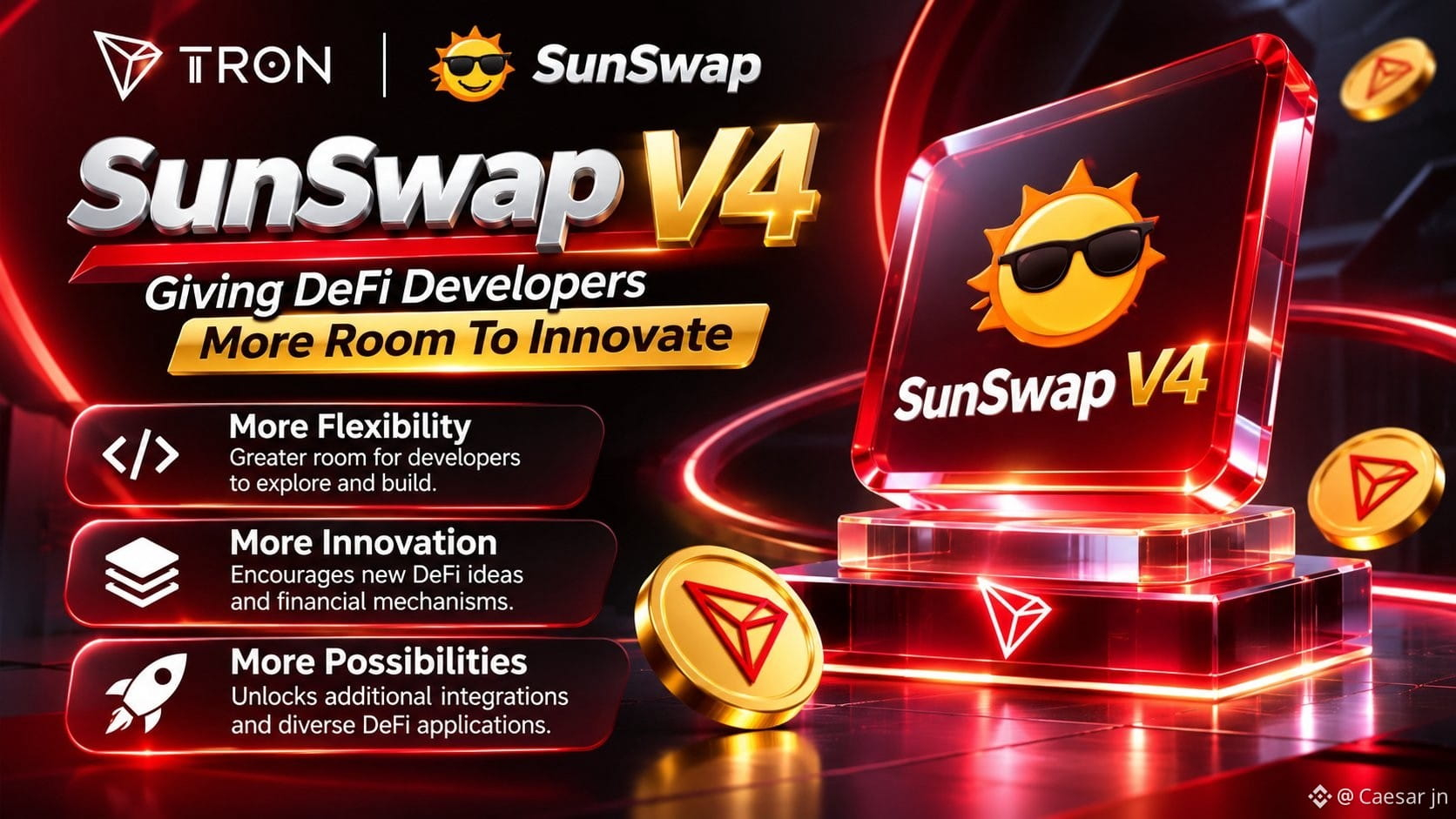
𝐒𝐮𝐧𝐒𝐰𝐚𝐩 𝐕𝟒: 𝐆𝐢𝐯𝐢𝐧𝐠 𝐃𝐞𝐅𝐢 𝐃𝐞𝐯𝐞𝐥𝐨𝐩𝐞𝐫𝐬 𝐌𝐨𝐫𝐞 𝐑𝐨𝐨𝐦 𝐓𝐨 𝐈𝐧𝐧𝐨𝐯𝐚𝐭𝐞
The next phase of decentralized finance will not be determined by trading volume alone. It will also depend on how much freedom developers have to build, experiment, and create new financial experiences.
This is why the development of SunSwap V4 deserves attention.
A decentralized exchange is more than a platform for swapping tokens. Its underlying architecture influences how liquidity is organized, how applications interact with markets, and what developers can create on top of the infrastructure.
When that architecture becomes more flexible, the possibilities for innovation can expand.
𝐖𝐡𝐲 𝐃𝐞𝐯𝐞𝐥𝐨𝐩𝐞𝐫 𝐅𝐥𝐞𝐱𝐢𝐛𝐢𝐥𝐢𝐭𝐲 𝐌𝐚𝐭𝐭𝐞𝐫𝐬
DeFi is constantly evolving.
New financial strategies emerge, user expectations change, and developers continue looking for better ways to design decentralized applications.
Rigid infrastructure can limit experimentation. Flexible infrastructure creates more room to explore different approaches.
SunSwap V4 brings this conversation into focus through three important dimensions:
🔹 More Flexibility: Greater room for developers to explore different approaches to decentralized exchange design.
🔹 More Innovation: A flexible development environment can encourage experimentation with new financial mechanisms and application experiences.
🔹 More Possibilities: Better infrastructure can create opportunities for additional integrations and more diverse DeFi applications.
𝐓𝐡𝐞 𝐈𝐦𝐩𝐨𝐫𝐭𝐚𝐧𝐜𝐞 𝐎𝐟 𝐈𝐧𝐟𝐫𝐚𝐬𝐭𝐫𝐮𝐜𝐭𝐮𝐫𝐞
One of the biggest lessons from the evolution of blockchain technology is that successful ecosystems need more than applications that work independently.
They need infrastructure that allows different components
@JustinSun @SunPump_meme #TRONEcoStar r @TRONDAO
𝐒𝐮𝐧𝐒𝐰𝐚𝐩 𝐕𝟒: 𝐆𝐢𝐯𝐢𝐧𝐠 𝐃𝐞𝐅𝐢 𝐃𝐞𝐯𝐞𝐥𝐨𝐩𝐞𝐫𝐬 𝐌𝐨𝐫𝐞 𝐑𝐨𝐨𝐦 𝐓𝐨 𝐈𝐧𝐧𝐨𝐯𝐚𝐭𝐞
The next phase of decentralized finance will not be determined by trading volume alone. It will also depend on how much freedom developers have to build, experiment, and create new financial experiences.
This is why the development of SunSwap V4 deserves attention.
A decentralized exchange is more than a platform for swapping tokens. Its underlying architecture influences how liquidity is organized, how applications interact with markets, and what developers can create on top of the infrastructure.
When that architecture becomes more flexible, the possibilities for innovation can expand.
𝐖𝐡𝐲 𝐃𝐞𝐯𝐞𝐥𝐨𝐩𝐞𝐫 𝐅𝐥𝐞𝐱𝐢𝐛𝐢𝐥𝐢𝐭𝐲 𝐌𝐚𝐭𝐭𝐞𝐫𝐬
DeFi is constantly evolving.
New financial strategies emerge, user expectations change, and developers continue looking for better ways to design decentralized applications.
Rigid infrastructure can limit experimentation. Flexible infrastructure creates more room to explore different approaches.
SunSwap V4 brings this conversation into focus through three important dimensions:
🔹 More Flexibility: Greater room for developers to explore different approaches to decentralized exchange design.
🔹 More Innovation: A flexible development environment can encourage experimentation with new financial mechanisms and application experiences.
🔹 More Possibilities: Better infrastructure can create opportunities for additional integrations and more diverse DeFi applications.
𝐓𝐡𝐞 𝐈𝐦𝐩𝐨𝐫𝐭𝐚𝐧𝐜𝐞 𝐎𝐟 𝐈𝐧𝐟𝐫𝐚𝐬𝐭𝐫𝐮𝐜𝐭𝐮𝐫𝐞
One of the biggest lessons from the evolution of blockchain technology is that successful ecosystems need more than applications that work independently.
They need infrastructure that allows different components
@Justin Sun孙宇晨 @OfficialSUNio #TRONEcoStar r @TRON DAO
104
·
--
翻訳参照
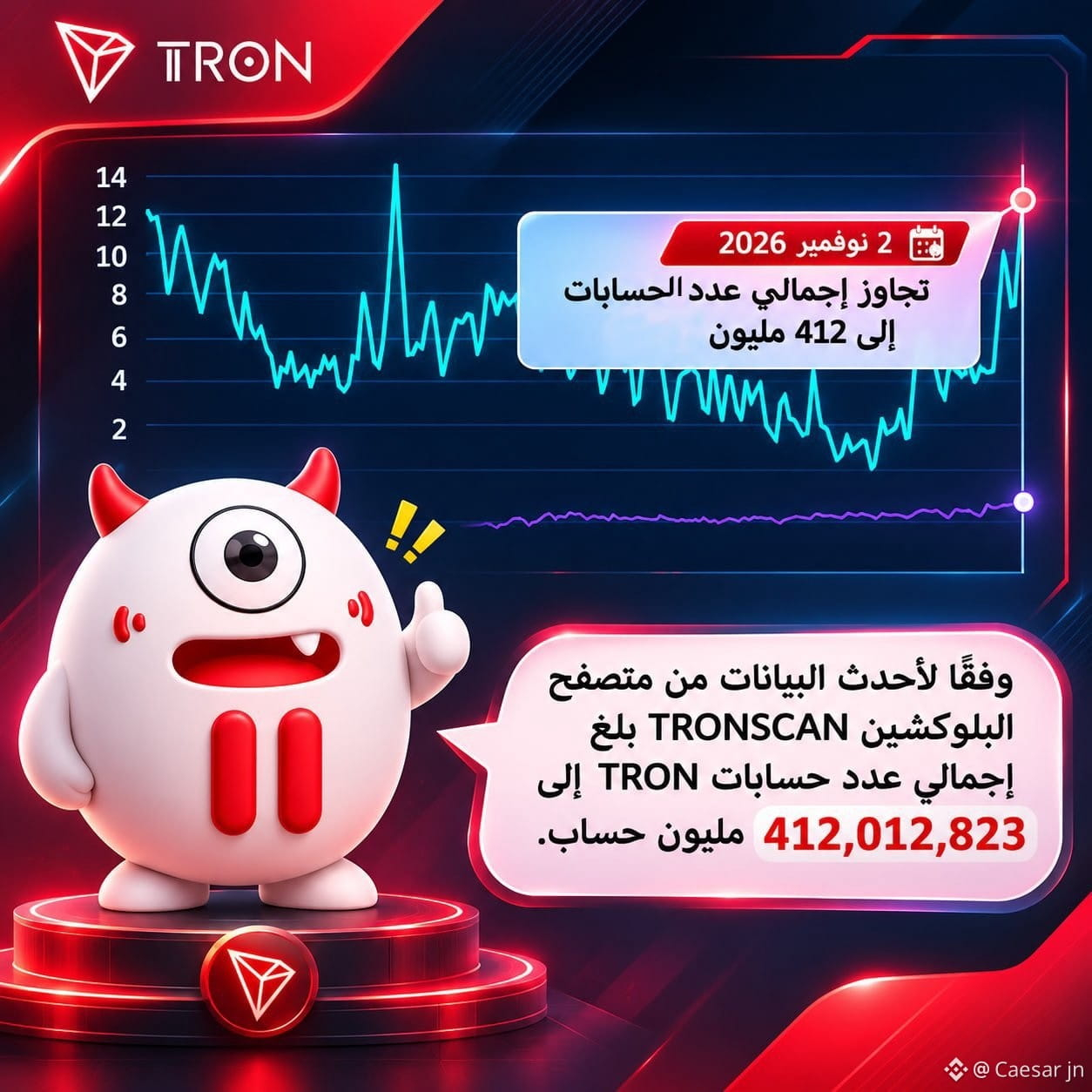
𝐓𝐑𝐎𝐍 𝐂𝐫𝐨𝐬𝐬𝐞𝐬 𝟒𝟏𝟐 𝐌𝐢𝐥𝐥𝐢𝐨𝐧 𝐀𝐜𝐜𝐨𝐮𝐧𝐭𝐬: 𝐍𝐞𝐭𝐰𝐨𝐫𝐤 𝐀𝐝𝐨𝐩𝐭𝐢𝐨𝐧 𝐀𝐭 𝐒𝐜𝐚𝐥𝐞
Blockchain adoption is not built overnight. It develops through continuous participation, expanding infrastructure, practical applications, and an increasing number of people interacting with the network.
TRON has reached another significant milestone.
According to the latest figures displayed by TRONSCAN, the network's total account count reached 412,012,823 on November 2, 2026.
Crossing 412 million accounts is an important indicator of the scale TRON has achieved.
But the more interesting question is what this number represents for the broader ecosystem.
𝐋𝐨𝐨𝐤𝐢𝐧𝐠 𝐁𝐞𝐲𝐨𝐧𝐝 𝐓𝐡𝐞 𝐇𝐞𝐚𝐝𝐥𝐢𝐧𝐞
An expanding account base reflects the growing footprint of a blockchain network.
Every additional account contributes to the network's overall participation landscape, creating more opportunities for interaction with decentralized applications, digital assets, stablecoins, and other blockchain-based services.
For TRON, several ecosystem components make this development particularly interesting.
🔹 Stablecoin Infrastructure: TRON has established a significant position in USDT circulation, supporting dollar-denominated transfers and settlement activity.
🔹 DeFi Participation: Protocols such as JustLend DAO and SunSwap provide financial applications that expand the ways users can interact with digital assets.
🔹 Decentralized Applications: A growing ecosystem of applications creates additional reasons for users and developers to participate.
🔹 Network Accessibility: Efficient blockchain infrastructure helps make digital asset transfers and on-chain interactions more practical.
𝐖𝐡𝐲 𝐓𝐡𝐢𝐬 𝐌𝐢𝐥𝐞𝐬𝐭𝐨𝐧𝐞 𝐌𝐚𝐭𝐭𝐞𝐫𝐬
Account growth is one dimension of network adoption,
@JustinSun
#TRONEcoStar
𝐓𝐑𝐎𝐍 𝐂𝐫𝐨𝐬𝐬𝐞𝐬 𝟒𝟏𝟐 𝐌𝐢𝐥𝐥𝐢𝐨𝐧 𝐀𝐜𝐜𝐨𝐮𝐧𝐭𝐬: 𝐍𝐞𝐭𝐰𝐨𝐫𝐤 𝐀𝐝𝐨𝐩𝐭𝐢𝐨𝐧 𝐀𝐭 𝐒𝐜𝐚𝐥𝐞
Blockchain adoption is not built overnight. It develops through continuous participation, expanding infrastructure, practical applications, and an increasing number of people interacting with the network.
TRON has reached another significant milestone.
According to the latest figures displayed by TRONSCAN, the network's total account count reached 412,012,823 on November 2, 2026.
Crossing 412 million accounts is an important indicator of the scale TRON has achieved.
But the more interesting question is what this number represents for the broader ecosystem.
𝐋𝐨𝐨𝐤𝐢𝐧𝐠 𝐁𝐞𝐲𝐨𝐧𝐝 𝐓𝐡𝐞 𝐇𝐞𝐚𝐝𝐥𝐢𝐧𝐞
An expanding account base reflects the growing footprint of a blockchain network.
Every additional account contributes to the network's overall participation landscape, creating more opportunities for interaction with decentralized applications, digital assets, stablecoins, and other blockchain-based services.
For TRON, several ecosystem components make this development particularly interesting.
🔹 Stablecoin Infrastructure: TRON has established a significant position in USDT circulation, supporting dollar-denominated transfers and settlement activity.
🔹 DeFi Participation: Protocols such as JustLend DAO and SunSwap provide financial applications that expand the ways users can interact with digital assets.
🔹 Decentralized Applications: A growing ecosystem of applications creates additional reasons for users and developers to participate.
🔹 Network Accessibility: Efficient blockchain infrastructure helps make digital asset transfers and on-chain interactions more practical.
𝐖𝐡𝐲 𝐓𝐡𝐢𝐬 𝐌𝐢𝐥𝐞𝐬𝐭𝐨𝐧𝐞 𝐌𝐚𝐭𝐭𝐞𝐫𝐬
Account growth is one dimension of network adoption,
@Justin Sun孙宇晨
#TRONEcoStar
131
·
--
翻訳参照
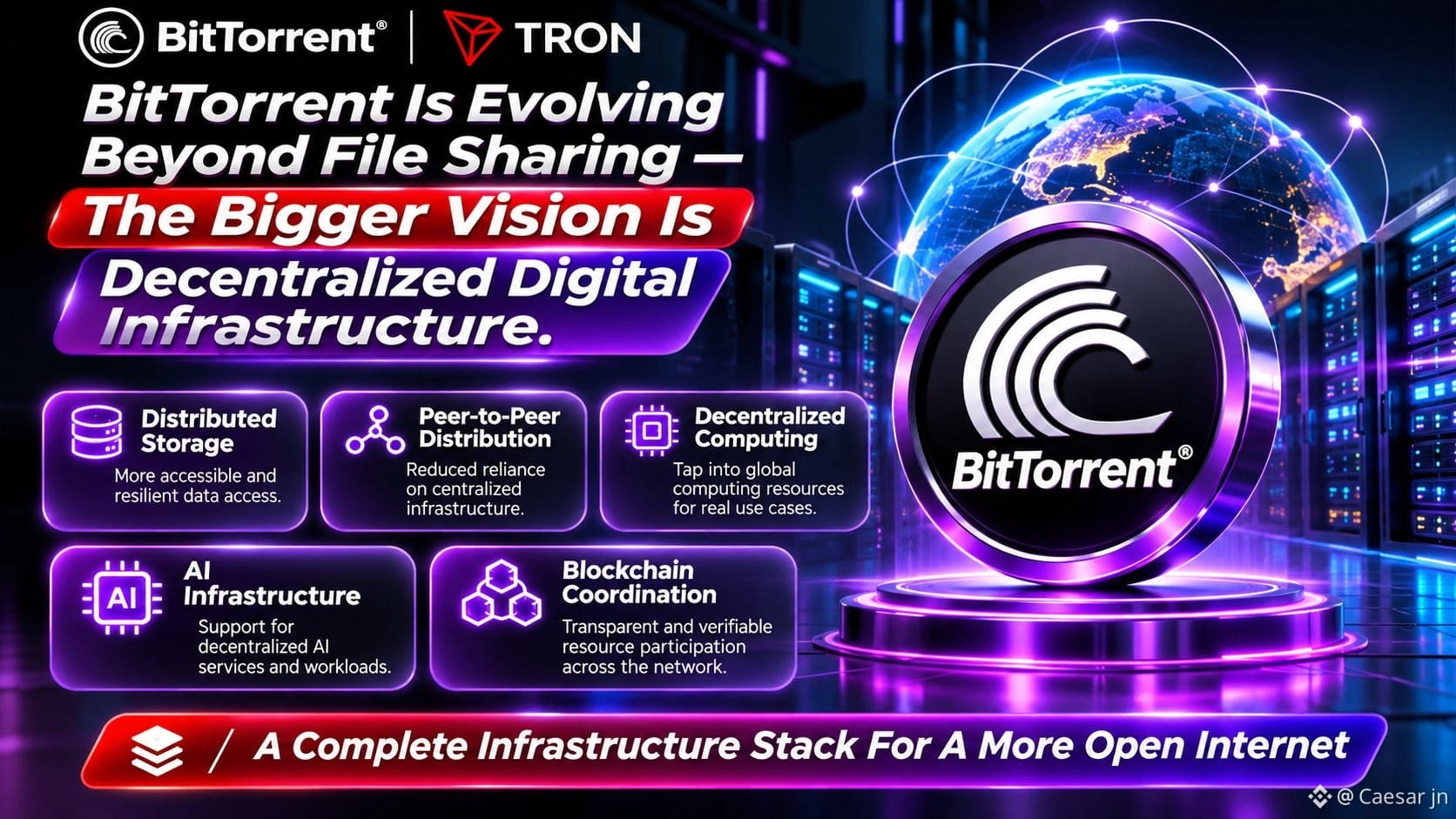
𝐁𝐢𝐭𝐓𝐨𝐫𝐫𝐞𝐧𝐭 𝐈𝐬 𝐄𝐯𝐨𝐥𝐯𝐢𝐧𝐠 𝐁𝐞𝐲𝐨𝐧𝐝 𝐅𝐢𝐥𝐞 𝐒𝐡𝐚𝐫𝐢𝐧𝐠 — 𝐓𝐡𝐞 𝐁𝐢𝐠𝐠𝐞𝐫 𝐕𝐢𝐬𝐢𝐨𝐧 𝐈𝐬 𝐃𝐞𝐜𝐞𝐧𝐭𝐫𝐚𝐥𝐢𝐳𝐞𝐝 𝐃𝐢𝐠𝐢𝐭𝐚𝐥 𝐈𝐧𝐟𝐫𝐚𝐬𝐭𝐫𝐮𝐜𝐭𝐮𝐫𝐞.
The next chapter of the internet will not be defined by content alone. It will also depend on the infrastructure that makes content, data, applications, and computing resources accessible across a globally connected network.
This is where BitTorrent's broader evolution becomes interesting.
For years, BitTorrent established itself as a recognizable name in peer-to-peer file distribution. Its underlying principle was simple but powerful: enable participants to share resources directly rather than depend entirely on centralized distribution systems.
Today, that foundational concept has much broader relevance.
Consider the infrastructure opportunities emerging around decentralized technology:
🔹 Distributed Storage: Making digital information more accessible through decentralized resource-sharing networks.
🔹 Peer-to-Peer Distribution: Reducing dependence on centralized delivery infrastructure.
🔹 Decentralized Computing: Connecting available computing resources to support increasingly demanding applications.
🔹 AI Infrastructure: Creating new possibilities for distributed computational workloads and decentralized AI services.
🔹 Blockchain Coordination: Introducing transparent, verifiable mechanisms for coordinating digital resources and network participation.
The important distinction is that these components should not be viewed as isolated products. Their real potential becomes clearer when they operate as complementary layers of a broader infrastructure ecosystem.
BitTorrent's challenge and opportunity are therefore bigger than maintaining its legacy.
@JustinSun @BitTorrent_Official
#TRONEcoStar
𝐁𝐢𝐭𝐓𝐨𝐫𝐫𝐞𝐧𝐭 𝐈𝐬 𝐄𝐯𝐨𝐥𝐯𝐢𝐧𝐠 𝐁𝐞𝐲𝐨𝐧𝐝 𝐅𝐢𝐥𝐞 𝐒𝐡𝐚𝐫𝐢𝐧𝐠 — 𝐓𝐡𝐞 𝐁𝐢𝐠𝐠𝐞𝐫 𝐕𝐢𝐬𝐢𝐨𝐧 𝐈𝐬 𝐃𝐞𝐜𝐞𝐧𝐭𝐫𝐚𝐥𝐢𝐳𝐞𝐝 𝐃𝐢𝐠𝐢𝐭𝐚𝐥 𝐈𝐧𝐟𝐫𝐚𝐬𝐭𝐫𝐮𝐜𝐭𝐮𝐫𝐞.
The next chapter of the internet will not be defined by content alone. It will also depend on the infrastructure that makes content, data, applications, and computing resources accessible across a globally connected network.
This is where BitTorrent's broader evolution becomes interesting.
For years, BitTorrent established itself as a recognizable name in peer-to-peer file distribution. Its underlying principle was simple but powerful: enable participants to share resources directly rather than depend entirely on centralized distribution systems.
Today, that foundational concept has much broader relevance.
Consider the infrastructure opportunities emerging around decentralized technology:
🔹 Distributed Storage: Making digital information more accessible through decentralized resource-sharing networks.
🔹 Peer-to-Peer Distribution: Reducing dependence on centralized delivery infrastructure.
🔹 Decentralized Computing: Connecting available computing resources to support increasingly demanding applications.
🔹 AI Infrastructure: Creating new possibilities for distributed computational workloads and decentralized AI services.
🔹 Blockchain Coordination: Introducing transparent, verifiable mechanisms for coordinating digital resources and network participation.
The important distinction is that these components should not be viewed as isolated products. Their real potential becomes clearer when they operate as complementary layers of a broader infrastructure ecosystem.
BitTorrent's challenge and opportunity are therefore bigger than maintaining its legacy.
@Justin Sun孙宇晨 @BitTorrent_Official
#TRONEcoStar
93
ログインして、さらにコンテンツを読む
厳選トピックで世界の暗号資産トレーダーの仲間入り
⚡️ 暗号資産に関する最新かつ有益な情報が見つかります。
💬 世界最大の暗号資産取引所から信頼されています。
👍 認証を受けたクリエイターから、有益なインサイトを得られます。
メール / 電話番号