

LadyChain 1
163 投稿

LadyChain 1
報告
ユーザーをブロック
Crypto & Web3 enthusiast | Exploring blockchain & AI | Sharing thoughts, trends & fresh ideas for the future of tech | Open collaboration.
0 フォロー
6 フォロワー
5 いいね
投稿
·
--
1つの弱い雇用統計だけで金利見通しの物語はすぐに変わり得ますが、それがビットコインのトレンドをこれほど速く変えるかは確信がありません。10月の利上げ確率が約70%から17%へ下がったことは重要で、BTCが$87K方向へ反応するのも、市場が金融環境の緩和を織り込み始めていることを考えると筋が通っています。 ただ、ここには重要な違いがあります。雇用が弱いことは、金利見通しの低下を通じてBTCにとって強材料になり得る一方で、より景気の弱さも示すシグナルになります。この2つの効果は市場を異なる方向へ引っ張り得ます。だから私は、シティの$113K目標よりも、$87K〜$87.7Kのゾーンにより注目しています。BTCは年初来のオープン付近である$87,722を上回って終値で着地することに苦戦してきたため、その水準を取り戻せれば、市場が実際にマクロの転換を吸収しているというより強い根拠になります。ETFフローや潜在的なショートスクイーズ(踏み上げ)も別の要素ですが、$95Kや$113Kへ向かうことを保証するものではありません。私にとっての核心の問いはシンプルです。BTCは$87K〜$87.7Kを抵抗から支持へ転換できるのか、それとも市場が最終的にまず$82Kを再テストするのか。雇用統計が見通しを変えました。あとは、その変化を維持できるのかどうかを価格が示さなければなりません。
1つの弱い雇用統計だけで金利見通しの物語はすぐに変わり得ますが、それがビットコインのトレンドをこれほど速く変えるかは確信がありません。10月の利上げ確率が約70%から17%へ下がったことは重要で、BTCが$87K方向へ反応するのも、市場が金融環境の緩和を織り込み始めていることを考えると筋が通っています。 ただ、ここには重要な違いがあります。雇用が弱いことは、金利見通しの低下を通じてBTCにとって強材料になり得る一方で、より景気の弱さも示すシグナルになります。この2つの効果は市場を異なる方向へ引っ張り得ます。だから私は、シティの$113K目標よりも、$87K〜$87.7Kのゾーンにより注目しています。BTCは年初来のオープン付近である$87,722を上回って終値で着地することに苦戦してきたため、その水準を取り戻せれば、市場が実際にマクロの転換を吸収しているというより強い根拠になります。ETFフローや潜在的なショートスクイーズ(踏み上げ)も別の要素ですが、$95Kや$113Kへ向かうことを保証するものではありません。私にとっての核心の問いはシンプルです。BTCは$87K〜$87.7Kを抵抗から支持へ転換できるのか、それとも市場が最終的にまず$82Kを再テストするのか。雇用統計が見通しを変えました。あとは、その変化を維持できるのかどうかを価格が示さなければなりません。
45
·
--
なぜサンドボックスが突然こんなに注目されているのか?
サンドボックス($SAND )は、過去24時間で市場の動きが急加速したことで、にわかに注目の的に戻ってきました。
CoinMarketCapは現在、SANDがインドネシアで最もトレンドになっている暗号資産の一つとして表示しており、24時間の取引高も価格の動きに合わせて劇的に増加しています。
今回の動きで興味深いのは、ラリー(上昇)の全体を明確に説明する、単一の確定した公式発表が存在しないことです。
代わりに注目が集まっているのは、活発な取引が後押ししていること、ゲームやメタバース関連プロジェクトへの関心が再燃していること、そしてサンドボックス・エコシステムにおける新展開に関する憶測が重なっているためだと見られます。
この違いは重要です。
急激な価格変動は、トレーダーやソーシャルメディアの注目を非常に素早く集めることがありますが、露出が増えたことが長期的な普及の変化を自動的に意味するわけではありません。
サンドボックスは何年もかけて、クリエイターが体験を作り、ユーザーがデジタル資産とやり取りできる、ブロックチェーンを基盤としたゲームとバーチャルワールドのエコシステムを構築してきました。
今のより大きな問いは、この再び高まった注目が実際の活動につながるのかどうかです。
ゲーミング・エコシステムにとって役立つ指標には、アクティブユーザー数、クリエイターの活動、新しい体験、取引量、そして継続的なエンゲージメント(反復的な関わり)などがあります。
今回の動きは確かに、SANDを再び監視リストの中に戻しました。
しかし、より面白いのは、最初の勢いが落ち着いた後に何が起きるかかもしれません。
サンドボックスは、再び高まった市場の注目を、持続的なユーザーおよびクリエイターの活動へとつなげられるのでしょうか?
$SAND #TheSandbox #Gaming #Metaverse #Web3
なぜサンドボックスが突然こんなに注目されているのか?
サンドボックス($SAND )は、過去24時間で市場の動きが急加速したことで、にわかに注目の的に戻ってきました。
CoinMarketCapは現在、SANDがインドネシアで最もトレンドになっている暗号資産の一つとして表示しており、24時間の取引高も価格の動きに合わせて劇的に増加しています。
今回の動きで興味深いのは、ラリー(上昇)の全体を明確に説明する、単一の確定した公式発表が存在しないことです。
代わりに注目が集まっているのは、活発な取引が後押ししていること、ゲームやメタバース関連プロジェクトへの関心が再燃していること、そしてサンドボックス・エコシステムにおける新展開に関する憶測が重なっているためだと見られます。
この違いは重要です。
急激な価格変動は、トレーダーやソーシャルメディアの注目を非常に素早く集めることがありますが、露出が増えたことが長期的な普及の変化を自動的に意味するわけではありません。
サンドボックスは何年もかけて、クリエイターが体験を作り、ユーザーがデジタル資産とやり取りできる、ブロックチェーンを基盤としたゲームとバーチャルワールドのエコシステムを構築してきました。
今のより大きな問いは、この再び高まった注目が実際の活動につながるのかどうかです。
ゲーミング・エコシステムにとって役立つ指標には、アクティブユーザー数、クリエイターの活動、新しい体験、取引量、そして継続的なエンゲージメント(反復的な関わり)などがあります。
今回の動きは確かに、SANDを再び監視リストの中に戻しました。
しかし、より面白いのは、最初の勢いが落ち着いた後に何が起きるかかもしれません。
サンドボックスは、再び高まった市場の注目を、持続的なユーザーおよびクリエイターの活動へとつなげられるのでしょうか?
$SAND #TheSandbox #Gaming #Metaverse #Web3
サンドボックス($SAND )は、過去24時間で市場の動きが急加速したことで、にわかに注目の的に戻ってきました。
CoinMarketCapは現在、SANDがインドネシアで最もトレンドになっている暗号資産の一つとして表示しており、24時間の取引高も価格の動きに合わせて劇的に増加しています。
今回の動きで興味深いのは、ラリー(上昇)の全体を明確に説明する、単一の確定した公式発表が存在しないことです。
代わりに注目が集まっているのは、活発な取引が後押ししていること、ゲームやメタバース関連プロジェクトへの関心が再燃していること、そしてサンドボックス・エコシステムにおける新展開に関する憶測が重なっているためだと見られます。
この違いは重要です。
急激な価格変動は、トレーダーやソーシャルメディアの注目を非常に素早く集めることがありますが、露出が増えたことが長期的な普及の変化を自動的に意味するわけではありません。
サンドボックスは何年もかけて、クリエイターが体験を作り、ユーザーがデジタル資産とやり取りできる、ブロックチェーンを基盤としたゲームとバーチャルワールドのエコシステムを構築してきました。
今のより大きな問いは、この再び高まった注目が実際の活動につながるのかどうかです。
ゲーミング・エコシステムにとって役立つ指標には、アクティブユーザー数、クリエイターの活動、新しい体験、取引量、そして継続的なエンゲージメント(反復的な関わり)などがあります。
今回の動きは確かに、SANDを再び監視リストの中に戻しました。
しかし、より面白いのは、最初の勢いが落ち着いた後に何が起きるかかもしれません。
サンドボックスは、再び高まった市場の注目を、持続的なユーザーおよびクリエイターの活動へとつなげられるのでしょうか?
$SAND #TheSandbox #Gaming #Metaverse #Web3
60
·
--
なぜ広東は突然これほど注目されているのか?
広東($CC )は、いま暗号資産の最大級の物語の一つである「従来の金融市場をオンチェーン化すること」への取り組みを背景に、周辺でますます注目を集めています。
広東は、機関投資家の金融インフラを念頭に設計されたレイヤー1であり、規制市場や実世界資産(RWA)向けに、プライバシーと制御を構成可能にしています。
最近の議論が面白いのは、いくつかの動きが組み合わさっている点です。
広東は、DTCCやトークン化された証券といった文脈を含む、機関投資家によるトークン化の活動と結び付けられています。さらに同ネットワークは、ビットコインの貸付インセンティブによってCCに追加のユーティリティをもたらし、そのトークンが単なる投機資産にとどまらない役割を持つようになりました。
これは重要です。機関投資家の導入には、一般的なパブリックDeFiとは異なるインフラが必要だからです。
金融機関には、プライバシー、コンプライアンスの統制、相互運用性、そして予測可能な決済が求められます。広東は、まさにそれらの要件に合わせて設計されています。
また同ネットワークは、エコシステム全体でアプリケーションと参加者をつなぐインフラとして「グローバル・シンクロナイザー」を使用しています。
しかし本当の問いは、機関による活動が、継続的なネットワーク利用へとつながるのかどうかです。
ブロックチェーンは大手の金融プレイヤーを惹きつけることができても、提携やパイロットを反復的な取引へ転換できるかという課題に直面します。
広東において重要になる指標としては、ネットワーク活動、インフラを利用するアプリケーション、トークン化された資産、取引量、そして金融機関の参加が挙げられます。
RWAの物語は「何をトークン化できるのか?」から「これらの資産は実際にどこで取引され、どこで決済されるのか?」へと、ますます移行しています。
それこそが、広東にとってより重要な問いになるかもしれません。
機関投資家級のブロックチェーン基盤は、世界の金融市場の中で意味のある存在になり得るのでしょうか?
$CC #Canton #RWA #Tokenization #TradFi
なぜ広東は突然これほど注目されているのか?
広東($CC )は、いま暗号資産の最大級の物語の一つである「従来の金融市場をオンチェーン化すること」への取り組みを背景に、周辺でますます注目を集めています。
広東は、機関投資家の金融インフラを念頭に設計されたレイヤー1であり、規制市場や実世界資産(RWA)向けに、プライバシーと制御を構成可能にしています。
最近の議論が面白いのは、いくつかの動きが組み合わさっている点です。
広東は、DTCCやトークン化された証券といった文脈を含む、機関投資家によるトークン化の活動と結び付けられています。さらに同ネットワークは、ビットコインの貸付インセンティブによってCCに追加のユーティリティをもたらし、そのトークンが単なる投機資産にとどまらない役割を持つようになりました。
これは重要です。機関投資家の導入には、一般的なパブリックDeFiとは異なるインフラが必要だからです。
金融機関には、プライバシー、コンプライアンスの統制、相互運用性、そして予測可能な決済が求められます。広東は、まさにそれらの要件に合わせて設計されています。
また同ネットワークは、エコシステム全体でアプリケーションと参加者をつなぐインフラとして「グローバル・シンクロナイザー」を使用しています。
しかし本当の問いは、機関による活動が、継続的なネットワーク利用へとつながるのかどうかです。
ブロックチェーンは大手の金融プレイヤーを惹きつけることができても、提携やパイロットを反復的な取引へ転換できるかという課題に直面します。
広東において重要になる指標としては、ネットワーク活動、インフラを利用するアプリケーション、トークン化された資産、取引量、そして金融機関の参加が挙げられます。
RWAの物語は「何をトークン化できるのか?」から「これらの資産は実際にどこで取引され、どこで決済されるのか?」へと、ますます移行しています。
それこそが、広東にとってより重要な問いになるかもしれません。
機関投資家級のブロックチェーン基盤は、世界の金融市場の中で意味のある存在になり得るのでしょうか?
$CC #Canton #RWA #Tokenization #TradFi
広東($CC )は、いま暗号資産の最大級の物語の一つである「従来の金融市場をオンチェーン化すること」への取り組みを背景に、周辺でますます注目を集めています。
広東は、機関投資家の金融インフラを念頭に設計されたレイヤー1であり、規制市場や実世界資産(RWA)向けに、プライバシーと制御を構成可能にしています。
最近の議論が面白いのは、いくつかの動きが組み合わさっている点です。
広東は、DTCCやトークン化された証券といった文脈を含む、機関投資家によるトークン化の活動と結び付けられています。さらに同ネットワークは、ビットコインの貸付インセンティブによってCCに追加のユーティリティをもたらし、そのトークンが単なる投機資産にとどまらない役割を持つようになりました。
これは重要です。機関投資家の導入には、一般的なパブリックDeFiとは異なるインフラが必要だからです。
金融機関には、プライバシー、コンプライアンスの統制、相互運用性、そして予測可能な決済が求められます。広東は、まさにそれらの要件に合わせて設計されています。
また同ネットワークは、エコシステム全体でアプリケーションと参加者をつなぐインフラとして「グローバル・シンクロナイザー」を使用しています。
しかし本当の問いは、機関による活動が、継続的なネットワーク利用へとつながるのかどうかです。
ブロックチェーンは大手の金融プレイヤーを惹きつけることができても、提携やパイロットを反復的な取引へ転換できるかという課題に直面します。
広東において重要になる指標としては、ネットワーク活動、インフラを利用するアプリケーション、トークン化された資産、取引量、そして金融機関の参加が挙げられます。
RWAの物語は「何をトークン化できるのか?」から「これらの資産は実際にどこで取引され、どこで決済されるのか?」へと、ますます移行しています。
それこそが、広東にとってより重要な問いになるかもしれません。
機関投資家級のブロックチェーン基盤は、世界の金融市場の中で意味のある存在になり得るのでしょうか?
$CC #Canton #RWA #Tokenization #TradFi
70
·
--
ビットコインにおいて10月は強い評判がありますが、今回のところカレンダーだけではあまり決め手にならないように感じています。直近13回の10月のうち10回はプラス(グリーン)で終わっており、平均リターンは約19%です。これは確かに印象的ですが、サンプル数がまだ十分に大きくないため、それをそのまま売買シグナルに結びつけるのは慎重であるべきです。私がより気になるのは、BTCが10月に入る時点の文脈です。たとえば、Q3の約40%の上昇、$BTCは約$84K近辺、Fear & Greedは71、そして$18B規模のオプションのオーバーハング(重し)がまだ残っています。さらに、$83K〜$85Kのゾーンも重要に見えます。もしBTCがここを維持しつつ流動性が改善するなら、過去の10月パターンがより意味を持ってくる可能性があります。しかし、その水準が崩れるなら、季節性の統計よりも$80Kと$76K〜$78Kのゾーンのほうがはるかに重要になるかもしれません。個人的には「Uptober(上昇の10月)」は可能性として捉えており、断定ではありません。私にとっての本当の問いは、強かった四半期の後に10月が新たな需要を生み出せるのか、それとも歴史が単に、実際以上に状況を魅力的に見せているだけなのか、という点です。
ビットコインにおいて10月は強い評判がありますが、今回のところカレンダーだけではあまり決め手にならないように感じています。直近13回の10月のうち10回はプラス(グリーン)で終わっており、平均リターンは約19%です。これは確かに印象的ですが、サンプル数がまだ十分に大きくないため、それをそのまま売買シグナルに結びつけるのは慎重であるべきです。私がより気になるのは、BTCが10月に入る時点の文脈です。たとえば、Q3の約40%の上昇、$BTCは約$84K近辺、Fear & Greedは71、そして$18B規模のオプションのオーバーハング(重し)がまだ残っています。さらに、$83K〜$85Kのゾーンも重要に見えます。もしBTCがここを維持しつつ流動性が改善するなら、過去の10月パターンがより意味を持ってくる可能性があります。しかし、その水準が崩れるなら、季節性の統計よりも$80Kと$76K〜$78Kのゾーンのほうがはるかに重要になるかもしれません。個人的には「Uptober(上昇の10月)」は可能性として捉えており、断定ではありません。私にとっての本当の問いは、強かった四半期の後に10月が新たな需要を生み出せるのか、それとも歴史が単に、実際以上に状況を魅力的に見せているだけなのか、という点です。
43
·
--
Stacksはビットコインのレイヤー2をめぐる会話を拡大しています
Stacks($STX)は、ビットコインが従来の決済・価値保存の役割にとどまらず、どのようにアプリケーションを支えられるのかを引き続き探求しています。
最近の動きとして、Anchorage DigitalがStacks上でのビットコイン・ステーキングをサポートし、ネットワークのビットコイン・レイヤー2基盤に改めて注目が集まりました。
より広い発想は重要です。
ビットコインには大きく確立された資産基盤がありますが、当初の設計は、新しいプログラマブル・ブロックチェーンで見られるのと同じ範囲のスマートコントラクト・アプリケーションを支えるためには作られていませんでした。
Stacksはこの課題に対して、ビットコインを基盤となる決済レイヤーとして使いながら、その周りにスマートコントラクト機能を構築することでアプローチしています。
これにより、ビットコインのベースレイヤー自体を汎用のスマートコントラクト・プラットフォームにする必要なく、ビットコインと相互作用できる分散型金融(DeFi)やアプリケーションなど、さまざまな可能性が開かれます。
課題は採用です。
ビットコインのレイヤー2には、それを土台として構築したい開発者、そうしたアプリケーションとやり取りしたいユーザー、そしてエコシステムを実用的にするのに十分な流動性が必要です。
ステーキングやビットコインを基盤とする利回り商品が、規制されたインフラを通じてよりアクセスしやすくなれば、機関投資家の参画がもう一つの次元を加える可能性があります。
ただし長期的な試金石は、ネットワークの活動状況です。
有用な指標には、アクティブユーザー数、取引件数、DeFiの流動性、開発者の活動、そしてエコシステム内で実際に使われているビットコインの量などが含まれます。
$STXトークンはStacksの経済における役割を担っていますが、より広い論点は、アプリケーションがビットコインを基盤としたスマートコントラクト基盤に対する継続的な需要を生み出せるかどうかにかかっています。
ビットコインのレイヤー2は、より広い検証領域になりつつあります。
Stacksは、ビットコインの既存の流動性とセキュリティを、より大きなアプリケーション・エコシステムの土台にできるのでしょうか?
$STX #Stacks #Bitcoin #Layer2 #DeFi
Stacksはビットコインのレイヤー2をめぐる会話を拡大しています
Stacks($STX)は、ビットコインが従来の決済・価値保存の役割にとどまらず、どのようにアプリケーションを支えられるのかを引き続き探求しています。
最近の動きとして、Anchorage DigitalがStacks上でのビットコイン・ステーキングをサポートし、ネットワークのビットコイン・レイヤー2基盤に改めて注目が集まりました。
より広い発想は重要です。
ビットコインには大きく確立された資産基盤がありますが、当初の設計は、新しいプログラマブル・ブロックチェーンで見られるのと同じ範囲のスマートコントラクト・アプリケーションを支えるためには作られていませんでした。
Stacksはこの課題に対して、ビットコインを基盤となる決済レイヤーとして使いながら、その周りにスマートコントラクト機能を構築することでアプローチしています。
これにより、ビットコインのベースレイヤー自体を汎用のスマートコントラクト・プラットフォームにする必要なく、ビットコインと相互作用できる分散型金融(DeFi)やアプリケーションなど、さまざまな可能性が開かれます。
課題は採用です。
ビットコインのレイヤー2には、それを土台として構築したい開発者、そうしたアプリケーションとやり取りしたいユーザー、そしてエコシステムを実用的にするのに十分な流動性が必要です。
ステーキングやビットコインを基盤とする利回り商品が、規制されたインフラを通じてよりアクセスしやすくなれば、機関投資家の参画がもう一つの次元を加える可能性があります。
ただし長期的な試金石は、ネットワークの活動状況です。
有用な指標には、アクティブユーザー数、取引件数、DeFiの流動性、開発者の活動、そしてエコシステム内で実際に使われているビットコインの量などが含まれます。
$STXトークンはStacksの経済における役割を担っていますが、より広い論点は、アプリケーションがビットコインを基盤としたスマートコントラクト基盤に対する継続的な需要を生み出せるかどうかにかかっています。
ビットコインのレイヤー2は、より広い検証領域になりつつあります。
Stacksは、ビットコインの既存の流動性とセキュリティを、より大きなアプリケーション・エコシステムの土台にできるのでしょうか?
$STX #Stacks #Bitcoin #Layer2 #DeFi
Stacks($STX)は、ビットコインが従来の決済・価値保存の役割にとどまらず、どのようにアプリケーションを支えられるのかを引き続き探求しています。
最近の動きとして、Anchorage DigitalがStacks上でのビットコイン・ステーキングをサポートし、ネットワークのビットコイン・レイヤー2基盤に改めて注目が集まりました。
より広い発想は重要です。
ビットコインには大きく確立された資産基盤がありますが、当初の設計は、新しいプログラマブル・ブロックチェーンで見られるのと同じ範囲のスマートコントラクト・アプリケーションを支えるためには作られていませんでした。
Stacksはこの課題に対して、ビットコインを基盤となる決済レイヤーとして使いながら、その周りにスマートコントラクト機能を構築することでアプローチしています。
これにより、ビットコインのベースレイヤー自体を汎用のスマートコントラクト・プラットフォームにする必要なく、ビットコインと相互作用できる分散型金融(DeFi)やアプリケーションなど、さまざまな可能性が開かれます。
課題は採用です。
ビットコインのレイヤー2には、それを土台として構築したい開発者、そうしたアプリケーションとやり取りしたいユーザー、そしてエコシステムを実用的にするのに十分な流動性が必要です。
ステーキングやビットコインを基盤とする利回り商品が、規制されたインフラを通じてよりアクセスしやすくなれば、機関投資家の参画がもう一つの次元を加える可能性があります。
ただし長期的な試金石は、ネットワークの活動状況です。
有用な指標には、アクティブユーザー数、取引件数、DeFiの流動性、開発者の活動、そしてエコシステム内で実際に使われているビットコインの量などが含まれます。
$STXトークンはStacksの経済における役割を担っていますが、より広い論点は、アプリケーションがビットコインを基盤としたスマートコントラクト基盤に対する継続的な需要を生み出せるかどうかにかかっています。
ビットコインのレイヤー2は、より広い検証領域になりつつあります。
Stacksは、ビットコインの既存の流動性とセキュリティを、より大きなアプリケーション・エコシステムの土台にできるのでしょうか?
$STX #Stacks #Bitcoin #Layer2 #DeFi
71
·
--
モナドの真価は、より高速なインフラがより多くのアプリケーションを生むかどうかだ
モナド($MON)はブロックチェーンの性能向上に向けた取り組みで注目を集めていますが、より興味深い問いは、そのインフラをもとに開発者が実際に何を作れるのかです。
最近の動きとして、MonadTenのアップグレードにより、特定のクラスタ化されたストレージ読み取りのガスコストが最大98%削減されました。
この種の改善が重要なのは、ブロックチェーンの性能がネットワークが処理できる取引数だけで決まらないからです。
開発者は、アプリケーションの運用コスト、データへのアクセス、そしてスケールしたスマートコントラクトの実行コストも重視します。
インフラのコストが下がることで、特にアプリケーションが大量のオンチェーンデータとやり取りする必要がある場合に、特定のアプリ設計がより現実的になります。
注目すべき別の動きは、1inchがMonad上にフルスタックを展開したことです。定着したアプリケーションがそれを使い始め、単なる技術デモのまま終わらないと、インフラの価値は一層意味を持ちます。
しかし、アップグレードや統合は始まりにすぎません。
ブロックチェーンには、開発者、ユーザー、流動性、そして継続的な活動を生み出すアプリケーションがまだ必要です。
また、モナドのEVM互換性により、開発者はソリディティベースのアプリケーションをデプロイするための馴染みのある環境を利用できます。これにより、既存のイーサリアム・アプリケーションを別の実行環境へ移行する際の摩擦が軽減される可能性があります。
$MONトークンはネットワークの経済システムの一部であり、インフラの長期的な価値は実際の利用にかかっています。
注目すべき重要な指標は、取引アクティビティ、アクティブアドレス、開発者のデプロイ数、アプリの利用状況、そしてネットワーク手数料です。
より高速なインフラは、ユーザーが本当に望む何かを実現できるときにのみ役に立ちます。
モナドは、自身の性能改善を継続的なアプリ成長につなげられるのでしょうか?
$MON #Monad #Layer1 #Ethereum #Blockchain
モナドの真価は、より高速なインフラがより多くのアプリケーションを生むかどうかだ
モナド($MON)はブロックチェーンの性能向上に向けた取り組みで注目を集めていますが、より興味深い問いは、そのインフラをもとに開発者が実際に何を作れるのかです。
最近の動きとして、MonadTenのアップグレードにより、特定のクラスタ化されたストレージ読み取りのガスコストが最大98%削減されました。
この種の改善が重要なのは、ブロックチェーンの性能がネットワークが処理できる取引数だけで決まらないからです。
開発者は、アプリケーションの運用コスト、データへのアクセス、そしてスケールしたスマートコントラクトの実行コストも重視します。
インフラのコストが下がることで、特にアプリケーションが大量のオンチェーンデータとやり取りする必要がある場合に、特定のアプリ設計がより現実的になります。
注目すべき別の動きは、1inchがMonad上にフルスタックを展開したことです。定着したアプリケーションがそれを使い始め、単なる技術デモのまま終わらないと、インフラの価値は一層意味を持ちます。
しかし、アップグレードや統合は始まりにすぎません。
ブロックチェーンには、開発者、ユーザー、流動性、そして継続的な活動を生み出すアプリケーションがまだ必要です。
また、モナドのEVM互換性により、開発者はソリディティベースのアプリケーションをデプロイするための馴染みのある環境を利用できます。これにより、既存のイーサリアム・アプリケーションを別の実行環境へ移行する際の摩擦が軽減される可能性があります。
$MONトークンはネットワークの経済システムの一部であり、インフラの長期的な価値は実際の利用にかかっています。
注目すべき重要な指標は、取引アクティビティ、アクティブアドレス、開発者のデプロイ数、アプリの利用状況、そしてネットワーク手数料です。
より高速なインフラは、ユーザーが本当に望む何かを実現できるときにのみ役に立ちます。
モナドは、自身の性能改善を継続的なアプリ成長につなげられるのでしょうか?
$MON #Monad #Layer1 #Ethereum #Blockchain
モナド($MON)はブロックチェーンの性能向上に向けた取り組みで注目を集めていますが、より興味深い問いは、そのインフラをもとに開発者が実際に何を作れるのかです。
最近の動きとして、MonadTenのアップグレードにより、特定のクラスタ化されたストレージ読み取りのガスコストが最大98%削減されました。
この種の改善が重要なのは、ブロックチェーンの性能がネットワークが処理できる取引数だけで決まらないからです。
開発者は、アプリケーションの運用コスト、データへのアクセス、そしてスケールしたスマートコントラクトの実行コストも重視します。
インフラのコストが下がることで、特にアプリケーションが大量のオンチェーンデータとやり取りする必要がある場合に、特定のアプリ設計がより現実的になります。
注目すべき別の動きは、1inchがMonad上にフルスタックを展開したことです。定着したアプリケーションがそれを使い始め、単なる技術デモのまま終わらないと、インフラの価値は一層意味を持ちます。
しかし、アップグレードや統合は始まりにすぎません。
ブロックチェーンには、開発者、ユーザー、流動性、そして継続的な活動を生み出すアプリケーションがまだ必要です。
また、モナドのEVM互換性により、開発者はソリディティベースのアプリケーションをデプロイするための馴染みのある環境を利用できます。これにより、既存のイーサリアム・アプリケーションを別の実行環境へ移行する際の摩擦が軽減される可能性があります。
$MONトークンはネットワークの経済システムの一部であり、インフラの長期的な価値は実際の利用にかかっています。
注目すべき重要な指標は、取引アクティビティ、アクティブアドレス、開発者のデプロイ数、アプリの利用状況、そしてネットワーク手数料です。
より高速なインフラは、ユーザーが本当に望む何かを実現できるときにのみ役に立ちます。
モナドは、自身の性能改善を継続的なアプリ成長につなげられるのでしょうか?
$MON #Monad #Layer1 #Ethereum #Blockchain
79
·
--
PolygonのPOLアップグレードが示す「なぜトークノミクスが今も重要なのか」
Polygon($POL )は、ネットワークがステーキングのインセンティブを調整すると同時に、トークン供給を減らす追加の仕組みを導入することで、トークン経済(トークノミクス)に改めて注目を集めています。
直近のCoinMarketCapの報道では、ステーキング報酬が7.7%増加し、さらにPOLの1億(100 million)バーンが行われたことが取り上げられました。
これらの変更は興味深いものです。というのも、ブロックチェーンのトークノミクスは、単に希少性を作り出すことだけを目的としているわけではないからです。
ネットワークには同時に複数の要素のバランスが必要です。バリデーターへのインセンティブ、ネットワークのセキュリティ、ユーザーのアクティビティ、そしてネイティブ資産の供給です。
ステーキング報酬の引き上げは、ネットワークのセキュリティへの参加を後押しし得ます。一方で、バーンの仕組みは、時間の経過とともに循環するPOLの量を減らすことができます。
しかし、どちらの仕組みも、それ自体では長期的な価値を保証しません。
より重要なのは、ネットワークが、参加者に提示されている経済的インセンティブを正当化できるだけの、実際のアクティビティを生み出せるかどうかです。
Polygonは、Ethereumのスケーリングとアプリ開発を中心にインフラを構築してきました。つまり、その長期的なエコシステムは、開発者、ユーザー、取引、そしてアプリケーションに依存しています。
そのため、ネットワークのアクティビティは、トークン供給と並ぶ重要な指標になります。
ステーキング参加が増え、かつエコシステムが引き続きアプリケーションやユーザーを惹きつけられるなら、トークノミクスの変更は、より広範なネットワーク成長の物語の一部になり得ます。
ただし、アクティビティの伸びが追いつかなければ、インセンティブの変更だけでは影響が限定的になってしまう可能性があります。
したがって、$POLトークンは単なる市場資産以上の意味を持ちます。その経済性は、Polygonエコシステムがどのようにインセンティブを配分し、インフラをどのように確保しているかと結びついています。
興味深い問いは次の点です。
改善されたトークノミクスは、より強いネットワーク参加と持続可能な利用につながり得るのか?
$POL #Polygon #POL #Ethereum #Layer2
PolygonのPOLアップグレードが示す「なぜトークノミクスが今も重要なのか」
Polygon($POL )は、ネットワークがステーキングのインセンティブを調整すると同時に、トークン供給を減らす追加の仕組みを導入することで、トークン経済(トークノミクス)に改めて注目を集めています。
直近のCoinMarketCapの報道では、ステーキング報酬が7.7%増加し、さらにPOLの1億(100 million)バーンが行われたことが取り上げられました。
これらの変更は興味深いものです。というのも、ブロックチェーンのトークノミクスは、単に希少性を作り出すことだけを目的としているわけではないからです。
ネットワークには同時に複数の要素のバランスが必要です。バリデーターへのインセンティブ、ネットワークのセキュリティ、ユーザーのアクティビティ、そしてネイティブ資産の供給です。
ステーキング報酬の引き上げは、ネットワークのセキュリティへの参加を後押しし得ます。一方で、バーンの仕組みは、時間の経過とともに循環するPOLの量を減らすことができます。
しかし、どちらの仕組みも、それ自体では長期的な価値を保証しません。
より重要なのは、ネットワークが、参加者に提示されている経済的インセンティブを正当化できるだけの、実際のアクティビティを生み出せるかどうかです。
Polygonは、Ethereumのスケーリングとアプリ開発を中心にインフラを構築してきました。つまり、その長期的なエコシステムは、開発者、ユーザー、取引、そしてアプリケーションに依存しています。
そのため、ネットワークのアクティビティは、トークン供給と並ぶ重要な指標になります。
ステーキング参加が増え、かつエコシステムが引き続きアプリケーションやユーザーを惹きつけられるなら、トークノミクスの変更は、より広範なネットワーク成長の物語の一部になり得ます。
ただし、アクティビティの伸びが追いつかなければ、インセンティブの変更だけでは影響が限定的になってしまう可能性があります。
したがって、$POLトークンは単なる市場資産以上の意味を持ちます。その経済性は、Polygonエコシステムがどのようにインセンティブを配分し、インフラをどのように確保しているかと結びついています。
興味深い問いは次の点です。
改善されたトークノミクスは、より強いネットワーク参加と持続可能な利用につながり得るのか?
$POL #Polygon #POL #Ethereum #Layer2
Polygon($POL )は、ネットワークがステーキングのインセンティブを調整すると同時に、トークン供給を減らす追加の仕組みを導入することで、トークン経済(トークノミクス)に改めて注目を集めています。
直近のCoinMarketCapの報道では、ステーキング報酬が7.7%増加し、さらにPOLの1億(100 million)バーンが行われたことが取り上げられました。
これらの変更は興味深いものです。というのも、ブロックチェーンのトークノミクスは、単に希少性を作り出すことだけを目的としているわけではないからです。
ネットワークには同時に複数の要素のバランスが必要です。バリデーターへのインセンティブ、ネットワークのセキュリティ、ユーザーのアクティビティ、そしてネイティブ資産の供給です。
ステーキング報酬の引き上げは、ネットワークのセキュリティへの参加を後押しし得ます。一方で、バーンの仕組みは、時間の経過とともに循環するPOLの量を減らすことができます。
しかし、どちらの仕組みも、それ自体では長期的な価値を保証しません。
より重要なのは、ネットワークが、参加者に提示されている経済的インセンティブを正当化できるだけの、実際のアクティビティを生み出せるかどうかです。
Polygonは、Ethereumのスケーリングとアプリ開発を中心にインフラを構築してきました。つまり、その長期的なエコシステムは、開発者、ユーザー、取引、そしてアプリケーションに依存しています。
そのため、ネットワークのアクティビティは、トークン供給と並ぶ重要な指標になります。
ステーキング参加が増え、かつエコシステムが引き続きアプリケーションやユーザーを惹きつけられるなら、トークノミクスの変更は、より広範なネットワーク成長の物語の一部になり得ます。
ただし、アクティビティの伸びが追いつかなければ、インセンティブの変更だけでは影響が限定的になってしまう可能性があります。
したがって、$POLトークンは単なる市場資産以上の意味を持ちます。その経済性は、Polygonエコシステムがどのようにインセンティブを配分し、インフラをどのように確保しているかと結びついています。
興味深い問いは次の点です。
改善されたトークノミクスは、より強いネットワーク参加と持続可能な利用につながり得るのか?
$POL #Polygon #POL #Ethereum #Layer2
53
·
--
XRPレジャーのアクティビティは、注目すべき重要な指標になりつつある
XRP($XRP)は、XRP Ledger上での活動が増加し、機関投資家の関心も継続する中で、最近改めて注目を集めています。
CoinMarketCapの最近の報道では、新たなXRP Ledgerアカウント数と決済(支払い)ボリュームの急増が取り上げられました。同時に、XRPは機関市場からの注目も引き続き集めています。
これらの動きが興味深いのは、決済に特化したブロックチェーンの価値提案は、最終的には実際の利用に依存するからです。
ネットワークは強いブランドや大きな時価総額を持つことはできても、持続的な導入には、人々や企業がインフラを使って実際の取引を行う必要があります。
XRP Ledgerは高速決済と低コストの送金を中心に設計されており、ネットワーク内で使われるネイティブ資産としてXRPが機能します。
したがって、成長する決済アクティビティは、短期的な価格変動よりも重要である可能性があります。アカウントの増加や取引活動の高まりは、ネットワークが本物の利用を引き付けているかどうかのより良い兆候になります。
ただし、アクティビティが一時的に増えたことが、長期的なトレンドを自動的に確立するわけではありません。
注目すべき主要指標は、決済ボリューム、アクティブアカウント、取引アクティビティ、流動性、そしてレジャーを使うアプリケーションの種類です。
もう一つの要因は、ブロックチェーン上の決済におけるトークン化された資産やステーブルコインの役割が拡大していることです。こうした市場が引き続き成長するなら、決済ネットワークは、デジタル資産と従来の金融システムをつなぐ重要なレイヤーになり得ます。
興味深いのは、市場の注目がXRP自体からそれた後でも、XRP Ledgerのアクティビティが成長し続けられるかどうかです。
実際のネットワーク利用が、XRPの物語の中で最も強い要素になれるのでしょうか?
$XRP #XRP #XRPL #Blockchain #Payments
XRPレジャーのアクティビティは、注目すべき重要な指標になりつつある
XRP($XRP)は、XRP Ledger上での活動が増加し、機関投資家の関心も継続する中で、最近改めて注目を集めています。
CoinMarketCapの最近の報道では、新たなXRP Ledgerアカウント数と決済(支払い)ボリュームの急増が取り上げられました。同時に、XRPは機関市場からの注目も引き続き集めています。
これらの動きが興味深いのは、決済に特化したブロックチェーンの価値提案は、最終的には実際の利用に依存するからです。
ネットワークは強いブランドや大きな時価総額を持つことはできても、持続的な導入には、人々や企業がインフラを使って実際の取引を行う必要があります。
XRP Ledgerは高速決済と低コストの送金を中心に設計されており、ネットワーク内で使われるネイティブ資産としてXRPが機能します。
したがって、成長する決済アクティビティは、短期的な価格変動よりも重要である可能性があります。アカウントの増加や取引活動の高まりは、ネットワークが本物の利用を引き付けているかどうかのより良い兆候になります。
ただし、アクティビティが一時的に増えたことが、長期的なトレンドを自動的に確立するわけではありません。
注目すべき主要指標は、決済ボリューム、アクティブアカウント、取引アクティビティ、流動性、そしてレジャーを使うアプリケーションの種類です。
もう一つの要因は、ブロックチェーン上の決済におけるトークン化された資産やステーブルコインの役割が拡大していることです。こうした市場が引き続き成長するなら、決済ネットワークは、デジタル資産と従来の金融システムをつなぐ重要なレイヤーになり得ます。
興味深いのは、市場の注目がXRP自体からそれた後でも、XRP Ledgerのアクティビティが成長し続けられるかどうかです。
実際のネットワーク利用が、XRPの物語の中で最も強い要素になれるのでしょうか?
$XRP #XRP #XRPL #Blockchain #Payments
XRP($XRP)は、XRP Ledger上での活動が増加し、機関投資家の関心も継続する中で、最近改めて注目を集めています。
CoinMarketCapの最近の報道では、新たなXRP Ledgerアカウント数と決済(支払い)ボリュームの急増が取り上げられました。同時に、XRPは機関市場からの注目も引き続き集めています。
これらの動きが興味深いのは、決済に特化したブロックチェーンの価値提案は、最終的には実際の利用に依存するからです。
ネットワークは強いブランドや大きな時価総額を持つことはできても、持続的な導入には、人々や企業がインフラを使って実際の取引を行う必要があります。
XRP Ledgerは高速決済と低コストの送金を中心に設計されており、ネットワーク内で使われるネイティブ資産としてXRPが機能します。
したがって、成長する決済アクティビティは、短期的な価格変動よりも重要である可能性があります。アカウントの増加や取引活動の高まりは、ネットワークが本物の利用を引き付けているかどうかのより良い兆候になります。
ただし、アクティビティが一時的に増えたことが、長期的なトレンドを自動的に確立するわけではありません。
注目すべき主要指標は、決済ボリューム、アクティブアカウント、取引アクティビティ、流動性、そしてレジャーを使うアプリケーションの種類です。
もう一つの要因は、ブロックチェーン上の決済におけるトークン化された資産やステーブルコインの役割が拡大していることです。こうした市場が引き続き成長するなら、決済ネットワークは、デジタル資産と従来の金融システムをつなぐ重要なレイヤーになり得ます。
興味深いのは、市場の注目がXRP自体からそれた後でも、XRP Ledgerのアクティビティが成長し続けられるかどうかです。
実際のネットワーク利用が、XRPの物語の中で最も強い要素になれるのでしょうか?
$XRP #XRP #XRPL #Blockchain #Payments
71
·
--
アルトコインのローテーションは無視しづらくなってきているが、まだ「アルトシーズン」と呼ぶ準備はできていない。私にとって最も興味深いのは、アルトコインのスポット出来高がビットコインの約4倍にまで近づいている点だ。さらに重要なのは、パーペチュアルのオープンインタレストがほとんど動いていないことで、今回のローテーションがレバレッジというより実際のスポット需要によって動かされていることを示唆している。追跡対象のアルトのうち72.5%がBTCを上回っており、アルトコイン・シーズン・インデックスが64であることから、市場はより幅広い参加を示しているのは明らかだ。ただし64は、通常アルトシーズンを定義するために使われる75の水準をまだ下回っている。加えて、過去の警告も念頭に置く価値がある。アルトコインの出来高が跳ね上がった過去のケースでは、その後BTCが大きく下落しているため、このパターンを見過ごすべきではない。今回の構図が違うのは、スポット主導の参加だ。もしこの需要が拡大し続け、BTCが約83Kドルを維持できるなら、ローテーションにはさらに発展する余地があるかもしれない。私にとって次の論点は単に「アルトシーズンは来ているのか?」ではない。スポット需要が、勢いを保つためにレバレッジを必要とせずとも持続できるかどうかだ。
アルトコインのローテーションは無視しづらくなってきているが、まだ「アルトシーズン」と呼ぶ準備はできていない。私にとって最も興味深いのは、アルトコインのスポット出来高がビットコインの約4倍にまで近づいている点だ。さらに重要なのは、パーペチュアルのオープンインタレストがほとんど動いていないことで、今回のローテーションがレバレッジというより実際のスポット需要によって動かされていることを示唆している。追跡対象のアルトのうち72.5%がBTCを上回っており、アルトコイン・シーズン・インデックスが64であることから、市場はより幅広い参加を示しているのは明らかだ。ただし64は、通常アルトシーズンを定義するために使われる75の水準をまだ下回っている。加えて、過去の警告も念頭に置く価値がある。アルトコインの出来高が跳ね上がった過去のケースでは、その後BTCが大きく下落しているため、このパターンを見過ごすべきではない。今回の構図が違うのは、スポット主導の参加だ。もしこの需要が拡大し続け、BTCが約83Kドルを維持できるなら、ローテーションにはさらに発展する余地があるかもしれない。私にとって次の論点は単に「アルトシーズンは来ているのか?」ではない。スポット需要が、勢いを保つためにレバレッジを必要とせずとも持続できるかどうかだ。
51
·
--
本人確認中
Sagaはブロックチェーンのスケーラビリティに向けた別のモデルを模索している
Saga($SAGA )は、開発者がチェーンレットと呼ばれるアプリケーション固有の専用チェーンを立ち上げられるようにすることで、ブロックチェーンのスケーラビリティに別のアプローチを採っています。
この考え方はWeb3における一般的な課題に対処します。汎用型のブロックチェーンは同時に多くのアプリケーションに対応するため、ブロックスペースをめぐる競争が生まれ、高いアクティビティ期間にはパフォーマンスの予測が難しくなることがあります。
Sagaのアーキテクチャは、アプリケーションを専用の実行環境に分離しつつ、より広いエコシステムとのつながりは維持します。
このモデルは、ゲームやコンシューマー向けアプリケーションにとりわけ関連性が高い可能性があります。開発者が、無関係なプロトコルとブロックスペースを奪い合うのではなく、予測可能なパフォーマンスを望む場合があるためです。
Sagaはまた、ブロックチェーン基盤とAIエージェントの交差点も探っています。自律型ソフトウェアがアプリケーションと相互作用できるようになるにつれ、専用環境がトランザクション、調整、その他のオンチェーン活動を支える可能性があります。
より大きな問いは、開発者が実際にアプリケーション固有のチェーンを必要としているのかどうかです。
専用環境の立ち上げは、より多くのコントロールを提供できますが、その一方で、開発者はユーザーを惹きつけ、アクティビティを維持し、追加のインフラを正当化しなければならないことも意味します。
$SAGA トークンはSagaエコシステムの一部ですが、より広い論点は、開発者が既存のLayer1およびLayer2の代替案よりもチェーンレットを選び続けるかどうかにかかっています。
注目すべき有用な指標には、開発者の活動、アクティブなチェーンレット、アプリケーションの利用状況、トランザクションのアクティビティなどが含まれます。
ブロックチェーンのスケーラビリティは、より多くのトランザクションを処理することだけではありません。アプリケーションに、その特定のニーズに合ったインフラを提供することでもあります。
アプリケーション固有のチェーンは、次世代のWeb3アプリケーションにとって、より一般的なアーキテクチャになり得るのでしょうか?
$SAGA #Saga #Blockchain #Layer1 #Web3
Sagaはブロックチェーンのスケーラビリティに向けた別のモデルを模索している
Saga($SAGA )は、開発者がチェーンレットと呼ばれるアプリケーション固有の専用チェーンを立ち上げられるようにすることで、ブロックチェーンのスケーラビリティに別のアプローチを採っています。
この考え方はWeb3における一般的な課題に対処します。汎用型のブロックチェーンは同時に多くのアプリケーションに対応するため、ブロックスペースをめぐる競争が生まれ、高いアクティビティ期間にはパフォーマンスの予測が難しくなることがあります。
Sagaのアーキテクチャは、アプリケーションを専用の実行環境に分離しつつ、より広いエコシステムとのつながりは維持します。
このモデルは、ゲームやコンシューマー向けアプリケーションにとりわけ関連性が高い可能性があります。開発者が、無関係なプロトコルとブロックスペースを奪い合うのではなく、予測可能なパフォーマンスを望む場合があるためです。
Sagaはまた、ブロックチェーン基盤とAIエージェントの交差点も探っています。自律型ソフトウェアがアプリケーションと相互作用できるようになるにつれ、専用環境がトランザクション、調整、その他のオンチェーン活動を支える可能性があります。
より大きな問いは、開発者が実際にアプリケーション固有のチェーンを必要としているのかどうかです。
専用環境の立ち上げは、より多くのコントロールを提供できますが、その一方で、開発者はユーザーを惹きつけ、アクティビティを維持し、追加のインフラを正当化しなければならないことも意味します。
$SAGA トークンはSagaエコシステムの一部ですが、より広い論点は、開発者が既存のLayer1およびLayer2の代替案よりもチェーンレットを選び続けるかどうかにかかっています。
注目すべき有用な指標には、開発者の活動、アクティブなチェーンレット、アプリケーションの利用状況、トランザクションのアクティビティなどが含まれます。
ブロックチェーンのスケーラビリティは、より多くのトランザクションを処理することだけではありません。アプリケーションに、その特定のニーズに合ったインフラを提供することでもあります。
アプリケーション固有のチェーンは、次世代のWeb3アプリケーションにとって、より一般的なアーキテクチャになり得るのでしょうか?
$SAGA #Saga #Blockchain #Layer1 #Web3
Saga($SAGA )は、開発者がチェーンレットと呼ばれるアプリケーション固有の専用チェーンを立ち上げられるようにすることで、ブロックチェーンのスケーラビリティに別のアプローチを採っています。
この考え方はWeb3における一般的な課題に対処します。汎用型のブロックチェーンは同時に多くのアプリケーションに対応するため、ブロックスペースをめぐる競争が生まれ、高いアクティビティ期間にはパフォーマンスの予測が難しくなることがあります。
Sagaのアーキテクチャは、アプリケーションを専用の実行環境に分離しつつ、より広いエコシステムとのつながりは維持します。
このモデルは、ゲームやコンシューマー向けアプリケーションにとりわけ関連性が高い可能性があります。開発者が、無関係なプロトコルとブロックスペースを奪い合うのではなく、予測可能なパフォーマンスを望む場合があるためです。
Sagaはまた、ブロックチェーン基盤とAIエージェントの交差点も探っています。自律型ソフトウェアがアプリケーションと相互作用できるようになるにつれ、専用環境がトランザクション、調整、その他のオンチェーン活動を支える可能性があります。
より大きな問いは、開発者が実際にアプリケーション固有のチェーンを必要としているのかどうかです。
専用環境の立ち上げは、より多くのコントロールを提供できますが、その一方で、開発者はユーザーを惹きつけ、アクティビティを維持し、追加のインフラを正当化しなければならないことも意味します。
$SAGA トークンはSagaエコシステムの一部ですが、より広い論点は、開発者が既存のLayer1およびLayer2の代替案よりもチェーンレットを選び続けるかどうかにかかっています。
注目すべき有用な指標には、開発者の活動、アクティブなチェーンレット、アプリケーションの利用状況、トランザクションのアクティビティなどが含まれます。
ブロックチェーンのスケーラビリティは、より多くのトランザクションを処理することだけではありません。アプリケーションに、その特定のニーズに合ったインフラを提供することでもあります。
アプリケーション固有のチェーンは、次世代のWeb3アプリケーションにとって、より一般的なアーキテクチャになり得るのでしょうか?
$SAGA #Saga #Blockchain #Layer1 #Web3
55
·
--
Fanableで集める:物理コレクティブルをオンチェーンへ
Fanable($COLLECT )は、現実世界の資産(RWA)の物語を、物理コレクティブルに焦点を当てることで別の方向へと進めています。
債券や不動産といった金融商品をトークン化するのではなく、Fanableは物理コレクティブルを、ブロックチェーンに基づく所有記録とデジタル・マーケットプレイスに結びつけます。
このプラットフォームでは、ユーザーが物理コレクティブルを貸金庫(ヴォルト)に預け、コレクションを管理し、ポートフォリオ情報を追跡し、マーケットプレイスを通じてアイテムを取引できます。
これにより、RWAインフラにとって興味深いユースケースが生まれます。
物理コレクティブルには大きな経済的価値があり得ますが、記録が異なるプラットフォームに分断されていると、所有権の証明・真正性・取引履歴の提示が難しくなります。
ブロックチェーンは、物理アイテムはオフチェーンに保管したまま、検証も行いつつ、透明性のある所有権レイヤーを提供できる可能性があります。
Fanableのアプローチは、伝統的な決済インフラとWeb3を組み合わせる点にも特徴があります。このプラットフォームはStripeや暗号資産での決済などの連携に対応しており、オンチェーンの所有権証明が物理アイテムをデジタル記録と結びつけます。
しかし、より大きな課題は流動性です。
コレクティブルには明確な所有者と検証可能な履歴があっても、それが自動的に流動的な市場を意味するわけではありません。購入者・販売者・認証・保管(カストディ)・そして効率的なマーケットプレイスのインフラが、すべて連携する必要があります。
ここで、トークン化された物理資産の長期的な価値が試されます。
$COLLECT トークンは、より広いFanableエコシステムの一部であり、基盤となるプラットフォームは物理コレクティブルをデジタル上の所有・取引インフラと結びつけることに重点を置いています。
興味深い問いは次のとおりです:
ブロックチェーンは、現実世界での保管の重要性を取り除くことなく、物理コレクティブルの検証・管理・取引をより簡単にできるのでしょうか?
$COLLECT #CollectOnFanable #RWA #RealWorldAssets #Tokenization
Fanableで集める:物理コレクティブルをオンチェーンへ
Fanable($COLLECT )は、現実世界の資産(RWA)の物語を、物理コレクティブルに焦点を当てることで別の方向へと進めています。
債券や不動産といった金融商品をトークン化するのではなく、Fanableは物理コレクティブルを、ブロックチェーンに基づく所有記録とデジタル・マーケットプレイスに結びつけます。
このプラットフォームでは、ユーザーが物理コレクティブルを貸金庫(ヴォルト)に預け、コレクションを管理し、ポートフォリオ情報を追跡し、マーケットプレイスを通じてアイテムを取引できます。
これにより、RWAインフラにとって興味深いユースケースが生まれます。
物理コレクティブルには大きな経済的価値があり得ますが、記録が異なるプラットフォームに分断されていると、所有権の証明・真正性・取引履歴の提示が難しくなります。
ブロックチェーンは、物理アイテムはオフチェーンに保管したまま、検証も行いつつ、透明性のある所有権レイヤーを提供できる可能性があります。
Fanableのアプローチは、伝統的な決済インフラとWeb3を組み合わせる点にも特徴があります。このプラットフォームはStripeや暗号資産での決済などの連携に対応しており、オンチェーンの所有権証明が物理アイテムをデジタル記録と結びつけます。
しかし、より大きな課題は流動性です。
コレクティブルには明確な所有者と検証可能な履歴があっても、それが自動的に流動的な市場を意味するわけではありません。購入者・販売者・認証・保管(カストディ)・そして効率的なマーケットプレイスのインフラが、すべて連携する必要があります。
ここで、トークン化された物理資産の長期的な価値が試されます。
$COLLECT トークンは、より広いFanableエコシステムの一部であり、基盤となるプラットフォームは物理コレクティブルをデジタル上の所有・取引インフラと結びつけることに重点を置いています。
興味深い問いは次のとおりです:
ブロックチェーンは、現実世界での保管の重要性を取り除くことなく、物理コレクティブルの検証・管理・取引をより簡単にできるのでしょうか?
$COLLECT #CollectOnFanable #RWA #RealWorldAssets #Tokenization
Fanable($COLLECT )は、現実世界の資産(RWA)の物語を、物理コレクティブルに焦点を当てることで別の方向へと進めています。
債券や不動産といった金融商品をトークン化するのではなく、Fanableは物理コレクティブルを、ブロックチェーンに基づく所有記録とデジタル・マーケットプレイスに結びつけます。
このプラットフォームでは、ユーザーが物理コレクティブルを貸金庫(ヴォルト)に預け、コレクションを管理し、ポートフォリオ情報を追跡し、マーケットプレイスを通じてアイテムを取引できます。
これにより、RWAインフラにとって興味深いユースケースが生まれます。
物理コレクティブルには大きな経済的価値があり得ますが、記録が異なるプラットフォームに分断されていると、所有権の証明・真正性・取引履歴の提示が難しくなります。
ブロックチェーンは、物理アイテムはオフチェーンに保管したまま、検証も行いつつ、透明性のある所有権レイヤーを提供できる可能性があります。
Fanableのアプローチは、伝統的な決済インフラとWeb3を組み合わせる点にも特徴があります。このプラットフォームはStripeや暗号資産での決済などの連携に対応しており、オンチェーンの所有権証明が物理アイテムをデジタル記録と結びつけます。
しかし、より大きな課題は流動性です。
コレクティブルには明確な所有者と検証可能な履歴があっても、それが自動的に流動的な市場を意味するわけではありません。購入者・販売者・認証・保管(カストディ)・そして効率的なマーケットプレイスのインフラが、すべて連携する必要があります。
ここで、トークン化された物理資産の長期的な価値が試されます。
$COLLECT トークンは、より広いFanableエコシステムの一部であり、基盤となるプラットフォームは物理コレクティブルをデジタル上の所有・取引インフラと結びつけることに重点を置いています。
興味深い問いは次のとおりです:
ブロックチェーンは、現実世界での保管の重要性を取り除くことなく、物理コレクティブルの検証・管理・取引をより簡単にできるのでしょうか?
$COLLECT #CollectOnFanable #RWA #RealWorldAssets #Tokenization
70
·
--
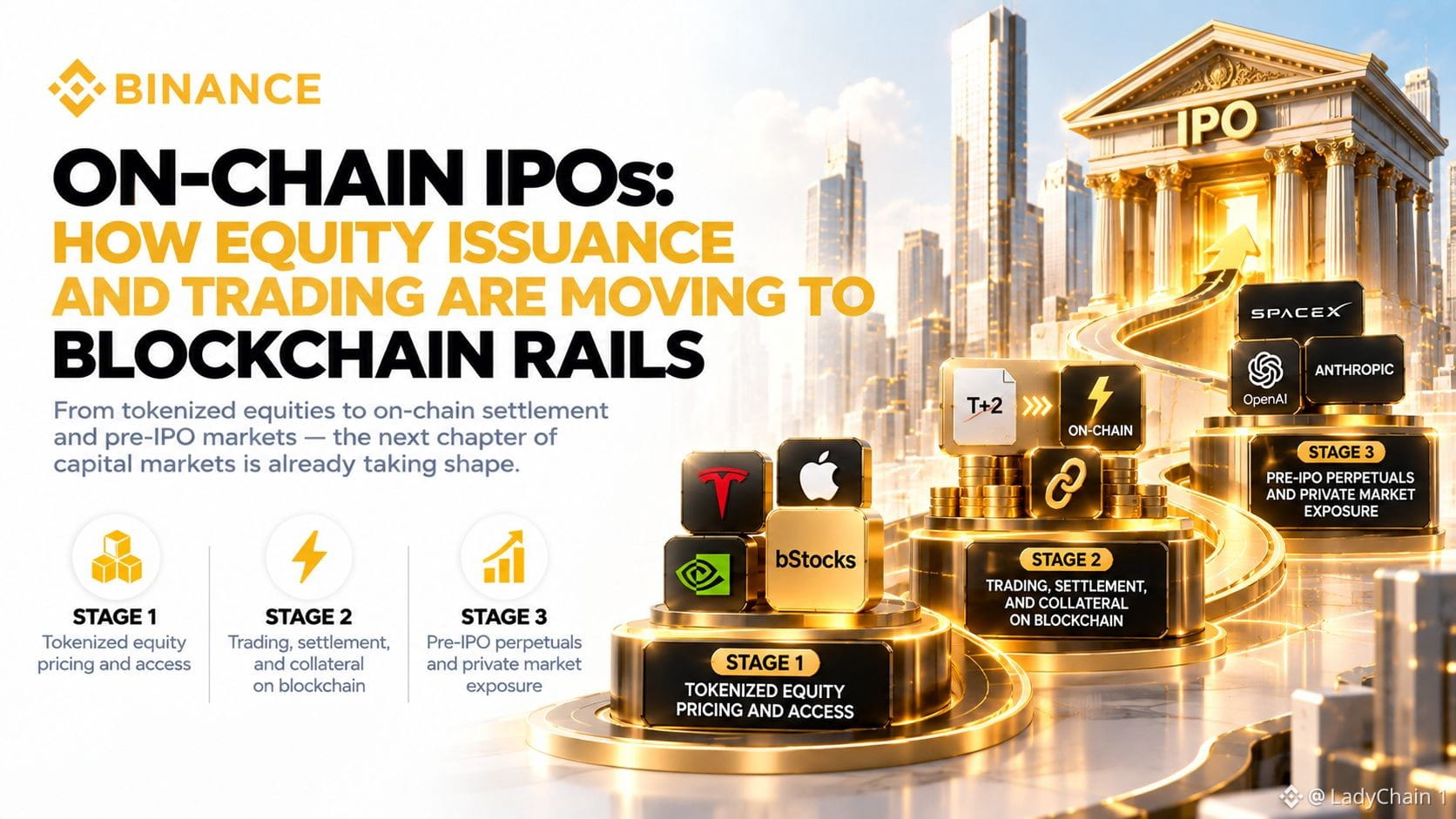
オンチェーンIPO:株式発行と取引がブロックチェーン・レールへ移行する方法 CZはIPOがオンチェーンへ移ると予測した。移行はすでに3つの段階で進んでおり、Binanceはそれぞれの段階で構築を進めている。
ステージ1:トークン化された株式の価格設定とアクセス bStocks――BNBチェーン上で米国上場株式を1:1で裏付けたBEP-20トークン。24時間365日取引可能で、即時決済、そしてDeFiの組み合わせ(コンポーザビリティ)に対応。 達成したスケール:累計オンチェーン取引高 $21.6B、保有者数450,000人、43M件のトランザクション、DeFiで$10M超。 ステージ1では株式の発行方法は変わらない。変わるのは、株式の保有のされ方、取引のされ方、そして利用のされ方であり――従来のブローカーチェーンが効率的に到達できない、グローバルな個人投資家層へのアクセスを拡張する。
ステージ2:ブロックチェーン上での取引、決済、担保 T+2決済が存在するのは、従来の清算インフラがカストディアン間での移転を照合するのに2日かかるためだ。オンチェーン決済は設計上、即時。 BNBチェーン上でのbStockの移転は数秒で決済される。 DeFi担保として使用されるbStocksにより、保有者は現金化することなく、いつでも(1時間を問わず)流動性へ同時にアクセスしながら株式へのエクスポージャーを維持できる。 ナスダックの12月6日の23×5ローンチが方向性を裏付ける。常時稼働で、より迅速な決済を備えた株式市場こそ、業界が向かう先だ。
ステージ3:IPO前のパーペチュアルとプライベート市場へのエクスポージャー Binance Pre-IPO Perpetual Contracts(2026年5月にローンチ):SpaceX、OpenAI、Anthropic。 18日間で累計出来高$2.5B。 上場前のプライベート企業への価格エクスポージャー――認定投資家資格を必要とせずに可能。 IPO前のスポット商品に向けた準備:ブロックチェーン基盤を通じて、IPO前に実際の小口株式保有(フラクショナルな株式所有)を提供し、グローバルな参加者層へ届ける。 プライベート市場とパブリック市場のアクセスのギャップは、これまで常に機関投資家の資金に有利だった。 ステージ3では、そのギャップが埋まり始める。
情報提供のみを目的とするものです。投資助言ではありません。
オンチェーンIPO:株式発行と取引がブロックチェーン・レールへ移行する方法 CZはIPOがオンチェーンへ移ると予測した。移行はすでに3つの段階で進んでおり、Binanceはそれぞれの段階で構築を進めている。
ステージ1:トークン化された株式の価格設定とアクセス bStocks――BNBチェーン上で米国上場株式を1:1で裏付けたBEP-20トークン。24時間365日取引可能で、即時決済、そしてDeFiの組み合わせ(コンポーザビリティ)に対応。 達成したスケール:累計オンチェーン取引高 $21.6B、保有者数450,000人、43M件のトランザクション、DeFiで$10M超。 ステージ1では株式の発行方法は変わらない。変わるのは、株式の保有のされ方、取引のされ方、そして利用のされ方であり――従来のブローカーチェーンが効率的に到達できない、グローバルな個人投資家層へのアクセスを拡張する。
ステージ2:ブロックチェーン上での取引、決済、担保 T+2決済が存在するのは、従来の清算インフラがカストディアン間での移転を照合するのに2日かかるためだ。オンチェーン決済は設計上、即時。 BNBチェーン上でのbStockの移転は数秒で決済される。 DeFi担保として使用されるbStocksにより、保有者は現金化することなく、いつでも(1時間を問わず)流動性へ同時にアクセスしながら株式へのエクスポージャーを維持できる。 ナスダックの12月6日の23×5ローンチが方向性を裏付ける。常時稼働で、より迅速な決済を備えた株式市場こそ、業界が向かう先だ。
ステージ3:IPO前のパーペチュアルとプライベート市場へのエクスポージャー Binance Pre-IPO Perpetual Contracts(2026年5月にローンチ):SpaceX、OpenAI、Anthropic。 18日間で累計出来高$2.5B。 上場前のプライベート企業への価格エクスポージャー――認定投資家資格を必要とせずに可能。 IPO前のスポット商品に向けた準備:ブロックチェーン基盤を通じて、IPO前に実際の小口株式保有(フラクショナルな株式所有)を提供し、グローバルな参加者層へ届ける。 プライベート市場とパブリック市場のアクセスのギャップは、これまで常に機関投資家の資金に有利だった。 ステージ3では、そのギャップが埋まり始める。
情報提供のみを目的とするものです。投資助言ではありません。
ステージ1:トークン化された株式の価格設定とアクセス bStocks――BNBチェーン上で米国上場株式を1:1で裏付けたBEP-20トークン。24時間365日取引可能で、即時決済、そしてDeFiの組み合わせ(コンポーザビリティ)に対応。 達成したスケール:累計オンチェーン取引高 $21.6B、保有者数450,000人、43M件のトランザクション、DeFiで$10M超。 ステージ1では株式の発行方法は変わらない。変わるのは、株式の保有のされ方、取引のされ方、そして利用のされ方であり――従来のブローカーチェーンが効率的に到達できない、グローバルな個人投資家層へのアクセスを拡張する。
ステージ2:ブロックチェーン上での取引、決済、担保 T+2決済が存在するのは、従来の清算インフラがカストディアン間での移転を照合するのに2日かかるためだ。オンチェーン決済は設計上、即時。 BNBチェーン上でのbStockの移転は数秒で決済される。 DeFi担保として使用されるbStocksにより、保有者は現金化することなく、いつでも(1時間を問わず)流動性へ同時にアクセスしながら株式へのエクスポージャーを維持できる。 ナスダックの12月6日の23×5ローンチが方向性を裏付ける。常時稼働で、より迅速な決済を備えた株式市場こそ、業界が向かう先だ。
ステージ3:IPO前のパーペチュアルとプライベート市場へのエクスポージャー Binance Pre-IPO Perpetual Contracts(2026年5月にローンチ):SpaceX、OpenAI、Anthropic。 18日間で累計出来高$2.5B。 上場前のプライベート企業への価格エクスポージャー――認定投資家資格を必要とせずに可能。 IPO前のスポット商品に向けた準備:ブロックチェーン基盤を通じて、IPO前に実際の小口株式保有(フラクショナルな株式所有)を提供し、グローバルな参加者層へ届ける。 プライベート市場とパブリック市場のアクセスのギャップは、これまで常に機関投資家の資金に有利だった。 ステージ3では、そのギャップが埋まり始める。
情報提供のみを目的とするものです。投資助言ではありません。
36
·
--
Bitgetの事件は、失われた金額だけでなく、さらに大きな疑問を投げかけています。分散型ネットワークは、特定のエクスプロイトからユーザーを守るために、そもそも停止することがあってよいのでしょうか。THORChainが攻撃者のウォレットを凍結しなかった判断は、その設計と整合しています。ネットワークには選択的な凍結メカニズムがなく、プロトコル全体を停止すれば攻撃者だけでなくすべてのユーザーに影響します。そのため状況はかなり複雑です。一方では、ネットワークを止めれば盗まれた資金の移動が遅くなる可能性があります。他方で、それは検閲耐性のモデルに反することにもなります。分散型インフラはそのモデルを前提に構築されているからです。私が興味深いと思うのは、THORChainが今年自らのエクスプロイトの後に5週間停止したと報じられている点です。つまり、この議論は単に「停止が技術的に可能かどうか」だけではありません。問題は、そのような極端な措置が正当化されるのはいつなのか、ということです。個人的には、これは暗号資産がまだ十分に解けていない、居心地の悪いトレードオフの一つだと思います。許可不要のインフラは、何かが起きたときに介入できる人が少なくなることを意味します。それは価値の一部であると同時に、リスクの一部でもあります。私にとってより大きな疑問は、THORChainが資金を凍結すべきだったかどうかではありません。何百万もの資金が盗まれたときでも、分散型プロトコルは、信頼できる中立性を保ったまま、ユーザーに実質的な保護を提供し続けられるのか、という点です。
Bitgetの事件は、失われた金額だけでなく、さらに大きな疑問を投げかけています。分散型ネットワークは、特定のエクスプロイトからユーザーを守るために、そもそも停止することがあってよいのでしょうか。THORChainが攻撃者のウォレットを凍結しなかった判断は、その設計と整合しています。ネットワークには選択的な凍結メカニズムがなく、プロトコル全体を停止すれば攻撃者だけでなくすべてのユーザーに影響します。そのため状況はかなり複雑です。一方では、ネットワークを止めれば盗まれた資金の移動が遅くなる可能性があります。他方で、それは検閲耐性のモデルに反することにもなります。分散型インフラはそのモデルを前提に構築されているからです。私が興味深いと思うのは、THORChainが今年自らのエクスプロイトの後に5週間停止したと報じられている点です。つまり、この議論は単に「停止が技術的に可能かどうか」だけではありません。問題は、そのような極端な措置が正当化されるのはいつなのか、ということです。個人的には、これは暗号資産がまだ十分に解けていない、居心地の悪いトレードオフの一つだと思います。許可不要のインフラは、何かが起きたときに介入できる人が少なくなることを意味します。それは価値の一部であると同時に、リスクの一部でもあります。私にとってより大きな疑問は、THORChainが資金を凍結すべきだったかどうかではありません。何百万もの資金が盗まれたときでも、分散型プロトコルは、信頼できる中立性を保ったまま、ユーザーに実質的な保護を提供し続けられるのか、という点です。
62
·
--
メティスは、ブロックチェーン活動の次のレイヤーとしてAIエージェントに賭けている
メティス($METIS )は、ますますAIに注力する方向へと舵を切っており、そのエコシステムでは自律エージェントや、それらを中心に構築されたアプリケーションへの関心が高まっています。
この転換が興味深いのは、レイヤー2ネットワークがこれまで主に取引コスト、スケーラビリティ、DeFi活動をめぐって競争してきたからです。
メティスは別の問いを探っています。
ブロックチェーンネットワークが、人間だけでなく自律的なソフトウェアにも利用されたら、どうなるのか?
同社の最近の開発者向け取り組みは、AIビルダーやエージェントベースのアプリケーションに焦点を当てています。たとえばOpenClaw Summer Builder Bootcampでは、開発者をメティスのエコシステムに招き、AIエージェントのプロダクトを構築し、デモしてもらいました。
AIエージェントがブロックチェーン基盤と相互作用するという構想は、将来的には、取引の実行、分散型アプリへのアクセス、サービスの調整、または他のエージェントとの連携といった活動を幅広くカバーし得ます。
しかし、そのアイデアを有用なインフラに落とし込むには、デモだけでは不十分です。
開発者には、信頼性の高い実行、シンプルなツール、予測可能なコスト、そして実際の課題を解決するアプリケーションが必要です。
とりわけ、AIに焦点を当てたブロックチェーンでは重要です。プロジェクト数やデモ数が増えても、それが必ずしも継続的なネットワーク活動につながるとは限らないためです。
そのためメティスには、これから興味深い課題が待ち受けています。
そのAndromedaレイヤー2が基盤となる実行環境を提供し、METISはネットワークのネイティブなガス資産として用いられます。
注目すべき主要指標は、開発者活動、導入されたアプリケーション、取引数、アクティブユーザー、そしてAIベースのアプリがネットワークへの反復的な需要を生み出すかどうかです。
AIエージェントの物語は、ますます混雑してきています。
メティスは、AIビルダーへの注力を、継続的なブロックチェーン利用につなげられるでしょうか?
$METIS #Metis #AI #AIAgents #Layer2
メティスは、ブロックチェーン活動の次のレイヤーとしてAIエージェントに賭けている
メティス($METIS )は、ますますAIに注力する方向へと舵を切っており、そのエコシステムでは自律エージェントや、それらを中心に構築されたアプリケーションへの関心が高まっています。
この転換が興味深いのは、レイヤー2ネットワークがこれまで主に取引コスト、スケーラビリティ、DeFi活動をめぐって競争してきたからです。
メティスは別の問いを探っています。
ブロックチェーンネットワークが、人間だけでなく自律的なソフトウェアにも利用されたら、どうなるのか?
同社の最近の開発者向け取り組みは、AIビルダーやエージェントベースのアプリケーションに焦点を当てています。たとえばOpenClaw Summer Builder Bootcampでは、開発者をメティスのエコシステムに招き、AIエージェントのプロダクトを構築し、デモしてもらいました。
AIエージェントがブロックチェーン基盤と相互作用するという構想は、将来的には、取引の実行、分散型アプリへのアクセス、サービスの調整、または他のエージェントとの連携といった活動を幅広くカバーし得ます。
しかし、そのアイデアを有用なインフラに落とし込むには、デモだけでは不十分です。
開発者には、信頼性の高い実行、シンプルなツール、予測可能なコスト、そして実際の課題を解決するアプリケーションが必要です。
とりわけ、AIに焦点を当てたブロックチェーンでは重要です。プロジェクト数やデモ数が増えても、それが必ずしも継続的なネットワーク活動につながるとは限らないためです。
そのためメティスには、これから興味深い課題が待ち受けています。
そのAndromedaレイヤー2が基盤となる実行環境を提供し、METISはネットワークのネイティブなガス資産として用いられます。
注目すべき主要指標は、開発者活動、導入されたアプリケーション、取引数、アクティブユーザー、そしてAIベースのアプリがネットワークへの反復的な需要を生み出すかどうかです。
AIエージェントの物語は、ますます混雑してきています。
メティスは、AIビルダーへの注力を、継続的なブロックチェーン利用につなげられるでしょうか?
$METIS #Metis #AI #AIAgents #Layer2
メティス($METIS )は、ますますAIに注力する方向へと舵を切っており、そのエコシステムでは自律エージェントや、それらを中心に構築されたアプリケーションへの関心が高まっています。
この転換が興味深いのは、レイヤー2ネットワークがこれまで主に取引コスト、スケーラビリティ、DeFi活動をめぐって競争してきたからです。
メティスは別の問いを探っています。
ブロックチェーンネットワークが、人間だけでなく自律的なソフトウェアにも利用されたら、どうなるのか?
同社の最近の開発者向け取り組みは、AIビルダーやエージェントベースのアプリケーションに焦点を当てています。たとえばOpenClaw Summer Builder Bootcampでは、開発者をメティスのエコシステムに招き、AIエージェントのプロダクトを構築し、デモしてもらいました。
AIエージェントがブロックチェーン基盤と相互作用するという構想は、将来的には、取引の実行、分散型アプリへのアクセス、サービスの調整、または他のエージェントとの連携といった活動を幅広くカバーし得ます。
しかし、そのアイデアを有用なインフラに落とし込むには、デモだけでは不十分です。
開発者には、信頼性の高い実行、シンプルなツール、予測可能なコスト、そして実際の課題を解決するアプリケーションが必要です。
とりわけ、AIに焦点を当てたブロックチェーンでは重要です。プロジェクト数やデモ数が増えても、それが必ずしも継続的なネットワーク活動につながるとは限らないためです。
そのためメティスには、これから興味深い課題が待ち受けています。
そのAndromedaレイヤー2が基盤となる実行環境を提供し、METISはネットワークのネイティブなガス資産として用いられます。
注目すべき主要指標は、開発者活動、導入されたアプリケーション、取引数、アクティブユーザー、そしてAIベースのアプリがネットワークへの反復的な需要を生み出すかどうかです。
AIエージェントの物語は、ますます混雑してきています。
メティスは、AIビルダーへの注力を、継続的なブロックチェーン利用につなげられるでしょうか?
$METIS #Metis #AI #AIAgents #Layer2
65
·
--
ボソン・プロトコルはスマートコントラクトに実世界の商取引をもたらしている
ボソン・プロトコル($BOSON)は、実世界の資産に対して別の方向から取り組んでいます。単に資産をトークン化するのではなく、プログラマブルなブロックチェーン・コントラクトを通じて、物理的な商品の売買のためのインフラを構築しているのです。
中核となる考え方は、分散型エスクロー(預託)です。
従来のオンライン取引では、買い手と売り手は決済処理や紛争解決のために中央集権的なプラットフォームに依存します。ボソンはスマートコントラクトと検証メカニズムを用いて、そのプロセスの一部を自動化します。
そのコンセプトをさらに発展させたのが、x402Bメインネットです。これは、物理的な商品やその他の現実世界の資産を扱う取引を支える、プログラマブルなエスクロー・インフラを提供します。
これにより、RWAインフラと分散型コマースの間に興味深い結びつきが生まれます。
トークン化は、不動産、債券、コモディティの文脈で語られることがよくあります。しかし、より広いRWAの機会には、ブロックチェーンに基づく決済システムと相互作用できる物理的な製品やサービスも含まれます。
ボソンは、エージェント型コマースモデルへも開発を進めています。そこでは、AIエージェントが市場と相互作用し、他の参加者と取引を行う可能性があります。
それは、別の種類の課題をもたらします。
分散型の商取引ネットワークには、信頼できる配送の検証、実用的なユーザーインターフェース、十分な流動性、そして技術を統合する意欲のある加盟店が必要です。
$BOSONトークンはガバナンスとネットワークのインセンティブの役割を担う一方で、基盤となるプロトコルは、買い手と売り手の間の取引をよりプログラマブルにすることに重点を置いています。
したがって、注目すべき重要な指標は、単にトークンの活動量だけではありません。
そのインフラを通じて、実際の取引が本当に行われているかどうかです。
分散型エスクローは、物理的な商取引に役立ち、やがて人間と自律型AIエージェントとの間の取引を支えるようになるのでしょうか?
$BOSON #BosonProtocol #RWA #RealWorldAssets
ボソン・プロトコルはスマートコントラクトに実世界の商取引をもたらしている
ボソン・プロトコル($BOSON)は、実世界の資産に対して別の方向から取り組んでいます。単に資産をトークン化するのではなく、プログラマブルなブロックチェーン・コントラクトを通じて、物理的な商品の売買のためのインフラを構築しているのです。
中核となる考え方は、分散型エスクロー(預託)です。
従来のオンライン取引では、買い手と売り手は決済処理や紛争解決のために中央集権的なプラットフォームに依存します。ボソンはスマートコントラクトと検証メカニズムを用いて、そのプロセスの一部を自動化します。
そのコンセプトをさらに発展させたのが、x402Bメインネットです。これは、物理的な商品やその他の現実世界の資産を扱う取引を支える、プログラマブルなエスクロー・インフラを提供します。
これにより、RWAインフラと分散型コマースの間に興味深い結びつきが生まれます。
トークン化は、不動産、債券、コモディティの文脈で語られることがよくあります。しかし、より広いRWAの機会には、ブロックチェーンに基づく決済システムと相互作用できる物理的な製品やサービスも含まれます。
ボソンは、エージェント型コマースモデルへも開発を進めています。そこでは、AIエージェントが市場と相互作用し、他の参加者と取引を行う可能性があります。
それは、別の種類の課題をもたらします。
分散型の商取引ネットワークには、信頼できる配送の検証、実用的なユーザーインターフェース、十分な流動性、そして技術を統合する意欲のある加盟店が必要です。
$BOSONトークンはガバナンスとネットワークのインセンティブの役割を担う一方で、基盤となるプロトコルは、買い手と売り手の間の取引をよりプログラマブルにすることに重点を置いています。
したがって、注目すべき重要な指標は、単にトークンの活動量だけではありません。
そのインフラを通じて、実際の取引が本当に行われているかどうかです。
分散型エスクローは、物理的な商取引に役立ち、やがて人間と自律型AIエージェントとの間の取引を支えるようになるのでしょうか?
$BOSON #BosonProtocol #RWA #RealWorldAssets
ボソン・プロトコル($BOSON)は、実世界の資産に対して別の方向から取り組んでいます。単に資産をトークン化するのではなく、プログラマブルなブロックチェーン・コントラクトを通じて、物理的な商品の売買のためのインフラを構築しているのです。
中核となる考え方は、分散型エスクロー(預託)です。
従来のオンライン取引では、買い手と売り手は決済処理や紛争解決のために中央集権的なプラットフォームに依存します。ボソンはスマートコントラクトと検証メカニズムを用いて、そのプロセスの一部を自動化します。
そのコンセプトをさらに発展させたのが、x402Bメインネットです。これは、物理的な商品やその他の現実世界の資産を扱う取引を支える、プログラマブルなエスクロー・インフラを提供します。
これにより、RWAインフラと分散型コマースの間に興味深い結びつきが生まれます。
トークン化は、不動産、債券、コモディティの文脈で語られることがよくあります。しかし、より広いRWAの機会には、ブロックチェーンに基づく決済システムと相互作用できる物理的な製品やサービスも含まれます。
ボソンは、エージェント型コマースモデルへも開発を進めています。そこでは、AIエージェントが市場と相互作用し、他の参加者と取引を行う可能性があります。
それは、別の種類の課題をもたらします。
分散型の商取引ネットワークには、信頼できる配送の検証、実用的なユーザーインターフェース、十分な流動性、そして技術を統合する意欲のある加盟店が必要です。
$BOSONトークンはガバナンスとネットワークのインセンティブの役割を担う一方で、基盤となるプロトコルは、買い手と売り手の間の取引をよりプログラマブルにすることに重点を置いています。
したがって、注目すべき重要な指標は、単にトークンの活動量だけではありません。
そのインフラを通じて、実際の取引が本当に行われているかどうかです。
分散型エスクローは、物理的な商取引に役立ち、やがて人間と自律型AIエージェントとの間の取引を支えるようになるのでしょうか?
$BOSON #BosonProtocol #RWA #RealWorldAssets
80
·
--
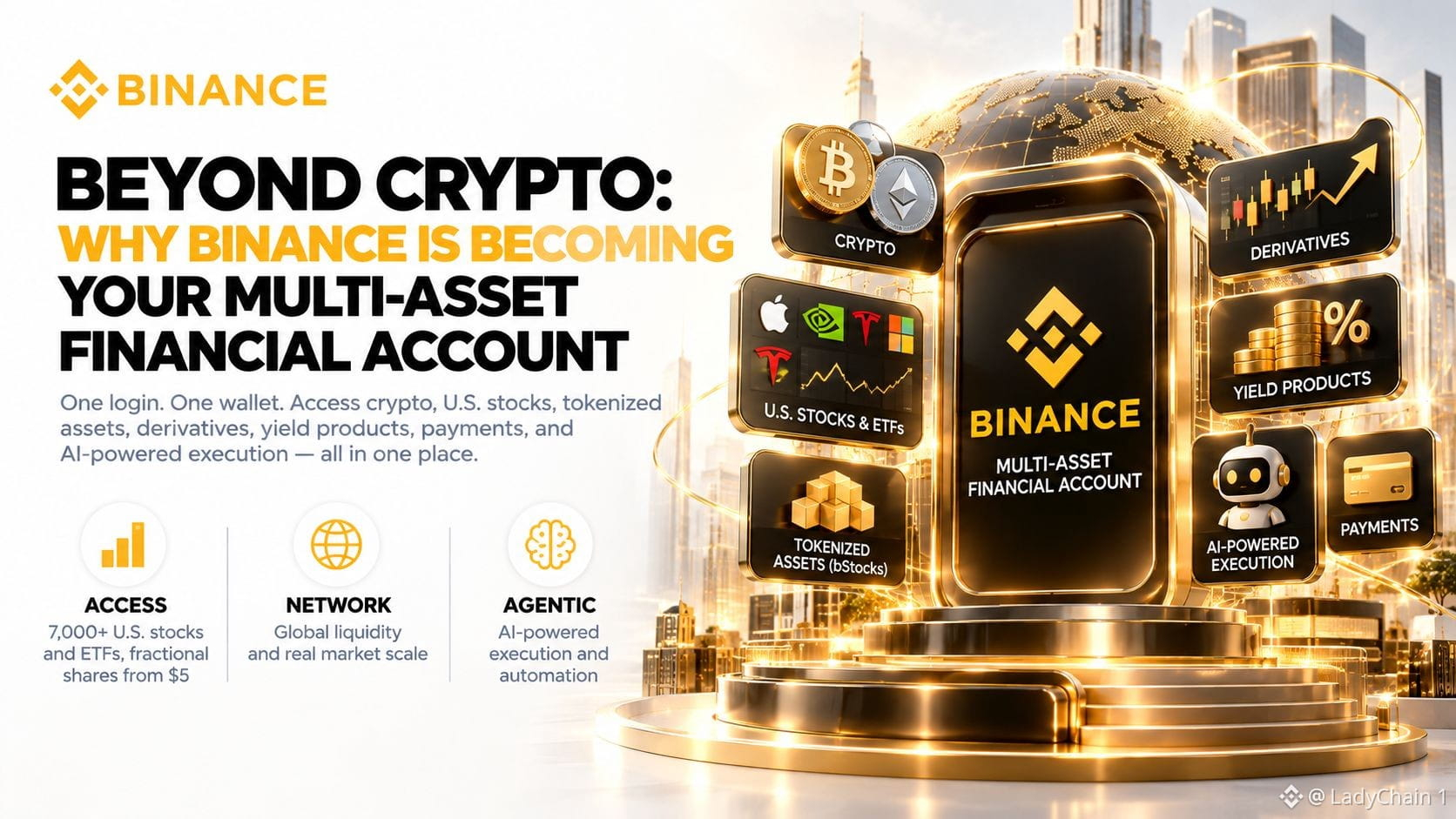
暗号資産の先へ:なぜBinanceがあなたのマルチアセット金融口座になりつつあるのか Binanceは世界最大の暗号資産取引所です。さらにそれは、別のものにもなろうとしています――3億人のユーザーに向けたマルチアセットの金融口座として。なぜそう言えるのか、その理由は3つの構造的な優位性にあります。 アクセス 米国株の手数料ゼロ。ステーブルコインで$5から購入できる端株(フラクショナル株)。 7,000+銘柄の株とETF。 BNB Chain上で24時間365日取引できるbStocks ―― 週次出来高$1.5B、米国の市場時間外が58%、7つの週末にわたる中央値のギャップ価格精度が92%。 アクセスの優位性は、技術的ではなく構造的な障壁を取り除きます――つまり、従来の金融プラットフォームが最低残高、地理的制約、そして市場時間のみの提供という“枠組み”の中で作り上げてきた障壁です。 ネットワーク 世界の現物暗号資産出来高の約39%。 1%での約$30Mの板厚(オーダーブック・デプス)。 月間現物出来高$450–500B。 カストディ(保管)資産は最も近い競合の8.2倍。 bStocksの場合:大きな寄り付きギャップに対する41/41の方向性精度――3%を超えるギャップは、米国市場が開く前にすべて正しく見通し済み。 TradFiパーペチュアルの場合:週末1回で$8.1B。 ネットワーク上の優位性は積み上がります――参加者が増えるほど流動性が向上し、より良い流動性はより洗練された参加者を惹きつけます。 アジェント的 MCPでBinance Agent OSへ接続:1週間で800 → 3,000(+3.8倍)。 1日のAPIコール数:224,000回まで3倍。 Binance AI Proは、インフラ層レベルで課された境界(パーメータ)内で自律的にトレードを実行します。 Agent OSは、MCPを通じてBinanceのマーケットデータと執行機能を公開します――MCPはすでにOpenAI、Google、Microsoft、AWSで採用されている標準です。 伝統的なブローカーは金融インフラはあるものの、AI統合レイヤーが欠けています。 AIツールには統合レイヤーはあるものの、金融インフラが欠けています。 Binanceには両方があります。 情報提供のみを目的としています。投資助言ではありません。
暗号資産の先へ:なぜBinanceがあなたのマルチアセット金融口座になりつつあるのか Binanceは世界最大の暗号資産取引所です。さらにそれは、別のものにもなろうとしています――3億人のユーザーに向けたマルチアセットの金融口座として。なぜそう言えるのか、その理由は3つの構造的な優位性にあります。 アクセス 米国株の手数料ゼロ。ステーブルコインで$5から購入できる端株(フラクショナル株)。 7,000+銘柄の株とETF。 BNB Chain上で24時間365日取引できるbStocks ―― 週次出来高$1.5B、米国の市場時間外が58%、7つの週末にわたる中央値のギャップ価格精度が92%。 アクセスの優位性は、技術的ではなく構造的な障壁を取り除きます――つまり、従来の金融プラットフォームが最低残高、地理的制約、そして市場時間のみの提供という“枠組み”の中で作り上げてきた障壁です。 ネットワーク 世界の現物暗号資産出来高の約39%。 1%での約$30Mの板厚(オーダーブック・デプス)。 月間現物出来高$450–500B。 カストディ(保管)資産は最も近い競合の8.2倍。 bStocksの場合:大きな寄り付きギャップに対する41/41の方向性精度――3%を超えるギャップは、米国市場が開く前にすべて正しく見通し済み。 TradFiパーペチュアルの場合:週末1回で$8.1B。 ネットワーク上の優位性は積み上がります――参加者が増えるほど流動性が向上し、より良い流動性はより洗練された参加者を惹きつけます。 アジェント的 MCPでBinance Agent OSへ接続:1週間で800 → 3,000(+3.8倍)。 1日のAPIコール数:224,000回まで3倍。 Binance AI Proは、インフラ層レベルで課された境界(パーメータ)内で自律的にトレードを実行します。 Agent OSは、MCPを通じてBinanceのマーケットデータと執行機能を公開します――MCPはすでにOpenAI、Google、Microsoft、AWSで採用されている標準です。 伝統的なブローカーは金融インフラはあるものの、AI統合レイヤーが欠けています。 AIツールには統合レイヤーはあるものの、金融インフラが欠けています。 Binanceには両方があります。 情報提供のみを目的としています。投資助言ではありません。
43
·
--
草は未使用のインターネット帯域をAIインフラへ変える
草($GRASS )は、成長するAI経済のためのインフラ構築に別のアプローチを模索しています。つまり、未使用のインターネット帯域を、分散型ネットワークに提供できる資源へと転換するのです。
基本的なアイデアは比較的シンプルです。
多くのインターネット接続には未使用の容量があります。草は参加者がその帯域を提供できるようにし、ネットワークはそれらの接続から収集したデータを集約して、AI関連のアプリケーションで利用できる形にします。
これにより、DePINと人工知能の間に興味深いつながりが生まれます。
AIシステムには膨大な量のデータが必要ですが、大規模に高品質なデータを収集・整理するのは難しいのが現状です。分散型ネットワークは、多くの参加者からの貢献を調整することで、より幅広いデータ供給レイヤーを生み出せる可能性があります。
問題は、このモデルが最初の物語(導入)以上に実際に役立つかどうかです。
データの品質は重要です。加えて、プライバシー保護、ネットワークの信頼性、AI開発者からの需要、そして参加者への補償を成立させる経済性も欠かせません。
そのため草は、分散型データ・インフラが、中央集権的な代替案では簡単に再現できない何かを提供できることを示す必要があります。
$GRASS トークンは、参加とより広い草のエコシステムを結びつけるためのネットワークのインセンティブ構造の一部です。
このプロジェクトで特に注目すべき重要指標は、ネットワークへの参加状況、データ需要、開発者の採用状況、そして生成される有用なインフラの量です。
AIインフラ競争は、計算能力の領域を超えて拡大しています。
草のような分散型ネットワークは、次世代のAIアプリケーションに向けた重要なデータ・インフラの源になり得るのでしょうか?
$GRASS #Grass #DePIN #AI #Crypto
草は未使用のインターネット帯域をAIインフラへ変える
草($GRASS )は、成長するAI経済のためのインフラ構築に別のアプローチを模索しています。つまり、未使用のインターネット帯域を、分散型ネットワークに提供できる資源へと転換するのです。
基本的なアイデアは比較的シンプルです。
多くのインターネット接続には未使用の容量があります。草は参加者がその帯域を提供できるようにし、ネットワークはそれらの接続から収集したデータを集約して、AI関連のアプリケーションで利用できる形にします。
これにより、DePINと人工知能の間に興味深いつながりが生まれます。
AIシステムには膨大な量のデータが必要ですが、大規模に高品質なデータを収集・整理するのは難しいのが現状です。分散型ネットワークは、多くの参加者からの貢献を調整することで、より幅広いデータ供給レイヤーを生み出せる可能性があります。
問題は、このモデルが最初の物語(導入)以上に実際に役立つかどうかです。
データの品質は重要です。加えて、プライバシー保護、ネットワークの信頼性、AI開発者からの需要、そして参加者への補償を成立させる経済性も欠かせません。
そのため草は、分散型データ・インフラが、中央集権的な代替案では簡単に再現できない何かを提供できることを示す必要があります。
$GRASS トークンは、参加とより広い草のエコシステムを結びつけるためのネットワークのインセンティブ構造の一部です。
このプロジェクトで特に注目すべき重要指標は、ネットワークへの参加状況、データ需要、開発者の採用状況、そして生成される有用なインフラの量です。
AIインフラ競争は、計算能力の領域を超えて拡大しています。
草のような分散型ネットワークは、次世代のAIアプリケーションに向けた重要なデータ・インフラの源になり得るのでしょうか?
$GRASS #Grass #DePIN #AI #Crypto
草($GRASS )は、成長するAI経済のためのインフラ構築に別のアプローチを模索しています。つまり、未使用のインターネット帯域を、分散型ネットワークに提供できる資源へと転換するのです。
基本的なアイデアは比較的シンプルです。
多くのインターネット接続には未使用の容量があります。草は参加者がその帯域を提供できるようにし、ネットワークはそれらの接続から収集したデータを集約して、AI関連のアプリケーションで利用できる形にします。
これにより、DePINと人工知能の間に興味深いつながりが生まれます。
AIシステムには膨大な量のデータが必要ですが、大規模に高品質なデータを収集・整理するのは難しいのが現状です。分散型ネットワークは、多くの参加者からの貢献を調整することで、より幅広いデータ供給レイヤーを生み出せる可能性があります。
問題は、このモデルが最初の物語(導入)以上に実際に役立つかどうかです。
データの品質は重要です。加えて、プライバシー保護、ネットワークの信頼性、AI開発者からの需要、そして参加者への補償を成立させる経済性も欠かせません。
そのため草は、分散型データ・インフラが、中央集権的な代替案では簡単に再現できない何かを提供できることを示す必要があります。
$GRASS トークンは、参加とより広い草のエコシステムを結びつけるためのネットワークのインセンティブ構造の一部です。
このプロジェクトで特に注目すべき重要指標は、ネットワークへの参加状況、データ需要、開発者の採用状況、そして生成される有用なインフラの量です。
AIインフラ競争は、計算能力の領域を超えて拡大しています。
草のような分散型ネットワークは、次世代のAIアプリケーションに向けた重要なデータ・インフラの源になり得るのでしょうか?
$GRASS #Grass #DePIN #AI #Crypto
71
·
--
Realioはオンチェーン現実世界資産のためのフルスタックを構築中
Realio Network($RIO )は、デジタル証券とトークン化資産の発行・管理・取引のためのインフラを整えることで、不動産実世界資産(RWA)分野に対して直接的なアプローチを取っています。
単一のトークン化資産に焦点を当てるプロジェクトとは異なり、Realioはより広範なレイヤー1およびマルチチェーンのエコシステムとして設計されています。そのプラットフォームは、発行や投資からセカンダリー取引まで、デジタル証券のライフサイクル全体を支えることを目指しています。
これはRWA分野における重要な違いです。
トークン化そのものは、あくまで一つのステップにすぎません。資産がオンチェーン上で実際に役立つものになるには、コンプライアンス、投資家のアクセス、取引、決済、そして継続的な資産管理のためのインフラもまた必要です。
Realioはこれらの要件を中心に設計されており、許可制のスマートコントラクト、トークン化エンジン、統合されたピアツーピアのマーケットプレイスなどの機能を備えています。
このプロジェクトは、不動産、プライベートエクイティ、その他のデジタルネイティブな現実世界資産といった資産に焦点を当てています。つまり、$RIO は特定の1つの資産の所有権を単に表すトークンとは異なる役割を持つことになります。
より大きな課題はアダプション(普及)です。
RWAインフラには、資産をオンチェーンに持ち込む意思のある発行体、そこで提供されるプロダクトを使う意思のある投資家、そしてそれらの資産が効率よく取引されるための十分な流動性が必要です。
したがって、Realioの長期的な重要性は、提供する機能の数よりも、それらの機能が実際の発行・利用者・取引活動へと結びつくかどうかに左右されるでしょう。
RWA分野は、実験の段階からインフラの段階へと移行しています。
Realioのようなプラットフォームは、プライベート市場の資産やデジタル証券をオンチェーンへ運ぶための現実的な“レール(基盤)”になり得るのでしょうか?
$RIO #Realio #RWA #RealWorldAssets
Realioはオンチェーン現実世界資産のためのフルスタックを構築中
Realio Network($RIO )は、デジタル証券とトークン化資産の発行・管理・取引のためのインフラを整えることで、不動産実世界資産(RWA)分野に対して直接的なアプローチを取っています。
単一のトークン化資産に焦点を当てるプロジェクトとは異なり、Realioはより広範なレイヤー1およびマルチチェーンのエコシステムとして設計されています。そのプラットフォームは、発行や投資からセカンダリー取引まで、デジタル証券のライフサイクル全体を支えることを目指しています。
これはRWA分野における重要な違いです。
トークン化そのものは、あくまで一つのステップにすぎません。資産がオンチェーン上で実際に役立つものになるには、コンプライアンス、投資家のアクセス、取引、決済、そして継続的な資産管理のためのインフラもまた必要です。
Realioはこれらの要件を中心に設計されており、許可制のスマートコントラクト、トークン化エンジン、統合されたピアツーピアのマーケットプレイスなどの機能を備えています。
このプロジェクトは、不動産、プライベートエクイティ、その他のデジタルネイティブな現実世界資産といった資産に焦点を当てています。つまり、$RIO は特定の1つの資産の所有権を単に表すトークンとは異なる役割を持つことになります。
より大きな課題はアダプション(普及)です。
RWAインフラには、資産をオンチェーンに持ち込む意思のある発行体、そこで提供されるプロダクトを使う意思のある投資家、そしてそれらの資産が効率よく取引されるための十分な流動性が必要です。
したがって、Realioの長期的な重要性は、提供する機能の数よりも、それらの機能が実際の発行・利用者・取引活動へと結びつくかどうかに左右されるでしょう。
RWA分野は、実験の段階からインフラの段階へと移行しています。
Realioのようなプラットフォームは、プライベート市場の資産やデジタル証券をオンチェーンへ運ぶための現実的な“レール(基盤)”になり得るのでしょうか?
$RIO #Realio #RWA #RealWorldAssets
Realio Network($RIO )は、デジタル証券とトークン化資産の発行・管理・取引のためのインフラを整えることで、不動産実世界資産(RWA)分野に対して直接的なアプローチを取っています。
単一のトークン化資産に焦点を当てるプロジェクトとは異なり、Realioはより広範なレイヤー1およびマルチチェーンのエコシステムとして設計されています。そのプラットフォームは、発行や投資からセカンダリー取引まで、デジタル証券のライフサイクル全体を支えることを目指しています。
これはRWA分野における重要な違いです。
トークン化そのものは、あくまで一つのステップにすぎません。資産がオンチェーン上で実際に役立つものになるには、コンプライアンス、投資家のアクセス、取引、決済、そして継続的な資産管理のためのインフラもまた必要です。
Realioはこれらの要件を中心に設計されており、許可制のスマートコントラクト、トークン化エンジン、統合されたピアツーピアのマーケットプレイスなどの機能を備えています。
このプロジェクトは、不動産、プライベートエクイティ、その他のデジタルネイティブな現実世界資産といった資産に焦点を当てています。つまり、$RIO は特定の1つの資産の所有権を単に表すトークンとは異なる役割を持つことになります。
より大きな課題はアダプション(普及)です。
RWAインフラには、資産をオンチェーンに持ち込む意思のある発行体、そこで提供されるプロダクトを使う意思のある投資家、そしてそれらの資産が効率よく取引されるための十分な流動性が必要です。
したがって、Realioの長期的な重要性は、提供する機能の数よりも、それらの機能が実際の発行・利用者・取引活動へと結びつくかどうかに左右されるでしょう。
RWA分野は、実験の段階からインフラの段階へと移行しています。
Realioのようなプラットフォームは、プライベート市場の資産やデジタル証券をオンチェーンへ運ぶための現実的な“レール(基盤)”になり得るのでしょうか?
$RIO #Realio #RWA #RealWorldAssets
101
·
--
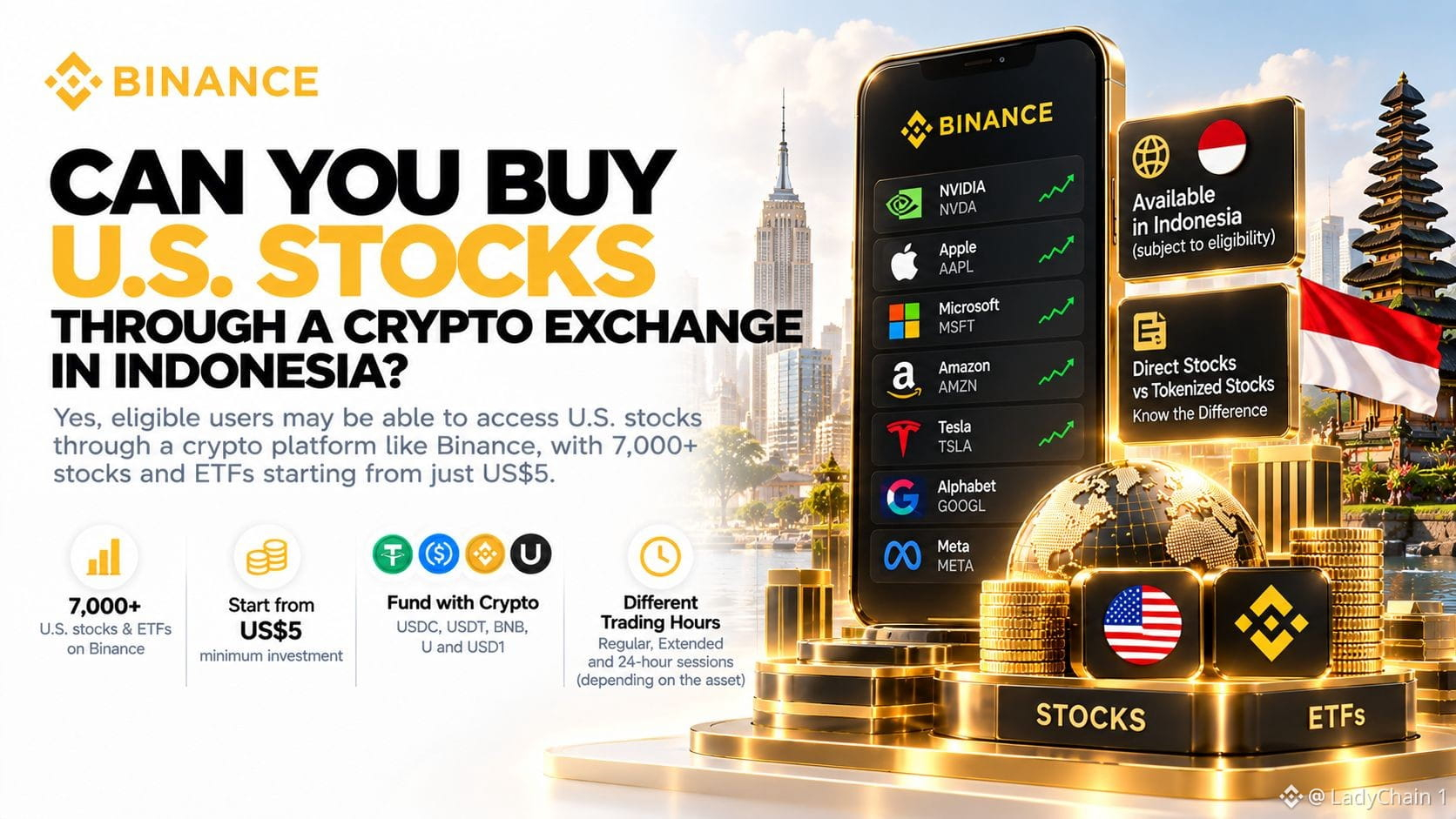
インドネシアで暗号資産取引所を通じて米国株を購入できますか? はい、対象となるユーザーはインドネシアの暗号資産プラットフォームを通じて米国株にアクセスできる可能性があります。ただし、利用可能性はプラットフォーム、商品、管轄(法域)、および口座の適格性によって異なります。例としてBinanceの株式取引があり、対象ユーザーはUS$5からの投資で、7,000以上の米国上場株およびETFにアクセスできます。 仕組みは? 対象ユーザーは、対応している暗号資産を使って株式購入の資金を入金できます。USDCが主要な決済(決済資産)であり、BNB、USDT、U、USD1もサポートされています。注文が送信される際にUSDCへ変換できます。基本的な流れは次のとおりです。 暗号資産残高 → USDCへの換算 → 米国株の購入 取引時間は銘柄によって異なる場合があります。 どの米国株を取引できますか? Binanceの株式提供には、NVIDIA、Apple、Microsoft、Amazon、Tesla、Alphabet、Metaなどの企業に加えてETFが含まれます。利用できる銘柄の選択肢は、時間の経過とともに変わることがあり、また適格性によって異なります。 Binance bStocksはどうなりますか? 株式の直接取引とトークン化株は別の商品です。株式取引では、対象ユーザーは、適用されるブローカーおよびカストディ(保管)体制を通じて、有益所有(beneficial ownership)として上場証券を購入できます。bStocksは、基礎となる証券へのエクスポージャーを提供するトークン化された金融商品です。bStocksは別の構造を持っており、基礎となる株式を保有することと自動的に同等だとは扱うべきではありません。 インドネシアの方はBinanceを通じて米国株にアクセスできますか? 可能性はありますが、すべてのインドネシアの口座で自動的に利用できるわけではありません。Binanceは、株式取引の利用可能性は法域(管轄)と口座の適格性によって異なるとしています。取引の前に、あなたの口座で「Stocks」機能が利用可能かどうかを確認し、該当する商品条件を確認してください。 重要ポイント:暗号資産プラットフォームによって米国株へのエクスポージャーにアクセスできる場合がありますが、ユーザーは適格性を確認し、自分が上場証券を買っているのか、トークン化された商品を買っているのかを理解する必要があります。
インドネシアで暗号資産取引所を通じて米国株を購入できますか? はい、対象となるユーザーはインドネシアの暗号資産プラットフォームを通じて米国株にアクセスできる可能性があります。ただし、利用可能性はプラットフォーム、商品、管轄(法域)、および口座の適格性によって異なります。例としてBinanceの株式取引があり、対象ユーザーはUS$5からの投資で、7,000以上の米国上場株およびETFにアクセスできます。 仕組みは? 対象ユーザーは、対応している暗号資産を使って株式購入の資金を入金できます。USDCが主要な決済(決済資産)であり、BNB、USDT、U、USD1もサポートされています。注文が送信される際にUSDCへ変換できます。基本的な流れは次のとおりです。 暗号資産残高 → USDCへの換算 → 米国株の購入 取引時間は銘柄によって異なる場合があります。 どの米国株を取引できますか? Binanceの株式提供には、NVIDIA、Apple、Microsoft、Amazon、Tesla、Alphabet、Metaなどの企業に加えてETFが含まれます。利用できる銘柄の選択肢は、時間の経過とともに変わることがあり、また適格性によって異なります。 Binance bStocksはどうなりますか? 株式の直接取引とトークン化株は別の商品です。株式取引では、対象ユーザーは、適用されるブローカーおよびカストディ(保管)体制を通じて、有益所有(beneficial ownership)として上場証券を購入できます。bStocksは、基礎となる証券へのエクスポージャーを提供するトークン化された金融商品です。bStocksは別の構造を持っており、基礎となる株式を保有することと自動的に同等だとは扱うべきではありません。 インドネシアの方はBinanceを通じて米国株にアクセスできますか? 可能性はありますが、すべてのインドネシアの口座で自動的に利用できるわけではありません。Binanceは、株式取引の利用可能性は法域(管轄)と口座の適格性によって異なるとしています。取引の前に、あなたの口座で「Stocks」機能が利用可能かどうかを確認し、該当する商品条件を確認してください。 重要ポイント:暗号資産プラットフォームによって米国株へのエクスポージャーにアクセスできる場合がありますが、ユーザーは適格性を確認し、自分が上場証券を買っているのか、トークン化された商品を買っているのかを理解する必要があります。
29
·
--
AIナラティブはモデルから自律エージェントへ進化しつつある
人工超知能同盟(Artificial Superintelligence Alliance、$FET)は、人工知能、分散型インフラ、そして自律エージェントが交差する興味深いポイントにあります。
暗号資産におけるAIの全体的な物語は、徐々に変化しています。
初期のプロジェクトは主に、機械学習モデルやAI関連の計算をブロックチェーン・エコシステムへ持ち込むことに重点を置いていました。次の論点は、AIエージェントが、すべてのステップを人間が制御することなしに、デジタル市場、アプリケーション、そして他のエージェントと実際に相互作用できるのかどうかです。
まさにここで、人工超知能同盟のようなプロジェクトが注目されます。
同盟は、Fetch.ai、SingularityNET、CUDOSを結集し、分散型AIインフラとサービスの開発というより大きな目標を掲げています。
AIエージェントは、情報の探索、サービスの調整、アプリケーションとの連携、あるいはユーザーの指示に基づく事前に定義されたアクションの実行などのタスクを担える可能性があります。
しかし、そのインフラにはいくつかの難しい課題を解決する必要があります。
エージェントには信頼できるデータが必要です。計算資源へのアクセスが必要です。他のシステムと連絡を取るための手段も必要です。そして最も重要なのは、これらのシステムによって生成される出力や行動を、ユーザーが信頼できることです。
ブロックチェーンは、調整、決済、アイデンティティ、検証のための有用なインフラを提供しうるものの、すべてのAI問題を自動的に解決するわけではありません。
だからこそ、真の普及はAIナラティブそのもの以上に重要になります。
$FETトークンは、エコシステムを支える経済レイヤーの一部であり、より大きな構想は、分散型AIサービスが開発者や実ユーザーを惹きつけられるかどうかにかかっています。
興味深い問いはこれです:
AIエージェントは、別の暗号資産のナラティブになるのか、それとも最終的にブロックチェーン・インフラの実際のユーザーになっていくのか?
$FET #ASI #ArtificialIntelligence #AIAgents
AIナラティブはモデルから自律エージェントへ進化しつつある
人工超知能同盟(Artificial Superintelligence Alliance、$FET)は、人工知能、分散型インフラ、そして自律エージェントが交差する興味深いポイントにあります。
暗号資産におけるAIの全体的な物語は、徐々に変化しています。
初期のプロジェクトは主に、機械学習モデルやAI関連の計算をブロックチェーン・エコシステムへ持ち込むことに重点を置いていました。次の論点は、AIエージェントが、すべてのステップを人間が制御することなしに、デジタル市場、アプリケーション、そして他のエージェントと実際に相互作用できるのかどうかです。
まさにここで、人工超知能同盟のようなプロジェクトが注目されます。
同盟は、Fetch.ai、SingularityNET、CUDOSを結集し、分散型AIインフラとサービスの開発というより大きな目標を掲げています。
AIエージェントは、情報の探索、サービスの調整、アプリケーションとの連携、あるいはユーザーの指示に基づく事前に定義されたアクションの実行などのタスクを担える可能性があります。
しかし、そのインフラにはいくつかの難しい課題を解決する必要があります。
エージェントには信頼できるデータが必要です。計算資源へのアクセスが必要です。他のシステムと連絡を取るための手段も必要です。そして最も重要なのは、これらのシステムによって生成される出力や行動を、ユーザーが信頼できることです。
ブロックチェーンは、調整、決済、アイデンティティ、検証のための有用なインフラを提供しうるものの、すべてのAI問題を自動的に解決するわけではありません。
だからこそ、真の普及はAIナラティブそのもの以上に重要になります。
$FETトークンは、エコシステムを支える経済レイヤーの一部であり、より大きな構想は、分散型AIサービスが開発者や実ユーザーを惹きつけられるかどうかにかかっています。
興味深い問いはこれです:
AIエージェントは、別の暗号資産のナラティブになるのか、それとも最終的にブロックチェーン・インフラの実際のユーザーになっていくのか?
$FET #ASI #ArtificialIntelligence #AIAgents
人工超知能同盟(Artificial Superintelligence Alliance、$FET)は、人工知能、分散型インフラ、そして自律エージェントが交差する興味深いポイントにあります。
暗号資産におけるAIの全体的な物語は、徐々に変化しています。
初期のプロジェクトは主に、機械学習モデルやAI関連の計算をブロックチェーン・エコシステムへ持ち込むことに重点を置いていました。次の論点は、AIエージェントが、すべてのステップを人間が制御することなしに、デジタル市場、アプリケーション、そして他のエージェントと実際に相互作用できるのかどうかです。
まさにここで、人工超知能同盟のようなプロジェクトが注目されます。
同盟は、Fetch.ai、SingularityNET、CUDOSを結集し、分散型AIインフラとサービスの開発というより大きな目標を掲げています。
AIエージェントは、情報の探索、サービスの調整、アプリケーションとの連携、あるいはユーザーの指示に基づく事前に定義されたアクションの実行などのタスクを担える可能性があります。
しかし、そのインフラにはいくつかの難しい課題を解決する必要があります。
エージェントには信頼できるデータが必要です。計算資源へのアクセスが必要です。他のシステムと連絡を取るための手段も必要です。そして最も重要なのは、これらのシステムによって生成される出力や行動を、ユーザーが信頼できることです。
ブロックチェーンは、調整、決済、アイデンティティ、検証のための有用なインフラを提供しうるものの、すべてのAI問題を自動的に解決するわけではありません。
だからこそ、真の普及はAIナラティブそのもの以上に重要になります。
$FETトークンは、エコシステムを支える経済レイヤーの一部であり、より大きな構想は、分散型AIサービスが開発者や実ユーザーを惹きつけられるかどうかにかかっています。
興味深い問いはこれです:
AIエージェントは、別の暗号資産のナラティブになるのか、それとも最終的にブロックチェーン・インフラの実際のユーザーになっていくのか?
$FET #ASI #ArtificialIntelligence #AIAgents
48
ログインして、さらにコンテンツを読む
厳選トピックで世界の暗号資産トレーダーの仲間入り
⚡️ 暗号資産に関する最新かつ有益な情報が見つかります。
💬 世界最大の暗号資産取引所から信頼されています。
👍 認証を受けたクリエイターから、有益なインサイトを得られます。
メール / 電話番号