

ON 1
18 投稿

ON 1
報告
ユーザーをブロック
0 フォロー
0 フォロワー
1 いいね
投稿
·
--
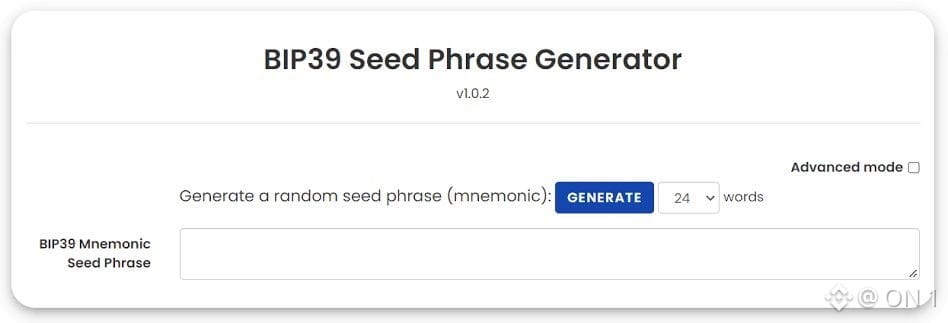
シードフレーズから1つの単語を失くしたときの簡単な裏技:
あなたのシードフレーズは、BIP39と呼ばれる2048語の固定された単語リストから生成されます
もしシードフレーズの単語を1つ忘れた場合
2048語のそれぞれを試し続ければOKです。そのうちの1つが一致します
#SeedPhrase
シードフレーズから1つの単語を失くしたときの簡単な裏技:
あなたのシードフレーズは、BIP39と呼ばれる2048語の固定された単語リストから生成されます
もしシードフレーズの単語を1つ忘れた場合
2048語のそれぞれを試し続ければOKです。そのうちの1つが一致します
#SeedPhrase
あなたのシードフレーズは、BIP39と呼ばれる2048語の固定された単語リストから生成されます
もしシードフレーズの単語を1つ忘れた場合
2048語のそれぞれを試し続ければOKです。そのうちの1つが一致します
#SeedPhrase
1
136
·
--
翻訳参照
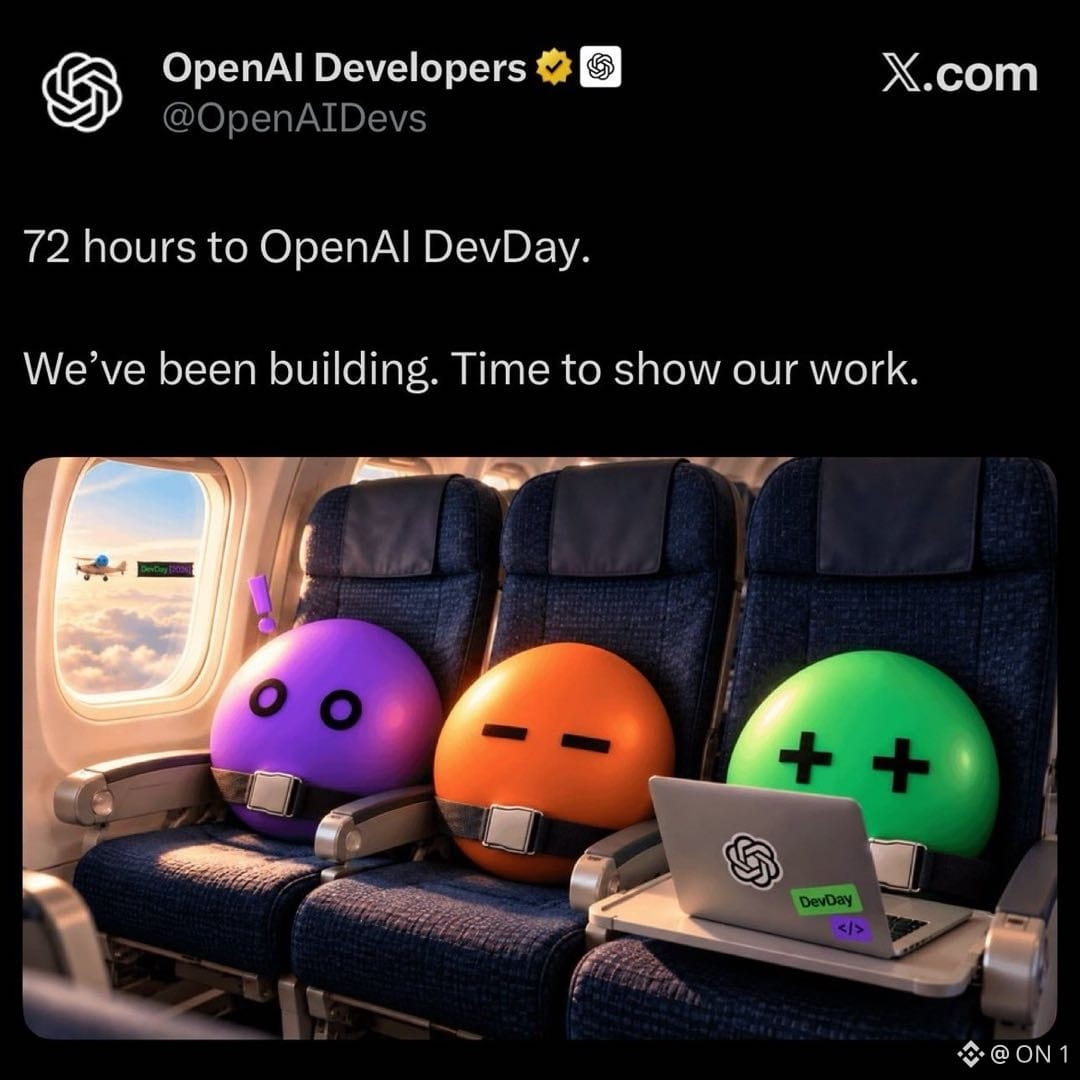
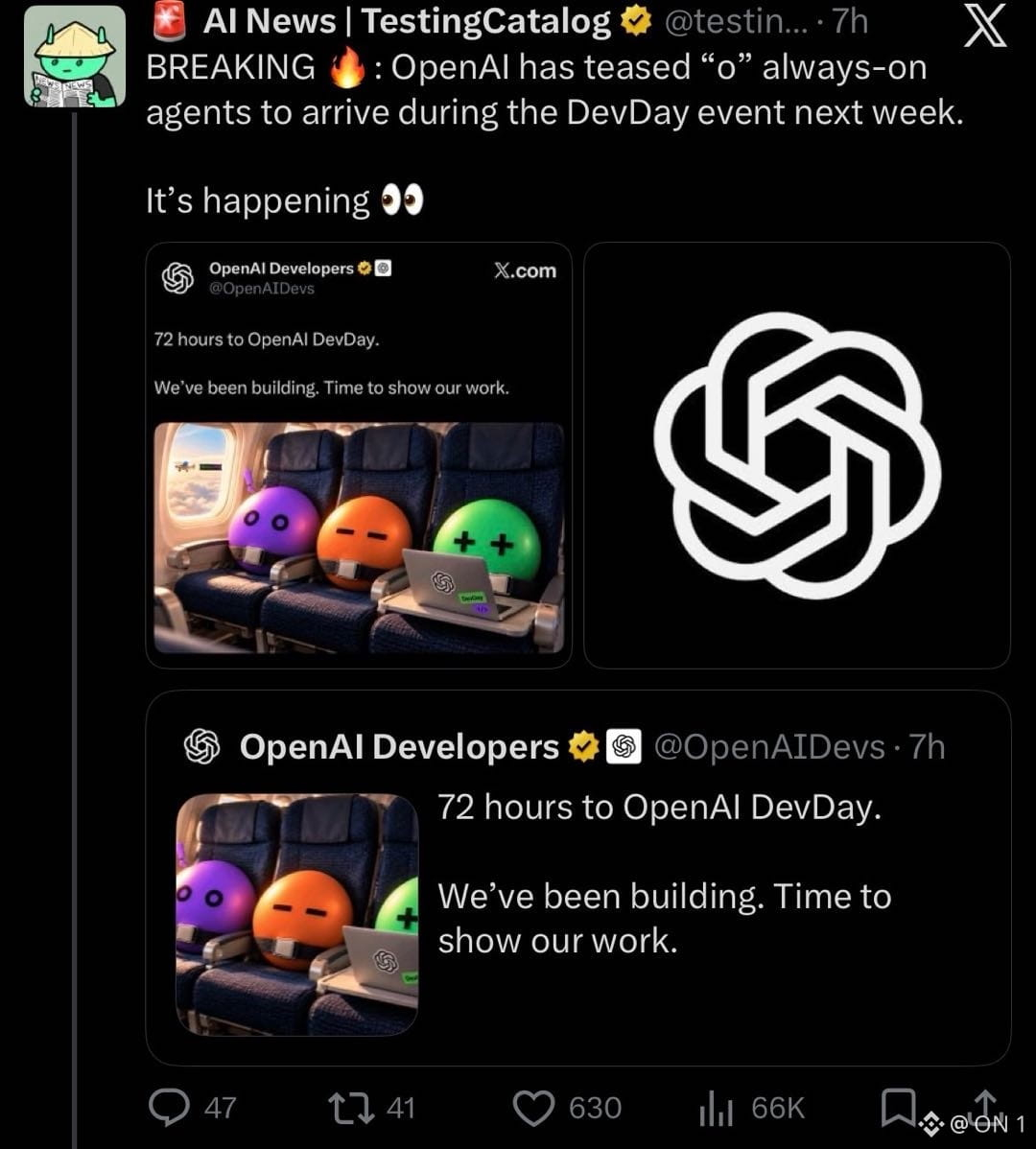
Came across “o” (tOpenAI).
Open AI teased “o” always-on agents to arrive during the DevDay event in less than 72 hours and the token is already doing numbers
Ticker: o
Ca: 2bX5CKZ7SHvacmMQFq7nBjQMmpPFbCZkpA7367du9Wa2
#OpenAI $OPENAI $SOL #o
Came across “o” (tOpenAI).
Open AI teased “o” always-on agents to arrive during the DevDay event in less than 72 hours and the token is already doing numbers
Ticker: o
Ca: 2bX5CKZ7SHvacmMQFq7nBjQMmpPFbCZkpA7367du9Wa2
#OpenAI $OPENAI $SOL #o
Open AI teased “o” always-on agents to arrive during the DevDay event in less than 72 hours and the token is already doing numbers
Ticker: o
Ca: 2bX5CKZ7SHvacmMQFq7nBjQMmpPFbCZkpA7367du9Wa2
#OpenAI $OPENAI $SOL #o
69
·
--
バイナンスはサークルに1億ドルを投資し、USDCを自社のエコシステム全体で促進し統合するための5年間の契約を締結しました。この提携により、サークルの配信ネットワークが強化され、新興市場や世界の暗号資産取引におけるUSDCの存在感を拡大できる可能性があります。
また、この取引はUSDCとテザー(Tether)のUSDTの間の競争を強める可能性もあります。ただしアナリストは、短期的にはUSDTが優勢のままだと見ており、この提携がすぐにステーブルコイン市場のバランスを変えることは unlikely だと予想しています。
#Binance $BNB
バイナンスはサークルに1億ドルを投資し、USDCを自社のエコシステム全体で促進し統合するための5年間の契約を締結しました。この提携により、サークルの配信ネットワークが強化され、新興市場や世界の暗号資産取引におけるUSDCの存在感を拡大できる可能性があります。
また、この取引はUSDCとテザー(Tether)のUSDTの間の競争を強める可能性もあります。ただしアナリストは、短期的にはUSDTが優勢のままだと見ており、この提携がすぐにステーブルコイン市場のバランスを変えることは unlikely だと予想しています。
#Binance $BNB
また、この取引はUSDCとテザー(Tether)のUSDTの間の競争を強める可能性もあります。ただしアナリストは、短期的にはUSDTが優勢のままだと見ており、この提携がすぐにステーブルコイン市場のバランスを変えることは unlikely だと予想しています。
#Binance $BNB
73
·
--
XRPヘルスケアは事業を停止し、XRPHおよびXRPHAIトークンの上場廃止(デリスト)に向けて取り組んでいます。同プロジェクトは長期にわたるベアマーケットを乗り切るのに苦戦し、計画されていた公開上場の実現に失敗し、その後、ウォレットのエクスプロイト(不正侵入)により4,011件のウォレットに影響が出て、約452,000ドルが流出しました。
状況はさらに悪化し、後の分析でプラットフォームのコードに重大な欠陥があることが指摘されました。報告によると、システムは弱いシードフレーズを生成し、さらにそれらのシードフレーズをネットワーク上に送信していたため、ウォレットが危険にさらされていました。その後、元リップルの開発者たちは、このプロジェクトのセキュリティ問題は深刻であり、最終的な崩壊は(彼らの見解では)予見可能だったと示唆しました。
#XRP $XRP
XRPヘルスケアは事業を停止し、XRPHおよびXRPHAIトークンの上場廃止(デリスト)に向けて取り組んでいます。同プロジェクトは長期にわたるベアマーケットを乗り切るのに苦戦し、計画されていた公開上場の実現に失敗し、その後、ウォレットのエクスプロイト(不正侵入)により4,011件のウォレットに影響が出て、約452,000ドルが流出しました。
状況はさらに悪化し、後の分析でプラットフォームのコードに重大な欠陥があることが指摘されました。報告によると、システムは弱いシードフレーズを生成し、さらにそれらのシードフレーズをネットワーク上に送信していたため、ウォレットが危険にさらされていました。その後、元リップルの開発者たちは、このプロジェクトのセキュリティ問題は深刻であり、最終的な崩壊は(彼らの見解では)予見可能だったと示唆しました。
#XRP $XRP
状況はさらに悪化し、後の分析でプラットフォームのコードに重大な欠陥があることが指摘されました。報告によると、システムは弱いシードフレーズを生成し、さらにそれらのシードフレーズをネットワーク上に送信していたため、ウォレットが危険にさらされていました。その後、元リップルの開発者たちは、このプロジェクトのセキュリティ問題は深刻であり、最終的な崩壊は(彼らの見解では)予見可能だったと示唆しました。
#XRP $XRP

79
·
--
過去24時間で、Hyperliquidのアシスタンス基金は約9,730枚のHYPEトークンを購入し焼却しました。費用はおよそ829,500ドルで、1トークンあたりの平均価格は85.27ドルでした。今回の最新の焼却により、流通から永久に取り除かれたHYPEの総量は約4,842万トークンに達し、当初の最大供給量10億HYPEのうち約4.84%に相当します。
この買い戻し・焼却プログラムは主に、Hyperliquidプロトコルが生み出す手数料によって賄われており、その他の収益源が今後の焼却に寄与する可能性もあります。レポート時点では、HYPEはおよそ86ドルで取引されており、プロトコルのトークン買い戻しメカニズムが引き続き活発に機能していることが示されています。
#HYPE $HYPE
過去24時間で、Hyperliquidのアシスタンス基金は約9,730枚のHYPEトークンを購入し焼却しました。費用はおよそ829,500ドルで、1トークンあたりの平均価格は85.27ドルでした。今回の最新の焼却により、流通から永久に取り除かれたHYPEの総量は約4,842万トークンに達し、当初の最大供給量10億HYPEのうち約4.84%に相当します。
この買い戻し・焼却プログラムは主に、Hyperliquidプロトコルが生み出す手数料によって賄われており、その他の収益源が今後の焼却に寄与する可能性もあります。レポート時点では、HYPEはおよそ86ドルで取引されており、プロトコルのトークン買い戻しメカニズムが引き続き活発に機能していることが示されています。
#HYPE $HYPE
この買い戻し・焼却プログラムは主に、Hyperliquidプロトコルが生み出す手数料によって賄われており、その他の収益源が今後の焼却に寄与する可能性もあります。レポート時点では、HYPEはおよそ86ドルで取引されており、プロトコルのトークン買い戻しメカニズムが引き続き活発に機能していることが示されています。
#HYPE $HYPE
76
·
--
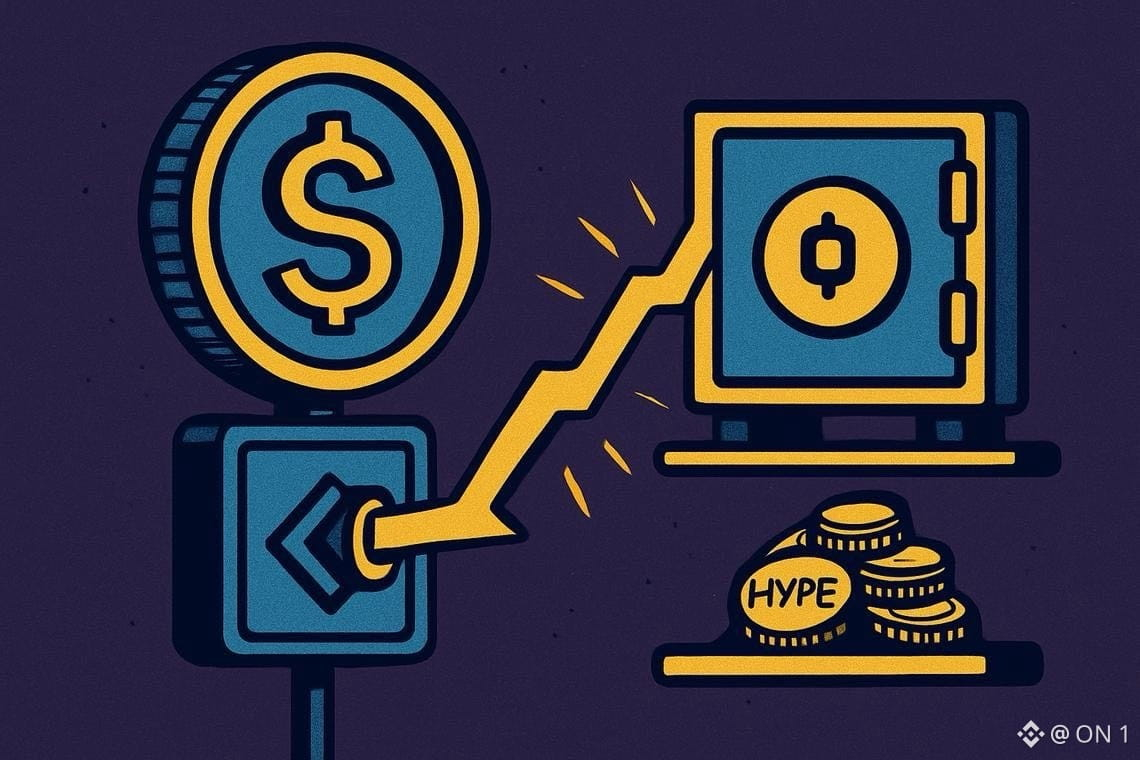
HyperliquidはAQAv2を承認しローンチしました。これは大幅なアップグレードで、約50億ドルのUSDC準備金から生み出される利回りの約90%を、HYPEトークンの買い戻しとバーン(焼却)に振り向けます。この動きは、CircleとCoinbaseによるUSDCの仕組みに基づいており、Hyperliquidの既存の手数料収益による買い戻し戦略をさらに一段進めたものです。
最初の支払いは10月3日に予定されています。システムが計画どおりに機能すれば、これらの準備金からの利回りの大きな割合が、買い戻しとバーンを通じて定期的にHYPEへと還流し、トークンの供給を減らしつつ、その価値を支えるための別の仕組みが生まれます。
#HyperLiquid $HYPE
HyperliquidはAQAv2を承認しローンチしました。これは大幅なアップグレードで、約50億ドルのUSDC準備金から生み出される利回りの約90%を、HYPEトークンの買い戻しとバーン(焼却)に振り向けます。この動きは、CircleとCoinbaseによるUSDCの仕組みに基づいており、Hyperliquidの既存の手数料収益による買い戻し戦略をさらに一段進めたものです。
最初の支払いは10月3日に予定されています。システムが計画どおりに機能すれば、これらの準備金からの利回りの大きな割合が、買い戻しとバーンを通じて定期的にHYPEへと還流し、トークンの供給を減らしつつ、その価値を支えるための別の仕組みが生まれます。
#HyperLiquid $HYPE
最初の支払いは10月3日に予定されています。システムが計画どおりに機能すれば、これらの準備金からの利回りの大きな割合が、買い戻しとバーンを通じて定期的にHYPEへと還流し、トークンの供給を減らしつつ、その価値を支えるための別の仕組みが生まれます。
#HyperLiquid $HYPE
70
·
--
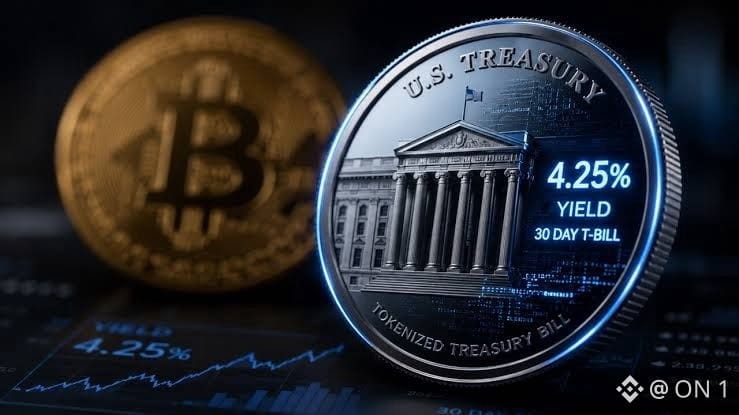
米国財務省が市場の注目を集める動きを行いました。同省は、長期国債の買い戻し(ロングターム債の買い取り)における最大規模を、1回あたり20億ドルから少なくとも40億ドルへ引き上げる計画だと発表しました。この動きにより、長期国債の利回りが低下し、市場全体によりリスクオンのムードが広がる一因となりました。
ビットコインはすぐに反応し、8.2%上昇しておよそ69,500ドル付近まで駆け上がりました。さらに、この動きは空売り勢を圧迫し、約14.4億ドル分のショートポジションが清算されました。同時に、米国の現物ビットコインETFには、直近2日間で約4億8700万ドルが流入しており、資金が再びビットコインに流れ込んでいることを示す追加のサインともなりました。
#Bitcoin #BTC #Treasury $BTC
米国財務省が市場の注目を集める動きを行いました。同省は、長期国債の買い戻し(ロングターム債の買い取り)における最大規模を、1回あたり20億ドルから少なくとも40億ドルへ引き上げる計画だと発表しました。この動きにより、長期国債の利回りが低下し、市場全体によりリスクオンのムードが広がる一因となりました。
ビットコインはすぐに反応し、8.2%上昇しておよそ69,500ドル付近まで駆け上がりました。さらに、この動きは空売り勢を圧迫し、約14.4億ドル分のショートポジションが清算されました。同時に、米国の現物ビットコインETFには、直近2日間で約4億8700万ドルが流入しており、資金が再びビットコインに流れ込んでいることを示す追加のサインともなりました。
#Bitcoin #BTC #Treasury $BTC
ビットコインはすぐに反応し、8.2%上昇しておよそ69,500ドル付近まで駆け上がりました。さらに、この動きは空売り勢を圧迫し、約14.4億ドル分のショートポジションが清算されました。同時に、米国の現物ビットコインETFには、直近2日間で約4億8700万ドルが流入しており、資金が再びビットコインに流れ込んでいることを示す追加のサインともなりました。
#Bitcoin #BTC #Treasury $BTC
67
·
--
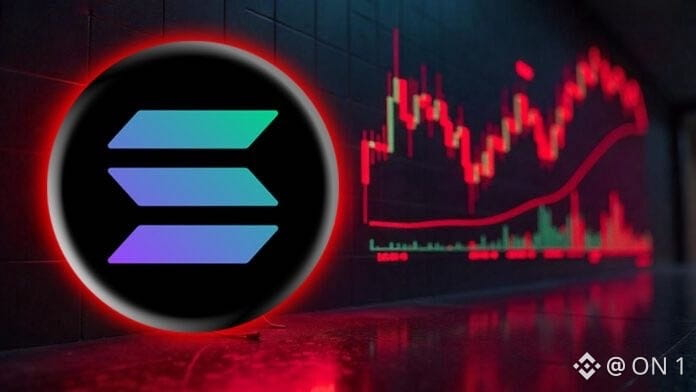
ソラナのオンチェーンにおけるユーザー成長は鈍化の兆しを見せており、過去2週間でSOLを保有するウォレット数が約1,180万から1,130万へと減少しました。この下落はネットワーク活動が落ち着いていることを示唆しており、トークンが短期的に抵抗に直面し続けていることへの懸念をさらに強めています。
一方で、ソラナのバリデーターは、新たなSOLの発行が減少するペースを2倍にして、ネットワークのデフレ(ディスインフレ)スケジュールを加速する提案を検討しています。承認されれば、この変更により今後6年間で将来のトークンの排出量が推定1,890万SOL減少する可能性があり、近い将来の価格モメンタムに圧力が残るとしても、長期的な供給ダイナミクスを強化することにつながるかもしれません。
#Solana $SOL
ソラナのオンチェーンにおけるユーザー成長は鈍化の兆しを見せており、過去2週間でSOLを保有するウォレット数が約1,180万から1,130万へと減少しました。この下落はネットワーク活動が落ち着いていることを示唆しており、トークンが短期的に抵抗に直面し続けていることへの懸念をさらに強めています。
一方で、ソラナのバリデーターは、新たなSOLの発行が減少するペースを2倍にして、ネットワークのデフレ(ディスインフレ)スケジュールを加速する提案を検討しています。承認されれば、この変更により今後6年間で将来のトークンの排出量が推定1,890万SOL減少する可能性があり、近い将来の価格モメンタムに圧力が残るとしても、長期的な供給ダイナミクスを強化することにつながるかもしれません。
#Solana $SOL
一方で、ソラナのバリデーターは、新たなSOLの発行が減少するペースを2倍にして、ネットワークのデフレ(ディスインフレ)スケジュールを加速する提案を検討しています。承認されれば、この変更により今後6年間で将来のトークンの排出量が推定1,890万SOL減少する可能性があり、近い将来の価格モメンタムに圧力が残るとしても、長期的な供給ダイナミクスを強化することにつながるかもしれません。
#Solana $SOL
79
·
--
HIVEのエグゼクティブ・チェアマンであるフランク・ホームズ氏は、同社のAIへの投資がすでに成果を上げていると述べています。AI GPUは、従来のビットコインマイニングマシンが1時間あたり得るわずか$0.12に対し、GPU 1時間あたり約$2.90を生み出しているとのことです。この違いは、HIVEが暗号資産のマイニングの枠を着実に広げ、AIおよび高性能コンピューティングにより多くの資源を投入している理由を示しています。
同社は2026年度の売上高として$297.8 millionを計上し、前年から158%の増加となりました。BUZZ HPC AI事業も引き続き成長しており、売上は94%増の$19.5 millionに達しています。今後に向けて、HIVEはトロントで320メガワットのAIハブを建設しており、AIおよびHPC事業が、当該会計年度末までに年換算ベースで売上を10倍規模に拡大すると見込んでいます。
#HIVE $HIVE #AI
HIVEのエグゼクティブ・チェアマンであるフランク・ホームズ氏は、同社のAIへの投資がすでに成果を上げていると述べています。AI GPUは、従来のビットコインマイニングマシンが1時間あたり得るわずか$0.12に対し、GPU 1時間あたり約$2.90を生み出しているとのことです。この違いは、HIVEが暗号資産のマイニングの枠を着実に広げ、AIおよび高性能コンピューティングにより多くの資源を投入している理由を示しています。
同社は2026年度の売上高として$297.8 millionを計上し、前年から158%の増加となりました。BUZZ HPC AI事業も引き続き成長しており、売上は94%増の$19.5 millionに達しています。今後に向けて、HIVEはトロントで320メガワットのAIハブを建設しており、AIおよびHPC事業が、当該会計年度末までに年換算ベースで売上を10倍規模に拡大すると見込んでいます。
#HIVE $HIVE #AI
同社は2026年度の売上高として$297.8 millionを計上し、前年から158%の増加となりました。BUZZ HPC AI事業も引き続き成長しており、売上は94%増の$19.5 millionに達しています。今後に向けて、HIVEはトロントで320メガワットのAIハブを建設しており、AIおよびHPC事業が、当該会計年度末までに年換算ベースで売上を10倍規模に拡大すると見込んでいます。
#HIVE $HIVE #AI


71
·
--
HIVEのエグゼクティブ・チェアマンであるフランク・ホームズ氏は、同社のAIへの投資はすでに成果を上げており、AI GPUは1GPU時あたり約2.90ドルを生み出しているのに対し、従来のビットコインマイニング機は1時間あたり0.12ドルにとどまると述べています。この違いは、HIVEが仮想通貨のマイニングを着実に超えていき、AIや高性能コンピューティングへの投資をさらに増やしている理由を浮き彫りにしています。
同社は2026年度の売上高を2億9,780万ドルと発表しており、前年から158%の増加となりました。BUZZ HPC AI事業も成長を続けており、売上は94%増の1,950万ドルに。今後に向けて、HIVEはトロントに320メガワットのAIハブを建設しており、AIおよびHPC事業が当期末までに年換算ベースで売上を10倍にすることを見込んでいます。
#HIVE $HIVE #AI
HIVEのエグゼクティブ・チェアマンであるフランク・ホームズ氏は、同社のAIへの投資はすでに成果を上げており、AI GPUは1GPU時あたり約2.90ドルを生み出しているのに対し、従来のビットコインマイニング機は1時間あたり0.12ドルにとどまると述べています。この違いは、HIVEが仮想通貨のマイニングを着実に超えていき、AIや高性能コンピューティングへの投資をさらに増やしている理由を浮き彫りにしています。
同社は2026年度の売上高を2億9,780万ドルと発表しており、前年から158%の増加となりました。BUZZ HPC AI事業も成長を続けており、売上は94%増の1,950万ドルに。今後に向けて、HIVEはトロントに320メガワットのAIハブを建設しており、AIおよびHPC事業が当期末までに年換算ベースで売上を10倍にすることを見込んでいます。
#HIVE $HIVE #AI
同社は2026年度の売上高を2億9,780万ドルと発表しており、前年から158%の増加となりました。BUZZ HPC AI事業も成長を続けており、売上は94%増の1,950万ドルに。今後に向けて、HIVEはトロントに320メガワットのAIハブを建設しており、AIおよびHPC事業が当期末までに年換算ベースで売上を10倍にすることを見込んでいます。
#HIVE $HIVE #AI
70
·
--
イーサリアムは約5%上昇して約1,966ドルで取引されており、スポット市場での買いが強まったことと取引活動の明確な増加が支えとなった。さらに、空売り勢がポジションをクローズすることを余儀なくされる中で上昇基調が加速し、売りに出せるETHの量は引き続き減少した。
いま注目は2000ドルの節目に集まっている。そこは次の大きな壁として残っている。アナリストは、イーサリアムがこれを上抜けて維持できれば、価格はさらに上昇を続ける可能性があり、次の目標は2,350ドルから2,500ドルの間にあると考えている。
#ETH $ETH #Ethereum
イーサリアムは約5%上昇して約1,966ドルで取引されており、スポット市場での買いが強まったことと取引活動の明確な増加が支えとなった。さらに、空売り勢がポジションをクローズすることを余儀なくされる中で上昇基調が加速し、売りに出せるETHの量は引き続き減少した。
いま注目は2000ドルの節目に集まっている。そこは次の大きな壁として残っている。アナリストは、イーサリアムがこれを上抜けて維持できれば、価格はさらに上昇を続ける可能性があり、次の目標は2,350ドルから2,500ドルの間にあると考えている。
#ETH $ETH #Ethereum
いま注目は2000ドルの節目に集まっている。そこは次の大きな壁として残っている。アナリストは、イーサリアムがこれを上抜けて維持できれば、価格はさらに上昇を続ける可能性があり、次の目標は2,350ドルから2,500ドルの間にあると考えている。
#ETH $ETH #Ethereum

69
·
--
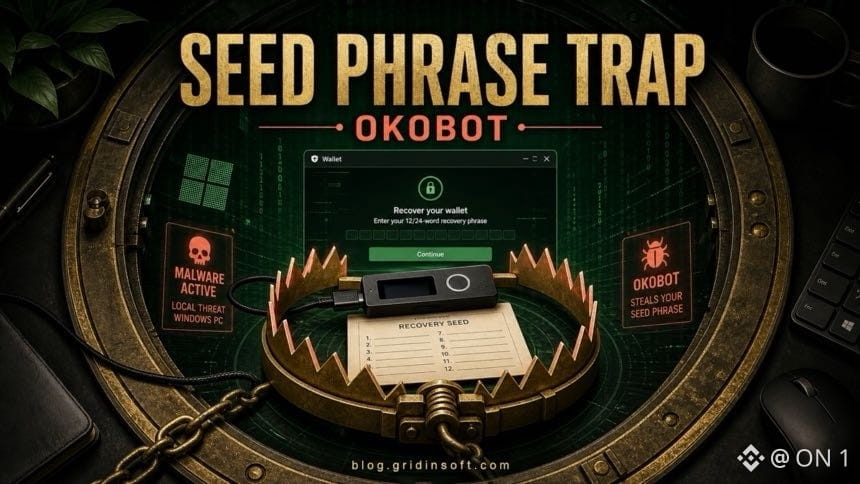
カスペルスキーの研究者は、「OkoBot」として知られる巧妙なマルウェア・キャンペーンを発見しました。これは、暗号通貨に関わるなど、油断したユーザーから機密情報を盗み出すことを目的としたモジュール型の脅威です。単一の攻撃手法に頼るのではなく、マルウェアは、偽のシステム復旧画面、キーロギング、スパイウェア、そして入念に設計されたソーシャルエンジニアリングの手口など、複数の技術を組み合わせています。インストールされると、被害者の動きを静かに監視し、ログイン認証情報を取得するだけでなく、さらに重要な暗号通貨ウォレットの復旧フレーズ(リカバリーフレーズ)を記録します。攻撃者がウォレットのシードフレーズにアクセスできれば、その内部に保存された資金を完全に支配できるため、この攻撃は暗号保有者にとって特に危険です。
このキャンペーンはすでに、ブラジル、ベトナム、カナダ、メキシコ、トルコなどの国のユーザーに影響を与えています。マルウェアを拡散するため、攻撃者はそれを正規のソフトウェアになりすまし、GitHubのリポジトリにアップロードして、ダウンロードが信頼できるように見せかけます。そうした偽プログラムを知らずにインストールしたユーザーは、自分の端末へのアクセスをマルウェアに許してしまい、その結果、パスワード、ウォレットの認証情報、その他の機密情報が収集されます。今回の発見は、サイバー犯罪者が、信頼されたプラットフォームと説得力のあるソーシャルエンジニアリングの手口をますます活用して、拡大する暗号通貨コミュニティを狙っている実態を浮き彫りにしました。
#Crypto #Security
カスペルスキーの研究者は、「OkoBot」として知られる巧妙なマルウェア・キャンペーンを発見しました。これは、暗号通貨に関わるなど、油断したユーザーから機密情報を盗み出すことを目的としたモジュール型の脅威です。単一の攻撃手法に頼るのではなく、マルウェアは、偽のシステム復旧画面、キーロギング、スパイウェア、そして入念に設計されたソーシャルエンジニアリングの手口など、複数の技術を組み合わせています。インストールされると、被害者の動きを静かに監視し、ログイン認証情報を取得するだけでなく、さらに重要な暗号通貨ウォレットの復旧フレーズ(リカバリーフレーズ)を記録します。攻撃者がウォレットのシードフレーズにアクセスできれば、その内部に保存された資金を完全に支配できるため、この攻撃は暗号保有者にとって特に危険です。
このキャンペーンはすでに、ブラジル、ベトナム、カナダ、メキシコ、トルコなどの国のユーザーに影響を与えています。マルウェアを拡散するため、攻撃者はそれを正規のソフトウェアになりすまし、GitHubのリポジトリにアップロードして、ダウンロードが信頼できるように見せかけます。そうした偽プログラムを知らずにインストールしたユーザーは、自分の端末へのアクセスをマルウェアに許してしまい、その結果、パスワード、ウォレットの認証情報、その他の機密情報が収集されます。今回の発見は、サイバー犯罪者が、信頼されたプラットフォームと説得力のあるソーシャルエンジニアリングの手口をますます活用して、拡大する暗号通貨コミュニティを狙っている実態を浮き彫りにしました。
#Crypto #Security
このキャンペーンはすでに、ブラジル、ベトナム、カナダ、メキシコ、トルコなどの国のユーザーに影響を与えています。マルウェアを拡散するため、攻撃者はそれを正規のソフトウェアになりすまし、GitHubのリポジトリにアップロードして、ダウンロードが信頼できるように見せかけます。そうした偽プログラムを知らずにインストールしたユーザーは、自分の端末へのアクセスをマルウェアに許してしまい、その結果、パスワード、ウォレットの認証情報、その他の機密情報が収集されます。今回の発見は、サイバー犯罪者が、信頼されたプラットフォームと説得力のあるソーシャルエンジニアリングの手口をますます活用して、拡大する暗号通貨コミュニティを狙っている実態を浮き彫りにしました。
#Crypto #Security
85
·
--
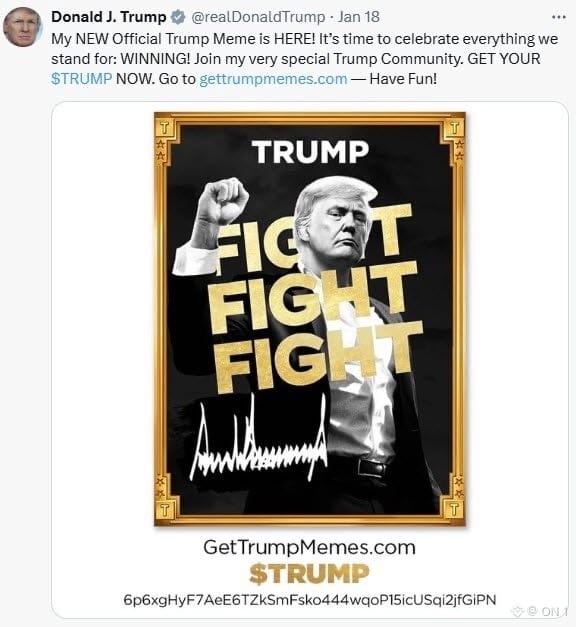
ロイターによると、ドナルド・トランプ大統領は暗号資産ベンチャーから数千万ドル規模の利益を、より伝統的な投資へ振り向けたという。米国の政府倫理局(U.S. Office of Government Ethics)に提出された財務開示書類によれば、同氏はワールド・リバティ・ファイナンシャルやトランプのミームコインを含むデジタル資産プロジェクトから、約14億ドルを稼いだとしている。
また、これらの書類では、2025年末までにトランプ氏の株式および債券の保有が大きく増えていたことも明らかになっており、暗号資産の収益の相当部分を従来型の投資資産へ移しながら、デジタル資産ベンチャーからの利益も引き続き得ていたことを示唆している。#TRUMP $TRUMP
ロイターによると、ドナルド・トランプ大統領は暗号資産ベンチャーから数千万ドル規模の利益を、より伝統的な投資へ振り向けたという。米国の政府倫理局(U.S. Office of Government Ethics)に提出された財務開示書類によれば、同氏はワールド・リバティ・ファイナンシャルやトランプのミームコインを含むデジタル資産プロジェクトから、約14億ドルを稼いだとしている。
また、これらの書類では、2025年末までにトランプ氏の株式および債券の保有が大きく増えていたことも明らかになっており、暗号資産の収益の相当部分を従来型の投資資産へ移しながら、デジタル資産ベンチャーからの利益も引き続き得ていたことを示唆している。#TRUMP $TRUMP
また、これらの書類では、2025年末までにトランプ氏の株式および債券の保有が大きく増えていたことも明らかになっており、暗号資産の収益の相当部分を従来型の投資資産へ移しながら、デジタル資産ベンチャーからの利益も引き続き得ていたことを示唆している。#TRUMP $TRUMP
13
·
--
南アフリカ歳入庁(SARS)は、推定580万〜600万人のユーザーに対して暗号資産の課税方法を標準化することを目的とした、ドラフト(指針案)を公表しました。提案では、暗号資産を無形資産として扱い、処分された時に税金が適用されます。利益がキャピタルゲインとして課税されるか、通常の収益として課税されるかは保有者の意図によって決まり、税率は18%から45%の範囲です。パブリックコメントは2026年8月31日まで受け付けられており、SARSは専任の暗号資産監査ユニットを通じて取り締まりを強化する準備も進めています。
これは、Sigil Oneが構築されたまさに中核の理由の一つです。
Sigil Oneは、ユーザーが売却前に自身の潜在的な暗号資産の税負担を見積もれるようにし、起こり得る税の結果を事前により明確に把握できるようにします。取引後に不意を突かれるのではなく、より情報に基づいた意思決定ができ、税務上の義務に備えておけます。
sigil-one.com
南アフリカ歳入庁(SARS)は、推定580万〜600万人のユーザーに対して暗号資産の課税方法を標準化することを目的とした、ドラフト(指針案)を公表しました。提案では、暗号資産を無形資産として扱い、処分された時に税金が適用されます。利益がキャピタルゲインとして課税されるか、通常の収益として課税されるかは保有者の意図によって決まり、税率は18%から45%の範囲です。パブリックコメントは2026年8月31日まで受け付けられており、SARSは専任の暗号資産監査ユニットを通じて取り締まりを強化する準備も進めています。
これは、Sigil Oneが構築されたまさに中核の理由の一つです。
Sigil Oneは、ユーザーが売却前に自身の潜在的な暗号資産の税負担を見積もれるようにし、起こり得る税の結果を事前により明確に把握できるようにします。取引後に不意を突かれるのではなく、より情報に基づいた意思決定ができ、税務上の義務に備えておけます。
sigil-one.com
これは、Sigil Oneが構築されたまさに中核の理由の一つです。
Sigil Oneは、ユーザーが売却前に自身の潜在的な暗号資産の税負担を見積もれるようにし、起こり得る税の結果を事前により明確に把握できるようにします。取引後に不意を突かれるのではなく、より情報に基づいた意思決定ができ、税務上の義務に備えておけます。
sigil-one.com


67
·
--
ビットコインは、クリプト恐怖指数が13に達する中で、$90Kと$50K下回るリスクを見極めるトレーダーたちが注目する中、珍しい週足の強気ダイバージェンスを示しています。
ビットコインは、価格が下落し続ける一方でモメンタム指標が強まるという、週足チャート上での珍しい強気ダイバージェンスを示しています。このセットアップは、FTX崩壊の底に見られた状況に似ており、その期間は主要な市場回復の前触れでした。もしこのパターンが再度展開されるなら、ビットコインは$91,755近くの50週単純移動平均(SMA)や、より広い$90,000の価格ゾーンを目指して急騰する可能性があります。
しかし、市場は重要な岐路に立たされています。モメンタム信号が改善しているにもかかわらず、ビットコインは週足のベアフラッグ形成からブレイクダウンしており、このパターンは通常、弱気と見なされます。主要なサポートレベルが維持できなければ、売り圧力が高まり、BTCは$50,000以下に押し込まれる可能性があります。そのため、トレーダーたちは強気ダイバージェンスが今後数週間で弱気なテクニカル構造を上回ることができるかどうかを注視しています。
#BTC価格分析# #BTC $BTC
ビットコインは、クリプト恐怖指数が13に達する中で、$90Kと$50K下回るリスクを見極めるトレーダーたちが注目する中、珍しい週足の強気ダイバージェンスを示しています。
ビットコインは、価格が下落し続ける一方でモメンタム指標が強まるという、週足チャート上での珍しい強気ダイバージェンスを示しています。このセットアップは、FTX崩壊の底に見られた状況に似ており、その期間は主要な市場回復の前触れでした。もしこのパターンが再度展開されるなら、ビットコインは$91,755近くの50週単純移動平均(SMA)や、より広い$90,000の価格ゾーンを目指して急騰する可能性があります。
しかし、市場は重要な岐路に立たされています。モメンタム信号が改善しているにもかかわらず、ビットコインは週足のベアフラッグ形成からブレイクダウンしており、このパターンは通常、弱気と見なされます。主要なサポートレベルが維持できなければ、売り圧力が高まり、BTCは$50,000以下に押し込まれる可能性があります。そのため、トレーダーたちは強気ダイバージェンスが今後数週間で弱気なテクニカル構造を上回ることができるかどうかを注視しています。
#BTC価格分析# #BTC $BTC
ビットコインは、価格が下落し続ける一方でモメンタム指標が強まるという、週足チャート上での珍しい強気ダイバージェンスを示しています。このセットアップは、FTX崩壊の底に見られた状況に似ており、その期間は主要な市場回復の前触れでした。もしこのパターンが再度展開されるなら、ビットコインは$91,755近くの50週単純移動平均(SMA)や、より広い$90,000の価格ゾーンを目指して急騰する可能性があります。
しかし、市場は重要な岐路に立たされています。モメンタム信号が改善しているにもかかわらず、ビットコインは週足のベアフラッグ形成からブレイクダウンしており、このパターンは通常、弱気と見なされます。主要なサポートレベルが維持できなければ、売り圧力が高まり、BTCは$50,000以下に押し込まれる可能性があります。そのため、トレーダーたちは強気ダイバージェンスが今後数週間で弱気なテクニカル構造を上回ることができるかどうかを注視しています。
#BTC価格分析# #BTC $BTC
73
·
--
リップルプライム、ニューバーガー・スペシャルティ・ファイナンスから2億ドルの債務ファシリティを確保、6千億ドルのマネージャーにバックアップされる
ニューバーガー・バー・マンがリップルのプライムブローカレッジ部門、リップルプライムに対して最大2億ドルのクレジットファシリティを提供しました。この資金は、クリプト、株式、固定収入、外国為替市場を含む複数の資産クラスにわたるマージンレンディングとファイナンシングサービスをサポートすることで、リップルプライムの機関取引インフラを強化することを目的としています。
この開発は、リップルがヒドゥンロードを買収した後に起こり、米国のプライムブローカレッジサービスへのより広範な推進と一致しています。リップルは、カストディ、財務管理、ステーブルコイン機能、ウォレットソリューションを統一された機関プラットフォームに統合するためにも取り組んでいます。このファシリティが最終的にどれだけ使用されるかは、市場の状況や機関クライアントからの借入需要のレベルに依存します。
#XRP $XRP #リップル
リップルプライム、ニューバーガー・スペシャルティ・ファイナンスから2億ドルの債務ファシリティを確保、6千億ドルのマネージャーにバックアップされる
ニューバーガー・バー・マンがリップルのプライムブローカレッジ部門、リップルプライムに対して最大2億ドルのクレジットファシリティを提供しました。この資金は、クリプト、株式、固定収入、外国為替市場を含む複数の資産クラスにわたるマージンレンディングとファイナンシングサービスをサポートすることで、リップルプライムの機関取引インフラを強化することを目的としています。
この開発は、リップルがヒドゥンロードを買収した後に起こり、米国のプライムブローカレッジサービスへのより広範な推進と一致しています。リップルは、カストディ、財務管理、ステーブルコイン機能、ウォレットソリューションを統一された機関プラットフォームに統合するためにも取り組んでいます。このファシリティが最終的にどれだけ使用されるかは、市場の状況や機関クライアントからの借入需要のレベルに依存します。
#XRP $XRP #リップル
ニューバーガー・バー・マンがリップルのプライムブローカレッジ部門、リップルプライムに対して最大2億ドルのクレジットファシリティを提供しました。この資金は、クリプト、株式、固定収入、外国為替市場を含む複数の資産クラスにわたるマージンレンディングとファイナンシングサービスをサポートすることで、リップルプライムの機関取引インフラを強化することを目的としています。
この開発は、リップルがヒドゥンロードを買収した後に起こり、米国のプライムブローカレッジサービスへのより広範な推進と一致しています。リップルは、カストディ、財務管理、ステーブルコイン機能、ウォレットソリューションを統一された機関プラットフォームに統合するためにも取り組んでいます。このファシリティが最終的にどれだけ使用されるかは、市場の状況や機関クライアントからの借入需要のレベルに依存します。
#XRP $XRP #リップル
65
ログインして、さらにコンテンツを読む
厳選トピックで世界の暗号資産トレーダーの仲間入り
⚡️ 暗号資産に関する最新かつ有益な情報が見つかります。
💬 世界最大の暗号資産取引所から信頼されています。
👍 認証を受けたクリエイターから、有益なインサイトを得られます。
メール / 電話番号