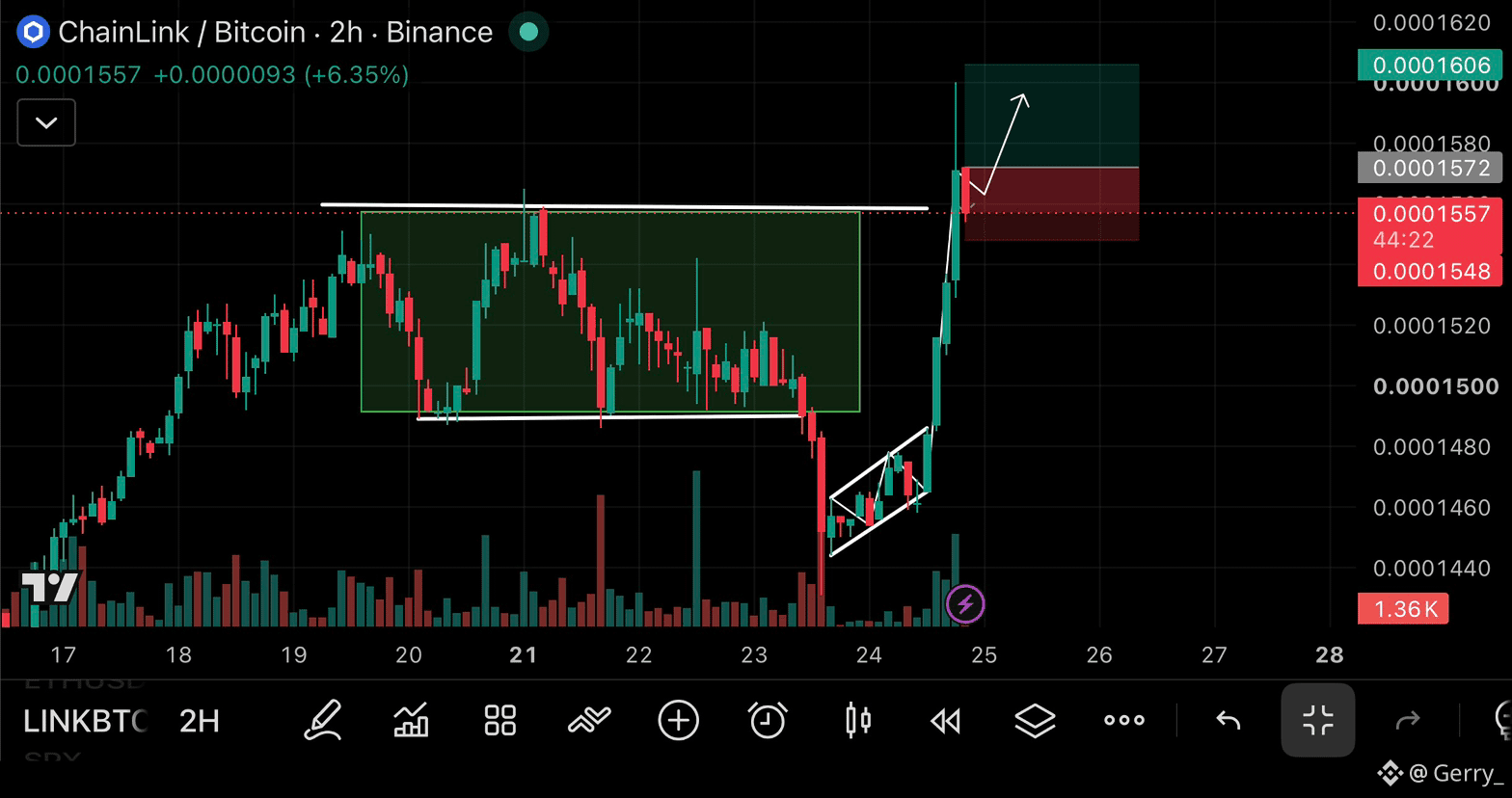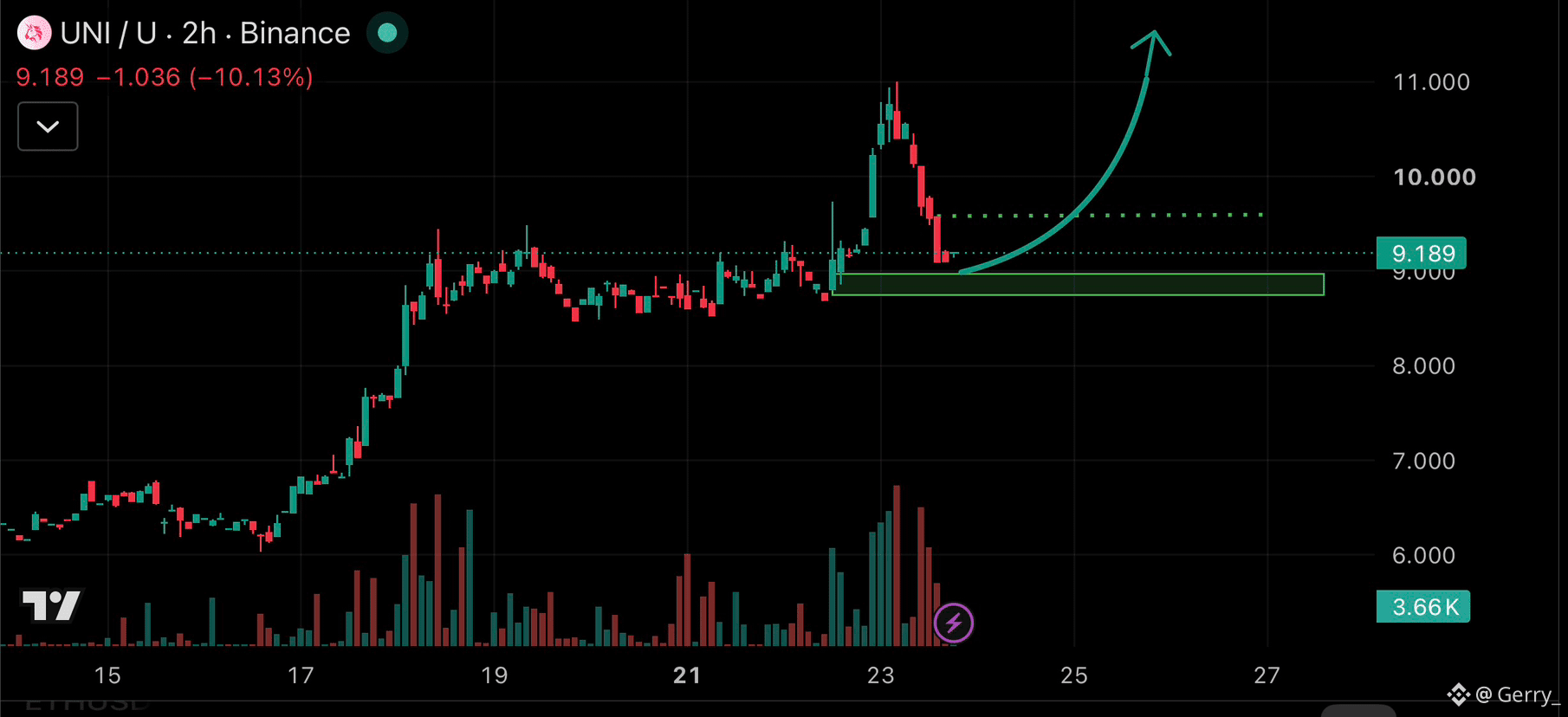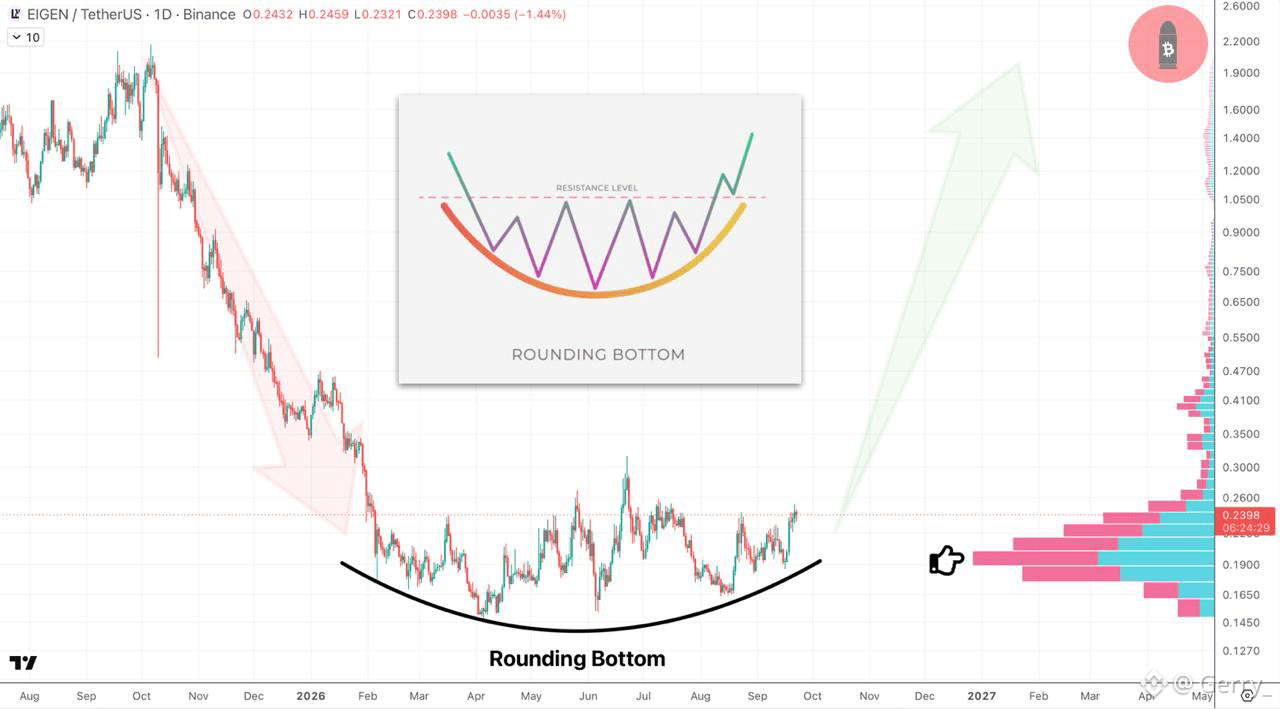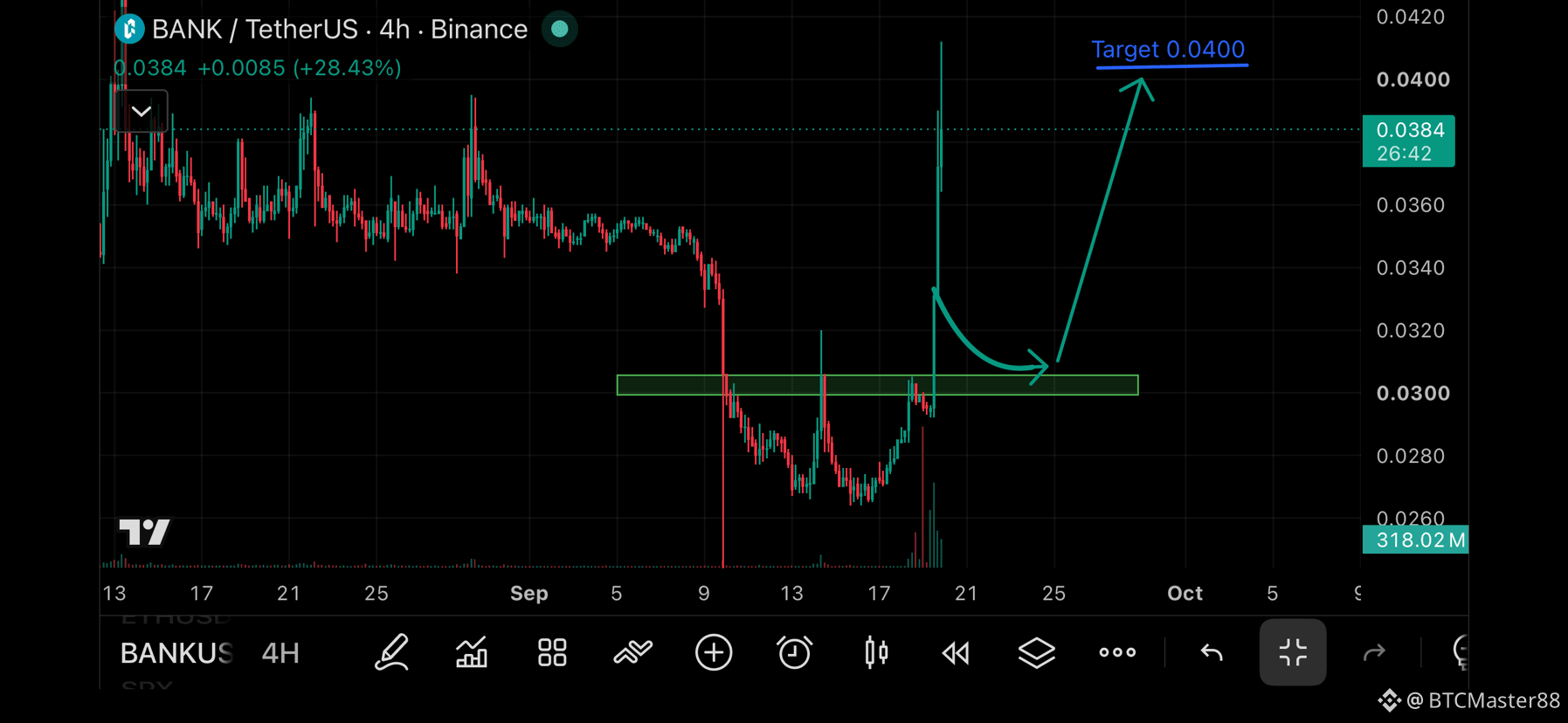
🎁 BTC For You Guys 🎁 Yes, I went through a loss. But it gave me the mindset I needed. Losses are lessons, not failures. We learn. We reset. We come back stronger.
Stablecoins came later and were forced to fit into systems that were originally designed for speculation, DeFi experiments, or complex smart contract activity. Plasma flips this idea completely. Instead of treating stablecoins as just another token, Plasma is designed from day one as a settlement layer where stablecoins are the core product. That single design choice changes everything.
When you look at how stablecoins are actually used in the real world, it becomes clear why this matters. People do not use USDT or other stablecoins to speculate on gas prices or wait minutes for confirmations. They use them to send money, settle payments, pay salaries, move liquidity between businesses, and handle remittances across borders. These users care about speed, reliability, predictability, and cost. Plasma is clearly built with these real needs in mind.
One of the biggest pain points in today’s blockchain experience is gas. For many users, especially in high adoption regions, gas fees are confusing, unpredictable, and often expensive relative to the transaction size. Plasma addresses this problem directly with stablecoin-first gas and gasless USDT transfers. This is not a small UX improvement. It is a fundamental shift. When users can transact using stablecoins without worrying about holding a separate volatile token just to pay fees, blockchain suddenly becomes much more approachable.
This design is especially important for retail users in emerging markets. In many parts of the world, stablecoins are already functioning as a parallel financial system. People use them to protect savings, send money to family, or conduct business when local currencies are unstable. Plasma recognizes this reality and builds infrastructure that supports it rather than fighting it. Sub-second finality means transactions feel instant. Payments do not feel like crypto. They feel like modern digital money.
At the same time, Plasma is not sacrificing technical depth to achieve simplicity. Full EVM compatibility using Reth ensures that developers can deploy existing smart contracts and tools without friction. This is crucial because stablecoin infrastructure does not exist in isolation. Payments, settlements, compliance tooling, and financial logic all need programmable layers. Plasma provides this while keeping the execution environment familiar to builders.
Another important part of Plasma’s design is its consensus and security model. PlasmaBFT is built to deliver fast finality without compromising network integrity. Fast settlement is not just a nice feature. For payments and financial operations, it is a requirement. Merchants, institutions, and payment processors cannot afford uncertainty around transaction completion. Sub-second finality allows Plasma to compete with traditional payment rails on user experience while maintaining the benefits of blockchain transparency and programmability.
Plasma’s Bitcoin-anchored security approach adds another layer of credibility. By anchoring to Bitcoin, Plasma increases neutrality and censorship resistance, which are critical for a global settlement network. Stablecoins operate across jurisdictions, political systems, and regulatory environments. A settlement layer that can maintain neutrality and resist censorship pressures is essential for long-term trust. This design choice signals that Plasma is thinking beyond short-term trends and focusing on durable infrastructure.
Institutions are also a key part of the Plasma story. While many blockchains claim institutional readiness, few are optimized for the actual workflows institutions care about. Payments, settlements, reconciliation, and compliance all require reliability and clarity. Plasma’s stablecoin-first architecture aligns naturally with how institutions already think about digital dollars and onchain settlement. Instead of forcing institutions to adapt to crypto-native complexity, Plasma adapts blockchain to institutional reality.
What makes Plasma stand out is not just its technology, but its understanding of why stablecoins matter. Stablecoins are not a niche use case anymore. They are becoming the backbone of onchain finance, cross-border payments, and digital commerce. Building a Layer 1 that treats stablecoins as first-class citizens is not optional. It is necessary.
Many networks talk about mass adoption, but Plasma’s design choices suggest a deeper understanding of what adoption actually looks like. Adoption does not come from more features. It comes from fewer obstacles. When users can send value instantly, cheaply, and intuitively, without needing to understand blockchain mechanics, adoption follows naturally.
Plasma is positioning itself at the intersection of retail utility and institutional infrastructure. That balance is difficult to achieve, but it is also where the biggest opportunities exist. By focusing on stablecoins as the foundation rather than an afterthought, Plasma is building something that feels practical, grounded, and ready for real-world use.
In a market crowded with general-purpose blockchains, Plasma’s clarity of purpose is refreshing. It is not trying to be everything for everyone. It is trying to be the best possible settlement layer for stablecoins. If stablecoins continue to grow as expected, and all signs suggest they will, then this design philosophy may prove to be one of the most important decisions in the next phase of blockchain adoption.
Vanar Chain Powering the Next 3 Billion Users into Web3
Vanar Chain feels like one of those rare projects that actually understands where the future of Web3 is heading. Most blockchains talk about adoption, but very few make the experience simple enough for everyday users or practical enough for real industries. Vanar is different. It is built as an L1 that removes complexity, hides unnecessary blockchain friction, and gives people and brands tools that feel natural to use. This is why many in the space believe Vanar is positioning itself to onboard the next 3 billion users.
The strongest part of Vanar is not just its technology, but its vision. The team behind Vanar has deep experience working with industries that already touch billions of people games, entertainment, brands, virtual worlds and consumer products. Instead of forcing these industries to fit into rigid blockchain rules, Vanar flips the approach. It builds Web3 technology that blends with how people already use digital platforms. This makes Vanar feel less like a crypto experiment and more like a step forward for mainstream digital life.
When you look at Vanar’s ecosystem, you see a chain designed with purpose. Gaming is one of the biggest digital markets in the world, and Vanar integrates directly with this sector through its VGN games network. Gamers want speed, fairness and ownership without having to learn what a wallet or gas fee is. Vanar solves this by creating seamless interactions that allow players to enjoy real digital ownership without dealing with blockchain complexity. This is the type of approach that brings millions on board, quietly but effectively.
The Virtua Metaverse is another big piece of the puzzle. Instead of a metaverse that feels empty or disconnected, Vanar is building a world with real use cases, real brands and real experiences. Their metaverse vision is not about hype, but about utility: digital worlds for entertainment, shopping, events and creator economies. These are the experiences that web2 audiences already understand, and Vanar layers blockchain technology underneath them without making it feel heavy or confusing. This is how mass adoption actually begins.
Another thing that stands out is how Vanar connects sectors like AI, eco solutions, and brand technology into one chain. AI-powered applications need secure, scalable infrastructure. Eco friendly digital platforms need efficient systems. Brands want onboarding tools that feel natural but still provide Web3 ownership. Vanar brings all of these under one umbrella. It is not just a blockchain; it is infrastructure designed for industries that already have global audiences.
At the heart of the network is the VANRY token, which powers the entire ecosystem. But what makes Vanar’s token approach smart is the way it links utility with user experience. Instead of building a token that exists only for speculation, VANRY is tied to real actions across games, metaverse interactions, digital identity, brand features and more. This creates natural demand as more users and companies join the ecosystem. It is the type of model that grows gradually and steadily instead of relying on hype.
What makes Vanar especially interesting is the way it communicates. The team talks less like a typical blockchain project and more like a consumer tech company. They focus on solving real world problems bridging industries, connecting billions of users, creating simple tools, and building digital experiences that feel familiar. This mindset is rare in Web3, where many projects try to impress with jargon rather than clarity.
If you step back and look at the bigger picture, Vanar is building an L1 that is not just technically strong, but strategically aligned with global adoption. Whether it is gaming, brand engagement, virtual worlds, AI or eco friendly digital systems, all of these industries are moving toward blockchain enabled models. Vanar positions itself right at that intersection with tools, partnerships and technology that meet real demand.
In the long term, this is what separates serious ecosystems from short lived hype. Vanar is building for the future, not for a trend. It is constructing a digital foundation that allows billions of users to enter Web3 without even realizing they are using blockchain. Smooth, invisible, powerful that is how mass adoption happens.
Vanar Chain is not trying to reinvent the internet; it is trying to evolve it. And with its vision, products and cross industry ecosystem, it genuinely looks like a chain capable of welcoming the next 3 billion users into Web3.
But the truth is that most blockchains are not ready for institutions. They cannot meet the requirements of regulated markets. They cannot deliver the privacy institutions need. They cannot offer predictable compliance or the security standards that major financial players demand.
This is where Dusk enters the picture with a totally different approach. Dusk is not just another blockchain trying to push transactions faster or cheaper. It is a purpose built Layer 1 chain created to support regulated finance at scale. Every part of the network is designed to help institutions move from traditional systems to real tokenized markets without losing privacy or compliance.
The story of Dusk is about building a foundation for the next era of financial infrastructure. And the way they do it is very different from most L1 chains.
The first thing that stands out about Dusk is its focus on privacy for regulated use cases. Institutions need privacy because financial information is sensitive. But they also need transparency for auditors, regulators and market operators. Dusk solves this with zero knowledge technology that hides sensitive data while keeping everything compliant and verifiable. This is one of the biggest reasons companies see Dusk as a real option for tokenized securities and institutional grade settlement.
The second major advantage is the Dusk Virtual Machine. Dusk is launching DuskEVM which allows developers to build with familiar tools while gaining the privacy and compliance features of Dusk at the base layer. This means that institutional products can finally combine privacy and programmability without using complicated third layer solutions that break security.
Another important part of the Dusk strategy is working directly with regulated institutions. Dusk has partnerships with NPEX which is a regulated stock exchange. They also work with professional service providers like Quantoz and they integrate with data networks like Chainlink. These partnerships show that Dusk is not building in isolation. They are building real world infrastructure that connects blockchain technology to existing regulated systems.
Institutions also care about predictable execution and secure settlement. Dusk created a unique consensus with privacy preserving settlement known as the Segregated Byzantine Agreement. This gives finality, security and confidentiality in a single architecture. For institutions this is a powerful combination because it removes the uncertainty that exists in many blockchains today.
Another area where Dusk is preparing for institutional adoption is tokenization. The world is moving toward tokenized assets. Everything from bonds to equities to real estate will eventually be represented on chain. Dusk offers tools that make tokenization compliant from day one. Features like built in compliance circuits, identity layers and selective disclosure allow issuers to tokenize assets without taking on regulatory risk.
And then there is the Hedger technology from Dusk. Hedger is a privacy preserving off chain computation layer that lets institutions run private logic while still settling publicly on chain. This is extremely important for trading firms and financial institutions that need confidentiality in their strategies and flows. Hedger gives them a competitive level of privacy without sacrificing transparency for regulators.
While many blockchains try to attract institutions with marketing, Dusk attracts them with real solutions. The team has focused for years on regulated finance rather than hype cycles. They understand that institutions will only adopt technology that matches their needs. The result is a blockchain that feels more like serious infrastructure than a typical crypto project. It blends privacy, compliance, programmability and settlement into one environment.
The launch of DuskEVM is likely to accelerate this adoption. Developers will be able to deploy applications with familiar tooling which reduces friction. At the same time they gain access to native privacy through zero knowledge proofs which is something no mainstream EVM chain provides at this level. This is why Dusk is often highlighted as a next generation infrastructure layer for regulated markets.
What makes Dusk especially interesting is that it does not force institutions to choose between privacy and compliance. It gives them both. Most blockchains tell institutions to sacrifice privacy for transparency or sacrifice transparency for privacy. Dusk redesigns the entire structure so that institutions can be private with the public still able to verify correctness.
This is the future of tokenized markets. A world where investors interact with digital assets, exchanges settle instantly, compliance happens automatically and sensitive information remains protected. And all of this can only work on a blockchain that understands how regulated environments function. That is where Dusk excels.
The next era of finance will not run on blockchains built only for speed or hype. It will run on networks that combine trust, privacy and regulatory readiness. Dusk is positioning itself as the foundation for this shift. It is quietly building the rails for institutions that want to move into decentralized markets without giving up privacy or control.
As tokenization accelerates and regulatory clarity expands, Dusk stands out as one of the few blockchains prepared for real institutional adoption. The work they are doing today will shape how trillions in assets flow across digital networks tomorrow. And that is why so many people see Dusk as a serious leader in the future of regulated finance.
But every once in a while, a project shows up that does not try to chase the hype cycle, does not try to force marketing, and does not rush after shiny narratives. Instead, it quietly builds the infrastructure that the next generation of Web3 applications will depend on. Walrus Protocol is one of those rare projects. It does not need loud words because the work itself speaks.
Walrus has positioned itself as the storage engine that the modern blockchain ecosystem desperately needed. The reality is simple. Every new wave of technology, especially AI, gaming, high throughput blockchains, NFTs, and data heavy applications, needs a fast, reliable, and fully decentralized storage layer. Without this layer, no L1, no rollup, no AI app, and no digital asset can scale to billions of users. Walrus saw this gap early and focused on solving it with real engineering that feels practical, scalable, and ready for real world adoption.
The reason people are paying attention now is because Walrus is not promising dreams. It is actually delivering. Its integration with Sui is one of the strongest technical alignments in the industry. Sui provides high speed execution, and Walrus provides decentralized storage that can handle rich media, heavy AI files, game assets, and long term data permanence. This combination is powerful because it removes the bottleneck from Web3 applications. Developers no longer have to choose between performance and decentralization. With Walrus, they get both.
What makes Walrus impressive is the way it approaches the problem. Instead of marketing first, it adopts an engineer first mindset. The team focuses on bandwidth optimization, data duplication control, cryptographic proofs, reliability under high load, and a network setup that can scale without making the system expensive for users. This is the kind of work that does not look glamorous on the surface, but it is exactly what the entire Web3 world needs beneath the surface.
And the impact of this infrastructure is now visible. More Sui based projects are choosing Walrus because it makes their applications more capable. AI models can be deployed faster. Game assets can be stored without worrying about central servers. NFT projects can guarantee permanence and quality. Even companies outside the crypto space are exploring decentralized storage since the cost and efficiency edge is starting to shift in favor of Walrus. When infrastructure gets this reliable, adoption becomes natural.
Another strong point is that Walrus is built for the long term flow of the market. As the world moves into AI driven systems, data becomes the most valuable resource. Every AI tool, image generator, model trainer, and content engine needs to store massive amounts of data. Traditional solutions are costly and centralized. Walrus gives developers and businesses a new option where cost efficiency meets decentralization and future proof scalability. This is why investors and large teams are showing interest. They can see the direction the digital world is taking, and they know storage will become the biggest backbone of everything.
The recent upgrades to Walrus have added even more excitement. The network has become faster. The reliability has improved. More storage providers are joining. And the collaboration ecosystem around Sui is expanding. All these improvements show that Walrus is not slowing down. It is evolving with a clear mission. To become the world’s most efficient decentralized storage layer.
In a market full of hype cycles, it is refreshing to see a protocol that is grounded in serious engineering. Walrus does not need buzz to stay relevant. It is building something that will outlive trends. While other projects chase short term attention, Walrus is quietly becoming the infrastructure that future AI, gaming, metaverse, enterprise data, and Web3 platforms will depend on. It is the kind of protocol that proves real adoption starts when powerful technology meets simple usability.
If the industry truly wants to onboard millions of users, it needs infrastructure builders who think long term. Walrus stands out as one of those builders. The more you look into its architecture, partnerships, upgrades, and vision, the more you realize that this is not just another crypto narrative. This is a foundation block for the future of decentralized applications.
Walrus is not chasing hype. It is shaping the future. And the market is slowly waking up to that.
Many chains talk about scalability but few deliver the infrastructure that truly matters. @Walrus 🦭/acc does exactly that with powerful decentralized storage rails. Builders finally have a reliable foundation for AI and large-scale apps. $WAL adoption is rising fast. #Walrus
The thing I like about Plasma is the focus on practical adoption. Stablecoin gas, low transaction friction and new integrations mean $XPL has a clear use case. The ecosystem is scaling the right way, through reliable technology and consistent updates. @Plasma #plasma
Vanar Chain is quietly building one of the most practical Layer 1 ecosystems I have seen lately. Instead of chasing hype, @Vanarchain is focused on real world adoption through gaming, entertainment, AI, and brand solutions. Products like Virtua and VGN show this is already live tech, not future promises. $VANRY feels positioned for long-term growth as #vanar keeps expanding.
Dusk continues to separate itself through real utility. Developers get DuskEVM, institutions get compliant private transfers, and exchanges gain reliable infrastructure. @Dusk is not chasing the market it’s building the market standard. $DUSK #Dusk
Europe’s digital-asset landscape is shifting fast, and Dusk is one of the few networks building directly around compliance and real world finance. @Dusk continues rolling out updates aligned with regulated markets, making $DUSK a serious contender for the next wave of institutional rails. Privacy plus compliance is exactly where the industry is moving. #Dusk
Walrus is one of the few storage networks consistently improving at the protocol level. These new upgrades reinforce developer confidence and make the network stronger than ever. This is the kind of progress @Walrus 🦭/acc is known for. $WAL #Walrus
Dusk The Chain That Finally Makes Financial Privacy Real
Dusk has reached a stage where it no longer feels like a future promise. It feels like the first real attempt to merge privacy with compliant finance in a way that actually works. I have followed Dusk for a long time and every year it became more clear that this project was not chasing hype. It was building the rails that institutions and regulated markets will eventually need. Now in 2026 it finally looks like the world is catching up to the direction Dusk has been walking in for years.
The biggest shift for me is how Dusk transformed from being seen as a privacy blockchain into something much more important. A platform where regulated securities and real world assets can actually move onchain without breaking compliance. A place where privacy is a choice but transparency is available when required. And this is the part most people still misunderstand. Dusk is not trying to hide things. Dusk is trying to protect sensitive financial activity while still enabling lawful disclosure. That is a very difficult line to walk but they seem to be one of the only teams doing it with serious engineering behind it.
The arrival of DuskEVM is a major turning point. It opens the door for developers who already know how to build in the EVM world but want privacy as a built in feature. Instead of third party tools or complicated add ons, privacy becomes part of the chain itself. The Hedger engine is the heart of that idea. It allows confidential smart contracts and zero knowledge proofs without forcing developers to understand complex zero knowledge circuits. This lowers the entry barrier and expands the kind of applications that can exist in the Dusk ecosystem. When you combine that with the ability to enable transparent or confidential transfers depending on the use case, it gives builders serious flexibility.
At the same time Dusk has been strengthening its real world integrations. The most important partnership in my opinion is with NPEX which is a fully regulated Dutch stock exchange. This is a real financial institution with thousands of active investors and millions in raised capital. They are not experimenting for fun. They chose Dusk to bring regulated securities onchain. This is not the usual crypto story where a project partners with a small startup. This is a regulated exchange using Dusk to modernize the way financial instruments are issued and moved. It shows that the chain has credibility in environments where compliance and privacy are not optional. They are mandatory.
The Chainlink integration only makes this story stronger. By adopting Chainlink standards for interoperability and data, Dusk became capable of moving tokenized assets across chains through CCIP and verifying regulated market data through Data Streams. This creates a future where regulated equities, bonds, or other financial products that originate on NPEX can travel across networks with accurate data and full compliance. For me this is the infrastructure needed for the RWA supercycle everyone keeps talking about. Most chains are not prepared for real institutional traffic but Dusk is quietly building exactly what that traffic will require.
There is also a shift happening in user perception. The privacy narrative has returned to the market but this time regulators are also paying attention. The question became how to provide privacy without breaking rules. Dusk is one of the only networks that had an answer ready before the market even asked the question. Selective disclosure is the key. It allows users and businesses to keep sensitive information private while still sharing details with authorized parties when required. This is how compliant privacy is supposed to work. The world does not need another opaque privacy coin. It needs an advanced privacy network that fits into regulated frameworks. Dusk seems to understand that better than anyone else.
The momentum around the ecosystem feels different now. The mainnet is maturing. New developers are entering the ecosystem because EVM support makes the transition easier. Liquidity is improving. Awareness is climbing slowly but consistently. And what stands out the most is that Dusk has not changed its mission. It has simply reached a point where the market finally appreciates what the team has been building all along.
In my honest view Dusk is not chasing a trend. Dusk is building the foundations of regulated digital finance. Privacy will always matter. Compliance will always matter. Institutions will always need a secure environment for sensitive transactions and tokenized assets. Most chains are still figuring out how to adapt. Dusk already spent years engineering a complete solution.
This is why I believe Dusk has entered a new phase. Not hype. Not speculation. Actual adoption. Real use cases. Real partners. A maturing ecosystem. A clear mission. And for the first time a market that understands the value of regulated privacy.
If you ask me where the silent winners of the RWA and compliance narrative are being built, I will always point to Dusk. It is not loud. It is not flashy. It is consistent. It is precise. And it is engineered for a future where traditional finance and blockchain finally operate on the same rails.
Dusk feels like the chain that will quietly become unavoidable as the world moves toward digital securities and privacy based compliance. This is not the end of their journey. It is the beginning of the phase where everything they built starts to prove why it matters.
Walrus Protocol The Storage Layer That Is Quietly Becoming Essential For Web3
Walrus is entering a phase where it no longer needs hype to explain itself. The protocol is reaching a point where builders come first and narratives follow later. I have been watching the ecosystem grow piece by piece and every update shows that decentralized storage is moving from an idea to a real requirement for AI data, NFTs, gaming, and scalable Web3 apps.
What makes Walrus different is the way it handles the real world pressure of storage heavy applications. This is not a talk about dreams or theoretical designs. This is about a mainnet that already works, handles real volumes, and keeps improving with upgrades that are focused on what builders actually face every day.
The protocol has evolved around one simple idea. Storage cannot be slow or fragile if you expect users to depend on it. Walrus has built an architecture that distributes data intelligently to give durability and speed at the same time. That matters more today because AI workloads and digital ownership create demands that old cloud systems cannot solve in a decentralized way.
One of the most important parts of the recent progress is how Walrus is tightening its storage efficiency. The Quilt upgrade expected in the early months of 2026 is designed to reduce redundancy and increase the flexibility of how data is placed across nodes. These improvements help push a long term vision where Walrus can store heavier files with better performance and lower cost for developers. This is the kind of upgrade that signals a protocol preparing for serious adoption instead of just casual experiments.
Another thing I personally appreciate is the way Walrus positions itself in the Sui ecosystem without acting limited by it. Sui is a fast and modern environment and Walrus fits into it naturally. At the same time the team continues to expand the integrations around the protocol which increases the chance of Walrus becoming the default storage option for far more than one chain. The narrative here is not just storage on Sui. It is storage for Web3 as a whole.
A big part of the traction is coming from the builder community. From hackathons to dev challenges the activity is growing faster because the protocol is now stable enough that developers can think long term. When a builder sees that a network provides speed reliability and predictable pricing they are more likely to commit to it. Walrus is reaching that level where people choose it not because of marketing but because it actually solves problems for them.
The ecosystem has also expanded with new tools for uploading managing and retrieving stored data. A lot of teams underestimate how important these small improvements are. When developers feel that the process is smooth and fast they stay. When they stay the ecosystem gets stronger. Walrus is building that experience step by step and you can already feel the difference from a few months ago.
Market wise the token is still moving quietly but the fundamentals behind it are getting stronger. Storage tokens usually experience delayed recognition because the value becomes clear when networks scale. Walrus is entering that zone now. Sideways movement in the price does not tell the full story. The expansion of real usage does. Whenever usage reaches a certain point the market reacts and many people wish they understood it earlier.
Right now Walrus is sitting in a rare position. It has a working product real adoption and constant technical upgrades. It is not a project hoping to find relevance. It is a protocol that already holds a valuable place in the ecosystem and the market is slowly catching up to that reality.
If you are looking at long term infrastructure layers the ones that quietly grow while others make noise then Walrus stands out. The future of Web3 is built on reliable storage that is fast scalable and decentralized. Walrus is shaping itself to be that missing layer and it is doing it with steady progress instead of empty promises.
This is the kind of ecosystem that becomes important not by hype but by necessity. And every update from the team makes that future more visible.
Dusk Foundation and the New Era of Financial Privacy Engineering
Dusk approaches the problem with a very simple belief: privacy is not a luxury or an optional add on. It is the foundation of professional finance. When banks settle trades, when institutions move assets, or when regulated platforms issue securities, sensitive information is not something they want leaking out onto a public ledger. At the same time, governments and auditors still need controlled visibility. Balancing those needs is extremely hard, and many teams have tried and failed. Dusk is one of the very few that decided to make this balance the center of the entire chain.
Financial privacy engineering on Dusk is not about hiding everything. It is about providing clarity where needed and confidentiality where required. The network uses advanced cryptography to allow users to make transfers that stay private by default but can also be selectively disclosed to a chosen regulator or auditor. This idea of selective transparency is what makes the chain truly different. It is not a typical privacy coin that simply blinds all activity. Instead, it is a system designed for regulated finance, where privacy works side by side with compliance instead of fighting against it.
What makes Dusk stand out is how long it has been working on this vision. More than seven years of research went into the architecture before the public ever saw the larger roadmap. The team understood early that institutions would never adopt blockchains that expose their entire balance sheet or client data. They also noticed that many blockchains claiming to offer privacy were patching solutions on top of transparency based designs, which never works for serious financial applications. So they built a chain where confidentiality is native. Not secondary. Not optional. Built into every layer.
Dusk’s approach to financial privacy engineering becomes more meaningful when you look at the emerging RWA landscape. Tokenized securities, on chain exchanges, digital bonds, regulated stablecoins, and corporate issuance all require privacy by default. Imagine a traditional company issuing shares on a public blockchain. Do they want every holder list, transfer, and allocation open for the entire world to see? Of course not. But they still need auditability. Regulators still need the ability to review events. This is exactly the gap that Dusk fills. It creates a safe environment where assets can exist privately for everyday users while remaining transparent for those with legal rights to access that data.
One of the strongest aspects of Dusk’s architecture is that it does not force institutions to choose between transparency and confidentiality. It gives them both. The technical stack manages encrypted transfers, private settlements, and contract execution while still allowing permissioned third parties to verify details when required. This approach transforms the chain from a simple privacy network into a compliance compatible ecosystem that fits the demands of Europe, institutional finance, and regulated markets.
The ecosystem around Dusk is also entering a new phase. With DuskEVM rolling out, developers finally have a familiar environment for building applications that require privacy and regulatory certainty. This is where the chain becomes especially interesting. Builders no longer need to pick between Ethereum’s openness or ZK specific complexity. They can write smart contracts in a form they already understand, while letting the network handle confidentiality on the backend. For on chain finance, this is a major unlock.
As adoption continues to accelerate, more institutions are starting to explore how the network can handle tokenized equities, private settlement layers, and compliant onboarding flows. The partnership momentum around Dusk, especially within Europe, shows that regulated markets are finally ready for a blockchain that solves their real problems rather than adding new ones. The conversation has shifted from “can blockchain work for regulated finance” to “which chain can actually do it without compromising on privacy or compliance.” Dusk is positioning itself as one of the few serious answers.
Financial privacy engineering is no longer just a technical topic. It is a requirement for the next decade of digital assets. As global regulations tighten and institutional participation increases, the chains that survive will be the ones that take privacy seriously. Dusk Foundation has built its identity around this belief. It is not chasing hype or short term cycles. It is building a financial layer that is ready for real adoption from institutions who expect confidentiality, security, and legal clarity.
The world is moving toward a new financial architecture and Dusk is shaping one of the most important pieces of that structure. Privacy with compliance. Confidentiality with auditability. Real world assets with real protection. This is not the usual blockchain pitch. It is a necessary upgrade for global finance and one that only a few networks are truly prepared to deliver. Dusk is one of them.
Real storage. Real scalability. Real infrastructure that can support the weight of the next generation of the internet. In a time where most networks are busy talking about ecosystems that are not even live, Walrus is quietly solving the hardest problem at the foundation of Web3. The world is producing more data than ever before and almost none of it is ready for on chain use. Walrus is changing that story by designing a storage layer that focuses on real impact instead of hype.
The first thing that stands out about Walrus is its simplicity. It does not try to replace blockchains and it does not compete with them. Instead it becomes the layer that blockchains have been missing for years. An environment where applications can store images, videos, AI training files, NFT collections, game assets and any type of heavy data without worrying about cost or speed. This sounds obvious, yet most chains still struggle the moment data becomes large. Walrus solves this challenge by separating data availability from raw blockchain execution and then tying both sides together with a predictable structure.
Storage in Walrus is built to work in the real world. Developers do not need to learn a new philosophy or rebuild their systems from scratch. They plug into a storage network that behaves exactly how modern applications need it to behave. Fast, reliable, and consistent. The network distributes data across many nodes, but the user experiences something far more simple. Upload your data, retrieve your data, and let the protocol handle the complexity. This experience is the key because the next wave of Web3 adoption depends on developers not feeling like they are fighting their own tech stack.
The interesting part is how Walrus makes this real. It uses a technique that spreads data into small pieces and stores those pieces across validators. This means even if a part of the network goes offline your data remains protected. It is accessible instantly because the system only needs a portion of the pieces to rebuild the original file. Applications do not need to wait. Users do not need to repeat uploads. And storage costs remain predictable. The network acts like a digital safety net that scales automatically as demand grows.
Developers building on Sui already understand why this matters. Many of them are working on AI apps, NFT platforms, creator tools, and data rich gaming environments. All these categories depend on fast storage access. They need a place where media and large files can move without friction. Walrus provides that foundation. It turns Sui into a complete environment where computation and storage finally balance each other. This combination unlocks an entirely new class of apps that previously needed centralized servers.
What makes Walrus different is that it is not just another decentralized storage experiment. It is part of a much larger vision where data becomes a first class citizen of blockchain infrastructure. The team behind Walrus is not building a feature. It is building a long term framework that can support millions of users and billions of files. This is why large investors committed more than one hundred million dollars to the project. They are betting on a future where Web3 and data are inseparable and Walrus becomes the gateway between both worlds.
Real impact comes from solving real problems and Walrus repeatedly proves that it understands what builders actually need. It focuses on speed because slow storage kills user experience. It focuses on reliability because no developer wants their content disappearing when a node restarts. It focuses on scale because the next generation of applications will not be measured in megabytes. They will be measured in terabytes and petabytes as AI and immersive digital experiences become normal.
The best part is that Walrus does all this without making things complicated. Builders do not have to think about the internal mechanics of cryptographic proofs or validator behavior. They interact with a system that feels simple. Upload. Store. Retrieve. Build. This is what real impact looks like. Technology that disappears into the background and allows creators to focus on the product instead of the infrastructure.
As the broader crypto market moves in cycles, Walrus is shaping something much more sustainable. Not hype. Not speculation. A foundational layer that will stay relevant long after today’s narratives shift. Storage is one of the most predictable needs in the world of technology and Walrus has positioned itself right at that intersection where Web3 storage meets real world usage.
If the next decade belongs to AI, immersive media, digital ownership, and creator driven economies, then the networks carrying that data need to be strong enough to handle the load. Walrus is building the system that makes that possible. A storage layer designed for real impact. A foundation that lifts everything built above it. And an answer to a question that Web3 has avoided for far too long. How do we store the future?
Scaling the internet’s storage needs is not a hype game, it is an engineering challenge. @Walrus 🦭/acc just rolled out improvements that make decentralized storage faster, lighter, and more predictable for real applications. $WAL is steadily positioning itself as a core infra layer for AI and media-rich ecosystems. #Walrus
The momentum around Dusk keeps picking up. New integration work across DuskEVM and more attention from regulated institutions show how fast the ecosystem is shifting from research to deployment. Europe wants compliant rails. Dusk is delivering them with speed, clarity, and smart architecture. @Dusk $DUSK #dusk