

Zerionix
497 投稿

Zerionix
報告
ユーザーをブロック
Crypto Researcher • Market Structure • Data > Hype • Daily updates → NFA
0 フォロー
13 フォロワー
66 いいね
投稿
·
--
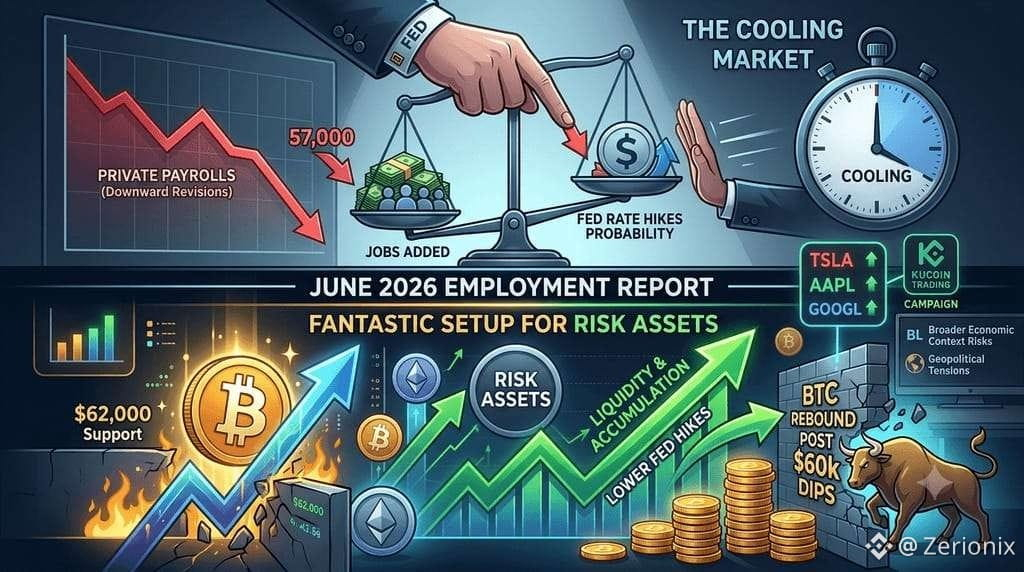
ビットコインに、もう1つ強力なマクロの追い風が加わりました。
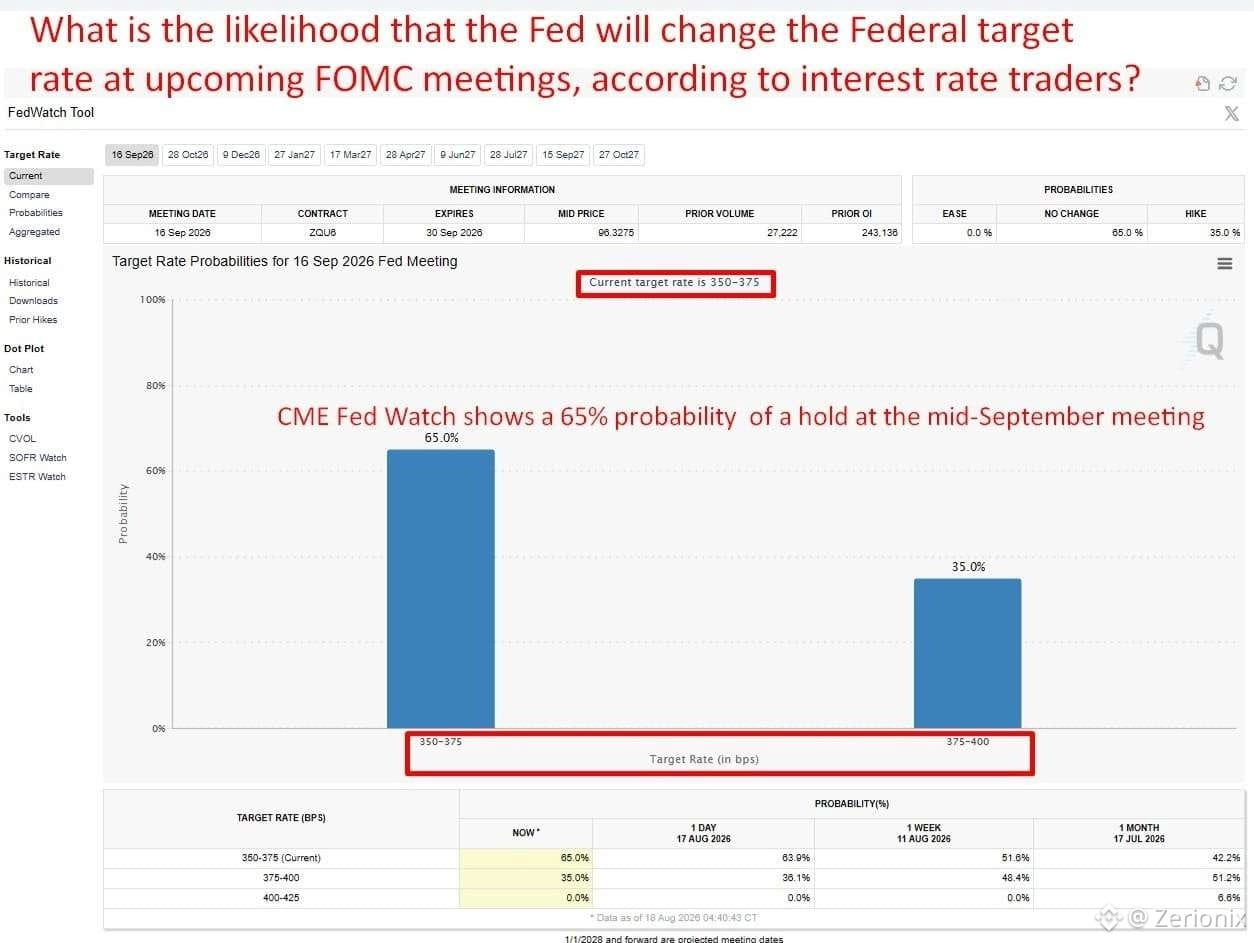
米国は9月に雇用者数をわずか2.9万人しか増やしておらず、予想を大きく下回りました。その一方で失業率は4.2%に上昇しています。
そして、直後の反応はかなり明確でした。
10月の追加利上げについての見通しが崩れ落ちました。市場のスナップショットによっては、週の前半に約70%だった確率が、14%〜25%程度まで低下しています。
これはBTCにとって重要です。予想される利上げが減れば、金利上昇や利回りの上昇による圧力が弱まる可能性があるからです。
しかし、もう一つ興味深い点があります。
Citiは、暗号資産の活動がより活発になっていること、景気の追い風となるマクロ環境、そしてETFへの流入が再び増えていることを理由に、ビットコインの12カ月目標価格を82,000ドルから113,000ドルへ引き上げました。
個人的には、113,000ドルという目標そのものよりも、その理由のほうが重要だと思います。
ビットコインには、銀行が価格の行き先を教える必要はありません。
必要なのは流動性、現物の需要、そして上昇局面に歯止めをかけないマクロ環境です。
そして、まだ問題があります。
雇用環境が弱いことは、自動的に強気材料とは限りません。雇用の悪化が続けば、市場は「単に低金利期待を喜ぶ」のではなく、「景気の弱さ」を心配し始める可能性があります。
だから私は、Citiの目標価格よりもFOMC(FRB)の道筋を注視しています。
雇用市場が弱まり続け、インフレが冷え続けるなら、それはBTCにとってかなり好ましい環境を作り得ます。
一方で、インフレが粘着的でFRBが引き続き引き締め的なら、話はすぐにややこしくなります。
現時点では、市場は「次の利上げを疑う」理由をもう一つ得た、というところです。
さて、BTCはそのマクロ面での安心材料を、実際の需要につなげられるかを証明する必要があります。
$BTC #BTC 価格分析# #ビットコイン価格予測: 次の一手は?#
ビットコインに、もう1つ強力なマクロの追い風が加わりました。
米国は9月に雇用者数をわずか2.9万人しか増やしておらず、予想を大きく下回りました。その一方で失業率は4.2%に上昇しています。
そして、直後の反応はかなり明確でした。
10月の追加利上げについての見通しが崩れ落ちました。市場のスナップショットによっては、週の前半に約70%だった確率が、14%〜25%程度まで低下しています。
これはBTCにとって重要です。予想される利上げが減れば、金利上昇や利回りの上昇による圧力が弱まる可能性があるからです。
しかし、もう一つ興味深い点があります。
Citiは、暗号資産の活動がより活発になっていること、景気の追い風となるマクロ環境、そしてETFへの流入が再び増えていることを理由に、ビットコインの12カ月目標価格を82,000ドルから113,000ドルへ引き上げました。
個人的には、113,000ドルという目標そのものよりも、その理由のほうが重要だと思います。
ビットコインには、銀行が価格の行き先を教える必要はありません。
必要なのは流動性、現物の需要、そして上昇局面に歯止めをかけないマクロ環境です。
そして、まだ問題があります。
雇用環境が弱いことは、自動的に強気材料とは限りません。雇用の悪化が続けば、市場は「単に低金利期待を喜ぶ」のではなく、「景気の弱さ」を心配し始める可能性があります。
だから私は、Citiの目標価格よりもFOMC(FRB)の道筋を注視しています。
雇用市場が弱まり続け、インフレが冷え続けるなら、それはBTCにとってかなり好ましい環境を作り得ます。
一方で、インフレが粘着的でFRBが引き続き引き締め的なら、話はすぐにややこしくなります。
現時点では、市場は「次の利上げを疑う」理由をもう一つ得た、というところです。
さて、BTCはそのマクロ面での安心材料を、実際の需要につなげられるかを証明する必要があります。
$BTC #BTC 価格分析# #ビットコイン価格予測: 次の一手は?#
米国は9月に雇用者数をわずか2.9万人しか増やしておらず、予想を大きく下回りました。その一方で失業率は4.2%に上昇しています。
そして、直後の反応はかなり明確でした。
10月の追加利上げについての見通しが崩れ落ちました。市場のスナップショットによっては、週の前半に約70%だった確率が、14%〜25%程度まで低下しています。
これはBTCにとって重要です。予想される利上げが減れば、金利上昇や利回りの上昇による圧力が弱まる可能性があるからです。
しかし、もう一つ興味深い点があります。
Citiは、暗号資産の活動がより活発になっていること、景気の追い風となるマクロ環境、そしてETFへの流入が再び増えていることを理由に、ビットコインの12カ月目標価格を82,000ドルから113,000ドルへ引き上げました。
個人的には、113,000ドルという目標そのものよりも、その理由のほうが重要だと思います。
ビットコインには、銀行が価格の行き先を教える必要はありません。
必要なのは流動性、現物の需要、そして上昇局面に歯止めをかけないマクロ環境です。
そして、まだ問題があります。
雇用環境が弱いことは、自動的に強気材料とは限りません。雇用の悪化が続けば、市場は「単に低金利期待を喜ぶ」のではなく、「景気の弱さ」を心配し始める可能性があります。
だから私は、Citiの目標価格よりもFOMC(FRB)の道筋を注視しています。
雇用市場が弱まり続け、インフレが冷え続けるなら、それはBTCにとってかなり好ましい環境を作り得ます。
一方で、インフレが粘着的でFRBが引き続き引き締め的なら、話はすぐにややこしくなります。
現時点では、市場は「次の利上げを疑う」理由をもう一つ得た、というところです。
さて、BTCはそのマクロ面での安心材料を、実際の需要につなげられるかを証明する必要があります。
$BTC #BTC 価格分析# #ビットコイン価格予測: 次の一手は?#
13
·
--
翻訳参照
AI experts are becoming the new target for cyber espionage.
A China aligned hacking group tracked as TA419 has reportedly been impersonating U.S. AI and policy experts to gain access to sensitive information.
According to Proofpoint, the attackers approach targets with seemingly legitimate invitations to collaborate on AI policy, export controls or national AI strategy.
Once the target engages, the conversation is redirected toward fake login pages designed to steal credentials.
And the targets aren't random.
Proofpoint says the campaign has focused on people connected to U.S. and Japanese think tanks, defense contractors, universities and law firms.
Reuters independently confirmed former White House official Alex Engler was one target. He received an email appearing to come from former White House AI official Lynne Parker inviting him to join a new AI policy project.
He became suspicious and verified that the sender was an impersonator.
Personally, the interesting part isn't simply that hackers are impersonating people.
It's what they're trying to access.
AI policy is becoming strategically important. Regulation, export controls, national AI strategies and government relationships can reveal information that is valuable far beyond the technology itself.
Proofpoint says the targeting suggests an intelligence interest in U.S. policymaking rather than technology theft alone.
And that's a different threat model.
The most convincing phishing attacks don't look like attacks.
They look like an opportunity. A meeting. A collaboration. An invitation from someone you already recognize.
As AI becomes more strategically important, the people shaping its rules may become just as valuable a target as the companies building the models.
$ETH #BTC Price Analysis# #Macro Insights# $BTC
AI experts are becoming the new target for cyber espionage.
A China aligned hacking group tracked as TA419 has reportedly been impersonating U.S. AI and policy experts to gain access to sensitive information.
According to Proofpoint, the attackers approach targets with seemingly legitimate invitations to collaborate on AI policy, export controls or national AI strategy.
Once the target engages, the conversation is redirected toward fake login pages designed to steal credentials.
And the targets aren't random.
Proofpoint says the campaign has focused on people connected to U.S. and Japanese think tanks, defense contractors, universities and law firms.
Reuters independently confirmed former White House official Alex Engler was one target. He received an email appearing to come from former White House AI official Lynne Parker inviting him to join a new AI policy project.
He became suspicious and verified that the sender was an impersonator.
Personally, the interesting part isn't simply that hackers are impersonating people.
It's what they're trying to access.
AI policy is becoming strategically important. Regulation, export controls, national AI strategies and government relationships can reveal information that is valuable far beyond the technology itself.
Proofpoint says the targeting suggests an intelligence interest in U.S. policymaking rather than technology theft alone.
And that's a different threat model.
The most convincing phishing attacks don't look like attacks.
They look like an opportunity. A meeting. A collaboration. An invitation from someone you already recognize.
As AI becomes more strategically important, the people shaping its rules may become just as valuable a target as the companies building the models.
$ETH #BTC Price Analysis# #Macro Insights# $BTC
A China aligned hacking group tracked as TA419 has reportedly been impersonating U.S. AI and policy experts to gain access to sensitive information.
According to Proofpoint, the attackers approach targets with seemingly legitimate invitations to collaborate on AI policy, export controls or national AI strategy.
Once the target engages, the conversation is redirected toward fake login pages designed to steal credentials.
And the targets aren't random.
Proofpoint says the campaign has focused on people connected to U.S. and Japanese think tanks, defense contractors, universities and law firms.
Reuters independently confirmed former White House official Alex Engler was one target. He received an email appearing to come from former White House AI official Lynne Parker inviting him to join a new AI policy project.
He became suspicious and verified that the sender was an impersonator.
Personally, the interesting part isn't simply that hackers are impersonating people.
It's what they're trying to access.
AI policy is becoming strategically important. Regulation, export controls, national AI strategies and government relationships can reveal information that is valuable far beyond the technology itself.
Proofpoint says the targeting suggests an intelligence interest in U.S. policymaking rather than technology theft alone.
And that's a different threat model.
The most convincing phishing attacks don't look like attacks.
They look like an opportunity. A meeting. A collaboration. An invitation from someone you already recognize.
As AI becomes more strategically important, the people shaping its rules may become just as valuable a target as the companies building the models.
$ETH #BTC Price Analysis# #Macro Insights# $BTC

·
--
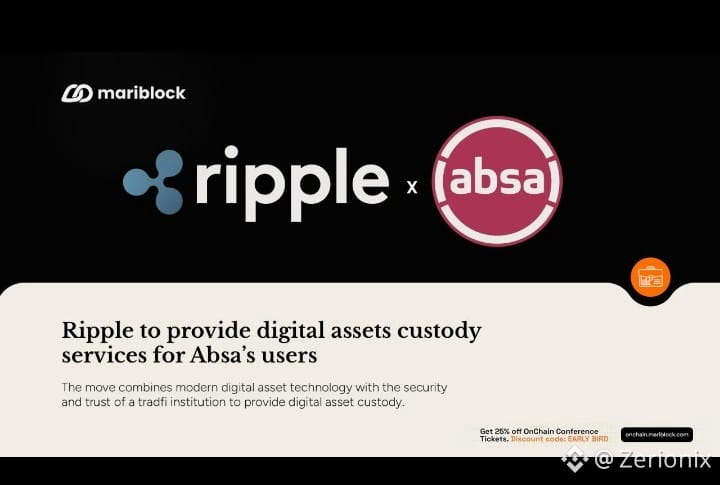
速報:アブサが機関向けクリプトのカストディ(保管)を正式に開始しました。
南アフリカの大手銀行グループは、機関投資家向けのデジタル資産カストディ・サービスを立ち上げ、この種のサービスを提供する初のアフリカの銀行となりました。
そして、取り扱い資産リストが興味深いです。
現在、$BTC、$ETH、XRP Ledger、USDC がサポートされており、需要が高まるにつれてさらに資産が追加される見込みです。
このサービスは、規制された銀行環境の中で、機関投資家にカストディ(保管)、アドミニストレーション(管理)、および資産移転のサービスを提供します。
私が注目しているのは、その背後にあるインフラです。
アブサはカストディ技術でリップルと提携し、リップルのブロックチェーン・インフラを、銀行がすでに持つセキュリティ、ガバナンス、コンプライアンスの仕組みと組み合わせています。
個人的には、これは「別の銀行が暗号資産を追加する」以上に大きいと思います。
カストディは、機関投資家の導入に必要な最大級のインフラの一つです。ETF、トークン化された資産、オンチェーン市場はいずれも、基礎となる資産を安全に保管できる“信頼できる相手”が必要になります。
そして、その点でアフリカはますます注目すべき市場になっています。
南アフリカの最大手3つの認可された暗号資産サービス提供事業者は、2024年末時点で暗号資産として約R25.3B(約15億ドル)を保有していました。
アブサは今、その市場の後ろに従来型の銀行のバランスシートと規制の枠組みをつけています。
興味深いのは、他のアフリカの銀行が追随するかどうかです。
というのも、アフリカにおける機関投資家の暗号資産導入は、取引所から実際の銀行インフラへと移行しつつあるかもしれないからです。
$BTC #Macro Insights# $ETH #BTC Price Analysis#
速報:アブサが機関向けクリプトのカストディ(保管)を正式に開始しました。
南アフリカの大手銀行グループは、機関投資家向けのデジタル資産カストディ・サービスを立ち上げ、この種のサービスを提供する初のアフリカの銀行となりました。
そして、取り扱い資産リストが興味深いです。
現在、$BTC、$ETH、XRP Ledger、USDC がサポートされており、需要が高まるにつれてさらに資産が追加される見込みです。
このサービスは、規制された銀行環境の中で、機関投資家にカストディ(保管)、アドミニストレーション(管理)、および資産移転のサービスを提供します。
私が注目しているのは、その背後にあるインフラです。
アブサはカストディ技術でリップルと提携し、リップルのブロックチェーン・インフラを、銀行がすでに持つセキュリティ、ガバナンス、コンプライアンスの仕組みと組み合わせています。
個人的には、これは「別の銀行が暗号資産を追加する」以上に大きいと思います。
カストディは、機関投資家の導入に必要な最大級のインフラの一つです。ETF、トークン化された資産、オンチェーン市場はいずれも、基礎となる資産を安全に保管できる“信頼できる相手”が必要になります。
そして、その点でアフリカはますます注目すべき市場になっています。
南アフリカの最大手3つの認可された暗号資産サービス提供事業者は、2024年末時点で暗号資産として約R25.3B(約15億ドル)を保有していました。
アブサは今、その市場の後ろに従来型の銀行のバランスシートと規制の枠組みをつけています。
興味深いのは、他のアフリカの銀行が追随するかどうかです。
というのも、アフリカにおける機関投資家の暗号資産導入は、取引所から実際の銀行インフラへと移行しつつあるかもしれないからです。
$BTC #Macro Insights# $ETH #BTC Price Analysis#
南アフリカの大手銀行グループは、機関投資家向けのデジタル資産カストディ・サービスを立ち上げ、この種のサービスを提供する初のアフリカの銀行となりました。
そして、取り扱い資産リストが興味深いです。
現在、$BTC、$ETH、XRP Ledger、USDC がサポートされており、需要が高まるにつれてさらに資産が追加される見込みです。
このサービスは、規制された銀行環境の中で、機関投資家にカストディ(保管)、アドミニストレーション(管理)、および資産移転のサービスを提供します。
私が注目しているのは、その背後にあるインフラです。
アブサはカストディ技術でリップルと提携し、リップルのブロックチェーン・インフラを、銀行がすでに持つセキュリティ、ガバナンス、コンプライアンスの仕組みと組み合わせています。
個人的には、これは「別の銀行が暗号資産を追加する」以上に大きいと思います。
カストディは、機関投資家の導入に必要な最大級のインフラの一つです。ETF、トークン化された資産、オンチェーン市場はいずれも、基礎となる資産を安全に保管できる“信頼できる相手”が必要になります。
そして、その点でアフリカはますます注目すべき市場になっています。
南アフリカの最大手3つの認可された暗号資産サービス提供事業者は、2024年末時点で暗号資産として約R25.3B(約15億ドル)を保有していました。
アブサは今、その市場の後ろに従来型の銀行のバランスシートと規制の枠組みをつけています。
興味深いのは、他のアフリカの銀行が追随するかどうかです。
というのも、アフリカにおける機関投資家の暗号資産導入は、取引所から実際の銀行インフラへと移行しつつあるかもしれないからです。
$BTC #Macro Insights# $ETH #BTC Price Analysis#
·
--
Hyperliquidは無期限先物(パーペチュアル)の戦いを欧州へ持ち込んでいる。
Hyperliquid Policy Centerは、米国外での最初の規制上の提出書類において、欧州委員会に対し、暗号の無期限先物をMiCAではなくMiFID IIの枠組みに分類するよう求めた。
主張はかなり単純だ。
無期限先物はデリバティブである。したがって、その規制上の取り扱いは、取引が公開ブロックチェーン上で行われるかどうかではなく、実際にその商品が何をしているかに基づくべきだ。
この区別は重要だ。
MiFID IIはすでにEUにおける金融商品およびデリバティブの枠組みである。一方、MiCAは主に、既存の金融法制で既に規制されていない暗号資産やサービスを対象としている。
HPCはまた、オンチェーン市場について興味深い点をEUに認めるよう求めている。
取引、資金調達(ファンディング)支払い、清算はブロックチェーン上で公に検証可能であり、企業にすでにオンチェーンで利用可能な情報を重複して作成させることなく、いくつかの透明性および記録管理の要件を満たすことに役立つ可能性がある。
個人的には、より大きな物語は、オンチェーン市場が実際の金融インフラとして規制上認められるかどうかだと思う。
もし欧州が、デリバティブがブロックチェーン上で動いているだけで別の商品になるわけではないと受け入れるなら、規制対象の企業がオンチェーン市場を構築するための道筋は、より明確になるかもしれない。
ただし、これはまだ政策提案の段階だ。
欧州委員会はHPCの立場を採用しておらず、MiCAの見直しはまだ進行中である。
いま焦点となるのは、規制当局が公開ブロックチェーンを制御すべき問題とみなすのか、それとも既存の金融ルールの遵守を実際に助けうるインフラとして扱うのか、という点だ。
その判断は、欧州でオンチェーンのデリバティブがどれほど大きくなるかを左右し得る。
$BTC #BTC Price Analysis# $HYPE #Altcoin Season#
Hyperliquidは無期限先物(パーペチュアル)の戦いを欧州へ持ち込んでいる。
Hyperliquid Policy Centerは、米国外での最初の規制上の提出書類において、欧州委員会に対し、暗号の無期限先物をMiCAではなくMiFID IIの枠組みに分類するよう求めた。
主張はかなり単純だ。
無期限先物はデリバティブである。したがって、その規制上の取り扱いは、取引が公開ブロックチェーン上で行われるかどうかではなく、実際にその商品が何をしているかに基づくべきだ。
この区別は重要だ。
MiFID IIはすでにEUにおける金融商品およびデリバティブの枠組みである。一方、MiCAは主に、既存の金融法制で既に規制されていない暗号資産やサービスを対象としている。
HPCはまた、オンチェーン市場について興味深い点をEUに認めるよう求めている。
取引、資金調達(ファンディング)支払い、清算はブロックチェーン上で公に検証可能であり、企業にすでにオンチェーンで利用可能な情報を重複して作成させることなく、いくつかの透明性および記録管理の要件を満たすことに役立つ可能性がある。
個人的には、より大きな物語は、オンチェーン市場が実際の金融インフラとして規制上認められるかどうかだと思う。
もし欧州が、デリバティブがブロックチェーン上で動いているだけで別の商品になるわけではないと受け入れるなら、規制対象の企業がオンチェーン市場を構築するための道筋は、より明確になるかもしれない。
ただし、これはまだ政策提案の段階だ。
欧州委員会はHPCの立場を採用しておらず、MiCAの見直しはまだ進行中である。
いま焦点となるのは、規制当局が公開ブロックチェーンを制御すべき問題とみなすのか、それとも既存の金融ルールの遵守を実際に助けうるインフラとして扱うのか、という点だ。
その判断は、欧州でオンチェーンのデリバティブがどれほど大きくなるかを左右し得る。
$BTC #BTC Price Analysis# $HYPE #Altcoin Season#
Hyperliquid Policy Centerは、米国外での最初の規制上の提出書類において、欧州委員会に対し、暗号の無期限先物をMiCAではなくMiFID IIの枠組みに分類するよう求めた。
主張はかなり単純だ。
無期限先物はデリバティブである。したがって、その規制上の取り扱いは、取引が公開ブロックチェーン上で行われるかどうかではなく、実際にその商品が何をしているかに基づくべきだ。
この区別は重要だ。
MiFID IIはすでにEUにおける金融商品およびデリバティブの枠組みである。一方、MiCAは主に、既存の金融法制で既に規制されていない暗号資産やサービスを対象としている。
HPCはまた、オンチェーン市場について興味深い点をEUに認めるよう求めている。
取引、資金調達(ファンディング)支払い、清算はブロックチェーン上で公に検証可能であり、企業にすでにオンチェーンで利用可能な情報を重複して作成させることなく、いくつかの透明性および記録管理の要件を満たすことに役立つ可能性がある。
個人的には、より大きな物語は、オンチェーン市場が実際の金融インフラとして規制上認められるかどうかだと思う。
もし欧州が、デリバティブがブロックチェーン上で動いているだけで別の商品になるわけではないと受け入れるなら、規制対象の企業がオンチェーン市場を構築するための道筋は、より明確になるかもしれない。
ただし、これはまだ政策提案の段階だ。
欧州委員会はHPCの立場を採用しておらず、MiCAの見直しはまだ進行中である。
いま焦点となるのは、規制当局が公開ブロックチェーンを制御すべき問題とみなすのか、それとも既存の金融ルールの遵守を実際に助けうるインフラとして扱うのか、という点だ。
その判断は、欧州でオンチェーンのデリバティブがどれほど大きくなるかを左右し得る。
$BTC #BTC Price Analysis# $HYPE #Altcoin Season#


29
·
--
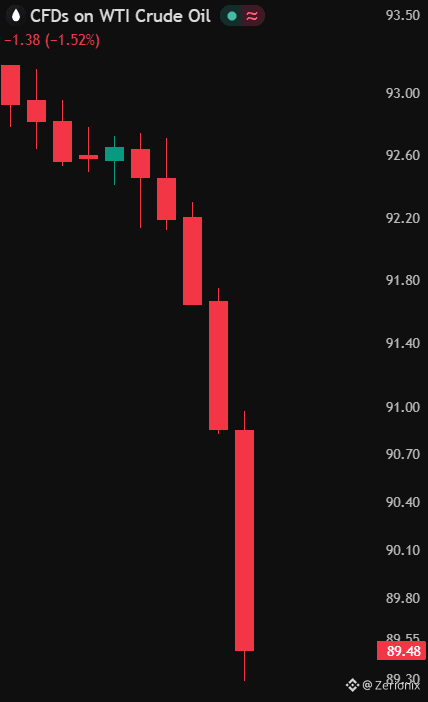
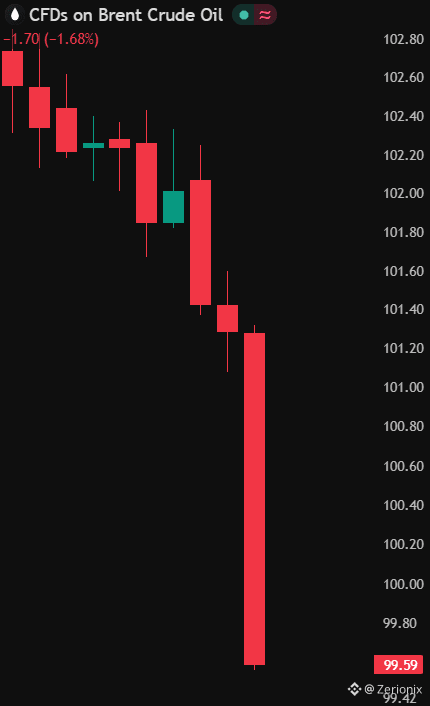
🚨 原油が深刻な供給ショックに見舞われました。
ブレント原油は$100を下回り、米国のWTIも$90を下回りました。欧州各国は緊急の燃料備蓄の放出を協議しています。
この動きは、米国がフランスとドイツに軽油(ディーゼル)在庫の放出を求めたことの後に起きており、ワシントンは、欧州が供給を増やすのに協力しなければ、米国が軽油の輸出を禁じる可能性があるとまで脅しています。
現在協議されているフランスの提案では、欧州各国がディーゼルを約5,000万バレル放出し、さらにIEA加盟国が原油をもう5,000万バレル放出できる可能性があります。
これは、すでに深刻なエネルギー混乱に直面している市場に対して、供給面で大きなインパクトを与え得ます。
個人的には、ここで注目すべきは原油の見出しそのものより、暗号(クリプト)の側面だと思います。
エネルギー価格の下落は、インフレ期待の重しをいくらか軽くできます。
そしてもし原油ショックが薄れていけば、最終的に中央銀行が金利面で少し余裕を持てる可能性もあります。
これはビットコインにとって重要です。なぜなら、いまBTCの最大級のマクロ課題の一つは、(1)高止まりするエネルギーコスト、(2)粘着的なインフレ、(3)水準の高い利回りが組み合わさっていることだからです。
ただ、原油問題がまだ解決したと呼ぶつもりはありません。
中東の供給リスクは残っており、実物のエネルギー市場はまだタイトです。ロイターによると、バークレイズは今日の下落にもかかわらず、Q4のブレント予想を$115へ引き上げたとのことです。
そのため、私はブレントが$100を下回ったまま維持できるかを見ています。
もしそうなれば、インフレの物語が急速に変わり始めるかもしれません。
そしてそれは、この1日限りの原油投げ(投売り)以上に、リスク資産にとってはるかに大きな引き金になる可能性があります。
$BTC #Altcoin Season# #BTC Price Analysis#
$XAUt
🚨 原油が深刻な供給ショックに見舞われました。
ブレント原油は$100を下回り、米国のWTIも$90を下回りました。欧州各国は緊急の燃料備蓄の放出を協議しています。
この動きは、米国がフランスとドイツに軽油(ディーゼル)在庫の放出を求めたことの後に起きており、ワシントンは、欧州が供給を増やすのに協力しなければ、米国が軽油の輸出を禁じる可能性があるとまで脅しています。
現在協議されているフランスの提案では、欧州各国がディーゼルを約5,000万バレル放出し、さらにIEA加盟国が原油をもう5,000万バレル放出できる可能性があります。
これは、すでに深刻なエネルギー混乱に直面している市場に対して、供給面で大きなインパクトを与え得ます。
個人的には、ここで注目すべきは原油の見出しそのものより、暗号(クリプト)の側面だと思います。
エネルギー価格の下落は、インフレ期待の重しをいくらか軽くできます。
そしてもし原油ショックが薄れていけば、最終的に中央銀行が金利面で少し余裕を持てる可能性もあります。
これはビットコインにとって重要です。なぜなら、いまBTCの最大級のマクロ課題の一つは、(1)高止まりするエネルギーコスト、(2)粘着的なインフレ、(3)水準の高い利回りが組み合わさっていることだからです。
ただ、原油問題がまだ解決したと呼ぶつもりはありません。
中東の供給リスクは残っており、実物のエネルギー市場はまだタイトです。ロイターによると、バークレイズは今日の下落にもかかわらず、Q4のブレント予想を$115へ引き上げたとのことです。
そのため、私はブレントが$100を下回ったまま維持できるかを見ています。
もしそうなれば、インフレの物語が急速に変わり始めるかもしれません。
そしてそれは、この1日限りの原油投げ(投売り)以上に、リスク資産にとってはるかに大きな引き金になる可能性があります。
$BTC #Altcoin Season# #BTC Price Analysis#
$XAUt
ブレント原油は$100を下回り、米国のWTIも$90を下回りました。欧州各国は緊急の燃料備蓄の放出を協議しています。
この動きは、米国がフランスとドイツに軽油(ディーゼル)在庫の放出を求めたことの後に起きており、ワシントンは、欧州が供給を増やすのに協力しなければ、米国が軽油の輸出を禁じる可能性があるとまで脅しています。
現在協議されているフランスの提案では、欧州各国がディーゼルを約5,000万バレル放出し、さらにIEA加盟国が原油をもう5,000万バレル放出できる可能性があります。
これは、すでに深刻なエネルギー混乱に直面している市場に対して、供給面で大きなインパクトを与え得ます。
個人的には、ここで注目すべきは原油の見出しそのものより、暗号(クリプト)の側面だと思います。
エネルギー価格の下落は、インフレ期待の重しをいくらか軽くできます。
そしてもし原油ショックが薄れていけば、最終的に中央銀行が金利面で少し余裕を持てる可能性もあります。
これはビットコインにとって重要です。なぜなら、いまBTCの最大級のマクロ課題の一つは、(1)高止まりするエネルギーコスト、(2)粘着的なインフレ、(3)水準の高い利回りが組み合わさっていることだからです。
ただ、原油問題がまだ解決したと呼ぶつもりはありません。
中東の供給リスクは残っており、実物のエネルギー市場はまだタイトです。ロイターによると、バークレイズは今日の下落にもかかわらず、Q4のブレント予想を$115へ引き上げたとのことです。
そのため、私はブレントが$100を下回ったまま維持できるかを見ています。
もしそうなれば、インフレの物語が急速に変わり始めるかもしれません。
そしてそれは、この1日限りの原油投げ(投売り)以上に、リスク資産にとってはるかに大きな引き金になる可能性があります。
$BTC #Altcoin Season# #BTC Price Analysis#
$XAUt
·
--
緊急情報: 🇺🇸 SEC(米証券取引委員会)が、新たな暗号資産のカストディ(保管)規則を提案しており、投資顧問業者や規制対象ファンドがデジタル資産を保有する方法が増える可能性があります。
この提案では、適格なカストディ業者が利用できない場合に限り、顧客の暗号資産を顧問業者自身がカストディできるようにする一方で、サイバーセキュリティ、専門性、報告、そして顧客への開示に関する特定のセーフガード(保護措置)を満たすことを条件とします。
また、州の認可を受けた適格な信託会社が暗号資産のカストディ業者として機能できるようにもします。
これは重要です。というのも、カストディは、暗号資産へのエクスポージャーを提供しようとする機関にとって、最大級の運用上の悩みのひとつだったからです。
注目すべき点は、SECが単に「機関にセルフカストディを認める」と言っているわけではないことです。
いつ機関がそれを行えるのか、そしてどのような保護措置を講じる必要があるのか、という枠組みを作ろうとしているのです。
個人的には、これは重要なインフラ整備だと思います。
暗号資産の普及は、ETFやトークン化された資産だけの話ではありません。結局のところ、元となる資産を誰かが安全に保管しなければならないのです。
顧問業者やファンドがより現実的なカストディの選択肢を得られるなら、暗号資産の投資商品を提供する際の規制上の摩擦が減る可能性があります。
ただし、これはまだ提案段階であり最終ルールではありません。SECは、連邦官報への掲載後に60日間のパブリックコメント期間を設ける予定です。
今より大きな問いは、これらの規則が、投資家が依存する保護を弱めることなく、実際に機関投資家の暗号資産カストディをより簡単にするのかどうかです。
その点が、私の注目どころです。
$BTC #BTC 価格分析# #ビットコイン価格予測: 次の一手は?#
緊急情報: 🇺🇸 SEC(米証券取引委員会)が、新たな暗号資産のカストディ(保管)規則を提案しており、投資顧問業者や規制対象ファンドがデジタル資産を保有する方法が増える可能性があります。
この提案では、適格なカストディ業者が利用できない場合に限り、顧客の暗号資産を顧問業者自身がカストディできるようにする一方で、サイバーセキュリティ、専門性、報告、そして顧客への開示に関する特定のセーフガード(保護措置)を満たすことを条件とします。
また、州の認可を受けた適格な信託会社が暗号資産のカストディ業者として機能できるようにもします。
これは重要です。というのも、カストディは、暗号資産へのエクスポージャーを提供しようとする機関にとって、最大級の運用上の悩みのひとつだったからです。
注目すべき点は、SECが単に「機関にセルフカストディを認める」と言っているわけではないことです。
いつ機関がそれを行えるのか、そしてどのような保護措置を講じる必要があるのか、という枠組みを作ろうとしているのです。
個人的には、これは重要なインフラ整備だと思います。
暗号資産の普及は、ETFやトークン化された資産だけの話ではありません。結局のところ、元となる資産を誰かが安全に保管しなければならないのです。
顧問業者やファンドがより現実的なカストディの選択肢を得られるなら、暗号資産の投資商品を提供する際の規制上の摩擦が減る可能性があります。
ただし、これはまだ提案段階であり最終ルールではありません。SECは、連邦官報への掲載後に60日間のパブリックコメント期間を設ける予定です。
今より大きな問いは、これらの規則が、投資家が依存する保護を弱めることなく、実際に機関投資家の暗号資産カストディをより簡単にするのかどうかです。
その点が、私の注目どころです。
$BTC #BTC 価格分析# #ビットコイン価格予測: 次の一手は?#
この提案では、適格なカストディ業者が利用できない場合に限り、顧客の暗号資産を顧問業者自身がカストディできるようにする一方で、サイバーセキュリティ、専門性、報告、そして顧客への開示に関する特定のセーフガード(保護措置)を満たすことを条件とします。
また、州の認可を受けた適格な信託会社が暗号資産のカストディ業者として機能できるようにもします。
これは重要です。というのも、カストディは、暗号資産へのエクスポージャーを提供しようとする機関にとって、最大級の運用上の悩みのひとつだったからです。
注目すべき点は、SECが単に「機関にセルフカストディを認める」と言っているわけではないことです。
いつ機関がそれを行えるのか、そしてどのような保護措置を講じる必要があるのか、という枠組みを作ろうとしているのです。
個人的には、これは重要なインフラ整備だと思います。
暗号資産の普及は、ETFやトークン化された資産だけの話ではありません。結局のところ、元となる資産を誰かが安全に保管しなければならないのです。
顧問業者やファンドがより現実的なカストディの選択肢を得られるなら、暗号資産の投資商品を提供する際の規制上の摩擦が減る可能性があります。
ただし、これはまだ提案段階であり最終ルールではありません。SECは、連邦官報への掲載後に60日間のパブリックコメント期間を設ける予定です。
今より大きな問いは、これらの規則が、投資家が依存する保護を弱めることなく、実際に機関投資家の暗号資産カストディをより簡単にするのかどうかです。
その点が、私の注目どころです。
$BTC #BTC 価格分析# #ビットコイン価格予測: 次の一手は?#
91
·
--
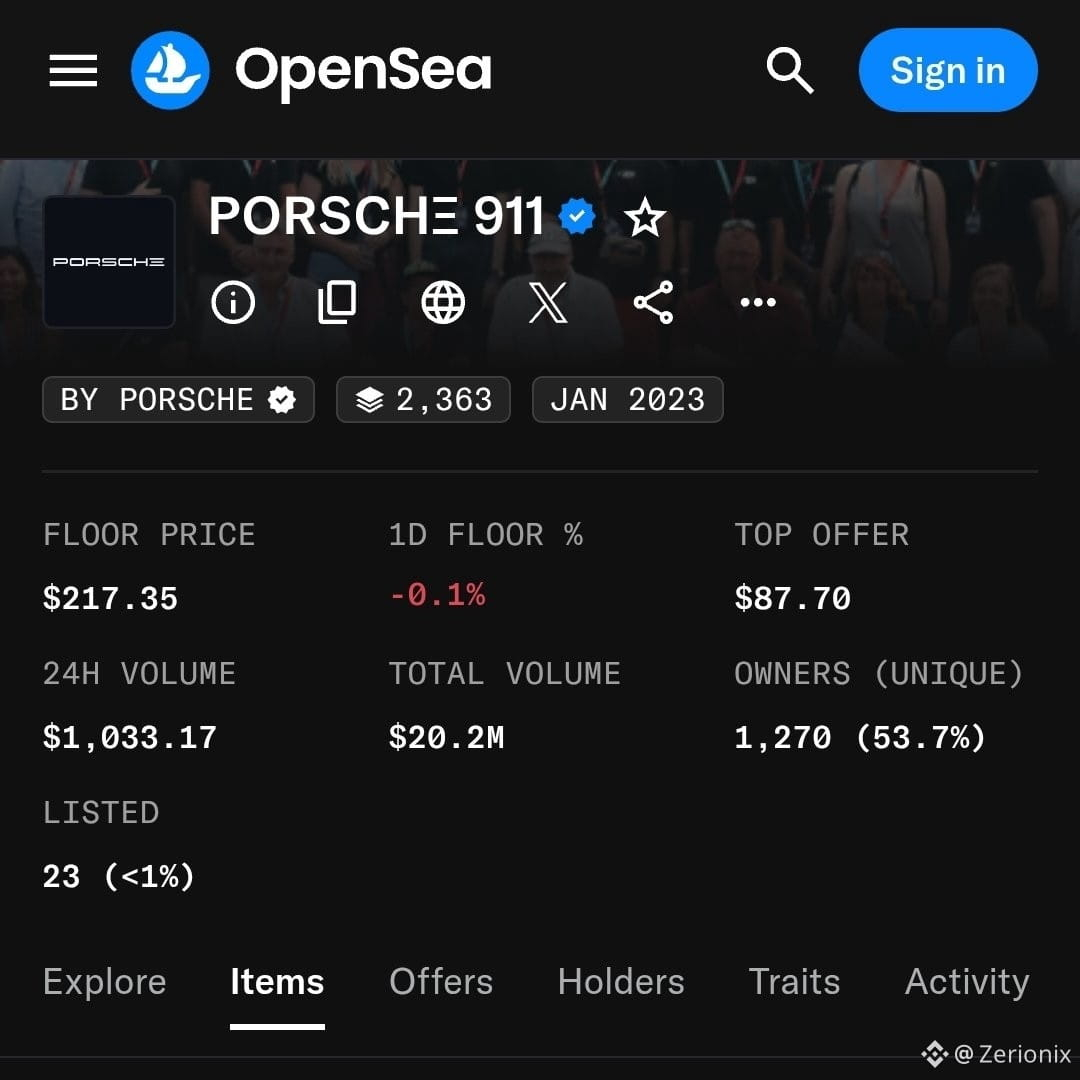
ポルシェは公式にWeb3実験を縮小している。
同社はポルシェのWeb3プロジェクトとPIONΞERS CIRCLEコミュニティを終了し、911のNFTコレクションから始まったWeb3の取り組みに終止符を打つ。
しかし重要な違いがある。
NFTは消えない。
既存のPORSCHΞ 911 NFTはオンチェーンのまま残り、各保有者に紐づいた状態が維持される。終わるのは、それらを取り巻くエコシステムだ。
PIONΞERSのDiscordは読み取り専用のアーカイブになり、プロジェクト公式のXアカウントは積極的な投稿を停止する。
正直に言うと、これはNFT市場全体にとって興味深い瞬間だ。
ポルシェは当初、共創、デジタルコレクティブル、限定体験を軸にこのプロジェクトを位置づけ、世界でもっとも認知度の高い自動車ブランドのひとつとWeb3をつなげようとした。同社の公式ローンチ資料でも、このプロジェクトは長期的なWeb3の旅だと説明されていた。
個人的には、重要なポイントは単に「ポルシェがWeb3を離れた」ということではないと思う。
NFTをオンチェーンに載せることは、周囲のコミュニティ、得られるメリット、ブランドとのエンゲージメントが永遠に続くことを保証しない、という点だ。
ブロックチェーンの記録は生き残る可能性がある。
一方で、企業はそうとは限らない。
オンチェーン資産を所有することと、ブランドとの継続的な関係を持つことの違いは、その一つでもある。
ポルシェのNFTは残る。
それらを取り巻く実験が終わるのだ。
そして、それは企業による最初のWeb3実験がどこへ行き着いたのかをよく物語っている。
$BTC #Macro Insights# #Altcoin Season# $XAUt
ポルシェは公式にWeb3実験を縮小している。
同社はポルシェのWeb3プロジェクトとPIONΞERS CIRCLEコミュニティを終了し、911のNFTコレクションから始まったWeb3の取り組みに終止符を打つ。
しかし重要な違いがある。
NFTは消えない。
既存のPORSCHΞ 911 NFTはオンチェーンのまま残り、各保有者に紐づいた状態が維持される。終わるのは、それらを取り巻くエコシステムだ。
PIONΞERSのDiscordは読み取り専用のアーカイブになり、プロジェクト公式のXアカウントは積極的な投稿を停止する。
正直に言うと、これはNFT市場全体にとって興味深い瞬間だ。
ポルシェは当初、共創、デジタルコレクティブル、限定体験を軸にこのプロジェクトを位置づけ、世界でもっとも認知度の高い自動車ブランドのひとつとWeb3をつなげようとした。同社の公式ローンチ資料でも、このプロジェクトは長期的なWeb3の旅だと説明されていた。
個人的には、重要なポイントは単に「ポルシェがWeb3を離れた」ということではないと思う。
NFTをオンチェーンに載せることは、周囲のコミュニティ、得られるメリット、ブランドとのエンゲージメントが永遠に続くことを保証しない、という点だ。
ブロックチェーンの記録は生き残る可能性がある。
一方で、企業はそうとは限らない。
オンチェーン資産を所有することと、ブランドとの継続的な関係を持つことの違いは、その一つでもある。
ポルシェのNFTは残る。
それらを取り巻く実験が終わるのだ。
そして、それは企業による最初のWeb3実験がどこへ行き着いたのかをよく物語っている。
$BTC #Macro Insights# #Altcoin Season# $XAUt
同社はポルシェのWeb3プロジェクトとPIONΞERS CIRCLEコミュニティを終了し、911のNFTコレクションから始まったWeb3の取り組みに終止符を打つ。
しかし重要な違いがある。
NFTは消えない。
既存のPORSCHΞ 911 NFTはオンチェーンのまま残り、各保有者に紐づいた状態が維持される。終わるのは、それらを取り巻くエコシステムだ。
PIONΞERSのDiscordは読み取り専用のアーカイブになり、プロジェクト公式のXアカウントは積極的な投稿を停止する。
正直に言うと、これはNFT市場全体にとって興味深い瞬間だ。
ポルシェは当初、共創、デジタルコレクティブル、限定体験を軸にこのプロジェクトを位置づけ、世界でもっとも認知度の高い自動車ブランドのひとつとWeb3をつなげようとした。同社の公式ローンチ資料でも、このプロジェクトは長期的なWeb3の旅だと説明されていた。
個人的には、重要なポイントは単に「ポルシェがWeb3を離れた」ということではないと思う。
NFTをオンチェーンに載せることは、周囲のコミュニティ、得られるメリット、ブランドとのエンゲージメントが永遠に続くことを保証しない、という点だ。
ブロックチェーンの記録は生き残る可能性がある。
一方で、企業はそうとは限らない。
オンチェーン資産を所有することと、ブランドとの継続的な関係を持つことの違いは、その一つでもある。
ポルシェのNFTは残る。
それらを取り巻く実験が終わるのだ。
そして、それは企業による最初のWeb3実験がどこへ行き着いたのかをよく物語っている。
$BTC #Macro Insights# #Altcoin Season# $XAUt

60
·
--
翻訳参照
Injective is bringing privacy directly into onchain finance.
$INJ is set to unveil CypherOS, its native privacy layer, with the first public demo going live today.
The demo showcases three things that could matter a lot for serious financial activity onchain.
Shielded transactions.
Confidential trading.
And encrypted RFQs that can hide sensitive trade information before execution.
That last one is particularly interesting.
On a transparent blockchain, large orders and RFQs can expose traders to front running and information leakage. Private execution could make onchain markets more practical for institutions that don't want the entire market seeing what they're about to trade.
CypherOS follows Injective's Meridian mainnet upgrade, which went live on September 24 and laid the groundwork for private RFQ testing alongside regulated asset issuance and tokenized markets.
Personally, I think this is bigger than simply adding another privacy feature.
If onchain finance wants serious institutional capital, transparency can't always mean exposing every trade in real time.
The challenge is balancing privacy with compliance and verifiability.
If Injective can solve that properly, privacy stops being just a crypto ideology.
It becomes financial infrastructure.
Now I want to see how CypherOS performs outside the demo.
$INJ #Macro Insights# $BTC #Altcoin Season#
Injective is bringing privacy directly into onchain finance.
$INJ is set to unveil CypherOS, its native privacy layer, with the first public demo going live today.
The demo showcases three things that could matter a lot for serious financial activity onchain.
Shielded transactions.
Confidential trading.
And encrypted RFQs that can hide sensitive trade information before execution.
That last one is particularly interesting.
On a transparent blockchain, large orders and RFQs can expose traders to front running and information leakage. Private execution could make onchain markets more practical for institutions that don't want the entire market seeing what they're about to trade.
CypherOS follows Injective's Meridian mainnet upgrade, which went live on September 24 and laid the groundwork for private RFQ testing alongside regulated asset issuance and tokenized markets.
Personally, I think this is bigger than simply adding another privacy feature.
If onchain finance wants serious institutional capital, transparency can't always mean exposing every trade in real time.
The challenge is balancing privacy with compliance and verifiability.
If Injective can solve that properly, privacy stops being just a crypto ideology.
It becomes financial infrastructure.
Now I want to see how CypherOS performs outside the demo.
$INJ #Macro Insights# $BTC #Altcoin Season#
$INJ is set to unveil CypherOS, its native privacy layer, with the first public demo going live today.
The demo showcases three things that could matter a lot for serious financial activity onchain.
Shielded transactions.
Confidential trading.
And encrypted RFQs that can hide sensitive trade information before execution.
That last one is particularly interesting.
On a transparent blockchain, large orders and RFQs can expose traders to front running and information leakage. Private execution could make onchain markets more practical for institutions that don't want the entire market seeing what they're about to trade.
CypherOS follows Injective's Meridian mainnet upgrade, which went live on September 24 and laid the groundwork for private RFQ testing alongside regulated asset issuance and tokenized markets.
Personally, I think this is bigger than simply adding another privacy feature.
If onchain finance wants serious institutional capital, transparency can't always mean exposing every trade in real time.
The challenge is balancing privacy with compliance and verifiability.
If Injective can solve that properly, privacy stops being just a crypto ideology.
It becomes financial infrastructure.
Now I want to see how CypherOS performs outside the demo.
$INJ #Macro Insights# $BTC #Altcoin Season#

55
·
--
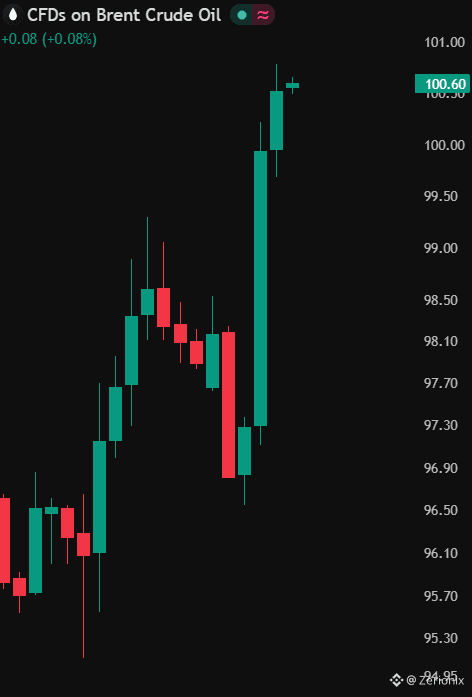
ブレントが再び$100を超えました。そして今回は、圧力は一つの見出しから来ているわけではありません。
中国は香港・マカオ以外向けの石油製品の輸出を、当面の間停止しました。報道によれば、ペトロチャイナは10月に予定されていたガソリンとジェット燃料の積み荷をキャンセルしたとのことです。これは、すでに需給がタイトな世界市場から、さらに精製燃料の供給源を取り除くことになります。
ロシアもディーゼルおよび海上燃料の輸出制限を10月31日まで延長し、さらに製油所の稼働障害によって同国の燃料輸出はすでに減少しています。
そして次に米国です。ワシントンはドイツとフランスに対し、緊急のディーゼル備蓄の使用を迫っており、世界的な燃料不足が悪化する場合には米国のディーゼル輸出を制限する可能性も示唆しています。米国は主要なディーゼル輸出国なので、実際にその措置を講じれば世界に波及します。
注目すべきは、まさにこの部分です。
これはもう単なる原油の話ではありません。精製品市場が圧力の焦点になりつつあります。IEA(国際エネルギー機関)によると、世界のディーゼル/ガソイル供給はすでに湾岸地域とロシアにまたがる混乱の影響を受けており、これらの地域からの輸出は戦前水準に比べて大幅に減少しています。
つまり、ブレントが$100をまたぐのは、より大きな問題の「症状」に近いのです。利用可能な燃料のバレル数が世界のシステムを通じて動く量が減っている一方で、各国政府は国内供給をますます優先しているのです。
いま問題になっているのは、単に原油が$100を上回り続けるかどうかだけではありません。
問題は、このディーゼルやその他の精製製品の逼迫(しめつけ)が、輸送コスト、インフレ、そして最終的にはより広範な景気の需要へと波及し始めるかどうかです
$BTC #BTC Price Analysis# $ETH #Macro Insights#
ブレントが再び$100を超えました。そして今回は、圧力は一つの見出しから来ているわけではありません。
中国は香港・マカオ以外向けの石油製品の輸出を、当面の間停止しました。報道によれば、ペトロチャイナは10月に予定されていたガソリンとジェット燃料の積み荷をキャンセルしたとのことです。これは、すでに需給がタイトな世界市場から、さらに精製燃料の供給源を取り除くことになります。
ロシアもディーゼルおよび海上燃料の輸出制限を10月31日まで延長し、さらに製油所の稼働障害によって同国の燃料輸出はすでに減少しています。
そして次に米国です。ワシントンはドイツとフランスに対し、緊急のディーゼル備蓄の使用を迫っており、世界的な燃料不足が悪化する場合には米国のディーゼル輸出を制限する可能性も示唆しています。米国は主要なディーゼル輸出国なので、実際にその措置を講じれば世界に波及します。
注目すべきは、まさにこの部分です。
これはもう単なる原油の話ではありません。精製品市場が圧力の焦点になりつつあります。IEA(国際エネルギー機関)によると、世界のディーゼル/ガソイル供給はすでに湾岸地域とロシアにまたがる混乱の影響を受けており、これらの地域からの輸出は戦前水準に比べて大幅に減少しています。
つまり、ブレントが$100をまたぐのは、より大きな問題の「症状」に近いのです。利用可能な燃料のバレル数が世界のシステムを通じて動く量が減っている一方で、各国政府は国内供給をますます優先しているのです。
いま問題になっているのは、単に原油が$100を上回り続けるかどうかだけではありません。
問題は、このディーゼルやその他の精製製品の逼迫(しめつけ)が、輸送コスト、インフレ、そして最終的にはより広範な景気の需要へと波及し始めるかどうかです
$BTC #BTC Price Analysis# $ETH #Macro Insights#
中国は香港・マカオ以外向けの石油製品の輸出を、当面の間停止しました。報道によれば、ペトロチャイナは10月に予定されていたガソリンとジェット燃料の積み荷をキャンセルしたとのことです。これは、すでに需給がタイトな世界市場から、さらに精製燃料の供給源を取り除くことになります。
ロシアもディーゼルおよび海上燃料の輸出制限を10月31日まで延長し、さらに製油所の稼働障害によって同国の燃料輸出はすでに減少しています。
そして次に米国です。ワシントンはドイツとフランスに対し、緊急のディーゼル備蓄の使用を迫っており、世界的な燃料不足が悪化する場合には米国のディーゼル輸出を制限する可能性も示唆しています。米国は主要なディーゼル輸出国なので、実際にその措置を講じれば世界に波及します。
注目すべきは、まさにこの部分です。
これはもう単なる原油の話ではありません。精製品市場が圧力の焦点になりつつあります。IEA(国際エネルギー機関)によると、世界のディーゼル/ガソイル供給はすでに湾岸地域とロシアにまたがる混乱の影響を受けており、これらの地域からの輸出は戦前水準に比べて大幅に減少しています。
つまり、ブレントが$100をまたぐのは、より大きな問題の「症状」に近いのです。利用可能な燃料のバレル数が世界のシステムを通じて動く量が減っている一方で、各国政府は国内供給をますます優先しているのです。
いま問題になっているのは、単に原油が$100を上回り続けるかどうかだけではありません。
問題は、このディーゼルやその他の精製製品の逼迫(しめつけ)が、輸送コスト、インフレ、そして最終的にはより広範な景気の需要へと波及し始めるかどうかです
$BTC #BTC Price Analysis# $ETH #Macro Insights#
·
--
いいえ、実際には、そしてGlassnode自身の見立てのほうが、いま出回っている見出しよりも慎重です。
アルトコインのスポット出来高は、ビットコインのほぼ4倍まで上昇しており、2025年9月以来の最高の比率です。アルトコイン・シーズン・インデックスは、1か月前の33%から62〜64%へ跳ね上がり、さらに過去1週間に追跡対象となっているアルトコインの72.5%がBTCを上回りました(8月のラリーでは39%にとどまっていました)。あらゆる指標で見ても、実に鋭い加速です。
ただし、この統計の扱いで多くの報道が見落としている部分があります。この4倍という比率は、ネットの資金流入ではなく、取引回転(トレーディングの回転率)を測っています。出来高が高いのは、同時に買いと売りの両方が増えていることを意味します。そのため、この数字だけでは、新しい資金がアルトコインへ流入しているのか、それとも既存の保有者が自分たちの間でより積極的に売買しているだけなのか判断できません。この区別が、あなたが置く2つの見立てのどちらが本当に当たっているかを左右するほど重要です。
私が注目しているのは、Glassnode自身がデータ内に添えている歴史的な注意書きです。アルトコイン/ BTC出来高のこうしたスパイクは、過去にはビットコイン価格の局所的な高値と同時期に起きることが多く、アルトシーズン開始の確証とは一致していない、というものです。これは予測ではなくパターン照合であり、パターン照合は崩れることもあります。
アルトコイン・シーズン・インデックスの細部は、実際には「まだアルトシーズンだ」と呼ぶことに反対する材料になります。CoinMarketCap版は約64で、今年の最高値ですが、確認される閾値は75です。また、多くのデスクではそれに加えて、ビットコインのドミナンスが55%を下回っていることも条件にしています。ドミナンスは現在58〜59%あたりで、近いものの、そこにはまだ届いていません。
論点は、ローテーションが起きているかどうかではありません。テコ入れ(広がり)自体は確かに増えていて、それは本物です。問題は、これがより大きな動きに向けた初期のポジショニングなのか、それともGlassnode自身のデータが「BTCの冷え込みの前に見られた」と示している種類のリスク許容度の高まりそのものなのか、という点です。
$BTC #BTC Price Analysis# #Bitcoin Price Prediction: What is Bitcoins next move?#
いいえ、実際には、そしてGlassnode自身の見立てのほうが、いま出回っている見出しよりも慎重です。
アルトコインのスポット出来高は、ビットコインのほぼ4倍まで上昇しており、2025年9月以来の最高の比率です。アルトコイン・シーズン・インデックスは、1か月前の33%から62〜64%へ跳ね上がり、さらに過去1週間に追跡対象となっているアルトコインの72.5%がBTCを上回りました(8月のラリーでは39%にとどまっていました)。あらゆる指標で見ても、実に鋭い加速です。
ただし、この統計の扱いで多くの報道が見落としている部分があります。この4倍という比率は、ネットの資金流入ではなく、取引回転(トレーディングの回転率)を測っています。出来高が高いのは、同時に買いと売りの両方が増えていることを意味します。そのため、この数字だけでは、新しい資金がアルトコインへ流入しているのか、それとも既存の保有者が自分たちの間でより積極的に売買しているだけなのか判断できません。この区別が、あなたが置く2つの見立てのどちらが本当に当たっているかを左右するほど重要です。
私が注目しているのは、Glassnode自身がデータ内に添えている歴史的な注意書きです。アルトコイン/ BTC出来高のこうしたスパイクは、過去にはビットコイン価格の局所的な高値と同時期に起きることが多く、アルトシーズン開始の確証とは一致していない、というものです。これは予測ではなくパターン照合であり、パターン照合は崩れることもあります。
アルトコイン・シーズン・インデックスの細部は、実際には「まだアルトシーズンだ」と呼ぶことに反対する材料になります。CoinMarketCap版は約64で、今年の最高値ですが、確認される閾値は75です。また、多くのデスクではそれに加えて、ビットコインのドミナンスが55%を下回っていることも条件にしています。ドミナンスは現在58〜59%あたりで、近いものの、そこにはまだ届いていません。
論点は、ローテーションが起きているかどうかではありません。テコ入れ(広がり)自体は確かに増えていて、それは本物です。問題は、これがより大きな動きに向けた初期のポジショニングなのか、それともGlassnode自身のデータが「BTCの冷え込みの前に見られた」と示している種類のリスク許容度の高まりそのものなのか、という点です。
$BTC #BTC Price Analysis# #Bitcoin Price Prediction: What is Bitcoins next move?#
アルトコインのスポット出来高は、ビットコインのほぼ4倍まで上昇しており、2025年9月以来の最高の比率です。アルトコイン・シーズン・インデックスは、1か月前の33%から62〜64%へ跳ね上がり、さらに過去1週間に追跡対象となっているアルトコインの72.5%がBTCを上回りました(8月のラリーでは39%にとどまっていました)。あらゆる指標で見ても、実に鋭い加速です。
ただし、この統計の扱いで多くの報道が見落としている部分があります。この4倍という比率は、ネットの資金流入ではなく、取引回転(トレーディングの回転率)を測っています。出来高が高いのは、同時に買いと売りの両方が増えていることを意味します。そのため、この数字だけでは、新しい資金がアルトコインへ流入しているのか、それとも既存の保有者が自分たちの間でより積極的に売買しているだけなのか判断できません。この区別が、あなたが置く2つの見立てのどちらが本当に当たっているかを左右するほど重要です。
私が注目しているのは、Glassnode自身がデータ内に添えている歴史的な注意書きです。アルトコイン/ BTC出来高のこうしたスパイクは、過去にはビットコイン価格の局所的な高値と同時期に起きることが多く、アルトシーズン開始の確証とは一致していない、というものです。これは予測ではなくパターン照合であり、パターン照合は崩れることもあります。
アルトコイン・シーズン・インデックスの細部は、実際には「まだアルトシーズンだ」と呼ぶことに反対する材料になります。CoinMarketCap版は約64で、今年の最高値ですが、確認される閾値は75です。また、多くのデスクではそれに加えて、ビットコインのドミナンスが55%を下回っていることも条件にしています。ドミナンスは現在58〜59%あたりで、近いものの、そこにはまだ届いていません。
論点は、ローテーションが起きているかどうかではありません。テコ入れ(広がり)自体は確かに増えていて、それは本物です。問題は、これがより大きな動きに向けた初期のポジショニングなのか、それともGlassnode自身のデータが「BTCの冷え込みの前に見られた」と示している種類のリスク許容度の高まりそのものなのか、という点です。
$BTC #BTC Price Analysis# #Bitcoin Price Prediction: What is Bitcoins next move?#
72
·
--
翻訳参照
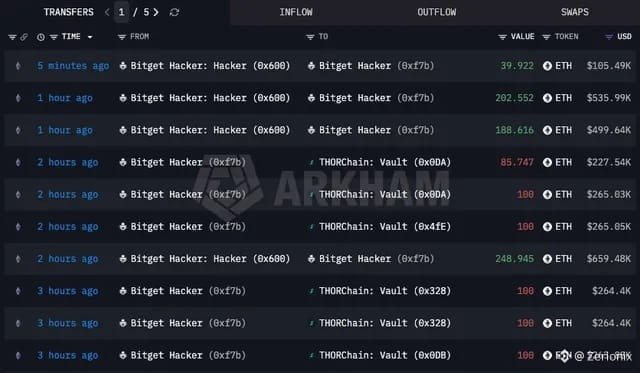
THORChain just found itself in the middle of a very uncomfortable crypto debate.
After the $388M Bitget hack, Bitget asked THORChain to block addresses linked to the attacker and stop them from swapping the stolen funds.
THORChain refused.
And the reason goes straight to the heart of decentralization.
THORChain says its emergency controls can halt network activity, but they aren't designed to selectively freeze individual addresses or transactions.
Meanwhile, the attacker has already used the network to move roughly $6.3M worth of stolen ETH into BTC.
This is where crypto gets complicated.
If a protocol can identify stolen funds, should it be able to stop them?
From Bitget's perspective, absolutely. The funds were allegedly stolen and the exchange wants them frozen or recovered.
But from THORChain's design perspective, selectively deciding which users can transact creates a very different kind of system.
Personally, I think this is bigger than just Bitget and THORChain.
Crypto has spent years building permissionless financial infrastructure. The moment stolen funds enter that infrastructure, the industry has to decide where decentralization ends and intervention begins.
And there isn't an easy answer.
Because if protocols can freeze hackers today, who decides which transactions deserve to be frozen tomorrow?
That's the uncomfortable question this incident is forcing crypto to confront.
$BTC #BTC Price Analysis# #Meme Alpha# #Bitget $BGB
THORChain just found itself in the middle of a very uncomfortable crypto debate.
After the $388M Bitget hack, Bitget asked THORChain to block addresses linked to the attacker and stop them from swapping the stolen funds.
THORChain refused.
And the reason goes straight to the heart of decentralization.
THORChain says its emergency controls can halt network activity, but they aren't designed to selectively freeze individual addresses or transactions.
Meanwhile, the attacker has already used the network to move roughly $6.3M worth of stolen ETH into BTC.
This is where crypto gets complicated.
If a protocol can identify stolen funds, should it be able to stop them?
From Bitget's perspective, absolutely. The funds were allegedly stolen and the exchange wants them frozen or recovered.
But from THORChain's design perspective, selectively deciding which users can transact creates a very different kind of system.
Personally, I think this is bigger than just Bitget and THORChain.
Crypto has spent years building permissionless financial infrastructure. The moment stolen funds enter that infrastructure, the industry has to decide where decentralization ends and intervention begins.
And there isn't an easy answer.
Because if protocols can freeze hackers today, who decides which transactions deserve to be frozen tomorrow?
That's the uncomfortable question this incident is forcing crypto to confront.
$BTC #BTC Price Analysis# #Meme Alpha# #Bitget $BGB
After the $388M Bitget hack, Bitget asked THORChain to block addresses linked to the attacker and stop them from swapping the stolen funds.
THORChain refused.
And the reason goes straight to the heart of decentralization.
THORChain says its emergency controls can halt network activity, but they aren't designed to selectively freeze individual addresses or transactions.
Meanwhile, the attacker has already used the network to move roughly $6.3M worth of stolen ETH into BTC.
This is where crypto gets complicated.
If a protocol can identify stolen funds, should it be able to stop them?
From Bitget's perspective, absolutely. The funds were allegedly stolen and the exchange wants them frozen or recovered.
But from THORChain's design perspective, selectively deciding which users can transact creates a very different kind of system.
Personally, I think this is bigger than just Bitget and THORChain.
Crypto has spent years building permissionless financial infrastructure. The moment stolen funds enter that infrastructure, the industry has to decide where decentralization ends and intervention begins.
And there isn't an easy answer.
Because if protocols can freeze hackers today, who decides which transactions deserve to be frozen tomorrow?
That's the uncomfortable question this incident is forcing crypto to confront.
$BTC #BTC Price Analysis# #Meme Alpha# #Bitget $BGB
1
159
·
--
中国は、まだ多くの人が誤解していることを仮想通貨ユーザーに改めて注意喚起している。
🇨🇳 中国の国家安全保障省は、暗号の匿名性は幻想だと述べている。
同省は、ブロックチェーンの取引は永続的な記録を残す一方で、ウォレットの動きは取引所、決済プラットフォーム、端末、IP情報などを通じて、実在の身元と結び付けられる可能性があると主張する。
そして技術的には、ここで重要な違いがある。
ビットコインや主要なパブリック・ブロックチェーンの多くは、匿名ではなく“仮名(疑似匿名)”だ。
ウォレットアドレスにあなたの名前が直接紐づいていないとしても、取引履歴はそこに永続的に残っている。そのアドレスが取引所など、あるいは別の識別可能な接点を通じてあなたの身元と紐づけられた瞬間に、その履歴はあなたに結び直せる可能性がある。
個人的には、中国の警告から得るべき本質はもっと別のところにあると思う。
それは、暗号資産が従来の金融インフラとより密接に統合されていくにつれ、オンチェーンのプライバシーがこれまで以上に大きな論点になっているということだ。
ただし、この声明は「すべての仮想通貨取引が自動的に追跡可能になる」という意味だと受け取るべきではない。プライバシー重視のネットワークや技術は、追跡をより難しくするために特別に設計されている。
だから、本当の議論は単純に「仮想通貨は匿名なのかどうか」ではない。
「特定のネットワークが実際にどれほどのプライバシーを提供しているのか」、そして「そのプライバシーはどこで破綻(弱くなる)のか」という点にある。
なぜなら、資金をオンチェーンに置いても“透明人間”になれるわけではないからだ。
永続的な足跡が残る。
$BTC #BTC Price Analysis# #Altcoin Season#
中国は、まだ多くの人が誤解していることを仮想通貨ユーザーに改めて注意喚起している。
🇨🇳 中国の国家安全保障省は、暗号の匿名性は幻想だと述べている。
同省は、ブロックチェーンの取引は永続的な記録を残す一方で、ウォレットの動きは取引所、決済プラットフォーム、端末、IP情報などを通じて、実在の身元と結び付けられる可能性があると主張する。
そして技術的には、ここで重要な違いがある。
ビットコインや主要なパブリック・ブロックチェーンの多くは、匿名ではなく“仮名(疑似匿名)”だ。
ウォレットアドレスにあなたの名前が直接紐づいていないとしても、取引履歴はそこに永続的に残っている。そのアドレスが取引所など、あるいは別の識別可能な接点を通じてあなたの身元と紐づけられた瞬間に、その履歴はあなたに結び直せる可能性がある。
個人的には、中国の警告から得るべき本質はもっと別のところにあると思う。
それは、暗号資産が従来の金融インフラとより密接に統合されていくにつれ、オンチェーンのプライバシーがこれまで以上に大きな論点になっているということだ。
ただし、この声明は「すべての仮想通貨取引が自動的に追跡可能になる」という意味だと受け取るべきではない。プライバシー重視のネットワークや技術は、追跡をより難しくするために特別に設計されている。
だから、本当の議論は単純に「仮想通貨は匿名なのかどうか」ではない。
「特定のネットワークが実際にどれほどのプライバシーを提供しているのか」、そして「そのプライバシーはどこで破綻(弱くなる)のか」という点にある。
なぜなら、資金をオンチェーンに置いても“透明人間”になれるわけではないからだ。
永続的な足跡が残る。
$BTC #BTC Price Analysis# #Altcoin Season#
🇨🇳 中国の国家安全保障省は、暗号の匿名性は幻想だと述べている。
同省は、ブロックチェーンの取引は永続的な記録を残す一方で、ウォレットの動きは取引所、決済プラットフォーム、端末、IP情報などを通じて、実在の身元と結び付けられる可能性があると主張する。
そして技術的には、ここで重要な違いがある。
ビットコインや主要なパブリック・ブロックチェーンの多くは、匿名ではなく“仮名(疑似匿名)”だ。
ウォレットアドレスにあなたの名前が直接紐づいていないとしても、取引履歴はそこに永続的に残っている。そのアドレスが取引所など、あるいは別の識別可能な接点を通じてあなたの身元と紐づけられた瞬間に、その履歴はあなたに結び直せる可能性がある。
個人的には、中国の警告から得るべき本質はもっと別のところにあると思う。
それは、暗号資産が従来の金融インフラとより密接に統合されていくにつれ、オンチェーンのプライバシーがこれまで以上に大きな論点になっているということだ。
ただし、この声明は「すべての仮想通貨取引が自動的に追跡可能になる」という意味だと受け取るべきではない。プライバシー重視のネットワークや技術は、追跡をより難しくするために特別に設計されている。
だから、本当の議論は単純に「仮想通貨は匿名なのかどうか」ではない。
「特定のネットワークが実際にどれほどのプライバシーを提供しているのか」、そして「そのプライバシーはどこで破綻(弱くなる)のか」という点にある。
なぜなら、資金をオンチェーンに置いても“透明人間”になれるわけではないからだ。
永続的な足跡が残る。
$BTC #BTC Price Analysis# #Altcoin Season#

87
·
--
クロスチェーン・インフラで面白いと思うのは、それに気づかなくなったときです。
TONユーザーが、EVM向けに作られたアプリにアクセスするためだけに、どのブリッジを使うべきか、トークンをどこへ送るべきか、ネットワーク間で資産をどう移動するのかを考える必要はないはずです。
それが、Telegram Mini Apps向けの新しいオープンソース「Omniston」連携のサンプル例という発想です。
ユーザー目線のフローはとてもシンプルです。
TonConnectでTONウォレットを接続すると、裏側で埋め込み型のEVMウォレットが自動的に作成されます。Omnistonが、TONとEVMネットワーク間のクロスチェーン実行を処理します。
この例では、TON USDT ↔ Arbitrum USDT0 を使用します。
私が特に面白いと感じるのは、同じアーキテクチャを、TONネイティブにならずにTONユーザーへ到達したいEVMネイティブのアプリで再利用できることです。
すでにPolymarketやWenLongといった例で、この方向性が見えてきています。ユーザーはTONから始められ、アプリは別のネットワーク上で動作します。
そして、ここが私の考えるクロスチェーンUXの向かう先です。
インフラは、ユーザーが理解しなければならない“別の画面”になる必要はありません。
それは、利用したいアプリと、どこか別の場所にある流動性や資産を、静かに結びつける層になり得ます。
ビルダーにとっては、たぶんこのアップデートのより重要な部分がそこです。
クロスチェーンは、チェーン間でトークンを移すことだけではありません。異なるエコシステムが、同じアプリ体験の一部であるように感じられるようにすることです。
私はその点を見ています。
Omnistonを探る → https://ston.fi/omniston
#BTC Price Analysis# #Altcoin Season# $NEAR $PUMP
クロスチェーン・インフラで面白いと思うのは、それに気づかなくなったときです。
TONユーザーが、EVM向けに作られたアプリにアクセスするためだけに、どのブリッジを使うべきか、トークンをどこへ送るべきか、ネットワーク間で資産をどう移動するのかを考える必要はないはずです。
それが、Telegram Mini Apps向けの新しいオープンソース「Omniston」連携のサンプル例という発想です。
ユーザー目線のフローはとてもシンプルです。
TonConnectでTONウォレットを接続すると、裏側で埋め込み型のEVMウォレットが自動的に作成されます。Omnistonが、TONとEVMネットワーク間のクロスチェーン実行を処理します。
この例では、TON USDT ↔ Arbitrum USDT0 を使用します。
私が特に面白いと感じるのは、同じアーキテクチャを、TONネイティブにならずにTONユーザーへ到達したいEVMネイティブのアプリで再利用できることです。
すでにPolymarketやWenLongといった例で、この方向性が見えてきています。ユーザーはTONから始められ、アプリは別のネットワーク上で動作します。
そして、ここが私の考えるクロスチェーンUXの向かう先です。
インフラは、ユーザーが理解しなければならない“別の画面”になる必要はありません。
それは、利用したいアプリと、どこか別の場所にある流動性や資産を、静かに結びつける層になり得ます。
ビルダーにとっては、たぶんこのアップデートのより重要な部分がそこです。
クロスチェーンは、チェーン間でトークンを移すことだけではありません。異なるエコシステムが、同じアプリ体験の一部であるように感じられるようにすることです。
私はその点を見ています。
Omnistonを探る → https://ston.fi/omniston
#BTC Price Analysis# #Altcoin Season# $NEAR $PUMP
TONユーザーが、EVM向けに作られたアプリにアクセスするためだけに、どのブリッジを使うべきか、トークンをどこへ送るべきか、ネットワーク間で資産をどう移動するのかを考える必要はないはずです。
それが、Telegram Mini Apps向けの新しいオープンソース「Omniston」連携のサンプル例という発想です。
ユーザー目線のフローはとてもシンプルです。
TonConnectでTONウォレットを接続すると、裏側で埋め込み型のEVMウォレットが自動的に作成されます。Omnistonが、TONとEVMネットワーク間のクロスチェーン実行を処理します。
この例では、TON USDT ↔ Arbitrum USDT0 を使用します。
私が特に面白いと感じるのは、同じアーキテクチャを、TONネイティブにならずにTONユーザーへ到達したいEVMネイティブのアプリで再利用できることです。
すでにPolymarketやWenLongといった例で、この方向性が見えてきています。ユーザーはTONから始められ、アプリは別のネットワーク上で動作します。
そして、ここが私の考えるクロスチェーンUXの向かう先です。
インフラは、ユーザーが理解しなければならない“別の画面”になる必要はありません。
それは、利用したいアプリと、どこか別の場所にある流動性や資産を、静かに結びつける層になり得ます。
ビルダーにとっては、たぶんこのアップデートのより重要な部分がそこです。
クロスチェーンは、チェーン間でトークンを移すことだけではありません。異なるエコシステムが、同じアプリ体験の一部であるように感じられるようにすることです。
私はその点を見ています。
Omnistonを探る → https://ston.fi/omniston
#BTC Price Analysis# #Altcoin Season# $NEAR $PUMP
55
·
--
中国は暗号資産(クリプト)利用者に対して、かなり明確なメッセージを送っている。
中国の国家安全保障関連当局(国家安全保障省)は、「暗号資産が保証された匿名性を提供する」という考えは幻想だと述べている。
同省は、暗号研究者が何年も前から分かっている事実を指摘している。
ほとんどのパブリック・ブロックチェーンには、永続的な痕跡が残る。
ウォレットアドレスは直接その人の身元を明らかにしないかもしれないが、取引はチェーン全体にわたって追跡できる。資金が取引所、決済サービス、または別の識別可能な拠点とやり取りをすると、そのウォレットを実在の人物に結び付ける可能性のある追加情報が生じることがある。
個人的には、面白いのは中国の警告そのものではないと思う。
「仮名(パスワードのように識別される)であっても匿名ではない」というリマインドだ。
ビットコインは取引を隠さない。永久に記録する。
だからこそ、ブロックチェーン分析が大きな産業になっている。同じ透明性が、クリプトを魅力的にする一方で、特定の種類の金融活動を調査しやすくもする。
もちろん、プライバシー重視のネットワークやプライバシーツールは別の話だ。すべての暗号資産取引が、同じくらい追跡可能というわけではない。
でも「単にオンチェーンでお金を動かせば、見えなくなれる」?
それは、もはや弁護が難しくなってきている。
クリプトはあなたに公開台帳を提供する。
本当の問題は、最終的にあなたの身元のどれだけがそこに結び付けら得るのかだ。
$BTC #BTC Price Analysis# $XRP
中国は暗号資産(クリプト)利用者に対して、かなり明確なメッセージを送っている。
中国の国家安全保障関連当局(国家安全保障省)は、「暗号資産が保証された匿名性を提供する」という考えは幻想だと述べている。
同省は、暗号研究者が何年も前から分かっている事実を指摘している。
ほとんどのパブリック・ブロックチェーンには、永続的な痕跡が残る。
ウォレットアドレスは直接その人の身元を明らかにしないかもしれないが、取引はチェーン全体にわたって追跡できる。資金が取引所、決済サービス、または別の識別可能な拠点とやり取りをすると、そのウォレットを実在の人物に結び付ける可能性のある追加情報が生じることがある。
個人的には、面白いのは中国の警告そのものではないと思う。
「仮名(パスワードのように識別される)であっても匿名ではない」というリマインドだ。
ビットコインは取引を隠さない。永久に記録する。
だからこそ、ブロックチェーン分析が大きな産業になっている。同じ透明性が、クリプトを魅力的にする一方で、特定の種類の金融活動を調査しやすくもする。
もちろん、プライバシー重視のネットワークやプライバシーツールは別の話だ。すべての暗号資産取引が、同じくらい追跡可能というわけではない。
でも「単にオンチェーンでお金を動かせば、見えなくなれる」?
それは、もはや弁護が難しくなってきている。
クリプトはあなたに公開台帳を提供する。
本当の問題は、最終的にあなたの身元のどれだけがそこに結び付けら得るのかだ。
$BTC #BTC Price Analysis# $XRP
中国の国家安全保障関連当局(国家安全保障省)は、「暗号資産が保証された匿名性を提供する」という考えは幻想だと述べている。
同省は、暗号研究者が何年も前から分かっている事実を指摘している。
ほとんどのパブリック・ブロックチェーンには、永続的な痕跡が残る。
ウォレットアドレスは直接その人の身元を明らかにしないかもしれないが、取引はチェーン全体にわたって追跡できる。資金が取引所、決済サービス、または別の識別可能な拠点とやり取りをすると、そのウォレットを実在の人物に結び付ける可能性のある追加情報が生じることがある。
個人的には、面白いのは中国の警告そのものではないと思う。
「仮名(パスワードのように識別される)であっても匿名ではない」というリマインドだ。
ビットコインは取引を隠さない。永久に記録する。
だからこそ、ブロックチェーン分析が大きな産業になっている。同じ透明性が、クリプトを魅力的にする一方で、特定の種類の金融活動を調査しやすくもする。
もちろん、プライバシー重視のネットワークやプライバシーツールは別の話だ。すべての暗号資産取引が、同じくらい追跡可能というわけではない。
でも「単にオンチェーンでお金を動かせば、見えなくなれる」?
それは、もはや弁護が難しくなってきている。
クリプトはあなたに公開台帳を提供する。
本当の問題は、最終的にあなたの身元のどれだけがそこに結び付けら得るのかだ。
$BTC #BTC Price Analysis# $XRP
80
·
--
ビットワイズのNEAR ETFは、ティッカー$NRRのもとでNYSEアーカの上場審査のハードルをクリアしました。
それにより、NEARにはこれまでなかったものがすでに与えられています。
伝統的な投資家が、その資産へのエクスポージャーを得るための規制されたルートです。
しかしビットワイズはそこで止まりませんでした。
同社は、非常に強気な長期シナリオをいくつか盛り込んだ39ページのNEAR投資レポートも公開しています。
ベースケースではNEARが2030年に$155、極端な強気ケースでは$562に到達するとしています。さらに同じレポートには弱気ケースもあり、約$1.63です。つまり、これは“確実に月に行く”目標ではありません。
私個人としては、価格目標よりもETFのほうが重要です。
$155か$562かは、採用、ネットワークの利用、そしてNEARエコシステムの成長に関する前提に大きく左右されます。これらの数字はシナリオであって、約束ではありません。
ETFは別物です。
それは、従来の市場を通じてNEARへ資本がアクセスするための、実際の金融レールを作ります。
さらに、このファンドは保有するNEARをステークする設計になっているため、ステーキングへのエクスポージャーもETFの構造に組み込まれています。
では本当の問題は、機関投資家のアクセスが継続的な需要につながるかどうかです。
物語はどんどん大きくなっています。
流動性がついてくるか見てみましょう
#BTC Price Analysis# #Altcoin Season# $NEAR
ビットワイズのNEAR ETFは、ティッカー$NRRのもとでNYSEアーカの上場審査のハードルをクリアしました。
それにより、NEARにはこれまでなかったものがすでに与えられています。
伝統的な投資家が、その資産へのエクスポージャーを得るための規制されたルートです。
しかしビットワイズはそこで止まりませんでした。
同社は、非常に強気な長期シナリオをいくつか盛り込んだ39ページのNEAR投資レポートも公開しています。
ベースケースではNEARが2030年に$155、極端な強気ケースでは$562に到達するとしています。さらに同じレポートには弱気ケースもあり、約$1.63です。つまり、これは“確実に月に行く”目標ではありません。
私個人としては、価格目標よりもETFのほうが重要です。
$155か$562かは、採用、ネットワークの利用、そしてNEARエコシステムの成長に関する前提に大きく左右されます。これらの数字はシナリオであって、約束ではありません。
ETFは別物です。
それは、従来の市場を通じてNEARへ資本がアクセスするための、実際の金融レールを作ります。
さらに、このファンドは保有するNEARをステークする設計になっているため、ステーキングへのエクスポージャーもETFの構造に組み込まれています。
では本当の問題は、機関投資家のアクセスが継続的な需要につながるかどうかです。
物語はどんどん大きくなっています。
流動性がついてくるか見てみましょう
#BTC Price Analysis# #Altcoin Season# $NEAR
それにより、NEARにはこれまでなかったものがすでに与えられています。
伝統的な投資家が、その資産へのエクスポージャーを得るための規制されたルートです。
しかしビットワイズはそこで止まりませんでした。
同社は、非常に強気な長期シナリオをいくつか盛り込んだ39ページのNEAR投資レポートも公開しています。
ベースケースではNEARが2030年に$155、極端な強気ケースでは$562に到達するとしています。さらに同じレポートには弱気ケースもあり、約$1.63です。つまり、これは“確実に月に行く”目標ではありません。
私個人としては、価格目標よりもETFのほうが重要です。
$155か$562かは、採用、ネットワークの利用、そしてNEARエコシステムの成長に関する前提に大きく左右されます。これらの数字はシナリオであって、約束ではありません。
ETFは別物です。
それは、従来の市場を通じてNEARへ資本がアクセスするための、実際の金融レールを作ります。
さらに、このファンドは保有するNEARをステークする設計になっているため、ステーキングへのエクスポージャーもETFの構造に組み込まれています。
では本当の問題は、機関投資家のアクセスが継続的な需要につながるかどうかです。
物語はどんどん大きくなっています。
流動性がついてくるか見てみましょう
#BTC Price Analysis# #Altcoin Season# $NEAR
63
·
--
以前は、DeFiスワップの大変な部分は取引を送信することだと思っていました。
「確認」を押してブロックチェーンを待ち、通れば完了。
でもクロスチェーン実行によって、プロセスにはもう一つ、同じくらい重要な部分があると気づきました。それは「取引が実際にどのように決済されるか」です。
資産が異なるネットワーク間を移動する場合、両側がまったく同じタイミングで完了すると単純に考えることはできません。
そこで重要になるのが、決済設計です。
Omnistonでは、クロスチェーン実行にリンクされたHTLCを使うことで、取引の両側が同じ決済条件で結び付けられています。
面白いのは、すべてが完璧に進まなかった場合に何が起きるかです。
必要な条件が満たされれば、取引は決済できます。もし関連する期限内に完了しなければ、ロックされた資産には払い戻しにつながる道が用意されています。
それは技術的な細部のように聞こえますが、私は実際にはユーザーが最も気にすべきポイントの一つだと思っています。
なぜなら「クロスチェーン」とは、単に2つのネットワーク間で価値を移すことだけを意味してはいけないからです。
それだけでなく、次の問いに対する明確な答えを持つべきです:
何かがうまくいかなかったらどうなるのか?
これが、私がSTONfiのOmnistonアーキテクチャで面白いと感じている部分です。
ユーザーにはシンプルなスワップ体験が提供される一方で、その裏側では「両側を完了する」か「該当する資金を適切な形で返す」ために設計された決済メカニズムがあります。
表面上、DeFiがよりスムーズになるほど、見えない仕組みの重要性はさらに高まります。
そして私は、それにこれまで以上に注目しています。
Omnistonを探索 → https://ston.fi/omniston
$ZEC #BTC Price Analysis# $GRAM #Altcoin Season#
以前は、DeFiスワップの大変な部分は取引を送信することだと思っていました。
「確認」を押してブロックチェーンを待ち、通れば完了。
でもクロスチェーン実行によって、プロセスにはもう一つ、同じくらい重要な部分があると気づきました。それは「取引が実際にどのように決済されるか」です。
資産が異なるネットワーク間を移動する場合、両側がまったく同じタイミングで完了すると単純に考えることはできません。
そこで重要になるのが、決済設計です。
Omnistonでは、クロスチェーン実行にリンクされたHTLCを使うことで、取引の両側が同じ決済条件で結び付けられています。
面白いのは、すべてが完璧に進まなかった場合に何が起きるかです。
必要な条件が満たされれば、取引は決済できます。もし関連する期限内に完了しなければ、ロックされた資産には払い戻しにつながる道が用意されています。
それは技術的な細部のように聞こえますが、私は実際にはユーザーが最も気にすべきポイントの一つだと思っています。
なぜなら「クロスチェーン」とは、単に2つのネットワーク間で価値を移すことだけを意味してはいけないからです。
それだけでなく、次の問いに対する明確な答えを持つべきです:
何かがうまくいかなかったらどうなるのか?
これが、私がSTONfiのOmnistonアーキテクチャで面白いと感じている部分です。
ユーザーにはシンプルなスワップ体験が提供される一方で、その裏側では「両側を完了する」か「該当する資金を適切な形で返す」ために設計された決済メカニズムがあります。
表面上、DeFiがよりスムーズになるほど、見えない仕組みの重要性はさらに高まります。
そして私は、それにこれまで以上に注目しています。
Omnistonを探索 → https://ston.fi/omniston
$ZEC #BTC Price Analysis# $GRAM #Altcoin Season#
「確認」を押してブロックチェーンを待ち、通れば完了。
でもクロスチェーン実行によって、プロセスにはもう一つ、同じくらい重要な部分があると気づきました。それは「取引が実際にどのように決済されるか」です。
資産が異なるネットワーク間を移動する場合、両側がまったく同じタイミングで完了すると単純に考えることはできません。
そこで重要になるのが、決済設計です。
Omnistonでは、クロスチェーン実行にリンクされたHTLCを使うことで、取引の両側が同じ決済条件で結び付けられています。
面白いのは、すべてが完璧に進まなかった場合に何が起きるかです。
必要な条件が満たされれば、取引は決済できます。もし関連する期限内に完了しなければ、ロックされた資産には払い戻しにつながる道が用意されています。
それは技術的な細部のように聞こえますが、私は実際にはユーザーが最も気にすべきポイントの一つだと思っています。
なぜなら「クロスチェーン」とは、単に2つのネットワーク間で価値を移すことだけを意味してはいけないからです。
それだけでなく、次の問いに対する明確な答えを持つべきです:
何かがうまくいかなかったらどうなるのか?
これが、私がSTONfiのOmnistonアーキテクチャで面白いと感じている部分です。
ユーザーにはシンプルなスワップ体験が提供される一方で、その裏側では「両側を完了する」か「該当する資金を適切な形で返す」ために設計された決済メカニズムがあります。
表面上、DeFiがよりスムーズになるほど、見えない仕組みの重要性はさらに高まります。
そして私は、それにこれまで以上に注目しています。
Omnistonを探索 → https://ston.fi/omniston
$ZEC #BTC Price Analysis# $GRAM #Altcoin Season#
90
·
--
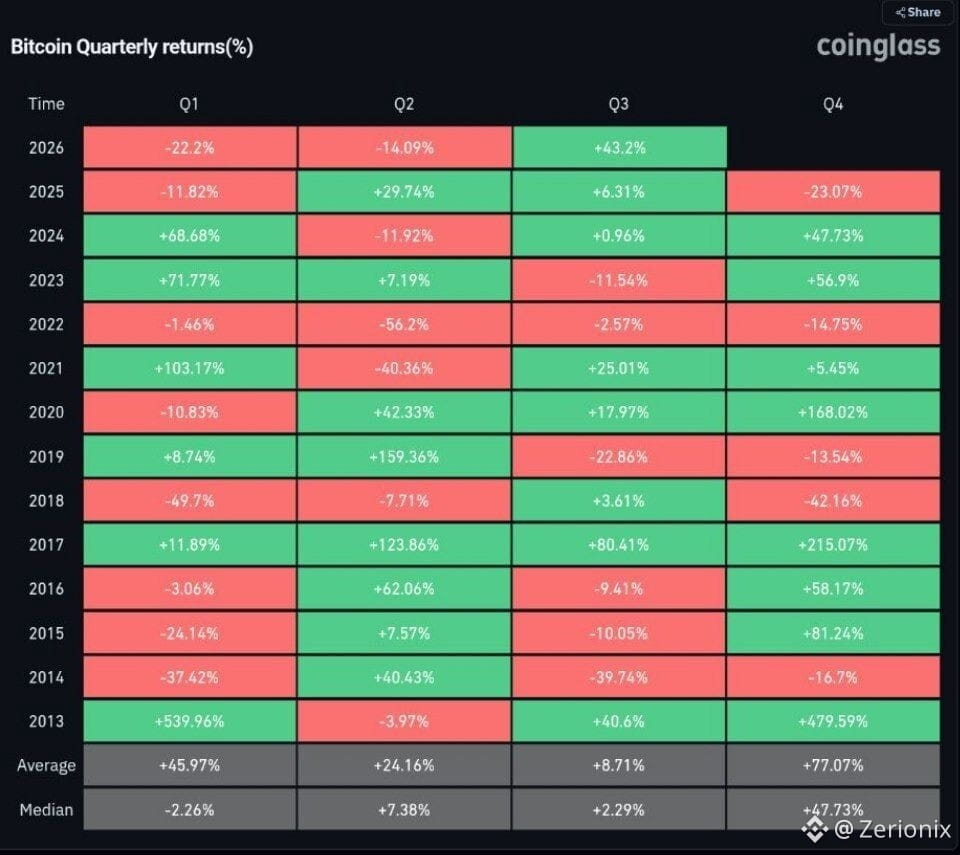
$BTCは史上2番目に良いQ3を間もなく終えようとしています。
ビットコインは今四半期で約43%の上昇を達成しており、Q3は史上でも最強クラスの四半期の一つになっています。
私にとってより興味深いのは、BTCがどこからスタートしたかです。
市場は、連続する2つのマイナス四半期の後にQ3へ突入し、センチメントはかなり厳しい状況に見えました。ところが今、四半期末に向かいつつあり、ビットコインは$80Kを上回り、勢いがしっかりと再び視野に入ってきています。
このような反転は、需要とポジショニングに何か変化があったことを示しています。
とはいえ、強い四半期の足を見たからといって、次の値動きが自動的にさらに上方向になると“確認できた”とは考えません。
DeFiインフラを見ていて学んだのは、見出しの数字だけでは全てが分からないということです。TVL、出来高、流動性、あるいはBTCの四半期リターンでさえもです。重要なのは、その下で実際に何が起きているのかを理解することです。
そのため、マーケットが拡大していく中で、エコシステム間でBTCの流動性がどうなるのかにも注目しています。
ユーザーが根本的な複雑さをすべて扱うことなく、流動性はチェーンやアプリケーション間でよりアクセスしやすくなるのでしょうか?
STON.fiのようなプロジェクトが、Omnistonとともに取り組んでいるのはまさにその点です。
ただしBTC自身については、四半期が終わった後に何が起きるかを見ています。
これらの利益の大半を維持し、スポット需要を強く保ったまま、値動きをすぐに帳消しにするのではなく、より高い土台を築けるのか?
強いQ3は確かに素晴らしい。
でも、その強さを強いQ4につなげることが、実際に意味のある部分です。
Omnistonを探索 → https://ston.fi/omniston $BTC #Bitcoin 価格予測: ビットコインの次の一手は? # $SOL
$BTCは史上2番目に良いQ3を間もなく終えようとしています。
ビットコインは今四半期で約43%の上昇を達成しており、Q3は史上でも最強クラスの四半期の一つになっています。
私にとってより興味深いのは、BTCがどこからスタートしたかです。
市場は、連続する2つのマイナス四半期の後にQ3へ突入し、センチメントはかなり厳しい状況に見えました。ところが今、四半期末に向かいつつあり、ビットコインは$80Kを上回り、勢いがしっかりと再び視野に入ってきています。
このような反転は、需要とポジショニングに何か変化があったことを示しています。
とはいえ、強い四半期の足を見たからといって、次の値動きが自動的にさらに上方向になると“確認できた”とは考えません。
DeFiインフラを見ていて学んだのは、見出しの数字だけでは全てが分からないということです。TVL、出来高、流動性、あるいはBTCの四半期リターンでさえもです。重要なのは、その下で実際に何が起きているのかを理解することです。
そのため、マーケットが拡大していく中で、エコシステム間でBTCの流動性がどうなるのかにも注目しています。
ユーザーが根本的な複雑さをすべて扱うことなく、流動性はチェーンやアプリケーション間でよりアクセスしやすくなるのでしょうか?
STON.fiのようなプロジェクトが、Omnistonとともに取り組んでいるのはまさにその点です。
ただしBTC自身については、四半期が終わった後に何が起きるかを見ています。
これらの利益の大半を維持し、スポット需要を強く保ったまま、値動きをすぐに帳消しにするのではなく、より高い土台を築けるのか?
強いQ3は確かに素晴らしい。
でも、その強さを強いQ4につなげることが、実際に意味のある部分です。
Omnistonを探索 → https://ston.fi/omniston $BTC #Bitcoin 価格予測: ビットコインの次の一手は? # $SOL
ビットコインは今四半期で約43%の上昇を達成しており、Q3は史上でも最強クラスの四半期の一つになっています。
私にとってより興味深いのは、BTCがどこからスタートしたかです。
市場は、連続する2つのマイナス四半期の後にQ3へ突入し、センチメントはかなり厳しい状況に見えました。ところが今、四半期末に向かいつつあり、ビットコインは$80Kを上回り、勢いがしっかりと再び視野に入ってきています。
このような反転は、需要とポジショニングに何か変化があったことを示しています。
とはいえ、強い四半期の足を見たからといって、次の値動きが自動的にさらに上方向になると“確認できた”とは考えません。
DeFiインフラを見ていて学んだのは、見出しの数字だけでは全てが分からないということです。TVL、出来高、流動性、あるいはBTCの四半期リターンでさえもです。重要なのは、その下で実際に何が起きているのかを理解することです。
そのため、マーケットが拡大していく中で、エコシステム間でBTCの流動性がどうなるのかにも注目しています。
ユーザーが根本的な複雑さをすべて扱うことなく、流動性はチェーンやアプリケーション間でよりアクセスしやすくなるのでしょうか?
STON.fiのようなプロジェクトが、Omnistonとともに取り組んでいるのはまさにその点です。
ただしBTC自身については、四半期が終わった後に何が起きるかを見ています。
これらの利益の大半を維持し、スポット需要を強く保ったまま、値動きをすぐに帳消しにするのではなく、より高い土台を築けるのか?
強いQ3は確かに素晴らしい。
でも、その強さを強いQ4につなげることが、実際に意味のある部分です。
Omnistonを探索 → https://ston.fi/omniston $BTC #Bitcoin 価格予測: ビットコインの次の一手は? # $SOL
29
·
--
以前は、DeFiスワップの難しい部分はトランザクションを送信するところだと思っていました。
確認を押して、ブロックチェーンの処理を待ち、通ればそれで終わり。
でもクロスチェーン実行によって、同じくらい重要なプロセスの別の部分があると気づきました。それは、取引が実際にどう決済されるかという点です。
資産が異なるネットワーク間で移動する場合、双方がまったく同じタイミングで完了すると単純には考えられません。
そこで重要になるのが、決済(セトルメント)設計です。
Omnistonでは、クロスチェーン実行がリンクされたHTLCを使うことで、取引の両側が同じ決済条件で結びつきます。
面白いのは、すべてが完璧にいかないときに何が起きるかです。
必要な条件が満たされれば、取引は決済できます。関連する期限内に完了しなければ、ロックされた資産には払い戻し(返金)のための道筋があります。
それは技術的な詳細のように聞こえますが、実際にはユーザーが最も気にすべきポイントのひとつだと思います。
なぜなら「クロスチェーン」とは、単に2つのネットワーク間で価値を移すことだけを意味するべきではないからです。
それに加えて、次のような明確な答えがあるべきです。
「何かがうまくいかなかったらどうなるのか?」
それが、私がSTON.fiのOmnistonアーキテクチャで興味深いと感じている部分です。
ユーザーにはシンプルなスワップ体験が提供される一方で、その裏側では、両側を完了すること、または関連する資金を元に戻せるように設計された決済メカニズムが動いています。
表面上DeFiがどれだけスムーズになっても、裏側のこうした目に見えない仕組みの重要性はますます高まります。
そして私は、それにこれまで以上に注目しています。
Omnistonを探索 → https://ston.fi/omniston
$BTC #BTC Price Analysis# $ETH #Macro Insights#
以前は、DeFiスワップの難しい部分はトランザクションを送信するところだと思っていました。
確認を押して、ブロックチェーンの処理を待ち、通ればそれで終わり。
でもクロスチェーン実行によって、同じくらい重要なプロセスの別の部分があると気づきました。それは、取引が実際にどう決済されるかという点です。
資産が異なるネットワーク間で移動する場合、双方がまったく同じタイミングで完了すると単純には考えられません。
そこで重要になるのが、決済(セトルメント)設計です。
Omnistonでは、クロスチェーン実行がリンクされたHTLCを使うことで、取引の両側が同じ決済条件で結びつきます。
面白いのは、すべてが完璧にいかないときに何が起きるかです。
必要な条件が満たされれば、取引は決済できます。関連する期限内に完了しなければ、ロックされた資産には払い戻し(返金)のための道筋があります。
それは技術的な詳細のように聞こえますが、実際にはユーザーが最も気にすべきポイントのひとつだと思います。
なぜなら「クロスチェーン」とは、単に2つのネットワーク間で価値を移すことだけを意味するべきではないからです。
それに加えて、次のような明確な答えがあるべきです。
「何かがうまくいかなかったらどうなるのか?」
それが、私がSTON.fiのOmnistonアーキテクチャで興味深いと感じている部分です。
ユーザーにはシンプルなスワップ体験が提供される一方で、その裏側では、両側を完了すること、または関連する資金を元に戻せるように設計された決済メカニズムが動いています。
表面上DeFiがどれだけスムーズになっても、裏側のこうした目に見えない仕組みの重要性はますます高まります。
そして私は、それにこれまで以上に注目しています。
Omnistonを探索 → https://ston.fi/omniston
$BTC #BTC Price Analysis# $ETH #Macro Insights#
確認を押して、ブロックチェーンの処理を待ち、通ればそれで終わり。
でもクロスチェーン実行によって、同じくらい重要なプロセスの別の部分があると気づきました。それは、取引が実際にどう決済されるかという点です。
資産が異なるネットワーク間で移動する場合、双方がまったく同じタイミングで完了すると単純には考えられません。
そこで重要になるのが、決済(セトルメント)設計です。
Omnistonでは、クロスチェーン実行がリンクされたHTLCを使うことで、取引の両側が同じ決済条件で結びつきます。
面白いのは、すべてが完璧にいかないときに何が起きるかです。
必要な条件が満たされれば、取引は決済できます。関連する期限内に完了しなければ、ロックされた資産には払い戻し(返金)のための道筋があります。
それは技術的な詳細のように聞こえますが、実際にはユーザーが最も気にすべきポイントのひとつだと思います。
なぜなら「クロスチェーン」とは、単に2つのネットワーク間で価値を移すことだけを意味するべきではないからです。
それに加えて、次のような明確な答えがあるべきです。
「何かがうまくいかなかったらどうなるのか?」
それが、私がSTON.fiのOmnistonアーキテクチャで興味深いと感じている部分です。
ユーザーにはシンプルなスワップ体験が提供される一方で、その裏側では、両側を完了すること、または関連する資金を元に戻せるように設計された決済メカニズムが動いています。
表面上DeFiがどれだけスムーズになっても、裏側のこうした目に見えない仕組みの重要性はますます高まります。
そして私は、それにこれまで以上に注目しています。
Omnistonを探索 → https://ston.fi/omniston
$BTC #BTC Price Analysis# $ETH #Macro Insights#
38
·
--
過去4日間で、約27億ドル相当のBTCが集中型取引所から流出したと報じられており、移動の大部分をバイナンスが占めています。バイナンスはある1日で純流出が13,800BTC超に達し、2023年以来の最大の日次純流出となりました。
バイナンスの報告上のBTC準備高は4日間で約70万5,000BTCから68万5,000BTCへと減少しました。
取引所に置かれているコインが減ることは、即時に現物売りに回せるBTCが少なくなる可能性を意味します。
ただ、これを「クジラの買い集め」とは自動的に呼べないでしょう。
取引所のフローだけでは、それらのコインが長期保有者へ移ったのか、機関投資家のカストディへ移ったのか、別の取引所へ移ったのか、あるいは単に別のウォレットに移っただけなのかは分かりません。動きについて論じているアナリスト自身も、その区別ができないことを認めています。
私が注目しているのは、タイミングです。
ビットコインは回復しており、ETF需要も強まっています。そして今、取引所残高が同時に減っています。これらのトレンドが同じ方向で続くなら、取引の場における利用可能な供給は次第に逼迫していくかもしれません。
ただ、確証が得られるのは次に起きることからです。
BTCがより高い水準を維持し続け、取引所の準備高が減り続け、現物需要が強いままであれば、市場の供給サイドの見え方は大きく変わってきます。
現時点では、私は「すべての出金が蓄積シグナルだ」と決めつけるより、フローを観察しています。
取引所から出ていくコインは興味深い。需要が増え続けているのに、コインが取引所に留まらないことこそが本当のシグナルです。
#BTC Price Analysis# $BTC #Macro Insights#
過去4日間で、約27億ドル相当のBTCが集中型取引所から流出したと報じられており、移動の大部分をバイナンスが占めています。バイナンスはある1日で純流出が13,800BTC超に達し、2023年以来の最大の日次純流出となりました。
バイナンスの報告上のBTC準備高は4日間で約70万5,000BTCから68万5,000BTCへと減少しました。
取引所に置かれているコインが減ることは、即時に現物売りに回せるBTCが少なくなる可能性を意味します。
ただ、これを「クジラの買い集め」とは自動的に呼べないでしょう。
取引所のフローだけでは、それらのコインが長期保有者へ移ったのか、機関投資家のカストディへ移ったのか、別の取引所へ移ったのか、あるいは単に別のウォレットに移っただけなのかは分かりません。動きについて論じているアナリスト自身も、その区別ができないことを認めています。
私が注目しているのは、タイミングです。
ビットコインは回復しており、ETF需要も強まっています。そして今、取引所残高が同時に減っています。これらのトレンドが同じ方向で続くなら、取引の場における利用可能な供給は次第に逼迫していくかもしれません。
ただ、確証が得られるのは次に起きることからです。
BTCがより高い水準を維持し続け、取引所の準備高が減り続け、現物需要が強いままであれば、市場の供給サイドの見え方は大きく変わってきます。
現時点では、私は「すべての出金が蓄積シグナルだ」と決めつけるより、フローを観察しています。
取引所から出ていくコインは興味深い。需要が増え続けているのに、コインが取引所に留まらないことこそが本当のシグナルです。
#BTC Price Analysis# $BTC #Macro Insights#
バイナンスの報告上のBTC準備高は4日間で約70万5,000BTCから68万5,000BTCへと減少しました。
取引所に置かれているコインが減ることは、即時に現物売りに回せるBTCが少なくなる可能性を意味します。
ただ、これを「クジラの買い集め」とは自動的に呼べないでしょう。
取引所のフローだけでは、それらのコインが長期保有者へ移ったのか、機関投資家のカストディへ移ったのか、別の取引所へ移ったのか、あるいは単に別のウォレットに移っただけなのかは分かりません。動きについて論じているアナリスト自身も、その区別ができないことを認めています。
私が注目しているのは、タイミングです。
ビットコインは回復しており、ETF需要も強まっています。そして今、取引所残高が同時に減っています。これらのトレンドが同じ方向で続くなら、取引の場における利用可能な供給は次第に逼迫していくかもしれません。
ただ、確証が得られるのは次に起きることからです。
BTCがより高い水準を維持し続け、取引所の準備高が減り続け、現物需要が強いままであれば、市場の供給サイドの見え方は大きく変わってきます。
現時点では、私は「すべての出金が蓄積シグナルだ」と決めつけるより、フローを観察しています。
取引所から出ていくコインは興味深い。需要が増え続けているのに、コインが取引所に留まらないことこそが本当のシグナルです。
#BTC Price Analysis# $BTC #Macro Insights#
48
·
--
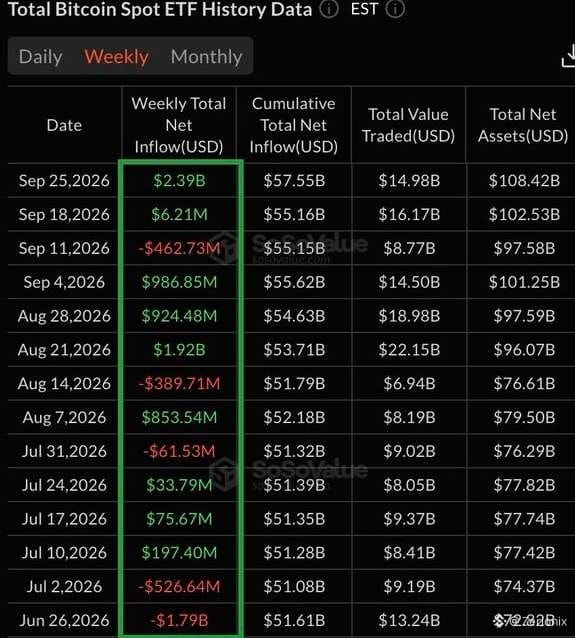
米国のスポット型ビットコインETFが、2026年の最大の週次資金流入を記録したばかりです。
9月21日から25日の週に約23.9億ドルが流入し、8月に設定された2026年のこれまでの記録(19.2億ドル)を上回りました。
そして、その勢いは本格的でした。
月曜だけで約9.99億ドルをもたらし、2025年10月以来のETF流入における最大の単日記録です。
私が注目しているのは、これは「巨大な1日があって、その後は流出」という話ではなかった点です。ETFは週を通じて流入を記録し続け、6営業日連続で最終的に28億ドル超に達しました。
これにより、今回の動きがより興味深くなります。
ビットコインは一時87,000ドルを上回りましたが、同時に機関投資家のビークルがスポットでのエクスポージャーを数十億ドル規模で吸収していました。
ただし、ETFの資金流入を「まっすぐ上がり続ける」とは見なさないほうがいいでしょう。
ショートカバーやデリバティブのポジショニングもラリーを加速させており、価格上昇の一部は純粋なスポット需要だけによるものではありません。
私が今気にしているのは、熱が冷めた後もフローがプラスのまま維持されるかどうかです。
数十億ドルが流入し続け、BTCがより高いレンジを維持するなら、需要のストーリーはより強くなります。
もしフローが突然反転すれば、この動きの一部が持ち高調整(ポジショニング)であって、持続的な積み増しではなかったと分かります。
23.9億ドルは見事です。真のシグナルは、ブレイクアウト後も機関投資家が買い続けるかどうかです。
$BTC #Altcoin Season# #Altcoin Season#
米国のスポット型ビットコインETFが、2026年の最大の週次資金流入を記録したばかりです。
9月21日から25日の週に約23.9億ドルが流入し、8月に設定された2026年のこれまでの記録(19.2億ドル)を上回りました。
そして、その勢いは本格的でした。
月曜だけで約9.99億ドルをもたらし、2025年10月以来のETF流入における最大の単日記録です。
私が注目しているのは、これは「巨大な1日があって、その後は流出」という話ではなかった点です。ETFは週を通じて流入を記録し続け、6営業日連続で最終的に28億ドル超に達しました。
これにより、今回の動きがより興味深くなります。
ビットコインは一時87,000ドルを上回りましたが、同時に機関投資家のビークルがスポットでのエクスポージャーを数十億ドル規模で吸収していました。
ただし、ETFの資金流入を「まっすぐ上がり続ける」とは見なさないほうがいいでしょう。
ショートカバーやデリバティブのポジショニングもラリーを加速させており、価格上昇の一部は純粋なスポット需要だけによるものではありません。
私が今気にしているのは、熱が冷めた後もフローがプラスのまま維持されるかどうかです。
数十億ドルが流入し続け、BTCがより高いレンジを維持するなら、需要のストーリーはより強くなります。
もしフローが突然反転すれば、この動きの一部が持ち高調整(ポジショニング)であって、持続的な積み増しではなかったと分かります。
23.9億ドルは見事です。真のシグナルは、ブレイクアウト後も機関投資家が買い続けるかどうかです。
$BTC #Altcoin Season# #Altcoin Season#
9月21日から25日の週に約23.9億ドルが流入し、8月に設定された2026年のこれまでの記録(19.2億ドル)を上回りました。
そして、その勢いは本格的でした。
月曜だけで約9.99億ドルをもたらし、2025年10月以来のETF流入における最大の単日記録です。
私が注目しているのは、これは「巨大な1日があって、その後は流出」という話ではなかった点です。ETFは週を通じて流入を記録し続け、6営業日連続で最終的に28億ドル超に達しました。
これにより、今回の動きがより興味深くなります。
ビットコインは一時87,000ドルを上回りましたが、同時に機関投資家のビークルがスポットでのエクスポージャーを数十億ドル規模で吸収していました。
ただし、ETFの資金流入を「まっすぐ上がり続ける」とは見なさないほうがいいでしょう。
ショートカバーやデリバティブのポジショニングもラリーを加速させており、価格上昇の一部は純粋なスポット需要だけによるものではありません。
私が今気にしているのは、熱が冷めた後もフローがプラスのまま維持されるかどうかです。
数十億ドルが流入し続け、BTCがより高いレンジを維持するなら、需要のストーリーはより強くなります。
もしフローが突然反転すれば、この動きの一部が持ち高調整(ポジショニング)であって、持続的な積み増しではなかったと分かります。
23.9億ドルは見事です。真のシグナルは、ブレイクアウト後も機関投資家が買い続けるかどうかです。
$BTC #Altcoin Season# #Altcoin Season#
53
ログインして、さらにコンテンツを読む
厳選トピックで世界の暗号資産トレーダーの仲間入り
⚡️ 暗号資産に関する最新かつ有益な情報が見つかります。
💬 世界最大の暗号資産取引所から信頼されています。
👍 認証を受けたクリエイターから、有益なインサイトを得られます。
メール / 電話番号