

Zarrar_X 1
961 投稿

Zarrar_X 1
報告
ユーザーをブロック
DeFi Researcher || Crypto Analyst || Web3 explorer || one chart at a time.
0 フォロー
60 フォロワー
121 いいね
投稿
·
--
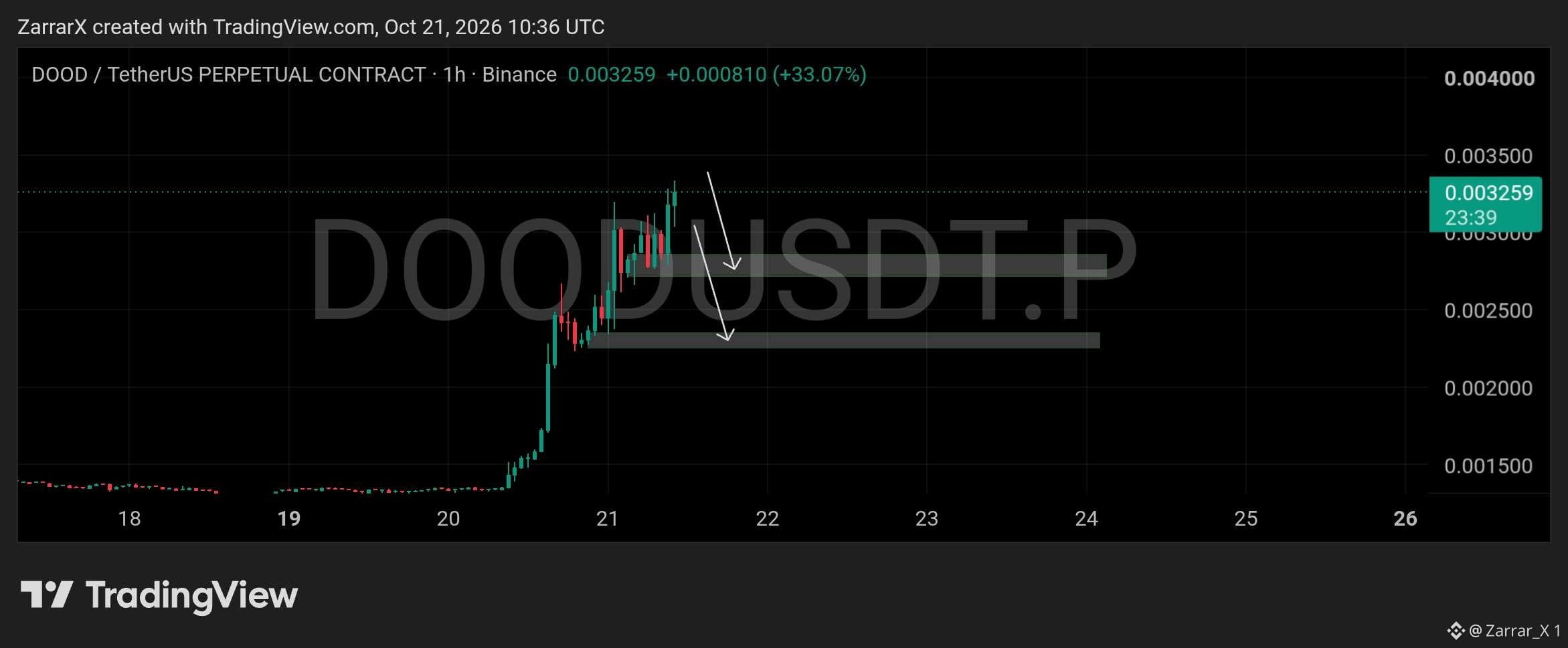
$DOODは1時間足で33%超上昇し、$0.00326に達しました。この急騰の後は、トレーダーの利益確定により反落する可能性があります。
最初のサポートゾーンは$0.00270~$0.00285付近です。売りが続く場合、さらに下の需要ゾーンは$0.00225~$0.00235付近にあります。
急騰に飛び乗るのではなく、どちらかのゾーンで強気の反応が見られるか注目しましょう。下側の需要ゾーンを割り込むと、ブレイクアウトの構造が弱まります。
#Doodles #アルトコインシーズン# #ミームアルファ#
$DOODは1時間足で33%超上昇し、$0.00326に達しました。この急騰の後は、トレーダーの利益確定により反落する可能性があります。
最初のサポートゾーンは$0.00270~$0.00285付近です。売りが続く場合、さらに下の需要ゾーンは$0.00225~$0.00235付近にあります。
急騰に飛び乗るのではなく、どちらかのゾーンで強気の反応が見られるか注目しましょう。下側の需要ゾーンを割り込むと、ブレイクアウトの構造が弱まります。
#Doodles #アルトコインシーズン# #ミームアルファ#
最初のサポートゾーンは$0.00270~$0.00285付近です。売りが続く場合、さらに下の需要ゾーンは$0.00225~$0.00235付近にあります。
急騰に飛び乗るのではなく、どちらかのゾーンで強気の反応が見られるか注目しましょう。下側の需要ゾーンを割り込むと、ブレイクアウトの構造が弱まります。
#Doodles #アルトコインシーズン# #ミームアルファ#
9
·
--
翻訳参照
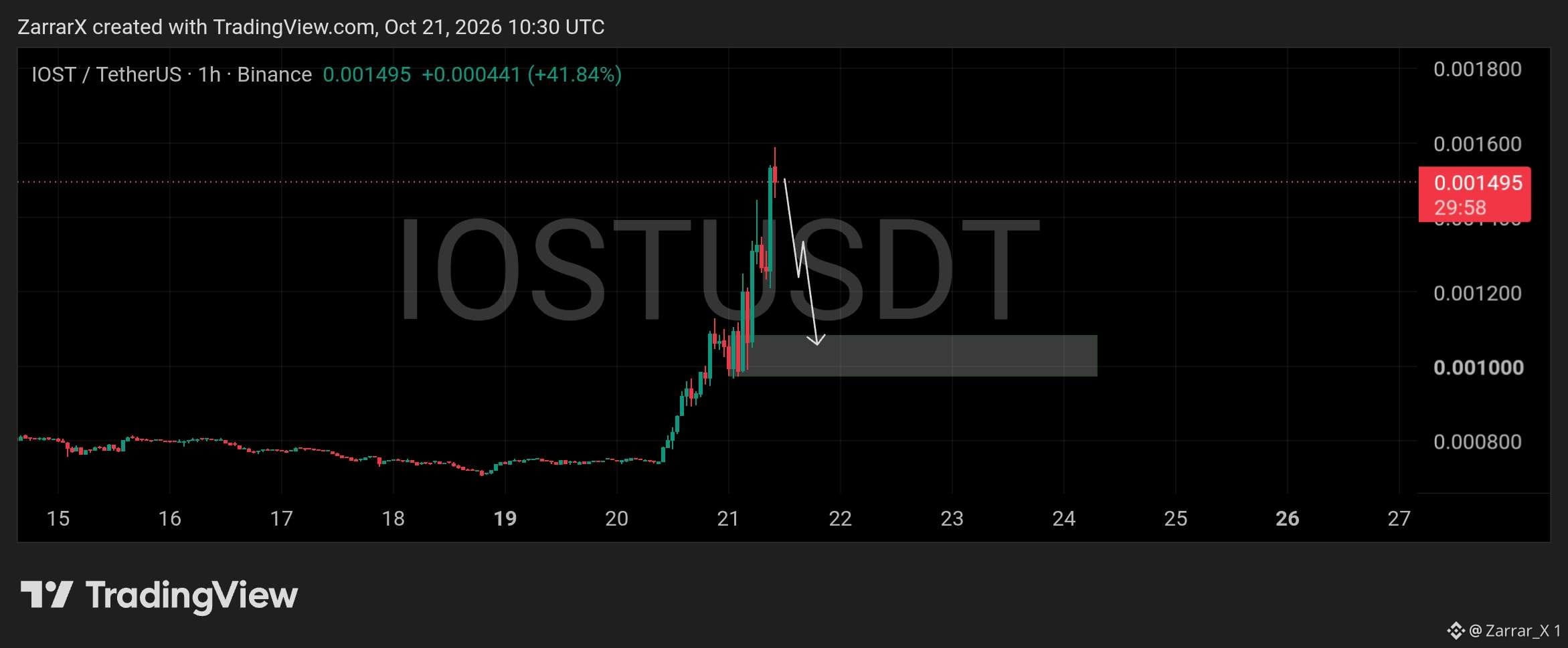
$IOST has pushed up sharply, gaining over 40% and breaking away from its prolonged consolidation around $0.00075. The move is strong, but price is now extended after the rapid rally, making a short-term pullback increasingly possible.
The key demand zone sits around $0.00098–$0.00108, where a retracement could find buyers and allow the market to stabilize. A reaction from this area would be important for determining whether the recent bullish momentum can continue.
For now, chasing the rally at current levels carries higher risk. A pullback into demand followed by a convincing bounce would offer a healthier continuation scenario, while a failure to hold this zone could weaken the breakout and invite further downside.
#Macro Insights# #Crypto #Altcoin Season#
$IOST has pushed up sharply, gaining over 40% and breaking away from its prolonged consolidation around $0.00075. The move is strong, but price is now extended after the rapid rally, making a short-term pullback increasingly possible.
The key demand zone sits around $0.00098–$0.00108, where a retracement could find buyers and allow the market to stabilize. A reaction from this area would be important for determining whether the recent bullish momentum can continue.
For now, chasing the rally at current levels carries higher risk. A pullback into demand followed by a convincing bounce would offer a healthier continuation scenario, while a failure to hold this zone could weaken the breakout and invite further downside.
#Macro Insights# #Crypto #Altcoin Season#
The key demand zone sits around $0.00098–$0.00108, where a retracement could find buyers and allow the market to stabilize. A reaction from this area would be important for determining whether the recent bullish momentum can continue.
For now, chasing the rally at current levels carries higher risk. A pullback into demand followed by a convincing bounce would offer a healthier continuation scenario, while a failure to hold this zone could weaken the breakout and invite further downside.
#Macro Insights# #Crypto #Altcoin Season#
67
·
--
JPMorgan、EthereumメインネットでJPM Coinを展開。
JPMorganのブロックチェーン部門Kinexysは、米ドル預金トークンJPM Coin(JPMD)をEthereumメインネット上で展開しました。これにより、Baseでの先行するパブリックブロックチェーン展開に続き、取り組みを拡大しています。
USDCやUSDTとは異なり、JPMDはJPMorganに預けられた米ドル預金を表す、許可型の預金トークンです。利用できるのは承認された機関投資家に限られ、24時間365日の決済、クロスボーダーの流動性管理、資産や担保の迅速な決済を目的に設計されています。
今回の動きは、機関投資家向け金融インフラとしてのEthereumの地位を強化する可能性があります。JPMDはトークン化資産やその他のオンチェーン金融商品と並行して利用できるため、デジタルドルとトークン化証券の間の決済をより効率化することが期待されます。また、Ethereumメインネット上の取引ではガス代としてETHが使われるため、ネットワークのブロックスペースに対する需要がいくらか高まる可能性もあります。
ただし、これは長期的なインフラ整備の動きであり、ETH価格に対する短期的な強気シグナルではありません。JPMDは一般の個人ユーザーには提供されておらず、Ethereumの手数料収入やETHのバーンへの実際の影響は、取引量や機関投資家がどれだけ効率的に取引を処理するかに左右されます。
JPMorganの決定は、従来型銀行が自社のデジタルマネーへのアクセスを制限しながら、パブリックブロックチェーンの活用を探るという、広がりつつある傾向を示しています。重要なのは、最終的にどれだけの機関投資家の活動がオンチェーンに移行し、その活動が基盤となるネットワークにどれだけの経済的価値をもたらすかです。
$ETH #マクロの洞察# #アルトコインシーズン# #ETH
JPMorgan、EthereumメインネットでJPM Coinを展開。
JPMorganのブロックチェーン部門Kinexysは、米ドル預金トークンJPM Coin(JPMD)をEthereumメインネット上で展開しました。これにより、Baseでの先行するパブリックブロックチェーン展開に続き、取り組みを拡大しています。
USDCやUSDTとは異なり、JPMDはJPMorganに預けられた米ドル預金を表す、許可型の預金トークンです。利用できるのは承認された機関投資家に限られ、24時間365日の決済、クロスボーダーの流動性管理、資産や担保の迅速な決済を目的に設計されています。
今回の動きは、機関投資家向け金融インフラとしてのEthereumの地位を強化する可能性があります。JPMDはトークン化資産やその他のオンチェーン金融商品と並行して利用できるため、デジタルドルとトークン化証券の間の決済をより効率化することが期待されます。また、Ethereumメインネット上の取引ではガス代としてETHが使われるため、ネットワークのブロックスペースに対する需要がいくらか高まる可能性もあります。
ただし、これは長期的なインフラ整備の動きであり、ETH価格に対する短期的な強気シグナルではありません。JPMDは一般の個人ユーザーには提供されておらず、Ethereumの手数料収入やETHのバーンへの実際の影響は、取引量や機関投資家がどれだけ効率的に取引を処理するかに左右されます。
JPMorganの決定は、従来型銀行が自社のデジタルマネーへのアクセスを制限しながら、パブリックブロックチェーンの活用を探るという、広がりつつある傾向を示しています。重要なのは、最終的にどれだけの機関投資家の活動がオンチェーンに移行し、その活動が基盤となるネットワークにどれだけの経済的価値をもたらすかです。
$ETH #マクロの洞察# #アルトコインシーズン# #ETH
JPMorganのブロックチェーン部門Kinexysは、米ドル預金トークンJPM Coin(JPMD)をEthereumメインネット上で展開しました。これにより、Baseでの先行するパブリックブロックチェーン展開に続き、取り組みを拡大しています。
USDCやUSDTとは異なり、JPMDはJPMorganに預けられた米ドル預金を表す、許可型の預金トークンです。利用できるのは承認された機関投資家に限られ、24時間365日の決済、クロスボーダーの流動性管理、資産や担保の迅速な決済を目的に設計されています。
今回の動きは、機関投資家向け金融インフラとしてのEthereumの地位を強化する可能性があります。JPMDはトークン化資産やその他のオンチェーン金融商品と並行して利用できるため、デジタルドルとトークン化証券の間の決済をより効率化することが期待されます。また、Ethereumメインネット上の取引ではガス代としてETHが使われるため、ネットワークのブロックスペースに対する需要がいくらか高まる可能性もあります。
ただし、これは長期的なインフラ整備の動きであり、ETH価格に対する短期的な強気シグナルではありません。JPMDは一般の個人ユーザーには提供されておらず、Ethereumの手数料収入やETHのバーンへの実際の影響は、取引量や機関投資家がどれだけ効率的に取引を処理するかに左右されます。
JPMorganの決定は、従来型銀行が自社のデジタルマネーへのアクセスを制限しながら、パブリックブロックチェーンの活用を探るという、広がりつつある傾向を示しています。重要なのは、最終的にどれだけの機関投資家の活動がオンチェーンに移行し、その活動が基盤となるネットワークにどれだけの経済的価値をもたらすかです。
$ETH #マクロの洞察# #アルトコインシーズン# #ETH

34
·
--
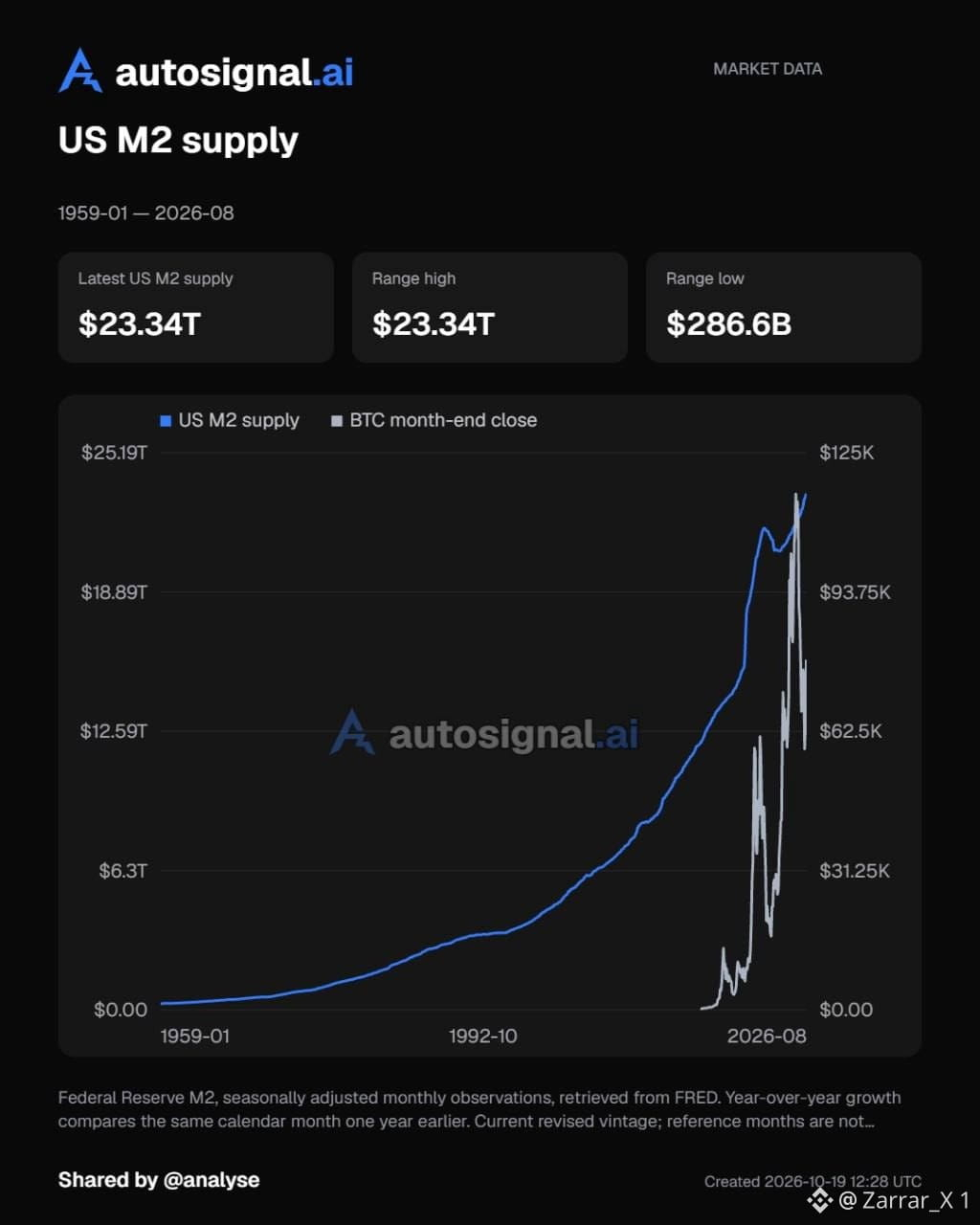
🇺🇸 米国のM2マネーサプライが過去最高の23.34兆ドルに。
米国のM2マネーサプライは、過去最高となる23.34兆ドルに達したと報じられており、米国経済を循環するマネーが引き続き拡大していることを示しています。
M2には、現金、当座預金、普通預金、その他一部の流動性資産が含まれます。マネーサプライの変化は、消費、インフレ期待、金融市場の流動性に影響を与える可能性があるため、経済学者や投資家から注目されています。
暗号資産市場にとって、流動性の拡大はビットコインを含むリスク資産にとって追い風となる場合があります。ただし、M2が過去最高を記録したからといって、資金が自動的に暗号資産へ流入するわけではありません。金利、信用環境、投資家の需要、そして経済全体で資金が循環する速度も重要です。
$BTC #BTC価格分析# #マクロ分析# #暗号資産
🇺🇸 米国のM2マネーサプライが過去最高の23.34兆ドルに。
米国のM2マネーサプライは、過去最高となる23.34兆ドルに達したと報じられており、米国経済を循環するマネーが引き続き拡大していることを示しています。
M2には、現金、当座預金、普通預金、その他一部の流動性資産が含まれます。マネーサプライの変化は、消費、インフレ期待、金融市場の流動性に影響を与える可能性があるため、経済学者や投資家から注目されています。
暗号資産市場にとって、流動性の拡大はビットコインを含むリスク資産にとって追い風となる場合があります。ただし、M2が過去最高を記録したからといって、資金が自動的に暗号資産へ流入するわけではありません。金利、信用環境、投資家の需要、そして経済全体で資金が循環する速度も重要です。
$BTC #BTC価格分析# #マクロ分析# #暗号資産
米国のM2マネーサプライは、過去最高となる23.34兆ドルに達したと報じられており、米国経済を循環するマネーが引き続き拡大していることを示しています。
M2には、現金、当座預金、普通預金、その他一部の流動性資産が含まれます。マネーサプライの変化は、消費、インフレ期待、金融市場の流動性に影響を与える可能性があるため、経済学者や投資家から注目されています。
暗号資産市場にとって、流動性の拡大はビットコインを含むリスク資産にとって追い風となる場合があります。ただし、M2が過去最高を記録したからといって、資金が自動的に暗号資産へ流入するわけではありません。金利、信用環境、投資家の需要、そして経済全体で資金が循環する速度も重要です。
$BTC #BTC価格分析# #マクロ分析# #暗号資産
43
·
--
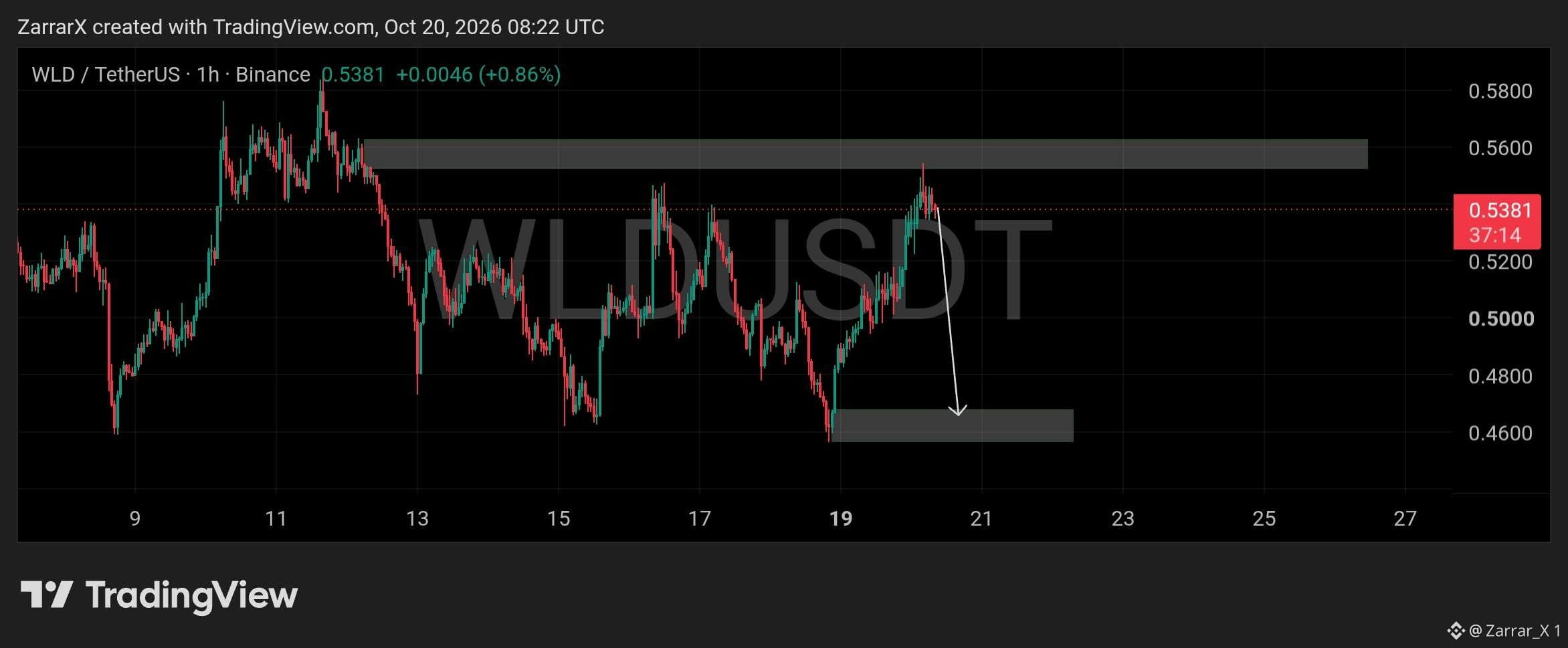
$WLDは、最近の下落で$0.4600付近まで値を下げた後、$0.5400付近で上値を抑えられています。直近の上昇は勢いを失っており、1時間足では売り手が再び調整局面を引き起こす余地が残されています。
押し目が続く場合、注目すべき重要な需要ゾーンは$0.4580~$0.4670です。このゾーンまで戻れば、買い手が最近の反発を守り、価格が前回の安値を再び試すのを防げるかが試されます。
上値では、$0.5530~$0.5630が引き続き主要なレジスタンスゾーンとなっており、売り手が再び参入する可能性があります。買い手がこのゾーンを奪回できない限り、さらなる下落も考えられます。需要ゾーン付近での反応が、#WLD の次の方向性を左右する可能性が高いでしょう。
#アルトコインシーズン# #暗号資産
$WLDは、最近の下落で$0.4600付近まで値を下げた後、$0.5400付近で上値を抑えられています。直近の上昇は勢いを失っており、1時間足では売り手が再び調整局面を引き起こす余地が残されています。
押し目が続く場合、注目すべき重要な需要ゾーンは$0.4580~$0.4670です。このゾーンまで戻れば、買い手が最近の反発を守り、価格が前回の安値を再び試すのを防げるかが試されます。
上値では、$0.5530~$0.5630が引き続き主要なレジスタンスゾーンとなっており、売り手が再び参入する可能性があります。買い手がこのゾーンを奪回できない限り、さらなる下落も考えられます。需要ゾーン付近での反応が、#WLD の次の方向性を左右する可能性が高いでしょう。
#アルトコインシーズン# #暗号資産
押し目が続く場合、注目すべき重要な需要ゾーンは$0.4580~$0.4670です。このゾーンまで戻れば、買い手が最近の反発を守り、価格が前回の安値を再び試すのを防げるかが試されます。
上値では、$0.5530~$0.5630が引き続き主要なレジスタンスゾーンとなっており、売り手が再び参入する可能性があります。買い手がこのゾーンを奪回できない限り、さらなる下落も考えられます。需要ゾーン付近での反応が、#WLD の次の方向性を左右する可能性が高いでしょう。
#アルトコインシーズン# #暗号資産
60
·
--
翻訳参照
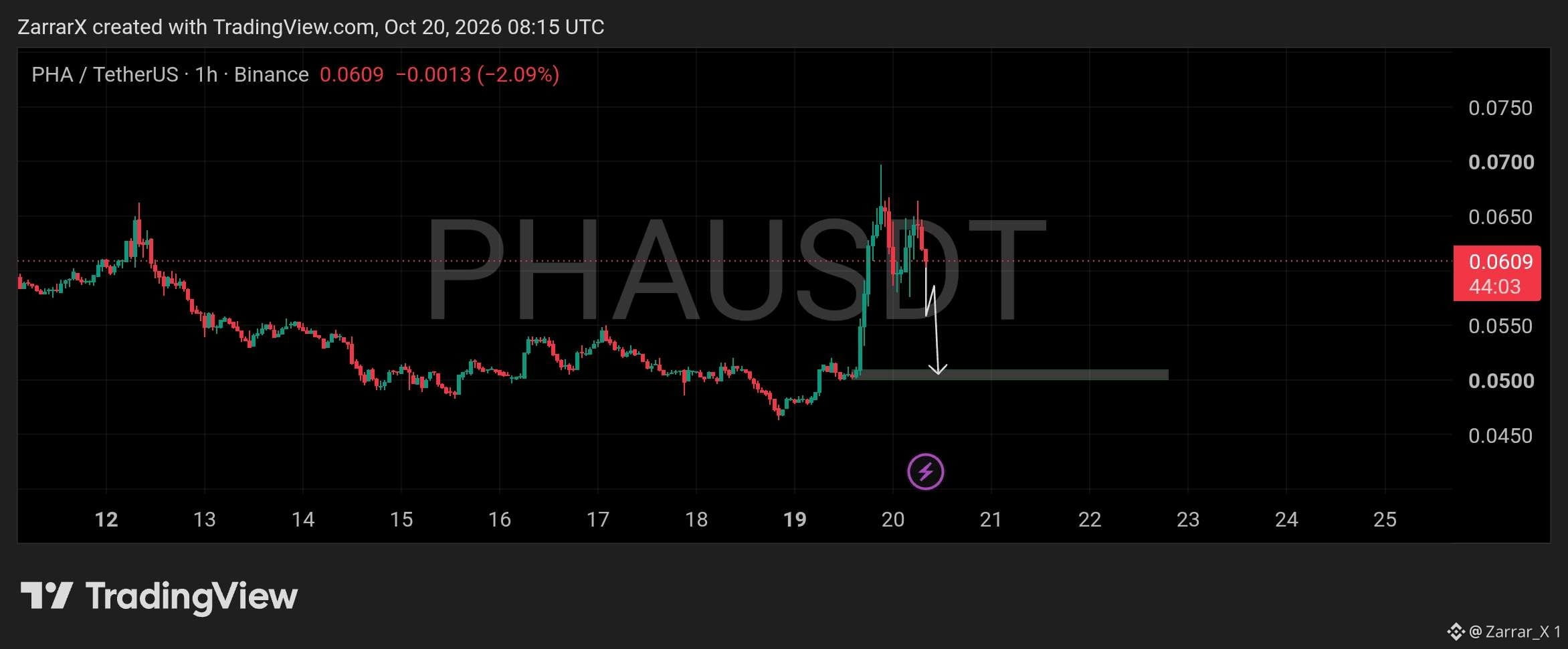
$PHA is pulling back after a sharp breakout from the $0.0500 area, with price currently around $0.0609. The initial surge pushed toward $0.0690 before sellers stepped in, and the latest candles suggest momentum is cooling as the market gives back part of its gains.
The $0.0500–$0.0510 zone is the key demand area to watch if selling pressure continues. A deeper retracement toward this region would test whether buyers can defend the breakout base and establish support after the recent volatility.
Another rejection around current levels could extend the correction toward demand, while a recovery above $0.0650 would indicate buyers are regaining strength. For now, the pullback remains the immediate focus, with the reaction at demand likely to determine whether $PHA can resume its upward move.
#PHA #Macro Insights# #Altcoin Season#
$PHA is pulling back after a sharp breakout from the $0.0500 area, with price currently around $0.0609. The initial surge pushed toward $0.0690 before sellers stepped in, and the latest candles suggest momentum is cooling as the market gives back part of its gains.
The $0.0500–$0.0510 zone is the key demand area to watch if selling pressure continues. A deeper retracement toward this region would test whether buyers can defend the breakout base and establish support after the recent volatility.
Another rejection around current levels could extend the correction toward demand, while a recovery above $0.0650 would indicate buyers are regaining strength. For now, the pullback remains the immediate focus, with the reaction at demand likely to determine whether $PHA can resume its upward move.
#PHA #Macro Insights# #Altcoin Season#
The $0.0500–$0.0510 zone is the key demand area to watch if selling pressure continues. A deeper retracement toward this region would test whether buyers can defend the breakout base and establish support after the recent volatility.
Another rejection around current levels could extend the correction toward demand, while a recovery above $0.0650 would indicate buyers are regaining strength. For now, the pullback remains the immediate focus, with the reaction at demand likely to determine whether $PHA can resume its upward move.
#PHA #Macro Insights# #Altcoin Season#
74
·
--
TVLが1~10ドルのプールで、なぜひどいスワップが起こるの?
DEXで新しいマイクロキャップトークンを探していると、価格チャートが活発に動いているコインを見かけることがあります。50ドル分を買おうと決め、署名した後で、受け取ったトークンの価値が5ドル未満だと気づくことも!
取引の価値が一瞬で90%も失われるのはなぜでしょうか?その答えは、ロックされた総価値(TVL)と流動性の厚みにあります。
流動性の薄いプールで大きな損失が起きる理由は次のとおりです。
1️⃣ 定積公式(x * y = k)
自動マーケットメーカー(AMM)は、流動性プール内の資産比率に基づいてトークン価格を算出します。プールの流動性が合計でわずか5~10ドルしかない場合、プール内の資産残高は非常に不安定です。
2️⃣ 極端な価格インパクト
プールに5ドル相当のTONと5ドル相当のToken Xが入っている場合、10ドル分の取引を試みると、トークンを買うだけでなく、プール全体の残高を大きく圧迫します。取引によってプール内の比率が急激に変化し、価格インパクト(取引額の大きさによって生じるスリッページ)が大きくなります。
3️⃣ 流動性の厚みと取引のしやすさ
DEXでトークンが技術的に「取引可能」であっても、プールにその取引額を処理できるだけの厚みがあるとは限りません。確定をタップする前に、必ずプールのTVLと「価格インパクト」のプレビューを確認しましょう!
– クロスチェーンルートが流動性の分断を解決する方法
TONへ資産を移動する際、STONfiのようなプロトコルはルートを調整し、流動性の低い中間プールに行き詰まらないようにします。
TONからBaseへの、直接かつ流動性の厚いクロスチェーンスワップについて詳しくは、こちらをご覧ください。
https://ston.fi/cross-chain-swap-from-ton-to-base
$BTC $ETH #BTC価格分析# #マクロ分析# #アルトコインシーズン#
TVLが1~10ドルのプールで、なぜひどいスワップが起こるの?
DEXで新しいマイクロキャップトークンを探していると、価格チャートが活発に動いているコインを見かけることがあります。50ドル分を買おうと決め、署名した後で、受け取ったトークンの価値が5ドル未満だと気づくことも!
取引の価値が一瞬で90%も失われるのはなぜでしょうか?その答えは、ロックされた総価値(TVL)と流動性の厚みにあります。
流動性の薄いプールで大きな損失が起きる理由は次のとおりです。
1️⃣ 定積公式(x * y = k)
自動マーケットメーカー(AMM)は、流動性プール内の資産比率に基づいてトークン価格を算出します。プールの流動性が合計でわずか5~10ドルしかない場合、プール内の資産残高は非常に不安定です。
2️⃣ 極端な価格インパクト
プールに5ドル相当のTONと5ドル相当のToken Xが入っている場合、10ドル分の取引を試みると、トークンを買うだけでなく、プール全体の残高を大きく圧迫します。取引によってプール内の比率が急激に変化し、価格インパクト(取引額の大きさによって生じるスリッページ)が大きくなります。
3️⃣ 流動性の厚みと取引のしやすさ
DEXでトークンが技術的に「取引可能」であっても、プールにその取引額を処理できるだけの厚みがあるとは限りません。確定をタップする前に、必ずプールのTVLと「価格インパクト」のプレビューを確認しましょう!
– クロスチェーンルートが流動性の分断を解決する方法
TONへ資産を移動する際、STONfiのようなプロトコルはルートを調整し、流動性の低い中間プールに行き詰まらないようにします。
TONからBaseへの、直接かつ流動性の厚いクロスチェーンスワップについて詳しくは、こちらをご覧ください。
https://ston.fi/cross-chain-swap-from-ton-to-base
$BTC $ETH #BTC価格分析# #マクロ分析# #アルトコインシーズン#
DEXで新しいマイクロキャップトークンを探していると、価格チャートが活発に動いているコインを見かけることがあります。50ドル分を買おうと決め、署名した後で、受け取ったトークンの価値が5ドル未満だと気づくことも!
取引の価値が一瞬で90%も失われるのはなぜでしょうか?その答えは、ロックされた総価値(TVL)と流動性の厚みにあります。
流動性の薄いプールで大きな損失が起きる理由は次のとおりです。
1️⃣ 定積公式(x * y = k)
自動マーケットメーカー(AMM)は、流動性プール内の資産比率に基づいてトークン価格を算出します。プールの流動性が合計でわずか5~10ドルしかない場合、プール内の資産残高は非常に不安定です。
2️⃣ 極端な価格インパクト
プールに5ドル相当のTONと5ドル相当のToken Xが入っている場合、10ドル分の取引を試みると、トークンを買うだけでなく、プール全体の残高を大きく圧迫します。取引によってプール内の比率が急激に変化し、価格インパクト(取引額の大きさによって生じるスリッページ)が大きくなります。
3️⃣ 流動性の厚みと取引のしやすさ
DEXでトークンが技術的に「取引可能」であっても、プールにその取引額を処理できるだけの厚みがあるとは限りません。確定をタップする前に、必ずプールのTVLと「価格インパクト」のプレビューを確認しましょう!
– クロスチェーンルートが流動性の分断を解決する方法
TONへ資産を移動する際、STONfiのようなプロトコルはルートを調整し、流動性の低い中間プールに行き詰まらないようにします。
TONからBaseへの、直接かつ流動性の厚いクロスチェーンスワップについて詳しくは、こちらをご覧ください。
https://ston.fi/cross-chain-swap-from-ton-to-base
$BTC $ETH #BTC価格分析# #マクロ分析# #アルトコインシーズン#
29
·
--
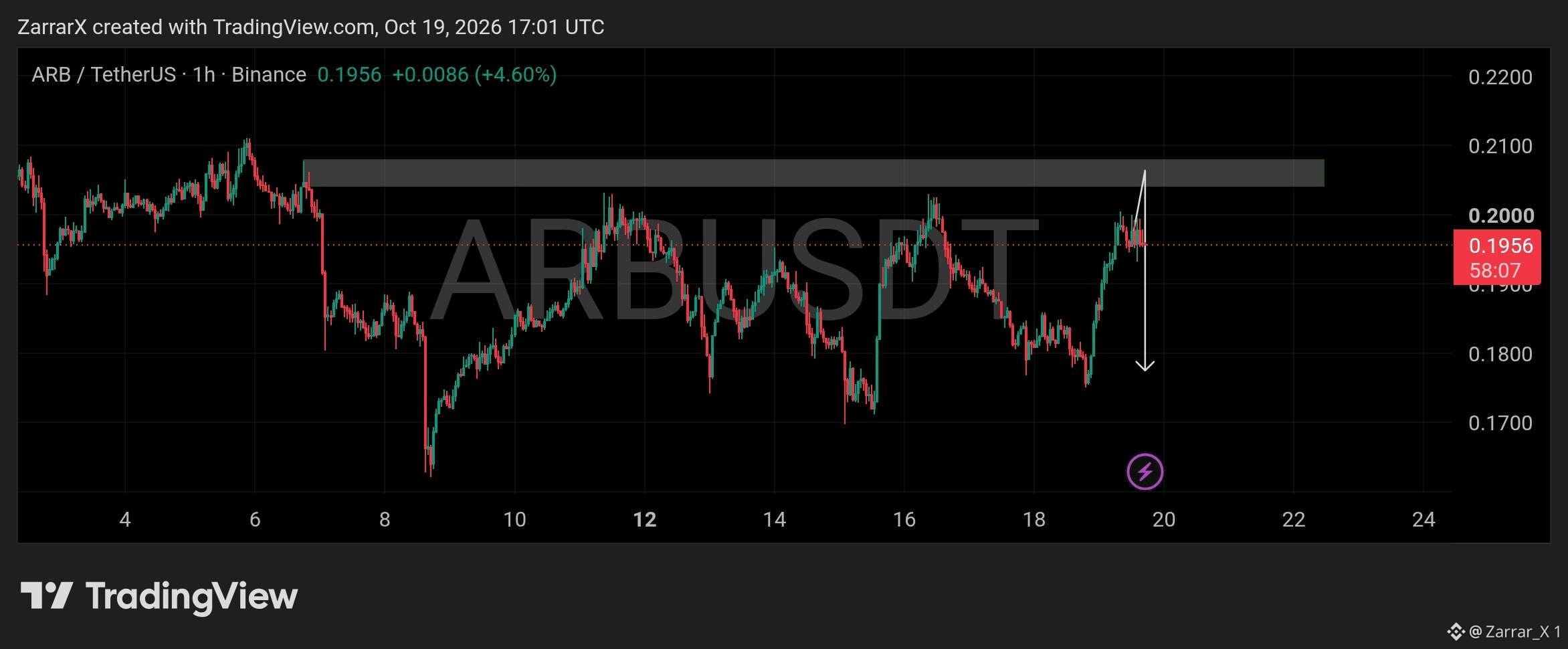
$ARBは$0.1760~$0.1800の価格帯から反発し、$0.1956まで回復しました。1時間足チャートでは、買い圧力の再燃が見られます。しかし、価格は過去の上昇が苦戦した領域に近づいており、再び反落する余地も残されています。
注目すべき重要なレジスタンスは、$0.2040~$0.2080のゾーンです。この供給ゾーンに上昇した後に反落すれば、#ARBは再び$0.1850に向かう可能性があり、さらに大きく下落した場合は、$0.1760~$0.1800の需要ゾーンを再び試す展開も考えられます。
急速な回復の後、価格がレジスタンスに近づいているため、現時点では慎重な姿勢が望まれます。供給ゾーンを明確に上抜けて、その上で価格を維持できれば弱気の見通しは後退しますが、再び反落すれば売り手が主導権を取り戻す可能性があります。
#アルトコインシーズン# #暗号資産
$ARBは$0.1760~$0.1800の価格帯から反発し、$0.1956まで回復しました。1時間足チャートでは、買い圧力の再燃が見られます。しかし、価格は過去の上昇が苦戦した領域に近づいており、再び反落する余地も残されています。
注目すべき重要なレジスタンスは、$0.2040~$0.2080のゾーンです。この供給ゾーンに上昇した後に反落すれば、#ARBは再び$0.1850に向かう可能性があり、さらに大きく下落した場合は、$0.1760~$0.1800の需要ゾーンを再び試す展開も考えられます。
急速な回復の後、価格がレジスタンスに近づいているため、現時点では慎重な姿勢が望まれます。供給ゾーンを明確に上抜けて、その上で価格を維持できれば弱気の見通しは後退しますが、再び反落すれば売り手が主導権を取り戻す可能性があります。
#アルトコインシーズン# #暗号資産
注目すべき重要なレジスタンスは、$0.2040~$0.2080のゾーンです。この供給ゾーンに上昇した後に反落すれば、#ARBは再び$0.1850に向かう可能性があり、さらに大きく下落した場合は、$0.1760~$0.1800の需要ゾーンを再び試す展開も考えられます。
急速な回復の後、価格がレジスタンスに近づいているため、現時点では慎重な姿勢が望まれます。供給ゾーンを明確に上抜けて、その上で価格を維持できれば弱気の見通しは後退しますが、再び反落すれば売り手が主導権を取り戻す可能性があります。
#アルトコインシーズン# #暗号資産
41
·
--
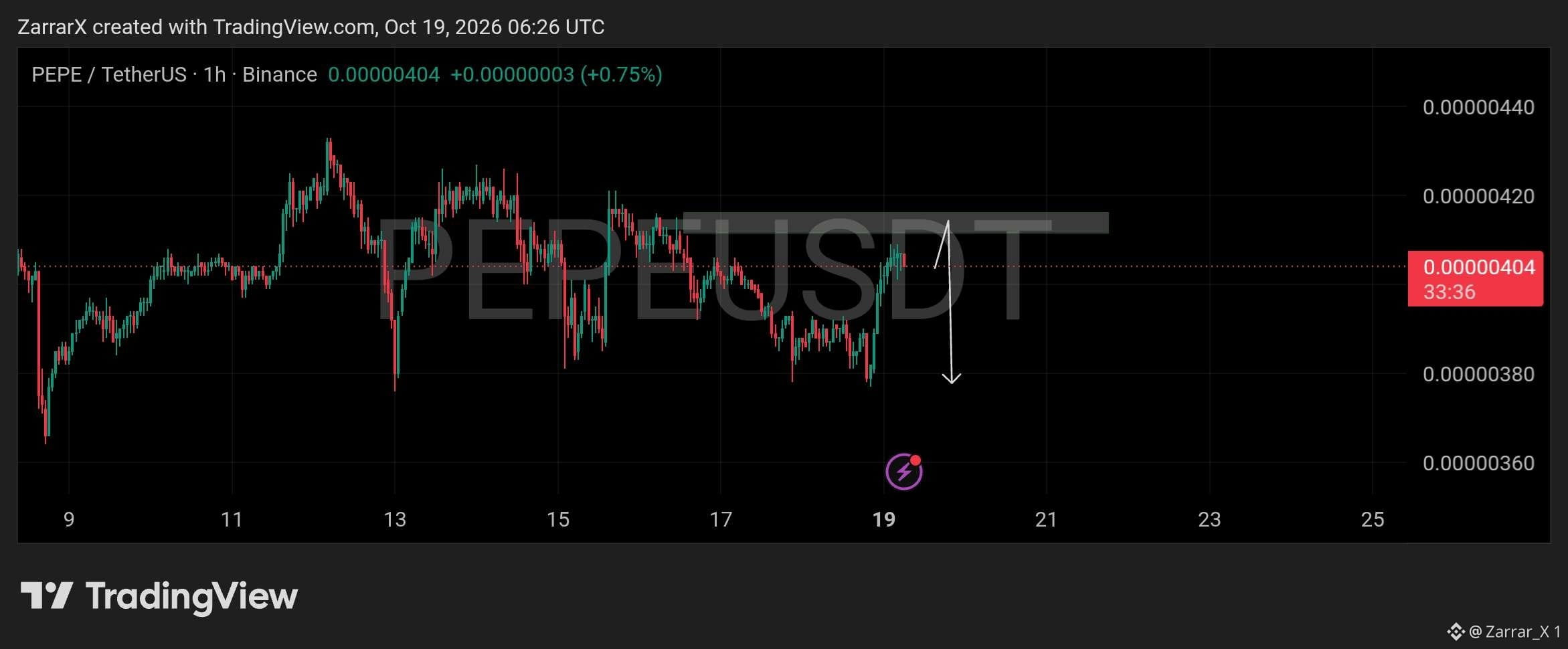
$PEPEは、最近の下落で$0.00000380付近まで下げた後に回復し、現在は$0.00000404付近で取引されています。反発により価格は再びレジスタンスゾーンに近づいていますが、より広い1時間足の値動きは依然として不安定で、これまでの回復局面では売り手が何度も現れています。
注目すべき目先のレジスタンスは、$0.00000410~$0.00000416のゾーンです。ここで反落すれば、PEPEは再び$0.00000380~$0.00000385に向かう可能性があります。この水準では以前買い手が現れており、再び反応が見られるかもしれません。
レジスタンスを明確に上抜ければ、弱気見通しは後退し、より力強い回復への道が開けるでしょう。それまでは、さらなる押し戻しの可能性も残っています。そのため、直近の反発だけでなく、現在のレジスタンス付近での値動きがより重要です。
#PEPE #アルトコインシーズン# #ミームアルファ#
$PEPEは、最近の下落で$0.00000380付近まで下げた後に回復し、現在は$0.00000404付近で取引されています。反発により価格は再びレジスタンスゾーンに近づいていますが、より広い1時間足の値動きは依然として不安定で、これまでの回復局面では売り手が何度も現れています。
注目すべき目先のレジスタンスは、$0.00000410~$0.00000416のゾーンです。ここで反落すれば、PEPEは再び$0.00000380~$0.00000385に向かう可能性があります。この水準では以前買い手が現れており、再び反応が見られるかもしれません。
レジスタンスを明確に上抜ければ、弱気見通しは後退し、より力強い回復への道が開けるでしょう。それまでは、さらなる押し戻しの可能性も残っています。そのため、直近の反発だけでなく、現在のレジスタンス付近での値動きがより重要です。
#PEPE #アルトコインシーズン# #ミームアルファ#
注目すべき目先のレジスタンスは、$0.00000410~$0.00000416のゾーンです。ここで反落すれば、PEPEは再び$0.00000380~$0.00000385に向かう可能性があります。この水準では以前買い手が現れており、再び反応が見られるかもしれません。
レジスタンスを明確に上抜ければ、弱気見通しは後退し、より力強い回復への道が開けるでしょう。それまでは、さらなる押し戻しの可能性も残っています。そのため、直近の反発だけでなく、現在のレジスタンス付近での値動きがより重要です。
#PEPE #アルトコインシーズン# #ミームアルファ#
66
·
--
🇪🇺 USDC、MiCAのもとでEU初の「重要」電子マネートークンに。
欧州銀行監督機構(EBA)は、暗号資産市場規則(MiCA)に基づき、CircleのUSDCを欧州連合(EU)初の重要な電子マネートークンに分類しました。USDCは、届け出のあった45種類の電子マネートークンのうち、規制上の重要性の基準を満たした最初のトークンであり、この枠組みがステーブルコインに初めて適用されることになります。
2026年11月12日から、EBAはUSDCの自己資本要件、準備金、流動性、ならびに復旧・償還計画について、直接的な監督責任を担います。フランスのACPRは、ガバナンス、経営陣の適格性、内部統制などの分野を引き続き監督し、共同監督体制が構築されます。
流通供給量が730億ドルに迫るなか、この決定によりUSDCはより厳しい規制上の監視下に置かれます。EBAはトークンのステータスを毎年再評価するため、USDCの分類や、届け出のあった他の電子マネートークンのステータスも、今後見直される可能性があります。
またEBAは、国境を越えたステーブルコイン監督を支援するため、ニューヨーク州金融サービス局(NYDFS)との協力体制を整えました。この動きは、ドル連動型トークンが国際金融市場で拡大するなか、規制当局が監督面での連携を強化しようとする取り組みが広がっていることを示しています。
$BTC $USDC #マクロ分析# #ステーブルコイン #BTC価格分析#
🇪🇺 USDC、MiCAのもとでEU初の「重要」電子マネートークンに。
欧州銀行監督機構(EBA)は、暗号資産市場規則(MiCA)に基づき、CircleのUSDCを欧州連合(EU)初の重要な電子マネートークンに分類しました。USDCは、届け出のあった45種類の電子マネートークンのうち、規制上の重要性の基準を満たした最初のトークンであり、この枠組みがステーブルコインに初めて適用されることになります。
2026年11月12日から、EBAはUSDCの自己資本要件、準備金、流動性、ならびに復旧・償還計画について、直接的な監督責任を担います。フランスのACPRは、ガバナンス、経営陣の適格性、内部統制などの分野を引き続き監督し、共同監督体制が構築されます。
流通供給量が730億ドルに迫るなか、この決定によりUSDCはより厳しい規制上の監視下に置かれます。EBAはトークンのステータスを毎年再評価するため、USDCの分類や、届け出のあった他の電子マネートークンのステータスも、今後見直される可能性があります。
またEBAは、国境を越えたステーブルコイン監督を支援するため、ニューヨーク州金融サービス局(NYDFS)との協力体制を整えました。この動きは、ドル連動型トークンが国際金融市場で拡大するなか、規制当局が監督面での連携を強化しようとする取り組みが広がっていることを示しています。
$BTC $USDC #マクロ分析# #ステーブルコイン #BTC価格分析#
欧州銀行監督機構(EBA)は、暗号資産市場規則(MiCA)に基づき、CircleのUSDCを欧州連合(EU)初の重要な電子マネートークンに分類しました。USDCは、届け出のあった45種類の電子マネートークンのうち、規制上の重要性の基準を満たした最初のトークンであり、この枠組みがステーブルコインに初めて適用されることになります。
2026年11月12日から、EBAはUSDCの自己資本要件、準備金、流動性、ならびに復旧・償還計画について、直接的な監督責任を担います。フランスのACPRは、ガバナンス、経営陣の適格性、内部統制などの分野を引き続き監督し、共同監督体制が構築されます。
流通供給量が730億ドルに迫るなか、この決定によりUSDCはより厳しい規制上の監視下に置かれます。EBAはトークンのステータスを毎年再評価するため、USDCの分類や、届け出のあった他の電子マネートークンのステータスも、今後見直される可能性があります。
またEBAは、国境を越えたステーブルコイン監督を支援するため、ニューヨーク州金融サービス局(NYDFS)との協力体制を整えました。この動きは、ドル連動型トークンが国際金融市場で拡大するなか、規制当局が監督面での連携を強化しようとする取り組みが広がっていることを示しています。
$BTC $USDC #マクロ分析# #ステーブルコイン #BTC価格分析#

1
·
--
DEXに警告が表示されていなくても、トークンが危険なことはある?
DEXで新しいトークンを取引する際、多くのトレーダーはインターフェースのセキュリティ表示だけを頼りにしています。「偽物」や「ハニーポット」のタグがなければ、そのトークンは100%安全に買えると思い込んでしまいます。
実際はどうでしょう? 警告ラベルがないからといって、安全が保証されるわけではありません。
STONfiのようなDEXインターフェースは、自動セキュリティスキャンで既知の悪意あるパターンを検出します。しかし、スマートコントラクトを使った詐欺は絶えず進化しています。
自動UIスキャナーが見逃す可能性のある、見つけにくいリスクを3つ紹介します。
1️⃣ 動的な税率変更とロックされていない流動性
新しいコントラクトでは、購入・売却手数料が0%で始まる一方、管理者機能によって作成者が後から送金税を99%に引き上げたり、ロックされていない流動性プールから即座に資金を引き出したりできる場合があります。
2️⃣ プロキシコントラクトとアップグレード可能なコントラクト
プロキシコントラクトの仕組みを使うトークンもあります。最初のコードスキャンでは問題がないように見えても、悪意ある開発者がローンチ後にコントラクトのロジックを変更し、送金を凍結したり、売却をできなくしたりする可能性があります。
3️⃣ ソーシャルエンジニアリングと悪意あるメタデータ
トークンのコントラクト自体が基本的なERC20/Jettonコードであっても、プロジェクトがメタデータにフィッシングリンクや偽のトークン請求サイトを仕込み、ウォレットの権限を悪用することがあります。
まとめ:インターフェースの警告は重要な第一の防御手段ですが、スワップする前に、コントラクトの所有権、LPのロック状況、監査レポートなどを個別に確認することが不可欠です。
セキュリティへの勘を磨いて、暗号資産詐欺を見抜く力を試してみませんか?
Stonverseのインタラクティブなサイバーセキュリティゲームで知識を試しましょう:
https://stonverse.com/cybersecgame/
$AGT $BTC #BTC価格分析# #アルトコインシーズン# #暗号資産#
DEXに警告が表示されていなくても、トークンが危険なことはある?
DEXで新しいトークンを取引する際、多くのトレーダーはインターフェースのセキュリティ表示だけを頼りにしています。「偽物」や「ハニーポット」のタグがなければ、そのトークンは100%安全に買えると思い込んでしまいます。
実際はどうでしょう? 警告ラベルがないからといって、安全が保証されるわけではありません。
STONfiのようなDEXインターフェースは、自動セキュリティスキャンで既知の悪意あるパターンを検出します。しかし、スマートコントラクトを使った詐欺は絶えず進化しています。
自動UIスキャナーが見逃す可能性のある、見つけにくいリスクを3つ紹介します。
1️⃣ 動的な税率変更とロックされていない流動性
新しいコントラクトでは、購入・売却手数料が0%で始まる一方、管理者機能によって作成者が後から送金税を99%に引き上げたり、ロックされていない流動性プールから即座に資金を引き出したりできる場合があります。
2️⃣ プロキシコントラクトとアップグレード可能なコントラクト
プロキシコントラクトの仕組みを使うトークンもあります。最初のコードスキャンでは問題がないように見えても、悪意ある開発者がローンチ後にコントラクトのロジックを変更し、送金を凍結したり、売却をできなくしたりする可能性があります。
3️⃣ ソーシャルエンジニアリングと悪意あるメタデータ
トークンのコントラクト自体が基本的なERC20/Jettonコードであっても、プロジェクトがメタデータにフィッシングリンクや偽のトークン請求サイトを仕込み、ウォレットの権限を悪用することがあります。
まとめ:インターフェースの警告は重要な第一の防御手段ですが、スワップする前に、コントラクトの所有権、LPのロック状況、監査レポートなどを個別に確認することが不可欠です。
セキュリティへの勘を磨いて、暗号資産詐欺を見抜く力を試してみませんか?
Stonverseのインタラクティブなサイバーセキュリティゲームで知識を試しましょう:
https://stonverse.com/cybersecgame/
$AGT $BTC #BTC価格分析# #アルトコインシーズン# #暗号資産#
DEXで新しいトークンを取引する際、多くのトレーダーはインターフェースのセキュリティ表示だけを頼りにしています。「偽物」や「ハニーポット」のタグがなければ、そのトークンは100%安全に買えると思い込んでしまいます。
実際はどうでしょう? 警告ラベルがないからといって、安全が保証されるわけではありません。
STONfiのようなDEXインターフェースは、自動セキュリティスキャンで既知の悪意あるパターンを検出します。しかし、スマートコントラクトを使った詐欺は絶えず進化しています。
自動UIスキャナーが見逃す可能性のある、見つけにくいリスクを3つ紹介します。
1️⃣ 動的な税率変更とロックされていない流動性
新しいコントラクトでは、購入・売却手数料が0%で始まる一方、管理者機能によって作成者が後から送金税を99%に引き上げたり、ロックされていない流動性プールから即座に資金を引き出したりできる場合があります。
2️⃣ プロキシコントラクトとアップグレード可能なコントラクト
プロキシコントラクトの仕組みを使うトークンもあります。最初のコードスキャンでは問題がないように見えても、悪意ある開発者がローンチ後にコントラクトのロジックを変更し、送金を凍結したり、売却をできなくしたりする可能性があります。
3️⃣ ソーシャルエンジニアリングと悪意あるメタデータ
トークンのコントラクト自体が基本的なERC20/Jettonコードであっても、プロジェクトがメタデータにフィッシングリンクや偽のトークン請求サイトを仕込み、ウォレットの権限を悪用することがあります。
まとめ:インターフェースの警告は重要な第一の防御手段ですが、スワップする前に、コントラクトの所有権、LPのロック状況、監査レポートなどを個別に確認することが不可欠です。
セキュリティへの勘を磨いて、暗号資産詐欺を見抜く力を試してみませんか?
Stonverseのインタラクティブなサイバーセキュリティゲームで知識を試しましょう:
https://stonverse.com/cybersecgame/
$AGT $BTC #BTC価格分析# #アルトコインシーズン# #暗号資産#
2
·
--
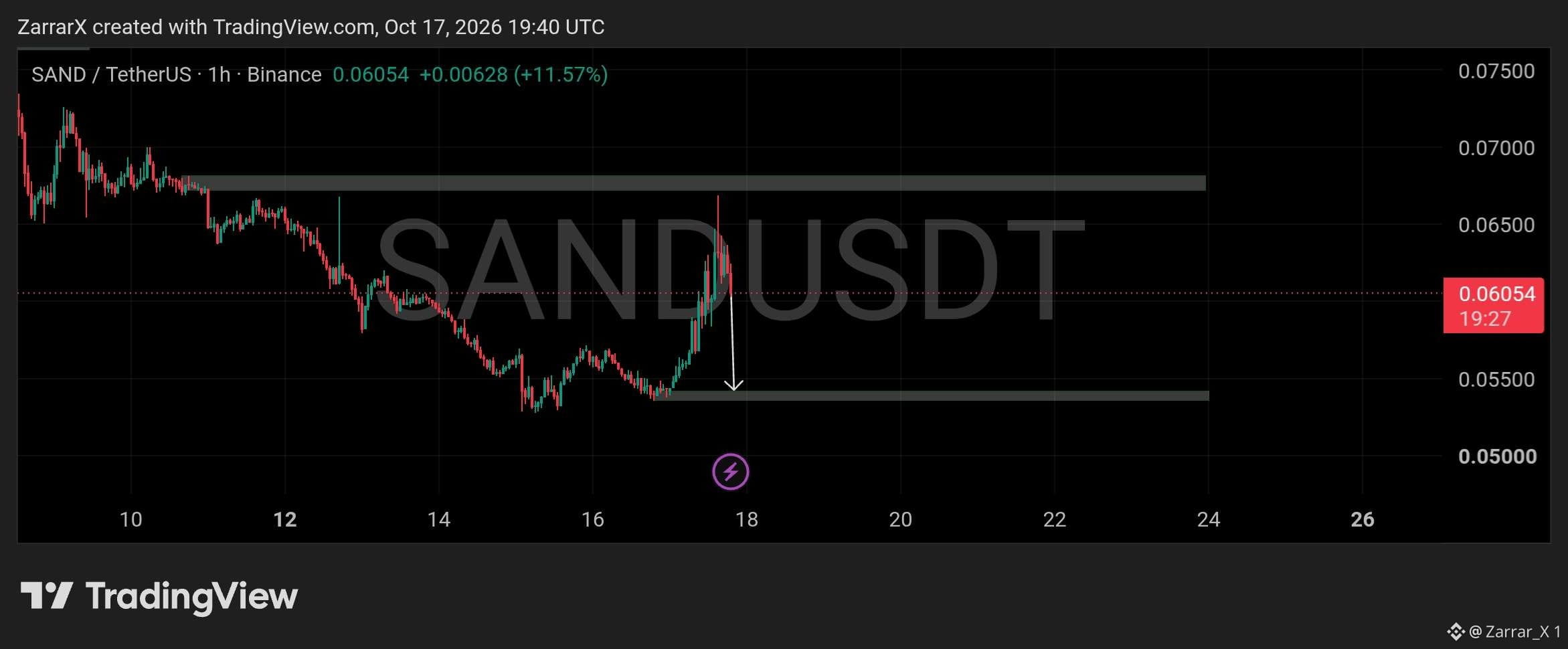
$SANDは$0.0530〜$0.0540の需要帯から反発し、11%超上昇して$0.0605まで回復しました。しかし、1時間足で見ると全体的な構造は依然として弱く、直近の急騰後にはさらに深い押し戻しが起きる可能性があります。
価格は次の反発を試みる前に、$0.0540付近の需要帯を再び試す可能性があります。買い手がこの水準を守れば、再び上昇する展開も考えられます。一方、$0.0670〜$0.0680のゾーンは引き続き注目すべき主要なレジスタンスです。
需要帯を維持できなければ、さらなる下落が意識されるでしょう。現時点では、$0.0540付近での反応が、この反発がより力強い回復へと発展するのか、それとも勢いを失うのかを見極めるうえで重要です。
#SAND #アルトコインシーズン# #暗号資産
$SANDは$0.0530〜$0.0540の需要帯から反発し、11%超上昇して$0.0605まで回復しました。しかし、1時間足で見ると全体的な構造は依然として弱く、直近の急騰後にはさらに深い押し戻しが起きる可能性があります。
価格は次の反発を試みる前に、$0.0540付近の需要帯を再び試す可能性があります。買い手がこの水準を守れば、再び上昇する展開も考えられます。一方、$0.0670〜$0.0680のゾーンは引き続き注目すべき主要なレジスタンスです。
需要帯を維持できなければ、さらなる下落が意識されるでしょう。現時点では、$0.0540付近での反応が、この反発がより力強い回復へと発展するのか、それとも勢いを失うのかを見極めるうえで重要です。
#SAND #アルトコインシーズン# #暗号資産
価格は次の反発を試みる前に、$0.0540付近の需要帯を再び試す可能性があります。買い手がこの水準を守れば、再び上昇する展開も考えられます。一方、$0.0670〜$0.0680のゾーンは引き続き注目すべき主要なレジスタンスです。
需要帯を維持できなければ、さらなる下落が意識されるでしょう。現時点では、$0.0540付近での反応が、この反発がより力強い回復へと発展するのか、それとも勢いを失うのかを見極めるうえで重要です。
#SAND #アルトコインシーズン# #暗号資産
29
·
--
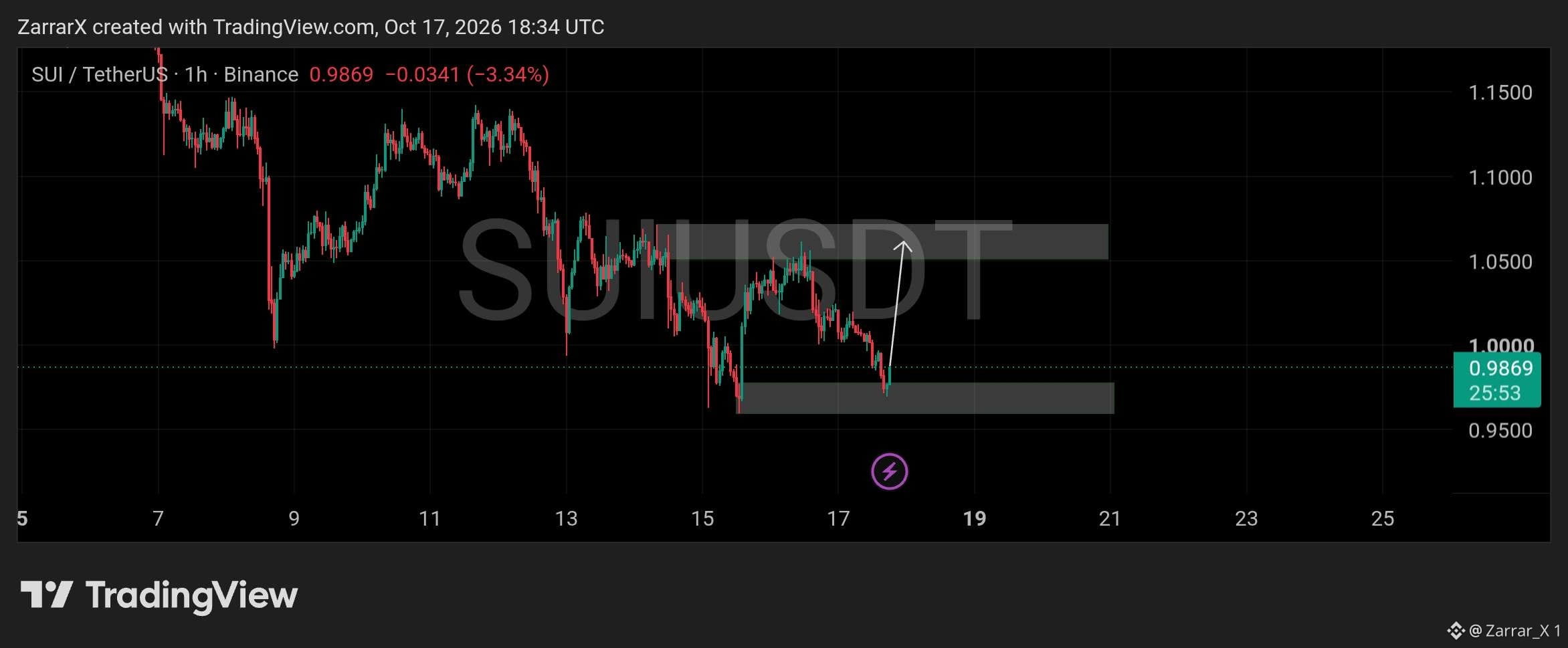
$SUIは1時間足で長期にわたる下落の後、$0.9600~$0.9750の需要帯を試しています。現在の価格は約$0.9869で、買い手が参入すれば、この水準が短期的な反発の足場となる可能性があります。
反発に成功すれば、#suiは$1.0200に向けて上昇し、その後、$1.0500~$1.0700の抵抗帯を試す展開も考えられます。上方にある売り圧力を乗り越えるには、買い手が勢いを強める必要があります。
需要帯を維持できなければ、さらなる下落の可能性も残ります。現時点では、$0.96~$0.975付近での値動きが、反発に向かうのか、下落トレンドが続くのかを見極めるうえで重要です。
#マクロ分析 #アルトコインシーズン
$SUIは1時間足で長期にわたる下落の後、$0.9600~$0.9750の需要帯を試しています。現在の価格は約$0.9869で、買い手が参入すれば、この水準が短期的な反発の足場となる可能性があります。
反発に成功すれば、#suiは$1.0200に向けて上昇し、その後、$1.0500~$1.0700の抵抗帯を試す展開も考えられます。上方にある売り圧力を乗り越えるには、買い手が勢いを強める必要があります。
需要帯を維持できなければ、さらなる下落の可能性も残ります。現時点では、$0.96~$0.975付近での値動きが、反発に向かうのか、下落トレンドが続くのかを見極めるうえで重要です。
#マクロ分析 #アルトコインシーズン
反発に成功すれば、#suiは$1.0200に向けて上昇し、その後、$1.0500~$1.0700の抵抗帯を試す展開も考えられます。上方にある売り圧力を乗り越えるには、買い手が勢いを強める必要があります。
需要帯を維持できなければ、さらなる下落の可能性も残ります。現時点では、$0.96~$0.975付近での値動きが、反発に向かうのか、下落トレンドが続くのかを見極めるうえで重要です。
#マクロ分析 #アルトコインシーズン
28
·
--
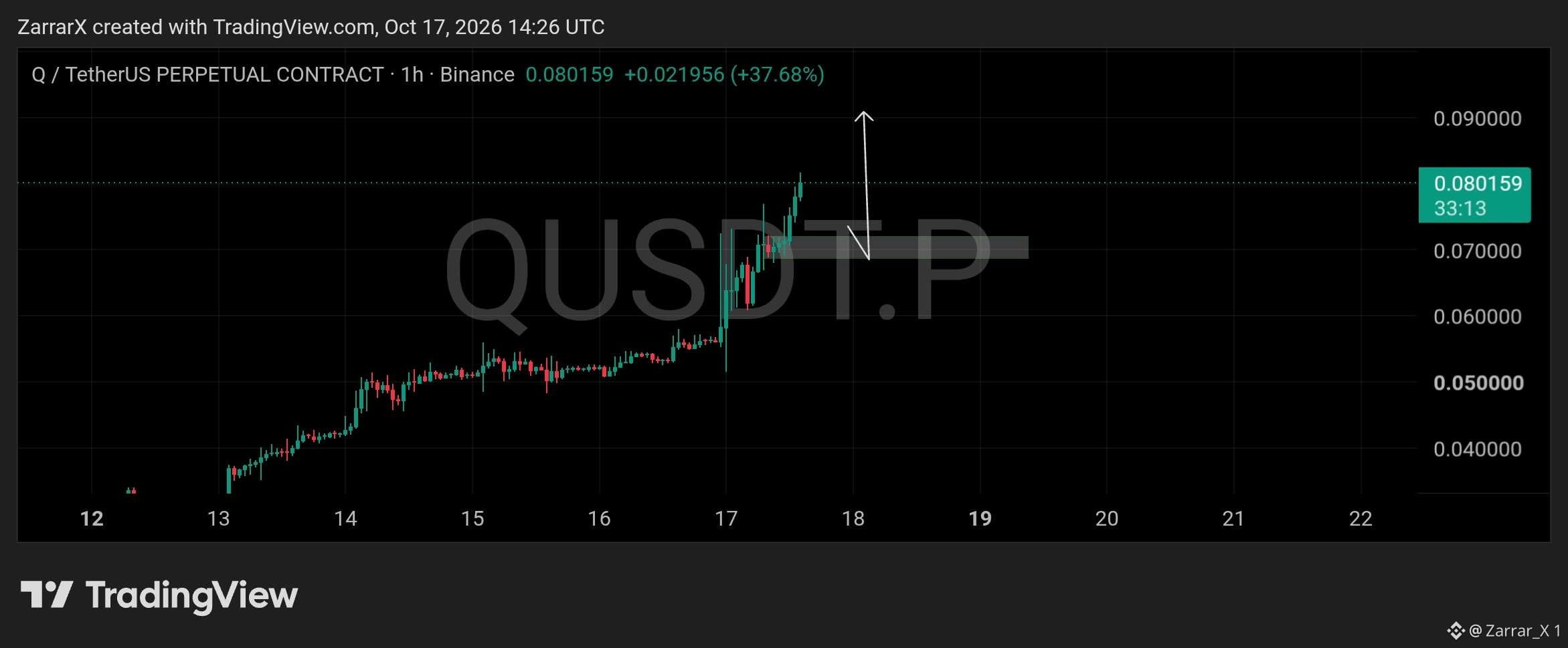
$Qは1時間足チャートで約38%急騰し、0.0802ドルに達しました。0.04ドルを下回る水準からの着実な上昇が続いています。買い方が主導権を握っていますが、急騰により短期的な反落の可能性が高まっています。
0.0690~0.0720ドルのゾーンは、再テストに注目すべき重要なエリアです。買い方が以前のブレイクアウト領域を守れば、価格は勢いを取り戻し、0.0850~0.0900ドルを目指す可能性があります。
このゾーンを維持できなければ、目先の強気構造が弱まり、さらに深い調整につながる恐れがあります。現在の急騰を追いかけるより、サポート付近での確認を待つほうが安全です。
#アルトコインシーズン# #暗号資産 #ミームアルファ#
$Qは1時間足チャートで約38%急騰し、0.0802ドルに達しました。0.04ドルを下回る水準からの着実な上昇が続いています。買い方が主導権を握っていますが、急騰により短期的な反落の可能性が高まっています。
0.0690~0.0720ドルのゾーンは、再テストに注目すべき重要なエリアです。買い方が以前のブレイクアウト領域を守れば、価格は勢いを取り戻し、0.0850~0.0900ドルを目指す可能性があります。
このゾーンを維持できなければ、目先の強気構造が弱まり、さらに深い調整につながる恐れがあります。現在の急騰を追いかけるより、サポート付近での確認を待つほうが安全です。
#アルトコインシーズン# #暗号資産 #ミームアルファ#
0.0690~0.0720ドルのゾーンは、再テストに注目すべき重要なエリアです。買い方が以前のブレイクアウト領域を守れば、価格は勢いを取り戻し、0.0850~0.0900ドルを目指す可能性があります。
このゾーンを維持できなければ、目先の強気構造が弱まり、さらに深い調整につながる恐れがあります。現在の急騰を追いかけるより、サポート付近での確認を待つほうが安全です。
#アルトコインシーズン# #暗号資産 #ミームアルファ#
39
·
--
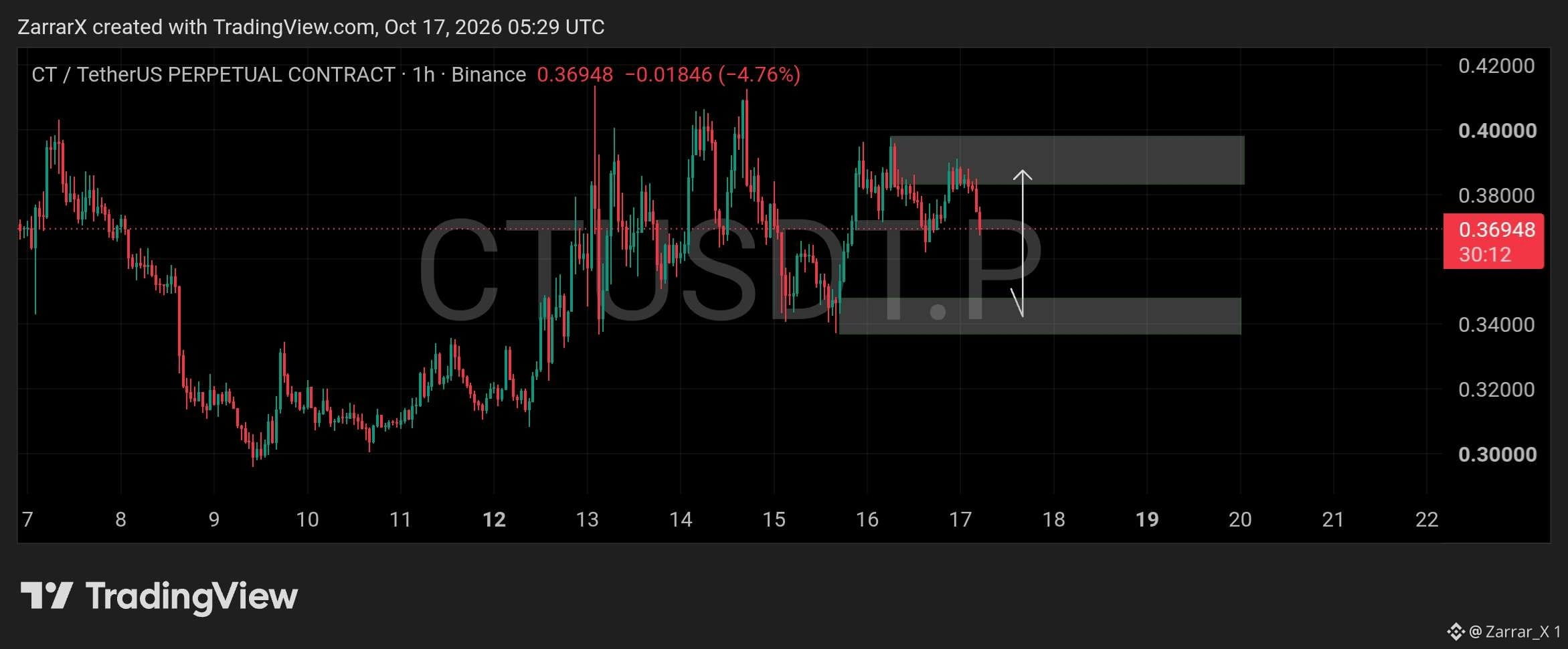
$CTは$0.38~$0.40付近で何度も上値を抑えられた後、$0.34~$0.35の需要ゾーンに向けて反落しています。現在の価格は約$0.3695で、短期的な売り圧力から、さらに下落が続く可能性が示唆されています。
需要ゾーンで反発すれば、$0.38に向けて回復し、その後$0.383~$0.398のレジスタンスゾーンを再び試す展開も考えられます。この上値ゾーンに挑むには、買い手が勢いを取り戻す必要があります。
需要が維持されれば、CTは現在のレンジ内で回復する可能性があります。しかし、$0.34を下抜けると強気の見通しが弱まり、さらなる下落につながるおそれがあります。
#Altcoin Season# #BNBChain# #Crypto
$CTは$0.38~$0.40付近で何度も上値を抑えられた後、$0.34~$0.35の需要ゾーンに向けて反落しています。現在の価格は約$0.3695で、短期的な売り圧力から、さらに下落が続く可能性が示唆されています。
需要ゾーンで反発すれば、$0.38に向けて回復し、その後$0.383~$0.398のレジスタンスゾーンを再び試す展開も考えられます。この上値ゾーンに挑むには、買い手が勢いを取り戻す必要があります。
需要が維持されれば、CTは現在のレンジ内で回復する可能性があります。しかし、$0.34を下抜けると強気の見通しが弱まり、さらなる下落につながるおそれがあります。
#Altcoin Season# #BNBChain# #Crypto
需要ゾーンで反発すれば、$0.38に向けて回復し、その後$0.383~$0.398のレジスタンスゾーンを再び試す展開も考えられます。この上値ゾーンに挑むには、買い手が勢いを取り戻す必要があります。
需要が維持されれば、CTは現在のレンジ内で回復する可能性があります。しかし、$0.34を下抜けると強気の見通しが弱まり、さらなる下落につながるおそれがあります。
#Altcoin Season# #BNBChain# #Crypto
53
·
--
STONfiの流動性提供:均等型と片側型の違い。
DEXの流動性プールに資産を預ける際、DeFiユーザーの多くは基本的なルールを知っています。2種類のトークンを同じ価値分ずつ預ける必要があるというものです(50/50の均等な預け入れ)。
しかし、STONfiでは片側型の流動性提供も利用できます。では、片側型LPは内部でどのように機能するのでしょうか?
ここでは、両方の方法を実践的に解説します。
1️⃣ 均等型(標準的な50/50)
標準的な預け入れでは、両方の資産を米ドル換算で同じ価値分ずつ用意します。たとえば、STONを50ドル分、TONを50ドル分です。預け入れる比率がプールで必要とされる比率と一致するため、資金の100%が内部での交換や追加の価格インパクトなしに、そのままプールに入ります。
2️⃣ 片側型(自動で手軽に提供)
TONしか持っていないけれど、トークンの半分を事前に手動でスワップせずにSTON/TONプールへ流動性を提供したい場合はどうすればよいでしょうか?
片側型の預け入れを選択すると、STONfiが内部で自動的にスワップを実行します。片側の資産のおよそ50%をペアとなるトークンに交換して比率を調整し、両方の資産をまとめて、1回のトランザクション処理で流動性プールに追加します。
⚠️ 片側型LPを確定する前に確認すること:
預け入れ額の半分は自動スワップされるため、この内部取引には通常のDEXと同様に価格インパクトとネットワーク手数料が発生します。流動性プールが浅い場合、片側型の提供は手動で均等に預け入れる場合よりも、初期の価格インパクトが大きくなることがあります。署名する前に、必ずトランザクションのプレビューを確認してください!
AMMの仕組みや流動性プールの構造について理解を深めるには、こちらをご覧ください:
https://whatisdex.com/
$CNPY $BTC #BTC Price Analysis# #Macro Insights# #Altcoin Season#
STONfiの流動性提供:均等型と片側型の違い。
DEXの流動性プールに資産を預ける際、DeFiユーザーの多くは基本的なルールを知っています。2種類のトークンを同じ価値分ずつ預ける必要があるというものです(50/50の均等な預け入れ)。
しかし、STONfiでは片側型の流動性提供も利用できます。では、片側型LPは内部でどのように機能するのでしょうか?
ここでは、両方の方法を実践的に解説します。
1️⃣ 均等型(標準的な50/50)
標準的な預け入れでは、両方の資産を米ドル換算で同じ価値分ずつ用意します。たとえば、STONを50ドル分、TONを50ドル分です。預け入れる比率がプールで必要とされる比率と一致するため、資金の100%が内部での交換や追加の価格インパクトなしに、そのままプールに入ります。
2️⃣ 片側型(自動で手軽に提供)
TONしか持っていないけれど、トークンの半分を事前に手動でスワップせずにSTON/TONプールへ流動性を提供したい場合はどうすればよいでしょうか?
片側型の預け入れを選択すると、STONfiが内部で自動的にスワップを実行します。片側の資産のおよそ50%をペアとなるトークンに交換して比率を調整し、両方の資産をまとめて、1回のトランザクション処理で流動性プールに追加します。
⚠️ 片側型LPを確定する前に確認すること:
預け入れ額の半分は自動スワップされるため、この内部取引には通常のDEXと同様に価格インパクトとネットワーク手数料が発生します。流動性プールが浅い場合、片側型の提供は手動で均等に預け入れる場合よりも、初期の価格インパクトが大きくなることがあります。署名する前に、必ずトランザクションのプレビューを確認してください!
AMMの仕組みや流動性プールの構造について理解を深めるには、こちらをご覧ください:
https://whatisdex.com/
$CNPY $BTC #BTC Price Analysis# #Macro Insights# #Altcoin Season#
DEXの流動性プールに資産を預ける際、DeFiユーザーの多くは基本的なルールを知っています。2種類のトークンを同じ価値分ずつ預ける必要があるというものです(50/50の均等な預け入れ)。
しかし、STONfiでは片側型の流動性提供も利用できます。では、片側型LPは内部でどのように機能するのでしょうか?
ここでは、両方の方法を実践的に解説します。
1️⃣ 均等型(標準的な50/50)
標準的な預け入れでは、両方の資産を米ドル換算で同じ価値分ずつ用意します。たとえば、STONを50ドル分、TONを50ドル分です。預け入れる比率がプールで必要とされる比率と一致するため、資金の100%が内部での交換や追加の価格インパクトなしに、そのままプールに入ります。
2️⃣ 片側型(自動で手軽に提供)
TONしか持っていないけれど、トークンの半分を事前に手動でスワップせずにSTON/TONプールへ流動性を提供したい場合はどうすればよいでしょうか?
片側型の預け入れを選択すると、STONfiが内部で自動的にスワップを実行します。片側の資産のおよそ50%をペアとなるトークンに交換して比率を調整し、両方の資産をまとめて、1回のトランザクション処理で流動性プールに追加します。
⚠️ 片側型LPを確定する前に確認すること:
預け入れ額の半分は自動スワップされるため、この内部取引には通常のDEXと同様に価格インパクトとネットワーク手数料が発生します。流動性プールが浅い場合、片側型の提供は手動で均等に預け入れる場合よりも、初期の価格インパクトが大きくなることがあります。署名する前に、必ずトランザクションのプレビューを確認してください!
AMMの仕組みや流動性プールの構造について理解を深めるには、こちらをご覧ください:
https://whatisdex.com/
$CNPY $BTC #BTC Price Analysis# #Macro Insights# #Altcoin Season#
74
·
--
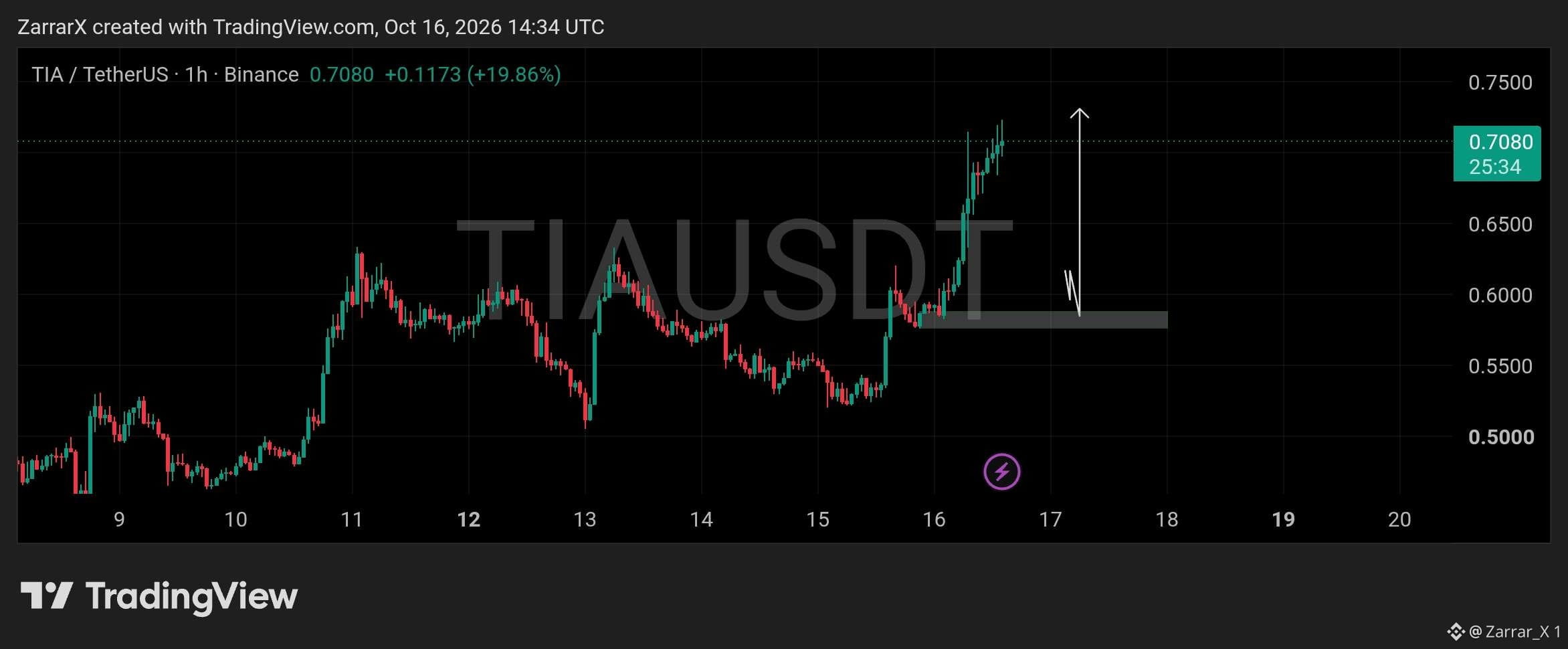
$TIAは1時間足で約20%急騰し、0.7080ドルに達しました。0.58~0.60ドル付近の直近の保ち合いレンジを上抜けています。現在の値動きは買い手がしっかり主導していますが、急激な上昇により、短期的な反落の余地も残されています。
0.576~0.588ドルのゾーンは、再テストの可能性を見極めるうえで重要な注目エリアとなっています。買い手がこの水準を守れば、上昇トレンドが再開し、価格が0.730~0.750ドルに向かう可能性があります。
勢いが弱まれば、さらに深い押し目となる可能性があるため、上昇を追いかける取引には追加のリスクが伴います。再テストが成功し、買い圧力が再び強まれば、上昇継続をより強く裏付ける材料となるでしょう。
#マクロ分析# #暗号資産 #TIA
$TIAは1時間足で約20%急騰し、0.7080ドルに達しました。0.58~0.60ドル付近の直近の保ち合いレンジを上抜けています。現在の値動きは買い手がしっかり主導していますが、急激な上昇により、短期的な反落の余地も残されています。
0.576~0.588ドルのゾーンは、再テストの可能性を見極めるうえで重要な注目エリアとなっています。買い手がこの水準を守れば、上昇トレンドが再開し、価格が0.730~0.750ドルに向かう可能性があります。
勢いが弱まれば、さらに深い押し目となる可能性があるため、上昇を追いかける取引には追加のリスクが伴います。再テストが成功し、買い圧力が再び強まれば、上昇継続をより強く裏付ける材料となるでしょう。
#マクロ分析# #暗号資産 #TIA
0.576~0.588ドルのゾーンは、再テストの可能性を見極めるうえで重要な注目エリアとなっています。買い手がこの水準を守れば、上昇トレンドが再開し、価格が0.730~0.750ドルに向かう可能性があります。
勢いが弱まれば、さらに深い押し目となる可能性があるため、上昇を追いかける取引には追加のリスクが伴います。再テストが成功し、買い圧力が再び強まれば、上昇継続をより強く裏付ける材料となるでしょう。
#マクロ分析# #暗号資産 #TIA
52
·
--
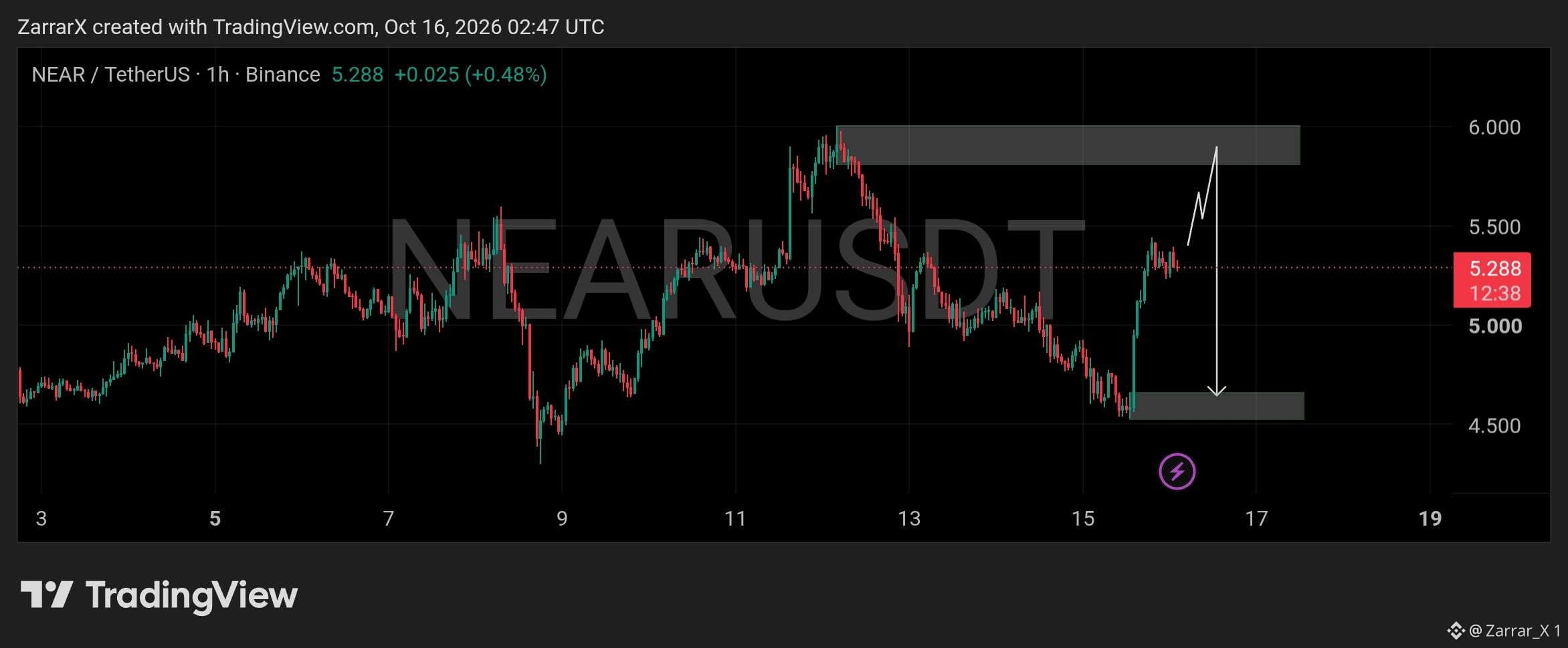
$NEARは4.50~4.65ドルの需要ゾーンから力強く反発し、現在は1時間足チャートで約5.288ドルで取引されています。買い手が短期的な勢いを取り戻し、直近の下落後に価格を5.00ドルの上へ押し戻しました。
現在の回復が続けば、5.80~6.00ドルのレジスタンスに向けて上昇する可能性があります。ただし、この供給ゾーンに近づくにつれて売り圧力に直面する可能性があり、そこでの値動きが重要になります。
#NEARが上値を抑えられた場合、4.50~4.65ドルに向けて反落する展開も考えられます。今のところ回復は心強いものの、買い手が上値のレジスタンスゾーンに挑むには、勢いを維持する必要があります。
#アルトコインシーズン# #暗号資産
$NEARは4.50~4.65ドルの需要ゾーンから力強く反発し、現在は1時間足チャートで約5.288ドルで取引されています。買い手が短期的な勢いを取り戻し、直近の下落後に価格を5.00ドルの上へ押し戻しました。
現在の回復が続けば、5.80~6.00ドルのレジスタンスに向けて上昇する可能性があります。ただし、この供給ゾーンに近づくにつれて売り圧力に直面する可能性があり、そこでの値動きが重要になります。
#NEARが上値を抑えられた場合、4.50~4.65ドルに向けて反落する展開も考えられます。今のところ回復は心強いものの、買い手が上値のレジスタンスゾーンに挑むには、勢いを維持する必要があります。
#アルトコインシーズン# #暗号資産
現在の回復が続けば、5.80~6.00ドルのレジスタンスに向けて上昇する可能性があります。ただし、この供給ゾーンに近づくにつれて売り圧力に直面する可能性があり、そこでの値動きが重要になります。
#NEARが上値を抑えられた場合、4.50~4.65ドルに向けて反落する展開も考えられます。今のところ回復は心強いものの、買い手が上値のレジスタンスゾーンに挑むには、勢いを維持する必要があります。
#アルトコインシーズン# #暗号資産
82
·
--
STONfiがスワップのために0.3~0.35 GRAMを確保するのはなぜ?
TON上でDEX取引をしたことがある方は、ネットワーク手数料として約0.3~0.35 GRAM(TON)の確保を求める画面が表示されたことがあるかもしれません。
初めて利用する方は、すぐに疑問に思うでしょう。STONfiはトークンをスワップするだけで、本当に0.3 GRAM以上を請求するのでしょうか?
答えは、いいえです。確保されるガス代と、実際に支払われるガス代には大きな違いがあります。
一時的な手数料の余裕分が設けられている理由と、資金の実際の使われ方をご説明します。
1️⃣ 動的なオンチェーン処理
一枚岩のようなブロックチェーンとは異なり、TONネットワークでは、ウォレット、ルーターコントラクト、流動性プール間でやり取りされる非同期のスマートコントラクトメッセージを通じてトランザクションが処理されます。ルートの複雑さやネットワークの稼働状況によって必要なガス量が多少変動するため、署名する前にトランザクションの正確なコストを小数点以下まで予測することはできません。
2️⃣ トランザクション失敗の防止
DEXが最小限のガス代だけを要求し、決済中にネットワークの使用量がわずかでも急増すると、トランザクションは失敗し、時間とガス代が無駄になります。取引を確実に完了させるため、STONfiは通常0.3~0.35 GRAMの安全上限を設定しています。
3️⃣ 自動返金の仕組み
重要なのは、スワップのたびに0.35 GRAMを支払うわけではないということです。
標準的なスワップで実際にかかるネットワークコストは、通常0.06~0.09 GRAM程度です。トランザクションがオンチェーンで確定すると、確保されたGRAMのうち使われなかった分は、すぐにウォレットアドレスへ自動返金されます。
DEXの基本的な仕組み、AMM流動性プール、分散型取引所におけるスマートコントラクトの実行について詳しく知りたい方は、こちらをご覧ください。
https://whatisdex.com/
$BTC $ETH #マクロ分析# #BTC価格分析# #アルトコインシーズン#
STONfiがスワップのために0.3~0.35 GRAMを確保するのはなぜ?
TON上でDEX取引をしたことがある方は、ネットワーク手数料として約0.3~0.35 GRAM(TON)の確保を求める画面が表示されたことがあるかもしれません。
初めて利用する方は、すぐに疑問に思うでしょう。STONfiはトークンをスワップするだけで、本当に0.3 GRAM以上を請求するのでしょうか?
答えは、いいえです。確保されるガス代と、実際に支払われるガス代には大きな違いがあります。
一時的な手数料の余裕分が設けられている理由と、資金の実際の使われ方をご説明します。
1️⃣ 動的なオンチェーン処理
一枚岩のようなブロックチェーンとは異なり、TONネットワークでは、ウォレット、ルーターコントラクト、流動性プール間でやり取りされる非同期のスマートコントラクトメッセージを通じてトランザクションが処理されます。ルートの複雑さやネットワークの稼働状況によって必要なガス量が多少変動するため、署名する前にトランザクションの正確なコストを小数点以下まで予測することはできません。
2️⃣ トランザクション失敗の防止
DEXが最小限のガス代だけを要求し、決済中にネットワークの使用量がわずかでも急増すると、トランザクションは失敗し、時間とガス代が無駄になります。取引を確実に完了させるため、STONfiは通常0.3~0.35 GRAMの安全上限を設定しています。
3️⃣ 自動返金の仕組み
重要なのは、スワップのたびに0.35 GRAMを支払うわけではないということです。
標準的なスワップで実際にかかるネットワークコストは、通常0.06~0.09 GRAM程度です。トランザクションがオンチェーンで確定すると、確保されたGRAMのうち使われなかった分は、すぐにウォレットアドレスへ自動返金されます。
DEXの基本的な仕組み、AMM流動性プール、分散型取引所におけるスマートコントラクトの実行について詳しく知りたい方は、こちらをご覧ください。
https://whatisdex.com/
$BTC $ETH #マクロ分析# #BTC価格分析# #アルトコインシーズン#
TON上でDEX取引をしたことがある方は、ネットワーク手数料として約0.3~0.35 GRAM(TON)の確保を求める画面が表示されたことがあるかもしれません。
初めて利用する方は、すぐに疑問に思うでしょう。STONfiはトークンをスワップするだけで、本当に0.3 GRAM以上を請求するのでしょうか?
答えは、いいえです。確保されるガス代と、実際に支払われるガス代には大きな違いがあります。
一時的な手数料の余裕分が設けられている理由と、資金の実際の使われ方をご説明します。
1️⃣ 動的なオンチェーン処理
一枚岩のようなブロックチェーンとは異なり、TONネットワークでは、ウォレット、ルーターコントラクト、流動性プール間でやり取りされる非同期のスマートコントラクトメッセージを通じてトランザクションが処理されます。ルートの複雑さやネットワークの稼働状況によって必要なガス量が多少変動するため、署名する前にトランザクションの正確なコストを小数点以下まで予測することはできません。
2️⃣ トランザクション失敗の防止
DEXが最小限のガス代だけを要求し、決済中にネットワークの使用量がわずかでも急増すると、トランザクションは失敗し、時間とガス代が無駄になります。取引を確実に完了させるため、STONfiは通常0.3~0.35 GRAMの安全上限を設定しています。
3️⃣ 自動返金の仕組み
重要なのは、スワップのたびに0.35 GRAMを支払うわけではないということです。
標準的なスワップで実際にかかるネットワークコストは、通常0.06~0.09 GRAM程度です。トランザクションがオンチェーンで確定すると、確保されたGRAMのうち使われなかった分は、すぐにウォレットアドレスへ自動返金されます。
DEXの基本的な仕組み、AMM流動性プール、分散型取引所におけるスマートコントラクトの実行について詳しく知りたい方は、こちらをご覧ください。
https://whatisdex.com/
$BTC $ETH #マクロ分析# #BTC価格分析# #アルトコインシーズン#
5
·
--
Chainlink、Stellarの40億ドル規模のトークン化資産市場で稼働開始。
ChainlinkのData FeedsとData StreamsがStellar上で稼働を開始しました。これにより、開発者は40億ドルを超えるトークン化された実世界資産(RWA)を擁するエコシステム全体で、DeFiアプリケーションの構築に必要な信頼性の高い市場データを利用できるようになります。
この統合により、開発者はレンディング市場、予測市場、無期限先物を構築できるほか、担保評価、ローン・トゥ・バリュー比率の計算、自動清算などの重要な機能も実現できます。Data Feedsは定期的に更新される価格を提供し、Data Streamsはより頻繁な更新を必要とするアプリケーション向けに、低遅延のデータを配信します。
今回のローンチは、Chainlinkのオラクル基盤を開発者がより利用しやすくすることを目的としたChainlink Scaleプログラムに、Stellarが参加したことに続くものです。信頼性の高い価格データをネイティブに利用できるようになったことで、Stellar上のトークン化資産は発行にとどまらず、オンチェーン金融市場における担保や金融商品として、より幅広く活用される可能性があります。
報道によると、Stellarのトークン化資産市場は今年に入って約360%成長しており、実世界資産とDeFiをつなぐインフラへの需要拡大を示しています。この統合は、トークン化資産を活用した金融アプリケーションの構築に向け、両エコシステムの基盤を強化するものです。ただし、普及が進むかどうかは、最終的には開発者がどのような製品をローンチし、どれだけの需要を獲得できるかにかかっています。
$LINK $XLM #LINK #Stellar #マクロの洞察#
Chainlink、Stellarの40億ドル規模のトークン化資産市場で稼働開始。
ChainlinkのData FeedsとData StreamsがStellar上で稼働を開始しました。これにより、開発者は40億ドルを超えるトークン化された実世界資産(RWA)を擁するエコシステム全体で、DeFiアプリケーションの構築に必要な信頼性の高い市場データを利用できるようになります。
この統合により、開発者はレンディング市場、予測市場、無期限先物を構築できるほか、担保評価、ローン・トゥ・バリュー比率の計算、自動清算などの重要な機能も実現できます。Data Feedsは定期的に更新される価格を提供し、Data Streamsはより頻繁な更新を必要とするアプリケーション向けに、低遅延のデータを配信します。
今回のローンチは、Chainlinkのオラクル基盤を開発者がより利用しやすくすることを目的としたChainlink Scaleプログラムに、Stellarが参加したことに続くものです。信頼性の高い価格データをネイティブに利用できるようになったことで、Stellar上のトークン化資産は発行にとどまらず、オンチェーン金融市場における担保や金融商品として、より幅広く活用される可能性があります。
報道によると、Stellarのトークン化資産市場は今年に入って約360%成長しており、実世界資産とDeFiをつなぐインフラへの需要拡大を示しています。この統合は、トークン化資産を活用した金融アプリケーションの構築に向け、両エコシステムの基盤を強化するものです。ただし、普及が進むかどうかは、最終的には開発者がどのような製品をローンチし、どれだけの需要を獲得できるかにかかっています。
$LINK $XLM #LINK #Stellar #マクロの洞察#
ChainlinkのData FeedsとData StreamsがStellar上で稼働を開始しました。これにより、開発者は40億ドルを超えるトークン化された実世界資産(RWA)を擁するエコシステム全体で、DeFiアプリケーションの構築に必要な信頼性の高い市場データを利用できるようになります。
この統合により、開発者はレンディング市場、予測市場、無期限先物を構築できるほか、担保評価、ローン・トゥ・バリュー比率の計算、自動清算などの重要な機能も実現できます。Data Feedsは定期的に更新される価格を提供し、Data Streamsはより頻繁な更新を必要とするアプリケーション向けに、低遅延のデータを配信します。
今回のローンチは、Chainlinkのオラクル基盤を開発者がより利用しやすくすることを目的としたChainlink Scaleプログラムに、Stellarが参加したことに続くものです。信頼性の高い価格データをネイティブに利用できるようになったことで、Stellar上のトークン化資産は発行にとどまらず、オンチェーン金融市場における担保や金融商品として、より幅広く活用される可能性があります。
報道によると、Stellarのトークン化資産市場は今年に入って約360%成長しており、実世界資産とDeFiをつなぐインフラへの需要拡大を示しています。この統合は、トークン化資産を活用した金融アプリケーションの構築に向け、両エコシステムの基盤を強化するものです。ただし、普及が進むかどうかは、最終的には開発者がどのような製品をローンチし、どれだけの需要を獲得できるかにかかっています。
$LINK $XLM #LINK #Stellar #マクロの洞察#

30
ログインして、さらにコンテンツを読む
厳選トピックで世界の暗号資産トレーダーの仲間入り
⚡️ 暗号資産に関する最新かつ有益な情報が見つかります。
💬 世界最大の暗号資産取引所から信頼されています。
👍 認証を受けたクリエイターから、有益なインサイトを得られます。
メール / 電話番号