

YohannaOlva 1
146 投稿

YohannaOlva 1
報告
ユーザーをブロック
Verified BS creator || KOL || TG~ @YohannaOlva56 24/7 Dm me
0 フォロー
8 フォロワー
32 いいね
投稿
監査人はデータを見ていなかった 🌳
すべてのカーボンクレジットは、起こらなかったことについての主張に基づいています。つまり、排出されなかった1トン分のことであり、その主張を裏付けるものは、承認の署名をした監査人だけです。
先月公表された報告書は、そうした監査を検証し、検証機関は購入者が想定するようなチェック機関ではないと明らかにしました。これは、RWAの中でも最も急速に成長しているカテゴリーにとって問題です。
$LINK は長年にわたり、Swift、Euroclear、UBSのような機関向けに、現実世界の計測データをコントラクトに組み込んできました。そして $SOL 上でも、そこに構築されるあらゆるものに同じ制約が当てはまります。プログラムが処理を実行するには、入力データ全体を渡さなければならないからです。
そのため、プロジェクトの実態を証明するはずの運用データ、つまりメーターの読み取り値、燃料記録、衛星画像、製造実績などは、監査対象の企業が手元に保持したままです。公開すれば、競合他社に事業の内部事情を明かすことになるからです。
Arciumは、そのデータを受け取らずに計算を行います。読み取りデータはノードのクラスター間で断片化され、どのノードも読み取り可能なコピーを保持しません。そして返されるのは、その主張が正しいかどうかです。
その結果は通常の公開トランザクションとしてSolana上に記録されるため、購入者や規制当局は、検証が実行されたことと、その結果を確認できます。
機密計算は2月2日からMainnet Alphaで稼働しており、15のチームがその上で開発を進めています。
数十億ドル規模の市場は、測定値ではなく署名に基づいて運営されています。そして生き残るのは、証明が証明書として承認されるのではなく、計算によって導き出される仕組みです。
#RWA #Solana
監査人はデータを見ていなかった 🌳
すべてのカーボンクレジットは、起こらなかったことについての主張に基づいています。つまり、排出されなかった1トン分のことであり、その主張を裏付けるものは、承認の署名をした監査人だけです。
先月公表された報告書は、そうした監査を検証し、検証機関は購入者が想定するようなチェック機関ではないと明らかにしました。これは、RWAの中でも最も急速に成長しているカテゴリーにとって問題です。
$LINK は長年にわたり、Swift、Euroclear、UBSのような機関向けに、現実世界の計測データをコントラクトに組み込んできました。そして $SOL 上でも、そこに構築されるあらゆるものに同じ制約が当てはまります。プログラムが処理を実行するには、入力データ全体を渡さなければならないからです。
そのため、プロジェクトの実態を証明するはずの運用データ、つまりメーターの読み取り値、燃料記録、衛星画像、製造実績などは、監査対象の企業が手元に保持したままです。公開すれば、競合他社に事業の内部事情を明かすことになるからです。
Arciumは、そのデータを受け取らずに計算を行います。読み取りデータはノードのクラスター間で断片化され、どのノードも読み取り可能なコピーを保持しません。そして返されるのは、その主張が正しいかどうかです。
その結果は通常の公開トランザクションとしてSolana上に記録されるため、購入者や規制当局は、検証が実行されたことと、その結果を確認できます。
機密計算は2月2日からMainnet Alphaで稼働しており、15のチームがその上で開発を進めています。
数十億ドル規模の市場は、測定値ではなく署名に基づいて運営されています。そして生き残るのは、証明が証明書として承認されるのではなく、計算によって導き出される仕組みです。
#RWA #Solana
すべてのカーボンクレジットは、起こらなかったことについての主張に基づいています。つまり、排出されなかった1トン分のことであり、その主張を裏付けるものは、承認の署名をした監査人だけです。
先月公表された報告書は、そうした監査を検証し、検証機関は購入者が想定するようなチェック機関ではないと明らかにしました。これは、RWAの中でも最も急速に成長しているカテゴリーにとって問題です。
$LINK は長年にわたり、Swift、Euroclear、UBSのような機関向けに、現実世界の計測データをコントラクトに組み込んできました。そして $SOL 上でも、そこに構築されるあらゆるものに同じ制約が当てはまります。プログラムが処理を実行するには、入力データ全体を渡さなければならないからです。
そのため、プロジェクトの実態を証明するはずの運用データ、つまりメーターの読み取り値、燃料記録、衛星画像、製造実績などは、監査対象の企業が手元に保持したままです。公開すれば、競合他社に事業の内部事情を明かすことになるからです。
Arciumは、そのデータを受け取らずに計算を行います。読み取りデータはノードのクラスター間で断片化され、どのノードも読み取り可能なコピーを保持しません。そして返されるのは、その主張が正しいかどうかです。
その結果は通常の公開トランザクションとしてSolana上に記録されるため、購入者や規制当局は、検証が実行されたことと、その結果を確認できます。
機密計算は2月2日からMainnet Alphaで稼働しており、15のチームがその上で開発を進めています。
数十億ドル規模の市場は、測定値ではなく署名に基づいて運営されています。そして生き残るのは、証明が証明書として承認されるのではなく、計算によって導き出される仕組みです。
#RWA #Solana
78
トークン化にはトークン以上のものが必要 🏦
現実世界の資産のトークン化が進む様子を追ってきましたが、もっと注目されるべき課題が一つあると思います。
それらの資産を裏付ける情報は、ブロックチェーンの外部に存在していることがよくあります。
評価額、財務記録、支払いスケジュールなど、アプリケーションが参照する必要のあるデータのことです。
$ONDO のようなプロジェクトはトークン化された金融商品を開発していますが、トークン化するだけで、関連するすべての計算が自動的に検証可能になるわけではありません。
そこで登場するのがSpace and Timeです。
その分散型データインフラにより、アプリケーションはコミット済みのオフチェーンデータセットを利用し、対応するSQL計算の暗号学的証明を生成できます。
💡 トークンは資産を表します。
🔐 検証可能なデータは、その資産に関わる計算への信頼を築くのに役立ちます。
私にとって、トークン化の次の段階とは、単により多くの金融商品をオンチェーンに持ち込むことではありません。
そうした商品を裏付ける情報の信頼性を高めるために必要なインフラを構築することです。
#アルトコインシーズン#
トークン化にはトークン以上のものが必要 🏦
現実世界の資産のトークン化が進む様子を追ってきましたが、もっと注目されるべき課題が一つあると思います。
それらの資産を裏付ける情報は、ブロックチェーンの外部に存在していることがよくあります。
評価額、財務記録、支払いスケジュールなど、アプリケーションが参照する必要のあるデータのことです。
$ONDO のようなプロジェクトはトークン化された金融商品を開発していますが、トークン化するだけで、関連するすべての計算が自動的に検証可能になるわけではありません。
そこで登場するのがSpace and Timeです。
その分散型データインフラにより、アプリケーションはコミット済みのオフチェーンデータセットを利用し、対応するSQL計算の暗号学的証明を生成できます。
💡 トークンは資産を表します。
🔐 検証可能なデータは、その資産に関わる計算への信頼を築くのに役立ちます。
私にとって、トークン化の次の段階とは、単により多くの金融商品をオンチェーンに持ち込むことではありません。
そうした商品を裏付ける情報の信頼性を高めるために必要なインフラを構築することです。
#アルトコインシーズン#
現実世界の資産のトークン化が進む様子を追ってきましたが、もっと注目されるべき課題が一つあると思います。
それらの資産を裏付ける情報は、ブロックチェーンの外部に存在していることがよくあります。
評価額、財務記録、支払いスケジュールなど、アプリケーションが参照する必要のあるデータのことです。
$ONDO のようなプロジェクトはトークン化された金融商品を開発していますが、トークン化するだけで、関連するすべての計算が自動的に検証可能になるわけではありません。
そこで登場するのがSpace and Timeです。
その分散型データインフラにより、アプリケーションはコミット済みのオフチェーンデータセットを利用し、対応するSQL計算の暗号学的証明を生成できます。
💡 トークンは資産を表します。
🔐 検証可能なデータは、その資産に関わる計算への信頼を築くのに役立ちます。
私にとって、トークン化の次の段階とは、単により多くの金融商品をオンチェーンに持ち込むことではありません。
そうした商品を裏付ける情報の信頼性を高めるために必要なインフラを構築することです。
#アルトコインシーズン#
72
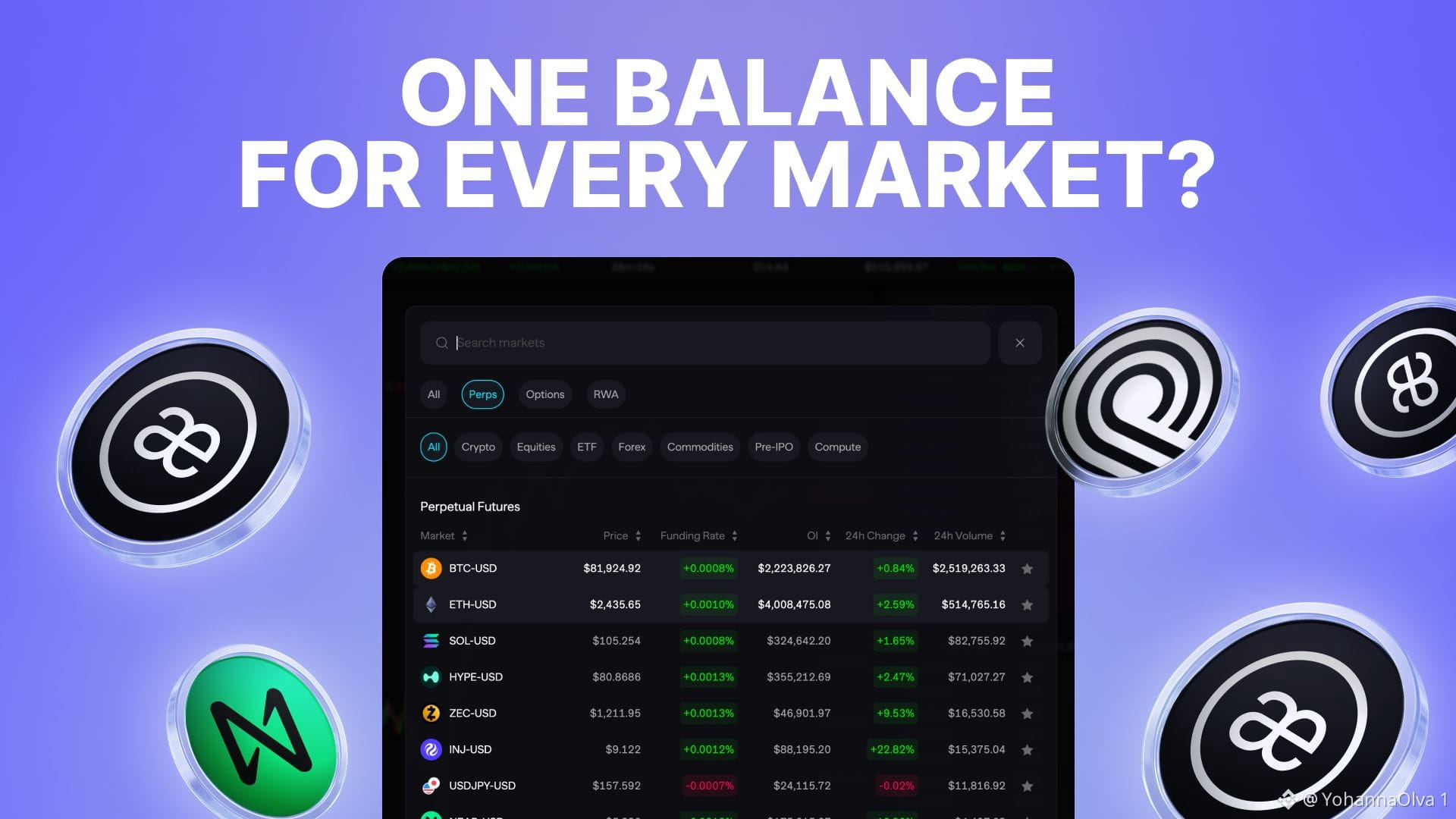
ひとつの残高でチャンスを追うべき🔥
$ONDOや$NEARを取り巻く市場は、それぞれまったく異なる理由で動くことがあります。だからこそ、すべての市場の見通しを別々の口座で管理するのは好きではありません。
今週の絶好のチャンスは暗号資産から生まれるかもしれませんし、次のチャンスは株式、FX、コモディティ、あるいはAIの計算資源の価格に現れるかもしれません。
資金を複数の取引所に分散すると、注目先を変えるたびに手間が生じます。担保がチャンスに合わせて動く仕組みのほうが、より優れたモデルだと考えています。
Aevoでは現在、暗号資産、株式、コモディティ、FX、計算資源のパーペチュアル市場を利用できます。
これらのポジションは、同じ口座と担保プールを使って建てられます。
私にとって、こうした幅広い市場が本当に役立つのは、取引口座から資金を移すことなく市場間で資金を動かせるときです💫
#アルトコインシーズン#
ひとつの残高でチャンスを追うべき🔥
$ONDOや$NEARを取り巻く市場は、それぞれまったく異なる理由で動くことがあります。だからこそ、すべての市場の見通しを別々の口座で管理するのは好きではありません。
今週の絶好のチャンスは暗号資産から生まれるかもしれませんし、次のチャンスは株式、FX、コモディティ、あるいはAIの計算資源の価格に現れるかもしれません。
資金を複数の取引所に分散すると、注目先を変えるたびに手間が生じます。担保がチャンスに合わせて動く仕組みのほうが、より優れたモデルだと考えています。
Aevoでは現在、暗号資産、株式、コモディティ、FX、計算資源のパーペチュアル市場を利用できます。
これらのポジションは、同じ口座と担保プールを使って建てられます。
私にとって、こうした幅広い市場が本当に役立つのは、取引口座から資金を移すことなく市場間で資金を動かせるときです💫
#アルトコインシーズン#
$ONDOや$NEARを取り巻く市場は、それぞれまったく異なる理由で動くことがあります。だからこそ、すべての市場の見通しを別々の口座で管理するのは好きではありません。
今週の絶好のチャンスは暗号資産から生まれるかもしれませんし、次のチャンスは株式、FX、コモディティ、あるいはAIの計算資源の価格に現れるかもしれません。
資金を複数の取引所に分散すると、注目先を変えるたびに手間が生じます。担保がチャンスに合わせて動く仕組みのほうが、より優れたモデルだと考えています。
Aevoでは現在、暗号資産、株式、コモディティ、FX、計算資源のパーペチュアル市場を利用できます。
これらのポジションは、同じ口座と担保プールを使って建てられます。
私にとって、こうした幅広い市場が本当に役立つのは、取引口座から資金を移すことなく市場間で資金を動かせるときです💫
#アルトコインシーズン#
76
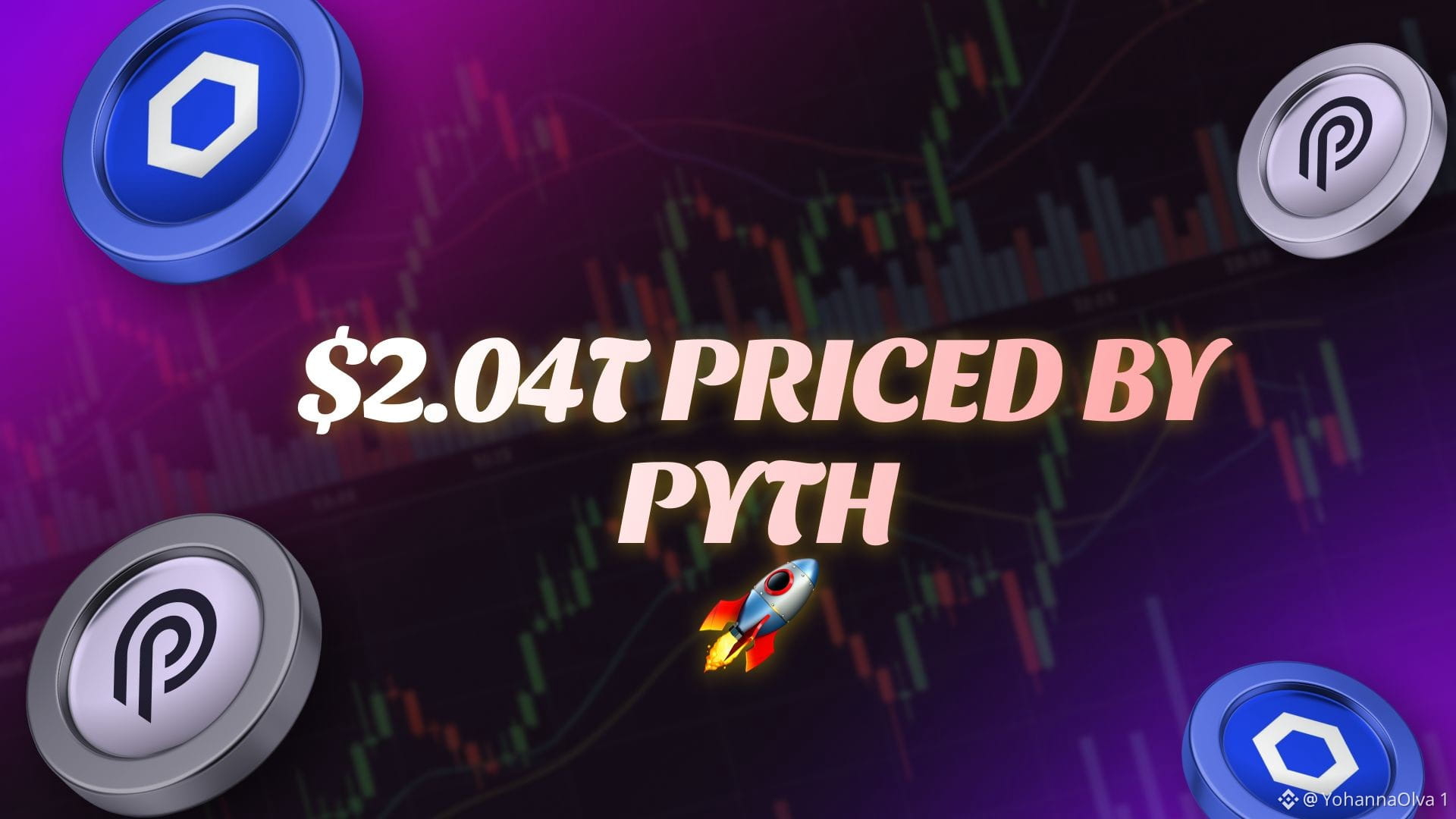
$PYTHの価格は$2.04T、RWA市場シェアの94.4%を獲得 📈
オラクルについて話すときは誰もが$LINKを話題にしますが、Pythは四半期ARRが86%成長したと発表し、DAOが受け取るプロダクト収益の100%をPYTHの蓄積に充てるルールを定めました。
最新のRWAデリバティブデータを見ていたのですが、この2つのプロジェクトに対する市場の認識の差は、かなり際立っています。
22の取引所と429の資産を対象に追跡されたRWA無期限先物の第3四半期取引高は、合計$2.16Tでした。そのうち$2.04Tの価格データをPythが提供しました。
Chainlink、Stork、RedStoneを合わせても、同じ市場の約3%にとどまりました。
Pythが優勢なのは1つのカテゴリーだけだと言う人がいる前に、内訳を見てください。
• 株式:98.3%
• コモディティ:91.6%
• インデックス:91.2%
トレーダーが証拠金、リスク管理、清算のために正確な価格に依存する市場で競うインフラプロバイダーとして、これは驚異的な数字です。
そして今、財務面も追いついてきています。
Pythは第3四半期をARR $11.49Mで終え、前四半期比で86%増となりました。また、DAOは「100%ルール」を承認しました。PythのプロダクトからDAOが受け取る資金はすべて、PYTHの蓄積に充てられることになり、ステーブルコインでの収入は公開市場での購入に使われます。
ここには興味深いギャップがあると思います。
最も知名度の高いオラクルブランドが、必ずしもRWAデリバティブの価格データで市場を席巻しているとは限りません。そしてPythは今、その市場での地位に、加速する商業収益と、定量化可能なトークン蓄積方針を組み合わせています。
次の四半期の数字には、これまで以上に注目したいと思います。
#アルトコインシーズン #RWA
$PYTHの価格は$2.04T、RWA市場シェアの94.4%を獲得 📈
オラクルについて話すときは誰もが$LINKを話題にしますが、Pythは四半期ARRが86%成長したと発表し、DAOが受け取るプロダクト収益の100%をPYTHの蓄積に充てるルールを定めました。
最新のRWAデリバティブデータを見ていたのですが、この2つのプロジェクトに対する市場の認識の差は、かなり際立っています。
22の取引所と429の資産を対象に追跡されたRWA無期限先物の第3四半期取引高は、合計$2.16Tでした。そのうち$2.04Tの価格データをPythが提供しました。
Chainlink、Stork、RedStoneを合わせても、同じ市場の約3%にとどまりました。
Pythが優勢なのは1つのカテゴリーだけだと言う人がいる前に、内訳を見てください。
• 株式:98.3%
• コモディティ:91.6%
• インデックス:91.2%
トレーダーが証拠金、リスク管理、清算のために正確な価格に依存する市場で競うインフラプロバイダーとして、これは驚異的な数字です。
そして今、財務面も追いついてきています。
Pythは第3四半期をARR $11.49Mで終え、前四半期比で86%増となりました。また、DAOは「100%ルール」を承認しました。PythのプロダクトからDAOが受け取る資金はすべて、PYTHの蓄積に充てられることになり、ステーブルコインでの収入は公開市場での購入に使われます。
ここには興味深いギャップがあると思います。
最も知名度の高いオラクルブランドが、必ずしもRWAデリバティブの価格データで市場を席巻しているとは限りません。そしてPythは今、その市場での地位に、加速する商業収益と、定量化可能なトークン蓄積方針を組み合わせています。
次の四半期の数字には、これまで以上に注目したいと思います。
#アルトコインシーズン #RWA
オラクルについて話すときは誰もが$LINKを話題にしますが、Pythは四半期ARRが86%成長したと発表し、DAOが受け取るプロダクト収益の100%をPYTHの蓄積に充てるルールを定めました。
最新のRWAデリバティブデータを見ていたのですが、この2つのプロジェクトに対する市場の認識の差は、かなり際立っています。
22の取引所と429の資産を対象に追跡されたRWA無期限先物の第3四半期取引高は、合計$2.16Tでした。そのうち$2.04Tの価格データをPythが提供しました。
Chainlink、Stork、RedStoneを合わせても、同じ市場の約3%にとどまりました。
Pythが優勢なのは1つのカテゴリーだけだと言う人がいる前に、内訳を見てください。
• 株式:98.3%
• コモディティ:91.6%
• インデックス:91.2%
トレーダーが証拠金、リスク管理、清算のために正確な価格に依存する市場で競うインフラプロバイダーとして、これは驚異的な数字です。
そして今、財務面も追いついてきています。
Pythは第3四半期をARR $11.49Mで終え、前四半期比で86%増となりました。また、DAOは「100%ルール」を承認しました。PythのプロダクトからDAOが受け取る資金はすべて、PYTHの蓄積に充てられることになり、ステーブルコインでの収入は公開市場での購入に使われます。
ここには興味深いギャップがあると思います。
最も知名度の高いオラクルブランドが、必ずしもRWAデリバティブの価格データで市場を席巻しているとは限りません。そしてPythは今、その市場での地位に、加速する商業収益と、定量化可能なトークン蓄積方針を組み合わせています。
次の四半期の数字には、これまで以上に注目したいと思います。
#アルトコインシーズン #RWA
69
翻訳参照
Some Of The Best Altseason Narratives Live Under The Apps ⛏️
$2Z is infrastructure rather than another venue competing for trader attention.
$SOL shows how valuable the underlying rails become once an ecosystem starts generating serious activity.
When crypto gets busy, everyone notices the applications.
The exchanges.
The tokens.
The trading volume.
But every one of those layers creates demand underneath it.
Connectivity.
Bandwidth.
Market-data distribution.
DoubleZero sits in that lower layer.
That makes 2Z a very different type of altseason story from another application token.
#Altcoin Season# #Macro Insights#
Some Of The Best Altseason Narratives Live Under The Apps ⛏️
$2Z is infrastructure rather than another venue competing for trader attention.
$SOL shows how valuable the underlying rails become once an ecosystem starts generating serious activity.
When crypto gets busy, everyone notices the applications.
The exchanges.
The tokens.
The trading volume.
But every one of those layers creates demand underneath it.
Connectivity.
Bandwidth.
Market-data distribution.
DoubleZero sits in that lower layer.
That makes 2Z a very different type of altseason story from another application token.
#Altcoin Season# #Macro Insights#
$2Z is infrastructure rather than another venue competing for trader attention.
$SOL shows how valuable the underlying rails become once an ecosystem starts generating serious activity.
When crypto gets busy, everyone notices the applications.
The exchanges.
The tokens.
The trading volume.
But every one of those layers creates demand underneath it.
Connectivity.
Bandwidth.
Market-data distribution.
DoubleZero sits in that lower layer.
That makes 2Z a very different type of altseason story from another application token.
#Altcoin Season# #Macro Insights#
63
次の章まであと38日 👀
$HYPEや$INJを取り巻くコミュニティは、市場の注目が移るたびに、次々と新たなカタリストへと向かうことに慣れています。
イベントカレンダーには別の課題があります。日程と日程の間も注目を保たなければなりませんが、私はイベントそのものと同じくらい、体験と体験の間の期間も大切だと思います。
空白の期間は勢いを失わせる一方で、先を急ぎすぎると、前の章が落ち着く間もなく次へ進んでしまいます。
これは、大きな週末イベントが終わった後に特に重要です。
シンガポールでのイベントは、$Trump Coin Clubの開催済みイベントの記録に加わりました。Clubが次に予定している集まりは、11月22日のガラディナーです。
10月15日から数えると、今の話題から次のイベントまで38日あります。
私にとって、この期間は二つの章を自然につなぐものであるべきです。
シンガポールでの体験を開催済みのものとして記憶に残しつつ、ガラディナーが徐々に次の注目の的になっていくことができます。
#マクロインサイト#
次の章まであと38日 👀
$HYPEや$INJを取り巻くコミュニティは、市場の注目が移るたびに、次々と新たなカタリストへと向かうことに慣れています。
イベントカレンダーには別の課題があります。日程と日程の間も注目を保たなければなりませんが、私はイベントそのものと同じくらい、体験と体験の間の期間も大切だと思います。
空白の期間は勢いを失わせる一方で、先を急ぎすぎると、前の章が落ち着く間もなく次へ進んでしまいます。
これは、大きな週末イベントが終わった後に特に重要です。
シンガポールでのイベントは、$Trump Coin Clubの開催済みイベントの記録に加わりました。Clubが次に予定している集まりは、11月22日のガラディナーです。
10月15日から数えると、今の話題から次のイベントまで38日あります。
私にとって、この期間は二つの章を自然につなぐものであるべきです。
シンガポールでの体験を開催済みのものとして記憶に残しつつ、ガラディナーが徐々に次の注目の的になっていくことができます。
#マクロインサイト#
$HYPEや$INJを取り巻くコミュニティは、市場の注目が移るたびに、次々と新たなカタリストへと向かうことに慣れています。
イベントカレンダーには別の課題があります。日程と日程の間も注目を保たなければなりませんが、私はイベントそのものと同じくらい、体験と体験の間の期間も大切だと思います。
空白の期間は勢いを失わせる一方で、先を急ぎすぎると、前の章が落ち着く間もなく次へ進んでしまいます。
これは、大きな週末イベントが終わった後に特に重要です。
シンガポールでのイベントは、$Trump Coin Clubの開催済みイベントの記録に加わりました。Clubが次に予定している集まりは、11月22日のガラディナーです。
10月15日から数えると、今の話題から次のイベントまで38日あります。
私にとって、この期間は二つの章を自然につなぐものであるべきです。
シンガポールでの体験を開催済みのものとして記憶に残しつつ、ガラディナーが徐々に次の注目の的になっていくことができます。
#マクロインサイト#
71
DeFiの本当の問題は、金融ではなかった 💬
$UNI はオンチェーン取引を実現し、その後6年間、人々がインターフェースにつまずくのを見てきた。$BNKR は、その解決策はチャットボックスだと訴えている。
Bankrのターミナルはブラウザ上で動作し、インストールも拡張機能も、面倒な初期設定もいらない。開いて、したいことを入力すれば、実行される。
あまりにシンプルで、製品とは思えない説明だ。だからこそ、ほとんどの人はまだ試していない。
DeFiを使うのに通常何が必要か考えてみてほしい。ウォレットの拡張機能、安全だと願う場所に保管したシードフレーズ、正しいネットワークの選択、適切なガストークンの残高、アグリゲーターのタブ、ブロックエクスプローラーのタブ、そして利用するプロトコルごとの専門用語。
そのどれも金融ではない。業界にいる人は学ぶコストをすでに払っていたため、誰も気に留めなくなった運用上の負担だ。
チャットインターフェースがまず取り除くのは、専門用語を知っている必要性だ。したいことがスワップなのか、ルートなのか、ブリッジなのかを知る必要はない。実現したい結果を説明すればいい。
正直に言えば、使いやすい画面になっても、裏で行われる操作がより安全になるわけではない。たった一文で実際のお金が動くこともある。そして、何に署名したのか確認する責任がなくなるわけではない。
それでも、多くの人がDeFiにためらいを感じる理由は、リスクを取る気がないからではない。すでに何もかも知っている前提のインターフェースを前に、何も分かっていない自分をさらしたくないからだ。
その問題は解決できる。そして、その解決策はこういう形をしている。
#DeFi #Base
DeFiの本当の問題は、金融ではなかった 💬
$UNI はオンチェーン取引を実現し、その後6年間、人々がインターフェースにつまずくのを見てきた。$BNKR は、その解決策はチャットボックスだと訴えている。
Bankrのターミナルはブラウザ上で動作し、インストールも拡張機能も、面倒な初期設定もいらない。開いて、したいことを入力すれば、実行される。
あまりにシンプルで、製品とは思えない説明だ。だからこそ、ほとんどの人はまだ試していない。
DeFiを使うのに通常何が必要か考えてみてほしい。ウォレットの拡張機能、安全だと願う場所に保管したシードフレーズ、正しいネットワークの選択、適切なガストークンの残高、アグリゲーターのタブ、ブロックエクスプローラーのタブ、そして利用するプロトコルごとの専門用語。
そのどれも金融ではない。業界にいる人は学ぶコストをすでに払っていたため、誰も気に留めなくなった運用上の負担だ。
チャットインターフェースがまず取り除くのは、専門用語を知っている必要性だ。したいことがスワップなのか、ルートなのか、ブリッジなのかを知る必要はない。実現したい結果を説明すればいい。
正直に言えば、使いやすい画面になっても、裏で行われる操作がより安全になるわけではない。たった一文で実際のお金が動くこともある。そして、何に署名したのか確認する責任がなくなるわけではない。
それでも、多くの人がDeFiにためらいを感じる理由は、リスクを取る気がないからではない。すでに何もかも知っている前提のインターフェースを前に、何も分かっていない自分をさらしたくないからだ。
その問題は解決できる。そして、その解決策はこういう形をしている。
#DeFi #Base
$UNI はオンチェーン取引を実現し、その後6年間、人々がインターフェースにつまずくのを見てきた。$BNKR は、その解決策はチャットボックスだと訴えている。
Bankrのターミナルはブラウザ上で動作し、インストールも拡張機能も、面倒な初期設定もいらない。開いて、したいことを入力すれば、実行される。
あまりにシンプルで、製品とは思えない説明だ。だからこそ、ほとんどの人はまだ試していない。
DeFiを使うのに通常何が必要か考えてみてほしい。ウォレットの拡張機能、安全だと願う場所に保管したシードフレーズ、正しいネットワークの選択、適切なガストークンの残高、アグリゲーターのタブ、ブロックエクスプローラーのタブ、そして利用するプロトコルごとの専門用語。
そのどれも金融ではない。業界にいる人は学ぶコストをすでに払っていたため、誰も気に留めなくなった運用上の負担だ。
チャットインターフェースがまず取り除くのは、専門用語を知っている必要性だ。したいことがスワップなのか、ルートなのか、ブリッジなのかを知る必要はない。実現したい結果を説明すればいい。
正直に言えば、使いやすい画面になっても、裏で行われる操作がより安全になるわけではない。たった一文で実際のお金が動くこともある。そして、何に署名したのか確認する責任がなくなるわけではない。
それでも、多くの人がDeFiにためらいを感じる理由は、リスクを取る気がないからではない。すでに何もかも知っている前提のインターフェースを前に、何も分かっていない自分をさらしたくないからだ。
その問題は解決できる。そして、その解決策はこういう形をしている。
#DeFi #Base

67
Kinetiqの価格予測 🌊
3つの目標。3つのまったく異なる確率。
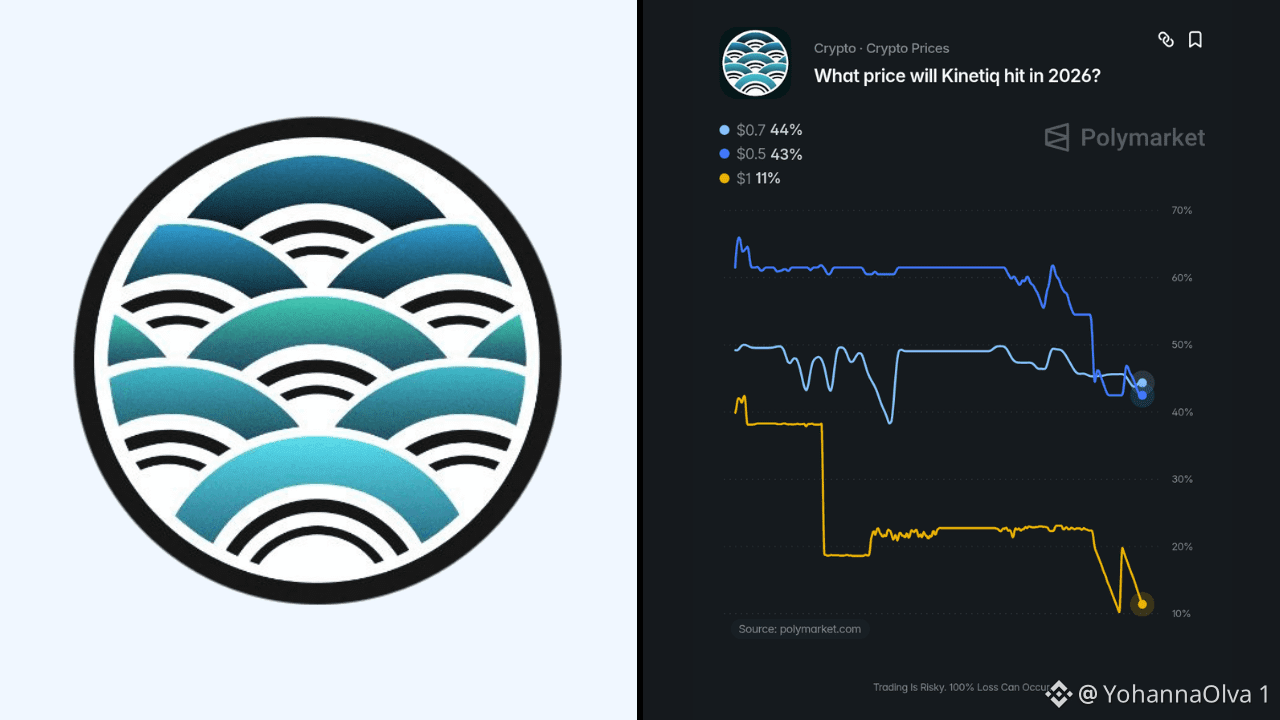
Polymarketのトレーダーたちは、2026年におけるKinetiqのいくつかの達成可能なマイルストーンに価格をつけており、その数字は注目に値します。
内訳はこちら:
🌊 $0.70 → 44%の確率
📈 $0.50 → 43%の確率
🚀 $1.00 → 11%の確率
まず目を引くのは、最初の2つの結果が非常に近い価格で織り込まれていることです。
一方で、$1の目標は市場によるとかなり達成可能性が低くなっています。
YES価格が11%なら、$1のマイルストーンに対する$100のポジションは、結果が成功裏に解決した場合、約$909のリターンになる可能性があります。
これは潜在的に9倍の配当です。
でも私は、年が進むにつれてこれらの確率がどう変化するのかの方に、より興味があります。
たとえば、Kinetiqをめぐるポジティブな進展によって、$1の確率が11%から22%に上昇したとしましょう。
既存のYESポジションは、トークンがその価格に一度も到達しなくても、市場価値が倍になる可能性があります。
そしてそれこそが、私がこうした小規模な暗号資産予測市場を追うのが好きな理由です。
その基礎資産を購入する必要がなく、特定の価格マイルストーンをめぐる市場の期待を取引できるからです。
$HYPE エコシステムを追っているトレーダーにとって、KinetiqはPolymarketを通じて注目すべきもう一つのストーリーです。
本当の問いは、現在の確率がその可能性を過小評価しているのか、それとも年末までに残された時間を正確に反映しているのか、ということです。
あなたならどの目標を取引しますか?
#Altcoin Season#
Kinetiqの価格予測 🌊
3つの目標。3つのまったく異なる確率。
Polymarketのトレーダーたちは、2026年におけるKinetiqのいくつかの達成可能なマイルストーンに価格をつけており、その数字は注目に値します。
内訳はこちら:
🌊 $0.70 → 44%の確率
📈 $0.50 → 43%の確率
🚀 $1.00 → 11%の確率
まず目を引くのは、最初の2つの結果が非常に近い価格で織り込まれていることです。
一方で、$1の目標は市場によるとかなり達成可能性が低くなっています。
YES価格が11%なら、$1のマイルストーンに対する$100のポジションは、結果が成功裏に解決した場合、約$909のリターンになる可能性があります。
これは潜在的に9倍の配当です。
でも私は、年が進むにつれてこれらの確率がどう変化するのかの方に、より興味があります。
たとえば、Kinetiqをめぐるポジティブな進展によって、$1の確率が11%から22%に上昇したとしましょう。
既存のYESポジションは、トークンがその価格に一度も到達しなくても、市場価値が倍になる可能性があります。
そしてそれこそが、私がこうした小規模な暗号資産予測市場を追うのが好きな理由です。
その基礎資産を購入する必要がなく、特定の価格マイルストーンをめぐる市場の期待を取引できるからです。
$HYPE エコシステムを追っているトレーダーにとって、KinetiqはPolymarketを通じて注目すべきもう一つのストーリーです。
本当の問いは、現在の確率がその可能性を過小評価しているのか、それとも年末までに残された時間を正確に反映しているのか、ということです。
あなたならどの目標を取引しますか?
#Altcoin Season#
3つの目標。3つのまったく異なる確率。
Polymarketのトレーダーたちは、2026年におけるKinetiqのいくつかの達成可能なマイルストーンに価格をつけており、その数字は注目に値します。
内訳はこちら:
🌊 $0.70 → 44%の確率
📈 $0.50 → 43%の確率
🚀 $1.00 → 11%の確率
まず目を引くのは、最初の2つの結果が非常に近い価格で織り込まれていることです。
一方で、$1の目標は市場によるとかなり達成可能性が低くなっています。
YES価格が11%なら、$1のマイルストーンに対する$100のポジションは、結果が成功裏に解決した場合、約$909のリターンになる可能性があります。
これは潜在的に9倍の配当です。
でも私は、年が進むにつれてこれらの確率がどう変化するのかの方に、より興味があります。
たとえば、Kinetiqをめぐるポジティブな進展によって、$1の確率が11%から22%に上昇したとしましょう。
既存のYESポジションは、トークンがその価格に一度も到達しなくても、市場価値が倍になる可能性があります。
そしてそれこそが、私がこうした小規模な暗号資産予測市場を追うのが好きな理由です。
その基礎資産を購入する必要がなく、特定の価格マイルストーンをめぐる市場の期待を取引できるからです。
$HYPE エコシステムを追っているトレーダーにとって、KinetiqはPolymarketを通じて注目すべきもう一つのストーリーです。
本当の問いは、現在の確率がその可能性を過小評価しているのか、それとも年末までに残された時間を正確に反映しているのか、ということです。
あなたならどの目標を取引しますか?
#Altcoin Season#
72
$LINK がさらに面白くなってきました 👀
もっと注目されるべき動きのひとつは、Chainlink Runtime EnvironmentでSpace and Timeが利用可能になったことです。
これによって何が可能になるのか、考えてみてください。
スマートコントラクトは、ネイティブのブロックチェーン上の情報だけではなく、より幅広い情報を必要とするようになっています。しかし、外部データに頼るとなると、その正確性や信頼性が問題になります。
Space and Timeは、Proof of SQLを通じて計算面の課題に対応します。
仕組みはシンプルです。
➡️ Space and Timeを通じてブロックチェーンデータをクエリする。
➡️ 結果とともに暗号学的証明を生成する。
➡️ Chainlink CREのワークフロー内でその証明を検証する。
➡️ 検証済みの結果を、その後のコントラクトの処理に活用する。
これにより、準備金の確認、自動化された意思決定、データ駆動型の金融商品など、より高度なDeFiアプリケーションの可能性が広がります。
私が注目しているのは、相互に補完し合う2つの技術の組み合わせです。Chainlinkのオーケストレーション基盤と、Space and Timeの検証可能な計算です。
次世代のスマートコントラクトに必要なのは、単により多くのデータだけではありません。利用するデータに対する、より強固な保証も必要になります。
#アルトコインシーズン#
$LINK がさらに面白くなってきました 👀
もっと注目されるべき動きのひとつは、Chainlink Runtime EnvironmentでSpace and Timeが利用可能になったことです。
これによって何が可能になるのか、考えてみてください。
スマートコントラクトは、ネイティブのブロックチェーン上の情報だけではなく、より幅広い情報を必要とするようになっています。しかし、外部データに頼るとなると、その正確性や信頼性が問題になります。
Space and Timeは、Proof of SQLを通じて計算面の課題に対応します。
仕組みはシンプルです。
➡️ Space and Timeを通じてブロックチェーンデータをクエリする。
➡️ 結果とともに暗号学的証明を生成する。
➡️ Chainlink CREのワークフロー内でその証明を検証する。
➡️ 検証済みの結果を、その後のコントラクトの処理に活用する。
これにより、準備金の確認、自動化された意思決定、データ駆動型の金融商品など、より高度なDeFiアプリケーションの可能性が広がります。
私が注目しているのは、相互に補完し合う2つの技術の組み合わせです。Chainlinkのオーケストレーション基盤と、Space and Timeの検証可能な計算です。
次世代のスマートコントラクトに必要なのは、単により多くのデータだけではありません。利用するデータに対する、より強固な保証も必要になります。
#アルトコインシーズン#
もっと注目されるべき動きのひとつは、Chainlink Runtime EnvironmentでSpace and Timeが利用可能になったことです。
これによって何が可能になるのか、考えてみてください。
スマートコントラクトは、ネイティブのブロックチェーン上の情報だけではなく、より幅広い情報を必要とするようになっています。しかし、外部データに頼るとなると、その正確性や信頼性が問題になります。
Space and Timeは、Proof of SQLを通じて計算面の課題に対応します。
仕組みはシンプルです。
➡️ Space and Timeを通じてブロックチェーンデータをクエリする。
➡️ 結果とともに暗号学的証明を生成する。
➡️ Chainlink CREのワークフロー内でその証明を検証する。
➡️ 検証済みの結果を、その後のコントラクトの処理に活用する。
これにより、準備金の確認、自動化された意思決定、データ駆動型の金融商品など、より高度なDeFiアプリケーションの可能性が広がります。
私が注目しているのは、相互に補完し合う2つの技術の組み合わせです。Chainlinkのオーケストレーション基盤と、Space and Timeの検証可能な計算です。
次世代のスマートコントラクトに必要なのは、単により多くのデータだけではありません。利用するデータに対する、より強固な保証も必要になります。
#アルトコインシーズン#
73
強いコミュニティには、それぞれの「確定性」が必要です 🔥
$STRK と $ZK を取り巻くネットワークは、アクティビティを保留状態から確定状態へ移行させるよう設計されています。
Web3コミュニティも、同じ課題に人間ならではの形で直面しています。
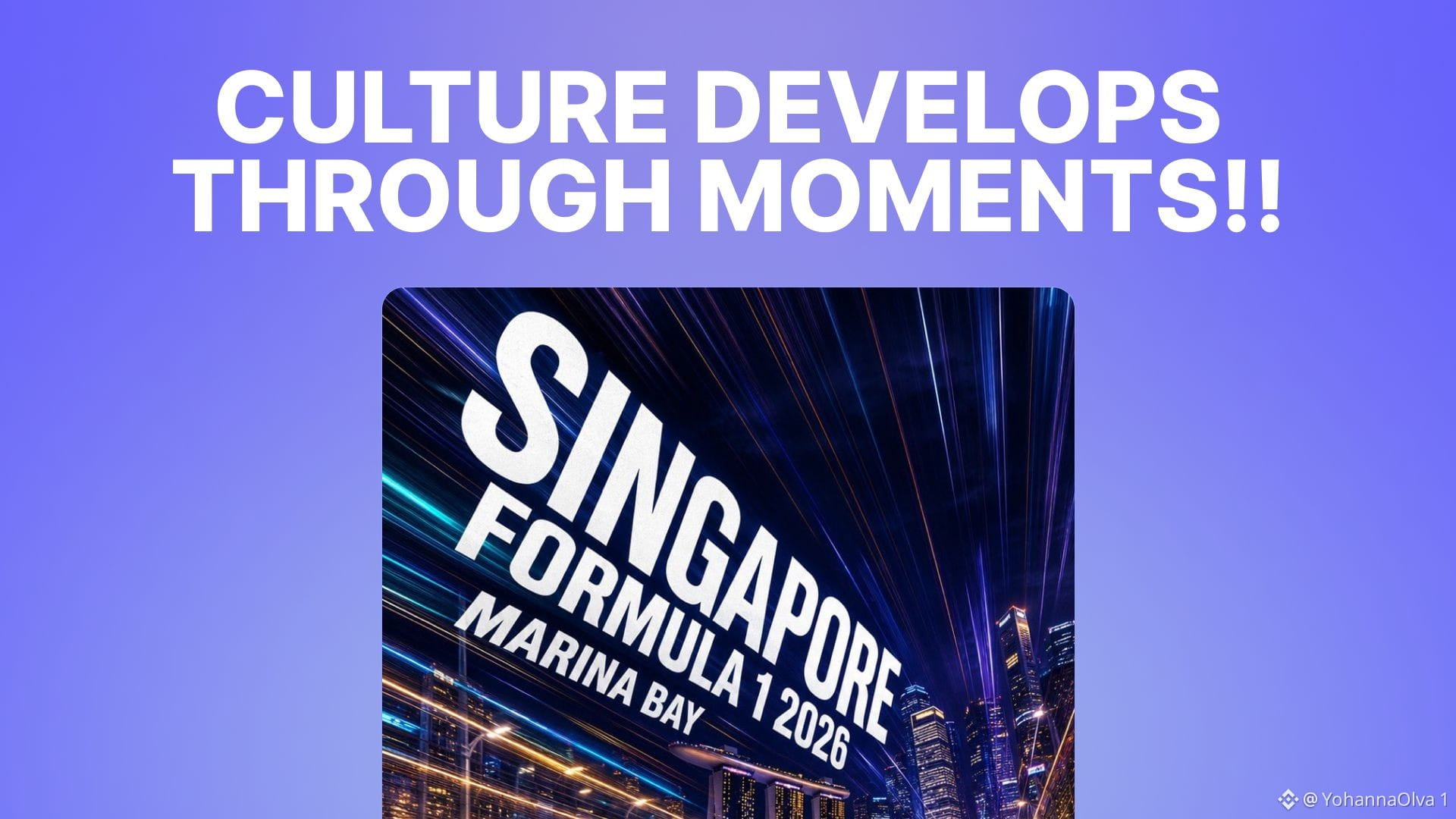
オンラインでの出来事はあっという間に過ぎ去り、意味のある交流でさえ、果てしないフィードの中に埋もれてしまうことがあります。一方、IRLでの体験は、グループの共有の歴史に揺るぎない節目を刻みます。
人々が確かな記憶として語り合える瞬間を通じて、文化は育まれていく。だからこそ、それは大切だと思います。
$Trump Coin Club Singaporeの体験は、予定されていた最終日を今日迎えます。プログラムが終了すれば、この週末はクラブが自らの歩みを理解するうえでの一部となるでしょう。
これから交わされる会話の背景には、すべてがオンライン上だけに存在するのではなく、実際の体験があるのです。
それが、コミュニティにおける確定性です。
#マクロインサイト#
強いコミュニティには、それぞれの「確定性」が必要です 🔥
$STRK と $ZK を取り巻くネットワークは、アクティビティを保留状態から確定状態へ移行させるよう設計されています。
Web3コミュニティも、同じ課題に人間ならではの形で直面しています。
オンラインでの出来事はあっという間に過ぎ去り、意味のある交流でさえ、果てしないフィードの中に埋もれてしまうことがあります。一方、IRLでの体験は、グループの共有の歴史に揺るぎない節目を刻みます。
人々が確かな記憶として語り合える瞬間を通じて、文化は育まれていく。だからこそ、それは大切だと思います。
$Trump Coin Club Singaporeの体験は、予定されていた最終日を今日迎えます。プログラムが終了すれば、この週末はクラブが自らの歩みを理解するうえでの一部となるでしょう。
これから交わされる会話の背景には、すべてがオンライン上だけに存在するのではなく、実際の体験があるのです。
それが、コミュニティにおける確定性です。
#マクロインサイト#
$STRK と $ZK を取り巻くネットワークは、アクティビティを保留状態から確定状態へ移行させるよう設計されています。
Web3コミュニティも、同じ課題に人間ならではの形で直面しています。
オンラインでの出来事はあっという間に過ぎ去り、意味のある交流でさえ、果てしないフィードの中に埋もれてしまうことがあります。一方、IRLでの体験は、グループの共有の歴史に揺るぎない節目を刻みます。
人々が確かな記憶として語り合える瞬間を通じて、文化は育まれていく。だからこそ、それは大切だと思います。
$Trump Coin Club Singaporeの体験は、予定されていた最終日を今日迎えます。プログラムが終了すれば、この週末はクラブが自らの歩みを理解するうえでの一部となるでしょう。
これから交わされる会話の背景には、すべてがオンライン上だけに存在するのではなく、実際の体験があるのです。
それが、コミュニティにおける確定性です。
#マクロインサイト#
62
共通の関心は地図を越えて広がる 🌍
$XLMのストーリーで注目したい点のひとつは、Stellarがデジタル資産へのアクセスを重視していることです。
それを考えると、国境を越えてコミュニティがどのように形成されるのかに思いが巡ります。
車への関心は、同じ国を訪れたことのない人々をつなぐことがあります。
DeLoreanには、ひと目でそれとわかるアイデンティティがあります。
そのデジタルエコシステムは、アクセスが提供されている場所ならどこでも、人々が共通の関心を探求できる新たな場を生み出します。
それは、RWAをめぐる議論を広げるうえで魅力的な方向性です。
想定されるオーディエンスには、文化、コレクション、自動車への情熱をきっかけに参加する人々が含まれます。
彼らはそれぞれ異なる期待を持ち込むでしょう。
アルトコインシーズンにおいて、こうした多様な入口について考える価値があると思います。
暗号資産ユーザーだと自認する前から、あるプロジェクトに興味を持つ人もいるでしょう。
#アルトコインシーズン#
共通の関心は地図を越えて広がる 🌍
$XLMのストーリーで注目したい点のひとつは、Stellarがデジタル資産へのアクセスを重視していることです。
それを考えると、国境を越えてコミュニティがどのように形成されるのかに思いが巡ります。
車への関心は、同じ国を訪れたことのない人々をつなぐことがあります。
DeLoreanには、ひと目でそれとわかるアイデンティティがあります。
そのデジタルエコシステムは、アクセスが提供されている場所ならどこでも、人々が共通の関心を探求できる新たな場を生み出します。
それは、RWAをめぐる議論を広げるうえで魅力的な方向性です。
想定されるオーディエンスには、文化、コレクション、自動車への情熱をきっかけに参加する人々が含まれます。
彼らはそれぞれ異なる期待を持ち込むでしょう。
アルトコインシーズンにおいて、こうした多様な入口について考える価値があると思います。
暗号資産ユーザーだと自認する前から、あるプロジェクトに興味を持つ人もいるでしょう。
#アルトコインシーズン#
$XLMのストーリーで注目したい点のひとつは、Stellarがデジタル資産へのアクセスを重視していることです。
それを考えると、国境を越えてコミュニティがどのように形成されるのかに思いが巡ります。
車への関心は、同じ国を訪れたことのない人々をつなぐことがあります。
DeLoreanには、ひと目でそれとわかるアイデンティティがあります。
そのデジタルエコシステムは、アクセスが提供されている場所ならどこでも、人々が共通の関心を探求できる新たな場を生み出します。
それは、RWAをめぐる議論を広げるうえで魅力的な方向性です。
想定されるオーディエンスには、文化、コレクション、自動車への情熱をきっかけに参加する人々が含まれます。
彼らはそれぞれ異なる期待を持ち込むでしょう。
アルトコインシーズンにおいて、こうした多様な入口について考える価値があると思います。
暗号資産ユーザーだと自認する前から、あるプロジェクトに興味を持つ人もいるでしょう。
#アルトコインシーズン#

59
ナラティブの乖離から利益を得る 💸
$DRV が Pear Protocol で取引可能になりました。すでに注目に値する興味深い相対価値の機会が生まれています。
Deriveの収益は最近過去最高を記録した一方、PONSの収益は徐々に減少しています。
ペアトレードなら、この乖離を利益につなげることができます。Pear Protocolでは、トップトレーダーたちがすでにこのトレードを組み立てており、ワンクリックで簡単に参加したり、反対のポジションを取ったりできます。
信頼できるトレーダーのアイデアを見つけ、AI Agent Pearを使って定量データでその根拠を検証し、ポジションの組み立てをサポートしてもらったうえで、トレードに参加したり、反対のポジションを取ったりできます。
このトレードの場合は、$LIT エンジンを選択します。ナラティブによる価格上昇に賭けるのではなく、どちらの資産がもう一方を上回るパフォーマンスを見せるかについて、自分の見解を表明します。ポジションの方向性リスクを大きく抑えられます。
app.pear.garden/trade でトレードをチェックしましょう。
#アルトコインシーズン#
ナラティブの乖離から利益を得る 💸
$DRV が Pear Protocol で取引可能になりました。すでに注目に値する興味深い相対価値の機会が生まれています。
Deriveの収益は最近過去最高を記録した一方、PONSの収益は徐々に減少しています。
ペアトレードなら、この乖離を利益につなげることができます。Pear Protocolでは、トップトレーダーたちがすでにこのトレードを組み立てており、ワンクリックで簡単に参加したり、反対のポジションを取ったりできます。
信頼できるトレーダーのアイデアを見つけ、AI Agent Pearを使って定量データでその根拠を検証し、ポジションの組み立てをサポートしてもらったうえで、トレードに参加したり、反対のポジションを取ったりできます。
このトレードの場合は、$LIT エンジンを選択します。ナラティブによる価格上昇に賭けるのではなく、どちらの資産がもう一方を上回るパフォーマンスを見せるかについて、自分の見解を表明します。ポジションの方向性リスクを大きく抑えられます。
app.pear.garden/trade でトレードをチェックしましょう。
#アルトコインシーズン#
$DRV が Pear Protocol で取引可能になりました。すでに注目に値する興味深い相対価値の機会が生まれています。
Deriveの収益は最近過去最高を記録した一方、PONSの収益は徐々に減少しています。
ペアトレードなら、この乖離を利益につなげることができます。Pear Protocolでは、トップトレーダーたちがすでにこのトレードを組み立てており、ワンクリックで簡単に参加したり、反対のポジションを取ったりできます。
信頼できるトレーダーのアイデアを見つけ、AI Agent Pearを使って定量データでその根拠を検証し、ポジションの組み立てをサポートしてもらったうえで、トレードに参加したり、反対のポジションを取ったりできます。
このトレードの場合は、$LIT エンジンを選択します。ナラティブによる価格上昇に賭けるのではなく、どちらの資産がもう一方を上回るパフォーマンスを見せるかについて、自分の見解を表明します。ポジションの方向性リスクを大きく抑えられます。
app.pear.garden/trade でトレードをチェックしましょう。
#アルトコインシーズン#
65
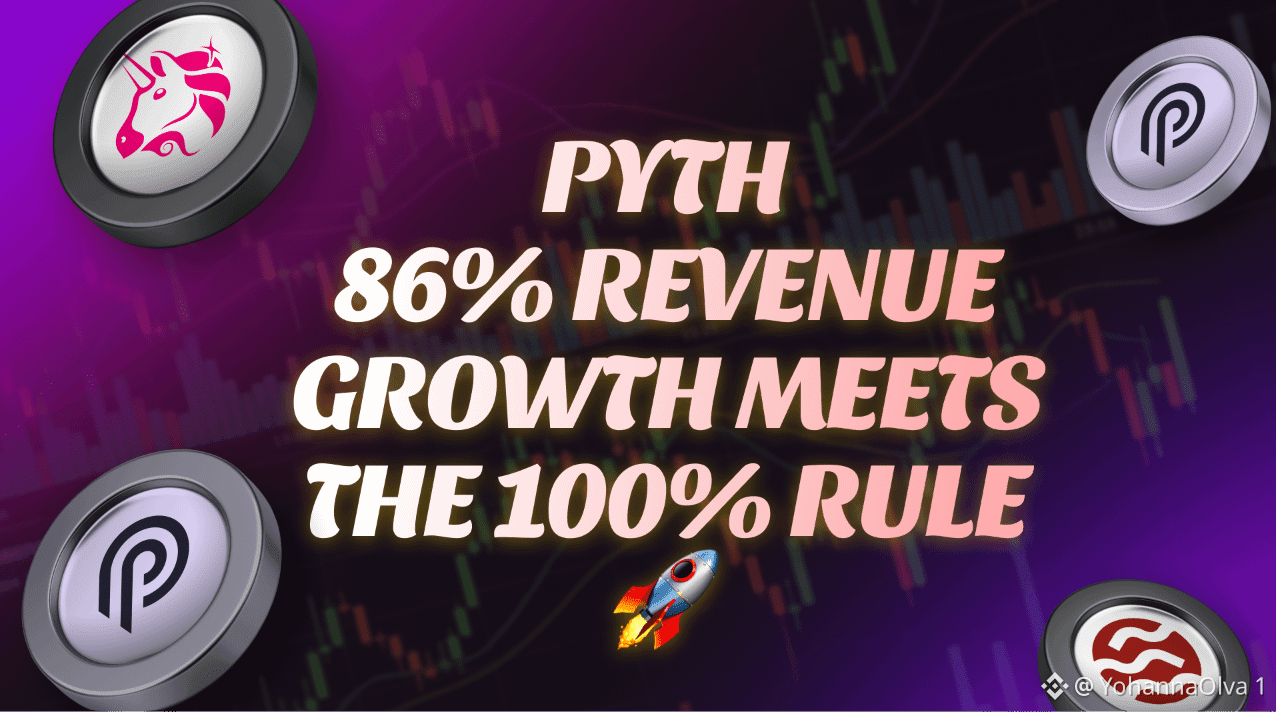
ARRは1,149万ドル、成長率は86%。プロダクトから得られる資金の100%がPYTHへ 📈
$SEI と $UNI の読者にとって重要なのは、またひとつ「提携」の見出しが増えたことではありません。Pythが、規制対象の届出、取引所発のデータ、予測市場、そして実際に稼働する金融商品など、市場インフラが真価を問われる場面で採用されていることです。
Pythは第3四半期を、稼働中のARR 1,149万ドルで終えました。第2四半期から86%増です。またDAOは「100%ルール」を承認しました。これは、Pythのプロダクトから得られる資金のすべてを、公開市場で購入したPYTHに充てるというものです。
これだけでも保有者にとって心強い進展ですが、各種届出の内容を見れば、無視するのはさらに難しくなります。
Kalshiは株式市場とコモディティ市場でPythの価格データを利用しており、9月にはCFTC登録取引所で取り扱う金と銀の無期限先物に関する届出で、Pythを唯一の情報提供機関として明記しました。
Coinbaseは、価格が継続的に更新されるテーマ型市場でPythのデータを利用しており、単一銘柄の株式無期限先物に関する届出でもPythに言及しました。
さらにPythは、Pyth Data Marketplaceを通じてNasdaq Basicの外部配信事業者として承認されました。
私がこの点に注目するのは、届出はロゴを並べた投稿よりも、簡単には否定できないからです。実際の取引所や機関投資家向けデータセットが同じ価格情報レイヤーを使い続けるようになれば、そのレイヤーを支える資産について、市場の見方も更新せざるを得ません。
私の見立てでは、ここからPYTHは、オラクルの認知度をめぐる取引というより、Pythが本格的なマーケットデータインフラへと成長することを見込む取引として捉えられ始めます。
収益は急成長し、信頼性を裏付ける実績も積み上がりました。そして新ルールにより、プロダクトに連動した資金が公開市場を通じて直接PYTHへ流れる道筋ができました。
#アルトコインシーズン# #DeFi
ARRは1,149万ドル、成長率は86%。プロダクトから得られる資金の100%がPYTHへ 📈
$SEI と $UNI の読者にとって重要なのは、またひとつ「提携」の見出しが増えたことではありません。Pythが、規制対象の届出、取引所発のデータ、予測市場、そして実際に稼働する金融商品など、市場インフラが真価を問われる場面で採用されていることです。
Pythは第3四半期を、稼働中のARR 1,149万ドルで終えました。第2四半期から86%増です。またDAOは「100%ルール」を承認しました。これは、Pythのプロダクトから得られる資金のすべてを、公開市場で購入したPYTHに充てるというものです。
これだけでも保有者にとって心強い進展ですが、各種届出の内容を見れば、無視するのはさらに難しくなります。
Kalshiは株式市場とコモディティ市場でPythの価格データを利用しており、9月にはCFTC登録取引所で取り扱う金と銀の無期限先物に関する届出で、Pythを唯一の情報提供機関として明記しました。
Coinbaseは、価格が継続的に更新されるテーマ型市場でPythのデータを利用しており、単一銘柄の株式無期限先物に関する届出でもPythに言及しました。
さらにPythは、Pyth Data Marketplaceを通じてNasdaq Basicの外部配信事業者として承認されました。
私がこの点に注目するのは、届出はロゴを並べた投稿よりも、簡単には否定できないからです。実際の取引所や機関投資家向けデータセットが同じ価格情報レイヤーを使い続けるようになれば、そのレイヤーを支える資産について、市場の見方も更新せざるを得ません。
私の見立てでは、ここからPYTHは、オラクルの認知度をめぐる取引というより、Pythが本格的なマーケットデータインフラへと成長することを見込む取引として捉えられ始めます。
収益は急成長し、信頼性を裏付ける実績も積み上がりました。そして新ルールにより、プロダクトに連動した資金が公開市場を通じて直接PYTHへ流れる道筋ができました。
#アルトコインシーズン# #DeFi
$SEI と $UNI の読者にとって重要なのは、またひとつ「提携」の見出しが増えたことではありません。Pythが、規制対象の届出、取引所発のデータ、予測市場、そして実際に稼働する金融商品など、市場インフラが真価を問われる場面で採用されていることです。
Pythは第3四半期を、稼働中のARR 1,149万ドルで終えました。第2四半期から86%増です。またDAOは「100%ルール」を承認しました。これは、Pythのプロダクトから得られる資金のすべてを、公開市場で購入したPYTHに充てるというものです。
これだけでも保有者にとって心強い進展ですが、各種届出の内容を見れば、無視するのはさらに難しくなります。
Kalshiは株式市場とコモディティ市場でPythの価格データを利用しており、9月にはCFTC登録取引所で取り扱う金と銀の無期限先物に関する届出で、Pythを唯一の情報提供機関として明記しました。
Coinbaseは、価格が継続的に更新されるテーマ型市場でPythのデータを利用しており、単一銘柄の株式無期限先物に関する届出でもPythに言及しました。
さらにPythは、Pyth Data Marketplaceを通じてNasdaq Basicの外部配信事業者として承認されました。
私がこの点に注目するのは、届出はロゴを並べた投稿よりも、簡単には否定できないからです。実際の取引所や機関投資家向けデータセットが同じ価格情報レイヤーを使い続けるようになれば、そのレイヤーを支える資産について、市場の見方も更新せざるを得ません。
私の見立てでは、ここからPYTHは、オラクルの認知度をめぐる取引というより、Pythが本格的なマーケットデータインフラへと成長することを見込む取引として捉えられ始めます。
収益は急成長し、信頼性を裏付ける実績も積み上がりました。そして新ルールにより、プロダクトに連動した資金が公開市場を通じて直接PYTHへ流れる道筋ができました。
#アルトコインシーズン# #DeFi
61
IRLにはおすすめアルゴリズムがない 👀
フィードは、どんなナラティブを目にし、どんな声が届くかを決めます。$HYPEや$TONを中心とするコミュニティはオンラインで巨大に感じられる一方で、一人ひとりの見方は、アルゴリズムが何を表示するかによって今も形作られています。
TOKEN2049が本日開幕し、シンガポールには25,000人を超える参加者が集まる見込みです。
2日間、出会いの場はリアルなものになります。どの会話を続け、どのつながりにもっと時間をかけるかは、人々自身が決めます。
私にとって、それはオンラインコミュニティを同じ場所に集めることの、見過ごされがちな価値です。
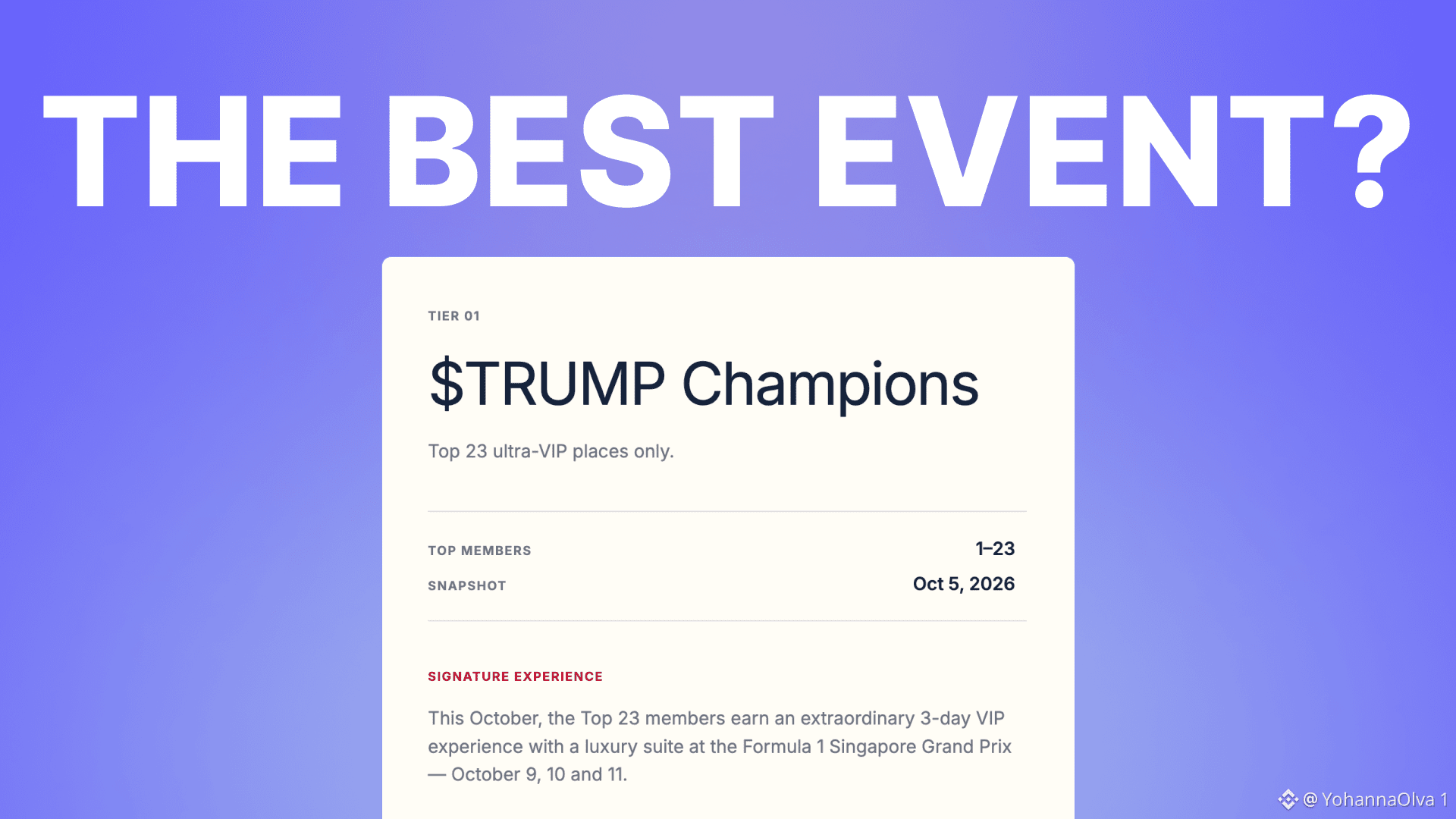
予定されている$Trump Coin Club Singaporeの体験は、シンガポールのレースウィークエンドに合わせ、より小規模な場でその考えを実現します。
3日間にわたり、参加資格のあるメンバーがシンガポールでホスピタリティやアクティビティを共に楽しむ予定です。
個人的には、プロジェクトやクラブのイベントはこうあるべきだと思います。
#マクロインサイト#
IRLにはおすすめアルゴリズムがない 👀
フィードは、どんなナラティブを目にし、どんな声が届くかを決めます。$HYPEや$TONを中心とするコミュニティはオンラインで巨大に感じられる一方で、一人ひとりの見方は、アルゴリズムが何を表示するかによって今も形作られています。
TOKEN2049が本日開幕し、シンガポールには25,000人を超える参加者が集まる見込みです。
2日間、出会いの場はリアルなものになります。どの会話を続け、どのつながりにもっと時間をかけるかは、人々自身が決めます。
私にとって、それはオンラインコミュニティを同じ場所に集めることの、見過ごされがちな価値です。
予定されている$Trump Coin Club Singaporeの体験は、シンガポールのレースウィークエンドに合わせ、より小規模な場でその考えを実現します。
3日間にわたり、参加資格のあるメンバーがシンガポールでホスピタリティやアクティビティを共に楽しむ予定です。
個人的には、プロジェクトやクラブのイベントはこうあるべきだと思います。
#マクロインサイト#
フィードは、どんなナラティブを目にし、どんな声が届くかを決めます。$HYPEや$TONを中心とするコミュニティはオンラインで巨大に感じられる一方で、一人ひとりの見方は、アルゴリズムが何を表示するかによって今も形作られています。
TOKEN2049が本日開幕し、シンガポールには25,000人を超える参加者が集まる見込みです。
2日間、出会いの場はリアルなものになります。どの会話を続け、どのつながりにもっと時間をかけるかは、人々自身が決めます。
私にとって、それはオンラインコミュニティを同じ場所に集めることの、見過ごされがちな価値です。
予定されている$Trump Coin Club Singaporeの体験は、シンガポールのレースウィークエンドに合わせ、より小規模な場でその考えを実現します。
3日間にわたり、参加資格のあるメンバーがシンガポールでホスピタリティやアクティビティを共に楽しむ予定です。
個人的には、プロジェクトやクラブのイベントはこうあるべきだと思います。
#マクロインサイト#
76
遮蔽されたコインは、遮蔽されたアプリではない 🪙
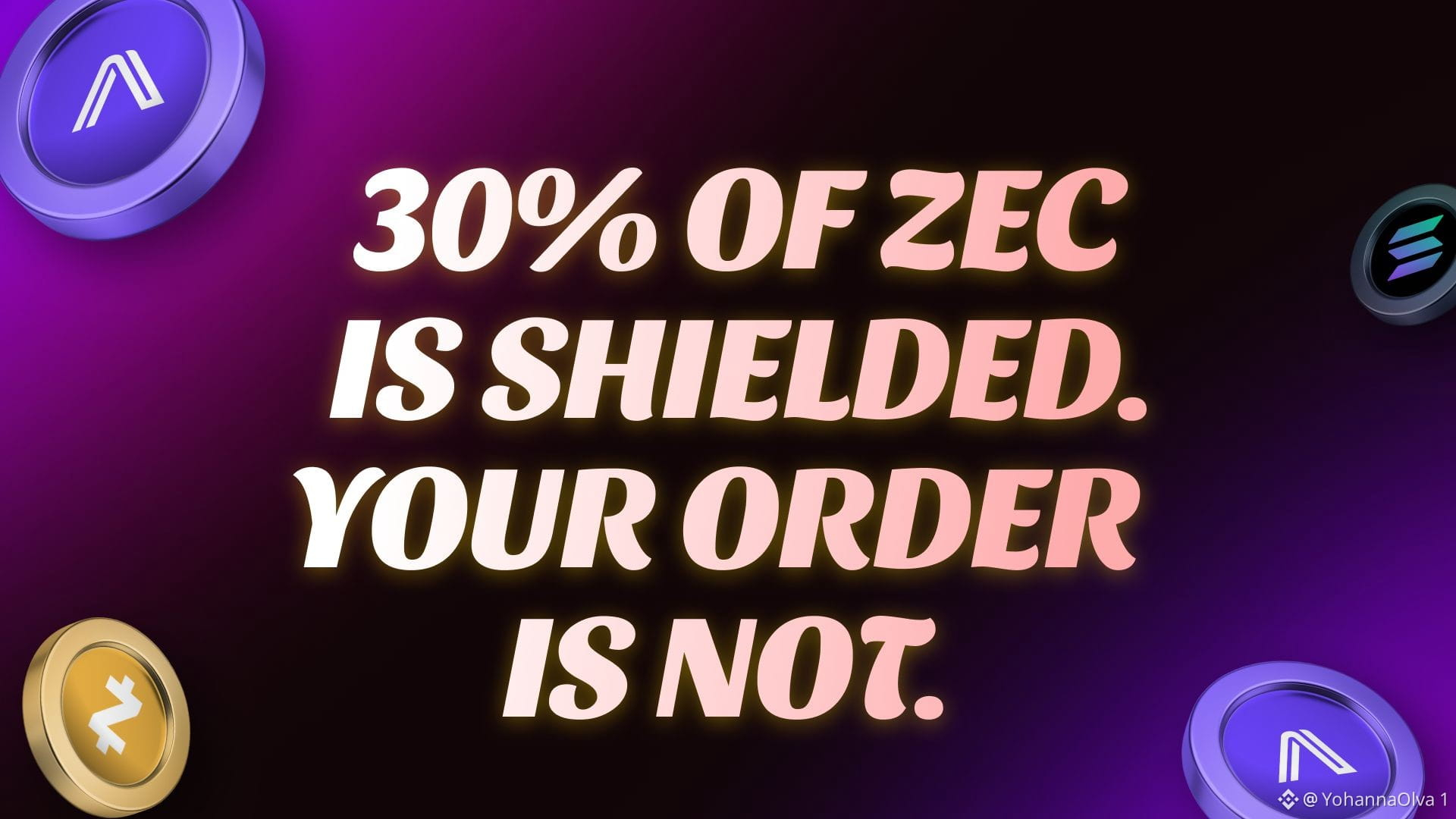
いま人々が行っている取引は、静かに保有できる資産を買うことであり、その裏にある数字は実在しています。今年、遮蔽プールで$ZEC が供給の30%を超えたのに対し、2024年初めは8%でした。
これで答えられるのは「残高を公開せずに価値を保つ方法は何か」という1つの疑問だけであり、人物や企業が行うその他すべてについては何も答えません。
$SOL では、公開されているのはコインではなく活動です。注文、ポジション、給与支払いの実行、照会されるモデル――それらすべてが、何かが起こる前に、読み取れる形でプログラムへ渡される必要があります。
つまり、「静かに保有できる資産」は、帳簿を出せないファンドや、給与を開示できない会社、入力を見せられないAIアプリには役に立ちません。
Arciumは資産の1つ下の層として構築されています。あらゆる計算は、ノードのクラスターにまたがる断片に分割され、単一のノードが読み取れる完全なコピーを保持することはありません。それでも正しい答えはきちんと返ってきます。
その答えが、一般的な公開トランザクションとしてSolanaに着地するため、DeFiアプリは監査可能のまま保たれ、入力はそもそも公開されなかったままです。
Mainnet Alphaは2月2日からこの形で稼働しており、15のチームがそれに基づいて構築しています。
密封された資産を買うことと、すべての密封されたアプリが動作する層を所有することは別の取引であり、オンチェーン上でより多くのものが動けば大きくなるのはそのうちの1つだけです。
#DeFi #Solana
遮蔽されたコインは、遮蔽されたアプリではない 🪙
いま人々が行っている取引は、静かに保有できる資産を買うことであり、その裏にある数字は実在しています。今年、遮蔽プールで$ZEC が供給の30%を超えたのに対し、2024年初めは8%でした。
これで答えられるのは「残高を公開せずに価値を保つ方法は何か」という1つの疑問だけであり、人物や企業が行うその他すべてについては何も答えません。
$SOL では、公開されているのはコインではなく活動です。注文、ポジション、給与支払いの実行、照会されるモデル――それらすべてが、何かが起こる前に、読み取れる形でプログラムへ渡される必要があります。
つまり、「静かに保有できる資産」は、帳簿を出せないファンドや、給与を開示できない会社、入力を見せられないAIアプリには役に立ちません。
Arciumは資産の1つ下の層として構築されています。あらゆる計算は、ノードのクラスターにまたがる断片に分割され、単一のノードが読み取れる完全なコピーを保持することはありません。それでも正しい答えはきちんと返ってきます。
その答えが、一般的な公開トランザクションとしてSolanaに着地するため、DeFiアプリは監査可能のまま保たれ、入力はそもそも公開されなかったままです。
Mainnet Alphaは2月2日からこの形で稼働しており、15のチームがそれに基づいて構築しています。
密封された資産を買うことと、すべての密封されたアプリが動作する層を所有することは別の取引であり、オンチェーン上でより多くのものが動けば大きくなるのはそのうちの1つだけです。
#DeFi #Solana
いま人々が行っている取引は、静かに保有できる資産を買うことであり、その裏にある数字は実在しています。今年、遮蔽プールで$ZEC が供給の30%を超えたのに対し、2024年初めは8%でした。
これで答えられるのは「残高を公開せずに価値を保つ方法は何か」という1つの疑問だけであり、人物や企業が行うその他すべてについては何も答えません。
$SOL では、公開されているのはコインではなく活動です。注文、ポジション、給与支払いの実行、照会されるモデル――それらすべてが、何かが起こる前に、読み取れる形でプログラムへ渡される必要があります。
つまり、「静かに保有できる資産」は、帳簿を出せないファンドや、給与を開示できない会社、入力を見せられないAIアプリには役に立ちません。
Arciumは資産の1つ下の層として構築されています。あらゆる計算は、ノードのクラスターにまたがる断片に分割され、単一のノードが読み取れる完全なコピーを保持することはありません。それでも正しい答えはきちんと返ってきます。
その答えが、一般的な公開トランザクションとしてSolanaに着地するため、DeFiアプリは監査可能のまま保たれ、入力はそもそも公開されなかったままです。
Mainnet Alphaは2月2日からこの形で稼働しており、15のチームがそれに基づいて構築しています。
密封された資産を買うことと、すべての密封されたアプリが動作する層を所有することは別の取引であり、オンチェーン上でより多くのものが動けば大きくなるのはそのうちの1つだけです。
#DeFi #Solana
63
BasecampがSuiの金融時代を切り開くかも 💧
オンチェーン金融のカンファレンスは、いつか実現するかもしれないことについて語り合う場がたくさんあります。$SUIのBasecampは、金融インフラが実際に稼働する様子を市場が見届けられる場になりそうです。
DeepBookの新しいアプリケーションは、Sui上で累計200億ドルを超える取引高を支えてきたオンチェーンのオーダーブック上で動作します。
Basecampでは、Hudiコンペティションを通じて、Trading Arenaで参加者の目の前でリアルタイム取引が行われます。このアプローチは気に入っています。市場は弱点をすぐにあぶり出すからです。
トレーダーが集まったとき、流動性、執行、決済が持ちこたえられるかどうかは明らかになります。Suiは、エコシステムの各チームがその上に構築したものを披露するなかで、テクノロジーを実際のプレッシャーにさらそうとしています。
Basecampの公式プログラムでは、プロダクトの発表や、オンチェーン金融を支えるインフラを詳しく知る機会も予定されています。
これはネットワークにとって、重要な節目となる可能性があります。
Suiはすでに、高速な決済、ネイティブな流動性インフラ、ガス代不要のステーブルコイン送金を実現しています。Basecampは、これらをひとつのわかりやすい金融のビジョンとして結びつけ、エコシステム内で資本が実際にどう動くのかを示すことができます。
意義あるローンチとライブデモの両方が実現すれば、Suiは本格的な金融ネットワークとしての存在感を大きく高めてシンガポールを後にすることになるでしょう。
Basecampには、今すぐトレーダー、開発者、そして世界の流動性を獲得する準備が整ったエコシステムを示す可能性があるため、私は強気です。
#アルトコインシーズン# #DeFi
BasecampがSuiの金融時代を切り開くかも 💧
オンチェーン金融のカンファレンスは、いつか実現するかもしれないことについて語り合う場がたくさんあります。$SUIのBasecampは、金融インフラが実際に稼働する様子を市場が見届けられる場になりそうです。
DeepBookの新しいアプリケーションは、Sui上で累計200億ドルを超える取引高を支えてきたオンチェーンのオーダーブック上で動作します。
Basecampでは、Hudiコンペティションを通じて、Trading Arenaで参加者の目の前でリアルタイム取引が行われます。このアプローチは気に入っています。市場は弱点をすぐにあぶり出すからです。
トレーダーが集まったとき、流動性、執行、決済が持ちこたえられるかどうかは明らかになります。Suiは、エコシステムの各チームがその上に構築したものを披露するなかで、テクノロジーを実際のプレッシャーにさらそうとしています。
Basecampの公式プログラムでは、プロダクトの発表や、オンチェーン金融を支えるインフラを詳しく知る機会も予定されています。
これはネットワークにとって、重要な節目となる可能性があります。
Suiはすでに、高速な決済、ネイティブな流動性インフラ、ガス代不要のステーブルコイン送金を実現しています。Basecampは、これらをひとつのわかりやすい金融のビジョンとして結びつけ、エコシステム内で資本が実際にどう動くのかを示すことができます。
意義あるローンチとライブデモの両方が実現すれば、Suiは本格的な金融ネットワークとしての存在感を大きく高めてシンガポールを後にすることになるでしょう。
Basecampには、今すぐトレーダー、開発者、そして世界の流動性を獲得する準備が整ったエコシステムを示す可能性があるため、私は強気です。
#アルトコインシーズン# #DeFi
オンチェーン金融のカンファレンスは、いつか実現するかもしれないことについて語り合う場がたくさんあります。$SUIのBasecampは、金融インフラが実際に稼働する様子を市場が見届けられる場になりそうです。
DeepBookの新しいアプリケーションは、Sui上で累計200億ドルを超える取引高を支えてきたオンチェーンのオーダーブック上で動作します。
Basecampでは、Hudiコンペティションを通じて、Trading Arenaで参加者の目の前でリアルタイム取引が行われます。このアプローチは気に入っています。市場は弱点をすぐにあぶり出すからです。
トレーダーが集まったとき、流動性、執行、決済が持ちこたえられるかどうかは明らかになります。Suiは、エコシステムの各チームがその上に構築したものを披露するなかで、テクノロジーを実際のプレッシャーにさらそうとしています。
Basecampの公式プログラムでは、プロダクトの発表や、オンチェーン金融を支えるインフラを詳しく知る機会も予定されています。
これはネットワークにとって、重要な節目となる可能性があります。
Suiはすでに、高速な決済、ネイティブな流動性インフラ、ガス代不要のステーブルコイン送金を実現しています。Basecampは、これらをひとつのわかりやすい金融のビジョンとして結びつけ、エコシステム内で資本が実際にどう動くのかを示すことができます。
意義あるローンチとライブデモの両方が実現すれば、Suiは本格的な金融ネットワークとしての存在感を大きく高めてシンガポールを後にすることになるでしょう。
Basecampには、今すぐトレーダー、開発者、そして世界の流動性を獲得する準備が整ったエコシステムを示す可能性があるため、私は強気です。
#アルトコインシーズン# #DeFi
74
$DOGE は今年 $0.20に到達する? 🐶
私は「YES」を取ります。
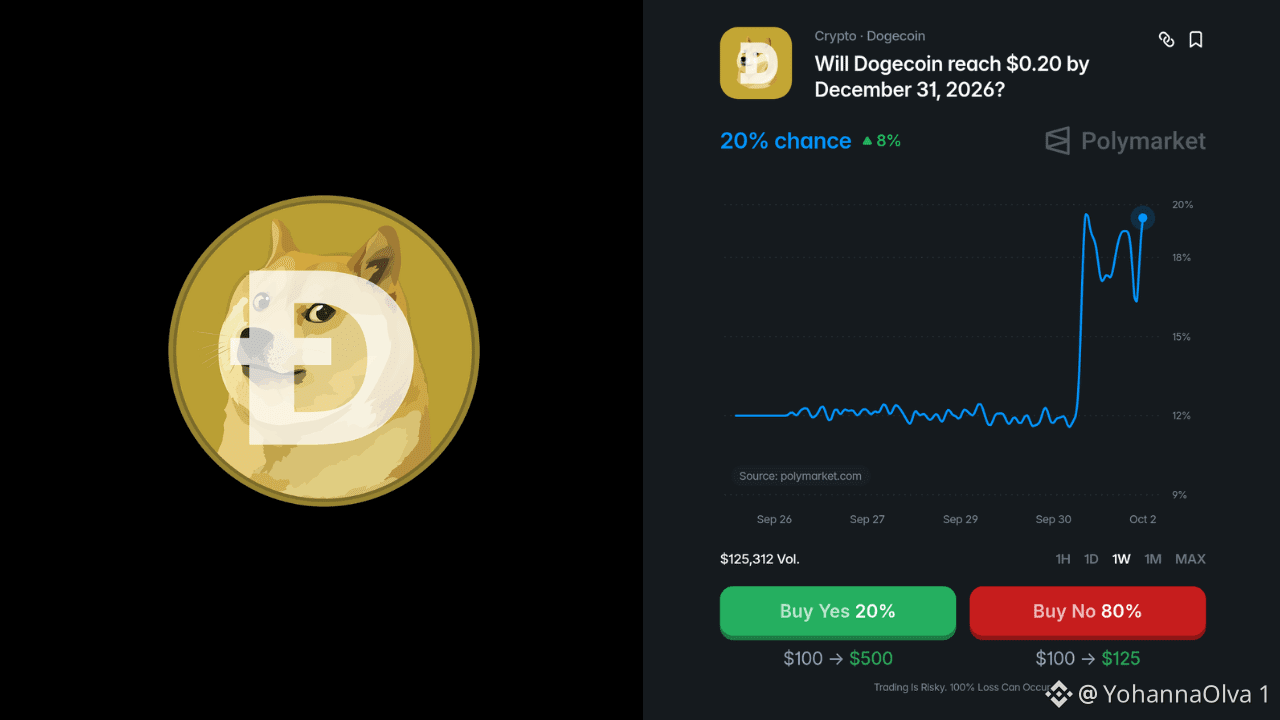
でも群衆も味方してくれていません。スクリーンショットには、12月31日までにその結末となる見込みの20%の価格しか表示されていません。
しかしこの市場では、DOGEが $0.20 を上回り続ける必要はありません。Polymarket のルールでは、期限までに高値が $0.20 以上の「条件を満たす Binance の1分足」を出す必要があります。
ここが重要な違いです。
激しいミームのローテーションが1回あるだけでも十分かもしれません。
そして私が一番好きなところがこちらです。スクリーンショットの価格なら、YESが正しく解決した場合、$100 が $500 の総支払いに相当します。
私は、マーケットが与えているよりも可能性が高いと思うイベントに対して、実質5倍の払い戻しを見ているわけです。
しかも市場の背後にはすでに $125K+ もあります。これは完全に手つかずの予測というわけではありません。
Polymarket は、この特定の DOGE 観点を、さらに DOGE を買って価格が持続的に上昇し続ける必要がある、という形で表すよりも、ずっときれいに表現できる手段を私にくれています。
面白いのは、他にも多くのトークンの中で、DOGE 自体がその取引に使われる可能性があることです。
#Altcoin Season#
$DOGE は今年 $0.20に到達する? 🐶
私は「YES」を取ります。
でも群衆も味方してくれていません。スクリーンショットには、12月31日までにその結末となる見込みの20%の価格しか表示されていません。
しかしこの市場では、DOGEが $0.20 を上回り続ける必要はありません。Polymarket のルールでは、期限までに高値が $0.20 以上の「条件を満たす Binance の1分足」を出す必要があります。
ここが重要な違いです。
激しいミームのローテーションが1回あるだけでも十分かもしれません。
そして私が一番好きなところがこちらです。スクリーンショットの価格なら、YESが正しく解決した場合、$100 が $500 の総支払いに相当します。
私は、マーケットが与えているよりも可能性が高いと思うイベントに対して、実質5倍の払い戻しを見ているわけです。
しかも市場の背後にはすでに $125K+ もあります。これは完全に手つかずの予測というわけではありません。
Polymarket は、この特定の DOGE 観点を、さらに DOGE を買って価格が持続的に上昇し続ける必要がある、という形で表すよりも、ずっときれいに表現できる手段を私にくれています。
面白いのは、他にも多くのトークンの中で、DOGE 自体がその取引に使われる可能性があることです。
#Altcoin Season#
私は「YES」を取ります。
でも群衆も味方してくれていません。スクリーンショットには、12月31日までにその結末となる見込みの20%の価格しか表示されていません。
しかしこの市場では、DOGEが $0.20 を上回り続ける必要はありません。Polymarket のルールでは、期限までに高値が $0.20 以上の「条件を満たす Binance の1分足」を出す必要があります。
ここが重要な違いです。
激しいミームのローテーションが1回あるだけでも十分かもしれません。
そして私が一番好きなところがこちらです。スクリーンショットの価格なら、YESが正しく解決した場合、$100 が $500 の総支払いに相当します。
私は、マーケットが与えているよりも可能性が高いと思うイベントに対して、実質5倍の払い戻しを見ているわけです。
しかも市場の背後にはすでに $125K+ もあります。これは完全に手つかずの予測というわけではありません。
Polymarket は、この特定の DOGE 観点を、さらに DOGE を買って価格が持続的に上昇し続ける必要がある、という形で表すよりも、ずっときれいに表現できる手段を私にくれています。
面白いのは、他にも多くのトークンの中で、DOGE 自体がその取引に使われる可能性があることです。
#Altcoin Season#
84
取引セッションは人間の慣習だ 🌙
$LINK と $ONDO はどちらも、オフチェーンのものをオンチェーンに持ち込むために存在している。あるケースでは「事実」を、もう一方では「現実世界の資産」を扱う。どちらの場合も、そこから来た会場が4時に閉まるという事実は変わらない。
そのギャップが生むものを最も明確に示したのは、Bankrで立ち上げられ、Robinhood Chain上の実在するゲームストップ株とペアにされたGMEのミームトークンだった。
通常の市場が閉まっていたにもかかわらず、ミームトークンの出来高は約$18M、株式トークンの出来高は$30Mほどが、夜間に移動した。オンチェーン化された流動性の限られたフロート(発行量)では、GMEはオンチェーン上で約$200、実世界の価格は約$21で取引された。
重要なのは解決(リゾリューション)のほうだ。
アービトラージャーはオフチェーンで実在のGameStop株を買い、それをオンチェーンに持ち込んでギャップを埋め、トークン化されたフロートを実質的に増やした。オンチェーンの需要は、現実世界での株式購入を引き起こした。大事なのはこの因果の方向であり、多くの人は逆だと思っていただろう。
これらの数値は進行中のパフォーマンスというより、1つの出来事を表している。そして、その規模のディスロケーション(歪み)が存在するには、そもそも薄いフロートが必要だ。これは戦略ではなく、市場構造だ。
構造的な論点は、注意書きを加えても生き残る。決して閉まらない市場と、毎晩閉まる市場は一致したままでいられず、それらを整合させるために何かが動く必要がある。
#RWA #DeFi
取引セッションは人間の慣習だ 🌙
$LINK と $ONDO はどちらも、オフチェーンのものをオンチェーンに持ち込むために存在している。あるケースでは「事実」を、もう一方では「現実世界の資産」を扱う。どちらの場合も、そこから来た会場が4時に閉まるという事実は変わらない。
そのギャップが生むものを最も明確に示したのは、Bankrで立ち上げられ、Robinhood Chain上の実在するゲームストップ株とペアにされたGMEのミームトークンだった。
通常の市場が閉まっていたにもかかわらず、ミームトークンの出来高は約$18M、株式トークンの出来高は$30Mほどが、夜間に移動した。オンチェーン化された流動性の限られたフロート(発行量)では、GMEはオンチェーン上で約$200、実世界の価格は約$21で取引された。
重要なのは解決(リゾリューション)のほうだ。
アービトラージャーはオフチェーンで実在のGameStop株を買い、それをオンチェーンに持ち込んでギャップを埋め、トークン化されたフロートを実質的に増やした。オンチェーンの需要は、現実世界での株式購入を引き起こした。大事なのはこの因果の方向であり、多くの人は逆だと思っていただろう。
これらの数値は進行中のパフォーマンスというより、1つの出来事を表している。そして、その規模のディスロケーション(歪み)が存在するには、そもそも薄いフロートが必要だ。これは戦略ではなく、市場構造だ。
構造的な論点は、注意書きを加えても生き残る。決して閉まらない市場と、毎晩閉まる市場は一致したままでいられず、それらを整合させるために何かが動く必要がある。
#RWA #DeFi
$LINK と $ONDO はどちらも、オフチェーンのものをオンチェーンに持ち込むために存在している。あるケースでは「事実」を、もう一方では「現実世界の資産」を扱う。どちらの場合も、そこから来た会場が4時に閉まるという事実は変わらない。
そのギャップが生むものを最も明確に示したのは、Bankrで立ち上げられ、Robinhood Chain上の実在するゲームストップ株とペアにされたGMEのミームトークンだった。
通常の市場が閉まっていたにもかかわらず、ミームトークンの出来高は約$18M、株式トークンの出来高は$30Mほどが、夜間に移動した。オンチェーン化された流動性の限られたフロート(発行量)では、GMEはオンチェーン上で約$200、実世界の価格は約$21で取引された。
重要なのは解決(リゾリューション)のほうだ。
アービトラージャーはオフチェーンで実在のGameStop株を買い、それをオンチェーンに持ち込んでギャップを埋め、トークン化されたフロートを実質的に増やした。オンチェーンの需要は、現実世界での株式購入を引き起こした。大事なのはこの因果の方向であり、多くの人は逆だと思っていただろう。
これらの数値は進行中のパフォーマンスというより、1つの出来事を表している。そして、その規模のディスロケーション(歪み)が存在するには、そもそも薄いフロートが必要だ。これは戦略ではなく、市場構造だ。
構造的な論点は、注意書きを加えても生き残る。決して閉まらない市場と、毎晩閉まる市場は一致したままでいられず、それらを整合させるために何かが動く必要がある。
#RWA #DeFi
77
アプリをフォローしてからデータを 🌐
私が暗号資産のインフラについて気づいたこと:
アプリケーションが高度になるたびに、そのデータ要件は爆発的に増えます。
ユーザーが増える → 歴史(過去データ)が増える
チェーンが増える → 情報源が増える
アセットが増える → 計算が増える
自動化が進む → その結果(影響)も増える
だからこそ、Space and Time はスタックの中でも面白い位置づけにあると思っています。
$SUI やその他の高スループットなエコシステムは実行を前進させ続けられます。一方で Space and Time は、アプリケーションに対して大規模なデータセットへのアクセスと、そのデータに対する検証可能な計算を提供することに集中しています。
これらは競合する仕事ではありません。
補完し合うインフラです。
暗号のフロントエンドはどんどん速くなっています。
バックエンドも、それに合わせて進化する必要があります。
#Altcoin Season#
アプリをフォローしてからデータを 🌐
私が暗号資産のインフラについて気づいたこと:
アプリケーションが高度になるたびに、そのデータ要件は爆発的に増えます。
ユーザーが増える → 歴史(過去データ)が増える
チェーンが増える → 情報源が増える
アセットが増える → 計算が増える
自動化が進む → その結果(影響)も増える
だからこそ、Space and Time はスタックの中でも面白い位置づけにあると思っています。
$SUI やその他の高スループットなエコシステムは実行を前進させ続けられます。一方で Space and Time は、アプリケーションに対して大規模なデータセットへのアクセスと、そのデータに対する検証可能な計算を提供することに集中しています。
これらは競合する仕事ではありません。
補完し合うインフラです。
暗号のフロントエンドはどんどん速くなっています。
バックエンドも、それに合わせて進化する必要があります。
#Altcoin Season#
私が暗号資産のインフラについて気づいたこと:
アプリケーションが高度になるたびに、そのデータ要件は爆発的に増えます。
ユーザーが増える → 歴史(過去データ)が増える
チェーンが増える → 情報源が増える
アセットが増える → 計算が増える
自動化が進む → その結果(影響)も増える
だからこそ、Space and Time はスタックの中でも面白い位置づけにあると思っています。
$SUI やその他の高スループットなエコシステムは実行を前進させ続けられます。一方で Space and Time は、アプリケーションに対して大規模なデータセットへのアクセスと、そのデータに対する検証可能な計算を提供することに集中しています。
これらは競合する仕事ではありません。
補完し合うインフラです。
暗号のフロントエンドはどんどん速くなっています。
バックエンドも、それに合わせて進化する必要があります。
#Altcoin Season#
72
プライバシーは支払いインフラになりつつある 🔐
$ZEC と $VFY は現在、デジタル決済をプライベートにしつつ監査可能にするにはどうすればよいか、というより大きな議論の中に組み込まれています。
9月29日、イタリア銀行が決済システムにおけるプライバシー強化技術に関する研究を公開しました。
ゼロ知識証明は、選択的な監視のためのツールとともに、特に含まれていました。
これは重要です。
プライバシーは、暗号サブカルチャーから、制度的な決済に関する設計の議論へ、徐々に移行しています。
課題はもはや、「完全な露出」と「ゼロの説明責任」のどちらを選ぶことではありません。
決済アプリケーションは、必要な条件が満たされたことを裏付ける ZK 証明を生成し、その下にある非公開の取引データを公開せずに済ませられます。
プライバシーの性質は、そのアプリケーションと証明システムに由来します。
zkVerify は、提出された証明が暗号学的に有効かどうかを独立して検証します。
この検証ステップは些細に聞こえるかもしれませんが、銀行、決済ネットワーク、規制対象のアプリケーションが証明を継続的に生成し始めると、重要になります。
それぞれが、次のシステムが結果を利用できる前に、信頼できる検証を行う必要があります。
専門の検証ネットワークが、その反復的な暗号処理を共有インフラに変え、VFY が検証レイヤーへのアクセスを提供します。
私は、イタリア銀行の論文を「選択的開示」が、現実の金融アーキテクチャにさらに近づいているもう一つの兆候だと見ています。
そうした証明を検証するシステムは、それらを生成するシステムと同じくらい重要になる可能性があります。
#Privacy #Altcoin Season#
プライバシーは支払いインフラになりつつある 🔐
$ZEC と $VFY は現在、デジタル決済をプライベートにしつつ監査可能にするにはどうすればよいか、というより大きな議論の中に組み込まれています。
9月29日、イタリア銀行が決済システムにおけるプライバシー強化技術に関する研究を公開しました。
ゼロ知識証明は、選択的な監視のためのツールとともに、特に含まれていました。
これは重要です。
プライバシーは、暗号サブカルチャーから、制度的な決済に関する設計の議論へ、徐々に移行しています。
課題はもはや、「完全な露出」と「ゼロの説明責任」のどちらを選ぶことではありません。
決済アプリケーションは、必要な条件が満たされたことを裏付ける ZK 証明を生成し、その下にある非公開の取引データを公開せずに済ませられます。
プライバシーの性質は、そのアプリケーションと証明システムに由来します。
zkVerify は、提出された証明が暗号学的に有効かどうかを独立して検証します。
この検証ステップは些細に聞こえるかもしれませんが、銀行、決済ネットワーク、規制対象のアプリケーションが証明を継続的に生成し始めると、重要になります。
それぞれが、次のシステムが結果を利用できる前に、信頼できる検証を行う必要があります。
専門の検証ネットワークが、その反復的な暗号処理を共有インフラに変え、VFY が検証レイヤーへのアクセスを提供します。
私は、イタリア銀行の論文を「選択的開示」が、現実の金融アーキテクチャにさらに近づいているもう一つの兆候だと見ています。
そうした証明を検証するシステムは、それらを生成するシステムと同じくらい重要になる可能性があります。
#Privacy #Altcoin Season#
$ZEC と $VFY は現在、デジタル決済をプライベートにしつつ監査可能にするにはどうすればよいか、というより大きな議論の中に組み込まれています。
9月29日、イタリア銀行が決済システムにおけるプライバシー強化技術に関する研究を公開しました。
ゼロ知識証明は、選択的な監視のためのツールとともに、特に含まれていました。
これは重要です。
プライバシーは、暗号サブカルチャーから、制度的な決済に関する設計の議論へ、徐々に移行しています。
課題はもはや、「完全な露出」と「ゼロの説明責任」のどちらを選ぶことではありません。
決済アプリケーションは、必要な条件が満たされたことを裏付ける ZK 証明を生成し、その下にある非公開の取引データを公開せずに済ませられます。
プライバシーの性質は、そのアプリケーションと証明システムに由来します。
zkVerify は、提出された証明が暗号学的に有効かどうかを独立して検証します。
この検証ステップは些細に聞こえるかもしれませんが、銀行、決済ネットワーク、規制対象のアプリケーションが証明を継続的に生成し始めると、重要になります。
それぞれが、次のシステムが結果を利用できる前に、信頼できる検証を行う必要があります。
専門の検証ネットワークが、その反復的な暗号処理を共有インフラに変え、VFY が検証レイヤーへのアクセスを提供します。
私は、イタリア銀行の論文を「選択的開示」が、現実の金融アーキテクチャにさらに近づいているもう一つの兆候だと見ています。
そうした証明を検証するシステムは、それらを生成するシステムと同じくらい重要になる可能性があります。
#Privacy #Altcoin Season#
2
ログインして、さらにコンテンツを読む
厳選トピックで世界の暗号資産トレーダーの仲間入り
⚡️ 暗号資産に関する最新かつ有益な情報が見つかります。
💬 世界最大の暗号資産取引所から信頼されています。
👍 認証を受けたクリエイターから、有益なインサイトを得られます。
メール / 電話番号