
Paul Bennett 1
359 投稿

Paul Bennett 1
報告
ユーザーをブロック
Business Analyst | 5+ years in sales | Expert in blockchain solutions & crypto products | Driving strategic partnerships in Web3 | Partner of BingX | Listing & Institutional Services Partner at WhiteBIT | DM Open 24/7
0 フォロー
8 フォロワー
35 いいね
投稿
翻訳参照
📅 Bitcoin Has a Big Macro Week Ahead : Two Dates Are in Focus I’m looking at this week’s setup for $BTC , and it’s one of those rare moments when Washington and the Fed are competing for traders’ attention at the same time. September 15 → CLARITY Act 🇺🇸 The U.S. Senate Banking Committee is expected to take up crypto market-structure legislation. The important part for me isn’t trying to trade one headline, but seeing whether lawmakers can actually move closer to clearer SEC/CFTC rules. Then comes the bigger macro event. September 16 → Federal Reserve 🏦 Markets are focused on the Fed’s rate decision after the latest inflation data increased expectations for tighter policy. For Bitcoin, the decision matters, but Powell’s language around inflation and the path for rates afterward could matter even more. That gives $BTC two very different catalysts within roughly 48 hours: crypto-specific regulatory progress + a global liquidity signal. 👀 I’d be careful about reading too much into the first reaction. With two major events packed together, volatility around one headline could easily be reversed by the next. For me, this week is about watching $BTC hold its structure through both events. If it does, that may tell us more about underlying demand than any single Fed or CLARITY headline. Source: CryptoPotato Not financial advice. Always DYOR. #BTC Price Analysis# #Bitcoin Price Prediction: What is Bitcoins next move?# #CLARITYAct
📅 Bitcoin Has a Big Macro Week Ahead : Two Dates Are in Focus I’m looking at this week’s setup for $BTC , and it’s one of those rare moments when Washington and the Fed are competing for traders’ attention at the same time. September 15 → CLARITY Act 🇺🇸 The U.S. Senate Banking Committee is expected to take up crypto market-structure legislation. The important part for me isn’t trying to trade one headline, but seeing whether lawmakers can actually move closer to clearer SEC/CFTC rules. Then comes the bigger macro event. September 16 → Federal Reserve 🏦 Markets are focused on the Fed’s rate decision after the latest inflation data increased expectations for tighter policy. For Bitcoin, the decision matters, but Powell’s language around inflation and the path for rates afterward could matter even more. That gives $BTC two very different catalysts within roughly 48 hours: crypto-specific regulatory progress + a global liquidity signal. 👀 I’d be careful about reading too much into the first reaction. With two major events packed together, volatility around one headline could easily be reversed by the next. For me, this week is about watching $BTC hold its structure through both events. If it does, that may tell us more about underlying demand than any single Fed or CLARITY headline. Source: CryptoPotato Not financial advice. Always DYOR. #BTC Price Analysis# #Bitcoin Price Prediction: What is Bitcoins next move?# #CLARITYAct

54
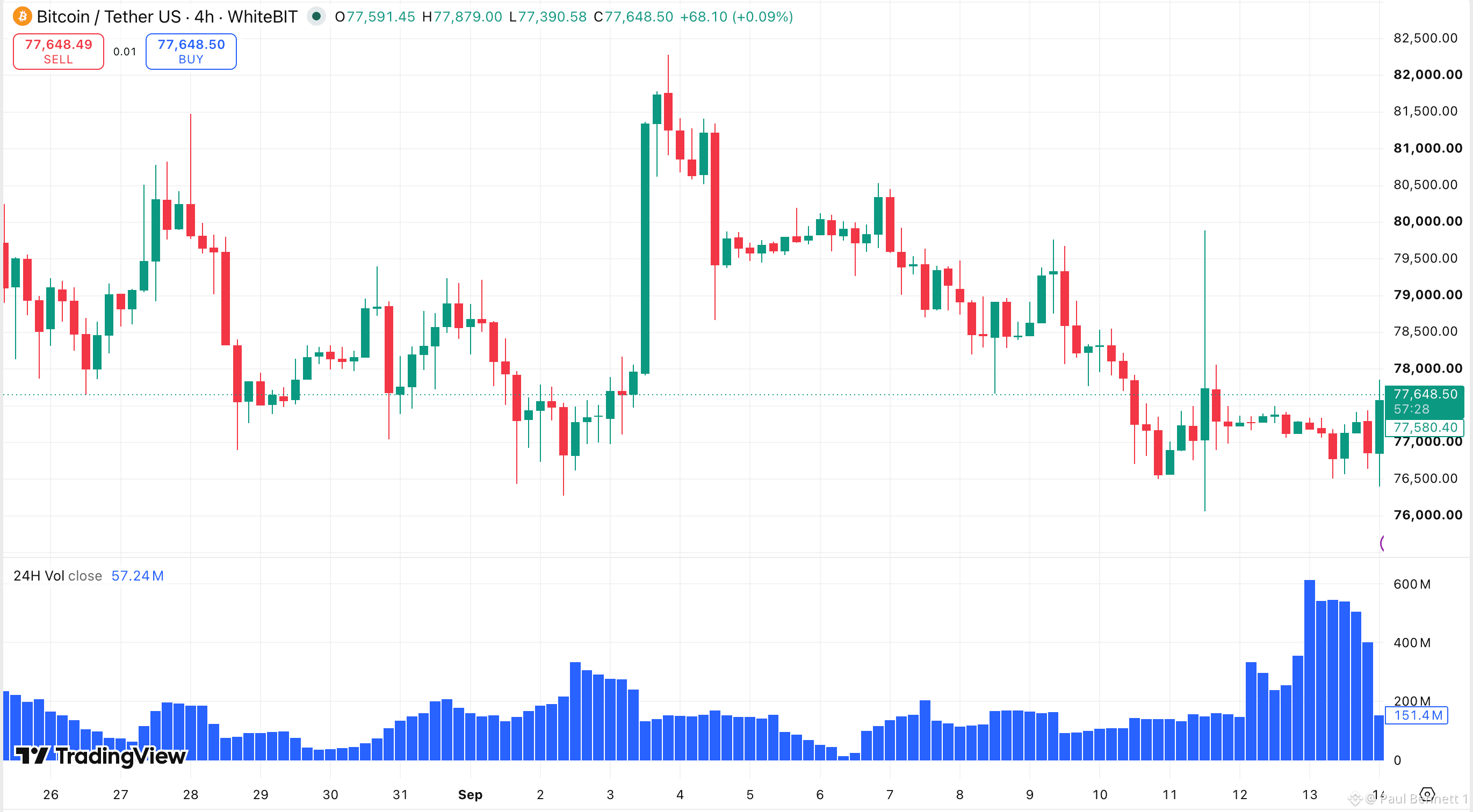
📊 CPIが上昇、$BTCは下落—その後買い手が戻ってきた 今日の米国のインフレ指標についてCoinDeskのライブ報道を追っていたのですが、最初のローソク足が示唆した以上に反応が面白いものでした。8月のコアCPIは0.3%上昇で、0.2%の予想をわずかに上回り、ヘッドラインCPIは前年比3.4%でした。発表直後、$BTCは一時的に約$76.7Kまで下がったものの、すぐに回復し、その後$80K付近へ戻っていきました。 見るべきマクロ環境はまだ引き締まっています。市場は来週のFRB利上げの可能性が非常に高いものとして織り込んでおり、データ発表後に2年物国債利回りが跳ね上がりました。同時に株は上昇し、後になって債券利回りも少し落ち着いたことで、リスク資産の安定に寄与しました。 私が注目したのは、コアCPIが強かったのに暗号資産が弱さを維持しなかった点です。ETHが主要銘柄の中で主導し、$BTCもデータ直後の動きから2%以上回復しました。つまり、私にとって今日の焦点は「熱いCPI=弱気な暗号資産」という単純な話ではなく、市場がニュースをどれだけ素早く吸収したか、ということです。もしビットコインが$77K〜$78Kのゾーンを維持できるなら、次の試金石は、このリバウンドをもう一段の$80K超えへつなげられるかどうかです。 出典: CoinDesk ※投資助言ではありません。必ず自己調査(DYOR)を行ってください。 #BTC Price Analysis# #Bitcoin Price Prediction: ビットコインの次の動きは?#
📊 CPIが上昇、$BTCは下落—その後買い手が戻ってきた 今日の米国のインフレ指標についてCoinDeskのライブ報道を追っていたのですが、最初のローソク足が示唆した以上に反応が面白いものでした。8月のコアCPIは0.3%上昇で、0.2%の予想をわずかに上回り、ヘッドラインCPIは前年比3.4%でした。発表直後、$BTCは一時的に約$76.7Kまで下がったものの、すぐに回復し、その後$80K付近へ戻っていきました。 見るべきマクロ環境はまだ引き締まっています。市場は来週のFRB利上げの可能性が非常に高いものとして織り込んでおり、データ発表後に2年物国債利回りが跳ね上がりました。同時に株は上昇し、後になって債券利回りも少し落ち着いたことで、リスク資産の安定に寄与しました。 私が注目したのは、コアCPIが強かったのに暗号資産が弱さを維持しなかった点です。ETHが主要銘柄の中で主導し、$BTCもデータ直後の動きから2%以上回復しました。つまり、私にとって今日の焦点は「熱いCPI=弱気な暗号資産」という単純な話ではなく、市場がニュースをどれだけ素早く吸収したか、ということです。もしビットコインが$77K〜$78Kのゾーンを維持できるなら、次の試金石は、このリバウンドをもう一段の$80K超えへつなげられるかどうかです。 出典: CoinDesk ※投資助言ではありません。必ず自己調査(DYOR)を行ってください。 #BTC Price Analysis# #Bitcoin Price Prediction: ビットコインの次の動きは?#

58
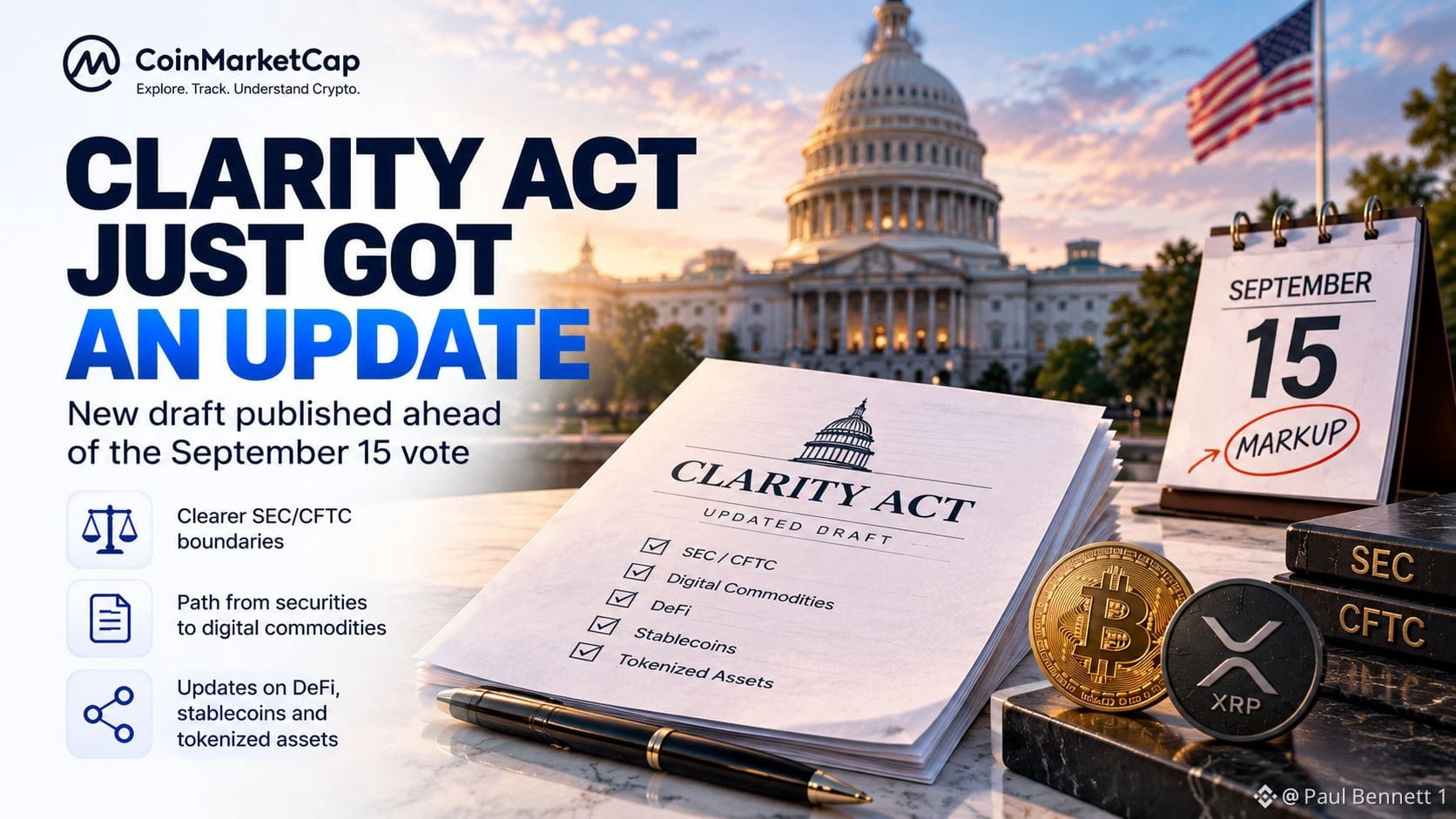
🇺🇸 法案「CLARITY Act」、9月15日を前にアップデートが入る 私は9月15日の投票を追っているのですが、見どころになる“より具体的な材料”が出てきました。 Incryptedの報道によれば、米国の議員たちが、上院銀行委員会の審議(マークアップ)に先立ってCLARITY Actの更新版を公表したとのことです。新しい草案では、暗号資産市場に対する権限をSECとCFTCでどう分けるかを、さらに発展させています。 ⚖️ 重要な論点の一つは、証券ルールのもとで始まる可能性がある暗号資産が、そのネットワークが十分に分散化されていくにつれて、のちにデジタル・コモディティとして適格になる場合の扱いです。 🏛️また、この草案はDeFi、ステーブルコイン、トークン化された資産にも触れており、取引所や個別のコインだけを対象にした法案よりもはるかに幅広い内容になっています。 私にとって9月15日は、$XRPの“あるろうそく”を予測することというより、この枠組みについて議員たちが実際にどこまで合意できるのかを見る日になりました。 米国では、$BTCはすでにコモディティとしての扱いが比較的明確です。もしこの立法が前に進めば、XRPなど市場全体の資産にも、ついにより明確なルールが適用される可能性があります。一方で$BTCは、規制の確実性が機関投資家の採用を支えるうえでのベンチマークであり続けます。 👀 月曜日は面白くなりそうです。 #BTC Price Analysis# #Bitcoin Price Prediction: What is Bitcoins next move?#
🇺🇸 法案「CLARITY Act」、9月15日を前にアップデートが入る 私は9月15日の投票を追っているのですが、見どころになる“より具体的な材料”が出てきました。 Incryptedの報道によれば、米国の議員たちが、上院銀行委員会の審議(マークアップ)に先立ってCLARITY Actの更新版を公表したとのことです。新しい草案では、暗号資産市場に対する権限をSECとCFTCでどう分けるかを、さらに発展させています。 ⚖️ 重要な論点の一つは、証券ルールのもとで始まる可能性がある暗号資産が、そのネットワークが十分に分散化されていくにつれて、のちにデジタル・コモディティとして適格になる場合の扱いです。 🏛️また、この草案はDeFi、ステーブルコイン、トークン化された資産にも触れており、取引所や個別のコインだけを対象にした法案よりもはるかに幅広い内容になっています。 私にとって9月15日は、$XRPの“あるろうそく”を予測することというより、この枠組みについて議員たちが実際にどこまで合意できるのかを見る日になりました。 米国では、$BTCはすでにコモディティとしての扱いが比較的明確です。もしこの立法が前に進めば、XRPなど市場全体の資産にも、ついにより明確なルールが適用される可能性があります。一方で$BTCは、規制の確実性が機関投資家の採用を支えるうえでのベンチマークであり続けます。 👀 月曜日は面白くなりそうです。 #BTC Price Analysis# #Bitcoin Price Prediction: What is Bitcoins next move?#
74
翻訳参照
🗓️ September 15 Is Important for $XRP - But It’s Not the Finish Line Coinpaper’s latest breakdown makes one thing clear: September 15 is a key CLARITY Act checkpoint, not a final approval date. 🏛️ The Senate Banking Committee is expected to hold a markup, where lawmakers debate the bill, propose amendments, and decide whether to move it forward. ⚖️ For XRP, that matters because clearer SEC/CFTC boundaries could reduce some of the uncertainty that has followed the asset in the U.S. But there’s still one big hurdle: enough bipartisan support. Disagreements around DeFi, stablecoin rewards, and regulatory authority could still affect the timeline. 👀 So I’m watching September 15 as a policy signal, not an automatic XRP catalyst. If the bill advances, that could be another step toward the kind of regulatory clarity $BTC already benefits from. And if $BTC keeps broader sentiment stable, XRP may have a better backdrop for any policy-driven move. Not financial advice. Always DYOR. #BTC Price Analysis# #XRP #Bitcoin Price Prediction: What is Bitcoins next move?#
🗓️ September 15 Is Important for $XRP - But It’s Not the Finish Line Coinpaper’s latest breakdown makes one thing clear: September 15 is a key CLARITY Act checkpoint, not a final approval date. 🏛️ The Senate Banking Committee is expected to hold a markup, where lawmakers debate the bill, propose amendments, and decide whether to move it forward. ⚖️ For XRP, that matters because clearer SEC/CFTC boundaries could reduce some of the uncertainty that has followed the asset in the U.S. But there’s still one big hurdle: enough bipartisan support. Disagreements around DeFi, stablecoin rewards, and regulatory authority could still affect the timeline. 👀 So I’m watching September 15 as a policy signal, not an automatic XRP catalyst. If the bill advances, that could be another step toward the kind of regulatory clarity $BTC already benefits from. And if $BTC keeps broader sentiment stable, XRP may have a better backdrop for any policy-driven move. Not financial advice. Always DYOR. #BTC Price Analysis# #XRP #Bitcoin Price Prediction: What is Bitcoins next move?#


38
翻訳参照
🎯 The $BTC Level I Keep Coming Back To Today I came across Andy’s fresh $BTC chart on TradingView today and ended up looking at it longer than I expected. 😅 What caught me is how clearly the current range is framed. There’s no need to invent some complicated scenario here - the market is sitting near a few levels that could make the next move much easier to read. 📊 Andy’s chart: https://www.tradingview.com/chart/BTCUSDT/GQyy9vBg-BTC-Is-Getting-Ready-for-Its-Next-Move-Here-s-What-I-See/ Personally, I’m leaning slightly bullish while price keeps holding the stronger support zone, but I’m not in a rush to call a breakout yet. I’d rather see buyers prove they can push through resistance and stay there. If $BTC gets that confirmation, momentum could build pretty quickly. If it gets rejected again, I’d be watching the lower support before changing my view. Right now this feels more like a “watch the reaction” setup than a “guess the direction” setup - and honestly, those are usually the charts I like most. What do you see here: breakout first or one more pullback? 👀 Disclaimer: This is not financial or investment advice. Do your own research before making any decisions. Use at your own risk. #BTC Price Analysis# #Bitcoin Price Prediction: What is Bitcoins next move?#
🎯 The $BTC Level I Keep Coming Back To Today I came across Andy’s fresh $BTC chart on TradingView today and ended up looking at it longer than I expected. 😅 What caught me is how clearly the current range is framed. There’s no need to invent some complicated scenario here - the market is sitting near a few levels that could make the next move much easier to read. 📊 Andy’s chart: https://www.tradingview.com/chart/BTCUSDT/GQyy9vBg-BTC-Is-Getting-Ready-for-Its-Next-Move-Here-s-What-I-See/ Personally, I’m leaning slightly bullish while price keeps holding the stronger support zone, but I’m not in a rush to call a breakout yet. I’d rather see buyers prove they can push through resistance and stay there. If $BTC gets that confirmation, momentum could build pretty quickly. If it gets rejected again, I’d be watching the lower support before changing my view. Right now this feels more like a “watch the reaction” setup than a “guess the direction” setup - and honestly, those are usually the charts I like most. What do you see here: breakout first or one more pullback? 👀 Disclaimer: This is not financial or investment advice. Do your own research before making any decisions. Use at your own risk. #BTC Price Analysis# #Bitcoin Price Prediction: What is Bitcoins next move?#

52
📊 ビットコインETFが一時クールダウン $BTC が $77K 付近を再訪 最新のCoinpaperアップデートを確認したところ、主な話題は大きな出来事というより、機関投資家のフローが一服していることです。米国の現物ビットコインETFは約2.83億ドルの純流出を記録し、同時に $BTC は再び $77K ゾーンに向かって動きました。流入が強かった後なので、ここはより低い水準でどれだけ需要が戻ってくるのかを見極めるための有用なチェックポイントになりそうです。👉 価格がより重要なサポート領域に入ったのと同じタイミングで、ETFフローが弱まりました。だからこそ、今後数セッションは注意深く見ておく価値があります。もし $BTC が $77K 付近で安定し、ETF需要が再び強まるなら、より広い機関投資家の流れは引き続き建設的に見えるでしょう。フローが軽いままなら、市場は直近の上昇の後、単にリセットにもう少し時間が必要なのかもしれません。※金融助言ではありません。常にDYOR。 #BTC価格分析# #ビットコイン価格予測: ビットコインの次の一手は?#
📊 ビットコインETFが一時クールダウン $BTC が $77K 付近を再訪 最新のCoinpaperアップデートを確認したところ、主な話題は大きな出来事というより、機関投資家のフローが一服していることです。米国の現物ビットコインETFは約2.83億ドルの純流出を記録し、同時に $BTC は再び $77K ゾーンに向かって動きました。流入が強かった後なので、ここはより低い水準でどれだけ需要が戻ってくるのかを見極めるための有用なチェックポイントになりそうです。👉 価格がより重要なサポート領域に入ったのと同じタイミングで、ETFフローが弱まりました。だからこそ、今後数セッションは注意深く見ておく価値があります。もし $BTC が $77K 付近で安定し、ETF需要が再び強まるなら、より広い機関投資家の流れは引き続き建設的に見えるでしょう。フローが軽いままなら、市場は直近の上昇の後、単にリセットにもう少し時間が必要なのかもしれません。※金融助言ではありません。常にDYOR。 #BTC価格分析# #ビットコイン価格予測: ビットコインの次の一手は?#

48
🔧 今日、自分で暗号資産(クリプト)スタックをゼロから構築しますか? 🙌みなさん、毎週恒例ですが、新しい記事をお届けします。今回は、多くのフィンテックチームがいずれ直面する疑問を取り上げました。つまり、暗号資産のインフラを自社で構築するのか、それともCrypto-as-a-Service(暗号資産のサービス提供)を使ってスピードを上げるのか? ✔️構築のケースは実際かなり強力です。ロードマップ、UX、そして収益(エコノミクス)を自分でコントロールできます。 ただ、面白くなるのは時間という要素を加えたときです。チームがウォレット、カストディ、コンプライアンス、流動性のレールを作っている間にも、周囲の市場は$BTC をめぐって動き続け、競合はユーザーを獲得し続けます。 この記事では、3つの異なるCrypto-as-a-Serviceのアプローチを比較し、「構築することが理にかなう場面」「統合が勝ちはじめるポイント」「スピードの代わりに本当は何を手放すのか」を見ていきます。 🔗 記事の全文はこちら: https://medium.com/@paul.bennet/the-case-for-building-crypto-yourself-until-the-clock-starts-running-093c5c1c44f1 また、$BTC やクリプト製品がフィンテックアプリの中でより一般的になっていくにつれて、この判断はますます一般的になると思います。 成長段階の企業として、今日なら「より多くのコントロール」か「より速い市場投入(time-to-market)」のどちらを選びますか?そして、どの時点で考えを変えるでしょうか? #BTC Price Analysis# #Bitcoin Price Prediction: What is Bitcoins next move?#
🔧 今日、自分で暗号資産(クリプト)スタックをゼロから構築しますか? 🙌みなさん、毎週恒例ですが、新しい記事をお届けします。今回は、多くのフィンテックチームがいずれ直面する疑問を取り上げました。つまり、暗号資産のインフラを自社で構築するのか、それともCrypto-as-a-Service(暗号資産のサービス提供)を使ってスピードを上げるのか? ✔️構築のケースは実際かなり強力です。ロードマップ、UX、そして収益(エコノミクス)を自分でコントロールできます。 ただ、面白くなるのは時間という要素を加えたときです。チームがウォレット、カストディ、コンプライアンス、流動性のレールを作っている間にも、周囲の市場は$BTC をめぐって動き続け、競合はユーザーを獲得し続けます。 この記事では、3つの異なるCrypto-as-a-Serviceのアプローチを比較し、「構築することが理にかなう場面」「統合が勝ちはじめるポイント」「スピードの代わりに本当は何を手放すのか」を見ていきます。 🔗 記事の全文はこちら: https://medium.com/@paul.bennet/the-case-for-building-crypto-yourself-until-the-clock-starts-running-093c5c1c44f1 また、$BTC やクリプト製品がフィンテックアプリの中でより一般的になっていくにつれて、この判断はますます一般的になると思います。 成長段階の企業として、今日なら「より多くのコントロール」か「より速い市場投入(time-to-market)」のどちらを選びますか?そして、どの時点で考えを変えるでしょうか? #BTC Price Analysis# #Bitcoin Price Prediction: What is Bitcoins next move?#

45
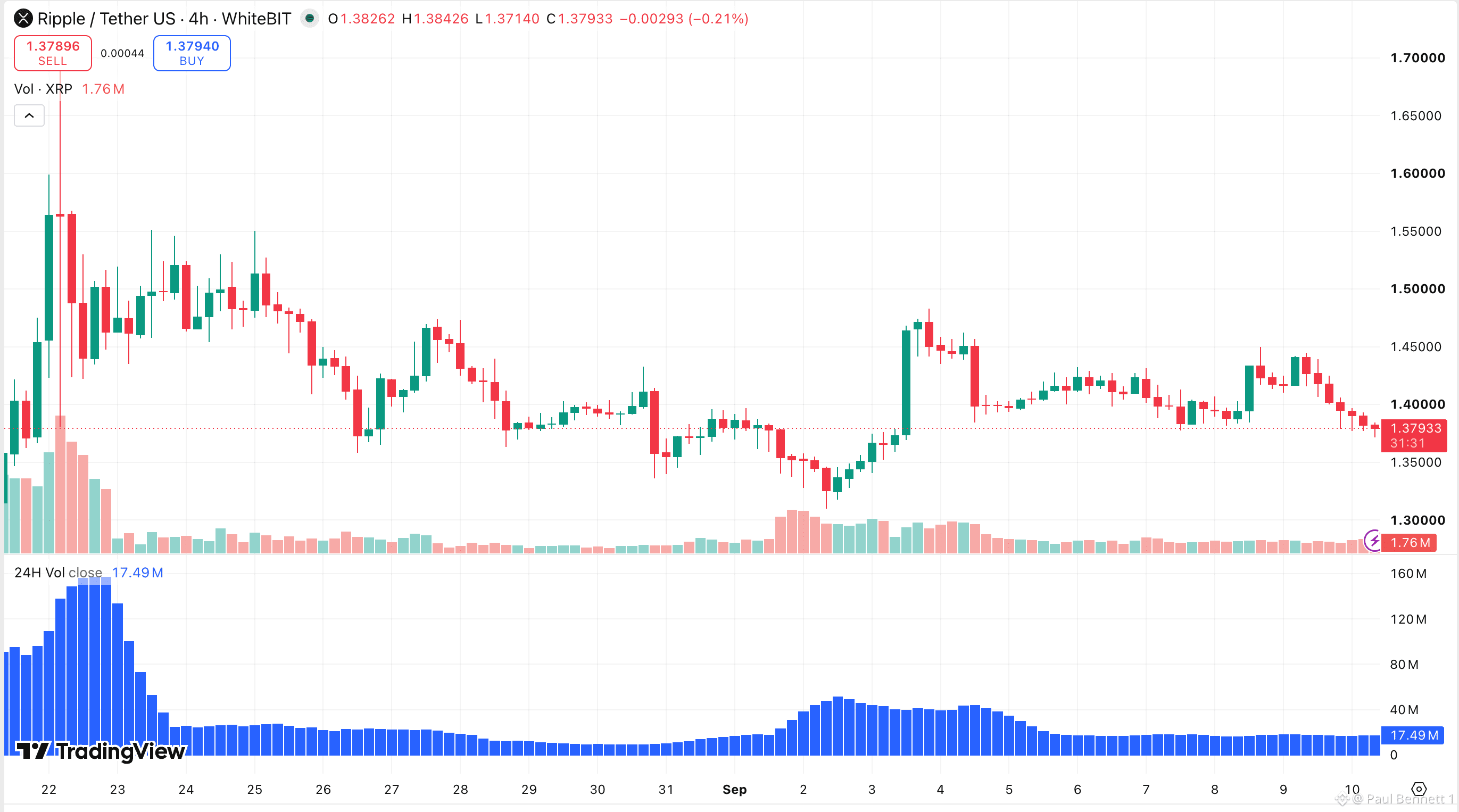
🔍 今日の $XRP のアップデートを確認しました — 価格が示す以上の動きが起きています 4%のデイリーダウンの後、$XRP は約$1.38で推移していますが、CryptoPotatoの9月10日のまとめを読んだところ、物語の中で最もつまらないのは実は値動きのほうだと感じました。 ✔️機関投資家向けのアクセスが拡大し続けています。スポット型XRP ETFはすでに8週連続でネット資金流入を記録し、累計流入は$17億($1.7B)を超えました。T. Rowe Priceの更新された仮想通貨ETFの届出では、XRPの比率は9.15%で、$BTC が39.54%、ETHが18.86%に次ぐ位置です。 さらに、開発中の別の珍しい商品もあります 👀 Exchange Listed Funds Trustは、S&P 500へのエクスポージャー75%にXRP25%を組み合わせたETFの申請を行いました。承認されれば、XRPを単独の暗号資産配分として扱うのではなく、伝統的な株式と並べてパッケージ化することになります。 一方でRippleのRLUSDは時価総額が約$25億($2.5B)まで成長しており、XRPLの開発者は、既知の悪用や資金の損失が起きる前に、新しいPermission Delegation機能の脆弱性を最近修正しました。 🛠️ だから私は、現在のXRPの動きを「価格が下がった=ストーリーが弱まっている」と単純には読んでいません。今は同時に複数の要素がそれぞれ進展しています。ETF需要、新しい投資商品、RLUSDの成長、そして今後の米国規制です。 CLARITY Actが9月15日に再び注目される見込みで、$BTC はまだ市場全体のムードを決める存在であることから、今後数日で、XRPのファンダメンタルズとチャートがついに同じ方向へ動き始めるのかどうかが分かるかもしれません。 出典:CryptoPotato 財務アドバイスではありません。常にDYOR。 #BTC Price Analysis# #Bitcoin Price Prediction: What is Bitcoins next move?# #XRP
🔍 今日の $XRP のアップデートを確認しました — 価格が示す以上の動きが起きています 4%のデイリーダウンの後、$XRP は約$1.38で推移していますが、CryptoPotatoの9月10日のまとめを読んだところ、物語の中で最もつまらないのは実は値動きのほうだと感じました。 ✔️機関投資家向けのアクセスが拡大し続けています。スポット型XRP ETFはすでに8週連続でネット資金流入を記録し、累計流入は$17億($1.7B)を超えました。T. Rowe Priceの更新された仮想通貨ETFの届出では、XRPの比率は9.15%で、$BTC が39.54%、ETHが18.86%に次ぐ位置です。 さらに、開発中の別の珍しい商品もあります 👀 Exchange Listed Funds Trustは、S&P 500へのエクスポージャー75%にXRP25%を組み合わせたETFの申請を行いました。承認されれば、XRPを単独の暗号資産配分として扱うのではなく、伝統的な株式と並べてパッケージ化することになります。 一方でRippleのRLUSDは時価総額が約$25億($2.5B)まで成長しており、XRPLの開発者は、既知の悪用や資金の損失が起きる前に、新しいPermission Delegation機能の脆弱性を最近修正しました。 🛠️ だから私は、現在のXRPの動きを「価格が下がった=ストーリーが弱まっている」と単純には読んでいません。今は同時に複数の要素がそれぞれ進展しています。ETF需要、新しい投資商品、RLUSDの成長、そして今後の米国規制です。 CLARITY Actが9月15日に再び注目される見込みで、$BTC はまだ市場全体のムードを決める存在であることから、今後数日で、XRPのファンダメンタルズとチャートがついに同じ方向へ動き始めるのかどうかが分かるかもしれません。 出典:CryptoPotato 財務アドバイスではありません。常にDYOR。 #BTC Price Analysis# #Bitcoin Price Prediction: What is Bitcoins next move?# #XRP
41
翻訳参照
🍔 ARK Just Compared ETH, $SOL and HYPE to Fast-Food Chains - And It Actually Makes Sense I didn’t expect a McDonald’s vs. Chipotle vs. In-N-Out comparison to explain blockchain architecture this well. 😄 Benzinga highlights a framework shared by Cathie Wood from ARK Invest research director Lorenzo Valiente. The idea is that major chains aren’t simply competing on speed or fees — they’re running fundamentally different business models. Ethereum = McDonald’s 🍟 The core brand and standards sit at the center, while L2s operate more like franchisees relying on Ethereum’s blockspace and settlement guarantees. Solana = Chipotle 🌯 More happens directly on the L1. Like a company controlling its own stores, Solana keeps the experience and activity much more vertically integrated. And then there’s Hyperliquid = In-N-Out 🍔 - focused product, small team, no outside capital and a deliberately tighter model. I like this comparison because it shifts the question from “Which blockchain wins?” to “Which architecture captures value best as usage grows?” Cathie Wood says more blockchains will continue to launch, while ARK currently sees $BTC , ETH and SOL as its “big three” crypto projects. Bitcoin plays a different role here: Wood has described $BTC as an insurance policy for wealth protection, rather than another application platform. What do you think about that ? #BTC Price Analysis# #Bitcoin Price Prediction: What is Bitcoins next move?#
🍔 ARK Just Compared ETH, $SOL and HYPE to Fast-Food Chains - And It Actually Makes Sense I didn’t expect a McDonald’s vs. Chipotle vs. In-N-Out comparison to explain blockchain architecture this well. 😄 Benzinga highlights a framework shared by Cathie Wood from ARK Invest research director Lorenzo Valiente. The idea is that major chains aren’t simply competing on speed or fees — they’re running fundamentally different business models. Ethereum = McDonald’s 🍟 The core brand and standards sit at the center, while L2s operate more like franchisees relying on Ethereum’s blockspace and settlement guarantees. Solana = Chipotle 🌯 More happens directly on the L1. Like a company controlling its own stores, Solana keeps the experience and activity much more vertically integrated. And then there’s Hyperliquid = In-N-Out 🍔 - focused product, small team, no outside capital and a deliberately tighter model. I like this comparison because it shifts the question from “Which blockchain wins?” to “Which architecture captures value best as usage grows?” Cathie Wood says more blockchains will continue to launch, while ARK currently sees $BTC , ETH and SOL as its “big three” crypto projects. Bitcoin plays a different role here: Wood has described $BTC as an insurance policy for wealth protection, rather than another application platform. What do you think about that ? #BTC Price Analysis# #Bitcoin Price Prediction: What is Bitcoins next move?#

52
翻訳参照
🏗️ The Treasury Decision That Bought One Project Extra Runway Imagine two Web3 projects raising roughly the same amount. Both have a long build ahead, and neither expects to spend the whole treasury anytime soon. 💰 One team keeps everything liquid. The other maps out its future expenses and puts only the capital it won’t need soon into different yield terms. At 6 months, there’s barely a difference. At 12 months, the managed treasury has earned a little extra. By 24 months, that return has turned into something much more valuable for a pre-revenue project: extra runway. The same thinking can apply to stablecoins or $BTC . The point isn’t to put the whole treasury to work - it’s to separate what may be needed soon from $BTC or other capital that can stay untouched longer. 🔎 There are several products a Web3 treasury could look at: ◆ Coinchange Yield-as-a-Service - 5 supported assets, infrastructure across 4 blockchains + 25 protocols, API-based DeFi yield. 🔗https://www.coinchange.io/products/yield-as-a-service?utm_source=coinmarketcap&utm_medium=yaas_Paul&utm_campaign=post ◆ WhiteBIT Yield-as-a-Service - from 600,000 USDT equivalent, terms from 10 days to several years, multiple crypto assets.🔗https://institutional.whitebit.com/crypto-lending-for-business?utm_source=coinmarketcap&utm_medium=yaas_Paul&utm_campaign=post Of course, the spending plan can change. An accelerated roadmap could mean exiting earlier or choosing more flexible terms, which would trim the potential return. 🛠️But over two years, even a modest return on capital that was going to sit unused anyway can buy something very important: more time to build. 📍Disclaimer: This is not financial or investment advice. Do your own research before making any decisions. Use at your own risk. #BTC Price Analysis# #Bitcoin Price Prediction: What is Bitcoins next move?#
🏗️ The Treasury Decision That Bought One Project Extra Runway Imagine two Web3 projects raising roughly the same amount. Both have a long build ahead, and neither expects to spend the whole treasury anytime soon. 💰 One team keeps everything liquid. The other maps out its future expenses and puts only the capital it won’t need soon into different yield terms. At 6 months, there’s barely a difference. At 12 months, the managed treasury has earned a little extra. By 24 months, that return has turned into something much more valuable for a pre-revenue project: extra runway. The same thinking can apply to stablecoins or $BTC . The point isn’t to put the whole treasury to work - it’s to separate what may be needed soon from $BTC or other capital that can stay untouched longer. 🔎 There are several products a Web3 treasury could look at: ◆ Coinchange Yield-as-a-Service - 5 supported assets, infrastructure across 4 blockchains + 25 protocols, API-based DeFi yield. 🔗https://www.coinchange.io/products/yield-as-a-service?utm_source=coinmarketcap&utm_medium=yaas_Paul&utm_campaign=post ◆ WhiteBIT Yield-as-a-Service - from 600,000 USDT equivalent, terms from 10 days to several years, multiple crypto assets.🔗https://institutional.whitebit.com/crypto-lending-for-business?utm_source=coinmarketcap&utm_medium=yaas_Paul&utm_campaign=post Of course, the spending plan can change. An accelerated roadmap could mean exiting earlier or choosing more flexible terms, which would trim the potential return. 🛠️But over two years, even a modest return on capital that was going to sit unused anyway can buy something very important: more time to build. 📍Disclaimer: This is not financial or investment advice. Do your own research before making any decisions. Use at your own risk. #BTC Price Analysis# #Bitcoin Price Prediction: What is Bitcoins next move?#

翻訳参照
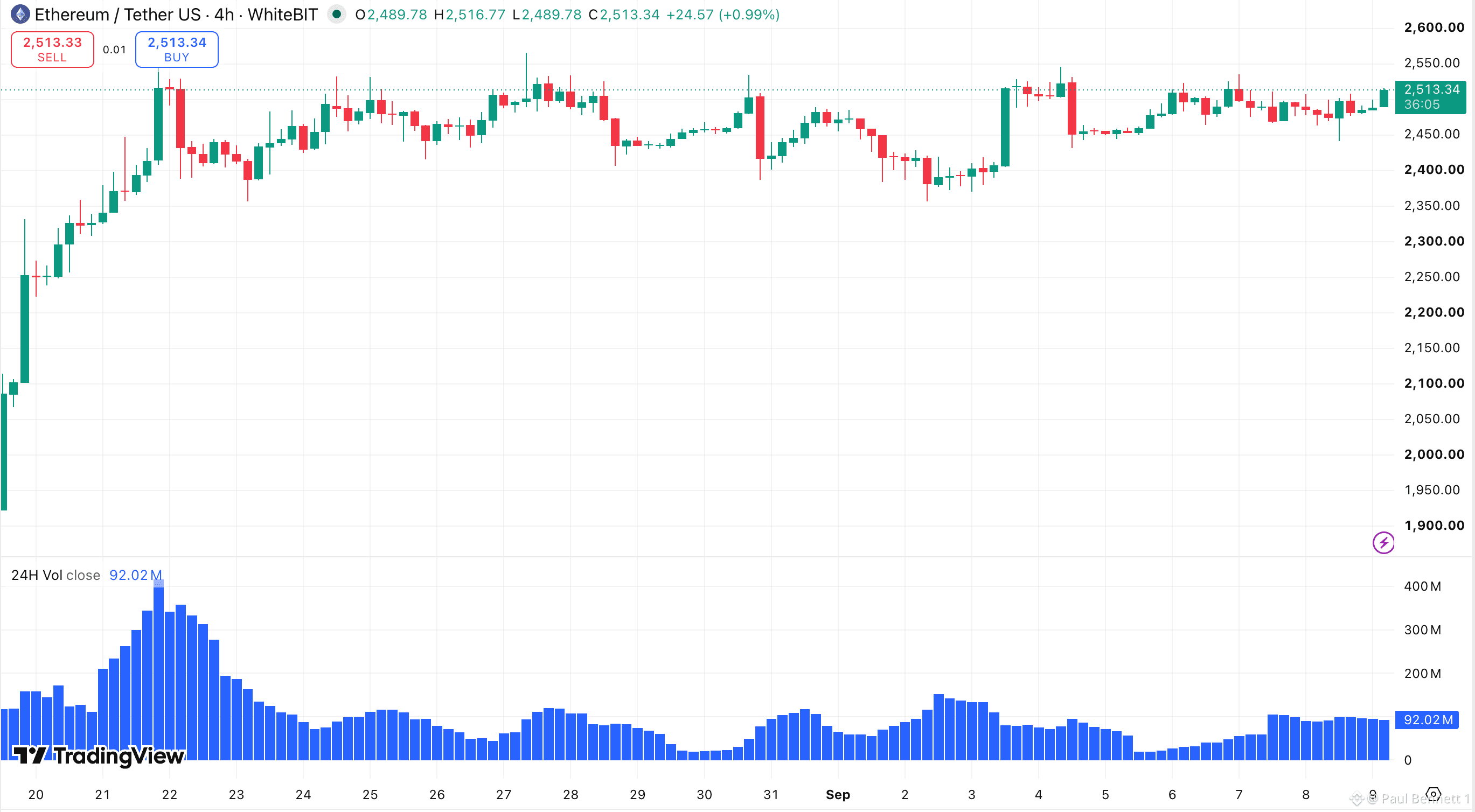
🏦 BitMine Is $5B Underwater on $ETH - And Still Buying A $5 billion paper loss would make most investors slow down. BitMine just bought more. 👀 BeInCrypto reports that Tom Lee’s company now holds around 5.93M ETH, after adding another 28,086 ETH last week despite the massive unrealized loss. But this isn’t purely a bet on ETH going up. 🔒 Around 85% of BitMine’s ETH is staked, potentially generating roughly $330M in annual staking revenue. And the company is now only about 171K ETH away from its target of owning 5% of Ethereum’s supply. The model is becoming pretty clear: Buy → Stake → Earn → Keep accumulating 🔄 That makes it different from the typical corporate $BTC treasury. Bitcoin treasuries largely depend on asset appreciation; BitMine can generate native yield while waiting for ETH to recover. Interestingly, BMNR is still up around 99% quarter-to-date. 📈 If $BTC proved that crypto can become a public-company treasury strategy, BitMine is testing the next version: can ETH turn that treasury into a yield-generating asset too? Not financial advice. Always DYOR #BTC Price Analysis# #Bitcoin Price Prediction: What is Bitcoins next move?#
🏦 BitMine Is $5B Underwater on $ETH - And Still Buying A $5 billion paper loss would make most investors slow down. BitMine just bought more. 👀 BeInCrypto reports that Tom Lee’s company now holds around 5.93M ETH, after adding another 28,086 ETH last week despite the massive unrealized loss. But this isn’t purely a bet on ETH going up. 🔒 Around 85% of BitMine’s ETH is staked, potentially generating roughly $330M in annual staking revenue. And the company is now only about 171K ETH away from its target of owning 5% of Ethereum’s supply. The model is becoming pretty clear: Buy → Stake → Earn → Keep accumulating 🔄 That makes it different from the typical corporate $BTC treasury. Bitcoin treasuries largely depend on asset appreciation; BitMine can generate native yield while waiting for ETH to recover. Interestingly, BMNR is still up around 99% quarter-to-date. 📈 If $BTC proved that crypto can become a public-company treasury strategy, BitMine is testing the next version: can ETH turn that treasury into a yield-generating asset too? Not financial advice. Always DYOR #BTC Price Analysis# #Bitcoin Price Prediction: What is Bitcoins next move?#
62
翻訳参照
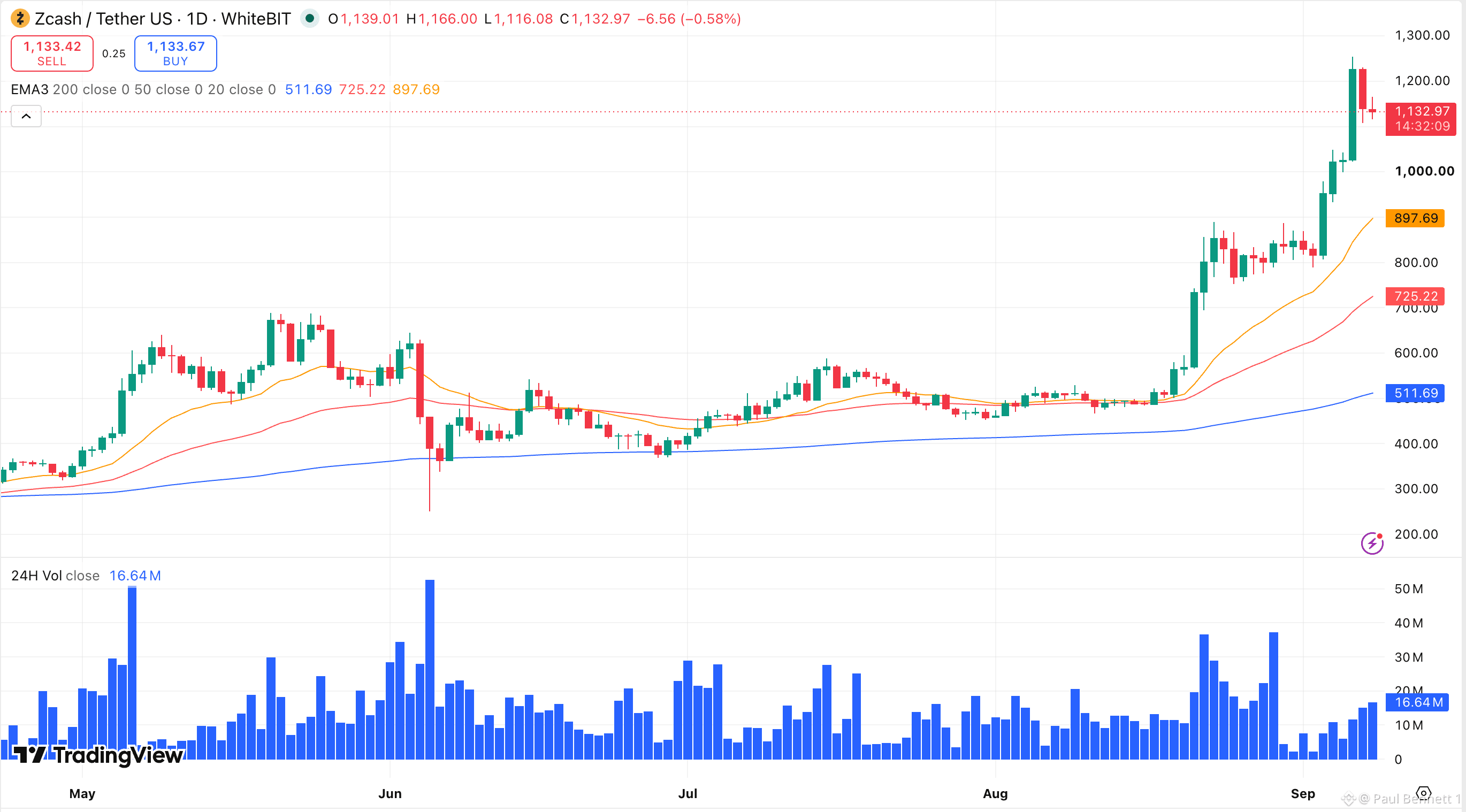
🕶️ $ZEC Ran 50% in Days - Now the Chart Is Sending Two Warnings Zcash has been one of the strongest movers in crypto lately. ZEC jumped from around $800 to a peak near $1,250, before pulling back toward $1,124. But U.Today highlights two signals suggesting the easy part of the rally may be over. Signal 1 → momentum is slowing. 📉 ZEC made a substantially higher price high, but RSI didn’t follow. RSI is now around 74, creating a bearish divergence. Signal 2 → price is stretched. 📏 The 20-day MA sits near $847, leaving ZEC roughly 33% above its closest major dynamic support. The 50-day MA is even lower, around $650. So instead of trying to guess the top, I’d map the chart like this: 🛡️ $1,040–$1,080 → first important support 🎯 $1,200–$1,250 → bulls need to reclaim this zone 🔻 $950 → next level if support fails 🏗️ $800–$850 → previous consolidation area The trend is still bullish, but after a nearly vertical move, ZEC now needs increasingly strong demand just to maintain momentum. If $BTC stays constructive, that can help the broader altcoin environment. But even with supportive $BTC conditions, I’d want to see ZEC hold $1,040–$1,080 and momentum stabilize before assuming another 50% leg is coming. Source: U.Todау Not financial advice. Always DYOR. #BTC Price Analysis# #Bitcoin Price Prediction: What is Bitcoins next move?#
🕶️ $ZEC Ran 50% in Days - Now the Chart Is Sending Two Warnings Zcash has been one of the strongest movers in crypto lately. ZEC jumped from around $800 to a peak near $1,250, before pulling back toward $1,124. But U.Today highlights two signals suggesting the easy part of the rally may be over. Signal 1 → momentum is slowing. 📉 ZEC made a substantially higher price high, but RSI didn’t follow. RSI is now around 74, creating a bearish divergence. Signal 2 → price is stretched. 📏 The 20-day MA sits near $847, leaving ZEC roughly 33% above its closest major dynamic support. The 50-day MA is even lower, around $650. So instead of trying to guess the top, I’d map the chart like this: 🛡️ $1,040–$1,080 → first important support 🎯 $1,200–$1,250 → bulls need to reclaim this zone 🔻 $950 → next level if support fails 🏗️ $800–$850 → previous consolidation area The trend is still bullish, but after a nearly vertical move, ZEC now needs increasingly strong demand just to maintain momentum. If $BTC stays constructive, that can help the broader altcoin environment. But even with supportive $BTC conditions, I’d want to see ZEC hold $1,040–$1,080 and momentum stabilize before assuming another 50% leg is coming. Source: U.Todау Not financial advice. Always DYOR. #BTC Price Analysis# #Bitcoin Price Prediction: What is Bitcoins next move?#
24
👛 「すべてに1つのウォレット」って実際どういう意味? 一見すると、マルチアセット・ウォレットはシンプルに見えます。ユーザーは1つのアプリを開き、$BTC を他の資産と並んで確認し、1つの残高をチェックして、同じ「送金」ボタンを押すだけ。 ⚙️しかしその裏では、それぞれの資産は依然として非常に異なるネットワーク上に存在しています。UTXO型とアカウント型のチェーンでは残高の追跡方法が異なり、アドレス形式もさまざま、確認ルールも異なり、さらに各ネットワークには独自の手数料トークンがあります。たとえ1つの残高画面であっても、あるチェーンではすでに確定している可能性がある取引と、別のチェーンではまだ保留の取引が混在し得ることを考慮する必要があります。 大規模になると、これはすぐにややこしくなります。$BTC に加えて数十種類もの他の資産をサポートするには、多数のチェーンにまたがってガス残高、流動性、署名フロー、ネットワーク固有のルールを管理することが求められます。WhiteBIT Wallet-as-a-Service のようなインフラは、その複雑さの多くを、1つの統合レイヤーの裏側に押し込むことができます。生成されたアドレスに対する自動AMLチェックやマルチチェーン機能などを備え、80+ のブロックチェーンネットワークで 340+ の暗号資産をサポートしています。 https://institutional.whitebit.com/crypto-wallets-for-business?utm_source=coinmarketcap&utm_medium=waaspaaaul&utm_campaign=post 💡つまり「1つのウォレット」が実際に買うものは、1つのブロックチェーンの仕組みではなく、複数の仕組みにまたがる1つのインターフェースです。複雑さは消えるわけではありません。ただ、プロダクトチームが資産ごとに個別に管理する必要がなくなるだけです。 📍免責事項:これは金融または投資助言ではありません。判断する前に各自で調査してください。ご利用はすべて自己責任で行ってください。 #BTC Price Analysis# #Bitcoin Price Prediction: What is Bitcoins next move?#
👛 「すべてに1つのウォレット」って実際どういう意味? 一見すると、マルチアセット・ウォレットはシンプルに見えます。ユーザーは1つのアプリを開き、$BTC を他の資産と並んで確認し、1つの残高をチェックして、同じ「送金」ボタンを押すだけ。 ⚙️しかしその裏では、それぞれの資産は依然として非常に異なるネットワーク上に存在しています。UTXO型とアカウント型のチェーンでは残高の追跡方法が異なり、アドレス形式もさまざま、確認ルールも異なり、さらに各ネットワークには独自の手数料トークンがあります。たとえ1つの残高画面であっても、あるチェーンではすでに確定している可能性がある取引と、別のチェーンではまだ保留の取引が混在し得ることを考慮する必要があります。 大規模になると、これはすぐにややこしくなります。$BTC に加えて数十種類もの他の資産をサポートするには、多数のチェーンにまたがってガス残高、流動性、署名フロー、ネットワーク固有のルールを管理することが求められます。WhiteBIT Wallet-as-a-Service のようなインフラは、その複雑さの多くを、1つの統合レイヤーの裏側に押し込むことができます。生成されたアドレスに対する自動AMLチェックやマルチチェーン機能などを備え、80+ のブロックチェーンネットワークで 340+ の暗号資産をサポートしています。 https://institutional.whitebit.com/crypto-wallets-for-business?utm_source=coinmarketcap&utm_medium=waaspaaaul&utm_campaign=post 💡つまり「1つのウォレット」が実際に買うものは、1つのブロックチェーンの仕組みではなく、複数の仕組みにまたがる1つのインターフェースです。複雑さは消えるわけではありません。ただ、プロダクトチームが資産ごとに個別に管理する必要がなくなるだけです。 📍免責事項:これは金融または投資助言ではありません。判断する前に各自で調査してください。ご利用はすべて自己責任で行ってください。 #BTC Price Analysis# #Bitcoin Price Prediction: What is Bitcoins next move?#

31
翻訳参照
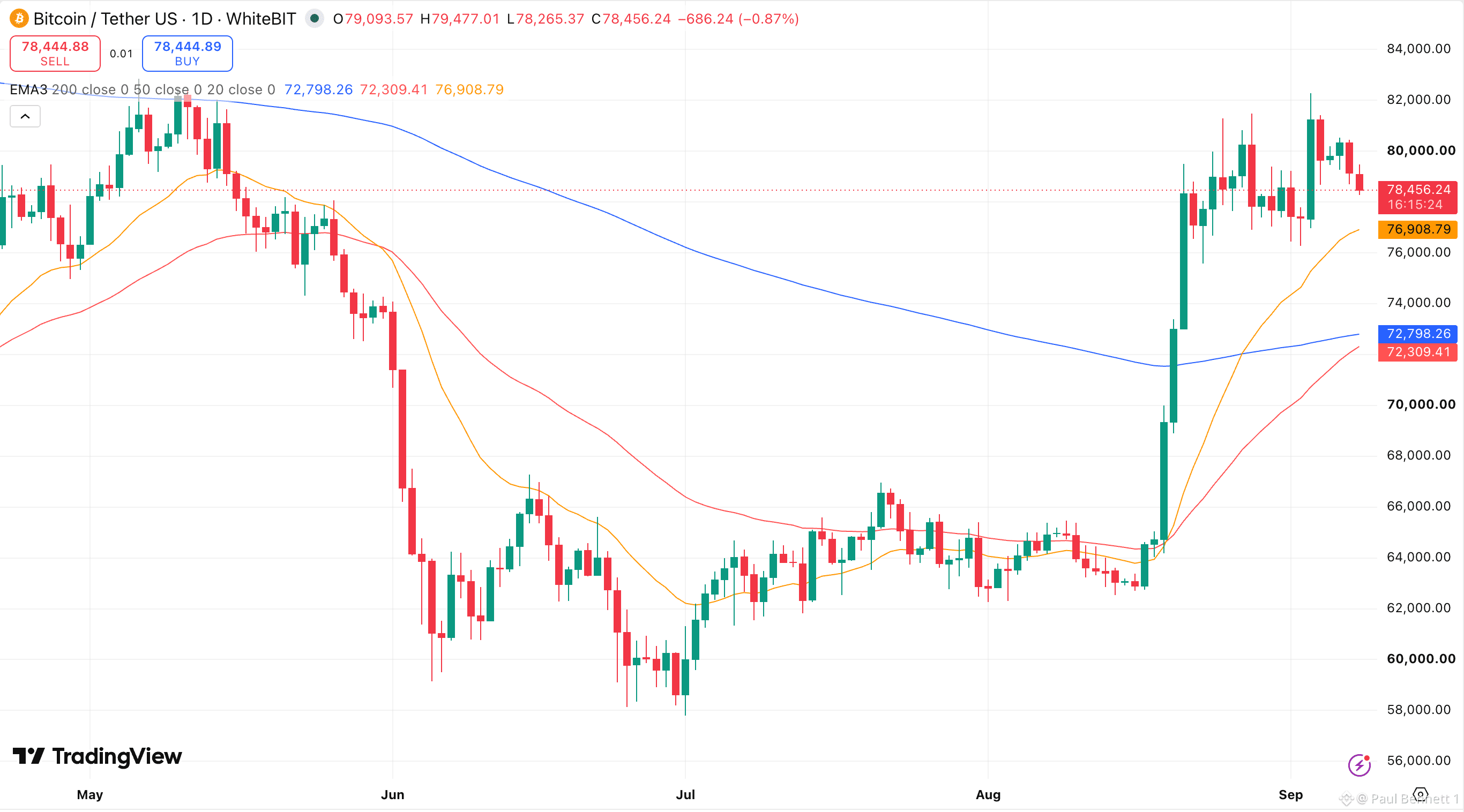
✨ Bitcoin’s Golden Cross Is Official - But History Says Don’t Celebrate Yet The signal bulls have been waiting for just appeared on the Bitcoin daily chart. CoinDesk reports that $BTC 's 50-day SMA has crossed above its 200-day SMA, officially forming a golden cross. It’s one of the most widely followed long-term bullish technical signals. But here’s the number that makes this setup much more interesting: 🟢Bitcoin has produced 12 golden crosses historically. 🟢 Only 3 remained valid for a full year. 🟢 Those three delivered an average 250% return over the following 12 months. 🟢 Across the other measurable cases, the average three-month gain was a much more modest 24.9%. So I wouldn’t read this as golden cross = automatic rally. The signal tells us that shorter-term momentum has overtaken the longer-term trend - now price needs to confirm it. With $BTC around $78K, I’m watching whether buyers can keep the structure intact after the crossover rather than focusing on a huge upside target immediately. The cross is here. Now comes the harder part: finding out whether this is one of the 3 strong historical cases - or one of the other 9. 👀 Not financial advice. Always DYOR. #BTC Price Analysis# #Bitcoin Price Prediction: What is Bitcoins next move?#
✨ Bitcoin’s Golden Cross Is Official - But History Says Don’t Celebrate Yet The signal bulls have been waiting for just appeared on the Bitcoin daily chart. CoinDesk reports that $BTC 's 50-day SMA has crossed above its 200-day SMA, officially forming a golden cross. It’s one of the most widely followed long-term bullish technical signals. But here’s the number that makes this setup much more interesting: 🟢Bitcoin has produced 12 golden crosses historically. 🟢 Only 3 remained valid for a full year. 🟢 Those three delivered an average 250% return over the following 12 months. 🟢 Across the other measurable cases, the average three-month gain was a much more modest 24.9%. So I wouldn’t read this as golden cross = automatic rally. The signal tells us that shorter-term momentum has overtaken the longer-term trend - now price needs to confirm it. With $BTC around $78K, I’m watching whether buyers can keep the structure intact after the crossover rather than focusing on a huge upside target immediately. The cross is here. Now comes the harder part: finding out whether this is one of the 3 strong historical cases - or one of the other 9. 👀 Not financial advice. Always DYOR. #BTC Price Analysis# #Bitcoin Price Prediction: What is Bitcoins next move?#

52
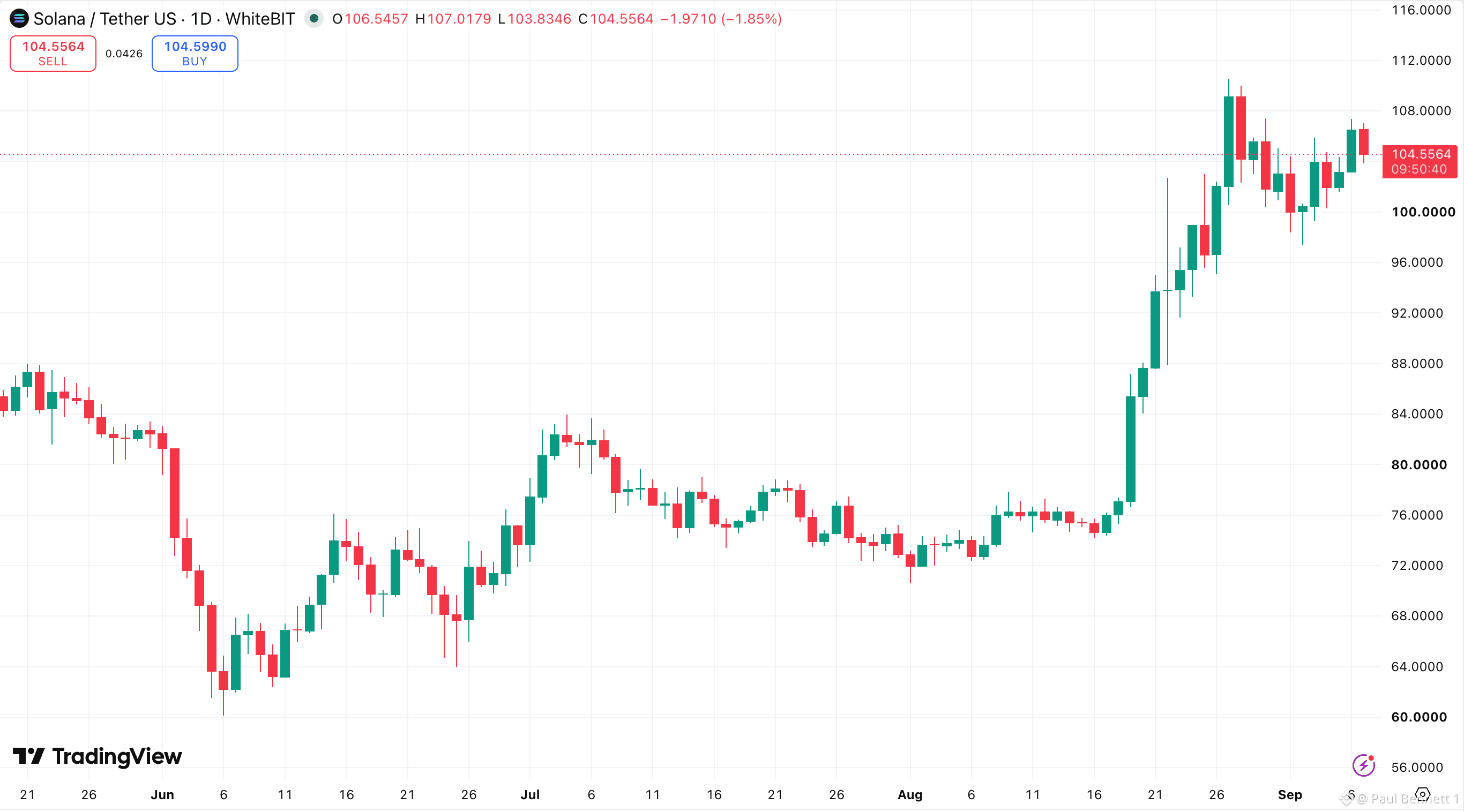
🧩 Solanaの次のアップグレードはTPSの話だけじゃない ある$SOLの取引が突然“3倍以上”のスペースを使うようになったら何が変わるのか? 来週水曜から、ネットワークの新しいTransaction v1形式により、最大取引サイズが1,232バイトから4,096バイトに引き上げられるとCoinDeskが報じた。 技術的に聞こえますが、実際の違いはずっと分かりやすいです👇 🧠 複数の命令を含むDeFi取引 🔐 複雑なマルチシグ送金 🧾 大きな暗号学的証明を運ぶ取引 🕶️ より高度なプライバシー機能 現在、開発者はこれらの処理の一部を複数の取引に分ける必要があります。 新しい形式になれば、そのロジックのより多くを1つの取引に収められる可能性があります。 そして、今の私がより面白いと感じているのはまさにこのSolanaの話です。 競争はもはやTPSだけではありません。 どれだけ“有用な作業”が1つの取引の中で実行できるかが、ますます重要になっています。⚙️ もちろんトレードオフもあります。 📡 大きな取引はより多くの帯域を必要とし、活動が活発になるとブロックスペースをめぐる競争がより激しくなる可能性があります。 $BTCは、希少性と機関投資家向け資産の会話の中で、すでにその地位を大きく確保しています。 Solanaは、かなり異なる戦場で競っています。つまり「開発者がオンチェーンで実際に何を作れるか」です。 $BTCが市場全体にとって前向きな流れを保つなら、次に注目すべきは、この4,096バイトが目に見えてより洗練されたSolanaアプリにつながるかどうかです。🚀 それが“数そのもの”よりずっと面白いはずです。 投資助言ではありません。常にDYOR。 #BTC Price Analysis# #Bitcoin Price Prediction: What is Bitcoins next move?#
🧩 Solanaの次のアップグレードはTPSの話だけじゃない ある$SOLの取引が突然“3倍以上”のスペースを使うようになったら何が変わるのか? 来週水曜から、ネットワークの新しいTransaction v1形式により、最大取引サイズが1,232バイトから4,096バイトに引き上げられるとCoinDeskが報じた。 技術的に聞こえますが、実際の違いはずっと分かりやすいです👇 🧠 複数の命令を含むDeFi取引 🔐 複雑なマルチシグ送金 🧾 大きな暗号学的証明を運ぶ取引 🕶️ より高度なプライバシー機能 現在、開発者はこれらの処理の一部を複数の取引に分ける必要があります。 新しい形式になれば、そのロジックのより多くを1つの取引に収められる可能性があります。 そして、今の私がより面白いと感じているのはまさにこのSolanaの話です。 競争はもはやTPSだけではありません。 どれだけ“有用な作業”が1つの取引の中で実行できるかが、ますます重要になっています。⚙️ もちろんトレードオフもあります。 📡 大きな取引はより多くの帯域を必要とし、活動が活発になるとブロックスペースをめぐる競争がより激しくなる可能性があります。 $BTCは、希少性と機関投資家向け資産の会話の中で、すでにその地位を大きく確保しています。 Solanaは、かなり異なる戦場で競っています。つまり「開発者がオンチェーンで実際に何を作れるか」です。 $BTCが市場全体にとって前向きな流れを保つなら、次に注目すべきは、この4,096バイトが目に見えてより洗練されたSolanaアプリにつながるかどうかです。🚀 それが“数そのもの”よりずっと面白いはずです。 投資助言ではありません。常にDYOR。 #BTC Price Analysis# #Bitcoin Price Prediction: What is Bitcoins next move?#
31
💰 保有するだけ vs. 実際に使うこと——ついに片方に決めました しばらくの間、私の仮想通貨のルーティンは恥ずかしいほどシンプルでした:$BTCを保有して、価格を確認して、アプリを閉じる。繰り返し。😅 いずれ、その戦略の「後半」——というより、その“欠けているもの”——に疑問を持ち始めました。資産を信じて$BTCを保有するのはひとつのことです。でも、仮想通貨の残高の残りを完全に何もせず放置するのは別の話。これは単なる個人的な考えではありません。ECBは最近、世界のステーブルコインの時価総額が約$300Bに近い一方で、ステーブルコインは一般的に利息が直接支払われないと指摘しています。つまり、値上がり益よりも「安定」を目的に設計された資産に、多くの資金が滞留しているということです。 それがきっかけで、残高の一部について、より詳しく定期(固定期間)オプションを検討するようになりました。 🔎 そうしている中で、2024年8月13日から9月27日まで実施されているWhiteBITの「Crypto Lending(暗号資産レンディング)」向けVIPを見つけました。KYCを完了し、キャンペーンに参加して、少なくとも10,000USDT相当の「Fixed Crypto Lending(固定型レンディング)」プランを開設したユーザーは、VIPレベル2への自動アップグレードを受け取れます。 https://bit.ly/4zLpYwf 保有だけから離れる理由になったわけではありませんが、確かに面白い“追加要素”です。時には、より良い問いは「次に何を買うべき?」ではなく、「自分がすでに持っているものを、実際に使えているか?」なのかもしれません。👀 免責事項:暗号資産への投資には大きなリスクがあります。投資額全額を失う可能性があります。責任を持って投資してください。 #BTC Price Analysis# #Bitcoin Price Prediction: What is Bitcoins next move?#
💰 保有するだけ vs. 実際に使うこと——ついに片方に決めました しばらくの間、私の仮想通貨のルーティンは恥ずかしいほどシンプルでした:$BTCを保有して、価格を確認して、アプリを閉じる。繰り返し。😅 いずれ、その戦略の「後半」——というより、その“欠けているもの”——に疑問を持ち始めました。資産を信じて$BTCを保有するのはひとつのことです。でも、仮想通貨の残高の残りを完全に何もせず放置するのは別の話。これは単なる個人的な考えではありません。ECBは最近、世界のステーブルコインの時価総額が約$300Bに近い一方で、ステーブルコインは一般的に利息が直接支払われないと指摘しています。つまり、値上がり益よりも「安定」を目的に設計された資産に、多くの資金が滞留しているということです。 それがきっかけで、残高の一部について、より詳しく定期(固定期間)オプションを検討するようになりました。 🔎 そうしている中で、2024年8月13日から9月27日まで実施されているWhiteBITの「Crypto Lending(暗号資産レンディング)」向けVIPを見つけました。KYCを完了し、キャンペーンに参加して、少なくとも10,000USDT相当の「Fixed Crypto Lending(固定型レンディング)」プランを開設したユーザーは、VIPレベル2への自動アップグレードを受け取れます。 https://bit.ly/4zLpYwf 保有だけから離れる理由になったわけではありませんが、確かに面白い“追加要素”です。時には、より良い問いは「次に何を買うべき?」ではなく、「自分がすでに持っているものを、実際に使えているか?」なのかもしれません。👀 免責事項:暗号資産への投資には大きなリスクがあります。投資額全額を失う可能性があります。責任を持って投資してください。 #BTC Price Analysis# #Bitcoin Price Prediction: What is Bitcoins next move?#

翻訳参照
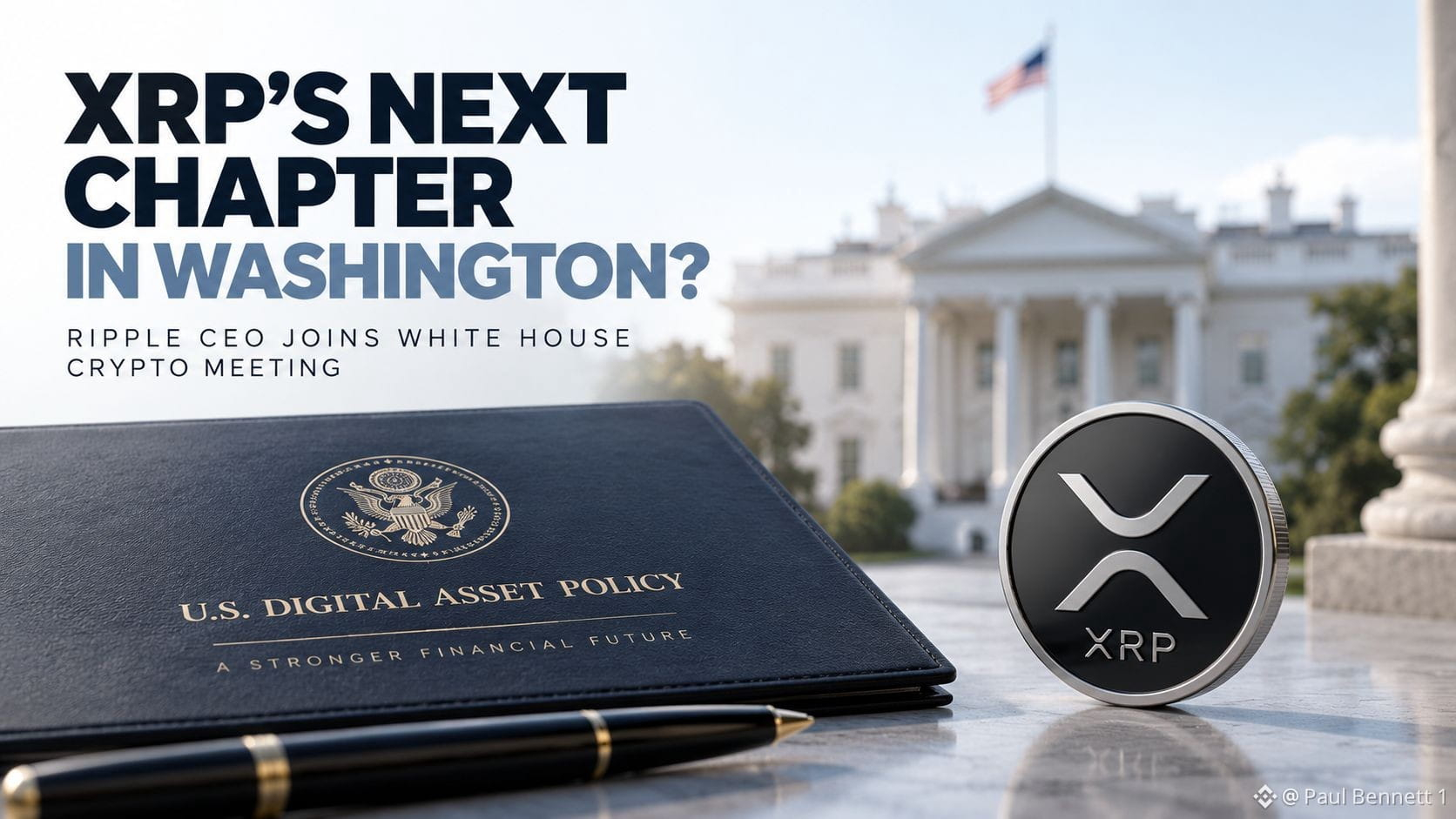
👀 XRP’s Next Catalyst May Be Coming From Washington, Not the Chart Benzinga points to Ripple CEO Brad Garlinghouse’s latest White House appearance as a sign that Ripple is becoming more involved in U.S. crypto policy discussions. The bigger takeaway isn’t the meeting itself. It’s that XRP’s story is increasingly tied to regulation, payments infrastructure, and institutional access. 🏛️ Ripple now has a more direct voice in Washington. ⚖️ Clearer market-structure rules could remove part of the uncertainty that has followed XRP for years. 🌐 That would matter for Ripple’s broader push into cross-border payments and financial infrastructure. $BTC already has a much cleaner institutional narrative in the U.S. XRP is still building toward that position, and policy progress could be one of the biggest things that changes the gap. So for XRP, I’d watch legislation and regulatory decisions just as closely as price. If Washington keeps moving toward clearer rules, that could matter far more than one short-term candle - especially with $BTC continuing to pull traditional finance deeper into crypto. #BTC Price Analysis# #XRP #Bitcoin Price Prediction: What is Bitcoins next move?#
👀 XRP’s Next Catalyst May Be Coming From Washington, Not the Chart Benzinga points to Ripple CEO Brad Garlinghouse’s latest White House appearance as a sign that Ripple is becoming more involved in U.S. crypto policy discussions. The bigger takeaway isn’t the meeting itself. It’s that XRP’s story is increasingly tied to regulation, payments infrastructure, and institutional access. 🏛️ Ripple now has a more direct voice in Washington. ⚖️ Clearer market-structure rules could remove part of the uncertainty that has followed XRP for years. 🌐 That would matter for Ripple’s broader push into cross-border payments and financial infrastructure. $BTC already has a much cleaner institutional narrative in the U.S. XRP is still building toward that position, and policy progress could be one of the biggest things that changes the gap. So for XRP, I’d watch legislation and regulatory decisions just as closely as price. If Washington keeps moving toward clearer rules, that could matter far more than one short-term candle - especially with $BTC continuing to pull traditional finance deeper into crypto. #BTC Price Analysis# #XRP #Bitcoin Price Prediction: What is Bitcoins next move?#
69
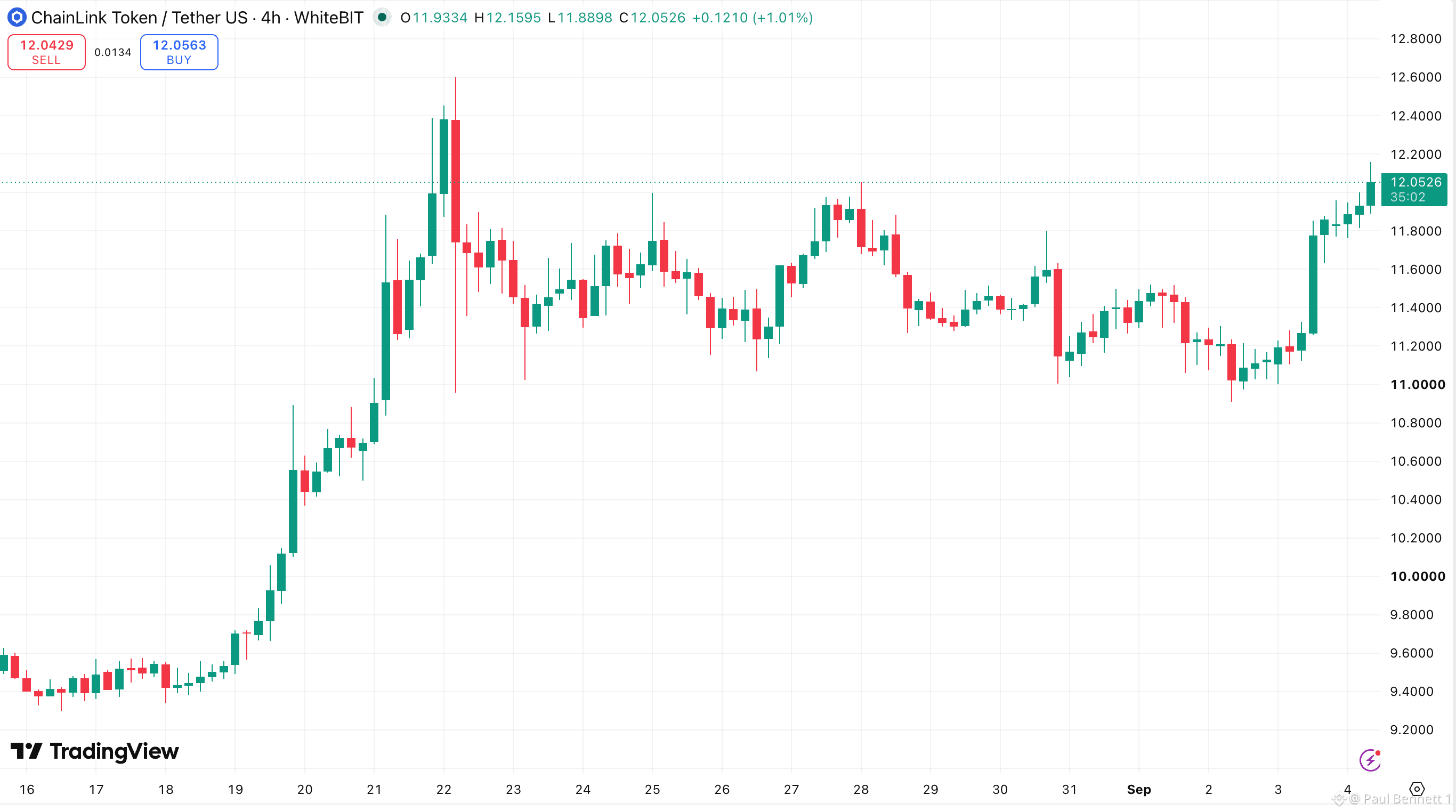
🏦 600以上の銀行がブロックチェーンへの新ルートを得た Chainlinkは、Swiftサービス提供事業者として上位3社の1つであるBottomlineと提携し、そのインフラに600以上の銀行顧客への潜在的なルートを開きました。 そして規模感が無視できません。Bottomlineのプラットフォームは、年間で16兆ドル以上の決済を処理しています。 🌍 狙いどころは銀行側がすべてを作り直す必要がないことです。銀行は馴染みのあるISO 20022メッセージを使い続けられます。そこにChainlinkのCCIPとRuntime Environmentが、その指示をパブリックおよび許可型ブロックチェーンへと接続します。 つまりここでのポイントは、実際にはLINK価格の話ではありません。銀行がすでに理解しているシステムからブロックチェーンのレール(基盤)を使えるようにすることです。 $BTC が機関投資家を暗号資産の世界へ連れてきたのと同様に、こうしたインフラは、彼らの実際の決済業務をブロックチェーンにつなげようとしています。その橋が本物の取引量を見始めれば、それは$LINKにとどまらず、$BTCを中心に発展するより広い機関投資家市場にまで影響する可能性があります。 出典:CoinPaprika ※投資助言ではありません。必ずDYOR(自己責任で調査)してください。 #BTC価格分析# #Chainlink #Bitcoin価格予測:ビットコインの次の一手は?#
🏦 600以上の銀行がブロックチェーンへの新ルートを得た Chainlinkは、Swiftサービス提供事業者として上位3社の1つであるBottomlineと提携し、そのインフラに600以上の銀行顧客への潜在的なルートを開きました。 そして規模感が無視できません。Bottomlineのプラットフォームは、年間で16兆ドル以上の決済を処理しています。 🌍 狙いどころは銀行側がすべてを作り直す必要がないことです。銀行は馴染みのあるISO 20022メッセージを使い続けられます。そこにChainlinkのCCIPとRuntime Environmentが、その指示をパブリックおよび許可型ブロックチェーンへと接続します。 つまりここでのポイントは、実際にはLINK価格の話ではありません。銀行がすでに理解しているシステムからブロックチェーンのレール(基盤)を使えるようにすることです。 $BTC が機関投資家を暗号資産の世界へ連れてきたのと同様に、こうしたインフラは、彼らの実際の決済業務をブロックチェーンにつなげようとしています。その橋が本物の取引量を見始めれば、それは$LINKにとどまらず、$BTCを中心に発展するより広い機関投資家市場にまで影響する可能性があります。 出典:CoinPaprika ※投資助言ではありません。必ずDYOR(自己責任で調査)してください。 #BTC価格分析# #Chainlink #Bitcoin価格予測:ビットコインの次の一手は?#
66
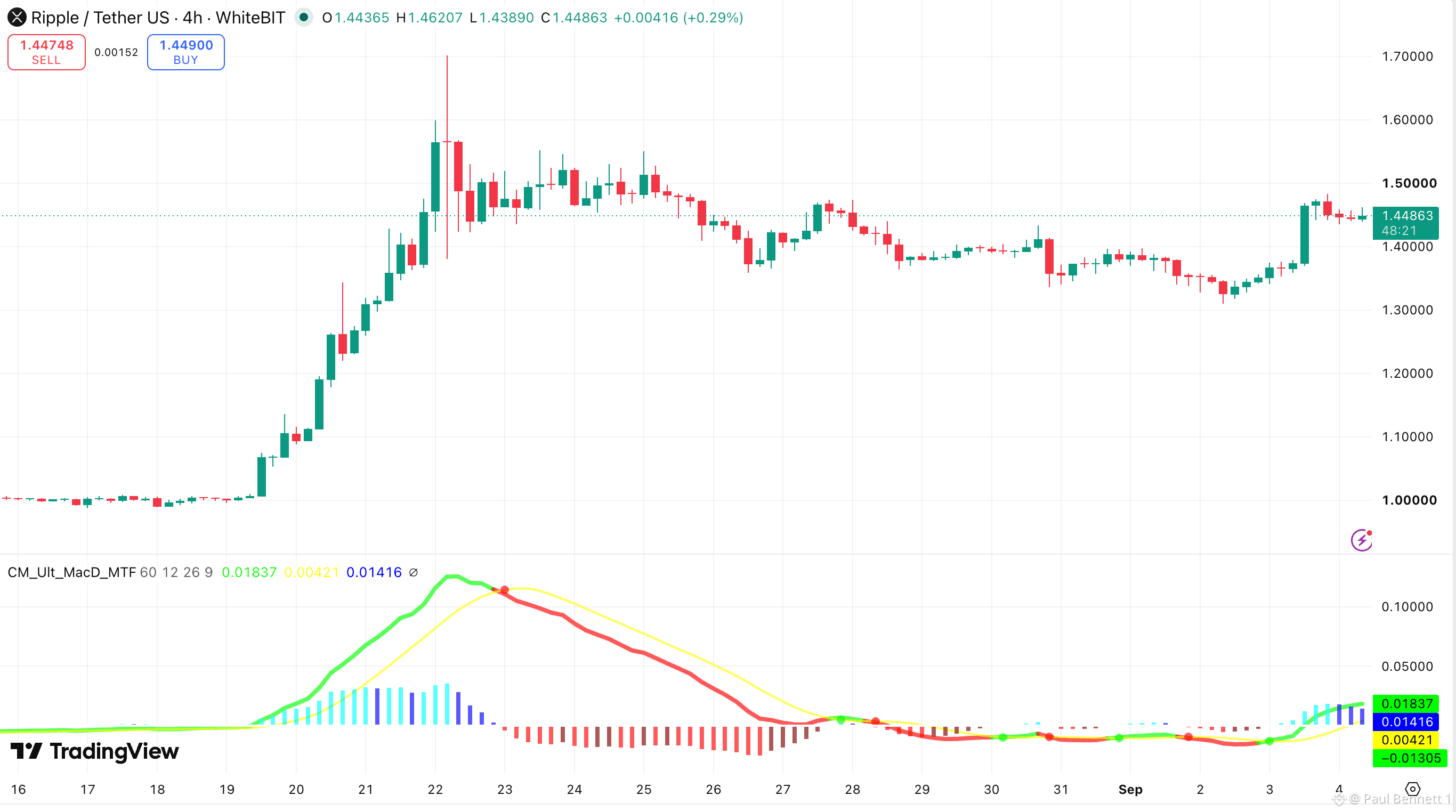
$XRP の「再評価(Repricing)」ケースは、2017年とはかなり違ってきている DailyCoinが興味深いXRPの見立て(XRP thesis)を紹介している。アナリストのMickleは、市場が依然としてXRPを旧サイクルの資産のように評価している可能性がある一方で、規制や機関投資家向け金融に関するRippleの立ち位置は大きく変化したと論じている。別のチャート・パターンに注目するのではなく、彼のケースは3つの触媒(キャタリスト)に基づいている。 🏛️ ワシントン - Rippleは、CLARITY Actを含め、米国の暗号資産(クリプト)政策の議論の場でますます存在感を増している。 ⚖️ 規制 - XRPをめぐる長年の不確実性は、かなり解消されてきている。 🏦 機関(インスティテューション) - Rippleは、XRPL周辺で金融機関の活動を拡大するために何年も費やしてきた。 Mickleは、こうした変化が最終的にXRPの取引価格を2017年水準の5〜10倍へ正当化し得る可能性があると主張している。とはいえ、それは彼のバリュエーション(評価)論であり、確定した目標ではない。 それが、通常のアルトコイン見通し(コール)と違うポイントだ。$BTC には希少性と機関投資家の採用(インスティテューショナル・アダプション)という物語がある。いっぽう、XRPの再評価(rerating)の可能性は、ますます規制+金融インフラに結びついている。次の試験は、それらの基礎が実際に継続的な需要へとつながるかどうかだ。もしCLARITY Actが前進し、$BTC がより広い暗号資産市場にとって建設的な状況を維持するなら、XRPは「再評価(repricing)」という論の現実味を示す、より明確なチャンスを得るかもしれない。 投資助言ではない。必ずDYOR.
$XRP の「再評価(Repricing)」ケースは、2017年とはかなり違ってきている DailyCoinが興味深いXRPの見立て(XRP thesis)を紹介している。アナリストのMickleは、市場が依然としてXRPを旧サイクルの資産のように評価している可能性がある一方で、規制や機関投資家向け金融に関するRippleの立ち位置は大きく変化したと論じている。別のチャート・パターンに注目するのではなく、彼のケースは3つの触媒(キャタリスト)に基づいている。 🏛️ ワシントン - Rippleは、CLARITY Actを含め、米国の暗号資産(クリプト)政策の議論の場でますます存在感を増している。 ⚖️ 規制 - XRPをめぐる長年の不確実性は、かなり解消されてきている。 🏦 機関(インスティテューション) - Rippleは、XRPL周辺で金融機関の活動を拡大するために何年も費やしてきた。 Mickleは、こうした変化が最終的にXRPの取引価格を2017年水準の5〜10倍へ正当化し得る可能性があると主張している。とはいえ、それは彼のバリュエーション(評価)論であり、確定した目標ではない。 それが、通常のアルトコイン見通し(コール)と違うポイントだ。$BTC には希少性と機関投資家の採用(インスティテューショナル・アダプション)という物語がある。いっぽう、XRPの再評価(rerating)の可能性は、ますます規制+金融インフラに結びついている。次の試験は、それらの基礎が実際に継続的な需要へとつながるかどうかだ。もしCLARITY Actが前進し、$BTC がより広い暗号資産市場にとって建設的な状況を維持するなら、XRPは「再評価(repricing)」という論の現実味を示す、より明確なチャンスを得るかもしれない。 投資助言ではない。必ずDYOR.
29
翻訳参照
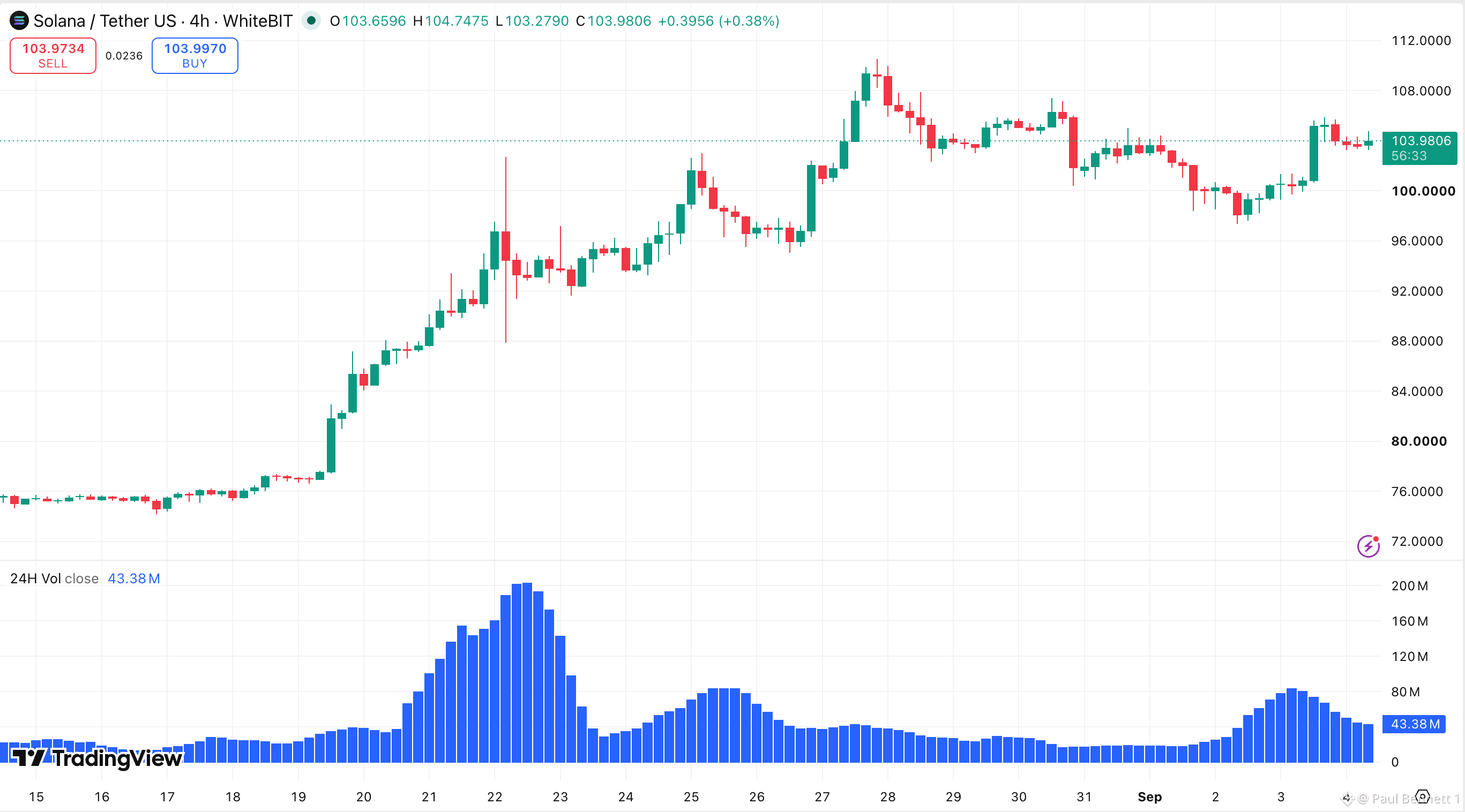
🤖 Solana Wants AI Agents to Pay at Machine Speed Forget the usual TPS race for a second. TechGaged highlights a new Solana upgrade built specifically for a world where AI agents may need to make hundreds or thousands of tiny payments automatically. ⚙️The new Payment Channels work more like opening a tab: authorize a spending limit once, let payments happen off-chain through signed messages, then settle the final result on Solana. In testing with 100,000 wallets running in parallel, the system exceeded 1 million payments per second. Alibaba Cloud is already among the first integration partners. There’s already activity behind the idea too. Solana’s x402 infrastructure had processed 200M transactions representing $50B in volume before this launch. This is a very different crypto thesis from $BTC . Bitcoin is increasingly discussed as institutional collateral and a scarce reserve asset; Solana is trying to become infrastructure where autonomous software can actually spend money. The 1M+ figure is still a controlled-test benchmark, not normal mainnet throughput. But if AI-agent payments become a real market, I’d watch usage rather than $SOL price alone. Strong $BTC conditions can bring liquidity into crypto, but actual Payment Channel adoption would tell us whether Solana is capturing a new type of demand. 🦾 #BTC Price Analysis# #SOL #Bitcoin Price Prediction: What is Bitcoins next move?#
🤖 Solana Wants AI Agents to Pay at Machine Speed Forget the usual TPS race for a second. TechGaged highlights a new Solana upgrade built specifically for a world where AI agents may need to make hundreds or thousands of tiny payments automatically. ⚙️The new Payment Channels work more like opening a tab: authorize a spending limit once, let payments happen off-chain through signed messages, then settle the final result on Solana. In testing with 100,000 wallets running in parallel, the system exceeded 1 million payments per second. Alibaba Cloud is already among the first integration partners. There’s already activity behind the idea too. Solana’s x402 infrastructure had processed 200M transactions representing $50B in volume before this launch. This is a very different crypto thesis from $BTC . Bitcoin is increasingly discussed as institutional collateral and a scarce reserve asset; Solana is trying to become infrastructure where autonomous software can actually spend money. The 1M+ figure is still a controlled-test benchmark, not normal mainnet throughput. But if AI-agent payments become a real market, I’d watch usage rather than $SOL price alone. Strong $BTC conditions can bring liquidity into crypto, but actual Payment Channel adoption would tell us whether Solana is capturing a new type of demand. 🦾 #BTC Price Analysis# #SOL #Bitcoin Price Prediction: What is Bitcoins next move?#

43
ログインして、さらにコンテンツを読む
厳選トピックで世界の暗号資産トレーダーの仲間入り
⚡️ 暗号資産に関する最新かつ有益な情報が見つかります。
💬 世界最大の暗号資産取引所から信頼されています。
👍 認証を受けたクリエイターから、有益なインサイトを得られます。
メール / 電話番号