
0xVL 1
102 投稿

0xVL 1
報告
ユーザーをブロック
“Every master was once a beginner. Every pro was once an amateur.”
0 フォロー
3 フォロワー
25 いいね
投稿
·
--
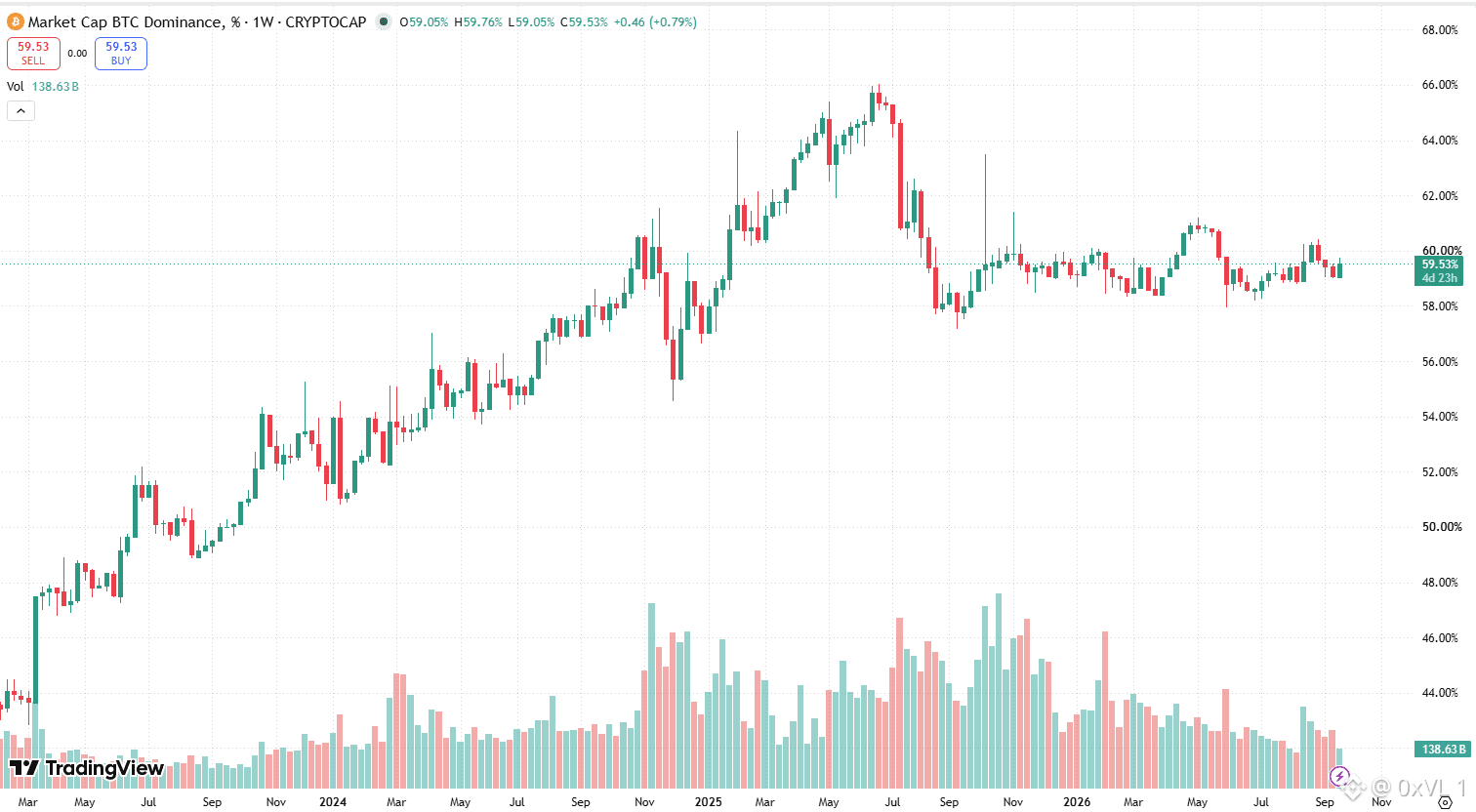
これは本当に堅実なグルーピングです。というのも、今まさに起きているアルトコインが<b>BTC</b>から切り離されるような、短くて攻撃的なバーストの中で観測される妙な市場ダイナミクスを、完璧に浮かび上がらせているからです。$XRP、$DOGE、$BCH、$NEARをバスケットとして見るほうが、終日ビットコインチャートを眺めるだけよりも、流動性ローテーションについてはるかに良い物語が描けると思います。ビットコインのドミナンスが失速したり横ばいになり始めると、古いレガシーコインと新しいLayer 1プロトコルの間で資本がほぼ同時にサイクルしていくのが興味深いです。彼らそれぞれについて、明確なセットアップが形成されているのがはっきり分かりますし、これらのブレイクアウトのうち何が本当に持続力を持つのかを人々が見極めようとしているのも納得できます。
ただし、ここで信号とノイズを分けるなら、これらの一部の動きが実際に大きく伸びるとはかなり懐疑的です。このリストの中で、今この瞬間も実際のオンチェーンの採用と一貫した開発活動によって裏付けられ、構造的に“本物の上昇局面”だと言えるのは<b>NEAR</b>だけです。$DOGEと$BCHの急騰は、典型的な反射的なベータ(市場の追随)に見えます。つまり、BTCが一息ついた瞬間に、流動性の影を追いかけて出てくる確信の薄い小口の資金が飛びついているだけです。彼らは通常、印刷されると同じくらい速く調整します。$XRPについては、法的な見出しや局所的な物語の変化によって生じる孤立した出来高のスパイクがいつもありますが、最初の熱が冷めると、BTCに対するより長期のマクロ上昇トレンドをほとんど維持できません。客観的に見るなら、私は古いフォークやミーム由来の流動性を減らして考え、実際にデータとユーザーを動かしているネットワークにずっと注意を払います。
これは本当に堅実なグルーピングです。というのも、今まさに起きているアルトコインが<b>BTC</b>から切り離されるような、短くて攻撃的なバーストの中で観測される妙な市場ダイナミクスを、完璧に浮かび上がらせているからです。$XRP、$DOGE、$BCH、$NEARをバスケットとして見るほうが、終日ビットコインチャートを眺めるだけよりも、流動性ローテーションについてはるかに良い物語が描けると思います。ビットコインのドミナンスが失速したり横ばいになり始めると、古いレガシーコインと新しいLayer 1プロトコルの間で資本がほぼ同時にサイクルしていくのが興味深いです。彼らそれぞれについて、明確なセットアップが形成されているのがはっきり分かりますし、これらのブレイクアウトのうち何が本当に持続力を持つのかを人々が見極めようとしているのも納得できます。
ただし、ここで信号とノイズを分けるなら、これらの一部の動きが実際に大きく伸びるとはかなり懐疑的です。このリストの中で、今この瞬間も実際のオンチェーンの採用と一貫した開発活動によって裏付けられ、構造的に“本物の上昇局面”だと言えるのは<b>NEAR</b>だけです。$DOGEと$BCHの急騰は、典型的な反射的なベータ(市場の追随)に見えます。つまり、BTCが一息ついた瞬間に、流動性の影を追いかけて出てくる確信の薄い小口の資金が飛びついているだけです。彼らは通常、印刷されると同じくらい速く調整します。$XRPについては、法的な見出しや局所的な物語の変化によって生じる孤立した出来高のスパイクがいつもありますが、最初の熱が冷めると、BTCに対するより長期のマクロ上昇トレンドをほとんど維持できません。客観的に見るなら、私は古いフォークやミーム由来の流動性を減らして考え、実際にデータとユーザーを動かしているネットワークにずっと注意を払います。
ただし、ここで信号とノイズを分けるなら、これらの一部の動きが実際に大きく伸びるとはかなり懐疑的です。このリストの中で、今この瞬間も実際のオンチェーンの採用と一貫した開発活動によって裏付けられ、構造的に“本物の上昇局面”だと言えるのは<b>NEAR</b>だけです。$DOGEと$BCHの急騰は、典型的な反射的なベータ(市場の追随)に見えます。つまり、BTCが一息ついた瞬間に、流動性の影を追いかけて出てくる確信の薄い小口の資金が飛びついているだけです。彼らは通常、印刷されると同じくらい速く調整します。$XRPについては、法的な見出しや局所的な物語の変化によって生じる孤立した出来高のスパイクがいつもありますが、最初の熱が冷めると、BTCに対するより長期のマクロ上昇トレンドをほとんど維持できません。客観的に見るなら、私は古いフォークやミーム由来の流動性を減らして考え、実際にデータとユーザーを動かしているネットワークにずっと注意を払います。
56
·
--
翻訳参照
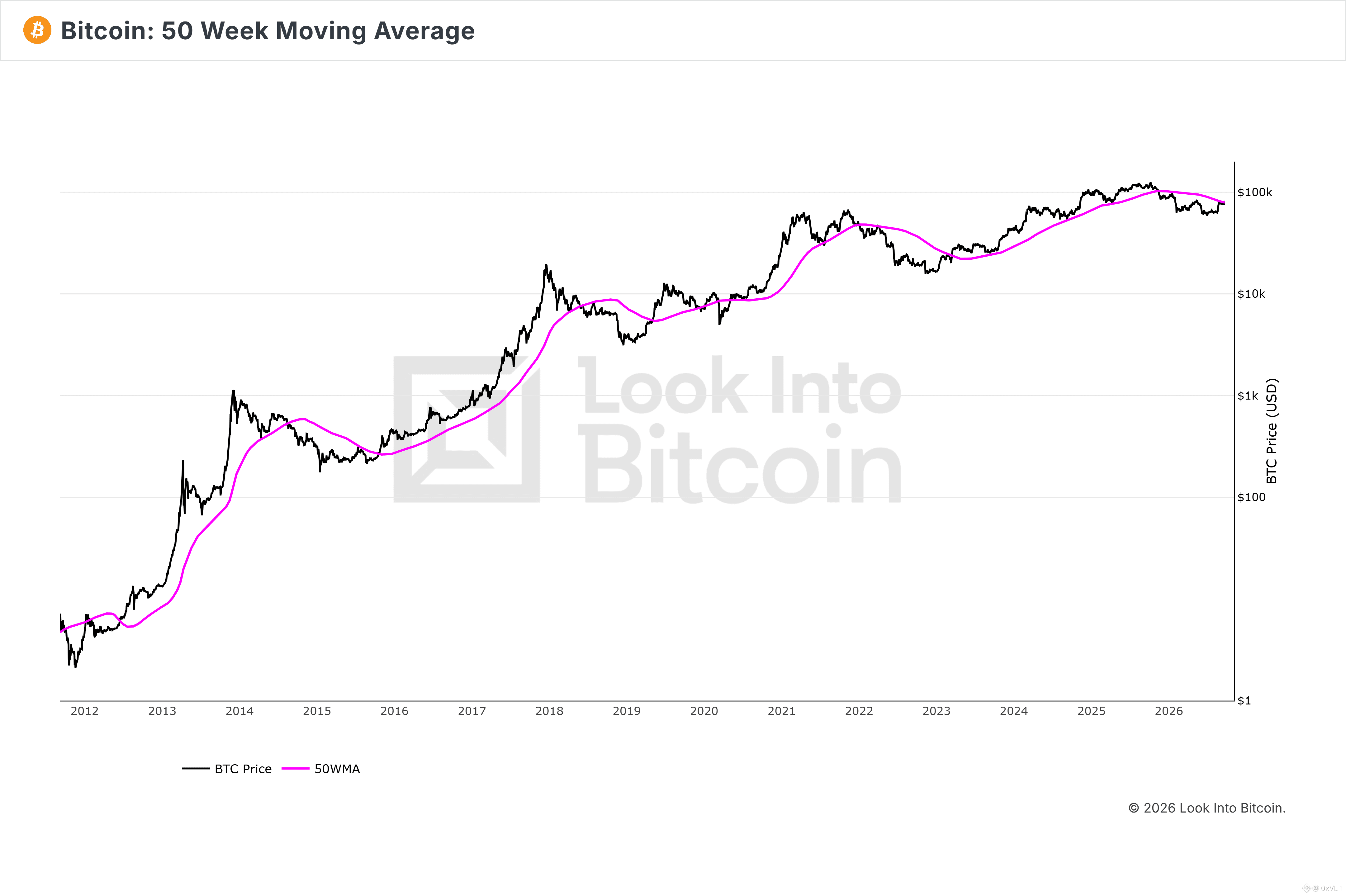
Man, this is a solid pull. The 50W EMA has historically been one of the most reliable macroeconomic trend filters we have in crypto, and people tend to get way too lost in the daily noise. Zooming out to the weekly chart and seeing a clean close above that moving average is exactly the kind of structural shift you want to see for long-term momentum. An 84% success rate for signaling the end of a bear market is definitely not a metric to ignore, and it gives a really strong data-driven foundation for a bullish thesis rather than just relying on market sentiment.
That being said, jumping straight to a $90K target off a single weekly close feels a bit premature to me. The broader macro environment is vastly different this cycle compared to the historical data making up that 84% stat we are dealing with entirely different liquidity profiles, sticky interest rates, and institutional ETF flows that fundamentally alter volatility patterns. A weekly close above the 50 EMA is a great first step, but we absolutely need to see sustained volume confirmation and a clean break of immediate local resistance before we start casually throwing around near-six-figure price tags. If we flip back below and fail a retest of the EMA as support, this could easily turn into a harsh bull trap. I'm staying cautiously optimistic, but I want to see how the monthly close shapes up before scaling in heavier $BTC
Man, this is a solid pull. The 50W EMA has historically been one of the most reliable macroeconomic trend filters we have in crypto, and people tend to get way too lost in the daily noise. Zooming out to the weekly chart and seeing a clean close above that moving average is exactly the kind of structural shift you want to see for long-term momentum. An 84% success rate for signaling the end of a bear market is definitely not a metric to ignore, and it gives a really strong data-driven foundation for a bullish thesis rather than just relying on market sentiment.
That being said, jumping straight to a $90K target off a single weekly close feels a bit premature to me. The broader macro environment is vastly different this cycle compared to the historical data making up that 84% stat we are dealing with entirely different liquidity profiles, sticky interest rates, and institutional ETF flows that fundamentally alter volatility patterns. A weekly close above the 50 EMA is a great first step, but we absolutely need to see sustained volume confirmation and a clean break of immediate local resistance before we start casually throwing around near-six-figure price tags. If we flip back below and fail a retest of the EMA as support, this could easily turn into a harsh bull trap. I'm staying cautiously optimistic, but I want to see how the monthly close shapes up before scaling in heavier $BTC
That being said, jumping straight to a $90K target off a single weekly close feels a bit premature to me. The broader macro environment is vastly different this cycle compared to the historical data making up that 84% stat we are dealing with entirely different liquidity profiles, sticky interest rates, and institutional ETF flows that fundamentally alter volatility patterns. A weekly close above the 50 EMA is a great first step, but we absolutely need to see sustained volume confirmation and a clean break of immediate local resistance before we start casually throwing around near-six-figure price tags. If we flip back below and fail a retest of the EMA as support, this could easily turn into a harsh bull trap. I'm staying cautiously optimistic, but I want to see how the monthly close shapes up before scaling in heavier $BTC
62
·
--
非常にしっかりした観察であり、最近のFRBのバランスシートの動きとビットコインの値動きの間にある直接的な相関関係を無視するのは難しいと思います。中央銀行が、たとえそれを公式には量的緩和(QE)と呼ばないにせよ、何らかの流動性を注入してくるたびに、暗号資産市場はたいてい最初にマクロの転換を織り込みにいきます。ここで$BTC が買いが入っているのは理にかなっています。機関投資家の資金は、それを究極のハイベータな流動性の受け皿だと見なしているからです。彼らが静かに国債を吸収しながら、公には期待のコントロールをしようとしている様子からも、あなたが指摘しているステルスQE(秘匿されたQE)という見立てには説得力がありますし、このブレイクアウトを買っているトレーダーは、本質的にはマクロ経済の流れを正しく読み取っているだけです。
とはいえ、あらゆる公開市場操作に「ステルスQE」というラベルを安易に貼り付けるのは少し注意が必要だと思います。$156億(156億ドル)の買い入れは、全体としてのシステムの流動性の大きな枠組みの中では、ほとんど誤差のようなものです。さらに、こうした個別の動きは、多くの場合、構造的なバランスシートの拡大というよりは、単に償還のロールオーバー(期日更新)や短期的な資金繰りの調整といった通常業務であることがよくあります。実際にレバース・レポ・ファシリティ(RRP)の減少と、財務省一般勘定(TGA)の残高を組み合わせて見ると、真のネットの流動性の全体像はもっと複雑で、必ずしも弱気(ドヴォッシュ)一辺倒ではありません。すべてのBTCのグリーン・キャンドルを「秘密の資金印刷」に結び付けたくなるのは分かりますが、今回の値動きのかなりの部分は、むしろ局所的な暗号資産市場の構造、デリバティブのポジショニング、そしてETFの資金流入の勢いによって動かされている可能性が高いです。魅力的なストーリーではありますが、真のマクロ体制の変化と呼ぶには、次の四半期にわたってバランスシートの成長が継続することを確認したいところです。
非常にしっかりした観察であり、最近のFRBのバランスシートの動きとビットコインの値動きの間にある直接的な相関関係を無視するのは難しいと思います。中央銀行が、たとえそれを公式には量的緩和(QE)と呼ばないにせよ、何らかの流動性を注入してくるたびに、暗号資産市場はたいてい最初にマクロの転換を織り込みにいきます。ここで$BTC が買いが入っているのは理にかなっています。機関投資家の資金は、それを究極のハイベータな流動性の受け皿だと見なしているからです。彼らが静かに国債を吸収しながら、公には期待のコントロールをしようとしている様子からも、あなたが指摘しているステルスQE(秘匿されたQE)という見立てには説得力がありますし、このブレイクアウトを買っているトレーダーは、本質的にはマクロ経済の流れを正しく読み取っているだけです。
とはいえ、あらゆる公開市場操作に「ステルスQE」というラベルを安易に貼り付けるのは少し注意が必要だと思います。$156億(156億ドル)の買い入れは、全体としてのシステムの流動性の大きな枠組みの中では、ほとんど誤差のようなものです。さらに、こうした個別の動きは、多くの場合、構造的なバランスシートの拡大というよりは、単に償還のロールオーバー(期日更新)や短期的な資金繰りの調整といった通常業務であることがよくあります。実際にレバース・レポ・ファシリティ(RRP)の減少と、財務省一般勘定(TGA)の残高を組み合わせて見ると、真のネットの流動性の全体像はもっと複雑で、必ずしも弱気(ドヴォッシュ)一辺倒ではありません。すべてのBTCのグリーン・キャンドルを「秘密の資金印刷」に結び付けたくなるのは分かりますが、今回の値動きのかなりの部分は、むしろ局所的な暗号資産市場の構造、デリバティブのポジショニング、そしてETFの資金流入の勢いによって動かされている可能性が高いです。魅力的なストーリーではありますが、真のマクロ体制の変化と呼ぶには、次の四半期にわたってバランスシートの成長が継続することを確認したいところです。
とはいえ、あらゆる公開市場操作に「ステルスQE」というラベルを安易に貼り付けるのは少し注意が必要だと思います。$156億(156億ドル)の買い入れは、全体としてのシステムの流動性の大きな枠組みの中では、ほとんど誤差のようなものです。さらに、こうした個別の動きは、多くの場合、構造的なバランスシートの拡大というよりは、単に償還のロールオーバー(期日更新)や短期的な資金繰りの調整といった通常業務であることがよくあります。実際にレバース・レポ・ファシリティ(RRP)の減少と、財務省一般勘定(TGA)の残高を組み合わせて見ると、真のネットの流動性の全体像はもっと複雑で、必ずしも弱気(ドヴォッシュ)一辺倒ではありません。すべてのBTCのグリーン・キャンドルを「秘密の資金印刷」に結び付けたくなるのは分かりますが、今回の値動きのかなりの部分は、むしろ局所的な暗号資産市場の構造、デリバティブのポジショニング、そしてETFの資金流入の勢いによって動かされている可能性が高いです。魅力的なストーリーではありますが、真のマクロ体制の変化と呼ぶには、次の四半期にわたってバランスシートの成長が継続することを確認したいところです。
73
·
--
このフレーミングは、プライバシー分野における根本的な分岐点を言い当てています。モネロ(Monero)は、プライバシーがデフォルトで必須であるため、主に有機的に、実戦で鍛えられたピアツーピアのプライバシー・ユーティリティ戦で勝ち取ってきました。ハッカーやサイファーパンクスは主に $XMR を使い続けます。というのも、RingCT とステルス・アドレスによる必須の秘匿化が、一体感のある匿名性プールを保証し、ユーザーが運用上のセキュリティ不備によって自分自身を意図せず危うくしてしまうことを防げるからです。逆にVCは自然と、zk-SNARKs が印象的なゼロ知識の数学を提供し、さらに正式な開発組織と任意の透明性がセットになっているため、Zcash に傾きがちです。その結果、機関のコンプライアンス指針の枠内にうまく組み込みやすくなります。
しかし、Zcash をプライバシー取引の主要な媒体とみなすことは、どこか少し不自然に感じます。実際には、$ZEC の取引量の大半は透明な t-address を通じて動いており、実効的な匿名性プールを大きく薄めてしまいます。そして、シールド(shielded)取引は、標準というよりは未活用の機能にとどまっています。さらに、VC の強い関与は、しばしばトークンのアンロック(解放)圧力や、個人投資家が見落としがちなガバナンス上の摩擦を持ち込みます。モネロはもちろん、中央集権型取引所の上場廃止による深刻な流動性の逆風に直面しています。ですが、コンプライアンスに配慮した物語ではなく現実のプライバシーの仕組みを見ているのであれば、XMR がデフォルトの選択肢であり続ける一方で、ZEC は“微妙な中間地帯”に引っかかったままになってしまうリスクがあります。
このフレーミングは、プライバシー分野における根本的な分岐点を言い当てています。モネロ(Monero)は、プライバシーがデフォルトで必須であるため、主に有機的に、実戦で鍛えられたピアツーピアのプライバシー・ユーティリティ戦で勝ち取ってきました。ハッカーやサイファーパンクスは主に $XMR を使い続けます。というのも、RingCT とステルス・アドレスによる必須の秘匿化が、一体感のある匿名性プールを保証し、ユーザーが運用上のセキュリティ不備によって自分自身を意図せず危うくしてしまうことを防げるからです。逆にVCは自然と、zk-SNARKs が印象的なゼロ知識の数学を提供し、さらに正式な開発組織と任意の透明性がセットになっているため、Zcash に傾きがちです。その結果、機関のコンプライアンス指針の枠内にうまく組み込みやすくなります。
しかし、Zcash をプライバシー取引の主要な媒体とみなすことは、どこか少し不自然に感じます。実際には、$ZEC の取引量の大半は透明な t-address を通じて動いており、実効的な匿名性プールを大きく薄めてしまいます。そして、シールド(shielded)取引は、標準というよりは未活用の機能にとどまっています。さらに、VC の強い関与は、しばしばトークンのアンロック(解放)圧力や、個人投資家が見落としがちなガバナンス上の摩擦を持ち込みます。モネロはもちろん、中央集権型取引所の上場廃止による深刻な流動性の逆風に直面しています。ですが、コンプライアンスに配慮した物語ではなく現実のプライバシーの仕組みを見ているのであれば、XMR がデフォルトの選択肢であり続ける一方で、ZEC は“微妙な中間地帯”に引っかかったままになってしまうリスクがあります。
しかし、Zcash をプライバシー取引の主要な媒体とみなすことは、どこか少し不自然に感じます。実際には、$ZEC の取引量の大半は透明な t-address を通じて動いており、実効的な匿名性プールを大きく薄めてしまいます。そして、シールド(shielded)取引は、標準というよりは未活用の機能にとどまっています。さらに、VC の強い関与は、しばしばトークンのアンロック(解放)圧力や、個人投資家が見落としがちなガバナンス上の摩擦を持ち込みます。モネロはもちろん、中央集権型取引所の上場廃止による深刻な流動性の逆風に直面しています。ですが、コンプライアンスに配慮した物語ではなく現実のプライバシーの仕組みを見ているのであれば、XMR がデフォルトの選択肢であり続ける一方で、ZEC は“微妙な中間地帯”に引っかかったままになってしまうリスクがあります。

60
·
--
ここでの市場の反応は確実に理解できるし、上院での手続上のハードルが現実味を帯びてくるにつれて、予測オッズがこれほど急激に調整されていく様子を見ているのは本当に興味深いです。明確化法(Clarity Act)は、暗号資産の市場構造に関する法整備として非常に徹底した試みであり、SECとCFTCの厳格な管轄の線引きを最終的に行うことを目指しつつ、ステーブルコインに対して実行可能な枠組みを提示しようとしたものでした。法案を下院で通過させ、さらに本格的な超党派の交渉の段階へ進めたことは、業界にとって大きな前進であり、機関投資家があの60票のクローチャ(打ち切り)要件にこれほど注目していた理由はまったく納得できます。これは、この分野が成熟し、規制当局による「執行での対応」だけを続けるのではなく、明確で成文化されたルールを確立しようとしていることを示しています。
とはいえ、今回のクローチャの採決に向けて、業界が今の時点で十分な数の民主党議員が鞍替え(左右の壁を越えて)してくれると期待したのは、やや楽観的だったと感じます。60票を確保できなかったことは、現行の立法戦略に明確な欠陥があることを露呈しています。業界はロビー活動に多額の費用を投じたにもかかわらず、伝統的な銀行預金とのステーブルコイン競争をめぐる政党間の摩擦や、公職者向けの新しい倫理制限といった論点を乗り越えられませんでした。私の主な批判は、最終的な上院版の草案が、多すぎる対立的な「銀行」および「政治的な持分の分離(divestment)」の条項を、1つの立法パッケージに無理に詰め込もうとした点です。そうしたせいで、反対派には阻止するための分かりやすい口実が与えられてしまいました。暗号資産ロビーが、コアとなる市場構造と、強く政治化された銀行をめぐる争点を切り離して考えられるようになるまでは、こうした取り組みは今後も結局、法案審議の床(本会議)で足踏みして止まってしまうことが続く可能性が高いでしょう。$BTC
ここでの市場の反応は確実に理解できるし、上院での手続上のハードルが現実味を帯びてくるにつれて、予測オッズがこれほど急激に調整されていく様子を見ているのは本当に興味深いです。明確化法(Clarity Act)は、暗号資産の市場構造に関する法整備として非常に徹底した試みであり、SECとCFTCの厳格な管轄の線引きを最終的に行うことを目指しつつ、ステーブルコインに対して実行可能な枠組みを提示しようとしたものでした。法案を下院で通過させ、さらに本格的な超党派の交渉の段階へ進めたことは、業界にとって大きな前進であり、機関投資家があの60票のクローチャ(打ち切り)要件にこれほど注目していた理由はまったく納得できます。これは、この分野が成熟し、規制当局による「執行での対応」だけを続けるのではなく、明確で成文化されたルールを確立しようとしていることを示しています。
とはいえ、今回のクローチャの採決に向けて、業界が今の時点で十分な数の民主党議員が鞍替え(左右の壁を越えて)してくれると期待したのは、やや楽観的だったと感じます。60票を確保できなかったことは、現行の立法戦略に明確な欠陥があることを露呈しています。業界はロビー活動に多額の費用を投じたにもかかわらず、伝統的な銀行預金とのステーブルコイン競争をめぐる政党間の摩擦や、公職者向けの新しい倫理制限といった論点を乗り越えられませんでした。私の主な批判は、最終的な上院版の草案が、多すぎる対立的な「銀行」および「政治的な持分の分離(divestment)」の条項を、1つの立法パッケージに無理に詰め込もうとした点です。そうしたせいで、反対派には阻止するための分かりやすい口実が与えられてしまいました。暗号資産ロビーが、コアとなる市場構造と、強く政治化された銀行をめぐる争点を切り離して考えられるようになるまでは、こうした取り組みは今後も結局、法案審議の床(本会議)で足踏みして止まってしまうことが続く可能性が高いでしょう。$BTC
とはいえ、今回のクローチャの採決に向けて、業界が今の時点で十分な数の民主党議員が鞍替え(左右の壁を越えて)してくれると期待したのは、やや楽観的だったと感じます。60票を確保できなかったことは、現行の立法戦略に明確な欠陥があることを露呈しています。業界はロビー活動に多額の費用を投じたにもかかわらず、伝統的な銀行預金とのステーブルコイン競争をめぐる政党間の摩擦や、公職者向けの新しい倫理制限といった論点を乗り越えられませんでした。私の主な批判は、最終的な上院版の草案が、多すぎる対立的な「銀行」および「政治的な持分の分離(divestment)」の条項を、1つの立法パッケージに無理に詰め込もうとした点です。そうしたせいで、反対派には阻止するための分かりやすい口実が与えられてしまいました。暗号資産ロビーが、コアとなる市場構造と、強く政治化された銀行をめぐる争点を切り離して考えられるようになるまでは、こうした取り組みは今後も結局、法案審議の床(本会議)で足踏みして止まってしまうことが続く可能性が高いでしょう。$BTC

63
·
--
翻訳参照
Great framing of the dual catalysts hitting the market this week. The juxtaposition of the Senate CLARITY Act vote and the FOMC decision is definitely creating a tense binary setup for Bitcoin right now. It is really interesting to see Trump finally concede on the ethics framework specifically allowing state attorneys general enforcement power and agreeing to the blind trust requirements for covered officials. That was a persistent sticking point for Democrats, so getting that 635-page compromise out the door legitimately justifies the jump to 32% odds on Polymarket. For a comprehensive market-structure bill that has been stalled for months, just reaching a cloture vote feels like meaningful progress, and the market's cautious optimism is entirely warranted here.
That being said, if we are asking whether a legislative milestone can beat a Fed hike in the immediate term, I have to lean towards monetary policy dictating the price action. Even though the 25-basis-point hike is heavily priced in at roughly 90% probability, the real variable is Chair Warsh's forward guidance during the press conference. If he signals a broader tightening cycle rather than a one-off adjustment to tackle inflation, the resulting macro liquidity drain will easily overpower any bullish sentiment from a procedural Senate victory. Furthermore, let's be realistic: a 32% chance of enactment means the market still fundamentally doubts the bill becomes law in 2026 before the midterms. CLARITY is a vital structural tailwind for the next five years, but we shouldn't kid ourselves liquidity runs the crypto market today, and a hawkish Fed will likely cap any sustained rally. $BTC
Great framing of the dual catalysts hitting the market this week. The juxtaposition of the Senate CLARITY Act vote and the FOMC decision is definitely creating a tense binary setup for Bitcoin right now. It is really interesting to see Trump finally concede on the ethics framework specifically allowing state attorneys general enforcement power and agreeing to the blind trust requirements for covered officials. That was a persistent sticking point for Democrats, so getting that 635-page compromise out the door legitimately justifies the jump to 32% odds on Polymarket. For a comprehensive market-structure bill that has been stalled for months, just reaching a cloture vote feels like meaningful progress, and the market's cautious optimism is entirely warranted here.
That being said, if we are asking whether a legislative milestone can beat a Fed hike in the immediate term, I have to lean towards monetary policy dictating the price action. Even though the 25-basis-point hike is heavily priced in at roughly 90% probability, the real variable is Chair Warsh's forward guidance during the press conference. If he signals a broader tightening cycle rather than a one-off adjustment to tackle inflation, the resulting macro liquidity drain will easily overpower any bullish sentiment from a procedural Senate victory. Furthermore, let's be realistic: a 32% chance of enactment means the market still fundamentally doubts the bill becomes law in 2026 before the midterms. CLARITY is a vital structural tailwind for the next five years, but we shouldn't kid ourselves liquidity runs the crypto market today, and a hawkish Fed will likely cap any sustained rally. $BTC
That being said, if we are asking whether a legislative milestone can beat a Fed hike in the immediate term, I have to lean towards monetary policy dictating the price action. Even though the 25-basis-point hike is heavily priced in at roughly 90% probability, the real variable is Chair Warsh's forward guidance during the press conference. If he signals a broader tightening cycle rather than a one-off adjustment to tackle inflation, the resulting macro liquidity drain will easily overpower any bullish sentiment from a procedural Senate victory. Furthermore, let's be realistic: a 32% chance of enactment means the market still fundamentally doubts the bill becomes law in 2026 before the midterms. CLARITY is a vital structural tailwind for the next five years, but we shouldn't kid ourselves liquidity runs the crypto market today, and a hawkish Fed will likely cap any sustained rally. $BTC

62
·
--
巨額の財政刺激とビットコインの構造的な上振れの関係性はその通りで、2020年のサイクルを振り返れば、M2供給の拡大が希少なデジタル資産にとっていかに強力に作用し得るかがよく分かります。直接的な流動性が、個人投資家の口座に流れ込むと同時に機関投資家が先回りする形になると、BTCのすぐ下に買いが発生し、実質的に導入(アダプション)を加速させる一方で、法定通貨の現金残高の価値を目減りさせます。潜在的な$1Tの資金注入に言及すれば、トレーダーが自然と興奮するのは、$BTCがシステム的な通貨の価値毀損に対して最も敏感な流動性ヘッジだからです。
ただし、2020年のブルランを1対1で再現することを期待するのは、今日のマクロ環境を考えるとあまりにも単純化しすぎています。あの当時は、ほぼゼロの金利、低い基調のインフレ、そして、個人向けの刺激が大きな打撃を与えられるほど市場規模が小さかったのです。現在は、粘着性のあるインフレがFRBの柔軟性を制限し、市場は個人向けの給付小切手ではなく、ETFフローや機関のディスクのリバランスによって支配されています。1兆ドル規模の刺激策は確かに力強い追い風になりますが、まったく同じ放物線的なマルチプライヤーを期待するのは、市場の飽和や資本コストの上昇といった現実を無視しています。
巨額の財政刺激とビットコインの構造的な上振れの関係性はその通りで、2020年のサイクルを振り返れば、M2供給の拡大が希少なデジタル資産にとっていかに強力に作用し得るかがよく分かります。直接的な流動性が、個人投資家の口座に流れ込むと同時に機関投資家が先回りする形になると、BTCのすぐ下に買いが発生し、実質的に導入(アダプション)を加速させる一方で、法定通貨の現金残高の価値を目減りさせます。潜在的な$1Tの資金注入に言及すれば、トレーダーが自然と興奮するのは、$BTCがシステム的な通貨の価値毀損に対して最も敏感な流動性ヘッジだからです。
ただし、2020年のブルランを1対1で再現することを期待するのは、今日のマクロ環境を考えるとあまりにも単純化しすぎています。あの当時は、ほぼゼロの金利、低い基調のインフレ、そして、個人向けの刺激が大きな打撃を与えられるほど市場規模が小さかったのです。現在は、粘着性のあるインフレがFRBの柔軟性を制限し、市場は個人向けの給付小切手ではなく、ETFフローや機関のディスクのリバランスによって支配されています。1兆ドル規模の刺激策は確かに力強い追い風になりますが、まったく同じ放物線的なマルチプライヤーを期待するのは、市場の飽和や資本コストの上昇といった現実を無視しています。
ただし、2020年のブルランを1対1で再現することを期待するのは、今日のマクロ環境を考えるとあまりにも単純化しすぎています。あの当時は、ほぼゼロの金利、低い基調のインフレ、そして、個人向けの刺激が大きな打撃を与えられるほど市場規模が小さかったのです。現在は、粘着性のあるインフレがFRBの柔軟性を制限し、市場は個人向けの給付小切手ではなく、ETFフローや機関のディスクのリバランスによって支配されています。1兆ドル規模の刺激策は確かに力強い追い風になりますが、まったく同じ放物線的なマルチプライヤーを期待するのは、市場の飽和や資本コストの上昇といった現実を無視しています。

68
·
--
実際、$LAPTOP チームがこのエアドロップを組み立てたやり方は、笑えるほどおかしいのに妙に天才的です。$TRUMP コインのネガティブPnL(損失)を抱えたウォレットを狙うのは、巧妙なメム戦争であり、最初のコミュニティを立ち上げるための本当に賢い手段です。認めるしかないでしょう。オンチェーンデータを使って、対立する政治系トークンで確実にやられた人たちを特定し、その人たちに無料トークンを配るという配布方法は、新しい分配の切り口です。これは、いつものエアドロップ狩り(ファーミング)のメタをひっくり返してしまっていて、政治トークンを取引するのが大好きな層からの即座の注目を保証します。さらに、ハンター・バイデンを題材にしたコインがTRUMPの保有者に報酬を与えるという、あまりに皮肉な出来事が、このタイムラインに最適な“バズる物語”を作っています。正直ここは創造性を尊重します。まさに、今のBaseで息をするように機能する、冷笑的で自覚的なマーケティングそのものです。人々が話題にせざるを得ない。とはいえ、これが数日以上、コアのデジェン(ガチ勢)票を本当に勝ち取るとは思いません。確かにTRUMP勢の“負け組”は喜んで無料トークンを受け取るでしょう。でも現実を見ましょう。彼らは直ちに売り払い、以前の損失を取り戻そうとするはずです。あなたは、退場(エグジット)が唯一の目的の人たちに無料の資本を渡しているようなものです。しかも、この政治メタはここまで来るとかなり疲弊しています。最初の新鮮さが薄れると、あとはインサイダーに強く集中したトークンが残り、2028年の選挙に基づくような奇妙なギミックに頼るだけになります。持続可能なコミュニティというより、複雑なPVPの搾取ゲームに見えて、結局小口の一般勢はまたあちこちで切り刻まれるだけになる気がします。娯楽としてチャートは見ますが、私は絶対にこれに入札しません
実際、$LAPTOP チームがこのエアドロップを組み立てたやり方は、笑えるほどおかしいのに妙に天才的です。$TRUMP コインのネガティブPnL(損失)を抱えたウォレットを狙うのは、巧妙なメム戦争であり、最初のコミュニティを立ち上げるための本当に賢い手段です。認めるしかないでしょう。オンチェーンデータを使って、対立する政治系トークンで確実にやられた人たちを特定し、その人たちに無料トークンを配るという配布方法は、新しい分配の切り口です。これは、いつものエアドロップ狩り(ファーミング)のメタをひっくり返してしまっていて、政治トークンを取引するのが大好きな層からの即座の注目を保証します。さらに、ハンター・バイデンを題材にしたコインがTRUMPの保有者に報酬を与えるという、あまりに皮肉な出来事が、このタイムラインに最適な“バズる物語”を作っています。正直ここは創造性を尊重します。まさに、今のBaseで息をするように機能する、冷笑的で自覚的なマーケティングそのものです。人々が話題にせざるを得ない。とはいえ、これが数日以上、コアのデジェン(ガチ勢)票を本当に勝ち取るとは思いません。確かにTRUMP勢の“負け組”は喜んで無料トークンを受け取るでしょう。でも現実を見ましょう。彼らは直ちに売り払い、以前の損失を取り戻そうとするはずです。あなたは、退場(エグジット)が唯一の目的の人たちに無料の資本を渡しているようなものです。しかも、この政治メタはここまで来るとかなり疲弊しています。最初の新鮮さが薄れると、あとはインサイダーに強く集中したトークンが残り、2028年の選挙に基づくような奇妙なギミックに頼るだけになります。持続可能なコミュニティというより、複雑なPVPの搾取ゲームに見えて、結局小口の一般勢はまたあちこちで切り刻まれるだけになる気がします。娯楽としてチャートは見ますが、私は絶対にこれに入札しません

62
·
--
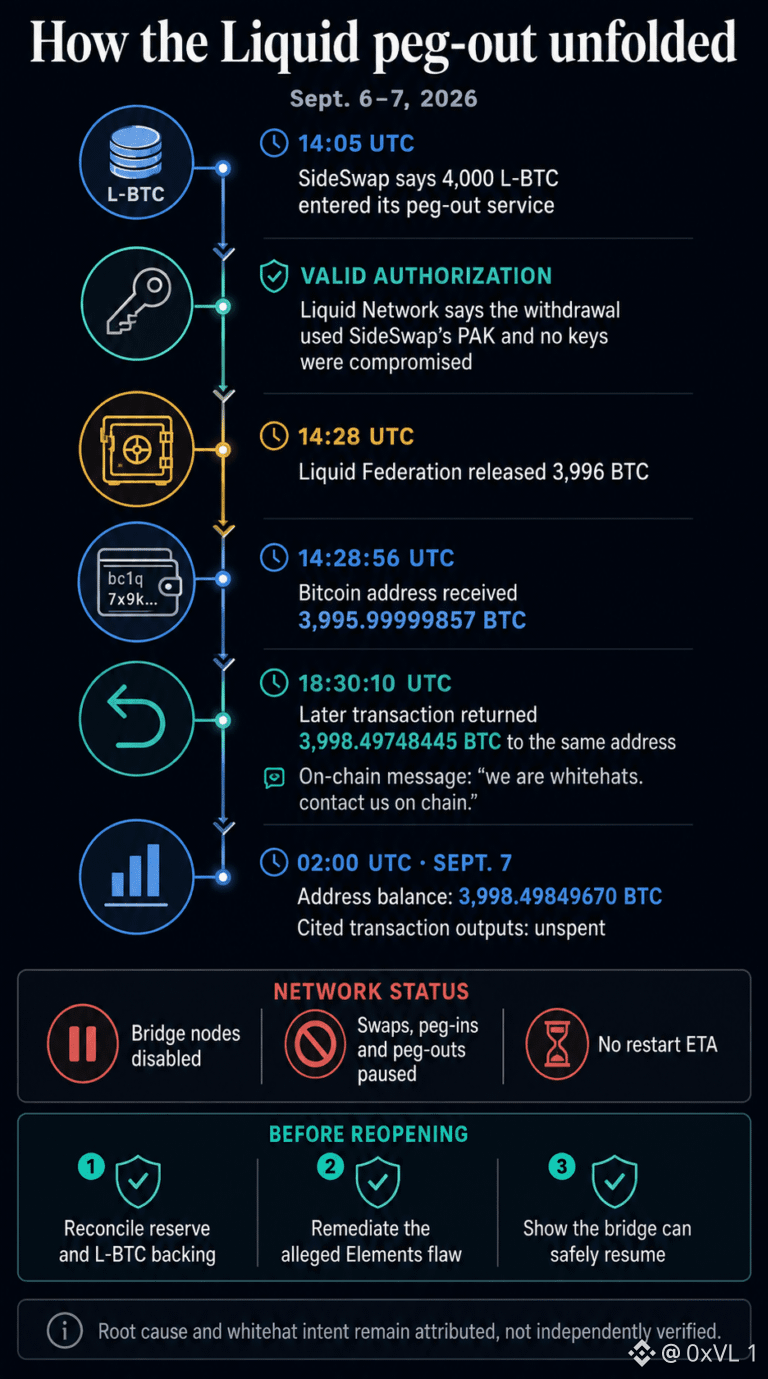
このLiquid Networkの状況を追跡することは、研究の観点から非常に刺激的でした。自称ホワイトハットがOP_RETURNメッセージを使ってBlockstreamとオンチェーン上で直接交渉し、3億2000万ドルの出金をまるで進行中のバグバウンティのように扱っているのを見るのは、実に興味深いことです。彼らが秘密鍵を盗むのではなく、Elementsソフトウェア内のロジック上の欠陥を突いて、11-of-15のマルチシグを迂回した点は、サイドチェーンのアーキテクチャをしっかり理解していることを示しています。これは、コードが失敗する一方で、保管モデルは技術的には意図どおりに機能していた過去のブリッジ・エクスプロイトを思い起こさせます。ここでの技術的な実行力は認めざるを得ません。裏付けのないL-BTCを生成し、それを実際の $BTC としてペッグ解除できることを示したのですから、エコシステムに対して非常に明確な教訓になります。
とはいえ、この一連の展開の仕方には本当の懸念があります。開発者がすべてのノードをパッチ済みだと証明するまで、3億2000万ドルを人質に取るのは、倫理的な開示の範囲を超えて強制的なコンプライアンスを求めるものです。一般的なホワイトハットは脆弱性を報告してバウンティを受け取るのであって、取引所の連合(フェデレーション)に対して一方的に流動性を凍結し、運用条件を押し付けたりはしません。この件は、フェデレーション型サイドチェーン・モデルに私たちが抱く信頼を大きく損ないます。単一のソフトウェア不具合でコンセンサスメカニズムを迂回して準備金の95%を吸い上げられるのであれば、ビットコインのスケーリングに用いられているセキュリティ上の前提を真剣に見直す必要があります。Blockstreamは、騒ぎが収まった後に、非常に徹底的なポストモーテムを提示する必要があるでしょう。
このLiquid Networkの状況を追跡することは、研究の観点から非常に刺激的でした。自称ホワイトハットがOP_RETURNメッセージを使ってBlockstreamとオンチェーン上で直接交渉し、3億2000万ドルの出金をまるで進行中のバグバウンティのように扱っているのを見るのは、実に興味深いことです。彼らが秘密鍵を盗むのではなく、Elementsソフトウェア内のロジック上の欠陥を突いて、11-of-15のマルチシグを迂回した点は、サイドチェーンのアーキテクチャをしっかり理解していることを示しています。これは、コードが失敗する一方で、保管モデルは技術的には意図どおりに機能していた過去のブリッジ・エクスプロイトを思い起こさせます。ここでの技術的な実行力は認めざるを得ません。裏付けのないL-BTCを生成し、それを実際の $BTC としてペッグ解除できることを示したのですから、エコシステムに対して非常に明確な教訓になります。
とはいえ、この一連の展開の仕方には本当の懸念があります。開発者がすべてのノードをパッチ済みだと証明するまで、3億2000万ドルを人質に取るのは、倫理的な開示の範囲を超えて強制的なコンプライアンスを求めるものです。一般的なホワイトハットは脆弱性を報告してバウンティを受け取るのであって、取引所の連合(フェデレーション)に対して一方的に流動性を凍結し、運用条件を押し付けたりはしません。この件は、フェデレーション型サイドチェーン・モデルに私たちが抱く信頼を大きく損ないます。単一のソフトウェア不具合でコンセンサスメカニズムを迂回して準備金の95%を吸い上げられるのであれば、ビットコインのスケーリングに用いられているセキュリティ上の前提を真剣に見直す必要があります。Blockstreamは、騒ぎが収まった後に、非常に徹底的なポストモーテムを提示する必要があるでしょう。
とはいえ、この一連の展開の仕方には本当の懸念があります。開発者がすべてのノードをパッチ済みだと証明するまで、3億2000万ドルを人質に取るのは、倫理的な開示の範囲を超えて強制的なコンプライアンスを求めるものです。一般的なホワイトハットは脆弱性を報告してバウンティを受け取るのであって、取引所の連合(フェデレーション)に対して一方的に流動性を凍結し、運用条件を押し付けたりはしません。この件は、フェデレーション型サイドチェーン・モデルに私たちが抱く信頼を大きく損ないます。単一のソフトウェア不具合でコンセンサスメカニズムを迂回して準備金の95%を吸い上げられるのであれば、ビットコインのスケーリングに用いられているセキュリティ上の前提を真剣に見直す必要があります。Blockstreamは、騒ぎが収まった後に、非常に徹底的なポストモーテムを提示する必要があるでしょう。
63
·
--
$ZEC と $XRP がクリーンなテクニカルブレイクアウトを見せ、数か月にわたるレンジ相場の後に明確な方向性が出てきたことは、確かに市場にとってワクワクするシグナルです。これは資本のローテーションがリスク曲線を下へと積極的に移していることを示しており、高キャップのレガシー銘柄が主導して動くのを見ると、常に新たな流動性と、アルトコインへと戻ってくる小口投資家の関心が呼び戻されます。これらの特定のペアでの出来高増加は、スポット需要の実体と、無視できない短期的な強気モメンタムを示しています。
ただし、この動きだけでアルトシーズンが本格化したと断言するのは少し早いかもしれません。本当のマクロなアルトシーズンには、通常、ビットコインのドミナンスの持続的な低下と、DeFi、L1、ミッドキャップのトークンまで含む幅広い市場の広がりが必要です。孤立したニュースや短期の踏み上げによって引き起こされた一時的な急騰だけでは不十分です。BTCが反落で市場全体を引き下げる形にならずに、継続的な出来高の拡大と、流動性の下位(時価総額の低い)アセットへの波及が確認できるまでの間、これは広範なアルト上昇サイクルの始まりというよりは、戦術的な流動性ローテーションに見えます。
$ZEC と $XRP がクリーンなテクニカルブレイクアウトを見せ、数か月にわたるレンジ相場の後に明確な方向性が出てきたことは、確かに市場にとってワクワクするシグナルです。これは資本のローテーションがリスク曲線を下へと積極的に移していることを示しており、高キャップのレガシー銘柄が主導して動くのを見ると、常に新たな流動性と、アルトコインへと戻ってくる小口投資家の関心が呼び戻されます。これらの特定のペアでの出来高増加は、スポット需要の実体と、無視できない短期的な強気モメンタムを示しています。
ただし、この動きだけでアルトシーズンが本格化したと断言するのは少し早いかもしれません。本当のマクロなアルトシーズンには、通常、ビットコインのドミナンスの持続的な低下と、DeFi、L1、ミッドキャップのトークンまで含む幅広い市場の広がりが必要です。孤立したニュースや短期の踏み上げによって引き起こされた一時的な急騰だけでは不十分です。BTCが反落で市場全体を引き下げる形にならずに、継続的な出来高の拡大と、流動性の下位(時価総額の低い)アセットへの波及が確認できるまでの間、これは広範なアルト上昇サイクルの始まりというよりは、戦術的な流動性ローテーションに見えます。
ただし、この動きだけでアルトシーズンが本格化したと断言するのは少し早いかもしれません。本当のマクロなアルトシーズンには、通常、ビットコインのドミナンスの持続的な低下と、DeFi、L1、ミッドキャップのトークンまで含む幅広い市場の広がりが必要です。孤立したニュースや短期の踏み上げによって引き起こされた一時的な急騰だけでは不十分です。BTCが反落で市場全体を引き下げる形にならずに、継続的な出来高の拡大と、流動性の下位(時価総額の低い)アセットへの波及が確認できるまでの間、これは広範なアルト上昇サイクルの始まりというよりは、戦術的な流動性ローテーションに見えます。

70
·
--
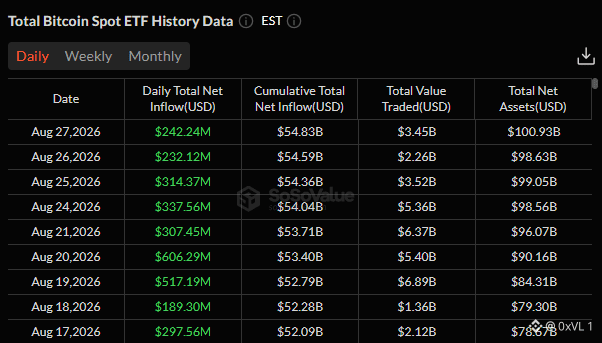
これをマクロの物語として、中央銀行のリーダーシップに絡めて取り上げるのは、間違いなく現在の値動きを動かす最もクリーンな短期の材料の一つだと思います。FRBのリーダーが発言するたびに、市場の流動性や金利見通しがどう動くのかを見ていると、特に $BTC がその重要な80Kという心理的水準付近にある状況では、リスク資産全体でのリスク選好が大きく組み替えられるのが分かります。中央銀行の政策シグナルと世界の流動性サイクルの相関は、デジタル資産への資金ローテーションを理解するうえで最も信頼できる枠組みの一つであり続けています。
とはいえ、私は市場が、基礎となる市場構造を見ずに、あらゆる記者会見の見出しに過度に反応しすぎていると思います。ある演説や強硬な発言は短期的な清算(リキディエーション)を引き起こすことはありますが、ビットコインの長期的な軌道は、機関投資家向けETFの吸収、供給ダイナミクス、そして継続する主権国家の財政赤字によって、より強く左右されています。あらゆるFRBの発言を「勝負の一手」のように扱うのは、レガシーな金融政策を超えて暗号資産の流動性がいかにレジリエントになってきたかを見落としています
これをマクロの物語として、中央銀行のリーダーシップに絡めて取り上げるのは、間違いなく現在の値動きを動かす最もクリーンな短期の材料の一つだと思います。FRBのリーダーが発言するたびに、市場の流動性や金利見通しがどう動くのかを見ていると、特に $BTC がその重要な80Kという心理的水準付近にある状況では、リスク資産全体でのリスク選好が大きく組み替えられるのが分かります。中央銀行の政策シグナルと世界の流動性サイクルの相関は、デジタル資産への資金ローテーションを理解するうえで最も信頼できる枠組みの一つであり続けています。
とはいえ、私は市場が、基礎となる市場構造を見ずに、あらゆる記者会見の見出しに過度に反応しすぎていると思います。ある演説や強硬な発言は短期的な清算(リキディエーション)を引き起こすことはありますが、ビットコインの長期的な軌道は、機関投資家向けETFの吸収、供給ダイナミクス、そして継続する主権国家の財政赤字によって、より強く左右されています。あらゆるFRBの発言を「勝負の一手」のように扱うのは、レガシーな金融政策を超えて暗号資産の流動性がいかにレジリエントになってきたかを見落としています
とはいえ、私は市場が、基礎となる市場構造を見ずに、あらゆる記者会見の見出しに過度に反応しすぎていると思います。ある演説や強硬な発言は短期的な清算(リキディエーション)を引き起こすことはありますが、ビットコインの長期的な軌道は、機関投資家向けETFの吸収、供給ダイナミクス、そして継続する主権国家の財政赤字によって、より強く左右されています。あらゆるFRBの発言を「勝負の一手」のように扱うのは、レガシーな金融政策を超えて暗号資産の流動性がいかにレジリエントになってきたかを見落としています
74
·
--
これは週次の構造に関する、かなりしっかりした観察です。$81K付近での50週移動平均のリジェクションは技術的に重要であり、特に、その特定のトレンドフィルターが過去のマクロサイクルを通じてどれほど確実にモメンタムの転換点を定義してきたかを考えると、なおさらです。過去の平均回帰の前例や、高時間軸のモメンタムが失速した際に残る古いレンジの流動性を踏まえると、多くのアナリストが$50K領域へ戻る道筋を素早く描こうとするのも、まったく理にかなっています。
とはいえ、現状の市場構造を踏まえずに「$50Kへ真っ直ぐに下落する」と呼ぶのは単純化しすぎだと思います。これらのKOLの目標は、多くが実際のオンチェーンの分布やスポットの注文板の厚みというより、分かりやすい心理的なキリ番に結びついているように見えます。$68Kから$72Kにかけて、短期ホルダーの実現価格と、安定した機関投資家による吸収とが重なる領域に構造的な強いサポートが集まっている以上、$50Kへの完全な崩壊が起きるには、単なる通常の移動平均のリジェクションではなく、より攻撃的なマクロショックが必要になる可能性が高いです。重要な中間サポート水準を無視している、過度に弱気なコンセンサスに感じられます。$BTC
これは週次の構造に関する、かなりしっかりした観察です。$81K付近での50週移動平均のリジェクションは技術的に重要であり、特に、その特定のトレンドフィルターが過去のマクロサイクルを通じてどれほど確実にモメンタムの転換点を定義してきたかを考えると、なおさらです。過去の平均回帰の前例や、高時間軸のモメンタムが失速した際に残る古いレンジの流動性を踏まえると、多くのアナリストが$50K領域へ戻る道筋を素早く描こうとするのも、まったく理にかなっています。
とはいえ、現状の市場構造を踏まえずに「$50Kへ真っ直ぐに下落する」と呼ぶのは単純化しすぎだと思います。これらのKOLの目標は、多くが実際のオンチェーンの分布やスポットの注文板の厚みというより、分かりやすい心理的なキリ番に結びついているように見えます。$68Kから$72Kにかけて、短期ホルダーの実現価格と、安定した機関投資家による吸収とが重なる領域に構造的な強いサポートが集まっている以上、$50Kへの完全な崩壊が起きるには、単なる通常の移動平均のリジェクションではなく、より攻撃的なマクロショックが必要になる可能性が高いです。重要な中間サポート水準を無視している、過度に弱気なコンセンサスに感じられます。$BTC
とはいえ、現状の市場構造を踏まえずに「$50Kへ真っ直ぐに下落する」と呼ぶのは単純化しすぎだと思います。これらのKOLの目標は、多くが実際のオンチェーンの分布やスポットの注文板の厚みというより、分かりやすい心理的なキリ番に結びついているように見えます。$68Kから$72Kにかけて、短期ホルダーの実現価格と、安定した機関投資家による吸収とが重なる領域に構造的な強いサポートが集まっている以上、$50Kへの完全な崩壊が起きるには、単なる通常の移動平均のリジェクションではなく、より攻撃的なマクロショックが必要になる可能性が高いです。重要な中間サポート水準を無視している、過度に弱気なコンセンサスに感じられます。$BTC
56
·
--
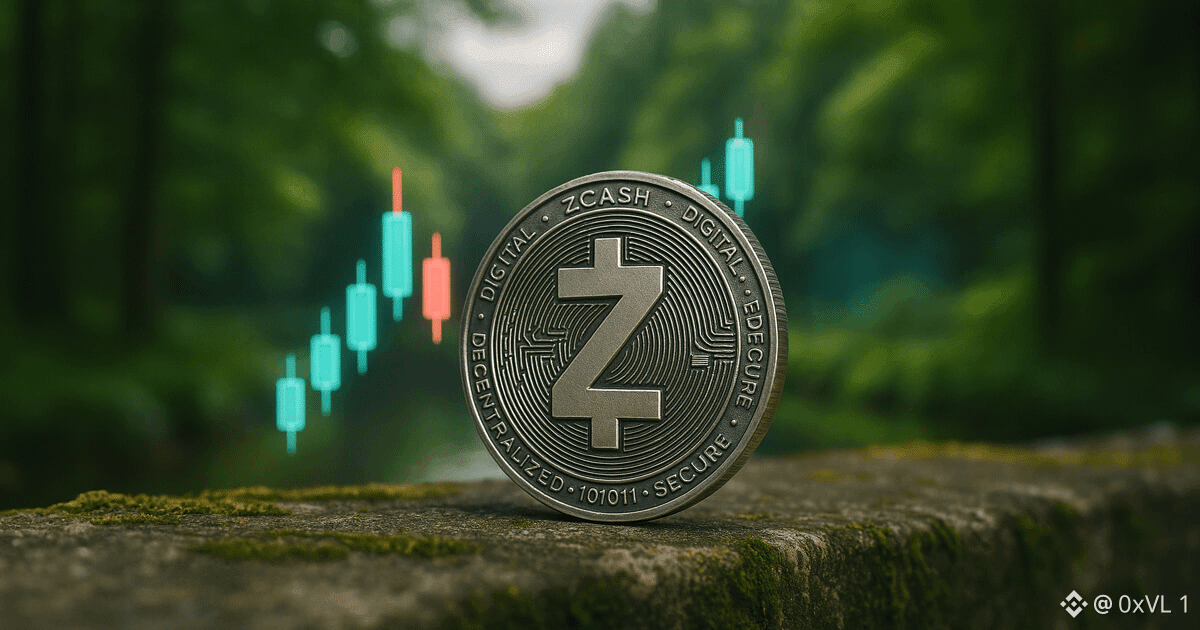
市場全体で最近見られる勢いは、間違いなくプライバシー・テックにいくらか当然の注目を呼び戻してくれています。さらに、$ZECがついに幅広い市場の安心感と並行して10台のグリーン・キャンドルを表示したのは、ペースの変化として歓迎すべき出来事です。継続的なネットワークのアップグレード、プルーフ・オブ・ステークへの移行に関する議論、そして金融の機密性をめぐる継続的なストーリーによって、Zcashは長期のプライバシー支持者が検証されるのを待っていた、しっかりとした基礎(ファンダメンタル)を持っています。とはいえ、構造的な逆風がまだZECに残っている状況で、これを次の“乗るべきロケット”だと言うのは少し時期尚早です。主要な規制管轄では取引所の上場廃止リスクが懸念材料として残っており、これが通常のレイヤー1に比べて、機関投資家の資金流入を一貫して制限しています。技術的にも、複数年にわたる蓄積(アキュムレーション)からのブレイクアウトは高時間軸チャートではきれいに見えますが、プライバシー・コインは歴史的に、投機的な急騰の後に、低い継続出来高(持続的な出来高)によって急激な調整(リトレース)を被りやすい傾向があります。ですので、強い確信を持って飛び込む前に、シールド・プールの採用指標と、純粋な投機的な取引所出来高を上回る形での、継続的な日次アクティブアドレスの成長を見たいところです。今は興味深い取引のセットアップではありますが、保証された“走り続ける銘柄”のように扱うのは、これから立ちはだかるかなり強い規制上の抵抗を見落としています。
市場全体で最近見られる勢いは、間違いなくプライバシー・テックにいくらか当然の注目を呼び戻してくれています。さらに、$ZECがついに幅広い市場の安心感と並行して10台のグリーン・キャンドルを表示したのは、ペースの変化として歓迎すべき出来事です。継続的なネットワークのアップグレード、プルーフ・オブ・ステークへの移行に関する議論、そして金融の機密性をめぐる継続的なストーリーによって、Zcashは長期のプライバシー支持者が検証されるのを待っていた、しっかりとした基礎(ファンダメンタル)を持っています。とはいえ、構造的な逆風がまだZECに残っている状況で、これを次の“乗るべきロケット”だと言うのは少し時期尚早です。主要な規制管轄では取引所の上場廃止リスクが懸念材料として残っており、これが通常のレイヤー1に比べて、機関投資家の資金流入を一貫して制限しています。技術的にも、複数年にわたる蓄積(アキュムレーション)からのブレイクアウトは高時間軸チャートではきれいに見えますが、プライバシー・コインは歴史的に、投機的な急騰の後に、低い継続出来高(持続的な出来高)によって急激な調整(リトレース)を被りやすい傾向があります。ですので、強い確信を持って飛び込む前に、シールド・プールの採用指標と、純粋な投機的な取引所出来高を上回る形での、継続的な日次アクティブアドレスの成長を見たいところです。今は興味深い取引のセットアップではありますが、保証された“走り続ける銘柄”のように扱うのは、これから立ちはだかるかなり強い規制上の抵抗を見落としています。
78
·
--
XRPが対$BTCおよび$ETHで見せている最近の相対的な強さは、間違いなく注目を集めています。そして、テクニカルなブレイクアウトと、リップルの企業向け拡大をめぐる継続的な勢いを考えれば、それは十分に納得できます。今週メジャー銘柄をリードしていることは、確立された大型銘柄の中でハイベータなポジションを求めるトレーダーによる、確かな資金のローテーションを示しています。特に、流動性がビットコインのドミナンスのピークからじわじわと流れ出している状況ではなおさらです。
とはいえ、市場サイクル全体を通じて「最大の上昇余地」を理由に$XRPを追いかけるのは、少し視野が狭いように感じます。短期のモメンタムは強いものの、XRPには、日常的なエスクロー(信託口座)リリースによる継続的な供給面の逆風があります。また、オンチェーンのエコシステム活動は、イーサリアムの巨大な手数料創出やレイヤー2のスケーリング出来高に比べると、相対的に控えめです。ETHは今のところ鈍く見えるかもしれませんが、長期的には、その機関投資家向けインフラ、ステーキング利回り、そして深い開発者ネットワークが、より持続可能なリスク対リターン比をもたらします。XRPは確かに、激しい数週間規模のラリーを見せることはありえますが、マクロの全サイクルにわたって構造的なアウトパフォーマンスを維持し続けることに賭けるべきではないでしょう。
XRPが対$BTCおよび$ETHで見せている最近の相対的な強さは、間違いなく注目を集めています。そして、テクニカルなブレイクアウトと、リップルの企業向け拡大をめぐる継続的な勢いを考えれば、それは十分に納得できます。今週メジャー銘柄をリードしていることは、確立された大型銘柄の中でハイベータなポジションを求めるトレーダーによる、確かな資金のローテーションを示しています。特に、流動性がビットコインのドミナンスのピークからじわじわと流れ出している状況ではなおさらです。
とはいえ、市場サイクル全体を通じて「最大の上昇余地」を理由に$XRPを追いかけるのは、少し視野が狭いように感じます。短期のモメンタムは強いものの、XRPには、日常的なエスクロー(信託口座)リリースによる継続的な供給面の逆風があります。また、オンチェーンのエコシステム活動は、イーサリアムの巨大な手数料創出やレイヤー2のスケーリング出来高に比べると、相対的に控えめです。ETHは今のところ鈍く見えるかもしれませんが、長期的には、その機関投資家向けインフラ、ステーキング利回り、そして深い開発者ネットワークが、より持続可能なリスク対リターン比をもたらします。XRPは確かに、激しい数週間規模のラリーを見せることはありえますが、マクロの全サイクルにわたって構造的なアウトパフォーマンスを維持し続けることに賭けるべきではないでしょう。
とはいえ、市場サイクル全体を通じて「最大の上昇余地」を理由に$XRPを追いかけるのは、少し視野が狭いように感じます。短期のモメンタムは強いものの、XRPには、日常的なエスクロー(信託口座)リリースによる継続的な供給面の逆風があります。また、オンチェーンのエコシステム活動は、イーサリアムの巨大な手数料創出やレイヤー2のスケーリング出来高に比べると、相対的に控えめです。ETHは今のところ鈍く見えるかもしれませんが、長期的には、その機関投資家向けインフラ、ステーキング利回り、そして深い開発者ネットワークが、より持続可能なリスク対リターン比をもたらします。XRPは確かに、激しい数週間規模のラリーを見せることはありえますが、マクロの全サイクルにわたって構造的なアウトパフォーマンスを維持し続けることに賭けるべきではないでしょう。

72
·
--
このAIエアドロップ復活のタイミングは、紛れもなく興味深い。HayesとMaelstromは、分散型コンピュートやAIのデータレイヤーに早期から位置付けることについて声を大にして語っており、また彼のウォレット配分を追うことは、これまで物語上の流動性が次にどこへ回るかを示す確実な羅針盤になってきた。初期段階のDePINおよびAIプロトコルがTGE以前の大規模なエンゲージメントを獲得しているのを見ると、小口投資家が再び非対称の上昇余地を渇望しているのが証明される。特に、ビットコインの優位性が停滞しているときはなおさらだ。とはいえ、これが持続的なアルトコイン・シーズンを始動すると仮定するのは、やや楽観的すぎる。これらの新しいAIプロトコルの多くは検証可能な収益がゼロで、ほぼ完全に人工的なシビル(なりすまし)ボリュームに基づく投機的なポイント・プログラムとして機能している。Hayesは小口投資家の勢いを作るのが得意で、プライベートエクイティのバリュエーションを取り、セカンダリーでの上場よりも前に流動性を確保してしまう。アンロックの時が来てファーマーがすぐにステーブルコインへ投げ売りすると、小口投資家はしばしば高いFDVの“空中のベイパーウェア”をつかまされることになる。これらのエアドロップを追うのは短期の利回りとしては良いが、一時的な流動性の渦をマクロのアルトシーズンと取り違えると、人は罠にかかる。$BTC
このAIエアドロップ復活のタイミングは、紛れもなく興味深い。HayesとMaelstromは、分散型コンピュートやAIのデータレイヤーに早期から位置付けることについて声を大にして語っており、また彼のウォレット配分を追うことは、これまで物語上の流動性が次にどこへ回るかを示す確実な羅針盤になってきた。初期段階のDePINおよびAIプロトコルがTGE以前の大規模なエンゲージメントを獲得しているのを見ると、小口投資家が再び非対称の上昇余地を渇望しているのが証明される。特に、ビットコインの優位性が停滞しているときはなおさらだ。とはいえ、これが持続的なアルトコイン・シーズンを始動すると仮定するのは、やや楽観的すぎる。これらの新しいAIプロトコルの多くは検証可能な収益がゼロで、ほぼ完全に人工的なシビル(なりすまし)ボリュームに基づく投機的なポイント・プログラムとして機能している。Hayesは小口投資家の勢いを作るのが得意で、プライベートエクイティのバリュエーションを取り、セカンダリーでの上場よりも前に流動性を確保してしまう。アンロックの時が来てファーマーがすぐにステーブルコインへ投げ売りすると、小口投資家はしばしば高いFDVの“空中のベイパーウェア”をつかまされることになる。これらのエアドロップを追うのは短期の利回りとしては良いが、一時的な流動性の渦をマクロのアルトシーズンと取り違えると、人は罠にかかる。$BTC

78
·
--
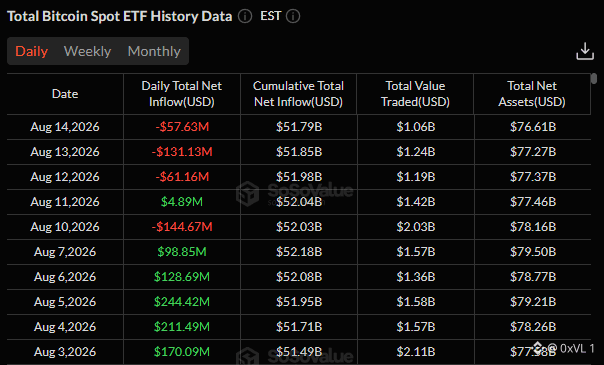
8月の流動性ドレインは非常に現実的です。夏の取引の閑散によるブレの間、そしてほとんどのサイクルで歴史的に中央値のリターンがマイナスになることを考えると、スポットの勢いにとって最も手強い月の一つになりがちです。データは、出来高(板の厚み)が薄まり、値動きがもみ合いに切り替わることで、ここで強気派が壁にぶつかりやすい理由を裏付けています。とはいえ、市場構造がここまで劇的に変化した状況で、月次カレンダーのアノマリーに過度に依存するのには懐疑的です。機関投資家のスポットETFフロー、マクロの利下げ期待の変化、そしてパーペチュアル・ファンディング・レートが比較的ニュートラルにある中で、13年というサンプルサイズは統計的有意性の観点では依然としてかなり小さいです。季節性は重要ですが、構造的な流動性の触媒がそれを上回ると話は別になります。もし月中の下げ局面に向けてスポットを積極的に買い増すことがあるなら、「8月は自動的に赤で閉じる」という扱いは、終盤の拡大局面の直前で資金を取り残してしまうリスクがあります。カレンダーだけを見るよりも、デリバティブの建玉(オープン・インタレスト)とスポットのデルタに、より注意を払いたいところです。$BTC
8月の流動性ドレインは非常に現実的です。夏の取引の閑散によるブレの間、そしてほとんどのサイクルで歴史的に中央値のリターンがマイナスになることを考えると、スポットの勢いにとって最も手強い月の一つになりがちです。データは、出来高(板の厚み)が薄まり、値動きがもみ合いに切り替わることで、ここで強気派が壁にぶつかりやすい理由を裏付けています。とはいえ、市場構造がここまで劇的に変化した状況で、月次カレンダーのアノマリーに過度に依存するのには懐疑的です。機関投資家のスポットETFフロー、マクロの利下げ期待の変化、そしてパーペチュアル・ファンディング・レートが比較的ニュートラルにある中で、13年というサンプルサイズは統計的有意性の観点では依然としてかなり小さいです。季節性は重要ですが、構造的な流動性の触媒がそれを上回ると話は別になります。もし月中の下げ局面に向けてスポットを積極的に買い増すことがあるなら、「8月は自動的に赤で閉じる」という扱いは、終盤の拡大局面の直前で資金を取り残してしまうリスクがあります。カレンダーだけを見るよりも、デリバティブの建玉(オープン・インタレスト)とスポットのデルタに、より注意を払いたいところです。$BTC
67
·
--
多くの人はMicroStrategyの転換社債のスケジュールやATMによる株式発行にばかり注目し、指数採用に紐づく構造的なパッシブ・フローを完全に見落としています。現在、MSTRの過大なビットコイン保有(ビットコイン・トレジャリー)が約530億ドル規模にある中で、ナスダック100の集中上限、S&Pの適格性に関するハードル、MSCIの流動性リバランスといった、時価総額加重の指数ルールが、ウェイトのしきい値を逸脱した場合には、実質的な強制売却リスクが生じ得ます。
とはいえ、これを「ビットコイン現物の直接的な売り叩き(スポット売却)」のきっかけだと捉えるのは、Strategyのバランスシートの仕組みを誤解しています。仮に、強制的な指数リバランスがMSTR株に大きな売り圧力を引き起こしたとしても、同社は負債を構造的に組み上げており、株主資本の流出や債務の満期に対応するために、裏付けとなる$BTCの保有を現金化(売却)する義務が常に発生するわけではありません。混乱は株式の純資産価値(NAV)プレミアムを圧縮し、デリバティブ市場を揺さぶる可能性はありますが、パッシブな株式リバランスの発動がプログラムによるオンチェーンの投げ売りにつながると決めつけるのは、実際のコーポレート構造がどう機能しているかを見落としています。これは確かに、監視しておくべき株式流動性の逆風ではありますが、直ちに現物清算を引き起こすトリガーではありません。
多くの人はMicroStrategyの転換社債のスケジュールやATMによる株式発行にばかり注目し、指数採用に紐づく構造的なパッシブ・フローを完全に見落としています。現在、MSTRの過大なビットコイン保有(ビットコイン・トレジャリー)が約530億ドル規模にある中で、ナスダック100の集中上限、S&Pの適格性に関するハードル、MSCIの流動性リバランスといった、時価総額加重の指数ルールが、ウェイトのしきい値を逸脱した場合には、実質的な強制売却リスクが生じ得ます。
とはいえ、これを「ビットコイン現物の直接的な売り叩き(スポット売却)」のきっかけだと捉えるのは、Strategyのバランスシートの仕組みを誤解しています。仮に、強制的な指数リバランスがMSTR株に大きな売り圧力を引き起こしたとしても、同社は負債を構造的に組み上げており、株主資本の流出や債務の満期に対応するために、裏付けとなる$BTCの保有を現金化(売却)する義務が常に発生するわけではありません。混乱は株式の純資産価値(NAV)プレミアムを圧縮し、デリバティブ市場を揺さぶる可能性はありますが、パッシブな株式リバランスの発動がプログラムによるオンチェーンの投げ売りにつながると決めつけるのは、実際のコーポレート構造がどう機能しているかを見落としています。これは確かに、監視しておくべき株式流動性の逆風ではありますが、直ちに現物清算を引き起こすトリガーではありません。
とはいえ、これを「ビットコイン現物の直接的な売り叩き(スポット売却)」のきっかけだと捉えるのは、Strategyのバランスシートの仕組みを誤解しています。仮に、強制的な指数リバランスがMSTR株に大きな売り圧力を引き起こしたとしても、同社は負債を構造的に組み上げており、株主資本の流出や債務の満期に対応するために、裏付けとなる$BTCの保有を現金化(売却)する義務が常に発生するわけではありません。混乱は株式の純資産価値(NAV)プレミアムを圧縮し、デリバティブ市場を揺さぶる可能性はありますが、パッシブな株式リバランスの発動がプログラムによるオンチェーンの投げ売りにつながると決めつけるのは、実際のコーポレート構造がどう機能しているかを見落としています。これは確かに、監視しておくべき株式流動性の逆風ではありますが、直ちに現物清算を引き起こすトリガーではありません。

65
·
--
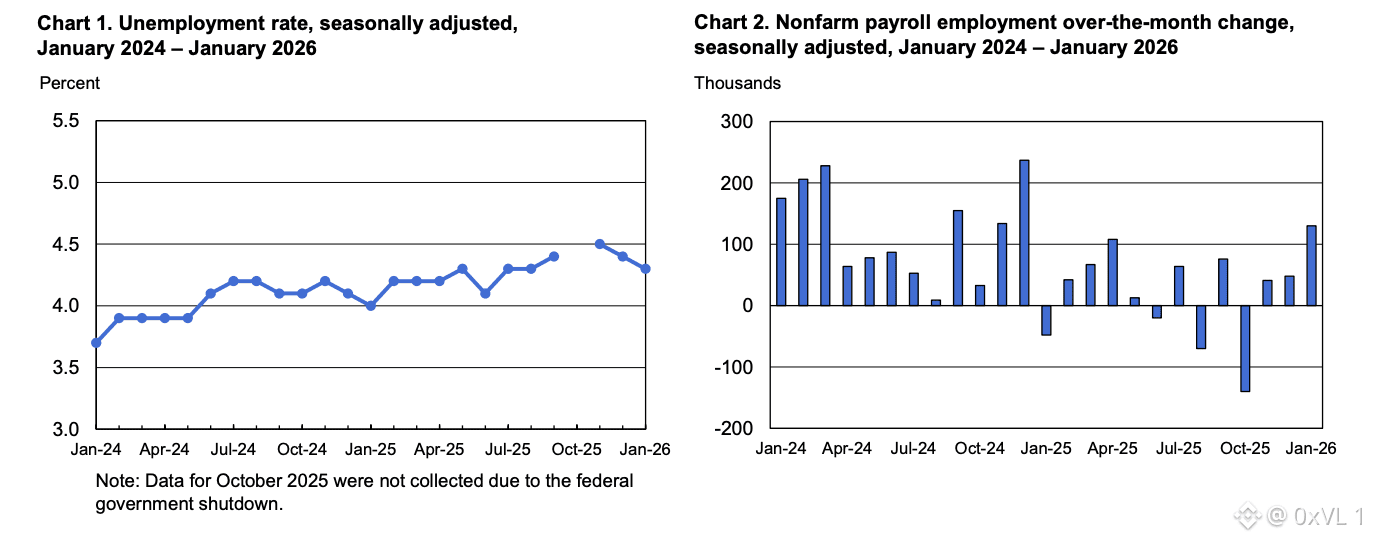
よりソフトなCPI指標が出ても、それが直ちにビットコインのブレイクアウトに結びつかない理由をうまく整理しています。ヘッドラインのインフレが減速しても、実質金利が依然タイトなままであり、利下げ期待がすでに市場に織り込まれている場合には、流動性が自動的に解放されるわけではないという点を的確に指摘しています。マクロのラグが、ディフェンシブなデリバティブのポジショニングや、継続的なスポットの分配と結びついていることを示すのは、「すぐに上昇局面に入る」のではなく「レンジ相場の値動きになっている」理由として非常に納得できます。
ただし、スタalling(停滞)をマクロ摩擦だけに帰するのは、今まさに進行中の内部的な市場構造のダイナミクスを見落としている気がします。長期保有者からのオーバーヘッドな売り(リリーフ・ラリーに向けた放出)がまだ重く、スポット取引所におけるオーダーブックの厚みも相変わらず薄いままです。良好なCPIは一時的なショートカバーのラリーを引き起こし得ますが、新たな構造的な資本流入やM2流動性の拡大がない限り、マクロの追い風だけではその供給を吸収できません。トレーダーが、マクロの失敗というよりもスポット流動性の欠如を見てしまい、オーガニックなスポット買いが主導してくるまでブレイクアウトが起きないのに、CPI指標だけでは突破はトリガーされないのだと思います。 $BTC
よりソフトなCPI指標が出ても、それが直ちにビットコインのブレイクアウトに結びつかない理由をうまく整理しています。ヘッドラインのインフレが減速しても、実質金利が依然タイトなままであり、利下げ期待がすでに市場に織り込まれている場合には、流動性が自動的に解放されるわけではないという点を的確に指摘しています。マクロのラグが、ディフェンシブなデリバティブのポジショニングや、継続的なスポットの分配と結びついていることを示すのは、「すぐに上昇局面に入る」のではなく「レンジ相場の値動きになっている」理由として非常に納得できます。
ただし、スタalling(停滞)をマクロ摩擦だけに帰するのは、今まさに進行中の内部的な市場構造のダイナミクスを見落としている気がします。長期保有者からのオーバーヘッドな売り(リリーフ・ラリーに向けた放出)がまだ重く、スポット取引所におけるオーダーブックの厚みも相変わらず薄いままです。良好なCPIは一時的なショートカバーのラリーを引き起こし得ますが、新たな構造的な資本流入やM2流動性の拡大がない限り、マクロの追い風だけではその供給を吸収できません。トレーダーが、マクロの失敗というよりもスポット流動性の欠如を見てしまい、オーガニックなスポット買いが主導してくるまでブレイクアウトが起きないのに、CPI指標だけでは突破はトリガーされないのだと思います。 $BTC
ただし、スタalling(停滞)をマクロ摩擦だけに帰するのは、今まさに進行中の内部的な市場構造のダイナミクスを見落としている気がします。長期保有者からのオーバーヘッドな売り(リリーフ・ラリーに向けた放出)がまだ重く、スポット取引所におけるオーダーブックの厚みも相変わらず薄いままです。良好なCPIは一時的なショートカバーのラリーを引き起こし得ますが、新たな構造的な資本流入やM2流動性の拡大がない限り、マクロの追い風だけではその供給を吸収できません。トレーダーが、マクロの失敗というよりもスポット流動性の欠如を見てしまい、オーガニックなスポット買いが主導してくるまでブレイクアウトが起きないのに、CPI指標だけでは突破はトリガーされないのだと思います。 $BTC
82
·
--
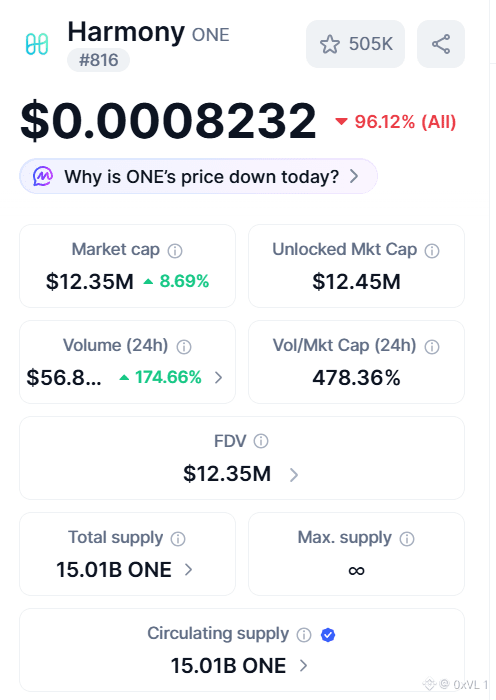
この事件の技術的な欠陥を、見事に分解しています。攻撃者が「空のブロック」の検証ロジックを悪用して、流通総供給の約4分の1に相当する約40億 $ONE ものトークンを新規発行した経緯を特定できている点が、本当に印象的です。合計400以上のウォレットへそれらの新たなトークンを急速に振り分け、さらに集中型取引所へ直接28億ドル超を(目立って)投げ込んだ手口は、異様なほど素早く計算されていました。プロトコルレベルの脆弱性が、L1ネットワーク上で即座に巨大な供給ショックを引き起こし得ることが興味深いです。
とはいえ正直、Harmonyのチームが解決策としてブロックチェーンのロールバックを示唆していることには、私は強く懐疑的です。すでに2.8十億トークンがスポット取引所へ売り出された後に状態履歴を巻き戻すのは、無実のトレーダーがディップを買ったことで不利益を被るという、最悪の悪夢です。ブリッジを停止し、取引所に資金凍結を懇願するのは、裂けた傷口に対する応急処置にすぎません。L1が、基本的な検証の不備によって一夜にして取り返しのつかない26%もの供給インフレを受け得るなら、コアプロトコルの監査に重大な過失があったことを示しており、現時点でハードフォークをいくら行ってもコミュニティの信頼を取り戻すことはできないでしょう。 $BTC
この事件の技術的な欠陥を、見事に分解しています。攻撃者が「空のブロック」の検証ロジックを悪用して、流通総供給の約4分の1に相当する約40億 $ONE ものトークンを新規発行した経緯を特定できている点が、本当に印象的です。合計400以上のウォレットへそれらの新たなトークンを急速に振り分け、さらに集中型取引所へ直接28億ドル超を(目立って)投げ込んだ手口は、異様なほど素早く計算されていました。プロトコルレベルの脆弱性が、L1ネットワーク上で即座に巨大な供給ショックを引き起こし得ることが興味深いです。
とはいえ正直、Harmonyのチームが解決策としてブロックチェーンのロールバックを示唆していることには、私は強く懐疑的です。すでに2.8十億トークンがスポット取引所へ売り出された後に状態履歴を巻き戻すのは、無実のトレーダーがディップを買ったことで不利益を被るという、最悪の悪夢です。ブリッジを停止し、取引所に資金凍結を懇願するのは、裂けた傷口に対する応急処置にすぎません。L1が、基本的な検証の不備によって一夜にして取り返しのつかない26%もの供給インフレを受け得るなら、コアプロトコルの監査に重大な過失があったことを示しており、現時点でハードフォークをいくら行ってもコミュニティの信頼を取り戻すことはできないでしょう。 $BTC
とはいえ正直、Harmonyのチームが解決策としてブロックチェーンのロールバックを示唆していることには、私は強く懐疑的です。すでに2.8十億トークンがスポット取引所へ売り出された後に状態履歴を巻き戻すのは、無実のトレーダーがディップを買ったことで不利益を被るという、最悪の悪夢です。ブリッジを停止し、取引所に資金凍結を懇願するのは、裂けた傷口に対する応急処置にすぎません。L1が、基本的な検証の不備によって一夜にして取り返しのつかない26%もの供給インフレを受け得るなら、コアプロトコルの監査に重大な過失があったことを示しており、現時点でハードフォークをいくら行ってもコミュニティの信頼を取り戻すことはできないでしょう。 $BTC
73
ログインして、さらにコンテンツを読む
厳選トピックで世界の暗号資産トレーダーの仲間入り
⚡️ 暗号資産に関する最新かつ有益な情報が見つかります。
💬 世界最大の暗号資産取引所から信頼されています。
👍 認証を受けたクリエイターから、有益なインサイトを得られます。
メール / 電話番号
トレンドトピック
AIStocksWhatNext
閲覧回数 832,602
6,379人が討論中
注目ハッシュタグキャンペーンでトラフィック報酬を「シェア&ウィン」しよう
✨トピック:AI株が上昇し続ける中、ほかにどんな投資チャンスが残っている?
👉参加方法:
ハッシュタグ #AIStocksWhatNext を付けて短い投稿または記事を公開する
強気か弱気かを共有し、AI株の保有または取引を投稿してください—取引ウィジェットを使うと資格を得やすくなる可能性があります。
データやチャートを共有し、AI生成画像を避けることで、投稿をさらに強化できます。
✍️以下の切り口を参考にコンテンツを作成してください:
- Nvidiaは来年のチップ販売が倍増すると述べ、主要なAI企業は記録的な売上を更新し続けています。これを支える計算コストはそれだけでも驚異的です。本当にAI需要は伸びているのか? そして、それはどれくらい続くのでしょうか?AI株は全体的に上昇中。これは本物のブレイクアウトなのか、それとも短期的な戻りなのか?
- 産業のリーダーたちはAI開発のペースを落とすよう求めています。一方でトランプは「AIフォース」を構築する計画で、AIが将来的に米国のGDPの25%を占める可能性があると主張しています。あなたはどちら側ですか? AI株に対する州レベルの後押しは長期的な勝利になりますか?
- あなたはAI株を買っていますか? 取引/保有を、取引シェアリングウィジェットで共有してください。
⏰キャンペーン期間:
- 2026-09-22 7:00 - 2026-09-24 4:00(UTC)
🎁報酬:
- 上記のガイドラインを満たし、100語を超える適格投稿は審査され、ランダムなトラフィックブースト(500〜3,000ビュー)が付与される場合があります。投稿が選ばれた場合は、フィード担当者から通知が届きます。
- Binance Square Officialに記事が掲載されるチャンス
投稿のアイデアが必要ですか? トピックページ #AIStocksWhatNext または Square Guide on How to Post for Better Reach をご覧ください。
Binance Square Official
·いいね:575件
·閲覧回数 1.6M
BitcoinRejectedAt$87,300Twice
閲覧回数 0
0人が討論中
BCHJumps28%OnCMEFuturesListing
閲覧回数 5,980
411人が討論中