

VinCoop
519 投稿

VinCoop
報告
ユーザーをブロック
Market Analyst | Blockchain Infrastructure & Tokenomics Deep research on ecosystem growth and sustainable token design. :trophy: Top CoinMarketCap KoL :handshake: Partnering for Growth: Institutional Services & Listing Partner at MEXC, WhiteBIT
0 フォロー
6 フォロワー
31 いいね
投稿
·
--
翻訳参照
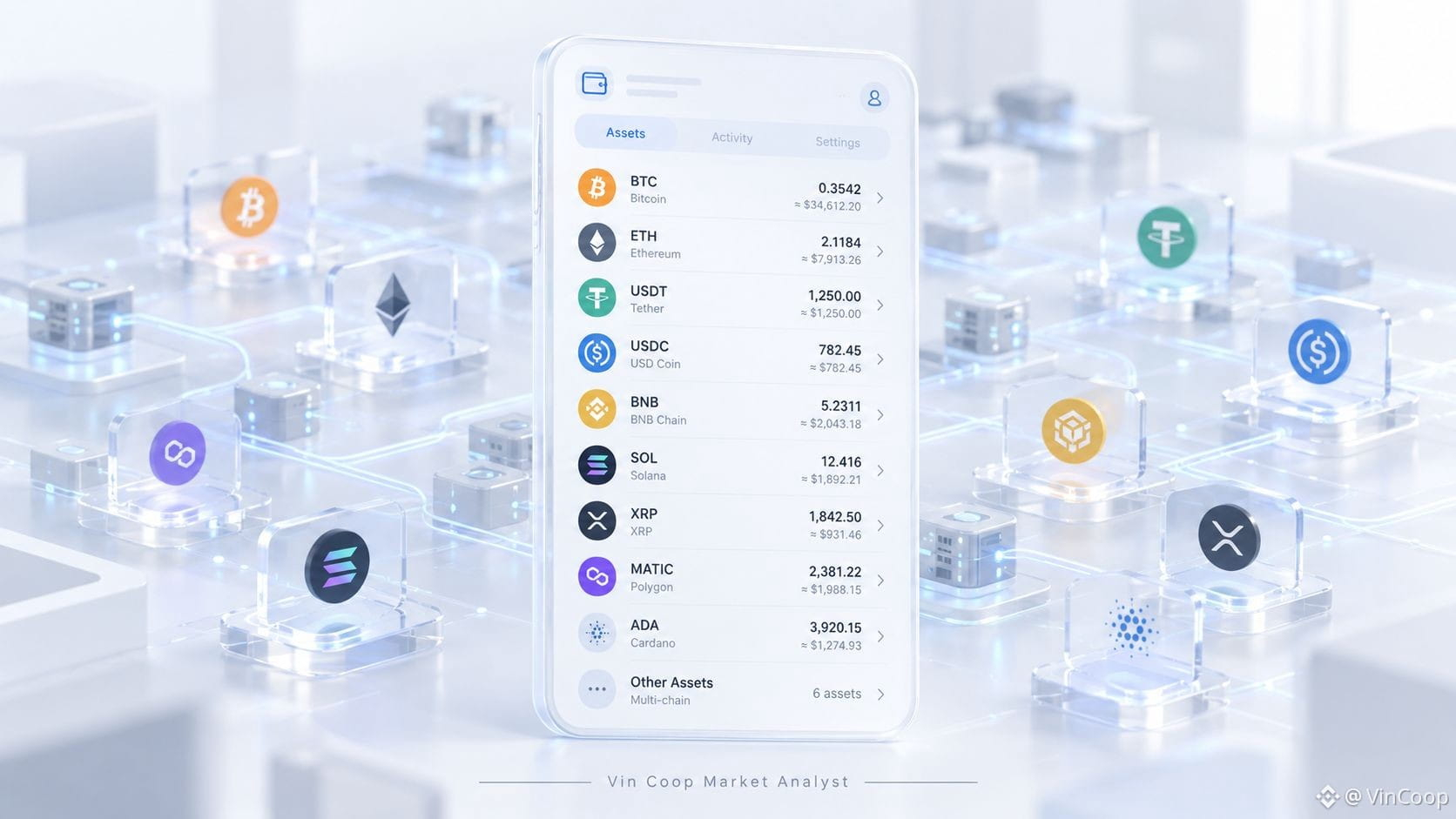
A Wallet Can Show 300 Assets. Someone Still Has to Keep Them Working. From the user’s side, broad asset coverage looks simple: open the wallet, choose $BTC , $ETH , a stablecoin or another supported asset, and make a transaction. For the product team, that list is only the visible part. Every supported network has to keep working after launch. Deposits need to be detected correctly, transaction rules and fees have to stay current, node or RPC connections need monitoring, and compliance checks continue in the background. Then protocols upgrade, networks change, or forks appear, while users still expect the wallet to work normally. That is where a large asset catalog becomes an infrastructure question rather than just a product feature. In my latest Medium article, I look at what sits behind broad wallet coverage and compare how WhiteBIT Wallet-as-a-Service, Fireblocks WaaS, and BitGo WaaS approach that maintenance layer. The key question is not only how many assets a provider supports, but how much of the ongoing technical work your own team still has to carry. 👉 Read the full article: https://medium.com/@Vin_Coop/adding-an-asset-takes-minutes-supporting-it-can-last-for-years-c805f09bac05?postPublishedType=initial #BTC Price Analysis# #Bitcoin Price Prediction: What is Bitcoins next move?# #Ad #BTC
A Wallet Can Show 300 Assets. Someone Still Has to Keep Them Working. From the user’s side, broad asset coverage looks simple: open the wallet, choose $BTC , $ETH , a stablecoin or another supported asset, and make a transaction. For the product team, that list is only the visible part. Every supported network has to keep working after launch. Deposits need to be detected correctly, transaction rules and fees have to stay current, node or RPC connections need monitoring, and compliance checks continue in the background. Then protocols upgrade, networks change, or forks appear, while users still expect the wallet to work normally. That is where a large asset catalog becomes an infrastructure question rather than just a product feature. In my latest Medium article, I look at what sits behind broad wallet coverage and compare how WhiteBIT Wallet-as-a-Service, Fireblocks WaaS, and BitGo WaaS approach that maintenance layer. The key question is not only how many assets a provider supports, but how much of the ongoing technical work your own team still has to carry. 👉 Read the full article: https://medium.com/@Vin_Coop/adding-an-asset-takes-minutes-supporting-it-can-last-for-years-c805f09bac05?postPublishedType=initial #BTC Price Analysis# #Bitcoin Price Prediction: What is Bitcoins next move?# #Ad #BTC
50
·
--
翻訳参照
Three Dates That Changed the Crypto Setup This Week $BTC , $XRP and $SHIB all moved for different reasons this week, so the cleanest way to read the market is chronologically rather than through one broad “crypto rally” narrative. Sept. 30 - Macro opened the door. Bitcoin moved above $85K after August PCE inflation came in at 3.4%, below the 3.7% expected. The same day, RippleX opened the LendingProtocolV1_1 amendment for validator voting, pushing XRPL closer to native lending infrastructure. Oct. 1 - Network activity took over. XRPL reportedly processed more than 900M in 24-hour activity, while Ripple’s October escrow cycle released 1B XRP before 700M XRP was locked back. Oct. 2 - Bitcoin broke higher, SHIB confirmed momentum. U.S. payrolls rose by only 29,000, far below expectations of roughly 84,000–90,000, and BTC pushed above $87K. On the same day, SHIB printed its first daily golden cross in almost two years after closing September +13.5%, its strongest month of 2026. So this week was not driven by one catalyst. Bitcoin reacted to macro, XRP gained infrastructure progress, and SHIB carried its own momentum signal. The next dates are already visible: Oct. 8 for XRPN trading, Oct. 20 for SEC hearings, and Oct. 27–28 for the next FOMC decision. #Altcoin Season# #BTC Price Analysis# #Ripple #SHIB
Three Dates That Changed the Crypto Setup This Week $BTC , $XRP and $SHIB all moved for different reasons this week, so the cleanest way to read the market is chronologically rather than through one broad “crypto rally” narrative. Sept. 30 - Macro opened the door. Bitcoin moved above $85K after August PCE inflation came in at 3.4%, below the 3.7% expected. The same day, RippleX opened the LendingProtocolV1_1 amendment for validator voting, pushing XRPL closer to native lending infrastructure. Oct. 1 - Network activity took over. XRPL reportedly processed more than 900M in 24-hour activity, while Ripple’s October escrow cycle released 1B XRP before 700M XRP was locked back. Oct. 2 - Bitcoin broke higher, SHIB confirmed momentum. U.S. payrolls rose by only 29,000, far below expectations of roughly 84,000–90,000, and BTC pushed above $87K. On the same day, SHIB printed its first daily golden cross in almost two years after closing September +13.5%, its strongest month of 2026. So this week was not driven by one catalyst. Bitcoin reacted to macro, XRP gained infrastructure progress, and SHIB carried its own momentum signal. The next dates are already visible: Oct. 8 for XRPN trading, Oct. 20 for SEC hearings, and Oct. 27–28 for the next FOMC decision. #Altcoin Season# #BTC Price Analysis# #Ripple #SHIB
61
·
--
翻訳参照
Before You Add Yield, Decide Who It’s For Adding $BTC yield to a fintech product looks like an infrastructure decision until you get to the part users actually feel: who keeps the return. If most of it goes to users, the rate becomes part of the offer. Customers can compare it with other apps, which can help with acquisition and retention, but it also puts the product into direct rate competition and makes every change in terms more visible. If more of the return stays with the business, the same infrastructure serves a different purpose. The customer experience may barely change, while the value shows up in margin instead. A business can also split the return. That middle ground is technically possible in products such as WhiteBIT Yield-as-a-Service, where the client can set the distribution across 80+ supported assets, so part of the generated yield reaches users while another part stays with the platform. https://institutional.whitebit.com/yield-as-a-service?utm_source=coinmarketcap&utm_medium=Yaas_vinc&utm_campaign=post The split then starts affecting pricing, how the feature is positioned to users, reporting and what the team eventually measures as success. That is why I would make this decision before the integration is finalized. Passing more through means the feature has to earn its place in the customer proposition. Retaining more means it has to justify itself in unit economics. A hybrid has to do enough of both to be worth the compromise. Disclaimer: This is not financial or investment advice. Do your own research before making any decisions. Use at your own risk. #BTC Price Analysis# #Bitcoin Price Prediction: What is Bitcoins next move?# #Ad #BTC
Before You Add Yield, Decide Who It’s For Adding $BTC yield to a fintech product looks like an infrastructure decision until you get to the part users actually feel: who keeps the return. If most of it goes to users, the rate becomes part of the offer. Customers can compare it with other apps, which can help with acquisition and retention, but it also puts the product into direct rate competition and makes every change in terms more visible. If more of the return stays with the business, the same infrastructure serves a different purpose. The customer experience may barely change, while the value shows up in margin instead. A business can also split the return. That middle ground is technically possible in products such as WhiteBIT Yield-as-a-Service, where the client can set the distribution across 80+ supported assets, so part of the generated yield reaches users while another part stays with the platform. https://institutional.whitebit.com/yield-as-a-service?utm_source=coinmarketcap&utm_medium=Yaas_vinc&utm_campaign=post The split then starts affecting pricing, how the feature is positioned to users, reporting and what the team eventually measures as success. That is why I would make this decision before the integration is finalized. Passing more through means the feature has to earn its place in the customer proposition. Retaining more means it has to justify itself in unit economics. A hybrid has to do enough of both to be worth the compromise. Disclaimer: This is not financial or investment advice. Do your own research before making any decisions. Use at your own risk. #BTC Price Analysis# #Bitcoin Price Prediction: What is Bitcoins next move?# #Ad #BTC

·
--
XRPが先に動き、SECの書類は後から追いついた $XRP Bitwiseが9月18日に訂正届出書を提出した後、7.7%上昇したが、市場の反応はその提出内容が実際に意味するところより先行していた。BitwiseのXRP ETFはすでにティッカーXRPでNYSE Arca上で取引されていたため、この書類は新しいファンドを作ったり、新たな上場を承認したりするものではなかった。さらに10日後の9月28日、SECはその訂正に関する公式の「Notice of Effectiveness(有効通知)」を発行し、Bitwiseは同日中に最終の424B3目論見書を提出した。重要なのは順序だ。有効となった規制上のステップは、既存の登録の更新であって、新しいETFの立ち上げではない。商品構造についても基本的な変更はなかった。ファンドは引き続きXRPを直接保有し、年率0.34%の経費率を維持し、トークンのカストディにはCoinbase Custody、管理業務にはBNY Mellonを使用している。したがって注目すべきは、SECの通知そのものというより、それをめぐる市場の反応だ。XRPは広く誤読された提出をきっかけに7.7%上昇しており、基礎となる商品がほとんど変わっていなくても、規制関連の見出しがいかに素早く価格を動かし得るかを示している。 #Ripple #XRP
XRPが先に動き、SECの書類は後から追いついた $XRP Bitwiseが9月18日に訂正届出書を提出した後、7.7%上昇したが、市場の反応はその提出内容が実際に意味するところより先行していた。BitwiseのXRP ETFはすでにティッカーXRPでNYSE Arca上で取引されていたため、この書類は新しいファンドを作ったり、新たな上場を承認したりするものではなかった。さらに10日後の9月28日、SECはその訂正に関する公式の「Notice of Effectiveness(有効通知)」を発行し、Bitwiseは同日中に最終の424B3目論見書を提出した。重要なのは順序だ。有効となった規制上のステップは、既存の登録の更新であって、新しいETFの立ち上げではない。商品構造についても基本的な変更はなかった。ファンドは引き続きXRPを直接保有し、年率0.34%の経費率を維持し、トークンのカストディにはCoinbase Custody、管理業務にはBNY Mellonを使用している。したがって注目すべきは、SECの通知そのものというより、それをめぐる市場の反応だ。XRPは広く誤読された提出をきっかけに7.7%上昇しており、基礎となる商品がほとんど変わっていなくても、規制関連の見出しがいかに素早く価格を動かし得るかを示している。 #Ripple #XRP

40
·
--
8,400万ドル相当を押収――しかし暗号のつながりは見出しほど大きくない <USDT> が、モンタナ州の決済企業キャプストーンに結びつく約8,400万ドル規模の米国没収手続きに関連して登場する。しかし、押収金の大半は暗号ではなかった。検察当局は、Wells Fargo から約8,100万ドル、JPMorgan Chase から約200万ドル、そして <USDT> で約120万ドルを押収したという。 この事件は、キャプストーンがどのように事業を行っていたとされるかに焦点が当たる。検察によれば、同社は IT 企業を装いながら、暗号関連企業のために資金を動かしていた。さらに別件として、FBI 捜査官を名乗ってなりすましを行い、不正の利益を暗号資産へと転換する計画にも関与していたとされる。ここには3つの異なる層がある。銀行面のリスク:米国の主要2行から押収された約8,300万ドル。暗号面のリスク:約120万ドル相当の <USDT> を押収。法的な責任:検察はテザー(Tether)による不正行為を告発していない。テザーは、問題となったドミニカの銀行の顧客だっただけで、キャプストーンのとされる行為については知識がなかったと述べている。キャプストーンは不正を否認し、訴状に対して争う方針だ。 つまり、問題の原因がステーブルコインにあるという話というより、従来の銀行と暗号の両方にまたがる決済仲介者、口座アクセス、コンプライアンス管理の問題だ。#USDT #Tether #Altcoin Season#
8,400万ドル相当を押収――しかし暗号のつながりは見出しほど大きくない <USDT> が、モンタナ州の決済企業キャプストーンに結びつく約8,400万ドル規模の米国没収手続きに関連して登場する。しかし、押収金の大半は暗号ではなかった。検察当局は、Wells Fargo から約8,100万ドル、JPMorgan Chase から約200万ドル、そして <USDT> で約120万ドルを押収したという。 この事件は、キャプストーンがどのように事業を行っていたとされるかに焦点が当たる。検察によれば、同社は IT 企業を装いながら、暗号関連企業のために資金を動かしていた。さらに別件として、FBI 捜査官を名乗ってなりすましを行い、不正の利益を暗号資産へと転換する計画にも関与していたとされる。ここには3つの異なる層がある。銀行面のリスク:米国の主要2行から押収された約8,300万ドル。暗号面のリスク:約120万ドル相当の <USDT> を押収。法的な責任:検察はテザー(Tether)による不正行為を告発していない。テザーは、問題となったドミニカの銀行の顧客だっただけで、キャプストーンのとされる行為については知識がなかったと述べている。キャプストーンは不正を否認し、訴状に対して争う方針だ。 つまり、問題の原因がステーブルコインにあるという話というより、従来の銀行と暗号の両方にまたがる決済仲介者、口座アクセス、コンプライアンス管理の問題だ。#USDT #Tether #Altcoin Season#
52
·
--
翻訳参照
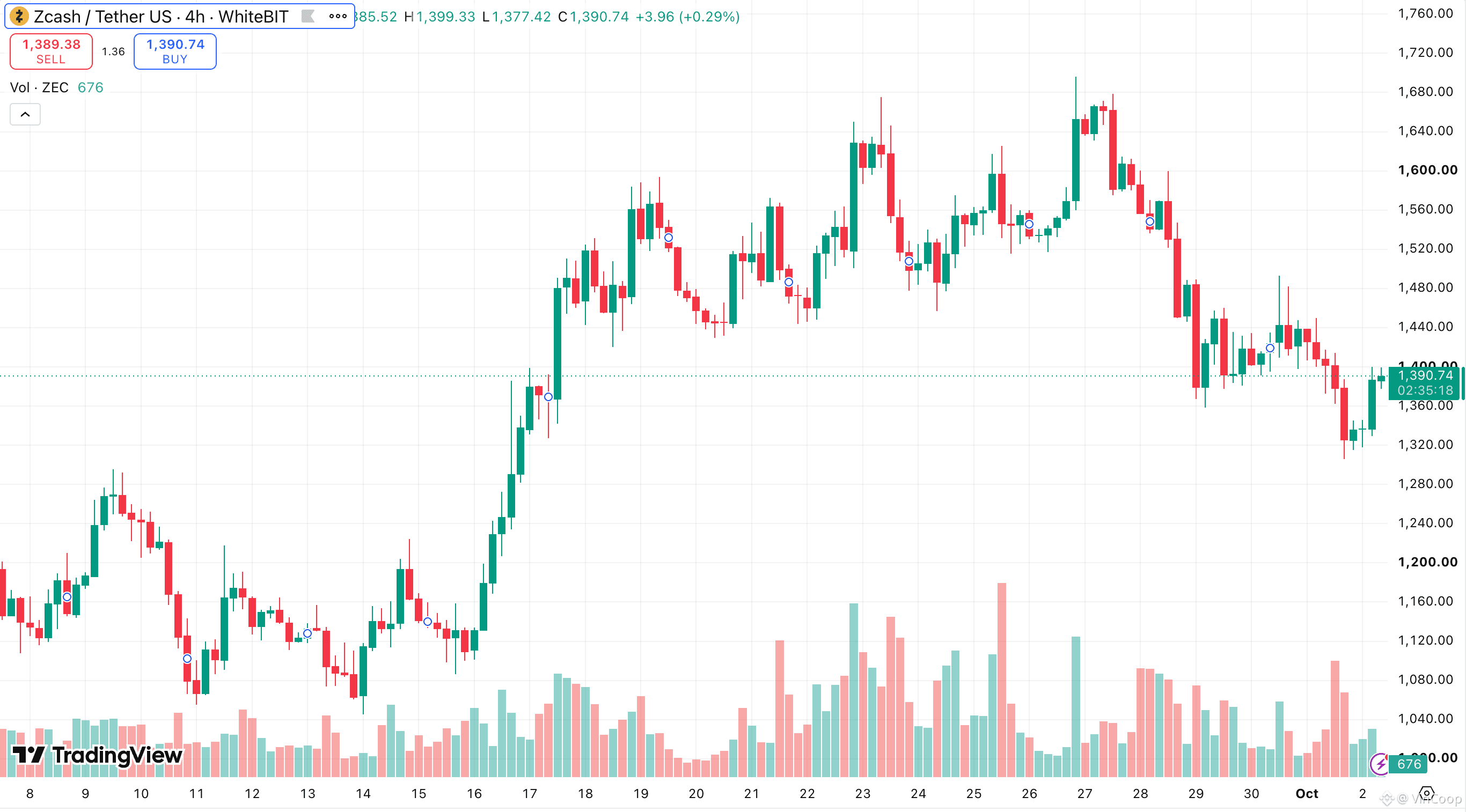
🐋 ZEC Whales Are Buying the Dip - $1,400 Is Now the Level I’m Watching Zcash has pulled back from its recent $1,680 high, but the on-chain picture is more interesting than the price move alone. A large whale accumulated 22,960 ZEC worth roughly $31.7M, then added another 4,200 $ZEC worth about $5.84M. (AMBCrypto) 📊 My setup: - $1,400 → first important stabilization level - $1,300–$1,350 → next support area if sellers remain active - 🐋 65,158 ZEC → roughly $91M held by one tracked whale cluster - ~$1,510 → its average entry price That last number matters. Whales appear to be accumulating before a clear bottom is confirmed, rather than waiting for the chart to turn. If coins continue moving away from exchanges, available selling supply could tighten. If they start returning to exchanges, I’d read the setup very differently. Broader market conditions matter too. If $BTC holds its structure, ZEC has more room for whale accumulation to translate into price strength rather than simply absorbing ongoing selling. 👀 $1,400 + whale flows are the two signals worth watching together. If ZEC stabilizes there while accumulation continues and $BTC stays constructive, the setup becomes much cleaner. Not financial advice. #BTC Price Analysis# #ZEC #Bitcoin Price Prediction: What is Bitcoins next move?#
🐋 ZEC Whales Are Buying the Dip - $1,400 Is Now the Level I’m Watching Zcash has pulled back from its recent $1,680 high, but the on-chain picture is more interesting than the price move alone. A large whale accumulated 22,960 ZEC worth roughly $31.7M, then added another 4,200 $ZEC worth about $5.84M. (AMBCrypto) 📊 My setup: - $1,400 → first important stabilization level - $1,300–$1,350 → next support area if sellers remain active - 🐋 65,158 ZEC → roughly $91M held by one tracked whale cluster - ~$1,510 → its average entry price That last number matters. Whales appear to be accumulating before a clear bottom is confirmed, rather than waiting for the chart to turn. If coins continue moving away from exchanges, available selling supply could tighten. If they start returning to exchanges, I’d read the setup very differently. Broader market conditions matter too. If $BTC holds its structure, ZEC has more room for whale accumulation to translate into price strength rather than simply absorbing ongoing selling. 👀 $1,400 + whale flows are the two signals worth watching together. If ZEC stabilizes there while accumulation continues and $BTC stays constructive, the setup becomes much cleaner. Not financial advice. #BTC Price Analysis# #ZEC #Bitcoin Price Prediction: What is Bitcoins next move?#
81
·
--
🔥 $BTC を“本物の贈り物”みたいに感じさせる方法を見つけました あなたは誰かに仮想通貨を贈ったことありますか?今年、誰かのウィッシュリストに「金銭的ギフト」があるのを見つけたら、その代わりに $BTC の小さな一部を渡すことにしました。💭 以前にもやったことがあって、だいたいはビットコインそのものを受け取るのが好評でした。けれど5分後、ちょっと面白くないパートが始まります――一緒に座ってウォレットや口座、技術的なことを全部考えて整理する時間。特にお祝いっぽい空気ではありません😅 そこで、テックサポート役にならずに、ビットコインのギフトを実際のプレゼントっぽく感じさせる方法を探し始めました……そして見つけたと思います⚡️ 📌 印刷してカードとして渡す、リンクやQRコードを共有する、あるいはPDFとして送ることもできます。ホワイトビットでの WB チェックがこんな感じになります: https://bit.ly/4yW1U8E きれいな見せ方も大事ですが、仕組みのほうがさらに重要です:私はチェックを作って金額を選び、メッセージを追加(もちろん最重要ポイント)、それを送るだけ。受け取る側は、受け取るためだけに最初から WhiteBIT アカウントを持っている必要はなく、その後、気が向いたときに暗号資産を請求(受け取り)できます🎁 これが私にとってのカギでした。「先に“仮想通貨の人”にならないと仮想通貨ギフトを楽しめない」ということを求めたわけじゃありません。ギフトを渡して、セットアップはあとで――という形にしただけ。プレゼント本来の動き方にずっと近いです。 それが、私の人生で仮想通貨ギフトの流れ全体を最適化したやり方…ということです。 免責事項:これは金融または投資アドバイスではありません。決定をする前に必ず自分で調べてください(DYOR)。実施は自己責任でお願いします。 #BTC Price Analysis# #Bitcoin Price Prediction: What is Bitcoins next move?# #Ad
🔥 $BTC を“本物の贈り物”みたいに感じさせる方法を見つけました あなたは誰かに仮想通貨を贈ったことありますか?今年、誰かのウィッシュリストに「金銭的ギフト」があるのを見つけたら、その代わりに $BTC の小さな一部を渡すことにしました。💭 以前にもやったことがあって、だいたいはビットコインそのものを受け取るのが好評でした。けれど5分後、ちょっと面白くないパートが始まります――一緒に座ってウォレットや口座、技術的なことを全部考えて整理する時間。特にお祝いっぽい空気ではありません😅 そこで、テックサポート役にならずに、ビットコインのギフトを実際のプレゼントっぽく感じさせる方法を探し始めました……そして見つけたと思います⚡️ 📌 印刷してカードとして渡す、リンクやQRコードを共有する、あるいはPDFとして送ることもできます。ホワイトビットでの WB チェックがこんな感じになります: https://bit.ly/4yW1U8E きれいな見せ方も大事ですが、仕組みのほうがさらに重要です:私はチェックを作って金額を選び、メッセージを追加(もちろん最重要ポイント)、それを送るだけ。受け取る側は、受け取るためだけに最初から WhiteBIT アカウントを持っている必要はなく、その後、気が向いたときに暗号資産を請求(受け取り)できます🎁 これが私にとってのカギでした。「先に“仮想通貨の人”にならないと仮想通貨ギフトを楽しめない」ということを求めたわけじゃありません。ギフトを渡して、セットアップはあとで――という形にしただけ。プレゼント本来の動き方にずっと近いです。 それが、私の人生で仮想通貨ギフトの流れ全体を最適化したやり方…ということです。 免責事項:これは金融または投資アドバイスではありません。決定をする前に必ず自分で調べてください(DYOR)。実施は自己責任でお願いします。 #BTC Price Analysis# #Bitcoin Price Prediction: What is Bitcoins next move?# #Ad

·
--
クジラはBTC、ETH、XRPにまたがって3種類の異なるシグナルを送っている $BTC クジラは今週、保有量をおよそ30,000BTC減らしました。これは現在の価格で約25.2億ドルに相当します。同じ期間にETHクジラは逆の動きをして、約60,000ETH(1.62億ドル相当)を蓄積。一方でXRPクジラの残高はほぼ変わらず、約39.0億XRPのままです。 これにより、珍しい3方向の分岐が生まれます。BTC→分配、ETH→蓄積、XRP→実質的な変化なし ETFフローがもう一つの要素として加わります。ビットコイン・ファンドは9日連続の流入の後、1,4869百万ドルの流出でその流れを終えました。イーサリアムETFは7日連続でプラスだったものの反転し、6,239万ドルを失いました。XRP ETFは直近2セッションでは新たな資金を引き付けられませんでしたが、これでネット流出なしが8連続となっています。 価格構造もまだ崩れてはいません。BTCは$85.6K〜$87.6Kのレジスタンスの下で調整しており、XRPは$1.49近辺で推移しています。レジスタンスは約$1.51と$1.60です。 注目すべき違いは、大口ウォレットの動きとETFフローが同じ物語を語っていない点です。イーサリアムのクジラは買っている一方で、ETHファンドは償還(解約)でマイナス。ビットコインのクジラは減らしているのに価格はテクニカル的に堅調。そしてXRPは両面で最も動きが小さいのが特徴です。 #BTC Price Analysis# #Bitcoin Price Prediction: What is Bitcoins next move?# #Ad
クジラはBTC、ETH、XRPにまたがって3種類の異なるシグナルを送っている $BTC クジラは今週、保有量をおよそ30,000BTC減らしました。これは現在の価格で約25.2億ドルに相当します。同じ期間にETHクジラは逆の動きをして、約60,000ETH(1.62億ドル相当)を蓄積。一方でXRPクジラの残高はほぼ変わらず、約39.0億XRPのままです。 これにより、珍しい3方向の分岐が生まれます。BTC→分配、ETH→蓄積、XRP→実質的な変化なし ETFフローがもう一つの要素として加わります。ビットコイン・ファンドは9日連続の流入の後、1,4869百万ドルの流出でその流れを終えました。イーサリアムETFは7日連続でプラスだったものの反転し、6,239万ドルを失いました。XRP ETFは直近2セッションでは新たな資金を引き付けられませんでしたが、これでネット流出なしが8連続となっています。 価格構造もまだ崩れてはいません。BTCは$85.6K〜$87.6Kのレジスタンスの下で調整しており、XRPは$1.49近辺で推移しています。レジスタンスは約$1.51と$1.60です。 注目すべき違いは、大口ウォレットの動きとETFフローが同じ物語を語っていない点です。イーサリアムのクジラは買っている一方で、ETHファンドは償還(解約)でマイナス。ビットコインのクジラは減らしているのに価格はテクニカル的に堅調。そしてXRPは両面で最も動きが小さいのが特徴です。 #BTC Price Analysis# #Bitcoin Price Prediction: What is Bitcoins next move?# #Ad

50
·
--
0.36 ETHの盗難が引き金となり、523,000 ETH規模のバリデーター退出が発生 $ETH は異常なステーキングのショックに直面している模様です。MetaMaskは、19人のブロック生成バリデーターのうち18人からの手数料報酬が外部のアドレスに振り替えられた後、約523,000 ETHを保有する約17,000のバリデーターを退出させていると報じられています。押さえ取った金額は見かけ上ごくわずかで、約0.36 ETHでした。しかし、運用上の対応はそうではありません。イーサリアムのバリデーター退出キューは現在、約773,447 ETHにまで膨らんでおり、2025年12月以来の最大の滞留です。見積もりでは、退出待ちに13日10時間かかり、さらに出金の一掃(スイープ)に7.6日が加わります。 この件で重要なのは、「分かっていること」と「まだ未解決なこと」のギャップです。分かっていること:MetaMaskのインフラの一部が侵害され、影響を受けたバリデーターが退出されていること、そしてMetaMaskはウォレット利用者に差し迫った脅威はないと述べていること。 まだ分からないこと:バリデーターの署名鍵が漏えいしたのか、スラッシング(罰金)が発生したのか、そして影響を受けた可能性がある821のバリデーターが、なぜ報告上アクティブのまま残っているのか。 イーサリアムのキューは設計どおりに動いています――退出は意図的にレート制限され、プルーフ・オブ・ステークの安定性を守っています。 しかしこの事例は、比較的小規模なバリデーター単位のセキュリティ問題が、オペレーターが予防措置として数十万ETHを削除(退出)することで、より大きなステーキングのボトルネックへとつながり得ることを示しています。 #Altcoin Season# #ETH #Ethereum
0.36 ETHの盗難が引き金となり、523,000 ETH規模のバリデーター退出が発生 $ETH は異常なステーキングのショックに直面している模様です。MetaMaskは、19人のブロック生成バリデーターのうち18人からの手数料報酬が外部のアドレスに振り替えられた後、約523,000 ETHを保有する約17,000のバリデーターを退出させていると報じられています。押さえ取った金額は見かけ上ごくわずかで、約0.36 ETHでした。しかし、運用上の対応はそうではありません。イーサリアムのバリデーター退出キューは現在、約773,447 ETHにまで膨らんでおり、2025年12月以来の最大の滞留です。見積もりでは、退出待ちに13日10時間かかり、さらに出金の一掃(スイープ)に7.6日が加わります。 この件で重要なのは、「分かっていること」と「まだ未解決なこと」のギャップです。分かっていること:MetaMaskのインフラの一部が侵害され、影響を受けたバリデーターが退出されていること、そしてMetaMaskはウォレット利用者に差し迫った脅威はないと述べていること。 まだ分からないこと:バリデーターの署名鍵が漏えいしたのか、スラッシング(罰金)が発生したのか、そして影響を受けた可能性がある821のバリデーターが、なぜ報告上アクティブのまま残っているのか。 イーサリアムのキューは設計どおりに動いています――退出は意図的にレート制限され、プルーフ・オブ・ステークの安定性を守っています。 しかしこの事例は、比較的小規模なバリデーター単位のセキュリティ問題が、オペレーターが予防措置として数十万ETHを削除(退出)することで、より大きなステーキングのボトルネックへとつながり得ることを示しています。 #Altcoin Season# #ETH #Ethereum

65
·
--
XRPは下落している一方、XRPLのマシン決済は加速 $XRP は約$1.49で取引されており、約1.3%下落している。にもかかわらず、XRP Ledgerはちょうど10.8M x402件の決済を突破した。ネットワークは3か月も満たないうちにエージェント決済を100万件から1000万件へと進め、現在は1日あたり約50万件の決済を処理している。 有用な対比はシンプルだ。価格: 約$1.49 エージェント決済: 10.8M 現在のペース: 約50万/日 実行可能なサービス/ API: 2,287 RLUSD 時価総額: 約$2.49B これらの決済は、x402を使って推論、データアクセス、金融APIなどのサービスの支払いを行うAIエージェントから生まれている。決済はXRPL上でXRPまたはRLUSDにより行われる。 一方で、市場は予定されていた10億XRPのエスクロー解放も、大きな価格ショックなしに吸収した。出典によると、XRPの清算は合計で約$6.22Mにとどまり、その後もエスクローには31.845B XRPが残っていた。 つまり、現在のXRPの状況は価格だけで定義されているわけではない。トークン自体は比較的横ばいのまま、マシン間決済での利用が拡大している。ネットワーク活動と市場価格は長期間にわたり乖離し得る、という有用なリマインダーだ。 #Ripple #XRP #Ad #Altcoin Season#
XRPは下落している一方、XRPLのマシン決済は加速 $XRP は約$1.49で取引されており、約1.3%下落している。にもかかわらず、XRP Ledgerはちょうど10.8M x402件の決済を突破した。ネットワークは3か月も満たないうちにエージェント決済を100万件から1000万件へと進め、現在は1日あたり約50万件の決済を処理している。 有用な対比はシンプルだ。価格: 約$1.49 エージェント決済: 10.8M 現在のペース: 約50万/日 実行可能なサービス/ API: 2,287 RLUSD 時価総額: 約$2.49B これらの決済は、x402を使って推論、データアクセス、金融APIなどのサービスの支払いを行うAIエージェントから生まれている。決済はXRPL上でXRPまたはRLUSDにより行われる。 一方で、市場は予定されていた10億XRPのエスクロー解放も、大きな価格ショックなしに吸収した。出典によると、XRPの清算は合計で約$6.22Mにとどまり、その後もエスクローには31.845B XRPが残っていた。 つまり、現在のXRPの状況は価格だけで定義されているわけではない。トークン自体は比較的横ばいのまま、マシン間決済での利用が拡大している。ネットワーク活動と市場価格は長期間にわたり乖離し得る、という有用なリマインダーだ。 #Ripple #XRP #Ad #Altcoin Season#
61
·
--
ユーザー1人にアプリ5つ——5つのウォレットが必要ですか? 同じ対象ユーザーに対して、企業は複数のプロダクトを構築できますが、途中でウォレット体験が断片化してしまうことがあります。 たとえば、同じユーザーが、あるエコシステムの中でゲーム、マーケットプレイス、リワードアプリ、そして決済プロダクト $BTC を行き来するイメージです。 もし各アプリが別々のウォレットを用意してしまうと、そのユーザーは、彼らの視点では実際には同じプラットフォームから離れていないのに、異なる残高やアカウントを管理することになり得ます。 Openfort Wallet-as-a-Service は、クロスアプリ型ウォレットモデルでこれに取り組みます。 Openfort は、組織レベルでユーザーごとに1つのウォレットIDを作成し、さまざまな Web、モバイル、ゲームのフロントエンドにまたがってそれを提供できます。 残高、権限、上限は、各アプリごとに作り直すのではなく、プロダクトスイート全体で一貫した状態を保てます。 https://www.openfort.io/wallet-as-a-service?utm_source=coinmarketcap&utm_medium=wAAs_vinc&utm_campaign=post Openfort は、個別アプリに加えて組織レベルの支出上限、コントラクトの allowlist、そしてセッションキーをサポートしつつ、フロントエンドのUXは維持します。 2026年の権限ツールは、セッションキーへのアクセス、使用金額、利用時間を制限します。 キー管理は非カストディアルで、自社ホスティング可能なオープンソースの OpenSigner インフラを提供します。 プラットフォーム全体の指標では、1M+ のウォレット、10M+ の取引、<200ms の署名スピード、そして 99.99% の稼働率を報告しています。 ウォレット権限および取引コントロールは、KYC/AML 準拠に代わるものではありません—それらは別個の責任として残ります。 複数プロダクトを展開する企業にとって、これは WaaS モデルを次のように変えます。エコシステムが拡大するにつれて新しいウォレットを追加するのではなく、インフラが変化するアプリに対しても一貫したウォレットIDを維持するのです。 免責事項:これは金融または投資助言ではありません。 意思決定の前に DYOR(自分で調べる)してください。 ご利用はすべて自己責任でお願いします。 #BTC 価格分析# #ビットコイン価格予測:BTCは次にどう動く?# #広告 #BTC
ユーザー1人にアプリ5つ——5つのウォレットが必要ですか? 同じ対象ユーザーに対して、企業は複数のプロダクトを構築できますが、途中でウォレット体験が断片化してしまうことがあります。 たとえば、同じユーザーが、あるエコシステムの中でゲーム、マーケットプレイス、リワードアプリ、そして決済プロダクト $BTC を行き来するイメージです。 もし各アプリが別々のウォレットを用意してしまうと、そのユーザーは、彼らの視点では実際には同じプラットフォームから離れていないのに、異なる残高やアカウントを管理することになり得ます。 Openfort Wallet-as-a-Service は、クロスアプリ型ウォレットモデルでこれに取り組みます。 Openfort は、組織レベルでユーザーごとに1つのウォレットIDを作成し、さまざまな Web、モバイル、ゲームのフロントエンドにまたがってそれを提供できます。 残高、権限、上限は、各アプリごとに作り直すのではなく、プロダクトスイート全体で一貫した状態を保てます。 https://www.openfort.io/wallet-as-a-service?utm_source=coinmarketcap&utm_medium=wAAs_vinc&utm_campaign=post Openfort は、個別アプリに加えて組織レベルの支出上限、コントラクトの allowlist、そしてセッションキーをサポートしつつ、フロントエンドのUXは維持します。 2026年の権限ツールは、セッションキーへのアクセス、使用金額、利用時間を制限します。 キー管理は非カストディアルで、自社ホスティング可能なオープンソースの OpenSigner インフラを提供します。 プラットフォーム全体の指標では、1M+ のウォレット、10M+ の取引、<200ms の署名スピード、そして 99.99% の稼働率を報告しています。 ウォレット権限および取引コントロールは、KYC/AML 準拠に代わるものではありません—それらは別個の責任として残ります。 複数プロダクトを展開する企業にとって、これは WaaS モデルを次のように変えます。エコシステムが拡大するにつれて新しいウォレットを追加するのではなく、インフラが変化するアプリに対しても一貫したウォレットIDを維持するのです。 免責事項:これは金融または投資助言ではありません。 意思決定の前に DYOR(自分で調べる)してください。 ご利用はすべて自己責任でお願いします。 #BTC 価格分析# #ビットコイン価格予測:BTCは次にどう動く?# #広告 #BTC

24
·
--
暗号資産ファンドが2026年最大の1週間を記録—利上げの後、$BTCが主要な行き先に デジタル・アセット・ファンドが1週間で$35.5億(3.55B)を集め、2026年で最も大きい週次の流入となった。注目すべきはタイミングだ。FRB(米連邦準備制度理事会)は直前に政策金利の指標を25bps(0.25%)引き上げ、3.75%〜4.00%にした。通常、利回りを生まない資産にとっては逆風になりやすい。資金の流入は均等ではなかった。ビットコイン・ファンドは$25.2億(2.52B)、イーサリアムは$7.02億(702M)、ソラナは$1.93億(193M)、XRPは$0.923億(92.3M)増加した。米国のプロダクトが合計$34.3億(3.43B)を占め、米国のスポット・ビットコインETFは5つの取引日すべてで流入を記録した。興味深いのは、なぜ利上げが買いを止めなかったのかだ。コインシェアーズの解釈では、この判断が数週間にわたる慎重さの後にあった大きな不確実性の源を取り除いたという。言い換えれば、投資家は高い金利そのものよりも、ようやくFRBが決めたことが分かった点に、より反応した可能性がある。ここで対照的なのはこうだ。金利は上がった。不確実性は下がった。暗号資産ファンド需要は加速した。ビットコインは現在約$84.2Kで取引されており、一方で10年米国債利回りは約5.28%だ。もしこれらの利回りが高止まりするなら、次の機関投資家の資金フロー指標で、先週が単なるFRB後のリセットだったのか、それともより持続的な配分トレンドの開始なのかが見えてくるだろう。#BTC Price Analysis# #BTC #Ad #Bitcoin Price Prediction: What is Bitcoins next move?#
暗号資産ファンドが2026年最大の1週間を記録—利上げの後、$BTCが主要な行き先に デジタル・アセット・ファンドが1週間で$35.5億(3.55B)を集め、2026年で最も大きい週次の流入となった。注目すべきはタイミングだ。FRB(米連邦準備制度理事会)は直前に政策金利の指標を25bps(0.25%)引き上げ、3.75%〜4.00%にした。通常、利回りを生まない資産にとっては逆風になりやすい。資金の流入は均等ではなかった。ビットコイン・ファンドは$25.2億(2.52B)、イーサリアムは$7.02億(702M)、ソラナは$1.93億(193M)、XRPは$0.923億(92.3M)増加した。米国のプロダクトが合計$34.3億(3.43B)を占め、米国のスポット・ビットコインETFは5つの取引日すべてで流入を記録した。興味深いのは、なぜ利上げが買いを止めなかったのかだ。コインシェアーズの解釈では、この判断が数週間にわたる慎重さの後にあった大きな不確実性の源を取り除いたという。言い換えれば、投資家は高い金利そのものよりも、ようやくFRBが決めたことが分かった点に、より反応した可能性がある。ここで対照的なのはこうだ。金利は上がった。不確実性は下がった。暗号資産ファンド需要は加速した。ビットコインは現在約$84.2Kで取引されており、一方で10年米国債利回りは約5.28%だ。もしこれらの利回りが高止まりするなら、次の機関投資家の資金フロー指標で、先週が単なるFRB後のリセットだったのか、それともより持続的な配分トレンドの開始なのかが見えてくるだろう。#BTC Price Analysis# #BTC #Ad #Bitcoin Price Prediction: What is Bitcoins next move?#
58
·
--
いまは$2は忘れて:カルダノははるかに近いテストを控えている $ADA は約$0.246で取引されており、市場はすでに $1、$1.50、さらには$2の話まで再びしています。 ただ、いまより有用なのははるかに近い数字です:下は $0.24、上は $0.26。 カルダノは9月の下落トレンドから抜けた後、$0.26の価格帯を何度もテストしてきましたが、それを明確に突破するところまでは買い手が到達できていません。 $0.24を維持できれば、次の試みが生き続けます。一方で $0.26が最終的にブレイクすれば、$0.28が現実味を帯びます。 もし$0.24を失うと、代わりに $0.235が再び焦点となり、直近のブレイクアウトが弱まります。 長期の「$2」という議論は、現状のネットワーク活動から正当化するのがずっと難しく見えます。 今日の価格ベースでは、その値動きには700%超の上昇余地が必要になりますが、カルダノのDeFi TVLは、今年前半の約$140Mから現在は約$60–70Mにまで下がっています。 DEXの活動も、着実に拡大しているというよりは、一貫性に欠けています。 つまりADAには、現在まったく異なる2つの物語があります:短期では回復を維持しようとするチャート、そしてネットワークデータがまだ裏付けていない、はるかに大きい長期の価格目標です。 最初に解決すべき水準は$0.26です。 #ADA #Cardano #Ad #Crypto
いまは$2は忘れて:カルダノははるかに近いテストを控えている $ADA は約$0.246で取引されており、市場はすでに $1、$1.50、さらには$2の話まで再びしています。 ただ、いまより有用なのははるかに近い数字です:下は $0.24、上は $0.26。 カルダノは9月の下落トレンドから抜けた後、$0.26の価格帯を何度もテストしてきましたが、それを明確に突破するところまでは買い手が到達できていません。 $0.24を維持できれば、次の試みが生き続けます。一方で $0.26が最終的にブレイクすれば、$0.28が現実味を帯びます。 もし$0.24を失うと、代わりに $0.235が再び焦点となり、直近のブレイクアウトが弱まります。 長期の「$2」という議論は、現状のネットワーク活動から正当化するのがずっと難しく見えます。 今日の価格ベースでは、その値動きには700%超の上昇余地が必要になりますが、カルダノのDeFi TVLは、今年前半の約$140Mから現在は約$60–70Mにまで下がっています。 DEXの活動も、着実に拡大しているというよりは、一貫性に欠けています。 つまりADAには、現在まったく異なる2つの物語があります:短期では回復を維持しようとするチャート、そしてネットワークデータがまだ裏付けていない、はるかに大きい長期の価格目標です。 最初に解決すべき水準は$0.26です。 #ADA #Cardano #Ad #Crypto

61
·
--
翻訳参照
Ethereum Privacy Is Moving From Theory Back Into a Working Wallet $ETH just gained another practical privacy layer as Aztec Labs relaunched zk money on Aztec Network, its privacy-focused Ethereum L2. The wallet lets users send USDC, USDT and DAI through readable tags such as bob zk money, while hiding balances, transfer amounts and recipients inside the system. The privacy model has a clear boundary: Ethereum deposit → public zk money transfer → private Proof of validity → generated on the user’s device Aztec uses zero-knowledge proofs to verify transactions without exposing their details, while the wallet remains self-custodial. According to Aztec, there is no privileged administrator that can spend or freeze user funds. The relaunch is deliberately limited at first. Individual transactions are capped at $2,500, while all users share a $50,000 daily deposit ceiling. The previous version of zk money attracted more than 75,000 wallets and processed over $100M in volume before being shut down three years ago. What makes the return notable is timing. Ethereum’s privacy discussion is moving beyond research proposals toward products that ordinary users can interact with - while still preserving the distinction between a public settlement layer and private activity built on top of it. #Ethereum #ETH #Ad #Ethereum ETFs, stay tuned?#
Ethereum Privacy Is Moving From Theory Back Into a Working Wallet $ETH just gained another practical privacy layer as Aztec Labs relaunched zk money on Aztec Network, its privacy-focused Ethereum L2. The wallet lets users send USDC, USDT and DAI through readable tags such as bob zk money, while hiding balances, transfer amounts and recipients inside the system. The privacy model has a clear boundary: Ethereum deposit → public zk money transfer → private Proof of validity → generated on the user’s device Aztec uses zero-knowledge proofs to verify transactions without exposing their details, while the wallet remains self-custodial. According to Aztec, there is no privileged administrator that can spend or freeze user funds. The relaunch is deliberately limited at first. Individual transactions are capped at $2,500, while all users share a $50,000 daily deposit ceiling. The previous version of zk money attracted more than 75,000 wallets and processed over $100M in volume before being shut down three years ago. What makes the return notable is timing. Ethereum’s privacy discussion is moving beyond research proposals toward products that ordinary users can interact with - while still preserving the distinction between a public settlement layer and private activity built on top of it. #Ethereum #ETH #Ad #Ethereum ETFs, stay tuned?#
50
·
--
ビットワイズは「銘柄」ではなく「テーマ」で暗号資産を見ている $BTC はマット・ホーガンの枠組みにおけるアンカーであり続けていますが、ビットワイズのCIOは、市場を単一の「暗号資産トレード」というより、分かれた投資テーマの集合として捉えようとする説明をますます強めています。ビットコインは希少性と通貨のデバ(購買力の目減り)を、イーサリアムとソラナはスマートコントラクトのインフラを、そしてチェーンリンクはデータと相互運用のレイヤーをそれぞれ象徴します。 新しい名称は、それらのテーマを置き換えるのではなく、その周囲に当てはまってきています。ホーガンは、HYPE が既存のグループに加わる有力候補としてより強くなった一方で、ZEC はプライバシーへのエクスポージャーを提供し、そしてベネチアはAIという物語を表すと言いました。 議論の大きな部分は「採用の後に何が起きるか」にあります。チェーンリンクのようなプロジェクトについて、ホーガンは、規制がより明確になるにつれて、トークンの経済性がより重要になると見込んでいます。収益分配、買い戻し、再投資、そしてより透明なアンロック(解放)スケジュールなどが、プロトコルの成長が実際にトークン保有者の価値へとつながるかどうかを左右し得るのです。 そのため、市場地図は「BTC 対 アルトコイン」のように見える度合いが弱まり、次のように形作られ始めています。希少性 → スマートコントラクト → 高スループットのインフラ → データ → プライバシー → AI この変化は、「次のサイクル」を単一の“最良の資産”にまで減らそうとするよりも、有用かもしれません。 #BTC 価格分析# #ビットコインの価格予測:ビットコインの次の一手は?# #広告 #BTC
ビットワイズは「銘柄」ではなく「テーマ」で暗号資産を見ている $BTC はマット・ホーガンの枠組みにおけるアンカーであり続けていますが、ビットワイズのCIOは、市場を単一の「暗号資産トレード」というより、分かれた投資テーマの集合として捉えようとする説明をますます強めています。ビットコインは希少性と通貨のデバ(購買力の目減り)を、イーサリアムとソラナはスマートコントラクトのインフラを、そしてチェーンリンクはデータと相互運用のレイヤーをそれぞれ象徴します。 新しい名称は、それらのテーマを置き換えるのではなく、その周囲に当てはまってきています。ホーガンは、HYPE が既存のグループに加わる有力候補としてより強くなった一方で、ZEC はプライバシーへのエクスポージャーを提供し、そしてベネチアはAIという物語を表すと言いました。 議論の大きな部分は「採用の後に何が起きるか」にあります。チェーンリンクのようなプロジェクトについて、ホーガンは、規制がより明確になるにつれて、トークンの経済性がより重要になると見込んでいます。収益分配、買い戻し、再投資、そしてより透明なアンロック(解放)スケジュールなどが、プロトコルの成長が実際にトークン保有者の価値へとつながるかどうかを左右し得るのです。 そのため、市場地図は「BTC 対 アルトコイン」のように見える度合いが弱まり、次のように形作られ始めています。希少性 → スマートコントラクト → 高スループットのインフラ → データ → プライバシー → AI この変化は、「次のサイクル」を単一の“最良の資産”にまで減らそうとするよりも、有用かもしれません。 #BTC 価格分析# #ビットコインの価格予測:ビットコインの次の一手は?# #広告 #BTC
70
·
--
🛠️ 開発予算はローンチをカバーするが、その後の年まではカバーしない 創業者がロードマップに$BTCを追加すると、通常は最初の予算がプロダクトを実際に立ち上げるための費用を対象にします。つまり、エンジニアリング、連携、セキュリティ対応、そして製品を本番投入するために必要なあらゆるものです。この金額は早い段階で見えるため、自然と「内製するか外部に買うか」という議論の中心になります。 しかし見落とされがちなのは、プロジェクトがロードマップを離れて、会社が所有するインフラになると何が起きるかです。セキュリティは監視する人が引き続き必要であり、流動性や決済の接続には継続的なサポートが必要です。注文処理システムも保守が必要で、事業が市場やプロダクトを増やすにつれてコンプライアンス対応は変化します。 つまり、社内での内製ビルドは一度払って終わりではありません。最初のプロジェクトの後には、恒常的な運用レイヤーが続きます。一方で外部プロバイダーは、自社の定期課金の仕組みを持っています。ビルド見積もりだけを見ると、これら2つの選択肢は実際よりも比較しにくく見えてしまいます。 暗号資産を機能として提供するフィンテックであれば、WhiteBIT の Crypto-as-a-Service は、そのインフラを社内で構築・運用する必要性を減らしつつ、顧客向けのプロダクトはフィンテックのブランドのまま維持できます。340+ のアセットおよび 80+ のネットワークにわたるウォレット、売買、保管、送金をサポートします。 https://institutional.whitebit.com/crypto-as-a-service?utm_source=coinmarketcap&utm_medium=CaAs_vinc&utm_campaign=post 暗号資産インフラが事業の中核になる場合、経済性は「所有」に傾くことがあります。規模が大きくなると、専任スタッフをつけて自社スタックを運用するほうが、プロバイダーに支払うより安く済むことがあるのです。 過ちは「内製する/しない」を選ぶことではなく、支出がローンチで終わるかのように、その意思決定に価格をつけてしまうことです。 免責事項:これは金融または投資助言ではありません。いかなる判断をする前にも、各自で調査を行ってください。自己の責任でご利用ください。 #BTC Price Analysis# #Bitcoin Price Prediction: What is Bitcoins next move?# #Ad
🛠️ 開発予算はローンチをカバーするが、その後の年まではカバーしない 創業者がロードマップに$BTCを追加すると、通常は最初の予算がプロダクトを実際に立ち上げるための費用を対象にします。つまり、エンジニアリング、連携、セキュリティ対応、そして製品を本番投入するために必要なあらゆるものです。この金額は早い段階で見えるため、自然と「内製するか外部に買うか」という議論の中心になります。 しかし見落とされがちなのは、プロジェクトがロードマップを離れて、会社が所有するインフラになると何が起きるかです。セキュリティは監視する人が引き続き必要であり、流動性や決済の接続には継続的なサポートが必要です。注文処理システムも保守が必要で、事業が市場やプロダクトを増やすにつれてコンプライアンス対応は変化します。 つまり、社内での内製ビルドは一度払って終わりではありません。最初のプロジェクトの後には、恒常的な運用レイヤーが続きます。一方で外部プロバイダーは、自社の定期課金の仕組みを持っています。ビルド見積もりだけを見ると、これら2つの選択肢は実際よりも比較しにくく見えてしまいます。 暗号資産を機能として提供するフィンテックであれば、WhiteBIT の Crypto-as-a-Service は、そのインフラを社内で構築・運用する必要性を減らしつつ、顧客向けのプロダクトはフィンテックのブランドのまま維持できます。340+ のアセットおよび 80+ のネットワークにわたるウォレット、売買、保管、送金をサポートします。 https://institutional.whitebit.com/crypto-as-a-service?utm_source=coinmarketcap&utm_medium=CaAs_vinc&utm_campaign=post 暗号資産インフラが事業の中核になる場合、経済性は「所有」に傾くことがあります。規模が大きくなると、専任スタッフをつけて自社スタックを運用するほうが、プロバイダーに支払うより安く済むことがあるのです。 過ちは「内製する/しない」を選ぶことではなく、支出がローンチで終わるかのように、その意思決定に価格をつけてしまうことです。 免責事項:これは金融または投資助言ではありません。いかなる判断をする前にも、各自で調査を行ってください。自己の責任でご利用ください。 #BTC Price Analysis# #Bitcoin Price Prediction: What is Bitcoins next move?# #Ad

4
·
--
リップルの決済モデルは決してXRP専用ではなかった $BTC はしばしば仮想通貨市場全体を語るが、リップルの決済戦略は別の問いを基に構築されている。つまり「特定の取引に最適な決済手段(決済アセット)は何か?」だ。CEOブレッド・ガーリングハウスの再浮上した発言がそれを明確にしている――場合によってはXRPが適切なブリッジ資産になる一方、別のケースではステーブルコインのほうがより良いこともある。 XRPが適する場合: 元の通貨を $XRP に変換し、市場をまたいで移動させ、さらに受取側の通貨へ再変換する。目的は、複数の口座に資金を事前に用意しておくことなく、迅速な国境を越えた決済を実現すること。 ステーブルコインが適する場合: RLUSD、USDC、USDTは、変動する資産の価格変動に対して企業の支払いフローをさらすことなく、予測可能なドル建て決済を提供できる。リップルペイメンツは、すでにこのマルチアセット構造を反映している。 同社によれば、企業は RLUSD、USDC、USDT、または法定通貨で決済できる一方、ネットワークは60以上の市場で稼働し、決済取扱高は1000億ドル超を処理してきたという。 したがって、再浮上した1月のコメントは、XRPからの転換を示すものではない。むしろリップルがすでに採用しているアーキテクチャを説明しているのだ。いくつかの流動性ルートではXRPを使い、別のルートではステーブルコインを使う。そして、どのレールが採用されるかは顧客の要件によって決まる。 #BTC Price Analysis# #Ripple #Ad #Bitcoin Price Prediction: What is Bitcoins next move?#
リップルの決済モデルは決してXRP専用ではなかった $BTC はしばしば仮想通貨市場全体を語るが、リップルの決済戦略は別の問いを基に構築されている。つまり「特定の取引に最適な決済手段(決済アセット)は何か?」だ。CEOブレッド・ガーリングハウスの再浮上した発言がそれを明確にしている――場合によってはXRPが適切なブリッジ資産になる一方、別のケースではステーブルコインのほうがより良いこともある。 XRPが適する場合: 元の通貨を $XRP に変換し、市場をまたいで移動させ、さらに受取側の通貨へ再変換する。目的は、複数の口座に資金を事前に用意しておくことなく、迅速な国境を越えた決済を実現すること。 ステーブルコインが適する場合: RLUSD、USDC、USDTは、変動する資産の価格変動に対して企業の支払いフローをさらすことなく、予測可能なドル建て決済を提供できる。リップルペイメンツは、すでにこのマルチアセット構造を反映している。 同社によれば、企業は RLUSD、USDC、USDT、または法定通貨で決済できる一方、ネットワークは60以上の市場で稼働し、決済取扱高は1000億ドル超を処理してきたという。 したがって、再浮上した1月のコメントは、XRPからの転換を示すものではない。むしろリップルがすでに採用しているアーキテクチャを説明しているのだ。いくつかの流動性ルートではXRPを使い、別のルートではステーブルコインを使う。そして、どのレールが採用されるかは顧客の要件によって決まる。 #BTC Price Analysis# #Ripple #Ad #Bitcoin Price Prediction: What is Bitcoins next move?#

40
·
--
ビットコインの30万ドル目標は、実際にはパワー・ロー(べき乗則)的なシナリオだ $BTC は$82K〜$86Kのレジスタンス・ゾーン付近で取引されている一方で、フィデリティのユリエン・ティマーははるか先を見ている。彼の最新モデルは、短期の値動きではなくビットコインの長期的なパワー・ロー・トレンドに基づき、2029年までに30万ドルへ向かう可能性のある道筋を描いている。 このモデルは2つの層で成り立つ。まず、ビットコインは2025年の高値である$126,251から50%超下落した後に、$57.7K〜$60Kのエリアを防衛した。ティマーは、長期の構造を保つうえで重要な支持線として$60Kを位置づけている。次に、週足のストキャスティクス指標は売られすぎ圏から抜けており、チャート上では彼がダブルボトムと呼ぶ形が形成された。 長期モデル:2029年に30万ドル 直近のトリガー:〜$82.5Kを上抜け 次の心理的節目:$100K モデル無効化リスク:長期の支持構造の喪失 重要な違いは、30万ドルが近時のトレード目標ではないことだ。それはティマーがビットコインの複数年にわたるトレンドを組み立てるために用いる対数モデルの出力であり、56%と63%の過去の下落局面も含まれている。つまり、直近の問いは30万ドルよりずっと小さい——ビットコインが$82K〜$86Kのエリアをレジスタンスから支持へ転換できるかどうかだ。できなければ、長期モデルはあくまで「モデル」のままで、確定した道筋にはならない。 #BTC Price Analysis# #BTC #Bitcoin
ビットコインの30万ドル目標は、実際にはパワー・ロー(べき乗則)的なシナリオだ $BTC は$82K〜$86Kのレジスタンス・ゾーン付近で取引されている一方で、フィデリティのユリエン・ティマーははるか先を見ている。彼の最新モデルは、短期の値動きではなくビットコインの長期的なパワー・ロー・トレンドに基づき、2029年までに30万ドルへ向かう可能性のある道筋を描いている。 このモデルは2つの層で成り立つ。まず、ビットコインは2025年の高値である$126,251から50%超下落した後に、$57.7K〜$60Kのエリアを防衛した。ティマーは、長期の構造を保つうえで重要な支持線として$60Kを位置づけている。次に、週足のストキャスティクス指標は売られすぎ圏から抜けており、チャート上では彼がダブルボトムと呼ぶ形が形成された。 長期モデル:2029年に30万ドル 直近のトリガー:〜$82.5Kを上抜け 次の心理的節目:$100K モデル無効化リスク:長期の支持構造の喪失 重要な違いは、30万ドルが近時のトレード目標ではないことだ。それはティマーがビットコインの複数年にわたるトレンドを組み立てるために用いる対数モデルの出力であり、56%と63%の過去の下落局面も含まれている。つまり、直近の問いは30万ドルよりずっと小さい——ビットコインが$82K〜$86Kのエリアをレジスタンスから支持へ転換できるかどうかだ。できなければ、長期モデルはあくまで「モデル」のままで、確定した道筋にはならない。 #BTC Price Analysis# #BTC #Bitcoin
155
·
--
Moonclaveの次のテストは価格ではなく分配 $BTC は依然として相場全体のムードを左右する可能性があるが、より小規模なソラナ系プロジェクトは別の指標で競り合っている。それは、注目が“継続的な参加”につながるかどうかだ。Moonclaveはロイヤルティプログラムの会員数が現在12,000人を超えたとし、最近の再活性化キャンペーンでは427,000件以上のインプレッションを生み、4,400人のフォロワーを追加したという。コミュニティの数字も素早く動いた。報道によればDiscordはおよそ4,000人から10,000人以上に増加し、参加者はプロジェクトの報酬システムを通じて76M超のEXPと1万ドルの賞金プールを受け取った。次の一手を見届ける価値があるのは分配だ。Moonclaveは$MCVの新たな取引所上場に向けて取り組んでいるが、会場はまだ公表されておらず、確認もされていない。すると、単純な流れが見えてくる。注目 → コミュニティの成長 → プロダクトへの参加 → より広いトークンへのアクセス。最初の3段階はすでに、測定可能な数字が裏付けとしてある。取引所のステップはまだ保留のため、より有用なシグナルは、広いアクセスが最終的に“単なる短期の上場スパイク”ではなく、Moonclaveのオンチェーン予測市場の継続的な利用につながるかどうかだ。 #BTC Price Analysis# #Crypto #BTC Above 60K#
Moonclaveの次のテストは価格ではなく分配 $BTC は依然として相場全体のムードを左右する可能性があるが、より小規模なソラナ系プロジェクトは別の指標で競り合っている。それは、注目が“継続的な参加”につながるかどうかだ。Moonclaveはロイヤルティプログラムの会員数が現在12,000人を超えたとし、最近の再活性化キャンペーンでは427,000件以上のインプレッションを生み、4,400人のフォロワーを追加したという。コミュニティの数字も素早く動いた。報道によればDiscordはおよそ4,000人から10,000人以上に増加し、参加者はプロジェクトの報酬システムを通じて76M超のEXPと1万ドルの賞金プールを受け取った。次の一手を見届ける価値があるのは分配だ。Moonclaveは$MCVの新たな取引所上場に向けて取り組んでいるが、会場はまだ公表されておらず、確認もされていない。すると、単純な流れが見えてくる。注目 → コミュニティの成長 → プロダクトへの参加 → より広いトークンへのアクセス。最初の3段階はすでに、測定可能な数字が裏付けとしてある。取引所のステップはまだ保留のため、より有用なシグナルは、広いアクセスが最終的に“単なる短期の上場スパイク”ではなく、Moonclaveのオンチェーン予測市場の継続的な利用につながるかどうかだ。 #BTC Price Analysis# #Crypto #BTC Above 60K#

67
·
--
カルダノは2026年最初の主要なゴールデンクロスまであと数日。$ADAは約0.256ドル近辺で取引されており、過去24時間で8%上昇、週では21%上昇している。上昇中の50日移動平均が200日移動平均に近づいている。クロスが完了すれば、カルダノにとって2026年の初めての“日足ゴールデンクロス”となる。 この準備状況は、9月16日以降すでに大きく変化している。ADAは0.19ドルから反発し、50日移動平均付近の0.206ドルと200日移動平均付近の0.214ドルを上回り、その後日中高値として0.258ドルまで到達した。ここからチャートは3つの明確な道筋を描いている。 継続:移動平均を上回って推移すれば、0.28ドルと0.30ドルが視野に入る。 フェイクアウト:移動平均(MA)を下回って再び落ち込めば、シグナルは弱まる。 据え置き(レンジ):ゴールデンクロスは直後の急騰(ブレイクアウト)なしに完了し、ADAはレンジ相場となる。 この最後の点が重要だ。ゴールデンクロスは中期のトレンド構造が改善していることを示すが、加速が約束されるわけではない。2025年8月の直前のゴールデンクロスの後は、持続的な上昇の急角度(縦の動き)というより、数カ月にわたってより低い高値が続いた。 #ADA #Ad #Cardano
カルダノは2026年最初の主要なゴールデンクロスまであと数日。$ADAは約0.256ドル近辺で取引されており、過去24時間で8%上昇、週では21%上昇している。上昇中の50日移動平均が200日移動平均に近づいている。クロスが完了すれば、カルダノにとって2026年の初めての“日足ゴールデンクロス”となる。 この準備状況は、9月16日以降すでに大きく変化している。ADAは0.19ドルから反発し、50日移動平均付近の0.206ドルと200日移動平均付近の0.214ドルを上回り、その後日中高値として0.258ドルまで到達した。ここからチャートは3つの明確な道筋を描いている。 継続:移動平均を上回って推移すれば、0.28ドルと0.30ドルが視野に入る。 フェイクアウト:移動平均(MA)を下回って再び落ち込めば、シグナルは弱まる。 据え置き(レンジ):ゴールデンクロスは直後の急騰(ブレイクアウト)なしに完了し、ADAはレンジ相場となる。 この最後の点が重要だ。ゴールデンクロスは中期のトレンド構造が改善していることを示すが、加速が約束されるわけではない。2025年8月の直前のゴールデンクロスの後は、持続的な上昇の急角度(縦の動き)というより、数カ月にわたってより低い高値が続いた。 #ADA #Ad #Cardano

22
ログインして、さらにコンテンツを読む
厳選トピックで世界の暗号資産トレーダーの仲間入り
⚡️ 暗号資産に関する最新かつ有益な情報が見つかります。
💬 世界最大の暗号資産取引所から信頼されています。
👍 認証を受けたクリエイターから、有益なインサイトを得られます。
メール / 電話番号
トレンドトピック
ZcashETFPostsFirstWeeklyOutflow$93.6M
閲覧回数 38,598
129人が討論中
#ZcashETFPostsFirstWeeklyOutflow$93.6M
🚨🚨🚨🚨🚨🚨🚨🚨🚨🚨🚨🚨🚨🚨✅ 🚨 ZCASH ETFの資金フローが初めてマイナスに転じる!📉
$ZEC は、機関投資家の資金フローに大きな変化が起きているようで、Zcashの投資商品は8月のローンチ以来初めてとなる週次のネット・アウトフローを記録しました。
ファンドフローのデータによると、直近の週は約$93.6MがZcash商品から引き出され、同時にZECの値動きも大きく冷え込みました。
📊 何が起きた?
• 週次のZcash ETFのアウトフロー:$93.6M
• 9月30日のデイリー・アウトフロー:$30.25M
• ZCSHはこれまで1週間で約$98.2Mを集めていた
• ZECは約$1,300で取引中
• 最近の高値:約$1,690
• 週次の下落:およそ17%超
🔍 注目すべき水準
🟢 サポート:$1,280〜$1,300
🔴 レジスタンス:$1,450〜$1,500
重要なポイントは、$1,300のあたりが維持されて、新たな買い手を引きつけられるかどうかです。
機関投資家のフローも同様に重要です。安定したプラスの流入が戻れば、信頼の再燃を示唆する一方、アウトフローが続けば$ZEC への圧力が続く可能性があります。
👀 これはZECの大幅な上昇(急騰)の後の単なる利益確定なのか、それとも買い手が戻ってくる前に、さらに深い押しが見られるのでしょうか?
下にあなたの見解をシェアしてください。👇
#Zcash #ZEC #ZcashETF #Crypto
#analysis
owhggwiohsjowve
·いいね:0件
·閲覧回数 178
GreekPoliceBustCryptoScamRingArrest17
閲覧回数 92,141
761人が討論中
BitcoinRejectedAt$87K
閲覧回数 130,032
186人が討論中